Hatsumode

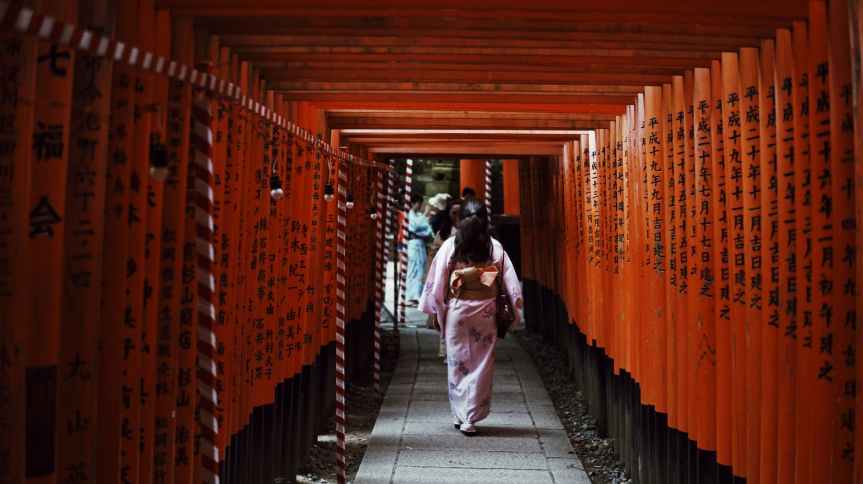
Hatsumode refers to the ‘first shrine or temple visit’. It marks a person’s first visit to the shinto shrine or a Buddhist temple during the new year. It used to be an absolute custom to visit a shrine or a temple during the new year that is located in the direction of one’s home; it was considered to be extremely auspicious and is said to bring prosperity in the next year. This practice used to be called ‘ehomairi’. But, nowadays, it has become a common practice to visit famous shrines and temples, not bothering about their locations. The visits to the shrine or temples begin at midnight on the new year’s eve, and are made by a large number of people.

during Hatsumode many people get their fortune predicted by drawing an ‘omikuji’ which is a paper that tells you about your luck in the upcoming year. many people buy various charms and amulets, along with talismans that are supposed to ward off evil and increase one’s luck in the upcoming year. These are kind of like lucky charms. many people even bring charms and amulets of the previous year and offer it to kami, to purify and incinerate them, in order to return it back to the heavens. Many people write their wishes on wooden wishing plaques and hang the in the shrines to get their wishes granted by the kami.
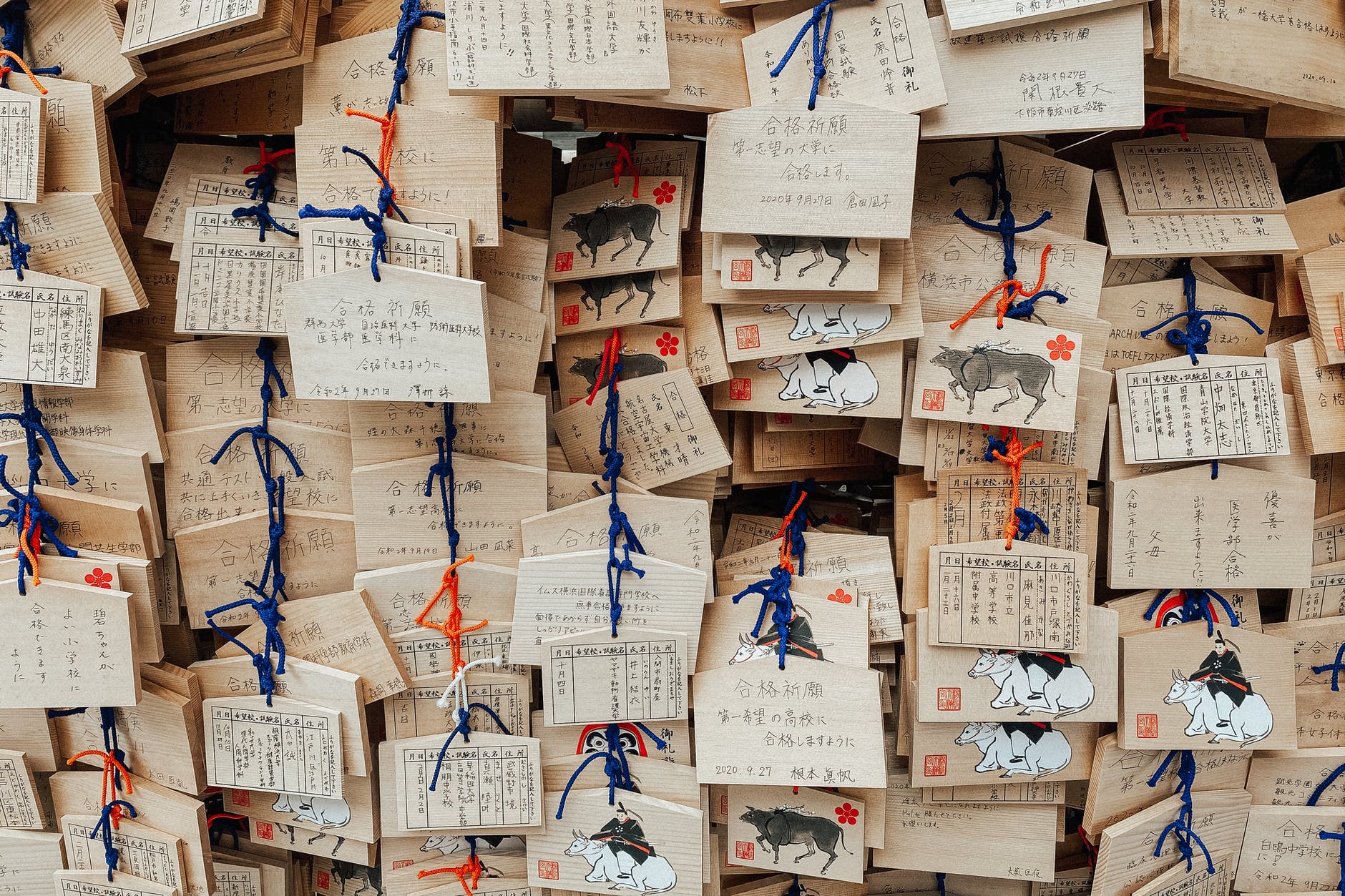
Photo by DLKR on Pexels.com

The most popular shrines that are visited by people during the new year are Tokyo’s Meiji Shrine, Kamakura’s Tsurugaoka Hachiman Shrine and Kyoto’s Yasaka Shrine. These shines expect millions of visitors on the first three days of new year each year. It is the most auspicious to visit the shine on the 1st of January, but nowadays, people avoid going to the shires on day one as it gets very crowded.

Shogatsu: New year

New year is the most important and the most elaborate of all events that took place in Japan. Whilst, there are differences in the local customs on how new year is celebrated, at this time all the houses are thoroughly cleaned and decorated and the holidays are celebrated with family members, friends and many people visit shrines. officially, new is observed from 1st January to 3rd January, and during this period all the schools, colleges and offices are closed.

these preparations for the new year are undertaken to greet the toshigami; the god of the incoming year (the chinese zodiac gods, for eg. year 2021 is the year of the Ox). cleaning of the houses start early and then the houses are decorated traditionally; ‘shimenawa’ or the sacred rope made out of straw with white papers dangling on it known as the ‘shide’ is hung over at the front door as a mark of the toshigami’s temporary abode and in order to keep the evil spirits away. ‘Kadomatsu’ or an arrange ment of tree springs are also placed at the entrance of the house. The ‘toshidana’ or the special alter for the toshigami is placed and is filled with the ‘kagamimochi’ or the rice cakes along with ‘sake’, persimmons and other special food all to honor the toshigami, who is residing in the house temporarily.

Photo by Cats Coming on Pexels.com

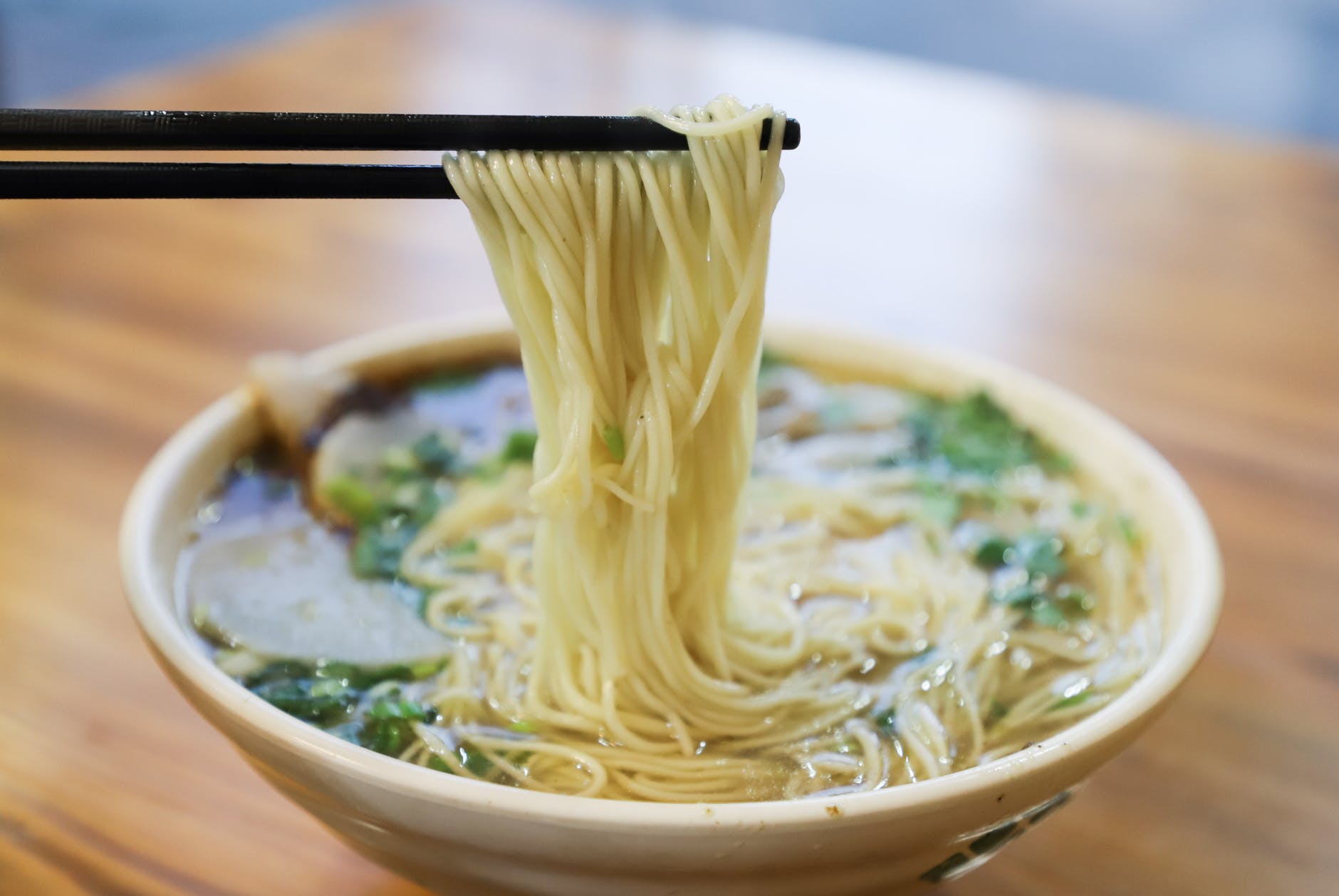
The night before the new year is called the ‘omisoka’. A large number of people visit Buddhist temples to hear the bell ring 108 times at midnight that is believed to end all evil of the last year. People believe that eating the ‘toshikoshi soba’ or the year-crossing noodles will extend family fortune just like the long noodles.

Photo by carol wd on Pexels.com

The very first day of the new year known as the ‘ganjitsu’ is celebrated with family members. People also visit shrines and temples on this day. Early in the morning of 1st January the emperor performs the rite of ‘shihohai’ in the imperial palace and prays for the prosperity of the nation. On the 2nd of January, the public is allowed to visit the inner grounds of the palace. On the 2nd and 3rd January people meet with their friends and acquaintances and extend greetings for the new year.

Oshogatsu and Koshogatsu

Shogatsu means the first month of the year. ‘Oshogatsu’ or the’ big new year’ is calculated by the Gregorian calendar and ‘koshogatsu’ or the ‘small new year’ is calculated according to the lunar calendar.. Koshogatsu starts with the first full moon of the year, i.e. from 15th January.