Air India introduces new flights

Air India is one of the most talked about airlines in India. After the takeover by the Tatas, the airline is being put on a road to revival.

The first signs regarding the recovery of this airline are showing up. In October, the airlines got the top spot in terms of punctuality. Tata has three airlines all of which are occupying the top three slots in the punctuality index. Other than that, AI Express is not on the chart because it generally operates on international routes.

In recent developments, Air India is also planning to introduce some international flights to some important destinations.

Flights to New York, Paris and Frankfurt have already been announced. These flights were new on the route chart. Other than these, some non-flights have been introduced on other routes also Vienna, Milan and Copenhagen.

All the new flights are taking the tally of regular flights between India and the US to 47 and it will be around 79 to European countries and including Britain.

The new flights have been introduced and they will be using the new Dreamliners from Boeing. These introductions will ensure that the major cities in India get more connectivity with the other major cities of the world. It will also give people from other countries the to experience the hospitality and the friendly nature that Indians have.

https://unsplash.com/photos/0dvPFzubryE

Apart from all these, there has also been some news that Air India is also planning to hire more foreign pilots to fly its fleet of Boeing 777. It has come as a setback for the Indian-origin pilots who claim that India has sufficient skilled widebody aircraft pilots. A senior pilot also argued that India has no scarcity of able pilots and the pay the Indian pilots get is also lower than the global average.

The new hiring offer is also going to be costlier for the airlines as the foreign pilots usually get 40% extra that their Indian counterparts. According to the latest developments, the offer will be $11500 for a month of service. There will also be an extra payment of $134 for every hour flown above the stipulated limit of 70 hours on ultra–long–haul flights.

It has come at a point when Air India is planning to acquire more flights on lease from other airlines. These flights will ensure to fulfil of the long-haul-flight plans of the Maharaja. There are also some speculations that the prestigious airline is also on the lookout for some well-trained cabin crew for its long-haul- flights.

All of these are coming as a welcome change for the Maharaja. The airlines are currently going through a transition phase. The changes have been planned by keeping in mind a 5-year cycle. These changes will bear fruits for the airline in the long run. But in recent times. These changes will be difficult for some. There have also been some positive changes. For example, the airline is planning to retain some of these experienced pilots for a longer duration. Currently, their pilots retire at the age of 58. But some will be offered to extend their services until the age of 65.
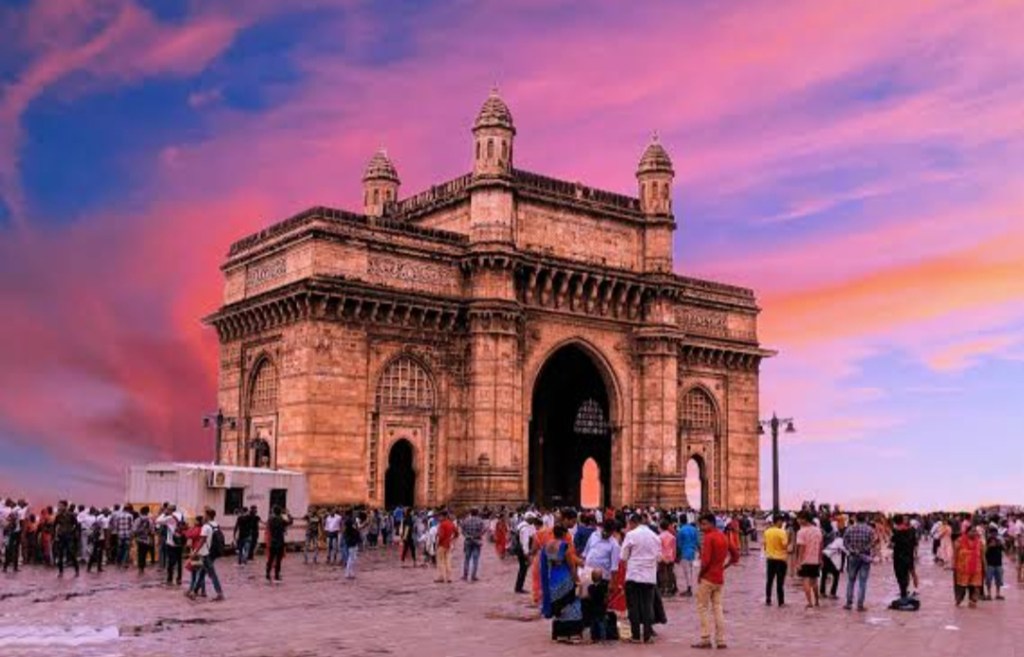
Tourist Attractions In The City Of Dreams

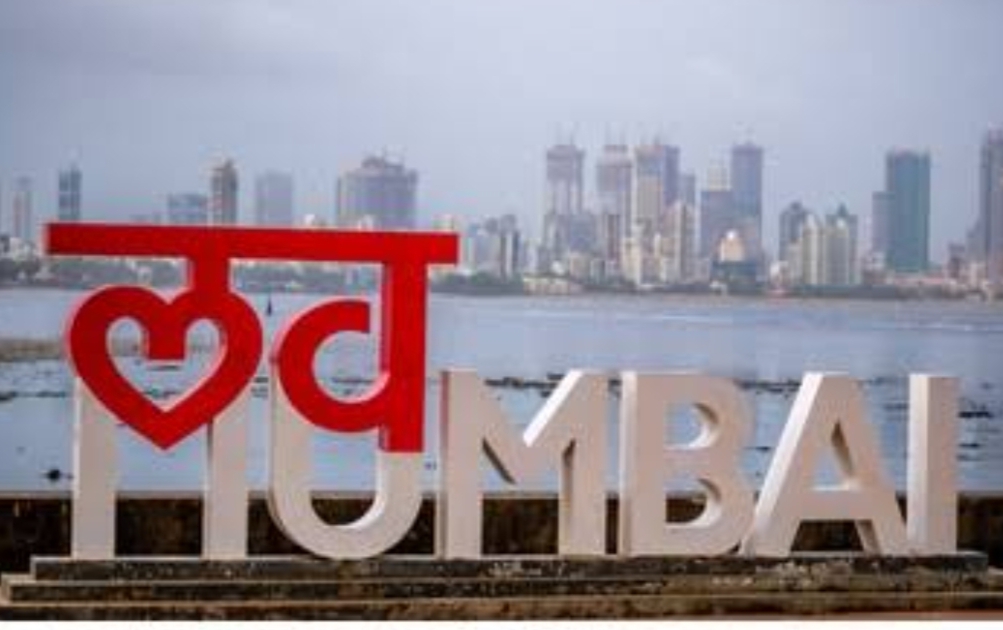
MUMBAI – The financial capital of India is fondly known as the city of dreams and a city that never sleeps. The city has got such sobriquets as migrants from various places enter here in search of better education and job opportunities. It is a home to many people who have come here from across the borders to accomplish their dreams. Even during the wee hours, people can notice the hustle, bustle and euphorious atmosphere here. All this extravaganza adds up to the glory of this city. Let us have a look at the major tourist attractions here.

THE GATEWAY OF INDIA

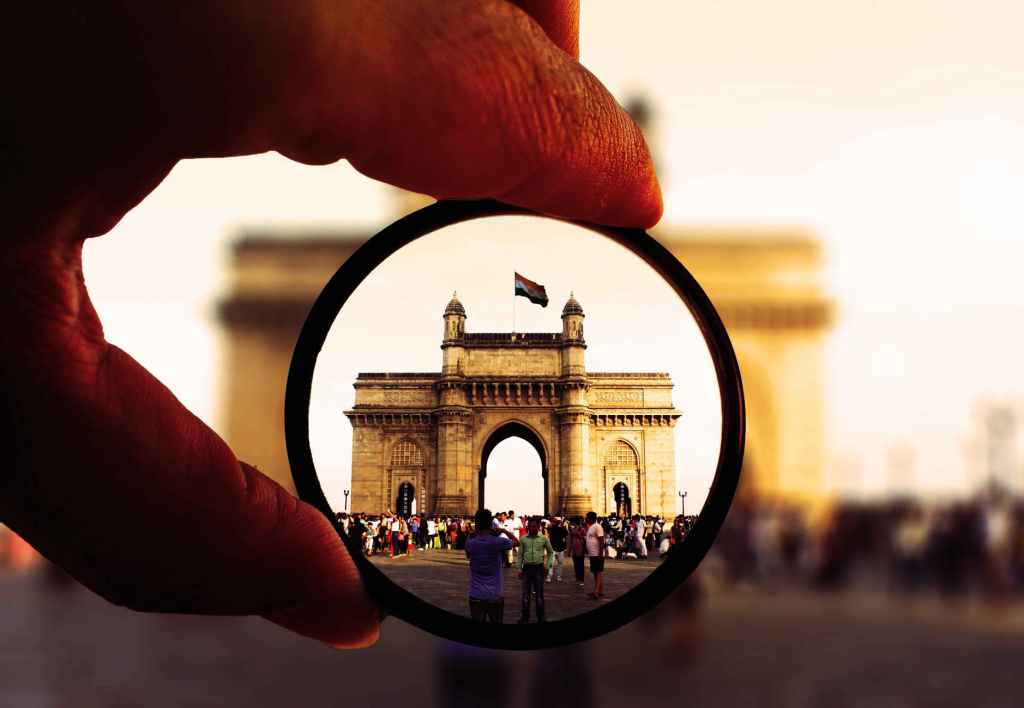
This monument facing the magnificent Arabian Sea in Colaba was built by the British to have it as a symbolic entrance of the colonials into the city. It was also the gate from which the British left India in 1948. The structure is an adaptation of the Arc De Triomphe of Paris. It is a hub for tourists, vendors, historians, vloggers and avid photographers. Two of the five jetties located here are used for commercial ferry purposes and cruises are available too. The Archaeological Survey of India protects the monument and several big firms have come forward to help in restoration of this monument under Corporate Social Responsibilty.

MARINE DRIVE

This 3.9 km long C-shaped stretch in Mumbai is also referred to as the Queen’s Necklace. During the dusk hours, the placement of lights along this natural bay resemble a shining necklace. Cemented sitting spaces allow visitors to have a relaxed time here while facing the waves gently drenching the sand. Plenty of snacking options are available here, ranging from lip smacking Chaat to soothing Ice-creams. Uphill, Tourists can explore the Walkeshwar area (an affluent location with an expensive cost of living) where one can find a number of well built houses and a rich lifestyle. Several sports clubs also exist in the vicinity.

CHHATRAPATI SHIVAJI MAHARAJ TERMINUS

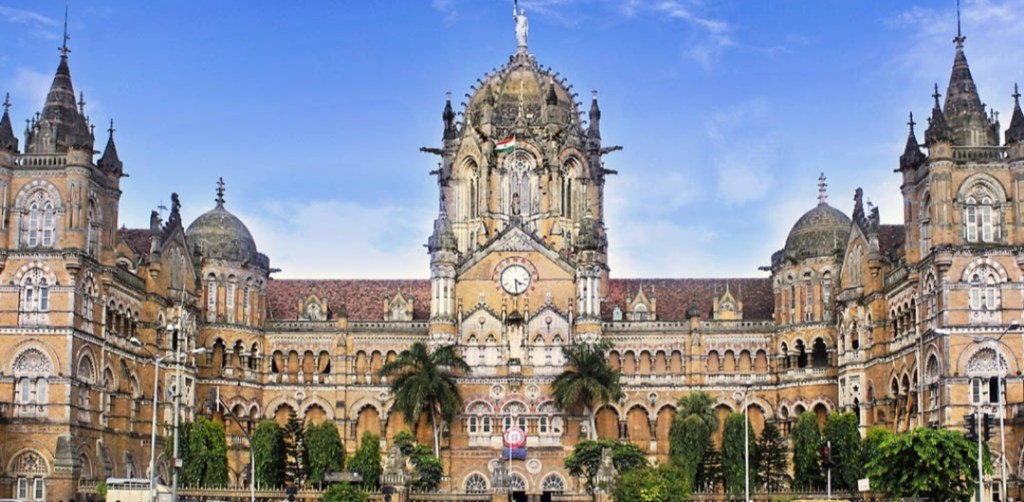
Previously known as the Victoria Terminus, this railway station is included in the UNESCO World Heritage Sites. The completion of the construction was done on the day when Queen Victoria completed 50 years of rule in India. This picturesque structure has been designed in the Victorian Gothic style by students of JJ School of Art. In the year 1996, this place was renamed from Victoria Terminus to Chhatrapati Shivaji Terminus. Later on, the the title of Maharaj (Emperor) was also added. It is the second most photographed monument in Mumbai. There’s a lot to do here. From experiencing a journey in the iconic Mumbai Locals with an unbelievable flurry of passengers to capturing scenic moments in a camera near the Terminus.

SANJAY GANDHI NATIONAL PARK

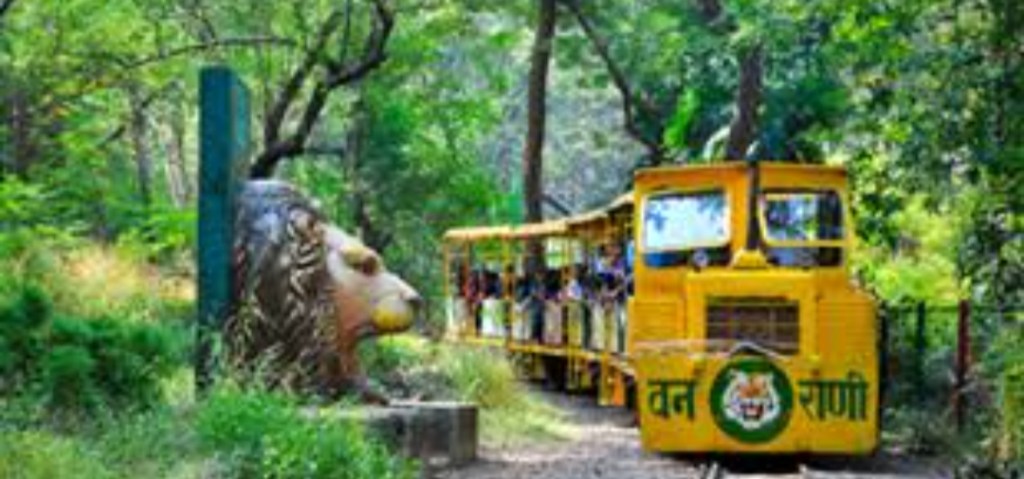
This is the most accurate place for fauna, flora and wildlife lovers. Away from the commotion, this place on the outskirts of Mumbai, provides for ample activities. Visitors can visit the Vanrani Forest, lion and tiger enclosures, butterfly garden, enjoy boating in a paddleboat or go hiking in any of the seven nature trails. The 65 mile long park is divided into three different zone – Tourist Area, Buffer Area and Core Area. Tourist guides and bicycles are available for anyone who does not wish to venture solo.

Mumbai has also been given the sobriquet of Tourist’s Paradise. With abundant tourist locations such as places of worship (Haji Ali Dargah, Siddhi Vinayak Temple, Iskon Temple), for having a leisurely family time (Bandra-Sealink, Juhu Beach, Hanging Gardens), for reasearch enthusiasts (RBI Coin Museum, Nehru Planetarium, Nehru Science Centre, Jehangir Art gallery) and many more. About 6 Million people visit Mumbai annually to see the city’s beautiful locations and to experience the culture, cuisines and lifestyle. All this has made Mumbai the 30th most visited place in the entire world.

Tourist Places in Mumbai

Photo by Darshak Pandya on Pexels.com

Mumbai, which is the capital of Maharashtra, is known as ‘the city of dreams’. Many tourist attractions will appeal you to visit the place again and again. From the common street food taste to the gleaming Bollywood, the city is just going to leave you open-mouthed.

Gateway of India: The Gateway of India is a landmark that denotes India’s main ports and is a noteworthy vacation destination for guests who touch base in India surprisingly. At a certain point in time, this landmark spoke to the greatness of the British Raj in India. A most loved spot for visitors, these days, and this landmark pulls in vendors, food stalls and also the photography buffs. The passing of the First Battalion of the Somerset Light Infantry; was recorded as the primary headliner that occurred at the Gateway of India.

Marine Drive: Are you a person who wants to sit back and relax from your busy day in a city that never sleeps? This is one of the most breath-taking places which calm your soul with the silence and beauty of the Arabian sea is the Marine Drive. It is a 4 km long promenade that lights up at night and looks like Queens Necklace. Because of the streetlights that make the road look like a pearl necklace.

Colaba Causeway Market- Colaba Causeway is also known as Shahid Bhagat Singh Road. If you are a shopping kind of person then this place is for you. Along with the small shops of garments, shoes and other materials to big boutiques all available in this market. You should know how to bargain and get some good stuff home.

Elephanta Caves- The perfect place to indicate the Indian Culture and architecture is the Elephanta Caves. It is built with solid rocks and delicately sculptured idols. There are seven caves present. The first big cave is made up of rock-cut stone sculptures dedicated to Lord Shiva. Further, there are six small caves with rock-cut sculptures representing Buddhism. 

Haji Ali: The structure of Haji Ali was on an arrangement of high rising rocks and was given its present day shape in the mid-nineteenth century after the Trust was lawfully framed as an element in 1916. Haji Ali Dargah is the complex that holds the tomb of the Muslim Saint Pir Haji Ali Shah Bukhari (R.A.). Alongside the tomb, there is likewise a Masjid at Haji Ali. This landmark has been the sentinel to the shores of Mumbai for quite a while. The structure has white vaults and minarets reminiscent of the Mughal architecture of the period and is a prominent historical monument of Mumbai

Elephanta Caves: Towards the northern end of Marine Drive lies one of the most seasoned seafronts called Chowpatty Beach, which is acclaimed for its bazaars and dinners.  Here one can find hundreds of salesmen are seen walking over the shoreline to sell various items of things, particularly on Sunday nighttimes. One can see stalls highlighting fast food and snacks, like Bhel Puri, Pav Bhaji, and so forth are set up in the territory each and every day. Going further down the path, is Walkeshwar, an exceptionally well-off and elegant range that gets its name from the popular and very loved Walkeshwar Temple.

The Cloud Kitchen

Mumbai is the city of dreams. The streets of this city are bustling with people, and there is a certain sense of urgency possessed by everyone who passes by. It is, after all India’s financial capital. Another important aspect of everyday life are the city’s dabbawalas.

Since 1890. dressed in white outfit and traditional Gandhi cap, Mumbai army of 5,000 Dabbawalas are fulfilling the hunger of almost 2,00,000 Mumbaikars with home cooked food that is lug between home and office daily. They are a lunchbox delivery and return system that delivers hot lunches from homes and restaurants to people at work. The lunchboxes are picked up late morning, delivered predominantly using bicycles and railway trains. and returned empty in the afternoon.

They have worked through the worst situations. Rains, floods, terror attacks but never seen something like this before. The pandemic has disrupted the delivery services, since most of the offices are closed and Mumbai’s workforce are managing work from home. A veteran tiffinwala stated that his team of seven dabbawalas used to make around 20 deliveries before, but now, not more than four. This forced him to go to his hometown in Pune to do farming, as he had to make ends meet for him and his family.

Ad Covid changed culinary culture, delivering hot lunches that would fetch dabbawalas Rs.14000-20,000 monthly has now reduced to almost nil. Following lockdown, around 3000 dabbawalas from many parts of Maharashtra especially Pune, Ambegaon returned back to their hometowns due to insufficient source of income. When offices started opening up last June, they were able to restart their services but with 300 dabbawalas. In the second lockdown, there is work for only 100-150. Mumbai dabbawalas saw their business plunge by nearly 90%.

Struggling to resume services, they found a new breed of tiffin takers-Covid care facilities, poeple in home quarantine, isolation centres and healthcare workers in hospitals. As times are changing, it was time for the approach of the Mumbai dabbawalas to change and run parallel to the current scenarios.

A recent news article stated,”There is no turning back the wheel and the tiffin carriers will no longer just be dropping off lunch boxes as they kick off the next era with the ‘cloud kitchen’. ”

Now, the Mumbai dabbawalas have created a website where poeple can directly place their orders. One can choose between monthly and annual subscriptions and they have also introduced online money transfers to make payments easier. Dabba services have always depended upon cash transactions and they faced financial difficulties during the pandemic.

The idea is to use their unique sorting skills to diversify, generate employment, bring stability and pride in what is India’s oldest food delivery chain. This website will also allow customers to choose between mini-meals and regular meals and will provide a wide menu of items to choose from.

This will be a huge transformation for the Mumbai dabbawalas who are now exploring new options and advancing in technology. They will rustle up a seven day rotating menu of home-style lunches in a 1,000 sq feet “cloud kitchen” at Saki Naka aimed at time-starved millenials. Some of the dabbawalas and their wives are currently being trained and they should be launching their service by mid-June.