The Role of a Road Safety Expert: Ensuring Safer Journeys

Daily writing prompt
What jobs have you had?

By Shashikant Nishant Sharma

Introduction

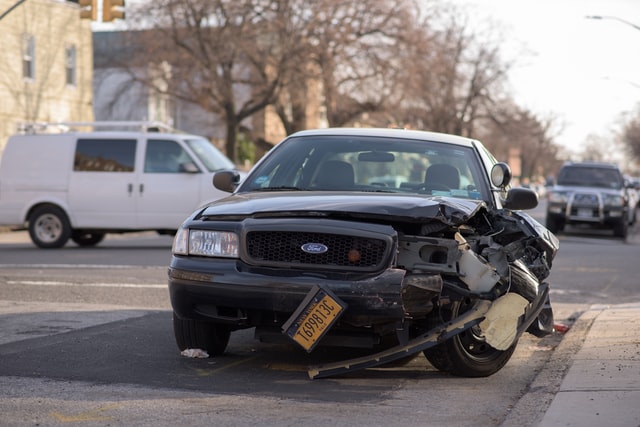
In an age where mobility and transportation are pivotal to societal progress, the role of a Road Safety Expert has never been more critical. These professionals are dedicated to minimizing traffic accidents and enhancing the safety of all road users, including drivers, pedestrians, cyclists, and motorcyclists. This article explores the multifaceted job of a Road Safety Expert, highlighting their responsibilities, required skills, and the impact they make on our daily lives.

Photo by Kelly on Pexels.com

Key Responsibilities

1. Data Collection and Analysis

One of the primary tasks of a Road Safety Expert is collecting and analyzing data related to road accidents and traffic flow. This data includes accident reports, traffic volume statistics, and observational studies. By scrutinizing this information, experts identify patterns and underlying causes of road incidents, which is crucial for developing effective safety strategies.

2. Designing Safety Programs

Based on their data analysis, Road Safety Experts design and implement comprehensive road safety programs. These programs can range from public awareness campaigns to engineering solutions like improved road signage, better lighting, and safer pedestrian crossings. The goal is to reduce accident rates and enhance overall road safety.

3. Policy Development and Advocacy

Road Safety Experts often work closely with government bodies and policymakers to develop and advocate for regulations that enhance road safety. They provide expert opinions on traffic laws, vehicle standards, and road design guidelines, ensuring that these regulations are grounded in empirical evidence and best practices.

4. Conducting Safety Audits

A significant aspect of their job involves conducting road safety audits. These audits are thorough examinations of existing road conditions and traffic systems. The experts identify potential hazards and recommend modifications to improve safety. This might involve redesigning dangerous intersections, implementing traffic calming measures, or improving road maintenance.

5. Training and Education

Educating the public and professionals about road safety is another critical role. Road Safety Experts develop training programs for drivers, school children, and even road maintenance workers. They might also conduct workshops and seminars to raise awareness about the importance of road safety and safe driving practices.

Essential Skills and Qualifications

1. Technical Knowledge

A strong foundation in civil engineering, traffic engineering, or transportation planning is essential. Knowledge of road design principles, traffic flow theories, and accident analysis techniques forms the bedrock of their expertise.

2. Analytical Skills

The ability to analyze complex data sets and derive meaningful insights is crucial. Road Safety Experts must be proficient in using statistical software and geographic information systems (GIS) to interpret data and visualize safety trends.

3. Communication Skills

Effective communication is vital for advocating safety measures and educating the public. Road Safety Experts must be able to convey technical information in a clear and persuasive manner to various stakeholders, including government officials, engineers, and the general public.

4. Attention to Detail

Given the potential consequences of their work, a meticulous approach is necessary. Road Safety Experts must thoroughly evaluate road conditions and traffic patterns, identifying even the smallest risk factors that could lead to accidents.

Impact on Society

The work of Road Safety Experts has a profound impact on society. By reducing the frequency and severity of road accidents, they help save lives and prevent injuries. Their efforts contribute to smoother traffic flow, less congestion, and a more efficient transportation system. Moreover, enhancing road safety fosters a sense of security among all road users, encouraging more people to use non-motorized forms of transport, such as cycling and walking, which also benefits public health and the environment.

Conclusion

The role of a Road Safety Expert is indispensable in creating a safer and more sustainable transportation system. Their expertise in data analysis, safety program design, policy development, and education significantly contributes to reducing road accidents and saving lives. As urbanization continues and traffic volumes increase, the demand for skilled Road Safety Experts will undoubtedly grow, underscoring the importance of their role in ensuring that our journeys are not only efficient but also safe.

References

Agarwal, S., & Sharma, S. N. (2014). Universal Design to Ensure Equitable Society. International Journal of Engineering and Technical Research (IJETR)1.

Huvarinen, Y., Svatkova, E., Oleshchenko, E., & Pushchina, S. (2017). Road safety audit. Transportation Research Procedia20, 236-241.

Korchagin, V., Pogodaev, A., Kliavin, V., & Sitnikov, V. (2017). Scientific basis of the expert system of road safety. Transportation Research Procedia20, 321-325.

Proctor, S., Belcher, M., & Cook, P. (2001). Practical road safety auditing. Thomas Telford.

Sayed, T. A. (1995). A highway safety expert system: A new approach to safety programs (Doctoral dissertation, University of British Columbia).

Sharma, S. N. Enhancing Safety Analysis with Surrogate Methods: A Focus on Uncontrolled Traffic Intersections.

Sharma, S. N., & Adeoye, M. A. (2024). New Perspectives on Transformative Leadership in Education. EduPedia Publications Pvt Ltd.

Sharma, S. N., & Singh, D. (2023). Understanding mid-block traffic analysis: A crucial tool for road safety. Think India Journal26(3), 5-9.

Singh, D., Das, P., & Ghosh, I. (2024). Bridging conventional and proactive approaches for road safety analytic modeling and future perspectives. Innovative Infrastructure Solutions9(5), 1-21.

Toroyan, T. (2009). Global status report on road safety. Injury prevention15(4), 286-286.

Understanding the Language of the Road: A Guide to Road Signs and Symbols

Daily writing prompt
Describe a random encounter with a stranger that stuck out positively to you.

By Shashikant Nishant Sharma

Road signs and symbols are the silent communicators of our highways and byways, speaking a universal language understood by drivers around the world. From the simple yet essential stop sign to the intricate markings guiding us through complex intersections, these visual cues play a crucial role in ensuring safety and order on our roads. Let’s delve into the world of road signs and symbols to better understand their significance and the messages they convey.

Photo by Athena on Pexels.com

The Purpose of Road Signs and Symbols

At their core, road signs and symbols serve as a means of communication between road users and traffic authorities. They provide vital information, warnings, and regulatory instructions to drivers, pedestrians, and cyclists, helping them navigate the road network safely and efficiently. Without these visual aids, the chaos and confusion on our roads would be palpable, leading to increased accidents and congestion.

Types of Road Signs

Road signs can be categorized into several types based on their purpose and function:

  1. Regulatory Signs: These signs enforce traffic laws and regulations. Examples include stop signs, speed limit signs, and no-entry signs.
  2. Warning Signs: Warning signs alert drivers to potential hazards or changes in road conditions ahead. They include signs for sharp curves, slippery roads, pedestrian crossings, and animal crossings.
  3. Guide Signs: Guide signs provide information about directions, destinations, distances, and services available along the route. They include signs for exits, highway interchanges, rest areas, and tourist attractions.
  4. Informational Signs: Informational signs convey non-regulatory information, such as parking regulations, historical markers, and points of interest.
  5. Construction and Maintenance Signs: These signs inform drivers of ongoing roadwork, detours, and temporary changes to traffic patterns.

Understanding Road Symbols

In addition to signs with written messages, road users encounter various symbols that convey important information at a glance. Some common road symbols include:

  1. Arrow Markings: Arrows indicate the direction of travel, lane usage, and traffic flow. They are essential for guiding drivers through intersections, ramps, and lane merges.
  2. Pedestrian Symbols: Pedestrian symbols depict crosswalks, pedestrian zones, and pedestrian crossing points, reminding drivers to yield to pedestrians and exercise caution.
  3. Bicycle Symbols: Bicycle symbols mark dedicated bike lanes, shared roadways, and bike crossings, promoting safe interaction between cyclists and motorists.
  4. Lane Markings: Lane markings, such as solid lines, dashed lines, and chevrons, delineate lanes, indicate permissible maneuvers, and regulate traffic flow on multi-lane roads.
  5. Railroad Crossing Symbols: These symbols warn drivers of upcoming railroad crossings, prompting them to stop, look, and listen for approaching trains.

The Importance of Road Sign Recognition

Recognizing and understanding road signs and symbols is a fundamental aspect of safe driving. By obeying these visual cues, drivers can anticipate road conditions, adjust their speed and behavior accordingly, and avoid potential accidents. Additionally, familiarity with road signs is essential for passing driving exams and obtaining driver’s licenses in many jurisdictions.

Conclusion

Road signs and symbols are the unsung heroes of our transportation infrastructure, guiding us through the complexities of the modern road network. From directing traffic to promoting safety and efficiency, these visual aids play a vital role in shaping our driving experiences. By understanding the language of the road, drivers can navigate with confidence, knowing that each sign and symbol is a beacon of information guiding them toward their destination safely.

References

Agarwal, S., & Sharma, S. N. (2014). Universal Design to Ensure Equitable Society. International Journal of Engineering and Technical Research (IJETR)1.

Dehalwar, K. Institute of Town Planners India is Dedicated to Planning Education and Development in India.

Dewar, R., & Pronin, M. (2023). Designing road sign symbols. Transportation research part F: traffic psychology and behaviour94, 466-491.

Greenhalgh, J., & Mirmehdi, M. (2012). Real-time detection and recognition of road traffic signs. IEEE transactions on intelligent transportation systems13(4), 1498-1506.

Krampen, M. (1965). Signs and symbols in graphic communication. Design Quarterly, (62), 1-31.

Merriman, P., & Jones, R. (2009). ‘Symbols of Justice’: the Welsh Language Society’s campaign for bilingual road signs in Wales, 1967–1980. Journal of Historical Geography35(2), 350-375.

Sharma, S. N. Leveraging GIS for Enhanced Planning Education.

Zwahlen, H. T., & Schnell, T. (1999). Legibility of traffic sign text and symbols. Transportation research record1692(1), 142-151.

Road Safety Week

Who doesn’t love long drives? It is relaxing to drive after a long stressful week. But the fun and enjoyment can turn into trauma, if we encounter an accident. As per the Ministry of Road Transport and Highways there were 4,49,002 road accidents recorded in India in the year 2019.

Road Accidents

Road accidents have become very common nowadays. As more and more people are buying automobiles, the incidences of road accidents are just increasing day by day. In year 2019, there were 4,49002 road accidents, killing 1,51,113 people and causing injury to 4,51,361 persons. This translates into an average of 1,230 accidents and 414 deaths every day and nearly 51 accidents and 17 deaths every hour (source: Ministry of road transport and highways). These accidents cause loss of life as well as material. People need to be more careful when on the road, no matter which mode of transport you use. To prevent the accidents we should follow all the traffic rules because not following traffic rules and guidelines could result in loss of life. Government and a few non-government organizations have taken the initiative to educate the people about road accidents and their prevention. 

Road Safety Week

Road safety week is celebrated from 11th January to 17th January every year with great joy and enthusiasm at many places in India.  People are encouraged about how to drive on the road by organizing a variety of programs related to road safety. During the whole week’s celebration, a variety of educational banners, safety posters, safety films, pocket guides and leaflets related to the road safety are distributed to the road travelers. 

Many commuters also explain about the methods and necessities of road safety. So that the people understand the use of helmets and seat belts while driving on the road or anywhere. They also tell the people about different rules, acts and laws related to road safety and encourage the people to follow them.

Various painting and drawing competitions, road safety advertisements, fairs, road rules tests, girls scooter rallies take place all around India to encourage the use of helmets, debates on road safety at the All India Radio, workshops, seminars, lectures etc. are organized during this week.

Free medical check-up camps and driving training workshops are organized for the drivers to encourage them towards road safety. This is done because generally, the drivers drive very fast to drop their customers to their destinations.

Road safety leaflets including roses, chocolates, and flowers are distributed to the travelers on the road. Road safety quiz contests are also organized to promote people about road safety. Traffic safety games including card games, puzzles, board games and etc are organized to educate school children about road safety.

Celebrating the road safety campaign was initiated by the ISS India HSE (Health Safety and Environment) in order to make people aware of the national road safety in the Indian subcontinent. India has a huge population of road travelers such as two-wheelers, four-wheelers on the road, that’s why we must know about road safety.