
HERPES SIMPLEX- CAUSES, DIAGNOSIS, SYMPTOMS, TREATMENT

BY- DAKSHITA NAITHANI

INTRODUCTION AND CAUSATIVE AGENT

Herpes is a generic word for a group of viral diseases that cause painful, fluid-filled sores or blisters in and around the mouth or genital area. Also known as herpes simplex, it is of two types:

Genital herpes is a prevalent sexually transmitted disease (STD) characterised by genital blisters and ulcers. Herpes simplex virus type 2 infection is the most common cause of genital herpes (HSV-2). According to the CDC, one out of every six persons aged 14 – 49 faces this condition.

Herpes simplex virus type 1 (HSV-1), which is more commonly associated with oral herpes, can also cause genital herpes.

Oral herpes causes tiny cold sores and fever blisters in the mouth, lips, and gums. HSV-1 is the most common cause of oral herpes, however HSV-2 may also be to blame in rare situations.

SYMPTOMS

It’s crucial to remember that an infection might exist even if there are no apparent symptoms. They might potentially spread the infection to others. Blistering sores (in the mouth or on the genitals), discomfort while urinating and itching are some of the symptoms linked with this virus.
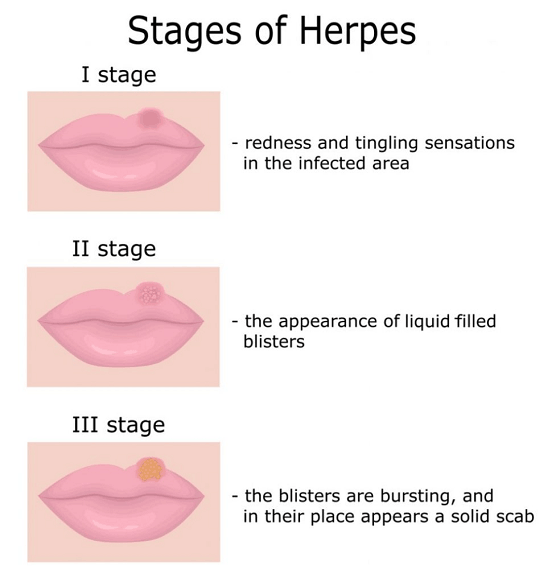
Symptoms that are comparable to the flu may also occur. Fever, enlarged lymph nodes, headaches, exhaustion, and a loss of appetite are some of the symptoms. Herpes keratitis is a disease caused by HSV spreading to the eyes. Symptoms include eye discomfort, drainage, and a gritty sensation in the eyes.

DIAGNOSIS

Doctors can diagnose a herpes infection by examining at the skin and/or swabbing the sores for evidence if signs of HSV type 1 or 2 are present. A blood test can assist establish whether or not you have an infection if you don’t have any visible symptoms.

Viral culture: This test entails obtaining a tissue sample or scraping the lesions for analysis.

PCR test: Even if there are no symptoms, a PCR test can determine if someone has genital herpes. In a sample collected from fluids from the urinary system, the PCR test looks for fragments of the virus’s DNA. This is an extremely accurate and widely used test.

Cell culture: During the checkup, the doctor might collect a sample of cells from a sore and examine them under a microscope for HSV.

If the lesions have started to heal or have been infected recently, a cell culture or PCR test may produce a false-negative result.

Blood test: To diagnose a previous herpes infection, this test examines a sample of blood for the presence of antibodies.

Antibodies against a herpes virus are detected in type-specific herpes blood tests, which also determine if the antibodies are against HSV-1 or HSV-2. Type-specific testing is unable to pinpoint the exact location of the infection in the body. Antibodies to any kind of herpes are detected in general herpes blood tests, but they do not indicate for which type the antibodies are present for.

After being infected, it generally takes two weeks for symptoms to develop. If you do not have any lesions that can be tested, it’s a good idea to wait at least a month or two after a possible exposure before obtaining a test. This is due to the fact that the body takes time to produce antibodies that may be detected in the blood, without these antibodies a false-negative test may occur.

TREATMENT

Prescription antiviral medicines may: Aid in the healing of sores following a first outbreak In repeated outbreaks, reduce the severity and duration of symptoms. Recurrence frequency is also reduced. It also reduces the risk of spreading the herpes virus to others.

Antiviral medications used for genital herpes include:

Acyclovir (Zovirax)

Valacyclovir (Valtrex)

The fear of missing out

The basic definition of FOMO is – “Anxiety that an exciting or interesting event may currently be happening elsewhere, often aroused by posts seen on social media.”

The most important element in FOMO is the word “fear,” It makes us to do things even when we necessarily don’t want to. It’s logic versus emotion: When a compelling option is presented to us, we feel like an outsider if we say “no” to that. We may even fear that we’ll miss the opportunity of a lifetime if we say “no.”

At the same time, we know that we probably shouldn’t say ‘yes’ because we may be spreading ourselves too thin. Also, there are going to be plenty of other opportunities out there, so missing this one probably won’t make a difference after all.

When you are a victim of the fear of missing out, you are going to experience at least one of the following:

Procrastinating — Being Unfocused and Stressed

It’s obvious that when the temptation to say “yes” to a request is too big, you accept yet another task or project.

In practice, you are spreading yourself too thin. Not only are you stressed out by too many activities in your life, but it increases the likelihood for procrastination. This is because you cannot keep up with your schedule and you start finding excuses for not doing something you promised.

Losing Money

Sometimes you don’t want to feel like being an outsider in a group by making different decisions than the rest of the people, so you start spending money on the things you don’t even want because you don’t want to feel left out or miss out on anything which could have been “fun”.

Feeling Overwhelmed

Being overwhelmed is one of the symptoms of fear of missing out. When you are unable to say “no,” feeling overwhelmed is destined to happen at some point.

There are certain things you can do when you experience FOMO.

1. Be Aware of It

The first thing is to be aware of the feeling. Stop for a moment and acknowledge when you are having a feeling of FOMO.

Understand that this is a natural (although undesirable) way of reacting in a certain situation. We all wish we could say “yes” all the time, but we’re only human.

2. Be Honest With Yourself and Others

Honesty is one of the best ways to deal with the situation.

First, you have to be honest to yourself: If you say “yes,” you have to understand that you may be spreading yourself too thin.

Second, it is also important to be honest with others, too. They have to be aware that you may not be 100% committed to their requests if you have plenty of action going on at the same time.

3. Make a Quick Decision Regarding the Situation

One of the worst things you can do is be on the fence. As long as something is left undecided, it is using your brain capacity for nothing.

That’s why it is imperative to say “no” to an opportunity as quickly as possible if you feel you are unable to commit to it 100%.

When you say “no,” you may even regret your decision at first. On the other hand, if you are meant to experience the opportunity at all, it will come available to you at a later time.

4. Change Your Perspective

Lastly, one step in defeating the FOMO is to see if a situation or event supports your short or long term goals.If it doesn’t, it’s likely better for you to get off social media sites that can increase FOMO and say no. Instead, focus on everything you have to be grateful for in life at this moment. Try spending time with friends and family and improve the important relationships in your life. These are the things that you’ll really regret missing out on and what will ultimately improve your life satisfaction.

FOMO can lead you to distraction and can push you to do things you really don’t care about. However, there is a way to overcome the fear. Once you learn to handle it, you will feel better and will feel ready to take on more things that add genuine fulfillment to your life.