Organisation of Islamic Cooperation (OIC)

The OIC is the second largest intergovernmental organisation after the United Nations with a membership of 57 states. It is the collective voice of the Muslim world.These are countries with Islam as the state religion, but also those in which Muslims form the majority of the population. Occasionally, members would also be admitted in which Muslims are only a minority but play a significant role for the country.The OIC’s 57 current members are located primarily in North Africa, the Near East, and South Asia. Together they cover an area of 31.66 m km² with a population of about 1.89 bn. This corresponds to about 24.35% of the world’s population.

The organisation of Islamic Cooperation was established by First Islamic Summit Conference held in Morocco in September 1969 , to marshal the Islamic world after an act of arson at the Aqsa Mosque in Jersualem by a 28 year old Australian in 1969.Its headquarters is in Jeddah, Saudi Arabia. The organisation plans to permanently move its headquarters to East Jerusalem once the disputed city is liberated. It aspires to hold Israel accountable for war crimes and violations of international laws.

Objective of the OIC :

The main objective of the Organization of Islamic Cooperation is to promote cooperation between Muslim states in the fields of culture, science, social cooperation and the economy. It endeavors to safeguard and protect the interests of the Muslim world in the spirit of promoting international peace and harmony among various people of the world , prevent growing dissention in muslim societies and work to ensure that member states take united stand at UN General Assembly, Human Rights council and other international fora. An essential part of its work is also the protection of the Islamic faith and the holy sites. It has consultative and cooperative relation with UN and other intergovernmental organisation to protect the interests of Muslims and settle conflicts and disputes involving member states eg. , territorial conflict between Armenia and Azerbaijan.

OIC Functioning :

The membership is to be ratified with full consensus at the OIC’s Council of Foreign Ministers. UN members with a Muslim majority can join the organization. All decision-making in the forum requires a quorum defined by the presence of two-thirds of the member states and complete consensus.In case a consensus cannot be reached, decisions shall be made by a two-thirds majority of members present and voting.The Council of Foreign Ministers is the chief decision-making body and meets annually to decide on how to implement the OIC’s general policies. The OIC is financed by the member states proportionate to their national incomes.Islamic Summit is the supreme authority of the organisation.Convening every three years, Islamic Summit deliberates, takes policy decisions, provides guidance on issues relevant to the organisation and considers issues of concern to the member states.

Status of India’s relationship with OIC as an organisation :

Islam is the second-largest religion in India after Hinduism, with over 200 million Muslims making up approximately 15% of the country’s total population.India has the largest Muslim population outside of Muslim-majority or Islamic states. However, India’s relationship with Pakistan, the latter being an Islamic state, has been riddled with hostilities and armed conflict since the 1947 Partition of India. The poor relationship between the two states has had a direct impact on India–OIC relations due to Pakistan’s status as a founding member of the organization. India has pushed for the OIC to accept it as a member state, arguing that Indian Muslims comprise 11% of the world’s total Muslim population; Pakistan has staunchly opposed the entry of India into the organization.Pakistan has cited its conflict with India over the Kashmir region as the reason for its opposition, and frequently accuses India of perpetrating widespread human rights abuses against Kashmiris in the Indian-administered territory of Jammu and Kashmir, which has witnessed an ongoing militant uprising since the 1980s.The OIC has been urged to press India on the Kashmir dispute, and has faced pushback from Indian officials for occasional references to Jammu and Kashmir as territory that is militarily occupied by India. The Muslim world has largely lent its support to Pakistan over India during any armed conflicts between the two states.

Criticism of the  OIC :

• Prioritise Rights of Muslim Minorities: The OIC had become a premise for ‘window dressing’, more interested in the rights of Muslim minorities in places such as Palestine or Myanmar than the human rights violations of its member states.

• Incompetent at investigating Human Rights Violations: Thebody lacks power and resources to investigate human rights violations or enforce its decisions through signed treaties and declarations.

• Centred around Quranic Values: The organisation is largely restricted toarbitrating in conflicts where both parties are Muslims.This is because the organisation is centred around Quranic values which believes to make it a qualified arbitrator.

• Failed to Establish a Cooperative Venture: The OIC has failed to establish a cooperative venture among its members, who were either capital-rich and labour-scarce countries or manpower-rich and capital scarce.The organization has not evolved to become a significant player either in international politics or in the area of economic cooperation.

Sources : The Hindu, The Indian Express and Drishti IAS

Scientists dicovered “Fast Radio Burst”-

According to radio astronomy, a fast radio burst is transient radio pulse of length ranging from fraction of millisecond to few milliseconds. Astronomers detected a signal from galaxy believed to a nearly 3 billion light years away called fast radio burst. This radio burst is said to be “co-located with compact , persistent radio source with dwarf host galaxy of high specific star- formation”.

It estimate the average FRB releases much energy in millisecond as sun put out in 3 days.The first FRB was discovered by Ducan Loriner and his student David Warkenic in 2007 when they were looking through archieval pulsar survey data, and it is therefore commonly referred to as the Loriner . Only a handful of emissions have been traced to specific areas of the sky, most indicating sources in other galaxies.In 2020, a source within the Milky Way – most likely belonging to a type of neutron star called a magnetar – was confirmed to be a fast radio burst emitter.The flash of radio waves is incredibly bright, if distant, comparable to the power released by hundreds of millions of suns in just a few milliseconds. This intensity suggests powerful objects like black holes and neutron stars could be involved, with highly dense bodies such as magnetars and pulsars as likely culprits.The events were once considered to be largely transient – they seemed to happen once, without obvious signs of a repeat emission. In fact, it was only in 2016 that astronomers found any evidence of multiple bursts from the Locate the perfect prospect with real-time Linked in Sales Navigator.

The events were once considered to be largely transient – they seemed to happen once, without obvious signs of a repeat emission. In fact, it was only in 2016 that astronomers found any evidence of multiple bursts from the same source.A number of ‘repeaters’ have been identified since then, with some researchers venturing that many, if not all FRB sources could routinely emit bursts in sequences too difficult to detect using current instruments. This hypothesis was supported when that a FRB observed three years previously had since repeated faintly on two more recent occasions scientists reported . Shortly after this report, astronomers with the Canadian Hydrogen Intensity Mapping Experiment (CHIME) Collaboration published findings of the first FRB we know of that’s repeating in a distinct pattern. The FRB has a predictable pattern of hourly activity over the course of four days, followed by 12 days of quiet.With much still to learn about FRB, their mechanism is one of the biggest mysteries in modern astronomy.

India-Iran relations

India-Iran ties are shaped around energy, Central Asia and security. These are currently being influenced by hostile relations between the US and Iran. The US has imposed sanctions against Iran in response to the Iranian nuclear program and Iranian support for Hezbollah, Hamas, and Palestine Islamic Jihad, that are considered terrorist organizations by the US. The US has recently imposed sanctions through the Countering America’s Adversaries Through Sanctions Act (CAATSA), which imposes unilateral sanctions against Iran, Russia and North Korea.

Iran’s economy is largely dependent on its oil exports; with the sanctions in place, the country is cut off from its main source of revenue. India has steadily cut imports from Iran as sanctions from the US and other Western countries blocked payment channels and crippled shipment routes. To offset the reduction in Iranian oil imports, India has turned to countries such as Saudi Arabia, Kuwait, Iraq and Azerbaijan, which have sufficient crude capacity to replace Iranian crude oil imports.

Iran is a geopolitical entity in its own right. Iran has borders with a large number of countries that India could not access because of the barrier that Pakistan posed to India’s overland connectivity plans. India’s relationship with Iran has been built carefully and thoughtfully by all past governments as Iran for India is not just an energy supplier from the Persian Gulf regions. Infrastructure building activities in Afghanistan are done with support from Iran. India is worried about the situation in Afghanistan because of the larger national security concern attached to the region : Possibility of dominance by Taliban, Rise of extremist threats to India, Pakistani influence and Strategic encirclement by China. Afghanistan is particularly important for both India and China as there is a possibility of a power vacuum in the country after the US’ withdrawal. So, Iran is vital for India to secure its interest in Afghanistan and Central Asia as it can connect India to these regions.

Iran’s Chabahar port is vital for India’s geopolitical and economic interests in West Asia, Afghanistan and Central Asia, which is a part of India’s extended neighbourhood.The trade and transit corridor allows India to access these regions over land by bypassing Pakistan.The significance of this port has risen in recent years because of China’s bid to increase its influence in India’s immediate and extended neighbourhood via BRI and ‘cheque book’ diplomacy and investments in ports like Gwadar.Chabahar’s location as a gateway to the Indian Ocean makes it ideal and lucrative regional shipping hub.It offers India a geopolitical vantage point from which it can keep an eye on Pakistan’s Gwadar port. Located barely 90 km away, Gwadar port is being developed by China as the pivot of its investment in Pakistan and a key juncture in its ambitious BRI. Iran recently announced that it would initiate work on a crucial rail link between Zahedan and Chabahar Port alone. India had earlier committed to jointly develop the rail track in 2016. Iran justified this move by stating funding delays from India.India’s External Affairs Ministry clarified that it had been left to Tehran to nominate an authorised entity to finalise outstanding issues – technical and financial – after the meeting between two sides in December 2019 to review the railway project.India being kicked out of this important project may be due to India’s close ties with the US and China’s growing influence in Iran, which is facing increasing economic crisis because of sanctions.

India’s relations with Iran are often under duress due to US pressure and sanctions that are blocking legitimate financial highways to and from Iran.India is facing difficulties in balancing its relations with Iran and US as most suppliers for projects in the sanction-hit country fear their names featuring in US blacklists.It is also forced to take sides with the US despite numerous issues because it is facing an almost-war like the situation with China in Ladakh.The US is motivated primarily to protect its own interests in India and India’s neighbourhood, with little to benefit for India.Yet, India seems to be reluctant to improve its ties with Iran after the US’ withdrawal from the nuclear deal. This convinced Iran that India would not collaborate to its needs to counter the US sanctions.This makes an alliance with China more advantageous, though Beijing would not endanger its already tense relations with the US.

Iran knows the risk of close ties with China and is wary about it. However, it has a limited choice as US’ aggressive foreign policies has isolated it from the world and crippled its economy. Iran is against India’s decision to abrogate Article 370 and 35A.It has called on India and Pakistan to show restraint and prevent the killing of innocent Kashmiris, revealing possible close ties between Pakistan and Iran.Iran also voiced against extremist Hindus and their parties during the 2020 Delhi riots.Apart from these issues, Iran also sidelined India’s ONGC from exploration rights at its Farzad B Gas field, stating that it will engage the company at a later date.

As India is treading a fine line in balancing relations with the US, China and Iran while striving to augment its political influence in West Asia, embracing one country over the other is not an option for India.Therefore, a multilateral foreign policy is a way forward.India must retain its involvement in the Chabahar port development because of the geostrategic significance. In the immediate term, India should improve its multi-alignment credentials to absorb investments into the port projects from the public and private sector, boost maritime cooperation among littoral countries to enhance the transit of goods, and foster regional partnership for the Chabahar port development.Based on the mutual geostrategic and energy interests, India could collaborate with Japan under the Asia-Africa Growth Corridor.Japan’s participation would enhance the multilateral characteristics of the transit hub in the region, unlike the China-owned Gwadar port. This will further enhance multilateral investments to solidify regional economic partnerships that enable the sustainability of the port. In conclusion, India-Iran relations are economically and geostrategically important for New Delhi. A new multilateral foreign policy strategy is vital for India to maintain strategic autonomy that favours inclusive growth and national interests.

Sources: The Hindu, The Indian Express , The diplomat and IAS express.

The Craze for going Abroad

Should I study in India or Abroad? This is the dilemma every youngster in India is facing nowadays. As we know India’s  education system is totally a mess. It is just theory based with zero practical knowledge given to students whereas in Western countries equal importance is given to practical knowledge along with theory. As soon as they pass out from their higher secondary school ,they start thinking about doing ILETS and going abroad as a study visa is one of the easiest ways to go abroad. The craze for going abroad started in the 80’s and it is still in Trend. However, earlier only rich and affluent families used to send their children abroad for study but nowadays middle class families with the help of some  scholarships are able to send their children to Abroad.

Do you know why they are crazy to go and study abroad? The reasons are obvious. India has failed to provide employment to its youth. According to a recent survey , India’s Unemployment rate is quite High. However there is also  no statistics available on the success rate of students going abroad . Unemployment and poverty are the main reasons why people choose to settle abroad. Good wealth and good basic facilities of living attract people from third world countries. Another reason which works as a bait for indian people to go abroad is their high standards of living. As the process of development started early in western countries so they developed early compared to the third world countries which are lacking behind. 

Along with high quality education they provide wide exposure to students which enhances their learning and understanding skills. With exposure students can implement what they have learnt in social science classes. Another thing which is good about studying in Abroad that students become independent there. They start earning and need not to depend on their parents for expenses and all which is not the case in third world countries like India.

Like a coin has two sides, so does it. after reading all above mentioned reasons of youth going and settling abroad, you all must be wondering about the drawbacks  of settling there . First of all  it is a one way street . Those  who go and study there hardly come back to their home town because high pay scale and good working facilities keep them bound there only. Students also go through emotional breakdown as they are studying all alone in a foreign country. Some degrees become useless as their home country might not give them recognition. 

In a nutshell, people are going crazy about going abroad and want to settle there only. One of the easiest and legal ways to go there is by getting a study Visa and then settling down there. But those who are not able to make it,  try other illegal ways to enter abroad and end up becoming illegal immigrants in an alien country. 

“Education”-A Weapon For Developing Nation

The process of receiving or giving an sysmatic instruction, especially at a school or university. Education originated as transmission of cultural heritage from one generation to the next.

The formal education is usually in school, where a person may learn basic, academic, or trade skills. Small children often attend a nursery or kindergarden but often formal education begins in elementary school & continuous with secondary school.

Types of Education- Formal education- This is also known as formal learning which usually takes place within the premises of the school. It refers to the basic academic knowledge that a child learns in a formal manner.This continues from an elementary school to secondary school and further on to colleges. Such an education is provided by specially qualified teachers who are efficient enough with the art of instruction.The student and the teacher are both aware of the facts and engage themselves through a process of education. Some of the examples formal education are classroom lea Institute grading/certification, or planned education of different subjects with a proper syllabus acquired by attending an institution.

Informal education-This is the type of education wherein a parent is teaching a child things that are beyond academics like preparing a meal or riding a bicycle.People can also get informal education through books or educational websites. This is an education that is not derived in schools through a proper learning method. It is not pre-planned nor deliberate.It is an experience that an individual garners by undergoing regular pra and observing others. Some of the examples may be teaching a child witn some basic personality traits, learning a mother tongue, performing certain extracurricular activities, etc. Non-formal education – It refers to adult basic education, adult literacy education, or skill development. It can take different forms of learning, which is consistently and systematically provided in order to develop a particular skill or ability in an individual.This type of education is highly flexible and includes a wide range of activities. Some of the examples may be fitness programs, community-based adult education courses, and free course different platforms. Splato’s academy, mosaic from Pompeii Education began in prehistory, as adults trained the young in the knowledge and skills deemed necessary in their society. In pre literate societies, this was achieved orally and through imitation. Story-telling passed knowledge, values, and skills from one generation to the next. As cultures began to extend their knowledge beyond skills that could be readily learned through imitation, formal education developed. Schools existed in Egypt at the time of the Middle Kingdom. Matteo Ricci and Xu Guangqi in the Chinese edition of Euclid’s Elements published in 1607.

Chinese edition of Euclid’s Elements published in 1607Plato founded the Academy in Athens, the first institution of higher learning in Europe. The city of Alexandria in Egypt, established in 330 BC, became the successor to Athens as the intellectual cradle of Ancient Greece. There, the great Library of Alexandria was built in the 3rd century BC. European civilizations suffered a collapse of literacy and organization following the fall of Rome in CE 476.In China, Confucius (551-479 BC), of the State of Lu, was the country’s most influential ancient philosopher, whose educational outlook continues to influence the societies of China and neighbours like Korea, Japan, and Vietnam. Confucius gathered disciples and searched in vain for a ruler who would adopt his ideals for good governance, but his Analects were written down by followers and have continued to influence education in East Asia into the modern era. The Aztecs had schools for the noble youths called Calmecac where they would receive rigorous religious and mi The Aztecs had schools for the noble youths called Calmecac where they would receive rigorous religious and military training. The Aztecs also had a well-developed theory about education, which has an equivalent word in Nahuatl called tlacahuapahualiztli. It means “the art of raising or educating a person”,or “the art of strengthening or bringing up men”. This was a broad conceptualization of education, which prescribed that it begins at home, supported by formal schooling, and reinforced by community living. Historians cite that formal education was mandatory for everyone regardless of social class and gender. There was also the word neixtlamachiliztli , which is “the act of giving wisdom to the face. These concepts underscore a complex set of educational practices, which was oriented towards communicating to the next generation the experience and intellectual heritage of the past for the purpose of individual development and his integration into the community.After the Fall of Rome, the Catholic Church became the sole preserver of literate scholarship in Western Eurono.

Elsewhere during the Middle Ages, Islamic science and mathematics flourished under the Islamic caliphate which was established across the Middle East, extending from the Iberian Peninsula in the west to the Indus in the east and to the Almoravid Dynasty and Mali Empire in the south.The Renaissance in Europe ushered in a new age of scientific and intellectual inquiry and appreciation of ancient Greek and Roman civilizations. Around 1450, Johannes Gutenberg developed a printing press, which allowed works of literature to spread more quickly. The European Age of Empires saw European ideas of education in philosophy, religion, arts and sciences spread out across the globe. Missionaries and scholars also brought back new ideas from other civilizations – as with the Jesuit China missions who porgmissio s who played a significant role in the transmission of knowledge, science, and culture between China and Europe, translating works from Europe like Euclid’s Elements for Chinese scholars and the thoughts of Confucius for European audiences. The Enlightenment saw the emergence of a more secular educational outlook in Europe. Much of modern traditional Western and Eastern education is based on the Prussian education system.In most countries today, full-time education, whether at school or otherwise, is compulsory for all children up to a certain age. Due to this the proliferation of compulsory education, combined with population growth, UNESCO has calculated that in the next 30 years more people will receive formal education than in all Education . Importance of Education- It helps a person to get knowledge and improve confidence in life. It can help you improve in your career and your personal growth. An educated person can become a great citizen in society. It helps you to take the right decisions in life.The modern, developed and industrialised world is running on the wheels of education. To be able to survive in the competitive world, we all need education as a torch that leads the way. Mentioned below are the various features of education which outline the importance of education in human life. Safety Against Crime: The chances often educated person getting involved in crime or criminal acts are very low. An educated person is well aware of his/ her surroundings and is less susceptible to getting cheated or be fooled Women Empowerment: The empowerment of women is an essential and important pillar to optimize the good functioning .

Women Empowerment: The empowerment of women is an essential and important pillar to optimize the good functioning of our society and nation as a whole. We can break old customs like child marriage, sati, dowry, etc only by educating the men and women of our nation. The fundamental right of Right to Freedom and Expression can only be achieved if the women of our country are educated and empowered. We can win the fight against the many social evils. Removing Poverty: Education is pivotal in removing our poverty from our society and our country. The clutches of poverty are very harsh and one of the main factors behind all the problems of our society. If a person if well educated, he/she can get a good job and earn money to sustain his/her family Preventing War and Terrorism: Education teaches everyone the importance of peace and Brother, the importance of staving united and Talk to a expert.

Preventing War and Terrorism:Education teaches everyone the importance of peace and brotherhood. The importance of staying united and spreading love is the need of the hour. To achieve world peace and prevent war and terrorism, education is important. Maintaining Law and Order: A good political ideology can only be developed if the citizens of our country are educated and taught the importance of following and respecting the law and order of our country. Law abiding citizens contribute majorly in improving and sustaining the law and order of the country and the world.Importance of Education for a Country below are the reasons why education is important for our country, as well as any country in the world.Citizens of a country understand true potential through the means of Talk to an expert.

Education is always remains the backbone of the nation and the government also made changes in education policy 2020 for development of the country.

Bad Bank

A bad bank is a financial entity set up to buy non performing assets (NPAs), or bad loans, from banks. It is not involved in lending and taking deposits, but helps commercial banks clean up their balance sheets and resolve bad loans.It buys bad debtors of a bank at a mutually agreed value and attempts to recover the debts or associated securities by itself.

The aim of setting up a bad bank is to help ease the burden on banks by taking bad loans off their balance sheets and get them to lend again to customers without constraints. After the purchase of a bad loan from a bank, the bad bank may later try to restructure and sell the NPA to investors who might be interested in purchasing it. A bad bank makes a profit in its operations if it manages to sell the loan at a price higher than what it paid to acquire the loan from a commercial bank. A supposed advantage in setting up a bad bank is that it can help consolidate all bad loans of banks under a single exclusive entity. The one time transfer of assets out of the balance sheets will relieve banks of their assets out of bank’s balance sheets will relieve banks of their stressed assets and allow them to focus on their core business of lending. Banks with clean balance sheets can mobilize fresh capital from the market and improve their credit growth, which is crucial for spurring investments. Bad banks would also give an impetus to India’s economic growth , which has been affected by heightened risk aversion arising from the unbridled growth in NPAs . And the bad bank will unlock trapped capital, which will be a net positive for the economy in the long term. The idea of a bad bank has been tried out in countries such as the U.S.,Germany, Japan and others in the past. Some experts believe that by taking bad loans off banks, a bad bank can free capital of over ₹ 5 lakh crore that is locked in by banks as provisions against these bad loans. This will give banks the freedom to use the freed customers.

It is argued that creating a bad bank is just shifting the problem from one place to another.Without fundamental reforms to solve the NPA problem, the bad bank is likely to become a warehouse for bad loans without any recovery taking place. An important concern is regarding mobilizing capital for the bad bank. In an economy hit by the pandemic, it is hard to find buyers for distressed assets and the Government is also in a tight fiscal position. There is no clear procedure to determine at what price and which loans should be transferred to the bad banks.

Former RBI Governor Raghuram Rajan was cautious about the idea of a bad bank in which banks held a majority stake. In his book ‘I Do What I Do,’ the celebrated economist and banker had pointed out that if a bad bank was in the public sector, the reluctance to act would merely be shifted to the bad bank.

Sources : The Hindu, Drishti IAS , Wikipedia

The origin of “monkey pox”-

The monkeypox is a rare and dangerous viral disease which is found in Europe and US, has raised red flags in several countries. It is rare, usually mild infection as it is contaminated from infected wild animals in Africa.

It was discovered in 1958 when two- pox like outbreaks occurred in colonies of monkey kept for research, thus leading in its name says US centres for disease controla and prevention (CDC).

It is caused by monkeypox virsuses, a type of orthopoxvirus.One of two types in humans the one is African type causes a less severe disease than central African type.This may be spread from handling bushmeat, animal bites or scratches, body fluids, contaminated objects or other than less contact with infected persons.

Symptoms-. It includes headache, muscle pains ,fever and fatigue.It may intially appar like flu.

It can resemble an chickenpox, measles and smallpox, but it is distinguished by presence of swollen glands.

They appear behind the ear, below the jaw, in neck or in groin before onset of rash.

Many cases in 2022 monkeypox an outbreak presented with genital and penianal lesions, fever , swollen lymph.

How To Prevent-

Smallpox vaccine has been reported to reduce risk of monkeypox among previously vaccinated person in Africa.

The (CDC) recommends that person who investigating monkeypox outbreak and involved in caring for infected persons should receive smallpox vaccination.

The (CDC) does not recommends pre- exposure vaccination for unexposed veterinarian, veterinary staff, or animal control officers.

The( CDC) recommends that healthcare providers done a full set of personal protective equipment.

The disease is rare and dangerous so the people must be aware of the infection and should be vaccinated timely to avoid the chance to get infected.

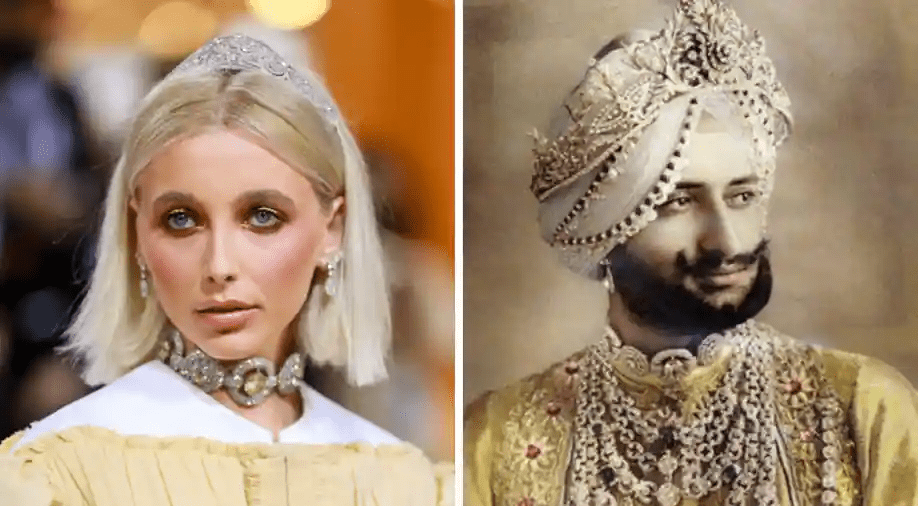
History behind ‘Emma Chamberlains Necklace’ worn during Met 2022

The erstwhile Maharajas of India were never wary of displaying their wealth in public. Their fondness for diamonds and gems was seen in their every day dressing as they used to be all decked up head-to-toe in these rarest of the rare gems and most opulent diamonds one could ever find. One such Maharaja, who was was fond of diamonds and necklaces was Bhupinder Singh of Patiala. He bought the seventh largest diamond in the world, the De Beers diamond in 1889, when it was exhibited at the Paris Universal exhibition. This diamond was mined in South Africa in 1888. And that’s how the famous story of the lost Patiala Necklace begins.

The Maharaja was 34 when he decided to turn the De Beers diamond into an heirloom piece and commissioned Cartier to make a ceremonial necklace with the De Beers diamond being its centerpiece. The necklace was finally made in 1928 and it came to be known as the Patiala Necklace. It has five rows of platinum chains embellished with 2930 diamonds and some Burmese rubies. This was the most expensive piece of necklace ever made in the history and it would have costed some 30 million dollars today in its original form.

It was in the year 1948, that the diamond necklace sparked controversy after it went missing from the Patiala royal treasury. For 32 years, there was no sign of this necklace, when suddenly the De Beers diamond reappeared at Sotheby’s auction in 1982. It was just the diamond without the necklace. A part of a necklace was then seen in an antique shop in London. Cartier later bought the necklace and replaced the missing stones with replicas.

Review on ‘All of us are Dead’

Honestly this is really the best Zombie series I ever watched. It has different effects from the people who got bitten. And they are so fast that you will feel so nervous about how to survive. And I felt so amazed of how they did it was so awesome, when they are overwhelming because of the zombies each character seems so much passionate and ready to fight no matter what and tried everything they can. And this drama has many different messages and deep thoughts about how we interact or how we should do something like we really need to think deeply and not because of feelings we will act so rashly. If we think of all possibilities what can happen, we actually can be saved somehow. I loved their friendship it makes me amazed how they love each other so much and the trust they have for each other. The love from their parents/children are really so special bond for each other, that no matter what happens the love they have for each other won't be gone. As same as friendship relationship, of course the love teams we have. Nam-ra and Su-hyeok I never saw like their love for each other, like no matter what they are willing to sacrifice just to make that person feel safe. And saved no matter how hard is the situations, they always have each other's back and never abandoned and even without saying they knew what will they do.
On-jo and Cheong-San are different kind of love too, for me I mean they are together since they were kids so they knew each other very well. And Cheong-San will always protect and sacrifice himself for the one he loves and always make sure that On-jo is safe and not being hurt. But literally all of them have a big impact on the series I never thought that All of us are dead would make such a big part of my life. How I see things how should I handle big problems, and to show me how lucky that were still have our chance to live our lives and the relationships between parents, friends etc.  
So I am really really grateful for their hard work, and everything they did to make the series heartfelt and full of lessons ♥ and of course unforgettable the character of  Gwi-Nam is the first ever Zombie/Hambie that I never expected to see. He was so passionate and really cool he really aced his role 💜💖❤💙 He added so much suspense and thrill. Nam-ra did her very best not to harm her friends and endure the pain and thirst in blood. And she's so cool when fighting to protect her friends and of course for Su-hyeok 💖
I can't stop watching it I watched it for 3x and soon will watch it over and over again. The way each characters I can see their hearts the way they act towards one another, their feelings and to be considerate towards one another. And be still kind even though their situations are in chaos and make sure that their friends and families are still safe and will do everything they can to keep them alive. ❤💜💖

Does language affect thought?

What is language? Linguists, psycholinguists, neurologists, evolutionary biologists, and philosophers have all tried to answer this question. ‘Language’ is often used interchangeably with ‘communication’, but they are not the same. Animals can communicate with each other, but they can’t be said to have language. Language, especially human language is unique and radically different from other types of tools of communication because of its immense vocabulary, ordered structure, use of metaphor and analogy, and syntactic flexibility. Human language can, thus, be broadly defined as an amalgam of lexicon, syntax, and semantics. Our identity is influenced by the language we speak. Identity can be broadly classified into ‘personal’ and ‘collective’ identity. Personal identity is, basically, a definition of yourself, and collective identity is how you define yourself in relation to others. Our identity is defined by myriad factors such as our beliefs, cognition, perception, culture, and tradition. The language we speak influences these factors and thus influences and cultivates our personal and collective identity.

Language affects the way we think. There is a hypothesis in linguistics known as linguistic relativity, also known as the Sapir-Whorf or the Whorf hypothesis. It concerns the relationship between language and thought. According to the Whorfian hypothesis, the language one speaks influences one’s cognition and perception of the world and thus people’s perception is relative to their spoken language. Nuances and idiosyncrasies in our language affect the way we communicate with and perceive the world, thus influencing our perception and cognition. There is empirical evidence available that establishes a link between language and thought, for example, the study of Chinese bilinguals and dialectical thinking. Eastern cultures and languages are proven to promote dialectical thinking. A group of researchers conducted a study in 2013 to see if Chinese bilinguals displayed different levels of dialectical thinking when communicating in different languages. The study concluded that the Chinese bilinguals displayed higher levels of dialectical thinking when primed by the Chinese language than with the English language (Chen et al., 2013).

The study regarding the gender of words and their effect on the speaker’s perception and cognition also helps establish a link between language and thought. The study conducted in 2003 asked German and Spanish speakers to describe objects that have opposite gender assignments in those 2 languages. When the speakers were asked to describe a “key” which is masculine in German and feminine in Spanish, German speakers used words like “hard”, “jagged”, “heavy” whereas Spanish speakers used words like “delicate”, “intricate”, and “lovely”. When asked to describe a “bridge”, feminine in German and masculine in Spanish, German speakers used words like “elegant” and “fragile” whereas Spanish speakers used “strong” and “sturdy” (Boroditsky 6).

These studies, to some extent, prove the Whorfian hypothesis. We think in our primary language, and we alter our thinking to fit our language. We can think without language, but we need language to know that we are thinking. Language thus influences our cognition and thought processes.

Language affects the way we perceive the world. Perception is subjective. The same objects evoke different meanings for different people and thus the way we experience the environment around us also differs from person to person due to different individual values, beliefs, culture, and language. Lera Boroditsky’s work with the Pormpuraaw community shows how language can influence a person’s perception of the world. The pormpuraaw community of aboriginal Australia think about time and space very differently. Their language does not use relative spatial terms like ‘left’ and ‘right’ but instead uses absolute directional terms like ‘north’, ‘south’, ‘south-east’. When asked to arrange cards that depicted temporal progression in the correct order, the Pormpuraawans sometimes arranged the cards from right to left and sometimes left to right. Their decision was not random but was instead dependent on their spatial orientation. If they were facing south the cards would be arranged from left to right and when facing east the cards would come towards the body and so on, thus always arranging the cards from east to west. The Pormpuraawans superior knowledge of spatial orientation stems from their immense vocabulary dedicated to describing time and space (Boroditsky and Gaby, 2010).

Another study was conducted in 2007 that establishes a link between language and perception. The study tested Russian speakers and English speakers on their ability to discriminate between different shades of blue. The result of the 2007 study indicated that the Russian speakers were faster to discriminate between the 2 shades of blue than the English speakers because the Russian language describes a clear distinction between light blue and dark blue unlike the English language (Winawer et al., 2007).

Thus, a person’s language can immensely influence how he views objects, colours, and even fundamental concepts like time and space.

Language is a carrier of culture and tradition. You communicate through language and when you communicate you pass and receive information that reflects your upbringing, your culture, history, and tradition. In a community, the history and culture of that community are passed down generation after generation through a shared language. This fact makes the task of preserving and saving language even more cardinal. When a language dies, it’s not just mere words that go out of existence. The history, heritage, tradition, and culture attached to that language also cease to exist. The Mahabharata and Ramayana were oral stories before they were written, same with the Iliad and Odyssey. The accumulated body of knowledge of a community dies when its language dies. If you lose your language, you also lose a sense of your personal and collective identity because “language carries culture, and culture carries the entire body of values by which we come to perceive ourselves and our place in the world” (Thiong’O, 118).

Humans are social creatures. We have an innate need to communicate with others and it is through communication that we come to define ourselves, our personal identity, and our place in the world, our collective identity. Language is located at the epicentre of our identity as it is through language we communicate with others. Our attachment to language thus cultivates our identities. Our personality, our individuality, our ego, and our existence are defined by the mere words we utter.

Works cited

Chen, Sylvia Xiaohua, et al. “Does Language Affect Personality Perception? A Functional Approach to Testing the Whorfian Hypothesis.” Journal of Personality, vol. 82, no. 2, 2013, pp. 130–43. Crossref, doi:10.1111/jopy.12040.

Boroditsky, Lera. “HOW DOES OUR LANGUAGE SHAPE THE WAY WE THINK? | Edge.Org.” Edge, 09–11-06, http://www.edge.org/conversation/lera_boroditsky-how-does-our-language-shape-the-way-we-think.

Boroditsky, Lera & Gaby, Alice. (2010). Remembrances of Times East. Psychological science. 21. 1635-9. 10.1177/0956797610386621.

Winawer, J., et al. “Russian Blues Reveal Effects of Language on Color Discrimination.” Proceedings of the National Academy of Sciences, vol. 104, no. 19, 2007, pp. 7780–85. Crossref, doi:10.1073/pnas.0701644104.

Thiong’O, Wa Ngugi. “The Language of African Literature.” Decolonising the Mind: The Politics of Language in African Literature, James Currey Ltd / Heinemann, 2011, pp. 109–27.

CAG : Chief guardian of public purse

The Comptroller and Auditor General of India is the Constitutional and Independent Authority in India, established under Article 148 of the Constitution of India.
He is the head of the Indian audit as they are authorized to audit all receipts and expenditure of government of India and state governments,including those of autonomous bodies and corporations substantially financed by the Government. 
They are entitled to audit the Consolidated fund of India, Contengency fund of India and public account so it is said to be chief guardian of public purse.

CAG is appointed by the President by warrant under his  hand and seal and provided with tenure of 6 years or 65 years of age,  whichever is earlier. They can’t be appointed twice.
CAG can be removed by  the President only in accordance with the procedure mentioned in the Constitution that is the manner same as removal of a Supreme Court Judge.
He is ineligible to hold any office, either under the Government of India  or of any state,once he retires/resigns as a CAG.

As per the provisions of the constitution, the CAG’s (DPC) (Duties, Powers and Conditions of Service) Act, 1971 was enacted. As per the various provisions, the duties of the CAG include the audit of:
• Receipts and expenditure from the Consolidated Fund of India and of the State and Union Territory having legislative assembly.
• Trading, manufacturing, profit and loss accounts and balance sheets, and other subsidiary accounts kept in any Government department; Accounts of stores and stock kept in Government offices or departments.
• Government companies as per the provisions of the Companies Act, 2009 Corporations established by or under laws made by Parliament in accordance with the provisions of the respective legislation.
• Authorities and bodies substantially financed from the Consolidated Funds of the Union and State Governments. Anybody or authority even though not substantially financed from the Consolidated Fund, the audit of which may be entrusted to the CAG.
• Grants and loans given by Government to bodies and authorities for specific purposes.
• Entrusted audits e.g. those of Panchayati Raj Institutions and Urban Local Bodies under Technical Guidance & Support (TGS)

.Limitations of CAG :
• The CAG officials only see accounts that government departments want them to see.
• The CAG cannot call for particulars of expenditure incurred by the executive agencies but has to accept a certificate from the competent administrative authority that the expenditure has been so incurred under his authority.
• The CAG officials are often under pressure of time and the concerned officers says the related files are lost.

The solution to the problem is to digitize the receipts and expenditure to be audited, make government accountable for transparency and CAG get as much time as needed to make adequate audit report.

Sources : The Hindu, Wikipedia

“I am of the opinion that this dignitary or officer is probably the most important officer in the Constitution of India. He is the one man who is going to see that the expenses voted by Parliament are not exceeded, or varied from what has been laid down by Parliament in the Appropriation Act.” — Dr. B.R Ambedkar

A ” Palace of Winds”

Hawa Mahal was built by Maharaja Sawai Pratap Singh which was located in heart of the pink city of jaipur, rajasthan.This beautiful pink structure is predominantly a high screen wall made up of pink and red sandstone that denotes to a royal women to get an eyeful of street festivals and busy. It was built in 1979 as he was so impressed with the khetri mahal built in the town of jhunjhuna, rajasthan that he embarked constructing Hawa Mahal. It is extention of royal City palace and leads to Zenana or woman’s chambers to facilitate royal rajput woman.

Intersting Facts You Must Know About Hawa Mahal- Hawa Mahal has about 953 windows which keep the palace cool. All the Jaipur royals utilized this building as their summer retreat.The building was specially erected for the royal ladies of Jaipur.The meaningful purpose of this building was to allow Royal ladies watch the street festivals.

There is no front entrance to the Hawa Mahal. If you want to get in, you have to enter from the rear side.The Hawa Mahal has only ramps, instead of regular stairs to reach the upper floors of the building. In the present day, the “Hawa Mahal” has become a famous tourist spot and one of the spectacular sights in Jaipur.The palace has become a famous spot for the shooting of several Indian and international films.Architecture Famous for its Architectural facts “Hawa Mahal” was designed like a beehive.

As Hawa Mahal has its own significance and it is shown that how royal woman is lived in ” purdah”.

Monkeypox: Gained knowledge by completing the WHO course

As a senior citizen in recent years, I am coming across new diseases and one such disease recently I have come to know is monkeypox. Taking an interest to know about the disease I have completed recently a certificate course on monkeypox titled,    “Monkeypox: Introductory course for African outbreak contexts” under World Health Organisation (WHO). Based on my learning and information collected from the website (www.who.int/news-room/fact-sheets/detail/monkeypox) I am presenting a few facts about monkeypox so that readers can get an idea in this regard. That is the article is based on secondary sources.

  Monkeypox virus (MPXV) is an orthopoxvirus that causes human monkeypox (MPX), a viral disease with symptoms in humans similar to smallpox, including fever and rash. Although in the world smallpox was eradicated in 1980, monkeypox emerged as the most significant orthodox virus disease in humans. It has been observed that cases that occur sporadically are from rural areas of Central and West African countries, close to tropical rainforests, and has been increasingly appearing in urban areas. In regions, there is frequent human contact with infected animals. Humans can also acquire the disease through direct contact with cases of monkeypox but there is no evidence to date that person-to-person transmission alone can sustain a monkeypox outbreak in the human population. It is reported that monkeypox is usually a self-limited disease with symptoms lasting from two to four weeks. Severe cases can occur. In recent times, the case fatality ratio is between 3 and 6 percent.   Monkeypox typically presents clinically with fever, rash, and swollen lymph nodes and may lead to a range of medical complications. Various animal species have been identified as susceptible to the monkeypox virus. This includes rope squirrels, tree squirrels, Gambian pouched rats, dormice, non-human primates, and other species. Uncertainty remains on the natural history of the monkeypox virus and further studies are needed to identify the exact reservoir(s) and how virus circulation is maintained in nature. It is pertinent to mention that human monkeypox was first identified in humans in 1970 in the Democratic Republic of the Congo in a 9-month-old boy in a region where smallpox had been eliminated in 1968. Since then, most cases have been reported from rural, rainforest regions of the Congo Basin, particularly in the Democratic Republic of the Congo and human cases have increasingly been reported from across central and West Africa. Since 1970, human cases of monkeypox have been reported in 11 African countries: Benin, Cameroon, the Central African Republic, the Democratic Republic of the Congo, Gabon, Cote d’Ivoire, Liberia, Nigeria, the Republic of the Congo, Sierra Leone, and South Sudan. In 2003, the first monkeypox outbreak outside of Africa was in the United States of America and was linked to contact with infected pet prairie dogs. These pets had been housed with Gambian pouched rats and dormice that had been imported into the country from Ghana. This outbreak led to over 70 cases of monkeypox in the U.S. Monkeypox has also been reported in travelers from Nigeria to Israel in September 2018, to the United Kingdom in September 2018, December 2019, May 2021, and May 2022, to Singapore in May 2019, and to the United States of America in July and November 2021. In May 2022, multiple cases of monkeypox were identified in several non-endemic countries. Studies are currently underway to further understand the epidemiology, sources of infection, and transmission patterns. 
It is heartening to mention that vaccines used during the smallpox eradication programme also provided protection against monkeypox.  It may be mentioned here that vaccination against smallpox was demonstrated through several observational studies to be about 85 percent effective in preventing monkeypox. 

BIMSTEC

The Bay of Bengal Initiative for Multi-Sectoral Technical and Economic Cooperation (BIMSTEC) is a multilateral regional organisation established with the aim of accelerating shared growth and cooperation between littoral and adjacent countries in the Bay of Bengal region. It is interregional organisation connecting South Asia and Southeast Asia. It has 7 member countries in total – Five are from South Asia, namely India, Bangladesh, Nepal, Bhutan, Srilanka and 2 are from Southeast Asia , namely Myanmar and Thailand.

It was founded on 6th June 1997 as BIST-EC (Bangladesh, India, Sri-Lanka and Thailand Economic Cooperation) with the adoption of Bangkok declaration. It became BIMST-EC (Bangladesh, India, Myanmar, Sri Lanka and Thailand Economic Cooperation) with the entry of Myanmar on 22nd December 1997. Nepal entered as Observer country in December, 1998. And later on , it was named in its current form when Nepal and Bhutan became members in 2004. BIMSTEC headquarters is located in Dhaka , Bangladesh. Its principle is to maintain sovereign equality, territorial integrity, political independence, no interference in internal affairs , peaceful coexistence and mutual beliefs. It is an addition not substitute to any existing bilateral , multilateral or regional ties.

It is a sector driven organization. Each member-countries serve as a lead for a sector : trade,investment and development (Bangladesh ); Environment and climate change (Bhutan); Security,including counter terrorism,tourism,transport and communication (India); agriculture and food Security (Myanmar); people-to-people contacts (Nepal); science,technology and innovation (SriLanka) ; and connectivity (Thailand).

In terms of connectivity, Bimstec has  three major projects that could transform the movement of goods and vehicles through the countries in the grouping.
1. Kaladan Multimodal Project – It seeks to link India and Myanmar. The project envisages connecting Kolkata to Sittwe port in Myanmar, and then Mizoram by river and road. India and Myanmar had signed a framework agreement in 2008 for the implementation of this project. It’s yet to be finished.
2.  Asian Trilateral Highway – It will connect  India and Thailand through Myanmar. The highway will run from Moreh in Manipur to Mae Sot in Thailand via Myanmar. It is expected to be completed by 2023.
3. Bangladesh-Bhutan-India-Nepal (BBIN) Motor Vehicles Agreement – the agreement was signed on 15th June 2015 for seamless movement of goods and vehicles.The BBIN project suffered a setback in 2017 when Bhutan temporarily opted out of it after being unable to get parliamentary approval for the

There are some issues hampering the progressive development of BIMSTEC :
1. Lack of cordial bilateral relations between its member states. Eg., India-Nepal, India-Sri Lanka, and Bangladesh-Myanmar ties are not good, due to political, economic, and social reasons.
2. Uncertainties over SAARC impact the development of BIMSTEC. Eg., BIMSTEC members Nepal and Sri Lanka want a revival of the SAARC summit.
3. Thegrowing influence of China in South Asia. Eg., popular Bangladeshi scholar supported admitting China as a partner in BIMSTEC. However, India will not welcome this idea.
4. Apathy towards holding regular annual summits. Eg., while most of the regional organisation (SCO, ASEAN, G20) were able to meet at a high political level even during the Pandemic, BIMSTEC leaders failed to meet.

the 5th BIMSTEC summit was hosted by Srilanka in hybrid mode on 30th March,2022. Our Prime Minister Narendra Modi announced a contribution of $1 million towards BIMSTEC’s operational costs and another $3 million to revive the organization’s center for weather and forecast at Noida, India. He stressed the need to give priority to regional security.

In the 25 years of its existence BIMSTEC hasn’t achieved much. That could be changing now with India’s heightened interest in the grouping, as a vehicle for the achievement of its strategic interests.

Source : The Hindu , The Diplomat

Monsoon Festival:A fanfare of rituals, customs and celebrations

A teej festival is celebrated by rajasthani people but mostly in parts like bundi and jaipur with much excitement in people.The women are adorned in fancy traditional attire,the sky is lotted with kites of variegated colors and aroma of delicious teej fingers in air.This year teej is celebrated on 30 August 2022.

This festival is celebrated because it is primarily dedicated to Parvati and her union with Shiva.Woman often fast in celebration of teej .It is traditionally observed by woman to celebrate monsoons during months of shravan and bhadrapada of hindu calendar.They often pray to Parvati & Shiva during teej.

Teej festival of rajasthan is grand view and you ought not to miss if you are in pink City.A royal procession of teej mata on an antique palanquin called teej swari,winds through lanes of the city.There is whole fanfare of dancers and brand players who accompany the processions.

It is three day celebration and each day has its own significance.On first day,”Dan Khana Di”, married woman enjoy meal prepared by their husband’s.All the ladies gather at the place and take part in following fan-filled activities. Swinging and singing– The first picture that comes to everyone’s mind is of the ladies swaying on a tree swing. Beautiful swings adorned with flowers are hung on the tree in their garden where women take their turn and sing songs about the eternal love of Lord Shiva and Goddess . Hands on Heena- Customized Jaipur One night before Teej, women put intricate designs of henna on their hands and feet. It is a part of Teej Shringar, the whole makeup thing which girls and married women do on the occasion. The married women hide their husband’s name in the design and ask them to reveal it in a playful game. ka -po-che

The festival is not all about women. Guys sure have their share of fun too. On the occasion of Teej festival in Jaipur, boys gather on their roofs and participate in a kite-flying competition. The whole sky can be seen dotted with colorful kites. You can hear them screaming Kai-po-che when someone manages to dock their rival’s kite. It is so much fun watching. Royal Rajasthan flava.

Hence, the teej festival is regarded as festival of women that brings joys and strengthen the bond between women, husband as well as her family.

‘Better call Saul’ Review

Breaking Bad is one of the best Television Shows ever aired. So, many people including me were sceptical about a spin-off/prequel of such a great show. And boy, were we absolutely insane to question it. Vince Gilligan, Peter Gould, and every other writer of the show have made us see, that a spin-off/prequel of a show can be great or dare I say, even better.

For me, Season 5 of BCS [& season finale hasn’t even aired till now] took it beyond its predecessor. It was always a great drama and a perfectly crafted character study, but now that it has added the Breaking Bad intensity to it, it might be the best Television Show or at least amongst the best Television Shows. I know Better Call Saul benefits a lot from the brilliant running of Breaking Bad, and we all love to see all those characters, places & things (hector’s bell) pop up here, but the fact remains that BCS is entirely a show of its own with some perfectly added BB callbacks.

The characters development in this show is incomprehensible. Also, Rhea Seehorn as Kim Wexler, is my favorite female character put to T.V. The dynamic between her and Saul (or Jimmy) is so so so good, I just can’t appreciate the writing enough. With all that amazing cinematic techniques & use of country music, like in BB, this is a masterclass in cinema. The split screen trick, time lapse shots, character zooms, and so much more, this is creativity at its very best.

If you watch T.V. Shows, you must have watched Breaking Bad, and so I implore you to see this. You’ll not be disappointed. There’s not a single flaw I can find in this gem. On a technical level, this is at par with Breaking Bad. And I don’t think I need to tell you about acting. Bob Odenkirk, Jonathan Banks, Michael Mckean, Giancarlo Esposito, Rhea Seehorn, its like Olympics of Olympic winners. But even after all these great stuff, its the writing that makes it a masterpiece of a show. I mean even though you know what’s gonna happen to all these characters (not everyone), it still manages to grip you in thinking what’ll happen next. That is great writing.

At the moment, Better Call Saul is a very underrated show, but I know its gonna end up right next to its brother in the long run.

Review on ‘The Breaking Bad’

‘Breaking Bad’ is one of the most popular rated shows on IMDb, is one of those rarities where every season has either been very positively received or near-universally acclaimed critically and where all of my friends have said nothing but great things about.

Very few shows in recent memory had me so hooked from the very start that before the week was over the whole show had been watched, especially when for a lot of shows now airing watching one episode all the way through can be an endeavour. ‘Breaking Bad’ had that effect on me, and its reputation as one of the best, consistently brilliant and most addictive shows in many years (maybe even ever) is more than deserved in my eyes. Its weakest season is perhaps the first season, understandable as any show’s first season is the one where things are still settling.

Actually everything is established remarkably from the very start, but once the writing and characterisation becomes even meatier the show reaches even higher levels.

Visually, ‘Breaking Bad’ is one of those shows that is both stylish and beautiful, with photography and editing that are cinematic quality and put a lot of films today to shame, where there are a lot of visually beautiful ones but also some painfully amateurish looking ones. The music always has the appropriate mood, never too intrusive, never too muted.

The writing for ‘Breaking Bad’ is a fine example to all shows of how to have a lot of style but also to have a lot of substance. The dialogue throughout is thought-provoking and tense, while also have a darkly wicked sense of humour and heart-tugging pathos. The stories are texturally rich, intimate, tense and layered, with the pace of them consistently deliberate but taut. The direction couldn’t be better.

Can’t say anything bad about the acting. Bryan Cranston is phenomenal as one of the most fascinating anti-heroes, or even of any kind of character, in either film or television. Aaron Paul has never been better and Anna Gunn is affecting. The characters are compelling in their realism.

What is MSP?

India is an agriculture dominated country. More than 50% of Indian workforce is employed by the agriculture. Farmers strive hard to produce high yield and quality products but their income is less than expenses. Market price is determined by supply and income demand. When there is large supply of crops but less demand , there is sharp fall in farm prices affecting farmers drastically. There is always price fluctuations in agricultural products while farmers get a decent return when there is shortage of supply,the same products fetch them poor price during bumper harvest season.
The government of India has introduced MSP (Minimum Support Price ) to protect producers against excessive fall in farm prices leading heavy loss suffered by the farmers.MSP is the minimum price a farmer must be paid for their agricultural produce as guaranteed by the government of India. If the market price falls below MSP, the government procures that crop from the farmers at MSP. MSP is announced for  22 major crops along with a Fair Remunerative Prices (FRP) for sugarcane. MSP is recommended by Commission for Agricultural Costs and Prices (CACP) but the final decision is taken by the Cabinet Committee on Economic Affairs(CCEA) of union government.

MSP ensures profit of atleast 50% over the cost of production for the farmers.It includes cost of production, domestic and international prices, demand-supply conditions, inter-crop price parity and the terms of trade between agricultural and non-agricultural sectors.
Farmers are free to sell their products to any non-governmental parties, if they get favorable terms to sell their products or better than MSP. The government mainly buys rice and wheat at guaranteed price.

Benefits of MSP:
• It acts as a surety to farmers so that their crops get the fair amount for their produce and helps them sustain their losses and does not affect them drastically
• It helps to keep a floor price which does not let the prices fall below a certain point.
• The government can use these crops to be sold at government fair price shops at a price lower than market rate that will also help the government recover some amount and reduce the losses of the government.
• It safeguard the interest of the consumer by ensuring supplies at a reasonable price.
• Government manages food scarcity by distribution of stored grains at affordable prices.

Drawback of MSP :
It doesn’t increase in proportion to the increase in cost of production.
• There are a lot of farmers who don’t have adequate information about MSP and are exploited by middlemen.
• There are several regions in the country where farmers can’t access to the benefits through MSP.
• Open market workings , which works on supply and demand relations is detrimental for farmers , is disrupted by government intervention.
• Maintenance cost of procuring grains is raised by MSP which affects the investment in agri-infrastructure.

The Anthropocene

The Earth is divided into geological time scales, each denoting events that occurred in Earth’s geological history, by scientists. The scale begins with the formation of the Earth about 4.5 billion years ago, known as “Hadean”. The current geological epoch is known as the “Holocene”, which began approximately 11,700 years ago. The Holocene epoch is characterized by the rapid proliferation and spread of the human species on Earth. The “Anthropocene” is a proposed epoch that follows the Holocene and marks the period when human activity has started to have a significant impact on the planet’s ecosystem. The term “Anthropocene” was first proposed by the Dutch chemist Paul J. Crutzen and American biologist Eugene F. Stoermer (Crutzen & Stoermer 2000) to denote the current period in Earth’s geological history wherein, instead of the environment shaping humans it is the humans who are shaping and drastically altering the environment.

The Anthropocene, according to Steffen et al. is divided into three periods (616). It begins with the industrial revolution, wherein man first harnessed the energy of fossil fuels, coal, and oil and gas. The extensive use of the newfound wealth of energy in the form of fossil fuels stamped a significant imprint on Earth’s environment, evident in the increase in deforestation and rise in the concentration of methane, carbon dioxide, and nitrous oxide in Earth’s atmosphere (616). The second period, from 1945-to 2015, is known as the “great acceleration”. This period is characterized by an exponential increase in the impact of humans on the Earth system. An increase in the population of humans and an increase in industrialization resulted in a substantial increase in the concentration of greenhouse gases in Earth’s atmosphere (618). The third period, from 2015 onwards, is known as “stewards of Earth’s system”. This period is marked by the recognition of Anthropogenic influences on the Earth system and the subsequent filtration of this growing awareness on decision-making processes (618).

The major problem represented by the Anthropocene is the radical shifts in Earth’s temperature and biodiversity. These shift include global warming, extinction of species, habitat loss, and changes in the chemical composition of oceans and soils. Other probelms inlclude sustenance of human vices like greed, indifference, and intemperance.

There are, according to Steffen et al., three philosophical approaches to dealing with these problems. Firstly, is the business-as-usual philosophy (619), which employs a laissez-faire mindset when dealing with the changing global environment. The second is mitigation which is “based on the recognition that the threat of further global change is serious enough that it must be dealt with proactively” (619). And the third option is geoengineering (619), which attempts to solve the problem of climate change with technology.

Works cited

Crutzen, Paul J. and Eugene F. Stoermer 2000. The “Anthropocene.” Global Change Newsletter (41): 17–18.

Steffen, Will, et al. “The Anthropocene: Conceptual and Historical Perspectives.” Philosophical Transactions of the Royal Society A: Mathematical, Physical and Engineering Sciences, vol. 369, no. 1938, 2011, 842–67. Crossref, https://doi.org/10.1098/rsta.2010.0327.

Steffen, Will, Paul J. Crutzen, et al. “The Anthropocene: Are Humans Now Overwhelming the Great Forces of Nature.” AMBIO: A Journal of the Human Environment, vol. 36, no. 8, 2007, 614–21. Crossref. https://doi.org/10.1579/0044-7447(2007)36[614:taahno]2.0.co;2

Significance of “Ganga Dussehra”

This year ganga dussehra will be celebrated on 9 June Thursday till 10 june Friday 2022.On this day devotees of godness ganga worship her holy incarnation and presence on earth. It is believed that a holy dip in ganga is equal to hundred Mahayagnas. Traditionally, this festival is also known as Gangavataran or Ganga Dashara. According to the books of Hindu mythology, it is believed that on this day Goddess Ganga descended on the planet earth. As per ancient beliefs, King Bhagirath from the Sagara Dynasty once worshiped Lord Brahma for purifying the souls of his ancestors and relive them of the curse, so that they can attain salvation. Lord Brahma asked the king to worship Lord Shiva as it was difficult for Lord Brahma to bring Goddess Ganga to earth for her rage and only Lord Shiva had the power to control it.Pleased by his prayers and dedication, Lord Shiva gave him a vardan (blessing) and he asked Lord Shiva to control the rage of Goddes Open App olding her in his Jata (hair) to save the earth from destruction. This festival is usually celebrated during Summers and it is believed that after worshiping and taking a holy dip in Ganga, donating food, fruits, vegetables, rice, flour, ghee, money, water containers etc can bring prosperity and happiness in life. It is believed that a person who stands in the holy Ganga, worships her and recites Ganga Strotam on this day finds a place in Baikunth after death. If you are unable to reach the river ghat, mixing a few drops of holy Gangajal gives the same virtue of Like any other occasion in Hindu mythology, the Ganga Dussehra festival has its own significance, values, and importance. The following blog will lead you through the journey of this auspicious event. Why ganga dussehra is celebrated? The legend has it that the king named Sagara had 60,000 sons searching for a lost horse for the Ashwamedha Yagya tied near the Ashram of Sage Kapil by God Indra. The 60,000 sons said to possess created tons of commotion that disturbed the meditating Sage Kapila and anger when the sage opened his eyes. So he burned them to ashes. He told them the touch of the water Ganga would only give them the Moksha. As per the legend, one among the descendants of King Sagara named Bhagiratha performed austerity to gratify Brahma and send Ganga on earth.Goddess Ganga then descended to earth in seven streams and washed down all the ashes of Bhagiratha ancestors, and thus, Ganga Dusshera is widely known because of the day when the river . King Sagara of the Suryavansha dynasty had decided to perform the Ashwamedha Yajna (horse sacrifice) to prove his supremacy. However, Lord Indra, considering the sacrifice results, stole the horse enlisted to perform the yajna and delivered it to the ashram of Kapila, a sage immersed in meditation.King Sagara’s 60,000 sons began to seek out the horse. Kapila snapped out of his meditation before they might do him any harm. As a consequence of their disrespect towards a venerated sage, the sons were burnt to ashes.While returning the horse to King Sagara’s grandson, Kapila revealed that the sons might be redeemed if the Ganga descended on earth and purified their souls with its water.King Sagara’s great-grandson, Bhagiratha, wished to free his ancestors from the curse. So, after much penance, he pleased the Ganges to descend from heaven, but not without a caveat: her currents would destroy the world.Anxious to deliver his ancestors, Bhagiratha prayed to Lord Shiva, who, impressed by his determination, agreed to interrupt the Ganga’s fall .

The Breakfast Club Review

As crazy as this sounds, it’s only been less than a couple years since I legitimately watched this quintessential 80’s teen comedy for the first time. Once I finished with my first viewing, I knew that I had to come back for another go, which eventually turned out to be countless times throughout that time span. The main reasons that I kept coming back to this aren’t just because of this film’s killer soundtrack front to back, but also showcasing the different cliques and how each of them have something going for them.

My favorite of the bunch is Mr. John Bender (Judd Nelson), who despite having conflicts with his own abusive father and even the school’s strict principal (Paul Gleason), is a fearless leader who’s willing to stop at nothing until things are settled just the way he imagined them. The same can also be said for the Brain (Anthony Michael Hall), the Athlete (Eilio Estevez), the Princess (Molly Ringwald), and the Basket Case (Allison Reynolds), who also had their fair share of interesting personalities and special abilities.

Most of this however isn’t revealed until much later on, and when they settled their differences and became the best of friends, that’s when I discovered how much of an impact this movie had when it was first released back 35 years ago. If there was one word to describe how the comedy and drama matches together perfectly.

In Assam success rate of class 10 dips upto 56%

On Tuesday,The board of secondary education Assam announced the results of class 10 board examinations in which 56.49% of 4,05,582 candidates were declared successful as per the officials said.

The board states that the pass percentage of boys was 58.80 while it was 54.49 percent among the girls.

Total 2,29,131 candidates cleared the examination of class 10.Dhamaji recorded the highest pass percentage at 85.46 while chirag recorded the lowest percentage at 34.27.

In 2021,the pass percentage was 93.10 the examination could not be held last year just because of COVID pandemic and evaluation scheme was done on basis of special formula taking into the account of past performances of candidates.

In the Assam high Madrassa examination also conducted by the SEBA, the pass percentage was 54.73 with 10,454 who had appeared in it.

So, the percentage was dipped upto 56% as compared to past one.

Review on ‘Steins Gate’

First off, I will say that the comments the series starts off slow are misleading. True, it takes awhile to get to the main point, but “Steins ;Gate” never fails to engage on any level, and in fact engages on all levels beautifully. Humor? Gut busting. Intensity? Oh yes. Drama? Undoubtedly. Starting out as the misadventures of a self proclaimed mad scientist who may have stumbled upon a means of time travel, this series can shift gears in the blink of an eye, without any sense of whiplash, because it can do every tone so strongly. It’s rare to see such a mishmash of genres pull off all of it’s genres. You have a sic-fi thriller with elements of Haruhi Suzumiya esque club based slice of life dramedy, with elements of political thriller to boot. I don’t want to say any more. This one should simply be experienced with as little foreknowledge as possible.

This is an amazing anime no doubt. Outstanding story and unbelievably unique characters that will stay with you forever. Unbelievably strong character development and plot structure. This is one of those anime’s that you could easily re-watch the early episodes and every time you do you will end up connecting more dots – “oh, so that’s why that happened! I get it now!”, you will think to yourself.

The first 11 episodes are slow paced but for a reason. Don’t give up watching because the early episodes are necessary to set the context for the outstanding story that follows. If you stick with this anime past the midpoint, you will not regret it. Episode 12 is where the action starts and from there the action doesn’t stop until the end.

Okarin, the main character, is amazing in the English Dub. You will laugh with him, cry with him, and feel with him throughout his journey. Some characters seem annoying at first, but they grow on you too, so be patient. Honestly, everything about this anime is unique; the characters are unique, the plot is unique, the writing is unique; it’s unlike anything I’ve ever seen before and that is what makes it so wonderful.

One of the best anime’s I have ever seen.

If you are looking for a compelling story and strong character development, look no further.

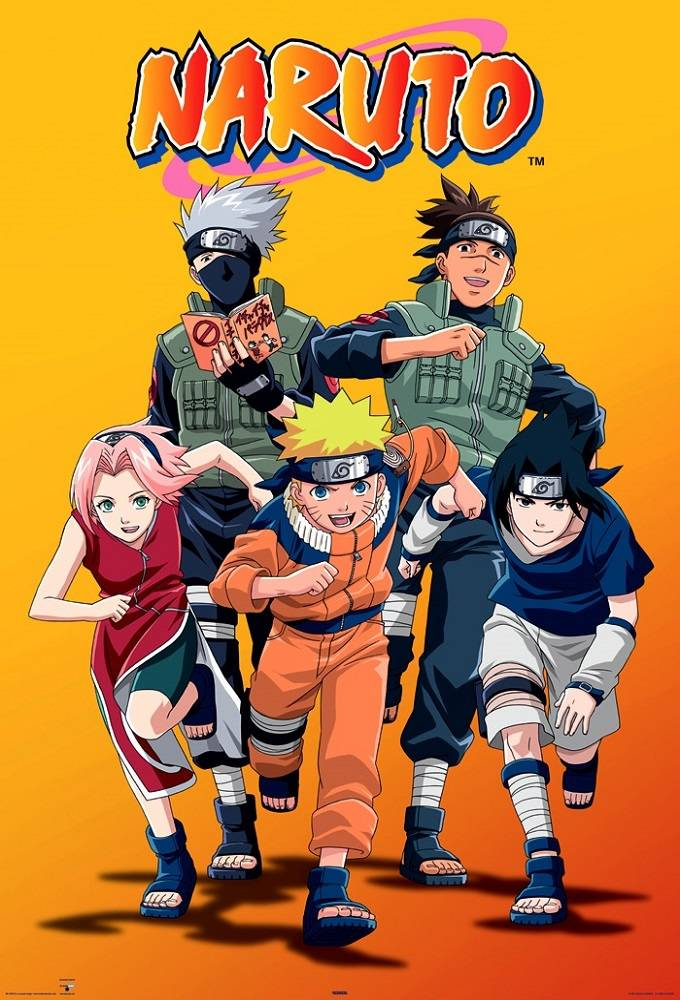
Review on Naruto

I’ve seen a lot of anime throughout the years. I’ve seen what people call the ‘good stuff’, I’ve seen the ‘bad stuff’. In time, I realized and accepted that not everyone is going to like something, or dislike it. No matter what the anime (or movie, or book, or game, etc.) it boils down to personal preference. So, how do you know if you’d like something you’ve never seen but heard so much about? When I first started Naruto, I saw the potential in it. From the first episode, they presented a distinct setting with distinct characters. Sure, archetypes were being followed (the boy dreaming of becoming big, the old grandfatherly figure, the teacher, the rival). The first episode showed emotion and depth to its main character and what he will struggle with, along with the dynamics of his interaction with other characters and their quirks.

Cut about ten episodes later, the plot arc currently being followed felt to me like it was not going to matter much to the main story. Some episodes had drawn out battles, and I got that feeling that the anime would be the type where they would go from different area to different area, developing their skills and learning moral lessons and such, but there would be no grand plot, no B story, that tied the series together. I also worried it would fall into mediocrity. Without giving anything away, by the end of that arc (about 19 episodes in), my mind was changed.

Having seen all of the series up to the current episodes, I can say at least for myself that at its best Naruto is a deeper anime than some give credit to, and can be quite addicting. A strong focus is on its characters as they develop throughout the series and there are moments of real emotion, tragedy, intensity and even just amusement. It’s not perfect, as there are slow times in the series (and the cartoon suffers from tricks to get as many episodes out of the original story as they can), and I won’t say everyone will end up liking it but I can say it had unexpectedly become one of my favorite anime.

Football – Beyond Emotions

Football is one of the greatest sports of all time. It takes us into a fantasy of excitement and sometimes it hurts. Modern football originated in England in the 19th century. The game was a 120-yard pitch containing 2 goal posts in two equal half. the winner was decided by the goals.

There are two teams, each team contains 11 players including a goalkeeper. Today’s football is much improved by great players like Pele, Maradona, Cruyff, etc. The sport involves so much of emotional moments that broke so many hearts. The Munich air disaster, the Murder of Andres Escobar, and The death of Emiliano sala are some of the dark days of football.

Munich air disaster 1958

The Munich disaster occurred on 6 February 1958 in West Germany. players of the British club Manchester United were flying from Munich. the flight crashed after the third attempt to take off from a slushy runway.23 passengers died after that and 21 survived. that was one of the saddest days in football.

The Munich air crash, Germany

Andres Escobar’s death

Andres Escobar was a Colombian international player who played for Colombia in many championships including the world cup. The Colombian was played for like Athletico Nacional BSC young boys and the Colombian national team.

Escobar was murdered aftermath of the 1994 world cup for scoring their own goal in the world cup competition which leads them to knock out from that tournament. the incident degraded the image of the country.

Emiliano Sala’s death

The Argentine footballer Emiliano sala passed away on January 21, 2019. The young superstar was an emerging player who played for the French club Nantes. the separation of Emiliano sala was a heartbreaking moment for the football world. Sala was overcome by toxic gases from the unlicensed aircraft before dying in a plane crash.

Review on ‘JoJo’s Bizarre Adventure’

JoJo is one of the weirdest and most entertaining anime’s out there, and yet there’s an emotional core to it. When people always talk about JoJo’s Bizarre Adventure they always just talk about the memes or the great openings or the “Enemy stando!”, but there’s so much more to why people (including myself) love JoJo. Yes the memes and ridiculousness of JoJo is a ton of fun and certainly gives it the personality it’s now become infamous for, but there is some truly incredible writing and characters in here.

Plus because of the way the parts are laid out each one is unique and different, so if you didn’t like the previous part then you’ll probably like the next, then again literally every part is good except maybe the first. And the animation and music by David production is all fantastic.

This show is one of the most influential series to come out of japan next to dragonball and fist of the north star. It is the reason we have games like persona or great fighting game characters like guile or juri. Jojo’s bizarre adventure has influenced popular anime like One piece, Hunter x Hunter, Yu Yu hakusho, and Shaman king. One of the most unique things about it is its a different story with a different protagonist each time while still having a lore and continuity. This makes it impossible to judge based on a single or even multiple seasons the best parts are 7,8,2, and 4. one of the coolest things about JoJo is everyone who’s a fan likes different parts one person could love part 5 and hate part 6 while another person could have the opposite opinion everybody loves part 7 though. all in all there’s no other anime like this one it actually tends to appeal more to non anime fans due to its western feel.

Written before Araki was on a roll, and it shows. The script falls below even the pitiable anime average in terms of quality. Weak villain — raised as protagonist’s brother but utterly irredeemable. Any sense of pathos or moral complexity is lost. Dialogue holds the middle between blissful seriousness and total camp. Clumsy intersections of exposition have no dramatic or comedic value. 

Review on ‘Banana Fish’

The story is very realistic. The plot is very connected and always bring you surprise. Every episode is very heavy, but mixed with some comedy and it make me love even more.

Not like other anime, where everything happens slowly (a fight take for 1 or 2 episodes) or the pacing is very slow or the character reading their thought (it always drives me nuts), everything in Banana Fish is incredibly well-organized. The pacing is very accurate, give you enough time to feel and understand the situation (with beautiful music in the background) and not taking anything for a nonsense long time. Every dialogue is really connected to the story and also contain a profound meaning.

The animation is magnificent. The first anime that every scene has a good human proportion with both face and body. People interaction looks very realistic, and people in the background are not just standing like a mannequin, they always doing something like a real person. It makes the anime looks more realistic. The background: New York city with many gorgeous graffiti on wall and a splendid liberty statue; china town which always crowded with people, restaurants and lanterns; the Cape Cod’s nostalgic view in a windy field with beautiful dawn (it’s a very sad scene); and especially the gorgeous Los Angeles city filled with night lights from the mountain’s view. Many camera angle choices are very unique and clever, the animation crew did an awesome jobs on this anime.

Soundtrack: its awesome, just listen and enjoy. My favorite is the ending song Prayer X by King Gnu, it gives me a nostalgic feeling mix of happiness and sadness (T.T). The opening clip is very beautiful with a fit music too.

Review on ‘Jujutsu Kaisen’

The start of the show is really good, it picks it up straight away while explaining the complications very well so you don’t fall behind. Some episodes I did feel jumped ahead a bit randomly but nothing bad. The characters are really good. They are quite likeable and each have there own back stories…besides Itadori, the main character, whose life before really wasn’t explored. The other two…em…dark dog boy and hammer girl stole the show for me as they had interesting character arcs with great redemptions throughout the show. The villains were pretty standard, nothing all that negative to say…they are powerful, challenging and cool to look at, but again with lack of character arcs. The plot of the show is pretty good aswell, it has a really strong start and mid section but fades out towards the end with some major pacing issues. The ending was kind of bland in my opinion, I don’t really want to watch more, it was pretty random. But the action was cool…all the action in the show is, probably the biggest selling point really. It’s fast, fluid and filled with unique spins and ideas of how to fight. The wacky cast of curses also allows an even wider range of moves to can be used by both heroes and villains. To conclude the show is excellent and it does deserve the praise it is getting. I have my opinions as I’m sure everybody else does and I give it a 7/10 gud job!

Edit: (second time watching) previously (the first paragraph) was my first review of this which I gave 7/10 but after re watching it in Japanese( which might have made a difference) I can say that I enjoyed it a lot more. Maybe I wasn’t focusing the first time, but the story had so much more meaning…it flows extremely well and has a consistently fast pace which is perfect for this type of show. The show also never runs out of ideas, every villain, every character is unique and has different powers which allows for so,e incredible action scenes. I also found the comedy much funnier this time around, I have no clue why but it was just far better this time! And that’s why I movie it form 7/10 to 9/10! Far better the second time!