
Introduction
Physical planning is the process of organizing and regulating the spatial development of land, infrastructure, settlements, and public spaces to achieve orderly, sustainable, and efficient urban and regional development. Traditionally, physical planning focused on land-use zoning, road networks, housing, public utilities, and infrastructure provision. However, rapid urbanization, climate change, technological advancements, globalization, demographic shifts, and changing lifestyles are transforming the scope and practice of physical planning.
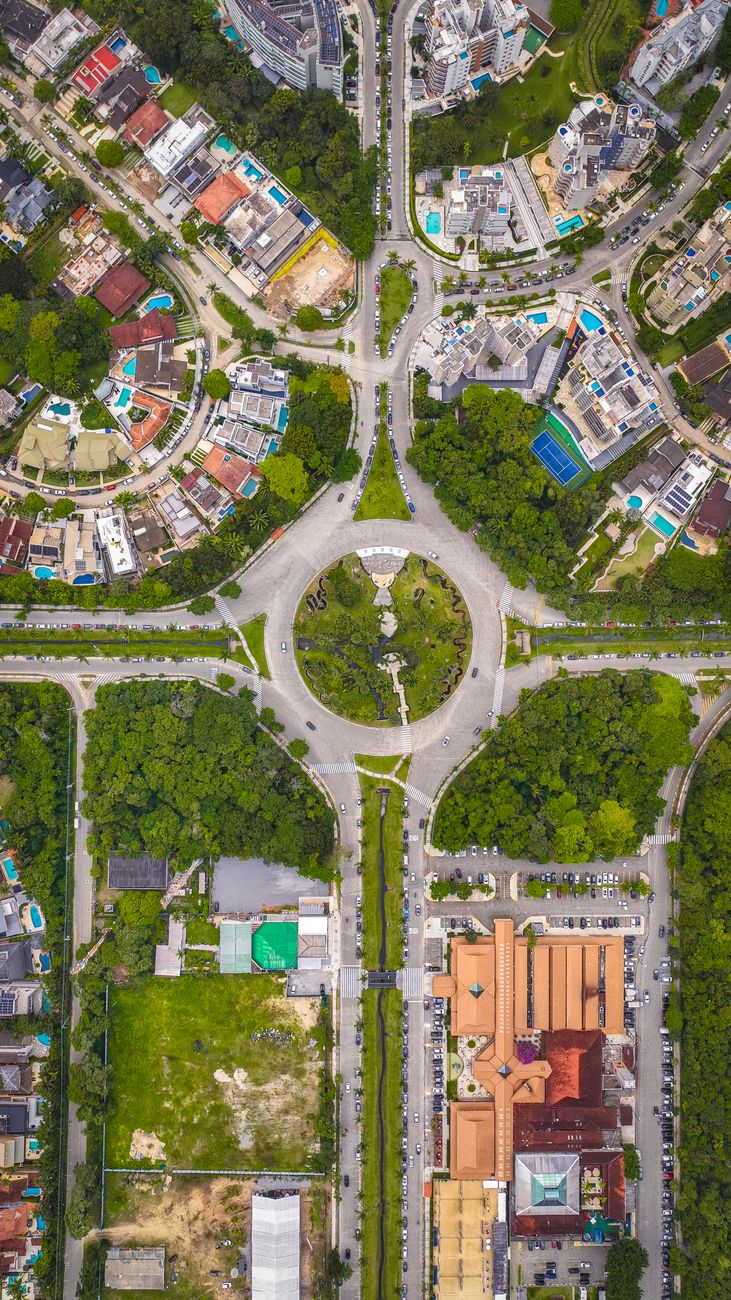
The future of physical planning will be characterized by smart technologies, sustainability, resilience, digital governance, climate adaptation, inclusive development, and integrated planning. Rather than concentrating solely on the physical arrangement of cities, future planning will integrate environmental, economic, social, and technological dimensions to create cities that are livable, resilient, and adaptable.
Evolution of Physical Planning
The focus of physical planning has evolved over time:
- Pre-Industrial Era: Compact settlements and defense-oriented planning.
- Industrial Era: Land-use zoning, sanitation, and infrastructure development.
- Modern Era: Comprehensive master planning, transportation, and housing.
- Contemporary Era: Smart cities, sustainability, and participatory planning.
- Future Era: Data-driven, climate-responsive, and technology-enabled planning.
Drivers of Future Physical Planning
Several global trends are shaping the future of planning:
- Rapid urbanization.
- Climate change.
- Population growth.
- Digital transformation.
- Artificial Intelligence (AI).
- Internet of Things (IoT).
- Geographic Information Systems (GIS).
- Digital Twins.
- Big Data analytics.
- Renewable energy.
- Sustainable transportation.
- Citizen participation.
Emerging Trends in Future Physical Planning
1. Smart City Planning
Future cities will increasingly rely on digital technologies to improve urban management and service delivery.
Key Features
- Smart infrastructure.
- Intelligent transportation systems.
- Smart utilities.
- Digital governance.
- Real-time monitoring.
- Automated public services.
Technologies
- Artificial Intelligence.
- Internet of Things.
- Cloud Computing.
- 5G/6G networks.
- Blockchain.
- Sensors and smart devices.
2. GIS-Based Planning
Geographic Information Systems (GIS) will become the backbone of spatial planning.
Applications
- Land-use planning.
- Infrastructure management.
- Disaster risk assessment.
- Urban growth modeling.
- Utility mapping.
- Environmental monitoring.
Benefits
- Better decision-making.
- Accurate spatial analysis.
- Faster planning approvals.
- Real-time updates.
3. Artificial Intelligence in Planning
Artificial Intelligence is transforming planning from reactive to predictive.
Applications
- Urban growth prediction.
- Traffic forecasting.
- Land suitability analysis.
- Infrastructure optimization.
- Disaster prediction.
- Public service planning.
Benefits
- Faster analysis.
- Evidence-based policies.
- Reduced planning errors.
- Improved resource allocation.
4. Digital Twin Cities
Digital Twins are virtual replicas of cities that integrate real-time data from sensors, GIS, and infrastructure systems.
Applications
- Traffic simulation.
- Flood modeling.
- Infrastructure maintenance.
- Energy management.
- Construction monitoring.
Benefits
- Better planning decisions.
- Reduced project costs.
- Improved resilience.
- Real-time monitoring.
5. Climate-Resilient Planning
Climate change is becoming a central concern in physical planning.
Strategies
- Flood-resilient infrastructure.
- Heat action plans.
- Green roofs.
- Urban forests.
- Blue-green infrastructure.
- Coastal protection.
- Nature-based solutions.
Objective
Develop cities capable of adapting to extreme weather and minimizing climate risks.
6. Sustainable Urban Development
Future planning will prioritize environmental sustainability.
Planning Approaches
- Compact cities.
- Mixed land use.
- Renewable energy integration.
- Green buildings.
- Circular economy.
- Waste reduction.
- Water-sensitive urban design.
7. Transit-Oriented Development (TOD)
Future urban growth will be concentrated around public transport systems.
Features
- High-density development.
- Mixed land use.
- Walkability.
- Cycling infrastructure.
- Reduced car dependency.
- Affordable housing near transit.
Benefits
- Reduced congestion.
- Lower emissions.
- Improved accessibility.
- Efficient land utilization.
8. The 15-Minute City
This concept promotes neighborhoods where residents can access daily necessities within a 15-minute walk or bicycle ride.
Components
- Housing.
- Schools.
- Healthcare.
- Markets.
- Parks.
- Workplaces.
- Recreation.
Benefits
- Reduced travel time.
- Lower carbon emissions.
- Improved public health.
- Stronger communities.
9. Smart Mobility
Transportation systems will become cleaner, safer, and more intelligent.
Technologies
- Electric Vehicles (EVs).
- Autonomous vehicles.
- Mobility-as-a-Service (MaaS).
- Shared mobility.
- Intelligent traffic management.
- Smart parking.
10. Inclusive Planning
Future planning will ensure equitable access to urban opportunities.
Focus Areas
- Affordable housing.
- Universal accessibility.
- Gender-sensitive planning.
- Child-friendly cities.
- Age-friendly communities.
- Barrier-free infrastructure.
11. Green Infrastructure
Future cities will integrate natural systems into urban design.
Examples
- Urban forests.
- Green corridors.
- Bioswales.
- Rain gardens.
- Green roofs.
- Wetland restoration.
- Urban biodiversity parks.
12. Disaster-Resilient Planning
Planning will increasingly integrate disaster risk reduction.
Measures
- Seismic zoning.
- Floodplain management.
- Emergency evacuation routes.
- Resilient infrastructure.
- Multi-hazard planning.
- Early warning systems.
13. Public Participation
Future planning will become more collaborative.
Tools
- Online consultations.
- Digital citizen platforms.
- Participatory GIS.
- Mobile planning applications.
- Open data portals.
14. Circular Urban Economy
Cities will shift from linear consumption to circular resource management.
Strategies
- Recycling.
- Resource recovery.
- Waste-to-energy.
- Industrial symbiosis.
- Water reuse.
- Sustainable construction materials.
Future Technologies Influencing Physical Planning
- Artificial Intelligence (AI).
- Machine Learning (ML).
- Big Data Analytics.
- Internet of Things (IoT).
- Digital Twins.
- Building Information Modelling (BIM).
- Remote Sensing.
- Geographic Information Systems (GIS).
- Blockchain.
- Drone Mapping.
- Robotics.
- 3D Printing in Construction.
- Autonomous Transportation.
- Quantum Computing (future applications).
Future Planning Approaches
- Integrated Spatial Planning.
- Regional Planning.
- Metropolitan Governance.
- Climate-Sensitive Planning.
- Nature-Based Solutions.
- Smart Growth.
- New Urbanism.
- Tactical Urbanism.
- Blue-Green Infrastructure Planning.
- Healthy City Planning.
- Regenerative Urban Development.
Indian Initiatives Supporting Future Physical Planning
India has launched several programmes aligned with future planning principles:
Smart Cities Mission
- Integrated Command and Control Centres.
- Smart mobility.
- Digital governance.
- ICT infrastructure.
AMRUT 2.0
- Water security.
- Sewerage.
- Green spaces.
- Urban infrastructure.
PM Gati Shakti National Master Plan
- GIS-based infrastructure planning.
- Multi-modal logistics.
- Integrated transport.
National Transit-Oriented Development Policy
- Compact urban growth.
- Mixed-use development.
- Metro corridor planning.
National Clean Air Programme (NCAP)
- Air quality improvement.
- Pollution monitoring.
- Sustainable transport.
National Electric Mobility Mission
- EV infrastructure.
- Charging stations.
- Clean mobility.
Challenges for Future Physical Planning
Despite technological advancements, planners will continue to face several challenges:
- Climate change.
- Rapid urbanization.
- Housing shortages.
- Informal settlements.
- Financial constraints.
- Data privacy and cybersecurity.
- Digital divide.
- Governance fragmentation.
- Environmental degradation.
- Social inequality.
Vision for Future Cities
The cities of the future are expected to be:
- Smart.
- Sustainable.
- Carbon-neutral.
- Climate-resilient.
- Inclusive.
- Walkable.
- Compact.
- Transit-oriented.
- Digitally connected.
- Energy-efficient.
- Disaster-resilient.
- Environmentally responsible.
- Citizen-centric.
Comparative Table
| Future Trend | Planning Objective | Major Technologies |
|---|---|---|
| Smart Cities | Efficient governance | AI, IoT, Big Data |
| Digital Twins | Real-time urban management | GIS, Sensors, BIM |
| Transit-Oriented Development | Sustainable mobility | Metro, ITS |
| Climate-Resilient Planning | Disaster adaptation | GIS, Remote Sensing |
| Green Infrastructure | Environmental sustainability | Nature-Based Solutions |
| 15-Minute City | Accessibility | Mixed land use |
| Smart Mobility | Reduced congestion | EVs, Autonomous Vehicles |
| Circular Economy | Resource efficiency | Recycling, Waste-to-Energy |
| Participatory Planning | Inclusive governance | Digital platforms, Open Data |
| GIS-Based Planning | Evidence-based decision-making | GIS, Remote Sensing |
Conclusion
The future of physical planning lies in the integration of technology, sustainability, resilience, and human-centered development. Traditional planning approaches focused primarily on land-use regulation and infrastructure provision, whereas future planning will be dynamic, data-driven, and adaptive. Emerging technologies such as Artificial Intelligence, Geographic Information Systems, Digital Twins, the Internet of Things, Big Data, and Building Information Modelling will enable planners to predict urban growth, optimize infrastructure, and improve service delivery. At the same time, concepts such as Transit-Oriented Development, the 15-Minute City, Climate-Resilient Planning, Nature-Based Solutions, Circular Economy, and Smart Governance will guide cities toward sustainable and inclusive growth. For countries like India, initiatives such as the Smart Cities Mission, PM Gati Shakti, AMRUT 2.0, National TOD Policy, and GIS-based planning demonstrate the transition toward future-ready urban development. Ultimately, the success of physical planning will depend on balancing technological innovation with environmental stewardship, social equity, and economic prosperity to create cities that are resilient, livable, and capable of meeting the needs of future generations.


You must be logged in to post a comment.