Introduction
Contemporary planning has evolved beyond traditional land-use regulation to address challenges such as rapid urbanization, climate change, environmental degradation, housing shortages, transportation congestion, and digital transformation. Modern planning initiatives emphasize sustainability, resilience, inclusivity, smart technologies, transit-oriented development (TOD), climate adaptation, public participation, and efficient urban governance. Across the world, several cities have successfully implemented innovative planning strategies that serve as models for future urban development. This chapter presents important contemporary planning initiatives through national and international case studies.
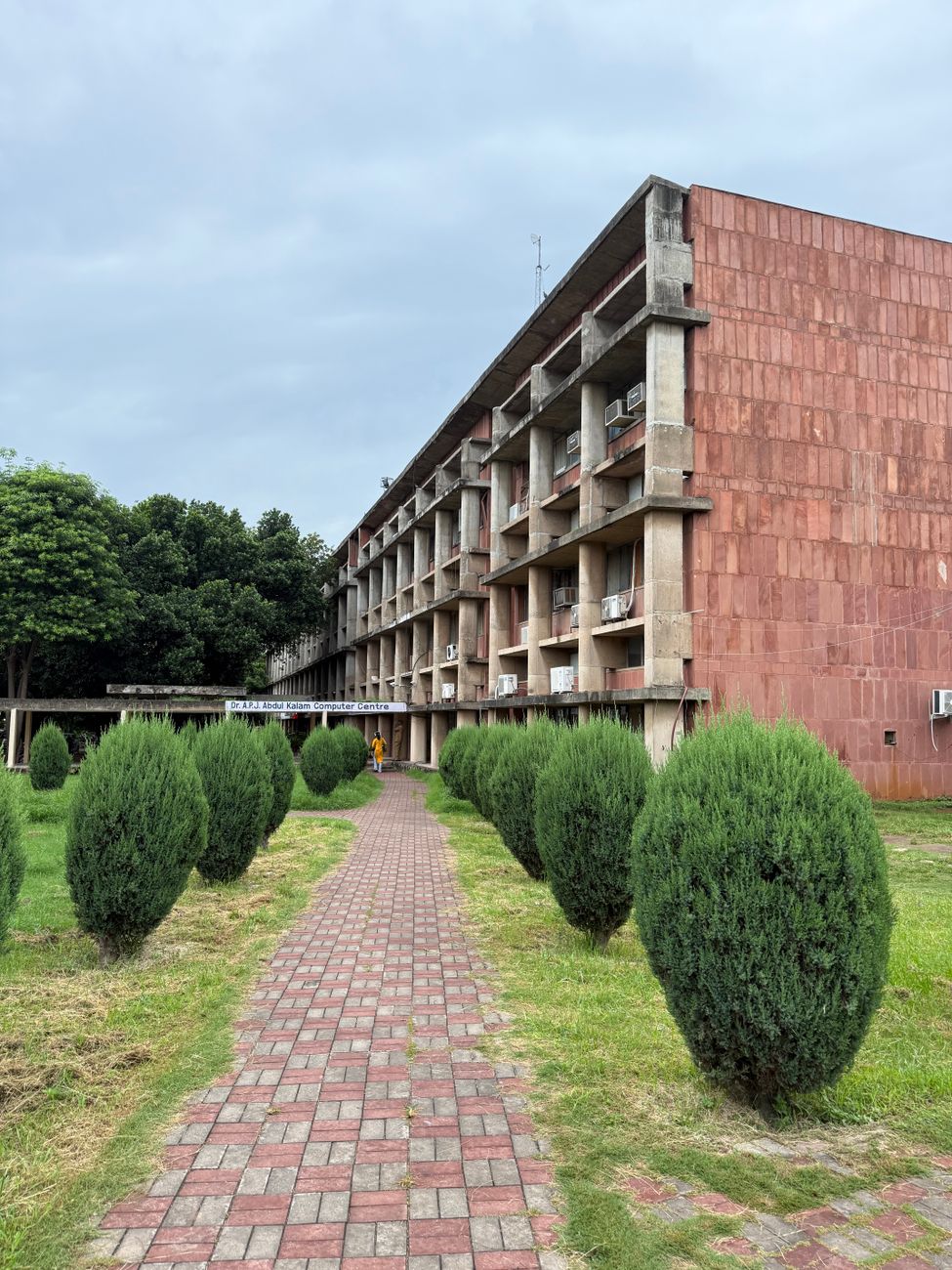
1. Chandigarh, India – Modern Planned Capital
Location
Punjab and Haryana, India
Planner
Le Corbusier
Year
1953
Planning Objectives
- Develop a modern state capital.
- Provide organized residential neighborhoods.
- Ensure efficient transportation.
- Create a healthy urban environment.
Planning Features
- Sector-based planning.
- Hierarchical road network (7Vs).
- Functional zoning.
- Capitol Complex.
- Green belts.
- Neighborhood planning.
- Pedestrian-friendly sectors.
Achievements
- India’s first planned modern city.
- UNESCO World Heritage recognition for the Capitol Complex.
- High quality of urban infrastructure.
- Well-organized land-use planning.
Lessons Learned
- Importance of comprehensive master planning.
- Effective hierarchy of road networks.
- Integration of open spaces with urban development.
2. Navi Mumbai, India – Satellite City Development
Planner
CIDCO with contributions from Charles Correa.
Objective
Reduce development pressure on Mumbai.
Planning Strategies
- Polycentric urban structure.
- Railway-oriented development.
- Self-contained urban nodes.
- Affordable housing.
- Industrial and commercial development.
Outcomes
- Successful decentralization.
- Improved regional connectivity.
- Economic diversification.
Lessons
- Satellite towns can effectively reduce metropolitan congestion.
- Integrated transport and land-use planning are essential.
3. Delhi Transit-Oriented Development (TOD)
Objective
Promote sustainable urban growth around Metro corridors.
Planning Principles
- Mixed land use.
- High-density development.
- Walkability.
- Cycling infrastructure.
- Reduced dependence on private vehicles.
- Affordable housing near transit.
Outcomes
- Better public transport accessibility.
- Reduced commuting distances.
- More compact urban form.
Lessons
Transit systems should guide urban growth rather than follow it.
4. GIFT City, Gujarat – Smart Financial City
Full Form
Gujarat International Finance Tec-City
Planning Objectives
- Develop an international financial hub.
- Integrate advanced technologies.
- Promote sustainable infrastructure.
Key Features
- Underground utility tunnel.
- Smart electricity grid.
- ICT-enabled governance.
- Green buildings.
- District cooling system.
- Automated waste collection.
Achievements
- India’s first operational smart financial city.
- International business destination.
- Technology-driven infrastructure.
Lessons
Smart infrastructure significantly improves urban efficiency.
5. Dholera Special Investment Region (SIR), Gujarat
Objectives
- Develop a greenfield smart industrial city.
- Promote manufacturing and logistics.
- Support the Delhi–Mumbai Industrial Corridor.
Planning Features
- GIS-based planning.
- Smart utility infrastructure.
- Renewable energy.
- Transit-oriented development.
- Wide road hierarchy.
- Sustainable drainage.
Outcomes
- One of India’s largest planned industrial cities.
- Model for future smart city development.
6. Curitiba, Brazil – Sustainable Transport Planning
Planner
Jaime Lerner
Objectives
- Improve public transportation.
- Reduce congestion.
- Promote sustainable urban growth.
Planning Features
- Bus Rapid Transit (BRT).
- Linear urban development.
- Mixed land use.
- Green spaces.
- Recycling programs.
Achievements
- International model for sustainable transport.
- High public transport usage.
- Low pollution levels.
Lessons
Efficient bus systems can achieve metro-like performance at lower costs.
7. Singapore – Integrated Urban Planning
Planning Authority
Urban Redevelopment Authority (URA)
Planning Strategies
- Long-term Concept Plan.
- Land-use integration.
- Public housing.
- Smart governance.
- Water-sensitive planning.
- Green infrastructure.
Achievements
- World-class infrastructure.
- Excellent housing provision.
- Efficient public transportation.
- High environmental quality.
Lessons
Integrated planning ensures sustainable urban growth despite limited land.
8. Copenhagen, Denmark – Bicycle-Friendly City
Planning Objectives
- Promote sustainable mobility.
- Reduce carbon emissions.
- Improve public health.
Features
- Extensive cycling network.
- Pedestrian-friendly streets.
- Green infrastructure.
- Climate adaptation.
- Mixed-use development.
Achievements
- Over half of daily commuters travel by bicycle.
- Low greenhouse gas emissions.
- High quality of life.
Lessons
Investment in cycling infrastructure creates healthier and more sustainable cities.
9. Barcelona, Spain – Superblocks (Superilles)
Objective
Reduce vehicle traffic and improve public spaces.
Planning Features
- Traffic restriction.
- Pedestrian priority.
- Public plazas.
- Green corridors.
- Community spaces.
Achievements
- Reduced air pollution.
- Increased public activity.
- Improved road safety.
Lessons
Road space can be reallocated to improve livability.
10. Freiburg, Germany – Sustainable Urban Development
Features
- Solar energy.
- Car-free neighborhoods.
- Green buildings.
- Transit-oriented development.
- Renewable energy.
- Community participation.
Achievements
- One of the world’s most sustainable cities.
- High renewable energy use.
- Low carbon emissions.
11. Masdar City, UAE – Carbon-Neutral Planning
Objectives
- Develop a zero-carbon city.
- Promote renewable energy.
- Demonstrate sustainable urban technologies.
Features
- Solar power.
- Driverless transport.
- Energy-efficient buildings.
- Smart grids.
- Waste recycling.
Lessons
Advanced technologies can significantly reduce urban environmental impacts.
12. Songdo, South Korea – Smart City
Features
- Internet of Things (IoT).
- Smart waste management.
- Intelligent traffic systems.
- Digital governance.
- Green buildings.
Achievements
- Fully integrated smart city.
- High-quality digital infrastructure.
13. Ahmedabad Riverfront Development
Location
Ahmedabad, Gujarat
Objectives
- Flood control.
- Urban regeneration.
- Public recreation.
- Environmental improvement.
Planning Features
- Riverfront promenades.
- Parks.
- Public spaces.
- Commercial development.
- Transport improvements.
Achievements
- Revitalized urban waterfront.
- Increased tourism.
- Better environmental management.
14. Kochi Water Metro
Location
Kerala
Objectives
- Sustainable public transport.
- Integrate waterways with metro services.
- Reduce road congestion.
Features
- Electric ferries.
- Multi-modal integration.
- Smart ticketing.
- Environment-friendly mobility.
Lessons
Water transport can effectively complement urban transit systems.
15. Indore Smart City
Planning Initiatives
- GIS-based governance.
- Intelligent traffic systems.
- Smart waste management.
- Public bicycle sharing.
- Digital services.
- Lake rejuvenation.
Achievements
- Repeatedly ranked India’s cleanest city under the Swachh Survekshan survey.
- Improved public participation.
- Better service delivery.
Comparative Summary of Case Studies
| Case Study | Country | Major Planning Initiative | Key Lesson |
|---|---|---|---|
| Chandigarh | India | Sector Planning | Modern planned city |
| Navi Mumbai | India | Satellite City | Decentralization |
| Delhi TOD | India | Transit-Oriented Development | Sustainable mobility |
| GIFT City | India | Smart Financial City | Technology integration |
| Dholera SIR | India | Greenfield Smart City | Industrial planning |
| Curitiba | Brazil | Bus Rapid Transit | Sustainable transport |
| Singapore | Singapore | Integrated Planning | Efficient land use |
| Copenhagen | Denmark | Cycling City | Active mobility |
| Barcelona | Spain | Superblocks | Public space enhancement |
| Freiburg | Germany | Sustainable City | Renewable energy |
| Masdar City | UAE | Carbon-Neutral City | Green technologies |
| Songdo | South Korea | Smart City | Digital infrastructure |
| Ahmedabad Riverfront | India | Urban Regeneration | Waterfront development |
| Kochi Water Metro | India | Water-Based Transit | Multi-modal mobility |
| Indore Smart City | India | Smart Governance | Urban service delivery |
Common Planning Principles
The case studies reveal several common principles of contemporary planning:
- Sustainability: Green buildings, renewable energy, and resource efficiency.
- Transit-Oriented Development (TOD): Compact, mixed-use development around public transport.
- Smart Technologies: GIS, IoT, Artificial Intelligence, and Digital Twins.
- Public Participation: Community engagement in planning and governance.
- Climate Resilience: Flood management, green infrastructure, and adaptation strategies.
- Mixed Land Use: Integration of residential, commercial, and institutional functions.
- Inclusive Development: Affordable housing, universal accessibility, and equitable public spaces.
- Urban Regeneration: Revitalization of historic districts, industrial areas, and waterfronts.
- Active Mobility: Walking and cycling infrastructure to reduce dependence on private vehicles.
- Integrated Governance: Coordination among agencies using data-driven decision-making.
Conclusion
Contemporary planning initiatives demonstrate that successful cities require integrated approaches combining land-use planning, sustainable transportation, environmental management, technological innovation, and citizen participation. Indian examples such as Chandigarh, Navi Mumbai, Delhi TOD, GIFT City, Dholera SIR, Ahmedabad Riverfront, Kochi Water Metro, and Indore Smart City illustrate how planning can support economic growth while improving quality of life. International examples including Curitiba, Singapore, Copenhagen, Barcelona, Freiburg, Masdar City, and Songdo provide valuable lessons in sustainable mobility, climate resilience, smart governance, and urban regeneration. These case studies serve as benchmarks for planners and policymakers seeking to create cities that are resilient, inclusive, environmentally responsible, and capable of meeting the challenges of the twenty-first century.


You must be logged in to post a comment.