A Life Less Ordinary

Many of us wonder what the Army does in peacetime when there is no war on. Some people believe that they live a life of luxury, drink a lot and generally waste their time in playing golf or card games or hunting. This is far from the truth. As you know our army is deployed all along the Himalayan borders with China, and along the LoC in J&K. Most of these borders are inhospitable, uncongenial in climate, lacking in normal facilities. Even drinking water is not available in some areas. 

The army formations not deployed on the borders have been busy combating insurgencies in J&K and the Northeast. It is evident that only a small portion of the army gets a chance to stay in a peacetime cantonment, that too for short periods.

This chapter deals with army activities in fields and peace areas, to enable the reader to fully visualize the lifestyle of our solider and officers and their daily activities in peace and field stations.

Life in a Peacetime Location

A military station is called a Cantonment. Here a number of units are billeted in peacetime. A cantonment is a separate township under a cantonment board which is like a town committee or municipal board. It has some elected civilian members and others nominated by the station HQ. The cantonment board runs all the civic services like a municipal board. Most cantonments have normal bazaars and civil population like any small town or locality. The rules and regulations in a cantonment are however strictly enforced. Therefore, you generally find good roads and greater cleanliness in a cantonment as compared to other civil localities. A number of units are located in a cantonment depending upon the availability of accommodation. These units are generally grouped under a brigade or a sub-area (Static HQ). The station HQ is responsible for general administration, allotment of houses and barracks along with allied facilities.A unit, i.e. a battalion or a regiment, stays together in what is known as unit lines. These lines generally have a group of living barracks for troops, playground, armoury for weapons and unit office buildings. The JCOs’ and NCOs’ clubs and Jawans’ langars (community dining rooms) are also located here along with the unit canteen, recreation room, unit clothing stores, transport park and light vehicle repair sections etc. Barbers, washermen and safaiwalas (sweepers), carpenters, blacksmiths etc. posted to a unit also stay here. The family lines of a unit are located nearby where jawans can stay with their families for limited periods. The officers’ messes and living quarters are located slightly away from the unit lines. Married officers live in small bungalows allotted to them in the cantonment area. Bachelors are allotted single rooms near the officers’ messes.

There is no restriction in going in and out of a cantonment area for civilians but they cannot enter a unit line without prior permission from the authorities.

A Normal Working Day

In a peacetime cantonment the normal day of a jawan starts before sunrise. Once the Reveille bugle is sounded, jawans ‘fall in’ (assemble in rank and file) in sports kit. By now every jawan has shaved and washed and is ready for physical training (PT). His platoon commander –a JCO, normally inspects him to make sure that he is properly shaved and well turned out. He inspects his dress to ensure that it is clean and well ironed. Now the jawans are moved ‘on the double’ (running) or marched off briskly to the unit parade or PT ground. In this assembly the whole unit is together. Here the JCOs and then the officers join the parade. The PT, which is the first parade, involves vigorous exercise and running. After the PT, every one disperses for breakfast and assembles for various other training, parades or tasks after an hour’s break. Weapons training, firing, driving training and education classes, as applicable, are carried out till about 12’o clock. At this hour jawans are marched off to clean their weapons and return the weapons and equipment. After this, jawans proceed to the langars for lunch. Officers and JCOs now go to attend the office or administrative work as required.


INDIAN CULTURE

India is a diverse country, a fact that is visibly prominent in its people, culture and climate. From the eternal snows of the Himalayas to the cultivated peninsula of far South, from the deserts of the West to the humid deltas of the East, from the dry heat and cold of the Central Plateau to the cool forest foothills, Indian lifestyles clearly glorify the geography. The food, clothing and habits of an Indian differ in accordance to the place of origin.

The Indian culture varies like its vast geography. People speak in different languages, dress differently, follow different religions, eat different food but are of the same temperament. So whether it is a joyous occasion or a moment of grief, people participate whole-heartedly, feeling the happiness or pain. A festival or a celebration is never constrained to a family or a home. The whole community or neighbourhood is involved in bringing liveliness to an occasion. Likewise, an Indian wedding is a celebration of union, not only of the bride and groom, but also of two families, maybe cultures or religion too! Similarly, in times of sorrow, neighbours and friends play an important part in easing out the grief.

The global image of India is that of an upcoming and progressive nation. True, India has leaped many boundaries in all sectors- commerce, technology and development etc in the recent past, yet she has not neglected her other creative genius. Wondering what it is? Well, it the alternative science that has been continuously practiced in India since times immemorial. Ayurveda, is a distinct form of medicine made purely of herbs and natural weeds, that can cure any ailment of the world. Ayurveda has also been mentioned in the Ancient Indian epics like Ramayana. Even today, when the western concept of medicine has reached its zenith, there are people looking for alternative methods of treatment for its multifarious qualities.

With increasing complexities in one’s lives these days, people are perpetually looking for a medium through which they get some peace of mind. This is where another science, that of meditation and spirituality comes into the scene. Meditation and Yoga are synonymous with India and Indian spirituality. Meditation is one of the most important components of Yoga, which is a mind-body therapy involving a series of exercises. The word ‘meditation’ covers many disparate practices from visualizing situations, focusing on objects or images, thinking through a complex idea, or even getting lost in a provocative book, all qualifying as meditation in the broad sense. However in Yoga, meditation generally refers to the more formal practice of focusing the mind and observing oneself in the moment. Many people from India and abroad are resorting to yoga and meditation to de-stress and rejuvenate their mind.

Another widely followed phenomena in India is the Doctrine of Karma that preaches that every person should behave justly as every act or deed comes back in full circle in one of the births of an individual.

A very important aspect of India in the recent past is the emergence of the New Age woman. Women in India are predominantly homemakers, though this perspective is changing. In many places, especially metros and other cities, women are the bread earners of the house or are at par with their male counterparts. The increase in the cost of living/economy has also contributed to the rise in this aspect.

The beauty of the Indian people lies in their spirit of tolerance, give-and-take and a composition of cultures that can be compared to a garden of flowers of various colours and shades of which, while maintaining their own entity, lend harmony and beauty to the garden – India!

Things to Know About Korea

KOREAN CULTURE has survived for 5,000 years, despite the best efforts by hostile neighbors to stomp it out. If you know and respect Korean culture you will get much more out of your time in Korea.

1. Kimchi is culture

Kimchi is sliced cabbage, fermented with red chili sauce and anchovy paste. It is pungent, spicy, and sour. Koreans love it and eat it with every meal — usually on the side -– though they also use it as an ingredient in countless other dishes.

Kimchi is symbolic of Korean culture: it’s strong, distinctive, and defiant. Some foreigners can’t stomach it, but if you can, you will earn the locals’ heartfelt respect. It’s definitely one of the top food experiences you need to have in South Korea.

2. Shoes off

When entering a Korean home, you must remove your shoes. To do any less is a sign of great disrespect.

Koreans have a special relationship with their floor, on which they sit and often sleep. A dirty floor is intolerable in a Korean home, and they view Westerners as backward savages for remaining shod in our living rooms.

3. Soju

Korea is a drinking culture, and their national booze is soju, a clear, vodka-like drink.

Soju is drunk out of shot glasses, and like all liquor in Korea, it’s always served with food. Koreans drink in boisterous groups, regularly clinking glasses, while shouting geonbae! (cheers) and one shot-uh!

At night, you will see men coming out of norae bang (karaoke rooms) and staggering through the streets, laughing, singing and arguing. Just be sure to avoid the puddles of reddish-vomit often left behind, which are also known as kimchi flowers.

Koreans have strict drinking etiquette: never pour your own drink, and when pouring for someone older than you, put one hand to your heart or your pouring arm as a sign of respect.

4. Rice

Like the Japanese, the Koreans eat rice with almost every meal. It’s so ingrained in their culture that one of their most common greetings is Bap meogeosseoyo?, or ‘Have you eaten rice?’

Unlike the Japanese, Koreans usually eat their rice with a spoon, and they never raise the rice bowl off of the table towards their mouths.

Also, chopsticks must never be left sticking out of the rice bowl, as this resembles the way rice is offered to the dead.

5. Do not smile

Koreans are a warm and generous people, but you would never know it from the sourpusses they paste on in public.

Sometimes, the chaotic streets of the peninsula resemble a sea of scowls, with everyone literally putting their most stern faces forward. This is NOT true of the children however, who will invariably grin and laugh while shouting “Hello! Hello!”

6. Beware of elbows

Korea is a crowded country. It’s a cluster of stony mountains with only a few valleys and plains on which to build.

The result is a lot of people in small spaces, and folks will not think twice about pushing and jostling in order to get onto a bus, into an elevator, or to those perfect onions at the market.

Don’t even bother with “excuse me,” and beware of the older women, known as ajumma. They’re deadly.

7. Protests

South Koreans fought hard to achieve the democratic society they now enjoy, and are among the top in the world when it comes to exercising their right to protest.

Dissent is alive and well. Koreans protest with frequency and they protest with fervor –- on all sides of the political spectrum.

Protesters employ a variety of methods, from the violent (angry students regularly attack riot police with huge metal rods), to the absurd (cutting off fingers, throwing animal dung, covering themselves in bees).

8. Hiking

As Korea is mountainous, it should come as no surprise that hiking is the national pastime.

Even the most crowded of cities have mountains that offer a relative haven from the kinetic madness of the streets below.

Koreans are at their best on the mountain. They smile and greet you and will often insist on sharing their food and drink. Make sure to stop at a mountain hut restaurant for pajeon (fritter) and dong dong ju (rice wine).

9. Bow-wow

Yes, some Koreans do eat dog meat, despite some sporadic attempts by the government to shut down the boshingtang (dog meat soup) restaurants, in order to improve the country’s “international image.”

Dog meat is mainly consumed during the summer and by men, who claim that it does wonders for stamina.

10. Nationalism

Koreans are an extremely proud people, and sometimes this pride transforms into white-hot nationalism.

You see this nationalism displayed at sporting events, where thousands of Korean fans cheer their national teams on in unison, banging on drums and waving massive flags.

This nationalism especially comes to a boil whenever Japan is mentioned, as Japan has invaded them several times, and occupied Korea as a colony for almost the first half of the 20th century, decimating the country’s resources and conscripting thousands of their women as sex slaves.

INDIAN CUISINES

Although it is common for Indian restaurants to present dishes as part of a uniform, nationalized cuisine, in actuality, the food of India is as regionally specific and diverse as its population. These cuisines are heavily influenced by India’s history, conquerors, trade partners, and the religious and cultural practices of its populace. A little background on the commonalities and differences between India’s regional cuisines can turn your next Indian meal into an exhilarating, and deeply gratifying, adventure.

Common Culinary Threads in Indian Cuisine

Although Indian cuisine is highly regionally specific, there are certain common threads that unite the different culinary practices. Indian cuisine throughout the nation is highly dependent on curries, which are gravy-like sauce or stew-like dishes with meat, vegetables, or cheese, although the particular spice mixtures, degree of liquidity, and ingredients are determined by regional preference. Indian cuisine in general is also very dependent on rice, although Southern Indian regions use rice more heavily than other areas. All regional cuisines are reliant on “pulses” or legumes. Indian cuisine uses perhaps a greater variety of pulses than any other world cuisine: red lentils (masoor), Bengal gram (chana), pigeon peas or yellow gram (toor), black gram (urad), and green gram (mung) are used whole, split, or ground into flour in a diverse number of Indian dishes. Dal, or split or whole legumes, add creaminess to dishes that don’t use dairy, and protein to vegetarian diets.

Perhaps the most defining characteristic of Indian cuisine is its diverse use of spices. Indian spice mixes often use upwards of five different spices, sometimes combining 10 or more. Chili pepper, black mustard seed, cumin, tumeric, fenugreek, ginger, garlic, cardamom, cloves, coriander, cinnamon, nutmeg, saffron, rose petal essence, and asafoetida powder ( a spice that has an overly strong scent when raw but imparts a delightful flavor akin to sautéed onions and garlic when cooked) are all used frequently in various combinations. Garam masala is a popular spice mix, cardamom, cinnamon, and clove, with the additional spices varying according to region and personal recipe. Mint, coriander, and fenugreek leaves offer their pungent, herby flavors to dishes throughout India.

Outside Influences: Conquest and Trade

The cultural impact of trade is evident in the India’s cuisine, with specific regions and dishes bearing the mark of foreign influence. India’s spices were highly coveted by Arab and European traders; in exchange, India received many goods that greatly influenced its culinary tradition. Portuguese traders brought New World imports like tomatoes, potatoes, and chilies, which have become deeply integrated into Indian dishes. Arab traders brought coffee and asafoetida powder.

India’s periods of conquest have also greatly shaped the development of its cuisines. Mughal conquerors, who occupied India between the early 1500s and late 1600s, infused India’s culinary tradition with Persian flavors and practices. The effect is notable in the use of cream and butter in sauces, the presence of meat and nuts in dishes, and specifically in dishes like biryanis, samosas, and pulaos, which draw heavily on Persian cuisine.

Although British control of India introduced soup and tea to the country, it had little impact on its cuisine. The colonial absorption of Indian cuisine into British culture, however, has deeply affected the translation of Indian food abroad. Chicken Tikka Masala, a popular dish on many Indian menus, is in fact an Anglo-Indian creation and is commonly known as “Britain’s true national dish.” Even Western concepts of Indian “curry”-the term is applied to a multitude of gravy and stew-like dishes-are derived from British interpretation of Indian cuisine. Curry powder is also a British creation: a blend of Indian spices that were originally paired together by colonial cooks.

India: Diverse Population, Diverse Gastronomy

India’s population is highly diverse, with cultural identities heavily influenced by religious and regional particularities. Ayurvedic teachings, emphasizing equilibrium between mind, body, and spirit, have exerted an influence over Indian cuisine in general, dictating ingredient pairings and cooking practices. While this philosophy is a common influence throughout Indian cuisine, the ways in which Ayurvedic food rules are applied differ according to religion and regional culture. Approximately one-third of India’s population is vegetarian, dictated by their Hindu, Jain, or Buddhist faiths. Consequently, a significant portion of India’s dishes throughout the country are without meat. Additionally, religious beliefs affect other dietary restrictions that shape India’s cuisine: Hindu followers abstain from beef, because cattle are sacred in this faith, while Muslims believe pork to be unclean and never eat it. Depending on the dominant religious beliefs of a region, the cuisine in a particular area may omit certain ingredients to comply with religious law.

Northern Indian Cuisine:

Perhaps the most prevalent culinary style found outside of India, Northern Indian cuisine reflects a strong Mughal influence. It is characterized by a high use of dairy: milk, paneer (an Indian mild cheese), ghee (clarified butter), and yogurt are all used regularly in Northern dishes. Samosas, fried pastries stuffed with potatoes and occasionally meat, are a distinctive Northern snack. Clay ovens known as tandoors are popular in the North, giving dishes like Tandoori Chicken and Naan bread their distinctive charcoal flavor. A significant number of Northern dishes make regular appearances on Indian menus. Dal or Paneer Makhani are popular vegetarian dishes, consisting of dal or paneer cooked in a creamy sauce of tomatoes, onions, mango powder, and garam masala. Saag Paneer and Palak Paneer are two similar dishes made with spinach, cream, and paneer, differing slightly in consistency and spices. Korma, another menu staple from Northern India, is a creamy curry of coconut milk or yogurt, cumin, coriander, and small amounts of cashews or almonds. It can be served with different meats, usually chicken or lamb, but sometimes beef, as well as with paneer for a vegetarian dish.

Western Indian Cuisine:

Western Indian cuisine is distinguished by the geographic and historical particulars of its three main regions: Maharashtra, Gujarat, and Goa. Maharashtra’s coastal location is responsible for its fish and coconut milk-dominant cuisine. Gujarati cuisine is mostly vegetarian and has an underlying sweetness to many of its dishes due to Chinese influence. Since the dry climate of this region produces smaller vegetables, this region is well known for its chutneys, which are popular Indian condiments that use cooked, fresh, or pickled vegetables and fruits with sweet, sour, or spicy flavors. Goa acted as a major trade port and colony for Portugal, resulting in a distinctive and unique blend of Indian and Portuguese culinary elements. Goan cuisine uses pork and beef with greater frequency than other regional cuisines in India. Vinegar is also a characteristic ingredient of Goan cuisine, another result of Portuguese influence. The prevalence of coconut milk, coconut paste, and fish in Goan cuisine results from its coastal location. Vindaloo is a traditional Goan dish that is an Indian restaurant mainstay, its name deriving from Vinho de Alho, a Portuguese marinade consisting primarily of garlic, wine, vinegar, and chilies.

Eastern Indian Cuisine:

Eastern Indian cuisine is primarily known for its desserts. These desserts are not only favored by other regions in India, but are frequently found at Indian restaurants, their light sweetness making an excellent finale to a meal. Rasgulla is a popular sweet treat consisting of semolina and cheese curd (chenna) balls that are boiled in a light sugar syrup. Eastern dishes favor mustard seeds, poppy seeds, and mustard oil, giving dishes a light pungency. Rice and fish also feature prominently in Eastern cuisine. Overall, Eastern dishes are more lightly spiced than those from other regions.

Southern Indian Cuisine:

Southern Indian cuisine is not typically found on many Indian restaurant menus and differs greatly from other regions. Its “curries” contrast differently in their textures and can typically be categorized according to the drier consistency, or those favoring a more soupy or stew-like presentation. Poriyals, dry curries consisting of a variety of vegetables and spices, accompany rice dishes. Sambars, rasams, and kootus, three common stew-like dishes, each differ in their primary ingredients and degrees of liquidity. Sambars are essentially tamarind flavored pea and vegetable stews that are more watery than curries from other regions, but are thicker than rasams. Rasams are more similar to soups in their consistency, and are composed primarily of tomato, tamarind, and a myriad of spices. Kootus are more similar to curries found in other regions, but, rather than being creamy like the dairy-based curries of the North, kootus get their consistency from boiled lentils.

Aside from curry-style dishes, Southern Indian cuisine is known for its tasty fried or griddle-cooked snacks. Dosas consist of a large crepe-like rice pancake that is usually filled with vegetables, chutneys, or masala curries. Utthapams are similar to dosas, but are thicker with the “filling” sprinkled on top like a pizza. Idlis and vadas are fried delicacies similar to savory doughnuts that are served as accompaniments to sambars and rasams. Apart from restaurants that specifically serve Southern Indian cuisine, the only South Indian food that is frequently found in Indian restaurants are pappadams, a fried crispy rice cracker usually spiced with black peppercorns.

COVID-19

Faced with an ongoing lack of protective equipment and testing supplies, medical professionals have been seeking alternatives to accurately diagnose cases of COVID-19, a pandemic that has caused more than 11 million cases and more than 530,000 deaths worldwide. Supplies of nasopharyngeal swabs were some of the first testing materials to run low in mid-March, prompting a pivot to nasal swabs. More recently, saliva-based testing has come forward as an attractive, low-cost alternative.

The first spit tests are already being sold to consumers, with more poised to apply for emergency use authorization from the US Food and Drug Administration soon. While saliva can be a crude sample for diagnosing disease using traditional PCR, it pairs well with a cheap PCR alternative known as loop-mediated isothermal amplification (LAMP), previously used to detect outbreaks of Zika and Ebola in resource-poor countries. Propelled by a global pandemic, researchers in the US and the UK are now modifying LAMP and assessing its utility as a diagnostic tool for COVID-19.

“By diversifying the possible choice of assay, you diversify the supply chain as well,” says Robert Meagher, a chemical engineer at the Sandia National Laboratories who develops tools for diagnosing emerging diseases. Making additional testing options available to healthcare workers will help mitigate backlogs if one reagent or material runs low. 

Saliva-based testing also offers an improvement over the standard nasopharyngeal swab because people can collect their own samples with minimal discomfort—simply spit into a sterile tube and mail it to a lab for processing. And due to an emergency use authorization given to Rutgers University in May, some tests can now be carried out by patients in their own homes, allowing personnel and protective equipment to be saved for when they are most needed. Andrew Brooks, the director of technology development at RUCDR Infinite Biologics, the Rutgers-affiliated biorepository that developed the test, says the use of in-home testing “completely mitigates the risk of contracting the disease while you’re getting a test,” and requires only gloves. 

Several companies are selling Rutgers’s kits directly to consumers through online orders, although all tests must be sent back to its lab in New Jersey for processing. Positive results are reported to local health officials, and individuals are advised on how to respond.

Universities and clinicians alike are now planning to incorporate saliva-based sampling into their workflow for diagnosing COVID-19. The UK government recently partnered with the molecular diagnostics company Optigene to develop a pilot study involving more than 14,000 people to test the efficacy of its saliva test. In the US, the University of Chicago will use spit tests to clear patients prior to elective surgeries in its hospital for the next several years, Evgeny Izumchenko, a UChicago oncologist who helped develop the university’s test, tells The Scientist.

In another screening application, University of Illinois chemist Martin Burke laid out plans to use a new test designed by himself and colleagues on more than 50,000 students as they return to campus in the fall. “We imagine this will be just part of their orientation,” Burke said during a webinar on June 16. “So you get your housing information, your dining card, your ID card, and you also submit your saliva sample.” 

Despite the ease of sampling, saliva is not without its challenges. For PCR, the virus’s RNA must first be reverse transcribed into DNA, and saliva contains enzymes that chew up nucleic acids and inhibitors that interfere with the DNA amplification process used to detect the virus. As a result, saliva must often be purified before the DNA can be amplified. “It’s kind of a dogma . . . that you have to start with absolutely pure DNA or RNA,” Meagher says.

LAMP in the spotlight

While quantitative reverse transcription PCR remains the most-used method to diagnose COVID-19 regardless of how the sample is collected, many of the bottlenecks in the pipeline stem from the high cost and low scalability of the approach, says Meagher. A single benchtop thermal cycler, the machine that controls the temperature changes during the PCR, typically costs around $25,000 and can usually only run between 96 and 384 samples at a time.

To address these challenges, a team of researchers at Columbia University recently modified a LAMP protocol used by their fertility clinic to identify abnormalities in chromosome numbers in human embryos. Rather than count chromosomes, the tool now detects the presence of SARS-CoV-2 RNA in saliva in as little as half an hour, changing the color of the sample from red to yellow when the virus is present.The team’s new test is one of several using LAMP. Unlike PCR, which creates new copies of DNA through cyclical temperature changes, LAMP reactions take place at a consistent 63°C, eliminating the need for complex machinery. The chemicals used in the reaction are also more robust against the enzymes and inhibitors in saliva, doing away with the need to purify each sample.LAMP has traditionally been deployed in resource poor countries because it requires less power and equipment than PCR. But under the current pandemic, the whole world has become somewhat resource limited, and Meagher stresses that LAMP can be just as useful in diagnosing emerging diseases in first-world nations such as the US.

‘Oxford of the East’

India’s first Prime Minister, the late Pandit Jawaharlal Nehru, gave Pune the sobriquet of ‘Oxford of the East’ during a visit to the city in the late 1950s. So impressed was Nehru with the wide array of fine educational and research institutes in Pune that he felt compelled to give the city this label.

More than six decades later, Pune continues to live up to its rich legacy. The high quality educational institutions in Pune attract thousands of students from across India and even abroad every year.

Just to give you a sense of exactly how popular Pune is as an education destination, the current enrollment at the University of Pune, which is the mainstay of higher education in the city, stands at a whopping five lakhs students .

With 811 affiliated colleges covering more than 400 course programs in different disciplines, it has emerged as the second largest varsity in the country surpassing the much older Mumbai University.

It’s not just the University of Pune (now referred to as Savitribai Phule Pune University) that attracts students to its fold. The city has a number of other deemed varsities and private institutions of higher education that are extremely popular among Indian as well as international students.

Why Pune?

The question is ‘Why not Pune?’ Pune has everything that a prospective student would want when looking for higher education. Here are some reasons that make Pune the major student hub that it is:

1. Options galore: From undergraduate to postgraduate colleges; from research institutes to interdisciplinary centers; from language training to vocational courses – there is no dearth of educational options in the city. Pune is home to some of the leading institutions in the country that offer a whole gamut of academic options between them.  Whether you want to pursue engineering or film and television studies, whether its astrophysics you want to learn or Japanese – Pune’s topnotch educational institutions will not disappoint.

2. Affordable education: One of the unique things about higher education in India, true even more so for Pune, is its affordability. Students in Pune don’t have to worry about spending pots of money or taking out huge educational loans for their academic pursuits. What makes education in Pune more affordable is the relatively lower associated costs like boarding and lodging when compared to metros like Delhi and Mumbai.

3. Steeped in culture, yet modern: Pune has always been the cultural capital of Maharashtra. The city is steeped in tradition and has a strong connect with local music, theater, art, and literature. Yet, it has embraced modernity with open arms and has chosen to move forward with times. It has been more than receptive to global influences and provides the right mix of tradition and modernity that offers students an enriched environment to flourish.

4. Academic fervor: As established earlier on in the post, the city of Pune has always been at the forefront of education and academic research in the country. The city has an undeniable academic vibe and an educational culture that promotes open thought and debate. It’s safe to say that the educational environment in Pune is among the most conducive in the country for intellectual development of students.

5. Safety: Children in India spend a good part of their life in extremely protected environment. Making the switch from living with their family to moving to another city for higher education can be tough on both parents and their children. The fact that Pune is regarded as one of the safest cities in the country goes a long way in making the transition somewhat easier.

6. Cosmopolitan nature: In spite of being rooted in culture and tradition, Pune is unmistakably cosmopolitan in its outlook. People from different parts of the country have made the city their home and you will see a healthy mix of demographics anywhere you go. A cosmopolitan environment encourages people from outside to come to Pune for academic and professional pursuits. Such is the vibe in Pune that the city attracts more global students than anywhere else in India.

7. Facilities for students: Last, but not the least, easy access to facilities for students makes Pune the jewel in the crown of higher education in India. From accommodation specifically designed for students to student-centric eateries, from shopping malls to open spaces; from libraries to museums – Pune offers all this and more to its young population.

Top Educational Institutions in Pune

Now that we know what makes Pune the epicenter of higher education, let’s take a look at some of the city’s esteemed institutions:

1. University of Pune: Established in 1949, the varsity is home to 46 academic departments and 811 affiliated colleges. Prominent affiliated colleges include the College of Engineering, Pune, established in 1854.

2. Fergusson College: Founded in 1885 by the Deccan Education Society, FC was the first privately governed college in India.

3. Bharati Vidyapeeth University: Established in 1996, this university offers more than 250 courses and covers all major streams of education.

4. Symbiosis International University: A private co-educational, multi-institutional university with 19 academic institutions spread over 9 campuses in Pune, Nashik, and Bengaluru.

5. Indian Institute for Science Education and Research: Established in 2006 to promote excellence in research and teaching in the basic sciences.

6. National Defence Academy: Located at Khadakwasla, just outside the city, the NDA is a joint services institution for training young cadets as future officers of the Defence Services.

7. Armed Forces Medical College: Set up in 1948 in the immediate post-world war period, AFMC is responsible for training of medical undergraduates and post-graduates, dental postgraduates, nursing cadets and paramedical staff.

8. Inter-University Centre for Astronomy and Astrophysics: An autonomous institution set up by the University Grants Commission to promote nucleation and growth of active groups in astronomy and astrophysics in Indian universities.

9. Film and Television Institute of India:An autonomous institute set up under the Ministry of Information and Broadcasting of the Government of India in 1960, FTII is India’s premier film and television institute offering post-graduate courses in film direction, editing, cinematography and audiography, acting, art direction, computer graphics and animation, feature film scriptwriting, etc.

10. Centre for Development of Advanced Computing: C-DAC operates India’s most powerful supercomputers PARAM and Padma.

Air Pollution and COVID-19

The nationwide LOCK-DOWN due to the pandemic has led to a drastic decline of NO2 emissions and reduced air pollution levels. It’s important that this is maintained even after the LOCK-DOWN lifts

In the middle of the devastating Covid-19 pandemic, an inimitable positive has been the significant global decrease in air pollution levels. Primarily, experts have measured nitrogen dioxide (NO2), one of the six major air pollutants (in addition to particulate matter, carbon monoxide, sulfur dioxide, ground-level ozone, and lead). NO2 has, like most other gases, natural and human sources.

Natural sources include lightning, oceans, and volcanoes. But, in urban regions, natural sources of NO2 account for a small fraction of the total NO2 levels; as per a 2005 report by Australia’s Department of the Environment and Heritage, natural sources of NO2 only account for 1 per cent of overall NO2 levels in cities. Human activity is almost entirely accountable for NO2 emissions in urban regions, with road transport being the chief cause. Planes, power plants and ships, all of which burn fossil fuels, are also notable human sources of NO2. Given this, it’s unsurprising that during the stringent global lock-downs, NO2 levels have dropped significantly in urban areas, especially in India’s densely populated cities.

Satellite imagery from the European Space Agency’s Copernicus Sentinel 5P satellite measure NO2 levels globally. These measurements correctly reflect emissions sources, because unlike other gases that can travel a considerable distance from where they’re emitted, NO2 has a short lifespan and dies before it can move very far. In other words, if the Sentinel 5P satellite captures a hotspot of NO2 over Delhi, it’s highly likely it was emitted from within Delhi’s vicinity. Satellite imagery is, therefore, a highly authentic tool for measuring NO2 emissions, specially if data with high levels of cloud coverage is precluded.

The global decreases in NO2 levels were first seen in China, where levels plummeted dramatically following the strict quarantine measures enforced in late January. As countries in Europe and North America followed China’s lead in late February and March, akin trends have been observed globally. India’s nationwide lockdown, in particular, has had remarkable effects on air pollution levels. With citizens quarantined at home, road transportation and power plant operations have come to a grinding halt, and pollution levels across the country, especially in typically smoggy cities, have fallen to dramatic lows.

Dramatic decrease

In Delhi’s metropolitan area, pollution levels have dropped most dramatically; NO2 levels from March 25 (the day quarantine began) to May 2 have averaged 90 µmol/m2 compared to 162 µmol/m2 from March 1 to March 24. In 2019, NO2 levels from March 25 to May 2 were also over this year’s levels, averaging 158 µmol/m2.

In Greater Mumbai and Navi Mumbai, akin trend has been observed as NO2 levels from March 25 to May 2 averaged 77 µmol/m2 compared to 117 µmol/m2 from March 1 to March 24.

In almost all other big Indian cities, similar drops in NO2 levels are evident, highlighting the national scale of India’s lockdown.

The country-wide drop in NO2 emissions during this lockdown has significant immediate consequences. Exposure to high levels of NO2 has substantial detrimental effects on human health. Short-term exposure to high levels of NO2 can result in worsened coughing, aggravation of existing respiratory diseases (asthma), and hospitalization, while longer-term exposure can lead to the development of asthma and increase one’s susceptibility to respiratory diseases.

Many researchers have hypothesized that the drop in air pollution levels may presently be saving a notable amount of lives, not only by reducing individuals’ vulnerability to Covid-19, but also by averting some of the world’s seven million annual deaths due to air pollution exposure. Yet, the dangerously high levels of NO2 in many urban areas before Covid-19 has probably resulted in far more virus deaths compared to the lives saved by this current drop in emissions. The pandemic and the subsequent decreases in air pollution levels due to the quarantine have illuminated a severe issue regarding ongoing high levels of air pollution.

Going forward

The terrifying reality is that despite human activity essentially coming to a complete standstill, current estimates suggest that carbon dioxide (CO2) levels will only decrease by roughly 5.5 per cent in 2020 compared to 2019. To put this in perspective, to meet the goal of limiting the global increase in temperature to 1.5oC, which many experts agree would stave off the worst effects of climate change, global CO2 emissions would need to decrease by 7.6 per cent each year. Similarly, air pollution and NO2 levels are expected to rise to their normal unhealthy levels when quarantines are lifted.

It’s crucial that when India’s lockdown inevitably ends, and people return to their normal routines, they aren’t forced to revert to their old behaviors. To make the current drops in air pollution levels long lasting, serious policy change needs to be passed. The reduction in road transport and the corresponding decrease in air pollution have illuminated that gas-powered cars are key drivers of air pollution. Electrifying transport, expanding public transportation, building more bike lanes, and finding other ways to incentivise people to ditch their cars would dramatically reduce India’s emissions from its primary human source of air pollution. It’s also important that these electric vehicles, and India’s cities more widely, are powered by clean sources of energy rather than fossil fuels.

It’s ironic that this devastating respiratory virus has illuminated another respiratory crisis.

‘Scotland of the East’

Situated in one of the Seven Sisters Of India (seven states), Shillong is the capital of Meghalaya state in country’s northeastern region. There are as a matter of fact numerous similarities between this place and Scotland, and this is reason why Shillong is called Scotland of the East. Moreover to prove that the naming is indeed done appropriately, here are a few points that justify it.

Though, each place has it’s own unique charm, but let’s just have some fun wondering about the similarities for the time being.

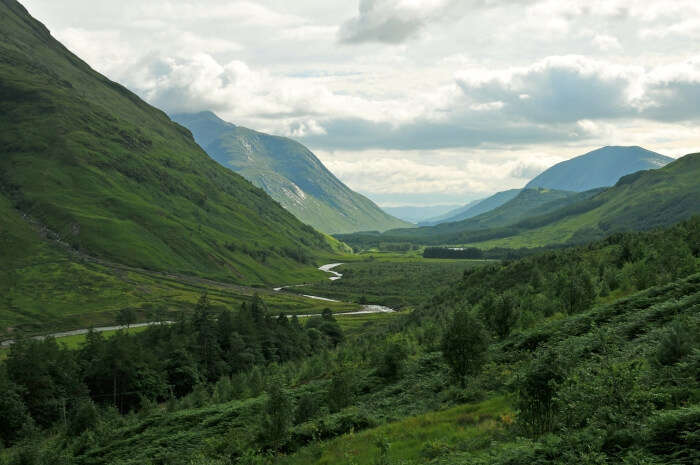
1. FIRST, the striking similarity between landscapes is actually a major reason behind the naming

Glen etive in Scottish Highlands

Shillong’s terrain is adorned with rolling and sky soaring hills bestowed with lush greenery. Most times, you can browse through pictures of both Scotland and Shillong, and you will actually get your mind baffled wondering which photograph is of which place! On a cloudy day the mist-laden pasturage look nothing less than a paradise.

2. The meandering roads amidst valleys make way for that ultimate road trip you’ve been dreaming of

Shillong Pass

The road to Mawlynnong, Cherrapunji, and the curvaceous road of the Shillong Bypass surely do allure just experienced drivers. You’d anyway rather sit at the backseat, so you can keek out of the window, let your hair flutter with the breeze, as the Himalayas unfold mesmerizing panorama before you.

3. Everyday is fun with cultural extravaganza

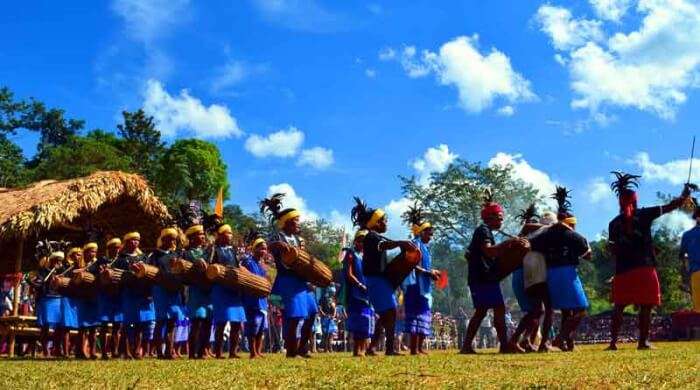
Culture in Shillong

The rich, colorful culture of Shillong makes it stick out. Just like the Scottish people, the tribes feel delight in presenting folk performances, and it’s fascinating to sit back and witness. You can also be a part of the act and join them as they are on it, but make sure you’re not spoiling the fun for others too. If not performances, you’ll be bewitched by handicrafts, tribal attires, and of course traditions. For a culture vulture, the perfect way to get an understanding of locals’ lifestyle is by staying in homestays.

4. The Scottish Highlands and the hills of Shillong razzle-dazzle with roaring waterfalls

Waterfall in Shillong

When you’re travelling through the valleys of Scotland and Shillong, be prepared to come upon random glistening waterfalls, especially if you’re visiting in the monsoon season.

5. The lakes of Scotland and Shillong hold stunning resemblance

Lake in Shillong

Alongside roaring waterfalls, Shillong and Scotland are embellished with lakes that are encircled with rolling hills. You can sit by for some time, or espouse this beautiful moment by boating on the lake. Keep aside any electrical device for a little while and just inhale the enticement in front of your eyes.

6. Many regions are undisturbed by heavy tourist crowd

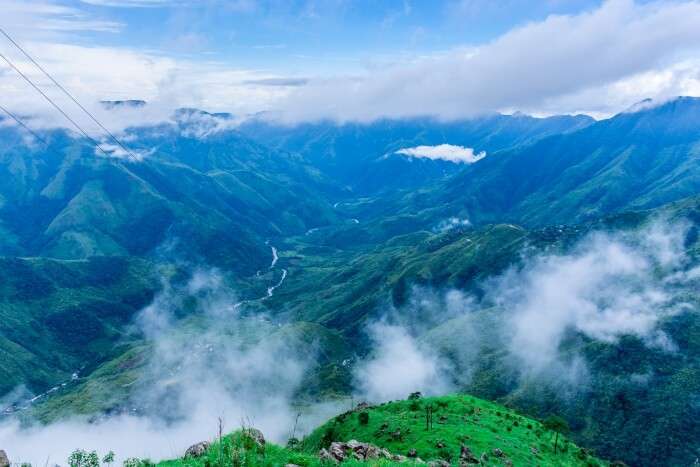
Mist in Shillong

Even though Shillong in Meghalaya is a major tourist attraction in Northeast India, but you will come across a commendable balance when it comes to crowded attractions. There are numerous places in this place where you can pitch in your tent and connect with nature. Such is the natural beauty of this place.

7. The music festival scenario in Shillong is equally spellbinding as the Scottish one!

Music festival in Shillong

Scotland might be hosting some stunning music festivals, but believe me, Shillong will have your jaws drop too! The NH7 Weekender is a music festival which is one of India’s most awaited events. Famed artists like A.R Rahman, Steven Wilson, Farhan Akhtar and Fear Factory have performed in the festival.

We can come up with many similarities between Scotland and Shillong to justify its naming, but we believe, that the beauty of this beautiful Indian hill-station is one-of-a-kind, and that it cannot be compared with any other place in the world.

The Origin of Rajputs

Rajput, (from Sanskrit raja-putra,”son of a king”), were known for their courage, loyalty and royalty. They were the warriors who fought in battles and took care of all the governing functions. The Rajputs originated from western, eastern, northern India and a few parts of Pakistan. Rajputs enjoyed their eminence from sixth century to twelfth century. until twentieth century Rajputs ruled in trounce majority in the princely states of Rajasthan and Surashtra.

During the sixth century India was divided into caste systems which consisted of The Brahmins, Kshatriyas, Vaishyas and shudras. The Brahmins were known as the upper class Hindus who were only responsible for the scared works. The Kshatriyas were the warriors who fought in the battles and took care of the governing functions. The Vaishyas were the agriculturalists, landowners, traders and money-lenders and the shudras kown as the lower class Hindus who had to serve the above three castes. The Rajputs fall in the category of Kshatriyas. Throughout their rule in the northern parts of India, they built remarkable shrines, castles and forts and were great supporters of art.

The Rajputs had a widespread population, almost the entire subcontinent especially in the north, west and central India. They were found in Rajasthan, Uttar Pradesh, Uttarakhand, Himachal Pradesh, Surashtra, Jammu, Haryana, Madhya Pradesh and Bihar. The origin of Rajputs is a topic of argument till date. Authors, such as V.P. Malik and M.S. Naravane, consider that the period was not given to any specific community till the sixth century A.D, as there is no reference of the period in the historical records. Leaders and aristocrats from the intruders were called as Kshatriya in the Hindu caste system, though others who trailed and helped them- such as the Jats, Ahirs and Gurjars- were ranked as Shudra. At the same time, few congenital communities were regarded as Rajput. A few examples of these are the Chandels, Rathors and Bundelas. Aydogdy Kurbanov says that the integration was precisely, between the Hepthalites, Gurjars, and folks from northwestern India. Although, some researchers, such as C.V. Vaidya and Gauri Shankar Ojha did not accept these integration philosophies.

Rajputs are divided into vansh and vamsha. The vansh is further divided into Suryavanshi which means ” House of Sun”, who are descendants of Lord Ram, Chandravanshi which means “House of Moon”, descendants of Lord Krishna and lastly Agnivanshi meaning “Family of Fire God.” Under the vansh category there further subcategories which are, kul or shakh (branch), khamp or khanp (twig) and nak (twig tip). Kul serves as the primary identity among Rajputs and each one of them worships and is protected by their family goddess known as kuldevi. The Suryavanshi clans are Bais, Chattar, Gaur, Kachwaha, Minhas, Pakhral, Patial, Pundir, Naru, Rathore and Sisodia. In Chandravanshi we have Bhati, Chandelas, Bhangalia, Chudasama, Jadauns, Jadeja, Jarral, Katoch, Pahore, Som and Tomaras. In Agnivanshi we have Bhaal, Chauhan, Dodiya, Chavda, Mori, Naga, Paramara and Solanki.

When the British arrived in India, the Rajput states became colonies which in turn ended the reign of Rajputs forever. After India’s independence (1947), most of the Rajput states were merged to form the state of Rajasthan within the Indian union.

‘God’s Own Country’

Kerala was historically known as Keralam and it is located in Southern part of India on the Malabar Coast. Kerala has been a major source of exporter in spice since the very beginning. This beautiful state has the lowest population growth in India. The culture here is very deeply seated and rich and also shows off Aryan and Dravidian cultures.  The coastline here extends up to around 600 Kilometres. Kerala is apparently one of those tourist destinations which everyone wants to visit at least once in their lifetime with the rich natural diversity, food and breath taking backwaters. Here are the five reasons why Kerala is known as God’s own country:

Religion and cultural values:

untitled-18

As per the Hindu Mythology, Lord Parsurama who was an avatar of Vishnu once threw his axe from Kanyakumari towards the north and as a result a land arose from the ocean which is now known as Kerala. This story exactly makes Kerala “God’s own country”. On top of that, till date Kerala has kept its religious values undefiled. People from varied religions and cultures reside here. One must visit the august religious places like Sabrimala, Kottayam, St.Francis church to appreciate the religious values of this land created by God.

Gift of nature:

untitled-13

Kerala is gifted with the some of the incomparable flora and fauna. It is a land with diverse landscapes. The serene beaches especially the Kovalam beach, dense forests of Nilambur and Periyar, picturesque Athirappilly Waterfalls, the royal backwaters of Allepey and the beautiful tea plantation of Munnar make this place gods too must love to reside. Moreover, there are varied species of lovely animals living here. With this present of Flora and Fauna, Kerala is certainly “God’s own country”.

Scrumptious food:

untitled-15

How can we forget the mouth-watering “South Indian Food?” Kerala is known for the Sadya. It is a customary feast with rice, sambar, Thoran, Olan and assortment of pickles and coconut chutneys. Not to forget the delicious Appam, Iddiappam that is served as breakfast throughout the state. It’s like a haven for any foodie. With so much to serve on one banana leaf, Kerala is certainly known as “God’s own country”.

Richness of the land:

untitled-17

The soil of Kerala is highly fertile and rich in minerals. There are various non-native species of plants that grow in the soil of Kerala. The chief vegetation that grows here is Paddy, Coconut, Rubber, Banana, Tea, Coffee and many more. The land here is extremely fertile that spices like Pepper, Cardamom, Clove, Ginger grow here.

Thrill of adventure:

untitled-14

Kerala is also renowned for some sports events. One of the most famed sports in Kerala is the Snake boat race. It is held in August or September every single year. It is so thrilling to see hundred rovers row a hundred and thirty feet long snake boat in synchronization.

God has painted this land with all sorts of colors and with all the diligent time and efforts. It is truly “God’s Own Country”.

Pink City

The very first planned city of India, Jaipur has a rich history of a clan of rulers who lived in magnificent forts and palaces. But, that’s not only what the capital of Rajasthan is famous for. The entire city of Jaipur is painted in the colour pink and there’s a really engrossing story behind this. Here’s all you need to know about the ‘Pink Paint Culture’ of one of the most convivial cities on the planet. The cause behind the terracotta-pink colour of the city was the influence of a king named Sawai Ram Singh. In 1876, Queen Victoria’s son, Albert Edward, Prince of Wales visited India and, since pink was considered the colour of conviviality at the time, Maharaja Ram Singh had the entire city painted pink to welcome the royal guests. Lord Albert was said to have portrayed Jaipur as the ‘pink city’, hence creating the name Jaipur is known by today. The Maharaja made sure that Lord Albert visited Jaipur by constructing a lavish concert hall and naming it The Albert Hall, in his honor. The concert hall still dignifies the grounds of Ram Niwas Public gardens in Jaipur today. At the time of his rule, the Maharaja Sawai Ram Singh was one of the richest and most powerful men in the nation. His true power was displayed by the law passed by him to maintain the pink colour for any future buildings in the city. The law was passed in 1877 because legend has it that the Queen of Jaipur was very much into the color terracotta pink . As the law stayed in effect, the buildings of Jaipur is still painted in the pink colour today. For all I know the decision hasn’t been challenged as the residents of the city understand the heritage value of the law. Aside from a few buildings, the entire city is painted in the colour of hospitality, and welcomes visitors and guests with open arms.

Jaipur, the pink and splendid city of India , is home to royal palaces and historical forts, rich in tradition, famous for its Rajasthani food and host to one of the biggest literary festivals in the country. A few places that one should definitely visit during there trip to Jaipur are:

Jaipur City Palace

Present in the heart of the old city of Jaipur, the city palace proves the style and elegance of the Rajput royalties. To blend in the glorious city, the first place to stop by is this capital palace which is a sprawling complex with arresting buildings and collection of marvelous artifacts. Built by the Rajput king Maharaja Sawai Jai Singh, a portion of the structure has now been converted into a museum, and it also houses two huge sterling silver vessels that can store 4,000 liters of liquid, recorded as the largest in the Guinness Book of World Records. The Royal Family still inhabits the palace.

Hawa Mahal

Just 700 meters from the palace is the ‘Palace of the Winds,’ Hawa Mahal. The five-story building is in the shape of a semi-octagonal structure, with 953 small windows (jharokhas), akin to the honeycomb of a beehive. It is considered that the structure was made for the royal ladies to observe the everyday bustling life in the streets without being seen under the obligation to ‘purdah’ (face cover).

Amber Fort

This fort is located on the outskirts of Jaipur. The lake in the front provides an exquisite reflection of the fort, which has four parts, including a temple, the meeting halls and the famous Sheesh Mahal. It is the same mahal where the song ‘Jab pyaar kiya to darna kya’ of Mughal-e-azam was shot. The mahal is magnificent with infinite mirrors used over the walls.

1135 AD

After appreciating the empire which was once home to the Royals, visit 1135 AD restaurant when you’re set to have some lunch. Hardly a kilometre away, the restaurant blesses visitors with an imperial elegant ambiance. Served in silver cutlery, one can enjoy the taste of Mughali, Rajasthani and North Indian cuisine and have the perfect royal experience.

Street Shopping

Rajasthan is famous for its traditional jootis, eye-catching ghagras and the pretty jholas with small mirrors stitched to it. Therefore to get the best of these, do shop in places like Johari Bazaar (Jewelry Market), Nehru Bazaar, and Bapu Bazaar. Johari Bazaar is famous for its fabulous collection of jewelry, with gems and other semi-precious stones. The colorful textiles and jootis (sandals) can be bought in this area too. While you’re shopping in Bapu Bazaar, you will also have the chance to notice the ‘pink’ in this pink city.

Insomnia

Insomnia is a sleep disorder that regularly affects billions of people around the world. In a nutshell, people with insomnia find it difficult to fall asleep or stay asleep. The effects can be harmful. Insomnia often leads to daytime sleepiness, lethargy, and a general feeling of being unwell, both mentally and physically. Mood swings, irritability, and anxiety are common related symptoms. Insomnia has also been concerned with a higher risk of developing chronic diseases.

CAUSES

Insomnia can be due to physical and psychological factors. There is seldom an underlying medical condition that causes chronic insomnia, while transient insomnia may be caused by a recent event or occurrence. Insomnia is caused by:

  • Disruptions in circadian rhythm –jet lag, job shift changes, high altitudes, environmental disturbance, extreme weather condition.
  • Psychological issues –depression, bipolar disorder, anxiety disorders, or psychotic disorders.
  • Medical conditions – chronic pain, chronic fatigue syndrome, congestive heart failure, angina, acid-reflux disease (GERD), chronic obstructive pulmonary disease, asthma, sleep apnea, Parkinson’s and Alzheimer’s diseases, hyperthyroidism, arthritis, brain lesions, tumors, stroke.
  • Hormones – estrogen, hormone shifts during menstruation.
  • Other factors – sleeping next to a snoring partner, parasites, genetic conditions, overactive mind, pregnancy.

Media technology in the bedroom

Several researches in adults and children have suggested that subjection to light from televisions and smartphones prior to going to sleep can affect natural melatonin levels and lead to increased time to sleep.

Moreover, a study conducted by Rensselaer Polytechnic Institute found that back-lit tablet computers can affect sleep patterns. These studies imply that technology in the bedroom can worsen insomnia, leading to more complications.
SIGNS AND SYMPTOMS

Insomnia itself may be a sign of an underlying medical condition. Even so, there are many signs and symptoms that are associated with insomnia:

  • Difficulty in falling asleep at night.
  • Waking during the night.
  • Waking earlier than desired.
  • Still feeling tired after a night’s sleep.
  • Daytime fatigue or sleepiness.
  • Irritability, depression, or anxiety.

  • Poor concentration and focus.
  • Difficulty socializing.
  • Gastrointestinal symptoms.
  • Worrying about sleeping.

Sleep deprivation can lead to other symptoms. The affected person may wake up not feeling fully awake and refreshed, and may have a feeling of tiredness and sleepiness throughout the day. Having trouble concentrating and focusing on tasks is common for people with insomnia.

TYPES

Insomnia includes a vast range of sleeping disorders, from lack of sleep quality to lack of sleep quantity. Insomnia is generally categorized into three categories:

  • Transient insomnia – occurs when symptoms last up to three nights.
  • Acute insomnia – also called short-term insomnia. Symptoms continue for several weeks.
  • Chronic insomnia – this one lasts for months, and sometimes years.

treatment

Few types of insomnia resolve when the underlying cause is treated or wears off. In general, insomnia treatment focuses on determining the cause. Once identified, this underlying cause can be correctly treated . Besides treating the underlying cause of insomnia, both medical and non-pharmacological (behavioral) treatments may be used as therapies. Non-pharmacological approaches are inclusive of cognitive behavioral (CBT) therapy in one-on-one counseling sessions or group therapy:

Medical treatments for insomnia include:

  • prescription sleeping pills
  • antidepressants
  • sleep aids available online or over-the-counter
  • antihistamines
  • melatonin, which can be purchased online
  • ramelteon

HOME REMEDIES

Home remedies for insomnia are:

  • Improving “sleep hygiene”: Not sleeping too much or too little, exercising daily, not forcing sleep, maintaining a regular sleep schedule, avoiding caffeine containing products at night, avoiding smoking, avoiding going to bed on an empty stomach, and ensuring a comfortable sleeping environment.
  • Using relaxation techniques: Such as meditation and muscle relaxation.
  • Stimulus control therapy – only go to bed when sleepy. Avoid watching TV, reading, eating, or worrying in bed. Set an alarm for the same time every morning (even weekends) and avoid long daytime naps.
  • Sleep restriction: Decreasing the time spent in bed and partially depriving the body of sleep can increase tiredness, ready for the next night.

rISK FACTORS

Insomnia can afflict an individual of any age; it is more prevalent in adult females than adult males. It can erode school and work performance, as well as contributing to obesity, anxiety, depression, irritability, concentration problems, memory problems, poor immune system function, and reduced reaction time. Few people are more likely to experience insomnia. These include:

  • travelers, particularly through multiple time zones
  • shift workers with frequent changes in shifts (day vs. night)
  • the elderly
  • users of illegal drugs
  • adolescent or young adult students
  • pregnant women
  • menopausal women
  • those with mental health disorders

‘Hallyu’

In the last decade, the attractiveness of South Korean everyday and pop culture has increased around the world. The popularity of this Korean cultural wave (hallyu) is largely the result of state cultural policy. Through globalization, new technologies and cooperation between the public and private sectors, mass culture has become an important driver of South Korea’s economic development. Hallyu also strengthens South Korean soft power, building a positive image of the state. The global popularity of hallyu will grow, and its elements will increasingly penetrate the pop culture of other countries.

Hallyu is a socio-cultural phenomenon associated with the growing popularity of South Korean culture, especially popular. It was initiated in the late 1990s in connection with the success of Korean television series (K-dramas) and movies in east and southeast Asia. At the beginning of the 21st century, popular music (K-pop) gained importance and remains to this day the largest vehicle of hallyu. Currently, the Korean wave also includes, among other things, online games, comics and animations, literature, cuisine, cosmetics and fashion.

In the last decade, hallyu has found audiences beyond Asia, becoming a global phenomenon. According to the estimates of the Korea Foundation, there are 1,799 Korean wave fan clubs (social media groups) in 94 countries, connecting approximately 99.32 million people (end of 2019). Most fans are in Asia and Oceania (71.81 million, 479 fan clubs), while in Europe there are the most fan clubs (624), connecting 15.5 million people. The Korean wave is becoming increasingly popular in the Americas (about 12.15 million people in 542 fan clubs). The fewest fan clubs and members (154 and 320,000, respectively) are in the Middle East and Africa. Recent successes on the U.S. market, including four Oscars for the movie “Parasite”, and multiple chart-toppers by the K-pop band BTS, confirm the strength of hallyu. Its success is due to the cultural policy of the Republic of Korea, initiated in the 1990s, which uses globalization and technological development.

Hallyu’s global popularity will grow due to the constant expansion of the offer, with new fields, mastery of the mechanisms of digital distribution and consumption of cultural content, greater orientation towards foreign recipients and the use of new technologies. Elements of hallyu will increasingly penetrate the pop culture of other countries, affecting their cultural industries (such as the film industry in the United States, following the success of “Parasite”).

South Korea has become one of the global pop culture centers also thanks to the involvement of fans around the world. They increase the reach of hallyu through social media activity, and translations of TV series and lyrics of songs. They can also act as a lobbying group. This was shown by the example of one of the Polish TV stations, which, for its negative opinions about a K-pop singer, was flooded with a wave of critical comments in social media and forced to apologize. Hallyu will also have a greater impact in Poland, where, according to the Korea Foundation, there are around 115,000 fans. The growing popularity of hallyu in Poland may prompt South Korea to increase the export of cultural content and related consumer goods and services to the Polish market. The South Korean example may encourage deeper cooperation between the public and private sectors for the development of creative industries in Poland.

Habits that Sharpen Your Brain.

You most likely spend at least a couple of hours each week training your body-doing cardio, weight training, or even just walking. You’re training your muscles to stay pliant and strong, your joints to stay fluid, and your body’s physical systems to run ideally. At the same time how much time do you spend training your brain? Brain training isn’t a fresh concept. It can help us remember information, recall facts more quickly, and hone our focus. Even a brief course of brain exercises can help older adults enhance reasoning skills and processing speed for ten years after the training ends, according to a recent federally sponsored research on cognitive training.

Here are seven simple daily habits you can work into your schedule to sharpen your intelligence:

1. Follow ideas through to various outcomes.

Entrepreneurs are often bedeviled with more ideas than time to deal with them in. Make it a habit to do idea exercises-come up with three potential outcomes for your next idea, even if there’s only one way you expect it to turn out. Visualize your idea in various ways. Make it a habit to take into account more alternatives.

2. Add 10-20 minutes of aerobic exercise to your day.

Aerobic activity axes your lifetime risk of Alzheimer’s in half and your risk of general dementia by sixty percent, according to John Medina, PhD, director of the Seattle Pacific University Brain Center for Applied Learning Research. Probably, you’re exercising already for the physical benefits, but if not, the fact it can keep you sharp and even enhance your creativity, should be great motivators!

3. Engage in stimulating conversation.

In reality-outside the computer or mobile phone screen. The art of tête-à-tête requires that we think on our feet, and conversing with someone smarter than you can be a fantastic exercise in quick thinking as well as a chance to learn something new. Seek out interesting people and engage them in conversation, however concise.

4. Take online courses.

You can learn anything online-even on a mobile device. Commit to learning something new everyday, whether it’s during your transit to work, on your lunch break, or in the five spare minutes you have between meetings. Better yet, make it something super useful, like learning a new language.

5. Give your brain a break.

You can’t be “on” all the time. Make productivity apps a part of your daily schedule, to automate redundant tasks that take up your time and brain space.

6. Practice a hobby.

Make sure you’re doing something that you love, every day. If your brain is continuously bogged down in work, it has no time or space to explore creative, fun ideas and concepts. In fact, some recreational activites-like playing video games or practicing a musical instrument-can help sharpen your intelligence as well!

7. Look, Listen, Learn.

Try working an array of media types into your day. Read reports, listen to podcasts, watch video clips whenever you can, and use gamified apps or sites when possible. Switch it up so you’re using more of your senses to take in information, and staying more engrossed to retain more of it. If you’re finding yourself bored to death with reading or bogged down in audio files, take a break and try a new media type.

Shortage of Army Officers in the Indian Army. Explained.

While the country applauds the actions of the defense forces on the borders, the citizens are largely unaware that each unit of the fighting and supporting arms of the Army are battling an acute shortage of officers. Indian military which has an onerous task of defending the country’s more than 15,000 kilometres long border and 7,500 kilometres long coastline is facing an acute shortage of officers. Indian military forces may be gaining firepower at a fast clip, but they surely are bereft of manpower. Against an authorized strength of 74,000 officers, the Army, Navy and Air Force currently have only 65,000, limiting their ability to run their operations efficaciously. This is a worrisome situation for the country that shares long boundaries with hostile neighbors and facing internal security challenges in border states in the north and northeast. Indian military forces have an onerous task of guarding the country’s borders stretching 15,106 kilometres and a 7,516 kilometres long coastline.

“There are three main causes: harsh service environment and everyday risk to life in the line of duty, pay and perks in the military and avenues for promotion are not as appealing as is the case with civil services and the third thing is the very attractive pay and package available in the corporate sector, these are the main reasons behind the shortage of officers,”

– Lt. General (retd) Rameshwar Yadav.

There are various methods of getting into the armed forces, starting from after Class XII in the NDA to the graduation level for the national academies and a host of other technical and non-technical entries. The entrance test for these officer-rank entries features a gruelling selection mechanism which culminates in a personality evaluation by services selection boards. Leadership traits are an important part of this evaluation. The pass percentage at the officer level is 2-5 per cent of the students who clear the written exam. After the selections, the trainees — generally referred to as ‘gentlemen cadets’ — undergo training at the elite academies, which develop them into leaders who are fit to take up the leadership role in combat and non-combat units. Those who are allotted the services are also made to undergo 1-2 years of attachment in the combat units, thus making them familiar with the operational environment. 

India which has 1.4 million active duty personnel in three branches of its military is surrounded by two hostile neighbors on its northern and western borders and has fought four wars with them and these border disputes with both Pakistan and China continue to seethe. As per the latest official data, the authorized strength of officers in Indian Army in March 2018 was 50,028. Even so, four months later, in July this year, there were only 42,734 officers. The shortage of 7,294 officers or 14.57% of the authorized strength. In case of Indian Navy, as on October 2018, there were only 9,925 naval officers against the authorized strength of 11,415 officers, this is a shortage of 1,457 officers in Indian Navy or 12.76%. It seems that among the three branches of Indian military, Indian Air Force is the only force that is able to attract the talent in a much better manner. As on 1st July 2018, Indian Air Force had 12,392 officers as against the authorized strength of 12,584 officers, a shortfall of just 192 officers or 1.52%. Indian armed forces have adopted several policies to fill the gap but they appear to be less than successful. Of late, the government has implemented several measures including increasing the allowances for difficult area posting but it has apparently been unsuccessful to attract the required talent.

The Hong Kong Protests

Hong Kong’s anti-government protest started in June against plans to allow extradition to mainland China. The extradition bill which triggered the very first protest was introduced in April. It would have let criminal suspects to be deported to mainland China under certain circumstances. Opponents said this put the Hongkongers at risk to unfair trials and violent treatment. Critics feared this could erode judicial independence and endanger dissidents. They also argued the bill would give China greater authority over Hong Kong and could be used to target activists and journalists. A large number of people gathered on the street in opposition. After weeks of protests, leader Carrie Lam ultimately said the bill would be suspended sine die.

HOW DID THE SITUATION ESCALATE?

Protesters feared the bill could be reintroduced, so demonstrations persisted, calling for it to be withdrawn completely. By then clashes between police and protesters had become more incessant and violent. In September, the bill was finally extracted, but protesters said this was “too little, too late”. On 1 October, while China was commemorating 70 years of Communist Party rule, Hong Kong went through one of it’s most “violent and chaotic days.” An 18-year-old was shot in the chest with a live bullet as protesters grappled officers with poles, petrol bombs and other projectiles. The government then prohibited protesters wearing face masks, and in early November a pro Beijing lawmaker was knifed in the street by a man pretending to be a supporter. A week later, a policeman shot one protester at spitting distance when activists were trying to set up a road block. Later that day another man was set on fire by anti-government demonstrators. In November, a standoff between police and students barricaded on the campus of Hong Kong’s Polytechnic University became another defining juncture. Later that month, the territory held local council elections that were seen as a barometer of public viewpoint. The vote saw a grand slam victory for the pro-democracy movement, with 17 of the 18 councils now controlled by pro-democracy councillors.

WHAT DO PROTESTERS WANT?

Some protesters have taken up the motto: “Five demands, not one less!” These are:

  • For the demonstrators not to be characterized as a “riot”
  • Pardon for arrested protesters
  • An independent inquiry into asserted police brutality
  • Implementation of complete universal franchise

The fifth demand, the extraction of the bill, has already been met. Protests in favor of the Hong Kong movement have spread across the globe, with rallies taking place in the UK, France, US, Canada and Australia. In many cases, people supporting the protesters were confronted by pro-Beijing rallies. Chinese president Xi Jinping has forewarned against separatism, saying any attempt to divide China would end in “bodies smashed and bones ground to powder”.

WHAT IS HONG KONG’S STATUS?

Hong Kong is an erstwhile British colony handed back to China in 1997. It has its own judiciary and a independent legal system from mainland China. Those rights comprise freedom of assembly and freedom of speech. But those freedoms – the Basic Law – lapse in 2047 and it is not clear what Hong Kong’s status will then be.

PRIDE

Fifty years after the very first pride march, prominent organizers and activists talk about how it spread across the globe and made history. Last month marks the 50th anniversary of the first Pride march, which was held in New York City on June 28, 1970. The event – formally known as the Christopher Street Liberation Day March. June is Pride Month, when the world’s largest LGBTQ+ communities come together and celebrate the freedom to be themselves. Pride gatherings are rooted in the arduous history of minority groups who have struggled for decades to overcome prejudice and be accepted for who they are.

Pride events are directed towards anyone who feels like their sexual identity falls outside the mainstream -although many straight people join in, too. LGBT is an abbrevation meaning lesbian, gay, bisexual and transgender. The term sometimes is extended to LGBTQ, or even LGBTQIA, to include queer, intersex and asexual groups. Queer is an umbrella term for sexual and gender minorities who are not heterosexual or are not cisgender; intersex refers to those whose sex is not clearly defined because of genetic, hormonal or biological differences; and asexual describes those who don’t feel sexual attraction. These words may also include gender fluid people, or those whose gender identity changes over time or depending on the situation.

In the early hours of June 28, 1969, police blitzed the Stonewall Inn, a gay bar in New York’s Greenwich Village, and began dragging customers outside. Tensions increased rapidly as patrons resisted arrest and a growing crowd of bystanders threw bottles and coins at the officers. New York’s gay community, fed up after years of harassment by authorities, broke out in neighborhood rampage that went on for three days. The uprising became a catalyst for an arising gay rights movement as organizations such as the Gay Liberation Front and the Gay Activists Alliance were formed, modeled after the civil rights movement and the women’s rights movement. Members held protests, met with political leaders and interrupted public meetings to hold those leaders accountable. A year after the Stonewall rampage, the nation’s very first Gay Pride marches were held, that is how the pride march was started. In 2016 the area around the Stonewall Inn, still a sought-after nightspot today, was designated a national monument.

The word pride in the term ‘PRIDE MARCH’ is attributed to Brenda Howard, a bisexual New York activist nicknamed the “Mother of Pride,” who organized the first Pride parade to celebrate the one-year anniversary of the Stonewall uprising.

In 1978, artist and designer Gilbert Baker was commissioned by San Francisco city supervisor Harvey Milk – one of the first openly gay elected officials in the US – to prepare a flag for the city’s upcoming Pride celebrations. Baker, an eminent gay rights activist, gave a nod to the stripes of the American flag but drew inventiveness from the rainbow to reflect the many groups within the gay community. A subset of flags represent other sexualities on the spectrum, such as bisexual, pansexual and asexual.

How to Lead an Empowered Life

Self-empowerment is the process which leads people to exert greater control over their lives. Self-empowerment includes fostering skills that would eventually allow you to influence certain outcomes and produce tangible results. This is different from solely feeling self-empowered. People may feel selfempowered by listening to a moving speech, but as new research accurately shows, people won’t in fact be empowered unless they’re able to significantly change an aspect of their lives.

The idea that self-empowerment calls for awareness sound like a cliche these days. However I’d like to offer a fresh view on the idea of expanding awareness. I find it’s best to think of self-empowerment as the ability to become conscious of your choices so you have in becoming who you want to be. I settled for this definition because I’ve observed that when people are dis-empowered, they lose sight of what they’re capable of and who they can be. So the first step is to fully apprehend that you do have options.

There are many people in our life who keep bringing us down, therefore making them a culprit for our dis-empowerment apart from ourselves. It’s safe to let others direct your life since you’ll always have someone to blame if things go wrong. Stop giving away your power and let go of immature thought patterns. Continuing on this route will only fuel feelings of inferiority, and you’ll believe that you’re “less” than others.

Courage is the first pillar of self-empowerment. It is your foundation for any real and lasting change in life. Courage will help you overcome your fears, try new things, to quit things that don’t work, to find new relationships, and to start your first business. Courage will furthermore make you help, love, learn, give back, forgive, start over, to stand up for yourself, to stand up for others, to say yes, and to say no. Courage, in my view, is the most radical value.

A paradigm is a belief system within which you define yourself and the world in a rational way. The coherence of these beliefs depends on the web of principles, values, and judgments that you have formed about who you are. In any given paradigm, events are interpreted in line with the “rules” of that paradigm and as such derive their plausibility from it. We all live within paradigms. We all have credences about who we are and why we are the way we are. While few paradigms are empowering, others can be dis-empowering. For example, a person who lacks self-confidence might feel that social situations provoke anxiety and such situations must be avoided.

Innumerable of the personal challenges that people go through such as low self-confidence, lack of productivity, certain financial challenges; etc., arise from living in a performance-oriented paradigm. This paradigm contains inflexible and firm beliefs about oneself and the processes of doing something well.

The person that operates within that paradigm is concerned with how they look. They’re preoccupied with how others see them. 

I encourage you to let go and to make mistakes. People can be so self-absorbed that they won’t even remember your mistakes. On the other hand, a growth-oriented paradigm is one in which you don’t judge yourself. You take on experiences because you know that becoming good at something requires working and probably failing along the way. 

Route To A Healthy Skin

Skin is the body’s largest organ. When healthy, its layers work diligently to protect us. However, when it’s compromised, the skin’s ability to work as an effective barrier is weakened. Hence, here are few ways to keep it healthy and support it in it’s protective role.

Your skin is the aperture to your body that reveals the stories of your life. From  breakouts during your teen years to the radiant glow of pregnancy and the sunspots of aging, both your age and your health are evinced in your skin. Skin has various functions, making it the ideal multitasker of the human body. It’s most salient role is being the first line of defense between our bodies and the outside world, protecting us from numerous bacteria, viruses, and chemical substances that we encounter in the workplace and at home.

Many elements impact your skin. Genetics, aging, hormones, and conditions such as diabetes are internal factors that have an affect on the skin. Few of these you cannot control, but there are numerous external factors that you can. External influencers like unprotected sun exposure and washing too frequently or with water that is too hot can damage skin. An unhealthy diet, stress, a lack of sleep, not enough exercise, dehydration, smoking, and particular medications can be a hindrance to the skin’s ability to operate as an effective protective barrier.

EAT A HEALTHFUL DIET

There is a multibillion-dollar industry devoted to products that keep your skin in it’s best condition, and which avouch to fight signs of aging. However emollients only go skin deep, and aging develops at a deeper, cellular level. What you eat is as essential as the products that you put on your skin. Your diet could ameliorate your skin health from the inside out, so a clear complexion begins with eating a healthy diet.

KEEP STRESS IN CHECK

Have you ever observed that right before an important event, an unsightly zit appears on your face? Well, scientists have established some links between stress levels and skin problems.

In a study of college students, those who experienced high levels of stress were more likely to experience skin problems such as:

  • itchy skin
  • hair fall
  • scabrous, oily, or waxy patches on the scalp
  • troublesome sweating
  • scaly skin
  • hand rashes

Other researches showed that teenagers who reported high stress levels were 23 percent more likely to have severe acne. The researchers reckon that stress increases the amount of sebum, which is the oily substance that blocks pores. This leads to greater acne problems. Lowering your stress levels may lead to clearer skin. If you think that stress is having an affect on your skin, try stress reduction techniques such as tai chi, yoga, or meditation.

keep your skin hydrated

Skin emollients keep the top layer of skin cells hydrated and seal in moisture. Emollients often contain humectants to attract moisture, occlusive agents to retain moisture in the skin.

The American Academy of Dermatology suggests the following ways to keep moisture in and prevent dry, red, and itchy skin:

  • Take a 5- to 10-minute shower or bath everyday. Excessive washing can strip away the oily layer of the skin and make it dry.
  • Use lukewarm water instead of hot water.
  • Minimize the use of harsh soaps. Use a gentle and fragrance-free organic soap.
  • Stay away from abrasive scrub brushes, bath sponges, and washcloths that can damage the skin’s uppermost layer.
  • Pat skin gently dry with a soft towel.
  • Moisturize immediately after washing. To trap in moisture, emollients, lotions, and creams need to be applied within minutes of drying off.

get your beauty sleep

Getting your beauty sleep will help you get rid of those dark circles around your eyes and improve your skin tone, and, best of all, it is free. Sleeping for under that amount of time could be harmful to your health — and your skin, in particular.

People classified as poor sleepers had increased signs of premature skin aging and reduced ability for their skin to repair itself at night from environmental stressors such as sun exposure. During deep sleep, your body enters repair mode and regenerates skin, muscles, and blood and brain cells. Without adequate sleep, your body is incapable to produce new collagen. Collagen prevents your skin from sagging. Keeping your skin healthy and young does not automatically mean purchasing expensive creams and lotions; by following these simple steps, you can make dull and lifeless skin glow.

PETS.

Almost all pet owners are clear about the immediate happiness that comes with sharing their lives with companion animals. Nevertheless, many of us remain unaware of the physical and mental health benefits that can also accompany the pleasure of snuggling up to a furry friend. It’s only recently that studies have begun to scientifically explore the perks of the human-animal bond.

Pets have evolved to become acutely accustomed to humans and our behavior and emotions. Dogs, for instance, are able to understand many of the words we use, but they’re even better at interpreting our tone of voice, body language, and gestures. And like any good human friend, a loyal dog will look into your eyes to measure your emotional state and try to understand what you’re thinking and feeling (and to figure out when the next walk or treat might be coming, of course).

Pets, specifically dogs and cats, can reduce stress, anxiety, and depression, ease loneliness, encourage exercise and playfulness, and even improve your cardiovascular health. Looking after an animal can help children grow up more secure and active. Pets also offer valuable companionship for older adults.

STudies have found that:

  • Pet owners are less likely to go through depression than those without pets.
  • Pet-parents have lower blood pressure in stressful situations than those without pets. One study even found that when people with borderline hypertension adopted dogs from a shelter, their blood pressure declined remarkably within five months.
  • Spending time with a dog or cat can elevate levels of serotonin and dopamine, which calm and relax.
  • Pet owners have lower amount of triglyceride and cholesterol levels (indicators of heart disease) than those without pets.
  • Heart attack patients with pets tend to survive longer than those without.
  • Pet parents over age 65 make hardly any visits to their doctors than those without pets.
  • While people with pets often experience the greatest health benefits, a pet doesn’t have to be a dog or a cat.

One of the causes for these therapeutic effects is that pets fulfill the basic human want for touch. Even hardened criminals in prison show long-term changes in their behavior after interacting with pets, many of them experiencing mutual affection for the very first time. Stroking, hugging, or otherwise touching a loving animal can swiftly calm and soothe you when you’re stressed or anxious. The companionship of a pet can also ease loneliness, and most dogs are a great stimulus for healthy exercise, which can considerably boost your mood and ease depression.

How pets can help you make healthy lifestyle choices

Opting for a healthy lifestyle plays an important role in easing symptoms of depression, anxiety, stress,  and PTSD. Taking care of a pet can help you make healthy lifestyle changes by:

Increasing exercise. Taking a your dog for a walk, hike or run are fun are rewarding ways to stay fit. Studies have shown that dog parents are far more likely to meet their daily exercise requirements—and exercising every day is healthy for the animal as well. It will deepen the connection between you, get rid of most behavior problems in dogs, and keep your pet fit and healthy.

Providing companionship. Companionship can help prevent diseases and even add years to your life, while isolation and loneliness can trigger symptoms of depression. Caring for a living being can help make you feel needed and wanted, and take the focus away from your problems, especially if you live alone. Most dog and cat parents talk to their pets, some even use them to work through their troubles.

Helping you meet new people. Pets can be a great social lubricant for their owners, helping you start and make new relations. Dog parents frequently stop and talk to each other on walks, hikes, or in a dog park.

Reducing anxiety. The companionship of an animal can offer comfort, help in curing anxiety, and build self-confidence for people anxious about going out into the world. Because pets believe in ‘carpe diem’—they don’t worry about what happened yesterday or what might happen tomorrow—they can help you become more mindful and help you live in the moment.

Adding structure and routine to your day. Many pets, especially dogs, require a fixed feeding and exercise schedule. Having a consistent schedule keeps an animal balanced and calm—and it can work for you, too.

Providing sensory stress relief. Touch and movement are two healthy ways to handle stress. Stroking a dog, cat, or other animal can lower blood pressure and help you quickly feel calmer and less stressed.

Significance of Communication Skills in Business.

Developing communication skills can help many aspects of your life, from your professional career, to social gatherings, to your family life.In today’s hectic world, we are heavily dependent on sharing information, resulting in greater stress being placed on having good communication skills. Good  oral and written communication skills are essential in order to deliver and understand information quickly and accurately. Being able to communicate effectively is an essential life skill and should not be overlooked. On the contrary, poor communication skills can have a negative impact – a poorly delivered message may result in misunderstanding, frustration and in some cases disaster. Communication can be explained as the process of understanding and sharing meaning. To communicate well is to comprehend, and be understood. This can be accomplished in the following ways:

  • Verbally – your voice
  • Visually – e.g. images, graphs, maps, infographics
  • Non-verbally – e.g. body language, eye contact, gestures
  • Written – e.g. books, websites, emails

Listening is an important part of communication

Being able to actively listen is a salient communication skill. It’s easily neglected, as people tend to focus more on what they want to say, rather than listening to what the other person is saying. Knowing when to pause to allow the other person to talk is another salient skill. It conveys respect and a willingness to hear the other person’s viewpoint. Paying attention to what the person in front of you is saying will help you and your colleagues have more open and useful exchanges, where each contributor’s point of view is expressed and heard. This should give rise to a more positive working environment.

Importance of communication skills

1. Valued in the workplace

If you are seeking a new job or looking for a promotion with your current employer, you will almost certainly need to demonstrate good communication skills. Communication skills are needed to speak appropriately with a wide range of people whilst maintaining good eye contact, demonstrate a varied vocabulary and tailor your language to your audience, listen effectively, present your ideas appropriately, write clearly and briefly, and work well in a group. Most of these are essential business skills that employers seek.

2. In demand by businesses

Oral and written communication proficiencies are constantly ranked in the top ten desirable skills by employer surveys year after year. Employees are often motivated to take online courses and in-person training to enhance their presentation and communication skills.

3. Helps your career progression

You will have to request information, discuss problems, give instructions, work in teams, interact with colleagues and clients. If you are to achieve co-ordination and effective teamwork, good human relations skills are essential. Also, as the workplace is also becoming more global, there are various factors to consider if you are to communicate well in such a diverse environment. Being able to deliver messages clearly and comprehend what the other person means, work can be completed more effectively and to the benefit of the company as a whole. Employers need staff who can think for themselves, use initiative and solve problems, staff who are interested in the long-term success of the company. 

4. Builds better rapport with customers

Customers desire nothing more than being understood by a company and they wish to feel like they are being heard and listened to. This is a particularly a key point if your business involves a large amount of contact with customers, either face-to-face or over the phone.

5. Enhances your professional image

You want to make an exceptional first impression on your friends and family, instructors, and employer. All of them will want you to convey a positive image, as it reflects on them. In your career, you will represent your business or company in vocal and written form. Your professionalism and attention to detail will show positively on you and set you up for success.

Conclusion

The capability to communicate effectively with clients, colleagues and managers is essential, whatever sector you work in. Good communication enhances teams, inspires high performance and enhances the workplace culture. Always keep in mind, communication is a two-way process, so take notice of other people’s verbal and nonverbal signals as well as your own. By teaching yourself how to communicate more efficiently, you’ll interact in a more constructive and productive manner, making the workplace a positive and thriving environment.

The To Do List: Things to do during lockdown.

You’re at home, or in quarantine, and need to keep yourself active and constructive. Here are a few activities that you’ll be glad you did when it all gets back to normal. For many, this lockdown period has given us more time on our hands than we’ve ever had. Time which we never thought we would have.This free time presents us with opportunities to do things which we’ve always wanted to do or like to do more of depending on our individual circumstances. I think it makes sense for us to be productive with this time and do things that are meaningful to us.

1. READ THAT BOOK (SERIES) YOU’VE BEEN PUTTING OFF

First on the list, is very much where you should be starting. I like nothing more than immersing myself in a book, concentrating fully on the book, its characters and its story line without distractions. We have that opportunity now. Books exercise the brain, build our vocabularies, lowers stress and also enhances the imagination. Whether you go for fiction or non-fiction, buy yourself some books and start reading more this week.

2. WATCH A DOCUMENTARY SERIES ON NETFLIX

This activity is a potential trap. Whilst watching a stimulating TV series on Netflix passes time, it can do so in an unproductive manner and you might find yourself binge-watching programmes that won’t really help you in any way, other than fritter away the free time you have. I’d suggest that, alongside your normal TV watching habits, invest time in watching documentaries and learn about your favorite subjects. You may choose to watch a documentary series on Netflix which you have never taken an inquisitiveness in before, which is great.

3. KEEP A BLOG/JOURNAL

Keeping track of your thoughts, activities and learning is always a good idea – and a highly productive one at that. You might look back at this time and process your memories or even process your thoughts for the day or the week that has passed. You can do this privately on your computer, mobile or even better in a notebook. Consider going a step further and set up a personal blog that takes those daily experiences and turns them into weekly or monthly posts for others to read and learn from. Either way, putting pen to paper once a day could be 15 minutes spent well.

4. ENROL ON A FREE COURSE

Enrolling on a course and successfully passing tests and assignments will help build up your knowledge-base as well as your CV.

5. LEARN A NEW SKILL

Building up your qualifications by enrolling in courses can also be accompanied by learning new skills. This could be learning the rules of a game (Chess is a good example from my own list) or how to play an instrument… or anything at all that takes time to get to grips with. Practicing an instrument I think can be good fun, and it’s also an inventive way to keep yourself entertained and constantly learning.

6. SET UP A WORKOUT ROUTINE

How long have we all been looking to begin this activity? If you work out regularly, you will know that the key to a successful and consistent workout regime is routine. And I don’t need to tell you about the benefits of working out and keeping fit. Can you get your hands on some basic gym accessories? You actually don’t even need such equipment if you follow some of the workout videos available on YouTube.

7. MEDITATE

It’s important to be mindful of your surroundings as well as your well-being whilst in quarantine, and meditation might help you get a bit of peace of mind in times of uncertainty. Find a quiet space, light some candles and clear your mind with some therapeutic meditation music.

8. GET ARTISTIC

Art and crafts is a great way to express yourself, learn a new skill, that’ll help you see ordinary things in a whole new way and channel your creativity. You can paint canvasses, doodle in a sketchpad or draw in adult coloring books. Go a step further in this respect and engage yourself in knitting, candle-making and jewellery-making. Check out the various websites that offer starter kits and ideas on arts and crafts activities you can undertake during this period of increased downtime.

9. LEARN A NEW LANGUAGE

How many times have you said that you’d like to learn a new language? I’m sure you have many times over the years. Well, now you have time to do so. With apps like Memrise and Duolingo, you can do so easily and at no cost.

The Insidious Impact of Social Media

Information and communication technology has changed expeditiously over the past twenty years with a key development being the springing up of social media.

The tempo of change is accelerating. For instance, the blooming of mobile technology has played a salient role in shaping the impact of social media. Across the world, mobile devices subjugate in terms of total minutes spent online. This puts the mode to connect anywhere, at any time on any device in everyone’s hands.

Social media has a huge influence on individuals and their lives. While a few influences can be positive, social media has been shown to negatively affect things like our moods and stress levels. Addiction is triggered by social media too. With access to it anytime of day on our phones, it’s easy to fall into the unhealthy habit of checking it everywhere – during a meal, in class when a professor is talking, or even in bed when it’s time to sleep! Here are a few areas where social media addiction can have an adverse impact. But before that we need to discuss why people feel the urge to share everything on social media.

Why People Share Information

An enthralling study by the New York Times Consumer Insight Group revealed the motivations that participants cited for sharing information on social media. These include an itch to reveal useful and entertaining content  to others; to define themselves; to grow and nourish relationships and to get the word out about brands and causes they like or advocate.

These factors have caused social networks to develop from being a handy means for keeping in touch with friends and family to being used in ways that have a real impact on society. Social media is being utilized in ways that shape politics, business, world culture, education, careers, innovation, and more.

Communication

Prior to texting, calling was the actual way to reach out to someone. While electronic messaging makes communication faster and easier, there can be negative facets to it, too.  It can be tricky to decipher the tone people are using when texting or posting on social media.

Emotion

Multiple studies have shown that endless use of social media causes stress, bad moods and negative mental health. Many people wake up in the morning and straight away check their Instagram, Snapchat or Twitter.  On platforms like Instagram, some users feel obligated to edit their posts in order to be apt for the terms of “attractiveness.” Users may get down to comparing themselves to others and think, “am I good enough?” “am I pretty enough?”

Health

Social media triggers addiction and affects sleep.  Using electronics like cell phones or video games before bedtime can lead to a number of sleep problems. The outcome is students who may fall asleep in class or be unable to focus because they are simply too tired!

Social media is an influential thing. It can assist people across the world connect and inspire people to achieve social change. However, we must also understand the negative implications social media has on our lives. We do not require social media every waking moment, and it is important to realize that you need to foster relations in real-time too, not just via a screen.

Morita Therapy

Developed by Japanese psychiatrist Shoma Morita in the early part of the twentieth century, Morita Therapy was conditioned by the psychological propositions of Zen Buddhism. His technique at first came into existence as a treatment for a type of anxiety neurosis called ‘shinkeishitsu’. After a while the postulates of his approach have been accommodated to outpatient settings and expanded to address not only emotional well-being but to enhance the function in many aspects of day to day life. Morita Therapy, is for common mental health problems, in sharp variation to established western psycho-therapeutic approaches in teaching that undesired symptoms are natural traits of human emotion rather than something to control or get rid of.

Morita put forward that human motivating force was influenced by two oppugnant drives; a desire to live fully (self-actualize), and a desire to maintain security and contentment. He took note of these two drives being in contrast. Morita observed that the more people strive to avoid or stifle feelings of insecurity the more it disrupts their ability to function. Moreover, their attention becomes increasingly fixated on wrong efforts to escape unwanted feelings, resulting in the contradictory effect of enhancing the frequency and intensity of the very experiences they are trying to desist from.

The grail of Morita Therapy is arugamama (acceptance of life as it is). On numerous occasions, humans experience discontentment with life as it is in comparison to life as they can imagine it should be. We fall short of our own expectations, or feel exasperated with people who are not as patient, kind, or helpful as we believe they could be. The natural outcome is that we try hard to make life more like our ideal life. This might appear as a perfectly rational formula for improvement. There are however, some serious faults to this approach. One problem is that as soon as we attain a closer approximation to our ideas of perfection our mind is able to imagine how life could even be better. When we attain that, the mind sets a new aim. The result is that we live in a kind of persistent dissatisfaction with the present moment, comforted by the belief that once we fix what is wrong we will be content. However when that “future” arrives it is just one more disquieting present moment. In this way we live as if the present moment is a hindrance to where we would rather be living. Another problem is that our mind is capable of envisioning and wishing for things that have nothing to do with how life is.

It is a common presumption that the problem at the core of emotional distress is the presence of certain thoughts and feelings. Morita observed that even very unpleasant or unreasonable thoughts and feelings are quite common. He suggested that people naturally go through distressing feelings like anxiety, depression, and inadequacy. He suggested that unpleasant feelings or irrational thoughts were not the trademark of abnormal psychology. Rather it was people’s attempt to suppress or avoid such experiences which lead to problematic behavior. It is an individual’s response and relationship to thoughts and feelings that is at the interior of the problem, not the thoughts and feelings.

The techniques used by Morita therapists differ. In the traditional inpatient approach there is a period of solitary bed rest before the patient is exposed to counseling, instruction and occupational therapy. Increasingly, Morita principles are put in application in outpatient settings.

Naikan is a Japanese term which means “inside looking” or “introspection”. It is a structured method of self-reflection that helps us to look at ourselves, our relationships, and our actions from a new frame of mind. Reflecting on our lives through the lens of Naikan often reshapes long held but inaccurate beliefs about our lives. In turn this point of view will often give rise to feelings of gratitude, indebtedness, and responsibility.

Naikan is easy to learn. It is founded on three basic questions:

  • WHAT HAVE I RECEIVED?
  • WHAT HAVE I GIVEN?
  • WHAT TROUBLES AND DIFFICULTIES HAVE I CAUSED?

Used creatively these questions can shed light on the unseen aspects of our relationship to all things; on the fundamental nature of how we view our life. Ultimately Naikan is a devotion to the truth. Not the self-serving construction of what we think about ourselves, but a search for the actual events of our lives as they might be encountered by those around us. This truth, though every once in a while daunting, is also liberating. 

Ikigai: A Japanese concept of finding reason to live.

Ikigai. You’ve presumably seen the word. Or, perhaps you’ve seen the four-circle diagram. Pointless to say, it’s topic of the conversation these days. For Japanese workers in metropolises, a usual work day begins with a state called sushi-zume, an expression which draws an analogy between straphanger squeezed into a crowded train car to tightly, and a packed grains of rice in sushi. But, what is ikigai really? Like most of things, there’s a lot of disinformation floating around on the internet.

The locution ikigai is composed of: iki and kai. At the present time, kai is normally written in hiragana (Japanese phonetic syllabery). Iki refers to ‘life‘; kai is a suffix meaning roughly ‘the realization of what one expects and hopes for.’ There are more words that use kai: yarigai or hatarakigai which means the value of doing and the value of working. Ikigai can be thought of as an all-inclusive concept that integrates such values in life. Ikigai is also seen as:

  • reason for being
  • the cause for which you wake up in the morning
  • The candid translation is the ‘happiness of being busy’

The actual meaning of ikigai in Japan is- the motivation to jump out of bed each morning. Japanese people believe that the summation of small joys in everyday life results in more fulfilling life as a whole. Japan has some of the longest-living centenarian citizens in the world – according to the country’s Ministry of Health, Labor and Welfare. The secret to longevity of these citizens, is ikigai. Along with a nutritious diet, a little bit of exercise everyday and ikigai, the secret recipe to longevity is prepared.

Ikigai is about feeling your work makes a difference in other people’s lives. How people find significance in their work is a topic of much interest to management experts. One research by Wharton management professor Adam Grant explained that what motivates employees is “doing work that affects the well-being of others” and to “see or meet the people influenced by their work.” In one experiment, cold callers at the University of Michigan who spent time with a receiver of the scholarship they were trying to collect money for brought in 171% more money when compared with those who were merely working the phone. The deed of meeting a student beneficiary provided meaning to the fundraisers and boosted their performance.This applies to life in general. Instead of trying to tackle world hunger, you can start small by helping someone around you, like a local volunteering group.

Retrial can bring a huge sense of loss and emptiness for those who find their ikigai in work. This can be principally true for athletes, who have relatively shorter careers. The interviews with many sports person shows the malleable nature of ikigai and how it can be applied. When retrial comes, it is helpful to have a clear understanding of why you do what you do beyond collecting a payslip.By being mindful of this concept, it might just help you live a more fulfilling life.

Mental Health Awareness

The demise of actor Sushant Singh Rajput brought an instantaneous attention to people’s psychological state these days, particularly in this period of lock-down. In order to build a better mental health one should know the difference between a good mental health and a bad mental health. Mental illness conjointly known as mental disorders, covers a vast range of mental health conditions – disorders that affect your mood, thought process and behavior. Typical cases of mental illness include depression, anxiety disorders, schizophrenia, eating disorders and addictive behaviors. Innumerable people have mental health concerns from every once in a while. Still a mental health concern waxes into a mental illness when going on signs and symptoms cause frequent stress and affect your ability to function. Your mental health effects how you think, feel, and behave in daily life. It conjointly affects your capacity to overcome stress, surmount challenges, build relationships, and revive from life’s setbacks and privation. Resilient mental health isn’t just the absence of mental health problems. Being mentally or emotionally healthy is much more than being free of depression, anxiety, or other psychological problems. Instead of the absence of mental illness, mental health refers to the presence of positive characteristics.

A few signs that show that a person is in a good mental health are: having a sense of contentment, the very first thing that a person with good mental shows, is the state of being satisfied and happy with his life. Second, a zest for living and the ability to laugh and have fun, enjoying every second of your life is what matters ultimately. Third, the ability to deal with stress and bounce back from adversity. Fourth, a sense of meaning and purpose, in both their activities and their relationships, doing something which has no meaning in your life is a total waste of time and your energy. Fifth, the flexibility to learn new skills and adapt to change. Sixth, a balance between work and play, rest and activity, etc. Seventh, the ability to build and maintain fulfilling relationships. And last however not the least self-confidence and high self-esteem.

Having resilient mental health doesn’t mean that you never go through bad times or experience emotional problems. Everybody at some point of time goes through disappointments, loss, and change. Although these are normal parts of life, they can still cause sadness, anxiety, and stress. But just as physically fit people are better able to recover back from illness or injury, people with strong mental health are better able to recoil back from adversity, trauma, and stress.

A mental illness can make you dismal and can be the root cause of problems in your daily life, such as at school or work or in relationships. In many cases, symptoms can be managed with a combination of medications and psychotherapy. Signs and symptoms of mental illness can differ, depending on the disorder, circumstances and other factors. Mental illness symptoms can alter emotions, thoughts and behaviors. Sometimes symptoms of a mental health disorder appear as physical problems, such as stomach pain, back pain, headaches, or other unexplained aches and pain.

Anybody can go through mental or emotional health problems—and over a lifetime most of us will. This year itself, about one in five of us will undergo a diagnosable mental disorder. Notwithstanding how common mental health problems are, many of us make zero effort to improve our situation.We disregard the emotional messages that tell us something is wrong and try putting up with it by distracting ourselves or self-medicating with alcohol, drugs, or self-destructive behaviors. We keep a lid on our problems in the hope that others won’t notice. We wait for our condition to improve on its own. Or we plainly give up—telling ourselves this is “just the way we are.”

If you’ve made consistent efforts to improve your mental and emotional health and still aren’t functioning optimally at home, work, or in your relationships, it may be time to seek professional help. Following these self-help steps will still be beneficial to you, though. In fact, input from a caring professional can often help motivate us to take better care of ourselves.

Obsessive Compulsive Disorder

It’s totally okay if you sometimes, go back and double-check that the iron is unplugged or worry that you might be infected by germs, or even have an occasional unpleasant, violent thought. However if you suffer from obsessive-compulsive disorder, obsessive thoughts and compulsive behaviors become so consuming that they start interfering with your everyday life. Obsessive-compulsive disorder or more commonly known as OCD is a mental health characterized by distressing, intrusive, obsessive thoughts and repetitive compulsive physical or mental acts. People who have OCD, will probably recognize that their obsessive thoughts and their compulsive behavior are irrational yet they can’t resist them and break free. A 2001 World Health Organization (WHO) mental health report estimated that OCD was among the top twenty causes of illness-related disability worldwide for people aged fifteen to forty-four years. The report also suggested that OCD was the fourth most common mental illness after phobias, substance abuse, and major depression. OCD is associated with a wide range of functional impairments and has a significant impact on social and working life.

Just like a needle getting stuck on an old record, OCD causes the brain to get stuck on a particular thought or urge. For instance you might wash your hands until they are scrubbed raw for fear of germs. Though you don’t derive any sense of pleasure from performing these repetitive actions, they may offer a temporary sense of relief from the anxiety created by these obsessive thoughts. Common obsessions include contamination fears, worries about harm to self or others, the need for symmetry, exactness and other, religious/ moralistic concerns, forbidden thoughts or a need to seek reassurance or confess. Common compulsions include, cleaning/washing, checking, counting, repeating, straightening, routinized behavior, praying, touching, tapping or rubbing and avoidance. Unlike adults, children need not review their symptoms as nonsensical to meet diagnostic criteria.

OCD is segregated from other mental health conditions by the presence of obsessions, compulsions, or both. The obsessions or compulsions cause marked distress, and are time-consuming. Signs of OCD can occur in children and teenagers, with the disease usually beginning gradually and worsening with age. Indications of OCD can be mild or severe. Some people come in contact with obsessive thoughts only, without engaging themselves in compulsive behavior. A few who experience OCD successfully hide their symptoms for fear of embarrassment or stigma. Friends and family may, however, notice some of the more physical sign.

Over the past three decades, OCD has moved from an almost untreatable, life-long psychiatric disorder to a highly manageable one. This is a very welcome change to the 1% – 3% of children and adults with this disorder as, thanks to advances in both pharmacological and psychological therapies, prognosis for those afflicted with OCD is quite good in the long run, even though most have comorbid disorder that are also problematic. We still have a long way to go, anyhow, until OCD can be described as either easily treatable or the effective treatments are largely known about among clinicians. Successful treatment can significantly improve and even cure OCD.

Affect of Modern Technology on Education

The whole world, in unison, is swarming through the most profound revolution in human history. The affect of which can be distinctive, national, international and in several ways illimitable. That revolution is none other than technology itself, not only has it affected education but also various other aspects of our life. It has a significant impact on our lives, as a matter of fact it has restructured the way we live. Be it favorable or unfavorable. This contemporary nexus era, urges us to think again what we mean by education. Even though it has not made that big a difference to the education system, it has affected the education system in some ways. For instance, students have access to almost everything that they require. Back in the medieval era books were a rare possession and only a few fortunate ones could receive education. They had to read a lot of books in order to gain information on particular matter, whereas today everything is available at one’s fingertip via internet. Many online platforms like Khan academy, MOOCS, podcasts, traditional online degree programs and many more, offer formal learning opportunities worldwide. Access to learning opportunities today is unmatched in scope hat trip to technology.

Conventionally, classrooms have been comparatively isolated, but today technology has given students the means to communicate and collaborate, which was just a vision in former times. Students can share what they have learnt with each other and collaborate on group assignments and projects using technology based tools. The walls of the classroom are not any more an impediment in view of the fact that technology has enabled means of acquiring knowledge, communicating and working collaboratively.

Technology has also brought significant changes in the roles of gurus and their pupils. In conventional classrooms, a teacher was the principal source of enlightenment and students were the passive learners. This representation of teachers as “the sage on the stage’ has been in the field of education for a long time now, and it still remains pretty much the same. Notwithstanding that, technology has facilitated access to information and many educational opportunities due to which the teacher’s role has been repositioned to ” the guide on the side” as students are taking charge of their own learning. Schools and universities all around the world are starting to restructure learning spaces to facilitate this new style of education.

Technology is a very powerful equipment that can support and metamorphose the education system in various ways, from making it a piece of cake for teachers to create instructional materials, to enabling new methods for people to learn and work in unison. Accompanied by the global reach of the internet and pervasiveness of smart devices that can connect to it, the genesis of a new era of education anytime and anywhere has started.

Technology is an integral part of the 21st-century, now it is up to the educationalists to wallow in a pool of opportunities dispensed by technology, in order to make a constructive difference in the world of education.

Comprehensive Sustenance

To ‘lead’ connotes the idea of taking charge and leading the way. Leading a healthy lifestyle might be reckoned as an arduous work- from making the right eating choices, the workout sessions, the inner happiness! but it shows that one is ready to take command over their life choices. In addition to that knowing exactly how to go about the entire healthy lifestyle regime, makes this whole process easy-peasy and a bit more fun.

For starters, knowing about your body is extremely important before going on a nutritional therapy or following a particular diet plan that you’ve seen on the internet, heard from a friend (as a matter of fact anyone) etc. Each person is bio-individual meaning, a weight-reduction regime that works for me might not necessarily work for the other person. Certainly there are a few things that everybody has to follow, for instance eating a little less but not skipping a meal, making healthier eating choices such as eating lots of fruits and green veggies, physically exerting your body etc. Apart from that the categories of foods that are ‘beau idéal’ may differ a bit.

Leading a healthy lifestyle is not solely about physical fitness; it is about being mentally and emotionally healthy too. Being physically fit is just a portion of your overall healthy lifestyle. Having a positive attitude or mindset, and surrounding yourself with people who’ll provide you with constructive criticism could uplift your energy and boost your inner strength.

Along with an endomorph diet plan, physically exerting your body is also important. Your workout sessions need not be intensive but nevertheless you should be regular, that is you should workout for at least thirty minutes everyday. Set a target everyday and then accomplish it, using fitness applications and smart watches can help you achieve the target that you’ve set for yourself.

The most essential aspect of leading a healthy lifestyle is self-care, for me my so called eleven step Korean skin care routine is the best way to forget about my worries and appreciate myself. For others it might be reading, gardening, sketching etc. Always take some time out for things that make you feel happy, things that you are passionate about, something that sends you to the world of ecstasy. Another way to improve your mental health is to do yoga, meditation to be more precise. Meditation is a persistent process of priming your mind to focus and redirect your thoughts, it makes you aware of your surroundings and increases your concentration power. It is a great way to increase your will power, which will ultimately help you in the long run and also it will help you in disciplining yourself. Yoga itself is very beneficial for your body, it is a tool that harmonizes your body and mind.

Keeping up with a healthy lifestyle is not that strenuous, nor does it call for a great deal of work. Just keep doing what you do with determination and patience, as the say in Korean ‘fighting’ which means keep up the good work and you’ll surely become a versatile individual.

Atma Nirbhar Bharat

Government Schemes in our country are introduced by the government with the intention of addressing the societal and economic well-being of the inhabitants of this nation. These schemes play a pivotal role in resolving innumerable socio-economic issues that afflict the Indian society at large.

A little while back, Prime Minister Narendra Modi promulgated the Atma-nirbhar Bharat Abhiyan (or Self-reliant India Mission) to revive the economic activity of the country, inimically affected by the Covid-19 outbreak in differing ways, and further stated that in the days ahead his government would be revealing the details of an economic conglomeration- worth rupees twenty lakh crore or about ten percent of India’s GDP in the year 2019-20- striving towards accomplishing the mission. The conglomeration italicizes land, labor, liquidity and laws.

The purpose of this scheme is double-barreled. First being, ad interim manoeuvre such as liquidity infusion and direct cash transfers for the penurious, which will work as a buffer for those in grave stress (farmers, daily wage workers, vegetable vendors, and migrant workers etc.), and hopefully will lessen their burden. The second fragment of this scheme being, the longstanding reforms in growth-critical sectors (such as MSME, cottage industries etc.) to make them internationally vying and appealing. A number of ameliorations are set forth to make India a self-reliant economy and alleviate negative outcomes in coming times. A few of those ameliorations are: simple and comprehensible laws, rational taxation system, supply chain ameliorations in agriculture sector, competent human resources, and a resilient financial system. This stimulus package might be able to resuscitate the economic activity and generate a whole lot of opportunities for growth in sectors like agriculture, micro, macro, medium enterprises, power, coal and mining, defense, civil aviation etc., nevertheless there are numerous drawbacks that are required to be addressed in order to achieve the vision of this ‘abhiyan’.

The impact of this package will be as following on different sectors of the economy: first, the manoeuvre declared for the primary sector (agriculture and allied sectors) are particularly transformative. These measures are initiatives on the road to One Nation One Market, and will succour India to become the food factory of the world. Second, this conglomeration will aid the finance destituted sectors and will help in sustaining the labor intensive industries, therefore assisting in leveraging India’s comparative advantage. Third, government has launched various online education platforms, which shall facilitate schools and universities to stream online courses without further loss of teaching hours.

Corresponding problems that will be faced on implementing this scheme are: issues related to liquidity, lack of demand, lack of backward and forward linkages, burgeoning fiscal deficit, difficulty in mobilizing finances, etc. The measures that should be taken to resolve the above stated issues are, enhancing demand, mobilizing finances, making holistic reforms, etc.

The economic predicament set off by the Covid-19 pandemic is comparable with 1991 economic predicament, which was a herald paradigm shift through liberalization, privatization and globalization. The post Covid-19 aeon may usher in unprecedented opportunities provided that the implementation deficit is adequately addressed.