Education is the process of facilitating learning, or the acquisition of knowledge, skills, values, beliefs, and habits. Educational methods include teaching, training, storytelling, discussion and directed research
In today’s rapidly evolving industrial landscape, organizations must navigate complex technical challenges while maintaining operational reliability, regulatory compliance, and long-term sustainability. Engineering and managed service solutions play a critical role in helping businesses meet these demands with confidence. A leading example is Bowtie Engineering, a trusted provider of integrated engineering and consulting services known for delivering safety-driven solutions across industries. Their commitment to technical excellence positions them as a go-to partner for companies seeking dependable support. Learn more about their expertise in HVAC system optimization and other energy-efficiency innovations.
The Growing Importance of Engineering and Managed Services
As industries expand, so do the technical complexities behind their infrastructure. Whether it is manufacturing plants, data centers, healthcare facilities, or commercial buildings, each relies on sophisticated engineering systems that require ongoing monitoring, precise calibration, and expert oversight.
Engineering services ensure that systems are designed, installed, and maintained according to stringent safety and quality standards. Meanwhile, managed services offer continuous operational support—helping businesses reduce downtime, improve cost efficiency, and remain compliant with local, national, and international regulations. Together, these services create a powerful framework that supports sustainable, high-performance operations.
What Makes Bowtie Engineering Stand Out
Bowtie Engineering is distinguished by its multidisciplinary approach, combining expert engineering consulting with reliable managed service solutions. Their team brings decades of experience in electrical safety, energy systems, risk assessment, and infrastructure management—delivering tailored solutions that reduce hazards while boosting productivity.
Key strengths of Bowtie Engineering include:
1. Comprehensive Engineering Services
Bowtie Engineering specializes in designing and assessing complex systems, including electrical infrastructure, building systems, and industrial equipment. Their solutions are grounded in internationally recognized standards, ensuring that every recommendation enhances the safety and reliability of client operations. From conducting arc flash studies to developing safety programs or optimizing HVAC efficiency, their engineers provide insights that translate into measurable improvements.
2. Reliable Managed Service Solutions
In addition to consulting, Bowtie Engineering offers ongoing managed services that help organizations stay ahead of maintenance challenges. These services include continuous system monitoring, compliance management, documentation updates, and safety audits. Such proactive support ensures businesses can focus on core operations while Bowtie Engineering handles the technical details.
3. Focus on Safety and Compliance
Industries with high regulatory demands benefit greatly from Bowtie Engineering’s deep understanding of compliance standards. Their experts help clients strengthen workplace safety, mitigate risks, and maintain adherence to codes such as NFPA, OSHA, NEC, and ISO frameworks. This reduces liability and supports long-term operational continuity.
4. Energy Efficiency and HVAC Optimization
Energy management is a growing priority for modern businesses. Bowtie Engineering provides strategic guidance for improving energy efficiency, reducing operational costs, and optimizing building performance. Their resource on HVAC system optimization outlines practical steps to enhance energy efficiency—an essential factor for sustainability-focused organizations.
Why Businesses Benefit from Engineering + Managed Services Integration
Combining engineering expertise with managed service support offers several long-term advantages:
Enhanced system reliability through preventive maintenance
Reduced operational costs via energy-efficient solutions
Minimized downtime with proactive system monitoring
Greater compliance with industry regulations
Safer workplace environments supported by hazard assessments and safety planning
Long-term scalability as systems evolve with technology
By integrating both services, companies build a robust technical foundation that keeps their operations safe, efficient, and future-ready.
Conclusion
Engineering and managed service solutions have become essential pillars for organizations committed to safety, compliance, and operational excellence. With industry leaders like Bowtie Engineering setting high standards for quality and reliability, businesses gain the expert guidance they need to operate confidently in an increasingly complex technical environment. Through a combination of engineering innovation, safety-focused consulting, and dedicated managed services—including specialized knowledge in HVAC system optimization—Bowtie Engineering continues to empower organizations to achieve stronger, smarter, and more sustainable operations.
Migration to urban centers is one of the most significant demographic phenomena of the modern era, reshaping the global landscape and driving unprecedented urbanization. The movement, often from rural areas or smaller towns (internal migration) or from other countries (international migration), is primarily fueled by the perception of greater economic opportunities, better access to education, advanced healthcare facilities, and a higher quality of life—the so-called “pull factors.” As a result, cities become magnets, experiencing rapid and often exponential population growth. This massive demographic shift creates a complex interplay of challenges and benefits, profoundly impacting both the composition of the urban population and the capacity of existing infrastructure.
The Dynamic Impact on Urban Population
The influx of migrants dramatically alters the size, density, and structure of the urban population, leading to both dynamic socio-economic benefits and formidable management challenges.
Rapid Population Growth and Density
The most immediate and apparent impact is the accelerated population growth in destination cities, frequently outpacing the natural birth rate. This results in increased population density, especially in core urban centers and, critically, in informal settlements or slums. The UN projects that by 2050, 68% of the world’s population will live in urban areas, with a significant portion of this growth occurring in Asia and Africa due to migration.
Demographic Shifts
Migration is often selective, tending to involve younger, working-age individuals. This skews the age and gender structure of the city:
A Younger Workforce: Cities gain a large pool of young, employable labor, which is a powerful engine for economic growth, especially in labor-intensive sectors like construction, manufacturing, and services.
Gender and Skill Distribution: While historically male-dominated, contemporary migration sees an increasing fraction of female migrants, often seeking employment in sectors like garment manufacturing or domestic work. The skill profile is diverse, ranging from highly skilled professionals filling technological and managerial gaps to unskilled labor for manual jobs.
Cultural Diversity: Migration enriches the urban social fabric by introducing new cultures, languages, traditions, and perspectives, fostering innovation and cosmopolitanism. This is often referred to as a “social remittance” where migrants transmit new ideas and practices back to their origin communities.
Socio-Economic Challenges
However, rapid, unplanned population growth from migration often leads to severe socio-economic strain:
Informal Settlements and Slums: When affordable housing is scarce, migrants are pushed into informal settlements (slums and shantytowns), which lack basic amenities, legal security, and are often located in high-risk areas. This creates pockets of concentrated deprivation.
Strain on Public Services: The sharp increase in population puts immense pressure on social services like public schools, hospitals, and emergency services. This strain can lead to overcrowding, long wait times, and a decline in the overall quality of service delivery for all residents.
Employment and Inequality: While cities offer jobs, the supply of unskilled labor can exceed demand, leading to underemployment, exploitation, and the growth of the informal economy. This exacerbates socio-economic inequality, as migrants often occupy the lowest rungs of the economic ladder with minimal social security or legal protection.
The Compounding Strain on Infrastructure
Urban infrastructure is the backbone of a city’s functionality, encompassing everything from transport systems and utilities to housing. Migration-driven population surges place a direct and often overwhelming burden on these systems, leading to congestion, environmental degradation, and reduced quality of life.
Housing and Urban Sprawl
The most critical infrastructural challenge is housing scarcity. The inability of the formal housing market to absorb the massive influx of people leads to:
Housing Price Inflation: Increased demand drives up rent and property prices, pushing the poor and even middle-class residents further out.
Vertical vs. Horizontal Growth: Cities struggle to balance dense vertical development with horizontal urban sprawl. Sprawl consumes valuable agricultural land, increases the cost of extending services, and often leads to higher per capita carbon emissions.
Transportation and Congestion
A larger population necessitates more movement, overwhelming existing transport networks:
Traffic Congestion: Roads, public transit systems (metros, buses), and parking facilities become severely congested. This results in longer commute times, reduced economic productivity, increased fuel consumption, and higher air pollution.
Need for Mass Transit: Cities are forced to rapidly invest in, or expand, mass transit infrastructure, such as new metro lines and dedicated bus corridors, a process that is time-consuming and capital-intensive.
Utilities and Environmental Stress
The basic utility systems are severely strained by the sudden increase in users:
Water and Sanitation: Providing clean, potable water and adequate sanitation to a rapidly expanding, and often densely packed, population becomes a monumental task. This often leads to intermittent supply, poor water quality, and unsafely managed sanitation systems, particularly in informal settlements, creating public health risks like waterborne disease outbreaks.
Waste Management: The volume of solid and liquid waste generated increases proportionally. Inadequate waste collection and disposal systems result in overflowing landfills, environmental pollution, and the contamination of local ecosystems.
Energy Supply: Power grids face peak demand challenges, leading to frequent power outages and the need for immediate, large-scale investment in energy production and distribution infrastructure.
Environmental Degradation
Migration-fueled urbanization is closely linked to environmental stress:
Urban Heat Island Effect: Increased building density and paved surfaces absorb and retain heat, contributing to the Urban Heat Island effect, making cities significantly warmer than surrounding rural areas.
Air and Water Pollution: Greater numbers of vehicles, industrial activities, and unmanaged waste discharge lead to higher concentrations of air pollutants and the contamination of surface and groundwater.
Managing Migration for Sustainable Urbanization
To truly harness the economic and social potential of migration while mitigating its infrastructural fallout, cities must adopt a paradigm of inclusive and proactive urban planning.
Policy and Planning Imperatives
Integrated Planning: Urban planning must move beyond reactionary measures and embrace long-term, integrated strategies that forecast migration patterns and allocate resources accordingly across housing, transport, and utilities.
Affordable Housing: A focused effort to create a supply of affordable and social housing is paramount to prevent the proliferation of slums and to promote the socio-economic integration of migrants.
Decentralization and Secondary Cities: Promoting balanced regional development and investing in the infrastructure and economic hubs of smaller, secondary cities can help distribute the incoming migrant population and alleviate the pressure on megacities.
Inclusivity in Governance: Policies should aim to integrate migrants fully into the social and economic life of the city, ensuring they have access to social security, healthcare, and education, regardless of their formal status. This also involves combating xenophobia and discrimination.
In conclusion, migration is the lifeblood of urban growth, supplying the demographic dividend necessary for economic dynamism. However, the speed and scale of this movement demand responsive, resilient, and inclusive urban governance. Failure to match population growth with commensurate infrastructure development and social services risks turning cities—the supposed engines of prosperity—into centers of overcrowding, inequality, and environmental decay. The challenge for the 21st century lies in transforming rapid migration from a source of strain into a force for sustainable and equitable urban development.
References
Tacoli, C., McGranahan, G., & Satterthwaite, D. (2015). Urbanisation, rural-urban migration and urban poverty (Vol. 1). London: Human Settlements Group, International Institute for Environment and Development.
Bogin, B. (1988). Rural-to-urban migration. Biological aspects of human migration, (2), 90.
Mazumdar, D. (1987). Rural-urban migration in developing countries. In Handbook of regional and urban economics (Vol. 2, pp. 1097-1128). Elsevier.
Selod, H., & Shilpi, F. (2021). Rural-urban migration in developing countries: Lessons from the literature. Regional Science and Urban Economics, 91, 103713.
Bhattacharya, P. C. (1993). Rural–urban migration in economic development. Journal of economic surveys, 7(3), 243-281.
Sharma, S. N., & Dehalwar, K. (2023). Ethnographic Study of Equity in Planning–Case of Slums of Ranchi. Available at SSRN 5400581.
Sharma, S. N. (2024). Role of Demography & Rahul Gandhi in Karnataka State Election Results. Track2Training.
Dehalwar, K., & Sharma, S. N. (2024). Social Injustice Inflicted by Spatial Changes in Vernacular Settings: An Analysis of Published Literature.
Lucero-Prisno, D. E., Ayuba, D., Akinga, A. Y., Olayinka, K. E., Precious, F. K., Ogaya, J. B., … & Kouwenhoven, M. B. N. (2025). Impact of climate disaster, migration and health risk on food security in Africa. Advances in Food Security and Sustainability.
Ogbanga, M. M., & Sharma, S. N. (2024). Climate Change and Mental Heat. EduPub. New Delhi
Kumar, G., Vyas, S., Sharma, S. N., & Dehalwar, K. (2023). Planning and Development of Housing in Urban Fringe Area: Case of Bhopal (MP). GIS Business, 18(1), 1-14.
Sharma, S. N., Chatterjee, S., & Dehalwar, K. (2023). Mahatma Gandhi National Rural Employment Guarantee Scheme: Challenges and Opportunities. Think India Journal, 26(1), 7-15.
Dehalwar, K., & Sharma, S. N. (2023). Fundamentals of Area Appreciation and Space Perceptions.
Kumar, G., Vyas, S., Sharma, S. N., & Dehalwar, K. (2025). Urban growth prediction using CA-ANN model and spatial analysis for planning policy in Indore city, India. GeoJournal, 90(3), 139.
Sharma, S. N. (2005). Evaluation of the JnNURM Programme of Government of India for Urban Renewal. Think India Journal, 8(2), 1-7.
Kumar, G., & Sharma, S. N. (2022). Evolution of Affordable Housing in India.
Sharma, S. N. (2018). Review of National Urban Policy Framework 2018. Think India Journal, 21(3), 74-81.
Dehalwar, K., & Sharma, S. N. (2023). Fundamentals of Area Appreciation and Space Perceptions A Textbook for Students of Architecture and Planning. Available at SSRN 5437257.
Lodhia, A. S., Jaiswalb, A., & Sharmac, S. N. (2023). An Investigation into the Recent Developments in Intelligent Transport System. In Proceedings of the Eastern Asia Society for Transportation Studies (Vol. 14).
The initial population refers to the number of people living in a specific area at the beginning of the study period. It serves as the baseline from which all demographic changes—such as births, deaths, or migration—are measured. Understanding the initial population is essential because all future calculations of population growth or decline depend on this starting point, making it the foundation of demographic analysis.
2. Current Population (Pₜ)
The current population is the total number of people living in an area after considering changes that occurred during a specific time period. It is calculated by adding births and subtracting deaths (and sometimes adding net migration). This value reflects the present demographic condition of the population and is helpful for planning resources, infrastructure, and social services.
3. Births (B)
Births represent the total number of live babies born in a population during a specified time period, usually one year. The number of births contributes positively to population growth and can be influenced by cultural, social, economic, and health-related factors. High or low birth numbers significantly impact future population size, labor force availability, and demographic composition.
4. Birth Rate (b)
The birth rate is the number of live births per 1,000 people in a population within a given year. It standardizes birth counts to allow comparison between populations of different sizes. A high birth rate indicates rapid population growth, while a low birth rate may suggest demographic ageing or declining fertility. This indicator is essential for long-term planning in health, education, and economic sectors.
5. Deaths (D)
Deaths refer to the total number of people who die within a specific period in a population. This number reduces the population size and is influenced by healthcare quality, disease prevalence, environmental conditions, and age structure. Understanding mortality patterns helps governments and planners identify health challenges and improve public health strategies.
6. Death Rate (d)
The death rate is the number of deaths per 1,000 people in a population in a given year. It helps measure the overall level of mortality in a population and allows for comparisons across different regions or time periods. A high death rate may indicate poor health conditions or an ageing population, whereas a low death rate often reflects improved health systems and living standards.
7. Natural Growth Rate (r)
The natural growth rate is the difference between the birth rate and the death rate, expressed per 1,000 people. It shows whether a population is naturally increasing or decreasing, excluding the effects of migration. A positive natural growth rate means the population is growing, while a negative rate indicates decline. This measure helps in forecasting future population trends.
8. Time Period (t)
The time period represents the duration—such as months or years—over which population changes are measured. It is crucial for determining the speed of population change and evaluating demographic trends over time. Shorter periods help track immediate changes, while longer periods show long-term patterns useful for strategic planning and policy development.To calculate the current population based on the birth rate and death rate, you can use the following standard demographic formula:
✔ Formula for Current Population
1. Basic Formula
✔ Using Birth and Death Rates
✔ If Calculating Over Multiple Years (Geometric Growth Model)
✔ Example
Initial population: 100,000 Birth rate: 25 per 1000 Death rate: 8 per 1000
Every year on November 8, urban planners, architects, policymakers, educators, and communities around the world come together to celebrate World Town Planning Day — a global event that highlights the critical role of urban and regional planning in shaping sustainable, inclusive, and resilient human settlements.
🏙️ Origin and Significance
World Town Planning Day was established in 1949 by Professor Carlos María della Paolera of the University of Buenos Aires. Since then, it has been observed in more than 30 countries worldwide, emphasizing the importance of thoughtful urban and regional planning in improving the quality of life for people everywhere.
The day serves as a reminder that good planning is not just about building cities, but about creating livable, equitable, and environmentally responsible communities. It provides an opportunity to:
Recognize the contributions of planners and urban designers.
Promote public understanding of the importance of spatial planning.
Encourage collaboration between governments, academia, and citizens in managing urban growth and development.
🌆 Theme for World Town Planning Day 2025: “Resilient Cities for a Changing Climate”
In the context of rapid urbanization, climate change, and socio-economic challenges, this year’s theme — “Resilient Cities for a Changing Climate” — highlights how urban planning must evolve to confront new realities.
Resilience in city planning goes beyond physical infrastructure. It encompasses:
Climate Adaptation: Designing green and blue infrastructures, integrating renewable energy systems, and ensuring water-sensitive urban design.
Social Resilience: Fostering inclusive neighborhoods where every citizen — regardless of income, gender, or background — has access to housing, healthcare, education, and mobility.
Economic Resilience: Encouraging compact, mixed-use, and transit-oriented developments that support local economies and reduce carbon footprints.
🏗️ The Role of Urban Planning in Sustainable Development
Urban planning plays a pivotal role in achieving the United Nations Sustainable Development Goals (SDGs) — particularly SDG 11: Sustainable Cities and Communities. By integrating sustainability principles into land use, infrastructure, and transportation systems, planners help ensure:
Efficient land utilization through smart growth and transit-oriented development (TOD).
Better accessibility and mobility through non-motorized and public transport networks.
Protection of natural resources and green spaces.
Balanced urban-rural linkages for equitable regional development.
As noted in “Transportation Engineering and Planning” by C.S. Papacostas and “Urban Transport: Planning and Management” by A.K. Jain, the quality of urban life is deeply influenced by how we design and manage transport systems and built environments. Planning decisions made today will determine the liveability and sustainability of our cities for decades to come.
🌿 Embracing Smart and Sustainable Planning Practices
In the digital age, urban planning is being transformed by technology. Concepts such as Smart Cities, Digital Twins, and Geospatial Analytics allow planners to simulate future scenarios, optimize land use, and ensure resource efficiency.
Key planning innovations driving the future include:
GIS and Remote Sensing for spatial decision-making.
AI and Big Data Analytics for predictive modeling of urban growth.
Community-driven Planning through participatory GIS and public engagement platforms.
Green Building and Energy Efficiency strategies that reduce urban carbon footprints.
Such innovations not only improve urban functionality but also align with the global movement toward Net Zero Cities and the Green Transition.
🧭 The Planner’s Vision: Building for People, Planet, and Prosperity
Planners are the bridge between vision and implementation, ensuring that urban growth aligns with societal needs and ecological realities. Whether it’s conserving heritage areas, designing pedestrian-friendly streets, or managing rapid metropolitan expansion, planners shape the framework of sustainable living.
World Town Planning Day reminds us that cities are living organisms, constantly evolving with people’s aspirations, technologies, and environmental challenges. The role of planning is to guide this evolution responsibly — balancing development with sustainability.
🤝 Call to Action
As we celebrate World Town Planning Day 2025, let us reaffirm our commitment to:
Advocate for climate-resilient and inclusive cities.
Empower young planners, researchers, and policymakers to innovate sustainable urban solutions.
Collaborate across disciplines — from architecture to transportation, from governance to social science — to reimagine the cities of tomorrow.
Urban planning is not merely a technical discipline; it is an ethical responsibility toward our communities and the generations to come. Let us plan not just for today, but for the future we want — a world where every settlement is sustainable, equitable, and resilient.
This article examines emerging perspectives in sustainable transport planning by integrating research on accessibility, inclusivity, and technology-driven urban development. Drawing on studies by Sharma, Dehalwar, Lodhi, Garg, and others, it synthesizes key findings from recent works on transit-oriented development (TOD), land use–transport interaction models, and user-centric evaluation of public transport systems. The discussion highlights innovative approaches such as AI-assisted safety analysis, behavioral route choice modeling, and resilience-oriented infrastructure design. Emphasis is placed on inclusivity for senior citizens, equitable mobility, and integration of green building principles within transport systems. The article argues that future mobility planning must balance efficiency with environmental responsibility and social justice, ensuring adaptive, resilient, and accessible cities. It concludes that sustainable transport requires interdisciplinary collaboration, robust institutional frameworks, and evidence-based policymaking to shape cities that are livable, equitable, and climate-resilient.
Modern transport planning is undergoing a profound transformation. No longer confined to traffic management or infrastructure expansion, it now sits at the intersection of technology, urban form, environmental responsibility, and social equity. Scholars such as Sharma, Dehalwar, Lodhi, and Garg have contributed significantly to this evolving discourse, emphasizing a holistic vision where accessibility, sustainability, and inclusivity shape the future of mobility systems. Their work across journals like Transportation in Developing Economies, European Transport, and Environment and Urbanization ASIA offers a roadmap for reimagining how transport networks can anchor sustainable urban futures.
Accessibility and Human Behavior in Mobility
In hilly urban settings, accessibility challenges often determine the extent to which public open spaces are used. The study by Lalramsangi, Garg, and Sharma (2025) in Environment and Urbanization ASIA captures this relationship by analyzing how topography, route choices, and perceived safety influence pedestrian movement. Their work reveals that the decision to walk is both spatially and psychologically driven. For urban designers, such findings are crucial—they highlight that enhancing accessibility requires more than infrastructure; it demands understanding human-environment interactions that promote equitable mobility.
Transit-Oriented Development: Linking Transport and Economy
Transit-Oriented Development (TOD) has emerged as a critical framework for integrating transport with urban economic growth. Sharma and Dehalwar (2025) systematically reviewed TOD literature in Transportation in Developing Economies and found that compact, mixed-use development around transit nodes stimulates economic activity while reducing car dependency. Complementary research by Sharma, Kumar, and Dehalwar (2024) in Economic and Political Weekly explored the foundational drivers of TOD, arguing that successful implementation depends on regulatory coordination and spatial equity. These studies suggest that TOD is not merely an infrastructure strategy—it is a socioeconomic transformation tool for sustainable urbanization.
Modeling Smart Growth through Land Use–Transport Interaction
Understanding how transport and land use interact remains fundamental to city planning. In European Transport, Sharma and Dehawar (2025) evaluated Land Use–Transport Interaction (LUTI) models, emphasizing their predictive power in managing smart urban growth. LUTI models combine spatial data, AI, and policy scenarios to guide sustainable development. Kumar et al. (2025) further advanced this approach in GeoJournal using a CA-ANN model to project Indore’s urban expansion. The synergy between artificial intelligence and spatial analysis marks a paradigm shift—urban planners can now simulate and visualize the long-term impacts of policy decisions on mobility and land distribution.
Inclusive Transport Systems for Aging Populations
Equity in transport planning requires addressing the mobility needs of vulnerable groups. Sharma and Dehalwar (2025), in their chapter for CRC Press, assessed India’s National Urban Transport Policy through the lens of senior citizen inclusivity. Their analysis found that despite policy intentions, implementation gaps persist in design, accessibility, and service delivery. Recommendations include adopting universal design principles and developing age-friendly last-mile connectivity. The research echoes Dehalwar and Sharma’s (2024) earlier arguments on spatial justice, which call for mobility systems that ensure no demographic is excluded from urban opportunities.
Evaluating Public Transport Performance: A User-Centric Perspective
Sustainability in public transport hinges on user satisfaction. Lodhi, Jaiswal, and Sharma (2024) employed discrete choice modeling in Innovative Infrastructure Solutions to measure satisfaction levels among bus users in Bhopal. They identified comfort, reliability, and travel time as dominant predictors of commuter loyalty. This behavioral modeling approach shifts planning from supply-oriented frameworks to demand-sensitive systems, encouraging agencies to design policies grounded in commuter perceptions. Such insights are indispensable for cities aspiring to enhance public transport ridership and reduce private vehicle use.
Pedestrian Safety and Technological Interventions
Safety remains one of the most pressing issues in urban transport systems. In the Journal of Road Safety, Sharma and Dehalwar (2025) synthesized literature on pedestrian safety, revealing how urban form and traffic behavior correlate with crash patterns. They advocate for sensor-based monitoring and data analytics to predict and mitigate risks. Parallel work by Sharma, Singh, and Dehalwar (2024) in the Suranaree Journal of Science and Technology showcased surrogate safety models that identify risk-prone intersections before accidents occur. Together, these efforts underscore a shift toward proactive, technology-enabled safety planning.
Integrating Environmental Sustainability and Infrastructure
Sustainable transport extends beyond mobility—it connects deeply with environmental systems and urban architecture. Research by Sharma et al. (2025) in IOP Conference Series demonstrated how green buildings and energy-efficient neighborhoods can reduce transport energy demand. Similarly, Sharma, Lodhi, and colleagues (2024) evaluated the life cycle impacts of road materials, advocating for recycled content to lower carbon emissions. These studies highlight that transportation cannot be sustainable in isolation; it must align with ecological construction practices, waste reduction strategies, and renewable energy transitions.
Artificial Intelligence: The New Frontier in Urban Systems
Artificial intelligence is transforming the management of both transport and urban waste. Sharma, Dehalwar, and Pandey (2025) explored AI applications in solid waste management, identifying efficiency gains in routing and logistics—concepts equally transferable to bus route optimization. Meanwhile, Ogbanga et al. (2025) connected AI with social work for environmental sustainability, reinforcing the ethical dimension of digital transformation. Together, these studies mark a move toward AI-integrated urban ecosystems, where predictive analytics drive cleaner, safer, and more responsive mobility systems.
Building Institutional Capacity for Planning
Institutional reform and education underpin successful transport planning. Sharma and Dehalwar (2023) proposed creating a Council of Planning in the Journal of Planning Education and Research to strengthen professional standards and policy implementation. By fostering collaboration between academia and government, such frameworks can bridge the gap between theoretical innovation and practical application.
Toward Resilient and Equitable Urban Transport
The concept of resilience—preparing cities to adapt to environmental and social challenges—has become central to mobility planning. Dehalwar and Sharma’s forthcoming Springer Nature book (2026), Deltas Resilience: Nature-Based Solutions for Sustainable Development in India, illustrates how green infrastructure and water-sensitive design can make transport systems more adaptive to floods and climate impacts. Coupled with their 2024 work on spatial injustice, this perspective asserts that resilience and equity must be co-prioritized for sustainable transport futures.
Conclusion
The collective scholarship of Sharma, Dehalwar, Lodhi, Garg, and collaborators offers a compelling narrative of transformation in transport research. From behavioral route choice studies in hill cities to economic analyses of TOD and AI-driven safety systems, these works converge on a single principle: transport planning must integrate technology, environment, and equity. Modern mobility cannot be measured solely by speed or capacity—it must ensure accessibility, minimize environmental harm, and promote inclusivity.
As cities navigate climate uncertainties and population pressures, transport planning must evolve as an adaptive science, guided by evidence, empathy, and innovation. The studies reviewed here reaffirm that the future of urban transport lies in balance—between growth and conservation, efficiency and justice, technology and humanity.
References
Lalramsangi, V., Garg, Y. K., & Sharma, S. N. (2025). Route choices to access public open spaces in hill cities. Environment and Urbanization ASIA, 1–17. https://doi.org/10.1177/09754253251388721
Sharma, S. N., & Dehalwar, K. (2025). A Systematic Literature Review of Transit-Oriented Development to Assess Its Role in Economic Development of City. Transportation in Developing Economies, 11(2), 23. https://doi.org/10.1007/s40890-025-00245-1
Sharma, S. N., & Dehawar, K. (2025). Review of Landuse Transportation Interaction Model in Smart Urban Growth Management. European Transport, Issue 103, 1–15. https://doi.org/10.5281/zenodo.17315313
Sharma, S. N., & Dehalwar, K. (2025). Examining the Inclusivity of India’s National Urban Transport Policy for Senior Citizens. In D. S.-K. Ting & J. A. Stagner, Transforming Healthcare Infrastructure (1st ed., pp. 115–134). CRC Press. https://doi.org/10.1201/9781003513834-5
Lodhi, A. S., Jaiswal, A., & Sharma, S. N. (2024). Assessing bus users satisfaction using discrete choice models: A case of Bhopal. Innovative Infrastructure Solutions, 9(11), 437. https://doi.org/10.1007/s41062-024-01652-w
Sharma, S. N., Kumar, A., & Dehalwar, K. (2024). The Precursors of Transit-oriented Development. Economic and Political Weekly, 59(14), 16–20. https://doi.org/10.5281/ZENODO.10939448
Sharma, S. N., Singh, D., & Dehalwar, K. (2024). Surrogate Safety Analysis- Leveraging Advanced Technologies for Safer Roads. Suranaree Journal of Science and Technology, 31(4), 010320(1-14). https://doi.org/10.55766/sujst-2024-04-e03837
Sharma, S. N., & Dehalwar, K. (2025). A systematic literature review of pedestrian safety in urban transport systems. Journal of Road Safety, 36(4). https://doi.org/10.33492/JRS-D-25-4-2707507
Kumar, G., Vyas, S., Sharma, S. N., & Dehalwar, K. (2025). Urban growth prediction using CA-ANN model and spatial analysis for planning policy in Indore city, India. GeoJournal, 90(3), 139. https://doi.org/10.1007/s10708-025-11393-7
Ram Suhawan Patel, Sonia Taneja, Jagdish Singh, & Shashikant Nishant Sharma. (2024). Modelling of surface run-off using SWMM and GIS for efficient stormwater management. Current Science, 126(4), 243–249. http://dx.doi.org/10.18520/cs/v126/i4/463-469
Lucero-Prisno III, D. E., Ayuba, D., Akinga, A. Y., Olayinka, K. E., Kehinde Precious, F., Ogaya, J. B., Sharma, S. N., Opina, E. J., Sium, A. F., Barroso, C. J. V., Xu, L., Guinaran, R. C., Bondad, J., & Kouwenhoven, M. B. N. (2025). Impact of climate disaster, migration and health risk on food security in Africa. In Advances in Food Security and Sustainability. Elsevier. https://doi.org/10.1016/bs.af2s.2025.08.003
Dehalwar, K. and Sharma, S.N. (eds.) (2026). Deltas Resilience: Nature-based Solutions for Sustainable Development in India. Switzerland: Springer Nature. Available at: https://link.springer.com/book/9783032072399.
Sharma, S. N., Dehalwar, K., & Singh, J. (2024). Emerging Techniques of Solid Waste Management for Sustainable and Safe Living Environment. In M. Nasr & A. Negm (Eds.), Solid Waste Management (pp. 29–51). Springer Nature Switzerland. https://doi.org/10.1007/978-3-031-60684-7_3
Kumar, G., Vyas, S., Sharma, S. N., & Dehalwar, K. (2024). Challenges of Environmental Health in Waste Management for Peri-urban Areas. In M. Nasr & A. Negm (Eds.), Solid Waste Management (pp. 149–168). Springer Nature Switzerland. https://doi.org/10.1007/978-3-031-60684-7_9
Sharma, S.N., Dehalwar, K., Jain, S., Pandey, A.K. (2025). An Assessment of the Applications and Prospects of AI Tools in Solid Waste Management. In: Nasr, M., Negm, A., Peng, L. (eds) Artificial Intelligence Applications for a Sustainable Environment. Green Chemistry and Sustainable Technology. Springer, Cham. https://doi.org/10.1007/978-3-031-91199-6_4
Ogbanga, M.M., Sharma, S.N., Pandey, A.K., Singh, P. (2025). Artificial Intelligence in Social Work to Ensure Environmental Sustainability. In: Nasr, M., Negm, A., Peng, L. (eds) Artificial Intelligence Applications for a Sustainable Environment. Green Chemistry and Sustainable Technology. Springer, Cham. https://doi.org/10.1007/978-3-031-91199-6_16
Sharma, S. N., Singh, S., Kumar, G., Pandey, A. K., & Dehalwar, K. (2025). Role of Green Buildings in Creating Sustainable Neighbourhoods. IOP Conference Series: Earth and Environmental Science, 1519(1), 012018. https://doi.org/10.1088/1755-1315/1519/1/012018
Sharma S N, Dehalwar K, Singh J and Kumar G 2025 Prefabrication Building Construction: A Thematic Analysis Approach Proceedings of the 3rd International Conference on Advances in Concrete, Structural, and Geotechnical Engineering—Volume 2 ed S B Singh, M Gopalarathnam and N Roy (Singapore: Springer Nature Singapore) pp 405–28. https://doi.org/10.1007/978-981-96-0751-8_28
Sharma, S. N., Prajapati, R., Jaiswal, A., & Dehalwar, K. (2024). A Comparative Study of the Applications and Prospects of Self-healing Concrete / Biocrete and Self-Sensing Concrete. IOP Conference Series: Earth and Environmental Science, 1326(1), 012090. https://doi.org/10.1088/1755-1315/1326/1/012090
Sharma, S. N., Lodhi, A. S., Dehalwar, K., & Jaiswal, A. (2024). Life Cycle Assessment (LCA) of Recycled & Secondary Materials in the Construction of Roads. IOP Conference Series: Earth and Environmental Science, 1326(1), 012102. https://doi.org/10.1088/1755-1315/1326/1/012102
Sharma, S. N., & Dehalwar, K. (2023). Council of Planning for Promoting Planning Education and Planning Professionals. Journal of Planning Education and Research, 43(4), 748–749. Scopus. https://doi.org/10.1177/0739456X231204568
Dehalwar, K., & Sharma, S. N. (2024). Social Injustice Inflicted by Spatial Changes in Vernacular Settings: An Analysis of Published Literature. ISVS e-journal, Vol. 11, Issue 9. https://isvshome.com/pdf/ISVS_11-09/ISVSej_11.09.07.pdf
Dehalwar, K., & Sharma, S. N. (2024). Politics in the Name of Women’s Reservation. Contemporary Voice of Dalit, 2455328X241262562. https://doi.org/10.1177/2455328X241262562
A building is a structured space designed for human habitation, work, recreation, or storage, and it comprises several essential elements that ensure stability, functionality, safety, and aesthetics. Understanding building elements is fundamental for architecture, civil engineering, and urban planning, as they define the form, function, and performance of a structure.
Building elements are the individual parts or components of a building that perform specific structural, functional, or aesthetic roles. These elements can be broadly classified into:
Structural Elements: Support the load of the building.
Non-Structural Elements: Provide enclosure, comfort, and aesthetic appeal.
Service Elements: Enable utilities and functionality.
2. Primary Building Elements
A. Foundations
Purpose: Transfer the load of the building to the underlying soil safely.
Importance: Prevents settlement, tilting, or collapse.
B. Walls
Purpose: Provide enclosure, privacy, security, and support for floors and roofs.
Types:
Load-bearing walls: Carry the weight of floors and roofs.
Non-load-bearing walls: Serve as partitions or enclosures.
Materials: Brick, stone, concrete blocks, timber, or lightweight panels.
Functions:
Structural support (for load-bearing walls)
Thermal insulation and soundproofing
Protection from weather
C. Columns and Pillars
Purpose: Vertical structural members that transfer loads from beams and slabs to foundations.
Materials: Reinforced concrete, steel, stone, or timber.
Characteristics:
Strength and stability
Can be decorative in architectural design
D. Beams
Purpose: Horizontal elements that support loads from slabs, walls, or roofs and transfer them to columns or walls.
Types:
Simply supported, cantilever, continuous, or T-beams.
Materials: Reinforced concrete, steel, or timber.
Function: Prevent structural sagging and provide rigidity.
E. Floors / Slabs
Purpose: Provide horizontal surfaces for movement, work, or habitation.
Types:
Solid slab, ribbed slab, hollow-core slab, or composite slab.
Functions:
Support live and dead loads
Insulate against heat, sound, and moisture
Provide durability and aesthetic finish
F. Roofs
Purpose: Protect the building from rain, sunlight, wind, and temperature extremes.
Types:
Flat roof, pitched roof, gable, hip, dome, or shell roof.
Materials: Tiles, concrete, metal sheets, or thatch.
Functions: Weatherproofing, thermal comfort, and sometimes structural support.
3. Secondary Building Elements
A. Doors
Provide access, security, and ventilation.
Types include hinged, sliding, folding, or revolving doors.
Materials: Wood, steel, aluminum, or glass.
B. Windows
Allow light, ventilation, and visual connection.
Types: Casement, sliding, awning, or skylights.
Materials: Wood, aluminum, PVC, or glass.
C. Stairs
Facilitate vertical circulation between floors.
Types: Straight, spiral, dog-legged, or cantilever stairs.
Materials: Concrete, steel, timber, or glass.
D. Partitions
Non-load-bearing elements dividing interior spaces.
Types: Brick, glass, gypsum board, or timber partitions.
4. Service Elements / Utilities
Electrical Systems: Wiring, lighting, and distribution boards.
Plumbing and Sanitation: Pipes for water supply, drainage, and sewage.
HVAC Systems: Heating, ventilation, and air conditioning.
Fire Safety and Security: Alarms, sprinklers, and emergency exits.
Impact: These elements ensure comfort, functionality, and safety of the building occupants.
5. Functions of Building Elements
Structural Stability: Columns, beams, walls, and foundations provide strength and load-bearing capacity.
Environmental Protection: Roofs, walls, and windows shield occupants from weather.
Safety: Doors, windows, and fire exits ensure security and emergency evacuation.
Aesthetics and Comfort: Floors, partitions, and finishes contribute to visual appeal and usability.
Utility Provision: Service elements support water, electricity, HVAC, and waste management.
6. Materials Used in Building Elements
Element
Common Materials
Foundation
Stone, brick, reinforced concrete
Wall
Brick, stone, concrete blocks, timber
Beam & Column
Steel, reinforced concrete, timber
Slab / Floor
Reinforced concrete, steel, timber
Roof
Tiles, metal sheets, concrete, thatch
Doors & Windows
Wood, steel, aluminum, PVC, glass
Partitions
Brick, gypsum board, glass, timber
Conclusion
Building elements form the fundamental components of any structure, combining structural integrity, functionality, and aesthetics. Understanding these elements is essential for architects, engineers, and planners to design safe, durable, and comfortable built environments. The integration of traditional materials with modern construction technologies ensures that buildings meet both functional and environmental requirements.
Physical planning, also called spatial or urban planning, involves organizing land use, infrastructure, and urban growth to create functional, sustainable, and livable environments. As cities face rapid urbanization, climate change, technological advancement, and socio-economic transformations, the future of physical planning will need to adapt, innovate, and become more inclusive. Below is a detailed exploration of trends, challenges, and directions shaping the future of physical planning.
Geographic Information Systems (GIS) and Remote Sensing:
Enable planners to analyze land use, environmental constraints, and population density in real-time.
Help simulate urban growth scenarios and optimize land allocation.
Building Information Modelling (BIM):
Facilitates design, construction, and management of infrastructure with accurate data.
Supports efficient resource utilization and disaster preparedness.
Smart Cities and IoT Integration:
Physical planning will increasingly incorporate sensor networks, real-time data, and predictive analytics.
Enables traffic management, energy efficiency, waste management, and environmental monitoring.
Impact: Technology will make planning data-driven, dynamic, and adaptive, shifting from static master plans to continuous, flexible spatial strategies.
2. Sustainable and Resilient Urban Form
Climate-Responsive Planning:
Rising temperatures, floods, and sea-level rise require resilient urban layouts, flood control, and green infrastructure.
Integration of parks, urban forests, wetlands, and water-sensitive urban design to mitigate environmental risks.
Compact, Mixed-Use Development:
Future urban form will prioritize walkable neighborhoods, mixed land use, and reduced travel distances.
Encourages reduced carbon footprint, efficient infrastructure, and vibrant street life.
Green Buildings and Eco-Cities:
Use of energy-efficient construction, renewable energy, and sustainable materials.
Adoption of LEED or IGBC standards for new developments.
Impact: Physical planning will evolve toward ecologically balanced, low-carbon, and resilient urban landscapes.
3. Inclusive and Participatory Planning
Citizen Engagement:
Future planning will emphasize community participation, social equity, and stakeholder consultations.
Digital platforms will enable feedback on zoning, transport, and infrastructure projects.
Affordable Housing and Social Infrastructure:
Address urban inequalities through inclusive planning, ensuring access to housing, healthcare, education, and recreation.
Integration of informal settlements into the urban fabric instead of marginalization.
Impact: Urban spaces will be designed to reflect diverse needs, promote equity, and enhance quality of life.
4. Multi-Scalar and Regional Planning
City-Region Approach:
Cities will be planned as part of larger urban agglomerations, considering commuting patterns, environmental systems, and regional resources.
Focus on satellite towns, industrial corridors, and transportation networks to reduce urban stress.
Interdisciplinary Collaboration:
Physical planning will involve urban designers, transport engineers, environmental scientists, and economists.
Impact: Planning will shift from isolated city-centric approaches to holistic, integrated regional strategies.
5. Flexible and Adaptive Urban Design
Dynamic Land Use Policies:
Future planning will adopt flexible zoning, allowing changes based on economic, demographic, or environmental needs.
Adaptive Reuse:
Old industrial zones, heritage buildings, and underutilized land will be repurposed for housing, commerce, or cultural spaces.
Disaster-Resilient Infrastructure:
Buildings and infrastructure will be designed to withstand floods, earthquakes, and climate events.
Impact: Urban areas will become more resilient, multifunctional, and capable of evolving with changing demands.
6. Transport-Oriented Development (TOD) and Mobility Planning
Integration of Public Transport:
Cities will focus on metro, BRT, and non-motorized transport corridors to reduce congestion and pollution.
Autonomous and Electric Vehicles:
Impact street layouts, parking norms, and road safety standards.
Promote shared mobility, smart traffic management, and reduced dependency on private vehicles.
Impact: Future urban form will be compact, connected, and mobility-oriented, reducing carbon emissions and enhancing accessibility.
7. Policy and Governance Innovations
Decentralized Planning:
Empower local governments and municipalities for context-specific decision-making.
Integrated Development Plans:
Alignment of housing, transport, health, education, and environment in a single cohesive framework.
Financial Innovations:
Use of municipal bonds, PPPs, and land value capture to fund infrastructure.
Impact: Governance will become transparent, accountable, and financially sustainable, supporting long-term urban development.
8. Future Urban Form Characteristics
Feature
Description
Smart and Data-Driven
Cities using GIS, IoT, and predictive analytics for planning
Sustainable and Resilient
Green infrastructure, renewable energy, disaster preparedness
Compact and Mixed-Use
Walkable neighborhoods, integrated land uses, reduced travel
Inclusive
Affordable housing, social infrastructure, participatory design
City-region planning, satellite towns, transport corridors
Conclusion
The future of physical planning is technologically advanced, environmentally sustainable, socially inclusive, and regionally integrated. It will move from static, rigid master plans to adaptive, data-driven, and citizen-centric planning. Cities of the future will prioritize resilience, mobility, efficient land use, and quality of life, balancing economic growth with ecological sustainability and social equity.
Urban finance refers to the mechanisms through which municipalities and urban local bodies (ULBs) generate revenue, mobilize resources, and finance urban infrastructure and services. Effective urban finance is critical for sustainable city development, provision of civic amenities, and urban governance. Taxation systems form the backbone of urban finance, supplemented by grants, fees, loans, and public-private partnerships.
1. Sources of Urban Finance
Urban finance is derived from own-source revenues (taxes and user charges) and transfers from higher levels of government.
A. Own-Source Revenues
Taxes: Levied directly by municipalities on property, services, or commerce.
User Charges / Fees: Payments for services like water supply, waste management, street lighting, and parking.
Fines and Penalties: For violations of building codes, traffic rules, or municipal regulations.
B. Transfers / Grants
Central and State Government Grants: Financial support through schemes like Smart Cities Mission, AMRUT, and JNNURM.
State Finance Commission Recommendations: Share of state revenues allocated to ULBs for decentralized governance.
C. Borrowings
Municipal Bonds: Debt instruments issued by cities to fund infrastructure.
Loans: From commercial banks or development agencies for capital projects.
Public-Private Partnerships (PPP): Investment in urban infrastructure with shared risks and returns.
2. Taxation Systems in Urban Areas
Urban local bodies levy direct and indirect taxes to fund infrastructure, public services, and development activities.
A. Property Tax
Definition: Tax on ownership of land and buildings within municipal limits.
Significance: Primary and stable source of municipal revenue in India.
Calculation: Based on annual rental value, capital value, or unit area value methods.
Example: Municipal Corporations of Mumbai, Delhi, and Bangalore collect property tax for funding local services.
B. Professional / Occupation Tax
Levied on individuals earning income from profession, trade, or employment.
Provides revenue to municipal bodies for local service delivery.
C. Entertainment and Advertisement Tax
Charged on cinemas, amusement parks, events, billboards, and hoardings.
Helps fund cultural, recreational, and urban amenities.
D. Octroi / Local Entry Tax (Mostly Phased Out)
Charged on goods entering a municipal area.
Historically a significant source of revenue, now largely replaced by state-level GST.
E. Goods and Services Tax (GST) Share
A portion of central and state GST revenue is transferred to municipalities as statutory grants.
F. Toll and User-Based Taxes
Includes road tolls, parking fees, and market fees for using municipal infrastructure.
3. Non-Tax Revenues
User Charges for Utilities: Water supply, sanitation, drainage, and electricity.
Development Charges / Betterment Levy: Levied on new constructions or land development, reflecting the increase in land value due to infrastructure provision.
Lease/Rent of Municipal Property: Markets, community halls, municipal buildings, and land.
4. Municipal Bonds and Capital Financing
Municipal Bonds: Long-term debt instruments issued by ULBs to finance roads, water supply, sewage treatment, and public transport projects.
Example: Ahmedabad, Pune, and Bengaluru have successfully issued municipal bonds.
Advantages: Provides large-scale capital for infrastructure projects, reduces dependency on grants.
5. Challenges in Urban Finance
Low Tax Base: Poor property tax compliance and under-registration of property ownership.
Dependence on Grants: ULBs rely heavily on central/state transfers, limiting financial autonomy.
Inadequate Pricing of Services: Water, sanitation, and solid waste management often underpriced.
Limited Borrowing Capacity: Restrictive debt norms and creditworthiness issues.
Urban Informality: Informal settlements and commercial activities often remain untaxed.
6. Recent Reforms in Urban Finance
Property Tax Modernization: GIS-based mapping, e-payment systems, and rationalization of rates.
Introduction of Municipal Bonds: Empowering ULBs to raise long-term capital.
Digital Payment Platforms: For tax collection, water bills, and user charges.
Betterment Charges / Development Levies: Financing infrastructure through land value capture mechanisms.
Performance-based Grants: Incentivizing efficient municipal governance under schemes like AMRUT and Smart Cities Mission.
7. Role of Urban Finance in City Development
Infrastructure Provision: Roads, drainage, water supply, street lighting, parks, and public transport.
Service Delivery: Waste management, health facilities, education, and emergency services.
Urban Expansion and Planning: Funding new townships, industrial zones, and housing projects.
Financial Sustainability: Reduces dependency on state/capital subsidies, enabling autonomous city governance.
Conclusion
Urban finance and taxation systems are the backbone of sustainable city development. Property tax, professional tax, user charges, municipal bonds, and grants collectively fund infrastructure, public services, and urban growth. Modern reforms, such as digital property tax, municipal bonds, and performance-based grants, aim to strengthen ULBs’ financial autonomy. Effective urban finance ensures that cities can plan, expand, and provide quality services, making them livable, resilient, and economically vibra
Urban and regional planning in India is guided by a complex framework of policies, programs, laws, and local regulations that aim to regulate land use, development, housing, environmental protection, and civic amenities. These instruments provide legal, administrative, and technical guidance for planners, authorities, and developers.
1. Planning Policies in India
Planning policies are guidelines and strategic frameworks issued by the government to direct urban, regional, and sectoral development.
A. National Urban Policy (NUP)
Provides a vision for sustainable urban development in India.
Focuses on livable cities, inclusive growth, affordable housing, urban transport, and environmental sustainability.
Encourages public-private partnerships (PPP) in infrastructure and service delivery.
B. National Housing Policy
Aims to provide affordable housing for all, especially the urban poor.
Promotes slum rehabilitation, low-cost housing, and rental housing schemes.
Guides state and municipal authorities on housing standards, financing, and urban design.
C. National Urban Transport Policy (NUTP)
Encourages sustainable, safe, and efficient urban transport systems.
Advocates for mass transit, pedestrian-friendly streets, and traffic decongestion measures.
D. National Environment Policy (NEP)
Integrates environmental sustainability into planning.
Requires Environmental Impact Assessments (EIA) for large-scale projects.
Promotes green building norms, pollution control, and resource efficiency.
E. Smart City Mission Guidelines
Provide policy framework for smart, technology-enabled urban development.
Focus areas: ICT, urban mobility, energy efficiency, e-governance, and citizen services.
2. Planning Programmes in India
Planning programmes are practical initiatives and schemes for implementing government policies at city or regional level.
Programme
Objective
Key Features
Jawaharlal Nehru National Urban Renewal Mission (JNNURM, 2005)
Urban infrastructure improvement and governance reform
Modernization of water, sewage, roads; reforms in municipal governance
Acts provide the legal authority for urban and regional planning. They define roles of planning authorities, enforcement mechanisms, and regulatory compliance.
Act
Year
Purpose / Relevance
Town and Country Planning Act
Varies by state (e.g., Maharashtra 1966, UP 1973)
Empowers state planning authorities to prepare development plans, regulate land use, and control building activities
Urban Land (Ceiling and Regulation) Act (ULCRA)
1976 (repealed 1999)
Controlled land hoarding, redistributed land for development
Real Estate (Regulation and Development) Act (RERA)
2016
Regulates real estate sector, protects buyers’ interests, ensures project transparency
Land Acquisition Act
2013
Governs land acquisition for public purpose, including urban development
Environment Protection Act
1986
Provides framework for environmental regulation and EIAs in urban projects
Air & Water Pollution Control Acts
1981 / 1974
Regulate emissions, water pollution, and environmental compliance in urban development
Indian Easements Act
1882
Governs rights of way, access, and use of land in urban planning
4. Municipal and Local Bye-Laws
Bye-laws are regulations enacted by municipal authorities to control day-to-day urban development. They ensure safety, hygiene, proper land use, and compliance with master plans.
Common Urban Planning Bye-Laws
Building Bye-Laws:
Define height restrictions, floor area ratio (FAR), setbacks, parking, and open spaces.
Ensure safety and uniformity in urban structures.
Zoning Regulations:
Control residential, commercial, industrial, and recreational land use.
Prevent conflicts between incompatible land uses.
Subdivision and Layout Bye-Laws:
Regulate plot sizes, street widths, street lighting, and drainage.
Heritage and Conservation Bye-Laws:
Protect historic buildings, monuments, and heritage precincts.
Environmental Bye-Laws:
Regulate tree cutting, water management, solid waste disposal, and pollution control.
Fire and Safety Regulations:
Include fire exits, firefighting equipment, and emergency planning in buildings.
5. Integration of Policies, Acts, and Bye-Laws
National policies set the vision and objectives (e.g., housing, environment, smart cities).
Programmes implement policies through practical projects and schemes (e.g., AMRUT, PMAY).
Acts provide the legal authority for planning and enforcement.
Bye-laws operationalize the acts at municipal and local levels, ensuring compliance and safety.
This multi-tiered framework ensures that planning in India addresses population growth, urbanization, environmental concerns, and socio-economic development in a regulated and sustainable manner.
Conclusion
India’s urban planning framework combines policies, programmes, legal acts, and municipal bye-laws to guide planned urbanization, sustainable infrastructure, and citizen welfare. From national-level strategies like the Smart Cities Mission to local building regulations, the system ensures that urban growth is regulated, inclusive, and environmentally sensitive, balancing development needs with social, economic, and ecological priorities.
Urban and town planning in India has evolved through a combination of indigenous traditions, colonial interventions, and modern planning principles. Several leading international and Indian planning masters have contributed to shaping Indian cities and towns, introducing concepts such as modern civic planning, zoning, public health, regional development, and sustainable urbanism. Their influence spans from the pre-independence period to post-independence city-building programs.
1. Ebenezer Howard (1850–1928) – Garden City Influence
Contribution to India:
Howard’s Garden City concept inspired the planning of suburbs and satellite towns in India during the early 20th century.
Advocated self-contained towns with green belts and balanced residential, industrial, and agricultural zones.
Indian Examples:
Lutyens’ Delhi incorporated elements of green spaces and planned neighborhoods.
Chandigarh and several industrial townships adopted Howard-inspired garden city principles with segregated zones and green belts.
Impact:
Introduced sustainable urban forms and human-centric planning in Indian cities.
2. Sir Patrick Geddes (1854–1932) – Regional and Civic Planning
Contribution to India:
Known as the father of Indian urban planning, Geddes was instrumental in introducing systematic urban planning in India.
Emphasized the “survey before plan” approach, integrating topography, climate, culture, and social conditions into planning.
Advocated for regional planning and civic design rather than ad hoc urban development.
Indian Projects:
Prepared master plans for Madras (Chennai), Nagpur, Lucknow, and Jaipur in the 1910s–1920s.
Introduced town planning education in India, influencing generations of planners.
Impact:
Pioneered sociological and regional approach to Indian urban development.
Laid the foundation for professional town planning in India.
3. Le Corbusier (1887–1965) – Modernist Planning
Contribution to India:
Applied modernist urban design principles to Indian contexts, emphasizing zoning, open spaces, and rational layouts.
Indian Projects:
Designed the master plan of Chandigarh, India’s first planned capital city post-independence (1950s).
Introduced sector-based planning, wide roads, and integration of administrative, residential, and commercial zones.
Impact:
Chandigarh became a global model of modernist urban planning, combining functionality, aesthetics, and climate-sensitive design.
4. Charles Correa (1930–2015) – Contextual and Human-Centered Planning
Nationality: Indian
Contribution: Pioneer of modern Indian architecture and urban design, blending traditional Indian forms with contemporary planning principles.
Key Projects:
Navi Mumbai: Planned as a satellite city to Mumbai using modern town planning principles.
Kanchenjunga Apartments, Mumbai: Emphasis on climate-responsive and high-density urban housing.
Jawahar Kala Kendra, Jaipur: Integrated cultural heritage and civic space planning.
Impact:
Advocated for human-scale urbanism, respect for local culture, and climate-sensitive planning.
Influenced post-independence Indian urbanism, balancing modernity with context.
5. Joseph Bazalgette (1819–1891) – Sanitation and Public Health Influence
Indirect Contribution to India:
British engineers applied Bazalgette’s sanitation and sewerage systems in colonial Indian cities.
Indian Examples:
Mumbai, Kolkata, and Chennai implemented modern drainage, sewage, and water supply systems during the British period.
Impact:
Introduced the importance of health, hygiene, and infrastructure planning in Indian urban contexts.
6. Norman Foster and Modern Architects (Late 20th Century)
Contribution:
Introduced high-tech urban infrastructure, sustainable architecture, and master planning principles in Indian cities.
Examples:
Mumbai International Airport: Modern transport-oriented planning.
Integrated townships and corporate parks in Delhi NCR and Bangalore.
Impact:
Modernized urban infrastructure, integrating global planning standards with Indian urban realities.
7. Charles Dickens’ Social Reform Influence (Indirect)
While not a planner, social reformers and writers influenced Indian town planning by highlighting industrial urban living conditions, encouraging planned housing and civic amenities in industrial towns like Jamshedpur and Bhilai.
8. Other Key Contributors in Indian Planning
Planner
Contribution to Indian Planning
Notable Projects
Joseph Allen Stein
Integration of landscape with architecture
Ahmedabad campus designs
B.V. Doshi
Modern Indian architecture and city design
IIM Bangalore, Aranya Housing, Indore
H.K. Mewada
Town planning & urban redevelopment
Jaipur, Gandhinagar
Jawaharlal Nehru (Visionary)
National planning initiatives
Chandigarh, New Towns post-independence
Key Impacts of These Masters on Indian Planning
Modern City Layouts: Introduction of grid and sector-based planning, separating residential, industrial, and administrative zones.
Green Spaces and Health: Incorporation of parks, gardens, and civic amenities to improve public health.
Regional Planning: Linking urban growth with regional transport, water supply, and economic planning.
Human-Centered Design: Emphasis on livable neighborhoods, cultural context, and social equity.
Infrastructure Development: Systematic planning of sewage, roads, and public utilities in cities and industrial towns.
Conclusion
Indian urban and town planning evolved through the combined influence of international masters and visionary Indian architects/planners. From Howard’s Garden City and Geddes’ sociological approach to Le Corbusier’s modernist Chandigarh and Charles Correa’s contextual urbanism, planning in India reflects a blend of global principles with local culture, climate, and social needs. These contributions have shaped India’s post-independence city-building, satellite towns, and modern urban infrastructure, providing a roadmap for sustainable, functional, and livable urban environments.
If you’ve ever stared at a blank wall wondering what size, orientation, or color to choose for your next piece of art, you’re not alone. Wall décor decisions can be surprisingly paralyzing—there’s the scale of furniture to consider, ceiling height, natural light, and the existing palette. Yet, when chosen and placed thoughtfully, canvas art becomes the simplest route to transform a space without major renovation. The secret lies in curating pieces that feel balanced, intentional, and true to your home’s mood.
1. Start with Proven Layouts and “Safe Bet” Picks
Decision fatigue is real—cut it down by starting with curated bestsellers in wall art. These are crowd-tested formats and palettes that repeatedly work: landscape above sofas and consoles; portrait for narrow columns or between windows; square for symmetry over dressers. As a sizing rule, aim for two-thirds to three-quarters of the furniture width and hold the center near 145 cm from the floor. Keep gaps between frames 5–8 cm for breathing room, and repeat one frame finish—black, oak, or white—so the set reads cohesive.
This simple geometry works in almost any style of home, whether it’s coastal, mid-century, or modern urban. It also ensures that your art feels integrated, not floating. Landscapes tend to anchor longer furniture, while portraits or vertical abstracts lend rhythm to tall, narrow spaces. If you’re unsure where to start, these curated bestsellers are your design safety net—elegant, versatile, and scale-friendly.
2. Layer Art with Texture and Lighting
Once you’ve nailed placement, texture becomes your next ally. Matte canvas absorbs light beautifully, avoiding glare that often plagues glass-framed prints. Try layering frames in front of each other on a console table or shelf for a casual, collected look. This approach adds depth and narrative—perfect for eclectic or bohemian spaces.
Lighting, too, deserves attention. Adjustable wall sconces or slim picture lights can softly wash the canvas, enriching colors and details after dark. Even warm-toned LED strips tucked behind frames can create a gallery-inspired halo effect. The key is subtlety—your art should feel naturally integrated, never over-staged.
3. Seasonal Rotations Keep Spaces Fresh
Rooms feel new again when you swap a single hero piece each season. Explore just-dropped canvas prints to pull in current hues—cobalt, olive, and terracotta are trending this year—and mirror one tone in your textiles or ceramics. Canvas’ low-glare surface keeps color true under both daylight and warm lamplight, ensuring your art feels alive throughout the day.
For open-plan homes, a new oversized landscape can quietly re-anchor the dining or seating zone without moving furniture. In smaller apartments, swapping a square or portrait canvas above a console or bedside can change the room’s entire mood line in minutes. This rhythm of renewal keeps your décor dynamic—inviting, not static—and reflects the evolving energy of your lifestyle.
4. Make Art Part of Everyday Living
The most inspiring interiors treat art not as an afterthought but as a living part of daily life. It should complement the rhythm of how you move through your space—welcoming you at the entryway, softening a hallway, or framing morning light near your breakfast nook. A well-chosen collection can elevate even rented spaces, where paint or fixtures can’t be changed.
Don’t be afraid to experiment: mix abstracts with photography, blend neutral tones with one accent color, or pair minimalist prints with rich wood textures. Over time, these combinations evolve into your visual autobiography—art that grows with you from latest wall art releases.
In short: balance proportions, respect light, and rotate pieces with intention. Your walls don’t need a total makeover to feel fresh; they just need thoughtful curation and a touch of seasonal rhythm. With smart picks and mindful placement, your home can reflect both timeless style and personal evolution—all through the quiet power of canvas art.
The evolution of urban and regional planning has been shaped by the vision, innovation, and principles of key masters and pioneers across history. These planners contributed ideas that addressed challenges of industrialization, urban congestion, social inequities, and aesthetic design, laying the foundations for modern planning practices. Below is a detailed overview of the contributions of major figures in the field of planning.
1. Ebenezer Howard (1850–1928) – Garden City Concept
Nationality: British
Major Contribution: Founder of the Garden City Movement (1898)
Key Ideas:
Integrate town and country benefits to create healthy, self-contained communities.
Plan cities with limited populations (20,000–30,000) surrounded by green belts to prevent sprawl.
Zoning for residential, industrial, and agricultural areas, connected by efficient transport networks.
Emphasis on social welfare, open spaces, and community facilities.
Impact:
Real-world examples: Letchworth Garden City and Welwyn Garden City in England.
Inspired suburban planning worldwide and influenced modern concepts of sustainable urbanism.
2. Daniel Burnham (1846–1912) – City Beautiful Movement
Nationality: American
Major Contribution: Proponent of the City Beautiful Movement in the United States.
Key Ideas:
Emphasis on monumental architecture, wide boulevards, and civic beauty.
Use urban aesthetics to promote civic pride, social harmony, and moral upliftment.
Integrate public parks, squares, and grand civic centers into city layouts.
Impact:
Led the planning of Chicago (1893 World’s Fair) and Washington, D.C. (McMillan Plan).
Influenced urban renewal projects and civic center designs in many North American cities.
3. Le Corbusier (1887–1965) – Radiant City
Nationality: Swiss-French
Major Contribution: Pioneer of modernist urban planning and the Radiant City (Ville Radieuse) concept.
Key Ideas:
High-rise towers surrounded by green open spaces for sunlight, ventilation, and recreation.
Functional separation of residential, commercial, and industrial zones.
Roads and highways designed to segregate pedestrian and vehicular traffic.
Impact:
Influenced the planning of cities like Chandigarh (India).
Introduced modernist principles emphasizing efficiency, standardization, and rational design.
4. Frank Lloyd Wright (1867–1959) – Broadacre City
Nationality: American
Major Contribution: Advocate of decentralized urban planning with an emphasis on integration with nature.
Key Ideas:
Low-density, spread-out communities blending residential areas with agricultural land.
Every family owns a small plot of land; emphasis on self-sufficiency.
Cities connected by road networks rather than dense urban centers.
Impact:
Influenced suburban planning, garden suburbs, and concepts of human-scale urbanism.
5. Patrick Geddes (1854–1932) – Regional Planning and “Civics”
Nationality: Scottish
Major Contribution: Pioneer in regional planning and sociological approaches to urbanism.
Key Ideas:
Introduced “Survey before Plan”: understanding the region’s social, economic, and environmental context before designing.
Emphasized the interdependence of city and region, linking urban planning with environmental, economic, and social factors.
Advocated for conservation, public health, and civic education.
Impact:
Influenced regional planning theory worldwide.
Considered the father of modern sociological urban planning.
6. Arturo Soria y Mata (1844–1920) – Linear City Concept
Nationality: Spanish
Major Contribution: Designer of the Linear City (Ciudad Lineal).
Key Ideas:
Organize cities along a central transportation axis (e.g., tram or road).
Strip zoning: residential, industrial, and commercial areas arranged parallel to the axis.
Integrated green spaces, parks, and open areas along the linear corridor.
Impact:
Influenced transit-oriented development and modern corridor-based planning.
7. Sir Joseph Bazalgette (1819–1891) – Sanitation and Infrastructure
Nationality: British
Major Contribution: Engineer of London’s sewer system.
Key Ideas:
Developed a comprehensive drainage and sewage network to combat cholera and urban flooding.
Integrated civil engineering with urban planning to improve public health.
Impact:
Set a precedent for modern sanitation-based planning, influencing cities worldwide.
8. Clarence Perry (1872–1944) – Neighborhood Unit Concept
Nationality: American
Major Contribution: Introduced the Neighborhood Unit concept for residential planning.
Key Ideas:
Residential areas designed around local schools, parks, and community facilities.
Streets and circulation designed to reduce through-traffic in residential areas.
Emphasis on social cohesion and community identity.
Impact:
Influenced suburban design, community planning, and traffic safety.
9. Jane Jacobs (1916–2006) – Urban Sociology and Human-Centered Planning
Nationality: American-Canadian
Major Contribution: Critique of modernist urban planning and advocate for human-scale cities.
Key Ideas:
Cities should be diverse, mixed-use, and pedestrian-friendly.
Emphasized street life, local businesses, and organic development.
Opposed large-scale urban renewal that destroyed communities.
Impact:
Influenced urban sociology, sustainable planning, and community-centered design.
Inspired movements for revitalizing neighborhoods and preserving historic urban fabrics.
10. Lewis Mumford (1895–1990) – Urbanism and Regional Planning
Nationality: American
Major Contribution: Historian, theorist, and advocate for human-centered urban planning.
Key Ideas:
Criticized industrial city sprawl; emphasized regional planning integrating towns, countryside, and transportation networks.
Advocated for balanced development, green spaces, and cultural infrastructure.
Impact:
Contributed to the development of comprehensive urban planning theory.
Influenced postwar urban reconstruction and sustainable planning.
Summary Table of Leading Masters
Planner
Contribution
Key Concept/Model
Impact
Ebenezer Howard
Garden City
Self-contained, green belts, balanced land use
Sustainable urbanism
Daniel Burnham
City Beautiful
Monumental architecture, boulevards
Civic pride, aesthetic cities
Le Corbusier
Radiant City
High-rise, open spaces, functional zoning
Modernist urban design
Frank Lloyd Wright
Broadacre City
Low-density, nature integration
Suburban planning, human scale
Patrick Geddes
Regional Planning
“Survey before Plan,” city-region integration
Modern regional planning
Arturo Soria y Mata
Linear City
City along transport axis
Transit-oriented development
Sir Joseph Bazalgette
Sanitation
Comprehensive sewer system
Public health in cities
Clarence Perry
Neighborhood Unit
Localized residential planning
Community cohesion, traffic control
Jane Jacobs
Human-centered urbanism
Mixed-use, pedestrian-friendly
Sustainable, socially vibrant cities
Lewis Mumford
Regional and humanist planning
Integration of city and region
Balanced urban development
Conclusion
The contributions of these planning masters collectively shaped the evolution of urban and regional planning. From Howard’s Garden Cities and Burnham’s City Beautiful aesthetics to Le Corbusier’s modernist functionalism and Jacobs’ human-scale advocacy, their ideas addressed health, social welfare, transportation, environment, and aesthetics. Modern planning continues to blend these principles, emphasizing sustainability, community engagement, and holistic urban development, reflecting the enduring legacy of these pioneers.
Urban planning has evolved not only from practical needs but also from idealistic visions of society, often called utopian concepts. These ideas combine social, economic, environmental, and aesthetic goals to create “ideal cities” that promote better living conditions, efficiency, and civic harmony. Many of these concepts influenced modern urban and regional planning, including the Garden City, City Beautiful, and Linear City movements.
Definition: Utopian planning refers to the design of ideal cities or communities based on principles of social justice, harmony, and sustainability rather than existing realities.
Origins: Philosophers, social reformers, and architects have proposed utopian cities since ancient times. Key objectives include:
Organized social structures
Healthy living environments
Integration of work, leisure, and residence
Efficient transportation and public amenities
Notable early examples:
Plato’s “Republic”: Concept of a city governed by reason, justice, and communal welfare.
Thomas More’s “Utopia” (1516): Imagined a self-sufficient community with equality, shared resources, and balanced land use.
Utopian concepts often inspired physical planning experiments, shaping real-world movements like the Garden City and linear city.
2. Garden City Concept
Origin: Proposed by Ebenezer Howard (1898) in England as a response to industrial urban congestion.
Principle: Combine the benefits of town and country to create a self-contained, balanced community.
Key Features:
Limited population: Typically 20,000–30,000 people per garden city.
Zoning: Separation of residential, industrial, and agricultural areas, connected by efficient transport.
Green belts: Open spaces surrounding the city to prevent urban sprawl and preserve the natural environment.
Public amenities: Parks, schools, markets, and community centers integrated into the urban fabric.
Influence:
Letchworth and Welwyn Garden City (England) are early examples.
Inspired suburban planning worldwide, promoting sustainable and planned communities.
Diagram Concept: A circular city with a central core, radial roads, residential and industrial zones, surrounded by a green belt.
3. City Beautiful Movement
Origin: Late 19th-century United States, influenced by the World’s Columbian Exposition (Chicago, 1893).
Principle: Integrate beauty, order, and monumental architecture into urban planning to promote civic pride and social harmony.
Key Features:
Wide boulevards and avenues to improve circulation.
Monumental civic buildings like museums, town halls, and libraries.
Parks and open spaces for recreation and aesthetic appeal.
Symmetry and axial planning in urban design.
Influence:
Chicago, Washington D.C., and Denver adopted City Beautiful principles.
Inspired urban renewal and the planning of government districts and civic centers worldwide.
Impact: Focused less on social reform than aesthetics, but improved urban infrastructure and public spaces.
4. Linear City Concept
Origin: Proposed by Spanish urban planner Arturo Soria y Mata (1882–1920) in Madrid.
Principle: Organize urban development along a linear axis to maximize accessibility, reduce congestion, and facilitate expansion.
Key Features:
Central transportation corridor (streetcar, tram, or road) along the city’s spine.
Zoning parallel to the axis: Residential, commercial, and industrial areas arranged in strips.
Green spaces and parks integrated along the linear route.
Modular and expandable design, allowing cities to grow without losing efficiency.
Influence:
Applied in planned suburbs in Europe and Latin America.
Inspired modern transit-oriented development and corridor-based regional planning.
Diagram Concept: A long, narrow city with a central transport axis, parallel strips for different functions, and green spaces along the route.
5. Other Notable Utopian Models
Radiant City (Ville Radieuse) – Le Corbusier
High-rise towers in open green spaces, emphasizing sunlight, ventilation, and traffic segregation.
Broadacre City – Frank Lloyd Wright
Low-density, decentralized urban model integrating agriculture and residence.
Ecological or Sustainable Cities
Modern extension of utopian ideas emphasizing energy efficiency, walkability, renewable resources, and climate resilience.
6. Comparative Summary of Key Concepts
Concept
Originator
Key Feature
Focus
Garden City
Ebenezer Howard
Self-contained, green-belt, mixed-use
Health, community, sustainability
City Beautiful
Daniel Burnham, Charles Mulford Robinson
Monumental buildings, boulevards
Civic pride, aesthetics
Linear City
Arturo Soria y Mata
City along a transportation axis
Accessibility, efficiency
Radiant City
Le Corbusier
High-rise towers, open spaces
Modernism, function
Broadacre City
Frank Lloyd Wright
Decentralized low-density
Integration with nature, individualism
7. Significance and Influence on Modern Planning
Utopian concepts inspired planned cities, suburbs, and regional developments worldwide.
Emphasized balance between aesthetics, functionality, and social welfare.
Influenced modern zoning laws, public parks, green belts, transport corridors, and transit-oriented development.
Provided frameworks for sustainable and resilient urban planning, addressing issues like overcrowding, pollution, and social segregation.
Conclusion
Utopian concepts in urban planning represent the intersection of imagination and functionality. The Garden City, City Beautiful, and Linear City models illustrate different approaches to organizing urban life: one prioritizing social welfare and sustainability, another beauty and civic pride, and the third transport efficiency and expansion. Collectively, these concepts have shaped modern urban planning, demonstrating that cities can be designed to improve quality of life, foster community, and integrate environmental and economic considerations.
The Industrial Revolution, beginning in late 18th-century Britain and spreading throughout Europe, North America, and eventually other parts of the world, was a period of rapid technological, economic, and social transformation. While it significantly advanced production, transportation, and trade, it also posed serious challenges for urban and regional development. The unprecedented growth of industries and migration to cities created new imperatives for town and regional planning, giving rise to modern urban planning practices.
The Industrial Revolution triggered mass migration from rural areas to urban centers for employment in factories and industries.
Cities like Manchester, Birmingham, and Liverpool in England experienced explosive population growth, often doubling or tripling within decades.
This unplanned urban expansion led to overcrowding, congestion, and haphazard street layouts, highlighting the need for organized urban planning.
Impact on Town Planning:
Necessity for systematic street layouts, housing, and public spaces.
Emergence of worker housing schemes, often in the form of row houses or tenements near factories.
Early zoning concepts to separate residential areas from industrial zones.
2. Public Health and Sanitation Concerns
Industrial cities faced poor sanitation, contaminated water, and inadequate drainage systems, leading to outbreaks of cholera, typhoid, and other diseases.
Air and water pollution from factories exacerbated health problems.
Impact on Town Planning:
Development of sewage systems, piped water supply, and waste disposal facilities.
Inclusion of public parks and open spaces to improve air quality and provide recreation.
Planning emphasis shifted toward health, hygiene, and habitability, laying the foundation for the public health movement in urban design.
3. Industrial Land Use and Zoning
The concentration of factories required large areas for production, storage, and transport.
Residential and commercial areas were initially mixed with industrial sites, causing conflicts and health hazards.
Impact on Town and Regional Planning:
Introduction of zoning principles, separating industrial, residential, and commercial districts.
Planning incorporated buffer zones such as parks or green belts between factories and homes.
Emergence of regional planning, considering industrial locations, labor supply, and transportation networks across multiple towns.
4. Transportation and Infrastructure Development
The Industrial Revolution introduced railways, canals, and improved road networks, transforming regional connectivity.
Towns developed around railway stations, ports, and canals, creating new urban patterns and industrial clusters.
Impact on Town Planning:
Streets, railways, and tram systems were integrated into urban layouts for efficient movement of goods and people.
Regional planning considered industrial corridors and transport accessibility, influencing settlement patterns and economic development.
5. Socio-Economic Implications
Industrialization created distinct social classes: wealthy industrialists, middle-class professionals, and working-class laborers.
Town planning began to reflect social hierarchy, with wealthier neighborhoods planned with wider streets, gardens, and civic amenities, while workers’ quarters were more compact and utilitarian.
Impact on Regional Planning:
Urban planners began addressing equitable distribution of resources, housing, and public facilities.
Regional planning focused on integrating industrial, residential, and agricultural areas to support sustainable growth.
6. Emergence of Planning Movements
Garden City Movement (Ebenezer Howard, 1898)
Proposed self-contained towns with balanced industry, residences, and agriculture surrounded by green belts.
Aimed to mitigate industrial pollution, overcrowding, and urban congestion.
City Beautiful Movement (Late 19th Century, USA & Europe)
Focused on aesthetic city design, wide boulevards, and monumental public spaces.
Sought to promote civic pride and social order amidst the industrial urban chaos.
Impact:
Influenced modern urban zoning, suburban development, and regional planning policies.
Introduced the idea of planned communities, integrating environmental, social, and economic considerations.
7. Regional Planning Considerations
Industrialization required planning beyond individual towns, taking into account regional resources, transportation networks, labor markets, and industrial clusters.
Governments and planners began implementing infrastructure projects at a regional scale, such as ports, railways, and river navigation systems.
Modern regional planning concepts like economic zones, industrial corridors, and metropolitan planning authorities have their roots in post-industrial revolution developments.
8. Technological Influence on Planning
Industrial technology allowed mass construction, mechanized transport, and improved building materials, influencing urban design.
Factories, warehouses, and bridges required specialized planning and engineering.
Innovations in lighting, water pumping, and sanitation influenced residential and commercial layouts.
9. Long-Term Impacts
The Industrial Revolution transformed town and regional planning into a scientific, systematic discipline.
Key legacies include:
Zoning regulations and planned neighborhoods.
Integration of sanitation, transportation, and public amenities.
Emergence of sustainable urbanism, balancing industrial growth with environmental and social needs.
Conclusion
The Industrial Revolution profoundly impacted town and regional planning, turning unstructured settlements into organized urban systems. Rapid urbanization, industrial expansion, public health crises, and technological advancements necessitated a scientific approach to urban design. Movements such as the Garden City and City Beautiful emerged as solutions to industrial challenges, influencing modern urbanism. The revolution not only reshaped cities physically but also established planning as a professional discipline, laying the foundation for contemporary urban and regional planning practices worldwide.
Civic planning, also known as urban planning or city planning, refers to the organized design and regulation of cities, towns, and communities. Its aim is to create functional, aesthetically pleasing, and sustainable urban spaces that meet the needs of inhabitants. The origin and evolution of civic planning are closely linked to the growth of human settlements, social organization, trade, governance, and technological advancements. Over millennia, civic planning has transformed from simple settlement layouts to complex, regulated urban systems seen today.
Early humans lived in small, nomadic or semi-permanent communities, with minimal planning.
Settlements were typically located near water sources, fertile land, and natural protection.
Examples: Mesolithic villages in Europe and the Indus Valley settlements like Mehrgarh (~7000 BCE).
River Valley Civilizations
The first examples of systematic civic planning appeared in the Indus Valley, Mesopotamia, and Egypt (c. 3000–1500 BCE).
Indus Valley Civilization (Harappa and Mohenjo-Daro): Featured grid layouts, wide streets, drainage systems, and standardized brick sizes. Public wells and marketplaces indicate early attention to hygiene and community welfare.
Mesopotamian cities (Ur, Babylon): Planned around temples (ziggurats), palaces, and marketplaces, combining religious, administrative, and commercial functions.
Egyptian cities (Thebes, Memphis): Planned along riverbanks, often oriented to align with religious or solar principles, with separate zones for residences, temples, and administrative buildings.
These early settlements emphasized protection, accessibility, and public utility, laying the foundation for future civic planning.
2. Classical Civilizations and Structured Urban Planning
Greek Civilization (c. 800–146 BCE)
Greek cities (polis) like Athens, Sparta, and Miletus had organized streets, public squares (agoras), and civic buildings.
Emphasis was on human scale, aesthetics, and civic engagement. Public spaces encouraged commerce, politics, and social interaction.
Grid patterns were used in some colonies, showing early ideas of rational urban layouts.
Roman Civilization (c. 500 BCE–476 CE)
Romans perfected civic planning by combining practicality, infrastructure, and aesthetics.
Cities featured cardo and decumanus (orthogonal street grids), forums, baths, aqueducts, amphitheaters, and defensive walls.
Roman planning emphasized sanitation, transportation, public amenities, and zoning, influencing European urbanism for centuries.
Classical urban planning integrated administration, commerce, religion, and defense, demonstrating advanced understanding of urban functionality.
3. Civic Planning in Medieval Times (5th–15th Century CE)
Medieval towns evolved around castles, monasteries, or trade routes.
Planning was largely organic, shaped by topography, defense needs, and local trade rather than geometric layouts.
Key features:
Walled cities and fortifications for protection.
Narrow, winding streets to impede attackers.
Central marketplaces and religious centers as focal points.
Guild quarters for artisans and merchants.
While less structured than classical cities, medieval planning reflected social hierarchies, security priorities, and functional needs.
4. Renaissance Civic Planning (14th–17th Century)
Renaissance cities emphasized order, symmetry, and aesthetics, inspired by classical Greek and Roman principles.
Humanism influenced the design of public spaces, plazas, streets, and monumental buildings.
Notable features included:
Geometrically aligned streets and axial planning.
Integration of religious, civic, and cultural buildings.
Emphasis on beauty, proportion, and civic pride.
Italian cities like Florence, Rome, and Venice became models of Renaissance urbanism, combining function and aesthetics.
This period marked the beginning of urban planning as a conscious discipline influenced by art, science, and social ideals.
Renaissance – aesthetic and geometric planning inspired by humanism.
Industrial era – structured urban reforms addressing public health and congestion.
Modern era – sustainable, technology-driven, and participatory planning.
Civic planning has continuously evolved to meet the needs of society, economy, and environment, making it a vital discipline for shaping the quality of urban life.
The Industrial Revolution, which began in Britain in the late 18th century, transformed societies from agrarian economies to industrial powerhouses. It brought about profound economic, social, and technological changes that reshaped cities and urban life. The rapid growth of factories, mechanized production, and transport networks caused unprecedented urbanization, leading to overcrowded cities, poor sanitation, and social unrest. These challenges laid the groundwork for modern urban planning, giving rise to structured efforts to organize, regulate, and improve urban environments.
Impact of the Industrial Revolution on Urban Growth
Rapid Urbanization
Industrial centers attracted millions of workers from rural areas, creating densely populated towns and cities.
Cities such as Manchester, Birmingham, and Liverpool in England expanded rapidly, often without coordinated planning.
Housing and Slums
Factory workers lived in cramped, poorly ventilated housing near industrial sites.
Overcrowding, inadequate drainage, and lack of clean water led to epidemics of cholera, typhoid, and tuberculosis.
Environmental Pollution
Industrialization produced smoke, soot, and industrial waste, polluting the air and rivers.
Poor urban sanitation and open sewers compounded health hazards, prompting the need for systematic urban reforms.
Social Inequality and Public Health
The working class faced harsh living conditions, while the industrial elite enjoyed modern amenities.
These inequalities highlighted the need for planned urban infrastructure, public parks, and social services.
Emergence of Urban Planning as a Discipline
The post-industrial era marked the formalization of urban planning as a professional and academic field. Key objectives included:
Improving living conditions for workers.
Separating industrial, residential, and commercial zones.
Developing sanitation systems, roads, and public transportation.
Incorporating aesthetics and public amenities into urban environments.
Pioneers of urban planning emphasized rational layouts, hygiene, and functionality, influenced by both social reform movements and engineering advancements.
Key Planning Movements and Approaches
The Garden City Movement
Initiated by Ebenezer Howard (England, 1898) to address industrial city problems.
Advocated self-contained communities surrounded by green belts, combining the best aspects of town and countryside.
Emphasized:
Limited population (20,000–30,000 people).
Mixed land use: residential, industrial, and agricultural.
Open spaces, parks, and tree-lined streets.
Examples: Letchworth Garden City and Welwyn Garden City in England.
City Beautiful Movement
Emerged in late 19th-century United States, influenced by European urban design.
Focused on monumental architecture, boulevards, and aesthetic urban landscapes.
Advocates believed beauty would inspire civic virtue and social harmony.
Examples: Chicago World’s Fair (1893), Washington D.C. redesign, and Denver Civic Center.
Sanitation and Public Health Reforms
Industrial-era cities introduced sewage systems, clean water supply, and waste management to combat disease.
Urban planners integrated street widening, drainage systems, and public parks to improve living conditions.
Engineers like Sir Joseph Bazalgette in London designed extensive sewers and embankments, reducing cholera outbreaks and flooding.
Transportation-Oriented Planning
Expansion of railways, trams, and later automobiles influenced urban layouts.
Streets, boulevards, and rail termini were planned to improve accessibility and circulation, linking industrial, residential, and commercial zones.
Zoning and Land Use Regulation
Post-industrial cities began to separate residential areas from industrial sites to reduce pollution and enhance livability.
Early zoning concepts appeared in cities like New York and Chicago, shaping modern city planning practices.
Characteristics of Post-Industrial Revolution Urban Planning
Functional Segregation: Separation of industrial, residential, and commercial zones.
Infrastructure Development: Roads, bridges, railways, and water systems became central to planning.
Public Health Focus: Incorporation of sanitation, parks, and open spaces.
Aesthetic Consideration: Integration of beauty and monumental structures, inspired by classical architecture.
Regulatory Frameworks: Early urban laws and building codes guided construction and urban expansion.
Global Influence
The principles developed in post-industrial European cities spread worldwide, influencing:
North America: Planning of cities like Chicago, New York, and Washington D.C., integrating zoning, parks, and transport networks.
Colonial Cities: European urban planning ideals were applied in colonies in India, Africa, and Southeast Asia, creating administrative and industrial centers with grid layouts, parks, and rail networks.
Modern Urbanism: Concepts of sanitation, zoning, and green belts continue to influence contemporary urban planning globally.
Legacy and Importance
Urban planning in the post-industrial era marked a transition from unregulated growth to systematic city development. It addressed the challenges of industrialization by emphasizing:
Health and hygiene, reducing epidemic outbreaks.
Efficient transportation, facilitating commerce and mobility.
Balanced urban environments, combining work, residence, and recreation.
Civic pride and aesthetics, enhancing cultural and social cohesion.
These principles laid the groundwork for modern urban planning, influencing city design, housing policies, and sustainable development strategies in the 20th and 21st centuries.
Conclusion
The post-industrial revolution era transformed urban planning from an ad hoc response to overcrowding into a scientific and artistic discipline. Faced with rapid industrialization, planners focused on sanitation, housing, transport, aesthetics, and social welfare, creating cities that balanced functionality and beauty. Movements like the Garden City and City Beautiful exemplify this period’s innovative thinking, emphasizing health, order, and civic pride. Modern urban planning continues to build on these foundations, reflecting the enduring legacy of the post-industrial revolution era.
Introduction: The Imperative of Speed and Precision in Modern Finance
The global financial markets are currently undergoing a paradigm shift, where the competitive edge has moved decisively from fundamental analysis alone to the realm of algorithmic trading and sophisticated quantitative modeling. With digital assets, forex, and derivatives markets running 24/7, the ability to monitor, analyze, and execute trades with speed, consistency, and zero emotional bias is no longer a luxury—it’s a necessity. This environment presents a formidable challenge for the individual and intermediate trader, who often lack the dedicated infrastructure and technology of institutional firms.
QuantoRovex is engineered to address this exact challenge. Positioned as an advanced, yet highly accessible, web-based platform, QuantoRovex specializes in democratizing the power of automated trading and quantitative analysis. The platform’s name itself suggests its core focus: leveraging “Quanto” (quantitative) models to “Rove” (search, navigate) the “Ex” (exchange) for superior trading opportunities. QuantoRovex aims to transform the complex, high-pressure task of trading into a streamlined, analytically-driven process that can be managed by traders of all experience levels. quantorovex.cz
By providing a robust suite of tools that include smart signals, automated bots, and comprehensive backtesting capabilities, QuantoRovex allows its users to deploy institutional-grade strategies, ensuring they never miss a critical market move, regardless of their physical presence or time zone.
Pillar 1: The Quantitative Edge—QuantoRovex’s Analytical Core
The foundational strength of QuantoRovex lies in its algorithmic engine, which continuously monitors global markets to identify high-probability trade setups. This engine is built on principles derived from quantitative finance, ensuring that every signal and automated action is mathematically validated.
Real-Time Data Aggregation and Smart Signal Generation
The platform’s analytical infrastructure is designed for high-velocity data ingestion and intelligent interpretation:
Multi-Market Surveillance: QuantoRovex connects to multiple data feeds and crypto exchanges, allowing it to aggregate real-time data across cryptocurrency, forex, and CFD markets. This simultaneous monitoring is crucial for identifying arbitrage opportunities or cross-market correlations that can inform profitable trades.
Smart Signal System: Unlike simple indicator-based alerts, QuantoRovex generates smart signals. These are trading opportunities identified by algorithms that fuse data from various sources—technical indicators, volume analysis, and potentially volatility metrics—to produce a high-confidence trade hypothesis. These signals are delivered directly to the user’s dashboard and can be automatically acted upon by the trading bots.
Trend and Volatility Adaptation: The core algorithms are designed to be dynamic. They do not rely on a single, static strategy; instead, they continuously recalibrate their parameters based on prevailing market conditions (e.g., shifting from trend-following strategies during market breakouts to mean-reversion strategies during periods of consolidation).
Backtesting for Strategy Validation
A non-negotiable feature for any quantitative platform is reliable backtesting. QuantoRovex provides an advanced engine that allows users to test their strategies (or the platform’s default algorithms) using historical data.
Data-Backed Confidence: By running simulations against years of past market data, traders can assess the theoretical performance of a strategy, including expected returns, drawdowns, and risk metrics, before deploying real capital. This critical step ensures that trading decisions are based on data-backed evidence, not speculation.
Optimization: The backtesting module also allows for the optimization of strategy variables, helping traders fine-tune entry and exit parameters to maximize historical profitability, thus turning informed hypotheses into refined, actionable plans.
Pillar 2: The Power of Automated Execution and Order Control
The transition from a signal to an executed trade must be instantaneous and flawless. QuantoRovex’s strength lies in its automated trade execution capabilities, which remove the human element of hesitation and error.
Automated Trading Bots
QuantoRovex provides sophisticated bots that allow users to deploy their chosen strategies to run autonomously 24/7:
Emotionless Discipline: The bots execute trades precisely according to the pre-set rules and algorithms, ensuring strict adherence to risk management parameters (like stop-loss orders) and preventing trades from being influenced by fear or greed during volatile market swings.
Strategy Automation Without Coding: Crucially, the platform often provides a visual strategy builder or no-code/low-code interface. This feature democratizes algorithmic trading by allowing traders to build, test, and deploy their strategies without needing extensive programming knowledge (like Python or C#), making sophisticated automation accessible to all retail traders.
Advanced Order Types
For traders who prefer manual or hybrid control, the platform offers an advanced suite of order types that go beyond simple market and limit orders:
Trailing Orders: These dynamic orders automatically adjust the stop-loss or take-profit price as the market moves favorably, allowing the trader to maximize profit capture during strong trends while simultaneously protecting capital from sudden reversals.
Complex Order Structuring: The terminal supports the creation of multi-stage trades, such as placing simultaneous take-profit and stop-loss orders (O.C.O. – One-Cancels-the-Other) on the same position, ensuring all exit scenarios are pre-managed. This level of control is fundamental for professional risk management.
Pillar 3: Accessibility, Usability, and Risk Mitigation
QuantoRovex is built with the retail trader in mind, balancing powerful technology with an emphasis on ease of use and accessibility. This focus ensures that the platform is a learning tool as much as it is an execution engine.
User Experience and Onboarding
The platform’s user interface (UI) and initial setup are designed for rapid engagement:
Clean, Intuitive Dashboard: The dashboard is crafted for clarity over clutter, displaying key metrics, real-time analytics, and alerts prominently. This allows users to focus on decision-making without being overwhelmed by unnecessary information.
Fast Onboarding and Demo Mode: The sign-up process is straightforward and fast. Crucially, the availability of a demo mode allows new users to practice executing trades with virtual funds in real market conditions. This provides a risk-free environment to test the platform’s features and build confidence before engaging in live trading.
Cross-Device Compatibility: Recognizing the need for continuous market monitoring, QuantoRovex offers cross-device compatibility with dedicated mobile applications. This ensures that users can execute quick trades and receive alerts on-the-go, maintaining a consistent trading experience across desktop, tablet, and mobile devices.
Portfolio Tools and Risk Management
Beyond execution, QuantoRovex provides tools for overall portfolio health:
Consolidated Portfolio Tracking: The platform provides a unified view of the user’s portfolio performance across all connected exchanges, offering real-time tracking of trades, asset allocation, and overall returns.
Portfolio Diversification Tools: By offering access to multiple asset classes (crypto, forex, CFDs), the platform encourages and supports the strategic diversification of investments, mitigating the concentration risk associated with single-market exposure.
Pillar 4: Security, Compliance, and Community Trust
Reliable support is essential in a 24/7 trading environment:
Trust in an automated trading system is earned through robust security, operational transparency, and reliable support. QuantoRovex prioritizes these factors to ensure user confidence.
End-to-End Security Framework
QuantoRovex employs a stringent security framework to safeguard user data and funds:
Fund Safety: The platform often adheres to a broker-neutral model or works through secure API connections with partnered, regulated brokers. In these models, user funds always remain on the user’s exchange account, with the platform only possessing permissions to trade, not withdraw funds. This is a critical security measure that minimizes the risk of direct fund loss from a platform breach.
Encryption and Privacy: The system utilizes end-to-end encryption for all data transmission and storage, ensuring strong privacy controls. The platform’s commitment to transparency regarding its security measures builds confidence.
Continuous Support and Community
Responsive Customer Support: QuantoRovex provides dedicated customer support to quickly address technical queries, setup issues, or urgent trading concerns, ensuring users receive timely assistance whenever needed.
Community and Educational Resources: The platform fosters a sense of community and provides valuable educational content, helping traders shorten the learning curve and stay updated on market dynamics and platform features. This active support environment is invaluable for both beginners and those tackling more complex strategies.
Conclusion: QuantoRovex as the Intelligent Trading Navigator
The future of profitable trading lies in the effective integration of technology and finance. QuantoRovex stands out as a platform that not only embraces this future but makes it accessible to the broader trading community. By successfully synthesizing sophisticated quantitative algorithms with an easy-to-use, secure interface, it empowers traders to overcome the limitations of manual trading—latency, emotional bias, and limited analysis capacity.
The platform functions as an intelligent trading navigator, providing the clarity of smart signals, the discipline of automated bots, and the confidence derived from rigorous backtesting. For beginners, it offers a safe, guided entry into complex markets; for experienced traders, it provides a set of powerful, high-speed tools to maximize efficiency and returns across diverse global assets. QuantoRovex thus represents a fundamental shift toward smarter, faster, and more disciplined investment management in the digital age.
The Renaissance, which means “rebirth,” was a cultural, intellectual, and artistic revival that began in Italy during the 14th century and spread across Europe until the 17th century. It marked a transition from the medieval period to the early modern age, emphasizing humanism, reason, scientific inquiry, and artistic expression. Renaissance Europe witnessed profound changes in education, art, literature, science, politics, and urban development, laying the foundation for modern Western civilization.
Historical Background
The Renaissance emerged after the Middle Ages, a period marked by feudalism, religious dominance, and limited intellectual growth. Several factors contributed to its rise:
Economic Prosperity: The growth of trade, banking, and commerce in cities like Florence, Venice, and Genoa created wealth that funded art, architecture, and scholarship.
Urbanization: Italian city-states became cultural hubs where merchants, scholars, and artists congregated, fostering exchange of ideas.
Classical Heritage: Rediscovery of Greek and Roman manuscripts, architecture, and philosophy inspired new thinking in science, politics, and art.
Political Structures: Independent city-states and courts patronized artists, architects, and scholars, encouraging innovation and creativity.
Humanism and Intellectual Revival
At the heart of the Renaissance was humanism, a philosophical movement that emphasized human potential, education, and individual achievement. Humanists studied classical texts in Latin and Greek, focusing on history, literature, ethics, and philosophy. Key figures included:
Francesco Petrarch (Italy): Considered the father of humanism; emphasized classical learning and moral philosophy.
Desiderius Erasmus (Netherlands): Advocated education and reform within the Church.
Thomas More (England): Wrote Utopia, reflecting humanist ideals of social justice.
Humanism shifted focus from purely religious concerns to secular knowledge, civic responsibility, and the dignity of man, influencing education, politics, and the arts.
Art and Architecture
Renaissance art marked a radical departure from medieval styles, emphasizing realism, perspective, proportion, and emotion. Artists combined classical techniques with new scientific approaches to create works of lasting beauty.
Leonardo da Vinci: Master of painting, anatomy, and engineering; works include Mona Lisa and The Last Supper.
Michelangelo: Sculptor, painter, and architect; known for the Sistine Chapel ceiling and the statue of David.
Raphael: Renowned for harmony and clarity in paintings, including The School of Athens.
Architecture in Renaissance Europe revived classical principles such as symmetry, columns, domes, and arches. Architects like Filippo Brunelleschi (dome of Florence Cathedral) and Leon Battista Alberti (palaces and churches) combined engineering skill with aesthetic principles. Cities incorporated plazas, civic buildings, and elegant streets, blending function with beauty.
Science and Discovery
The Renaissance also sparked the Scientific Revolution, emphasizing observation, experimentation, and rational thought. Scholars challenged traditional authority and sought to understand natural laws:
Nicolaus Copernicus proposed the heliocentric model, challenging geocentric assumptions.
Galileo Galilei advanced astronomy, physics, and the scientific method.
Andreas Vesalius revolutionized anatomy with human dissections.
This intellectual awakening fostered curiosity and innovation, influencing navigation, engineering, medicine, and technology.
Urban Development and Planning
Renaissance cities reflected both cultural ambition and functional design. Urban planning emphasized order, symmetry, and aesthetics, departing from the cramped, irregular streets of medieval towns. Key characteristics included:
Geometric Layouts: Streets and squares were often designed using grids, radial patterns, and axes inspired by classical ideals.
Public Spaces: Piazzas became central to civic life, serving as venues for markets, ceremonies, and social interaction.
Fortifications: Advances in artillery and military engineering led to improved city defenses, including angled bastions and fortified walls.
Monumental Buildings: Churches, palaces, and civic structures dominated skylines, demonstrating wealth and cultural identity.
Integration of Function and Beauty: Urban planning blended commerce, governance, religion, and residence with artistic and architectural excellence.
Cities like Florence, Venice, and Rome became models of urban sophistication, combining markets, palaces, cathedrals, and cultural institutions in coherent and aesthetically pleasing layouts.
Political and Economic Context
Renaissance Europe was characterized by independent city-states in Italy and emerging nation-states in Northern Europe. Wealthy merchant families, like the Medici of Florence, acted as patrons of the arts and humanist learning. Trade networks connected Italy with the Middle East and Northern Europe, facilitating the exchange of goods, ideas, and technologies.
The rise of capitalism, banking systems, and merchant guilds reshaped economic and social structures, empowering cities as centers of cultural and intellectual life.
Spread Beyond Italy
While the Renaissance began in Italy, it gradually spread to France, England, the Netherlands, Germany, and Spain. Each region adapted Renaissance ideals to local culture:
Northern Renaissance emphasized religion, detailed realism in painting, and social reform, with artists like Albrecht Dürer and writers like Erasmus.
England saw literary flourishing through William Shakespeare and architectural achievements in colleges and churches.
France combined Italian-inspired architecture with its own courtly elegance, exemplified in the châteaux of the Loire Valley.
Legacy of the Renaissance
The Renaissance profoundly shaped modern Europe and the wider world:
Art and Architecture: Set standards of beauty, proportion, and realism that continue to influence design.
Science and Rational Thought: Paved the way for the Scientific Revolution and modern technology.
Education and Humanism: Encouraged critical thinking, individual achievement, and the value of knowledge.
Urban Planning: Inspired cities to combine functionality, beauty, and civic pride.
Global Exploration: Intellectual curiosity contributed to voyages of discovery, expanding European influence worldwide.
Conclusion
Renaissance Europe was a period of extraordinary creativity, intellectual awakening, and urban sophistication. By reconnecting with classical heritage and embracing humanism, Europeans transformed art, science, politics, and city life. Renaissance cities combined aesthetic principles with practical planning, reflecting a society that valued beauty, reason, and civic engagement. The Renaissance remains a cornerstone of Western civilization, illustrating humanity’s capacity for innovation, exploration, and cultural achievement.
The medieval period, spanning roughly the 5th to 15th centuries CE, witnessed the widespread development of walled cities and fortified settlements across Europe, the Middle East, and parts of Asia. These fortifications were a response to frequent invasions, raids, and political instability, as well as a reflection of social hierarchy, military technology, and urban planning strategies. Walled cities not only provided protection but also served as administrative, economic, and religious centers, shaping the structure and life of medieval societies.
Photo by Miquel Rossellu00f3 Calafell on Pexels.com
Historical Context
Following the fall of the Roman Empire, Europe faced a prolonged period of instability known as the Early Middle Ages. Invasions by Vikings, Magyars, and Saracens, coupled with internal conflicts between feudal lords, created a need for secure settlements. Towns and villages were often clustered around castles, monasteries, or natural defensible sites such as hilltops and river bends.
The concept of the walled city evolved from Roman military fortifications, which were adapted to meet the changing needs of medieval society. Fortified cities became a symbol of power, wealth, and authority, as well as a practical measure for survival in an insecure environment.
Key Features of Walled Cities
City Walls
The primary defensive element, often made of stone or brick and sometimes reinforced with earthworks.
Walls were thick and high, capable of withstanding siege engines and attacks.
Walkways and battlements allowed defenders to patrol and launch counterattacks.
Gates and Gatehouses
Walled cities had limited entry points called gates, which were heavily guarded and often equipped with portcullises, drawbridges, and towers.
Main gates served as both security checkpoints and economic control points, where taxes or tolls could be collected.
Examples: Bristol (England) and Carcassonne (France) had multiple gates integrated with defensive towers.
Towers and Bastions
Towers were placed at intervals along the wall for surveillance and defense.
Bastions projected outward from the wall, allowing defenders to flank attackers and cover blind spots.
Round towers became popular in later medieval periods as they were more resistant to battering than square towers.
Moats and Ditches
Many walled cities were surrounded by moats filled with water or dry ditches, creating an additional obstacle for attackers.
Moats served both defensive and drainage purposes and sometimes supplied water to the town.
Fortified Citadel or Keep
Within the city, a castle or citadel served as the last line of defense.
The keep housed the ruling lord or garrison and contained armories, storage, and living quarters.
Example: The Tower of London functioned both as a fortress and a royal residence.
Narrow Streets and Urban Layout
Streets inside walled cities were narrow, winding, and often irregular, designed to slow down invaders.
Central areas contained the market square, town hall, and major church, while peripheral zones were occupied by artisans and laborers.
Purpose of Walled Cities
Defense and Military Security
Protection from external threats such as rival lords, bandits, and invading armies.
Allowed townspeople to survive sieges, with walls providing space for stockpiling food and water.
Symbol of Authority
Walls and gates represented the power and prestige of the ruler, bishop, or local lord.
Cities with impressive fortifications attracted settlers and traders, strengthening economic and political control.
Economic and Social Control
Gates regulated the flow of goods, people, and taxes, enabling effective economic management.
Guilds, markets, and religious institutions flourished within protected walls, ensuring civic stability.
Fortification Techniques and Evolution
Medieval fortification evolved in response to advancements in military technology:
Early Medieval Walls
Simple stone or timber walls with towers at corners and gates.
Example: Rothenburg ob der Tauber (Germany) used basic stone walls for defense.
High Middle Ages (11th–13th century)
Introduction of concentric walls — multiple layers of walls with interlocking gates.
Machicolations and arrow slits allowed defenders to attack without exposing themselves.
Examples: Carcassonne (France) and Avila (Spain) are classic concentric walled cities.
Late Medieval Period (14th–15th century)
Adaptation to gunpowder artillery led to lower, thicker walls with angled bastions.
Star forts and earthworks emerged in parts of Europe to counter cannon fire.
Example: Italian cities like Palmanova show geometric fortifications designed for artillery defense.
Examples of Walled Cities
Carcassonne, France: Famous for double walls, moats, and 53 towers.
Avila, Spain: Preserved medieval stone walls with fortified gates.
Rothenburg ob der Tauber, Germany: Example of a medieval trade town with protective walls.
York, England: Roman origins with medieval enhancements; walls encircle much of the historic city.
Dubrovnik, Croatia: Coastal walled city with massive fortifications to guard against sea invasions.
Impact on Urban Life
Walled cities influenced social, economic, and urban structures:
Population Density: Limited space within walls encouraged vertical building and compact urban design.
Social Hierarchy: Wealthier inhabitants lived near the center; lower classes occupied peripheral areas.
Commerce: Market squares inside walls became hubs for trade, guilds, and public gatherings.
Culture: Religious and civic buildings within fortified areas reflected authority and identity.
While walls provided security, they also restricted expansion. As populations grew and defense became less critical in later centuries, towns often expanded beyond walls, leading to the development of suburbs and modern urban planning.
Conclusion
Walled cities and fortifications were a defining feature of medieval urban life, shaped by the need for security, economic control, and social organization. They combined military engineering, architectural innovation, and urban planning to create settlements that could withstand invasions while supporting thriving communities. From imposing stone walls and towers to moats and citadels, these cities reflect the priorities and ingenuity of medieval societies. Even today, surviving walled towns are admired as symbols of medieval power, craftsmanship, and urban design.
The Medieval period, roughly spanning the 5th to the 15th century CE, witnessed significant transformations in urban development across Europe, the Middle East, and parts of Asia. Town planning during this era reflected a complex interplay of defense, religion, commerce, and social hierarchy, influenced by feudal systems, trade expansion, and emerging civic institutions. Unlike the structured urban grids of classical civilizations like Rome or Greece, medieval towns evolved in response to local topography, security concerns, and economic needs. Understanding medieval town planning provides insight into the social, political, and economic priorities of the time.
Following the decline of the Roman Empire, many regions in Europe entered a period of decentralization and instability. Large urban centers shrank or disappeared, and rural manors dominated the landscape. Towns gradually re-emerged between the 10th and 13th centuries as trade, crafts, and markets expanded. These towns were often located near castles, monasteries, rivers, or trade routes, where safety and accessibility could support economic activity.
Medieval towns were fortified settlements designed to protect inhabitants from invasions, bandits, or rival lords. This focus on defense shaped the layout, architecture, and infrastructure of towns throughout the period.
Types of Medieval Towns
Medieval towns can be categorized based on origin and function:
Castle Towns (Burgs)
Built around a fortified castle or lord’s manor.
Provided protection to residents in times of conflict.
Streets were often narrow and irregular, adapting to the contours of the terrain.
Emerged around trade centers or marketplaces, attracting merchants, artisans, and farmers.
Economic activity shaped the town plan, with central squares or plazas serving as commercial hubs.
Example: Bruges (Belgium), Lübeck (Germany).
Monastic Towns
Developed around monasteries or cathedrals, serving religious, educational, and economic functions.
Pilgrimages and religious festivals encouraged the growth of inns, shops, and artisan workshops.
Example: Cluny (France), Canterbury (England).
Port Towns
Located along rivers, lakes, or coasts, facilitating maritime trade.
Town layouts accommodated docks, warehouses, and marketplaces, alongside residential areas.
Example: Venice (Italy), Bruges (Belgium).
Key Features of Medieval Town Planning
Fortifications and Defense
Towns were usually enclosed by walls, moats, and gatehouses to protect inhabitants.
Defensive structures influenced street layouts, often resulting in narrow, winding streets that hindered enemy movement.
Towers and gates served both surveillance and symbolic purposes, asserting the town’s authority and wealth.
Street Patterns
Unlike classical grid systems, medieval towns featured irregular, organic street layouts.
Streets often followed natural topography or evolved from paths connecting the castle, market, and main roads.
Narrow lanes facilitated pedestrian movement but reflected limited planning and dense construction.
Central Market and Public Spaces
The market square or plaza was the town’s commercial and social center.
Surrounding the square were guild halls, shops, and inns, reflecting the economic and social hierarchy of the town.
Churches and cathedrals were frequently located near the market, symbolizing the integration of religious and civic life.
Residential Planning
Houses were typically narrow, multi-story buildings built closely together to conserve space and provide security.
Wealthier residents lived closer to the town center, while artisans, laborers, and newcomers inhabited the periphery.
Many towns had guild districts, where craftsmen of a particular trade clustered together for mutual support and regulation.
Infrastructure and Sanitation
Streets were often unpaved, with limited drainage systems. Open sewers and waste disposal along streets were common.
Wells, fountains, and cisterns provided water for domestic and commercial use.
Religious institutions often managed sanitation and public health within the town.
Religious and Civic Buildings
Churches, cathedrals, and monasteries dominated the skyline, reflecting the centrality of religion.
Town halls, courts, and guildhalls emphasized emerging civic governance.
Architectural styles included Romanesque (rounded arches, thick walls) and later Gothic (pointed arches, flying buttresses) in Europe.
Influence of Trade and Guilds
The growth of medieval towns was closely linked to the revival of long-distance trade and the development of guilds. Merchants and craftsmen organized themselves into guilds to regulate trade, maintain quality, and protect members’ interests. Town planning often reflected these economic structures, with separate quarters for specific trades, workshops, and warehouses. Trade routes and proximity to rivers or ports further shaped town locations and layouts, creating vibrant economic centers.
Medieval Town Planning in Different Regions
Western Europe: Towns developed around castles and markets, with organic street patterns, fortified walls, and central plazas. Examples include York (England) and Carcassonne (France).
Italy: Cities like Florence, Venice, and Milan demonstrated planned expansions, with squares, canals, and civic buildings reflecting the influence of commerce and Renaissance ideals.
Middle East: Islamic cities like Baghdad and Cairo emphasized organized street grids, public baths, mosques, and bazaars, combining social, religious, and commercial planning.
Legacy of Medieval Town Planning
Medieval towns influenced modern urban development in several ways:
Fortifications evolved into city rings and influenced street layouts in European cities.
Market squares became centers of civic life, later evolving into town halls and plazas.
Guild districts and trade zones laid the foundation for commercial zoning in later cities.
Integration of religion and civic spaces influenced cultural and spatial planning principles.
Despite limitations in sanitation, street width, and traffic flow, medieval towns were adaptive, multifunctional, and resilient, responding to defense, economic, and social needs. Their organic patterns, fortifications, and market-centric design left a lasting imprint on European urban landscapes.
Conclusion
Town planning in medieval times reflects the priorities and challenges of a feudal, defense-conscious, and economically evolving society. Unlike the rigid grids of ancient Rome, medieval towns were organic, irregular, and multifunctional, balancing the needs of defense, commerce, religion, and social order. Fortifications, market squares, guild quarters, and religious structures shaped daily life, commerce, and civic identity. Although technological and sanitation standards were limited, medieval town planning laid the groundwork for modern urban development, influencing street layouts, public spaces, and commercial organization even in contemporary cities.
The Roman civilization stands as one of the most powerful, organized, and enduring civilizations in human history. Originating in the small city of Rome along the Tiber River in central Italy around the 8th century BCE, it expanded over the centuries to dominate the entire Mediterranean world and much of Europe, North Africa, and the Middle East. The Romans built an empire that lasted for more than a thousand years, leaving an indelible mark on politics, law, architecture, language, and culture. Their legacy continues to influence modern societies, governments, and institutions across the globe.
Geographical Setting and Origins
The Italian Peninsula, with its fertile plains, mild climate, and strategic location in the Mediterranean, provided the ideal conditions for the rise of Rome. The Tiber River offered fresh water, trade routes, and defense advantages. The Apennine Mountains protected Rome from invasions while still allowing access to neighboring regions.
According to Roman legend, the city was founded in 753 BCE by Romulus and Remus, twin brothers raised by a she-wolf. Archaeological evidence, however, suggests that early Rome developed from small Latin villages on the Palatine Hill that united for defense and trade. Initially ruled by Etruscan kings, Rome later transformed into a republic and then into a vast empire that shaped the course of Western civilization.
The Roman Kingdom (753–509 BCE)
During its earliest phase, Rome was a monarchy ruled by kings who were both political and religious leaders. The Etruscans, who influenced Roman culture, contributed to the city’s early urban planning, engineering, and religious traditions. However, dissatisfaction with royal power led to a revolution around 509 BCE, when the last Etruscan king, Tarquinius Superbus, was overthrown. This event marked the birth of the Roman Republic, a new system of governance that would become one of Rome’s greatest contributions to history.
The Roman Republic (509–27 BCE)
The Roman Republic was characterized by a complex system of checks and balances that inspired many modern democracies. Power was shared between different institutions:
The Senate, composed of patricians (aristocrats), advised on policies and controlled finances.
The Consuls, two elected officials, served as heads of government and military commanders.
The Assemblies, representing the common people or plebeians, voted on laws and elected magistrates.
This system prevented any single individual from gaining absolute power, although class tensions between patricians and plebeians were frequent. Over time, reforms such as the Twelve Tables (451 BCE) — Rome’s first written code of laws — guaranteed certain rights to citizens and laid the foundation for Roman legal principles that endure to this day.
The Republic expanded rapidly through conquest and alliances. By the 3rd century BCE, Rome had defeated its major rival, Carthage, in the Punic Wars, gaining control over Sicily, Spain, and North Africa. Expansion brought wealth but also instability, as inequality and military power struggles threatened the republic’s democratic institutions.
The Roman Empire (27 BCE – 476 CE)
The internal conflicts of the late Republic culminated in a series of civil wars, out of which Julius Caesar emerged as a dominant leader. After his assassination in 44 BCE, his adopted heir Octavian (later Augustus) defeated his rivals and became the first Roman Emperor in 27 BCE, marking the beginning of the Roman Empire.
Under Augustus, Rome entered a period of peace and prosperity known as the Pax Romana (“Roman Peace”), which lasted for over two centuries. The empire expanded to its greatest extent under emperors such as Trajan, covering territories from Britain to Egypt and from Spain to Mesopotamia. The centralized government, efficient administration, and vast network of roads and aqueducts helped maintain control over this enormous territory.
Government and Administration
The Roman Empire developed one of the most efficient bureaucratic systems of the ancient world. The emperor held supreme authority but was supported by senators, governors, and local magistrates. Roman law was codified and systematically applied across the empire, creating a sense of unity and order. The concept of “Roman citizenship” extended gradually to conquered peoples, promoting loyalty and integration.
One of Rome’s most enduring legacies is its legal system, based on principles of equality, justice, and the rights of individuals. The later codification of Roman law, known as the Corpus Juris Civilis under Emperor Justinian (6th century CE), became the foundation of modern European legal systems.
Economy and Trade
The Roman economy was diverse and dynamic. Agriculture formed the backbone, with large estates (latifundia) producing grain, olive oil, and wine. The empire’s vast network of roads, ports, and trade routes facilitated the movement of goods, soldiers, and information.
Trade connected Rome to distant lands such as India, China, and Africa, exchanging silk, spices, gold, and other luxury goods. The Roman currency (denarius) and standardized weights promoted commerce across provinces. Urban centers like Rome, Alexandria, and Antioch became bustling hubs of trade, culture, and innovation.
Religion and Culture
Early Romans were polytheistic, worshipping gods and goddesses borrowed from both Etruscan and Greek traditions. Major deities included Jupiter (king of the gods), Juno, Mars, Venus, and Neptune. Religion played a key role in both public and private life, with temples and rituals reinforcing Rome’s social and political order.
In the first century CE, Christianity emerged in the Roman province of Judea. Initially persecuted, it gradually spread across the empire. In 313 CE, Emperor Constantine the Great issued the Edict of Milan, granting freedom of religion, and later, Christianity became the official religion of the Roman Empire. This transformation marked one of the most profound shifts in world history, influencing Western moral and cultural values for centuries.
Art, Architecture, and Engineering
Roman art and architecture blended Greek aesthetics with practicality and innovation. The Romans mastered the use of concrete, enabling them to construct massive and durable structures. Their engineering achievements include roads, aqueducts, bridges, amphitheaters, and public baths, many of which still stand today.
Iconic structures such as the Colosseum, the Pantheon, and the Roman Forum demonstrate Rome’s architectural genius and civic pride. The design of arches, domes, and vaults revolutionized construction techniques, influencing later architectural styles in Europe and beyond.
Roman art, including mosaics, frescoes, and sculptures, celebrated both public life and personal achievement. Portraiture was realistic, capturing the individuality of its subjects, unlike the idealized forms of earlier Greek art.
Science, Education, and Literature
The Romans made significant contributions to law, governance, engineering, and literature rather than abstract science. However, they valued education and practical knowledge. Roman scholars like Pliny the Elder compiled encyclopedic works, while Galen advanced medical science.
In literature, writers such as Virgil (The Aeneid), Horace, Ovid, and Cicero produced enduring works of poetry, philosophy, and rhetoric. Roman historians like Livy, Tacitus, and Suetonius recorded the rise and fall of empires, offering valuable insights into human nature and politics.
Decline and Fall of the Roman Empire
By the 3rd century CE, the vast empire began to weaken due to political corruption, economic decline, military overreach, and invasions by barbarian tribes. The empire was divided into the Western and Eastern Roman Empires in 285 CE to improve administration. While the Eastern Empire (Byzantine Empire) survived for another thousand years, the Western Roman Empire fell in 476 CE when the Germanic leader Odoacer deposed the last emperor, Romulus Augustulus.
Despite its fall, Roman culture, law, and institutions endured. The Catholic Church preserved Roman traditions, and the idea of Rome as a universal empire lived on in medieval Europe through the Holy Roman Empire.
Legacy and Influence
The legacy of Rome is immense and visible in almost every aspect of modern life.
Government and Law: Concepts such as republicanism, citizenship, and codified law originated in Rome.
Architecture and Engineering: Roman innovations in building design, roads, and aqueducts influenced modern infrastructure.
Language: Latin, the language of Rome, evolved into the Romance languages (Italian, French, Spanish, Portuguese, and Romanian) and influenced English vocabulary.
Religion: The spread of Christianity transformed global spiritual and moral systems.
Calendar and Timekeeping: The Julian calendar, introduced by Julius Caesar, became the basis for the modern calendar.
Rome’s political and cultural ideals inspired later civilizations — from the Renaissance thinkers to the Founding Fathers of the United States, who modeled their republic on Roman governance.
Conclusion
The Roman civilization was more than an empire of conquest — it was a civilization of builders, lawmakers, thinkers, and innovators. Its strength lay not only in military might but in its ability to integrate diverse peoples under a common system of law, language, and culture. The Romans turned a small city-state into one of the most powerful empires in history, and their influence continues to shape the modern world.
In governance, law, architecture, and culture, Rome lives on — a timeless symbol of order, endurance, and civilization itself.
The Mesopotamian civilization, often called the “Cradle of Civilization,” was one of the earliest and most influential centers of human development in history. Situated in the fertile plains between the Tigris and Euphrates Rivers (in present-day Iraq and parts of Syria, Turkey, and Iran), Mesopotamia was home to several great cultures such as the Sumerians, Akkadians, Babylonians, and Assyrians. Emerging around 3500 BCE, this civilization pioneered many of the world’s earliest innovations in writing, law, governance, science, and urban planning, shaping the course of human civilization for millennia.
Geographical Setting and the Role of Rivers
The word Mesopotamia comes from the Greek words “mesos” (middle) and “potamos” (river), meaning “the land between rivers.” The region’s fertile soil and favorable climate were a result of the Tigris and Euphrates Rivers, which flooded periodically, depositing nutrient-rich silt on the land. This created ideal conditions for agriculture in an otherwise arid environment. Early settlers learned to manage water through irrigation systems, canals, and dams, enabling year-round farming and surplus food production.
These agricultural surpluses supported population growth and led to the formation of permanent settlements — a key step in the rise of civilization. Over time, villages evolved into city-states, such as Uruk, Ur, Lagash, Kish, and Eridu, marking the beginning of urban life in human history.
Political Organization and Governance
Mesopotamia was not a unified empire in its early stages but rather a collection of independent city-states, each ruled by a king (Lugal) who was seen as the representative of the gods on Earth. These city-states often competed for resources and power, leading to frequent wars and alliances.
The Sumerians (c. 3500–2300 BCE) established the earliest known form of government, where religious authority and political power were closely linked. The ziggurat, a large temple complex at the city’s center, symbolized both the religious and administrative heart of each state. Later, the Akkadian Empire under Sargon of Akkad (c. 2334–2279 BCE) became the world’s first known empire, uniting much of Mesopotamia under one rule.
Subsequent empires — such as the Babylonian Empire under Hammurabi (c. 1792–1750 BCE) and the Assyrian Empire (c. 900–612 BCE) — established sophisticated bureaucracies, military systems, and legal codes, setting precedents for later civilizations.
Economic Life and Agriculture
Mesopotamia’s economy was primarily agrarian, supported by irrigation-based farming. The main crops included barley, wheat, dates, onions, and lentils, while livestock such as sheep, goats, and cattle provided meat, milk, and wool. The invention of the plow and the use of the wheel revolutionized farming and transportation.
Mesopotamians also engaged in extensive trade, both within the region and with neighboring lands such as Persia, the Indus Valley, and Anatolia. They traded grain, textiles, and metal goods for timber, precious stones, and other raw materials. The rivers served as vital trade routes, facilitating economic growth and cultural exchange.
Religion and Worldview
Religion played a central role in Mesopotamian society. The people were polytheistic, believing in a vast pantheon of gods and goddesses who controlled natural forces and human fate. Major deities included Anu (the sky god), Enlil (god of air and storms), Enki (god of wisdom and water), Inanna/Ishtar (goddess of love and war), and Utu/Shamash (the sun god).
Temples called ziggurats were built to honor these deities. The most famous is the Ziggurat of Ur, a massive stepped structure symbolizing the bridge between heaven and earth. Priests performed daily rituals, sacrifices, and festivals to appease the gods and ensure prosperity.
Mesopotamians believed in an afterlife, but unlike the Egyptians, their view was somber — a shadowy underworld where souls lived in darkness. This belief reflected their dependence on unpredictable natural forces such as floods and droughts.
Writing and Intellectual Achievements
One of Mesopotamia’s greatest contributions to humanity was the invention of writing. Around 3200 BCE, the Sumerians developed cuneiform, one of the world’s earliest writing systems. Originally created for record-keeping and trade, it evolved into a versatile script used for literature, administration, and law. Writing was done on clay tablets using a stylus made of reed.
Among the most celebrated works of Mesopotamian literature is the Epic of Gilgamesh, one of the world’s oldest known literary masterpieces. It tells the story of King Gilgamesh’s quest for immortality and reflects deep philosophical questions about life and human destiny.
Mesopotamians also made remarkable advances in mathematics, astronomy, and science. They developed a base-60 number system, which is still used today to measure time (60 seconds = 1 minute) and angles (360° circle). They created early calendars based on lunar cycles, predicted celestial events, and used geometry for architecture and land measurement.
Law and Social Structure
The Mesopotamian legal system laid the foundation for modern law. The most famous example is the Code of Hammurabi, enacted by the Babylonian king around 1750 BCE. It consisted of 282 laws engraved on a stone stele, covering topics such as property, trade, marriage, crime, and punishment. The principle of “an eye for an eye” (lex talionis) emphasized justice and accountability.
Society in Mesopotamia was hierarchical. At the top were the rulers and priests, followed by nobles, merchants, artisans, and farmers. Slaves formed the lowest class. Despite this hierarchy, Mesopotamian society valued literacy and learning, with scribes playing a crucial administrative role.
Art, Architecture, and Urban Planning
Mesopotamian art and architecture reflected both religious devotion and practical ingenuity. Temples, palaces, and ziggurats were built using sun-dried mud bricks due to the scarcity of stone. Walls were often decorated with mosaics, carvings, and inscriptions. Sculptures depicted gods, kings, and mythical creatures, symbolizing power and divine favor.
Cities were carefully planned, featuring organized streets, marketplaces, workshops, and residential areas. The city of Uruk — one of the first true cities in human history — had defensive walls, monumental temples, and administrative buildings, setting the pattern for urban design in later civilizations.
Legacy and Influence
The Mesopotamian civilization left an enduring legacy that shaped the foundation of human society. Its innovations in writing, law, administration, architecture, and science were adopted and refined by later civilizations such as the Persians, Greeks, and Romans. The idea of codified law, urban governance, and record-keeping are direct inheritances from Mesopotamia.
Moreover, Mesopotamian myths, religious beliefs, and philosophical ideas influenced the later Abrahamic traditions — Judaism, Christianity, and Islam — which originated in the same geographical region.
Conclusion
The Mesopotamian civilization represents the dawn of human progress — a period when humankind transformed from simple agrarian communities into organized, literate, and culturally rich societies. Blessed by the fertile Tigris and Euphrates rivers, the people of Mesopotamia built cities, devised laws, wrote literature, and explored the mysteries of the cosmos. Their achievements became the blueprint for future civilizations across the world.
In every sense, Mesopotamia truly deserves its title as the “Cradle of Civilization,” where humanity first learned to organize, innovate, and imagine — laying the foundation for modern life as we know it.
The Egyptian civilization, one of the oldest and most enduring in human history, flourished along the fertile banks of the River Nile in northeastern Africa. Often called the “Gift of the Nile,” Egypt’s prosperity, culture, and identity were deeply intertwined with this great river. Emerging around 3100 BCE and lasting for over three millennia, ancient Egypt made remarkable contributions to art, architecture, governance, religion, and knowledge — many of which continue to influence the modern world.
The Nile River, stretching over 6,600 kilometers, is the longest river in the world and the lifeline of Egypt. Flowing from the highlands of East Africa to the Mediterranean Sea, it provided water, fertile soil, and transportation — all essential for the survival and growth of civilization in an otherwise arid desert region. The annual flooding of the Nile deposited rich silt on the riverbanks, making the land exceptionally fertile for agriculture. This predictable cycle of inundation and growth led to the saying, “Egypt is the gift of the Nile,” first noted by the Greek historian Herodotus.
The river not only sustained agriculture but also unified the country. Settlements along the Nile gradually evolved into larger communities, leading to the political unification of Upper and Lower Egypt around 3100 BCE under King Narmer (Menes), the first pharaoh. This unification marked the beginning of the Early Dynastic Period and laid the foundation for Egypt’s centralized monarchy.
Political Organization and Governance
The Egyptian state was characterized by a strong, centralized government led by the Pharaoh, who was considered both a political ruler and a divine being — the intermediary between gods and humans. Pharaohs wielded absolute power, overseeing administration, religion, justice, and military affairs. The belief in divine kingship reinforced loyalty and order, ensuring the stability of the empire for centuries.
The government employed a structured bureaucracy that managed taxation, agriculture, irrigation, and construction. High officials, priests, scribes, and local governors (nomarchs) formed a hierarchical system that maintained Egypt’s prosperity. The concept of Ma’at — truth, balance, and cosmic order — guided governance and social conduct, ensuring justice and harmony in society.
Economy and Agriculture
Egypt’s economy was primarily agrarian, based on the cultivation of wheat, barley, flax, and papyrus. The Nile’s predictable flooding allowed the Egyptians to plan agricultural cycles efficiently, leading to consistent food surpluses. These surpluses supported population growth, trade, and monumental construction projects.
Trade flourished along the Nile and extended to neighboring regions such as Nubia, the Levant, and Mesopotamia. Egyptians exchanged gold, grain, and papyrus for timber, incense, copper, and luxury goods. This economic network helped Egypt become one of the wealthiest and most powerful civilizations of the ancient world.
Religion and Beliefs
Religion permeated every aspect of Egyptian life. The Egyptians were polytheistic, worshipping a vast pantheon of gods and goddesses, each representing natural or cosmic forces. Prominent deities included Ra (the Sun God), Osiris (God of the Afterlife), Isis (Goddess of Magic and Motherhood), and Horus (the Falcon God). Temples were built as dwelling places for these deities, and priests played a vital role in performing rituals and maintaining divine favor.
A defining feature of Egyptian religion was the belief in the afterlife. Egyptians believed that life on Earth was a temporary phase and that the soul continued its journey after death. Great efforts were made to ensure a safe passage to the afterlife through mummification, elaborate burials, and tomb offerings. The Book of the Dead — a collection of spells and prayers — guided the deceased through the challenges of the afterlife.
Art, Architecture, and Achievements
Egyptian art and architecture reflect both religious devotion and social order. The most iconic symbols of ancient Egypt are its pyramids, particularly the Pyramids of Giza, constructed during the Old Kingdom (2686–2181 BCE). These monumental tombs served as eternal resting places for pharaohs and demonstrated Egypt’s mastery in engineering and organization.
Temples such as Karnak and Luxor, colossal statues like the Great Sphinx, and intricate wall paintings in tombs exhibit the Egyptians’ artistic sophistication. Art was not merely decorative but symbolic, representing harmony, power, and divine connection.
Egyptians were also pioneers in various fields of knowledge. They developed hieroglyphic writing, one of the earliest writing systems, used for recording religious texts, royal decrees, and administrative records. Advances in mathematics, astronomy, and medicine were essential for construction, agriculture, and embalming practices. The calendar system, based on the solar year, was remarkably accurate and influenced later civilizations.
Society and Culture
Egyptian society was highly stratified but stable. At the top stood the Pharaoh, followed by nobles, priests, scribes, artisans, farmers, and laborers. Despite the hierarchy, social mobility was possible through education and service. Women in Egypt enjoyed relatively higher status compared to other ancient societies; they could own property, engage in business, and even rule as pharaohs — as in the case of Queen Hatshepsut.
Education focused on training scribes and administrators, while the arts and crafts flourished in metalwork, pottery, and textile production. Music, dance, and festivals were integral to social life, reflecting a deep appreciation for beauty and celebration.
Legacy and Influence
The legacy of ancient Egypt is vast and enduring. Its achievements in architecture, governance, art, and science influenced neighboring civilizations such as Greece and Rome. The concept of divine kingship, monumental architecture, and urban planning inspired future empires. Modern archaeology, through discoveries like the Rosetta Stone, has revealed the sophistication of Egyptian thought and creativity.
Egypt’s enduring symbols — the pyramids, the Sphinx, the hieroglyphs — remain testaments to human ingenuity and the timeless quest for immortality. The civilization’s balance between spirituality, nature, and human enterprise continues to inspire modern societies.
Conclusion
The Egyptian civilization represents the pinnacle of ancient human achievement, where environment, religion, and governance harmonized to create one of the world’s most remarkable cultures. The Nile River’s gifts of fertility and connectivity nurtured a society that valued order, art, and knowledge. Through their monumental architecture, spiritual depth, and intellectual advancements, the Egyptians laid the foundations for future civilizations. Their legacy reminds us that civilization flourishes not merely through power, but through harmony with nature and belief in the continuity of life beyond death.
Settlements can be classified based on size, function, population, form, and location. This classification helps planners, geographers, and policymakers understand settlement patterns, plan infrastructure, and manage urban and rural development.
Education is the foundation of human development, social progress, and economic growth. It empowers individuals, transforms societies, and fuels innovation. The fourth Sustainable Development Goal (SDG 4) — Quality Education — seeks to ensure inclusive and equitable quality education and promote lifelong learning opportunities for all by 2030. Education is not only a fundamental human right but also a key enabler for achieving all other Sustainable Development Goals.
Despite global efforts, millions of children, youth, and adults still lack access to quality education. According to UNESCO’s Global Education Monitoring Report (2023), around 244 million children and adolescents remain out of school, and an estimated 617 million are unable to read or do basic math. The COVID-19 pandemic further exacerbated educational inequalities, pushing vulnerable learners—especially girls, rural students, and those with disabilities—further behind. Therefore, SDG 4 emphasizes not just access to education but its quality, relevance, and inclusiveness in preparing individuals for meaningful participation in society.
Understanding SDG 4
SDG 4 envisions a world where everyone has access to education that equips them with the knowledge, skills, and values necessary for sustainable living and active citizenship. Education must go beyond literacy and numeracy; it should cultivate creativity, critical thinking, empathy, and global awareness. The goal recognizes that education is a lifelong process that extends beyond the classroom and formal schooling to include technical, vocational, higher, and adult learning.
Targets of SDG 4
The United Nations outlines several key targets to achieve Quality Education by 2030:
Universal Primary and Secondary Education Ensure that all girls and boys complete free, equitable, and quality primary and secondary education leading to relevant and effective learning outcomes.
Early Childhood Development and Pre-primary Education Ensure that all children have access to quality early childhood care and pre-primary education to prepare them for primary schooling.
Equal Access to Technical, Vocational, and Higher Education Ensure equal access for all women and men to affordable, quality technical, vocational, and tertiary education, including university.
Relevant Skills for Employment and Entrepreneurship Substantially increase the number of youth and adults who have relevant skills for employment, decent jobs, and entrepreneurship.
Gender Equality and Inclusion Eliminate gender disparities in education and ensure equal access for vulnerable groups, including persons with disabilities, indigenous peoples, and children in vulnerable situations.
Literacy and Numeracy for All Ensure that all youth and a substantial proportion of adults achieve literacy and numeracy.
Education for Sustainable Development (ESD) and Global Citizenship Ensure that all learners acquire knowledge and skills needed to promote sustainable development, including global citizenship, human rights, gender equality, and cultural diversity.
Education Infrastructure and Teachers Build and upgrade education facilities that are child-, disability-, and gender-sensitive and increase the supply of qualified teachers through international cooperation.
Global Progress and Persistent Challenges
Over the past two decades, global education has made notable strides. Primary school enrollment has reached over 90% worldwide, and literacy rates have improved substantially. Many countries have expanded access to secondary and higher education, and initiatives such as UNESCO’s Education for All (EFA) and the Global Partnership for Education (GPE) have mobilized resources to support developing nations.
However, progress remains uneven and fragile. The pandemic disrupted learning for more than 1.6 billion students, leading to significant learning losses. Gender disparities persist, particularly in regions affected by poverty, conflict, and cultural barriers. For example, in Sub-Saharan Africa, more than 30 million children remain out of school, and girls are more likely than boys to drop out due to early marriage, unpaid labor, or lack of sanitary facilities.
Moreover, the quality of education remains a major concern. Many students who attend school still fail to acquire basic literacy and numeracy skills due to inadequate teaching, outdated curricula, and poor learning environments. Digital inequality further divides learners, as millions lack internet access or technological devices required for modern education.
Strategies for Achieving SDG 4
Universal Access and Equity Governments must prioritize free and compulsory education at the primary and secondary levels. Special attention should be given to marginalized groups—girls, rural children, refugees, and persons with disabilities—to ensure that no one is left behind.
Improving Quality of Teaching and Learning Teacher training, continuous professional development, and fair compensation are crucial. Teachers should be empowered to use learner-centered pedagogies and digital tools that enhance engagement and understanding.
Curriculum Reform and Skill Development Education systems should align curricula with 21st-century skills, including problem-solving, creativity, communication, and digital literacy. Technical and vocational education must be expanded to equip youth with practical skills for employment and entrepreneurship.
Digital and Inclusive Education Expanding access to digital technology and open educational resources can bridge learning gaps, especially in remote areas. Governments and private sectors should invest in e-learning platforms and low-cost connectivity solutions.
Early Childhood Education Investment in early childhood care has lifelong benefits, improving cognitive development, school readiness, and social skills. This requires well-trained educators and safe, stimulating environments.
Financing and International Partnerships Achieving SDG 4 requires sustained investment in education. Developed countries and international organizations should support developing nations through financial aid, capacity-building, and technology transfer.
Education for Sustainable Development (ESD) Integrating sustainability and global citizenship into education systems helps learners understand global challenges like climate change, inequality, and peacebuilding, fostering responsible global citizens.
Case Studies and Best Practices
Countries like Finland and South Korea demonstrate that long-term investment in teachers, inclusive curricula, and equitable access yield outstanding educational outcomes. In developing contexts, initiatives such as India’s National Education Policy (NEP) 2020, Kenya’s Digital Literacy Programme, and Bangladesh’s BRAC education model illustrate how policy innovation and community involvement can transform education systems.
The Way Forward
The path to achieving Quality Education requires transforming education into a lifelong, inclusive, and adaptive system. Education must embrace technology, foster critical thinking, and prepare learners to thrive in an interconnected, rapidly changing world. Cross-sectoral collaboration—between governments, educators, civil society, and the private sector—is vital to sustain progress and innovation.
Conclusion
SDG 4: Quality Education is the engine of sustainable development. It empowers individuals, strengthens communities, and drives social justice. By ensuring inclusive and equitable access to education, societies can break the cycle of poverty, foster innovation, and build peaceful and resilient communities.
As the world advances toward 2030, achieving this goal demands not only political will and investment but also a shared belief in the transformative power of education — a power that can shape a just, informed, and sustainable future for all.
The location, size, and growth of settlements are influenced by a combination of natural, economic, social, political, and technological factors. Understanding these factors is essential for urban planning, infrastructure development, and sustainable growth.
1️⃣ Physical / Natural Factors
a) Topography
Flat plains and valleys are suitable for agriculture, construction, and transport, leading to dense settlements.
Hilly or mountainous areas often have dispersed or small settlements.
b) Water Availability
Proximity to rivers, lakes, or groundwater is critical for drinking, irrigation, and industrial uses.
River valleys historically support major civilizations and urban centers (e.g., Ganges Valley, Nile Valley).
c) Climate
Moderate and temperate climates attract high-density settlements.
The story of India’s urbanization after independence in 1947 is one of transformation, opportunity, and challenge. When India gained freedom, nearly 83% of its population lived in villages, and the economy was largely agrarian. The early leaders envisioned cities as engines of modernization, industrial growth, and social progress. The post-independence period therefore witnessed deliberate planning and investment to promote industrialization, create employment, and build a modern urban infrastructure. The Five-Year Plans emphasized setting up new industrial towns, planned capitals, and public sector townships such as Bhilai, Rourkela, and Durgapur. Cities became centers of education, commerce, and governance, attracting millions from rural areas.
However, this process was not uniform. While metropolitan centers like Delhi, Mumbai, Kolkata, and Chennai grew rapidly, smaller towns expanded at a slower pace. Over time, the gap between large cities and smaller towns widened, creating regional and social imbalances. Economic liberalization in 1991 further accelerated urban growth, particularly through the IT and service sectors, leading to new patterns of migration and real estate development. Thus, post-independence urbanization in India represents a dynamic mix of planned development, population mobility, and economic transition, but also challenges of inequality, congestion, and sustainability.
Description
The urbanization of India after independence can be broadly divided into three phases. The first phase (1950s–1970s) focused on industrialization and the creation of planned cities. The government established new administrative and industrial centers like Chandigarh, Bhubaneswar, and Gandhinagar. These were designed to symbolize modern India’s aspirations and relieve pressure on older cities. Urban growth in this phase was moderate—driven mainly by public sector industries, infrastructure projects, and rural-urban migration in search of jobs.
The second phase (1980s–1990s) saw the rise of larger metropolitan cities and the emergence of urban sprawl. Population growth, combined with increasing migration, created housing shortages and the growth of slums. Urban infrastructure—roads, water, sanitation—struggled to keep pace with demand. Informal settlements expanded around industrial zones and transport corridors. Despite these issues, cities remained magnets for economic opportunity, education, and improved lifestyles.
The third phase (post-1991 liberalization) marked a new era. Economic reforms opened India’s economy to global markets, stimulating growth in IT, finance, trade, and services. Urban centers like Bengaluru, Pune, Hyderabad, and Gurugram emerged as global hubs. Real estate development, expressways, metro systems, and new townships transformed city landscapes.
Today, India’s urban population exceeds 36% and continues to grow. Post-independence urbanization has thus been both a driver of progress and a challenge for planners. The key task ahead is to make urban growth inclusive, sustainable, and resilient, ensuring that cities not only generate wealth but also provide livable environments for all citizens.
Description / Body
Patterns and Phases of Urbanization
After 1947, India’s urbanization underwent distinct phases:
Early decades (1950s–1970s): Focus was on establishing heavy industries and public sector undertakings. New industrial towns and planned cities were conceived, and migration began in earnest from rural to urban areas for employment. (Munotes)
1980s–1990s: Urban growth accelerated; many of the large “million-plus” cities saw rapid expansion. The planning and infrastructure often lagged behind population pressure. Rural-urban migration increased, informal settlements (slums) expanded. (Utkal University)
Post-liberalization (after 1991 to present): With economic reforms, globalization, growth of the service sector, and rising incomes, the urbanization process deepened. Smaller towns also began to grow faster; infrastructure projects (transport, housing etc.) became more ambitious. But challenges (inequality, environmental degradation etc.) also became more visible. (arXiv)
Causes of Urbanization
Various interlinked factors have driven urbanization in post-independence India:
Industrialization and employment opportunities: The setting up of large industrial complexes, both public sector (e.g. Bhilai, Rourkela, Durgapur) and private sector, attracted labour from rural areas. (Gokulam Seekias)
Migration (rural-urban): Push factors include agricultural stagnation, lack of rural employment, climate stresses; pull factors include jobs, better education, health, services in cities. (Munotes)
Government planning and policy: Five-Year Plans often emphasized heavy industry; establishment of new capitals and administrative cities (e.g. Chandigarh, Bhubaneswar, Gandhinagar) and industrial townships. Also schemes for urban development, housing etc. (Munotes)
Economic liberalization and globalization: Since the 1990s especially, growth of services (IT, finance), foreign investment, better connectivity, and more open trade have made cities hubs of growth. (arXiv)
Demographic growth: Natural increase in population, combined with improved life-expectancies and declining mortality, means more people reaching working age; many migrate to cities for better prospects.
Outcomes and Impacts
Urbanization has had both positive and negative outcomes.
Positive outcomes:
Economic growth and productivity: Cities have become engines of economic growth, contributing large shares of GDP, absorbing labour, fostering innovation. (arXiv)
Improved access to services and infrastructure (for some): Better schooling, healthcare, connectivity, electricity, transportation are more concentrated in urban areas. (Sociology Institute)
Social mobility & cultural exchange: Migration leads to mixing of people; urban living exposes individuals to new ideas, socio-cultural modernity, aspirational lifestyles.
Negative / Challenges:
Housing shortage, slums, informal settlements: The pace of urban growth often outstrips formal housing; many migrants end up in slums or informal housing with poor services. (Munotes)
Infrastructure stress: Water supply, sanitation, transport, drainage etc. often inadequate. Roads congested, public transport overloaded. (Civils PT Education)
Environmental degradation: Pollution (air, water), loss of green cover, strain on natural resources, waste management issues. (Track2Training)
Inequality and slippage: While some populations benefit a lot, many are left behind. Income inequality, spatial inequality (better services in high-income urban zones vs slums), disparity between large metros and smaller towns. (arXiv)
Governance and planning challenges: Rapid growth, informal settlements, overlapping jurisdictions, poor enforcement make city-planning and urban governance difficult.
Examples of Urban Planning Responses
To cope with urbanization, governments (central, state, city) have instituted various policies and interventions:
New planned cities and capitals: Chandigarh (designed by Le Corbusier), Bhubaneswar, Gandhinagar etc. These were created to decongest older cities or to serve new states/administrative needs. (Gokulam Seekias)
Urban development schemes and policies: Various schemes for housing (e.g. PMAY), urban rejuvenation (e.g. AMRUT), improving infrastructure, metro systems, etc. (though later in the post-1991 phase). (Track2Training)
Regulation and use of planning authorities: Some attempts at master-plans, zoning, regulation of land use etc. However, in many places these are weak, delayed or bypassed.
Recent Trends: Small Towns, Post-liberalization Dynamics
A notable recent trend is that small and medium towns are growing faster than expected. This is partly because of spillover from nearby metros, infrastructure improvements (roads, rail, digital connectivity), and deliberate policy focus to reduce pressure on large cities. (ResearchGate)
Also, urbanization in the post-liberalization era has greater emphasis on services, IT, real estate, retail, and consumption-driven growth. Metro rails, expressways, airports, logistics hubs are proliferating. But so are rise of gated communities, malls, private sector housing, sometimes with uneven access. (Track2Training)
Major Issues Remaining
Some of the enduring and intensifying problems include:
Urban poverty & informal sector dependency: Many urban migrants cannot access formal employment; informal work with precarious income and rights is common.
Affordability of housing: Land prices, real estate speculation, lack of subsidized housing make housing unaffordable for many.
Basic service provision: Water, sanitation, drainage, electricity supply not always reliable or equally distributed.
Environmental sustainability and resilience: Cities are vulnerable to climate risks (floods, heatwaves), suffer air/water pollution. Green spaces are shrinking.
Upgrading infrastructure and services: Reliable water, sanitation, waste management, public transport, energy supply.
Sustainable and resilient urban design: Incorporation of green spaces, rainwater harvesting, pollution control, disaster planning.
Decentralization and empowering local governance: Strong municipal bodies, improved revenue systems, participatory planning.
Focus on small and medium towns to distribute growth and prevent over-burdening of mega cities.
Use of technology & innovation, smart city concepts, data-driven decision making.
Conclusion
Urbanization in India since independence has been a force of transformation. It has contributed enormously to economic growth, social mobility, modernization, and the emergence of India as a more connected, urban country. But the gains have often been uneven. Alongside booming growth in some sectors and areas lie persistent issues of poverty, inequality, environmental degradation, and infrastructural deficits. The challenge for India moving forward is not just to expand its cities but to ensure smart, sustainable, and equitable urbanization—where all residents have access to basic services, adequate housing, and a healthy environment. This requires coherent policy frameworks, political will, civic engagement, and investment in both people and infrastructure. If managed well, India’s urban future holds the promise of being a key pillar of its continued growth, rather than a source of crisis.
References
Batra, L. (2009). A review of urbanisation and urban policy in post-independent India. New Delhi: Centre for the Study of Law and Governance.
Mitra, C., Pandey, B., Allen, N. B., & Seto, K. C. (2015). Contemporary urbanization in India. The Routledge Handbook of Urbanization and Global Environmental Change, 64-76.
Spodek, H. (1980). Studying the history of urbanization in India. Journal of Urban History, 6(3), 251-295.
Sarkar, R. (2019). Urbanization in India before and after the economic reforms: what does the census data reveal?. Journal of Asian and African Studies, 54(8), 1213-1226.
“Urban Growth and Change in Post-Liberalized India: Small Town Dynamics” by Annapurna Shaw. (ResearchGate)
“Urbanization, economic development, and income distribution dynamics in India” (Anand Sahasranaman, Nishanth Kumar, Luis M. A. Bettencourt) – arXiv preprint. (arXiv)
Sociology Institute – Urbanization in India: A Historical Perspective. (Sociology Institute)
Track2Training’s article on Post-Independence Urbanization in India (for current challenges and schemes). (Track2Training)
Utkal University / journal articles on urbanization trends (mid-20th century to now) capturing changes in million-plus cities etc. (Utkal University)
🌍 Global Distribution of Settlements and Population
The distribution of human settlements and population across the world is uneven, influenced by physical, climatic, economic, historical, and cultural factors. Understanding this distribution is essential for urban planning, resource management, and development policy.
1️⃣ Patterns of Global Population Distribution
Highly Populated Regions (Population Concentrations)
East Asia
Countries: China, Japan, South Korea, Taiwan
Features: River valleys, fertile plains, coastal cities
Example: Yangtze River Basin, Tokyo Metropolitan Area
South Asia
Countries: India, Pakistan, Bangladesh, Nepal
Features: River plains, fertile soil, monsoon climate
Title:City Growth Pattern Assessment Due Date:6 November 2025 Length:~20 pages (5,000–7,000 words) References:Minimum 20 (APA 7th edition) Methods Required:
Document Analysis
Google Earth Historical Imagery Analysis
Objective: To evaluate how your city has grown spatially, functionally, and demographically over time—identifying key patterns, drivers, and consequences of urban growth.
📘 1. Selecting Your Study Area
Choose your city or urban agglomeration—preferably one you know well or can easily research (e.g., Delhi, Bhopal, Dehradun, Jaipur, etc.).
Define administrative boundaries (Municipal Corporation or Development Authority).
Note its population and area at different census years (e.g., 1991, 2001, 2011, 2021 projections).
Mention relevance or unique aspects (e.g., TOD initiatives, water bodies, industrial zones, or heritage areas).
🗂️ 2. Research Framework
Structure your study around urban growth pattern dimensions such as:
Spatial expansion (built-up area increase, direction of spread)
Population growth and density changes
Land use transformation
Transport infrastructure development
Environmental change (green cover, water bodies, encroachments)
Policy and planning influences (master plans, zoning policies)
🧭 3. Methodology
3.1 Document Analysis
A. Purpose
To interpret and extract information from existing policy, planning, and secondary data sources that reveal urban growth dynamics.
B. Sources
Collect official and academic documents such as:
Master Plans / Development Plans
City Development Plans (CDPs) under JNNURM or AMRUT
Census of India (1991, 2001, 2011, 2021 projection)
Urban Local Body (ULB) reports
Land records, zoning maps, and notifications
Peer-reviewed journal articles
Reports from NIUA, TCPO, MoHUA, NITI Aayog, and World Bank
C. Procedure
Collect Documents: Download PDFs from government or institutional websites.
Read and Code Themes: Identify recurring themes such as urban sprawl, infrastructure, and land-use change.
Extract Data: Tabulate information such as population growth, land use zoning, and policy measures.
Synthesize Findings: Connect document evidence with observed spatial changes.
D. Expected Outputs
Timeline of policy interventions and major city expansion phases
Tables summarizing land use distribution by decade
Summary of planning priorities and deviations observed
3.2 Google Earth Historical Imagery Analysis
A. Purpose
To visually and spatially assess changes in the city’s built-up area, green cover, and infrastructure using satellite imagery.
B. Tools
Google Earth Pro (Desktop version)
Google Earth Engine (optional for advanced users)
QGIS (optional for overlay and measurement)
C. Procedure
Open Google Earth Pro → Locate your city.
Activate Historical Imagery Tool → View satellite images from different years (e.g., 2000, 2005, 2010, 2015, 2020, 2025).
Identify Built-up Expansion:
Use polygon tool to delineate built-up area at each time point.
Note direction and pattern of expansion (radial, ribbon, clustered, leapfrog).
Capture Screenshots/Exports:
Take georeferenced snapshots for each decade.
Annotate major features: highways, metro lines, industrial areas, and water bodies.
Overlay and Compare:
Compare built-up growth visually.
Calculate area change (using polygon measurement tool).
A settlement is a place where people live, work, and interact, ranging from small villages to large cities. The evolution of settlements reflects changes in society, economy, technology, and environment over time.
1️⃣ Evolution of Settlements
The evolution of settlements can be categorized historically and functionally:
a) Historical Phases
Prehistoric Settlements:
Small, temporary, or semi-permanent settlements.
Nomadic or tribal communities near water and fertile land.
Example: River valley settlements in the Indus Valley and Nile Valley.
Ancient Settlements:
Larger, permanent, and fortified towns.
Centers of trade, religion, and administration.
Example: Harappa, Mohenjo-Daro, Pataliputra.
Medieval Settlements:
Towns around forts, castles, temples, or trade centers.
Organic, irregular street patterns due to topography and defense needs.
Example: Jaipur (planned) vs. Varanasi (organic growth).
Modern Settlements:
Planned cities, industrial towns, and urban agglomerations.
Structured streets, zoning, and organized utilities.
A Development Plan is a long-term, statutory plan prepared for a town, city, or region to guide future growth and development in a systematic and sustainable manner. It provides a framework for physical, social, economic, and environmental development.
1️⃣ Definition
According to Town and Country Planning Act (India):
“A Development Plan is a plan prepared under the provisions of the Act for regulating the development of land and buildings in a city or town, specifying the areas to be developed, the uses to which the land may be put, and the facilities and amenities to be provided.”
Key Points:
Long-term perspective (typically 15–20 years).
Statutory and legally enforceable.
Provides guidelines for zoning, infrastructure, housing, and social amenities.
2️⃣ Purpose of a Development Plan
The main purposes of a Development Plan are:
Purpose
Description
Guiding Land Use
Allocate land for residential, commercial, industrial, institutional, and recreational purposes.
Infrastructure Planning
Plan for roads, water supply, sewerage, electricity, and communication systems.
Population Accommodation
Anticipate future population growth and housing needs.
Environmental Management
Preserve open spaces, green belts, water bodies, and prevent environmental degradation.
Urban Growth Regulation
Control unplanned development, urban sprawl, and encroachments.
Economic & Social Development
Support industries, commerce, employment, education, and healthcare facilities.
Legal Framework
Provide a statutory basis for approving building plans, land subdivisions, and development projects.
3️⃣ Process of Preparation of a Development Plan
The preparation of a Development Plan involves several stages, integrating technical analysis, legal requirements, and public participation:
Step 1: Data Collection and Analysis
Collect demographic, economic, social, and physical data.
Survey land use, existing infrastructure, transport networks, and environmental features.
Assess current and projected population, housing, and employment needs.
Step 2: Forecasting and Projection
Predict population growth, urban expansion, and infrastructure demand.
Estimate future land requirements for various uses.
Step 3: Formulation of Policies and Objectives
Define development objectives (housing, transport, industry, environment).
Establish zoning policies, density regulations, and land use priorities.
Step 4: Draft Plan Preparation
Prepare draft land use maps, road networks, public facilities, and amenities layout.
Identify growth areas, redevelopment zones, and restricted zones.
Step 5: Public Consultation and Review
Publish draft plan for public inspection and suggestions.
Conduct stakeholder meetings, public hearings, and expert reviews.
Revise draft based on feedback and legal requirements.
Step 6: Approval and Notification
Submit plan to Town Planning Authority / Municipal Authority.
Obtain formal approval from State Government or competent authority.
Officially notify the plan, making it legally binding.
Step 7: Implementation and Monitoring
Implement the plan through zoning regulations, building approvals, infrastructure projects, and development schemes.
Regular monitoring and periodic revisions (usually every 5–10 years) to adapt to changing conditions.
4️⃣ Key Features of a Development Plan
Statutory and legally enforceable.
Long-term vision (15–20 years).
Integrates land use, infrastructure, and social amenities.
Ensures orderly, sustainable, and inclusive development.
Supports economic growth, social welfare, and environmental protection.
✅ Key Takeaways:
A Development Plan is essential for regulating urban growth, providing infrastructure, and improving quality of life.
It is prepared through a structured process of data collection, analysis, policy formulation, public consultation, and legal approval.
Effective implementation ensures sustainable, planned, and equitable development of towns and cities
Planning in India uses various types of plans to guide development at national, regional, city, and local levels. Each plan serves a specific purpose and scale, ensuring coordinated and systematic development.
1️⃣ Master Plan
Definition:
A Master Plan is a long-term, comprehensive plan for the overall development of a city or town, usually covering 15–20 years.
Transportation networks, utilities, and infrastructure.
Population projections and housing requirements.
Environmental considerations and open spaces.
Example:
Master Plan of Delhi 2041
Pune Development Plan
2️⃣ City Development Plan (CDP)
Definition:
A City Development Plan is a strategic urban planning document prepared under the Jawaharlal Nehru National Urban Renewal Mission (JNNURM) and other schemes.
Focus:
Economic growth, urban infrastructure, and governance.
Social development and poverty alleviation programs.
City-specific programs for water, sanitation, housing, and transport.
Objective:
Facilitate sustainable and inclusive urban development.
3️⃣ Structure Plan
Definition:
A Structure Plan is a medium- to long-term plan that provides a framework for physical development of urban areas. It guides the detailed local plans (e.g., land-use zoning).
Focus:
Population distribution and settlement patterns.
Transportation and major infrastructure corridors.
Land-use distribution and environmental protection.
Example:
Structure plans prepared for fast-growing metropolitan regions.
4️⃣ District Plan
Definition:
A District Plan focuses on planning at the district level, integrating urban, rural, and regional development objectives.
Focus:
Development of towns and villages within the district.
Resource allocation, infrastructure, and social services.
Coordination between local bodies and regional planning authorities.
5️⃣ Action Area Plan
Definition:
An Action Area Plan is a short-term, site-specific plan within a city or town, aimed at immediate development or redevelopment.
Focus:
Implementation of specific projects (roads, parks, housing).
Development of priority zones or wards.
Addresses local needs and urgent interventions.
6️⃣ Subject Plan
Definition:
A Subject Plan deals with a specific sector or theme, such as transport, housing, water supply, or environmental management.
Focus:
Sector-specific infrastructure and service planning.
Integration with regional or city-wide plans.
Can be short-, medium-, or long-term.
Examples:
Transport Master Plan
Water Supply and Sewerage Plan
Solid Waste Management Plan
7️⃣ Comprehensive Planning
Definition:
Comprehensive Planning integrates all sectors, spatial, social, economic, and environmental considerations to guide development holistically.
Focus:
Long-term vision for the city or region.
Coordination of land use, transport, housing, utilities, and environment.
Inclusive and sustainable growth strategies.
8️⃣ Zonal Plans
Definition:
Zonal Plans are sub-area plans that focus on specific zones or wards within a city or region.
Focus:
Detailed land use, development control, and infrastructure planning.
Implementation of local development projects.
Supports the Master Plan and Structure Plan.
9️⃣ Hierarchy and Integration of Plans
Plan Type
Scope
Purpose / Focus
Master Plan
City / Town
Long-term, overall development, land use, population, infrastructure
City Development Plan
City
Strategic urban growth, governance, economic & social development
Structure Plan
City / Metropolitan Area
Framework for detailed planning, settlement patterns, transport
District Plan
District
Coordination of urban and rural development at district level
Action Area Plan
Specific area / ward
Short-term, site-specific development interventions
Subject Plan
Sector-specific
Planning for transport, water, housing, environment
Comprehensive Planning
City / Region
Holistic integration of all sectors and long-term vision
Zonal Plan
Zone / Ward
Detailed planning and implementation for a specific sub-area
✅ Key Points:
Planning in India is multi-layered and sector-specific, ensuring coordination from national/regional vision to local implementation.
Master Plans and Structure Plans provide long-term frameworks, while Action Area and Zonal Plans deal with immediate, site-specific interventions.
Subject Plans integrate sectoral priorities, and Comprehensive Plans ensure holistic, sustainable, and inclusive development.
🌱 Development, Growth, and Sustainable Development
Understanding these concepts is essential for planners, policymakers, and environmental managers to guide economic, social, and environmental progress.
1️⃣ Growth
Definition:
Growth refers to an increase in quantitative aspects of the economy, such as GDP, industrial production, income, or population.
Key Features:
Measurable and numerical (e.g., GDP growth rate, industrial output).
Focuses on economic expansion, not necessarily social welfare or environmental health.
Can occur without improving quality of life or reducing inequality.
Example:
Rapid industrial production in a city without adequate housing, sanitation, or environmental safeguards.
2️⃣ Development
Definition:
Development is a broader concept that includes economic growth plus improvements in social, environmental, and institutional conditions.
Key Features:
Qualitative and quantitative improvements.
Enhances human well-being, health, education, and quality of life.
Focuses on equity, justice, and opportunity in addition to economic indicators.
Example:
Urban development projects that provide affordable housing, clean water, schools, and parks alongside economic growth.
3️⃣ Sustainable Development
Definition:
The Brundtland Commission (1987) defines Sustainable Development as:
“Development that meets the needs of the present without compromising the ability of future generations to meet their own needs.”
Key Principles:
Environmental Sustainability: Protect natural resources, biodiversity, and ecosystems.
Economic Sustainability: Promote long-term economic growth without overexploitation.
Social Sustainability: Ensure equity, inclusion, and improved quality of life for all.
Features:
Integrates economic, social, and environmental planning.
Focuses on long-term impacts rather than short-term gains.
Requires participatory planning and policy coordination.
Examples in Planning Context:
Green buildings and eco-friendly urban designs.
Renewable energy integration in cities and industries.
Sustainable agriculture practices to protect soil and water.
Waste management and pollution control initiatives.
4️⃣ Comparison: Growth vs Development vs Sustainable Development
Aspect
Growth
Development
Sustainable Development
Nature
Quantitative
Quantitative + Qualitative
Balanced economic, social, environmental
Focus
Economy / GDP
Quality of life, well-being
Present needs + Future generations
Scope
Narrow
Broader (social + economic)
Broadest (social + economic + environmental)
Example
Industrial output increase
Affordable housing + schools
Eco-friendly city with renewable energy, clean water, and public transport
5️⃣ Relevance in Planning
Growth provides resources for development but may lead to inequality and environmental degradation if unchecked.
Development ensures equity, welfare, and social improvement alongside economic growth.
Sustainable development ensures long-term viability of cities, regions, and natural resources.
✅ Key Takeaways:
Planning must aim for sustainable development, balancing economic growth, social equity, and environmental protection.
Policies should ensure that development today does not harm the ability of future generations to meet their needs.
Planning is a multidisciplinary activity that involves organizing resources, land, infrastructure, and policies to achieve sustainable development. Different fields of planning focus on specific aspects of human settlements, infrastructure, and environmental management.
1️⃣ Urban Planning
Definition:
Urban planning deals with the design, development, and management of cities and towns to ensure efficient land use, infrastructure provision, and quality of life.
Create livable, sustainable, and well-functioning cities.
2️⃣ Regional Planning
Definition:
Regional planning focuses on large geographic areas, such as districts, states, or economic regions, integrating urban, rural, and natural resource development.
Focus Areas:
Balanced economic and social development.
Identification of growth centers and corridors.
Land and resource allocation across urban and rural areas.
Promote equitable growth and reduce regional disparities.
3️⃣ Environmental Planning
Definition:
Environmental planning ensures that development projects are sustainable, minimizing adverse impacts on natural resources and ecosystems.
Focus Areas:
Conservation of water, forests, soil, and biodiversity.
Pollution control: air, water, and noise.
Waste management and sanitation planning.
Climate change adaptation and disaster management.
Objective:
Achieve sustainable development while protecting natural resources.
4️⃣ Transport Planning
Definition:
Transport planning involves designing and managing transport systems to facilitate efficient movement of people and goods.
Focus Areas:
Road, rail, metro, and public transport systems.
Traffic management and pedestrian facilities.
Freight transport and logistics planning.
Integration of transport with land use and urban planning.
Objective:
Provide efficient, safe, and sustainable mobility for urban and regional populations.
5️⃣ Other Specialized Fields of Planning
Field
Definition / Focus
Housing & Infrastructure Planning
Provision of affordable housing, utilities, and civic services.
Industrial & Economic Planning
Allocation of industrial zones, promotion of employment and investment.
Social Planning
Education, healthcare, community welfare, and social equity.
Disaster & Risk Management Planning
Mitigation, preparedness, and response strategies for natural and man-made disasters.
Tourism Planning
Development of tourist infrastructure and sustainable tourism management.
Energy Planning
Efficient energy production, distribution, and renewable energy integration.
6️⃣ Integration Across Fields
Planning fields overlap and complement each other.
Example: Urban planning incorporates transport, environmental, and social planning.
Example: Regional planning integrates economic, transport, and environmental planning to ensure balanced development.
✅ Key Point: Effective planning requires a multidisciplinary approach, coordinating multiple fields to create sustainable, functional, and inclusive human settlements.
Planning in India is structured in a hierarchical system, from broad national or regional frameworks to site-specific local plans. This ensures integration across levels and sectors while addressing local, regional, and national development objectives.
1️⃣ Regional Plan
Definition:
A regional plan is a long-term plan that focuses on the development of a large area such as a district, state, or a cluster of districts, integrating urban, rural, and environmental planning.
Objectives:
Allocate land and resources efficiently across regions.
Promote balanced economic development and reduce regional disparities.
Identify growth centers and corridors for urban and industrial development.
Features:
Covers large geographic areas (state, region, or metropolitan region).
Provides framework for sub-regional and local plans.
Addresses land use, transport, infrastructure, and natural resource management.
2️⃣ Sub-Regional Plan
Definition:
A sub-regional plan focuses on a smaller part of a region, such as a district or cluster of towns, detailing development policies within the regional framework.
Objectives:
Identify specific growth centers and development nodes.
Plan for infrastructure, transportation, and land use at a sub-regional level.
Coordinate urban and rural development within the sub-region.
Features:
More detailed than a regional plan.
Links regional planning objectives with local-level plans.
Focuses on functional areas, transport corridors, and resource allocation.
3️⃣ Sector Plans
Definition:
Sector plans focus on specific sectors or themes, such as transport, housing, industry, water supply, or energy, across a region or city.
Objectives:
Improve efficiency and coordination of sector-specific development.
Integrate sectoral policies with spatial and regional planning.
Features:
Can be regional, sub-regional, or local in scope.
Provide guidelines for sector-specific infrastructure development.
Often include transport master plans, water supply schemes, or energy plans.
4️⃣ Spatial Plans
Definition:
Spatial plans (also called land-use or urban plans) organize the physical layout of land and infrastructure for settlements, towns, or cities.
Objectives:
Allocate land for residential, commercial, industrial, and recreational purposes.
Plan transport networks, open spaces, and public facilities.
Ensure efficient, equitable, and sustainable land use.
Features:
Translate policy goals into physical form.
Include master plans, zoning regulations, and detailed development plans.
Often cover municipal or town areas.
5️⃣ Town Planning Schemes (TPS)
Definition:
A Town Planning Scheme is a detailed local-level plan prepared for a specific area within a town or city, usually under the Town and Country Planning Act.
Objectives:
Reorganize land parcels for planned development.
Provide roads, parks, and civic amenities.
Compensate landowners for land acquired for public use while allowing development potential for private plots.
Features:
Area-specific and legally enforceable.
Includes land pooling, road layout, drainage, and public facilities.
Bridges the gap between master plans and on-ground implementation.
6️⃣ Hierarchy Summary
Level
Scope
Focus
Example
Regional Plan
Large region/state
Broad development, land use, growth centers
Delhi NCR Regional Plan
Sub-Regional Plan
District or cluster of towns
Sub-regional growth nodes, infrastructure
Pune Metropolitan Region Plan
Sector Plan
Specific sector
Transport, housing, industry, water
Mumbai Transport Master Plan
Spatial Plan
Town or city
Land-use allocation, infrastructure layout
Master Plan of Bangalore
Town Planning Scheme
Specific locality/ward
Detailed land development, roads, parks
TPS in Jaipur or Ahmedabad
✅ Key Points:
Planning is hierarchical and integrated, from broad regional frameworks to local-level implementation.
Regional plans set macro-level objectives.
Sub-regional and sector plans refine strategies.
Spatial plans and town planning schemes implement detailed land use and infrastructure plans.
This hierarchy ensures coordination, efficiency, and sustainable development across scales.
In recent decades, India has witnessed major urban planning initiatives aimed at creating sustainable, livable, and efficient cities. These initiatives often combine modern planning principles, technology, infrastructure development, and environmental considerations. The following case studies highlight contemporary planning approaches and their outcomes.
1. Chandigarh – Planned Modernist City
Background:
Designed by Le Corbusier in the 1950s as the new capital of Punjab and Haryana.
Objective: Provide a modern administrative and residential city post-independence.
Planning Features:
Sectoral Planning: City divided into sectors, each self-sufficient with schools, markets, and parks.
Green Spaces: Extensive use of parks, gardens, and tree-lined avenues.
Zoning: Separation of residential, commercial, and administrative zones.
Wide Roads and Grid System: Facilitates traffic circulation and orderly expansion.
Significance:
Chandigarh remains a model of modernist urban planning, blending functionality, aesthetics, and climate-responsive design.
Inspired subsequent planned cities in India, including Gandhinagar and Navi Mumbai.
2. Navi Mumbai – Satellite Town Planning
Background:
Developed in 1972 by CIDCO to decongest Mumbai and create organized residential and industrial zones.
Planning Features:
Sectoral Planning: Residential, commercial, and industrial sectors with planned civic amenities.
Transport Infrastructure: Wide roads, bridges, and rail connectivity integrated with public transport corridors.
Environmental Planning: Parks, green belts, and sustainable drainage systems.
Significance:
Successfully redirected population growth from Mumbai, providing a model for satellite cities in India.
Demonstrates integration of urban growth with infrastructure planning.
3. Smart Cities Mission – Pan-India Initiative
Background:
Launched by the Government of India in 2015, targeting 100 cities for smart, sustainable development.
Planning Features:
ICT Integration: Smart traffic management, e-governance, and public safety systems.
Infrastructure Upgrades: Water supply, waste management, renewable energy, and road networks.
Citizen-Centric Planning: Focus on livability, mobility, and economic opportunity.
Case Examples:
Pune Smart City: Intelligent traffic signals, GIS-based waste management, and pedestrian-friendly streets.
Ahmedabad Smart City: Integrated public transport system, solar-powered street lighting, and smart governance platforms.
Serves as an example of government-driven, functional city planning.
8. Jamshedpur – Industrial Township Planning
Background:
Developed in the early 20th century by Tata Steel as a model industrial city.
Planning Features:
Zoned Layout: Industrial zones, residential areas for employees, and civic amenities separated.
Green Spaces: Parks, gardens, and tree-lined streets.
Social Infrastructure: Schools, hospitals, and community centers integrated.
Significance:
Early example of planned industrial urban development in India.
Combines industry, residential living, and social infrastructure efficiently.
Key Takeaways from Contemporary Planning Initiatives
Sectoral and Master Planning: Ensures organized land use and infrastructure provision.
Sustainability: Emphasis on green spaces, renewable energy, and eco-friendly design.
Technology Integration: Smart city projects utilize ICT, GIS, and IoT for urban management.
Transit-Oriented Development: Metro and public transport corridors influence urban growth and density.
Public-Private Partnerships: Cities like Lavasa demonstrate private sector involvement in planning.
Conclusion
Contemporary urban planning initiatives in India reflect a blend of historical lessons, modernist principles, and technological innovation. Cities like Chandigarh, Navi Mumbai, New Town Kolkata, Gandhinagar, and Jamshedpur serve as examples of planned development, while Smart Cities and metro-based TOD projects highlight the role of technology, sustainability, and citizen-centric approaches. These initiatives provide a roadmap for the future of Indian urbanism, emphasizing livability, efficiency, and resilience.
The urban form—the physical layout and structure of cities—is directly influenced by technological advancements. Technology affects transportation, communication, construction, utilities, and urban management, reshaping cities over time. From ancient settlements to modern megacities, each technological breakthrough has left a mark on how cities are planned, built, and function.
1. Transportation Technology and Urban Form
Early Transport Innovations
In pre-industrial cities, urban form was compact, walkable, and oriented along rivers or trade routes.
Streets were narrow, and settlements were densely packed around marketplaces and defensive structures.
Railways (19th Century)
Railways enabled suburban expansion, creating railway towns and commuter belts.
Cities developed linear growth patterns along railway lines.
Example: Suburbs around London, Mumbai, and Kolkata expanded due to rail connectivity.
Automobiles (20th Century)
Introduction of cars led to wider streets, arterial roads, and highways.
Encouraged urban sprawl, low-density residential areas, and decentralized city layouts.
Example: Post-WWII American cities (Los Angeles) expanded horizontally due to car dependency.
Public Transit Systems
Metro, bus rapid transit (BRT), and light rail systems reshaped dense urban cores.
Encouraged transit-oriented development (TOD) with mixed-use clusters around stations.
Example: Delhi Metro has influenced high-rise, mixed-use corridors in the National Capital Region.
Impact: Technology in transportation determines city density, shape, and connectivity, influencing both vertical and horizontal urban expansion.
2. Construction Technology and Urban Form
Steel and Reinforced Concrete
Enabled high-rise buildings and skyscrapers, concentrating population and commercial activity vertically.
Cities could grow upwards instead of outwards, changing urban skylines.
Example: Mumbai, New York, and Dubai.
Prefabrication and Modular Construction
Accelerates housing and infrastructure development.
Leads to planned neighborhoods and satellite towns with uniform layouts.
Building Services Technology
Elevators, HVAC systems, and fire safety technology make high-density vertical living feasible.
Urban cores are increasingly mixed-use, with residential, commercial, and office towers.
Impact: Construction technology has allowed cities to accommodate growing populations in limited space, changing the form from low-rise sprawl to vertical density.
3. Communication Technology and Urban Form
Telegraph and Telephone
Early communication technology facilitated administrative and commercial centralization in urban cores.
Internet and Digital Technology
Enabled remote work and e-commerce, reducing the dependency on city centers.
Led to polycentric cities with multiple activity hubs rather than a single central business district (CBD).
Example: IT hubs in Bangalore, Hyderabad, and Pune have developed tech parks and suburban office clusters.
Impact: Communication technology influences location of employment, retail, and services, shaping urban density and functional distribution.
4. Utilities and Infrastructure Technology
Water Supply, Sewage, and Electricity
Advanced utility networks allow high-density residential areas far from natural water sources.
Enable the development of modern planned cities with systematic grids, parks, and open spaces.
Smart City Technologies
Sensors, IoT, and GIS-based urban management optimize traffic flow, waste management, energy use, and public services.
Urban form is increasingly designed around data-driven infrastructure, such as intelligent transport corridors and energy-efficient buildings.
Impact: Utilities and smart infrastructure make cities more efficient, resilient, and sustainable, influencing urban layouts and livability.
5. Industrial Technology and Urban Form
Industrial Revolution
Factories concentrated near transport hubs, shaping urban cores around industrial activity.
Workers’ housing, markets, and civic amenities emerged in proximity to industrial zones.
Example: Manchester (UK), Jamshedpur (India).
Post-Industrial Economy
Shift from manufacturing to service-based and knowledge economies transformed former industrial zones into commercial and residential areas.
Urban form became mixed-use and service-oriented, with adaptive reuse of industrial structures.
Impact: Industrial technology determines zoning, density, and functional distribution in cities.
6. Technology in Urban Planning and Design
GIS, Remote Sensing, and Modeling
Planners use geospatial data to optimize land use, traffic management, and environmental protection.
Influences urban form by identifying growth corridors, flood-prone zones, and optimal residential and commercial layouts.
Computer-Aided Design (CAD) and Simulation
Facilitates efficient urban design, infrastructure planning, and disaster management.
Supports 3D visualization, zoning analysis, and scenario modeling for sustainable city layouts.
Impact: Planning technology allows for scientific and precise urban design, shaping urban form based on data and simulation rather than intuition alone.
7. Summary of Technological Impacts on Urban Form
Technology
Impact on Urban Form
Railways
Linear city expansion, suburban growth
Automobiles
Urban sprawl, arterial roads, decentralized development
Technology has profoundly reshaped urban form, influencing density, layout, functionality, and aesthetics of cities. Transportation and construction technologies determine whether cities grow horizontally or vertically, while communication and planning technologies influence functional distribution and spatial organization. Utilities and smart infrastructure improve livability and sustainability, and industrial technology shapes economic and social zoning. Collectively, these innovations have transformed cities from compact, walkable settlements to complex, multifunctional, and globally connected urban regions.
New towns in India refer to planned urban settlements developed to address issues such as urban congestion, industrial growth, population pressure, and administrative needs. Unlike organically evolved cities, new towns are designed from scratch based on modern planning principles, incorporating zoning, infrastructure, transportation, public amenities, and open spaces.
1. Objectives of Developing New Towns in India
Relieve congestion in existing metropolitan areas (e.g., Mumbai, Kolkata).
Promote industrial and economic growth by creating hubs for manufacturing and services.
Implement modern urban planning principles (grid layouts, sectorization, zoning).
Provide affordable housing and better civic amenities.
Facilitate regional development and balanced population distribution.
2. Planning Principles for New Towns
Zoning: Residential, commercial, industrial, and recreational areas clearly segregated.
Transportation: Wide roads, public transit corridors, and pedestrian-friendly spaces.
Green Spaces: Parks, gardens, and green belts to ensure environmental sustainability.
Utilities and Infrastructure: Provision of water supply, drainage, electricity, and sewage systems.
Self-Containment: New towns often aim to be self-sufficient, providing employment, education, and healthcare locally.
Established: 1972 by CIDCO (City and Industrial Development Corporation)
Purpose: To decongest Mumbai and provide organized residential, commercial, and industrial spaces.
Planning Features:
Sector-based development with wide roads and dedicated residential/commercial zones.
Well-planned public transport, schools, hospitals, and parks.
Industrial zones in Vashi, Panvel, and Turbhe.
Significance: One of India’s largest planned cities, serving as a model for satellite city planning.
B. Chandigarh (Punjab & Haryana)
Established: 1950s, designed by Le Corbusier
Purpose: Capital city for Punjab and Haryana post-independence.
Planning Features:
Sector-based layout, each sector self-sufficient with markets, schools, and parks.
Wide boulevards, green belts, and open spaces integrated with modernist architecture.
Administrative and government sectors distinctly separated from residential zones.
Significance: Iconic example of modernist planning and urban design in India.
C. Durgapur (West Bengal)
Established: 1955, as an industrial town under the Durgapur Development Authority.
Purpose: Promote steel and heavy industries as part of post-independence industrialization.
Planning Features:
Residential, industrial, and civic zones clearly demarcated.
Planned civic amenities, parks, and public utilities.
Significance: Early example of a planned industrial township in eastern India.
D. Bhilai (Chhattisgarh)
Established: 1955, with the Bhilai Steel Plant as the core industrial activity.
Purpose: Industrial hub for steel production and supporting townships.
Planning Features:
Township planned for employees of the steel plant with housing, schools, and recreational facilities.
Separate industrial, residential, and administrative zones.
Significance: One of India’s earliest planned industrial towns integrating industrial growth and urban living.
E. Gandhinagar (Gujarat)
Established: 1960s as the capital of Gujarat.
Purpose: Replace Ahmedabad as the administrative capital with a planned city.
Planning Features:
Sectoral planning with residential, commercial, and administrative areas.
Wide avenues, parks, and water bodies.
Emphasis on green belts and modern civic amenities.
Significance: Example of post-independence administrative planning.
F. Greater Noida (Uttar Pradesh)
Established: 1991 by the Greater Noida Industrial Development Authority.
Purpose: To decongest Delhi and promote industrial and IT development.
Planning Features:
Wide roads, sectoral planning, IT and industrial zones.
Modern infrastructure including universities, sports complexes, and metro connectivity.
Significance: One of India’s fastest developing satellite cities, emphasizing modern urban infrastructure.
G. New Town Kolkata (West Bengal)
Established: 1990s, developed by West Bengal Housing Infrastructure Development Corporation (WBHIDCO).
Purpose: Modern IT, residential, and commercial hub on the outskirts of Kolkata.
Planning Features:
Sector-based planning, with IT parks, residential zones, and civic amenities.
Emphasis on sustainable urban design and public transportation.
Significance: Example of a planned knowledge and business city in India.
4. Characteristics Common to Indian New Towns
Master Planning: Detailed layouts prepared by town planning authorities.
Zoning: Separation of land uses for residential, commercial, industrial, and recreational purposes.
Infrastructure and Utilities: Proper provision of water supply, drainage, electricity, and sewage systems.
Environmental Consideration: Parks, lakes, and green belts integrated for ecological balance.
Transport Connectivity: Roads, railways, and public transport networks incorporated into design.
Self-Containment: Inclusion of schools, hospitals, markets, and recreational facilities within sectors or zones.
5. Significance of New Towns in India
Helped reduce pressure on mega-cities like Mumbai, Delhi, and Kolkata.
Facilitated industrialization and economic growth through planned industrial zones.
Introduced modern urban planning principles in India, serving as models for future cities.
Promoted organized, sustainable, and livable urban environments.
Conclusion
New towns in India represent the country’s commitment to planned urban growth, balancing industrial, residential, and administrative needs. Cities like Navi Mumbai, Chandigarh, Durgapur, Bhilai, Gandhinagar, Greater Noida, and New Town Kolkata showcase the application of modern planning principles, including sectoral layouts, green belts, zoning, and civic amenities. These towns not only alleviate pressures on existing urban centers but also provide a template for sustainable urban development in India.
The Greek civilization stands as one of the most influential in world history. Emerging around 2000 BCE and flourishing between 800 BCE and 146 BCE, ancient Greece laid the intellectual, political, and cultural foundations of what we now call Western civilization. The Greeks made remarkable contributions to philosophy, democracy, art, architecture, literature, and science, shaping the way humanity thinks, governs, and expresses itself. Their legacy continues to inspire modern political systems, education, and cultural ideals.
Ancient Greece was not a single unified empire but a collection of city-states (poleis) scattered across the mountainous Greek mainland, the Aegean islands, and the western coast of Asia Minor (modern-day Turkey). The rugged terrain and numerous islands encouraged the development of independent communities, each with its own government, traditions, and identity. The Aegean Sea served as a natural highway, connecting Greece with Egypt, Mesopotamia, and the wider Mediterranean world, fostering trade and cultural exchange.
The earliest Greek civilizations were the Minoan Civilization (c. 2700–1450 BCE) on the island of Crete and the Mycenaean Civilization (c. 1600–1100 BCE) on the mainland. The Minoans, known for their palace at Knossos, were skilled traders and seafarers. The Mycenaeans, on the other hand, were warriors who built fortified cities like Mycenae and Tiryns. The legendary Trojan War, immortalized by Homer’s epics — The Iliad and The Odyssey — reflects this heroic age.
After the decline of the Mycenaeans, Greece entered a period known as the Dark Age (1100–800 BCE), marked by reduced trade and population decline. However, this period also laid the groundwork for cultural revival and the rise of the Classical Greek civilization.
Rise of the City-States (Polis)
By the 8th century BCE, Greek society was organized into city-states (poleis) such as Athens, Sparta, Corinth, and Thebes. Each polis was politically independent, with its own government, army, and laws, yet shared a common language, religion, and cultural identity. The Greeks referred to themselves as Hellenes and their land as Hellas.
Two of the most famous city-states, Athens and Sparta, represented contrasting political and social systems.
Athens developed the world’s first democracy, where citizens (free men) participated directly in decision-making through assemblies.
Sparta, by contrast, was a military oligarchy, emphasizing discipline, strength, and loyalty to the state.
Despite their differences, both city-states contributed significantly to Greek political and cultural achievements.
Political and Social Organization
Greek civilization experimented with various forms of governance — monarchy, oligarchy, tyranny, and democracy. Athens’ democratic system under leaders like Solon, Cleisthenes, and Pericles became a model for later societies. Citizens debated and voted on laws, emphasizing civic responsibility and public participation — the foundation of modern democratic ideals.
Society in Greece was divided into citizens, metics (foreign residents), and slaves. Women generally had limited rights, though in Sparta they enjoyed more freedom and responsibility compared to other city-states. Education and intellectual growth were highly valued, especially in Athens, where philosophy, science, and the arts flourished.
Religion and Mythology
Religion played a central role in Greek life, shaping their values, festivals, and art. The Greeks were polytheistic, believing in a pantheon of gods and goddesses who lived on Mount Olympus. The most important deities included Zeus (king of the gods), Hera, Poseidon, Athena, Apollo, Artemis, Aphrodite, and Ares. Each city-state often honored a patron deity — for example, Athens was dedicated to Athena, the goddess of wisdom.
Greek mythology explained natural phenomena, human behavior, and the origins of the world through stories filled with gods, heroes, and moral lessons. Myths such as those of Hercules, Perseus, Theseus, and Odysseus continue to captivate audiences today and influenced Western literature and art.
Philosophy and Intellectual Contributions
One of Greece’s greatest achievements was its intellectual revolution. Greek philosophers sought rational explanations for the world, moving away from mythological thinking.
Socrates emphasized ethics and the pursuit of truth through questioning (Socratic method).
Plato, his student, founded the Academy and explored ideas of justice, politics, and metaphysics in works like The Republic.
Aristotle, Plato’s student, founded the Lyceum and made foundational contributions to logic, biology, ethics, and politics.
These thinkers laid the foundations of Western philosophy and science, influencing medieval scholars and the Renaissance.
The Greeks also advanced mathematics (Pythagoras, Euclid), medicine (Hippocrates), and astronomy. They sought to understand the natural world through observation and reasoning — the earliest form of scientific inquiry.
Art, Architecture, and Literature
Greek art and architecture reflected balance, harmony, and proportion — ideals that became central to Western aesthetics.
In architecture, the Doric, Ionic, and Corinthian styles defined temples such as the Parthenon on the Acropolis of Athens.
Sculpture achieved naturalism and beauty, depicting the human body with perfect proportion and movement — as seen in works like Discobolus (the Discus Thrower) and the Venus de Milo.
Greek literature also flourished. The epics of Homer, the tragedies of Aeschylus, Sophocles, and Euripides, and the comedies of Aristophanes explored themes of heroism, fate, morality, and politics. Greek theater, performed in open-air amphitheaters, was both a form of entertainment and a means of public reflection on social and ethical issues.
The Hellenic and Hellenistic Periods
The Classical Period (5th–4th centuries BCE) was Greece’s golden age, marked by the leadership of Pericles in Athens, the construction of the Parthenon, and the flourishing of art, philosophy, and democracy. However, constant warfare, such as the Peloponnesian War (431–404 BCE) between Athens and Sparta, weakened the Greek states.
In the 4th century BCE, Alexander the Great of Macedon united Greece and created one of the largest empires in history, stretching from Greece to Egypt and India. His conquests spread Greek language, art, and ideas across Asia and the Mediterranean, beginning the Hellenistic Period (323–146 BCE). This era blended Greek and Eastern cultures, producing advancements in science, art, and architecture — seen in cities like Alexandria.
Legacy and Influence
The legacy of Greek civilization is profound and enduring. The Greeks introduced ideas that remain central to modern thought and governance:
Democracy and citizenship in political life.
Rational philosophy and scientific inquiry.
Classical art and architecture emphasizing beauty, symmetry, and proportion.
Literary forms such as epic poetry, drama, and comedy.
Olympic Games, celebrating physical excellence and unity.
Greek thought profoundly influenced Roman civilization, which adopted and spread Greek culture throughout Europe. During the Renaissance, Greek ideas about humanism, reason, and beauty were rediscovered and became the foundation of modern Western civilization.
Conclusion
The Greek civilization remains a cornerstone of human achievement — a culture that elevated reason, beauty, and civic responsibility to ideals still admired today. Through their innovations in politics, philosophy, art, and science, the Greeks sought to understand both the world and humanity’s place within it. From the democratic debates of Athens to the philosophical inquiries of Aristotle, their spirit of inquiry and creativity continues to guide the modern world.
In truth, the story of Greece is the story of civilization itself — the birth of freedom, thought, and the enduring pursuit of knowledge and excellence.
Effective management of urban areas requires coordinated governance, planning, and development initiatives to ensure sustainable growth, efficient services, and improved quality of life for citizens.
1️⃣ Urban Governance
Urban governance refers to the systems, policies, and institutions that regulate and manage cities and towns, including service delivery, development planning, and citizen engagement.
Key Features of Urban Governance
Decentralization: Delegating powers to municipal authorities for better local decision-making.
Transparency & Accountability: Policies and processes should be transparent, with mechanisms to hold officials accountable.
Citizen Participation: Involving communities in planning and decision-making.
Coordination Across Departments: Ensures infrastructure, social services, and economic development are integrated.
The development of civilization marks one of the most significant transformations in human history. From small groups of hunter-gatherers to large, organized societies with cities, writing systems, and complex governance, the journey of civilization is a story of adaptation, innovation, and cultural evolution. The earliest civilizations emerged around fertile river valleys, where favorable geographical and climatic conditions supported agriculture, trade, and social organization. Understanding these early civilizations from a global perspective reveals not only the shared features of human progress but also the regional diversity that shaped the world’s cultural heritage.
A civilization is generally defined as an advanced stage of human social and cultural development characterized by urbanization, surplus food production, organized governance, social hierarchy, technological advancement, and the development of writing and art. The word “civilization” originates from the Latin term civitas, meaning “city,” reflecting the central role of urban settlements in civilizational growth. The emergence of civilization was made possible through the Neolithic Revolution (around 10,000 BCE), when humans shifted from nomadic lifestyles to settled agricultural communities. This transformation laid the foundation for surplus production, population growth, and specialized labor.
Global Development of Early Civilizations
Civilizations arose independently in various parts of the world between 3500 BCE and 1500 BCE. Despite being separated by vast distances, these early centers shared similar developmental patterns — dependence on agriculture, trade networks, and centralized governance. The four major ancient river valley civilizations are:
Mesopotamian Civilization (Tigris and Euphrates Rivers, Iraq)
Egyptian Civilization (Nile River, Egypt)
Indus Valley Civilization (Indus River, India–Pakistan region)
Chinese Civilization (Yellow River or Huang He, China)
Each of these civilizations developed unique political, social, and technological systems but also exhibited interconnections through trade and cultural diffusion.
Mesopotamian Civilization
Mesopotamia, often called the “Cradle of Civilization,” emerged between the Tigris and Euphrates Rivers around 3500 BCE. The fertile plains of this region (modern-day Iraq) allowed for surplus agricultural production, which supported the growth of cities like Uruk, Ur, and Babylon. Mesopotamians invented the world’s first writing system — cuneiform — used for record-keeping and administration. They also made advances in mathematics, astronomy, and architecture, building monumental ziggurats and developing early forms of law, such as the Code of Hammurabi. Mesopotamia’s city-states laid the foundation for governance, religion, and trade in the ancient world.
Egyptian Civilization
Developing along the Nile River around 3100 BCE, the Egyptian civilization thrived due to the river’s predictable flooding, which enriched the soil and supported stable agriculture. The Nile served as a natural highway for communication and trade, uniting Upper and Lower Egypt under the first pharaoh, Narmer (Menes). Egyptian society was highly organized, with a powerful centralized government led by divine kings. The Egyptians made remarkable achievements in engineering, medicine, art, and writing, particularly through the construction of the pyramids and the development of hieroglyphic script. Their religious beliefs in the afterlife shaped monumental architecture and artistic expression.
Indus Valley Civilization
The Indus Valley Civilization (c. 2600–1900 BCE), also known as the Harappan Civilization, developed along the Indus River and its tributaries in modern-day India and Pakistan. It was among the most advanced urban cultures of its time, with well-planned cities like Harappa and Mohenjo-Daro featuring grid layouts, drainage systems, and standardized bricks. The Harappans engaged in extensive trade with Mesopotamia and produced high-quality crafts, pottery, and jewelry. Although their script remains undeciphered, archaeological evidence suggests a society with social equality, organized governance, and emphasis on sanitation and urban planning — an early model of sustainable development.
Chinese Civilization
In East Asia, the Yellow River (Huang He) Valley saw the rise of Chinese civilization around 2000 BCE. The fertile loess plains supported agriculture, primarily millet and later rice cultivation. Early Chinese dynasties such as the Xia, Shang, and Zhou laid the groundwork for China’s cultural and political traditions. The Chinese developed oracle bone script, the earliest known form of Chinese writing, and made advancements in bronze casting, silk production, and military organization. The philosophical systems of Confucianism and Daoism, which evolved later, were deeply influenced by the early societal and natural relationships established in this riverine culture.
Other River-Based and Parallel Civilizations
Beyond these four, other civilizations developed independently around the world, often along rivers or fertile regions. The Mesoamerican civilizations (Olmec, Maya, Aztec) flourished in Central America, while the Andean civilizations (Inca) developed in South America. In Africa, the Nok and Kushite cultures rose, and in Europe, the Minoans and Mycenaeans established early complex societies. These regions, though geographically distant, demonstrate that human societies universally sought fertile land, stable food sources, and trade routes as foundations for cultural growth.
Significance and Legacy
River valley civilizations not only shaped their immediate regions but also influenced global human development. They introduced systems of governance, law, trade, writing, and art that became the bedrock of later empires and modern societies. Their innovations in irrigation, urban planning, and metallurgy transformed human capacity to manipulate the environment. Moreover, the cultural and technological exchanges among these civilizations laid the groundwork for globalization in the ancient world.
Conclusion
The development of civilization from a global perspective highlights humanity’s shared journey toward progress, adaptation, and cultural expression. River valley civilizations represent the earliest experiments in organized human life, where environmental advantages nurtured complex societies. Though they eventually declined due to natural and social factors, their legacies endure — in language, architecture, governance, and philosophy. The story of these civilizations reminds us that human advancement is deeply rooted in our relationship with nature, cooperation, and the quest for knowledge — a foundation upon which modern civilization continues to build.
Planning approaches determine how decisions are made, implemented, and integrated in development projects, whether urban, regional, or rural.
1️⃣ Top-Down Approach
Definition:
A Top-Down approach is a centralized planning method where decisions and policies are made by higher authorities (national or state governments) and implemented downwards at local levels.
Key Features:
Feature
Description
Decision-making
Made by central/state authorities or experts.
Implementation
Local authorities or communities follow instructions.
Focus
Large-scale, strategic, and macro-level objectives.
Participation
Minimal local participation; community often informed rather than consulted.
Planning Horizon
Long-term and often formalized.
Advantages:
Clear vision and centralized control.
Efficient resource allocation for large projects.
Easier coordination across regions.
Disadvantages:
May not reflect local needs and priorities.
Risk of public resistance if local conditions are ignored.
Can lead to inequality or inefficient use of resources.
Examples:
National Five-Year Plans in India.
Large infrastructure projects like dams, highways, or metro systems planned centrally.
2️⃣ Bottom-Up Approach
Definition:
A Bottom-Up approach is a decentralized planning method where local communities and stakeholders actively participate in decision-making. Plans emerge from the needs, priorities, and insights of the people directly affected.
Key Features:
Feature
Description
Decision-making
Initiated at local/community level; integrated upwards.
Implementation
Local people are directly involved in execution.
Focus
Micro-level, site-specific, and context-sensitive projects.
Participation
High; encourages community ownership and engagement.
Planning Horizon
Short- to medium-term, flexible.
Advantages:
Reflects local needs, culture, and priorities.
Encourages community ownership and sustainability.
Flexible and adaptive to local conditions.
Disadvantages:
May lack broader strategic coordination.
Resource limitations at local level.
Risk of fragmentation if not aligned with regional/national policies.
Examples:
Participatory rural development programs (e.g., MGNREGA projects).
Village-level planning under Gram Panchayats.
Local urban neighborhood development initiatives.
3️⃣ Comparison of Top-Down and Bottom-Up Approaches
Aspect
Top-Down
Bottom-Up
Decision-making
Centralized
Decentralized
Participation
Low
High
Scale
Macro-level
Micro-level
Flexibility
Rigid
Flexible
Community Ownership
Low
High
Example
National infrastructure projects
Village development plans
4️⃣ Integrated Approach
In practice, effective planning often combines both approaches:
Top-Down: Provides vision, resources, and regulatory framework.
Bottom-Up: Ensures local relevance, participation, and sustainability.
Example:
Urban master plans developed centrally but incorporating ward-level participatory planning.
National rural employment schemes designed centrally but executed through Gram Panchayat participation.
✅ Key Takeaways:
Top-Down: Efficient for large-scale, strategic planning but may ignore local needs.
Bottom-Up: Responsive to local needs and participatory but may lack macro coordination.
Best Practice: Integrate both approaches to combine vision, resources, and local relevance.
Town and Country Planning (TCP) is a branch of planning concerned with the systematic arrangement of land, infrastructure, and services in urban and rural areas to ensure orderly growth, efficient use of resources, and improved quality of life.
It integrates social, economic, and physical planning principles to achieve sustainable development at local, regional, and national levels.
1️⃣ Definitions of Town and Country Planning
Royal Town Planning Institute (RTPI), UK:
“Town planning is the art and science of ordering the use of land and the design of the urban environment, including the network of streets, the arrangement and design of buildings, and the provision of open spaces and public amenities.”
Indian Context:
“Town and country planning is the process of preparing, implementing, and controlling plans for the physical development of towns, cities, and rural areas, integrating social, economic, and environmental considerations.”
Key Points in Definitions:
TCP is systematic and future-oriented.
Concerned with land-use regulation, infrastructure provision, and urban-rural integration.
Seeks efficient, equitable, and sustainable development.
2️⃣ Goals of Town and Country Planning
The overarching goals of TCP focus on creating livable, functional, and sustainable communities:
Goal
Description
Orderly Development
Prevents haphazard growth and unplanned urban sprawl.
Efficient Land Use
Optimizes use of land for residential, commercial, industrial, and recreational purposes.
Economic Growth
Promotes industrial, commercial, and agricultural development.
Social Equity
Ensures equitable access to housing, health, education, and amenities.
Environmental Sustainability
Conserves natural resources, reduces pollution, and maintains green spaces.
Disaster Resilience
Plans for flood, earthquake, and other hazards in settlement layouts.
Integration of Urban & Rural Areas
Balances development between towns, cities, and rural settlements.
3️⃣ Objectives of Town and Country Planning
Land-Use Regulation
Zoning residential, commercial, industrial, and recreational areas.
Protecting agricultural and ecologically sensitive lands.
Infrastructure Development
Ensuring adequate water supply, drainage, electricity, transport, and communication networks.
Housing and Community Facilities
Provision of affordable housing, schools, hospitals, parks, and social amenities.
Urban-Rural Integration
Promote balanced development of cities, towns, and villages.
Reduce migration pressure on cities by improving rural livelihoods.
Environmental Protection
Promote green belts, open spaces, and sustainable resource management.
Economic and Industrial Development
Allocate land for industries, commercial zones, and marketplaces.
Support employment and economic opportunities.
Traffic and Transportation Planning
Organize roads, highways, public transport, and pedestrian systems.
Future-Oriented Growth
Anticipate population growth and urban expansion.
Prepare master plans and development frameworks for long-term planning.
4️⃣ Summary
Town and Country Planning is a multidisciplinary, systematic process to manage physical, social, and economic development of settlements.
Goals: Ensure orderly growth, social equity, economic development, and environmental sustainability.
Objectives: Include land-use regulation, infrastructure provision, housing, industrial development, and urban-rural integration.
✅ Key Point: TCP is both preventive (avoids chaos and congestion) and promotive (enables efficient and sustainable development).
India’s rapid population growth, urbanization, and socio-economic disparities have created distinct challenges in urban and rural areas. Planners need to address these problems for sustainable development.
1️⃣ Urban Problems
Urban areas, especially megacities and rapidly growing towns, face multiple issues due to overpopulation, unplanned growth, and resource pressure.
🔹 Key Problems
Problem
Description
Planning Concern
Overcrowding & High Population Density
Cities are overpopulated, leading to congestion and pressure on services.
India’s planning challenges are diverse, reflecting the contrast between urban growth pressures and rural development needs. Effective planning requires context-specific strategies for cities, towns, and villages.
1️⃣ Urban India: Cities and Towns
Urban areas include metropolitan cities, medium-sized towns, and emerging settlements. Rapid urbanization has created several planning challenges:
🔹 Key Planning Concerns
Aspect
Planning Concerns
Population Growth & Density
Overcrowding, pressure on housing and public services.
Housing & Slums
Shortage of affordable housing; rise of informal settlements.
Infrastructure & Utilities
Water supply, sewage, electricity, waste management often insufficient.
Transportation & Mobility
Traffic congestion, lack of public transport, parking issues.
Environmental Concerns
Air and water pollution, urban heat islands, loss of green spaces.
Economic & Social Services
Unequal access to healthcare, education, employment opportunities.
Land Use & Zoning
Unplanned urban sprawl, encroachment on open spaces and agricultural land.
🔹 Planning Strategies for Urban Areas
Prepare master plans and city development plans.
Develop affordable housing schemes and slum redevelopment projects.
Expand public transport networks and pedestrian-friendly spaces.
Create green belts, parks, and sustainable drainage systems.
Promote mixed-use development to reduce commute and improve livability.
2️⃣ Rural India: Villages and Countryside
Rural areas form the backbone of India, with agriculture, small-scale industries, and local markets. Planning concerns differ from urban areas:
🔹 Key Planning Concerns
Aspect
Planning Concerns
Agriculture & Land Use
Land fragmentation, soil degradation, irrigation needs.
Housing & Settlement Patterns
Quality of housing, access to safe water and sanitation.
Basic Infrastructure
Roads, electricity, healthcare, schools, and communication facilities.
Livelihood & Employment
Dependence on agriculture; need for rural industries and skill development.
Social Development
Education, health awareness, gender equity, and social inclusion.
Environmental Sustainability
Water conservation, forestry, soil management, disaster resilience.
🔹 Planning Strategies for Rural Areas
Develop village master plans and Gram Panchayat development plans.
Promote rural roads, electrification, water supply, and sanitation.
Support agriculture modernization and non-farm employment.
Urbanization refers to the increase in the proportion of population living in urban areas and the expansion of towns and cities in terms of population and built-up area. India has witnessed rapid urban growth over the last few decades due to economic, social, and demographic changes.
1️⃣ Trends and Patterns of Urbanization
Population Shift:
In 1951, only ~17% of India’s population lived in urban areas.
By 2021, the urban population increased to ~35% and continues to rise.
City Size Distribution:
Mega cities: Population > 10 million (e.g., Mumbai, Delhi).
Metropolitan cities: Population 1–10 million.
Medium and small towns: Population <1 million—rapid growth in Tier-II and Tier-III cities.
Regional Patterns:
Highly urbanized states: Maharashtra, Tamil Nadu, Gujarat, Kerala.
Low urbanization: Bihar, Odisha, Uttar Pradesh.
Urban growth is often concentrated in coastal areas and industrial belts.
2️⃣ Causes of Urbanization in India
Cause
Description
Economic Opportunities
Industrialization, service sector growth, IT hubs attract migrants.
Rural-Urban Migration
Search for employment, education, healthcare, and better living standards.
Population Growth
Natural increase contributes to expanding urban population.
Infrastructure & Connectivity
Better transport, roads, and communication promote urban growth.
Government Policies
Industrial estates, SEZs, and urban development projects encourage migration to cities.
3️⃣ Impacts of Urbanization
🔹 Positive Impacts
Economic growth: Concentration of labor, industries, and services.
Improved access to education, healthcare, and amenities.
Cultural and social interaction; cosmopolitan urban culture.
🔹 Negative Impacts / Challenges
Urban Sprawl: Unplanned expansion of cities into surrounding rural areas.
Housing Shortage & Slums: High-density informal settlements due to demand-supply gap.
Traffic Congestion & Pollution: Air, water, and noise pollution due to vehicles and industries.
Infrastructure Strain: Inadequate water supply, sanitation, electricity, and waste management.
Social Inequality: Gaps between rich and poor, informal economy, and marginalization.
4️⃣ Planning Implications of Urbanization
Urbanization requires effective urban planning to ensure sustainable, equitable, and efficient cities:
Land Use Planning: Zoning for residential, commercial, industrial, and recreational areas.
Transport & Connectivity: Roads, public transit, and non-motorized transport networks.
Human civilization has always been closely associated with cities. Cities are not just physical spaces; they are reflections of culture, economy, technology, governance, and values of the societies that created them. The study of historical cities is essential in understanding how urban forms evolved, what principles guided their planning, and how those principles can still inform modern planning practice.
Historical cities are settlements that emerged in ancient or medieval times, often as centers of administration, trade, culture, or religion. Their planning reflects both functional needs (defense, commerce, water supply) and symbolic meanings (religion, cosmology, social hierarchy). From the Indus Valley cities of Harappa and Mohenjo-Daro to medieval European towns, Islamic cities, and ancient Chinese capitals, each provides insights into planning traditions.
2. Key Historical Examples and Principles
a) Indus Valley Civilization (Harappa and Mohenjo-Daro, c. 2500 BCE)
Grid Iron Pattern: Streets were laid out in a north-south, east-west orientation.
Standardized Housing: Uniformity in residential blocks, with variation only in size.
Water Management: Advanced drainage systems, wells, and bathing areas.
Public Spaces: Granaries, citadels, and assembly halls served as community hubs.
Principle:Order, hygiene, and functionality.
b) Ancient Egyptian Cities
Oriented along the Nile River, which provided water and transport.
Temples and pyramids dominated the urban landscape, symbolizing religion and power.
Settlements developed near fertile floodplains, with planned layouts for workers’ villages (e.g., Deir el-Medina).
Principle:Religious centrality and alignment with natural geography.
c) Greek Cities (Athens, Miletus, c. 5th century BCE)
Hippodamian Plan: Introduced by Hippodamus of Miletus, featuring a rectangular grid.
Agora: Central public square for markets, politics, and social life.
Acropolis: Elevated sacred area with temples.
Emphasis on civic life, philosophy, and democracy.
Principle:Balance of civic, sacred, and residential functions.
d) Roman Cities
Expanded grid plan with Cardo (north-south) and Decumanus (east-west) as main streets.
Forum: Administrative and commercial hub.
Infrastructure: Aqueducts, amphitheaters, baths, roads, and fortifications.
New towns were often established as military colonies.
Principle:Utility, connectivity, and grandeur.
e) Medieval European Cities
Organic Growth: Streets were often winding, adapted to terrain and defense.
Central Cathedral and Market Square: Spiritual and economic life revolved around them.
Fortifications: City walls and gates provided protection.
Guild-based neighborhoods: Craftsmen and traders settled in clusters.
Principle:Defense, community identity, and centrality of religion.
f) Islamic Cities (Baghdad, Cairo, Delhi, c. 8th–16th centuries)
Central Mosque and Bazaar (Suq): Spiritual and commercial focus.
Citadel or Palace: Political authority emphasized.
Narrow, Shaded Streets: Adapted to hot climates.
Residential Privacy: Houses oriented inward with courtyards.
Principle:Integration of religion, commerce, and environment.
g) Chinese Cities (Chang’an, Beijing)
Based on geomancy (Feng Shui) and cardinal orientation.
Central Axis: Palaces, administrative centers, and ceremonial spaces aligned on it.
Walled cities with gates at cardinal points.
Hierarchical zoning: Emperor’s palace at center, then officials, merchants, and workers.
Principle:Cosmic order, hierarchy, and symbolism.
h) Indian Medieval Cities (Varanasi, Jaipur, Shahjahanabad)
Varanasi: Organic growth along the Ganges, religious ghats dominating spatial form.
Jaipur (1727): Planned on gridiron pattern with wide streets, bazaars, and public squares, influenced by Vastu Shastra.
Shahjahanabad (Old Delhi, 17th century): Red Fort, Jama Masjid, Chandni Chowk bazaar at the heart; enclosed by walls and gates.
Principle:Blend of cosmology, commerce, and defense.
3. General Planning Principles of Historical Cities
Across civilizations, certain common principles emerge:
Centrality of Power and Religion – Palaces, temples, mosques, or cathedrals were focal points.
Geometry and Order – Grid patterns in Indus Valley, Greek, Roman, and Jaipur cities.
Defense and Security – Walls, citadels, moats in medieval Europe and Islamic cities.
Adaptation to Climate and Geography – Courtyards in hot climates, shaded narrow lanes, riverside settlements.
Integration of Public Spaces – Agoras, forums, bazaars, ghats as centers of community life.
Hierarchy and Zoning – Clear division of spaces for rulers, priests, merchants, workers.
Infrastructure Focus – Drainage, water supply, roads, markets, storage facilities.
Symbolism and Identity – Cities often reflected cosmology, religion, or imperial power.
4. Lessons for Modern Planning
Historical cities remind us that planning must go beyond physical design. They show the importance of:
Human-scale design (walkability, community interaction).
Integration of culture and identity into urban spaces.
Environmental adaptation (use of natural resources sustainably).
Resilient infrastructure (water systems, defenses, transport networks).
Inclusive public spaces where social, cultural, and economic life thrives.
Conclusion
Historical cities are living archives of human ingenuity, resilience, and cultural expression. Their planning was guided by principles of functionality, symbolism, and adaptability. By studying Harappa’s drainage, Athens’ civic spaces, Rome’s infrastructure, Baghdad’s bazaars, or Jaipur’s grids, modern planners can learn how to design cities that are sustainable, inclusive, and culturally rooted. While times have changed, the underlying planning principles of historical cities remain deeply relevant to the challenges of today’s urbanization.
Distribute text and visuals evenly across the page.
Example: On one page, write text on the left and place a map/sketch on the right.
(ii) Alignment
Keep text aligned properly (left, center, or justified).
Example: Use left-aligned paragraphs with right-aligned image captions.
(iii) Hierarchy
Use clear headings, subheadings, and bullet points.
Example: Headings in bold/large size, sub-points in smaller font.
(iv) Contrast
Highlight key facts or quotes using boxes, bold text, or different colors.
Example: A quote like “Cities are the engines of growth” inside a colored box.
(v) Repetition
Maintain a consistent style across pages (same font for headings, same bullet style).
Example: Use the same border design or title placement on each page.
(vi) Proximity
Group related content together.
Example: Keep history paragraphs together and tourist attractions in one section instead of scattering.
(vii) White Space
Do not fill the page fully with text—leave margins, gaps, or empty areas.
Example: Write a paragraph in the center with wide borders on all sides.
(viii) Simplicity
Avoid over-decoration. Use neat boxes, underlines, or bullet points.
Example: Draw a simple city skyline outline at the bottom of the page.
(ix) Movement/Flow
Arrange text and visuals so that the reader’s eyes naturally flow across the page.
Example: Write in a “Z-pattern” where the eye moves left to right, then diagonally down.
(x) Unity
All elements should look connected. Use same color pencils for diagrams, same heading style.
Example: If you choose blue for location maps, use the same shade for other illustrations.
4. Page-by-Page Composition Plan
Here’s how you can structure the 5 content pages using the design principles:
Page 2: Location
Heading at top (Hierarchy).
Map of your city (Balance with text).
Box with quick facts (Contrast).
Clean alignment left for text.
Page 3: History
Timeline diagram with arrows (Movement).
Small illustrations (fort, temple, etc.).
Group events into 3 sections (Proximity).
White space around the diagram.
Page 4: Importance of the City
Use two columns (Alignment & Balance).
Left: Economic role (bullets).
Right: Cultural/educational role (short paras).
Repeat icon style for industries, schools, etc. (Repetition).
Page 5: Tourist Attractions
Large heading in creative style (Hierarchy).
Pictures or hand-drawn sketches of attractions.
Use boxes for each place with captions.
Contrast important site names with bold/highlight.
Page 6: Likes & Dislikes (Planner’s Perspective)
Use two boxes side by side: “What I Like” and “What I Dislike.”
Add a quote about sustainable cities.
Suggest improvements in bullet points.
Leave some empty margin (White Space).
5. Cover Letter (Page 1)
Your cover letter should look professional. It must contain:
Title of Assignment (My City from a Planner’s Perspective).
Your Name, Roll Number, Subject/Department.
Date of submission.
A short statement like: “This assignment is submitted as part of the Mini Test Cum Assignment to explore my city from the lens of planning, highlighting its location, history, importance, tourism, and challenges.”
Keep it center-aligned, simple, and neat.
6. Tips for Illustrations & Diagrams
You don’t need to paste printed pictures—simple line diagrams drawn with pencil and colored lightly will be better.
Examples:
Sketch a city map with rivers, roads, and main landmarks.
Draw monuments as outline sketches.
Show traffic problems with arrows and vehicles.
Use bar graphs (population growth, tourists per year).
7. Writing Style
Use clear and simple English (avoid long complicated sentences).
Write in paragraphs and bullet points.
Add quotes or proverbs about cities (e.g., “A developed city is not one where the poor own cars, but one where the rich use public transport.”).
Keep grammar and spelling correct.
8. Evaluation Basis
Your teacher will likely evaluate based on:
Content Quality (coverage of all sections).
Composition Skills (use of layout principles).
Creativity (drawings, diagrams, color use).
Neatness & Presentation (no overwriting, proper alignment).
Personal Reflection (your likes/dislikes with planner’s vision).
9. Word Count & Time Management
Each page should have 300–400 words approx., so overall 1500–1800 words.
Keep time for drawing maps/diagrams (don’t leave it for last minute).
10. Conclusion
This assignment is not only about describing your city but also about experimenting with design and composition. The 10 layout principles will help you learn how to present content in a visually appealing and structured way. If followed properly, your work will look professional, planner-oriented, and creative.
The census is one of the most vital tools in understanding the demographic, social, and economic profile of a country. Conducted periodically, usually every ten years, the census is a complete enumeration of the population, households, and their characteristics. For planners, it provides an indispensable database that informs decision-making across urban, regional, social, economic, and environmental planning. The classification systems, standardized definitions, and structured datasets of a census ensure that the information collected can be used for long-term development strategies, policy formulation, and spatial planning.
Census Classification
Census classification refers to the way population and related attributes are grouped, segmented, and organized to ensure accurate analysis. Some of the major classifications include:
Population Classification
Rural vs. Urban: Based on criteria like population size, density, and occupational structure. In India, for example, a settlement is considered urban if it has at least 5,000 inhabitants, a density of 400 persons per sq. km, and 75% of the male workforce engaged in non-agricultural activities.
Household vs. Institutional Population: Census classifies individuals living in normal households separately from those living in institutions such as hostels, prisons, or ashrams.
Resident Status: Usual residents vs. migrants, classified by place of birth or last residence.
Social Classification
By age, sex, marital status, literacy, education, religion, caste, and language. These classifications highlight the social structure and diversity of a population.
Economic Classification
Work participation, occupation, industry, and employment status. Populations are divided into main workers, marginal workers, and non-workers.
Housing and Amenities Classification
Type of housing (kutcha, pucca, semi-pucca), ownership status, availability of basic amenities like drinking water, electricity, toilets, and access to communication facilities.
Geographical Classification
Data is categorized into various spatial levels such as state, district, sub-district (tehsil/taluka), town, ward, and village. This hierarchical spatial classification ensures planners can use data at different scales.
Key Definitions in Census
Household: A group of persons who normally live together and take their meals from a common kitchen.
Census House: A building or part of a building with a separate main entrance, used for living, shop, or office purposes.
Usual Resident: A person who has stayed in a place for at least six months or intends to stay there for six months or more.
Urban Area: Defined by population size, density, and proportion of non-agricultural workers, or statutory notification (municipality, corporation, cantonment board).
Rural Area: All areas not classified as urban.
Main Worker: A person who works for six months or more in the reference year.
Marginal Worker: A person who works for less than six months in the reference year.
Literacy: A person aged seven years or above who can read and write with understanding in any language.
Such standardized definitions ensure comparability of data across regions and over time.
Use of Census Data for Planners
Census data plays a pivotal role in planning processes at all levels—national, regional, and local. The following are key areas where planners make extensive use of census information:
Urban and Regional Planning
Census data helps in identifying the size, growth rate, and distribution of population in urban and rural areas. This allows planners to prepare master plans, regional plans, and city development plans.
It aids in the classification of settlements, identification of urban sprawl, and the planning of new towns and satellite towns.
Housing and Infrastructure Development
Data on housing stock, household size, and availability of amenities helps in forecasting housing demand. Planners can prioritize provision of water supply, sanitation, electricity, and transport.
Information about slum populations helps in designing urban renewal and slum improvement projects.
Transport and Mobility Planning
Data on workforce participation and place of work-residence helps in transport planning, route optimization, and forecasting traffic demand.
Social Planning
Census data on literacy, education, caste, and religion enables planners to design programs for education, health, and social equity.
Data on age structure helps in planning for schools, universities, and facilities for the elderly population.
Economic and Employment Planning
Workforce participation data allows planners to assess the labor supply for industries, services, and agriculture.
Migration data helps in understanding labor mobility and designing employment programs.
Environmental and Resource Planning
Population density and growth trends help in identifying pressure on land and natural resources. This informs sustainable development policies and conservation efforts.
Policy Formulation and Governance
Census provides a factual basis for resource allocation, political representation, and welfare schemes. For instance, delimitation of constituencies, distribution of funds, and targeted poverty alleviation programs are based on census counts.
Conclusion
The census is not merely a headcount of people; it is a comprehensive socio-economic survey that provides the bedrock for planning. The classifications and definitions embedded in census methodology ensure consistency and reliability of data. For planners, it is both a diagnostic tool and a forecasting instrument—helping to understand past trends, current realities, and future needs. In an era of rapid urbanization, growing inequality, and environmental challenges, census data remains indispensable for evidence-based, sustainable, and inclusive planning.
🏙️ Planning Process and Levels of Planning in India
Planning in India is a systematic approach to achieve balanced development across economic, social, and physical dimensions. It involves a sequence of steps and operates at multiple administrative levels.
1️⃣ Planning Process in India
The planning process is cyclical and iterative, involving analysis, formulation, implementation, and evaluation.
🔹 Steps in the Planning Process
Goal Setting
Identify national or regional objectives: economic growth, employment, housing, infrastructure, social equity.
Example: Eliminate rural-urban disparities, provide affordable housing.
Data Collection and Analysis
Collect demographic, economic, environmental, and spatial data.
Use tools like Census, GIS, remote sensing, and surveys.
Forecasting and Projection
Predict population growth, urban expansion, resource needs, and economic trends.
Helps in anticipating future demands for housing, transport, energy, and public services.
Plan Formulation
Prepare plans based on analysis and projections.
Decide policies, strategies, and programs for development.
Example: Master plans for cities, industrial development plans.
Approval and Resource Allocation
Plans are approved by relevant authorities (central, state, local).
Allocate financial, human, and material resources for implementation.
Implementation
Execute projects, policies, and programs.
Involves coordination between government departments, private sector, and communities.
Monitoring and Evaluation
Check progress against targets.
Evaluate impact on economy, society, and environment.
Adjust plans as necessary (feedback mechanism).
2️⃣ Levels of Planning in India
Planning in India operates at three main levels:
🔹 a) National Level
Focus: Overall development strategy for the country.
Responsible Body: Planning Commission (historically), now NITI Aayog.
Key Plans:
Five-Year Plans (historically, till 2017)
National Development Agenda, Sustainable Development Goals (SDGs)
Example: Policies on industrialization, infrastructure, energy, health, and education.
🔹 b) State Level
Focus: Regional development within a state.
Responsible Body: State Planning Departments / State Development Authorities.
Key Plans:
State Five-Year Plans (aligned with national plan)
Regional plans for urban and rural areas
Example: Industrial corridors, state highways, irrigation projects.
🔹 c) Local / Urban Level
Focus: City, town, or village-specific planning.
Responsible Body: Municipal Corporations, Panchayati Raj Institutions, Development Authorities.
Key Plans:
Master plans / city development plans
Local area plans, slum redevelopment, housing schemes
Example: Master Plan of Delhi, Smart City Projects, local parks, and streetscapes.
3️⃣ Integration Across Levels
National policies guide state and local plans.
State plans adapt national goals to regional realities.
Local plans implement policies in a practical and site-specific manner.
Feedback from local implementation informs state and national revisions.
4️⃣ Summary Table
Level
Focus
Responsible Body
Example
National
Country-wide strategy
NITI Aayog / Former Planning Commission
National Infrastructure Plan
State
Regional development
State Planning Departments
Industrial corridors, state highways
Local
City/town/village plans
Municipalities, Panchayats
Master plans, housing schemes, smart city projects
✅ Key Points:
Planning in India is systematic, hierarchical, and iterative.
Three levels ensure plans are strategic (national), regional (state), and site-specific (local).
Successful planning requires integration, coordination, and continuous monitoring.
A life table is a demographic tool that provides a systematic description of mortality, survival, and expectation of life at different ages in a population. It is constructed using age-specific mortality rates and helps to estimate measures like life expectancy, survival probabilities, and death probabilities at each age or age interval. There are two main types: Complete Life Table and Abridged Life Table.
1. Complete Life Table
Definition: A complete life table shows mortality and survival data for every single year of age, starting from birth (age 0) up to the maximum attainable age (often 100+).
Structure: It has entries for each exact age (0, 1, 2, 3 … up to the last age group).
Detail level: Provides fine-grained detail about the probability of death (qₓ), number surviving (lₓ), and life expectancy (eₓ) at each exact age.
Advantage: Useful for very precise demographic and actuarial calculations such as insurance premiums, pension schemes, and health risk assessments.
Limitation: Requires detailed and reliable age-specific mortality data, which may not always be available, especially in developing countries.
Example: If we construct a complete life table for India and at age 25, the table shows:
Out of 100,000 live births (l₀ = 100,000), about l₂₅ = 95,200 survive to exact age 25.
The probability of death between ages 25 and 26 (q₂₅) might be 0.0021 (i.e., 2.1 deaths per 1000).
Life expectancy at age 25 (e₂₅) could be 47.8 years.
2. Abridged Life Table
Definition: An abridged life table groups ages into wider intervals (commonly 5-year intervals such as 0–4, 5–9, 10–14, etc.) instead of providing values for each single year.
Structure: Usually constructed with 5-year or 10-year age intervals, though the first age interval (0–1, 1–4) is often broken into smaller parts due to higher infant mortality.
Detail level: Less detailed than a complete life table but easier to construct and interpret.
Advantage: Requires less detailed data, can be built with smaller population samples or incomplete mortality data. Suitable for census-based or survey-based population studies.
Limitation: Less precise because it averages mortality experience over age intervals.
Example: In an abridged life table for India:
Age group 20–24 may show probability of dying (q₂₀–₂₄) as 0.008 (i.e., 8 deaths per 1000 over 5 years).
Life expectancy at exact age 20 (e₂₀) may be estimated as 51.5 years.
The table skips intermediate ages (21, 22, 23, 24), treating them as part of the group.
3. Key Differences at a Glance
Aspect
Complete Life Table
Abridged Life Table
Age intervals
Single year (0, 1, 2, …)
Multi-year (often 5-year groups)
Detail
Very detailed, precise
Less detailed, approximate
Data requirement
Needs full age-specific mortality data
Can be constructed from limited data
Use
Actuarial science, insurance, medical research
Census analysis, demographic surveys, broad planning
Example output
Probability of death at exact age 25
Probability of death for 20–24 as a group
Conclusion
A complete life table is more precise but data-intensive, best suited for actuarial and insurance purposes.
An abridged life table is more practical for countries or studies with limited demographic data, commonly used in population censuses and health surveys.
Both are crucial tools in demography, each serving different analytical and policy needs.
Natural resources are elements of the natural environment that are utilized to meet human needs—such as water, land, forests, minerals, soil, and energy sources. Proper planning ensures efficient use, conservation, and sustainability of these resources in settlements and urban development.
1️⃣ Types of Natural Resources in Planning Context
The conservation of wildlife and biodiversity has become a matter of global concern due to the rapid increase in illegal wildlife trade and species extinction. To address this, the international community established CITES – the Convention on International Trade in Endangered Species of Wild Fauna and Flora. CITES is a legally binding international agreement that aims to ensure that international trade in specimens of wild animals and plants does not threaten their survival.
CITES was adopted on 3 March 1973 in Washington, D.C., and it came into force on 1 July 1975. Today, it has more than 180 member countries (called Parties), including India, which became a Party in 1976. Although CITES is legally binding, it does not replace national laws. Instead, it provides a framework for countries to regulate and monitor international wildlife trade.
Important Aspects of CITES
Objectives The primary objective of CITES is to prevent overexploitation of species through international trade. It ensures that trade in plants and animals is legal, sustainable, and traceable. By regulating trade, CITES protects endangered species from extinction while allowing controlled trade in species that are not under severe threat.
Appendices of CITES CITES classifies species into three appendices based on the degree of protection they need:
Appendix I: Includes species threatened with extinction. International trade in these species is strictly prohibited except for non-commercial purposes such as scientific research. Examples: Tigers, Asiatic lions, elephants, giant pandas, and gorillas.
Appendix II: Includes species not necessarily threatened with extinction but which may become so if trade is not regulated. Trade is allowed but requires export permits and monitoring. Examples: Indian star tortoise, certain orchids, and some reptile species.
Appendix III: Includes species that are protected in at least one country, which has requested other CITES Parties for assistance in controlling trade. Examples: Certain species of turtles and birds listed by specific countries.
Regulation of Trade CITES establishes a system of permits and certificates to regulate trade. Export, import, and re-export of species listed in the appendices are allowed only when accompanied by valid permits issued by the designated national authorities.
National Authorities Each Party designates two key authorities:
Management Authority: Issues permits and ensures implementation.
Scientific Authority: Provides advice on whether trade in a particular species is sustainable. In India, the Directorate of Wildlife Preservation serves as the CITES Management Authority.
Impact on Wildlife Protection CITES has played a crucial role in reducing illegal trade of species such as ivory, rhino horn, and exotic birds. It has also promoted international cooperation in conservation efforts. India, for instance, has banned trade in tiger parts and ivory under CITES obligations.
Challenges Despite its success, CITES faces challenges such as wildlife smuggling, weak enforcement in some countries, lack of awareness, and the growing demand for exotic pets and medicinal plants. Ensuring compliance and strengthening capacity in developing countries remain ongoing tasks.
Conclusion
CITES is a landmark international agreement that plays a pivotal role in conserving biodiversity by regulating the global wildlife trade. Its key aspects—classification of species into appendices, regulation through permits, and cooperation among member countries—make it an essential tool in protecting endangered flora and fauna. However, its success depends on strong national enforcement, global cooperation, and public awareness. In today’s context of rising illegal trade and biodiversity loss, CITES remains one of the most important international frameworks for wildlife conservation.
Conservation of biodiversity requires not only protecting core natural habitats but also creating transitional areas where human activities can coexist with ecological balance. One of the most effective tools for this purpose is the establishment of buffer zones. These zones play a crucial role in minimizing human pressures on sensitive ecosystems and ensuring long-term biodiversity conservation.
Definition of Buffer Zones
A buffer zone is a region that surrounds or lies adjacent to a protected area, such as a national park, wildlife sanctuary, or biosphere reserve. It serves as a transitional area between strictly protected core zones and regions of human settlement or intensive land use. Buffer zones allow limited, regulated human activities while simultaneously protecting the integrity of the core habitat.
According to UNESCO’s Man and the Biosphere (MAB) Programme, biosphere reserves consist of three zones:
Core Zone – Strictly protected natural ecosystem.
Buffer Zone – Surrounds the core zone, permitting research, education, and limited sustainable use.
Transition Zone – Outermost area where communities practice sustainable livelihoods.
Thus, the buffer zone acts as a protective shield for the core biodiversity-rich area.
Importance of Buffer Zones in Protecting Biodiversity
Protection Against Human Pressure Buffer zones reduce the direct impact of human activities such as agriculture, grazing, logging, or settlement on sensitive ecosystems. By serving as a barrier, they minimize disturbances like noise, pollution, and encroachment into core conservation areas.
Habitat Connectivity and Wildlife Corridors Many species require large areas for survival and migration. Buffer zones act as corridors linking fragmented habitats, enabling safe movement of species like elephants, tigers, and migratory birds. This connectivity prevents genetic isolation and supports healthy populations.
Support for Research and Education Scientific research, environmental education, and eco-tourism are permitted in buffer zones. This not only enhances public awareness about conservation but also reduces pressures on the strictly protected core zones. For instance, eco-tourism in buffer areas of Kaziranga National Park in Assam helps in both awareness generation and revenue creation.
Sustainable Livelihoods for Communities Buffer zones allow local communities to carry out regulated activities such as collection of non-timber forest produce, handicraft-making, organic farming, and eco-tourism. This reduces conflict between conservation authorities and local populations, fostering community participation in biodiversity protection.
Mitigation of Human–Wildlife Conflicts Buffer zones act as “safety nets” that prevent direct encounters between wildlife and human settlements. By providing regulated grazing lands, water sources, and fodder, they reduce crop raiding and livestock predation by wild animals.
Pollution Control and Environmental Services Buffer zones often consist of vegetation that absorbs pollutants, prevents soil erosion, and reduces runoff into rivers and lakes. Wetlands and forested buffer areas play an important role in filtering water and maintaining ecological balance.
Climate Change Adaptation Buffer zones enhance ecosystem resilience by allowing species to shift their ranges in response to climate change. They provide additional habitats for species under stress from rising temperatures or changing rainfall patterns.
Examples in India
The Nilgiri Biosphere Reserve has buffer zones where sustainable agriculture and eco-tourism are promoted, reducing pressures on core forests.
The Sundarbans Biosphere Reserve uses buffer zones to regulate fishing and forest produce collection, thereby protecting mangroves and tigers.
Conclusion
Buffer zones are essential components of modern conservation strategies. They act as protective shields for core biodiversity areas, enable habitat connectivity, provide livelihood opportunities, and reduce human–wildlife conflicts. By balancing conservation with sustainable development, buffer zones foster harmony between people and nature. In the long run, strengthening buffer zones is vital to ensure the protection of biodiversity, ecological processes, and the well-being of human communities dependent on natural resources.
Biodiversity, the variety of life on Earth, is fundamental for maintaining ecological balance and providing essential resources for human survival. However, increasing habitat loss, pollution, climate change, and overexploitation have led to alarming rates of biodiversity decline. Conservation efforts are therefore not limited to ecological measures but also require social and economic strategies to ensure community participation, sustainable livelihoods, and long-term success.
Social Strategies for Conserving Biodiversity
Community Participation Active involvement of local communities is crucial for biodiversity conservation. Indigenous people often possess traditional ecological knowledge about sustainable resource use. Initiatives like Joint Forest Management (JFM) in India empower local communities to protect forests while deriving benefits such as fuelwood and non-timber forest produce.
Environmental Education and Awareness Education creates awareness about the importance of biodiversity and the threats it faces. Schools, NGOs, and government campaigns promote conservation values through eco-clubs, biodiversity parks, and awareness drives. Festivals and traditions linked to sacred plants and animals also reinforce conservation ethics.
Traditional Knowledge and Practices Indigenous practices, such as maintaining sacred groves in Meghalaya or protecting sacred species like the Tulsi plant, contribute significantly to conservation. Documenting and integrating this traditional knowledge into modern conservation strategies ensures sustainability.
Legislation and Policy Support Strong legal frameworks support biodiversity conservation. In India, the Wildlife Protection Act (1972), Biological Diversity Act (2002), and establishment of protected areas (national parks, sanctuaries, biosphere reserves) reflect the social commitment to biodiversity.
Social Incentives and Recognition Recognizing and rewarding communities for their conservation efforts builds social responsibility. The Bishnoi community in Rajasthan is an example where religious and social values have led to strong protection of flora and fauna.
Economic Strategies for Conserving Biodiversity
Sustainable Use of Resources Conservation must go hand in hand with livelihoods. Promoting sustainable forestry, fisheries, and agriculture ensures that natural resources are used without exhausting them. For instance, organic farming reduces chemical use and protects soil biodiversity.
Eco-Tourism Eco-tourism generates income while promoting conservation. Tourists visiting national parks, wildlife sanctuaries, or biosphere reserves provide revenue that supports local communities and park management. The Kaziranga National Park in Assam is a successful example where eco-tourism supports both conservation and local economies.
Payment for Ecosystem Services (PES) Communities protecting forests and watersheds can be compensated for the ecological benefits they provide, such as carbon sequestration, clean water, and soil conservation. This economic incentive motivates conservation at the grassroots level.
Alternative Livelihoods To reduce pressure on forests and wildlife, alternative income sources such as handicrafts, bee-keeping, and medicinal plant cultivation are encouraged. This reduces dependence on unsustainable hunting, logging, or grazing.
Conservation Funding and International Support Financial mechanisms such as the Global Environment Facility (GEF), biodiversity funds, and carbon credits provide monetary support for conservation projects. Corporate Social Responsibility (CSR) initiatives also channel funds for biodiversity-friendly projects.
Market-Based Approaches Promoting biodiversity-friendly products through certification schemes such as organic labels or Fair-Trade certification encourages consumers to support conservation with their purchasing power.
Conclusion
The conservation of biodiversity cannot succeed through ecological measures alone—it requires strong social strategies such as community participation, education, and traditional practices, as well as economic strategies like sustainable resource use, eco-tourism, alternative livelihoods, and conservation funding. Together, these approaches align human welfare with environmental protection, ensuring that biodiversity conservation becomes both a social responsibility and an economic opportunity. By combining cultural values with economic incentives, societies can protect biodiversity while fostering sustainable development.
The term biosphere reserve refers to a protected area recognized under UNESCO’s Man and the Biosphere (MAB) Programme, which began in 1971. Biosphere reserves aim to conserve biodiversity, promote sustainable development, and support scientific research and education. They are special regions that represent unique ecosystems of global significance, where human activity and nature coexist in balance. India has established several biosphere reserves such as Nilgiri, Sundarbans, Nanda Devi, and Gulf of Mannar, many of which are also part of the UNESCO World Network of Biosphere Reserves.
The main characteristics of biosphere reserves can be understood under the following headings:
1. Conservation of Biodiversity
The foremost characteristic of biosphere reserves is the protection of biological diversity. They are designed to conserve:
Genetic diversity: safeguarding varieties of crops, medicinal plants, and animal breeds.
Species diversity: protecting endangered, endemic, and keystone species.
Ecosystem diversity: conserving forests, wetlands, mountains, coastal areas, and grasslands. For example, the Sundarbans Biosphere Reserve conserves the unique mangrove ecosystem and species like the Royal Bengal Tiger.
2. Zonation System
A distinctive feature of biosphere reserves is their division into three zones for different levels of protection and use:
Core Zone: A strictly protected area where human activity is not allowed. It conserves ecosystems and species in their natural state.
Buffer Zone: Surrounds the core zone. Limited human activities like research, education, and sustainable resource use are permitted.
Transition Zone: The outermost zone where communities live and practice sustainable agriculture, forestry, and eco-friendly development. This zonation system balances conservation with human needs, making biosphere reserves unique.
3. Sustainable Development
Unlike national parks and sanctuaries, biosphere reserves are not only about protection but also about promoting sustainable livelihoods for local people. Activities such as organic farming, eco-tourism, and traditional resource use are encouraged in the transition zones. This ensures that conservation efforts benefit both nature and communities.
4. Research and Monitoring
Biosphere reserves serve as “living laboratories” for ecological and social research. Scientists study ecosystem functions, climate change impacts, sustainable practices, and human–nature interactions in these areas. Regular monitoring of biodiversity helps in developing better conservation strategies.
5. Education and Awareness
Another characteristic of biosphere reserves is their role in spreading environmental education and awareness. They encourage local participation, community training, and student exposure to biodiversity. This helps people understand the value of conservation and adopt eco-friendly lifestyles.
6. Integration of Culture and Nature
Biosphere reserves acknowledge the close link between cultural traditions and biodiversity. Many reserves protect sacred groves, indigenous practices, and traditional knowledge. For example, the Nanda Devi Biosphere Reserve in Uttarakhand not only conserves Himalayan biodiversity but also protects the cultural heritage of local communities.
7. International Recognition
Many biosphere reserves are part of the UNESCO World Network of Biosphere Reserves, which promotes global cooperation in conservation and sustainable development. This gives international recognition to local conservation efforts and allows sharing of knowledge across countries.
Conclusion
Biosphere reserves are unique protected areas that combine conservation, sustainable development, and scientific research. Their key characteristics include biodiversity protection, zonation into core–buffer–transition areas, promotion of sustainable livelihoods, integration of cultural values, and international cooperation. Unlike conventional protected areas, they aim to strike a balance between nature conservation and human needs. In the context of increasing biodiversity loss and climate change, biosphere reserves play a crucial role in maintaining ecological balance while ensuring that human societies continue to thrive in harmony with nature.
Biodiversity conservation can be carried out through different strategies, broadly categorized into species-based and ecosystem-based approaches. The species-based approach focuses on protecting and managing individual species that are threatened, endangered, or of special ecological, cultural, or economic importance. It emphasizes direct action to prevent the extinction of specific species and to restore their populations to sustainable levels.
Key Features of the Species-Based Approach
Identification of Target Species The first step is to identify species that are endangered, threatened, or vulnerable. For example, the tiger, Asiatic lion, snow leopard, and gharial in India have been recognized as priority species for conservation.
Legal Protection Laws and regulations are framed to protect these species from hunting, poaching, and trade. In India, the Wildlife Protection Act of 1972 provides legal safeguards to species listed under its schedules.
Captive Breeding and Reintroduction Many species are bred in captivity under controlled conditions and later reintroduced into the wild. For instance, the captive breeding program for the gharial has helped revive its population in Indian rivers.
Recovery Programs Special recovery programs are launched to monitor and improve the population status of threatened species. The Project Tiger (1973) and Project Elephant (1992) are examples of species-based initiatives in India.
Awareness and Community Involvement Education and awareness campaigns encourage communities to participate in species conservation. Sacred species like the cow or peepal tree are often protected due to cultural values, reflecting traditional species-based conservation practices.
Advantages of the Species-Based Approach
Focused Protection: Provides targeted conservation measures to prevent extinction of critically endangered species.
Flagship and Keystone Species: Protecting iconic species like tigers or elephants indirectly conserves their habitats and many associated species.
Public Support: Charismatic species attract public attention and funding, making conservation campaigns more effective.
Scientific Knowledge: Provides detailed information about the biology, ecology, and behavior of species, useful for long-term management.
Disadvantages of the Species-Based Approach
Narrow Focus This approach emphasizes a few selected species, often charismatic or economically valuable, while ignoring less attractive but ecologically vital species such as amphibians, reptiles, or insects.
Neglect of Ecosystems Focusing only on individual species may overlook the broader ecosystem and habitat that sustain them. Without habitat protection, long-term conservation is unsustainable.
High Cost and Resource Demand Species-based conservation requires intensive monitoring, breeding, and management, which is expensive and resource-intensive. Limited funds may restrict efforts to a few species, leaving many others unprotected.
Risk of Failure in Captive Breeding Captive breeding programs may face challenges such as inbreeding, loss of natural behavior, and failure of reintroduced species to survive in the wild.
Human–Wildlife Conflicts Focusing on large species like elephants or tigers sometimes leads to conflicts with local communities, as these animals may damage crops, livestock, or even cause human casualties.
Short-Term Approach Species-based measures may temporarily improve numbers, but without addressing underlying causes like habitat destruction, climate change, or pollution, extinction risks remain.
Conclusion
The species-based approach of conserving biodiversity plays an important role in preventing the extinction of threatened species and in raising awareness about conservation. Programs like Project Tiger and captive breeding initiatives have achieved notable successes. However, this approach has limitations because it often neglects ecosystems as a whole and may be expensive and selective. For sustainable biodiversity conservation, species-based strategies must be integrated with ecosystem-based approaches that protect habitats and ecological processes, ensuring the survival of all life forms, not just a few iconic species.
Extinction is the permanent disappearance of a species from Earth. It is a natural process that has occurred throughout geological history, as seen in the extinction of dinosaurs about 65 million years ago. However, in the present age, human activities have accelerated extinction rates to alarming levels, far exceeding the natural background rate. The loss of species threatens not only biodiversity but also the ecological balance and resources essential for human survival. The major causes of extinction can be grouped into natural and anthropogenic factors.
1. Habitat Loss and Fragmentation
The most significant cause of species extinction is the destruction of natural habitats. Expanding agriculture, deforestation, mining, urbanization, and infrastructure projects reduce the living space for wildlife. Habitat fragmentation isolates populations, making them more vulnerable to genetic decline and inbreeding. For instance, the fragmentation of tiger habitats in India has led to declining populations and increased human–wildlife conflicts.
2. Overexploitation
Overhunting, overfishing, and overharvesting of plants and animals for food, medicine, timber, and trade have driven many species to extinction. The dodo bird of Mauritius was hunted to extinction in the 17th century. Similarly, excessive hunting of passenger pigeons in North America wiped out the species. In India, species like the Indian bustard and pangolin are critically endangered due to hunting and trade.
3. Pollution
Pollution of air, water, and soil has severely impacted species survival.
Industrial effluents and sewage degrade aquatic habitats, leading to fish kills and loss of aquatic biodiversity.
Pesticides and chemicals poison ecosystems, affecting birds and insects (e.g., the decline of vultures in India due to diclofenac poisoning).
Plastic pollution in oceans entangles marine species like turtles, dolphins, and seabirds. Pollution not only kills directly but also reduces reproduction and weakens species over time.
4. Climate Change
Global warming and climate change are altering habitats and species distribution. Rising temperatures, melting ice caps, sea-level rise, and shifting rainfall patterns force species to adapt, migrate, or perish. Polar bears are threatened as Arctic ice melts, while coral reefs are bleaching due to ocean warming and acidification. Species with narrow ecological ranges, such as alpine plants, face higher extinction risks as their habitats shrink.
5. Invasive Species
The introduction of non-native species often threatens local biodiversity by outcompeting, preying upon, or spreading diseases among native species. For example, the brown tree snake introduced to Guam caused the extinction of several bird species. In India, invasive weeds like Lantana camara and Eichhornia (water hyacinth) have degraded habitats, pushing native species towards decline.
6. Diseases
Emerging infectious diseases, often linked to human activities and climate change, pose new threats to wildlife. For example, the chytrid fungus has caused the extinction of several amphibian species worldwide. Similarly, rinderpest outbreaks historically wiped out populations of wild ungulates in Africa.
7. Small Population Size and Genetic Factors
Species with small populations face extinction risks due to inbreeding, reduced genetic diversity, and inability to adapt to environmental changes. Such populations are also vulnerable to random events such as natural disasters. The cheetah, for example, has very low genetic diversity, making it highly susceptible to diseases and habitat changes.
Conclusion
The extinction of species is driven by a combination of human-induced and natural factors. Habitat destruction, overexploitation, pollution, climate change, invasive species, diseases, and genetic problems all contribute to biodiversity loss. The rapid rate of extinction in the modern era is largely due to human pressures on ecosystems. Preventing extinction requires global cooperation in habitat conservation, pollution control, sustainable use of resources, and protection of endangered species. Conserving species is not only an ethical responsibility but also essential for maintaining ecological balance and ensuring the survival of humankind.



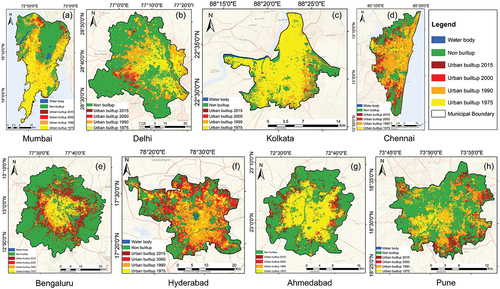


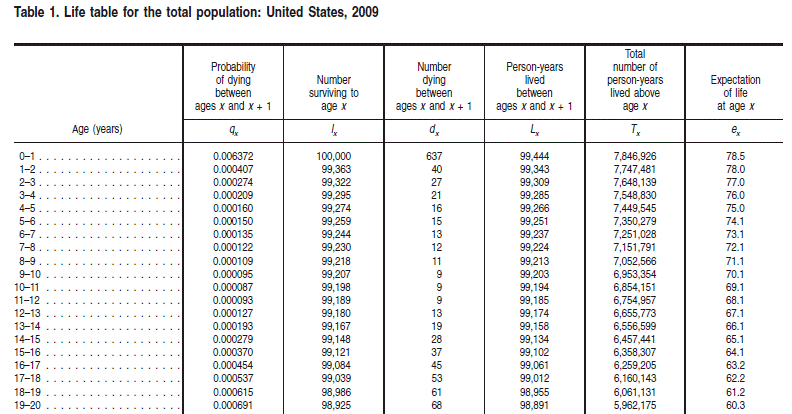

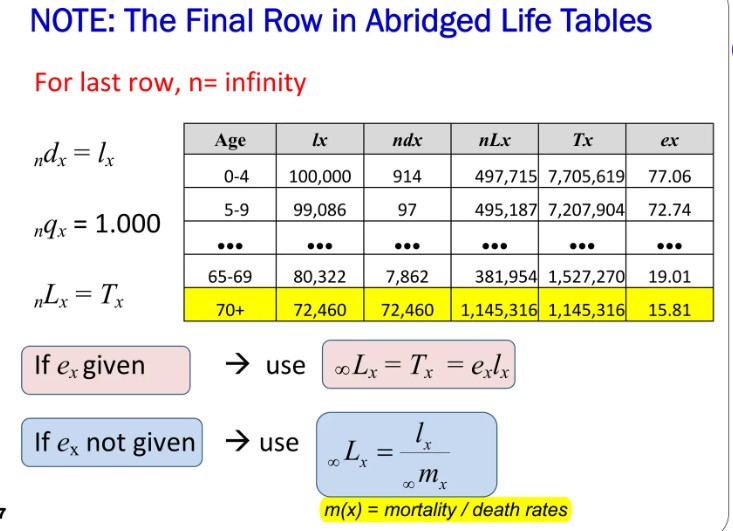
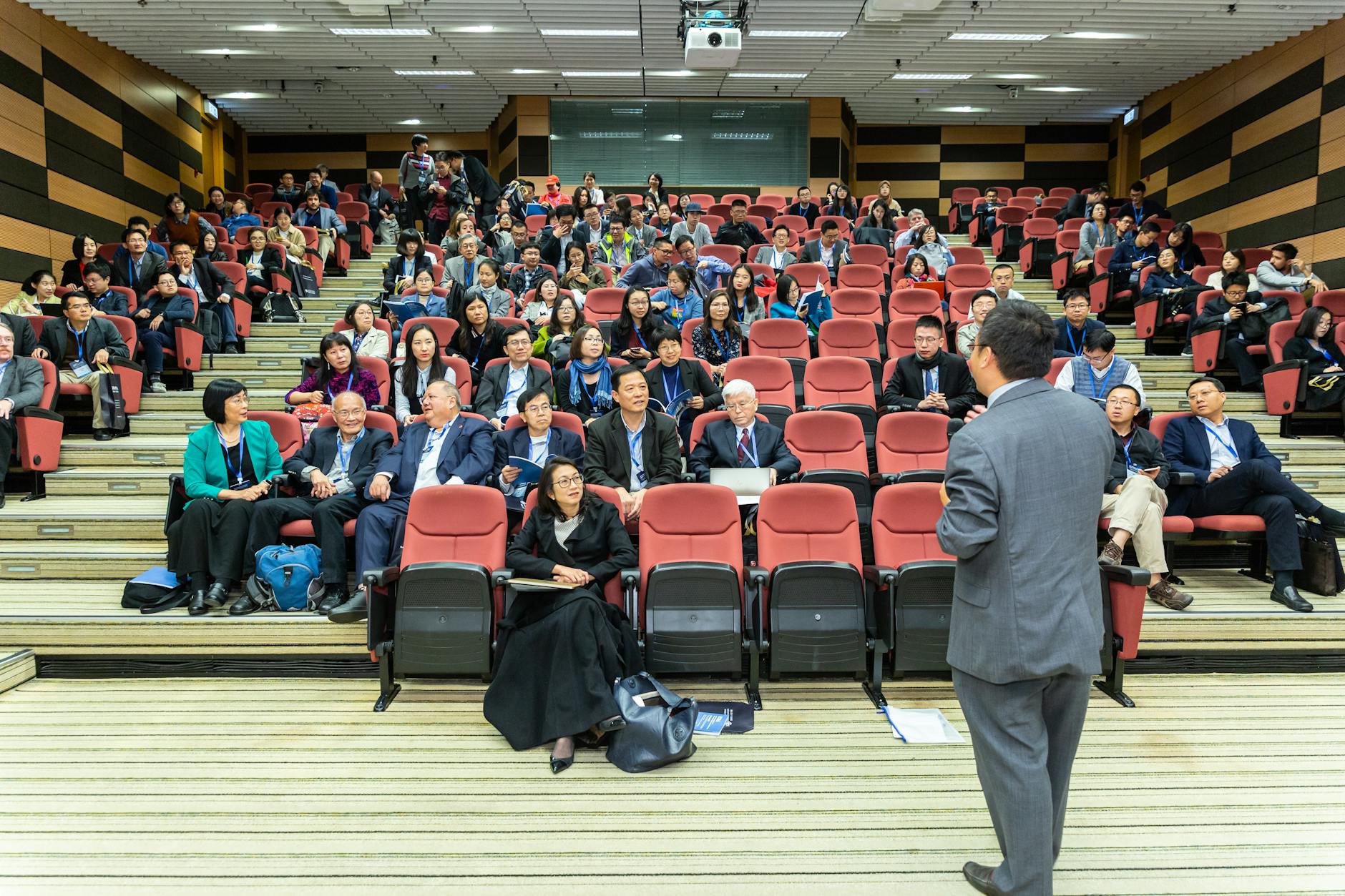
 Track2Training
You must be logged in to post a comment.