The success of the 2030 Agenda for Sustainable Development depends on the strength of global collaboration. None of the Sustainable Development Goals (SDGs) can be achieved in isolation — they require shared effort, mutual accountability, and coordinated action across all sectors of society. The seventeenth and final goal, SDG 17 — Partnerships for the Goals, seeks to strengthen the means of implementation and revitalize the global partnership for sustainable development.
This goal underscores the idea that achieving sustainable development is a collective responsibility — one that involves governments, international organizations, civil society, academia, and the private sector working together. SDG 17 focuses on mobilizing resources, sharing technology, building capacity, and ensuring fair trade and global cooperation. It is the glue that binds all other SDGs together, transforming global aspirations into tangible progress.
Understanding SDG 17
SDG 17 emphasizes that sustainable development requires strong partnerships built upon shared principles, mutual respect, and common goals. The 2030 Agenda calls for a renewed global partnership grounded in solidarity, especially with the world’s poorest and most vulnerable populations.
The goal is structured around key areas of implementation: finance, technology, capacity-building, trade, policy coherence, data monitoring, and multi-stakeholder partnerships. Together, these mechanisms ensure that all countries — particularly developing and least developed ones — have the tools, knowledge, and support necessary to achieve the SDGs.
The essence of SDG 17 lies in cooperation — between North and South, South and South, and through triangular partnerships that share knowledge, resources, and innovations. It highlights that sustainability is a global public good, requiring global governance and equitable participation.
Targets of SDG 17
The United Nations identifies 19 specific targets under SDG 17, grouped into five major areas of focus:
1. Finance
Strengthen domestic resource mobilization by improving tax systems and revenue collection.
Ensure developed countries meet their Official Development Assistance (ODA) commitments of 0.7% of Gross National Income (GNI).
Mobilize additional financial resources from multiple sources for developing countries.
Assist developing nations in achieving long-term debt sustainability through debt relief and restructuring.
2. Technology
Enhance access to science, technology, and innovation (STI) through global cooperation.
Promote environmentally sound technologies and knowledge sharing, particularly to developing countries.
Fully operationalize the Technology Bank for Least Developed Countries to strengthen scientific and technological capacity.
3. Capacity-Building
Strengthen international support for capacity-building in developing nations to implement all SDGs through training, education, and institutional development.
4. Trade
Promote a universal, rules-based, open, and equitable multilateral trading system under the World Trade Organization (WTO).
Increase exports from developing countries and give least developed countries duty-free and quota-free market access.
5. Systemic Issues and Partnerships
Enhance policy coherence for sustainable development across global and national levels.
Respect each country’s policy space for poverty eradication and sustainable growth.
Encourage multi-stakeholder partnerships that mobilize and share knowledge, technology, and financial resources.
Improve data availability, transparency, and accountability through capacity-building in data collection and statistical systems.
Global Progress and Challenges
Since the adoption of the 2030 Agenda, partnerships for sustainable development have expanded across sectors. The Addis Ababa Action Agenda (2015) established a global framework for financing the SDGs, emphasizing domestic resource mobilization and private sector engagement. The creation of the UN Technology Facilitation Mechanism (TFM) and the Global Partnership for Effective Development Cooperation (GPEDC) has strengthened global collaboration.
However, significant gaps remain. According to the UN SDG Progress Report (2024), global ODA reached $223.7 billion in 2023 — an increase, yet still below the 0.7% GNI target. Developing nations continue to struggle with debt, with over 60% of low-income countries facing or at risk of debt distress.
The COVID-19 pandemic severely strained international cooperation, exacerbating inequalities between countries. Vaccine nationalism, trade disruptions, and economic downturns revealed weaknesses in global solidarity. Meanwhile, geopolitical tensions and rising protectionism threaten the open multilateral system necessary for achieving the SDGs.
The digital divide also remains stark: nearly 2.6 billion people lack internet access, preventing participation in the digital economy and innovation networks. Without stronger cooperation in technology and finance, many developing nations risk falling further behind.
Strategies for Achieving SDG 17
Enhancing Global Financial Cooperation Developed nations must honor ODA commitments and explore innovative financing mechanisms, including green bonds, climate funds, and impact investment. Strengthening domestic tax systems in developing countries can also enhance self-reliance.
Technology Transfer and Innovation Sharing Facilitating technology transfer through North-South and South-South cooperation accelerates progress. Open-source innovation platforms, technology incubators, and global research partnerships can promote equitable access to modern solutions.
Capacity-Building and Knowledge Exchange Training programs, university partnerships, and institutional strengthening initiatives help developing countries implement and monitor SDG progress effectively. Regional cooperation can amplify impact through shared expertise.
Fair and Inclusive Trade Reinvigorating the multilateral trading system under the WTO ensures developing countries have fair access to global markets. Reducing trade barriers and tariffs supports economic diversification and job creation.
Debt Relief and Financial Sustainability Comprehensive debt restructuring and fair lending practices can prevent developing nations from falling into unsustainable debt cycles. International financial institutions must support responsible borrowing and transparent fiscal governance.
Policy Coherence and Global Governance Reform Aligning national policies with global sustainability goals fosters coherence and accountability. Reforming global institutions like the IMF, World Bank, and WTO to give developing countries greater representation promotes fairness in decision-making.
Strengthening Multi-Stakeholder Partnerships Collaboration among governments, businesses, academia, NGOs, and local communities can pool resources and expertise. Public-private partnerships (PPPs) should be transparent and guided by sustainability principles.
Promoting Data and Statistical Capacity Reliable data is essential for tracking progress. Supporting national statistical systems in developing countries enhances evidence-based policymaking and accountability.
Case Studies and Best Practices
The Paris Agreement (2015) demonstrates successful multilateral cooperation, uniting countries around shared climate goals.
The Belt and Road Initiative (BRI) promotes infrastructure and trade connectivity across continents, though sustainability and transparency must be ensured.
The African Continental Free Trade Area (AfCFTA) strengthens regional integration and economic cooperation among 55 African nations.
The Global Vaccine Alliance (Gavi) is a leading example of public-private partnership, having provided vaccines to hundreds of millions of children in low-income countries.
The Way Forward
Achieving SDG 17 requires rebuilding trust in global cooperation and multilateralism. Nations must recommit to solidarity, recognizing that global challenges — climate change, pandemics, inequality — transcend borders. Partnerships should focus not only on aid but on empowering countries to become self-sufficient through equitable access to finance, technology, and trade.
The private sector’s role is increasingly vital: responsible investment, sustainable business practices, and corporate transparency contribute directly to SDG progress. Furthermore, civil society and youth networks must be empowered to hold governments and corporations accountable while fostering grassroots innovation.
Conclusion
SDG 17: Partnerships for the Goals is the cornerstone of the entire sustainable development framework. It reminds the world that achieving peace, prosperity, and planetary health depends on unity of purpose and shared responsibility. Global partnerships rooted in equity, transparency, and mutual benefit can unlock the resources and innovations needed to achieve all 17 SDGs.
As the world approaches 2030, cooperation must transcend politics and profit — it must be driven by a collective commitment to humanity and the planet. By strengthening partnerships, we lay the foundation for a sustainable, just, and inclusive world where no nation and no person is left behind.
Peace, justice, and good governance are the foundations upon which sustainable development is built. Without peace, there can be no stability; without justice, no fairness; and without strong institutions, no trust or accountability. The sixteenth Sustainable Development Goal (SDG 16) — Peace, Justice and Strong Institutions — calls for the promotion of peaceful and inclusive societies, the provision of access to justice for all, and the establishment of effective, accountable, and inclusive institutions at all levels.
This goal is central to the entire 2030 Agenda, as it creates the enabling environment necessary for the achievement of all other SDGs. Conflict, corruption, weak institutions, and human rights abuses remain major barriers to sustainable development. According to the United Nations Development Programme (UNDP, 2023), over 70% of fragile and conflict-affected countries lag behind on nearly all SDGs. Therefore, SDG 16 seeks to build societies grounded in fairness, law, transparency, and civic participation.
Understanding SDG 16
SDG 16 recognizes that sustainable development cannot be achieved without peace and that peace is unsustainable without justice and strong institutions. Peaceful societies ensure human security, protect rights, and allow citizens to participate in governance. Justice systems uphold equality before the law and protect the vulnerable. Strong institutions — such as courts, legislatures, and public administrations — ensure accountability and transparency, reducing corruption and abuse of power.
In today’s interconnected world, new threats such as terrorism, cybercrime, organized crime, and disinformation challenge governance and peace. Addressing these issues requires cooperation among governments, civil society, and international organizations to promote rule of law, access to justice, and effective governance.
Targets of SDG 16
The United Nations has identified several key targets to be achieved by 2030:
Significantly reduce all forms of violence and related death rates everywhere.
End abuse, exploitation, trafficking, and all forms of violence against children.
Promote the rule of law at the national and international levels and ensure equal access to justice for all.
Reduce illicit financial and arms flows, strengthen the recovery of stolen assets, and combat organized crime.
Substantially reduce corruption and bribery in all their forms.
Develop effective, accountable, and transparent institutions at all levels.
Ensure responsive, inclusive, participatory, and representative decision-making.
Broaden and strengthen the participation of developing countries in global governance institutions.
Provide legal identity for all, including birth registration.
Ensure public access to information and protect fundamental freedoms, in accordance with national laws and international agreements.
Strengthen national institutions to prevent violence, combat terrorism, and promote human rights.
Promote non-discriminatory laws and policies for sustainable development.
These targets emphasize that peace and governance are not only the responsibility of governments but of all sectors of society.
Global Progress and Challenges
While some regions have made progress toward reducing conflict and corruption, global peace remains fragile. The Global Peace Index (2024) indicates that the world is experiencing the highest levels of violent conflict since the end of World War II, with wars, political instability, and terrorism displacing millions. Civil conflicts in parts of Africa, the Middle East, and Eastern Europe have caused immense human suffering and economic setbacks.
Corruption and weak institutions continue to undermine trust in governance. According to Transparency International (2023), over two-thirds of countries scored below 50 on the Corruption Perceptions Index. Corruption diverts public resources from essential services like education and healthcare, deepening inequality and fueling instability.
Access to justice remains limited for billions. In many countries, marginalized groups, women, and the poor face discrimination and procedural barriers when seeking legal recourse. Meanwhile, the digital age has brought new threats — misinformation, data breaches, and cyberattacks — that challenge governance and public confidence. The COVID-19 pandemic further exposed institutional weaknesses, emphasizing the need for inclusive governance and social protection systems.
Strategies for Achieving SDG 16
Strengthening Rule of Law and Judicial Systems Building independent, efficient, and accessible judicial systems ensures equality before the law. Legal aid programs, human rights commissions, and community-based justice mechanisms can improve access to justice, particularly for marginalized populations.
Reducing Violence and Promoting Peacebuilding Conflict prevention through dialogue, mediation, and inclusive governance is more effective and less costly than post-conflict reconstruction. Supporting disarmament, rehabilitation, and reintegration programs for affected communities enhances long-term peace.
Combating Corruption and Promoting Transparency Governments must implement anti-corruption frameworks, ensure transparency in public procurement, and promote open data policies. Digital governance tools like e-procurement and blockchain can enhance accountability.
Building Effective and Inclusive Institutions Institutions should reflect diversity and inclusivity in representation and decision-making. Public service reforms can professionalize civil administrations and strengthen accountability.
Ensuring Access to Information and Fundamental Freedoms Freedom of expression, press, and information are essential pillars of democracy. Protecting journalists, whistleblowers, and human rights defenders fosters civic engagement and checks on power.
Promoting Legal Identity and Civil Registration Legal identity through birth registration empowers individuals to access education, healthcare, and financial services. Digital identification systems, when implemented ethically, enhance inclusion and governance.
Empowering Civil Society and Local Governance Community organizations, NGOs, and local councils play vital roles in promoting transparency and service delivery. Decentralization and participatory budgeting can strengthen local democracy.
International Cooperation for Peace and Justice Global governance reforms are needed to give developing countries a stronger voice in international decision-making. Collaboration on anti-money-laundering, counterterrorism, and global justice initiatives enhances global peace.
Case Studies and Best Practices
Rwanda has rebuilt peace and reconciliation through community-based justice systems (Gacaca courts) and inclusive governance.
Estonia exemplifies transparency and efficiency through e-governance, enabling citizens to access services and participate in decision-making online.
Costa Rica, without a standing army, invests heavily in education and justice, maintaining one of the highest peace indices globally.
Tunisia’s democratic transition, supported by inclusive dialogue, highlights the power of civic participation and institutional reform.
The Way Forward
To achieve SDG 16, nations must move beyond rhetoric and institutionalize peace, justice, and accountability. Building trust between governments and citizens is essential. Policies must prioritize human rights, gender equality, and transparency. Education in civic responsibility, ethics, and law can cultivate a culture of peace and respect.
At the global level, cooperation is vital to address cross-border challenges — from terrorism and corruption to climate-induced conflicts. Multilateral institutions such as the United Nations, World Bank, and International Criminal Court (ICC) play critical roles in promoting justice, peacebuilding, and governance capacity.
Conclusion
SDG 16: Peace, Justice and Strong Institutions embodies the moral and political foundation of the 2030 Agenda. Without peace and justice, progress on all other goals becomes impossible. Strong institutions ensure equality, protect rights, and empower citizens to shape their destinies.
Achieving this goal requires integrity, inclusivity, and collective will — from policymakers to ordinary citizens. Peace is not merely the absence of war; it is the presence of justice, fairness, and trust. By building transparent and accountable institutions, societies can lay the groundwork for lasting peace and sustainable development for generations to come.
The health of terrestrial ecosystems determines the stability of our planet’s climate, food systems, and water cycles. Forests, wetlands, grasslands, and mountains provide the air we breathe, the food we eat, and the resources upon which human civilization depends. The fifteenth Sustainable Development Goal (SDG 15) — Life on Land — seeks to protect, restore, and promote sustainable use of terrestrial ecosystems, sustainably manage forests, combat desertification, and halt and reverse land degradation and biodiversity loss by 2030.
Yet, despite growing awareness, terrestrial ecosystems continue to deteriorate at alarming rates. According to the United Nations Convention to Combat Desertification (UNCCD, 2024), over 75% of the Earth’s land areas are degraded, affecting more than 3 billion people. Deforestation, agricultural expansion, urbanization, and illegal wildlife trade are destroying natural habitats and accelerating biodiversity loss. SDG 15 thus calls for urgent global and local action to safeguard land-based ecosystems — not only for environmental reasons but also for human survival and sustainable development.
Understanding SDG 15
Land ecosystems provide crucial ecosystem services — from carbon sequestration and water purification to soil fertility and climate regulation. Forests, which cover about 31% of Earth’s land area, support more than 80% of terrestrial biodiversity and serve as a major carbon sink. However, unsustainable agricultural practices, industrial expansion, and mining have led to extensive deforestation and land degradation.
Biodiversity — the variety of life on Earth — underpins ecosystem resilience. Its loss threatens food security, health, and livelihoods. SDG 15 integrates the goals of international agreements like the Convention on Biological Diversity (CBD), UNCCD, and the Convention on International Trade in Endangered Species of Wild Fauna and Flora (CITES) to ensure holistic conservation and sustainable land use.
Targets of SDG 15
The United Nations outlines several key targets for SDG 15 to be achieved by 2030:
Ensure the conservation, restoration, and sustainable use of terrestrial and inland freshwater ecosystems and their services.
Promote sustainable management of all types of forests, halt deforestation, restore degraded forests, and substantially increase afforestation and reforestation.
Combat desertification, restore degraded land and soil, and strive for a land-degradation-neutral world.
Ensure the conservation of mountain ecosystems, including their biodiversity, to enhance their capacity to provide essential services.
Take urgent and significant action to reduce the degradation of natural habitats and halt biodiversity loss.
End poaching and trafficking of protected species and address the demand for illegal wildlife products.
Integrate ecosystem and biodiversity values into national and local planning, development processes, and poverty reduction strategies.
Mobilize resources to finance sustainable forest management and support conservation in developing countries.
Enhance global support for halting biodiversity loss through scientific cooperation and technology transfer.
These targets reflect the interdependence between ecological preservation, sustainable development, and human well-being.
Global Progress and Challenges
The world has made some progress in halting deforestation and expanding protected areas. As of 2023, more than 16% of terrestrial areas were designated as protected lands. Efforts such as reforestation campaigns, community forestry, and ecosystem restoration initiatives have gained global attention. The UN Decade on Ecosystem Restoration (2021–2030) aims to restore 350 million hectares of degraded land, creating jobs and combating climate change.
However, progress remains insufficient. The Food and Agriculture Organization (FAO) reports that approximately 10 million hectares of forest are still lost annually, primarily due to agricultural expansion and logging. The Global Assessment Report on Biodiversity (IPBES, 2019) warns that one million species are at risk of extinction, many within decades. Land degradation costs the global economy over $6 trillion per year, reducing agricultural productivity and exacerbating poverty.
Climate change further intensifies these challenges, contributing to droughts, soil erosion, and desertification. Sub-Saharan Africa, South Asia, and Latin America are particularly vulnerable due to reliance on land-based livelihoods. Unsustainable consumption patterns in developed countries also drive resource extraction and deforestation in developing regions.
Strategies for Achieving SDG 15
Sustainable Forest Management Implementing community-based forest management, promoting agroforestry, and enforcing anti-deforestation laws are critical to protecting forests. Certification schemes like the Forest Stewardship Council (FSC) encourage responsible timber production.
Land Restoration and Soil Conservation Rehabilitating degraded lands through reforestation, soil conservation techniques, and sustainable agriculture can restore productivity and ecosystem balance. Initiatives such as The Great Green Wall of Africa aim to restore 100 million hectares of degraded land across the Sahel region.
Combating Desertification Sustainable land management practices, such as crop rotation, conservation tillage, and water harvesting, help combat desertification. Early warning systems for droughts can enhance resilience.
Biodiversity Conservation Expanding and effectively managing protected areas, wildlife corridors, and nature reserves can safeguard species. Integrating biodiversity into urban planning and infrastructure design also helps reduce habitat loss.
Combating Illegal Wildlife Trade Strengthening enforcement of international agreements like CITES, increasing penalties for poaching, and supporting alternative livelihoods for local communities can reduce wildlife trafficking.
Integrating Ecosystem Values into Policy Governments must integrate ecosystem services into national accounts and decision-making. Green accounting and environmental impact assessments (EIAs) ensure that economic development respects ecological limits.
Community and Indigenous Participation Indigenous peoples and local communities are effective stewards of biodiversity. Recognizing their land rights and traditional knowledge is vital for conservation success.
Financing and Global Partnerships Increased investment in conservation and restoration is essential. Mechanisms like REDD+ (Reducing Emissions from Deforestation and Forest Degradation) provide financial incentives for forest protection.
Education and Awareness Environmental education promotes stewardship and behavioral change. Awareness campaigns about biodiversity, waste reduction, and sustainable resource use can mobilize citizens toward conservation.
Case Studies and Best Practices
Costa Rica reversed deforestation through payments for ecosystem services (PES) and strong environmental legislation, doubling its forest cover since the 1980s.
China’s Grain-for-Green Program has restored over 25 million hectares of degraded land by converting farmlands back to forests.
Kenya’s Community Forest Associations empower local people to co-manage forests, balancing livelihoods and conservation.
India’s Green India Mission aims to increase forest cover and enhance ecosystem services as part of its climate strategy.
The Way Forward
Achieving SDG 15 requires integrating ecosystem protection into all aspects of development — from agriculture and infrastructure to education and finance. Governments must strengthen land-use planning, enforce anti-deforestation laws, and invest in ecosystem restoration. Global cooperation and financing are crucial to support developing nations in implementing sustainable land management.
Private sectors should adopt nature-positive business models, ensuring supply chains do not contribute to deforestation or habitat destruction. Individual actions, such as responsible consumption, tree planting, and advocacy, also play a role in restoring the planet’s ecological balance.
Conclusion
SDG 15: Life on Land represents humanity’s duty to live in harmony with nature. Healthy terrestrial ecosystems are the foundation of life — sustaining biodiversity, regulating climate, and supporting livelihoods. Yet, human activity continues to push planetary boundaries. Achieving SDG 15 requires a transformative shift from exploitation to restoration, from degradation to regeneration.
Protecting and restoring land is not only an environmental goal but a moral and economic imperative. It is the key to ensuring food security, climate stability, and sustainable prosperity for future generations. The message of SDG 15 is clear: by protecting life on land, we secure the future of all life on Earth.
The world’s oceans are vital to life on Earth — they regulate the climate, generate oxygen, provide food, and sustain livelihoods for billions of people. Covering more than 70% of the planet’s surface, the oceans are the Earth’s largest ecosystem and a critical component of the biosphere. The fourteenth Sustainable Development Goal (SDG 14) — Life Below Water — aims to conserve and sustainably use the oceans, seas, and marine resources for sustainable development.
However, human activity has placed immense pressure on marine ecosystems. Overfishing, plastic pollution, acidification, and habitat destruction are pushing ocean health to the brink. According to the United Nations Environment Programme (UNEP, 2024), nearly 40% of the oceans are affected by human activities, and around 33% of fish stocks are being harvested at biologically unsustainable levels. SDG 14 seeks to reverse these trends by promoting sustainable ocean management, protecting marine biodiversity, and strengthening global partnerships for ocean conservation.
Understanding SDG 14
The ocean is both a victim and a solution in the fight for sustainability. It absorbs about 30% of global carbon dioxide emissions and plays a key role in regulating the Earth’s temperature. Yet, rising CO₂ levels have led to ocean acidification, harming coral reefs and marine organisms. Simultaneously, pollution — particularly from land-based sources — threatens marine life and human health.
SDG 14 recognizes that healthy oceans are essential not only for ecological balance but also for economic prosperity and social well-being. The blue economy, which encompasses fisheries, tourism, and maritime trade, contributes trillions of dollars annually to global GDP. Sustainable management of marine resources is therefore integral to eradicating poverty (SDG 1), achieving food security (SDG 2), and ensuring climate action (SDG 13).
Targets of SDG 14
The United Nations outlines several key targets under SDG 14 to be achieved by 2030:
Reduce marine pollution of all kinds, particularly from land-based activities such as nutrient runoff and plastic waste.
Sustainably manage and protect marine and coastal ecosystems to strengthen resilience and restore health.
Minimize and address ocean acidification, including through scientific cooperation.
Effectively regulate harvesting and end overfishing, illegal, unreported, and unregulated (IUU) fishing, and implement science-based management plans.
Conserve at least 10% of coastal and marine areas, consistent with national and international law.
Prohibit harmful fisheries subsidies that contribute to overcapacity and overfishing.
Increase economic benefits to small island developing states (SIDS) and least developed countries (LDCs) from sustainable use of marine resources.
Enhance scientific knowledge, research, and technology transfer to improve ocean health.
Provide access for small-scale artisanal fishers to marine resources and markets.
Strengthen the implementation of international law as reflected in the United Nations Convention on the Law of the Sea (UNCLOS).
These targets emphasize a balanced approach — combining conservation, sustainable use, and equitable benefit-sharing.
Global Progress and Challenges
Some progress has been achieved in recent years through international cooperation and local initiatives. The proportion of marine protected areas (MPAs) has increased significantly — from 3% in 2000 to nearly 9% in 2023 of global marine territories. Countries have also begun implementing policies to combat plastic pollution and regulate fisheries. The 2023 UN High Seas Treaty (Biodiversity Beyond National Jurisdiction) marked a historic step toward protecting marine biodiversity in international waters.
However, ocean health continues to deteriorate. The IPCC (2023) warns that global warming has caused widespread ocean warming, deoxygenation, and acidification. Coral reefs — which support 25% of marine species — are projected to decline by up to 90% even if global warming is limited to 1.5°C. Marine pollution remains rampant: approximately 11 million metric tons of plastic enter the ocean annually, and this figure could triple by 2040 if current trends persist.
Economic dependence on unsustainable fishing also poses serious risks. Illegal and unregulated fishing accounts for up to 26 million tons of fish annually, undermining conservation efforts and threatening the livelihoods of millions of small-scale fishers. Additionally, coastal ecosystems such as mangroves and seagrasses, which serve as carbon sinks, continue to be destroyed for tourism, aquaculture, and urban development.
Strategies for Achieving SDG 14
Combatting Marine Pollution Governments must enforce bans on single-use plastics, strengthen waste management systems, and reduce nutrient runoff from agriculture. Initiatives like the Global Partnership on Marine Litter (GPML) promote global coordination on waste reduction.
Promoting Sustainable Fisheries Implementing science-based quotas, monitoring fish stocks, and eliminating harmful subsidies are crucial. Certification programs such as the Marine Stewardship Council (MSC) encourage sustainable fishing practices.
Expanding Marine Protected Areas (MPAs) Protecting ecologically important regions helps restore biodiversity and fish populations. Effective management and local community involvement are key to MPA success.
Addressing Ocean Acidification and Climate Change Reducing CO₂ emissions is essential to combat acidification. Research into marine carbon sequestration and ocean-based renewable energy can offer innovative mitigation strategies.
Supporting Small-Scale Fishers Ensuring access to marine resources, credit, and markets empowers local communities and promotes equitable growth. Integrating traditional knowledge with modern management enhances resilience.
Blue Economy Development Sustainable tourism, aquaculture, and renewable marine energy can drive economic growth while preserving ocean health. Policy frameworks should balance economic activity with conservation.
Strengthening International Cooperation Global agreements such as the Paris Agreement, UNCLOS, and the High Seas Treaty must be fully implemented. Regional collaboration through organizations like FAO and UNESCO’s Intergovernmental Oceanographic Commission (IOC) is vital.
Enhancing Research and Education Investments in marine science, monitoring technologies, and public education can raise awareness and inform evidence-based policymaking.
Case Studies and Best Practices
Norway is a global leader in sustainable fisheries management, combining quotas, advanced monitoring, and strict regulations to maintain healthy stocks.
Indonesia’s Blue Economy Initiative integrates marine conservation with community-based tourism and aquaculture.
Kenya has implemented successful mangrove restoration projects, enhancing biodiversity and carbon sequestration.
The European Union’s Marine Strategy Framework Directive sets a regional benchmark for marine protection and pollution control.
The Way Forward
Achieving SDG 14 demands global solidarity, innovation, and enforcement. Ocean governance must be strengthened through cross-sectoral and transboundary cooperation. Nations should adopt ecosystem-based management approaches that balance ecological integrity with human development.
Transitioning to a blue economy that values conservation as much as commerce is essential. This requires engaging communities, empowering small fishers, and redirecting subsidies toward sustainable practices. Public awareness and education can further foster a culture of ocean stewardship.
Conclusion
SDG 14: Life Below Water is fundamental to the survival of both marine ecosystems and humanity. Healthy oceans regulate the climate, sustain biodiversity, and support livelihoods — yet they are under unprecedented threat. The world must act decisively to reduce pollution, end overfishing, and protect marine ecosystems through science-based management and international cooperation.
The ocean connects us all. By safeguarding its health, we protect the foundation of life itself. Achieving SDG 14 by 2030 will symbolize our collective commitment to preserving one of Earth’s most precious and powerful resources — the blue heart of our planet.
Climate change is the defining crisis of our time — a global emergency that threatens ecosystems, economies, and societies. The thirteenth Sustainable Development Goal (SDG 13) — Climate Action — calls on the world to take urgent action to combat climate change and its impacts. This goal recognizes that rising global temperatures, extreme weather events, and environmental degradation are not future concerns; they are realities affecting every region today.
The Intergovernmental Panel on Climate Change (IPCC) warns that global warming has already reached approximately 1.2°C above pre-industrial levels, and without drastic measures, it could surpass 1.5°C within the next decade. Such an increase would lead to catastrophic consequences — melting glaciers, rising sea levels, loss of biodiversity, and severe food and water insecurity. SDG 13 is therefore central to the entire 2030 Agenda, as climate stability underpins all other goals related to health, food, water, and sustainable cities.
Understanding SDG 13
Climate change is driven primarily by the accumulation of greenhouse gases (GHGs) — notably carbon dioxide, methane, and nitrous oxide — released through human activities such as fossil fuel combustion, deforestation, industrial processes, and agriculture. SDG 13 emphasizes mitigation (reducing or preventing GHG emissions) and adaptation (strengthening resilience to climate impacts).
The goal builds upon international frameworks such as the United Nations Framework Convention on Climate Change (UNFCCC) and the Paris Agreement (2015), where countries committed to limiting global temperature rise to well below 2°C, aiming for 1.5°C. SDG 13 reinforces these commitments, urging nations to integrate climate action into national policies, improve education and awareness, and mobilize financial and technological resources for developing countries.
Targets of SDG 13
The United Nations has outlined several targets to guide global efforts under SDG 13:
Strengthen resilience and adaptive capacity to climate-related hazards and natural disasters in all countries.
Integrate climate change measures into national policies, strategies, and planning.
Improve education, awareness, and institutional capacity on climate change mitigation, adaptation, impact reduction, and early warning.
Implement the commitment of developed countries to mobilize $100 billion annually by 2020 to support climate actions in developing nations through the Green Climate Fund.
Promote mechanisms for capacity-building in developing countries to support effective climate change planning and management.
These targets highlight both national and global responsibilities, emphasizing collaboration, innovation, and justice in addressing the climate crisis.
Global Progress and Challenges
The past decade has seen notable advances in climate awareness, policy, and technology. Over 195 countries have ratified the Paris Agreement, committing to Nationally Determined Contributions (NDCs) that outline emission reduction goals. Renewable energy capacity has expanded rapidly, with solar and wind becoming competitive alternatives to fossil fuels.
However, progress remains far below what is required. According to the UNEP Emissions Gap Report (2024), current national commitments would still result in a 2.8°C temperature rise by the end of the century — far above safe levels. Global carbon dioxide emissions reached 37 billion tonnes in 2023, the highest in history. Extreme weather events — floods, droughts, hurricanes, and wildfires — are increasing in frequency and intensity, causing massive economic losses and displacing millions.
Developing countries, though least responsible for emissions, face the harshest consequences. Limited financial resources, inadequate infrastructure, and dependency on climate-sensitive sectors such as agriculture make them especially vulnerable. The widening climate finance gap — currently exceeding $200 billion annually — further hinders global equity in climate action.
Strategies for Achieving SDG 13
Mitigation through Renewable Energy and Decarbonization Transitioning from fossil fuels to renewable energy is the most effective way to reduce emissions. Expanding solar, wind, hydropower, and geothermal capacity, alongside electrification of transport and industry, can drastically cut carbon footprints.
Adaptation and Resilience Building Climate adaptation strategies — such as constructing flood defenses, developing drought-resistant crops, and improving urban drainage — protect communities from inevitable impacts. Early warning systems and risk mapping strengthen preparedness.
Integrating Climate Policies Climate considerations must be mainstreamed into all levels of planning — national budgets, infrastructure design, and corporate strategies. Green policies should promote low-carbon technologies, sustainable agriculture, and circular economy models.
Climate Finance and Technology Transfer Developed nations must fulfill their commitments to fund climate mitigation and adaptation efforts in developing countries. Mechanisms like the Green Climate Fund and carbon pricing can support equitable transitions.
Reforestation and Carbon Sinks Forests, wetlands, and oceans are natural carbon sinks that absorb significant amounts of CO₂. Reforestation, afforestation, and ecosystem restoration are critical components of mitigation strategies.
Sustainable Transportation and Urban Planning Cities account for over 70% of global emissions. Investing in public transport, cycling infrastructure, and energy-efficient buildings can significantly reduce urban carbon footprints.
Education, Awareness, and Public Participation Empowering citizens with climate literacy encourages behavioral change — from conserving energy to supporting sustainable products. Youth engagement and grassroots movements have become powerful drivers of accountability and innovation.
Disaster Risk Reduction and Early Warning Systems Strengthening forecasting systems, emergency preparedness, and community-based disaster management reduces vulnerabilities and protects lives.
International Cooperation Climate change transcends borders; global solidarity is essential. Collaborative frameworks like the Paris Agreement and the Global Stocktake process enable countries to share data, technology, and best practices.
Case Studies and Best Practices
Costa Rica has achieved nearly 100% renewable electricity and is a global leader in carbon neutrality policies.
Denmark aims to cut emissions by 70% by 2030, leveraging wind energy and district heating systems.
India’s National Action Plan on Climate Change (NAPCC) integrates solar energy, sustainable agriculture, and water conservation to enhance resilience.
Bangladesh is globally recognized for its community-based adaptation strategies against cyclones and flooding, including elevated housing and early warning systems.
The Way Forward
The path to achieving SDG 13 demands immediate, collective, and ambitious action. Governments must strengthen climate commitments under the Paris Agreement, enforce emission reduction policies, and invest in green infrastructure. The private sector must decarbonize operations, disclose climate risks, and innovate for sustainability. Civil society, academia, and individuals play vital roles in advocating and implementing solutions.
Equity must remain central to climate action — those who contribute least to climate change should not bear its heaviest burdens. A just transition ensures that workers and communities in carbon-intensive sectors are supported through retraining and green job creation.
Conclusion
SDG 13: Climate Action represents humanity’s urgent call to safeguard the planet for current and future generations. Climate change is not a distant threat; it is a present reality that affects every aspect of life — health, food, water, and security. The solutions are known, the technologies exist, and the cost of inaction is far greater than that of action.
Achieving SDG 13 will require courage, cooperation, and compassion. Every ton of carbon avoided, every forest preserved, and every community protected brings us closer to a sustainable and equitable world. The time for incremental change has passed — now is the time for transformative action to secure a livable planet.
Modern lifestyles and economic systems have significantly improved living standards worldwide, but they have also imposed unsustainable pressures on the planet’s resources. The twelfth Sustainable Development Goal (SDG 12) — Responsible Consumption and Production — aims to ensure sustainable consumption and production patterns by 2030. It calls for a fundamental shift in the way societies produce, consume, and manage natural resources, emphasizing efficiency, waste reduction, and environmental stewardship.
Unsustainable consumption and production (SCP) are at the root of the world’s major environmental challenges — including climate change, biodiversity loss, pollution, and resource depletion. According to the United Nations Environment Programme (UNEP, 2024), global material consumption has tripled in the past 50 years and is expected to double again by 2060 if current trends continue. SDG 12 recognizes that achieving sustainability requires rethinking economic models — moving from a linear economy (“take, make, dispose”) to a circular economy that minimizes waste and maximizes resource efficiency.
Understanding SDG 12
Sustainable consumption and production encompass both the demand and supply sides of the economy. It involves designing goods and services that use fewer resources, generate less pollution, and minimize waste throughout their life cycles. At the same time, it requires fostering responsible consumer behavior — encouraging individuals, businesses, and governments to make choices that reduce environmental footprints.
SDG 12 links directly with other goals such as climate action (SDG 13), life below water (SDG 14), and life on land (SDG 15). It also underpins economic growth (SDG 8) by promoting innovation, efficiency, and sustainable business models. By ensuring that natural resources are used wisely and equitably, SDG 12 supports the long-term health of both people and the planet.
Targets of SDG 12
The United Nations outlines several targets under SDG 12 to guide progress toward sustainable consumption and production by 2030:
Implement the 10-Year Framework of Programmes (10YFP) on sustainable consumption and production, with all countries taking action and developed countries taking the lead.
Achieve sustainable management and efficient use of natural resources.
Halve per capita global food waste at the retail and consumer levels and reduce food losses along production and supply chains.
Achieve environmentally sound management of chemicals and wastes throughout their life cycle to minimize release into air, water, and soil.
Substantially reduce waste generation through prevention, reduction, recycling, and reuse.
Encourage companies to adopt sustainable practices and integrate sustainability reporting into their operations.
Promote sustainable public procurement that is environmentally friendly and inclusive.
Ensure that people everywhere have relevant information and awareness for sustainable development and lifestyles in harmony with nature.
Support developing countries in strengthening scientific and technological capacity for sustainable consumption and production.
Develop and implement tools to monitor the impacts of sustainable tourism that creates jobs and promotes local culture and products.
These targets together form a roadmap for transforming production and consumption systems to be environmentally and socially responsible.
Global Progress and Challenges
Over the past decade, awareness of sustainable production and consumption has grown significantly. Many countries have adopted circular economy strategies, waste reduction programs, and eco-labelling schemes. Corporate sustainability reporting has become more common, with businesses committing to reducing emissions and improving resource efficiency.
However, progress remains uneven and slow. Global resource extraction reached 100 billion tons in 2022, while recycling rates remain below 10%. Food waste is still a major issue — approximately one-third of all food produced is lost or wasted annually, equivalent to 1.3 billion tons.
Industrial production and consumption continue to drive pollution. Chemical and plastic pollution are among the most severe environmental threats, with millions of tons of plastic entering oceans every year. The fast fashion industry, for instance, is responsible for about 10% of global carbon emissions and significant water pollution. Moreover, consumption patterns in developed countries remain disproportionately high, while developing nations often lack the technology and infrastructure for sustainable production.
Strategies for Achieving SDG 12
Transitioning to a Circular Economy A circular economy emphasizes reuse, repair, recycling, and remanufacturing to keep materials in use longer. Governments can promote circularity through incentives for eco-design, waste segregation, and extended producer responsibility (EPR) laws.
Reducing Food Waste Reducing food loss from production to consumption requires better supply chain management, improved storage and transportation, and consumer awareness. Initiatives like food banks and redistribution networks help address hunger while minimizing waste.
Sustainable Business Practices Corporations must integrate sustainability into their operations through cleaner production processes, green supply chains, and transparent sustainability reporting. Green certification and eco-labels can guide responsible consumer choices.
Sustainable Public Procurement Governments are major consumers; by choosing sustainable goods and services, they can drive markets toward sustainability. Procurement policies should prioritize low-carbon, recyclable, and socially responsible products.
Chemical and Waste Management Strengthening regulations on hazardous waste disposal, promoting safer alternatives, and investing in waste treatment infrastructure are essential. International agreements like the Basel and Stockholm Conventions provide frameworks for cooperation.
Sustainable Lifestyles and Consumer Awareness Behavioral change is crucial. Public education campaigns, sustainability curricula, and media advocacy can encourage responsible consumption, such as reducing plastic use and supporting ethical brands.
Technology and Innovation Clean technologies — such as renewable energy, green manufacturing, and efficient resource management systems — can significantly reduce environmental impacts. Innovation in packaging, materials, and product design enhances sustainability.
Supporting Developing Countries International aid and technology transfer should help developing nations build capacity for sustainable production. Financing mechanisms like the Green Climate Fund and UNIDO’s circular economy programs can support this transition.
Case Studies and Best Practices
The Netherlands has pioneered circular economy initiatives, aiming to become fully circular by 2050 through recycling innovation and eco-design.
Japan’s 3R Policy (Reduce, Reuse, Recycle) has drastically reduced waste generation and promoted resource recovery.
Sweden provides tax incentives for repairing goods, encouraging consumers to extend product lifespans.
India’s Plastic Waste Management Rules (2022) mandate producer responsibility for recycling and reuse, promoting sustainable waste systems.
The Way Forward
Achieving SDG 12 requires systemic change — transforming production and consumption models at all levels. Governments must align economic growth with ecological limits by introducing green taxation, stricter regulations, and incentives for sustainable behavior. The private sector should lead innovation in sustainable design and production.
Consumers, too, play a crucial role: collective shifts toward mindful consumption — buying less, choosing local, and reusing more — can reshape markets. Education and cultural change are vital in fostering values of environmental responsibility and intergenerational equity.
Conclusion
SDG 12: Responsible Consumption and Production is at the core of sustainable development. It addresses the environmental crises stemming from overconsumption and inefficient production systems. By adopting sustainable practices, fostering innovation, and empowering consumers, societies can decouple economic growth from environmental harm.
Achieving SDG 12 is not just about reducing waste — it is about reimagining how we live, produce, and consume. It calls for a shared commitment to stewardship, ensuring that future generations inherit a planet capable of sustaining both people and prosperity.
Urbanization is one of the most transformative trends of the 21st century. More than half of the world’s population now lives in cities, and by 2050, this number is projected to rise to nearly 70%. Cities are engines of economic growth, innovation, and cultural exchange — but they are also epicenters of inequality, congestion, pollution, and vulnerability to climate change. Recognizing these challenges, the eleventh Sustainable Development Goal (SDG 11) — Sustainable Cities and Communities — aims to make cities and human settlements inclusive, safe, resilient, and sustainable by 2030.
Sustainable urban development lies at the intersection of social inclusion, environmental responsibility, and economic vitality. SDG 11 acknowledges that how we design, govern, and inhabit cities will determine the future of humanity and the planet. It calls for rethinking urban planning, infrastructure, and housing to create cities that are livable for all — not just for the privileged few.
Understanding SDG 11
Cities are complex systems where people, resources, and institutions interact dynamically. They generate over 80% of global GDP, but they also consume two-thirds of the world’s energy and produce 70% of carbon emissions (UN-Habitat, 2023). The rapid pace of urban growth, especially in developing countries, has led to challenges such as inadequate housing, poor transport infrastructure, slums, and unplanned expansion.
SDG 11 recognizes that urbanization can be a positive force if it is well-managed and inclusive. Sustainable cities should provide access to basic services, housing, transportation, green spaces, and cultural amenities while maintaining environmental sustainability and resilience to disasters.
Targets of SDG 11
The United Nations has outlined several key targets for SDG 11 to guide global action:
Ensure access for all to adequate, safe, and affordable housing and basic services, and upgrade slums.
Provide access to safe, affordable, accessible, and sustainable transport systems for all, improving road safety and expanding public transit.
Enhance inclusive and sustainable urbanization through participatory and integrated planning and management.
Strengthen efforts to protect and safeguard the world’s cultural and natural heritage.
Reduce the number of deaths and economic losses caused by disasters, including those related to water and climate.
Reduce the adverse per capita environmental impact of cities, including air pollution and waste management.
Provide universal access to safe, inclusive, and accessible green and public spaces, particularly for women, children, older persons, and persons with disabilities.
Support positive economic, social, and environmental links between urban, peri-urban, and rural areas.
Substantially increase the number of cities adopting and implementing integrated policies toward inclusion, resource efficiency, and resilience.
Support least developed countries in building sustainable and resilient buildings using local materials.
These targets highlight the holistic nature of urban sustainability — encompassing housing, mobility, environment, resilience, and governance.
Global Progress and Challenges
Significant progress has been made in recent decades toward improving living conditions in urban areas. Between 2000 and 2020, the proportion of the global urban population living in slums declined from 28% to 23%, largely due to housing and infrastructure initiatives in Asia and Latin America. Many cities have invested in public transportation, green infrastructure, and waste management systems.
However, challenges remain daunting. Over 1 billion people still live in informal settlements without access to safe water, sanitation, or secure tenure. Rapid and unplanned urban growth continues to strain infrastructure, leading to congestion, pollution, and inequality. The COVID-19 pandemic further revealed urban vulnerabilities — overcrowded housing, unequal access to healthcare, and inadequate public spaces exacerbated risks for low-income populations.
Moreover, cities are on the frontlines of climate change. Rising temperatures, flooding, and extreme weather events threaten lives, livelihoods, and infrastructure. Urban areas must therefore adapt by adopting climate-resilient planning, reducing emissions, and enhancing green cover.
Strategies for Achieving SDG 11
Inclusive Urban Planning and Governance Participatory planning that engages citizens, especially marginalized groups, ensures that urban development reflects diverse needs. Decentralized governance and community-led housing programs can improve accountability and inclusiveness.
Affordable Housing and Slum Upgrading Governments must invest in affordable housing and upgrade informal settlements by improving sanitation, access to services, and secure land tenure. Partnerships with NGOs, private developers, and residents can make these efforts more effective.
Sustainable Mobility and Public Transport Expanding affordable and efficient public transport systems reduces congestion, pollution, and inequity. Non-motorized transport infrastructure — such as cycling lanes and pedestrian pathways — promotes health and sustainability.
Green and Resilient Infrastructure Urban resilience depends on climate-adaptive infrastructure such as green roofs, rainwater harvesting systems, and permeable pavements. Integrating nature-based solutions helps cities manage floods, improve air quality, and enhance biodiversity.
Waste Management and Circular Economy Cities must transition from linear to circular economies by promoting recycling, waste segregation, and resource recovery. Waste-to-energy technologies can reduce landfill use and provide clean energy.
Cultural Heritage and Public Spaces Preserving cultural sites strengthens community identity and tourism potential. Equitable access to parks, plazas, and recreational areas improves mental and physical well-being, fostering social inclusion.
Reducing Urban Inequality Policies should address unequal access to services, employment, and housing. Urban development must prioritize the poor, women, and persons with disabilities, ensuring equitable benefits from growth.
Smart Cities and Innovation Digital technologies can enhance urban management through real-time monitoring of traffic, energy, and waste. Smart city initiatives can improve efficiency, transparency, and sustainability if implemented inclusively.
Disaster Preparedness and Climate Resilience Building codes, risk mapping, and early warning systems are critical for reducing disaster risks. Integrating resilience planning into urban policy safeguards both lives and investments.
Case Studies and Best Practices
Curitiba, Brazil is celebrated for its innovative urban planning, prioritizing public transport, green spaces, and recycling.
Singapore demonstrates how integrated water management, vertical greenery, and efficient governance can make a city both livable and sustainable.
Copenhagen, Denmark aims to be carbon neutral by 2025 through energy-efficient buildings, cycling infrastructure, and renewable energy use.
Ahmedabad, India has successfully implemented slum redevelopment programs and heat action plans to protect vulnerable populations from extreme heat.
The Way Forward
Achieving SDG 11 requires a paradigm shift in how cities are planned and managed. Urban development must balance growth with sustainability, inclusion, and resilience. Governments should integrate SDG 11 into national urban policies and foster collaboration between public agencies, civil society, and the private sector.
Investment in sustainable infrastructure — housing, water, transport, and digital connectivity — is key to improving the quality of urban life. Equally important is empowering local communities to participate in decision-making and ensuring that urban development benefits all residents, not just elites.
Conclusion
SDG 11: Sustainable Cities and Communities envisions cities that are equitable, green, and resilient — places where people of all backgrounds can thrive in safety and dignity. Sustainable urbanization is not merely about infrastructure; it is about inclusiveness, justice, and environmental harmony.
As urban populations continue to grow, cities must become the driving force for sustainable development rather than sources of inequality and pollution. Achieving SDG 11 will define the future of humanity — building cities that serve as models of sustainability, innovation, and shared prosperity for generations to come.
Inequality is one of the most persistent challenges of our time. Despite advances in technology, globalization, and overall economic growth, vast disparities remain in income, wealth, education, and opportunities — both within and among countries. The tenth Sustainable Development Goal (SDG 10) — Reduced Inequalities — aims to reduce inequality within and among countries by 2030. It calls for fair distribution of income, social protection for all, and the political and economic inclusion of every individual, regardless of age, gender, disability, race, ethnicity, religion, or economic status.
Reducing inequality is not only a moral imperative but also an economic necessity. High inequality undermines social cohesion, erodes trust in institutions, slows economic growth, and threatens political stability. SDG 10 envisions a more equitable global society where opportunities, resources, and representation are shared fairly, enabling everyone to achieve their potential.
Understanding SDG 10
Inequality manifests in multiple forms — economic, social, spatial, and political. Economic inequality involves disparities in income and wealth distribution. Social inequality refers to unequal access to education, healthcare, and justice. Spatial inequality is visible in the divide between urban and rural areas, or between developed and developing nations. SDG 10 adopts a multidimensional approach that addresses all these forms, focusing on inclusion, empowerment, and equitable growth.
While globalization and technological progress have lifted millions out of poverty, they have also widened the gap between the rich and the poor. The top 1% of the global population owns nearly half of the world’s wealth, while billions struggle to meet basic needs. Achieving SDG 10 requires addressing structural barriers that perpetuate inequality — including unfair trade practices, unequal access to finance, and systemic discrimination.
Targets of SDG 10
The United Nations outlines several specific targets to reduce inequality within and among countries by 2030:
Sustain income growth of the bottom 40% of the population at a rate higher than the national average.
Empower and promote the social, economic, and political inclusion of all, irrespective of age, gender, disability, ethnicity, origin, religion, or economic status.
Ensure equal opportunity and reduce inequalities of outcome through the elimination of discriminatory laws, policies, and practices.
Adopt fiscal, wage, and social protection policies that progressively achieve greater equality.
Improve regulation and monitoring of global financial markets and ensure enhanced representation of developing countries in international financial and economic institutions.
Facilitate safe and regular migration, ensuring orderly, responsible policies for mobility of people.
Encourage official development assistance (ODA) and financial flows, including foreign direct investment (FDI), to states most in need, particularly least developed countries (LDCs).
Reduce transaction costs for remittances sent by migrants to less than 3% by 2030.
These targets recognize that reducing inequality requires both domestic policy reforms and international cooperation to balance the global economic order.
Global Progress and Challenges
Over the past few decades, some progress has been made in narrowing gaps between countries. Developing economies such as China, India, and Vietnam have experienced rapid growth, reducing poverty rates and improving living standards. However, inequalities within countries have widened. According to the World Inequality Report (2023), income inequality within nations has reached alarming levels: the richest 10% earn more than half of all global income, while the poorest 50% receive only 8%.
Gender inequality, discrimination against minorities, and barriers faced by persons with disabilities further compound social exclusion. The COVID-19 pandemic exacerbated these inequalities — millions of low-income workers lost their jobs, while wealth among the world’s billionaires increased dramatically.
Global inequalities persist as well. Many developing nations face debt burdens, limited access to vaccines and technology, and unequal participation in trade and decision-making institutions. The digital divide also widens inequality — about 2.6 billion people remain offline, lacking access to education, information, and economic opportunities.
Strategies for Achieving SDG 10
Progressive Fiscal and Wage Policies Governments must implement equitable tax systems, minimum wage laws, and social protection programs. Progressive taxation ensures that the wealthiest contribute fairly to public services, while social transfers reduce poverty and inequality.
Universal Social Protection Systems Expanding access to healthcare, education, pensions, and unemployment benefits ensures a safety net for the most vulnerable populations. Such systems promote equity and social cohesion.
Equal Opportunity and Anti-Discrimination Measures Legal reforms must guarantee equal rights for all. Eliminating discriminatory laws, ensuring gender equality, and protecting the rights of migrants and minorities are vital for social inclusion.
Inclusive Economic Growth Policies should focus on employment generation, skill development, and support for small and medium enterprises (SMEs). Ensuring that economic growth benefits the poorest segments of society fosters shared prosperity.
Empowering Marginalized Communities Indigenous peoples, persons with disabilities, and other marginalized groups must be empowered through representation, education, and access to decision-making platforms. Participation strengthens democratic inclusion.
Regulating Global Financial Systems Strengthening international financial institutions to represent developing countries more equitably can promote fairer global governance. Transparency in trade, taxation, and debt management reduces structural disparities.
Facilitating Safe Migration and Remittances Migrant workers contribute significantly to global economies. Ensuring their rights, reducing remittance costs, and supporting diaspora engagement can enhance global equality.
Bridging the Digital Divide Expanding affordable internet access and digital literacy programs is crucial to prevent technological exclusion. Digital inclusion creates opportunities for education, entrepreneurship, and innovation.
International Cooperation and Development Assistance Wealthier nations must uphold their commitments to provide 0.7% of gross national income (GNI) as official development assistance to developing countries. Technology transfer and capacity-building initiatives can further level the playing field.
Case Studies and Best Practices
Countries like Norway, Sweden, and Denmark exemplify successful models of equitable societies, combining strong social protection systems with progressive taxation and inclusive governance. In Latin America, nations such as Uruguay and Chile have reduced inequality through targeted social programs and education reforms. The European Union’s cohesion policy also demonstrates how regional integration and solidarity funding can reduce inequalities between richer and poorer regions.
The Way Forward
Reducing inequality requires structural change — both nationally and globally. Economic systems must prioritize fairness, inclusion, and sustainability over short-term profit. Governments must address inequalities in wealth distribution, access to services, and political representation.
At the same time, international cooperation is essential to reform trade, finance, and technology systems that perpetuate global disparities. The empowerment of marginalized groups — particularly women, youth, migrants, and minorities — must remain at the center of all development strategies.
Conclusion
SDG 10: Reduced Inequalities envisions a fair and inclusive world where prosperity is shared, opportunities are equal, and diversity is celebrated. Achieving this goal requires bold policies, ethical leadership, and collective global responsibility.
Reducing inequality strengthens democracy, boosts social trust, and accelerates sustainable growth. It ensures that no one — regardless of who they are or where they come from — is left behind in humanity’s progress. As the world advances toward 2030, SDG 10 reminds us that true development can only be achieved when equity and justice become the foundations of our societies.
Industry and infrastructure are the engines of economic development and human progress. They provide jobs, foster technological advancement, and connect communities through trade, communication, and transport. The ninth Sustainable Development Goal (SDG 9) — Industry, Innovation, and Infrastructure — emphasizes the need to build resilient infrastructure, promote inclusive and sustainable industrialization, and foster innovation. This goal recognizes that industrial growth, technological innovation, and robust infrastructure are essential drivers of sustainable economic transformation and social well-being.
However, industrialization must evolve beyond traditional models of resource-intensive production that degrade the environment. The new paradigm focuses on sustainability — integrating economic productivity with social inclusion and environmental stewardship. SDG 9 envisions industries that are cleaner, greener, and smarter, powered by innovation, digitalization, and equitable access to resources.
Understanding SDG 9
SDG 9 is rooted in the belief that industrialization, innovation, and infrastructure development form the backbone of modern societies. Infrastructure — roads, energy systems, digital networks, and water facilities — underpins all human activity. Industrialization provides the foundation for employment, income generation, and technological progress. Innovation drives efficiency, competitiveness, and resilience in an ever-changing world.
The interdependence between these elements means that progress in SDG 9 directly supports other goals such as economic growth (SDG 8), sustainable cities (SDG 11), responsible consumption and production (SDG 12), and climate action (SDG 13). Sustainable industrialization offers developing countries an opportunity to diversify their economies, reduce poverty, and achieve inclusive prosperity.
Targets of SDG 9
The United Nations has set specific targets under SDG 9 to guide progress by 2030:
Develop quality, reliable, sustainable, and resilient infrastructure, including regional and transborder infrastructure, to support economic development and human well-being.
Promote inclusive and sustainable industrialization, and by 2030, significantly raise industry’s share of employment and GDP.
Increase the access of small-scale industries and enterprises to financial services, integration into value chains, and markets.
Upgrade infrastructure and retrofit industries to make them sustainable, with greater resource-use efficiency and adoption of clean technologies.
Enhance scientific research, upgrade technological capabilities, and encourage innovation, especially in developing countries.
Facilitate sustainable and resilient infrastructure development through enhanced financial, technological, and technical support to developing nations.
Support domestic technology development, research, and innovation, including by ensuring a conducive policy environment.
Increase access to information and communication technology (ICT) and strive to provide universal and affordable Internet access.
These targets collectively emphasize sustainability, inclusivity, and technological transformation as key pillars of future industrial and infrastructural growth.
Global Progress and Challenges
Globally, industrialization has been a key driver of economic expansion. Manufacturing value added (MVA) has grown steadily, contributing about 16% of global GDP in 2023. In developing countries, industrialization has lifted millions out of poverty and created dynamic employment opportunities. The rapid spread of digital technologies has further revolutionized production processes and logistics, giving rise to new industries and services.
However, challenges remain profound. The COVID-19 pandemic disrupted industrial supply chains, causing a sharp decline in global manufacturing output in 2020. While recovery is underway, many low-income countries struggle with inadequate infrastructure, limited access to technology, and weak industrial bases.
Moreover, industries are major contributors to greenhouse gas emissions, resource depletion, and pollution. The transition to sustainable and low-carbon production remains uneven across regions. According to the UN Industrial Development Organization (UNIDO, 2024), over 600 million people still lack access to reliable electricity, constraining industrial growth in least-developed countries (LDCs). The global digital divide also persists — billions remain offline, hindering participation in innovation-led economies.
Strategies for Achieving SDG 9
Developing Resilient and Sustainable Infrastructure Investment in resilient infrastructure — transport, energy, and digital — is fundamental. Sustainable infrastructure integrates climate resilience, resource efficiency, and inclusivity. For example, renewable energy-based infrastructure reduces carbon footprints while improving accessibility in rural areas.
Promoting Sustainable Industrialization Industries must adopt clean technologies and circular economy models that minimize waste, emissions, and energy use. Governments can support green manufacturing through tax incentives, environmental standards, and technology transfer initiatives.
Supporting Small and Medium Enterprises (SMEs) SMEs are the backbone of most economies, contributing significantly to employment and GDP. Enhancing access to finance, technology, and markets helps them scale sustainably and participate in global value chains.
Investing in Research, Development, and Innovation (R&D) Innovation is the catalyst for industrial transformation. Governments and private sectors should increase R&D expenditure, foster collaboration between universities and industries, and promote start-ups in emerging technologies such as artificial intelligence, biotechnology, and renewable energy.
Digital Transformation and ICT Access Expanding broadband connectivity and digital literacy empowers individuals and businesses to engage in the global digital economy. Smart infrastructure, e-governance, and digital entrepreneurship can accelerate industrial productivity and inclusion.
Public-Private Partnerships (PPPs) PPPs are essential for mobilizing financial and technical resources for infrastructure projects. Collaboration between governments, private investors, and development agencies ensures efficient planning and implementation of large-scale industrial and infrastructure projects.
Capacity Building and Skills Development Building a skilled workforce is vital for innovation and industrial competitiveness. Education and vocational training programs should focus on science, technology, engineering, and mathematics (STEM) to prepare youth for the industries of the future.
Sustainable Financing and Global Cooperation Developed countries and international organizations should support developing economies through funding, knowledge sharing, and technology transfer. Global initiatives such as the G20 Quality Infrastructure Investment Partnership and UNIDO’s Industrial Development Decade for Africa exemplify such collaboration.
Case Studies and Best Practices
Countries such as Germany, Japan, and South Korea have demonstrated the power of innovation-driven industrial policy. Germany’s “Industry 4.0” framework integrates automation, digitalization, and sustainability in manufacturing. In Africa, Ethiopia’s Industrial Parks Development Program has created thousands of jobs while attracting foreign investment in eco-friendly industries. Similarly, India’s Make in India initiative and its investment in digital infrastructure (Digital India) have strengthened domestic manufacturing and innovation ecosystems.
The Way Forward
Achieving SDG 9 requires a transformative shift toward inclusive industrialization and green infrastructure. Governments must integrate industrial policies with environmental goals, ensuring that economic expansion does not come at the cost of ecological degradation. Innovation ecosystems should be nurtured through supportive regulations, education systems, and international cooperation.
Equally important is ensuring that the benefits of industrialization are widely shared — empowering women, youth, and marginalized groups to participate fully in new economic opportunities. Infrastructure development must prioritize rural areas and low-income regions to bridge inequality gaps.
Conclusion
SDG 9: Industry, Innovation, and Infrastructure is the backbone of sustainable development. It provides the structural foundation for prosperity, resilience, and technological advancement. Building resilient infrastructure, fostering sustainable industries, and embracing innovation can drive inclusive growth while safeguarding the environment.
As the world transitions toward digital and green economies, SDG 9 represents an opportunity to redefine progress — not merely in terms of economic output, but in terms of sustainability, inclusiveness, and human well-being. Achieving this goal will lay the groundwork for a more connected, equitable, and sustainable world by 2030.
Economic growth is essential for prosperity, social stability, and poverty reduction — but not all growth is inclusive or sustainable. The eighth Sustainable Development Goal (SDG 8) — Decent Work and Economic Growth — seeks to promote sustained, inclusive, and sustainable economic growth, full and productive employment, and decent work for all by 2030. This goal emphasizes the creation of fair employment opportunities, respect for labor rights, entrepreneurship, and innovation as the foundations for shared prosperity.
In today’s interconnected global economy, the challenge is not only to grow but to grow equitably — ensuring that economic progress benefits all sections of society while preserving environmental integrity. SDG 8 thus integrates the economic, social, and environmental dimensions of sustainable development, promoting economic systems that are productive, resilient, and human-centered.
Understanding SDG 8
The concept of decent work, as defined by the International Labour Organization (ILO), encompasses opportunities for work that are productive, deliver a fair income, ensure security in the workplace, provide social protection, and guarantee equal treatment for all. SDG 8 acknowledges that economic growth alone does not automatically translate into well-being; it must be inclusive and sustainable.
In recent decades, globalization and technological advancement have transformed labor markets. While millions have been lifted out of poverty, challenges such as automation, income inequality, informal employment, and labor exploitation persist. The COVID-19 pandemic further exposed vulnerabilities in global labor systems, causing massive job losses and widening socioeconomic disparities.
Targets of SDG 8
The United Nations identifies several key targets under SDG 8 to guide progress by 2030:
Sustain per capita economic growth, especially in least-developed countries (LDCs), aiming for at least 7% GDP growth per year.
Achieve higher levels of economic productivity through diversification, technological upgrading, and innovation.
Promote development-oriented policies that support productive activities, decent job creation, entrepreneurship, and small and medium-sized enterprises (SMEs).
Improve resource efficiency in consumption and production to decouple economic growth from environmental degradation.
Achieve full and productive employment and decent work for all women and men, including youth and persons with disabilities, and equal pay for work of equal value.
Substantially reduce the proportion of youth not in employment, education, or training (NEETs).
End forced labor, modern slavery, human trafficking, and secure the prohibition of child labor.
Protect labor rights and promote safe and secure working environments for all workers, including migrants.
Promote sustainable tourism that creates jobs and promotes local culture and products.
Increase support to developing countries through trade, technology, and financial cooperation to boost employment and growth.
These targets reflect a holistic vision of economic growth that prioritizes human dignity, innovation, and sustainability.
Global Progress and Challenges
Over the past two decades, global economic expansion and trade liberalization have contributed to poverty reduction and increased employment opportunities. Between 1991 and 2019, extreme poverty rates fell dramatically, driven largely by rapid growth in emerging economies such as China, India, and Vietnam. However, this growth has not been evenly distributed.
The International Labour Organization (2023) estimates that over 200 million people remain unemployed worldwide, and nearly 2 billion workers are engaged in informal employment with little to no social protection. Moreover, income inequality continues to widen, with the richest 10% earning more than 50% of global income.
The COVID-19 pandemic caused the deepest global recession since World War II, wiping out the equivalent of 255 million full-time jobs in 2020. Women, youth, and low-wage workers were disproportionately affected. While recovery is underway, global growth remains fragile due to inflation, geopolitical tensions, and climate-related disruptions.
Environmental degradation further complicates economic sustainability. Many economies rely on resource-intensive industries that contribute to carbon emissions, biodiversity loss, and pollution. Thus, achieving SDG 8 requires a transformation toward green, inclusive, and digital economies that generate decent employment while safeguarding the planet.
Strategies for Achieving SDG 8
Promoting Inclusive and Sustainable Growth Governments should focus on policies that foster innovation, fair trade, infrastructure development, and equitable income distribution. Investments in green technologies, digital infrastructure, and sustainable industries can generate high-quality jobs.
Supporting Small and Medium Enterprises (SMEs) SMEs are vital engines of employment, particularly in developing economies. Access to credit, market opportunities, and capacity-building programs can help them thrive and contribute to national growth.
Creating Decent Work Opportunities Labor policies must ensure fair wages, job security, and safe working conditions. Extending labor rights to informal workers and gig economy participants is crucial in achieving inclusivity.
Investing in Education and Skill Development Aligning education and vocational training with market needs prepares the workforce for evolving industries. Reskilling and lifelong learning are essential to adapt to technological change and automation.
Empowering Women and Youth Women’s economic participation enhances productivity and innovation. Equal pay, maternity benefits, and access to leadership positions are critical for gender-inclusive growth. Similarly, targeted programs for youth employment can reduce the NEET rate.
Fostering Sustainable Tourism Tourism provides significant employment opportunities, particularly in developing countries. Promoting eco-tourism and cultural tourism supports local economies while preserving heritage and the environment.
Ensuring Labor Rights and Safety Governments and employers must enforce occupational safety standards, eliminate child labor, and protect workers from exploitation. Migrant workers, often among the most vulnerable, deserve fair treatment and protection.
Encouraging Green and Digital Jobs The green economy — including renewable energy, waste management, and sustainable agriculture — offers immense potential for job creation. Similarly, the digital economy provides new employment models through remote work, digital services, and entrepreneurship.
Global Partnerships and Financing International cooperation through fair trade, investment, and capacity building can accelerate progress. Institutions such as the ILO, World Bank, and UNDP play crucial roles in providing technical and financial assistance.
Case Studies and Best Practices
Countries such as Germany, South Korea, and Sweden demonstrate how inclusive economic models can balance productivity with social equity. Germany’s dual education system integrates vocational training with employment opportunities, reducing youth unemployment. Bangladesh’s Ready-Made Garments (RMG) sector illustrates how industrial growth can empower women when combined with labor protections. Meanwhile, Costa Rica’s green economy showcases the synergy between sustainable practices and job creation.
The Way Forward
The future of decent work and economic growth lies in innovation, inclusion, and sustainability. Governments must rethink growth paradigms to balance economic success with social justice and environmental preservation. Embracing digital transformation, renewable energy, and circular economy models can generate millions of new jobs while reducing ecological footprints.
Moreover, collaboration between governments, businesses, and civil society is key to ensuring fair labor standards and equitable economic participation. Investment in human capital — through education, training, and healthcare — remains the most powerful driver of long-term prosperity.
Conclusion
SDG 8: Decent Work and Economic Growth envisions an economy that serves people and the planet. It calls for an inclusive global economy that provides every individual with fair opportunities, safe workplaces, and a dignified livelihood. Achieving this goal requires transforming how we produce, consume, and value labor — prioritizing human well-being over mere profit.
As the world moves toward 2030, building sustainable, inclusive, and resilient economies will be essential not only for recovery from current crises but also for securing a just and equitable future for all. Decent work is not a privilege; it is a right — and the foundation of sustainable development.
Energy is the lifeblood of modern civilization. It powers homes, fuels industries, drives innovation, and underpins economic development. However, energy systems have also been major contributors to environmental degradation and climate change. The seventh Sustainable Development Goal (SDG 7) — Affordable and Clean Energy — seeks to ensure access to affordable, reliable, sustainable, and modern energy for all by 2030. This goal recognizes energy as a key enabler for sustainable development, linking directly to goals related to poverty reduction (SDG 1), health (SDG 3), industry and innovation (SDG 9), and climate action (SDG 13).
Despite remarkable progress in recent years, global energy access remains unequal. According to the International Energy Agency (IEA, 2024), about 675 million people — primarily in sub-Saharan Africa — still lack access to electricity, and 2.3 billion people rely on unsafe and polluting fuels for cooking. Achieving SDG 7 requires accelerating the transition toward renewable energy, improving energy efficiency, and ensuring equitable access to modern energy services for all.
Understanding SDG 7
Energy is more than electricity — it encompasses all forms of power that drive human activities, from clean cooking fuels to transportation systems and industrial production. SDG 7 emphasizes not only access but also sustainability and affordability. The goal envisions a future powered predominantly by renewable sources such as solar, wind, hydropower, and geothermal energy, supported by innovations in storage, distribution, and energy efficiency.
The challenge is multidimensional: ensuring that energy systems are environmentally sustainable, economically viable, and socially inclusive. Reliable energy access can transform communities — enabling education through lighting, improving healthcare services, supporting agriculture, and driving local entrepreneurship.
Targets of SDG 7
The United Nations has outlined specific targets for SDG 7 to guide progress by 2030:
Ensure universal access to affordable, reliable, and modern energy services for all people.
Increase substantially the share of renewable energy in the global energy mix.
Double the global rate of improvement in energy efficiency.
Enhance international cooperation to facilitate access to clean energy research, technology, and investment.
Expand infrastructure and upgrade technology for supplying modern and sustainable energy services in developing countries, particularly in least-developed nations and small island states.
These targets collectively aim to create a global energy system that supports both human well-being and planetary health.
Global Progress and Challenges
The last decade has seen significant growth in renewable energy capacity and technology. Solar and wind power have become increasingly competitive with fossil fuels, and many countries have adopted ambitious policies for clean energy transitions. Between 2010 and 2023, the share of renewables in global electricity generation rose from 18% to over 30%.
However, challenges persist. Fossil fuels still account for around 80% of total global energy consumption, leading to rising greenhouse gas emissions and global warming. Energy access disparities remain stark between developed and developing nations. Rural communities, particularly in Africa and South Asia, often rely on traditional biomass like firewood or charcoal, which poses health hazards and environmental strain.
Energy affordability is another critical issue. The recent geopolitical conflicts and supply disruptions have driven up global energy prices, deepening energy poverty. Moreover, transitioning to clean energy requires massive investments — estimated by the IEA at $4 trillion annually by 2030 — to achieve net-zero emissions by 2050.
Strategies for Achieving SDG 7
Expanding Renewable Energy Generation Scaling up renewable energy is the cornerstone of SDG 7. Governments must incentivize investment in solar, wind, hydropower, and geothermal projects through subsidies, tax benefits, and feed-in tariffs. Decentralized renewable solutions such as solar mini-grids and off-grid systems can provide affordable electricity to remote communities.
Improving Energy Efficiency Energy efficiency reduces consumption while maintaining output. Promoting efficient appliances, green buildings, and smart grids can significantly cut emissions and energy costs. Industrial sectors can adopt advanced technologies for low-energy manufacturing.
Ensuring Universal Access Electrifying rural areas and informal settlements requires innovative solutions. Public-private partnerships, microfinance programs, and community-driven energy cooperatives can make clean energy accessible and affordable for the poor.
Clean Cooking Solutions Over 30% of the global population still cooks with wood, charcoal, or kerosene. Transitioning to clean cooking fuels like LPG, biogas, or solar cookers can drastically reduce indoor air pollution, which causes millions of premature deaths annually.
Promoting Technological Innovation Breakthroughs in battery storage, hydrogen technology, and smart grid systems are critical for renewable integration. Governments and research institutions should invest in R&D and promote technology transfer to developing countries.
Financing the Energy Transition Achieving SDG 7 demands mobilizing large-scale investments from public, private, and international sources. Green bonds, climate funds, and blended finance can bridge the funding gap for renewable infrastructure and innovation.
Policy and Governance Frameworks Strong political will and coherent energy policies are essential. Governments must phase out fossil fuel subsidies, enforce emission regulations, and implement national renewable energy targets aligned with the Paris Agreement.
International Cooperation Collaboration between developed and developing nations can accelerate clean energy access. Initiatives like Sustainable Energy for All (SEforALL) and the International Solar Alliance (ISA) are driving global partnerships in renewable deployment and capacity building.
Case Studies and Best Practices
Countries such as Denmark, Germany, and Costa Rica have successfully integrated renewable energy into their national grids. Costa Rica, for example, runs on nearly 100% renewable electricity through hydropower, geothermal, and wind. In India, the National Solar Mission has made the country one of the world’s top producers of solar energy. Similarly, Kenya has achieved over 75% renewable energy generation, largely from geothermal and wind sources, providing a model for Africa’s energy transition.
The Way Forward
The clean energy transition is both a necessity and an opportunity. Investing in renewable energy creates jobs, stimulates innovation, and reduces dependency on imported fossil fuels. However, equity must remain central — energy transitions must be just, ensuring that vulnerable populations are not left behind or burdened by rising costs.
Future strategies should integrate energy planning with climate policies, emphasizing resilience, inclusivity, and environmental stewardship. Decentralized energy models, local entrepreneurship, and education campaigns can further strengthen community ownership of clean energy initiatives.
Conclusion
SDG 7: Affordable and Clean Energy is the driving force behind sustainable development and climate resilience. Access to modern, sustainable energy empowers communities, reduces poverty, improves health, and safeguards the environment. As the world approaches 2030, the global commitment to clean energy must be strengthened through innovation, cooperation, and inclusive policies.
Transitioning from fossil fuels to renewables is not only a technological shift but a moral imperative — one that ensures a future where energy is a right, not a privilege. Achieving SDG 7 will illuminate the path toward a greener, fairer, and more prosperous world for all.
Water is life. It is essential not only for human survival but also for economic growth, environmental health, and social stability. The sixth Sustainable Development Goal (SDG 6) — Clean Water and Sanitation — aims to ensure the availability and sustainable management of water and sanitation for all by 2030. Despite being a fundamental human right, access to clean water and sanitation remains beyond reach for billions of people globally. According to the United Nations World Water Development Report (2024), more than 2.2 billion people still lack access to safely managed drinking water, while 3.5 billion lack safe sanitation services.
Water scarcity, pollution, inadequate infrastructure, and poor governance continue to threaten human health, livelihoods, and ecosystems. Achieving SDG 6 is crucial because water underpins all other Sustainable Development Goals — from health (SDG 3) and education (SDG 4) to industry (SDG 9) and climate action (SDG 13). Sustainable management of water resources ensures equity, resilience, and long-term prosperity for people and the planet.
Understanding SDG 6
SDG 6 recognizes that water security and sanitation are interconnected issues that require integrated and inclusive solutions. Clean water supports hygiene, reduces disease, enhances agricultural productivity, and ensures ecosystem balance. Sanitation, on the other hand, safeguards dignity, prevents contamination, and promotes community health.
However, the challenge goes beyond access — it involves sustainable management of water resources, protection of freshwater ecosystems, and governance frameworks that ensure equitable distribution. With population growth, urbanization, and climate change intensifying water stress, a systemic approach is essential to balance competing demands between domestic, agricultural, and industrial users.
Targets of SDG 6
The United Nations has identified eight key targets under SDG 6 to guide global action:
Achieve universal and equitable access to safe and affordable drinking water for all.
Achieve access to adequate and equitable sanitation and hygiene for all, paying special attention to the needs of women, girls, and vulnerable populations.
Improve water quality by reducing pollution, eliminating dumping, and minimizing the release of hazardous chemicals and materials.
Increase water-use efficiency across all sectors and ensure sustainable freshwater withdrawals.
Implement integrated water resources management (IWRM) at all levels, including transboundary cooperation.
Protect and restore water-related ecosystems, such as rivers, wetlands, lakes, and aquifers.
Expand international cooperation and capacity-building support to developing countries in water and sanitation programs.
Support and strengthen the participation of local communities in water and sanitation management.
These targets reflect the multidimensional nature of water — encompassing access, quality, management, and governance.
Global Progress and Challenges
Since 2000, the world has made commendable progress in expanding access to drinking water and sanitation. Many countries have integrated water supply and sanitation into national policies, improved rural water systems, and promoted hygiene education. Between 2015 and 2022, the number of people using safely managed drinking water services increased by nearly 500 million.
However, global progress remains uneven. Rural and marginalized communities still face major gaps. In sub-Saharan Africa, only 28% of people have access to safely managed sanitation. Meanwhile, rapid urbanization and industrialization have polluted major water bodies, reducing freshwater availability.
Climate change has emerged as a critical threat to water security. Droughts, floods, and unpredictable rainfall patterns disrupt supplies, affect agriculture, and increase conflict over water resources. The World Bank warns that by 2050, water scarcity could displace 700 million people globally. Poor governance, fragmented institutions, and inadequate investment further exacerbate the crisis.
Strategies for Achieving SDG 6
Improving Water Infrastructure and Access Investments in water supply infrastructure, particularly in rural and peri-urban areas, are essential. Low-cost technologies such as hand pumps, gravity-fed systems, and decentralized treatment plants can expand access sustainably.
Promoting Sanitation and Hygiene (WASH) Sanitation goes beyond toilets — it includes hygiene awareness, menstrual health management, and safe disposal of waste. Initiatives like India’s Swachh Bharat Mission demonstrate how political commitment and community participation can transform sanitation outcomes.
Integrated Water Resources Management (IWRM) Water should be managed holistically across sectors and borders. IWRM promotes equitable distribution among agriculture, industry, and households while maintaining ecosystem integrity. It encourages cross-border cooperation for shared water bodies like rivers and aquifers.
Enhancing Water Efficiency Agriculture consumes about 70% of global freshwater. Adopting efficient irrigation systems (like drip and sprinkler methods), recycling wastewater, and using smart water technologies can reduce wastage.
Protecting Water Ecosystems Forests, wetlands, and watersheds act as natural filters and storage systems. Protecting these ecosystems ensures long-term water availability. Nature-based solutions, such as wetland restoration and rainwater harvesting, help mitigate floods and droughts.
Addressing Pollution and Water Quality Enforcing regulations on industrial discharge, promoting sustainable farming practices, and treating wastewater before release are critical to maintaining water quality. Public awareness campaigns can also reduce household pollution.
Strengthening Governance and Financing Governments must develop strong water policies, ensure community participation, and allocate sufficient budgets. Public-private partnerships can enhance efficiency and innovation in water management.
Climate-Resilient Water Management Adaptation strategies — including drought forecasting, flood protection, and groundwater recharge — are crucial to building resilience. Integrating water management with national climate action plans enhances sustainability.
Case Studies and Best Practices
Countries such as Singapore, Israel, and Denmark have pioneered innovative water management strategies. Singapore’s “Four National Taps” approach — combining imported water, local catchments, desalination, and recycled water (NEWater) — demonstrates how integrated planning ensures water security. Similarly, Israel leads in wastewater recycling and efficient irrigation technologies, while Denmark maintains some of the world’s highest water quality standards through strong governance and public engagement.
The Way Forward
Achieving SDG 6 requires global solidarity, technological innovation, and local empowerment. Governments must integrate water management into broader development strategies and climate policies. Capacity building and education are vital to strengthen community participation and water stewardship. International cooperation — especially in funding, technology transfer, and transboundary management — will play a decisive role in closing the access gap.
Moreover, water and sanitation should be recognized as central to human dignity and sustainable development. No progress on poverty reduction, education, or health is possible without clean water.
Conclusion
SDG 6: Clean Water and Sanitation is fundamental to life, health, and human dignity. Ensuring universal access to clean water and safe sanitation requires coordinated efforts from all sectors — governments, civil society, and individuals alike. Sustainable water management not only preserves ecosystems but also supports economic resilience, food security, and public health.
As the world faces increasing water stress, the call for action is urgent. Achieving SDG 6 by 2030 will symbolize humanity’s commitment to equity, sustainability, and the right of every person to live with dignity, safety, and well-being.
Gender equality is not only a fundamental human right but also a necessary foundation for a peaceful, prosperous, and sustainable world. The fifth Sustainable Development Goal (SDG 5) — Gender Equality — seeks to achieve gender equality and empower all women and girls by 2030. Despite notable progress in many parts of the world, women and girls continue to face persistent inequalities in access to education, healthcare, decent work, and political representation. Gender-based violence, unpaid care work, discriminatory laws, and cultural barriers continue to hinder progress toward true equality.
The achievement of SDG 5 is essential to realizing all other Sustainable Development Goals. Gender equality accelerates economic growth, strengthens governance, promotes social justice, and ensures that no one is left behind. When women and girls have equal opportunities, societies are healthier, more productive, and more resilient.
Understanding SDG 5
SDG 5 acknowledges that gender inequality is rooted in centuries of discrimination and social norms that perpetuate unequal power relations between men and women. True gender equality requires dismantling these systemic barriers and ensuring that women and girls enjoy the same rights, freedoms, and opportunities as men and boys.
Importantly, SDG 5 moves beyond legal equality to address deeper issues of empowerment, participation, and leadership. It emphasizes women’s full and equal involvement in political, economic, and social life — ensuring that their voices shape decisions that affect their communities and nations.
Targets of SDG 5
The United Nations has established several key targets to achieve gender equality and empower women and girls by 2030:
End all forms of discrimination against all women and girls everywhere.
Eliminate all forms of violence against women and girls in public and private spheres, including trafficking, sexual exploitation, and harmful practices.
Eliminate harmful practices such as child, early, and forced marriage, and female genital mutilation (FGM).
Recognize and value unpaid care and domestic work through the provision of public services, infrastructure, and social protection policies.
Ensure women’s full participation and equal opportunities for leadership at all levels of decision-making in political, economic, and public life.
Ensure universal access to sexual and reproductive health and rights as agreed in international human rights frameworks.
Undertake reforms to give women equal rights to economic resources, property ownership, and access to financial services, inheritance, and natural resources.
Enhance the use of enabling technology, particularly information and communication technologies (ICT), to promote women’s empowerment.
Adopt and strengthen policies and legislation for the promotion of gender equality and the empowerment of all women and girls at every level.
Global Progress and Challenges
Over the last few decades, global movements and legislative reforms have advanced women’s rights considerably. More girls than ever before are attending school, maternal mortality has declined significantly, and women are increasingly participating in political and economic life. According to UN Women (2023), women now occupy about 26.7% of parliamentary seats globally, a notable improvement compared to past decades.
However, deep inequalities persist. Women still earn less than 77% of men’s wages globally for equal work. The burden of unpaid care work falls disproportionately on women, limiting their participation in formal employment. Gender-based violence remains a widespread human rights violation, with one in three women experiencing physical or sexual violence in their lifetime.
Moreover, harmful practices such as child marriage and FGM continue in many countries, particularly in Sub-Saharan Africa and South Asia. The COVID-19 pandemic worsened gender disparities by increasing domestic violence, reducing female labor participation, and disrupting girls’ education. Climate change and conflicts also disproportionately affect women, who often lack access to resources and decision-making power during crises.
Strategies for Achieving Gender Equality
Legal and Policy Reforms Governments must enforce and strengthen laws that protect women’s rights and prohibit gender-based discrimination. Legal frameworks should guarantee equal pay, inheritance rights, and access to justice for survivors of violence.
Education and Skill Development Ensuring girls’ access to quality education is one of the most powerful tools for achieving gender equality. Education empowers women to make informed choices, gain economic independence, and participate in leadership roles.
Economic Empowerment Promoting women’s entrepreneurship, access to credit, and participation in labor markets can reduce poverty and drive economic growth. Workplaces should adopt gender-responsive policies such as equal pay, maternity leave, and flexible working conditions.
Ending Gender-Based Violence Governments, NGOs, and communities must collaborate to prevent and respond to violence against women through awareness campaigns, legal protection, and support services like shelters and counseling.
Valuing Unpaid Care Work Recognizing the economic value of unpaid care and domestic work is vital. Investments in childcare services, healthcare, and social protection systems can redistribute responsibilities more equitably between men and women.
Women in Leadership and Decision-Making Women’s participation in politics, corporate boards, and community leadership should be actively promoted through quotas, mentorship programs, and leadership training.
Leveraging Technology for Empowerment Digital inclusion initiatives can empower women by improving access to education, employment, and financial services. Bridging the gender digital divide is crucial for equitable participation in the digital economy.
Cultural and Social Transformation Changing patriarchal mindsets and social norms is fundamental. Media, education, and community engagement can challenge stereotypes and promote respect, equality, and shared responsibility.
Case Studies and Best Practices
Countries such as Rwanda, Iceland, and Sweden have demonstrated exemplary commitment to gender equality. Rwanda, for instance, has the highest percentage of women in parliament globally (over 60%), achieved through gender quotas and progressive policies. Iceland consistently ranks as the most gender-equal country, enforcing equal pay laws and providing generous parental leave. India’s self-help groups and microfinance programs have empowered millions of rural women economically and socially.
The Way Forward
Achieving gender equality requires a comprehensive, intersectional approach that addresses structural inequalities, discrimination, and cultural barriers. Men and boys must be engaged as allies in promoting gender justice. Governments, private sectors, civil society, and academia should collaborate to create inclusive systems that uphold equality in law and in practice.
Furthermore, data collection and gender-responsive budgeting are crucial for tracking progress and ensuring accountability. Global cooperation through initiatives such as UN Women’s Generation Equality Forum can accelerate commitments into tangible actions.
Conclusion
SDG 5: Gender Equality is both a goal and a driver of sustainable development. Empowering women and girls transforms families, communities, and nations. It leads to better health, higher incomes, stronger economies, and more inclusive societies.
Achieving true gender equality is not only a moral imperative but a strategic investment in humanity’s shared future. As the world strives toward 2030, realizing SDG 5 requires persistent action, inclusive leadership, and unwavering commitment to justice — ensuring that every woman and girl can live free, fulfilled, and equal in rights and opportunities.
Education is the foundation of human development, social progress, and economic growth. It empowers individuals, transforms societies, and fuels innovation. The fourth Sustainable Development Goal (SDG 4) — Quality Education — seeks to ensure inclusive and equitable quality education and promote lifelong learning opportunities for all by 2030. Education is not only a fundamental human right but also a key enabler for achieving all other Sustainable Development Goals.
Despite global efforts, millions of children, youth, and adults still lack access to quality education. According to UNESCO’s Global Education Monitoring Report (2023), around 244 million children and adolescents remain out of school, and an estimated 617 million are unable to read or do basic math. The COVID-19 pandemic further exacerbated educational inequalities, pushing vulnerable learners—especially girls, rural students, and those with disabilities—further behind. Therefore, SDG 4 emphasizes not just access to education but its quality, relevance, and inclusiveness in preparing individuals for meaningful participation in society.
Understanding SDG 4
SDG 4 envisions a world where everyone has access to education that equips them with the knowledge, skills, and values necessary for sustainable living and active citizenship. Education must go beyond literacy and numeracy; it should cultivate creativity, critical thinking, empathy, and global awareness. The goal recognizes that education is a lifelong process that extends beyond the classroom and formal schooling to include technical, vocational, higher, and adult learning.
Targets of SDG 4
The United Nations outlines several key targets to achieve Quality Education by 2030:
Universal Primary and Secondary Education Ensure that all girls and boys complete free, equitable, and quality primary and secondary education leading to relevant and effective learning outcomes.
Early Childhood Development and Pre-primary Education Ensure that all children have access to quality early childhood care and pre-primary education to prepare them for primary schooling.
Equal Access to Technical, Vocational, and Higher Education Ensure equal access for all women and men to affordable, quality technical, vocational, and tertiary education, including university.
Relevant Skills for Employment and Entrepreneurship Substantially increase the number of youth and adults who have relevant skills for employment, decent jobs, and entrepreneurship.
Gender Equality and Inclusion Eliminate gender disparities in education and ensure equal access for vulnerable groups, including persons with disabilities, indigenous peoples, and children in vulnerable situations.
Literacy and Numeracy for All Ensure that all youth and a substantial proportion of adults achieve literacy and numeracy.
Education for Sustainable Development (ESD) and Global Citizenship Ensure that all learners acquire knowledge and skills needed to promote sustainable development, including global citizenship, human rights, gender equality, and cultural diversity.
Education Infrastructure and Teachers Build and upgrade education facilities that are child-, disability-, and gender-sensitive and increase the supply of qualified teachers through international cooperation.
Global Progress and Persistent Challenges
Over the past two decades, global education has made notable strides. Primary school enrollment has reached over 90% worldwide, and literacy rates have improved substantially. Many countries have expanded access to secondary and higher education, and initiatives such as UNESCO’s Education for All (EFA) and the Global Partnership for Education (GPE) have mobilized resources to support developing nations.
However, progress remains uneven and fragile. The pandemic disrupted learning for more than 1.6 billion students, leading to significant learning losses. Gender disparities persist, particularly in regions affected by poverty, conflict, and cultural barriers. For example, in Sub-Saharan Africa, more than 30 million children remain out of school, and girls are more likely than boys to drop out due to early marriage, unpaid labor, or lack of sanitary facilities.
Moreover, the quality of education remains a major concern. Many students who attend school still fail to acquire basic literacy and numeracy skills due to inadequate teaching, outdated curricula, and poor learning environments. Digital inequality further divides learners, as millions lack internet access or technological devices required for modern education.
Strategies for Achieving SDG 4
Universal Access and Equity Governments must prioritize free and compulsory education at the primary and secondary levels. Special attention should be given to marginalized groups—girls, rural children, refugees, and persons with disabilities—to ensure that no one is left behind.
Improving Quality of Teaching and Learning Teacher training, continuous professional development, and fair compensation are crucial. Teachers should be empowered to use learner-centered pedagogies and digital tools that enhance engagement and understanding.
Curriculum Reform and Skill Development Education systems should align curricula with 21st-century skills, including problem-solving, creativity, communication, and digital literacy. Technical and vocational education must be expanded to equip youth with practical skills for employment and entrepreneurship.
Digital and Inclusive Education Expanding access to digital technology and open educational resources can bridge learning gaps, especially in remote areas. Governments and private sectors should invest in e-learning platforms and low-cost connectivity solutions.
Early Childhood Education Investment in early childhood care has lifelong benefits, improving cognitive development, school readiness, and social skills. This requires well-trained educators and safe, stimulating environments.
Financing and International Partnerships Achieving SDG 4 requires sustained investment in education. Developed countries and international organizations should support developing nations through financial aid, capacity-building, and technology transfer.
Education for Sustainable Development (ESD) Integrating sustainability and global citizenship into education systems helps learners understand global challenges like climate change, inequality, and peacebuilding, fostering responsible global citizens.
Case Studies and Best Practices
Countries like Finland and South Korea demonstrate that long-term investment in teachers, inclusive curricula, and equitable access yield outstanding educational outcomes. In developing contexts, initiatives such as India’s National Education Policy (NEP) 2020, Kenya’s Digital Literacy Programme, and Bangladesh’s BRAC education model illustrate how policy innovation and community involvement can transform education systems.
The Way Forward
The path to achieving Quality Education requires transforming education into a lifelong, inclusive, and adaptive system. Education must embrace technology, foster critical thinking, and prepare learners to thrive in an interconnected, rapidly changing world. Cross-sectoral collaboration—between governments, educators, civil society, and the private sector—is vital to sustain progress and innovation.
Conclusion
SDG 4: Quality Education is the engine of sustainable development. It empowers individuals, strengthens communities, and drives social justice. By ensuring inclusive and equitable access to education, societies can break the cycle of poverty, foster innovation, and build peaceful and resilient communities.
As the world advances toward 2030, achieving this goal demands not only political will and investment but also a shared belief in the transformative power of education — a power that can shape a just, informed, and sustainable future for all.
The third Sustainable Development Goal (SDG 3) — Good Health and Well-being — aims to ensure healthy lives and promote well-being for all at all ages. Health is central to human development and a cornerstone of sustainable growth. Without good health, individuals cannot access education, participate in the workforce, or contribute effectively to society. SDG 3 recognizes that achieving global health requires more than disease prevention; it encompasses a holistic approach that includes physical, mental, and social well-being.
Although the world has made remarkable progress in improving health outcomes over the past few decades — such as reducing child mortality, eradicating certain infectious diseases, and extending life expectancy — inequalities in access to healthcare and health outcomes remain stark. The COVID-19 pandemic, in particular, exposed the fragility of health systems worldwide and reversed years of progress in several regions. Achieving SDG 3 by 2030 requires resilient, equitable, and inclusive healthcare systems that leave no one behind.
Understanding SDG 3
SDG 3 builds upon the foundation of previous global health initiatives, such as the Millennium Development Goals (MDGs), which focused on child mortality, maternal health, and combating major diseases like HIV/AIDS and malaria. The 2030 Agenda expands this vision, adopting a more comprehensive approach to health that addresses both communicable and non-communicable diseases, mental health, universal health coverage, and environmental health risks.
The overarching goal of SDG 3 is to promote health equity — ensuring that every individual, regardless of gender, income, or geography, can lead a long and productive life. The World Health Organization (WHO) emphasizes that health is not merely the absence of disease but “a state of complete physical, mental, and social well-being.”
Targets of SDG 3
The United Nations has outlined several targets to guide progress toward achieving good health and well-being by 2030:
Reduce global maternal mortality to less than 70 per 100,000 live births.
End preventable deaths of newborns and children under five years of age.
End the epidemics of AIDS, tuberculosis, malaria, and neglected tropical diseases, and combat hepatitis, water-borne diseases, and other communicable diseases.
Reduce premature mortality from non-communicable diseases (NCDs) through prevention, treatment, and promotion of mental health and well-being.
Strengthen the prevention and treatment of substance abuse, including narcotic drug abuse and harmful use of alcohol.
Halve the number of global deaths and injuries from road traffic accidents.
Ensure universal access to sexual and reproductive health services, including family planning and education.
Achieve universal health coverage (UHC), including financial risk protection and access to quality essential healthcare services.
Reduce deaths and illnesses from hazardous chemicals and pollution.
These targets reflect a broad commitment to addressing health challenges through prevention, treatment, and systemic reform.
Global Progress and Challenges
Significant progress has been made since 2000. Global child mortality has declined by more than half, and maternal mortality has also dropped substantially. The global HIV epidemic has been slowed through awareness, prevention, and treatment programs. Vaccination campaigns have nearly eradicated diseases like polio in most regions.
However, major challenges remain. Non-communicable diseases (NCDs) — such as heart disease, cancer, diabetes, and respiratory illnesses — now account for over 70% of all global deaths. Mental health disorders, including depression and anxiety, have emerged as silent epidemics. The COVID-19 pandemic further strained healthcare systems, disrupted routine immunization programs, and widened health inequities.
Additionally, access to healthcare remains deeply unequal: in low-income countries, millions still lack access to essential medicines, skilled birth attendants, and basic sanitation. Environmental hazards, pollution, and climate change are now major determinants of public health, causing millions of premature deaths annually.
Strategies for Achieving SDG 3
Strengthening Health Systems and Universal Health Coverage (UHC) Achieving SDG 3 requires robust health systems capable of providing affordable, quality care for all. Governments should invest in infrastructure, digital health solutions, and health workforce development. Universal health coverage ensures that no one faces financial hardship when seeking care.
Preventing and Controlling Diseases Effective disease surveillance, vaccination, and early detection systems are vital. Integrated healthcare approaches should address both communicable and non-communicable diseases simultaneously, especially in resource-limited settings.
Promoting Healthy Lifestyles Encouraging physical activity, balanced diets, and the reduction of tobacco and alcohol use are key preventive strategies. Public health campaigns and school-based health education can promote lifelong healthy behaviors.
Improving Maternal and Child Health Access to antenatal care, skilled birth attendants, and neonatal services are essential. Investments in nutrition, breastfeeding promotion, and immunization programs significantly reduce child mortality.
Addressing Mental Health Mental health must be integrated into primary healthcare systems. Reducing stigma, expanding access to counseling and psychiatric care, and promoting community-based mental health programs can save lives and improve well-being.
Environmental Health and Climate Resilience Air pollution, unsafe water, and exposure to hazardous chemicals are major health risks. Policies that promote clean energy, sustainable transport, and climate resilience also advance public health goals.
Global Cooperation and Health Equity International collaboration is vital for tackling pandemics, sharing research, and ensuring equitable access to vaccines and medicines. Strengthening the role of WHO and cross-border health partnerships will enhance global preparedness.
Case Studies and Best Practices
Countries such as Thailand and Rwanda demonstrate that universal health coverage is achievable even in lower-income settings through strong political will and community-based models. Rwanda’s community health insurance program, for example, has significantly improved maternal and child health outcomes. Similarly, Thailand’s universal healthcare scheme has reduced inequality in health access and improved life expectancy.
The Way Forward
The pursuit of SDG 3 requires a multi-sectoral approach that integrates health with education, environment, economy, and governance. Governments must increase health budgets, enhance data-driven decision-making, and promote preventive care. Civil society and private sectors play critical roles in innovation, financing, and outreach. Moreover, empowering communities to participate in health planning ensures that interventions are locally relevant and sustainable.
Conclusion
Good Health and Well-being (SDG 3) embodies the universal right to health — a right that is essential for human dignity and global prosperity. Achieving this goal by 2030 demands equitable access to healthcare, investment in prevention, and the strengthening of public health systems worldwide.
A healthy population is the foundation for all other Sustainable Development Goals. As nations recover from the COVID-19 crisis and confront new health challenges, the world must reaffirm its commitment to building resilient, inclusive, and people-centered health systems that safeguard well-being for current and future generations.
The second Sustainable Development Goal (SDG 2) — Zero Hunger — aims to end hunger, achieve food security, improve nutrition, and promote sustainable agriculture by 2030. Despite advancements in agricultural technology and food production, hunger and malnutrition continue to affect hundreds of millions of people worldwide. According to the United Nations Food and Agriculture Organization (FAO), over 735 million people faced chronic hunger in 2023. The persistence of hunger is not merely a result of food scarcity, but of inequality, poverty, conflict, and unsustainable agricultural practices. SDG 2 recognizes that ending hunger requires transforming global food systems to ensure that everyone, everywhere, has access to sufficient, safe, and nutritious food all year round.
Understanding Hunger and Food Insecurity
Hunger is defined as the condition in which a person is unable to consume enough calories to maintain a normal, active, and healthy life. However, hunger is only one aspect of food insecurity. Food insecurity occurs when people lack reliable access to affordable, nutritious food. It is influenced by factors such as poverty, inflation, conflicts, climate change, and weak agricultural infrastructure.
Malnutrition—another critical component of SDG 2—refers to deficiencies, excesses, or imbalances in a person’s intake of nutrients. Malnutrition manifests in various forms, including undernutrition, micronutrient deficiencies, and obesity. Alarmingly, these conditions can coexist within the same population, household, or even individual.
The world currently faces a “triple burden of malnutrition”—hunger, nutrient deficiencies, and rising obesity rates—driven by unhealthy diets and inequitable food systems.
Targets of SDG 2
SDG 2 encompasses several interconnected targets that guide global action toward ending hunger and achieving food security:
End hunger and ensure access to safe, nutritious, and sufficient food for all people, particularly the poor and vulnerable, including infants, throughout the year.
End all forms of malnutrition by 2025, including achieving internationally agreed targets on stunting and wasting in children under five years of age, and address the nutritional needs of adolescent girls, pregnant and lactating women, and older persons.
Double the agricultural productivity and incomes of small-scale food producers, particularly women, indigenous peoples, family farmers, and fishers, through secure access to land, resources, and technology.
Ensure sustainable food production systems and implement resilient agricultural practices that increase productivity, maintain ecosystems, and adapt to climate change.
Maintain the genetic diversity of seeds, cultivated plants, and domesticated animals, and promote fair and equitable sharing of the benefits from their use.
Increase investment in rural infrastructure, agricultural research, and technology development to enhance productivity and reduce hunger.
These targets collectively aim to create a food system that is inclusive, sustainable, and resilient to crises.
Global Progress and Emerging Challenges
Over the past few decades, the world has made considerable progress in reducing hunger, largely due to improvements in agricultural productivity and economic growth. However, the pace of progress has slowed—and even reversed in some regions.
The COVID-19 pandemic, climate change, armed conflicts, and economic instability have intensified food insecurity worldwide. For example, disruptions in global supply chains and rising food prices have pushed millions into hunger. Additionally, prolonged droughts, floods, and other climate-related disasters have affected crop yields, livestock, and fisheries, particularly in developing countries that depend heavily on agriculture for livelihoods.
The FAO’s 2023 report warns that without transformative action, the world will fall far short of achieving Zero Hunger by 2030. Sub-Saharan Africa and South Asia remain the regions most affected by chronic food insecurity and malnutrition.
Strategies for Achieving Zero Hunger
Sustainable Agriculture and Food Systems Transitioning to sustainable agricultural practices is essential to ensure food security without depleting natural resources. Agroecology, crop diversification, organic farming, and precision agriculture can improve soil health, water efficiency, and biodiversity while maintaining high productivity.
Empowering Smallholder Farmers Small-scale farmers produce nearly one-third of the world’s food, yet many live in poverty. Providing access to land, markets, finance, and agricultural technology can boost productivity and income. Women farmers, who constitute a large share of agricultural workers, should be given equal rights and opportunities.
Nutrition-Sensitive Policies Governments and institutions should integrate nutrition goals into agricultural and health policies. This includes fortifying foods with essential micronutrients, promoting breastfeeding, and encouraging diverse diets that include fruits, vegetables, and proteins.
Reducing Food Waste and Loss Approximately one-third of all food produced globally is wasted each year. Reducing food waste through better storage, transport, and consumer awareness can significantly enhance food availability and environmental sustainability.
Resilience to Climate Change Climate-smart agriculture (CSA) offers strategies to help farmers adapt to changing weather patterns. Investments in research, early warning systems, and water management can strengthen resilience to droughts and floods.
Global Partnerships and Investments Achieving Zero Hunger requires international cooperation. Partnerships among governments, international organizations, private sectors, and civil society are crucial to mobilize resources, share technology, and implement effective policies.
Case Studies and Best Practices
Countries like Brazil and Ethiopia have demonstrated that well-designed public policies can drastically reduce hunger. Brazil’s “Fome Zero” (Zero Hunger) program combined social protection, school feeding, and support for smallholder farmers, reducing hunger and poverty levels significantly. Similarly, Ethiopia’s Productive Safety Net Programme (PSNP) has helped rural households build resilience to food insecurity through public works and livelihood support.
The Way Forward
To realize the vision of SDG 2 by 2030, global food systems must undergo a fundamental transformation—one that prioritizes equity, sustainability, and human well-being over profit and exploitation. Governments must integrate food security into national policies, while private sectors can play a role in sustainable food production, value-chain transparency, and reducing waste.
Moreover, education and awareness are vital. Citizens must understand the environmental and social impact of their food choices and advocate for sustainable consumption patterns.
Conclusion
The goal of Zero Hunger represents humanity’s collective commitment to ensuring that no one goes to bed hungry. Ending hunger is not only about producing more food but ensuring fair access, nutritious diets, and resilient food systems. It calls for coordinated global action—combining science, policy, innovation, and compassion.
As the 2030 deadline approaches, achieving SDG 2 remains both a challenge and an opportunity: a challenge to address the structural roots of hunger and inequality, and an opportunity to build a more just, sustainable, and nourished world for all.
Introduction Poverty remains one of the most pressing global challenges of our time. Despite significant progress over recent decades, millions of people across the world continue to live in conditions of deprivation, lacking access to basic needs such as food, shelter, healthcare, and education. The first Sustainable Development Goal (SDG 1), “No Poverty,” lies at the very heart of the 2030 Agenda for Sustainable Development, adopted by all United Nations Member States in 2015. It calls for the eradication of poverty in all its forms everywhere by promoting inclusive growth, ensuring equal access to resources, and providing social protection for all. Achieving this goal is foundational for the success of all other SDGs, as poverty reduction directly influences health, education, gender equality, and environmental sustainability.
Understanding Poverty and Its Dimensions
Poverty is more than a lack of income—it encompasses deprivation in well-being, limited access to essential services, and social exclusion. The World Bank defines extreme poverty as living on less than $2.15 per day (as of 2022), but poverty also includes multidimensional factors such as inadequate housing, poor sanitation, unemployment, and lack of education. In many developing countries, poverty is interlinked with systemic inequalities, social injustice, and environmental vulnerabilities.
The multidimensional poverty index (MPI), used by the United Nations Development Programme (UNDP), goes beyond income-based measures to capture the realities of deprivation in health, education, and living standards. This holistic approach aligns closely with the SDG 1 framework, which recognizes that poverty cannot be eradicated without addressing its structural causes.
Targets of SDG 1
The United Nations set specific targets to guide the achievement of SDG 1 by 2030:
Eradicate extreme poverty for all people everywhere.
Reduce by half the proportion of people living in poverty in all its dimensions according to national definitions.
Implement nationally appropriate social protection systems for all, including floors, and achieve substantial coverage of the poor and vulnerable.
Ensure equal rights to economic resources, as well as access to basic services, ownership, and control over land and property, inheritance, and natural resources.
Build the resilience of the poor to reduce their vulnerability to climate-related events, economic shocks, and other disasters.
These targets underscore the multidimensional nature of poverty and the need for integrated strategies that combine economic, social, and environmental interventions.
Global Progress and Challenges
Since 1990, the world has made substantial progress in reducing poverty. According to the World Bank, more than 1 billion people have escaped extreme poverty. However, this progress has been uneven, and global crises such as the COVID-19 pandemic, climate change, and conflicts have reversed many of these gains.
The pandemic alone pushed an estimated 120 million people back into extreme poverty in 2020, marking the first global rise in poverty in over two decades. Furthermore, poverty reduction has slowed in Sub-Saharan Africa and South Asia, regions that account for the majority of the world’s poor. Climate change continues to threaten livelihoods, particularly among smallholder farmers, fisherfolk, and rural workers who depend heavily on natural resources.
The challenge is not only to lift people above the poverty line but to sustain their progress through inclusive growth, access to decent work, and social protection systems that cushion against shocks.
Strategies for Achieving SDG 1
Inclusive Economic Growth Sustainable economic growth that creates decent jobs is key to reducing poverty. Investment in labor-intensive sectors such as agriculture, manufacturing, and renewable energy can generate employment opportunities for vulnerable groups. Promoting entrepreneurship, especially among women and youth, can also drive inclusive development.
Social Protection Systems Universal social protection schemes—such as pensions, unemployment benefits, health insurance, and child allowances—are essential to shield vulnerable populations from poverty. Countries like Brazil (through Bolsa Família) and India (through MGNREGA and direct benefit transfers) demonstrate how large-scale programs can improve livelihoods and promote social equity.
Education and Skill Development Education empowers individuals to escape the cycle of poverty. Access to quality education and vocational training enhances employability and productivity, especially in developing economies. Bridging the digital divide is equally important in today’s knowledge-driven world.
Access to Resources and Land Rights Ensuring equitable access to land, property, credit, and technology is fundamental. Land reforms, microfinance programs, and women’s empowerment initiatives can enhance income security and resilience.
Resilience to Climate and Economic Shocks Poor communities are disproportionately affected by natural disasters and economic crises. Investing in climate-resilient agriculture, disaster risk management, and sustainable infrastructure can reduce vulnerability and protect livelihoods.
Global Partnerships and Financing Achieving SDG 1 requires strong international cooperation. Developed countries must fulfill their commitments to Official Development Assistance (ODA) and support capacity-building in developing nations. Public-private partnerships and innovative financing models also play a crucial role in scaling poverty reduction efforts.
The Way Forward
To end poverty in all its forms, a holistic and coordinated approach is essential—one that integrates economic policy, social welfare, environmental sustainability, and good governance. Governments must focus on reducing inequality, empowering marginalized communities, and strengthening social safety nets. Civil society and private sectors must collaborate to create inclusive markets and employment opportunities, while academia and media can contribute by promoting awareness and evidence-based policymaking.
Technological innovation can also be harnessed for poverty alleviation. Digital finance, mobile banking, and e-governance platforms are transforming how people access services and opportunities, particularly in rural and underserved areas.
Conclusion
SDG 1—No Poverty—is not merely a moral imperative but a practical necessity for global stability and sustainable development. Eradicating poverty lays the foundation for achieving every other goal, from quality education and health to gender equality and climate action. The path ahead demands a renewed commitment to justice, inclusivity, and shared prosperity. As the world moves toward 2030, achieving SDG 1 will depend on collective action—governments, organizations, and citizens working together to ensure that no one is left behind.
In 2015, all United Nations Member States adopted the 2030 Agenda for Sustainable Development, a shared blueprint for peace and prosperity for people and the planet. At its heart are 17 Sustainable Development Goals (SDGs)—an urgent call for action by all countries in a global partnership. These goals recognize that ending poverty and other deprivations must go hand-in-hand with strategies that improve health and education, reduce inequality, and spur economic growth—all while tackling climate change and working to preserve our oceans and forests.
No Poverty (SDG 1) End poverty in all its forms everywhere by ensuring equal access to resources, social protection, and economic opportunities.
Zero Hunger (SDG 2) End hunger, achieve food security, improve nutrition, and promote sustainable agriculture to ensure everyone has enough safe and nutritious food.
Good Health and Well-being (SDG 3) Ensure healthy lives and promote well-being for all at all ages through access to healthcare, vaccinations, and disease prevention.
Quality Education (SDG 4) Ensure inclusive and equitable quality education and promote lifelong learning opportunities for all, especially girls and marginalized groups.
Gender Equality (SDG 5) Achieve gender equality and empower all women and girls by eliminating discrimination, violence, and barriers to participation.
Clean Water and Sanitation (SDG 6) Ensure availability and sustainable management of water and sanitation for all through infrastructure, conservation, and hygiene promotion.
Affordable and Clean Energy (SDG 7) Ensure access to affordable, reliable, sustainable, and modern energy for all, with a focus on renewable energy expansion.
Decent Work and Economic Growth (SDG 8) Promote sustained, inclusive, and sustainable economic growth, full and productive employment, and decent work for all.
Industry, Innovation and Infrastructure (SDG 9) Build resilient infrastructure, promote inclusive and sustainable industrialization, and foster innovation.
Reduced Inequalities (SDG 10) Reduce inequality within and among countries by promoting social, economic, and political inclusion of all people.
Sustainable Cities and Communities (SDG 11) Make cities and human settlements inclusive, safe, resilient, and sustainable through smart urban planning and green infrastructure.
Responsible Consumption and Production (SDG 12) Ensure sustainable consumption and production patterns through waste reduction, recycling, and efficient resource use.
Climate Action (SDG 13) Take urgent action to combat climate change and its impacts through mitigation, adaptation, and climate education.
Life Below Water (SDG 14) Conserve and sustainably use the oceans, seas, and marine resources for sustainable development.
Life on Land (SDG 15) Protect, restore, and promote sustainable use of terrestrial ecosystems, manage forests sustainably, combat desertification, and halt biodiversity loss.
Peace, Justice and Strong Institutions (SDG 16) Promote peaceful and inclusive societies, provide access to justice for all, and build effective, accountable institutions at all levels.
Partnerships for the Goals (SDG 17) Strengthen the means of implementation and revitalize the global partnership for sustainable development through finance, technology, and capacity-building.
Conclusion
The 17 SDGs are interconnected and designed to balance social, economic, and environmental sustainability. Achieving them requires collaboration among governments, private sectors, academia, civil society, and citizens. Together, these goals represent a collective commitment to a fairer, greener, and more resilient world by 2030.
🌍 Call for Essays: SDG Essay Writing Opportunity by Track2Training
Are you passionate about creating a sustainable future? Track2Training invites students, researchers, professionals, and global citizens to participate in the SDG Essay Writing Opportunity, centered on the United Nations Sustainable Development Goals (SDGs).
Showcase your ideas, critical thinking, and writing skills to make an impact toward achieving the 2030 Agenda for Sustainable Development.
📝 Essay Guidelines
Word Limit: Minimum 1000 words and maximum 2000 words.
Theme: Any of the 17 Sustainable Development Goals (SDGs) or their sub-goals.
Language: English.
Format: Typed, double-spaced, Times New Roman, Font Size 12, justified alignment.
Structure of the Essay:
Title of the Essay
Author Name (include your full name and affiliation/institution, if any)
Abstract (150–200 words)
Introduction
Findings
Discussion
Conclusion
References (minimum 10 references in APA 7th Edition format)
Essays must be original and unpublished. Plagiarism will result in immediate disqualification.
🌏 Suggested Topics
You may choose to write on any SDG or sub-target, such as:
SDG 1: No Poverty
SDG 2: Zero Hunger
SDG 3: Good Health and Well-being
SDG 4: Quality Education
SDG 5: Gender Equality
SDG 6: Clean Water and Sanitation
SDG 7: Affordable and Clean Energy
SDG 11: Sustainable Cities and Communities
SDG 13: Climate Action
SDG 17: Partnerships for the Goals
Or explore cross-cutting themes, for example:
Youth and innovation for sustainable development
Climate-resilient communities
Women leadership in sustainability
Education as a tool for achieving SDGs
Technology and AI for social good
🎯 Purpose of the Initiative
This essay writing opportunity aims to:
Promote awareness and understanding of the SDGs.
Inspire individuals to research, analyze, and express their insights creatively.
Build a collaborative community for sustainability-focused thinkers.
Publish and recognize outstanding contributions toward sustainable development.
🏆 Recognition and Benefits
Top five essays will be published daily on the Track2Training platform.
Selected contributors will receive invitations to submit book chapters or research papers (details to be shared later).
Published authors gain global visibility and a platform to showcase their writing skills in support of the SDGs.
Share your published essay on social media using the hashtags: 👉 #SDGs #Track2Training #Sustainability
Submission Mode: Continuous — essays are accepted year-round.
💡 Formatting Example
Title:Sustainable Urban Mobility: Pathways to SDG 11 – Sustainable Cities and Communities Author:Aarav Sharma, Department of Urban Studies, Delhi University
Abstract: (150–200 words summary of the essay’s aim and findings)
Introduction: Describe the importance of the chosen SDG, context, and objectives.
Findings: Present evidence, data, or case studies related to your topic.
Discussion: Analyze key issues, challenges, and possible solutions.
Conclusion: Summarize major insights and propose recommendations.
References (APA 7th Edition):
United Nations. (2015). Transforming our world: The 2030 Agenda for Sustainable Development.
Sachs, J. D. (2016). The Age of Sustainable Development. Columbia University Press.
UNDP. (2022). Human Development Report 2022. United Nations Development Programme.
World Bank. (2023). Sustainable Development Overview. (add at least six more references)
🌱 Make Your Voice Count
Your essay can be a step toward global change. Let your ideas, analysis, and vision inspire others and contribute to building a sustainable future.
📨 Submit your essay now to research@track2training.com 📢 Share your published essay with friends and social media using: #SDGs #Track2Training #Sustainability
Abstract: Population estimation, projection, and forecasting are key tools in demography and urban/regional planning. Estimation refers to determining the current population size (typically between censuses) by adjusting the last census count with recent data on births, deaths, and migration. Projection involves creating future population scenarios under specified assumptions (e.g. fertility or migration trends). It is not a definitive prediction but a “what-if” extrapolation. Common projection methods include mathematical growth models (arithmetic or geometric extrapolation), the cohort-component method, and economic models. Forecasting goes a step further by integrating expert judgment and contextual factors to give the most likely future population. This essay reviews each concept in detail, outlines the main techniques (including India’s experience with cohort-component projections), and highlights their importance for policy and planning. Reliable population estimates and projections are essential for planning services (schools, hospitals, housing, etc.) and making informed policy decisions.
Introduction
Understanding population dynamics is critical for effective planning and development. Governments and planners must know how many people currently reside in an area and how that number may change over time. Between censuses, population projections and forecasts are the only practical means to track demographic change. In India and elsewhere, the last full population counts occur only once a decade. In the intervening years, demographers produce estimates of the current population and projections of future population sizes to guide resource allocation and infrastructure planning. For example, after the 2011 census, India’s Registrar General’s office projected future populations for states up to 2036. As Aryal (2020) notes, “accurate and consistent information [on population] are inevitable to planners, policymakers, administrators… for effective decision-making”. This essay explains what population estimation, projection, and forecasting mean, how they differ, and what methods are used for each.
Population Estimation
Population estimation refers to calculating the present size of a population when a recent census count is not available. It fills the “gap” between census enumerations. Estimation typically uses known demographic events or indicators since the last census to infer the current population. For example, one definition states that population estimation is based on “direct components of population change such as the actual number of births and deaths occurring between the date of the previous census and the date of the estimation”. In other words, we start with the last census count and add births, subtract deaths, and account for net migration to approximate today’s population. When complete vital statistics are lacking, indirect indicators may be used: for instance, changes in school enrollment numbers or vehicle registrations can signal how many people have been born or moved in an area.
Common techniques for estimation include mathematical interpolation or extrapolation and the use of administrative records. Mathematical methods might simply apply a constant growth rate (arithmetic or geometric) to estimate population between census years. Administrative records — such as civil registration of births and deaths, voter rolls, or ration card data — provide another source of information. Demographers may also conduct sample surveys (e.g. a Demographic and Health Survey) to estimate fertility and mortality levels and then apply those rates to update the population count. For example, one source notes estimating India’s population in 2024 by taking the 2011 Census figure and adjusting it with registered births, deaths, and migration data in the interim.
In practice, population estimates are often made yearly or quarterly by national statistical offices. These estimates inform current policy: for instance, districts use them to track progress on health indicators or to allocate budgets. However, estimation methods assume that trends continue uniformly in the short term and often overlook sudden events. Their accuracy depends on the quality of input data (e.g. completeness of birth/death registration) and may degrade rapidly if conditions change.
Population Projection
Population projections are calculations of future population size and structure under explicit assumptions. Unlike estimation, a projection concerns a future date: it answers, “what if” scenarios, not “what actually is”. One definition describes projection as “an estimation of the number of people expected to be alive at a future date that is made based on assumptions of population structure, fertility, mortality and migration”. In other words, we take current data and assume certain rates of births, deaths, and migration to compute the population at a future time. It is important to note that a projection is conditional: it shows what will happen if the assumptions hold, rather than a guaranteed outcome.
A key distinction often made is that projections are scenario-based and not firm predictions. Track2Training explains that projection is “not a prediction, but a ‘what if’ scenario based on specified conditions”. For instance, we might project a population under “high-fertility” and “low-fertility” variants to see a range of possible outcomes. Users should interpret projections with this in mind: they illustrate possible futures, not certainties. As the US Census Bureau notes, population projections are estimates for future dates usually based on assumptions about future fertility, mortality and migration. In contrast, estimates describe the population that has already occurred.
The most sophisticated and widely used projection method is the cohort-component method. This method advances each age-sex cohort of the population year by year, applying survival (mortality) rates and adding births for the youngest cohort based on fertility rates. In practice, the cohort-component method projects change in each five-year age group separately, accounting for mortality and age-specific fertility. Both the United Nations and India’s Registrar General rely on this method for long-term projections. As one analysis states, “Both UN and RGI [Registrar General of India] projections are based on the cohort component model, in which the components of population change (fertility, mortality, and net migration) are projected separately for each birth cohort or age-group”. This method provides detailed outcomes by age and sex, making it valuable for planning needs such as school enrollment or pension requirements. Its drawback is data intensity: it requires reliable estimates of current age structure, fertility rates by age, mortality rates, and migration flows. In countries with good vital statistics and census data, it yields the most credible projections.
In addition to cohort-component, demographers use several mathematical (often called “growth”) methods, especially when data are scarce or only short-term forecasts are needed. These include:
Arithmetic (Linear) projection: Assumes the population will grow by a constant absolute amount each period. For example, if a town added 10,000 people each decade in the past, one might project +10,000 each decade going forward.
Geometric projection: Assumes a constant percentage growth rate. For example, if the population has been increasing by ~5% per decade, the projection applies that fixed growth rate to each future period.
Exponential (Compound) projection: Similar to geometric but treats growth as compounding continuously. It uses the formula Pt=P0ertPt =P0 ert where r is the continuous growth rate.
Logistic and other curves: In some cases, analysts use logistic or Gompertz curves to model a decelerating growth as the population approaches a ceiling. These methods can capture the “S-shaped” growth seen when fertility is declining. However, logistic models require estimating a population “cap” or slowing parameter and are less commonly used for national forecasts.
Share-of-growth or Ratio methods: For sub-national areas (cities, provinces), forecasters sometimes assume that local population will change in proportion to a larger area’s growth. For example, if a state is projected to grow 20%, a city that was 10% of the state may be projected to grow similarly. One source lists “ratio method” among common techniques.
These mathematical methods are relatively simple and transparent, but they have limitations. They implicitly assume that past growth trends will continue unchanged (same birth/death rates) and usually cannot account for sudden shifts or age structure effects. For short periods (less than a decade), simple arithmetic or geometric interpolation between known census points may be acceptable, but for longer-range forecasts they often become unrealistic. As Aryal (2020) warns, mathematical methods assume an “unchanging socio-economic setting” and ignore irregular fluctuations. Such methods do not produce age-specific projections, only total population. Thus, they are often used when detailed demographic data are lacking or for quick checks, while longer projections rely on cohort-component.
A third category is the economic method of projection. This approach attempts to relate population change to economic factors. It operates on the principle that changes in birth, death, or migration rates are partly driven by economic development and social conditions. For example, economic growth may lead to lower fertility or change migration patterns. In practice, the economic method might involve regression or simulation models where demographic rates are functions of GDP growth, employment, or urbanization. Aryal (2020) explains that the economic method “tries to describe the way how economic factors influence the demographic factors i.e. birth, death and migration”. It recognizes that simple trend extrapolation ignores dynamic influences (e.g. a boom attracting migrants). In India’s context, however, this method is less often used at the national level. Aryal notes it is “less applicable” for country-wide projections, although it may be useful for regional or sectoral analyses (for example, forecasting urban migration in response to economic development). Overall, the economic approach is more complex and depends on accurate data about socioeconomic trends; it complements rather than replaces demographic methods.
Example (India): India’s official population projections (for 2011–2036) illustrate these methods in action. The Registrar General’s Technical Group used a mix of methods: for several small Northeastern states (together only ~1% of India’s population), they applied a simple mathematical (“arithmetic”) method due to sparse data. For the remaining states, they used the full cohort-component method, projecting each cohort by fertility, mortality and migration assumptions. These projections showed India’s population rising from about 121.1 crore in 2011 to roughly 152.2 crore by 2036. This example highlights how different methods may be applied to different contexts within one country.
Population Forecasting
Population forecasting refers to predicting the most likely future population, often for planning purposes. Unlike a bare-bones projection, which simply applies preset assumptions, forecasting incorporates expert judgment, policy knowledge, and consideration of uncertainty. Track2Training defines forecasting as “a prediction of the most likely future population based on past trends, present data, and expert judgment”. In other words, forecasters take projection results and adjust them using current information about policies, technological changes, or possible disruptions.
The key difference between projection and forecast is that a projection shows possible outcomes given assumptions, whereas a forecast attempts to state the expected outcome. For example, a projection might present scenarios where fertility is high or low; a forecast will select one scenario as the “best estimate” based on what experts believe will actually happen. In practice, forecasters often produce a single forecast (or a most-likely variant) and may provide high/low alternative scenarios around it. As the US Census Bureau notes, projections can come in multiple series (high, medium, low), but a forecast is usually interpreted as the “most likely” one among them.
Forecasting relies heavily on the forecaster’s judgment. A classic planning report observes: “Population forecasting is essentially a matter of judgment…This should be an informed judgment, backed up by the most complete and thorough analysis of the particular problem”. Forecasters must evaluate recent demographic trends and the factors behind them – such as changes in education, healthcare, or migration policy – and decide how these will play out. They may adjust projections to account for known upcoming changes (e.g. planned family programs, new immigration laws) or plausible shocks (e.g. a recession). For example, during the COVID-19 pandemic, forecasters needed to revise assumptions about mortality and migration in many countries.
In formal practice, a population forecast often starts with a baseline projection and then applies expert adjustments. The forecaster might consider demographic momentum, potential changes in fertility preferences, or government targets for birth rates. Sometimes forecasts are presented as a range: a central forecast plus optimistic/pessimistic variants. A US planning handbook explains that well-founded projections “are the best obtainable guides, but they are not infallible,” and cautions users that even a thorough forecast “may prove off the mark”. This humility is necessary because unforeseen events can alter trends.
Population forecasts are crucial for planning infrastructure and services. Planners use forecasts to answer questions like: How many schoolchildren will there be in ten years? Will we need to build new hospitals? How much housing will the city require? By integrating demographic projections with social and economic context, forecasts aim to inform such decisions. For example, a government might forecast the number of households to plan electricity grids or forecast the working-age population to model labor markets. In urban planning, accurate forecasts of city growth help in land-use and transportation planning. Although this essay is at the national scale, the same principles apply at regional or city levels, with perhaps greater uncertainty for smaller areas.
Conclusion
In summary, population estimation, projection, and forecasting are related but distinct tasks. Estimation determines the current or very recent population (usually using census data plus intervening birth/death records). Projection computes future population under specified assumptions, producing scenarios of what the population could be. Forecasting goes further by integrating expert judgment to predict the most probable future outcome, given policies and anticipated trends. Each of these tools serves planners: estimates update our picture of today’s population, projections outline possible futures under different demographic paths, and forecasts give a best-guess baseline for planning.
Across these tasks, the cohort-component method remains the gold standard for national projections, because it explicitly models births, deaths, and migration by age. Simpler mathematical methods (arithmetic/geometric) can be useful for short-term estimates or in data-poor settings. The economic method reminds us to consider broader drivers of change, though its practical use is limited by data availability. Forecasters must remember that all projection methods rely on assumptions about fertility, mortality, and migration. As noted in a US planning report, planners should always recognize that forecasts, however well-founded, “are not infallible”.
Nevertheless, having reliable estimates and projections is vital. Aryal emphasizes that population estimates and projections “provide accurate and consistent information” and are “essential tools for projecting to the future size and structure of population at national, provincial, [and] local” levels. In India, for instance, projected population figures guide everything from health service expansion to education enrollment targets. Globally, organizations like the UN use projections to track progress towards goals (e.g. sustainable development). In planning, these demographic tools help ensure that resources – schools, hospitals, housing, jobs – are matched to future needs. In conclusion, while no forecast can be perfectly certain, systematic estimation and projection techniques form the backbone of evidence-based planning. Keeping assumptions transparent and updating projections as new data arrive are key to improving their usefulness for society.
References
Aryal, G. R. (2020). Methods of Population Estimation and Projection. Journal of Population and Development, June 2020, pp. 54–60nepjol.infonepjol.info.
Track2Training (2025). Population Estimation, Projection, and Forecasting. (Blog article by Dr. Kavita Dehalwar)track2training.comtrack2training.com.
U.S. Census Bureau (2024). Population Projections. Census Academy Data Gem. Retrieved from Census.govcensus.govcensus.gov.
U.S. Federal Highway Administration (1967). Population Forecasting Methods: A Report on Forecasting and Estimating Methods. (Taylor and Hudson, Office of Planning, U.S. Department of Commerce)fhwa.dot.govfhwa.dot.gov.
People’s Archive of Rural India (2020). Population Projections for India and States, 2011–2036. PARI Library (Summary of RGI technical report)ruralindiaonline.orgruralindiaonline.org.
Bhattacharya, Pramit & Mishra, Nandlal (2024). Population projections and their track record. DataForIndia, Nov 26, 2024dataforindia.comdataforindia.com.
Census of India (2019). Population Projections for India and States 2011–2036. Technical Group report (see PARI summary)ruralindiaonline.orgruralindiaonline.org.
Aryal, G. R. (2020). Methods of Population Estimation and Projection (continued). Journal of Population and Development, June 2020nepjol.infonepjol.info.
Aryal, G. R. (2020). Methods of Population Estimation and Projection (conclusion). Journal of Population and Development, June 2020nepjol.info.
Census Academy (2024). Population Projections – How are they done?. U.S. Census Bureau info sheetcensus.govcensus.gov.
India’s five-year plans have played a central role in shaping urbanization and city policy since independence, with more recent years seeing major policy reforms, new missions, and a shift toward integrated, sustainable urban development. The government’s latest attempts at urbanization policy formulation include comprehensive frameworks and transformative schemes such as smart cities mission, AMRUT,PMAY, expanded metro systems, and innovative urban governance reforms.
ABSTRACT
India’s urban policy landscape is shaped by the legacy of Five-Year Plans and the recent shift to intregrated, mission-driven development frameworks. These strategies respond to complex realities housing shortages, infrastructure deficits, and social inequities-through participatory, evidence-based reforms. This essay traces the historical progression and the latest attempts at urbanization policy formulation, reviewing achievements, gaps, and contemporary solutions for resilient, equitable cites.
INTRODUCTION
Urbanization in India evolved gradually, influenced by the imperatives of economic modernization and demographic change. The Five-Year Plans laid the foundation, moving from limited urban intervention to systematic approaches in city planning, infrastructure upgrades, and governance. With cities recognized as engines of economic and social transformation, contemporary policies focus on technology, sustainability, and citizen participation to address the challenges and opportunities of rapid urban expansion
EVOLUTION THROUGH FIVE-YEAR PLANS
Early Five-Year Plan prioritized rural development, only marginally addressing urban issues like housing for refuges and basic amenities. The Third plan (1961-66) was pivotal, marking the first serious acknowledgment of urban challenges overcrowding, informal settlements, and inadequate infrastructure. Subsequent plans, decentralization, integrated development of smaller towns, and slum improvement.
The Tenth, Eleventh, and Twelfth Plans broadened their scope to encompass Sustainable cities, public transport, environmental protection, and public-private partnerships. The launch of Jawaharlal Nehru National Urban Renewal Mission (JNNURM) signaled a strategic shift, focusing on comprehensive urban infrastructure, basic services for the urban poor, and accountability of urban local bodies.
The Five Year Plans Era: Foundation of Planned Development (1950-2017)
Historical Context and Institutional Framework
India’s Five Year Plans system was established in 1950 with the formation of the Planning Commission under the chairmanship of Prime Minister Jawaharlal Nehru. Drawing inspiration from the Soviet model of centralized planning, the Planning Commission became the architect of India’s post-independence economic strategy, formulating twelve comprehensive Five Year Plans between 1951 and 2017.
The Planning Commission functioned as an extra-constitutional body with sweeping powers over resource allocation and development planning. Its primary mandate included assessing national resources, formulating development plans, setting priorities, allocating funds to various sectors, and monitoring implementation across states and ministries. This centralized approach aimed to achieve balanced economic growth, reduce poverty, modernize key sectors, and promote social justice through systematic planning.
EVOLUTION THROUGH PLANS
The First Five Year Plan (1951-1956) prioritized agricultural development and infrastructure creation, successfully exceeding its growth target of 2.1% by achieving 3.6% GDP growth. Based on the Harrod-Domar model, it established crucial infrastructure including major dams like Bhakra Nangal and Hirakud.
The Second Plan (1956-1961) marked a shift toward industrialization, adopting the P.C. Mahalanobis model with emphasis on heavy industries. Despite falling short of its 4.5% growth target, it established foundational steel plants at Bhilai, Durgapur, and Rourkela.
Subsequent plans faced increasing challenges. The Third Plan (1961-1966) was disrupted by wars with China and Pakistan, while the Fourth and Fifth Plans grappled with inflation and political instability. The Sixth Plan (1980-1985) introduced the successful “Garibi Hatao” (Remove Poverty) program, while later plans increasingly emphasized liberalization and private sector participation.
The Twelfth Five Year Plan (2012-2017), the final plan, adopted the theme “Faster, More Inclusive and Sustainable Growth” with an 8% GDP growth target. It focused on poverty reduction, infrastructure development, and environmental sustainability while acknowledging the need for greater private sector involvement.
STRUCTURAL LIMITATIONS AND CRITICISM
By the early 2010s, the Five Year Plans approach faced mounting criticism for being incompatible with India’s liberalized economy. Key criticisms included excessive centralization undermining federalism, bureaucratic inefficiency, outdated rigid planning structures, lack of accountability in implementation, and disputes over discretionary resource allocation. The model of centralized planning was increasingly seen as unsuitable for a globalized economy requiring flexible, market-responsive policies
TRANSITION TO NITI AAYOG: PARADIGM SHIFT IN PLANNING APPROACH
Institutional Transformation (2014-2015)
In August 2014, Prime Minister Narendra Modi announced the abolition of the Planning Commission, citing the need for a more dynamic institution suited to contemporary economic challenges. On January 1, 2015, the National Institution for Transforming India (NITI Aayog) was established through a Union Cabinet resolution.
Unlike the Planning Commission, NITI Aayog functions as a policy think tank rather than a resource allocation body. It emphasizes cooperative and competitive federalism, involving states directly in policy formulation through its Governing Council comprising the Prime Minister, Chief Ministers, and Lieutenant Governors. This represents a fundamental shift from top-down planning to bottom-up, collaborative governance.
New Planning Framework: Vision, Strategy, and Action Agenda
NITI Aayog introduced a three-tier planning framework replacing the rigid Five Year Plans. In 2017, it launched the Three Year Action Agenda (2017-2020), the first document in this new approach. This was designed to be part of a broader seven-year strategy and fifteen-year vision document, providing greater flexibility and responsiveness to changing economic conditions.
The Action Agenda emphasized ambitious yet achievable reforms across multiple sectors, including doubling farmers’ incomes by 2022, reducing fiscal deficit to 3% of GDP by 2018-19, and promoting manufacturing sector growth to 10%. It represented a departure from the previous approach by focusing on policy changes and institutional reforms rather than just resource allocation.
Latest Attempts at Urbanization Policy Formulation
After the Planning Commission was replaced by NITI Aayog in 2015, urban policy took a mission-driven, actionable approach. Key recent initiatives and frameworks include:
• Smart Cities Mission: Launched in 2015, focuses on creating 100+ model cities that leverage technology for improved governance, sustainability, and quality of life. Smart infrastructure, ICT integration, and citizen-centric services define this policy
• AMRUT (Atal Mission for Rejuvenation and Urban Transformation): Targets water supply, sewerage, green spaces, and urban mobility improvements in over 500 cities
• PMAY-Urban (Pradhan Mantri Awas Yojana): Aims to provide affordable, secure housing. Over 1.16 crore homes sanctioned, making a significant impact on low-income urban families.
• Expanded Metro & Transit Networks: Unprecedented metro construction, with the network growing fourfold in a decade and new regional rapid transit projects, strengthens sustainable urban mobility.
• National Urban Policy Framework (NUPF): Outlines a coherent, integrated approach for future urban growth, focusing on governance, technology, participation, and inclusive planning.
• Swachh Bharat Mission (SBM), Heritage City Development (HRIDAY), National Urban Livelihoods Mission (NULM): These target sanitation, historic core revitalization, and urban poverty, respectively, signaling a broader, multi-sectoral urban policy approach.
RECENT POLICY INNOVATIONS AND INSTITUTIONAL REFORMS
Urban and Regional Development Plan Formulation Guidelines
The Ministry of Housing and Urban Affairs issued revised Urban and Regional Development Plan Formulation and Implementation Guidelines in 2022, updating the 1996 framework. These guidelines emphasize integrated planning, climate considerations, and stakeholder participation while promoting modern tools like GIS and remote sensing.
Technology Integration and Digital Governance
Recent urbanization policies emphasize technology integration through Integrated Command and Control Centers, smart metering solutions, IoT-based infrastructure management, and citizen service portals. The Digital India initiative supports urban governance through e-governance platforms and mobile applications for citizen services.
Financial Innovations and Urban Finance Reforms
Addressing urban finance constraints, recent policies promote innovative financing mechanisms including municipal bonds, land value capture, public-private partnerships, and green financing instruments. The framework encourages cities to become financially self-reliant through property tax reforms, user charges, and value capture financing.
FUTURE TRAJECTORY: VISION 2070 AND BEYOND
India’s urban future requires unprecedented coordination between policy formulation and implementation. With urban population expected to nearly double by 2050, the country needs to build over 144 million new homes and associated infrastructure. This represents both an enormous challenge and a critical opportunity to build climate-resilient, sustainable cities from the ground up.
The transition from Five Year Plans to NITI Aayog’s framework, combined with comprehensive urbanization policy initiatives, reflects India’s adaptation to 21st-century governance challenges. However, success depends on effective implementation, adequate financing, institutional capacity building, and continued policy innovation to address the complex challenges of rapid urbanization while ensuring sustainable, inclusive development.
The evolution from centralized planning to collaborative federalism, coupled with recognition of cities as engines of economic growth, positions India to leverage urbanization for national development while addressing climate resilience and social inclusion challenges. The next decade will be critical in determining whether these policy frameworks can deliver on their ambitious promises of transforming India’s urban landscape.
ACHIEVEMENTS AND CHALLENGES
Achievements:
• Extensive growth in public transport infrastructure.
• Digitization of municipal services and improved local governance.
• Empowerment through housing, greenfield developments, and inclusive policy design.
• Robust community involvement and innovation in urban management.
Challenges:
• Infrastructure shortfalls and uneven development across regions.
• Persistent financial and human resource constraints in urban governance.
• Limited resilience to climate risks and social exclusion in fast-growing cities.
• Continued capacity gaps among urban planners and regulatory sluggishness.
CONCCLUSION
India’s urbanization journey reflects a shift from centralized Five-Year Plans to dynamic, integrated, and locally-driven policies. Landmark missions like Smart Cities and AMRUT, together with the NUPF, represent ambitious, forward-thinking approaches to city development. Future success will depend on strengthening urban governance, building local capacity, and embedding sustainability and inclusivity as core principles in all urban strategies
National Institute of Urban Affairs (NIUA). (2018). National Urban Policy Framework. SmartNet / NIUA. Retrieved from https://smartnet.niua.org/nupfSmartnet
Doordarshan News. (n.d.). Transformative urban development initiative empower India’s middle class. DD News. (If possible, include a publication date).
Press Information Bureau. (n.d.). Urban sector investments increase 16-fold, government expands efforts towards Vikshit Bharat by 2047. PIB. (If possible, include a publication date and URL).
KPMG. (n.d.). Transforming cityscapes: Innovations driving smart cities and urban development in India. (Include a publication year if known).
BYJU’s. (n.d.). Urban planning and development in India. (Include retrieval date and URL).
Rout, J. K. (1993). Urban and regional planning in practice in India. Progress in Planning, 39(3). (Use the full journal citation). ScienceDirect
Sahasranaman, A., & Bettencourt, L. M. A. (2018). Urban geography and scaling of contemporary Indian cities. ArXiv. https://arxiv.org/abs/1810.12004arXiv
The location, size, and growth of settlements are influenced by a combination of natural, economic, social, political, and technological factors. Understanding these factors is essential for urban planning, infrastructure development, and sustainable growth.
1️⃣ Physical / Natural Factors
a) Topography
Flat plains and valleys are suitable for agriculture, construction, and transport, leading to dense settlements.
Hilly or mountainous areas often have dispersed or small settlements.
b) Water Availability
Proximity to rivers, lakes, or groundwater is critical for drinking, irrigation, and industrial uses.
River valleys historically support major civilizations and urban centers (e.g., Ganges Valley, Nile Valley).
c) Climate
Moderate and temperate climates attract high-density settlements.
Fertility remains one of the central themes in demographic analysis, linking biology, behavior, and society. It shapes population size, growth, and the age composition of nations. This paper examines four fundamental measures of fertility: the Crude Birth Rate (CBR), the Age-Specific Fertility Rate (ASFR), the Total Fertility Rate (TFR), and the Net Reproduction Rate (NRR). Each measure offers a different lens through which to view reproductive behavior and population change. Drawing upon global data and demographic theory, this study explores definitions, methods of calculation, and patterns of variation across countries. It also reflects on the social and policy implications of declining fertility and demographic transition. The findings indicate that fertility continues to decline worldwide, though regional disparities remain significant. Understanding these measures is essential for guiding population policy and promoting balanced, sustainable development.
I. Introduction
Fertility has always been at the heart of human existence. It determines how families are formed, how societies expand, and how nations evolve through generations. In demographic terms, fertility refers to the actual reproductive performance of individuals, couples, or entire populations. It captures the realized outcomes of reproduction rather than mere biological potential.
Historically, fertility levels were high in most societies. In agrarian communities, children were seen as both labor and security. Large families ensured that farms were cultivated and that aging parents would be cared for. However, as societies transitioned toward industrial and post-industrial economies, fertility patterns shifted dramatically. Education, urbanization, and economic development changed the way families viewed childbearing.
In the modern world, fertility is more than a biological concept; it is a social phenomenon shaped by cultural norms, gender roles, and policy frameworks. Countries with high fertility often face challenges of rapid population growth, limited resources, and social infrastructure strain. Those with low fertility experience the opposite: aging populations, labor shortages, and potential economic stagnation.
Understanding fertility and its measures allows scholars and policymakers to trace the rhythm of population change. This paper explores how fertility is measured and interpreted through the main indicators—Crude Birth Rate, Age-Specific Fertility Rate, Total Fertility Rate, and Net Reproduction Rate. Together, these measures reveal how human societies organize reproduction and how demographic behavior responds to modernization and policy intervention.
II. Methodology
2.1 Data Sources
The analysis draws upon secondary data from major international organizations and demographic research publications, including:
United Nations Department of Economic and Social Affairs
World Bank World Development Indicators
Demographic and Health Surveys
Selected academic texts
These sources provide standardized global and regional fertility statistics that form the foundation for interpreting trends and comparing measures.
2.2 Analytical Framework
The paper analyzes fertility through four major statistical indicators:
Crude Birth Rate (CBR) — a general measure of birth frequency.
Age-Specific Fertility Rate (ASFR) — fertility within specific age groups.
Total Fertility Rate (TFR) — the average number of children per woman under current fertility conditions.
Net Reproduction Rate (NRR) — the average number of daughters per woman, accounting for mortality.
These measures are then interpreted in the context of social, economic, and biological factors that shape fertility behavior.
III. Results
3.1 Crude Birth Rate (CBR)
The Crude Birth Rate provides a simple yet broad indicator of fertility. It expresses the total number of live births in a population during a given year per 1,000 individuals.
CBR= (B/P) X 1000
where B represents the total number of live births and P the mid-year population.
Example: If a population of 1,000,000 records 20,000 births in a year, CBR=(20,000/1,000,000)×1,000=20
This means 20 births occur annually per 1,000 people.
The CBR provides a quick snapshot of fertility but is limited in scope. It includes the entire population, even those outside reproductive age, and does not distinguish between gender or age composition. For this reason, it is often supplemented with more precise measures such as ASFR or TFR.
3.2 Age-Specific Fertility Rate (ASFR)
The Age-Specific Fertility Rate measures fertility within particular age brackets, usually in five-year intervals between ages 15 and 49.
ASFRx=(Bx/Wx)×1,000
where Bₓ is the number of births to women in age group x, and Wₓ is the number of women in that same group.
Example: If there are 3,000 births among 100,000 women aged 25–29, ASFR(25–29)=(3,000/100,000)×1,000=30
This measure reveals how fertility varies across age groups. Most societies exhibit a fertility peak among women aged 25–29 or 30–34, with a sharp decline thereafter. ASFR is useful for studying trends such as teenage fertility, delayed motherhood, and fertility postponement.
3.3 Total Fertility Rate (TFR)
The Total Fertility Rate summarizes fertility across all reproductive ages. It estimates the average number of children a woman would have if she experienced current age-specific fertility rates throughout her reproductive life.
TFR=∑(ASFRx×5)/1,000
The summation covers all reproductive age groups, typically 15–49 years, with each interval representing five years.
Example: If the sum of ASFRs equals 600 across all age groups, TFR=(600×5)/1,000=3.0
Thus, the average woman would bear three children if present fertility levels continued.
The TFR is widely regarded as the most comprehensive measure of fertility potential. A value of 2.1 is considered replacement level in developed countries—enough to sustain population size over time. Values above 2.1 imply population growth; below it, population decline.
3.4 Net Reproduction Rate (NRR)
The Net Reproduction Rate refines the TFR by adjusting for mortality among women and infants. It indicates the average number of daughters a woman would have who survive to reproductive age.
NRR=∑(ASFRx×Lx×f)
where Lₓ is the proportion of women surviving to age x, and f is the proportion of female births.
Interpretation:
NRR=1.0NRR = 1.0NRR=1.0: Each generation of women replaces itself exactly.
NRR>1.0NRR > 1.0NRR>1.0: Population growth.
NRR<1.0NRR < 1.0NRR<1.0: Population decline.
NRR is an essential indicator for long-term demographic projections because it accounts for both fertility and mortality, linking reproductive behavior to generational replacement.
IV. Discussion
4.1 Global Fertility Trends
The global pattern of fertility has undergone a remarkable transformation in the past century. During the 1950s, the world average fertility rate exceeded five children per woman. By 2022, it had fallen to 2.3 (United Nations, 2023). This shift is often described as the fertility transition, a core element of demographic change.
In developed regions—Europe, East Asia, and North America—fertility decline has been persistent. Nations such as Japan, Germany, and Italy now record Total Fertility Rates well below replacement level, ranging from 1.2 to 1.6. The decline reflects social modernization: delayed marriage, increased female education, greater career opportunities, and widespread use of contraception.
In contrast, fertility remains high in parts of Sub-Saharan Africa and South Asia. Niger, Chad, and the Democratic Republic of Congo all maintain TFRs above six. These figures reflect early marriage, limited access to reproductive healthcare, and cultural norms emphasizing large families. As modernization spreads, fertility in these regions is expected to decline gradually, though not uniformly.
4.2 Social and Economic Determinants of Fertility
Fertility behavior arises from a complex interaction of social, cultural, and economic factors.
Education: Female education is among the most powerful determinants. Literate women tend to marry later, use contraception more effectively, and prefer smaller families.
Employment: Increased female labor participation encourages delayed childbearing and smaller family size.
Income and Class: Lower-income households often have higher fertility, partly due to limited access to healthcare and differing cultural attitudes toward family size.
Urbanization: Urban residents typically have fewer children than rural residents, influenced by cost of living, housing constraints, and exposure to modern family norms.
Each of these factors demonstrates how fertility decisions extend beyond biology into realms of opportunity, culture, and policy.
4.3 Biological and Health Considerations
From a biological standpoint, fertility is influenced by age, health, and nutrition. Fertility peaks between ages 20 and 29 and declines sharply after 35. Poor health conditions, malnutrition, and chronic illness can reduce fecundity. The natural spacing effect of lactational amenorrhea—postpartum infertility due to breastfeeding—also contributes to variations in fertility levels, particularly in developing regions.
The spread of reproductive healthcare, improved maternal nutrition, and reductions in infant mortality have all contributed to shaping modern fertility trends.
4.4 Differential Fertility
Differential fertility refers to systematic variations in fertility levels across groups within a population.
By Ethnicity or Religion: Cultural traditions and religious values influence norms regarding ideal family size.
By Socioeconomic Status: Wealthier and more educated groups tend to have lower fertility.
By Geography: Urban fertility is generally lower than rural fertility due to lifestyle differences.
By Migration: Migrant populations may initially retain high fertility but gradually adopt host-country norms over time.
Recognizing these patterns allows policymakers to target reproductive-health programs effectively and ensure that interventions respect cultural diversity.
4.5 Policy Approaches and Implications
Government policies significantly influence fertility trends.
High-fertility regions often adopt anti-natalist strategies focusing on family planning, education, and health services. India’s long-term population policies, for instance, emphasize women’s empowerment and contraceptive access.
Low-fertility regions, on the other hand, implement pro-natalist policies to encourage higher birth rates. France, Sweden, and several East Asian countries have introduced childcare subsidies, extended parental leave, and tax benefits. However, these measures often meet limited success, as social attitudes toward family and work–life balance evolve faster than policy frameworks.
A delicate balance is required. Excessively high fertility can strain development; very low fertility threatens long-term population stability. Sustainable policies must therefore align demographic goals with human rights and social well-being.
4.6 The Demographic Transition Model
The Demographic Transition Model (DTM) provides a framework to interpret fertility change over time:
Stage 1 – High fertility and mortality: Pre-industrial societies with limited healthcare.
Stage 2 – Declining mortality, stable fertility: Rapid population growth.
Stage 3 – Declining fertility: Social modernization, education, and urbanization take effect.
Stage 4 – Low fertility and mortality: Stabilized population.
Many developing countries are now transitioning between stages 2 and 3, while developed countries have entered stage 4, characterized by low fertility and aging populations.
V. Summary of Fertility Measures
Measure
Formula
Unit
Application
Crude Birth Rate (CBR)
(B / P) × 1,000
Births per 1,000 population
General fertility level
Age-Specific Fertility Rate (ASFR)
(Bₓ / Wₓ) × 1,000
Births per 1,000 women
Age pattern of fertility
Total Fertility Rate (TFR)
Σ(ASFR × 5)/1,000
Children per woman
Overall fertility potential
Net Reproduction Rate (NRR)
Σ(ASFRₓ × Lₓ × f)
Daughters per woman
Replacement-level measure
VI. Conclusion
Fertility is more than a demographic statistic—it is a reflection of human behavior, cultural values, and economic structures. The four measures examined—CBR, ASFR, TFR, and NRR—offer complementary insights into how populations grow, stabilize, or decline.
Global fertility has declined markedly over the past century, largely due to improvements in education, healthcare, and gender equality. Yet the decline brings new challenges: aging societies, shrinking labor forces, and the need for migration or family-support policies. Conversely, in high-fertility regions, population growth continues to strain social and economic systems.
Effective population policy requires balance: empowering individuals with reproductive choice while promoting sustainable demographic outcomes. Understanding fertility measures provides the analytical foundation for that balance. As nations navigate the demographic transitions of the 21st century, these indicators remain essential tools for planning, development, and human well-being.
References
Bongaarts, J., & Casterline, J. (2018). Fertility transition: Is sub-Saharan Africa different? Population and Development Review, 44(1), 153–168.
Demographic and Health Surveys (DHS). (2023). Global fertility indicators database. Washington, DC: ICF International.
United Nations Department of Economic and Social Affairs. (2023). World Population Prospects 2022. New York: UNDESA.
Weeks, J. R. (2022). Population: An introduction to concepts and issues (14th ed.). Cengage Learning.
World Bank. (2024). World Development Indicators: Fertility data and trends. Washington, DC: World Bank Group.
Thomas Robert Malthus (1766–1834) is one of the most influential thinkers in the history of economics and demography. His seminal work, An Essay on the Principle of Population (1798), profoundly shaped debates on population growth, resource limits, poverty, and social policy. Malthus’s ideas set the intellectual stage for both classical and modern discussions around demographic transitions, economic crises, and sustainability. While Malthus’s predictions sparked controversy, particularly as technological advances accelerated, his theoretical frameworks continue to inform population studies, policy making, and environmental science. This essay explores Malthus’s core contributions, the evolution of his ideas, criticisms and reinterpretations, and his enduring legacy.
Introduction
The late eighteenth and early nineteenth centuries witnessed dramatic transformations in European society, driven by industrialization, urbanization, and rapidly expanding populations. Amidst widespread optimism about human perfectibility, Thomas Robert Malthus presented a stark counterpoint: he argued that unchecked population growth would inevitably outpace food production, leading to cycles of poverty and deprivation. Malthus’s intervention, initially presented anonymously, challenged prevailing views about progress and human welfare, sparking intense scholarly and public debate. His work laid the intellectual foundations for demography as a scientific discipline and introduced concepts that continue to resonate in economic and environmental theories today.
Malthus’s Life and Works
Malthus was born into a thoughtful intellectual environment and educated at Cambridge, where he developed interests in mathematics, theology, and economics. His Essay on the Principle of Population (1798) emerged as a response to the optimistic philosophies of contemporaries like William Godwin and the Marquis de Condorcet, who believed in limitless human improvement. In the first edition, Malthus posited that population grows geometrically (exponentially), while food supply grows only arithmetically (linearly), resulting in an inevitable “Malthusian trap.” This trap referred to the tendency of populations to expand until constrained by famine, disease, and other “positive checks,” ultimately keeping living standards near subsistence levels.
Malthus subsequently revised and expanded his Essay, particularly in the 1803 edition, where he introduced more empirical evidence, refined his definitions of “checks,” and acknowledged the role of “moral restraint”—delaying marriage and controlling fertility voluntarily—as a way to mitigate population pressures. In addition to his work on population, Malthus made significant interventions in economic theory with Principles of Political Economy (1820), where he analyzed crises, demand, and savings, critiqued Say’s Law, and influenced future economists, including John Maynard Keynes.
Core Contributions
The Malthusian Theory of Population
At the heart of Malthus’s work is his population principle: population, left unchecked, increases faster than the means of subsistence. This principle generated two major types of “checks” on population:
Positive Checks: Forces that increase mortality—famine, disease, war, poverty—which reduce population size once it exceeds subsistence capacity.
Preventive Checks: Voluntary measures to reduce fertility—delayed marriage, moral restraint, or less encouraged means such as contraception or vice—which prevent population from reaching the crisis point.
Malthus’s framework treated population as a dynamic equilibrium maintained through recurring adjustment by these checks. He argued that welfare programs (like the English Poor Laws) often undermined moral restraint, increased dependency, and ultimately accentuated poverty by promoting population growth without corresponding increases in resources.
Foundations of Demography
Malthus’s rigorous application of quantitative reasoning—combining census data, empirical evidence, and critical analysis—established demography as a scientific discipline. He was among the first to model and empirically study the relationship between population dynamics and resource availability, influencing both contemporaneous and later scholarship. Malthus’s approach underpinned later theories about demographic transition and resource scarcity.
Economic Theory and the Question of Demand
Malthus’s work in political economy also proved significant. He was skeptical of the idea that markets always clear themselves (Say’s Law), instead arguing that insufficient demand could cause recessions or “general gluts.” Malthus advocated for balancing production and consumption and recognized the risks of excessive saving relative to spending—a perspective that anticipated Keynesian demand theory over a century later.
Influence on Public Policy and Science
Malthus’s work provoked a major rethinking of welfare, agricultural policy, and public health. His support for the Corn Laws and skepticism toward the Poor Laws were both controversial and influential in policy debates. Malthus’s impact extended beyond economics, notably influencing biologists Charles Darwin and Alfred Russel Wallace in formulating early evolutionary theory. The concept of competition for limited resources as a motor of natural selection derived directly from Malthusian reasoning.
Criticisms and Reinterpretations
Critique of Pessimism
Malthus’s theory was attacked for its pessimism and perceived conservatism. Critics including Karl Marx and Friedrich Engels argued that it blamed the poor for systemic conditions and neglected the potential for social and technological innovation to overcome resource constraints. Malthus underestimated the capacity of the agricultural and industrial revolutions to increase productivity and break the purported “trap”.
Failure to Predict Long-term Trends
Modern critics highlight that sustained demographic transitions—marked by lower fertility and higher living standards—have allowed many societies to avoid the dire outcomes Malthus predicted. Advances in technology, contraception, and global food distribution have fundamentally altered the dynamic between population and resources, allowing many to escape the Malthusian trap, as seen in post-industrial societies.
Neo-Malthusianism and Environmental Debates
Despite criticisms, Malthusian thinking has repeatedly resurfaced, notably in the neo-Malthusian literature of the twentieth century. Writers such as Paul Ehrlich (The Population Bomb) and organizations like the Club of Rome (The Limits to Growth) revived concerns about unsustainable growth and resource limits. Contemporary concerns about environmental degradation, climate change, and food security echo Malthus’s warnings about finite resources and human numbers.
Empirical and Theoretical Legacy
Recent economic historians and demographers (e.g., Ashraf & Galor) revisit the “Malthusian era,” using empirical evidence to examine whether long-term living standards stagnated and whether population growth absorbed economic gains in pre-industrial societies. While some findings support the theory’s basic claims for earlier periods, most scholars acknowledge that the modern world, with its technological complexity and differentiated demographic patterns, has moved decisively beyond Malthus’s original constraints.
Conclusion
Thomas Robert Malthus made enduring contributions to economic and demographic thought. His population principle transformed social theory by focusing attention on the constraints imposed by resource scarcity and the dynamics of population growth. Malthus pioneered the systematic use of empirical evidence and mathematical logic in social science, laying the groundwork for demography and modern economics. While many of his specific predictions failed to materialize due to unprecedented advances in technology and societal adaptation, Malthus’s conceptual insights continue to shape debates on poverty, sustainability, social policy, and environmental science. His legacy is foundational—a testament to the power of rigorous theory and the ongoing relevance of critical inquiry into the relationship between humanity and its environment.
References
Souza, L. E. S. de, & Previdelli, M. de F. S. do C. (n.d.). On Malthus’ contribution to economic thought. Retrieved from https://doi.org/ (Add DOI or URL if available)
Study.com. (n.d.). Malthusian theory of population growth: Summary & importance. Retrieved from https://study.com/
Demographic data comes from traditional sources like censuses, surveys, and administration records, which provide comprehensive information for policy and research. More recently, new data sources like “big data” from sources such as mobile devices, social media, and satellite imagery are being used to supplement and analyse population trends in new ways. Each source has advantages and disadvantages, and countries often use a combination of these methods.
Demographers use demographic data taken from various sources to analyse population. A demographer is an expert in the study of statistics relating to the changing structure of human populations. It is well known that the three main sources of demographic and social statistics are censuses, surveys and administrative records. These three data sources are the principal means of collecting basic demographic and social statistics as part of an integrated program of statistical data collection and compilation. Together they provide a comprehensive source of statistical information for policy formulation, development planning, administrative purposes, research and for commercial and other uses. While these three sources are complementary, many countries use a combination or all three methods for various reasons. Normally, countries select one of these sources to obtain statistics based on the needs of the respective data users; reliability and timeliness of the results; and practicality and cost-effectiveness of the method. In many countries, however, a particular method is used due to statutory requirements.
Some main sources of demographic data collected by demographers are
1.1 Population and housing censuses:
Population censuses have been carried out in almost every country of the world during the past several decades, and some countries have conducted censuses for more than a century. The main reason censuses are carried out by so many countries is because a population census is the only data source which collects information from each individual and each set of living quarters, normally for the entire country or a well-defined territory of the country. Censuses must be carried out as nearly as possible at a well-defined point in time and at regular intervals so that comparable information is made available in a fixed sequence (United Nations, 1998).
1.2 Sample enumeration in censuses:
The cost and limited number of questions that can be included in the questionnaire are the main disadvantages of a population and housing census, so many countries carry out a sample enumeration in conjunction with the census to collect more detailed information on a separate (longer) questionnaire, often referred to as the “long form”. Collecting additional topics from a sample of population or households during the census operation is a cost-effective way to broaden the scope of the census to meet the increasing and expanded needs for demographic and social statistics. The use of sampling makes it feasible to produce urgently needed data with acceptable precision when factors of time and cost would make it impractical to obtain such data from a complete enumeration.
1.3 Household sample surveys:
Household surveys are the most flexible of the three data sources. In principle, almost any subject can be investigated through household surveys. With much smaller workloads than in censuses and the opportunity to train fewer personnel more intensively, household surveys can examine most subjects in much greater detail. While it is not possible to anticipate all the data needs of a country far into the future at the time a census is being planned, household surveys provide a mechanism for meeting emerging data needs on a continuing basis. As budgets for national statistical activities are always limited, the flexibility of the household survey makes it an excellent choice for meeting data
users’ needs for statistics which otherwise are unavailable, insufficient or unreliable.
1.4 Administrative records:
The third important data source that is commonly used in many countries is administrative records. The statistics compiled from various administrative processes can be very valuable to the overall national statistical system. Many social statistics are produced as a by-product of these administrative processes—for example, education statistics from periodic reports by the ministry of education, health Statistics from periodic reports based on hospital records, employment statistics compiled from employment extension services and so forth. Demographers use those sources to collect demographic data.
2.INTRODUCATION:
The term “Demography” is the statistical and mathematical study of the size, composition, and of spatial distribution of human population, and of the changes over time in these aspects through the operation of five processes of fertility, mortality, marriage, migration and social mobility. Usually, the demographic data are drawn from various sources such as national censuses, civil registration system as well as the sample surveys.
The three main conventional sources of demographic data are censuses, vital statistics, and sample surveys. A census captures a comprehensive snapshot of a population at a specific moment, offering detailed demographic, social, and economic data for the entire country. Vital statistics, collected through a civil registration system, provide a continuous record of crucial life events like births, deaths, marriages, and divorces. Sample surveys collect data from a representative portion of the population, offering a more flexible and cost-effective way to supplement census and registration data with specialized information. The integration of these complementary data sources allows demographers to build a robust and comprehensive picture of a population’s past, present, and future.
This data is crucial for demographic analysis, which in turn informs public policy, economic and market research, and social development initiatives.
3.DISUSSION:
THE IMPORTANT SOURCES OF VITAL STATISTICS IN INDIA ARE:
POPULATION CENSUS
CIVIL REGISTRATION SYSTEM
DEMOGRAPHIC SAMPLE SURVEYS SUCH AS THOSE CONDUCTED BY THE NATIONAL SAMPLE SURVEYS ORGANIZATION (NSSO)
SAMPLE REGISTRATION SYSTEM (SRS)
HEALTH SURVEYS, SUCH AS NATIONAL FAMILY HEALTH SURVEYS (NFHS)
DISTRICT LEVEL HOUSEHOLD SURVEYS (DLHS-RCH) CONDUCTED FOR ASSESSING PROGRESS UNDER THE REPRODUCATION AND CHILD HEALTH PROGRAMME
3.1POPULATION CENSUS:
It is compiling, evaluating, analysing and publishing demographic, economic and social data pertaining, at a specific time, to all persons in a country or in a well-delimited part of a country.” In other words, the enumeration of a country or a region at a particular time is known as census.
The most important source of demographic data is the census. The word “census” is derived from the Latin word censure which means “to assess”. The New International Webster’s Dictionary defines it thus – “An official count of the people of a country or district including age, sex, employment, etc.” A United Nations Study defines the population census as the “total process of collecting, compiling and publishing demographic, economic and social data pertaining, at a specified time or times to all persons in a country or delimited territory.” Thus, a population census is an official enumeration of the inhabitants of a country with statistics relating to their location, age, sex, marital status, literacy status, language, educational level, economic activity, number of children, migration, etc.
Population census is a regular feature of all progressive countries, whatever be their size and political set up. It is conducted at regular intervals, usually every 10 years, for fulfilling well-defined objectives.
Salient Features of Census:
A census has the following features:
1. A census is usually conducted after an interval of 10 years.
2. The census covers the entire country or a part of it.
3. The census operations are completed within specified dates.
4. It is organised and conducted by the Government through the Census Commission of the country.
5. For conducting the census, a reference period is determined by the Census Commission at that point of time.
6. A household or family is treated as a unit. However, in large census operations, migrant individuals and homeless persons are also enumerated at night at their places of rest or sleep.
7. Before starting the census operations, some preliminary steps are taken by the Census Commission such as preparation of schedules, lists of households in each area, training of enumerators, etc.
8. The filled-up census schedules are collected, examined and analysed statistically by the Census Commission.
9. The census data are published for circulation.
10. The census operations involve collection of information from households from door to door by enumerators. In some countries, schedules are sent by post and the required information is collected.
11. A census is a process whereby information is collected relating to age, sex, marital status, occupation, education etc. from people residing in a country.
12. Every country is legally bound to undertake a census after an interval of 10 years and people are bound to cooperate and provide the required information.
Uses of Census:
Population census is very useful for researchers, administrators, social organisations, etc.
We highlight its uses as under:
It provides primary population data relating to age, sex, marital status, economic activities, occupations, migration, literacy, etc.
Population data throw light on the socio-economic problems of the country such as the status of women, male-female sex ratio, population density, literacy level, urbanisation, living standards, etc.
These data help researchers, administrators, planners and social organisations to suggest and adopt measures to solve the various problems.
Census data are used for constructing life tables by insurance companies.
They are highly useful for making population projections.
Census data are used for carrying out sample surveys.
They are used by the Election Commission of the country for demarcation of constituencies and allocation of seats for municipal corporations, state legislatures and parliament of the country.
Population data are one of the bases of allocation of resources between the centre and states in a federal country.
They guide the city planners in planning measures for the future growth of cities regarding their future needs relating to housing, transport, flyovers, sanitation, pollution, water, educational institutions, etc.
Population projections and age-sex structure of the population help the government in estimating for the future military personnel of the country.
Some Problems of Census:
Census operations are costly in terms of men, materials and money. They require huge manpower, piles of forms containing schedules and lot of money on them and on processing, preparing and publishing population data. The entire census work is also very time consuming.
Besides, there are some other problems listed below:
Census is not a continuous process and is usually conducted after 10 years. So, this is an ad hoc work which requires the training of census staff before each census. Thus, experienced staff is not available.
The enumerators often interpret the terms used in the schedules in their own way despite the guidelines supplied to them by the Census Commission.
In the census operations, the enumerators are required to go from door to door to collect information. This work is not only time consuming but also monotonous. Some enumerators who shirk work and are dishonest fill up the schedules with cooked up figures sitting at home.
Often many persons are reluctant to provide correct information for fear that it may be used for some other purposes. This happens if the household is illiterate or the enumerator is not able to convince the former that the entire information is kept secret by law.
The household schedule pertaining to the census does not have any column about the number of family members who might have gone abroad.
In many developing countries, the column in the household schedule relating to age is based on age groups 1-5, 6-10, etc. thereby leaving a wide gap of 5 years. This creates a problem for the enumerator to fill up the age column which becomes a mere guess work. This is a defective method because age- specific information cannot be collected. In India and developed countries, age at the last birth in completed years is taken.
We may conclude with Barclay:
“In practice, some people are always missing. It is impracticable to include all cases which belong to the universe. Some cases which ought to be covered according to rule are always omitted. On the other hand, some may be recorded more than once.”
HOW THE NATIONAL CENSUS IS TAKEN:
Census taking is a very complex and extensive task and is, therefore, usually conducted by governments. In many countries, provision for census taking is made by law. While such a law males the co-operation of each citizen mandatory, it also ensure that confidential nature of census information provided by individuals shall be preserved.
In India, census taking has been the responsibility of the government from the vary beginning. Even today, population census is a union subject, with the Ministry of Home Affairs in charge. A senior officer of the Indian Administrative Service, with experience in the conduct of census operations, is generally appointed as census commissioner. There are thousands of enumerators, with a hierarchy of officers at various levels in between. For each state and union territory, an officer, designated as the director of census operations, is appointed.
Taking into consideration the magnitude of the tasks, entire administrative machinery of the state and local self-government is placed at the disposal of the director of the census Operations. In rural areas, primary school teachers, village “patvaris” and other staff in local officers are generally appointed as census enumerators. The enumerator is the basic and the most important link in census operations. He has to visit every household within the area assigned to him and collect the required information.
3.2 Registration:
Another source of population data is the registration of life or vital statistics. Every person is required by law to register with a specified authority such demographic events as birth, death, marriage, divorce, etc. Unlike the census, registration of vital events is a continuous process throughout the year.
It is an important source of information about citizenship, marital status, succession rights and settlement of disputes regarding birth and death.
Registration is a secondary source of demographic data which is available from four sources:
(1) Vital Registration;
(2) Population Register;
(3) Other Records, and
(4) International Publications.
They are explained as under:
3.2.1Vital Registration:
Recording of vital events (or vital statistics) like births, deaths, marriages, divorces, etc. is obligatory on the part of every citizen in a country. For instance, the birth of a child has got to be registered with the municipal corporation of the town where the child is born in India.
Similarly, the occurrence of a death is required to be registered.
Such registration involves the filling up of a proforma with the following columns in each case:
Birth Certificate: Name, Father’s Name, Mother’s Name, Age of Father, Age of Mother and Legitimacy.
Death Certificate: Name of the deceased, date of death, sex, race/caste, age of the deceased, place of death, cause of death, occupation, marital status, permanent residence, etc.
In developed countries and in many developing countries, registration of marriage is also compulsory. But it is not so in India. Very few people want to register marriages with the Registrar of Marriages in developing countries like India. Bangladesh, Pakistan and Sri Lanka.
Similarly, in almost all the developing countries where the majority of people are illiterate and reside in rural areas, births and deaths are not reported to the registration authorities. Thus the registration records remain incomplete and are imperfect source of demographic data.
But this is not the case in developed countries where people are educated and record births, deaths, marriages, divorces, etc. with the appropriate authorities.
3.2.2 Population Register:
This is another secondary source of collecting population data. A number of maintain permanent population register for administrative and legal purposes.
It contains the names, addresses, age, sex, etc. of every citizen, of those who migrate to other countries and who enter the country. The population registers helps in verifying the correctness of the census figures for that year.
3.2.3 Other Records:
Besides the population register, there are other records which are secondary sources of demographic data in developed countries. They maintain population records to meet social security schemes like unemployment insurance and allowance, old age pension, maternity allowance, etc.
In some countries, insurance companies maintain life tables relating to births and deaths and population trends. Selective demographic data are also available from electoral lists, income tax payers’ lists, telephone subscribers’ lists, etc. Though such administrative data are limited, they are helpful in providing for carrying out sample surveys.
3.2.4 International Publications:
Other sources of demographic data for the world and different countries are the United Nations Demographic Year Book and Statistical Year Book. The World Health Organisation (WHO) publishes a monthly journal Epidemiological and Vital Records which gives data on public health and mortality of different countries.
The United Nations Development Programme (UNDP) in its Human Development Report and the World Bank in its World Development Report publish annually demographic data relating to population growth, projections, fertility, mortality, health, etc. for countries of the world.
3.3 Sample Surveys:
Sample survey is another source of collecting population data. In a sample survey, information is collected from a sample of individuals rather than from the entire population. A sample consists of only a fraction of the total population. Several different population samples can be drawn on the basis of sample surveys such as the number of abortions, contraceptives used, etc. for the study of fertility.
Some countries conduct national sample surveys based on Random Sampling or Stratified Random Sampling. Whatever method is adopted, care should be taken to select a representative sample of the total population. The survey of the sample requires a small trained staff and small questionnaires relating to one aspect of the population. The data so collected are tabulated, analysed and published.
So this method takes less time and is less costly. Sample survey can be used to supplement the census data and to carry out further the trends in population growth in between two census operations. Sampling is also used to check the accuracy of the census data where there is doubt in census results. This method yields good results if the sample is properly chosen.
Limitations:
The sampling method has certain limitations.
It is highly subjective and it is possible to arrive at different data with different samples of the same population.
There are bound to be errors in coverage, classification and sampling of population data.
As the survey requires many surveyors who may not be efficient and sincere, it is subject to large errors.
If the informants in the sample do not cooperate with the surveyors, the survey will not give accurate results. To conclude with Stephen, “Samples are like medicines. They can be harmful when they are taken carelessly or without adequate knowledge of their effects.
4.Conclusion:
The study of demography relies on a combination of data sources like censuses, civil registration, and surveys, each with unique strengths and weaknesses, to understand population dynamics. Accurate demographic data is vital for informing policy, planning public services, and driving economic and social development, and the integration of modern data sources like big data is transforming the field. Ultimately, a multi-source approach is necessary to get a comprehensive and reliable picture of a population.
Demographic data is data one of the essential characteristics of the population. This includes age, gender, and income as well. It is used in nearly all the fields of a country for estimating their customers and their characteristics. The prevalent research methods like civil registration systems, census, and sample surveys are some of the most common and popular research techniques. Each of these has many advantages and disadvantages, like in the civil registration system; the data may not be updated timely, leading to wrong evaluation.
In the census method of research, the surveyors are supposed to reach door to door, which is highly time-consuming and monotonous, leading them to act disloyal and not provide truthful information to their superiors. In the sample survey method, the chosen samples may be inappropriate and not lead the surveyors to the best results. Seeing the importance and need of accurate demographic data, a lot of newer research methods are being launched, which can reduce the hard work of the organisations and ease the process with less or no involvement of humans and other expensive sources.
The study of demography depends on a combination of primary sources (census, vital registration, surveys, population registers) and secondary sources (administrative records, special studies). Each has its strengths and weaknesses, but together they provide a comprehensive picture of population dynamics. Accurate demographic data is essential for planning development policies, health care, education, housing, and employment.
2. Alexander M, Polimis K, & Zagheni E (2022). Combining social media and survey data to nowcast migrant stocks in the United States. Population Research and Policy Review, 41, 1–28. [Google Scholar]
3.Anderson BA (2022). The effects of increases in computing power on demographic analysis over the last 50 years. IEEE Annals of the History of Computing, 44(4), 67–70. [Google Scholar]
4.Batyra E, Pesando LM, Castro Torres AF, Furstenberg FF, & Kohler HP (2023). Union formation, within-couple dynamics, and child well-being: A global macrolevel perspective. Population, Space and Place, 1–15. [DOI] [PMC free article] [PubMed]
5.Billari FC (2001). The analysis of early life courses: Complex descriptions of the transition to adulthood. Journal of Population Research, 18(2), 119–142. [Google Scholar]
6.Billari FC (2015). Integrating macro- and micro-level approaches in the explanation of population change. Population Studies, 69, S11–S20. [DOI] [PMC free article] [PubMed] [Google Scholar]
8.Billari FC, D’Amuri F, & Marcucci J (2016). Forecasting births using Google. First International Conference on Advanced Research Methods and Analytics
9.Billari FC, Giuntella O, & Stella L (2019). Does broadband Internet affect fertility? Population Studies, 73(3), 297–316. [DOI] [PubMed] [Google Scholar]
10.Billari FC, Rotondi V, & Trinitapoli J (2020). Mobile phones, digital inequality, and fertility: Longitudinal evidence from Malawi. Demographic Research, 42, 1057–1096. [Google Scholar]
ABSTRACT India is undergoing a transformative urban shift, with projections indicating that nearly 50% of its population will reside in urban areas by 2047. This demographic transition presents both immense opportunities and formidable challenges. The need for coherent, inclusive, and sustainable urban policies has never been more urgent. This paper explores the evolution, framework, and implementation of urbanisation policies and strategies in India, with a focus on national-level initiatives such as the National Urban Policy Framework (NUPF), Smart Cities Mission, AMRUT, and the role of NITI Aayog in shaping urban discourse.
The discussion delves into the strategic pillars of urban governance, infrastructure development, housing, mobility, and environmental sustainability. It also critiques the gaps in policy execution, inter-governmental coordination, and citizen participation. Drawing from verified government sources and expert analyses, the paper highlights how India’s urbanisation trajectory can be steered toward equitable growth, economic productivity, and environmental resilience.
The conclusion underscores the importance of integrated planning, data-driven governance, and participatory frameworks to ensure that urbanisation becomes a catalyst for national development rather than a source of socio-spatial disparity.
INTRODUCTION Urbanisation in India is not merely a demographic phenomenon—it is a socio-economic transformation that redefines spatial, economic, and political landscapes. As per the 2011 Census, 31.2% of India’s population lived in urban areas. This figure is expected to rise to 50% by 2047, marking a pivotal shift in the country’s development paradigm.
Historically, India’s urban policies were reactive, focusing on managing urban poverty and slum rehabilitation. However, the 21st century has witnessed a strategic pivot toward proactive urban planning, infrastructure investment, and smart governance. The Ministry of Housing and Urban Affairs (MoHUA), in collaboration with NITI Aayog and state governments, has launched several flagship programs aimed at transforming urban India.
This paper aims to:
Examine the key policies and frameworks guiding urbanisation in India.
Analyse the strategic intent behind these policies.
Evaluate their effectiveness in addressing urban challenges such as housing shortages, mobility bottlenecks, and environmental degradation.
discussion
1. Context why directing urbanisation matters now
India is urbanising rapidly: urban population and urban shares are rising year-on-year, and cities already generate a large share of national GDP while also concentrating social and environmental risks. Managing this shift well determines economic productivity, social inclusion, climate resilience and public health outcomes for hundreds of millions of people. Recent national programmes (Smart Cities Mission, AMRUT, PMAY and others) have scaled investment and institutional attention on urban transformation, making this an opportune moment to align policy direction with long-term, inclusive goals.
(World Bank Open Data)
2. Overview of India’s policy and programme architecture
India’s approach to urbanisation is multi-layered and programme-driven, combining national policies and centrally-sponsored missions implemented through states and urban local bodies (ULBs). Key elements:
National policy frameworks: National Urban Transport Policy (NUTP) sets principles for integrated land-use and transport planning; other frameworks cover urban housing, disaster resilience and liveability standards.
Changing Transport
Major missions and programmes:
Smart Cities Mission (2015) — area-based renewal + pan-city technology solutions to improve service delivery and liveability in selected cities.
(Ministry of Housing and Urban Affairs)
AMRUT (Atal Mission for Rejuvenation and Urban Transformation) — infrastructure provisioning (water, sewerage, drains, urban transport) for selected cities and towns.
Ministry of Housing and Urban Affairs
PMAY (Pradhan Mantri Awas Yojana — Urban) — aim to provide affordable housing for the urban poor through supply-side incentives and credit facilitation.
Sectoral policies: national urban transport policy, waste management rules, national urban sanitation targets, and state/City Master Plans.
Finance & governance mechanisms: formula grants, mission funding, incentivised performance-based transfers, special purpose vehicles (SPVs), public–private partnerships (PPP), and increasing focus on municipal finance reforms and property tax improvements.
Ministry of Housing and Urban Affairs
These programmes have driven large investments but also raise coordination and equity challenges because they run in parallel across sectors and levels.
(NIUA)
3. Key challenges in directing urbanisation
Spatial fragmentation and informal expansion — Urban growth often occurs through informal settlements at the peri-urban fringe with weak infrastructure and tenure insecurity.
Service delivery and infrastructure gaps — Water, sanitation, drainage and public transport remain inadequate in many fast-growing towns. AMRUT/Smart Cities have made progress but unevenly.
Ministry of Housing and Urban Affairs
Climate and environmental risk — Unplanned expansion encroaches on wetlands and floodplains and increases heat-island effects; cities face increasing heatwaves, intense rainfall and flooding. Resilience must be mainstreamed into urban policy.
TIME
Transport and mobility — Rising motorisation without integrated transport planning leads to congestion, pollution and inequitable access; the National Urban Transport Policy promotes walking, cycling and public transport but requires stronger implementation.
Changing Transport
Institutional capacity & governance — Many ULBs lack technical capacity, modern planning tools, and predictable revenue bases. Coordination across ministries and with states is often weak.
Inclusion and affordable housing — Despite PMAY, a large urban poor population remains vulnerable to eviction, informal rental market challenges and housing shortages.
(NIUA)
4. Strategic directions to guide urbanisation trends
Below are core policy strategies that should guide national, state and city actions to direct urbanisation toward sustainable, inclusive outcomes.
A. Plan compact, connected and mixed-use growth
Objective: limit sprawl, reduce travel distances and preserve ecological buffers.
Actions:
Update city master plans to enforce compact growth corridors, higher density nodes around transit, and mixed land uses.
Use zoning reforms and incentive mechanisms (e.g., transferable development rights, floor-area ratio (FAR) modulation) to concentrate growth where infrastructure exists.
B. Integrate land-use and transport planning
Objective: reduce motorised travel, congestion and emissions.
Actions:
Implement Transit-Oriented Development (TOD) around mass transit corridors.
Prioritise safe walking and cycling infrastructure and improve first-/last-mile connectivity.
Align road design standards and parking policies to discourage private vehicle overuse.
Changing Transport
C. Make urban infrastructure resilient and climate-smart
Objective: reduce vulnerability to floods, heatwaves and extreme events.
Actions:
Enforce ecological buffers (wetlands, floodplains) and green infrastructure — permeable surfaces, urban trees, retention ponds.
Integrate climate risk assessments into DPRs and budget allocations for urban projects.
Promote building codes and heat action plans for cities in hot regions.
D. Prioritise affordable housing and secure tenure
Objective: reduce slums, guarantee basic amenities and protect livelihoods.
Actions:
Scale up in-situ upgrading of informal settlements with secure tenure, basic services and livelihood support.
Incentivise inclusionary zoning and cross-subsidy mechanisms in new developments.
Strengthen rental housing policy and tenant protections.
E. Strengthen municipal finance and governance
Objective: give ULBs predictable revenue and technical capacity.
Actions:
Reform property tax systems and adopt digital land records and municipal finance management systems.
Expand municipal bonds for creditworthy cities and blended finance instruments for smaller towns.
Build capacity via state urban missions, urban planning training partnerships (e.g., SPAs, state centers).
(The Times of India)
F. Leverage technology and data for planning and service delivery
Objective: improve efficiency, transparency and citizen engagement.
Actions:
Institutionalise city data platforms (GIS, asset registers, liveability indices) for evidence-based planning.
Use open dashboards for project tracking and participatory budgeting under Smart Cities / CITIIS initiatives.
(Ministry of Housing and Urban Affairs)
G. Ensure inclusive governance and participation
Objective: bring residents — especially women, informal workers and slum dwellers — into decision making.
Actions:
Strengthen ward committees, neighbourhood planning forums and grievance redressal.
Mandate gender and social inclusion audits for projects.
5. Policy instruments & implementation tools
To operationalise the strategies above, policymakers can use a mix of regulatory, fiscal and programmatic instruments:
Regulatory tools: Updated building codes, zoning reforms, environmental impact assessments (EIA) for urban projects, coastal/floodplain protection laws.
Fiscal instruments: Performance-linked central/state grants, earmarked funds for green/low-carbon infrastructure, property tax reform, municipal bonds and PPP concessional finance.
Programmatic vehicles: Missions (Smart Cities, AMRUT, PMAY), state urban missions, city SPVs for project bundling, and capacity-building partnerships with academic institutions.
Innovative finance: Land value capture (LVC), development impact fees, urban climate funds and blended finance for resilience and low-carbon infrastructure.
Monitoring & evaluation: Liveability indices, third-party audits, and integrated project management units to ensure timely, transparent implementation and outcome measurement.
(Ministry of Housing and Urban Affairs)
6. Cross-cutting policy priorities
These priorities must be mainstreamed across sectors:
Climate mitigation & adaptation — All urban investments should screen for greenhouse gas impacts and resilience co-benefits.
Digital inclusion — Technology must not widen inequality; ensure access for low-income groups.
Gender & social equity — Design public spaces, transport and housing with specific provisions for women, elderly and differently-abled citizens.
Health integration — Urban planning should integrate public health (sanitation, clean air, active mobility).
Rural–urban linkages — Plan for peri-urban growth, agro-market linkages and intermediate town networks to reduce excessive magnetisation of mega-cities.
Conclusion
India’s urbanisation is inevitable—but its direction is a matter of policy choice. The country stands at a critical juncture where it must balance growth with equity, innovation with inclusion, and development with sustainability. The National Urban Policy Framework, along with mission-mode programs like Smart Cities and AMRUT, provides a robust foundation. However, their success hinges on effective implementation, inter-agency coordination, and citizen engagement.
To truly harness the potential of urbanisation, India must:
Strengthen urban local bodies through fiscal and functional empowerment.
Invest in capacity building for planners and administrators.
Foster data ecosystems for real-time governance.
Promote climate-resilient infrastructure and green urbanism.
Urbanisation, if directed wisely, can be India’s greatest development lever. But if left unmanaged, it risks deepening inequality and environmental degradation. The path forward lies in strategic, inclusive, and adaptive urban governance.
References
Bhagat, R. B., & Hassan, M. I. (2025). Urbanisation and Urban Policies in India. Springer Nature Singapore.
Pucher, J., Peng, Z. R., Mittal, N., Zhu, Y., & Korattyswaroopam, N. (2007). Urban transport trends and policies in China and India: impacts of rapid economic growth. Transport reviews, 27(4), 379-410.
Shukla, K., Mishra, S., Tripathy, S., & Singh, A. (2010). Urbanisation and migration trends in India. Demography India, 39(1).
Nath, V. (1986). Urbanisation in India: Review and prospects. Economic and Political Weekly, 339-352.
NITI Aayog – Managing Urbanisation
Observer Research Foundation – National Urban Policies and the Government of India’s Role
Ministry of Housing and Urban Affairs (MoHUA) – Smart Cities Mission, AMRUT, PMAY-U official portals
Census of India 2011 and projections by UN-Habitat and World Bank
Ministry of Housing & Urban Affairs — Monthly reports and Smart Cities Mission resources.
Ministry of Housing and Urban Affairs
National Urban Transport Policy (2014) — framework and guidance on integrated land-use and transport planning. Changing Transport
World Bank / UN urbanisation datasets — urban population shares and growth trends. World Bank Open Data
Mortality trends reflect the combined influence of biological, environmental, and social determinants on human survival patterns over time. While medical and public health advances have contributed to a global decline in mortality rates, disparities persist across gender, race, social class, and occupational groups due to unequal access to health-promoting resources and varying biological susceptibilities.
Biological factors such as age, genetics, sex, hormonal composition, and pre-existing health conditions play a critical role in determining lifespan and vulnerability to disease. For instance, women generally exhibit higher life expectancy than men due to both genetic and hormonal advantages, but biological aging and chronic conditions such as cardiovascular disease influence mortality risk globally.
In contrast, social factors—including race, socioeconomic status, education, lifestyle, occupation, and social structure—have become increasingly central to mortality analysis. Racial and ethnic minorities often face higher mortality due to systemic inequities, limited healthcare access, and environmental deprivation.
Lower socioeconomic groups experience elevated mortality from poor housing, inadequate nutrition, occupational hazards, and stress linked to low social status. Lifestyle behaviors such as smoking, alcohol consumption, diet, and physical inactivity further mediate biological outcomes and reinforce class-based health inequities.
Gender differences remain consistent, showing men with higher mortality from external causes (e.g., accidents, violence) and lifestyle-related illnesses, while women encounter reproductive and chronic health risks in older age. Occupation also acts as a determinant, with manual labor and high-risk jobs correlated with shorter life expectancy.
Overall, mortality trends illustrate that while biological factors shape the physiological basis of death, social context magnifies or mitigates these risks. Effective policy responses must integrate both aspects—addressing healthcare equity, education, and occupational safety alongside biomedical interventions—to narrow life expectancy gaps and enhance population health sustainability.
2.INTRODUCTION
Mortality trends offer essential insight into the health and longevity of populations, revealing how various biological and social determinants influence life expectancy and cause of death. While advances in medicine and technology have significantly reduced mortality rates globally, complex differences remain—driven not only by biological factors such as age, sex, and genetics, but also by social forces including race, social class, lifestyle, education, and occupation. Gender disparities are evident, with women often outliving men, while race and ethnicity shape mortality patterns through unequal access to resources and opportunities. Social structure and status affect exposure to risks and protective factors, as those in disadvantaged positions face higher rates of illness and premature mortality. Lifestyle choices and occupational hazards further interact with these elements, creating distinct health profiles across communities. Exploring mortality trends through both biological and social lenses allows for a deeper understanding of health inequalities and informs strategies to improve population wellbeing.
Mortality trends reflect how populations experience death and longevity over time, shaped by a dynamic interplay of biological and social factors. Biological determinants—including age, genetics, and sex—set the groundwork for differences in health and life expectancy, while social forces such as race, social structure, lifestyle, socioeconomic status, and occupation shape the risks and protections individuals face throughout their lives. Gender and racial disparities persist, driven by both genetics and the unequal distribution of resources, healthcare, and environmental exposures. Understanding these interconnections is essential for explaining patterns of mortality and addressing health inequalities within and between societies.
Within this framework, gender, race, social status, and occupation serve as powerful predictors of mortality, not only because of biological predispositions but also because of their influence on lived experiences, resources, and exposures throughout the life course. Modern research highlights the way that social and biological factors interact: for example, high social risk can worsen biological vulnerabilities, making social policies just as important as medical advances in improving life expectancy.
3.BIOLOGICAL FACTORS IN MORTALITY
Biological factors are intrinsic characteristics that contribute significantly to mortality risk and determine the physiological resilience of individuals. Genetics influence susceptibility to various diseases, including hereditary conditions (e.g., cystic fibrosis, sickle cell anemia) and predisposition to chronic illnesses such as cardiovascular diseases, cancer, and diabetes. Research in genomics continues to unravel the role of specific genes in lifespan and disease resistance.
Age is one of the most important biological determinants, as mortality rates increase exponentially with advancing age due to cumulative cellular damage and weakened immune defenses. The elderly are more vulnerable to infections, chronic diseases, and complications from injury, all contributing to higher mortality rates.
Sex differences in mortality are widely documented. Globally, females tend to live longer than males by an average of 5 to 7 years. This difference is partly genetic: females possess two X chromosomes, which may offer a protective effect in case of defective genes, while males carry one X and one Y chromosome. Hormonal factors also play a role; estrogen in women is associated with cardiovascular protection before menopause. In contrast, testosterone in men has been linked to increased risk-taking behaviors and greater susceptibility to certain diseases.
However, biology alone cannot explain all mortality patterns. The prevalence and progression of some diseases are modified by environmental exposures and lifestyle factors, showing how biology interacts dynamically with context.
4.SOCIAL FACTORS INFLUENCING MORTALITY
Social determinants have a profound impact on mortality through their influence on living conditions, healthcare access, and stress exposure. Socioeconomic status (SES), comprising income, education level, and occupational status, remains a dominant predictor of mortality worldwide. Higher SES groups generally enjoy better healthcare access, nutrition, safer neighborhoods, and healthier lifestyle choices, resulting in longer life expectancy. In contrast, low-SES populations often live in conditions characterized by poverty, poor housing, inadequate sanitation, and limited access to medical care, all of which contribute to higher morbidity and mortality.
Racial and ethnic minorities frequently experience health disparities driven by systemic racism, discrimination, and social exclusion. These individuals often face heightened exposure to environmental pollutants, experience higher rates of unemployment, and confront barriers to healthcare. For example, in the United States, African Americans have higher mortality rates compared to White Americans, associated with both biological vulnerabilities and social disadvantage.Education, as a critical dimension of SES, directly influences health literacy, employment opportunities, and health behaviors. Those with higher educational attainment are more likely to engage in preventive health behaviors and seek timely medical care. Environmental factors—such as urban versus rural residence, access to green spaces, and pollution levels—also shape mortality patterns by affecting respiratory, cardiovascular, and mental health.Thus, social factors combine not only by socioeconomic deprivation but also through systemic biases that limit opportunities for health improvement. Addressing social determinants of health has become a core focus in efforts to reduce premature mortality and advance health equity.
5.GENDER AND MORTALITY
Gender is a critical lens through which mortality trends must be understood, as it shapes biological vulnerability and social roles simultaneously. From a biological standpoint, women’s immune systems are generally more robust, contributing to their longer average lifespans compared to men. However, gender-related social roles and behaviors also dictate exposure to health risks. Men tend to engage more frequently in risky behaviors such as tobacco smoking, heavy alcohol consumption, and dangerous driving, which elevate their risk for accidents, injuries, and lifestyle-related diseases.
Occupational exposure differs by gender, with men more likely to work in physically hazardous industries such as mining, construction, and manufacturing—features contributing to occupational mortality. Women, in contrast, encounter reproductive health risks, including pregnancy-related complications and risks associated with childbirth, although advancements in maternal health have markedly reduced such mortalities in many countries.
Mental health differences further affect mortality, with men more likely to die by suicide, whereas women have higher rates of morbidity from chronic illnesses. Intersectionality also matters; women who belong to marginalized racial and socioeconomic groups may not experience the typical female longevity advantage, as social stressors and reduced healthcare access offset biological benefits.
Understanding gender differences in mortality demands a nuanced approach that integrates both biology and the social context that constrains or enhances individuals’ health and survival.
6.RACE AND ETHNICITY FACTORS IN MORTALITY
Race and ethnicity are significant social determinants that influence mortality patterns worldwide, often reflecting the legacy of historical inequities, systemic racism, and ongoing social exclusion. Mortality disparities by race emerge not only from genetic differences but predominantly from environmental, socioeconomic, and healthcare access factors. For example, in the United States, African Americans experience a mortality rate significantly higher than White Americans, partly due to limited access to quality healthcare, higher prevalence of chronic conditions like hypertension and diabetes, and exposure to adverse social environments. Indigenous populations in several countries also tend to have markedly lower life expectancy, attributable to poverty, inadequate sanitation, and cultural marginalization.
Structural racism manifests through residential segregation, employment discrimination, and unequal education quality, creating environments where health risks accumulate. Environmental injustice results in minority communities disproportionately residing in polluted, industrialized areas with fewer health resources, compounding exposure to respiratory and cardiovascular health threats.
Furthermore, cultural factors including diet, social support networks, and health beliefs shape health behaviors within racial groups, sometimes serving protective or harmful roles. However, disparities in health outcomes persist globally, underscoring the complex weave of social determinants that disadvantage certain ethnic populations.
Efforts to reduce racial and ethnic mortality disparities require policies addressing social inequities, improving healthcare accessibility, and fostering culturally sensitive public health interventions.
7.LIFESTYLE AND MORTALITY
Lifestyle behaviors constitute one of the most modifiable influences on mortality, substantially shaping risk profiles across populations. Choices related to diet, physical activity, smoking, alcohol consumption, and drug use directly impact the development of chronic illnesses and injury-related deaths. For instance, tobacco smoking is linked to a wide range of cancers, respiratory diseases, and cardiovascular problems, accounting for millions of premature deaths annually worldwide. Similarly, excessive alcohol intake increases risks of liver disease, accidents, and some cancers.
Dietary habits influence obesity rates, diabetes prevalence, and cardiovascular health. Diets rich in processed foods and sugars increase mortality risk, while those abundant in fruits, vegetables, and whole grains confer protective effects. Sedentary lifestyles, now common in urbanized societies, contribute to obesity and metabolic disorders, further elevating mortality risk.
Public health campaigns have focused on promoting healthy lifestyle modifications to reduce these risks, but lifestyle choices are deeply embedded in social and cultural contexts. For example, socioeconomic deprivation often limits access to healthy foods and safe environments for exercise, leading to higher chronic disease rates in underserved populations.
Furthermore, cultural norms and social pressures affect behaviors such as alcohol use and smoking, varying greatly worldwide. Understanding the social determinants underpinning lifestyle choices is essential to designing effective interventions that not only encourage healthy habits but make them accessible for all.
8.CONCLUSION
Mortality trends are shaped by a multifaceted and dynamic interplay of biological and social factors that collectively determine the length and quality of human life. While biological determinants such as genetics, age, and sex establish the foundational framework of physiological resilience and vulnerability, social dimensions dramatically influence how these inherent risks are expressed and modified in real-world contexts. Gender differences highlight the complex interactions between biology and behavior, with women generally exhibiting greater longevity yet facing their own unique health challenges. Similarly, race and ethnicity underscore how historical and systemic inequities continue to create profound disparities in mortality patterns, driven by inequitable access to healthcare, environmental hazards, and socioeconomic deprivation.
Social structure, lifestyle choices, social status, and occupation emerge as critical levers influencing mortality by shaping individuals’ opportunities for wellbeing or exposures to risk. Socioeconomic status is arguably one of the strongest predictors of mortality; those in lower social strata frequently endure more hazards, stress, and barriers to care that cumulatively shorten life expectancy. Occupational risks highlight the tangible dangers posed by physical environments and job-related stress, further stratifying mortality across social lines.
Importantly, these factors do not operate in isolation, but in complex, interacting networks—amplifying or mitigating each other’s effects based on context. For example, unhealthy lifestyle behaviors often cluster in disadvantaged groups due to limited resources and social constraints, magnifying biological susceptibilities. Therefore, mortality disparities reflect broader social inequalities, necessitating comprehensive public health strategies that go beyond biological treatment to address social determinants of health.
Addressing mortality trends in all their complexity demands integrated approaches that combine medical advances with social policies aimed at reducing inequities in income, education, housing, and healthcare access. Only through such holistic efforts can societies hope to narrow the persistent gaps in longevity and enhance the health of all population segments, forging more equitable and sustainable futures. Understanding the nuanced connections between biological and social determinants thus remains vital for guiding effective interventions that improve population health and reduce preventable deaths worldwide.
SOURCES:
Del Brutto, O. H., Mera, R. M., Rumbea, D. A., & Sedler, M. J. (2024). The Impact of Biological and Social Factors on Mortality in Older Adults Living in Rural Communities. PMC. https://pmc.ncbi.nlm.nih.gov/articles/PMC10807323/
Migration has always been a central feature of human history. Whether driven by economic opportunity, conflict, environmental change, or social aspiration, the flow of people from one place to another reshapes societies in profound ways. Beyond simple changes in population size, migration substantially alters the composition of populations in both the regions of origin and destination: age structure, sex ratios, educational levels, occupational makeup, cultural and ethnic diversity, and household organization are all influenced. Understanding these compositional effects is crucial for policy makers, demographers, urban planners, social service providers, and civil society, because these shifts drive demand for education, health, infrastructure, social cohesion, and governance.
This essay explores the various dimensions in which migration affects population composition. After reviewing demographic theory and empirical findings, the discussion will examine specific components affected by migration: age and dependency ratios, sex composition, educational and occupational structure, cultural, ethnic, and religious diversity, and household/family composition. The analysis also considers the differential effects on sending (origin) areas versus receiving (destination) areas, and the challenges and implications that arise. Finally, the essay concludes with observations on policy responses and strategies to manage the compositional effects of migration in ways that maximize benefits and minimize costs.
Description
Migration significantly influences the composition of a population by altering its age, sex, occupational, and cultural structure. Since most migrants belong to the young and working-age group, it changes the age distribution of both origin and destination areas. In rural or sending regions, out-migration often leads to a higher proportion of elderly and dependent populations, while urban or receiving areas experience a rise in the working-age population, reducing their dependency ratio. Migration also affects the sex composition—for example, male-dominated migration for employment leaves a higher percentage of women in rural areas, while cities may see a rise in male migrants.
Educational and occupational structures are influenced as skilled individuals move toward better opportunities, sometimes causing a “brain drain” in the areas they leave. Culturally, migration introduces ethnic, linguistic, and religious diversity, enriching social life but also creating challenges of integration and identity. Family and household structures are transformed as well—many families become fragmented, with members living separately for economic reasons. Thus, migration not only changes population size but reshapes its internal characteristics, influencing economic productivity, social balance, and cultural dynamics in both sending and receiving regions.
Conceptual Framework: Migration as a Demographic Process
Migration is one of the three primary demographic processes — alongside fertility and mortality — that shape population change. But migration differs in that it simultaneously affects two populations (origin and destination), altering both where people live and the composition of those populations. Studies such as Migration and its Effects on Population Growth and Composition by Peter McDonald argue that migration influences population size, age structure, and dependency ratios in both sending and receiving regions. CEPAR+1
The compositional impact depends not just on how many people move but who moves — their age, sex, education, skills, culture — and from where to where. For example, migration tends to be age-selective, favoring young adults, often of working age. Sex‐selectivity may favor one gender depending on the migration type (labor migration, family migration etc.). Educational and occupational selectivity further complicate the picture.
Age Structure and Dependency Ratios
One of the most consistent effects of migration is on age structure. Young adults (say, 15–35 years) are disproportionately represented among migrants because they are more mobile and have both the incentive and ability to undertake migration. Track2Training+2Fiveable+2
In origin (sending) areas, this outflow tends to reduce the proportion of working-age people, increase the proportion of the elderly and possibly children, thus increasing the dependency ratio (more dependents per working adult). This can slow economic growth, strain local public services, and reduce dynamism.
In destination (receiving) areas, the influx of working-age people can lower the dependency ratio, increase labour force availability, and stimulate economic growth. However, it may also raise demands on infrastructure, housing, health, schooling etc.
Empirical studies show that in many developing countries, rural-to-urban migration tends to leave behind aging rural populations, and cities absorb younger, economically active populations. This has implications for planning, e.g., urban areas must provide schooling, health, and employment for many young arrivals while origin areas may face labor shortages or inability to sustain civic services like elder care. Track2Training+1
Sex Composition
Migration often changes the sex ratio (proportion of males to females) in both origin and destination regions. The pattern depends on the type of migration:
Male-dominated migration: e.g. labor migration, especially in industries such as construction, mining, or when male migrants are more likely to move for work abroad. Many sending regions consequently see a higher proportion of females (or women) among the resident population.
Female-dominated migration: occurs in contexts of marriage migration, domestic work, or migration where women are more active in cross-border or internal moves.
These shifts can have secondary effects: marriage markets may become skewed; caregiving burdens may fall on certain segments (e.g. women in sending areas or elderly dependents). Sex ratio imbalance can also affect social dynamics, potentially contributing to delayed marriage, changes in fertility, and sometimes social stress. Track2Training
Educational / Skill Composition and Occupation
Who migrates tends to matter for the human capital composition of both origin and destination.
Migrants are often those seeking better education or better jobs, thus the migration out of educated/specialist persons (sometimes described as “brain-drain”) from poorer or rural areas towards urban or foreign centers. In origin areas, the loss of skilled labour can hamper local development, reduce service quality in education or health.
Destination areas benefit from the influx of educated or skilled migrants: they add to human capital, fill labour market gaps (especially for specialized jobs), contribute to innovation, entrepreneurship. At the same time, some migrants may only have lower skill levels and take up informal or lower-paid jobs, depending on economic opportunities and credential recognition.
The educational composition of migrants (e.g. proportion having secondary/higher education) impacts how much migrants can contribute. Also, occupational categories of migrants (agriculture, services, industrial, etc.) matter for how the labour market, wage structures, and income inequality may evolve. CEPAR+1
Cultural, Ethnic, Religious, and Linguistic Composition
Migration also introduces changes in the cultural, ethnic, religious, or linguistic make-up of destination regions, and sometimes leads to changes in origin regions as well.
In destination regions, immigrants bring different cultural practices, languages, religions, festivals, food habits etc. This can enrich the cultural milieu, promote pluralism and diversity. But it can also lead to integration challenges, social tensions or identity politics if not managed well.
In origin regions, out-migration of particular ethnic, linguistic or religious groups may reduce diversity or shift the balance among groups.
Additionally, migrant flows may cluster by origin, leading to the formation of diaspora or enclaves in the destination, which may preserve cultural traits, but possibly reduce assimilation.
Studies of European countries, for example Austria, show that migration may shift the religious composition or sex ratios within religious groups depending on the origins and gender of migrants. SpringerLink
Household / Family Structure
Migration reshapes the composition of households and family arrangements. Several patterns emerge:
Left‐behind families in origin areas: children, elderly, or spouses may remain when one or both adults migrate for work. This can alter inter-generational care, household labor divisions, and emotional/social wellbeing.
In destinations, many migrants live in new household forms: initially single persons, shared housing, nuclear households rather than extended family structures. Over time, as migrants settle, family reunification or migration of dependents may change these structures.
Migration may delay marriage or affect fertility rates: migrants may postpone having children until they settle or due to economic constraints; also, in some cases fertility among migrants differs from the host population (higher or lower depending on multiple factors).
Spatial Redistribution and Urban vs Rural Effects
Migration causes spatial redistribution: some places experience population gain, others loss. Rural‐to‐urban migration is a key driver of urbanization. This has compositional effects:
Destination urban areas: higher population density, younger populations, more diverse in education, skills, and often more heterogeneous in origin.
Origin rural areas: population decline, aging, often loss of productive labor force, possible decline in fertility if young people leave; possibly skewed sex ratios; possibly reduced cultural vibrancy if younger people are leaving.
Conclusion
Migration does much more than move people from A to B. It reshapes who populates societies: their age, gender, education, skills, culture and family life. In sending regions, migration often drains working-age populations, leaves behind aging cohorts, shifts household burdens, and can reduce capacity for local development. In receiving areas, migration injects youth, labour, and sometimes valuable human capital, but also poses challenges for infrastructure, social cohesion, and equality.
To harness the positives and mitigate negatives, policy responses should be multi‐faceted. These might include:
Encouraging balanced migration policies that recognize the need for sending areas to retain or gain critical skills (e.g. return migration, incentives for skilled people to invest in origin areas).
Strengthening infrastructure and services in destination areas (housing, health, education, transport) to meet the demands of changing compositions.
Enhancing social integration policies to promote cultural inclusion, reduce discrimination, and support migrants’ adaptation.
Collecting and using detailed demographic data (age, sex, education, origin) to plan more effectively for future needs.
Ultimately, migration’s effect on population composition is an ongoing and dynamic process. As migration flows evolve in volume, direction, and character (e.g. more female migration, more skilled migration), societies must adapt. Understanding these compositional changes is not just academic — it has real implications for social policy, economic development, cultural identity, and human wellbeing.
References
Donner, W., & Rodríguez, H. (2008). Population composition, migration and inequality: The influence of demographic changes on disaster risk and vulnerability. Social forces, 87(2), 1089-1114.
Harper, S. (2013). Population–environment interactions: European migration, population composition and climate change. Environmental and Resource Economics, 55(4), 525-541.
Plane, D. A. (1993). Demographic influences on migration. Regional studies, 27(4), 375-383.
Migration and its Effects on Population Growth and Composition — Peter McDonald, CEPAR (UNSW Sydney) CEPAR+1
Effect of Migration on the Composition of Population — Track2Training article Track2Training
Impact of migration on population dynamics — Intro to Demographic Methods notes Fiveable
Effects of internal migration on composition by age, sex, education — Latin American & Caribbean demographic studies (ECLAC) repositorio.cepal.org
The Influence of Migration Patterns on Regional Demographic Development in Germany — Ernst et al. (2023) MDPI
The Demographic Effects of Immigration — Australia case study PubMed
The story of India’s urbanization after independence in 1947 is one of transformation, opportunity, and challenge. When India gained freedom, nearly 83% of its population lived in villages, and the economy was largely agrarian. The early leaders envisioned cities as engines of modernization, industrial growth, and social progress. The post-independence period therefore witnessed deliberate planning and investment to promote industrialization, create employment, and build a modern urban infrastructure. The Five-Year Plans emphasized setting up new industrial towns, planned capitals, and public sector townships such as Bhilai, Rourkela, and Durgapur. Cities became centers of education, commerce, and governance, attracting millions from rural areas.
However, this process was not uniform. While metropolitan centers like Delhi, Mumbai, Kolkata, and Chennai grew rapidly, smaller towns expanded at a slower pace. Over time, the gap between large cities and smaller towns widened, creating regional and social imbalances. Economic liberalization in 1991 further accelerated urban growth, particularly through the IT and service sectors, leading to new patterns of migration and real estate development. Thus, post-independence urbanization in India represents a dynamic mix of planned development, population mobility, and economic transition, but also challenges of inequality, congestion, and sustainability.
Description
The urbanization of India after independence can be broadly divided into three phases. The first phase (1950s–1970s) focused on industrialization and the creation of planned cities. The government established new administrative and industrial centers like Chandigarh, Bhubaneswar, and Gandhinagar. These were designed to symbolize modern India’s aspirations and relieve pressure on older cities. Urban growth in this phase was moderate—driven mainly by public sector industries, infrastructure projects, and rural-urban migration in search of jobs.
The second phase (1980s–1990s) saw the rise of larger metropolitan cities and the emergence of urban sprawl. Population growth, combined with increasing migration, created housing shortages and the growth of slums. Urban infrastructure—roads, water, sanitation—struggled to keep pace with demand. Informal settlements expanded around industrial zones and transport corridors. Despite these issues, cities remained magnets for economic opportunity, education, and improved lifestyles.
The third phase (post-1991 liberalization) marked a new era. Economic reforms opened India’s economy to global markets, stimulating growth in IT, finance, trade, and services. Urban centers like Bengaluru, Pune, Hyderabad, and Gurugram emerged as global hubs. Real estate development, expressways, metro systems, and new townships transformed city landscapes.
Today, India’s urban population exceeds 36% and continues to grow. Post-independence urbanization has thus been both a driver of progress and a challenge for planners. The key task ahead is to make urban growth inclusive, sustainable, and resilient, ensuring that cities not only generate wealth but also provide livable environments for all citizens.
Description / Body
Patterns and Phases of Urbanization
After 1947, India’s urbanization underwent distinct phases:
Early decades (1950s–1970s): Focus was on establishing heavy industries and public sector undertakings. New industrial towns and planned cities were conceived, and migration began in earnest from rural to urban areas for employment. (Munotes)
1980s–1990s: Urban growth accelerated; many of the large “million-plus” cities saw rapid expansion. The planning and infrastructure often lagged behind population pressure. Rural-urban migration increased, informal settlements (slums) expanded. (Utkal University)
Post-liberalization (after 1991 to present): With economic reforms, globalization, growth of the service sector, and rising incomes, the urbanization process deepened. Smaller towns also began to grow faster; infrastructure projects (transport, housing etc.) became more ambitious. But challenges (inequality, environmental degradation etc.) also became more visible. (arXiv)
Causes of Urbanization
Various interlinked factors have driven urbanization in post-independence India:
Industrialization and employment opportunities: The setting up of large industrial complexes, both public sector (e.g. Bhilai, Rourkela, Durgapur) and private sector, attracted labour from rural areas. (Gokulam Seekias)
Migration (rural-urban): Push factors include agricultural stagnation, lack of rural employment, climate stresses; pull factors include jobs, better education, health, services in cities. (Munotes)
Government planning and policy: Five-Year Plans often emphasized heavy industry; establishment of new capitals and administrative cities (e.g. Chandigarh, Bhubaneswar, Gandhinagar) and industrial townships. Also schemes for urban development, housing etc. (Munotes)
Economic liberalization and globalization: Since the 1990s especially, growth of services (IT, finance), foreign investment, better connectivity, and more open trade have made cities hubs of growth. (arXiv)
Demographic growth: Natural increase in population, combined with improved life-expectancies and declining mortality, means more people reaching working age; many migrate to cities for better prospects.
Outcomes and Impacts
Urbanization has had both positive and negative outcomes.
Positive outcomes:
Economic growth and productivity: Cities have become engines of economic growth, contributing large shares of GDP, absorbing labour, fostering innovation. (arXiv)
Improved access to services and infrastructure (for some): Better schooling, healthcare, connectivity, electricity, transportation are more concentrated in urban areas. (Sociology Institute)
Social mobility & cultural exchange: Migration leads to mixing of people; urban living exposes individuals to new ideas, socio-cultural modernity, aspirational lifestyles.
Negative / Challenges:
Housing shortage, slums, informal settlements: The pace of urban growth often outstrips formal housing; many migrants end up in slums or informal housing with poor services. (Munotes)
Infrastructure stress: Water supply, sanitation, transport, drainage etc. often inadequate. Roads congested, public transport overloaded. (Civils PT Education)
Environmental degradation: Pollution (air, water), loss of green cover, strain on natural resources, waste management issues. (Track2Training)
Inequality and slippage: While some populations benefit a lot, many are left behind. Income inequality, spatial inequality (better services in high-income urban zones vs slums), disparity between large metros and smaller towns. (arXiv)
Governance and planning challenges: Rapid growth, informal settlements, overlapping jurisdictions, poor enforcement make city-planning and urban governance difficult.
Examples of Urban Planning Responses
To cope with urbanization, governments (central, state, city) have instituted various policies and interventions:
New planned cities and capitals: Chandigarh (designed by Le Corbusier), Bhubaneswar, Gandhinagar etc. These were created to decongest older cities or to serve new states/administrative needs. (Gokulam Seekias)
Urban development schemes and policies: Various schemes for housing (e.g. PMAY), urban rejuvenation (e.g. AMRUT), improving infrastructure, metro systems, etc. (though later in the post-1991 phase). (Track2Training)
Regulation and use of planning authorities: Some attempts at master-plans, zoning, regulation of land use etc. However, in many places these are weak, delayed or bypassed.
Recent Trends: Small Towns, Post-liberalization Dynamics
A notable recent trend is that small and medium towns are growing faster than expected. This is partly because of spillover from nearby metros, infrastructure improvements (roads, rail, digital connectivity), and deliberate policy focus to reduce pressure on large cities. (ResearchGate)
Also, urbanization in the post-liberalization era has greater emphasis on services, IT, real estate, retail, and consumption-driven growth. Metro rails, expressways, airports, logistics hubs are proliferating. But so are rise of gated communities, malls, private sector housing, sometimes with uneven access. (Track2Training)
Major Issues Remaining
Some of the enduring and intensifying problems include:
Urban poverty & informal sector dependency: Many urban migrants cannot access formal employment; informal work with precarious income and rights is common.
Affordability of housing: Land prices, real estate speculation, lack of subsidized housing make housing unaffordable for many.
Basic service provision: Water, sanitation, drainage, electricity supply not always reliable or equally distributed.
Environmental sustainability and resilience: Cities are vulnerable to climate risks (floods, heatwaves), suffer air/water pollution. Green spaces are shrinking.
Upgrading infrastructure and services: Reliable water, sanitation, waste management, public transport, energy supply.
Sustainable and resilient urban design: Incorporation of green spaces, rainwater harvesting, pollution control, disaster planning.
Decentralization and empowering local governance: Strong municipal bodies, improved revenue systems, participatory planning.
Focus on small and medium towns to distribute growth and prevent over-burdening of mega cities.
Use of technology & innovation, smart city concepts, data-driven decision making.
Conclusion
Urbanization in India since independence has been a force of transformation. It has contributed enormously to economic growth, social mobility, modernization, and the emergence of India as a more connected, urban country. But the gains have often been uneven. Alongside booming growth in some sectors and areas lie persistent issues of poverty, inequality, environmental degradation, and infrastructural deficits. The challenge for India moving forward is not just to expand its cities but to ensure smart, sustainable, and equitable urbanization—where all residents have access to basic services, adequate housing, and a healthy environment. This requires coherent policy frameworks, political will, civic engagement, and investment in both people and infrastructure. If managed well, India’s urban future holds the promise of being a key pillar of its continued growth, rather than a source of crisis.
References
Batra, L. (2009). A review of urbanisation and urban policy in post-independent India. New Delhi: Centre for the Study of Law and Governance.
Mitra, C., Pandey, B., Allen, N. B., & Seto, K. C. (2015). Contemporary urbanization in India. The Routledge Handbook of Urbanization and Global Environmental Change, 64-76.
Spodek, H. (1980). Studying the history of urbanization in India. Journal of Urban History, 6(3), 251-295.
Sarkar, R. (2019). Urbanization in India before and after the economic reforms: what does the census data reveal?. Journal of Asian and African Studies, 54(8), 1213-1226.
“Urban Growth and Change in Post-Liberalized India: Small Town Dynamics” by Annapurna Shaw. (ResearchGate)
“Urbanization, economic development, and income distribution dynamics in India” (Anand Sahasranaman, Nishanth Kumar, Luis M. A. Bettencourt) – arXiv preprint. (arXiv)
Sociology Institute – Urbanization in India: A Historical Perspective. (Sociology Institute)
Track2Training’s article on Post-Independence Urbanization in India (for current challenges and schemes). (Track2Training)
Utkal University / journal articles on urbanization trends (mid-20th century to now) capturing changes in million-plus cities etc. (Utkal University)
🌍 Global Distribution of Settlements and Population
The distribution of human settlements and population across the world is uneven, influenced by physical, climatic, economic, historical, and cultural factors. Understanding this distribution is essential for urban planning, resource management, and development policy.
1️⃣ Patterns of Global Population Distribution
Highly Populated Regions (Population Concentrations)
East Asia
Countries: China, Japan, South Korea, Taiwan
Features: River valleys, fertile plains, coastal cities
Example: Yangtze River Basin, Tokyo Metropolitan Area
South Asia
Countries: India, Pakistan, Bangladesh, Nepal
Features: River plains, fertile soil, monsoon climate
Abstract: Demography, the statistical analysis of human populations, began not as a grand theory but as a practical necessity. The Foundation: Graunt and Mortality The starting point is often placed in 17th-century London with John Graunt’s 1662 work, Natural and Political Observations Mentioned in a Following Index, and Made Upon the Bills of Mortality. What he did: Graunt systematically analysed the Bills of Mortality (weekly records of deaths). He was the first to recognize consistent statistical patterns in birth, death, and disease data. The impact: He didn’t just count; he inferred population structures and created the first-ever life table, essentially establishing the statistical foundation for actuarial science (insurance) and public health. This pragmatic, data-driven approach is the heart of classical demography.
The Grand Theories: Malthus and the DTM The field evolved by integrating these statistics into broader theories of societal change: Malthusianism (Late 18th Century):Thomas Robert Malthus proposed in An Essay on the Principle of Population that human population growth is exponential (geometric), while food production growth is only arithmetic. This fundamental imbalance, he argued, would inevitably lead to ‘checks’ on population, like famine, disease, and war. While often criticized for being overly pessimistic, Malthus framed population dynamics as the central challenge of human society, profoundly influencing economics and social policy. The Demographic Transition Model (DTM): This is the essential modern framework for understanding historical human societal change. It maps the shift from high birth rates and high death rates (pre-industrial) to low birth rates and low death rates (post-industrial) as a country develops. It explains why populations initially surge (as death rates fall before birth rates do) and then stabilize or decline. The DTM provides the sociological and economic context for analysing fertility, mortality, and migration.
Defining Evolution: The Birth of Population Genetics Parallel to demography, Population Genetics emerged to put Darwinian evolution on a rigorous mathematical footing. It is the study of changes in allele (gene variant) frequencies within a population over time. The Modern Synthesis This field truly crystallized between the 1920s and 1940s in what’s known as the Modern Evolutionary Synthesis (or Neo-Darwinism). This synthesis reconciled two previously separate ideas: Darwin’s Natural Selection: The idea that traits that aid survival and reproduction become more common over generations. Mendel’s Inheritance: The rules showing that traits are passed on as discrete units (genes), not as a blend. The leading figures—Ronald Fisher, J.B.S. Haldane, and Sewall Wright—developed the mathematical models that showed how selection, mutation, migration (gene flow), and genetic drift (random fluctuation) collectively change gene frequencies. This work provided the central, quantifiable definition of evolution: evolution is the change in allele frequency over generations.
Introduction: Today’s study of populations is essentially split into two subjects that work together: Demography: This is the big-picture view, focusing on human groups—the numbers, statistics, and trends. Population Genetics: This is the small-picture view, using math to analyse how genes change and vary within all biological groups. This paper is going to show the timeline and the key ideas that developed these two fields. It will trace how demography moved from just keeping track of numbers to creating models that can actually predict the future, while population genetics established the mathematical rules that drive biological change (evolution). By looking at the major turning points—from the first life tables and the warnings of Malthus to the crucial Modern Evolutionary Synthesis and the cutting-edge Population Genomics of today—we’ll see how these two separate studies merged into one comprehensive science. This combined field now guides important decisions about global policy, public health, and conservation efforts around the world.
Detailed Breakdown and Elaboration Here is a more detailed look at the key concepts and progression mentioned in the paragraph: 1. The Dual Nature of Population Study The core idea is the division between macro and micro views of change: Demography (Macroscopic/Human Focus): Demography is centred on vital statistics—births, deaths, migrations, and aging—as they apply to Homo sapiens. It examines how societal, economic, and political forces shape these numbers. The “macroscopic view” means looking at populations as a whole to see trends like fertility decline or life expectancy increases. Population Genetics (Microscopic/Biological Focus): This field uses mathematics and probability to model the fate of individual alleles (different versions of a gene) within any species. The “microscopic analysis” zeroes in on the mechanisms of evolution: natural selection, mutation, genetic drift, and gene flow. The power of modern study comes from the fact that human demographics (like migration) are now understood to be key drivers of human genetic change. 2. The Evolution of Demography: From Records to Prediction The journey of Demography is one of increasing sophistication: Record-Keeping (The Start): The earliest phase involved pragmatic, simple observation. The mention of life tables refers to the pioneering work of John Graunt in the 17th century. His systematic analysis of London’s Bills of Mortality was the first time that a statistical structure was imposed on raw death data, moving the study of populations out of superstition and into science. The Conceptual Challenge (Malthus):Thomas Robert Malthus introduced a theoretical challenge in the late 18th century. He was the first to propose a fundamental imbalance between the potential for geometric human growth and the arithmetic growth of resources (like food). This concept shifted demography from mere reporting to grappling with existential societal limits. Predictive Modelling (Modern Age): Modern demography uses sophisticated tools like the Demographic Transition Model (DTM) to explain and forecast population change as societies industrialize. It provides the framework for global policy on aging populations, sustainable development, and resource distribution. 3. The Conceptual Law of Population Genetics Population Genetics bypassed simple counting and went straight to establishing a biological law: The Modern Evolutionary Synthesis: This monumental event in the early 20th century unified Darwin’s idea of selection (survival of the fittest) with Mendel’s laws of inheritance (how traits are passed down). Scientists like R.A. Fisher, J.B.S. Haldane, and Sewall Wright showed, using rigorous math, exactly how fast gene frequencies change under various conditions. This work is the bedrock of modern evolutionary biology. Mathematical Laws: The key output was the Hardy-Weinberg Principle, which serves as the “null hypothesis” (the baseline) for evolution. It states that in the absence of evolutionary forces, allele frequencies will not change. Any deviation from this is proof that one of the forces (selection, mutation, drift, or flow) is at work. 4. The Contemporary Convergence: Population Genomics The final stage is the powerful union of the two streams in the 21st century: Population Genomics: This field uses ultra-fast and high-resolution DNA sequencing to analyse entire genomes across large groups of people. It provides the ultimate historical record, as genetic variance is a direct timestamp of ancient demography (migrations, bottlenecks, expansions). Holistic Discipline: The power lies in linking the statistical demographic history (e.g., a massive population expansion 10,000 years ago) with the resulting biological change (e.g., the spread of a specific gene for disease resistance). This provides a more complete picture for solving modern problems: Public Health: Understanding why certain diseases are prevalent in specific populations based on their genetic history. Conservation: Using genetic analysis to manage endangered species and ensure the diversity required for long-term survival.
Discussion: I. The Beginning: Counting People and Poking Holes in Theories (17th – 18th Centuries) The scientific study of populations didn’t start with grand philosophical ideas; it started with people who were good at counting. It was a very practical, data-first approach. John Graunt and the Birth of Statistical Science The real breakthrough came in the mid-1600s with John Graunt, who was a simple London cloth merchant, not an academic. What he did: Graunt took the city’s Bills of Mortality (weekly records of deaths and their causes) and, for the first time, analysed them systematically. The Big Idea: In 1662, he published his findings, becoming the first person to use statistical reasoning to figure out the actual size of the population and, most importantly, to create a basic Life Table. This table was essentially an early version of an insurance chart, showing the probability of survival at different ages. This act established population study as a hard statistical science. Malthus: The First Big Challenge This new science quickly faced its first massive theoretical challenge from Thomas Robert Malthus in 1798. The Malthusian Argument: Malthus famously argued that human population growth is geometric (it multiplies: 2, 4, 8, 16…), while our ability to increase food production is only arithmetic (it adds: 2, 4, 6, 8…). The Impact: Though his predictions of mass starvation were often wrong (he didn’t foresee the Industrial Revolution’s impact on food), his theory forced the world to seriously consider the limits of growth and the fundamental link between population size and resource scarcity.
II. Demography Gets Serious: The Grand Theory of Human Change The 19th century was when demography became a fully-fledged, mathematical discipline, officially getting its name and its defining theory. Formalization and Data Coined Name: The word Demography itself was officially coined by Achille Guillard in 1855. Data Revolution: This period saw governments start mandatory, large-scale data collection through national censuses and comprehensive vital registration systems (recording every birth, death, and marriage). This created the massive, reliable datasets needed for serious social science. The Demographic Transition Model (DTM) The most important result of this data was the creation of the Demographic Transition Model (DTM). This model is the core framework for understanding how modern human societies have evolved. The Shift: The DTM describes a predictable historical journey that most societies take, moving from a pre-industrial state (Stage 1) to a modern, post-industrial one (Stage 4). The Population Explosion (Stage 2): The rapid growth we associate with the modern era happens here. It’s caused by death rates falling sharply first (thanks to better sanitation, nutrition, and medicine) while birth rates stay high. This gap between the two rates causes the population to surge. The Stabilization (Stage 3 & 4): Birth rates eventually fall, driven by cultural changes, urbanization (fewer farmers needing large families), and most importantly, reduced infant mortality (parents don’t need to have six kids to ensure two survive). The DTM remains the essential lens for analysing today’s global population issues, from aging societies to youth bulges.
III. Population Genetics: The Math of Evolution While demographers were counting people, biologists were figuring out the math behind genetic change in all species. The Modern Evolutionary Synthesis This crucial period in the early 20th century successfully merged two gigantic ideas: Darwin’s Natural Selection (survival of the fittest) Mendel’s Laws (genes are passed down as discrete units) Pioneers like R.A. Fisher, J.B.S. Haldane, and Sewall Wright created the field of Population Genetics, putting evolution on a strict mathematical foundation. Evolution Defined: This synthesis provided the formal, quantifiable definition of evolution: the change in allele frequency within a population over time. The Baseline Rule (Hardy-Weinberg): They established the Hardy-Weinberg Principle, which is the “no-change” rule. It describes the perfect, non-evolving population where gene frequencies stay the same. Scientists use this as a null model: if a real population doesn’t match the Hardy-Weinberg prediction, then one of the four evolutionary forces must be acting on it: Natural Selection: Traits helping survival become more common. Genetic Drift: Random changes in gene frequency (very powerful in small populations). Gene Flow (Migration): Genes moving between populations. Mutation: The ultimate source of all new genetic variation.
IV. The 21st-Century Genomic Age: Convergence In the modern era, the separate paths of Demography and Population Genetics have finally merged into the powerful, predictive field of Population Genomics. The Genomic Revolution This convergence is driven by high-throughput DNA sequencing, technology that allows researchers to quickly map and compare the complete genomes of thousands of individuals. The genes themselves become the ultimate data points for both biology and history. What the Synthesis Does Population Genomics uses this genetic data to achieve three main goals: Reconstruct Human History: Genetic patterns are essentially a historical time capsule. By analysing them, scientists can map ancient human migration paths, identify times when populations nearly went extinct (bottlenecks), and even confirm interbreeding events (like showing when early Homo sapiens mixed with Neanderthals). This is genetics informing demography. Identify Adaptation: Researchers can pinpoint exactly which genes were selected for (became more common) as populations adapted to new environments—like the genes that allow Tibetans to thrive at high altitudes or the genes that confer lactose tolerance in dairy-farming cultures. This is demography informing genetics. Inform Conservation: For threatened and endangered species, genetic analysis is critical. It determines the current genetic diversity of the species, assesses the risk of inbreeding, and informs breeding programs to ensure the population has the genetic robustness needed to survive future challenges. The result is a holistic science: Population study is no longer limited to simply describing the world (Demography) or defining a process (Population Genetics). It now links the macroscopic social context (historical migrations, environmental changes) with the microscopic biological mechanism (gene change) to make complex, powerful predictions for the future.
Conclusion: The evolution of population study is a narrative of convergence. From the statistical origins of demography in 17th-century London to the establishment of the mathematical theories of population genetics in the 20th century, both disciplines have consistently sought to model the most complex phenomena in nature: life’s growth, distribution, and adaptation. Demography provides the essential context—the where and when of population change (guided by the DTM)—while Population Genetics provides the underlying mechanism—the how and why of biological potential (guided by the Hardy-Weinberg principle). Modern research, epitomized by Population Genomics, thrives at this intersection, producing insights that are vital for addressing global challenges, from managing disease transmission to mitigating the biodiversity crisis caused by rapid climate change. The study of populations has a great story to tell, and it’s a story all about two paths coming together. It started with Demography, just people counting and keeping track of human life in the 1600s, and it grew up alongside Population Genetics, which gave us the math for how all life evolves in the 1900s. Ultimately, both fields were trying to do the same massive thing: figure out how life grows, where it spreads, and how it changes (adapts).
The Perfect Partnership The modern understanding of population dynamics relies on the unique strengths of each field: Demography gives us the essential context and timing: It answers “Where and When” did the change happen? Its key tool, the Demographic Transition Model (DTM), explains the social and historical stages human populations go through. Population Genetics gives us the essential mechanism and potential: It answers “How and Why” did life change biologically? Its key tool, the Hardy-Weinberg Principle, shows us the rules of genetic stability, allowing us to measure exactly how much a population has evolved.
The Power of Convergence Today, thanks to new technology, these two paths have completely merged into Population Genomics. This is where the real power is. We’re no longer just collecting data on one side or the other; we’re using one to explain the other. Linking History and Biology: We can now use genetic data (from Population Genomics) to reconstruct ancient human migrations (demography) and, at the same time, pinpoint the specific genes that helped those groups adapt to their new environments (genetics). This converged science is absolutely vital for tackling the biggest problems facing the world today: Public Health: By understanding the genetic history and structure of human populations, we can better predict how diseases spread and target medical treatments more effectively. For instance, knowing how human groups moved thousands of years ago can explain why certain genetic traits that affect disease risk are common today. Conservation: We can quickly assess the genetic health of endangered species. When a species is threatened, its population shrinks (a demographic crisis), which leads to inbreeding and loss of variation (a genetic crisis). Population Genomics gives conservationists the data needed to manage breeding programs and save species before it’s too late, especially as climate change accelerates the biodiversity crisis. In conclusion, the journey from counting deaths in London to mapping the entire human genome shows that population study has moved from simple observation to a predictive, powerful science that is essential for a sustainable future.
References
Hull, M. G., Glazener, C. M., Kelly, N. J., Conway, D. I., Foster, P. A., Hinton, R. A., … & Desai, K. M. (1985). Population study of causes, treatment, and outcome of infertility. Br Med J (Clin Res Ed), 291(6510), 1693-1697.
Ehlers, S., & Gillberg, C. (1993). The epidemiology of Asperger syndrome: A total population study. Journal of child psychology and psychiatry, 34(8), 1327-1350.
Kanny, G., Moneret-Vautrin, D. A., Flabbee, J., Beaudouin, E., Morisset, M., & Thevenin, F. (2001). Population study of food allergy in France. Journal of Allergy and Clinical Immunology, 108(1), 133-140.
Young, E., Stoneham, M. D., Petruckevitch, A., Barton, J., & Rona, R. (1994). A population study of food intolerance. The Lancet, 343(8906), 1127-1130.
Urban areas have become the primary form of human settlement in the modern world, serving as centers of economic activity, cultural exchange, and social development. This essay examines the multifaceted roles that urban settlements play in contemporary society. Through analysis of recent research, it explores how cities function as economic hubs, centers of innovation, and providers of essential services, while also addressing the challenges they present including overcrowding, environmental degradation, and social inequality. The essay demonstrates that understanding the role of urban areas as settlements is crucial for developing sustainable urban development policies and addressing global urbanization trends. This work synthesizes existing literature to provide a comprehensive overview of urban settlement functions and their significance in shaping human civilization.
2. Introduction
The world is rapidly urbanizing. According to recent statistics, more than half of the global population now lives in urban areas, and this proportion is expected to increase to nearly 70% by 2050. This dramatic shift in human settlement patterns represents one of the most significant transformations in human history. Cities have evolved from being merely places where people live to becoming complex systems that serve as engines of economic growth, centers of innovation, and hubs of cultural and social development.
The concept of urban areas as settlements is not new, but the scale and speed of contemporary urbanization is unprecedented. Understanding the various roles that cities play in human society is essential for policymakers, urban planners, and researchers who work to create sustainable and livable urban environments. Urban settlements are no longer simply residences; they are multifunctional systems that serve diverse purposes and accommodate the needs of billions of people worldwide.
This essay explores the critical roles that urban areas fulfill in modern society. It examines how cities function economically, socially, culturally, and environmentally, while also acknowledging the significant challenges that rapid urbanization creates. By understanding these roles comprehensively, we can better appreciate why cities are so important to human development and what strategies might help us build more sustainable urban futures.
3. Discussion
3.1.1. Economic Functions of Urban Settlements
One of the most fundamental roles that urban areas play is as centers of economic activity and employment generation. Cities concentrate businesses, industries, and services in relatively small geographic areas, creating what economists call “agglomeration economies.” This concentration allows for efficient resource allocation, reduced transportation costs for goods and services, and increased productivity. According to research on urbanization and economic development, cities generate a disproportionate share of national GDP despite occupying only a small fraction of land area. In many developed nations, urban areas produce 80-90% of national economic output despite comprising only 3-5% of total land area.
The economic importance of cities stems from multiple factors. First, urban areas provide access to larger markets and diverse consumer bases. Businesses locate in cities because they can access millions of potential customers within reasonable distances. Second, cities offer concentrated labor markets with diverse skill sets, allowing employers to find qualified workers relatively easily. This attracts both established companies and startups seeking talented employees.
Third, urban settlements provide infrastructure and services necessary for business operations including transportation networks, utilities, communication systems, and financial institutions. Fourth, cities facilitate knowledge transfer and innovation through proximity of workers, researchers, and entrepreneurs. This agglomeration of talent and resources has made cities the primary locations for research institutions, technology parks, and innovation hubs globally.
3.1.2. Social and Cultural Roles
Beyond economic functions, urban areas serve crucial social and cultural roles. Cities are centers of cultural diversity where people from different ethnic, religious, and social backgrounds live in proximity. This diversity has historically made cities centers of cultural innovation, artistic expression, and intellectual development. Museums, theaters, universities, and cultural institutions concentrate in urban areas, providing citizens with access to educational and cultural opportunities.
Urban settlements also provide access to essential services including healthcare, education, and government services. Large hospitals with specialized facilities, universities offering diverse programs, and government administrative centers typically locate in cities. This concentration of services means that urban residents often have better access to quality healthcare and education compared to rural populations, though this advantage varies significantly depending on urban inequality levels.
Additionally, cities serve as centers of social mobilization and political engagement. Urban areas historically have been sites of social movements, activism, and political change. The concentration of population and diversity of perspectives in cities facilitates collective action and social organization. Many important social movements, from labor rights to civil rights to environmental movements, have originated in or been significantly advanced through urban activism.
3.1.3. Innovation and Knowledge Centers
Urban areas increasingly function as centers of innovation and knowledge creation. The concentration of universities, research institutions, and technology companies in cities creates environments conducive to innovation. Research on innovation ecosystems highlights how urban agglomeration facilitates collaboration between academics, entrepreneurs, and investors. Cities like Silicon Valley, Boston, and Bangalore have become synonymous with technological innovation partly because of the concentration of educational institutions, venture capital, and tech companies in these areas.
This innovation role extends beyond technology to include social innovation. Cities are laboratories for experimenting with new approaches to solving social problems including housing, transportation, and environmental management. Municipal governments often pilot new policies and programs that subsequently spread to other cities or become national models.
3.1.4. Administrative and Political Functions
Cities serve as administrative and political centers for regions, nations, and increasingly, global networks. Most nations designate capital cities as centers of government administration. These capital cities concentrate political power, decision-making institutions, and government services. Beyond capital cities, regional centers and secondary cities serve similar administrative functions at local and regional levels. This administrative concentration gives cities significant political influence and makes them sites where policy decisions affecting entire regions or nations are made.
3.1.5. Environmental and Sustainability Challenges
While urban areas serve important functions, they also present significant environmental challenges that must be addressed. Cities concentrate human activities and consumption, generating substantial waste, pollution, and energy consumption. Urban areas consume disproportionate amounts of resources including energy, water, and raw materials. They also generate significant waste streams including solid waste, wastewater, and air pollution. The environmental footprint of urban residents is typically much larger than that of rural residents, despite cities occupying smaller land areas.
However, research also suggests that cities can be more environmentally efficient than dispersed rural settlements. Dense urban areas can provide public transportation systems that reduce per capita energy consumption compared to automobile-dependent rural areas. Cities can achieve economies of scale in waste management, water treatment, and energy production. Therefore, the environmental role of cities is complex—they present challenges but also opportunities for more sustainable living patterns if properly planned and managed.
3.1.6. Housing and Settlement Functions
Urban areas fulfill the basic function of providing housing for large populations. As rural-to-urban migration accelerates, cities must accommodate growing populations by providing housing. However, this has become increasingly challenging, particularly in rapidly urbanizing regions. Housing shortages, affordability crises, and the proliferation of slums and informal settlements have become major urban challenges. In many developing nations, rapid urban growth has outpaced housing supply, forcing significant populations into inadequate housing conditions. Understanding cities’ role in providing housing is therefore critical for addressing urbanization challenges.
3.1.7. Social Inequality and Service Provision
An important but often problematic role that cities play is as sites of social inequality. While cities offer opportunities and services, access to these opportunities is often unequally distributed. Urban areas frequently exhibit stark divisions between wealthy and poor neighborhoods, with significant differences in access to quality services, employment opportunities, and living conditions. Slums and informal settlements that concentrate in cities house millions of people in inadequate conditions. This concentration of both opportunity and inequality makes cities sites of significant social tension and inequality.
Cities must therefore balance their role as opportunity centers with responsibility to provide equitable access to services and opportunities for all residents. This remains one of the central challenges of contemporary urban governance.
3.1.8. Demographic and Migratory Functions
Urban areas serve as magnets for migration, both internal and international. People migrate to cities seeking employment, education, and better living standards. This migration function has profound implications for both urban and rural areas. Rural areas lose population and labor force as people migrate to cities, while cities must accommodate rapid population growth. Understanding cities’ role in migration patterns is essential for understanding both urbanization processes and rural development challenges.
4. Conclusion
Urban areas fulfill multiple critical roles in contemporary society that extend far beyond simply being places where people live. They function as economic engines generating employment and wealth, centers of innovation and knowledge creation, providers of essential services and infrastructure, and sites of cultural and social development. Cities are also administrative and political centers where important decisions affecting entire regions are made.
However, cities also present significant challenges. Rapid urbanization has created housing shortages, environmental degradation, overcrowding, and increased social inequality in many urban areas. These challenges must be addressed through thoughtful urban planning and governance.
The future of human civilization is inextricably linked to cities. As global population continues to grow and urbanization accelerates, understanding the multiple roles that urban settlements play becomes increasingly important. Policymakers and urban planners must work to maximize the positive functions that cities provide—economic opportunity, innovation, cultural exchange, and service provision—while minimizing negative outcomes including inequality, environmental degradation, and poor living conditions.
Sustainable urban development requires recognizing that cities are complex systems serving many functions simultaneously. Successful urban areas will be those that can provide economic opportunity and innovation while maintaining environmental sustainability, social equity, and quality of life for all residents. This requires integrated approaches to urban planning that consider economic, social, environmental, and political dimensions simultaneously.
The role of urban areas as settlements will continue to evolve as technology, climate change, and social preferences shift. However, cities will undoubtedly remain central to human civilization, and investing in understanding and improving urban systems is essential for creating a sustainable and equitable future for the growing proportion of humanity that will live in cities.
5. References
World Bank. (2016). Urban development overview. The World Bank, Washington, D.C.
Chen, M., Kasmire, J., & Japelli, B. (2018). Reconceptualizing urbanization in the era of contemporary globalization. Journal of Urban Affairs, 40(5), 613-628.
Frey, W. H. (2012). Population redistribution and metropolitan governance. Brookings Institution Metropolitan Policy Program, 45-67.
Glaeser, E. L. (2011). Triumph of the city: How our greatest invention makes us richer, smarter, greener, healthier, and happier. Penguin Press.
Habitat, U. N. (2019). World cities report: The role of cities in achieving the sustainable development goals. United Nations Human Settlements Programme, 12-34.
Henderson, J. V. (2002). Urbanization and economic development. Annals of Economics and Finance, 3(2), 275-341.
Kjellstrom, T., & Corvalan, C. (2008). Framework for the development of environmental health indicators. World Health Organization, Geneva.
Lall, S. V., Shalizi, Z., & Deichmann, U. (2004). Agglomeration economies and productivity in Indian industry. Journal of Development Economics, 73(2), 643-673.
Martine, G., & McGranahan, G. (2013). Urban density in low income countries. Environment and Urbanization, 25(2), 185-199.
Pradhan, R., & Bagchi, T. P. (2009). Effect of urbanization on housing: A study in the context of Indian cities. International Journal of Housing and Human Settlements, 56(4), 402-418.
Satterthwaite, D. (2009). The implications of population growth and urbanization for climate change. Environment and Urbanization, 21(2), 545-567.
United Nations. (2019). World urbanization prospects: The 2018 revision. Department of Economic and Social Affairs, Population Division, 78-95.
Urbanization in India embodies a progression shaped by colonial economic imperatives, post-Independence state-led development policies, and contemporary economic liberalization, resulting in a top-heavy urban system dominated by large cities with pronounced socio-economic inequalities and spatial disparities. Addressing these challenges requires nuanced urban planning and governance strategies that recognize historical legacies and contemporary dynamics of growth and migration.
Introduction
Urbanization has evolved as a dynamic process across different civilizations, reflecting the socio-economic, political, and cultural contexts of each period. Every era and society developed its distinct urban planning approaches to address the pressing challenges of its time. Recognizing these historical patterns is crucial for today’s urban planners, as it provides critical insights into how cities respond to changing human needs and environmental conditions. In the Indian context, urbanization exhibits a rich and diverse trajectory shaped by successive rulers, regional influences, and technological advancements. This essay, therefore, seeks to explore the evolution of urbanization in India through medieval to the modern period., highlighting key planning characteristics, spatial arrangements, and the enduring influence of past ideas and major events on the timeline of history such as the rise and fall of the Mughal Regime and the British Raj on contemporary urban development.
Discussion
First Urbanization
The Indus Valley Civilization (2350-1800 BCE) represents India’s first major urban phase, featuring remarkably advanced city planning. Cities like Harappa and Mohenjo-daro demonstrated sophisticated urban design with grid-pattern streets, advanced drainage systems, and clear zoning between upper and lower towns. These settlements included well-organized residential areas, granaries, public baths, and comprehensive sewerage networks that were far ahead of their time.
Second Urbanization
Following the Indus Valley period, India experienced what historians term the “second urbanization” during the early historic period (600 BCE – 300 CE), centered around the middle Gangetic plains. This phase witnessed the emergence of cities connected to regional kingdoms and expanding trade networks. However, the early medieval period (600-1300 CE) saw varied patterns of urban development, with some scholars arguing for urban decline while others identify new forms of temple-centered urbanization, particularly in South India.
The British Raj
Transformation and Urban Decline
The British colonial period initially brought significant urban decline to traditional Indian cities. This decline occurred for several interconnected reasons:
Economic Disruption: The British showed little interest in India’s traditional industries, leading to the deterioration of established urban centers that had thrived under Mughal rule. The Industrial Revolution in England fundamentally altered India’s economic landscape, making many traditional crafts and industries uncompetitive.
Trade Route Disruption: The introduction of railways dramatically redirected existing trade routes, disrupting the monopoly of traditional trading centers. Every railway station became an export point for its hinterland, depriving earlier trade centers of their economic foundations. This transformation was so significant that traditional centers in regions like Rajasthan experienced delayed decline only because railways reached them later, during World War I.
The Presidencies
The emergence of Calcutta, Bombay, and Madras as dominant metropolitan centers represents one of colonialism’s most significant urban transformations.
Calcutta’s Colonial Development
Calcutta exemplified colonial urban planning principles. After Sirajudaula’s 1756 raid, the East India Company rebuilt Fort William and created the Maidan – a large open space around the fort for defensive purposes. The city developed a stark “White Town” and “Black Town” division, with British mansions around the Maidan contrasting sharply with crowded Indian neighborhoods in North Calcutta.
Bombay’s Transformation
Originally comprising seven islands, Bombay was gradually connected and expanded to accommodate growing populations. As colonial India’s commercial capital, it developed significant industrial infrastructure while maintaining rigid spatial segregation between European areas like Malabar Hill and overcrowded Indian districts like Girgaum and Byculla.
The Hill Stations
The establishment of over 80 hill stations between 1815 and 1870 created entirely new categories of urban settlements. These included major centers like Shimla, Darjeeling, Mussoorie, Nainital, Ooty, and Kodaikanal.
British colonial-era buildings in Shimla hill station with distinctive architecture and greenery
Multiple Functions: Hill stations served various colonial purposes – initially as sanatoriums for health recovery, later as horticultural centers for tea and coffee plantations (1840s), and finally as military cantonments and administrative centers after 1857. Shimla’s designation as summer capital in 1864 exemplified their growing political importance.
Spatial Segregation: Hill stations functioned as “exclusive British preserves” where “the Indian [could be rendered] into an outsider”. They featured strict racial segregation, with original inhabitants like the Paharis, Lepchas, and Todas relegated to servant roles. These settlements recreated English village aesthetics through clock towers, bandstands, and Anglican churches, creating “home away from home” environments.
A densely built colonial hill station town in India showing British-era architecture and forested hillsides typical of Shimla or Darjeeling
Salient features of British Urban Settlements
Civil Lines and Cantonments: Institutionalized Segregation
The modification of existing cities through civil lines and cantonments created systematic spatial apartheid.
Civil Lines: These residential areas housed British administrative officials, courts, and offices. Characterized by low-density development, broad tree-lined roads, and large bungalow compounds, they stood in stark contrast to overcrowded native quarters. The size of garden space around bungalows directly reflected hierarchical rank – senior officers enjoyed 15:1 garden-to-building ratios while junior ranks had 1:1 ratios.
Cantonments: Military settlements followed grid patterns based on European urban planning principles. Originally mobile tent structures, they evolved into permanent suburban settlements designed to “promote aloof incorruptible government” while reinforcing “arrogant ideas of racial superiority”. These were connected to railway stations for troop mobility and supply logistics.
The “Mall” served as the protected main thoroughfare in cantonments, contrasting with the “chowk” (central marketplace) of traditional Indian cities. While native city streets encouraged interaction, cantonment social life was restricted to exclusive clubs and gymkhanas.
Railway-Driven Industrial Townships
Railways catalyzed the emergence of new industrial townships like Jamshedpur, Asansol, and Dhanbad. However, colonial railway development primarily served British economic interests rather than Indian industrialization.
Limited Industrial Development: Despite massive railway construction, only 700 locomotives were manufactured in India between 1865 and 1941, while 12,000 were imported. This pattern reflected the colonial economy’s role as raw material supplier rather than manufacturing center.
Employment and Urban Growth: Railways employed approximately 800,000 people by 1931, with major workshop complexes like Jamalpur employing over 11,000 workers. Railway colonies housed European employees in superior conditions, perpetuating racial hierarchies even in new industrial centers.
Architectural details and colonial features of Chhatrapati Shivaji Terminus (Victoria Terminus) in Bombay, showcasing British-Indian railway station design and urban colonial influence
Infrastructure Inequality and Urban Apartheid
Colonial infrastructure improvements were deliberately unequal, reinforcing social segregation.
Selective Modernization: Piped water supply, sewerage systems, street lighting, and domestic electrification were “restricted to civil lines and cantonment areas”. Most cities, particularly Indian residential areas, remained deprived of these facilities. Even municipal bodies established in 1881 served primarily areas with British populations.
Health and Sanitation Divide: Colonial authorities justified demolishing Indian neighborhoods (bustis) on health grounds, forcing workers, craftsmen, and the unemployed to relocate repeatedly. Building regulations mandated tiled roofs over traditional thatch, creating additional economic burdens for Indian residents. This reinforced the racial division between “healthy” European areas and “unhealthy” Indian districts.
Water Management Disruption: British water policies, influenced by Britain’s abundant rainfall patterns, neglected India’s traditional rainwater harvesting systems. The shift toward large-scale canal irrigation and centralized control disrupted community-based water management practices that had sustained settlements for centuries.
Post Independence
The post-Independence period (post-1947) marks a new phase of urbanization, characterized by rapid expansion and a marked increase in the number of towns and large cities, including the emergence of numerous one-lakh and million-plus urban agglomerations. This period saw significant refugee influxes, planned administrative centers such as Chandigarh and Bhubaneswar, and the development of new industrial cities. Urban growth increasingly concentrated in metropolitan and Class I cities, leading to pronounced urban primacy and regional disparities. While economic growth, particularly from the 1990s onward, has accelerated urbanization, it has also led to the informalization of the urban economy and proliferation of slums, highlighting socio-economic vulnerabilities.
India’s urbanization trajectory exhibits notable unevenness, with developed states experiencing concentrated urban growth and backward regions witnessing stagnation or decline in smaller towns. This dichotomy reflects broader patterns of economic development, infrastructural investment, and migration dynamics, where urban areas in developed states benefit from more robust economic bases and governance structures. Simultaneously, smaller towns in less developed regions struggle with maintaining their urban status and population. The colonial legacy continues to influence this urban dualism, with metropolitan centers dominating economic and demographic growth while peripheral areas lag behind.
Conclusion
The process of urbanization in India represents a complex and multifaceted transformation deeply rooted in historical, economic, and socio-political contexts, marked by distinct phases from the colonial era to the post-Independence period. Urbanization, understood as the progressive concentration of population in urban units, manifests through diverse interpretations—behavioral, structural, demographic, and geographical—reflecting changes in societal conditions and relationships.
References
Kanneboina, B., Singh, J. (2022), Urban Planning and Architecture of Indus Cities: Exploring the Layout and Infrastructure of Harappan Settlements, International Journal of Advanced Research in Science, Communication and Technology (IJARSCT), Volume 2, Issue 1 [Accessed on 12 October 2025]
Adukia, A., et al. (2022), Residential Segregation and Unequal Access to Local Public Services in India: Evidence from 1.5m Neighborhoods, 17th Annual Conference on Economic Growth and Development December 19-21, 2022 Indian Statistical Institute, New Delhi [Accessed on 12 October 2025]
Sharma, P. & Joshi, A. & Choudhary, R. & Tiwari, H. (2024). Water Management in India: from Ancient Community–based Systems to Colonial Interventions and Modern Strategies. [Accessed on 12 October 2025]
Mortality indicators are essential tools for assessing the health status of populations and guiding public health interventions. This paper explores three critical metrics: Infant Mortality Rate (IMR), Neonatal Mortality Rate (NMR), and Adjusted and Standardized Death Rates. IMR and NMR reflect the quality of maternal and child healthcare, while standardized death rates allow for fair comparisons across populations with differing age structures. Using global and Indian data, this paper analyzes
trends, causes, and policy implications, highlighting the importance of these indicators in achieving Sustainable Development Goals and improving health equity.
Ø INTRODUCTION
Mortality statistics serve as a mirror to the health and development of societies. Among these, infant and neonatal mortality rates are sensitive indicators of maternal health, healthcare access, and socio-economic conditions. Meanwhile, adjusted and standardized death rates provide analytical clarity by accounting for demographic differences. This essay aims to define and compare these metrics, examine their trends globally and in India, and discuss their implications for public health planning.
Historically, high infant and neonatal mortality rates were common across the globe, especially before the advent of
modern medicine, sanitation, and vaccination. In the early 20th century, many countries reported IMRs exceeding 100 deaths per 1,000 live births. Today, thanks to advancements in healthcare and targeted public health programs, these rates have declined dramatically in most regions. However, disparities persist—both between and within countries—highlighting the need for
continued vigilance and investment.
In parallel, the use of adjustedandstandardizeddeathrates
has become essential in epidemiology and health planning. These metrics allow researchers and policymakers to compare mortality across populations with different age structures,
socioeconomic profiles, and risk exposures. Without adjustment, crude death rates can be misleading, especially in aging societies or regions with uneven demographic distributions.
This essay explores these three key mortality indicators—IMR, NMR, and standardized death rates—by defining their concepts, analysing global and Indian trends, identifying underlying causes,
and discussing their implications for public health policy. Through this comparative lens, we aim to understand how these metrics guide efforts toward achieving health equity, improving maternal and child outcomes, and meeting global targets such as the
Sustainable Development Goals (SDGs).
Ø DISCUSSION
1. Infant Mortality Rate (IMR)
Definition
The Infant Mortality Rate is defined as the number of deaths of infants under one year of age per 1,000 live births in a given year. It is a widely used indicator of the overall health of a population,
reflecting the quality of maternal care, nutrition, sanitation, and access to medical services.
Causes of Infant Mortality
Infant mortality is influenced by a range of medical, social, and environmental factors:
Pretermbirthcomplications
Birthasphyxia
Neonatal infections (e.g., sepsis, pneumonia)
Congenital anomalies
Malnutrition and poor maternal health
Lack of access to skilled birth attendants
Global Trends
Globally, the IMR has declined significantly over the past few decades. According to the World Bank, the global IMR dropped from 65 per 1,000 live births in 1990 to around 25 in 2025. This progress is attributed to improved healthcare infrastructure, vaccination programs, and maternal education.
India’s Progress
India has made remarkable strides in reducing infant mortality:
1GG0: ~88 deaths per 1,000 live births
2010: ~47 deaths
2025: ~27 deaths
Government initiatives like the Janani Suraksha Yojana, Mission Indradhanush, and National Health Mission have played pivotal roles in this decline.
Regional Disparities
Despite national progress, disparities persist:
States like Kerala and Tamil Nadu report IMRs below 10.
States like Uttar Pradesh and Madhya Pradesh still report rates above 40. Socioeconomic Correlates
IMR is closely linked to maternal education, household income, and urbanization.
Studies show that each additional year of maternal education can reduce IMR by up to 9%.
Health System Factors
Availability of primaryhealthcarecenters, emergencyobstetric care, and trained birth attendants significantly lowers IMR.
Immunizationcoverage(e.g., DPT, measles) is a key determinant.
Data Note
IMR is often used in Human Development Index (HDI)
calculations and is a key SDG 3.2 target: “End preventable deaths of newborns and children under 5 years of age.”
2. Neonatal Mortality Rate (NMR)
Definition
The Neonatal Mortality Rate refers to the number of deaths of infants within the first 28 days of life per 1,000 live births. It is a subset of infant mortality and is often more sensitive to the quality of perinatal and immediate postnatal care.
Causes of Neonatal Deaths
Prematurityandlowbirthweight
Birthtraumaandasphyxia
Neonatal infections (e.g., sepsis, meningitis)
Congenital anomalies
Lack of skilled birth attendance
Global Scenario
2025GlobalAverage: ~17 deaths per 1,000 live births
Sub-SaharanAfrica: Highest rates, often exceeding 30
Urban areas benefit from better infrastructure and awareness.
Rural areas face challenges like poor transport, lack of skilled personnel, and cultural barriers.
Biological Vulnerability
Neonates are biologically more vulnerable due to immature immune systems and thermoregulation.
The first 24 hours are the most critical—up to 50% of neonatal deaths occur within this window.
Innovations in Care
Point-of-care diagnostics, portable incubators, and telemedicine are improving neonatal outcomes in remote areas.
Essential Newborn Care (ENC) protocols are being scaled in India under the Reproductive, Maternal, Newborn, Child, and Adolescent Health (RMNCH+A) strategy.
Global Benchmarks
Countries like Japan, Iceland, and Singapore have NMRs below 2 due to universal healthcare, high institutional delivery rates, and strong postnatal follow-up.
3. Adjusted and Standardized Death Rates
Why Adjust Mortality Rates?
Crude death rates can be misleading when comparing
populations with different age structures. For instance, a country with an older population may naturally have a higher death rate, even if its healthcare system is effective. To address this, adjusted and standardized mortality rates are used.
Age-Adjusted Mortality Rate
Definition: A mortality rate statistically modified to eliminate the effect of different age distributions in different populations.
Purpose: Allows for fair comparisons across regions or time periods.
Method: Applies age-specific death rates to a standard population structure.
Standardized Mortality Ratio (SMR)
Definition: The ratio of observed deaths in a study population to the number of deaths expected based on a standard population.
Formula:
Interpretation:
SMR = 1: Mortality is as expected
SMR > 1: Higher-than-expected mortality
SMR < 1: Lower-than-expected mortality
Applications
Public Health Surveillance: Identifying high-risk regions or groups
Occupational Health: Comparing mortality in exposed vs. unexposed workers
Policy Evaluation: Assessing the impact of health interventions
Example
Suppose a mining town reports 120 deaths in a year, while the expected number based on national age-specific rates is 100. The SMR would be:
This indicates a 20% higher mortality than expected, warranting further investigation.
Direct vs Indirect Standardization
Direct method: Requires age-specific death rates in the study population.
Indirect method: Used when age-specific rates are unavailable; relies on a standard population’s rates.
Use in Epidemiology
SMRs are widely used in occupational health studies (e.g., comparing factory workers to general population).
Also used in epidemic surveillance to detect excess mortality (e.g., during COVID-19 waves).
Policy Implication
Adjusted rates help prioritizeinterventionsin high-risk groups and evaluate program effectiveness over time.
They are essential for international comparisons, especially in WHO and OECD reports.
Cross-Cutting Themes
Digital Health C Data Systems
India’s Health Management Information System (HMIS) and Civil Registration System (CRS) are improving mortality data accuracy.
Aadhaar-linked health IDs and Ayushman Bharat Digital Mission aim to streamline maternal and child health
tracking.
Equity and Inclusion
Marginalized groups (e.g., Scheduled Tribes, rural poor) often face higher mortality rates.
Gender disparities persist: female infants in some regions have higher mortality due to neglect and lower healthcare access.
Future Directions
Artificial Intelligence and predictive analytics are being explored to identify at-risk pregnancies and optimize neonatal care.
Community-based interventions (e.g., Accredited Social Health Activists or ASHAs) remain vital in bridging last-mile gaps.
Ø CONCULSION
Infant and neonatal mortality rates are vital indicators of a
nation’s health infrastructure and maternal care. India’s progress in reducing these rates reflects successful policy interventions, though regional disparities remain. Adjusted and standardized death rates offer a refined lens for comparing mortality across populations, enabling targeted health planning. Together, these metrics guide efforts toward equitable healthcare and the
achievement of global health goals.
India’s progress in reducing infant and neonatal mortality over the past two decades is commendable. Targeted programs, improved institutional delivery rates, and community-based interventions have saved millions of lives. However, persistent disparities across states, rural-urban divides, and vulnerable populations underscore the need for sustained investment, innovation, and equity-focused policies.
Standardized and adjusted mortality rates, meanwhile, offer a critical lens for interpreting mortality data fairly. They allow policymakers to look beyond raw numbers and understand the
true burden of disease and death across different demographic profiles. In an era of aging populations, emerging diseases, and climate-related health risks, these tools are indispensable for evidence-based decision-making.
Looking ahead, the integration of digital health technologies, real- time data systems, and predictive analytics holds promise for further reducing preventable deaths. Yet, technology alone is not enough. Strengthening primary healthcare, empowering frontline
workers, and addressing social determinants of health—such as education, nutrition, and sanitation—remain foundational.
Ultimately, reducing mortality is not just a health goal—it is a moral imperative. Every infant saved, every mother supported, and every life extended reflects a society’s commitment to dignity, equity, and human development. As we strive toward the Sustainable Development Goals and universal health coverage, these mortality indicators will continue to guide our path,
reminding us that behind every number is a life that matters.
Ø REFERENCES
Adams, V. (2016). Metrics: What counts in global health. Duke University Press.
Bilheimer, L. T. (2010). Evaluating metrics to improve population health. Preventing Chronic Disease, 7(4), A69.
Gouda, H. N., Critchley, J., Powles, J., & Capewell, S. (2012). Why choice of metric matters in public health analyses: a case study of the attribution of credit for the decline in coronary heart disease mortality in the US and other populations. BMC public health, 12(1), 88.
Murray, C. J., & Frenk, J. (2008). Health metrics and evaluation: strengthening the science. The Lancet, 371(9619), 1191-1199.
World Bank Data on Infant and Neonatal Mortality
National Family Health Survey (NFHS-5), India
WHO Global Health Observatory
Ministry of Health and Family Welfare, Government of India
UNICEF Reports on Child Mortality
Lashya and Janani Suraksha Yojana Program Documents
The study of population dynamics has long been a central concern in demography, providing essential insight into how human societies grow, age, and transform. Among the many analytical approaches in this field, the Cohort Survival Model (CSM) stands out for its simplicity and practicality in projecting population changes based on fertility, mortality, and migration rates. This model uses age-sex cohorts to estimate the number of individuals who will survive and move into the next age group in future time periods. While the traditional model offers reliable projections, its application becomes more complex in societies where religion, culture, and social practices strongly influence demographic behaviour. The Inter-Religion Cohort Survival Method (IRCSM) addresses this complexity by introducing a comparative and culture-sensitive framework that accounts for inter-religious variations in fertility, mortality, and migration patterns. This essay provides a comprehensive overview of the theoretical foundation, methodology, and applications of both the CSM and the IRCSM. It also highlights their significance in population forecasting, social policy, and planning in pluralistic societies such as India.
Introduction
Demography, at its core, is the study of population structure and change. Every population evolves through the combined effects of births, deaths, and migration, and demographers have long sought methods to understand and predict these changes. The Cohort Survival Model is one such powerful technique used to project populations over time by tracking groups—or cohorts—of individuals as they age. A cohort typically refers to people who share a common defining event within a specific time frame, such as those born in the same year or period.
The cohort survival method projects future population by applying age-specific survival ratios to existing cohorts, adjusting for migration and fertility where necessary. The result is an estimation of how many individuals from a given cohort will survive to the next age group at a future date. This method is widely used in education planning, labour-force studies, healthcare forecasting, and national population projections because it provides both accuracy and clarity.
However, population dynamics are rarely uniform across a society. Religious affiliation, cultural norms, and social values play a significant role in shaping fertility, mortality, and migration patterns. In countries with religious and cultural diversity, such as India, the Inter-Religion Cohort Survival Method (IRCSM) offers a more nuanced approach by disaggregating population data by religion and applying religion-specific demographic parameters. This provides insights into population trends among different communities and helps planners design equitable and inclusive policies.
The objective of this essay is threefold:
1. To explain the principles and operation of the cohort survival model.
2. To elaborate on the inter-religion cohort survival method and its importance.
3. To discuss the applications, benefits, and limitations of these methods in demographic and policy studies.
Discussion
1. The Concept of the Cohort Survival Model
The Cohort Survival Model (CSM) is a demographic tool used to project population size and structure by age and sex for future time periods. It operates on the idea that a population can be divided into age-sex groups (e.g., 0–4 years, 5–9 years, etc.), and each cohort can be projected forward by applying a survival ratio derived from life tables.
In its simplest form, the model can be represented as:
P_{x+n,t+n} = P_{x,t} \times S_{x,t} + M_{x,t}
Where:
= Population aged x at time t
= Survival ratio from age x to x+n
= Net migration between time t and t+n
The model assumes that each age cohort “survives” into the next age interval according to the probability of survival, adjusted for migration. Fertility is introduced to project new entrants into the youngest age group, based on age-specific fertility rates and survival rates for infants.
This method is widely used because of its clarity, computational simplicity, and reliability, particularly for medium-term projections. Governments, educational planners, and international organizations use it to estimate population needs for schooling, housing, employment, and healthcare.
2. Data Requirements and Process
The accuracy of the cohort survival model depends on the quality of its input data. The required data typically include:
Base-year population by age and sex (from a census or survey)
Life tables to derive survival ratios
Fertility rates (to estimate births entering the 0–4 cohort)
Migration statistics (to adjust for inflows or outflows of people)
The process involves several steps:
1. Establish the base population in five-year age groups for both males and females.
2. Apply age-specific survival ratios to each cohort to estimate survivors in the next period.
3. Add or subtract migration to account for net movement.
4. Estimate new births using fertility rates applied to women in reproductive ages (15–49).
5. Repeat the process for each projection interval.
This sequential, age-based calculation makes the cohort survival model both transparent and adaptable to different geographic scales—from national to regional to local projections.
Can incorporate fertility, mortality, and migration changes.
Useful for short- and medium-term projections where data are limited.
Limitations:
Assumes constant rates between time intervals.
Sensitive to inaccuracies in survival or migration data.
May not capture sudden social or environmental disruptions (wars, pandemics, disasters).
4. The Inter-Religion Cohort Survival Method (IRCSM)
The Inter-Religion Cohort Survival Method extends the basic CSM by introducing religion as a key variable. It acknowledges that demographic behaviours differ across religious groups due to variations in cultural norms, socioeconomic conditions, and access to resources. For instance, fertility and mortality rates may vary significantly among Hindus, Muslims, Christians, Sikhs, or Buddhists in India.
This method disaggregates the base population into subgroups by religion and applies religion-specific survival and fertility ratios. Each community’s demographic behaviour is modelled separately, allowing analysts to study differences in population growth, aging, and migration.
Key Steps in the IRCSM:
1. Disaggregate the population by religion, age, and sex using census data.
3. Apply cohort survival projections to each religious subgroup separately.
4. Compare inter-religious results to understand disparities and growth patterns.
Rationale and Importance:
Religion often influences reproductive behaviour through doctrines, cultural expectations, and gender roles. Some groups may favour larger families, while others may adopt modern family-planning methods. Mortality can also differ due to economic inequalities or access to healthcare, and migration patterns may vary based on community networks or discrimination.
By incorporating these factors, the IRCSM provides a culturally contextualized and socially sensitive picture of population change—crucial for inclusive policymaking and social research.
5. Applications of the Inter-Religion Cohort Survival Method
The IRCSM has broad applications in planning and social research:
a. Educational Planning:
Projections of school-age populations can differ among religious communities. Identifying such variations helps in the equitable distribution of educational resources and targeted interventions.
b. Health and Welfare Planning:
Different communities may have distinct health outcomes and healthcare access. IRCSM helps forecast healthcare needs, maternal health programs, and vaccination strategies.
c. Urban and Regional Planning:
Migration and fertility patterns across religions affect urban composition and housing demand. IRCSM assists in urban policy formulation by anticipating community-specific population growth.
d. Employment and Labor Studies:
Demographic forecasts by religion provide insights into labour-force participation, skill levels, and future employment demands among different communities.
e. Social and Political Analysis:
Understanding religious demographic trends aids in maintaining social harmony, preventing resource conflicts, and ensuring fair representation in policymaking.
6. Case Illustration: India
India offers an ideal context for applying the inter-religion cohort survival method due to its immense religious diversity. According to the Census of India (2011), major religious communities include Hindus (79.8%), Muslims (14.2%), Christians (2.3%), Sikhs (1.7%), Buddhists (0.7%), and Jains (0.4%).
Empirical studies (Bhat, 2003; Registrar General of India, 2011) reveal that fertility rates among Muslims have traditionally been higher than among Hindus or Christians, though the gap has been narrowing. Likewise, mortality and migration patterns differ due to disparities in income, education, and healthcare access. Applying IRCSM allows researchers to project future religious composition more accurately, revealing potential implications for education demand, labour markets, and social policies.
For example, if higher fertility persists in certain groups, their proportion in younger age cohorts will increase, influencing school enrolment and labour-force trends. Conversely, declining fertility and higher longevity in others may lead to aging populations requiring healthcare and pension support. Policymakers can use such insights to ensure equitable resource allocation and social stability.
7. Limitations and Challenges
While the IRCSM offers valuable insights, it also faces several challenges:
Data Limitations: Detailed religion-specific data on mortality and migration are often unavailable or outdated.
Sensitivity of Religious Data: Religion-based demographic analysis can be politically sensitive and must be handled ethically to avoid misinterpretation.
Inter-Religious Mobility: Conversions and interfaith marriages blur the boundaries of religious identity, complicating cohort projections.
Socioeconomic Factors: Variations within a religion (by region or class) can be as significant as variations between religions.
To address these challenges, researchers must combine demographic data with social and economic indicators and ensure transparency in methodology.
Conclusion
The Cohort Survival Model remains a cornerstone of demographic analysis, offering a structured and reliable method for population projection. Its stepwise approach, grounded in survival ratios and life-table data, provides planners and policymakers with clear insights into how populations age, grow, and transform. However, in diverse societies where religion and culture profoundly influence demographic behaviour, the traditional model may fall short of capturing real-world complexities.
The Inter-Religion Cohort Survival Method bridges this gap by integrating cultural and religious dimensions into demographic projections. It enables a deeper understanding of inter-community differences in fertility, mortality, and migration, allowing governments and institutions to plan more inclusively and equitably. Despite challenges in data collection and sensitivity, this method represents a progressive and necessary evolution in demographic research—one that respects social diversity while enhancing scientific accuracy.
Ultimately, both the cohort survival and inter-religion cohort survival models underscore the principle that population is not merely a collection of numbers but a reflection of human diversity, behaviour, and belief. Understanding these patterns helps societies plan better for the future—socially, economically, and culturally.
References
1. Siegel, J. S., & Swanson, D. A. (2004). The Methods and Materials of Demography. Elsevier Academic Press.
2. Shryock, H. S., Siegel, J. S., & Associates. (1976). The Methods and Materials of Demography. Academic Press.
3. United Nations. (2019). World Population Prospects 2019: Methodology of the United Nations Population Estimates and Projections.
4. Bhat, P. N. Mari. (2003). Religion and Demographic Behaviour in India. Oxford University Press.
5. Preston, S. H., Heuveline, P., & Guillot, M. (2001). Demography: Measuring and Modelling Population Processes. Blackwell Publishers.
6. Registrar General of India. (2011). Census of India 2011: Population by Religious Communities. Government of India.
Governance in a federal or quasi-federal structure, such as India, is predicated upon a critical duality of policymaking: the national and the state levels. This essay examines the essential, complementary, yet occasionally divergent roles played by these two spheres of authority in steering a nation towards its developmental goals. National policies provide the overarching vision, strategic direction, and universal standards necessary for cohesion, economic integration, and international standing. Conversely, state-level policies ensure context-specific, localized implementation, and tailored solutions that address regional heterogeneity, cultural nuances, and specific demographic needs. Effective governance, therefore, relies on a dynamic equilibrium, or ‘cooperative federalism,’ where the synergy between these two policy spheres maximizes efficiency, equity, and responsiveness in achieving inclusive socio-economic progress.
1. Introduction
The policy landscape of any large, diverse nation is a complex tapestry woven from the threads of central and sub-national policy imperatives. Policies, fundamentally, are deliberate systems of principles to guide decisions and achieve rational outcomes, and their formulation reflects a state’s aspirations, values, and priorities. In nations with a federal character, the constitutional division of powers creates two distinct, yet interdependent, arenas for policy action. The central or national government focuses on issues of strategic, macro-economic, and national security importance, utilizing its position to establish common frameworks. Simultaneously, the state or regional governments, being closer to the ground realities, focus on matters directly impacting the daily lives of their citizens, such as public order, health, and agriculture. Understanding the separate and combined roles of these two levels is crucial to appreciating the dynamics of national development, where top-down mandates must successfully meet bottom-up requirements. This duality is not merely a jurisdictional division but a strategic necessity for managing the intrinsic complexity and diversity of a large population and varied geographical expanse.
2.National Policies: The Visionary Blueprint and Unifying Framework
National policies serve as the visionary blueprint for the entire nation, establishing fundamental principles, long-term objectives, and binding standards that ensure unity and equitable development across all geographical regions. Their primary role is to manage issues that transcend state boundaries or require a coordinated approach to maintain national integrity and international competitiveness.
One of the most significant functions of national policy is macro-economicregulation and planning. The central government is responsible for fiscal policy, monetary policy, foreign trade, and large-scale infrastructure projects like national highways, railways, and telecommunications. Policies such as the Goods and Services Tax (GST) in India, for instance, exemplify the national government’s power to create a unified common market, dismantling inter-state barriers and streamlining the economic process, thereby boosting overall efficiency and investment. Furthermore, national policies are the sole custodians of defense, foreign affairs, and national security, setting the nation’s posture on the global stage and ensuring its sovereignty and protection.
In the realm of social welfare and human development, national policies play a crucial role in establishing minimum universal standards and addressing national-level disparities. Major central government schemes, whether for food security, universal education (like the National Education Policy, NEP 2020), or healthcare insurance (like Ayushman Bharat), aim to create a floor of entitlements and opportunities below which no citizen should fall, irrespective of their state of residence. This function of equity and redistribution is paramount, as the national government uses its taxing power to collect revenue from wealthier regions and allocate funds to support development in backward or poorer states, acting as a crucial national equalizer. Such policies foster a sense of shared citizenship and national integration by ensuring uniform access to fundamental rights and services.
3. State Policies: Local Context, Implementation, and Innovation
While national policies set the broad direction, it is the state-level policies that translate these mandates into tangible, on-the-ground outcomes, making them the crucible of practical governance and policy implementation. State governments, empowered by the constitutional framework to legislate on subjects like public order, health, land, and agriculture, are uniquely positioned to address the heterogeneity that characterizes large nations. The role of state policies is distinguished by its capacity for localization and customization.
The vast differences in climate, culture, economic structure, and demographic profiles necessitate that a one-size-fits-all national policy be adapted to local conditions. For instance, while a National Health Mission provides funding and guidelines, each state government formulates its specific public health policy regarding the operation of hospitals, disease surveillance, and sanitation, factoring in its unique regional disease burdens or infrastructural constraints. Similarly, state governments’ agricultural policies, dealing with land reforms, irrigation schemes, and crop procurement, are tailored to the specific soil conditions and prevalent cropping patterns of their regions. This allows for greater efficiency and responsiveness, as policymakers are intimately familiar with local demands and challenges.
Moreover, states often serve as laboratories of democracy, where innovative policy experiments are piloted before being potentially adopted at the national level or by other states. A state’s pioneering approach to renewable energy incentives, digital governance, or even poverty alleviation programs can provide valuable lessons and best practices for the entire nation. This competitive and collaborative federalism, where states compete to implement policies more effectively and learn from each other, drives overall national improvement. The states’ role is therefore not merely a submissive function of implementation but an active, creative one of adaptation, innovation, and direct service delivery, which critically determines the ultimate success or failure of any policy initiative.
4.The Indispensable Interface: Co-ordination and Conflict Resolution
The true art of federal governance lies in the effective interface between national and state policy frameworks. This interface, often termed Cooperative Federalism, requires robust institutional mechanisms for consultation, resource sharing, and conflict resolution. National policies frequently come with financial provisions, but their effective utilization depends on state capacity and political will. Bodies like the NITI Aayog (National Institution for Transforming India) in India, which replaced the Planning Commission, are designed precisely to foster this cooperation by providing a platform for states to contribute to national policymaking and for the central government to support state-specific priorities.
However, the relationship is not always seamless. Conflicts can arise from jurisdictional ambiguities, where subjects fall under the Concurrent List (allowing both levels to legislate), or from political disagreements, especially when different political parties govern the Centre and the states. For example, a national law might face resistance from state governments whose local economies or political bases are adversely affected. In such scenarios, mechanisms like the Inter-State Council and the judiciary play a crucial role in resolving disputes, interpreting constitutional provisions, and ensuring that the fundamental principles of the Constitution—such as the supremacy of national law on national issues and the autonomy of states on local matters—are maintained. The successful implementation of large-scale, centrally sponsored schemes, therefore, depends on clear guidelines, flexible adaptation by states, and a shared commitment to the ultimate goal of public welfare.
5.Conclusion
The dual role of national and state-level policies is the bedrock of governance in a diverse federal polity. National policies, with their emphasis on universal standards, macro-stability, economic integration, and national security, provide the essential structural foundation and unified vision. State-level policies, in turn, provide the necessary elasticity, contextual relevance, and precision in implementation, ensuring that the benefits of governance reach the last mile, taking into account local needs and ground realities. The dynamic interaction between these two spheres—a blend of central direction and regional discretion—is essential for transforming policy intent into developmental outcomes. Sustained progress is ultimately a function of how effectively this policy duality is managed: when national ambition is harmonised with state agility, the nation is positioned to achieve inclusive growth, social justice, and robust, resilient development. Therefore, the continuous effort to strengthen cooperative federalism and build institutional capacity at both levels remains the single most critical factor for future prosperity.
References
Austin, G. (1999). The Indian Constitution: Cornerstone of a Nation. Oxford University Press.
Bardhan, P., & Mookherjee, D. (2006). Decentralization and Local Governance in Developing Countries. MIT Press.
Dye, T. R. (2017). Understanding Public Policy (15th ed.). Pearson Education.
Government of India. (2020). National Education Policy 2020. Ministry of Education. [Source 1.3]
International Monetary Fund (IMF). (2007). Fiscal Federalism and the Efficiency of Public Spending: A Study in Regional Allocation. IMF Working Paper.
Joshi, R. (2013). Policies for Inclusive Growth in India. Routledge.
Lane, J. E. (2000). The Public Sector: Concepts, Models and Approaches. Sage Publications.
NITI Aayog, Government of India. (n.d.). Cooperative Federalism. Retrieved from the official NITI Aayog website. [Source 5.1]
Shah, A. (Ed.). (2007). The Practice of Fiscal Federalism: Comparative Perspectives. McGill-Queen’s University Press.
The Constitution of India. (n.d.). Part IV: Directive Principles of State Policy & Seventh Schedule (Union, State, and Concurrent Lists). [Source 1.2, 3.1]
India’s urban population is projected to reach 40% by 2030 and 900 million by 2050. While urban areas contribute 63% of GDP, they face critical challenges: housing shortage (19.1 million units), slum proliferation (104 million people), 80% informal employment, and weak governance. “Top-heavy” urbanization concentrates development in megacities (Delhi-NCR 32 million, Mumbai 20.4 million) while neglecting smaller towns and perpetuating regional inequality.
A comprehensive National Urbanization Policy is essential to address these issues through: strengthening municipal governance, promoting tier-2 and tier-3 cities, integrating land-use and transport planning, and adopting sustainable financing mechanisms. Government initiatives like Smart Cities Mission (₹98,000 crores), AMRUT (₹48,000 crores), and Pradhan Mantri Awas Yojana have made progress but face implementation challenges.
The vision for India’s urban future centers on three principles—Smart, Sustainable, and Equitable—ensuring urbanization becomes an instrument of inclusive prosperity while addressing environmental concerns and regional disparities through coordinated action across all government levels.
1. Introduction
Urbanization is a dynamic process characterized by the growth of cities and the concentration of human populations in urban areas, accompanied by the transformation of economic and social structures. In simple terms, it refers to the shift of population from rural to urban settlements, where more than 50% of the population lives in cities and towns. For India, a nation with a predominantly agrarian heritage, urbanization represents a fundamental shift in its development trajectory.
The importance of urbanization in India’s economic and social development cannot be overstated. Urban areas generate approximately 63% of India’s Gross Domestic Product (GDP), despite housing only about 35% of the population as of 2024. Cities serve as engines of economic growth, innovation, and employment generation. They provide enhanced access to education, healthcare, and other services, thereby contributing to human development. However, India’s urbanization has been largely unplanned and haphazard, resulting in acute challenges such as housing shortages, infrastructural deficits, environmental degradation, and widespread poverty in urban centers. The need for a comprehensive national policy framework to manage urban growth has become imperative to ensure that urbanization becomes an instrument of inclusive and sustainable development rather than a source of social fragmentation and environmental crisis.
2. Need for a National Urbanization Policy
India is witnessing unprecedented urbanization. According to the 2011 Census, the urban population was 377.1 million (31.2% of total population), projected to reach 600 million (40% of total population) by 2030 and 900 million by 2050. This rapid increase in urban population presents both opportunities and challenges. Between 1991 and 2011, the urban population growth rate averaged 2.7% annually, significantly outpacing rural growth.
The necessity of planned urban growth stems from several critical factors. Unplanned urbanization leads to sprawl, inefficient land use, inadequate infrastructure, environmental degradation, and the proliferation of slums. Without coherent policy guidance, cities grow chaotically, burdening existing infrastructure and creating pockets of severe deprivation. India’s experience with cities like Delhi, Mumbai, and Bengaluru demonstrates the consequences of reactive rather than proactive urban planning.
A national urbanization policy must facilitate the integration of rural-urban development, recognizing that cities and rural areas are interconnected components of a single system. Rural migration to cities is driven by the search for better livelihood opportunities, but without planned development, cities cannot absorb migrants productively. Furthermore, the policy must address the “top-heavy” nature of Indian urbanization, where a disproportionate share of development concentrates in a few megacities, leaving smaller towns and medium cities underdeveloped.
The role of policy in guiding sustainable and inclusive urbanization is fundamental. A well-articulated national urbanization policy provides the institutional, financial, and regulatory framework necessary to shape urban development in accordance with national development goals, constitutional principles, and environmental sustainability.
3. Objectives of the National Urbanization Policy
The National Urbanization Policy (NUP) should pursue multiple interconnected objectives:
Balanced Regional Development involves promoting the growth of cities across different regions and scales, not merely in existing metropolitan centers. This reduces urban congestion and creates employment opportunities in smaller cities, thereby stemming excessive migration to megacities.
Sustainable and Environment-Friendly Cities require integration of environmental considerations into urban planning. This includes promoting green spaces, managing waste systematically, reducing pollution, and building climate-resilient infrastructure. Cities must minimize their ecological footprint while improving quality of life.
Inclusive Growth and Affordable Housing aim at ensuring that urbanization benefits all sections of society. This involves providing affordable housing for low-income groups, preventing slum formation, and ensuring equitable access to urban services such as water, sanitation, and transportation.
Strengthening Local Governance and Citizen Participation recognizes that sustainable urban development requires democratically accountable local institutions and active community engagement in planning and decision-making processes.
Efficient Urban Infrastructure and Service Delivery ensures that cities have adequate roads, public transport, water supply, sanitation, electricity, and waste management systems to support their populations and facilitate economic activity.
4. Urbanization in the Indian Context
India’s urbanization pattern exhibits distinctive characteristics that shape the challenges and opportunities for policy formulation.
The pattern of urbanization in India is decidedly “top-heavy,” with disproportionate concentration in megacities. As of 2021, the National Capital Region (Delhi-NCR) had a population of 32 million, making it the world’s second-largest metropolitan area. Mumbai metropolitan area housed approximately 20.4 million people, and Bangalore, Hyderabad, and Chennai have emerged as major urban centers. Meanwhile, there are only 23 cities with populations exceeding 1 million, while thousands of small towns remain underdeveloped and infrastructure-deficient. This concentration creates severe congestion and environmental stress in megacities while starving smaller towns of investment and opportunities.
Rural-to-urban migration is a powerful demographic force reshaping India. Approximately 50 million people migrate internally annually, with a significant portion moving from rural to urban areas in search of employment and improved living standards. The proportion of rural workers in agriculture declined from 75% in 1991 to approximately 42% by 2021, reflecting a structural shift in the economy. However, most migrants end up in the informal sector, lacking job security, social protection, or adequate housing.
The growth of small and medium towns (SMTs) offers a potential counterweight to megacity concentration. Towns with populations between 100,000 and 1 million have grown at faster rates than megacities in recent years. These towns can serve as intermediate nodes in the urban hierarchy, absorbing migrants, providing local markets, and facilitating regional development.
Economic corridors and metropolitan regions, such as the Mumbai-Pune corridor, the Bangalore-Chennai industrial corridor, and the National Capital Region, play crucial roles in shaping urbanization patterns. These high-growth zones attract investment and talent but also intensify regional imbalances, as resources and opportunities concentrate in these corridors.
5. Basic Issues in Urbanization Policy in India
(a) Regional Imbalances
India’s urbanization is geographically uneven, with the Southern and Western regions accounting for a disproportionate share of urban growth. States like Maharashtra (48.8% urban population), Tamil Nadu (48.4%), and Gujarat (42.6%) are significantly more urbanized than states like Bihar (11.3%) and Odisha (16.7%). This imbalance perpetuates regional inequality, concentrates resources in prosperous regions, and leaves large areas with limited urban infrastructure or services. Policymakers must actively intervene to stimulate urbanization in backward regions through investments in tier-2 and tier-3 cities.
(b) Housing Shortages and Slum Proliferation
India faces a massive housing shortage. According to government estimates, approximately 19.1 million housing units were needed as of 2024, particularly for economically weaker sections (EWS) and low-income groups (LIG). Consequently, slums and informal settlements proliferate in urban areas. As of the 2011 Census, 104 million people (13.7% of urban population) lived in slums. Slum dwellers face precarious living conditions, poor sanitation, inadequate water supply, and vulnerability to eviction. The shortage of affordable housing remains one of the most pressing urban challenges.
(c) Infrastructure Deficiency
Indian cities suffer from acute infrastructure deficits across multiple dimensions. Transportation infrastructure remains inadequate, with per capita road length in Indian cities significantly lower than in developed countries. Water supply coverage varies widely, with rural and peri-urban areas often lacking adequate piped water systems. Sanitation infrastructure, while improving through missions like Swachh Bharat, remains incomplete in many cities. Approximately 90% of India’s wastewater remains untreated, causing severe water pollution. Electricity supply, though expanding, is unequal, with formal sectors receiving better access than informal settlements. The infrastructure deficit limits urban growth potential and affects quality of life.
(d) Unemployment and Informal Sector Dominance
Urban unemployment in India remains considerable, with an unemployment rate of approximately 7-8% as of recent surveys. More critically, approximately 80% of urban workers operate in the informal sector, lacking job security, social benefits, or legal protections. The informal sector includes street vendors, day laborers, construction workers, and domestic helpers who form the backbone of urban economies but remain marginalized in policy frameworks. Income inequality in cities is stark, with a Gini coefficient in urban areas around 0.55, reflecting significant disparity.
(e) Environmental and Ecological Challenges
Indian cities face severe environmental degradation. Air pollution in cities like Delhi reaches hazardous levels seasonally, with PM2.5 concentrations exceeding World Health Organization standards. Water pollution from untreated sewage and industrial waste contaminates rivers and groundwater. Waste management is inadequate, with many cities lacking integrated waste management systems. Urban heat islands effect reduces livability in dense cities. Climate change poses additional risks, with cities like Mumbai and Kolkata facing threats from rising sea levels and extreme weather events. Urban environmental challenges demand urgent policy interventions.
(f) Weak Urban Governance and Institutional Gaps
Despite the 74th Constitutional Amendment (1992), which devolved powers to Municipal Corporations, Municipal Councils, and Wards, urban governance remains weak. Municipal bodies often lack financial autonomy, depend heavily on state transfers, and suffer from limited revenue-raising capacity. Coordination between different urban agencies (water supply, sanitation, transport, planning) is poor. Capacity constraints, political interference, and lack of professional management hamper institutional effectiveness. Citizens’ participation in urban governance remains limited despite constitutional provisions for Ward Committees.
(g) Poor Urban Data and Planning Mechanisms
Indian cities suffer from inadequate data systems. The absence of comprehensive, real-time urban data hampers evidence-based planning. Many cities lack updated land-use maps, demographic profiles, or infrastructure inventories. Master plans, even when prepared, often become outdated and poorly implemented. The coordination between national, state, and municipal planning mechanisms is weak. This data deficit results in haphazard development, duplication of efforts, and inefficient resource allocation.
6. Government Initiatives and Policy Responses
The Indian government has launched several important urban development missions and policies to address these challenges:
Jawaharlal Nehru National Urban Renewal Mission (JNNURM) (2005-2015) was India’s first major centrally-sponsored urban development scheme, covering 63 cities with an investment of approximately ₹55,000 crores. JNNURM focused on infrastructure development, institutional strengthening, and governance reforms. While it achieved notable improvements in water and sanitation infrastructure, it faced criticisms regarding unequal implementation, debt burden on cities, and limited focus on affordable housing.
Smart Cities Mission (2015-ongoing) aims to develop 100 smart cities across India with a total investment of ₹98,000 crores. The mission focuses on sustainable infrastructure, technology integration, citizen participation, and quality of life improvements. Cities selected include Pune, Kochi, Jaipur, and Visakhapatnam. While ambitions are high, implementation challenges, including land acquisition issues, financing hurdles, and coordination problems, persist.
AMRUT (Atal Mission for Rejuvenation and Urban Transformation) (2015-ongoing) covers 500 cities with investments in water supply, sewerage, storm water drains, and transportation. With an initial allocation of ₹48,000 crores, AMRUT complements Smart Cities Mission by focusing on basic amenities. The mission has achieved tangible results, including improved water supply coverage and sanitation infrastructure in participating cities.
Pradhan Mantri Awas Yojana (PMAY-Urban) (2015-ongoing) aims to construct approximately 12 million affordable houses for economically weaker sections. As of 2024, over 11 million houses have been sanctioned, with significant numbers completed. PMAY represents a direct policy response to housing shortages and slum proliferation, though implementation challenges related to land availability and construction remain.
National Urban Transport Policy (NUTP) (2006) provides guidelines for sustainable urban mobility. It emphasizes public transport, non-motorized transport, and demand management. While progressive in conception, NUTP implementation varies significantly across cities, with many continuing car-centric development patterns.
7. Future Directions for Effective Urbanization Policy
Effective urbanization policy in India must pursue several forward-looking directions:
Strengthening Local Governance through meaningful implementation of the 73rd and 74th Constitutional Amendments is essential. This involves devising robust revenue-sharing mechanisms between national, state, and municipal governments; building municipal capacity through training and technology; and ensuring genuine citizen participation in urban planning and service delivery. Municipal governments must transition from administrative bodies to entrepreneurial institutions capable of innovative service delivery.
Promoting Tier-2 and Tier-3 Cities requires deliberate policy interventions including targeted infrastructure investments, business incubation centers, special economic zones in secondary cities, and regional development corridors. These cities must be positioned as attractive alternatives to megacities, offering employment opportunities, better quality of life, and sustainable growth potential.
Integrating Land Use and Transport Planning can reduce urban sprawl and congestion. Transit-Oriented Development (TOD) strategies, where residential and commercial development concentrates around public transport nodes, can reduce car dependency and improve urban efficiency. Mixed-use zoning can reduce travel distances and create vibrant neighborhoods.
Sustainable Urban Financing and PPPs must evolve beyond property tax-dependent revenue models. Cities should explore innovative financing mechanisms such as value capture taxes, congestion pricing, user fees for services, and green bonds. Public-Private Partnerships can leverage private sector efficiency while ensuring public interest protection. However, PPPs must be carefully designed to prevent monopolistic practices and ensure equitable service delivery.
Climate-Resilient and Inclusive Urban Planning becomes increasingly critical as climate change threatens cities with extreme weather events, flooding, and heat waves. Urban planning must incorporate climate adaptation strategies, nature-based solutions (green infrastructure, wetland conservation), and resilience-building measures. Simultaneously, planning must prioritize inclusive development, ensuring that informal sector workers, migrants, and low-income groups are not marginalized but integrated into urban development processes.
8. Conclusion
India’s rapid urbanization presents profound challenges and immense opportunities. A coherent, comprehensive National Urbanization Policy is essential to harness urbanization’s potential for economic growth, employment generation, and social advancement while mitigating its negative consequences. Such a policy must balance competing objectives: development and sustainability, growth and equity, metropolitan expansion and regional development. It must strengthen local institutions, improve governance, and ensure citizen participation.
The vision for future Indian cities should be encapsulated in three principles: “Smart, Sustainable, and Equitable.” Smart cities harness technology and data for efficient service delivery and citizen engagement. Sustainable cities minimize environmental impact, adapt to climate change, and preserve natural resources for future generations. Equitable cities ensure that urbanization’s benefits are widely distributed, that affordable housing and basic services are universally accessible, and that informal sector workers and marginalized groups are not left behind.
Realizing this vision requires sustained political commitment, adequate financing, institutional reforms, and social participation. It demands coordination across government levels, cooperation between public and private sectors, and genuine engagement with urban communities. The stakes are high: by 2050, India will have over 900 million urban residents. Whether these cities become engines of inclusive prosperity and sustainable development or center of inequality and environmental degradation depends on the quality of policy choices made today.
REFERENCES:
Shachar, A. S. (1971). Evaluation of national urbanization policy. Journal of the American Institute of Planners, 37(6), 362-372.
Wang, X. R., Hui, E. C. M., Choguill, C., & Jia, S. H. (2015). The new urbanization policy in China: Which way forward?. Habitat International, 47, 279-284.
Hamer, A. M., & Linn, J. F. (1987). Urbanization in the developing world: patterns, issues, and policies. Handbook of regional and urban economics, 2, 1255-1284.
National Urbanization Policy
ESSENTIAL GOVERNMENT DOCUMENTS
Ministry of Housing and Urban Affairs (MOHUA). (2015). Smart Cities Mission: Guidelines. Government of India. https://smartcities.gov.in/
Ministry of Housing and Urban Affairs (MOHUA). (2015). Pradhan Mantri Awas Yojana (PMAY-Urban): Guidelines and Operational Framework. Government of India. https://pmayurban.mohua.gov.in/
Ministry of Housing and Urban Affairs. (2015). AMRUT (Atal Mission for Rejuvenation and Urban Transformation): Guidelines. Government of India. https://www.pmayurban.gov.in/
Ministry of Statistics and Programme Implementation (MOSPI). (2023). Gross Domestic Product by Economic Activity (State Series). Government of India. https://mospi.gov.in/
CONSTITUTIONAL FRAMEWORK
Government of India. (1992). The 73rd and 74th Amendments to the Indian Constitution (Panchayati Raj and Municipal Governance Acts). https://www.indiacode.nic.in/
KEY RESEARCH STUDIES
Kundu, A. (2011). Urbanization and Migration: An Analysis of Trends, Patterns and Policies in India. Institute of Economic Growth, University of Delhi. https://ieg.ac.in/
Bhagat, R. B. (2011). Urbanization in India: An Overview. Indian Council of Social Science Research (ICSSR). https://www.icssr.org/
INTERNATIONAL REFERENCES
United Nations DESA. (2018). World Urbanization Prospects: The 2018 Revision. Department of Economic and Social Affairs, United Nations. https://population.un.org/wup/
Central Pollution Control Board (CPCB). (2022). Report on Air Quality in Indian Cities. Ministry of Environment, Forest and Climate Change, Government of India. https://www.cpcb.gov.in/
Ministry of Jal Shakti. (2022). National Water Quality Monitoring Report. Government of India. https://jalshakti-dowr.gov.in/
EMPLOYMENT STATISTICS
National Sample Survey Organization (NSSO). (2019). Periodic Labour Force Survey (PLFS): Employment Statistics. Ministry of Statistics & Programme Implementation. https://mospi.gov.in/
Urbanization is among the most revolutionary processes of our contemporary world. It can be understood as the higher level of aggregation of population in urban areas and the transformation of rural spaces into towns and cities. It is shaped by various forces acting together — socio-cultural, political, economic, and administrative. Urbanization influences the way people live, work, and relate to their habitat and thus is a subject of paramount importance in learning about sustainable development.
The rate of urbanization has expanded very fast in the 20th and 21st centuries as a result of industrialization, globalization, and technological advancements. Urban areas are now the principal drivers of growth, innovation, and job creation. However, the process comes with difficulties like inequality, housing deficit, and environmental degradation. Thus, understanding how factors affect urbanization assists in fostering more inclusive and balanced urban development.
2. Understanding Urbanization as a Process
Urbanization is not simply physical growth of cities but also a dynamic transformation of society and economy. It entails demographic change, economic reorganization, and change in cultural and social behavior. Industrial Revolution ushered in large-scale urbanization in Europe due to technological progress and job opportunities.
Now, globalization and technology advancement have transformed urbanization into a world phenomenon. As per the UN statistics, more than half of the world’s population now resides in cities, and this proportion is expected to increase to almost 70% by the year 2050. Cities account for over 80% of world GDP, illustrating the significance of cities as economic hubs. Urbanization is therefore both a cause and an effect of wider social and economic transformation.
3. Socio-Cultural Factors Driving Urbanization
Socio-cultural factors are among the most powerful drivers of urbanization. Urban areas provide greater access to education, healthcare, and social mobility, and thus individuals migrate from rural areas to achieve a higher standard of living. Migration frequently occurs not merely for economic purposes but also because of the need for social advancement, exposure, and contemporary lifestyles.
Cities promote cultural exchange, innovation, and diversity. Individuals from diverse backgrounds meet, sharing different traditions, languages, and food culture. This encounter gives rise to rich city cultures and new social norms. For example, Mumbai, Delhi, and Kolkata are melting pots where conventional and contemporary ways of life coexist.
In addition, urbanization has also changed gender roles and family formations. Education and work participation by women have improved considerably in urban areas, leading to empowerment and economic progress. Nevertheless, massive urbanization also has the potential to result in socio-cultural problems like eroding community identity, fraying of customary bonds, and emergence of slums.
4. Political Factors and Governance Influence
Urban expansion is greatly influenced by political stability, quality of governance, and policy-making. Governments decide upon land use, housing, infrastructure, and environmental policies that can directly impact urban development.
In India, the “74th Constitutional Amendment Act (1992)” gave power to urban local bodies to control important city functions like water supply, waste management, and planning. Decentralization of government has enhanced local responsibility and community participation. National efforts like the “Smart Cities Mission”, “AMRUT (Atal Mission for Rejuvenation and Urban Transformation)”, and “PMAY (Pradhan Mantri Awas Yojana)” showcase how political will can contribute towards sustainable and inclusive urban development.
Nonetheless, political intervention, irregular policies, and coordination issues between agencies frequently hold back effective urban management. For instance, Delhi and other cities have overlapping jurisdictions among municipal corporations, state governments, and central bodies that lead to inefficiencies in governance. Urbanization therefore thrives only when backed by open, participatory, and visionary political systems.
5. Economic Drivers of Urban Growth
Urbanization is based on economic prospects. Industrialization in the past spurred migration to cities for employment. Cities are still hubs of trade, industry, and services today.
The growth of the IT and services industries has spurred urbanization in India. Bengaluru, Hyderabad, and Pune have become international technology centers and are attracting skilled professionals and multinationals. Mumbai, being India’s financial hub, has witnessed steady urban growth with a diversified economic base in finance, entertainment, and trade.
Globalization has also connected cities to global markets, enabling the development of industries, logistics, and finance. Economic inequality within cities, however, is still a significant issue. While some neighborhoods are prosperous with good living standards, poverty and poor infrastructure characterize others. Urban planning, therefore, needs to focus on ensuring balanced access to opportunities and resources.
6. Administrative and Institutional Dimensions
Administrative and institutional considerations decide the extent to which a city is able to manage its expansion. Urban planning instruments like Master Plans , Zoning Regulations, and Development Control Rules are important in dictating spatial growth and the distribution of resources.
Cities that have good and effective administrative systems tend to perform better in resolving urban issues. For instance, Ahmedabad has made good use of planning instruments such as the Town Planning Scheme (TPS) to orchestrate land re-allocation and the provision of infrastructure.
Yet, many Indian cities are plagued by inefficient institutions, conflicting jurisdictions, and departmental non-coordination. Bureaucratic inefficiency, corruption, and tardy clearance slow down urban projects even more. Bringing in e-governance systems , digital mapping, and real-time monitoring can make city governance more transparent and effective. Administrative reforms are therefore necessary to enable planned and sustainable urbanization.
7. Interlinkages Between the Four Factors
Urbanization is a four-way, inter-linked process in which all four factors : socio-cultural, political, economic, and administrative , interact very closely.
Economic growth induces migration (a socio-cultural process), resulting in a growth of housing, transport, and services demand. This demands political and administrative intervention to increase infrastructure and governance capacity. Such governance encourages additional investment and economic activity, establishing a cyclical relationship between all factors.
For example, in Singapore, effective governance, economic planning, and cultural integration have established one of the world’s most livable and well-governed urban environments. In contrast, where these factors are in imbalance, cities tend to suffer from congestion, inequality, and low quality of life.
8. Global Perspectives: Comparative Examples
Urbanization proceeded differently by region:
Western Europe: Industrialization preceded urbanization and was bolstered by robust planning systems. Cities such as London and Paris developed as international hubs of commerce and culture based on early investment in infrastructure and regulation.
East Asia: Nations such as China and South Korea practiced state-directed urbanization. China’s post-1978 economic reforms built up cities such as Shanghai and Shenzhen as global economic leaders.
Africa and Latin America: Unplanned but fast urbanization has contributed to informal settlements and infrastructural strain. Lagos and Rio de Janeiro are among cities with congestion, inequality, and poor services.
These observations emphasize the need for coordinated governance, economic planning, and social inclusion in effective management of urbanization.
9. The Indian Urbanization Experience
India’s urbanization has changed dramatically since independence. In 1951, merely 17% of Indians resided in cities; nowadays, that proportion is more than 35%. This intense growth is influenced both by natural population growth and rural-urban migration.
During the early years, India concentrated on developing planned industrial cities like Bhilai, Rourkela, and Chandigarh for the purpose of regional balance. Economic liberalization since 1991 brought cities in contact with private investment, and the service sector has experienced huge growth.
Today, metropolitan areas such as Delhi, Mumbai, and Bengaluru serve as the drivers of national growth, whereas Tier-2 cities such as Indore, Surat, and Coimbatore are gaining prominence as new growth poles. National initiatives like the Delhi-Mumbai Industrial Corridor (DMIC), Smart Cities Mission, and Gati Shakti Master Plan focus on upgrading urban infrastructure and connectivity.
Despite this, unplanned urban expansion, poor housing, and ecological degradation are still major concerns. For India to attain sustainable urbanization, its planning agencies must be robust, it should encourage affordable housing, and it should invest in public transport as well as green belts.
10. Challenges and Future Prospects
Urbanization presents the potential for innovation and development, but it also presents challenges like:
Slums and overcrowding due to rural migration
Pollution and traffic congestion resulting from poor infrastructure
Water shortage and waste management challenges
Socio-economic disparity between formal and informal economies
The way forward for urbanization is embracing sustainable and inclusive practices. Ideas such as smart cities , green infrastructure and public engagement can transform cities to be more resilient and fair. Encouraging renewable energy, recycling of waste, public transportation that is efficient, and housing that is affordable are major steps.
Globally, such models as “Copenhagen’s sustainable urban planning” and “Singapore’s intelligent planning” can provide lessons to developing countries such as India.
11. Conclusion
Urbanization is a dynamic and complex process influenced by socio-cultural, political, economic, and administrative forces. When these forces work in harmony, cities can flourish as hubs of opportunity, innovation, and inclusiveness. When ignored, they result in congestion, inequality, and environmental stress.
Thus, sustainable urbanization demands a balanced strategy that marries good governance, robust institutions, and an engaged citizenry. The aim is not merely to expand the cities but to develop “better cities” , inclusive, robust, and sustainable for posterity.
12. References
Asghar Pilehvar, A. (2021). Spatial-geographical analysis of urbanization in Iran. Humanities and Social Sciences Communications, 8(1), 1-12.
Bhattarai, K., & Budd, D. (2019). Effects of rapid urbanization on the quality of life. In Multidimensional Approach to Quality of Life Issues: A Spatial Analysis (pp. 327-341). Singapore: Springer Singapore.
Suhartini, N., & Jones, P. (2019). Urbanization and urban governance in developing countries. In Urban Governance and Informal Settlements: Lessons from the City of Jayapura, Indonesia (pp. 13-40). Cham: Springer International Publishing.
Census of India (2011, 2021 projections)
UN-Habitat (2022) “World Cities Report”
Ministry of Housing and Urban Affairs, Government of India
Central Place Theory (CPT), proposed by the German geographer Walter Christaller in 1933, is a foundational model in spatial geography and urban theory that seeks to explain the size, spacing, and functions of settlements in a hierarchical system. It revolves around key ideas of threshold, range, and centrality, and posits an idealized, hexagonal pattern for market areas under certain assumptions. While the theoretical elegance of CPT has influenced urban planning, geography, and regional development, it also faces strong criticism for its simplifying assumptions and limited applicability in real-world, uneven landscapes. This essay introduces the theory, explains its components and variants (the K principles), discusses its strengths and limitations, and reflects on its continuing relevance in contemporary settlement planning and geography.
Introduction
How and why do settlements (villages, towns, cities) arrange themselves in particular patterns across a landscape? Why do some towns grow large and distant, while many small villages cluster closely? Geographers have long sought models to explain settlement patterns in relation to the provision of goods and services to surrounding populations. One of the most influential of these is Central Place Theory (CPT), formulated by Walter Christaller in his work Die zentralen Orte in Süddeutschland(Central Places in Southern Germany) in 1933.
Central Place Theory offers a spatial logic: settlements function as “central places” that provide goods and services to a surrounding area (its hinterland). Depending on the nature and specialization of their service functions, settlements form a hierarchy. The theory aims to explain the number, size, and spacing of these central places in a region. While its idealized assumptions rarely hold in full in reality, CPT nevertheless provides a vital conceptual framework for thinking about settlement systems, market areas, and planning decisions. In this essay, we describe the theory’s core components, its variants (the K-principles), its merits and drawbacks, and its contemporary significance.
Description / Discussion
Basic Concepts: Central Place, Range, Threshold, Hinterland
A central place is a settlement (village, town, or city) whose primary function is to supply goods and services to people in its surrounding area.
The hinterland (or market area / sphere of influence) of a central place is the region from which its consumers are drawn.
Threshold is the minimum population (or economic demand) required to support a particular good or service. If the population is below the threshold, the service is not viable.
Range is the maximum distance consumers are willing to travel to acquire a good or service. When the cost or inconvenience becomes too great, consumers will instead go to a closer central place that offers the same service.
These two parameters (threshold and range) help define the size and shape of a central place’s market area, and influence which levels of services can be sustained at each settlement.
Hierarchy of Settlement
Hamlet: fewest goods and services available.
Village: includes the region of the hamlet and some additional goods and services.
Town: includes the region of the village and hamlet and provides some additional goods and services.
City: includes the region of the village, hamlet and town and provides additional goods and services.
Assumptions of the Theory
For the sake of creating a clean, predictable model, Christaller built CPT upon several simplifying assumptions. These assumptions are rarely fully met in real landscapes, but they allow theoretical analysis and prediction. Some of the key assumptions are:
The region is an isotropic plain (flat, no variation in terrain) with no physical barriers.
Population is evenly distributed throughout the plane, and all consumers have roughly equal purchasing power.
Resources (economic opportunities) are uniformly distributed.
Transportation is equally easy in all directions; transport cost is proportional to distance (and there is only a single mode of transport).
Consumers patronize the closest central place that offers the desired good or service (minimizing travel).
Central places maximize their market area without overlapping (i.e., no redundant service areas).
Given these assumptions, Christaller derived a regular, systematic pattern of central places.
Christaller’s Model and K-Principles
Under the above assumptions, Christaller showed that central places would tend to be arranged in a hexagonal lattice pattern (to avoid gaps or overlaps in service areas). Instead of circular market areas (which would either overlap or leave gaps), hexagons tessellate neatly.
Christaller also introduced variants (often called K-principles) that show different organizational logics depending on whether marketing, transport, or administrative factors dominate. The main ones are:
K = 3, the Marketing Principle: This principle emphasizes the idea of minimizing distance consumers travel, so that a higher-order center receives one-third of the market area of each adjacent lower-order center. In practice, six lower-order centers surround a higher-order center, with each contributing a share.
K = 4, the Transport (Traffic) Principle: The structure is arranged so as to reduce transport cost (minimize total road length). Under K = 4, a higher-order center captures half of the market area of each of six neighboring lower-order settlements.
K = 7, the Administrative Principle: This prioritizes administrative control. Each higher-order center completely encloses the territories of six subordinate centers (so the hierarchic nesting is clear and nonoverlapping).
Thus, depending on which logic dominates in a region (market efficiency, transport economy, or administrative governance), the settlement pattern might more closely resemble one of these K variants.
Hierarchy and Spatial Predictions
From this model, Christaller derived a number of generalizations about settlement systems:
A greater number of small, low-order settlements and fewer large, high-order settlements.
Larger settlements (with high-order functions) are spaced farther apart than smaller ones.
Higher-order services (hospitals, universities, specialized goods) are located only in the larger central places, since they have higher thresholds and are viable over larger ranges.
Settlements of the same order should be equidistant from each other in a regular pattern.
The shape of market areas ideally becomes hexagonal to avoid overlaps and gaps.
Strengths and Applications (Merits)
Central Place Theory, despite its limitations, offers several valuable insights:
Theoretical clarity: It gives a logical, structured way to think about how settlements and services might spatially organize.
Predictive power: Under certain idealized conditions, it can predict spacing, size, and function of settlements.
Framework for planning: Urban planners and regional developers can use CPT as a guide for organizing service centers, facilities, marketplaces, or infrastructure.
Comparative baseline: Although real geography is messy, deviations from CPT can be instructive (i.e., by studying how real systems diverge from the ideal).
Cross-cultural and historical use: The theory has been applied in various geographical contexts (e.g. parts of Europe, North America, India) to analyze settlement hierarchies and development planning.
Critiques and Limitations (Demerits)
However, CPT has been extensively critiqued, and many of its assumptions break down in real-world settings:
Unrealistic assumptions: Very few real regions have perfectly flat terrain, uniform population, or homogeneous transport costs.
Variation in consumer behaviour: Consumers differ in income, preferences, mobility, and willingness to travel; they don’t always go to the closest center.
Multiple modes of transport: Modern transport networks (roads, rail, air) and varying cost regimes distort the simple distance assumption.
Natural and political barriers: Rivers, mountains, borders, administrative boundaries, and planning constraints often disrupt the ideal pattern.
Historical path dependence: Settlement patterns are often legacy of history, trade routes, colonization, or power, not pure spatial optimization.
Non-uniform service functions: Some places may offer specialized services for reasons unrelated to population thresholds (tourist centers, pilgrimage sites, administrative capitals).
Scale issues: At different scales (local vs national), the regularity of CPT may not hold.
Modern economies and technology: Telecommunication, e-commerce, and digital services reduce the importance of physical distance, weakening the relevance of the classical range and threshold notions.
Some modern geographers have even used fractal or complexity-based models to better describe settlement patterns, arguing that real human settlement networks show irregular, scale-free, or self-similar structures that deviate from the perfect lattice of CPT.
Contemporary Relevance and Adaptation
Even though its original assumptions are idealistic, CPT continues to be a valuable conceptual tool. Contemporary studies seek to adapt or extend it:
Integrating economic complexity indices and data analytics to measure centrality beyond simple population and services.
Using network theory and fractal geometry to allow irregular settlement patterns while preserving hierarchical relationships.
Applying CPT logic to service location planning, retail site selection, and infrastructure zoning, while relaxing strict assumptions to allow real-world constraints.
Considering multi-modal transport, communication technology, and varying demand patterns in updated models.
Thus, CPT’s value is not in literal replication of its ideal pattern but in offering a baseline, heuristic framework to assess, compare, and plan human settlement systems.
Conclusion
Central Place Theory remains one of the classic models in geography and spatial planning. Its strength lies in providing a clear, logical structure — anchored in the ideas of threshold, range, and hierarchical centrality — to analyze settlement systems. Christaller’s elaboration of K = 3, 4, and 7 variants shows how different organizing principles (marketing, transport, administration) shape settlement layouts. However, the theory’s many idealizing assumptions limit its direct application in real terrain, demographic complexity, and modern technological conditions.
Nevertheless, the deviations from CPT in real systems are as interesting as the theory itself — they reveal the influence of history, geography, political boundaries, infrastructure networks, and technological change. In modern planning, CPT still informs decisions about service location, urban hierarchy, market coverage, and spatial strategy — albeit in more flexible, hybrid models that integrate empirical data, network analysis, and local constraints.
Reference
Berry, B. J., & Garrison, W. L. (1958). A note on central place theory and the range of a good. Economic geography, 34(4), 304-311.
Clark, W. A., & Rushton, G. (1970). Models of intra urban consumer behavior and their implications for central place theory. Economic Geography, 46(3), 486-497.
Dacey, M. F. (1965). The geometry of central place theory. Geografiska Annaler: Series B, Human Geography, 47(2), 111-124.
Mulligan, G. F. (1984). Agglomeration and central place theory: A review of the literature. International Regional Science Review, 9(1), 1-42.
The study of population has evolved over centuries from simple headcounts to complex analyses of demographic, social, and economic variables that explain human distribution, growth, and movement. Initially rooted in philosophical and religious explanations of human reproduction and mortality, population studies gradually became a scientific discipline with the emergence of demography in the seventeenth and eighteenth centuries. From early censuses in ancient civilizations to modern-day demographic modeling and big data analytics, the field has expanded both in scope and methodology. This essay traces the chronological development of population studies, highlighting key theoretical contributions, methodological advancements, and the increasing relevance of population data in understanding development, urbanization, and policy planning.
1. Introduction
Population studies—or demography—deal with the scientific study of human populations, focusing on their size, structure, distribution, and changes over time due to births, deaths, and migration. The subject lies at the intersection of geography, sociology, economics, and public health. The evolution of population studies reflects humanity’s growing understanding of the relationship between population dynamics and socio-economic development. Over time, demographic research has expanded from simple enumeration to sophisticated analyses addressing fertility behavior, migration patterns, mortality trends, and population policies.
2. Early Origins of Population Study
2.1 Ancient Civilizations and Enumeration
The earliest form of population study can be traced back to ancient civilizations such as Egypt, Babylon, China, and Rome, where rulers conducted censuses to assess taxation, military service, and resource management.
The Babylonian Empire (around 3000 BCE) recorded agricultural and population data on clay tablets.
Ancient China under Emperor Yao (around 2238 BCE) conducted population counts to manage land and resources.
The Roman Empire held regular censuses (from 6th century BCE), laying a foundation for systematic population enumeration.
Although these early records were not analytical in a modern sense, they demonstrated the recognition of population as an essential element of state administration.
2.2 Religious and Philosophical Interpretations
In the pre-scientific era, population changes were often explained through religious or moral frameworks. Many ancient texts—such as the Bible or the Vedas—contained observations on fertility, mortality, and migration, but these were often linked to divine will. Philosophers like Aristotle and Plato also discussed population in the context of ideal state size and social order, marking early theoretical thinking.
3. The Birth of Demographic Thinking (17th–18th Century)
3.1 John Graunt and the Statistical Revolution
The formal study of population began in the seventeenth century with John Graunt’s pioneering work “Natural and Political Observations Made upon the Bills of Mortality” (1662). Graunt analyzed birth and death records in London, identifying regularities in mortality rates and age-specific patterns. His work is widely regarded as the foundation of modern demography, introducing concepts like life expectancy and vital statistics.
3.2 William Petty and Political Arithmetic
Graunt’s contemporary, Sir William Petty, extended his ideas into what he called “Political Arithmetic”—the use of numerical data to inform governance and policy. Petty and Graunt together transformed population study from simple record-keeping into an early statistical science.
3.3 The Malthusian Theory
The most influential early theory of population was proposed by Thomas Robert Malthus in his “Essay on the Principle of Population” (1798). Malthus argued that population grows geometrically while food supply increases arithmetically, leading to inevitable shortages and crises unless checked by “positive” (famine, disease) or “preventive” (moral restraint) factors. The Malthusian Theory profoundly influenced 19th-century social thought, shaping debates on poverty, industrialization, and public policy.
4. The Classical Period (19th Century)
4.1 Expansion of Census Systems
During the nineteenth century, systematic national censuses became common across Europe and the Americas.
The first modern census was conducted in Sweden in 1749, followed by the United States in 1790.
By the mid-19th century, censuses became standardized instruments for population data collection, providing valuable insights into demographic change during industrialization.
4.2 Neo-Malthusian Thought
In response to rising population and urban crowding, the Neo-Malthusian movement advocated for birth control and family planning as a rational method of population control. Thinkers like Francis Place and John Stuart Mill promoted the use of contraception, marking the beginning of social reform movements grounded in demographic reasoning.
4.3 Emergence of Vital Statistics
The 19th century also witnessed the development of vital registration systems, which systematically recorded births, deaths, and marriages. Statisticians such as William Farr in England advanced quantitative techniques to analyze mortality and morbidity patterns, linking them to social and environmental conditions. This period marked the consolidation of demography as both a statistical and social science.
5. The Modern Scientific Era (20th Century Onwards)
5.1 The Demographic Transition Theory
One of the most significant theoretical advances in the 20th century was the Demographic Transition Theory (DTT), developed by demographers such as Frank W. Notestein and Warren Thompson. The theory describes population growth in stages—from high birth and death rates (pre-industrial societies) to low rates (industrial societies)—illustrating how economic development influences demographic behavior. This model provided a universal framework to compare countries at different stages of modernization.
5.2 Quantitative and Statistical Innovations
The early 20th century saw major progress in statistical demography, including life tables, age-sex pyramids, and population projections. Governments and international organizations (like the League of Nations and later the UN) began using demographic data for planning, health policy, and development.
5.3 United Nations and Global Demographic Surveys
After World War II, the United Nations (UN) and its agencies—particularly UNFPA (United Nations Population Fund)—played a vital role in promoting population censuses and surveys worldwide. Projects like the World Fertility Survey (1970s) and Demographic and Health Surveys (DHS) standardized data collection globally, enabling cross-national comparisons and research on fertility, mortality, and family planning.
5.4 Population and Development Linkages
The 1950s–1970s marked growing concern over the relationship between rapid population growth and economic development, especially in developing countries. This led to the Population and Development paradigm, linking demographic behavior with employment, education, and urbanization. The Cairo International Conference on Population and Development (ICPD, 1994) redefined the field by emphasizing reproductive rights, gender equality, and human development as integral components of population policy.
6. The Contemporary Era: Technological and Theoretical Expansions
6.1 Spatial Demography and GIS Applications
From the late 20th century onwards, Geographic Information Systems (GIS) revolutionized demographic research. Spatial demography emerged as a subfield combining population data with spatial analysis to study settlement patterns, migration flows, and urban expansion. This allowed planners to visualize population densities, service accessibility, and regional inequalities with unprecedented accuracy.
6.2 Big Data and Computational Demography
In the 21st century, digital technologies have expanded data sources far beyond traditional censuses and surveys. Big data, such as mobile phone records, satellite imagery, and online activity, now complement traditional demographic methods. Researchers use machine learning models to predict migration, estimate informal settlements, and project urban population changes in real time.
6.3 Social and Environmental Dimensions
Modern demography increasingly recognizes the interconnections between population dynamics and environmental change. Concepts like population-environment nexus, carrying capacity, and climate migration have become central to global policy discourse. Furthermore, population aging, declining fertility, and urban overcrowding present new challenges for both developed and developing nations.
6.4 Interdisciplinary Integration
Population studies today integrate insights from economics, public health, anthropology, and data science. This interdisciplinary approach helps address emerging issues such as pandemics, inequality, and sustainable development. The field now plays a crucial role in achieving the United Nations Sustainable Development Goals (SDGs), particularly those related to health, education, and urban sustainability.
7. Key Theories and Models in Population Study
Over time, several key theories have shaped population study:
Malthusian Theory – Population growth tends to outstrip resources.
Demographic Transition Theory – Describes population change through modernization.
Marxist Perspective – Emphasizes socio-economic structures as causes of overpopulation and poverty.
Optimum Population Theory – Proposes an ideal population level for maximum per capita output.
Biological Theories – Relate reproduction and mortality to biological and genetic factors.
Boserup Theory – Suggests population pressure stimulates technological innovation and agricultural intensification. These models collectively represent the evolution of thought regarding how populations interact with their environment and economy.
8. Population Studies in India
India has a rich tradition of demographic inquiry.
The first modern Indian census was conducted in 1872, and since 1881, it has been held regularly every ten years.
Institutions like the International Institute for Population Sciences (IIPS), Mumbai, and programs like the National Family Health Survey (NFHS) have advanced population research in areas such as fertility, health, and gender.
Indian demographers have contributed significantly to understanding issues of population explosion, urbanization, and migration, especially in the post-independence development context.
9. Challenges and Future Directions
Despite enormous progress, population studies face several challenges:
Data quality and comparability across countries.
Privacy and ethics in using digital demographic data.
Rapid urbanization and migration, which complicate enumeration.
Climate change impacts, leading to new forms of displacement. Future research must focus on integrating human mobility, aging populations, and sustainability into demographic frameworks, using advanced modeling and participatory approaches.
10. Conclusion
The evolution of population study mirrors humanity’s quest to understand itself—how societies grow, decline, and transform. From ancient enumerations to modern computational demography, the discipline has evolved into a vital tool for planning and policy-making. Its interdisciplinary nature allows it to address global challenges such as aging, migration, and environmental stress. As the 21st century unfolds, the integration of technology and human-centered policy will define the next phase of demographic research, ensuring that population study continues to inform sustainable and equitable development worldwide.
References
Graunt, J. (1662). Natural and Political Observations Made upon the Bills of Mortality. London.
Malthus, T. R. (1798). An Essay on the Principle of Population. London.
Farr, W. (1852). Vital Statistics: A Memorial Volume of Selections from the Reports and Writings of William Farr.
Notestein, F. W. (1945). “Population—The Long View.” In Food for the World, University of Chicago Press.
Thompson, W. S. (1929). “Population.” American Journal of Sociology, 34(6).
United Nations (1958). The Determinants and Consequences of Population Trends. New York.
United Nations Population Fund (UNFPA) (1994). International Conference on Population and Development (ICPD) Programme of Action.
Boserup, E. (1965). The Conditions of Agricultural Growth: The Economics of Agrarian Change under Population Pressure.
Weeks, J. R. (2015). Population: An Introduction to Concepts and Issues. Cengage Learning.
Dyson, T. (2010). Population and Development: The Demographic Transition. Zed Books.
Bongaarts, J. (2001). “The End of the Fertility Transition in the Developed World.” Population and Development Review.
International Institute for Population Sciences (IIPS). (2021). National Family Health Survey (NFHS-5): India Report.
Cohen, J. (1995). How Many People Can the Earth Support? W.W. Norton & Company.
Lutz, W., Sanderson, W., & Scherbov, S. (2001). “The End of World Population Growth.” Nature, 412(6846): 543–545.
Globalization refers to the process of increasing interconnection and integration among nations through flows of goods, capital, ideas, people, and technology. While it has produced significant economic benefits — such as increased productivity, access to foreign investment, and global market expansion — it has also raised challenges: disruption of local industries, growing inequality, cultural homogenization, and environmental stresses. This essay examines what globalization is, its driving factors, the positive and negative consequences, with particular focus on India’s experience since liberalization in 1991. The essay argues that while globalization has been a powerful engine of growth and modernization, its benefits must be managed with careful policy, and its costs mitigated through inclusive strategies.
Introduction
In the contemporary era, the notion of a “world without boundaries” is no longer purely metaphorical. Globalization has emerged as one of the defining forces that shape politics, economy, culture, and society. The concept implies that national borders and barriers become more porous to trade, investment, information, and migration. Globalization does not mean the absence of national sovereignty or diversity, but rather accentuates interdependence among nations. In India, the process gained momentum from the early 1990s, when liberalization, privatization, and opening to foreign investment were adopted as core policy shifts. As this essay will show, globalization has generated both opportunities and pitfalls. Understanding its mechanisms, outcomes, and the Indian case helps us discern how to harness its potential while minimizing its downsides.
Description / Discussion
What Is Globalization?
Globalization is the process by which countries, businesses, and people across the world become increasingly connected and interdependent. It involves the free flow of goods, services, information, ideas, technology, and people across national borders. This phenomenon has been accelerated by advancements in communication, transportation, and digital technology, which have made the world more integrated than ever before.
Economically, globalization promotes international trade and investment, allowing companies to operate in multiple countries and consumers to access products from around the world. Culturally, it leads to the exchange and blending of traditions, lifestyles, and values, creating a more interconnected global society. Politically, it encourages cooperation between nations through global institutions such as the United Nations and World Trade Organization.
However, globalization also presents challenges. It can widen the gap between rich and poor nations, threaten local cultures, and strain natural resources due to overproduction and consumption. Despite these drawbacks, globalization remains a powerful force shaping modern society. It influences how we work, communicate, and solve global issues, making the world more unified but also more complex. In essence, globalization represents both opportunity and responsibility for nations to collaborate and progress collectively.
Thus, globalization is not only about economics, but also about power structures, cultural exchange, and institutional alignment.
Types of Globalization
1. Economic: Countries that trade with many others and have few trade barriers are economically globalized.
2. Social: A measure of how easily information and ideas pass between people in their own country and between different countries (includes access to internet and social media networks).
3. Political: The amount of political co-operation there is between countries.
Driving Forces / Reasons for Globalization
Several forces propel the process of globalization:
Technological advances: Improvements in communication (internet, mobile phones), transportation (air freight, containerization), and logistics have lowered the cost and time of moving goods, people, and ideas.
Economies of scale & competitive pressures: Firms seeking larger markets push to expand across borders to remain efficient and competitive.
Liberalization policies: Many countries have reduced trade barriers, deregulated capital flows, and encouraged foreign direct investment (FDI).
Market saturation at home / resource seeking: Firms look outward when domestic markets mature or when natural resources, labor, or new markets lie abroad.
Global institutions and rules: Multilateral trade agreements (WTO), regional trade blocs, and investment treaties provide a framework that fosters cross-border flows.
Ideological shifts & political will: The dominance of neoliberal economic thinking in late 20th century encouraged freer markets, privatization, and global integration.
These factors, acting in reinforcement, have accelerated the pace and depth of globalization.
Effect of Globalization
Globalization has significantly transformed the world by increasing interconnectedness among countries. It promotes economic growth through trade, investment, and job opportunities, while also spreading technology, culture, and ideas across borders. However, it can lead to income inequality, exploitation of labor, and loss of local cultures. Politically, it fosters international cooperation but can reduce national sovereignty. Environmentally, globalization raises awareness about global issues like climate change but also contributes to resource depletion and pollution. Overall, globalization creates a more integrated world, offering vast opportunities for development while posing serious challenges that require balanced and sustainable management.
Advantages / Positive Impacts of Globalization
Globalization brings a number of potential benefits:
Higher productivity and growth: Access to global capital, technology, and knowledge helps countries modernize industries and enhance growth.
Access to foreign investment: FDI brings capital, management practices, technology transfer, and jobs.
Expanded trade and market access: Producers can reach international markets; consumers get access to a wider variety of goods at lower cost.
Competition and efficiency: Domestic firms face international competition, spurring innovation and efficiency gains.
Spillovers in technology and human capital: Cross-border diffusion of research, skills, and ideas helps domestic firms catch up.
Cultural exchange: Exposure to global cultures, ideas, and networks fosters innovation, diversity, and cosmopolitan outlooks.
Global cooperation on shared challenges: Issues such as climate change, pandemics, and terrorism require cross-border collaboration, which is easier in a globally integrated world.
Disadvantages / Negative Impacts of Globalization
However, globalization also entails serious risks and costs:
Displacement of local industries: Local firms, especially small and traditional ones, may be outcompeted by cheaper imports or multinationals.
Increased inequality: Benefits often skew to skilled, connected, or capital-rich groups, exacerbating the gap between rich and poor.
Vulnerability to external shocks: Economies become more susceptible to global financial crises, commodity price swings, or contagion.
Cultural homogenization: The dominance of global (often Western) cultural products may erode local traditions and identities.
Environmental degradation: Increased production, transportation, and resource use can strain ecosystems and accelerate climate change.
Regulatory challenges: Global firms may exploit loopholes, tax havens, or weaker regulatory frameworks.
Loss of policy space: Nations may feel constrained in imposing social protections, tariffs, or capital controls, lest they deter foreign capital.
Globalization in the Indian Context
Pre-1991 India
After independence, India adopted an inward-looking, controlled economy with licensing, high tariffs, and strict regulation of foreign investment. Economic growth was modest, and the “license Raj” limited private enterprise expansion.
The 1991 Reforms & Opening Up
Facing a severe balance of payments crisis in 1991, the Indian government embarked on sweeping reforms: liberalization, privatization, and global integration. Key measures included:
Abolishing industrial licensing
Reducing import tariffs and quotas
Encouraging foreign direct investment
Reforming fiscal and public sector policies
Relaxing controls over capital flows
Indian policymakers increasingly viewed outward orientation and global linkages as essential to growth.
Positive Impacts in India
Rapid growth: India’s GDP growth accelerated in the decades following liberalisation.
Influx of foreign capital: The IT, pharmaceutical, telecom, and services sectors attracted large FDI and foreign partnerships.
Export growth: India became more integrated into global supply chains in software, textiles, and services.
Technology and knowledge transfer: Indian firms adopted global best practices and leveraged innovation.
Job creation in new sectors: The services and software sectors provided new employment opportunities, especially for skilled youth.
Rising global recognition: India’s presence in global forums, trade, and diplomacy expanded.
Negative and Challenging Impacts in India
Unequal gains: Urban, educated, and connected groups benefited more; rural and unskilled populations saw fewer benefits.
Agrarian distress: Small farmers faced price shocks, competition, and limited access to global markets.
Displacement of small-scale industries: Traditional crafts and small enterprises struggled against cheaper imports.
Employment concerns: While new jobs were created, many were in informal or contractual sectors with weak social security.
Vulnerability to global crises: India’s economy was impacted by global downturns (e.g., 2008 financial crisis).
Cultural stress: Exposure to global media and consumption patterns has created tensions over identity and cultural values.
In sum, globalization has transformed India in profound ways — structurally, economically, and socially — but its benefits have not been uniformly shared.
Conclusion
Globalization is a multifaceted force. It brings tremendous opportunities — economic growth, technology transfer, trade expansion, cultural exchange — but also imposes significant challenges: inequality, disruption, environmental stress, and policy constraints. The experience of India illustrates this dual nature: since the 1990s, the country has grown more dynamic, open, and globally engaged, yet many citizens, especially in rural and marginal sectors, continue to face the costs of adjustment.
Therefore, globalization should not be accepted or rejected uncritically; it must be managed. Policy measures like social safety nets, investment in education/skills, protecting nascent domestic industries, progressive taxation, environmental regulation, and trade policy that balances openness with welfare can help mitigate the downsides. In the end, the goal should be to harness global connectivity to foster inclusive, sustainable development.
Reference
Beck, U. (2018). What is globalization?. John Wiley & Sons.
Robertson, R., & White, K. E. (2007). What is globalization?. The Blackwell companion to globalization, 54-66.
Smith, K. E. I. (2018). What is globalization?. In Sociology of globalization (pp. 3-10). Routledge.
This essay explores the fundamental challenge of measuring human populations, health planning, and resource allocation. While demography aims for precise statistics on fertility, mortality, and migration, a pervasive global data gap often makes traditional counting impossible. The discussion includes the direct and indirect measures, their precision and limitations, methods used for measuring. The conclusion offers a strong case for why Direct and Indirect Measures are essential partners—they truly can’t survive without each other in the real world of demographic research.
1. Introduction
Demography, in its most basic sense, is the mathematical and statistical analysis of human populations. It aims to grasp the three main processes that govern population dynamics: fertility, mortality, and migration.
But acquiring this information is seldom easy. The data is collected with the means of two measures: direct measures and indirect measures. Direct measures, the “gold standard,” strive towards near-perfect accuracy from complete primary sources. Indirect measures, necessity and statistical creativity, employ mathematical models and empirical population theory to derive sound estimates from incomplete or unorthodox data. Knowledge of the strengths, limitations, and synergistic use of these two methods is at the heart of contemporary demography.
2. Direct Measures: The Gold Standard of Precision
Direct measurement is the gathering of demographic statistics directly from sources that are specifically created to note down a population occurrence as it actually happens or to enumerate the population at a given point in time. These statistics yield the most precise and detailed statistics when applied fully and successfully.
The validity of direct measurements relies chiefly on two conventional institutional supports: the Population Census and the Vital Registration System (VRS).
2.1. The Population Census
A census is a complete, systematic enumeration and collection of demographics, economic, and social information for all the individuals in a given area at a particular moment. Usually taken every ten years, the census is the major source for the denominator in most demographic rates—the population at risk—and is the basis for population distribution and structure data.
Key Indicators: Total population size is directly measured by the census, as well as age-sex structure (the basis of all demographic analysis), household composition, and geographical distribution. It is also the main source for the measurement of lifetime migration (through questioning about place of birth versus where residents are living now) and internal migration (through questions about residence at a fixed number of years past).
2.1.1. Precision and Limitations
When carried out flawlessly, the census provides a peerless picture of the population. Censuses, however, are prone to some major pitfalls:
2.1.2. Coverage Error
Missing individuals (underenumeration, typical with floating or marginalized populations) or enumeration of individuals twice (overenumeration).
2.1.3. Content Error
Misstating qualities, most significantly age heaping (reporting ages ending in 0 or 5).
2.1.4. Infrequent Data
The once-a-decade character results in the data becoming outdated rapidly, particularly in regions with rapid population change.
2.2. The Vital Registration System (VRS)
The VRS is a legal administrative system to record continuously and permanently the occurrence and characteristics of vital events (live births, deaths, marriage, divorces, etc.). While the census gives the stock (the population itself), the VRS gives the flow (the changes in the population).
Key Measurements: The VRS is the primary source for the calculation of crude birth rates, crude death rates, and most importantly, Age-Specific Fertility Rates (ASFRs) and Age-Specific Death Rates (ASDRs). These rates in detail are necessary for the preparation of life tables and complex population projections.
2.2.1. Precision and Limitations
An entire VRS provides the best quality of data, with the possibility to analyze timely, yearly, or even monthly. But the completeness of VRS is extremely different around the world. In the majority of low- and middle-income nations, coverage is less than 50% owing to inferior infrastructure, low literacy rates, and cultural customs (e.g., home delivery). When coverage is inadequate, the data cannot be used for direct measurement and has to be indirectly adjusted.
2.3. Demographic and Health Surveys (DHS)
Large-scale, internationally standardized sample surveys, such as the Demographic and Health Surveys (DHS), serve as a bridge in settings where VRS is weak. Technically a sample, the data are gathered directly using questionnaires.
Key Indicators: DHS directly measures fertility by interrogating women on their full birth histories (retrospective information on all children ever born, their birth date, and survival status). It directly measures child mortality from these birth histories.
2.3.1. Precision and Limitations
Surveys provide good-quality data (since they use trained interviewers) but are prone to recall bias (women forgetting or misdating events, especially older ones) and sampling error, since they represent a sample, not a census.
3.Indirect Measures: Estimation Through Models and Theory
Indirect methods are the demographer’s primary instruments for putting forth efforts on incomplete, bad, or non-traditional data. They depend on proven mathematical models, theory of the population (including the theory of the stable population), and specific data interrelationships to derive useful estimates of demographic parameters.
Indirect methods are most common in three situations:
Data-Deficient Settings: Mortality and fertility estimation in nations with bad VRS and few resources.
Historical Demography: Quantifying parameters in populations where only partial records are available.
Cross-Validation: Verifying consistency and plausibility of direct measurements in situations where quality of data is likely low.
4. Underlying Principles of Indirect Estimation
The effectiveness of indirect methods is dependent upon fundamental theoretical relationships that apply to most human populations:
The relationship between adult survival and parental survival.
The relationship between infant/child mortality and children’s survival.
The organization of stable and quasi-stable populations (in which fertility and mortality rates have been constant or have changed slowly).
5.Key Indirect Methods in Fertility and Mortality
The most important advances in indirect estimation result from the contributions of William Brass and his coworkers, who use readily available data from censuses or single-round surveys to make estimates of vital rates.
5.1. The Brass P/F Ratio Method (Fertility)
The P/F ratio approach is probably the best-known indirect method, intended to revise the reported level of current fertility based on information on children ever born (CEB).
The Data: The approach applies two different kinds of data:
P (Parity): The mean ever born number of children reported by women within various age groups (a measure of cumulative or lifetime fertility). It is generally reliable among young women but is affected by omission/recall bias in older women.
F (Fertility): Average number of children women have borne in the past year (or recent interval) computed from those reported recent births (a measure of recent fertility). This tends to be underreported but the pattern by age is generally accurate.
The Model: The approach estimates the ratio of the correct pattern of fertility (from the F data) to the right level of fertility (from the P data for younger, less-biased women). It presumes the pattern of fertility is right, and applies the P/F ratio from younger women to adjust the total level of the recent fertility schedule (F), thus giving a corrected Age-Specific Fertility Rate (ASFR) schedule.
5.2. The Orphanhood Method (Adult Mortality)
For estimating adult mortality, particularly in settings where there is no death registration, the Orphanhood Method applies.
The Data: Respondents are queried whether their parents are alive or not. For instance, “Is your mother alive?” or “Is your father alive?”
The Model: The ratio of survey respondents whose mother (or father) is deceased is used to estimate the conditional probability of survival for parents. By knowing the respondent’s and mother’s age, demographers employ model life tables to translate the ratio of orphans into a complete measure of adult mortality, usually in the form of the probability of survival from age 20 to age 60.
5.3. The Widowhood Technique (Adult Mortality)
Like orphanhood, the technique relies on spousal survival to measure adult mortality.
The Data: Survivals of first spouses are reported by individuals.
The Model: Responses reporting that the first spouse is dead are translated through modeling to produce an estimate of adult mortality, often for the sex whose survival is being ascertained (e.g., women reporting about husbands’ survival estimates male mortality).
5.4. The Reconstructed Birth History Method (Child Mortality)
This technique, frequently employed with DHS data, estimates Infant and Child Mortality Rates (IMR and CMR) on the basis of the straightforward query: “Of the children you have ever had, how many are still alive?”
The Data: Cumulative data on children ever born (CEB) and children surviving (CS).
The Model: The ratio of dead children to ever-born children is cross-tabulated by mother’s age group. These rates are then translated, via mathematical models (e.g., the ones constructed by Trussell), into conventional measures of child mortality (e.g., probability of dying before one year, or before five years). The main strength is that the method is successful in time-locating the mortality estimates, tying the cumulative data back to recent historical periods.
6. The Critical Synergy: Complementarity and Cross-Validation
Direct and indirect measures are not in competition with each other, but are rather the essence of complementarity. Together, they constitute a system of checks and balances essential to constructing a defensible and coherent demographic profile under conditions of low data availability.
6.1. Indirect Measures Validating Direct Data
In most countries, the VRS results are considered a “direct” measure, but their completeness is quite doubtful. In this case, indirect procedures are employed to check the plausibility of the direct estimates.
If a nation’s registered Crude Death Rate (CDR) is 12 deaths per 1,000 population, but the indirect estimate by the Orphanhood Method provides a higher rate, the demographer has to conclude that the VRS is probably undercounting deaths.
The process then moves from mere reporting into data adjustment, where the demographic estimate (obtained indirectly) substitutes or systematically remedies the flawed direct measurement.
6.2. Direct Measures Informing Indirect Models
Indirect models themselves are constructed and tested with good-quality, full direct data sets.
The models employed in the Brass P/F ratio or the Trussell method are based on observed relationships in model life tables. These model life tables were initially established and calibrated against complete, long-term, high-quality VRS data from historic developed countries (such as Sweden, England, and Wales).
In this way, today’s indirect estimation tools are yesterday’s successful direct measurements’ historical legacies.
7. Closing the Data Gap
The most useful practical application of the synergy lies in filling the gap between the ideal and the actual in data.
7.1. The Requirement for Up-to-Date Data
A census (direct) gives us a base population once every ten years. Indirect projection techniques—like the cohort-component method—are subsequently employed to advance that population, utilizing high-quality inputs (ASFRs, ASDRs, immigration rates) which might themselves be calculated from adjusted (indirect) survey data.
7.2. Conflict and Disaster Areas
Under quickly shifting or unstable conditions, the sole practical data collection would be a short, focused survey inquiring regarding the survival of parents or spouses (indirect measures), enabling humanitarian organizations to rapidly estimate the effect of conflict on adult mortality, short-circuiting the long and unfeasible task of establishing a VRS.
8. Limitations and Biases
Though precious, both methods have inherent limitations that need to be handled by the working demographer.
8.1. The Limitations of Direct Measures
The basic weakness of direct measures is susceptibility to human failure and logistical mishap:
Cost and Logistics: Censuses are immensely costly, logistically challenging endeavors, rendering their administration challenging for economically strained countries.
Bias in Reporting: Sensitive events (such as illegal immigration or stigmatized deaths, e.g., from AIDS) are underreported or systematically misreported by age in even high-income countries.
8.2. The Limitations of Indirect Measures
Indirect methods have their own particular limitations:
Assumption Dependence: The outcome depends completely on the validity of model assumptions (e.g., constant mortality patterns, child mortality and parental survival being uncorrelated). If the assumption is broken (e.g., in the presence of AIDS epidemics or recent wars), the estimate can be substantially biased.
Reference Period: Indirect estimates tend to be historical averages rather than point-in-time data. For example, an estimate of orphanhood is an average death rate over the last ten or more years, so it is not ideal for following recent, fast-moving changes.
Lack of Detail: They do not typically give the level of detail, local detail, or cause detail required for targeted policy interventions.
9. Conclusion
The path of demographic measurement is the ongoing search for the truth behind people’s numbers. Direct measures give the accuracy and fine-grained specificity required by advanced demographic analysis, serving as the required anchors of the statistical system. Yet the data world out there is a long way from being standardized. It is the advanced genius of indirect measures—the mathematical formulations and theoretical schemas—that enables demographers to replicate the population image where raw data is broken.
The two methods are not alternatives but symbiotic companions. The optimal modern demographic practice is to apply rigorously indirect methods of estimation for missing rates, cross-validate these estimates against any direct sources available, and finally yield a consistent, adjusted data set that is at once theoretically valid and practically useful for policy-making. As data sources become more dynamic and varied, the demographer’s core dilemma has not changed: to employ all the tools at hand, direct count or statistical inference, to construct the most precise map possible of mankind.
BIBLIOGRAPHY
Preston, S. H., Heuveline, P., & Guillot, M. (2001). Demography: Measuring and Modeling Population Processes. Blackwell Publishing.
Shryock, H. S., & Siegel, J. S. (1976). The Methods and Materials of Demography. Academic Press.
Brass, W. (1975). Methods for Estimating Fertility and Mortality from Limited and Defective Data. The Carolina Population Center at the University of North Carolina at Chapel Hill.
National Center for Health Statistics (NCHS). (Ongoing). Vital Statistics of the United States.
Rutstein, S. O., & Rojas, G. (2006). Guide to DHS Statistics: Demographic and Health Surveys Methodology. MEASURE DHS.
Trussell, T. J. (1975). A New Method of Estimating Infant and Child Mortality Rates from Demographic Survey Data. Population Studies, 29(3), 414–425.
United Nations. (1983). Manual X: Indirect Techniques for Demographic Estimation. Department of International Economic and Social Affairs, Population Studies No. 81. United Nations.
Title:City Growth Pattern Assessment Due Date:6 November 2025 Length:~20 pages (5,000–7,000 words) References:Minimum 20 (APA 7th edition) Methods Required:
Document Analysis
Google Earth Historical Imagery Analysis
Objective: To evaluate how your city has grown spatially, functionally, and demographically over time—identifying key patterns, drivers, and consequences of urban growth.
📘 1. Selecting Your Study Area
Choose your city or urban agglomeration—preferably one you know well or can easily research (e.g., Delhi, Bhopal, Dehradun, Jaipur, etc.).
Define administrative boundaries (Municipal Corporation or Development Authority).
Note its population and area at different census years (e.g., 1991, 2001, 2011, 2021 projections).
Mention relevance or unique aspects (e.g., TOD initiatives, water bodies, industrial zones, or heritage areas).
🗂️ 2. Research Framework
Structure your study around urban growth pattern dimensions such as:
Spatial expansion (built-up area increase, direction of spread)
Population growth and density changes
Land use transformation
Transport infrastructure development
Environmental change (green cover, water bodies, encroachments)
Policy and planning influences (master plans, zoning policies)
🧭 3. Methodology
3.1 Document Analysis
A. Purpose
To interpret and extract information from existing policy, planning, and secondary data sources that reveal urban growth dynamics.
B. Sources
Collect official and academic documents such as:
Master Plans / Development Plans
City Development Plans (CDPs) under JNNURM or AMRUT
Census of India (1991, 2001, 2011, 2021 projection)
Urban Local Body (ULB) reports
Land records, zoning maps, and notifications
Peer-reviewed journal articles
Reports from NIUA, TCPO, MoHUA, NITI Aayog, and World Bank
C. Procedure
Collect Documents: Download PDFs from government or institutional websites.
Read and Code Themes: Identify recurring themes such as urban sprawl, infrastructure, and land-use change.
Extract Data: Tabulate information such as population growth, land use zoning, and policy measures.
Synthesize Findings: Connect document evidence with observed spatial changes.
D. Expected Outputs
Timeline of policy interventions and major city expansion phases
Tables summarizing land use distribution by decade
Summary of planning priorities and deviations observed
3.2 Google Earth Historical Imagery Analysis
A. Purpose
To visually and spatially assess changes in the city’s built-up area, green cover, and infrastructure using satellite imagery.
B. Tools
Google Earth Pro (Desktop version)
Google Earth Engine (optional for advanced users)
QGIS (optional for overlay and measurement)
C. Procedure
Open Google Earth Pro → Locate your city.
Activate Historical Imagery Tool → View satellite images from different years (e.g., 2000, 2005, 2010, 2015, 2020, 2025).
Identify Built-up Expansion:
Use polygon tool to delineate built-up area at each time point.
Note direction and pattern of expansion (radial, ribbon, clustered, leapfrog).
Capture Screenshots/Exports:
Take georeferenced snapshots for each decade.
Annotate major features: highways, metro lines, industrial areas, and water bodies.
Overlay and Compare:
Compare built-up growth visually.
Calculate area change (using polygon measurement tool).
In the realm of demography, fertility stands out as a central concept. It provides insights into how a population replenishes itself, influencing elements such as population expansion, age demographics, and the trajectory of societal and economic progress. However, procreation rates aren’t uniform; various subgroups exhibit distinct fertility levels. These disparities, contingent on factors like ethnicity, religious affiliation, socioeconomic status, educational attainment, residential mobility, and geographic location, shape the landscape of differential fertility. These variations stem from a complex interplay of cultural norms, societal structures, economic conditions, and individual behaviors. This discussion will delve into the intricacies of differential fertility, specifically examining how ethnicity, financial circumstances, social mobility, and geographical positioning shape fertility patterns. Through a combination of global case studies and a focused look at India, this analysis will explore theoretical frameworks, including the fertility transition theory, the minority group hypothesis, and the modernization perspective. Furthermore, the implications of differential fertility for planning, public policy, and societal equity will be highlighted, underscoring the subject’s importance in demography and urban planning.
Demography, the study of human populations, examines their size, composition, distribution, and how they evolve. These changes are driven by births (fertility), deaths (mortality), and migration patterns. Fertility, which essentially measures the number of live births, is a key driver of population growth. But fertility rates aren’t uniform; they differ depending on factors like culture, economic resources, and geographical location. These variations result in what is known as differential fertility, describing the differing birth rates across various population segments.
Differential fertility is a valuable tool for demographers and urban planners, offering insights into the varying family sizes across groups, and linking these patterns to a society’s level of development, its degree of modernization, and the effect of government initiatives. For instance, women residing in rural areas or those with limited financial resources often have larger families compared to women in urban settings, those with higher educational attainment, or those with access to better employment opportunities. Similarly, distinct ethnic or religious communities frequently exhibit unique fertility patterns, shaped by their cultural values and the desire to preserve their distinct identities.
In the realm of urban and regional planning, the ability to understand fertility differentials is critical. It helps forecast population growth, aids in the planning of essential services like schools, healthcare facilities, and housing, and contributes to the development of targeted health and family planning strategies tailored to specific demographic groups. This discussion will delve into different aspects of differential fertility, with a focus on the variations between ethnic and religious groups, economic status and social mobility, and regional differences. Examples from both developed and developing nations will be considered.
1. Concept of Differential Fertility
Differential fertility refers to measurable variations in fertility levels among distinct groups within a population. These groups may be defined by socio-economic class, educational level, occupation, residence (urban or rural), religion, ethnicity, or regional identity. Fertility differentials are typically analyzed using indicators such as the Crude Birth Rate (CBR), Total Fertility Rate (TFR), or Age-Specific Fertility Rate (ASFR).
Demographers view these differences as outcomes of both structural factors (like income, education, healthcare access) and cultural factors (like family norms, religion, gender roles). As societies undergo economic and social transformation, fertility levels tend to decline, but not uniformly across all segments. This uneven pace creates observable fertility differentials that shape demographic transitions.
2. Fertility and Ethnic/Religious Groups
Ethnicity and religion strongly influence reproductive behavior through norms, beliefs, and value systems. Cultural traditions determine ideal family size, gender preference, marriage age, and contraception acceptance.
Ethnic Groups:
In multi-ethnic societies, fertility differences often reflect historical, economic, and cultural inequalities. For instance, in the United States, Hispanic and African American communities have traditionally exhibited higher fertility rates compared to non-Hispanic Whites or Asians. This has been linked to differences in income levels, educational attainment, and cultural emphasis on family size. Similarly, in Malaysia, ethnic Malays have historically maintained higher fertility rates than Chinese and Indian minorities due to differing cultural and religious attitudes toward contraception.
Religious Groups:
Religious doctrines and practices can directly shape fertility behavior. For example, in India, Muslim populations have been observed to have slightly higher fertility rates compared to Hindus, Christians, or Sikhs, partly due to differences in female education, age at marriage, and contraceptive use. However, recent National Family Health Survey (NFHS-5, 2019–21) data show a narrowing gap, suggesting modernization and family planning efforts are influencing all groups.
Globally, in countries like Israel, Jewish religious subgroups such as the Haredim (ultra-Orthodox Jews) maintain high fertility rates (above 6 children per woman), contrasting sharply with secular Jews (around 2 children per woman). Such differences demonstrate how cultural preservation and group identity can motivate higher fertility, supporting the Minority Group Hypothesis, which argues that some minorities maintain high fertility as a strategy to preserve group identity or counter perceived discrimination.
3. Socio-Economic Status (SES) and Fertility
Socio-economic status—typically measured through education, income, and occupation—has long been recognized as a key determinant of fertility.
Education:
Female education is perhaps the most powerful single factor influencing fertility decline. Educated women tend to marry later, have better access to contraception, and prioritize careers, leading to smaller family sizes. Education also transforms attitudes toward childbearing, emphasizing quality of upbringing over quantity.
Income and Occupation:
Economic considerations significantly affect reproductive choices. In low-income groups, children may be viewed as economic assets—contributors to household labor and security in old age. In contrast, in high-income urban societies, the cost of raising and educating children acts as a deterrent to large families. Thus, higher SES groups often display lower fertility, a pattern consistent with the Fertility Transition Theory, which posits that fertility declines first among wealthier, more educated groups before spreading to the wider population.
Case Study – India:
The NFHS data show clear fertility differentials by wealth quintile: women in the lowest quintile have a TFR of around 3.0, compared to 1.6 among the richest quintile. Urban, educated, and employed women have significantly fewer children than rural, uneducated women. For example, Kerala and Tamil Nadu—states with higher literacy and income levels—exhibit replacement-level fertility (TFR ≈ 1.7), while states like Bihar and Uttar Pradesh, with lower SES indicators, maintain high fertility rates (TFR ≈ 3.0).
4. Social and Economic Mobility
Mobility—both upward and downward—affects fertility behavior by reshaping aspirations, lifestyles, and social norms.
Upward Mobility:
As families experience upward socio-economic mobility, fertility tends to decline. This is because improved income and education bring greater access to healthcare and family planning, delayed marriage, and aspirations for better living standards. Upwardly mobile groups often adopt urban or “modern” reproductive norms, emphasizing child quality over quantity. For instance, rural migrants to cities often reduce fertility as they adapt to urban constraints like limited space and higher living costs.
Downward or Limited Mobility:
Conversely, groups experiencing economic insecurity or marginalization may maintain higher fertility as a form of social security or cultural continuity. For instance, in many developing regions, lower-class families continue to rely on larger families for labor and future support.
5. Location and Spatial Variations
Spatial factors—urban vs. rural location, regional development, and neighborhood effects—also contribute significantly to fertility differentials.
Urban–Rural Divide:
Urban areas typically have lower fertility than rural areas due to better education, health services, exposure to mass media, and greater female workforce participation. Urban residents also face higher costs of living and more constrained housing, discouraging large families. In contrast, rural areas, with agricultural dependence and traditional social structures, promote early marriage and higher fertility.
For example, in India, the urban TFR (1.6) is well below the rural TFR (2.1). Similarly, in African countries like Nigeria and Kenya, urban fertility is markedly lower than rural fertility, reflecting differential access to family planning and education.
Regional and Neighborhood Effects:
Fertility rates also vary regionally due to policy focus, cultural zones, and migration. For instance, southern and western India have achieved demographic transition faster than northern states. In developed nations, immigrant-dense neighborhoods often exhibit fertility patterns distinct from national averages, showing persistence of cultural norms even in new environments.
Neighborhoods with better healthcare, transport, and educational facilities tend to have lower fertility, as these promote modern lifestyles and access to reproductive health services.
6. Theoretical Explanations of Differential Fertility
Several demographic theories explain fertility differentials:
Fertility Transition Theory:
Suggests that fertility declines as societies modernize—beginning among high-SES groups and later spreading to others.
Cultural Lag Theory:
Indicates that cultural change lags behind structural change, causing persistent fertility differences even in economically advanced regions.
Minority Group Hypothesis:
Argues that minority groups may maintain higher fertility as a response to perceived marginalization or as a means to sustain cultural identity.
Modernization and Diffusion Theory:
Highlights that exposure to urban or modern ideas spreads fertility control practices across social networks and spatial boundaries.
7. Implications for Demography and Planning
Understanding differential fertility has significant policy and planning implications:
Population Projections:
Fertility differentials affect population growth rates and age structure, influencing future demands for education, housing, and employment.
Health and Family Planning:
Identifying high-fertility groups enables targeted interventions in reproductive health and awareness programs.
Gender and Education Policies:
Enhancing female literacy and economic empowerment helps reduce fertility inequalities.
Urban Planning:
Urban areas with high in-migration or minority concentration may require adaptive infrastructure planning, as fertility levels differ by group and location.
Case Studies
Case 1: Kerala, India
Kerala achieved fertility transition early due to high literacy (94%), social development, and women’s empowerment. Despite religious and caste diversity, fertility levels across groups are relatively uniform, reflecting the role of education and healthcare over cultural differences.
Case 2: Uttar Pradesh, India
In contrast, Uttar Pradesh continues to exhibit high fertility, particularly among low-income and rural groups. Differences persist across caste, religion, and education, illustrating how structural inequality sustains fertility differentials.
Case 3: United States
The U.S. shows persistent fertility differentials by race and ethnicity. Hispanic women, on average, have higher fertility than White or Asian women, influenced by cultural norms and socioeconomic status. However, as education and urbanization rise, fertility convergence is gradually occurring.
Case 4: Sub-Saharan Africa
Despite economic growth, many African nations show slow fertility decline due to strong cultural pronatalism and limited access to contraception. Ethnic and religious differences remain pronounced, highlighting the importance of social and cultural context.
Conclusion
In the realm of population studies, differential fertility remains a concept of considerable significance. It illustrates the influence of societal factors, cultural norms, financial standings, and geographical locations on individual reproductive choices. Factors such as ethnicity, religious affiliations, socioeconomic status, social mobility, and residential environments all contribute to the diverse fertility patterns observed within a population. While advancements and educational opportunities typically correlate with reduced family sizes, certain cultural viewpoints and existing inequalities can perpetuate these variations.
A nuanced understanding of these disparities is crucial, not only for analyzing population dynamics but also for formulating effective policies. This involves ensuring equitable access to healthcare, family planning services, and educational resources for all. Furthermore, when considering long-term development strategies, acknowledging and addressing these fertility differences enables us to align population growth with our broader social and economic objectives. The study of differential fertility serves as a bridge between demography, sociology, and urban planning, offering valuable insights into how individuals adapt their behaviors in response to a changing world.
References
1. Bongaarts, J. (2017). The Causes of Educational Differences in Fertility in Sub-Saharan Africa. Population Council.
2. Davis, K., & Blake, J. (1956). Social Structure and Fertility: An Analytical Framework. Economic Development and Cultural Change.
3. National Family Health Survey (NFHS-5), Government of India (2019–21).
4. Notestein, F. W. (1945). Population: The Long View. In Food for the World. University of Chicago Press.
5. Preston, S., Heuveline, P., & Guillot, M. (2001). Demography: Measuring and Modeling Population Processes. Blackwell Publishers.
6. Weeks, J. R. (2021). Population: An Introduction to Concepts and Issues (13th ed.). Cengage Learning.
7. United Nations Population Fund (UNFPA). (2023). World Population Dashboard.
8. Dyson, T. (2010). Population and Development: The Demographic Transition. Zed Books.
9. Caldwell, J. C. (1976). Toward a Restatement of Demographic Transition Theory. Population and Development Review.
10. Singh, S. (2020). Fertility Differentials in India: Trends and Patterns. Economic and Political Weekly.
Urbanisation is one of the most transformative processes shaping the modern world. Over the past two centuries, the global population has increasingly concentrated in cities, driven by industrialisation, economic opportunity, and social change. In 1950, only about 30% of the world’s population lived in urban areas; today, more than 55% do, and this figure is expected to rise to nearly 70% by 2050. This essay provides an overview of world urbanisation, examining its historical evolution, regional patterns, and socio-economic impacts. It explores how developed nations experienced early, industrial-led urban growth, while developing countries are witnessing rapid, often unplanned urban expansion. The paper also discusses challenges such as overcrowding, housing shortages, pollution, and inequality, alongside emerging trends like smart cities and sustainable urban planning. Understanding global urbanisation is crucial for addressing the complex issues of modern urban life and ensuring a more balanced and inclusive urban future.
The Journey from Villages to Mega Cities: An Overview of World Urbanization
For much of human history, most people lived in small, rural communities surrounded by fields, forests, and rivers. Villages filled with familiar faces and family ties were the backbone of civilization. It wasn’t until the last few centuries that humanity began to gather in cities—and this shift, known as urbanization, has utterly transformed how people live, work, and dream.
Early Beginnings: The Village World
Go back a few centuries, and the concept of a “city” existed for only a tiny fraction of humankind. Around 1500, perhaps as little as 4% of the world’s population inhabited urban settlements. For the majority, the rhythm of life was dictated by the seasons, crops, and local traditions. Daily existence was deeply localized—what happened in a nearby field or a neighboring house mattered far more than distant events.
Of course, there were exceptional places—Beijing with its imperial grandeur, Istanbul at the crossroads of empires, Tenochtitlan dazzling in the heart of present-day Mexico. These cities were magnets for power, culture, and innovation, but they were still rare jewels in a vast countryside. Most European towns were modest in size, often only a few thousand residents, and urban life in Africa, Asia, and the Americas was just as diverse, shaped by environmental, political, and economic factors.
Seeds of Change: 1500 to 1800
The seeds of change began to sprout as new technologies, expanding trade networks, and the global reach of colonial powers took root. The Renaissance sparked a drive for knowledge and innovation in European cities, and explorers ventured forth to map new continents, often founding cities along the way. Colonialism led to the growth of trading posts and garrison towns from Africa to the Americas and Asia. These urban centers echoed the architecture, laws, and ambitions of their founding countries, but they also evolved over time, becoming melting pots of people and ideas.
During these centuries, city populations slowly increased as trade and administration drew people in from rural areas. Yet, most families remained tied to the land. The majority of people sustained themselves through agriculture—food production was truly the lifeblood of society.
The Fire of Industry: 1800 to 1900
Everything changed with the birth of the Industrial Revolution. Suddenly, machines powered by coal and steam could produce goods faster and more efficiently than ever before. Factories, railroads, and mines appeared on the landscape, beckoning millions to abandon slow, uncertain rural life for the ceaseless possibilities of the city.
In this era, cities grew both outward and upward. In England, cities like Manchester and Birmingham exploded in size, while London became the world’s first true megacity. The population density became both a blessing and a curse—urban centers became bustling hubs of commerce, energy, and creativity, but also crowded spaces plagued by poor sanitation, pollution, and inequality.
By 1900, the world had several hundred cities with populations above 100,000—an astronomical increase from just a handful in previous centuries. This trend was mirrored in North America, where places like New York, Chicago, and Toronto became symbols of urban aspiration.
The Twentieth Century: Cities for the Multitudes
The 20th century was an era of sheer acceleration. Wars, revolutions, migrations, and technology fuelled an unprecedented wave of urban growth. Cities ceased being merely centers of power or culture; they became home to millions.
By mid-century, urbanization was no longer confined to Europe and North America. Asian, African, and South American cities began expanding rapidly. São Paulo, Mexico City, and Cairo joined the ranks of global urban giants, while in Asia, Beijing, Mumbai, and Shanghai began their transformation into the sprawling megacities of today.
Government policies, economic opportunities, and technological advances made rural-to-urban migration easier and sometimes required. Infrastructure (roads, trains, electricity), healthcare, and education were more accessible in cities, further motivating the switch.
By 2007, for the first time in history, more people lived in cities than in the countryside. Now, over half the world’s population inhabits urban areas, and in some wealthier regions (Western Europe, America, Australia, and Japan), the share is above 80%.
What Drives Urbanization?
Urbanization happens for many reasons. At its core, it’s often about hope—a better job, improved education, safer healthcare, and a more varied lifestyle. Sometimes, it is driven by necessity, such as environmental change, war, or the decay of rural economies.
Modern urban expansion is deeply linked to economic growth. As societies develop, more people are pulled into service industries, manufacturing, and administrative work, which traditionally cluster in urban settings. The global movement from farming toward other forms of work means cities become centers of opportunity. The connection between income and urban living is strong; richer countries nearly always have more urban populations.
But there’s a tension—cities can be places of creativity and innovation, or they can be centers of stark inequality and hardship. Many cities offer higher standards of living, better public services, and vibrant cultural scenes, but they also host crowded slums and suffer from pollution, traffic, and insufficient housing.
The Challenges of Urban Life
Cities are, by design, dense concentrations of resources, people, and ambition. The upside is clear: jobs, education, hospitals, and entertainment are often a short commute away. But these benefits can mask deep challenges.
Globally, almost 1 in 4 urban residents live in slums or informal settlements, lacking clean water, reliable sanitation, or safe and durable housing. The situation is worse in many parts of sub-Saharan Africa and South Asia, where rapid urban growth has outstripped the capacity of governments and markets to provide basic services.
Large urban agglomerations can also be deeply unequal. In some cities, immense wealth is found just blocks away from extreme poverty. Managing these contradictions is one of the great challenges of the 21st century.
Urban Growth and Environmental Impact
As cities expand, so do their environmental footprints. Urban areas consume vast amounts of resources—energy, food, water—and generate significant waste and pollution. The world’s largest cities are responsible for a disproportionate share of greenhouse gas emissions.
But cities also offer some of the best opportunities for sustainable living. High population densities mean infrastructure like mass transit, water treatment, and energy distribution can be more efficient. Innovative architecture, green spaces, and public policies help mitigate ecological impacts, though much work remains to be done to make urban living truly sustainable.
Definitions: The Numbers Game
Talking about urbanization means grappling with definitions. Is a settlement of 5,000 residents urban, or must it have 50,000? Should population density or economic activity be the standard? Some countries count any city above 2,000 as urban; others set the bar at 50,000. These differences make international comparisons tricky; reliable data is difficult to come by, and estimates sometimes vary dramatically depending on definitions.
To address these challenges, organizations like the United Nations and the European Commission have proposed harmonized classifications, such as the “Degree of Urbanization,” which considers both population and density for consistent international statistics. Still, debates continue about where to draw the line.
Urbanization Patterns: Not All Cities Are Alike
There are many kinds of cities, shaped by geography, politics, and history. Some countries—like Singapore or Monaco—are almost entirely urban. Others, such as Ethiopia or Nepal, remain overwhelmingly rural, with cities that are still growing, sometimes in fits and starts.
Some nations see much of their urban population concentrated in a single city. In places like Mongolia, Paraguay, or Liberia, half or more of urban dwellers live in the capital. In contrast, countries like Germany or Japan have urban populations spread across many cities, resulting in less centralization and often more equitable distribution of resources.
Globally, cities like Tokyo, Jakarta, Delhi, and Dhaka have transformed into megacities, each housing tens of millions. The infrastructure and planning required for such vast urban populations push the limits of innovation and governance.
Living Standards and Inequality
On average, urban populations have higher living standards than rural ones. Electricity, clean water, and modern sanitation are more common in cities; access to healthcare and education improves as well. Urban areas also tend to be more resilient to economic shocks or climate impacts due to their diversified economies and more extensive networks.
However, these averages can hide dramatic inequality. Many city residents—especially those in slum settlements—live in precarious conditions, sometimes without secure tenure or reliable public services. The battle to make cities “inclusive, safe, resilient and sustainable” is ongoing.
The Future of Urbanization
Looking ahead, urbanization will only intensify. By 2050, more than two-thirds of humanity is projected to live in cities. Country-level projections suggest nearly every part of the globe will complete the transition from rural to urban dominance, although the pace varies. India, now poised to become the world’s most populous nation, still has only slightly more than half its population living in cities; this is expected to grow substantially in coming decades.ourworldindata
This global trend raises urgent questions about planning, sustainability, equity, and governance. The battle to build cities that are inclusive and efficient—and that respect both human dignity and environmental limits—will define the 21st century.
The Human Story: Why Cities Matter
Why do cities matter? Because they tell the story of human connection, aspiration, and challenge. In cities, people rub shoulders with strangers, forge new relationships, collaborate, and compete. Cities pulse with life: the sound of markets, music in the streets, the rush of commuters, and the hum of factories and offices.
Cities have always been places of risk and reward. They foster innovation in business, science, politics, and the arts—but also host social tensions and sometimes violence. Throughout history, cities shaped the destinies of nations, acting as crucibles for ideas and agents of change.
The best cities do more than collect people; they inspire them. They create spaces for art, science, and public debate—arenas where the future is imagined and sometimes realized.
Toward the Next Urban Century
The history of urbanization is not merely a story of numbers and buildings. It is a testament to human adaptability, resilience, and the search for meaning beyond mere survival. As the world becomes still more urban, the challenges ahead demand new thinking—about inclusion, fairness, ecological limits, and what it truly means to thrive as a community.
If cities can balance humanity’s ambitions with its need for dignity and connection, they can continue to be engines of progress, hope, and creativity. The future of urbanization is an unfinished story, one in which every generation contributes a new chapter—one building, one neighborhood, and one dream at a time .
References
United Nations, Department of Economic and Social Affairs (UN DESA). World Urbanization Prospects: The 2022 Revision. New York: United Nations, 2022.
World Bank. Urban Development Overview. Washington, D.C.: World Bank, 2023.
UN-Habitat. World Cities Report 2022: Envisaging the Future of Cities. Nairobi: UN-Habitat, 2022.
Davis, Mike. Planet of Slums. London: Verso, 2006.
Satterthwaite, David. “The Transition to a Predominantly Urban World and Its Underpinnings.” Human Settlements Discussion Paper Series, International Institute for Environment and Development (IIED), 2007.
United Nations. The Sustainable Development Goals Report 2023. New York: United Nations, 2023.
World Economic Forum. Global Future Council on Cities and Urbanization: Shaping the Future of Urban Development. Geneva: WEF, 2021.
Knox, Paul L., and Linda McCarthy. Urbanization: An Introduction to Urban Geography. 4th ed. Pearson Education, 2020.
Seto, Karen C., et al. “Global Urban Land Expansion, 1980–2000.” Environmental Research Letters 6, no. 3 (2011): 034009.
Glaeser, Edward. Triumph of the City: How Our Greatest Invention Makes Us Richer, Smarter, Greener, Healthier, and Happier. New York: Penguin Press, 2011.
OECD. The Governance of Land Use in OECD Countries: Policy Analysis and Recommendations. Paris: OECD Publishing, 2017.
McGranahan, Gordon, and Deborah Balk. “Urban Transitions and the Spatial Displacement of Environmental Burdens.” Urban Studies 49, no. 12 (2012): 2317–2334.
This lecture material critically examines fertility trends across the globe, focusing on essential demographic indicators, the underlying socioeconomic and cultural determinants of change, and the resulting policy challenges. The discussion begins by defining core measures such as the Total Fertility Rate (TFR), the Crude Birth Rate (CBR), and the concept of Replacement Level Fertility (approximately 2.1). It highlights the universal trend of fertility decline, contextualized by the Demographic Transition Model, illustrating the transition from high to low birth rates. The analysis then investigates the principal drivers of this transformation, including female education and empowerment, increased access to family planning, and urbanization. Finally, the module addresses the critical planning implications of both rapid decline (e.g., aging populations) and high fertility (e.g., resource strain), concluding with the necessity of integrating fertility data into sustainable development policy.
1. INTRODUCTION: Context and Significance
The trajectory of a nation’s development is inextricably linked to its population dynamics, of which fertility—the actual reproductive performance of a population—is a foundational component. Fertility trends reflect profound societal shifts in health, education, economic structure, and gender roles. Over the past century, the global population has witnessed an unprecedented and widespread decline in birth rates, a phenomenon that has dramatically reshaped the age structures of both developed and developing countries. According to the United Nations Population Division (official source), the global average TFR has fallen from approximately 5.0 children per woman in 1950 to around 2.3 in recent estimates, signaling a major transition.
Policy Relevance: The significance of accurately charting and understanding fertility trends extends into every realm of governance. Low fertility in industrialized nations fuels concerns over aging populations and pension solvency, while persistently high fertility in parts of the Global South strains resources and infrastructure, contributing to a youth bulge.
Purpose: This material aims to dissect the core measures and mechanisms driving these shifts, using established academic frameworks and reliable demographic data to illuminate the complexities of the modern fertility landscape and its implications for effective urban and regional planning.
2. CORE DEMOGRAPHIC DEFINITIONS AND MEASURES
To analyse fertility, specific, internationally recognized metrics are used:
Measure
Definition
Significance
Total Fertility Rate (TFR)
The average number of children a woman would have over her lifetime, given current age-specific fertility rates.
The most comprehensive measure for comparing fertility across time and regions.
Crude Birth Rate (CBR)
The number of live births per 1,000 people in a given year.
A simple, initial measure of fertility, though sensitive to the population’s age structure.
Age-Specific Fertility Rate (ASFR)
The number of live births per 1,000 women in a specific age group (e.g., 20-24 years).
Provides detailed insight into when women are having children (timing and tempo).
Gross Reproduction Rate (GRR)
The average number of daughters a woman would have in her lifetime, used for population replacement analysis.
Used to estimate the pure biological potential for population replacement.
Replacement Level Fertility
The TFR required to maintain a stable population size, excluding migration. Conventionally set at approximately 2.1 children per woman.
The critical threshold. TFR below 2.1 indicates long-term population contraction.
3. THE FRAMEWORK OF FERTILITY CHANGE
The universal decline in fertility is analyzed through two major theoretical models: the classical framework of the Demographic Transition Model (DTM) and the more recent conceptualization of the Second Demographic Transition (SDT).
3.1 The Demographic Transition Model (DTM)
The DTM describes the historical shift from high birth rates (HBR) and high death rates (HDR) to low birth rates (LBR) and low death rates (LDR) as a society industrializes and modernizes.
Stage
Birth Rate
Death Rate
Population Growth
Characteristics
Stage 1 (Pre-Industrial)
High
High
Slow/Zero
Found historically; high child mortality, dependence on agriculture.
Stage 2 (Early Transitional)
High
Rapidly Falling
Very Rapid
Public health improves, sanitation advances; Population Explosion due to falling death rates.
Stage 3 (Late Transitional)
Falling
Low
Slowing
Fertility begins to drop due to social and economic changes.
Stage 4 (Post-Industrial)
Low
Low
Stable/Zero
Modern developed economies; TFR often at or below Replacement Level (2.1).
3.2 Global Trends and Milestones
Developed Nations: Most industrialized countries (e.g., Japan, Germany, Italy) are in Stage 4, with TFRs significantly below 1.5, leading to rapid population aging.
Developing Nations (The “Catch-Up”): Many large economies (e.g., India, Brazil) have experienced a much faster fertility decline than historically seen in Western countries, largely due to accelerated access to technology and information. For example, India’s TFR officially dropped to 2.0 as per the National Family Health Survey (NFHS-5, 2019-21), marking a historic point below replacement level.
Outlier Regions: Parts of Sub-Saharan Africa remain in Stage 2/Early Stage 3, characterized by TFRs still high (e.g., 5.0+), leading to a significant youth bulge and continued rapid population growth.
4. DETERMINANTS OF FERTILITY DECLINE
The decision to have fewer children is driven by powerful, inter-connected societal shifts:
Socioeconomic Development and Education:
Female Education: This is the single strongest and most consistent correlate with fertility decline. Higher education leads to delayed marriage, postponed first birth, greater agency in family planning, and changed life aspirations.
Economic Cost of Children: In agricultural societies, children are economic assets (labor). In industrialized/urban societies, they become economic liabilities (cost of education, healthcare, etc.), incentivizing smaller families.
Health and Mortality:
Decline in Infant and Child Mortality: As fewer children die in infancy, parents no longer need “insurance births” to ensure some children survive to support them in old age. This increases confidence in family planning.
Access to Family Planning and Contraception:
The widespread availability and knowledge of modern contraceptive methods enable individuals and couples to translate their desire for fewer children into reality. Government policies promoting informed choice and access are key enablers.
Urbanization and Changing Social Norms:
Urban Lifestyles: Urbanization is associated with less living space, different social networks, and access to mass media that promotes modern, smaller-family ideals.
Women’s Labor Force Participation: Increased participation in non-agricultural work competes with time for child-rearing and increases the opportunity cost of having children.
5. POLICY CHALLENGES AND IMPLICATIONS
Fertility trends present a duality of profound policy challenges globally, requiring sharply different governmental responses:
5.1 Challenges of Sub-Replacement Fertility (TFR < 2.1)
This trend, typical of SDT countries, leads to an acute imbalance in the Old-Age Dependency Ratio (the ratio of retirees to working-age adults).
Aging Population and Economic Strain: A shrinking base of young workers must support an expanding, longer-lived cohort of retirees.
Implication:Solvency crisis for public pension and social security systems; soaring costs for specialized elderly healthcare.
Policy Response (Pronatalism): Governments implement policies designed to encourage births, such as:
Generous cash incentives and child benefits (e.g., France, Sweden).
Long, paid parental leave for both parents.
Subsidized, high-quality childcare and kindergarten access.
Immigration: Used as a compensatory measure to fill workforce gaps and counteract population shrinkage.
5.2 Challenges of High Fertility (TFR >> 2.1)
This trend, typical of nations still in DTM Stage 2/Early Stage 3, is characterized by a significant Youth Bulge (a very large proportion of the population under age 15).
Resource Strain and Developmental Hurdles: Rapid population growth consumes development gains and strains infrastructure.
Implication: Overburdened and low-quality education systems; massive demand for job creation that often outstrips economic growth; increased pressure on basic services (water, sanitation, housing).
Policy Response (Family Planning): Governments focus on managing and slowing growth:
Massive investment in female education and keeping girls in school.
Strengthening reproductive health services to ensure access to contraception and prevent unwanted pregnancies.
Prioritizing maternal and child health to further drive down infant mortality, thereby reducing the “insurance motive” for high fertility.
CONCLUSION
The global narrative of fertility is one of profound and sustained transformation, shifting the demographic center of gravity for nearly every nation. The decline in TFR is a testament to human development—a success story largely attributable to the rising status of women and advancements in public health. While the DTM explains the initial, economically rational shift away from high fertility, the SDT is essential for understanding the sustained sub-replacement fertility and the value-driven decision-making in highly developed societies.
The primary task for policymakers remains the effective utilization of reliable, officially generated fertility data (from Census bureaus and national health surveys) to anticipate future population structures. Effective governance necessitates tailored strategies: promoting family-friendly environments in SDT nations to mitigate aging and simultaneously ensuring robust education and health infrastructures in high-fertility regions to capture the Demographic Dividend. Future census exercises must be refined to capture emerging household formations and values (as suggested by the SDT) to ensure that policy remains responsive to the dynamic and complex demographic realities of the 21st century.
REFERENCES
United Nations, Department of Economic and Social Affairs, Population Division. (2022). World Population Prospects 2022: Summary of Results. (Provides official global TFR data and projections).
International Institute for Population Sciences (IIPS) and Ministry of Health and Family Welfare, Government of India. (2021). National Family Health Survey (NFHS-5), 2019-21. (Example of official, national-level data used for TFR calculation).
Bongaarts, J. (2003). Completing the Fertility Transition in the Developing World: The Role of Contraception and Education. Population Council. (Key academic analysis on the determinants of fertility decline).
World Bank Group. (2020). Demographic Dividends and the Power of Women’s Education. (Official report linking human capital, TFR, and economic growth).
Abstract Migration has been an essential human phenomenon throughout history, shaping societies, economies, and cultures across the globe. It refers to the movement of people from one place to another, often across geographical, political, or cultural boundaries, with the intent of settling temporarily or permanently in a new location. This report examines the various reasons and types of migration trends, emphasizing both the “push” and “pull” factors that influence human movement. It also explores the different forms of migration—internal and international, voluntary and forced—and their socio-economic and demographic implications. Furthermore, the discussion delves into contemporary migration patterns driven by globalization, urbanization, political instability, environmental crises, and economic opportunities. By analyzing these factors, the report aims to provide a comprehensive understanding of how migration has evolved in the 21st century and its impact on both origin and destination regions. The report concludes that while migration can foster cultural diversity and economic growth, it also poses challenges such as urban congestion, cultural assimilation, and policy conflicts. Understanding these dynamics is essential for planning and managing sustainable migration systems in an increasingly interconnected world. Introduction Migration, in the simplest sense, refers to the movement of people from one geographical location to another, often across political or administrative boundaries. It is one of the most significant demographic processes influencing the growth, structure, and distribution of the world’s population. Migration is as old as human civilization itself; from prehistoric nomads moving in search of food and favorable climates to contemporary professionals migrating for education, employment, or better living standards, migration remains an integral part of human existence. According to the International Organization for Migration (IOM), migration can be defined as “the movement of persons away from their place of usual residence, either across an international border or within a state.” Migration is influenced by a complex mix of economic, social, political, cultural, and environmental factors. In the modern world, it is also deeply interconnected with global issues such as urbanization, climate change, and globalization. Migration can be classified based on various criteria, such as distance (internal or international), duration (temporary or permanent), and the voluntariness of the act (voluntary or forced). Each type reflects distinct motivations and impacts on both the migrants and the regions involved. While some individuals migrate in search of better economic opportunities, others are compelled to leave their homes due to wars, persecution, or natural disasters. Understanding migration trends is crucial for planners, policymakers, and researchers because migration affects urban development, labor markets, social integration, and demographic balance. With globalization and advances in communication and transportation, migration patterns have become more dynamic and complex, demanding a comprehensive study of their causes and consequences.
Discussion 1. Concept and Importance of Migration Migration plays a crucial role in the demographic and socio-economic structure of societies. It helps in balancing labor markets, redistributing population, and stimulating economic development. For individuals, migration often means access to better jobs, education, and living standards. For countries of origin, migration can reduce unemployment pressure and increase remittances, while for destination countries, it can supply essential labor and promote multiculturalism. However, migration also brings challenges such as brain drain, population decline in rural areas, strain on urban infrastructure, and socio-cultural conflicts. Therefore, migration must be understood not merely as a demographic movement but as a multidimensional process that reflects the interplay of economic, political, environmental, and social forces.
2. Reasons for Migration Migration is driven by numerous factors, which can broadly be categorized into push and pull factors. 2.1 Economic Factors Economic reasons are among the most significant drivers of migration. Individuals move from areas with limited job opportunities, low wages, or economic instability to regions offering better employment prospects, higher incomes, and improved living conditions. Examples include: Migration of workers from rural to urban areas in search of industrial jobs. Movement of professionals from developing nations to developed countries for better career opportunities. Labor migration within regions, such as seasonal workers moving for agricultural harvests. Globalization has intensified economic migration by connecting labor markets worldwide, allowing people to move more easily across borders in pursuit of better livelihoods. 2.2 Social Factors Social factors such as education, family reunification, marriage, or lifestyle preferences also motivate people to migrate. Students move abroad for higher education, and families relocate to reunite with relatives who have already settled elsewhere. Social networks often facilitate migration by providing information and support, making it easier for new migrants to adapt. 2.3 Political Factors Political instability, discrimination, or persecution often force individuals to leave their countries. Refugees and asylum seekers migrate to escape conflicts, human rights abuses, or oppressive regimes. For instance, the Syrian civil war and political crises in Afghanistan and Sudan have resulted in millions of people seeking refuge in neighboring and developed countries. 2.4 Environmental Factors Environmental degradation and climate change are increasingly becoming major causes of migration. Natural disasters like floods, earthquakes, droughts, and cyclones displace millions every year. Long-term changes such as desertification, rising sea levels, and deforestation make certain areas uninhabitable, leading to “environmental refugees.” For example, island nations such as the Maldives face existential threats from rising sea levels, prompting plans for relocation. 2.5 Demographic Factors Population growth in certain regions can create pressure on resources, employment, and infrastructure, pushing people to migrate. Conversely, countries with aging populations, like Japan or many European nations, attract young migrants to maintain their labor force and economic vitality. 2.6 Cultural and Psychological Factors Cultural aspirations, the desire for freedom, or exposure to foreign lifestyles through media and technology also inspire migration. Young people, especially from developing nations, are drawn to cities or countries that offer a modern, cosmopolitan lifestyle. In some cases, migration is driven by curiosity and a sense of adventure.
3. Types of Migration Migration can be classified based on several criteria, each offering insights into its nature and impacts. Based on Distance 3.1.1 Internal Migration – Movement within the same country, such as rural-to-urban, urban-to-rural, or inter-state migration. Rural-to-Urban Migration: The most common type, driven by industrialization and better urban opportunities. Urban-to-Rural Migration: Sometimes occurs due to congestion, pollution, or desire for a peaceful environment. Intra-urban Migration: Movement within the same city, often for better housing or access to services. 3.1.2 International Migration –Movement across national borders. It includes emigration (leaving a country) and immigration (entering another country). Examples include South Asians migrating to Gulf countries for employment or Europeans moving freely within the EU. Based on Time Duration 3.2.1 Temporary Migration – People move for a short period for work, education, or seasonal employment. Example: Construction workers or students who plan to return after completing their studies. Permanent Migration – Individuals or families settle in a new location indefinitely, often acquiring citizenship or long-term residence. Based on Nature of Decision 3.3.1 Voluntary Migration – When people choose to move for better opportunities or lifestyle improvements. Example: Skilled professionals migrating to developed nations. 3.3.2Forced Migration – When people are compelled to move due to war, persecution, or natural disasters. Example: Refugees from conflict zones such as Ukraine or Gaza. 3.4 Based on Legal Status 3.4.1 Legal Migration – Movement conducted under the laws of the destination country, often through visas, work permits, or asylum approvals. 3.4.2Illegal or Irregular Migration – Movement that violates immigration laws, such as unauthorized border crossings or overstaying visas. 3.5 Based on Motivation Labour Migration – Driven by employment needs; may be skilled, semi-skilled, or unskilled workers. Educational Migration – Students migrating for higher studies abroad. Environmental Migration – People relocating due to environmental degradation. Political Migration – Refugees fleeing persecution or war. Technological or Digital Migration – Professionals relocating due to opportunities in technology-driven industries. 4. Global Migration Trends Migration trends have changed significantly over the past few decades due to globalization, technological advancement, and international cooperation. The following are notable trends: 4.1 Urbanization and Internal Migration Urban areas have become major magnets for migration, particularly in developing countries. The United Nations estimates that more than 55% of the world’s population now lives in urban areas, with rural-to-urban migration being the key driver. Cities like Mumbai, Lagos, and Jakarta have witnessed explosive population growth due to internal migration. 4.2 South–North and South–South Migration While migration from developing (Global South) to developed (Global North) countries remains high, there has been an increase in South–South migration—movement between developing countries. For instance, many African migrants move to other African nations, and South Asians migrate to Gulf countries for employment. 4.3 Brain Drain and Skilled Migration Highly educated professionals from developing countries often migrate to developed nations, seeking better career prospects and living conditions. This phenomenon, known as “brain drain,” can negatively affect the origin country’s human capital but can also generate remittances and knowledge transfer in the long run. 4.4 Refugee and Displacement Crises According to the UNHCR, there were over 120 million forcibly displaced people worldwide by 2024 due to conflicts and environmental disasters. Forced migration has become a global humanitarian concern, requiring coordinated international responses. 4.5 Feminization of Migration Women now constitute nearly half of all international migrants. Many migrate independently as workers, caregivers, or professionals, challenging traditional gender roles and contributing significantly to household and national economies. 4.6 Digital and Remote Work Migration The COVID-19 pandemic accelerated a new trend—remote work migration. Many professionals now move to countries offering digital nomad visas or affordable living conditions, reshaping global labor mobility.
5. Impacts of Migration Migration has multifaceted effects on both origin and destination regions. 5.1 Economic Impacts On Origin Areas: Migration can relieve population pressure, reduce unemployment, and bring in remittances that boost the local economy. However, it may also lead to brain drain and labor shortages in certain sectors. On Destination Areas: Migrants fill labor gaps, contribute to economic growth, and stimulate innovation. Yet, they may also compete with locals for jobs or strain public services. 5.2 Social and Cultural Impacts Migration promotes multiculturalism, diversity, and social exchange. It fosters cultural integration and global awareness. However, it can also lead to cultural conflicts, identity crises, and challenges of assimilation for migrants. 5.3 Demographic Impacts Migration alters the age and sex composition of populations. Young migrants can rejuvenate aging societies, while depopulation can occur in areas experiencing high outmigration. 5.4 Environmental Impacts Large-scale migration to urban areas can lead to overpopulation, pollution, and pressure on housing and infrastructure. Conversely, migration can relieve overexploited rural environments. 5.5 Political and Policy Impacts Migration influences international relations, national security, and domestic policies. Governments often face challenges balancing humanitarian concerns with border control and economic needs.
6. Managing Migration Effective migration management requires coordinated policies that balance economic benefits with social integration. Key strategies include: Strengthening legal migration channels to reduce irregular movements. Promoting regional cooperation and bilateral agreements. Protecting migrants’ rights through labor laws and social inclusion programs. Addressing root causes of forced migration, such as poverty and conflict. Investing in education and skill development in origin countries. Encouraging sustainable urban planning to accommodate internal migration.
Conclusion Migration is a dynamic and complex process that mirrors the global interdependence of the modern era. Whether driven by economic necessity, social aspirations, political unrest, or environmental changes, migration remains a defining feature of human development. While it offers immense opportunities for cultural exchange, innovation, and economic growth, it also poses serious challenges related to integration, inequality, and policy governance. To ensure that migration contributes positively to sustainable development, both sending and receiving nations must adopt inclusive, humane, and forward-looking policies. The focus should be on maximizing the benefits of migration while minimizing its negative consequences. As climate change, technological transformation, and global inequality continue to shape human mobility, understanding migration trends becomes more essential than ever. Migration is not merely about movement; it is about resilience, adaptation, and the unending quest for a better life. References International Organization for Migration (IOM). (2023). World Migration Report 2023. Geneva: IOM Publications. United Nations Department of Economic and Social Affairs (UN DESA). (2022). International Migration Highlights 2022. Castles, S., de Haas, H., & Miller, M. J. (2020). The Age of Migration: International Population Movements in the Modern World (6th ed.). London: Macmillan. Todaro, M. P., & Smith, S. C. (2020). Economic Development. Pearson Education. UNHCR. (2024). Global Trends: Forced Displacement in 2024. Geneva. Skeldon, R. (2018). Migration and Development: A Global Perspective. Longman. World Bank. (2021). Migration and Remittances Factbook 2021. Washington, D.C. Massey, D. S., Arango, J., Hugo, G., Kouaouci, A., Pellegrino, A., & Taylor, J. E. (1998). Worlds in Motion: Understanding International Migration at the End of the Millennium. Oxford University Press. Black, R., & Collyer, M. (2014). Forced Migration and Global Politics. John Wiley & Sons. Lee, E. S. (1966). “A Theory of Migration.” Demography, 3(1), 47–57.
Migration is the movement of individuals from their regular abode to another, with a temporary or permanent relocation in a place of abode. A key demographic process with immense consequences for societies across the world, migration occurs in several forms, with the main ones being internal migration, whereby individuals relocate within a nation, and international migration, whereby individuals cross international borders. Internal migration can take the form of rural-urban migration and interstate relocation, while international migration can be prompted by economic ambition, flight from hostilities, reunification with family, or environmental stress.
It is crucial to understand migration since it defines economic frameworks, social formations, political processes, and environmental regimes. It also affects labour markets, cultural interchanges, urbanization processes, demographic alignments, and policymaking processes. The report extends to deliver a detailed analysis on causes and multi-dimensional effects of human movement, with relevant country and worldwide illustrations. The main goals are to study the process of migration in a detailed manner and to showcase its economic-social and political effects.
Understanding Migration
It is a complex process with several major ideas:
Emigration is the act of leaving one’s country or place of origin.
Immigration is the act of settling into a new territory to live.
Push–Pull Theory asserts that migrants are attracted by positive factors such as work, security, or schooling, and pushed by adverse factors such as poverty, joblessness, or war.
The migration flows have specific patterns:
Rural-urban movement is prevalent in developing nations, led primarily by industrialization and economic growth in urban areas.
South-North migration, or migration from less prosperous developing countries to higher income developed countries, is extensive globally.
Seasonal and circular migrants are frequent workers in construction and agriculture.
It is deeply linked with globalization, which has developed inter-connected economies and societies; conflict and persecution are still powerful motivators; and the new challenge posed by climate change is ever more rendering environments inhospitable, compelling millions to move.
Causes Of Migration
Economic Causes
Economic impulses are prime motivators for migrants. A majority migrate in search of jobs to get away from unemployment, poverty, and underemployment in rural or economically stagnant areas. Significant interregional or international wage gaps are excellent motivators for migrants. In India, for example, vast rural poverty and farm modernization have reduced labor requirements, compelling many migrants to urban centres like Mumbai, Delhi, and Bengaluru, where industrial and service sectors have higher-wage opportunities. Urban industrialization, higher incomes, and increased occupational selection are the attractors. Remittances back home also significantly raise rural incomes, also highlighting economic imperatives to migrate.
Social Causes
Social motivations comprise improved education and health care, family reunification, as well as marriage. Cities have schools, higher-order medical facilities, and enhanced infrastructure that draw families and the young with ambitions for mobility. Improved telecommunication technologies have enabled migrants to sustain contact across distance, making social migration possible. In India, women mostly migrate for marriage, while men move mostly for work reasons, indicating gendered social motivations. Migration is also a consequence of a desire for a higher standard of living, social liberation, and enhanced personal security.
Political Reasons
Political unrest, violent conflicts, and persecution are main push factors. Wars such as the Syrian civil war, ethnic conflicts, and authoritarian repression have led millions to become refugees or asylum seekers. Political reasons leading to forced migration typically conclude in humanitarian crises, with displaced persons fleeing for asylum in proximal or distant countries. Geopolitical tensions and stringent immigration policies also spill into migration. Political refugees experience long displacement with challenging assimilation into receiving states.
Environmental Causes
Man-made and natural environmental changes like droughts, floods, cyclones, and long-term consequences of climate change like desertification and rising ocean levels have become significant migration forces. Coastal villages in Bangladesh, for example, are threatened with rising ocean levels rendering territories impassable, while drought in Africa and southern Asia has devastated farming communities, prompting migration. Environmental degradation often fosters economic frailties, creating compounding push forces. Migration is either seasonal or definitive based on the recovery potential. This side of migration is bound to escalate with climate change gathering steam.
Technological and Global Considerations
Technological advances in transport and communication make migration easier by cutting costs and risks. Greater mobility across the globe by air transport and road network, and the potential to sustain social networks across distance by internet and cellular phones, make migrating easier. Global labour markets are more linked together, with institutional and informal avenues assisting individuals to acquire work overseas. Social media also influence individuals’ aspirations and preferences, and inform migration flows more and more.
Effects of Migration
Economic Impacts
Economic consequences of migration are inconclusive:
Benefits for origin regions: Reduced surplus labour, reduced unemployment, inflows of remittances augment family incomes, education budgets, and domestic investment. Returing migrants will usually bring enhanced skills and new technologies.
Negative for origin jurisdictions: Brain drain or loss of skilled workers harms long-run potential and human capital, particularly in education and health facilities.
Beneficial to destination regions: Immigrants fill key gaps in labour, support aging societies, activate goods and services, provide tax revenues, and boost economic growth.
Negative for destination locations: Resource and service pressure (shelter, health facilities, schools), job competition above all in the low-skill segments, and exploitive or informal working arrangements are possible consequences.
Social Implications
Migrants bring with them cultural diversity, adding destination societies with new languages, cuisine, religions, and customs. Cultural diversity can promote tolerance and world awareness, and migrants can enjoy enhanced accessibility to higher-quality social services. Social problems can also be generated, such as social exclusion, discrimination, xenophobia, and cultural disputes. Migrants can experience identity crises or alienation, and rapid changes can also put pressure on social cohesion as well. Out-migration in the source regions can also change family structures and impose a greater social burden on staying family members, also primarily women.
Demographic Implications
It alters demographic outlines significantly. Urban centres bulge, at times, more than infrastructure can sustainably support. Rural areas are common with aging populations, as a consequence of their children moving away, slowing economic vigor and distorting dependency rates. Gender disparities can also result, in cases where migration is differential by sex. They have effects on electoral politics, resource distributions, and social planning at the region and national levels.
Abiotic Impacts
It contributes to a shortage of houses and more slums, increased pollution, sanitary problems with waste, water shortages, and green spaces degradation. Expansion due to migration frequently occurs without sufficient planning for cities, therefore putting stress on the environment. In contrast, depopulation in non-urban areas can leave room for natural regeneration while also lessening maintenance and care for farmed land, contributing further to degradation. Impacts on the environment are significantly dependent on both scale of migration and policy effectiveness.
Political and Policy Implications
Migration requires holistic policy responses with a focus on border control, integration, labour rights, and humanitarian protection. Recipient countries are torn between social cohesion and migrants’ inclusion. Global cooperation is critical for refugee protection and governing labour migration. Incompetent handling of migration in a balanced manner can lead to a risk of a nationalist backslash, social tensions, and a humanitarian disaster. Policies must focus on migrants’ rights, sustainable urbanisation, and climate resilience.
Case Studies / Examples
Internal Migration in India
India’s fast-paced rural-urban migration is a prime example of modern demographic transition. Approximately 30 million individuals migrate every year from rural interior districts to urban metropolises in response to economic emergencies and improved employments opportunities. Cities such as Mumbai, Delhi, and Bengaluru have witnessed infrastructure failure, widespread-slum expansion, and growing requirements for water supply and sanitation facilities. Migrants provide crucial labour force in construction, service, and manufacturing activities. Female migrants, under-represented and under-documented, experience problems such as under-employment and exposure to risk but also achieve new levels of autonomy. Policy measures have been responses such as affordable habitation schemes and urban renewal programs, though problems linger.
Syrian Refugee Crisis
Since 2011, Syria’s civil conflict ignited one of history’s biggest forced migrations. More than six million Syrians were made refugees in states within close proximity and far away, with millions internally displaced. The migration has had colossal humanitarian, political, and social effects on hosting states such as Turkey, Lebanon, and Germany. Barriers to assimilation are faced by refugees, and hosting states are exposed to tensions in accommodation, schooling, and health infrastructure. Depopulation and brain drainage afflict areas in Syria. Global responses are relief, resettlement, and rule-of-law regimes based on refugee protection, but the crisis is not solved.
Conclusion
It is a multifaceted and multidimensional process that is even driven by changing economic, social, political, and environmental forces. Even its outcomes reflect both opportunities — economic expansion, cultural diversity, and skill upgrading — and challenges — social friction, environmental pressure, and policy problems.
By dealing with migration, balanced territorial development, inclusive integration policies, migrants’ rights protection, and climate adaptation are key. Seeing migration as a dynamic force that shapes human geography offers key knowledge for sustainable development in a growingly interdependent world.
References
Black, R., Biao, X., Collyer, M., Engbersen, G., Heering, L., & Markova, E. (2006). Migration and development: Causes and consequences. The Dynamics of International Migration and Settlement in Europe, 41, 41-63.
Afsar, R. (1994). Internal migration and women: An insight into causes, consequences and policy implications. The Bangladesh Development Studies, 22(2/3), 217-243.
Ritchey, P. N. (1976). Explanations of migration. Annual review of sociology, 2, 363-404.
Drishti IAS. (2025).
Reasons and effects of. UN DESA. (2023).
World Migration Report. International Organization for Migration.
Government of India.
National Sample Survey: Patterns of Migration.
UNHCR. 2025. Reports on Syria Refugee. European Parliament. (2024).
Exploring Migration Causes. Internet Geography. 2022.
This detailed essay provides an in-depth examination of essential demographic measures that shape population structures and social characteristics across diverse societies worldwide. It emphasizes the significance of understanding the age-sex composition, the utility of the age-sex pyramid as a visual analytical tool, and the importance of various social indicators such as marital status, caste, regional distribution, and literacy levels. The analysis aims to synthesize theoretical frameworks with empirical data, facilitating informed policy-making and socio-economic planning. The discussion highlights how these demographic indicators influence population growth, social stratification, and development trajectories, underscoring their relevance in contemporary demographic studies and policy formulation. This essay serves as a foundational resource for demographers, policymakers, social scientists, and development practitioners seeking to understand the complex dynamics of population structures and their implications for sustainable development.
2. Introduction
Population studies are fundamental to understanding the social, economic, and health dynamics of societies. They encompass a wide array of measures that describe the composition and structure of populations, which are crucial for effective policy-making, resource allocation, and development planning. Among these measures, the age-sex structure provides vital insights into demographic momentum, potential growth, and aging trends. The population pyramid, a graphical representation of this structure, visually depicts the distribution of different age groups by sex, revealing underlying demographic trends and social patterns.
In addition to age and sex, other social indicators such as marital status, caste, regional distribution, and literacy levels play a significant role in shaping demographic patterns and social stratification. Marital status influences fertility rates and household structures, while caste and regional factors reflect social inequalities and access to resources. Literacy levels serve as a proxy for human capital and socio-economic development, impacting health outcomes, employment opportunities, and social participation. This essay systematically examines these measures, their interrelations, and their implications for development and policy-making.
3. Measures of Age-Sex Structure
3.1 Understanding Age-Sex Composition
The age-sex structure of a population is a fundamental demographic indicator that describes the distribution of individuals across various age groups and by gender. It influences population growth rates, dependency ratios, and social dynamics. A well-structured age-sex profile helps in understanding demographic momentum, potential for future growth, and the aging process within a society. This measure is crucial for planning in sectors such as healthcare, education, employment, and social security, as it provides insights into the current and future needs of the population.
3.2 Age-Sex Pyramid: A Visual Tool
The age-sex pyramid is a graphical representation that provides a snapshot of a population at a specific point in time. It consists of horizontal bars representing different age groups, with males on one side and females on the other. The shape of the pyramid offers insights into demographic trends: a broad base indicates high birth rates and a youthful population, while a narrow top suggests aging populations. Variations such as a constricted middle or irregular shapes can reveal issues like gender imbalances, migration effects, or mortality patterns. The pyramid’s shape is instrumental in demographic analysis, policy planning, and understanding social dynamics.
3.3 Population Composition and Its Significance
Population composition encompasses various demographic characteristics, including age, sex, marital status, caste, religion, literacy, and regional distribution. Analyzing composition helps in assessing socio-economic status, health needs, and development potential. For example, a youthful population may necessitate investments in education and employment, whereas an aging population might require healthcare and social security support. Regional disparities in composition can highlight inequalities and guide targeted interventions. Understanding these components is essential for designing effective social policies and development programs.
3.4 Marital Status and Its Demographic Significance
Marital status is a crucial social indicator that influences fertility, household structures, and social stability. It is typically categorized as single, married, widowed, divorced, or separated. Variations in marital status across regions and social groups impact population growth and social cohesion. Higher marriage rates often correlate with higher fertility, affecting population size and structure. Understanding marital patterns helps in designing policies related to family planning, social security, and health services. It also provides insights into social stability and changing cultural norms.
4. Caste, Regional Distribution, and Population Dynamics
Caste and regional factors significantly shape population distribution and social stratification. In countries like India, caste systems influence social mobility, access to resources, and demographic patterns. Regional disparities reflect differences in economic development, healthcare access, cultural practices, and historical contexts. Analyzing these factors helps identify marginalized groups, regional development needs, and social inequalities, guiding equitable policy formulation. Recognizing the influence of caste and regional differences is vital for promoting social justice and inclusive growth.
4.1 Literacy Level and Socioeconomic Development
Literacy is a key indicator of human capital and socio-economic development. Higher literacy levels are associated with better health outcomes, increased economic productivity, and greater social participation. Demographic studies often correlate literacy rates with fertility, mortality, and migration patterns, emphasizing the role of education in shaping population dynamics. Improving literacy levels is essential for sustainable development, reducing inequalities, and fostering social cohesion. Education policies aimed at increasing literacy can significantly influence demographic trends and overall societal progress.
4.2 Additional Points on Demographic Measures
Beyond the core measures, several other demographic indicators are vital for a comprehensive understanding of population dynamics. These include:
Migration Patterns: Internal and international migration significantly impact regional population distribution, labor markets, and urbanization trends. Migration can lead to demographic shifts, influence age-sex composition, and alter social structures.
Fertility and Mortality Rates: These fundamental indicators determine population growth or decline. Fertility rates reflect reproductive behavior, while mortality rates indicate health standards and healthcare effectiveness.
Dependency Ratios: These ratios compare the working-age population to dependents (young and old), providing insights into economic productivity and social support systems.
Urbanization Trends: Rapid urban growth affects demographic patterns, infrastructure needs, and social services, often leading to increased demand for housing, transportation, and healthcare facilities.
5. Discussion
The interplay of age-sex structure, population composition, marital status, caste, regional distribution, and literacy levels creates a complex demographic landscape. Regions with high literacy and advanced healthcare tend to have aging populations with declining fertility rates, reflecting demographic transition. Conversely, areas with limited access to education and healthcare often exhibit high birth rates and youthful populations, leading to rapid growth.
Marital status influences fertility and family size, which directly impact population growth rates. Socio-economic disparities, caste, and regional differences further exacerbate inequalities, affecting access to education, healthcare, and employment opportunities. These factors collectively shape social stratification and influence demographic trends. Recognizing these interrelations is vital for designing targeted policies that promote equitable development, social stability, and sustainable population growth.
6. Conclusion
Demographic measures such as the age-sex pyramid, population composition, marital status, caste, regional distribution, and literacy levels are essential tools for understanding population dynamics. They provide critical insights into growth patterns, social structure, and development needs. A systematic and comprehensive analysis of these indicators enables policymakers to address demographic challenges effectively, ensuring sustainable development and social equity. Future research should focus on integrating these measures with technological advancements and data analytics to enhance demographic planning, policy formulation, and resource management.
7. References
Andreev, E. M., Shkolnikov, V. M., & Begun, A. Z. (2002). Algorithm for decomposition of differences between aggregate demographic measures and its application to life expectancies, healthy life expectancies, parity-progression ratios and total fertility rates. Demographic research, 7, 499-522.
Carmichael, G. A. (2016). Fundamentals of demographic analysis: Concepts, measures and methods. Switzerland: Springer.
United Nations. (2019). World Population Prospects 2019. United Nations Department of Economic and Social Affairs.
United Nations Development Programme. (2020). Human Development Report 2020.
Singh, S. (2018). Demographic Transition and Population Growth. Journal of Population Studies.
Government of India. (2021). Census of India 2011. Office of the Registrar General & Census Commissioner.
This essay examines the profound impact of Mughal and British rule on the urban development, architecture, and socio-cultural identity of Indian cities. The Mughal emperors introduced geometric city planning, monumental architecture, and cosmopolitan marketplaces, creating integrated urban centers defined by gardens, forts, and bustling bazaars. In contrast, British colonialists imposed rational grid layouts, segregated neighborhoods, and modern infrastructure, fundamentally restructuring city landscapes through administrative and sanitary reforms. By comparing planning concepts, architectural styles, social organization, and enduring legacies, this essay highlights how the interplay of these two eras produced India’s unique urban morphology which came out as a blend of symbolic harmony and functional order that continues to shape the physical and cultural character of modern Indian cities.
1. INTRODUCTION
The cities of India are living palimpsests-layers of history, culture, and power inscribed upon their streets, monuments, and patterns of life. Over centuries, various dynasties, empires, and colonial regimes have contributed to their form and identity, but none more profoundly than the Mughals and the British. Each of these powers envisioned the city as a reflection of their ideals: for the
Mughals, it was a symbol of imperial glory, divine harmony, and aesthetic perfection; for the British, it became an instrument of control, order, and modernization. The Mughal period introduced a distinctly Indo-Islamic urban culture that celebrated geometry, balance, and environmental integration, visible in grand cities like Fatehpur Sikri, Agra, and Shahjahanabad. The British, arriving centuries later, reinterpreted urbanism through the lens of Western rationality, introducing wide avenues, civic institutions, and infrastructural systems that marked the onset of modern urban planning in India. Together, these two periods produced a remarkable dual legacy of the coexistence of historical beauty and colonial order-that continues to define the spatial and cultural character of Indian cities today.
2. Discussion
2.1 Mughal Influence [ Integration of power, Aesthetics and Culture]
The Mughal emperors (16th-18th century) were visionary urban planners who infused Indian cities with a blend of Persian, Central Asian, and indigenous Indian elements. They sought to create imperial capitals that were not just centres of governance but also expressions of cosmological order, grandeur, and cultural integration. Cities like Agra, Fatehpur Sikri, Lahore, and Shahjahanabad (Old Delhi) epitomize this vision.
Mughal urbanism prioritized symmetry and geometry like fortified walls and monumental gateways defined city boundaries, while axial avenues aligned palaces, mosques, and bazaars to create a hierarchical spatial order. The Persianinspired Charbagh gardens formed core elements, integrating nature, water, and architecture to symbolize paradise on earth and provide environmental comfort. Waterworks such as canals, tanks, and stepwells further enhanced urban functionality and aesthetics.
Architecturally, Mughal cities were dominated by grand constructions using red sandstone and white marble. Notable features included domes, minarets, arches, jharokhas (projecting balconies), and chhatris (elevated pavilions), manifesting an Indo-Islamic style marked by intricate ornamentation and monumentality. The Red Fort and Jama Masjid in Delhi, the Taj Mahal and Agra Fort in Agra, and the Shalimar Gardens in Lahore remain testaments to this era’s artistic and urban achievements.
Beyond architecture, Mughal cities were vibrant trade and craft centres, attracting artisans, scholars, and merchants from across Asia. Urban life was relatively integrated, with markets and neighbourhoods accommodating diverse religious and ethnic communities, fostering a cosmopolitan culture that underpinned both economic prosperity and social cohesion.
2.2 British Influence [ Rational Planning, Segregation and Modernity]
Contrasting with Mughal organic and symbolic city forms, British colonialism (18th-20th century) introduced rational, functional, and segregated urban models aligned with administrative control, military strategy, and commercial expansion. The British developed key presidency towns, for example, Calcutta (Kolkata), Bombay (Mumbai), and Madras (Chennai) by often expanding preexisting settlements or creating entirely new urban quarters.
British urban planning favoured gridiron layouts with wide, straight roads, clear zoning, and enforced segregation between Europeans and indigenous populations, embodied in the “White Town” and “Black Town” duality. Administrative buildings, cantonments, and civil lines were carefully laid out, with emphasis on sanitation, public health, and civic order. Public parks, railway stations, and colonial civic institutions like town halls and courts became prominent features of the urban landscape.
Architecturally, British cities displayed neo-classical, Gothic Revival, and IndoSaracenic styles that symbolized imperial power while incorporating local motifs. Buildings such as the Victoria Memorial in Kolkata, Gateway of India in Mumbai, and Rashtrapati Bhavan in New Delhi display this hybrid grandeur. The creation of New Delhi as the colonial capital in the early 20th century epitomized British urban ambitions with monumental axes, hexagonal road grids, and imposing government complexes designed by architects like Edwin Lutyens and Herbert Baker.
Railway expansion, port development, and telegraph networks spurred industrial growth and connected colonial cities to global trade circuits. However, British urban policies often neglected Indian quarters, maintaining social segregation and reinforcing racial hierarchies.
2.3 Comparative Insights
The Mughal and British periods reflect divergent urban philosophies. Mughals emphasized symbolic imperialism, integration, and environmental harmony, while the British stressed administrative efficiency, segregation, and modern infrastructure. Mughal cities blended religious, commercial, and residential uses in hierarchical, organic patterns; British cities introduced zoning, gridiron layouts, and clear social separation. Architecturally, the Mughals emphasized Indo-Islamic synthesis; the British created eclectic hybrids with European forms and Indian motifs. Despite differences, both eras profoundly shaped Indian urban identity. Mughal heritage endures in the lively bazaars, gardens, and forts of historical cores, while British legacies structure metropolitan governance, transportation, and commercial activities, visible in central business districts and civic institutions.
Conclusion
The Mughal and British influences form intertwined yet distinct chapters in the urban history of India. Mughal cities reflected the grandeur of imperial power, artistic refinement, and cultural synthesis. Their urban form was characterized by symmetry, geometric planning, and monumental architecture that embodied both aesthetic unity and functional harmony. Features such as fortified walls, axial streets, grand mosques, bustling bazaars, and lush gardens created an environment that celebrated inclusivity and cosmopolitanism. Cities like Agra,
Delhi, and Fatehpur Sikri showcased how Mughal urbanism integrated Islamic, Persian, and Indian traditions, producing a vibrant and human-scaled urban experience.
In contrast, British colonial cities represented an entirely different set of priorities rooted in administration, control, and economic exploitation. The British introduced grid layouts, civil lines, cantonments, and segregated zones that physically and socially divided colonial elites from the indigenous population. Cities such as Bombay (Mumbai), Calcutta (Kolkata), and Madras (Chennai) became symbols of modernization and infrastructural progress, featuring railways, ports, and civic buildings in the neoclassical style. Yet, they also reflected deep spatial and racial hierarchies. Together, Mughal and British influences created a rich, layered urban morphology that continues to shape the cultural, architectural, and social identity of Indian cities today. Understanding this composite legacy is vital for informed urban conservation, sustainable development, and culturally rooted planning in contemporary India.
References
1. Iftikhar, R. (2016). Urban formation and cultural transformation in Mughal India. International Planning History Society Proceedings.
Population studies form a central component of social science research because they deal with the most fundamental unit of society — people. By examining how populations grow, decline, move, and change their internal composition, population studies provide the empirical basis for planning public services, designing economic policies, and understanding social change.
This document presents a comprehensive, plain-language exploration of population studies and human dynamics. It is written to be accessible for students, planners, and professionals who require a thorough overview without dense academic referencing. The chapters that follow cover theoretical foundations, measurement techniques, key demographic indicators, contemporary global and regional trends, migration and urbanization, population composition and pyramids, population policies, interactions with the environment, and challenges for the twenty-first century.
Each section includes clear explanations, real-world illustrations, and practical implications for policy and planning. Readers will leave with a solid grasp of demographic concepts and how those concepts translate into action at the local, national, and international levels.
2. Concept of Population
In demography, the term ‘population’ denotes all individuals living in a defined geographic area at a given point in time. This definition can be adapted to specific analytical needs: a population may be residents of a city, a cohort born in the same year, or a group defined by shared characteristics such as occupation or health status.
Population studies therefore require clarity about the unit of analysis. For instance, a study of ‘urban population’ may focus on city-dwellers’ living conditions, while a study of ‘working-age population’ may examine labor market dynamics. A population is usually described in terms of size (how many), distribution (where they live), and composition (who they are). Size is a raw count; distribution maps where people live; composition breaks the population down by age, sex, education, marital status, and socioeconomic attributes.
These three descriptive pillars make population data actionable for decision-makers. Size alerts planners to the volume of needs; distribution identifies spatial priorities; composition reveals the types of services required. For example, a municipality with a large proportion of elderly residents will prioritize healthcare and accessible infrastructure, while one with a youth bulge may invest more in education and job creation.
3. Scope and Importance of Population Studies
Population studies address multiple interlocking questions about humans and their environments. They are interdisciplinary by necessity, drawing from sociology, economics, geography, public health, and environmental science. Key topics include fertility (how many children are born), mortality (how many people die), and migration (how people move).
Beyond these core processes, demographers study population distribution and density, household structure, population aging, fertility preferences, and the social determinants of health. The importance of population studies cannot be overstated. Governments use population data to allocate budgetary resources, locate hospitals and schools, design pension systems, and formulate immigration rules. Planners use population projections to size water systems, roads, and housing stocks.
Businesses use demographic profiles to select market segments and locate retail outlets. Non-governmental organizations depend on population indicators to target interventions such as vaccination campaigns, maternal health programs, and livelihood projects. Researchers rely on demographic measures to evaluate long-term trends such as urbanization, aging, and the demographic dividend. In short, population studies inform virtually every domain of collective decision-making.
4. Sources of Population Data
Accurate data underpins all credible population analysis. Different sources offer complementary strengths and limitations. Familiarity with these sources allows analysts to choose the most appropriate data for a given task.
National Censuses: Large-scale enumeration typically carried out every ten years. Censuses aim for complete counts and provide detailed demographic, social, and housing information. They are the backbone of national population statistics but are expensive and infrequent.
Vital Registration Systems: Systems that record births, deaths, marriages, and divorces. When complete and timely, vital registration provides continuous tracking of vital events and helps compute indicators like crude birth rate and infant mortality rate. Completeness varies across countries.
Household Surveys: Surveys such as demographic and health surveys, labor force surveys, and household income surveys deliver regular, sample-based estimates of demographic indicators and often include rich socioeconomic data. Their reliability depends on sample design and implementation.
Administrative Data: Records generated by government programs like education enrollment, tax records, and national ID systems. These are useful for near-real-time monitoring but may suffer from coverage gaps and privacy considerations.
Special Studies and Research Projects: Targeted studies — for example, migration mapping, fertility preference studies, or longitudinal cohort studies — provide depth on particular questions that broader sources may not cover.
5. Population Growth and Trends
Population growth is the result of the interaction between fertility, mortality, and migration. Historically, the global population growth rate accelerated in the twentieth century due to dramatic declines in mortality following advances in medicine, sanitation, and food production. This ‘health transition’ meant more children survived into adulthood and life expectancy increased.
However, fertility rates in many parts of the world have since declined, producing a range of outcomes: some countries maintain steady growth, others are rapidly expanding, and some are experiencing stagnation or decline. Trends vary markedly by region: many countries in sub-Saharan Africa continue to see high fertility and young populations; much of Europe, East Asia, and parts of the Americas face aging populations and low birth rates.
Analysts monitor not only absolute population size but also growth momentum, age structure, and spatial patterns. ‘Growth momentum’ refers to continued population growth because of a large cohort of young people, even if fertility falls. Spatially, population growth is often uneven — urban areas tend to grow faster than rural ones due to migration and natural increase, creating pressures on city infrastructure and services.
6. Population Theories
6.1 Malthusian Theory and Its Legacy
Thomas Malthus argued in the late 18th century that population growth, if left unchecked, would outstrip food production and lead to famine, disease, and conflict. Malthusian theory emphasized natural limits and the potential for scarcity.
While critics point out that technological advances in agriculture (the Green Revolution) and industrial organization have historically expanded food supply beyond Malthus’s arithmetic assumptions, the core insight — that resources, environment, and population interact — remains influential. Modern ‘neo-Malthusian’ perspectives focus on environmental carrying capacity, resource depletion, and the ecological consequences of large populations.
6.2 Marxian and Structural Perspectives
Marxian perspectives challenge the idea that population itself is the primary problem. Instead, they emphasize social and economic systems that produce inequality and misallocation of resources. Under this view, poverty and famine often result from structural arrangements, distributional conflicts, and policy failures, not simply from an excess of people. This approach leads to different policy prescriptions: instead of population control alone, advocates call for redistribution, agricultural reform, and social safety nets to ensure equitable access to resources.
6.3 Demographic Transition Model (DTM)
The Demographic Transition Model describes how countries move from high birth and death rates to low birth and death rates as they industrialize and develop. The model typically identifies several stages: a pre-transition stage (high fertility and mortality), a transition stage (mortality declines followed by fertility decline), and a post-transition stage (low fertility and mortality, leading to slower growth or stabilization).
The DTM provides a useful framework for understanding general patterns, but it is not deterministic. Cultural, policy, and economic differences can alter the timing and path of demographic change. For example, some countries experience rapid fertility decline due to targeted family planning and female education, while others maintain high fertility despite economic growth.
7. Fertility and Mortality
Fertility and mortality are fundamental demographic processes. Fertility measures include the Total Fertility Rate (TFR) — the average number of children a woman would have over her lifetime at current age-specific fertility rates — and crude birth rate (CBR), which is births per 1,000 population per year. Mortality measures include crude death rate (CDR) and life expectancy at birth, along with infant and under-five mortality rates which capture child survival conditions.
Factors influencing fertility are diverse: socio-economic status, female education, child mortality rates, cultural norms, contraceptive availability, and government policies all play roles. Mortality is influenced by healthcare access, nutrition, sanitation, disease environment, conflict, and age structure.
Public interventions aimed at reducing mortality — such as immunization programs, basic sanitation, and maternal care — have historically driven large gains in life expectancy. Understanding the interplay between fertility and mortality helps explain the pace and nature of population change. For instance, a rapid fall in mortality accompanied by only a slow decline in fertility can produce a ‘population explosion’ as seen in many countries during the twentieth century.
8. Migration and Urbanization
Migration reshapes population size and composition across places. It is driven by push factors (poverty, conflict, environmental degradation) and pull factors (jobs, education, better services). Migration can be temporary or permanent, internal or international, voluntary or forced.
Urbanization — the rise in the share of people living in cities — is closely linked to migration. Rural-to-urban migration often fuels city growth, while natural increase (births minus deaths) also contributes. Urbanization brings economic opportunities and innovation but also concentrates problems like housing shortages, traffic congestion, pollution, and informal settlements.
8.1 Types of Migration
Internal migration includes movements within national borders, commonly rural-to-urban or between cities for employment. International migration crosses borders and includes labor migrants, refugees, family reunification, and highly skilled professionals.
Circular migration involves repeated movements between origin and destination, often tied to seasonal work. Each type has different implications: internal migrants may influence urban labor markets and housing demand, while international migration raises questions about integration, remittances, and transnational ties.
8.2 Urbanization and Its Impacts
Rapid urban growth transforms economies and landscapes. On the positive side, cities concentrate labor and capital, enabling economies of scale, better access to services, and cultural exchange. Clusters of industries and services foster innovation and higher productivity.
However, when urban growth outpaces planning, it leads to slums, inadequate infrastructure, and environmental degradation. Managing urban growth requires investment in affordable housing, public transport, waste management, and inclusive governance. Moreover, peri-urban expansion changes land use and can produce conflicts over resources and livelihoods.
9. Population Distribution and Density
Population distribution answers the question: where do people live? Patterns are shaped by physical geography (climate, water availability, topography), economic opportunities, historical settlement patterns, and policy decisions. Densely populated areas tend to be river valleys, fertile plains, and coastal zones that historically supported agriculture and trade. Sparse regions include deserts, high mountains, and extreme climates.
Population density — measured as people per square kilometer or mile — is a blunt but useful indicator for planning infrastructure and services. High-density cities demand vertical expansion, multi-modal transport, and carefully managed public spaces, while low-density rural regions present different challenges, such as providing dispersed public services efficiently.
10. Population Composition
Composition refers to the internal structure of a population by age, sex, education, occupation, and other attributes. Age structure is especially informative: it determines dependency ratios (the ratio of non-working age to working-age population) and signals future social service needs. A common visual tool is the population pyramid — a bar chart that displays age groups by sex.
A broad-based pyramid indicates a young population with high fertility; a rectangular shape suggests low fertility and low mortality typical of developed countries; a top-heavy pyramid signals population aging.
Other compositional characteristics — such as educational attainment, urban/rural residence, and employment sectors — influence economic potential and social needs. For example, a population with rising educational attainment can support more complex economic activities, but only if the economy can create matching jobs.
11. Methods of Population Analysis
Demographers use several quantitative and qualitative methods to analyze population dynamics. Key quantitative methods include the cohort-component method for projections, life table analysis for mortality and survival probabilities, and measure construction for fertility and mortality indicators.
The cohort-component method projects future populations by age and sex by applying age-specific fertility, mortality, and migration rates to a base population. This method is flexible and widely used by national statistical offices for medium- and long-term planning.
Life tables convert age-specific mortality rates into survival probabilities and are critical for calculating life expectancy. Qualitative methods — such as focus group discussions, household interviews, and ethnographic fieldwork — provide contextual understanding of fertility decisions, migration motivations, and social norms.
Mixed-methods approaches that combine statistical trends with qualitative insights are particularly valuable for policy-relevant research.
12. Key Demographic Indicators and How to Interpret Them
Understanding a core set of indicators is essential for interpreting population data. Below are commonly used measures and what they reveal:
Total Fertility Rate (TFR): The average number of children a woman would have over her reproductive lifetime given current age-specific fertility rates. A TFR of around 2.1 is often called ‘replacement level’ in many populations.
Crude Birth Rate (CBR): Births per 1,000 population in a year. Useful for quick comparisons but sensitive to population age structure.
Crude Death Rate (CDR): Deaths per 1,000 population in a year. Like CBR, it depends on age structure and may be high in aging populations even with good health services.
Infant Mortality Rate (IMR): Deaths of infants under one year per 1,000 live births. A key indicator of child health and the performance of health systems.
Life Expectancy at Birth: The average number of years a newborn is expected to live under current mortality conditions. It summarizes overall mortality conditions in a single figure.
Dependency Ratio: Ratio of dependents (young and old) to working-age population; high ratios imply greater economic pressure on the productive population.
Population Growth Rate: The annual percentage change in the population resulting from natural increase and net migration.
13. Population Policies and Planning
Governments adopt population policies to influence demographic processes or to respond to demographic trends. Policies may be pronatalist (encouraging higher fertility), antinatalist (encouraging lower fertility), or neutral but adaptive (providing services for current demographic realities).
Examples of pronatalist policies include child allowances, parental leave, and subsidized childcare. Antinatalist measures have included family planning services, education campaigns, and in extreme historic cases, legal restrictions. Adaptive policies focus on infrastructure development, pension reform, and healthcare expansion to accommodate an aging population or rapid urban growth.
Effective policy-making depends on accurate data, transparent institutions, and participatory approaches that respect human rights. Coercive policies undermine trust and can have long-term social costs, so modern population policy emphasizes voluntarism, access to information, and broad-based social development.
14. Population and Environment
Population dynamics have significant environmental consequences. More people generally imply more consumption of land, water, energy, and materials, and greater generation of waste and emissions. However, the relationship between population and environment is mediated by consumption patterns and technology.
High-income populations often have disproportionately large environmental footprints per capita. Environmental challenges linked to population include deforestation for agriculture and housing, loss of biodiversity, urban air and water pollution, and increased greenhouse gas emissions.
Rapid population growth in ecologically fragile areas can exacerbate land degradation and water scarcity. Sustainable development frameworks therefore emphasize not just population numbers, but sustainable consumption, efficient technologies, and equitable resource governance.
Policies that combine family planning, education (especially for women), renewable energy adoption, and sustainable urban design can help reduce the environmental impacts of population change.
15. Case Studies and Illustrations
Concrete examples help translate abstract demographic concepts into real-world insights. The following short case studies illustrate common demographic scenarios and policy responses.
Case Study: The Youth Bulge and Economic Opportunity Many countries in the global South exhibit a ‘youth bulge’ — a disproportionately large cohort of young people. If harnessed through education, skills training, and job creation, a youth bulge can yield a demographic dividend: accelerated economic growth resulting from a high ratio of workers to dependents.
However, if economies fail to provide productive work, high youth unemployment can lead to social unrest and wasted human potential. Policy responses include investing in secondary and tertiary education, vocational training linked to market needs, entrepreneurship support, and macroeconomic policies that stimulate job-rich growth.
Case Study: Population Aging and Welfare Systems Several developed and some middle-income countries face rapid population aging due to sustained low fertility and improved survival. Aging increases demand for healthcare, long-term care, and pensions, while shrinking the share of workers paying taxes.
Responses include raising the retirement age, reforming pension systems to ensure sustainability, investing in ‘aging in place’ infrastructure, and encouraging labor force participation among older adults. Integrating technology into elder care and preventive health measures can also alleviate pressures on healthcare systems.
Case Study: Informal Settlements in Rapidly Growing Cities When urban growth outstrips housing supply and planning capacity, informal settlements expand.
These are characterized by insecure tenure, inadequate sanitation, and overcrowding. Interventions that have shown promise include slum upgrading programs that provide tenure security, incremental housing improvements, community-led sanitation projects, and participatory land-use planning.
Successful approaches work in partnership with local communities, combine physical upgrades with livelihood and social services, and ensure long-term affordability.
16. Challenges and Future Prospects
Looking ahead, demographers and policymakers face multiple intertwined challenges. Climate change will increasingly interact with population dynamics, through climate migration, effects on agricultural productivity, and pressures on coastal cities from sea-level rise.
Advances in healthcare and biotechnology may alter mortality and morbidity patterns in unpredictable ways. Demographic uncertainty complicates long-range planning. Policymakers must prepare flexible systems that can adapt to a range of futures.
Investing in human capital — education and health — remains the most robust strategy for enhancing societal resilience. Equally important are inclusive institutions and policies that reduce inequalities and ensure that demographic change translates into broadly shared development gains.
17. Practical Implications for Urban and Regional Planners
Population studies directly inform planning practice. Planners use demographic projections to estimate future demand for housing, water, transportation, and social services. Some practical recommendations include: • Integrate demographic analysis into all stages of planning: baseline studies, scenario development, and monitoring. • Pay special attention to age structure: a young population needs schools and job programs; an aging population needs accessible infrastructure and healthcare. • Monitor migration flows and their drivers to anticipate housing and labor market shifts. • Design flexible, modular infrastructure that can be scaled up or repurposed as demographic conditions change. • Engage communities in participatory planning to ensure that demographic diversity is reflected in design choices.
18. Research and Data Needs
To improve policy relevance, population research should prioritize the following: • Strengthening civil registration and vital statistics to provide timely data on births, deaths, and causes of death. • Enhancing the frequency and geographic detail of household surveys to capture subnational dynamics. • Investing in longitudinal cohort studies to understand life-course determinants of fertility, health, and migration. • Combining traditional data sources with new data streams (e.g., mobile phone data, satellite imagery) while addressing privacy and ethical concerns. • Promoting capacity-building in statistical offices and universities so that demographic analysis informs policy at all levels.
19. Conclusion
Population studies illuminate the contours of human dynamics and provide essential information for effective governance, development, and environmental stewardship. By tracking how people reproduce, die, and move, demographers offer insights that matter for classrooms and clinics, for city streets and national budgets.
The diverse challenges of the twenty-first century — from climate change to technological disruption — mean that demographic knowledge is more important than ever.
A constructive way forward combines accurate measurement, humane policy design, and investments in education and health. With these foundations, demographic change can be a source of opportunity rather than crisis.
20. Appendix: Glossary of Key Terms
Population Density: Number of people per unit area, an indicator of how crowded a place is.
Cohort: A group of people who experience a particular event in the same time period, often used for birth cohorts.
Demographic Dividend: The economic growth potential that can result from shifts in a population’s age structure, typically when the working-age population grows relative to dependents.
Dependency Ratio: A measure of the proportion of dependents (young and old) relative to the working-age population.
Life Table: A table that shows, for a cohort, the probability of surviving to each age.
Net Migration: The difference between the number of immigrants and emigrants in a population over a period of time.
Replacement Level Fertility: The TFR at which a population exactly replaces itself from one generation to the next, without migration; usually around 2.1 in many settings.
20. Links and References
Duncan, S. R., Duncan, C. J., & Scott, S. (2001). Human population dynamics. Annals of Human Biology, 28(6), 599-615.
Hassan, F. A. (2002). Population dynamics. In Companion Encyclopedia of Archaeology (pp. 672-713). Routledge.
Lee, R. D. (1987). Population dynamics of humans and other animals. Demography, 24(4), 443-465.
Demographic variables are the statistical characteristics that describe human populations in terms of their size, structure, and dynamics. They help in analysing patterns of birth, death, migration, education, income, and social behaviour across different regions and time periods. This essay discusses the major categories of demographic variables—basic, socio-economic, socio-cultural, process, migration, composition, health, environmental, and political—and explains how each contributes to understanding population change and development. By linking these variables to urban and regional planning, the essay highlights their role in shaping sustainable cities, equitable policies, and informed governance. Ultimately, demographic variables serve as essential tools for understanding the human condition and its evolution in response to social, economic, and environmental forces.
Introduction:
Demography, derived from the Greek words demos (people) and graph (to write), is the scientific study of human populations—their size, distribution, structure, and changes over time. It examines how populations evolve through births, deaths, and migration, and how these changes affect societies, economies, and environments. Within this discipline, demographic variables are the measurable attributes used to describe populations and analyse trends. They provide the empirical foundation upon which population projections, planning strategies, and social policies are built.
The study of demographic variables is central to urban and regional planning. Population characteristics influence the demand for housing, transport, education, healthcare, employment, and public infrastructure. For instance, a youthful population requires schools, universities, and job creation, whereas an ageing population demands healthcare services and accessible urban design. Similarly, migration patterns influence city growth, density, and spatial structure. Thus, an understanding of demographic variables enables planners and policymakers to make informed and sustainable decisions that align with societal needs.
This essay aims to examine the key demographic variables in detail, classify them into meaningful categories, and discuss their significance in understanding population dynamics and guiding socioeconomic and spatial development.
Discussion:
1. Basic Demographic Variables
Basic demographic variables form the foundation of population studies. They describe fundamental personal characteristics such as age, sex, marital status, and household type.
Age: Age is one of the most critical demographic variables because it determines the population’s structure and productivity. The distribution of age groups (children, working-age adults, and elderly) affects labour force participation, dependency ratios, and the type of services required. For example, a high proportion of young people indicates future labour potential but also a greater burden on educational and childcare systems.
Sex (Gender): The sex composition of a population is expressed through the sex ratio, usually measured as the number of females per 1,000 males. Gender balance affects marriage patterns, labour markets, and social stability. In many developing countries, skewed sex ratios reflect gender discrimination and selective birth practices.
Marital Status: This variable classifies individuals as single, married, divorced, or widowed. It has implications for fertility levels, household formation, and housing demand.
Household Size and Type: Households can be nuclear, joint, or single-person, and their size influences housing needs, consumption patterns, and community planning.
Together, these variables shape the composition and social organization of populations, providing the basis for more complex demographic analysis.
2. Socio-Economic Variables
Socio-economic variables describe the economic and social dimensions of individuals and groups. They reveal inequalities in access to resources and opportunities, influencing fertility, mortality, and migration behaviours.
Education and Literacy Level: Education enhances skills, productivity, and awareness. Literate populations have lower fertility rates, better health outcomes, and higher income levels. Literacy also empowers women, enabling them to participate in decision-making and formal employment.
Occupation: Occupation reflects the nature of work performed—manual, professional, or managerial—and provides insight into the economic structure of a population. Occupational distribution also indicates the stage of economic development, such as agricultural, industrial, or service-dominated economies.
Income: Income determines the standard of living and access to essential goods and services. Higher income levels often correlate with lower fertility and mortality, as well as improved housing and nutrition.
Employment Status: The employment rate shows the proportion of the working-age population engaged in economic activity. High unemployment can lead to migration and social unrest, while high employment fosters stability and growth.
Housing Conditions: Housing is a key indicator of quality of life. Variables such as tenure (owned or rented), size, and access to amenities reveal disparities in living standards.
Access to Basic Services: Availability of clean water, sanitation, electricity, and internet connectivity reflects the level of infrastructure development and directly influences health and well-being.
Socio-economic variables thus connect demography with development, highlighting the interdependence of population characteristics and economic progress.
3. Socio-Cultural Variables
Culture and social identity strongly shape demographic behaviour. Socio-cultural variables explain how traditions, values, and social structures influence fertility, marriage, and migration.
Religion: Religious beliefs often affect reproductive behaviour, gender roles, and population policies. For instance, some religions encourage large families, while others promote family planning.
Caste and Ethnicity: In countries like India, caste and ethnicity determine access to education, employment, and social mobility. They also affect spatial segregation and policy targeting.
Language: Language defines cultural identity and social integration. Multilingual societies often experience internal migration and cultural diversity, influencing planning decisions for education and communication.
Customs and Traditions: Social customs determine age at marriage, family size, and gender expectations. Traditional norms can either support or hinder modernization and population control measures.
Understanding socio-cultural variables is crucial for designing inclusive policies that respect diversity while promoting equity.
4. Demographic Process Variables
Demographic processes—fertility, mortality, and migration—are the mechanisms through which populations change over time.
Fertility Rate: The total fertility rate (TFR) measures the average number of children a woman would bear during her lifetime. It is influenced by education, income, health, and cultural factors.
Mortality Rate: Mortality measures the frequency of deaths in a population. High mortality rates often indicate poor healthcare and living conditions.
Birth Rate and Death Rate: These annual rates show natural population increase or decrease.
Life Expectancy: Represents the average number of years an individual is expected to live. Higher life expectancy reflects better healthcare, nutrition, and living standards.
Together, these variables explain the natural growth or decline of populations and provide critical input for health and social planning.
5. Migration and Mobility Variables
Migration refers to the movement of people from one place to another, temporarily or permanently. It reshapes the demographic, social, and economic landscape of both origin and destination regions.
Place of Birth and Residence: Distinguishes migrants from natives in population data.
Migration Rate: Measures the volume of migration in or out of an area.
Type of Migration: Classified as rural-to-urban, urban-to-rural, intra-state, inter-state, or international.
Reason for Migration: Includes employment, education, marriage, displacement, or conflict.
Duration of Stay: Determines whether migration is temporary or permanent.
Migration affects urbanization, labour supply, housing demand, and cultural diversity. In developing countries, rapid rural-to-urban migration often leads to informal settlements and planning challenges.
6. Population Composition Variables
These variables describe how a population is structured in terms of its demographic characteristics.
Dependency Ratio: The ratio of dependents (under 15 and over 60) to the working-age population (15–59). A high ratio means a greater economic burden on the workforce.
Sex Ratio: Indicates gender balance in a society and helps identify gender-based inequalities.
Population Density: Refers to the number of people per unit area. High densities indicate urban concentration, while low densities show rural dispersion.
Urban–Rural Distribution: Reflects the level of urbanization and infrastructure concentration.
Population Growth Rate: The percentage increase or decrease in population over a specific period, combining both natural growth and migration.
These indicators help planners assess service needs, design infrastructure, and allocate resources efficiently.
7. Health and Well-being Variables
Health variables describe the physical and mental condition of a population, which directly impacts productivity and quality of life.
Nutritional Status: Evaluated through dietary intake, BMI, and child malnutrition rates.
Disease Prevalence: Identifies the spread of communicable and non-communicable diseases.
Health Insurance Coverage: Determines access to medical care and financial protection.
Disability Status: Highlights the proportion of people with physical or mental disabilities requiring special support.
Health indicators are essential for planning hospitals, healthcare staff, and preventive programs.
8. Environmental and Geographic Variables
Environmental factors influence where and how populations live.
Settlement Type: Urban, suburban, rural, or peri-urban classifications determine density and land use.
Climatic and Environmental Conditions: Affect agriculture, housing design, and migration.
Access to Natural Resources: Availability of water, land, and energy shapes economic activities and settlement patterns.
Understanding the environmental context of demographic variables ensures that development plans are sustainable and resilient to climate change.
9. Political and Legal Variables
These variables capture the political and institutional framework governing populations.
Citizenship or Nationality: Defines an individual’s legal belonging and rights within a country.
Voting Eligibility: Determines participation in democratic processes.
Legal Status of Migrants: Distinguishes between citizens, refugees, asylum seekers, and undocumented persons, affecting access to services and protection.
Political variables influence population inclusion, migration policies, and rights-based planning.
Demographic variables collectively offer a comprehensive picture of human populations — their characteristics, behaviour, and evolution. They are not isolated indicators but interdependent elements shaping the dynamics of growth, distribution, and well-being. In planning and governance, demographic analysis helps determine the need for infrastructure, education, employment, healthcare, and housing. It also assists in anticipating challenges such as ageing populations, youth unemployment, or rapid urbanization.
By studying demographic variables such as age, fertility, migration, education, and income, societies can identify inequalities and design targeted interventions. The integration of demographic data with spatial planning ensures that development is both inclusive and sustainable. In an era of globalization and environmental uncertainty, understanding demographic variables is crucial for building resilient communities and promoting balanced regional development.
References:
United Nations (2022). World Population Prospects.
Weeks, John R. (2015). Population: An Introduction to Concepts and Issues. Cengage Learning.
Government of India (2011 & 2021). Census of India Reports.
National Family Health Survey (NFHS-5), Ministry of Health and Family Welfare (2020).
Todaro, Michael P. & Smith, Stephen C. (2020). Economic Development. Pearson Education.
United Nations Development Programme (UNDP). Human Development Reports.
Chandna, R.C. (2021). Geography of Population: Concepts, Determinants and Patterns. Kalyani Publishers.
Sharma, P.R. (2018). Population and Settlement Geography. Rawat Publications.
Urbanization has blurred the traditional divide between rural and urban areas. This change has created transitional spaces that challenge the old split. This article looks at urban centers, the rural-urban continuum, and their connections. It argues that today’s settlements exist on a spectrum rather than as isolated areas. They have mixed land uses, changes in job types, and shared infrastructure.
Using examples from India, such as Bhopal and Gurugram, the article shows how peri-urban growth reflects this continuum. It stresses the importance of understanding and planning for these mixed areas to achieve balanced and sustainable regional development.
2. Introduction
Urbanization has become one of the most important trends of the 21st century. The spread of cities, changes in villages, and the development of transitional spaces have blurred the traditional lines between rural and urban. In the past, settlements were seen in a straightforward rural-urban dichotomy, with villages representing agriculture and simplicity and cities symbolizing industry and modern life. However, development, migration, and technology have made this binary less useful for describing the complex relationships that exist today.
In the study of human settlements and regional planning, three related concepts stand out: Urban Centers,Rural-Urban Dichotomy, and the Rural-Urban Continuum. Urban centers act as the main areas of economic and administrative activity, while the continuum shows the smooth gradation connecting rural and urban regions. This article will explore these ideas in depth, considering their evolution, connections, and effects on urban and regional planning in India and elsewhere.
3. Understanding Urban Centers
An urban center is a defined area marked by a high population density, a concentration of economic activities, and urban infrastructure like roads, public services, and buildings. Urban centers act as main points for trade, governance, and culture. They are more than just settlements; they drive growth and attract people and investment from surrounding areas.
3.1Types of Urban Centers
Urban centers can be divided into categories based on size, function, and influence:
3.1.1 Metropolitan Cities:
Large cities with populations over one million, such as Delhi, Mumbai, and Bengaluru. These cities serve as economic and cultural hubs on a national or regional level.
3.1.2 Medium and Small Towns:
Places like Bhopal, Indore, or Jabalpur that serve regional roles and provide essential services to nearby rural communities.
3.1.3 Satellite Towns and Suburban Centers:
Smaller towns or urban areas close to big cities (e.g., Gurugram near Delhi, Navi Mumbai near Mumbai), developed to reduce pressure on metropolitan cores.
3.2 Functions of Urban Centers
Urban centers have many roles: administrative (capitals and municipal centers), commercial (markets and trade hubs), industrial (manufacturing areas), cultural (educational and heritage sites), and service-oriented (healthcare, finance, information technology). They function as Central Places, a concept introduced by Walter Christaller in his Central Place Theory (1933), where settlements are arranged in a hierarchy to supply goods and services to surrounding regions.
3.3 Hierarchy and Influence
Urban centers exist in a hierarchical network: small towns serve local populations, while large metropolitan areas impact entire states or even countries. For instance, Bhopal serves as the administrative and service center for central India, providing jobs, education, and healthcare to people beyond its borders.
However, the growth of urban centers also leads to challenges like overcrowding, poor infrastructure, pollution, and inequality. These problems emphasize the need for a broader view, which includes both the city and its surrounding area. This transition is addressed by the rural-urban continuum.
4. The Rural-Urban Dichotomy
The rural-urban dichotomy is a classic approach that separates human settlements into two distinct categories: rural and urban. This classification depends on differences in occupation, lifestyle, population density, and infrastructure.
4.1Basis of Dichotomy
4.1.1 Economic:
Rural areas mainly rely on agriculture and related activities.
Urban areas focus on industry, services, and the tertiary sector.
4.1.2 Social:
Rural societies are usually homogeneous, community-focused, and traditional.
Urban societies are diverse, individualistic, and modern.
4.1.3 Physical:
Rural settlements show scattered patterns and low density.
Urban areas are compact, dense, and well-developed.
4.1.4 Functional:
Villages act as production sites for raw materials.
Cities serve as centers for processing, distribution, and administration.
4.2 Critique of the Dichotomy
While the dichotomy offered clarity in earlier analyses, it has grown increasingly outdated. The rise of technology, transport networks, and communication has connected rural and urban areas like never before. Rural residents often commute to urban centers for jobs, education, and healthcare, while urban residents depend on rural areas for food, land, and leisure.
Moreover, modern development has created hybrid spaces— areas that are neither fully rural nor entirely urban. These transitional spaces challenge the dichotomy and have prompted scholars like Sorokin and Zimmerman (1929) to propose the idea of a Rural-Urban Continuum.
5. The Rural-Urban Continuum
The Rural-Urban Continuum shows a gradual transition from purely rural to purely urban forms rather than a strict separation. It acknowledges that settlements exist on a spectrum, with intermediate stages that merge rural and urban traits.
5.1 Conceptual Background
Put forth by Pitirim Sorokin and Carle Zimmerman, the continuum model highlights that social, economic, and spatial characteristics change progressively. Instead of viewing villages and cities as opposites, they are seen as part of an ongoing urbanization process.
5.2 Indicators of the Continuum
5.2.1 Occupational Transformation:
The movement from agricultural jobs to non-agricultural roles in peri-urban areas.
5.2.2 Infrastructure and Services:
Villages close to cities often have better roads, electricity, and educational facilities similar to urban areas.
5.2.3 Migration and Commuting:
Daily travel for work and education strengthens connections.
5.2.4 Land Use Patterns:
Agricultural land is converted for housing, industries, and institutions on city outskirts.
5.2.5 Cultural and Lifestyle Changes:
Rural populations adopt urban habits, media consumption, and aspirations.
5.3 Spatial and Functional Dynamics
Urban growth creates peri-urban areas—transitional zones between city boundaries and rural regions. These areas show mixed land use, rapid real estate development, and demographic change. They also represent the most dynamic elements of the urban system.
For example, in Bhopal neighborhoods like Kolar, Misrod, and Ayodhya Bypass have changed from agricultural villages to mixed-use residential and commercial suburbs. Similarly, Gurugram near Delhi shows how rural landscapes can develop into modern urban centers in a short time.
Globally, this trend is evident in London’s greenbelt villages, Jakarta’s metropolitan fringe, and Shanghai’s suburban corridors, which all blur the boundaries between rural and urban areas.
5.4 Implications
The continuum approach has significant implications for planning:
It requires integrated rural and urban policies.
Governance must address transitional areas where administrative boundaries are ambiguous.
Infrastructure planning must ensure continuity across the urban-rural gradient.
This perspective focuses on regional systems of settlements, emphasizing connection and mutual dependence rather than isolated urban centers.
6. Relationship Between Urban Centers and the Continuum
Urban centers act as growth poles that drive development in surrounding areas. Through transportation, trade, and information networks, they extend their reach into rural regions, forming a continuous zone of interaction. Meanwhile, rural areas provide labor, raw materials, and land for urban expansion, sustaining city economies.
This mutual dependence creates city regions or metropolitan areas, where various settlements—rural, semi-urban, and urban—operate as an integrated system. For instance, the Delhi Metropolitan Region includes parts of Haryana and Uttar Pradesh, demonstrating how rural areas are drawn into urban spheres of influence.
7. Policy and Planning Implications
In India, understanding the rural-urban continuum is essential for effective regional and urban planning. Government initiatives increasingly recognize this relationship:
Smart Cities Mission (2015): Aims to develop sustainable urban infrastructure while encouraging regional integration.
Shyama Prasad Mukherji Rurban Mission (2016): Focuses on bridging the rural-urban gap by providing urban-level facilities in rural clusters.
AMRUT (Atal Mission for Rejuvenation and Urban Transformation): Aims for infrastructure continuity in medium-sized towns.
Planners must embrace integrated regional planning to ensure balanced growth across rural and urban areas.
This includes:
Creating infrastructure corridors connecting villages and towns.
Managing land use changes sustainably.
Strengthening local governance in peri-urban regions.
Encouraging economic diversity to avoid overreliance on cities.
Such strategies align with the URDPFI Guidelines (2014) in India, which stress a regional approach and functional integration in urban development.
8. Challenges and Future Perspectives
Despite acknowledging the continuum, several challenges remain:
Unplanned Urban Sprawl: Rapid growth without proper infrastructure planning results in congestion and environmental damage.
Service Disparities: Transitional areas often lie outside municipal boundaries, lacking sanitation, waste management, and adequate governance.
Land Conflicts:Converting agricultural land for urban use generates socio-economic tensions.
Future planning must prioritize sustainable urban-rural integration, using technology such as GIS mapping, satellite imagery, and spatial analytics to oversee and manage growth. The concept of Smart Regions—combining rural productivity with urban services—represents the next step in spatial planning.
8. Conclusion
The study of human settlements has shifted from treating villages and cities as separate entities to recognizing the continuous, interconnected spectrum between them. Urban centers serve as growth hubs, but their health relies on resources and labor from surrounding rural areas. The traditional rural-urban dichotomy fails to capture this complexity, while the rural-urban continuum offers a more realistic and dynamic framework.
Understanding this continuum is vital for planners, policymakers, and geographers. It fosters balanced regional development, prevents uncontrolled sprawl, and promotes equitable access to infrastructure and opportunities. Ultimately, the future of human settlement lies not in separating rural and urban spaces but in encouraging their coexistence.
Ministry of Rural Development (MoRD). (2016). Shyama Prasad Mukherji Rurban Mission (SPMRM) Framework for Implementation. Government of India. (https://rurban.gov.in/)
This essay explores the Census definition of urban places in India—towns, cities, town groups, urban agglomerations, standard urban areas, metropolises, megalopolises, etc.—highlighting their classifications as per the Census and URDPFI Guidelines. The discussion includes an examination of the functional classification of urban places, their evolution, planning implications, and the need for nuanced classifications considering India’s rapid urbanization. The conclusion offers insight into the role of functional classification in urban and regional planning, supported by extensive references.
1. INTRODUCTION
India stands at a critical juncture in its urban transformation, with 377 million people constituting 31.16% of the total population living in urban areas according to the Census of India 2011. This demographic shift stands for not merely a statistical transition but a fundamental restructuring of the nation’s socio-economic landscape. The process of urbanization in India, however, presents unique complexities that distinguish it from global urban patterns, causing sophisticated definitional frameworks and classification systems to capture its multifaceted nature.
The significance of accurately defining and classifying urban areas extends beyond academic discourse into the realm of practical governance and policy implementation. Urban definitions decide resource allocation, infrastructure planning, administrative jurisdiction, and the provision of essential services to millions of citizens. The dramatic increase in the number of towns from 5,161 in 2001 to 7,935 in 2011 underscores the dynamic nature of India’s urban landscape and highlights the challenges inherent in keeping relevant and responsive classification systems. Particularly noteworthy is the proliferation of census towns, which grew from 1,362 in 2001 to 3,894 in 2011, standing for a new form of urbanization that challenges traditional administrative boundaries and governance structures.
The Census of India, conducted by the Office of the Registrar General and Census Commissioner, employs specific criteria to delineate urban areas, distinguishing between statutory towns and census towns while introducing the concept of urban agglomerations to capture continuous urban spreads. Complementing this statistical framework, the Urban and Regional Development Plans Formulation and Implementation (URDPFI) Guidelines 2015, developed by the Town and Country Planning Organisation under the Ministry of Housing and Urban Affairs, provide a comprehensive planning framework that integrates census definitions with spatial planning hierarchies.
This essay critically examines the census definitions of urban places in India and explores the hierarchical classification system spanning from basic towns to megalopolitan regions. The study analyses statutory provisions, census methodologies, and planning guidelines to understand how urban places are named, categorized, and functionally classified. Furthermore, it investigates the alignment between administrative classifications and functional realities of urban areas, drawing upon primary government sources including Census 2011 data and URDPFI Guidelines. Through this analysis, the essay looks to illuminate the complexities of urban definition in the Indian context and its implications for effective urban governance and sustainable development planning.
2. DISCUSSION
2.1 Census Definitions of Urban Areas in India
The Census of India employs a dual approach to find urban areas, recognizing both administrative recognition and demographic characteristics as valid criteria for urban classification. This framework encompasses three distinct categories: statutory towns, census towns, and outgrowths, each serving specific purposes in capturing the diverse manifestations of urbanization across the country.
Statutory towns represent places formally recognized under law by state or union territory governments, possessing local governance bodies such as municipal corporations, municipalities, cantonment boards, or notified town area committees. According to the 2011 Census, India had 4,041 statutory towns, reflecting an increase from 3,799 in 2001. These towns derive their urban status from legal notification rather than demographic characteristics, and their boundaries are administratively determined. The statutory recognition ensures the establishment of formal governance structures responsible for urban service delivery, infrastructure development, and local administration under the framework of the 74th Constitutional Amendment Act, 1992.
In contrast, census towns represent a demographic approach to urban identification. Census towns are settlements not statutorily notified as urban but whose populations have attained urban characteristics. The Census of India applies three specific criteria for census town designation: a minimum population of 5,000 persons, at least 75 percent of the male working population engaged in non-agricultural pursuits, and a population density of at least 400 persons per square kilometer. The number of census towns witnessed remarkable growth from 1,362 in 2001 to 3,894 in 2011, reflecting rapid peri-urban transformation. This phenomenon highlights the emergence of functionally urban settlements that lack formal urban governance structures, creating significant challenges for service provision and infrastructure planning.
The third category, outgrowths, represents areas of high-density urban settlement spatially adjacent to statutory towns that are governed by rural authorities. Outgrowths are characterized as urban settlements contiguous to another urban area possessing urban characteristics but not qualified as independent towns. These areas form integral components of urban agglomerations, bridging the administrative divide between formally recognized urban areas and their peripheral extensions. The identification of outgrowths enables the Census to capture continuous urban spreads that transcend rigid administrative boundaries, providing a more realistic representation of functional urban regions.
2.2 Hierarchical Classification of Urban Places
The Census of India employs a comprehensive hierarchical classification system to categorize urban settlements based on population size, spatial characteristics, and functional complexity. This classification framework extends from individual towns to complex metropolitan formations, providing a structured understanding of India’s diverse urban landscape.
At the foundational level, towns are classified into six distinct categories based on population thresholds. Class I cities comprise populations of 100,000 and above, while classifications descend progressively through Class VI towns with populations less than 5,000. This six-tier classification system enables differentiated planning approaches and resource allocation strategies tailored to settlement size and administrative capacity. Class I cities, comprising the largest urban centres, account for a substantial proportion of India’s urban population and economic activity, while smaller Class IV, V, and VI towns serve as critical links between rural hinterlands and larger urban centres.
Urban agglomerations represent a significant conceptual advancement in capturing functional urban regions that transcend administrative boundaries. An urban agglomeration constitutes a continuous urban spread encompassing a town and its adjoining urban outgrowths, or two or more physically contiguous towns together with any adjoining urban outgrowths. The 2011 Census identified 475 urban agglomerations across India, reflecting the spatial coalescence of multiple urban units into integrated functional regions. This classification acknowledges the reality of urban sprawl and the functional integration of adjacent settlements despite administrative fragmentation.
Metropolitan areas constitute the next hierarchical tier, defined as urban agglomerations with populations exceeding one million. The 2011 Census recorded 53 million-plus urban agglomerations or cities, collectively hosting approximately 42.3 percent of India’s total urban population. These metropolitan regions serve as primary engines of economic growth, innovation hubs, and centres of demographic concentration, necessitating specialized governance mechanisms through Metropolitan Development Authorities.
At the apex of the urban hierarchy stand megacities and emerging megalopolitan formations. Megacities are defined as urban agglomerations exceeding 10 million inhabitants, with Greater Mumbai (18.4 million), Delhi (16.3 million), and Kolkata constituting India’s three megacities as per the 2011 Census. Beyond individual megacities, the concept of megalopolis encompasses networks of interconnected metropolitan regions forming polycentric urban corridors. Emerging megalopolitan formations in India include the Delhi-Chandigarh industrial corridor, the Mumbai-Pune economic region, and the Chennai-Bangalore technology belt, representing functionally integrated multi-metropolitan systems that transcend traditional urban boundaries and administrative jurisdictions.
2.3 URDPFI Guidelines Framework
The Urban and Regional Development Plans Formulation and Implementation (URDPFI) Guidelines, released in 2014 and formally launched in 2015, represent a comprehensive policy framework developed by the Town and Country Planning Organisation (TCPO) under the Ministry of Housing and Urban Affairs. These guidelines supersede the Urban Development Plans Formulation and Implementation (UDPFI) Guidelines of 1996, responding to significant developments in urban planning necessitated by rapid population growth, economic globalization, and advances in information and communication technologies. The URDPFI Guidelines are intended to be comprehensive instruments for promoting balanced and orderly regional and urban planning and development, providing frameworks, techniques, norms, standards, and options for resource mobilization.
A fundamental principle embedded in the URDPFI Guidelines is the establishment of a hierarchical planning structure that integrates multiple spatial scales. The guidelines propose different plan categories including regional plans at inter-state, inter-district, and district levels, and development plans covering planning areas including municipal jurisdictions. This multi-tiered approach enables coordinated planning across various governmental levels, ensuring coherence between regional development strategies and local implementation mechanisms. The framework recognizes the necessity of integrating census definitions with spatial planning processes, facilitating the translation of statistical classifications into actionable development plans.
The URDPFI Guidelines explicitly acknowledge the constitutional framework established by the 74th Constitutional Amendment Act of 1992, which mandated decentralized urban governance through municipalities. The guidelines emphasize the roles of Metropolitan Planning Committees and District Planning Committees in coordinating spatial planning across administrative jurisdictions. Furthermore, the framework introduces comprehensive standards for urban development, including infrastructure provision, land use zoning, environmental protection, and sustainable development principles. Notably, the URDPFI Guidelines recommend 10 to 12 square meters of open space per person in urban areas, reflecting an enhanced focus on liveability and environmental quality. The guidelines thus serve as the primary policy instrument linking census-based urban classifications with practical spatial planning and development implementation across India’s diverse urban settlements.
2.4 Functional Classification of Urban Places
Beyond administrative and demographic classifications, urban places in India can be categorized according to their dominant economic and social functions. Functional classification categorizes cities based on their dominant roles, such as administrative, industrial, or cultural functions, facilitating urban planning and resource allocation. This approach recognizes that urban centres develop specialized roles within regional and national economic systems, though most large cities exhibit multi-functional characteristics.
Administrative towns serve primarily as seats of governance, including state capitals like Chandigarh and Gandhinagar, district headquarters, and municipal administrative centres. These towns concentrate government offices, public institutions, and related service infrastructure. Industrial towns, exemplified by Jamshedpur, Bhilai, and Bokaro, emerged around major manufacturing establishments, particularly in steel, heavy engineering, and textile sectors. Their spatial organization and demographic composition reflect industrial dominance in local economies.
Transport and communication hubs constitute another functional category, with port cities such as Mumbai, Chennai, and Visakhapatnam serving as critical nodes in national and international trade networks. Railway junction towns like Kharagpur and Itarsi developed specifically around transportation infrastructure. Educational and cultural centres, including university towns like Aligarh, Varanasi, and Shantiniketan, derive their primary identity from academic and cultural institutions. Religious and pilgrimage centres such as Haridwar, Puri, and Tirupati attract millions of visitors annually, with urban economies structured around religious tourism.
Mining towns like Dhanbad, Raniganj, and Kolar developed around mineral extraction activities, while resort and recreational towns like Shimla, Darjeeling, and Ooty serve primarily tourist functions. However, defining the functional role of any town remains challenging because most towns perform multiple functions simultaneously, particularly in metropolitan areas where economic diversification creates complex functional profiles transcending simple categorical classifications.
3. CONCLUSION
The examination of census definitions and functional classifications of urban places in India reveals a sophisticated yet complex framework for understanding and managing the nation’s urban transformation. The Census of India’s dual approach, distinguishing between statutory towns and census towns while incorporating urban agglomerations, provides comprehensive coverage of diverse urbanization patterns. The hierarchical classification system, extending from basic towns through Class I cities to metropolitan areas, megacities, and emerging megalopolitan formations, offers structured mechanisms for differentiated policy responses and resource allocation strategies.
The remarkable growth of census towns from 1,362 to 3,894 between 2001 and 2011 underscores the phenomenon of urbanization beyond administrative recognition, presenting significant governance challenges. These settlements possess urban demographic characteristics yet lack formal municipal structures, creating gaps in service delivery and infrastructure provision. The URDPFI Guidelines 2015 are crucial policy instruments that bridge census classifications with spatial planning frameworks, integrating the 74th Constitutional Amendment’s decentralization provisions with contemporary urban development needs.
Functional classifications complement administrative hierarchies by recognizing the economic and social specializations of urban centres, though metropolitan complexity increasingly defies singular categorization. Moving forward, India’s urban framework must address the governance deficit in census towns, accommodate peri-urban transformation, and develop dynamic classification systems responsive to rapid urbanization. The integration of census definitions, hierarchical classifications, and functional understandings stays essential for effective urban governance, sustainable development planning, and fair resource distribution across India’s expanding and diversifying urban landscape. Future census exercises must refine methodologies to capture emerging urban forms while keeping definitional consistency for longitudinal analysis.
REFERENCES (10 References)
Office of the Registrar General & Census Commissioner, India. (2011). Census of India 2011: Provisional population totals – Urban agglomerations and cities. Ministry of Home Affairs, Government of India. Retrieved from https://censusindia.gov.in
Office of the Registrar General & Census Commissioner, India. (2011). Census of India 2011: Primary census abstract for towns and urban agglomerations. Ministry of Home Affairs, Government of India. Retrieved from https://censusindia.gov.in
Town and Country Planning Organisation. (2015). Urban and Regional Development Plans Formulation and Implementation (URDPFI) Guidelines. Ministry of Housing and Urban Affairs, Government of India. Retrieved from https://mohua.gov.in
Office of the Registrar General & Census Commissioner, India. (2001). Census of India 2001: Provisional population totals – Rural-urban distribution. Ministry of Home Affairs, Government of India.
Ministry of Housing and Urban Affairs. (1996). Urban Development Plans Formulation and Implementation (UDPFI) Guidelines. Government of India.
Pradhan, K. C. (2013). Unacknowledged urbanisation: The new census towns of India. Economic and Political Weekly, 48(36), 43-51.
Denis, E., Mukhopadhyay, P., & Zérah, M. H. (2012). Subaltern urbanisation in India. Economic and Political Weekly, 47(30), 52-62.
Kundu, A. (2011). Trends and processes of urbanisation in India. Urbanisation and Emerging Population Issues Working Paper 6. International Institute for Environment and Development (IIED) and United Nations Population Fund (UNFPA).
Bhagat, R. B. (2011). Emerging pattern of urbanisation in India. Economic and Political Weekly, 46(34), 10-12.
Government of India. (1992). The Constitution (Seventy-Fourth Amendment) Act, 1992. Ministry of Law and Justice. Retrieved from https://legislative.gov.in
Migration is a transformative force that reshapes societies, economies, and geographies. In India, internal migration—particularly from rural to urban areas—is driven by a complex interplay of push and pull factors. Push factors such as agrarian distress, unemployment, poverty, environmental degradation, and lack of basic services compel individuals to leave their native villages. Simultaneously, urban centers exert a magnetic pull through promises of better employment, education, healthcare, infrastructure, and social mobility. This essay explores the multifaceted nature of migration, analyzing its patterns, typologies, and temporal dimensions. It delves into the socio-economic and environmental drivers behind migration and examines its profound impacts on both urban and rural development. Urban areas benefit from labor influx and cultural diversity but face challenges like overcrowding, informal settlements, and strained infrastructure. Rural regions, while gaining remittances and returning skills, suffer from depopulation, gender imbalances, and economic stagnation. Through case studies and statistical insights, the essay emphasizes the need for balanced regional development, inclusive policy frameworks, and sustainable planning. Understanding migration not only reveals the aspirations and struggles of millions but also offers pathways to build resilient, equitable, and interconnected communities across India.
Introduction
Migration is the movement of people from one place to another, often from rural to urban areas in India. It is driven by a combination of push factors (forces that drive people away from rural areas) and pull factors (attractions of urban areas). It reflects deep socio-economic and environmental disparities. On the rural side, push factors act as forces of repulsion, compelling individuals and families to leave their native villages. Agricultural distress is a major contributor, with small landholdings, low productivity, and heavy dependence on unpredictable monsoons making farming unsustainable. The lack of non-agricultural employment opportunities leads to widespread unemployment and underemployment, leaving many without viable income sources. Poverty and indebtedness further exacerbate the situation, as families struggle to maintain basic livelihoods. Environmental stressors such as floods, droughts, soil erosion, and declining groundwater levels make rural life increasingly precarious. Social challenges, including caste-based discrimination and inadequate access to education and healthcare, limit upward mobility and quality of life. Additionally, conflict and displacement caused by insurgencies or land acquisition for infrastructure projects like dams and mining operations force many to migrate involuntarily.
In contrast, urban areas present a set of pull factors that attract migrants with the promise of a better future. Cities offer diverse employment opportunities in industries, construction, services, information technology, and transportation, often accompanied by higher wages and perceived improvements in living standards. Educational institutions such as colleges, universities, and coaching centers provide access to academic advancement. Urban healthcare facilities, markets, and communication networks offer modern services that are often unavailable in rural settings. The potential for social mobility, including escape from rigid caste and community structures, is another powerful motivator. Moreover, the availability of modern amenities—electricity, reliable transport, entertainment, and digital connectivity—makes urban life appear more desirable and progressive. Together, these factors create a powerful incentive for rural populations to migrate in search of opportunity, security, and a better quality of life.
According to the Census of India 2011 and various NSSO surveys, migration continues to be a significant demographic phenomenon in India, involving nearly 37% of the total population — approximately 450 million people. Migration in the country largely occurs within rural areas, with rural-to-rural movements accounting for about 55% of all migration. This is followed by rural-to-urban migration (around 22%), reflecting the steady pull of cities as centers of economic opportunity, while urban-to-urban and urban-to-rural movements make up smaller proportions. The pattern of migration also shows a clear gender divide. Women migrate predominantly for social reasons, particularly marriage, which constitutes nearly 70% of female migration. In contrast, men are more likely to migrate for economic purposes such as employment, business, or seeking better livelihood opportunities.
At the state level, certain regions act as major sources and destinations of migration. States like Bihar, Uttar Pradesh, Jharkhand, Odisha, and Rajasthan experience high rates of out-migration due to limited local employment opportunities and agrarian distress. On the other hand, economically advanced states and urban centers such as Delhi, Maharashtra (notably Mumbai and Pune), Gujarat (particularly Surat and Ahmedabad), and Karnataka (Bengaluru) attract large numbers of migrants seeking jobs and improved living conditions. In recent years, there has also been an emerging trend of inter-state and international migration among skilled professionals, especially in sectors like information technology, healthcare, and education. This shift reflects the growing mobility of India’s educated workforce and the increasing role of migration in shaping both the country’s urbanization patterns and its labor market dynamics.
Migration has far-reaching impacts on both urban and rural regions in India, influencing economic growth, social structures, and patterns of development. In urban areas, migration contributes significantly to economic expansion by providing a steady supply of affordable labor essential for industries, construction, transportation, and domestic services. Migrants play a vital role in driving urban productivity and fostering cultural diversity, as they bring with them new traditions, cuisines, and ideas that enrich the social fabric of cities. However, this rapid inflow of people also creates serious challenges. Overcrowding in major cities leads to housing shortages and the proliferation of slums and informal settlements, such as Dharavi in Mumbai. The growing population puts immense pressure on urban infrastructure, including water supply, sanitation, transportation, and healthcare facilities. Additionally, limited job opportunities result in high levels of informal employment, while competition for resources can sometimes lead to social tensions or conflicts between migrants and local residents.
At the same time, migration profoundly affects rural areas, which are often the source regions. The outflow of migrants generates significant economic benefits through remittances, which improve household income, housing quality, healthcare access, and educational opportunities. These remittances often stimulate local economies and help reduce poverty. Moreover, return migrants contribute to rural development by bringing back valuable skills, ideas, and technologies acquired in cities or abroad. Migration also helps ease demographic pressure on limited agricultural land. Nevertheless, there are also several negative consequences. The departure of young and skilled workers can lead to a “brain drain,” leaving behind an aging population and creating a gender imbalance, as male out-migration results in the feminization of agriculture, with women taking on more agricultural and household responsibilities. Over time, this can weaken traditional social ties and cultural practices, leading to a decline in community cohesion. Furthermore, an overdependence on remittances can make rural households economically vulnerable if migrants face job losses or crises in destination areas.
Overall, migration serves as both a driver and a challenge to India’s development. While it stimulates economic growth, promotes cultural exchange, and supports rural livelihoods, it also highlights the urgent need for balanced regional development, better urban planning, and policies that ensure both source and destination regions benefit equitably from the movement of people.
Migration, urbanization, and development in India are closely interconnected, forming a dynamic and interdependent nexus that shapes the country’s social and economic transformation. Migration is one of the primary forces driving urbanization, as millions of people move from rural to urban areas in search of better employment opportunities, education, healthcare, and improved living standards. This continuous flow of people fuels the expansion of cities, stimulates economic activity, and contributes to the diversification of urban economies. At the same time, migration reinforces the rural–urban continuum, highlighting the deep interdependence between villages and cities. Rural areas rely on urban centers for access to markets, employment opportunities, modern services, and remittances sent by migrants that sustain rural livelihoods. Conversely, cities depend on rural regions for essential resources such as food, labor, raw materials, and the cultural diversity that migrants bring with them.
However, this relationship also presents significant challenges. The uneven pace of development between rural and urban areas often leads to distress migration, where people are compelled to leave their villages due to poverty, unemployment, and lack of basic amenities. This type of migration can strain urban infrastructure and contribute to the growth of informal settlements, while leaving rural areas depopulated and economically weaker. To address these issues, India needs balanced regional development policies that create livelihood opportunities and improve infrastructure in rural regions while ensuring sustainable urban growth. Strengthening small and medium towns, improving rural industries, and enhancing connectivity between villages and cities can help reduce migration pressures and promote more equitable development. Ultimately, managing this migration–urbanization–development nexus effectively is key to achieving inclusive, sustainable, and regionally balanced growth in India.
Discussion
Push and Pull Factors Shaping Internal Migration Patterns in India : Internal migration—the movement of people within national borders—represents one of the most significant demographic processes shaping India’s social and economic landscape. Push and pull factors create complex migration patterns that transform both rural and urban areas. These factors don’t operate in isolation but form an interconnected web of influences that motivate millions of Indians to relocate annually in search of better opportunities or to escape challenging conditions. By examining these dynamics, we gain crucial insights into how population movements reflect and respond to broader socioeconomic inequalities across regions.
Push factors are negative circumstances that compel people to leave their places of origin. In India’s rural contexts, several significant push factors contribute to the steady flow of migration toward urban centers. Economic distress and the lack of sustainable livelihood opportunities remain among the most significant push factors driving migration from rural India. Agriculture, which continues to employ a large share of the rural population, is no longer able to provide a stable and sufficient source of income for many households. One major issue is agricultural underemployment — the seasonal nature of farming means that many rural workers have jobs only during specific periods of the year, leaving them underutilized or jobless for months. Additionally, land fragmentation caused by generations of property division has resulted in increasingly smaller plots of land that are often economically unviable to cultivate. This limits productivity and reduces the potential for agricultural profitability. Moreover, income instability has become a persistent problem, as farmers remain highly dependent on uncertain factors such as rainfall, fluctuating crop prices, and rising input costs for seeds, fertilizers, and irrigation. These vulnerabilities make rural livelihoods precarious and push many to seek alternative means of survival in urban areas.
The story of Rajesh, a small farmer from Bihar who owned just one acre of land, reflects the lived reality of countless rural households. After suffering consecutive poor harvests and struggling to feed his family of five, Rajesh made the difficult decision to migrate to Delhi in search of work. His journey underscores a harsh truth—migration in such contexts is not a matter of choice or ambition but a compulsion born out of necessity. For many like Rajesh, leaving their villages behind becomes the only viable way to cope with persistent rural distress and pursue a more secure livelihood, even if it means facing uncertainty and hardship in the city.
In addition to economic hardship, inadequate infrastructure and poor access to essential services serve as major push factors driving migration from rural to urban areas in India. Many rural regions continue to suffer from significant gaps in healthcare, education, and basic amenities, creating an environment where sustaining a decent quality of life becomes increasingly difficult. Healthcare disparities are particularly stark — rural residents often face limited access to hospitals, doctors, and medicines, forcing them to travel long distances to urban centers for even basic treatment. This lack of timely medical care not only endangers lives but also places additional financial and emotional strain on families. Similarly, educational deficiencies are widespread, as many villages lack quality schools, trained teachers, and higher education institutions. Parents aspiring for better futures for their children often see migration as the only option to access better educational opportunities in towns and cities.
The gap in basic amenities further exacerbates the situation. Irregular electricity supply, inadequate drinking water systems, poor sanitation, and unreliable transportation infrastructure collectively diminish the standard of living in rural areas. These deficits make urban life, despite its challenges, appear more attractive and promising. The disparity is particularly evident in regions such as eastern Uttar Pradesh, where access to healthcare facilities is reported to be up to five times lower than in the state’s urban centers. For families in such areas, migration is not merely a pursuit of prosperity but often a response to pressing needs for survival, health, and dignity. This stark contrast between rural deprivation and urban opportunity continues to be a powerful force shaping India’s migration patterns and urban growth.
Environmental factors and natural disasters have become increasingly important drivers of internal migration in India, intertwining with economic and social challenges to shape movement patterns across the country. Climate change is a major catalyst, as shifting rainfall patterns, rising temperatures, and frequent extreme weather events disrupt traditional agricultural practices and make farming increasingly unpredictable. These environmental changes directly threaten the livelihoods of millions who depend on agriculture, livestock, and natural resources for survival. Natural disasters such as floods, droughts, and cyclones can devastate entire communities in a matter of days, destroying homes, crops, and infrastructure, and forcing people to relocate—sometimes permanently. Additionally, resource depletion, including declining groundwater levels, soil degradation, and deforestation, has further eroded the sustainability of rural economies, leaving communities with fewer means to sustain themselves locally.
The consequences of these pressures are clearly visible in various parts of India. In the coastal regions of Odisha and West Bengal, recurring cyclones such as Fani and Amphan have created a steady flow of environmental migrants moving inland in search of safety and stability. Similarly, in Maharashtra’s drought-prone districts, prolonged water scarcity and failed monsoons have compelled thousands of families to abandon their ancestral homes and migrate to more water-secure urban and semi-urban areas. These patterns underscore how environmental degradation and natural disasters not only displace populations but also accelerate broader social and economic transformations, intensifying rural–urban migration trends across India.
At the same time, the pull factors associated with migration play a critical role in shaping these movements. Urban centers offer a promise of greater livelihood opportunities, better wages, improved access to healthcare and education, and more reliable infrastructure. For many rural families facing environmental uncertainty, cities symbolize stability and the hope of rebuilding their lives. Thus, while environmental stress acts as a push factor, the perceived economic and social advantages of urban areas serve as powerful pull factors, collectively driving the ongoing migration flows within India.
While push factors drive people away from rural areas, pull factors actively attract them to specific destinations, particularly urban centers. These positive forces create magnetic appeal for potential migrants.
The pursuit of better economic opportunities and employment prospects remains the most powerful pull factor driving migration from rural to urban areas in India. Cities are widely perceived as spaces of economic advancement, offering individuals and families the possibility of improving their living standards and achieving upward mobility. One of the main attractions is the higher wage potential — urban jobs often pay two to three times more than comparable work in rural areas, providing a significant financial incentive for migration. Moreover, urban economies are characterized by job diversity, offering a broad range of employment opportunities across both formal and informal sectors. From industrial and construction work to services, retail, and domestic labor, cities can accommodate workers with varying levels of education and skill. In contrast to the uncertainties of agricultural livelihoods, non-agricultural employment in urban areas often provides more stable and predictable income, which helps families plan for the future and invest in health, housing, and education.
This trend is particularly visible in India’s rapidly expanding metropolitan regions. The construction boom in cities such as Bengaluru, Mumbai, and Gurgaon has generated massive demand for labor, attracting thousands of migrants each year. Similarly, the manufacturing hubs of Gujarat and Tamil Nadu draw workers from economically weaker states like Bihar, Uttar Pradesh, and Odisha, where limited job options and agricultural distress push people to seek work elsewhere. Even within the informal sector — including street vending, domestic work, and small-scale services — urban employment often ensures a more consistent source of income than rain-dependent farming in drought-prone rural regions. Thus, the economic pull of cities continues to act as a powerful magnet, shaping migration flows and reinforcing India’s ongoing urbanization and socio-economic transformation.
Another significant pull factor driving migration toward urban areas in India is the superior availability of infrastructure and public services that greatly enhance the quality of life. Cities generally provide far better access to essential services compared to rural regions, making them attractive destinations for individuals and families seeking improved living conditions. Healthcare access is one of the most notable advantages — urban centers are home to a higher concentration of hospitals, clinics, and medical specialists, ensuring timely and advanced healthcare that rural populations often lack. This is particularly crucial for families dealing with chronic or serious health conditions, who may choose to migrate specifically to access specialized treatment.
Urban areas also offer educational opportunities that are far superior to those available in most rural districts. Quality schools, colleges, technical institutes, and universities are concentrated in metropolitan regions, attracting ambitious students from smaller towns and villages who aspire to pursue higher education and professional careers. Furthermore, transportation networks in cities — including buses, metros, and railways — make mobility easier and more affordable, enabling people to access employment, education, and healthcare efficiently. In addition, urban centers provide better utilities and housing infrastructure, with more reliable electricity, piped water supply, and diverse housing options ranging from affordable rentals to formal housing societies.
For many rural households, the contrast between inadequate rural infrastructure and the relative convenience of urban living serves as a decisive factor in migration. Cities symbolize progress, connectivity, and opportunity — not only as centers of employment but also as spaces offering access to the basic services and facilities necessary for a dignified and modern life. This superior urban infrastructure continues to attract migrants from across the country, reinforcing the steady growth and expansion of India’s cities.
Beyond economic and infrastructural advantages, social and cultural attractions play a significant role in drawing people toward cities in India. Urban areas often represent spaces of freedom, diversity, and opportunity — qualities that strongly appeal to individuals, especially the youth, from conservative or traditional rural settings. One of the most compelling aspects of city life is the greater personal freedom it offers. Unlike rural communities, where social norms and expectations can be rigid and community surveillance intense, cities tend to have more liberal and individualistic environments. This relative anonymity allows people to express themselves more freely, pursue varied lifestyles, and make independent choices regarding education, career, and relationships.
Cities also provide access to rich cultural and recreational opportunities that enhance quality of life. The presence of theatres, art galleries, music festivals, sports venues, restaurants, and diverse entertainment options creates a vibrant social atmosphere unavailable in most rural areas. Moreover, expanded social networks in cities allow people to connect with individuals from different regions, languages, and backgrounds, fostering broader perspectives and sometimes enhancing social mobility and professional opportunities. This exposure to diversity often becomes an enriching experience, encouraging personal growth and cultural exchange.
For many young adults from conservative rural communities, the cultural vibrancy and openness of cities like Mumbai, Delhi, and Kolkata hold immense appeal. These urban centers symbolize modernity, creativity, and change — offering an escape from the monotony or restrictions of rural life. As a result, migration is not only an economic or survival strategy but also a quest for identity, freedom, and a more fulfilling social existence in an increasingly urbanized India.
Internal migration in India defies simple categorization, manifesting in various forms that reflect the complexity of migrants’ circumstances and motivations.
Migration in India can be categorized into different typologies based on the motivations driving individuals to move, highlighting the diversity of migration experiences and the underlying socio-economic factors. Survival migration occurs when people are compelled to relocate due to immediate threats to life or livelihood, such as natural disasters, floods, droughts, or acute economic distress. In these cases, migration is often urgent and unplanned, leaving individuals and families with few resources or alternatives. Subsistence migration, on the other hand, takes place when origin locations can no longer provide the minimum requirements necessary to maintain basic living standards, such as food, shelter, or employment, forcing households to seek sustenance elsewhere.
Sponsored migration refers to movements facilitated by existing networks of earlier migrants, who provide crucial support such as information about opportunities, temporary accommodation, and employment connections. These networks reduce the risks associated with migration and make the transition to a new location smoother. Finally, voluntary migration is driven primarily by choice rather than necessity, as individuals or families move to pursue better educational, professional, or lifestyle opportunities. The contrast between these typologies is evident in real-life examples: a farmer from drought-affected Marathwada represents survival migration, compelled to leave his village to secure basic survival, whereas an educated professional relocating from a small town to Hyderabad’s thriving tech sector exemplifies voluntary migration, motivated by career advancement and improved living standards. While both are internal migrants, their experiences, available resources, challenges, and long-term trajectories differ dramatically, illustrating the complex and multifaceted nature of migration in India.
The temporal dimensions of migration add another layer of complexity to understanding population movements in India, as the duration and pattern of relocation vary widely across different groups. Seasonal migration is a temporary movement closely tied to agricultural or industrial cycles, where individuals travel for work during specific periods and return to their place of origin afterward. This type of migration is particularly prevalent in sectors such as construction and agriculture, with an estimated 100 million seasonal migrants moving across India each year. For instance, construction workers from Odisha often travel to Kerala during the dry season to take advantage of employment opportunities, returning home during the monsoon months to engage in farming or attend to family responsibilities.
Circular migration involves repeated movement between source and destination areas, often over several years, without the intention of permanent relocation. Migrants in this category maintain strong ties with their place of origin while continuously participating in labor markets elsewhere. In contrast, permanent migration entails a one-way relocation with the explicit goal of establishing a new residence, often accompanied by long-term social, economic, and cultural integration into the destination region. Another pattern, step migration, describes gradual movement through a series of locations, typically progressing from smaller towns or villages to larger urban centers, often in search of better opportunities and improved living conditions. These temporal patterns illustrate that migration in India is not a uniform process but rather a dynamic spectrum of movements shaped by economic cycles, social networks, and individual aspirations, each with distinct implications for both origin and destination regions.
The temporal dimensions of migration introduce an important perspective on population movement in India, highlighting how the duration and recurrence of relocation influence both migrants’ lives and the regions they connect. Seasonal migration represents a widespread and largely cyclical pattern, closely tied to agricultural or industrial work schedules. Individuals engage in temporary relocation during periods of peak labor demand, returning to their home villages once the season ends. This pattern is particularly common in construction, agriculture, and allied sectors, with estimates suggesting that nearly 100 million seasonal migrants move within India annually. A clear example is construction workers from Odisha who travel to Kerala during the dry season for employment and return home during the monsoon to participate in farming or manage family obligations. Such movements allow households to supplement income without permanently leaving their community, but they also reflect the vulnerability of workers to irregular employment and economic precarity.
Circular migration extends this concept by involving repeated movement over years, with migrants maintaining ongoing economic and social ties to their places of origin while continually seeking employment in destination areas. In contrast, permanent migration represents a one-way relocation, often motivated by long-term economic, educational, or social goals, requiring migrants to integrate into new communities, adapt to urban lifestyles, and establish stable livelihoods. Step migration illustrates a more gradual process, where individuals move through a hierarchy of settlements — from small villages to towns, and eventually to large cities — leveraging each step to access better opportunities and gradually improve their socio-economic position. Collectively, these temporal patterns underscore that migration in India is far from homogeneous; it is a dynamic and multi-layered phenomenon shaped by economic cycles, environmental pressures, social networks, and personal aspirations. Understanding these temporal dimensions is crucial for designing policies that address both the opportunities and vulnerabilities associated with migration, ensuring that the benefits are shared equitably between origin and destination regions.
Internal migration in India produces a complex balance of impacts that extend across economic, social, cultural, and infrastructural dimensions, affecting both the regions migrants leave and those they move to. At the origin, migration often alleviates labor pressure and provides households with financial lifelines through remittances, which are frequently invested in education, healthcare, housing, and small-scale businesses. These inflows can stimulate local economies and improve living standards for families remaining in rural areas. However, the departure of productive and skilled workers can also create challenges, such as reduced agricultural output, “brain drain,” and the feminization of rural labor, which may increase the burden on women and compromise long-term rural development.
In destination regions, migrants contribute significantly to economic growth by supplying labor across formal and informal sectors, fostering urban dynamism, and enriching cultural diversity. Their presence facilitates the exchange of ideas, traditions, and skills, strengthening social networks and promoting innovation. At the same time, rapid in-migration can strain urban infrastructure, housing, and public services, leading to overcrowding, the proliferation of informal settlements, and increased demand on healthcare, education, and transportation systems. Social tensions may also arise between migrant and local populations, challenging urban cohesion and governance.
Overall, internal migration generates both opportunities and vulnerabilities, creating a complex interplay of benefits and costs. While it supports economic growth, cultural exchange, and household resilience, it also exposes gaps in infrastructure, governance, and social protection. Understanding these multifaceted impacts is essential for policymakers to design strategies that maximize the positive contributions of migration while mitigating its adverse consequences, ensuring that both sending and receiving regions can thrive in a sustainable and inclusive manner.
The economic impacts of internal migration in India are wide-ranging and extend far beyond the individual migrants themselves, influencing both sending and receiving regions. One of the most significant contributions is remittances, with migrants estimated to send around ₹1.5 trillion annually to rural households, providing a crucial source of income that supports basic needs, education, healthcare, and housing improvements. These remittances often act as a catalyst for local economic development, enabling families to invest in human capital and improve their standard of living. Migration also affects labor markets by alleviating surpluses in rural areas, where underemployment and seasonal work are common, while simultaneously meeting the high demand for labor in urban centers, particularly in construction, manufacturing, services, and informal sectors. This redistribution of labor can enhance overall economic efficiency and productivity at a regional and national level.
However, migration also has potential downsides for rural economies. The outflow of productive workers, particularly young and skilled individuals, can reduce agricultural output, slow local development, and create gaps in essential services. Over time, this concentration of human capital in urban areas can exacerbate regional inequalities, as already-developed regions continue to attract resources and talent while rural areas lag behind. Despite these challenges, studies consistently show that households receiving remittances are more likely to invest in education, healthcare, and housing compared to non-migrant households, highlighting migration’s role as both a survival strategy and an economic development mechanism. In essence, migration functions as a double-edged economic force—simultaneously alleviating rural pressures, fueling urban growth, and shaping regional disparities.
Internal migration in India has profound social and cultural impacts, reshaping the dynamics of both sending and receiving communities. In many rural areas, migration is predominantly male-driven, leaving behind households headed by women. This shift often reshapes gender roles and responsibilities, with women taking on greater authority in decision-making, household management, and financial planning. For example, studies in Kerala have shown that women in families with migrant men increasingly manage family resources, make key household decisions, and oversee agricultural or small-scale economic activities, highlighting the empowerment potential embedded in migration.
Migration also facilitates cultural exchange, as individuals bring ideas, traditions, practices, and innovations from their home regions to urban centers, contributing to the social diversity and vibrancy of cities. Migrant communities often form cultural enclaves in destination areas, such as Mumbai or Delhi, preserving regional languages, festivals, cuisine, and social networks while simultaneously integrating into the broader urban fabric. However, rapid in-migration can create social cohesion challenges, particularly in cities where resources are scarce or competition for jobs and housing is intense. In some cases, this can lead to nativist sentiments or tensions between local residents and migrant populations. Overall, migration acts as both a driver of cultural enrichment and social transformation, reshaping family structures, expanding social networks, and contributing to the evolving mosaic of India’s urban and rural societies.
Large-scale internal migration in India places significant infrastructural and service provision pressures on destination areas, particularly rapidly growing cities. One of the most visible consequences is housing strain, as the influx of migrants often outpaces the development of formal residential infrastructure. This has led to the expansion of informal settlements and slums, where living conditions are overcrowded, unsafe, and lacking basic amenities. For instance, nearly half of Mumbai’s population resides in such informal settlements, reflecting the city’s inability to keep pace with the demand generated by in-migration.
In addition to housing, public services such as healthcare, education, and transportation are frequently overburdened. Urban hospitals and clinics struggle to provide timely care, schools face overcrowding, and public transit systems are stretched beyond capacity, reducing accessibility and efficiency for both migrants and long-term residents. Rapid population growth also complicates urban planning and sustainable development, as cities struggle to expand infrastructure, manage waste, and provide reliable water and electricity systems. Delhi’s water supply network, originally designed for a much smaller population, is now under significant stress due to millions of migrants settling in the National Capital Region over recent decades. These challenges highlight the urgent need for proactive urban planning, inclusive housing policies, and scalable service delivery mechanisms to ensure that cities can accommodate migration sustainably while maintaining quality of life for all residents.
Effective migration policy in India requires a balanced approach that recognizes migration as an inevitable aspect of economic and social development while striving to maximize its benefits and minimize associated costs. One key strategy involves origin-focused interventions that address the push factors compelling people to leave their home regions. Strengthening rural economies through agricultural modernization, rural industrialization, and the promotion of non-farm livelihoods can create sustainable employment opportunities locally, reducing the necessity for migration driven by economic distress. Similarly, service equalization—improving access to quality healthcare, education, and basic infrastructure in rural areas—can help narrow the gap between urban and rural living standards, making remaining in the village a viable option for families. Addressing environmental vulnerabilities is also critical; climate resilience initiatives such as water management, soil conservation, and disaster preparedness can mitigate environment-driven migration caused by floods, droughts, or resource depletion. Programs like the Mahatma Gandhi National Rural Employment Guarantee Act (MGNREGA) provide minimum employment guarantees in rural areas, directly reducing distress migration by offering a stable source of income. Complementary efforts to establish educational and healthcare hubs in rural regions further help prevent service-seeking migration, enabling households to access essential services without relocating to urban centers. Collectively, these origin-focused policies aim to create conditions where migration becomes a choice rather than a necessity, empowering communities while easing pressure on cities.
Given the inevitability of migration, destination-focused approaches are essential to ensure that urban areas can accommodate incoming populations sustainably while maximizing their contributions to local development. One key strategy is inclusive urban planning, which incorporates migration projections into infrastructure development, public services, and transportation systems to anticipate demand and prevent congestion. Housing policy is equally important, with cities needing to develop affordable and safe residential options to prevent the proliferation of informal settlements and slums. Integration programs further support migrants by facilitating access to social protection, education, healthcare, and other essential services, helping them establish stable lives and contribute effectively to the urban economy.
Some cities in India have already implemented innovative strategies in this regard. For example, Surat in Gujarat has embraced migrant-inclusive urban planning, recognizing that in-migration fuels local economic growth and contributes to the city’s dynamism. Similarly, several states are piloting mobile ration card systems, which allow migrants to access food subsidies and social welfare benefits regardless of their current location, addressing one of the major barriers to migrant welfare. By combining proactive planning, affordable housing initiatives, and targeted integration measures, destination-focused policies aim to transform migration from a source of urban strain into an opportunity for sustainable economic growth, social inclusion, and improved quality of life for both migrants and long-term residents.
A rights-based approach to migration is essential for improving outcomes for migrants and ensuring that their movement contributes positively to both origin and destination communities. Central to this approach is the protection of labor rights, guaranteeing that migrant workers receive equal treatment, fair wages, safe working conditions, and access to social security benefits. Equally important is the development of portable social protection systems, which allow benefits such as food subsidies, pensions, and healthcare entitlements to follow migrants across state and district boundaries, reducing the vulnerability associated with relocation. Initiatives like the One Nation, One Ration Card scheme represent significant progress in this area, enabling migrants to access subsidized food regardless of where they settle in India.
Beyond economic and social protections, political representation is a critical component of a rights-based framework. Mechanisms that allow migrants to participate in local governance and decision-making processes in both their origin and destination communities can strengthen inclusion, accountability, and social cohesion. Despite these advancements, significant gaps remain in ensuring migrants’ full access to healthcare, education, housing, and political participation, particularly for those in informal employment or unplanned settlements. Addressing these gaps requires coordinated policy action across multiple levels of government, reinforced by legal protections and institutional support. By embedding migration policies within a rights-based framework, India can not only safeguard the dignity and well-being of migrants but also harness their potential as active contributors to regional development and social progress.
Internal migration in India functions as both a response to structural inequalities and a powerful mechanism for social and economic transformation. The push factors—such as limited livelihood opportunities, inadequate infrastructure, environmental pressures, and social constraints—drive people away from rural areas, while urban centers attract migrants with better employment prospects, services, and cultural opportunities. These movements not only reflect existing disparities but also actively reshape them, concentrating human capital, labor, and consumption in cities while leaving rural areas with evolving demographic and social structures. Recognizing the complex interplay of causes and consequences is critical for designing policies that maximize the benefits of migration, such as economic growth, cultural exchange, and human capital development, while minimizing its challenges, including urban congestion, service strain, and social inequality.
Looking ahead, technology is likely to profoundly influence internal migration patterns. The expansion of remote work, digital education platforms, and e-governance can allow individuals to access urban-quality opportunities without physically relocating, potentially reducing distress-driven rural-to-urban migration. Improved rural connectivity—through broadband, transportation, and financial inclusion—may encourage hybrid or circular migration models, where migrants can maintain ties to their origin communities while participating in urban labor markets. Despite these innovations, the traditional rural-to-urban migration pathway is likely to remain dominant for many sectors that require physical presence, such as construction, manufacturing, and informal services. What may emerge, however, are more diversified migration patterns, including town-to-town, rural-to-rural, and stepwise migrations facilitated by technology, which allow households to optimize economic and social outcomes. Ultimately, technology offers the potential to make migration less a necessity and more a strategic choice, enabling individuals to pursue better livelihoods while contributing to balanced regional development and reducing pressure on overburdened urban centers.
Push and Pull Factors Shaping External Migration Patterns in India: Immigration has long been a defining force in shaping societies, economies, and cultures across the world. The phenomenon is driven by a complex interplay of push and pull factors that influence individuals and families to relocate from one region or country to another. Understanding these dynamics provides critical insight into how migration reshapes demographic structures, influences urban and rural development, and drives socio-economic transformation over time. Push factors refer to the unfavorable conditions in a person’s home country that compel them to leave. Among the most significant are war, conflict, famine, and food insecurity. Armed conflicts displace millions, forcing individuals to flee in search of safety, political stability, and basic human security. Similarly, famine and food shortages drive large-scale migrations as people escape regions where survival becomes difficult. Economic hardship also plays a central role—limited job opportunities, poverty, and unemployment push individuals to seek better prospects abroad. Political instability, persecution, and discrimination based on religion, ethnicity, or ideology further contribute to migration, as people leave their homelands to find freedom, security, and acceptance elsewhere. Environmental disasters such as droughts, floods, or earthquakes also serve as major push factors, especially when they disrupt livelihoods and make entire regions uninhabitable.
On the other hand, pull factors are the favorable conditions that attract migrants to new destinations. Economic opportunities stand as one of the most powerful motivators—higher wages, job security, and career growth encourage people to move to regions with stronger economies. Educational prospects also play a crucial role, particularly for families seeking better futures for their children. Access to quality institutions, advanced programs, and global exposure makes education a major draw for migration. Family reunification policies further encourage movement, as individuals seek to join relatives who have already settled abroad, creating established networks that ease integration. Moreover, the promise of a better quality of life—including access to healthcare, safety, social services, and personal freedom—motivates countless migrants to relocate. These pull factors collectively shape the demographic and cultural landscape of destination countries, influencing their economies and social dynamics.
Immigration has historically transformed urban areas, each era leaving its unique mark. In the early 1900s, massive waves of European immigrants arrived in major cities like New York and Chicago, contributing to industrial growth and the creation of vibrant cultural enclaves. The 1950s saw post-war economic expansion, offering abundant job opportunities that attracted immigrants and supported rapid urbanization. By the 1980s, growing immigration increased housing demand, straining urban infrastructure and affordability while enhancing cultural diversity. In the 2020s, ongoing immigration continues to reshape city demographics—introducing new ideas, cuisines, and traditions, but also creating challenges such as overcrowding and pressure on social services. Despite these issues, urban areas benefit significantly from immigration through economic growth, innovation, and a dynamic multicultural environment.
While cities are often the primary destinations for immigrants, rural areas also experience notable impacts. Immigration can revitalize declining rural communities by introducing new labor forces and boosting agricultural productivity. Migrants contribute to sustaining local economies, filling essential labor gaps, and preventing population decline in aging regions. Rural areas often offer more affordable living conditions, which can attract both immigrants and return migrants seeking stability and open space. However, challenges remain, including the integration of newcomers into small, close-knit communities and the provision of adequate services to support growing populations.
Throughout history, immigration has evolved in response to global economic and political shifts. During the 19th century, massive European immigration to the United States spurred urban expansion and industrial growth. The early 20th century witnessed the Great Migration, where millions of African Americans moved from rural Southern states to Northern industrial cities, reshaping urban demographics and cultural identity. In the post–World War II era, economic reconstruction efforts across Europe and North America attracted waves of immigrants seeking employment and stability, leading to both urban diversification and rural rejuvenation. In the 21st century, immigration has become more globalized, involving refugees fleeing conflict zones, skilled professionals seeking opportunities in advanced economies, and migrants revitalizing rural regions facing depopulation.
The dynamics of immigration reveal how deeply interconnected economic, political, and social factors shape the movement of people. Both push and pull forces continue to influence migration patterns, driving change in urban growth, rural revitalization, and global cultural exchange. Understanding these dynamics is essential for policymakers, planners, and communities alike to harness immigration’s transformative potential while addressing its challenges. Ultimately, migration is not just a story of movement—it is a story of resilience, adaptation, and human aspiration for a better life.
Conclusion
Migration in India is a deeply embedded socio-economic phenomenon that reflects both the aspirations and adversities of its people. It is not merely a movement from one place to another, but a response to structural inequalities, environmental vulnerabilities, and the pursuit of dignity and opportunity. The push factors—ranging from economic hardship and environmental stress to social exclusion—highlight the urgent need for rural revitalization and inclusive growth. Conversely, the pull of urban centers underscores the importance of equitable access to services, infrastructure, and employment.
The impacts of migration are far-reaching. Urban areas thrive on the labor and cultural contributions of migrants, yet grapple with challenges like housing shortages, informal employment, and social tensions. Rural regions benefit from remittances and returning knowledge, but face demographic decline, feminization of agriculture, and erosion of traditional social structures. These dualities demand a holistic policy approach that bridges the rural–urban divide.
To manage migration effectively, India must invest in sustainable urban planning, strengthen rural economies, and enhance connectivity between regions. Policies should support small and medium towns, promote rural entrepreneurship, and ensure that migrants have access to rights, services, and social protection. Migration should be recognized not as a problem to be solved, but as a dynamic process that, if guided wisely, can drive national development, foster innovation, and build inclusive societies.
Ultimately, the migration–urbanization–development nexus is central to India’s future. By addressing the root causes of migration and leveraging its potential, India can create a more balanced, resilient, and humane developmental trajectory—one that honors the journeys of its people and builds bridges between its villages and cities.
References
Here are 15 authoritative and relevant sources that support and expand upon the themes discussed in your essay on migration trends and their impact on urban and rural development in India:
Crude and age specific mortality rates are important factors for the study of epidiemology and also to understand the demographic characteristics of a particular area, city, district, state or country. It is a very important as well as useful in accounting various demographic characteristics and also to identify where it is lacking and the reason behind its lacking. Through this life expectancy, longevity, migration, standardization can be done which is useful in calculating various other forms of demography and will help in understanding a lot of factors. Crude mortality rate means the TOTAL NUMBER OF DEATHS IN PARTICULAR POPULATION (MOSTLY ACCOUNTABLE IN A POPULATION OF 1000 PEOPLE) while age specific mortality rate is defined as the TOTAL NUMBER OF DEATHS IN A PARTICULAR AGE GROUP TO THE TOTAL NUMBER OF PERSONS IN THAT AGE GROUP IN A POPULATION OF 1000 PEOPLE. Life table helps in the calculation of CRUDE DEATH RATES and is helpful in estimating the overall death rates and also the causes behind it. AGE SPECIFIC DEATH RATE is calculated between the beginning of age ‘x’ upto the beginning of age ‘x+1’.
Keywords: Crude death death, Age specific death rate, demography, population.
Introduction:
The public health department demands of including mortality rates which gives an overview of the well being of the population. These mortality rates identifies the state of well being of various sociodemographic groups around a particular region, state, city, district or even country. Like in case of India the census is responsible for conducting various surveys on various socio-demographic characteristics like birth rate and their types, age sex composition etc. in this the crude mortality rate and the age specific mortality is also accountable and is essential for explanation of various problems and also the criteria for ending up those problems. Actually mortality is dependent on various factors like age, gender, ethnicity and place of residence. Usually it is seen that the females live more than the males due to various hormonal activities and also the physical condition. Like the old aged people and children and infants are prone to more to mortality than the middle aged people. Like in 1971 the crude death rate is only 7 per 1000 population and urban estimates are lower than the rural estimates as it has more advanced infrastructure and hospitals and healthcare facilities.
Discussions:
There are various aspects to discuss about the Crude Mortality Rate and the Age Specific Mortality Rate like what are the meaning of those, what is the importance of these two, why one should study them, what is the reason behind studying them, etc. These questions can be answered as well as understood easily if case studies between the Developed, Developing and Under-developed countries will be provided. From each types two countries will be chosen and further discussions will be made according to that. In Developed Countries, USA and Italy will be taken into discussions and likewise in Developing countries, India and Brazil and in Under-developed countries, Afghanistan and Ethiopia will be taken into action to understand the two concepts, Crude Mortality and Age Specific Death Rate.
DEVELOPED COUNTRIES
USA:
Crude Mortality Rate is very much high in the USA. It is 923 deaths per 1,00,000 population. Major reasons behind the deaths are heart diseases(highest), cancer, accidents(unintentional injuries), stroke(cerebrovascular diseases), chronic lower respiratory diseases, Alzheimer’s disease, diabetes, Nephrone related diseases and chronic liver diseases and cirrhosis. Moreover, during the pandemic Covid-19 the number of deaths are very high(49,932 deaths). Why this happens and how is the infrastructure related to all these will be discussed.
Life expectancy in US in the year 2023 was 78.4 years an increase of 0.9 years from the previous year of 2022. Age adjusted death rate was reduced from 6.0% from 798.8 deaths per 1,00,000 population in 2022 to 750.5 in 2023. The Age Specific Death Rate decreases for all the age groups between 5yrs and also the elderly people. The death rate decreased from 3.9% for age group 5-14yrs, 3.4% for 15-24yrs, 9.4% for 25-34yrs, 7.1% for 35-44yrs, 9.2% for 45-54yrs, 9.3% for 55-64yrs, 8.5% for 65-74yrs, 7.7% for 75-84yrs and 0.7% for 85 and older. There was a distortion in this death rates during the outbreak of Covid-19 like the elderly and the children death rates are higher as their immunity is much more less than the mid aged persons and the youth. It is seen that the death of males from heart disease is more than the females. In Covid-19 also the ratio is same, while in the case of Alzheimer’s and dementia related diseases the female death rate is more than males. It happens because females have various responsibilities to manage like managing the household, taking care of the kids, dropping them to school, managing own work and office, taking care of the husband and the family.
ITALY:
Crude Death Rate in Italy is relatively lower than other countries. It is 11.20% in the year of 2023. This happens as it has better infrastructure, healthcare facilities, and also less societal norms. This country has also less amount of pollution as it used more number of NMT or Non Motorised Vehicles like cycles, EV vehicles or buses and also walking. They also used public mode of transport and as a result pollution is less and mortality rate is also less. But regarding all this the death rate which is there is due to the old aged problems, any accidents etc. The death rate is highest in this country during the outbreak of Covid-19, the death rate is one of the highest during that time as the number of old aged people are more and the pandemic is more effecting the old aged people than the other age groups.
The population growth rate is -0.2% which means population is declining and there can be various reasons behind it like high mortality rate or low birth rate with standard mortality rate or high birth rate and high mortality rate. The reasons behind it has to be identified. From the graph it is analysed that the male population is significantly decreasing in the year 2050, this can be done by population forecasting method. Again the life expectancy for female is 84.3yrs whereas the life expectancy for the male is 80yrs only which is again same as the life expectancy of USA. The deaths due to stroke is more in females than in males. The death from lung cancer is relatively higher in males from which an assumption can be made that males smoke more than the females. In 2021 the main cause of deaths of all age groups is Covid-19.
DEVELOPING COUNTRIES
INDIA:
In India the crude mortality rate is significantly decreasing in the past few decades which shows us that the infrastructure has been improved and also the societal characteristics and tantrums have been removed. This decreasing mortality rate increases during the time of Covid-19 and after recovering the outbreak it again decreases.
We all know that India is a diverse country with various states, languages, cultures, social belief. So the age specific mortality is different for different for different states. Like in the states of Bihar and Jharkhand the mortality rates for female and children is higher which shows that the infrastructure and the healthcare facilities are not upto the mark and as a result death happens. This also can be happened that various females can die during the time of giving birth as the facilities which are required for saving both the child and the mother is not there. Then comes the old age population whose death rate is higher after the female and child death rate.
BRAZIL:
In Brazil also the crude mortality rate is also decreasing in the past few decades which shows again that the infrastructure and other healthcare as well as other facilities also improved and also the societal pressure and tantrums are also decreased. There is a distortion of this trend during the outbreak of Covid-19 as the mortality rate increases during that time and after that the trend becomes equal that is it is decreasing.
The population growth rate is 0.4% which is acceptable and that means that the birth and the mortality rates are balanced and the role of infrastructure in balancing the population growth is immense. The maximum population lies between the age groups of 15-64yrs and the least population is between 0-14yrs. By 2050 it is seen from the graphical projection and the population forecasting that the youth population including both males and females decreases whereas the population of the old aged people like above 85+ increases, this indicates that the birth rate will go beyond the death rate and as a result the population will get decreased.
UNDER-DEVELOPED COUNTRIES
AFGHANISTAN:
In Afghanistan also the death rate decreases that is very common in all of the above countries which are discussed but one peculiar thing about this country is that the death rate remains decreasing even at the time of outbreak of Covid-19, this indicates that the number of affected person is much more less than the other countries like Italy, USA, India and Brazil and other countries also because the death rate all over the World increases but here it decreases it indicates that the infrastructure and also the center of power is much more powerful to fight against the outbreak of this pandemic.
The population growth rate is 2.2%, it is quite high with respect to the other countries because of the social tantrums as well as the infrastructure and also center of power. The growth rate is high because the infrastructure is poor and also they do not have the proper facilities which should be provided to a particular citizen. And the government there also do not take any measures regarding the control of birth rate like in various European Countries they have rules that a particular family will not have more than 2 children but such kind of rule is not there and we all know that Afghanistan is mainly a Muslim dominated country so there are also social cultures regarding controlling of the fertility rate.
ETHIOPIA:
In Ethiopia, like in Afghanistan also the death rate is also decreasing. The death rate is very high during the 1960s but it gradually starts decreases and also the same peculiar thing is happened here that the outbreak or the death rate due to Covid-19 is also less compared to the other European and American countries, this implies that the immunity system of this country is more higher than the other countries and as it is an under developed country so the infrastructure facilities is also not very advanced or so much up to date. So the immunity alone is responsible for saving the country from the spread of Covid-19.
The population growth is 2.6% and it is the highest among the above four discussed countries and this happens because the literacy rate is very much less and as a result they don’t have enough learning that the more number of children will create only trouble. They only understand that if there are more number of children then the number of earning members will be more and as a result they can live their life easily. The death rate is highest by lower respiratory diseases in males and this happens because of malnutrition and lack of healthcare facilities.
Conclusion:
Crude Death Rate (CDR) and Age-Specific Death Rate (ASDR) are both vital indicators used in demographic and public health studies to assess mortality patterns within a population. The CDR measures the total number of deaths per 1,000 individuals in a given year, providing a broad overview of mortality. However, it does not account for the age structure of the population, which can lead to misleading comparisons, especially between countries or regions with significantly different age distributions.Age-Specific Death Rate (ASDR), on the other hand, measures mortality rates within specific age groups. This allows for a more detailed and accurate understanding of mortality risks and patterns. ASDR is particularly useful in identifying vulnerable age groups, evaluating the impact of health interventions, and developing targeted public health policies.While the CDR is useful for general assessments and trend analysis over time, ASDR is essential for more nuanced evaluations and effective decision-making. Together, both indicators complement each other and provide a comprehensive picture of mortality in a population. Understanding and analyzing both rates is crucial for health planning, resource allocation, and improving population health outcomes across different age groups.
A settlement is a place where people live, work, and interact, ranging from small villages to large cities. The evolution of settlements reflects changes in society, economy, technology, and environment over time.
1️⃣ Evolution of Settlements
The evolution of settlements can be categorized historically and functionally:
a) Historical Phases
Prehistoric Settlements:
Small, temporary, or semi-permanent settlements.
Nomadic or tribal communities near water and fertile land.
Example: River valley settlements in the Indus Valley and Nile Valley.
Ancient Settlements:
Larger, permanent, and fortified towns.
Centers of trade, religion, and administration.
Example: Harappa, Mohenjo-Daro, Pataliputra.
Medieval Settlements:
Towns around forts, castles, temples, or trade centers.
Organic, irregular street patterns due to topography and defense needs.
Example: Jaipur (planned) vs. Varanasi (organic growth).
Modern Settlements:
Planned cities, industrial towns, and urban agglomerations.
Structured streets, zoning, and organized utilities.
A Development Plan is a long-term, statutory plan prepared for a town, city, or region to guide future growth and development in a systematic and sustainable manner. It provides a framework for physical, social, economic, and environmental development.
1️⃣ Definition
According to Town and Country Planning Act (India):
“A Development Plan is a plan prepared under the provisions of the Act for regulating the development of land and buildings in a city or town, specifying the areas to be developed, the uses to which the land may be put, and the facilities and amenities to be provided.”
Key Points:
Long-term perspective (typically 15–20 years).
Statutory and legally enforceable.
Provides guidelines for zoning, infrastructure, housing, and social amenities.
2️⃣ Purpose of a Development Plan
The main purposes of a Development Plan are:
Purpose
Description
Guiding Land Use
Allocate land for residential, commercial, industrial, institutional, and recreational purposes.
Infrastructure Planning
Plan for roads, water supply, sewerage, electricity, and communication systems.
Population Accommodation
Anticipate future population growth and housing needs.
Environmental Management
Preserve open spaces, green belts, water bodies, and prevent environmental degradation.
Urban Growth Regulation
Control unplanned development, urban sprawl, and encroachments.
Economic & Social Development
Support industries, commerce, employment, education, and healthcare facilities.
Legal Framework
Provide a statutory basis for approving building plans, land subdivisions, and development projects.
3️⃣ Process of Preparation of a Development Plan
The preparation of a Development Plan involves several stages, integrating technical analysis, legal requirements, and public participation:
Step 1: Data Collection and Analysis
Collect demographic, economic, social, and physical data.
Survey land use, existing infrastructure, transport networks, and environmental features.
Assess current and projected population, housing, and employment needs.
Step 2: Forecasting and Projection
Predict population growth, urban expansion, and infrastructure demand.
Estimate future land requirements for various uses.
Step 3: Formulation of Policies and Objectives
Define development objectives (housing, transport, industry, environment).
Establish zoning policies, density regulations, and land use priorities.
Step 4: Draft Plan Preparation
Prepare draft land use maps, road networks, public facilities, and amenities layout.
Identify growth areas, redevelopment zones, and restricted zones.
Step 5: Public Consultation and Review
Publish draft plan for public inspection and suggestions.
Conduct stakeholder meetings, public hearings, and expert reviews.
Revise draft based on feedback and legal requirements.
Step 6: Approval and Notification
Submit plan to Town Planning Authority / Municipal Authority.
Obtain formal approval from State Government or competent authority.
Officially notify the plan, making it legally binding.
Step 7: Implementation and Monitoring
Implement the plan through zoning regulations, building approvals, infrastructure projects, and development schemes.
Regular monitoring and periodic revisions (usually every 5–10 years) to adapt to changing conditions.
4️⃣ Key Features of a Development Plan
Statutory and legally enforceable.
Long-term vision (15–20 years).
Integrates land use, infrastructure, and social amenities.
Ensures orderly, sustainable, and inclusive development.
Supports economic growth, social welfare, and environmental protection.
✅ Key Takeaways:
A Development Plan is essential for regulating urban growth, providing infrastructure, and improving quality of life.
It is prepared through a structured process of data collection, analysis, policy formulation, public consultation, and legal approval.
Effective implementation ensures sustainable, planned, and equitable development of towns and cities
Planning in India uses various types of plans to guide development at national, regional, city, and local levels. Each plan serves a specific purpose and scale, ensuring coordinated and systematic development.
1️⃣ Master Plan
Definition:
A Master Plan is a long-term, comprehensive plan for the overall development of a city or town, usually covering 15–20 years.
Transportation networks, utilities, and infrastructure.
Population projections and housing requirements.
Environmental considerations and open spaces.
Example:
Master Plan of Delhi 2041
Pune Development Plan
2️⃣ City Development Plan (CDP)
Definition:
A City Development Plan is a strategic urban planning document prepared under the Jawaharlal Nehru National Urban Renewal Mission (JNNURM) and other schemes.
Focus:
Economic growth, urban infrastructure, and governance.
Social development and poverty alleviation programs.
City-specific programs for water, sanitation, housing, and transport.
Objective:
Facilitate sustainable and inclusive urban development.
3️⃣ Structure Plan
Definition:
A Structure Plan is a medium- to long-term plan that provides a framework for physical development of urban areas. It guides the detailed local plans (e.g., land-use zoning).
Focus:
Population distribution and settlement patterns.
Transportation and major infrastructure corridors.
Land-use distribution and environmental protection.
Example:
Structure plans prepared for fast-growing metropolitan regions.
4️⃣ District Plan
Definition:
A District Plan focuses on planning at the district level, integrating urban, rural, and regional development objectives.
Focus:
Development of towns and villages within the district.
Resource allocation, infrastructure, and social services.
Coordination between local bodies and regional planning authorities.
5️⃣ Action Area Plan
Definition:
An Action Area Plan is a short-term, site-specific plan within a city or town, aimed at immediate development or redevelopment.
Focus:
Implementation of specific projects (roads, parks, housing).
Development of priority zones or wards.
Addresses local needs and urgent interventions.
6️⃣ Subject Plan
Definition:
A Subject Plan deals with a specific sector or theme, such as transport, housing, water supply, or environmental management.
Focus:
Sector-specific infrastructure and service planning.
Integration with regional or city-wide plans.
Can be short-, medium-, or long-term.
Examples:
Transport Master Plan
Water Supply and Sewerage Plan
Solid Waste Management Plan
7️⃣ Comprehensive Planning
Definition:
Comprehensive Planning integrates all sectors, spatial, social, economic, and environmental considerations to guide development holistically.
Focus:
Long-term vision for the city or region.
Coordination of land use, transport, housing, utilities, and environment.
Inclusive and sustainable growth strategies.
8️⃣ Zonal Plans
Definition:
Zonal Plans are sub-area plans that focus on specific zones or wards within a city or region.
Focus:
Detailed land use, development control, and infrastructure planning.
Implementation of local development projects.
Supports the Master Plan and Structure Plan.
9️⃣ Hierarchy and Integration of Plans
Plan Type
Scope
Purpose / Focus
Master Plan
City / Town
Long-term, overall development, land use, population, infrastructure
City Development Plan
City
Strategic urban growth, governance, economic & social development
Structure Plan
City / Metropolitan Area
Framework for detailed planning, settlement patterns, transport
District Plan
District
Coordination of urban and rural development at district level
Action Area Plan
Specific area / ward
Short-term, site-specific development interventions
Subject Plan
Sector-specific
Planning for transport, water, housing, environment
Comprehensive Planning
City / Region
Holistic integration of all sectors and long-term vision
Zonal Plan
Zone / Ward
Detailed planning and implementation for a specific sub-area
✅ Key Points:
Planning in India is multi-layered and sector-specific, ensuring coordination from national/regional vision to local implementation.
Master Plans and Structure Plans provide long-term frameworks, while Action Area and Zonal Plans deal with immediate, site-specific interventions.
Subject Plans integrate sectoral priorities, and Comprehensive Plans ensure holistic, sustainable, and inclusive development.
🌱 Development, Growth, and Sustainable Development
Understanding these concepts is essential for planners, policymakers, and environmental managers to guide economic, social, and environmental progress.
1️⃣ Growth
Definition:
Growth refers to an increase in quantitative aspects of the economy, such as GDP, industrial production, income, or population.
Key Features:
Measurable and numerical (e.g., GDP growth rate, industrial output).
Focuses on economic expansion, not necessarily social welfare or environmental health.
Can occur without improving quality of life or reducing inequality.
Example:
Rapid industrial production in a city without adequate housing, sanitation, or environmental safeguards.
2️⃣ Development
Definition:
Development is a broader concept that includes economic growth plus improvements in social, environmental, and institutional conditions.
Key Features:
Qualitative and quantitative improvements.
Enhances human well-being, health, education, and quality of life.
Focuses on equity, justice, and opportunity in addition to economic indicators.
Example:
Urban development projects that provide affordable housing, clean water, schools, and parks alongside economic growth.
3️⃣ Sustainable Development
Definition:
The Brundtland Commission (1987) defines Sustainable Development as:
“Development that meets the needs of the present without compromising the ability of future generations to meet their own needs.”
Key Principles:
Environmental Sustainability: Protect natural resources, biodiversity, and ecosystems.
Economic Sustainability: Promote long-term economic growth without overexploitation.
Social Sustainability: Ensure equity, inclusion, and improved quality of life for all.
Features:
Integrates economic, social, and environmental planning.
Focuses on long-term impacts rather than short-term gains.
Requires participatory planning and policy coordination.
Examples in Planning Context:
Green buildings and eco-friendly urban designs.
Renewable energy integration in cities and industries.
Sustainable agriculture practices to protect soil and water.
Waste management and pollution control initiatives.
4️⃣ Comparison: Growth vs Development vs Sustainable Development
Aspect
Growth
Development
Sustainable Development
Nature
Quantitative
Quantitative + Qualitative
Balanced economic, social, environmental
Focus
Economy / GDP
Quality of life, well-being
Present needs + Future generations
Scope
Narrow
Broader (social + economic)
Broadest (social + economic + environmental)
Example
Industrial output increase
Affordable housing + schools
Eco-friendly city with renewable energy, clean water, and public transport
5️⃣ Relevance in Planning
Growth provides resources for development but may lead to inequality and environmental degradation if unchecked.
Development ensures equity, welfare, and social improvement alongside economic growth.
Sustainable development ensures long-term viability of cities, regions, and natural resources.
✅ Key Takeaways:
Planning must aim for sustainable development, balancing economic growth, social equity, and environmental protection.
Policies should ensure that development today does not harm the ability of future generations to meet their needs.



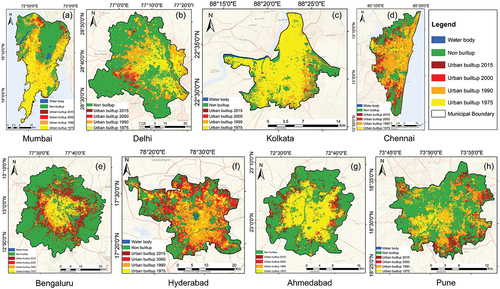


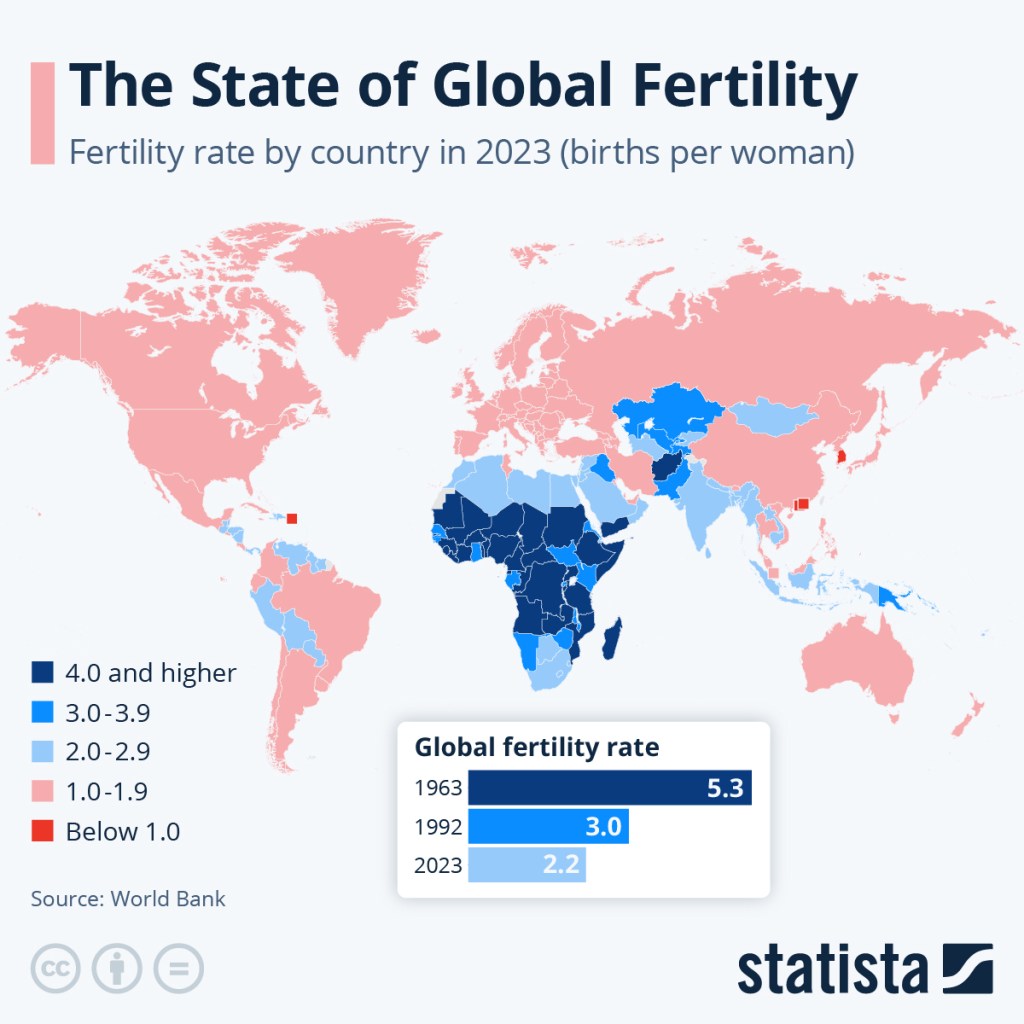

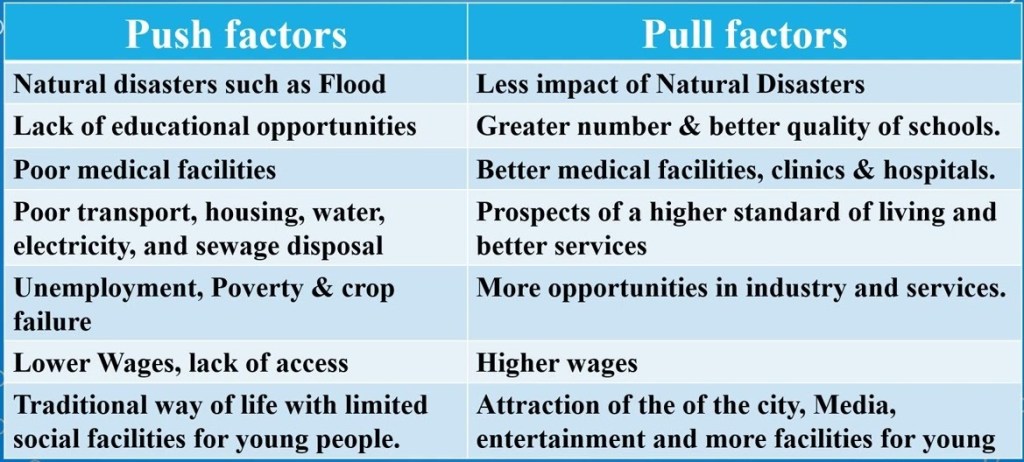


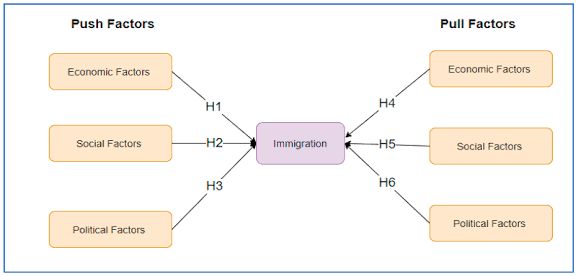
 Track2Training
You must be logged in to post a comment.