
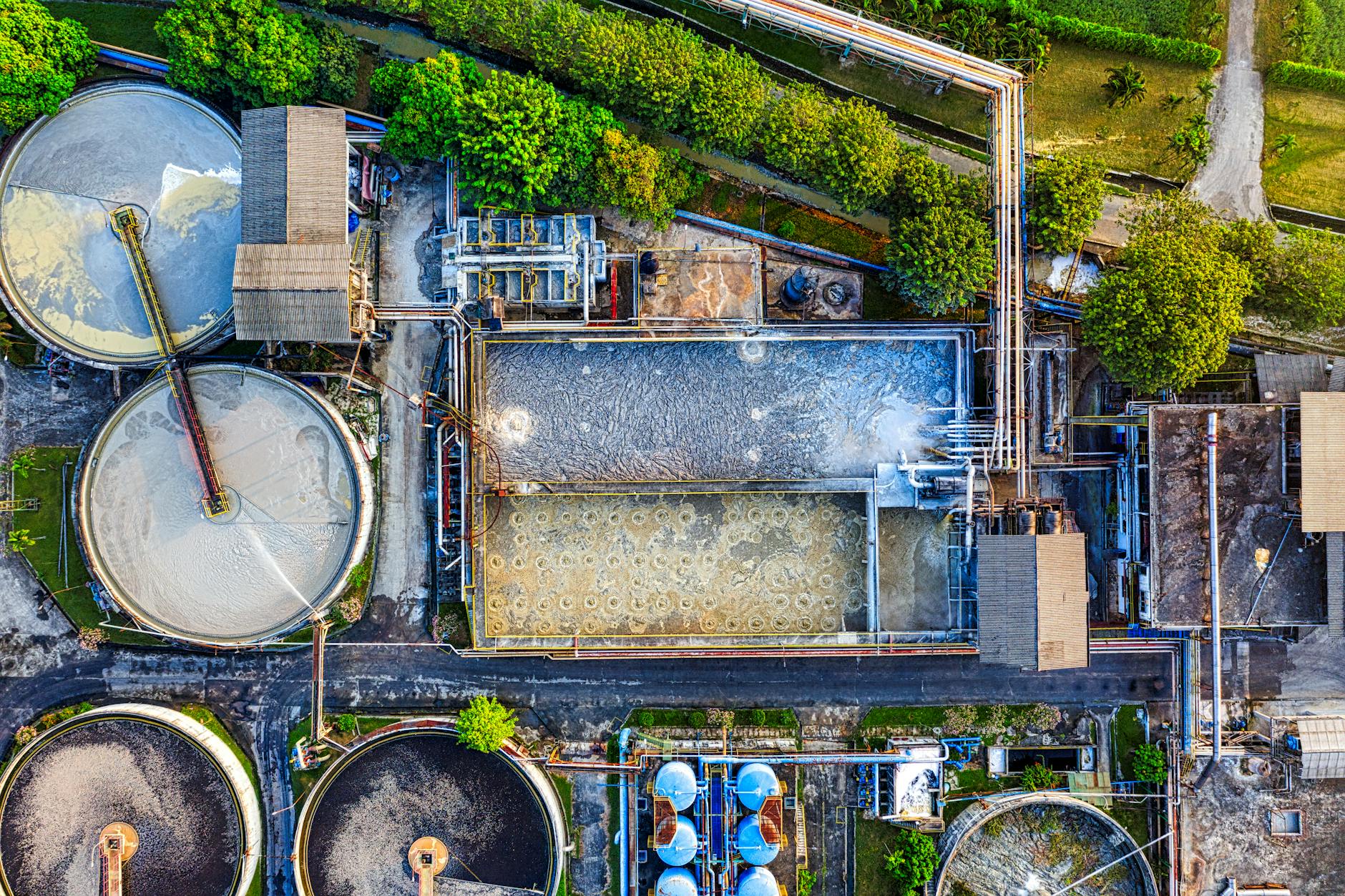
Water Management for Sponge Cities: A Sustainable Urban Future

Daily writing prompt
What jobs have you had?

By Kavita Dehalwar

Photo by Tom Fisk on Pexels.com

Introduction

As urbanization continues to surge, cities worldwide face significant challenges related to water management. Traditional infrastructure often struggles to cope with heavy rainfall, leading to flooding, water pollution, and depletion of groundwater resources. The concept of the “sponge city” offers an innovative solution, aiming to enhance urban resilience by mimicking natural water cycles. This article explores the principles of sponge cities, their benefits, and effective strategies for their implementation.

What is a Sponge City?

A sponge city is an urban area designed to absorb, store, and purify rainwater, allowing it to be reused or to recharge groundwater. This approach contrasts with conventional urban design, which typically focuses on rapid drainage of stormwater through sewers and channels. By integrating green infrastructure and sustainable water management practices, sponge cities aim to mitigate flooding, improve water quality, and ensure a sustainable water supply.

Key Principles of Sponge Cities

  1. Infiltration
    • Green Spaces and Permeable Surfaces: Utilizing parks, green roofs, and permeable pavements to allow rainwater to infiltrate the ground, reducing surface runoff and promoting groundwater recharge.
    • Bioretention Systems: Implementing rain gardens and bioswales to capture and filter stormwater.
  2. Storage
    • Retention Ponds and Wetlands: Creating ponds and artificial wetlands to store excess rainwater, which can later be used for irrigation or released gradually to prevent flooding.
    • Underground Tanks and Cisterns: Installing tanks beneath buildings and streets to capture and store rainwater for non-potable uses like flushing toilets and watering plants.
  3. Purification
    • Natural Treatment Systems: Utilizing plants and soil in wetlands and green spaces to naturally filter pollutants from stormwater.
    • Constructed Wetlands: Designing engineered wetlands that mimic natural processes to treat and purify water.
  4. Reuse
    • Rainwater Harvesting: Collecting and storing rainwater from rooftops and other surfaces for domestic and industrial use.
    • Greywater Recycling: Treating and reusing water from sinks, showers, and laundry for landscaping and irrigation.

Benefits of Sponge Cities

  1. Flood Mitigation By enhancing the capacity of urban areas to absorb and store rainwater, sponge cities significantly reduce the risk of flooding during heavy rainfall events.
  2. Water Quality Improvement Natural filtration systems remove pollutants from stormwater, leading to cleaner rivers, lakes, and coastal waters.
  3. Groundwater Recharge Increased infiltration helps replenish groundwater reserves, which is crucial for maintaining water supplies during dry periods.
  4. Climate Resilience Sponge cities are better equipped to cope with the impacts of climate change, such as more frequent and intense rainfall and prolonged droughts.
  5. Enhanced Urban Greenery Integrating green spaces into urban design not only supports water management but also enhances biodiversity, reduces urban heat islands, and improves residents’ quality of life.

Implementation Strategies

  1. Policy and Planning
    • Integrated Water Management Plans: Developing comprehensive plans that incorporate sponge city principles into urban development projects.
    • Regulations and Incentives: Enforcing regulations that mandate the inclusion of green infrastructure in new developments and providing incentives for retrofitting existing buildings.
  2. Community Involvement
    • Public Awareness Campaigns: Educating residents about the benefits of sponge cities and encouraging practices like rainwater harvesting.
    • Participatory Planning: Involving local communities in the design and implementation of green infrastructure projects.
  3. Technical Solutions
    • Green Roofs and Walls: Installing vegetation on rooftops and building facades to absorb rainwater and provide insulation.
    • Permeable Pavements: Using materials that allow water to pass through, reducing runoff and promoting infiltration.
  4. Monitoring and Maintenance
    • Regular Inspections: Ensuring that green infrastructure components are functioning correctly and efficiently.
    • Adaptive Management: Adjusting strategies based on performance data and evolving climate conditions.

Conclusion

Sponge cities represent a forward-thinking approach to urban water management, offering sustainable solutions to the challenges posed by rapid urbanization and climate change. By incorporating principles of infiltration, storage, purification, and reuse, cities can transform themselves into resilient, water-sensitive environments. The successful implementation of sponge city strategies requires a collaborative effort involving policymakers, urban planners, engineers, and the community. As more cities adopt this innovative model, the vision of sustainable and livable urban spaces can become a reality.

References

Cosgrove, W. J., & Loucks, D. P. (2015). Water management: Current and future challenges and research directions. Water Resources Research51(6), 4823-4839.

Guan, X., Wang, J., & Xiao, F. (2021). Sponge city strategy and application of pavement materials in sponge city. Journal of Cleaner Production303, 127022.

Haasnoot, M., Middelkoop, H., Van Beek, E., & Van Deursen, W. P. A. (2011). A method to develop sustainable water management strategies for an uncertain future. Sustainable Development19(6), 369-381.

Pahl-Wostl, C. (2008). Requirements for adaptive water management. In Adaptive and integrated water management: Coping with complexity and uncertainty (pp. 1-22). Berlin, Heidelberg: Springer Berlin Heidelberg.

Rogers, P. P., & Fiering, M. B. (1986). Use of systems analysis in water management. Water resources research22(9S), 146S-158S.

The Role of a Road Safety Expert: Ensuring Safer Journeys

Daily writing prompt
What jobs have you had?

By Shashikant Nishant Sharma

Introduction

In an age where mobility and transportation are pivotal to societal progress, the role of a Road Safety Expert has never been more critical. These professionals are dedicated to minimizing traffic accidents and enhancing the safety of all road users, including drivers, pedestrians, cyclists, and motorcyclists. This article explores the multifaceted job of a Road Safety Expert, highlighting their responsibilities, required skills, and the impact they make on our daily lives.

Photo by Kelly on Pexels.com

Key Responsibilities

1. Data Collection and Analysis

One of the primary tasks of a Road Safety Expert is collecting and analyzing data related to road accidents and traffic flow. This data includes accident reports, traffic volume statistics, and observational studies. By scrutinizing this information, experts identify patterns and underlying causes of road incidents, which is crucial for developing effective safety strategies.

2. Designing Safety Programs

Based on their data analysis, Road Safety Experts design and implement comprehensive road safety programs. These programs can range from public awareness campaigns to engineering solutions like improved road signage, better lighting, and safer pedestrian crossings. The goal is to reduce accident rates and enhance overall road safety.

3. Policy Development and Advocacy

Road Safety Experts often work closely with government bodies and policymakers to develop and advocate for regulations that enhance road safety. They provide expert opinions on traffic laws, vehicle standards, and road design guidelines, ensuring that these regulations are grounded in empirical evidence and best practices.

4. Conducting Safety Audits

A significant aspect of their job involves conducting road safety audits. These audits are thorough examinations of existing road conditions and traffic systems. The experts identify potential hazards and recommend modifications to improve safety. This might involve redesigning dangerous intersections, implementing traffic calming measures, or improving road maintenance.

5. Training and Education

Educating the public and professionals about road safety is another critical role. Road Safety Experts develop training programs for drivers, school children, and even road maintenance workers. They might also conduct workshops and seminars to raise awareness about the importance of road safety and safe driving practices.

Essential Skills and Qualifications

1. Technical Knowledge

A strong foundation in civil engineering, traffic engineering, or transportation planning is essential. Knowledge of road design principles, traffic flow theories, and accident analysis techniques forms the bedrock of their expertise.

2. Analytical Skills

The ability to analyze complex data sets and derive meaningful insights is crucial. Road Safety Experts must be proficient in using statistical software and geographic information systems (GIS) to interpret data and visualize safety trends.

3. Communication Skills

Effective communication is vital for advocating safety measures and educating the public. Road Safety Experts must be able to convey technical information in a clear and persuasive manner to various stakeholders, including government officials, engineers, and the general public.

4. Attention to Detail

Given the potential consequences of their work, a meticulous approach is necessary. Road Safety Experts must thoroughly evaluate road conditions and traffic patterns, identifying even the smallest risk factors that could lead to accidents.

Impact on Society

The work of Road Safety Experts has a profound impact on society. By reducing the frequency and severity of road accidents, they help save lives and prevent injuries. Their efforts contribute to smoother traffic flow, less congestion, and a more efficient transportation system. Moreover, enhancing road safety fosters a sense of security among all road users, encouraging more people to use non-motorized forms of transport, such as cycling and walking, which also benefits public health and the environment.

Conclusion

The role of a Road Safety Expert is indispensable in creating a safer and more sustainable transportation system. Their expertise in data analysis, safety program design, policy development, and education significantly contributes to reducing road accidents and saving lives. As urbanization continues and traffic volumes increase, the demand for skilled Road Safety Experts will undoubtedly grow, underscoring the importance of their role in ensuring that our journeys are not only efficient but also safe.

References

Agarwal, S., & Sharma, S. N. (2014). Universal Design to Ensure Equitable Society. International Journal of Engineering and Technical Research (IJETR)1.

Huvarinen, Y., Svatkova, E., Oleshchenko, E., & Pushchina, S. (2017). Road safety audit. Transportation Research Procedia20, 236-241.

Korchagin, V., Pogodaev, A., Kliavin, V., & Sitnikov, V. (2017). Scientific basis of the expert system of road safety. Transportation Research Procedia20, 321-325.

Proctor, S., Belcher, M., & Cook, P. (2001). Practical road safety auditing. Thomas Telford.

Sayed, T. A. (1995). A highway safety expert system: A new approach to safety programs (Doctoral dissertation, University of British Columbia).

Sharma, S. N. Enhancing Safety Analysis with Surrogate Methods: A Focus on Uncontrolled Traffic Intersections.

Sharma, S. N., & Adeoye, M. A. (2024). New Perspectives on Transformative Leadership in Education. EduPedia Publications Pvt Ltd.

Sharma, S. N., & Singh, D. (2023). Understanding mid-block traffic analysis: A crucial tool for road safety. Think India Journal26(3), 5-9.

Singh, D., Das, P., & Ghosh, I. (2024). Bridging conventional and proactive approaches for road safety analytic modeling and future perspectives. Innovative Infrastructure Solutions9(5), 1-21.

Toroyan, T. (2009). Global status report on road safety. Injury prevention15(4), 286-286.