Six-Point Integrated Intervention Strategy for a Climate-Vulnerable Informal Settlement

Six-Point Integrated Intervention Strategy for a Climate-Vulnerable Informal Settlement in a Rapidly Growing Indian City

Introduction

The problems of an informal settlement experiencing irregular water supply, inadequate sewerage, poor solid-waste collection, inadequate public transport, recurrent waterlogging and increasing exposure to extreme rainfall should not be addressed through isolated infrastructure projects. These deficiencies are interconnected. Poor solid-waste management can block drains; inadequate drainage increases waterlogging; waterlogging can contaminate water-supply networks and sanitation systems; weak transport connectivity reduces access to employment and essential services; and extreme rainfall magnifies all these vulnerabilities.

An appropriate planning response should therefore follow an integrated, inclusive, climate-resilient and service-oriented approach consistent with the principles of SDG 11โ€”Sustainable Cities and Communities, particularly Targets 11.1, 11.2, 11.3, 11.5, 11.6 and 11.b. The intervention should also support SDG 6 on clean water and sanitation and SDG 13 on climate action.

The fundamental planning principle should be in-situ upgrading wherever technically feasible, rather than displacement of the community. Infrastructure improvements should simultaneously address basic services, environmental conditions, mobility, climate resilience and social inclusion.

The following six-point intervention strategy is proposed.


  1. Universal, Safe and Reliable Water-Supply System

Existing problem

Irregular water supply creates multiple problems in informal settlements. Residents may depend on public standposts, tankers, private vendors or groundwater. Intermittent supply also increases the possibility of contamination because negative pressure in pipelines can allow polluted groundwater or sewage to enter damaged water lines.

Water inequality is therefore not merely an engineering problem; it is an issue of urban inclusion and environmental justice.

Proposed interventions

The first intervention should provide universal and equitable access to safe water.

A detailed household and infrastructure survey should identify existing connections, standposts, pipelines, sources, supply hours, pressure levels and households without formal access. The existing network should then be extended or rehabilitated.

The following measures are recommended:

  • provide individual household water connections wherever feasible;
  • establish community standposts as an interim solution in areas where individual connections cannot immediately be provided;
  • replace damaged and leaking pipelines;
  • introduce bulk metering and progressively household-level metering;
  • create District Metered Areas (DMAs) for leakage monitoring;
  • undertake regular water-quality testing;
  • maintain minimum pressure to prevent contamination;
  • provide adequate household/community storage during the transition towards continuous supply;
  • introduce rainwater-harvesting systems in community buildings and suitable residential structures; and
  • develop groundwater-recharge structures where hydrogeological conditions permit.

A Water Safety Plan should be prepared covering the entire chain from source to household. Particular attention should be paid to places where water pipelines cross drains or sewer lines.

Planning objective

The long-term goal should be:

Universal access โ†’ safe water โ†’ adequate quantity โ†’ reliable supply โ†’ affordable service โ†’ reduced water losses.

Low-income households should receive lifeline tariffs or targeted subsidies so that formalisation of water services does not make water unaffordable.

Expected outcome

The intervention would reduce dependence on tankers and informal vendors, improve public health, reduce household expenditure on water and contribute directly to SDG 11.1 and SDG 6.1.


  1. Decentralised Sewerage, Sanitation and Faecal-Sludge Management

Existing problem

Inadequate sewerage in dense informal settlements can result in wastewater flowing through open drains, overflowing septic tanks and direct discharge into nearby water bodies. During extreme rainfall, sewage and stormwater can mix, producing serious health and environmental risks.

A conventional underground sewerage system may not always be immediately feasible because informal settlements frequently have narrow streets, irregular plots, high densities and uncertain land tenure.

Proposed interventions

The sanitation strategy should therefore be based on a context-specific combination of centralised and decentralised systems.

Where connection to the municipal sewerage network is technically and financially feasible, households should be connected to the existing network. In inaccessible areas, decentralised wastewater-treatment systems can be considered.

The strategy should include:

  • household toilets for all families;
  • community toilets only where household facilities are temporarily impossible;
  • simplified or small-bore sewer systems in high-density areas where appropriate;
  • scheduled desludging of septic tanks;
  • safe collection and transportation of faecal sludge;
  • faecal-sludge and septage treatment;
  • decentralised wastewater-treatment systems where network connection is impractical;
  • prevention of sewage discharge into stormwater drains;
  • regular inspection of sewer lines; and
  • reuse of safely treated wastewater for appropriate non-potable purposes.

The key principle should be to maintain a separation between:

Sewage system โ‰  Stormwater drainage system.

This separation becomes particularly important under extreme-rainfall conditions.

Climate-resilient sanitation

Sanitation infrastructure should be designed above expected flood levels wherever possible. Electrical and mechanical components of pumping facilities should be protected against inundation, while manholes should be designed to reduce stormwater inflow.

Expected outcome

The intervention would reduce open sewage, groundwater contamination and waterborne diseases while improving environmental quality. It would contribute to SDG 11.1, SDG 11.6 and SDG 6.2โ€“6.3.


  1. Integrated Solid-Waste Management and Drain Protection

Existing problem

Poor solid-waste collection and waterlogging are closely connected. When waste is dumped into streets, vacant plots and open drains, plastic bags and other materials obstruct drainage channels. During intense rainfall, blocked drains significantly increase local flooding.

Therefore, waste management should form part of the settlement’s flood-resilience strategy, rather than being treated solely as a municipal cleanliness service.

Proposed interventions

A door-to-door collection system should be introduced for every household. Waste should be segregated at source into wet, dry and domestic hazardous fractions in accordance with applicable municipal requirements.

The intervention should include:

  • 100% door-to-door collection;
  • source segregation;
  • fixed and publicly communicated collection schedules;
  • covered collection vehicles appropriate for narrow streets;
  • decentralised composting of biodegradable waste where feasible;
  • material-recovery facilities for recyclable waste;
  • formal integration of waste pickers and informal recyclers;
  • prohibition of dumping into drains and water bodies;
  • regular drain-cleaning programmes;
  • pre-monsoon removal of accumulated silt and waste; and
  • community reporting of missed collection and illegal dumping.

Waste collection points should not be located in natural drainage paths or flood-prone low points.

Community participation

Resident groups, women’s groups, youth organisations and waste workers can participate in neighbourhood cleanliness monitoring. Behaviour-change campaigns should explain the direct connection:

Uncollected waste โ†’ blocked drains โ†’ reduced drainage capacity โ†’ waterlogging โ†’ disease and property damage.

Expected outcome

Improved waste management would simultaneously increase neighbourhood cleanliness, reduce drainage blockage, improve recycling and lower public-health risks. It would directly support SDG 11.6 and indirectly strengthen climate resilience under SDG 11.b.


  1. Climate-Resilient Stormwater Drainage and Waterlogging Management

Existing problem

This should be treated as a high-priority intervention because the settlement already experiences waterlogging and is becoming increasingly exposed to extreme rainfall.

Traditional drainage design based only on historical rainfall may be inadequate under changing climate conditions. Urbanisation also increases impermeable surfaces, causing rainfall to become surface runoff more rapidly.

Risk-based planning approach

Before constructing new drains, the planning authority should undertake a GIS-based flood and drainage assessment.

The assessment should map:

  • settlement topography;
  • natural drainage channels;
  • existing drains and culverts;
  • historical waterlogging locations;
  • low-lying areas;
  • impervious surfaces;
  • waste-dumping hotspots;
  • critical infrastructure;
  • vulnerable households;
  • rainfall intensity; and
  • potential evacuation routes.

The analysis should identify micro-flood-risk zones within the settlement.

Proposed grey infrastructure

Existing drains should first be cleaned, repaired and hydraulically assessed. Missing links should be constructed and undersized sections upgraded.

Interventions should include:

  • rehabilitation and desilting of drains;
  • additional stormwater drains in underserved areas;
  • enlargement of critical culverts;
  • removal of physical drainage obstructions;
  • installation of backflow-prevention devices where appropriate;
  • pumping arrangements at unavoidable low points; and
  • protection of major outfalls.

Blue-green infrastructure

Engineering measures should be supplemented with nature-based solutions such as:

Rain gardens + bioswales + permeable paving + recharge trenches + detention areas + urban vegetation + restored ponds/wetlands.

Rather than moving all stormwater downstream as quickly as possible, these measures help cities follow the principle:

Capture โ†’ Store โ†’ Infiltrate โ†’ Delay โ†’ Safely Drain.

Open spaces that are not intensively used can potentially function as temporary detention spaces during exceptional rainfall, provided public safety is ensured.

Early-warning and emergency response

Rainfall forecasts and municipal alerts should be linked to a settlement-level warning mechanism using mobile messaging, public-address systems and community volunteers.

Particularly vulnerable householdsโ€”such as older persons, children and persons with disabilitiesโ€”should be mapped for priority assistance during emergencies.

Expected outcome

The intervention would reduce flood depth and duration, minimise infrastructure damage and improve resilience to climate extremes, directly contributing to SDG 11.5 and 11.b.


  1. Affordable Public Transport, Walking and Last-Mile Connectivity

Existing problem

Infrastructure deprivation is not limited to water and sanitation. Poor public transport can create transport poverty, particularly where low-income residents live far from employment centres, schools, hospitals and public services.

Informal-settlement residents frequently depend heavily on walking, cycling, buses and shared transport. Therefore, expensive road widening or car-oriented infrastructure would not necessarily address their mobility needs.

Proposed interventions

The strategy should prioritise people rather than private vehicles.

First, a mobility and accessibility survey should identify:

  • major employment destinations;
  • schools and health facilities;
  • nearest bus/metro/rail stops;
  • existing walking routes;
  • travel costs;
  • public-transport frequency;
  • unsafe locations; and
  • first/last-mile gaps.

Public transport routes should then be modified or extended where demand justifies it. Feeder services, e-rickshaws or appropriately regulated shared mobility can connect the settlement with major public-transport corridors.

Walking infrastructure

Since walking is likely to be a major access mode, priority should be given to:

  • continuous pedestrian pathways;
  • safe crossings;
  • street lighting;
  • universal-access features;
  • shaded pedestrian routes where feasible;
  • drainage along walking routes;
  • safe access to bus stops; and
  • removal of physical barriers.

Bus stops should be designed with shelter, lighting, route information and safe pedestrian access.

Affordability and inclusion

Transport planning should consider not merely physical distance but also travel time, cost, reliability, safety and accessibility. Affordable fare structures are particularly important for low-income households.

The planning objective should be:

Home โ†’ safe walk/feeder โ†’ public transport โ†’ employment/education/healthcare.

Expected outcome

Improved connectivity would expand access to employment and essential services, reduce transport exclusion and contribute directly to SDG 11.2.


  1. In-Situ Upgrading, Participatory Governance and Integrated Climate-Resilience Planning

The final intervention integrates the previous five into a single settlement-upgrading programme.

In-situ upgrading as the preferred approach

Where the site is reasonably safe and can be made resilient, in-situ upgrading should be preferred to wholesale relocation. Relocation can disrupt employment networks, social relationships, education and access to services.

However, households occupying locations with unmanageable life-safety risks, such as an active drainage channel or an area where flood risk cannot reasonably be mitigated, may require carefully planned nearby relocation with adequate compensation, tenure protection and community participation.

Participatory planning

Residents should participate in decisions concerning:

  • water points and network extensions;
  • toilet and sewerage arrangements;
  • waste-collection locations;
  • drainage improvements;
  • public-space design;
  • transport stops;
  • flood evacuation routes; and
  • implementation priorities.

A Settlement Infrastructure and Resilience Committee can be established with representatives of residents, women’s groups, youth, vulnerable populations, the ULB, utility agencies and local civil-society organisations.

GIS-based integrated settlement plan

All infrastructure should be brought together in a single spatial database:

Households + water + sewerage + drains + waste hotspots + roads + public transport + open spaces + flood risk + vulnerable population.

This prevents the common problem of one infrastructure agency undertaking works that interfere with anotherโ€”for example, constructing a road and subsequently excavating it for a sewer line.

Land tenure and basic-service security

Infrastructure provision should not necessarily be delayed until every tenure issue is completely resolved. Appropriate legal and administrative mechanisms should allow residents to access essential services while longer-term tenure questions are addressed.

Monitoring through measurable indicators

A neighbourhood dashboard should monitor outcomes such as:

Indicator| Proposed Direction/Target
Households with safe water access| Towards 100%
Reliability of water supply| Continuous improvement
Households with safe sanitation| Towards 100%
Door-to-door waste collection| 100%
Source segregation| Progressive universal coverage
Untreated sewage entering drains| Towards zero
Waterlogging duration after major rainfall| Substantial annual reduction
Population within convenient reach of public transport| Progressive increase
Safe pedestrian access| Universal coverage of major routes
Households exposed to high flood risk| Progressive reduction
Resident grievances resolved| Time-bound resolution

Community-based monitoring should complement municipal data.


Integrated Implementation Framework

The six interventions should not be implemented independently. Their interrelationship can be expressed as:

  1. Safe Water Supply
    โ†“
  2. Sewerage and Sanitation
    โ†“
  3. Solid-Waste Management
    โ†“
  4. Stormwater and Climate Resilience
    โ†“
  5. Public Transport and Accessibility
    โ†“
  6. In-Situ Upgrading + Participatory Governance

In practice, implementation should be coordinated rather than strictly sequential.

Suggested Phasing

Phase I: Immediate Actions โ€” 0โ€“12 Months

Priority should be given to measures capable of reducing immediate health and disaster risks:

  • settlement and household survey;
  • GIS infrastructure mapping;
  • emergency repair of water pipelines;
  • drinking-water-quality testing;
  • regular waste collection;
  • cleaning and desilting drains;
  • identification of waterlogging hotspots;
  • temporary sanitation improvements;
  • pre-monsoon preparedness; and
  • establishment of community coordination mechanisms.

Phase II: Infrastructure Upgrading โ€” 1โ€“3 Years

The second phase should include:

  • water-network extension;
  • sewerage/decentralised sanitation infrastructure;
  • stormwater-network rehabilitation;
  • household waste segregation;
  • pedestrian improvements;
  • public-transport/feeder connectivity;
  • rainwater harvesting; and
  • blue-green infrastructure.

Phase III: Resilience and Service Consolidation โ€” 3โ€“5+ Years

The final phase should focus on:

  • reliable/continuous water supply;
  • smart metering and monitoring;
  • treated wastewater reuse;
  • comprehensive flood-resilience measures;
  • climate-sensitive land-use controls;
  • long-term infrastructure maintenance;
  • service-performance monitoring; and
  • institutionalisation of community participation.

Relationship with SDG 11

The proposed interventions collectively address several SDG 11 targets:

Settlement Problem| Intervention| SDG 11 Link
Irregular water and inadequate basic services| Universal water supply| 11.1
Inadequate sewerage| Sanitation and wastewater management| 11.1, 11.6
Poor solid-waste collection| Integrated waste management| 11.6
Inadequate public transport| Public transport and last-mile connectivity| 11.2
Waterlogging| Stormwater and blue-green infrastructure| 11.5
Extreme rainfall| Climate-resilient infrastructure| 11.5, 11.b
Informality and exclusion| Participatory in-situ upgrading| 11.1, 11.3

Conclusion

The informal settlement should be viewed not as an isolated โ€œslum-improvementโ€ problem but as part of the wider urban infrastructure and climate-resilience system. The most appropriate approach is therefore integrated in-situ upgrading, combining universal basic services with environmental management, sustainable mobility, disaster-risk reduction and participatory governance.

The six-point strategy can be summarised as:

  1. Safe and reliable water supply โ†’
  2. Sewerage and sanitation โ†’
  3. Integrated solid-waste management โ†’
  4. Climate-resilient drainage and flood management โ†’
  5. Affordable public transport and last-mile accessibility โ†’
  6. Participatory in-situ upgrading and climate-resilient governance.

The key planning principle is that infrastructure, social inclusion and climate resilience must be addressed together. Improving only drains without managing waste, or providing water without sewerage, will merely transfer problems from one urban system to another. An integrated strategy, by contrast, can transform the settlement into a safer, healthier, better-connected and more climate-resilient neighbourhood while advancing SDG 11.

SDG 11 Targets and Strategy for Urban Water Supply by 2030


SDG 11 Targets and Strategy for Urban Water Supply by 2030
1. Introduction
India is experiencing rapid urbanisation, placing increasing pressure on housing, transport, water supply, sanitation, solid-waste management and other urban infrastructure. The central objective of Sustainable Development Goal (SDG) 11 is to โ€œmake cities and human settlements inclusive, safe, resilient and sustainable.โ€ In the Indian context, achievement of SDG 11 is particularly important because infrastructure deficiencies can directly affect the quality of life, environmental sustainability and economic productivity of cities.
India monitors SDG 11 through the National Indicator Framework (NIF) developed by the Ministry of Statistics and Programme Implementation (MoSPI), while NITI Aayog assesses state and Union Territory performance through the SDG India Index.
2. Major Targets of SDG 11 in the Indian Context
The major SDG 11 targets relevant to India’s urban and infrastructure development are:
SDG Target
Target in the Indian Context
Major Infrastructure Relevance
11.1
Ensure access to adequate, safe and affordable housing and basic services and upgrade slums
Housing, water supply, sanitation, drainage
11.2
Provide safe, affordable, accessible and sustainable transport systems and improve road safety
Public transport, roads, NMT infrastructure
11.3
Promote inclusive and sustainable urbanisation and participatory, integrated settlement planning
Master plans, land-use planning, urban governance
11.4
Strengthen protection of cultural and natural heritage
Heritage conservation and urban renewal
11.5
Reduce deaths, affected population and economic losses resulting from disasters
Flood management, drainage, resilient infrastructure
11.6
Reduce the adverse environmental impact of cities, particularly air pollution and municipal waste
Solid waste, sewage treatment, air quality
11.7
Provide universal access to safe, inclusive, accessible green and public spaces
Parks, open spaces and public realm
11.a
Strengthen economic, social and environmental linkages among urban, peri-urban and rural areas
Regional and metropolitan planning
11.b
Promote integrated policies for resource efficiency, climate mitigation/adaptation and disaster resilience
Climate-resilient urban infrastructure
11.c
Support sustainable and resilient buildings using local materials, particularly in least-developed countries
Sustainable construction
These priorities are reflected in India’s SDG monitoring framework. For example, India monitors indicators such as inadequate urban housing, road-accident deaths, waste processing, drainage and sewage-treatment capacity.
3. Selected Infrastructure Sector: Urban Water Supply
Water supply is selected because reliable access to safe water is fundamental to sustainable urban settlements. It directly supports SDG 11.1 through access to basic services and is closely interconnected with SDG 6, particularly universal and equitable access to safe and affordable drinking water.
Urbanisation increases demand for water while simultaneously reducing groundwater recharge, increasing wastewater generation and creating competition among domestic, industrial and environmental uses. The problem is therefore not simply to construct more water-supply infrastructure, but to establish a safe, equitable, efficient, circular and climate-resilient urban water system.
India should consequently move from the traditional linear model of:
Source โ†’ Treatment โ†’ Supply โ†’ Consumption โ†’ Disposal
towards an integrated circular model:
Source โ†’ Treatment โ†’ Efficient Supply โ†’ Consumption โ†’ Wastewater Treatment โ†’ Reuse โ†’ Groundwater Recharge/Resource Recovery.
4. Proposed Targets for Urban Water Supply by 2035
While the formal SDGs use 2030 as their target year, a 2035 infrastructure strategy can consolidate SDG achievements and address the needs of India’s continuing urban expansion. The following targets are proposed:
100% household coverage with functional piped water connections.
100% access to safe drinking water meeting prescribed water-quality standards.
Progressively achieve continuous and reliable (24ร—7) water supply in urban areas.
Reduce non-revenue water (NRW) to below 15% through leakage detection, metering and network rehabilitation.
Ensure 100% metering of major urban water connections.
Achieve 100% water-quality monitoring at source, treatment, distribution and consumer levels.
Ensure treatment of urban wastewater and maximise its safe reuse for non-potable purposes.
Introduce rainwater harvesting and groundwater-recharge systems in all suitable public buildings and large developments.
Provide affordable minimum/basic water services to slums, informal settlements and economically weaker households.
Develop climate-resilient water-security plans for all major urban local bodies.
These should be treated as proposed 2035 planning benchmarks, rather than existing official SDG targets.
5. Strategy to Achieve Urban Water-Supply Targets by 2035
5.1 Universal and Equitable Network Coverage
The first priority should be universal household-level access. Urban local bodies (ULBs) should undertake GIS-based mapping of existing pipelines, households, informal settlements and unserved areas. Network expansion should prioritise slums, peripheral settlements and low-income neighbourhoods rather than only high-demand commercial areas.
A basic quantity of affordable water should be protected for vulnerable households through appropriate tariff structures and targeted subsidies.
5.2 Reduction of Distribution Losses
A significant improvement in urban water security can be achieved without continuously developing new water sources if physical and commercial losses are controlled.
Cities should establish District Metered Areas (DMAs), install bulk and household meters, undertake pressure management and use sensor-based systems for real-time leakage detection. Old and damaged pipelines should be systematically replaced.
A city losing 30โ€“40% of treated water should therefore prioritise network efficiency before investing heavily in distant new water sources.
5.3 Smart Water Management
Digital technology should form the backbone of the 2035 system. Cities can employ:
GIS-based water-asset databases;
smart water meters;
SCADA systems;
IoT-based pressure and flow sensors;
automated water-quality monitoring;
AI-based demand forecasting; and
digital dashboards for ULB decision-making.
Such systems can identify leakage, abnormal consumption, contamination and infrastructure failure more quickly.
5.4 Water-Quality Security
Universal connection alone cannot constitute successful service delivery unless the supplied water is safe.
Water should therefore be tested regularly from the source to the consumer tap. Water Safety Plans should identify contamination risks throughout the supply chain. Public disclosure of water-quality results can also improve transparency and accountability.
5.5 Rainwater Harvesting and Groundwater Recharge
Urban development frequently increases paved surfaces while reducing natural recharge. Building regulations should therefore integrate mandatory rainwater harvesting for appropriate plot sizes and building categories.
Cities should also restore lakes, ponds, wetlands and natural drainage channels. These measures simultaneously support water security, groundwater recharge, biodiversity and urban flood management.
5.6 Wastewater Treatment and Reuse
Water supply and sewerage should not be planned independently. Treated wastewater represents an important urban water resource.
Treated wastewater can be reused for:
landscaping;
construction;
industrial cooling;
road washing;
agriculture around cities; and
other appropriate non-potable applications.
This would reduce pressure on freshwater sources while contributing to SDG 11.6. Sewage treatment remains a significant infrastructure issue: NITI Aayog reports that installed sewage-treatment capacity as a proportion of urban sewage generation increased from 38.86% in 2018 to 51% in 2020โ€“21, demonstrating progress but also the scale of the remaining gap.
5.7 Climate-Resilient Urban Water Systems
Climate change increases the likelihood of drought, extreme rainfall and water-source uncertainty. Every major city should therefore prepare an Urban Water Security and Resilience Plan.
Cities should diversify their water portfolio rather than depend excessively on a single reservoir or groundwater source. Surface water, groundwater, rainwater harvesting, wastewater reuse and aquifer recharge should be integrated according to local conditions.
5.8 Institutional and Financial Reforms
Urban water infrastructure cannot become sustainable through capital investment alone. ULBs require stronger technical and financial capacity.
Tariffs should progressively reflect operation and maintenance costs while maintaining lifeline tariffs or subsidies for low-income households. Performance-based contracts, municipal finance, public-private partnerships where appropriate, and central/state urban missions can support investment.
Importantly, accountability should shift from measuring only infrastructure createdโ€”such as kilometres of pipelinesโ€”to service outcomes, including hours of supply, pressure, water quality, NRW, affordability and consumer satisfaction.
6. Suggested Implementation Roadmap
Period
Major Action
2026โ€“2028
City-wide water audits, GIS mapping, baseline assessment, identification of unserved households and NRW assessment
2028โ€“2030
Universal network expansion, slum coverage, metering and rehabilitation of high-loss networks
2030โ€“2032
Expansion of smart meters, DMAs, SCADA, water-quality monitoring and wastewater reuse
2032โ€“2034
24ร—7 supply pilots scaled city-wide, recharge infrastructure and climate-resilience improvements
2034โ€“2035
Independent performance audit, remaining gap closure and establishment of long-term asset-management systems
7. Monitoring Indicators for 2035
Progress should be measured annually through a small set of measurable indicators: percentage of households with functional piped connections; average hours of water supplied per day; per-capita availability; percentage of samples meeting drinking-water standards; NRW percentage; percentage of connections metered; percentage of wastewater treated and reused; percentage of low-income households receiving adequate service; and consumer grievance-resolution time.
This outcome-based monitoring is important because infrastructure availability does not automatically imply adequate service delivery.
8. Conclusion
SDG 11 provides India with an integrated framework for addressing housing, basic services, transportation, environmental quality, resilience and inclusive urban development. India’s SDG monitoring system already recognises housing, sanitation, sewage treatment, drainage, transport and waste management as important components of sustainable cities.
For the urban water-supply sector, the strategy to 2035 should go beyond simply increasing infrastructure capacity. India should pursue universal access + water quality + network efficiency + wastewater reuse + groundwater recharge + digital management + climate resilience + social equity.
Thus, the central objective for 2035 can be expressed as:
โ€œEvery urban household should have equitable access to safe, affordable and reliable water through an efficient, circular and climate-resilient urban water-management system.โ€
Achieving this objective would contribute not only to SDG 11 (Sustainable Cities and Communities) but also directly support SDG 6 (Clean Water and Sanitation), SDG 3 (Good Health and Well-being), SDG 10 (Reduced Inequalities), SDG 12 (Responsible Consumption and Production), and SDG 13 (Climate Action).

References
Government of India, Ministry of Statistics and Programme Implementation. (2023). Sustainable Development Goals: National Indicator Framework 2023.
NITI Aayog. (2021). SDG India Index & Dashboard 2020โ€“21: Partnerships in the Decade of Action. Government of India.
NITI Aayog. Goal 11: Make cities and human settlements inclusive, safe, resilient and sustainable. Government of India.

Emerging Research Themes in Sustainable Development and Environmental Planning

By Kavita Dehalwar

Sustainable development and environmental planning are no longer confined to single disciplines or narrowly defined policy tools. Instead, they have evolved into deeply interconnected research domains that span urban planning, environmental health, solid waste management, climate resilience, artificial intelligence (AI), and sustainable construction technologies. Recent scholarship highlights how global environmental challengesโ€”climate change, rapid urbanisation, resource depletion, and social vulnerabilityโ€”are reshaping both research priorities and planning practices. Drawing on contemporary peer-reviewed literature, this blog post outlines some of the most prominent emerging research themes shaping the future of sustainability and environmental planning.

https://www.oecd.org/adobe/dynamicmedia/deliver/dm-aid--a19fa010-e8c1-4990-b415-7efb4543fac5/sustainable-urban-development.jpg?preferwebp=true&quality=80&utm_source=chatgpt.com

1. Nature-Based Solutions and Climate Resilience

One of the strongest emerging themes is the application of nature-based solutions (NbS) to address climate risks, particularly in vulnerable ecological regions such as river deltas and coastal settlements. Research increasingly emphasises ecosystem-based planning approachesโ€”mangrove restoration, wetland conservation, floodplain management, and green-blue infrastructureโ€”as cost-effective and socially inclusive alternatives to hard engineering solutions. Studies on deltaic regions in India demonstrate how NbS can simultaneously enhance climate resilience, biodiversity conservation, and livelihoods, making them central to sustainable regional planning frameworks. This research direction aligns strongly with SDG 11 (Sustainable Cities and Communities) and SDG 13 (Climate Action).

2. Environmental Health and Peri-Urban Waste Challenges

Another growing research focus concerns environmental health risks linked to solid waste management, especially in peri-urban and transitional zones. These areas often fall outside formal municipal service coverage, leading to unmanaged dumping, groundwater contamination, and public health vulnerabilities. Recent studies stress the need for integrated planning models that link waste infrastructure, land-use planning, and health risk assessment. This theme highlights a shift from purely technical waste solutions to more holistic, people-centred and health-sensitive planning approaches.

3. Artificial Intelligence for Sustainable Environmental Governance

The integration of artificial intelligence (AI) into environmental planning and management represents a rapidly expanding research frontier. AI tools are being explored for waste segregation, route optimisation, predictive maintenance of infrastructure, environmental monitoring, and decision-support systems. Beyond technical efficiency, emerging research also examines AIโ€™s role in social domainsโ€”such as social work, governance, and community engagementโ€”to promote environmental sustainability. This interdisciplinary theme raises critical questions around ethics, data governance, inclusivity, and the capacity of local institutions to adopt smart technologies responsibly.

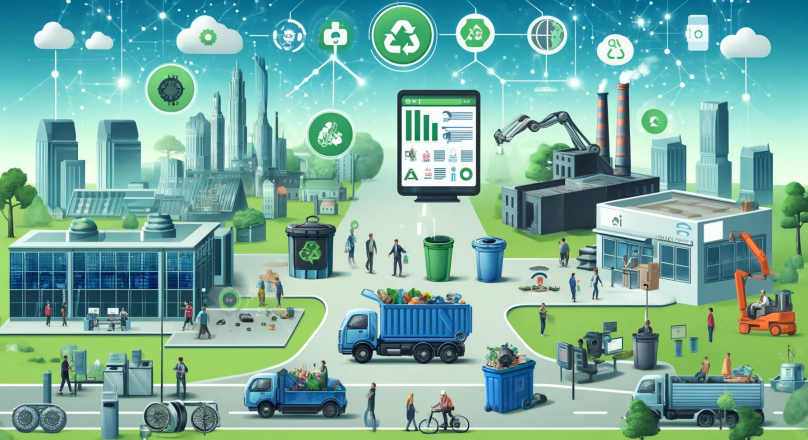
https://d12aarmt01l54a.cloudfront.net/cms/images/UserMedia-20240522153951/808-440.png?utm_source=chatgpt.com

4. Advanced Solid Waste Management Techniques

Solid waste management research has moved beyond conventional collectionโ€“transportโ€“disposal models toward circular economy-oriented systems. Emerging studies focus on waste-to-energy technologies, material recovery, decentralised processing, and policy-driven innovations such as extended producer responsibility (EPR). Importantly, recent literature highlights the need to integrate these technologies within urban and regional planning frameworks, ensuring land availability, environmental safeguards, and social acceptance. This reflects a broader shift toward systems thinking in environmental planning research.

5. Sustainable Construction Materials and Life Cycle Assessment

In the built environment domain, a significant research trend centres on life cycle assessment (LCA) of construction materials and infrastructure. Studies evaluating recycled and secondary materials in road construction illustrate how embodied energy, emissions, and resource efficiency can be systematically assessed during planning and design stages. Parallel research on innovative materialsโ€”such as self-healing concrete, biocrete, and self-sensing concreteโ€”signals a growing interest in durability, resilience, and long-term sustainability of infrastructure systems. These themes bridge environmental planning with materials science and civil engineering.

6. Green Buildings and Sustainable Neighbourhoods

The role of green buildings has expanded from energy-efficient structures to catalysts for sustainable neighbourhood development. Recent research highlights how building-scale interventionsโ€”energy efficiency, water conservation, passive design, and renewable integrationโ€”can generate cumulative benefits at the community level. This theme reinforces the importance of neighbourhood-scale planning, mixed land use, walkability, and public spaces in achieving environmental sustainability outcomes.

7. Prefabrication and Industrialised Construction

Prefabricated and modular construction has emerged as a promising pathway for sustainable urban development. Thematic analyses of prefabrication research reveal its potential to reduce construction waste, improve quality control, shorten project timelines, and lower environmental impacts. For planners and policymakers, this research underscores the need to adapt building regulations, zoning norms, and supply chains to support industrialised construction methods.

8. Climate, Migration, and Food Security Linkages

Finally, an increasingly important theme links climate disasters, migration, health risks, and food security, particularly in the Global South. Research in this area highlights how environmental stressors reshape settlement patterns, strain urban systems, and exacerbate vulnerability. This integrative perspective calls for planning approaches that are not only environmentally sustainable but also socially resilient and equity-driven.

Concluding Reflections

Collectively, these emerging research themes signal a profound transformation in sustainable development and environmental planning. The field is moving toward interdisciplinary, technology-enabled, and justice-oriented approaches that recognise the complex interdependencies between environment, society, and the built form. For researchers, practitioners, and policymakers, engaging with these themes is essential to designing resilient, inclusive, and sustainable futures in an era of overlapping global crises.

References

Dehalwar, K., & Sharma, S. N. (Eds.). (2026). Deltas resilience: Nature-based solutions for sustainable development in India. Springer Nature. https://link.springer.com/book/9783032072399

Kumar, G., Vyas, S., Sharma, S. N., & Dehalwar, K. (2024). Challenges of environmental health in waste management for peri-urban areas. In M. Nasr & A. Negm (Eds.), Solid waste management (pp. 149โ€“168). Springer Nature Switzerland. https://doi.org/10.1007/978-3-031-60684-7_9

Lucero-Prisno, D. E. III, Ayuba, D., Akinga, A. Y., Olayinka, K. E., Precious, F. K., Ogaya, J. B., Sharma, S. N., โ€ฆ Kouwenhoven, M. B. N. (2025). Impact of climate disaster, migration and health risk on food security in Africa. In Advances in food security and sustainability. Elsevier. https://doi.org/10.1016/bs.af2s.2025.08.003

Ogbanga, M. M., Sharma, S. N., Pandey, A. K., & Singh, P. (2025). Artificial intelligence in social work to ensure environmental sustainability. In M. Nasr, A. Negm, & L. Peng (Eds.), Artificial intelligence applications for a sustainable environment (pp. 1โ€“??). Springer. https://doi.org/10.1007/978-3-031-91199-6_16

Sharma, S. N., Dehalwar, K., & Singh, J. (2024). Emerging techniques in solid waste management for a sustainable and safe living environment. In M. Nasr & A. Negm (Eds.), Solid waste management (pp. 29โ€“51). Springer Nature Switzerland. https://doi.org/10.1007/978-3-031-60684-7_3

Sharma, S. N., Dehalwar, K., Jain, S., & Pandey, A. K. (2025). An assessment of the applications and prospects of AI tools in solid waste management. In M. Nasr, A. Negm, & L. Peng (Eds.), Artificial intelligence applications for a sustainable environment. Springer. https://doi.org/10.1007/978-3-031-91199-6_4

Sharma, S. N., Lodhi, A. S., Dehalwar, K., & Jaiswal, A. (2024). Life cycle assessment of recycled and secondary materials in the construction of roads. IOP Conference Series: Earth and Environmental Science, 1326(1), 012102. https://doi.org/10.1088/1755-1315/1326/1/012102

Sharma, S. N., Prajapati, R., Jaiswal, A., & Dehalwar, K. (2024). A comparative study of the applications and prospects of self-healing concrete / biocrete and self-sensing concrete. IOP Conference Series: Earth and Environmental Science, 1326(1), 012090. https://doi.org/10.1088/1755-1315/1326/1/012090

Sharma, S. N., Singh, S., Kumar, G., Pandey, A. K., & Dehalwar, K. (2025). Role of green buildings in creating sustainable neighbourhoods. IOP Conference Series: Earth and Environmental Science, 1519(1), 012018. https://doi.org/10.1088/1755-1315/1519/1/012018

Sharma, S. N., Dehalwar, K., Singh, J., & Kumar, G. (2025). Prefabrication building construction: A thematic analysis approach. In S. B. Singh, M. Gopalarathnam, & N. Roy (Eds.), Proceedings of the 3rd International Conference on Advances in Concrete, Structural, and Geotechnical Engineeringโ€”Volume 2 (pp. 405โ€“428). Springer Nature Singapore. https://doi.org/10.1007/978-981-96-0751-8_28

Call for Essays: SDG Essay Writing Opportunity


๐ŸŒ Call for Essays: SDG Essay Writing Opportunity by Track2Training

Are you passionate about creating a sustainable future?
Track2Training invites students, researchers, professionals, and global citizens to participate in the SDG Essay Writing Opportunity, centered on the United Nations Sustainable Development Goals (SDGs).

Showcase your ideas, critical thinking, and writing skills to make an impact toward achieving the 2030 Agenda for Sustainable Development.


๐Ÿ“ Essay Guidelines

  • Word Limit: Minimum 1000 words and maximum 2000 words.
  • Theme: Any of the 17 Sustainable Development Goals (SDGs) or their sub-goals.
  • Language: English.
  • Format: Typed, double-spaced, Times New Roman, Font Size 12, justified alignment.
  • Structure of the Essay:
  1. Title of the Essay
  2. Author Name (include your full name and affiliation/institution, if any)
  3. Abstract (150โ€“200 words)
  4. Introduction
  5. Findings
  6. Discussion
  7. Conclusion
  8. References (minimum 10 references in APA 7th Edition format)

Essays must be original and unpublished. Plagiarism will result in immediate disqualification.


๐ŸŒ Suggested Topics

You may choose to write on any SDG or sub-target, such as:

  • SDG 1: No Poverty
  • SDG 2: Zero Hunger
  • SDG 3: Good Health and Well-being
  • SDG 4: Quality Education
  • SDG 5: Gender Equality
  • SDG 6: Clean Water and Sanitation
  • SDG 7: Affordable and Clean Energy
  • SDG 11: Sustainable Cities and Communities
  • SDG 13: Climate Action
  • SDG 17: Partnerships for the Goals

Or explore cross-cutting themes, for example:

  • Youth and innovation for sustainable development
  • Climate-resilient communities
  • Women leadership in sustainability
  • Education as a tool for achieving SDGs
  • Technology and AI for social good

๐ŸŽฏ Purpose of the Initiative

This essay writing opportunity aims to:

  • Promote awareness and understanding of the SDGs.
  • Inspire individuals to research, analyze, and express their insights creatively.
  • Build a collaborative community for sustainability-focused thinkers.
  • Publish and recognize outstanding contributions toward sustainable development.

๐Ÿ† Recognition and Benefits

  • Top five essays will be published daily on the Track2Training platform.
  • Selected contributors will receive invitations to submit book chapters or research papers (details to be shared later).
  • Published authors gain global visibility and a platform to showcase their writing skills in support of the SDGs.
  • Share your published essay on social media using the hashtags:
    ๐Ÿ‘‰ #SDGs #Track2Training #Sustainability

๐Ÿ“ฉ Submission Details

  • Email ID for Submission: research@track2training.com
  • Subject Line: SDG Essay Submission โ€“ [Your Essay Title]
  • File Format: MS Word (.docx) or Google Docs.
  • Include in your email:
    • Full name
    • Contact details
    • Short bio (50โ€“100 words)

Submission Mode: Continuous โ€” essays are accepted year-round.


๐Ÿ’ก Formatting Example

Title: Sustainable Urban Mobility: Pathways to SDG 11 โ€“ Sustainable Cities and Communities
Author: Aarav Sharma, Department of Urban Studies, Delhi University

Abstract:
(150โ€“200 words summary of the essayโ€™s aim and findings)

Introduction:
Describe the importance of the chosen SDG, context, and objectives.

Findings:
Present evidence, data, or case studies related to your topic.

Discussion:
Analyze key issues, challenges, and possible solutions.

Conclusion:
Summarize major insights and propose recommendations.

References (APA 7th Edition):

  1. United Nations. (2015). Transforming our world: The 2030 Agenda for Sustainable Development.
  2. Sachs, J. D. (2016). The Age of Sustainable Development. Columbia University Press.
  3. UNDP. (2022). Human Development Report 2022. United Nations Development Programme.
  4. World Bank. (2023). Sustainable Development Overview.
    (add at least six more references)

๐ŸŒฑ Make Your Voice Count

Your essay can be a step toward global change.
Let your ideas, analysis, and vision inspire others and contribute to building a sustainable future.

๐Ÿ“จ Submit your essay now to research@track2training.com
๐Ÿ“ข Share your published essay with friends and social media using:
#SDGs #Track2Training #Sustainability


Water Management for Sponge Cities: A Sustainable Urban Future

Daily writing prompt
What jobs have you had?

By Kavita Dehalwar

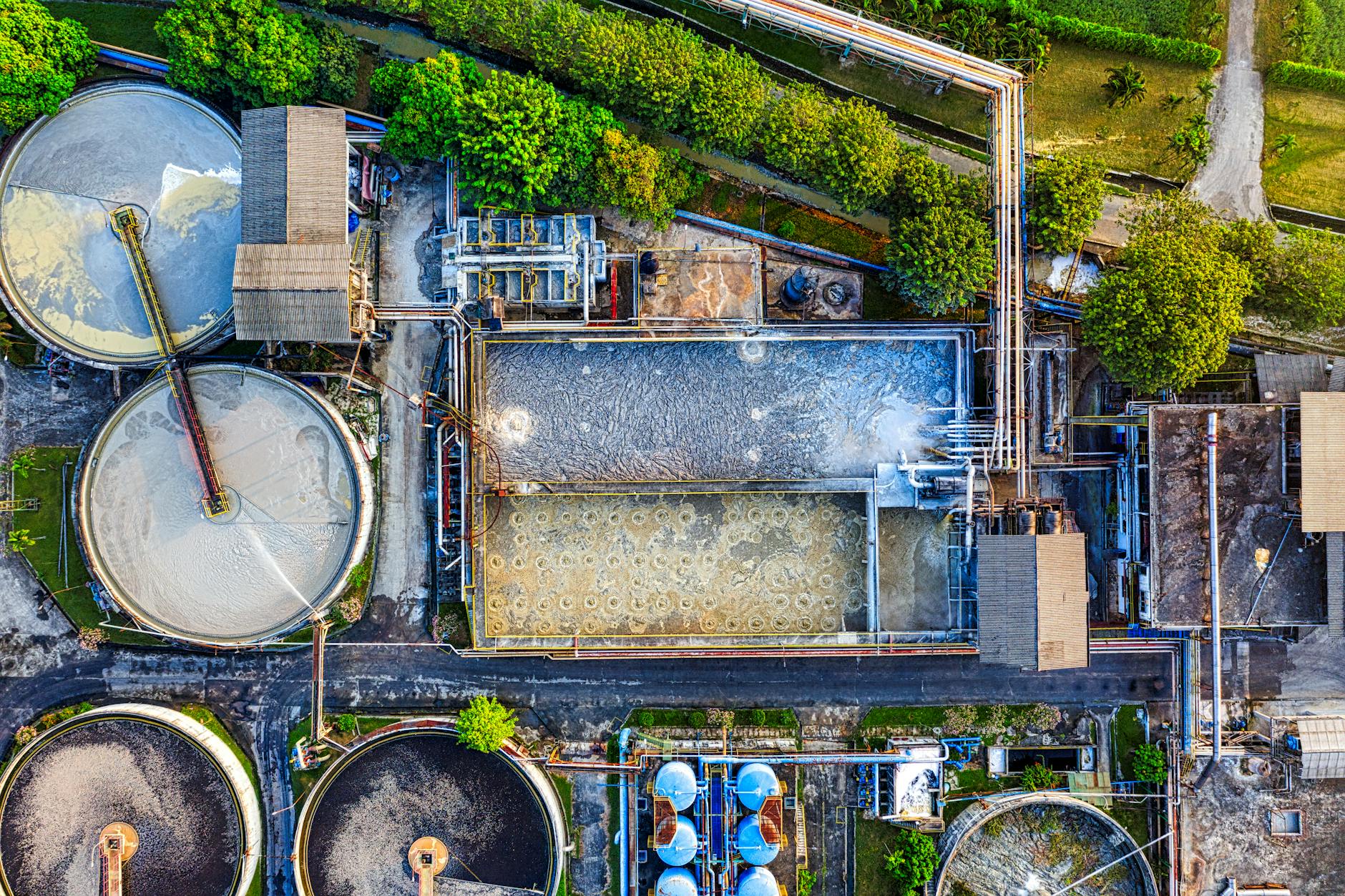
Photo by Tom Fisk on Pexels.com

Introduction

As urbanization continues to surge, cities worldwide face significant challenges related to water management. Traditional infrastructure often struggles to cope with heavy rainfall, leading to flooding, water pollution, and depletion of groundwater resources. The concept of the “sponge city” offers an innovative solution, aiming to enhance urban resilience by mimicking natural water cycles. This article explores the principles of sponge cities, their benefits, and effective strategies for their implementation.

What is a Sponge City?

A sponge city is an urban area designed to absorb, store, and purify rainwater, allowing it to be reused or to recharge groundwater. This approach contrasts with conventional urban design, which typically focuses on rapid drainage of stormwater through sewers and channels. By integrating green infrastructure and sustainable water management practices, sponge cities aim to mitigate flooding, improve water quality, and ensure a sustainable water supply.

Key Principles of Sponge Cities

  1. Infiltration
    • Green Spaces and Permeable Surfaces: Utilizing parks, green roofs, and permeable pavements to allow rainwater to infiltrate the ground, reducing surface runoff and promoting groundwater recharge.
    • Bioretention Systems: Implementing rain gardens and bioswales to capture and filter stormwater.
  2. Storage
    • Retention Ponds and Wetlands: Creating ponds and artificial wetlands to store excess rainwater, which can later be used for irrigation or released gradually to prevent flooding.
    • Underground Tanks and Cisterns: Installing tanks beneath buildings and streets to capture and store rainwater for non-potable uses like flushing toilets and watering plants.
  3. Purification
    • Natural Treatment Systems: Utilizing plants and soil in wetlands and green spaces to naturally filter pollutants from stormwater.
    • Constructed Wetlands: Designing engineered wetlands that mimic natural processes to treat and purify water.
  4. Reuse
    • Rainwater Harvesting: Collecting and storing rainwater from rooftops and other surfaces for domestic and industrial use.
    • Greywater Recycling: Treating and reusing water from sinks, showers, and laundry for landscaping and irrigation.

Benefits of Sponge Cities

  1. Flood Mitigation By enhancing the capacity of urban areas to absorb and store rainwater, sponge cities significantly reduce the risk of flooding during heavy rainfall events.
  2. Water Quality Improvement Natural filtration systems remove pollutants from stormwater, leading to cleaner rivers, lakes, and coastal waters.
  3. Groundwater Recharge Increased infiltration helps replenish groundwater reserves, which is crucial for maintaining water supplies during dry periods.
  4. Climate Resilience Sponge cities are better equipped to cope with the impacts of climate change, such as more frequent and intense rainfall and prolonged droughts.
  5. Enhanced Urban Greenery Integrating green spaces into urban design not only supports water management but also enhances biodiversity, reduces urban heat islands, and improves residents’ quality of life.

Implementation Strategies

  1. Policy and Planning
    • Integrated Water Management Plans: Developing comprehensive plans that incorporate sponge city principles into urban development projects.
    • Regulations and Incentives: Enforcing regulations that mandate the inclusion of green infrastructure in new developments and providing incentives for retrofitting existing buildings.
  2. Community Involvement
    • Public Awareness Campaigns: Educating residents about the benefits of sponge cities and encouraging practices like rainwater harvesting.
    • Participatory Planning: Involving local communities in the design and implementation of green infrastructure projects.
  3. Technical Solutions
    • Green Roofs and Walls: Installing vegetation on rooftops and building facades to absorb rainwater and provide insulation.
    • Permeable Pavements: Using materials that allow water to pass through, reducing runoff and promoting infiltration.
  4. Monitoring and Maintenance
    • Regular Inspections: Ensuring that green infrastructure components are functioning correctly and efficiently.
    • Adaptive Management: Adjusting strategies based on performance data and evolving climate conditions.

Conclusion

Sponge cities represent a forward-thinking approach to urban water management, offering sustainable solutions to the challenges posed by rapid urbanization and climate change. By incorporating principles of infiltration, storage, purification, and reuse, cities can transform themselves into resilient, water-sensitive environments. The successful implementation of sponge city strategies requires a collaborative effort involving policymakers, urban planners, engineers, and the community. As more cities adopt this innovative model, the vision of sustainable and livable urban spaces can become a reality.

References

Cosgrove, W. J., & Loucks, D. P. (2015). Water management: Current and future challenges and research directions.ย Water Resources Research,ย 51(6), 4823-4839.

Guan, X., Wang, J., & Xiao, F. (2021). Sponge city strategy and application of pavement materials in sponge city.ย Journal of Cleaner Production,ย 303, 127022.

Haasnoot, M., Middelkoop, H., Van Beek, E., & Van Deursen, W. P. A. (2011). A method to develop sustainable water management strategies for an uncertain future.ย Sustainable Development,ย 19(6), 369-381.

Pahl-Wostl, C. (2008). Requirements for adaptive water management. Inย Adaptive and integrated water management: Coping with complexity and uncertaintyย (pp. 1-22). Berlin, Heidelberg: Springer Berlin Heidelberg.

Rogers, P. P., & Fiering, M. B. (1986). Use of systems analysis in water management.ย Water resources research,ย 22(9S), 146S-158S.

SUSTAINABLE DEVELOPMENT

Sustainable Development has been the buzzword for a while now. People are constantly asking what it looks like and how to implement it. There have been many differing opinions on what sustainable development actually is, however some key principles remain:

  • The concept of sustainable development is about making sure that you live in a world where people are able to stay self-sufficient and thrive indefinitely.
  • Sustainable development does not need to take the form of major changes, but rather building upon what we already have.
  • A major component of any successful Sustainable Development project is social-justice based thinking.

The Principles of a Sustainable Development Project:

A sustainable development project is one that will allow you to reach the following principles:
-Managing resources efficiently.
-Responsible consumption.
-Treating others with respect and dignity.
These four principles are what make up an overall healthy and productive society. The management of resources, responsible consumption, and treating others with respect and dignity can be applied to almost anything we do; whether it is being environmentally conscious, being respectful of your parents, or being a good soccer player. The real issue here is that these principles go hand in hand. If we constantly abuse a resource and consume in a way that hurts the environment, we are not being respectful of the Earth. If we are being very selfish in our consumption, then we are not being respectful of our fellow human beings. Lastly, if we do not treat people with respect and dignity, then they will not be treated with respect and dignity by their neighbors.

These four principles allow us to have a healthy society. This can be seen clearly in the following quote by E. F. Schumacher: โ€œThe great first commandment is to love the Earth and that means loving it enough to take care of it for the sake of future generationsโ€.

The way we approach development affects everyone. The decisions that we make also impacts the society, and has very real consequences for people’s lives. Poor planning of communities, for example, reduces the quality of life for the people who live in them.

Sustainable development provides an approach to making better decisions on the issues that affect all of our lives. By incorporating health plans into the planning of new communities, for instance, we can ensure that residents have easy access to healthcare and other facilities.

Sustainable development should provide a solution in terms of meeting basic human
needs, integrating environmental development and protection, achieving equality,
ensuring social self-determination and cultural diversity, and maintaining ecological
integrity. Although the concept of sustainable development has undergone certain
changes during the past, its fundamental principles and goals have contributed to a
more conscious behaviour adapted to the limitations of the environment. This is the
reason of adopting the concept in different areas of human activities. Numerous international organizations have been involved in implementation of the concept, while
it has found positive implementation locally, but it did not produce significant results
on a global scale. This fact proves environmental problems which, 30 years after the
introduction of the concept, are still ongoing. Contemporary understanding of the
concept of sustainable development is considered through the United Nations Millennium Development Goals focused on a complex global situation, such as population
growth, hunger and poverty, wars and political instability, and further degradation
of the environment. There is a huge gap between developed and underdeveloped country and many of the countries are not even close to sustainable development. Fundamental constraints of the implementation of the concept of sustainable development are the degree of socio-economic development that many countries have not yet achieved, associated with a lack of financial resources and technology, but also the diversity of political and economic goals on a global scale.

Source: https://www.unesco.org/en/education/sustainable-development

Sustainable Development

Sustainable development refers to development that meets the needs of the present without compromising the ability of future generations to meet their own needs. It is the idea that human societies must live and meet their needs without compromising the ability of future generations to meet their own needs. Sustainable development attempts to minimize greenhouse gases, reduce global warming, preserve environmental resources, and provide communities that allow people to reach their fullest potentials. The concept of sustainable development formed the basis of the United Nations Conference on Environment and Development held in Rio de Janeiro in 1992. The summit marked the first international attempt to draw up action plans and strategies for moving towards a more sustainable pattern of development. It was attended by over 100 Heads of State and representatives from 178 national governments. 

Dr. Gro Harlem Brundtland, the first woman prime minister of Norway was asked to chair a United Nations commission to address “a global agenda for change.” She came to make strong impact on the commissionโ€™s work, widely referred to as the Brundtland Commission. She developed the broad political concept of sustainable development in the course of extensive public hearings. Brundtland has become known as the “mother of sustainability” since the release of the 1987 report, Our Common Future

Pillars of Sustainability:

The three pillars of sustainability are a powerful tool for defining the Sustainable Development problem. This consists of the Social, and Environmental, and Economic pillars.

Social Sustainability:

Social Sustainability is the ability of a social system, such as a country, family, or organization, to function at a defined level of social well-being and harmony indefinitely. Problems like war, endemic poverty, widespread injustice, and low education rate are symptoms of a socially unsustainable system.

Environmental Sustainability:

Environmental Sustainability is the ability of the environment to support a defined level of environmental quality and natural resource extraction rates indefinitely. This is the world’s biggest actual problem, though, since the consequences of not solving the problem now are delayed, the problem receives too low a priority to be solved.

Economic Sustainability:

Economic Sustainability is the ability of an economy to support a defined level of economic production indefinitely. Since the Great Recession of 2008, this is the world’s biggest apparent problem that endangers progress due to environmental sustainability.

Sustainable Development Goals:

The Sustainable Development Goals (SDGs), also known as the global goals, includes 17 interlinked goals, addressing global challenges, including poverty, inequality, climate change, environmental degradation, peace, and justice. In 2015, the United Nations General Assembly adopted the SDGs intending to meet the target by 2030. The goals are a blueprint to achieve a better and more sustainable future for all.

  1. No Poverty – End poverty in all its forms everywhere. 
  2. Zero Hunger – End hunger, achieve food security and improve nutrition and promote sustainable agriculture.
  3. Good Health and Well-Being – Ensure healthy lives and promote well-being for all of all ages.
  4. Quality Education – Ensure inclusive and equitable quality education and promote life-long learning opportunities for all.
  5. Gender Equality – Achieve gender equality and empower all women and girls.
  6. Clean Water and Sanitation – Ensure availability and sustainable management of water and sanitation for all.
  7. Affordable and Clean Energy – Ensure access to affordable, reliable, sustainable, and modern energy for all.
  8. Decent Work and Economic Growth – Promote sustained, inclusive and sustainable economic growth, full and productive employment and decent work for all.
  9. Industry, Innovation and Infrastructure – Build resilient infrastructure, promote inclusive and sustainable industrialization and foster innovation.
  10. Reduced Inequalities – Reduce inequality within and among countries.
  11. Sustainable Cities and Communities – Make cities and human settlements inclusive, safe, resilient and sustainable.
  12. Responsible Consumption and Production – Ensure sustainable consumption and production patterns.
  13. Climate Action – Take urgent action to combat climate change and its impacts.
  14. Life Below Water – Conserve and sustainably use the oceans, seas and marine resources for sustainable development.
  15. Life on Land – Protect, restore and promote sustainable use of terrestrial ecosystems, sustainably manage forests, combat desertification, and halt and reverse land degradation and halt biodiversity loss.
  16. Peace, Justice and Strong Institutions – Promote peaceful and inclusive societies for sustainable development, provide access to justice for all and build effective, accountable and inclusive institutions at all levels.
  17. Partnerships for the Goals – Strengthen the means of implementation and revitalize the global partnership for sustainable development.

Sustainable Development Goals

Times are not just difficult but also alarming for every sphere of our existence. At first glance, it might appear that the raging pandemic has temporarily paused climate action and initiatives related to other environmental issues. Sustainability, it appears, may have taken a back-seat too. However, with a decade left for the end of โ€˜Agenda 2030โ€™, achieving sustainable development has become even more important.


A significant feature of the raging pandemic is that it has disrupted the hyper-interconnected world characterized by globalization. Supply chains are badly affected and global markets are under severe stress. Evidently, the virus has laid bare the vulnerabilities and risks of a globalized world order. In fact, it has put under scanner not just globalization but also the Sustainable Development Goals. Nevertheless, this could be a turning point for the international community to unlearn and revamp its basic conduct on global governance and make it more inclusive in nature. Besides, the pandemic has also thrown open an opportunity to give impetus to a glocalized framework of global governance to protect the โ€˜global commonsโ€™ in the light of the broader debate on sustainability.

This is where glocalization can fill the gap. Simply put, glocalization refers to the interpretation, representation and replication of the global elements at the local level.

The term, glocalization, is used quite frequently in business parlance but it has begun to gain momentum in cultural, social and political arenas too. Utilizing it appropriately in the environmental domain is the need of the hour.

The term, glocalization, is used quite frequently in business parlance but it has begun to gain momentum in cultural, social and political arenas too. Utilizing it appropriately in the environmental domain is the need of the hour.


Covid-19 has brought about the necessity of refining and revising globalization. This can be done by integrating glocal elements to achieve global good, be it sustainable development or climate action, by roping in local actors, such as subnational agencies, grassroots bodies, non-governmental organizations and other relevant non-State actors in the discussion on sustainability. Localizing economies would provide leverage to the development targets of those like India. This can help attain the much-needed balance between ecological equity and economic growth. Additionally, it is hard to overlook the expertise and knowledge offered by local populations that are located at ground zero and are in tune with ground realities. This kind of resource efficiency could prove to be useful in operationalizing the potential glocal elements of global governance. Factors like accountability, transparency and trust-building among the State and non-State actors are also vital in this context.


Considering the changes in modern living, starting from working remotely to radically cutting down on carbon footprints, glocalization could turn out to be a viable alternative to globalization, thereby creating innovative pathways for sustainable development in the near future.

Written by : Ananya Kaushal

THE ROLE OF COMMUNAL HARMONY FOR SUSTAINABLE DEVELOPMENT OF THE INDIAN SOCIETY

BY DAKSHITA NAITHANI

India is a huge country with the second largest population on earth. It is a hub of various religious and the very nature of culture is diversified and composite. We gained independence in 1947 and keeping the diverse nature of our country, our fore fathers prepared our constitution and dreamed of a secular country where every religion will be respected and given equal weightage. They realised very early that unless we had โ€™unity in diversityโ€™ there will be no development for the Indian society. India is a emerging economy where the small businesses and agriculture are the two main providers to the job industry. Unfortunately during communal violence the shopkeepers and various other small scale industry entrepreneurs and daily wagers are the ones who are the most hit and are prone to loss and damages. Violence usually resulting in loss of income and property are not recovered in any sorts of insurances and people are left to face the economic burdens afterwards.

In most of the typical Indian homes where the male is the sole earner for the family and females are designated to the household chores are amongst the worst sufferers which leads to disintegration of homes as well as community as a whole. Many children as a result of these broken homes usually end up missing a good education and a hope of good growth in life which in turn nullifies their future contribution to the society and economic growth of the country.

Communal violence leads to generations of suffering and spoiling the economic prospect of a country

The very famous Godhra riots which is also known as 2002 Gujarat riots was a three-day period of inter-communal violence in the western Indian state of Gujarat. Following the initial incident, there were further outbreaks of violence in Ahmedabad for three months; statewide, there were further outbreaks of violence against the minority Muslim population for the next year. The burning of a train in Godhra on 27 February 2002, which caused the deaths of 58 Hindu pilgrims karsevaks returning from Ayodhya, is cited as having instigated the violence.

According to official figures, the riots ended with 1,044 dead, 223 missing, and 2,500 injured. Of the dead, 790 were Muslim and 254 Hindu. The Concerned Citizens Tribunal Report, estimated that as many as 1,926 may have been killed. Other sources estimated death tolls in excess of 2,000. Many brutal killings and rapes were reported on as well as widespread looting and destruction of property. There was widespread destruction of property. 273 dargahs, 241 mosques, 19 temples, and 3 churches were either destroyed or damaged. It is estimated that Muslim property losses were “100,000 houses, 1,100 hotels, 15,000 businesses, 3,000 handcarts and 5,000 vehicles.” Overall, 27,780 people were arrested. Of them, 11,167 were arrested for criminal behavior (3,269 Muslim, 7,896 Hindu) and 16,615 were arrested as a preventive measure (2,811 Muslim, 13,804 Hindu). Thus destroying many lives and causing fear amongst people from one another On 23 May 2008, the Union Government announced a 3.2 billion rupee (US$80 million) relief package for the victims of the riots. In contrast, Amnesty International’s annual report on India in 2003 claimed the “Gujarat government did not actively fulfill its duty to provide appropriate relief and rehabilitation to the survivors”. The Gujarat government initially offered compensation payments of 200,000 rupees to the families of those who died in the Godhra train fire and 100,000 rupees to the families of those who died in the subsequent riots, which local Muslims took to be discriminatory.  Thus creating more hate between the two community

The recent riots in Delhiโ€™s Chand Bagh Bhajanpiura and surrounding areas were one such example the violence led to huge losses both emotional as well economic . Around 42 people lost their lives. About 92 houses, 57 shops, 500 vehicles, 6 godowns , 2 schools,4factories and 4 religious places were burnt and taken down . The riots led to property and business losses of over 1000 cr. However long term economic loss, production loss, employment losses as well emotional losses cannot be quantified. These riots led to large scale migration of people to other states thus uprooting people who have been flourishing there for decades successful businesses were destroyed and demolished overnight dreams were shattered and the already stressed farm and agriculture was further stressed to support and feed the additional mouths.

The Delhi government was forced to announce compensation and financial support to the people who were affected running into crores of rupees. The precious funds which could have been used for development of schools, hospitals, betterment of the NCT and upliftment of the poor and needy were exhausted to support the riot victims. The immeasurable loss to the image of country and subsequent losses in share markets due to foreign funds pulling out their funds were a huge blow to Indiaโ€™s economic progress leaving it behind others. India is now being looked upon as an unsafe destination for Investments and travel. The travel tourism industry of India which provides employment to over 42 million people in India suffered huge losses in cancelled bookings. The Industry which was projected to grow at the rate of 4 per cent in 2020 is now looking at a bleak future.

India is a developing country and the vision of our leaders to make India a developed nation and an economic powerhouse cannot materialize unless the internal security of the nation, particularly communal harmony is intact. Maintenance of communal peace and tranquillity occupies a lot of government energy and valuable resources which could be used in nation building.

In case peace prevails, an ambience of trust will develop between various communities, leading the nation on the path of development and economic advancements.