
By Shashikant Nishant Sharma, Head of Research, Track2Training, India
Civic planning is the systematic process of organizing, designing, and managing human settlements to improve the quality of life, promote public welfare, and ensure sustainable development. It encompasses the planning of land use, transportation, housing, public utilities, environmental management, and social infrastructure. The history of civic planning reflects humanity’s continuous efforts to create orderly, healthy, and prosperous communities. From ancient civilizations to the modern smart city era, civic planning has evolved in response to changing social, economic, political, technological, and environmental conditions.
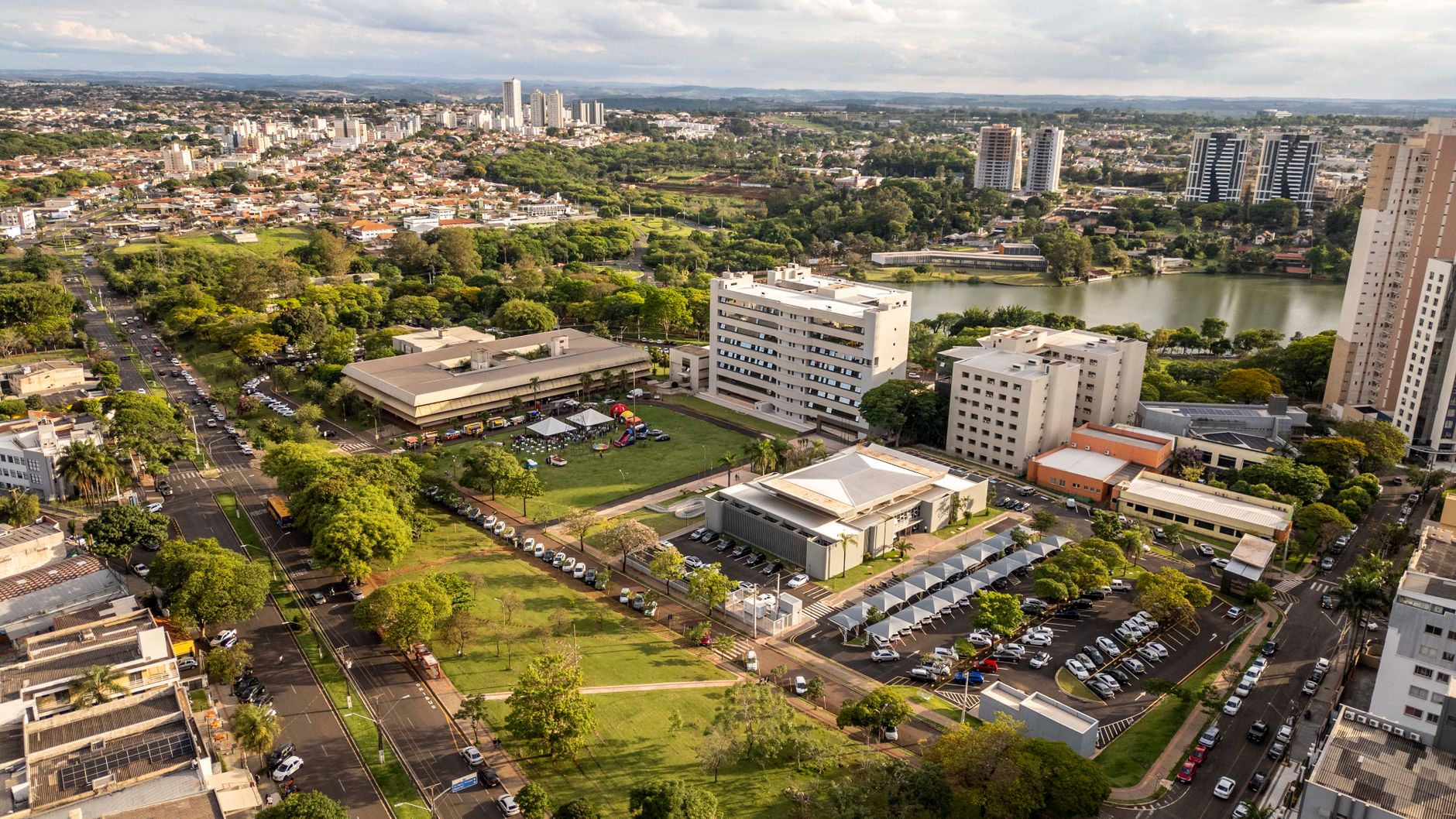
Early Origins of Civic Planning
The roots of civic planning can be traced back to the earliest civilizations, where organized settlements emerged alongside agriculture and trade. As populations grew, communities required systems for housing, transportation, water supply, sanitation, and governance.
One of the earliest examples of planned urban development is found in the Indus Valley Civilization (2600–1900 BCE). Cities such as Harappa, Mohenjo-daro, Dholavira, and Lothal demonstrated remarkable planning principles. These cities featured gridiron street layouts, standardized brick construction, sophisticated underground drainage systems, public wells, granaries, and designated residential and commercial areas. The emphasis on sanitation, water management, and organized street networks illustrates an advanced understanding of civic planning.
Ancient Mesopotamian cities, including Babylon and Ur, also incorporated planned streets, defensive walls, temples, marketplaces, and irrigation systems. Similarly, ancient Egyptian settlements were organized around the Nile River, where civic planning supported agricultural productivity and administrative efficiency.
Civic Planning in Ancient Greece
The Greeks introduced important concepts that continue to influence planning today. Around the fifth century BCE, Hippodamus of Miletus, often referred to as the “Father of Urban Planning,” developed the gridiron pattern for city layouts. His planning philosophy emphasized rational organization, functional zoning, and geometric street arrangements.
Greek cities generally consisted of:
- An Agora serving as the commercial and civic center.
- An Acropolis functioning as the religious and administrative core.
- Residential neighborhoods organized around public spaces.
- Public buildings including theatres, gymnasiums, and temples.
Greek planning recognized that urban design should facilitate civic participation, social interaction, and democratic governance.
Roman Contributions
The Roman Empire significantly advanced civic planning through engineering and infrastructure development. Roman cities followed standardized layouts centered around two principal streets—the Cardo (north-south) and Decumanus (east-west)—which intersected at the city forum.
Roman planning innovations included:
- Paved road networks connecting cities across the empire.
- Aqueducts supplying clean drinking water.
- Underground sewer systems.
- Public baths and sanitation facilities.
- Amphitheaters, markets, administrative buildings, and military installations.
- Well-organized residential districts.
Roman engineering principles established many foundations for modern infrastructure planning and municipal administration.
Medieval Civic Planning
Following the fall of the Roman Empire, many European cities developed organically rather than through planned expansion. Medieval towns typically featured narrow winding streets, fortified walls, castles, churches, and marketplaces. Security became the dominant planning objective due to frequent conflicts.
Characteristics included:
- Compact settlements surrounded by defensive walls.
- Central marketplaces.
- Religious institutions serving as community focal points.
- Mixed residential and commercial land uses.
Although medieval cities lacked comprehensive planning, they reflected the social, political, and economic priorities of the time.
Renaissance and Baroque Planning
The Renaissance revived classical planning principles, emphasizing symmetry, aesthetics, and public spaces. Architects and planners envisioned cities as expressions of political power and artistic achievement.
Important features included:
- Wide boulevards.
- Public squares.
- Monumental civic buildings.
- Geometrically arranged streets.
- Landscaped gardens and parks.
Baroque planning further emphasized grand urban design, visual axes, and monumental architecture, influencing cities such as Paris, Rome, and Vienna.
Civic Planning During the Industrial Revolution
The Industrial Revolution transformed cities dramatically during the eighteenth and nineteenth centuries. Rapid industrialization attracted millions of workers, leading to overcrowding, pollution, inadequate housing, poor sanitation, and public health crises.
These challenges prompted the emergence of modern civic planning aimed at improving urban living conditions.
Major reforms included:
- Sewerage systems.
- Public water supply.
- Housing regulations.
- Street widening.
- Public parks.
- Building codes.
- Waste management systems.
Urban planning evolved from physical city design toward addressing social welfare, public health, and environmental quality.
Garden City Movement
In 1898, Ebenezer Howard introduced the Garden City concept through his influential book Tomorrow: A Peaceful Path to Real Reform (later republished as Garden Cities of To-morrow). Howard proposed self-contained communities surrounded by greenbelts that combined the advantages of urban and rural living.
Garden Cities emphasized:
- Limited population size.
- Green open spaces.
- Mixed land uses.
- Public ownership of land.
- Balanced employment opportunities.
- Efficient transportation systems.
The Garden City movement profoundly influenced modern suburban planning and new town development worldwide.
Modernist Planning
The early twentieth century witnessed the rise of Modernist planning. Architects such as Le Corbusier advocated functional zoning, high-rise residential buildings, superblocks, and automobile-oriented cities.
Modernist planning emphasized:
- Separation of residential, commercial, industrial, and recreational land uses.
- Efficient transportation networks.
- Standardized housing.
- Open green spaces.
- Large-scale infrastructure development.
While Modernism improved infrastructure, critics argued that excessive functional separation reduced social interaction and neighborhood vitality.
Post-World War II Planning
Following World War II, many countries undertook extensive reconstruction and urban expansion. Planning focused on:
- Affordable housing.
- New towns.
- Regional planning.
- Highway construction.
- Public transportation.
- Urban renewal projects.
Governments increasingly recognized planning as an essential public policy tool for economic development and social welfare.
Participatory Planning
During the 1960s and 1970s, planners began challenging top-down approaches. Influenced by thinkers such as Jane Jacobs, planning increasingly emphasized community participation, mixed-use neighborhoods, walkability, and preservation of existing communities.
Participatory planning promotes:
- Public consultation.
- Community engagement.
- Inclusive decision-making.
- Social equity.
- Preservation of local identity.
Citizen involvement became a central principle of democratic urban governance.
Sustainable Development and Environmental Planning
The publication of the Brundtland Report (1987) and subsequent global environmental initiatives transformed planning priorities. Sustainable development became a guiding framework for balancing economic growth, environmental conservation, and social equity.
Modern civic planning incorporates:
- Green infrastructure.
- Climate resilience.
- Renewable energy.
- Sustainable transportation.
- Compact urban growth.
- Biodiversity conservation.
- Circular economy principles.
Environmental sustainability is now integrated into nearly every aspect of planning practice.
Smart City and Digital Planning
The twenty-first century has witnessed rapid digital transformation in civic planning. Advances in technology enable planners to make more informed, efficient, and participatory decisions.
Modern tools include:
- Geographic Information Systems (GIS).
- Remote Sensing.
- Artificial Intelligence (AI).
- Internet of Things (IoT).
- Digital Twins.
- Big Data Analytics.
- Building Information Modeling (BIM).
Smart city planning improves mobility, public services, governance, resource management, and environmental monitoring through data-driven decision-making.
Civic Planning in India
India possesses one of the world’s oldest planning traditions, beginning with the Indus Valley Civilization. During the colonial period, cities such as Kolkata, Mumbai, Chennai, and New Delhi were planned to serve administrative and commercial functions.
After independence, civic planning expanded rapidly through:
- Master Plans for cities.
- Five-Year Plans.
- Development Authorities.
- Town and Country Planning Acts.
- Urban renewal missions.
- Smart Cities Mission.
- AMRUT (Atal Mission for Rejuvenation and Urban Transformation).
- Transit-Oriented Development (TOD) policies.
- National Urban Transport Policy.
- PM Gati Shakti and GIS-based planning initiatives.
Today, Indian planning increasingly integrates sustainability, digital governance, affordable housing, public transportation, climate resilience, and inclusive development.
Emerging Trends
Contemporary civic planning is becoming increasingly interdisciplinary. Emerging priorities include:
- Climate adaptation.
- Net-zero urban development.
- Nature-based solutions.
- Digital governance.
- Autonomous mobility.
- Healthy cities.
- Universal accessibility.
- Disaster resilience.
- Circular economy.
- The 15-minute city.
- Transit-Oriented Development.
- Artificial Intelligence-supported planning.
- Urban Digital Twins.
These approaches aim to create cities that are resilient, equitable, efficient, and environmentally sustainable.
Conclusion
The evolution of civic planning reflects humanity’s changing aspirations and responses to social, economic, technological, and environmental challenges. From the meticulously planned streets of the Indus Valley Civilization and the gridiron cities of ancient Greece to Roman engineering, medieval settlements, Renaissance urban design, industrial reforms, Garden Cities, Modernist planning, and today’s smart and sustainable cities, civic planning has continually adapted to meet evolving societal needs. In the twenty-first century, civic planning extends beyond physical infrastructure to encompass sustainability, resilience, digital innovation, public participation, and social inclusion. As urbanization accelerates and global challenges become increasingly complex, civic planning will remain fundamental to shaping livable, prosperous, and sustainable communities for future generations.
References
Sharma, S. N. (2027). Quantum-Driven Intelligent Transportation Security: Enhancing Safety and Privacy in Urban Mobility Systems. In Securing Smart Cities With Quantum-Enhanced Deep Learning (pp. 249-284). IGI Global Scientific Publishing.
Sharma, S. N., Dehalwar, K., Singh, J., & Kumar, G. (2024, February). Prefabrication building construction: A thematic analysis approach. In International Conference on Advances in Concrete, Structural, & Geotechnical Engineering (pp. 405-428). Singapore: Springer Nature Singapore.
Kumar, G., & Sharma, S. N. (2022). Evolution of affordable housing in India. European Journal of Business & Social Sciences, 10(9), 20-30.
Dehalwar, K., & Sharma, S. N. (2024). Social injustice inflicted by spatial changes in vernacular settings: An analysis of published literature. ISVS e-journal, 11(9), 93-113.
Kumar, G., Vyas, S., Sharma, S. N., & Dehalwar, K. (2025). Urban growth prediction using CA-ANN model and spatial analysis for planning policy in Indore city, India. GeoJournal, 90(3), 139.
Shukla, B., Lalramsangi, V., & Sharma, S. N. (2026). Urban Water Governance in Bhopal: Navigating Policy Failures and Urbanisation through Case-Based Solutions. In Deltas Resilience: Nature-Based Solutions for Sustainable Development in India (pp. 333-359). Cham: Springer Nature Switzerland.
Lodhi, A. S., Jaiswal, A., Sharma, S. N., & Dehalwar, K. (2025). Strategies and Opportunities for Urban Finance for the Mass Rapid Transit System. Journal for Studies in Management and Planning, 11(08).
Sharma, S. N. (2026). Generative AI and digital twins for sustainable last-mile logistics: Enabling green operations and electric vehicle integration. Accelerating logistics through generative AI, digital twins, and autonomous operations, 183-216.
Kumar, G., Vyas, S., Sharma, S. N., & Dehalwar, K. (2024). Challenges of environmental health in waste management for peri-urban areas. In Solid waste management: Advances and trends to tackle the SDGs (pp. 149-168). Cham: Springer Nature Switzerland.
Sharma, S. N., Kumar, A., & Dehalwar, K. (2024). The precursors of transit-oriented development. Economic and Political Weekly, 59(14), 16-20.
Sharma, S. N., & Adeoye, M. A. (2024). New perspectives on transformative leadership in education. EduPedia Publications Pvt Ltd.
Lodhi, A. S., Jaiswal, A., & Sharma, S. N. (2024). Assessing bus users satisfaction using discrete choice models: a case of Bhopal. Innovative Infrastructure Solutions, 9(11), 437.


You must be logged in to post a comment.