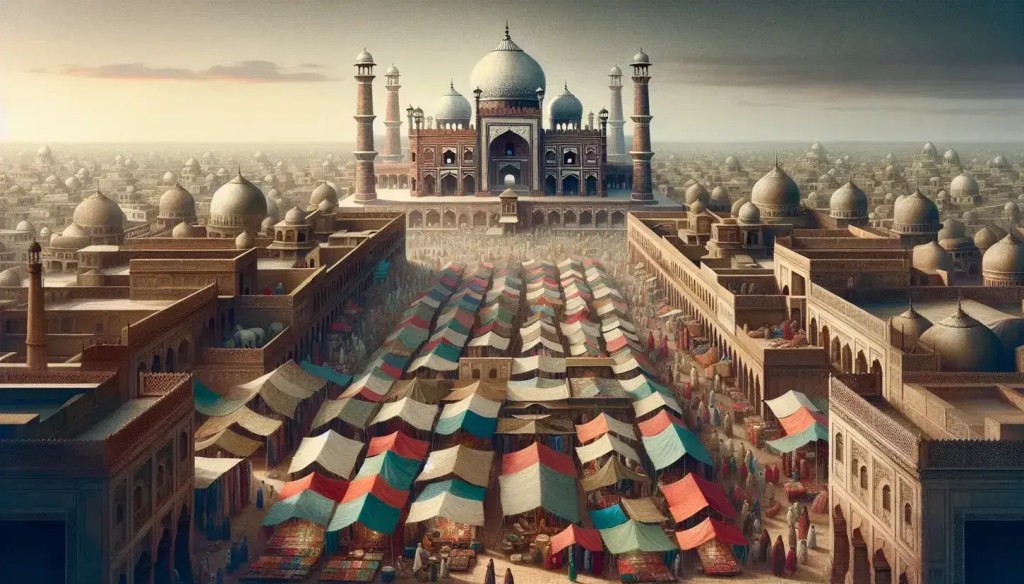
Origin and evolution of civic planning

Civic planning, also known as urban planning or city planning, refers to the organized design and regulation of cities, towns, and communities. Its aim is to create functional, aesthetically pleasing, and sustainable urban spaces that meet the needs of inhabitants. The origin and evolution of civic planning are closely linked to the growth of human settlements, social organization, trade, governance, and technological advancements. Over millennia, civic planning has transformed from simple settlement layouts to complex, regulated urban systems seen today.

Photo by Ash Haghighi on Pexels.com

1. Early Origins of Civic Planning

  1. Prehistoric Settlements
    • Early humans lived in small, nomadic or semi-permanent communities, with minimal planning.
    • Settlements were typically located near water sources, fertile land, and natural protection.
    • Examples: Mesolithic villages in Europe and the Indus Valley settlements like Mehrgarh (~7000 BCE).
  2. River Valley Civilizations
    • The first examples of systematic civic planning appeared in the Indus Valley, Mesopotamia, and Egypt (c. 3000โ€“1500 BCE).
    • Indus Valley Civilization (Harappa and Mohenjo-Daro): Featured grid layouts, wide streets, drainage systems, and standardized brick sizes. Public wells and marketplaces indicate early attention to hygiene and community welfare.
    • Mesopotamian cities (Ur, Babylon): Planned around temples (ziggurats), palaces, and marketplaces, combining religious, administrative, and commercial functions.
    • Egyptian cities (Thebes, Memphis): Planned along riverbanks, often oriented to align with religious or solar principles, with separate zones for residences, temples, and administrative buildings.

These early settlements emphasized protection, accessibility, and public utility, laying the foundation for future civic planning.


2. Classical Civilizations and Structured Urban Planning

  1. Greek Civilization (c. 800โ€“146 BCE)
    • Greek cities (polis) like Athens, Sparta, and Miletus had organized streets, public squares (agoras), and civic buildings.
    • Emphasis was on human scale, aesthetics, and civic engagement. Public spaces encouraged commerce, politics, and social interaction.
    • Grid patterns were used in some colonies, showing early ideas of rational urban layouts.
  2. Roman Civilization (c. 500 BCEโ€“476 CE)
    • Romans perfected civic planning by combining practicality, infrastructure, and aesthetics.
    • Cities featured cardo and decumanus (orthogonal street grids), forums, baths, aqueducts, amphitheaters, and defensive walls.
    • Roman planning emphasized sanitation, transportation, public amenities, and zoning, influencing European urbanism for centuries.

Classical urban planning integrated administration, commerce, religion, and defense, demonstrating advanced understanding of urban functionality.


3. Civic Planning in Medieval Times (5thโ€“15th Century CE)

  • Medieval towns evolved around castles, monasteries, or trade routes.
  • Planning was largely organic, shaped by topography, defense needs, and local trade rather than geometric layouts.
  • Key features:
    • Walled cities and fortifications for protection.
    • Narrow, winding streets to impede attackers.
    • Central marketplaces and religious centers as focal points.
    • Guild quarters for artisans and merchants.

While less structured than classical cities, medieval planning reflected social hierarchies, security priorities, and functional needs.


4. Renaissance Civic Planning (14thโ€“17th Century)

  • Renaissance cities emphasized order, symmetry, and aesthetics, inspired by classical Greek and Roman principles.
  • Humanism influenced the design of public spaces, plazas, streets, and monumental buildings.
  • Notable features included:
    • Geometrically aligned streets and axial planning.
    • Integration of religious, civic, and cultural buildings.
    • Emphasis on beauty, proportion, and civic pride.
  • Italian cities like Florence, Rome, and Venice became models of Renaissance urbanism, combining function and aesthetics.

This period marked the beginning of urban planning as a conscious discipline influenced by art, science, and social ideals.


5. Post-Industrial Revolution Civic Planning (18thโ€“19th Century)

The Industrial Revolution brought rapid urbanization, overcrowding, and poor sanitation, prompting formal civic planning:

  1. Challenges:
    • Overcrowded housing, slums, and pollution.
    • Lack of proper roads, drainage, and public amenities.
  2. Planning Movements:
    • Garden City Movement (Ebenezer Howard): Advocated self-contained communities with green belts, integrating urban and rural benefits.
    • City Beautiful Movement: Focused on aesthetic streets, monuments, and civic pride in cities like Chicago and Washington, D.C.
  3. Innovations:
    • Zoning regulations separating residential, industrial, and commercial areas.
    • Development of public parks, sewage systems, and transportation networks.

Civic planning became systematic and institutionalized, with a focus on health, efficiency, and social welfare.


6. Modern and Contemporary Civic Planning (20thโ€“21st Century)

  • Modern planning emphasizes sustainability, smart growth, and technological integration.
  • Key features:
    • Master plans and urban policies for comprehensive development.
    • Public transport, green spaces, and mixed-use development.
    • Environmental planning, disaster resilience, and climate-responsive design.
    • Use of GIS, computer modeling, and participatory planning for informed decision-making.
  • Contemporary planning integrates economic, social, environmental, and cultural objectives, reflecting a holistic approach to urban life.

Conclusion

The origin and evolution of civic planning trace the journey from rudimentary settlements to highly structured modern cities. Key stages include:

  1. Early settlements โ€“ functional layouts near water and resources.
  2. Classical civilizations โ€“ organized grids, public spaces, and infrastructure.
  3. Medieval towns โ€“ defense-oriented, organic growth.
  4. Renaissance โ€“ aesthetic and geometric planning inspired by humanism.
  5. Industrial era โ€“ structured urban reforms addressing public health and congestion.
  6. Modern era โ€“ sustainable, technology-driven, and participatory planning.

Civic planning has continuously evolved to meet the needs of society, economy, and environment, making it a vital discipline for shaping the quality of urban life.

Planning in post industrial revolution era

The Industrial Revolution, which began in Britain in the late 18th century, transformed societies from agrarian economies to industrial powerhouses. It brought about profound economic, social, and technological changes that reshaped cities and urban life. The rapid growth of factories, mechanized production, and transport networks caused unprecedented urbanization, leading to overcrowded cities, poor sanitation, and social unrest. These challenges laid the groundwork for modern urban planning, giving rise to structured efforts to organize, regulate, and improve urban environments.


Impact of the Industrial Revolution on Urban Growth

  1. Rapid Urbanization
    • Industrial centers attracted millions of workers from rural areas, creating densely populated towns and cities.
    • Cities such as Manchester, Birmingham, and Liverpool in England expanded rapidly, often without coordinated planning.
  2. Housing and Slums
    • Factory workers lived in cramped, poorly ventilated housing near industrial sites.
    • Overcrowding, inadequate drainage, and lack of clean water led to epidemics of cholera, typhoid, and tuberculosis.
  3. Environmental Pollution
    • Industrialization produced smoke, soot, and industrial waste, polluting the air and rivers.
    • Poor urban sanitation and open sewers compounded health hazards, prompting the need for systematic urban reforms.
  4. Social Inequality and Public Health
    • The working class faced harsh living conditions, while the industrial elite enjoyed modern amenities.
    • These inequalities highlighted the need for planned urban infrastructure, public parks, and social services.

Emergence of Urban Planning as a Discipline

The post-industrial era marked the formalization of urban planning as a professional and academic field. Key objectives included:

  • Improving living conditions for workers.
  • Separating industrial, residential, and commercial zones.
  • Developing sanitation systems, roads, and public transportation.
  • Incorporating aesthetics and public amenities into urban environments.

Pioneers of urban planning emphasized rational layouts, hygiene, and functionality, influenced by both social reform movements and engineering advancements.


Key Planning Movements and Approaches

  1. The Garden City Movement
    • Initiated by Ebenezer Howard (England, 1898) to address industrial city problems.
    • Advocated self-contained communities surrounded by green belts, combining the best aspects of town and countryside.
    • Emphasized:
      • Limited population (20,000โ€“30,000 people).
      • Mixed land use: residential, industrial, and agricultural.
      • Open spaces, parks, and tree-lined streets.
    • Examples: Letchworth Garden City and Welwyn Garden City in England.
  2. City Beautiful Movement
    • Emerged in late 19th-century United States, influenced by European urban design.
    • Focused on monumental architecture, boulevards, and aesthetic urban landscapes.
    • Advocates believed beauty would inspire civic virtue and social harmony.
    • Examples: Chicago Worldโ€™s Fair (1893), Washington D.C. redesign, and Denver Civic Center.
  3. Sanitation and Public Health Reforms
    • Industrial-era cities introduced sewage systems, clean water supply, and waste management to combat disease.
    • Urban planners integrated street widening, drainage systems, and public parks to improve living conditions.
    • Engineers like Sir Joseph Bazalgette in London designed extensive sewers and embankments, reducing cholera outbreaks and flooding.
  4. Transportation-Oriented Planning
    • Expansion of railways, trams, and later automobiles influenced urban layouts.
    • Streets, boulevards, and rail termini were planned to improve accessibility and circulation, linking industrial, residential, and commercial zones.
  5. Zoning and Land Use Regulation
    • Post-industrial cities began to separate residential areas from industrial sites to reduce pollution and enhance livability.
    • Early zoning concepts appeared in cities like New York and Chicago, shaping modern city planning practices.

Characteristics of Post-Industrial Revolution Urban Planning

  • Functional Segregation: Separation of industrial, residential, and commercial zones.
  • Infrastructure Development: Roads, bridges, railways, and water systems became central to planning.
  • Public Health Focus: Incorporation of sanitation, parks, and open spaces.
  • Aesthetic Consideration: Integration of beauty and monumental structures, inspired by classical architecture.
  • Regulatory Frameworks: Early urban laws and building codes guided construction and urban expansion.

Global Influence

The principles developed in post-industrial European cities spread worldwide, influencing:

  • North America: Planning of cities like Chicago, New York, and Washington D.C., integrating zoning, parks, and transport networks.
  • Colonial Cities: European urban planning ideals were applied in colonies in India, Africa, and Southeast Asia, creating administrative and industrial centers with grid layouts, parks, and rail networks.
  • Modern Urbanism: Concepts of sanitation, zoning, and green belts continue to influence contemporary urban planning globally.

Legacy and Importance

Urban planning in the post-industrial era marked a transition from unregulated growth to systematic city development. It addressed the challenges of industrialization by emphasizing:

  • Health and hygiene, reducing epidemic outbreaks.
  • Efficient transportation, facilitating commerce and mobility.
  • Balanced urban environments, combining work, residence, and recreation.
  • Civic pride and aesthetics, enhancing cultural and social cohesion.

These principles laid the groundwork for modern urban planning, influencing city design, housing policies, and sustainable development strategies in the 20th and 21st centuries.


Conclusion

The post-industrial revolution era transformed urban planning from an ad hoc response to overcrowding into a scientific and artistic discipline. Faced with rapid industrialization, planners focused on sanitation, housing, transport, aesthetics, and social welfare, creating cities that balanced functionality and beauty. Movements like the Garden City and City Beautiful exemplify this periodโ€™s innovative thinking, emphasizing health, order, and civic pride. Modern urban planning continues to build on these foundations, reflecting the enduring legacy of the post-industrial revolution era.

SDG Publishers Compact

Track2Training proudly joins the SDG Publishers Compact, an initiative launched in collaboration with the United Nations and the International Publishers Association (IPA) to accelerate collective progress toward achieving the Sustainable Development Goals (SDGs) by 2030. This Compact is designed to inspire meaningful action within the publishing community, encouraging organizations to adopt sustainable practices and serve as advocates for the global goals during the Decade of Action (2020โ€“2030).

As a forward-thinking educational platform, Track2Training plays a pivotal role in advancing the Compactโ€™s mission through its dedication to knowledge dissemination, skill development, and inclusive education. By integrating the principles of sustainability and equity into its publishing and training initiatives, Track2Training contributes to building awareness, capacity, and action across diverse sectors of society.


1. Commitment to the SDGs

Track2Training publicly affirms its commitment to the 17 Sustainable Development Goals, embedding sustainability principles into its publishing, training, and academic outreach programs. Through its online portal and academic collaborations, the organization disseminates research and educational content that supports SDG-related themes such as quality education (SDG 4), gender equality (SDG 5), decent work (SDG 8), and climate action (SDG 13).

The organization maintains transparency by stating its sustainability goals and policies on its digital platforms and aligning its projects with the vision of the United Nations 2030 Agenda.


2. Promoting SDG-Aligned Content

In line with the Compactโ€™s objectives, Track2Training actively promotes and publishes content that advances awareness of sustainability, equality, and innovation. Through open-access publications, research papers, online courses, and professional development programs, it supports the creation and dissemination of knowledge that empowers individuals and institutions to take measurable steps toward sustainable growth.

Its publishing collaborations with academic bodies and NGOs focus on research areas such as urban sustainability, renewable energy, social innovation, and digital education, which directly contribute to the SDG framework.


3. Reporting and Accountability

Track2Training commits to annual reporting on its progress toward the SDGs. The organization shares data, success stories, and best practices, fostering transparency and collaboration within the publishing and education sectors. By engaging in benchmarking activities, it identifies areas for improvement and contributes to the global dialogue on how publishers and educators can effectively drive sustainable change.


4. SDG Leadership and Coordination

To coordinate sustainability actions and partnerships, Track2Training has designated an SDG Coordinator who serves as the institutional focal point for promoting SDG-related themes. This leadership role ensures continuous alignment of training modules, editorial activities, and institutional partnerships with the Compactโ€™s principles.

Through this coordination, Track2Training integrates SDG themes into its editorial calendar, publishing decisions, and course development processes.


5. Internal and External Awareness

Track2Training promotes SDG awareness among its staff, contributors, and partners through workshops, internal communication, and sustainability-driven initiatives. The platform encourages its educators, authors, and trainees to align their research, projects, and professional contributions with the SDGs.

Externally, it raises public awareness of the SDG agenda through its online articles, social media campaigns, webinars, and collaborations with global institutions.


6. Collaboration and Partnerships

The organization recognizes that partnerships are the cornerstone of sustainable development. Track2Training collaborates with academic institutions, non-profits, and corporate partners across countries to advance SDG-focused education and publishing projects. By participating in joint research, conferences, and capacity-building programs, it contributes to the global knowledge-sharing ecosystem envisioned by the Compact.

Its partnerships embody SDG 17 โ€” โ€œPartnerships for the Goalsโ€ โ€” promoting international cooperation and collective innovation.


7. Resource Allocation for SDG Initiatives

Track2Training dedicates specific resources โ€” including research funding, digital infrastructure, and training programs โ€” to projects that promote sustainability and social responsibility. Through initiatives like faculty development programs, youth empowerment workshops, and open-access publishing, the platform channels efforts toward achieving multiple SDG targets at both institutional and community levels.


8. Taking Action and Measuring Impact

As a signatory of the SDG Publishers Compact, Track2Training takes actionable steps toward at least one SDG each year and measures its impact through quantifiable outcomes. Projects such as capacity building for educators, digital inclusion programs, and research dissemination on sustainable development represent concrete contributions to the global sustainability agenda.


Conclusion

By joining the SDG Publishers Compact, Track2Training reaffirms its role as an educational leader and knowledge partner in achieving the United Nations Sustainable Development Goals by 2030. The organizationโ€™s efforts align publishing with purpose โ€” transforming information into impact. Through sustainable practices, inclusive partnerships, and evidence-based education, Track2Training aims to empower individuals and institutions to create a more equitable, informed, and resilient world.

Together with global publishers and educators, Track2Training envisions a future where knowledge drives sustainability and every publication contributes to the betterment of humanity.

Life Below Water (SDG 14): Conserve and Sustainably Use the Oceans, Seas, and Marine Resources for Sustainable Development

The worldโ€™s oceans are vital to life on Earth โ€” they regulate the climate, generate oxygen, provide food, and sustain livelihoods for billions of people. Covering more than 70% of the planetโ€™s surface, the oceans are the Earthโ€™s largest ecosystem and a critical component of the biosphere. The fourteenth Sustainable Development Goal (SDG 14) โ€” Life Below Water โ€” aims to conserve and sustainably use the oceans, seas, and marine resources for sustainable development.

However, human activity has placed immense pressure on marine ecosystems. Overfishing, plastic pollution, acidification, and habitat destruction are pushing ocean health to the brink. According to the United Nations Environment Programme (UNEP, 2024), nearly 40% of the oceans are affected by human activities, and around 33% of fish stocks are being harvested at biologically unsustainable levels. SDG 14 seeks to reverse these trends by promoting sustainable ocean management, protecting marine biodiversity, and strengthening global partnerships for ocean conservation.


Understanding SDG 14

The ocean is both a victim and a solution in the fight for sustainability. It absorbs about 30% of global carbon dioxide emissions and plays a key role in regulating the Earthโ€™s temperature. Yet, rising COโ‚‚ levels have led to ocean acidification, harming coral reefs and marine organisms. Simultaneously, pollution โ€” particularly from land-based sources โ€” threatens marine life and human health.

SDG 14 recognizes that healthy oceans are essential not only for ecological balance but also for economic prosperity and social well-being. The blue economy, which encompasses fisheries, tourism, and maritime trade, contributes trillions of dollars annually to global GDP. Sustainable management of marine resources is therefore integral to eradicating poverty (SDG 1), achieving food security (SDG 2), and ensuring climate action (SDG 13).


Targets of SDG 14

The United Nations outlines several key targets under SDG 14 to be achieved by 2030:

  1. Reduce marine pollution of all kinds, particularly from land-based activities such as nutrient runoff and plastic waste.
  2. Sustainably manage and protect marine and coastal ecosystems to strengthen resilience and restore health.
  3. Minimize and address ocean acidification, including through scientific cooperation.
  4. Effectively regulate harvesting and end overfishing, illegal, unreported, and unregulated (IUU) fishing, and implement science-based management plans.
  5. Conserve at least 10% of coastal and marine areas, consistent with national and international law.
  6. Prohibit harmful fisheries subsidies that contribute to overcapacity and overfishing.
  7. Increase economic benefits to small island developing states (SIDS) and least developed countries (LDCs) from sustainable use of marine resources.
  8. Enhance scientific knowledge, research, and technology transfer to improve ocean health.
  9. Provide access for small-scale artisanal fishers to marine resources and markets.
  10. Strengthen the implementation of international law as reflected in the United Nations Convention on the Law of the Sea (UNCLOS).

These targets emphasize a balanced approach โ€” combining conservation, sustainable use, and equitable benefit-sharing.


Global Progress and Challenges

Some progress has been achieved in recent years through international cooperation and local initiatives. The proportion of marine protected areas (MPAs) has increased significantly โ€” from 3% in 2000 to nearly 9% in 2023 of global marine territories. Countries have also begun implementing policies to combat plastic pollution and regulate fisheries. The 2023 UN High Seas Treaty (Biodiversity Beyond National Jurisdiction) marked a historic step toward protecting marine biodiversity in international waters.

However, ocean health continues to deteriorate. The IPCC (2023) warns that global warming has caused widespread ocean warming, deoxygenation, and acidification. Coral reefs โ€” which support 25% of marine species โ€” are projected to decline by up to 90% even if global warming is limited to 1.5ยฐC. Marine pollution remains rampant: approximately 11 million metric tons of plastic enter the ocean annually, and this figure could triple by 2040 if current trends persist.

Economic dependence on unsustainable fishing also poses serious risks. Illegal and unregulated fishing accounts for up to 26 million tons of fish annually, undermining conservation efforts and threatening the livelihoods of millions of small-scale fishers. Additionally, coastal ecosystems such as mangroves and seagrasses, which serve as carbon sinks, continue to be destroyed for tourism, aquaculture, and urban development.


Strategies for Achieving SDG 14

  1. Combatting Marine Pollution
    Governments must enforce bans on single-use plastics, strengthen waste management systems, and reduce nutrient runoff from agriculture. Initiatives like the Global Partnership on Marine Litter (GPML) promote global coordination on waste reduction.
  2. Promoting Sustainable Fisheries
    Implementing science-based quotas, monitoring fish stocks, and eliminating harmful subsidies are crucial. Certification programs such as the Marine Stewardship Council (MSC) encourage sustainable fishing practices.
  3. Expanding Marine Protected Areas (MPAs)
    Protecting ecologically important regions helps restore biodiversity and fish populations. Effective management and local community involvement are key to MPA success.
  4. Addressing Ocean Acidification and Climate Change
    Reducing COโ‚‚ emissions is essential to combat acidification. Research into marine carbon sequestration and ocean-based renewable energy can offer innovative mitigation strategies.
  5. Supporting Small-Scale Fishers
    Ensuring access to marine resources, credit, and markets empowers local communities and promotes equitable growth. Integrating traditional knowledge with modern management enhances resilience.
  6. Blue Economy Development
    Sustainable tourism, aquaculture, and renewable marine energy can drive economic growth while preserving ocean health. Policy frameworks should balance economic activity with conservation.
  7. Strengthening International Cooperation
    Global agreements such as the Paris Agreement, UNCLOS, and the High Seas Treaty must be fully implemented. Regional collaboration through organizations like FAO and UNESCOโ€™s Intergovernmental Oceanographic Commission (IOC) is vital.
  8. Enhancing Research and Education
    Investments in marine science, monitoring technologies, and public education can raise awareness and inform evidence-based policymaking.

Case Studies and Best Practices

  • Norway is a global leader in sustainable fisheries management, combining quotas, advanced monitoring, and strict regulations to maintain healthy stocks.
  • Indonesiaโ€™s Blue Economy Initiative integrates marine conservation with community-based tourism and aquaculture.
  • Kenya has implemented successful mangrove restoration projects, enhancing biodiversity and carbon sequestration.
  • The European Unionโ€™s Marine Strategy Framework Directive sets a regional benchmark for marine protection and pollution control.

The Way Forward

Achieving SDG 14 demands global solidarity, innovation, and enforcement. Ocean governance must be strengthened through cross-sectoral and transboundary cooperation. Nations should adopt ecosystem-based management approaches that balance ecological integrity with human development.

Transitioning to a blue economy that values conservation as much as commerce is essential. This requires engaging communities, empowering small fishers, and redirecting subsidies toward sustainable practices. Public awareness and education can further foster a culture of ocean stewardship.


Conclusion

SDG 14: Life Below Water is fundamental to the survival of both marine ecosystems and humanity. Healthy oceans regulate the climate, sustain biodiversity, and support livelihoods โ€” yet they are under unprecedented threat. The world must act decisively to reduce pollution, end overfishing, and protect marine ecosystems through science-based management and international cooperation.

The ocean connects us all. By safeguarding its health, we protect the foundation of life itself. Achieving SDG 14 by 2030 will symbolize our collective commitment to preserving one of Earthโ€™s most precious and powerful resources โ€” the blue heart of our planet.

Climate Action (SDG 13): Take Urgent Action to Combat Climate Change and Its Impacts

Climate change is the defining crisis of our time โ€” a global emergency that threatens ecosystems, economies, and societies. The thirteenth Sustainable Development Goal (SDG 13) โ€” Climate Action โ€” calls on the world to take urgent action to combat climate change and its impacts. This goal recognizes that rising global temperatures, extreme weather events, and environmental degradation are not future concerns; they are realities affecting every region today.

The Intergovernmental Panel on Climate Change (IPCC) warns that global warming has already reached approximately 1.2ยฐC above pre-industrial levels, and without drastic measures, it could surpass 1.5ยฐC within the next decade. Such an increase would lead to catastrophic consequences โ€” melting glaciers, rising sea levels, loss of biodiversity, and severe food and water insecurity. SDG 13 is therefore central to the entire 2030 Agenda, as climate stability underpins all other goals related to health, food, water, and sustainable cities.


Understanding SDG 13

Climate change is driven primarily by the accumulation of greenhouse gases (GHGs) โ€” notably carbon dioxide, methane, and nitrous oxide โ€” released through human activities such as fossil fuel combustion, deforestation, industrial processes, and agriculture. SDG 13 emphasizes mitigation (reducing or preventing GHG emissions) and adaptation (strengthening resilience to climate impacts).

The goal builds upon international frameworks such as the United Nations Framework Convention on Climate Change (UNFCCC) and the Paris Agreement (2015), where countries committed to limiting global temperature rise to well below 2ยฐC, aiming for 1.5ยฐC. SDG 13 reinforces these commitments, urging nations to integrate climate action into national policies, improve education and awareness, and mobilize financial and technological resources for developing countries.


Targets of SDG 13

The United Nations has outlined several targets to guide global efforts under SDG 13:

  1. Strengthen resilience and adaptive capacity to climate-related hazards and natural disasters in all countries.
  2. Integrate climate change measures into national policies, strategies, and planning.
  3. Improve education, awareness, and institutional capacity on climate change mitigation, adaptation, impact reduction, and early warning.
  4. Implement the commitment of developed countries to mobilize $100 billion annually by 2020 to support climate actions in developing nations through the Green Climate Fund.
  5. Promote mechanisms for capacity-building in developing countries to support effective climate change planning and management.

These targets highlight both national and global responsibilities, emphasizing collaboration, innovation, and justice in addressing the climate crisis.


Global Progress and Challenges

The past decade has seen notable advances in climate awareness, policy, and technology. Over 195 countries have ratified the Paris Agreement, committing to Nationally Determined Contributions (NDCs) that outline emission reduction goals. Renewable energy capacity has expanded rapidly, with solar and wind becoming competitive alternatives to fossil fuels.

However, progress remains far below what is required. According to the UNEP Emissions Gap Report (2024), current national commitments would still result in a 2.8ยฐC temperature rise by the end of the century โ€” far above safe levels. Global carbon dioxide emissions reached 37 billion tonnes in 2023, the highest in history. Extreme weather events โ€” floods, droughts, hurricanes, and wildfires โ€” are increasing in frequency and intensity, causing massive economic losses and displacing millions.

Developing countries, though least responsible for emissions, face the harshest consequences. Limited financial resources, inadequate infrastructure, and dependency on climate-sensitive sectors such as agriculture make them especially vulnerable. The widening climate finance gap โ€” currently exceeding $200 billion annually โ€” further hinders global equity in climate action.


Strategies for Achieving SDG 13

  1. Mitigation through Renewable Energy and Decarbonization
    Transitioning from fossil fuels to renewable energy is the most effective way to reduce emissions. Expanding solar, wind, hydropower, and geothermal capacity, alongside electrification of transport and industry, can drastically cut carbon footprints.
  2. Adaptation and Resilience Building
    Climate adaptation strategies โ€” such as constructing flood defenses, developing drought-resistant crops, and improving urban drainage โ€” protect communities from inevitable impacts. Early warning systems and risk mapping strengthen preparedness.
  3. Integrating Climate Policies
    Climate considerations must be mainstreamed into all levels of planning โ€” national budgets, infrastructure design, and corporate strategies. Green policies should promote low-carbon technologies, sustainable agriculture, and circular economy models.
  4. Climate Finance and Technology Transfer
    Developed nations must fulfill their commitments to fund climate mitigation and adaptation efforts in developing countries. Mechanisms like the Green Climate Fund and carbon pricing can support equitable transitions.
  5. Reforestation and Carbon Sinks
    Forests, wetlands, and oceans are natural carbon sinks that absorb significant amounts of COโ‚‚. Reforestation, afforestation, and ecosystem restoration are critical components of mitigation strategies.
  6. Sustainable Transportation and Urban Planning
    Cities account for over 70% of global emissions. Investing in public transport, cycling infrastructure, and energy-efficient buildings can significantly reduce urban carbon footprints.
  7. Education, Awareness, and Public Participation
    Empowering citizens with climate literacy encourages behavioral change โ€” from conserving energy to supporting sustainable products. Youth engagement and grassroots movements have become powerful drivers of accountability and innovation.
  8. Disaster Risk Reduction and Early Warning Systems
    Strengthening forecasting systems, emergency preparedness, and community-based disaster management reduces vulnerabilities and protects lives.
  9. International Cooperation
    Climate change transcends borders; global solidarity is essential. Collaborative frameworks like the Paris Agreement and the Global Stocktake process enable countries to share data, technology, and best practices.

Case Studies and Best Practices

  • Costa Rica has achieved nearly 100% renewable electricity and is a global leader in carbon neutrality policies.
  • Denmark aims to cut emissions by 70% by 2030, leveraging wind energy and district heating systems.
  • Indiaโ€™s National Action Plan on Climate Change (NAPCC) integrates solar energy, sustainable agriculture, and water conservation to enhance resilience.
  • Bangladesh is globally recognized for its community-based adaptation strategies against cyclones and flooding, including elevated housing and early warning systems.

The Way Forward

The path to achieving SDG 13 demands immediate, collective, and ambitious action. Governments must strengthen climate commitments under the Paris Agreement, enforce emission reduction policies, and invest in green infrastructure. The private sector must decarbonize operations, disclose climate risks, and innovate for sustainability. Civil society, academia, and individuals play vital roles in advocating and implementing solutions.

Equity must remain central to climate action โ€” those who contribute least to climate change should not bear its heaviest burdens. A just transition ensures that workers and communities in carbon-intensive sectors are supported through retraining and green job creation.


Conclusion

SDG 13: Climate Action represents humanityโ€™s urgent call to safeguard the planet for current and future generations. Climate change is not a distant threat; it is a present reality that affects every aspect of life โ€” health, food, water, and security. The solutions are known, the technologies exist, and the cost of inaction is far greater than that of action.

Achieving SDG 13 will require courage, cooperation, and compassion. Every ton of carbon avoided, every forest preserved, and every community protected brings us closer to a sustainable and equitable world. The time for incremental change has passed โ€” now is the time for transformative action to secure a livable planet.

Industry, Innovation and Infrastructure (SDG 9): Build Resilient Infrastructure, Promote Inclusive and Sustainable Industrialization, and Foster Innovation

Industry and infrastructure are the engines of economic development and human progress. They provide jobs, foster technological advancement, and connect communities through trade, communication, and transport. The ninth Sustainable Development Goal (SDG 9) โ€” Industry, Innovation, and Infrastructure โ€” emphasizes the need to build resilient infrastructure, promote inclusive and sustainable industrialization, and foster innovation. This goal recognizes that industrial growth, technological innovation, and robust infrastructure are essential drivers of sustainable economic transformation and social well-being.

However, industrialization must evolve beyond traditional models of resource-intensive production that degrade the environment. The new paradigm focuses on sustainability โ€” integrating economic productivity with social inclusion and environmental stewardship. SDG 9 envisions industries that are cleaner, greener, and smarter, powered by innovation, digitalization, and equitable access to resources.


Understanding SDG 9

SDG 9 is rooted in the belief that industrialization, innovation, and infrastructure development form the backbone of modern societies. Infrastructure โ€” roads, energy systems, digital networks, and water facilities โ€” underpins all human activity. Industrialization provides the foundation for employment, income generation, and technological progress. Innovation drives efficiency, competitiveness, and resilience in an ever-changing world.

The interdependence between these elements means that progress in SDG 9 directly supports other goals such as economic growth (SDG 8), sustainable cities (SDG 11), responsible consumption and production (SDG 12), and climate action (SDG 13). Sustainable industrialization offers developing countries an opportunity to diversify their economies, reduce poverty, and achieve inclusive prosperity.


Targets of SDG 9

The United Nations has set specific targets under SDG 9 to guide progress by 2030:

  1. Develop quality, reliable, sustainable, and resilient infrastructure, including regional and transborder infrastructure, to support economic development and human well-being.
  2. Promote inclusive and sustainable industrialization, and by 2030, significantly raise industryโ€™s share of employment and GDP.
  3. Increase the access of small-scale industries and enterprises to financial services, integration into value chains, and markets.
  4. Upgrade infrastructure and retrofit industries to make them sustainable, with greater resource-use efficiency and adoption of clean technologies.
  5. Enhance scientific research, upgrade technological capabilities, and encourage innovation, especially in developing countries.
  6. Facilitate sustainable and resilient infrastructure development through enhanced financial, technological, and technical support to developing nations.
  7. Support domestic technology development, research, and innovation, including by ensuring a conducive policy environment.
  8. Increase access to information and communication technology (ICT) and strive to provide universal and affordable Internet access.

These targets collectively emphasize sustainability, inclusivity, and technological transformation as key pillars of future industrial and infrastructural growth.


Global Progress and Challenges

Globally, industrialization has been a key driver of economic expansion. Manufacturing value added (MVA) has grown steadily, contributing about 16% of global GDP in 2023. In developing countries, industrialization has lifted millions out of poverty and created dynamic employment opportunities. The rapid spread of digital technologies has further revolutionized production processes and logistics, giving rise to new industries and services.

However, challenges remain profound. The COVID-19 pandemic disrupted industrial supply chains, causing a sharp decline in global manufacturing output in 2020. While recovery is underway, many low-income countries struggle with inadequate infrastructure, limited access to technology, and weak industrial bases.

Moreover, industries are major contributors to greenhouse gas emissions, resource depletion, and pollution. The transition to sustainable and low-carbon production remains uneven across regions. According to the UN Industrial Development Organization (UNIDO, 2024), over 600 million people still lack access to reliable electricity, constraining industrial growth in least-developed countries (LDCs). The global digital divide also persists โ€” billions remain offline, hindering participation in innovation-led economies.


Strategies for Achieving SDG 9

  1. Developing Resilient and Sustainable Infrastructure
    Investment in resilient infrastructure โ€” transport, energy, and digital โ€” is fundamental. Sustainable infrastructure integrates climate resilience, resource efficiency, and inclusivity. For example, renewable energy-based infrastructure reduces carbon footprints while improving accessibility in rural areas.
  2. Promoting Sustainable Industrialization
    Industries must adopt clean technologies and circular economy models that minimize waste, emissions, and energy use. Governments can support green manufacturing through tax incentives, environmental standards, and technology transfer initiatives.
  3. Supporting Small and Medium Enterprises (SMEs)
    SMEs are the backbone of most economies, contributing significantly to employment and GDP. Enhancing access to finance, technology, and markets helps them scale sustainably and participate in global value chains.
  4. Investing in Research, Development, and Innovation (R&D)
    Innovation is the catalyst for industrial transformation. Governments and private sectors should increase R&D expenditure, foster collaboration between universities and industries, and promote start-ups in emerging technologies such as artificial intelligence, biotechnology, and renewable energy.
  5. Digital Transformation and ICT Access
    Expanding broadband connectivity and digital literacy empowers individuals and businesses to engage in the global digital economy. Smart infrastructure, e-governance, and digital entrepreneurship can accelerate industrial productivity and inclusion.
  6. Public-Private Partnerships (PPPs)
    PPPs are essential for mobilizing financial and technical resources for infrastructure projects. Collaboration between governments, private investors, and development agencies ensures efficient planning and implementation of large-scale industrial and infrastructure projects.
  7. Capacity Building and Skills Development
    Building a skilled workforce is vital for innovation and industrial competitiveness. Education and vocational training programs should focus on science, technology, engineering, and mathematics (STEM) to prepare youth for the industries of the future.
  8. Sustainable Financing and Global Cooperation
    Developed countries and international organizations should support developing economies through funding, knowledge sharing, and technology transfer. Global initiatives such as the G20 Quality Infrastructure Investment Partnership and UNIDOโ€™s Industrial Development Decade for Africa exemplify such collaboration.

Case Studies and Best Practices

Countries such as Germany, Japan, and South Korea have demonstrated the power of innovation-driven industrial policy. Germanyโ€™s โ€œIndustry 4.0โ€ framework integrates automation, digitalization, and sustainability in manufacturing. In Africa, Ethiopiaโ€™s Industrial Parks Development Program has created thousands of jobs while attracting foreign investment in eco-friendly industries. Similarly, Indiaโ€™s Make in India initiative and its investment in digital infrastructure (Digital India) have strengthened domestic manufacturing and innovation ecosystems.


The Way Forward

Achieving SDG 9 requires a transformative shift toward inclusive industrialization and green infrastructure. Governments must integrate industrial policies with environmental goals, ensuring that economic expansion does not come at the cost of ecological degradation. Innovation ecosystems should be nurtured through supportive regulations, education systems, and international cooperation.

Equally important is ensuring that the benefits of industrialization are widely shared โ€” empowering women, youth, and marginalized groups to participate fully in new economic opportunities. Infrastructure development must prioritize rural areas and low-income regions to bridge inequality gaps.


Conclusion

SDG 9: Industry, Innovation, and Infrastructure is the backbone of sustainable development. It provides the structural foundation for prosperity, resilience, and technological advancement. Building resilient infrastructure, fostering sustainable industries, and embracing innovation can drive inclusive growth while safeguarding the environment.

As the world transitions toward digital and green economies, SDG 9 represents an opportunity to redefine progress โ€” not merely in terms of economic output, but in terms of sustainability, inclusiveness, and human well-being. Achieving this goal will lay the groundwork for a more connected, equitable, and sustainable world by 2030.

The 17 Sustainable Development Goals (SDGs)

In 2015, all United Nations Member States adopted the 2030 Agenda for Sustainable Development, a shared blueprint for peace and prosperity for people and the planet. At its heart are 17 Sustainable Development Goals (SDGs)โ€”an urgent call for action by all countries in a global partnership. These goals recognize that ending poverty and other deprivations must go hand-in-hand with strategies that improve health and education, reduce inequality, and spur economic growthโ€”all while tackling climate change and working to preserve our oceans and forests.


  1. No Poverty (SDG 1)
    End poverty in all its forms everywhere by ensuring equal access to resources, social protection, and economic opportunities.
  2. Zero Hunger (SDG 2)
    End hunger, achieve food security, improve nutrition, and promote sustainable agriculture to ensure everyone has enough safe and nutritious food.
  3. Good Health and Well-being (SDG 3)
    Ensure healthy lives and promote well-being for all at all ages through access to healthcare, vaccinations, and disease prevention.
  4. Quality Education (SDG 4)
    Ensure inclusive and equitable quality education and promote lifelong learning opportunities for all, especially girls and marginalized groups.
  5. Gender Equality (SDG 5)
    Achieve gender equality and empower all women and girls by eliminating discrimination, violence, and barriers to participation.
  6. Clean Water and Sanitation (SDG 6)
    Ensure availability and sustainable management of water and sanitation for all through infrastructure, conservation, and hygiene promotion.
  7. Affordable and Clean Energy (SDG 7)
    Ensure access to affordable, reliable, sustainable, and modern energy for all, with a focus on renewable energy expansion.
  8. Decent Work and Economic Growth (SDG 8)
    Promote sustained, inclusive, and sustainable economic growth, full and productive employment, and decent work for all.
  9. Industry, Innovation and Infrastructure (SDG 9)
    Build resilient infrastructure, promote inclusive and sustainable industrialization, and foster innovation.
  10. Reduced Inequalities (SDG 10)
    Reduce inequality within and among countries by promoting social, economic, and political inclusion of all people.
  11. Sustainable Cities and Communities (SDG 11)
    Make cities and human settlements inclusive, safe, resilient, and sustainable through smart urban planning and green infrastructure.
  12. Responsible Consumption and Production (SDG 12)
    Ensure sustainable consumption and production patterns through waste reduction, recycling, and efficient resource use.
  13. Climate Action (SDG 13)
    Take urgent action to combat climate change and its impacts through mitigation, adaptation, and climate education.
  14. Life Below Water (SDG 14)
    Conserve and sustainably use the oceans, seas, and marine resources for sustainable development.
  15. Life on Land (SDG 15)
    Protect, restore, and promote sustainable use of terrestrial ecosystems, manage forests sustainably, combat desertification, and halt biodiversity loss.
  16. Peace, Justice and Strong Institutions (SDG 16)
    Promote peaceful and inclusive societies, provide access to justice for all, and build effective, accountable institutions at all levels.
  17. Partnerships for the Goals (SDG 17)
    Strengthen the means of implementation and revitalize the global partnership for sustainable development through finance, technology, and capacity-building.

Conclusion

The 17 SDGs are interconnected and designed to balance social, economic, and environmental sustainability. Achieving them requires collaboration among governments, private sectors, academia, civil society, and citizens. Together, these goals represent a collective commitment to a fairer, greener, and more resilient world by 2030.

Mughal and British influences of Indian Cities

By Pranjal Singh Baghel

Abstract 

This essay examines the profound impact of Mughal and British rule on the urban development, architecture, and socio-cultural identity of Indian cities. The Mughal emperors introduced geometric city planning, monumental architecture, and cosmopolitan marketplaces, creating integrated urban centers defined by gardens, forts, and bustling bazaars. In contrast, British colonialists imposed rational grid layouts, segregated neighborhoods, and modern infrastructure, fundamentally restructuring city landscapes through administrative and sanitary reforms. By comparing planning concepts, architectural styles, social organization, and enduring legacies, this essay highlights how the interplay of these two eras produced Indiaโ€™s unique urban morphology which came out as a  blend of symbolic harmony and functional order that continues to shape the physical and cultural character of modern Indian cities.

1. INTRODUCTION

The cities of India are living palimpsests-layers of history, culture, and power inscribed upon their streets, monuments, and patterns of life. Over centuries, various dynasties, empires, and colonial regimes have contributed to their form and identity, but none more profoundly than the Mughals and the British. Each of these powers envisioned the city as a reflection of their ideals: for the

Mughals, it was a symbol of imperial glory, divine harmony, and aesthetic perfection; for the British, it became an instrument of control, order, and modernization. The Mughal period introduced a distinctly Indo-Islamic urban culture that celebrated geometry, balance, and environmental integration, visible in grand cities like Fatehpur Sikri, Agra, and Shahjahanabad. The British, arriving centuries later, reinterpreted urbanism through the lens of Western rationality, introducing wide avenues, civic institutions, and infrastructural systems that marked the onset of modern urban planning in India. Together, these two periods produced a remarkable dual legacy of the coexistence of historical beauty and colonial order-that continues to define the spatial and cultural character of Indian cities today.

2. Discussion 

2.1 Mughal Influence [ Integration of power, Aesthetics and Culture]

The Mughal emperors (16th-18th century) were visionary urban planners who infused Indian cities with a blend of Persian, Central Asian, and indigenous Indian elements. They sought to create imperial capitals that were not just centres of governance but also expressions of cosmological order, grandeur, and cultural integration. Cities like Agra, Fatehpur Sikri, Lahore, and Shahjahanabad (Old Delhi) epitomize this vision. 

Mughal urbanism prioritized symmetry and geometry like fortified walls and monumental gateways defined city boundaries, while axial avenues aligned palaces, mosques, and bazaars to create a hierarchical spatial order. The Persianinspired Charbagh gardens formed core elements, integrating nature, water, and architecture to symbolize paradise on earth and provide environmental comfort. Waterworks such as canals, tanks, and stepwells further enhanced urban functionality and aesthetics. 

Architecturally, Mughal cities were dominated by grand constructions using red sandstone and white marble. Notable features included domes, minarets, arches, jharokhas (projecting balconies), and chhatris (elevated pavilions), manifesting an Indo-Islamic style marked by intricate ornamentation and monumentality. The Red Fort and Jama Masjid in Delhi, the Taj Mahal and Agra Fort in Agra, and the Shalimar Gardens in Lahore remain testaments to this era’s artistic and urban achievements. 

Beyond architecture, Mughal cities were vibrant trade and craft centres, attracting artisans, scholars, and merchants from across Asia. Urban life was relatively integrated, with markets and neighbourhoods accommodating diverse religious and ethnic communities, fostering a cosmopolitan culture that underpinned both economic prosperity and social cohesion.

2.2 British Influence [ Rational Planning, Segregation and Modernity]

Contrasting with Mughal organic and symbolic city forms, British colonialism (18th-20th century) introduced rational, functional, and segregated urban models aligned with administrative control, military strategy, and commercial expansion. The British developed key presidency towns, for example, Calcutta (Kolkata), Bombay (Mumbai), and Madras (Chennai) by often expanding preexisting settlements or creating entirely new urban quarters.

British urban planning favoured gridiron layouts with wide, straight roads, clear zoning, and enforced segregation between Europeans and indigenous populations, embodied in the โ€œWhite Townโ€ and โ€œBlack Townโ€ duality. Administrative buildings, cantonments, and civil lines were carefully laid out, with emphasis on sanitation, public health, and civic order. Public parks, railway stations, and colonial civic institutions like town halls and courts became prominent features of the urban landscape.

Architecturally, British cities displayed neo-classical, Gothic Revival, and IndoSaracenic styles that symbolized imperial power while incorporating local motifs. Buildings such as the Victoria Memorial in Kolkata, Gateway of India in Mumbai, and Rashtrapati Bhavan in New Delhi display this hybrid grandeur. The creation of New Delhi as the colonial capital in the early 20th century epitomized British urban ambitions with monumental axes, hexagonal road grids, and imposing government complexes designed by architects like Edwin Lutyens and Herbert Baker.

Railway expansion, port development, and telegraph networks spurred industrial growth and connected colonial cities to global trade circuits. However, British urban policies often neglected Indian quarters, maintaining social segregation and reinforcing racial hierarchies.

2.3 Comparative Insights

The Mughal and British periods reflect divergent urban philosophies. Mughals emphasized symbolic imperialism, integration, and environmental harmony, while the British stressed administrative efficiency, segregation, and modern infrastructure. Mughal cities blended religious, commercial, and residential uses in hierarchical, organic patterns; British cities introduced zoning, gridiron layouts, and clear social separation. Architecturally, the Mughals emphasized Indo-Islamic synthesis; the British created eclectic hybrids with European forms and Indian motifs. Despite differences, both eras profoundly shaped Indian urban identity. Mughal heritage endures in the lively bazaars, gardens, and forts of historical cores, while British legacies structure metropolitan governance, transportation, and commercial activities, visible in central business districts and civic institutions.

Conclusion

The Mughal and British influences form intertwined yet distinct chapters in the urban history of India. Mughal cities reflected the grandeur of imperial power, artistic refinement, and cultural synthesis. Their urban form was characterized by symmetry, geometric planning, and monumental architecture that embodied both aesthetic unity and functional harmony. Features such as fortified walls, axial streets, grand mosques, bustling bazaars, and lush gardens created an environment that celebrated inclusivity and cosmopolitanism. Cities like Agra,

Delhi, and Fatehpur Sikri showcased how Mughal urbanism integrated Islamic, Persian, and Indian traditions, producing a vibrant and human-scaled urban experience.

In contrast, British colonial cities represented an entirely different set of priorities rooted in administration, control, and economic exploitation. The British introduced grid layouts, civil lines, cantonments, and segregated zones that physically and socially divided colonial elites from the indigenous population. Cities such as Bombay (Mumbai), Calcutta (Kolkata), and Madras (Chennai) became symbols of modernization and infrastructural progress, featuring railways, ports, and civic buildings in the neoclassical style. Yet, they also reflected deep spatial and racial hierarchies. Together, Mughal and British influences created a rich, layered urban morphology that continues to shape the cultural, architectural, and social identity of Indian cities today. Understanding this composite legacy is vital for informed urban conservation, sustainable development, and culturally rooted planning in contemporary India.

References 

  1. 1. Iftikhar, R. (2016). Urban formation and cultural transformation in Mughal India. International Planning History Society Proceedings.

https://journals.open.tudelft.nl/iphs/article/view/1363

  • Ministry of Culture, Government of India – “About Us / Mandate /

Heritage protection”  https://www.indiaculture.gov.in/ministry  /about-us 

  • Iftikhar, R. (2018). Urban formation and culture transformation in Mughal India. South Asian Studies, 33(1).
  • Din, N. U. (2022). British impact on Lahore: Colonial planning and architectural heritage. CUNY Academic Works.

https://academicworks.cuny.edu/cgi/viewcontent.cgi?article=3697&conte xt=gc_etds  

  1. https://ignited.in/index.php/jasrae/article/view/12761/25326 ย