

Sustainable development goal 5: Gender equality

1. Introduction

Sustainable Development Goal 5 (SDG 5) is one of the 17 Sustainable Development Goals adopted by the United Nations in 2015 under the 2030 Agenda for Sustainable Development. It aims to achieve gender equality and empower all women and girls by eliminating discrimination, violence, exploitation, and unequal opportunities in society.

Gender equality is an essential requirement for sustainable development because social and economic progress cannot be achieved when individuals are denied opportunities, rights, or resources because of their gender. Women and girls contribute significantly to economic development, education, healthcare, agriculture, governance, environmental conservation, and community development. However, many continue to face barriers such as unequal wages, limited access to education and employment, unequal participation in decision-making, unpaid domestic responsibilities, and gender-based violence.

SDG 5 recognises that gender equality is not limited to providing equal legal rights. It also requires creating social, economic, political, and institutional conditions in which women and girls can exercise their rights, access opportunities, make independent decisions, and participate equally in development.

The goal is closely connected to other Sustainable Development Goals, particularly SDG 1 (No Poverty), SDG 3 (Good Health and Well-being), SDG 4 (Quality Education), SDG 8 (Decent Work and Economic Growth), SDG 10 (Reduced Inequalities), and SDG 11 (Sustainable Cities and Communities).

2. Definition of Gender Equality

Gender equality refers to a condition in which people of all genders enjoy equal rights, responsibilities, opportunities, and access to resources. It means that a person’s opportunities and treatment should not be restricted by gender-based discrimination or stereotypes.

Gender equality does not mean that everyone must have identical experiences or needs. Instead, it ensures that differences in circumstances do not become a reason for discrimination, exclusion, or unequal treatment.

For example, gender equality in education means that girls and boys have equal opportunities to attend school, receive quality education, choose their subjects, and pursue their career interests. In employment, it means equal opportunities for recruitment, fair remuneration, career advancement, safe working conditions, and leadership.

Gender equality also involves recognising the value of unpaid care work, ensuring freedom from violence, and enabling women to participate in decisions that affect their households, communities, and countries.

3. Main Objective of SDG 5

The official objective of SDG 5 is:

โ€œAchieve gender equality and empower all women and girls.โ€

The goal focuses on removing structural and social barriers that prevent women and girls from enjoying equal rights and opportunities. It seeks to address both direct discrimination, such as denying someone employment because of gender, and indirect inequalities, such as inadequate public transport, unsafe streets, or a lack of childcare facilities that restrict access to education and work.

The major objectives include:

  1. Eliminating all forms of discrimination against women and girls.
  2. Ending gender-based violence, exploitation, trafficking, and harmful practices.
  3. Recognising and valuing unpaid domestic and care work.
  4. Ensuring equal participation and leadership in political, economic, and public life.
  5. Providing equal access to healthcare, economic resources, property, technology, and financial services.
  6. Strengthening laws, policies, and institutions that promote gender equality.
  7. Expanding women’s opportunities to participate in sustainable development and decision-making.

4. Table: Targets of Sustainable Development Goal 5 (SDG 5)

TargetTitleDescription
5.1End discriminationEliminate all forms of discrimination against women and girls everywhere.
5.2Eliminate violenceEliminate all forms of violence against women and girls in public and private spaces, including trafficking, sexual exploitation, and other forms of exploitation.
5.3End harmful practicesEliminate harmful practices such as child, early and forced marriage and female genital mutilation.
5.4Recognise unpaid care workRecognise and value unpaid domestic and care work through public services, infrastructure, social protection, and shared household responsibilities.
5.5Ensure equal participationEnsure women’s full and effective participation and equal opportunities for leadership in political, economic, and public life.
5.6Ensure reproductive health and rightsEnsure universal access to sexual and reproductive healthcare and reproductive rights in accordance with internationally agreed frameworks.
5.aEqual economic resourcesUndertake reforms to give women equal rights to economic resources, property ownership, inheritance, land, and financial services.
5.bUse technology for empowermentEnhance the use of enabling technology, particularly information and communication technology, to promote women’s empowerment.
5.cStrengthen policies and lawsAdopt and strengthen sound policies and enforceable legislation to promote gender equality and empower all women and girls at all levels.

5. Importance of SDG 5

Gender equality is essential for achieving inclusive, balanced, and sustainable development. Its importance extends beyond the rights of individuals because gender inequalities affect household welfare, economic productivity, public health, education, governance, and the overall development of communities.

5.1 Social development

Gender equality helps create a society in which individuals can access education, healthcare, employment, and public services without discrimination. It also challenges stereotypes that restrict the roles of women and girls in families and communities.

When women have equal opportunities to participate in social life, communities benefit from a wider range of experiences, knowledge, and perspectives. Equal treatment also contributes to greater dignity, independence, and social inclusion.

5.2 Economic development

Women’s participation in the workforce, entrepreneurship, agriculture, and business contributes to economic productivity and household financial security. Gender-based barriers can prevent societies from making full use of the skills and abilities of their populations.

Equal pay, fair recruitment, access to credit, property rights, and opportunities for professional advancement can improve women’s economic independence. Recognising unpaid care work is also important because household and caregiving responsibilities support the functioning of the wider economy.

5.3 Education and skill development

Equal access to education allows girls and women to develop their knowledge, skills, and career opportunities. Education can improve awareness of legal rights, health, financial management, and civic participation.

Gender equality also requires removing barriers such as unsafe journeys to school, inadequate sanitation facilities, discriminatory attitudes, and restrictions on subject or career choices.

5.4 Health and well-being

Gender equality supports access to healthcare, informed health decisions, reproductive health services, and protection from violence. It also encourages institutions to address gender-specific barriers to healthcare access.

Accessible health centres, affordable services, appropriate information, and safe transport are important for ensuring that women and girls can obtain the care they need.

5.5 Political participation and governance

Women’s participation in decision-making strengthens democratic representation and can help public institutions respond to a wider range of community needs.

Women should be able to participate in elections, hold public office, lead organisations, and contribute to the preparation and implementation of development policies. Their participation should be meaningful rather than merely symbolic.

5.6 Sustainable urban and rural development

Gender equality is directly connected to the planning and management of settlements. The location of housing, schools, healthcare facilities, employment centres, markets, and public transport affects how easily people can access opportunities.

For example, a woman living in a peripheral settlement may face additional difficulties if public transport is infrequent, healthcare facilities are distant, and walking routes are unsafe. Inclusive planning can reduce these barriers by improving connectivity, accessibility, public services, and safety.

6. Major challenges in achieving SDG 5

Despite improvements in legislation, education, and women’s participation in public life, several challenges continue to affect progress towards gender equality.

6.1 Gender stereotypes and social norms

Traditional beliefs about the roles of women and men can restrict educational choices, employment opportunities, mobility, and decision-making. Expectations that women should primarily manage household responsibilities can also limit their professional development. Addressing these attitudes requires education, public awareness, equal participation in household decisions, and the promotion of shared responsibilities.

6.2 Unequal access to employment and income

Women may face barriers in recruitment, career advancement, access to finance, and entrepreneurship. Unequal distribution of unpaid care responsibilities can further reduce their ability to participate in paid employment. Equal employment opportunities, fair wages, skill development, affordable childcare, and supportive workplace policies can help address these inequalities.

6.3 Gender-based violence and safety concerns

Violence and harassment in homes, workplaces, educational institutions, and public spaces remain serious barriers to equality. Fear of unsafe environments can affect women’s ability to travel, work, study, and participate in public life. Addressing this challenge requires effective legal protection, accessible support services, public awareness, and safe, inclusive environments.

6.4 Unequal distribution of unpaid care work

Domestic responsibilities are often distributed unequally within households. When women spend a disproportionate amount of time caring for children, older people, and other family members, they may have less time for education, employment, and recreation. Public childcare, accessible healthcare, improved basic infrastructure, and shared household responsibilities can reduce this burden.

6.5 Limited representation in leadership

Women remain underrepresented in many senior positions in politics, administration, business, and technical fields. Barriers can include discrimination, limited professional networks, unequal access to opportunities, and the burden of unpaid care work. Leadership training, inclusive recruitment, institutional support, and meaningful participation in decision-making can improve representation.

6.6 Digital inequality

Limited access to mobile phones, affordable internet, digital skills, and online services can prevent women from benefiting equally from technological development. Digital literacy, affordable connectivity, access to devices, and protection against online abuse are important for reducing this gap.

6.7 Unequal access to property and financial resources

Inadequate awareness of legal rights, restrictive social practices, and limited access to financial services can prevent women from controlling land, housing, savings, and productive resources. Improving legal awareness, enforcing property rights, supporting financial inclusion, and facilitating access to credit can strengthen women’s economic independence.

7. Strategies to achieve SDG 5 by 2030

Achieving SDG 5 requires coordinated action by governments, educational institutions, employers, communities, civil society organisations, and individuals.

1. Strengthen laws and implementation: Ensure that anti-discrimination laws and protections against violence are effectively implemented, monitored, and accessible to those who need them.

2. Promote equal education: Improve access to quality education, vocational training, digital literacy, and career guidance for girls and women.

3. Expand economic opportunities: Support women’s employment, entrepreneurship, access to credit, fair remuneration, and professional advancement.

4. Improve safety and public services: Provide safe public transport, well-maintained pedestrian routes, adequate lighting, accessible healthcare, public toilets, and childcare facilities.

5. Share unpaid care responsibilities: Encourage equal participation in domestic work and expand public services that reduce the time required for household tasks.

6. Increase women’s participation in governance: Include women in local government, urban planning, public consultations, and leadership positions.

7. Promote digital inclusion: Improve access to mobile devices, affordable internet, digital skills, and safe online environments.

8. Improve data collection: Collect and analyse data by sex, age, income, disability, and location where appropriate, while protecting privacy. Reliable data can help identify inequalities and evaluate policies.

9. Allocate adequate funding: Integrate gender considerations into government budgets and monitor expenditure and outcomes.

10. Change social attitudes: Encourage families, schools, workplaces, and communities to challenge discriminatory stereotypes and promote equal rights and responsibilities.

8. Conclusion

Sustainable Development Goal 5 is a fundamental component of the global sustainable development agenda. It aims to eliminate discrimination, prevent violence, end harmful practices, recognise unpaid care work, improve access to resources, and ensure equal participation in decision-making.

Gender equality benefits individuals, families, communities, and economies. However, achieving it requires more than introducing laws or launching government programmes. It also requires changing discriminatory social attitudes, improving access to education and employment, strengthening institutions, and ensuring that women can participate meaningfully in decisions that affect their lives.

From an urban planning perspective, gender equality means creating settlements where everyone can access housing, transport, healthcare, education, employment, and public spaces safely and conveniently. Gender-sensitive planning, inclusive infrastructure, accessible public services, and women’s participation in local governance can help reduce inequalities.

Ultimately, SDG 5 can be achieved only when equal rights are supported by equal opportunities, effective institutions, accessible services, and meaningful participation in society. Its success is essential for achieving the broader objective of sustainable development by 2030.

References

1. United Nations Department of Economic and Social Affairs. (n.d.). Goal 5: Achieve gender equality and empower all women and girls.
https://sdgs.un.org/goals/goal5

2. United Nations Statistics Division. (n.d.). Global Indicator Framework for the Sustainable Development Goals.
https://unstats.un.org/sdgs/indicators/indicators-list/

3. United Nations. (2025). The Sustainable Development Goals Report 2025.
https://unstats.un.org/sdgs/report/2025/

4. NITI Aayog, Government of India. (2024). SDG India Index 2023โ€“24.
https://www.niti.gov.in/sites/default/files/2024-07/SDG_India_Index_2023-24.pdf

5. Ministry of Women and Child Development, Government of India. Mission Shakti.
https://wcd.gov.in/

6. Government of India. The Constitution of India. Legislative Department, Ministry of Law and Justice.
https://legislative.gov.in/constitution-of-india/

7. Government of India. India Code: Digital Repository of Laws and Legislation.
https://www.indiacode.nic.in/

8. United Nations. (1995). Beijing Declaration and Platform for Action. Fourth World Conference on Women.
https://www.un.org/womenwatch/daw/beijing/platform/

9. United Nations Entity for Gender Equality and the Empowerment of Women (UN Women). Gender Equality: Women’s Rights and Empowerment.
https://www.unwomen.org/en

10. United Nations Development Programme (UNDP). Gender Equality.
https://www.undp.org/gender
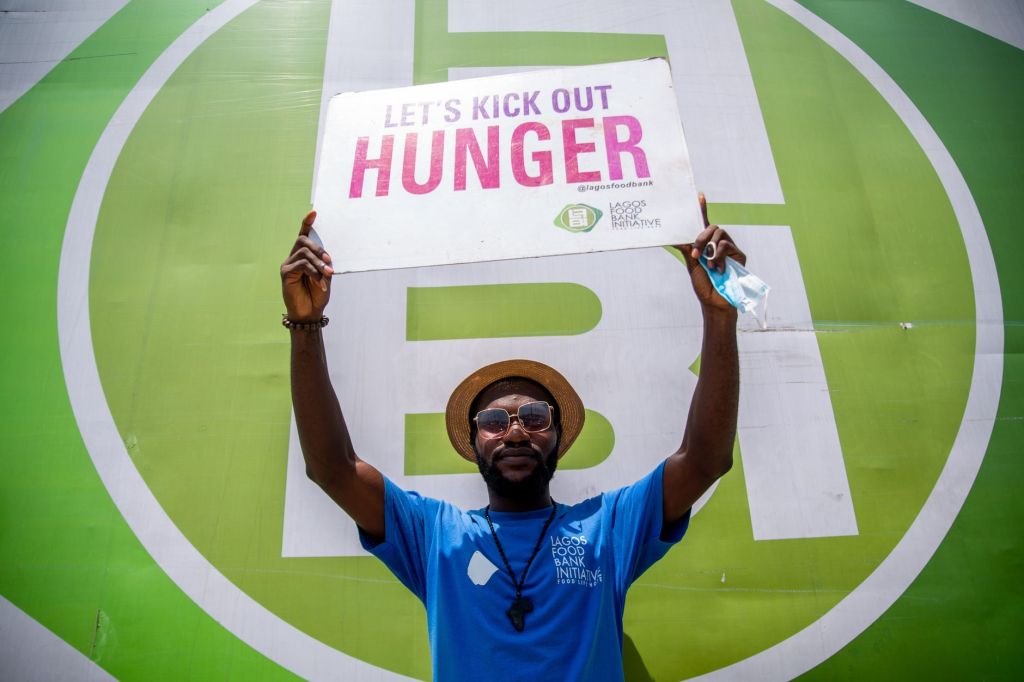
Sustainable Development Goal 2: Zero hunger

The current image has no alternative text. The file name is: pexels-photo-8044867.jpeg

Sustainable Development Goal 2 (SDG 2), also known as Zero Hunger, aims to end hunger, achieve food security, improve nutrition, and promote sustainable agriculture by 2030. It is one of the 17 Sustainable Development Goals adopted by the United Nations in 2015 as part of the 2030 Agenda for Sustainable Development.

SDG 2 recognizes that access to adequate, safe, and nutritious food is a basic human need. It focuses not only on increasing food production but also on ensuring that food is affordable, accessible, and distributed equitably. The goal also emphasizes sustainable agricultural practices, improved livelihoods for farmers, and the protection of natural resources to ensure long-term food security.

1. Understanding Hunger and Food Insecurity

Hunger is a condition in which people do not receive enough food to meet their energy and nutritional requirements. Food insecurity is a broader concept that refers to the inability to access sufficient, safe, and nutritious food regularly because of financial, social, environmental, or physical barriers.

Food insecurity can affect individuals and communities even when food is available in markets. High food prices, poverty, unemployment, inadequate transportation, and unequal distribution may prevent people from obtaining the food they need.

The four main dimensions of food security are:

  • Availability: Food must be produced in sufficient quantities or supplied through imports, storage, and distribution systems to meet the population’s needs.
  • Accessibility: Individuals and households must have the financial resources and physical access necessary to obtain food.
  • Utilization: Food must provide adequate nutrients and be prepared, stored, and consumed safely. Access to clean water, sanitation, and healthcare also influences nutritional outcomes.
  • Stability: Food availability, accessibility, and utilization must remain reliable over time, even during economic crises, natural disasters, or seasonal shortages.

Malnutrition is another major concern addressed by SDG 2. It includes undernutrition, micronutrient deficiencies, and overnutrition. Malnutrition can affect physical growth, cognitive development, immunity, and overall well-being, particularly among children, pregnant women, and other vulnerable groups.

2. Targets of SDG 2

The United Nations has established eight major targets under SDG 2 to guide global efforts towards eliminating hunger and improving food systems by 2030.

Target 2.1: End Hunger and Ensure Access to Food

This target aims to end hunger and ensure that everyone, particularly poor and vulnerable populations, has access to safe, nutritious, and sufficient food throughout the year.

Achieving this target requires effective food distribution systems, social protection programmes, affordable food prices, and reliable access to essential food supplies. Special attention must be given to low-income households, children, older people, and communities affected by emergencies.

Target 2.2: End All Forms of Malnutrition

This target focuses on eliminating malnutrition in all its forms, including undernutrition, stunting, wasting, and micronutrient deficiencies.

It emphasizes improving nutrition among children, adolescent girls, pregnant women, breastfeeding mothers, and older people. Nutrition education, maternal healthcare, balanced diets, and school meal programmes can help improve nutritional outcomes.

Target 2.3: Double Agricultural Productivity and Incomes

This target aims to improve agricultural productivity and increase the incomes of small-scale food producers, particularly women, indigenous communities, family farmers, pastoralists, and fishers.

It emphasizes equal access to land, agricultural resources, financial services, technology, knowledge, and markets. Supporting small-scale producers can improve rural livelihoods, reduce poverty, and strengthen local food systems.

Target 2.4: Ensure Sustainable Food Production Systems

This target promotes sustainable and resilient agricultural practices that increase productivity while protecting the environment.

Practices such as crop rotation, efficient irrigation, soil conservation, integrated pest management, and climate-resilient farming can help reduce environmental damage. Sustainable agriculture also improves the ability of farming systems to withstand droughts, floods, and changing climatic conditions.

Target 2.5: Maintain Genetic Diversity

This target aims to preserve the genetic diversity of seeds, cultivated plants, farmed and domesticated animals, and related wild species.

Seed banks, community seed conservation, traditional farming knowledge, and livestock conservation programmes are important measures for protecting biodiversity. Genetic diversity also helps agriculture adapt to diseases, pests, and environmental changes.

Target 2.a: Increase Investment in Agriculture

This target focuses on increasing investment in rural infrastructure, agricultural research, technology development, and extension services.

Investments in irrigation, rural roads, storage facilities, agricultural education, and research institutions can improve productivity and connect farmers with markets. International cooperation can also support agricultural development in developing countries.

Target 2.b: Correct and Prevent Trade Restrictions

This target seeks to reduce trade restrictions, distortions, and harmful agricultural subsidies in international agricultural markets.

Fairer agricultural trade can help producers access markets, improve the movement of food across regions, and create more stable trading conditions for developing countries.

Target 2.c: Ensure Stable Food Commodity Markets

This target aims to improve the functioning of food commodity markets and provide timely access to market information.

Monitoring food prices, strengthening market information systems, and improving storage and distribution can help reduce extreme price fluctuations. Stable food markets make it easier for households to plan their food expenditure and for farmers to make production decisions.

3. Major Causes of Hunger and Food Insecurity

Hunger is caused by several interconnected economic, social, political, and environmental factors. Addressing it requires an understanding of the underlying problems affecting food production and distribution.

  • Poverty and income inequality: People with limited incomes may be unable to afford sufficient and nutritious food. Economic inequality can also limit access to land, agricultural resources, and livelihood opportunities.
  • Climate change and natural disasters: Droughts, floods, heatwaves, and irregular rainfall can reduce agricultural yields, damage crops, and disrupt food supply chains. These impacts are especially serious for farmers who depend on rainfall.
  • Conflict and political instability: Wars and displacement disrupt agricultural production, transportation, markets, and humanitarian assistance. Conflict can also force communities to leave their homes and lose their livelihoods.
  • Unsustainable agricultural practices: Soil degradation, excessive groundwater extraction, deforestation, and the loss of biodiversity reduce the long-term productivity of agricultural land.
  • Food loss and wastage: Food is lost during harvesting, processing, storage, and transportation. Additional food waste occurs at retail outlets, restaurants, and households, reducing the effective availability of food.
  • Inadequate infrastructure: Poor rural roads, insufficient warehouses, limited cold-storage facilities, and weak distribution networks make it difficult to transport food efficiently from producers to consumers.
  • Limited nutritional awareness: A lack of information about balanced diets, dietary diversity, and appropriate nutrition can contribute to poor nutritional outcomes, even where food is available.

These factors demonstrate that hunger is not simply a consequence of insufficient food production. It is also related to unequal access, poverty, infrastructure gaps, environmental degradation, and weaknesses in food distribution systems.

4. Importance of SDG 2

Achieving Zero Hunger is essential for sustainable development because food security influences public health, education, employment, poverty reduction, and economic growth.

  1. Improved health and well-being: Adequate nutrition supports physical growth, strengthens immunity, and reduces the risk of nutrition-related health problems.
  2. Better educational outcomes: Children who receive sufficient and nutritious food are better equipped to concentrate, participate in school activities, and support their learning.
  3. Poverty reduction: Increasing agricultural productivity and supporting farmers can improve household incomes, create employment, and strengthen rural economies.
  4. Gender equality: Improving women’s access to land, finance, agricultural training, and nutrition services can strengthen household food security and economic independence.
  5. Environmental sustainability: Sustainable farming practices protect soil, water, and biodiversity while maintaining the productive capacity of agricultural land.
  6. Economic development: A healthy and adequately nourished population can participate more effectively in education, employment, and productive activities.
  7. Social stability: Reliable access to affordable food can reduce household vulnerability and help communities cope with economic and environmental shocks.

SDG 2 is closely connected with other Sustainable Development Goals, particularly SDG 1 (No Poverty), SDG 3 (Good Health and Well-being), SDG 5 (Gender Equality), SDG 6 (Clean Water and Sanitation), SDG 12 (Responsible Consumption and Production), and SDG 13 (Climate Action).

5. SDG 2 in India

India has made significant efforts to improve food security through agricultural development, public food distribution, and nutrition programmes. Agriculture remains important for rural livelihoods, employment, and the national food supply. However, challenges such as malnutrition, unequal access to nutritious diets, climate vulnerability, and low incomes among some farming households continue to require attention.

Major government initiatives contributing to SDG 2 include:

National Food Security Act, 2013

The National Food Security Act provides a legal framework for subsidized food grains to eligible households. It aims to improve food access for vulnerable populations and strengthen food security through the public distribution system.

Public Distribution System (PDS)

The Public Distribution System distributes essential food grains to eligible beneficiaries through fair-price shops. It helps improve the affordability and availability of staple food items, particularly for low-income households.

Pradhan Mantri Garib Kalyan Anna Yojana (PMGKAY)

This programme provides free food grains to eligible beneficiaries under the applicable government provisions. It supports household food security by reducing the financial burden associated with purchasing staple grains.

POSHAN Abhiyaan

POSHAN Abhiyaan focuses on improving nutritional outcomes, particularly among children, adolescent girls, pregnant women, and breastfeeding mothers. It emphasizes coordinated action, nutrition awareness, and the monitoring of nutrition-related services.

PM POSHAN Scheme

The PM POSHAN scheme provides cooked meals to eligible children in government and government-aided schools. It supports children’s nutritional intake and encourages school participation and attendance.

National Mission for Sustainable Agriculture

This mission promotes sustainable agricultural practices, efficient resource use, soil and water conservation, and improved resilience to climate variability. It supports the development of farming systems that can remain productive under changing environmental conditions.

Together, these programmes contribute to food availability, affordability, nutrition, and agricultural sustainability. However, effective implementation, improved service delivery, and regular monitoring remain important for achieving better outcomes.

6. Challenges in Achieving SDG 2

Despite global and national initiatives, several challenges continue to slow progress towards Zero Hunger.

  • Rising food prices: Increasing prices of essential food items can make nutritious diets unaffordable for low-income households.
  • Persistent malnutrition: Undernutrition, micronutrient deficiencies, and inadequate dietary diversity continue to affect vulnerable populations.
  • Climate vulnerability: Farmers who depend on rainfall face uncertainty because of changing precipitation patterns, droughts, floods, and extreme temperatures.
  • Limited agricultural resources: Small-scale farmers may face difficulties accessing affordable credit, modern equipment, irrigation, quality seeds, insurance, and reliable markets.
  • Food supply chain inefficiencies: Inadequate storage, refrigeration, transportation, and processing facilities contribute to food loss and higher distribution costs.
  • Unequal access to food: Differences in income, location, infrastructure, and social conditions can prevent some communities from obtaining sufficient and nutritious food.
  • Environmental degradation: Soil erosion, groundwater depletion, and biodiversity loss threaten long-term agricultural productivity.
  • Coordination and implementation gaps: Effective food security requires coordination among agriculture, health, education, transport, and social welfare departments.

The United Nations continues to report that global progress towards Zero Hunger is insufficient to achieve the 2030 target. This highlights the need for stronger policies, greater investment, improved food systems, and coordinated international action.

7. Strategies to Achieve SDG 2

Achieving Zero Hunger requires a combination of agricultural, economic, environmental, technological, and social interventions.

1. Promote Sustainable Agriculture

Encourage crop rotation, efficient irrigation, soil conservation, agroforestry, and climate-resilient crop varieties. These practices can improve productivity while reducing pressure on natural resources.

2. Strengthen Food Distribution Systems

Improve storage facilities, cold chains, rural roads, transportation networks, and public food distribution systems. Efficient supply chains can reduce food loss and help food reach underserved communities.

3. Support Small-Scale Farmers

Provide farmers with affordable credit, crop insurance, agricultural training, improved seeds, modern technology, and access to markets. Stronger farmer support systems can improve incomes and reduce vulnerability to crop failure.

4. Improve Nutrition Awareness

Promote balanced diets, dietary diversity, breastfeeding support, maternal nutrition, and child nutrition education. Schools, healthcare centres, and community organisations can play an important role in spreading awareness.

5. Reduce Food Waste

Encourage better harvesting techniques, improved storage, responsible consumption, food recovery, and redistribution of surplus food. These measures can increase the amount of food available for consumption without requiring equivalent increases in production.

6. Use Modern Technology

Apply weather forecasting, precision agriculture, remote sensing, and Geographic Information Systems (GIS) to monitor crop conditions, assess drought risks, identify agricultural land, and improve resource management.

7. Strengthen Social Protection

Improve access to food assistance, school meal programmes, nutrition services, and income support for vulnerable households. Such measures can help families maintain food security during economic downturns and natural disasters.

8. Encourage Community Participation

Involve local governments, farmers’ groups, self-help groups, schools, and civil society organisations in planning and implementing food security initiatives. Community participation can help identify local needs and improve the effectiveness of programmes.

9. Invest in Agricultural Research

Support research into climate-resilient crops, sustainable farming methods, soil health, water efficiency, and pest management. Scientific innovation can improve agricultural productivity while reducing environmental impacts.

10. Improve Monitoring and Evaluation

Use reliable data on hunger, nutrition, food prices, agricultural production, and household access to food to evaluate programmes. Regular monitoring helps governments identify gaps, allocate resources efficiently, and measure progress towards SDG 2.

8. Conclusion

SDG 2, Zero Hunger, represents the global commitment to ending hunger, improving nutrition, ensuring food security, and promoting sustainable agriculture by 2030. It recognises that access to sufficient and nutritious food is essential for human well-being, economic development, and social equality.

Achieving this goal requires more than increasing food production. It involves ensuring equitable food distribution, making nutritious diets affordable, supporting small-scale farmers, protecting agricultural land, reducing food waste, and developing climate-resilient farming systems.

In India, food security programmes and agricultural initiatives provide an important foundation for progress. However, persistent nutritional inequalities, environmental pressures, and difficulties faced by vulnerable households and farmers require continued attention.

Governments, communities, farmers, researchers, and planners must work together to develop food systems that are accessible, sustainable, and resilient. Urban and regional planning can make an important contribution by protecting productive agricultural land, improving food supply infrastructure, strengthening rural-urban connections, and ensuring that underserved communities have access to affordable food.

Ultimately, achieving Zero Hunger means ensuring that every person has reliable access to sufficient, safe, and nutritious food while protecting the natural resources on which future food production depends.

References

  1. United Nations. Goal 2: Zero Hunger. https://sdgs.un.org/goals/goal2
  2. United Nations in India. Sustainable Development Goal 2: Zero Hunger. https://india.un.org/en/sdgs/2/progress
  3. United Nations Statistics Division. The Sustainable Development Goals Report 2026: Goal 2. https://unstats.un.org/sdgs/report/2026/Goal-02/
  4. Government of India. National Food Security Act, 2013.
  5. Government of India. POSHAN Abhiyaan and PM POSHAN Scheme.

The 17 Sustainable Development Goals (SDGs)

In 2015, all United Nations Member States adopted the 2030 Agenda for Sustainable Development, a shared blueprint for peace and prosperity for people and the planet. At its heart are 17 Sustainable Development Goals (SDGs)โ€”an urgent call for action by all countries in a global partnership. These goals recognize that ending poverty and other deprivations must go hand-in-hand with strategies that improve health and education, reduce inequality, and spur economic growthโ€”all while tackling climate change and working to preserve our oceans and forests.


  1. No Poverty (SDG 1)
    End poverty in all its forms everywhere by ensuring equal access to resources, social protection, and economic opportunities.
  2. Zero Hunger (SDG 2)
    End hunger, achieve food security, improve nutrition, and promote sustainable agriculture to ensure everyone has enough safe and nutritious food.
  3. Good Health and Well-being (SDG 3)
    Ensure healthy lives and promote well-being for all at all ages through access to healthcare, vaccinations, and disease prevention.
  4. Quality Education (SDG 4)
    Ensure inclusive and equitable quality education and promote lifelong learning opportunities for all, especially girls and marginalized groups.
  5. Gender Equality (SDG 5)
    Achieve gender equality and empower all women and girls by eliminating discrimination, violence, and barriers to participation.
  6. Clean Water and Sanitation (SDG 6)
    Ensure availability and sustainable management of water and sanitation for all through infrastructure, conservation, and hygiene promotion.
  7. Affordable and Clean Energy (SDG 7)
    Ensure access to affordable, reliable, sustainable, and modern energy for all, with a focus on renewable energy expansion.
  8. Decent Work and Economic Growth (SDG 8)
    Promote sustained, inclusive, and sustainable economic growth, full and productive employment, and decent work for all.
  9. Industry, Innovation and Infrastructure (SDG 9)
    Build resilient infrastructure, promote inclusive and sustainable industrialization, and foster innovation.
  10. Reduced Inequalities (SDG 10)
    Reduce inequality within and among countries by promoting social, economic, and political inclusion of all people.
  11. Sustainable Cities and Communities (SDG 11)
    Make cities and human settlements inclusive, safe, resilient, and sustainable through smart urban planning and green infrastructure.
  12. Responsible Consumption and Production (SDG 12)
    Ensure sustainable consumption and production patterns through waste reduction, recycling, and efficient resource use.
  13. Climate Action (SDG 13)
    Take urgent action to combat climate change and its impacts through mitigation, adaptation, and climate education.
  14. Life Below Water (SDG 14)
    Conserve and sustainably use the oceans, seas, and marine resources for sustainable development.
  15. Life on Land (SDG 15)
    Protect, restore, and promote sustainable use of terrestrial ecosystems, manage forests sustainably, combat desertification, and halt biodiversity loss.
  16. Peace, Justice and Strong Institutions (SDG 16)
    Promote peaceful and inclusive societies, provide access to justice for all, and build effective, accountable institutions at all levels.
  17. Partnerships for the Goals (SDG 17)
    Strengthen the means of implementation and revitalize the global partnership for sustainable development through finance, technology, and capacity-building.

Conclusion

The 17 SDGs are interconnected and designed to balance social, economic, and environmental sustainability. Achieving them requires collaboration among governments, private sectors, academia, civil society, and citizens. Together, these goals represent a collective commitment to a fairer, greener, and more resilient world by 2030.