
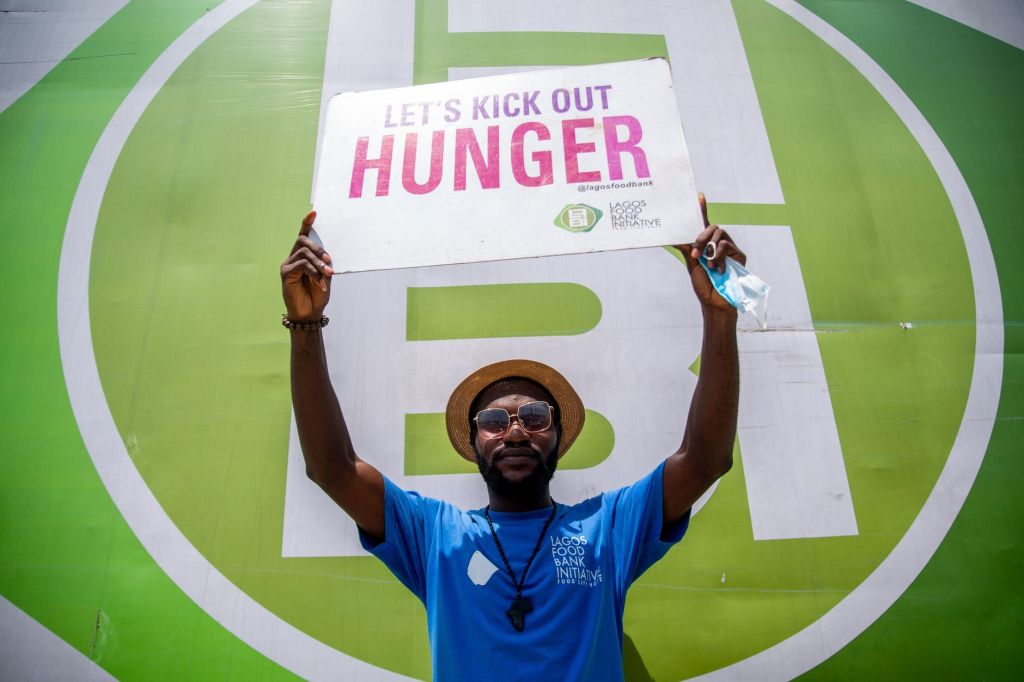
Sustainable Development Goal 2 (SDG 2), also known as Zero Hunger, aims to end hunger, achieve food security, improve nutrition, and promote sustainable agriculture by 2030. It is one of the 17 Sustainable Development Goals adopted by the United Nations in 2015 as part of the 2030 Agenda for Sustainable Development.
SDG 2 recognizes that access to adequate, safe, and nutritious food is a basic human need. It focuses not only on increasing food production but also on ensuring that food is affordable, accessible, and distributed equitably. The goal also emphasizes sustainable agricultural practices, improved livelihoods for farmers, and the protection of natural resources to ensure long-term food security.
1. Understanding Hunger and Food Insecurity
Hunger is a condition in which people do not receive enough food to meet their energy and nutritional requirements. Food insecurity is a broader concept that refers to the inability to access sufficient, safe, and nutritious food regularly because of financial, social, environmental, or physical barriers.
Food insecurity can affect individuals and communities even when food is available in markets. High food prices, poverty, unemployment, inadequate transportation, and unequal distribution may prevent people from obtaining the food they need.
The four main dimensions of food security are:
- Availability: Food must be produced in sufficient quantities or supplied through imports, storage, and distribution systems to meet the population’s needs.
- Accessibility: Individuals and households must have the financial resources and physical access necessary to obtain food.
- Utilization: Food must provide adequate nutrients and be prepared, stored, and consumed safely. Access to clean water, sanitation, and healthcare also influences nutritional outcomes.
- Stability: Food availability, accessibility, and utilization must remain reliable over time, even during economic crises, natural disasters, or seasonal shortages.
Malnutrition is another major concern addressed by SDG 2. It includes undernutrition, micronutrient deficiencies, and overnutrition. Malnutrition can affect physical growth, cognitive development, immunity, and overall well-being, particularly among children, pregnant women, and other vulnerable groups.
2. Targets of SDG 2
The United Nations has established eight major targets under SDG 2 to guide global efforts towards eliminating hunger and improving food systems by 2030.
Target 2.1: End Hunger and Ensure Access to Food
This target aims to end hunger and ensure that everyone, particularly poor and vulnerable populations, has access to safe, nutritious, and sufficient food throughout the year.
Achieving this target requires effective food distribution systems, social protection programmes, affordable food prices, and reliable access to essential food supplies. Special attention must be given to low-income households, children, older people, and communities affected by emergencies.
Target 2.2: End All Forms of Malnutrition
This target focuses on eliminating malnutrition in all its forms, including undernutrition, stunting, wasting, and micronutrient deficiencies.
It emphasizes improving nutrition among children, adolescent girls, pregnant women, breastfeeding mothers, and older people. Nutrition education, maternal healthcare, balanced diets, and school meal programmes can help improve nutritional outcomes.
Target 2.3: Double Agricultural Productivity and Incomes
This target aims to improve agricultural productivity and increase the incomes of small-scale food producers, particularly women, indigenous communities, family farmers, pastoralists, and fishers.
It emphasizes equal access to land, agricultural resources, financial services, technology, knowledge, and markets. Supporting small-scale producers can improve rural livelihoods, reduce poverty, and strengthen local food systems.
Target 2.4: Ensure Sustainable Food Production Systems
This target promotes sustainable and resilient agricultural practices that increase productivity while protecting the environment.
Practices such as crop rotation, efficient irrigation, soil conservation, integrated pest management, and climate-resilient farming can help reduce environmental damage. Sustainable agriculture also improves the ability of farming systems to withstand droughts, floods, and changing climatic conditions.
Target 2.5: Maintain Genetic Diversity
This target aims to preserve the genetic diversity of seeds, cultivated plants, farmed and domesticated animals, and related wild species.
Seed banks, community seed conservation, traditional farming knowledge, and livestock conservation programmes are important measures for protecting biodiversity. Genetic diversity also helps agriculture adapt to diseases, pests, and environmental changes.
Target 2.a: Increase Investment in Agriculture
This target focuses on increasing investment in rural infrastructure, agricultural research, technology development, and extension services.
Investments in irrigation, rural roads, storage facilities, agricultural education, and research institutions can improve productivity and connect farmers with markets. International cooperation can also support agricultural development in developing countries.
Target 2.b: Correct and Prevent Trade Restrictions
This target seeks to reduce trade restrictions, distortions, and harmful agricultural subsidies in international agricultural markets.
Fairer agricultural trade can help producers access markets, improve the movement of food across regions, and create more stable trading conditions for developing countries.
Target 2.c: Ensure Stable Food Commodity Markets
This target aims to improve the functioning of food commodity markets and provide timely access to market information.
Monitoring food prices, strengthening market information systems, and improving storage and distribution can help reduce extreme price fluctuations. Stable food markets make it easier for households to plan their food expenditure and for farmers to make production decisions.
3. Major Causes of Hunger and Food Insecurity
Hunger is caused by several interconnected economic, social, political, and environmental factors. Addressing it requires an understanding of the underlying problems affecting food production and distribution.
- Poverty and income inequality: People with limited incomes may be unable to afford sufficient and nutritious food. Economic inequality can also limit access to land, agricultural resources, and livelihood opportunities.
- Climate change and natural disasters: Droughts, floods, heatwaves, and irregular rainfall can reduce agricultural yields, damage crops, and disrupt food supply chains. These impacts are especially serious for farmers who depend on rainfall.
- Conflict and political instability: Wars and displacement disrupt agricultural production, transportation, markets, and humanitarian assistance. Conflict can also force communities to leave their homes and lose their livelihoods.
- Unsustainable agricultural practices: Soil degradation, excessive groundwater extraction, deforestation, and the loss of biodiversity reduce the long-term productivity of agricultural land.
- Food loss and wastage: Food is lost during harvesting, processing, storage, and transportation. Additional food waste occurs at retail outlets, restaurants, and households, reducing the effective availability of food.
- Inadequate infrastructure: Poor rural roads, insufficient warehouses, limited cold-storage facilities, and weak distribution networks make it difficult to transport food efficiently from producers to consumers.
- Limited nutritional awareness: A lack of information about balanced diets, dietary diversity, and appropriate nutrition can contribute to poor nutritional outcomes, even where food is available.
These factors demonstrate that hunger is not simply a consequence of insufficient food production. It is also related to unequal access, poverty, infrastructure gaps, environmental degradation, and weaknesses in food distribution systems.
4. Importance of SDG 2
Achieving Zero Hunger is essential for sustainable development because food security influences public health, education, employment, poverty reduction, and economic growth.
- Improved health and well-being: Adequate nutrition supports physical growth, strengthens immunity, and reduces the risk of nutrition-related health problems.
- Better educational outcomes: Children who receive sufficient and nutritious food are better equipped to concentrate, participate in school activities, and support their learning.
- Poverty reduction: Increasing agricultural productivity and supporting farmers can improve household incomes, create employment, and strengthen rural economies.
- Gender equality: Improving women’s access to land, finance, agricultural training, and nutrition services can strengthen household food security and economic independence.
- Environmental sustainability: Sustainable farming practices protect soil, water, and biodiversity while maintaining the productive capacity of agricultural land.
- Economic development: A healthy and adequately nourished population can participate more effectively in education, employment, and productive activities.
- Social stability: Reliable access to affordable food can reduce household vulnerability and help communities cope with economic and environmental shocks.
SDG 2 is closely connected with other Sustainable Development Goals, particularly SDG 1 (No Poverty), SDG 3 (Good Health and Well-being), SDG 5 (Gender Equality), SDG 6 (Clean Water and Sanitation), SDG 12 (Responsible Consumption and Production), and SDG 13 (Climate Action).
5. SDG 2 in India
India has made significant efforts to improve food security through agricultural development, public food distribution, and nutrition programmes. Agriculture remains important for rural livelihoods, employment, and the national food supply. However, challenges such as malnutrition, unequal access to nutritious diets, climate vulnerability, and low incomes among some farming households continue to require attention.
Major government initiatives contributing to SDG 2 include:
National Food Security Act, 2013
The National Food Security Act provides a legal framework for subsidized food grains to eligible households. It aims to improve food access for vulnerable populations and strengthen food security through the public distribution system.
Public Distribution System (PDS)
The Public Distribution System distributes essential food grains to eligible beneficiaries through fair-price shops. It helps improve the affordability and availability of staple food items, particularly for low-income households.
Pradhan Mantri Garib Kalyan Anna Yojana (PMGKAY)
This programme provides free food grains to eligible beneficiaries under the applicable government provisions. It supports household food security by reducing the financial burden associated with purchasing staple grains.
POSHAN Abhiyaan
POSHAN Abhiyaan focuses on improving nutritional outcomes, particularly among children, adolescent girls, pregnant women, and breastfeeding mothers. It emphasizes coordinated action, nutrition awareness, and the monitoring of nutrition-related services.
PM POSHAN Scheme
The PM POSHAN scheme provides cooked meals to eligible children in government and government-aided schools. It supports children’s nutritional intake and encourages school participation and attendance.
National Mission for Sustainable Agriculture
This mission promotes sustainable agricultural practices, efficient resource use, soil and water conservation, and improved resilience to climate variability. It supports the development of farming systems that can remain productive under changing environmental conditions.
Together, these programmes contribute to food availability, affordability, nutrition, and agricultural sustainability. However, effective implementation, improved service delivery, and regular monitoring remain important for achieving better outcomes.
6. Challenges in Achieving SDG 2
Despite global and national initiatives, several challenges continue to slow progress towards Zero Hunger.
- Rising food prices: Increasing prices of essential food items can make nutritious diets unaffordable for low-income households.
- Persistent malnutrition: Undernutrition, micronutrient deficiencies, and inadequate dietary diversity continue to affect vulnerable populations.
- Climate vulnerability: Farmers who depend on rainfall face uncertainty because of changing precipitation patterns, droughts, floods, and extreme temperatures.
- Limited agricultural resources: Small-scale farmers may face difficulties accessing affordable credit, modern equipment, irrigation, quality seeds, insurance, and reliable markets.
- Food supply chain inefficiencies: Inadequate storage, refrigeration, transportation, and processing facilities contribute to food loss and higher distribution costs.
- Unequal access to food: Differences in income, location, infrastructure, and social conditions can prevent some communities from obtaining sufficient and nutritious food.
- Environmental degradation: Soil erosion, groundwater depletion, and biodiversity loss threaten long-term agricultural productivity.
- Coordination and implementation gaps: Effective food security requires coordination among agriculture, health, education, transport, and social welfare departments.
The United Nations continues to report that global progress towards Zero Hunger is insufficient to achieve the 2030 target. This highlights the need for stronger policies, greater investment, improved food systems, and coordinated international action.
7. Strategies to Achieve SDG 2
Achieving Zero Hunger requires a combination of agricultural, economic, environmental, technological, and social interventions.
1. Promote Sustainable Agriculture
Encourage crop rotation, efficient irrigation, soil conservation, agroforestry, and climate-resilient crop varieties. These practices can improve productivity while reducing pressure on natural resources.
2. Strengthen Food Distribution Systems
Improve storage facilities, cold chains, rural roads, transportation networks, and public food distribution systems. Efficient supply chains can reduce food loss and help food reach underserved communities.
3. Support Small-Scale Farmers
Provide farmers with affordable credit, crop insurance, agricultural training, improved seeds, modern technology, and access to markets. Stronger farmer support systems can improve incomes and reduce vulnerability to crop failure.
4. Improve Nutrition Awareness
Promote balanced diets, dietary diversity, breastfeeding support, maternal nutrition, and child nutrition education. Schools, healthcare centres, and community organisations can play an important role in spreading awareness.
5. Reduce Food Waste
Encourage better harvesting techniques, improved storage, responsible consumption, food recovery, and redistribution of surplus food. These measures can increase the amount of food available for consumption without requiring equivalent increases in production.
6. Use Modern Technology
Apply weather forecasting, precision agriculture, remote sensing, and Geographic Information Systems (GIS) to monitor crop conditions, assess drought risks, identify agricultural land, and improve resource management.
7. Strengthen Social Protection
Improve access to food assistance, school meal programmes, nutrition services, and income support for vulnerable households. Such measures can help families maintain food security during economic downturns and natural disasters.
8. Encourage Community Participation
Involve local governments, farmers’ groups, self-help groups, schools, and civil society organisations in planning and implementing food security initiatives. Community participation can help identify local needs and improve the effectiveness of programmes.
9. Invest in Agricultural Research
Support research into climate-resilient crops, sustainable farming methods, soil health, water efficiency, and pest management. Scientific innovation can improve agricultural productivity while reducing environmental impacts.
10. Improve Monitoring and Evaluation
Use reliable data on hunger, nutrition, food prices, agricultural production, and household access to food to evaluate programmes. Regular monitoring helps governments identify gaps, allocate resources efficiently, and measure progress towards SDG 2.
8. Conclusion
SDG 2, Zero Hunger, represents the global commitment to ending hunger, improving nutrition, ensuring food security, and promoting sustainable agriculture by 2030. It recognises that access to sufficient and nutritious food is essential for human well-being, economic development, and social equality.
Achieving this goal requires more than increasing food production. It involves ensuring equitable food distribution, making nutritious diets affordable, supporting small-scale farmers, protecting agricultural land, reducing food waste, and developing climate-resilient farming systems.
In India, food security programmes and agricultural initiatives provide an important foundation for progress. However, persistent nutritional inequalities, environmental pressures, and difficulties faced by vulnerable households and farmers require continued attention.
Governments, communities, farmers, researchers, and planners must work together to develop food systems that are accessible, sustainable, and resilient. Urban and regional planning can make an important contribution by protecting productive agricultural land, improving food supply infrastructure, strengthening rural-urban connections, and ensuring that underserved communities have access to affordable food.
Ultimately, achieving Zero Hunger means ensuring that every person has reliable access to sufficient, safe, and nutritious food while protecting the natural resources on which future food production depends.
References
- United Nations. Goal 2: Zero Hunger. https://sdgs.un.org/goals/goal2
- United Nations in India. Sustainable Development Goal 2: Zero Hunger. https://india.un.org/en/sdgs/2/progress
- United Nations Statistics Division. The Sustainable Development Goals Report 2026: Goal 2. https://unstats.un.org/sdgs/report/2026/Goal-02/
- Government of India. National Food Security Act, 2013.
- Government of India. POSHAN Abhiyaan and PM POSHAN Scheme.

