Sustainable Development Goal 4: Quality Education

By Ansh Vaishnava

1. Introduction

Sustainable Development Goal 4 (SDG 4), titled “Quality Education,” is one of the 17 Sustainable Development Goals adopted by the United Nations in 2015 as part of the 2030 Agenda for Sustainable Development. Its main objective is to ensure inclusive and equitable quality education and promote lifelong learning opportunities for all.

Education is a fundamental human right and an essential foundation for social, economic, and sustainable development. It enables people to develop knowledge, practical skills, critical thinking, creativity, and the ability to make informed decisions. Quality education also helps reduce poverty, improve employment opportunities, promote gender equality, and build peaceful and inclusive societies.

However, millions of children and adults worldwide continue to face barriers to education because of poverty, gender discrimination, disability, geographical isolation, conflict, inadequate school infrastructure, and shortages of qualified teachers. In many places, children may attend school without acquiring the basic literacy, numeracy, and practical skills needed for everyday life.

SDG 4 seeks to address these challenges by improving access to education at all levels, strengthening teaching quality, promoting vocational and higher education, reducing educational inequalities, and ensuring that learning opportunities are available throughout life.

The goal recognises that education should not simply be accessible. It should also be meaningful, safe, inclusive, affordable, and capable of preparing learners for employment, citizenship, and sustainable living.

2. Meaning of Quality Education

Quality education refers to an educational system that provides learners with relevant knowledge, skills, values, and opportunities to develop their potential, regardless of their social or economic background.

It involves more than school enrolment or attendance. Students should have access to trained teachers, appropriate learning materials, safe classrooms, inclusive facilities, effective teaching methods, and opportunities to apply what they learn.

The concept of quality education includes the following elements:

  • Accessibility: Every person should have a fair opportunity to receive education without discrimination.
  • Affordability: The cost of education should not prevent children and adults from learning.
  • Equity: Learners from disadvantaged backgrounds should receive appropriate support to overcome educational barriers.
  • Quality teaching: Qualified teachers and effective teaching methods should support meaningful learning outcomes.
  • Safe learning environments: Schools and educational institutions should be physically safe, accessible, and free from violence and discrimination.
  • Relevant curriculum: Education should develop literacy, numeracy, digital competence, critical thinking, creativity, and practical skills.
  • Lifelong learning: People should have opportunities to continue learning and developing their skills throughout their lives.

For example, a school located near a settlement may improve access to education, but if it lacks teachers, drinking water, accessible toilets, learning materials, or a safe environment, students may still struggle to receive a quality education.

Therefore, SDG 4 focuses on both educational access and the quality of learning experiences.

3. Main Objectives of SDG 4

The major objectives of SDG 4 are:

  1. Universal primary and secondary education: Ensure that all children complete free and quality primary and secondary education.
  2. Early childhood development: Provide access to early childhood care, development, and pre-primary education.
  3. Affordable higher education: Improve equal access to technical, vocational, and university education.
  4. Employment-related skills: Equip young people and adults with the knowledge and skills needed for decent work and entrepreneurship.
  5. Educational equality: Reduce gender disparities and improve educational opportunities for vulnerable groups.
  6. Literacy and numeracy: Ensure that young people and adults acquire essential reading, writing, and mathematical skills.
  7. Education for sustainable development: Help learners understand environmental protection, human rights, equality, peace, and responsible citizenship.
  8. Safe educational infrastructure: Develop accessible, inclusive, and safe schools and learning facilities.
  9. Scholarships and educational support: Expand educational opportunities for students from developing and disadvantaged communities.
  10. Qualified teachers: Increase the availability of trained and competent teachers through education, professional development, and international cooperation.

These objectives establish education as a continuous process that begins in early childhood and extends through formal education, professional training, and lifelong learning.

4. Targets of Sustainable Development Goal 4

The United Nations has established 10 targets under SDG 4, identified as Targets 4.1 to 4.7 and 4.a to 4.c. They address access to education, learning outcomes, equality, sustainability, infrastructure, scholarships, and teacher training.

TargetNameDescription
4.1Free and Quality Primary and Secondary EducationBy 2030, ensure that all girls and boys complete free, equitable, and quality primary and secondary education leading to relevant and effective learning outcomes.
4.2Early Childhood Development and Pre-Primary EducationBy 2030, ensure that all girls and boys have access to quality early childhood development, care, and pre-primary education so that they are ready for primary education.
4.3Equal Access to Technical, Vocational and Higher EducationBy 2030, ensure equal access for all women and men to affordable and quality technical, vocational, and tertiary education, including university.
4.4Skills for Employment and EntrepreneurshipBy 2030, substantially increase the number of youth and adults with relevant skills, including technical and vocational skills, for employment, decent jobs, and entrepreneurship.
4.5Eliminate Disparities in EducationBy 2030, eliminate gender disparities in education and ensure equal access to all levels of education and vocational training for vulnerable groups, including persons with disabilities, Indigenous peoples, and children in vulnerable situations.
4.6Literacy and NumeracyBy 2030, ensure that all youth and a substantial proportion of adults, both men and women, achieve literacy and numeracy.
4.7Education for Sustainable Development and Global CitizenshipBy 2030, ensure that all learners acquire the knowledge and skills needed to promote sustainable development, including education for sustainable lifestyles, human rights, gender equality, peace, global citizenship, and cultural diversity.
4.aSafe and Inclusive Learning EnvironmentsBuild and upgrade education facilities that are child-, disability-, and gender-sensitive and provide safe, non-violent, inclusive, and effective learning environments for all.
4.bScholarships for Higher EducationThe original 2020 target aimed to substantially expand scholarships available to developing countries, particularly least developed countries, small island developing states, and African countries, for higher education and vocational and technical training. Its original deadline has passed, but it remains part of the SDG framework.
4.cQualified TeachersBy 2030, substantially increase the supply of qualified teachers, including through international cooperation for teacher training in developing countries.

5. Importance of SDG 4

SDG 4 is important because education influences nearly every aspect of human development. It supports economic growth, reduces inequality, strengthens communities, and helps people make informed decisions about their lives and the environment.

5.1 Reduction in Poverty

Education helps people develop skills that improve their employment opportunities and earning potential. Access to quality education can help individuals and families break the cycle of poverty and improve their living conditions.

5.2 Promotion of Gender Equality

Equal educational opportunities allow girls and boys to develop their abilities and participate in society. Educating girls can improve their economic independence, health awareness, and participation in decision-making.

5.3 Employment and Economic Development

Education and vocational training prepare individuals for employment, entrepreneurship, and changing labour-market requirements. A skilled population can contribute to innovation, productivity, and economic development.

5.4 Reduction in Social Inequality

SDG 4 promotes educational access for disadvantaged communities, people with disabilities, rural populations, and low-income households. Inclusive education can reduce differences in opportunities arising from social and economic circumstances.

5.5 Improvement in Health and Well-Being

Education improves awareness of nutrition, hygiene, disease prevention, and healthcare. It can also help individuals make informed decisions about their health and personal safety.

5.6 Environmental Awareness

Education helps people understand climate change, pollution, biodiversity, resource conservation, and sustainable lifestyles. It prepares learners to contribute to environmental protection and responsible resource management.

5.7 Peaceful and Inclusive Societies

Education can promote tolerance, respect for diversity, human rights, critical thinking, and peaceful conflict resolution. These qualities help build stronger communities and more inclusive societies.

5.8 Lifelong Learning

Technological and economic changes require people to continue developing their skills. SDG 4 promotes opportunities for adults to learn new skills, improve digital literacy, change careers, and adapt to emerging challenges.

6. Major Challenges in Achieving SDG 4

Despite progress in expanding educational opportunities, several challenges continue to affect the achievement of quality education worldwide and in India.

6.1 Unequal Access to Education

Children in remote rural areas, low-income settlements, and underserved regions may face long travel distances, inadequate schools, limited transport, and a shortage of teachers. These conditions can reduce attendance and increase the risk of dropping out.

6.2 Poverty and Financial Barriers

Even when tuition is free, families may need to pay for uniforms, books, transport, digital devices, and other educational expenses. Financial pressures can also lead children to leave school to support their households

6.3 Gender Disparities

Social expectations, safety concerns, early marriage, household responsibilities, and inadequate sanitation facilities can affect educational participation, particularly for girls in some communities.

6.4 Shortage of Qualified Teachers

A shortage of trained teachers can affect classroom instruction, individual attention, and learning outcomes. Teachers also need ongoing professional development to adapt to changing curricula and teaching technologies.

6.5 Poor School Infrastructure

Some educational institutions lack adequate classrooms, electricity, drinking water, functional toilets, libraries, laboratories, playgrounds, and facilities for students with disabilities. Such conditions can negatively affect attendance, safety, and learning.

6.6 Digital Divide

Online education and digital learning resources can expand access to information, but students without reliable internet, computers, smartphones, or digital skills may be disadvantaged.

6.7 Learning Gaps and Low Foundational Skills

School attendance does not always guarantee that students acquire essential reading, writing, and mathematical skills. Overcrowded classrooms, limited learning materials, and insufficient individual support can contribute to learning gaps.

6.8 Educational Exclusion

Children with disabilities, children from disadvantaged social groups, migrants, and children affected by conflict or displacement may face discrimination, inaccessible facilities, language barriers, or a lack of specialised support.

6.9 Mismatch Between Education and Employment

Some learners complete formal education without gaining the practical, digital, technical, and communication skills required by employers. Weak connections between educational institutions and industry can limit employment opportunities.

6.10 Climate and Disaster Risks

Floods, heatwaves, storms, and other disasters can damage school infrastructure, interrupt academic schedules, and disrupt access to education. Schools therefore need to be resilient, safe, and prepared for emergencies.

Globally, progress towards SDG 4 remains insufficient. The UN reported that 273 million children and young people were out of school in 2024, highlighting the scale of the challenge.

7. Strategies to Achieve SDG 4

Achieving SDG 4 requires coordinated efforts by governments, educational institutions, communities, teachers, and the private sector.

  1. Expand educational access: Establish adequate schools and learning centres in underserved rural and urban areas.
  2. Strengthen foundational learning: Focus on reading, writing, mathematics, and comprehension during the early years of schooling.
  3. Improve teacher training: Recruit qualified teachers and provide continuous professional development.
  4. Make education inclusive: Provide accessible buildings, appropriate learning materials, assistive technology, and additional support for students with disabilities.
  5. Reduce financial barriers: Strengthen scholarships, financial assistance, school meals, and support for disadvantaged households.
  6. Improve school infrastructure: Ensure adequate classrooms, electricity, drinking water, toilets, libraries, laboratories, and playgrounds.
  7. Bridge the digital divide: Improve internet connectivity and provide access to digital learning resources and devices.
  8. Promote gender equality: Ensure safe school journeys, appropriate sanitation facilities, equal participation, and protection against discrimination.
  9. Strengthen vocational education: Integrate practical training, digital literacy, technical skills, internships, and entrepreneurship education into learning pathways.
  10. Promote lifelong learning: Expand adult literacy, continuing education, community learning centres, and opportunities to update professional skills.
  11. Integrate sustainability into education: Teach environmental protection, climate awareness, responsible consumption, human rights, and sustainable development.
  12. Monitor learning outcomes: Regularly assess attendance, completion rates, literacy, numeracy, educational equality, and the quality of school facilities.

8. Monitoring and Indicators of SDG 4

Progress towards SDG 4 is monitored through indicators that measure school participation, learning outcomes, educational equality, literacy, infrastructure, and teacher qualifications.

IndicatorWhat it measures
Primary and secondary completion ratesThe proportion of learners completing the relevant levels of education.
Minimum proficiency in reading and mathematicsThe proportion of learners meeting defined minimum learning standards.
Early childhood developmentThe proportion of young children achieving expected developmental milestones.
Participation in pre-primary educationThe proportion of children participating in organised learning before primary school.
Participation in education and trainingThe participation of youth and adults in formal and non-formal education or training.
Information and communication technology (ICT) skillsThe proportion of youth and adults possessing specified digital skills.
Educational parity indicesDifferences in educational outcomes by sex, location, wealth, disability, and other relevant characteristics.
Youth and adult literacyLiteracy rates among young people and adults.
Education for sustainable developmentThe extent to which sustainability and global citizenship are included in policies, curricula, teacher education, and assessment.
Basic school servicesThe proportion of schools providing facilities such as drinking water, sanitation, electricity, and other essential services.
ScholarshipsFinancial support available for eligible students pursuing higher education and training.
Qualified teachersThe proportion of teachers who meet the minimum required qualifications for their education level.

These indicators help governments and educational authorities identify gaps, assess progress, and direct resources towards communities and institutions that need additional support. The official indicator definitions are maintained by the United Nations Statistics Division and supported by UNESCO’s education statistics work.

9. Conclusion

Sustainable Development Goal 4 is essential for building an educated, equitable, and sustainable society. It recognises that education is not only a basic human right but also a powerful instrument for reducing poverty, promoting gender equality, improving employment opportunities, and strengthening social and environmental responsibility.

Although India and other countries have made progress in expanding access to education, challenges such as unequal learning outcomes, inadequate infrastructure, financial barriers, teacher shortages, and digital inequality continue to require attention.

Achieving SDG 4 by 2030 requires investment in educational infrastructure, qualified teachers, inclusive learning environments, foundational literacy and numeracy, vocational training, and lifelong learning. Urban and regional planning can contribute by ensuring that educational facilities are appropriately located, accessible, safe, and adequately equipped to serve growing populations.

Ultimately, quality education means ensuring that every person has the opportunity to learn, develop their abilities, and contribute meaningfully to society. An inclusive and sustainable future depends on making education accessible, equitable, and effective for everyone.

References

1. United Nations. (n.d.). Goal 4: Quality Education. United Nations Sustainable Development Goals. https://sdgs.un.org/goals/goal4

2. United Nations. (n.d.). Education: Why It Matters. United Nations Sustainable Development. https://www.un.org/sustainabledevelopment/education/

3. United Nations Statistics Division. (n.d.). SDG Indicators: Goal 4. United Nations. https://unstats.un.org/sdgs/metadata/?Goal=4

4. UNESCO Institute for Statistics. (n.d.). SDG 4 Indicators. UNESCO. https://www.uis.unesco.org/en/methods-and-tools/sdg4-indicators

5. Ministry of Education, Government of India. (n.d.). Unified District Information System for Education Plus (UDISE+). Government of India. https://www.udiseplus.gov.in/

6. Government of India. (2020). National Education Policy 2020. Ministry of Education. https://www.education.gov.in/sites/upload_files/mhrd/files/NEP_Final_English_0.pdf

7. UNESCO. (n.d.). SDG 4: Ensure Inclusive and Equitable Quality Education and Promote Lifelong Learning Opportunities for All. UNESCO. https://www.unesco.org/en/sustainable-development/education

8. United Nations. (2015). Transforming Our World: The 2030 Agenda for Sustainable Development. United Nations. https://sdgs.un.org/2030agenda

9. UNICEF. (n.d.). Education. United Nations Children’s Fund. https://www.unicef.org/education

10. World Bank. (n.d.). Education. World Bank Group. https://www.worldbank.org/en/topic/education
Sustainable Development Goal 3: Good Health and Well-Being

By Ansh vaishnava

1. Introduction

Sustainable Development Goal 3 (SDG 3) is one of the 17 Sustainable Development Goals adopted by the United Nations in September 2015 under the 2030 Agenda for Sustainable Development. Its main aim is to ensure healthy lives and promote well-being for all at all ages. It recognizes that good health is essential for individual development, social progress and economic growth.

Health is not limited to the absence of disease. It also includes physical, mental and social well-being. People need access to quality healthcare, nutritious food, safe drinking water, clean surroundings, vaccinations, health education and affordable treatment to lead healthy lives.

SDG 3 focuses on improving healthcare systems, reducing preventable deaths, controlling communicable and non-communicable diseases, promoting mental health, ensuring reproductive healthcare and making essential health services accessible to everyone.

The goal emphasizes equity in healthcare, meaning that access to health services should not depend on a person’s income, gender, age, disability or geographical location. It also recognizes that the health of individuals is closely connected with other development goals, including poverty reduction, nutrition, clean water, sanitation, sustainable cities and environmental protection.

2. Objectives of SDG 3

The major objectives of SDG 3 are:

  1. Reduce maternal and child mortality: Prevent deaths during pregnancy, childbirth and early childhood through timely medical care.
  2. Control communicable diseases: Prevent and treat diseases such as tuberculosis, HIV/AIDS, malaria and other infectious diseases.
  3. Prevent non-communicable diseases: Reduce premature deaths caused by conditions such as cardiovascular diseases, cancer, diabetes and chronic respiratory diseases.
  4. Promote mental health: Improve awareness, early identification and access to mental health support.
  5. Achieve universal health coverage: Ensure that people can access essential health services without suffering financial hardship.
  6. Improve road safety: Reduce deaths and injuries caused by road traffic accidents.
  7. Ensure reproductive healthcare: Provide access to reproductive health information, services and family planning.
  8. Reduce environmental health risks: Minimize illness caused by air pollution, unsafe water, hazardous chemicals and other environmental hazards.
  9. Strengthen healthcare infrastructure: Improve health facilities, medical equipment, medicine availability and the healthcare workforce.
  10. Improve emergency preparedness: Strengthen the ability of health systems to respond to epidemics, pandemics and other health emergencies.

These objectives form the foundation of the goal’s 13 targets.

3. Targets of SDG 3

SDG 3 contains 13 targets, numbered 3.1 to 3.9 and 3.a to 3.d. These targets cover specific health outcomes, access to services and the systems needed to improve public health.

TargetDescription
3.1: Maternal healthBy 2030, reduce the global maternal mortality ratio to less than 70 deaths per 100,000 live births. This requires antenatal check-ups, skilled birth attendants, emergency obstetric care and postnatal services.
3.2: Newborn and child healthEnd preventable deaths of newborns and children under five. The targets include neonatal mortality of no more than 12 deaths per 1,000 live births and under-five mortality of no more than 25 per 1,000 live births.
3.3: Communicable diseasesEnd epidemics of AIDS, tuberculosis, malaria and neglected tropical diseases, while combating hepatitis, waterborne diseases and other communicable diseases.
3.4: Non-communicable diseases and mental healthReduce premature mortality from non-communicable diseases by one-third through prevention and treatment, and promote mental health and well-being.
3.5: Substance-use prevention and treatmentStrengthen the prevention and treatment of substance-use disorders, including drug abuse and the harmful use of alcohol.
3.6: Road safetyThe original 2030 target was to halve global deaths and injuries from road traffic accidents.
3.7: Sexual and reproductive healthcareEnsure universal access to sexual and reproductive healthcare services, family planning, information and education.
3.8: Universal health coverageAchieve universal health coverage, including financial risk protection, access to quality essential healthcare and safe, effective, affordable essential medicines and vaccines.
3.9: Environmental healthSubstantially reduce deaths and illnesses caused by hazardous chemicals, air pollution, water pollution and soil contamination.
3.a: Tobacco controlStrengthen implementation of the World Health Organization Framework Convention on Tobacco Control.
3.b: Medicines and vaccinesSupport research and development of vaccines and medicines, improve access to affordable essential medicines and vaccines, and address diseases affecting developing countries.
3.c: Healthcare workforceIncrease health financing and the recruitment, development, training and retention of healthcare workers, particularly in developing countries.
3.d: Health emergency preparednessStrengthen early warning, risk reduction and management of national and global health risks.

Understanding the targets

These targets can be understood through three broad areas:

  • Improving health outcomes: Targets 3.1 to 3.7 focus on preventing deaths, controlling diseases, improving maternal and child health, and promoting mental and reproductive health.
  • Making healthcare accessible: Target 3.8 focuses on universal health coverage, while 3.b and 3.c support affordable medicines, vaccines and a trained healthcare workforce.
  • Building a resilient health system: Targets 3.a, 3.9 and 3.d address tobacco control, environmental risks and preparedness for health emergencies.

Together, these areas aim to create a healthcare system that prevents illness, treats disease effectively and protects people throughout their lives.

4. Importance of SDG 3

A. Improvement in quality of life

Good health enables people to participate in education, employment, family life and community activities. Preventive healthcare, timely diagnosis and treatment can reduce avoidable suffering and improve life expectancy.

B. Reduction in poverty and inequality

Serious illnesses can force households to spend a large portion of their income on treatment or lose earnings when family members cannot work. Affordable healthcare and financial protection can reduce this burden, particularly for low-income households.

C. Maternal and child welfare

Access to maternal care, skilled birth attendance, immunization, nutrition and newborn services improves the chances of healthy pregnancies and childhood development. These interventions are particularly important in underserved rural and urban communities.

D. Economic development

A healthy population can contribute more effectively to the economy. Better health reduces preventable absence from work and school, supports productivity and reduces the financial pressure associated with avoidable medical treatment.

E. Disease prevention and emergency preparedness

Strong public health systems help detect outbreaks, provide timely treatment and communicate risks to communities. Surveillance, vaccination programmes and emergency planning can reduce the impact of infectious diseases and other health threats.

F. Environmental sustainability

Air pollution, contaminated water, poor sanitation, unsafe housing and exposure to hazardous substances can contribute to disease. SDG 3 therefore connects healthcare with environmental management, sanitation, housing and sustainable urban development.

5. Major challenges in achieving SDG 3

Despite progress in healthcare, several challenges continue to affect its achievement by 2030.

  1. Unequal access to healthcare: Rural, remote and underserved urban communities may lack nearby facilities, specialists, medicines or diagnostic services.
  2. High healthcare costs: Out-of-pocket expenditure can place significant financial pressure on households, especially when treatment requires hospitalization.
  3. Shortage of trained professionals: Uneven distribution of doctors, nurses, specialists and other healthcare workers can reduce the quality and availability of care.
  4. Communicable diseases: Tuberculosis and other infectious diseases continue to require sustained prevention, diagnosis, treatment and public awareness.
  5. Non-communicable diseases: Cardiovascular diseases, diabetes, cancer and chronic respiratory diseases create a growing need for prevention and long-term care.
  6. Mental health concerns: Stigma, limited awareness and inadequate access to trained professionals can prevent people from seeking support.
  7. Environmental pollution: Poor air quality, contaminated water, inadequate sanitation and unsafe waste disposal contribute to health risks.
  8. Road traffic injuries: Unsafe roads, insufficient pedestrian facilities and inadequate road-safety measures expose people to preventable injuries.
  9. Emergency preparedness: Disease outbreaks, climate-related disasters and other emergencies can disrupt essential healthcare services.
  10. Data and monitoring gaps: Incomplete or outdated health data can make it difficult to identify vulnerable populations and allocate resources effectively.

These challenges show that healthcare improvement requires not only medical services but also coordinated action across government departments, communities and planning institutions.

6. Strategies to achieve SDG 3

The following measures can help governments, local authorities and communities make progress towards the goal.

  • Strengthen primary healthcare: Improve local health facilities, diagnostic services, medicine availability and preventive care so that people can receive treatment before conditions become severe.
  • Increase public health awareness: Promote health education, vaccination, nutrition, physical activity, disease prevention and mental well-being.
  • Improve financial protection: Expand appropriate health coverage and reduce the financial barriers that prevent people from obtaining essential treatment.
  • Focus on vulnerable populations: Prioritize maternal and child health, older adults, persons with disabilities, low-income households and underserved communities.
  • Integrate health into urban planning: Consider health impacts when planning roads, housing, public spaces, industrial areas, sanitation systems and transport networks.
  • Promote road safety: Improve junction design, traffic management, pedestrian crossings, footpaths, cycling facilities and enforcement of road-safety regulations.
  • Reduce environmental risks: Control pollution, improve waste management, ensure safe drinking water and strengthen sanitation infrastructure.
  • Strengthen healthcare personnel: Improve training, recruitment, retention and the distribution of health workers, especially in underserved areas.
  • Use technology and data: Apply GIS mapping, health information systems and spatial analysis to identify service gaps, monitor disease patterns and support evidence-based decisions.
  • Improve emergency preparedness: Strengthen disease surveillance, early-warning systems, emergency response plans and the resilience of healthcare facilities.

7. Monitoring and indicators of SDG 3

Progress towards SDG 3 is measured through indicators that assess health outcomes, healthcare access and the capacity of health systems. The United Nations maintains the official SDG indicator framework, while the World Health Organization provides health-related data and monitoring resources.

IndicatorWhat it measures
Maternal mortality ratioMaternal deaths per 100,000 live births
Neonatal mortality rateDeaths during the first 28 days of life per 1,000 live births
Under-five mortality rateDeaths before the age of five per 1,000 live births
Communicable disease indicatorsMeasures relating to HIV, tuberculosis, malaria and other specified diseases
Premature mortality from non-communicable diseasesRisk of dying prematurely from specified major non-communicable diseases
Universal health coverageAccess to essential health services and related financial protection
Road traffic mortality rateDeaths resulting from road traffic injuries
Environmental health indicatorsDeaths and illnesses associated with air, water and other environmental pollution
Health workforce indicatorsAvailability and distribution of healthcare professionals
Emergency preparedness indicatorsCapacity to detect and manage health emergencies

8. Conclusion

Sustainable Development Goal 3 is essential for achieving sustainable development because health influences every aspect of human life, including education, employment, economic security and social participation. Its focus extends beyond treating illnesses to preventing disease, promoting mental well-being, protecting mothers and children, reducing environmental health risks and ensuring access to affordable, quality healthcare.

Achieving SDG 3 by 2030 requires coordinated efforts from governments, healthcare institutions, local authorities, communities and individuals. For urban and regional planners, this means designing settlements that provide equitable access to healthcare, safe mobility, clean environments, sanitation and recreational spaces.

Ultimately, a healthy population is both a foundation and an outcome of sustainable development. Progress towards SDG 3 depends on building communities in which everyone has a fair opportunity to live a healthy and fulfilling life.

References

1. United Nations. (n.d.). Goal 3: Ensure healthy lives and promote well-being for all at all ages. United Nations Department of Economic and Social Affairs. https://sdgs.un.org/goals/goal3

2. World Health Organization. (n.d.). Sustainable Development Goals. World Health Organization. https://www.who.int/data/gho/data/themes/sustainable-development-goals/GHO/

3. NITI Aayog. (2024). SDG India Index 2023–24. Government of India. https://www.niti.gov.in/sites/default/files/2024-07/SDG_India_Index_2023-24.pdf

4. United Nations Statistics Division. (n.d.). SDG Indicators: Goal 3. United Nations. https://unstats.un.org/sdgs/metadata/?Goal=3

5. National Health Mission. (n.d.). National Health Mission. Ministry of Health and Family Welfare, Government of India. https://nhm.gov.in/

6. United Nations. (2015). Transforming our world: The 2030 Agenda for Sustainable Development. United Nations. https://sdgs.un.org/2030agenda

7. World Health Organization. (n.d.). Universal health coverage (UHC). World Health Organization. https://www.who.int/news-room/fact-sheets/detail/universal-health-coverage-(uhc

8. World Health Organization. (n.d.). Road traffic injuries. World Health Organization. https://www.who.int/news-room/fact-sheets/detail/road-traffic-injuries

Sustainable Development Goal 2: Zero hunger

The current image has no alternative text. The file name is: pexels-photo-8044867.jpeg

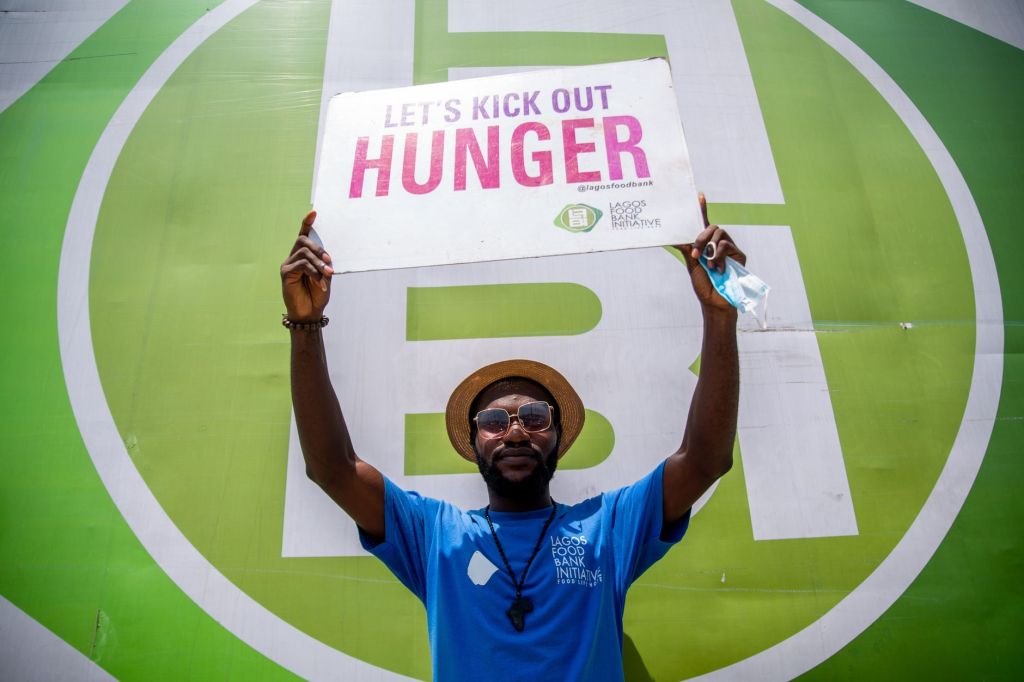
Sustainable Development Goal 2 (SDG 2), also known as Zero Hunger, aims to end hunger, achieve food security, improve nutrition, and promote sustainable agriculture by 2030. It is one of the 17 Sustainable Development Goals adopted by the United Nations in 2015 as part of the 2030 Agenda for Sustainable Development.

SDG 2 recognizes that access to adequate, safe, and nutritious food is a basic human need. It focuses not only on increasing food production but also on ensuring that food is affordable, accessible, and distributed equitably. The goal also emphasizes sustainable agricultural practices, improved livelihoods for farmers, and the protection of natural resources to ensure long-term food security.

1. Understanding Hunger and Food Insecurity

Hunger is a condition in which people do not receive enough food to meet their energy and nutritional requirements. Food insecurity is a broader concept that refers to the inability to access sufficient, safe, and nutritious food regularly because of financial, social, environmental, or physical barriers.

Food insecurity can affect individuals and communities even when food is available in markets. High food prices, poverty, unemployment, inadequate transportation, and unequal distribution may prevent people from obtaining the food they need.

The four main dimensions of food security are:

  • Availability: Food must be produced in sufficient quantities or supplied through imports, storage, and distribution systems to meet the population’s needs.
  • Accessibility: Individuals and households must have the financial resources and physical access necessary to obtain food.
  • Utilization: Food must provide adequate nutrients and be prepared, stored, and consumed safely. Access to clean water, sanitation, and healthcare also influences nutritional outcomes.
  • Stability: Food availability, accessibility, and utilization must remain reliable over time, even during economic crises, natural disasters, or seasonal shortages.

Malnutrition is another major concern addressed by SDG 2. It includes undernutrition, micronutrient deficiencies, and overnutrition. Malnutrition can affect physical growth, cognitive development, immunity, and overall well-being, particularly among children, pregnant women, and other vulnerable groups.

2. Targets of SDG 2

The United Nations has established eight major targets under SDG 2 to guide global efforts towards eliminating hunger and improving food systems by 2030.

Target 2.1: End Hunger and Ensure Access to Food

This target aims to end hunger and ensure that everyone, particularly poor and vulnerable populations, has access to safe, nutritious, and sufficient food throughout the year.

Achieving this target requires effective food distribution systems, social protection programmes, affordable food prices, and reliable access to essential food supplies. Special attention must be given to low-income households, children, older people, and communities affected by emergencies.

Target 2.2: End All Forms of Malnutrition

This target focuses on eliminating malnutrition in all its forms, including undernutrition, stunting, wasting, and micronutrient deficiencies.

It emphasizes improving nutrition among children, adolescent girls, pregnant women, breastfeeding mothers, and older people. Nutrition education, maternal healthcare, balanced diets, and school meal programmes can help improve nutritional outcomes.

Target 2.3: Double Agricultural Productivity and Incomes

This target aims to improve agricultural productivity and increase the incomes of small-scale food producers, particularly women, indigenous communities, family farmers, pastoralists, and fishers.

It emphasizes equal access to land, agricultural resources, financial services, technology, knowledge, and markets. Supporting small-scale producers can improve rural livelihoods, reduce poverty, and strengthen local food systems.

Target 2.4: Ensure Sustainable Food Production Systems

This target promotes sustainable and resilient agricultural practices that increase productivity while protecting the environment.

Practices such as crop rotation, efficient irrigation, soil conservation, integrated pest management, and climate-resilient farming can help reduce environmental damage. Sustainable agriculture also improves the ability of farming systems to withstand droughts, floods, and changing climatic conditions.

Target 2.5: Maintain Genetic Diversity

This target aims to preserve the genetic diversity of seeds, cultivated plants, farmed and domesticated animals, and related wild species.

Seed banks, community seed conservation, traditional farming knowledge, and livestock conservation programmes are important measures for protecting biodiversity. Genetic diversity also helps agriculture adapt to diseases, pests, and environmental changes.

Target 2.a: Increase Investment in Agriculture

This target focuses on increasing investment in rural infrastructure, agricultural research, technology development, and extension services.

Investments in irrigation, rural roads, storage facilities, agricultural education, and research institutions can improve productivity and connect farmers with markets. International cooperation can also support agricultural development in developing countries.

Target 2.b: Correct and Prevent Trade Restrictions

This target seeks to reduce trade restrictions, distortions, and harmful agricultural subsidies in international agricultural markets.

Fairer agricultural trade can help producers access markets, improve the movement of food across regions, and create more stable trading conditions for developing countries.

Target 2.c: Ensure Stable Food Commodity Markets

This target aims to improve the functioning of food commodity markets and provide timely access to market information.

Monitoring food prices, strengthening market information systems, and improving storage and distribution can help reduce extreme price fluctuations. Stable food markets make it easier for households to plan their food expenditure and for farmers to make production decisions.

3. Major Causes of Hunger and Food Insecurity

Hunger is caused by several interconnected economic, social, political, and environmental factors. Addressing it requires an understanding of the underlying problems affecting food production and distribution.

  • Poverty and income inequality: People with limited incomes may be unable to afford sufficient and nutritious food. Economic inequality can also limit access to land, agricultural resources, and livelihood opportunities.
  • Climate change and natural disasters: Droughts, floods, heatwaves, and irregular rainfall can reduce agricultural yields, damage crops, and disrupt food supply chains. These impacts are especially serious for farmers who depend on rainfall.
  • Conflict and political instability: Wars and displacement disrupt agricultural production, transportation, markets, and humanitarian assistance. Conflict can also force communities to leave their homes and lose their livelihoods.
  • Unsustainable agricultural practices: Soil degradation, excessive groundwater extraction, deforestation, and the loss of biodiversity reduce the long-term productivity of agricultural land.
  • Food loss and wastage: Food is lost during harvesting, processing, storage, and transportation. Additional food waste occurs at retail outlets, restaurants, and households, reducing the effective availability of food.
  • Inadequate infrastructure: Poor rural roads, insufficient warehouses, limited cold-storage facilities, and weak distribution networks make it difficult to transport food efficiently from producers to consumers.
  • Limited nutritional awareness: A lack of information about balanced diets, dietary diversity, and appropriate nutrition can contribute to poor nutritional outcomes, even where food is available.

These factors demonstrate that hunger is not simply a consequence of insufficient food production. It is also related to unequal access, poverty, infrastructure gaps, environmental degradation, and weaknesses in food distribution systems.

4. Importance of SDG 2

Achieving Zero Hunger is essential for sustainable development because food security influences public health, education, employment, poverty reduction, and economic growth.

  1. Improved health and well-being: Adequate nutrition supports physical growth, strengthens immunity, and reduces the risk of nutrition-related health problems.
  2. Better educational outcomes: Children who receive sufficient and nutritious food are better equipped to concentrate, participate in school activities, and support their learning.
  3. Poverty reduction: Increasing agricultural productivity and supporting farmers can improve household incomes, create employment, and strengthen rural economies.
  4. Gender equality: Improving women’s access to land, finance, agricultural training, and nutrition services can strengthen household food security and economic independence.
  5. Environmental sustainability: Sustainable farming practices protect soil, water, and biodiversity while maintaining the productive capacity of agricultural land.
  6. Economic development: A healthy and adequately nourished population can participate more effectively in education, employment, and productive activities.
  7. Social stability: Reliable access to affordable food can reduce household vulnerability and help communities cope with economic and environmental shocks.

SDG 2 is closely connected with other Sustainable Development Goals, particularly SDG 1 (No Poverty), SDG 3 (Good Health and Well-being), SDG 5 (Gender Equality), SDG 6 (Clean Water and Sanitation), SDG 12 (Responsible Consumption and Production), and SDG 13 (Climate Action).

5. SDG 2 in India

India has made significant efforts to improve food security through agricultural development, public food distribution, and nutrition programmes. Agriculture remains important for rural livelihoods, employment, and the national food supply. However, challenges such as malnutrition, unequal access to nutritious diets, climate vulnerability, and low incomes among some farming households continue to require attention.

Major government initiatives contributing to SDG 2 include:

National Food Security Act, 2013

The National Food Security Act provides a legal framework for subsidized food grains to eligible households. It aims to improve food access for vulnerable populations and strengthen food security through the public distribution system.

Public Distribution System (PDS)

The Public Distribution System distributes essential food grains to eligible beneficiaries through fair-price shops. It helps improve the affordability and availability of staple food items, particularly for low-income households.

Pradhan Mantri Garib Kalyan Anna Yojana (PMGKAY)

This programme provides free food grains to eligible beneficiaries under the applicable government provisions. It supports household food security by reducing the financial burden associated with purchasing staple grains.

POSHAN Abhiyaan

POSHAN Abhiyaan focuses on improving nutritional outcomes, particularly among children, adolescent girls, pregnant women, and breastfeeding mothers. It emphasizes coordinated action, nutrition awareness, and the monitoring of nutrition-related services.

PM POSHAN Scheme

The PM POSHAN scheme provides cooked meals to eligible children in government and government-aided schools. It supports children’s nutritional intake and encourages school participation and attendance.

National Mission for Sustainable Agriculture

This mission promotes sustainable agricultural practices, efficient resource use, soil and water conservation, and improved resilience to climate variability. It supports the development of farming systems that can remain productive under changing environmental conditions.

Together, these programmes contribute to food availability, affordability, nutrition, and agricultural sustainability. However, effective implementation, improved service delivery, and regular monitoring remain important for achieving better outcomes.

6. Challenges in Achieving SDG 2

Despite global and national initiatives, several challenges continue to slow progress towards Zero Hunger.

  • Rising food prices: Increasing prices of essential food items can make nutritious diets unaffordable for low-income households.
  • Persistent malnutrition: Undernutrition, micronutrient deficiencies, and inadequate dietary diversity continue to affect vulnerable populations.
  • Climate vulnerability: Farmers who depend on rainfall face uncertainty because of changing precipitation patterns, droughts, floods, and extreme temperatures.
  • Limited agricultural resources: Small-scale farmers may face difficulties accessing affordable credit, modern equipment, irrigation, quality seeds, insurance, and reliable markets.
  • Food supply chain inefficiencies: Inadequate storage, refrigeration, transportation, and processing facilities contribute to food loss and higher distribution costs.
  • Unequal access to food: Differences in income, location, infrastructure, and social conditions can prevent some communities from obtaining sufficient and nutritious food.
  • Environmental degradation: Soil erosion, groundwater depletion, and biodiversity loss threaten long-term agricultural productivity.
  • Coordination and implementation gaps: Effective food security requires coordination among agriculture, health, education, transport, and social welfare departments.

The United Nations continues to report that global progress towards Zero Hunger is insufficient to achieve the 2030 target. This highlights the need for stronger policies, greater investment, improved food systems, and coordinated international action.

7. Strategies to Achieve SDG 2

Achieving Zero Hunger requires a combination of agricultural, economic, environmental, technological, and social interventions.

1. Promote Sustainable Agriculture

Encourage crop rotation, efficient irrigation, soil conservation, agroforestry, and climate-resilient crop varieties. These practices can improve productivity while reducing pressure on natural resources.

2. Strengthen Food Distribution Systems

Improve storage facilities, cold chains, rural roads, transportation networks, and public food distribution systems. Efficient supply chains can reduce food loss and help food reach underserved communities.

3. Support Small-Scale Farmers

Provide farmers with affordable credit, crop insurance, agricultural training, improved seeds, modern technology, and access to markets. Stronger farmer support systems can improve incomes and reduce vulnerability to crop failure.

4. Improve Nutrition Awareness

Promote balanced diets, dietary diversity, breastfeeding support, maternal nutrition, and child nutrition education. Schools, healthcare centres, and community organisations can play an important role in spreading awareness.

5. Reduce Food Waste

Encourage better harvesting techniques, improved storage, responsible consumption, food recovery, and redistribution of surplus food. These measures can increase the amount of food available for consumption without requiring equivalent increases in production.

6. Use Modern Technology

Apply weather forecasting, precision agriculture, remote sensing, and Geographic Information Systems (GIS) to monitor crop conditions, assess drought risks, identify agricultural land, and improve resource management.

7. Strengthen Social Protection

Improve access to food assistance, school meal programmes, nutrition services, and income support for vulnerable households. Such measures can help families maintain food security during economic downturns and natural disasters.

8. Encourage Community Participation

Involve local governments, farmers’ groups, self-help groups, schools, and civil society organisations in planning and implementing food security initiatives. Community participation can help identify local needs and improve the effectiveness of programmes.

9. Invest in Agricultural Research

Support research into climate-resilient crops, sustainable farming methods, soil health, water efficiency, and pest management. Scientific innovation can improve agricultural productivity while reducing environmental impacts.

10. Improve Monitoring and Evaluation

Use reliable data on hunger, nutrition, food prices, agricultural production, and household access to food to evaluate programmes. Regular monitoring helps governments identify gaps, allocate resources efficiently, and measure progress towards SDG 2.

8. Conclusion

SDG 2, Zero Hunger, represents the global commitment to ending hunger, improving nutrition, ensuring food security, and promoting sustainable agriculture by 2030. It recognises that access to sufficient and nutritious food is essential for human well-being, economic development, and social equality.

Achieving this goal requires more than increasing food production. It involves ensuring equitable food distribution, making nutritious diets affordable, supporting small-scale farmers, protecting agricultural land, reducing food waste, and developing climate-resilient farming systems.

In India, food security programmes and agricultural initiatives provide an important foundation for progress. However, persistent nutritional inequalities, environmental pressures, and difficulties faced by vulnerable households and farmers require continued attention.

Governments, communities, farmers, researchers, and planners must work together to develop food systems that are accessible, sustainable, and resilient. Urban and regional planning can make an important contribution by protecting productive agricultural land, improving food supply infrastructure, strengthening rural-urban connections, and ensuring that underserved communities have access to affordable food.

Ultimately, achieving Zero Hunger means ensuring that every person has reliable access to sufficient, safe, and nutritious food while protecting the natural resources on which future food production depends.

References

  1. United Nations. Goal 2: Zero Hunger. https://sdgs.un.org/goals/goal2
  2. United Nations in India. Sustainable Development Goal 2: Zero Hunger. https://india.un.org/en/sdgs/2/progress
  3. United Nations Statistics Division. The Sustainable Development Goals Report 2026: Goal 2. https://unstats.un.org/sdgs/report/2026/Goal-02/
  4. Government of India. National Food Security Act, 2013.
  5. Government of India. POSHAN Abhiyaan and PM POSHAN Scheme.

Sustainable development goal 1

By Ansh Vaishnava

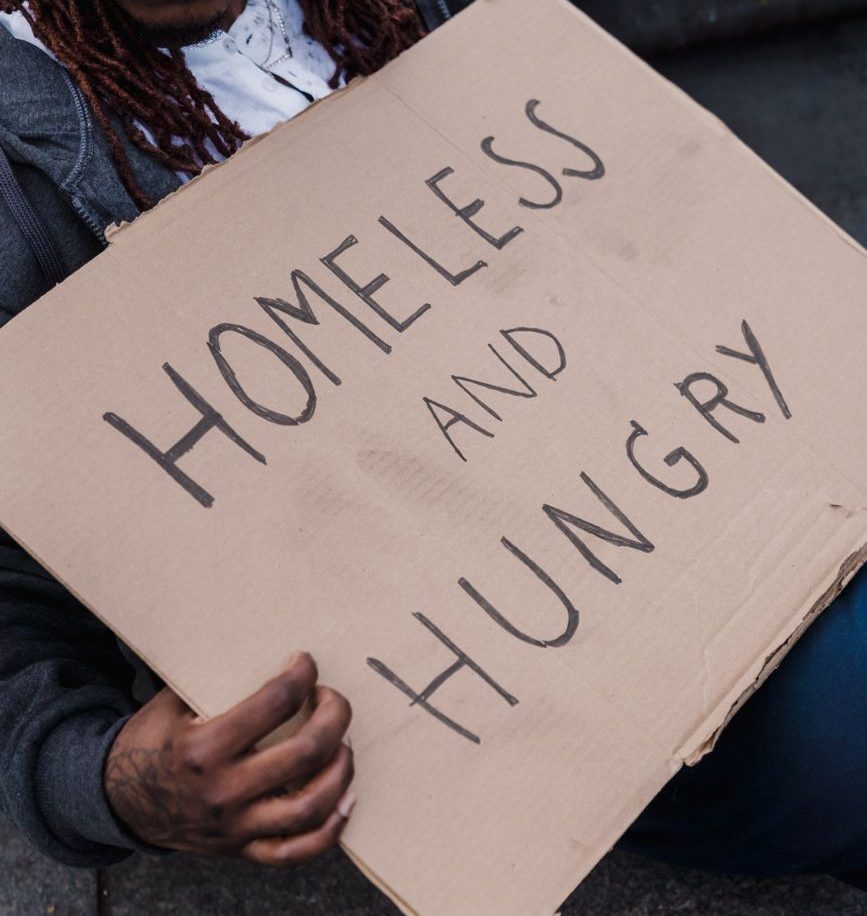
A person holding a cardboard sign that reads 'HOMELESS AND HUNGRY.'

Introduction

Sustainable Development Goal 1, “End poverty in all its forms everywhere,” is the foundational goal among the 17 SDGs adopted by all UN member states in 2015. It builds on the Millennium Development Goals but sets a far more ambitious target: fully eradicating extreme poverty by 2030, not just reducing it. Poverty here is treated as multidimensional rather than purely economic, going beyond income to include hunger, poor health, limited education, lack of clean water and sanitation, and vulnerability to shocks.

SDG 1 also targets the structural causes of poverty, such as unequal access to land, property, and financial services, recognizing that marginalized groups, especially women and rural populations, are often systematically excluded from these resources. It is closely linked to nearly every other SDG, since progress on health, education, and climate action both affects and depends on poverty levels. This makes SDG 1 a gateway goal, requiring coordinated policy, financing, and structural reform to achieve by 2030.

SDG1 Targets

1.1 – Eradicate extreme poverty
Eliminate extreme poverty for all people everywhere, currently measured as living on less than $2.15/day (2017 PPP, updated from $1.25). This target focuses on the most severe form of deprivation, where basic survival needs go unmet.

1.2 – Reduce poverty by half (national definitions)
Halve the proportion of people living in poverty according to each country’s own definitions and multidimensional measures. This acknowledges that poverty looks different across contexts, so national benchmarks matter alongside the global one.

1.3 – Social protection systems
Roll out nationally appropriate social protection systems (pensions, unemployment benefits, child support, disability assistance) and achieve substantial coverage of the poor and vulnerable by 2030. This is about building safety nets that prevent people from falling into poverty or help them recover from it.

1.4 – Equal rights to resources
Ensure equal rights for all — especially the poor and vulnerable — to economic resources, land, property, inheritance, natural resources, technology, and financial services like microfinance. This targets structural barriers, particularly those affecting women, who are often legally or socially denied land or inheritance rights.

1.5 – Build resilience to shocks
Strengthen the ability of poor and vulnerable populations to withstand and recover from climate-related disasters and economic/social shocks. This reflects growing recognition that climate change and poverty are deeply intertwined — disasters push people into poverty and keep them there.

1.a – Mobilize resources
Ensure significant resource mobilization — through international cooperation, aid, and domestic funding — to give developing countries the means to implement poverty-eradication programs.

1.b – Sound policy frameworks
Create pro-poor, gender-sensitive policy frameworks at national, regional, and international levels to accelerate investment in poverty eradication.

Key Indicators

IndicatorWhat it Measures
1.1.1% of population below the international poverty line
1.2.1% of population below the national poverty line
1.2.2% living in poverty per national multidimensional definitions
1.3.1% of population covered by social protection floors/systems
1.4.1% of households with access to basic services
1.4.2% of adults with secure land tenure rights
1.5.1Deaths/missing/affected persons per 100,000 due to disasters
1.5.2Direct disaster economic loss relative to GDP
1.5.3Countries with national/local disaster risk reduction strategies
1.5.4Local governments with disaster risk reduction strategies
1.a.1Government resources allocated to poverty reduction
1.a.2% of government spending on essential services
1.b.1Government spending benefiting women, poor, and vulnerable groups

Strategies for Achieving SDG 1

1. Expanding Social Protection Systems
Social protection is one of the most direct tools for reducing poverty and preventing people from falling into it. Cash transfer programs, such as Brazil’s Bolsa Família, give poor households direct income support, sometimes tied to conditions like school attendance or health check-ups. Some governments have also piloted universal basic income schemes to guarantee a minimum income floor. Non-contributory pensions protect elderly populations lacking other income, while unemployment insurance cushions workers who lose their jobs. Universal health coverage further prevents “medical poverty traps,” where a single health crisis can wipe out a family’s savings.

2. Promoting Inclusive Economic Growth and Employment
Poverty reduction depends heavily on whether economic growth actually creates opportunities for the poor. This involves job creation in labor-intensive sectors like agriculture, manufacturing, and construction, along with fair minimum wages that let full-time work lift people out of poverty. Since a large share of the poor work informally, as street vendors, day laborers, or subsistence farmers, strategies also focus on formalizing informal businesses and extending social protections and credit access to them. Skills training and vocational education help match people, especially youth, to labor market needs, while rural development programs (irrigation, subsidies, infrastructure) target poverty’s disproportionate concentration in rural areas.

3. Expanding Access to Finance
Financial exclusion keeps many poor households trapped in cycles of debt and vulnerability. Microfinance institutions provide small loans to individuals who lack collateral or credit history, enabling them to start or grow small businesses. Mobile banking and digital payment systems, widely adopted in countries like Kenya, have brought banking services to remote and underserved populations. Broader financial inclusion initiatives also help households build savings, access insurance, and better manage financial shocks like illness or crop failure.

4. Reforming Land and Property Rights
Secure and equal access to land and property is a foundational strategy for reducing poverty, particularly for women, who are often excluded from ownership or inheritance rights in many countries. Legal reforms that guarantee formal land titles and property registration give the poor collateral to access credit and reduce their vulnerability to eviction or land disputes. These reforms are especially important in agrarian economies, where land is often the primary productive asset available to poor households.

5. Investing in Basic Services
Access to clean water, sanitation, healthcare, and education directly affects whether people can escape poverty and stay out of it. Governments and development partners invest in expanding these services to rural and underserved urban areas, since gaps in basic infrastructure disproportionately affect the poor. Quality public education, in particular, is seen as a long-term poverty-reduction strategy since it improves future earning potential and breaks intergenerational cycles of poverty.

6. Building Disaster Risk Reduction and Climate Resilience
Since climate-related disasters push people into poverty and keep them there, strategies focus on early-warning systems, resilient infrastructure, and climate adaptation programs targeted at vulnerable communities. Insurance mechanisms, such as index-based crop insurance for smallholder farmers, help households recover financially after floods, droughts, or storms. Local governments are also encouraged to develop disaster risk reduction strategies tailored to the specific hazards their populations face.

7. Strengthening International Cooperation and Aid
Many developing countries lack the domestic resources to fund large-scale poverty-reduction programs on their own. International cooperation, through development assistance, debt relief, and technology transfer, provides additional means to implement these programs. Wealthier nations and multilateral institutions are encouraged to align aid flows specifically toward poverty-focused initiatives rather than general budget support.

8. Improving Data and Monitoring Systems
Effective poverty reduction requires accurate data to identify who is poor, where they live, and what specific barriers they face. Strengthening national statistical systems allows governments to track progress against SDG indicators, target interventions more precisely, and adjust policies based on evidence. Without reliable data, it becomes difficult to measure whether poverty-reduction programs are actually working.

9. Adopting Gender-Responsive Policies
Poverty affects men and women differently, with women and girls often bearing a disproportionate burden due to unequal access to education, employment, and resources. Gender-responsive poverty strategies ensure that programs, from cash transfers to land reform, actively address these disparities rather than assuming poverty is gender-neutral. This includes designing social protection systems that account for unpaid care work and barriers unique to women-headed households.

Conclusion

SDG 1 sets an ambitious but essential agenda: eliminating extreme poverty and substantially reducing poverty in all its forms by 2030. Its targets address both the symptoms of poverty (lack of income, food insecurity, poor access to services) and its structural causes (unequal rights to resources, weak social protection, vulnerability to shocks). Achieving it requires coordinated action — strong national policies, adequate financing, international cooperation, and resilience-building against climate and economic shocks. While significant progress was made in the years following 2015, setbacks from the COVID-19 pandemic, conflicts, and climate-related disasters have slowed momentum, underscoring that ending poverty is not a linear process but one requiring sustained, adaptive global commitment.

References

  1. United Nations Department of Economic and Social Affairs (UN DESA) — Goal 1: End poverty in all its forms everywhere https://sdgs.un.org/goals/goal1
  2. United Nations Statistics Division — SDG Indicators: Global Indicator Framework https://unstats.un.org/sdgs/indicators/indicators-list/
  3. United Nations Statistics Division — SDG Metadata Repository (Goal 1) https://unstats.un.org/sdgs/metadata/?Text=&Goal=1
  4. United Nations — Transforming Our World: The 2030 Agenda for Sustainable Development (A/RES/70/1, 2015) https://sdgs.un.org/2030agenda
  5. Our World in Data — End Poverty in All Its Forms Everywhere (SDG 1) https://ourworldindata.org/sdgs/no-poverty
  6. World Bank — World Development Indicators (SDG-related poverty data) https://datatopics.worldbank.org/sdgs