
By Ansh Vaishnava
Introduction
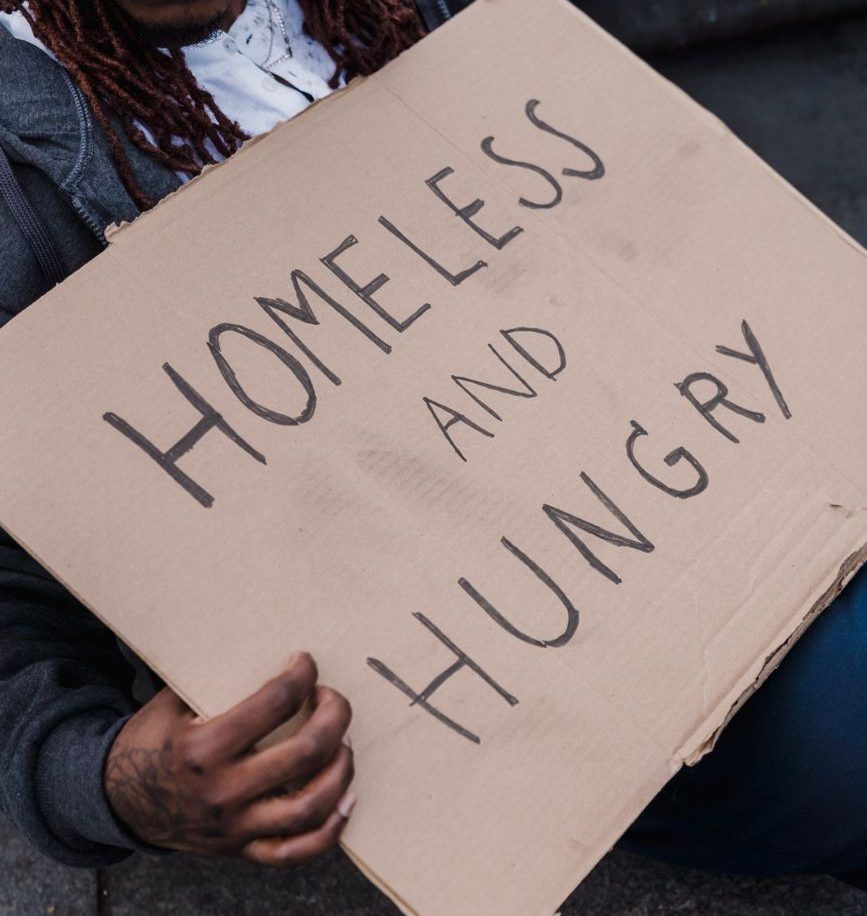
Sustainable Development Goal 1, “End poverty in all its forms everywhere,” is the foundational goal among the 17 SDGs adopted by all UN member states in 2015. It builds on the Millennium Development Goals but sets a far more ambitious target: fully eradicating extreme poverty by 2030, not just reducing it. Poverty here is treated as multidimensional rather than purely economic, going beyond income to include hunger, poor health, limited education, lack of clean water and sanitation, and vulnerability to shocks.
SDG 1 also targets the structural causes of poverty, such as unequal access to land, property, and financial services, recognizing that marginalized groups, especially women and rural populations, are often systematically excluded from these resources. It is closely linked to nearly every other SDG, since progress on health, education, and climate action both affects and depends on poverty levels. This makes SDG 1 a gateway goal, requiring coordinated policy, financing, and structural reform to achieve by 2030.
SDG1 Targets
1.1 – Eradicate extreme poverty
Eliminate extreme poverty for all people everywhere, currently measured as living on less than $2.15/day (2017 PPP, updated from $1.25). This target focuses on the most severe form of deprivation, where basic survival needs go unmet.
1.2 – Reduce poverty by half (national definitions)
Halve the proportion of people living in poverty according to each country’s own definitions and multidimensional measures. This acknowledges that poverty looks different across contexts, so national benchmarks matter alongside the global one.
1.3 – Social protection systems
Roll out nationally appropriate social protection systems (pensions, unemployment benefits, child support, disability assistance) and achieve substantial coverage of the poor and vulnerable by 2030. This is about building safety nets that prevent people from falling into poverty or help them recover from it.
1.4 – Equal rights to resources
Ensure equal rights for all — especially the poor and vulnerable — to economic resources, land, property, inheritance, natural resources, technology, and financial services like microfinance. This targets structural barriers, particularly those affecting women, who are often legally or socially denied land or inheritance rights.
1.5 – Build resilience to shocks
Strengthen the ability of poor and vulnerable populations to withstand and recover from climate-related disasters and economic/social shocks. This reflects growing recognition that climate change and poverty are deeply intertwined — disasters push people into poverty and keep them there.
1.a – Mobilize resources
Ensure significant resource mobilization — through international cooperation, aid, and domestic funding — to give developing countries the means to implement poverty-eradication programs.
1.b – Sound policy frameworks
Create pro-poor, gender-sensitive policy frameworks at national, regional, and international levels to accelerate investment in poverty eradication.
Key Indicators
| Indicator | What it Measures |
|---|---|
| 1.1.1 | % of population below the international poverty line |
| 1.2.1 | % of population below the national poverty line |
| 1.2.2 | % living in poverty per national multidimensional definitions |
| 1.3.1 | % of population covered by social protection floors/systems |
| 1.4.1 | % of households with access to basic services |
| 1.4.2 | % of adults with secure land tenure rights |
| 1.5.1 | Deaths/missing/affected persons per 100,000 due to disasters |
| 1.5.2 | Direct disaster economic loss relative to GDP |
| 1.5.3 | Countries with national/local disaster risk reduction strategies |
| 1.5.4 | Local governments with disaster risk reduction strategies |
| 1.a.1 | Government resources allocated to poverty reduction |
| 1.a.2 | % of government spending on essential services |
| 1.b.1 | Government spending benefiting women, poor, and vulnerable groups |
Strategies for Achieving SDG 1
1. Expanding Social Protection Systems
Social protection is one of the most direct tools for reducing poverty and preventing people from falling into it. Cash transfer programs, such as Brazil’s Bolsa Família, give poor households direct income support, sometimes tied to conditions like school attendance or health check-ups. Some governments have also piloted universal basic income schemes to guarantee a minimum income floor. Non-contributory pensions protect elderly populations lacking other income, while unemployment insurance cushions workers who lose their jobs. Universal health coverage further prevents “medical poverty traps,” where a single health crisis can wipe out a family’s savings.
2. Promoting Inclusive Economic Growth and Employment
Poverty reduction depends heavily on whether economic growth actually creates opportunities for the poor. This involves job creation in labor-intensive sectors like agriculture, manufacturing, and construction, along with fair minimum wages that let full-time work lift people out of poverty. Since a large share of the poor work informally, as street vendors, day laborers, or subsistence farmers, strategies also focus on formalizing informal businesses and extending social protections and credit access to them. Skills training and vocational education help match people, especially youth, to labor market needs, while rural development programs (irrigation, subsidies, infrastructure) target poverty’s disproportionate concentration in rural areas.
3. Expanding Access to Finance
Financial exclusion keeps many poor households trapped in cycles of debt and vulnerability. Microfinance institutions provide small loans to individuals who lack collateral or credit history, enabling them to start or grow small businesses. Mobile banking and digital payment systems, widely adopted in countries like Kenya, have brought banking services to remote and underserved populations. Broader financial inclusion initiatives also help households build savings, access insurance, and better manage financial shocks like illness or crop failure.
4. Reforming Land and Property Rights
Secure and equal access to land and property is a foundational strategy for reducing poverty, particularly for women, who are often excluded from ownership or inheritance rights in many countries. Legal reforms that guarantee formal land titles and property registration give the poor collateral to access credit and reduce their vulnerability to eviction or land disputes. These reforms are especially important in agrarian economies, where land is often the primary productive asset available to poor households.
5. Investing in Basic Services
Access to clean water, sanitation, healthcare, and education directly affects whether people can escape poverty and stay out of it. Governments and development partners invest in expanding these services to rural and underserved urban areas, since gaps in basic infrastructure disproportionately affect the poor. Quality public education, in particular, is seen as a long-term poverty-reduction strategy since it improves future earning potential and breaks intergenerational cycles of poverty.
6. Building Disaster Risk Reduction and Climate Resilience
Since climate-related disasters push people into poverty and keep them there, strategies focus on early-warning systems, resilient infrastructure, and climate adaptation programs targeted at vulnerable communities. Insurance mechanisms, such as index-based crop insurance for smallholder farmers, help households recover financially after floods, droughts, or storms. Local governments are also encouraged to develop disaster risk reduction strategies tailored to the specific hazards their populations face.
7. Strengthening International Cooperation and Aid
Many developing countries lack the domestic resources to fund large-scale poverty-reduction programs on their own. International cooperation, through development assistance, debt relief, and technology transfer, provides additional means to implement these programs. Wealthier nations and multilateral institutions are encouraged to align aid flows specifically toward poverty-focused initiatives rather than general budget support.
8. Improving Data and Monitoring Systems
Effective poverty reduction requires accurate data to identify who is poor, where they live, and what specific barriers they face. Strengthening national statistical systems allows governments to track progress against SDG indicators, target interventions more precisely, and adjust policies based on evidence. Without reliable data, it becomes difficult to measure whether poverty-reduction programs are actually working.
9. Adopting Gender-Responsive Policies
Poverty affects men and women differently, with women and girls often bearing a disproportionate burden due to unequal access to education, employment, and resources. Gender-responsive poverty strategies ensure that programs, from cash transfers to land reform, actively address these disparities rather than assuming poverty is gender-neutral. This includes designing social protection systems that account for unpaid care work and barriers unique to women-headed households.
Conclusion
SDG 1 sets an ambitious but essential agenda: eliminating extreme poverty and substantially reducing poverty in all its forms by 2030. Its targets address both the symptoms of poverty (lack of income, food insecurity, poor access to services) and its structural causes (unequal rights to resources, weak social protection, vulnerability to shocks). Achieving it requires coordinated action — strong national policies, adequate financing, international cooperation, and resilience-building against climate and economic shocks. While significant progress was made in the years following 2015, setbacks from the COVID-19 pandemic, conflicts, and climate-related disasters have slowed momentum, underscoring that ending poverty is not a linear process but one requiring sustained, adaptive global commitment.
References
- United Nations Department of Economic and Social Affairs (UN DESA) — Goal 1: End poverty in all its forms everywhere https://sdgs.un.org/goals/goal1
- United Nations Statistics Division — SDG Indicators: Global Indicator Framework https://unstats.un.org/sdgs/indicators/indicators-list/
- United Nations Statistics Division — SDG Metadata Repository (Goal 1) https://unstats.un.org/sdgs/metadata/?Text=&Goal=1
- United Nations — Transforming Our World: The 2030 Agenda for Sustainable Development (A/RES/70/1, 2015) https://sdgs.un.org/2030agenda
- Our World in Data — End Poverty in All Its Forms Everywhere (SDG 1) https://ourworldindata.org/sdgs/no-poverty
- World Bank — World Development Indicators (SDG-related poverty data) https://datatopics.worldbank.org/sdgs


You must be logged in to post a comment.