
Subscribe to continue reading
Subscribe to get access to the rest of this post and other subscriber-only content.

Subscribe to get access to the rest of this post and other subscriber-only content.
By Shashikant Nishant Sharma
ScienceOpen is an open-access research networking platform that aims to foster collaboration and visibility in the scientific community. Please note that the features and benefits of platforms like ScienceOpen may evolve over time, so it’s a good idea to check the latest information on their website or other reliable sources. Here are some potential benefits associated with ScienceOpen:

ScienceOpen offers content hosting, context building and marketing services for publishers. See our tailored offerings
ScienceOpen offers state-of-the-art technology and a range of solutions and services
Make an impact and build your research profile in the open with ScienceOpen
It’s important to verify the current features and benefits of ScienceOpen by visiting their official website or contacting them directly, as the platform may have introduced new functionalities or undergone changes since my last update.
Aspesi, C., & Brand, A. (2020). In pursuit of open science, open access is not enough. Science, 368(6491), 574-577.
Burgelman, J. C., Pascu, C., Szkuta, K., Von Schomberg, R., Karalopoulos, A., Repanas, K., & Schouppe, M. (2019). Open science, open data, and open scholarship: European policies to make science fit for the twenty-first century. Frontiers in big data, 2, 43.
González, A. G. (2005). Open science: open source licenses in scientific research. NCJL & Tech., 7, 321.
Sharma, S. N. (2023). Understanding Citations: A Crucial Element of Academic Writing.
Stodden, V. C. (2011). Trust your science? Open your data and code.
By Kavita Dehalwar
India is undergoing one of the world’s fastest urban transitions. By 2030, nearly 600 million Indians are expected to live in urban areas, contributing around 70% of the national GDP. This transformation brings both opportunities and challenges: rapid economic growth, innovation, and cultural vibrancy, but also rising inequality, housing shortages, pollution, congestion, and inadequate infrastructure.

Recognizing the need for a coherent national approach, the National Urban Policy Framework (NUPF) 2018 was introduced as a guiding document for cities to become sustainable engines of growth, aligned with the goals of inclusive development, improved quality of life, and economic competitiveness.
The vision of the NUPF 2018 is to create “Sustainable, Inclusive, Productive, and Resilient Urban Development” in India.
It seeks to reimagine Indian cities as:
The framework rests on certain guiding principles:
The NUPF identifies 10 sutras (thematic pillars) that define the scope of urban transformation in India:
To operationalize the framework, NUPF suggests interventions in the following areas:
The NUPF 2018 aligns with:
The framework emphasizes multi-level governance and partnerships:
If effectively implemented, the NUPF 2018 aims to achieve:
The National Urban Policy Framework (2018) is a landmark step towards a holistic and integrated approach to urbanization in India. By focusing on inclusivity, sustainability, and resilience, it provides a roadmap for Indian cities to transform into dynamic centers of growth and innovation. However, its success depends on effective governance, strong local institutions, and continuous citizen participation.
Asibey, M. O., Mintah, F., Adutwum, I. O., Wireko-Gyebi, R. S., Tagnan, J. N., Yevugah, L. L., … & Abdul-Salam, A. J. (2022). Beyond rhetoric: urban planning-climate change resilience conundrum in Accra, Ghana. Cities, 131, 103950.
Adjei-Boadi, D., Agyei-Mensah, S., Adamkiewicz, G., Rodriguez, J. I., Gemmell, E., Ezzati, M., … & Owusu, G. (2022). Neighbourhood, built environment and children’s outdoor play spaces in urban Ghana: Review of policies and challenges. Landscape and urban planning, 218, 104288.
Acharya, P., Gupta, A. K., Singh, S., Mani, N., & Wajih, S. (2023). Mainstreaming peri-urban ecosystems for urban resilience through policy-planning framework: an opportunity analysis for Indian cities. In Ecosystem Restoration: Towards Sustainability and Resilient Development (pp. 57-74). Singapore: Springer Nature Singapore.
Kundu, D. (2020). Urbanisation in India: Towards a national urban policy framework and smart cities. In Developing National Urban Policies: Ways Forward to Green and Smart Cities (pp. 89-119). Singapore: Springer Nature Singapore.
Sharma, S. N. (2018). Review of National Urban Policy Framework 2018. Think India Journal, 21(3), 74-81.
Sharma, S. N. (2019). Review of most used urban growth models. International Journal of Advanced Research in Engineering and Technology (IJARET), 10(3), 397-405.
Sharma, S. N. (2014). Urban forms in planning and design. International Journal of Research, 1(1), 7-16.
Sharma, S. N. (2014). Participatory Planning in Plan Preparation. BookCountry.
Sharma, S. N., Dehalwar, K., Yadav, K., & Verma, D. (2025). Urban Street Canyon Turbulence and Vehicular Pollution Dispersion. Applied Journal of Earth and Environmental Research, 14-19.
By Kavita Dehalwar
Effective planning is essential to ensure the sustainable development, efficient use of resources, and coordinated decision-making within our organization/community. At present, planning activities are fragmented across different units, leading to overlaps, gaps, and missed opportunities. To address this, it is proposed that a Council of Planning be established as a central coordinating body to guide, oversee, and harmonize planning processes.

The Council of Planning will serve as a strategic advisory and coordinating body. Its purpose is to:
The Council of Planning will:
The Council shall consist of representatives drawn from relevant sectors, departments, and stakeholder groups, including but not limited to:
A Chairperson will be appointed/elected to preside over meetings, and a Secretariat will be established to provide administrative support.
The Council will:
The establishment of a Council of Planning will provide a vital platform for integrated, participatory, and forward-looking decision-making. By creating this body, we will strengthen our capacity to meet present needs and anticipate future challenges, ensuring sustainable growth and development.
Council, L. C., & Gold, J. R. (2015). The planning of a new town. Routledge.
Rosen, G., & Avni, N. (2023). Negotiating urban redevelopment: Exploring the neighborhood council planning model. Journal of Planning Education and Research, 43(2), 416-427.
Sharma, S. N., & Dehalwar, K. (2023). Council of Planning for Promoting Planning Education and Planning Professionals. Journal of Planning Education & Research, 43(4).
Sharma, S. N., Dehalwar, K., Kumar, G., & Vyas, S. (2023). Redefining peri-urban urban areas. Thematics Journal of Geography, 12(3), 7-13.
Sharma, S. N. (2013). Sustainable development strategies and approaches. International Journal of Engineering and Technical Research (IJETR), 2.
Sharma, S. N. (2019). Review of most used urban growth models. International Journal of Advanced Research in Engineering and Technology (IJARET), 10(3), 397-405.
Tewdwr-Jones, M. (1998). Rural government and community participation: The planning role of community councils. Journal of Rural Studies, 14(1), 51-62.
By Shashikant Nishant Sharma
The Indian Institute of Foreign Trade (IIFT) was established in 1963 by the Government of India with the objective of contributing to the country’s foreign trade management and increasing exports by developing human resources, providing research-based consultancy, and conducting research. The institute was initially set up in collaboration with the United Nations Conference on Trade and Development (UNCTAD) and was located in Delhi’s Qutub Institutional Area.

The first Director of IIFT was R.K. Gupta, who played a crucial role in establishing the institute’s foundation. Under his leadership, IIFT evolved from a think tank to a recognized center of excellence in international trade and business. Over the years, IIFT has diversified its activities from conducting training programs for Indian Trade Service officers to offering various programs in international business management, trade research, and analysis.
In the initial years, IIFT functioned as an autonomous organization under the Ministry of Commerce and Industry, Government of India. In 1983, IIFT was declared a deemed university under Section 3 of the University Grants Commission (UGC) Act, 1956. The institute was granted the status of a deemed university in recognition of its significant contributions to the field of foreign trade management and research.
The Indian Institute of Foreign Trade (IIFT) in New Delhi celebrated its 60th Foundation Day, which also marked its Diamond Jubilee. During the occasion, Prof. Satinder Bhatia, the Vice-Chancellor of IIFT, paid tribute to the institute’s founding Director General, Late Shri HD Shourie, who laid the foundation of IIFT with the motto “Excellence is a way of life.” She regarded him as a father figure to IIFTians.
Prof. Bhatia emphasized the need to recognize those who have contributed to IIFT’s growth and its status among the top B-schools in India. She mentioned the academic and administrative improvements made at IIFT’s Delhi and Kolkata campuses and expressed confidence in the newly inaugurated Kakinada campus’s potential for excellence. Prof. Bhatia also mentioned IIFT’s collaborations and partnerships, which help the institute continue in the direction of its vision and mission, and make it an attractive destination for industries, students, and other stakeholders.
Since its establishment in 1963, IIFT has evolved from a think tank to a leading repository of knowledge in international trade, besides being India’s premier business school. It has achieved many milestones, including AACSB accreditation and consistent rankings among the top business schools. IIFT has also diversified its role and offers innovative programs to enhance the skills of business professionals. Moreover, IIFT’s growth rate in the first two decades of the new millennium has been phenomenal. In addition, the institute’s campus in GIFT City, Gujarat, will be operational from July 2023.
IIFT has come a long way since its inception and has established itself as one of the leading business schools in India, specializing in international trade and business. It has expanded its operations by establishing campuses in Kolkata and Kakinada, and plans to open a campus in Gujarat’s GIFT City in July 2023. IIFT has also received accreditation from various global accreditation bodies, including AACSB, which is a testament to its commitment to academic excellence.
Today, IIFT continues to provide research-based consultancy services, conduct training programs, and offer various academic programs in the field of international business management and research. Its alumni network includes prominent business leaders, entrepreneurs, and policymakers, who have made significant contributions to the development of the country’s foreign trade and business sectors.
Organization: Track2Training (An NGO Initiative)
Location: Multiple locations / Remote (as per program requirement)
Job Type: Full-Time / Part-Time / Contractual
Track2Training is a not-for-profit organization committed to empowering communities through education, training, and capacity-building programs. We work with youth, women, and vulnerable groups to enhance livelihood opportunities, skill improvement, disaster resilience, and community development. Through our specialized training initiatives, we aim to equip individuals with practical knowledge and hands-on skills to become self-reliant and resilient in the face of challenges.

We are seeking passionate and dedicated Skill Trainers to join our team. The trainers will be responsible for delivering livelihood-oriented skill training, conducting workshops for skill development and improvement, and facilitating community-based resilience programs. The role requires individuals who are enthusiastic about capacity building, vocational education, and disaster preparedness, and who can motivate trainees to achieve their learning and career goals.
Interested candidates are invited to send their CV, cover letter, and a brief note on their training experience to:
📧 careers@track2training.org
📅 Application Deadline: 16 June 2022
👉 Join Track2Training and contribute to building stronger, skilled, and resilient communities.
Cities and towns are complex systems that require effective management to ensure orderly development, efficient infrastructure, and improved quality of life for residents. Rapid urbanization in many countries, particularly in developing nations like India, has increased the demand for effective urban management and governance. Managing urban areas involves coordinating land use, infrastructure development, transportation systems, housing, environmental protection, and public services.
Urban governance refers to the processes, institutions, and mechanisms through which cities and towns are planned, managed, and administered. It involves collaboration between government authorities, private organizations, and community stakeholders to achieve sustainable urban development.
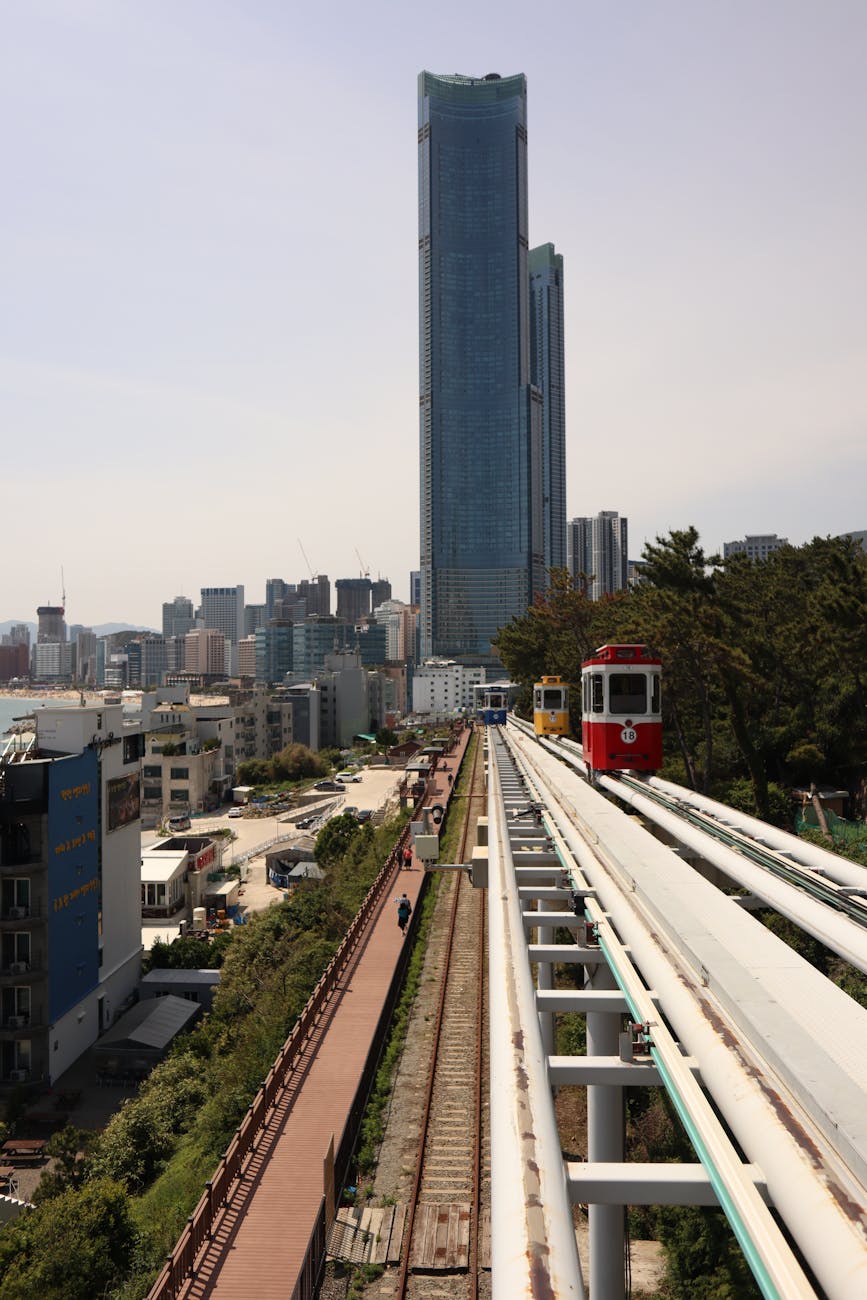
Managing cities and towns involves the administration and regulation of urban areas to ensure efficient functioning and development. Urban management includes activities such as planning land use, providing infrastructure, maintaining public services, and enforcing development regulations.
Urban management generally involves the following activities:
Effective urban management requires coordination among multiple agencies and institutions.
Urban governance refers to the system of decision-making and administrative processes used to manage urban areas. It involves the interaction between government institutions, private sector organizations, and citizens.
Urban governance focuses on ensuring transparency, accountability, participation, and efficiency in managing cities.
Good urban governance is based on several key principles:
Urban governance helps create democratic and responsive urban management systems.
Local governments play a central role in managing cities and towns. They are responsible for implementing development policies, providing basic services, and regulating urban growth.
Urban local bodies are the main institutions responsible for urban governance in cities and towns. They operate at the local level and address the specific needs of urban communities.
Examples include:
These institutions function under the framework of decentralization established by the 74th Constitutional Amendment Act of 1992 in India.
Urban local governments perform several important functions, including:
These functions help ensure the smooth functioning of urban areas.
Urban planning and development often require specialized agencies and organizations that assist governments in preparing plans, implementing projects, and managing infrastructure.
These organizations provide technical expertise in land-use planning, urban design, and regional planning.
Their responsibilities include:
Development authorities are specialized agencies established to manage large urban development projects.
Their functions include:
Examples include urban development authorities established in major cities.
In large metropolitan regions, specialized authorities coordinate development across multiple municipalities and administrative areas.
Their responsibilities include:
Housing boards are responsible for planning and developing housing projects, particularly for low-income and middle-income groups.
They work to address housing shortages and improve urban living conditions.
Urban governance involves not only government institutions but also various other stakeholders.
Private developers and investors play an important role in infrastructure development, housing projects, and commercial development.
NGOs contribute to urban development through community participation, social programs, and environmental initiatives.
Local communities and residents are important participants in urban governance. Public consultations and participatory planning processes help ensure that development projects address local needs.
Despite the importance of urban governance, several challenges affect the effective management of cities and towns.
Fast population growth in cities increases the demand for housing, infrastructure, and services.
Multiple agencies may have overlapping responsibilities, leading to coordination problems.
Urban local bodies often face limited financial resources to implement development projects.
Many cities struggle to provide adequate infrastructure and services to growing populations.
Addressing these challenges requires improved institutional coordination, stronger governance frameworks, and innovative planning strategies.
Effective urban governance contributes to:
Good governance ensures that cities remain livable, resilient, and inclusive.
Managing cities and towns requires coordinated efforts from urban governance institutions, local governments, and planning agencies. Urban governance provides the framework through which cities are administered, policies are implemented, and development is guided.
Local governments play a central role in providing services and managing urban growth, while planning and development agencies assist in preparing plans and implementing infrastructure projects. Collaboration between government institutions, private sector organizations, and communities is essential for effective urban management.
As urbanization continues to increase, strengthening urban governance systems and improving institutional capacity will be crucial for achieving sustainable and inclusive urban development.
The Faculty Development Program (FDP) conducted by Track2Training from June 10 to June 20, 2020, was a comprehensive and immersive online event designed to enhance the skills and competencies of educators in various aspects of teaching and learning. Here is a detailed overview of the program:

Event: Faculty Development Program
Dates: June 10 – June 20, 2020
Mode: Online
Organizer: Track2Training
Objective: To equip faculty members with modern teaching methodologies, technological tools, and innovative strategies to improve educational delivery and student engagement.
The Faculty Development Program organized by Track2Training from June 10 to June 20, 2020, was a highly impactful initiative that equipped educators with essential skills and knowledge to navigate the evolving landscape of education. Through a blend of theoretical insights and practical applications, the program successfully addressed the challenges faced by modern educators and provided a platform for continuous learning and professional advancement.
Planning approaches determine how decisions are made and implemented in the development process. In development planning, particularly in urban and rural planning, two major approaches are commonly discussed: the Top-Down approach and the Bottom-Up approach. These approaches differ mainly in terms of decision-making authority, participation of stakeholders, and implementation methods.
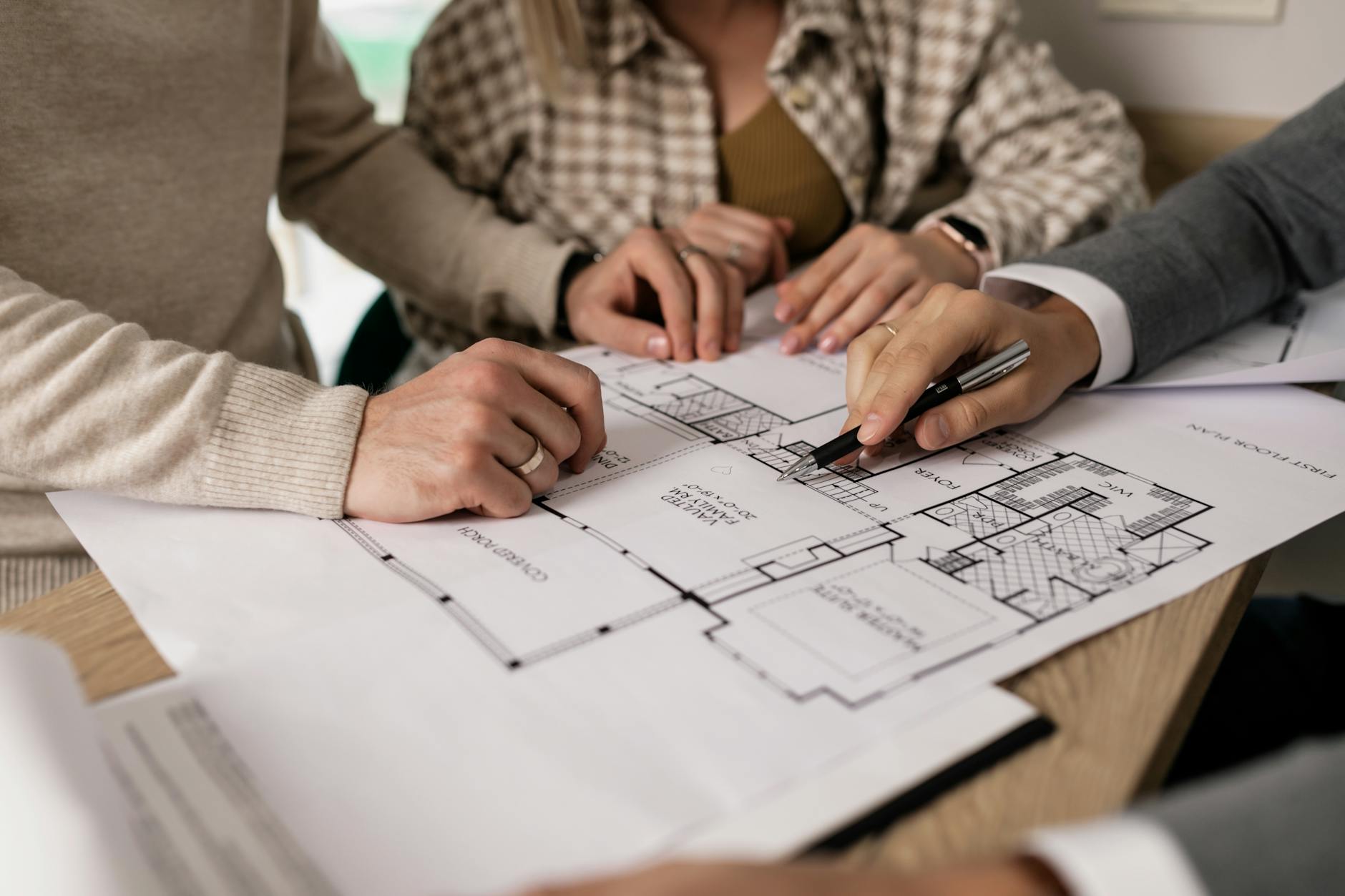
The top-down approach focuses on centralized decision-making by higher authorities, whereas the bottom-up approach emphasizes participation and involvement of local communities in planning processes. Both approaches have advantages and limitations, and modern planning practices often try to combine elements of both to achieve effective and inclusive development.
The Top-Down approach refers to a planning method where decisions are made by higher authorities such as national governments, central planning agencies, or senior administrators, and then implemented at lower levels such as states, districts, cities, or villages.
In this approach, policies, strategies, and development programs are designed at the top level and passed down to lower administrative levels for execution.
Examples of top-down planning include:
The Bottom-Up approach is a planning method where local communities, grassroots organizations, and local governments actively participate in the planning process. In this approach, development ideas originate from the local level and are gradually integrated into higher-level planning frameworks.
The bottom-up approach emphasizes community participation and local knowledge.
Examples of bottom-up planning include:
In India, the Panchayati Raj system encourages bottom-up planning through village-level governance.
| Aspect | Top-Down Approach | Bottom-Up Approach |
|---|---|---|
| Decision-making | Centralized | Decentralized |
| Participation | Limited community involvement | Strong community participation |
| Planning level | National or regional level | Local or grassroots level |
| Implementation | Government-driven | Community-driven |
| Flexibility | Less flexible | More adaptable to local needs |
Modern planning practices increasingly recognize the importance of combining both approaches.
An integrated planning approach allows:
This combination ensures that development policies are both technically sound and socially inclusive.
The top-down and bottom-up approaches represent two different methods of planning and development. The top-down approach relies on centralized decision-making and expert-driven policies, while the bottom-up approach emphasizes community participation and decentralized planning.
Both approaches have their advantages and limitations. While top-down planning is useful for large-scale national development projects, bottom-up planning ensures that local needs and priorities are considered. In modern planning systems, integrating both approaches helps achieve more effective, inclusive, and sustainable development outcomes.
Town and country planning is an important discipline that focuses on the organized development and management of both urban and rural areas. It aims to ensure the efficient use of land, proper infrastructure development, environmental protection, and improved quality of life for communities. Planning helps guide the growth of cities, towns, and rural settlements in a systematic manner so that development occurs in a balanced, sustainable, and equitable way.
With increasing population growth, urbanization, and industrialization, planning has become essential to address problems such as housing shortages, traffic congestion, environmental degradation, and uneven regional development. Town and country planning provides a framework for coordinating social, economic, and physical development within a region.
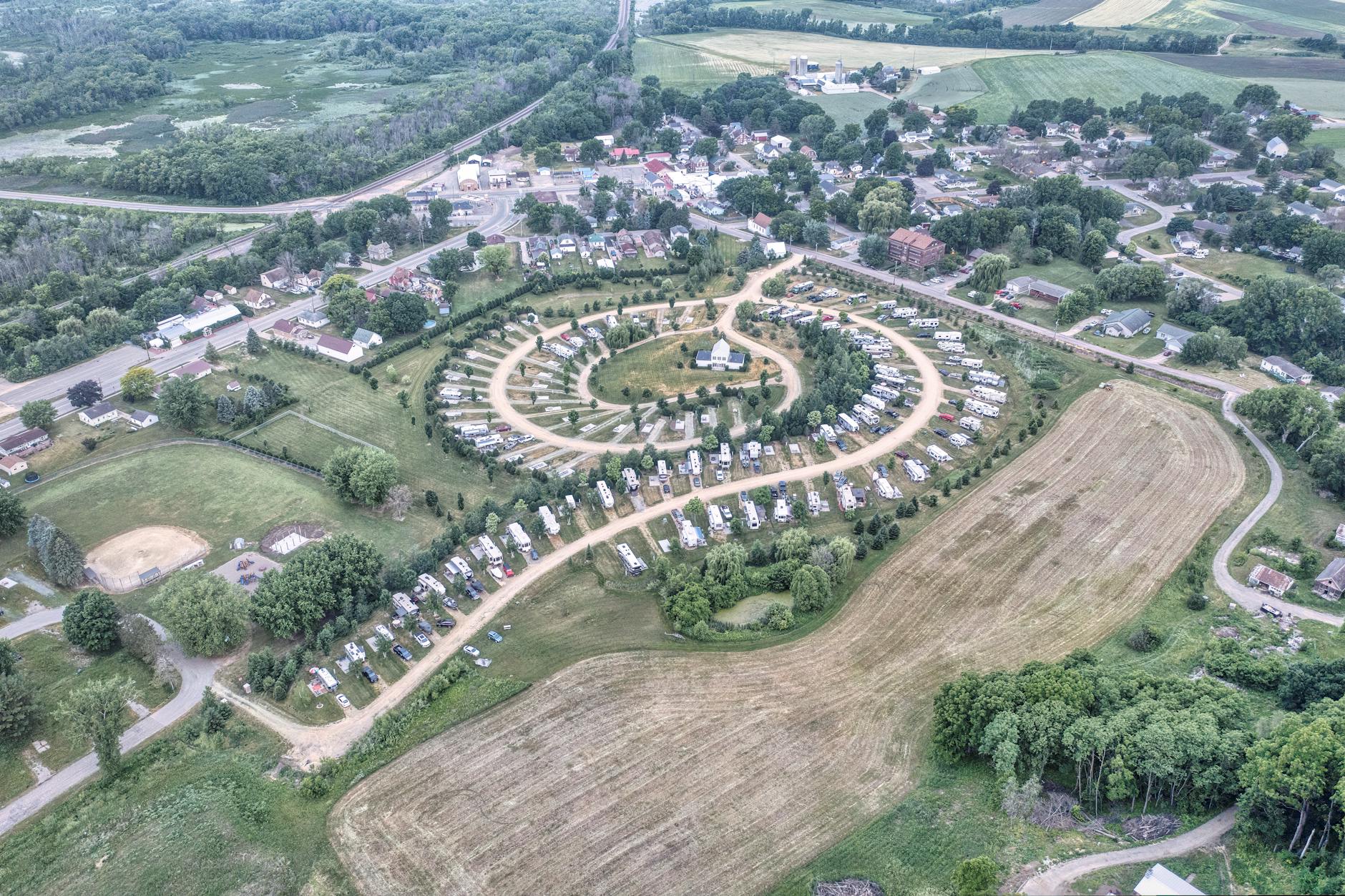
Town and country planning refers to the process of organizing and controlling the development of land and resources in both urban and rural areas. It includes the planning of settlements, infrastructure, transportation systems, public services, and environmental management.
The term “town planning” generally refers to the planning of urban areas such as cities and towns, while “country planning” focuses on rural areas including villages, agricultural land, forests, and natural resources.
Together, town and country planning aims to create well-organized and sustainable environments for human activities.
Various scholars and planning organizations have defined town and country planning in different ways.
Lewis Keeble defined town planning as:
“The art and science of ordering the use of land and the siting of buildings and communication routes so as to secure the maximum practicable degree of economy, convenience and beauty.”
This definition highlights the importance of efficient land use, functional design, and aesthetic quality in urban development.
Patrick Geddes emphasized the importance of understanding the relationship between people, environment, and economic activities. He introduced the idea that planning should be based on comprehensive surveys of social and environmental conditions.
His approach is often summarized through the concept of “Place, Work, and Folk.”
According to the Town and Country Planning Association, planning is:
“The process of guiding the development and use of land in order to improve the quality of life and promote sustainable development.”
In general terms, town and country planning can be defined as:
“A systematic process of organizing land use, infrastructure, and development activities in urban and rural areas to achieve orderly growth, economic efficiency, social welfare, and environmental sustainability.”
The goals of planning represent the broad outcomes that planning aims to achieve. These goals guide the development strategies and policies prepared by planners.
One of the major goals of planning is to promote sustainable development by balancing economic growth, social welfare, and environmental protection.
Planning aims to reduce disparities between urban and rural areas and promote balanced development across regions.
Planning ensures that land and natural resources are used efficiently and responsibly.
Providing better housing, infrastructure, public services, and environmental conditions helps improve the overall quality of life for residents.
Planning aims to conserve natural resources, protect ecosystems, and reduce pollution.
While goals represent broad aspirations, objectives are specific targets that help achieve these goals.
Planning ensures that cities and towns grow in a planned and organized manner rather than through uncontrolled expansion.
Land-use planning helps allocate land for different purposes such as residential, commercial, industrial, and recreational activities.
Planning focuses on providing adequate infrastructure including roads, water supply, sewage systems, electricity, and public transportation.
Ensuring access to safe and affordable housing is a key objective of planning.
Planning aims to improve social services such as education, healthcare, recreation, and community facilities.
Planning supports economic growth by promoting industries, businesses, and employment opportunities.
Protecting natural resources and maintaining ecological balance are essential objectives of planning.
Town and country planning plays an essential role in managing development and improving living conditions.
Planning helps control urban expansion and prevents problems such as overcrowding and slum development.
Planning ensures that infrastructure systems are developed in coordination with population growth and land use.
Planning helps protect natural resources and reduce environmental degradation.
Planning promotes equitable access to housing, services, and economic opportunities.
Town and country planning is a comprehensive discipline that guides the development and management of urban and rural areas. It involves organizing land use, infrastructure, transportation, and public services in a systematic manner to achieve sustainable and balanced development.
Various scholars such as Lewis Keeble and Patrick Geddes have defined planning as both an art and a science that integrates social, economic, and environmental considerations. The goals of planning include sustainable development, balanced regional growth, and improved quality of life, while the objectives focus on efficient land use, infrastructure provision, housing development, and environmental protection.
Effective planning is essential for creating organized, livable, and sustainable settlements that meet the needs of present and future generations.
India is characterized by a diverse settlement system consisting of large metropolitan cities, medium and small towns, and a vast network of villages. According to demographic patterns, India has historically been a predominantly rural country, although urbanization has been steadily increasing. Both urban and rural areas play significant roles in national development, and planning must address the specific needs and challenges of each type of settlement.
Urban areas are centers of industry, commerce, education, and services, while rural areas are primarily associated with agriculture, natural resource management, and traditional livelihoods. Effective planning in India requires an integrated approach that considers the development of cities, towns, and villages together rather than in isolation. Balanced development helps reduce regional disparities, improve living standards, and promote sustainable growth.
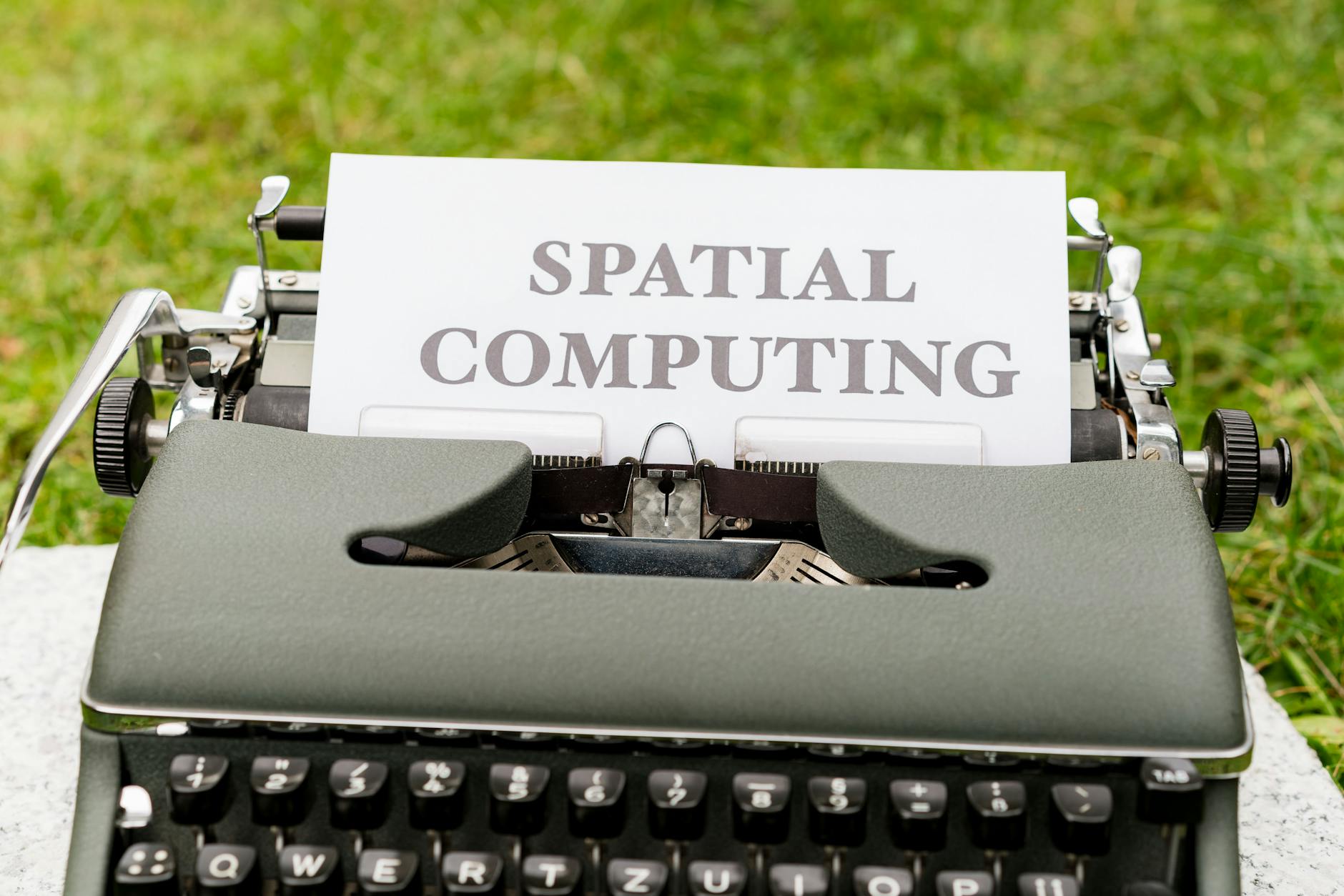
India’s settlement pattern includes three main categories:
Each category has different economic activities, population characteristics, infrastructure requirements, and development challenges.
Urban areas generally have higher population density, diverse economic activities, and developed infrastructure, whereas rural areas have lower population density and depend largely on agriculture and natural resources.
Cities are large and complex settlements that serve as economic and administrative centers. Rapid urbanization in India has created several planning challenges.
One of the major concerns in cities is the shortage of affordable housing. Rapid population growth and migration from rural areas have resulted in the expansion of slums and informal settlements.
Urban planning must focus on providing affordable housing, improving living conditions, and reducing homelessness.
Cities require extensive infrastructure such as:
In many Indian cities, infrastructure development has not kept pace with population growth.
Traffic congestion is a major issue in many urban areas. Efficient public transportation systems, pedestrian infrastructure, and traffic management strategies are essential for improving urban mobility.
Urban areas face environmental challenges such as air pollution, water pollution, and loss of green spaces. Sustainable urban planning must include environmental protection and climate resilience.
Efficient land-use planning is necessary to prevent unplanned development and ensure balanced distribution of residential, commercial, industrial, and recreational areas.
Towns serve as important intermediate settlements between cities and villages. They often function as regional service centers and support surrounding rural areas.
Many towns in India lack adequate infrastructure such as proper roads, water supply, sanitation systems, and public transportation.
Planning must focus on improving basic infrastructure to support population growth and economic activities.
Towns play an important role in regional economic development by supporting small industries, markets, and service sectors.
Planning strategies should promote local economic activities and employment opportunities.
Many towns face challenges related to weak administrative capacity and limited financial resources.
Strengthening local governance institutions is essential for effective planning and development.
Towns can help reduce migration to large cities by providing employment opportunities and essential services within smaller urban centers.
Villages are the backbone of rural India and are primarily dependent on agriculture and natural resources.
Planning in rural areas must focus on improving agricultural productivity through better irrigation systems, modern farming techniques, and access to markets.
Rural development requires improved infrastructure such as:
These improvements help enhance the quality of life in rural communities.
Many rural areas face challenges related to unemployment and underemployment. Planning must promote rural industries, agro-based enterprises, and skill development programs.
Providing adequate housing in villages is another important planning concern. Rural housing programs aim to improve living conditions and ensure access to basic amenities.
Rural planning must also focus on sustainable management of natural resources such as land, forests, and water bodies.
Urban and rural areas are interconnected through economic, social, and transportation networks.
Cities depend on rural areas for:
Rural areas depend on cities for:
Strengthening rural–urban linkages is essential for balanced regional development.
Integrated planning approaches aim to coordinate development between urban and rural areas.
Key strategies include:
Such approaches help create a balanced settlement system.
The Government of India has introduced several programs to address planning concerns in both urban and rural areas.
Examples include:
These programs aim to improve infrastructure, housing, employment, and service delivery.
Urban and rural India together form a complex settlement system that requires comprehensive and integrated planning. Cities face challenges related to housing, infrastructure, transportation, and environmental management. Towns require improved infrastructure and economic development to serve as regional growth centers. Villages need better agricultural productivity, rural infrastructure, employment opportunities, and resource management.
Effective planning must address the specific needs of cities, towns, and villages while strengthening rural–urban linkages. By promoting balanced regional development and improving infrastructure and services across all types of settlements, planners can contribute to sustainable and inclusive development in India.
After gaining independence in 1947, India adopted a planned development strategy to address the challenges of poverty, economic backwardness, unemployment, and regional disparities. To guide national development, the Government of India introduced Five-Year Plans, which were comprehensive economic development programs prepared for a period of five years.
The Five-Year Plans were formulated by the Planning Commission, established in 1950. These plans focused on the systematic allocation of resources and implementation of policies to achieve economic growth, social welfare, and balanced regional development. Each plan emphasized specific development priorities depending on the economic and social conditions of the country at the time.

The Five-Year Planning model was inspired by the planning system used in the Soviet Union, but India adopted a mixed economic approach, combining public sector planning with private sector participation.
The Five-Year Plans were designed to achieve several key development objectives, including:
These objectives aimed to improve the overall quality of life for the population and promote national development.
Over time, the development approach of the Five-Year Plans evolved depending on the economic priorities and challenges faced by the country.
Major approaches included:
The First Five-Year Plan focused primarily on agriculture and irrigation because India faced severe food shortages after independence.
Key priorities included:
Major projects such as Bhakra-Nangal Dam and Hirakud Dam were initiated during this period.
The plan was largely successful and helped stabilize the Indian economy.
The Second Plan emphasized rapid industrialization, particularly the development of heavy industries.
It was based on the Mahalanobis Model, which focused on expanding the public sector and building industrial capacity.
Key initiatives included:
Major steel plants were established in Bhilai, Rourkela, and Durgapur.
The Third Plan aimed to achieve self-sufficiency in food production and economic growth.
Major priorities included:
However, the plan was affected by wars with China (1962) and Pakistan (1965) and severe droughts.
Due to economic difficulties, the plan did not achieve its targets.
After the Third Plan, India experienced economic instability. Instead of launching a new Five-Year Plan, the government introduced three annual plans between 1966 and 1969.
The focus during this period was on stabilizing the economy and improving agricultural production.
The Fourth Plan aimed to achieve economic growth while maintaining stability and controlling inflation.
Key priorities included:
During this period, the Green Revolution significantly increased agricultural productivity.
The Fifth Plan emphasized poverty alleviation and self-reliance.
The major slogan of the plan was “Garibi Hatao” (Remove Poverty).
Key initiatives included:
The plan was terminated early due to political changes.
The Sixth Plan focused on reducing poverty and improving technological capabilities.
Major priorities included:
Economic growth improved during this period.
The Seventh Plan focused on improving productivity, employment, and modernization of industries.
Key sectors included:
The plan aimed to strengthen the economy and improve living standards.
The Eighth Plan was implemented after economic reforms introduced in 1991.
It emphasized:
The plan encouraged market-oriented economic policies.
The Ninth Plan aimed to promote economic growth while ensuring social equity.
Key priorities included:
The plan focused on improving living standards in rural areas.
The Tenth Plan aimed to achieve 8% annual economic growth and reduce poverty.
Key objectives included:
The Eleventh Plan emphasized inclusive growth, ensuring that economic benefits reach all sections of society.
Key areas included:
The Twelfth Plan focused on sustainable and inclusive development.
Major priorities included:
After 2017, the Five-Year Plan system was discontinued, and the Planning Commission was replaced by NITI Aayog.
The Five-Year Plans played an important role in shaping India’s development strategy.
They helped:
These plans laid the foundation for India’s economic development.
The Five-Year Plans were central to India’s development strategy after independence. Through systematic planning and resource allocation, these plans guided economic growth, agricultural development, industrial expansion, and social welfare programs.
Over time, the development approach evolved from agricultural development to industrialization, poverty reduction, economic liberalization, and inclusive growth. Although the Five-Year Plan system has now been replaced by new policy frameworks under NITI Aayog, its contributions remain significant in shaping India’s economic and developmental trajectory.
Urbanisation refers to the process by which an increasing proportion of a country’s population lives in urban areas such as cities and towns. It involves the growth and expansion of urban settlements due to factors such as industrialization, economic development, improved infrastructure, and migration from rural areas. Urbanisation is considered an important indicator of economic and social development because cities serve as centers of trade, industry, education, and innovation.
In India, urbanisation has been steadily increasing since independence. Although India still has a large rural population, cities are expanding rapidly due to economic opportunities and improved connectivity. Urbanisation has contributed significantly to economic growth, but it has also created challenges related to housing, infrastructure, environment, and social inequality.
Urbanisation can be defined as the increase in the proportion of population living in urban areas and the expansion of urban settlements due to economic and social changes.
Urbanisation involves several processes such as:
It reflects the shift from an agricultural economy to an industrial and service-based economy.
Urbanisation in India has increased gradually over the last century. At the time of independence in 1947, India was largely rural with a small percentage of the population living in urban areas. However, economic development, industrialization, and modernization have accelerated urban growth.
The urban population of India has grown steadily due to natural population increase and migration from rural areas. Large metropolitan cities have experienced rapid expansion, while many small towns have also developed into urban centers.
Major cities such as:
have become major economic and administrative centers with large populations and extensive infrastructure.
Several Indian cities have developed into megacities with populations exceeding ten million. These cities play a significant role in national economic development.
Urban areas are expanding beyond their traditional boundaries into surrounding rural regions. This process, known as urban sprawl, leads to the development of suburban areas and peri-urban zones.
Urbanisation in India is influenced by several economic, social, and technological factors.
Industrial development attracts workers from rural areas seeking employment in factories and industries. Industrial zones and manufacturing hubs contribute to the growth of cities.
Cities offer better job opportunities in sectors such as services, information technology, trade, and finance. This attracts people from rural areas and smaller towns.
Many people migrate to cities in search of improved living standards, education, healthcare, and employment opportunities.
Urban areas provide better access to educational institutions, hospitals, and specialized services.
Improved transportation networks, communication systems, and public services encourage the growth of cities.
Government initiatives such as industrial corridors, special economic zones, and urban development programs also contribute to urban growth.
Urbanisation in India has several distinctive features.
A significant proportion of the urban population is concentrated in large metropolitan cities.
Due to housing shortages and rapid migration, many urban residents live in informal settlements or slums.
Cities are expanding outward into rural areas, leading to the growth of suburban settlements.
The service sector has become a major contributor to urban employment and economic growth.
Rapid and unplanned urbanisation has created several challenges for Indian cities.
The rapid influx of migrants increases the demand for housing. Many people are unable to afford formal housing and live in slums or informal settlements.
Increasing numbers of vehicles and inadequate public transportation systems lead to severe traffic congestion in major cities.
Urban infrastructure such as water supply, sewage systems, and waste management often fails to keep pace with population growth.
Urbanisation contributes to air pollution, water pollution, and solid waste problems.
Despite economic growth, many urban residents live in poverty and work in the informal sector with low wages and limited job security.
Uncontrolled expansion of cities leads to inefficient land use, loss of agricultural land, and increased transportation costs.
Urban planning plays a crucial role in managing the challenges of urbanisation.
Planning strategies include:
Planning initiatives such as smart cities, sustainable mobility plans, and transit-oriented development (TOD) are being implemented to improve urban living conditions.
The Government of India has launched several programs to improve urban infrastructure and governance.
Examples include:
These programs aim to enhance urban infrastructure, housing, sanitation, and service delivery.
Urbanisation in India is a significant process that reflects the country’s economic transformation and social development. The growth of cities has contributed to economic opportunities, technological advancement, and improved access to services. However, rapid and unplanned urbanisation has also created serious challenges such as housing shortages, infrastructure pressure, environmental degradation, and social inequality.
Effective urban planning, sustainable development strategies, and strong governance are essential to manage urban growth and improve the quality of life in cities. By adopting integrated planning approaches and investing in infrastructure and social services, India can ensure that urbanisation becomes a driver of inclusive and sustainable development.
Natural resources play a fundamental role in the development and planning of cities, regions, and nations. They include elements of the natural environment such as land, water, forests, minerals, energy sources, and biodiversity that are essential for human survival and economic activities. The availability and management of natural resources significantly influence patterns of settlement, economic development, infrastructure planning, and environmental sustainability.
Planning must ensure that natural resources are used efficiently while maintaining ecological balance and sustainability for future generations. In modern planning practice, the integration of natural resource management into development planning is considered essential to achieve sustainable development and environmental protection.
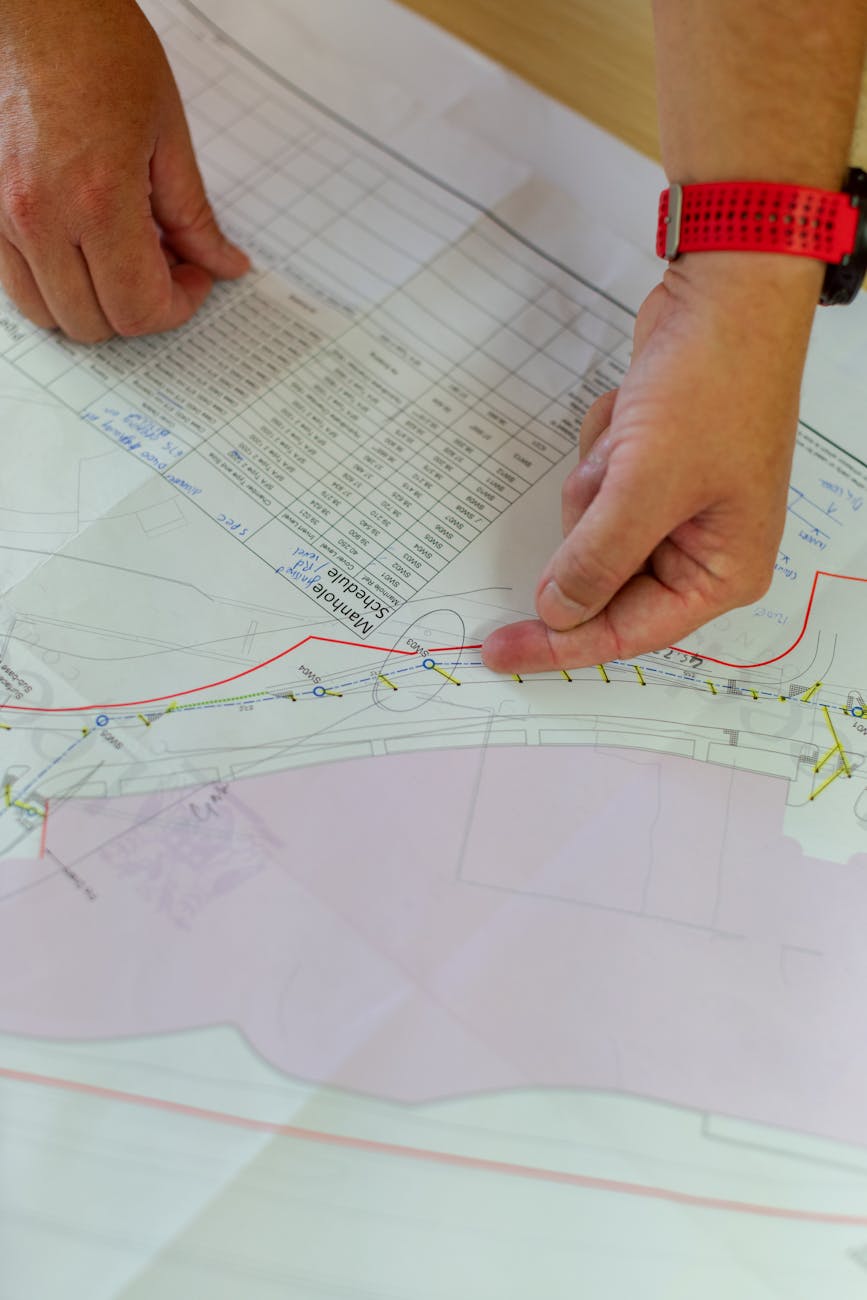
Natural resources are materials and environmental components that occur naturally and are utilized by humans for various purposes. These resources provide the foundation for economic development, industrial growth, agricultural production, and human settlements.
Natural resources are broadly categorized into the following types:
These resources can be replenished naturally over time. Examples include:
Proper management is required to ensure their sustainability.
These resources are finite and cannot be replenished within a short period of time. Examples include:
Excessive exploitation of non-renewable resources can lead to depletion and environmental degradation.
Natural resources play a crucial role in planning because they influence the location and development of settlements, industries, and infrastructure.
Many cities and regions develop around natural resources. For example:
The availability of natural resources often determines economic specialization and regional development patterns.
Planning must ensure that natural resources are used responsibly to prevent environmental degradation. Sustainable planning practices aim to balance economic growth with environmental conservation.
Infrastructure systems such as water supply, energy production, and transportation networks depend heavily on natural resources.
Land is one of the most important natural resources in planning. Land-use planning determines how land is allocated for various activities such as residential areas, industrial zones, commercial centers, agriculture, and open spaces.
Efficient land-use planning helps prevent problems such as urban sprawl, land degradation, and environmental damage.
Water is essential for domestic use, agriculture, industries, and ecosystem health. Urban planners must ensure the availability and management of water resources through:
Water resource planning is particularly important in rapidly growing cities.
Forests contribute to ecological balance, climate regulation, and biodiversity conservation. Urban planning must incorporate green spaces, urban forests, and protected natural areas to maintain environmental quality.
Mineral resources support industrial development and economic growth. Planning decisions must consider the location of mineral deposits and ensure responsible extraction practices.
Energy resources such as coal, oil, natural gas, and renewable energy sources influence industrial location and infrastructure development.
Effective planning must include strategies for conserving natural resources and minimizing environmental impacts.
Planning policies should promote sustainable land use by protecting agricultural land, forests, and ecologically sensitive areas.
Before implementing major development projects, environmental impact assessments are conducted to evaluate potential environmental consequences.
Planning should protect ecosystems such as wetlands, forests, and coastal areas that provide essential ecological services.
Encouraging renewable energy sources such as solar and wind power can reduce dependence on non-renewable resources and minimize environmental pollution.
Natural resource management must be integrated into planning at various levels.
At the national level, policies and strategies are developed to manage natural resources and ensure sustainable development.
Regional planning focuses on managing resources across large geographic areas such as river basins, forest regions, and agricultural zones.
Local planning ensures the efficient use of land, water, and other resources within cities and towns.
Despite the importance of natural resources, several challenges affect their management.
Rapid population growth and economic development often lead to excessive exploitation of natural resources.
Deforestation, pollution, and land degradation threaten the sustainability of natural ecosystems.
Climate change affects water availability, agricultural productivity, and ecosystem stability.
Unplanned urban expansion often encroaches on agricultural land, forests, and wetlands.
These challenges highlight the need for sustainable planning strategies.
Modern planning emphasizes sustainable resource management to ensure long-term environmental and economic stability.
Important strategies include:
Such strategies help balance development needs with environmental protection.
Natural resources are essential for the development and sustainability of cities and regions. They influence settlement patterns, economic activities, infrastructure development, and environmental quality. Effective planning must ensure that natural resources are used efficiently while protecting ecosystems and maintaining ecological balance.
Integrating natural resource management into planning processes is crucial for achieving sustainable development. Through responsible resource management, environmental conservation, and sustainable planning strategies, societies can ensure that natural resources remain available for future generations while supporting economic and social development.
Planning projects—ranging from a small park to a large urban development—require a holistic understanding that combines multiple fields. Successful planning is not just about drawing maps or designing buildings; it’s about understanding people, space, environment, and systems together.
Integration ensures the park is functional, sustainable, and user-friendly.
Integration ensures efficiency, sustainability, social equity, and long-term resilience.
Planning is dynamic because:
By integrating knowledge from multiple disciplines, planners can adapt, anticipate, and optimize project outcomes.
| Aspect | Benefit |
|---|---|
| Multidisciplinary approach | Holistic design solutions |
| Data-driven decisions | Accuracy and reliability |
| Community-centered design | Enhanced user satisfaction |
| Sustainability focus | Long-term environmental and social resilience |
| Efficient resource use | Cost-effective projects |
✅ In summary:
Planning is a comprehensive process that aims to guide the development of cities, regions, and communities in a balanced and sustainable manner. In order to achieve effective development, planning must consider various aspects of society including economic growth, social welfare, and the physical organization of land and infrastructure. These three components—economic planning, social planning, and physical planning—are closely interrelated and together form the foundation of modern planning practice.

Economic planning focuses on the efficient use of resources and economic development, social planning emphasizes improvement in the quality of life and social welfare, while physical planning deals with the spatial arrangement of land uses and infrastructure. When integrated effectively, these three types of planning contribute to the creation of sustainable and livable communities.
Economic planning refers to the process of organizing and directing economic resources and activities to achieve development goals. It focuses on the efficient allocation of resources such as land, labor, capital, and technology in order to promote economic growth and improve living standards.
The main objectives of economic planning include:
Economic planning also plays a significant role in determining investment priorities and infrastructure development.
Economic planning influences the spatial development of cities and regions by determining the location of industries, commercial centers, and economic activities. For example, industrial zones are often located near transportation networks to reduce production and transportation costs.
Economic planning also guides the development of infrastructure such as transportation systems, energy supply, and communication networks, which support economic activities.
Social planning focuses on improving the welfare and quality of life of individuals and communities. It addresses social issues such as housing, healthcare, education, employment, and social equity.
The goal of social planning is to create inclusive and equitable communities where all individuals have access to basic services and opportunities.
Key objectives include:
Social planning also aims to reduce social disparities and improve the well-being of vulnerable groups.
Social planning emphasizes the provision of essential social infrastructure such as:
These facilities contribute to the overall development and well-being of communities.
Physical planning refers to the spatial organization and development of land uses, infrastructure, and built environments. It focuses on how land and physical resources are arranged and utilized within cities and regions.
Physical planning aims to create organized and functional urban environments by guiding land use, transportation networks, housing development, and infrastructure provision.
The primary objectives of physical planning include:
Physical planning also helps control urban growth and prevent unplanned development.
Physical planning involves several key components:
Through these components, planners organize the spatial structure of cities and regions.
Economic, social, and physical planning are closely interconnected and must be integrated to achieve sustainable development.
Economic activities require physical infrastructure and land resources. Therefore, economic planning influences the spatial distribution of industries, commercial centers, and employment zones.
Physical planning translates economic development strategies into spatial arrangements through land-use planning and infrastructure development.
Social planning ensures that urban development meets the needs of communities by providing housing, education, healthcare, and recreational facilities.
Physical planning supports social planning by allocating land for these facilities and integrating them into urban layouts.
Effective planning requires the integration of economic, social, and physical aspects to create balanced and sustainable urban development.
For example:
Integrating economic, social, and physical planning provides several benefits.
It ensures that economic growth is accompanied by social welfare and efficient infrastructure development.
Integrated planning helps utilize land, infrastructure, and financial resources effectively.
By addressing social needs and providing adequate infrastructure, integrated planning improves living conditions.
Environmental protection and sustainable resource management can be better achieved through coordinated planning efforts.
Although integration is essential, several challenges may arise.
Addressing these challenges requires strong governance systems and interdisciplinary collaboration.
Economic, social, and physical planning together form the foundation of comprehensive planning. Economic planning focuses on resource allocation and economic growth, social planning emphasizes human welfare and community development, and physical planning organizes the spatial structure of cities and regions.
The integration of these three planning approaches is essential for achieving balanced and sustainable development. By coordinating economic activities, social welfare initiatives, and spatial development strategies, planners can create urban environments that are efficient, inclusive, and environmentally sustainable.
Planning is a systematic and organized approach to guiding the development of human settlements and regions in order to improve the quality of life for people. With rapid urbanization, population growth, and increasing economic activities, cities and regions face complex challenges such as congestion, environmental degradation, housing shortages, and unequal access to resources. Planning helps address these issues by providing a structured framework for managing land use, infrastructure, transportation systems, environmental resources, and socio-economic development.
Planning is not limited to designing physical spaces; it also involves understanding social needs, economic development, environmental sustainability, and governance mechanisms. Because of this broad scope, planning has developed into a distinct academic and professional discipline that integrates knowledge from multiple fields.
Planning as a discipline refers to the systematic process of analyzing present conditions, predicting future needs, and preparing strategies or policies to guide the development and management of land, infrastructure, and resources for the welfare of society.
Urban and regional planning focuses on organizing the physical environment in a way that supports economic growth, social equity, and environmental sustainability. It involves the preparation of development plans, policies, and projects that guide the orderly growth of cities, towns, and regions.
Several scholars and institutions have defined planning in different ways:
Thus, planning as a discipline involves technical analysis, spatial design, policy formulation, and community engagement.
Planning is inherently multidisciplinary because cities and regions function as complex systems influenced by multiple factors such as population growth, economic activities, environmental conditions, transportation systems, and governance structures. To address these complex interactions, planners must integrate knowledge from several disciplines.
Geography helps planners understand spatial patterns of land use, population distribution, climate, and natural resources. Geographic Information Systems (GIS) are widely used for spatial analysis and mapping.
Economic principles help planners analyze development trends, employment opportunities, investment patterns, and the financial feasibility of projects.
Sociology provides insights into social structures, cultural practices, community needs, and demographic characteristics. Understanding social dynamics helps planners design inclusive and equitable communities.
Environmental science is essential for sustainable planning. It helps planners address issues such as pollution control, climate change, biodiversity conservation, and natural resource management.
Transportation engineering helps planners design efficient mobility systems including roads, public transport networks, pedestrian pathways, and cycling infrastructure.
Architecture and urban design contribute to the physical form and aesthetics of cities, including building design, public spaces, and street layouts.
Planning policies are implemented through government institutions and legal frameworks. Knowledge of governance systems and administrative processes is therefore essential for effective planning.
Because of these diverse influences, planning acts as a bridge between technical sciences, social sciences, and design disciplines.
A planner plays an important role in shaping the development of cities and regions. The planner acts as an analyst, strategist, coordinator, and facilitator in the planning process.
Planners begin by collecting and analyzing information about population, land use, infrastructure, environment, and economic activities. This data helps identify existing problems and opportunities.
Planners develop long-term visions and strategies for urban and regional development. They prepare master plans, development plans, regional plans, and policy frameworks that guide future growth.
One of the key responsibilities of planners is organizing land use in a city or region. This involves allocating land for residential, commercial, industrial, recreational, and institutional purposes.
Planners ensure that essential infrastructure such as roads, water supply, sewage systems, electricity, and public transport systems are developed efficiently.
Modern planners must address environmental concerns by promoting sustainable development, protecting natural resources, and reducing pollution.
Planning increasingly involves participation from local communities and stakeholders. Planners engage with residents, organizations, and government agencies to incorporate public input into planning decisions.
Planners help governments formulate policies related to housing, transportation, land use, and environmental protection. They also monitor the implementation of development plans.
To perform these roles effectively, planners require a combination of technical and interpersonal skills.
Important skills include:
These skills enable planners to manage complex urban systems and coordinate development activities.
Planning is essential for managing urban growth and improving living conditions. Without proper planning, cities may face problems such as overcrowding, traffic congestion, environmental degradation, and inadequate infrastructure.
Effective planning helps achieve:
Planning therefore plays a crucial role in creating cities that are livable, sustainable, and resilient.
Planning is a dynamic and multidisciplinary discipline that integrates knowledge from various fields to guide the development of cities and regions. It involves analyzing existing conditions, forecasting future needs, and preparing strategies that promote sustainable and equitable development.
The multidisciplinary nature of planning allows planners to address complex urban challenges by combining insights from geography, economics, sociology, environmental science, transportation engineering, architecture, and governance. The role of a planner extends beyond technical analysis to include visioning, coordination, policy formulation, and community engagement.
As urban populations continue to grow and environmental challenges increase, the importance of planning will continue to expand. Effective planning ensures that urban development is organized, efficient, and beneficial for society as a whole.
Urban planning as a discipline has evolved through the ideas and contributions of several influential thinkers, planners, and architects. These individuals played a significant role in shaping modern planning principles by proposing innovative concepts, planning models, and urban design strategies. Their ideas emerged in response to the social, economic, and environmental challenges of their times, particularly during periods of rapid urbanization and industrialization.
The contributions of leading planning masters laid the foundation for modern urban and regional planning. Their work addressed issues such as urban congestion, housing shortages, transportation systems, environmental quality, and social welfare. Many of their ideas, such as the Garden City concept, regional planning, neighborhood planning, and urban design principles, continue to influence contemporary planning practices.

Ebenezer Howard is one of the most influential figures in the history of urban planning. He is best known for introducing the Garden City concept, which aimed to combine the advantages of both urban and rural living.
Howard’s ideas led to the development of Letchworth and Welwyn Garden City in England and influenced the planning of new towns and suburban developments around the world.
Patrick Geddes was a Scottish biologist, sociologist, and town planner who emphasized the relationship between people, environment, and economic activities.
Geddes’ ideas greatly influenced modern urban planning and regional planning. His approach emphasized comprehensive analysis of social, economic, and environmental conditions before preparing development plans.
Le Corbusier was a Swiss-French architect and urban planner who proposed radical ideas for modern city planning.
Le Corbusier’s ideas influenced modernist urban planning and the design of several cities. He also played an important role in the planning of Chandigarh in India, which became an example of modern planned cities.
Clarence Perry was an American planner who introduced the concept of the Neighborhood Unit, which became an important model for residential planning.
The Neighborhood Unit concept influenced the planning of residential areas in many cities and is still used as a guiding principle in neighborhood design.
Daniel Burnham was a prominent American architect and planner associated with the City Beautiful movement.
Burnham’s work helped establish the importance of urban design and aesthetics in city planning and influenced many urban improvement projects.
Arturo Soria y Mata was a Spanish urban planner known for proposing the Linear City concept.
Although fully linear cities were rarely developed, the concept influenced modern urban planning ideas related to transport corridors and linear development patterns.
Lewis Mumford was an American historian, sociologist, and urban critic who contributed significantly to planning theory.
Mumford’s writings influenced modern urban planning philosophy and emphasized the importance of social and environmental considerations.
Patrick Abercrombie was a British planner known for his work in regional planning and urban reconstruction after World War II.
His planning ideas influenced modern metropolitan planning and regional development strategies.
Kevin Lynch was an American urban planner and author known for his work on urban design and city perception.
Lynch’s work greatly influenced urban design and the understanding of how people interact with cities.
India has also seen contributions from several planners who shaped urban development.
The contributions of these planning masters have shaped the development of modern planning theory and practice.
Their ideas helped introduce:
These principles continue to influence contemporary urban planning and development policies.
The development of urban planning as a discipline owes much to the ideas and innovations of leading thinkers and planners. Individuals such as Ebenezer Howard, Patrick Geddes, Le Corbusier, Clarence Perry, Daniel Burnham, and others introduced influential planning concepts that addressed the challenges of urban growth and industrialization.
Their contributions established important planning principles including garden cities, regional planning, neighborhood units, modernist city design, and aesthetic urban planning. These ideas continue to guide contemporary planning practices and inspire planners to create sustainable, functional, and livable urban environments.
By studying the work of these planning masters, planners can gain valuable insights into the evolution of planning thought and apply these lessons to address modern urban challenges.


 Track2Training
You must be logged in to post a comment.