A tagline is more than just a catchy phrase or a marketing gimmick—it’s a critical element of branding that can shape public perception, influence behavior, and enhance an organization’s identity. Whether it’s a commercial company, a non-profit organization, an educational institution, or a startup, a well-crafted tagline communicates a core message and connects with audiences on an emotional or intellectual level. In today’s competitive landscape, where attention spans are short and the noise is constant, the importance of a strong tagline cannot be overstated.
1. Defines and Reinforces Brand Identity
A tagline serves as a verbal logo—a succinct expression of the company’s mission, values, or promise. It complements the brand name and visually presented logo to complete the brand’s identity. For instance, Nike’s “Just Do It” embodies action, empowerment, and motivation. Similarly, NGOs use taglines like “Because Every Life Matters” to emphasize humanitarian values and social commitment.
A powerful tagline can answer questions like:
What does this organization stand for?
What kind of impact does it aim to create?
Why should people care?
2. Enhances Brand Recall
Taglines are designed to be memorable. A well-written tagline sticks in the minds of people long after they see or hear it. This is crucial for brand recall, especially when competing for attention in a crowded market or cause-driven space. Short, rhythmic, and emotionally resonant taglines are more likely to be remembered and repeated.
In the case of an NGO, a memorable tagline can help keep the cause alive in public consciousness, increasing the chances of engagement, volunteering, or donations.
3. Builds Emotional Connection
A tagline has the power to evoke emotions, which plays a significant role in consumer and donor decision-making. While products or services address practical needs, taglines tap into aspirations, hopes, and values. For a company, this could be about innovation, sustainability, or customer focus. For an NGO, it could be about justice, compassion, or empowerment.
By striking an emotional chord, taglines build trust and affinity, making people more likely to support, share, or advocate for the brand.
4. Differentiates from Competitors
A tagline provides a chance to highlight what makes a brand unique. In sectors where multiple entities offer similar services or advocate for similar causes, a tagline can be the differentiator. It communicates what’s distinctive about the organization in a succinct, engaging way.
For example:
For-profit: “Think Different” (Apple) separated Apple from the generic PC crowd.
Non-profit: “Be the Change” (inspired by Gandhi’s quote) invites personal responsibility and action, often used by social justice campaigns.
5. Provides Consistency in Messaging
A tagline offers a consistent anchor point for all communication efforts. It helps ensure that across advertising, social media, events, and public speeches, the core message remains aligned. This consistency builds familiarity and reinforces brand positioning over time.
For NGOs, consistent use of a tagline across campaigns and reports can build a strong narrative and help supporters instantly identify the organization and its cause.
6. Boosts Marketing and Outreach
A strong tagline is a marketer’s asset. It:
Adds power to advertising campaigns.
Helps in social media virality.
Enhances storytelling.
Increases the impact of public service announcements or product promotions.
When included on websites, banners, flyers, and digital content, taglines act as hooks that capture interest and prompt further exploration.
7. Inspires Internal Stakeholders
Taglines are not only for external audiences. Internally, a well-articulated tagline can serve as a motivational motto. Employees, volunteers, partners, and stakeholders rally around it, especially when it encapsulates the organization’s mission or vision in a meaningful way.
It can instill pride, direction, and a shared sense of purpose within teams—something particularly important for NGOs and social enterprises driven by mission rather than profit.
8. Facilitates Brand Expansion and Endurance
A timeless and versatile tagline allows a brand to grow and evolve without losing its essence. It can remain relevant even as products, services, or projects diversify. A tagline like “Connecting People” (Nokia) transcends individual products and applies broadly to the company’s evolving portfolio.
For NGOs, a broad tagline such as “Transforming Lives” can stay relevant across different programs—from education to healthcare to environmental advocacy.
Crafting an Effective Tagline
To harness all these benefits, crafting an effective tagline involves:
Clarity – Avoid jargon. Keep it simple.
Brevity – Ideally under 7 words.
Relevance – Reflect your mission, product, or impact.
Emotion – Use words that stir feeling.
Originality – Stand out from competitors.
Timelessness – Avoid trends that may fade quickly.
Conclusion
A tagline is more than a clever phrase—it is a strategic communication tool that can shape identity, inspire trust, and drive engagement. For companies, it enhances branding and customer loyalty. For NGOs, it encapsulates purpose and fuels advocacy. Whether you are launching a startup, building a global brand, or leading a grassroots movement, a compelling tagline is your chance to make a lasting first impression—and a powerful final echo.
Eco-tourism is a form of responsible travel that emphasizes exploring natural environments while minimizing negative impacts on the environment and supporting local communities. Chopta, located in the Rudraprayag district of Uttarakhand, India, is a popular destination for eco-tourism due to its beautiful landscapes and snow-capped Himalayan peaks. This mini-Switzerland of India offers a range of eco-tourism activities, including trekking, bird watching, camping, and nature walks, which provide visitors with opportunities to appreciate the natural beauty of the region while supporting local communities and conservation efforts. This abstract highlights the benefits of eco-tourism in Chopta, which include promoting sustainable development, creating economic opportunities for local communities, and conserving natural resources.
Keywords
Eco-tourism, Chopta, Rudraprayag, Destinations of Ecotourism, Mountain Trekking, Tourism
1. Introduction
Eco-tourism, also known as sustainable tourism, is a type of responsible travel that focuses on exploring and experiencing natural environments while also minimizing negative impacts on the environment and supporting local communities (Salem et al., 2020). Eco-tourism aims to promote environmental conservation, support local economies, and provide educational opportunities for visitors. Eco-tourism activities typically involve exploring natural environments, such as forests, mountains, or beaches, while minimizing impact on the environment. This may involve staying in eco-friendly accommodations, using renewable energy sources, conserving water, reducing waste, and participating in activities that do not harm the natural environment.
In addition to environmental considerations, eco-tourism also focuses on supporting local communities. This may involve hiring local guides and staff, purchasing locally produced goods, and supporting local conservation efforts (Zwirn et al., 2005). By supporting local communities, eco-tourism can help to create sustainable economic opportunities and reduce negative impacts on the environment. Overall, eco-tourism is a type of travel that promotes responsible and sustainable practices while providing visitors with opportunities to explore and appreciate natural environments. It is an important way to support conservation efforts and sustainable development, while also providing educational and enriching experiences for travelers.
In India, thenmala in Kerela -first eco-tourism resort (Rao & Pawar, 2013). And now there are many eco-tourist destinations being developed in different parts of India. India is home to a wide range of ecotourism destinations that offer visitors the opportunity to explore the country’s natural beauty while supporting sustainable development and conservation efforts. Some popular ecotourism destinations in India include:
Ladakh: This high-altitude region in the northernmost part of India is known for its stunning mountain scenery and unique culture.
Sundarbans: Located in West Bengal, the Sundarbans is the largest delta mangrove forest in the world and home to a variety of wildlife, including the Bengal tiger.
Western Ghats: This mountain range on the western coast of India is a UNESCO World Heritage Site and home to a rich biodiversity of plants and animals.
Andaman and Nicobar Islands: These islands in the Bay of Bengal are known for their pristine beaches, coral reefs, and unique wildlife.
Kaziranga National Park: Located in Assam, this national park is home to the one-horned Indian rhinoceros and other endangered species.
Kanha National Park: This national park in Madhya Pradesh is known for its population of Bengal tigers and efforts to protect the Barasingha deer.
Spiti Valley: This remote valley in the Himalayas is known for its stunning landscapes, unique culture, and opportunities for adventure activities like trekking and mountaineering.
Coorg: Located in the Western Ghats in Karnataka, Coorg is known for its coffee plantations, lush forests, and waterfalls.
These are just a few examples of the many ecotourism destinations that India has to offer. Each destination offers a unique opportunity to explore and appreciate the country’s natural beauty while supporting sustainable development and conservation efforts.
1.1. About Chopta
Chopta is a beautiful destination located in the Rudraprayag district of Uttarakhand, India. It is a popular destination for eco-tourism and attracts nature lovers, trekkers, and bird watchers from all over the world. Chopta is also known as the ‘Mini Switzerland’ of India due to its beautiful landscapes and snow-capped Himalayan peaks. Eco-tourism in Chopta is an excellent way to explore the natural beauty of the region while also supporting local communities and preserving the environment (Everand et al., 2019). Some popular eco-tourism activities in Chopta include trekking, bird watching, camping, and nature walks.
Figure 1: Morphological Map of the Chopta Valley showing glacial and para-glacial landforms
One of the most popular treks in Chopta is the Tungnath and Chandrashila Trek. This trek takes you through beautiful forests of oak, rhododendron, and deodar trees, and offers stunning views of the Himalayan peaks.
Figure 2: Map showing the trekking routes to Chandrashila and Deoriatal in Chopta Valley.
The trek is moderate in difficulty and can be completed in 2-3 days. Bird watching is another popular eco-tourism activity in Chopta. The region is home to a variety of bird species, including the Himalayan Monal, Koklass Pheasant, and Snow Partridge. You can also spot other wildlife species like musk deer, bharal, and foxes in the region. Camping is a great way to experience the natural beauty of Chopta while also minimizing your impact on the environment. There are several campsites in Chopta that offer comfortable tents, bonfires, and delicious local cuisine. Most campsites also organize nature walks and other eco-friendly activities. In addition to eco-tourism activities, Chopta is also home to several ancient temples, including the Tungnath Temple, which is the highest Shiva temple in the world (Nigam, 2002). The region also has several hot springs and waterfalls that are worth visiting.
Overall, eco-tourism in Chopta, Rudraprayag, Uttarakhand, India is an excellent way to experience the natural beauty of the region while also supporting local communities and preserving the environment.
A visitor should observe and appreciate the natural, social and cultural heritage of the area.
Exclusively assisted by the local communities living in the area.
Visitors must leave a zero carbon footprint
2. Findings and Discussion
Eco-tourism in Chopta, Rudraprayag, Uttarakhand, India is a great way to explore the natural beauty of the region while supporting local communities and conservation efforts. The region offers a variety of eco-tourism activities, including trekking, bird watching, camping, and nature walks, which provide visitors with an opportunity to experience the region’s unique biodiversity (Chaudhary et al., 2022).
One of the strengths of eco-tourism in Chopta is that it supports sustainable development and helps to create economic opportunities for local communities. By promoting responsible tourism practices, eco-tourism can help to ensure that the region’s natural resources are conserved and that local communities benefit from tourism activities (Azem & Sarker, 2013). This can help to create a sustainable economic base that supports the local population.
Another strength of eco-tourism in Chopta is that it promotes environmental conservation. By emphasizing responsible tourism practices, such as reducing waste, conserving water, and minimizing impact on natural environments, eco-tourism can help to preserve the region’s biodiversity and protect it for future generations (Chaudhary et al., 2022).
However, there are also some potential limitations to eco-tourism in Chopta. For example, as the region becomes more popular with tourists, there is a risk of over-tourism, which can have negative impacts on the environment and local communities. Additionally, some eco-tourism activities, such as trekking, can have a negative impact on the natural environment if not properly managed (Biswas, 2017).
Chopta, Rudraprayag is a popular ecotourism destination in Uttarakhand, India, known for its natural beauty and opportunities for adventure activities. Here are some of the activities that visitors can enjoy in Chopta:
Trekking: Chopta is a popular starting point for trekking expeditions to nearby mountain peaks, including Tungnath and Chandrashila. These treks offer stunning views of the Himalayas and are suitable for both novice and experienced trekkers.
Camping: Visitors can enjoy camping in Chopta, with several campsites offering tents and other camping equipment. Camping in Chopta offers a unique opportunity to connect with nature and enjoy the serene surroundings.
Bird watching: Chopta is home to a wide variety of bird species, making it a great destination for bird watching enthusiasts. The best time to visit for bird watching is during the summer months when migratory birds can also be spotted.
Wildlife spotting: Chopta is home to a variety of wildlife, including Himalayan black bears, musk deer, and snow leopards. Visitors can explore the surrounding forests and try to spot these and other animals.
Photography: The stunning landscapes of Chopta provide ample opportunities for photography, with views of snow-capped Himalayan peaks, lush forests, and meadows.
Yoga and meditation: Visitors can take advantage of the serene surroundings of Chopta to practice yoga and meditation, with several retreat centers and yoga schools offering classes.
Snow sports: During the winter months, Chopta receives snowfall, making it a popular destination for snow sports like skiing and snowboarding.
These are just a few examples of the activities that visitors can enjoy in Chopta, Rudraprayag. Each activity offers a unique opportunity to explore and appreciate the natural beauty of the region.
Here is a SWOT analysis of eco-tourism in Chopta, Rudraprayag:
Strengths:
Chopta is located in a region of stunning natural beauty, with snow-capped Himalayan peaks and a rich biodiversity.
Eco-tourism in Chopta can promote sustainable development and economic opportunities for local communities.
There is a growing interest in eco-tourism, and Chopta is well-positioned to capitalize on this trend.
Weaknesses:
Lack of infrastructure and facilities may hinder the growth of eco-tourism in Chopta.
Limited awareness among visitors of the importance of responsible tourism practices may lead to negative impacts on the environment and local communities.
There is a risk of over-tourism, particularly during peak season, which could have negative impacts on the environment and local communities.
Opportunities:
Develop eco-friendly accommodations and infrastructure to attract eco-tourists.
Promote responsible tourism practices to visitors to reduce negative impacts on the environment and local communities.
Partner with local communities to create new eco-tourism activities and support conservation efforts.
Threats:
Climate change and natural disasters could have negative impacts on the region’s biodiversity and eco-tourism industry.
The COVID-19 pandemic has led to a decline in tourism, which could impact the eco-tourism industry in Chopta.
Competition from other eco-tourism destinations could limit the growth of eco-tourism in Chopta.
3. Conclusions
In conclusion, eco-tourism in Chopta, Rudraprayag, Uttarakhand, India is a valuable way to explore the natural beauty of the region while supporting local communities and conservation efforts. However, it is important to balance the benefits of eco-tourism with potential limitations and ensure that tourism activities are managed responsibly to minimize negative impacts on the environment and local communities.
In conclusion, Eco-tourism in Chopta, Rudraprayag, Uttarakhand, India offers a unique opportunity for visitors to explore and appreciate the region’s natural beauty while supporting local communities and conservation efforts. By promoting responsible tourism practices, eco-tourism can help to create sustainable economic opportunities for local communities, while preserving the region’s natural resources and biodiversity.
However, it is important to acknowledge that eco-tourism in Chopta is not without its potential limitations, such as the risk of over-tourism and negative impacts on the environment if tourism activities are not properly managed. Therefore, it is crucial to ensure that eco-tourism in the region is managed responsibly to minimize negative impacts and to maintain the long-term sustainability of the industry.
Overall, eco-tourism in Chopta, Rudraprayag, Uttarakhand, India is a valuable way to explore and appreciate the natural beauty of the region, while supporting sustainable development and conservation efforts. With responsible management and support from local communities, eco-tourism can continue to thrive in the region and provide visitors with an enriching and sustainable travel experience.
4. Recommendations
Here are 10 recommendations for eco-tourism in Chopta, Rudraprayag, Uttarakhand, India:
Develop and implement a sustainable tourism plan that prioritizes responsible tourism practices, such as reducing waste and conserving water.
Work with local communities to promote eco-tourism and ensure that they benefit from tourism activities.
Develop eco-friendly accommodations that use renewable energy sources and promote sustainable tourism practices.
Promote local conservation efforts and work with local communities to protect the region’s biodiversity.
Offer eco-tourism activities that are designed to minimize negative impacts on the environment, such as guided nature walks and bird watching tours.
Manage trekking and camping activities responsibly to minimize negative impacts on the environment and ensure that visitors follow Leave No Trace principles.
Develop educational programs for visitors to promote environmental awareness and conservation efforts.
Encourage visitors to use eco-friendly transportation options, such as public transportation or bicycles.
Promote the use of locally produced goods and services to support the local economy.
Monitor tourism activities to ensure that they are managed responsibly and that negative impacts on the environment and local communities are minimized.
References
Azam, M., & Sarker, T. (2013). Green tourism in the context of climate change towards sustainable economic development in the South Asian Region. SSRN.
Biswas, S. N. (2017). Developing Promotional Strategy Of Ecotourism In Himalayan State: Sikkim, India. In Tourism Marketing (pp. 245-259). Apple Academic Press.
Chaudhary, S., Kumar, A., Pramanik, M., & Negi, M. S. (2022). Land evaluation and sustainable development of ecotourism in the Garhwal Himalayan region using geospatial technology and analytical hierarchy process. Environment, Development and Sustainability, 1-42.
Everard, M., Gupta, N., Scott, C. A., Tiwari, P. C., Joshi, B., Kataria, G., & Kumar, S. (2019). Assessing livelihood-ecosystem interdependencies and natural resource governance in Indian villages in the Middle Himalayas. Regional Environmental Change, 19, 165-177.
Nigam, D. (2002). Tourism, environment, and development of Garhwal Himalaya. Mittal Publications.
Rao, N. M., & Pawar, R. (2013). Assessment of community participation in ecotourism and conservation at Dandeli Wildlife Sanctuary, Karnataka, India. In National Conference on Biodiversity: Status and Challenges in Conservatio (pp. 88-93).
Salam, M. A., Lindsay, G. R., & Beveridge, M. C. (2000). Eco-tourism to protect the reserve mangrove forest the Sundarbans and its flora and fauna. Anatolia, 11(1), 56-66.
Sharma, S. N. (2013). Sustainable Development Strategies and Approaches. International Journal of Engineering and Technical Research (IJETR), 2.
Sharma, Shashikant Nishant. (2017). Challenges and Opportunities for Tourist Destination Mussoorie. Think India Quarterly, 20(4), 95–102. https://doi.org/10.5281/zenodo.7847343
Sharma, Shashikant Nishant. (2020). Challenges and Opportunities for Tourism in Dehradun. Studies in Indian Place Names, 40(93), 135–140. https://doi.org/10.5281/zenodo.7847592
Zwirn, M., Pinsky, M., & Rahr, G. (2005). Angling ecotourism: issues, guidelines and experience from Kamchatka. Journal of Ecotourism, 4(1), 16-31.
Sri Aurobindo Ghosh, also known as Aurobindo Ghose, was a profound philosopher, spiritual leader, nationalist, poet, and educationist of modern India. Born on August 15, 1872, in Kolkata, he played a significant role in India’s struggle for independence and later turned towards spiritual pursuits in Puducherry. His contributions to the field of education are immense and visionary. He believed that education should aim at the integral development of the individual — body, mind, and spirit. His educational philosophy laid the foundation of what is now called “Integral Education.”
Philosophy of Education Sri Aurobindo’s concept of education was deeply spiritual and holistic. He rejected the colonial model of education that emphasized rote learning and mechanical reproduction of knowledge. Instead, he emphasized the inner awakening of the individual. According to him, the aim of education is not merely to prepare the individual for a career but to nurture the soul, intellect, and character.
He stated:
“Education to be true must not be a machine-made fabric, but a true building or living evocation of the powers of the mind and spirit of the human being.”
His philosophy integrates elements of Indian culture, yoga, and spirituality with a rational and scientific approach to learning.
Principles of Integral Education Sri Aurobindo, along with his spiritual collaborator The Mother (Mirra Alfassa), developed the idea of Integral Education, which includes five major aspects:
Physical Education – Development of the body to make it strong and healthy.
Vital Education – Control and utilization of desires, emotions, and instincts.
Mental Education – Development of the power of concentration, reasoning, and thinking.
Psychic Education – Cultivation of the inner being and soul consciousness.
Spiritual Education – Awakening the spiritual consciousness and connecting with the divine.
This concept of education focuses not only on academic learning but on the complete and balanced growth of a human being.
Establishment of Educational Institutions One of Sri Aurobindo’s most notable contributions to education was the establishment of the Sri Aurobindo International Centre of Education (SAICE) in Pondicherry in 1952, following his vision. It was designed to implement his ideas of Integral Education. The institution does not follow the conventional system of exams, grades, and textbooks; instead, it fosters self-learning, freedom, and creativity.
Moreover, the Auroville project, initiated by The Mother in 1968 as an experimental city based on the principles of human unity and spiritual growth, reflects Sri Aurobindo’s educational ideals and continues to influence alternative education globally.
Emphasis on National Education Before his spiritual journey, during the Indian freedom struggle, Sri Aurobindo advocated for a National System of Education that would reflect India’s heritage and cultural values. He believed that British colonial education alienated Indian youth from their roots and made them mentally subservient. He called for an education system that would instill patriotism, moral strength, and national pride.
He once said,
“The first necessity is the liberation of the soul of India. That is the aim of education.”
Educational Writings Sri Aurobindo wrote extensively on education. His works such as The Human Cycle, National System of Education, Essays on the Gita, and The Synthesis of Yoga offer deep insights into the purpose and methods of true learning. His educational thoughts are not confined to the classroom; they are part of a larger vision of human evolution and consciousness.
Legacy and Relevance Today Sri Aurobindo’s educational philosophy has gained international recognition for its holistic and futuristic vision. His emphasis on self-discovery, moral development, and spiritual realization is increasingly relevant in today’s fast-paced and materialistic world. Integral Education offers an alternative to conventional models by nurturing well-rounded, compassionate, and aware individuals.
His ideas have influenced many alternative schools and educational thinkers in India and abroad. Institutions like Mirambika (Delhi), Auro Mirra International School (Bangalore), and Auroville schools carry forward his legacy.
Conclusion Sri Aurobindo Ghosh was much more than a political revolutionary; he was a visionary educator who saw education as a sacred process of unfolding the divine in the human. His contributions continue to inspire educators and institutions to look beyond marks and degrees and focus on shaping human potential. His idea of Integral Education is a timeless gift to humanity, emphasizing that the ultimate aim of education is self-realization and the transformation of society through enlightened individuals.
References
Ghosh, S., & Roy, S. (2023). An insight into Rishi Aurobindo’s thoughts on education: assimilated views. The Social Science Review A Multidisciplinary Journal, 1(2), 89-96.
Rani, C. (2017). A study of educational vision of Aurobindo Ghosh. The International Journal of Indian Psychology, 5(1), 48-51.
Sharma, S. N. Indian Knowledge Systems–A Short Review. Eduindex News
Sharma, S. N., & Adeoye, M. A. (2024). New Perspectives on Transformative Leadership in Education. EduPub. New Delhi
Modeling user behavior for public transport users is an essential endeavor in urban planning, transportation engineering, behavioral economics, and smart mobility systems. It helps in understanding how and why individuals make certain transit choices, which can inform infrastructure development, policy-making, demand forecasting, and service design. This essay outlines a comprehensive approach to modeling public transport user behavior, encompassing theoretical foundations, methodologies, data sources, modeling techniques, and practical applications.
1. Introduction
Public transport systems are critical to sustainable urban development. Understanding user behavior within these systems is necessary to design efficient, user-friendly, and environmentally sustainable transportation networks. User behavior modeling involves identifying the factors that influence individuals’ travel decisions, such as mode choice, route selection, departure time, and frequency of use. Accurately modeling this behavior allows for improved system performance, reduced congestion, and enhanced commuter satisfaction.
2. Theoretical Foundations
2.1 Behavioral Theories
Several behavioral theories underpin travel behavior modeling:
Rational Choice Theory assumes that individuals make decisions that maximize their utility based on travel time, cost, convenience, and reliability.
Theory of Planned Behavior (TPB) incorporates attitudes, subjective norms, and perceived behavioral control to predict intention and behavior.
Habitual Behavior Theory highlights that not all decisions are conscious or rational; many are habitual and influenced by routine.
Bounded Rationality suggests that decision-makers aim for satisfactory rather than optimal solutions due to cognitive limitations.
2.2 Utility Theory
In discrete choice modeling, users are assumed to choose the option with the highest perceived utility. Utility is typically a function of measurable variables like travel time and cost, as well as unobservable preferences.
3. Data Collection and Sources
Effective modeling requires high-quality data. Common sources include:
Smart Card Data (e.g., tap-in/tap-out times and locations)
Mobile Phone GPS Data
Social Media and Web Scraping for sentiment and location
Automatic Passenger Counting (APC) Systems
CCTV and Wi-Fi/Bluetooth Tracking
Each data source offers different insights and granularity, and often, multiple sources are integrated for comprehensive modeling.
4. Modeling Methodologies
4.1 Descriptive Analysis
Basic statistical analysis helps understand general patterns, such as peak usage hours, preferred routes, and user demographics.
4.2 Discrete Choice Models (DCMs)
These are the most widely used tools for modeling individual travel decisions. Examples include:
Multinomial Logit (MNL)
Nested Logit
Mixed Logit / Random Parameters Logit
These models estimate the probability of a user choosing a particular option from a finite set of alternatives.
4.3 Agent-Based Modeling (ABM)
ABMs simulate individual agents (users) and their interactions within a transport network. This method captures emergent phenomena, such as congestion and modal shift, based on user rules and preferences.
4.4 Machine Learning Approaches
Recent advancements include the use of:
Decision Trees, Random Forests
Neural Networks
Support Vector Machines (SVM)
Deep Learning for Pattern Recognition
These are data-driven methods that often outperform traditional models in prediction accuracy but may lack interpretability.
4.5 Hybrid Models
Combining statistical methods with machine learning or behavioral theory allows for more robust and explainable models.
5. Factors Influencing User Behavior
Several variables influence transport user behavior:
Understanding the relative importance of these factors is crucial for targeted interventions.
6. Applications of User Behavior Models
6.1 Transit Planning
Behavior models help optimize routes, schedules, and capacity planning.
6.2 Demand Forecasting
Models predict how many people will use certain services under varying scenarios, such as fare changes or new infrastructure.
6.3 Policy Simulation
Scenarios such as congestion pricing, subsidies, or vehicle restrictions can be tested virtually.
6.4 Smart Mobility Integration
Behavior modeling informs the integration of services like bike-sharing, ride-hailing, and micro-transit.
6.5 Personalized Travel Recommendations
Real-time behavior modeling supports personalized route suggestions and service alerts.
7. Challenges and Limitations
Data Privacy Concerns
Model Transferability across Cities
Behavioral Complexity and Non-Linearity
Technological and Infrastructure Constraints
Equity Considerations
Efforts must be made to address these challenges, particularly ensuring ethical use of data and avoiding biases.
8. Future Directions
Real-Time Adaptive Models that update with live data
Integration with Smart City Platforms
Use of Wearable Devices and IoT Sensors
Explainable AI for Transparent Decision-Making
Behavioral Nudges and Gamification to Influence Choice
The future of transport behavior modeling lies in dynamic, personalized, and predictive systems supported by AI and ubiquitous data.
9. Conclusion
Modeling user behavior in public transport is a multifaceted task requiring a blend of theoretical insight, empirical data, and advanced analytics. As cities grow and mobility demands evolve, robust user behavior models will be critical to creating adaptive, efficient, and user-centered transportation systems. By embracing interdisciplinary methods and emerging technologies, stakeholders can not only predict how people move but also shape the future of urban mobility.
References
Buliung, R. N., & Kanaroglou, P. S. (2007). Activity–travel behaviour research: conceptual issues, state of the art, and emerging perspectives on behavioural analysis and simulation modelling. Transport Reviews, 27(2), 151-187.
Clifton, K. J., & Handy, S. L. (2003). Qualitative methods in travel behaviour research. In Transport survey quality and innovation (pp. 283-302). Emerald Group Publishing Limited.
Dehalwar, K., & Sharma, S. N. (2024). Social Injustice Inflicted by Spatial Changes in Vernacular Settings: An Analysis of Published Literature.
Dehalwar, K., & Sharma, S. N. (2023). Fundamentals of research writing and uses of research methodologies. Edupedia Publications Pvt Ltd.
Dehalwar, K. S. S. N., & Sharma, S. N. (2024). Exploring the distinctions between quantitative and qualitative research methods. Think India Journal, 27(1), 7-15.
Jones, P. M., Dix, M. C., Clarke, M. I., & Heggie, I. G. (1983). Understanding travel behaviour (No. Monograph).
Kutter, E. (1973). A model for individual travel behaviour. Urban studies, 10(2), 235-258.
Pel, A. J., Bliemer, M. C., & Hoogendoorn, S. P. (2012). A review on travel behaviour modelling in dynamic traffic simulation models for evacuations. Transportation, 39, 97-123.
Sharma, S. N., & Dehalwar, K. (2025). Assessing the Transit-Oriented Development and Travel Behavior of the Residents in Developing Countries: A Case of Delhi, India. Journal of Urban Planning and Development, 151(3), 05025018.
Sharma, S. N., Kumar, A., & Dehalwar, K. (2024). The Precursors of Transit-oriented Development. EPW Economic & Political Weekly, 59(16), 14.
Sharma, S. N. (2019). Review of most used urban growth models. International Journal of Advanced Research in Engineering and Technology (IJARET), 10(3), 397-405.
Van Acker, V., Van Wee, B., & Witlox, F. (2010). When transport geography meets social psychology: toward a conceptual model of travel behaviour. Transport reviews, 30(2), 219-240.
Wardman, M. (1988). A comparison of revealed preference and stated preference models of travel behaviour. Journal of transport economics and policy, 71-91.
Transit-Oriented Development (TOD) is a planning and design strategy that promotes compact, walkable communities centered around high-quality public transportation systems. The concept has evolved over time, drawing from various urban development practices, transportation innovations, and planning philosophies. Its history can be traced through several key phases:
1. Early Inspirations (19th to early 20th Century)
The roots of TOD can be traced back to the development of rail-based suburbs in Europe and North America during the 19th century. As cities industrialized, railways and streetcars enabled the development of new residential communities beyond the congested urban core:
United Kingdom: The garden city movement led by Ebenezer Howard in the late 1800s emphasized self-contained communities with strong rail connectivity.
United States: In cities like Boston and New York, neighborhoods developed along streetcar lines, giving rise to the term streetcar suburbs.
India: Colonial-era developments such as New Delhi were also shaped by railway access and hierarchical planning.
These early examples were not called TOD, but they shared its core principle: locating housing, jobs, and services near transit.
2. Post-War Suburbanization and Auto Dependence (1945–1970s)
After World War II, especially in countries like the U.S., there was a significant shift toward automobile-centric suburban development. Public transit declined in favor of highways and low-density suburban sprawl:
Urban decentralization led to spatial separation of land uses (residential, commercial, industrial).
Public transport use declined sharply.
This period marked a retreat from TOD-like principles, as city planning favored highways and parking over compactness and accessibility.
3. Emergence of the TOD Concept (1980s–1990s)
The term “Transit-Oriented Development” was formally coined by American architect and planner Peter Calthorpe in the early 1990s. His book The Next American Metropolis (1993) outlined TOD as a response to the problems of sprawl:
He defined TOD as compact, mixed-use communities within walking distance (usually 400–800 meters) of a transit stop.
Calthorpe advocated for integrating land use and transit planning to create more sustainable and livable urban environments.
During this period, cities in the U.S., Canada, and Europe began incorporating TOD into their long-term growth strategies.
4. Global Adoption and Expansion (2000s–Present)
TOD gained global traction as cities recognized the need for sustainable urban growth:
Asia: Cities like Hong Kong, Tokyo, Singapore, and Seoul developed sophisticated TOD models with high-density developments above or around metro stations.
Europe: Many cities enhanced existing TOD frameworks with tram, metro, and cycling integration.
India: The National TOD Policy (2017) was launched by the Ministry of Housing and Urban Affairs to guide integrated land use and transport planning. Delhi, Ahmedabad, and Bengaluru have initiated TOD projects around metro corridors.
Latin America: BRT-based TOD emerged in cities like Bogotá and Curitiba.
TOD has also been integrated into climate resilience strategies and affordable housing policies.
5. Contemporary Trends and Innovations
Recent developments have further evolved TOD:
Technology Integration: Smart mobility, Mobility-as-a-Service (MaaS), and data-driven planning enhance TOD effectiveness.
First-Last Mile Solutions: Cycling, e-scooters, ride-sourcing, and pedestrian infrastructure are increasingly emphasized.
Inclusive TOD: Focus on equitable access to housing, gender-sensitive design, and affordability.
Conclusion
Transit-Oriented Development has evolved from early rail-based planning to a comprehensive urban development strategy adopted worldwide. As cities grapple with climate change, congestion, and social equity, TOD remains central to efforts to create compact, connected, and sustainable urban forms.
References
Cervero, R. (2004). Transit-oriented development in the United States: Experiences, challenges, and prospects.
Dittmar, H., & Ohland, G. (Eds.). (2012). The new transit town: Best practices in transit-oriented development. Island Press.
Knowles, R. D., Ferbrache, F., & Nikitas, A. (2020). Transport’s historical, contemporary and future role in shaping urban development: Re-evaluating transit oriented development. Cities, 99, 102607.
Lund, H. (2006). Reasons for living in a transit-oriented development, and associated transit use. Journal of the American Planning Association, 72(3), 357-366.
Sharma, S. N. (2024). Sustainable Transit-Oriented Development: A Solution to Urban Congestion. Track2Training
Sharma, S. N., & Dehalwar, K. (2025). Assessing the Transit-Oriented Development and Travel Behavior of the Residents in Developing Countries: A Case of Delhi, India. Journal of Urban Planning and Development, 151(3), 05025018.
Sharma, S. N., Kumar, A., & Dehalwar, K. (2024). The Precursors of Transit-oriented Development. EPW Economic & Political Weekly, 59(16), 14.
Lodhi, A. S., Jaiswal, A., & Sharma, S. N. (2024). Assessing bus users satisfaction using discrete choice models: a case of Bhopal. Innovative Infrastructure Solutions, 9(11), 1-27.
Beyond prestigious institutes like IITs, NITs, and SPAs, Architecture and Planning students in India have access to a broad range of internship opportunities through external organizations. These opportunities offer hands-on exposure to real projects, regulatory processes, community engagement, and professional workflows. Here’s a detailed look at some of the key avenues:
1. Development Authorities
Development authorities play a pivotal role in regional and urban planning. They offer internships that allow students to engage with policy implementation, land use planning, infrastructure development, and regulatory processes.
Popular organizations include:
Delhi Development Authority (DDA)
Mumbai Metropolitan Region Development Authority (MMRDA)
Bangalore Development Authority (BDA)
Hyderabad Urban Development Authority (HUDA)
Key internship tasks:
Preparing and reviewing master plans and zoning regulations
Working on GIS and spatial data analysis
Conducting surveys and stakeholder consultations
Exposure to urban renewal and slum rehabilitation projects
2. Municipal Corporations and Urban Local Bodies
Municipalities provide real-world exposure to urban management and planning at the grassroots level. Internships here can be especially insightful for students interested in public administration, urban governance, and service delivery systems.
Notable examples:
Municipal Corporation of Greater Mumbai (MCGM)
New Delhi Municipal Council (NDMC)
Chennai and Pune Municipal Corporations
Typical roles and learning areas:
Solid waste management and sanitation planning
Housing and infrastructure development
Urban mobility planning and public transport systems
Smart city mission implementation
3. Architecture and Planning Firms
Private firms offer dynamic and professionally structured internships, often exposing students to the design-to-delivery process. These internships are essential for building portfolios and gaining industry-relevant skills.
Types of firms:
Architectural Design Studios: Focused on residential, commercial, and institutional projects (e.g., Morphogenesis, Sanjay Puri Architects)
Urban and Regional Planning Consultancies: Involved in master planning, land use policy, and feasibility studies (e.g., IPE Global, CRISIL Infrastructure Advisory)
Urban analytics, transport planning, and policy drafting (for planning students)
4. NGOs and Think Tanks
Internships with non-governmental organizations and research institutes allow students to work on social housing, heritage conservation, sustainable development, and community planning.
Examples include:
Centre for Science and Environment (CSE)
Centre for Policy Research (CPR)
INTACH (Indian National Trust for Art and Cultural Heritage)
Urban Design Research Institute (UDRI)
These internships are ideal for those inclined toward research, advocacy, and policy-related roles in urban development.
Conclusion
In addition to premier academic institutions, Architecture and Planning students can gain invaluable field experience by interning with development authorities, municipal bodies, private firms, and NGOs. Each type of internship serves different career goals—be it design, policy, research, or public administration—and helps students develop a holistic understanding of the built environment.
The Indian Institutes of Technology (IITs), National Institutes of Technology (NITs), and Schools of Planning and Architecture (SPAs) are some of the most prestigious technical and design institutions in India. These institutes play a crucial role in shaping the future of Architecture and Planning students by offering high-quality education, exposure to advanced research, and robust internship opportunities.
Internship Opportunities for Architecture and Planning Students
1. Indian Institutes of Technology (IITs)
Many IITs, such as IIT Kharagpur, IIT Roorkee, and IIT Delhi, offer specialized programs in Architecture and Planning. These institutes often have strong industry ties and international collaborations that translate into meaningful internship opportunities.
Students may intern:
On-campus under professors working on government or industrial consultancy projects.
With research labs on urban development, sustainable design, transport planning, smart cities, etc.
Through international exchange programs, where IITs partner with global universities.
Via alumni networks or career development cells that connect students with architectural firms and planning consultancies.
2. National Institutes of Technology (NITs)
NITs like NIT Calicut, NIT Trichy, and NIT Bhopal offer undergraduate and postgraduate courses in Architecture and Planning. These institutions emphasize practical training as part of the curriculum.
Internships facilitated by NITs include:
Summer training with public sector units (PSUs) such as CPWD, NBCC, or urban development authorities.
Placement in private architectural firms and urban planning consultancies, often facilitated by training and placement offices.
Participation in government-funded research and infrastructure projects, especially in smart city initiatives and regional development plans.
3. Schools of Planning and Architecture (SPAs)
SPAs, including SPA Delhi, SPA Bhopal, and SPA Vijayawada, are dedicated institutions focusing exclusively on architecture, planning, and design. Their specialized nature often makes them highly integrated with the professional community.
Internship opportunities from SPAs include:
Mandatory academic internships, typically 6-8 weeks, often required for degree completion.
Industry tie-ups with leading architectural firms, real estate developers, and NGOs.
Collaborations with international institutions for research-based internships or joint studios.
Government projects and urban policy initiatives, where students work on real-world issues like transportation networks, housing policies, and heritage conservation.
Conclusion
Internship opportunities from IITs, NITs, and SPAs provide Architecture and Planning students with vital practical experience, exposure to real-world challenges, and a platform to apply theoretical knowledge. These internships not only help students build portfolios but also open doors to future job prospects, higher education, and research avenues.
Schemes like PMAY-Urban (Pradhan Mantri Awas Yojana – Urban) provide direct funding to ULBs for slum redevelopment and affordable housing.
Atal Mission for Rejuvenation and Urban Transformation (AMRUT) includes provisions for basic services to slums.
Funds are often transferred through State Urban Development Departments to ULBs based on project proposals.
State Government Support:
States have their own housing boards and urban development policies. For example, Maharashtra’s Slum Rehabilitation Authority (SRA) model.
States often co-finance central schemes (e.g., PMAY-Urban follows a 60:40 Centre:State funding ratio for most states, 90:10 for NE and special category states).
ULB Own Revenues:
Property tax
User charges (for water, sanitation, etc.)
Development charges and betterment levies
Land monetization (leasing or selling municipal land)
2. Grants and Transfers
Finance Commission Grants:
The 15th Finance Commission allocates grants directly to urban local bodies, including a part for improving urban services (indirectly benefiting slums).
State Finance Commission Recommendations:
State governments allocate funds to ULBs based on their Finance Commission reports.
3. Loans and Credit Mechanisms
HUDCO (Housing and Urban Development Corporation Ltd):
Provides long-term, low-interest loans to ULBs for slum housing and basic services.
World Bank, ADB, and Multilateral Agencies:
Fund large urban development programs (e.g., Tamil Nadu Urban Development Fund).
ULBs can access these funds indirectly through state governments.
Pooled Finance Development Fund (PFDF):
Helps smaller ULBs access bond markets through pooled municipal bonds for infrastructure projects, including slum improvement.
4. Public-Private Partnerships (PPP)
Slum redevelopment projects are increasingly being implemented through PPP models, where:
Developers get rights to commercially exploit parts of land in exchange for rehabilitating slum dwellers.
Example: Mumbai’s SRA projects.
Viability Gap Funding (VGF):
Central government provides VGF to make projects commercially viable for private developers.
5. Community Participation and Beneficiary Contributions
Sweat Equity:
In situ slum redevelopment often uses community labor as a contribution to project costs.
Beneficiary Payments:
Minimal contributions are taken from slum dwellers in housing schemes (e.g., under PMAY-Urban, a nominal beneficiary share is required).
Self-Help Groups (SHGs) and Microfinance:
Used for incremental housing improvements and basic infrastructure upgradation.
6. Corporate Social Responsibility (CSR) Funds
Companies are mandated (under the Companies Act, 2013) to invest 2% of their profits into CSR activities.
Some CSR initiatives fund housing, sanitation, and education projects in slums.
7. Innovative Financing Mechanisms
Land Value Capture (LVC):
ULBs capture a share of the increase in land value resulting from infrastructure improvements.
Tools include betterment charges, transfer of development rights (TDR), impact fees.
Municipal Bonds:
Cities like Pune have raised funds through municipal bonds for water supply and sanitation, indirectly impacting slum areas.
In short, funding at ULB level for slum improvement is a mix of public funding (both Union and State), ULB internal resources, loans, PPPs, community contributions, and innovative financing models like municipal bonds and land value capture.
Gender-sensitive planning interventions are deliberate strategies that acknowledge and address the different needs, experiences, and priorities of all genders, especially women and marginalized gender groups, in planning and development processes. Traditional planning practices — whether in urban development, policymaking, infrastructure design, or social programs — have often been male-centric, assuming that the “neutral citizen” is male. As a result, many systems unintentionally perpetuate gender inequalities.
Gender-sensitive planning moves beyond mere acknowledgment of gender differences; it actively seeks to create equitable spaces, opportunities, and outcomes for all. It integrates gender analysis into every stage of planning — from research to design, implementation, monitoring, and evaluation.
The Importance of Gender-Sensitive Planning
Addressing Systemic Inequalities: Societal structures often disadvantage women and gender-diverse individuals, whether in access to resources, decision-making, mobility, safety, or representation. Gender-sensitive planning can dismantle these barriers.
Enhancing Effectiveness: Programs and projects that consider diverse gendered needs tend to have better participation rates, more sustainable outcomes, and stronger community support.
Fostering Social Justice and Inclusion: Ensuring that all genders have equitable access to services, resources, and opportunities is a fundamental aspect of human rights and social justice.
Promoting Economic and Social Development: Gender equality is strongly linked to broader development goals such as poverty reduction, improved health outcomes, and economic growth.
Key Principles of Gender-Sensitive Planning
Participation and Representation: Ensuring that women and gender-diverse groups are meaningfully involved in decision-making processes.
Equity, Not Just Equality: Recognizing that equal treatment is not sufficient; specific measures may be needed to address existing inequalities.
Intersectionality: Understanding that gender interacts with other factors like race, class, ability, and age, shaping people’s experiences and needs.
Safety and Accessibility: Designing spaces and services that prioritize safety, mobility, and ease of access for everyone.
Flexibility: Adapting planning processes to different social, cultural, and economic contexts.
Accountability: Embedding monitoring and evaluation mechanisms to assess gender impacts and ensure commitments are met.
Stages of Gender-Sensitive Planning Interventions
1. Gender Analysis and Needs Assessment
Before designing interventions, planners must conduct a gender analysis to understand:
Roles and responsibilities differentiated by gender
Access to and control over resources
Specific needs, challenges, and opportunities faced by different gender groups
Power dynamics and cultural norms that influence gender relations
Tools and methods include:
Gender-disaggregated data collection
Focus group discussions with women and marginalized genders
Participatory rural appraisal (PRA)
Gender audits of existing policies and programs
2. Inclusive Goal Setting and Policy Development
Goals should explicitly aim to promote gender equity. For example:
Urban transport policies aiming to increase safety and accessibility for women commuters.
Agricultural programs ensuring equal access to land, training, and credit for women farmers.
Policies should be backed by clear commitments, resource allocation, and legal frameworks that support gender equity.
3. Design and Implementation
Design solutions should consider gender-specific needs:
Urban Infrastructure: Well-lit streets, safe public transport, accessible toilets for women, child-friendly public spaces.
Health Services: Maternal health care, reproductive services, mental health support sensitive to gender issues.
Economic Programs: Women-friendly banking, gender-sensitive vocational training, support for women entrepreneurs.
Implementation should ensure:
Equal participation of women and marginalized genders in implementation teams.
Flexibility in service delivery (e.g., providing childcare during public meetings).
4. Monitoring, Evaluation, and Feedback
Gender-sensitive indicators must be built into monitoring and evaluation frameworks. Examples:
Percentage of women participating in decision-making bodies.
Reduction in gender-based violence cases in public spaces.
Improved access to services for all genders.
Feedback loops should be established to adjust interventions based on real-world impacts and community input.
Examples of Gender-Sensitive Planning Interventions
1. Urban Transportation
Case Study: Vienna, Austria Urban planners in Vienna undertook gender-sensitive analysis and redesigned city spaces to better serve women, who often made multiple short trips with children or groceries. They expanded sidewalks, improved lighting, and added seating areas, making the city more accessible and safer.
2. Housing and Shelter
Women’s Shelter Projects: Housing designs that ensure privacy, safety, and accessibility for women survivors of domestic violence, with integrated childcare and legal support services.
3. Disaster Risk Reduction
Gender-Inclusive Disaster Planning: In many regions, women are more vulnerable during natural disasters due to caregiving roles or restrictions on mobility. Gender-sensitive disaster planning includes early warning systems, female-focused evacuation plans, and female-only spaces in refugee camps.
4. Rural Development
Women’s Agricultural Cooperatives: Rural development programs that support women’s cooperatives with access to seeds, training, credit, and markets, thereby empowering women economically and socially.
Challenges in Implementing Gender-Sensitive Planning
Resistance to Change: Deep-seated patriarchal norms can resist gender equity initiatives.
Limited Capacity: Planners may lack training or tools to effectively integrate gender perspectives.
Resource Constraints: Gender-sensitive measures often require additional investment in research, training, and community engagement.
Superficial Commitment: Tokenistic inclusion without genuine structural change can undermine the effectiveness of interventions.
Strategies to Strengthen Gender-Sensitive Planning
Capacity Building: Train planners, officials, and community leaders in gender analysis and gender mainstreaming.
Policy Mandates: Institutionalize gender-sensitive practices through legislation and policy guidelines.
Partnerships: Collaborate with women’s organizations, grassroots movements, and gender experts.
Funding Prioritization: Allocate specific budgets for gender-focused initiatives.
Continuous Learning: Treat gender-sensitive planning as an evolving practice, responsive to feedback and new insights.
Conclusion
Gender-sensitive planning interventions are critical for creating inclusive, equitable, and resilient societies. They move planning practices beyond a one-size-fits-all approach, acknowledging that people’s experiences and needs are deeply shaped by gender dynamics. By embedding gender perspectives into every phase of planning and implementation, governments, organizations, and communities can foster environments where everyone, regardless of gender, can thrive with dignity and opportunity.
References
Gurstein, P. (1996). Gender sensitive community planning: A case study of the Planning Ourselves In Project. Canadian Journal of Urban Research, 199-219.
Horelli, L., & Wallin, S. (2016). Gender-sensitive e-planning for sustaining everyday life. In Fair Shared Cities (pp. 231-247). Routledge.
Jaeckel, M., & van Geldermalsen, M. (2006). Gender sensitive urban planing. Urbanism & Gender, 95.
Jafry, T., & Sulaiman V, R. (2013). Gender-sensitive approaches to extension programme design. The Journal of Agricultural Education and Extension, 19(5), 469-485.
Rodríguez-García, M. J., & Donati, F. (2021). European integral urban policies from a gender perspective. Gender-sensitive measures, transversality and gender approaches. Sustainability, 13(17), 9543.
Dehalwar, K. Gender and Its Implications for Spatial Planning: Understanding the Impact.
Urbanization, while driving economic growth, has also led to significant challenges, particularly the proliferation of slums. Slums are characterized by poor housing, lack of basic services, overcrowding, and insecure tenure. Governments, urban planners, and development agencies have devised several strategies to address these issues, with Slum Upgradation and In-situ Slum Rehabilitation (ISSR) being two of the most widely adopted approaches. Each method seeks to improve the living conditions of slum dwellers while minimizing displacement and disruption.
Understanding Slums: The Context
Before diving into specific approaches, it is crucial to understand why slums exist:
Rapid Urbanization: Cities grow faster than they can build adequate housing.
Rural-Urban Migration: Migrants seek better livelihoods but often can’t afford formal housing.
Ineffective Urban Planning: Lack of inclusive planning excludes low-income populations.
Land Market Distortions: High land prices and regulations push the poor into informal settlements.
Given these factors, slum management strategies must balance livelihood preservation, community networks, and housing improvements.
Slum Upgradation
Definition
Slum Upgradation refers to the process of improving the existing physical, social, and economic conditions of slum settlements without displacing the residents. Instead of demolishing the slums, the focus is on providing basic services, enhancing infrastructure, securing tenure, and promoting community participation.
Key Features
On-site Improvements: Roads, drainage, sanitation, water supply, electricity, and waste management are upgraded.
Tenure Security: Residents are often given legal recognition or property rights to reduce the risk of eviction.
Community Participation: Residents are involved in planning and execution to ensure solutions match their needs.
Cost-effectiveness: Upgradation is often cheaper than demolition and reconstruction.
Incremental Housing: Households are encouraged to gradually improve their dwellings over time with support services.
Advantages
Minimal Disruption: Residents maintain social ties and access to livelihoods.
Cost-Effective: Lower than constructing new housing projects.
Empowerment: Strengthens community self-help initiatives.
Preservation of Urban Fabric: Retains the organic settlement patterns, often vital for the city’s informal economy.
Challenges
Land Ownership Issues: Upgrading land without clear ownership titles can be legally complex.
Resistance from Landowners: Particularly when slums occupy valuable urban land.
Technical Constraints: In highly congested areas, infrastructure upgrades are physically difficult.
Risk of Gentrification: Post-upgrade, areas may attract investment leading to displacement of original residents.
In-situ Slum Rehabilitation (ISSR)
Definition
In-situ Slum Rehabilitation involves the redevelopment of slum areas on the same land where they are located, typically by demolishing existing structures and constructing formal housing, often multi-story buildings, for the original inhabitants.
In India, ISSR has been a key component of the Pradhan Mantri Awas Yojana (Urban) mission.
Key Features
Private-Public Partnerships (PPPs): Developers are incentivized (e.g., through additional land rights or subsidies) to build housing for slum dwellers.
Free Housing for Slum Dwellers: Eligible families are provided with formal, legally recognized housing units.
Infrastructure Development: Comprehensive amenities such as sewage, roads, and green spaces are incorporated.
Cross-subsidization: Developers sell part of the developed land at market rates to fund the rehabilitation.
Advantages
Formalization of Housing: Residents gain legal titles, improving tenure security.
Efficient Land Use: Vertical construction frees up land for urban infrastructure or commercial use.
Improved Living Conditions: Proper sanitation, clean water, and durable housing are provided.
Urban Renewal: Contributes to aesthetic and environmental improvements in cities.
Challenges
Community Disruption: High-rises can weaken community bonds formed in low-rise, close-knit slums.
Livelihood Impact: Resettlement often disrupts informal economic activities carried out within or near homes.
Quality Concerns: Poor construction standards or maintenance can create “vertical slums.”
Eligibility and Exclusion: Only those meeting eligibility criteria (e.g., proof of residency before a cut-off date) benefit, leaving many behind.
Developer-Driven Models: Profit motives can sometimes prioritize commercial interests over community needs.
Comparative Overview
Aspect
Slum Upgradation
In-situ Slum Rehabilitation
Approach
Improve existing structures and services
Demolish and rebuild formal housing on-site
Resident Displacement
Minimal
Temporary displacement during construction
Cost
Relatively low
Higher (due to complete reconstruction)
Social Networks
Maintained
Often disrupted
Main Beneficiaries
Entire community, even informal residents
Eligible families with proper documentation
Risk Factors
Land tenure issues, overcrowding
Exclusion, community alienation, vertical slum creation
Conclusion
Both Slum Upgradation and In-situ Slum Rehabilitation are crucial approaches to addressing urban housing challenges, but they operate under different philosophies.
Upgradation seeks to empower communities by improving what already exists, respecting social structures, and minimizing displacement.
In-situ rehabilitation aims to formalize and modernize slum areas but risks alienating residents from their traditional ways of life.
A nuanced, context-specific strategy is essential — in some cases, upgrading may be preferable; in others, rehabilitation may be necessary. Importantly, the success of either approach hinges on community participation, transparent governance, social equity, and long-term sustainability.
Ultimately, the goal should not merely be to remove slums but to create inclusive cities where everyone, regardless of their socio-economic background, can live with dignity and opportunity.
References
Iweka, A. C., & Adebayo, A. K. (2015). Global slum upgrading practices: identifying the contemporary challenges. Journal of Construction Project Management and Innovation, 5(1), 1034-1044.
Ohls Aigbavboa, C., & Thwala, W. D. (2010). Lessons learned from in situ upgrading and eradication of informal settlement in Gauteng Province in South Africa. International Journal of Housing Markets and Analysis, 3(3), 233-244.
Sharma, S. N. (2020). Evaluation of Implementation of Pradhan Mantri Awas Yojana (Urban). Think India Journal23, 1, 1-13.
Shreevidya, G., Moogi, V. V., & Kelkar, A. A. (2018). An Overview of Slum Rehabilitation by In-Situ Technique.
Sharma, S. N. (2013). Participatory Planning in Practice. Lulu. com.
Sharma, S. N. (2005). Evaluation of the JnNURM Programme of Government of India for Urban Renewal. Think India Journal, 8(2), 1-7.
Sharma, S. N. (2014). Participatory Planning in Plan Preparation. BookCountry.
Vaid, U. (2023). Physical and mental health impacts of housing improvement: A quasi-experimental evaluation of in-situ slum redevelopment in India. Journal of environmental psychology, 86, 101968.
Human societies, since their inception, have organized themselves into hierarchies. Two fundamental systems by which people have been historically classified are the caste system and the class system. Each system structures social relations and individual identities differently, particularly in how they handle status: ascribed versus achieved. Understanding the difference between ascribed and achieved status helps us appreciate the dynamics of privilege, mobility, and inequality that persist across societies.
Caste System: A Structure of Ascribed Status
The caste system is a rigid, hereditary social order. It is most famously associated with India, but caste-like systems have existed elsewhere too, including in medieval Europe (feudal estates) and among certain African and East Asian societies.
Key Features of the Caste System:
Hereditary: Membership is assigned at birth.
Immutable: One’s caste generally cannot be changed over a lifetime.
Endogamy: Marriage occurs strictly within the same caste.
Occupation: Often linked to caste, determining the work one can perform.
Religious sanction: Often supported by religious or philosophical justifications.
Ascribed Status in the Caste System
Ascribed status refers to the social position a person is born into, without choice or effort. In a caste system, status is entirely ascribed. For example, being born into a Brahmin family (priestly class in Hinduism) bestows honor and authority regardless of personal achievement. Conversely, being born into a Dalit (formerly known as “Untouchable”) family imposes social stigma and exclusion, no matter the individual’s talents or efforts.
The caste system, therefore, limits social mobility almost completely, maintaining social stratification across generations.
Class System: A More Fluid Hierarchy
The class system, prominent in industrial and post-industrial societies (such as in Europe, the Americas, and parts of Asia), is based on economic position and other social factors like education and occupation.
Key Features of the Class System:
Economic Basis: Wealth, income, education, and occupational prestige are central.
Relative Fluidity: Individuals can move up or down the class ladder (social mobility).
Achievement and Merit: While inequalities exist, personal effort can change one’s social standing.
Achieved Status in the Class System
Achieved status refers to a social position that a person attains largely through their own efforts, choices, talents, and accomplishments. For instance, a person born into a working-class family who becomes a successful entrepreneur exemplifies achieved status.
Although class systems promote meritocracy — the idea that talent and effort should determine social standing — structural barriers like systemic racism, unequal access to education, and inherited wealth still make upward mobility difficult for many.
Thus, while class systems theoretically allow for mobility through achieved status, in reality, ascribed advantages (such as family wealth or social connections) still heavily influence outcomes.
Intersection of Ascribed and Achieved Status
In practice, caste and class characteristics often intertwine. Even in a class-based society:
Race, ethnicity, gender, and family background (forms of ascribed status) significantly affect life chances.
Achievements can be constrained or boosted by one’s ascribed traits.
Similarly, in caste societies undergoing modernization (like India), economic liberalization and education have created new opportunities for individual achievement, though caste-based discrimination persists in subtler forms.
Thus, no society is purely ascriptive or purely achievement-based — both factors usually coexist in complex ways.
Comparative Overview
Aspect
Caste System
Class System
Basis of stratification
Birth and hereditary occupation
Economic position, education, and achievements
Social Mobility
Very limited
Possible (both upward and downward)
Status Type
Ascribed
Primarily achieved, but also influenced by ascription
Marriage Practices
Endogamy (within caste)
Generally exogamous, though class endogamy still exists informally
Persistence across generations
High
Medium to High (depending on societal structure)
Conclusion
The concepts of ascribed status and achieved status are crucial to understanding social hierarchies. The caste system is emblematic of ascribed status, where birth predetermines one’s entire life trajectory. The class system, while more fluid and centered around achieved status, still reveals the lingering power of ascribed traits.
As societies evolve, the tension between inherited privilege and earned success continues to shape debates around fairness, opportunity, and justice. Understanding these dynamics is essential for envisioning a more equitable world where individual potential, rather than accident of birth, determines destiny.
References
Kosambi, D. D. (1944). Caste and class in India. Science & Society, 243-249.
Mukherjee, R. (1999). Caste in itself, caste and class, or caste in class. Economic and political weekly, 1759-1761.
Olcott, M. (1944). The caste system of India. American Sociological Review, 648-657.
Sharma, K. L. (1984). Caste and class in India: Some conceptual problems. Sociological Bulletin, 33(1-2), 1-28.
Ranadive, B. T. (1979). Caste, class and property relations. Economic and Political Weekly, 337-348.
Sharma, S. N. Differences Between Caste System and Class System.
The Disaster Management Cycle is a continuous process of phases and activities that aim to reduce the impact of disasters, prepare for them, respond effectively during the disaster, and recover from its effects. This cycle is often depicted as a circular process, where each phase leads into the next, with ongoing learning and improvements. Here’s a detailed breakdown of each phase of the Disaster Management Cycle:
1. Mitigation (Prevention)
This phase involves measures taken to reduce or eliminate the risks of disasters. The focus is on preventing disasters from happening or minimizing their impacts when they do occur. Mitigation can include:
Risk assessment to identify vulnerable areas and people.
Implementing building codes and regulations to ensure structures can withstand disasters (e.g., earthquakes, floods).
Environmental protection efforts, like floodplain management or forest fire prevention.
Educating the public about disaster risks and prevention measures.
Planning for risk reduction, such as relocating populations from high-risk areas.
2. Preparedness (Planning and Training)
Preparedness refers to the planning, training, and coordination activities that ensure a rapid and efficient response in the event of a disaster. The goal is to enhance the ability of individuals, communities, and organizations to respond effectively. Key elements include:
Developing disaster response plans for different types of hazards.
Creating emergency response teams and training them in disaster-specific scenarios.
Establishing early warning systems to alert communities of impending disasters (e.g., tsunamis, storms).
Conducting drills and exercises to practice coordination and communication among emergency responders and communities.
Public awareness campaigns to inform people of evacuation routes, shelters, and other safety measures.
3. Response (Immediate Action)
The response phase occurs immediately before, during, and after the disaster, where the focus is on saving lives, providing basic needs, and minimizing the impact of the disaster. Actions taken include:
Search and rescue operations to locate and aid survivors.
Providing emergency shelter for displaced individuals and families.
Delivering food, water, and medical supplies to affected populations.
Setting up emergency communication networks to provide information and coordinate response efforts.
Deploying emergency personnel and equipment, including first responders, medical teams, and security forces.
Providing temporary health care, addressing injuries, and preventing the spread of diseases in disaster-affected areas.
4. Recovery (Rebuilding and Restoration)
Recovery is the process of restoring normalcy and rebuilding what was damaged or destroyed. The goal is to bring the affected communities back to a state of functional stability and ensure sustainable development. Recovery can take months to years, depending on the severity of the disaster. Key activities include:
Restoring essential services, like electricity, water supply, and sanitation.
Rebuilding infrastructure, such as roads, schools, hospitals, and homes.
Providing financial and psychological support to affected individuals and businesses.
Assessing and restoring the economy by rebuilding livelihoods and employment opportunities.
Monitoring and evaluating the recovery process to ensure that it is progressing efficiently and effectively.
Addressing long-term resilience, ensuring that communities are better prepared for future disasters by improving infrastructure, social services, and community engagement.
5. Rehabilitation (Long-term Support and Recovery)
Rehabilitation can be considered a part of the recovery process but is often a distinct phase, focusing on the longer-term social, economic, and environmental needs of the affected population. This phase seeks to help communities return to a normal or improved level of function and well-being. Activities in this phase may include:
Long-term housing reconstruction for displaced populations.
Restoring livelihoods and income generation activities for individuals and families affected by the disaster.
Addressing mental health and providing trauma support for survivors.
Rehabilitation of natural resources, such as forests, rivers, and farmlands, that may have been damaged during the disaster.
6. Learning and Adaptation (Post-Event Analysis)
While not always shown as a formal phase, learning from each disaster and adapting for future events is critical. After a disaster, governments, organizations, and communities assess their response to identify strengths and weaknesses. This phase helps to:
Conduct post-event reviews and evaluations to assess the effectiveness of response and recovery.
Identify gaps and lessons learned, which are crucial for improving disaster management strategies.
Update disaster response plans, policies, and procedures based on the lessons learned.
Integrate new technologies and strategies to improve disaster mitigation, preparedness, response, and recovery in future events.
Encourage community participation and feedback to improve local knowledge and preparedness.
The Importance of the Disaster Management Cycle
Continuity: The cycle emphasizes that disaster management is not a one-time effort. It’s an ongoing process that involves continuous improvement.
Risk reduction: By focusing on preparedness and mitigation, the cycle helps reduce the potential loss of life and property in the event of a disaster.
Efficiency: A well-planned cycle helps ensure that response and recovery efforts are swift, organized, and effective, ultimately saving lives and minimizing the impact of the disaster.
Each phase of the disaster management cycle is interconnected, and success in one phase helps improve the overall effectiveness of the entire cycle.
References
Dehalwar, K. (2015). Basics of environment sustainability and environmental impact assessment. Basics of Environment Sustainability and Environmental Impact Assessment, 1-208.
Dehalwar, K. Bridging the Gap: Community-Based and Workshop-Based Approaches to Address Rural and Urban Planning Issues.
Joyce, K. E., Wright, K. C., Samsonov, S. V., & Ambrosia, V. G. (2009). Remote sensing and the disaster management cycle. Advances in geoscience and remote sensing, 48(7), 317-346.
Rana, I. A., Asim, M., Aslam, A. B., & Jamshed, A. (2021). Disaster management cycle and its application for flood risk reduction in urban areas of Pakistan. Urban Climate, 38, 100893.
Sawalha, I. H. (2020). A contemporary perspective on the disaster management cycle. foresight, 22(4), 469-482.
Tay, H. L., Banomyong, R., Varadejsatitwong, P., & Julagasigorn, P. (2022). Mitigating risks in the disaster management cycle. Advances in Civil Engineering, 2022(1), 7454760.
In the context of rising urban traffic concerns in India, cities like Chandigarh and Kolkata have taken proactive measures to address one of the most persistent problems on their roads—overspeeding. With the growing number of vehicles and increasing traffic congestion, urban safety has become a critical issue. Authorities in both these cities have explored and implemented a range of solutions to reduce vehicle speeds and encourage safer driving behavior.
Chandigarh: A Model for Speed Management
Chandigarh, often considered one of India’s best-planned cities, has been at the forefront of urban traffic management. Recognizing the threats posed by high-speed driving—especially on wide arterial roads and sectors designed for fast movement—the Chandigarh Traffic Police initiated a comprehensive speed-calming strategy.
Key interventions included:
Installation of Speed Cameras: High-resolution automated speed detection cameras were deployed at key intersections and vulnerable points to catch violators and generate e-challans in real time.
Road Diet and Traffic Calming Measures: The city experimented with lane narrowing, installation of rumble strips, and raised pedestrian crossings. These measures aimed at naturally reducing vehicle speeds by altering driver perception and enforcing compliance.
Intensive Awareness Campaigns: Through social media, radio, and public engagement programs, the authorities educated drivers—especially young motorists—about the risks of speeding and the legal consequences.
Speed Limits and Zoning: Specific zones such as school areas, hospitals, and high-pedestrian zones were designated with reduced speed limits (20–30 km/h), and were closely monitored for enforcement.
The result was a noticeable reduction in speeding-related crashes, particularly in school zones and near marketplaces. Moreover, citizen feedback revealed improved perceptions of safety, encouraging more people to walk and cycle.
Kolkata: Integrating Safety with Urban Chaos
Kolkata presents a different urban context. With a dense urban fabric, a high reliance on public transport, and narrow, crowded streets, managing traffic speeds is both critical and challenging. The Kolkata Traffic Police adopted a multipronged approach to deal with these issues.
Key initiatives included:
Adaptive Signal Systems and Traffic-Calming Zones: The use of intelligent traffic lights helped reduce vehicle speeds without causing excessive delays. Additionally, dedicated “calm zones” were created in sensitive areas like Park Street and Esplanade.
Increased Enforcement and Penalties: Mobile speed radars and a greater number of traffic police personnel were deployed during peak hours to catch and deter speeding vehicles.
Infrastructure Modifications: Speed breakers, median barriers, and pedestrian islands were constructed in accident-prone areas to slow down traffic and make pedestrian crossings safer.
Public-Private Partnerships (PPP): Kolkata engaged with local NGOs and tech firms to roll out awareness campaigns, safety audits, and behavior-change programs, especially targeting commercial vehicle drivers and two-wheeler users.
Interestingly, the city also focused on improving the conditions of pedestrian infrastructure, which indirectly discouraged high-speed driving by giving road priority to non-motorized users.
The Way Forward
Both Chandigarh and Kolkata demonstrate how Indian cities, despite differing in scale and structure, can adopt innovative solutions to curb speeding and enhance urban road safety. What stands out is their commitment to combining enforcement with education and infrastructural adjustments. These strategies align with the Safe System Approach promoted by global traffic safety frameworks, which emphasizes shared responsibility and systemic thinking.
As India continues to urbanize and motorization rates climb, these city-led initiatives serve as important examples for others to follow. By fostering a culture of safer driving and designing roads that prioritize human life over speed, urban India can move closer to its Vision Zero ambitions—eliminating fatalities and serious injuries on roads.
References
Chakrabartty, A., & Gupta, S. (2014). Traffic congestion in the metropolitan City of Kolkata. Journal of Infrastructure Development, 6(1), 43-59.
Dehalwar, K., & Sharma, S. N. (2023). Fundamentals of Area Appreciation and Space Perceptions.
Lodhi, A. S., Jaiswal, A., & Sharma, S. N. (2024). Assessing bus users satisfaction using discrete choice models: a case of Bhopal. Innovative Infrastructure Solutions, 9(11), 1-27.
Sharma, S. N., Kumar, A., & Dehalwar, K. (2024). The Precursors of Transit-oriented Development. EPW Economic & Political Weekly, 59(16), 14.
Sharma, S. N., & Dehalwar, K. (2023). Fundamentals of Planning and Design of Housing.
Sharma, S. N., & Dehalwar, K. (2025). Assessing the Transit-Oriented Development and Travel Behavior of the Residents in Developing Countries: A Case of Delhi, India. Journal of Urban Planning and Development, 151(3), 05025018. https://doi.org/10.1061/JUPDDM.UPENG-5468
Tiwari, G., & Mohan, D. (2022). Traffic safety in India and vision zero. In The Vision Zero Handbook: Theory, Technology and Management for a Zero Casualty Policy (pp. 1-39). Cham: Springer International Publishing.
Verma, A., Sreenivasulu, S., & Dash, N. (2011). Achieving sustainable transportation system for Indian cities–problems and issues. Current Science, 1328-1339.
The Government is implementing different scholarship and fellowship schemes for providing financial assistance to all categories of students including Scheduled Castes (SC), Scheduled Tribes (ST) and Other Backward Classes (OBC). The details of these schemes including the criteria laid down for scholarship and fellowship are available in the following websites:
Moreover, the Ministry of Social Justice and Empowerment and Ministry of Tribal Affairs provides scholarships to all students belonging to Scheduled Castes, Scheduled Tribes, Other Backward Classes, subject to their parental income ceiling. The number of students who have benefitted from these scholarships and fellowships in the last three years, and the total amount of funds allocated for said purposemay be accessed at https://www.education.gov.in/parl_ques.
To spread awareness among the students, the Ministry/ Departments disseminate information regarding the scholarships/ fellowshipsthrough print and social media among the stakeholders, including education departments and higher secondary boards of all States. Information useful for the students are also provided at dedicated students’ section of the National Scholarship Portal.
The information was given by the Minister of State for Education, Dr. Sukanta Majumdar in a written reply in the Rajya Sabha today.
The National Education Policy (NEP) 2020 aims to transform and improve the quality of education in the country and to provide a standard of education that is inclusive, equitable, and of high quality, empowering learners for the future and contributing to national development. NEP 2020 also promotes research and innovations by Higher Educations Institutes (HEIs) by setting up start-up incubation centres; technology development centres; centres in frontier areas of research; greater industry-academic linkages; and interdisciplinary research including humanities and social sciences research.
In alignment with NEP 2020, the Ministry of Education has taken several initiatives to enhance quality of education in HEIs.
Government of India also provides financial support to State Governments under Rashtriya Uchchatar Shiksha Abhiyan (RUSA)/ Pradhan Mantri Uchchatar Shiksha Abhiyan (PMUSHA) scheme under three components namely, “Enhancing Quality and Excellence in select State Universities”, “Infrastructure Grants to Universities” and “Multi-Disciplinary Education and Research Universities (MERU)” for improvement in Higher Education.
All India Council for Technical Education (AICTE), a statutory body under the Ministry of Education, grants approval for conducting courses in Technical Education at diploma, undergraduate and post graduate levels to Technical Institutions, Institutions deemed to be Universities and standalone institutions. To enhance quality of technical education, AICTE has taken several steps including:
• Model Curriculum has been developed in areas such as Artificial Intelligence, Data Science, Space Technology, Electronic Engineering (VLSI Design and Technology), Robotics and Artificial Intelligence etc. Due representation of Industry stakeholders is ensured in the curriculum revision committees.
• Memoranda of Understanding (MoU) with leading industries and organisations have been signed to facilitate internship, skilling and upskilling of students and faculty members.
• Issued model internship guidelines for technical courses. Internship is mandatory component of Model Curriculum issued by AICTE for different courses. These guidelines provide internship in full-time or part-time.
• Industry Academia Mobility framework launched by AICTE to facilitate connect between theoretical knowledge and practical application, facilitating collaboration between academia and industry. Additionally, it provides for frameworks for industry-academia partnership, encouraging mutually beneficial engagements that enrich both parties.
(b) to (d) Government has taken various measures to promote accessibility and affordability of Higher Education in the country.
Ministry of Education launched SWAYAM (Study Webs of Active-Learning for Young Aspiring Minds) Portal in July 2017 to make high-quality content available to learners free of cost with the approach of “Anyone, Anywhere, Anytime Learning”. The portal has more than 5.1 crore enrolments since its inception.
Ministry of Education has launched PM Vidyalaxmi, a new central sector scheme on 6th November 2024, to ensure that no student is denied the opportunity to pursue higher education due to financial constraints. Under the scheme, collateral-free and guarantor-free education loan is provided to all the students, including female students, who get merit-based admission in top Quality Higher Education Institutions (QHEIs) and who desire to avail the education loan. Further, for students with annual family income up to ₹ 8 lakh, the scheme provides 3% interest subvention on loans up to ₹ 10 lakhs. Up to one lakh fresh students not getting any other scholarship or interest subvention on education loan will get this interest subvention.
University Grants Commission (UGC) provides scholarship under “National Scholarship for Post Graduate Studies (NSPG)” scheme to students pursuing Post Graduate Programs. UGC is also providing fellowships to pursue Ph.D. in all disciplines including STEM education, under UGC NET-Junior Research Fellowship and Savitribai Jyoti Rao Phule Single Girl Child Fellowship.
With a view to improve female enrolment in the Undergraduate Programmes in Indian Institutes of Technology (IITs) and National Institutes of Technology (NITs), supernumerary seats were created which increased the female enrolment from less than 10% to more than 20%.
Further, Indian Institutes of Technology (IITs) and National Institutes of Technology (NITs) also provide 100% tuition fee waiver for SC/ST/PwD undergraduate students. Besides, the most economically backward students (whose family income is less than Rs.1.00 lakh per annum) gets full remission of the fee and the other economically backward students with family income between Rs.1.00 lakh to Rs.5.00 lakh get 2/3rd fee remission.
The National Credit Framework (NCrF) has been developed as a comprehensive credit accumulation & transfer framework encompassing elementary, school, higher, and vocational education & training. NCrF integrates creditization of learning in various dimensions i.e. academics, vocational skills and experiential learning including relevant experience and proficiency/ professional levels acquired. The NCrF provides for creditization of all learning and assignment, accumulation, storage, transfer & redemption of credits, subject to assessment; removes distinction and establishes academic equivalence between vocational & general education while enabling mobility within & between them.
The University Grants Commission (UGC) has formulated guidelines for introduction of Apprenticeship Embedded Degree Programmes by HEIs to provide practical exposure during the course of study with the aim to enhance competencies of the graduates.
With an aim to augment employability of students/learners, the Ministry of Education provides apprenticeship through “National Apprenticeship Training Scheme (NATS)”, which is a flagship scheme of Government of India, for on-the-job training and skilling of Indian youth. It is implemented by the Ministry of Education through four regional Boards of Apprenticeship Training/Practical Training (BoATs/BoPT) located at Mumbai, Kanpur, Chennai and Kolkata. Under the Scheme apprenticeship and training is provided to fresh graduates, diploma holders and degree apprentices. The prescribed minimum stipend for Graduate/Degree apprentices is Rs 9,000 per month and for Technician/Diploma apprentices is Rs 8,000 per month. Government of India provides 50% of the prescribed minimum stipend for apprentices. The Ministry of Education launched NATS 2.0 portal to bring students, industry and HEIs on single platform. Through NATS 2.0 portal, the government has started disbursing its share of the stipend through Direct Benefit Transfer (DBT) mechanism. During the last 5 financial years over 8.72 Lakh apprentices were benefitted under NATS through a total financial assistance of Rs 1298 crore for stipend. During 2024-25 the scheme has benefitted 4.82 lakh students till date through financial assistance of over Rs 729 crore.
To promote research ecosystem in the country, in pursuance to the Budget Announcement 2018-19, the Government had approved Prime Minister’s Research Fellowship Scheme (PMRF) with total financial outlay of Rs. 1650.00 Cr. The scheme aimed to attract the best and brightest minds to pursue high – quality research in India’s premier academic institutions with enhanced financial support. Under first phase of PMRF, 3688 scholars are admitted. The first phase of PMRF has led to better outcomes of research and thus, 10,000 fellowships have been announced under PMRF in Budget 2025-26 for technological research with enhanced financial support.
The Government has approved establishment of three Centres of Excellence (CoE) in Artificial Intelligence (AI); one each in the areas of health, sustainable cities and agriculture; with a total financial outlay of Rs. 990.00 Cr over the period of FY 2023-24 to FY 2027-28.
42 Centrally Funded Institutions including 8 Central Universities, 7 IITs and 8 IIMs were added in last ten years from 2014 to 2024.
Understand current trends in machine learning and how they influence technology and society.
Explore practical applications and future possibilities of machine learning.
Discover relevant resources for in-depth insights into machine learning developments.
Introduction
Machine learning is a cornerstone of technological innovation in the rapidly evolving digital age, driving significant advancements across various sectors. Its unparalleled capacity to analyze vast datasets and derive actionable insights has fundamentally transformed industries, altering how we approach everyday routines and extraordinarily complex tasks. As organizations continue integrating machine learning into their core operations, it becomes a formidable tool capable of addressing multifaceted challenges while enhancing efficiency and competitiveness. As we venture further into the future, exploring pioneering trends, deciphering formidable challenges, and setting pragmatic expectations become imperative to understand the full extent of this dynamic and transformative technology.
The Growth of Machine Learning Technologies
The growth trajectory of machine learning has been nothing short of astronomical. Reports indicate that the global machine-learning market is poised to expand from USD 1.41 billion in 2020 to USD 8.81 billion by 2025, underscoring its vast influence across diverse sectors. Machine learning applications such as AI-driven chatbots, predictive analytics engines, and sophisticated image recognition systems are already becoming integral components of modern business infrastructures. These applications automate repetitive tasks and enhance decision-making accuracy by providing real-time, data-driven insights. Demand for machine learning solutions is expected to soar across multiple industries shortly. Organizations increasingly acknowledge its potential to revolutionize workflows and transform decision-making processes, thus positioning machine learning as a catalyst for innovation and progress.
Current Trends Shaping Machine Learning
Several pivotal trends are shaping the development and deployment of machine learning technologies. One such trend is Automated Machine Learning (AutoML), which significantly reduces the complexities associated with model building. AutoML democratizes access to machine learning capabilities by enabling organizations, even those lacking specialized data scientists, to harness the predictive prowess of advanced algorithms. In tandem with this trend is a growing emphasis on ethical AI. Recognizing that biases can be inherent in AI systems, there is an increased collective effort to develop transparent, fair, and accountable systems. Researchers and developers strive to build robust and trustworthy AI technologies by implementing ethical AI initiatives. These initiatives are essential for fostering public trust and ensuring responsible AI deployment across various sectors of society.
Societal Impact of Machine Learning
The societal impact of machine learning continues to reverberate across different domains, fundamentally transforming how individuals, businesses, and institutions operate. In healthcare, machine learning applications manifest in diagnostic tools capable of predicting diseases before they fully develop, enabling early intervention and improved patient outcomes. Personalized treatment plans, informed by individual genetic profiles and robust data analytics, elevate patient care. Similarly, machine learning supports AI-powered tutors and adaptive learning platforms that deliver bespoke educational educational experiences. These platforms foster an inclusive learning environment by catering to diverse learning speeds and preferences. In the financial sector, machine learning enhances fraud detection mechanisms, refines risk management strategies, and ensures greater security and efficiency by identifying potential threats with remarkable accuracy and speed.
Challenges and Opportunities
Despite its transformative capabilities, machine learning is not without formidable challenges. Data privacy is critical given the immense volumes of sensitive data required to operate machine learning systems effectively. Organizations must navigate complex regulatory standards while preserving essential functionality and ensuring user confidentiality. Algorithmic bias presents another persistent challenge, raising ethical questions about fairness, accountability, and the impact of biased conclusions drawn by AI systems. However, alongside these challenges lie myriad opportunities. Machine learning can pave new pathways for innovative business models and offer highly personalized user experiences. As technology evolves, bridging the gap between technical sophistication and consumer expectations becomes paramount. Stakeholders must navigate this delicate balance with diligence, fostering innovation while upholding ethical and responsible AI deployment principles.
The Future: What’s Next for Machine Learning?
As we contemplate the future trajectory of machine learning, it becomes evident that this technology promises groundbreaking advancements across various domains. In natural language processing, continuous improvements facilitate more intuitive human-computer interactions, enabling systems to understand and respond to human language in remarkably nuanced ways. Autonomous systems, ranging from self-driving cars to uncrewed aerial vehicles, are expected to become increasingly prevalent. These advancements herald a new era characterized by enhanced safety, operational efficiency, and transformative impacts on logistics and transportation. Concurrently, researchers continue to push the boundaries of what’s possible, with notable publications on future AI innovations providing valuable insights into the anticipated breakthroughs. This unfolding narrative of machine learning promises a future ripe with advanced technological possibilities and innovations that could redefine our interaction with the world.
Industries Transforming with Machine Learning
Machine learning transforms several key industries by streamlining operations and unlocking new potentials. Within the automotive sector, machine learning algorithms are crucial in developing and optimizing autonomous vehicles, enhancing road safety, traffic flow, and energy efficiency. Retailers leverage AI-driven analytics to optimize supply chain management, personalize customer experiences, and refine inventory logistics, transforming their business models and gaining competitive advantages. In the entertainment industry, machine learning technologies enable platforms to analyze viewing patterns and make precise content recommendations, profoundly impacting how audiences discover and engage with new media. Industries that strategically integrate machine learning enhance their current services while positioning themselves to take advantage of the latest trends and disruptive innovations.
Conclusion
Machine learning transcends its role as a mere tool; it represents a significant transformative force set to reshape various aspects of human engagement and business practices. As we move forward, understanding current trends, addressing formidable challenges, and embracing future possibilities are crucial for stakeholders across various sectors. By fully harnessing the potential of machine learning, they are better equipped to navigate the intricacies of this evolving landscape and seize both challenges and opportunities the future holds. As we stand on the brink of remarkable technological possibilities, the intersection of machine learning and human ingenuity sets the stage for a future that promises to transcend traditional boundaries and redefine conventional paradigms.
Functional Structuralism is a sociological theory that merges insights from both structuralism and functionalism to explain how societies function and maintain stability. This theory is concerned with how societal structures shape human behavior and how each part of society contributes to overall social stability.
Origins and Development
Functional Structuralism draws from two major theoretical traditions:
Structuralism – Emphasized by scholars like Claude Lévi-Strauss, structuralism focuses on the deep structures underlying human thought, language, and culture. It asserts that social reality is constructed through hidden, universal structures that shape people’s behavior.
Functionalism – Popularized by Émile Durkheim and later advanced by Talcott Parsons and Robert K. Merton, functionalism views society as a complex system whose parts work together to promote stability and social order.
The synthesis of these two traditions resulted in Functional Structuralism, which examines both how social structures shape behavior and how those structures function to maintain society.
Key Concepts of Functional Structuralism
1. Social Structure
Society consists of interconnected institutions (e.g., family, economy, education, religion) that provide a framework for social interactions.
These structures influence individual behavior by establishing norms, roles, and expectations.
2. Functions of Social Institutions
Each institution in society has specific functions (manifest and latent) that contribute to societal stability.
Example: The education system not only imparts knowledge (manifest function) but also reinforces social norms and prepares individuals for labor markets (latent function).
3. Equilibrium and Social Stability
Functional Structuralism assumes that societies tend to maintain equilibrium.
When a disruption occurs (e.g., a major economic crisis), other institutions adjust to restore stability.
4. Social Roles and Norms
People occupy social roles within a structured system.
These roles come with expectations that guide individual behavior and contribute to the stability of the social order.
5. Latent and Manifest Functions (Robert K. Merton)
Manifest Functions: Direct, intended outcomes of social institutions (e.g., schools educating students).
Latent Functions: Unintended, hidden consequences (e.g., schools promoting social networking).
6. Social Change and Dysfunction
While the theory primarily focuses on stability, it also acknowledges dysfunctions—elements that disrupt social order.
Example: Unemployment can be dysfunctional for economic stability, requiring new policies or structural adjustments.
Criticism of Functional Structuralism
Despite its contributions, Functional Structuralism has been criticized for:
Overemphasizing Social Stability – Critics argue that it neglects the role of conflict, power struggles, and radical social change (e.g., Karl Marx’s conflict theory).
Determinism – It assumes individuals are shaped by structures, downplaying human agency and free will.
Neglecting Micro-Level Interactions – The theory focuses on large-scale structures rather than individual interactions (unlike symbolic interactionism).
Comparison of Structuralism and Functionalism in Sociology
Aspect
Structuralism
Functionalism
Definition
Focuses on the underlying structures that shape human behavior and culture.
Views society as a system of interconnected parts working together to maintain stability.
Key Scholars
Claude Lévi-Strauss, Ferdinand de Saussure (in linguistics), Louis Althusser
Émile Durkheim, Talcott Parsons, Robert K. Merton
Focus
Deep, hidden structures (e.g., language, myths, ideologies) that shape social life.
Social functions of institutions and their contribution to societal stability.
Unit of Analysis
Structures such as language, kinship systems, and cultural codes.
Social institutions (e.g., family, education, religion, economy).
Approach
Theoretical and abstract; focuses on how deep structures organize society.
Practical and empirical; examines real-world social functions and institutions.
View of Society
A network of symbolic and cognitive structures that influence behavior.
A system of interdependent parts that function together to maintain equilibrium.
Empirical research, statistical analysis, social surveys.
Role of the Individual
Individuals are shaped by pre-existing structures; human agency is secondary.
Individuals play roles within institutions, but their behaviors are influenced by social norms.
Social Change
Change occurs when structural contradictions or shifts in deep structures take place.
Change occurs gradually as institutions adapt to maintain social order.
Criticism
Too abstract, neglects practical social interactions and conflicts.
Overemphasizes stability, underestimates power struggles and inequalities.
This table provides a clear comparative view of both theories.
Conclusion
Functional Structuralism provides a macro-level perspective on how societies maintain order and how institutions function interdependently. It remains a significant framework in sociology, particularly in understanding how social structures contribute to stability and continuity. However, contemporary sociologists often integrate insights from other perspectives, such as conflict theory and symbolic interactionism, to provide a more comprehensive understanding of society.
Writing a good article for a research journal requires a structured approach, clarity, and strong argumentation. Here’s a step-by-step guide to help you:
1. Choose a Clear and Relevant Topic
Select a research problem that is original, significant, and aligns with current discussions in your field.
Ensure your research question is specific, well-defined, and contributes to existing knowledge.
2. Conduct a Thorough Literature Review
Identify gaps in the existing literature.
Summarize key theories, methodologies, and findings related to your topic.
Cite recent and relevant studies to justify the need for your research.
3. Structure Your Paper Properly
A well-structured research article typically follows this format
Title
Be concise yet descriptive, highlighting the main idea of your research.
Avoid unnecessary jargon but ensure it captures the essence of your work.
Abstract
Write a brief summary (150–250 words) covering the research problem, methodology, key findings, and implications.
Ensure it is clear and engaging, as many readers decide to read a paper based on the abstract.
Keywords
Choose 4–6 relevant keywords that make your article easy to find in databases.
Introduction
Provide background information and set the context for your study.
Define the research problem, its significance, and research objectives.
Clearly state the research question(s) and hypothesis (if applicable).
Methodology
Explain how the research was conducted, including study design, data collection methods, and analytical techniques.
Justify why you chose specific methods and ensure reproducibility.
Results
Present your findings clearly using tables, graphs, and figures if needed.
Avoid interpretation—just report the raw data and analysis outcomes.
Discussion
Interpret the results in the context of the existing literature.
Explain how your findings contribute to knowledge and address your research questions.
Discuss any limitations and suggest areas for future research.
Conclusion
Summarize the key findings and their implications.
Avoid repeating information already stated in the discussion.
Highlight how your research advances the field.
References
Use proper citation style (APA, MLA, Chicago, or journal-specific format).
Ensure accuracy in referencing all sources used in your study.
4. Maintain Clarity and Conciseness
Write in a clear, logical, and concise manner.
Avoid jargon and overly complex sentences unless necessary.
Use active voice whenever possible.
5. Follow Journal Guidelines
Each journal has specific formatting, citation, and submission requirements—follow them strictly.
Check for word limits, font size, section requirements, and referencing styles.
6. Edit and Proofread
Revise multiple times for clarity, coherence, and grammar.
Seek feedback from colleagues or mentors.
Use tools like Grammarly, Hemingway Editor, or journal-recommended editing services.
7. Address Reviewers’ Comments Carefully
If your paper is peer-reviewed, be prepared to make revisions based on reviewers’ feedback.
Address each comment professionally and provide clear justifications for changes.
Young minds are shaping the future of geospatial technology! Join us for an insightful webinar on 28th February 2025, from 4:30 PM to 6:30 PM (IST) to explore how youth can leverage remotely sensed data and GIS analysis for sustainable development, resilience building, and urban planning.
🔹 Why Attend? ✅ Understand the significance of GIS & remote sensing in decision-making ✅ Learn about real-world applications from experts ✅ Discover opportunities for youth in geospatial sciences
Rural and urban areas present distinct but interconnected challenges that require strategic planning to ensure sustainable development, economic growth, and social equity. These issues vary based on geographical, socio-economic, and infrastructural conditions.
Rural Planning Issues
Infrastructure Deficiencies: Limited access to roads, public transportation, electricity, water supply, and sanitation facilities.
Agricultural Sustainability: Decreasing soil fertility, climate change impacts, water scarcity, and market access for farm produce.
Migration and Depopulation: Young populations migrating to urban centers for education and employment, leading to an aging rural population.
Limited Healthcare and Education Facilities: Inadequate medical and educational institutions result in lower quality of life.
Economic Stagnation: Lack of industries, poor connectivity, and insufficient government support for rural enterprises.
Land Use Conflicts: Unregulated expansion of agriculture and deforestation affecting biodiversity and ecosystem balance.
Urban Planning Issues
Traffic Congestion and Transportation Deficiencies: Poor public transit, inadequate pedestrian infrastructure, and excessive reliance on private vehicles.
Housing Shortages and Informal Settlements: Increasing urban population leading to slums and informal housing developments.
Environmental Pollution: Air, water, and noise pollution due to industrial activities and vehicular emissions.
Urban Sprawl: Unplanned expansion of urban areas leading to inefficient land use and loss of green spaces.
Social Inequality and Gentrification: Rising real estate prices pushing low-income residents to urban peripheries.
Waste Management Issues: Inefficient disposal and recycling systems causing environmental hazards.
Community-Based and Workshop-Based Methods in Planning
Community engagement is crucial in addressing both rural and urban planning challenges. Participatory planning ensures that the needs and aspirations of local populations are considered.
Community-Based Methods
These methods involve local residents in the planning and decision-making processes to ensure grassroots solutions that align with their needs. Some key community-based approaches include:
Participatory Rural Appraisal (PRA):
Engages rural communities in assessing their needs and resources.
Uses tools like mapping, ranking exercises, and problem analysis.
Community Visioning:
Involves brainstorming sessions where community members collectively shape the development vision.
Helps in long-term goal setting and planning.
Focus Group Discussions (FGDs):
Facilitates dialogues among specific groups (e.g., farmers, women, youth) to gather insights and opinions.
Stakeholder Consultations:
Engages local leaders, businesses, and civil society organizations for integrated planning.
Citizen Observatories:
Uses technology (e.g., mobile apps, GIS mapping) to collect real-time community data for planning purposes.
Co-Design Workshops:
Involves local people in designing solutions, particularly in urban redevelopment or infrastructure projects.
Workshop-Based Methods
Workshops provide a structured setting for collaborative problem-solving among stakeholders, planners, and policymakers.
Scenario Planning Workshops:
Participants develop and compare alternative future development scenarios.
Useful in climate resilience and urban expansion planning.
Design Charrettes:
Short-term intensive workshops where multidisciplinary teams work with communities to create urban or rural designs.
Deliberative Forums:
Structured discussions where diverse stakeholders debate issues and develop consensus-driven solutions.
Capacity-Building Workshops:
Training sessions that equip communities with knowledge on sustainable practices, governance, and resource management.
Policy Co-Creation Workshops:
Involves policymakers and citizens in drafting policy frameworks that reflect ground realities.
Hackathons and Innovation Labs:
Uses technology and collaborative problem-solving to develop data-driven solutions for urban and rural challenges.
Addressing Rural and Urban Planning Issues Using These Methods
The effectiveness of community-based and workshop-based methods in planning depends on their application to specific problems. Some examples include:
Improving Rural Infrastructure: Participatory mapping and stakeholder consultations help prioritize infrastructure projects like roads and irrigation.
Enhancing Public Transport: Co-design workshops with urban residents can refine public transport routes and services.
Mitigating Environmental Challenges: Citizen observatories help in real-time monitoring of pollution and waste management.
Empowering Local Economies: Capacity-building workshops support small businesses, cooperatives, and sustainable agriculture.
By integrating these participatory approaches, planners can create more inclusive and sustainable rural and urban environments, ensuring that development initiatives align with the needs of the people they serve.
A neighborhood is a geographically localized community within a city or town, characterized by social interactions, shared amenities, and common identity. Neighborhoods often serve as fundamental units of urban planning, fostering a sense of belonging and community among residents. They vary in size and structure but are typically defined by boundaries such as streets, parks, or water bodies.
A cluster refers to a group of buildings, housing units, or facilities that are closely linked spatially and functionally. Clusters can exist within a neighborhood and serve as sub-units that facilitate local interactions and connectivity. They can be designed around common open spaces, pedestrian pathways, or shared facilities to promote community engagement.
A society represents a broader social organization beyond a neighborhood or cluster. It encompasses various groups, institutions, and cultural dynamics that shape urban life. Societies include different economic, social, and cultural layers that influence neighborhood development and interactions at a macro scale.
Neighborhood Pattern and Development Strategy
1. Neighborhood Patterns
Neighborhoods are structured in different patterns based on historical evolution, urban planning principles, and socio-economic factors. Some common neighborhood patterns include:
Grid Pattern: A systematic layout of streets intersecting at right angles, promoting ease of navigation and accessibility. Found in cities like New York, it ensures uniformity and efficient land use.
Radial Pattern: Streets radiate from a central point, such as a plaza or a transport hub. This pattern is common in historical cities with a central market or administrative core.
Linear Pattern: Development follows a single axis, typically along a transportation corridor like a highway or railway.
Organic Pattern: Evolved naturally over time without strict planning, resulting in irregular street layouts and diverse land use.
Clustered Pattern: Groups of buildings or residences arranged around shared open spaces, commonly seen in gated communities or suburban developments.
2. Neighborhood Development Strategy
A neighborhood development strategy involves planning and policies that ensure sustainable growth, community well-being, and efficient land use. Key strategies include:
Mixed-Use Development: Integrating residential, commercial, and recreational spaces to reduce travel distances and enhance livability.
Transit-Oriented Development (TOD): Encouraging development near transit nodes to promote public transport use and reduce car dependency.
Walkability and Connectivity: Designing pedestrian-friendly streets, bike lanes, and pathways to improve mobility and accessibility.
Green Infrastructure: Incorporating parks, open spaces, and sustainable drainage systems to enhance environmental quality.
Affordable Housing and Inclusivity: Ensuring diverse housing options to accommodate various income groups and prevent socio-economic segregation.
Smart City Initiatives: Using technology and data-driven approaches to improve urban services and infrastructure efficiency.
Analyzing Neighborhood Development Patterns
Analyzing neighborhood development patterns involves assessing the spatial, social, and economic factors that shape urban growth. Some key aspects of analysis include:
Land Use and Zoning Analysis: Evaluating the distribution of residential, commercial, and public spaces to ensure balanced development.
Density and Housing Typologies: Examining population density and the mix of housing types (apartments, row houses, single-family homes) to determine growth trends.
Transportation and Connectivity: Studying road networks, transit accessibility, and pedestrian pathways to identify mobility challenges and opportunities.
Social Infrastructure: Assessing the availability of schools, hospitals, recreational centers, and public spaces that contribute to neighborhood well-being.
Economic Viability: Reviewing employment hubs, commercial zones, and economic activities to understand the sustainability of a neighborhood.
Environmental Considerations: Evaluating green spaces, air quality, and ecological balance to ensure sustainable urban development.
Community Participation: Understanding the role of resident engagement in shaping policies, maintaining public spaces, and fostering social cohesion.
By analyzing these factors, urban planners and policymakers can develop targeted interventions to enhance neighborhood livability, resilience, and functionality.
The National Institutes of Technology (NITs) are set to host a Scientific Writing Workshop on 28th February 2025, designed to enhance the research and publication skills of students, research scholars, and faculty members. This workshop is particularly aimed at empowering early-career researchers to effectively publish their work and advance their professional careers.
The workshop will be conducted by Dr. Ajay Kumar Jha, Associate Publisher at ACS Publications, who will deliver an insightful one-hour session covering key aspects of scientific writing, including:
Attributes of a High-Quality Research Paper
Anatomy of a Manuscript
Effective Use of Graphics and Figures
Writing a Well-Structured Cover Letter
Ethics and Plagiarism in Scientific Writing
This exclusive workshop can accommodate only 500 participants, ensuring an engaging and interactive session.
This is a golden opportunity for students, scholars, and faculty members to refine their scientific writing skills and gain valuable insights from an expert in the field. Additionally, we extend invitations to other NITs to encourage broader participation and foster a collaborative learning environment.
Register now to secure your spot and take a step towards mastering the art of scientific writing!
Difference between capacity C=1000v/s and c=S(g/C).
The two expressions you’ve mentioned relate to transportation or traffic flow, but they refer to different concepts in the context of traffic analysis. Here’s a breakdown:
This represents the capacity of a road or lane, usually expressed in terms of vehicles per second (v/s), vehicles per minute (v/min), or vehicles per hour (v/hr). In this case, C = 1000 v/s means that the maximum number of vehicles that can pass a point in one second is 1000.
This value is typically used to represent the maximum flow rate that can be sustained under ideal conditions, such as without traffic congestion, and with perfect road conditions and driver behavior.
C = S(g/C):
This expression is more of a functional relationship that might represent traffic flow under specific conditions. Here’s what it means:
S: This could represent the space headway, or the distance between successive vehicles (in meters or another unit).
g: This might represent the green time in a signal cycle (the duration during which vehicles are allowed to move through an intersection).
C: This is likely referring to the capacity in a given context, with the function g/C modifying the flow rate.
In this case, the formula suggests a relationship where the flow or capacity is dependent on the green signal time, the space headway, and the existing road capacity. It’s often used in signalized intersection analysis or queuing theory.
To summarize:
C = 1000 v/s is a direct measure of the road’s capacity, indicating the maximum traffic flow rate.
C = S(g/C) is a more complex relationship that accounts for factors like signal timing and headway between vehicles, potentially used for analyzing traffic flow at signalized intersections.
These two expressions are related, but one focuses on overall capacity under ideal conditions, while the other models traffic flow in a specific situation.
Community development is a process where local people come together to take collective action and generate solutions to common problems. It aims to build stronger and more resilient communities by enhancing economic, social, cultural, and environmental well-being. Key objectives include:
Empowerment of marginalized groups
Enhancement of social cohesion and inclusivity
Economic development and employment generation
Infrastructure and service improvements
Environmental sustainability
Approaches to Community Development
Participatory Development: Engages local stakeholders in decision-making.
Asset-Based Community Development (ABCD): Focuses on utilizing existing strengths rather than external aid.
Sustainable Development Approach: Ensures economic growth without depleting natural resources.
Rights-Based Approach: Ensures that community development aligns with human rights principles.
Challenges in Community Development
Resource Scarcity: Limited financial, human, and natural resources hinder progress.
Lack of Community Engagement: Some communities face difficulties in participation due to socio-political constraints.
Political and Bureaucratic Hurdles: Government policies and red tape can slow down initiatives.
Sustainability Issues: Ensuring long-term sustainability of projects is a challenge.
Cultural and Social Barriers: Differences in traditions and beliefs can create resistance to change.
Economic Disparities: Wealth gaps within communities affect equal participation and benefits.
Development-induced displacement occurs when communities are forced to relocate due to large-scale infrastructure projects such as dams, highways, urban expansion, and industrial zones. While these projects drive economic growth, they often disrupt the socio-cultural and economic fabric of affected communities.
Anthropo-Social Considerations
Loss of Livelihoods: Displaced communities often lose traditional jobs like farming, fishing, and artisanal work.
Cultural Disintegration: Forced relocation can sever ties with cultural heritage and social networks.
Psychological Trauma: Displacement creates emotional stress, uncertainty, and identity crises among affected people.
Social Fragmentation: Relocated communities often struggle to integrate into new areas due to differences in language, traditions, or economic conditions.
Legal and Land Ownership Issues: Many displaced individuals lack legal land ownership documents, leading to inadequate compensation.
Resettlement and rehabilitation (R&R) refer to the process of relocating displaced populations and ensuring their socio-economic restoration. Effective R&R policies mitigate the negative impacts of displacement and help communities rebuild their lives.
Key Components of Resettlement & Rehabilitation
Land and Housing Compensation: Providing fair compensation and alternative housing to displaced families.
Livelihood Restoration: Initiatives to provide employment, skill training, and business opportunities.
Infrastructure Development: Ensuring availability of roads, water supply, schools, healthcare, and community centers in resettlement sites.
Legal Protection: Safeguarding the rights of displaced people through legal provisions and frameworks.
Community Integration Programs: Encouraging social cohesion between displaced populations and host communities.
Environmental Rehabilitation: Measures to restore ecological balance post-development projects.
Challenges in Resettlement and Rehabilitation
Inadequate Compensation: Many resettled individuals receive insufficient funds for rebuilding their lives.
Poor Implementation of R&R Policies: Government initiatives often face delays and inefficiencies.
Lack of Employment Opportunities: Resettled communities may struggle with finding sustainable jobs.
Social Conflicts: Tensions between displaced groups and host communities can arise.
Health and Education Gaps: Displaced populations often experience poor healthcare and disrupted education.
Environmental Degradation: Improper planning can lead to ecological damage in resettlement zones.
Conclusion
Community development, development-induced displacement, and resettlement & rehabilitation are interrelated processes requiring a holistic approach. Sustainable development strategies must balance economic growth with social equity and environmental responsibility. Policies should prioritize community participation, fair compensation, and long-term well-being of displaced populations to ensure ethical and effective development practices.
A social group is a collection of individuals who interact with each other, share common interests, and recognize themselves as part of a collective. Social groups play a crucial role in shaping individuals’ behaviors, attitudes, and social identities. Sociologists classify social groups into different types based on the nature of relationships, functions, and influence on individuals. The three primary categories of social groups are primary groups, secondary groups, and reference groups.
1. Primary Groups
Primary groups are small, intimate, and enduring social groups that involve deep emotional bonds among members. These groups are fundamental in the socialization process and significantly impact an individual’s personality and development.
Characteristics of Primary Groups:
Small in Size: Typically consist of a limited number of members, allowing close interactions.
Personal and Intimate Relationships: Members share deep emotional connections, love, and a sense of belonging.
Long-term and Enduring: Relationships in primary groups last for an extended period, often lifelong.
Face-to-Face Interaction: Direct and frequent communication strengthens the bond.
Emotional Support: Members offer care, security, and emotional well-being to one another.
Examples of Primary Groups:
Family
Close friends
Childhood peer groups
2. Secondary Groups
Secondary groups are larger, more impersonal, and goal-oriented social groups where interactions are based on specific objectives rather than emotional ties. These groups are instrumental in achieving professional, educational, or organizational goals.
Characteristics of Secondary Groups:
Large and Formal: Membership is broader, and interactions follow established rules and norms.
Impersonal and Indirect Relationships: Members interact based on roles and responsibilities rather than personal connections.
Short-Term Associations: Membership and participation last only as long as the group’s objective is relevant.
Task-Oriented: The primary purpose of secondary groups is to achieve specific goals rather than nurture personal bonds.
Limited Emotional Involvement: Emotional connection among members is relatively low compared to primary groups.
Examples of Secondary Groups:
Workplaces and professional organizations
Schools and universities
Political parties
Religious institutions
Social clubs and associations
3. Reference Groups
Reference groups serve as a standard for individuals to evaluate their behaviors, attitudes, and values. These groups influence an individual’s self-concept, aspirations, and lifestyle choices, even if the person is not a formal member.
Characteristics of Reference Groups:
Standard for Comparison: Individuals compare themselves to reference groups to assess their own behaviors and achievements.
Aspirational Influence: People often look up to certain groups they aspire to join or emulate.
Positive and Negative Influence: Reference groups can have a constructive influence (motivating improvement) or a destructive influence (leading to harmful behaviors).
Can Be Real or Imagined: A reference group may consist of real-life individuals (e.g., a professional group) or an imagined ideal (e.g., celebrities, historical figures).
Examples of Reference Groups:
Celebrities and influencers
Professional or academic communities
Religious or cultural groups
Sports teams and athletes
Social movements and ideologies
Conclusion
Understanding different types of social groups is essential to comprehending social behavior and interactions. Primary groups foster close, emotional relationships and play a key role in socialization. Secondary groups facilitate functional and goal-oriented interactions, while reference groups influence individuals’ aspirations and self-perception. Each type of social group contributes uniquely to an individual’s social experience and development, shaping their identity and social roles within society.
Voluntary associations are organizations formed by individuals who come together to achieve a common goal without coercion. These groups operate based on shared interests, values, and objectives, and they contribute significantly to society in various sectors, including education, health, environmental protection, and social welfare.
Types of Voluntary Associations:
Charitable Organizations – Focus on providing relief and support to vulnerable populations.
Professional Associations – Represent specific professions, offering networking and policy advocacy.
Community-Based Organizations (CBOs) – Address local community needs.
Advocacy Groups – Work towards policy change and social justice.
Cultural and Recreational Associations – Promote art, culture, and sports activities.
Role and Objectives of NGOs
Non-Governmental Organizations (NGOs) are a subset of voluntary associations that operate independently of government control to address societal challenges. They play a crucial role in development and governance, particularly in countries where state capacity is limited.
Key Roles of NGOs:
Service Delivery – Providing healthcare, education, and social services.
Advocacy and Policy Influence – Shaping public policy and legislation.
Capacity Building – Strengthening local institutions and empowering individuals.
Research and Development – Conducting studies and pilot projects to test innovative solutions.
Environmental Conservation – Promoting sustainable practices and protecting natural resources.
Human Rights Protection – Defending vulnerable groups and ensuring justice.
Objectives of NGOs:
Alleviate poverty and improve living conditions.
Enhance democratic participation and governance.
Promote social equity and justice.
Support sustainable development initiatives.
Bridge gaps in government service provision.
Identifying and Involving NGOs
Engaging NGOs in planning and development requires a structured approach to ensure their effective participation.
Steps to Identify Relevant NGOs:
Sector-Specific Analysis – Identify NGOs based on their expertise (e.g., environmental conservation, urban development, or public health).
Geographical Presence – Select organizations actively working in the target area.
Reputation and Impact – Evaluate past achievements and credibility.
Government and Stakeholder Recommendations – Consider referrals from authorities and partner organizations.
Methods to Involve NGOs in Planning:
Collaborative Planning – NGOs can be included in decision-making bodies and policy forums.
Public Consultations and Workshops – Facilitating dialogue between NGOs, government, and communities.
Capacity Building Partnerships – Providing funding and technical support to NGOs for project implementation.
Monitoring and Evaluation Participation – NGOs can assist in assessing program outcomes and impact.
Operational Issues for NGOs
Despite their contributions, NGOs face several operational challenges that can impact their effectiveness.
Common Operational Issues:
Funding Constraints – Dependence on donor funding can lead to financial instability.
Regulatory Compliance – NGOs must navigate complex legal and bureaucratic requirements.
Accountability and Transparency – Ensuring responsible use of resources and demonstrating impact.
Human Resource Management – Recruiting and retaining skilled personnel.
Stakeholder Coordination – Balancing multiple interests and partnerships.
Political Interference – Governments may impose restrictions or limit NGO operations.
Exploring the Role of NGOs in Planning
NGOs contribute significantly to planning at local, regional, and national levels. They serve as intermediaries between communities and governments, ensuring that development is participatory and inclusive.
Ways NGOs Support Planning:
Community Engagement – Mobilizing local populations and amplifying their voices in planning processes.
Data Collection and Research – Providing critical insights for evidence-based planning.
Pilot and Demonstration Projects – Testing innovative models before large-scale implementation.
Policy Advocacy – Influencing policies to make planning more equitable and sustainable.
Disaster Preparedness and Response – Supporting resilience planning and emergency management.
Conclusion
Voluntary associations and NGOs are integral to the social and economic development of communities. Their role in planning is invaluable, offering innovative solutions, promoting inclusivity, and ensuring sustainable development. However, challenges such as funding, accountability, and stakeholder coordination must be addressed to maximize their impact. Effective collaboration between NGOs, governments, and private entities can lead to more holistic and impactful planning outcomes.
India has an extensive public transportation network, including metro systems, suburban rail, bus rapid transit (BRT), and other public transit services. Here’s a list of top public transport systems in India across different modes:
1. Metro Rail Systems (Rapid Transit) 🚇
Delhi Metro (Largest & most advanced metro system in India)
Mumbai Metro (Expanding network with multiple corridors)
Bengaluru Namma Metro (Well-connected metro system)
Chennai Metro (Efficient air-conditioned metro service)
Kolkata Metro (India’s first metro, now expanding)
Hyderabad Metro (One of the world’s largest PPP metro projects)
Pune Metro (Newly operational with planned expansions)
Ahmedabad Metro (Part of the Smart City development)
Lucknow Metro (Efficient transport system in Uttar Pradesh)
Jaipur Metro (Well-planned but limited network)
2. Suburban Rail Networks 🚆
Mumbai Suburban Railway (Lifeline of Mumbai, carrying over 7.5 million passengers daily)
Kolkata Suburban Railway (Extensive rail network in West Bengal)
Chennai Suburban Railway (Major suburban rail for the city)
Delhi Suburban Railway (Connects NCR regions like Gurgaon, Faridabad)
Hyderabad MMTS (Multi-Modal Transport System) (Suburban rail in Telangana)
3. Bus Rapid Transit (BRT) & City Bus Services 🚌
Ahmedabad BRTS (Janmarg) (Most successful BRT system in India)
Indore iBUS BRTS (Efficient bus rapid transit system)
Pune Rainbow BRTS (BRT corridors in Pune & Pimpri-Chinchwad)
Surat BRTS (Growing and well-managed BRT network)
Delhi DTC & Cluster Buses (Largest city bus fleet)
BEST Buses (Mumbai) (Mumbai’s iconic red buses)
BMTC (Bangalore Metropolitan Transport Corporation) (Largest city bus fleet in Karnataka)
Chennai MTC (Metropolitan Transport Corporation) (Major bus network)
Kolkata WBTC & CSTC Buses (Extensive bus network)
4. Regional & Intercity Transport 🚍
Indian Railways (IRCTC Trains) (Largest rail network for intercity transport)
State Transport Buses (MSRTC, UPSRTC, KSRTC, TSRTC, etc.)
Vande Bharat Express (Semi-High-Speed Trains) (New age express train service)
5. Water Transport 🚢
Kochi Water Metro (First water metro service in India)
Mumbai Ferry Services (Connecting Elephanta, Alibaug, and Navi Mumbai)
Kolkata Ferry Services (Hooghly river transport network)
6. Electric & Shared Mobility 🚖
Ola/Uber Ride-Sharing (Major app-based transport services)
Rapido Bike Taxis (Affordable last-mile connectivity)
E-Rickshaws (Popular in Delhi, UP, and Bihar for last-mile transport)
major Urban Planning Models, their proponents, and the year they were proposed:
1. Concentric Zone Model
Proponent: Ernest Burgess
Year: 1925
Key Idea: Cities grow in a series of concentric rings from the center outward, with the central business district (CBD) at the core.
2. Sector Model
Proponent: Homer Hoyt
Year: 1939
Key Idea: Urban growth occurs in sectors or wedges radiating outward from the CBD along transportation corridors.
3. Multiple Nuclei Model
Proponents: Chauncy Harris & Edward Ullman
Year: 1945
Key Idea: Cities develop multiple centers (nuclei) rather than a single CBD, based on specific land uses such as industrial, residential, and commercial areas.
4. Urban Realms Model
Proponent: James E. Vance Jr.
Year: 1964
Key Idea: Metropolitan areas are made up of distinct realms, each functioning independently but connected to the whole.
5. Central Place Theory
Proponent: Walter Christaller
Year: 1933
Key Idea: Explains the spatial arrangement of cities based on market areas, with larger cities providing more specialized services.
6. Rank-Size Rule
Proponent: George Zipf
Year: 1949
Key Idea: The size of a city is inversely proportional to its rank in the urban hierarchy (e.g., the second-largest city is half the size of the largest city).
7. Growth Pole Model
Proponent: François Perroux
Year: 1955
Key Idea: Economic development is concentrated in certain urban “growth poles” that drive regional development.
8. Garden City Model
Proponent: Ebenezer Howard
Year: 1898
Key Idea: Cities should be planned with self-sufficient communities, surrounded by greenbelts, combining the best of urban and rural living.
9. Radiant City (Ville Radieuse)
Proponent: Le Corbusier
Year: 1924
Key Idea: A high-density, modernist city with skyscrapers, large open spaces, and separation of functions.
10. Linear City Model
Proponent: Arturo Soria y Mata
Year: 1882
Key Idea: Cities should develop along linear corridors following transportation routes, minimizing congestion.
11. Broadacre City Model
Proponent: Frank Lloyd Wright
Year: 1932
Key Idea: Cities should have low-density suburban settlements with large land plots for each family, emphasizing individual mobility.
12. Transit-Oriented Development (TOD) Model
Proponent: Peter Calthorpe
Year: 1993
Key Idea: Urban development should be centered around high-quality public transport systems, with walkable, mixed-use communities.
13. Smart Growth Model
Proponent: Smart Growth Network (Peter Calthorpe and others)
Year: 1990s
Key Idea: Encourages compact, mixed-use, and walkable urban development to reduce urban sprawl.
14. Compact City Model
Proponent: Dantzig & Saaty
Year: 1973
Key Idea: Promotes high-density, mixed-use urban areas with reduced reliance on cars to enhance sustainability.
15. Sustainable City Model
Proponent: Brundtland Commission
Year: 1987
Key Idea: Urban planning should balance environmental, economic, and social sustainability to ensure long-term urban livability.
Toxic elements from industrial waste and pesticides.
Nitrate & Phosphate Levels
mg/kg
Excessive levels lead to soil and water contamination.
Cation Exchange Capacity (CEC)
meq/100g
Measures soil fertility and nutrient-holding capacity.
Microbial Content
CFU/g
Assesses soil health and biological activity.
🔹 Measuring Devices: Soil Test Kits, Atomic Absorption Spectroscopy (AAS).
Conclusion 📊
Each type of pollution has unique measurement parameters crucial for monitoring, control, and policy formulation. Environmental agencies use these parameters to assess pollution levels and implement mitigation strategies.
Would you like details on any specific parameter or measuring instrument? 😊
The National Action Plan on Climate Change (NAPCC) in India consists of 8 core missions, each targeting a specific aspect of climate change mitigation and adaptation.
8 Missions of NAPCC and Their Targets:
National Solar Mission (NSM) 🌞
Promote solar energy development.
Achieve 100 GW solar power capacity by 2022 (now part of a larger 500 GW renewable energy goal by 2030).
National Mission for Enhanced Energy Efficiency (NMEEE) ⚡
Improve energy efficiency in industries.
Reduce energy intensity of GDP.
Promote market-based mechanisms like Perform, Achieve & Trade (PAT) scheme.
National Mission on Sustainable Habitat (NMSH) 🏙
Improve energy efficiency in buildings.
Enhance public transport and waste management.
National Water Mission (NWM) 💧
Improve water conservation and efficiency.
Target 20% reduction in water use by 2030.
National Mission for Sustaining the Himalayan Ecosystem (NMSHE) 🏔
Protect Himalayan glaciers and biodiversity.
Enhance climate resilience for mountain communities.
National Mission for a Green India (GIM) 🌲
Increase forest cover and eco-restoration.
Target 10 million hectares of afforestation by 2030.
National Mission for Sustainable Agriculture (NMSA) 🚜
Promote climate-resilient agriculture.
Improve soil health, water efficiency, and crop diversification.
National Mission on Strategic Knowledge for Climate Change (NMSKCC) 📚
Improve climate change research and data collection.
Enhance awareness and capacity building.
These eight missions are supplemented by State Action Plans on Climate Change (SAPCCs) and additional sector-specific initiatives like Faster Adoption and Manufacturing of Electric Vehicles (FAME).
Indian Council of Agricultural Research (ICAR) has established 4 research institutes and 10 regional research stations in the State of West Bengal. These institutes are catering to the agricultural technology needs of the State of West Bengal besides other parts of the country. In addition, at district level, 23 Krishi Vigyan Kendras (KVKs) have also been established in West Bengal for training and demonstration of the technologies developed by ICAR.
The list of the Research Institutes and Regional Research Stations located in the State of West Bengal is attached as Annexure-I.
Agricultural research institutes/centres located in West Bengal have undertaken research for the development of various field crops, pulses, oilseeds, fibres, horticultural crops, climate resilient varieties; poultry and fisheries sectors; development of ergonomically improved tools & equipment and women friendly tools and machineries; demonstration, training and skill development programmes for farmers and stakeholders etc. During the last three years (2021-2023) and 2024 a total of 132 field crops varieties were developed and released for West Bengal. These include 69 varieties of cereals; 16 of oilseeds; 22 of pulses; 11 of fibre crops; 8 of forages and 6 of sugarcane.
Agricultural growth depends upon various policies and schemes of Central Government, State Governments and the research carried out by the Agriculture Research Institutes. In West Bengal, over the last three years, agricultural research and development institutions along with Government policies and support have made significant strides in improving agricultural growth.
Annexure-I
List of Agriculture Research Institutes located in the State of West Bengal
National Institute of Natural Fiber Engineering & Technology (NINFET), Kolkata
Central Research Institute for Jute & Allied Fibers (CRIJAF), Barrackpore, Kolkata
Central Inland Fisheries Research Institute (CIFRI), Barrackpore, Kolkata
Agricultural Technology Application Research Institute (ATARI), Kolkata
List of Regional Centres of ICAR Institutes located in the State of West Bengal
Eastern Regional Station of ICAR-IVRI, Belgachia Road, Kolkata
Eastern Regional Station of ICAR-NDRI, Kalyani, Nadia
ICAR-CTRI Research Station, Dinhata, Cooch Behar
IARI Regional Station, Kalimpong, Darjeeling
ICAR-Regional Research Centre of CIBA, Kakdwip, 24 Parganas (South)
ICAR-CIFE Centre, Salt Lake City, Kolkata
Regional Research Centre of ICAR-CIFA, Rahara Fish Farm, Rahara
ICAR-CPCRI, Research Centre, Mohitnagar, Jalpaiguri
ICAR-CSSRI Regional Research Station, Canning Town, 24 Parganas (South)
ICAR-CISH Regional Research Station, Makhdumpur, Malda
The Government has initiated and is implementing the following schemes aimed to provide farmers with latest skilling requirements.
The Government is implementing Skill Training of Rural Youth (STRY) with the objective to impart short term skill training (7 days duration) to rural youths and farmers in agriculture and allied sectors for upgradation of their knowledge and skills and promote wage/self employment in rural areas. The component aims at providing short duration skill based training programs to rural youth and farmers on agri-based vocational areas for creating a pool of skilled manpower. Recently, the STRY programme has been subsumed under ATMA cafeteria.
The Government is implementing skill development programmes through Krishi Vigyan Kendra (KVK) under Indian Council of Agricultural Research (ICAR) in different States of the Country to serve as single window agricultural knowledge, resource and capacity development centres with mandate of technology assessment and demonstration for its use and capacity building. As part of its activities, the KVKs are imparting training to the farmers, farm women and rural youths on different aspects of agriculture and allied sectors (Crop Production, Horticulture, Soil Health and Fertility Management, Livestock Production and Management, Home Science/Women empowerment, Agril. Engineering, Plant Protection, Fisheries, Production of Input at site, Agro forestry etc.)for their capacity building.
A Centrally Sponsored Scheme on ‘Support to State Extension Programmes for Extension Reforms’ popularly known as Agriculture Technology Management Agency (ATMA) is implemented across the country by the Ministry of Agriculture & Farmers Welfare. The scheme promotes decentralized farmer-friendly Extension system in the country with an objective to support State Government’s efforts to revitalize the extension system and making available the latest agricultural technologies and good agricultural practices in different thematic areas of agriculture and allied areas to farmers, farm women and youth, through various interventions like Farmers Training, Demonstrations, Exposure Visits, Kisan Melas etc. Presently, the scheme is being implemented in 739 districts of 28 States & 5 UTs in thecountry.
The Ministry of Agriculture and Farmers Welfare is implementing ‘Sub Mission on Agricultural Mechanization’ (SMAM). For implementation of this scheme Four Farm Machinery Training & Testing Institutes (FMTTIs) located at Budni (Madhya Pradesh), Hissar (Haryana), Geraldine (Andhra Pradesh) and Biswanath Chariali (Assam) are engaged in the country for imparting skill development training courses to different categories of beneficiaries like farmers, technicians, under graduate engineers, entrepreneurs on selection, operation, repair and maintenance, energy conservation and management of agricultural equipments.
Rashtriya Krishi Vikas Yojana (RKVY), an umbrella scheme of Ministry of Agriculture & Farmers Welfare, is implemented for ensuring holistic development of agriculture and allied sectors. There is provision for allowing the states to choose their own agriculture and allied sector development activities including training programmes as per the district/state agriculture plan.
The Government has launched National Skill Development Mission under the Ministry of Skill Development and Entrepreneurship (MSDE) in July 2015, under which the DA&FW has been operationalizing skill training courses of minimum 200 hours duration for rural youth and farmers as per the approved Qualification Packs developed by Agriculture Skill Council of India (ASCI) in the areas of agriculture and allied sectors. Recently, this programme has been subsumed under ATMA cafeteria.
The details of the number of farmers benefited/trained under the skill development schemes implemented by the Ministry of Agriculture and Farmers Welfare during the last three years, year-wise is given as under:
S.No.
Schemes
Number of Farmers Trained
Total
2021-22
2022-23
2023-24
1.
STRY
10456
11634
20940
43030
2.
KVK
1691744
1953220
2156363
5801327
3.
ATMA
1359069
1428446
1207207
3994722
4.
SMAM
13261
15440
14971
43672
5.
RKVY
—
3799
2951
6750
6.
MSDE
3470
3715
718
7903
Total
3078000
3416254
3403150
9897404
The funds allotted/utilized under respective schemes in the districts of Tiruchirappalli and Pudukottai are given as under:
District : Tiruchirappalli.
(Rs. in Lakhs)
S.No
Schemes
2021-22
2022-23
2023-24
Funds alloted
Funds utilized
Funds alloted
Funds utilized
Funds alloted
Funds utilized
1.
STRY
0.42
0.42
0.42
0.42
1.26
1.26
2.
ATMA
51.5
51.5
24.9
24.9
21
21
3.
TNSDC STRY
0.88704
0.88704
0.68544
0.68544
—
—
Total
52.80704
52.80704
26.00544
26.00544
22.26
22.26
Source: State Department of Agriculture, Government of Tamil Nadu
District : Pudukottai
(Rs. in Lakhs)
S.No
Schemes
2021-22
2022-23
2023-24
Funds alloted
Funds utilized
Funds alloted
Funds utilized
Funds alloted
Funds utilized
1.
STRY
0.84
0.84
0.42
0.42
1.26
1.26
2.
ATMA
56.40
56.40
39.50
39.50
19.60
19.60
3.
TNSDC STRY
1.69
1.65
0.60
0.58
—
—
Total
58.93
58.89
40.52
40.50
20.86
20.86
Source: State Department of Agriculture, Government of Tamil Nadu.
Social control is the process by which a society regulates the behavior of its members. It’s a way to maintain order and stability, and to prevent negative behavior that could harm others.
1. Understanding Social Control
Social control refers to the mechanisms, strategies, and institutions that societies use to regulate individual and group behavior to maintain order and social cohesion. It ensures that individuals conform to societal norms, values, and laws, thereby preventing deviant behavior and promoting stability. Social control is essential for the smooth functioning of a community, as it creates a balance between personal freedoms and collective interests.
2. Types of Social Control
Social control can be broadly categorized into two types:
Formal Social Control: This involves established institutions such as the legal system, law enforcement agencies, and government regulations that enforce rules through laws, policies, and punishments.
Informal Social Control: This includes unwritten norms, customs, traditions, and societal expectations that guide behavior. It operates through social institutions like family, religion, and peer groups.
3. Mechanisms of Social Control
Several mechanisms help maintain order and cohesion in communities. These include:
A. Legal and Political Mechanisms (Formal Control)
Laws and Regulations – Governments establish legal frameworks that define acceptable behavior and prescribe penalties for violations.
Law Enforcement – Police, courts, and correctional institutions ensure compliance with laws and administer justice.
Government Policies – Public policies and governance structures regulate behavior in economic, social, and political spheres.
B. Social and Cultural Mechanisms (Informal Control)
Norms and Values – Societal expectations shape behavior by defining what is considered right or wrong.
Family and Socialization – Parents, relatives, and community elders teach norms and values, reinforcing positive behaviors.
Religion and Morality – Religious institutions promote ethical behavior and instill a sense of moral responsibility.
Education – Schools and universities teach discipline, civic responsibility, and critical thinking.
Peer Pressure – Friends and social groups influence behavior through acceptance or rejection.
C. Psychological and Emotional Mechanisms
Guilt and Conscience – Internalized moral standards help individuals self-regulate behavior.
Public Opinion and Social Stigma – Fear of social rejection discourages deviant actions.
4. Importance of Social Control in Communities
Maintains Order and Stability – Prevents chaos by ensuring individuals follow common rules.
Promotes Social Cohesion – Strengthens bonds between individuals through shared values.
Protects Rights and Freedoms – Balances personal liberties with collective welfare.
Encourages Positive Behavior – Rewards compliance with norms and discourages deviance.
Conclusion
Social control is fundamental for maintaining order and cohesion in any society. Through formal institutions and informal cultural practices, communities ensure that individuals adhere to shared norms, creating a stable and harmonious social environment. Effective social control mechanisms help in the smooth functioning of society, fostering a sense of belonging and cooperation among its members.
References
Breed, W. (1955). Social control in the newsroom: A functional analysis. Social forces, 326-335.
Dehalwar, K., & Sharma, S. N. (2024). Social Injustice Inflicted by Spatial Changes in Vernacular Settings: An Analysis of Published Literature.
Horwitz, A. V. (1990). The logic of social control. Springer Science & Business Media.
Janowitz, M. (1975). Sociological theory and social control. American Journal of sociology, 81(1), 82-108.
Ross, E. A. (2017). Social control: A survey of the foundations of order. Routledge.
Settlement sociology and migration studies are two interrelated fields that explore how human populations establish communities and how migration patterns influence social, economic, and political structures. Settlement sociology focuses on the development, organization, and transformation of human settlements, while migration studies examine the movement of people across geographic spaces, whether voluntary or forced. Together, these disciplines offer insights into urbanization, rural development, demographic shifts, and policy implications.
Settlement Sociology
Settlement sociology originated as a subfield of sociology that examines how people establish and maintain communities, focusing on aspects such as economic activity, social organization, and governance structures. It encompasses both rural and urban settlements, analyzing the ways in which individuals and groups adapt to their environment and contribute to social cohesion.
Key Aspects of Settlement Sociology:
Urban and Rural Settlements: Examines the structure, function, and dynamics of different types of settlements, from small villages to large metropolitan areas.
Social Institutions: Investigates how families, educational systems, religious institutions, and economic structures shape community life.
Infrastructure and Development: Studies the role of transportation, housing, and public services in shaping settlements.
Social Integration and Conflict: Analyzes issues such as segregation, gentrification, and community resilience.
Environmental Adaptation: Looks at how human settlements evolve in response to environmental challenges and technological advancements.
Migration Studies
Migration studies focus on the movement of people within and across borders, considering economic, social, political, and environmental factors that drive migration. It explores various migration patterns, including voluntary migration for work or education, forced migration due to conflict or natural disasters, and internal migration within a country.
Types of Migration:
Internal Migration: Movement within national borders, such as rural-to-urban migration or interregional migration.
International Migration: Cross-border movement for employment, education, or asylum-seeking.
Forced Migration: Displacement due to war, persecution, natural disasters, or climate change.
Labor Migration: Migration driven by employment opportunities, often leading to remittance economies.
Return Migration: When migrants return to their place of origin after a period abroad.
Key Theories in Migration Studies:
Push-Pull Theory: Explains migration based on factors that push people away from their place of origin (e.g., poverty, conflict) and pull them toward a destination (e.g., economic opportunities, better living conditions).
Network Theory: Highlights the role of social connections and established migrant networks in facilitating migration.
World Systems Theory: Examines migration as a result of global economic inequalities and historical colonial relationships.
Transnationalism: Focuses on how migrants maintain ties with their home countries while integrating into new societies.
Interconnections Between Settlement Sociology and Migration Studies
Settlement sociology and migration studies intersect in several ways, particularly in how migration reshapes settlements and how settlement patterns influence migration flows. Key areas of intersection include:
Urbanization and Migration: Migration is a primary driver of urbanization, with cities expanding as migrants seek economic opportunities.
Social Integration of Migrants: Settlement sociology helps understand how migrants adapt to new communities, addressing issues such as cultural assimilation, discrimination, and social mobility.
Policy and Governance: Both fields inform policies on housing, labor markets, social services, and immigration regulations.
Diaspora and Transnational Communities: Migration leads to the formation of transnational communities, influencing both the origin and destination settlements.
Impact of Climate Change: Rising environmental concerns have led to increased research on climate-induced migration and its impact on settlements.
Conclusion
Settlement sociology and migration studies provide crucial insights into the evolving patterns of human habitation and movement. By understanding how communities are formed, maintained, and transformed by migration, researchers and policymakers can develop strategies to foster inclusive and sustainable societies. As migration continues to shape global demographics, interdisciplinary approaches will be essential in addressing challenges related to urbanization, social integration, and economic development.
References
Anderson, B. (2019). New directions in migration studies: towards methodological de-nationalism. Comparative Migration Studies, 7(1), 1-13.
Dehalwar, K., & Sharma, S. N. (2024). Social Injustice Inflicted by Spatial Changes in Vernacular Settings: An Analysis of Published Literature.
Levitt, P., & Jaworsky, B. N. (2007). Transnational migration studies: Past developments and future trends. Annu. Rev. Sociol., 33(1), 129-156.
King, R. (2012). Geography and migration studies: retrospect and prospect. Population, space and place, 18(2), 134-153.
Pessar, P. (2003). Engendering migration studies. Gender and US immigration: Contemporary trends, 22-42.
Nawyn, S. J. (2010). Gender and migration: Integrating feminist theory into migration studies. Sociology Compass, 4(9), 749-765.
Gentrification refers to the process of urban transformation where lower-income neighborhoods undergo redevelopment, leading to an influx of middle- and upper-class residents. This often results in rising property values, increased commercial investments, and displacement of original residents.
Image Credit: Rigolon, A., & Németh, J. (2019). Toward a socioecological model of gentrification: How people, place, and policy shape neighborhood change. Journal of Urban Affairs, 41(7), 887–909. https://doi.org/10.1080/07352166.2018.1562846
Causes of Gentrification
Urban Redevelopment – Governments and private investors initiate renewal projects to modernize deteriorating areas.
Economic Growth – Expansion of industries, businesses, and job opportunities attracts wealthier populations.
Improved Infrastructure – Investments in public transport, green spaces, and cultural hubs make areas more desirable.
Cultural and Social Appeal – Artists, students, and young professionals often drive early waves of gentrification.
Demographic Shift – Wealthier, often younger, populations move into historically working-class or marginalized areas.
Rising Property Values – Increased demand leads to higher real estate prices and rents.
Displacement of Low-Income Residents – Original inhabitants may be forced out due to unaffordable costs.
Change in Local Businesses – Small, local businesses are replaced by upscale restaurants, cafes, and retail chains.
Urban Aesthetic Transformation – Old buildings are renovated, and modern architectural developments emerge.
Social and Economic Impacts
Positive Effects
Improved infrastructure and amenities.
Increased property values benefiting homeowners.
Reduction in crime rates in some cases.
Economic revitalization through new businesses.
Negative Effects
Loss of cultural and social identity of neighborhoods.
Displacement of lower-income residents due to unaffordable rents.
Social tensions between newcomers and long-term residents.
Homelessness and increased socio-economic disparities.
Gentrification in the Modern Context
Gentrification in Global Cities – London, New York, San Francisco, and Berlin have witnessed rapid gentrification, affecting housing affordability.
Government Policies and Interventions – Rent control laws, affordable housing policies, and community-led development initiatives aim to mitigate negative impacts.
Sustainable Urban Planning – Efforts to balance economic development with social equity, ensuring inclusive growth.
Gentrification is the process by which urban neighborhoods, often those that have long been home to lower-income residents, experience redevelopment through the influx of middle- and upper-class populations. This urban transformation is driven by a combination of economic forces, policy interventions, and cultural shifts. While gentrification can stimulate economic growth and improve public infrastructure, it frequently also results in the displacement of longstanding communities and the loss of cultural identity.
Definition and Causes
Urban Redevelopment Initiatives: Government-led programs and private investments often target dilapidated areas for revitalization. Infrastructure improvements—such as upgraded transportation, parks, and utilities—create a more attractive environment for new investments.
Economic Growth: As industries expand and job opportunities increase, wealthier populations are drawn to urban centers. The rise in demand for modern amenities and lifestyle-oriented housing leads to increased property values.
Cultural Shifts: Artists, young professionals, and creative entrepreneurs are frequently the early adopters of gentrification, drawn by affordable spaces and the vibrant energy of urban life. Their presence, while culturally enriching, can alter the original social fabric.
Policy and Zoning Changes: Changes in zoning laws, tax incentives, and housing policies can accelerate redevelopment. These policies are often designed to promote economic growth but may inadvertently contribute to the exclusion of lower-income residents.
Key Features of Gentrification
Demographic Shifts: The influx of wealthier, often younger, populations reshapes the social demographics of a neighborhood.
Rising Property Values and Rents: Increased demand drives up the cost of housing, often pricing out long-term residents.
Displacement: Original residents, frequently from marginalized communities, may be forced to relocate as affordable housing becomes scarce.
Transformation of Local Businesses: Traditional local stores and markets give way to upscale boutiques, cafes, and restaurants tailored to new residents.
Urban Aesthetic Changes: Historical buildings are renovated or replaced, and new architectural styles emerge that reflect modern tastes.
[Displacement of Long-Term, Lower-Income Residents]
Figure 1 illustrates the flow of the gentrification process—from initial urban decay through investment and renewal to the resulting economic and social shifts that can lead to displacement.
Table 1: Impact of Gentrification
Aspect
Positive Impact
Negative Impact
Economic
Boosts local economy; increases tax revenue
Rising costs; displacement of low-income groups
Social
Reduction in crime rates; enhanced public services
Social tensions; erosion of long-standing community ties
Cultural
Revitalizes neighborhoods with creative inputs
Loss of cultural identity; homogenization of urban spaces
Housing
Renovation of housing stock; improved amenities
Escalating rents; loss of affordable housing
Table 1 summarizes the dual nature of gentrification impacts, showing that while there are economic and social benefits, these gains often come at the cost of affordability and cultural diversity.
Conclusion
Gentrification is a multifaceted phenomenon that brings about both revitalization and disruption. While the influx of investment and economic growth can lead to better infrastructure and reduced crime, the displacement of long-standing, lower-income residents poses serious challenges. Sustainable urban planning that incorporates affordable housing and community engagement is essential for ensuring that redevelopment benefits all stakeholders without eroding the unique cultural character of urban neighborhoods. This balanced approach is key to fostering inclusive growth in rapidly changing urban environments.
Gentrification is a double-edged sword, bringing economic growth but also deepening social inequalities. While it revitalizes urban spaces, it raises concerns about affordability, displacement, and cultural erosion. Sustainable policies and inclusive urban planning are essential to ensure that development benefits all residents.
References
Almeida, R., Patrício, P., Brandão, M., & Torres, R. (2022). Can economic development policy trigger gentrification? Assessing and anatomising the mechanisms of state-led gentrification. Environment and Planning A: Economy and Space, 54(1), 84-104.
Dehalwar, K., & Sharma, S. N. (2024). Social Injustice Inflicted by Spatial Changes in Vernacular Settings: An Analysis of Published Literature.
Rigolon, A., & Németh, J. (2019). Toward a socioecological model of gentrification: How people, place, and policy shape neighborhood change. Journal of Urban Affairs, 41(7), 887–909. https://doi.org/10.1080/07352166.2018.1562846
Kovács, Z. (2009). Social and economic transformation of historical neighbourhoods in Budapest. Tijdschrift voor economische en sociale geografie, 100(4), 399-416.
Saleh, H., & Remmang, H. (2018). Economic gentrification and socio-cultural transformation metropolitan suburban of Mamminasata.
Thomas, J., & Vogel, B. (2018). Intervention gentrification and everyday socio-economic transactions in intervention societies. Civil Wars, 20(2), 217-237.
Gentrification is a complex and often controversial process in which urban neighborhoods experience economic and social transformation. Typically, this involves an influx of wealthier residents, increased property values, and shifting cultural dynamics. While some view gentrification as a means of urban renewal that brings investment and improvement to deteriorating neighborhoods, others criticize it for displacing long-standing residents and eroding the cultural identity of communities. This article explores the causes, consequences, and broader implications of gentrification on the social fabric of urban settlements.
Understanding Gentrification
Gentrification is driven by multiple factors, including urban redevelopment policies, real estate speculation, and an increasing desire among middle- and upper-class individuals to live in historically marginalized neighborhoods. The process often begins when artists, young professionals, and entrepreneurs move into affordable urban areas, making them trendy and desirable. As demand grows, property values and rent prices rise, leading to demographic shifts that can have profound social consequences.
Socioeconomic Impact
One of the most immediate effects of gentrification is the displacement of low-income residents. Rising rents and property taxes make it difficult for long-term residents to afford to stay in their homes, forcing them to relocate to less expensive, often less accessible areas. This displacement can contribute to increased homelessness and socioeconomic instability, disrupting the lives of those who have built their communities over generations.
On the other hand, gentrification can bring economic benefits, such as improved infrastructure, better public services, and increased business investment. New businesses, restaurants, and cultural institutions often emerge, leading to job creation and enhanced amenities. However, these benefits are not always equitably distributed, with wealthier newcomers reaping the most rewards while poorer residents struggle to adapt.
Cultural and Social Disruptions
Gentrification alters the cultural landscape of urban neighborhoods, often diluting or erasing the historical and ethnic identity of these communities. Long-standing businesses, community centers, and places of worship may be forced to close due to rising costs, breaking down social networks that have provided support and cohesion for generations. The influx of wealthier residents can also lead to a cultural clash, with differences in lifestyle, values, and social engagement creating tensions between old and new inhabitants.
Changes in Political Representation
As demographics shift, so does political representation. Gentrified areas often see a change in voting patterns and policy priorities, with new residents advocating for different urban policies than those of long-term residents. This shift can result in policies that favor further development and real estate investment, sometimes at the expense of affordable housing and social welfare programs.
Resistance and Community Activism
Despite its challenges, many communities resist gentrification through grassroots activism and policy advocacy. Rent control measures, affordable housing initiatives, and community land trusts have been used to mitigate displacement and preserve the character of neighborhoods. Local organizations also work to amplify the voices of long-term residents, ensuring they have a say in the future of their communities.
Conclusion
Gentrification is a double-edged sword, bringing both revitalization and displacement to urban areas. While it can lead to economic growth and improved infrastructure, it often comes at the cost of social cohesion and cultural heritage. A balanced approach—one that prioritizes affordable housing, community engagement, and inclusive urban planning—is essential to ensuring that the benefits of gentrification are shared equitably among all residents. Only through mindful and equitable development strategies can cities preserve the diversity and vibrancy that make urban life so rich and dynamic.
References
Dehalwar, K., & Sharma, S. N. (2024). Politics in the Name of Women’s Reservation. Contemporary Voice of Dalit, 2455328X241262562.
Dehalwar, K., & Sharma, S. N. (2024). Social Injustice Inflicted by Spatial Changes in Vernacular Settings: An Analysis of Published Literature.
Lees, L., Slater, T., & Wyly, E. (2013). Gentrification. Routledge.
Ogbanga, M. M. (2024). Assessment of the Barriers to the Adoption of Clean Energy for Household Cooking in Okrika Local Government Area.
Ogbanga, M. M., & Bukie, B. F. (2024). Traditional Institutions and Conflict Resolution in Nigeria: A Social Work Analysis.
Ogbanga, M. M. (2024). Examining the Potential of Women Organisations in Promoting the Use of Clean Energy for Household Cooking; A Study of Okrika Local Government Area.
Ogbanga, M. M. (2024). Migration and Transformation: Understanding the Impact on Destination Countries in the Age of Mobility.
Ogbanga, M. M. (2024). Analyzing the Impact of Policy Reforms on Vulnerable Populations: A Comparative Study Case study of Social Welfare of River State.
Ogbanga, M. M. (2024). The Coping Mechanisms Employed by Youths in Response to Climate Change-Related Stressors.
Shaw, K. (2008). Gentrification: What it is, why it is, and what can be done about it. Geography Compass, 2(5), 1697-1728.
Sharma, S. N. Sustainable Transit-Oriented Development: A Solution to Urban Congestion.
Zukin, S. (1987). Gentrification: culture and capital in the urban core. Annual review of sociology, 13(1), 129-147.
Society is constantly evolving due to various internal and external factors. Two key concepts that help us understand these transformations are social change and social mobility. While both terms describe shifts in societal structures, norms, and individuals’ positions, they differ in scope and impact. This article explores their definitions, differences, and applications in the Indian context.
Social Change
Definition
Social change refers to significant alterations in societal structures, cultural patterns, and institutions over time. It is a broad concept that encompasses shifts in values, beliefs, technology, economic systems, and governance.
Causes of Social Change
Technological Advancements – Innovations like the internet, artificial intelligence, and digital payment systems have transformed social interactions.
Economic Changes – Industrialization and globalization have altered job markets and consumption patterns.
Political Movements – Reforms like the abolition of untouchability and reservation policies have reshaped Indian society.
Cultural and Religious Shifts – Changes in family structures, gender roles, and interfaith interactions reflect evolving societal norms.
Environmental Factors – Climate change and urbanization have led to new societal adaptations.
Examples in Indian Society
Women’s Empowerment – Increased female participation in education and workforce due to legal and social reforms.
Digital Revolution – The rise of mobile banking, e-governance, and online education.
Social Justice Movements – The Dalit movement and LGBTQ+ rights activism have changed societal perceptions and policies.
Social Mobility
Definition
Social mobility refers to the movement of individuals or groups within a society’s hierarchical structure. It can be vertical mobility (moving up or down the social ladder) or horizontal mobility (changing occupations or locations without status change).
Types of Social Mobility
Upward Mobility – Improvement in social status, often through education, employment, or political power.
Downward Mobility – Decline in social status due to economic hardship or job loss.
Intergenerational Mobility – Change in status across generations (e.g., a farmer’s child becoming a doctor).
Intragenerational Mobility – Status change within an individual’s lifetime.
Factors Influencing Social Mobility
Education – A key driver for upward mobility in India.
Caste System – Although weakening, caste still influences mobility.
Economic Opportunities – Access to capital and jobs determines movement within the social hierarchy.
Government Policies – Reservations in education and jobs support marginalized communities.
Examples in Indian Society
Reservation System – Facilitates mobility for Scheduled Castes (SC), Scheduled Tribes (ST), and Other Backward Classes (OBCs).
Entrepreneurship – The rise of self-made business leaders from diverse backgrounds.
Urban Migration – Rural populations moving to cities for better economic opportunities.
Differences Between Social Change and Social Mobility
Aspect
Social Change
Social Mobility
Definition
Transformation in societal structures and cultural patterns
Movement of individuals or groups within the social hierarchy
Scope
Broad, affects society as a whole
Individual or group-based
Causes
Technological, economic, political, cultural factors
Education, economic opportunities, policies
Timeframe
Long-term and gradual
Can be short-term or long-term
Example in India
Abolition of untouchability, digital revolution
A farmer’s child becoming an engineer
Applications in Indian Society
Education Reforms – The expansion of education has led to both social change (greater literacy and awareness) and social mobility (people improving their socio-economic status).
Economic Policies – Initiatives like Skill India and Startup India promote social mobility by offering new employment opportunities.
Urbanization – Migration to cities results in both social mobility (better jobs, income growth) and social change (modern lifestyles, nuclear families).
Caste and Gender Dynamics – Legal protections and affirmative action drive social mobility while changing societal attitudes towards caste and gender roles.
Conclusion
Social change and social mobility are interconnected but distinct phenomena shaping Indian society. While social change alters the broader societal framework, social mobility determines how individuals or groups navigate that framework. Together, they play a crucial role in fostering a more inclusive, progressive, and equitable society.
References
Dehalwar, K., & Sharma, S. N. (2024). Politics in the Name of Women’s Reservation. Contemporary Voice of Dalit, 2455328X241262562.
Dehalwar, K., & Sharma, S. N. (2023). Fate of Slums of Bhopal-A Tale of Struggle and Resilience. Think India Journal, 26(4), 12-18.
Ogbanga, M. M., & Sharma, S. N. (2024). Climate Change and Mental Heat.
Dehalwar, K., & Sharma, S. N. (2024). Social Injustice Inflicted by Spatial Changes in Vernacular Settings: An Analysis of Published Literature.
Ogbanga, M. M. (2024). Assessment of the Barriers to the Adoption of Clean Energy for Household Cooking in Okrika Local Government Area.
Ogbanga, M. M. (2024). Examining the Potential of Women Organisations in Promoting the Use of Clean Energy for Household Cooking; A Study of Okrika Local Government Area.
Ogbanga, M. M. (2024). Vulnerabilities of Youths to Climate Change Impacts: A Case Study of Phalga Local Government Area.
Social stratification is a fundamental aspect of human societies, organizing individuals based on certain hierarchical structures. Two significant systems of stratification are the caste system and the class system. While both determine social positioning and influence an individual’s life experiences, they differ in terms of mobility, rigidity, origin, and the criteria for stratification. This article explores the major differences between these two systems.
Definition and Origins
Caste System
The caste system is a hereditary form of social stratification that divides individuals into distinct, rigid groups based on birth. This system has been historically prevalent in societies such as India, Nepal, and parts of Africa. It is often linked to religious doctrines, especially in Hindu society, where it is associated with the Varna system—Brahmins (priests), Kshatriyas (warriors), Vaishyas (traders), and Shudras (laborers), with Dalits (formerly known as untouchables) outside the hierarchy.
Class System
The class system is an open form of social stratification based on economic status, occupation, education, and wealth. It is more prevalent in industrialized and capitalist societies such as the United States and Europe. Unlike the caste system, class is not strictly determined by birth but rather by achievements, opportunities, and socio-economic conditions.
Key Differences
1. Basis of Stratification
Caste System: Based primarily on birth, religion, and traditional customs.
Class System: Based on economic factors, occupation, education, and achievements.
2. Social Mobility
Caste System: Social mobility is highly restricted; individuals remain in the caste they are born into for life.
Class System: Offers greater mobility; individuals can move up or down the social hierarchy through education, occupation, and economic success.
3. Rigidity vs. Flexibility
Caste System: Highly rigid and unchangeable; inter-caste mobility is almost impossible.
Class System: More flexible; people can change their class through effort and external circumstances.
4. Endogamy vs. Exogamy
Caste System: Encourages endogamy (marriage within the same caste) to maintain social purity.
Class System: Allows exogamy (marriage between different social classes), and social mobility often occurs through marriage.
5. Legal and Social Recognition
Caste System: Legally recognized in some countries, especially where caste-based reservations exist.
Class System: Not legally recognized but exists as an economic and social reality.
6. Impact on Social Relations
Caste System: Creates social divisions with limited interaction between different castes.
Class System: Allows for interaction across classes, though economic disparities may still limit relationships.
7. Economic and Occupational Influence
Caste System: Determines occupation traditionally, with little to no choice in profession.
Class System: Individuals have the freedom to choose their professions based on their skills and interests.
Modern-Day Relevance
Caste System Today
Despite legal abolitions, caste-based discrimination persists in many societies, particularly in India and South Asia. Affirmative action policies, such as reservations in education and employment, aim to uplift marginalized groups.
Class System Today
Class divisions continue to exist in capitalist economies, where income inequality and wealth gaps influence social mobility. Governments implement taxation, social welfare, and education policies to reduce class disparities.
Conclusion
While both the caste system and the class system create hierarchical divisions in society, the former is rigid and birth-based, while the latter is flexible and achievement-based. The caste system is deeply entrenched in tradition and religion, whereas the class system is shaped by economic and social factors. Understanding these distinctions is crucial in addressing social inequality and promoting inclusivity in modern societies.
References
Dehalwar, K., & Sharma, S. N. (2024). Politics in the Name of Women’s Reservation. Contemporary Voice of Dalit, 2455328X241262562.
Dehalwar, K., & Sharma, S. N. (2024). Social Injustice Inflicted by Spatial Changes in Vernacular Settings: An Analysis of Published Literature.
Mukherjee, R. (1999). Caste in itself, caste and class, or caste in class. Economic and political weekly, 1759-1761.
Olcott, M. (1944). The caste system of India. American Sociological Review, 648-657.
Ranadive, B. T. (1979). Caste, class and property relations. Economic and Political Weekly, 337-348.
Sharma, K. L. (1984). Caste and class in India: Some conceptual problems. Sociological Bulletin, 33(1-2), 1-28.
Track2Training International Conference on Urban Growth Simulation and GIS Applications
📅 Date: 21 March 2025 📍 Mode: Online (Virtual Conference) 🎯 Theme:Harnessing GIS and Simulation Models for Sustainable Urban Development
About the Conference
Urban areas around the world are undergoing rapid transformation, leading to challenges in infrastructure, environment, and sustainable development. Accurate simulation of urban growth patterns, combined with advanced Geographic Information System (GIS) techniques, is becoming essential for informed decision-making, effective urban planning, and policy formulation.
The Track2Training International Conference brings together leading researchers, planners, GIS professionals, policymakers, and industry experts to discuss innovations, research findings, and real-world applications of Urban Growth Simulation and GIS technologies.
This conference will provide a platform for presenting cutting-edge research, exchanging ideas, and fostering collaborations to shape future cities.
Conference Objectives
Explore urban growth simulation models such as CA-ANN, SLEUTH, and agent-based modeling.
Discuss integration of GIS tools in urban planning and environmental management.
Share successful case studies from developing and developed countries.
Highlight data-driven decision-making for sustainable city growth.
Promote collaboration between academia, government, and industry in GIS-based urban planning.
GIS Applications in Urban Planning – Spatial analysis, mapping, and decision support systems.
Land Use and Land Cover (LULC) Change Detection.
Smart City Planning and GIS.
Environmental Impact Assessment using GIS.
Case Studies – Successful urban growth simulations in cities like Indore, Delhi, and Bhopal.
Policy Implications and Governance in Urban Development.
Who Should Attend?
Urban Planners & City Development Authorities
GIS Analysts & Remote Sensing Specialists
Civil Engineers & Environmental Scientists
Policy Makers & Government Officials
Research Scholars & Students in Urban Studies, Geography, and Civil Engineering
Call for Papers & Presentations
Researchers are invited to submit original research papers, case studies, and project reports related to the conference theme. Selected papers will be published in Track2Training Conference Proceedings and may be considered for special issues of partnered journals.
Abstract Submission Deadline: 20 February 2025 Full Paper Submission Deadline: 10 March 2025 Notification of Acceptance: 15 March 2025
Registration Details
Students / Research Scholars: $20
Academicians: $30
Industry Professionals: $50
International Participants: $60
Registration Fee Includes: ✅ Access to all conference sessions ✅ Digital certificate of participation/presentation ✅ E-copy of the conference proceedings
Keynote Speakers (Tentative)
Dr. Shashikant Nishant Sharma – Expert in Urban Planning & GIS, multiple publications in SCI journals on urban growth modeling.
Dr. K. Dehalwar – Specialist in sustainable development and transport planning.
Prof. G. Kumar – Researcher in environmental health and waste management in urban areas.
This conference promises to be an enriching experience for anyone involved in shaping the cities of tomorrow, with a focus on predictive urban growth models and GIS-powered solutions for sustainable development.
The Sustainable Development Goals (SDGs), established by the United Nations in 2015, represent a global commitment to address critical challenges such as poverty, inequality, climate change, and access to education and healthcare. These 17 goals aim to create a sustainable future by balancing economic growth, social inclusion, and environmental protection. Social work, as a profession dedicated to fostering social justice and improving the well-being of individuals and communities, plays a pivotal role in achieving these goals.
Understanding the SDGs
The SDGs encompass a broad spectrum of interconnected objectives, including:
No Poverty (Goal 1): Eradicating extreme poverty and ensuring access to resources and opportunities for all.
Zero Hunger (Goal 2): Addressing food security and promoting sustainable agriculture.
Good Health and Well-Being (Goal 3): Ensuring healthy lives and access to quality healthcare.
Quality Education (Goal 4): Providing inclusive and equitable education for all.
Gender Equality (Goal 5): Promoting gender equity and empowering women and girls.
Clean Water and Sanitation (Goal 6): Ensuring access to safe water and sanitation.
Affordable and Clean Energy (Goal 7): Promoting renewable energy and energy efficiency.
Decent Work and Economic Growth (Goal 8): Advocating for inclusive and sustainable economic growth.
Industry, Innovation, and Infrastructure (Goal 9): Building resilient infrastructure and fostering innovation.
Reduced Inequalities (Goal 10): Addressing disparities in income and opportunities.
Sustainable Cities and Communities (Goal 11): Creating safe and sustainable urban environments.
Responsible Consumption and Production (Goal 12): Encouraging sustainable consumption patterns.
Climate Action (Goal 13): Tackling climate change through mitigation and adaptation.
Life Below Water (Goal 14): Protecting marine ecosystems.
Life on Land (Goal 15): Promoting the sustainable use of terrestrial ecosystems.
Peace, Justice, and Strong Institutions (Goal 16): Promoting peaceful and inclusive societies.
Partnerships for the Goals (Goal 17): Strengthening global collaboration to achieve the SDGs.
The Role of Social Work
Social work contributes significantly to the realization of the SDGs through its core values of social justice, human rights, and empowerment. Below are some of the key ways in which social work aligns with and advances the SDGs:
Poverty Alleviation: Social workers engage in community development programs, advocate for social welfare policies, and provide direct assistance to marginalized populations, addressing the root causes of poverty.
Promoting Health and Well-Being: Social workers play a critical role in healthcare settings, offering counseling, case management, and support services to improve mental and physical health outcomes.
Advancing Education: Social workers support access to education by working with schools, families, and communities to address barriers such as poverty, discrimination, and lack of resources.
Gender Equality and Social Justice: Through advocacy and intervention, social workers combat gender-based violence, promote women’s empowerment, and challenge societal norms that perpetuate inequality.
Building Resilient Communities: Social workers assist communities in disaster preparedness, recovery, and resilience, aligning with goals such as climate action and sustainable cities.
Addressing Inequalities: Social workers work tirelessly to reduce inequalities by advocating for inclusive policies, combating discrimination, and ensuring equitable access to resources and opportunities.
Environmental Sustainability: Recognizing the interconnectedness of social and environmental issues, social workers engage in initiatives that promote environmental justice, sustainable practices, and awareness of climate change.
Strengthening Institutions and Partnerships: Social workers collaborate with governments, NGOs, and other stakeholders to design and implement programs that foster peace, justice, and effective governance.
Challenges and Opportunities
While social work has immense potential to advance the SDGs, it also faces challenges such as resource constraints, political resistance, and systemic inequities. However, these challenges present opportunities for innovation, advocacy, and collaboration. By leveraging technology, fostering partnerships, and emphasizing community-driven approaches, social workers can amplify their impact.
Conclusion
The SDGs provide a comprehensive framework for creating a sustainable and equitable world. Social work, with its commitment to social justice and human dignity, is uniquely positioned to contribute to these goals. By addressing systemic issues, empowering communities, and fostering resilience, social workers play a crucial role in transforming the vision of the SDGs into reality. As the world navigates complex global challenges, the integration of social work practices with the SDGs offers a pathway to a more inclusive and sustainable future.
References
Amadi, L. A., Ogbanga, M. M., & Agena, J. E. (2015). Climate change and feminist environmentalism in the Niger Delta, Nigeria. African Journal of Political Science and International Relations, 9(9), 361-371.
Adonye, F. G., & Ogbanga, M. M. (2024). THE CONTRIBUTION OF CHRISTIAN WOMEN GROUPS TO COMMUNITY DEVELOPMENT IN OPOBO/NKORO LOCAL GOVERNMENT AREA OF RIVERS STATE NIGERIA; IMPLICATIONS AND OPPORTUNITIES FOR SOCIAL WORK PRACTICE. The Professional Social Work Journal, 31.
Ogbanga, M. M. (2024). Migration and Transformation: Understanding the Impact on Destination Countries in the Age of Mobility.
Jack, J. T. C. B., Ogbanga, M. M., & Odubo, T. R. (2018). Energy poverty and environmental sustainability challenges in Nigeria. Ilorin Journal of Sociology, 10(1), 19-31.
Ramsey-Soroghaye, B. N., & Ogbanga, M. (2022). Socio-cultural determinants hindering research among social workers in Nigeria. African Journal of Social Work, 12(4), 153-162.
Ogbanga, M. M., & Bukie, B. F. (2024). Traditional Institutions and Conflict Resolution in Nigeria: A Social Work Analysis.
Ogbanga, M. M. (2024). Vulnerabilities of Youths to Climate Change Impacts: A Case Study of Phalga Local Government Area.
Amadi, L., Imoh-Ita, I., & Ogbanga, M. (2016). Exploring knowledge management and green corporate strategy (GCS) nexus. International Journal of Social Science and Humanities Research, 4(1), 66-82.
Ogbanga, M. M., & Sharma, S. N. (2024). Climate Change and Mental Heat.
Ngowari, G. B., & Ogbanga, M. (2020). The effects of cultural practices and knowledge systems on community development. Management Insight, 16(02), 9-16.
Nwakanma, E., & Ogbanga, M. M. Assessing disaster preparedness and Indigenous disaster management systems of at-risk communities in Isoko-South LGA of Delta State, Nigeria.
Uzobo, E., & Ogbanga, M. M. (2017). The Role of Civil Registration and Vital Statistics in the Attainment of Selected Sustainable Development Goals in Nigeria. Indian Journal of Sustainable Development, 3(2), 1-10.
The integration of social work into environmental and social issues has become increasingly critical in the face of global challenges such as climate change, environmental degradation, and social inequities. These interconnected crises demand a holistic approach that addresses both human well-being and environmental sustainability. Social work, as a profession rooted in social justice and community empowerment, is uniquely positioned to bridge the gap between human needs and ecological preservation. By incorporating ecological perspectives into their practice, social workers can address the multifaceted impacts of environmental issues on vulnerable populations, advocate for systemic change, and contribute to building resilient communities.
The Intersection of Social Work and Environmental Justice
Environmental issues often disproportionately affect marginalized and vulnerable populations, exacerbating existing social inequities. Communities with limited resources are more likely to experience the adverse effects of pollution, climate change, and natural disasters, which can lead to displacement, health crises, and economic instability. Social workers, with their focus on advocacy and empowerment, can play a pivotal role in addressing these disparities. By working at the intersection of social and environmental justice, they can help ensure that marginalized voices are heard in policy-making processes and that resources are distributed equitably.
For example, social workers can engage with communities to identify their specific needs and vulnerabilities in the face of environmental challenges. They can facilitate access to resources such as clean water, renewable energy, and sustainable housing, while also advocating for policies that address systemic inequities. This approach not only alleviates immediate hardships but also empowers communities to become active participants in creating sustainable solutions.
Social Work in Disaster Response and Climate Adaptation
Natural disasters, intensified by climate change, highlight the urgent need for integrating social work into disaster response and climate adaptation strategies. Social workers are often at the forefront of crisis intervention, providing emotional support, connecting individuals to resources, and helping communities rebuild. By incorporating environmental awareness into these efforts, social workers can address both the immediate and long-term impacts of disasters.
For instance, social workers can collaborate with urban planners and environmental scientists to develop community-based disaster preparedness programs. These initiatives can include educating residents about climate risks, creating evacuation plans, and advocating for infrastructure improvements to reduce vulnerability. Additionally, social workers can support individuals and families in navigating the emotional and psychological toll of environmental crises, fostering resilience and promoting mental health in the aftermath of disasters.
Advocacy and Policy Development
Social workers also play a crucial role in shaping policies that address the root causes of environmental and social issues. By leveraging their expertise in social justice and community engagement, they can advocate for systemic changes that promote sustainability and equity. This includes pushing for legislation that reduces carbon emissions, protects natural resources, and ensures access to essential services for all communities.
Collaboration is key to these efforts. Social workers can partner with environmental organizations, policymakers, and grassroots movements to amplify their impact. By bringing a human-centered perspective to environmental advocacy, they help ensure that policies are not only ecologically sound but also socially inclusive. This interdisciplinary approach is essential for addressing the complex and interconnected nature of today’s global challenges.
Building Resilient Communities
At the heart of integrating social work into environmental issues is the goal of building resilient communities. Resilience involves the ability to adapt to and recover from challenges, whether they stem from environmental disasters, economic instability, or social inequities. Social workers can contribute to resilience by fostering community cohesion, promoting education and awareness, and facilitating access to resources and opportunities.
For example, community-based programs that combine environmental education with social support can empower individuals to take proactive steps toward sustainability. These initiatives can include urban gardening projects, renewable energy cooperatives, and workshops on reducing environmental footprints. By involving community members in these efforts, social workers help create a sense of ownership and collective responsibility, which are essential for long-term success.
Conclusion
The integration of social work into environmental and social issues represents a vital step toward addressing the complex challenges of the 21st century. By combining their commitment to social justice with an ecological perspective, social workers can advocate for systemic change, support vulnerable populations, and promote sustainable development. This interdisciplinary approach not only addresses immediate crises but also lays the foundation for a more equitable and sustainable future. As the world grapples with the dual imperatives of social equity and environmental stewardship, the role of social work in bridging these domains will become increasingly indispensable.
References
Amadi, L., Imoh-Ita, I., & Ogbanga, M. (2016). Exploring knowledge management and green corporate strategy (GCS) nexus. International Journal of Social Science and Humanities Research, 4(1), 66-82.
Amadi, L., Igwe, P., & Ogbanga, M. (2016). Talking Right, Walking Wrong: Global Environmental Negotiations and Unsustainable Environmental Consumption. International Journal of Research in Environmental Science, 2(2), 24-38.
Amadi, L. A., Ogbanga, M. M., & Agena, J. E. (2015). Climate change and feminist environmentalism in the Niger Delta, Nigeria. African Journal of Political Science and International Relations, 9(9), 361-371.
Adonye, F. G., & Ogbanga, M. M. (2024). THE CONTRIBUTION OF CHRISTIAN WOMEN GROUPS TO COMMUNITY DEVELOPMENT IN OPOBO/NKORO LOCAL GOVERNMENT AREA OF RIVERS STATE NIGERIA; IMPLICATIONS AND OPPORTUNITIES FOR SOCIAL WORK PRACTICE. The Professional Social Work Journal, 31.
Bukie, B. F., & Ogbanga, M. M. (2024). Correctional Institutions (Prison) Congestion and the Health Implication of Inmates in Nigeria.
de Lima, G. N., Zuñiga, R. A. A., & Ogbanga, M. M. (2023). Impacts of Climate Change on Agriculture and Food Security in Africa and Latin America and the Caribbean. In Climate Change and Health Hazards: Addressing Hazards to Human and Environmental Health from a Changing Climate (pp. 251-275). Cham: Springer Nature Switzerland.
Jack, J. T. C. B., Ogbanga, M. M., & Odubo, T. R. (2018). Energy poverty and environmental sustainability challenges in Nigeria. Ilorin Journal of Sociology, 10(1), 19-31.
Ogbanga, M. M., & Bukie, B. F. (2024). Traditional Institutions and Conflict Resolution in Nigeria: A Social Work Analysis.
Nwakanma, E., & Ogbanga, M. M. Assessing disaster preparedness and Indigenous disaster management systems of at-risk communities in Isoko-South LGA of Delta State, Nigeria.
Ngowari, G. B., & Ogbanga, M. (2020). The effects of cultural practices and knowledge systems on community development. Management Insight, 16(02), 9-16.
Ramsey-Soroghaye, B. N., & Ogbanga, M. (2022). Socio-cultural determinants hindering research among social workers in Nigeria. African Journal of Social Work, 12(4), 153-162.
Uzobo, E., & Ogbanga, M. M. (2017). The Role of Civil Registration and Vital Statistics in the Attainment of Selected Sustainable Development Goals in Nigeria. Indian Journal of Sustainable Development, 3(2), 1-10.
The popular proverb, “When fishermen don’t go to sea, they mend their nets,” carries a profound lesson about preparation, diligence, and continuous improvement. It illustrates the importance of readiness for future opportunities by using periods of inactivity wisely. This adage has practical applications not only for fishermen but for anyone aspiring to achieve success in life. Success does not come by chance; it is the result of deliberate effort, preparation, and foresight.
The Meaning of the Proverb
In the life of a fisherman, the sea represents the place where he toils for his livelihood, casting nets to catch fish. However, fishing trips are not possible every day due to unfavorable weather or other conditions. During these intervals, wise fishermen repair their nets, ensuring they are strong, functional, and ready for the next venture. If they neglect this task, broken or weak nets may fail, leading to a loss of potential catch when they do return to the sea. This metaphor symbolizes that moments of rest or downtime should be used productively to prepare for future endeavors.
The Role of Preparation in Success
Success in any field requires preparation. Just as the fisherman’s net must be mended to ensure a fruitful catch, individuals must invest in self-improvement to seize opportunities when they arise. Preparation builds the foundation for success by enhancing skills, gathering knowledge, and fostering resilience. For students, preparation comes from diligent study and regular practice. For professionals, it involves continuous learning, networking, and refining their craft. The key to progress is recognizing that success is built during the moments when visible achievements seem distant.
Examples from Everyday Life
Consider the life of an athlete. A successful sportsperson does not simply rely on natural talent; they spend countless hours training, practicing techniques, and maintaining physical fitness even when no competitions are in sight. Similarly, a businessperson uses downtime to analyze market trends, refine strategies, and develop contingency plans. Those who ignore preparation risk falling behind when opportunities emerge. History is filled with examples of people who achieved greatness because they used their waiting periods to sharpen their abilities.
The Power of Reflection and Learning
Productive preparation also includes reflection. Taking time to analyze past experiences, both successes and failures, allows for greater insight and improvement. Just as a fisherman checks for weak spots in the net, individuals should evaluate their weaknesses and devise ways to overcome them. Learning from mistakes prevents repeating them, while understanding successes builds confidence for future ventures.
Resilience and Adaptability
Preparation fosters resilience, a key ingredient for success. In a rapidly changing world, being adaptable and ready for challenges is critical. The most successful individuals are those who have not only honed their skills but also anticipated potential obstacles. Like fishermen who adapt their nets for different fish or varying sea conditions, individuals must remain flexible in their strategies and continuously update their knowledge and abilities.
Conclusion
In life, success is rarely achieved by chance. It is the result of careful preparation and thoughtful action. The lesson from the fisherman’s net is a powerful reminder that moments of stillness are not wasted if they are used wisely. Preparing for success requires patience, reflection, and a relentless pursuit of improvement. Whether through learning new skills, planning for the future, or simply strengthening one’s mental and emotional resolve, the secret to success lies in making the most of every moment—even those when there is no immediate reward in sight. By mending our proverbial nets, we ensure that when the sea of opportunity calls, we are ready to answer with confidence and competence.
Spatial planning, also known as urban or regional planning, is a discipline that focuses on the organization and development of land use and physical spaces in urban and rural areas. It involves analyzing, designing, and implementing policies and strategies to guide the spatial distribution of various activities, such as housing, transportation, industry, commerce, recreation, and infrastructure. Spatial planning can be defined as the coordination of practices and policies affecting spatial organization. Spatial planning is synonymous with the practices of urban planning in the United States but at larger scales and the term is often used in reference to planning efforts in European countries.
The goal of spatial planning is to create sustainable, functional, and aesthetically pleasing environments that meet the social, economic, and environmental needs of a community or region. It takes into consideration factors such as population growth, land availability, natural resources, transportation systems, environmental impact, and social equity. Spatial planning is a public policy process that involves the public and private sectors to organize the distribution of people and activities across a region or municipality.
Spatial planning involves a comprehensive and integrated approach to land use management. It typically includes activities such as:
Analysis and assessment: Gathering and analyzing data on the existing conditions, including population demographics, land use patterns, infrastructure, and environmental resources.
Policy formulation: Developing policies, guidelines, and regulations to guide land use and development activities. This may involve zoning regulations, environmental protection measures, transportation plans, and economic development strategies.
Strategic planning: Creating long-term plans and visions for the future development of an area. This includes setting goals and objectives, identifying priority areas for development or preservation, and determining the spatial distribution of different land uses.
Plan implementation: Carrying out the proposed strategies and policies through various means, such as land acquisition, infrastructure development, building codes, and permitting processes.
Stakeholder engagement: Involving the community, interest groups, and other stakeholders in the planning process to ensure their perspectives and concerns are considered. This can include public consultations, workshops, and collaboration with local organizations.
Monitoring and evaluation: Assessing the effectiveness of implemented plans and policies, tracking changes in land use patterns, and making adjustments as needed.
Spatial planning is typically undertaken by government agencies at different levels, including local, regional, and national authorities. It often involves collaboration with various professionals, including urban planners, architects, environmentalists, economists, and social scientists.
Spatial planning aims to create livable, sustainable, and inclusive communities by carefully managing the physical environment and ensuring that land use decisions align with broader social, economic, and environmental objectives.
References
Albrechts, L. (2004). Strategic (spatial) planning reexamined. Environment and Planning B: Planning and design, 31(5), 743-758.
Faludi, A. (2000). The performance of spatial planning. Planning practice and Research, 15(4), 299-318.
Hurlimann, A. C., & March, A. P. (2012). The role of spatial planning in adapting to climate change. Wiley Interdisciplinary Reviews: Climate Change, 3(5), 477-488.
Larsson, G. (2006). Spatial planning systems in Western Europe: An overview.
Lozano-Perez, T. (1990). Spatial planning: A configuration space approach (pp. 259-271). Springer New York.
Olesen, K. (2014). The neoliberalisation of strategic spatial planning. Planning Theory, 13(3), 288-303.
Sharma, S. N., Dehalwar, K., & Singh, J. (2023). Cellular Automata Model for Smart Urban Growth Management.
Sharma, S. N. (2024). Land-Use Zones in Urban Planning. Track2Training.
Vigar, G. (2009). Towards an integrated spatial planning?. European Planning Studies, 17(11), 1571-1590.
In sociology, a settlement refers to a place where people establish a community. It encompasses the physical, social, and economic structures created by humans to live and thrive together. Settlements reflect human interaction with the environment and have evolved through history, influenced by geography, economy, technology, and culture.
Types of Settlements
Settlements are generally categorized based on size, function, and permanence.
1. Rural Settlements
Definition: Small, sparsely populated areas with primary economic activities like agriculture, fishing, or forestry.
Characteristics:
Population density is low.
Houses are often spread out.
Primary focus on agriculture and allied sectors.
Types:
Clustered or Nucleated Settlements: Houses are close together, often around a central point like a market or temple.
Dispersed Settlements: Individual farmsteads are scattered.
Linear Settlements: Develop along roads, rivers, or other linear features.
2. Urban Settlements
Definition: Larger, densely populated areas where secondary and tertiary activities dominate.
Characteristics:
High population density and infrastructure.
Diverse economic activities (industrial, commercial, services).
Types:
Towns: Smaller urban areas with limited services and industries.
Cities: Larger, more complex centers of commerce and culture.
Metropolises: Extremely large cities with significant regional or national influence.
Megalopolis: A vast urban region formed by the merging of multiple cities.
Classification by Permanence
Temporary Settlements: Structures built for short durations, often by nomadic or pastoralist groups.
Permanent Settlements: Long-lasting, structured communities with established infrastructure.
Functions of Settlements
Settlements can also be classified by the functions they perform:
Residential: Primarily for housing, e.g., suburbs.
Commercial: Focus on trade and commerce, e.g., business districts.
Industrial: Where factories and industries are located.
Administrative: Capitals or regional centers with governance structures.
Cultural or Religious: Settlements formed around temples, churches, or other cultural landmarks.
Educational: Settlements with a concentration of academic institutions.
Factors Influencing Settlement Patterns
The development and pattern of settlements are influenced by various physical and socio-economic factors:
Physical Factors:
Topography: Flat lands favor settlements; mountainous areas have dispersed patterns.
Water Supply: Proximity to rivers, lakes, or coastlines influences settlement location.
Natural Resources: Access to fertile soil, minerals, or forests promotes settlement.
Socio-Economic Factors:
Economic Activities: Industrial or commercial areas attract urban settlements.
Transportation: Regions with developed transport networks have more dense settlements.
Political Stability: Peaceful and secure regions promote larger, more permanent settlements.
Settlement Patterns
Settlement patterns describe how buildings and human activity are distributed in a particular area.
Linear Pattern: Houses or settlements are arranged along a road, river, or valley.
Circular Pattern: Found around a central point like a water body or a place of worship.
Grid Pattern: Planned settlements with streets intersecting at right angles, common in modern cities.
Irregular Pattern: Random, unplanned settlements seen in many rural areas.
Urbanization and Settlement Growth
Urbanization refers to the growth of urban settlements as populations move from rural to urban areas. This process has led to:
Expansion of cities and towns.
Increased demand for housing, infrastructure, and services.
Changes in socio-economic structures and lifestyles.
Modern Settlement Trends
Suburbanization: Movement from central urban areas to suburbs.
Gentrification: Transformation of lower-income urban areas into affluent neighborhoods.
Slums and Informal Settlements: Unplanned, overcrowded areas with poor living conditions, common in rapidly urbanizing cities.
Conclusion
Settlements are fundamental to understanding human interaction with the environment and societal organization. The study of settlements helps sociologists and planners address challenges like urban sprawl, housing shortages, and sustainable development. Settlements evolve continuously, reflecting changes in human needs, technology, and the natural world.
References
Dehalwar, K. Defining Neighbourhood, Clusters, and Society: Analyzing Neighborhood Development Patterns.
Dehalwar, K., & Sharma, S. N. (2024). Social Injustice Inflicted by Spatial Changes in Vernacular Settings: An Analysis of Published Literature.
Dehalwar, K., & Sharma, S. N. (2023). Fate of Slums of Bhopal-A Tale of Struggle and Resilience. Think India Journal, 26(4), 12-18.
Johnson, R. D., & Holbrow, C. H. (Eds.). (1977). Space settlements: A design study (Vol. 413). Scientific and Technical Information Office, National Aeronautics and Space Administration.
Myres, J. N. L. (1989). The English Settlements. Oxford University Press, USA.
Rao, H., & Kenney, M. (2008). New forms as settlements. The SAGE handbook of organizational institutionalism, 352-370.
Seto, K. C., Dhakal, S., Bigio, A., Blanco, H., Carlo Delgado, G., Dewar, D., … & Zwickel, T. (2014). Human settlements, infrastructure, and spatial planning.
Sharma, S. N. The Complex Reality of Delhi’s Slums: A Closer Look at Urban Informality.
Skempton, A. W., & MacDonald, D. H. (1956). The allowable settlements of buildings. Proceedings of the Institution of Civil Engineers, 5(6), 727-768.
The PM Gati Shakti mission, aimed at revolutionizing India’s infrastructure, faces critical challenges. Concerns include lack of transparency, inadequate financial planning, project delays, neglect of social and environmental impacts, and fragmented interagency coordination. Addressing these concerns is crucial for the scheme’s effectiveness and long-term sustainability.
The PM Gati Shakti mission, launched with much fanfare, aims to revolutionize India’s infrastructure landscape by integrating and streamlining various modes of transportation. The scheme’s overarching goal of reducing logistical costs, improving efficiency, and boosting economic growth is undeniably commendable. However, a critical analysis reveals several implementation concerns that cast doubt on the scheme’s effectiveness and long-term sustainability.
PM Gati Shakti is a recent initiative launched by the Indian government to boost the country’s infrastructure development and ensure faster and more efficient movement of goods and people. The genesis of this initiative can be traced back to the announcement made by Prime Minister Narendra Modi in his Independence Day speech on August 15, 2021.
In his speech, the Prime Minister highlighted the need for a comprehensive and integrated approach to infrastructure development that would enable the country to meet the demands of a rapidly growing economy. He emphasized the importance of creating a strong and modern infrastructure network that would connect the country’s far-flung regions and help in the efficient movement of goods and people.
To achieve this vision, the government launched the PM Gati Shakti initiative, which aims to integrate the country’s various modes of transportation, including roads, railways, waterways, and airways, into a unified and seamless network. The initiative also seeks to leverage the power of technology to create a digital infrastructure backbone that would enable better monitoring and management of the country’s infrastructure assets.
Under this initiative, the government is also working to create a National Master Plan (NMP) that would serve as a blueprint for infrastructure development in the country. The NMP would bring together various ministries and departments involved in infrastructure development and enable them to work in a coordinated and integrated manner.
In line with the Prime Minister’s vision of expanding the NMP platform for socio-economic development, Social Sector Ministries are being onboarded through a series of meetings. A recent meeting was held to review the adoption of PM Gati Shakti NMP by Social Sector Ministries/Departments, and it was emphasized that there is immeasurable potential for the adoption and augmentation of NMP in social sector planning. 14 Social Sector Ministries/Departments have been onboarded, and their individual portals have been integrated at the backend with the NMP. 61 data layers of Social Sector Ministries related to infrastructure assets have been mapped on NMP, and there is a focus on developing SOPs for data management. The meeting saw participation from all 14 Ministries/Departments, and some ministries showcased their use cases for the adoption of NMP. The Ministry of Women and Child Development has developed a mobile application for data collection regarding Anganwadi Centres, which has resulted in real-time data enrichment on the platform for infrastructure planning. The Department of School Education and Literacy is using the NMP platform to identify suitable sites for opening new schools. Other social sector Ministries are also in the process of identifying assets essential for social sector planning to be uploaded on NMP. Individual portals for 22 infrastructure and user economic ministries and all 36 States/UTs have been created and integrated with the NMP at the backend, with 1460 data layers currently integrated into NMP.
The genesis of PM Gati Shakti in India can be traced back to the Prime Minister’s vision of creating a modern and efficient infrastructure network that would serve as the backbone of the country’s economic growth. Through this initiative, the government aims to bring about a comprehensive and integrated approach to infrastructure development and create a National Master Plan that would serve as a blueprint for the country’s infrastructure development for years to come.
Lack of Clarity and Transparency:
One of the major issues with the PM Gati Shakti mission is the lack of clarity and transparency in its execution. Despite its ambitious objectives, there is a dearth of detailed information regarding the scheme’s operational framework, funding allocation, and implementation timeline. This opacity raises questions about the government’s commitment to transparency and accountability, leaving room for potential mismanagement and corruption.
Inadequate Financial Planning:
While the mission aims to bring about transformative changes, there are serious concerns about its financial viability and sustainability. The PM Gati Shakti Scheme demands substantial financial resources for the development and integration of multiple transport modes. However, the government’s allocation of funds and revenue-generation plans remain vague. Without a comprehensive and transparent financial plan, the scheme may struggle to attract investment and realize its ambitious goals.
Infrastructure Bottlenecks and Project Delays:
India’s infrastructure sector has long been plagued by bottlenecks and project delays. Unfortunately, the PM Gati Shakti Scheme does not appear to adequately address these concerns. The lack of a robust mechanism to tackle bureaucratic red tape, land acquisition challenges, and environmental clearances is a significant hurdle to the timely completion of infrastructure projects. Without addressing these issues, the scheme risks becoming yet another ambitious plan trapped in bureaucratic gridlock.
Neglecting Social and Environmental Impacts:
While the PM Gati Shakti mission emphasizes economic growth and infrastructure development, it seems to overlook the potential social and environmental impacts. The scheme’s focus on rapid expansion and integration may lead to the displacement of communities, destruction of ecosystems, and exacerbation of pollution and climate change. A comprehensive environmental and social impact assessment framework, along with community engagement, should be integral components of the scheme to ensure sustainable and inclusive development.
Fragmented Approach and Interagency Coordination:
Given the complexity and interdependence of India’s transportation systems, the PM Gati Shakti mission’s fragmented approach raises concerns about effective interagency coordination. The lack of a centralized authority responsible for integrating various modes of transport, coupled with the absence of a clear governance structure, may lead to conflicts, inefficiencies, and duplication of efforts. Without robust coordination mechanisms, the scheme’s potential benefits may remain unrealized.
Conclusion:
While the PM Gati Shakti Mission having the vision of transforming India’s transportation infrastructure is undoubtedly laudable, a critical review reveals several pressing concerns. The lack of transparency, inadequate financial planning, infrastructure bottlenecks, neglect of social and environmental impacts, and fragmented approach raise doubts about the scheme’s effectiveness and long-term sustainability. Addressing these issues is crucial for the successful implementation of the scheme and ensuring that it delivers the promised benefits to the nation and its citizens.
The Yamuna Basin, particularly in Delhi, has been plagued by recurring floods caused by heavy rains. These floods have had devastating consequences on both human lives and the environment. To mitigate the impact of such natural disasters and safeguard the well-being of the populace, immediate and proactive measures must be taken to prevent future floods.
Critical Analysis:
Inadequate Infrastructure:
One of the primary causes of flooding in the Yamuna Basin is the inadequate infrastructure in Delhi. The city’s drainage system is ill-equipped to handle heavy rainfall, resulting in the water overflowing into residential areas. Insufficient stormwater drains and poorly maintained canals exacerbate the situation, leading to widespread inundation. The lack of investment and timely upgrades in infrastructure is a critical issue that must be addressed.
Encroachment and Enclosed River Channels:
Over the years, encroachments and unauthorized construction have obstructed the natural flow of the Yamuna River. Many of the river channels have been encased and converted into concrete structures, leaving no room for the river to expand during heavy rains. This not only disrupts the river’s ecological balance but also contributes to flood-related hazards. Strict enforcement of regulations to prevent encroachments and the revival of natural river channels are essential steps towards flood prevention.
Climate Change Impact:
The impact of climate change cannot be ignored when considering the causes of flooding in the Yamuna Basin. Increasingly unpredictable weather patterns and intense rainfall events have become more frequent due to climate change. Therefore, any long-term solution must acknowledge and account for the effects of climate change on the region’s hydrology. This necessitates the development and implementation of climate-resilient infrastructure and urban planning strategies.
Preventive Measures:
Improved Infrastructure:
Investments must be made to enhance the drainage system and build larger and efficient stormwater drains. These should be designed to accommodate heavy rainfall, reducing the risk of flooding in residential areas. Regular maintenance and periodic upgrades of existing infrastructure should also be prioritized.
River Channel Restoration:
Efforts should be directed towards restoring the natural flow of the Yamuna River by removing encroachments and revitalizing river channels. This can help create additional space for floodwaters to dissipate and reduce the pressure on residential areas during heavy rains. Adequate buffer zones should be maintained along the riverbanks to allow for natural expansion during flood events.
Climate-Resilient Urban Planning:
Long-term solutions should focus on incorporating climate-resilient urban planning strategies. This may include building sustainable and green infrastructure, promoting water harvesting and retention systems, and encouraging the use of permeable surfaces to facilitate groundwater recharge. Integrating climate change projections into urban planning frameworks can aid in creating flood-resistant cities.
Public Awareness and Emergency Preparedness:
Public awareness campaigns about flood risks and preparedness measures should be initiated to educate residents about safety protocols and evacuation procedures. Establishing early warning systems and emergency response mechanisms can significantly reduce the impact of floods and save lives.
Conclusion:
The recurring floods in the Yamuna Basin of Delhi demand immediate attention and action. Addressing the issues of inadequate infrastructure, encroachments, and climate change impact are crucial steps in flood prevention. By investing in improved infrastructure, restoring natural river channels, incorporating climate-resilient urban planning, and promoting public awareness, we can pave the way for a more resilient future, safeguarding lives and property from the devastating effects of flooding.
References
Kumar, M., Sharif, M., & Ahmed, S. (2019). Flood risk management strategies for national capital territory of Delhi, India. ISH Journal of Hydraulic Engineering, 25(3), 248-259.
Mazumder, S. K., Dhillon, M. S., & Kanwal, A. (2018). River Action Plan, Flood Management & Basin Development. Lead paper in a Souvenir “River Action Plan, Flood Management & Basin Development” published by Consulting Engineers Association of India, 27-28.
Patel, R. S., Taneja, S., Singh, J., & Sharma, S. N. (2024). Modelling of Surface Runoff using SWMM and GIS for Efficient Storm Water Management. CURRENT SCIENCE, 126(4), 463.
Sharma, M., Rawat, S., Kumar, D., Awasthi, A., Sarkar, A., Sidola, A., … & Kotecha, K. (2024). The state of the Yamuna River: a detailed review of water quality assessment across the entire course in India. Applied Water Science, 14(8), 175.
Tomar, P., Singh, S. K., Kanga, S., Meraj, G., Kranjčić, N., Đurin, B., & Pattanaik, A. (2021). GIS-based urban flood risk assessment and management—a case study of Delhi National Capital Territory (NCT), India. Sustainability, 13(22), 12850.
With reference to podcast on ‘Understanding Urban Digitalisation Projects in India: Platformisation, Infrastructuring, and Datafication’
Urban databases play a crucial role in shaping economic decision-making in urban environments. They serve as valuable repositories of information related to demographics, infrastructure, and various socio-economic factors. The availability and effective use of urban data can significantly enhance the understanding of urban dynamics, enabling policymakers and businesses to make more informed decisions. The discourse surrounding the use of urban databases for enhancing economic decision-making is a topic of increasing significance in the realm of urban planning and governance. This critical review aims to analyze the strengths and limitations of the concept, drawing upon the broader implications and challenges discussed in relevant literature.
One of the key strengths emphasized in the discourse is the potential for urban databases to provide a comprehensive understanding of the intricate dynamics within urban environments. By amalgamating data on demographics, infrastructure, and socio-economic factors, these databases promise to offer policymakers and businesses invaluable insights for more informed decision-making processes. This multifaceted approach is particularly laudable, given the complexity of urban ecosystems. However, a critical lens reveals certain limitations in the implementation and utilization of urban databases. One notable concern is the inherent challenge of data accuracy and reliability. The quality of decisions made based on urban databases is contingent on the accuracy of the data input. Inaccuracies, biases, or outdated information may lead to flawed analyses and misguided decisions. Additionally, issues of data privacy and security loom large, raising questions about the ethical considerations in the collection and storage of sensitive urban information.
Furthermore, the article under scrutiny may touch upon the potential pitfalls of over-reliance on quantitative data at the expense of qualitative insights. While databases provide a wealth of statistical information, they may fall short in capturing the nuanced, context-specific intricacies of certain urban phenomena. A comprehensive understanding of an urban environment requires a balanced integration of both quantitative and qualitative data. The review should also consider the contextual relevance of urban databases. The effectiveness of these databases may vary across different urban settings, influenced by factors such as governance structures, technological infrastructure, and socio-cultural contexts. The universal applicability of urban databases for economic decision-making should be critically evaluated, and efforts should be made to tailor these tools to specific urban landscapes.
In conclusion, while the concept of utilizing urban databases for better economic decision-making is promising, a critical review reveals a nuanced landscape of opportunities and challenges. The strength lies in the potential for comprehensive insights, but caution is warranted regarding issues of data accuracy, privacy, and contextual relevance. As the discourse continues to evolve, addressing these concerns will be paramount to harnessing the full potential of urban databases for effective economic decision-making in urban contexts.
References
Parkar, K., Zérah, M.-H., & Mittal, G. (2023). Understanding Urban Digitalisation Projects in India: Platformisation, Infrastructuring, and Datafication. Economic and Political Weekly, 58(14), 53–60.
Urban landscapes are constantly changing due to various factors such as human interventions, natural forces, and community actions. These transformations are aimed at meeting the needs of the people using the urban spaces, taking into account their social, psychological, political, cultural, financial, physical, and other needs. Urban planning research methods and tools have also been evolving, and this paper discusses the contemporary methods, tools, and technologies used in urban planning research. The article applies current trends and examples to illustrate the employment of these methods in designing, developing, and operating urban spaces. This paper aims to be a valuable introductory reference for emerging researchers in urban planning, particularly for undergraduate and postgraduate students with limited exposure to urban planning research. However, established researchers in the discipline can also find this article useful. The authors conclude that future research should not disregard established research techniques in addressing urban vulnerabilities.
Keywords
Research Methods, Urban Planning, Research Tools, Urban Governance, Sustainability
Introduction
Urban planning, like other disciplines, heavily relies on research to progress and adapt. Failure to do so can cause the discipline to become obsolete in today’s rapidly changing world. The Frascati Manual defines research and experimental development as creative work done systematically to increase knowledge of humans, culture, and society, and to develop new applications based on that knowledge. Universal research methods applicable to both physical and social sciences are identified by Gulbrandsen and Kyvik (2010), and this paper adopts three key research methods in urban planning: basic research, applied research, and experimental development.
In addition to these methods, Parnell and Piertese (2015) identify other modes of generating new knowledge in urban planning, including pure research, embedded research, city labs, professional networks, cityscapes, and exhibitions. This paper focuses on discussing the first three modes in detail, along with relevant examples of embedded techniques, and provides an overview of the other modes that readers can explore further. The following section on research technologies and tools will explain some of the latter modes identified by Parnell and Piertese (2015).
Findings and Discussion
Basic research, also known as pure or fundamental research, is focused on exploring and explaining the fundamental principles behind the functioning of the world. The OECD (2002) defines basic research as experimental or theoretical work undertaken purely to acquire new knowledge of observable phenomena and the underlying facts behind them. The aim of this research is to satisfy the curiosity of the researcher and to increase the existing base of scientific knowledge by presenting theoretical perspectives or alternatives to explain certain phenomena or behaviors in society. Pure research in urban planning involves examining existing theories, redesigning them or proposing new ones to offer better explanations for phenomena, such as the current drive to have green urban infrastructure to combat global warming or studies to develop theories on smart cities (Palys, 2018).
Pure research is not problem-solving, but it seeks to justify the status of a phenomenon, even if its applications may or may not have any use in the immediate or long-term future. Pure research in urban planning seeks to enhance an understanding of past legacies through an analysis of diverse aspects of urban complexity, such as culture, social identities, resource flows, labor regimes, regulations, urban politics, welfare regimes, and the design of a city. Pure research is often undertaken by universities and other higher-caliber research centers, but private commercial entities also engage in it resulting in theoretical researchers being drawn from there (Palys, 2018).
Pure research is primarily aimed at expanding the theoretical basis of a phenomenon, feeding researchers’ curiosities, and resulting in new ways of doing things (innovations) that then feed into investments and remodeling of the way things are done. Through pure research, old theories, standards or formulae can be tested, and those found to be incomprehensive or nonsensical are discarded. Pure research can be exploratory, descriptive or causal in nature, and it largely involves observation, polls/surveys, interviews, and focus group discussions as its primary means of investigation (Palys, 2018; Parnell & Pieterse, 2015).
In contrast to pure research, applied research aims to provide immediate solutions to existing problems and is based on pre-existing theories and assumptions from pure research. It uses its findings to address real-world issues, aids in decision-making, and enables policy and programme development. Applied research encompasses a range of methods, from large scale surveys to complex lab experiments, and is problem-solving in nature. It focuses on felt needs and non-hypothetical problems based on factual evidence to suggest meaningful solutions and testable hypotheses. Three types of applied research within social sciences include descriptive, experimental, and mixed-method studies. The applied research process involves defining the research problem, planning the study, executing data collection and analysis or experimentation, and reporting on findings with follow-up. Descriptive studies aim to paint a picture of a phenomenon, while correlational studies report negative, positive, or zero correlation between variables. Cross-sectional studies collect data from many different individuals, groups, or locations at the same time to observe variations or consistency in variables.
Klosterman (2015) describes experimental development in urban planning as the process of designing and redesigning land use maps over multiple decades, which are essential for determining land use regulations. On the other hand, Gulbrandsen & Kyvik (2010) define experimental development as a research methodology that aims to fill technical knowledge gaps to improve existing technologies or create new ones to address societal issues. Experimental development often leads to tangible products, such as software, hardware, or techniques that increase efficiency and effectiveness in service delivery. The goal of experimental development is to create prototypes that will lead to actual development. The OECD distinguishes between basic, applied research, and experimental development, which can transition from one to the next in a specific order. The primary aim of experimental development is to make technical improvements on products or processes, such as developing image processing technologies used in urban policing or alternative modes of transport and communication, among others.
here is a comparative table that summarizes the relationship between basic research, applied research, and experimental development:
Category
Goal
Output
Examples
Basic Research
Expand scientific knowledge and understanding
Theoretical frameworks, concepts, and principles
Research on subatomic particles, DNA structure
Applied Research
Solve practical problems by applying scientific ideas
Solutions to specific problems or issues
Developing a vaccine for a disease, improving a product
Experimental Development
Make technical improvements to products or processes
Developing image processing technologies for urban policing, alternative modes of transportation, innovative architectural designs
Note that there is some overlap between the categories and there may not always be a clear distinction between them. Additionally, the output of each category can inform and influence the others, leading to a cycle of innovation and discovery.
Parnell & Pieterse (2015) identified embedded research as a significant mode of undertaking urban planning studies, which involves close partnership between researchers and practitioners to co-produce outputs for society’s gains. This collaboration between academia and development organizations allows for the alignment of field practices with theory to address challenges in the use of developed technologies and practice models. Embedded research is a bridge that allows mutual collaboration and benefits between academia and industry practitioners. McGinity & Solakangas (2014) report that embedded research borrows from embedded journalism, which involves US media reporters being within the war environment and updating their audiences. While there are contradicting opinions on research methodologies, Palys (2018) insists that these categorizations of studies as either pure, applied, or experimental are strictly based on the motivation that compels a researcher to undertake a study at the beginning, whereas Gulbrandsen & Kyvik (2010) argue that there is very little difference between basic research, applied research, and experimental design. However, it is important to note that applied research and experimental development work does not necessarily have to take place in university labs. Many innovations driving the urban growth and development agenda today did not originate from urban planners, such as online shopping, which has been very vital in helping the world’s cities and their residents cope with the COVID-19 pandemic. The rise of online taxi services and shared rides also reduces the number of cars on the roads across cities, contributing to fighting transport-related greenhouse gas emissions and global warming. Although widely held perceptions exist that basic research no longer takes place in universities, many theories are still emerging in various disciplines, including urban and regional planning.
Conclusions
The authors argue that standardized urban research methodologies are inadequate for planning the development of cities. They suggest that the unique qualities of each city should be documented and incorporated into future planning. The authors note that research on urban planning is often constrained by a lack of funding and researchers willing to undertake field surveys. The authors also highlight the importance of community-based enumeration and participatory urban planning in ensuring that the needs of urban residents and decision-makers are met. However, the rapid pace of change in urban planning has created a gap in research, leaving many citizens unable to cope with the technological advancements being made. The authors call for the deliberate retention and incorporation of human-led studies on the urban environment, alongside the use of AI to solve urban problems.
References
Andrew, C. O., & Hildebrand, P. E. (1983). Planning and Conducting Applied Agricu tural Research. Canadian Journal of Agricultural Economics, 31, 275-277.
Baimyrzaeva, M. (2018). Beginners’ Guide for Applied Research Process: What Is It, and Why and How to Do It? University of Central Asia, 10-26.
Bentley, J. P., Gulbrandsen, M., & Kyvik, S. (2015). The Relationship between Basic and Applied Research in Universities. Higher Education, 70, 689-709 (21 pages). https://doi.org/10.1007/s10734-015-9861-2
Bunnell, T., & Maringanti, A. (2010). Practising Urban and Regional Research beyond Metro- centricity. International Journal of Urban and Regional Research, 34, 415-420. https://doi.org/10.1111/j.1468-2427.2010.00988.x
Cheetham, M., Wiseman, A., Khazaeli, B., Gibson, E. et al (2018). Embedded Research: A Promising Way to Create Evidence-Informed Impact in Public Health. Journal of Pub- lic Health, 40, i64-i70. https://doi.org/10.1093/pubmed/fdx125
Dehalwar, K., & Sharma, S. N. (2023). Fundamentals of Research Writing and Uses of Research Methodologies. Edupedia Publications Pvt Ltd.
Dehalwar, K., & Sharma, S. N. (2024). Exploring the Distinctions between Quantitative and Qualitative Research Methods. Think India Journal, 27(1), 7-15.
Gulbrandsen, M., & Kyvik, S. (2010). Are The Concepts Basic Research, Applied Research and Experimental Development Still Useful? An Empirical Investigation among Nor- wegian Academics. Science and Public Policy, 37, 343-353. https://doi.org/10.3152/030234210X501171
Harding, A., & Nevin, B. (2015). Cities and Public Policy: A Review Paper. Government Office for Science, Foresight.
Jain, Sarika, Kavita Dehalwar, and Shashikant Nishant Sharma. “Explanation of Delphi research method and expert opinion surveys.” Think India 27, no. 4 (2024): 37-48.
Klosterman, R. E. (2015). Urban Planning: Methods and Technologies. In J. D. Wright (Edi- tor-in-Chief) (Ed.), International Encyclopedia of the Social & Behavioral Sciences (2nd ed., Vol. 24, pp. 889-893). Elsevier.
McGinity, R., & Solakangas, M. (2014). Introduction: “Embedded Research” as an Approach into Academia for Emerging Researchers. Management in Education, 28, 3-5. https://doi.org/10.1177/0892020613508863
Ming, T. E. (2021). The Big Read: Feeling Lost in a Digital World, Some Elderly Shun Tech- nology. Today Online Newspaper.
OECD (Organization for Economic Co-Operation and Development) (2002). Proposed Standard Practice for Surveys on Research and Experimental Development (p. 77). Or- ganization for Economic Co-Operation and Development.
Owusu-Ansah, C., Rodrigues, A., & Walt, T. V.D. (2019). Integrating Digital Libraries into Distance Education: A Review of Models, Roles, and Strategies. The Turkish Online Journal of Distance Education, 20, 89-104. https://doi.org/10.17718/tojde.557742
Palys, T., & Atchison, C. (2021). Research Methods in the Social and Health Sciences.
Sage Publishing.
Parnell, S., & Pieterse, E. (2015). Translational Global Praxis: Rethinking Methods and Modes of African Urban Research. International Journal of Urban and Regional Research, 40, 236-246. https://doi.org/10.1111/1468-2427.12278
The debate over whether to refer to oneself as a “Planner” or a “Big Data Scientist” touches on the evolving nature of roles in data management, analytics, and decision-making. Each title implies a different focus, skill set, and approach to handling data and planning activities. To critically discuss this, let’s consider the distinctions and overlaps between the two roles.
1. Definitions and Roles
Planner: Traditionally, a planner is someone who devises strategies, coordinates activities, and allocates resources to achieve specific goals. This role is often seen in urban planning, business strategy, project management, and logistics. Planners focus on creating structured approaches to meet objectives, often relying on historical data, projections, and various planning tools.
Big Data Scientist: A Big Data Scientist, on the other hand, is someone specialized in handling, analyzing, and deriving insights from large volumes of complex data. This role involves using statistical methods, machine learning, and data mining to extract patterns, trends, and actionable insights from data. Big Data Scientists work extensively with structured and unstructured data, often using advanced computational techniques and software.
2. Skill Sets
Planners typically possess skills in project management, strategic thinking, resource allocation, and risk management. They may use data, but their focus is on the practical application of this data to achieve specific goals. Tools used by planners may include project management software, GIS (for urban planners), and various planning frameworks.
Big Data Scientists require strong analytical skills, proficiency in programming languages like Python or R, expertise in data analysis tools, and a deep understanding of statistical methods and machine learning algorithms. They must be able to work with large datasets, perform complex data manipulations, and create predictive models.
3. Approach to Data
Planners use data to support their planning processes but may not engage deeply with the data itself. Their focus is more on how to use available information to make strategic decisions. Data is one of many inputs into a broader decision-making process.
Big Data Scientists focus on the data itself. Their primary role is to uncover insights from data, which can then inform planning and decision-making processes. They are more concerned with the data’s quality, structure, and the methods used to analyze it.
4. Evolving Roles and Convergence
The line between planners and big data scientists is increasingly blurred. Modern planning often requires data-driven insights, and thus planners may need skills in data analysis. Conversely, Big Data Scientists might be involved in strategic planning based on the insights they generate. This convergence is seen in fields like smart city planning, where urban planners use big data analytics to understand traffic patterns, energy usage, and other urban dynamics.
5. Context and Industry Differences
In business contexts, a planner might focus on market strategies, supply chain logistics, or operational efficiency. A Big Data Scientist in the same company might analyze customer data, optimize product recommendations, or predict market trends. While both roles contribute to the company’s success, they do so in different ways.
In public policy or urban planning, a traditional planner might focus on land use, zoning, and community development. A Big Data Scientist could analyze social media data, census information, or transportation data to provide insights that shape these planning decisions.
6. Implications for Identity and Title
Choosing to call oneself a “Planner” or a “Big Data Scientist” reflects not only the skills one possesses but also the role one plays in the organization.
A Planner might emphasize their strategic, big-picture thinking, and their ability to integrate various inputs into a coherent plan. They may see their role as guiding an organization or community toward specific goals.
A Big Data Scientist might emphasize their technical skills, their ability to manage and analyze large datasets, and their role in uncovering hidden insights. They may see their role as providing the data-driven evidence needed to make informed decisions.
Conclusion
The choice between calling oneself a “Planner” or a “Big Data Scientist” ultimately depends on one’s primary focus and approach to their work. While there is overlap, the distinction lies in whether the individual is more focused on the strategic application of insights (Planner) or on the technical generation of those insights from data (Big Data Scientist). As roles continue to evolve with the integration of data science into various fields, professionals might increasingly identify with both roles, or new titles might emerge to capture this convergence.
References
Batty, M. (2013). Big data, smart cities and city planning. Dialogues in human geography, 3(3), 274-279.
Hazen, B. T., Boone, C. A., Ezell, J. D., & Jones-Farmer, L. A. (2014). Data quality for data science, predictive analytics, and big data in supply chain management: An introduction to the problem and suggestions for research and applications. International Journal of Production Economics, 154, 72-80.
Kayabay, K., Kılınç, A., Gökalp, M. O., Gökalp, E., & Daim, T. U. (2024). Technology Roadmapping: Data Science Roadmapping of Networked Organizations’ Strategic Planning for Artificial Intelligence. Future‐Oriented Technology Assessment: A Manager’s Guide with Case Applications, 273-300.
Sharma, S. N., Singh, D., & Dehalwar, K. Surrogate Safety Analysis-Leveraging Advanced Technologies for Safer Roads.
Shen, Z., & Li, M. (Eds.). (2017). Big Data Support of Urban Planning and Management: The Experience in China. Springer.
Steif, K. (2021). Public policy analytics: code and context for data science in government. CRC Press.
Van Der Aalst, W., & van der Aalst, W. (2016). Data science in action (pp. 3-23). Springer Berlin Heidelberg.
Climate change is one of the most pressing challenges facing humanity. It encompasses a wide range of issues, including rising temperatures, shifting weather patterns, melting glaciers, and increasing natural disasters. While its effects are global, they are not equally distributed, disproportionately affecting marginalized communities, particularly women in developing regions. Feminist environmentalism offers a critical lens to understand and address these inequities, integrating gender justice into the broader framework of environmental sustainability.
The Interplay Between Climate Change and Gender
The impacts of climate change are intricately tied to existing social and economic inequalities. Women, especially those in rural and marginalized communities, often rely on natural resources for their livelihoods, making them more vulnerable to environmental changes. For instance:
Agricultural Dependency: Women constitute a significant proportion of the agricultural workforce in many developing countries. Erratic rainfall and prolonged droughts threaten crop yields, directly impacting their income and food security.
Water Scarcity: Women are frequently responsible for water collection in many societies. Climate-induced water shortages force them to travel longer distances, exposing them to physical strain and potential violence.
Displacement: Climate disasters often lead to displacement, and women in refugee settings face unique challenges, including inadequate healthcare, limited access to education, and heightened risk of gender-based violence.
These examples underline how climate change is not just an environmental issue but also a social one, with profound implications for gender equality.
Feminist Environmentalism: A Transformative Approach
Feminist environmentalism bridges the gap between environmental and gender justice, emphasizing that sustainable solutions must address the structural inequalities that perpetuate both environmental degradation and gender oppression. This approach is rooted in several key principles:
Intersectionality: Feminist environmentalism recognizes the interconnectedness of various forms of oppression, such as race, class, and gender. For example, Indigenous women are often at the forefront of climate activism because their communities bear the brunt of resource exploitation and ecological destruction.
Empowerment and Agency: Women must be seen not merely as victims of climate change but as agents of change. Programs that empower women to participate in environmental decision-making lead to more equitable and effective solutions. For instance, studies show that women’s involvement in forest management improves conservation outcomes.
Care Ethics: Feminist perspectives highlight the value of care ethics in addressing environmental crises. This approach prioritizes nurturing relationships between humans and nature, moving away from extractive models of development.
Contributions of Women to Climate Action
Women have been pivotal in leading grassroots movements and advocating for climate justice:
Wangari Maathai: The Kenyan environmentalist and Nobel laureate founded the Green Belt Movement, which empowered women to plant trees, combat deforestation, and advocate for sustainable development.
Greta Thunberg: The young Swedish activist has galvanized global attention to the climate crisis, inspiring millions to demand urgent action from policymakers.
Indigenous Women Leaders: Across the globe, Indigenous women are defending their lands and advocating for the preservation of biodiversity, often at great personal risk.
These examples demonstrate the critical role women play in shaping a sustainable future.
Policy Recommendations for Integrating Feminist Environmentalism
To create a just and sustainable world, policymakers must incorporate feminist perspectives into climate strategies. Key recommendations include:
Gender-Inclusive Climate Policies: Policies should address the unique vulnerabilities of women and ensure their participation in decision-making processes. For example, allocating resources for women’s education and training in sustainable practices can build resilience in vulnerable communities.
Support for Women-Led Initiatives: Governments and international organizations should provide funding and technical support to women-led environmental projects. This not only fosters innovation but also ensures that solutions are tailored to local contexts.
Legal Protections: Strengthening legal frameworks to protect women environmental defenders from violence and harassment is crucial for sustaining their advocacy efforts.
Intersectional Data Collection: Collecting and analyzing gender-disaggregated data on climate impacts can help identify specific challenges and tailor interventions accordingly.
Conclusion
Climate change is not a gender-neutral phenomenon. Addressing it requires a nuanced understanding of the intersection between environmental degradation and social inequalities. Feminist environmentalism provides a powerful framework to tackle these challenges holistically, advocating for a world that values both ecological sustainability and gender justice. By empowering women and embracing inclusive policies, we can forge a path toward a more equitable and resilient future.
References
Amadi, L. A., Ogbanga, M. M., & Agena, J. E. (2015). Climate change and feminist environmentalism in the Niger Delta, Nigeria. African Journal of Political Science and International Relations, 9(9), 361-371.
Amadi, L., Wordu, S., & Ogbanga, M. (2015). Sustainable Development in Crisis? A Post Development Perspective. Journal of Sustainable Development in Africa, 17(1), 140-163.
Brick, P., & Cawley, R. M. (2008). Producing political climate change: the hidden life of US environmentalism. Environmental Politics, 17(2), 200-218.
Gilley, B. (2012). Authoritarian environmentalism and China’s response to climate change. Environmental politics, 21(2), 287-307.
Ogbanga, M. M. (2024). Oil, Gender and Unemployment: Social Issues in the Niger. Eduindex.
Pulver, S. (2007). Making sense of corporate environmentalism: An environmental contestation approach to analyzing the causes and consequences of the climate change policy split in the oil industry. Organization & environment, 20(1), 44-83.
Wright, C., & Nyberg, D. (2012). Working with passion: Emotionology, corporate environmentalism and climate change. Human Relations, 65(12), 1561-1587.
The Dr. A.P.J. Abdul Kalam Young Research Fellowship (AKYRF) is an esteemed initiative established to encourage young researchers and scholars to make significant contributions to scientific and technological advancements in India. Named after Dr. A.P.J. Abdul Kalam, one of India’s most celebrated scientists and the 11th President of India, the fellowship is designed to honor his legacy of inspiring and nurturing young minds, fostering innovation, and promoting excellence in research.
Key Features and Objectives of the Fellowship
Inspiration from Dr. A.P.J. Abdul Kalam’s Vision: Dr. Kalam was deeply passionate about empowering youth and advancing India’s scientific and technological capabilities. The fellowship aims to continue his vision of fostering scientific and technological research, particularly in the fields of defense, space technology, and other cutting-edge areas that can contribute to the nation’s development.
Target Audience: The fellowship is primarily designed for young researchers, typically in the early stages of their career. The eligibility criteria often include:
Age limit (usually below 30 or 35 years depending on the program guidelines).
Researchers, scientists, or academicians working in areas aligned with Dr. Kalam’s vision of national progress, such as aerospace, defense, energy, environmental studies, and related fields.
Fields of Research: The fellowship encourages interdisciplinary research, with particular emphasis on areas of high strategic importance to India, such as:
Aerospace and space technology
Defense and national security
Renewable energy technologies
Biotechnology and healthcare
Environmental sustainability
Advanced computing and artificial intelligence
Research Grants and Support:
Funding: The fellowship provides financial support for research, including stipends for the researchers, travel grants, and project-based funding to carry out experiments and field studies.
Facilities and Infrastructure: Fellows are often provided access to world-class research facilities and labs, either within renowned institutions or through collaborations with industry partners.
Networking and Mentorship: Fellows have the opportunity to interact with leading scientists, professionals, and mentors, creating a conducive environment for learning, innovation, and growth.
Duration and Structure: The fellowship may typically last for one to two years, depending on the scope of the research proposal. During this time, the selected fellows are expected to focus on their research topics, present progress reports, and possibly engage with industry or academic institutions for collaboration.
Collaboration and Industry Linkages: One of the core aspects of the fellowship is its emphasis on collaboration with government research organizations, academic institutions, and industries. This creates a platform for translating research into practical, real-world applications that can benefit society and the country.
Promotion of Innovation: In line with Dr. Kalam’s own passion for innovation, the fellowship encourages young researchers to think creatively and engage in projects that have the potential for breakthroughs in scientific and technological knowledge.
Post-Fellowship Opportunities: After completing the fellowship, researchers often continue their work with further academic pursuits, industry partnerships, or as part of government projects. Many fellows go on to lead innovative projects, become part of strategic national institutions, or establish their own research initiatives.
Selection Criteria
The selection process for the Dr. A.P.J. Abdul Kalam Young Research Fellowship is rigorous and highly competitive. Some typical criteria include:
Academic Excellence: Applicants must have a strong academic background, usually with at least a postgraduate degree in the relevant field.
Research Proposal: A well-articulated research proposal outlining the objectives, methodology, expected outcomes, and potential impact of the research.
Recommendations: Letters of recommendation from academic or industry professionals who can vouch for the applicant’s capabilities and potential.
Innovative Thinking: The fellowship looks for individuals who exhibit original thinking, the ability to solve complex problems, and a desire to create a tangible impact on society.
Impact and Legacy
The Dr. A.P.J. Abdul Kalam Young Research Fellowship is more than just a financial aid program. It stands as a testament to Dr. Kalam’s commitment to nurturing the next generation of scientists and innovators. By focusing on high-impact areas such as defense, space exploration, and sustainability, the fellowship plays a crucial role in supporting India’s growth as a global leader in technology and research.
Many of the fellows go on to make significant contributions to their respective fields, advancing both scientific knowledge and the practical application of that knowledge. Moreover, the fellowship fosters a spirit of inquiry and excellence among the youth, aligning with Dr. Kalam’s vision of a developed India driven by innovation, research, and collaboration.
Conclusion
The Dr. A.P.J. Abdul Kalam Young Research Fellowship is a prestigious program that plays a pivotal role in supporting and motivating young researchers to pursue innovative and impactful scientific research. By providing financial support, research infrastructure, and valuable mentorship, it honors the legacy of Dr. A.P.J. Abdul Kalam and helps realize his dream of a technologically advanced and self-reliant India.
TERRE Policy Centre, environmental NGO based in Pune, Maharashtra dedicated to sustainable solutions, organises a Fellowship program every year for the young researchers of India in the remembrance of Late President and Scientist Dr. A. P. J. Abdul Kalam. This year we have announced the 07th Edition of Dr. A. P. J. Abdul Kalam Young Research Fellowship 2024-25.
Requesting you to encourage the young researchers of your University and Institutes to actively participate in the fellowship to make a considerable change for the future generation of our nation.
Important Dates: • Announcement of fellowship programme – 15th October 2024
Registration Open – 16th October 2024
Registration Last Date – 16th January 2025
Evaluation – March 2025
Interview of shortlisted applicants – April 2025
Result – May 2025
Fellowship Awardees Announcement – 27th July 2025
Attached below are the details of the fellowship.
Please consider the attached file as a personal invitation and kindly circulate the information among the students.
The field of Machine Learning (ML) is one of the most exciting and rapidly evolving domains in technology. With advancements in artificial intelligence, automation, and data science, the demand for skilled machine learning professionals has surged across industries. This article delves into the job prospects in machine learning, the skills required, the industries hiring, and future trends.
Why Machine Learning is in Demand
Machine Learning, a subset of Artificial Intelligence (AI), enables systems to learn from data and improve over time without explicit programming. Its applications span numerous fields such as healthcare, finance, e-commerce, and autonomous vehicles, driving innovation and efficiency. The global shift towards automation, data-driven decision-making, and intelligent systems has created a significant demand for ML professionals.
Key factors driving demand:
Explosion of Data: The massive growth of data from IoT devices, social media, and digital platforms requires sophisticated models to extract insights.
Advancements in Computing Power: With more accessible and powerful GPUs and cloud computing, ML solutions are becoming increasingly viable.
Cross-Industry Applications: From personalized recommendations to predictive maintenance, ML is transforming businesses.
Career Opportunities in Machine Learning
1. Data Scientist
Role: Use machine learning algorithms to analyze and interpret complex datasets.
Skills: Python/R, TensorFlow, statistical modeling, data visualization.
Industries: E-commerce, finance, healthcare, social media.
2. Machine Learning Engineer
Role: Develop, implement, and optimize machine learning models.
Skills: Proficiency in ML frameworks (Scikit-learn, PyTorch), software engineering, distributed computing.
Industries: Tech companies, startups, robotics.
3. AI Research Scientist
Role: Conduct research to develop new algorithms and advance ML techniques.
Skills: Deep learning, neural networks, mathematics, programming.
Industries: Research labs, universities, tech giants.
4. Business Intelligence Analyst
Role: Leverage ML to create actionable insights and improve business strategies.
Skills: Data analysis, SQL, business acumen, ML algorithms.
Industries: Retail, consulting, marketing.
5. NLP Specialist
Role: Work on language-based applications like chatbots, sentiment analysis, and translation tools.
Skills: Natural Language Processing, linguistics, deep learning.
Industries: Customer service, content management, social platforms.
6. Robotics Engineer
Role: Design and build intelligent systems for autonomous robots.
Skills: Robotics, reinforcement learning, control systems.
Industries: Manufacturing, defense, healthcare.
7. Autonomous Vehicle Engineer
Role: Develop systems for self-driving cars, including computer vision and sensor fusion.
Skills: Computer vision, C++, SLAM algorithms.
Industries: Automotive, transportation.
8. Cybersecurity Analyst
Role: Implement ML to predict and prevent cybersecurity threats.
Media and Entertainment: Content recommendation, video/audio processing.
Future Trends in Machine Learning Careers
Explainable AI (XAI): Demand for ML professionals who can create interpretable models.
Edge AI: Increased need for ML expertise in IoT and edge computing.
Hybrid Roles: Interdisciplinary skills combining ML with fields like genomics or environmental science.
AI Ethics: Specialists ensuring fairness, accountability, and transparency in ML models.
Conclusion
The job prospects in machine learning are vast and growing. As businesses and industries continue to adopt AI-driven solutions, the need for skilled professionals will only increase. For those with a passion for technology and innovation, a career in machine learning offers an exciting and lucrative pathway.
Whether you’re a recent graduate or a professional looking to pivot, now is the time to invest in developing machine learning skills and embrace a future shaped by intelligent systems.
Human Resources (HR) departments play a critical role in ensuring an organization’s workforce operates efficiently, ethically, and productively. With the increasing complexity of managing employees, HR professionals rely heavily on robust software solutions to streamline processes such as recruitment, payroll, performance evaluation, and compliance. In this article, we delve into the most popular HR management software, their features, and why they are essential for modern organizations.
1. Workday
Overview:
Workday is a cloud-based HR management software that provides a wide range of tools for workforce planning, talent management, and payroll operations. It is known for its intuitive user interface and data-driven insights.
Key Features:
Human Capital Management (HCM): Comprehensive tools for workforce planning, hiring, and employee management.
Payroll Management: Global payroll capabilities to handle multi-country operations.
Talent Optimization: Performance tracking, learning management, and succession planning.
Analytics: Real-time data analytics and reporting for better decision-making.
Why Workday?
Workday is particularly favored by large enterprises because of its scalability and integration capabilities. Its predictive analytics help HR teams proactively address workforce challenges.
2. BambooHR
Overview:
BambooHR is a highly popular HR management software among small and medium-sized businesses (SMBs). It focuses on simplifying HR tasks with its user-friendly platform.
Key Features:
Employee Database: Centralized storage for all employee information.
Recruitment Tools: Applicant tracking and onboarding features.
Performance Management: Tools for setting goals, tracking achievements, and conducting performance reviews.
Time-Off Tracking: Easy management of employee leave requests and vacation schedules.
Why BambooHR?
Its affordability and ease of use make BambooHR a go-to solution for SMBs. Additionally, its strong emphasis on employee engagement and feedback sets it apart.
3. SAP SuccessFactors
Overview:
SAP SuccessFactors is a cloud-based suite designed for enterprises seeking advanced HR tools. Its integration with other SAP modules makes it a comprehensive enterprise solution.
Key Features:
Core HR and Payroll: Centralized employee data and seamless payroll processing.
Recruiting and Onboarding: Advanced candidate search and automated onboarding workflows.
Learning and Development: Tools for employee training, certification, and career development.
Workforce Analytics: Advanced tools for workforce planning and analytics.
Why SAP SuccessFactors?
This software is ideal for organizations already using SAP products. It excels in handling complex HR needs for global organizations.
4. ADP Workforce Now
Overview:
ADP Workforce Now is a robust HR software aimed at businesses of all sizes. It is particularly well-known for its payroll and compliance features.
Key Features:
Payroll Processing: Handles payroll efficiently, including tax compliance.
HR Management: Tools for benefits administration, employee self-service, and performance tracking.
Time and Attendance: Timecard tracking and workforce scheduling.
Compliance Support: Regular updates to ensure compliance with changing labor laws.
Why ADP Workforce Now?
ADP’s longstanding reputation in payroll and compliance makes it a trusted solution. Its modular design also allows businesses to tailor it to their specific needs.
5. Zoho People
Overview:
Zoho People is part of the Zoho suite of business applications and is an excellent choice for small to medium-sized businesses.
Key Features:
Employee Management: Centralized database for employee records and personal details.
Time Tracking: Tools for attendance and timesheet management.
Performance Appraisals: Customizable appraisal systems for performance reviews.
Mobile App: Access HR functionalities on the go.
Why Zoho People?
Zoho People is known for its affordability and seamless integration with other Zoho applications, making it an excellent choice for companies already using the Zoho ecosystem.
In recent years, the conversation around gender equality in workplaces has gained significant momentum globally. While governments and organizations have made progress in public-sector employment through reservations and affirmative actions, the private sector often lags behind in ensuring adequate representation for women. The idea of introducing women reservation policies in private jobs is gaining traction as a necessary step toward fostering inclusive economic growth and addressing gender disparities in employment.
The Current Status of Women in Private Employment
Globally, women represent nearly half of the population, but their participation in the workforce, especially in leadership and technical roles, remains disproportionately low. According to a 2023 report by the World Economic Forum, women occupy only 26.7% of leadership positions in the private sector. Factors such as lack of access to quality education, societal expectations, and workplace discrimination contribute to these disparities.
In India, for instance, the female labor force participation rate in the private sector is as low as 23.3% (as per 2022 statistics), far below the global average of 47%. Despite advances in education and skill development, women remain underrepresented, especially in high-paying and decision-making roles. This trend has significant implications for economic growth, as studies show that gender-diverse organizations perform better and contribute positively to GDP.
Why Women Reservation in Private Jobs is Necessary
Addressing Systemic Discrimination Historical biases and social norms often marginalize women in private-sector hiring and promotions. By instituting reservation policies, companies can actively counter these biases and ensure fair representation in the workforce.
Promoting Economic Growth Women’s participation in the workforce is directly linked to economic prosperity. A McKinsey study suggests that closing the gender gap in employment could add $12 trillion to global GDP by 2025. Reservation policies can serve as a catalyst for unlocking this potential.
Reducing the Gender Pay Gap Women continue to earn less than men for the same roles, with a global pay gap of approximately 20%. By increasing the number of women in skilled and leadership positions, reservations can help narrow this gap.
Fostering Innovation and Productivity Diverse teams are proven to be more innovative and productive. Women’s inclusion at all levels of private employment can bring fresh perspectives, enhance decision-making, and improve workplace culture.
Achieving Social Equity Beyond economic considerations, reservation policies in private jobs promote social equity by empowering women and challenging patriarchal norms. It helps create role models for younger generations, inspiring them to pursue careers in diverse fields.
Challenges in Implementing Women Reservation in Private Jobs
While the benefits of women reservation are evident, its implementation in the private sector comes with challenges:
Resistance from Employers Many private-sector employers may view reservation policies as interference in their hiring practices, fearing it could compromise meritocracy.
Skill Gap Critics often point out that there is a mismatch between the skills women bring and the demands of certain roles. Addressing this requires parallel investments in education and vocational training.
Workplace Culture Without supportive policies like maternity leave, flexible hours, and anti-harassment measures, women may find it difficult to sustain long-term careers in male-dominated industries, even with reservations.
Legal and Policy Framework Unlike the public sector, the private sector operates on profit-driven motives, making it harder to enforce reservation policies without a robust legal framework.
Successful Models of Women Inclusion in Private Jobs
Several countries and companies have set examples in promoting women’s participation without formal reservation policies. For instance:
Nordic Countries: Through a combination of legislation and incentives, Nordic countries like Sweden and Norway have achieved nearly 40% female representation on corporate boards.
Diversity Quotas in Europe: Germany, France, and Italy have mandated gender quotas for boardrooms, leading to increased representation of women in leadership roles.
Corporate Initiatives: Companies like Unilever and TCS have introduced targeted programs to recruit, retain, and promote women, showcasing how private firms can take voluntary steps toward inclusivity.
How Women Reservation Can Work in Private Jobs
Legislation and Incentives Governments can mandate a minimum percentage of jobs in the private sector be reserved for women, especially in industries where they are underrepresented. Tax benefits and other incentives can encourage compliance.
Collaborative Skill Development Programs Partnerships between the government, private firms, and NGOs can help bridge the skill gap by providing vocational training tailored to industry demands.
Setting Benchmarks for Inclusion Companies should be encouraged to publish annual diversity reports and set benchmarks for female representation at all levels.
Supportive Workplace Policies Reservation should be complemented with policies that make workplaces more inclusive, such as mentorship programs, childcare facilities, flexible working hours, and robust anti-discrimination frameworks.
Monitoring and Accountability Regular audits and assessments are necessary to ensure companies meet their targets for women’s reservation and genuinely improve workplace diversity.
The Road Ahead: Striking a Balance
Introducing women reservation in private jobs is not just about meeting quotas; it’s about creating an ecosystem where women have equal opportunities to thrive. While legal mandates can kickstart the process, long-term success lies in building a culture of inclusivity and addressing systemic barriers. Governments, corporations, and civil society must work together to ensure these policies are both effective and sustainable.
As countries strive to achieve gender parity in all spheres of life, the private sector cannot remain an exception. Women reservation in private jobs is not just a moral imperative but also an economic and social necessity for a more equitable and prosperous future.
References
Bose, N., & Das, S. (2018). Political reservation for women and delivery of public works program. Review of Development Economics, 22(1), 203-219.
Dehalwar, K., & Sharma, S. N. (2024). Politics in the Name of Women’s Reservation. Contemporary Voice of Dalit, 2455328X241262562.
Dehalwar, K. Gender and Its Implications for Spatial Planning: Understanding the Impact. Track2Training
Kishwar, M. (2000). Equality of Opportunities vs Equality of Results: Improving Women’s Reservation Bill. Economic and Political Weekly, 35(47), 4151-4156.
Menon, N. (2000). Elusive’Woman’: feminism and women’s reservation bill. Economic and political weekly, 3835-3844.
Sharma, K. (2000). Power and representation: Reservation for women in India. Asian Journal of Women’s Studies, 6(1), 47-87.
Urban design is the interdisciplinary field that combines architecture, city planning, landscape architecture, and engineering to create functional, aesthetically pleasing, and sustainable urban environments. It is a critical discipline in shaping the future of cities, addressing challenges like population growth, climate change, and the need for more inclusive and equitable spaces.
1. What is Urban Design?
Urban design focuses on the large-scale organization and design of cities, towns, and communities. It encompasses the physical layout of neighborhoods, the arrangement of streets and public spaces, and the integration of buildings, infrastructure, and green spaces. Unlike architecture, which focuses on individual buildings, urban design deals with the broader spatial relationships between structures and their surroundings.
2. Key Principles of Urban Design
Urban design is guided by several core principles that ensure the creation of livable and sustainable urban environments:
Connectivity: Creating well-connected transport systems and pedestrian pathways to enhance accessibility and reduce reliance on cars.
Public Realm: Designing vibrant public spaces that encourage social interaction and community engagement.
Sustainability: Incorporating eco-friendly designs, such as green roofs, energy-efficient buildings, and renewable energy sources, to minimize environmental impact.
Resilience: Planning cities that can adapt to climate change, natural disasters, and economic shifts.
Identity and Place-Making: Preserving cultural heritage while fostering a sense of belonging through unique and meaningful urban spaces.
Inclusivity: Ensuring spaces are accessible and welcoming to people of all ages, abilities, and socio-economic backgrounds.
3. Components of Urban Design
Urban design involves several interconnected elements:
Urban Structure: The arrangement of zones, including residential, commercial, and industrial areas, as well as transport and infrastructure networks.
Public Spaces: Parks, plazas, streets, and other shared spaces that promote social interaction and enhance quality of life.
Buildings: The design and placement of buildings influence the aesthetic and functional character of a city.
Landscape: Incorporating natural elements such as trees, water bodies, and green belts to improve air quality and create appealing environments.
Transport and Mobility: Designing systems that balance the needs of pedestrians, cyclists, public transport, and private vehicles.
4. Historical Evolution of Urban Design
Urban design has evolved significantly over centuries, reflecting changing societal needs, technologies, and cultural values:
Ancient Cities: Cities like Mohenjo-Daro and Athens emphasized planned layouts, with streets, drainage systems, and public spaces.
Medieval Period: Walled cities with organic layouts focused on defense and community cohesion.
Industrial Revolution: Rapid urbanization led to overcrowded and polluted cities, prompting calls for better planning.
Modernist Movements: In the 20th century, urban design embraced geometric layouts, zoning, and high-rise buildings, as seen in Le Corbusier’s Radiant City.
Contemporary Approaches: Today, urban design emphasizes sustainability, inclusivity, and resilience, with smart cities
References
Adams, D., & Tiesdell, S. (2012). Shaping places: urban planning, design and development. Routledge.
Anttiroiko, A. V. (2013). U-cities reshaping our future: reflections on ubiquitous infrastructure as an enabler of smart urban development. AI & society, 28, 491-507.
Carmona, M. (2014). The place-shaping continuum: A theory of urban design process. Journal of Urban Design, 19(1), 2-36.
Dehalwar, K., & Sharma, S. N. (2023). Fundamentals of Area Appreciation and Space Perceptions.
Kumar, G., Vyas, S., Sharma, S. N., & Dehalwar, K. (2023). Planning and Development of Housing in Urban Fringe Area: Case of Bhopal (MP). GIS Business, 18(1), 1-14.
Palma Andrés, J. (2019). Modern Cities Need a Vision to Shape Their Future. City Policies and the European Urban Agenda, 21-65.
Sepe, M. (2020). Shaping the future: perspectives in research on, and the teaching of, urban design. Journal of Urban Design, 25(1), 28-31.
Sharma, S. N., & Dehalwar, K. (2023). Fundamentals of Planning and Design of Housing.
A technical paper is a specialized document that presents detailed information about a specific topic, often related to scientific research, engineering, technology, or other technical disciplines. These papers serve as a medium for researchers, professionals, and academics to share new findings, ideas, methodologies, or technologies with a targeted audience. Technical papers are characterized by their precision, depth of analysis, and reliance on data and evidence to support conclusions.
Purpose of a Technical Paper
The primary purpose of a technical paper is to:
Contribute to Knowledge: Disseminate new research findings, innovations, or advancements in a specific field.
Solve Problems: Address technical challenges or propose solutions based on research or experimentation.
Educate and Inform: Provide detailed explanations of complex concepts, making them accessible to other experts or practitioners in the field.
Facilitate Collaboration: Foster knowledge-sharing among professionals, academics, and industry leaders.
Key Features of a Technical Paper
Technical Rigor: A technical paper is grounded in accuracy, with well-defined methodologies and robust analysis. It relies on evidence, such as experimental results, theoretical models, or simulations.
Clear Structure: Technical papers follow a standardized format that allows readers to easily navigate the content. This structure often includes an abstract, introduction, methodology, results, discussion, and conclusion.
Specialized Audience: The language and depth of detail in a technical paper are tailored for a specific audience, such as engineers, scientists, or domain experts.
Use of Visuals: Figures, graphs, charts, and tables are commonly used to present data and enhance understanding.
Title: A concise and descriptive title that conveys the main topic of the paper.
Abstract: A brief summary of the paper, outlining the research problem, methods, key findings, and significance.
Introduction:
Defines the problem or question being addressed.
Provides background information and context.
States the objectives of the study or research.
Literature Review (if applicable):
Summarizes relevant research in the field.
Identifies gaps that the paper aims to address.
Methodology:
Describes the methods, tools, or processes used to conduct the research.
Provides enough detail for replication of the study.
Results:
Presents the findings of the study, often using visuals like graphs or tables.
Includes raw data, statistical analysis, or experimental outcomes.
Discussion:
Interprets the results and explains their implications.
Compares findings with existing literature.
Conclusion:
Summarizes key insights and contributions.
Highlights limitations and suggests directions for future research.
References:
Lists all sources cited in the paper, formatted according to a standard style (e.g., APA, IEEE, or MLA).
Appendices (if needed):
Includes supplementary material, such as raw data, mathematical derivations, or additional explanations.
Types of Technical Papers
Research Papers: Present original findings or discoveries in a specific field.
Review Papers: Summarize and synthesize existing research on a particular topic.
White Papers: Explain technical topics, often from an industry perspective, and advocate for a specific solution or approach.
Case Studies: Provide detailed accounts of real-world applications or projects.
Standards Papers: Define guidelines, standards, or protocols for technology or processes.
Tutorial Papers: Offer step-by-step instructions or educational content on a particular technique or methodology.
Importance of Technical Papers
Advancing Innovation: By sharing new insights, technical papers drive innovation in science and technology.
Building Expertise: They serve as a resource for professionals and students to deepen their knowledge.
Peer Review and Validation: Technical papers often undergo peer review, ensuring the credibility and reliability of the work.
Documentation and Record: They provide a permanent record of developments in a field, serving as a reference for future research.
Facilitating Communication: Technical papers enable collaboration and communication across academia, industry, and government.
Writing a Technical Paper
Plan and Research: Identify the key points, research thoroughly, and organize information logically.
Draft and Edit: Write the paper in a clear, concise style. Review multiple drafts to refine the content.
Use Visual Aids: Incorporate diagrams, tables, and charts to enhance clarity and support findings.
Seek Feedback: Share the draft with colleagues or mentors for constructive feedback.
Follow Guidelines: Adhere to formatting and submission guidelines specified by the intended publication or conference.
Common Challenges in Technical Paper Writing
Complexity: Striking a balance between technical detail and readability can be challenging.
Clarity: Avoiding jargon while maintaining precision requires careful word choice.
Plagiarism: Proper citation of sources is crucial to avoid academic misconduct.
Rejection: High standards in peer-reviewed journals mean many papers face rejection. Revisions and resubmissions are often part of the process.
Conclusion
Technical papers play a vital role in advancing knowledge and fostering innovation across technical and scientific fields. By adhering to rigorous standards and focusing on clarity, accuracy, and relevance, technical papers ensure the effective dissemination of information, enabling professionals and researchers to collaborate, innovate, and solve real-world problems. Whether contributing new findings or summarizing existing knowledge, technical papers are indispensable to the progression of technology and science.
References
Copeck, T., Barker, K., Delisle, S., Szpakowicz, S., & Delannoy, J. F. (1997). What is technical text?. Language Sciences, 19(4), 391-423.
Crowcroft, J. (2007). Net neutrality: the technical side of the debate: a white paper. ACM SIGCOMM Computer Communication Review, 37(1), 49-56.
Dehalwar, K., & Sharma, S. N. (2023). Fundamentals of Research Writing and Uses of Research Methodologies. Edupedia Publications Pvt Ltd.
Ehrenberg, A. S. C. (1982). Writing technical papers or reports. The American Statistician, 36(4), 326-329.
McConnell, S. (2002). How to write a good technical article. IEEE Softw., 19(5), 5-7.
A practice-oriented paper is a type of academic or professional writing that focuses on the practical application of theories, research findings, or concepts to real-world problems or settings. Unlike purely theoretical or research-focused papers, practice-oriented papers aim to bridge the gap between knowledge and action by offering insights, methods, tools, or strategies that practitioners can implement.
Key Characteristics of Practice-Oriented Papers:
Focus on Application:
Explains how concepts or findings can be applied in practical settings.
Often tailored to professionals or practitioners in a specific field (e.g., education, healthcare, engineering).
Actionable Recommendations:
Includes specific steps, tools, or techniques for solving a problem or improving outcomes.
Real-World Relevance:
Rooted in real-world challenges or case studies.
May draw on the author’s direct experience or data collected from practical scenarios.
Clear and Accessible Language:
Written to be understandable by non-academic audiences, such as field professionals.
Collaboration Between Theory and Practice:
Often links theoretical frameworks to their practical implementation.
Demonstrates how theoretical knowledge enhances practice.
Examples of Practice-Oriented Paper Topics:
In Education: “Strategies for Incorporating Technology into the Classroom for Enhanced Learning Outcomes.”
In Business: “Best Practices for Managing Remote Teams in a Post-Pandemic World.”
In Healthcare: “Implementing Evidence-Based Guidelines for Diabetes Management in Community Clinics.”
Common Formats:
Case studies.
How-to guides.
Policy briefs.
Reports on pilot programs or interventions.
Reflective essays based on practical experience.
Intended Audience:
The audience is usually professionals or stakeholders in the relevant field who are seeking actionable insights to improve their work, address challenges, or enhance effectiveness.
If you’re writing or using a practice-oriented paper, it’s essential to focus on actionable solutions and ensure that the content is both grounded in evidence and tailored to the practical needs of your audience.
References
Brem, A. (2024). Editorial Publishing in a Practice-Oriented Journal: Why and How You Should Do It. IEEE Engineering Management Review, 52(2), 6-8.
Castonguay, L. G., Atzil-Slonim, D., de Jong, K., & Youn, S. J. (2024). Practice-oriented research: An introduction to new developments and future directions. Administration and Policy in Mental Health and Mental Health Services Research, 51(3), 287-290.
Dehalwar, K., & Sharma, S. N. (2023). Fundamentals of Research Writing and Uses of Research Methodologies. Edupedia Publications Pvt Ltd.
Jonas, M., Littig, B., & Wroblewski, A. (Eds.). (2017). Methodological reflections on practice oriented theories. Springer.
Pettersen, I. N. (2015). Towards practice-oriented design for sustainability: the compatibility with selected design fields. International Journal of Sustainable Engineering, 8(3), 206-218.


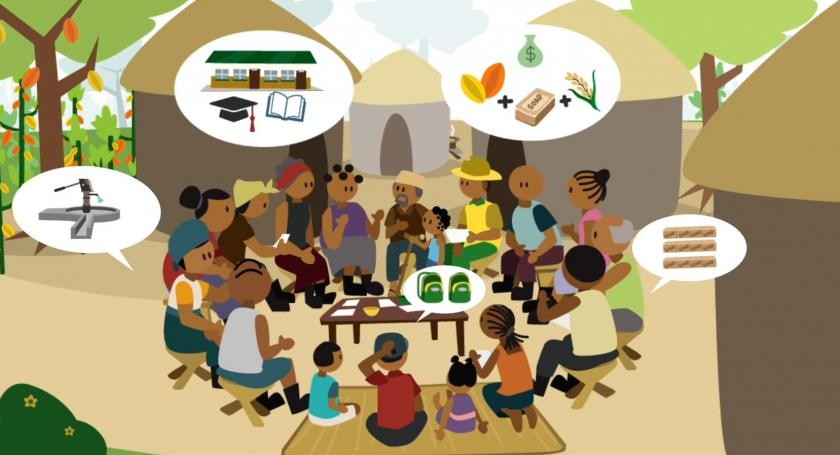


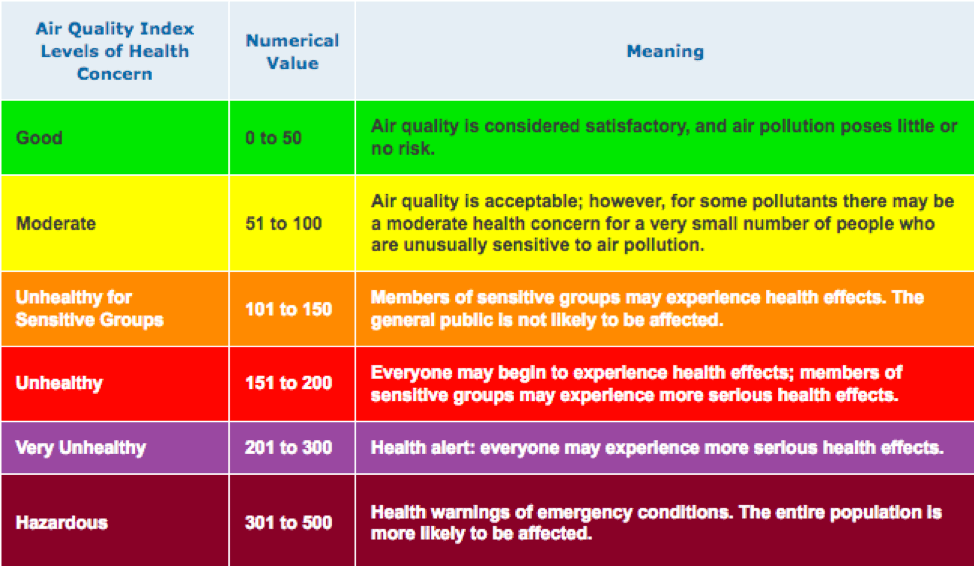


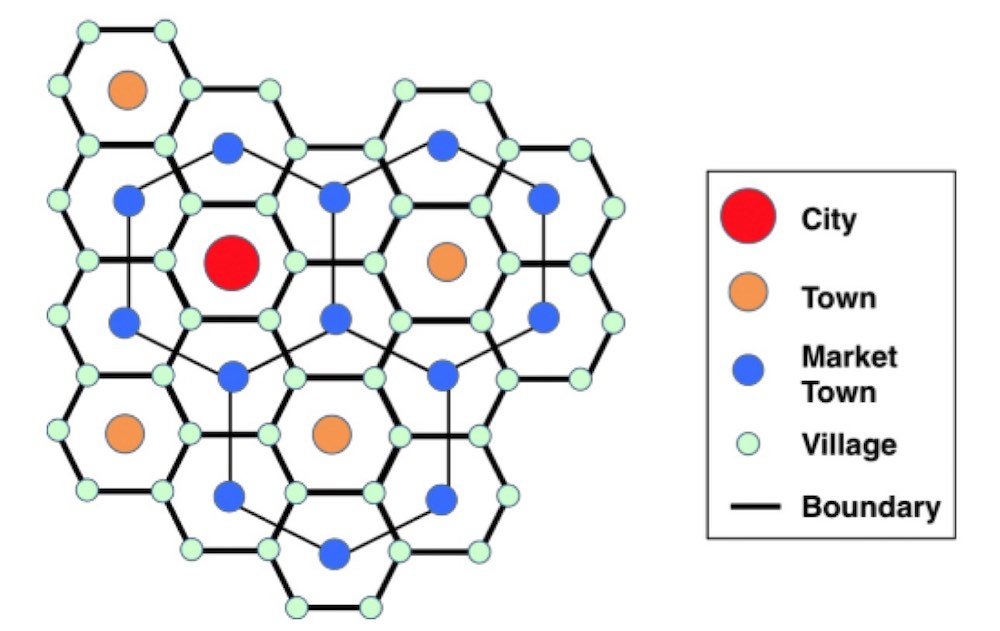


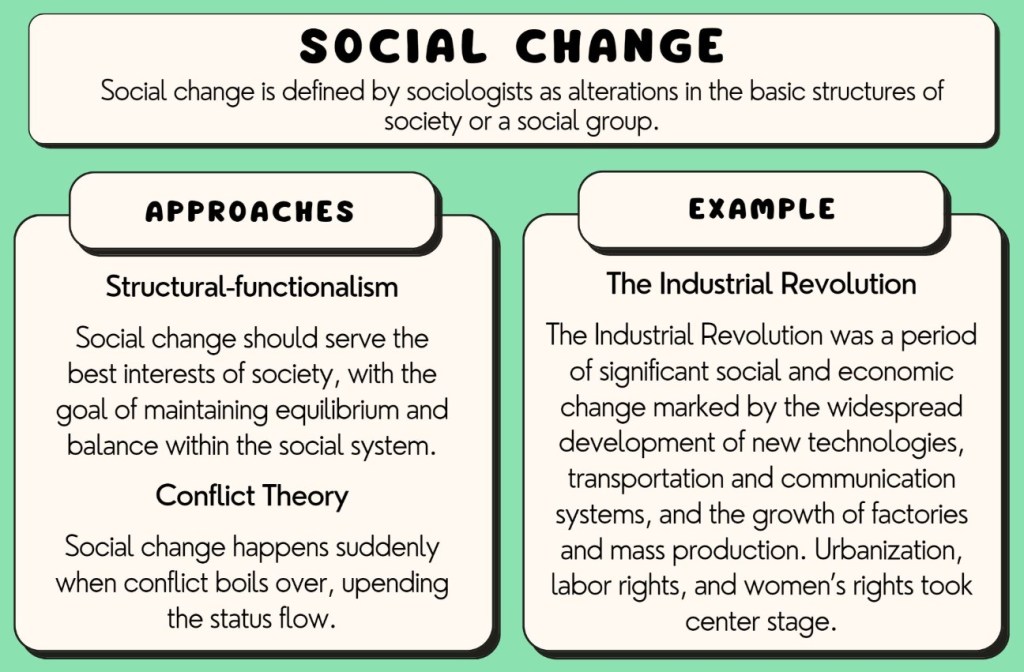
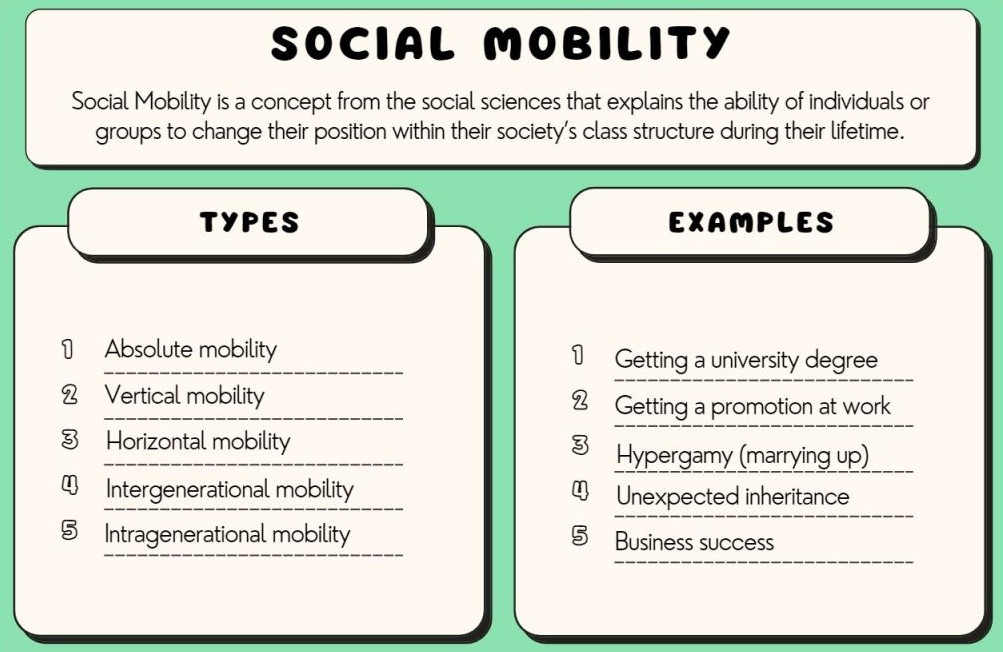


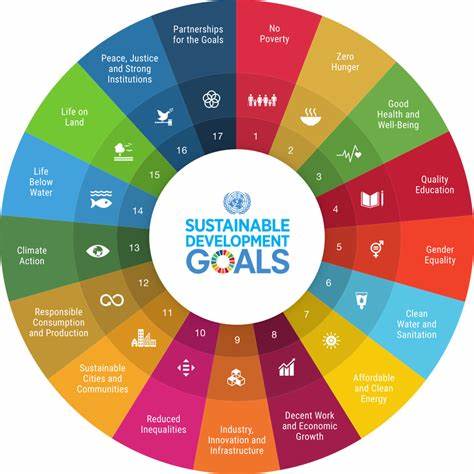


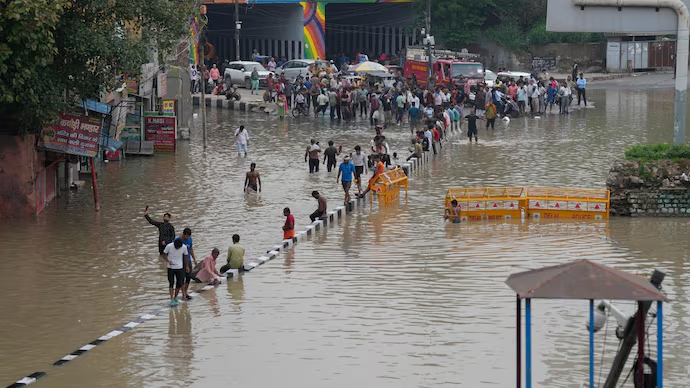















You must be logged in to post a comment.