
ASPERGILLOSIS

BY DAKSHITA NAITHANI

INTRODUCTION

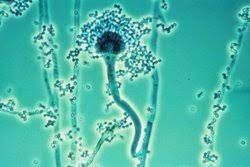
Pier Antonio Micheli, a priest and scientist, named Aspergillus while documenting moulds in 1729. The mould looked like an aspergillum, which is a type of holy water sprinkler. Physician Georg W. Fresenius described the species fumigatus for the first time in 1863.

 Apergillus spp., found in abundance of nature, can be found in soil, decomposing materials, water sources, and air particle. Aspergillus-related disease is uncommon, although it has a significant death rate. The majority of people are exposed to spores (conidia) during their lives, although illness development occurs mostly in people with compromised immune systems, as well as during construction and yard activities. In patients with leukaemia, asthma, cystic fibrosis, and hematopoietic stem cell transplant recipients, A.fumigatus is the most frequent invasive mould infection, with death rates exceeding 50 percent in these high-risk populations.

Around the apex, the stipes are grey in colour. They feature a slick finish. Their globule is tiny and columnar. The conidia’s texture is either smooth or spinose.
WHERE IT CAN BE FOUND?

Aspergillus is commonly found in rotting plant matter. After considerable environmental exposure to Aspergillus spores, such as when handling tree-bark chipping, Aspergillosis can develop in healthy hosts.

Aspergillus can be found in soil, compost piles, and damp grain in outdoor settings. Aspergillus may be found within buildings in wet insulation, fireproofing material, beds , behind couches, in damp rooms’ corners, dust, and air conditioning systems. In the Northern Hemisphere, most research studying seasonal changes in fungal exposure show an increase in airborne Aspergillus throughout the cold season.

TYPES OF ASPERGILLOSIS

Allergic bronchopulmonary aspergillosis (ABPA) is a multifaceted hypersensitivity reaction to inhaled Aspergillus fumigatus. Although it produces lung irritation and allergy symptoms, it does not cause infection. Aspergillus sinusitis is caused by an allergic reaction to the fungus Aspergillus, which produces inflammation in the sinuses and the symptoms of a sinus infection but does not cause an infection. A fungus ball is also known as an Aspergilloma. It forms in the lungs or sinuses but seldom spreads to other regions of the body, as the name implies.

Aspergillosis of the lungs (chronic pulmonary aspergillosis) Aspergilloma, chronic cavitary pulmonary aspergillosis (CCPA), chronic fibrosing pulmonary aspergillosis (CFPA), and Aspergillus nodules are all illnesses classified as chronic pulmonary aspergillosis (CPA). CPA is a lung infection that develops over time.

INVASIVE PULMONARY ASPERGILLOSIS

Inhaled conidia are removed by epithelial cells and alveolar macrophages in normal host lungs. Aspergillus becomes invasive when conidia escape these host defences and develop into branching filaments called hyphae. Alveolar macrophages generate inflammatory mediators, which attract neutrophils, which can destroy the hyphae.

CUTANEOUS SKIN ASPERGILLOS

Aspergillus comes in contact through a breach in the skin (for example, after surgery or a burn wound) and infects persons with weaker immune systems. Cutaneous Aspergillosis can also develop if invasive Aspergillosis moves from another part of the body, such as the lungs, to the skin.

LIFE CYCLE

Aspergillus begins its infectious life cycle by producing conidia (asexual spores) that are easily transported into the atmosphere, ensuring its ubiquity in both habitats. Inhalation of these conidia is the most common way to become infected, followed by conidial deposition in the bronchiole spaces. The phagocytosis and destruction of Aspergillus conidia is largely carried out by macrophages. The danger of infection stems largely from a breakdown in these host defences, as well as fungal characteristics that allow A. fumigatus to survive and flourish in this pulmonary habitat.

SYMPTOMS

The symptoms of Aspergillosis are:

  • Wheezing, chest pain
  • Shortness of breath, stuffiness, runny nose and reduced ability to smell
  • Cough (sometimes blood)
  • Fever (in rare cases), headache, fatigue
  •        Weight loss

•             The length of time that an illness lasts depends on the underlying health concerns, the intensity or location of infection, and the kind of sickness.

•             Allergic forms, may require steroid and antifungal treatment for a few months, possibly longer sometimes.       

•             Invasive pulmonary Aspergillosis may need at least 6 to 12 weeks of antifungal therapy. Severe cases may need therapy for lifetime and monitoring to keep the illness under control. 

•             If the infection spreads from the lungs to other areas of the body, additional symptoms may appear.

•             Red to purple plaques or papules are common symptoms of cutaneous Aspergillosis.

DIAGONOSIS    

Because the symptoms of Aspergillosis might be confused with those of other lung diseases, diagnosing it can be challenging. In order to make a diagnosis, your healthcare practitioner will look at your medical history, risk factors, symptoms, physical examinations, and lab testing.

An Aspergilloma, a fungal tumour, or the symptoms of invasive Aspergillosis and ABPA can be found on a chest X-Ray or a chest CT scan.

•             A sample of your sputum is stained with a dye and examined for the presence of Aspergillus filaments in a respiratory secretion (sputum) test.

•             Tissue and blood testing may be used to confirm the presence of ABPA.

•             To confirm invasive aspergillosis, a biopsy of tissues from your lungs or sinuses is performed, as well as blood testing.

TREATMENT

In addition to early diagnosis, early treatment is critical in managing aspergillosis. Depending on the type of disease, one may have the following treatments:

•             Observation- If you have a single aspergilloma, you may not need treatment; instead, you may be monitored with regular chest X-rays or CT scans. The doctor may prescribe antifungal medication if your disease worsens.

•             Antifungal medicines may be used in combination with corticosteroids to reduce the need of steroids, improve lung function, and prevent existing asthma or cystic fibrosis from deteriorating. Some examples are prednisone (Deltasone), prednisolone (Orapred), and methylprednisolone (Medrol).

•               Invasive pulmonary aspergillosis is treated with antifungal medications. Voriconazole (VFEND) and amphotericin B are two of these drugs (Amphocin, Fungizone).

•             Surgery- as antifungal medicines have a hard time penetrating an aspergilloma, surgery may be required to remove the fungal mass if the aspergilloma causes pulmonary haemorrhage.

Embolization of the Arteries -This technique can be used to temporarily halt aspergilloma-related bleeding.  A radiologist uses a catheter to inject a substance into an artery supplying a lung cavity where an aspergilloma is causing blood loss. The injected substance solidifies, cutting off the area’s blood supply and halting the bleeding. This therapy works for a while, but the bleeding will most likely return.

BLASTOMYCOSIS

BY DAKSHITA NAITHANI

INTRODUCTION

The fungus Blastomyces causes blastomycosis and the fungus can be found in nature, especially in damp soil and decomposing organic materials like wood and leaves. It is found mostly in the midwestern, south-central, and southern regions of the United States, notably in locations near the Ohio and Mississippi River basins, the Great Lakes, and the Saint Lawrence River. The fungus can also be found in Canada, and there have been a few instances of blastomycosis documented in Africa and India.

People can get blastomycosis by inhaling tiny fungus spores in the air, which frequently occurs after engaging in activities that disrupt the soil. Although the majority of individuals who inhale the spores do not become ill, some will have symptoms such as fever and cough. The infection can be serious in certain people, such as those with weaker immune systems, especially if it spreads from the lungs to other organs.

SYMPTOMS

Blastomycosis is characterised by a high fever.

About half of those infected with the fungus Blastomyces will have symptoms. Blastomycosis symptoms are frequently comparable to those of other lung infections, and include the following:

•             Fever

•             Cough

•             Night sweats

•             Muscle aches or joint pain

•             Weight loss

•             Chest pain

•             Fatigue (extreme tiredness)

Blastomycosis symptoms generally develop 3 weeks to 3 months after a person inhales the fungus spores.

Severe blastomycosis

Blastomycosis can spread from the lungs to other parts of the body, including the skin, bones and joints, and the central nervous system, in some people, especially those with weakened immune systems (the brain and spinal cord).

WHO IS AT RISK

Anyone who has been in an area where Blastomyces is present in the environment can acquire blastomycosis. People who engage in outdoor activities in these locations that expose them to forested areas (such as forestry labour, hunting, and camping) may be more susceptible. People with compromised immune systems are more prone than those who are otherwise healthy to acquire severe blastomycosis.

PREVENTION

There is no vaccination to prevent blastomycosis, and it may not be feasible to avoid being exposed to the fungus that causes the disease in regions where it is prevalent. People with weaker immune systems should avoid activities in these areas that require disturbing the soil.

LIFE CYCLE

Blastomyces is a mould that generates fungal spores that thrives in the environment. The spores are too tiny to see with naked eyes. People and animals who inhale the spores are at danger of contracting blastomycosis. The body temperature permits the spores to convert into yeast when they enter the lungs. The yeast can remain in the lungs or spread to other areas of the body via the circulation, including the skin, bones and joints, organs, and the central nervous system.

DIAGONOSIS

Blastomycosis is diagnosed using your medical and travel history, symptoms, physical examinations, and laboratory testing. A doctor will most likely test for blastomycosis by sending a sample of blood or urine to a laboratory.

Imaging studies, such as chest X-Rays or CT scans of your lungs may be performed by your healthcare practitioner. They may also take a sample of fluid from your lungs or perform a tissue biopsy, which involves taking a tiny sample of damaged tissue from your body and examining it under a microscope. Laboratories may also examine it may grow in bodily fluids or tissues (this is called a culture).

TREATMENT

The majority of patients with blastomycosis will require antifungal therapy. Itraconazole is an antifungal drug that is commonly used to treat blastomycosis in mild to moderate cases. For severe blastomycosis in the lungs or infections that have spread to other areas of the body, amphotericin B is generally used. Treatment might last anywhere from six months to a year, depending on the severity of the illness and the person’s immunological condition.

HISTOPLASMOSIS-SYMPTOMS,TREATMENT, DIAGNOSIS

BY DAKSHITA NAITHANI

INTRODUCTION

Histoplasmosis is a fungal infection caused by Histoplasma capsulatum, a fungus. Spores suspended in the air by birds and bats are frequently the source of this illness. If the infection is limited to the lungs, it is not dangerous. It might be deadly if it spreads across the entire body. This condition mostly affects immune-compromised people, most of who are suffering from AIDS.

Histoplasma capsulatum is a soil microorganism that is frequently linked with decomposing sediments. Infectious elements are frequently released by disrupted soil particles, which are breathed by humans and settle into their lungs.

Histoplasmosis is often known as the Darlings’ disease, after Samuel Darling, who first found the virus in Panama.

SYMPTOMS

Histoplasmosis is characterised by a high fever. The fungus Histoplasma causes no symptoms in the majority of persons who are exposed to it. Others may experience symptoms that subside on their own.   Coughing: Fatigue (severe exhaustion): Chills: Headache: Body aches: Chest pain Histoplasmosis symptoms might emerge anywhere from 3-17 days after a person inhales the fungus spores. These symptoms usually fade away in a few weeks to a month for most people. However, some people’s symptoms might persist much longer, particularly if the condition is acute. Histoplasmosis can cause a long-term infection in certain individuals, especially those with compromised immune systems, or it can move from the lungs to other regions of the body, such as the central nervous system.

RISK AND PREVENTION

If you’ve been in a region where Histoplasma is present in the environment, you can acquire Histoplasmosis. It I s frequently linked to soil disturbance, specifically soil containing bird and bat droppings. Certain persons are more likely to acquire severe types than others:

People who have weakened immune systems, for example, people who:

  • Are patients of HIV/AIDS
  • Had an organ transplant
  • Are taking medications such as corticosteroids or TNF-inhibitors
  • Infants
  • Adults aged 55 and older

Histoplasmosis cannot be transmitted from one person to another or between humans and animals through the lungs. The illness can, however, be transferred through a transplant with an affected organ in exceedingly rare circumstances.

In regions where it is prevalent, it might be difficult to avoid breathing it in. People with compromised immune systems should avoid undertaking behaviours that are known to be linked with Histoplasmosis in locations where it is present, such as:

  • Disturbing material where there are bird and bat droppings
  • Cleaning chicken coops
  • Exploring caves
  • Cleaning, remodelling, and  tearing down old buildings

Professional firms that specialise in the cleaning of hazardous material should clear up large volumes of bird and bat droppings.

TREATMENT AND DIAGONOSIS

Although direct diagnosis of Histoplasmosis (HP), one of the most common endemic mycoses in the world, is achieved by micro as well as macroscopic observation of Histoplasma capsulatum, serologic indication of this infection is important because etiologic agent isolation is time-consuming and unresponsive. To identify specific antibodies to H. capsulatum, a number of immunoassays have been utilised. Immuno-diffusion is the most often used technique for antibody detection, with a sensitivity of 70 -100 percent depending on the clinical form.

The complement fixation test, which was formerly widely employed, is less specific (60 – 90 percent). Immunoassays for detecting fungal antigens are particularly useful in patients with low immunity, with positive predicted results of 96–98%. The majority of modern diagnostic tests still use unpurified antigenic complexes derived from entire fungal cells or their culture filtrates. Clinical immunoassays employing highly pure and well-characterized antigens, including recombinant antigens, are now the focus.

For diagnosis doctors use your medical and travel history, symptoms, physical examinations, and laboratory testing. Taking a blood sample or a urine sample and submitting it to a facility is the most frequent way that healthcare practitioners test for Histoplasmosis.

Imaging studies, such as chest X-Rays or CT scans of lungs may be performed by your healthcare professional. A sample of fluid from your lungs is used or a tissue biopsy is performed, which involves taking a tiny sample of damaged tissue from your body and examining it under a microscope. Research facilities may also examine if Histoplasma may develop in bodily fluids or tissues.

 Symptoms may go away without therapy in some persons. To treat severe infection in the lungs, persistent Histoplasmosis, and infections that have moved from the lungs to other areas of the body, prescription antifungal medicine is required. Antifungal medications like Itraconazole are widely used to treat Histoplasmosis.  If you have a minor case treatment is typically not required. However, if your symptoms are severe, or if you have the chronic or disseminated type of the condition, you’ll almost certainly need antifungal medication. You may need to take medicines for three months to a year if you have a severe version of the condition.

SPOILAGE OF VEGETABLES

BY DAKSHITA NAITHANI

INTRODUCTION

Vegetables are an important element of the diet since they include a variety of essential nutrients such as carbohydrates, minerals, vitamins, roughage, and so on. Microbial deterioration causes around 20% of vegetables produced for human use to be wasted.

Spoilage is defined as any alteration in food that renders it unfit for human consumption.

REASONS FOR SPOILAGE

Vegetables, because of their high nutritional content, can promote the growth of moulds, yeasts, and bacteria, and thus can be ruined by any or all of these microorganisms. The presence of more water in vegetables encourages the growth of spoilage bacteria, and the low carbohydrate and fat content implies that much of this water is in useful form. Furthermore, vegetables’ tissues have a higher pH than fruits, making them more sensitive to bacterial invitation.

Vegetables’ relatively have strong oxidation-reduction potential and lack of significant poising capacity which indicates that aerobic and facultative anaerobic types are more essential than anaerobes.

In terms of frozen vegetable products, the total numbers of bacteria on frozen vegetables tend to be lower than on non- frozen products. This occurs primarily due to:

  • Blanching of products prior to freezing them.
  • Selection of higher quality products for freezing.
  • Some bacteria dying in the frozen state.

HOW DO MICROBES INVADE VEGETABLES?

Vegetables being a part of fresh produce contain high moisture which makes them highly perishable and hence more prone to spoilage.

Microbes gain entry into vegetables from various sources. These include:

  1. Soil
  2. Water
  3. Diseased plant
  4. Harvesting and processing equipments
  5. Handlers
  6. Packaging and packing material
  7. Contact with spoiled vegetables
  8. Freshly picked vegetables contain a natural surface flora, which includes pectinolytic bacteria in low quantities. The plant’s intact healthy tissue may also include a small number of live bacteria. The interplay between physiological changes in the tissues after harvest and changes in microbial activity will determine the start and pace of deterioration. The act of harvesting causes physiological stress, mostly due to water loss and wilting, and damaged surfaces may release nutrients for microbial development. This stress may also allow the endophytic flora to flourish, which would otherwise be dormant.
  9. The softening of tissue caused by bacteria’ pectinolytic activity is the most common type of deterioration. Pectin, a key component of the intermediate lamella between the cells, is involved in the microorganisms’ breakdown process.

BACTERIAL AGENTS

  1. Pectinolytic species of the Gram-negative genera-
  2. Pectinobacterium
  3. Pseudomonas
  4. Xanthomonas

These microbes are considered important in the spoilage of potatoes, under some circumstances.

  • Non- sporing Gram-positive organism Corynebacterium sepedonicum causes a ring rot of potatoes.

The bacteria most commonly associated with the soft rotting of carrots are Pectobaterium spp. Such as:

  • P.carotovorum subsp. carotovorum
  • P.carotovorum subsp. odoriferum

FUNGAL AGENTS

Spoilage conditions in vegetables are usually initiated pre-harvest and sometimes post-harvest.

Botrytis cinerea causes grey mould rot in a variety of vegetables such as:

  • Asparagus
  • Lettuce
  • Onions
  • Cabbage
  • Garlic
  • Celery

In this disease, the casual fungus grows on decayed areas in the form of prominent grey mould. Rhizopus soft rot, caused by the fungi Rhizopus stolonifer is responsible for turning vegetables soft and mushy. Among those affected are beans, carrots, sweet potatoes and tomatoes.

Blue mould rot is a post-harvest disease of apples and pears, caused by Penicillum enpansum.

CONSEQUENCES OF SPOILAGE

Vegetables are not usually a cause of public health concern but transmission of enteric pathogens such as:

  • Salmonella
  • Shigella
  • VTEC

Direct contamination from farmworkers and animal excrement, the use of manure or sewage sludge as fertiliser, or the use of polluted irrigation water are all possibilities.

  1. Celery, watercress, lettuce, cabbage and beansprouts have all been associated with Salmonella infections, including typhoid and paratyphoid fevers. Moreover, an outbreak of Shigellosis gas has been traced to commercial shredded lettuce.
  2. Not all pathogens are necessarily transmitted to vegetables by direct or indirect fecal contamination. Organisms such as Clostridium botulinum have a natural reservoir in the soil and any products contaminated with soil can be assumed to be contaminated with soil can be assumed to be contaminated with spores possibly in very low numbers.
  3. Psychrotrophic species Listeria monocytogenes caused an outbreak of listeriosis in USA (1979) and can easily grow on shredded cabbage and salad vegetables at temperatures as low as 50C and modified- atmospheres have no effect on this organism.

GREY ROT- BOTRYTIS CINEREA

BY- DAKSHITA NAITHANI

ABSTRACT

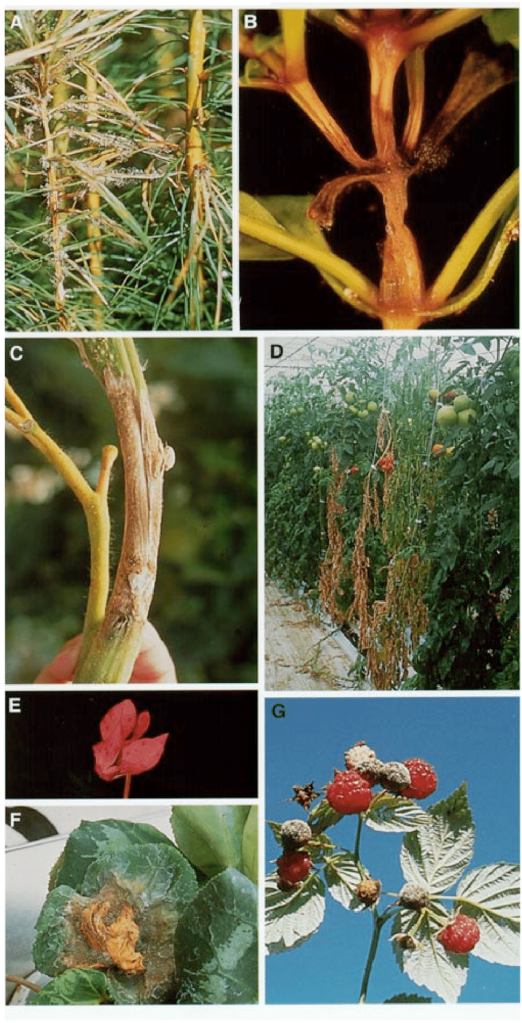
Botrytis cinerea is responsible for significant losses in more than two hundred crop species throughout the world. This fungus is very harmful to grapes. In most cases, it causes bunch rot, also known as grey rot. It also provides favourable circumstances for the growth of other organisms which support spoilage. 

It is most damaging on dicotyledonous hosts’ mature tissues, but it generally obtains access to such tissues much earlier in the plant development and remains latent for a long period of time before destroying tissues when the environment is favourable and the physiology of the host changes.

As a result, significant harm occurs after harvesting seemingly healthy crops and transporting them to distant markets, where the losses become apparent. On the other hand, it causes large losses in several field and greenhouse-grown crops prior to harvest, and in some hosts, even at the seedling stage.

 INTRODUCTION

Botrytis blight, is a disease which infects a variety of herbaceous annual and perennial plants. Blights can be caused by a number of different fungal species. Infections thrive in cold, wet spring and summer weather, with temperatures hovering around 15°C. It’s especially dangerous when the wet, dreary weather lasts for several days. It is capable of infecting a wide range of ornamental plants. Two more harmful blights have specific host preferences: B. paeoniae infects peonies, and B. tulipae infects tulips, producing tulip fire. Over thirty species of the genus have been discovered so far. Most of them have only been found to infect a few hosts, with others exclusively infecting certain hosts.

NOBLE ROT

Blights aren’t necessarily a bad thing. In viticulture, for example, when ripe grapes get diseased, the skin becomes more porous, allowing more water to escape from the crop. Noble rot enhances the sugar level of the wine and results in a more flavourful wine. To manufacture some of the greatest wine, the grapes are literally hand-picked one by one to ensure that only those grapes afflicted with the parasitic mould are chosen. Horticulturists may find it beneficial in various circumstances. Moulds are unquestionably beneficial in nature. It is also responsible for the effective tidying up of all the leaves that fall from the trees in October. As a result, the cycle of life can begin again. While noble rot may be quite beneficial in terms of concentrating sugars in the winemaker’s grapes, it all depends on the grape type.

SYMPTOMS AND SIGNS

 Grey mould’s most prevalent symptoms are grey-brown lesions, as the name implies. Lesions are found on various parts of the plant. Small spherical specks, known as ‘pocks,’ appear initially on flowers. These may develop into bigger ones. Symptoms on various sections of potted plants are sometimes only evident during and after storage in cold. Grey mould is a component of the foot rot complex in lettuce, which causes rotting of the foot and plant mortality.  These lesions can surround the stem, causing the plant to wilt and die. Grey mould wreaks havoc on produce. Carry-over infection from infected parent plants kills cuttings in potted plants. It can attack at any point throughout the growth of a plant. Early Botrytis Detection-While various plants will exhibit somewhat different symptoms, water-soaked patches on the leaves are one of the first indicators present. These might be off-white or white in appearance. These patches will eventually become brown. They’ll ultimately wilt the leaf because they’ll cover the majority of it.

LATER BOTRYTIS PROGRESSION

When leaves begin to brown, it’s easy to confuse the rot with other fungal infections. However, when the humidity level rises, spore patches that are greyish and rough in nature will develop. Botrytis cinerea is at its most hazardous at this point, as it can now easily distribute spores. Even a small wind, a spray of water or even trimming damaged leaves can spread spores to neighbouring plants. These spores are easily dispersed, and they may appear as a dust on severely diseased plant material. Sclerotia, or black resting formations, are formed by some species and can be seen on dead plant tissues in late summer. 

Fruit will decay while hanging long , and your blooms will turn grey. The plant will eventually wilt and perish, succumbing to the mould. Even after harvesting, the plants are susceptible to it. If the crop is stored in a place with suitable conditions, the spores can germinate and turn it into a watery mush, thus destroying it.

CONTROL METHODS

DURING CULTIVATION

It’s critical to remove any infected plant components as soon as possible. The contaminated pieces should be transferred in a plastic bag as soon as possible. If the entire plant needs to be removed, follow these steps: To begin, place a bag over the plant, next pull the entire plant, including the roots, out of the ground.

Remove both of them from the place after that. Wash your hands and change your clothes before returning to the same area the infected plant or portions of the plant should never be allowed to come into proximity with other plants, since even the tiniest contact will release clouds of grey spores into the air. The spores will then settle on healthy plants, infecting them. To keep the humidity surrounding the leaves and flowers at a lower level, good ventilation is required. When rain is predicted, it is best to cover outside crops with a plastic shelter such as a poly-tunnel.

 BIOLOGICAL CONTROL

Several microbes have been shown to be effective in preventing grey rot in a range of crops.  Because of its capacity to inhibit the development of spores, Clonostachys rosea is utilised to combat and prevent its assaults. It is not the only species that fights; various species of nematode have also been employed to effectively reduce grey mould.

 A few trains of Trichoderma harzianum have an antagonistic effect on the development of several  crops, and the genus Bacillus have been identified as being capable of producing compounds that inhibit its progress, which can be used to prevent damping off in infected flowers and fruits.

FUNGICIDES BASED ON NATURAL EXTRACTS

Plant extract treatments are sold particularly to prevent infection and development. Extracts of citrus seed, thyme, mint, garlic, and pepper, to mention a few, have shown satisfactory effects. The components may vary, but many of them work by blocking mycelium growth.

BIOTECHNOLOGICAL IMPROVEMENTS

In the lab, scientists have succeeded in creating transgenic plants that are unaffected by the introduction of a resistance gene. A kind of inhibitory protein is encoded by this resistance gene. Plants are more resistant to fungal assault when they are inhibited.

WHAT TO DO WHEN PREVENTION FAILS

One of the most challenging aspects is that it has a proclivity for adapting to various fungicidal treatments. It has the ability to build resistance to frequently utilised techniques. One will also need to change their treatment techniques from time to time to make it more difficult for the fungus to acquire that immunity. A smart approach to accomplish this is to alternate your treatments between organic and microbiological techniques. Foliar sprays can protect your plants and stop development before it starts. Adding soil microbial treatments adds additional safeguards to the soil, which are beneficial.

 ORGANIC TREATMENTS

If the plant is sprayed with Neem oil on a regular basis, it can help to prevent fungal development. It can also help to keep pests at bay. Liquid copper fungicides have been shown to help reduce spore infection in plants. To safeguard your plants, use this fungicide every seven to ten days from the start of blooming till harvest.

Potassium bicarbonate works well as well. Green Cure Fungicide is one type that is widely used in organic farming. Usually combined with water, this powdered solution may be sprayed on a daily basis to minimise fungal development. 

BACTERIAL TREATMENTS

Alternately employ a Bacillus subtilis-based solution to stop fungal disease growing resistant to other organic fungicides. This helps in preventing various types of fungal growth.

Foliar spraying – Infuse the soil with beneficial microbes to keep the soil and plants well-defended. It helps avoid infections, but they will also make it easier for the plant’s roots to absorb nutrients.

IS IT DANGEROUS TO HUMANS-

While the majority of people are unaffected, it can induce an allergic response. This is a kind of hypersensitive pneumonitis also known as “winegrower’s lung.” It is seldom fatal, but is quite painful and needs medical attention. They can cause lung inflammation if inhaled in large amounts.

While it can be caused by a number of factors such as different moulds it is best to avoid this by removing any mould before it spreads all over.

CONCLUSION

Botrytis cinerea is a grey fungal mould that costs billions in crop losses each year across the world. It’s also the most frequent microbe responsible for fruit and vegetable post-harvest deterioration, especially towards the conclusion of the blooming phase, and mostly in outdoor crops exposed to rain and humidity. In most cases, it’s a horrible situation. It wreaks havoc on many kinds of fruit crops, including strawberries, raspberries, tomatoes and various others. It can, however, be extremely beneficial to a limited number of people. Late season grapes have shown that this mould causes their grapes’ sugars to concentrate. This gives the finished wine a considerably more strong flavour, as well as honeysuckle-like flavour notes. The availability of the sequence has sparked the generation of high functional analysis to unravel the processes behind this species’ wide range.