
How to Reduce Stress

Photo by Nathan Cowley on Pexels.com

If we get stressed often and quickly, it means that we are harboring many internal conflicts and are not conscious of them. This makes it impossible to get rid of stress quickly. First, we must learn what causes mental stress. The information we receive from the outside (which we dislike), creates a feeling that evolves into a negative emotion (negative mental energy). For example, the inability to understand or accept other people’s point of view can cause mental stress.

In my late twenties, I struggled consistently with mental stress. I was happy to work in a global corporation and also excited to be responsible for many projects at once. Despite the work load I had, I was a victim of mobbing because of my keen engagement towards my tasks. I was physically and mentally exhausted because of the many complex purchase orders I had to place for the projects assigned to me. On top of that, there were certain people in the organization giving me hard time because of my desire to strive to improve.

There was an immediate disharmony between me and these people that generated a feeling of intolerance and non-acceptance. This grew into feelings of disappointment and frustration, which ended up creating emotion of anger and anxiety over not performing well or losing my job.

Day in, and day out, I was stressed. I understood that the people and the circumstances causing my mental stress wouldn’t change, so I had to understand that, accept it, and find a way to approach my stress and conflicts efficiently. I saw it as a challenge and was grateful for it. I not only reduced my mental stress but found a way to never let it develop again.

A technique is applied successfully when its essence is really understood and absorbed. If a technique is to be applied quickly, there must be extensive knowledge of the situation in which the technique is required.

In the context of mental stress, for example, we get scared and anxious in (sometimes normal) situations because we don’t know what is happening or what is going to happen. The uncertainty of the result causes tension and mental stress. The longer we move in that uncertainty, the greater and heavier our mental stress becomes.

Meditation brings short-term stress relief as well as lasting stress management benefits. There are many different forms of meditation to try–each one is unique and brings its own appeal.2

You might develop a mantra that you repeat in your mind as you take slow deep breaths. Or, you might take a few minutes to practice mindfulness, which involves being in the moment. Simply pay attention to what you see, hear, taste, touch, and smell.

Yoga combines physical movement, meditation, light exercise, and controlled breathing—all of which provide excellent stress relief.13

And while you’re likely to reap immediate benefits from a single yoga session, you’re likely to receive long-term benefits if you incorporate it into your life in a consistent way. 

eisure activities can be a wonderful way to relieve stress.12 Yet, many people feel as though their lives are too busy for hobbies, games, or extra fun.

But building time for leisure into your schedule could be key to helping you feel your best. And when you feel better, you’ll perform better, which means leisure time may make your work time more efficient.
Music Therapy

“Music is an outburst of the soul” – Frederick Delius

Music is a universal language, a form of expression that knows no boundaries. Music is the most beautiful part of our lives and we cannot imagine our lives without it. Music is nothing but a combination of words, melody and rhythm. Music is everywhere, right from the sound of raindrops to the frightening thunderstorm, voice of a babbling baby to the chirping of birds. Music is like a medicine that heals wounded souls, lifts up melancholy mood, brightens up our days and light up our nights.

What is Music Therapy

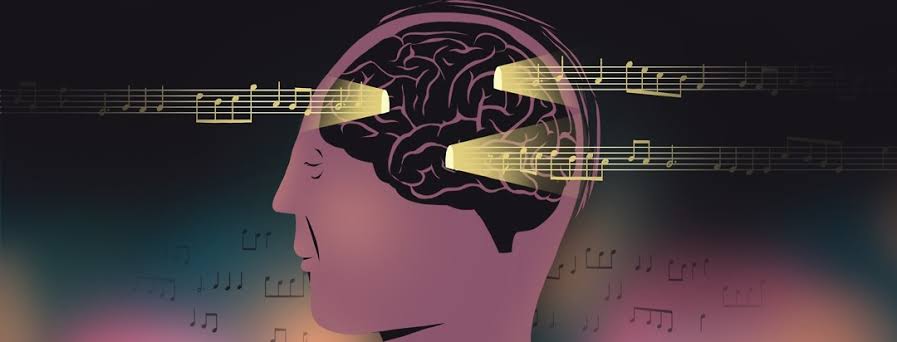
Music for treating people was used in ancient days but its use as a therapy has been popularised since the last century. Music is so powerful and therapeutic that it can be used as a tool to help reduce the severity of dieseases. Every age group responds to music in a positive way that makes them feel happy and when someone is happy, his body releases Dopamine and Endorphin hormones that keeps a person in a jolly mood even though he is suffering from physical pain and illness. Music Therapy is a clinical profession that meets with the goals of individuals through musical interventions. Music Therapy treats an ailing person by reducing his stress, anxiety, fear thus helping him to recover physically, psychologically and socially.

How Music Therapy helps

In the current scenario, stress and anxiety has become the toxic friends of people. Stress and anxiety when reach a higher level might also be fatal and therefore it is extremely important to get rid of these mental toxins. Research has shown that Music Therapy works well in treating a stressful and anxious mind. Music Therapy works the best for Alzheimer and Dementia patients. These dieseases have no permanent cure yet Music Therapy has become a ray of hope for them. These dieseases disconnect the patients from everyone but music connects them to the world. Researchers found that music stimulates the brain and upon hearing music, the patients revive their connection with their surrounding.

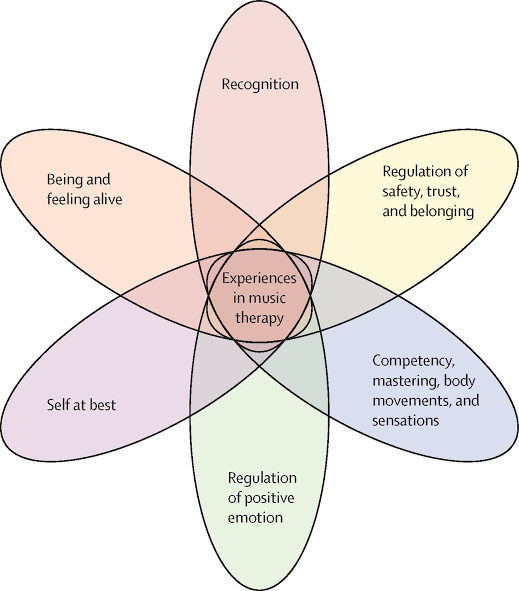
Music provides creativity, self discovering capability, self expression to a person who eventually let go of his stress and anxiety. Through music a person can connect himself to the world that helps in overall development of his character and well being. Even in general, if we have a bad day, just listening to music makes us feel good. Music Therapy not just encourage listening to music for healing purpose but also encourage people to participate in music making, practicing music that enhances memory, develop comprehension skills, learn and value qualities like patience and will power. When participating in music making, a person also gets the opportunity to express his suppressed emotions in a creative way which would bring him utmost satisfaction. Through the lyrics of a song or rhythm and melody of music, a person can relate it to his own life experiences and process it. Also, when a person goes through Music Therapy, he is exposed to multiple genres that introduce him to different cultures through which he can learn many new things necessary for his growth as a person.

However, Music Therapy is not a dominant treatment in curing physical ailments of the body yet it is a great therapy that helps in the process of recovery. Music Therapy helps people forget pain and anxiety and in that case medicine works better and faster leading to quick recovery. A person who does not feel physically healthy often feels isolated and keeps worrying about his health which makes his health even worse. Music Therapy comes as a rescue in such cases where the person feels motivated and positive after the music sessions. Music lowers the blood pressure of the body and control heart rates that makes a person feel stable when he is not keeping in good health. Music Therapy works like magic on children who face problems while speaking. Through regular Music Therapy sessions the therapist takes care of all the requirements of the child and work on its verbal developments.

Pre – requisites of Music Therapy

Before starting with music therapy, the therapist needs to know his patients well. Without understanding the needs of his patients, the therapist won’t be able to treat them up to the desired expectation. For a therapist, it is essential to know his patients’

Emotional state

Mental strength and abilities

Physical well being

Communication skills

Music preferences

History of past trauma

Social relationships

Only after having an in depth knowledge of these factors, the therapist can accordingly plan the sessions so that the patients can receive the needful treatment. During the session, the therapist can assess if the designed session has any effectiveness on the patient. If the therapist observe that the patient is not not responding, he can make changes and re – design the sessions.

Benefits of Music Therapy

Reduction of stress and anxiety

Reduction of pain

Strong social relationships

Cultural awareness

Reduction of feeling of isolation

Creative expression of self

Strong memory

Light and happy mood

Positive approach to problem solving

Proper speaking skills

Control over emotions

Therefore music has the capacity to heal even the unseen and unknown wounds of life. Music helps us lead a stress-free life and live with a determined and positive approach. It gives us strength to face every situation that life throws on us. Music is not just a part of life but it is life itself.