
Environmental Crisis From Oil Spills

Environmental pollution is increasing with each passing year and inflicting grave and irreparable injury to the world. Environmental pollution is of different types namely air, water, soil, noise and light-weight. These cause damage to the living system. How pollution interacts with public health, environmental medicine and the environment has undergone dramatic change.
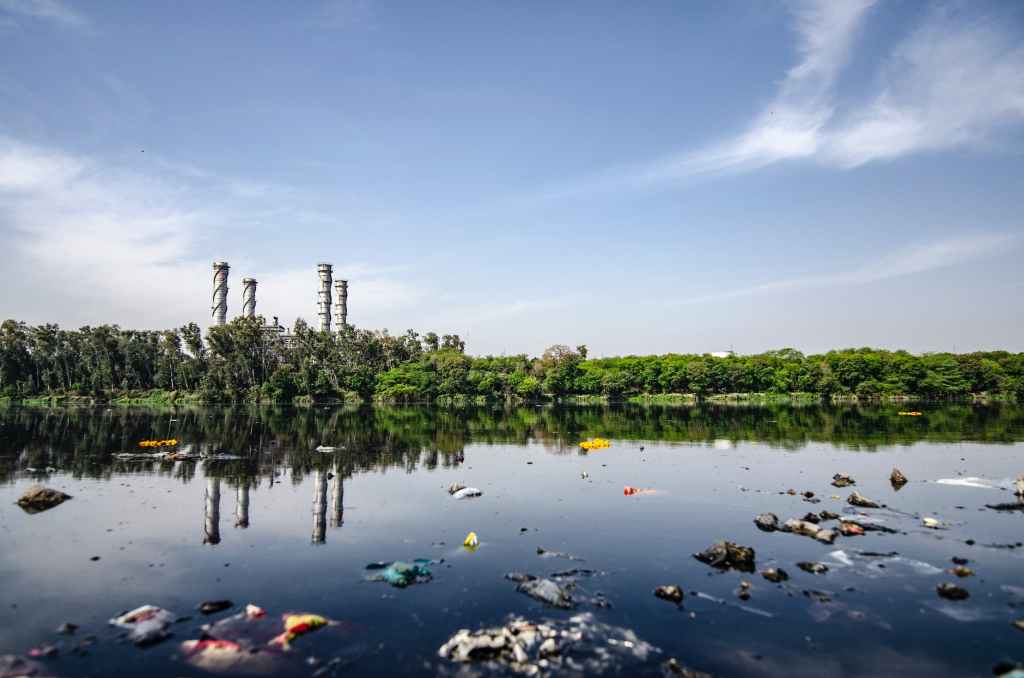
Recent oil spills in the Yellowstone River, Alaska tundra and Enbridge (Wisconsin) demonstrate how pollution can directly and indirectly impact man’s health environmental pollution was not a medical/public health issue nor was it discussed in clinical settings. Since the 1950s, environmental medicine has been discussed more frequently through a greater awareness in public health and preventive medicine; although today, there is now a focus on occupational medicine.

Environmental and occupational medicine are however more commonly viewed as an integrated subject, with emphasis given to industrial issues. Certainly, pollution problems have been recognized in the distant past but were more easily mitigated by nature due to the limited complexity of the pollutant, its degradability (e.g. biodegradable organics) and lower industrialization. Health-related effects from environmental pollution have been well known, but were not fully realized until highly notable events like the Donora (Pennsylvania) smog occurrence in 1948 resulting in later public health programs including in their training a discussion of environmental medicine.
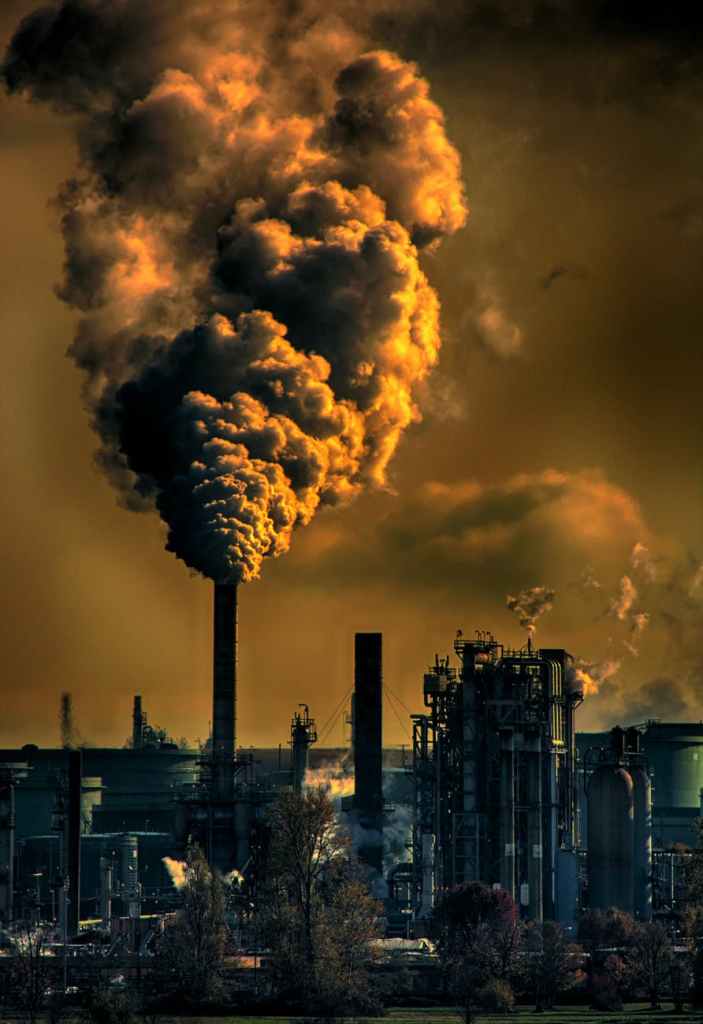
There has been an increased awareness of how pollution is observed regarding its health impact and attitudes toward public health and environmental medicine. Damage from oil spills will not only influence public health but overall disease rates for years to come. As environmental pollution increases so will the importance of environmental medicine in managing its consequences.

Scientists Discover a New Whale Population in the Indian Ocean

New Delhi: Scientists had found evidence of unknown population of blue whales living in the western Indian Ocean based on an analysis of sound recordings from the region, reported The New York Times.

According to a recently published study in the journal Species Research, this group of whales has its own distinct song or sound, different from any other whale song. So far, only about a dozen blue whale songs – each of which is a distinct identifier of a unique population – have been documented. Several blue whale populations have previously been recognised based on their distinct songs.

scientists involved in the study first recorded the song while undertaking research focused on Omura’s whales in the coast of Madagascar. It soon became apparent to the researchers that they had found a previously unidentified population of blue whales.

“It was quite remarkable to find a whale sound in our data that was completely unique, never before reported, and recognize it as a blue whale,” said Dr Salvatore Cerchio, who led the analysis of recordings of the whales. “With all that work on blue whale songs, to think there was a population out there that no one knew about until 2017, well, it kind of blows your mind,” Cerchio said.

Researchers said that they had initially assumed that the whales in question belonged to the same population of blue whales near Sri Lanka that had already been studied.

Before their recording effort off Oman, there were no acoustic data from the Arabian Sea, and so the identity of that population of blue whales was initially just a guess,” said study co-author Andrew Willson from Five Oceans Environmental Services LLC. “Our work shows that there is a lot more to learn about these animals, and this is an urgent requirement in light of the wide range of threats to large whales related to expanding maritime industries in the region.”

Hunted to near extinction, the number of blue whales shrank from 250,000 to around 1,000 by 1950s and started to recover from their dwindling numbers only recently following a global moratorium on commercial whaling.

“For 20 years we have focused work on the highly endangered Arabian Sea humpback whale, for which we believe only about 100 animals remain off the coast of Oman,” said Suaad Al Harthi of the Environment Society of Oman.

Weight of it is upto 380,000 pounds and stretching 100 feet long, the blue whale the largest creature to have ever lived on Earth , might at first seem difficult for human eyes and ears to miss.