Tea might be native to China , but the entire world relishes this beverage . Each country has its unique way of preparing and consuming tea. Here is how tea is consumed around the globe ,
CHINA – China is the country who introduced tea to the world . It is believed that Chinese emperor Shennong when consuming hot water noticed that dried leaf had fell from a plant and his water tasted really good , and that is how tea was discovered . China has a wide variety of tea leaves from which they make their tea.
TAIWAN – People in Taiwan enjoy bubble tea , which is a fairly modern innovation . It is an iced tea served with tapioca pearls . Bubble tea sure has a lot of calories , but it is worth the calorie gain.
JAPAN – Matcha tea is the most popular form of tea in Japan . This tea became very popular back in the 11th century when Zen buddhist monks had to stay awake all night .
MOROCCO – Touareg or mint tea is the most popular type of tea that is consumed in Morocco . It is made with steeping tea and spearmint leaves . Moroccan tea is served in a tall glass , usually over three servings .
1. Contains Healthy Bioactive Compounds: Green tea is more than just a drink that keeps you hydrated. The green tea plant has a variety of beneficial substances that make their way into the finished beverage. Tea is high in polyphenols, which are natural substances with health advantages such as inflammation reduction and cancer prevention. Epigallocatechin-3-gallate is a catechin found in green tea (EGCG). Catechins are natural antioxidants that aid in the prevention of cell damage as well as providing other advantages. These chemicals can protect cells and molecules from damage by reducing the generation of free radicals in the body. These free radicals contribute to ageing and a variety of ailments. One of the most potent components in green tea is EGCG. Its ability to assist treat a variety of ailments has been studied. It appears to be one among the key chemicals responsible for the therapeutic benefits of green tea. Green tea also contains trace minerals that are beneficial to your health.
2. Increases Fat Burning: If you look at the ingredients list of any fat-burning supplement, you’ll almost certainly see green tea. This is because green tea has been shown to increase fat burning and metabolic rate in studies. Green tea extract boosted the quantity of calories burnt by 4% in a research involving ten healthy men. Green tea extract boosted fat oxidation by 17 percent in another study involving 12 healthy males when compared to those who took a placebo.
However, some research on green tea have found no increase in metabolism, suggesting that the effects may vary depending on the individual and how the study was conducted.
3. May Protect The Brain From Aging: Green tea has been shown to increase brain function in the near term as well as protect the brain as it ages. Alzheimer’s disease is a widespread neurological illness that is the leading cause of dementia among seniors. Another prevalent neurodegenerative disease is Parkinson’s disease, which is characterised by the death of dopamine-producing neurons in the brain. Green tea catechin chemicals have been shown in several studies to have diverse protective effects on neurons in test tubes and animal models, potentially lowering the incidence of dementia.
4. May Improve Brain Function: Green tea may assist increase brain function in addition to keeping you alert. Caffeine, a well-known stimulant, is the main active component. It doesn’t have as much caffeine as coffee, but it’s enough to elicit a response without generating the jittery affects that come with too much caffeine. Caffeine impacts the brain by inhibiting adenosine, an inhibitory neurotransmitter. This enhances neuronal activity and neurotransmitter concentrations such as dopamine and norepinephrine. Caffeine has been found in studies to increase mood, vigilance, response time, and memory, among other aspects of brain function.
5. Antioxidants May Lower the Risk of Some Cancer: Cancer is a disease caused by uncontrolled cell development. It is one of the major causes of death in the world. Oxidative damage has been linked to chronic inflammation, which has been linked to chronic diseases such as cancer. Antioxidants can aid in the prevention of oxidative damage. Green tea is high in antioxidants and is a great source of them. Green tea components have been associated to a lower risk of cancer in studies such as these:
Breast cancer: Breast cancer is a disease that affects women. According to a meta-analysis of observational studies, women who drank more green tea had a 20–30 percent lower risk of breast cancer, one of the most frequent diseases in women.
Prostate cancer: Prostate cancer is a disease that affects men. Men who drank green tea had a decreased chance of advanced prostate cancer, according to one study.
Colorectal cancer: Colorectal cancer is a type of cancer that affects the colon. Green tea drinkers were 42 percent less likely to acquire colorectal cancer, according to a review of 29 research.
Green tea users are less likely to acquire numerous types of cancer, according to many observational studies, but more high-quality research is needed to corroborate these findings.
Avoid adding milk to your tea to obtain the maximum health advantages. According to certain research, it may lower the antioxidant value of various teas.
Every Indian household has one thing in common – a tea in the morning, a tea in the evening. But how much do we know about our Chai ?
Origin of Tea
Tea was first drunk in China as far back as 2700 B.C.! In fact words such as tea, ‘chai’ and ‘chini’ are from Chinese. There are various legends about the origin of Tea. There is one about the Chinese emperor Shen Nung who always boiled water before drinking it. One day a few leaves of the twigs burning under the pot fell into the water giving it a delicious flavour. It is said they were tea leaves. There is also an Indian legend about the origin of tea. Bodhidharma, an ancient Buddhist ascetic, cut off his eyelids because he felt sleepy during meditations. Ten tea plants grew out of the eyelids. The leaves of these plants when put in hot water and drunk banished sleep.
Masala Chai
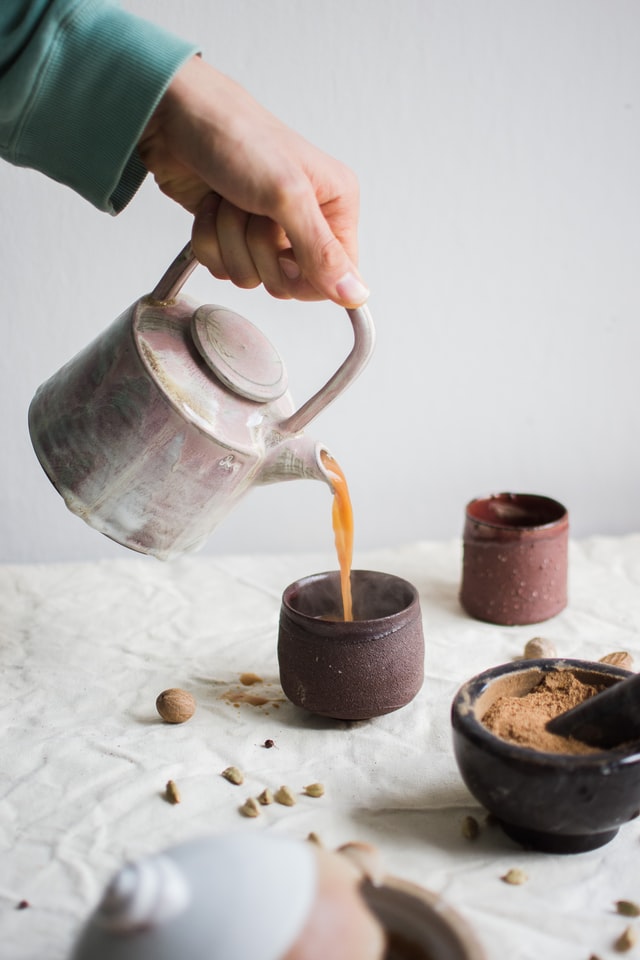
Masala Chai originated in India. In India, many herbs and spices are added to the tea. Each family has their own version of making tea. It is a tea beverage made by boiling black tea in milk and water with a mixture of aromatic herbs and spices. Tea plants have grown wild in the Assam region since antiquity, but historically, Indians viewed tea as an herbal medicine rather than as a recreational beverage.
In the 1830s, the East India Company became concerned about the Chinese monopoly on tea, which constituted most of its trade and supported the enormous consumption of tea in Great Britain. Then, british colonists noticed the existence of the Assamese tea plants, and began to cultivate tea plantations locally. However, consumption of black tea within India remained low until the promotional campaign by the Indian Tea Association in the early 20th century, which encouraged factories, mines, and textile mills to provide tea breaks for their workers. It also supported many independent chaiwalas throughout the growing railway system. The official promotion of tea was as served in the Indian mode, with small added amounts of milk and sugar.
Indian varieties of Tea
Masala chai – It is the most popular beverage in India
Noon chai – The pink tea is a traditional tea beverage from Kashmir and also served in many parts of Rajasthan and Nepal.
Green tea – it has been used in Ayurveda and it has also become a part of the modern India lifestyle.
Black tea – Black Tea is stronger in flavour and produced by all tea producing regions of India. Large leaved Assamese plants are mainly used for black tea.
White tea – White Tea harvested in India, Sri Lanka and China, It’s one of the styles of tea made from the buds and immature tea leaves.
Herbal tea – Herbal Tea made from hot water and served hot with varieties of plant material such as hibiscus, rose, etc.
Iced tea – It is a common drink in India, mostly available as ginger lemon iced tea or lemon iced tea. Lipton and Nestle brand of tea are two most popular brands of iced tea in India.
Irani chai – Irani Chai are masala chai with some spices and a popular quick weekend breakfast.
Tandoori chai – It is made in tandoor where clay pots also known as kullhads are preheated in tandoor and again served in fresh and clean kulhads.
Indians and their Chai can never be separated from one another. Now, I am also going to drink a refreshing cup of chai with tasty and crispy pakoras.





 Track2Training
You must be logged in to post a comment.