TRAVEL ESSENTIALS

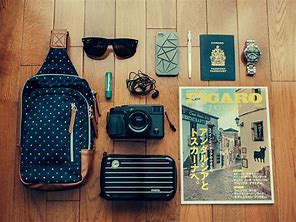
Writer John Tolkien has rightly expressed, “Not all those who wander are lost.” To travel is to set on a new journey, new experiences and lifetime memories. Life is a book and those who do not travel will just remain reading a single page of that book. People travel for numerous purposes such as to explore other places, to seek education and knowledge, stress reduction, to spend time with near and dear ones, etc. To travel without hindrances, one must have thorough information about what to carry and keep alongside during the journey. This blog will attempt to cover most of the travel essentials required.

Travel Bag

It is quite apparent that one will certainly carry a bag while travelling. The bag that one will carry must depend on the time period of travel and purpose of travel. The bag used must provide comfort in mobility and must not be one which can be easily damaged.

  • Long Vacations – Sturdy rolling luggage bag
  • Treks – Long rucksacks
  • Short Business Travels – Cabin sized wheeled duffel bag
  • Shopping – Tote bag

First Aid Kit

It is a must have commodity while travelling. In case of any small mishap, having a first aid kit along, will help prevent further complications or may even omit trips to a clinic, if acted upon quickly. Accidents are unpredictable, hence being prepared beforehand is necessary. Any first aid kid must include the following items – Band aids, bandages, antibiotic ointments, non latex gloves, aspirin (as one’s doctor suggests), a pair of scissors, thermometer, etc as per the Red Cross.

Diary

Keeping your personal travel journal along will help you to rewind all those lovely memories. Jotting down personal experiences will help you list down all what you have experienced while traveling. One can also pen down important phone numbers which he/she might need in case of an emergency. If travelling solo, one may write down the list of places that one would like to visit during the travel to avoid forgetting about it later on. A soft bound, back pack friendly diary with maps and pens is ideally recommended by avid travellers.

Vitamin tablets and Energy drinks

Events in a tour are uncertain. While one must decide beforehand, about what and where he/she would consume while on the tour, there is a possibility that plans may not work out accordingly. In case of unavailability of food supplies, energy bars, energy drinks and multivitamin tablets according to the doctor’s prescription can be consumed. During in flight travels, food options are scarce, hence the body does not receive the daily needed dose of supplements. Also, while travelling in a public transport, one’s body is prone to germs and infections. To avoid being stuck in such situations, it is always better to carry the needed dose of supplements along.

Seasonal Elements

One must thoroughly research on the weather conditions of the place he/she is travelling to. The climatic conditions in various regions of the world is varied.

Tropical Climate – Carry light coloured outfits to keep yourself cool. White or lightly printed loose tees, shorts and breezy dress are a go to set of clothing. Also, one must remember to carry along, shades, hats and sunscreen.

Cold Climate – Natural fibers such as wool and silk work wonders in preventing feeling cold. Layers of sweatshirts, fleece garments or thermals worn inside an all season leather jacket helps in protection from wind and rainfall. Gloves and socks are also to be carried for better warmth.

“Man cannot discover new oceans unless he has the courage to lose sight of the shore”

– ANDRE GIDE

One must relentlessly travel and explore the world. We might not understand how flamboyant the people, cultures and landscapes of this world are, unless we travel. In order to travel worry-free and experience serenity, one has to keep in mind the essentials that he/she must carry while embarking on a journey.

Top 5 venomous snake species

Snake are deadliest animal. Whenever one encounters it many get hurt or you can easily say they are dangerous to humans. They have aggressive nature. They are very dangerous especially for rural area people’s. There are estimated 3,500 snake species out of which 600 are venomous. Their estimated yearly attacks ranges from 53 lakhs to 54 lakhs, out of which more than 1 lakh people die due to their attack.

1) Inland Taipan

They are also known as fierce snake. They has the most toxic venom in the world. The average quantity venom give by this snake is 44mg while the most given is 110mg, which is enough to kill 100 people. Its venom consists of neurotoxins, Hemotoxins (procoagulants) affecting the blood, myotoxin affecting the muscles, nephrotoxins affecting the kidneys and hemorrhaggins causing hemorrhage. Its venom paralysis the body and cause hemorrhage. It is found in Australia.

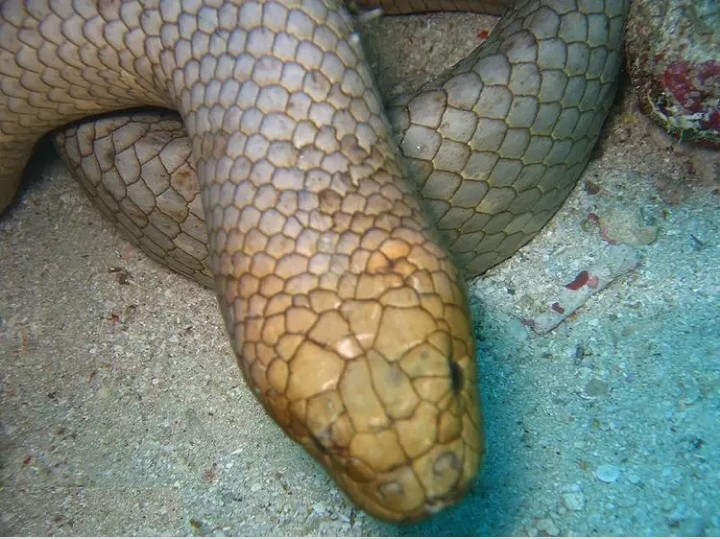
2) Dubois sea snake

Dubois sea snake is also known as reef shallow sea snake. It is a species of venomous sea snake. Adult sea snake grows upto 4.86ft but usually grow upto 2.6ft. It is most venomous sea snake and one of the top three most venomous snakes in the world. The venom is lethal and contains neurotoxin that act on the nerve cell, myotoxins acting on muscles. The venom of this snake paralysis the respiratory system which ultimately cause death of the person. They feed on fish and swallow the whole fish. True incident of sea snake bite has not been recorded but they might have caused bite in rural area where taking record might not be possible. They are not aggressive but can bite if feel threatened or surprised. Fisherman’s are more likely to get trapped in their bites often when they try to remove them from fishing net. They are found in Australia, and some parts of Indian Ocean and Timor sea.

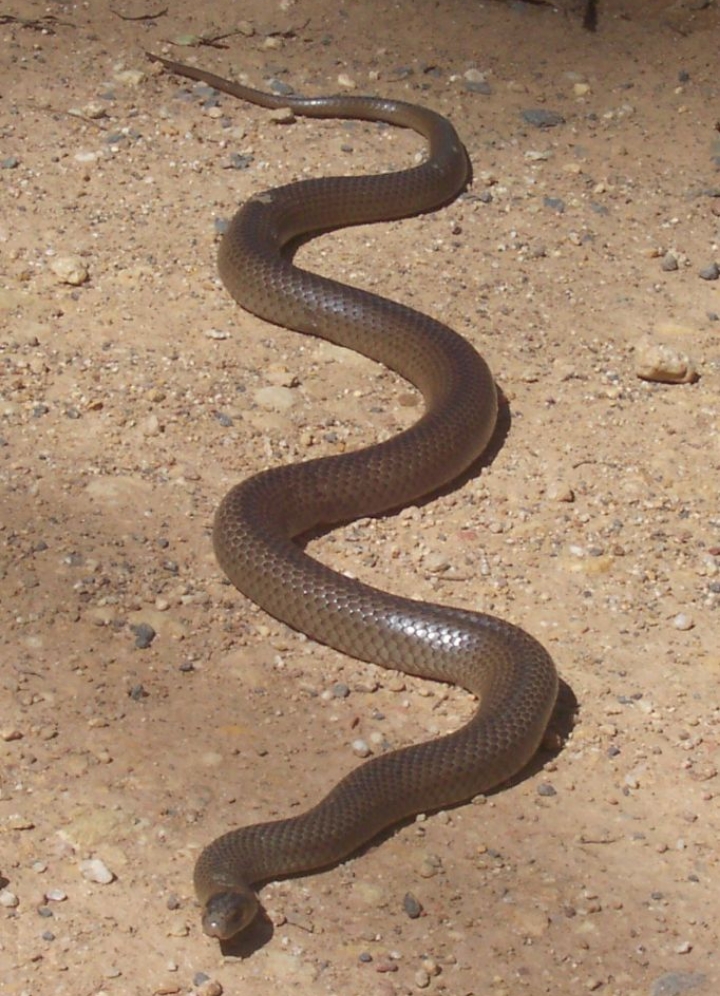
3) Eastern brown snake

Eastern brown snake or also known as common brown snake. This snake is highly venomous snake in the family Elapidae. Adult eastern brown snake goes upto 2m or 7ft. The venom of the snake mainly affects the circulatory system, coagulopathy, hemorrhage, cardiovascular collapse and cardiac arrest mainly the death occurs due to cardiac arrest. And one of the main components of venom is prothombinase which breaks down prothrombin. It is responsible for about 60% of snake bite death in Australia. They are native to eastern and central Australia and southern New Guinea.

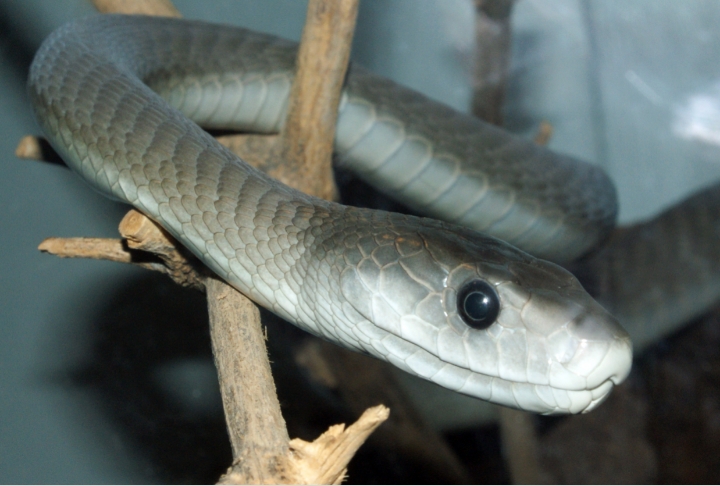
4) Black mamba

Black mamba also belongs to highly venomous species of family Elapidae. It is second longest venomous snake after king cobra. It grows upto 2m (6ft 7in) and commonly grow to 3m (9ft 10in). Its colour varies from grey to dark brown and it’s species is both terrestrial and arboreal (found on trees). It is native to parts of Sub Sahara Africa. Its venom is composed of neurotoxins and it’s induce symptoms within ten minutes and is frequently fatal. This species of snake is aggressive but only attack when threatened or cornered. It constantly bites more than once and it’s bite derive 100mg-120mg of venom, the highest venom recorded is 400mg. It is considered as snake of medical importance by World Health Organization. Its venom if not treated on time will result in respiratory failure, cardiovascular collapse and ultimately death.

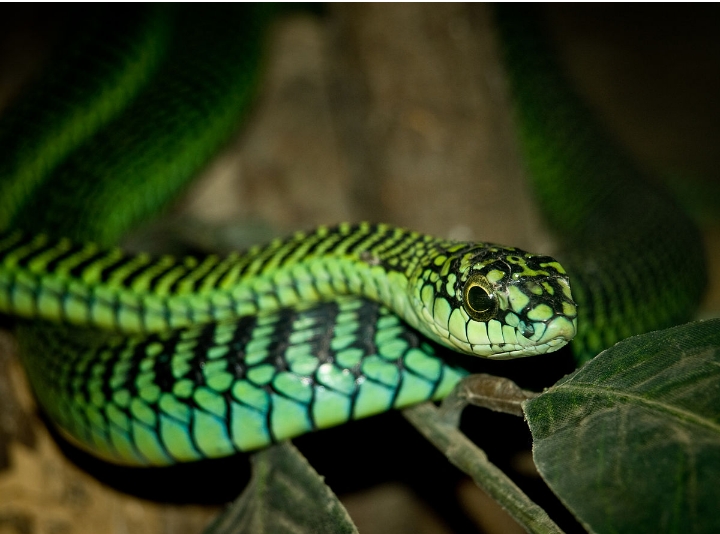
5) Boomslang

Boomslang snake is one of the venomous snake of family Colubridae Average adult Boomslang is 100-160 cm in total length and exceeds to 183cm. Colouration is very different like males are light green with black or blue scale edge while females may be brown. Their weight varies from 175 to 510 g. The Boomslang snake is able to open its jaws up to 170 degree when butting. It is found in sub Saharan Africa, south africa, Botswana and Namibia. Its venom is hemotoxin and disables coagulation process and the victim die as a result of internal or external bleeding. Its venom cause hemorrhaging in to tissue such as muscles and the brain tissue. Its venom is slow acting. This snake is timid and only bite if attempted to handle, catch or kill.