

What are keywords?
The words or phrases used in your online content that help people locate your website via search engines like Google are known as keywords for SEO. Using SEO keywords (together with SEO recommended practices) to optimize your website can help you attract more users and traffic.
Importance of keywords
According to studies, 95% of users only glance at the first page of search results. And the first three results receive half of the clicks on that page.
What kind of traffic you get will be determined by the keywords you select to target (which includes the ones you select to put in your article). For example, if you own a golf shop, you could want to rank for “new clubs,” but if you’re not careful, you could end up drawing traffic looking for a new location to dance after dark.
The purpose of search engine optimization is to drive organic traffic to your website from search engine result pages. Because you might explain what you give in a slightly different way than some people ask for it, keywords are as much about your audience as they are about your content. You must understand the demands of your visitors — the language they use and the type of material they seek — in order to generate content that ranks well organically and leads people to your site.
How to find and choose keywords for SEO that drive traffic?
There is no such thing as great keywords; only those that your target audience uses frequently. It’s up to you to devise a plan that will aid in the ranking of your sites and the generation of traffic.
List out the relevant keywords
Consider the generic buckets for the topics you wish to rank for. You’ll come up with roughly 5-10 topic buckets that are relevant to your business, and you’ll use those topic buckets to assist you come up with specific keywords later on.
Use keyword research tools
Keyword research and SEO tools like Ahrefs, SEMrush, and Ubersuggest can help you come up with new keyword suggestions based on exact match and phrase match keywords based on the keywords you’ve already developed. This activity may provide you with options you hadn’t explored before.
Curate keywords for relevance
Sources that Google considers authoritative will be given more weight. That means you must do everything you can to establish yourself as an authoritative source by adding helpful, informational material to your site and promote it to gain social signals and backlinks.
Use mix head keywords and long tail keywords
It’s critical to double-check that your keyword strategy includes a mix of head keywords and long-tail words, as this will ensure a well-balanced keyword strategy with long-term goals and short-term gains. Because head phrases are commonly searched, they are more competitive and difficult to rank for than long-tail phrases.
Number of keywords for SEO
Depending on the length of the content, there would usually be 3-8 total. This offers you a fighting chance to rank for one of them, and you can even reoptimize your content later based on where it now ranks. However, you should strive to use your primary keyword once per 100-150 words as a general rule. So, if you’re producing a 1000-word post, you should use the primary keyword roughly 7-10 times.
When generating content focused on a few extremely good keywords, you’ll notice that related keywords will organically and organically appear. More than that degrades readability and stands out like a sore thumb to both readers and Google’s page crawlers.
where to use keywords for SEO
Some of the most important areas where keywords can help with SEO are discussed below:
Include keywords in Meta Description and Title tag.

Meta tags such as title tags and meta descriptions tell searchers what a page has to offer before they decide which link to visit. They will be noticed by Google as well. Make sure your focus keyword appears in your title tag, preferably at the start. Google reads from left to right, just like humans, and gives the words at the start of a title greater weight.
Use keywords in the Title of article.
When writing page titles, the ideal practice is to start the title with your target SEO keywords or keyword phrase. It will be perceived as more relevant as a result. In addition, unlike on small screens, your page title will not be cut off in mobile SERPs.
Use keywords in the Headings and Subheadings.
When at all possible, incorporate a focus keyword into the H1 heading of a page. Subheadings assist readers browse your text by providing a place to rest their eyes.Subheadings may aid visitors in determining the content’s relevance to their requirements.
Include Keywords in the First 200 Words.
Given that Google looks at the first 200 words of a blog post, it’s critical to include your primary keyword in the first sentence or paragraph if at all possible, without affecting the quality of the content. Similarly, at least one secondary keyword should be used in the first 200 words.
Use “stop words” in Awkward Keyword Phrases.
Stop words can be used into keyword phrases to make them read more naturally while maintaining their ranking value.
Include Keywords in URLs of website.
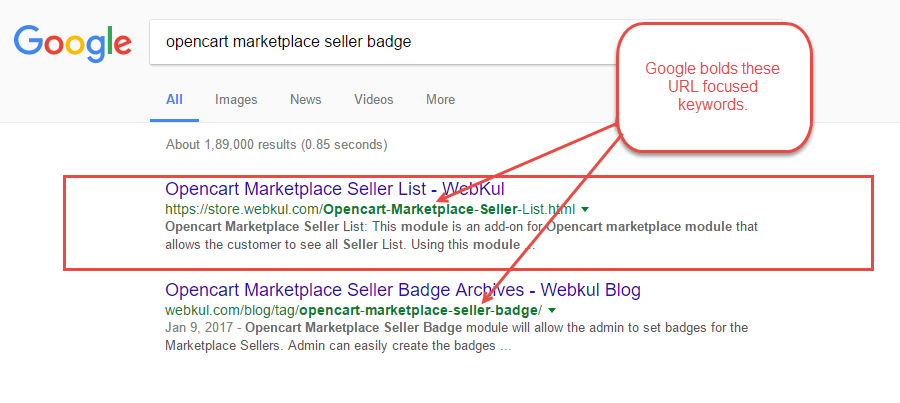
The greatest URLs provide visitors and Google a hint about what’s on the page, so make them as detailed as possible. This entails including SEO keywords in the URL.
Include Keywords in Anchor Text Links and Image Alt-tags.
Using keywords in articles as anchor text links can aid other pages on your site. This is also known as building an internal link structure, which shows Google where the most relevant articles for specific keyword phrases are located. You can use anchor text links of particular keyword phrases to drive the authority of other “pillar” pieces if you structure the content appropriately.
Images are indexed as well, giving users another chance to find the information. Also, images can aid in content accessibility, which is beneficial to the millions of disabled searchers throughout the world.
That concludes our discussion. Check read articles on keywords for SEO lead generation and the top keyword research tools to help you improve your content strategy now that you know the importance of keywords for SEO.
 Track2Training
You must be logged in to post a comment.