
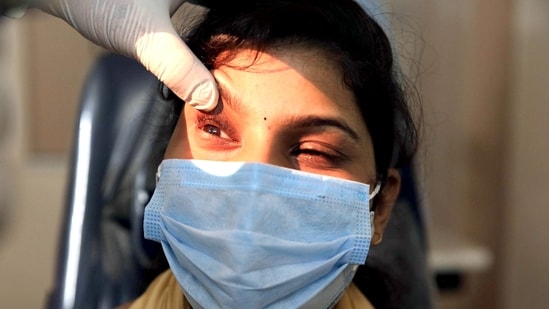
Mucormycosis, also known as black fungus, is a rare but dangerous Infection. Its caused by a group of molds called mucormycetes and often affects the sinuses, lungs, skin and brain. You can inhale the mold spores or come into contact with them in Things like soil, rotting produce or bread, or compost piles.
Symptoms of Mucormycosis
The symptoms of mucormycosis will depend on where in your body the fungus is growing.
They may include:
- Fever
- Cough
- Chest pain
- Shortness of breath
- Swelling on one side of your face
- Headache
- Sinus congestion
- Black lesions on the bridge of your nose or the inside of your mouth
- Belly pain
- Nausea and vomiting
- Gastrointestinal bleeding
- Diarrhea
If your skin is infected, the area can look blistered, red, or swollen. It might turn black or feel warm or painful. The infection can also spread to other parts of your body through your blood. This is called disseminated mucormycosis. When this happens, the fungus can affect organs like your spleen and heart. In severe cases, you may have changes to your mental state or go into a coma. It can even be deadly.
Diagnosis and Treatment of Mucormycosis-
If you suspect mucormycosis, your doctor will give you a physical exam and ask about your medical history. Let them know if you’ve been around spoiled foods or other places in which fungal spores are often found. If it looks like you have a lung or sinus infection, your doctor may take a sample of the fluid from your nose or throat and send it to be tested in a lab. They might also do a tissue biopsy, taking out a small piece of infected tissue for testing. Your doctor may do imaging tests like CT or MRI scans to find out whether the infection has spread to your brain or other organs. If you’re diagnosed with mucormycosis, you should start treatment as soon as possible with prescription antifungal medications. These medicines stop the growth of the fungus, destroy it, and bring the infection under control.
You might take:
- Amphotericin B
- Isavuconazole
- Posaconazole
You get these medications through a vein (intravenous or IV) or as pills that you swallow. Your doctor may start with high doses through an IV until the infection is under control, which can take several weeks. Then, you’ll switch to pills. Let your doctor know if a medication has troublesome side effects like stomach pain, heartburn, or trouble breathing. They may be able to change your treatment plan. In severe cases, your doctor may recommend surgery to remove infected or dead tissue to keep the fungus from spreading. This might include removing parts of your nose or eyes. It can be disfiguring. But it’s crucial to treat this life-threatening infection.
- Blindness
- Blood clots or blocked vessels
- Nerve damage
Mucormycosis can be deadly without treatment. Because the infection is so rare, the exact mortality rate isn’t clear. But researchers estimate that overall, 54% of people with mucormycosis die. The likelihood of death depends on which part of the body is affected. The outlook is better for people who have sinus infections than it is for lung or brain infections.
Mucormycosis Prevention-
There is no way to avoid breathing in spores. But you can do a few Things to lower your chances of mucormycosis. It’s especially important if you have a health condition that raises your risk.
- Stay away from areas with a lot of dust or soil, like construction or excavation sites. If you have to be in these areas, wear a face mask like an N95.
- Avoid infected water. This can include floodwater or water-damaged buildings, especially after natural disasters like hurricanes or floods
- If you have a weakened immune system, avoid activities that involve dust and soil, like gardening or yard work.
- If you can’t, protect your skin with shoes, gloves, long pants, and long sleeves. Wash cuts or scrapes with soap and water as soon as you can.
- If you get mucormycosis, be sure to take your medications as directed. If side effects cause problems or the infection doesn’t get better, let your doctor know right away.
STAY HOME, STAY SAFE
 Track2Training