
Landscaping is an integral component of urban design, environmental planning, and site development, contributing significantly to ecological balance, aesthetic appeal, microclimatic regulation, and user well-being. It encompasses the planning, design, execution, and maintenance of outdoor spaces, including vegetation, landforms, water features, and built elements. In contemporary urban contexts, landscaping plays a crucial role in enhancing sustainability, promoting biodiversity, improving air quality, and supporting social interaction.
This specification outlines comprehensive guidelines for landscaping works, including site preparation, planting design, hardscape elements, irrigation systems, maintenance strategies, and sustainability considerations. The aim is to ensure that landscaping interventions are functional, resilient, cost-effective, and environmentally responsive.
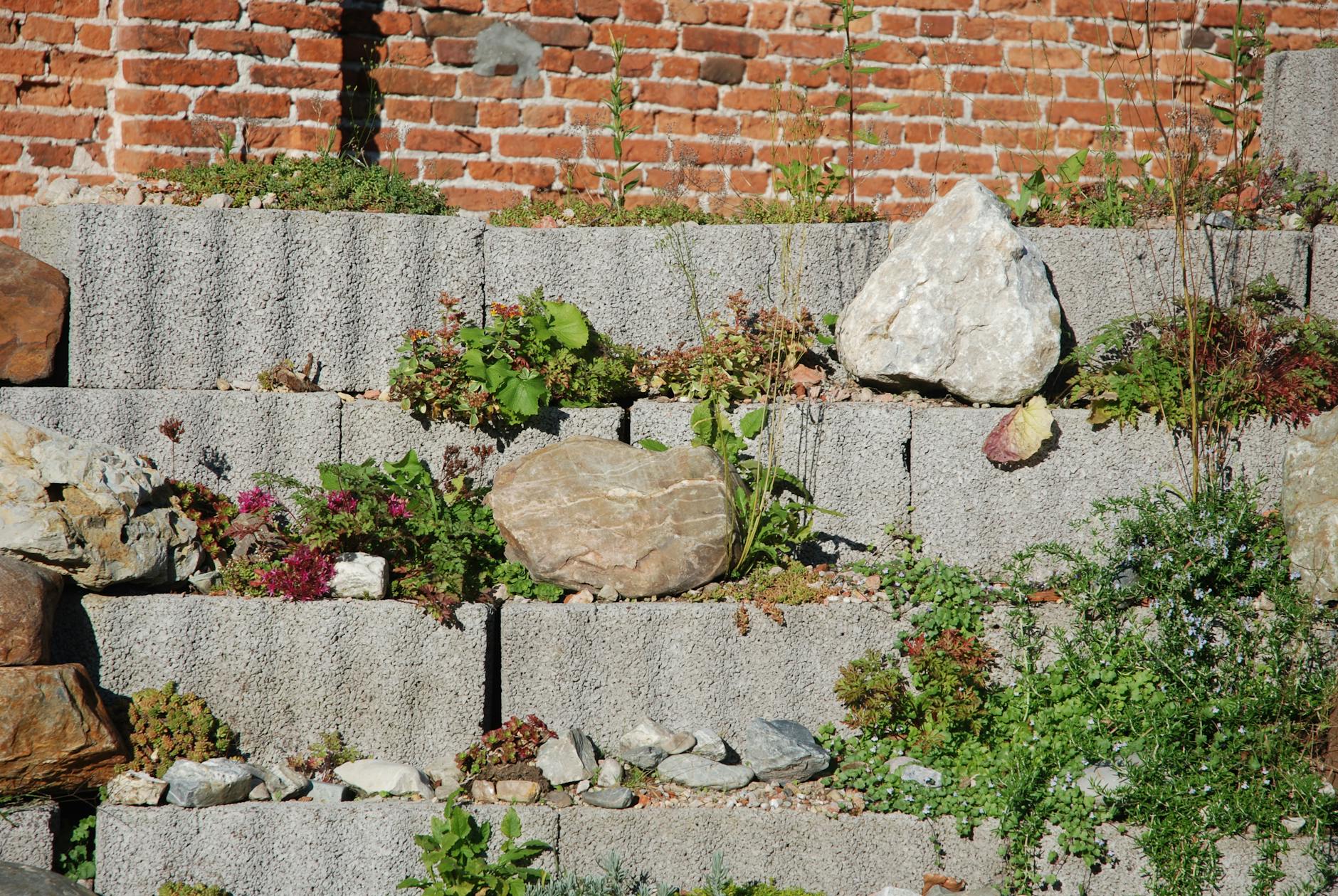
2. Scope of Work
The landscaping work shall include:
- Site clearing and grading
- Soil preparation and improvement
- Plantation (trees, shrubs, ground covers, lawns)
- Installation of irrigation systems
- Construction of hardscape elements (pathways, seating, pergolas, edging)
- Installation of lighting and street furniture
- Development of water features (if applicable)
- Maintenance and post-installation care
3. Site Analysis and Preparation
3.1 Site Assessment
Before initiating landscaping work, a detailed site analysis shall be conducted, including:
- Topography and slope analysis
- Soil characteristics (texture, pH, fertility)
- Existing vegetation inventory
- Drainage patterns and water flow
- Microclimatic conditions (sun exposure, wind direction)
- Accessibility and circulation patterns
3.2 Clearing and Grubbing
- All unwanted vegetation, debris, stones, and waste materials shall be removed.
- Existing trees identified for preservation must be protected using barricades.
- Roots of removed vegetation shall be excavated to prevent regrowth.
3.3 Grading and Levelling
- The site shall be graded to ensure proper drainage and avoid water stagnation.
- Slopes shall be maintained between 1% and 5% for effective runoff.
- Contour shaping shall be done to enhance aesthetics and usability.
4. Soil Preparation and Improvement
4.1 Soil Testing
- Soil samples shall be tested for pH, nutrient content, and organic matter.
- Ideal pH range: 6.0–7.5 for most plants.
4.2 Soil Amendment
- Organic compost, manure, and fertilizers shall be added to improve fertility.
- Sand shall be added to clayey soil to improve drainage.
- Loamy soil shall be preferred for planting.
4.3 Topsoil Preparation
- Minimum 300 mm depth of topsoil shall be provided for planting areas.
- Topsoil shall be free from stones, debris, and weeds.
5. Planting Design
5.1 General Principles
- Use of native and climate-adapted species is preferred.
- Plant selection shall consider growth rate, maintenance requirements, and ecological benefits.
- Layered planting (trees, shrubs, ground covers) shall be adopted for visual depth and biodiversity.
5.2 Trees
5.2.1 Selection Criteria
- Native species with high survival rates
- Shade-providing and pollution-tolerant varieties
- Non-invasive root systems
5.2.2 Planting Specifications
- Pit size: Minimum 1 m × 1 m × 1 m
- Pit filling: Mixture of topsoil, compost, and sand (2:1:1 ratio)
- Staking: Trees shall be supported with stakes for stability
- Spacing: 4–8 m depending on species
5.2.3 Typical Tree Species
- Neem (Azadirachta indica)
- Peepal (Ficus religiosa)
- Ashoka (Polyalthia longifolia)
- Gulmohar (Delonix regia)
5.3 Shrubs
5.3.1 Planting Specifications
- Pit size: 0.45 m × 0.45 m × 0.45 m
- Spacing: 0.5–1.5 m depending on species
- Used for hedges, borders, and screening
5.3.2 Typical Shrubs
- Hibiscus
- Bougainvillea
- Duranta
- Ixora
5.4 Ground Covers
5.4.1 Purpose
- Soil erosion control
- Moisture retention
- Weed suppression
5.4.2 Planting Specifications
- Spacing: 150–300 mm
- Regular trimming required
5.4.3 Typical Ground Covers
- Wedelia
- Alternanthera
- Portulaca
5.5 Lawn Development
5.5.1 Soil Preparation
- Fine grading and removal of debris
- Addition of organic manure
5.5.2 Turfing Methods
- Seeding
- Turf laying (preferred for instant results)
5.5.3 Grass Types
- Bermuda grass
- Doob grass
5.5.4 Maintenance
- Regular mowing (height: 30–50 mm)
- Watering and fertilization
6. Irrigation System
6.1 Types of Irrigation
- Drip irrigation (for shrubs and trees)
- Sprinkler system (for lawns)
- Manual watering (small areas)
6.2 Design Considerations
- Uniform water distribution
- Water efficiency
- Automation using timers
6.3 Components
- Pipes (PVC/HDPE)
- Valves and controllers
- Pumps and filters
7. Hardscape Elements
7.1 Pathways and Walkways
- Materials: Concrete, stone, brick, pavers
- Width: Minimum 1.2 m for pedestrian movement
- Non-slip surfaces preferred
7.2 Edging
- Used to separate lawn and planting beds
- Materials: Brick, metal, stone
7.3 Seating Areas
- Benches made of wood, metal, or concrete
- Placement under shaded areas
7.4 Pergolas and Gazebos
- Provide shaded recreational spaces
- Constructed using wood or steel
7.5 Fencing
- Used for protection and demarcation
- Materials: Metal, bamboo, or hedges
8. Water Features
8.1 Types
- Fountains
- Ponds
- Waterfalls
8.2 Design Considerations
- Proper waterproofing
- Circulation system to prevent stagnation
- Safety measures
8.3 Benefits
- Enhances aesthetics
- Improves microclimate
- Provides calming effect
9. Lighting Design
9.1 Types of Lighting
- Path lighting
- Accent lighting
- Flood lighting
9.2 Specifications
- Energy-efficient LED lights
- Solar-powered options preferred
- Weather-resistant fixtures
9.3 Placement
- Along pathways
- Around seating areas
- Highlighting key landscape features
10. Street Furniture
10.1 Components
- Benches
- Dustbins
- Signage
- Drinking fountains
10.2 Materials
- Durable and weather-resistant materials
- Anti-corrosive finishes
11. Drainage System
11.1 Surface Drainage
- Slopes to direct water flow
- Use of swales and channels
11.2 Subsurface Drainage
- Perforated pipes
- Gravel layers
11.3 Rainwater Harvesting
- Integration of recharge pits
- Storage tanks for irrigation reuse
12. Sustainability Considerations
12.1 Use of Native Species
- Reduces water requirement
- Enhances biodiversity
12.2 Water Conservation
- Drip irrigation
- Rainwater harvesting
12.3 Soil Conservation
- Mulching
- Ground cover planting
12.4 Energy Efficiency
- Solar lighting
- Low-energy irrigation systems
12.5 Waste Management
- Composting of organic waste
- Recycling of materials
13. Maintenance Guidelines
13.1 General Maintenance
- Regular watering
- Fertilization
- Weed removal
13.2 Pruning and Trimming
- Seasonal pruning of trees and shrubs
- Lawn mowing
13.3 Pest and Disease Control
- Use of organic pesticides
- Regular monitoring
13.4 Replacement
- Dead plants shall be replaced promptly
14. Quality Control and Standards
- All materials shall meet relevant IS codes and standards.
- Plants shall be healthy, disease-free, and of specified size.
- Work shall be inspected at each stage.
15. Safety Considerations
- Safe handling of tools and equipment
- Proper signage during construction
- Non-toxic plants in public areas
16. Cost Considerations
- Initial installation cost
- Maintenance cost
- Lifecycle cost analysis
17. Conclusion
Landscaping is a multidisciplinary activity that integrates ecological, aesthetic, and functional aspects to create sustainable and livable environments. Proper planning, execution, and maintenance are essential to ensure long-term success. By incorporating native vegetation, efficient irrigation systems, and sustainable practices, landscaping can significantly contribute to environmental conservation and urban resilience.
This detailed specification provides a comprehensive framework for landscaping projects, ensuring quality, sustainability, and user satisfaction.


You must be logged in to post a comment.