
Attention Deficit Hyperactivity Disorder is one of the most common neurological development disorder. This problem is usually common in childhood but it may last till adulthood as well. Children with ADHD find difficulty in concentrating, might make impulsive decisions, and even be overly active. This neurological disorder can be seen between as early as 3 to 6 years of age. This can continue till adulthood. Adults when are left undiagnosed may have a history of poor academic performance, problems at work, or failed relationships. Though it is a quite common problem still not many people give importance to ADHD. To avoid future problems for your child it is important to treat this issue. But for the treatment, one should be aware of the signs and symptoms.
Signs and Symptoms of Attention Deficit Hyperactivity Disorder
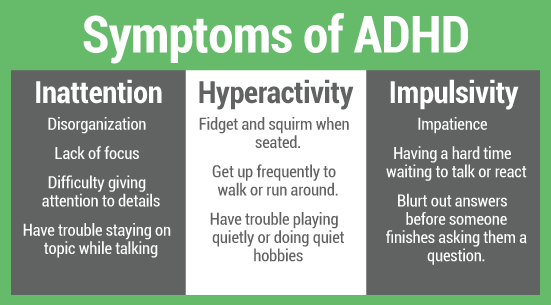
Majorly ADHD has 3 key symptoms. Some people might possess only one of the symptoms while some may have more. Generally, children have combined types of ADHD. Preschool children with ADHD are usually hyperactive. Inattention, unfocused motor activity, or impulsivity is normal but ADHD people find it quite often and more severe.
Now let’s understand the 3 key symptoms distinctly.
Inattention
- easily distracted
- unable to follow directions or complete the tasks assigned
- don’t pay attention, don’t listen, and make careless mistakes
- easily forget about daily activities, and are unorganized
- don’t like sitting still and tend to lose things quite often
Hyperactive-Impulsive
- can’t sit quietly
- don’t play calmly
- always running, climbing, or doing things that demand hyper activeness
- excessive talking
- always ready to do work
- lack patience
- causes interruption
Adulthood symptoms
- are often late and easily forget things
- anxiety, mood swings, and depression
- unorganized, trouble at work, unable to control anger and easy frustration
- make impulsive decisions and easily gets boredom
- addictions, depression, and relationship problems
- Unable to concentrate while reading
Causes of Attention Deficit Hyperactivity Disorder
Generally, ADHD tends to run in family bloodline. As a result, it is present in the genes of a child as well. Unbalanced release of brain chemicals is another cause of ADHD. Areas of the brain that are responsible for controlling brain actions are less active in these children. Lack of nutrition, infections, smoking, drinking and substance abuse during pregnancy can affect the baby. Toxins such as lead can affect a child’s brain development. Problem with the frontal lobe of the brain results in uncontrollable impulses and emotions.
How to treat Attention Deficit Hyperactivity Disorder?
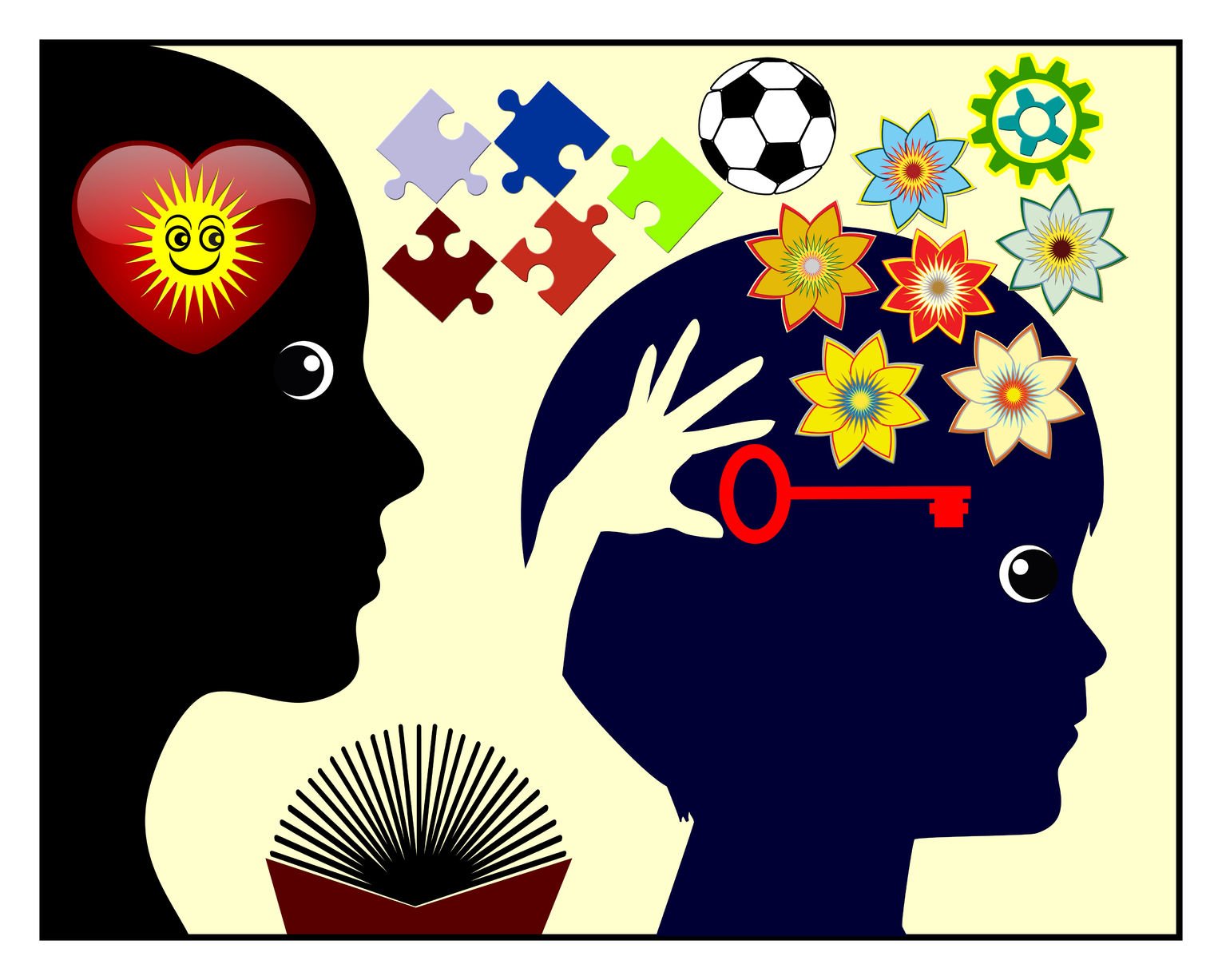
According to the research, the multimodal approach is considered the best way to treat ADHD. This method includes multiple approaches for treatment. It is very important to keep close contact with doctors, teachers, parents, and therapists. Medications are available to treat hyper activeness, impulsive behavior, and improve attention span as well. Though there are some controversies regarding the overuse of these medications. This is because mostly stimulants are commonly prescribed medicines for this purpose.
Final words
To conclude, Attention Deficit Hyperactivity Disorder is an important issue. We must not ignore this problem and give proper treatments at an early stage of life so as to avoid future problems in your child. With proper treatment and medical care, a child can easily and entirely overcome this issue. Without treatment, it is difficult for children to develop social skills. Adults find troubles in relationships and can even get addict to substances.

 Track2Training