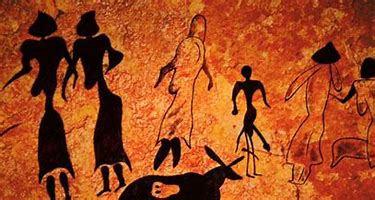
Anthropology And Its Relation With Allied Disciplines

Anthropology And Social Sciences

1. Sociology

Sociology is a science of society that studies human behaviour in groups. Anthropology is a science of man and studies human behaviour in social surroundings. Thus it is clear that the subject matter of sociology and social anthropology is common to a great extent. Anthropologists and sociologists share an interest in
issues of race, ethnicity, social class, gender, and power relations in
modern nations.

2. Psychology

For the psychologists the focus of study is upon all aspects of human behaviour: and its personal, social and cultural dimensions which will never be complete without having the knowledge of social anthropology. Therefore, for understanding the social processes and
meanings in the world around us one has to study social anthropology.
Both Psychology and Anthropology deals with the manifold relations between individuals on the one hand and groups, communities, societies and cultures on the other hand.

3. History

History may be important to social anthropologists in the sense, that is, not only as an account of past events leading up to and explaining the present, but also as the body of contemporary ideas which
people have about these events, people’s ideas about the past are an intrinsic part of the contemporary situation which is the anthropologists immediate concern and often they have important implications for existing social relationships.

4. Folklore

Folklore has an important place in every primitive culture. It
is through the medium of folklores that the culture of a primitive society is
transmitted from one generation to the next generation. Folklores contain
the philosophy of the primitive people. How the world was evolved is a
theme of many folklores of existing tribes. In most of the folklores, a reference to the mutual relation of the people and their gods is given.

Anthropology And Biological Sciences

1. Zoology

In terms of the relationship to other animals and the overall places of the human species in the process of evolutions.
Anthropology has a sort of specialization or sharpening of certain aspects of general biology, more specifically, zoology.

2. Botany

No matter what the time period or geographical area, plants played an important role in human culture. Plant remains enable us to assess human impact on the environment. As direct, site-specific
evidence of agricultural and culinary activities, they enrich our understanding of how people lived.

3. Genetics

Genetic anthropology is the branch of scientific study which deals with combining genetic data with available physical evidence and past history. Genetic anthropology is an important branch
of anthropology. The relevance of genetics in anthropology has slowly been reinforcing the importance of nature (biology) in culture, and also
emphasises on the phenomena of variation. To study evolution, understanding genetics and variation in the anthropological context is
highly vital.

4. Medical Sciences

Quite a few things are common in
anthropology and medicine. In the proper study of mankind, anthropology aims at discovering man as a human being, so it should be the case with a physician. Anthropology can assist more clearly and
satisfactorily in identifying the health needs, and in clarifying factors influencing acceptability and utilisation of health services, and can also assist in showing how these health needs can be most appropriately
solved.

LINKAGE

We all have studied in our junior standards about cell. Cell is the the structural and functional unit of life, from them the origin of life takes place. The cell contains a nucleus which contains th genetic material for the survival of the organism DNA. DNA contains the chromosomes. There are .any several genes present on the chromosomes. As the chromosomes are the carriers of heredity they have the tendency to be inherited together, such genes are called linked genes. The tendency of two or more genes present on the same chromosomes that are inherited together is known as linkage. This phenomenon was discovered in plants by Bateson and Punnett and in animals by T.H. Morgan.

MORGAN EXPERIMENT

Morgan used Drosophila melanogaster for his experiments. He carried out many dihybrid cross experiment on drosophila melanogaster to study genes that are sex linked; for example, he and his group crossed yellow-bodied, white eyed female to the wild type with brown-bodied, red eyed males and intercrossed their F1 progeny. He observed that the two genes did not segregate independently of each other and F2 ratio deviated very significantly from 9:3:3:1 ratio. Morgan and his group knew that the genes are located on X chromosome and stated that when when two genes in a dihybrid cross are situated on the same chromosomes then the proportion of the parental combination is much higher than non parental type. This occurs due to physical association or linkage of the two genes, he also found out when genes are grouped on the same chromosomes some genes are strongly linked and some are loosely linked.

COMPLETE LINKAGE

The linked genes which are closely located on the chromosome do not separate and inherited together are called completely linked genes and the inheritance is called complete linkage.

INCOMPLETE LINKAGE

When the linked genes which are loosely located on the same chromosome and have chances of seperation by crossing over are called as incompletely linked and their inheritance is called as incomplete linkage.

VACCINE TECHNOLOGY

BY DAKSHITA NAITHANI

ABSTRACT

The immune system is a system that operates 24 hours a day, seven days a week to keep assaults at bay and diseases at bay. The whole system is made up of organs, tissues, and a variety of cell types that work together to defend the body. Immune cells must be able to tell the difference between native and non-native cells and proteins. Microbial cells have antigens that serve as identifiers. Antigens can induce an immune response in the human body. Each species has its own set of characteristics. Vaccines function by inducing an antibody memory response in the body without producing illness. As a result, you build immunity without becoming sick. It must include at least one antigen from the target species to trigger a response.

INTRODUCTION TO VACCINE TECHNOLOGY

A vaccination, often known as an immunisation, is a biological substance that protects people from disease-causing microorganisms. They make advantage of our immune system’s built-in ability to fight infection.

They’re produced from the same pathogens that cause the disease. They have, however, been destroyed or reduced to the point that they are no longer a source of it. Certain medicines just contain a part of the microorganism.

This is why they work so well as medications. They don’t treat or cure diseases like conventional medications; instead, they prevent them. They deceive the immune system that it has been invaded by a real intruder. When real germs enter our bodies, the same thing happens, but you don’t become ill. If you ever come into touch with a pathogen, your immune system will remember it and eradicate it before it can damage you.

TYPES

Vaccines are made using a number of techniques. Various vaccine types need different techniques to development. Antigens can be used in a variety of ways, including:

These can be delivered by a needle injected into the human skin, or ingested orally or through the nasal route.

LIVE (CHICKEN POX AND MMR)

Attenuated vaccines can be made in a variety of ways. All methods involving the transmission of a virus to a non-human host result in a virus that can be recognised by the immune system but cannot replicate in humans. When given to a human, the resulting will not be able to proliferate sufficiently to cause disease, but it will protect the individual from infection in the future. Its protection outlasts that of a dead or inactivated vaccination in most cases.

INACTIVATED (POLIO VIRUS)

A pathogen is inactivated using heat or chemicals to create this sort of vaccination. Because destroyed viruses are unable to replicate, they cannot revert to a more virulent form capable of causing disease. They are, however, less effective than live vaccines and are more likely to require renewals in order to acquire long-term protection.

RECOMBINANT (HPV)

They have been genetically modified in a lab. This method may be used to duplicate a certain gene. The HPV vaccine may be tailored to protect against strains that cause cervical cancer.

SUBUNIT (INFLUENZA AND ACELLULAR PERTUSSIS) AND CONJUGATE VACCINES (HAVING ONLY PIECES OF THE PATHOGEN)

Subunit vaccines use only a fraction of a target pathogen to elicit a response. This can be accomplished by isolating and administering a specific pathogen protein as a stand-alone antigen.

Conjugate vaccines, like recombinant vaccines, are made up of two different components. The “piece” of microbe being supplied would not typically elicit a substantial reaction on its own, but the carrier protein would. The bacterium is not the sole cause of the disease, but when combined with a carrier protein, it can render a person resistant to subsequent infections.

TOXOIDS (DIPHTHERIA AND TETANUS)

Some diseases are caused by a toxin produced by bacterium rather than by the bacterium themselves. Toxoids are inactivated toxoids that are used in vaccinations. Toxoids are classed as killed vaccines, although they are sometimes given their own category to emphasise the fact that they include an inactivated toxin.

DEVELOPMENT AND PRODUCTION

Vaccine development is a lengthy process that involves both public and private parties and takes almost a decade. Millions of individuals receive them each year, and the most of them have been in use for decades. Before being included in a country’s vaccination programme, they must undergo extensive testing to ensure their safety. Each vaccine in development must first go through screenings and evaluations to determine which antigen should be utilised to elicit a reaction. This step is completed without the use of humans. Animals are used to assess the safety and disease-prevention potential of experimental vaccinations.

STAGE 1

It takes around 2-4 years to produce and necessitates some fundamental research. Antigens, whether natural or synthetic, are identified by scientists and may help in disease prevention or therapy. Antigens might be virus-like particles, attenuated viruses or bacteria, weakened bacterial toxins, or other pathogen-derived substances.

STAGE 2

Using tissue or cell-culture techniques and animal testing, studies assess the candidate vaccine’s safety or ability to elicit an immune response. Animal topics include fish, monkeys, and mice. These studies give an idea of what to expect in terms of cellular responses in people. This period often lasts 1-2 years.

PHASE I TRIALS

The vaccine is administered to a small number of volunteers to determine its safety, confirm that it induces a reaction, and determine the optimum dosage. This round of testing is carried out on young, healthy adult participants. The goals are to determine the type and number of reactions generated by the candidate vaccine, as well as to assess the candidate vaccine’s safety.

PHASE II TRIALS

The vaccine is then given to several hundred participants to assess its safety and ability to elicit a response. Participants in this phase share the same traits as the vaccine’s intended recipients. Several studies are often undertaken during this phase to test various age groups and vaccination formulations. In most studies, a non-vaccinated group is included as a comparison group to check if the changes in the vaccinated group were due to chance or medicine.

PHASE III TRIALS

The goal is to assess vaccine safety in a large group of patients. Certain rare side effects may not have showed themselves in the low numbers of people tested in the first phase. Thousands of volunteers are given the vaccination compared to a similar number of individuals who did not receive the injection but received a comparator product to assess the vaccine’s efficacy against the illness. It is meant to protect against and to examine its safety in a much bigger group of people. To guarantee that the performance findings are applicable to a wide variety of persons, the bulk of phase three trials are conducted across various countries and different sites within a country.

PHASE IV TRIALS

Firms may conduct optional studies following the launch of a vaccine. The producer may do additional testing to determine the vaccine’s safety, efficacy, and other potential applications.

REVERSE VACCINOLOGY

Reverse vaccinology is the use of genetic information combined with technology to make vaccines without the use of microorganisms. It assists in the study of an organism’s genome for the purpose of identifying novel antigens and epitopes that may be utilised as prospective candidates. This method has been around for at least a decade. By unravelling the entire genomic sequence, it is possible to determine what molecules make up the genomic sequence. Without needing to grow the pathogen for a longer amount of time, candidate antigens can be discovered.

Reverse vaccinology has been used to create vaccines for meningococcal and staphylococcal diseases all over the world. Infections are caused by Staphylococcus bacteria, which can be found on the skin or in the nose of even healthy persons. The bacteria Neisseria meningitidis causes a serious infection of the thin covering of the brain and spinal cord.

PRODUCTION QUALITY CONTROL AND COMMERCIALIZATION

Vaccines are biological compounds that are frequently hybridised and complex to understand. They are made through a succession of manufacturing and formulation steps, with the finished product often containing a large number of component items. As a result, unlike a tiny molecule medicine, the finished product is impossible to classify. This needs a highly controlled production system as well as a personnel capable of performing such processes on a continual basis. Control testing takes over two years and occupies more than half of the time in the subsequent manufacturing process.

 STEP 1- PRODUCTION

Following clinical trials, when a vaccine reaches the pre-approval stage, it is evaluated by the applicable regulatory authority for quality, safety requirements.

STEP -2 MAKING

Businesses will create development plans for a vaccine on their own. Once a vaccine is approved, production begins to pace up. The antigen has been rendered inactive. All of the components are mixed to make the final product. The entire process, from testing to manufacturing, can take a lengthy time to complete.

STEP- 3 PACKAGING

It is then bottled in glass vials and packed for safe cold storage and transportation once it is produced in bulk. It must be able to resist severe temperatures as well as the dangers associated with international shipping. As a result, glass is the most often used material for vials since it is robust and can keep its integrity under severe extrinsic factors.

 STEP- 4 STORAGE

When it is excessively hot or cold, it loses its effectiveness and may even become inert. Vaccinations can be destroyed or rendered dangerous to use if kept at the improper temperature. Most vaccinations must be kept chilled between 2 and 8 degrees Celsius, necessitating the use of specialist medical freezers.

STEP-5 SHIPPING

They are transported out using particular equipment so as to maintain its integrity. Lorries deliver them from the airport to the warehouse cool room after supplies arrive in the market. New innovations have resulted in the development of portable devices that can keep vaccines cold for several days without the need of power.

QUALITY CONTROL

Once they are given out, authorities continuously check for – and assess the severity of – any potential side effects and responses from the recipients. Safety is a top priority, with frequent reviews and post-approval clinical trials reporting on its effectiveness and safety.

CAREER SCOPE

There are several prospects in vaccine research and development, clinical trials, vaccine manufacturing, and public distribution. These jobs are available at universities, companies, government laboratories and agencies, hospitals, and on the front lines of vaccine distribution all around the world. When different components of a project are handled by different groups at the same time in industry, greater teamwork is usually required, whereas a scientist in an academic lab may be a lone worker overseeing all parts of a project.

The balance between creative science and all of the business administration that comes with securing money, maintaining a budget, and overseeing other scientists or assistants is the most challenging aspect.

 Research allows scientists to work on a project that has the potential to have a direct influence on public health, whether it’s on a lab bench, a production line, or to support a clinical trial.

What are germs?

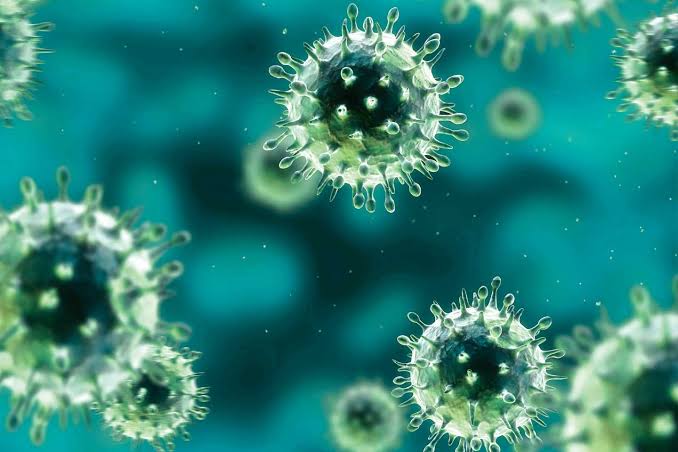
The term “germ” encompasses an army of tiny terrors, including viruses, fungi, parasites, and bacteria. These “pathogens” all have the ability to spread from victim to victim(called a host). Germs are so small you can see them only through a microscope. They look like spiky blogs, oozing spirals,hairy hotdogs, or other microscopic monsters.

Why are germs bad for us?

These microorganisms hitch a ride into our bodies on the food we eat, in the air we breathe, or through a variety of other methods. Once they have invaded our personal spaces, germs reproduce and create toxic waste, which triggers our body’s most repulsive reactions. They make us sniffle, upchuck, run to the toilet, break out in rashes and fevers, and suffer even more unpleasant symptoms.

How do we get sick from viruses?

Most viruses are frail little things ( unlike bacteria and fungi, viruses are not even alive ) that can multiply only inside a living host ( including animals, plants, and even bacteria). There they spread overwhelming and attacking the host’s immune system and causing all sorts of nasty symptoms. Colds, flus, chicken pox, immune disorders, and measles are caused by viruses. Among the worst is a Ebola, which triggers bleeding and is fatal more than half the people who catch it.

How do we get sick from fungi?

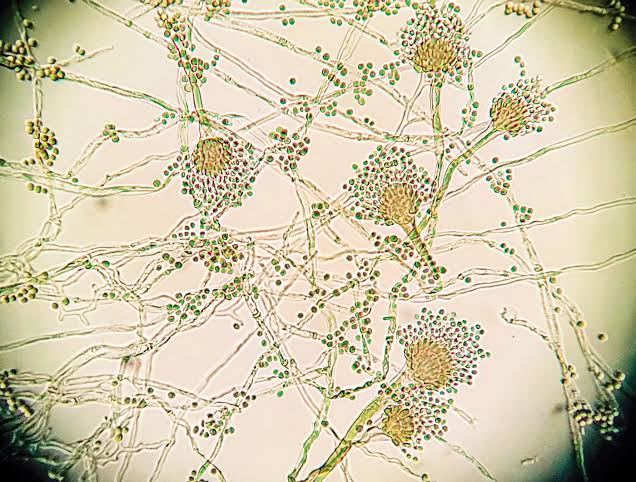
Fungi are microscopic molds, yeasts, and other plant like pathogens that thrive in wet, warm places like our armpits, our belly buttons, and the dank spaces between our toes. They feed on our respect and dead tissues and produce stinky wastes that irritate our skin.

How do we get sick from parasites?

This ghastly germ group includes itty-bitty insect larvae, amoebas, and one celled organisms called Protozoa that live in nasty food, damp soil, or dirty water. Parasites depend on a living host for their survival. They sneak into our bodies in tainted water and food, costing of all sorts of gastrointestinal gripes: diarrhoea, vomiting, upset stomachs, and worse. Malaria – common diseases that causes chills, shaking, and fevers – is spread by a parasite passed in mosquito bites. These life-sucking relationships are often the stuff of nightmares.

How do we get sick from bacteria?

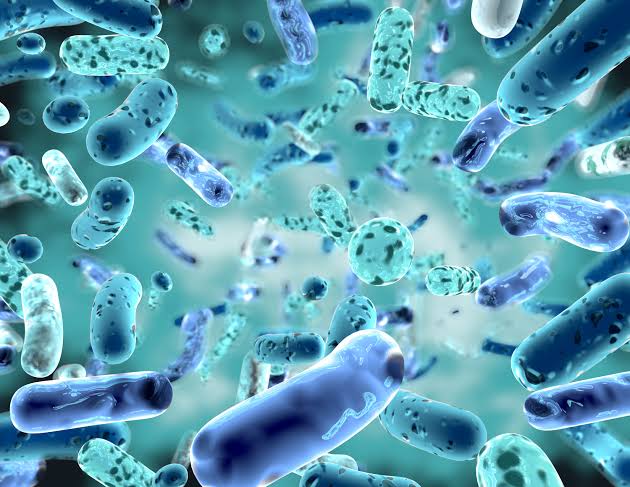
Unlike viruses, bacteria are living single celled organisms that can reproduce both outside and inside the body. Like all living things, bacteria create waste -microscopic poops that can act as a poison inside the host. You can blame sore throat, ear infections and tooth-tartar buildup on bacteria. One of the most famous bacteria is Escherichia coli. This rod shaped micorbe lives deep in your intestines, the body’s busiest bacterial neighborhood. Harmful ones make you puke for days.E.coli strains produce an important vitamin. That’s right – some bacteria are actually good for you!

How many bacteria are inside our body right now?

Your body is built of trillions of itty-bitty living blobs, called cells, that work together to make you you. But for every cell you call your own, ten foreign bacteria cluster around or near it. You are a microbe metropolis! Scientists call these communities of foreign bacteria your body’s “flora”, and no two people host the same mix of microorganisms. In fact, scientists are beginning to think of your flora as just another organ.

Can we see these bacteria?

No, they are microscopic. But you can certainly smell them. Like any living thing, bacteria eat, reproduce,die, and create waste which can make your life stink – literally !(Bacteria are the source of bad breath and body odor.)

Benefits of Bacteria

Your gut reaction might be to wrinkle your nose at the thought of bacteria inside your guts, but it turns out that many so-called good bacteria are essential to your health, the survival of life on Earth, and the making of tasty foods. Behold, the benefits of a microscopic allies…

Health boosting

Your body’s microbes support your immune system, which fights sickness.

Plant feeding

Blue-green algae and other types of bacteria convert the nitrogen in the air into compounds plants can use.

Food processing

Micorbes in our innards play a huge role in the digestive process, helping us absorb nutrients and vitamins from our food.

Food making

Bacteria are a vital ingredient in the process of turning milk into yogurt and tasty cheeses. The holes in Swiss cheese are created by carbon dioxide bubbles exhaled by bacteria during the cheese making process.

Planet Cleaning

Bacteria breakdown dead animals and plants, which “decompose” into nutrients for the living.

References :

WHY?-Answers to everything, Image publications.

Why can I survive without all my organs?

It is a no-brainer that you need your brain and your heart, hurtand you wouldn’t last long if your liver failed.

But the lungs and Kidneys come in pairs, so you could survive if one of them failed. People who have lost their spleens in accidents have gone on to live healthy lives. The tonsils and appendix, meanwhile, are practically useless and are routinely removed when they become inflamed.

Why are some body parts pointless?

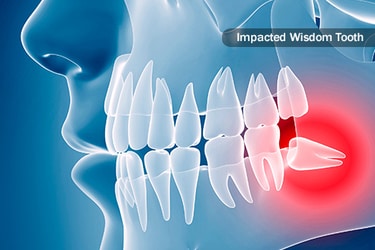
Called “vestigial” organs, this useless body parts are leftovers from our evolutionary ancestors, who actually needed them. Take your wisdom teeth, for example.Today crowd our mouth and often need to get yanked by the dentist, but our primate ancestors had larger jaws and needed the extra choppers in case some rotted away in the days before tartar-control toothpaste. Our tailbone – or coccyx – is a leftover from animals that needed tails for balance or grasping branches.

Why do we have eyebrows?

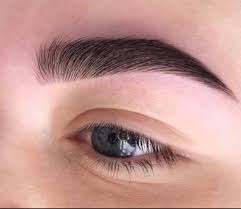
Humans have evolved to become less hairy in the past six million years or so, but we still have those clumps of fur above our eyes.Beyond their role in facial expressions, eyebrows act like natural sweatbands, preventing rain and sweat from running directly into our eyes.

Why do we have nipples?

They were there even before you were even born. Human embryos in the womb develop according to a blueprint that’s design for males and females. Eventually, the embryo begin to take on features specific to their gender, but not until after they have already developed nipples. Later in life, chemicals called hormones trigger changes in females so that they can nurse their young. Males don’t have those hormones, so they are stuck with nipples that are nothing more than chest accessories. Other than a few exceptions ( mice, platypuses, stallions), most male mammals have nipples. Nipples don’t cause males any harm, which is probably why evolution hasn’t given them the ol’ heave – ho.

Why do people get goosebumps?

Like youryou are wisdom teeth and your tailbone, goose bumps serve no purpose in modern humans. They are created by itty-bitty muscles in our hair follicles, which raise the bumps as a reflex reaction sudden drop in temperature or feelings of panic, or anger, or extreme fear. Goosebumps fluffed up the body hair of our much furrier ancestors to help trap heat or make them look larger to threatening animals. Today, goose bumps just make you look like you need to borrow a sweater.

Why do we have a belly button?

For the same reason dolphinsthe same reason dolphins, cats, dogs, bats, and other “placental mammals ” – animals nourished inside their mothers before birth – have navels. In other words, you can thank your mother for that link connector on your stomach. Before you were born, when you were still developing in the womb, you were hooked up to your life – support system through a special code that plugged into your navel. Through this “umbilical cord “, you received food and oxygen and passed waste. The day you were born, you let out a cry and began breathing on your own. That let the doctor know he or she could cut off the umbilical cord, leaving you with a belly button as a souvenir. Whether it’s an “innie” or an “outie,” we all have one !

References :

WHY – Answers to everything, Impulse publications.

Green Algae : Predator or Autotrophs?

Green algae contributes about half of the oxygen to our atmosphere. They are one of the important species for the ecosystem. Green algae is in the oceans in many forms, such as single-cell or multiple-cell. Both single-celled and multiple-celled algae are autotrophs and make their food by performing photosynthesis. Recent studies done on single-cell green algae show that they also feed on bacteria that are found in the oceans.

They can act as a predator and hunt on these bacteria. This research opens a new chapter in the world of biology because it was earlier mentioned that these single-celled algae are autotrophs. Something visibly justified that why they are autotrophic is because they contain chlorophyll like other plants and thus perform photosynthesis. So does single-cell green algae autotrophic or heterotrophic? The answer is both.

They perform both photosynthesis and predation according to their needs. The needs means the environmental needs as this research suggests that when proper conditions for photosynthesis are provided to these single-cell green algae they did not feed themselves on bacteria and stick to photosynthesis to make their food. In contrast, when conditions are suitable for performing photosynthesis were not provided to the single cell green algae, they changed their methods and adopted predation. Hence, reiterating that these single-cell green algae change their animal behaviour when extreme environmental condition occurred for their better survival. Which actually proves Darwin’s theory ‘The survival of the fittest’.

The above research was conducted by ecologist, Eunsoo Kim and her team.

The Living Fossils.

These are those few animals who have defeated the tides of time by staying alive through chains of thick and thins millions and millions of years without accepting any evolutionary change in their basic body structure and habitat and every thing and features concerned with them.

Horseshoe crab

These are marine and brackish water arthropods of the family Limulidae, suborder Xiphosurida, and order Xiphosura. Their popular name is a misnomer, as they are not true crabs, which are crustaceans.Horseshoe crabs live primarily in and around shallow coastal waters on soft sandy or muddy bottoms. They tend to spawn in the intertidal zone at spring high tides. They are commonly eaten in Asia, and used as fishing bait, in fertilizer and in science (especially Limulus amebocyte lysate). In recent years, population declines have occurred as a consequence of coastal habitat destruction and overharvesting. The entire body of the horseshoe crab is protected by a hard carapace. It has two compound lateral eyes, each composed of about 1,000 ommatidia, plus a pair of median eyes that are able to detect both visible light and ultraviolet light, a single endoparietal eye, and a pair of rudimentary lateral eyes on the top. The latter become functional just before the embryo hatches. Also, a pair of ventral eyes is located near the mouth, as well as a cluster of photoreceptors on the telson.

Coelacanth

The coelacanths constitute a now-rare order of fish that includes two extant species in the genus Latimeria: the West Indian Ocean coelacanth (Latimeria chalumnae) primarily found near the Comoro Islands off the east coast of Africa and the Indonesian coelacanth (Latimeria menadoensis). They follow the oldest-known living lineage of Sarcopterygii (lobe-finned fish and tetrapods), which means they are more closely related to lungfish and tetrapods than to ray-finned fish. They are found along the coastline of Indonesia and in the Indian Ocean. The West Indian Ocean coelacanth is a critically endangered species.

Coelacanths belong to the subclass Actinistia, a group of lobed-finned fish related to lungfish and certain extinct Devonian fish such as osteolepiforms, porolepiforms, rhizodonts, and Panderichthys. Coelacanths were thought to have become extinct in the Late Cretaceous, around 66 million years ago, but were rediscovered in 1938 off the coast of South Africa.The coelacanth was long considered a “living fossil” because scientists thought it was the sole remaining member of a taxon otherwise known only from fossils, with no close relations alive, and that it evolved into roughly its current form approximately 400 million years ago.However, several recent studies have shown that coelacanth body shapes are much more diverse than previously thought.

Nautilus

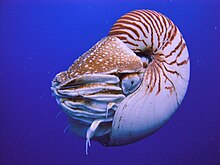
The nautilus is a pelagic marine mollusc of the cephalopod family Nautilidae, the sole extant family of the superfamily Nautilaceae and of its smaller but near equal suborder, Nautilina.It comprises six living species in two genera, the type of which is the genus Nautilus. Though it more specifically refers to species Nautilus pompilius, the name chambered nautilus is also used for any of the Nautilidae. All are protected under Nautilidae, both extant and extinct, are characterized by involute or more or less convolute shells that are generally smooth, with compressed or depressed whorl sections, straight to sinuous sutures, and a tubular, generally central siphuncle. Having survived relatively unchanged for hundreds of millions of years, nautiluses represent the only living members of the subclass nautiloidea, and are often considered “living fossils”.

The word nautilus is derived from the Greek ναυτίλος nautílos and originally referred to the paper nautiluses of the genus Argonauta, which are actually octopuses. The word nautílos literally means “sailor”, as paper nautiluses were thought to use two of their arms as sails.

Blood Harvest.

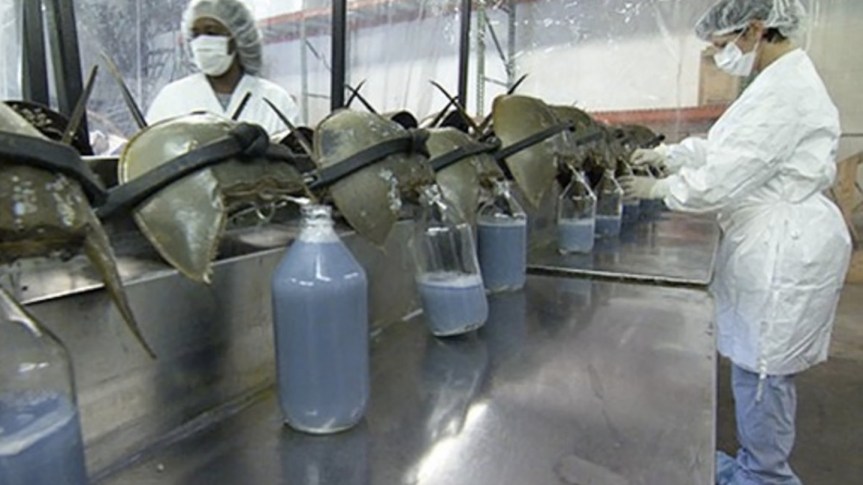
So we all know about horse shoe crabs those infamous hideous looking gentle and harmless organism sometimes termed as the living fossil because of their presence on our planet since millions and millions of years. So blood harvest happens on the blood of a horse shoe crab which has a striking baby blue colored blood due to presence of copper rich haemocyanin agents(like we have iron rich haemoglobin).The marvelous thing about horseshoe crab blood, though, isn’t the color. It’s a chemical found only in the amoebocytes of its blood cells that can detect mere traces of bacterial presence and trap them in inescapable clots. To take advantage of this biological idiosyncrasy, pharmaceutical companies burst the cells that contain the chemical, called coagulogen. Then, they can use the coagulogen to detect contamination in any solution that might come into contact with blood. If there are dangerous bacterial endotoxins in the liquid—even at a concentration of one part per trillion—the horseshoe crab blood extract will go to work, turning the solution into what scientist Fred Bang, who co-discovered the substance, called a “gel.”

“This gel immobilized the bacteria but did not kill them,” Bang wrote in the 1956 paper announcing the substance. “The gel or clot was stable and tough and remained so for several weeks at room temperature.”If there is no bacterial contamination, then the coagulation does not occur, and the solution can be considered free of bacteria. It’s a simple, nearly instantaneous test that goes by the name of the LAL, or Limulus amebocyte lysate, test (after the species name of the crab, Limulus polyphemus).The LAL testreplaced the rather horrifying prospect of possibly contaminated substances being tested on “large colonies of rabbits.” Pharma companies didn’t like the rabbit process, either, because it was slow and expensive.

The only problem is that the companies need a large supply of the blood of live crabs. Horseshoe crabs live on the seafloor, near the shore. When they want to mate, they swim into very shallow water, and horseshoe crab collectors wade along, snatching the crabs out of their habitat. The biomedical collectors are not the first to make use of the crabs’ bodies. As far back as colonial times, “cancerine fertilizer” was used to enrich fields. In the 20th century, though, this became an organized industry around the Delaware Bay. The crabs were steamed and then ground into meal for the fields. Others were fed to hogs. Millions of crabs were harvested.

After the biomedical horseshoe crab collectors get them back to a lab, they pierce the tissue around the animals’ hearts and drain up to 30 percent of the animals’ blood. The LAL is extracted from the blood, and can go for $15,000 per quart. Only five companies bleed the crabs: Associates of Cape Cod, Lonza, Wako Chemicals, Charles River Endosafe, and Limuli Labs .The horseshoe crabs are returned to the ocean a great distance from where they were initially picked up to avoid rebleeding animals. The whole process takes between 24 and 72 hours.The industry says that not that many of the animals die. Between 10 and 30 percent of the bled animals, according to varying estimates, actually die. We can imagine that it’s like us giving blood. The crabs get some apple juice and animal crackers and are fine soon thereafter.But some people have noticed problems. In the regions where horseshoe crabs are harvested in large numbers for biomedical purposes

Horseshoe crabs are an ancient animal, more than half a billion years old. They have their own ways of doing things, a fact we’ve been exploiting for decades.Our own species evolved a thousand times more recently, coming into our current anatomical form a couple hundred thousand years ago. Let’s hope we don’t wipe horseshoe crabs out after we finish cloning their ancient chemical wisdom.