
Chemistry plays a very significant role in our everyday life. There is hardly any aspect of life where the chemistry does not play a role. We are indebted to chemists for most of the life saving drugs such as sulpha drugs, penicillin, and streptomycin etc-etc.
Medicinal chemistry is an interdisciplinary field of combining aspects of organic chemistry, physical chemistry, pharmacology, microbiology, biochemistry as well as computational chemistry .It is concerned with the discovery, design, synthesis and interaction of pharmaceutical agent (DRUG) with the body. Medicinal chemistry is mainly concerned with small organic molecules both natural and synthetic. Compounds in clinical use are primarily small organic compounds.
Drugs, Medicines and Chemotherapy
In all systems of treatment of disease viz. Ayurvedic, Unani and Allopathic systems, chemical compounds of natural or synthetic origin are used for the treatment of diseases.
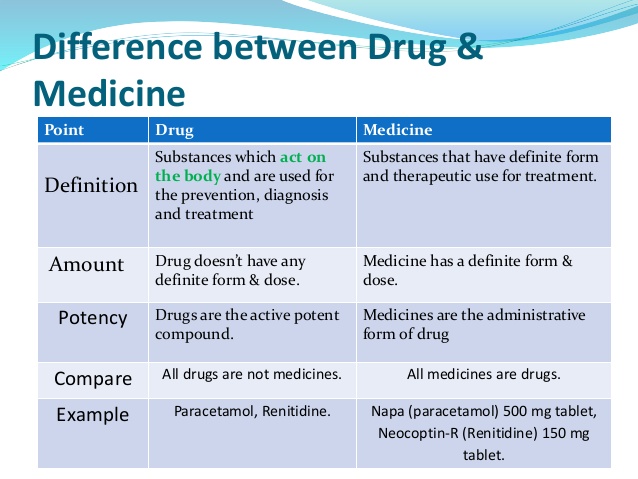
Drugs– They r chemical compounds of low molecular weights which interacts with macro-molecular targets and produce a biological response.
Medicines– When the biological response of a drug is therapeutic (curative) and useful, it is called medicine and is used for the treatment, diagnosis and prevention of diseases.
Distinction between the terms Drugs and Medicines
- From chemistry point of view, there is no distinction between the two terms, i.e. all drugs are medicines and all medicines are drugs. However, according to our society and law, these two terms have different meaning as follows-
- Medicines are the chemical compounds used to treat diseases, are safe to use, cause no addiction and have minimum toxicity.
- On the other hand, drugs are the chemical substances which cure the diseases but are habit forming, cause addiction, and have serious side effects.
- For Example, both Penicillin and Heroin are used to cure disease. However, only Penicillin is called Medicine since it does have side effects. On the other hand, Heroin is called a drug because of its pronounced habit forming and addictive properties.
Classification of drugs
Drugs can be categorized in a number of ways. In the world of medicine and pharmacology, a drug can be classified by its chemical activity or by the condition that it treats. Anticonvulsant medications, For example, are used to prevent seizures, while Mucolytic drugs break down mucus and relieve congestion. Each of the regulated drugs that act on the central nervous system or alter your feelings and perceptions can be classified according to their physical and psychological effects.
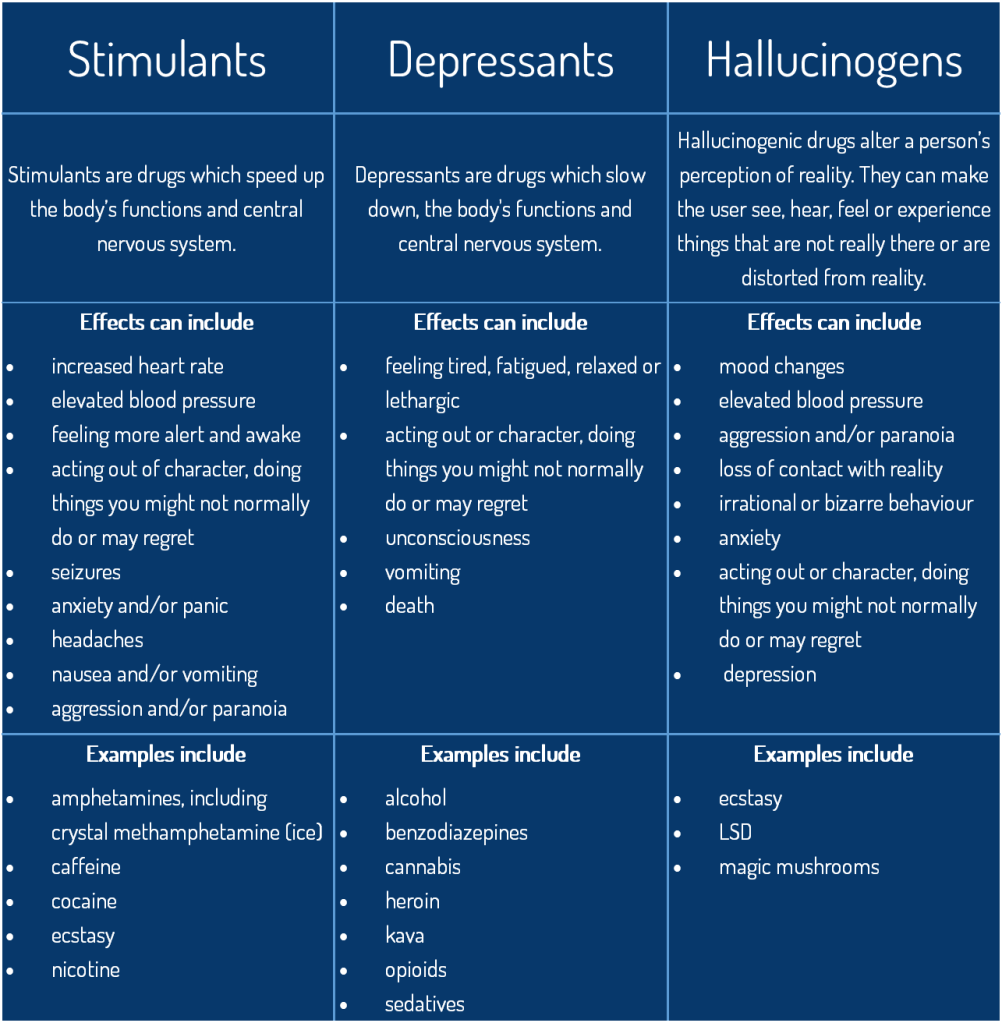
The different drug types include the following–
- Depressants – Drugs that suppress or slow the activity of the brain and nerves, acting directly on the central nervous system to create a calming or sedating effect. This category includes barbiturates (phenobarbital, thiopental, butalbital), benzodiazepines (alprazolam, diazepam, clonazepam, lorazepam, midazolam), alcohol, and gamma hydrogenate (GHB). Depressants are taken to relieve anxiety, promote sleep and manage seizure activity.
- Stimulants – Drugs that accelerate the activity of the central nervous system. Stimulants can make you feel energetic, focused, and alert. This class of drugs can also make you feel edgy, angry, or paranoid. Stimulants include drugs such as cocaine, crack cocaine, amphetamine, and methamphetamine. According to the recent World Drug Report published by the United Nations Office on Drugs and Crime, amphetamine-derived stimulants like ecstasy and methamphetamine are the most commonly abused drugs around the world after marijuana.
- Hallucinogens – Also known as psychedelics, these drugs act on the central nervous system to alter your perception of reality, time, and space. Hallucinogens may cause you to hear or see things that don’t exist or imagine situations that aren’t real. Hallucinogenic drugs include psilocybin (found in magic mushrooms), lysergic acid diethylamide (LSD), peyote, and dimethyltryptamine (DMT).
- Opioids – These are the drugs that act through the opioid receptors. Opioids are one of the most commonly prescribed medicines worldwide and are commonly used to treat pain and cough. These include drugs such as heroin, codeine, morphine, fentanyl, hydrocodone, oxycodone, buprenorphine, and methadone.
- Inhalants – These are a broad class of drugs with the shared trait of being primarily consumed through inhalation. Most of the substances in this class can exist in vapor form at room temperature. As many of these substances can be found as household items, inhalants are frequently abused by children and adolescents. These include substances such as paint, glue, paint thinners, gasoline, marker or pen ink, and others. Though ultimately all of these substances cross through the lungs into the bloodstream, their precise method of abuse may vary but can include sniffing, spraying, huffing, bagging, and inhaling, among other delivery routes.
- Cannabis Cannabis is a plant-derived drug that is the most commonly used illicit drug worldwide. It acts through the cannabinoid receptors in the brain. Cannabis is abused in various forms including bhang, ganja, charas, and hashish oil.
Therapeutic actions of Different Classes of drugs
Neurologically active drugs -They affect the message transfer mechanism from nerve to receptor.
Tranquilizer
- A tranquilizer refers to a drug which is designed for the treatment of anxiety, fear, tension, agitation, and disturbances of the mind specifically to reduce states of anxiety and tension.
- Tranquilizers fall into two main classes, major and minor. Major tranquilizers, which are also known as anti-psychotic agents, or neuroleptics, because they are used to treat major states of mental disturbance in schizophrenics and other psychotic patients.
- By contrast, minor tranquilizers, which are also known as anti-anxiety agents, or anxiolytics, are used to treat milder states of anxiety and tension in healthy individuals or people with less serious mental disorders.
- The major and minor tranquilizers bear only a superficial resemblance to each other, and the trend has been to drop the use of the word tranquilizer altogether in reference to such drugs, though the term persists in popular usage.
Analgesic
- Any drug that relieves pain selectively without blocking the conduction of nerve impulses, markedly altering sensory perception, or affecting consciousness is called an Analgesic.
- This selectivity is an important distinction between an analgesic and an anesthetic.
- Analgesics may be classified into two types: anti-inflammatory drugs, which alleviate pain by reducing local inflammatory responses; and the opioids, which act on the brain.
- The opioid analgesics were once called narcotic drugs because they can induce sleep. The opioid analgesics can be used for either short-term or long-term relief of severe pain. In contrast, the anti-inflammatory compounds are used for short-term pain relief and for modest pain, such as that of headache, muscle strain, bruising, or arthritis.

Aspirin and its medicinal effect-
- Aspirin, also known as acetylsalicylic acid (ASA), is a medication used to treat pain, fever, or inflammation. Specific inflammatory conditions which aspirin is used to treat include Kawasaki disease, pericarditis, and rheumatic fever.
- Aspirin given shortly after a heart attack decreases the risk of death. Aspirin is also used long-term to help prevent further heart attacks, ischaemic strokes, and blood clots in people at high risk. It may also decrease the risk of certain types of cancer, particularly colorectal cancer.
- For pain or fever, effects typically begin within 30 minutes. Aspirin is a non-steroidal anti-inflammatory drug (NSAID) and works similarly to other NSAIDs but also suppresses the normal functioning of platelets.
- One common adverse effect is an upset stomach.More significant side effects include stomach ulcers, stomach bleeding, and worsening asthma. Bleeding risk is greater among those who are older, drink alcohol, take other NSAIDs, or are on other blood thinners.
- Aspirin is not recommended in the last part of pregnancy.It is not generally recommended in children with infections because of the risk of Reye syndrome.High doses may result in ringing in the ears.

Antipyretics
- Antipyretics are substances that reduce fever.
- Antipyretics cause the body then works to lower the temperature, which results in a reduction in fever. hypothalamus to override a prostaglandin-induced increase in temperature.
Paracetamol and its medicinal effect-
- Paracetamol, also known as acetaminophen and APAP, is a medication used to treat pain and fever.
- It is typically used for mild to moderate pain relief. There is mixed evidence for its use to relieve fever in children. It is often sold in combination with other medications, such as in many cold medications.
- Paracetamol is also used for severe pain, such as cancer pain and pain after surgery, in combination with opioid pain medication. It is typically used either by mouth or rectally, but is also available by injection into a vein.
- Effects last between 2 to 4 hours Paracetamol is generally safe at recommended doses. Recommended maximum daily dose for an adult is 3 or 4 grams.
- Higher doses may lead to toxicity, including liver failure. Serious skin rashes may rarely occur. It appears to be safe during pregnancy and when breastfeeding.
- In those with liver disease, it may still be used, but in lower doses.It is classified as a mild analgesic. It does not have significant anti-inflammatory activity.

Antimicrobials
- Antimicrobial agent, any of a large variety of chemical compounds and physical agents that are used to destroy microorganisms or to prevent their development.
- The production and use of the antibiotic penicillin in the early 1940s became the basis for the era of modern antimicrobial therapy.
- Streptomycin was discovered in 1944, and since then many other antibiotics and other types of antimicrobials have been found and put into use.
- A major discovery following the introduction of these agents into medicine was the finding that their basic structure could be modified chemically to improve their characteristics.
- Thus, antimicrobial agents that are used in the treatment of disease include synthetic chemicals as well as chemical substances or metabolic products made by microorganisms and chemical substances derived from plants.

Antibiotics
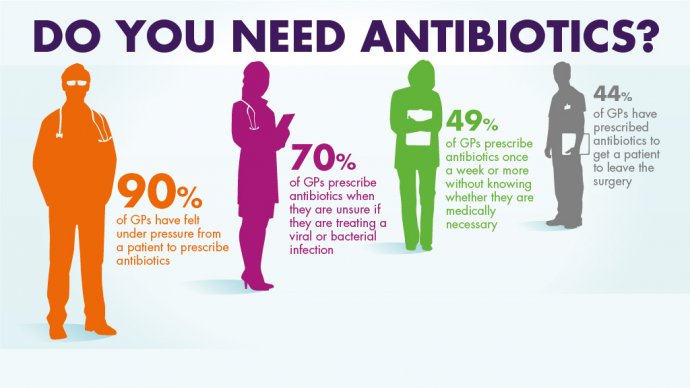
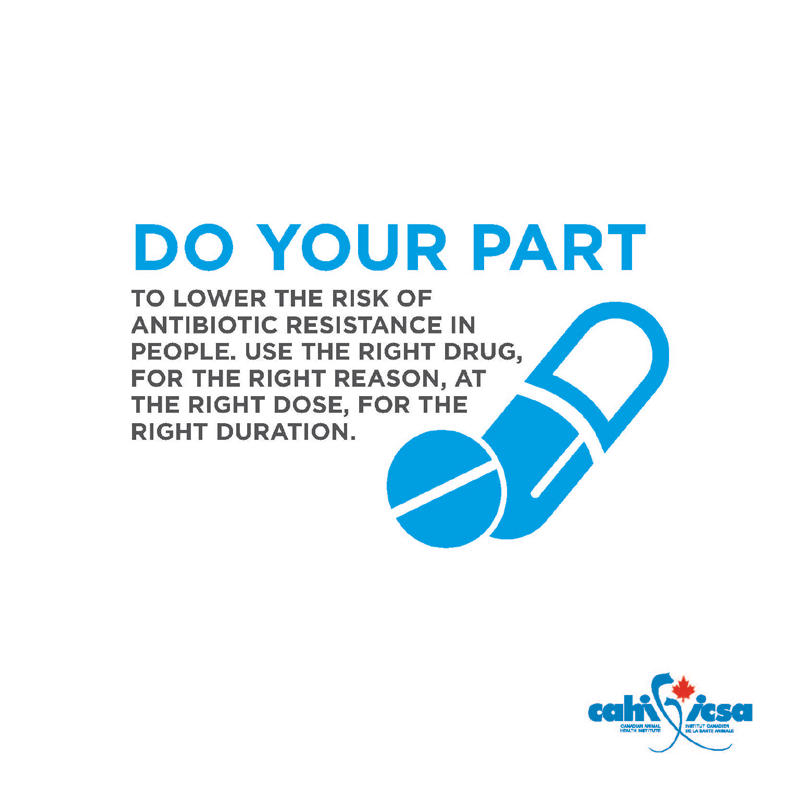
- Antibiotics are powerful medicines that fight certain infections and can save lives when used properly.
- They either stop bacteria from reproducing or destroy them. Before bacteria can multiply and cause symptoms, the immune system can typically kill them.
- White blood cells (WBCs) attack harmful bacteria and, even if symptoms do occur, the immune system can usually cope and fight off the infection. Sometimes, however, the number of harmful bacteria is excessive, and the immune system cannot fight them all. Antibiotics are useful in this scenario.
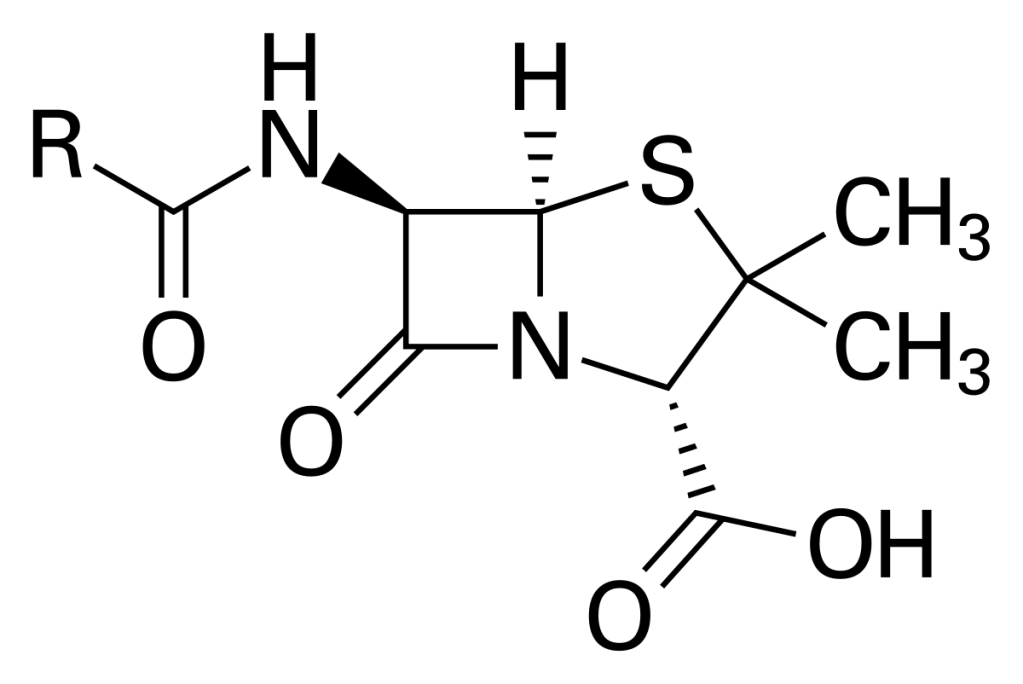
- The first antibiotic was penicillin. Penicillin-based antibiotics, such as ampicillin, amoxicillin, and penicillin G, are still available to treat a variety of infections and have been around for a long time.
- Several types of modern antibiotics are available, and they are usually only available with a prescription in most countries.
- Topical antibiotics are available in over-the-counter (OTC) creams and ointments.
Antiseptics
- An antiseptic is a substance that inhibits the growth and development of microorganisms.
- For practical purposes, antiseptics are routinely thought of as topical agents, for application to skin, mucous membranes, and inanimate objects, although a formal definition includes agents that are used internally, such as the urinary tract antiseptics.
- Antiseptics are a diverse class of drugs that are applied to skin surfaces or mucous membranes for their anti-infective effects.
- This may be either bactericidal (kills bacteria) or bacteriostatic (stops the growth of bacteria).
- Their uses include cleansing of skin and wound surfaces after injury, preparation of skin surfaces prior to injections or surgical procedures, and routine disinfection of the oral cavity as part of a program of oral hygiene.
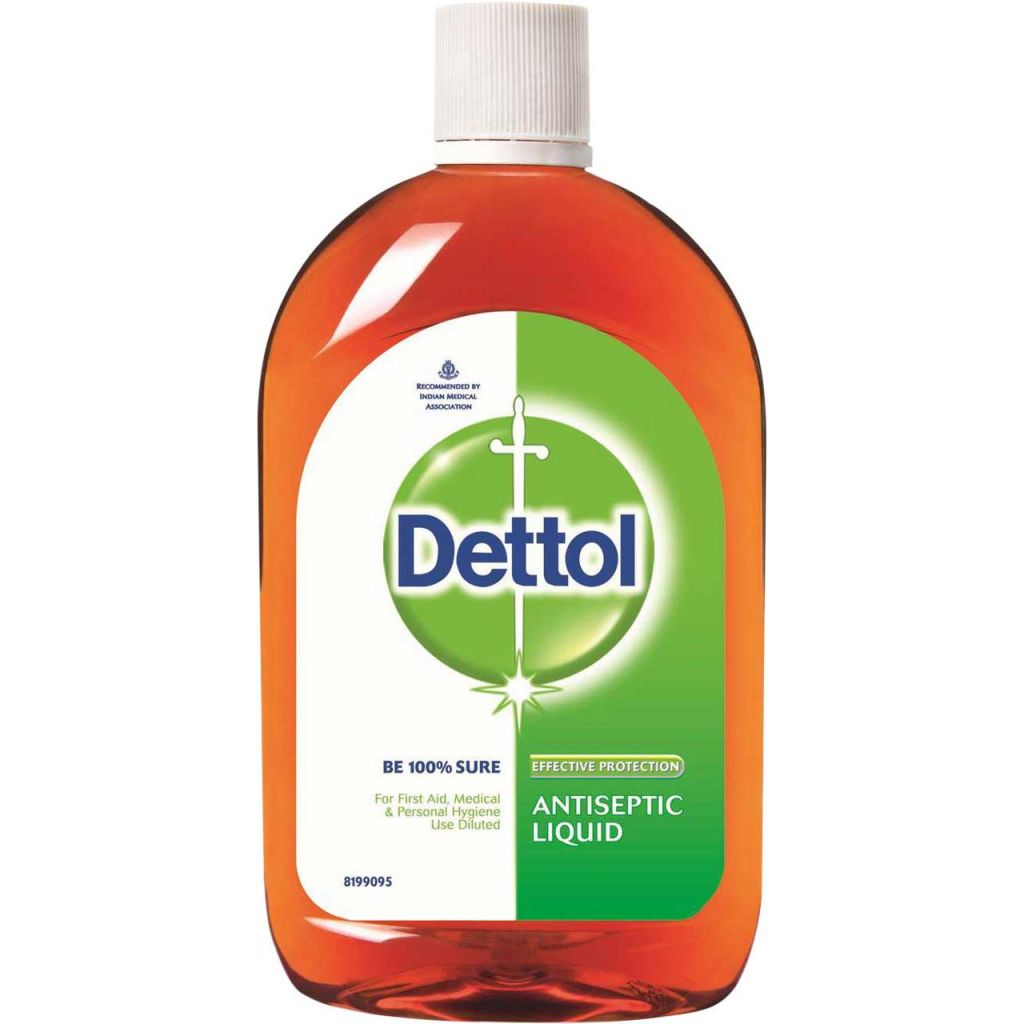
- Examples such as chlorine, Iodine Dettol, Savlon, Hexachlorophene, Hydrogen peroxide, Boric acid etc-etc.
Disinfectants
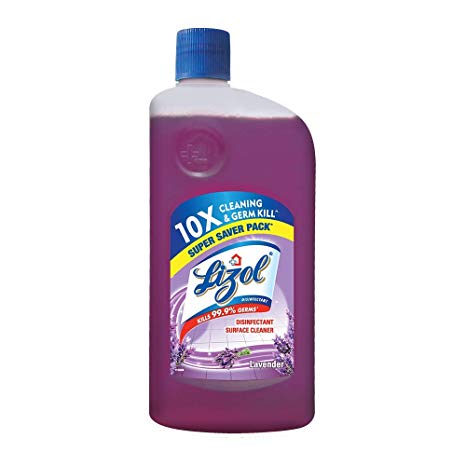
- Disinfectants are antimicrobial agents that are applied to the surface of non-living objects to destroy microorganisms that are living on the objects.
- Disinfection does not necessarily kill all microorganisms, especially resistant bacterial spores; it is less effective than sterilization, which is an extreme physical and/or chemical process that kills all types of life.
- Disinfectants are different from other antimicrobial agents such as antibiotics, which destroy microorganisms within the body, and antiseptics, which destroy microorganisms on living tissue. Disinfectants are also different from biocides — the latter are intended to destroy all forms of life, not just microorganisms.
- Disinfectants work by destroying the cell wall of microbes or interfering with their metabolism.
- Sanitizers are substances that simultaneously clean and disinfect.
- Disinfectants kill more germs than sanitizers. Disinfectants are frequently used in hospitals, dental surgeries, kitchens, and bathrooms to kill infectious organisms.
Anti-Fertility Drugs
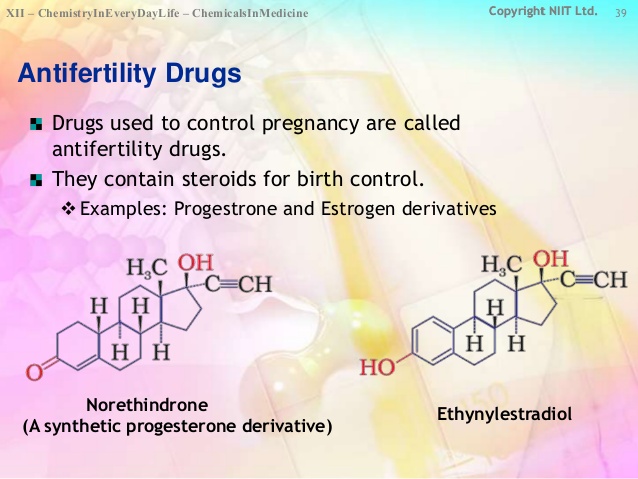
- Anti-Fertility drugs are chemical substances which suppress the action of hormones that promote pregnancy.
- These drugs actually reduce the chances of pregnancy and act as a protection.
- Anti-Fertility drugs are made up of derivatives of synthetic progesterone or a combination of derivatives of oestrogen and progesterone. they drugs are actually synthetic hormones.
- The synthetic progesterone derivatives are more potent as compared to natural progesterone.
- Norethindrone is an example of synthetic progesterone which is one of the most commonly used anti-fertility drugs.
- Ethynylestradiol is a combination of derivatives of oestrogen and progesterone. These drugs should not be taken without the consultation of a doctor.
Antihistamines
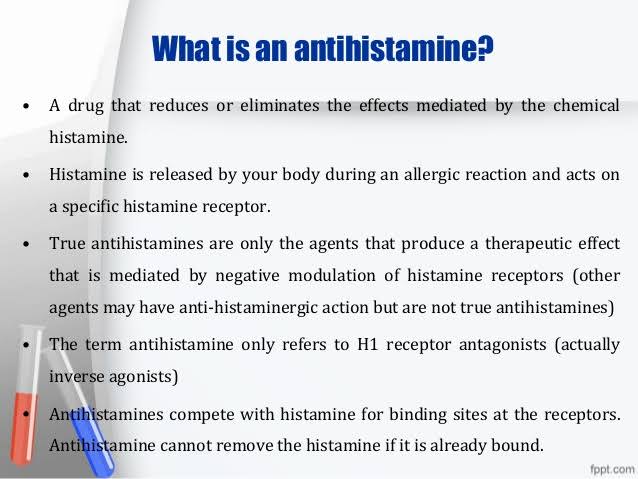
- Antihistamines are drugs which treat allergic rhinitis and other allergies.
- Typically people take antihistamines as an inexpensive, generic, over-the-counter drug that can provide relief from nasal congestion, sneezing, or hives caused by pollen, dust mites, or animal allergy with few side effects.
Antihistamines are usually for short-term treatment.Although people typically use the word “antihistamine” to describe drugs for treating allergies, doctors and scientists use the term to describe a class of drug that opposes the activity of histamine receptors in the body. - In this sense of the word, antihistamines are sub classified according to the histamine receptor that they act upon.
- Histamine receptors exhibit constitutive activity, so antihistamines can function as either a neutral receptor antagonist or an inverse agonist at histamine receptors.
The two largest classes of antihistamines are H1-antihistamines and H2-antihistamines.
- H1-antihistamines work by binding to histamine H1 receptors in mast cells, smooth muscle, and endothelium in the body as well as in the tuber mammillary nucleus in the brain. Antihistamines that target the histamine H1-receptor are used to treat allergic reactions in the nose (e.g., itching, runny nose, and sneezing). In addition, they may be used to treat insomnia, motion sickness, or vertigo caused by problems with the inner ear.
- H2-antihistamines bind to histamine H2 receptors in the upper gastrointestinal tract, primarily in the stomach. Antihistamines that target the histamine H2-receptor are used to treat gastric acid conditions (e.g., peptic ulcers and acid reflux).Histamine receptors exhibit constitutive activity, so antihistamines can function as either a neutral receptor antagonist or an inverse agonist at histamine receptors. Only a few currently marketed H1-antihistamines are known to function as inverse agonists.

Antacids
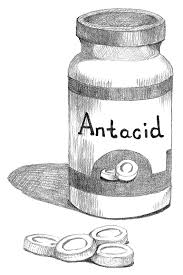
- An antacid is a substance which neutralizes stomach acidity and is used to relieve heartburn, indigestion or an upset stomach.
- Medical uses:- Antacids are available over the counter and are taken by mouth to quickly relieve occasional heartburn, the major symptom of gastroesophageal reflux disease and also indigestion.
- Treatment with antacids alone is symptomatic and only justified for minor symptoms.
- Antacids are distinct from acid-reducing drugs like H2-receptor antagonists or proton pump inhibitors and they do not kill the bacteria Helicobacter pylori, which causes most ulcers.
- Side effects:- Versions with magnesium may cause diarrhoea, and brands with calcium or aluminium may cause constipation and rarely, long-term use may cause kidney stones.
- Long-term use of versions with aluminium may increase the risk for getting osteoporosis.
- Mechanism of action:-When excessive amounts of acids are produced in the stomach the natural mucous barrier that protects the lining of the stomach can damage the oesophagus in people with acid reflux. Antacids contain alkaline ions that chemically neutralize stomach gastric acid, reducing damage and relieving pain.
- Examples such as magnesium salts (MgC03,Mg0),Aluminium Salts, Baking soda etc.
Conclusion
Medicinal chemistry is the discipline concerned with the determination of the influence of chemical structure on biological activity. As such, it is therefore necessary for the medicinal chemist to understand not only the mechanism by which a drug exerts its effects but also the physico-chemical properties of the molecules.The primary objective of medicinal chemistry is the design and discovery of new compounds that are suitable for use as drugs. This process requires a team effort. It not only involves chemists but also workers from a wide range of disciplines such as Biology, Biochemistry, Pharmacology, Mathematics, Computing and Medicine amongst others. It has and it will continue to play an important role in today’s society as it deals with Development, synthesis and designs of Pharmatical drugs. These results are then use to give us a better understanding of diseases as well as giving us ways of preventing and curing them.




 Track2Training
You must be logged in to post a comment.