
Why it’s okay to not be productive right now

Pandemic or not, your self worth is not proportional to your productivity

Like me, if social media has become your only out to boredom, you may have noticed conversations about the notions of ‘productivity’ rocketing. Whether it is your twitter mate updating you with their daily baking sessions or an Instagram friend showing off the pages and pages of work that they finished, or your family groups bombarding you with motivational posts about how to spend your free time, if you have any. There’s so much pressure right now to make the most of this ‘free’ time. It’s exhausting to even try to keep up. The rhetoric around productivity is so romanticised, glamorised and even glorified. However, every time I come across a reminder to be productive, I find myself thinking whether is it really a practical thing or can being productive everyday be a damaging to oneself?

As a university student doing her under graduation, the increase of workload, since the onset of Coronavirus in India, hasn’t gone unnoticed- being given a task after task, a deadline after deadline took a toll on all students. At the start of lockdown, I had internals, I was constantly pulling all nighters revising for the tests, completing assignments and keeping up with the daily workload of the online lessons. In this sense, it felt like nothing even while being locked up in our homes. There was always something that had to be submitted, something that needed to be revised or something that I needed to start working on. I was trying, as was everyone, but oftentimes, it felt like all the efforts amounted to nothing in the end. The workload didn’t end with the end of the semester, having to take-up internships in the middle of a pandemic caused immeasurable pressure and paranoia. My work plans are disrupted by distractions, I find myself unknowingly overextending and the balance between work & free time has become invisible. Not to mention the stress is unavoidable, and I constantly find myself waking up wishing for the day to end.

Is there anything that can be done?

Last year, if someone told us that we would be trapped inside our homes in a state of quarantine due to a deadly pandemic, we would have laughed it off. So, at the time our worst and unimaginable fears are coming true, being plunged into uncertainty does not mean that we have to function effectively alongside it. And therefore, being productive is no longer as important as it was before.

It is of utmost importance to acknowledge that not everyone is fortunate enough to be able to use this situation to hone their skills, try new hobbies, explore new passions or build something unforgettable. In the midst of rapid unemployment, losing your loved ones, anxiety caused by separation from friends and family, isolation and loneliness, bad mental health is inevitable- and that’s okay. It’s okay not to be okay, it’s okay needing to take time off. It’s okay to listen to your body. Don’t be mad at yourself for not being able to deal with the situation as efficiently as your friend or your parent or your Instagram mutual. Getting out of the bed at a reasonable time is a task enough. Not putting off taking care of yourself and your needs is a task enough. Keeping up with your friends and checking up on them is a task enough. Spending time with your family is a task enough. Doing these tasks is no where near the perfect productive day I imagined – and it won’t be for a long while. I was meant to be getting excited about interning opportunities and travelling more and capturing more. Now when everything has gone south, the task of prioritising yourself is a rebellious act.

How can we change this mindset?

If you’re anything like me, university and work mean that I can not entirely ignore all my responsibilities in favour of self-care. Prioritising what you have to do is a good start to make sure you can do what needs to be done. Practice different methods or working. For me, sitting at my desk for more than 7 hours, staring at the laptop screen is quite overwhelming, mentally exhausting and doesn’t leave me feeling fulfilled. Taking breaks to perhaps watch an episode from a show that I’m currently hooked to or to mindlessly scroll on twitter ensures that I feel the balance.

This unsettling environment can be taxing. Forgive yourself for making mistakes.
COVID-19 and Diabetes

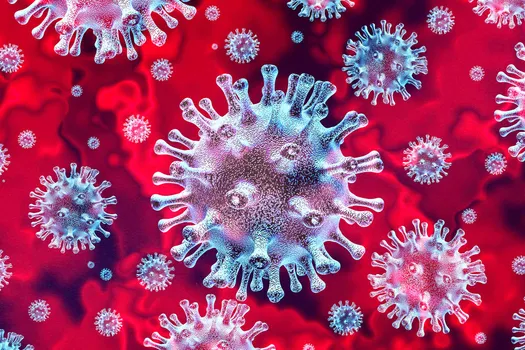
photo of virus 3d render red

Everyone needs to be careful to avoid the coronavirus that causes COVID-19. If you have type 1 or type 2 diabetes, you should be even more cautious.

Your risk of catching the virus isn’t higher than anyone else’s. But you could have worse complications if you do get sick. That’s especially true if your diabetes isn’t well-controlled.

To reduce your chance of getting infected:

  • Keep your distance from other people.
  • Use good hygiene.
  • Keep your blood sugar under control.

Have a plan in place in case you get sick.

Diabetes and Coronavirus

Early studies have shown that about 25% of people who went to the hospital with severe COVID-19 infections had diabetes. Those with diabetes were more likely to have serious complications and to die from the virus. One reason is that high blood sugar weakens the immune system and makes it less able to fight off infections.

Your risk of severe coronavirus infection is even higher if you also have another condition, like heart or lung disease.

If you do get COVID-19, the infection could put you at greater risk for diabetes complications like diabetic ketoacidosis (DKA). DKA happens when high levels of acids called ketones build up in your blood. It can be very serious.

Some people who catch the new coronavirus have a dangerous body-wide response to it, called sepsis. To treat sepsis, doctors need to manage your body’s fluid and electrolyte levels. DKA causes you to lose electrolytes, which can make sepsis harder to control.

Tips to Avoid Infection

The best way to avoid getting sick is to stay home as much as you can. Under the Americans With Disabilities Act, people with diabetes have the right to “reasonable accommodations at work.” That includes the right to work from home or take sick leave when you need it.

If you have to go out, keep at least 6 feet away from other people, and wear a cloth face mask. Wash your hands or use hand sanitizer often while you’re out and when you get home.

Also wash your hands before you give yourself a finger stick or insulin shot. Clean each site first with soap and water or rubbing alcohol.

To protect you, everyone in your house should wash their hands often, especially before they cook for the family. Don’t share any utensils or other personal items. And if anyone in your house is sick, they should stay in their own room, as far as possible from you. They should wear a cloth face mask when you have to be in the same room.

Your COVID-19 Diabetes Plan

Social distancing and shelter-in-place rules may make it harder to get the supplies you need. Stock up on enough goods to last you for a couple of weeks, in case you get quarantined.

Make sure you have:

  • Enough food, especially healthy carbs like whole-wheat crackers, vegetable or noodle soups, and unsweetened applesauce
  • Simple carbs like honey, sugar-sweetened soda, fruit juice, or hard candies in case your blood sugar dips
  • The maximum number of refills you can get of your insulin and other medications
  • Extra glucagon and ketone strips
  • Phone numbers for your doctors and health insurance company

Medicare and some private insurance companies now cover the cost of telehealth visits. So if you have questions for your doctor, you can ask by video chat or phone instead of going into the office.

When you talk to your doctor, ask:

What to Do if You Get Sick

If you start feeling sick, stay home. Check your blood sugar more often than usual. COVID-19 can reduce your appetite and cause you to eat less, which could affect your levels. You also need more fluids than usual when you’re sick. Keep water close by, and drink it often.

Some over-the-counter medicines that relieve virus symptoms like fever or cough can affect your blood sugar levels. High doses of aspirin or ibuprofen can lower blood sugar levels. Acetaminophen can cause falsely high readings on a continuous glucose monitor. Many liquid cough and cold medicines are high in sugar, which can raise your blood sugar levels. Before you take them, check with your doctor or diabetes team. Tell your doctor if you’ve taken them and your blood sugars are out of control.

Call your doctor if you get coronavirus-like symptoms such as a dry cough, fever, or shortness of breath. Have your most recent blood sugar and ketone readings available to share with your doctor.

Get medical help right away if you have:

  • Moderate or large ketones
  • DKA symptoms like tiredness, weakness, body aches, vomiting, or belly pain
  • Severe shortness of breath

COVID-19 Precautions

Stay aware of the latest information on the COVID-19 outbreak, available on the WHO website and through your national and local public health authority. Most countries around the world have seen cases of COVID-19 and many are experiencing outbreaks. Authorities in China and some other countries have succeeded in slowing their outbreaks. However, the situation is unpredictable so check regularly for the latest news.

COVID-19: 10 Do's and Don'ts To Stay Safe During The Outbreak ...

Protecting yourself and others from the spread COVID-19

You can reduce your chances of being infected or spreading COVID-19 by taking some simple precautions:

  • Regularly and thoroughly clean your hands with an alcohol-based hand rub or wash them with soap and water. Why? Washing your hands with soap and water or using alcohol-based hand rub kills viruses that may be on your hands.
  • Maintain at least 1 metre (3 feet) distance between yourself and others. Why? When someone coughs, sneezes, or speaks they spray small liquid droplets from their nose or mouth which may contain virus. If you are too close, you can breathe in the droplets, including the COVID-19 virus if the person has the disease.
  • Avoid going to crowded places. Why? Where people come together in crowds, you are more likely to come into close contact with someone that has COIVD-19 and it is more difficult to maintain physical distance of 1 metre (3 feet).
  • Avoid touching eyes, nose and mouth. Why? Hands touch many surfaces and can pick up viruses. Once contaminated, hands can transfer the virus to your eyes, nose or mouth. From there, the virus can enter your body and infect you.
  • Make sure you, and the people around you, follow good respiratory hygiene. This means covering your mouth and nose with your bent elbow or tissue when you cough or sneeze. Then dispose of the used tissue immediately and wash your hands. Why? Droplets spread virus. By following good respiratory hygiene, you protect the people around you from viruses such as cold, flu and COVID-19.
  • Stay home and self-isolate even with minor symptoms such as cough, headache, mild fever, until you recover. Have someone bring you supplies. If you need to leave your house, wear a mask to avoid infecting others. Why? Avoiding contact with others will protect them from possible COVID-19 and other viruses.
  • If you have a fever, cough and difficulty breathing, seek medical attention, but call by telephone in advance if possible and follow the directions of your local health authority. Why? National and local authorities will have the most up to date information on the situation in your area. Calling in advance will allow your health care provider to quickly direct you to the right health facility. This will also protect you and help prevent spread of viruses and other infections.
  • Keep up to date on the latest information from trusted sources, such as WHO or your local and national health authorities. Why? Local and national authorities are best placed to advise on what people in your area should be doing to protect themselves.

Advice on the safe use of alcohol-based hand sanitizers

To protect yourself and others against COVID-19, clean your hands frequently and thoroughly. Use alcohol-based hand sanitizer or wash your hands with soap and water. If you use an alcohol-based hand sanitizer, make sure you use and store it carefully.

  • Keep alcohol-based hand sanitizers out of children’s reach. Teach them how to apply the sanitizer and monitor its use.
  • Apply a coin-sized amount on your hands. There is no need to use a large amount of the product.
  • Avoid touching your eyes, mouth and nose immediately after using an alcohol-based hand sanitizer, as it can cause irritation.
  • Hand sanitizers recommended to protect against COVID-19 are alcohol-based and therefore can be flammable. Do not use before handling fire or cooking.
  • Under no circumstance, drink or let children swallow an alcohol-based hand sanitizer. It can be poisonous. 
  • Remember that washing your hands with soap and water is also effective against COVID-19.

Symptoms of COVID-19

The main symptoms include:

  • Fever
  • Coughing
  • Shortness of breath
  • Trouble breathing
  • Fatigue
  • Chills, sometimes with shaking
  • Body aches
  • Headache
  • Sore throat
  • Loss of smell or taste
  • Nausea
  • Diarrhea

The virus can lead to pneumonia, respiratory failure, septic shock, and death. Many COVID-19 complications may be caused by a condition known as cytokine release syndrome or a cytokine storm. This is when an infection triggers your immune system to flood your bloodstream with inflammatory proteins called cytokines. They can kill tissue and damage your organs.

If you notice the following severe symptoms in yourself or a loved one, get medical help right away:

Strokes have also been reported in some people who have COVID-19. Remember FAST:

  • Face. Is one side of the person’s face numb or drooping? Is their smile lopsided?
  • Arms. Is one arm weak or numb? If they try to raise both arms, does one arm sag?
  • Speech. Can they speak clearly? Ask them to repeat a sentence.
  • Time. Every minute counts when someone shows signs of a stroke. Call 911 right away.

If you’re infected, symptoms can show up in as few as 2 days or as many as 14. It varies from person to person.

According to researchers in China, these were the most common symptoms among people who had COVID-19:

  • Fever 99%
  • Fatigue 70%
  • Cough 59%
  • Lack of appetite 40%
  • Body aches 35%
  • Shortness of breath 31%
  • Mucus/phlegm 27%

Some people who are hospitalized for COVID-19 have also have dangerous blood clots, including in their legs, lungs, and arteries.