Brand Refresh With Office Wall Art That Signals Change | Artesty

Daily writing prompt
Write about a few of your favorite family traditions.

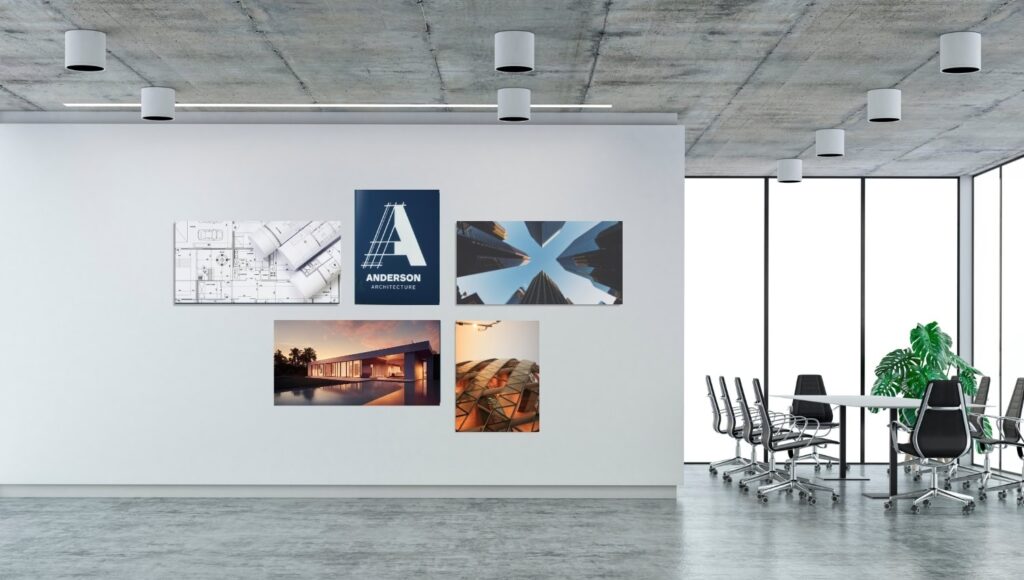
A brand refresh is not only a new logo, a new deck, or a new website. It is a shift in how you want clients and teammates to read you the moment they step into the space. Your office walls sit in that first glance. They can say โ€œfocused and confident,โ€ โ€œhuman and welcoming,โ€ or โ€œready for whatโ€™s nextโ€โ€”without a single word from your team.

That is why office wall art is one of the fastest ways to communicate change. It is visible in the entry view, it stays in the background of meetings, and it becomes part of the daily routine. If you want your refresh to feel real, start with the surfaces people look at every day.

If you are planning a full update, start by saving a shortlist of pieces that match the new direction, then build one hero wall before you expand to other rooms.

Define the change before you choose office wall decor

Art works best when it supports a clear message. Before you pick a canvas print or an art print, write down what has changed in your business. Maybe you moved from service work to product work, introduced a new offer, changed leadership, or shifted the tone of your brand voice. The goal is to turn that change into a short set of visual cues you can repeat across the office.

Write your โ€œbrand cueโ€ list

Choose three to five cues that describe how you want the space to feel. Keep them plain and actionable. Then match each cue to a visual direction: color range, subject matter, and layout.

  • Clear direction:ย clean shapes, strong lines, simple layouts
  • Team-first culture:ย warm tones, human themes, balanced sets
  • Growth mindset:ย upward movement, energetic composition, bold scale
  • Calm focus:ย open space, natural scenes, soft gradients
  • Craft and detail:ย close-up textures, pattern, careful repetition

Why office artwork signals change so well

People notice what repeats. When the same visual language shows up in the reception wall, the meeting room, and the hallway, it reads as intentional. Office artwork also helps reduce mixed messages. If the new brand voice is clean and direct, a crowded wall filled with unrelated pieces will work against it. A planned wall tells the viewer, โ€œWe made a decision and we stand behind it.โ€

Three signals that feel immediate

First, color. A new palette is easy to read, even from a distance. Second, subject. Business themes, calm landscapes, or abstract forms each set a different tone. Third, scale. A larger hero piece says you are confident about the new direction.

Step-by-step: choose office wall art that fits the new brand

You do not need dozens of pieces to make the refresh visible. A small number of well-chosen prints can carry the message, especially when you plan the wall as one system.

Step 1: choose one main theme

Pick a theme you can repeat across the office. For a strategy-led refresh, business imagery can work well; for a culture-led refresh, abstract or nature themes can soften the room and support focus. If your brand story is about progress and clarity, explore the Business Concept Wall Art Collection for clean, goal-forward visuals.

Step 2: pick a style lane and stay consistent

Consistency is what makes a wall feel planned. Decide if you want photography, graphic forms, or abstract work, then stay close to that lane. If you want a flexible mix that still looks unified, a set of abstract art prints can help create structure across different rooms. Start with the Abstract Art Print Collection and save a short shortlist.

Step 3: match the palette to your brand colors

Use your brand colors as a guide, not a rule. You can match exactly, or you can echo them through a similar temperature. A brand that uses deep blues can pair well with cool neutrals; a warm brand can use clay, sand, and soft reds. Keep one repeating color visible across most walls, even if each room has a different hero piece.

Step 4: choose sizes for office walls and sightlines

People view office walls from farther away than they view small home nooks. That means your pieces need enough scale to read from the doorway and from the table. If your walls are large, consider one main canvas as the anchor and smaller supporting pieces nearby.

Step 5: decide on one hero piece or a set

A hero piece is a single strong print that becomes the roomโ€™s focal point. A set is better when you want rhythm and repeat. Multi-panel layouts also work well in long corridors and wide meeting walls because they create a clean path for the eye.

Placement plan for offices and home offices

Placement is strategy. Put the strongest message where the most people will see it, then support it with quieter pieces nearby.

Reception wall: the first impression

Choose one clear statement piece that matches your new brand language. If your refresh is about confidence and direction, keep the layout clean and the scale generous. Avoid clutter around the frame so the message reads quickly.

Conference room: shared focus

Meeting rooms work best with art that supports attention. Abstract work, calm landscapes, and simple compositions keep the room from feeling noisy. If you want a natural direction that still looks professional, browse the Nature Wall Art Collection and select pieces with open space and balanced tones.

Hallway and entry: guide the walk-through

A hallway is a perfect place for a short series. Use two or three pieces that share the same size and frame style. Keep equal spacing so the wall feels planned rather than improvised.

Home office: stay on-message on camera

If your team works hybrid, your wall becomes your video background. Choose one piece that reflects your new direction and sits at eye level behind you. Keep the wall calm so the art reads as intentional, not distracting.

Format and sizing basics for office canvas prints

Canvas prints and paper art prints each bring a different feel. Canvas offers texture and depth and can be displayed without extra framing. Art prints are a strong pick when you want a crisp finish or a gallery-style wall with matched frames.

Simple measuring rules you can follow

  1. Measure the wall width, then aim for art that fills about two-thirds of that span.
  2. Hang the center of the main piece near eye level when standing in the room.
  3. For sets, keep spacing consistentโ€”small gaps read cleaner than large gaps.
  4. When placing art above furniture, leave a comfortable gap so the wall and furniture look connected.

Material and build notes

Artesty canvas prints are printed on natural canvas with quality ink, then hand-stretched on wood panels that are about 1.5 inches (3 cm) thick, and packaged for shipment. Orders are typically shipped within 1โ€“3 business days. These details help you plan timing for a move-in, a launch week, or a refreshed client visit schedule.

Theme ideas that match common brand refresh goals

Most refresh projects fall into a few clear categories. Choose the category that matches your message, then select art that repeats the same cue across multiple walls.

Calm focus for busy teams

Choose open landscapes, soft color transitions, and quiet compositions. These pieces work well behind desks and in meeting rooms, helping the space feel steady during busy cycles.

Clear goals for growth and momentum

Go for structured shapes, clean lines, and purposeful imagery. This approach fits teams that want the office to feel disciplined and directed.

New energy for creative work

Pick bolder forms and sharper contrast, then keep the palette aligned so the rooms still feel connected. Use one strong piece in the reception area, then repeat smaller pieces in work zones.

Before you buy: a quick office wall art checklist

  • Audience:ย Is the wall for clients, new hires, or the core team?
  • Message:ย Can you describe the wallโ€™s message in one sentence?
  • Scale:ย Will the art read from the doorway and from the table?
  • Palette:ย Does at least one color repeat across most rooms?
  • Layout:ย Are you choosing one hero piece, or a planned set?
  • Timing:ย Do you need the pieces before a launch, an event, or a big client week?

Common mistakes that make a refresh feel unfinished

Mixing too many messages. If every wall tells a different story, the refresh reads as confusion. Choose one direction, then repeat it.

Going too small. Small prints can disappear on large office walls. Use scale where it matters, then support with smaller pieces nearby.

Skipping a wall plan. Buying art without a simple layout sketch often leads to uneven spacing and mismatched sizes. A quick plan saves time.

Wrap-up: make the change visible

A brand refresh becomes real when people can see it and feel it. Office wall art helps you express the new direction in a way that is steady, consistent, and easy to maintain. Start with one hero wall, set the visual rules, then expand room by room. When you are ready to select the pieces that match your new message, return to the Office Wall Art Collection and build a short shortlist.

Up-gradation of District Centre, Nehru Place (Phase-I): A Comprehensive Urban Renewal under UDF Project

Daily writing prompt
Write about a few of your favorite family traditions.

The up-gradation of the District Centre at Nehru Place, New Delhi, is a significant urban development initiative undertaken as part of a UDF (Urban Development Fund) Project. Nehru Place, known as one of Asiaโ€™s largest IT and electronics commercial hubs, has long been a vital economic centre of Delhi. However, decades of intense commercial activity, increasing footfall, traffic congestion, ageing infrastructure, and lack of quality public spaces have necessitated a comprehensive redevelopment and up-gradation. Phase-I of this project focuses on integrated urban renewal through Design, Engineering, Procurement, and Construction (EPC) basis, along with Operation and Maintenance (O&M), ensuring long-term functionality and sustainability.

The Up-gradation of District Centre, Nehru Place is being implemented with a sanctioned project cost of โ‚น97.01 crore, out of which โ‚น96.59 crore has been earmarked towards execution of works under Phase-I of the project. The project commenced on 12 November 2019, marking the formal start of on-ground activities under the UDF framework. The scale of investment reflects the strategic importance of Nehru Place as a major commercial and employment hub in New Delhi. This financial outlay covers comprehensive redevelopment works including commercial infrastructure, skywalks, public amenities, roads, plazas, landscaping, electrification, and other allied components on an EPC basis, along with operation and maintenance provisions. The timely commencement and substantial allocation underline the intent to achieve a high-quality, long-term urban renewal that enhances functionality, safety, and user experience while ensuring sustainable asset management for the district centre.

Background and Need for Up-gradation

Nehru Place District Centre experiences exceptionally high daily pedestrian and vehicular movement due to its concentration of offices, retail outlets, service centres, and transit connectivity. Over time, the area has faced challenges such as fragmented pedestrian movement, inadequate public amenities, poor-quality open spaces, insufficient parking management, and outdated electrical and utility infrastructure. The up-gradation project aims to transform Nehru Place into a safe, accessible, vibrant, and economically efficient district centre, aligned with contemporary urban design and infrastructure standards.


Scope of Work under Phase-I

The Phase-I up-gradation includes a wide range of civil, electrical, landscape, and public realm interventions, executed on an EPC basis with integrated O&M. The major components are detailed below.


Construction of Commercial Space

The project includes the development of organised commercial spaces to rationalise informal activities and enhance economic productivity. These spaces are planned with modern design standards, improved accessibility, and compliance with fire, safety, and structural norms. Well-planned commercial areas help decongest existing blocks, improve user experience, and increase revenue generation for long-term maintenance.


Skywalk Development

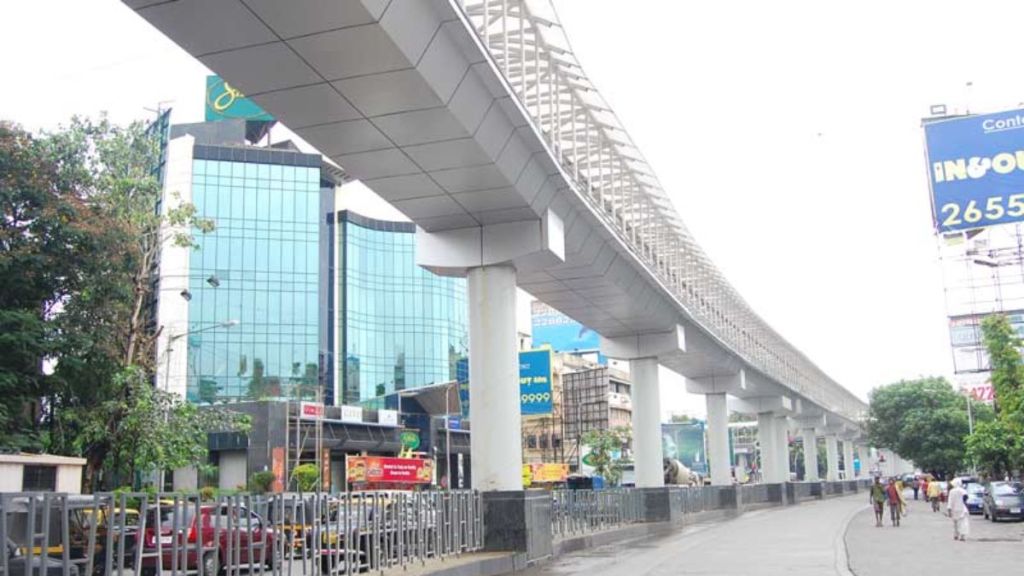
One of the most critical components is the construction of a skywalk to ensure safe, uninterrupted pedestrian movement across high-traffic corridors. The skywalk connects major activity nodes, metro access points, parking areas, and commercial blocks, significantly reducing pedestrian-vehicular conflict. Designed with universal accessibility features such as ramps, lifts, and clear signage, the skywalk enhances walkability and inclusiveness, especially for elderly users, children, and persons with disabilities.


Public Toilets and Urban Amenities

Provision of modern, hygienic public toilet facilities is a key social infrastructure component. These toilets are designed with adequate capacity, accessibility, water-efficient fixtures, proper ventilation, and mechanised maintenance systems. Such facilities are crucial in high-footfall commercial areas to ensure dignity, hygiene, and public health.


Plaza and Amphitheatre Development

The project proposes the development of a central urban plaza and amphitheatre, transforming Nehru Place from a purely commercial district into a lively public realm. The plaza acts as a gathering space for office workers, visitors, and local communities, while the amphitheatre provides a venue for cultural events, performances, public meetings, and informal recreation. These elements contribute to placemaking, social interaction, and cultural expression within the district centre.


Tensile Shading Structures

To address climatic comfort in Delhiโ€™s extreme weather conditions, tensile shading structures are introduced across key pedestrian zones, plazas, and open areas. These lightweight yet durable structures provide protection from heat and rain while enhancing the visual identity of the district centre. Shaded spaces encourage longer pedestrian stay, increased street activity, and improved comfort.


Development Works: Roads, Footpaths, and Parking

Comprehensive road and circulation improvements form a core part of the project. This includes resurfacing of internal roads, junction improvements, traffic calming measures, and better signage. Footpaths are redesigned with adequate width, non-slip surfaces, tactile paving, and barrier-free access to prioritise pedestrians.

Parking development focuses on organised, efficient, and safer parking systems, reducing random on-street parking and improving traffic flow. Improved parking management directly supports commercial activity and reduces congestion.


Horticulture and Landscape Works

Horticulture and landscaping are essential to improving environmental quality in a dense commercial district. The project includes tree plantation, green buffers, planters, lawns, and landscaped open spaces, contributing to microclimate improvement, dust reduction, and visual relief. Native and low-maintenance plant species are preferred to ensure sustainability and ease of maintenance.


Electrification and Allied Works

Up-gradation of electrical infrastructure includes modern street lighting, decorative lighting for plazas and facades, energy-efficient LED systems, underground cabling, and reliable power distribution networks. Allied works also cover ICT infrastructure, CCTV surveillance, public address systems, and safety installations, contributing to security and smart district management.


EPC and Operation & Maintenance Framework

Executing the project on an EPC basis ensures single-point responsibility for design, quality, time, and cost control. Integration of Operation and Maintenance (O&M) within Phase-I ensures that assets created under the project remain functional, safe, and well-maintained for the intended period. This approach enhances accountability, lifecycle efficiency, and long-term value for public investment.


Significance of the UDF Project

As a UDF Project, the up-gradation of Nehru Place District Centre demonstrates a structured approach to financing and implementing urban renewal. It aligns infrastructure investment with economic revitalisation, public realm improvement, and institutional efficiency. The project not only upgrades physical infrastructure but also strengthens Nehru Placeโ€™s role as a major commercial and employment hub in New Delhi.


Conclusion

The Phase-I up-gradation of the District Centre at Nehru Place represents a holistic urban redevelopment initiative that integrates commercial growth, pedestrian safety, public amenities, cultural spaces, and environmental enhancement. Through components such as skywalks, plazas, amphitheatres, improved roads, parking, landscaping, and modern electrificationโ€”executed on an EPC basis with O&Mโ€”the project aims to transform Nehru Place into a vibrant, inclusive, and future-ready district centre. As a UDF Project, it sets a strong precedent for sustainable, well-managed, and people-centric urban renewal in Delhi and other metropolitan cities.

Best Practices for Ensuring Total Sanitation in Bhopal

Bloganuary writing prompt
Write about a few of your favorite family traditions.

By Kavita Dehalwar

Bhopal, the capital city of Madhya Pradesh, is a thriving metropolis with a rich cultural heritage. While the city has seen significant growth and development, ensuring total sanitation remains a crucial challenge. Adopting best practices for sanitation is essential for the well-being of its residents and the overall development of the city. This article explores some key strategies and initiatives that can be implemented to achieve total sanitation in Bhopal.

  1. Community Engagement and Awareness:
    • Develop comprehensive awareness campaigns to educate residents about the importance of sanitation and its impact on public health.
    • Encourage community participation in cleanliness drives and waste management initiatives.
    • Establish partnerships with local NGOs, schools, and community leaders to amplify the reach of sanitation awareness programs.
  2. Proper Waste Management:
    • Implement a robust waste management system that includes waste segregation at source, efficient collection, transportation, and disposal.
    • Promote the use of composting and recycling to reduce the burden on landfills.
    • Enforce strict penalties for illegal dumping and encourage responsible waste disposal practices.
  3. Public Toilet Facilities:
    • Increase the number of public toilets in key areas to provide accessible and clean facilities for residents and visitors.
    • Regular maintenance and cleanliness checks should be conducted to ensure the hygiene of public toilets.
    • Implement community-led initiatives for the maintenance and upkeep of public toilet facilities.
  4. Promote Sustainable Practices:
    • Encourage the use of eco-friendly products and packaging to reduce environmental impact.
    • Initiate tree plantation drives to enhance green cover and improve air quality.
    • Implement water conservation measures to ensure sustainable use of water resources.
  5. Smart Technology Integration:
    • Utilize technology for monitoring and managing sanitation services, such as smart waste bins that send alerts when they are full.
    • Implement a city-wide sanitation app to report issues, request services, and provide feedback on sanitation conditions.
    • Use data analytics to identify areas with high sanitation needs and optimize resource allocation.
  6. Collaboration with Stakeholders:
    • Collaborate with local businesses, industries, and educational institutions to create a unified approach to sanitation.
    • Engage with government agencies, civic bodies, and private sector organizations to pool resources for large-scale sanitation projects.
    • Foster partnerships with international organizations and experts to gain insights into global best practices.
  7. Regular Monitoring and Evaluation:
    • Establish a monitoring system to track the progress of sanitation initiatives regularly.
    • Conduct periodic assessments of sanitation infrastructure, services, and public satisfaction.
    • Use feedback from residents and stakeholders to make continuous improvements to sanitation programs.
  8. Legislation and Enforcement:
    • Develop and enforce strict sanitation regulations to ensure compliance with cleanliness standards.
    • Impose fines for violations and non-compliance to create a deterrent for irresponsible sanitation practices.
    • Regularly update and adapt legislation to address emerging sanitation challenges.

Conclusion:

Achieving total sanitation in Bhopal requires a concerted effort from the government, businesses, communities, and individuals. By implementing these best practices, Bhopal can work towards creating a clean, healthy, and sustainable environment for its residents, setting an example for other cities to follow. Total sanitation is not just a goal; it’s a collective responsibility that, when achieved, contributes significantly to the overall well-being and progress of the city.

References

Agarwal, S., & Sharma, S. N. Universal Design to Ensure Equitable Society.ย International Journal of Engineering and Technical Research (IJETR),ย 1.

Ayub, J. (2022, December 13). Garbage piles up as Bhopal Municipal Corporation workers go on indefinite strike over vacant posts. Times Of India. https://timesofindia.indiatimes.com/city/bhopal/garbage-piles-up-as-bmc-workers-go-on-indefinite-strike-over-vacant-posts/articleshow/96186484.cms

Bathran, R. (2011). Indian sanitation.

Dehalwar, K., & Singh, J. (2015). A Critical Evaluation of the main Causes of Water Management Problems in Indian Urban Areas.ย International Research Journal of Environment Sciences. 4,ย 8.

Dehalwar, K., & Sharma, S. N. (2023). Fate of Slums of Bhopal-A Tale of Struggle and Resilience.ย Think India Journal,ย 26(4), 12-18.

Pardeshi, G. (2009). Women in total sanitation campaign: a case study from Yavatmal district, Maharashtra, India.ย Journal of human ecology,ย 25(2), 79-85.

Galvin, M. (2015). Talking shit: is Communityโ€Led Total Sanitation a radical and revolutionary approach to sanitation?.ย Wiley Interdisciplinary Reviews: Water,ย 2(1), 9-20.

Pardeshi, G., Shirke, A., & Jagtap, M. (2008). SWOT analysis of total sanitation campaign in Yavatmal district of Maharashtra.ย Indian journal of community medicine: official publication of Indian Association of Preventive & Social Medicine,ย 33(4), 255.

Sharma, S. N. (2014). Fate of Rural Sanitation Scheme.ย International Journal of Research (IJR),ย 1(2).

Sharma, S. N., & Biswas, A. (2016). Best practices for ensuring total sanitation.ย International Journal for Social Studies, ISSN, 2455-3220.

World Health Organization. (2020). Achieving quality health services for all, through better water, sanitation and hygiene: lessons from three African countries.