Different Planning Policies, Programmes, Acts, and Bye-laws in India

Introduction

Urban and regional planning in India is guided by a comprehensive framework of policies, programmes, legislation (Acts), rules, and bye-laws. These instruments regulate land use, urban development, housing, transportation, environmental protection, infrastructure, and public welfare. While policies provide broad directions and objectives, programmes translate policies into action through specific schemes and projects. Acts provide the legal framework for planning and development, whereas bye-laws prescribe technical standards and regulations for construction and land development. Together, these instruments ensure planned, sustainable, and equitable urban growth.

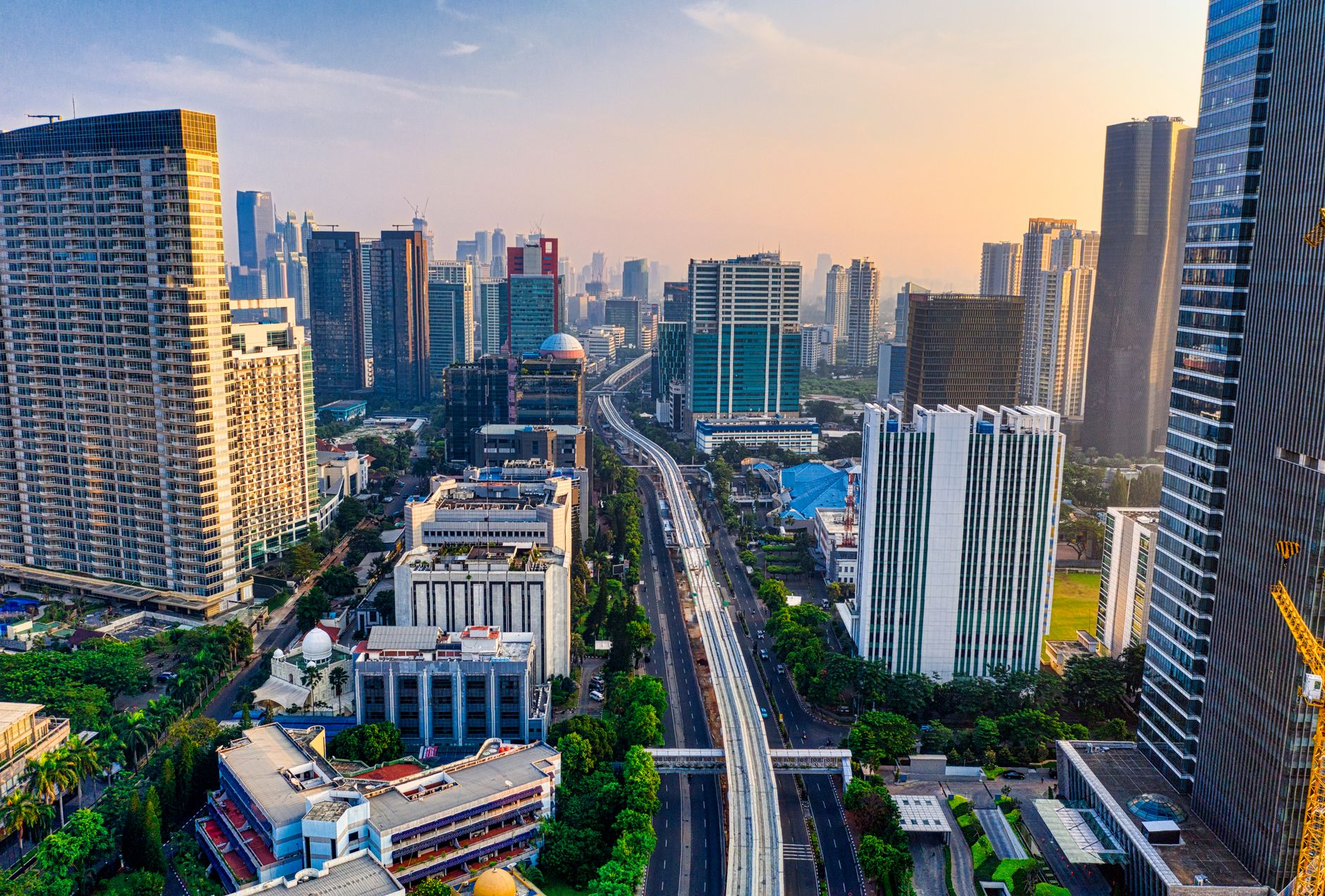
Photo by Lara Jameson on Pexels.com

1. Planning Policies in India

Planning policies provide strategic guidance for urban and regional development.

A. National Urban Policy Framework (NUPF)

Objectives

  • Promote sustainable urbanization.
  • Improve urban governance.
  • Encourage inclusive development.
  • Enhance infrastructure and service delivery.
  • Strengthen urban planning institutions.

B. National Urban Transport Policy (NUTP), 2006

Objectives

  • Prioritize movement of people over vehicles.
  • Promote public transport.
  • Encourage non-motorized transport.
  • Reduce congestion and pollution.
  • Integrate land use and transportation planning.

Major Components

  • Transit-Oriented Development (TOD).
  • Metro Rail systems.
  • Bus Rapid Transit (BRT).
  • Walking and cycling infrastructure.

C. National Housing and Habitat Policy, 2007

Objectives

  • Affordable housing.
  • Slum redevelopment.
  • Public-private partnerships.
  • Sustainable housing.
  • Housing finance.

D. National Transit-Oriented Development Policy (2017)

Objectives

  • High-density mixed-use development.
  • Walkable neighborhoods.
  • Public transport integration.
  • Reduced dependence on private vehicles.

E. National Water Policy (2012)

Objectives

  • Sustainable water management.
  • Rainwater harvesting.
  • Integrated river basin planning.
  • Efficient water use.

F. National Environment Policy (2006)

Objectives

  • Environmental conservation.
  • Pollution control.
  • Biodiversity protection.
  • Climate resilience.

G. National Smart Cities Mission Guidelines (2015)

Focus Areas

  • Smart mobility.
  • Smart governance.
  • Smart energy.
  • Smart water management.
  • Smart infrastructure.
  • Citizen participation.

2. Major Urban Development Programmes

A. Smart Cities Mission (2015)

Objective

Develop 100 citizen-friendly and sustainable smart cities.

Components

  • Area-Based Development (ABD).
  • Pan-city solutions.
  • ICT-based governance.
  • Smart infrastructure.
  • Intelligent transportation.

B. AMRUT

Atal Mission for Rejuvenation and Urban Transformation (2015)

Objectives

  • Water supply.
  • Sewerage.
  • Stormwater drainage.
  • Urban transport.
  • Parks and green spaces.

C. PMAY (Urban)

Pradhan Mantri Awas Yojana โ€“ Urban

Objective

“Housing for All.”

Components

  • Affordable housing.
  • Slum redevelopment.
  • Credit-linked subsidy.
  • Beneficiary-led construction.

D. Swachh Bharat Mission (Urban)

Objectives

  • Solid waste management.
  • Open Defecation Free (ODF) cities.
  • Scientific waste disposal.
  • Clean public spaces.

E. HRIDAY

Heritage City Development and Augmentation Yojana

Objectives

  • Heritage conservation.
  • Urban renewal.
  • Tourism promotion.
  • Infrastructure improvement.

F. National Heritage City Development Programme

Focuses on:

  • Historic precinct conservation.
  • Cultural landscapes.
  • Heritage-sensitive planning.

G. PM Gati Shakti National Master Plan

Objectives

  • Integrated infrastructure planning.
  • GIS-based planning.
  • Multi-modal transportation.
  • Logistics efficiency.

H. National Infrastructure Pipeline (NIP)

Focus

  • Urban infrastructure.
  • Transportation.
  • Water supply.
  • Energy.
  • Industrial development.

I. Jal Jeevan Mission (Urban)

Objectives

  • Universal tap water supply.
  • Wastewater treatment.
  • Water conservation.

J. Metro Rail Policy (2017)

Focus

  • Transit-oriented development.
  • Multi-modal integration.
  • Sustainable mobility.
  • Public transport expansion.

3. Important Planning Acts

A. Town and Country Planning Acts

Each State has its own Town and Country Planning Act.

Examples

  • Maharashtra Regional and Town Planning Act, 1966.
  • Karnataka Town and Country Planning Act, 1961.
  • Tamil Nadu Town and Country Planning Act, 1971.
  • Madhya Pradesh Nagar Tatha Gram Nivesh Adhiniyam, 1973.
  • Uttar Pradesh Urban Planning and Development Act, 1973.

Purpose

  • Land-use regulation.
  • Master plans.
  • Development control.
  • Regional planning.

B. Delhi Development Act, 1957

Established

Delhi Development Authority (DDA).

Objectives

  • Planned development.
  • Master Plan preparation.
  • Land acquisition.
  • Housing development.

C. Real Estate (Regulation and Development) Act (RERA), 2016

Objectives

  • Consumer protection.
  • Transparency.
  • Timely project completion.
  • Builder accountability.

D. Land Acquisition, Rehabilitation and Resettlement Act, 2013

Purpose

  • Fair compensation.
  • Rehabilitation.
  • Resettlement.
  • Social Impact Assessment.

E. Environment (Protection) Act, 1986

Objectives

  • Pollution control.
  • Environmental clearance.
  • Environmental Impact Assessment.

F. Air (Prevention and Control of Pollution) Act, 1981

Objectives

  • Air quality management.
  • Industrial emission control.

G. Water (Prevention and Control of Pollution) Act, 1974

Purpose

  • Water quality protection.
  • Pollution control.

H. Forest Conservation Act, 1980

Objective

Protect forest land from non-forest uses.


I. Biological Diversity Act, 2002

Purpose

Conservation of biodiversity.


J. Disaster Management Act, 2005

Planning Applications

  • Disaster-resilient infrastructure.
  • Risk-sensitive land-use planning.
  • Emergency preparedness.

K. Street Vendors (Protection of Livelihood and Regulation of Street Vending) Act, 2014

Objectives

  • Protect street vendors.
  • Organize vending zones.
  • Promote inclusive urban planning.

4. Building Bye-laws

Building bye-laws regulate construction activities.

Prepared by

  • Municipal Corporations.
  • Development Authorities.
  • Urban Local Bodies.

Regulate

  • Plot size.
  • Building height.
  • Floor Area Ratio (FAR).
  • Floor Space Index (FSI).
  • Setbacks.
  • Ground coverage.
  • Parking standards.
  • Fire safety.
  • Structural safety.
  • Accessibility.
  • Rainwater harvesting.
  • Green building provisions.

5. Development Control Regulations (DCR)

Development Control Regulations prescribe standards for urban development.

Include

  • Land-use zoning.
  • FAR limits.
  • Building density.
  • Open space requirements.
  • Road widths.
  • Height restrictions.
  • Environmental regulations.

6. National Building Code (NBC) 2016

Prepared by:
Bureau of Indian Standards (BIS)

Covers

  • Structural design.
  • Fire safety.
  • Building services.
  • Accessibility.
  • Energy efficiency.
  • Sustainability.
  • Construction practices.

7. Unified Building Bye-Laws (UBBL)

Implemented in several states.

Objectives

  • Standardize building regulations.
  • Simplify approval procedures.
  • Promote green buildings.
  • Encourage accessibility.
  • Improve fire safety.

8. Environmental Planning Regulations

Environmental Impact Assessment (EIA) Notification

Requires environmental clearance for major development projects.

Coastal Regulation Zone (CRZ) Notification

Regulates development along coastal areas.

Eco-Sensitive Zone (ESZ) Guidelines

Protect environmentally sensitive regions around national parks and wildlife sanctuaries.


9. Regional Planning Frameworks

Examples include:

  • National Capital Region Planning Board (NCRPB) Act, 1985.
  • Delhiโ€“Mumbai Industrial Corridor (DMIC).
  • Chennaiโ€“Bengaluru Industrial Corridor.
  • Bengaluruโ€“Mumbai Economic Corridor.
  • PM Gati Shakti GIS platform.

Comparative Summary

CategoryExamplesPrimary Purpose
National PoliciesNUTP, TOD Policy, National Housing Policy, National Water PolicyStrategic direction for urban and regional development
Urban ProgrammesSmart Cities Mission, AMRUT, PMAY-U, Swachh Bharat Mission, HRIDAYInfrastructure, housing, sanitation, and smart governance
Planning ActsTown and Country Planning Acts, Delhi Development Act, RERA, LARR ActLegal framework for planning and development
Environmental ActsEnvironment Protection Act, Air Act, Water Act, Forest Conservation ActEnvironmental conservation and pollution control
Building RegulationsNational Building Code, Building Bye-laws, Development Control RegulationsTechnical standards for construction and land development
Regional PlanningNCRPB Act, Industrial Corridors, PM Gati ShaktiBalanced regional growth and integrated infrastructure planning

Importance of Policies, Programmes, Acts, and Bye-laws

  • Promote planned urban growth.
  • Prevent unauthorized development.
  • Improve housing and infrastructure.
  • Protect environmental resources.
  • Enhance public health and safety.
  • Support sustainable transportation.
  • Ensure disaster resilience.
  • Encourage affordable housing.
  • Improve governance and transparency.
  • Facilitate balanced regional development.
  • Strengthen climate-resilient and smart urban planning.

Conclusion

India’s urban planning framework is supported by a robust combination of policies, programmes, Acts, and bye-laws that guide sustainable and orderly development. National policies such as the National Urban Transport Policy and National Housing and Habitat Policy provide strategic direction, while flagship programmes including the Smart Cities Mission, AMRUT, PMAY-U, and Swachh Bharat Mission translate these objectives into action. Legislative measures such as the Town and Country Planning Acts, RERA, the Environment (Protection) Act, and the Disaster Management Act provide the legal foundation for urban governance. Building bye-laws, the National Building Code (2016), and Development Control Regulations ensure safe, accessible, and environmentally responsible construction. Together, these instruments enable Indian cities to address the challenges of rapid urbanization while advancing sustainability, resilience, inclusivity, and economic growth.

Daily writing prompt
Which is the best restaurant in your city?

Urban Finance and Taxation Systems

Introduction

Urban finance refers to the mechanisms through which urban local governments (ULGs), municipal corporations, municipalities, and development authorities mobilize, manage, and allocate financial resources for the planning, development, operation, and maintenance of urban infrastructure and public services. As cities continue to grow rapidly, urban finance has become a critical component of sustainable urban development. Effective urban finance enables cities to provide essential services such as water supply, sanitation, transportation, solid waste management, housing, public health, education, parks, and digital infrastructure.

Photo by Tom Fisk on Pexels.com

Urban taxation forms the backbone of municipal finance by generating revenue to support local governance. Besides taxation, municipalities rely on user charges, grants, loans, public-private partnerships (PPPs), municipal bonds, and innovative financing mechanisms such as land value capture.


Objectives of Urban Finance

The primary objectives of urban finance are to:

  • Provide adequate financial resources for urban development.
  • Ensure efficient delivery of public services.
  • Support infrastructure creation and maintenance.
  • Promote sustainable and inclusive urban growth.
  • Reduce dependence on state and central governments.
  • Encourage fiscal responsibility and transparency.
  • Improve municipal governance and accountability.

Sources of Urban Finance

Urban finance can be broadly classified into Own Source Revenue (OSR) and External Revenue Sources.

A. Own Source Revenue (OSR)

These are revenues generated directly by Urban Local Bodies (ULBs).

1. Property Tax

Property tax is the largest and most important municipal tax.

Basis of Assessment

  • Annual Rental Value (ARV)
  • Capital Value System (CVS)
  • Unit Area Value (UAV)

Advantages

  • Stable source of revenue.
  • Reflects property ownership.
  • Supports local infrastructure.

Challenges

  • Under-assessment.
  • Poor tax collection.
  • Outdated property records.
  • Tax evasion.

2. Vacant Land Tax

Levied on undeveloped urban land to discourage speculation and encourage productive land use.


3. Advertisement Tax

Collected from:

  • Hoardings.
  • Billboards.
  • Digital advertising panels.
  • Commercial displays.

4. Entertainment Tax (Historically)

Previously collected on cinemas and entertainment activities. After the introduction of the Goods and Services Tax (GST), this has largely been subsumed under GST, though municipalities may still levy fees for certain local events or permissions.


5. Profession Tax

Levied by some State Governments and shared with local bodies where permitted.


6. Trade License Fees

Collected from:

  • Shops.
  • Restaurants.
  • Industries.
  • Commercial establishments.

7. Building Permission Fees

Collected for:

  • Building approvals.
  • Layout approvals.
  • Change of land use.
  • Development permissions.

B. Non-Tax Revenue

Municipalities also generate income through service charges and fees.

Major Sources

  • Water supply charges.
  • Sewerage charges.
  • Solid waste management fees.
  • Parking fees.
  • Market fees.
  • Bus terminal charges.
  • Rental income from municipal properties.
  • Community hall rentals.
  • Public toilet fees.
  • License fees.
  • Birth and death registration fees.

C. Grants from Government

Grants supplement municipal finances.

Types

Central Government Grants

Examples include grants under:

  • Finance Commission recommendations.
  • Smart Cities Mission.
  • AMRUT.
  • Swachh Bharat Mission.
  • PMAY (Urban).

State Government Grants

Include:

  • General-purpose grants.
  • Specific-purpose grants.
  • Matching grants.
  • Performance grants.

D. Borrowings

Urban Local Bodies raise loans for infrastructure projects.

Sources

  • HUDCO (Housing and Urban Development Corporation).
  • Banks.
  • Financial institutions.
  • State Governments.
  • International agencies (World Bank, Asian Development Bank, JICA).

E. Municipal Bonds

Municipal Bonds are debt instruments issued by Urban Local Bodies to finance infrastructure projects.

Uses

  • Water supply.
  • Sewerage.
  • Roads.
  • Public transport.
  • Urban renewal.

Advantages

  • Large capital mobilization.
  • Lower dependence on government grants.
  • Improved financial discipline.

Indian Examples

  • Ahmedabad Municipal Corporation (first municipal bond issue in 1998).
  • Pune Municipal Corporation.
  • Indore Municipal Corporation.
  • Hyderabad Municipal Corporation.
  • Lucknow Municipal Corporation.
  • Ghaziabad Municipal Corporation.

F. Public-Private Partnership (PPP)

PPP involves collaboration between government and private investors.

Applications

  • Metro Rail.
  • Bus terminals.
  • Smart parking.
  • Affordable housing.
  • Solid waste management.
  • Water supply.
  • Street lighting.

Advantages

  • Reduced government expenditure.
  • Improved efficiency.
  • Private sector innovation.
  • Faster project implementation.

Urban Taxation System

Urban taxation provides recurring revenue for municipal administration.

Major Municipal Taxes

TaxPurpose
Property TaxMunicipal services and infrastructure
Vacant Land TaxDiscourage land speculation
Development ChargesInfrastructure expansion
Betterment LevyRecover benefits from infrastructure improvements
Impact FeeFinance additional public facilities due to new development
Stamp Duty (shared in some states)Property registration and development
Trade License FeeRegulation of commercial establishments
Building Permit FeeDevelopment regulation

Land-Based Financing

Modern cities increasingly use land as a financial resource.

1. Betterment Levy

Charged on landowners whose property value increases because of public infrastructure such as roads, metro rail, or parks.


2. Development Charges

Collected from developers for:

  • Roads.
  • Water supply.
  • Sewerage.
  • Parks.
  • Electricity infrastructure.

3. Land Value Capture (LVC)

LVC enables governments to recover part of the increase in land value created by public investments.

Instruments

  • Betterment Levy.
  • Development Charges.
  • Premium Floor Area Ratio (FAR).
  • Sale of Development Rights.
  • Transferable Development Rights (TDR).
  • Land Pooling.
  • Tax Increment Financing (TIF).

Indian Examples

  • Delhi TOD Policy.
  • Ahmedabad Town Planning Schemes.
  • Hyderabad Metro Corridor.
  • Gujarat Town Planning Schemes.

4. Transferable Development Rights (TDR)

Development rights are transferred from one property to another.

Applications

  • Road widening.
  • Heritage conservation.
  • Public projects.
  • Environmental protection.

5. Premium Floor Area Ratio (FAR)

Developers pay additional fees for permission to construct beyond the base FAR.


Urban Finance Institutions in India

Major institutions supporting urban finance include:

  • Ministry of Housing and Urban Affairs (MoHUA).
  • State Urban Development Departments.
  • Urban Local Bodies (ULBs).
  • Housing and Urban Development Corporation (HUDCO).
  • National Bank for Financing Infrastructure and Development (NaBFID).
  • National Capital Region Planning Board (NCRPB).
  • State Finance Commissions.
  • Central Finance Commission.
  • Development Authorities.
  • Municipal Corporations.

Finance Commission and Urban Finance

The Finance Commission of India recommends financial transfers to Urban Local Bodies.

Major Objectives

  • Strengthen municipal finances.
  • Improve fiscal decentralization.
  • Enhance service delivery.
  • Encourage financial accountability.

Constitutional Provisions

The 74th Constitutional Amendment Act (1992) significantly strengthened urban finance.

Key Provisions

  • Constitutional recognition of Urban Local Bodies.
  • State Finance Commission.
  • Municipal taxation powers.
  • Decentralized planning.
  • Local financial autonomy.

Challenges in Urban Finance

Indian cities face several financial challenges:

  • Low property tax collection.
  • Weak financial management.
  • Heavy dependence on government grants.
  • Limited municipal borrowing capacity.
  • Poor accounting systems.
  • Inadequate cost recovery.
  • Delays in project financing.
  • Growing infrastructure demand.
  • Urban poverty and affordability concerns.

Reforms in Urban Finance

To improve financial sustainability, several reforms have been introduced:

  • GIS-based property tax mapping.
  • Digital tax collection systems.
  • Online building approvals.
  • Double-entry accrual accounting.
  • Municipal bond market reforms.
  • Credit rating of Urban Local Bodies.
  • Public-private partnerships.
  • Smart financial management systems.
  • Land Value Capture financing.
  • User charge reforms.
  • E-governance and digital payment systems.

Contemporary Examples

Ahmedabad Municipal Corporation

  • First municipal corporation in India to issue municipal bonds.
  • GIS-based property taxation.
  • Successful infrastructure financing model.

Pune Municipal Corporation

  • Municipal bonds for water supply projects.
  • Smart city financing.
  • Digital tax collection.

Indore Municipal Corporation

  • Municipal bond financing.
  • User charges for waste management.
  • Smart governance initiatives.

Hyderabad Metropolitan Development Authority

  • Land Value Capture.
  • Premium FAR.
  • Transit-oriented financing.

Delhi Development Authority

  • Land pooling.
  • Development charges.
  • Premium FAR mechanisms.

Comparative Summary of Urban Finance Instruments

Finance InstrumentRevenue SourcePrimary Purpose
Property TaxLocal taxMunicipal operations
User ChargesService feesCost recovery for utilities
Development ChargesDevelopersInfrastructure provision
Betterment LevyBenefited landownersRecover infrastructure costs
Land Value CaptureLand appreciationUrban infrastructure financing
Municipal BondsCapital marketsLarge infrastructure projects
Public-Private PartnershipsPrivate investmentInfrastructure development
Government GrantsCentral and State GovernmentsUrban development programmes
LoansFinancial institutionsCapital-intensive projects
Premium FARDevelopersUrban infrastructure funding

Conclusion

Urban finance is the foundation of sustainable urban development, enabling cities to provide quality infrastructure and essential public services. A balanced system of property taxation, user charges, government grants, municipal bonds, public-private partnerships, and land-based financing mechanisms ensures financial sustainability and supports long-term urban growth. In India, the 74th Constitutional Amendment, the Finance Commissions, and flagship initiatives such as the Smart Cities Mission and AMRUT have strengthened municipal finance, while innovative tools like Land Value Capture (LVC), Transferable Development Rights (TDR), Premium FAR, and municipal bonds are increasingly used to fund urban infrastructure. Strengthening local revenue generation, improving financial management, and adopting digital governance will be essential for building resilient, inclusive, and economically sustainable cities in the future.

Daily writing prompt
Which is the best restaurant in your city?