
Education and student life at Semmelweis University during the coronavirus pandemic

Reactions to the novel coronavirus/COVID-19 have caused a great many changes to daily life in recent days. One group particularly affected by these changes is high school students. They are facing challenges this year that have never happened before on this scale.
HOW HIGH SCHOOL STUDENTS ARE AFFECTED BY SCHOOL CLOSURES
School provides structure and routine to the lives of students. Following the routine of getting up at a certain time, going to classes at specific times and coming home at a certain time provides a sense of normalcy in their lives. The predictability of knowing that third period math class follows second period history class allows students’ brains to focus on academic content. Expectations for behavior and academic performance are known and familiar. When schools closed earlier this month students lost this structure and routine. Many were sent home with packets of assignments to complete but it is up to them to decide when and in what order they will do the assignments. At first, this greater amount of freedom and choice feels good – “Finally I get to decide what I want to do!” In short time though, it is easy to fall behind, to be distracted by other more desirable options (Netflix, video games, social media), or to become bored.For most students school isn’t just about academics, it is also about social interactions. Many friendships started by sitting next to each other in class. The highlight of a student’s day might be walking down a certain hallway between fifth and sixth period because that’s when she can reliably expect to see the person she has a crush on. Groups of friends eat lunch together every day. Through their interactions with teachers and other school personnel young people learn to interact with non-family authority figures. In the hallways and classrooms of their school, young people are exposed to a variety of different cultures, perspectives and ways of living that may be different than their own.Extracurricular activities were also affected by school closures. Many students enjoy participating in sports, music, school plays, robotics and a variety of other activities. Participation in these activities helps students to be more attractive applicants to colleges, universities and future employers. More importantly though, participation in these activities is an important part of students’ identities. They provide a “tribe” of others with whom a common interest and skill set is shared.
Coronavirus Impacts on Students and Online Learning
College students continue to grapple with the educational fallout of the pandemic.School closures exacerbate issues of digital access and other inequities.More and more students report feeling stressed and anxious due to COVID-19.Students on and off campus will navigate colleges’ shifting plans well into 2021.
College students continue to grapple with the educational fallout of the pandemic.
School closures exacerbate issues of digital access and other inequities.
More and more students report feeling stressed and anxious due to COVID-19.
Students on and off campus will navigate colleges’ shifting plans well into 2021.
With the pandemic, schools rushed to fill gaps in their online infrastructures. Finding the money and experts to make those upgrades presented a hurdle, though. According to Melissa Venable, an online education advisor for BestColleges, “There aren’t enough instructional designers and other learning support specialists to go around right now. These offices have not been a priority at all colleges and universities.”
If ad hoc digital solutions don’t work for students and teachers, the experience could stymie online education’s future growth. “This quick and mandatory shift may reinforce the most challenging aspects, leading some instructors to be less likely to adopt online education in the future,” Venable said.
Ramping up online education under present circumstances may not be ideal, but as Venable notes, “The focus is not about experimenting with technology, but an emergency response.” The digital systems that colleges build to support students now will outlast the coronavirus and inform the digital approach to higher education going forward. Successes could even galvanize colleges to expand online offerings.


Dozens of colleges have already announced a marked change for spring 2021: no spring break.
Ways to Relieve Stress in these Unprecedented TimesI
mprove Your Diet:
- Eat low carb diets.
- Consume vegetables regularly (broccoli & spinach are good options to build resilience against infections).
- Intake fruits rich in beta carotene, ascorbic acid & other essential vitamins.
- Consume herbs like garlic, Basel leaves and black cumin as it helps in boosting immunity.
- Munch on nuts and seeds like flaxseed, pumpkin seeds and melon seeds as they are excellent sources of protein and vitamin E.
- Intake probiotics like Yoghurt, Butter Milk, Yakult and other fermented food.
Exercise Regularly
- A good diet should be followed by a good exercise of 30 to 45 minutes. The best way to make exercising fun is to pair it with music.
Take a Good Sleep
- Research by the National Sleep Foundation says that teenagers need 8-10 hours of sleep a night to stay fresh and healthy.
Stay Positive
- One can stay positive by identifying something that he/she enjoyed or found to be beautiful. Listen to stories about people being kind and helpful. Don’t spread or listen to the news that came to you through unauthentic resources.
COVID-19’s impact on education in India: It’s not all bad news
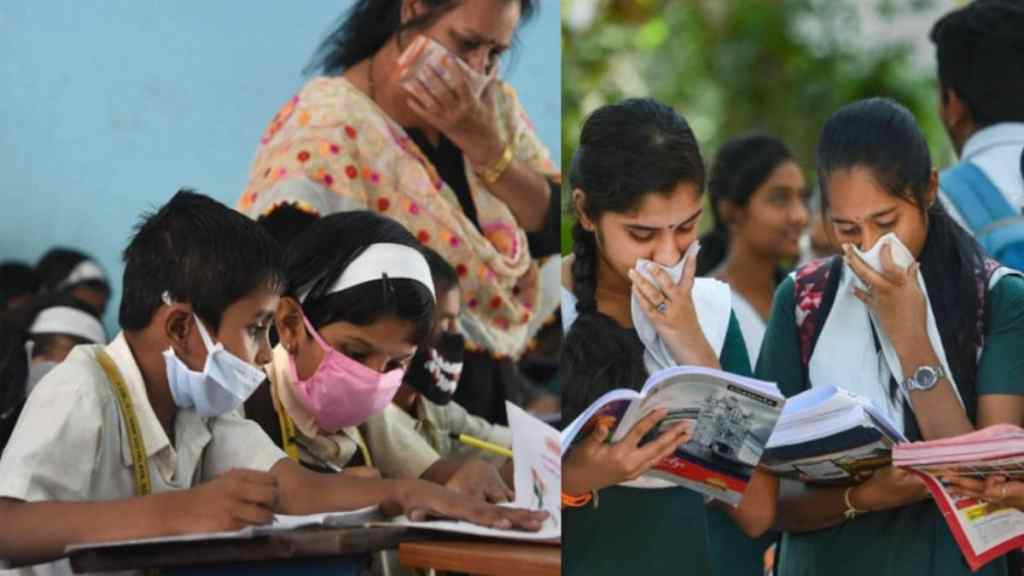
The current year presented some new challenges to each industry; it not just forced people to change business cycle, lifestyle but had a deep impact on daily activities which people do to live their life and are considered as basic necessities.Education, especially the task of going to a school is one such activity which used to be done on a regular basis in the pre-Covid era, and it is one activity which was an integral part of the daily routine of each parent who has school-going children.Now, as we are approaching the end (hopefully) of Covid-19, it is the right time to take a pause and reflect on what impact Covid left on the student’s achievements and what it may mean for educators
COVID-19 in India: Education disrupted and lessons learned
India, 320 million students have been affected by COVID-19 school closures, and though the government quickly recommended shifting to “online teaching,” this ignores India’s immense digital divide—with embedded gender and class divides. The 2017-18 National Sample Survey reported only 23.8 percent of Indian households had internet access. In rural households (66 percent of the population), only 14.9 percent had access, and in urban households only 42 percent had access. And males are the primary users: 16 percent of women had access to mobile internet, compared to 36 percent of men. Young people’s access is even less: A recent news report stated only 12.5 percent of students had access to smartphones. Furthermore, most teachers are ill-equipped for online teaching.
Using digital volunteers to teach in a limited environment
Once these basic needs were taken care of, teachers then used whatever digital means were available to teach their students. Teachers galvanized an army of digital volunteers in the communities tasked with sharing the information on their devices to students without access to technology. To reach those low-tech students, teachers used voice messages, text messages, and phone calls. For high-tech students (i.e. with smartphones), teachers sent longer videos and used WhatsApp groups for discussions. To reach girls, most of whom had no access to phones, teachers even called fathers to ask how they were doing and to enlist their support for their daughters’ education. So far, the majority of fathers have responded positively, demonstrating how this crisis might be a great opportunity to develop positive relationships with fathers that improve their daughters’ education and well-being.
 em will go online. No one was prepared for this change completely but now it is the only option left for the people to choose.
 Track2Training
You must be logged in to post a comment.