A headache of our times, E waste

Electronic waste, shortly called e waste, describes discarded electrical or electronic devices and components. Used and old electronics which are destined for reuse, resale, salvage, recycling or disposal are also considered as e-waste. Informal processing of the e-waste can lead to adversity of human health effects and environmental pollution.

Electronic scrap components, such as CPUs and other processors, contain potentially harmful components such as lead, beryllium,cadmium and brominated flame retardants. Recycling and disposal of e-waste may involve significant risk to workers and communities around the disposal region and great care is required to avoid unsafe exposure in recycling operations and leaking of materials such as heavy metals from landfills and incineration ashes.

Lets a mobile of cost Rs.10k is bought and after 1 year by accident itโ€™s screen gets shattered.

If it is taken to repair, a new display would cost as much as a brand new smartphone and in such a scenario it is predictable what almost every one would prefer.

And just like, a ton of e waste is created, all those resources used to manufacture that one unit of a simple cheap device, from its camera to its batteryย  and processor etc etc. that one smartphone with the computational power inaccessible even to the richest of the richest a decade prior to today becomes useless from the hand of simple common person on streets and generated significant e waste.ย 

Not recycling e-waste leads to

  1. loss of valuable resource like Precious metals, copper, lithium, etc
  2. Damage to our environment if not managed properly from elements like lead, mercury, and various types of flame retardants. Of particular concern are the cathode ray tubes (CRTs) in computer monitors, which contain high concentrations of lead
  3. Also Opportunity costs – recycling creates jobs, reusing electronics generates revenue for businesses, and land-fillings comparatively more expensive than the former two options.
  4. Potential reusability is lost like a decade old computer can be thrown away in a developed country whereas computers are completely inaccessible in some poor countries.

Tackling the Problem of e waste

Nearly 250 million computers will become obsolete in the upcoming five to seven years, according to the EPA in us alone. In most places itโ€™s up to individuals to decide the fate of their e wastes as there lack of proper  waste management is extremely common,

The solutions areโ€ฆ

Donate.ย 

Give an operable computer to a local family, friend, school, or nonprofit organization.

Recycle.

There are websites which offer links to recycling centers involving businesses. These Services allow consumers as well as businesses to recycle any computer for a small fee, including shipping.

Most importantly, care

Acknowledge the issue, while many overestimate the problem and make it look like the world is on the brink of end whereas at times these topics are used as political weapons and a means to get popular, it has become a part of celebrity culture to make fancy statements who then are seen doing ad campaign for upcoming useless upgrade of a smartphone.

One must avoid these paranoia. We just have to make sure that it doesn’t bite us in only because of a bit of carelessness. A bit of care and attention from our side can definitely minimize the e waste problems.


NEED FOR BIODIVERSITY CONSERVATION

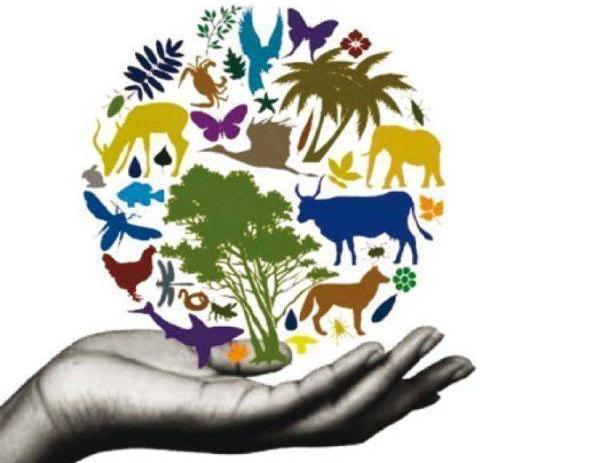
Biodiversity is a significant element for the subsistence of life on earth. It maintains the ecological stability and assists the functioning of the ecosystem, which is necessary to provide support and regulation to the environment. Basically, Biodiversity is the variation among the living organisms, including plants, animals, fungi as well as bacteria from different sources including terrestrial, marine and desert ecosystems; it describes the richness and diversity of life on earth. The term biodiversity was coined in 1985, it includes both the natural as well as artificial ecosystems. Thus, it is of immense ecological and economic significance, biodiversity is an important feature of the planet and there will be no life without it. It provides us with necessary nourishment, fulfills our needs of housing, fuel, clothing, etc. and also help the nation to extract monetary benefits through tourist activities.

E11G - Awareness Campaign for Biodiversity - Home | Facebook

The research studies highlight that there are around 8.7 million species of plants and animals that are currently existing on the earth, however, we have been able to identify only 1.2 million species so far. It is an astonishing discovery that a number of species are found co-existing in a single ecosystem, it includes smallest creatures to the largest that can be seen through naked eyes. All these species work in a chain to ensure their survival, maintain the ecosystem and also provide certain benefits to the human begins.

However, the increasing human population and rapid rise in the consumption and other activities has disturbed and even destroyed the ecosystem. The pollution, climate changes, continuous changes in the consumption patters has threatened the ecological balance and also affected the biodiversity of the planet. It is predicted by the expert scientists and researchers that, with this pace, half of the species will go extinct with the next century and this is adversely affect the interrelation between the different creatures. Over the last years, Australis has witnessed the largest decline in the biodiversity of the continent. The worldโ€™s biodiversity is facing the threat and pressure of fragmentation and degradation, spread of invasive species, climate change, inappropriate fire regimes, etc. Therefore, it becomes necessary to conserve and preserve the biodiversity and protect the endangered species.

Biodiversity: Conservation of Biodiversity in India

The Biodiversity Conservation refers to the protection, preservation and management of the ecosystem and natural habits to ensure the health functioning. The basic aims of biodiversity conservation are to protect and preserve species diversity, to ensure the sustainable management of the species and to prevent the ecological imbalance. Given below is a list of some general steps that can be taken towards the conservation of the biodiversity and maintenance of the ecological balance:

  • Government Legislation

Government is the regulatory body of the nation and has the supreme power to control the activities that can be a threat to the biodiversity. Thus, the government should understand its responsibility and distribute its power with the other authorities to adopt measures to conserve the biodiversity. Also, the government can enforce lays and regulations to regulate the activities in a manner that is doesnโ€™t cause any harm to the environment.

For the same, several bills and action plans have been passed by the Parliament in India as well as the need for biodiversity conservation has been understood and the National Mission on Biodiversity and Human Well-Being has been set to bring the societyโ€™s attention to the biodiversity conservation. The efforts can be made in setting up the nature preserves, i.e., national parks to protect the regions and the organisms living there. It can be also economically beneficial by allowing the tourists to visit these areas and understand the ecosystems from nearby.

  • Reducing the amount of Invasive Species

Invasive species are sometimes introduced to an area on purpose, but also sometimes by accident. To limit the number of invasive species moved by accident planes, ships, and cargo must be thoroughly checked before it is offloaded in a new country. Additionally, people should not bring new species of animals or plants to an area without consulting ecologists knowledgeable on the region.

  • Habitat Restoration

The human lifestyle and their expansion activities have affected the area available for other living organisms on the earth. Thus, the improvement can be made by returning or retransformation of an area into its natural state. This means the plants and animals that have being naturally found and lived there, are provided back with their homes. This can be a great way to restore the harm done to the biodiversity and also help in reducing the further threat. These projects can be undertaking by government authorities or the local NGOs along with the assistance to the citizens.

  • Sustainability and Sustainable Development

The society should adopt the habit to consume naturally made eco-friendly products and avoid the usage of harmful chemically made products and goods. This will be beneficial for the biodiversity as well as ensure good health to the human begins. Thus, the individuals should promote the consumption of the eco-friendly products, so that it can support its production at a large scale. ย 

Development and expansion are necessary; however, the present development should be planned in such a manner that it doesnโ€™t affect the future living standard, it is called sustainable development. The development done with keeping in mind the availability of sufficient resources for the future generation, is the best form of development.

Thus, it can be concluded that the need for Biodiversity Conservation is necessary and it can be done only through the collective efforts of every member of the society. It is not the sole responsibility of the government or governmental authorities and demands complete support and cooperation of the citizens of the nation.

World Environment Day

We celebrate World Environment Day every year on 5th June to bring positive changes and enhance healthy ecosystems. The earth is what we all have in common. So, every year we celebrate this day to help nature in healing itself. Nature is our first mother. It gives us so much including food we eat, water we drink, the air we breathe and much more and in return we are harming our nature and eventually we are harming our livelihood. Nature doesnโ€™t need human but human will always need nature to sustain. If we possess healthy ecosystem then only, we can fight climate change and discontinue the ruining of biodiversity.

World Environment Day is celebrated globally to inspire people to change their lifestyle and take action to build a greener future. World Environment Day is worldwide initiative taken by United Nations (UN) to spread awareness. UN established Environment Day in 1972. World environment Day is celebrated by various host countries. It was first observed in 1974 in United States of America and the theme was โ€œOnly One Earthโ€.

United Nation has declared this decade as โ€œEcosystem Restorationโ€ decade. Ecosystem Restoration is a process of reversing the degradation of ecosystems, such as landscapes, oceans and lakes to regain their ecological functionality. Also, to increase the productivity and capacity of ecosystems to meet the societyโ€™s need.

Till 2030, the refurbishment of 350 million hectares of degraded terrestrial and aquatic ecosystems could generate US$9 trillion in ecosystem services. Restoration could also remove 13 to 26 gigatons of greenhouse gases from the atmosphere. All kinds of ecosystems can be restored, including forests, farmlands, cities, wetlands and oceans. Restoration initiatives can be launched by almost anyone, from governments and development agencies to businesses, societies and individuals. That is because the causes of degradation are many and varied, and can have an impact at different levels.

Every year World Environment Day is celebrated at various countries but officially it is hosted by one different country in which official celebrations takes place. The host for World Environment Day this year is Pakistan. Pakistan will highlight the importance of โ€œEcosystem Restorationโ€ this year. The theme for this year is โ€Reimagine. Recreate. Restoreโ€. The Government of Pakistan plans to develop and restore the countryโ€™s forests through a โ€˜10 Billion Tree Tsunamiโ€˜ campaign spread over five years. The campaign includes restoring mangroves and forests, as well as planting trees in urban settings, including schools, colleges, public parks and green belts.

Through the 10 Billion Tree Tsunami, Pakistan is contributing to theย Bonn Challenge, a global effort linked to the UN Decade on Ecosystem Restoration. Under the challenge, countries are pledging to bring 350 million hectares of the worldโ€™s deforested and degraded land into restoration by 2030.

Hereโ€™s what you can do to contribute:

  • Plant more trees.
  • Segregate your waste into wet waste and dry waste
  • Follow the 5Rโ€™s โ€“ Refuse, Reduce, Reuse, Renew, Recycle
  • Travel by Public Transport
  • Spread Awareness about Environment
  • Conserve water. Implement Rain water Harvesting
  • Avoid using plastic
  • Save Electricity
  • Use art as a way to spread the message.