Council raises GST on low-cost footwear, garments to 12%

In its first physical meeting in two years, the GST Council on Friday effected several long-pending tweaks in tax rates including an increase in the GST levied on footwear costing less than ₹1,000 as well as readymade garments and fabrics to 12% from 5%.
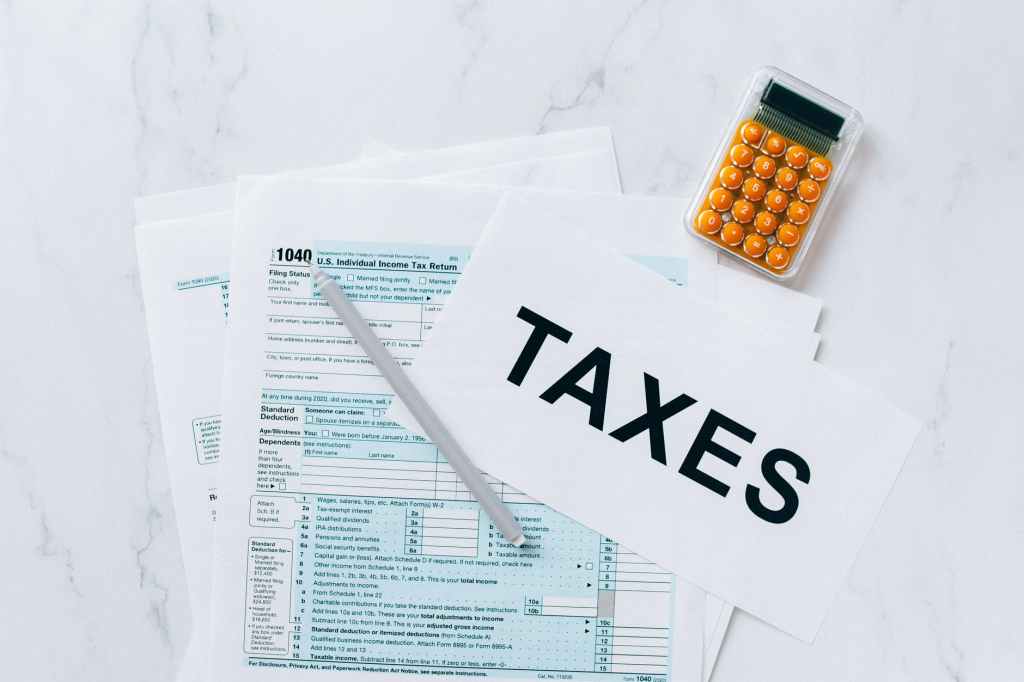


The new rates on these products, a decision on which had been deferred by the Council over the past year owing to the pandemic’s impact on households, will come into effect from January 1, Finance Minister Nirmala Sitharaman said.

The Council approved a special composition scheme for brick kilns with a turnover threshold of ₹20 lakh, from April 1, 2022. Bricks would attract GST at the rate of 6% without input tax credits under the scheme, or 12% with input credits.

While this will please States like Uttar Pradesh that had sought a special scheme for brick kilns, a decision on extending such a scheme for other evasion-prone sectors like pan masala, gutkha and sand mining was put off.


The Council also decided to extend the concessional tax rates granted for COVID-19 medicines like Amphotericin B and Remdesivir till December 31, but similar sops offered by the Council at its last meeting in June for equipment like oxygen concentrators will expire on September 30.

The GST rate on seven more drugs useful for COVID-19 patients has been slashed till December 31 to 5% from 12%, including Itolizumab, Posaconazole and Favipiravir. The GST rate on Keytruda medicine for treatment of cancer has been reduced from 12% to 5%.

Life-saving drugs Zolgensma and Viltepso used in the treatment of spinal muscular atrophy, particularly for children, has been exempted from GST when imported for personal use. These medicines cost about ₹16 crore, Ms. Sitharaman said.

Food delivery tax shift:
The Council also decided to make food delivery apps like Swiggy and Zomato liable to collect and remit the taxes on food orders, as opposed to the current system where restaurants providing the food remit the tax.

Revenue Secretary Tarun Bajaj stressed this did not constitute a new or extra tax, just the tax that was payable by restaurants would now be paid by aggregators. Some restaurants were avoiding paying the GST even though it was billed to customers.

“The decision to make food aggregators pay tax on supplies made by restaurants from January 1, 2022, seems to have been done based on empirical data of under reporting by restaurants, despite having collected tax on supplies of food to customers,” said Mahesh Jaising, Partner, Deloitte India.

“The impact on the end consumer is expected to be neutral where the restaurant is a registered one. For those supplies from unregistered, there could be a 5% GST going forward,” he added.

Aircraft on lease:
The GST Council has exempted Integrated GST levied on import of aircraft on lease basis. This will help the aviation industry avoid double taxation, the Finance Minister said, and will also be granted for aircraft lessors who are located in Special Economic Zones.

Goods supplied at Indo-Bangladesh border haats have also been exempted from GST.
How GST on Petrol, Diesel will bring down prices

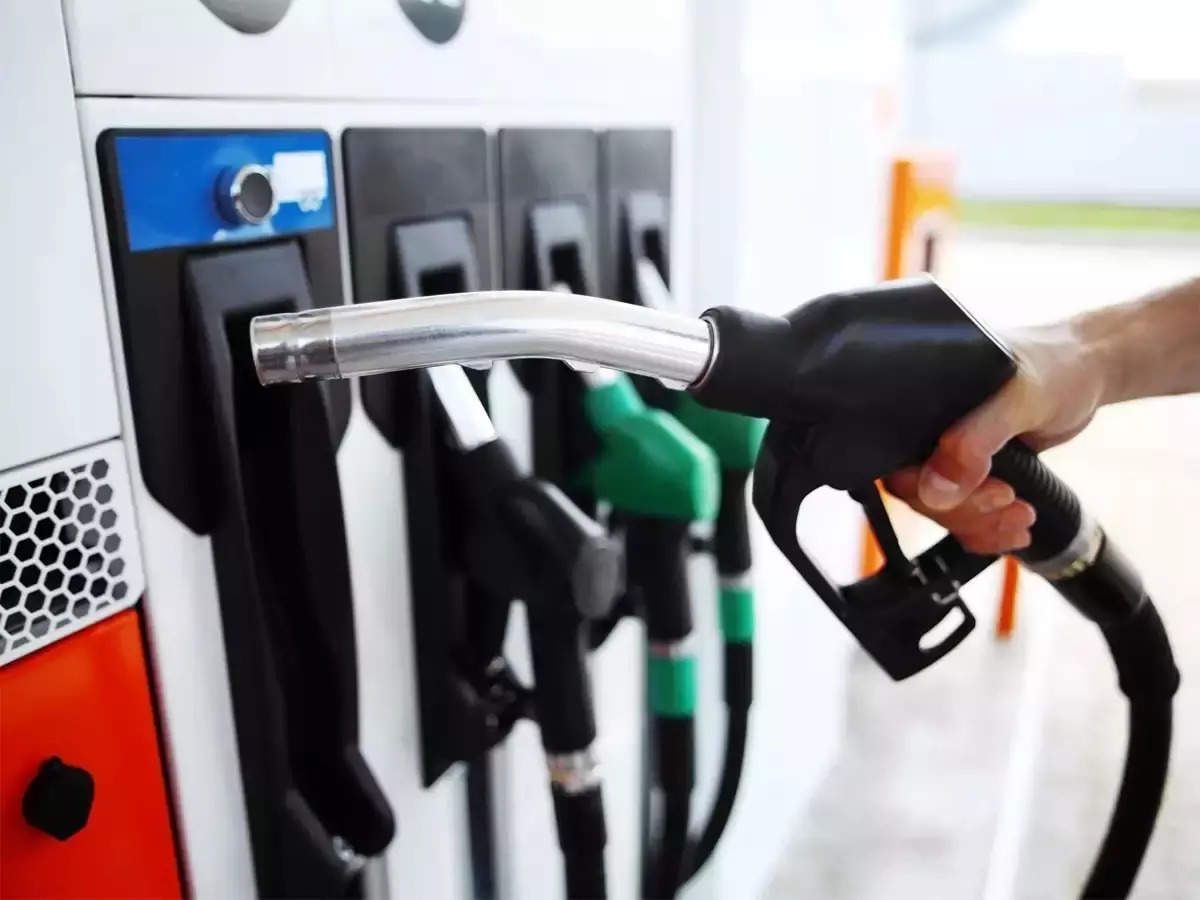
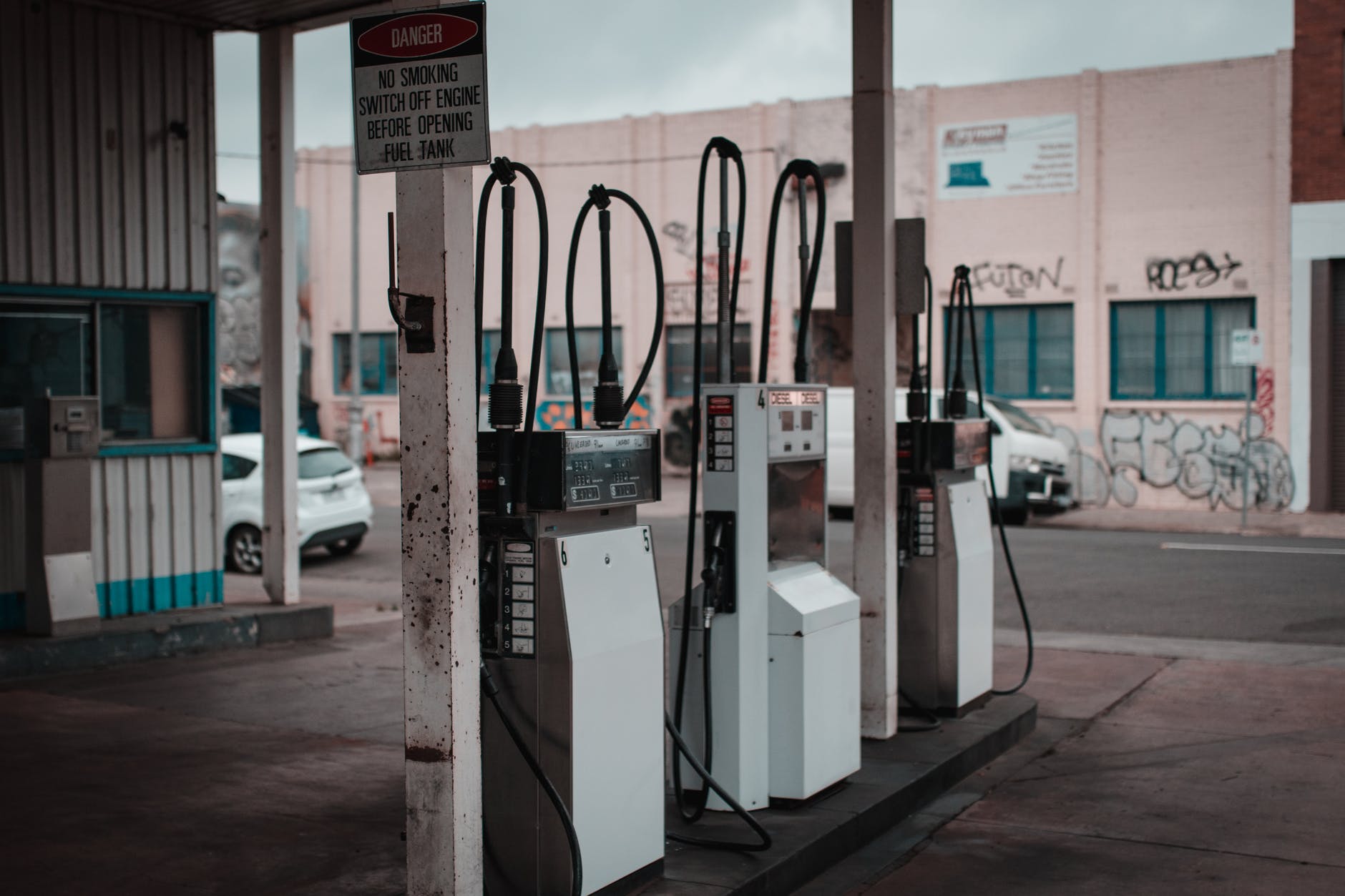
The soaring prices of petrol and diesel has time and again highlighted the question of whether bringing it under the goods and services tax (GST) regime will prove beneficial for the consumers.
The much debated and speculated issue might finally come to a conclusion on Friday when the 45th GST Council meets in Lucknow.
For the first time in 20 months, the GST council will be conducting a physical meeting. After December 18, 2019, all the GST Council meetings were done in virtual mode.

“We are not saying that we should bring petrol and diesel under GST immediately, we are basically asking states to suggest a timeline,” a government source told TOI ahead of the crucial meeting of the GST Council on Friday.
When GST was introduced in July 2017, five commodities — crude oil, natural gas, petrol, diesel and aviation turbine fuel (ATF) — were kept out of the GST purview, considering the revenue dependence of the central and state governments on them.


As demand recovered, the spike in global oil prices pushed petrol and diesel prices to an all-time high, leading to demand for bringing it under GST.
Fuel prices have been hovering at record levels on account of 41 increases in its retail rates since April this year.
However, since the past 11 days there has been no revision in prices of petrol and diesel as oil marketing companies (OMCs) kept a tab on global oil prices.
Accordingly, in Delhi a litre of petrol costs Rs 101.19 and diesel costs Rs 88.62.
Similarly, price of petrol in Mumbai, Chennai and Kolkata stood unchanged at Rs 107.26, Rs 98.96, Rs 101.62 per litre, respectively.

Diesel price also remained unchanged. In Delhi, Mumbai, Chennai and Kolkata, the fuel was sold for Rs 88.62, Rs 96.19, Rs 93.26 and Rs 91.71 per litre respectively.

Prices are largely going to remain unchanged or get some relief by way of a cut in days ahead as global oil is expected to soften again.
Oil cartel Opec and its allies have agreed to gradually raise production levels that should prevent upward price movement.

Written by : Ananya Kaushal

देश में आसमान छू रहा ईंधन का भाव !

देश में ईंधन की कीमतों में लगातार बढ़ोतरी देखने को मिल रही है। लागतार बढ़ रहा रेट थमने का नाम नहीं ले रहा, जिससे जनता काफी परेशान है। कच्चे तेल के दामों में जिस तरह से अंतरराष्ट्रीय बाजार में तेजी देखने को मिल रही है,वैसे ही घरेलू बाजार में पेट्रोल और डीजल के दाम भी आसमान छू रहा है। भारत में ईंधन की कीमतें रिकॉर्ड स्तर पर है।

5 अक्टूबर 2021 यानी कि मंगलवार को 1 दिन की स्थिरता के बाद भारतीय तेल कंपनियों ने डीजल और पेट्रोल के रेट में इजाफा कर दिया है। बात करें पेट्रोल की तो 25 पैसे प्रति लीटर एवं डीजल 30 पैसे प्रति लीटर और अधिक महंगा हुआ है। वहीं अक्टूबर में हरदिन भाव बढ़ता रहा है। अब तक केवल 1 दिन डीजल और पेट्रोल का रेट स्थिर रहा है।

इंडियन ऑयल कॉर्पोरेशन के मुताबिक़, ईंधन के दामों में वृद्धि के बाद दिल्ली में पेट्रोल की कीमत 102.64 रुपए प्रति लीटर एवं डीजल 91.07 रुपए प्रति लीटर तक पहुंच गया है। हालांकि,देश के चारों महानगरों की तुलना करें तो मुंबई में डीजल-पेट्रोल सबसे अधिक महंगा है। बता दें, जुलाई एवं अगस्त के महीने में कच्चे तेल के दामों में कुछ खास बदलाव नहीं आया था। इसलिए 18 जुलाई से 23 सितंबर तक तेल कंपनियों ने मूल्य वृद्धि नहीं की थी। इस दौरान पेट्रोल 0.65 और डीजल 1.25 की कीमतों में कटौती की गई थी। फिर अंतर्राष्ट्रीय बाजार में निरंतर बढ़ती कीमतों के कारण 28 सितंबर से पेट्रोल और 24 सितंबर से डीजल की कीमतों में बढ़ोतरी की गई है।

अंतरराष्ट्रीय बाजार में पेट्रोल और डीजल की कीमत क्रूड की कीमत के आधार पर प्रतिदिन अपडेट होती है। कीमतों की समीक्षा करने के बाद ऑयल मार्केटिंग कंपनियां रोज डीजल और पेट्रोल के दाम निर्धारित करती है।

अनन्या कौशल द्वारा संपादित।

LTA VOUCHER SCHEME WOULD BE TAXED

The government announced various relief measures for paid taxpayers during the first wave of COVID-19 in 2020. The ability to claim a tax exemption on their Leave Travel Allowance (LTA) balance was one of them.

In most cases, taxpayers can claim a tax benefit on LTA for a vacation they took anywhere in India. Taxpayers, on the other hand, were unable to travel due to the pandemic and occasional lockdowns. They may be required to pay tax on the LTA component of their salaries in such instances. The government announced an LTA cash voucher programme to help salaried taxpayers avoid this dilemma. This scheme has been notified on May 5,2021.

What is the LTA cash voucher scheme?

Those with an LTA component in their wage can save tax on taxes by spending a “determined amount” on particular goods without having to travel under the LTA cash voucher programme, which is in effect for FY 2021-21.

Let’s take a closer look at how this system works. The’sepcified expense’ should have been incurred by the taxpayer or a member of his or her family. It should have been used to buy goods and services having a GST rate of at least 12 percent. Between October 12, 2020 and March 31, 2021, the transaction should have been done. Furthermore, the exemption cannot exceed Rs 36,000 per person or one-third of the’specified expenditure,’ whichever is smaller. Payment for the costs should have been made to a GST-registered firm via electronic methods, with a ‘GST tax invoice’ available.

LTA can usually be claimed as exempt twice in a four-year period, with the current period running from 2018 to 2021. Using the LTA plan would entitle you to one of the four trips in the four-year period. As a result, taxpayers can only use this option once during the four-year period between 2018 and 2021.

How can one claim this exemption?

Employers are required by law to subtract TDS from your wage before paying you. TDS would have been withheld from your salary income for FY 2020-21 by your employer. Because the LTA voucher programme was not announced at the time they were needed to deduct TDS for FY 2020-21, several employers were unable to accept it. If you haven’t been able to take advantage of the LTA plan through your company, you can do so while completing your income tax return. Make sure you complete all of the requirements and properly report the LTA exemption you wish to claim on your income tax return. You should also keep all supporting documents, such as the tax invoice and payment evidence. You will be eligible to claim a refund of TDS deducted on the LTA amount if you utilise this scheme while completing your return (as per the eligibility criterion specified above).

Most employers would have already deducted TDS from your LTA balance and paid it to you as salary in FY 2020-21, or permitted you to carry the LTA balance forward to the next financial year for filing a claim. Also, it will not be qualified for this programme under the new tax framework.

Provided you purchased a cellphone, an air conditioner, or a refrigerator during the designated time, you may be eligible to claim your LTA as exempt if you meet all of the conditions given above, as all of these items are subject to a GST rate of 12% or more.