Migration has always been a central feature of human history. Whether driven by economic opportunity, conflict, environmental change, or social aspiration, the flow of people from one place to another reshapes societies in profound ways. Beyond simple changes in population size, migration substantially alters the composition of populations in both the regions of origin and destination: age structure, sex ratios, educational levels, occupational makeup, cultural and ethnic diversity, and household organization are all influenced. Understanding these compositional effects is crucial for policy makers, demographers, urban planners, social service providers, and civil society, because these shifts drive demand for education, health, infrastructure, social cohesion, and governance.
This essay explores the various dimensions in which migration affects population composition. After reviewing demographic theory and empirical findings, the discussion will examine specific components affected by migration: age and dependency ratios, sex composition, educational and occupational structure, cultural, ethnic, and religious diversity, and household/family composition. The analysis also considers the differential effects on sending (origin) areas versus receiving (destination) areas, and the challenges and implications that arise. Finally, the essay concludes with observations on policy responses and strategies to manage the compositional effects of migration in ways that maximize benefits and minimize costs.
Description
Migration significantly influences the composition of a population by altering its age, sex, occupational, and cultural structure. Since most migrants belong to the young and working-age group, it changes the age distribution of both origin and destination areas. In rural or sending regions, out-migration often leads to a higher proportion of elderly and dependent populations, while urban or receiving areas experience a rise in the working-age population, reducing their dependency ratio. Migration also affects the sex composition—for example, male-dominated migration for employment leaves a higher percentage of women in rural areas, while cities may see a rise in male migrants.
Educational and occupational structures are influenced as skilled individuals move toward better opportunities, sometimes causing a “brain drain” in the areas they leave. Culturally, migration introduces ethnic, linguistic, and religious diversity, enriching social life but also creating challenges of integration and identity. Family and household structures are transformed as well—many families become fragmented, with members living separately for economic reasons. Thus, migration not only changes population size but reshapes its internal characteristics, influencing economic productivity, social balance, and cultural dynamics in both sending and receiving regions.
Conceptual Framework: Migration as a Demographic Process
Migration is one of the three primary demographic processes — alongside fertility and mortality — that shape population change. But migration differs in that it simultaneously affects two populations (origin and destination), altering both where people live and the composition of those populations. Studies such as Migration and its Effects on Population Growth and Composition by Peter McDonald argue that migration influences population size, age structure, and dependency ratios in both sending and receiving regions. CEPAR+1
The compositional impact depends not just on how many people move but who moves — their age, sex, education, skills, culture — and from where to where. For example, migration tends to be age-selective, favoring young adults, often of working age. Sex‐selectivity may favor one gender depending on the migration type (labor migration, family migration etc.). Educational and occupational selectivity further complicate the picture.
Age Structure and Dependency Ratios
One of the most consistent effects of migration is on age structure. Young adults (say, 15–35 years) are disproportionately represented among migrants because they are more mobile and have both the incentive and ability to undertake migration. Track2Training+2Fiveable+2
In origin (sending) areas, this outflow tends to reduce the proportion of working-age people, increase the proportion of the elderly and possibly children, thus increasing the dependency ratio (more dependents per working adult). This can slow economic growth, strain local public services, and reduce dynamism.
In destination (receiving) areas, the influx of working-age people can lower the dependency ratio, increase labour force availability, and stimulate economic growth. However, it may also raise demands on infrastructure, housing, health, schooling etc.
Empirical studies show that in many developing countries, rural-to-urban migration tends to leave behind aging rural populations, and cities absorb younger, economically active populations. This has implications for planning, e.g., urban areas must provide schooling, health, and employment for many young arrivals while origin areas may face labor shortages or inability to sustain civic services like elder care. Track2Training+1
Sex Composition
Migration often changes the sex ratio (proportion of males to females) in both origin and destination regions. The pattern depends on the type of migration:
Male-dominated migration: e.g. labor migration, especially in industries such as construction, mining, or when male migrants are more likely to move for work abroad. Many sending regions consequently see a higher proportion of females (or women) among the resident population.
Female-dominated migration: occurs in contexts of marriage migration, domestic work, or migration where women are more active in cross-border or internal moves.
These shifts can have secondary effects: marriage markets may become skewed; caregiving burdens may fall on certain segments (e.g. women in sending areas or elderly dependents). Sex ratio imbalance can also affect social dynamics, potentially contributing to delayed marriage, changes in fertility, and sometimes social stress. Track2Training
Educational / Skill Composition and Occupation
Who migrates tends to matter for the human capital composition of both origin and destination.
Migrants are often those seeking better education or better jobs, thus the migration out of educated/specialist persons (sometimes described as “brain-drain”) from poorer or rural areas towards urban or foreign centers. In origin areas, the loss of skilled labour can hamper local development, reduce service quality in education or health.
Destination areas benefit from the influx of educated or skilled migrants: they add to human capital, fill labour market gaps (especially for specialized jobs), contribute to innovation, entrepreneurship. At the same time, some migrants may only have lower skill levels and take up informal or lower-paid jobs, depending on economic opportunities and credential recognition.
The educational composition of migrants (e.g. proportion having secondary/higher education) impacts how much migrants can contribute. Also, occupational categories of migrants (agriculture, services, industrial, etc.) matter for how the labour market, wage structures, and income inequality may evolve. CEPAR+1
Cultural, Ethnic, Religious, and Linguistic Composition
Migration also introduces changes in the cultural, ethnic, religious, or linguistic make-up of destination regions, and sometimes leads to changes in origin regions as well.
In destination regions, immigrants bring different cultural practices, languages, religions, festivals, food habits etc. This can enrich the cultural milieu, promote pluralism and diversity. But it can also lead to integration challenges, social tensions or identity politics if not managed well.
In origin regions, out-migration of particular ethnic, linguistic or religious groups may reduce diversity or shift the balance among groups.
Additionally, migrant flows may cluster by origin, leading to the formation of diaspora or enclaves in the destination, which may preserve cultural traits, but possibly reduce assimilation.
Studies of European countries, for example Austria, show that migration may shift the religious composition or sex ratios within religious groups depending on the origins and gender of migrants. SpringerLink
Household / Family Structure
Migration reshapes the composition of households and family arrangements. Several patterns emerge:
Left‐behind families in origin areas: children, elderly, or spouses may remain when one or both adults migrate for work. This can alter inter-generational care, household labor divisions, and emotional/social wellbeing.
In destinations, many migrants live in new household forms: initially single persons, shared housing, nuclear households rather than extended family structures. Over time, as migrants settle, family reunification or migration of dependents may change these structures.
Migration may delay marriage or affect fertility rates: migrants may postpone having children until they settle or due to economic constraints; also, in some cases fertility among migrants differs from the host population (higher or lower depending on multiple factors).
Spatial Redistribution and Urban vs Rural Effects
Migration causes spatial redistribution: some places experience population gain, others loss. Rural‐to‐urban migration is a key driver of urbanization. This has compositional effects:
Destination urban areas: higher population density, younger populations, more diverse in education, skills, and often more heterogeneous in origin.
Origin rural areas: population decline, aging, often loss of productive labor force, possible decline in fertility if young people leave; possibly skewed sex ratios; possibly reduced cultural vibrancy if younger people are leaving.
Conclusion
Migration does much more than move people from A to B. It reshapes who populates societies: their age, gender, education, skills, culture and family life. In sending regions, migration often drains working-age populations, leaves behind aging cohorts, shifts household burdens, and can reduce capacity for local development. In receiving areas, migration injects youth, labour, and sometimes valuable human capital, but also poses challenges for infrastructure, social cohesion, and equality.
To harness the positives and mitigate negatives, policy responses should be multi‐faceted. These might include:
Encouraging balanced migration policies that recognize the need for sending areas to retain or gain critical skills (e.g. return migration, incentives for skilled people to invest in origin areas).
Strengthening infrastructure and services in destination areas (housing, health, education, transport) to meet the demands of changing compositions.
Enhancing social integration policies to promote cultural inclusion, reduce discrimination, and support migrants’ adaptation.
Collecting and using detailed demographic data (age, sex, education, origin) to plan more effectively for future needs.
Ultimately, migration’s effect on population composition is an ongoing and dynamic process. As migration flows evolve in volume, direction, and character (e.g. more female migration, more skilled migration), societies must adapt. Understanding these compositional changes is not just academic — it has real implications for social policy, economic development, cultural identity, and human wellbeing.
References
Donner, W., & Rodríguez, H. (2008). Population composition, migration and inequality: The influence of demographic changes on disaster risk and vulnerability. Social forces, 87(2), 1089-1114.
Harper, S. (2013). Population–environment interactions: European migration, population composition and climate change. Environmental and Resource Economics, 55(4), 525-541.
Plane, D. A. (1993). Demographic influences on migration. Regional studies, 27(4), 375-383.
Migration and its Effects on Population Growth and Composition — Peter McDonald, CEPAR (UNSW Sydney) CEPAR+1
Effect of Migration on the Composition of Population — Track2Training article Track2Training
Impact of migration on population dynamics — Intro to Demographic Methods notes Fiveable
Effects of internal migration on composition by age, sex, education — Latin American & Caribbean demographic studies (ECLAC) repositorio.cepal.org
The Influence of Migration Patterns on Regional Demographic Development in Germany — Ernst et al. (2023) MDPI
The Demographic Effects of Immigration — Australia case study PubMed
Abstract Migration has been an essential human phenomenon throughout history, shaping societies, economies, and cultures across the globe. It refers to the movement of people from one place to another, often across geographical, political, or cultural boundaries, with the intent of settling temporarily or permanently in a new location. This report examines the various reasons and types of migration trends, emphasizing both the “push” and “pull” factors that influence human movement. It also explores the different forms of migration—internal and international, voluntary and forced—and their socio-economic and demographic implications. Furthermore, the discussion delves into contemporary migration patterns driven by globalization, urbanization, political instability, environmental crises, and economic opportunities. By analyzing these factors, the report aims to provide a comprehensive understanding of how migration has evolved in the 21st century and its impact on both origin and destination regions. The report concludes that while migration can foster cultural diversity and economic growth, it also poses challenges such as urban congestion, cultural assimilation, and policy conflicts. Understanding these dynamics is essential for planning and managing sustainable migration systems in an increasingly interconnected world. Introduction Migration, in the simplest sense, refers to the movement of people from one geographical location to another, often across political or administrative boundaries. It is one of the most significant demographic processes influencing the growth, structure, and distribution of the world’s population. Migration is as old as human civilization itself; from prehistoric nomads moving in search of food and favorable climates to contemporary professionals migrating for education, employment, or better living standards, migration remains an integral part of human existence. According to the International Organization for Migration (IOM), migration can be defined as “the movement of persons away from their place of usual residence, either across an international border or within a state.” Migration is influenced by a complex mix of economic, social, political, cultural, and environmental factors. In the modern world, it is also deeply interconnected with global issues such as urbanization, climate change, and globalization. Migration can be classified based on various criteria, such as distance (internal or international), duration (temporary or permanent), and the voluntariness of the act (voluntary or forced). Each type reflects distinct motivations and impacts on both the migrants and the regions involved. While some individuals migrate in search of better economic opportunities, others are compelled to leave their homes due to wars, persecution, or natural disasters. Understanding migration trends is crucial for planners, policymakers, and researchers because migration affects urban development, labor markets, social integration, and demographic balance. With globalization and advances in communication and transportation, migration patterns have become more dynamic and complex, demanding a comprehensive study of their causes and consequences.
Discussion 1. Concept and Importance of Migration Migration plays a crucial role in the demographic and socio-economic structure of societies. It helps in balancing labor markets, redistributing population, and stimulating economic development. For individuals, migration often means access to better jobs, education, and living standards. For countries of origin, migration can reduce unemployment pressure and increase remittances, while for destination countries, it can supply essential labor and promote multiculturalism. However, migration also brings challenges such as brain drain, population decline in rural areas, strain on urban infrastructure, and socio-cultural conflicts. Therefore, migration must be understood not merely as a demographic movement but as a multidimensional process that reflects the interplay of economic, political, environmental, and social forces.
2. Reasons for Migration Migration is driven by numerous factors, which can broadly be categorized into push and pull factors. 2.1 Economic Factors Economic reasons are among the most significant drivers of migration. Individuals move from areas with limited job opportunities, low wages, or economic instability to regions offering better employment prospects, higher incomes, and improved living conditions. Examples include: Migration of workers from rural to urban areas in search of industrial jobs. Movement of professionals from developing nations to developed countries for better career opportunities. Labor migration within regions, such as seasonal workers moving for agricultural harvests. Globalization has intensified economic migration by connecting labor markets worldwide, allowing people to move more easily across borders in pursuit of better livelihoods. 2.2 Social Factors Social factors such as education, family reunification, marriage, or lifestyle preferences also motivate people to migrate. Students move abroad for higher education, and families relocate to reunite with relatives who have already settled elsewhere. Social networks often facilitate migration by providing information and support, making it easier for new migrants to adapt. 2.3 Political Factors Political instability, discrimination, or persecution often force individuals to leave their countries. Refugees and asylum seekers migrate to escape conflicts, human rights abuses, or oppressive regimes. For instance, the Syrian civil war and political crises in Afghanistan and Sudan have resulted in millions of people seeking refuge in neighboring and developed countries. 2.4 Environmental Factors Environmental degradation and climate change are increasingly becoming major causes of migration. Natural disasters like floods, earthquakes, droughts, and cyclones displace millions every year. Long-term changes such as desertification, rising sea levels, and deforestation make certain areas uninhabitable, leading to “environmental refugees.” For example, island nations such as the Maldives face existential threats from rising sea levels, prompting plans for relocation. 2.5 Demographic Factors Population growth in certain regions can create pressure on resources, employment, and infrastructure, pushing people to migrate. Conversely, countries with aging populations, like Japan or many European nations, attract young migrants to maintain their labor force and economic vitality. 2.6 Cultural and Psychological Factors Cultural aspirations, the desire for freedom, or exposure to foreign lifestyles through media and technology also inspire migration. Young people, especially from developing nations, are drawn to cities or countries that offer a modern, cosmopolitan lifestyle. In some cases, migration is driven by curiosity and a sense of adventure.
3. Types of Migration Migration can be classified based on several criteria, each offering insights into its nature and impacts. Based on Distance 3.1.1 Internal Migration – Movement within the same country, such as rural-to-urban, urban-to-rural, or inter-state migration. Rural-to-Urban Migration: The most common type, driven by industrialization and better urban opportunities. Urban-to-Rural Migration: Sometimes occurs due to congestion, pollution, or desire for a peaceful environment. Intra-urban Migration: Movement within the same city, often for better housing or access to services. 3.1.2 International Migration –Movement across national borders. It includes emigration (leaving a country) and immigration (entering another country). Examples include South Asians migrating to Gulf countries for employment or Europeans moving freely within the EU. Based on Time Duration 3.2.1 Temporary Migration – People move for a short period for work, education, or seasonal employment. Example: Construction workers or students who plan to return after completing their studies. Permanent Migration – Individuals or families settle in a new location indefinitely, often acquiring citizenship or long-term residence. Based on Nature of Decision 3.3.1 Voluntary Migration – When people choose to move for better opportunities or lifestyle improvements. Example: Skilled professionals migrating to developed nations. 3.3.2Forced Migration – When people are compelled to move due to war, persecution, or natural disasters. Example: Refugees from conflict zones such as Ukraine or Gaza. 3.4 Based on Legal Status 3.4.1 Legal Migration – Movement conducted under the laws of the destination country, often through visas, work permits, or asylum approvals. 3.4.2Illegal or Irregular Migration – Movement that violates immigration laws, such as unauthorized border crossings or overstaying visas. 3.5 Based on Motivation Labour Migration – Driven by employment needs; may be skilled, semi-skilled, or unskilled workers. Educational Migration – Students migrating for higher studies abroad. Environmental Migration – People relocating due to environmental degradation. Political Migration – Refugees fleeing persecution or war. Technological or Digital Migration – Professionals relocating due to opportunities in technology-driven industries. 4. Global Migration Trends Migration trends have changed significantly over the past few decades due to globalization, technological advancement, and international cooperation. The following are notable trends: 4.1 Urbanization and Internal Migration Urban areas have become major magnets for migration, particularly in developing countries. The United Nations estimates that more than 55% of the world’s population now lives in urban areas, with rural-to-urban migration being the key driver. Cities like Mumbai, Lagos, and Jakarta have witnessed explosive population growth due to internal migration. 4.2 South–North and South–South Migration While migration from developing (Global South) to developed (Global North) countries remains high, there has been an increase in South–South migration—movement between developing countries. For instance, many African migrants move to other African nations, and South Asians migrate to Gulf countries for employment. 4.3 Brain Drain and Skilled Migration Highly educated professionals from developing countries often migrate to developed nations, seeking better career prospects and living conditions. This phenomenon, known as “brain drain,” can negatively affect the origin country’s human capital but can also generate remittances and knowledge transfer in the long run. 4.4 Refugee and Displacement Crises According to the UNHCR, there were over 120 million forcibly displaced people worldwide by 2024 due to conflicts and environmental disasters. Forced migration has become a global humanitarian concern, requiring coordinated international responses. 4.5 Feminization of Migration Women now constitute nearly half of all international migrants. Many migrate independently as workers, caregivers, or professionals, challenging traditional gender roles and contributing significantly to household and national economies. 4.6 Digital and Remote Work Migration The COVID-19 pandemic accelerated a new trend—remote work migration. Many professionals now move to countries offering digital nomad visas or affordable living conditions, reshaping global labor mobility.
5. Impacts of Migration Migration has multifaceted effects on both origin and destination regions. 5.1 Economic Impacts On Origin Areas: Migration can relieve population pressure, reduce unemployment, and bring in remittances that boost the local economy. However, it may also lead to brain drain and labor shortages in certain sectors. On Destination Areas: Migrants fill labor gaps, contribute to economic growth, and stimulate innovation. Yet, they may also compete with locals for jobs or strain public services. 5.2 Social and Cultural Impacts Migration promotes multiculturalism, diversity, and social exchange. It fosters cultural integration and global awareness. However, it can also lead to cultural conflicts, identity crises, and challenges of assimilation for migrants. 5.3 Demographic Impacts Migration alters the age and sex composition of populations. Young migrants can rejuvenate aging societies, while depopulation can occur in areas experiencing high outmigration. 5.4 Environmental Impacts Large-scale migration to urban areas can lead to overpopulation, pollution, and pressure on housing and infrastructure. Conversely, migration can relieve overexploited rural environments. 5.5 Political and Policy Impacts Migration influences international relations, national security, and domestic policies. Governments often face challenges balancing humanitarian concerns with border control and economic needs.
6. Managing Migration Effective migration management requires coordinated policies that balance economic benefits with social integration. Key strategies include: Strengthening legal migration channels to reduce irregular movements. Promoting regional cooperation and bilateral agreements. Protecting migrants’ rights through labor laws and social inclusion programs. Addressing root causes of forced migration, such as poverty and conflict. Investing in education and skill development in origin countries. Encouraging sustainable urban planning to accommodate internal migration.
Conclusion Migration is a dynamic and complex process that mirrors the global interdependence of the modern era. Whether driven by economic necessity, social aspirations, political unrest, or environmental changes, migration remains a defining feature of human development. While it offers immense opportunities for cultural exchange, innovation, and economic growth, it also poses serious challenges related to integration, inequality, and policy governance. To ensure that migration contributes positively to sustainable development, both sending and receiving nations must adopt inclusive, humane, and forward-looking policies. The focus should be on maximizing the benefits of migration while minimizing its negative consequences. As climate change, technological transformation, and global inequality continue to shape human mobility, understanding migration trends becomes more essential than ever. Migration is not merely about movement; it is about resilience, adaptation, and the unending quest for a better life. References International Organization for Migration (IOM). (2023). World Migration Report 2023. Geneva: IOM Publications. United Nations Department of Economic and Social Affairs (UN DESA). (2022). International Migration Highlights 2022. Castles, S., de Haas, H., & Miller, M. J. (2020). The Age of Migration: International Population Movements in the Modern World (6th ed.). London: Macmillan. Todaro, M. P., & Smith, S. C. (2020). Economic Development. Pearson Education. UNHCR. (2024). Global Trends: Forced Displacement in 2024. Geneva. Skeldon, R. (2018). Migration and Development: A Global Perspective. Longman. World Bank. (2021). Migration and Remittances Factbook 2021. Washington, D.C. Massey, D. S., Arango, J., Hugo, G., Kouaouci, A., Pellegrino, A., & Taylor, J. E. (1998). Worlds in Motion: Understanding International Migration at the End of the Millennium. Oxford University Press. Black, R., & Collyer, M. (2014). Forced Migration and Global Politics. John Wiley & Sons. Lee, E. S. (1966). “A Theory of Migration.” Demography, 3(1), 47–57.
Migration is the movement of individuals from their regular abode to another, with a temporary or permanent relocation in a place of abode. A key demographic process with immense consequences for societies across the world, migration occurs in several forms, with the main ones being internal migration, whereby individuals relocate within a nation, and international migration, whereby individuals cross international borders. Internal migration can take the form of rural-urban migration and interstate relocation, while international migration can be prompted by economic ambition, flight from hostilities, reunification with family, or environmental stress.
It is crucial to understand migration since it defines economic frameworks, social formations, political processes, and environmental regimes. It also affects labour markets, cultural interchanges, urbanization processes, demographic alignments, and policymaking processes. The report extends to deliver a detailed analysis on causes and multi-dimensional effects of human movement, with relevant country and worldwide illustrations. The main goals are to study the process of migration in a detailed manner and to showcase its economic-social and political effects.
Understanding Migration
It is a complex process with several major ideas:
Emigration is the act of leaving one’s country or place of origin.
Immigration is the act of settling into a new territory to live.
Push–Pull Theory asserts that migrants are attracted by positive factors such as work, security, or schooling, and pushed by adverse factors such as poverty, joblessness, or war.
The migration flows have specific patterns:
Rural-urban movement is prevalent in developing nations, led primarily by industrialization and economic growth in urban areas.
South-North migration, or migration from less prosperous developing countries to higher income developed countries, is extensive globally.
Seasonal and circular migrants are frequent workers in construction and agriculture.
It is deeply linked with globalization, which has developed inter-connected economies and societies; conflict and persecution are still powerful motivators; and the new challenge posed by climate change is ever more rendering environments inhospitable, compelling millions to move.
Causes Of Migration
Economic Causes
Economic impulses are prime motivators for migrants. A majority migrate in search of jobs to get away from unemployment, poverty, and underemployment in rural or economically stagnant areas. Significant interregional or international wage gaps are excellent motivators for migrants. In India, for example, vast rural poverty and farm modernization have reduced labor requirements, compelling many migrants to urban centres like Mumbai, Delhi, and Bengaluru, where industrial and service sectors have higher-wage opportunities. Urban industrialization, higher incomes, and increased occupational selection are the attractors. Remittances back home also significantly raise rural incomes, also highlighting economic imperatives to migrate.
Social Causes
Social motivations comprise improved education and health care, family reunification, as well as marriage. Cities have schools, higher-order medical facilities, and enhanced infrastructure that draw families and the young with ambitions for mobility. Improved telecommunication technologies have enabled migrants to sustain contact across distance, making social migration possible. In India, women mostly migrate for marriage, while men move mostly for work reasons, indicating gendered social motivations. Migration is also a consequence of a desire for a higher standard of living, social liberation, and enhanced personal security.
Political Reasons
Political unrest, violent conflicts, and persecution are main push factors. Wars such as the Syrian civil war, ethnic conflicts, and authoritarian repression have led millions to become refugees or asylum seekers. Political reasons leading to forced migration typically conclude in humanitarian crises, with displaced persons fleeing for asylum in proximal or distant countries. Geopolitical tensions and stringent immigration policies also spill into migration. Political refugees experience long displacement with challenging assimilation into receiving states.
Environmental Causes
Man-made and natural environmental changes like droughts, floods, cyclones, and long-term consequences of climate change like desertification and rising ocean levels have become significant migration forces. Coastal villages in Bangladesh, for example, are threatened with rising ocean levels rendering territories impassable, while drought in Africa and southern Asia has devastated farming communities, prompting migration. Environmental degradation often fosters economic frailties, creating compounding push forces. Migration is either seasonal or definitive based on the recovery potential. This side of migration is bound to escalate with climate change gathering steam.
Technological and Global Considerations
Technological advances in transport and communication make migration easier by cutting costs and risks. Greater mobility across the globe by air transport and road network, and the potential to sustain social networks across distance by internet and cellular phones, make migrating easier. Global labour markets are more linked together, with institutional and informal avenues assisting individuals to acquire work overseas. Social media also influence individuals’ aspirations and preferences, and inform migration flows more and more.
Effects of Migration
Economic Impacts
Economic consequences of migration are inconclusive:
Benefits for origin regions: Reduced surplus labour, reduced unemployment, inflows of remittances augment family incomes, education budgets, and domestic investment. Returing migrants will usually bring enhanced skills and new technologies.
Negative for origin jurisdictions: Brain drain or loss of skilled workers harms long-run potential and human capital, particularly in education and health facilities.
Beneficial to destination regions: Immigrants fill key gaps in labour, support aging societies, activate goods and services, provide tax revenues, and boost economic growth.
Negative for destination locations: Resource and service pressure (shelter, health facilities, schools), job competition above all in the low-skill segments, and exploitive or informal working arrangements are possible consequences.
Social Implications
Migrants bring with them cultural diversity, adding destination societies with new languages, cuisine, religions, and customs. Cultural diversity can promote tolerance and world awareness, and migrants can enjoy enhanced accessibility to higher-quality social services. Social problems can also be generated, such as social exclusion, discrimination, xenophobia, and cultural disputes. Migrants can experience identity crises or alienation, and rapid changes can also put pressure on social cohesion as well. Out-migration in the source regions can also change family structures and impose a greater social burden on staying family members, also primarily women.
Demographic Implications
It alters demographic outlines significantly. Urban centres bulge, at times, more than infrastructure can sustainably support. Rural areas are common with aging populations, as a consequence of their children moving away, slowing economic vigor and distorting dependency rates. Gender disparities can also result, in cases where migration is differential by sex. They have effects on electoral politics, resource distributions, and social planning at the region and national levels.
Abiotic Impacts
It contributes to a shortage of houses and more slums, increased pollution, sanitary problems with waste, water shortages, and green spaces degradation. Expansion due to migration frequently occurs without sufficient planning for cities, therefore putting stress on the environment. In contrast, depopulation in non-urban areas can leave room for natural regeneration while also lessening maintenance and care for farmed land, contributing further to degradation. Impacts on the environment are significantly dependent on both scale of migration and policy effectiveness.
Political and Policy Implications
Migration requires holistic policy responses with a focus on border control, integration, labour rights, and humanitarian protection. Recipient countries are torn between social cohesion and migrants’ inclusion. Global cooperation is critical for refugee protection and governing labour migration. Incompetent handling of migration in a balanced manner can lead to a risk of a nationalist backslash, social tensions, and a humanitarian disaster. Policies must focus on migrants’ rights, sustainable urbanisation, and climate resilience.
Case Studies / Examples
Internal Migration in India
India’s fast-paced rural-urban migration is a prime example of modern demographic transition. Approximately 30 million individuals migrate every year from rural interior districts to urban metropolises in response to economic emergencies and improved employments opportunities. Cities such as Mumbai, Delhi, and Bengaluru have witnessed infrastructure failure, widespread-slum expansion, and growing requirements for water supply and sanitation facilities. Migrants provide crucial labour force in construction, service, and manufacturing activities. Female migrants, under-represented and under-documented, experience problems such as under-employment and exposure to risk but also achieve new levels of autonomy. Policy measures have been responses such as affordable habitation schemes and urban renewal programs, though problems linger.
Syrian Refugee Crisis
Since 2011, Syria’s civil conflict ignited one of history’s biggest forced migrations. More than six million Syrians were made refugees in states within close proximity and far away, with millions internally displaced. The migration has had colossal humanitarian, political, and social effects on hosting states such as Turkey, Lebanon, and Germany. Barriers to assimilation are faced by refugees, and hosting states are exposed to tensions in accommodation, schooling, and health infrastructure. Depopulation and brain drainage afflict areas in Syria. Global responses are relief, resettlement, and rule-of-law regimes based on refugee protection, but the crisis is not solved.
Conclusion
It is a multifaceted and multidimensional process that is even driven by changing economic, social, political, and environmental forces. Even its outcomes reflect both opportunities — economic expansion, cultural diversity, and skill upgrading — and challenges — social friction, environmental pressure, and policy problems.
By dealing with migration, balanced territorial development, inclusive integration policies, migrants’ rights protection, and climate adaptation are key. Seeing migration as a dynamic force that shapes human geography offers key knowledge for sustainable development in a growingly interdependent world.
References
Black, R., Biao, X., Collyer, M., Engbersen, G., Heering, L., & Markova, E. (2006). Migration and development: Causes and consequences. The Dynamics of International Migration and Settlement in Europe, 41, 41-63.
Afsar, R. (1994). Internal migration and women: An insight into causes, consequences and policy implications. The Bangladesh Development Studies, 22(2/3), 217-243.
Ritchey, P. N. (1976). Explanations of migration. Annual review of sociology, 2, 363-404.
Drishti IAS. (2025).
Reasons and effects of. UN DESA. (2023).
World Migration Report. International Organization for Migration.
Government of India.
National Sample Survey: Patterns of Migration.
UNHCR. 2025. Reports on Syria Refugee. European Parliament. (2024).
Exploring Migration Causes. Internet Geography. 2022.
Migration is a transformative force that reshapes societies, economies, and geographies. In India, internal migration—particularly from rural to urban areas—is driven by a complex interplay of push and pull factors. Push factors such as agrarian distress, unemployment, poverty, environmental degradation, and lack of basic services compel individuals to leave their native villages. Simultaneously, urban centers exert a magnetic pull through promises of better employment, education, healthcare, infrastructure, and social mobility. This essay explores the multifaceted nature of migration, analyzing its patterns, typologies, and temporal dimensions. It delves into the socio-economic and environmental drivers behind migration and examines its profound impacts on both urban and rural development. Urban areas benefit from labor influx and cultural diversity but face challenges like overcrowding, informal settlements, and strained infrastructure. Rural regions, while gaining remittances and returning skills, suffer from depopulation, gender imbalances, and economic stagnation. Through case studies and statistical insights, the essay emphasizes the need for balanced regional development, inclusive policy frameworks, and sustainable planning. Understanding migration not only reveals the aspirations and struggles of millions but also offers pathways to build resilient, equitable, and interconnected communities across India.
Introduction
Migration is the movement of people from one place to another, often from rural to urban areas in India. It is driven by a combination of push factors (forces that drive people away from rural areas) and pull factors (attractions of urban areas). It reflects deep socio-economic and environmental disparities. On the rural side, push factors act as forces of repulsion, compelling individuals and families to leave their native villages. Agricultural distress is a major contributor, with small landholdings, low productivity, and heavy dependence on unpredictable monsoons making farming unsustainable. The lack of non-agricultural employment opportunities leads to widespread unemployment and underemployment, leaving many without viable income sources. Poverty and indebtedness further exacerbate the situation, as families struggle to maintain basic livelihoods. Environmental stressors such as floods, droughts, soil erosion, and declining groundwater levels make rural life increasingly precarious. Social challenges, including caste-based discrimination and inadequate access to education and healthcare, limit upward mobility and quality of life. Additionally, conflict and displacement caused by insurgencies or land acquisition for infrastructure projects like dams and mining operations force many to migrate involuntarily.
In contrast, urban areas present a set of pull factors that attract migrants with the promise of a better future. Cities offer diverse employment opportunities in industries, construction, services, information technology, and transportation, often accompanied by higher wages and perceived improvements in living standards. Educational institutions such as colleges, universities, and coaching centers provide access to academic advancement. Urban healthcare facilities, markets, and communication networks offer modern services that are often unavailable in rural settings. The potential for social mobility, including escape from rigid caste and community structures, is another powerful motivator. Moreover, the availability of modern amenities—electricity, reliable transport, entertainment, and digital connectivity—makes urban life appear more desirable and progressive. Together, these factors create a powerful incentive for rural populations to migrate in search of opportunity, security, and a better quality of life.
According to the Census of India 2011 and various NSSO surveys, migration continues to be a significant demographic phenomenon in India, involving nearly 37% of the total population — approximately 450 million people. Migration in the country largely occurs within rural areas, with rural-to-rural movements accounting for about 55% of all migration. This is followed by rural-to-urban migration (around 22%), reflecting the steady pull of cities as centers of economic opportunity, while urban-to-urban and urban-to-rural movements make up smaller proportions. The pattern of migration also shows a clear gender divide. Women migrate predominantly for social reasons, particularly marriage, which constitutes nearly 70% of female migration. In contrast, men are more likely to migrate for economic purposes such as employment, business, or seeking better livelihood opportunities.
At the state level, certain regions act as major sources and destinations of migration. States like Bihar, Uttar Pradesh, Jharkhand, Odisha, and Rajasthan experience high rates of out-migration due to limited local employment opportunities and agrarian distress. On the other hand, economically advanced states and urban centers such as Delhi, Maharashtra (notably Mumbai and Pune), Gujarat (particularly Surat and Ahmedabad), and Karnataka (Bengaluru) attract large numbers of migrants seeking jobs and improved living conditions. In recent years, there has also been an emerging trend of inter-state and international migration among skilled professionals, especially in sectors like information technology, healthcare, and education. This shift reflects the growing mobility of India’s educated workforce and the increasing role of migration in shaping both the country’s urbanization patterns and its labor market dynamics.
Migration has far-reaching impacts on both urban and rural regions in India, influencing economic growth, social structures, and patterns of development. In urban areas, migration contributes significantly to economic expansion by providing a steady supply of affordable labor essential for industries, construction, transportation, and domestic services. Migrants play a vital role in driving urban productivity and fostering cultural diversity, as they bring with them new traditions, cuisines, and ideas that enrich the social fabric of cities. However, this rapid inflow of people also creates serious challenges. Overcrowding in major cities leads to housing shortages and the proliferation of slums and informal settlements, such as Dharavi in Mumbai. The growing population puts immense pressure on urban infrastructure, including water supply, sanitation, transportation, and healthcare facilities. Additionally, limited job opportunities result in high levels of informal employment, while competition for resources can sometimes lead to social tensions or conflicts between migrants and local residents.
At the same time, migration profoundly affects rural areas, which are often the source regions. The outflow of migrants generates significant economic benefits through remittances, which improve household income, housing quality, healthcare access, and educational opportunities. These remittances often stimulate local economies and help reduce poverty. Moreover, return migrants contribute to rural development by bringing back valuable skills, ideas, and technologies acquired in cities or abroad. Migration also helps ease demographic pressure on limited agricultural land. Nevertheless, there are also several negative consequences. The departure of young and skilled workers can lead to a “brain drain,” leaving behind an aging population and creating a gender imbalance, as male out-migration results in the feminization of agriculture, with women taking on more agricultural and household responsibilities. Over time, this can weaken traditional social ties and cultural practices, leading to a decline in community cohesion. Furthermore, an overdependence on remittances can make rural households economically vulnerable if migrants face job losses or crises in destination areas.
Overall, migration serves as both a driver and a challenge to India’s development. While it stimulates economic growth, promotes cultural exchange, and supports rural livelihoods, it also highlights the urgent need for balanced regional development, better urban planning, and policies that ensure both source and destination regions benefit equitably from the movement of people.
Migration, urbanization, and development in India are closely interconnected, forming a dynamic and interdependent nexus that shapes the country’s social and economic transformation. Migration is one of the primary forces driving urbanization, as millions of people move from rural to urban areas in search of better employment opportunities, education, healthcare, and improved living standards. This continuous flow of people fuels the expansion of cities, stimulates economic activity, and contributes to the diversification of urban economies. At the same time, migration reinforces the rural–urban continuum, highlighting the deep interdependence between villages and cities. Rural areas rely on urban centers for access to markets, employment opportunities, modern services, and remittances sent by migrants that sustain rural livelihoods. Conversely, cities depend on rural regions for essential resources such as food, labor, raw materials, and the cultural diversity that migrants bring with them.
However, this relationship also presents significant challenges. The uneven pace of development between rural and urban areas often leads to distress migration, where people are compelled to leave their villages due to poverty, unemployment, and lack of basic amenities. This type of migration can strain urban infrastructure and contribute to the growth of informal settlements, while leaving rural areas depopulated and economically weaker. To address these issues, India needs balanced regional development policies that create livelihood opportunities and improve infrastructure in rural regions while ensuring sustainable urban growth. Strengthening small and medium towns, improving rural industries, and enhancing connectivity between villages and cities can help reduce migration pressures and promote more equitable development. Ultimately, managing this migration–urbanization–development nexus effectively is key to achieving inclusive, sustainable, and regionally balanced growth in India.
Discussion
Push and Pull Factors Shaping Internal Migration Patterns in India : Internal migration—the movement of people within national borders—represents one of the most significant demographic processes shaping India’s social and economic landscape. Push and pull factors create complex migration patterns that transform both rural and urban areas. These factors don’t operate in isolation but form an interconnected web of influences that motivate millions of Indians to relocate annually in search of better opportunities or to escape challenging conditions. By examining these dynamics, we gain crucial insights into how population movements reflect and respond to broader socioeconomic inequalities across regions.
Push factors are negative circumstances that compel people to leave their places of origin. In India’s rural contexts, several significant push factors contribute to the steady flow of migration toward urban centers. Economic distress and the lack of sustainable livelihood opportunities remain among the most significant push factors driving migration from rural India. Agriculture, which continues to employ a large share of the rural population, is no longer able to provide a stable and sufficient source of income for many households. One major issue is agricultural underemployment — the seasonal nature of farming means that many rural workers have jobs only during specific periods of the year, leaving them underutilized or jobless for months. Additionally, land fragmentation caused by generations of property division has resulted in increasingly smaller plots of land that are often economically unviable to cultivate. This limits productivity and reduces the potential for agricultural profitability. Moreover, income instability has become a persistent problem, as farmers remain highly dependent on uncertain factors such as rainfall, fluctuating crop prices, and rising input costs for seeds, fertilizers, and irrigation. These vulnerabilities make rural livelihoods precarious and push many to seek alternative means of survival in urban areas.
The story of Rajesh, a small farmer from Bihar who owned just one acre of land, reflects the lived reality of countless rural households. After suffering consecutive poor harvests and struggling to feed his family of five, Rajesh made the difficult decision to migrate to Delhi in search of work. His journey underscores a harsh truth—migration in such contexts is not a matter of choice or ambition but a compulsion born out of necessity. For many like Rajesh, leaving their villages behind becomes the only viable way to cope with persistent rural distress and pursue a more secure livelihood, even if it means facing uncertainty and hardship in the city.
In addition to economic hardship, inadequate infrastructure and poor access to essential services serve as major push factors driving migration from rural to urban areas in India. Many rural regions continue to suffer from significant gaps in healthcare, education, and basic amenities, creating an environment where sustaining a decent quality of life becomes increasingly difficult. Healthcare disparities are particularly stark — rural residents often face limited access to hospitals, doctors, and medicines, forcing them to travel long distances to urban centers for even basic treatment. This lack of timely medical care not only endangers lives but also places additional financial and emotional strain on families. Similarly, educational deficiencies are widespread, as many villages lack quality schools, trained teachers, and higher education institutions. Parents aspiring for better futures for their children often see migration as the only option to access better educational opportunities in towns and cities.
The gap in basic amenities further exacerbates the situation. Irregular electricity supply, inadequate drinking water systems, poor sanitation, and unreliable transportation infrastructure collectively diminish the standard of living in rural areas. These deficits make urban life, despite its challenges, appear more attractive and promising. The disparity is particularly evident in regions such as eastern Uttar Pradesh, where access to healthcare facilities is reported to be up to five times lower than in the state’s urban centers. For families in such areas, migration is not merely a pursuit of prosperity but often a response to pressing needs for survival, health, and dignity. This stark contrast between rural deprivation and urban opportunity continues to be a powerful force shaping India’s migration patterns and urban growth.
Environmental factors and natural disasters have become increasingly important drivers of internal migration in India, intertwining with economic and social challenges to shape movement patterns across the country. Climate change is a major catalyst, as shifting rainfall patterns, rising temperatures, and frequent extreme weather events disrupt traditional agricultural practices and make farming increasingly unpredictable. These environmental changes directly threaten the livelihoods of millions who depend on agriculture, livestock, and natural resources for survival. Natural disasters such as floods, droughts, and cyclones can devastate entire communities in a matter of days, destroying homes, crops, and infrastructure, and forcing people to relocate—sometimes permanently. Additionally, resource depletion, including declining groundwater levels, soil degradation, and deforestation, has further eroded the sustainability of rural economies, leaving communities with fewer means to sustain themselves locally.
The consequences of these pressures are clearly visible in various parts of India. In the coastal regions of Odisha and West Bengal, recurring cyclones such as Fani and Amphan have created a steady flow of environmental migrants moving inland in search of safety and stability. Similarly, in Maharashtra’s drought-prone districts, prolonged water scarcity and failed monsoons have compelled thousands of families to abandon their ancestral homes and migrate to more water-secure urban and semi-urban areas. These patterns underscore how environmental degradation and natural disasters not only displace populations but also accelerate broader social and economic transformations, intensifying rural–urban migration trends across India.
At the same time, the pull factors associated with migration play a critical role in shaping these movements. Urban centers offer a promise of greater livelihood opportunities, better wages, improved access to healthcare and education, and more reliable infrastructure. For many rural families facing environmental uncertainty, cities symbolize stability and the hope of rebuilding their lives. Thus, while environmental stress acts as a push factor, the perceived economic and social advantages of urban areas serve as powerful pull factors, collectively driving the ongoing migration flows within India.
While push factors drive people away from rural areas, pull factors actively attract them to specific destinations, particularly urban centers. These positive forces create magnetic appeal for potential migrants.
The pursuit of better economic opportunities and employment prospects remains the most powerful pull factor driving migration from rural to urban areas in India. Cities are widely perceived as spaces of economic advancement, offering individuals and families the possibility of improving their living standards and achieving upward mobility. One of the main attractions is the higher wage potential — urban jobs often pay two to three times more than comparable work in rural areas, providing a significant financial incentive for migration. Moreover, urban economies are characterized by job diversity, offering a broad range of employment opportunities across both formal and informal sectors. From industrial and construction work to services, retail, and domestic labor, cities can accommodate workers with varying levels of education and skill. In contrast to the uncertainties of agricultural livelihoods, non-agricultural employment in urban areas often provides more stable and predictable income, which helps families plan for the future and invest in health, housing, and education.
This trend is particularly visible in India’s rapidly expanding metropolitan regions. The construction boom in cities such as Bengaluru, Mumbai, and Gurgaon has generated massive demand for labor, attracting thousands of migrants each year. Similarly, the manufacturing hubs of Gujarat and Tamil Nadu draw workers from economically weaker states like Bihar, Uttar Pradesh, and Odisha, where limited job options and agricultural distress push people to seek work elsewhere. Even within the informal sector — including street vending, domestic work, and small-scale services — urban employment often ensures a more consistent source of income than rain-dependent farming in drought-prone rural regions. Thus, the economic pull of cities continues to act as a powerful magnet, shaping migration flows and reinforcing India’s ongoing urbanization and socio-economic transformation.
Another significant pull factor driving migration toward urban areas in India is the superior availability of infrastructure and public services that greatly enhance the quality of life. Cities generally provide far better access to essential services compared to rural regions, making them attractive destinations for individuals and families seeking improved living conditions. Healthcare access is one of the most notable advantages — urban centers are home to a higher concentration of hospitals, clinics, and medical specialists, ensuring timely and advanced healthcare that rural populations often lack. This is particularly crucial for families dealing with chronic or serious health conditions, who may choose to migrate specifically to access specialized treatment.
Urban areas also offer educational opportunities that are far superior to those available in most rural districts. Quality schools, colleges, technical institutes, and universities are concentrated in metropolitan regions, attracting ambitious students from smaller towns and villages who aspire to pursue higher education and professional careers. Furthermore, transportation networks in cities — including buses, metros, and railways — make mobility easier and more affordable, enabling people to access employment, education, and healthcare efficiently. In addition, urban centers provide better utilities and housing infrastructure, with more reliable electricity, piped water supply, and diverse housing options ranging from affordable rentals to formal housing societies.
For many rural households, the contrast between inadequate rural infrastructure and the relative convenience of urban living serves as a decisive factor in migration. Cities symbolize progress, connectivity, and opportunity — not only as centers of employment but also as spaces offering access to the basic services and facilities necessary for a dignified and modern life. This superior urban infrastructure continues to attract migrants from across the country, reinforcing the steady growth and expansion of India’s cities.
Beyond economic and infrastructural advantages, social and cultural attractions play a significant role in drawing people toward cities in India. Urban areas often represent spaces of freedom, diversity, and opportunity — qualities that strongly appeal to individuals, especially the youth, from conservative or traditional rural settings. One of the most compelling aspects of city life is the greater personal freedom it offers. Unlike rural communities, where social norms and expectations can be rigid and community surveillance intense, cities tend to have more liberal and individualistic environments. This relative anonymity allows people to express themselves more freely, pursue varied lifestyles, and make independent choices regarding education, career, and relationships.
Cities also provide access to rich cultural and recreational opportunities that enhance quality of life. The presence of theatres, art galleries, music festivals, sports venues, restaurants, and diverse entertainment options creates a vibrant social atmosphere unavailable in most rural areas. Moreover, expanded social networks in cities allow people to connect with individuals from different regions, languages, and backgrounds, fostering broader perspectives and sometimes enhancing social mobility and professional opportunities. This exposure to diversity often becomes an enriching experience, encouraging personal growth and cultural exchange.
For many young adults from conservative rural communities, the cultural vibrancy and openness of cities like Mumbai, Delhi, and Kolkata hold immense appeal. These urban centers symbolize modernity, creativity, and change — offering an escape from the monotony or restrictions of rural life. As a result, migration is not only an economic or survival strategy but also a quest for identity, freedom, and a more fulfilling social existence in an increasingly urbanized India.
Internal migration in India defies simple categorization, manifesting in various forms that reflect the complexity of migrants’ circumstances and motivations.
Migration in India can be categorized into different typologies based on the motivations driving individuals to move, highlighting the diversity of migration experiences and the underlying socio-economic factors. Survival migration occurs when people are compelled to relocate due to immediate threats to life or livelihood, such as natural disasters, floods, droughts, or acute economic distress. In these cases, migration is often urgent and unplanned, leaving individuals and families with few resources or alternatives. Subsistence migration, on the other hand, takes place when origin locations can no longer provide the minimum requirements necessary to maintain basic living standards, such as food, shelter, or employment, forcing households to seek sustenance elsewhere.
Sponsored migration refers to movements facilitated by existing networks of earlier migrants, who provide crucial support such as information about opportunities, temporary accommodation, and employment connections. These networks reduce the risks associated with migration and make the transition to a new location smoother. Finally, voluntary migration is driven primarily by choice rather than necessity, as individuals or families move to pursue better educational, professional, or lifestyle opportunities. The contrast between these typologies is evident in real-life examples: a farmer from drought-affected Marathwada represents survival migration, compelled to leave his village to secure basic survival, whereas an educated professional relocating from a small town to Hyderabad’s thriving tech sector exemplifies voluntary migration, motivated by career advancement and improved living standards. While both are internal migrants, their experiences, available resources, challenges, and long-term trajectories differ dramatically, illustrating the complex and multifaceted nature of migration in India.
The temporal dimensions of migration add another layer of complexity to understanding population movements in India, as the duration and pattern of relocation vary widely across different groups. Seasonal migration is a temporary movement closely tied to agricultural or industrial cycles, where individuals travel for work during specific periods and return to their place of origin afterward. This type of migration is particularly prevalent in sectors such as construction and agriculture, with an estimated 100 million seasonal migrants moving across India each year. For instance, construction workers from Odisha often travel to Kerala during the dry season to take advantage of employment opportunities, returning home during the monsoon months to engage in farming or attend to family responsibilities.
Circular migration involves repeated movement between source and destination areas, often over several years, without the intention of permanent relocation. Migrants in this category maintain strong ties with their place of origin while continuously participating in labor markets elsewhere. In contrast, permanent migration entails a one-way relocation with the explicit goal of establishing a new residence, often accompanied by long-term social, economic, and cultural integration into the destination region. Another pattern, step migration, describes gradual movement through a series of locations, typically progressing from smaller towns or villages to larger urban centers, often in search of better opportunities and improved living conditions. These temporal patterns illustrate that migration in India is not a uniform process but rather a dynamic spectrum of movements shaped by economic cycles, social networks, and individual aspirations, each with distinct implications for both origin and destination regions.
The temporal dimensions of migration introduce an important perspective on population movement in India, highlighting how the duration and recurrence of relocation influence both migrants’ lives and the regions they connect. Seasonal migration represents a widespread and largely cyclical pattern, closely tied to agricultural or industrial work schedules. Individuals engage in temporary relocation during periods of peak labor demand, returning to their home villages once the season ends. This pattern is particularly common in construction, agriculture, and allied sectors, with estimates suggesting that nearly 100 million seasonal migrants move within India annually. A clear example is construction workers from Odisha who travel to Kerala during the dry season for employment and return home during the monsoon to participate in farming or manage family obligations. Such movements allow households to supplement income without permanently leaving their community, but they also reflect the vulnerability of workers to irregular employment and economic precarity.
Circular migration extends this concept by involving repeated movement over years, with migrants maintaining ongoing economic and social ties to their places of origin while continually seeking employment in destination areas. In contrast, permanent migration represents a one-way relocation, often motivated by long-term economic, educational, or social goals, requiring migrants to integrate into new communities, adapt to urban lifestyles, and establish stable livelihoods. Step migration illustrates a more gradual process, where individuals move through a hierarchy of settlements — from small villages to towns, and eventually to large cities — leveraging each step to access better opportunities and gradually improve their socio-economic position. Collectively, these temporal patterns underscore that migration in India is far from homogeneous; it is a dynamic and multi-layered phenomenon shaped by economic cycles, environmental pressures, social networks, and personal aspirations. Understanding these temporal dimensions is crucial for designing policies that address both the opportunities and vulnerabilities associated with migration, ensuring that the benefits are shared equitably between origin and destination regions.
Internal migration in India produces a complex balance of impacts that extend across economic, social, cultural, and infrastructural dimensions, affecting both the regions migrants leave and those they move to. At the origin, migration often alleviates labor pressure and provides households with financial lifelines through remittances, which are frequently invested in education, healthcare, housing, and small-scale businesses. These inflows can stimulate local economies and improve living standards for families remaining in rural areas. However, the departure of productive and skilled workers can also create challenges, such as reduced agricultural output, “brain drain,” and the feminization of rural labor, which may increase the burden on women and compromise long-term rural development.
In destination regions, migrants contribute significantly to economic growth by supplying labor across formal and informal sectors, fostering urban dynamism, and enriching cultural diversity. Their presence facilitates the exchange of ideas, traditions, and skills, strengthening social networks and promoting innovation. At the same time, rapid in-migration can strain urban infrastructure, housing, and public services, leading to overcrowding, the proliferation of informal settlements, and increased demand on healthcare, education, and transportation systems. Social tensions may also arise between migrant and local populations, challenging urban cohesion and governance.
Overall, internal migration generates both opportunities and vulnerabilities, creating a complex interplay of benefits and costs. While it supports economic growth, cultural exchange, and household resilience, it also exposes gaps in infrastructure, governance, and social protection. Understanding these multifaceted impacts is essential for policymakers to design strategies that maximize the positive contributions of migration while mitigating its adverse consequences, ensuring that both sending and receiving regions can thrive in a sustainable and inclusive manner.
The economic impacts of internal migration in India are wide-ranging and extend far beyond the individual migrants themselves, influencing both sending and receiving regions. One of the most significant contributions is remittances, with migrants estimated to send around ₹1.5 trillion annually to rural households, providing a crucial source of income that supports basic needs, education, healthcare, and housing improvements. These remittances often act as a catalyst for local economic development, enabling families to invest in human capital and improve their standard of living. Migration also affects labor markets by alleviating surpluses in rural areas, where underemployment and seasonal work are common, while simultaneously meeting the high demand for labor in urban centers, particularly in construction, manufacturing, services, and informal sectors. This redistribution of labor can enhance overall economic efficiency and productivity at a regional and national level.
However, migration also has potential downsides for rural economies. The outflow of productive workers, particularly young and skilled individuals, can reduce agricultural output, slow local development, and create gaps in essential services. Over time, this concentration of human capital in urban areas can exacerbate regional inequalities, as already-developed regions continue to attract resources and talent while rural areas lag behind. Despite these challenges, studies consistently show that households receiving remittances are more likely to invest in education, healthcare, and housing compared to non-migrant households, highlighting migration’s role as both a survival strategy and an economic development mechanism. In essence, migration functions as a double-edged economic force—simultaneously alleviating rural pressures, fueling urban growth, and shaping regional disparities.
Internal migration in India has profound social and cultural impacts, reshaping the dynamics of both sending and receiving communities. In many rural areas, migration is predominantly male-driven, leaving behind households headed by women. This shift often reshapes gender roles and responsibilities, with women taking on greater authority in decision-making, household management, and financial planning. For example, studies in Kerala have shown that women in families with migrant men increasingly manage family resources, make key household decisions, and oversee agricultural or small-scale economic activities, highlighting the empowerment potential embedded in migration.
Migration also facilitates cultural exchange, as individuals bring ideas, traditions, practices, and innovations from their home regions to urban centers, contributing to the social diversity and vibrancy of cities. Migrant communities often form cultural enclaves in destination areas, such as Mumbai or Delhi, preserving regional languages, festivals, cuisine, and social networks while simultaneously integrating into the broader urban fabric. However, rapid in-migration can create social cohesion challenges, particularly in cities where resources are scarce or competition for jobs and housing is intense. In some cases, this can lead to nativist sentiments or tensions between local residents and migrant populations. Overall, migration acts as both a driver of cultural enrichment and social transformation, reshaping family structures, expanding social networks, and contributing to the evolving mosaic of India’s urban and rural societies.
Large-scale internal migration in India places significant infrastructural and service provision pressures on destination areas, particularly rapidly growing cities. One of the most visible consequences is housing strain, as the influx of migrants often outpaces the development of formal residential infrastructure. This has led to the expansion of informal settlements and slums, where living conditions are overcrowded, unsafe, and lacking basic amenities. For instance, nearly half of Mumbai’s population resides in such informal settlements, reflecting the city’s inability to keep pace with the demand generated by in-migration.
In addition to housing, public services such as healthcare, education, and transportation are frequently overburdened. Urban hospitals and clinics struggle to provide timely care, schools face overcrowding, and public transit systems are stretched beyond capacity, reducing accessibility and efficiency for both migrants and long-term residents. Rapid population growth also complicates urban planning and sustainable development, as cities struggle to expand infrastructure, manage waste, and provide reliable water and electricity systems. Delhi’s water supply network, originally designed for a much smaller population, is now under significant stress due to millions of migrants settling in the National Capital Region over recent decades. These challenges highlight the urgent need for proactive urban planning, inclusive housing policies, and scalable service delivery mechanisms to ensure that cities can accommodate migration sustainably while maintaining quality of life for all residents.
Effective migration policy in India requires a balanced approach that recognizes migration as an inevitable aspect of economic and social development while striving to maximize its benefits and minimize associated costs. One key strategy involves origin-focused interventions that address the push factors compelling people to leave their home regions. Strengthening rural economies through agricultural modernization, rural industrialization, and the promotion of non-farm livelihoods can create sustainable employment opportunities locally, reducing the necessity for migration driven by economic distress. Similarly, service equalization—improving access to quality healthcare, education, and basic infrastructure in rural areas—can help narrow the gap between urban and rural living standards, making remaining in the village a viable option for families. Addressing environmental vulnerabilities is also critical; climate resilience initiatives such as water management, soil conservation, and disaster preparedness can mitigate environment-driven migration caused by floods, droughts, or resource depletion. Programs like the Mahatma Gandhi National Rural Employment Guarantee Act (MGNREGA) provide minimum employment guarantees in rural areas, directly reducing distress migration by offering a stable source of income. Complementary efforts to establish educational and healthcare hubs in rural regions further help prevent service-seeking migration, enabling households to access essential services without relocating to urban centers. Collectively, these origin-focused policies aim to create conditions where migration becomes a choice rather than a necessity, empowering communities while easing pressure on cities.
Given the inevitability of migration, destination-focused approaches are essential to ensure that urban areas can accommodate incoming populations sustainably while maximizing their contributions to local development. One key strategy is inclusive urban planning, which incorporates migration projections into infrastructure development, public services, and transportation systems to anticipate demand and prevent congestion. Housing policy is equally important, with cities needing to develop affordable and safe residential options to prevent the proliferation of informal settlements and slums. Integration programs further support migrants by facilitating access to social protection, education, healthcare, and other essential services, helping them establish stable lives and contribute effectively to the urban economy.
Some cities in India have already implemented innovative strategies in this regard. For example, Surat in Gujarat has embraced migrant-inclusive urban planning, recognizing that in-migration fuels local economic growth and contributes to the city’s dynamism. Similarly, several states are piloting mobile ration card systems, which allow migrants to access food subsidies and social welfare benefits regardless of their current location, addressing one of the major barriers to migrant welfare. By combining proactive planning, affordable housing initiatives, and targeted integration measures, destination-focused policies aim to transform migration from a source of urban strain into an opportunity for sustainable economic growth, social inclusion, and improved quality of life for both migrants and long-term residents.
A rights-based approach to migration is essential for improving outcomes for migrants and ensuring that their movement contributes positively to both origin and destination communities. Central to this approach is the protection of labor rights, guaranteeing that migrant workers receive equal treatment, fair wages, safe working conditions, and access to social security benefits. Equally important is the development of portable social protection systems, which allow benefits such as food subsidies, pensions, and healthcare entitlements to follow migrants across state and district boundaries, reducing the vulnerability associated with relocation. Initiatives like the One Nation, One Ration Card scheme represent significant progress in this area, enabling migrants to access subsidized food regardless of where they settle in India.
Beyond economic and social protections, political representation is a critical component of a rights-based framework. Mechanisms that allow migrants to participate in local governance and decision-making processes in both their origin and destination communities can strengthen inclusion, accountability, and social cohesion. Despite these advancements, significant gaps remain in ensuring migrants’ full access to healthcare, education, housing, and political participation, particularly for those in informal employment or unplanned settlements. Addressing these gaps requires coordinated policy action across multiple levels of government, reinforced by legal protections and institutional support. By embedding migration policies within a rights-based framework, India can not only safeguard the dignity and well-being of migrants but also harness their potential as active contributors to regional development and social progress.
Internal migration in India functions as both a response to structural inequalities and a powerful mechanism for social and economic transformation. The push factors—such as limited livelihood opportunities, inadequate infrastructure, environmental pressures, and social constraints—drive people away from rural areas, while urban centers attract migrants with better employment prospects, services, and cultural opportunities. These movements not only reflect existing disparities but also actively reshape them, concentrating human capital, labor, and consumption in cities while leaving rural areas with evolving demographic and social structures. Recognizing the complex interplay of causes and consequences is critical for designing policies that maximize the benefits of migration, such as economic growth, cultural exchange, and human capital development, while minimizing its challenges, including urban congestion, service strain, and social inequality.
Looking ahead, technology is likely to profoundly influence internal migration patterns. The expansion of remote work, digital education platforms, and e-governance can allow individuals to access urban-quality opportunities without physically relocating, potentially reducing distress-driven rural-to-urban migration. Improved rural connectivity—through broadband, transportation, and financial inclusion—may encourage hybrid or circular migration models, where migrants can maintain ties to their origin communities while participating in urban labor markets. Despite these innovations, the traditional rural-to-urban migration pathway is likely to remain dominant for many sectors that require physical presence, such as construction, manufacturing, and informal services. What may emerge, however, are more diversified migration patterns, including town-to-town, rural-to-rural, and stepwise migrations facilitated by technology, which allow households to optimize economic and social outcomes. Ultimately, technology offers the potential to make migration less a necessity and more a strategic choice, enabling individuals to pursue better livelihoods while contributing to balanced regional development and reducing pressure on overburdened urban centers.
Push and Pull Factors Shaping External Migration Patterns in India: Immigration has long been a defining force in shaping societies, economies, and cultures across the world. The phenomenon is driven by a complex interplay of push and pull factors that influence individuals and families to relocate from one region or country to another. Understanding these dynamics provides critical insight into how migration reshapes demographic structures, influences urban and rural development, and drives socio-economic transformation over time. Push factors refer to the unfavorable conditions in a person’s home country that compel them to leave. Among the most significant are war, conflict, famine, and food insecurity. Armed conflicts displace millions, forcing individuals to flee in search of safety, political stability, and basic human security. Similarly, famine and food shortages drive large-scale migrations as people escape regions where survival becomes difficult. Economic hardship also plays a central role—limited job opportunities, poverty, and unemployment push individuals to seek better prospects abroad. Political instability, persecution, and discrimination based on religion, ethnicity, or ideology further contribute to migration, as people leave their homelands to find freedom, security, and acceptance elsewhere. Environmental disasters such as droughts, floods, or earthquakes also serve as major push factors, especially when they disrupt livelihoods and make entire regions uninhabitable.
On the other hand, pull factors are the favorable conditions that attract migrants to new destinations. Economic opportunities stand as one of the most powerful motivators—higher wages, job security, and career growth encourage people to move to regions with stronger economies. Educational prospects also play a crucial role, particularly for families seeking better futures for their children. Access to quality institutions, advanced programs, and global exposure makes education a major draw for migration. Family reunification policies further encourage movement, as individuals seek to join relatives who have already settled abroad, creating established networks that ease integration. Moreover, the promise of a better quality of life—including access to healthcare, safety, social services, and personal freedom—motivates countless migrants to relocate. These pull factors collectively shape the demographic and cultural landscape of destination countries, influencing their economies and social dynamics.
Immigration has historically transformed urban areas, each era leaving its unique mark. In the early 1900s, massive waves of European immigrants arrived in major cities like New York and Chicago, contributing to industrial growth and the creation of vibrant cultural enclaves. The 1950s saw post-war economic expansion, offering abundant job opportunities that attracted immigrants and supported rapid urbanization. By the 1980s, growing immigration increased housing demand, straining urban infrastructure and affordability while enhancing cultural diversity. In the 2020s, ongoing immigration continues to reshape city demographics—introducing new ideas, cuisines, and traditions, but also creating challenges such as overcrowding and pressure on social services. Despite these issues, urban areas benefit significantly from immigration through economic growth, innovation, and a dynamic multicultural environment.
While cities are often the primary destinations for immigrants, rural areas also experience notable impacts. Immigration can revitalize declining rural communities by introducing new labor forces and boosting agricultural productivity. Migrants contribute to sustaining local economies, filling essential labor gaps, and preventing population decline in aging regions. Rural areas often offer more affordable living conditions, which can attract both immigrants and return migrants seeking stability and open space. However, challenges remain, including the integration of newcomers into small, close-knit communities and the provision of adequate services to support growing populations.
Throughout history, immigration has evolved in response to global economic and political shifts. During the 19th century, massive European immigration to the United States spurred urban expansion and industrial growth. The early 20th century witnessed the Great Migration, where millions of African Americans moved from rural Southern states to Northern industrial cities, reshaping urban demographics and cultural identity. In the post–World War II era, economic reconstruction efforts across Europe and North America attracted waves of immigrants seeking employment and stability, leading to both urban diversification and rural rejuvenation. In the 21st century, immigration has become more globalized, involving refugees fleeing conflict zones, skilled professionals seeking opportunities in advanced economies, and migrants revitalizing rural regions facing depopulation.
The dynamics of immigration reveal how deeply interconnected economic, political, and social factors shape the movement of people. Both push and pull forces continue to influence migration patterns, driving change in urban growth, rural revitalization, and global cultural exchange. Understanding these dynamics is essential for policymakers, planners, and communities alike to harness immigration’s transformative potential while addressing its challenges. Ultimately, migration is not just a story of movement—it is a story of resilience, adaptation, and human aspiration for a better life.
Conclusion
Migration in India is a deeply embedded socio-economic phenomenon that reflects both the aspirations and adversities of its people. It is not merely a movement from one place to another, but a response to structural inequalities, environmental vulnerabilities, and the pursuit of dignity and opportunity. The push factors—ranging from economic hardship and environmental stress to social exclusion—highlight the urgent need for rural revitalization and inclusive growth. Conversely, the pull of urban centers underscores the importance of equitable access to services, infrastructure, and employment.
The impacts of migration are far-reaching. Urban areas thrive on the labor and cultural contributions of migrants, yet grapple with challenges like housing shortages, informal employment, and social tensions. Rural regions benefit from remittances and returning knowledge, but face demographic decline, feminization of agriculture, and erosion of traditional social structures. These dualities demand a holistic policy approach that bridges the rural–urban divide.
To manage migration effectively, India must invest in sustainable urban planning, strengthen rural economies, and enhance connectivity between regions. Policies should support small and medium towns, promote rural entrepreneurship, and ensure that migrants have access to rights, services, and social protection. Migration should be recognized not as a problem to be solved, but as a dynamic process that, if guided wisely, can drive national development, foster innovation, and build inclusive societies.
Ultimately, the migration–urbanization–development nexus is central to India’s future. By addressing the root causes of migration and leveraging its potential, India can create a more balanced, resilient, and humane developmental trajectory—one that honors the journeys of its people and builds bridges between its villages and cities.
References
Here are 15 authoritative and relevant sources that support and expand upon the themes discussed in your essay on migration trends and their impact on urban and rural development in India:
Community development is a multifaceted process aimed at enhancing the well-being, cohesion, and empowerment of communities. It encompasses various initiatives and strategies designed to foster social, economic, and environmental progress within a particular locality. However, despite its noble objectives, community development often faces significant challenges, particularly in the context of development-induced displacement, resettlement, and rehabilitation.
Development projects, such as infrastructure construction, urban renewal, or natural resource extraction, can lead to the displacement of communities. This phenomenon, known as development-induced displacement, has profound anthropo-social implications. Displaced communities often experience disruptions in their social fabric, loss of livelihoods, and disconnection from cultural and historical roots. Furthermore, displacement can exacerbate existing inequalities and marginalization, particularly among vulnerable populations such as indigenous peoples or ethnic minorities.
Anthropo-Social Considerations
Anthropo-social considerations in development-induced displacement delve into the human and social dimensions of displacement. It involves recognizing the unique identities, cultures, and social structures of affected communities. Failure to acknowledge these anthropo-social factors can result in inadequate planning and implementation of resettlement and rehabilitation initiatives, leading to further marginalization and injustice.
Resettlement and Rehabilitation
Resettlement and rehabilitation are critical components of mitigating the adverse impacts of development-induced displacement. Resettlement involves the physical relocation of displaced communities to new areas, while rehabilitation focuses on restoring and enhancing their livelihoods, social cohesion, and well-being. However, effective resettlement and rehabilitation require more than just providing housing and infrastructure; they necessitate comprehensive strategies that address the socio-economic, cultural, and psychological needs of affected communities.
Challenges in Community Development
Several challenges hinder effective community development in the context of development-induced displacement:
Lack of Participation and Consultation: Displacement often occurs without meaningful consultation or participation of affected communities in decision-making processes. This lack of engagement undermines community ownership and can lead to mistrust and resistance towards development initiatives.
Inadequate Compensation and Assistance: Many displaced communities receive insufficient compensation for lost assets and livelihoods, and the assistance provided during resettlement is often inadequate to meet their needs. This can exacerbate poverty and deepen social inequalities.
Cultural Disruption and Identity Loss: Displacement disrupts the cultural traditions, practices, and identities of affected communities, leading to a sense of loss and disorientation. Preserving cultural heritage and fostering cultural continuity are essential for the well-being and resilience of displaced communities.
Psychological Impacts: Displacement can have profound psychological impacts, including stress, anxiety, depression, and trauma. Addressing the psychosocial needs of displaced individuals and communities is crucial for their mental health and resilience.
Sustainability and Long-Term Development: Ensuring the long-term sustainability of resettlement and rehabilitation efforts is essential for the enduring well-being of displaced communities. This requires investment in education, healthcare, infrastructure, and economic opportunities to foster self-reliance and resilience.
Conclusion
Community development in the context of development-induced displacement is a complex and challenging endeavor that requires a holistic understanding of anthropo-social dynamics. Effectively addressing the needs and aspirations of displaced communities necessitates participatory approaches, respect for cultural diversity, and comprehensive strategies that encompass socio-economic, cultural, and psychological dimensions. By prioritizing the well-being and empowerment of affected communities, we can strive towards more inclusive and sustainable development that leaves no one behind.
References
Aboda, C., Mugagga, F., Byakagaba, P., & Nabanoga, G. (2019). Development induced Displacement; A review of risks faced by communities in developing countries.
Bronen, R. (2013). Climate-induced displacement of Alaska Native communities. Washington DC: Brookings Institution (US).
Draper, J., & McKinnon, C. (2018). The ethics of climate‐induced community displacement and resettlement. Wiley Interdisciplinary Reviews: Climate Change, 9(3), e519.
Robinson, W. C. (2003). Risks and rights: The causes, consequences, and challenges of development-induced displacement (Vol. 18). Washington DC: The Brookings Institution.
Sharma, S. N. (2014). Participatory Planning in Plan Preparation. BookCountry.
Vanclay, F. (2017). Project-induced displacement and resettlement: from impoverishment risks to an opportunity for development?. Impact Assessment and Project Appraisal, 35(1), 3-21.
Moving out, has to be a difficult choice especially if you live in a small town, moving to a big, metropolitan city could be one hell of ride. These metropolises can have a toll on the new, moved in person’s mind as they entail the feeling of racing through the life for a goal so far away to reach. The kid of 16-17 that moves out having a different perspective for everything that came across them changes as soon as that teenager finds himself/herself walking on the streets of a totally unknown place all alone. The innocence and purity that small town had taught to a person is soon discovered to be a fragile characteristic for a person who needs to compete in the rat race with other strong headed people. This rat race robs the person’s inner capability that was enlightening enough to him/her but not for others. The difference in lifestyle varies on whole new level and adjusting to that can be a sport in itself.
The Problems
Whenever a person from a small town moves into a different city there are a number of problems that they have to face and difficulties that they have to go through. These problems as some might feel hinder the development as compared to the natives. For a person moving into a new city, leaving behind the comfort home, living away from their beloved has to be a different sport altogether. They are on their own for at least three years, adjusting to the situations and circumstances all alone. The fear of uncertainty and aloofness stares right into the eyes of the migrated. The difference in culture, lifestyle, sometimes language and ethnicity is something that may further make the migrated anxious the fear of unknown. Further, for someone coming from a middle class of a small town shifting to a big city might become a financial constraint, a thing that definitely affects their overall development and growth for what they actually shift or migrate. The most important issue that the migrated ones face is discrimination. They are treated with the stereotypes that have existed for forever now. The immigrants aren’t treated with equal respect and dignity sometimes because of the small town origin. Immigrants are offered low-paying jobs because of the thinking that the standard of education is not so up to the mark that they might fit in the top positions.
The Bright Side
Though all these problems might be prevalent in the big cities even today but there have been a change in attitude in past few years. Today, globalization has reduced all sorts of gaps and hence, the standard of living in small towns has come near close to that of big cities. The settlers in new cities are judged for their capabilities and talents rather than their original cities. Although financial constrain still poses a big problem for the immigrants but the promise of a better and bright future makes them take the risk and mostly succeed in it. The peace that they find at home and among the people they love still might be missing in the new city but they do get the peace that they always aspire for. The rat race they become part of unknowingly might not be as beneficial as they believe it to be but it could still open the door to the illuminated path which turns out to be their real passion and the better career.



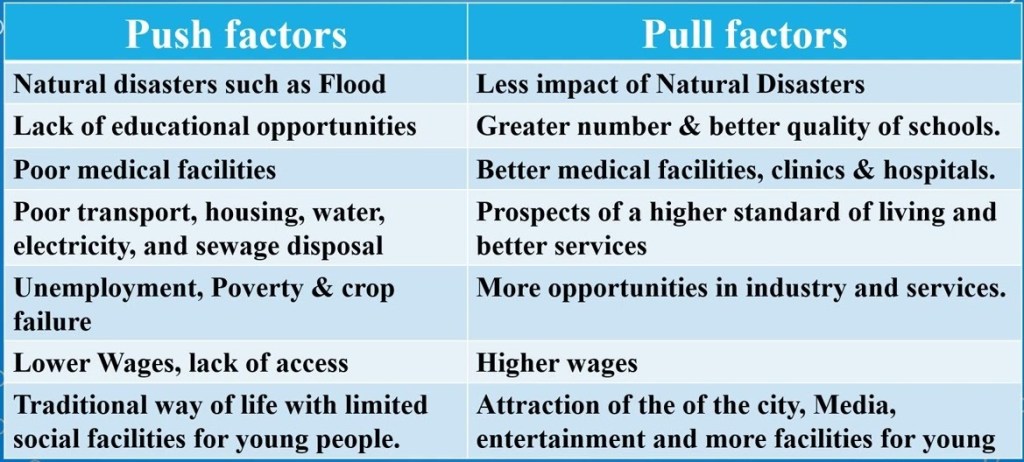
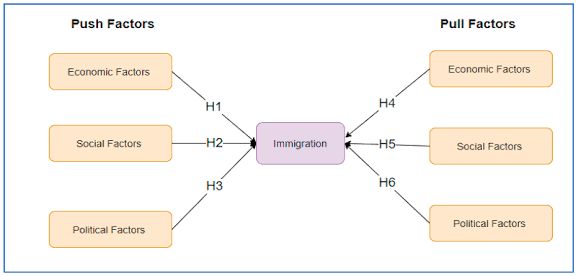


 Track2Training
You must be logged in to post a comment.