Around 3.5 million customers ordered clothes from Myntra within four days of a sale. No doubt we’re all obsessed with new outfits, but is it a necessity?
Shopping was never as easier as now. Few clicks on our devices and order arrives at our doorstep within a few days. We love shopping for clothes, especially at sales. Branded outfits have also started to fit in most of our budgets and this often gets us to buy what isn’t even needed. But why are clothes so affordable now? A common reason is cheap labor in developing countries. But another significant reason is the fabric.
The fabric which accounts for almost 60 per cent of fast fashion textiles manufactured every year is no other than polyester. It is strong, flexible, water resistant and its cheap which makes it a nearly perfect fabric for affordable clothing.
Polyester might seem best for textiles but it is a form of plastic. The lint released by polyester clothes eventually finds its way to our oceans. And the lint obtained from this fabric is nothing but micro-plastic. This plastic, once in ocean enters the food chain through phytoplankton, plankton, fishes and thus to human beings. It has been estimated that around the mid-twenty-first century there would be more plastic in oceans than fishes.
Textile industry generates more pollutants than aviation and shipping industries combined. The main reason behind this is the low cost of clothes which leads to companies to generate demand for more and more clothes by several methods. Fashion trends keep changing constantly, influencers are used to promote certain brands, advertisements make an impact on the minds of the costumers and thus the demand for more clothes continues.
So what could be a solution to the environmental degradation polyester textiles are causing? Cotton and other natural fabrics might help. But a single sweatshirt made of cotton consumes approximately 2700 liters of water and that undoes the benefits. The seemingly possible solution of this crisis is to go for new clothes only when we need them and not just wish to have a better wardrobe.
“Minimalism” has become the new buzzword with YouTube, podcasts encouraging people to adopt a minimalist life style. But what exactly is minimalism? Would you call yourself a minimalist based on your everyday habits? If yes, then what type of minimalist would you classify yourself into? Let’s try to understand the philosophy of minimalism in the simplest ways.
Origin of Minimalism
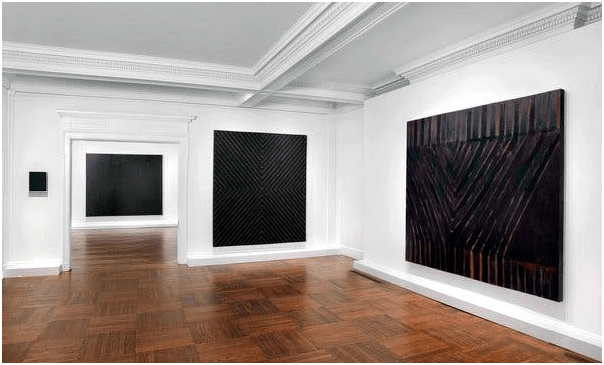
Minimalism became popular back in 1950s when artist Frank Stella’s “Black paintings” were displayed at the Museum of Modern art in New York. It started a new movement altogether breaking the conventional notions of arts. Later, many artists came to the forefront producing minimalist art.
The main themes of minimalist art were simplicity, harmony and purity. Aesthetically, the minimalist art is all about being real (Nothing more or nothing less).
Black painting at the gallery
Who is a minimalist?
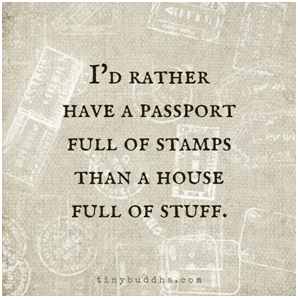
Now, minimalism isn’t about living in all white houses with bare minimum objects (you could, if you’d like to). But don’t unnecessarily push yourself. To put it simply, minimalism is the art of appreciating thing in their simplest forms. It’s about making a conscious choice of spending money on experiences rather than things.
Now, I’m not implying you get live life of a monk from Himalayas and get rid of you possessions. Minimalism is about getting rid of things but rather eliminating the unnecessary and shifting focus to what matters the most.
Essence of minimalism could be summed up in “less is more”. For example, the lesser you spend on that luxury watch for the sake of showing off, the more you can spend on worthy holiday experience. The lesser you attend superficial parties; you’d be rewarded with extra time for self investment.
Now there’s no “one size fits all”. Minimalists come in all shades .It’s more of an umbrella term. So you better figure out for yourself “what type of minimalist are you?” No worries! Even if you don’t fall into any of these categories. There are lots of takeaways from each type.
The Essentialist
Are you someone who focuses on quality over quantity? You own few things but they are the finest collection. Like instead of buying dozens of clothes from that online sale you’d rather invest in that superior quality dress and wear it often. You would any day choose owning fewer things over piling and wasting them.
The Experientialist
Do you prefer collecting experiences over things or swear by the philosophy of making maximum memories.
If your bucket list is larger than your ‘Things to own list’, pat yourself at the back for being an experientialist.
The Enoughist
Are you contended with what you have despite not having it all? If you find peace in voluntarily using enough; also deliberately choose not to get into the rat race for materialistic pursuits. Go ahead; call yourself an Enoughist if those new launches every week in the market doesn’t crave you enough.Are you contended with what you have despite not having it all? If you find peace in voluntarily using enough; also deliberately choose not to get into the rat race for materialistic pursuits. Go ahead; call yourself an Enoughist if those new launches every week in the market doesn’t make you crave for more.
The Eco-Minimalist
Are you someone who is highly environment conscious? You fill your house with plants and plant based products. You prefer buying environmentally sustainable products even though they cost you extra bucks. Ditching plastic all the way and embracing natural products. If that sounds like you, kudos! Mother nature loves you.
The Soul Minimalist
Soul Minimalist is someone who prefers in cleansing of soul, eliminating negativity and practicing mindfulness.A soul minimalist is someone who gives importance to healthy relationships, investing in emotional well being and cutting toxicity. Having a peaceful world on the inside cultivates happier surroundings.
In the end, being a minimalist is about making a conscious choice. Putting efforts in enhancing the quality of your life. You don’t have to fit yourself into any of these so called labels. You can be everything you want to as long as you’re progressing in the direction of self growth.
Remember, it’s your journey. Don’t compare and confine yourself. Take charge of your life’s story and invest in what matters.







 Track2Training
You must be logged in to post a comment.