Water an absolute necessity of life. How weird, a thing which doesn’t have taste, colour or smell plays the most important part in our life. It is our daily basic necessity, it is so basic that even we have started ignoring it’s presence. The importance of anything is only realise when we are deprived of that.
We have started misusing this resource. We waste a lot of water while brushing, bathing and even pollute water bodies by contaminating it with harmful Chemicals and industrial waste which, leads to death of water organism. We have forgot that what is not our property it belongs to everyone who is present on earth.
The value of water is realised by those who are deprived of it. Almost 90% of the world’s population to not have access to clean drinking water they are forced to drink muddy and dirty water. Those people use every drop of water very cautiously. We should at least think of them if we save even a single drop of water if we can, this will contribute to a great cause.
We should take a youth from today itself that we should not waste a single drop of water. Saving water means saving life, there are many people who died because of drought and many other reason like drinking contaminated water. Do think about them and please save water if you can. Be a responsible citizen and it is our responsibility.
Water is an essential component of our daily life. We drink water every day. More than 50% of the human body is made up of water. Not only humans, but all living organisms starting macro-organisms from plants, animals, reptiles, mushrooms to microorganisms also need water for the survival of life. Water is a chemical compound made up of hydrogen and oxygen. It is made up of several million molecules. About 71% of the earth’s surface is made up of water. And the remaining 29% is continents and islands. 97% of water is salty and only 3% of water is freshwater. An in this 3%, only 1.2% of water is drinkable and the remaining is in the form of glaciers, ice caps, and snow mountains. Water is also known as a universal component because it has the power of dissolving more substances than other liquids. But many people in today’s world are wasting fresh water. This leads to the water scarcity problem.
WATER SCARCITY AND ITS CAUSES
Water scarcity is defined as the insufficient amount of water to meet the demands of water usage within a region. A shortage occurs when there is a rise in demand and not enough supply to meet the demand. Water scarcity occurs because of both natural and human causes. We all know that water is not equally distributed on the earth’s surface, so water scarcity does not occur at the global level but some places are shortage of water. Some of the major causes for water scarcity are listed below:
INCREASE IN POPULATION: The increase in population increases the water demand. Nowadays people are wasting water without knowing the effects that may cause in future generations.
POLLUTION OF WATER: Water pollution is another major cause of water scarcity. Many industries release their wastewater into lakes which are the sources of freshwater. The release of harmful chemicals into the water may have several disadvantages include new diseases, loss of habitat for aquatic animals, etc.,
GLOBAL WARMING: The rise in the earth’s temperature causes global warming. Due to this monsoon failure occurs in some places and those areas suffer from drought which leads to a shortage of water.
GROUNDWATER POLLUTION: Unwanted usage of fertilizers and pesticides in agriculture may cause groundwater pollution. This makes the groundwater polluted and unable to consume it.
DEFORESTATION: The cutting of trees over a large area is known as deforestation. We all know that rainwater is the source of water. Deforestation leads to monsoon failure in some places which in turn causes water scarcity in that area.
HOW TO SAVE WATER?
It is everyone’s responsibility to save water for the present and future generations. Here are some tips to save water:
Recycle the water. Use the domestic wastage of water for watering the plants. This reduces water scarcity.
Create awareness programs among people to understand the importance of fresh water and the ways to save it for the present and future generations.
Improve the irrigation practices in agriculture. Use sprinkler irrigation to reduce the wastage of water wherever possible.
Use organic manure in agricultural lands rather than pesticides and chemical fertilizers. This will not affect the groundwater and hence no water scarcity.
Limit your usage of water in the house. Turn off your water while brushing. Check for the leakage of taps. Avoid usage of the shower.
Practicing rainwater harvesting is the most efficient way to save water. It increases the groundwater level and thus no water shortage.
Solar desalination and smart irrigation system help in sustainable water management.
Invest in new water-conserving technologies in the areas of water scarcity.
Jal hi jeevan hai (water is life). Water is an indispensable part of our life. But some of us do not know that every drop counts. Our ancestors knew this and that is why they built many water harvesting systems.
Khadin system
A khadin, also called a dhora, is an ingenious construction designed to harvest surface runoff water for agriculture. The khadin system is based on the principle of harvesting rainwater on farmland use of this land for crop production. It was first designed by the Paliwal Brahmins of Jaisalmer, western Rajasthan in the 15th century. A Khadin is an earthen embankment built across the general slope which conserves the maximum possible rainwater runoff within the agricultural field. The embankment not only helps to increase moisture in the submerged land, but also prevents the washing away of the top soil and the manure added to it.
Suranga system
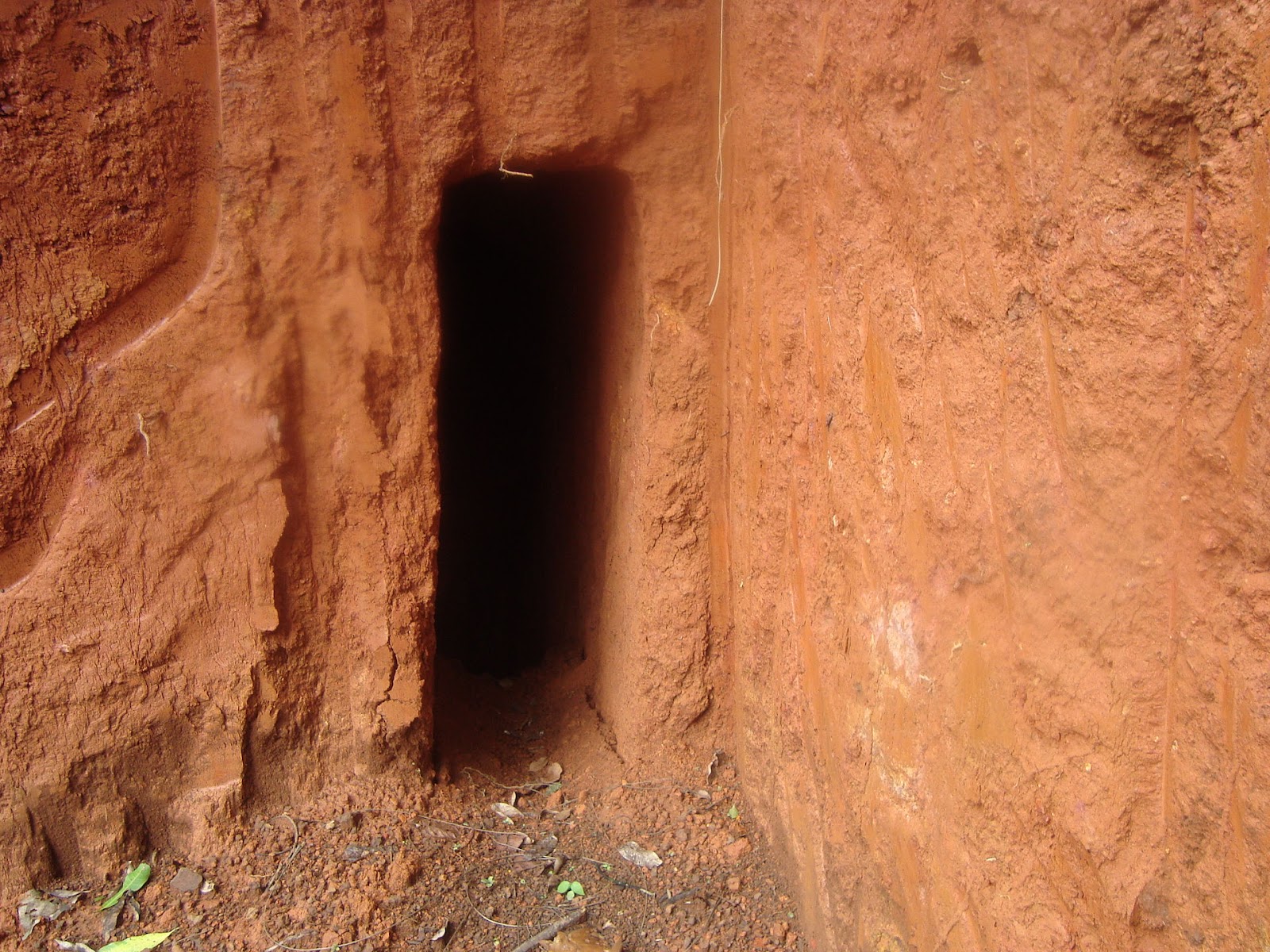
Suranga (also Surangam or thurangam) is a traditional water management system used to provide a reliable supply of water and irrigation in Kerala and Karnataka. A suranga is basically a horizontal tunnel dug in the slope of a laterite hill for about 30 metres to 40 metres , which uses gravitational force for extraction of the underground water and collects into a storage tank.
As both the areas are covered by uneven and steep laterite hill which makes borewell expensive, surangas are considered as a relatively cheap option. The water can be collected by using a small barrier, which then can flow through a plastic or bamboo pipe into a storage pit or tank.
Pat
Bhitada village, Jhabua district of Madhya pradesh developed the unique Pat system. This system was devised according to the peculiarities of the terrain to divert water from swift-flowing hill streams into irrigation channels called pats. The diversion bunds across the stream are made by piling up stones and then lining them with teak leaves and mud to make them leakproof. The villagers irrigate their fields by turns. The channel requires constant maintenance and it is the duty of the family irrigating the fields on a particular day to take care of the Pat on that particular day.
Kuis / Beris
Found in western Rajasthan, these are 10-12 m deep pits dug near tanks to collect the seepage. Kuis can also be used to harvest rainwater in areas with meagre rainfall. The mouth of the pit is usually made very narrow. This prevents the collected water from evaporating. The pit gets wider as it burrows under the ground, so that water can seep into a large surface area. The openings are generally covered with planks of wood, or put under lock and key. The water is used sparingly, as a last resource in crisis situations.
Baoris / Bers (Stepwell)
Baoris or bers are community wells, found in Rajasthan, that are used mainly for drinking. However, unlike the wells that we can find in the West, here the descent into the well is made up of hundreds of steps (hence the name Stepwell) that enclose places of great beauty and spirituality. Most of them are very old and were built by banjaras (mobile trading communities) for their drinking water needs. They can hold water for a long time because of almost negligible water evaporation.
Desalination is seen as one possible answer to the problem of water scarcity. Recently, Maharashtra government has announced setting up of desalination plant in Mumbai, becoming fourth state to do. So, what is desalination process and what is its feasibility ?
What are desalination plant ?
A desalination plant convert salt water generally seawater into drinking water. The most common used technology used for the process is reverse osmosis where an external pressure is applied to push solvents from an area of high-solute concentration to an area of low-solute concentration through a membrane. The microscopic pores in the membranes allow water molecules through but leave salt and most other impurities behind, releasing clean water from the other side. These plants are mostly set up in areas that have access to sea water.
How widely is this technology used in India?
Desalination has largely been limited to affluent countries in the Middle East and has recently started making inroads in parts of the United States and Australia. In India, Tamil Nadu has been the pioneer in using this technology, setting up two desalination plants near Chennai in 2010 and then 2013. The two plants supply 100 million liters a day (MLD) each to Chennai. Two more plants are expected to be set up in Chennai. The other states that have proposed these plants are Gujarat, Andhra Pradesh
What is the need to set up a desalination plant in Mumbai?
According to the BMC’s projection, the population of Mumbai is anticipated to touch 1.72 crore by 2041. In 2007, a state government-appointed high-level committee had suggested setting up desalination plants in Mumbai, however, over the years the authorities have avoided building the project claiming that the cost is enormous. However, with the city’s water problems on the rise owing to burgeoning population, Maharashtra Chief Minister Uddhav Thackeray Monday has given the BMC the go ahead for project. It will take about two and a half to three years to complete.
Is it ecologically safe?
The high cost of setting up and running a desalination plant is one reason why the Maharashtra government has over the last decade been hesitant in building such a plant. Desalination is an expensive way of generating drinking water as it requires a high amount of energy. The other problem is the disposal of the byproduct highly concentrated brine ( very high concentration of salt water) of the desalination process. While in most places brine is pumped back into the sea, there have been rising complaints that it ends up severely damaging the local ecology around the plant
How beautiful is our planet earth, refreshing and clear lakes, gorgeous sunsets, glorious mountains, and that’s the reason why we love it so much but what if this beautiful nature starts asking for something in return, something as simple as using less water, would we still claim to love it? It is not news that factors like climate change and pollution are a threat to our planet, it been decades that scientists and activists are begging people to be considerate towards our unsustainable lifestyles which are hurting the planet. But our habits and convenience are not letting us change and we chose to ignore the dire warnings, continuing our usage of plastic and burning fuel like there is no tomorrow, which at this rate might be true. While the changes are not just needed for an individual but a policy and behavior changes of companies is also essential in saving the planet and being more sustainable. There was a study conducted in 2017, which stated that 71% of the global emissions were generated by just 100 companies. But as charity begins at home, change also begins from an individual, so here are some extremely simple ways in which we can move to a sustainable lifestyle, help the planet and be the change we want to see in this world.
1. Turn off the tap when you brush your teeth – It is a habit of most people that they leave the tap running while brushing their teeth, leaving a tap open can waste eight gallons of water per day which is a ridiculous amount considering that the precious water is going to waste. It can be hard breaking a habit which you have been carrying all your life but there is no reason in continuing such a habit knowing the amount of clean water going to waste like that. Water may be a renewable resource but we just have a limited amount of clean, fresh, and unpolluted water, which is not available everywhere, and hence saving even a drop is important. With groundwater being polluted and lack of clean water, we rely on water from rainfall which is also decreased due to climate change. If the situation continues like this by 2030 half of the world population would face a major water crisis. And if you need a monetary motivation, saving water can reduce your water bill too.
2. Use Public Transportation- We always complain and crib about public transports and avoid them at any chance we get. But the truth being told embracing buses, metros, and trains is one of the best things we can do to save our planet since transport is the second-largest emitter of greenhouse gases around the world. Using public transport and avoiding your car is the most beneficial way to curb climate change. An average car emits around 4.6 metric tons of carbon dioxide every year, so living car-free has the highest potential of mitigating a person’s carbon emissions. If you don’t have a choice but to drive, try using carpooling if the travel is unavoidable, it not only decreases the carbon but also saves you money.
3. Stop Buying Packaged Water- People prefer buying single-use plastic bottles of water every time they go out and then throw that plastic away which may never decompose, instead make it a habit of filling up a water bottle from home and carry it whenever you go out, it may take a tiny effort but it can delay the inevitable end of the planet. Almost all the plastic produced to date still exist in the environment and is likely to stay forever as it takes over 500 years for plastic to decompose into smaller particles.
There is no doubt that these suggestions cannot be feasible for everyone, like one won’t take pubic transport if the time of travel becomes three-times but this does not mean we should not try changing and embrace it, trying is the least we can do. If we wish to make the biggest impact on the climate for the least amount of effort, the best place to start is by making small changes individually and then taking it up to our communities, schools, colleges, and workplaces.



 Track2Training
You must be logged in to post a comment.