

Unlawful Activities Prevention Act, 1967 is a law that aims at preventing any unlawful activities by any association that might jeopardise India’s sovereignty and integrity. Parliament has recently passed the UAPA Bill in 2019 which have made some changes in the existing law.

Amendments:
In the existing law, only the associations/groups are termed “terrorist organisations”. However, in the new bill, individuals can be designated as ” terrorists “.

The new existing law states that the power to conduct investigations on cases related to UAPA rest with officers of the rank of Deputy Superintendent or ACP and above whereas the new bill provides this power to officers of the rank of inspectors and above. The changes are not made on aspects related to arrest and bails.

In the existing law, the NIA must have prior permission from the Director General of Police before seizure or attachment of properties. However, the bill gives the power to NIA to approve of the seizure or attachment of the property without any permission from the DGPs.
International Convention for Suppression of Acts of Nuclear Terrorism(2005) has been added in the amendment.
Conclusion
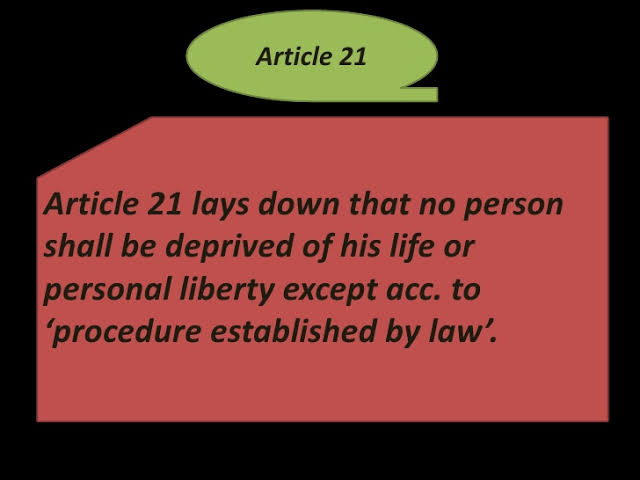
Human Rights groups are openly opposing the proposed changes in the laws. According to them, notifying an individual as a terrorist without giving him an opportunity of being heard violates the individual’s right to dignity and reputation, which is a facey of right to life and personal liberty under Article 21.
Further, the ambiguous nature of the act affects federal structure of the nation as it gives more power to the central government. Branding anyone a terrorist without any judicial process, legal consequences and defence and limited justice for the accused and curtailing the powers of the State Police Forces are among the concerns with regard to the bill.
The idea behind passing of such amendments was to strengthen the security of a nation from external state and non-state actors. However, an integrated approach should be followed while making such amendments to create a balance between human rights, fundamental rights and national security.
 Track2Training
You must be logged in to post a comment.