The Great Banyan Tree of Howrah: An Ancient Giant Witnessing Time

By-Aditi Chhetri

In the bustling city of Howrah, West Bengal, India, amidst the cacophony of urban life, there stands a silent sentinel of nature’s grandeur. The Great Banyan Tree, or simply the “Great Banyan,” has captivated the imagination of all who have had the privilege of setting eyes upon it. This magnificent tree is not just a biological marvel but a symbol of endurance, resilience, and the enduring power of life. In this blog, we embark on a journey to explore the awe-inspiring story of the Great Banyan Tree of Howrah.

I. A Botanical Marvel:
The Great Banyan Tree, scientifically known as Ficus Bengalese’s, is an exceptional specimen of its kind. While many banyan trees are known for their expansive canopies, the Great Banyan has taken this to a whole new level. With its vast labyrinthine network of roots, it covers an astonishing area, making it the largest known banyan tree in the world.

(a) Dimensions Beyond Belief:
Spanning a colossal 4.68 acres, this giant tree has earned its place in the Guinness Book of World Records. It’s hard to fathom the sheer scale of this living organism – an entire forest encapsulated in a single tree.

(b) Historical Significance:
The Great Banyan Tree is believed to have been planted in the early 19th century, making it over two centuries old. Its existence predates the construction of the iconic Howrah Bridge, which now stands as a testament to modern engineering right nearby.

II. The Life Story of a Giant:
To understand the Great Banyan’s journey, we need to delve into its life story, which is nothing short of remarkable.

(a) Multiple Trunk Formation:
One of the most intriguing aspects of this tree is its peculiar growth pattern. The main trunk of the original tree was affected by a disease in the late 19th century and had to be removed. However, the tree did not wither away; instead, it continued to grow horizontally. Multiple trunks emerged from the remaining branches, and the Great Banyan tree lives on through them.

(b) Immortal through Aerial Propagation:
The Great Banyan employs a unique survival strategy called “aerial prop roots.” These roots grow from the branches and reach down to the ground, taking root and eventually becoming part of the tree’s complex structure. This phenomenon allows the tree to perpetuate itself, effectively making it immortal.

III. A Home for Countless Lives:

Beyond its botanical significance, the Great Banyan is a bustling ecosystem in its own right, supporting an incredible diversity of flora and fauna.

(a) Bird Paradise:
The sprawling canopy of the Great Banyan provides an ideal habitat for a wide variety of birds. Ornithologists and bird enthusiasts flock to the tree to witness species such as parakeets, mynas, and pigeons in their natural habitat.

(b) Miniature Ecosystems:
Within the network of its roots and branches, the Great Banyan houses numerous miniature ecosystems. Insects, fungi, and other organisms thrive in this microcosm, making it a subject of fascination for ecologists.

IV. Cultural Significance:

The Great Banyan Tree of Howrah is not only a biological wonder but also a cultural icon with deep-rooted significance.

(a) Sacred Ground:
For generations, the tree has been a site for religious and spiritual gatherings. It’s often considered sacred and serves as a backdrop for various rituals and ceremonies.

(b) Artistic Inspiration:
The tree has been a muse for many artists, poets, and writers. Its majestic form and historical significance have been captured in countless works of literature and art.

V. Challenges and Preservation:

Despite its enduring presence, the Great Banyan Tree faces several challenges, primarily due to urbanization and environmental factors.

(a) Environmental Stress:
Increased pollution, reduced groundwater levels, and changes in climate patterns have taken a toll on the tree’s health. Conservation efforts are crucial to mitigate these threats.

(b) Conservation Initiatives:
To protect this natural wonder, various conservation initiatives have been undertaken. Measures such as regular health checks, controlled irrigation, and restricting human interference are helping safeguard the Great Banyan’s future.

The Great Banyan Tree of Howrah stands as a testament to the resilience and majesty of the natural world. Its story is not just that of a tree but a living chronicle of time, witnessing the evolution of a city and the changing landscapes of human existence. As we marvel at this colossal botanical marvel, let us also reflect on our responsibility to preserve and protect such precious treasures of nature for generations to come. In the heart of Howrah, the Great Banyan Tree remains a symbol of life’s enduring spirit and a living connection to our planet’s rich history.

REFERENCES:

Ugc. (2023b, October 3). Great Banyan Tree. Atlas Obscura. https://www.atlasobscura.com/places/great-banyan-tree

• Rongmei, P. (n.d.). Story of the Great Banyan, world’s largest banyan tree. Times of India Travel. https://timesofindia.indiatimes.com/travel/destinations/story-of-the-great-banyan-worlds-largest-banyan-tree/articleshow/92971166.cms

Pearce, S. (2023, August 21). The Great Banyan Tree & 8 Important Tips For Visiting Kolkata Botanical Gardens. Third Eye Traveller. https://thirdeyetraveller.com/the-great-banyan-tree-kolkata-botanical-gardens/

Roche, E. (2022, April 21). The largest banyan tree in the world is located in India. Condé Nast Traveller India. https://www.cntraveller.in/story/kolkata-west-bengallargest-banyan-tree-in-the-world/

Wikipedia contributors. (2023a). The Great Banyan. Wikipedia. https://en.m.wikipedia.org/wiki/The_Great_Banyan

The Curse of the Delhi Purple Sapphire

By-Aditi Chhetri

Hidden within the heart of India’s bustling capital lies a gem that has captured the imaginations of many for centuries—the Delhi Purple Sapphire. This mesmerizing gemstone is known not only for its exquisite beauty but also for the dark and mysterious legends that surround it. Often associated with misfortune, tragedy, and a series of unfortunate events, the Delhi Purple Sapphire has earned a reputation as a cursed jewel that has brought calamity to those who possessed it.

Purple sapphire

The Origin:

The story of the Delhi Purple Sapphire begins in the early 19th century when it was reportedly discovered in the Golconda mines of India. This enchanting gemstone is not a sapphire at all but rather an amethyst, which is a type of quartz known for its stunning purple color. It quickly garnered attention due to its remarkable hue and exceptional clarity. The Delhi Purple Sapphire is a legendary gemstone that is said to be cursed. It is said to bring misfortune and bad luck to anyone who possesses it. The stone is said to have been stolen from the Temple of Indra in Kanpur, India, during the Indian Mutiny of 1857. It is believed that the curse was placed on the stone by the priests of the temple as punishment for the theft. The stone Is a deep purple color and is said to be incredibly beautiful. However, its beauty is said to be deceiving, as it is said to be a harbinger of doom. The curse of the Delhi Purple Sapphire is said to affect anyone who comes into contact with the stone, including its owners, their loved ones, and even those who simply touch it. There are many stories of the misfortune that has befallen those who have possessed the Delhi Purple Sapphire

Theories on the Curse:

There are many theories about why the Delhi Purple Sapphire is cursed. Some people believe that the curse is real and that it is a form of divine punishment for those who steal from sacred places. Others believe that the curse is a myth and that the stories of misfortune are simply coincidences.
One theory is that the curse is caused by the stone itself. Some people believe that the stone is imbued with negative energy and that it has a harmful effect on those who come into contact with it. Others believe that the stone is simply a physical representation of the evil that exists in the world and that it can attract misfortune to those who possess it.
Another theory is that the curse is caused by the karma of those who steal from sacred places. According to Hindu belief, karma is the law of cause and effect. It states that every action has an equal and opposite reaction. This means that those who do bad deeds will eventually be punished for their actions. Some people believe that the curse of the Delhi Purple Sapphire is a form of karmic punishment for those who stole the stone from the Temple of Indra.

The British Connection :

The Delhi Purple Sapphire’s journey took a dark turn when it came into the possession of Colonel W. Ferris, a British officer stationed in Delhi during the colonial era. Legend has it that Ferris took the gem from the eye of a Hindu idol in a temple in the city, sparking an alleged curse that would haunt him and all subsequent owners of the gem.

The Curse Unleashed:

Shortly after acquiring the Delhi Purple Sapphire, Colonel Ferris faced a series of personal and professional misfortunes. He was transferred to a remote outpost, and his health rapidly deteriorated. Some reports suggest that he lost his fortune and social standing. As the story goes, he died under mysterious circumstances, with the gem still in his possession.

The Curse Continues:

The Delhi Purple Sapphire passed through several hands after Colonel Ferris, and each new owner seemed to suffer a similar fate. Stories of accidents, financial ruin, and even untimely deaths followed the gem like a shadow. Some owners attempted to rid themselves of the cursed jewel, only to find it returning to them mysteriously. Sir John Gardner Wilkinson, a prominent Egyptologist and one of the gem’s later owners, purportedly experienced a string of calamities, including the tragic loss of his wife and child, all while the Delhi Purple Sapphire was in his possession.


The Hidden Gem:

As the curse continued to weave its dark web, the Delhi Purple Sapphire was eventually hidden away, concealed from the world. Some believe that it was buried, while others claim it was locked in a secret vault to prevent further harm.

Modern-Day Speculation:

Today, the Delhi Purple Sapphire remains shrouded in mystery. While some dismiss the curse as mere superstition, others are convinced of its malevolent power. The whereabouts of the gem are unknown, adding to the intrigue and speculation surrounding it.

Scientific Skepticism:

From a scientific standpoint, there is no concrete evidence to support the existence of curses or supernatural powers associated with gemstones. Many attribute the misfortunes experienced by those who possessed the Delhi Purple Sapphire to coincidence, bad luck, or the power of suggestion.

Statue Of Indra.Indra Temple Kanpur

Cultural and Historical Context:

The legend of the cursed Delhi Purple Sapphire is deeply rooted in the colonial history of India and the cultural misunderstandings that often occurred during that time. The alleged curse may have been a way for local communities to resist the looting of their sacred treasures.

The Current Location of the Stone:

The Delhi Purple Sapphire is currently on display at the Natural History Museum in London. It was donated to the museum by the daughter of Edward Heron-Allen in 1972. The stone is kept in a secure safe and is only accessible to museum staff. There are many people who believe that the Delhi Purple Sapphire should be returned to India. They argue that the stone is sacred and that it should be kept in the temple where it belongs. However, there is no indication that the Natural History Museum intends to return the stone.


The tale of the Delhi Purple Sapphire is a captivating blend of history, superstition, and intrigue. Whether one believes in the curse or not, there is no denying the allure of this enigmatic gemstone and the stories that surround it. While it may remain hidden from view, the legend of the Delhi Purple Sapphire continues to capture the imagination, reminding us that the line between fact and folklore is often a thin one in the world of precious gems and their mysterious histories. There are many stories of the misfortune that has befallen those who have come into contact with the stone. However, it is unclear whether the curse is real. The Delhi Purple Sapphire Is currently on display at the Natural History Museum in London. There are many people who believe that the stone should be returned to India, but there is no indication that the museum intends to do so. Whether or not the Delhi Purple Sapphire is cursed, it is a fascinating and mysterious gemstone. Its story is a reminder of the power of superstition and the importance of respecting sacred places.

REFERENCES

Cursed Gemstones – The Delhi Purple Sapphire. (n.d.). https://www.vulcans-forge.com/blog-post/cursed-gemstones-the-delhi-purple-sapphire

Buzz, D. (2023). The Delhi Purple Sapphire – The Cursed Amethyst | Diamond Buzz. Diamond Buzz. https://diamondbuzz.blog/delhi-purple-sapphire-cursed-amethyst/

Ashley, & Ashley. (2013, October 28). Is the Delhi Purple Sapphire Really Cursed? Part 4 Haunted Diamonds Series. Adiamor Blog. https://www.adiamor.com/blog/celebrity-engagement/is-the-delhi-purple-sapphire-really-cursed-part-4-haunted-diamonds-series

Robb Report. (2017, September 7). The Delhi Purple Sapphire. https://robbreport.com/style/jewelry/slideshow/spine-tingling-stories-behind-four-historys-most-famous-cursed-gems/the-delhi-purple-sapphire/

Pti. (2007, November 26). “Cursed” Delhi Purple Sapphire to go on display Wednesday. The Economic Times. https://m.economictimes.com/cursed-delhi-purple-sapphire-to-go-on-display-wednesday/articleshow/2570900.cms


How sugar affects your health and what to do about it

By-Aditi Chhetri

Sugar has become an integral part of our modern diet, but its excessive consumption is taking a toll on our health. It’s added to everything from processed foods to beverages, and it’s even found in natural foods like fruits and vegetables. While sugar can be enjoyed in moderation, consuming too much can have a negative impact on your health. From obesity to heart disease and diabetes, the negative impact of sugar on our well-being cannot be overstated. In this blog, we will delve into the various ways sugar affects our health and explore practical strategies to reduce sugar intake.

Sugar-sugar

∆ What is sugar?

Sugar is a simple carbohydrate that provides your body with energy. It’s found naturally in foods like fruits, vegetables, and dairy products. However, most of the sugar that we consume comes from added sugars, which are found in processed foods and beverages.
Added sugars are sugars that are not naturally present in foods. They’re often added to foods during processing to improve flavor, texture, and shelf life. Added sugars are also found in sugary drinks like soda, juice, and sports drinks.

∆ How much sugar should you eat?

The American Heart Association recommends that adults consume no more than 6 teaspoons (24 grams) of added sugar per day for women and 9 teaspoons (36 grams) per day for men. However, most Americans consume much more than this. According to the Centers for Disease Control and Prevention, the average American consumes 77 grams of added sugar per day.

Doughnuts

∆ The Sweet Temptation:

Sugar is everywhere in our food supply. It’s not just the obvious sources like candy and soft drinks; it’s hiding in seemingly innocent foods like cereals, yogurt, and even salad dressings. The average American consumes around 17 teaspoons of added sugar per day, far exceeding the recommended limit of 6 teaspoons for women and 9 teaspoons for men.

∆ The Bitter Truth: The Health Effects of Excess Sugar:

Consuming too much sugar can have a number of negative health effects, including

Weight Gain and Obesity: One of the most well-documented effects of excess sugar intake is weight gain. Sugar is dense in calories but lacks essential nutrients, leading to overconsumption of empty calories. High sugar consumption can disrupt hormones that regulate hunger and satiety, leading to increased calorie intake and weight gain.

Type 2 Diabetes: Excessive sugar consumption has a direct link to the development of type 2 diabetes. When we consume sugar, especially in the form of sugary beverages, our blood sugar levels spike. Over time, this can lead to insulin resistance, a key factor in the development of diabetes.

Heart Disease: Sugar, particularly fructose, can contribute to heart disease. Excess fructose consumption can lead to high blood pressure, inflammation, and an increase in harmful LDL cholesterol levels – all risk factors for heart disease.

Fatty Liver Disease: The liver metabolizes sugar, and when overloaded with excessive sugar intake, it can turn the excess into fat, leading to non-alcoholic fatty liver disease (NAFLD).

Dental Problems: Sugar is a leading cause of tooth decay. Bacteria in the mouth feed on sugar, producing acids that erode tooth enamel and lead to cavities.


∆ Reducing Sugar Intake: A Sweet Challenge-

Now that we understand the detrimental effects of excessive sugar intake, let’s explore how to reduce our sugar consumption without sacrificing flavor and enjoyment in our diets.

Read Labels Carefully: To reduce sugar intake, start by checking food labels. Look for terms like sucrose, high fructose corn syrup, agave nectar, and any word ending in “-ose.” These are all forms of sugar. Be mindful of hidden sugars in processed foods.

Choose Whole Foods: Whole foods like fruits, vegetables, lean proteins, and whole grains are naturally low in added sugars. Incorporate more of these foods into your diet to reduce your reliance on processed foods.

Limit Sugary Beverages: Sugary beverages like soda, fruit juices, and energy drinks are some of the worst culprits. Opt for water, herbal tea, or sparkling water with a splash of citrus to satisfy your thirst.
Use Natural Sweeteners Sparingly:
While natural sweeteners like honey, maple syrup, and agave nectar may seem healthier, they are still sugar and should be used in moderation.

Cook at Home: When you prepare meals at home, you have full control over the ingredients. This allows you to reduce sugar content in your dishes and experiment with healthier alternatives.
Gradual Reduction:
If you’re used to a high-sugar diet, abrupt changes may be challenging. Gradually reduce sugar intake to give your taste buds time to adjust.

Sugar Substitutes: Consider using non-caloric sweeteners like stevia or erythritol as alternatives to sugar. However, use them sparingly and be aware of potential digestive side effects.

The Sweet Rewards of a Low-Sugar Lifestyle:

Reducing your sugar intake can be challenging, but it’s worth it for your health. By making small changes, you can reduce your risk of developing chronic diseases and improve your overall health and well-being.

Weight Management: Lower sugar intake can help with weight management by reducing calorie consumption and improving hormone regulation.

Stable Energy Levels: Cutting sugar can prevent energy crashes and sugar-induced mood swings, providing more consistent energy throughout the day.

Better Dental Health: Lower sugar intake leads to improved dental health, reducing the risk of cavities and gum disease.

Reduced Risk of Chronic Diseases: A low-sugar lifestyle can reduce the risk of chronic diseases like diabetes, heart disease, and fatty liver disease.

Improved Taste Sensitivity: Over time, your taste buds will adapt, and you’ll find that you can enjoy the natural sweetness of foods like fruits and vegetables more intensely.
Sample meal plan for a low-sugar diet

∆ Here is a sample meal plan for a low-sugar diet:

Breakfast
Oatmeal with berries and nuts
Hard-boiled eggs with whole-wheat toast
Greek yogurt with fruit and granola

Lunch
Salad with grilled chicken or fish
Soup and sandwich on whole-wheat bread
Leftovers from dinner

Dinner
Salmon with roasted vegetables
Chicken stir-fry with brown rice
Lentil soup with whole-wheat bread

Snacks
Fruits and vegetables
Nuts

Macroons

Sugar is undoubtedly a significant health concern, but it doesn’t mean you have to eliminate all sweetness from your life. The key is moderation and mindful choices. By reducing your sugar intake and opting for healthier alternatives, you can protect your health and enjoy a sweet life without the bitter consequences.
Remember, it’s not just about avoiding sugar altogether but finding a balance that works for you. Your health will thank you for it, and you’ll savor the sweetness of life in a whole new way.

REFERENCES

How too much added sugar affects your health infographic. (n.d.). http://www.heart.org. https://www.heart.org/en/healthy-living/healthy-eating/eat-smart/sugar/how-too-much-added-sugar-affects-your-health-infographic

Department of Health & Human Services. (n.d.). Sugar. Better Health Channel. https://www.betterhealth.vic.gov.au/health/healthyliving/sugar

Harvard Health. (2022, January 6). The sweet danger of sugar. https://www.health.harvard.edu/heart-health/the-sweet-danger-of-sugar

Website, N. (2023, May 26). Sugar: the facts. nhs.uk. https://www.nhs.uk/live-well/eat-well/food-types/how-does-sugar-in-our-diet-affect-our-health/#:~:text=Eating%20too%20much%20sugar%20can%20contribute%20to%20people%20having%20too,cancers%20and%20type%202%20diabet

Rd, J. K. M. (2022, September 26). 11 reasons why too much sugar is bad for you. Healthline. https://www.healthline.com/nutrition/too-much-sugar#weight-gain


The Pashupati Seal: Ancient Evidence of Yoga and Meditation in India

By-Aditi Chhetri

India, often referred to as the cradle of civilization, boasts a rich heritage that spans thousands of years. Among its most profound contributions to the world are the practices of yoga and meditation. These ancient disciplines have transcended time and geography to become global phenomena, transforming the lives of millions. While their origins are deeply rooted in India’s history, one piece of archaeological evidence stands out as a testament to their antiquity – the Pashupati Seal. The Pashupati Seal is one of the earliest known depictions of yoga and meditation in the world. It is also one of the most important pieces of evidence for the Indus Valley Civilization’s religious beliefs and practices

Pashupati Seal, c. 2000 BCE

• Unveiling the Pashupati Seal :

The Pashupati Seal is a small but significant artifact that was unearthed in the early 20th century at the Mohenjo-Daro archaeological site in present-day Pakistan. Mohenjo-Daro, one of the major cities of the ancient Indus Valley Civilization, thrived around 2500 BCE, making it one of the world’s oldest urban centers. The seal, discovered in the ruins of this ancient city, offers valuable insights into the practices of yoga and meditation that were prevalent over 4,000 years ago.

• Deciphering the Seal :

The Pashupati Seal features a prominent figure seated in a yogic posture. This figure, often referred to as the “Proto-Shiva,” sits cross-legged with a horned headdress and an array of animals surrounding him. While interpretations may vary, many scholars believe this figure to be an early representation of Lord Shiva, a central deity in the yogic and meditative traditions of India. The seal’s name, “Pashupati,” is significant. It is a reference to Lord Shiva’s role as the “Lord of Beasts” or “Lord of Animals.” This association with animals suggests a deep connection between nature and meditation, a theme that resonates in many yoga practices today.

Mohenjo-daro


• The Yogic Asana:

One of the most striking aspects of the Pashupati Seal is the seated posture of the central figure. The figure’s legs are crossed in a manner reminiscent of modern-day yoga asanas like Padmasana (Lotus Pose) or Siddhasana (Perfect Pose). This posture is a fundamental element of yogic practice, symbolizing stability, concentration, and inner harmony. Yoga, in its essence, is the union of mind, body, and spirit. The yogic asanas, including the one depicted on the Pashupati Seal, are integral to achieving this union. They provide a physical foundation for meditation and self-realization, echoing the timeless wisdom of the ancient yogis.

• The Meditative Connection:

Beyond the yogic posture, the seal also suggests a connection between yoga and meditation. The figure’s serene and contemplative expression reflects the meditative state. Meditation is a core component of yoga, serving as a means to quiet the mind, delve into one’s inner self, and attain a heightened state of awareness.
The animals surrounding the figure on the seal are worth noting as well. These animals include a bull, an elephant, and two antelopes. In yogic and meditative symbolism, these animals often represent the various aspects of the mind and the challenges one must overcome on the spiritual path. The presence of these animals reinforces the idea that the seal is not merely a representation of physical yoga postures but a profound metaphor for the inner journey of self – discovery and transformation.

• The Age of the Seal:

Dating the Pashupati Seal is a subject of scholarly debate, but it is generally believed to be from the mature phase of the Indus Valley Civilization, around 2500 BCE. This dating places the seal’s creation over 4,000 years ago, making it one of the earliest depictions of yoga and meditation in human history. The antiquity of the Pashupati Seal challenges the common misconception that yoga and meditation are recent trends. Instead, it underscores the enduring nature of these practices, which have been passed down through generations in India for millennia.

• Other evidence of yoga and meditation in the Indus Valley Civilization:

In addition to the Pashupati Seal, there is other evidence to suggest that yoga and meditation were practiced in the Indus Valley Civilization. For example, archaeologists have discovered a number of other seals and figurines that depict people in yogic postures.

One particularly notable example is a seal from Harappa that depicts a figure seated in a lotus position, which is a common yogic posture. The figure’s hands are resting on the knees, and the figure’s eyes are closed. This suggests that the figure is meditating. Another example is a figurine from Mohenjo-daro that depicts a figure seated in a cross-legged posture, with the hands resting on the knees. The figure’s eyes are also closed. This suggests that this figure is also meditating.

The evidence from the Indus Valley Civilization suggests that yoga and meditation were an important part of the religious and spiritual beliefs of the people of the IVC. Yoga and meditation were likely used to improve physical and mental health, to achieve spiritual enlightenment, and to connect with the divine.


• Yoga and Meditation:

A Living Tradition while the Pashupati Seal provides compelling evidence of the ancient roots of yoga and meditation in India, these practices are far from relics of the past. They continue to thrive and evolve in the modern world, transcending cultural and geographic boundaries. Yoga studios and meditation centers have sprouted up worldwide, offering people from all walks of life the opportunity to experience the physical, mental, and spiritual benefits of these age-old disciplines.

• The Universal Appeal:

The universal appeal of yoga and meditation lies in their adaptability and inclusivity. They can be tailored to suit individual needs and beliefs, making them accessible to people of all backgrounds and faiths. Whether one seeks physical fitness, stress relief, inner peace, or spiritual enlightenment, yoga and meditation offer a path towards these goals.


• Yoga: A Path to Physical and Mental Well-being

In today’s fast-paced world, where stress and sedentary lifestyles take a toll on physical and mental health, yoga emerges as a powerful antidote. The physical postures, or asanas, strengthen the body, increase flexibility, and improve posture. Yoga also enhances mental well-being by promoting relaxation, reducing anxiety, and enhancing focus.

• Meditation: Cultivating Inner Peace

Meditation, on the other hand, is a gateway to inner peace and self-awareness. It encourages mindfulness and helps individuals gain control over their thoughts and emotions. Regular meditation practice has been linked to reduced stress, improved emotional well-being, and increased resilience.

• The Spiritual Quest:

For those on a spiritual quest, yoga and meditation offer a deeper connection with the self and the universe. They provide a framework for exploring profound questions about the nature of existence, consciousness, and the interconnectedness of all life. In this sense, they serve as a timeless path for seekers of truth and enlightenment.

• The Pashupati Seal and the modern world : The Pashupati Seal remains an important symbol of yoga and meditation today. It is often used in yoga studios and meditation centers, and it is also featured on many yoga and meditation products.
The Pashupati Seal is a reminder of the ancient roots of yoga and meditation. It also serves as a reminder of the importance of these practices for physical, mental, and spiritual well-being.

The Pashupati Seal stands as a silent yet profound testament to the ancient origins of yoga and meditation in India. It reminds us that these practices have withstood the test of time, evolving and adapting while retaining their core essence. From the banks of the Indus River to yoga studios around the world, the pursuit of physical and spiritual well-being remains a timeless and universal endeavor.
As we delve into the depths of yoga and meditation, we find that their true essence transcends the boundaries of time and place. They are not merely exercises or techniques but pathways to self-discovery, inner peace, and a deeper understanding of the universe. The Pashupati Seal, with its ancient yogic figure, continues to inspire and guide us on this transformative journey, echoing the wisdom of the sages who walked this path millennia ago.

REFERENCES

Kuzmint, O. (2017, October 11). The History of Yoga from Pashupati to Patanjali – Bahiranga.com. Bahiranga.com. https://bahiranga.com/the-history-of-yoga-from-pashupati-to-patanjali/

Pattanaik, D. (2022, February 25). The real Pashupati. The Hindu. https://www.thehindu.com/society/history-and-culture/pashupati-and-the-harappan-seal/article65070760.ece

MAP Academy. (2023, July 26). Pashupati Seal – MAP Academy. https://mapacademy.io/article/pashupati-seal/

Wikipedia contributors. (2023). Pashupati seal. Wikipedia. https://en.m.wikipedia.org/wiki/Pashupati_seal

Amar Chitra Katha. (2022, July 12). The Pashupati Seal of Mohenjo-Daro | Amar Chitra Katha. Amar Chitra Katha |. https://www.amarchitrakatha.com/history_details/the-pashupati-seal-of-mohenjo-daro/

The Temples of Khajuraho: Unraveling the Erotic Mysteries

By-Aditi Chhetri


Nestled amidst the lush green forests of Madhya Pradesh, India, lies the enigmatic Khajuraho temple complex, a UNESCO World Heritage Site renowned for its erotic sculptures. Built between the 9th and 12th centuries by the Chandela dynasty, this architectural masterpiece comprises a group of 85 Hindu and Jain temples, of which 22 are still well-preserved. Khajuraho, is home to a group of stunning temples that have captured the imagination of travelers, historians, and art enthusiasts for centuries. These temples, known collectively as the Khajuraho Group of Monuments, are renowned not only for their architectural brilliance but also for their intricate and explicit erotic sculptures. In this blog post, we will delve into the fascinating world of the Temples of Khajuraho, exploring their history, architecture, and the enigmatic erotic art that adorns them.

Historical Context:

The Temples of Khajuraho were built by the Chandela dynasty, which ruled over the region from the 9th to the 13th century. The exact reason for the construction of these temples remains a subject of debate among scholars, but it is widely believed that they served as places of worship for the Hindu gods.
During the Chandela rule, Khajuraho flourished as a center of art, culture, and religion. The temples were constructed over a span of several centuries, with the most prolific period of building activity occurring between the 10th and 12th centuries. At its zenith, Khajuraho boasted over 85 temples, but today, only about 20 of them have survived the ravages of time.

Architectural Marvels:
One of the most striking features of the Khajuraho temples is their architectural style, which showcases a fusion of various influences, including Nagara and Dravidian architectural elements. These temples are primarily made of sandstone, which was readily available in the region, and they exhibit exquisite craftsmanship.
The temples are divided into three geographical groups: the Western Group, the Eastern Group, and the Southern Group. The Western Group, which is the most famous and well-preserved, includes some of the most iconic temples such as the Kandariya Mahadeva Temple, the Lakshmana Temple, and the Vishvanatha Temple.
The Kandariya Mahadeva Temple, dedicated to Lord Shiva, is the largest and most ornate among them. Its spire soars to a height of 116 feet, adorned with intricately carved sculptures and delicate ornamentation. The temples of Khajuraho are known for their shikharas (spires), which are layered and taper gracefully towards the sky, creating a mesmerizing visual effect.

The Enigmatic Erotic Sculptures:
What truly sets the Temples of Khajuraho apart from other religious structures of their time is the presence of explicit erotic sculptures that adorn their outer walls. These sculptures are a testament to the remarkable artistry and boldness of the Chandela craftsmen. It is estimated that around 10% of the temple sculptures depict various aspects of human sexuality and eroticism.
These erotic sculptures are not meant to be vulgar or obscene; rather, they are a celebration of human sensuality and the union of opposites, a common theme in Hindu philosophy. Many of the depictions are highly symbolic, portraying gods and goddesses engaged in amorous acts, often with an underlying spiritual significance.
The presence of erotic art in the temples has sparked numerous theories and speculations. Some believe that these sculptures served as a form of sex education, while others argue that they were intended to test the devotion and purity of the temple visitors. Regardless of their purpose, these sculptures have fascinated and intrigued visitors for centuries.

Interpreting the Erotic Art:
To truly appreciate the erotic art of Khajuraho, one must delve into the symbolism and meaning behind these intricate sculptures. Many of them depict scenes from the Kama Sutra, an ancient Indian text on human sexuality, and the sculptures often incorporate elements of yoga, meditation, and spirituality.
One common interpretation is that these erotic carvings represent the idea of “tantra,” a spiritual practice that seeks to transcend the physical realm through the union of opposites. In this context, the sexual acts portrayed symbolize the merging of male and female energies to achieve spiritual enlightenment.

Another interpretation suggests that the explicit art served as a reminder of the transitory nature of physical pleasure and the importance of moving beyond attachment to the material world. In Hindu philosophy, the pursuit of spiritual growth often involves overcoming worldly desires.
It’s important to note that the erotic sculptures are just one aspect of the temple complex, coexisting with a vast array of other carvings that depict scenes from mythology, daily life, and religious rituals. These sculptures, collectively, provide a comprehensive visual narrative of the culture and beliefs of the Chandela dynasty.

Preservation and UNESCO World Heritage Status:
The Temples of Khajuraho faced significant challenges over the centuries, including invasions, neglect, and natural decay. However, their remarkably well-preserved state owes much to the relative isolation of Khajuraho and its remote location within the dense forests of Madhya Pradesh.
In recognition of their historical and cultural significance, the Temples of Khajuraho were designated as a UNESCO World Heritage Site in 1986. This status has helped ensure their preservation for future generations to appreciate and study.

Unraveling the Mysteries of Khajuraho:The erotic sculptures of Khajuraho are not limited to the temples themselves. They can also be found on the walls of palace complexes, water tanks, and other structures throughout the site. This suggests that the erotic art of Khajuraho was an integral part of the Chandela culture and was not restricted to the religious domain.
Scholars have also noted the presence of a variety of other symbols and motifs in the erotic sculptures of Khajuraho. These include animals, plants, and geometric designs. It is believed that these symbols had a deeper meaning and motifs in the erotic sculptures of Khajuraho. These include animals, plants, and geometric designs. It is believed that these symbols had a deeper meaning and were intended to convey a specific message.
For example, the lotus flower is a common motif in Indian art and is often associated with purity and spirituality. In the context of the erotic sculptures of Khajuraho, it is believed to represent the divine union of Shiva and Shakti.
Similarly, the elephant is a symbol of strength and fertility. In the erotic sculptures, it is often depicted as a vehicle for Shiva and is associated with his role as the creator and preserver of the universe.
By studying the symbolism and motifs in the erotic sculptures of Khajuraho, scholars have been able to gain a deeper understanding of their meaning and purpose. It is now clear that these sculptures were not simply meant to be titillating or provocative. Rather, they were intended to convey a complex and nuanced message about the nature of human sexuality and its relationship to the divine.

The erotic sculptures of Khajuraho are not limited to the temples themselves. They can also be found on the walls of palace complexes, water tanks, and other structures throughout the site. This suggests that the erotic art of Khajuraho was an integral part of the Chandela culture and was not restricted to the religious domain.
Scholars have also noted the presence of a variety of other symbols and motifs in the erotic sculptures of Khajuraho. These include animals, plants, and geometric designs. It is believed that these symbols had a deeper meaning and motifs in the erotic sculptures of Khajuraho. These include animals, plants, and geometric designs. It is believed that these symbols had a deeper meaning and were intended to convey a specific message.
For example, the lotus flower is a common motif in Indian art and is often associated with purity and spirituality. In the context of the erotic sculptures of Khajuraho, it is believed to represent the divine union of Shiva and Shakti.
Similarly, the elephant is a symbol of strength and fertility. In the erotic sculptures, it is often depicted as a vehicle for Shiva and is associated with his role as the creator and preserver of the universe.
By studying the symbolism and motifs in the erotic sculptures of Khajuraho, scholars have been able to gain a deeper understanding of their meaning and purpose. It is now clear that these sculptures were not simply meant to be titillating or provocative. Rather, they were intended to convey a complex and nuanced message about the nature of human sexuality and its relationship to the divine.

Visiting Khajuraho Today:
Today, Khajuraho is a thriving tourist destination, drawing visitors from around the world to witness its architectural wonders and enigmatic sculptures. The site offers a fascinating glimpse into India’s rich history and artistic heritage.
As you explore the temples, you’ll be struck not only by the explicit art but also by the sheer beauty and intricacy of the entire complex. The sculptures come to life when the sunlight bathes them in a warm, golden glow, creating a magical atmosphere that is difficult to describe.
In addition to the temples, Khajuraho offers a serene and picturesque setting with lush gardens, reflecting pools, and serene pathways. The nearby Khajuraho Dance Festival, held annually, celebrates classical Indian dance forms and adds to the cultural richness of the region.

The Temples of Khajuraho stand as a testament to the artistry, spirituality, and openness of ancient Indian culture. While their erotic sculptures continue to intrigue and mystify visitors, they are just one facet of a complex and deeply spiritual architectural marvel.
These temples remind us that art, in all its forms, has the power to transcend time and boundaries, sparking conversations and inviting us to explore the depths of human creativity and expression. Khajuraho, with its temples, is a place where history, spirituality, and sensuality converge, offering a unique and unforgettable journey for those who venture to unravel its mysteries.

REFERENCES

V, P. (n.d.). Mystery behind the erotic sculptures of Khajuraho. Tripoto. https://www.tripoto.com/khajuraho/trips/mystery-behind-the-erotic-sculptures-of-khajuraho-60ab8061813c5

Dey, P. (n.d.). Khajuraho Temples are more than just erotic; here are some interesting facts. Times of India Travel. https://timesofindia.indiatimes.com/travel/destinations/khajuraho-temples-are-more-than-just-erotic-here-are-some-interesting-facts/articleshow/70192795.cms

Wakhloo, N. (2021, December 12). KHAJURAHO — Labour of Love! – Namrata Wakhloo – Medium. Medium. https://namratawakhloo.medium.com/khajuraho-bc9a00f82a6e

Delhifundos, & Delhi.Fun.Dos. (2022). Khajuraho Temples – A Complete Travel Guide and Pro Tips | Delhi-Fun-Dos.com. Delhi-Fun-Dos.com. https://delhi-fun-dos.com/khajuraho-temples-a-complete-travel-guide-and-pro-tips/

Lisa. (2023, January 9). Khajuraho Temple Madhya Pradesh India. Aartiyan in Hindi | Shiv Stuti | Durga Stuti | Mantra in Hindi. https://bhaktikishakti.com/khajuraho-temple-india/

The Dancing Plague of 1518: A Mass Hysteria Event for the Ages

By-Aditi Chhetri

There have been events throughout history that contradict explanations, challenges our understanding of the human mind and body. One such mystery was the Dancing Fever in 1518, a strange and mysterious phenomenon which occurred in Strasbourg during that period when it is nowadays France’s Modern Day. This unprovoked outbreak of mad dancing lasted for several months, leaving a mark on history that continues to be defied today by scientists, historians and scholars. In this blog, we will delve into the details of this strange episode, exploring its causes, consequences, and the various theories that have been proposed to explain it.


• The Outbreak Begins:
The summer of 1518 was a time of uncertainty in Strasbourg. The town was grappling with social and economic challenges, and the people were living in a state of perpetual anxiety. Against this backdrop of stress and turmoil, a peculiar incident occurred that would soon capture the attention of the entire town.
It all started with one woman, Frau Troffea. On a hot July day, she stepped into the streets of Strasbourg and began to dance. This, in itself, may not have been particularly unusual, as dancing was a common form of entertainment in the 16th century. However, Frau Troffea’s dancing was far from ordinary. She danced with a fervor and intensity that bordered on the frenzied, and she showed no signs of stopping. She danced for hours, and when she finally collapsed from exhaustion, it was only a temporary respite. The next day, she was back on her feet, dancing once more. The dancing plague of 1518 is one of the most bizarre and fascinating mass hysteria events in history. It is also one of the most mysterious. To this day, no one knows for sure what caused it.


• Contagious Hysteria:
What made Frau Troffea’s dancing even more peculiar was that she was not alone for long. Within days, more and more people joined her in this strange dance, and the numbers grew rapidly. By the end of the week, there were around 34 people dancing uncontrollably in the streets of Strasbourg. And as the days turned into weeks, the numbers swelled to nearly 400.
This bizarre spectacle attracted the attention of local authorities, who initially believed that the afflicted individuals were suffering from some form of demonic possession or divine punishment. In an attempt to exorcise the supposed demons, they organized mass exorcisms and encouraged even more dancing. Unsurprisingly, this only exacerbated the situation, and more people joined in the frenetic dance.


• The Consequences:
The consequences of the Dancing Plague were both bizarre and tragic. Many of those afflicted suffered from exhaustion, dehydration, and physical injuries as a result of their unrelenting dance. Some even danced themselves to death. It is estimated that as many as 15 people perished during the outbreak, their bodies were simply unable to endure the relentless physical strain.
As the epidemic raged on, it began to take a toll on the town’s economy and social fabric. With hundreds of people incapacitated by dancing, the workforce was severely depleted, leading to a decline in productivity. Families were torn apart as members were caught up in the mania, and the fabric of society began to unravel.


• Theories and Explanations:
To this day, the Dancing Plague of 1518 remains one of the most perplexing events in history, and numerous theories have been proposed to explain it. While none can provide a definitive answer, they shed light on the complexity of human behavior and the mysterious workings of the human mind.

• Possible causes of the dancing plague:
There are many theories about what caused the dancing plague of 1518. Some of the most popular theories include:

(a) Mass Hysteria:
One of the prevailing theories suggests that dancing was a manifestation of mass hysteria. Mass hysteria is a phenomenon in which a group of people, often under stress, experiences collective symptoms without any organic cause. The stress and anxiety prevalent in Strasbourg at the time may have triggered this mass psychogenic illness, causing people to dance uncontrollably.


(b) Ergot Poisoning:
Another hypothesis points to ergot poisoning as a possible cause. Ergot is a fungus that can grow on rye and other cereal crops, and it produces alkaloids similar to LSD. Consumption of ergot-contaminated grain can lead to hallucinations, muscle spasms, and other symptoms. Some researchers believe that the townspeople unknowingly ingested ergot-contaminated bread, leading to their bizarre behavior.


(c) Social and Cultural Factors:
The 16th century was a time of social and cultural upheaval. Strasbourg was plagued by economic hardship, famine, and political instability. Some historians argue that the dancing may have been a form of protest or a reaction to the prevailing conditions, with individuals engaging in this extreme behavior as a means of expressing their frustration and discontent.


(d) Religious and Superstitious Beliefs:
The religious and superstitious beliefs of the time may have played a role in amplifying the outbreak. Some individuals may have genuinely believed that they were possessed by demons or that dancing was a form of penance, leading them to continue dancing despite the physical toll it took on their bodies.

• Symptoms of the dancing plague:
The people who were affected by the dancing plague of 1518 experienced a variety of symptoms, including:
Uncontrollable dancing
Trance-like states
Hallucinations
Convulsions
Muscle spasms
Exhaustion
Death
Some people danced for days or even weeks without stopping. Others collapsed from exhaustion or died from heart attacks or strokes.

• Treatment for the dancing plague:

At the time, there was no known cure for the dancing plague. People who were affected by it were often treated with religious rituals, such as exorcisms and pilgrimages. Some people were also taken to the mountains, where they were forced to dance until they collapsed.

• The end of the dancing plague:

The dancing plague of 1518 ended as mysteriously as it began. In September 1518, the dancers suddenly stopped dancing. Some historians believe that the dancers may have been cured by a local priest, who led them on a pilgrimage to a mountain shrine.


The Dancing Plague of 1518 is a historical enigma that continues to captivate our imagination and challenge our understanding of human behavior. While we may never have a definitive explanation for why hundreds of people danced uncontrollably in the streets of Strasbourg, it serves as a reminder of the complexity of the human mind and the profound impact of social and environmental factors on our behavior.
This strange episode from the past reminds us that history is replete with mysteries that defy easy categorization or explanation. The Dancing Plague of 1518 stands as a testament to the enduring capacity of human beings to surprise, bewilder, and mystify, even in the most trying of circumstances. It remains a historical puzzle that invites further exploration and contemplation, offering a window into the depths of the human psyche and the boundless possibilities of the human experience.


REFERENCES
• Bauer, P. (2023, September 7). Dancing plague of 1518 | Facts & Theories. Encyclopedia Britannica. https://www.britannica.com/event/dancing-plague-of-1518

• Davis, M. (2023). The bizarre story of the deadly “dancing plague” of 1518. Big Think. https://bigthink.com/the-past/dancing-plague-middle-ages/#:~:text=In%201518%2C%20hundreds%20of%20men,throughout%20history%2C%20some%20very%20recently.

• Andrews, E. (2023). What was the dancing Plague of 1518? HISTORY. https://www.history.com/news/what-was-the-dancing-plague-of-1518

• The Dancing Plague of 1518. (n.d.). The Public Domain Review. https://publicdomainreview.org/essay/the-dancing-plague-of-1518/

• Atwal, S. (2022, December 5). The unsolved mystery of the medieval dancing plague. Guinness World Records. https://www.guinnessworldrecords.com/news/2022/12/the-unsolved-mystery-of-the-medieval-dancing-plague-728701

• Jana, R. (2022, May 13). The people who ‘danced themselves.todeath’.BBC. https://www.bbc.com/culture/article/20220512-the-people-who-danced-themselves-to-death

The Mystery of the Magnetic Field in Ladakh

By-Aditi Chhetri

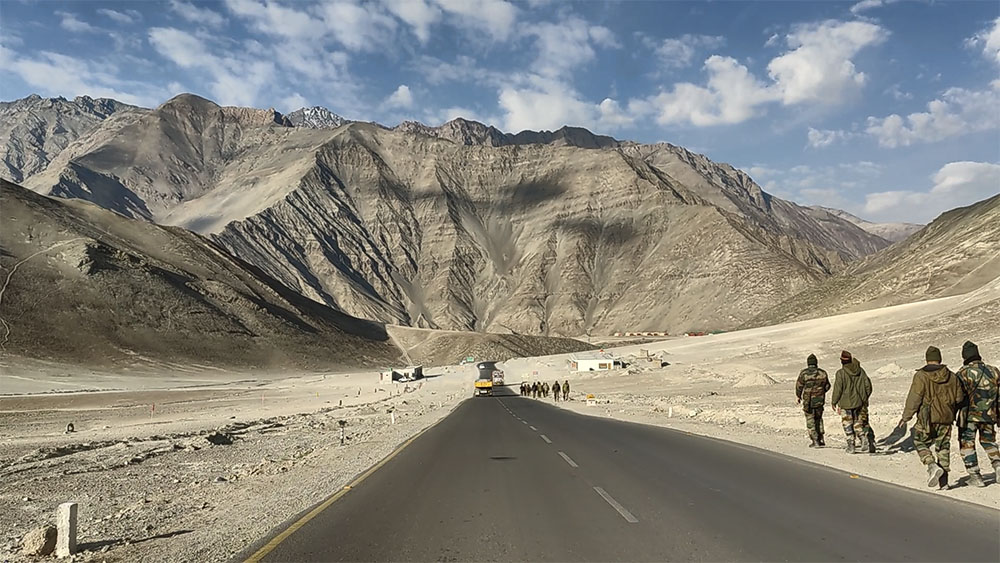
The world is full of natural wonders and phenomena that continue to baffle scientists and researchers. One such mystery lies in the enchanting region of Ladakh, nestled in the northern part of India. Amidst its breathtaking landscapes and serene beauty, Ladakh is home to an enigmatic force of nature – the magnetic hill. In this blog post, we will delve into the fascinating world of Ladakh’s magnetic field, exploring its origins, the science behind it, and the enduring allure that draws travelers and scientists alike to this remote destination.

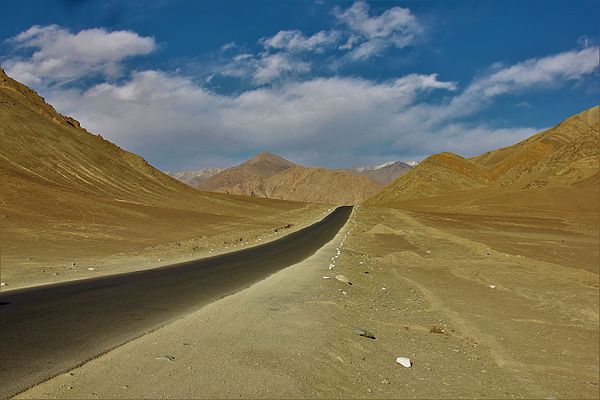
Magnetic hill

Ladakh’s Magnetic Mystery:

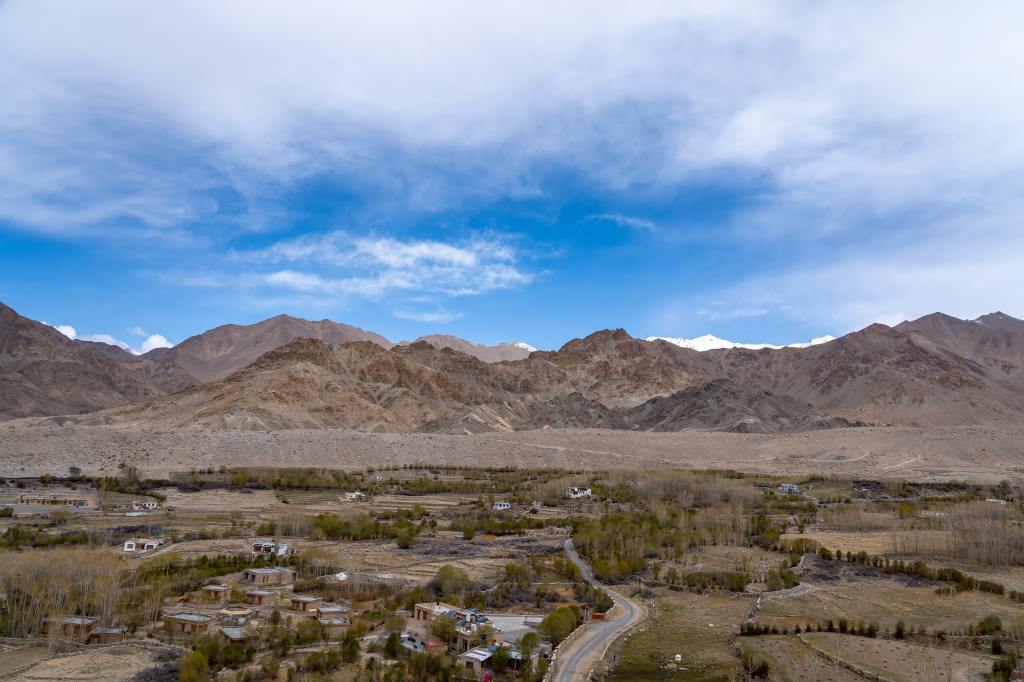
Ladakh, often referred to as the “Land of High Passes,” is a region in the northernmost part of India. Known for its breathtaking landscapes, majestic mountains, and unique culture, Ladakh has always been a place of intrigue and wonder. However, beneath its stunning beauty lies a mysterious phenomenon that has puzzled scientists and visitors alike for decades: the enigmatic magnetic field of Ladakh.

At an altitude of over 3,500 meters (11,500 feet) above sea level, Ladakh is already an otherworldly destination. Yet, it is not just the high-altitude terrain that makes this region exceptional. It is the presence of a naturally occurring magnetic anomaly that has garnered significant attention and sparked curiosity among scientists, travelers, and spiritual seekers alike.

The Magnetic Mystery:

• The magnetic field in Ladakh is unlike any other magnetic field on Earth. It is unique in its strength and has a peculiar inclination angle. While the Earth’s magnetic field usually points roughly northward and is relatively weak, in Ladakh, it tilts at an angle of about 70 degrees from the horizontal. Additionally, the magnetic field strength here is significantly stronger than in most other places on our planet.

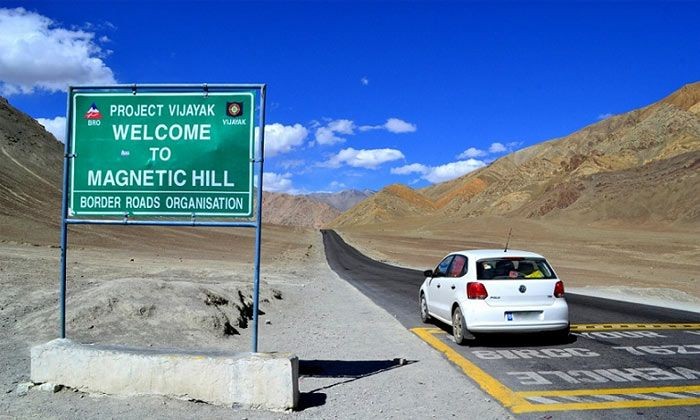
• This strange magnetic anomaly is centered around a small village called Diskit in the Nubra Valley, which is part of the larger Ladakh region. The phenomenon is often referred to as the “Ladakh Magnetic Hill” or the “Magnetic Hill of Ladakh.” It’s not just a point of scientific curiosity; it has also become a popular tourist attraction where visitors can experience the magnetic mystery for themselves.

Defying Gravity:

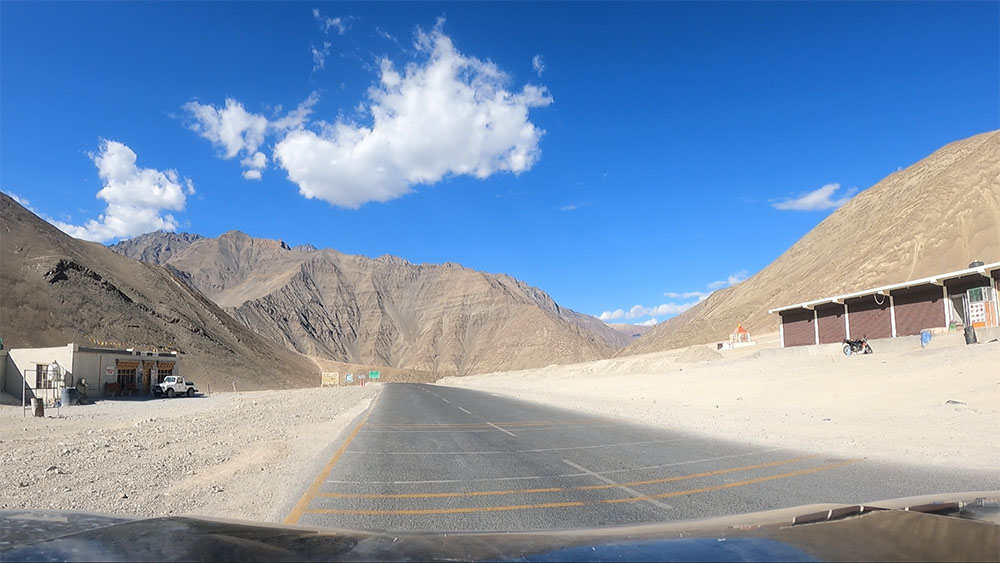
• One of the most captivating aspects of the Ladakh Magnetic Hill is the illusion it creates. When you drive or park your vehicle on a specific stretch of road near the village of Diskit, something remarkable happens – your vehicle appears to defy gravity.

If you turn off the engine and release the brakes, your vehicle will seemingly start rolling uphill all by itself. It’s a surreal experience that has left countless travelers in awe and baffled scientists searching for answers.

The optical illusion created by this magnetic anomaly is so convincing that it often appears as though vehicles are rolling uphill against the force of gravity. In reality, what’s happening here is a clever trick of perception. The surrounding landscape creates an optical illusion that distorts our sense of what’s truly uphill and downhill.

The Scientific Explanation:

While the Ladakh Magnetic Hill may seem like a phenomenon straight out of science fiction, there’s a scientific explanation behind this mysterious occurrence.

The unusual magnetic properties in this region have a significant impact on the local landscape. The magnetic field here is strong enough to influence the alignment of ferrous materials, like the iron and steel components in vehicles. When a vehicle is placed on the specific stretch of road where this illusion occurs, the magnetic field subtly affects its orientation.

Essentially, the vehicle’s wheels and frame align themselves with the magnetic field’s inclination, making it seem like the vehicle is moving uphill when, in reality, it’s just moving downhill like any other object on a sloped road. This optical illusion, combined with the magnetic force, creates the surreal experience of defying gravity.

It’s important to note that the Ladakh Magnetic Hill is not the only place on Earth where such optical illusions occur. Similar phenomena can be found in other parts of the world, often near locations with strong magnetic fields or unique geological features.

The Geological Connection:

To truly understand the mystery of Ladakh’s magnetic field, we need to delve into the geological history of the region.

Ladakh is situated in a seismically active zone, surrounded by towering mountains, including the Himalayas. The geological processes that have shaped this landscape over millions of years have also contributed to the peculiar magnetic properties observed in this region.

One theory suggests that Ladakh’s magnetic anomaly is linked to the compression of rocks deep beneath the Earth’s surface. The intense tectonic forces associated with the collision of the Indian Plate and the Eurasian Plate have led to the folding and faulting of rocks in the region. As a result, the rocks contain minerals with magnetic properties, such as magnetite.

Magnetite is a naturally occurring magnetic mineral found in rocks around the world. When subjected to pressure and heat during geological processes, magnetite crystals can align themselves with the Earth’s magnetic field, essentially “recording” the direction and strength of the field at the time of their formation.

Over millions of years, as the rocks in Ladakh were subjected to these geological processes, the magnetite crystals within them aligned themselves with the region’s unique magnetic field. This alignment of magnetite crystals contributes to the strength and orientation of the magnetic field observed today.

Spiritual Significance:

While scientists continue to unravel the geological and magnetic mysteries of Ladakh, the region’s magnetic field has also captured the imagination of those seeking spiritual experiences and connections with the natural world.

Ladakh has a rich spiritual and cultural heritage, with influences from Buddhism and other indigenous belief systems. Many visitors to the region believe that the strong magnetic field holds spiritual significance. Some even claim that the magnetic field has healing properties and can rejuvenate one’s energy and balance.

The Diskit Monastery, perched on a hill overlooking the magnetic phenomenon, is an important spiritual center in the area. Monks here often incorporate the magnetic field into their rituals and meditations, further reinforcing the idea of its spiritual importance.

The magnetic field’s ability to seemingly defy the laws of physics has led some to view it as a metaphor for the mystical and unexplainable aspects of life. It serves as a reminder that there are still mysteries in the natural world that science has yet to fully understand.

The Future of Magnetic Exploration:

While we’ve made significant strides in understanding the Ladakh Magnetic Hill and its geological origins, there is still much to learn about this fascinating phenomenon. The region continues to draw the attention of scientists, geologists, and geophysicists who are keen to unlock its remaining secrets.

One avenue of research involves detailed mapping and modeling of the magnetic field to gain a better understanding of its source and variations. By studying the rocks and minerals in the area and how they interact with the Earth’s magnetic field, researchers hope to create a more comprehensive picture of what makes this magnetic field unique.

Furthermore, advancements in technology, such as magnetometers and drone-based magnetic surveys, are aiding in the collection of precise data on the magnetic field’s strength and orientation. These tools allow scientists to investigate the Ladakh Magnetic Hill and other similar anomalies with greater accuracy.

Understanding the magnetic field of Ladakh not only satisfies scientific curiosity but also has practical applications. Accurate knowledge of the local magnetic field is crucial for navigation, especially for aircraft and spacecraft operating in the region. By gaining a deeper understanding of this magnetic anomaly, we can enhance navigation systems and improve safety.

Experiencing the Mystery:

Visiting Ladakh and experiencing the magnetic mystery for yourself is an unforgettable adventure. As you stand on the designated stretch of road, you can witness the optical illusion that seems to defy gravity. It’s a moment that leaves a lasting impression, not just because of the physical phenomenon but also because of the deep sense of wonder it evokes.

While in Ladakh, take the time to explore the unique culture and natural beauty of the region. Visit ancient monasteries, trek through remote mountain valleys, and connect with the warm and welcoming people who call Ladakh home. It’s an opportunity to experience the intersection of science, spirituality, and the

Ladakh’s magnetic field is a captivating enigma that showcases the intricate interplay between geology, magnetism, and human curiosity. While science can explain the phenomenon, the wonder it evokes in the hearts of those who visit remains untouched. As we peer into the depths of our planet’s magnetic mysteries, Ladakh’s magnetic hill stands as a testament to the boundless wonders of our natural world. Whether you seek scientific understanding or simply wish to experience the magic of defying gravity, a visit to this remote corner of India is sure to leave you both perplexed and inspired.

References

Vargis.Khan, & Vargis.Khan. (2023, April 8). Magnetic Hill of Ladakh – Leh to Magnetic Hill travel guide. Vargis Khan. https://vargiskhan.com/log/truth-behind-mysterious-magnetic-hill-of-ladakh/

Magnetic Hill Ladakh- Theory, Location, Myth, When To Go. (n.d.). https://www.lehladakhindia.com/magnetic-hill/

Pal, S., & Pal, S. (2022). Ladakh Has A Magnetic Hill Where Cars Are Pulled Upwards On A Slope. Curly Tales. https://curlytales.com/ladakh-has-a-magnetic-hill-where-cars-are-pulled-upwards-on-a-slope/

Ghosh, S. (2021). Magnetic Hill Ladakh-Complete Travel Guide. Hiker.Wolf. https://hikerwolf.com/magnetic-hill-ladakh-complete-travel-guide/

Rajoo. (2023). Magnetic Hill In Ladakh- A Road Straightaway to heaven. Pick.yourtrail. https://pickyourtrail.com/blog/magnetic-hill-in-ladakh/

The Hanging Pillar of Lepakshi: A Marvel of Indian Architecture

By-Aditi Chhetri

India, a land of diverse cultures, traditions, and architectural wonders, is home to some of the most extraordinary monuments in the world. Among these treasures is the famous Hanging Pillar of Lepakshi, a remarkable architectural marvel that has baffled engineers, archaeologists, and tourists alike for centuries. Located in the southern state of Andhra Pradesh, the Lepakshi temple complex is not only a testament to India’s rich heritage but also a testament to the ingenuity of ancient Indian architects and craftsmen.

1. Historical Significance:
The historical significance of the Lepakshi temple lies in its association with the Vijayanagara Empire, which was one of the most prominent and influential empires in South India’s history. This empire, ruled by the Sangama and Saluva dynasties, flourished in the 14th to 17th centuries. The construction of the Lepakshi temple during this period is a testament to the empire’s patronage of art, culture, and religion.
The Vijayanagara Empire was known for its grandeur, and the Lepakshi temple exemplifies the empire’s devotion to Lord Veerabhadra. The temple complex, with its intricate architecture and exquisite sculptures, showcases the artistic and architectural achievements of this era.
2. The Architectural Marvel: The Hanging Pillar
The Hanging Pillar of Lepakshi is a single stone pillar that defies gravity by appearing to hang from the ceiling without touching the ground. This is a remarkable feat of ancient Indian architecture and engineering. The pillar stands approximately 15 feet tall and is adorned with intricate carvings.

(a) Theories Surrounding the Hanging Pillar Interlocking Stones: The theory of interlocking stones suggests that the pillar might be composed of multiple stones that are cleverly balanced to create the illusion of suspension. However, no visible seams or joints have been discovered, making this theory difficult to prove definitively.
(b) Hollow Pillar: Some speculate that the pillar could be partially hollow, reducing its weight and allowing it to appear as if it’s hanging. This theory remains unconfirmed due to the sacred nature of the monument. (c) Ancient Engineering Feat: This theory proposes that the builders of the Lepakshi temple possessed advanced knowledge of engineering and construction techniques, which enabled them to create such extraordinary architectural elements. It hints at the possibility that ancient civilizations had engineering secrets that are lost to modern times.
(d) Earthquake Resistance: Considering the region’s seismic activity, some suggest that the unique design of the pillar may have been intentional, making it more resistant to earthquakes. Its flexible construction could have been a response to the need for structural stability in a seismically active area.

3. Artistic and Architectural Splendor:
Apart from the Hanging Pillar, the entire Lepakshi temple complex is a testament to the artistic and architectural excellence of its builders. The walls and pillars of the temple are adorned with intricately carved sculptures and reliefs that depict scenes from Hindu mythology. These carvings bring to life the stories of gods, goddesses, and epic legends, serving both as a place of worship and a visual narrative of India’s rich cultural heritage. The colossal monolithic Nandi sculpture, carved from a single rock, showcases the mastery of the temple’s craftsmen. Its size and intricate detailing make it a prime example of the artistic prowess of the Vijayanagara Empire.

4. Preservation Efforts and Tourism:
Recognizing the historical and cultural significance of the Lepakshi temple, the Indian government and heritage preservation organizations have taken measures to safeguard the monument. These efforts include regular maintenance, restoration work, and strict rules to protect the temple from damage due to tourism.
Tourism has also played a significant role in the temple’s preservation. The temple complex attracts visitors from around the world who contribute to its upkeep through entrance fees. This income is often reinvested into the maintenance and restoration of the temple.
5. The Mystique Lives On:
Despite the numerous theories and research attempts, the Hanging Pillar of Lepakshi continues to be shrouded in mystery. Its existence challenges our understanding of ancient architecture and engineering. While modern technology has made significant strides in unraveling the secrets behind the pillar’s suspension, the element of wonder and mystique remains intact, making it a symbol of India’s rich cultural heritage and the enduring allure of history.

6. The Hanging Pillar Of Veerabhadra temple aka Aakaasa Sthambha.

The Lepakshi Temple is also known as the bodyguard of a unique pillar. The unique pillar of Lepakshi is a great achievement of a historical period. It displays wide-ranging diversity and the highest design of architecture. Its only malicious secret is that despite being a pillar, it is not connected to the ground. Out of the 70 stone pillars in the temple, this pillar stands out as a true wonder. This distinctive pillar hangs from the ceiling without the base of the pillar touching the ground. It has been standing still for centuries. This pillar of Lepakshi is a unique example of the uniqueness of Indian architecture which gives it a unique and mysterious form. It has an important role which increases its importance as Indian cultural heritage. This site reveals the specialty of Indian architecture and makes a unique contribution to its development. This hanging pillar of Lepakshi is an important part of the history of architecture of different periods which gives one a unique experience of traveling back in time to those eras.
During the British colonial period, a British engineer tried to unravel the mystery behind the hanging pillar of the Lepakshi Temple. He tried to move it, due to which the pillar moved from its place and got displaced. This incident caused the collapse of a portion of the roof of the temple. This incident was unique and mysterious, which makes the mystery behind this pillar even more mysterious. Compared to different structures and sites, this pillar of Lepakshi Temple is a unique and singular feature which highlights the diversity of Indian architecture. This incident makes the mystery behind this pillar even more mysterious and inspires people to visit and study it.

The Hanging Pillar of Lepakshi stands as an iconic example of India’s architectural and artistic excellence, a testament to the historical significance of the Vijayanagara Empire, and a source of fascination and intrigue for people worldwide. It serves as a reminder that the past holds untold wonders, waiting to be explored and appreciated by generations to come. Lepakshi Temple is not only important as a religious site, but it is a centre of historical, cultural and spiritual experience which inspires the individual to move one step further towards his inner knowledge and soul realization. This attraction of Lepakshi temple still attracts people towards itself. The uniqueness and historical importance of this place shows the glory of Indian culture and embodies its millions of years of heritage.

References

Trendingadda. (2023, June 5). The Hanging Pillar of Lepakshi Temple is Unraveling the Mystery. Medium. https://medium.com/@trendingadda77/the-hanging-pillar-of-lepakshi-temple-is-unraveling-the-mystery-eaeeb603f21e


Ugc. (2023, September 26). Hanging pillar of Lepakshi. Atlas Obscura. https://www.atlasobscura.com/places/hanging-pillar-of-lepakshi-veerabhadra-temple

India, M. (2016). The hanging pillar and other wonders of Lepakshi. Mystery of India. https://www.mysteryofindia.com/2015/01/hanging-pillar-wonders-lepakshi.html

Abhishek. (2020b, July 12). 7 wonders of Lepakshi Temple – the land of legends – The Revolving Compass. The Revolving Compass. https://revolvingcompass.com/lepakshi-temple/

Thadhagathan. (2020, July 18). The hanging pillar of Lepakshi Temple | Atma Nirvana. Hinduism | Spiritual Blogs India | Expanded Consciousness| Awakening People| Subconscious Mind Power | Mindfulness Meditation |. https://atmanirvana.com/hanging-pillar-lepakshi-temple/


The Lost City of Dwarka: Unraveling the Ancient Sunken Kingdom

By-Aditi Chhetri

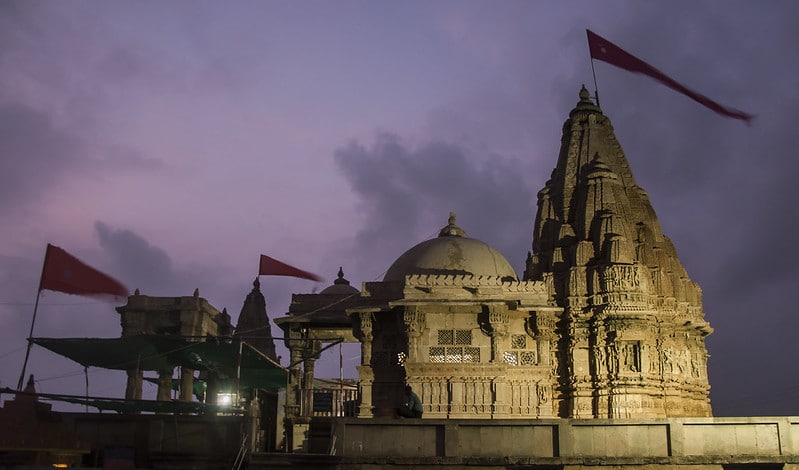
A mystery that fascinates the imagination of historians, archaeologists and treasure hunters for centuries is hidden beneath the waves of the Arabian Sea. The infamous lost city of Dwarka. Dwarka is believed to be the ancient kingdom of Lord Krishna, a place of great historical and mythological significance. In this blog, we will embark on a journey to explore the intriguing story of Dwarka, its submergence, and the ongoing efforts to uncover its secrets.

The Mythical Dwarka:

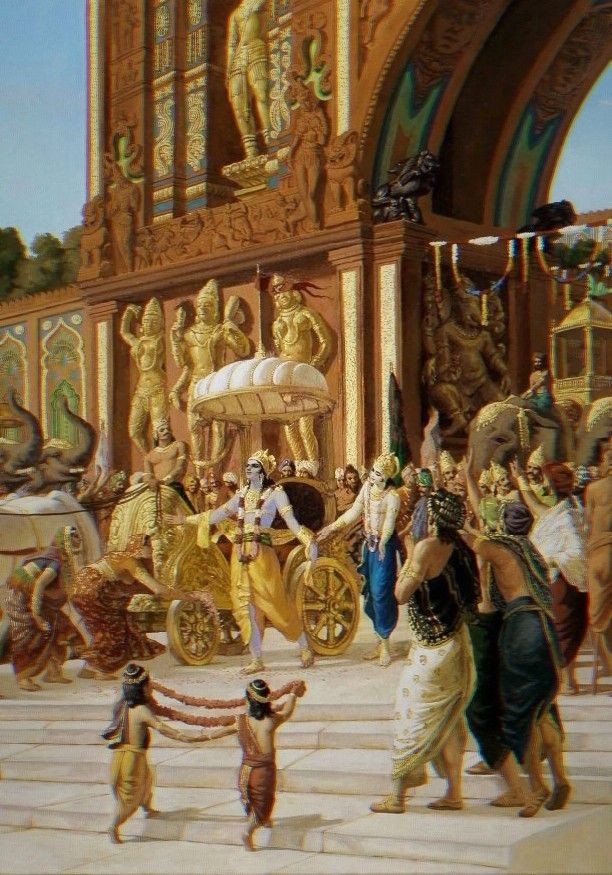
Dwarka finds its roots in Hindu mythology, specifically in the Mahabharata and other ancient texts. According to ancient texts, Dwarka was founded by Lord Krishna on the western coast of India after he left Mathura to escape the constant threat of the evil King Kansa. It was a magnificent city, known for its opulence and grandeur. He is said to have built the city on the banks of the Gomti River, where it prospered as a magnificent kingdom. Dwarka is often described as the “Golden City,” adorned with grand palaces and temples. Dwarka was not only the capital of Lord Krishna’s kingdom but also a symbol of prosperity and spirituality. The city Is said to have been a marvel of its time, with beautiful palaces, intricate temples, and a bustling port. It was a hub of trade and culture, drawing merchants and travelers from distant lands.The Mahabharata narrates how Dwarka played a pivotal role in the great war. Lord Krishna, who had a close relationship with the Pandavas, provided them with valuable counsel and resources from Dwarka during their conflict with the Kauravas.

The Cataclysmic Event

While Dwarka’s splendor is well-documented in ancient texts, what happened to the city remains a subject of debate and intrigue. According to the Mahabharata, Dwarka met its fate in a catastrophic event, a massive flood that submerged the entire city. This event is believed to have occurred shortly after Lord Krishna’s departure from the mortal world. Theories about the cause of this submergence vary. Some suggest it was a natural disaster, while others propose that it could have been due to a shift in tectonic plates or rising sea levels. Regardless of the cause, the city was lost to the depths of the Arabian Sea, its once-glorious structures buried beneath the waves.

The Quest for Dwarka

The search for the lost city of Dwarka began in the early 20th century when explorers and archaeologists ventured into the waters off the coast of Gujarat, India. Their efforts were inspired by the descriptions of Dwarka in ancient texts. Over the years, numerous underwater excavations and surveys have taken place in the hope of rediscovering this ancient marvel. In the 1980s, marine archaeologist S. R. Rao made a breakthrough discovery. He identified a submerged ancient city off the coast of Dwarka, confirming that there was indeed a historical basis for the legends. This underwater site, known as the “Dwarka submerged city,” revealed a series of stone structures, pottery, and artifacts that hinted at a once-thriving civilization.

The Controversies and Challenges

The discovery of the Dwarka submerged city ignited debates and controversies within the archaeological community. Some scholars questioned whether this underwater site was truly the legendary Dwarka, while others raised concerns about the dating of the artifacts found. Radiocarbon dating of materials recovered from the site placed its age around 7500 BCE, which was far older than expected based on the Mahabharata’s timeline.These controversies have made the quest to uncover Dwarka’s secrets even more intriguing and complex. Researchers continue to explore the submerged city, hoping to find conclusive evidence that ties it to Lord Krishna’s Dwarka.

Debate and Skepticism

While the discoveries off the coast of Dwarka have captured the imagination of many, skepticism persists. Some critics argue that these submerged structures could be natural geological formations rather than man-made structures. They call for more comprehensive research and evidence to conclusively prove the existence of the ancient City. The debate continues, but the allure of Dwarka remains intact. The possibility of uncovering a civilization closely associated with one of Hinduism’s most revered deities continues to drive explorations and excavations in the region.

Modern Technologies and Discoveries :

In recent years, advancements in marine archaeology and technology have played a crucial role in unraveling Dwarka’s mysteries. Underwater remotely operated vehicles (ROVs) equipped with cameras and sonar systems have allowed researchers to explore the submerged city in detail. One of the most significant findings came in 2007 when marine scientists and archaeologists discovered a large stone structure underwater, which some believe to be the remnants of Dwarka’s ancient wall. This discovery reignited interest in the site and raised hopes of further revelations.

Evidence and Artifacts

Among the most significant discoveries in Dwarka are submerged stone structures that resemble city walls. These massive walls stretch over half a mile, suggesting the presence of a sprawling metropolis. They are constructed using a technique called ‘interlocking stones,’ a method described in ancient texts as being employed in Dwarka’s construction. Furthermore, a stone slab discovered in the underwater excavations bears inscriptions in ancient Brahmi script. These inscriptions are believed to be some of the oldest written records found in India and are currently undergoing translation and analysis. Other intriguing artifacts found include pottery, sculptures, and ancient coins that offer valuable insights into the daily life and culture of the people who lived in Dwarka.

The Cultural and Historical Significance:

Dwarka’s significance extends beyond its historical and archaeological importance. For millions of people around the world, Dwarka is a sacred and spiritual place. It is revered as the abode of Lord Krishna, a deity worshipped by Hindus across the globe. Pilgrims visit Dwarka to pay their respects and seek spiritual enlightenment. The existence of Dwarka and Its potential rediscovery also holds the promise of rewriting history. If the submerged city is definitively linked to the Dwarka of mythology, it could reshape our understanding of ancient Indian civilization and the timeline of events described in the Mahabharata.

The Ongoing Exploration

The exploration of Dwarka is far from over. Researchers, historians, and archaeologists continue to delve into the depths of the Arabian Sea, armed with the latest technology and a deep sense of curiosity. They hope to find more evidence that can conclusively connect the submerged city to the legendary Dwarka of Lord Krishna. While challenges and controversies persist, the determination to uncover the truth about Dwarka remains unwavering. Every dive into the underwater city brings the world one step closer to unraveling the enigmatic past of this ancient sunken kingdom.

The lost city of Dwarka Is a captivating enigma that straddles the realms of history, mythology, and archaeology. Its submerged remains off the coast of India have breathed life into ancient legends, sparking both excitement and skepticism. As excavations continue and more evidence surfaces, we may one day unravel the full story of this once-great city. Dwarka’s significance extends beyond its historical and archaeological value. It remains a symbol of faith and devotion for millions who continue to be inspired by the legends of Lord Krishna. Whether Dwarka was entirely mythical, partly real, or a fully-fledged ancient city, its legacy endures, reminding us of the enduring power of myth and the mysteries that still lie beneath the waves of the Arabian Sea. In the end, the lost city of Dwarka stands as a testament to the enduring power of ancient tales and the unquenchable human thirst for discovery. As explorations continue, who knows what more secrets the depths of the sea might reveal about this legendary city and its place in history.

References

Solanki, T. (2022). The lost city of Dwarka underwater. Yatra Dham. https://blog.yatradham.org/the-lost-city-of-dwarka-underwater/

Shankar, S. (2023). The Mystery behind the Lost City of Dwarka. Savaari Car Rentals Blog. https://www.savaari.com/blog/the-mystery-behind-the-lost-city-of-dwarka/

Kopparapu, A. (n.d.). Discover the remnants of the lost city Dwarka by Scuba-diving. Tripoto. https://www.tripoto.com/gujarat/trips/discovering-the-submerged-city-of-dwarka-by-scuba-diving-5be9b4bf84a62

Pramanik, M. (2022, February 25). Dwarka: India’s submerged ancient city. BBC. https://www.bbc.com/travel/article/20220113-dwarka-indias-submerged-ancient-city

Nikhil_R. (2023, September 5). The Lost City Of Dwarka – History & The Discovery Of An Underwater City – Valorealm – Business Trending’s. Valorealm – Business Trending’s E-Magazine. https://valorealm.com/spirituality/dwarka-underwater-history-discovery/

Digital Detox: Reclaiming Your Life from Screen Addiction

By-Aditi Chhetri


In today’s hyper-connected world, it’s no secret that our screens have become an integral part of our lives. From smartphones to laptops, we’re constantly plugged in. While this digital revolution has brought numerous benefits, it has also given rise to a concerning issue: screen addiction. In this blog, We all want a healthy mindset, concentration, control of our actions and emotions and a real social life with real people, not on screen but in our living room or somewhere out. That’s where a need for Digital Detox comes in. Yes, you heard it right. “Digital Detox!” This specific detoxification makes it possible to maintain a tech-life balance to help live a fuller and happier life, we’ll explore what screen addiction is, its consequences, and most importantly, how you can take steps to detox from digital devices and regain control of your life.


• What is Digital Detox?
A digital detox is a period of time when a person voluntarily refrains from using digital devices such as smartphones, computers, and social media platforms. This form of detoxification has gained popularity, as individuals have increased their time spent on digital devices and the Internet.

• The Consequences of Digital Detox: A digital detox, the deliberate reduction or elimination of digital device use, can have both positive and negative consequences. A digital detox can enhance mental health and relationships, but it may lead to social and professional challenges. The consequences vary depending on the extent and context of the detox, highlighting the importance of balance in today’s digital age.

• The Benefits of Digital Detox : Here are the benefits of a digital detox summarized in pointers-

(i) Improved Mental Health:
< Reduced screen time can alleviate anxiety and depression.
< Enhanced mindfulness and reduced digital distractions lead to better mental well-being.
(ii) Increased Productivity:
< Fewer digital distractions mean more focus on tasks.
< Enhanced time management skills as you prioritize non-digital activities.
(iii) Better Sleep Quality:
< Reduced exposure to screens before bedtime leads to improved sleep patterns.
< Deeper and more restful sleep contributes to overall health.

(iv) Enhanced Relationships:
< More face-to-face interactions foster deeper connections.
< Reduced screen time reduces conflicts arising from digital neglect.
(v) Physical Health Benefits:
< Less screen time encourages physical activity.
< Decreased sedentary behavior improves overall health.
(vi) Improved Concentration:
< Reduced multitasking leads to better concentration and cognitive abilities.
< Enhanced ability to stay on task and complete projects.
(vii) Stress Reduction:
< Lower screen time decreases information overload and screen-induced stress.
< Time for relaxation and hobbies reduces overall stress levels.

• Signs You Need a Digital Detox: Now that we’ve explored the benefits of digital detoxes, it’s time to determine if you need to do a digital detox. Here are some signs you need a digital detox:
You constantly feel a need to check your phone
You feel high stress when you are separated from your phone
You have feelings of anxiety or depression after checking social media
You have a hard time connecting with others in real life
You have difficulty concentrating on work tasks or conversations with others
You spend several hours per day on your phone.
You think about social media more than you think about real-life experiences
You are constantly doom scrolling through negative news coverage
Your devices create more negative thoughts and emotions than positive ones

• Creating a Digital Detox Plan :
To embark on a successful digital detox, you’ll need a well-thought-out plan. Start by setting clear goals for yourself, such as reducing daily screen time or designating tech-free zones and times. Next, identify the apps or activities that consume the most of your time and consider using screen time management apps to limit their use. Establishing a support system can also be beneficial, as friends and family can help hold you accountable.

• Practical Tips for a Digital Detox :
Here are some practical tips to help you successfully detox from screens:
(a) Schedule tech-free breaks throughout your day.
(b) Engage in physical activities or hobbies that don’t involve screens.
(c) Turn off non-essential notifications on your devices.
(d) Set specific times for checking and responding to emails and messages.
(e) Consider a “no screens before bedtime” rule to improve sleep quality.
(f) Replace screen time with face-to-face interactions whenever possible.
(g) Be mindful of your screen usage and track your progress.

• Maintaining a Balanced Digital Life :
Once you’ve completed a digital detox, the goal is not to eliminate screens from your life entirely but to establish a healthy balance. Use the lessons learned during your detox to maintain a mindful approach to technology. Regularly reassess your screen time habits and make adjustments as needed.

• Overcoming Challenges :
It’s natural to face challenges while attempting a digital detox. You may experience withdrawal symptoms, boredom, or the fear of missing out. To overcome these challenges, remind yourself of your goals and the benefits of reducing screen time. Find alternative activities that you genuinely enjoy and that
don’t involve screens. Seek support from friends or support groups, and remember that progress takes time.

In a world where screens dominate our attention, it’s essential to recognize the signs of screen addiction and take proactive steps to regain control. A digital detox can be a transformative experience, leading to improved physical and mental well-being, stronger relationships, and a deeper connection with the real world. By following a well-planned detox strategy and maintaining a balanced digital life, you can break free from screen addiction and rediscover the joys of a screen-free existence. It’s time to take the first step towards a healthier, more fulfilling life.

References

WRITEUPS. (2023, April 13). Digital Detox-a new lifestyle choice. Times of India Blog. https://timesofindia.indiatimes.com/readersblog/writeups/digital-detox-a-new-lifestyle-choice-52528/

Team, S. G., &amp; Written By Single Grain, Jacqueline.Foster. (2023, August 1). How to Digital Detox: 3 reasons to take a screen-free day. Single Grain. https://www.singlegrain.com/blog/ms/how-to-digital-detox/

Zamudio, D. (2022, June 1). 7-Day Digital Detox Challenge – Daniela Zamudio – Medium. Medium. https://medium.com/@kdzamudio/7-day-digital-detox-ch allenge-a8000d46cd29

Improve your work-life balance with a digital detox. (nd). https://www.booged.c om/blog/improve your work-life balance with a digital detox

The digital detox | Startups Magazine. (n.d.). Startups Magazine. https://startup smagazine.co.uk/article-digital-detox

• Friedman, J. (2022). The benefits of doing a digital detox. The Journal That Talks BackTm https://www.thejournalthattalksback.com/blog/the-benefits-of-doi ng-a-digital-detox

Travel Tips for Exploring New Destinations on a Budget

By-Aditi Chhetri

It’s a dream for many people to travel to new places, but the idea of breaking the bank is often a deterrent. The good news is that if you’re willing to look for new places, they can be explored without draining any of your savings. You can have great adventures while staying on the budget by making careful planning, wise choices, and a bit of creativity. In this article, we’re going to give you some valuable advice on how to travel on a budget and make the most of your journey.

1. Plan Ahead and Set a Budget:

The first step in traveling on a budget is to plan ahead. Determine how much you can afford to spend on your trip and set a clear budget. This will help you make informed decisions and avoid overspending. Consider all expenses, including transportation, accommodation, food, activities, and souvenirs. Having a budget in place will keep you accountable throughout your journey.

2. Be Flexible with Your Travel Dates:

Flexibility can be your best friend when it comes to saving money on travel. If you can be flexible with your travel dates, you can often find better deals on flights and accommodations. Use fare comparison websites and apps to track prices and consider traveling during the shoulder or off-peak seasons when prices tend to be lower.

3. Hunt for Deals and Discounts:

There are plenty of deals and discounts available to budget-conscious travelers. Look for promotions on travel websites, subscribe to newsletters for special offers, and follow airlines and hotels on social media for exclusive deals. Additionally, consider using loyalty points or travel rewards to save on flights and accommodations.

4. Use Public Transportation:

While renting a car or taking taxis may be convenient, it can be expensive. Using public transportation like buses, trams, and subways is often much more budget-friendly. It’s also a great way to experience a destination like a local. Many cities have affordable transportation passes that can save you even more money.

5. Stay in Budget Accommodations: Accommodations can eat up a significant portion of your travel budget, so consider staying in budget-friendly options like hostels, guesthouses, or Airbnb rentals. These alternatives are not only more affordable but can also provide unique and authentic experiences that you won’t find in traditional hotels.

6. Cook Your Own Meals:

If you’re staying in accommodations with kitchen facilities, consider cooking some of your own meals. Shopping at local markets and preparing your food can be a fun and cost-effective way to eat while traveling. Plus, it’s an opportunity to experiment with local ingredients.

7. Eat Local and Street Food:

Food is an essential part of the travel experience, and you don’t need to dine at expensive restaurants to savor local cuisine. Try street food and eat at local eateries to save money while enjoying authentic dishes. Not only is this budget-friendly, but it also allows you to connect with the culture of the destination.

8. Prioritize Your Activities:

You might not be able to do everything a destination has to offer, but you can choose the activities that matter most to you. Prioritize the experiences that align with your interests and budget. Look for free or low-cost attractions, such as museums, parks, and hiking trails, to balance your spending.

9. Travel Light:

Packing efficiently can save you money in various ways. First, you can avoid baggage fees by packing only what you need and adhering to weight limits. Second, you’ll be more mobile and flexible, as you won’t have to worry about dragging heavy luggage around or paying for extra storage.

10. Travel with a Group:

Traveling with friends or family can significantly reduce costs. You can split expenses like accommodation and transportation, making it more affordable for everyone. Additionally, group travel often leads to shared memories and unique experiences.

11. Be Mindful of Currency Exchange Rates:

Keep an eye on currency exchange rates when planning your trip. Favorable rates can make your money go further in certain destinations. Consider exchanging money in advance or using local ATMs for better rates than currency exchange kiosks at airports or tourist areas.

12. Avoid Tourist Traps:

Tourist areas are known for inflated prices. Venture away from the main tourist zones to find more affordable options. Explore neighborhoods, interact with locals, and discover hidden gems that aren’t on every traveler’s itinerary.

13. Travel Slowly:

Instead of rushing through multiple destinations in a short time, consider traveling slowly. Spend more time in one place to explore it thoroughly. This approach can save you money on transportation costs and allow you to immerse yourself in the local culture.

14. Learn Basic Phrases:

Learning a few basic phrases in the local language can go a long way. Locals appreciate when travelers make an effort to communicate in their language, and it can lead to better deals and connections.

15. Embrace Free Activities:

Many destinations offer free activities and entertainment. Research and take advantage of free walking tours, cultural events, festivals, and outdoor adventures that don’t require an entrance fee. These experiences can be just as memorable as paid ones.

In conclusion , exploring new destinations on a budget is not only possible but also incredibly rewarding. With careful planning, flexibility, and a willingness to embrace local culture, you can have unforgettable adventures without emptying your wallet. So, pack your bags, set your budget, and get ready to embark on budget-friendly travel experiences that will stay with you for a lifetime. Happy travels!

References

“20 Budget Travel Tips to Save You Money on the Road” by Forbes https://www.forbes.com/sites/forbestravelguide/2018/12/10/20-budget-travel-tips-to-save-you-money-on-the-road/?sh=28f10c847bbd


“Budget Travel Tips: How to Save Money on Your Next Trip” by The Blonde Abroadhttps://www.theblondeabroad.com/10-easy-ways-to-save-money-to-travel-the-world/


“10 Best Budget Travel Tips: How to Save Money on Your Next Trip” by Nomadic Matt https://www.nomadicmatt.com/travel-blogs/the-ultimate-guide-to-traveling-when-you-have-no-money/


“Budget Travel Tips: The Ultimate Goal” by Lonely Planet https://www.lonelyplanet.com/travel-tips-and-articles/budget-travel-how-to-see-the-world-on-a-shoestring

“The Ultimate Guide to Traveling Cheap: How I Saved $13,000 in 2 Years”by The Savvy Backpacker https://thesavvybackpacker.com/the-ultimate-guide-to-traveling-cheap/