Track2Training is a platform dedicated to learning, knowledge sharing, and empowering individuals through meaningful content. As a contributor, it’s essential to maintain high-quality standards, consistency, and a professional tone in your articles. This guideline will walk you through the process of writing, formatting, and publishing articles on Track2Training.
1. Article Structure and Formatting
To maintain consistency across the platform, follow this structure:
Headings (H1, H2, H3)
Use H1 for the main title of the article.
Use H2 for main sections within the article.
Use H3 if needed for sub-sections within an H2.
Writing Style
Keep the tone informative, engaging, and professional.
Write in paragraphs — avoid one-line sentences.
Avoid plagiarism at all costs.
Aim for a word count of 500–1000+ words.
2. Add an Author Line
Right below the title, add your name as the author.
Example: Title: The Future of Online Education By Your Name
3. Include Images
Use at least one relevant image in each article.
You can use free image sites like Pexels or insert a direct image URL.
To maintain contributor status and grow your audience:
Post at least 2 articles daily.
Ensure that both articles are unique and well-researched.
7. Share Your Article
Once your article is published:
Share the live link on your social media platforms:
LinkedIn
Twitter (X)
Facebook
Instagram
Encourage likes, shares, and comments to increase engagement.
Conclusion
Consistency, quality, and engagement are key to making the most of your time at Track2Training. By following these guidelines, you ensure that your content not only informs but also resonates with the audience. Keep learning, keep writing, and keep growing.
References
Brown, K., & Hood, S. (1989). Writing matters: Writing skills and strategies for students of English. Cambridge university press.
Bracewell, R. J. (2020). Investigating the control of writing skills. In Reading Empirical Research Studies (pp. 436-463). Routledge.
Dehalwar, K., & Sharma, S. N. (2023). Fundamentals of research writing and uses of research methodologies. Edupedia Publications Pvt Ltd.
Dehalwar, K. S. S. N., & Sharma, S. N. (2024). Exploring the distinctions between quantitative and qualitative research methods. Think India Journal, 27(1), 7-15.
Kellogg, R. T., & Raulerson, B. A. (2007). Improving the writing skills of college students. Psychonomic bulletin & review, 14(2), 237-242.
Sharma, S. N. (2014). Participatory Planning in Plan Preparation. BookCountry.
Sharma, S. N., Dehalwar, K., & Singh, J. (2024). Emerging techniques of solid waste management for sustainable and safe living environment. In Solid Waste Management: Advances and Trends to Tackle the SDGs (pp. 29-51). Cham: Springer Nature Switzerland.
A comprehensive technical report is divided into three main parts: Front Matter, Body, and Terminal Section.
1. Front Matter (Preliminary Section)
This section introduces the report and provides navigation tools.
a) Preface
Placed before the main text.
Explains the background, motivation, and purpose of the report.
May mention challenges faced during the preparation of the report.
Example: “This report documents the findings of a project on renewable energy systems conducted from Jan–June 2025 at XYZ Institute.”
b) Acknowledgments
Expression of gratitude to individuals, organizations, or funding agencies that supported the work.
Example: “The author thanks Dr. ABC for guidance, and XYZ Labs for providing equipment support.”
c) Contents (Table of Contents)
List of chapters, sections, and subsections with page numbers.
Helps readers navigate the document.
d) Indexing
Alphabetical listing of important terms/topics with page references at the end of the report.
Example: “Energy efficiency, 56; Solar panels, 78; Wind turbines, 102.”
e) Keyword Indexing (Keyword List)
A list of key terms relevant to the report for quick reference.
Also useful for digital archiving and retrieval in databases.
Example: Keywords: Solar energy, Photovoltaic cells, Sustainable power, Energy efficiency.
2. Main Body (Core Section)
The central and most detailed section of the report.
Introduction – Objectives, scope, background.
Literature Review / Background Study – Prior research or standards.
Methodology / Experimental Setup – How the study was conducted.
Results / Findings – Data, figures, tables.
Discussion / Analysis – Interpretation and implications.
Conclusion – Summary of findings.
Recommendations(if applicable) – Suggestions for improvements or future work.
3. Terminal Section (End Matter / Back Matter)
Contains supplementary information and references.
References / Bibliography – Cited sources, standards, and literature.
Appendices – Additional material such as raw data, codes, large tables, questionnaires.
Index (if not placed earlier) – Complete alphabetical listing of terms/topics.
Glossary (optional) – Definitions of technical terms for non-expert readers.
Summary Structure at a Glance
Front Matter:
Preface
Acknowledgments
Table of Contents
Indexing / Keyword Indexing
Main Body:
Introduction
Literature Review (if any)
Methodology
Results
Discussion
Conclusion & Recommendations
Terminal Section:
References
Appendices
Index / Glossary
✅ This extended structure makes the report reader-friendly, searchable, and professional, especially when it is intended for wide circulation or archival.
A technical report is organized systematically so that readers can follow the work easily. The structure usually consists of three main parts: Front Matter, Main Body, and End Matter.
1. Title Page
The first page of the report.
Title of the report (specific and descriptive).
Name(s) of author(s).
Designation and affiliation (organization, department, or institution).
Date of submission.
Report number/project name (if applicable).
2. Abstract / Executive Summary
A short summary (150–300 words).
Includes the purpose, methods, major findings, and conclusions.
Allows busy readers to quickly grasp the essence of the report.
3. Acknowledgments(optional)
Expression of gratitude to individuals, organizations, or sponsors who helped in preparing the report.
4. Table of Contents (ToC)
List of all sections, subsections, and appendices with page numbers.
5. List of Figures and Tables(if applicable)
Provides quick access to important visuals included in the report.
6. Introduction
Background and context of the problem or project.
Objectives of the report.
Scope and limitations.
Importance/relevance of the work.
7. Literature Review / Background Study(optional, for research reports)
Summary of existing studies, theories, or standards related to the topic.
Shows how the current work fits into the broader field.
8. Methodology / Experimental Procedure
Methods, tools, equipment, and techniques used.
Research design, sampling, or testing procedures.
Enough detail so the work can be replicated by others.
9. Results / Findings
Presentation of data collected through experiments, surveys, or analysis.
Often supported by tables, graphs, and charts.
Objective — no interpretation here.
10. Discussion / Analysis
Interpretation of results.
Comparison with expected outcomes, previous research, or standards.
Explanation of significance, trends, and implications.
11. Conclusion
Summary of main findings.
Reflection on whether objectives were achieved.
Overall contribution of the work.
12. Recommendations(if needed)
Suggestions for improvement, future work, or practical applications.
13. References / Bibliography
List of all sources cited in the report (books, journal articles, websites, standards).
Must follow a consistent citation style (e.g., APA, IEEE, MLA).
14. Appendices
Supplementary material not included in the main text.
Examples: raw data, sample calculations, detailed questionnaires, program code.
Sample Flow of Technical Report
Front Matter: Title Page → Abstract → Acknowledgments → Contents → List of Figures/Tables Main Body: Introduction → Methodology → Results → Discussion → Conclusion → Recommendations End Matter: References → Appendices
✅ This format ensures clarity, professionalism, and logical presentation in technical communication.
A technical report is a structured document that presents technical information, research findings, or project results in a systematic manner. It is written to communicate clearly with engineers, researchers, managers, or decision-makers. The report follows a standardized format to ensure clarity, consistency, and ease of reference.
Screenshot
General Format of a Technical Report
A typical technical report contains three major sections:
Preliminary Section (Front Matter)
Main Body
End Matter (Back Matter)
1. Preliminary Section (Front Matter)
These are the elements that appear before the main text:
Title Page
Report title (clear and specific)
Author’s name & designation
Institution/organization name
Date of submission
Project/course details (if applicable)
Acknowledgments(optional)
Recognition of people, organizations, or funding agencies that supported the work.
Abstract / Executive Summary
A short summary (150–300 words) of the purpose, method, results, and conclusions.
Helps readers quickly understand the report without reading the entire document.
Table of Contents (ToC)
List of chapters/sections with page numbers.
List of Figures & Tables
Optional, but useful in long reports for quick reference.
2. Main Body
This is the core of the report, containing detailed information:
Introduction
Background of the topic or problem.
Objectives and scope of the report.
Importance or relevance of the study/project.
Literature Review / Background Study(if applicable)
Summary of previous work, theories, or standards related to the topic.
Helps in establishing context.
Methodology / Experimental Procedures
Tools, techniques, and methods used.
Detailed enough for others to replicate the work.
Includes formulas, equipment, software, standards followed.
Results / Findings
Presentation of data collected.
Use of charts, graphs, tables, and figures for clarity.
Objective description without interpretation.
Discussion / Analysis
Interpretation of results.
Comparison with expected outcomes or previous studies.
Implications, strengths, and limitations of the work.
Conclusion
Summary of major findings.
Whether objectives were achieved.
Implications of the work.
Recommendations(if required)
Suggestions for improvements, further research, or actions to be taken.
3. End Matter (Back Matter)
References / Bibliography
List of books, journal articles, websites, or standards cited in the report.
Follow citation style (APA, IEEE, MLA, or institutional guidelines).
Appendices
Supplementary information not included in the main text.
Example: raw data, detailed calculations, code snippets, maps, questionnaires.
Sample Structure of a Technical Report
Title Page
Acknowledgments (optional)
Abstract / Executive Summary
Table of Contents
List of Figures and Tables (if needed)
Introduction
Literature Review (optional)
Methodology
Results
Discussion
Conclusion
Recommendations (if required)
References
Appendices
Conclusion
The format and elements of a technical report ensure that information is presented in a logical, standardized, and professional manner. A good technical report combines clarity, structure, and evidence so that the reader can easily understand the purpose, methods, results, and significance of the work.
Technical reports are distinct from other forms of writing (literary, scientific, or business) because they aim to convey specialized information in a clear, structured, and practical manner. They document processes, methods, results, and recommendations in a way that can be used, replicated, or acted upon. Below are the major characteristics that define effective technical report writing:
1. Clarity and Precision
Technical reports must be clear, concise, and unambiguous.
Use of jargon should be minimized or explained when necessary.
Precision in terms of numbers, measurements, and terminology is essential to avoid misinterpretation.
Example: Instead of writing “The machine performed better at higher loads”, a precise report would state “The machine efficiency increased by 12% when the load was raised from 200 kg to 250 kg.”
2. Objectivity and Accuracy
Reports must be factual and free from personal opinions or bias.
Every statement should be supported by data, evidence, or references.
Accuracy in technical details (formulas, figures, experimental results) is crucial because decisions may rely on them.
3. Structured Format
Technical reports follow a logical structure that helps readers easily locate information.
Common sections include:
Title Page
Abstract / Executive Summary
Introduction
Methodology
Results / Findings
Discussion
Conclusion & Recommendations
References & Appendices
4. Use of Visual Aids
Since technical information can be complex, tables, charts, graphs, diagrams, and flowcharts are frequently used to simplify and illustrate content.
Visuals must be properly labeled, numbered, and referred to in the text.
5. Formal and Objective Language
Language should be professional, impersonal, and formal.
Passive voice is commonly used to emphasize processes over the author (e.g., “The sample was tested at 40°C” instead of “We tested the sample at 40°C”).
6. Conciseness
Technical reports must avoid unnecessary details or wordiness.
Long explanations are broken down into short paragraphs, bullet points, or numbered lists for easy comprehension.
7. Emphasis on Usability
The report should provide information that readers can apply in practice, such as specifications, guidelines, or procedures.
It must be reader-centered, focusing on what the audience needs (engineers, managers, researchers, or policymakers).
8. Documentation and Referencing
Proper citation of sources, references to standards, and acknowledgment of previous studies or reports are essential.
This increases credibility and allows readers to verify information.
9. Impersonality and Professional Tone
Unlike literary or business writing, technical reports avoid emotional or persuasive tones.
The writing emphasizes facts, data, and logical reasoning, maintaining professionalism.
10. Reproducibility
Methods and processes must be described in enough detail that others can replicate the work or experiment.
This is particularly important in engineering and scientific contexts.
Conclusion
The specific characteristics of technical report writing — clarity, accuracy, structure, conciseness, objectivity, and usability — make it a unique form of professional communication. These qualities ensure that the report serves as a reliable document for decision-making, implementation, or future reference.
A literature survey (or literature review) is the systematic process of collecting, analyzing, and summarizing existing research, theories, and reports related to a particular topic. It provides the foundation for any technical report, thesis, or research paper.
1. Use of Libraries
Libraries are primary sources for gathering authentic and reliable information.
University/Institution Libraries
Access to textbooks, journals, technical reports, conference proceedings, theses, and dissertations.
Special collections (archives, maps, standards, government reports).
Read abstracts and summaries to filter relevant works.
Review and analyze critically – identify gaps, trends, methodologies.
Organize references (using tools like Mendeley, Zotero, EndNote).
Write the survey logically (thematic, chronological, or methodological order).
✅ In short:
Libraries provide access to authentic materials.
Indexing enables efficient retrieval of information.
Reference materials build the foundation for analysis and synthesis in a literature survey.
References
Bornmann, L. (2013). What is societal impact of research and how can it be assessed? A literature survey. Journal of the American Society for information science and technology, 64(2), 217-233.
Cline, W. R. (1975). Distribution and development: A survey of literature. Journal of Development Economics, 1(4), 359-400.
Dehalwar, K., & Sharma, S. N. (2024). Social Injustice Inflicted by Spatial Changes in Vernacular Settings: An Analysis of Published Literature. ISVS e-journal, Vol. 11, Issue 9. https://isvshome.com/pdf/ISVS_11-09/ISVSej_11.09.07.pdf
Dehalwar, K., & Sharma, S. N. (2024). Politics in the Name of Women’s Reservation. Contemporary Voice of Dalit, 2455328X241262562. https://doi.org/10.1177/2455328X241262562
Knopf, J. W. (2006). Doing a literature review. PS: Political Science & Politics, 39(1), 127-132.
Sharma, S. N., & Dehalwar, K. (2025). A Systematic Literature Review of Transit-Oriented Development to Assess Its Role in Economic Development of City. Transportation in Developing Economies, 11(2), 23. https://doi.org/10.1007/s40890-025-00245-1
Sharma, S. N., Singh, S., Kumar, G., Pandey, A. K., & Dehalwar, K. (2025). Role of Green Buildings in Creating Sustainable Neighbourhoods. IOP Conference Series: Earth and Environmental Science, 1519(1), 012018. https://doi.org/10.1088/1755-1315/1519/1/012018
Van Der Waldt, G. (2021). Elucidating the application of literature reviews and literature surveys in social science research. Administratio Publica, 29(1), 1-20.
Reports are structured forms of communication used to present facts, findings, analysis, and recommendations. They can vary significantly depending on the field, purpose, and audience. Among the most common are technical reports, scientific reports, legal reports, and other professional communications.
1. Types of Reports
a) Technical Reports
Present technical information, processes, or results of projects and experiments.
Focus on accuracy, clarity, and usability of technical data.
Common in engineering, IT, industry, and applied sciences.
Example: A report on the performance of a new software system or a structural safety analysis.
b) Scientific Reports
Present findings of scientific research and experiments.
Follow a standard structure: Abstract, Introduction, Methodology, Results, Discussion, Conclusion, References.
Aim to advance knowledge and are written for other researchers, academicians, or journals.
Example: A laboratory research paper on climate change impacts.
c) Legal Reports
Present information relevant to law, compliance, or legal disputes.
Focus on facts, evidence, case precedents, and legal interpretations.
Must be highly precise and conform to legal standards and formats.
Example: Case briefs, investigation reports, or legal compliance documents.
d) Business/Commercial Reports
Used in organizations for decision-making, planning, and monitoring.
Can be financial, market research, feasibility, or performance reports.
Example: Annual business performance report, project feasibility study.
e) Administrative/Government Reports
Prepared by government or administrative bodies.
Aim to inform policymakers, the public, or stakeholders.
Example: Census reports, policy white papers.
f) Educational/Academic Reports
Used in universities and research institutions.
Include dissertations, student project reports, and institutional evaluations.
2. Differences Between Technical, Scientific, Legal, and Other Communications
Aspect
Technical Communication
Scientific Communication
Legal Communication
Business/Other Communication
Purpose
To explain technical processes, designs, or systems for practical use.
To present original research, findings, and theories for knowledge advancement.
To document facts, arguments, and interpretations for legal matters.
To provide information for decision-making, policy, or organizational activities.
Audience
Engineers, technicians, industry experts, clients.
Researchers, academicians, scientists, journals.
Judges, lawyers, clients, government bodies.
Managers, stakeholders, employees, public.
Content Focus
Data-driven, factual, application-oriented.
Hypothesis, experiments, results, theories.
Evidence, law interpretation, case references.
Market trends, finance, strategy, operations.
Language Style
Clear, precise, often with visuals (charts, diagrams).
Formal, academic, objective, structured.
Strict, formal, exact wording; legal terminology.
Professional, persuasive, may be descriptive or analytical.
Technical vs. Scientific: Technical reports are application-oriented (how to use knowledge), while scientific reports are knowledge-oriented (why and what happens).
Technical vs. Legal: Technical reports emphasize usability and precision of technical data, while legal reports emphasize interpretation and compliance with law.
Scientific vs. Legal: Scientific communication is exploratory and hypothesis-driven, while legal communication is fact-driven and bound by legal frameworks.
Business vs. Others: Business communication often balances factual reporting with persuasive recommendations, unlike the strict objectivity of scientific or legal reports.
✅ In summary:
Technical communication = practical application of technical data.
Scientific communication = contribution to academic knowledge.
Legal communication = adherence to laws, facts, and legal reasoning.
Other reports (business, administrative, educational) = decision-making, management, or public awareness.
Reports are structured documents prepared to convey information, analysis, or recommendations based on data, observation, or investigation. They are widely used in business, academia, research, government, and industry. Reports differ in purpose, content, format, and audience, and hence, can be classified into several types. Understanding the classification of reports helps in selecting the right format and approach for effective communication.
1. Classification Based on Purpose
a) Informational Reports
Provide facts, data, or descriptive information without offering interpretation or recommendations.
Most common form, structured and documented for record-keeping.
b) Oral Reports
Delivered verbally in meetings, presentations, or discussions.
c) Multimedia/Digital Reports
Include visual and digital elements such as charts, videos, and interactive dashboards.
Conclusion
Reports are essential communication tools that vary in type, structure, and purpose depending on the needs of the organization or audience. Whether they are informational, analytical, formal, or informal, reports must be accurate, clear, and purposeful. Recognizing the types and classifications of reports helps writers adopt the most suitable approach for effective information delivery and decision-making.
Technical report writing is a crucial aspect of academic, professional, and research activities. Unlike general writing, a technical report aims to present factual, precise, and objective information about a process, experiment, project, or study in a structured format. It not only communicates findings but also provides the foundation for informed decision-making, policy formulation, problem-solving, and future research. Effective technical writing ensures that complex technical information is conveyed in a way that is accessible, accurate, and usable to its intended audience.
Technical fields often deal with complex concepts, data, and procedures. An effectively written technical report simplifies these complexities into understandable terms without compromising accuracy. Clear communication prevents ambiguity, misinterpretation, and errors, making the report a reliable source of knowledge for both experts and non-experts.
2. Documentation of Work
Technical reports serve as a permanent record of work done, processes followed, and results obtained. In engineering, research, and industry, well-documented reports act as reference materials for future projects, audits, or replications of experiments. Without effective reporting, valuable information may be lost, leading to redundancy or inefficiency.
3. Decision-Making Tool
Decision-makers in organizations often rely on technical reports to evaluate project feasibility, risks, and outcomes. A well-prepared report with accurate data analysis, findings, and recommendations assists managers, policymakers, and stakeholders in making informed choices. Poorly written reports, on the other hand, can lead to flawed decisions and financial losses.
4. Professionalism and Credibility
An effective technical report reflects the professionalism and competence of its author(s). Precise presentation, logical structuring, and adherence to standards enhance credibility and build trust among readers. In contrast, poorly written reports may undermine confidence in the work, even if the technical content is valid.
5. Bridging the Gap Between Experts and Non-Experts
Technical reports are often read by people with different levels of technical expertise, including engineers, managers, policymakers, or clients. Effective writing ensures that essential findings and recommendations are communicated in a way that is understandable to all stakeholders, thus bridging the knowledge gap.
6. Time and Cost Efficiency
Well-organized reports save time for both writers and readers. Readers can quickly locate information through logical structuring, proper headings, figures, and summaries. This efficiency is crucial in industries where time-sensitive decisions and cost considerations are involved.
7. Educational and Research Value
In academia and research, technical reports contribute to knowledge sharing and learning. Students, researchers, and practitioners benefit from clear, detailed reports that explain methods, results, and interpretations. These documents form the basis for further innovation and academic discourse.
8. Legal and Compliance Requirements
In many industries, technical reports are not just informational but also legal requirements. For example, environmental impact assessments, safety evaluations, and compliance audits must be documented systematically. Poor documentation may result in legal complications, penalties, or reputational damage.
9. Facilitates Collaboration
Technical projects are often multidisciplinary, requiring input from professionals in different fields. Effective technical writing ensures that all team members understand project details, methodologies, and outcomes, thereby enhancing coordination and reducing misunderstandings.
10. Foundation for Future Improvements
Every project or experiment provides insights that can improve future practices. A well-prepared technical report serves as a knowledge repository, helping future teams build upon existing work rather than starting from scratch.
Conclusion
Effective technical report writing is not just about presenting information; it is about presenting it accurately, clearly, and purposefully. It improves communication, preserves knowledge, supports decision-making, and enhances professionalism. Whether in research, industry, or academia, technical report writing remains a cornerstone of progress, efficiency, and innovation. Investing time and effort in mastering this skill is, therefore, indispensable for students, professionals, and researchers alike.
Urban planning is the comprehensive process of developing and managing land use, infrastructure, and the built environment to improve the quality of life for urban residents and ensure sustainable development. It is a multidisciplinary field that involves creating spatial plans for cities, balancing economic growth, social equity, and environmental considerations to build resilient and functional urban areas.
Selecting a research problem in urban planning for a thesis is one of the most crucial steps because it determines the direction, relevance, and overall quality of your work. A well-defined problem ensures that your research contributes meaningfully to the discipline, aligns with your interests, and has practical applicability. Below are detailed guidelines to help you systematically select a suitable research problem:
1. Identify Your Area of Interest
Self-reflection: Think about which sub-field excites you most—transportation planning, land use, housing, TOD (Transit-Oriented Development), environmental planning, resilience, smart cities, governance, etc.
Past exposure: Review your coursework, internships, and projects to see which topics you enjoyed and where you performed well.
Sustainability of interest: Since a thesis is a long-term project, ensure the topic is something you can stay motivated about.
2. Review Existing Literature
Survey journals and books: Look into reputed sources such as Journal of Urban Planning and Development (ASCE), Transport Policy, Habitat International, etc.
Identify gaps: Check where existing studies lack—geographical gaps (e.g., limited studies in Indian or Global South context), methodological gaps (e.g., limited use of advanced modelling), or thematic gaps (e.g., underexplored areas like informal transit, active mobility).
Track current debates: Identify emerging themes like climate-resilient cities, equity in transport, gender and mobility, AI in urban planning, or post-COVID mobility trends.
3. Relevance to Local Context
Urban planning problems are place-specific. Select an issue that is relevant to your city, state, or country. For example:
In Delhi: first–last mile connectivity, TOD effectiveness, informal housing, air quality, urban flooding.
In tier-2 cities: rapid urbanisation, peri-urban growth, infrastructure deficits.
This ensures your thesis is not only academically rigorous but also socially impactful.
4. Practicality and Feasibility
Data availability: Consider whether you can access data (primary surveys, government databases, GIS datasets, remote sensing, etc.).
Time constraints: Make sure the research can be realistically completed within your thesis timeline.
Resource availability: Check whether you have the technical tools (software like ArcGIS, SPSS, R, Python, SmartPLS) and guidance to carry out the research.
Field access: Ensure you can conduct site visits, interviews, or surveys safely and practically.
5. Alignment with Research Objectives
A good problem should lead to clear objectives (e.g., evaluating TOD’s influence on mode choice, assessing green building adoption, analysing resilience strategies for flood-prone urban areas).
Frame research questions that are:
Specific – clearly state the issue.
Measurable – based on data or empirical evidence.
Relevant – aligned with urban planning principles and societal needs.
Achievable – feasible within available resources and time.
Time-bound – can be addressed within your program’s duration.
6. Contribution to Knowledge and Practice
The problem should add something new to urban planning theory, policy, or practice:
Theoretical contribution: Enhancing or testing an existing framework (e.g., TOD 8Ds, accessibility measures).
Methodological contribution: Introducing new models (e.g., SEM, MCDM, agent-based modelling).
Practical contribution: Providing solutions for urban policymakers and planners.
Always ask: “Who will benefit from my research?”—academia, government agencies, urban residents, or specific groups like women, cyclists, or low-income communities.
7. Scoping the Research
Avoid problems that are too broad (e.g., “Urban transport in India”) or too narrow (e.g., “Effect of streetlight color on pedestrian flow in one lane”).
Define a scope that is:
Manageable in size (e.g., one neighborhood, one transport corridor).
Rich enough for analysis (enables both quantitative and qualitative dimensions).
Ensure your problem allows you to apply urban planning tools and frameworks rather than just descriptive reporting.
8. Policy and Societal Relevance
Link the research to ongoing policies, programs, or SDGs:
Smart Cities Mission
AMRUT
National TOD Policy
Sustainable Development Goals (Goal 11: Sustainable Cities and Communities)
National Urban Transport Policy
This alignment ensures your thesis outcomes can influence real-world decision-making.
9. Discussion with Advisors and Experts
Discuss potential problems with faculty, mentors, and professionals. They can:
Highlight feasibility issues.
Suggest refined angles.
Provide access to networks and data sources.
10. Refining and Formulating the Problem Statement
Once a topic is identified, write a problem statement that includes:
Context: Background and why the problem matters.
Gap: What existing research lacks.
Objective: What you intend to achieve.
Justification: Why it is important for urban planning and society.
✅ Checklist for Selecting a Research Problem
Is it aligned with your interest?
Is it relevant to urban planning discipline?
Does it address a real-world/local issue?
Is it feasible with available data, time, and resources?
The SALSA framework is a methodological approach designed to structure and streamline the process of conducting a literature review. It stands for Search, Appraisal, Synthesis, and Analysis. Each component corresponds to a step in systematically reviewing existing research to ensure that the review is comprehensive, critical, and useful for building knowledge.
The SALSA framework is particularly helpful for scholars, especially beginners, as it provides a clear roadmap for handling large volumes of literature and ensuring rigor in research writing.
1. Search
The first step involves identifying and collecting relevant literature. This is about systematically locating studies, journal articles, reports, and other academic works that are connected to the research problem.
Key tasks in the Search stage:
Define clear research questions or objectives.
Identify keywords, synonyms, and related terms to expand the search scope.
Select appropriate databases (e.g., Scopus, Web of Science, PubMed, Google Scholar).
Use Boolean operators (AND, OR, NOT) and filters to refine the results.
Keep track of search strategies for reproducibility.
Purpose: To ensure that the literature review is comprehensive and avoids bias by relying on a well-documented search strategy.
2. Appraisal
After collecting the studies, not all of them will be relevant or of high quality. This stage involves evaluating and filtering the collected literature based on pre-defined criteria.
Key tasks in the Appraisal stage:
Screen abstracts and titles for relevance.
Evaluate the methodological quality of the studies.
Identify gaps, limitations, and biases in the studies.
Exclude irrelevant, outdated, or poor-quality sources.
Use appraisal tools or checklists (e.g., CASP, PRISMA guidelines in medical fields).
Purpose: To ensure that only the most credible, relevant, and high-quality research is included in the review. This reduces noise and prevents misleading conclusions.
3. Synthesis
Once the relevant studies have been appraised, the next step is to combine and integrate findings from different sources.
Key tasks in the Synthesis stage:
Organize studies into themes, categories, or frameworks.
Compare and contrast findings across studies.
Identify trends, patterns, and recurring concepts.
Highlight contradictory evidence or debates in the literature.
Develop conceptual models or frameworks based on the findings.
Purpose: To build a coherent body of knowledge by integrating diverse findings, instead of just summarizing them one by one. This helps in identifying what is already known and what remains uncertain.
4. Analysis
The final stage is critical analysis, where the researcher goes beyond summarizing and synthesizing, to provide interpretations, implications, and evaluations.
Key tasks in the Analysis stage:
Critically assess the strength of existing evidence.
Discuss gaps in knowledge and areas for future research.
Relate the findings back to the research objectives or hypothesis.
Provide theoretical or practical implications of the literature.
Evaluate how the literature shapes or challenges the current understanding of the topic.
Purpose: To provide a critical, reflective, and value-adding perspective, ensuring the literature review contributes to advancing research rather than merely reporting past findings.
Advantages of the SALSA Technique
Provides a systematic structure for reviewing literature.
Helps manage large amounts of information efficiently.
Reduces the risk of bias in selecting or reporting literature.
Encourages critical evaluation rather than simple summarization.
Ensures transparency and replicability, which are key in academic research.
Example Application of SALSA
Suppose a researcher is studying the effectiveness of e-learning in higher education.
Search: Use databases like Scopus and Google Scholar with keywords “e-learning,” “higher education,” “student performance,” “online teaching effectiveness.”
Appraisal: Select peer-reviewed studies from the last 10 years, exclude non-academic blogs or outdated articles, and prioritize studies with strong empirical methods.
Synthesis: Group findings into themes such as student engagement, learning outcomes, teacher perspectives, and technology challenges.
Analysis: Critically assess whether e-learning truly enhances performance, point out contradictions (e.g., some studies show improvement, others show decline), and suggest areas where future studies should focus (e.g., long-term impacts or hybrid models).
Tabular representation of the SALSA literature review technique with steps, key tasks, and expected outcomes:
Step
Key Tasks
Expected Outcomes
Search
– Define research objectives and questions – Identify keywords, synonyms, Boolean operators – Select databases (Scopus, Web of Science, Google Scholar, etc.) – Apply inclusion/exclusion criteria (time period, language, document type) – Document the search strategy
A comprehensive collection of potentially relevant studies and academic sources
Appraisal
– Screen titles and abstracts – Review full texts for relevance – Assess methodological quality – Exclude weak, irrelevant, or outdated studies – Use appraisal tools/checklists (e.g., CASP, PRISMA)
A refined set of credible, high-quality studies directly relevant to the research
Synthesis
– Organize selected studies into themes/categories – Compare and contrast findings – Identify similarities, contradictions, and trends – Develop conceptual frameworks or models
A coherent synthesis of existing knowledge highlighting patterns and key debates
Analysis
– Critically evaluate the evidence – Relate findings to research questions – Identify research gaps and future directions – Provide theoretical and practical implications – Draw conclusions from the literature
A critical, insightful review that advances understanding and sets an agenda for further research
✅ This table can be easily adapted into a checklist format for students or researchers while conducting their literature reviews.
The SALSA framework (Search, Appraisal, Synthesis, and Analysis) is a practical and structured approach for conducting a systematic literature review. It moves researchers from a broad pool of information to a refined, critically evaluated, and insightful body of work. By following these four stages, scholars ensure that their literature review is transparent, comprehensive, and academically rigorous, forming a strong foundation for future research.
References
Dehalwar, K., & Sharma, S. N. (2023). Fundamentals of research writing and uses of research methodologies. Edupedia Publications Pvt Ltd.
Dehalwar, K., & Sharma, S. N. (2024). Social Injustice Inflicted by Spatial Changes in Vernacular Settings: An Analysis of Published Literature. ISVS e-journal, Vol. 11, Issue 9. https://isvshome.com/pdf/ISVS_11-09/ISVSej_11.09.07.pdf
Dehalwar, K. S. S. N., & Sharma, S. N. (2024). Exploring the distinctions between quantitative and qualitative research methods. Think India Journal, 27(1), 7-15.
Grant, M. J., & Booth, A. (2009). A typology of reviews: an analysis of 14 review types and associated methodologies. Health information & libraries journal, 26(2), 91-108.
Mengist, W., Soromessa, T., & Legese, G. (2020). Method for conducting systematic literature review and meta-analysis for environmental science research. MethodsX, 7, 100777.
Sahoo, S. K., Tengli, M. B., Meeyo, H., Gaurav, S., & Singh, M. S. A Systematic Literature Review on Agrotourism Models (SALSA Approach): Mapping Research Trends and Key Factors.
Sharma, S. N., & Dehalwar, K. (2025). A Systematic Literature Review of Transit-Oriented Development to Assess Its Role in Economic Development of City. Transportation in Developing Economies, 11(2), 23.
Sharma, S. N., Kumar, A., & Dehalwar, K. (2024). The precursors of transit-oriented development. EPW Economic & Political Weekly, 59(16), 14.
Sharma, S. N. (2019). Review of most used urban growth models. International Journal of Advanced Research in Engineering and Technology (IJARET), 10(3), 397-405.
In social science and development research, it is not enough to measure awareness levels and access to credit facilities; researchers also need to know how these factors actually influence outcomes such as productivity, income, technology adoption, or livelihood improvement.
To statistically test these relationships, regression analysis is one of the most powerful tools. It helps quantify:
Whether awareness and credit access significantly influence development outcomes.
The direction of influence (positive/negative).
The magnitude of impact (how strongly each factor contributes).
Why Regression Analysis?
Regression analysis allows researchers to:
Establish a relationship between independent variables (predictors: awareness, access to credit) and a dependent variable (outcome: agricultural productivity, income, technology adoption).
Control for other demographic variables (age, education, landholding, income, etc.).
Test hypotheses statistically and generate predictive models.
Types of Regression Suitable for This Study
Simple Linear Regression
When testing the impact of one predictor on one outcome.
Example: Does credit access alone predict agricultural income?
Multiple Linear Regression
When testing the impact of two or more predictors on one outcome.
Example: How do awareness and credit access together affect agricultural productivity?
Logistic Regression
When the outcome variable is categorical (Yes/No, Adopted/Not Adopted).
Example: Does awareness and credit access influence whether a farmer adopts new technology (Adopted = 1, Not Adopted = 0)?
Model Specification
(a) Multiple Linear Regression
If the outcome (Y) is continuous (e.g., income, yield, effectiveness score):
(b) Logistic Regression
Example Application
Suppose you survey 300 respondents and collect:
Awareness (Aware = 1, Not aware = 0)
Credit Access (Access = 1, No access = 0)
Agricultural Productivity (measured as yield in quintals per hectare).
You run a regression model: Productivity=2.1+0.8(Awareness)+1.5(CreditAccess)+0.3(Education)+ϵProductivity = 2.1 + 0.8(Awareness) + 1.5(Credit Access) + 0.3(Education) + \epsilonProductivity=2.1+0.8(Awareness)+1.5(CreditAccess)+0.3(Education)+ϵ
Interpretation:
Awareness increases productivity by 0.8 units (holding other factors constant).
Credit access increases productivity by 1.5 units.
Education adds a smaller positive effect (0.3 units).
The R² value tells you how much of the variation in productivity is explained by the predictors.
Steps for Researchers
Data Preparation
Collect awareness, credit access, outcome variables, and control variables.
Code categorical variables as dummy variables (0/1).
Check Assumptions (for linear regression)
Linearity between predictors and outcome.
No multicollinearity between predictors.
Homoscedasticity of errors.
Run Regression Analysis (SPSS, R, Stata, or Python).
Interpret Results
Look at coefficients (β\betaβ), p-values, and R².
Identify which predictors are statistically significant.
Importance of Regression in Awareness & Credit Studies
Provides quantitative evidence of how awareness and credit access shape development outcomes.
Helps in policy prioritization – for example, if awareness has a stronger effect than credit, focus on financial literacy campaigns.
Supports predictive modeling – policymakers can estimate the likely improvement in outcomes if awareness or credit access is expanded.
Limitations
Regression shows association, not causation (unless longitudinal/experimental data is used).
Sensitive to outliers and data quality issues.
Requires careful selection of control variables to avoid omitted variable bias.
Conclusion
Regression analysis is a robust method to test how awareness and credit access influence development outcomes. Whether using linear regression for continuous outcomes or logistic regression for categorical outcomes, this method helps quantify relationships and guide data-driven decisions. For policymakers and researchers, regression insights can shape targeted interventions, ensuring resources are directed where they have the strongest impact on development.
In many research studies, we not only want to measure the effectiveness of a program, scheme, or service, but also want to know whether perceptions of effectiveness differ across different groups of people. For example:
Do educated and less-educated respondents perceive a government scheme differently?
Do small, medium, and large farmers rate the effectiveness of a credit facility differently?
Do urban and rural respondents vary in their satisfaction with digital services?
To answer such questions, statistical tests like the t-test and Analysis of Variance (ANOVA) are commonly used.
When to Use t-test and ANOVA
t-test
Used when comparing the means of two groups.
Example: Comparing the average effectiveness perception score between male and female respondents or rural vs. urban respondents.
Types:
Independent samples t-test – when two different groups are compared.
Paired samples t-test – when the same group is measured before and after an intervention.
ANOVA (Analysis of Variance)
Used when comparing the means of more than two groups.
Example: Comparing effectiveness perceptions across education levels (illiterate, primary, secondary, higher) or income categories (low, medium, high).
Measuring Effectiveness Perception
Usually, effectiveness is measured using a Likert scale (e.g., 1 = Strongly Disagree, 5 = Strongly Agree) for items like:
Timely delivery of services.
Adequacy of benefits.
Ease of access.
Transparency in the system.
Respondents’ answers can be aggregated to form an effectiveness score (average or sum), which becomes the dependent variable for analysis.
Steps for Applying t-test / ANOVA
Step 1: Formulate Hypotheses
Null Hypothesis (H₀): There is no significant difference in effectiveness perceptions across groups.
Alternative Hypothesis (H₁): There is a significant difference in effectiveness perceptions across groups.
Step 2: Independent Samples t-test (Two Groups)
Suppose you want to compare effectiveness scores between urban and rural respondents:
Group
Mean Effectiveness Score
Std. Dev.
Sample Size
Urban
3.9
0.6
100
Rural
3.4
0.7
100
If the calculated t-value exceeds the critical value (from the t-distribution table), reject H₀.
Step 3: One-way ANOVA (More Than Two Groups)
Suppose you want to compare perceptions across four education levels:
Education Level
Mean Effectiveness Score
Illiterate
3.1
Primary Education
3.5
Secondary Education
3.8
Higher Education
4.2
ANOVA partitions the variation in scores into:
Between-group variance (differences in means across groups).
Within-group variance (differences within each group).
The F-ratio is then calculated as: F=Between-group varianceWithin-group varianceF = \frac{\text{Between-group variance}}{\text{Within-group variance}}F=Within-group varianceBetween-group variance
If F > critical F (from F-distribution table), reject H₀.
Step 4: Post-hoc Tests (for ANOVA)
If ANOVA shows a significant difference, we need to find which groups differ.
Post-hoc tests like Tukey’s HSD or Bonferroni test help identify the exact group differences.
Example: Higher education group may perceive significantly greater effectiveness than the illiterate group.
Interpretation of Results
A significant t-test result means two groups differ in their perception of effectiveness.
A significant ANOVA result means at least one group differs from others, but post-hoc tests are needed to locate the difference.
A non-significant result means perceptions are statistically the same across groups.
Importance in Awareness & Effectiveness Studies
Helps identify demographic disparities in perception.
Provides evidence for targeted policy interventions (e.g., improving effectiveness for disadvantaged groups).
Ensures resource allocation is based on actual needs reflected in perception differences.
Limitations
Assumes data is approximately normally distributed.
Sensitive to outliers in small samples.
Only tests for differences in means, not the cause of those differences.
Conclusion
The t-test and ANOVA are essential tools for comparing perceptions of effectiveness across groups. They allow researchers to statistically determine whether different categories of respondents (based on education, income, location, or other demographics) perceive a program or service differently. These insights are crucial for refining programs, making them more inclusive, and ensuring that all groups benefit equally.
In social science, education, health, marketing, and development research, one of the most common questions is: Does awareness about a particular scheme, service, or product vary across demographic groups such as age, education, income, or occupation?
To answer this, researchers often use the Chi-square test of independence. It is a non-parametric test that determines whether two categorical variables are related or independent of each other. For example, we may want to know if:
Awareness of digital banking varies by education level.
Awareness of government health insurance differs across income categories.
Awareness of renewable energy schemes depends on location (urban/rural).
What is the Chi-square Test of Independence?
The Chi-square test checks whether the distribution of one categorical variable depends on another categorical variable. It compares:
Observed frequencies (O): Actual counts from the survey or data.
Expected frequencies (E): Counts we would expect if there were no relationship between the variables.
If the difference between O and E is large, the test shows a significant relationship.
Application in Awareness Studies
Step 1: Collect Data
Suppose a researcher wants to test whether awareness of a government scheme is related to education level. The data from 200 respondents may look like this:
Education Level
Aware
Not Aware
Total
Illiterate
20
30
50
Primary Education
30
20
50
Secondary Education
40
10
50
Higher Education
45
5
50
Total
135
65
200
Step 2: Set Hypotheses
H₀ (Null Hypothesis): Awareness is independent of education level.
H₁ (Alternative Hypothesis): Awareness is associated with education level.
Step 3: Calculate Expected Frequencies
Step 4: Apply Chi-square Formula
Step 5: Degrees of Freedom and Significance
Interpretation of Results
A significant result means awareness is not evenly distributed across demographic categories. For example, education might strongly influence awareness levels.
A non-significant result means awareness is independent of that demographic factor.
Importance of the Chi-square Test in Awareness Studies
Identifies influencing factors – shows which demographic groups have higher or lower awareness.
Guides policy and planning – awareness campaigns can be targeted at groups with low awareness.
Simple yet powerful – works well with survey data and categorical variables.
Limitations
Does not measure the strength of the relationship, only whether it exists.
Requires a sufficiently large sample size (expected frequency in each cell ≥ 5).
Works only with categorical data, not continuous variables.
Conclusion
The Chi-square test of independence is a widely used statistical tool for analyzing whether awareness of a scheme, product, or program is associated with demographic variables. It provides researchers and policymakers with valuable insights into which groups are better informed and which require more attention. By applying this test, organizations can design targeted interventions, awareness drives, and policy measures that effectively reach the intended beneficiaries.
Demographic variables are statistical characteristics of populations that researchers, policymakers, and businesses use to understand groups of people. They provide quantifiable data about who people are in terms of age, gender, income, education, family structure, location, and other attributes.
In research, demographic variables are often used as independent variables (to study their effect on behavior, choices, or attitudes) or as control variables (to ensure fair comparisons across groups).
🔹 Why Are Demographic Variables Important?
Social Research → Helps in understanding social structures, inequality, mobility, and population trends.
Policy Making → Guides governments in designing education, healthcare, housing, and employment policies.
Marketing & Business → Businesses use demographic profiling to identify target customers and segment markets.
Urban Planning → Planners use demographics to design infrastructure, transport, housing, and public services.
Public Health → Demographics like age, gender, and income influence health risks and healthcare needs.
🔹 Common Types of Demographic Variables
Variable
Explanation
Examples
Age
One of the most basic variables, used to group populations by life stage.
Children (0–14), Youth (15–24), Adults (25–64), Elderly (65+)
Gender / Sex
Biological sex or gender identity, important for studying social roles, equality, and consumer behavior.
Male, Female, Non-binary
Income / Socioeconomic Status
Reflects purchasing power, lifestyle, and access to resources.
Low income (<$20,000), Middle income, High income
Education Level
Indicates skill levels, literacy, and career opportunities.
Primary, Secondary, Higher Education, Doctorate
Occupation / Employment Status
Shows economic activity and professional identity.
Student, Employed, Self-employed, Retired
Marital Status & Family Structure
Shapes household spending, housing needs, and social support.
Single, Married, Divorced, Nuclear/Joint family
Religion / Ethnicity
Cultural and social identity markers, often linked with traditions and practices.
Hindu, Muslim, Christian; Ethnic groups
Geographic Location
Determines accessibility, lifestyle, and opportunities.
Urban vs. Rural, Region, State, Country
Household Size
Impacts consumption patterns, housing needs, and mobility choices.
Single-person household vs. joint family
Language
Indicates communication needs and cultural identity.
Hindi, English, Spanish, Mandarin
🔹 Applications of Demographic Variables
In Academic Research
Sociologists study inequality using income, caste, or gender.
Psychologists examine how age affects learning or memory.
Economists analyze how employment status influences consumption.
In Business & Marketing
A company selling baby products targets young parents (Age + Family Structure).
Luxury brands market to high-income professionals (Income + Occupation).
Regional ads use local language (Geographic Location + Language).
In Public Policy & Planning
Governments forecast school needs using child population data (Age + Location).
Healthcare policies for elderly depend on aging population statistics.
Urban planners use household size and migration patterns to plan housing.
In Healthcare
Age and gender are key for predicting disease risks.
Income and education affect healthcare access and awareness.
🔹 Examples of Demographic Variables in Use
Census Surveys: National censuses collect data on age, sex, literacy, occupation, and household structure.
Market Segmentation: Amazon segments users based on age (tech-savvy youth vs. senior citizens) and income.
Transportation Planning: Demographics help decide whether a city needs more public transport for working adults or cycling facilities for students.
Elections: Political campaigns target voters using demographic categories like age, caste, religion, or income group.
🔹 Key Takeaways
Demographic variables are the building blocks of population studies.
They help in understanding diversity, predicting behavior, and designing policies and business strategies.
A strong understanding of demographic variables enables researchers, businesses, and policymakers to make evidence-based decisions.
🔍 How This Helps in Scopus-Based Literature Review
Scopus Filters – You can directly extract Year, Source, Publisher, Country, Citations, and Keywords from Scopus metadata.
Comparative Analysis – Helps you see trends by year, most cited works, or country contributions.
Gap Identification – The Limitations/Gaps column forces critical review beyond summarization.
Relevance Tracking – The last column ensures you connect each paper to your research objectives.
Keyword Mapping – Useful for thematic clustering and bibliometric analysis later.
Doing a Literature Review using Scopus Database
A literature review is not just collecting papers; it is about analyzing, comparing, and identifying gaps in past studies to justify your own research. Scopus is a very useful database for this process.
🔎 Step 1: Define Your Research Topic
Write down your research question or theme (e.g., “Role of metro rail in sustainable urban transport”).
Identify keywords (e.g., metro rail, sustainability, public transport, pollution reduction).
Think of synonyms and variations (e.g., “urban transit,” “mass rapid transit,” “rail-based mobility”).
👉 Tip: Use Boolean operators in Scopus search:
AND = combine (e.g., metro rail AND sustainability)
OR = include synonyms (e.g., “metro rail” OR “mass rapid transit”)
Let’s go step-by-step for doing a literature review using Scopus, and then I’ll give you a table format that you can use to collect and organize records from each paper.
Steps to Do Literature Review Using Scopus
1. Define Your Research Scope
Clarify the research question/objective (e.g., “Impact of urban transport design on commuter satisfaction”).
Identify keywords, synonyms, and Boolean combinations.
Example: "urban transport" AND "commuter satisfaction" OR "public transit experience"
Step-by-step guide on how to use Mendeley for citation and bibliography generation — from setting it up to seamlessly inserting references into your work.
File → Export → choose RIS, BibTeX, or EndNote XML format.
8. Tips for Smooth Use
Keep your library synced to the cloud so you can access it on multiple devices.
Double-check imported data for accuracy — automated extraction sometimes misreads author names or titles.
Backup your library (File → Export Library) regularly.
✅ Summary: Mendeley acts as both a reference manager and citation generator. You simply add your references to the library, insert them into your writing via Mendeley Cite, and let it auto-generate and format citations and bibliographies in your chosen style — saving you hours of manual formatting.
References
Dehalwar, K., & Sharma, S. N. (2023). Fundamentals of research writing and uses of research methodologies. Edupedia Publications Pvt Ltd.
Dehalwar, K. S. S. N., & Sharma, S. N. (2024). Exploring the distinctions between quantitative and qualitative research methods. Think India Journal, 27(1), 7-15.
Elston, D. M. (2019). Mendeley. Journal of the American Academy of Dermatology, 81(5), 1071.
Holt Zaugg, Richard E. West, Isaku Tateishi, Daniel L. Randall. (2011). Mendeley: Creating communities of scholarly inquiry through research collaboration.
Jain, S., Dehalwar, K., & Sharma, S. N. (2024). Explanation of Delphi research method and expert opinion surveys. Think India, 27(4), 37-48.
Kratochvíl, J. (2017). Comparison of the accuracy of bibliographical references generated for medical citation styles by EndNote, Mendeley, RefWorks and Zotero. The Journal of Academic Librarianship, 43(1), 57-66.
MacMillan, D. (2012). Mendeley: teaching scholarly communication and collaboration through social networking. Library Management, 33(8/9), 561-569.
Reiswig, J. (2010). Mendeley. Journal of the Medical Library Association: JMLA, 98(2), 193.
Sharma, S. N., & Dehalwar, K. (2025). A Systematic Literature Review of Transit-Oriented Development to Assess Its Role in Economic Development of City. Transportation in Developing Economies, 11(2), 23.
Growth supported by iron technology (tools, weapons) and agricultural surplus.
Rise of guilds (shrenis) and long-distance trade networks (Silk Route, Indian Ocean trade).
Political developments:
Mauryan Empire (321–185 BCE) under Ashoka expanded urban networks, built roads, rest houses, and irrigation.
Indo-Greek, Shaka, Kushana rulers encouraged cosmopolitan cities like Mathura and Taxila.
3. Classical & Early Medieval Urbanisation (c. 200 CE – 1200 CE)
Gupta Period (c. 320–550 CE):
Urban growth around administrative, religious, and trade centres.
Cities like Pataliputra, Ujjain, Prayag, and Kanchipuram flourished.
Decline after 6th century due to political fragmentation and ruralisation in parts of North India.
South Indian Urban Centres:
Chola, Chera, and Pandya kingdoms developed port cities like Kaveripattinam, Nagapattinam, and Muziris.
Maritime trade with Southeast Asia, China, and the Middle East.
Temple Cities:
Urban growth linked to large temple complexes (e.g., Thanjavur, Madurai, Bhubaneswar).
Served as cultural, economic, and administrative hubs.
4. Medieval Urbanisation (c. 1200 – 1757 CE)
Delhi Sultanate (1206–1526 CE):
Establishment of Islamic urban forms – forts, mosques, madrasas, caravanserais, markets (bazaars).
Cities like Delhi, Agra, Jaunpur, Bidar, Gulbarga grew as political capitals.
Mughal Period (1526–1707 CE):
Peak of pre-colonial urbanisation.
Major cities: Agra, Delhi, Lahore, Fatehpur Sikri, Ahmedabad.
Characterised by planned gardens (charbagh), monumental architecture, and bustling markets.
Growth of craft-based urban economies – textiles, metalwork, jewellery.
Regional Kingdoms:
Urbanisation in Deccan Sultanates (Bijapur, Golconda) and Rajput states (Jaipur, Udaipur).
Flourishing port towns on western and eastern coasts (Surat, Masulipatnam, Hooghly).
5. Colonial Urbanisation (1757 – 1947)
Early British Period:
Three Presidency towns – Calcutta, Bombay, Madras – became administrative and trade hubs.
Colonial urban planning focused on segregation: “White Town” for Europeans and “Black Town” for Indians.
Industrialisation:
Growth of industrial cities (Jamshedpur for steel, Kanpur for leather, Ahmedabad for textiles).
Railway expansion linked inland towns to ports.
Urban Infrastructure:
Introduction of modern municipal governance, sanitation systems, and public institutions.
Port cities like Karachi, Vishakhapatnam, and Cochin modernised for trade.
Impact:
Colonial policies prioritised extraction and trade over indigenous urban development.
Many old towns declined as trade routes shifted to British-controlled ports.
6. Post-Independence Urbanisation (1947 – 1991)
Planned Capital Cities:
Chandigarh (1953) as a modernist planned city by Le Corbusier.
Expansion of New Delhi, Bhubaneswar, Gandhinagar.
Industrial & Public Sector Growth:
New industrial townships: Bhilai, Rourkela, Bokaro, Durgapur.
Urban growth linked to Five-Year Plans and PSU investments.
Urban Challenges:
Rural–urban migration led to rapid slum growth.
Limited housing, inadequate water and sanitation.
Institutional Changes:
Municipal reforms, Master Plans (e.g., Delhi Master Plan 1962).
Focus on urban-rural balance through Integrated Urban Development Programmes.
7. Liberalisation and Contemporary Urbanisation (1991 – Present)
Economic Reforms:
Shift to service economy; IT & BPO hubs like Bengaluru, Hyderabad, Pune emerged.
Special Economic Zones (SEZs) and real estate booms.
Infrastructure Projects:
Metro rail in Delhi (2002) followed by other cities.
Smart Cities Mission (2015), AMRUT, PMAY for housing.
Urban Forms:
Emergence of satellite towns (Gurugram, Noida, Navi Mumbai).
Mixed-use gated communities, malls, business districts.
Challenges:
Congestion, air pollution, water scarcity, and informal settlements.
Climate change impacts and resilience planning.
Recent Trends:
Focus on Transit-Oriented Development (TOD), non-motorised transport, and digital governance.
Integration of sustainability and climate resilience in urban policy.
Summary Table – Urbanisation in India (Chronology)
Period
Key Features
Examples
Indus Valley (2600–1500 BCE)
Grid layout, drainage, trade
Harappa, Mohenjo-Daro
Second Urbanisation (600 BCE–200 CE)
Fortified cities, trade guilds
Pataliputra, Ujjain
Classical/Early Medieval (200–1200 CE)
Temple towns, port cities
Kanchipuram, Thanjavur
Medieval (1200–1757 CE)
Islamic architecture, bazaars
Delhi, Agra, Surat
Colonial (1757–1947 CE)
Port cities, segregation
Bombay, Calcutta
Post-Independence (1947–1991)
Planned cities, industrial hubs
Chandigarh, Bhilai
Liberalisation–Present (1991–)
IT hubs, TOD, Smart Cities
Bengaluru, Gurugram
References
Ahluwalia, I. J. (2016). Challenges of urbanisation in India. In Contemporary issues in development economics (pp. 163-177). London: Palgrave Macmillan UK.
Bhagat, R. B. (2011). Emerging pattern of urbanisation in India. Economic and political weekly, 10-12.
Dehalwar, K., & Sharma, S. N. (2024). Social Injustice Inflicted by Spatial Changes in Vernacular Settings: An Analysis of Published Literature.
Denis, E., Zérah, M. H., & Mukhopadhyay, P. (2017). Subaltern urbanisation in India. New Delhi: Springer.
Kadi, A. S., & Nelavigi, K. P. (2015). Growth of Urbanisation in India. The International Journal of Science and Technoledge, 3(7), 30.
Kundu, A. (2011, September). Trends and processes of urbanisation in India.
Kundu, A. (1983). Urbanisation in India: a contrast with western experience. Social Scientist, 37-49.
Kumar, G., Vyas, S., Sharma, S. N., & Dehalwar, K. (2025). Urban growth prediction using CA-ANN model and spatial analysis for planning policy in Indore city, India. GeoJournal, 90(3), 139.
Nath, V. (1986). Urbanisation in India: Review and prospects. Economic and Political Weekly, 339-352.
Sharma, S. N. (2018). Review of National Urban Policy Framework 2018. Think India Journal, 21(3), 74-81.
Sharma, S. N. (2005). Evaluation of the JnNURM Programme of Government of India for Urban Renewal. Think India Journal, 8(2), 1-7.
Searching the Web of Science Master Journal List (MJL) is the most reliable way to confirm whether a journal is indexed in the Science Citation Index (SCI) or any other Web of Science collection.
Optional—Use Manuscript Matcher If you’re submitting a paper and need help finding suitable journals, try the Manuscript Matcher tool on the MJL site. Paste your title or abstract, and it suggests journals matching your manuscript’s content.Web of Science Master Journal ListiLovePhD
What This Means for Authors and Researchers
The MJL tool helps verify whether a journal you’re targeting is truly SCI or WoS indexed, which is crucial for academic credibility and compliance with institutional requirements.
You can refine your search by collection, ensuring your chosen journal aligns with the right WoS index (e.g., SCIE for science & engineering; SSCI for social sciences).
The Manuscript Matcher isn’t just about indexing—it’s a smart discovery tool for finding journals aligned with your research topic.
Over the past few years, the body of research led by Shashikant Nishant Sharma and collaborators has carved a distinct intellectual pathway in the field of urban development, sustainable infrastructure, and environmental planning. Their work threads together themes of transit-oriented development, green infrastructure, solid waste management, and emerging construction technologies — each piece contributing to a larger vision of livable, equitable, and resilient cities.
The journey begins with an evidence-based investigation into Transit-Oriented Development (TOD). In A Systematic Literature Review of Transit-Oriented Development to Assess Its Role in Economic Development of City (Sharma & Dehalwar, 2025), the authors synthesize global and regional studies to position TOD as a powerful catalyst for urban economic growth. Building upon this conceptual foundation, their empirical work Assessing the Transit-Oriented Development and Travel Behavior of the Residents in Developing Countries: A Case of Delhi, India (Sharma & Dehalwar, 2025) reveals how strategic urban transit policies influence commuter choices, reduce reliance on private vehicles, and reshape city life.
Parallel to the TOD research, the team engages with the built environment’s role in sustainability. Role of Green Buildings in Creating Sustainable Neighbourhoods (Sharma et al., 2025) positions eco-friendly construction not as a luxury but as a necessity, linking architectural choices to long-term community well-being. This theme expands into work on prefabricated building systems and innovative materials — from Self-healing Concrete / Biocrete to Life Cycle Assessments of recycled materials in road construction — demonstrating a commitment to life-cycle thinking in infrastructure design.
The researchers also recognize that sustainable cities must manage waste streams responsibly. In Emerging Techniques of Solid Waste Management for Sustainable and Safe Living Environment and Challenges of Environmental Health in Waste Management for Peri-urban Areas (both 2024), Sharma and colleagues propose technologically viable, socially inclusive solutions to the mounting urban waste crisis. These publications situate waste management as a cornerstone of environmental health, particularly in rapidly urbanizing regions.
Transportation remains another recurring focus, with works such as Assessing Bus Users Satisfaction Using Discrete Choice Models: A Case of Bhopal (Lodhi, Jaiswal & Sharma, 2024) highlighting how public perception drives the adoption of sustainable mobility options. The linkage between transport accessibility, land use planning, and urban growth patterns is further illustrated in Urban Growth Prediction using CA-ANN Model and Spatial Analysis for Planning Policy in Indore City, India (Kumar, Vyas, Sharma & Dehalwar, 2025).
Beyond technical and policy domains, Sharma’s scholarship also touches on political and educational dimensions of planning. His brief commentary Council of Planning for Promoting Planning Education and Planning Professionals (Sharma & Dehalwar, 2023) calls for stronger institutional frameworks to nurture future urban planners. Even socio-political issues, such as gender representation in politics, are addressed in Politics in the Name of Women’s Reservation (Dehalwar & Sharma, 2024), reflecting the authors’ recognition that social equity is inseparable from urban development.
Taken together, these publications present more than isolated research outputs — they tell a story of integrated urban sustainability. The collective work blends quantitative modelling, policy critique, technological innovation, and socio-political analysis to address the complex realities of cities in the Global South.
By continually shifting between the macro lens of city-wide policy and the micro lens of materials, technologies, and user behavior, Sharma and his collaborators are not just documenting urban change — they are actively shaping the discourse on what the cities of the future should be.
References
Sharma, S. N., & Dehalwar, K. (2025). A Systematic Literature Review of Transit-Oriented Development to Assess Its Role in Economic Development of City. Transportation in Developing Economies, 11(2), 23. https://doi.org/10.1007/s40890-025-00245-1
Sharma, S. N., & Dehalwar, K. (2025). Assessing the Transit-Oriented Development and Travel Behavior of the Residents in Developing Countries: A Case of Delhi, India. Journal of Urban Planning and Development, 151(3), 05025018. https://doi.org/10.1061/JUPDDM.UPENG-5468
Sharma, S. N., Singh, S., Kumar, G., Pandey, A. K., & Dehalwar, K. (2025). Role of Green Buildings in Creating Sustainable Neighbourhoods. IOP Conference Series: Earth and Environmental Science, 1519(1), 012018. https://doi.org/10.1088/1755-1315/1519/1/012018
Lodhi, A. S., Jaiswal, A., & Sharma, S. N. (2024). Assessing bus users satisfaction using discrete choice models: A case of Bhopal. Innovative Infrastructure Solutions, 9(11), 437. https://doi.org/10.1007/s41062-024-01652-w
Sharma, S. N., Kumar, A., & Dehalwar, K. (2024). The Precursors of Transit-oriented Development. Economic and Political Weekly, 59(14), 16–20. https://doi.org/10.5281/ZENODO.10939448
Sharma, S. N., Singh, D., & Dehalwar, K. (2024). Surrogate Safety Analysis- Leveraging Advanced Technologies for Safer Roads. Suranaree Journal of Science and Technology, 31(4), 010320(1-14). https://doi.org/10.55766/sujst-2024-04-e03837
Kumar, G., Vyas, S., Sharma, S. N., & Dehalwar, K. (2025). Urban growth prediction using CA-ANN model and spatial analysis for planning policy in Indore city, India. GeoJournal, 90(3), 139. https://doi.org/10.1007/s10708-025-11393-7
Sharma, S. N., Dehalwar, K., & Singh, J. (2024). Emerging Techniques of Solid Waste Management for Sustainable and Safe Living Environment. In M. Nasr & A. Negm (Eds.), Solid Waste Management (pp. 29–51). Springer Nature Switzerland. https://doi.org/10.1007/978-3-031-60684-7_3
Kumar, G., Vyas, S., Sharma, S. N., & Dehalwar, K. (2024). Challenges of Environmental Health in Waste Management for Peri-urban Areas. In M. Nasr & A. Negm (Eds.), Solid Waste Management (pp. 149–168). Springer Nature Switzerland. https://doi.org/10.1007/978-3-031-60684-7_9
Ram Suhawan Patel, Sonia Taneja, Jagdish Singh, & Shashikant Nishant Sharma. (2024). Modelling of surface run-off using SWMM and GIS for efficient stormwater management. Current Science, 126(4), 243–249. http://dx.doi.org/10.18520/cs/v126/i4/463-469
Sharma, S. N., & Dehalwar, K. (2023). Council of Planning for Promoting Planning Education and Planning Professionals. Journal of Planning Education and Research, 43(4), 748–749. Scopus. https://doi.org/10.1177/0739456X231204568
Sharma, S. N., Prajapati, R., Jaiswal, A., & Dehalwar, K. (2024). A Comparative Study of the Applications and Prospects of Self-healing Concrete / Biocrete and Self-Sensing Concrete. IOP Conference Series: Earth and Environmental Science, 1326(1), 012090. https://doi.org/10.1088/1755-1315/1326/1/012090
Sharma, S. N., Lodhi, A. S., Dehalwar, K., & Jaiswal, A. (2024). Life Cycle Assessment (LCA) of Recycled & Secondary Materials in the Construction of Roads. IOP Conference Series: Earth and Environmental Science, 1326(1), 012102. https://doi.org/10.1088/1755-1315/1326/1/012102
Dehalwar, K., & Sharma, S. N. (2024). Politics in the Name of Women’s Reservation. Contemporary Voice of Dalit, 2455328X241262562. https://doi.org/10.1177/2455328X241262562
Norman Foster was born into a working-class family in Stockport, near Manchester, England. His father worked in a machine shop and his mother in a bakery. From an early age, Foster showed a fascination with engineering, airplanes, and design.
He studied architecture at the University of Manchester School of Architecture and City Planning, graduating in 1961. With a scholarship, he went on to pursue a Master’s degree at Yale University, where he studied under influential modernists such as Paul Rudolph and met Richard Rogers, who would later become a lifelong friend and colleague.
Career and Practice
Team 4 (1963–1967)
Foster co-founded Team 4 with Richard Rogers, Su Brumwell, and Wendy Cheesman (his future wife). The group became known for its high-tech, modernist approach to architecture.
After Team 4 dissolved, Foster founded his own practice, Foster Associates, which later became Foster + Partners. The firm grew into one of the most prestigious and globally recognized architecture firms, with projects on every continent.
Architectural Style and Philosophy
Norman Foster is known for a style that is:
High-tech and modernist
Focused on lightweight structures, transparency, and open space
Deeply rooted in sustainability and environmental responsibility
Highly influenced by aeronautical and industrial design
Foster’s work emphasizes technology, innovation, and efficiency, with a strong focus on integrating architecture with the surrounding environment.
Key Works and Projects
Here are some of Norman Foster’s most important and iconic buildings:
One of his first major successes, this office building was innovative in its open-plan design, green roof, and energy-conscious features.
2. HSBC Building (Hong Kong, 1985)
A breakthrough high-tech building featuring a modular design, steel skeleton, and services (like escalators and lifts) placed on the exterior for flexibility.
3. 30 St Mary Axe (The Gherkin) (London, UK, 2003)
One of London’s most recognizable buildings, known for its aerodynamic, eco-friendly design. It uses natural ventilation and passive solar heating.
4. Reichstag Renovation (Berlin, Germany, 1999)
Foster redesigned the German parliament building with a striking glass dome, symbolizing transparency in government. It’s one of the most admired adaptive reuse projects in history.
5. Millau Viaduct (Southern France, 2004)
The tallest bridge in the world at the time of completion. A marvel of engineering, built with elegance and structural clarity.
6. Apple Park (Cupertino, California, 2017)
Foster + Partners designed Apple’s corporate headquarters, a circular glass-clad building that integrates cutting-edge technology with sustainability and landscape design.
7. London Stansted Airport (UK, 1991)
An airport terminal designed with an open layout and natural light in mind. Revolutionized how airport spaces could be conceived.
Awards and Honors
Foster has received numerous international awards, including:
Pritzker Architecture Prize (1999)
RIBA Gold Medal (1983)
AIA Gold Medal (1994)
Stirling Prize (1998, 2004)
Knighted in 1990 and made a Life Peer in 1999 (Lord Foster of Thames Bank)
Order of Merit (OM) by Queen Elizabeth II in 2002
Contributions Beyond Buildings
Urban Planning and Sustainability
Foster is also deeply engaged in urban planning, smart cities, and sustainable infrastructure. His firm has proposed visionary projects such as:
Masdar City (UAE): A planned eco-city powered entirely by renewable energy
SkyCycle (London): Elevated cycling paths over railways to promote safe commuting
Foster Foundation
Founded in 1999, the Norman Foster Foundation in Madrid promotes interdisciplinary thinking in architecture, design, and sustainability. It holds archives of Foster’s work and supports education and research.
Personal Life
Foster has been married twice and has five children. He is an aviation enthusiast and a trained pilot. He overcame a serious bout of cancer in the 2000s, returning to work with renewed focus and vigor.
Legacy
Norman Foster is widely regarded as one of the most important architects of the modern age. His designs have reshaped skylines around the world, blending technology, aesthetics, and environmental consciousness in ways that continue to influence generations of architects.
His firm, Foster + Partners, remains a global leader in architecture, urbanism, and industrial design, with over 1,500 staff working on landmark projects globally.
Conclusion
Norman Foster’s architecture is a celebration of innovation, clarity, and progress. He has redefined what is possible in architecture—not just in terms of design and materials, but in how buildings can reflect and shape society. With a legacy that spans continents and decades, he is both a master builder and a visionary thinker.
Zaha Hadid (1950–2016) was a groundbreaking Iraqi-British architect, known for her bold, futuristic, and often gravity-defying architectural designs. She was the first woman to receive the Pritzker Architecture Prize in 2004—considered the Nobel Prize of architecture—and remains one of the most influential and iconic architects of the 21st century.
Early Life and Education
Full Name: Zaha Mohammad Hadid
Born: October 31, 1950, Baghdad, Iraq
Died: March 31, 2016, Miami, Florida, USA
Zaha Hadid was born into an upper-class family in Baghdad. Her father, Mohammed Hadid, was a liberal politician and industrialist who promoted Western ideals and education, and her mother was an artist. She grew up in a cosmopolitan environment, attended a Catholic school in Baghdad, and later studied mathematics at the American University of Beirut in Lebanon.
In 1972, she moved to London to study architecture at the Architectural Association School of Architecture, one of the most progressive architecture schools at the time. There she studied under visionary architects such as Rem Koolhaas and Elia Zenghelis, who became her mentors.
Career Highlights
Zaha Hadid Architects (ZHA)
In 1980, Hadid founded her own practice, Zaha Hadid Architects, based in London. However, during the early years of her career, she was often labeled a “paper architect” because many of her designs were considered too radical or complex to be built. Her drawings and paintings—often abstract and inspired by Russian Constructivism—were celebrated, but few of her designs were realized.
Her big break came in the 1990s and early 2000s when advances in digital technology enabled the construction of her complex, flowing, and sculptural forms.
Architectural Style and Philosophy
Hadid’s work is often described as:
Futuristic and avant-garde
Deconstructivist, though she resisted being labeled as such
Fluid, with curves, sharp angles, and fragmented geometries
Inspired by mathematics, nature, and landscape forms
She rejected traditional architectural constraints like symmetry, right angles, and uniformity. Her buildings often appear to float, twist, or ripple.
Major Works
Here are some of her most celebrated architectural achievements:
1. Vitra Fire Station (Weil am Rhein, Germany, 1993)
Her first major built project, made of sharp concrete planes and dramatic angles.
2. MAXXI – National Museum of the 21st Century Arts (Rome, Italy, 2010)
A striking structure with flowing corridors and dynamic interior spaces. Won the RIBA Stirling Prize.
3. London Aquatics Centre (London, UK, 2011)
Built for the 2012 Olympics, this wave-like structure features a sweeping roof inspired by the fluidity of water.
4. Heydar Aliyev Center (Baku, Azerbaijan, 2012)
A stunning, curved structure that appears to rise and fall like a wave—considered one of her greatest masterpieces.
5. Guangzhou Opera House (Guangzhou, China, 2010)
Inspired by river pebbles, this building is composed of interlocking, organic forms.
6. Galaxy SOHO (Beijing, China, 2012)
A commercial complex with seamless flowing volumes and bridges connecting domed structures.
Awards and Honors
Pritzker Architecture Prize (2004) – first woman to win
RIBA Stirling Prize (2010, 2011)
Dame Commander of the Order of the British Empire (DBE) (2012)
Royal Gold Medal from RIBA (2016) – first woman to be awarded in her own right
Honorary degrees and awards from institutions across the globe
Teaching and Influence
Zaha Hadid was also an academic and educator. She taught at prestigious institutions such as:
Harvard Graduate School of Design
Yale School of Architecture
Columbia University
University of Applied Arts, Vienna
Her influence has extended far beyond her own buildings, shaping the next generation of architects and changing how architecture is conceived and constructed.
Legacy
Zaha Hadid passed away suddenly in 2016 at the age of 65 due to a heart attack. Despite her untimely death, her firm, Zaha Hadid Architects, continues to build on her legacy with ongoing projects across the globe.
Her legacy includes:
Pioneering work in parametric and digital design
Promoting women in architecture
Creating a distinctive signature style that broke the mold of modern architecture
Conclusion
Zaha Hadid was more than just an architect—she was a visionary who redefined the boundaries of design. She challenged conventions, opened doors for women in a male-dominated field, and created some of the most iconic buildings of our time. Her work continues to inspire architects, designers, and creatives around the world.
Arithmetic, Geometrical, and Decadal Population Growth methods, including formulas and their interpretation. These are widely used techniques in demography and urban planning to estimate or analyze population growth trends.
1. Arithmetic Growth Method
✅ Definition:
The Arithmetic growth method assumes that the population increases by a constant number of people every year. This method is suitable for short-term projections and when population growth is linear or slow.
✅ Formula:
Where:
PtP_tPt = Projected population at time ttt
P0P_0P0 = Base year population
rrr = Average annual increase in population
ttt = Number of years from base year
✅ How to calculate r:
If data from two known years is available: r=Pn−P0nr = \frac{P_n – P_0}{n}r=nPn−P0
Where:
PnP_nPn = Population at the end of nnn years
P0P_0P0 = Initial population
nnn = Number of years between the two known populations
So, for 2015: P2015=50,000+(1,000×15)=65,000P_{2015} = 50,000 + (1,000 \times 15) = 65,000P2015=50,000+(1,000×15)=65,000
2. Geometric Growth Method
✅ Definition:
In the Geometric growth method, the population increases at a constant rate (percentage) every year. Each year’s increase is compounded on the previous year’s population. It follows exponential growth.
✅ Formula:
Where:
PtP_tPt = Projected population at time ttt
P0P_0P0 = Base year population
rrr = Annual growth rate (expressed as a decimal, e.g., 2% = 0.02)
The Decadal Growth Method calculates the percentage increase in population over a 10-year (decade) period. It’s commonly used in census analysis to measure long-term growth trends.
Chitra Vishwanath is a renowned Indian architect celebrated for her pioneering work in sustainable architecture, ecological planning, and the use of vernacular materials. Based in Bengaluru (Bangalore), Karnataka, she is the principal architect of Biome Environmental Solutions, a multidisciplinary firm that integrates architecture with ecological engineering. Through her practice, Chitra Vishwanath has become a leading figure in climate-responsive architecture, water-sensitive urban design, and resource-efficient housing in India.
👩🎓 Early Life and Education
Chitra Vishwanath was born in Kerala and raised in Delhi. She pursued architecture at the School of Architecture, CEPT University, in Ahmedabad, which is known for its strong foundation in climate-responsive and regional design. Her education and upbringing in different parts of India helped shape her sensitivity to the local climate, culture, and materials, which became central to her design philosophy.
🏛 Architectural Philosophy
Chitra Vishwanath’s design philosophy emphasizes:
Sustainability and Ecology: Her buildings minimize environmental impact and actively restore ecological balance.
Use of Local and Natural Materials: She is especially known for using mud (compressed earth blocks), stone, bamboo, and lime — avoiding cement and synthetic materials when possible.
Water Conservation: She advocates rainwater harvesting, groundwater recharge, and wastewater recycling in all her designs.
Energy Efficiency: Her buildings use passive solar techniques, natural ventilation, and daylighting to reduce reliance on artificial systems.
Community-Centric Design: She promotes inclusive development, particularly focusing on rural areas and marginalized communities.
Integration of Architecture and Nature: Her projects blend seamlessly with the landscape and promote biodiversity.
Chitra believes in living what she designs, evident from her own mud house in Bengaluru, which functions entirely off-grid, harvests water, recycles waste, and exemplifies sustainable living.
🏠 Key Projects and Contributions
1. Biome Environmental Solutions
Chitra is the principal architect and managing director of this interdisciplinary firm that works on architecture, ecological sanitation, rainwater harvesting, and landscape design. It brings together engineers, ecologists, planners, and architects.
2. Her Own Residence and Office (Bangalore)
Built using stabilized mud blocks (SMBs) made on site.
Includes solar power, composting toilets, rainwater harvesting, and greywater recycling.
It is both a living laboratory and an example of how urban households can be made sustainable.
3. Design of Eco-Sensitive Schools and Institutions
Has worked on designing rural schools, community centers, and institutions across Karnataka and Tamil Nadu.
Emphasis on low-cost, high-impact construction with natural cooling and ventilation.
4. Water Projects
Biome has undertaken urban water audits, lake rejuvenation, and rainwater harvesting systems across Bengaluru.
Worked with government agencies and citizen groups for sustainable urban water management.
🌿 Materials and Technology
Chitra Vishwanath is known for advocating and using the following materials:
Mud Blocks (Compressed Earth Blocks): Stabilized using minimal cement or lime, produced on-site.
Lime Plaster: Breathable, antibacterial, and low-carbon.
Bamboo: For structural and non-structural elements.
Stone and Terracotta: Locally sourced and culturally relevant.
Recycled and Upcycled Materials: Wherever possible, she incorporates reused wood, bricks, and other materials.
These materials are not just environmentally responsible but are also deeply connected to India’s cultural heritage.
🌊 Water and Sanitation Advocacy
Chitra and Biome are widely respected for their water literacy and rainwater harvesting efforts:
Helped design and implement over 1000+ rainwater harvesting systems in urban and rural settings.
Worked with public institutions, schools, and residential layouts.
Promotes the idea of zero-discharge campuses, where all water used is harvested, reused, and recycled.
🧑🤝🧑 Social Responsibility and Community Work
Chitra Vishwanath has been involved in:
Empowering local masons and artisans by training them in sustainable building techniques.
Supporting urban poor communities in developing affordable, safe, and eco-friendly housing.
Collaborating with NGOs, academic institutions, and government agencies on climate-resilient infrastructure.
🏆 Recognition and Influence
While Chitra Vishwanath may not seek fame, her work has been widely recognized:
Invited Speaker at TEDx, design conferences, and architecture schools.
Featured in national and international platforms for her contributions to ecological architecture.
Recognized as a thought leader in sustainable design in India.
She continues to mentor young architects, emphasizing ethical practice, environmental stewardship, and contextual relevance.
📚 Publications and Advocacy
Chitra writes and speaks regularly on topics such as:
Mud architecture
Water conservation in urban planning
Sustainable living practices
Vernacular architecture in contemporary India
She strongly advocates that architects should be environmentalists, and that architecture should be part of the solution to India’s climate and housing challenges.
🧠 Conclusion
Chitra Vishwanath stands out as a pioneer of sustainable and context-sensitive architecture in India. Her work goes beyond buildings — she fosters ecosystems, empowers communities, and creates models for climate-resilient living. In a time when architecture is often driven by spectacle and commercial gain, Chitra’s work serves as a humble, powerful reminder of what architecture can and should do: serve people, respect nature, and nurture the planet.
Her life’s mission — to build in harmony with nature and inspire others to do the same — continues to influence urban designers, architects, ecologists, and changemakers across India and the world.
Ludwig Mies van der Rohe (1886–1969) was a pioneering German-American architect and one of the most influential figures in modern architecture. Known for his minimalist approach, Mies is celebrated for his famous dictum “Less is more” and his commitment to clarity, simplicity, and modern materials like steel and glass. His designs emphasized open space, rational structures, and functionalism, and his work laid the foundation for what is now called the International Style in architecture.
🧒 Early Life and Background
Full Name: Maria Ludwig Michael Mies
Born: March 27, 1886, Aachen, Germany
Died: August 17, 1969, Chicago, USA
Mies was born into a family of stone masons, which exposed him early on to construction and craftsmanship. Though he had no formal architectural education, he gained experience working in his father’s workshop and later under established architects in Berlin, including Peter Behrens, a major figure in early modernism. At Behrens’ office, Mies worked alongside Walter Gropius and Le Corbusier — all of whom would later define modernist architecture.
🏛 Architectural Philosophy
🔹 “Less is More”
Mies championed minimalism, where every element has a clear function and unnecessary ornamentation is eliminated. His famous motto, “Less is more,” became a core principle of modernist design.
🔹 Universal Space
He introduced the idea of universal space—open, flexible floor plans made possible by modern structural techniques using steel frames and glass walls.
🔹 Truth to Materials
Mies believed in expressing the true nature of materials—steel should look like steel, glass like glass. He did not try to disguise the materials but celebrated their essence.
🔹 Architecture as Order
He viewed architecture as a disciplined expression of form and order, influenced by classical proportions and a rationalist approach.
🏗 Key Projects
1. Barcelona Pavilion (1929)
Location: Barcelona, Spain
Built for: German Pavilion at the 1929 International Exposition
Style: Minimalist, open-plan space using glass, steel, and marble
Famous Furniture: The Barcelona Chair, designed with Lilly Reich
This iconic structure is a symbol of modernism and spatial purity. Though demolished after the exhibition, it was reconstructed in 1986 and is widely studied today.
2. Villa Tugendhat (1930)
Location: Brno, Czech Republic
A luxury private home that employed open-plan living and modern materials.
One of the first residential buildings to use a steel frame structure.
Famous for its large curved glass windows, onyx wall, and custom furniture.
3. Seagram Building (1958) (with Philip Johnson)
Location: New York City, USA
A landmark skyscraper that defines the International Style: sleek, rectilinear, and monumental.
Use of bronze-toned I-beams as decorative (but honest) elements on the facade.
Pioneered the idea of a public plaza in front of the building, influencing urban skyscraper design in America.
4. Farnsworth House (1951)
Location: Plano, Illinois, USA
A weekend retreat for Dr. Edith Farnsworth, a single-room glass house elevated on stilts.
Radical for its complete transparency and openness to nature.
Considered a masterpiece of modernist residential design.
5. Illinois Institute of Technology (IIT) Campus (1938–58)
Mies was the head of the architecture department and designed many of the buildings on the campus.
The Crown Hall (1956), the architecture building, is especially famous for its steel and glass box design.
His work at IIT became a model for educational campuses worldwide.
🏫 Role as Educator
Mies was a passionate teacher and a profound influence on architectural education:
Director of the Bauhaus (1930–1933), Germany’s most avant-garde design school, until it was closed by the Nazis.
Fled to the United States in 1937 and became head of the architecture school at Illinois Institute of Technology (IIT) in Chicago.
At IIT, he reformed the curriculum around modernist principles and trained a generation of influential architects.
✈️ Move to the United States
Mies emigrated to the United States in 1937 due to increasing Nazi hostility toward modernist art and architecture, which they viewed as “degenerate.” In America, he found a new platform to experiment with skyscrapers, free plans, and industrial materials.
🏆 Awards and Recognition
AIA Gold Medal (1960)
Royal Gold Medal by RIBA (1959)
Numerous buildings listed as historic landmarks
Widely recognized as one of the “Big Three” of modernism (with Le Corbusier and Gropius)
📚 Notable Contributions to Furniture Design
Mies also designed iconic modern furniture, often with his collaborator Lilly Reich, such as:
Barcelona Chair
Brno Chair
MR Lounge Chair
These pieces are celebrated for their elegance, simplicity, and use of modern materials like tubular steel and leather.
🕊 Death and Legacy
Ludwig Mies van der Rohe died on August 17, 1969, in Chicago. His ashes were buried near the graves of his architect students at Graceland Cemetery.
Legacy:
Mies van der Rohe’s International Style became the global language of corporate and institutional architecture from the 1950s–1970s.
His designs inspired countless office buildings and skyscrapers around the world.
His clear, rational architectural grammar continues to influence architects today.
Museums, design schools, and architecture faculties continue to study his work and philosophy as foundational in modern architecture.
🧠 Conclusion
Ludwig Mies van der Rohe was a master of modernism — a man who stripped architecture down to its essence and reshaped how we think about space, materials, and form. Whether through the clean lines of the Seagram Building or the transparent grace of the Farnsworth House, Mies created timeless works that emphasize order, openness, and honesty.
His legacy is immortalized not only in his buildings and furniture but also in his ideas, which remain a cornerstone of architectural thought across the globe. In every minimalist structure, in every glass-and-steel skyscraper, the influence of Mies can still be seen — a testament to his enduring vision of “less is more.”
Balkrishna Vithaldas Doshi (1927–2023) — affectionately known as B.V. Doshi — was a visionary Indian architect whose work bridged the worlds of tradition and modernity, and played a transformative role in shaping post-independence Indian architecture. He is widely celebrated for his humane approach to design, commitment to sustainability, and dedication to social housing, education, and culture. As the first Indian architect to receive the Pritzker Architecture Prize in 2018, Doshi’s legacy extends beyond buildings to influence generations of architects and planners.
🧒 Early Life and Education
B.V. Doshi was born on August 26, 1927, in Pune, Maharashtra, into a family of furniture makers. His early exposure to craftsmanship and traditional Indian aesthetics would later shape his architectural philosophy.
He studied at the Sir J.J. School of Architecture in Mumbai. However, it was his time in Europe during the early 1950s that had a profound impact on his thinking. Doshi worked under the legendary modernist Le Corbusier in Paris and later in Chandigarh and Ahmedabad, where he supervised major projects. He also collaborated with Louis Kahn on the Indian Institute of Management (IIM) Ahmedabad.
🏛 Architectural Philosophy
B.V. Doshi’s architecture was deeply rooted in Indian traditions, climatic responsiveness, social responsibility, and human-centric design. He was a pioneer of modern Indian architecture who adapted modernist principles to the Indian context, fusing them with local materials, construction techniques, and cultural motifs.
Key principles in Doshi’s work:
Synthesis of tradition and modernity
Use of natural light and ventilation
Community-focused spaces
Affordable and low-cost housing
Sustainability and local materials
Spatial hierarchy and interactivity
Celebration of courtyards, terraces, and verandas
🏠 Major Works
1. Aranya Low-Cost Housing, Indore (1989)
One of Doshi’s most significant contributions to social housing.
Designed for economically weaker sections, Aranya consists of over 6,500 residences.
Encourages incremental growth, allowing families to expand or modify their homes.
Winner of the Aga Khan Award for Architecture (1995).
2. Indian Institute of Management (IIM), Bangalore (1977–1992)
A sprawling campus of interlinked courtyards, stone corridors, and shaded walkways.
The design reflects ancient Indian temples and educational spaces, creating contemplative environments.
3. CEPT University, Ahmedabad (1966 onwards)
Doshi founded and designed the campus of Centre for Environmental Planning and Technology (CEPT).
A model of flexible, open, and democratic learning spaces.
Features exposed brickwork, natural light, and a strong sense of place.
4. Tagore Memorial Hall, Ahmedabad (1967)
Inspired by Indian temple architecture and brutalist aesthetics.
Known for its bold concrete forms and acoustics suitable for performing arts.
5. Amdavad ni Gufa (1995)
An underground art gallery built in collaboration with artist M.F. Husain.
Organic, cave-like forms with domes, mosaics, and undulating surfaces.
A symbolic fusion of art, architecture, and nature.
6. Sangath, Ahmedabad (1981)
Doshi’s own architectural studio.
“Sangath” means “moving together” in Sanskrit.
Built with sunken vaults, white mosaic surfaces, and shaded gardens, it reflects his approach to spatial experimentation and climate sensitivity.
🏆 Awards and Recognition
Pritzker Architecture Prize (2018)
First Indian to win this prestigious award.
Jury citation praised Doshi for “always designing for the backdrop of life… never architecture for architecture’s sake.”
Royal Institute of British Architects (RIBA) Gold Medal (2022)
One of the world’s highest honors in architecture, awarded for lifetime achievement.
Other Recognitions:
Padma Shri (1976)
Padma Bhushan (2020)
Aga Khan Award for Architecture (1995)
Numerous honorary doctorates and international acclaim
🎓 Academic and Institutional Contributions
Founder of CEPT University, a leading institution for architecture and planning in India.
Taught and mentored generations of students.
Served on design committees for national policy on architecture and planning.
Advocated for architecture as a tool for social change.
📚 Writings and Influence
B.V. Doshi was a prolific speaker, thinker, and writer. His lectures, interviews, and writings reflect a deep philosophical engagement with architecture as a cultural, spiritual, and emotional practice.
His Work Emphasized:
Timelessness over trends
Contextual relevance over global styles
Joyful spaces that promote human interaction
Democracy in spatial design
The spiritual dimension of built form
🕊 Death and Legacy
B.V. Doshi passed away on January 24, 2023, at the age of 95, in Ahmedabad. His passing marked the end of an era, but his ideas live on through his students, institutions, and built works.
Legacy Highlights:
Regarded as the father of modern Indian architecture
Celebrated globally as a humanist architect
Inspired new generations to design with empathy, humility, and sustainability
His buildings remain active, evolving spaces — not static monuments
🧠 Conclusion
Balkrishna Vithaldas Doshi was more than an architect — he was a philosopher, educator, and social reformer who believed in the power of design to improve lives. He showed the world how architecture could be deeply modern yet rooted in tradition; humble yet monumental; and sustainable yet imaginative.
Frank Lloyd Wright (1867–1959) was one of the most influential and iconic architects of the 20th century. Known for developing the philosophy of organic architecture, he left behind a legacy that continues to shape the way we design homes, buildings, and spaces. Wright’s visionary designs integrated buildings with their environments, emphasized harmony between the natural world and the built form, and often broke conventional architectural norms.
🧑🎨 Early Life and Education
Frank Lloyd Wright was born on June 8, 1867, in Richland Center, Wisconsin, USA. His early life was marked by strong influences from both his parents:
His mother, Anna Lloyd Jones, believed he would become an architect and encouraged his development through Froebel education methods, which emphasized geometric forms and design.
His father, William Wright, was a preacher and musician. Though his parents divorced when Wright was young, their influence shaped his early thinking.
Wright never formally graduated from any architecture school. In 1887, he moved to Chicago during a construction boom and found work at the prestigious firm of Adler and Sullivan, where he apprenticed under Louis Sullivan, often called the “father of skyscrapers.” Sullivan’s philosophy of “form follows function” deeply influenced Wright.
🏛️ Architectural Philosophy: Organic Architecture
Wright coined and championed the concept of organic architecture, which means that a building should:
Be integrated into its environment
Use local materials
Reflect the needs and nature of its inhabitants
Have fluid, open spaces
He believed that buildings should grow naturally from their surroundings, like a tree growing from the ground. This vision was not just aesthetic—it was a response to industrialization, urban sprawl, and poor housing conditions.
🏠 Major Works and Styles
1. Prairie Style (1900s–1910s)
Wright developed the Prairie School of architecture, inspired by the flat, horizontal lines of the American Midwest landscape.
Features included low-pitched roofs, overhanging eaves, horizontal lines, and open floor plans.
Notable Prairie Houses:
Robie House (1909), Chicago, IL – Considered a masterpiece of Prairie design.
Unity Temple (1905–08), Oak Park, IL – An early example of concrete used innovatively in architecture.
2. Usonian Houses (1930s–1950s)
Designed as affordable housing for middle-class Americans during the Great Depression.
Usonian homes were single-story, L-shaped, had no basements or attics, and featured built-in furniture, radiant floor heating, and carports.
Notable Usonian Example:
Jacobs House (1937), Madison, WI – The first true Usonian house.
3. Integration with Nature
Wright’s belief in harmony with nature reached its peak in his most famous work:
🏞️ Fallingwater (1935), Pennsylvania
A house built over a waterfall, with cantilevered balconies and local stonework.
Often cited as one of the greatest architectural works of the 20th century.
🕌 Other Landmark Projects
🔷 Taliesin (1911–1959)
Wright’s own home and studio in Spring Green, Wisconsin.
Rebuilt several times after fires and constantly modified, it served as a testing ground for his ideas.
🔷 Taliesin West (1937)
Wright’s winter home and architectural school in Scottsdale, Arizona.
Blended desert rock and wood, emphasizing the Southwestern environment.
🔷 The Guggenheim Museum (1959), New York
An iconic spiral-shaped art museum.
Designed to let visitors experience art in a continuous flow.
🌍 Global Impact and Influence
Frank Lloyd Wright designed over 1,000 structures, of which around 532 were built. His work influenced generations of architects worldwide and continues to be studied for its innovation in:
Open floor planning
Structural engineering (e.g., cantilevers)
Use of natural light
Integration with landscape
Human-centric design
His disciples spread his ideas internationally, and the Taliesin Fellowship, which he founded in 1932, trained many architects who went on to successful careers.
🏆 Awards and Recognition
Royal Institute of British Architects Gold Medal (1941)
American Institute of Architects Gold Medal (1949)
Named the “Greatest American Architect of All Time” by the AIA in 1991.
In 2019, eight of his buildings, including Fallingwater, Unity Temple, and the Guggenheim Museum, were inscribed on the UNESCO World Heritage List as “The 20th-Century Architecture of Frank Lloyd Wright.”
📚 Writings and Legacy
Wright was not only an architect but also a prolific writer and thinker. His works include:
“The Natural House” (1954) – Outlined his vision for simple, sustainable homes.
“An Autobiography” (1932) – A philosophical and detailed account of his life and work.
His legacy is preserved by:
The Frank Lloyd Wright Foundation
The Taliesin Preservation
Numerous museums, archives, and tours around his built works.
⚰️ Death and Final Years
Frank Lloyd Wright passed away on April 9, 1959, at the age of 91. He was active in architectural work until the end of his life, leaving behind unfinished designs and a rich architectural philosophy that redefined modern architecture.
📝 Conclusion
Frank Lloyd Wright was more than just an architect—he was a cultural figure who reshaped how we think about space, nature, and design. His organic philosophy of building harmoniously with the environment, combined with his innovative use of space, light, and materials, made him a pioneer of modern architecture. His ideas continue to inspire architects and environmental designers around the globe, underscoring the timelessness of his vision.
A literature review is a critical component of any research study. It helps in understanding existing knowledge, identifying research gaps, and building a theoretical foundation for new investigations. Over time, various methods and frameworks have been developed to conduct literature reviews more systematically and transparently. Here are some of the key techniques:
1. Traditional Literature Survey (Narrative Review)
Overview:
Also called narrative review, this is the most conventional and flexible approach.
Involves summarizing and synthesizing existing literature based on the author’s subjective selection.
Key Features:
Broad overview of a topic.
Thematic or chronological organization.
Focuses on theoretical perspectives, concepts, and debates.
Strengths:
Useful for conceptual exploration or theoretical discussions.
Allows interpretation and critical thinking.
Limitations:
No formal methodology, making it prone to bias.
Less reproducible and transparent compared to systematic reviews.
2. Systematic Literature Review (SLR)
Overview:
A rigorous and structured method to review literature.
Seeks to identify, evaluate, and synthesize all relevant studies on a specific topic or question.
Steps Involved:
Define a research question.
Develop inclusion/exclusion criteria.
Conduct systematic searches in databases.
Screen titles, abstracts, and full texts.
Extract data and analyze findings.
Strengths:
Reproducible and transparent.
Minimizes bias.
Suitable for evidence-based research.
Limitations:
Time-consuming and complex.
May exclude qualitative insights.
Use Cases:
Medicine, education, social sciences, and policy-making.
3. PRISMA (Preferred Reporting Items for Systematic Reviews and Meta-Analyses)
Overview:
PRISMA is a reporting framework, not a review method per se.
It provides a checklist and flow diagram to enhance the transparency and quality of systematic reviews and meta-analyses.
A structured model for literature reviews introduced by Booth et al.
Balances systematic rigor with flexibility.
Components:
Search: Identify literature using keywords, databases, and grey literature.
Appraisal: Evaluate the quality, relevance, and rigor of each study.
Synthesis: Group, compare, and contrast findings.
Analysis: Interpret results, identify gaps, and derive implications.
Strengths:
Allows a structured yet adaptable approach.
Suitable for both qualitative and quantitative studies.
Limitations:
Still requires researcher judgment for synthesis and analysis.
Use Cases:
Useful for interdisciplinary research, education, and social sciences.
5. Scoping Review
Overview:
Explores the extent, range, and nature of research on a topic.
Often used to map evidence and identify gaps.
Key Features:
Broad focus.
No detailed quality appraisal (unlike systematic reviews).
May include grey literature.
Strengths:
Great for exploratory purposes.
Helps formulate precise research questions.
Limitations:
May lack depth in synthesis.
Does not usually assess study quality.
Use Cases:
Preliminary stage of large projects or policy development.
6. Meta-Analysis
Overview:
A quantitative extension of a systematic review.
Combines statistical data from multiple studies to calculate a pooled effect size.
Key Features:
Requires studies with similar designs and measurable outcomes.
Provides numerical summary of evidence.
Strengths:
Increases statistical power.
Helps in confirming patterns.
Limitations:
Not suitable for qualitative data.
Requires statistical expertise.
7. Meta-Synthesis
Overview:
A technique to integrate and interpret qualitative research findings.
Focuses on themes and conceptual models.
Strengths:
Deepens understanding of human experiences and perceptions.
Useful in social sciences and humanities.
Limitations:
Subjective interpretation.
Cannot be generalized statistically.
8. Rapid Review
Overview:
A time-efficient alternative to systematic reviews.
Uses streamlined methods for quick evidence synthesis.
Strengths:
Faster and less resource-intensive.
Useful for policy or urgent decision-making.
Limitations:
May compromise rigor and comprehensiveness.
9. Integrative Review
Overview:
Integrates data from both experimental and non-experimental studies.
Synthesizes past empirical and theoretical literature.
Strengths:
Offers a comprehensive understanding of complex phenomena.
Flexible and inclusive.
Limitations:
Requires careful organization and strong justification.
🔍 Comparison of Major Review Techniques
Technique
Scope
Rigor
Time Needed
Suitable For
Narrative Review
Broad
Low
Short
General understanding
Systematic Review
Focused
High
Long
Evidence-based studies
PRISMA
Focused
Very High
Long
Medical/social science reviews
SALSA
Moderate
Medium
Moderate
Thematic reviews, education
Scoping Review
Broad
Medium
Moderate
Mapping literature
Meta-Analysis
Narrow
Very High
Long
Quantitative studies
Meta-Synthesis
Narrow
Medium
Long
Qualitative research
Rapid Review
Focused
Medium
Short
Time-sensitive topics
Integrative Review
Moderate
Medium
Moderate
Mixed-methods synthesis
✍️ Conclusion
Choosing the right literature review technique depends on your research objectives, available time, field of study, and type of data. For a basic understanding, a narrative review may suffice, while a systematic or PRISMA-guided review is essential for evidence-based disciplines. Methods like SALSA, scoping reviews, and meta-syntheses offer flexible and in-depth alternatives for complex or interdisciplinary topics.
Each technique, when used properly, strengthens the foundation of your research and enhances the quality and credibility of your academic work.
References
Dehalwar, K., & Sharma, S. N. (2023). Fundamentals of research writing and uses of research methodologies. Edupedia Publications Pvt Ltd.
Sharma, S. N., & Dehalwar, K. (2025). A Systematic Literature Review of Transit-Oriented Development to Assess Its Role in Economic Development of City. Transportation in Developing Economies, 11(2), 23.
Sharma, S. N., & Dehalwar, K. (2024). Review of Evergreen ILS: Highly-Scalable Open Source Library Management Solution. Available at SSRN 4853757.
Sharma, S. N., & Dehalwar, K. (2025). Assessing the Transit-Oriented Development and Travel Behavior of the Residents in Developing Countries: A Case of Delhi, India. Journal of Urban Planning and Development, 151(3), 05025018.
Sharma, S. N. (2024). Understanding Scientometric Analysis: Applications and Implications.Track2Training
Sharma, S. N. (2018). Review of National Urban Policy Framework 2018. Think India Journal, 21(3), 74-81.
Sharma, S. N., Singh, D., & Dehalwar, K. (2024). Surrogate safety analysis-leveraging advanced technologies for safer roads. Suranaree Journal of Science and Technology, 31(4), 010320.
Dehalwar, K., & Sharma, S. N. (2024). Social Injustice Inflicted by Spatial Changes in Vernacular Settings: An Analysis of Published Literature.
VOSviewer (Visualization of Similarities Viewer) is a widely used software tool for constructing and visualizing bibliometric networks. Developed by Nees Jan van Eck and Ludo Waltman at the Centre for Science and Technology Studies (CWTS) of Leiden University, the Netherlands, VOSviewer plays a crucial role in conducting systematic and in-depth literature reviews by enabling researchers to analyze large volumes of scientific data from databases like Scopus, Web of Science, and Dimensions.
Key Features of VOSviewer
Network Visualization
Visualizes bibliometric networks such as:
Co-authorship (authors, institutions, countries)
Co-citation (authors, sources)
Bibliographic coupling
Co-occurrence of keywords or terms
Text Mining
Extracts important terms from the titles and abstracts of scientific articles.
Useful for identifying emerging trends and patterns in specific research fields.
Interactive Visual Maps
Nodes (items) represent units like authors or terms.
Edges (links) show relationships like citation or co-occurrence.
Color, size, and distance indicate clusters, strength of connections, and relevance.
Clustering
Groups related items together using clustering algorithms.
Helps to understand the structure and thematic areas of the research domain.
Ease of Use
Simple interface with support for large-scale data.
Export and integration options for further analysis.
Why Use VOSviewer for Literature Review?
Conducting a literature review involves analyzing, synthesizing, and identifying gaps in existing research. VOSviewer enhances this process in the following ways:
1. Mapping Research Trends
Identifies frequently occurring keywords and their interrelationships.
Detects emerging research topics and how they have evolved over time.
2. Identifying Influential Authors and Journals
Through co-citation and bibliographic coupling, VOSviewer highlights leading contributors and key sources in a field.
3. Cluster Analysis for Thematic Categorization
Helps categorize literature into coherent themes.
Facilitates systematic classification and thematic discussion.
4. Detecting Research Gaps
By visually analyzing clusters and isolated nodes, researchers can identify under-researched areas.
5. Efficient and Scalable Analysis
Handles large datasets (thousands of articles) quickly.
Reduces manual effort in reviewing vast literature.
Steps to Use VOSviewer in Literature Review
Data Collection
Export bibliographic data (in RIS, CSV, or BibTeX format) from databases like:
Scopus
Web of Science
Dimensions
CrossRef
PubMed (indirectly through conversion)
Data Preprocessing
Clean and filter data to avoid duplication and irrelevant entries.
Use VOSviewer’s thesaurus file to merge similar terms (e.g., “AI” and “Artificial Intelligence”).
Import into VOSviewer
Choose the appropriate analysis type (co-authorship, co-occurrence, citation, etc.)
Select items and thresholds (e.g., minimum number of occurrences)
Visualization and Interpretation
Explore clusters, link strengths, and node proximities.
Analyze based on size, color coding (e.g., citation impact, publication year), and linkages.
Reporting
Take screenshots or export visualizations.
Include maps in your literature review to support your narrative.
Example Use Case: Literature Review on Artificial Intelligence in Education
Author Co-citation Map identifies leading researchers in the domain.
Temporal Analysis (color by year) shows how the field evolved, e.g., shift from adaptive learning to generative AI.
Limitations of VOSviewer
Limited to bibliometric and text-based data; cannot assess article quality.
Interpretation requires domain knowledge to avoid misrepresentation.
Doesn’t support data from Google Scholar due to export limitations.
Lacks in-depth statistical tools (needs to be combined with R, Python, or Bibliometrix for advanced analysis).
Integration with Other Tools
Can be combined with Bibliometrix (R package) or CiteSpace for deeper bibliometric or citation analysis.
Works well alongside NVivo or ATLAS.ti for qualitative review.
Conclusion
VOSviewer is an essential tool for researchers undertaking systematic, scoping, or narrative literature reviews. By enabling visualization of the intellectual structure of a research field, it transforms complex bibliographic data into understandable patterns. Whether mapping keyword trends, identifying top authors, or classifying research themes, VOSviewer adds scientific rigor and clarity to literature reviews.
References
Dehalwar, K., & Sharma, S. N. (2023). Fundamentals of research writing and uses of research methodologies. Edupedia Publications Pvt Ltd.
Sharma, S. N., & Dehalwar, K. (2025). A Systematic Literature Review of Transit-Oriented Development to Assess Its Role in Economic Development of City. Transportation in Developing Economies, 11(2), 23.
Sharma, S. N., & Dehalwar, K. (2024). Review of Evergreen ILS: Highly-Scalable Open Source Library Management Solution. Available at SSRN 4853757.
Sharma, S. N., & Dehalwar, K. (2025). Assessing the Transit-Oriented Development and Travel Behavior of the Residents in Developing Countries: A Case of Delhi, India. Journal of Urban Planning and Development, 151(3), 05025018.
Sharma, S. N. (2024). Understanding Scientometric Analysis: Applications and Implications.Track2Training
Sharma, S. N. (2018). Review of National Urban Policy Framework 2018. Think India Journal, 21(3), 74-81.
Sharma, S. N., Singh, D., & Dehalwar, K. (2024). Surrogate safety analysis-leveraging advanced technologies for safer roads. Suranaree Journal of Science and Technology, 31(4), 010320.
Dehalwar, K., & Sharma, S. N. (2024). Social Injustice Inflicted by Spatial Changes in Vernacular Settings: An Analysis of Published Literature.
Van Eck, N. J., & Waltman, L. (2010). Software survey: VOSviewer, a computer program for bibliometric mapping. Scientometrics, 84(2), 523–538. https://doi.org/10.1007/s11192-009-0146-3
Population projection is an essential tool in demography, urban planning, public health, and economic forecasting, as it estimates future population size and structure. Among the many projection techniques, the Survival Method is one of the most widely used for medium- to long-term projections because it incorporates age- and sex-specific survival rates and accounts for births, deaths, and migration.
The Survival Method is particularly important when a planner needs age-structured projections for policy formulation, resource allocation, and infrastructure planning.
2. Concept of the Survival Method
The Survival Method projects the population by following each cohort (a group of people born in the same year or period) over time and applying survival rates to estimate how many people remain in that cohort in future years.
The method is called “survival” because:
It uses life tables or survival ratios to determine what proportion of a cohort will survive to the next age group in the next projection period.
It moves each age cohort forward through time, reducing it according to mortality, and adding new births for the youngest cohort.
3. Data Requirements
To apply the Survival Method, the following data are typically needed:
Base-Year Population Data
Classified by age and sex.
Usually obtained from a census or population register.
Survival Ratios / Life Tables
Probability of surviving from one age group to the next over a given time interval.
Derived from mortality rates, adjusted for the local population.
Fertility Rates (for projecting new births)
Age-specific fertility rates (ASFRs) for females in childbearing ages (usually 15–49 years).
Migration Data
Estimates of net migration by age and sex, if applicable.
4. Step-by-Step Procedure
Step 1: Prepare Base-Year Age-Sex Population
Organize the population into standard 5-year age groups (0–4, 5–9, 10–14, …, 80+), separated by male and female.
Step 2: Obtain Survival Ratios
From life tables, determine the proportion of people who survive from one age group to the next over the projection interval (e.g., 5 years).
Example: If the survival ratio from age 10–14 to age 15–19 is 0.98, it means 98% of those aged 10–14 will survive to the 15–19 group after 5 years.
Step 3: Apply Survival Ratios to Cohorts
Multiply each cohort by the corresponding survival ratio to get the population in the next age group for the next projection period.
Example: Base-year population (age 10–14): 20,000 Survival ratio to age 15–19: 0.98 Projected 15–19 age group (next period) = 20,000 × 0.98 = 19,600.
Step 4: Project the Youngest Age Group (Births)
Calculate expected births during the projection period using age-specific fertility rates and the projected number of women in childbearing ages.
Example:
ASFR for women aged 20–24 = 0.08 (meaning 80 births per 1,000 women over the 5-year period).
Multiply ASFR by the number of women in that age group.
Sum births across all childbearing age groups to get total births.
Apply infant and child survival ratios to estimate how many survive to age 0–4 in the next period.
Step 5: Adjust for Migration (If Applicable)
Add or subtract net migration by age group before moving to the next projection cycle.
Step 6: Repeat for Each Projection Interval
Continue moving cohorts forward for each projection period until the desired future year is reached.
5. Example (Simplified)
Base-Year Population (2025) – Males Only:
Age Group
Population
Survival Ratio
Projected Pop. (2030)
0–4
10,000
0.995
(Births projected)
5–9
9,800
0.995
9,751
10–14
9,500
0.990
9,405
15–19
9,200
0.985
9,062
…
…
…
…
For the 0–4 age group in 2030, births are calculated based on projected women in reproductive ages and then multiplied by infant/child survival ratios.
6. Advantages of the Survival Method
Age-specific projection: Produces detailed breakdowns by age and sex.
High accuracy for medium-term projections (10–30 years) when data are good.
Can incorporate fertility, mortality, and migration separately.
Useful for planning schools, hospitals, housing, pensions, etc.
7. Limitations
Requires reliable and detailed data (age-sex population, life tables, fertility rates).
Less accurate for small populations due to statistical fluctuations.
Long-term projections (>40 years) may be less reliable because fertility, mortality, and migration trends can change unexpectedly.
More complex than simple growth rate methods.
8. Applications
Urban planning – predicting future demand for housing and infrastructure.
Health planning – estimating needs for hospitals and elderly care.
Education planning – forecasting school enrollment.
Labour market forecasting – anticipating changes in the working-age population.
Social security and pension planning – understanding aging trends.
✅ In short, the Survival Method (Cohort-Survival) is a systematic way to move each age cohort forward in time, adjusting for mortality, fertility, and migration, to produce age-structured, sex-specific population projections. Its strength lies in its demographic realism and policy relevance, making it a standard in official statistical agencies and planning institutions.
Choosing a thesis topic is one of the most important decisions in a student’s academic journey, as it shapes the direction of your research, determines the skills you’ll develop, and often influences your career opportunities. A good thesis topic should balance personal interest, academic significance, feasibility, and originality. Below is a detailed step-by-step guide on how to choose the right thesis topic.
1. Understand the Purpose of a Thesis
Before choosing a topic, you must be clear about why you are writing a thesis:
To demonstrate your ability to conduct independent research.
To contribute new knowledge or insights in your field.
To develop critical thinking, problem-solving, and writing skills.
To strengthen your academic profile for future studies or employment.
A thesis is not just a large assignment—it’s your opportunity to show mastery of your discipline.
2. Identify Your Interests
The most successful thesis topics are ones you are genuinely curious about.
List your favorite subjects from your coursework.
Think about topics you enjoy reading or talking about.
Reflect on any personal or professional experiences that inspire questions.
📌 Tip: Passion alone is not enough; your topic must also be academically valuable and researchable.
3. Review the Current Literature
Conduct a preliminary literature review to understand:
What has already been studied.
Which research gaps still exist.
Current debates, trends, or emerging fields in your area.
Use Google Scholar, Scopus, Web of Science, and university databases to explore:
Key authors and landmark studies.
Popular methodologies.
Areas lacking recent research.
4. Consider Feasibility
Your thesis topic must be realistic given your:
Timeframe (usually 6 months–2 years).
Available resources (equipment, software, datasets).
Access to data and participants (if empirical research).
📌 Example: If you have only 6 months, choosing a large-scale international survey might be unrealistic.
5. Align with Your Academic and Career Goals
Ask yourself:
Does this topic align with my specialization?
Will it strengthen my profile for further studies or a specific job?
Can it lead to publishable research or conference presentations?
Will it help me build a network in my desired industry or field?
6. Check for Originality and Contribution
A good thesis should add something new to the field. Originality can mean:
Studying an under-researched population.
Applying an existing theory to a new context.
Using a novel methodology.
Combining two fields in an interdisciplinary way.
Avoid topics that are too broad or too narrow:
Too broad: “Climate Change” – impossible to cover in one thesis.
Too narrow: “Impact of Rainfall on Mango Tree in One Village in May 2024” – limited scope and relevance.
7. Discuss with Advisors and Peers
Seek feedback from:
Your thesis supervisor (they can guide scope, relevance, and feasibility).
Other faculty members in your department.
Peers who have completed their thesis.
Industry professionals if your topic is applied research.
They can:
Suggest literature you may have missed.
Warn about potential challenges.
Help refine your research question.
8. Narrow Down and Define Your Research Question
Once you have a broad area of interest:
Brainstorm possible angles within that area.
Ask a specific question your thesis will answer.
Ensure it is clear, focused, and researchable.
📌 Example Progression:
Broad area: Sustainable urban transport.
Narrower: Electric buses in metropolitan cities.
Final question: “What are the economic and environmental impacts of replacing diesel buses with electric buses in Delhi?”
9. Test Your Topic Against Key Criteria
Before finalizing, check if your topic is:
Relevant to your field.
Interesting to you and your audience.
Original in contribution.
Feasible in time, resources, and data availability.
Clear and specific in scope.
Ethically acceptable (especially if involving human participants).
10. Be Flexible
Research is unpredictable—data might be unavailable, or results may not support your hypothesis. Choose a topic that allows for adjustments without losing its core value.
Common Mistakes to Avoid
❌ Choosing a topic only because it’s “easy” or “popular.” ❌ Picking something too broad to manage. ❌ Ignoring resource or data limitations. ❌ Failing to check if the topic has already been over-researched. ❌ Selecting a topic you’re not personally interested in.
Conclusion
Choosing a thesis topic is a strategic decision that requires balancing personal interest, academic value, feasibility, and originality. Start early, explore broadly, seek feedback, and refine your idea into a clear research question. The right topic will not only make your thesis journey smoother but also set a strong foundation for your academic and professional future.
ATAL Academy stands for AICTE Training and Learning Academy. It is an initiative of the All India Council for Technical Education (AICTE) launched in 2018 to improve the quality of technical education in India by building capacities of teachers, researchers, and technical staff through short-term Faculty Development Programmes (FDPs) in emerging and relevant domains. The Academy’s aim is to support institutions in fostering research, innovation, and entrepreneurship by upskilling faculty with contemporary knowledge, pedagogy, and hands-on exposure. JIIT
(Note: ATAL Academy is distinct from—but complementary to—the Atal Innovation Mission (AIM) under NITI Aayog, which focuses on broader innovation ecosystems like Atal Tinkering Labs and incubation. The ATAL FDPs are specifically faculty capacity-building via AICTE.)Eduindex News
2. Objectives
The core objectives of ATAL Academy FDPs are to:
Impart quality training in emerging areas of technology and pedagogy to faculty and technical staff.
Enhance teaching and research capabilities in institutions to align with evolving academic and industry trends.
Promote innovation and entrepreneurship mindset through exposure to new tools, interdisciplinary themes, and best practices.
Create a nationwide reach, including remote and underrepresented regions, by funding and supporting FDPs across India.
Enable networking and collaboration among academicians, researchers, and industry experts. JIITEduindex News
3. Course Categories and Structure (2025–26)
For the academic year 2025–26, the ATAL Academy FDPs are divided mainly into two categories: JIIT
Basic FDPs – Typically 6 days long.
Grant-in-aid: ₹3,50,000 per approved programme.
Advanced FDPs – Typically 12 days long.
Grant-in-aid: ₹6,00,000 per approved programme.
Both are conducted in offline mode (with separate provisions for online FDPs outlined in their scheme documents), and are meant to cover frontier topics in engineering, management, architecture, design, sciences, and allied technical areas. JIIT
There are separate scheme documents for online FDPs (e.g., six-day online programmes) with their own guidelines, eligibility, minimum participant thresholds, and funding ceilings, reflecting adaptation post-COVID to digital delivery. Scribd
4. Proposal Submission and Approval Process
Who Can Propose: Faculty from AICTE-approved institutions (engineering, management, architecture, pharmacy, etc.) act as coordinators and submit proposals on behalf of their institutes through the ATAL Academy online portal. JIIT
Portal & Registration: Coordinators and participants register at the official ATAL Academy portal. Faculties must fill institutional details, upload necessary documents (e.g., ID, NOC), and submit the FDP proposal in the prescribed format. mitfgc.in
Limits & Restrictions:
Institutes that were awarded consecutively in earlier years may have restrictions (e.g., those awarded in both 2023–24 and 2024–25 may not be considered for 2025–26 in some categories).
Coordinators who already had FDPs in 2024–25 may be ineligible for selection in 2025–26 for the same category. JIIT
Selection: Submitted proposals are evaluated per scheme guidelines; shortlisted programmes receive sanction orders. For online FDPs, there are additional conditions like minimum participant numbers and coordinator experience criteria. Scribd
5. Funding and Financial Support
Grant-in-Aid: As noted, approved offline Basic and Advanced FDPs receive fixed grants (₹3,50,000 and ₹6,00,000 respectively). JIIT
Online FDPs: Funding details differ (e.g., specified ceiling of around ₹1,00,000 for certain six-day online programmes) with guidelines to cover resource persons, platform management, and administration. Scribd
No Participant Fees: ATAL FDPs are generally free for participants; no fee is charged from attending faculty or students in approved programmes. smec.ac.in
6. Eligibility and Roles
Coordinators: Usually faculty members with requisite teaching/industry experience (details vary between online vs offline schemes), responsible for designing the course, securing resource persons, and overall execution. Scribd
Participants: Faculty, researchers, and technical staff from AICTE-approved institutions; sometimes open to others based on the specific FDP advertisement. Selection is often first-come-first-served or as per the brochure’s criteria. smec.ac.in
Resource Persons: Experts in the thematic area—often drawn from academia, research organizations, or industry—who deliver the content of the FDP. Eduindex News
7. Delivery Modes
Offline FDPs: Conducted in-person at host institutions, structured over multiple days with lectures, hands-on sessions, interactions, and project/case study components as per the theme. JIIT
Online FDPs: Designed to leverage digital platforms, including live sessions, recorded content, and virtual interaction; the online scheme emphasizes adaptability to rapid changes and broader reach. Scribd
8. Logistics, Certification, and Follow-up
Logistics: Host institutions are expected to manage venue, scheduling, resource-person coordination, and participant communication. Online FDPs require platform setup, digital attendance mechanisms, and content management systems. Scribd
Certification: Participants who fulfill attendance and assessment criteria receive certificates of participation/completion from ATAL Academy. smec.ac.in
Feedback & Reporting: Feedback collection and submission of post-programme reports are mandatory for closure and future eligibility. Scribd
9. Benefits
For Faculty/Participants: Exposure to updated and emerging technical knowledge, pedagogical enhancement, networking, and potential research/industry collaborations. Eduindex News
For Host Institutions: Capacity building of their teaching/research staff, elevation in academic quality, visibility through high-quality thematic programmes. JIIT
10. Recent and Live Examples (2025)
Numerous FDPs are ongoing or recently conducted in 2025 on specialized topics (e.g., AI-embedded precision farming, circular economy themes, biomaterials for tissue engineering, etc.), showing active implementation and thematic diversity. indianresearchers.comAnnamacharya University –
The portal for 2025–26 shows that the list of accepted offline and online FDPs is released and open for participant applications. atalacademy.aicte.gov.in
11. Actionable Steps to Engage
To Propose/Host an ATAL FDP:
Select a timely and high-impact theme aligned with emerging technology or pedagogy. Scribd
Register as coordinator on the ATAL Academy portal and prepare the proposal per the scheme document (basic vs advanced or online). JIITmitfgc.in
Finalize resource persons, prepare detailed curriculum/brochure, and submit before the specified deadlines. Scribd
Upon approval, promote the programme, manage logistics, collect feedback, and submit final reports. Scribd
To Participate:
Monitor the ATAL Academy portal or specific host institute announcements for open registrations; register early (often first-come-first-served). smec.ac.in
12. Comparison (briefly vis-à-vis similar schemes)
Unlike GIAN which brings international experts for short-term credit-bearing courses with foreign faculty engagement, ATAL FDPs are capacity-building programmes primarily for Indian faculty/staff to upgrade skills in emerging areas through funded, often free, training. JIITEduindex News
Summary
ATAL Academy’s FDPs are structured, funded faculty upskilling programmes under AICTE aimed at strengthening technical education and research ecosystem in India. They include both offline (basic and advanced) and online formats, have concrete grant support, clear eligibility and proposal procedures, and are actively being rolled out in 2025 with diverse thematic offerings. JIITScribdatalacademy.aicte.gov.in
Full Name: Ieoh Ming Pei Born: April 26, 1917 – Guangzhou, China Died: May 16, 2019 – New York City, USA Nationality: Chinese-American Profession: Architect, Designer, Urban Planner Known For: Modernist architectural designs blending geometric forms with cultural symbolism
Early Life and Education
I. M. Pei was born into a wealthy banking family in Guangzhou, China, and spent much of his childhood in Hong Kong and Shanghai. Fascinated by buildings from a young age, he was particularly inspired by the Western-style architecture of Shanghai’s Bund and the gardens of Suzhou.
In 1935, Pei moved to the United States to study architecture.
Undergraduate: Massachusetts Institute of Technology (MIT) – Graduated in 1940
Graduate: Harvard Graduate School of Design – Studied under Walter Gropius and Marcel Breuer, pioneers of the Bauhaus movement
This exposure to both Western modernism and his Chinese heritage deeply influenced his later architectural style.
Architectural Philosophy
I. M. Pei’s designs combined modernist principles—simplicity, geometry, and functionality—with contextual sensitivity to culture, history, and environment. He believed architecture should balance aesthetic beauty, structural innovation, and human experience.
Key characteristics of his work:
Use of Geometric Shapes – Triangles, squares, and pyramids
Integration with Nature – Designing buildings to harmonize with surroundings
Cultural References – Subtle incorporation of traditional motifs
Innovative Materials – Glass, steel, and concrete used in expressive ways
Career Highlights
In 1955, Pei founded I. M. Pei & Associates (later Pei Cobb Freed & Partners). Over a career spanning six decades, he designed some of the world’s most iconic buildings.
Notable Works
Louvre Pyramid, Paris (1989)
Glass and metal pyramid serving as the entrance to the Louvre Museum
Initially controversial, it became a celebrated symbol of Parisian modernism
Bank of China Tower, Hong Kong (1990)
Striking skyscraper with a crystalline façade
Inspired by bamboo shoots, symbolizing growth and prosperity
John F. Kennedy Presidential Library, Boston (1979)
Sleek modernist design overlooking the sea
Honors President Kennedy’s vision and legacy
East Building, National Gallery of Art, Washington, D.C. (1978)
Famous for its triangular geometry and innovative use of space
Museum of Islamic Art, Doha, Qatar (2008)
Blends modern architecture with traditional Islamic design elements
Rock and Roll Hall of Fame, Cleveland (1995)
Unique combination of glass pyramids and modernist forms
Awards and Recognition
I. M. Pei received numerous honors for his contributions to architecture:
Pritzker Architecture Prize (1983) – Often called the Nobel Prize of architecture
AIA Gold Medal (1979)
Praemium Imperiale (1989)
Presidential Medal of Freedom (1992, USA)
Legacy
I. M. Pei passed away at the age of 102, leaving behind a legacy of buildings that continue to inspire architects and the public alike. His work transcended mere functionality, blending cultural storytelling with architectural innovation.
His designs stand as timeless examples of how modern architecture can respect tradition while embracing the future.
Dame Zaha Hadid was an Iraqi-British architect, widely recognized as one of the most influential figures in contemporary architecture. Known as the “Queen of Curves,” she revolutionized architectural design with her futuristic, fluid, and dynamic forms that defied traditional conventions. In 2004, she became the first woman to receive the Pritzker Architecture Prize, the highest honor in architecture.
2. Early Life and Education
Birth: 31 October 1950, Baghdad, Iraq.
Family background: Born into an influential family; her father was an industrialist and politician, and her mother was an artist.
Education: Studied mathematics at the American University of Beirut before moving to London in 1972 to study architecture.
Architectural Association School of Architecture (AA), London: She trained under Rem Koolhaas and Elia Zenghelis, where she developed her unique style influenced by Russian Suprematism and avant-garde movements.
3. Career Beginnings
Founded her own firm Zaha Hadid Architects (ZHA) in 1979 in London.
Initially faced challenges, as her radical designs were considered too experimental and “unbuildable.”
Early works were mostly conceptual drawings and paintings, such as the Peak Leisure Club project in Hong Kong (1983), which gained international recognition but was never constructed.
4. Architectural Style
Zaha Hadid’s architecture is characterized by:
Fluidity: Buildings with flowing, organic curves inspired by natural landscapes.
Parametric design: Use of advanced computer modeling and digital tools.
Deconstructivism: Breaking away from traditional rigid forms, creating fragmented yet harmonious structures.
Light and movement: Dynamic spaces that seem to flow, often described as “frozen motion.”
Futuristic vision: Designs resembling spaceships, waves, and organic forms.
5. Major Works
a) Vitra Fire Station (Weil am Rhein, Germany, 1993)
Her first major built project.
Angular, sharp concrete forms resembling a frozen explosion.
b) MAXXI Museum of 21st Century Arts (Rome, Italy, 2009)
A fluid structure with sweeping curves and interconnected spaces.
Won the 2010 Stirling Prize.
c) London Aquatics Centre (2012, for the Olympic Games)
Wave-like roof inspired by the movement of water.
Considered one of her most iconic and widely admired projects.
d) Guangzhou Opera House (China, 2010)
Designed like two river-worn pebbles.
Combines technology and organic form seamlessly.
e) Heydar Aliyev Cultural Center (Baku, Azerbaijan, 2012)
One of her most celebrated works.
Fluid, flowing white structure with no straight lines, symbolizing a break from rigid Soviet architecture.
f) Other Notable Works
Sheikh Zayed Bridge (Abu Dhabi, 2010)
Dongdaemun Design Plaza (Seoul, 2014)
The Rosenthal Center for Contemporary Art (Cincinnati, USA, 2003)
Pritzker Architecture Prize (2004) – first woman recipient.
Stirling Prize (2010 & 2011) – for MAXXI Museum and Evelyn Grace Academy, London.
Dame Commander of the Order of the British Empire (DBE, 2012).
Royal Gold Medal (2016) – first woman to receive it in her own right.
Countless other international honors, cementing her status as one of the world’s greatest architects.
7. Legacy and Philosophy
Zaha Hadid challenged the male-dominated world of architecture and broke barriers for women.
Believed in “pushing the boundaries” of architecture using technology and imagination.
Her firm, Zaha Hadid Architects, continues to design groundbreaking projects after her death.
She has inspired a new generation of architects to think beyond geometry and rigidity.
8. Death
Zaha Hadid passed away on 31 March 2016 in Miami, Florida, due to a heart attack while being treated for bronchitis.
Her death was a huge loss to the architectural world, but her legacy endures through her works and her firm.
9. Conclusion
Zaha Hadid was not just an architect—she was a visionary artist, a pioneer of digital architecture, and a symbol of innovation and resilience. Her bold, unconventional, and futuristic designs reshaped skylines around the world and proved that architecture can be both functional and poetic. She remains an inspiration for architects, artists, and dreamers who dare to see beyond limitations.
Master’s degree with a minimum of 55% marks or an equivalent grade in any discipline of Social Sciences, Humanities, or Interdisciplinary Streams from a recognized university/institution.
Skills Required:
Applicants must have:
A good understanding of research methodology and statistical tools used in social science research
Proficiency in data analysis
Strong communication skills
Working knowledge of MS Office applications (Word, Excel, PowerPoint)
Additionally, the ideal candidate should demonstrate strong organizational abilities and a willingness to learn and contribute effectively to research activities.
Selection Process:
Only shortlisted candidates will be invited for an interaction/interview.
Note:
1. This internship is neither a job nor does it provide any assurance of future employment with ICSSR.
2. Candidates must submit their applications online only. [Go to app.icssr.org > Apply for Vacancy > Login > Apply Now against Full-time Internship Programme 2025-26]
3. The completed application must be submitted by 18th August, 2025 (last date to be filled in).
4. ICSSR reserves the right to modify or cancel the internship programme or the selection process, if necessary.
5. The internship will be based at ICSSR, New Delhi.
6. Very limited residential accommodation is available, only for female candidates, on a twin-sharing basis. All other candidates must make their own living arrangements during the internship period.
7. Interns will be required to work offline, 40 hours per week, from Monday to Friday (9:30 A.M. to 6:00 P.M.), including a half-hour lunch break.
For filling online application for Senior Internship LINK to APPLY
Bachelor’s degree (B.A. /B.Sc./B.com) with a minimum of 55% marks or an equivalent grade in any discipline of Social Sciences, Humanities, or Interdisciplinary Streams from a recognized university/institution.
The candidate must have successfully completed their degree in the year 2024 or thereafter.
As on the date of application, the candidate must not be enrolled in or pursuing any full-time Post Graduate programme.
Skills Required:
Applicants must have:
A good understanding of research methodology and statistical tools used in social science research
Proficiency in data analysis
Strong communication skills
Working knowledge of MS Office applications (Word, Excel, PowerPoint)
Additionally, the ideal candidate should demonstrate strong organizational abilities and a willingness to learn and contribute effectively to research activities.
Selection Process:
Only shortlisted candidates will be invited for an interaction/interview.
Note:
1. This internship is neither a job nor does it provide any assurance of future employment with ICSSR.
2. Candidates must submit their applications online only. Go to app.icssr.org > Apply for Vacancy > Login > Apply Now against Full-time Internship Programme 2025-26
3. The completed application must be submitted by 18th August, 2025 (last date to be filled in).
4. ICSSR reserves the right to modify or cancel the internship programme or the selection process, if necessary.
5. The internship will be based at ICSSR, New Delhi.
6. Very limited residential accommodation is available, only for female candidates, on a twin-sharing basis. All other candidates must make their own living arrangements during the internship period.
7. Interns will be required to work offline, 40 hours per week, from Monday to Friday (9:30 A.M. to 6:00 P.M.), including a half-hour lunch break.
For filling online application for Junior Internship LINK to APPLY
Writing about the socio-demographic profile of your city involves presenting key social and demographic characteristics in a structured and informative way. Here’s a simple guide to help you write it effectively:
🏙 How to Write the Socio-Demographic Profile of Your City
1. Introduction
Start with a brief introduction of the city:
Name of the city
Location (state, country)
Historical or cultural background (optional)
Purpose of the socio-demographic profile (e.g., for research, planning, development)
Example:
Bhopal, the capital city of Madhya Pradesh, is known for its rich cultural heritage and historical significance. This socio-demographic profile aims to highlight key population characteristics for planning and policy development.
2. Population Characteristics
Include:
Total population
Population growth rate
Population density
Urban vs rural population (if applicable)
Example:
As per the 2011 Census, Bhopal had a population of 1.8 million, with a population density of 8500 persons per sq km. The city has shown a steady population growth of 2.7% annually.
3. Age and Gender Distribution
Age groups (0–14, 15–59, 60+)
Sex ratio (number of females per 1000 males)
Example:
The city has a youthful population with 60% in the working-age group (15–59 years). The sex ratio stands at 918 females per 1000 males.
4. Literacy and Education
Literacy rate (overall, male, female)
Educational institutions and attainment levels
Example:
The literacy rate in Bhopal is 85%, with male literacy at 90% and female literacy at 79%. The city hosts several reputed universities and schools.
5. Occupation and Employment
Major employment sectors (agriculture, industry, services)
Employment rate/unemployment rate
Informal sector data (if available)
Example:
The majority of the population is employed in the service sector, including government jobs, education, and IT services. The informal sector also plays a significant role, particularly in transportation and street vending.
6. Religion and Caste Composition
Dominant religions
Scheduled Castes/Scheduled Tribes percentage
Minorities and their representation
Example:
Hinduism is the predominant religion, followed by Islam. Scheduled Castes form 12% and Scheduled Tribes 3% of the population.
7. Household and Family Structure
Average household size
Type of families (nuclear/joint)
Housing conditions
Example:
The average household consists of 5 members. A shift towards nuclear families has been observed in recent years. A significant percentage of households live in owned, pucca houses.
8. Migration and Mobility
In-migration and out-migration trends
Reasons for migration (education, employment, marriage)
Example:
Bhopal has seen a rise in in-migration, especially from nearby districts, due to better employment and educational opportunities.
9. Access to Basic Services
Water supply, sanitation, electricity
Health care access
Public transport
Example:
90% of the urban population has access to electricity and piped water supply. Public health infrastructure is improving but still needs expansion in peripheral areas.
10. Conclusion
Summarize the key takeaways and mention why understanding these socio-demographic aspects is important for planners, researchers, or policymakers.
Example:
Understanding the socio-demographic fabric of Bhopal helps in identifying developmental needs, planning for infrastructure, and ensuring inclusive growth.
The landscape of education and paediatric mental health has consistently evolved to adapt to the increasing understanding of neurodevelopmental disorders such as Attention Deficit Hyperactivity Disorder (ADHD) and Autism Spectrum Disorder (ASD).ADHD and autism assessment training has become pivotal for practitioners who work within these fields. Proficiency in this area not only promotes accurate diagnosis but also supports the unlocking of individuals’ potential through tailored intervention strategies.
With the complexity and variety of symptoms presented in ADHD and ASD, it is imperative that professionals are equipped with a comprehensive skill set to identify and understand the nuances of these conditions. A specialist approach through dedicated training benefits both the assessor and the clients by ensuring that assessments are carried out effectively and ethically, leading to the appropriate allocation of resources and support.
Understanding ADHD and ASD
ADHD is characterised by excessive activity, difficulty maintaining attention, and impulsive behaviour. Conversely, autism is a developmental disorder that affects communication and behaviour, with a spectrum ranging from high-functioning to more challenging conditions. Although both disorders are distinct, they can share overlapping symptoms, necessitating expertise in differential diagnosis.
Benefits of Training for Practitioners
For practitioners, thorough training in ADHD and autism assessment equips them with the knowledge to discern between the two disorders, and also to identify comorbidities. It contributes to the accuracy of diagnosis, which in turn, informs the direction of subsequent educational and therapeutic interventions.
Multi-Dimensional Assessment Approach
A holistic approach to assessment is vital. This incorporates multiple methodologies, including clinical interviews, behavioural observations, psychoeducational testing, and collaboration with other professionals such as teachers and occupational therapists. Through a multi-dimensional lens, practitioners can gain a comprehensive view of the child’s abilities and challenges.
Embracing Best Practices in Assessment
Embracing best practices in assessment implies staying informed about the latest research, using validated assessment tools, and continuing professional development. Practitioners must also be sensitive to cultural and linguistic diversity in their assessments to uphold inclusivity and equity in the diagnostic process.
Collaboration with Families and Educators
Effective assessments require collaboration with the child’s wider support network. Families and educators play an integral role in providing context and continuity of care, which are essential for successful intervention plans. Equally, practitioners must effectively communicate their findings and recommendations to all stakeholders involved.
Impact on Educational Planning
An accurate diagnosis shapes the educational planning for a child with ADHD or autism. It enables educators to design individualised learning plans that accommodate the child’s needs, strengths, and learning styles. This focus on personalised education maximises a child’s chances for success and encourages their engagement in the learning process.
Empowering Individuals Through Training
Specialist assessment training empowers professionals to make informed decisions that have profound impacts on the lives of individuals with ADHD and autism. By developing a nuanced understanding of these conditions, practitioners can foster supportive environments that enable these individuals to thrive academically, socially, and emotionally.
Professional Development Opportunities
Continuous professional development opportunities are crucial in maintaining a practitioner’s competence in ADHD and autism assessments. The landscape of mental health and educational intervention is continually evolving, and it is therefore essential that practitioners remain current with emerging practices and theories.
Transformative Outcomes
The efficacy of comprehensive ADHD and autism assessment training translates into transformative outcomes for the individuals concerned. With the right diagnosis and support, there is tremendous potential for individuals with ADHD or autism to lead fulfilling and productive lives.
Choosing the Right Training Program
When seeking training programs for ADHD and autism assessments, it is necessary to select programs that offer the depth and breadth of knowledge required. Training should encompass current methodologies and ethical standards, and be delivered by experienced professionals in the field.
The Role of Technology in Assessment
Technology has made substantial contributions to the field of assessment, facilitating the use of interactive tools and online platforms. It allows for engaging and accurate assessment procedures, making training in technology usage a key component of current assessment programs.
Conclusion
Mastering the complexities of ADHD and autism assessments is a challenging but rewarding endeavour. It provides professionals with the capability to identify and aid some of the most vulnerable in society. The ongoing pursuit of excellence in this field through comprehensive assessment training programs is essential in realising the full potential of individuals with ADHD and autism. For assessors committed to unlocking this potential, the acquisition of these specialised skills is an invaluable investment in their professional expertise and in the lives of those they serve.
In summary, the mastery of ADHD and autism assessment is not just a professional requirement but a moral imperative that stands to positively change the trajectory of many young lives. By engaging in dedicated ADHD and autism assessment training, professionals are equipped to unlock the doors to a brighter future for children and adults alike, serving as catalysts in their journey towards a fulfilling and self-sufficient life.
In today’s evolving academic landscape, scholars who complete their PhDs often find themselves faced with two prominent early-career options: pursuing a postdoctoral research position (postdoc) or accepting a role as a contract (or adjunct) faculty member. While both roles allow scholars to remain within the academic ecosystem and contribute meaningfully to their institutions, they differ significantly in purpose, expectations, responsibilities, and long-term career implications.
This blog post provides a detailed comparison between postdoctoral positions and contract faculty roles to help early-career academics make informed choices based on their goals, interests, and aspirations.
1. Purpose and Primary Focus
Postdoctoral Researcher:
Purpose: To deepen research expertise, gain independence, and build a strong academic portfolio (publications, grants, collaborations).
Focus: Primarily research-oriented, though may include limited teaching, supervision, or mentoring.
Postdocs are seen as a transitional phase between PhD and a permanent research or faculty position.
Contract Faculty:
Purpose: To meet institutional teaching needs, often on a temporary or semester-wise basis.
Focus: Primarily teaching-focused, with heavy course loads and little to no research expectations or funding.
Positions are often renewed annually or by semester and are driven by immediate teaching demand rather than long-term research output.
2. Job Responsibilities
Postdoc:
Conducts advanced research under a principal investigator (PI) or independently.
Writes and publishes scholarly articles.
Applies for research grants or fellowships.
May supervise graduate students and present findings at conferences.
Occasionally teaches a course or guest lectures, but this is not always required.
Contract Faculty:
Teaches multiple courses each semester, often across different subjects or departments.
Engages in limited to no research, as institutional support and time for research are minimal.
May advise students or participate in administrative tasks but lacks formal power or long-term influence within departments.
3. Employment Status and Benefits
Postdoc:
Typically hired on a fixed-term research contract (1–3 years), often with renewal based on funding.
May be funded through a grant, fellowship, or institutional program.
Benefits (healthcare, retirement) vary widely by institution and country.
Seen as a “trainee” role in many systems, meaning less job security and fewer employee rights.
Contract Faculty:
Employed on semester-wise or annual contracts.
Often receives a fixed teaching stipend per course or term.
Limited or no access to health benefits, research funds, or sabbaticals.
Considered contingent faculty, with little institutional leverage and minimal chances of promotion.
4. Career Advancement and Future Prospects
Postdoc:
Designed as a stepping stone to a tenure-track or permanent research position.
Successful postdocs can transition to assistant professor roles, research scientists, or independent investigators.
Opportunities to build a strong CV through publications, grants, and collaborative projects.
Competitive, with pressure to achieve high research output in a short time.
Contract Faculty:
Advancement options are limited.
Rarely leads to tenure-track positions unless institutional hiring policies change or the candidate has an exceptional teaching and research record.
More suitable for those who want to focus on teaching or are using the position as a temporary option while seeking permanent roles.
Can serve as a long-term career for some, but often lacks stability or upward mobility.
5. Skill Development and Academic Profile
Postdoc:
Gains high-level research experience, advanced technical skills, and exposure to interdisciplinary work.
Develops grant writing, project management, and academic publishing expertise.
Builds a profile attractive to research institutions and funding agencies.
Contract Faculty:
Gains extensive teaching experience, including curriculum design, classroom management, and student assessment.
May improve public speaking, time management, and student mentorship skills.
Less emphasis on research means slower growth in publishing or funding record, which could hinder research-based academic job applications.
6. Institutional Role and Recognition
Postdoc:
Valued as part of the research infrastructure of the institution.
Contributes to scientific output, lab productivity, and innovation.
Often works behind the scenes and may lack visibility or formal status in departmental decision-making.
Contract Faculty:
Plays a crucial role in teaching and curriculum delivery.
Students may view them as primary educators, but institutions may offer little recognition, respect, or support.
Often excluded from faculty meetings, tenure discussions, or strategic planning.
7. Geographic and Disciplinary Variations
In STEM fields, postdoc positions are more common and often necessary before applying for tenure-track jobs.
In humanities and social sciences, contract faculty roles are more prevalent due to fewer postdoc opportunities and lower research funding.
Different countries also treat these roles differently. For example, in Europe, postdocs are often better compensated and more integrated into academic systems than in some parts of Asia or North America.
Which Path Should You Choose?
The decision between a postdoc and a contract faculty position depends on your long-term career goals:
Goal
Recommended Path
Want a research-intensive academic career
Postdoc
Want to gain more publications and grants
Postdoc
Interested in teaching as a primary profession
Contract Faculty
Need a short-term academic job for financial or location reasons
Contract Faculty
Planning to move to industry later
Either, depending on field and role
Conclusion: Two Paths, Different Journeys
Both postdoc and contract faculty roles are vital to the functioning of academic institutions. Each offers unique experiences, benefits, and challenges. While postdoctoral positions favor research-intensive growth and are ideal for those aiming for research careers, contract faculty roles provide stability in teaching and can serve as meaningful academic experiences, particularly for those passionate about pedagogy.
Understanding the differences between the two can help early-career scholars make strategic decisions about where to invest their time, energy, and passion. Regardless of the path chosen, each role offers opportunities to contribute to academia and shape the future of knowledge.
In the competitive landscape of today’s job market, gaining practical experience has become more crucial than ever. Internships stand as invaluable opportunities for individuals to bridge the gap between theoretical knowledge and real-world application. Beyond merely padding a resume, internships serve as transformative experiences that shape careers and futures. Let’s delve into why internships are so vital in the journey of professional growth.
Internships offer hands-on experience that classrooms often can’t replicate. Whether in a corporate setting, research lab, or non-profit organization, interns have the chance to apply their theoretical knowledge to actual projects, tasks, and challenges. This practical exposure not only enhances their understanding but also equips them with skills that are highly valued by employers.
2. Skill Development:
Internships provide a platform for skill development across various domains. From communication and teamwork to problem-solving and adaptability, interns are immersed in an environment that demands multifaceted skills. Moreover, they often have the opportunity to learn industry-specific tools, technologies, and best practices, giving them a competitive edge in their chosen field.
3. Networking Opportunities:
The connections made during an internship can be invaluable. Interns interact with professionals in their field, building relationships that could potentially lead to mentorship, job opportunities, or valuable recommendations in the future. Networking within the industry not only enhances career prospects but also fosters a sense of community and support.
4. Clarifying Career Goals:
Internships serve as a testing ground for career aspirations. Many students enter internships with a general idea of their desired career path but may find their interests evolving as they gain practical experience. Internships offer a low-risk environment to explore different roles, industries, and work cultures, helping individuals clarify their career goals and make informed decisions about their future.
5. Resume Enhancement:
A solid internship experience can significantly bolster a resume. Employers often seek candidates with relevant work experience, and internships provide exactly that. Even if the internship is not directly related to the desired job, the transferable skills and demonstrated initiative are highly valued by recruiters. Internship experiences can set candidates apart in a competitive job market, increasing their chances of landing desirable positions.
6. Confidence Building:
Internships are not just about acquiring technical skills; they also contribute to personal growth. Successfully navigating the challenges of an internship instills confidence in interns, validating their abilities and preparing them for future professional endeavors. Overcoming obstacles, receiving constructive feedback, and achieving tangible results during an internship can significantly boost self-assurance and resilience.
7. Pathway to Employment:
For many, internships serve as a pathway to full-time employment. Employers often use internships as a recruitment tool, preferring to hire candidates who have already demonstrated their capabilities and fit within the organizational culture. Interns who perform well and exhibit a strong work ethic are more likely to be offered permanent positions, making internships a strategic investment in one’s future career.
In conclusion, internships play a pivotal role in shaping the next generation of professionals. They offer a dynamic learning environment where individuals can develop skills, clarify career goals, build networks, and gain the confidence needed to thrive in today’s workforce. Embracing the opportunities presented by internships is not only advantageous for individual career growth but also contributes to a more skilled and adaptable workforce overall. Therefore, students and aspiring professionals alike should actively seek out and make the most of internship opportunities available to them.
References
Binder, J. F., Baguley, T., Crook, C., & Miller, F. (2015). The academic value of internships: Benefits across disciplines and student backgrounds. Contemporary Educational Psychology, 41, 73-82.
Bukaliya, R. (2012). The potential benefits and challenges of internship programmes in an ODL institution: A case for the Zimbabwe Open University. International journal on new trends in education and their implications, 3(1), 118-133.
Davis, J., Steen, T., & Rubin, S. (1987). A study of the internship experience. Journal of Experiential Education, 10(2), 22-24.
Metzger, S. V. (2002). Employers’ perceptions of the benefits of college internship programs. University of Idaho.
Narayanan, V. K., Olk, P. M., & Fukami, C. V. (2010). Determinants of internship effectiveness: An exploratory model. Academy of Management Learning & Education, 9(1), 61-80.
Sharma, S. N. Enhancing Safety Analysis with Surrogate Methods: A Focus on Uncontrolled Traffic Intersections.
Sharma, S. N. The Complex Reality of Delhi’s Slums: A Closer Look at Urban Informality.
Wolinsky-Nahmias, Y., & Auerbach, A. H. (2022). Evaluating the design and benefits of internship programs. Journal of Political Science Education, 18(4), 584-604.
Family and social structures serve as the cornerstone of human society, providing support, guidance, and a sense of belonging. These intricate webs of relationships shape our identities, influence our behaviors, and contribute significantly to our overall well-being. Understanding the dynamics of family and social structures offers insights into the fabric of society and the mechanisms through which individuals interact and thrive.
The Importance of Family: Family, in its various forms, plays a pivotal role in shaping individuals from early childhood through adulthood. The nuclear family, consisting of parents and their children, forms the basic unit of society. Within this unit, familial bonds are nurtured, values are transmitted, and emotional support is provided. Beyond the nuclear family, extended families, comprising relatives such as grandparents, aunts, uncles, and cousins, offer additional layers of support and interconnectedness.
The family serves as a primary agent of socialization, imparting cultural norms, values, and traditions to its members. Through interactions within the family unit, individuals learn essential life skills, develop their identities, and acquire social roles. Moreover, the family provides emotional security and serves as a buffer against the stresses of life, fostering resilience and cohesion.
Variations in family structures exist across cultures and societies, reflecting diverse norms, beliefs, and practices. While some societies emphasize extended family networks and communal living arrangements, others prioritize nuclear family units and individual autonomy. These variations underscore the adaptive nature of family structures in response to socio-cultural contexts and economic realities.
Challenges and Transformations: Despite its significance, the traditional notion of the family has undergone considerable transformation in recent decades. Socioeconomic changes, such as urbanization, globalization, and economic disparities, have reshaped family dynamics and roles. Factors such as increased mobility, dual-career households, and shifting gender norms have altered traditional family patterns, leading to greater diversity in family structures and functions.
Challenges such as family breakdown, divorce, and single-parent households highlight the complexities inherent in contemporary family life. While these changes may pose challenges, they also offer opportunities for redefining family roles, fostering inclusivity, and promoting resilience. Moreover, alternative family arrangements, including blended families, same-sex partnerships, and chosen families, challenge conventional norms and expand the notion of kinship and support networks.
Social Structures and Community: Beyond the family unit, social structures encompass broader networks of relationships and affiliations within society. These structures include friendships, community organizations, religious institutions, and professional networks, among others. Social structures provide avenues for social interaction, cooperation, and collective action, contributing to social cohesion and mutual support.
Communities serve as essential extensions of the family, offering additional layers of social support and belonging. Within communities, individuals forge connections, share resources, and collaborate on shared goals and interests. Moreover, communities play a vital role in fostering social capital, promoting civic engagement, and addressing collective challenges such as poverty, inequality, and social injustice.
Conclusion: Family and social structures form the scaffolding of human society, shaping our identities, relationships, and experiences. From the intimate bonds of the family unit to the broader networks of community and society, these structures provide the foundation for individual growth, collective well-being, and societal resilience. As society continues to evolve, understanding and nurturing these bonds are essential for fostering inclusive, thriving communities where all individuals can flourish.
References
Garland, D. S. R. (1990). Creating and Nurturing Families. Review & Expositor, 87(2), 317-334.
Holland, M. (2012). Social bonding and nurture kinship: compatibility between cultural and biological approaches. Maximilian Holland.
Bengtson, V. L. (2001). Beyond the nuclear family: the increasing importance of multigenerational bonds: the burgess award lecture. Journal of marriage and family, 63(1), 1-16.
Hoffmann, J. P., & Dufur, M. J. (2018). Family social capital, family social bonds, and juvenile delinquency. American Behavioral Scientist, 62(11), 1525-1544.
Efficient Management of Accounts Receivable and Recovery of Outstanding Debts
Track2Training offers professional Credit Control Management Services to help organizations maintain financial stability by effectively managing receivables, enforcing credit terms, and recovering old outstanding payments. With structured processes, follow-ups, and analytics, we reduce the risk of bad debts and ensure consistent cash flow.
Business Process Integration with Best Practices, Process Review, and SOP Design
Track2Training provides expert services in ERP Software Implementation and Business Process Integration, helping organizations streamline operations, improve decision-making, and enhance overall productivity. Our approach combines deep functional understanding with industry best practices to ensure your ERP system becomes a strategic asset, not just a software deployment.
Experienced in Conducting Internal Audits, Process Improvement, and Ensuring Regulatory Compliance
Track2Training provides professional Auditing Services designed to strengthen your organization’s internal controls, ensure legal and financial compliance, and identify opportunities for process optimization. With a team of experienced auditors and domain experts, we deliver insights that not only highlight risks but also pave the way for operational excellence.
Professional Support for Seamless Business Operations
Track2Training offers reliable and efficient Administrative and Secretarial Support Services to help organizations maintain smooth day-to-day operations. Our team of professionals ensures timely execution of clerical, coordination, documentation, and governance-related tasks, enabling business leaders to focus on core strategy and growth.
Ensuring Strict Adherence to Regulatory Requirements Across All Functions
Track2Training offers robust Compliance Assurance Services to help organizations maintain full alignment with applicable legal, financial, HR, and operational regulations. In an evolving regulatory environment, our expert team ensures that your business stays risk-free, audit-ready, and compliant with national and industry-specific standards.
Compliance Assurance is the process of systematically reviewing and monitoring an organization’s operations to ensure it follows all relevant laws, guidelines, and internal policies. It helps protect the organization from penalties, reputational damage, and operational disruptions.
✅ Scope of Track2Training’s Compliance Assurance Services
⚖️ Regulatory Compliance Monitoring
Adherence to labor laws (EPF, ESI, Minimum Wages, Gratuity, etc.)
GST and income tax compliance
Shops & Establishment Act and Factory Act compliance
FCRA and CSR compliance for NGOs and nonprofits
Environmental, health, and safety compliance (where applicable)
📋 HR & Payroll Compliance
Ensuring employee onboarding, payroll, and exits meet statutory requirements
Accurate deductions for PF, ESI, TDS, and professional tax
Timely submission of returns and forms
POSH compliance including IC constitution and training
🧾 Documentation & Filing
Maintenance of statutory registers and records
Timely filing of monthly, quarterly, and annual reports
Compliance calendars and reminders
Digitized document control for easy audit and reference
🧠 Internal Compliance Audits & Risk Reviews
Periodic internal audits to identify gaps
Compliance risk assessments and scorecards
Recommendations and corrective action plans
Training for staff on compliance procedures
📊 Compliance Reporting to Management
Monthly/Quarterly compliance status reports
Highlighting red flags, pending obligations, and upcoming filings
Support for board and investor reporting
🎯 Why Choose Track2Training for Compliance Assurance?
✔️ Comprehensive Coverage across labor, financial, tax, HR, and sector-specific laws
📅 Proactive Monitoring with alerts and tracking systems to avoid delays
🧠 Expert Team Support – Legal, financial, and HR compliance experts
🧾 Audit-Ready Documentation – Ensures smooth external audits and inspections
🔒 Confidential and Reliable – High standards of data protection and integrity
👥 Ideal For:
Startups and SMEs
Educational Institutions and NGOs
Corporates with multi-state operations
Entities under CSR or donor reporting obligations
📞 Stay Compliant. Stay Confident.
Partner with Track2Training to minimize compliance risk and focus on sustainable growth.
Accurate Monthly MIS and Critical Business Insights for Strategic Decision-Making
Track2Training offers professional Management Reporting Services to equip business leaders, NGOs, startups, and educational institutions with timely, data-driven insights for better decision-making. We specialize in preparing customized Monthly Management Information System (MIS) reports and critical financial/operational dashboards aligned with your organizational goals.
Management Reporting involves the systematic preparation of detailed, timely reports that present an organization’s financial, operational, and strategic performance. These reports are key tools for decision-makers to evaluate progress, allocate resources efficiently, and anticipate future trends.
✅ What Track2Training Offers
📅 Monthly MIS Reports
Profit & Loss Statement (Monthly and YTD)
Balance Sheet Overview
Cash Flow Summary
Budget vs Actual Analysis
Revenue and Cost Tracking by Department/Project
Variance Analysis with visual cues and commentary
🔍 Critical Reporting & Dashboards
Custom KPIs based on your operational model (e.g., cost per employee, income per unit, fund utilization rate)
Expense Trends and Overheads Report
Receivables and Payables Aging Summary
Payroll and Headcount Reports
Project-wise or Branch-wise Performance Reports
📈 Forecasting & Trend Analysis
Comparative data from previous periods
Financial forecasting and ratio analysis
Cash flow projections and liquidity tracking
🗂️ Report Formats and Delivery
Excel, PDF, and presentation-ready formats
Interactive dashboards using Google Sheets, Zoho Analytics, or Power BI (on request)
Reports delivered monthly, quarterly, or as per organizational needs
🎯 Why Choose Track2Training for MIS & Management Reporting?
📋 Custom-Built Reports – Tailored to your management’s strategic priorities
🧠 Business-Driven Insights – Not just numbers, but clear analysis and interpretations
⏱️ Timely Deliverables – Consistent and on-time reporting schedules
📊 Visual Representation – Charts, graphs, and summaries for easy understanding
🔐 Confidential and Secure – Strict data privacy protocols
🧩 Who Can Benefit?
SMEs and growing startups needing financial discipline
NGOs requiring fund utilization reports for donors
Timely Preparation and Finalization of Accounts and Financial Statements
Track2Training offers expert services in Periodic Account Reviews and Finalization of Books, ensuring that your organization’s financial data is accurate, up-to-date, and ready for audits, filings, and strategic decision-making. We support businesses, NGOs, institutions, and startups in maintaining financial discipline with reliable reviews and timely financial closure.
📊 What This Service Includes
✅ Periodic Financial Reviews
Monthly, quarterly, or half-yearly financial health checks
Review of income and expenditure trends
Reconciliation of bank accounts, ledgers, and sub-ledgers
Verification of outstanding receivables/payables
Error identification and rectification suggestions
✅ Ledger Scrutiny and Adjustments
Comprehensive scrutiny of general ledger accounts
Identification of mismatches, duplication, or misclassifications
Posting of necessary journal entries and adjustments
Asset and liability reconciliations
✅ Finalization of Books of Accounts
Preparation and closure of books at financial year-end
Generation of key financial statements:
Profit and Loss Account
Balance Sheet
Cash Flow Statement
Notes to Accounts
Adjustment of provisions for depreciation, taxes, and outstanding liabilities
✅ Coordination with Auditors & Tax Consultants
Support in statutory and internal audits
Drafting of audit schedules and reports
Responding to auditor queries and facilitating document flow
Support in income tax, GST, and other compliance finalizations
✅ Reporting & Advisory
MIS and financial reports tailored for decision-making
Advisory on accounting best practices and process improvements
Highlighting red flags or cash flow concerns
🎯 Why Choose Track2Training?
🧾 Audit-Ready Books – Clean and organized records for smooth audit processes
🧠 Experienced Account Professionals – Skilled in multi-sector and multi-software accounting
🕒 Timely Deliverables – Avoid delays in statutory filings and financial closures
🔍 Transparency and Accuracy – Detailed verification ensures compliance and reliability
📊 Strategic Insights – Financial clarity for better forecasting and business planning
Streamlined Outsourcing Solutions for Efficient Financial Operations
Track2Training provides Comprehensive Bookkeeping and Account Management Services tailored to meet the diverse financial needs of startups, small businesses, NGOs, and growing enterprises. Our goal is to help you maintain accurate, real-time financial records while ensuring compliance with statutory norms — all through a cost-effective, outsourced model.
💰 Cost-Effective – Reduce overhead costs of maintaining an in-house finance team
🧾 Audit-Ready Documentation – Transparent, organized, and compliant record-keeping
🔒 Confidentiality Assured – Secured data handling with integrity and non-disclosure protocols
⏱️ Focus on Core Business – Let us manage your books while you focus on growth
🛠️ Customizable Service Packages
Choose from Monthly, Quarterly, or Annual Plans based on your business size and operational complexity. Services are available both onsite and remotely.
📞 Get Started with Track2Training
Ensure smooth financial operations and peace of mind with our expert bookkeeping and accounting services.
Identifying and Onboarding the Right Talent to Drive Success
Track2Training offers end-to-end Recruitment Services that help organizations attract, evaluate, and onboard the most suitable candidates for their workforce needs. Our goal is to connect employers with talent that aligns not only with job requirements but also with the culture and vision of the organization. Whether you’re a startup or an established enterprise, our customized hiring solutions are designed to fuel your growth with the right people.
Track2Training provides expert Labor Law Compliance Services to help organizations understand, implement, and maintain full compliance with India’s complex labor legislation. Our services ensure that your business operations align with statutory requirements, thereby minimizing legal risk and fostering a law-abiding, ethical work culture.
Labor laws in India are designed to protect employee rights, ensure fair treatment, and promote healthy employer-employee relationships. Non-compliance can lead to:
Heavy penalties and fines
Legal disputes or litigation
Suspension of operations or licenses
Loss of employee trust and brand reputation
Track2Training helps you stay compliant, up to date, and audit-ready — without the stress.
✅ Scope of Labor Law Compliance Services
Statutory Compliance Audit
Comprehensive audit of existing HR, payroll, and labor practices
Identification of gaps and non-compliance risks
Compliance scorecard with actionable recommendations
Registrations & Licenses Support
Registration under relevant labor laws such as:
Shops and Establishment Act
Factories Act
EPF & ESI
CLRA (Contract Labor Regulation & Abolition Act)
Payment of Bonus Act, Gratuity Act, Minimum Wages Act, etc.
Monthly & Annual Compliance Management
Timely preparation and filing of:
PF, ESI, and TDS returns
Labor Welfare Fund (LWF)
Professional Tax (PT)
Gratuity and Bonus calculations
Maintenance of Statutory Registers & Records
Preparation and upkeep of:
Attendance and wage registers
Leave registers
Form-16s and salary slips
Muster rolls and accident registers
Drafting of Labor Law Policies and Notices
Drafting compliant employment contracts, appointment letters, and HR policies
Workplace display notices in regional languages as required by law
Labor Inspections & Legal Support
Handling labor inspections and audit queries
Representation before labor departments if required
Assistance with labor disputes and settlements
🎯 Benefits of Choosing Track2Training
📋 End-to-End Compliance Support
⚖️ Expert Legal Guidance from Labor Law Specialists
⏱️ Timely Updates on Legislative Changes
🔐 Risk Mitigation and Legal Safeguards
🧾 Audit-Ready Documentation and Reports
🤝 Peace of Mind for Employers and HR Teams
📞 Connect with Track2Training for Labor Law Compliance
Ensure your business remains legally compliant, ethically strong, and employee-friendly with Track2Training.
Track2Training offers specialized POSH Training Services to help organizations comply with the Sexual Harassment of Women at Workplace (Prevention, Prohibition and Redressal) Act, 2013, and to foster a safe, respectful, and inclusive workplace for all employees. Our training is designed for employees at all levels — from interns and staff to senior management and Internal Committee (IC) members.
🛡️ Why POSH Training is Essential
Legal compliance with the POSH Act, 2013
Prevention of workplace harassment and toxic culture
Empowering employees to understand their rights and responsibilities
Building a safe and inclusive organizational environment
Protecting the reputation and credibility of the organization
✅ Track2Training’s POSH Training Modules
Awareness Training for Employees
Understanding sexual harassment: types and examples
Workplace behavior: boundaries and communication
Rights and responsibilities of employees under POSH
Reporting mechanisms and confidentiality
Specialized Training for Internal Committee (IC) Members
Formation and role of the IC under the POSH Act
Investigative procedures and timelines
Handling complaints with neutrality and sensitivity
Documentation and legal implications
Manager & Leadership Training
Role of leadership in fostering a harassment-free workplace
Managing escalations and supporting employees
Ethical leadership and organizational culture
POSH Policy Drafting & Implementation Support
Assistance in formulating a POSH policy customized to your organization
Communication strategies for effective implementation
Integration into onboarding and induction programs
🎯 Modes of Delivery
🧑🏫 Onsite Workshops – Interactive sessions with real-life case studies, role plays, and discussions
💻 Online Live Training – Virtual sessions for distributed teams across geographies
📹 Recorded Sessions & Microlearning Modules – Flexible and accessible POSH learning options
Track2Training offers professional Payroll Management Services to ensure organizations process employee compensation accurately, timely, and in full compliance with statutory regulations. This service is ideal for startups, MSMEs, NGOs, educational institutions, and mid-to-large businesses looking to streamline payroll operations while minimizing errors and risks.
Payroll Management involves the administration of employee salaries, wages, bonuses, deductions, and tax withholdings. It also includes compliance with labor laws, filing of statutory returns, and generation of payslips and reports. Effective payroll management ensures employee satisfaction, financial accuracy, and regulatory compliance.
✅ Key Features of Track2Training’s Payroll Management Services
Accurate Payroll Processing
Monthly salary calculation based on attendance, leave, working hours, and other variables
Overtime, bonus, and incentive calculations
Auto-generation of payslips
Statutory Compliance
PF, ESI, TDS, Gratuity, and Professional Tax calculations and filings
Timely generation and submission of statutory returns and challans
POSH, Shops and Establishment Act, and other regulatory updates
Track2Training offers comprehensive HR Audit Services designed to assess and strengthen the human resource function of organizations. This service provides a structured review of HR policies, practices, systems, and documentation to ensure compliance with legal standards, identify performance gaps, and recommend actionable improvements for enhanced organizational effectiveness.
An HR Audit is a systematic examination of the human resources function to evaluate its effectiveness, efficiency, and alignment with organizational goals. Track2Training’s HR Audit service is both diagnostic and strategic, aiming to not only highlight what needs correction but also what can be improved to support growth and transformation.
✅ Scope of HR Audit by Track2Training
Track2Training’s HR Audit covers a wide range of areas, including but not limited to:
Policy Review & Compliance Check
Verification of compliance with labor laws and employment regulations (e.g., Shops & Establishment Act, Factories Act, EPF, ESI, POSH, etc.)
Evaluation of existing HR policies for legal accuracy and practical applicability
Review of employee handbooks and code of conduct
Recruitment & Onboarding
Assessment of hiring practices and documentation
Review of induction processes and probation policies
Performance Management Systems
Evaluation of appraisal processes, KPIs, and goal-setting frameworks
Alignment of performance reviews with career progression and rewards
Training & Development
Review of L&D policies, training calendars, and skill gap assessments
Effectiveness of training programs in achieving desired outcomes
Employee Engagement & Communication
Feedback mechanisms, grievance redressal processes, and internal communication systems
Culture audits to gauge employee morale and workplace inclusiveness
Compensation & Benefits
Review of pay structures, incentives, and statutory benefits
Benchmarking against industry standards
HRIS and Data Management
Evaluation of digital HR tools, data protection practices, and record-keeping
GDPR and data privacy compliance (where applicable)
Exit Management
Analysis of resignation, termination, and exit interview processes
Post-exit obligations and knowledge transfer mechanisms
🚀 Deliverables of the HR Audit
Audit Report with observations and gap analysis
Compliance checklist and risk flagging
Action Plan with prioritized recommendations
Policy Improvement Suggestions
Implementation Support (optional)
🎯 Benefits of HR Audit with Track2Training
Ensures legal and statutory compliance
Identifies risks and inefficiencies
Enhances HR operational effectiveness
Aligns HR strategy with organizational objectives
Builds a transparent and accountable HR system
Helps prepare for future expansions, certifications, and funding audits
📞 Connect with Track2Training
Empower your HR department with expert insights and practical reforms.
Track2Training offers specialized consultancy and training services focused on HR Policies & Framework Development, aimed at enabling organizations to build structured, effective, and legally compliant human resource systems. This service is designed for startups, growing businesses, academic institutions, NGOs, and established enterprises seeking to align their HR strategies with broader organizational goals.
✅ Policy Drafting Aligned with Organizational Objectives
Track2Training works closely with clients to draft customized HR policies that directly support their mission, vision, and strategic goals. Rather than using a one-size-fits-all template, the team ensures that every policy reflects the unique values, operational culture, and regulatory requirements of the organization.
✅ Development of Comprehensive HR Frameworks
A strong HR framework forms the backbone of organizational governance and employee relations. Track2Training assists in developing detailed frameworks that cover:
Recruitment & Onboarding
Compensation & Benefits
Leave and Attendance
Performance Management
Disciplinary and Grievance Handling
Remote Work and Hybrid Policies
Learning & Development Protocols
Exit and Separation Policies
✅ Legal and Regulatory Compliance
All policies and frameworks are developed with a keen focus on Indian labor laws and applicable international standards where relevant. This ensures that organizations are not only fair and transparent but also protected against legal risks.
✅ Employee-Centric and Inclusive Approach
Track2Training incorporates principles of diversity, equity, and inclusion (DEI) into the HR framework, ensuring that the workplace fosters a positive and productive environment for all employees.
✅ Workshops and Capacity Building
Beyond policy documentation, Track2Training conducts capacity-building workshops for HR personnel and leadership teams to:
Implement the new policies effectively
Handle policy-related queries
Monitor compliance and performance
Update frameworks based on feedback and evolving business needs
✅ Digital Integration and HR Tools
The service also includes guidance on integrating policies into digital HRMS (Human Resource Management Systems) platforms for easier access, monitoring, and updates.
Why Choose Track2Training for HR Policy Development?
Industry-aligned best practices
Expert consultants with academic and corporate HR experience
Custom, scalable solutions
Transparent process and timely delivery
Organizations partnering with Track2Training can expect a strategic HR infrastructure that not only meets legal standards but also boosts employee satisfaction and organizational efficiency.
Narrative explanation of the research steps developed by SN Sharma, Research Head at Track2Training, structured as a story that brings each step to life:
Title: The Quest for Cleaner Cities – A Research Journey
Meet Riya, a young researcher at Track2Training, working under the guidance of Dr. SN Sharma, the Research Head. Riya was tasked with investigating the effectiveness of municipal waste management systems in Indian metro cities. Dr. Sharma introduced her to his five-step research process: Data Collection, Data Sorting, Data Categorising, Data Analysis, and Writing Research in a Convincing Manner.
Step 1: Data Collection – The Treasure Hunt Begins
Riya began her journey by gathering raw information from multiple sources – government reports, citizen feedback surveys, social media complaints, interviews with municipal workers, and even photos of dump yards. Just like a treasure hunter collecting clues, she ensured her data pool was rich and diverse.
Dr. Sharma’s advice:“Be inclusive. Every voice, every record, every photo is a piece of the puzzle.”
Step 2: Data Sorting – Cleaning the Clutter
Soon, Riya’s desk was overflowing with information – useful and useless tangled together. She began the sorting process: removing duplicates, correcting typos, and eliminating irrelevant entries (like posts about rain delays instead of waste management). It was like decluttering a messy room so she could finally see the floor.
Dr. Sharma guided her:“Sort with care. Junk data can mislead even the smartest researcher.”
Step 3: Data Categorising – Organising the Library
With a clean dataset, Riya grouped her information into meaningful categories: ‘Collection Methods’, ‘Public Satisfaction’, ‘Government Initiatives’, ‘Private Contractors’, and ‘Common Complaints’. Each category was like a bookshelf where similar ideas could sit together, making patterns easier to spot.
Dr. Sharma noted:“Categorising is about structure. It turns a sea of information into a map.”
Step 4: Data Analysis – Finding the Story Behind the Numbers
Now came the most exciting part. Riya used statistical tools and qualitative analysis techniques to uncover trends. She noticed that cities with decentralized waste collection had higher satisfaction rates. She found that complaints increased during monsoon months, and contractor performance was worst in areas with poor road infrastructure.
Dr. Sharma smiled:“Analysis turns facts into insight. This is where research speaks truth to power.”
Step 5: Writing Research in a Convincing Manner – Giving Voice to Truth
Riya now had everything: facts, figures, patterns, and insights. But she knew that unless her findings were communicated clearly and persuasively, they would be ignored. She crafted her research report with powerful narratives, compelling evidence, and actionable recommendations. She used charts to show trends, quotes to humanize data, and a structured flow to keep her readers engaged.
Dr. Sharma emphasized:“Good research not only discovers truth—it persuades others to act on it.”
Her report was not just informative—it was inspiring. It helped city planners see the gaps, encouraged stakeholders to innovate, and even made it to a national urban planning conference.
Conclusion: Thanks to Dr. SN Sharma’s five-step research method—Data Collection, Data Sorting, Data Categorising, Data Analysis, and Writing in a Convincing Manner—Riya transformed complex problems into clear, compelling solutions. Her journey showed that research isn’t just about studying the world—it’s about changing it.
The Government is implementing different scholarship and fellowship schemes for providing financial assistance to all categories of students including Scheduled Castes (SC), Scheduled Tribes (ST) and Other Backward Classes (OBC). The details of these schemes including the criteria laid down for scholarship and fellowship are available in the following websites:
Moreover, the Ministry of Social Justice and Empowerment and Ministry of Tribal Affairs provides scholarships to all students belonging to Scheduled Castes, Scheduled Tribes, Other Backward Classes, subject to their parental income ceiling. The number of students who have benefitted from these scholarships and fellowships in the last three years, and the total amount of funds allocated for said purposemay be accessed at https://www.education.gov.in/parl_ques.
To spread awareness among the students, the Ministry/ Departments disseminate information regarding the scholarships/ fellowshipsthrough print and social media among the stakeholders, including education departments and higher secondary boards of all States. Information useful for the students are also provided at dedicated students’ section of the National Scholarship Portal.
The information was given by the Minister of State for Education, Dr. Sukanta Majumdar in a written reply in the Rajya Sabha today.




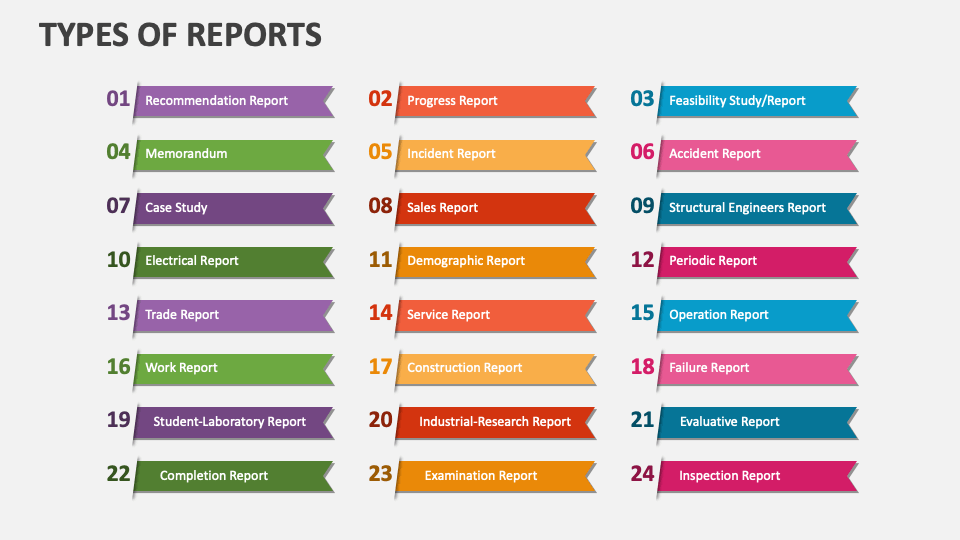




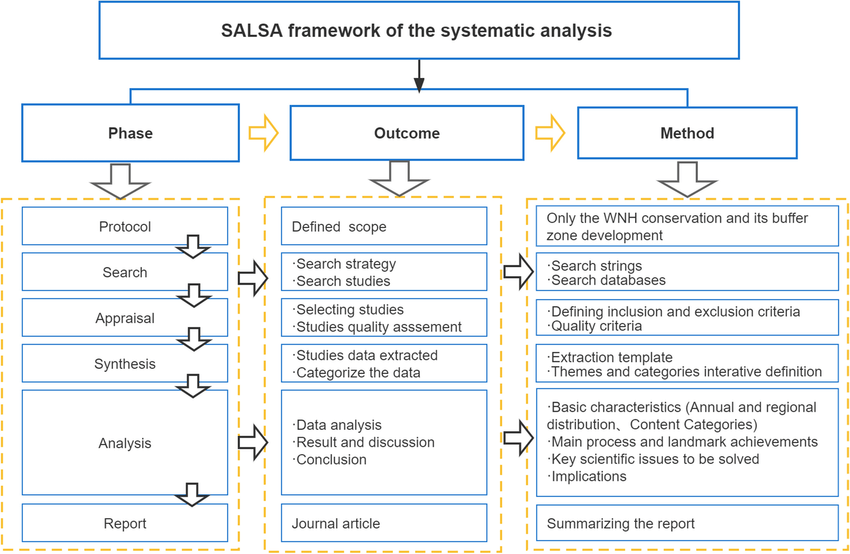


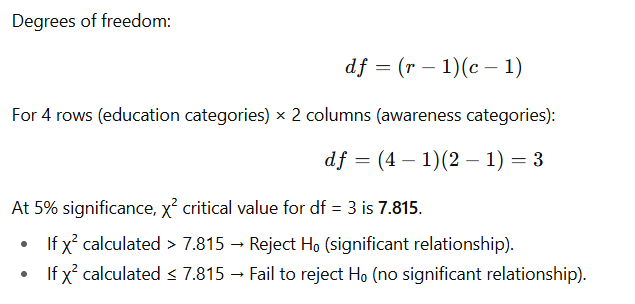
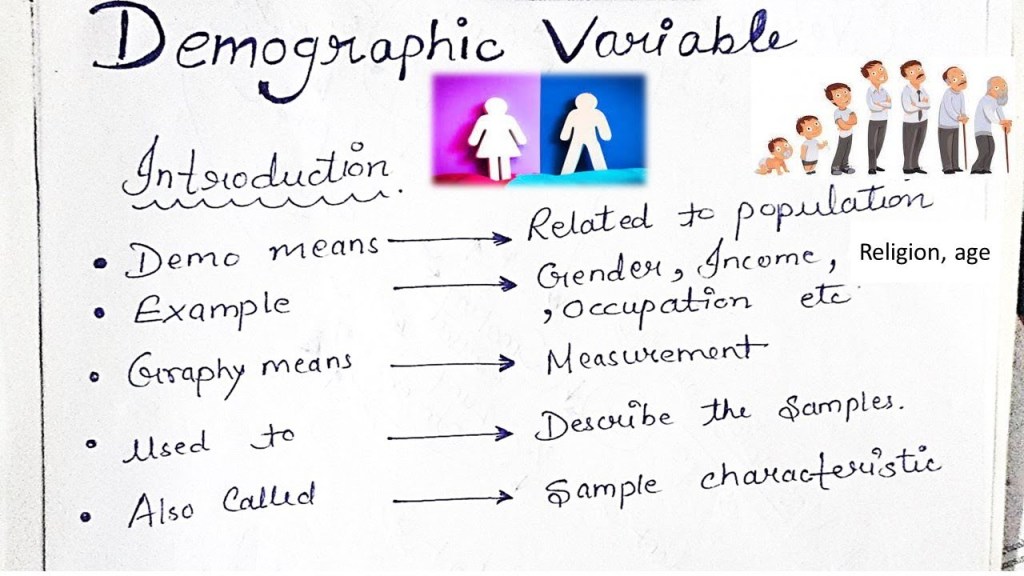







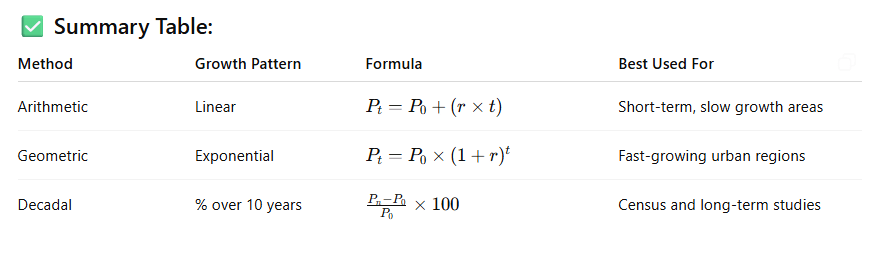


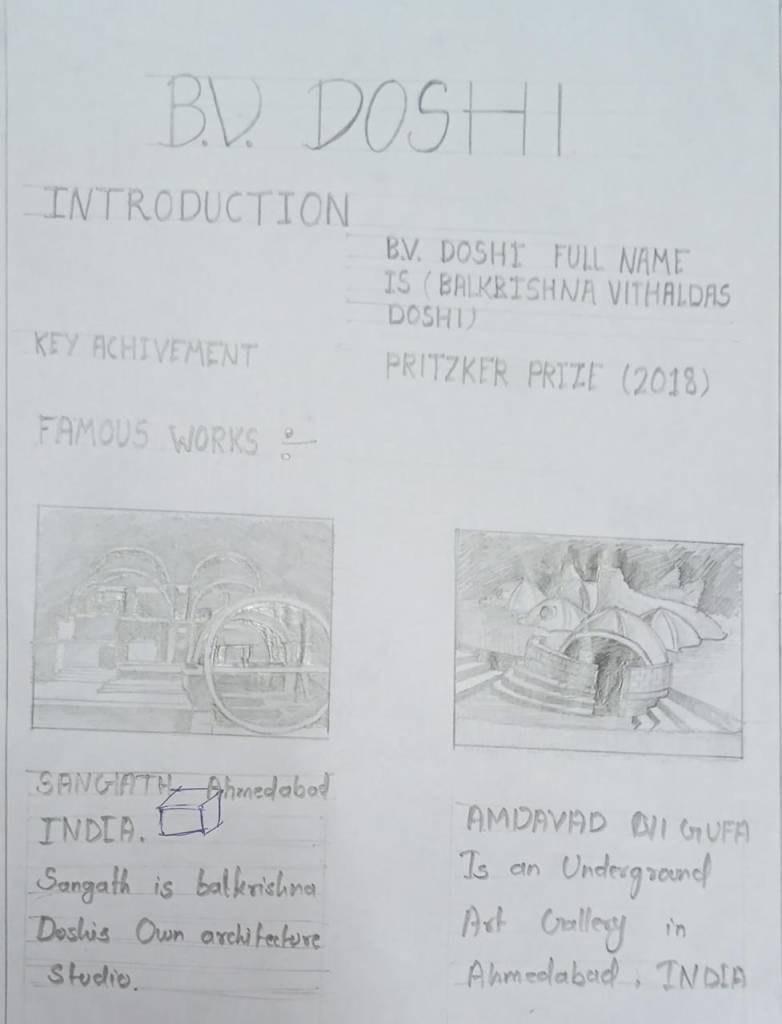


 Track2Training
You must be logged in to post a comment.