The Tundra biome is one of the harshest and most unique ecosystems on Earth, characterized by extreme cold, short growing seasons, and limited biodiversity. The word “tundra” originates from the Finnish word tunturi, meaning “treeless plain.” It is primarily found in the Arctic regions of the Northern Hemisphere, though alpine tundra occurs on high mountain tops across the world. Despite its challenging conditions, the tundra plays a vital role in regulating global climate and supporting specially adapted forms of life.
1. Geographic Distribution
The tundra biome is mainly divided into two types:
Arctic Tundra: Found across Alaska, Canada, Greenland, Iceland, Scandinavia, and Russia, encircling the North Pole.
Alpine Tundra: Found at high altitudes on mountain ranges above the tree line, such as the Himalayas, Andes, and Rockies.
Together, tundra regions cover about one-fifth of the Earth’s land surface.
2. Climate
The tundra is known for its extreme climate. Winters are long, dark, and severely cold, with temperatures often dropping below –30°C. Summers are short and cool, with average temperatures ranging between 3°C and 12°C. Precipitation is very low (about 150–250 mm annually), making it almost a “cold desert.” Strong winds and permafrost conditions further add to the biome’s harshness.
3. Permafrost
One of the most distinctive features of the tundra biome is permafrost, a thick layer of soil that remains frozen throughout the year. In summer, only the top layer thaws, creating waterlogged conditions as the underlying soil prevents drainage. This limits plant growth and makes the landscape marshy, dotted with ponds and bogs.
4. Vegetation
Due to the cold climate and frozen soil, tundra vegetation is sparse and stunted. Trees are almost absent. Instead, vegetation includes mosses, lichens, grasses, sedges, dwarf shrubs, and hardy flowering plants that complete their life cycle quickly during the short summer. These plants are specially adapted to withstand cold, conserve moisture, and photosynthesize under low light.
5. Animal Life
Despite low biodiversity, several animals are uniquely adapted to the tundra. Common species include the Arctic fox, polar bear, caribou (reindeer), musk ox, lemming, and snowy owl. Many animals have thick fur, layers of fat, and hibernation or migration strategies to survive extreme conditions. During summer, migratory birds like geese and terns arrive in large numbers to breed. Insects, particularly mosquitoes, also thrive in the short summer season.
6. Human Presence and Activities
Human presence is sparse due to harsh conditions. Indigenous communities, such as the Inuit in Canada and Eskimos in Alaska, traditionally depend on hunting, fishing, and herding reindeer. In modern times, the tundra has attracted attention for its vast reserves of oil, gas, and minerals. However, industrial activities and infrastructure development are causing environmental challenges.
7. Ecological Importance
The tundra biome acts as a global carbon sink because its frozen soils store large amounts of organic carbon. However, climate change and rising temperatures are thawing permafrost, releasing greenhouse gases like methane and carbon dioxide, which further accelerate global warming. Thus, the tundra plays a critical role in regulating the Earth’s climate balance.
Conclusion
The tundra biome, with its treeless landscapes, extreme cold, and permafrost, represents one of the most challenging environments on Earth. Despite its harshness, it sustains unique vegetation and animal life specially adapted to survive in such conditions. It is also ecologically significant for its role in climate regulation. However, climate change and human exploitation pose serious threats to this fragile biome. Conserving the tundra is vital not only for biodiversity but also for maintaining global ecological stability.
Biodiversity refers to the variety of life forms found on Earth, encompassing genetic, species, and ecosystem diversity. Among these, species richness is one of the most fundamental measures of biodiversity. It denotes the number of different species present in a particular area or ecosystem, regardless of their abundance. In simple terms, species richness answers the question: “How many different species are there in a given habitat?”
For example, a forest containing 200 species of trees, birds, insects, and mammals is said to have higher species richness than a grassland with 50 species. While species richness alone does not consider the population size of each species, it serves as an essential baseline for understanding ecosystem health, ecological balance, and conservation priorities.
Species richness varies greatly across regions, influenced by factors such as climate, habitat heterogeneity, evolutionary history, and human activities. Tropical rainforests and coral reefs, for instance, are among the most species-rich ecosystems on Earth. In India, the Western Ghats and the Himalayan regions are recognized biodiversity hotspots due to their high species richness.
Types of Species Richness
Ecologists have developed various ways to measure species richness depending on the scale and focus of study. The three commonly recognized types are alpha diversity, beta diversity, and gamma diversity, originally proposed by R.H. Whittaker.
1. Alpha Diversity (Within-Habitat Richness)
Alpha diversity refers to the species richness within a particular habitat, community, or ecosystem. It measures the number of species found in a specific, relatively homogeneous area. For example, counting the number of plant species in a patch of tropical forest or the number of fish species in a pond gives alpha diversity.
Importance: It reflects local biodiversity and helps understand how productive or resilient a single ecosystem is.
Example: A grassland patch with 25 species of grasses, herbs, and shrubs has higher alpha diversity than another patch with only 10 species.
2. Beta Diversity (Between-Habitat Richness)
Beta diversity refers to the change in species composition between two different habitats or ecosystems. It measures the turnover of species along environmental gradients or spatial scales. High beta diversity means that two areas have very different sets of species, while low beta diversity means that they share most species.
Importance: It highlights the role of habitat heterogeneity in maintaining biodiversity.
Example: The difference in species composition between a riverine forest and a nearby dry deciduous forest indicates beta diversity. If one has entirely different species of birds and plants compared to the other, the beta diversity is high.
3. Gamma Diversity (Regional Richness)
Gamma diversity refers to the overall species richness within a large geographic region or landscape that includes multiple habitats or ecosystems. It provides a broader view of biodiversity at a regional or biogeographical scale.
Importance: It helps in identifying biodiversity hotspots and guiding conservation planning at larger scales.
Example: The total number of species found in the entire Western Ghats region, covering forests, rivers, and grasslands, represents gamma diversity.
Conclusion
Species richness is a fundamental measure of biodiversity that reflects the variety of species in an area. It can be studied at different scales: alpha diversity highlights local habitat richness, beta diversity emphasizes species turnover between habitats, and gamma diversity captures regional biodiversity. Understanding these types of species richness is crucial for conservation biology, ecological research, and sustainable management of ecosystems. By protecting habitats with high species richness, such as tropical forests and coral reefs, we not only conserve biodiversity but also safeguard ecological balance and human well-being.
Water is the foundation of life and a vital natural resource for agriculture, industry, domestic use, and maintaining ecosystems. Despite having a vast network of rivers and an average annual rainfall of about 1,170 mm, India faces severe water scarcity due to uneven distribution, overexploitation, and pollution. With rising population, urbanization, and climate change, conserving water has become a pressing necessity. Effective strategies for water conservation can ensure sustainable use of this precious resource. The following are some of the key measures:
1. Rainwater Harvesting
Rainwater harvesting is one of the most effective methods of conserving water. It involves collecting and storing rainwater from rooftops, courtyards, or catchment areas for later use. Rooftop harvesting structures can supply water for domestic use, while check dams and percolation pits help recharge groundwater. Cities like Chennai have made rooftop harvesting mandatory, setting a strong example.
2. Efficient Irrigation Practices
Agriculture consumes nearly 80% of India’s freshwater resources, making irrigation efficiency crucial. Traditional flood irrigation leads to waterlogging and wastage. Alternatives such as drip irrigation and sprinkler systems supply water directly to plant roots, reducing loss through evaporation and runoff. Crop diversification toward less water-intensive crops and scheduling irrigation based on soil moisture levels are also important strategies.
3. Watershed Management
Watershed management focuses on conserving water resources through soil and water conservation practices within a defined catchment area. Measures such as contour bunding, terracing, check dams, and vegetative cover reduce runoff, enhance groundwater recharge, and maintain soil fertility. This integrated approach improves both water availability and agricultural productivity.
4. Groundwater Recharge
Overextraction of groundwater has caused alarming declines in the water table in many parts of India. Artificial recharge techniques, such as constructing recharge wells, percolation tanks, and recharge trenches, can help restore aquifers. Protecting wetlands and traditional ponds also supports natural recharge processes.
5. Wastewater Treatment and Reuse
Urban and industrial wastewater can be treated and reused for non-potable purposes such as gardening, flushing, cooling in industries, and irrigation. Decentralized wastewater treatment systems at community and institutional levels reduce pressure on freshwater sources and improve sanitation.
6. Reducing Water Pollution
Conservation also means protecting water quality. Strict enforcement of laws to prevent discharge of untreated sewage and industrial effluents into rivers and lakes is essential. Community awareness about reducing use of harmful chemicals and promoting eco-friendly practices in agriculture and industry also plays a major role.
7. Water-Smart Urban Planning
In urban areas, water conservation can be promoted through smart planning. This includes water-efficient plumbing fixtures, recycling greywater, adopting green building standards, and integrating urban lakes and wetlands into city planning. Sustainable drainage systems help recharge groundwater while reducing flooding risks.
8. Community Participation and Awareness
Water conservation cannot succeed without public involvement. Awareness campaigns, school education, and local community initiatives encourage people to adopt simple practices such as fixing leaks, using buckets instead of showers, and avoiding wastage. Traditional systems like stepwells, tanks, and baolis can also be revived with community support.
Conclusion
Water conservation is no longer an option but a necessity for ensuring food security, sustainable development, and ecological balance. Strategies like rainwater harvesting, efficient irrigation, watershed management, groundwater recharge, wastewater reuse, and pollution control offer practical solutions. Combining modern technology with traditional practices and encouraging community participation can create a sustainable water future for India. Effective policies and people’s cooperation together will ensure that this life-sustaining resource is preserved for generations to come.
The Earth’s crust is made up of different kinds of rocks, which serve as the foundation of continents, mountains, and valleys. Rocks are not static; they are continuously formed, broken down, transformed, and reformed through natural processes that occur both on the surface and deep inside the Earth. This continuous transformation of rocks is known as the rock cycle. It demonstrates the dynamic nature of Earth’s geology and the interconnectedness of processes such as cooling, weathering, erosion, compaction, heat, pressure, and melting.
The rock cycle begins with molten magma beneath the Earth’s surface. When magma cools and solidifies, it forms igneous rocks. These igneous rocks, when exposed to weathering and erosion, break into small particles or sediments. Over time, these sediments are transported by water, wind, or ice, and deposited in layers. Through compaction and cementation, these sediments harden into sedimentary rocks. If these sedimentary rocks are subjected to high temperature and pressure within the Earth’s crust, they transform into metamorphic rocks. Metamorphic rocks, in turn, may undergo further changes—if they melt back into magma, the cycle begins again. This continuous process shows that rocks are never destroyed but keep changing form in an endless cycle.
1. Igneous Rocks
Igneous rocks are known as the “primary rocks” because they are formed directly from molten material. When magma cools and solidifies deep inside the Earth, the process is slow, resulting in coarse-grained intrusive igneous rocks like granite. When lava erupts from volcanoes and cools quickly on the surface, fine-grained extrusive igneous rocks like basalt are formed. Igneous rocks are generally hard, dense, and crystalline in structure. They are rich in minerals such as feldspar, mica, and quartz. These rocks form the basis of most mountain ranges and the ocean floor. In India, the Deccan Plateau is largely composed of basalt, while granite is found in the Chotanagpur Plateau.
2. Sedimentary Rocks
Sedimentary rocks are formed by the deposition and hardening of sediments derived from the breakdown of pre-existing rocks. These sediments are transported by rivers, winds, glaciers, or seas, and deposited in layers over time. With pressure and natural cementing agents, they become solid rock. Sedimentary rocks are usually stratified, softer than igneous rocks, and may contain fossils of plants and animals. Examples include sandstone, limestone, shale, and coal. These rocks cover nearly 75% of the Earth’s land surface and are important sources of minerals, building materials, and fossil fuels. In India, sandstone is common in Madhya Pradesh and Rajasthan, while limestone is abundant in Gujarat and Andhra Pradesh.
3. Metamorphic Rocks
Metamorphic rocks are formed when existing igneous or sedimentary rocks undergo transformation due to intense heat, pressure, or chemical processes, without melting. This process, known as metamorphism, alters the mineral composition and texture of the parent rock, making it harder and more compact. For example, limestone changes into marble, shale into slate, and granite into gneiss. Metamorphic rocks are often foliated (layered) or banded, giving them a distinct appearance. They are widely used in construction, sculpture, and as decorative stones. In India, marble is famously found in Rajasthan (Makrana), while slate is common in Himachal Pradesh.
Conclusion
The rock cycle highlights the dynamic and ever-changing nature of the Earth’s crust, where rocks of one type are constantly being transformed into another. Igneous rocks provide the primary base, sedimentary rocks record Earth’s history through fossils, and metamorphic rocks show the effects of pressure and heat deep within the Earth. Together, these three rock types and their transformations reveal the complexity and balance of geological processes that shape our planet.
Energy is the driving force of economic growth and human development. In the face of rising energy demands, limited fossil fuel reserves, and growing environmental concerns, renewable sources of energy have become crucial. Among them, solar energy occupies a central place because of its abundance, sustainability, and versatility. India, being a tropical country, is especially well-positioned to harness solar power, receiving nearly 300 sunny days annually and an average solar insolation of 4–7 kWh per square meter per day.
Importance of Solar Energy
Abundant and Renewable Source Solar energy is one of the most abundant resources available to humankind. Unlike fossil fuels, which are finite and concentrated in specific regions, sunlight is universally available and inexhaustible. This makes solar energy a sustainable option for meeting long-term energy needs.
Energy Security for India India imports a significant portion of its crude oil and natural gas, which creates energy dependency and economic vulnerability. By investing in solar power, India can reduce its reliance on imports, strengthen energy security, and achieve self-sufficiency in clean energy production.
Climate Change Mitigation Traditional energy generation from coal and oil is a major contributor to greenhouse gas emissions. Solar energy, being clean and emission-free, plays a vital role in reducing carbon footprints, combating global warming, and meeting international commitments such as the Paris Agreement.
Rural Electrification and Development Many rural areas in India still face power shortages or lack grid connectivity. Solar panels provide a decentralized and cost-effective solution for rural electrification. This improves education, healthcare, communication, and overall socio-economic development in remote regions.
Support for Sustainable Development Goals (SDGs) Solar energy directly contributes to several UN Sustainable Development Goals, including affordable and clean energy (SDG 7), climate action (SDG 13), and sustainable cities (SDG 11). It supports inclusive and sustainable growth.
Advantages of Solar Energy
Eco-Friendly and Pollution-Free Solar energy generation does not emit greenhouse gases, air pollutants, or noise. Unlike coal-based plants, it does not harm the environment through mining, ash generation, or air pollution.
Low Operating Costs Once solar panels and systems are installed, the maintenance and operational costs are minimal. Solar energy systems can function effectively for 20–25 years, making them a cost-effective long-term investment.
Scalability and Versatility Solar technology can be used at multiple scales—from rooftop panels for individual homes to large solar farms generating megawatts of electricity. It can also be applied for heating, cooking, and water purification.
Job Creation and Economic Growth The solar energy sector creates employment in manufacturing, installation, maintenance, and research. India’s solar mission has already generated thousands of jobs, contributing to skill development and industrial growth.
Energy Access in Remote Areas Standalone solar systems, such as solar lanterns, pumps, and mini-grids, provide reliable power in regions where grid extension is difficult or uneconomical. This bridges the energy divide between urban and rural areas.
Reduction in Energy Bills Solar rooftop systems enable households and businesses to generate their own electricity, reducing dependency on grid supply and lowering energy costs. Net metering policies further allow surplus energy to be sold back to the grid.
Conclusion
Solar energy is not only an answer to India’s growing energy needs but also a pathway to sustainable development. Its abundance, eco-friendliness, and versatility make it a critical component of the renewable energy mix. By reducing carbon emissions, enhancing energy security, promoting rural electrification, and creating jobs, solar energy offers multifaceted benefits. With advancements in technology and supportive government policies, India has the potential to emerge as a global leader in solar power, making the transition toward a greener and more sustainable future.
Water is one of the most critical natural resources, essential for life, agriculture, industry, energy, and ecosystem balance. India, with its diverse geography and climate, possesses significant water resources in the form of rivers, lakes, groundwater, glaciers, and rainfall. However, despite being endowed with a vast network of rivers and an average annual rainfall of about 1,170 mm, the country faces acute challenges in managing its water resources. Unequal distribution, overexploitation, and pollution have made water scarcity a pressing issue.
Water Resources in India
India’s water resources can be categorized into surface water and groundwater:
Surface Water India has 12 major river basins, including the Ganga, Brahmaputra, Indus, Godavari, Krishna, Narmada, Mahanadi, and Kaveri. Together, these account for most of the country’s surface water availability. Lakes, reservoirs, and canals also play vital roles in irrigation, hydropower, and drinking water supply. The total utilizable surface water is estimated at about 690 billion cubic meters (BCM).
Groundwater Groundwater is the backbone of India’s agriculture, providing nearly 60% of irrigation and over 80% of rural drinking water supply. States like Punjab, Haryana, and Uttar Pradesh heavily depend on groundwater for high-yield agriculture. The utilizable groundwater resources are estimated at about 433 BCM annually.
Rainfall and Glaciers Rainfall is the primary source of water, concentrated in the monsoon season (June–September). However, its distribution is highly uneven across regions. The Himalayan glaciers also feed perennial rivers like the Ganga, Yamuna, and Brahmaputra, which are crucial for northern India’s water security.
Problems Associated with Water Resources in India
Uneven Distribution Water resources are highly uneven across time and space. The north and northeast regions are water-rich, while the western and southern regions often face scarcity. Seasonal dependence on monsoons makes water availability uncertain and unreliable.
Overexploitation of Groundwater Unsustainable extraction of groundwater for irrigation, especially in Punjab, Haryana, Rajasthan, and parts of Gujarat, has led to alarming declines in the water table. In some areas, aquifers are near exhaustion, threatening long-term agricultural sustainability.
Water Pollution Industrial effluents, untreated sewage, agricultural runoff containing fertilizers and pesticides, and solid waste contaminate rivers, lakes, and groundwater. The Ganga, Yamuna, and Sabarmati are among the most polluted rivers. Contaminated water affects health, causing diseases like diarrhea, cholera, and fluorosis.
Inefficient Irrigation Practices Agriculture consumes nearly 80% of India’s freshwater, yet irrigation efficiency remains low due to over-reliance on flood irrigation. This leads to waterlogging, salinization of soils, and wastage of precious resources.
Inter-State Water Disputes Competition among states over river waters, such as the Cauvery dispute between Karnataka and Tamil Nadu or the Satluj-Yamuna Link conflict between Punjab and Haryana, highlights the political and social challenges in water-sharing.
Climate Change Impact Erratic rainfall, frequent droughts, floods, and glacial retreat due to global warming are exacerbating water stress. Himalayan rivers face long-term risks from shrinking glaciers, while coastal regions face saline water intrusion.
Population Growth and Urbanization Rising population and rapid urbanization increase the demand for drinking water, sanitation, and industrial use. Cities like Chennai, Bengaluru, and Delhi frequently face severe water shortages. The mismatch between demand and supply is widening every year.
Decline in Traditional Water Systems Traditional water conservation systems like tanks, ponds, step-wells, and baolis have been neglected, reducing community-based resilience to water stress.
Conclusion
India’s water resources are vast but under severe stress due to overexploitation, pollution, uneven distribution, and the growing pressures of population and climate change. Effective solutions lie in sustainable water management—improving irrigation efficiency, rainwater harvesting, watershed management, pollution control, and interstate cooperation. Reviving traditional practices alongside modern technology can help ensure water security for future generations.
Soil is the foundation of agriculture, but its productivity can be severely hampered by salinity and alkalinity. Both conditions are major land degradation problems in arid and semi-arid regions of India and the world. Soil salinity refers to the excessive accumulation of soluble salts such as sodium chloride, calcium chloride, and magnesium sulfate in the soil profile. Soil alkalinity (sodicity), on the other hand, is caused by high levels of sodium carbonate and bicarbonate, which lead to an elevated pH (usually above 8.5) and poor soil structure. These conditions reduce soil fertility, hinder crop growth, and pose long-term environmental challenges. The major adverse effects are discussed below.
1. Reduction in Soil Fertility
Saline and alkaline soils adversely affect soil fertility. In saline soils, the presence of high concentrations of salts disrupts nutrient balance, often leading to deficiencies of essential elements like nitrogen, phosphorus, and potassium. In alkaline soils, high sodium levels cause the dispersion of soil particles, reducing the availability of micronutrients such as zinc, iron, manganese, and copper. This imbalance lowers the soil’s capacity to support healthy plant growth.
2. Poor Soil Structure
Excessive sodium in alkaline soils causes the breakdown of soil aggregates, leading to poor soil structure and compaction. This reduces soil porosity and aeration, making root penetration difficult. In saline soils, crust formation occurs on the surface, which further restricts seed germination and seedling emergence. Over time, these structural problems decrease soil productivity.
3. Water Infiltration and Drainage Issues
High salt concentration increases the osmotic pressure of soil water, making it harder for plants to absorb moisture. In alkaline soils, sodium-induced dispersion leads to reduced water infiltration and poor drainage. This results in water stagnation on the soil surface, increasing the risk of secondary salinization and waterlogging. Consequently, crop roots may suffer from oxygen deficiency and reduced growth.
4. Toxic Effects on Plants
Both salinity and alkalinity can have direct toxic effects on plants. In saline soils, excess chloride, sodium, and sulfate ions accumulate in plant tissues, leading to leaf burn, stunted growth, and premature leaf drop. In alkaline soils, sodium carbonate toxicity can damage root tissues and interfere with normal physiological functions. These conditions reduce crop yields drastically.
5. Reduced Crop Variety and Yield
Saline and alkaline soils restrict the types of crops that can be grown. Sensitive crops like pulses, oilseeds, fruits, and vegetables are particularly affected. Only salt-tolerant varieties, such as barley, cotton, and some millets, can withstand such soils, but even these crops yield poorly compared to normal conditions. In the long run, this reduces cropping diversity and farm profitability.
6. Environmental and Ecological Impacts
Salinity and alkalinity also degrade the environment. Salt accumulation in soils can lead to contamination of groundwater through leaching. In irrigation command areas, salinization reduces the overall agricultural potential of land, causing farmers to abandon fields. Large tracts of degraded saline or alkaline lands also contribute to desertification, biodiversity loss, and reduced ecosystem services.
7. Socio-Economic Consequences
The decline in soil productivity directly impacts farmers’ livelihoods, especially in regions heavily dependent on agriculture. Reduced yields lead to food insecurity, income loss, and increased migration. The cost of soil reclamation and irrigation management further burdens rural communities, making it a significant socio-economic issue.
Conclusion
Soil salinity and alkalinity pose serious challenges to sustainable agriculture. They reduce soil fertility, impair structure, hinder water absorption, and cause toxic effects on plants, leading to reduced yields and limited crop choices. Beyond agriculture, these problems contribute to environmental degradation and socio-economic distress. Effective management, such as proper drainage, use of gypsum and organic amendments, adoption of salt-tolerant crops, and efficient irrigation practices, is essential to reclaim and preserve such soils for future generations.
Rivers are the lifelines of India, shaping its geography, culture, and economy. They provide water for agriculture, drinking, hydroelectricity, and industry, while also serving as a basis for ancient civilizations and modern settlements. The river systems of India can be broadly divided into the Himalayan rivers, which are perennial and snow-fed, and the Peninsular rivers, which are mostly rain-fed and seasonal. Below is a brief account of the major rivers of India.
1. The Ganga River
The Ganga is India’s most sacred and important river. Originating from the Gangotri Glacier in Uttarakhand as the Bhagirathi, it is joined by the Alaknanda at Devprayag to form the Ganga. Flowing southeast across the plains of Uttar Pradesh, Bihar, and West Bengal, it empties into the Bay of Bengal, forming the world’s largest delta, the Sundarbans. Its major tributaries include the Yamuna, Ghaghara, Gandak, Kosi, and Son. The Ganga basin is one of the most fertile regions in the world, supporting dense population and agriculture, especially rice, wheat, and sugarcane.
2. The Yamuna River
The Yamuna, a major tributary of the Ganga, originates from the Yamunotri Glacier in Uttarakhand. Flowing through Himachal Pradesh, Haryana, and Delhi, it merges with the Ganga at Prayagraj (Allahabad). The cities of Delhi, Agra, and Mathura lie on its banks. Despite pollution challenges, the Yamuna is vital for irrigation and drinking water supply in northern India.
3. The Brahmaputra River
The Brahmaputra originates as the Yarlung Tsangpo in Tibet, enters India through Arunachal Pradesh, and flows across Assam before entering Bangladesh, where it merges with the Ganga. It is known for its vast width, frequent floods, and huge water discharge. Its fertile floodplains support rice, tea, and jute cultivation. The river is also rich in hydropower potential and is central to the culture and economy of Northeast India.
4. The Indus River
The Indus, originating in Tibet near Lake Mansarovar, flows through Ladakh, Gilgit-Baltistan, and into Pakistan, where it empties into the Arabian Sea. Historically significant as the cradle of the Indus Valley Civilization, it is a transboundary river governed by the Indus Water Treaty between India and Pakistan. Major tributaries within India include the Jhelum, Chenab, Ravi, Beas, and Sutlej, which sustain agriculture in Punjab and Haryana.
5. The Godavari River
The Godavari, often called the “Dakshina Ganga” or Ganga of the South, is the longest river of Peninsular India. Originating in Maharashtra, it flows eastward across Telangana and Andhra Pradesh before draining into the Bay of Bengal. Its fertile basin supports crops like rice, pulses, and cotton. Important tributaries include the Manjira, Penganga, and Indravati.
6. The Krishna River
The Krishna originates in the Western Ghats of Maharashtra and flows through Karnataka and Andhra Pradesh into the Bay of Bengal. Major tributaries include the Bhima, Tungabhadra, and Ghataprabha. It is crucial for irrigation projects like Nagarjuna Sagar and Krishna Delta irrigation systems.
7. The Narmada and Tapti Rivers
The Narmada and Tapti are west-flowing rivers that drain into the Arabian Sea. The Narmada originates from Amarkantak Plateau in Madhya Pradesh, while the Tapti rises in Satpura ranges. Their valleys separate the Vindhya and Satpura ranges. The Narmada is especially famous for projects like the Sardar Sarovar Dam and fertile black soil tracts.
8. The Mahanadi River
Originating in Chhattisgarh, the Mahanadi flows through Odisha into the Bay of Bengal. Known for Hirakud Dam, one of the longest dams in the world, it irrigates vast rice-growing regions.
9. The Kaveri River
The Kaveri originates in Karnataka’s Western Ghats and flows through Tamil Nadu before draining into the Bay of Bengal. Known as the “Ganga of the South,” it supports agriculture, especially paddy and sugarcane, and is central to interstate water disputes.
Conclusion
India’s major rivers are not just geographical features but cultural and economic lifelines. The Himalayan rivers like the Ganga, Yamuna, Indus, and Brahmaputra provide perennial water supply, while the Peninsular rivers like Godavari, Krishna, Narmada, and Kaveri sustain agriculture and power generation. Together, they form the backbone of India’s civilization, economy, and ecology. Sustainable management of these rivers is vital for ensuring water security, environmental balance, and continued prosperity.
Soil is one of the most vital natural resources that sustains agriculture, which forms the backbone of the Indian economy. India, due to its diverse physiographic, climatic, and geological conditions, possesses a wide range of soil types. Among them, several soils are fertile and highly suitable for agricultural activities. These fertile soils not only support the cultivation of food grains but also cash crops that contribute to the country’s economic growth. The following are the major fertile soils found in India:
1. Alluvial Soil
Alluvial soil is the most extensive and agriculturally important soil in India. It covers nearly 40% of the total land area, especially in the Indo-Gangetic plains and river basins. Formed by the deposition of silt, sand, and clay carried by rivers like the Ganga, Brahmaputra, and Indus, this soil is very fertile. It is rich in potash, phosphoric acid, and lime but deficient in nitrogen and humus. Alluvial soil is suitable for crops such as wheat, rice, sugarcane, pulses, oilseeds, and jute. Its loamy texture, good water retention, and easy tillage make it a farmer-friendly soil.
2. Black Soil (Regur Soil)
Black soil, also known as Regur soil, is another fertile type found predominantly in the Deccan Plateau region, including Maharashtra, Madhya Pradesh, Gujarat, and parts of Andhra Pradesh and Tamil Nadu. This soil is formed from the weathering of volcanic basalt rocks. It is rich in lime, iron, magnesium, and alumina, though deficient in nitrogen and phosphorus. Black soil is characterized by its high moisture retention capacity and self-ploughing nature due to deep cracks that appear in summer. It is most suitable for cotton cultivation, earning it the name “black cotton soil,” but also supports crops like soybeans, groundnuts, maize, and pulses.
3. Red Soil
Red soil, derived from crystalline rocks, is found in Tamil Nadu, Karnataka, Andhra Pradesh, and parts of Odisha and Chhattisgarh. Its red color is due to the presence of iron oxides. While red soil is not as inherently fertile as alluvial or black soils, it becomes agriculturally productive with proper irrigation and fertilization. It is moderately rich in potash but poor in nitrogen, phosphorus, and organic matter. Red soils are suitable for cultivating millets, pulses, groundnut, cotton, and fruits like citrus and pomegranate.
4. Laterite Soil
Laterite soil, formed under high rainfall and temperature conditions, is found in Kerala, Karnataka, Maharashtra, Odisha, and the northeastern states. It is rich in iron and aluminum but poor in organic matter, nitrogen, and phosphate. While not naturally fertile, with adequate manuring and irrigation, laterite soil supports crops like tea, coffee, cashew, and coconut. Its ability to retain moisture in wet climates makes it agriculturally significant in plantation regions.
5. Mountain Soil
Mountain or forest soils are found in the Himalayan region, northeastern states, and the Western Ghats. They are fertile in valleys and lower slopes, where they receive humus from decayed vegetation. Rich in organic matter, these soils are suitable for crops like tea, coffee, spices, fruits, and medicinal plants. In terraced farming areas, mountain soils support rice and maize cultivation.
Conclusion
India’s fertile soils form the foundation of its agricultural prosperity. Alluvial soils dominate the northern plains with their richness and versatility, while black soils sustain cotton cultivation in the Deccan. Red and laterite soils, though less fertile, become productive with proper management. Mountain soils, enriched by organic content, support plantation crops and horticulture. The diversity of fertile soils across regions reflects India’s geographical variations and underlines the country’s potential for varied agricultural practices. Sustainable management of these soils is essential for ensuring food security and rural livelihoods in the long term.
There has long been an ongoing debate about the role of objectivity in qualitative research. Unlike quantitative traditions that emphasize neutrality and detachment, qualitative inquiry recognizes that the researcher is not an “outsider” who can simply collect and report data without influence. Rather, we bring our own perspectives, identities, and lived experiences into the field. These inevitably shape how we design our studies, ask questions, engage with participants, interpret findings, and ultimately construct narratives.
For some, this appears to undermine the credibility of qualitative work. If researchers cannot be fully “objective,” how can their findings be trusted? But I believe the answer lies not in denying subjectivity, but in acknowledging and critically engaging with it. The goal is not to erase who we are, but to practice what many scholars call reflexive objectivity—a way of producing knowledge that is honest about the influence of positionality while still striving for rigor and transparency.
Making Positionality Explicit
As a qualitative researcher, I begin by situating myself in relation to the topic. I reflect on my background, training, social identity, values, and even the institutional setting that shapes my perspective. For instance, my understanding of mobility, safety, or community participation may differ based on my own cultural and professional experiences. This positionality does not invalidate the research—it provides context for how I see and interpret the world.
Acknowledging positionality means that instead of claiming to be a neutral observer, I recognize the role of my standpoint in shaping interactions with participants and in framing the data. This act of disclosure not only strengthens trustworthiness but also helps readers evaluate how my lens influences the findings.
Reflexivity as a Continuous Practice
Reflexivity is not a one-time exercise; it is an ongoing practice woven throughout the entire research process. To me, reflexivity means asking: Why am I drawn to this topic? How do my assumptions guide the kinds of questions I ask? In what ways do I interpret a participant’s words through my own framework?
I employ several strategies to remain reflexive and accountable:
Reflexive journaling – Keeping a research diary allows me to capture my evolving thoughts, doubts, and emotional reactions during fieldwork and analysis. By revisiting these notes, I can identify moments when my assumptions may have influenced interpretation and work to balance them with participants’ voices.
Member checking – I often share preliminary interpretations with participants themselves, asking whether my analysis resonates with their experiences. This feedback helps me avoid misrepresentations and ensures that the narrative is not solely my construction, but co-shaped with those whose lives the research reflects.
Peer debriefing – Engaging in conversations with colleagues or mentors acts as a form of intellectual accountability. By exposing my interpretations to critique, I become more aware of blind spots and can strengthen the analysis through dialogue.
Thick description – When writing, I strive to provide rich contextual details about settings, interactions, and participants’ perspectives. This not only captures the complexity of lived experiences but also allows readers to assess how my interpretations were constructed and to draw their own conclusions.
Audit trail – I maintain systematic records of data collection, coding, and analytical decisions. Documenting these steps makes the process transparent and demonstrates that findings are not arbitrary but grounded in systematic engagement with the data.
Transparency and Accountable Subjectivity
In qualitative research, transparency is central to credibility. By documenting and openly communicating how decisions were made, which voices were prioritized, and how interpretations evolved, I make it possible for others to understand the logic of my narrative.
This does not mean I eliminate bias completely—bias is inherent in being human. Instead, I aim for what scholars describe as accountable subjectivity: the practice of recognizing one’s perspective, being explicit about it, and showing how it shapes the research process. In doing so, I move away from the illusion of “pure objectivity” and towards a more honest, situated, and ethically responsible approach to knowledge creation.
Reframing the Debate
Thus, the debate about objectivity in qualitative research is not about whether we can achieve absolute neutrality (we cannot). Rather, it is about how we, as researchers, negotiate our positionality in a way that enhances the rigor and credibility of our work. For me, reflexivity and transparency are not optional—they are integral to ethical qualitative practice.
By embracing reflexivity, I am not weakening the scientific value of my research; I am strengthening it. By disclosing my positionality, I am not inserting “bias” into the findings; I am showing readers the lens through which meaning was constructed. By creating space for participants’ validation and peer critique, I am not undermining my authority as a researcher; I am ensuring that the narrative is both authentic and trustworthy.
In the end, qualitative research is less about claiming universal truths and more about providing deep, situated insights into human experiences. The role of the researcher is to co-construct these narratives responsibly—acknowledging subjectivity, engaging critically with it, and ensuring that knowledge is produced with rigor, integrity, and respect.
References
Dehalwar, K. S. S. N., & Sharma, S. N. (2024). Exploring the distinctions between quantitative and qualitative research methods. Think India Journal, 27(1), 7-15.
Fossey, E., Harvey, C., McDermott, F., & Davidson, L. (2002). Understanding and evaluating qualitative research. Australian and New Zealand journal of psychiatry, 36(6), 717-732.
Dehalwar, K., & Sharma, S. N. (2024). Social Injustice Inflicted by Spatial Changes in Vernacular Settings: An Analysis of Published Literature.
Grossoehme, D. H. (2014). Overview of qualitative research. Journal of health care chaplaincy, 20(3), 109-122.
Lodhi, A. S., Jaiswal, A., & Sharma, S. N. (2024). Assessing bus users satisfaction using discrete choice models: a case of Bhopal. Innovative Infrastructure Solutions, 9(11), 437.
Sharma, S. N., Dehalwar, K., Singh, J., & Kumar, G. (2024, February). Prefabrication Building Construction: A Thematic Analysis Approach. In International Conference on Advances in Concrete, Structural, & Geotechnical Engineering (pp. 405-428). Singapore: Springer Nature Singapore.
Sharma, S. N., & Dehalwar, K. Examining the Inclusivity of India’s National Urban Transport Policy for Senior Citizens. In Transforming Healthcare Infrastructure (pp. 115-134). CRC Press.
📘 Understanding the Dissertation: A Scholar’s Journey
For many doctoral students, the dissertation is the most significant milestone of their academic journey. Yet, there is often confusion about what a dissertation truly is—and what it is not. Let’s break it down.
🔹 Not Just a Term Paper or Personal Reflection A dissertation is not a longer version of a term paper, nor is it an anecdotal record of professional achievements or a personal statement of beliefs. It is, instead, an objective, evidence-based, and detailed research document prepared for a scholarly audience. Its purpose is to demonstrate original thinking, methodological rigor, and a solid grounding in existing literature.
🔹 Length and Disciplinary Variations On average, dissertations are about 200 pages long, though they typically range from 125 to 225 pages. Differences arise based on field and research methodology:
Dissertations in natural sciences are usually shorter, with a stronger emphasis on experimental results.
Dissertations in social sciences or ethnographic studies are often longer due to the need for contextual detail, participant narratives, and interpretive analysis.
The practical advice remains constant: write your dissertation so that it is long enough to tell your research story clearly, but not so long that it loses your reader’s interest.
🔹 Looking and Sounding Scholarly A dissertation must not only present new research but also engage with existing scholarship. This means:
Citations & Literature Review: Your work must show that you understand the field, can cite relevant studies, and position your research in the broader academic conversation.
Tone & Style: The writing should be formal, precise, and objective. While recent years have seen a move away from overly complex and turgid prose, the expectation remains that dissertations must maintain a scholarly voice, avoiding colloquial or editorial-style writing.
🔹 Organisation and Structure Although formats may vary, most dissertations continue to follow a well-established structure:
Introduction – stating the problem and research objectives.
Literature Review – situating the study within the existing body of knowledge.
Methodology – explaining how the research was conducted.
Results – presenting the findings systematically.
Summary and Discussion – interpreting results, highlighting contributions, and suggesting future directions.
Even when deviations occur, dissertations generally follow a predictable order that ensures clarity and logical progression.
🔹 Adhering to Style Guides and Academic Rigor Dissertations must comply with specific style manuals such as APA, MLA, Chicago, or university-specific guidelines. Unlike term papers where some flexibility may be allowed, dissertations demand strict consistency in formatting citations, references, tables, figures, and headings. This attention to detail not only reflects professionalism but also ensures that the work aligns with academic publishing standards.
✨ Why It Matters A dissertation is more than just a degree requirement—it is a scholarly contribution that adds to the pool of academic knowledge. It reflects years of study, months of data collection and analysis, and countless hours of writing, editing, and refining. Most importantly, it showcases a researcher’s ability to think critically, engage with theory and evidence, and communicate ideas in a scholarly manner.
👉 In conclusion, think of your dissertation as your first book-length research project. It is not about filling pages but about building arguments, documenting evidence, and making a meaningful academic contribution.
In the Indian Council of Social Science Research (ICSSR) methodology, a field visit serves to provide scholars with practical experience in empirical research, exposing them to the realities of data collection, analysis, and report writing for studies on disadvantaged groups. Field visits help scholars understand the ontology and epistemology of social science research, develop skills in using quantitative and qualitative data, and gain insight into various social concepts like caste, tribe, and gender.
Key Purposes of Field Visits in ICSSR Research
Empirical Research Exposure: Field visits allow scholars to engage directly with the social realities they are studying, making the research process tangible.
Methodological Training: Scholars gain practical experience in data collection and analysis by interacting with the “field” and applying various research techniques.
Conceptual Understanding: Visits facilitate a deeper understanding of how concepts like caste, gender, religious minorities, and persons with disability are studied in their actual context.
Data Analysis Skills: Scholars learn to effectively use and analyze both quantitative and qualitative information obtained from the field.
Report Writing Skills: The practical experience gained during field visits aids scholars in their ability to review and write comprehensive research findings and analysis.
Addressing Societal Challenges: By promoting evidence-based research through such initiatives, ICSSR aims to help find solutions to contemporary social challenges in India.
Field visits in the ICSSR-sponsored Research Methodology courses are designed to provide practical exposure to scholars in applying research techniques beyond classroom learning. The objectives include:
Exposure to empirical settings: Understanding the social, cultural, and institutional realities of research subjects.
Application of research tools: Practicing data collection methods such as surveys, interviews, focus groups, and observations.
Understanding context: Linking theoretical methods to ground realities of communities, organizations, or projects.
Skill-building: Training participants in field note-taking, rapport building, ethical considerations, and real-time problem-solving.
Demonstration: Showing how sampling, questionnaires, or qualitative methods can be applied in real field settings.
2. Activities during a Field Visit
Depending on the theme of the Research Methodology course, field visits may include:
(a) Orientation and Briefing
Introduction about the field site (village, urban community, NGO, government department, research institution, etc.).
Explaining objectives, protocols, and ethical considerations.
(b) Data Collection Demonstration
Administering structured or semi-structured questionnaires.
Conducting in-depth interviews with key stakeholders.
Organizing focus group discussions (FGDs).
Demonstrating participant and non-participant observation techniques.
(c) Exposure to Institutions and Practices
Visits to government offices, archives, libraries, panchayats, or NGOs to understand record-keeping and governance processes.
Demonstration of participatory rural appraisal (PRA) or mapping techniques in community settings.
(d) Interaction with Respondents/Stakeholders
Engaging with villagers, workers, students, or officials.
Learning methods of rapport building and managing biases.
(e) Documentation and Reflection
Writing field notes.
Preparing reflective reports and discussions in the classroom after returning.
Linking field experiences with methodological concepts (sampling errors, reliability, validity, etc.).
3. Expenses That Can Be Shown
ICSSR provides financial assistance under its research methodology courses, including support for field visits. The following expenses can typically be shown:
(a) Travel Expenses
Bus/Train fare (second-class or sleeper class for participants, economy for faculty as per ICSSR norms).
Hired vehicle/tempo traveller/bus for collective field visit.
Local conveyance (auto, taxi, or shared transport to field site).
(b) Boarding and Lodging
If the field site is outside the host city, reasonable accommodation expenses for participants and faculty.
Meals/refreshments during the field visit.
(c) Stationery and Documentation
Photocopying questionnaires, interview schedules, or PRA sheets.
Notebooks, pens, or recording material used during fieldwork.
Printing ID cards or badges (if required).
(d) Honorarium / Token Payments
Honorarium to local resource persons (such as NGO representatives, local leaders, or government officials) for their time and guidance.
Token of appreciation for community members (sometimes given in the form of refreshments or small support items).
(e) Miscellaneous / Contingency
Refreshments/tea/snacks for respondents during focus groups or community meetings.
Photography or audio recording expenses (if needed for documentation and allowed under ethical guidelines).
Field assistance wages for local guides, translators, or helpers.
4. Documentation for Transparency
When reporting expenses to ICSSR, the following records should be maintained:
Travel bills (tickets, receipts, fuel bills if vehicle hired).
Accommodation bills (hotel/guest house receipts).
Honorarium receipts signed by recipients.
Stationery/printing bills with vendor details.
Signed attendance sheet of participants for the field visit.
✅ In summary: Field visits under ICSSR methodology courses focus on applying research tools in real-world contexts, including data collection, observation, and stakeholder interaction. Expenses that can be shown include travel, accommodation, meals, stationery, honorarium for resource persons, and minor contingencies — provided they are documented with receipts and follow ICSSR’s financial norms.
Detailed assignment schedule and guideline plan for your Dissertation Semester (B.Plan students), with expanded explanation, timelines, and deliverables:
📘 Dissertation Semester Assignment Plan
Assignment 1: Review of Literature
Task: Collect and analyze existing research, theories, and frameworks related to your dissertation topic.
What to include:
Define your topic clearly.
Collect at least 25–30 research papers, reports, and books.
Summarize key concepts, methods, and findings.
Identify research gaps relevant to your dissertation.
Output:
Report: 20 pages (typed, printed, bound).
PPT: 10–15 slides highlighting sources, findings, and gaps.
Duration:Weeks 1–2
Assignment 2: Review of Policies
Task: Study policies, schemes, and regulations (global, national, state, local) related to your topic.
What to include:
Key Acts, Government Orders, and Policies.
Policy objectives, strategies, and implementation.
Gaps, strengths, and limitations in existing policies.
Use policy analysis frameworks (e.g., SWOT, stakeholder mapping).
Output:
Report: 20 pages with tables, flowcharts, and policy summaries.
PPT: 10–15 slides showing policy highlights and relevance to your topic.
Duration:Weeks 3–4
Assignment 3: Best Practices (Case Study – Global & Indian)
Task: Identify and analyze 2–3 global and 2–3 Indian case studies connected to your dissertation topic.
What to include:
Project background.
Stakeholders involved.
Strategies adopted.
Success factors & challenges.
Lessons learned & applicability to Indian context.
Output:
Report: 20 pages with maps, images, graphs, and tables.
PPT: 10–15 slides summarizing key insights.
Duration:Weeks 5–6
Assignment 4: Synopsis
Task: Prepare a synopsis (research proposal) for your dissertation.
What to include:
Title & Introduction.
Problem Statement.
Objectives.
Research Questions/Hypotheses.
Literature support (brief).
Policy context (brief).
Methodology (sampling, tools, data collection, analysis).
Expected outcomes.
Timeline.
Output:
Report: 20 pages (final draft synopsis for approval).
PPT: 10–15 slides for presentation to faculty panel.
Duration:Weeks 7–8
📅 Suggested Timeline (16 Weeks = 4 Months)
Weeks Assignment Deliverables 1–2 Review of Literature Printed Report + PPT Presentation 3–4 Review of Policies Printed Report + PPT Presentation 5–6 Best Practices Case Study Printed Report + PPT Presentation 7–8 Synopsis Printed Report + PPT Presentation
Writing an article for journal publication is a highly structured process that requires clarity, originality, and adherence to academic standards. A well-written article not only shares research findings but also contributes to the wider body of knowledge in a discipline. Below is a detailed discussion:
1. Purpose of Journal Articles
To communicate new research findings to the academic community.
To review existing literature and highlight gaps.
To propose new theories, models, or methods.
To inform policy makers, practitioners, and industries with evidence-based conclusions.
2. Steps in Writing an Article for Journal Publication
a. Choosing a Topic
Select a research area relevant to the journal’s scope.
Ensure the topic is original, timely, and significant.
b. Conducting Literature Review
Use libraries, indexing databases (Scopus, Web of Science, Google Scholar).
Summarize what is known, unknown, and needs exploration.
c. Structuring the Article
Most journals follow the IMRaD structure:
Title – Concise, informative, includes keywords.
Abstract – A summary (150–300 words) covering purpose, methods, results, and conclusions.
Introduction – Provides context, problem statement, objectives, and significance.
Methodology – Explains research design, data collection, sampling, tools, and analysis methods.
Results – Presents findings using tables, graphs, charts (objective presentation).
Discussion – Interprets findings, compares with existing studies, highlights implications.
Conclusion – Summarizes key results, limitations, and future research directions.
References – Cited according to the journal’s style (APA, MLA, Chicago, IEEE, etc.).
d. Following Journal Guidelines
Each journal has author guidelines (word count, format, referencing style, figure/table style).
Submissions outside the guidelines are often rejected outright.
e. Ethical Considerations
Avoid plagiarism (check similarity index).
Disclose conflicts of interest.
Follow proper citation and acknowledgment practices.
f. Proofreading and Editing
Revise for clarity, grammar, and flow.
Use peer review (ask colleagues to provide feedback).
Ensure figures and tables are properly labeled.
g. Submission and Peer Review
Submit via the journal’s online portal.
Respond to reviewer comments carefully and professionally.
3. Key Features of a Publishable Journal Article
Novelty: Adds new insights.
Relevance: Fits the journal’s readership.
Clarity: Written in precise and accessible language.
Evidence-based: Supported by data and credible references.
Objectivity: Free from personal bias.
4. Common Mistakes to Avoid
Submitting without aligning to the journal’s scope.
Weak literature review.
Overly descriptive results without analysis.
Poor English or formatting issues.
Ignoring reviewer feedback.
✅ In summary: Writing for journals requires discipline, strong research methodology, adherence to format, and careful revision. The goal is not just to write but to communicate research clearly, ethically, and effectively so it contributes meaningfully to the academic community.
An agenda is a written outline of topics to be discussed in a meeting. It helps participants prepare in advance and ensures that the meeting is conducted in an organized and time-bound manner.
Purpose of an Agenda
To provide a clear roadmap for the meeting.
To allocate time to each topic.
To keep discussions focused and avoid digressions.
To inform participants of their expected contributions.
Format of an Agenda
Heading
Name of the organization/institution.
Type of meeting (e.g., Annual General Meeting, Departmental Meeting).
Date, time, and venue of the meeting.
Title – “Agenda”
List of Items (in order of discussion)
Confirmation of the previous meeting’s minutes.
Matters arising out of previous minutes.
New issues or proposals.
Reports (financial, technical, progress updates).
Miscellaneous items.
Closing/adjournment.
Signature of the person issuing the agenda (e.g., Secretary/Chairperson).
Sample Agenda
ABC Engineering Ltd. Agenda for the Project Review Meeting Date: 5th September 2025 Time: 11:00 AM Venue: Conference Hall, Head Office
Welcome and introduction by the Chairperson
Review and approval of minutes from the last meeting
Progress report on ongoing projects
Discussion on new project proposals
Budget allocation for the next quarter
Any other business with the permission of the Chair
Vote of thanks and closure
Sd/- Secretary
2. Minutes of a Meeting
Minutes are the official written records of the proceedings of a meeting. They provide a summary of discussions, decisions, and actions taken.
Purpose of Minutes
To serve as a legal and official record.
To remind participants of decisions taken.
To provide accountability for follow-up actions.
To maintain organizational transparency.
Format of Minutes
Heading – Name of the organization and meeting type.
Date, time, and venue of the meeting.
List of participants (present/absent).
Agenda items discussed with summaries of decisions.
Resolutions passed (with voting results, if applicable).
Action items (who is responsible for what and deadlines).
Closing remarks and time of adjournment.
Signature of Chairperson/Secretary.
Sample Minutes
ABC Engineering Ltd. Minutes of the Project Review Meeting Date: 5th September 2025 Time: 11:00 AM Venue: Conference Hall, Head Office
Members Present: Mr. Rakesh Sharma (Chairperson), Ms. Kavita Rao (Secretary), Mr. Amit Kumar, Mr. John Smith
Members Absent: Mr. S. Gupta
Proceedings:
The meeting was called to order by the Chairperson at 11:05 AM.
Minutes of the previous meeting held on 10th August 2025 were confirmed.
Progress reports on ongoing projects were presented. The Chairperson appreciated the timely completion of Phase I.
New project proposals were discussed. It was resolved that a feasibility study would be conducted by the Technical Team by 30th September 2025.
Budget allocation of ₹50 lakhs for the next quarter was approved unanimously.
No other matters were raised.
The meeting concluded at 1:00 PM with a vote of thanks to the Chair.
Sd/- Ms. Kavita Rao (Secretary)
✅ Key Differences between Agenda and Minutes
Agenda = Before the meeting (plan of discussion).
Minutes = After the meeting (record of discussion and decisions).
1. Requests for Specifications and Business Enquiries
A business enquiry is a formal request for information about products, services, or processes. It is often the first step in establishing business relations.
Key Features of an Enquiry Letter
Clear subject line (e.g., Request for Technical Specifications of XYZ Equipment)
Subject: Request for Technical Specifications of Solar Panels

Dear Sir/Madam,

We are planning to install solar energy solutions in our upcoming housing project. Kindly provide us with the detailed technical specifications, warranty details, and pricing structure of your solar panels (Model: SPX-200).

We would also appreciate receiving information regarding bulk order discounts and delivery timelines.

Looking forward to your prompt response.

Yours faithfully,
[Name]
[Designation]
[Company Name]
2. Replies to Business Enquiries
A reply to an enquiry should be:
Prompt and professional
Clear in answering all requested details
Courteous, even if the request cannot be fulfilled
Example (Reply to Enquiry):
Subject: Specifications of Solar Panels (Model: SPX-200)

Dear Mr. Sharma,

Thank you for your enquiry regarding our Solar Panels, Model SPX-200. Please find attached the detailed technical specifications and price list.

We are pleased to inform you that bulk orders above 100 units are eligible for a 10% discount. Delivery can be made within 30 days of confirmation.

We look forward to serving your requirements and building a long-term business relationship.

Yours sincerely,
[Name]
Sales Manager
[Company Name]
3. Replies to Bidding for Tenders
Tenders are formal offers to supply goods or services under specified conditions. Replying to tenders involves submission of quotations, compliance with terms, and confirmation of eligibility.
Subject: Submission of Tender for Supply of Office Furniture

Dear Tender Committee,

With reference to your Tender No. OF-2025 dated 25 August 2025, we are pleased to submit our bid for the supply of office furniture.

Enclosed are:
1. Technical specifications of proposed furniture
2. Quotation with detailed pricing
3. Compliance certificate with eligibility criteria

We assure you of timely delivery and adherence to quality standards. Kindly consider our bid favorably.

Yours faithfully,
[Name]
Authorized Signatory
[Company Name]
4. Conduct of Meetings (Business/Official)
Meetings are an important part of formal communication in organizations, especially for decision-making, tender evaluation, or business negotiations.
Steps in Conducting a Meeting:
Notice of Meeting – sent in advance with agenda, date, time, and venue.
Agenda Preparation – list of topics/issues to be discussed.
Minutes of Meeting (MoM) – official written record of discussions and decisions.
Follow-up Actions – assigning responsibilities and ensuring implementation.
Example (Notice of Meeting):
Notice of Meeting

Date: 02 September 2025
To: All Department Heads

A meeting of the Tender Evaluation Committee will be held on 05 September 2025 at 11:00 AM in the Conference Hall.

Agenda:
1. Opening of tender bids
2. Review of technical specifications
3. Shortlisting of eligible suppliers
4. Any other matter

All concerned are requested to attend.

By Order,
[Name]
Secretary, Tender Committee
✅ In summary:
Enquiries = Requests for info/specifications
Replies to Enquiries = Providing clear, prompt responses
Tender Replies = Formal bids with compliance & quotations
Meetings = Conducted with notices, agendas, and minutes
Industrial waste management refers to the systematic handling, treatment, and disposal of waste generated by industries to minimize environmental and health hazards. Industrial waste can be solid, liquid, or gaseous, and may include hazardous chemicals, heavy metals, and toxic by-products. Effective management involves reduction at source, reuse, recycling, treatment, and safe disposal. Technologies such as effluent treatment plants (ETPs), incineration, and waste-to-energy conversion are widely used. Regulatory frameworks, like India’s Hazardous Waste Management Rules, mandate industries to adopt eco-friendly practices. The principles of 3Rs (Reduce, Reuse, Recycle), along with cleaner production methods, help minimize waste. Improper management leads to soil, air, and water pollution, endangering ecosystems and public health. Thus, sustainable industrial waste management is critical for balancing economic growth with environmental protection.
(b) Environmental Carrying Capacity
Environmental carrying capacity refers to the maximum population size or level of human activity that an environment can sustain without degrading its natural resources and ecological balance. It is determined by the availability of resources like water, land, air, and biodiversity, as well as the ability of ecosystems to absorb wastes and regenerate. When carrying capacity is exceeded, problems such as deforestation, pollution, biodiversity loss, and climate change occur. In urban planning, carrying capacity assessments guide policies on population density, infrastructure, and land use to prevent overexploitation. It is a key concept in sustainable development, emphasizing that economic and social progress must remain within ecological limits.
(c) Feminism and Feminist Movements
Feminism is a social and political ideology advocating for gender equality and the rights of women in all spheres of life. It challenges patriarchal structures, discrimination, and cultural norms that subordinate women. Feminist movements, which emerged strongly in the 19th and 20th centuries, can be categorized into waves: the first wave focused on suffrage and legal rights; the second wave on workplace equality, reproductive rights, and social reforms; the third wave emphasized diversity and intersectionality, and the fourth wave addresses digital activism and gender-based violence. In the environmental context, eco-feminism links the exploitation of nature with the oppression of women, advocating for both gender justice and ecological sustainability. Feminist movements continue to push for inclusive development, equal opportunity, and human rights.
(d) Biocentrism and Ecocentrism
Biocentrism is an ethical perspective that assigns intrinsic value to all living beings, regardless of their utility to humans. It promotes respect for individual organisms—plants, animals, and humans alike—and argues against practices that harm life unnecessarily. Ecocentrism, on the other hand, places value on ecosystems and the ecological whole rather than individual species. It emphasizes maintaining ecosystem balance, biodiversity, and the integrity of natural processes. While biocentrism is life-centered, ecocentrism is earth-centered. Both philosophies challenge anthropocentrism (human-centered thinking) and provide ethical bases for conservation, environmental laws, and sustainable policies. Together, they underline the need for a holistic relationship between humans and nature.
(e) Environmental Equity
Environmental equity refers to the fair distribution of environmental benefits and burdens among all people, irrespective of race, class, gender, or geography. It ensures that no community disproportionately suffers from pollution, resource depletion, or environmental hazards. The concept emerged strongly from environmental justice movements, especially in the U.S., where marginalized communities faced greater exposure to toxic industries and waste dumps. Environmental equity demands access to clean air, safe drinking water, healthy ecosystems, and participation in decision-making for all. In developing countries, it highlights disparities between urban and rural populations, or rich and poor, in access to natural resources. Achieving equity is vital for social justice and sustainable development.
(f) Role of Civil Society in Environmental Management
Civil society, including NGOs, community groups, academia, and media, plays a pivotal role in environmental management. It acts as a watchdog, ensuring accountability of governments and industries, and raises awareness about environmental issues. NGOs like Greenpeace and WWF mobilize campaigns against deforestation, pollution, and climate change. Local communities engage in conservation through initiatives like joint forest management and watershed development. Civil society also contributes by conducting research, providing policy recommendations, and promoting sustainable lifestyles. Movements such as the Chipko Movement in India demonstrate grassroots environmental activism. Moreover, civil society strengthens participatory governance, ensuring that marginalized voices are heard in environmental decision-making. Its role is crucial for bridging gaps between policy, implementation, and people.
Public policy making is the process through which governments design, implement, and evaluate decisions intended to address societal needs. Ideally, policies should be rational, evidence-based, and oriented toward the long-term welfare of citizens. However, in practice, policy formulation is constrained by political realities and economic limitations. Governments operate in complex environments shaped by competing interests, limited resources, ideological divides, and structural pressures.
Political and economic constraints influence not only the content of policies but also the pace of decision-making, the scope of implementation, and the effectiveness of outcomes. Understanding these constraints is essential for assessing why policies often deviate from their intended goals or fail to deliver expected results. This essay discusses in detail the political and economic constraints on policy making, their implications, and possible ways to address them.
Political Constraints on Policy Making
1. Electoral Pressures and Populism
Elected governments are heavily influenced by electoral cycles. Politicians often prioritize short-term, populist measures to secure votes rather than long-term structural reforms. For example, subsidies, loan waivers, or tax cuts may win immediate popularity but undermine fiscal stability and sustainable development. This short-termism hinders comprehensive and rational policy making.
2. Interest Groups and Lobbying
Powerful interest groups, such as industry associations, trade unions, or advocacy organizations, exert pressure on policymakers. Policies may reflect the demands of influential lobbies rather than the broader public interest. For instance, environmental regulations may be weakened due to pressure from industrial lobbies, even if stricter laws are necessary for ecological sustainability.
3. Bureaucratic Politics
The bureaucracy plays a central role in drafting and implementing policies. However, bureaucratic inertia, red tape, and turf wars between departments can delay or distort policy outcomes. Often, bureaucratic interests diverge from public needs, leading to incremental rather than transformative changes.
4. Coalition Governments and Political Fragmentation
In multiparty democracies, coalition governments are common. Policy decisions must accommodate diverse party agendas, which often results in compromise and diluted policies. Political fragmentation can slow down reforms and create policy paralysis, as seen in debates over land acquisition or labor reforms in India.
5. Ideological and Partisan Divides
Policies are shaped by ideological orientations of ruling parties. Left-leaning governments may emphasize welfare programs, while right-leaning ones focus on market liberalization. This ideological divide can lead to policy reversals whenever a new party comes to power, undermining policy continuity and stability.
6. Public Opinion and Media Influence
Public opinion, amplified by media and social networks, shapes the political feasibility of policies. Even well-designed but unpopular policies—such as fuel price hikes or pension reforms—may be abandoned due to public backlash. Politicians often prioritize policies that resonate with mass sentiment, even at the cost of economic rationality.
7. Corruption and Clientelism
Corruption diverts resources from intended beneficiaries and weakens public trust. Clientelism—where political support is exchanged for material benefits—distorts policy priorities, leading to inefficient allocation of resources. For instance, public funds may be diverted to projects that benefit select constituencies rather than society as a whole.
8. International Political Pressures
In a globalized world, national policies are influenced by international politics. Commitments under treaties (such as climate agreements) or pressures from global institutions (like the WTO or IMF) constrain domestic policy choices. Developing countries, in particular, may face limited autonomy in designing trade, fiscal, or environmental policies.
Economic Constraints on Policy Making
1. Scarcity of Resources
Governments face the fundamental constraint of limited resources. Financial, natural, and human resources are finite, and competing demands must be prioritized. Scarcity forces difficult trade-offs: more spending on defense may mean less for health or education.
2. Fiscal Deficits and Debt Burden
High fiscal deficits limit a government’s ability to launch new programs or expand existing ones. Similarly, a heavy debt burden constrains policy choices because significant revenues go toward debt servicing. This leaves limited fiscal space for welfare or developmental policies.
3. Inflation and Price Stability
Economic policies must consider inflationary pressures. Excessive government spending or subsidies can fuel inflation, reducing the purchasing power of citizens. Policymakers must balance growth-promoting expenditure with the need to maintain price stability.
4. Dependence on Foreign Aid and Investment
Developing countries often depend on external aid, loans, or foreign direct investment (FDI). Such dependence limits policy autonomy because donors and investors may attach conditions. For example, structural adjustment programs by the IMF in the 1980s required recipient countries to implement austerity and liberalization measures.
5. Global Economic Pressures
Globalization ties national economies to global markets. Economic crises, fluctuating oil prices, or recessions in major economies influence domestic policy space. For instance, during global recessions, governments may be forced to adopt austerity measures despite local needs for expansionary policies.
6. Regional Inequalities and Poverty
Persistent economic inequalities across regions and social groups constrain policy making. Governments must balance demands for equitable development with pressures for efficiency. Policies that benefit one group may be seen as discriminatory by others, complicating the design of inclusive programs.
7. Unemployment and Labor Market Constraints
High unemployment creates pressure for job-creation policies, often through public works or subsidies. However, these may not be sustainable in the long term. Similarly, rigid labor markets or resistance to reforms from trade unions constrain structural changes in labor policies.
8. Technological and Infrastructure Gaps
Economic constraints also arise from underdeveloped infrastructure, low productivity, and limited technological innovation. Policies promoting industrialization or digitalization may face hurdles if the economy lacks necessary foundations such as reliable power supply, skilled workforce, or digital access.
Interplay Between Political and Economic Constraints
Political and economic constraints are deeply interconnected:
Populist Policies vs. Fiscal Prudence: Electoral pressures often push governments to introduce subsidies or loan waivers, even when the fiscal situation is unsustainable.
Lobbying and Resource Allocation: Economic elites may influence political leaders to direct resources toward their interests, sidelining public welfare.
Globalization and Sovereignty: International economic integration reduces national policy autonomy, but political leaders must still justify such constraints to their domestic constituencies.
Reforms and Public Resistance: Economically necessary reforms (like labor or pension reforms) may be politically unpopular, leading to delays or dilution.
Thus, effective policy making requires balancing political feasibility with economic rationality.
Addressing Political and Economic Constraints
Institutional Strengthening Independent institutions such as election commissions, anti-corruption bodies, and public audit agencies can reduce political manipulation and enhance accountability.
Evidence-Based Policy Making Using scientific research, data analytics, and expert advice can counter populism and lobby-driven policies. Transparent communication of evidence helps gain public trust.
Inclusive Governance Ensuring participation of marginalized groups, civil society, and local communities in policy processes enhances legitimacy and reduces inequality.
Fiscal Discipline with Innovation Adopting sound fiscal policies while exploring innovative financing (public-private partnerships, green bonds) can ease resource constraints.
Policy Continuity Bipartisan consensus on critical reforms (such as health, education, or climate policies) reduces policy reversals across electoral cycles.
Global Cooperation Active participation in international organizations and multilateral forums ensures that external pressures are negotiated collectively rather than imposed unilaterally.
Conclusion
Policy making is inherently a complex process shaped by political dynamics and economic realities. Political constraints—such as electoral pressures, lobbying, and ideological divides—limit rational, long-term decision-making. Economic constraints—such as resource scarcity, fiscal deficits, and global market pressures—restrict what is practically feasible.
Yet, these constraints need not paralyze governance. With institutional reforms, transparent communication, fiscal innovation, and inclusive approaches, governments can design policies that balance political feasibility with economic rationality. Ultimately, the art of policy making lies in navigating these constraints to achieve sustainable and equitable development.
Non-Governmental Organizations (NGOs) play a vital role in addressing environmental challenges at local, national, and global levels. Unlike governments, NGOs operate independently, often bridging the gap between scientific research, policy-making, and grassroots activism. They raise awareness, mobilize communities, advocate for environmental justice, and provide innovative solutions to ecological problems. Among the countless environmental NGOs worldwide, two stand out for their international reputation and impact: Greenpeace International and the World Wide Fund for Nature (WWF).
Both organizations emerged in the second half of the twentieth century, a period when the world began to witness unprecedented environmental degradation, biodiversity loss, and threats of nuclear pollution. Over time, these NGOs became global leaders in campaigns to safeguard ecosystems, combat climate change, and promote sustainable development. This essay explores the origins, objectives, and principal activities of Greenpeace and WWF, while highlighting their contributions to environmental protection.
Greenpeace International
Background and Origins
Greenpeace International was founded in 1971 in Vancouver, Canada, by a small group of activists protesting against U.S. nuclear weapons testing near Alaska. They chartered a boat named “Phyllis Cormack” to sail into the test zone, aiming to draw global attention to the environmental and human dangers of nuclear testing. Their nonviolent but confrontational strategy attracted massive media coverage and public support. Over time, Greenpeace expanded its focus from nuclear issues to a wide range of environmental concerns such as climate change, deforestation, overfishing, and toxic pollution.
Today, Greenpeace operates as a global network with national and regional offices in more than 55 countries, coordinated by Greenpeace International based in Amsterdam, Netherlands.
Mission and Philosophy
Greenpeace’s mission is to “ensure the ability of the Earth to nurture life in all its diversity.” Its philosophy is built on nonviolent direct action, scientific research, and advocacy. By exposing environmental abuses and proposing solutions, Greenpeace aims to influence governments, corporations, and public opinion.
Principal Activities
Climate and Energy Campaigns Greenpeace strongly advocates for reducing greenhouse gas emissions, phasing out fossil fuels, and transitioning to renewable energy. It has campaigned against coal power plants, oil drilling in the Arctic, and nuclear power. Simultaneously, it promotes solar, wind, and decentralized renewable systems as sustainable alternatives.
Forests Protection Greenpeace campaigns against deforestation in critical ecosystems such as the Amazon, Congo Basin, and Southeast Asia. It pressures corporations to adopt deforestation-free supply chains, particularly in palm oil, soy, beef, and timber industries. It also works with indigenous communities to defend forest rights.
Oceans Conservation Overfishing and destructive fishing practices are central concerns for Greenpeace. The organization campaigns for the creation of marine protected areas, fights illegal fishing, and calls for global treaties to safeguard high seas biodiversity.
Food and Agriculture Greenpeace opposes genetically modified organisms (GMOs) and the overuse of chemical pesticides and fertilizers. It promotes ecological farming practices that protect soil, water, and biodiversity while ensuring food security.
Detoxing the Planet Greenpeace has exposed toxic pollution from industries such as electronics, fashion, and chemicals. Campaigns like “Detox My Fashion” pushed major clothing brands to eliminate hazardous chemicals from their supply chains.
Peace and Disarmament Staying true to its origins, Greenpeace continues to campaign against nuclear weapons and nuclear power, emphasizing the environmental and human risks of radioactive contamination.
Achievements
Played a key role in the adoption of a moratorium on commercial whaling by the International Whaling Commission in 1982.
Contributed to international agreements against dumping toxic waste at sea.
Pressured global corporations like Nestlé, Unilever, and Kimberly-Clark to commit to sustainable sourcing of palm oil and paper.
Advocated for a global ocean treaty under negotiation at the United Nations.
World Wide Fund for Nature (WWF)
Background and Origins
The World Wide Fund for Nature (WWF) was founded in 1961 in Morges, Switzerland, by a group of scientists, naturalists, and conservationists, including Sir Julian Huxley and Sir Peter Scott. Originally known as the World Wildlife Fund, its initial focus was wildlife conservation, particularly protecting endangered species such as the giant panda, which became its iconic logo.
Over the decades, WWF expanded its scope beyond species conservation to broader environmental issues, including climate change, sustainable development, and environmental education. Today, WWF operates in over 100 countries with more than 5 million supporters worldwide.
Mission and Philosophy
WWF’s mission is “to stop the degradation of the planet’s natural environment and to build a future in which humans live in harmony with nature.” Unlike Greenpeace, WWF adopts a less confrontational, more collaborative approach, working with governments, corporations, and local communities. It focuses on science-based conservation and long-term partnerships.
Principal Activities
Biodiversity Conservation WWF works to protect endangered species like tigers, elephants, rhinos, whales, and pandas. It establishes wildlife sanctuaries, anti-poaching patrols, and community-based conservation programs. It also campaigns against illegal wildlife trade.
Forest Conservation WWF runs programs to conserve tropical rainforests, boreal forests, and mangroves. It promotes sustainable forestry through initiatives like the Forest Stewardship Council (FSC), which certifies responsibly sourced timber and paper products.
Marine and Freshwater Conservation WWF works to protect coral reefs, wetlands, and river basins. It collaborates with local communities to manage freshwater resources sustainably and campaigns against plastic pollution in oceans.
Climate and Energy WWF is a leading advocate for global climate action. It promotes renewable energy, energy efficiency, and policies to reduce carbon emissions. The Earth Hour campaign, launched in 2007, encourages individuals and communities worldwide to switch off lights for one hour as a symbolic act of environmental awareness.
Sustainable Development WWF promotes sustainable agriculture, fisheries, and urban development. It works with businesses to reduce their ecological footprint and integrates conservation into economic planning.
Policy and Advocacy WWF engages in international negotiations on biodiversity, climate change, and sustainable development. It works closely with the United Nations, World Bank, and governments to shape environmental policies.
Achievements
Played a major role in the creation of the Convention on International Trade in Endangered Species of Wild Fauna and Flora (CITES, 1973).
Contributed to the establishment of protected areas in biodiversity hotspots such as the Amazon, Himalayas, and Coral Triangle.
Its Earth Hour campaign has grown into one of the world’s largest grassroots environmental movements.
Helped promote sustainable certification systems for forestry, fisheries (Marine Stewardship Council), and palm oil (Roundtable on Sustainable Palm Oil).
Comparative Perspective
While both Greenpeace and WWF are internationally renowned, they differ in their methods:
Greenpeace relies on nonviolent direct action, confrontation, and media attention to highlight environmental abuses and pressure governments or corporations.
WWF uses collaboration, partnerships, and long-term conservation programs grounded in scientific research.
Despite these differences, both have significantly influenced global environmental policy, raised public awareness, and contributed to protecting biodiversity and ecosystems. Together, they demonstrate the complementary roles NGOs can play—activism and advocacy on one hand, collaboration and conservation on the other.
Conclusion
The environmental challenges of the twenty-first century—climate change, deforestation, biodiversity loss, pollution—are too vast for governments alone to tackle. International NGOs like Greenpeace and WWF have emerged as indispensable actors in this global struggle. Through their campaigns, research, advocacy, and partnerships, they mobilize millions of people and resources to safeguard the planet.
While Greenpeace brings urgency through activism and confrontation, WWF builds enduring solutions through collaboration and conservation. Both approaches are essential in moving humanity toward a sustainable future. By continuing their work and adapting to new challenges, these NGOs will remain at the forefront of global environmental protection for generations to come.
Decision-making in development and environmental policy often involves trade-offs between economic growth, ecological preservation, and social welfare. To systematically evaluate these trade-offs, economists and planners use Cost-Benefit Analysis (CBA). CBA is a decision-support tool that compares the expected costs of a project or policy with its anticipated benefits, expressed in monetary terms, to determine whether it yields a net gain for society.
In environmental management, CBA helps policymakers evaluate whether activities such as dam construction, forest conservation, pollution control, or renewable energy projects create more benefits than costs when environmental and social impacts are considered.
Concept of Cost-Benefit Analysis
Cost-Benefit Analysis (CBA) is a systematic approach to evaluating the economic efficiency of projects or policies. It measures all the costs (expenditures, damages, or losses) and benefits (gains, savings, or avoided damages) associated with an action, discounted over time to reflect present value.
The general principle is:
If Benefits > Costs, the project is considered economically viable.
If Costs > Benefits, the project may be reconsidered, redesigned, or rejected.
Key Features of CBA
Monetization of Impacts: Both tangible and intangible impacts are expressed in monetary terms to enable comparison.
Time Dimension: Costs and benefits occurring in the future are discounted to present values using a discount rate.
Social Perspective: Unlike financial analysis (focused on profit for investors), CBA evaluates the broader impact on society, including externalities.
Decision Rule: A project is accepted if the Net Present Value (NPV = Benefits – Costs) is positive or if the Benefit-Cost Ratio (BCR) exceeds 1.
Steps in Conducting Cost-Benefit Analysis
Identification of the Project or Policy: Define the activity being evaluated (e.g., building a dam, creating a national park, introducing pollution control).
Listing of Costs and Benefits: Identify direct, indirect, and external costs/benefits.
Quantification: Estimate the magnitude of these impacts (e.g., hectares of forest lost, tons of CO₂ avoided).
Monetization: Assign monetary values using market prices or economic valuation techniques.
Discounting: Convert future costs and benefits into present values using an appropriate discount rate.
Comparison: Calculate Net Present Value (NPV), Internal Rate of Return (IRR), or Benefit-Cost Ratio (BCR).
Decision-making: Decide whether to proceed, modify, or reject the project.
Costs and Benefits in Environmental Context
Costs
Direct Costs: Construction expenses, operation, and maintenance costs.
Environmental Costs: Loss of biodiversity, deforestation, pollution, soil degradation.
Social Costs: Displacement of people, health hazards, loss of livelihoods.
Opportunity Costs: Alternative uses of land, water, or resources forgone.
Benefits
Direct Benefits: Agricultural productivity, energy generation, water supply.
Social Benefits: Employment generation, poverty alleviation, better health outcomes.
Avoided Costs: Damage avoided by preventing floods, soil erosion, or climate-related disasters.
Techniques of Environmental Valuation for CBA
A major challenge in environmental CBA is monetizing non-market goods (like clean air, biodiversity, or scenic beauty). Economists use specific techniques:
Market-Based Valuation: For goods traded in markets (timber, fish).
Replacement Cost Method: Cost of replacing lost ecosystem services (e.g., water treatment plants to replace natural wetlands).
Hedonic Pricing: Valuing environmental quality through differences in property prices (e.g., houses near green spaces).
Travel Cost Method: Estimating recreational value of forests, lakes, or parks by travel expenses incurred by visitors.
Contingent Valuation: Using surveys to ask people their willingness to pay (WTP) for preserving an environmental asset or willingness to accept (WTA) compensation for its loss.
Application of CBA in Environmental Management
1. Project Appraisal for Infrastructure Development
When evaluating large projects such as dams, highways, or industrial zones, CBA considers environmental impacts:
Example: A dam project may generate electricity (benefit) but submerge forests and displace communities (cost). CBA helps weigh whether benefits exceed costs when social and ecological values are included.
2. Pollution Control Policies
Governments use CBA to decide the stringency of pollution regulations. For instance, installing scrubbers in factories has costs, but the benefits include reduced health costs, fewer sick days, and improved ecosystem services.
3. Conservation Programs
CBA evaluates whether setting aside land for national parks, wildlife sanctuaries, or afforestation provides greater long-term benefits (tourism, carbon sequestration, biodiversity) compared to alternative land uses (mining or agriculture).
4. Climate Change Mitigation
Investments in renewable energy, energy efficiency, or carbon capture are evaluated through CBA by comparing upfront costs with benefits of reduced greenhouse gas emissions, avoided climate damage, and health improvements.
5. Urban Environmental Management
Policies like waste recycling programs, green transport systems, or rainwater harvesting can be analyzed using CBA to justify investments based on long-term savings and environmental gains.
Advantages of Using CBA in Environmental Management
Rational Decision-making: Provides a systematic framework for comparing alternatives.
Captures Externalities: Incorporates environmental and social costs often ignored in traditional economic analysis.
Resource Allocation: Helps prioritize projects with the greatest net social benefit.
Transparency: Makes trade-offs explicit, enabling public debate.
Policy Justification: Provides evidence-based support for environmental regulations and conservation initiatives.
Limitations and Challenges
Valuation Difficulties: Many environmental goods (biodiversity, cultural values) are hard to quantify in monetary terms.
Uncertainty and Risk: Long-term ecological impacts (like climate change) are uncertain, making projections difficult.
Choice of Discount Rate: High discount rates undervalue future environmental benefits, biasing decisions against conservation.
Distributional Issues: CBA focuses on aggregate net benefits but may ignore how costs and benefits are distributed across different social groups (e.g., displacement of indigenous people).
Ethical Concerns: Monetizing life, species, or ecosystems raises moral questions.
Conclusion
Cost-Benefit Analysis is a powerful tool for evaluating projects and policies, ensuring that economic development does not come at the expense of environmental sustainability. By monetizing environmental benefits and costs, it allows decision-makers to weigh trade-offs, allocate resources efficiently, and promote sustainable development.
However, CBA is not without limitations. Valuation challenges, uncertainty, discounting, and ethical concerns must be addressed carefully. In practice, CBA should be complemented with other approaches such as multi-criteria analysis, participatory decision-making, and precautionary principles to capture the broader social and ecological dimensions.
Applied judiciously, CBA can serve as a bridge between economics and ecology, helping society choose pathways that maximize human welfare while conserving the environment for future generations.
Forests are one of the most vital ecosystems that sustain human life, biodiversity, and the climate balance. They provide timber, fuelwood, fodder, non-timber forest produce (NTFP), water regulation, soil conservation, and a host of ecological services. For centuries, rural communities in India have been dependent on forests for their daily needs, making them critical stakeholders in conservation. Yet, forest management in India has historically been dominated by state control, leaving local communities excluded from decision-making. This led to widespread forest degradation, conflicts between state and people, and ecological crises.
In response to these issues, the concept of Joint Forest Management (JFM) emerged. JFM involves a partnership between local communities and the Forest Department to protect and manage forests on the basis of shared responsibilities and benefits. It aims to harmonize conservation with livelihood needs by recognizing the role of communities as co-managers of forest resources. This essay describes the concept of JFM, its background and emergence, and the challenges it faces in India today.
Concept of Joint Forest Management
Joint Forest Management is a participatory forest management system in which both the Forest Department and local village communities work together for the protection, regeneration, and sustainable use of forests. In return for their contribution, communities are granted usufruct rights such as fuelwood, fodder, and non-timber forest produce. In some states, they are also entitled to a share in timber revenue from mature harvests.
The core principles of JFM include:
Partnership: Collaboration between state and people for shared decision-making and responsibilities.
Benefit Sharing: Communities gain access to certain forest produce and a portion of profits from timber.
Sustainability: Forests are managed in a way that ensures ecological regeneration while fulfilling local needs.
Institutional Mechanism: Local-level bodies such as Forest Protection Committees (FPCs), Village Forest Committees (VFCs), or Van Samrakshan Samitis are established to coordinate activities.
Through JFM, forest management shifts from a purely state-controlled, top-down model to a participatory and decentralized approach.
Background for the Emergence of JFM
The idea of JFM did not emerge overnight. It evolved through historical, ecological, and socio-political developments in India:
1. Colonial Forest Policies
During British rule, forests were primarily managed for commercial exploitation. The Indian Forest Acts of 1865, 1878, and 1927 centralized authority with the state, treating local communities as intruders rather than partners. Customary rights were replaced by limited concessions, creating deep resentment and conflicts.
2. Post-Independence Forest Management
After 1947, the state retained central control. The National Forest Policy of 1952 emphasized industrial and commercial use of forests, again sidelining local needs. By the 1970s, large-scale deforestation and ecological imbalance became evident.
3. Environmental Movements
People’s movements like the Chipko Movement (1973, Uttarakhand) highlighted the ecological and social importance of forests. Local communities, especially women, resisted commercial felling and demanded participatory rights in forest governance. Such movements made policymakers realize that without community participation, conservation efforts would fail.
4. Degradation of Forest Resources
By the 1980s, forest degradation had become severe due to overexploitation, encroachments, and industrial demand. State-led afforestation projects failed because local communities did not feel ownership. A new approach was needed.
5. Arabari Experiment in West Bengal
The most significant milestone was the Arabari experiment (1972) led by forest officer A.K. Banerjee in the Arabari Forest Range of West Bengal. He involved local villagers in protecting degraded sal forests, offering them usufruct rights and 25% of timber profits. The experiment was highly successful, demonstrating that people would protect forests if they received tangible benefits.
6. National Guidelines for JFM (1990)
Inspired by Arabari’s success, the Government of India issued guidelines in 1990 directing states to involve communities in forest protection and management. States framed resolutions to implement JFM, establishing committees at the village level. This marked the formal institutionalization of JFM across the country.
Challenges Faced by JFM in India
Despite its promise, JFM faces multiple challenges that hinder its effectiveness:
1. Ambiguity of Rights and Benefits
The usufruct rights granted to communities are often unclear or inconsistent across states.
In many areas, communities are denied a fair share of timber revenue despite their efforts.
Delays and lack of transparency in benefit distribution create mistrust between villagers and forest departments.
2. Bureaucratic Control
Although JFM is meant to be participatory, forest departments retain dominant authority.
Village committees often function under the supervision of forest officials rather than as independent decision-making bodies.
This reduces genuine community empowerment and ownership.
3. Exclusion of Marginal Groups
Women, landless laborers, and marginalized castes—who depend most heavily on forests—are often excluded from committees or decision-making.
Elite capture by wealthier or dominant caste members leads to inequitable outcomes, undermining the inclusive spirit of JFM.
4. Sustainability of Participation
Initial enthusiasm wanes when benefits are delayed or meager.
Short-term livelihood needs (fuelwood, grazing) often clash with long-term conservation goals.
Migration of rural youth to cities also weakens community participation over time.
5. Weak Legal and Institutional Framework
JFM is based on government resolutions and executive orders, not strong legal mandates.
This makes it vulnerable to policy changes and inconsistent implementation across states.
Lack of institutional clarity over roles and responsibilities causes confusion.
6. Conflicts Over Benefit Sharing
Revenue sharing from timber harvests is often contested, with communities accusing departments of withholding or misusing funds.
Internal disputes within communities further weaken collective action.
7. External Pressures on Forests
Rising demand for timber, mining projects, infrastructure expansion, and population growth exert pressure on forests.
Climate change adds new threats such as forest fires, pests, and erratic rainfall, which local committees are ill-equipped to handle.
8. Monitoring and Accountability Issues
Weak monitoring systems lead to corruption, poor record-keeping, and mismanagement of funds.
Without accountability mechanisms, committees sometimes fail to deliver tangible benefits to all members.
Way Forward
To address these challenges and strengthen JFM, the following measures are crucial:
Legal Backing: JFM should be supported by strong legislation rather than temporary resolutions to provide communities with secure rights.
Empowerment of Communities: Forest committees must have genuine decision-making authority, with reduced bureaucratic dominance.
Inclusiveness: Special provisions should ensure active participation of women, landless households, and marginalized groups.
Transparency in Benefit Sharing: Clear rules and digital record systems should be introduced to ensure fair and timely distribution of revenue.
Capacity Building: Training in sustainable forest management, financial literacy, and conflict resolution can strengthen committees.
Integration with Livelihood Programs: JFM should be linked with eco-tourism, non-timber forest produce enterprises, and skill development to increase community incentives.
Climate Resilience: Incorporating climate-smart practices like agroforestry, fire management, and watershed protection can enhance the sustainability of JFM.
Conclusion
Joint Forest Management represents a paradigm shift in India’s forestry—from exclusionary, state-centric models to participatory approaches that recognize the role of local communities. Emerging out of ecological crises, people’s movements, and pioneering experiments like Arabari, JFM has been institutionalized as a national program since the 1990s. It has contributed to forest regeneration, improved people-forest relations, and provided livelihoods in many regions.
However, the potential of JFM has not been fully realized due to challenges such as unclear rights, bureaucratic dominance, elite capture, and weak institutional frameworks. For JFM to succeed in the long term, it must evolve into a truly participatory and equitable system, where communities are empowered as genuine partners in conservation. Strengthening legal frameworks, ensuring inclusiveness, and linking forest management with sustainable livelihoods are essential steps.
Ultimately, JFM is not just about managing forests but about building a new social contract between people and nature, where conservation and livelihoods reinforce each other. In a country like India, where millions depend on forests, the success of JFM is critical for both ecological sustainability and social justice.
Urban environments are under increasing pressure due to population growth, rapid industrialization, rising vehicular traffic, and unsustainable consumption patterns. This has resulted in challenges such as air and water pollution, inadequate waste management, shrinking green spaces, and deteriorating quality of life. While government policies and large-scale urban planning interventions play an essential role, individuals and communities also hold significant responsibility in shaping sustainable cities. Small but consistent efforts at the household and neighborhood level can collectively make a major difference in improving the urban environment.
This essay analyzes five key individual and community initiatives that contribute to healthier, cleaner, and more sustainable urban environments. It also reflects on initiatives that can be taken in my own area to address environmental challenges.
1. Waste Management and Recycling
Individual Initiatives
Households can adopt practices such as segregation of waste at the source into biodegradable, recyclable, and non-recyclable categories. Composting kitchen waste through simple home composting units reduces the burden on municipal waste systems and provides nutrient-rich manure for plants. Avoiding single-use plastics, reusing containers, and donating unused items are other individual actions that minimize waste generation.
Community Initiatives
Communities can organize collective waste management programs, such as neighborhood composting pits, e-waste collection drives, and partnerships with recycling firms. Resident Welfare Associations (RWAs) or community groups can enforce rules for segregation, promote awareness, and set up local recycling centers. Examples include community composting projects in cities like Bengaluru, where citizen-led initiatives process tons of organic waste daily.
Impact
Effective waste management reduces landfill pressure, curbs pollution, lowers greenhouse gas emissions, and creates a cleaner urban landscape. It also fosters a culture of responsibility and resource efficiency.
2. Promoting Sustainable Mobility
Individual Initiatives
Individuals can reduce their carbon footprint by opting for walking, cycling, carpooling, or using public transport instead of private vehicles. For short distances, cycling or walking not only saves fuel but also promotes health. Choosing fuel-efficient or electric vehicles is another significant step.
Community Initiatives
Communities can advocate for improved public transportation facilities, bicycle lanes, and pedestrian-friendly infrastructure. Carpool networks within neighborhoods, company employee groups, or schools can reduce traffic congestion and pollution. Initiatives such as “no-car days” or community bicycle-sharing schemes encourage collective action.
Impact
Sustainable mobility improves air quality, reduces noise pollution, lowers traffic congestion, and enhances the liveability of cities. It also encourages healthier lifestyles through active transport modes like cycling and walking.
3. Greening and Biodiversity Enhancement
Individual Initiatives
Individuals can contribute to greening efforts by planting trees in home gardens, balconies, or rooftops. Rooftop and vertical gardens also help mitigate the urban heat island effect, improve air quality, and conserve energy by reducing cooling needs.
Community Initiatives
Community-level initiatives include organizing tree-planting drives, maintaining local parks, and creating urban biodiversity zones. Schools, RWAs, and NGOs can collaborate with municipal authorities to plant native species, maintain community gardens, and protect urban wetlands. Initiatives like “Adopt a Park” programs encourage residents to take ownership of public green spaces.
Impact
Green cover in urban areas reduces air pollution, enhances biodiversity, provides recreational spaces, and contributes to physical and mental well-being. Communities benefit from improved aesthetics and stronger social cohesion through shared green projects.
4. Water Conservation and Management
Individual Initiatives
Water conservation starts at home through practices like fixing leakages, using water-efficient fixtures, reusing greywater, and harvesting rainwater. Individuals can also practice mindful consumption—turning off taps when not in use and avoiding water wastage.
Community Initiatives
Communities can establish rainwater harvesting structures in apartments, schools, and community buildings. Collective efforts such as watershed management, revival of urban lakes, and groundwater recharge pits are highly effective in cities facing water scarcity. Community campaigns can also raise awareness about water pollution and promote sustainable water use.
Impact
Water conservation ensures long-term availability of freshwater, reduces dependence on depleting groundwater reserves, and enhances resilience against droughts. Community management of local water bodies helps prevent encroachment and pollution.
5. Energy Conservation and Renewable Energy Adoption
Individual Initiatives
Households can conserve energy by switching to energy-efficient appliances (LED lights, star-rated devices), using solar water heaters, and reducing unnecessary electricity consumption. Rooftop solar panels allow individuals to generate their own renewable energy, reducing dependence on fossil fuels.
Community Initiatives
Communities can implement energy audits for residential complexes, install solar panels in common areas, and adopt energy-efficient lighting for streets and public spaces. Collective bulk purchasing of solar panels or efficient appliances can reduce costs. Local campaigns on energy awareness can further spread the culture of conservation.
Impact
Energy conservation reduces greenhouse gas emissions, lowers electricity bills, and promotes sustainable urban growth. Renewable energy adoption helps cities transition toward carbon neutrality and combats climate change.
Initiatives I Can Take in My Area
In my own area, urban challenges such as improper waste disposal, traffic congestion, and reduced greenery are evident. As an individual and part of a community, I can contribute in the following ways:
Household Waste Segregation and Composting: I can begin segregating waste at home into dry and wet categories, composting organic waste, and encouraging my neighbors to do the same. I can also participate in organizing community recycling campaigns.
Promoting Sustainable Transport: For short distances, I can walk or cycle instead of using a vehicle. I can also initiate discussions in my community to start a carpooling system, particularly for children going to schools and for office commuters.
Tree Plantation and Green Spaces: I can plant native trees around my house and encourage rooftop gardening. With local residents, I can participate in “adopt a park” schemes to maintain nearby public parks and plant more trees.
Rainwater Harvesting: At the household level, I can install a simple rainwater harvesting system to collect roof runoff for garden use. At the community level, I can advocate for larger systems in apartment complexes.
Energy Conservation: I can reduce energy consumption by using LED lighting, turning off devices when not in use, and promoting rooftop solar energy adoption in my housing society.
Through consistent individual action and collaboration with neighbors, these initiatives can lead to cleaner surroundings, reduced pollution, improved green spaces, and a healthier urban ecosystem.
Conclusion
Urban environmental challenges cannot be solved by governments alone; they require active participation of individuals and communities. The five initiatives—waste management, sustainable mobility, greening, water conservation, and energy conservation—demonstrate how local actions can create significant positive impacts. By adopting eco-friendly lifestyles, encouraging collective efforts, and fostering a sense of responsibility, individuals and communities can transform urban areas into sustainable, resilient, and liveable spaces.
Ultimately, the future of cities depends not only on policy and planning but also on the everyday choices and initiatives of their residents. By taking responsibility in our own areas, we contribute to the global movement for sustainable urban development.
Poverty remains one of the most pressing challenges for sustainable development, particularly in rural areas where agriculture is the primary source of livelihood. According to the World Bank, nearly 80% of the world’s poor live in rural regions, where limited access to education, health care, markets, and infrastructure perpetuates cycles of deprivation. Rural poverty is multidimensional—it is not only about low income but also about inadequate access to basic services, social exclusion, and vulnerability to shocks such as droughts, floods, and market fluctuations.
Over the years, governments, international organizations, and civil society have adopted a variety of measures to alleviate rural poverty. These measures can be broadly classified into agricultural development, rural infrastructure, social protection, employment generation, microfinance and credit, education and skill development, and institutional reforms. This essay provides a detailed analysis of these measures, their effectiveness, and the challenges in their implementation.
1. Agricultural Development
(a) Increasing Productivity
Agriculture is the backbone of rural economies. Enhancing agricultural productivity through improved seeds, irrigation, fertilizers, and mechanization directly increases farmers’ income. Programs such as the Green Revolution in India demonstrated how technological innovation could transform food security and reduce poverty, although with mixed environmental consequences.
(b) Diversification of Agriculture
Moving beyond subsistence farming to high-value crops such as fruits, vegetables, dairy, and poultry helps increase rural incomes. Diversification reduces risks from crop failure and creates new market opportunities.
(c) Access to Inputs and Extension Services
Providing farmers with affordable credit, subsidies, and training through agricultural extension services ensures that they adopt modern techniques effectively. For example, digital platforms now play a role in disseminating market and weather information to rural farmers.
2. Rural Infrastructure Development
(a) Roads and Transport
Improved rural roads enhance connectivity, reduce transaction costs, and increase farmers’ access to markets, schools, and health services. The Pradhan Mantri Gram Sadak Yojana (India) is a classic example of rural road connectivity reducing poverty levels by integrating isolated villages with broader markets.
(b) Electrification
Access to electricity enables irrigation, cold storage, food processing, and small-scale industries. Electrification also improves education and health outcomes, contributing indirectly to poverty alleviation.
(c) Water Supply and Sanitation
Safe drinking water and sanitation facilities reduce health-related expenses and improve productivity. Rural water supply schemes and the Swachh Bharat Mission (India) highlight how infrastructure improves both quality of life and economic potential.
3. Social Protection and Welfare Measures
(a) Direct Income Support
Cash transfers, subsidies, and pensions provide immediate relief to vulnerable households. Conditional cash transfers, used in Latin America (e.g., Bolsa Família in Brazil), tie benefits to education and health, creating long-term human capital gains.
(b) Food Security Programs
Subsidized food distribution through mechanisms like India’s Public Distribution System (PDS) ensures that basic nutritional needs are met, protecting households from extreme deprivation.
(c) Insurance Schemes
Rural households are vulnerable to risks such as crop failure, illness, and natural disasters. Crop insurance, health insurance, and weather-based insurance schemes reduce vulnerability and prevent households from falling deeper into poverty.
4. Employment Generation Programs
(a) Public Works Programs
Rural employment schemes provide jobs during agricultural off-seasons. The Mahatma Gandhi National Rural Employment Guarantee Act (MGNREGA) in India guarantees 100 days of employment to rural households, enhancing income security while also creating rural assets like ponds, roads, and irrigation channels.
(b) Promotion of Rural Non-Farm Employment
Developing small-scale industries, handicrafts, and service activities diversifies rural livelihoods. Cottage industries, food processing, and eco-tourism are avenues that create employment outside agriculture.
5. Microfinance and Access to Credit
(a) Microfinance Institutions (MFIs)
Access to small loans enables rural households to invest in income-generating activities, education, and health. The Grameen Bank in Bangladesh, pioneered by Muhammad Yunus, demonstrated how microcredit could empower poor women and lift families out of poverty.
(b) Self-Help Groups (SHGs)
SHGs, particularly in South Asia, promote collective savings and access to loans. They also foster women’s empowerment, social solidarity, and community-based development.
(c) Financial Inclusion
Programs like Jan Dhan Yojana in India promote banking access for the poor, enabling them to receive direct benefits, save securely, and access credit facilities.
6. Education and Skill Development
(a) Basic Education
Education reduces poverty by equipping individuals with skills for better jobs and higher productivity. Expanding rural schools and mid-day meal programs improves attendance and literacy rates.
(b) Vocational Training
Skill development programs aligned with rural industries (carpentry, tailoring, food processing, ICT skills) prepare youth for diversified livelihoods. Initiatives like India’s Skill India Mission aim to train millions in employable skills.
(c) Adult Literacy and Lifelong Learning
Programs for adult education ensure that even older populations benefit from literacy, financial literacy, and digital literacy, helping them make informed decisions.
7. Land and Institutional Reforms
(a) Land Redistribution
Equitable access to land ensures that marginalized groups have productive assets. Land reforms in countries like South Korea and Taiwan historically reduced rural poverty by empowering smallholders.
(b) Tenancy Reforms and Security of Tenure
Providing secure land tenure encourages farmers to invest in their land, improving productivity and income.
(c) Strengthening Local Institutions
Decentralization and empowering rural local governments (such as Panchayati Raj Institutions in India) ensures that poverty alleviation measures are tailored to local needs.
8. Role of Technology and Innovation
(a) Digital Inclusion
Mobile banking, e-governance, and digital marketplaces (like e-NAM in India) reduce information asymmetry and provide rural producers with better access to markets.
(b) Renewable Energy Solutions
Solar-powered irrigation pumps, biogas plants, and decentralized renewable energy reduce dependence on costly fossil fuels and create new income opportunities.
(c) ICT for Development
Telemedicine, online education, and agricultural advisory apps bring essential services to remote areas, reducing the rural-urban divide.
Challenges in Alleviating Rural Poverty
Despite multiple measures, rural poverty remains stubbornly high in many parts of the world. The key challenges include:
Inequality of Access: Benefits of programs often bypass marginalized groups due to corruption, lack of awareness, or bureaucratic hurdles.
Environmental Stress: Climate change, land degradation, and water scarcity undermine rural livelihoods.
Migration Pressures: Outmigration of youth reduces the agricultural labor force, while remittances are often not invested productively.
Gender Disparities: Women face limited access to land, credit, and decision-making roles despite being central to rural economies.
Implementation Gaps: Poor monitoring, leakages, and lack of accountability dilute the impact of well-designed schemes.
Way Forward
To make poverty alleviation in rural areas more effective, the following steps are crucial:
Integrated Rural Development: Programs must combine agriculture, infrastructure, education, and health in a holistic way rather than in silos.
Climate-Resilient Agriculture: Promoting sustainable practices like organic farming, agroforestry, and water harvesting to address environmental challenges.
Inclusive Growth: Ensuring that women, marginalized castes, indigenous groups, and landless laborers are prioritized in program design.
Strengthening Governance: Transparent, accountable institutions with community participation are necessary to reduce leakages.
Leveraging Technology: Scaling up digital inclusion, renewable energy, and ICT innovations can revolutionize rural livelihoods.
Conclusion
Alleviating poverty in rural areas is both a developmental necessity and a moral obligation. The persistence of rural poverty undermines national growth, perpetuates inequality, and poses social and political risks. Over decades, measures such as agricultural development, rural infrastructure, employment schemes, microfinance, education, and institutional reforms have made significant strides in reducing poverty.
However, rural poverty is a multidimensional challenge that demands integrated, inclusive, and sustainable solutions. Future efforts must combine traditional strategies with innovative approaches that address climate change, digital inclusion, and social equity. With coordinated action, rural areas can be transformed into hubs of opportunity, resilience, and prosperity, thereby fulfilling the larger goal of sustainable and inclusive development.
Sustainable development has become one of the most significant concepts in the global policy discourse since the 1980s. Defined famously by the Brundtland Commission Report (1987) as “development that meets the needs of the present without compromising the ability of future generations to meet their own needs,” it highlights the interconnectedness of economic growth, social progress, and environmental protection. This recognition of interconnectedness paved the way for a more holistic approach in managing environmental resources, later formalized as Integrated Environment Management (IEM).
IEM reflects the understanding that environmental issues cannot be addressed in isolation; they are linked with economic development, governance, cultural values, and social equity. The emergence of IEM is thus deeply rooted in the principles of sustainable development, which emphasize long-term ecological balance, intergenerational equity, and integrated planning.
This essay examines how sustainable development led to the idea of integrated environment management, tracing the historical context, theoretical underpinnings, and practical applications of the concept.
The Evolution of Sustainable Development
The journey towards sustainable development can be divided into key milestones:
Early Concerns (1960s–1970s): Environmental concerns gained prominence after the publication of Rachel Carson’s “Silent Spring” (1962) and the Club of Rome’s “Limits to Growth” (1972). These works highlighted the ecological damage caused by unregulated industrial growth, pollution, and population pressures.
Global Recognition (1980s): The World Conservation Strategy (1980) by the International Union for Conservation of Nature (IUCN) was one of the earliest global attempts to link conservation with development. The Brundtland Commission’s Report (1987) brought sustainable development into mainstream discourse, emphasizing the integration of environment and development.
Institutionalization (1992 onwards): The Rio Earth Summit (1992) formalized the concept, leading to Agenda 21, the UN Framework Convention on Climate Change, and the Convention on Biological Diversity. These initiatives emphasized the need for integrated approaches to development planning and environmental protection.
Sustainable Development Goals (2015): The adoption of the UN Sustainable Development Goals (SDGs) further reinforced integration, calling for coordinated action across sectors such as climate change, water, energy, urbanization, and biodiversity.
These developments underscored that development cannot be sustainable if environmental degradation continues unchecked. The realization that ecological health, economic prosperity, and social well-being are inseparable gave rise to the idea of integrated management.
The Link Between Sustainable Development and Integrated Management
Sustainable development demands balance across three pillars—economic, social, and environmental. This balance cannot be achieved through fragmented policies or sectoral approaches, which often lead to trade-offs and unintended consequences. For example, promoting industrial growth without considering pollution impacts undermines environmental sustainability. Similarly, focusing on conservation without addressing livelihood needs creates social inequality.
Thus, the sustainable development paradigm naturally leads to the idea of integration—a management approach that ensures harmony across sectors and interests. Integrated Environment Management (IEM) embodies this logic by emphasizing:
Holistic Planning: Recognizing the interlinkages between land, water, air, and biodiversity.
Stakeholder Participation: Involving governments, communities, industries, and civil society in decision-making.
Long-term Perspective: Incorporating intergenerational equity and precautionary principles.
Cross-sectoral Coordination: Aligning policies of environment, health, agriculture, transport, and industry.
Sustainable development is thus not merely about conserving resources but about rethinking governance structures to manage the environment as a shared and interconnected system.
Integrated Environment Management (IEM): Definition and Principles
Integrated Environment Management (IEM) refers to a framework that coordinates policies, plans, and practices across different sectors and levels of governance to ensure sustainable use of natural resources while supporting human development.
Its key principles include:
Integration: Policies for environment, economy, and society must be interlinked.
Participation: Decisions should involve all stakeholders, including local communities.
Equity: Both intra-generational and inter-generational equity must be considered.
Precaution: Uncertainty should not delay action to prevent environmental harm.
Sustainability: Natural systems must be maintained to support long-term development.
The concept was influenced by sustainable development discourses, especially after the Brundtland Report and the Earth Summit, which highlighted the failures of sectoral management approaches.
From Sustainable Development to IEM: The Logical Progression
Recognition of Interdependence: Sustainable development highlighted that environmental degradation undermines economic growth and social progress. For instance, deforestation leads to loss of livelihoods, biodiversity, and climate stability. IEM emerged as a way to operationalize this recognition through coordinated management.
Shift from Reactive to Proactive Approaches: Early environmental policies were reactive—focused on controlling pollution after it occurred. Sustainable development encouraged proactive measures such as planning, prevention, and conservation. IEM institutionalized this shift by promoting strategic environmental assessments, integrated planning, and adaptive management.
Need for Institutional Coordination: Traditional governance structures managed sectors—water, forestry, agriculture—independently, leading to conflicts and inefficiencies. Sustainable development’s call for integration required a management system that breaks silos. IEM provides that mechanism.
Inclusion of Stakeholders: Sustainable development stressed participation and equity, particularly the involvement of local communities and marginalized groups. IEM operationalizes this principle by emphasizing participatory decision-making, community-based resource management, and transparency.
Global to Local Linkages: Sustainable development connected global challenges such as climate change with local actions. IEM reflects this by aligning international commitments (like the Paris Agreement) with local environmental management practices.
Examples of IEM in Practice
Integrated Water Resource Management (IWRM): Inspired by sustainable development principles, IWRM treats water as a finite resource linked with agriculture, industry, health, and ecosystems. It integrates demand management, conservation, and stakeholder participation.
Coastal Zone Management: Sustainable development’s call to balance ecological protection with economic use (fisheries, tourism, ports) has led to integrated coastal zone management programs worldwide.
Urban Planning and SDGs: Integrated urban environment management incorporates waste management, public transport, green spaces, and energy efficiency to create sustainable cities. The Delhi Metro, for example, is not just a transport system but a tool for reducing pollution and promoting sustainable urban growth.
National Environmental Policy (India, 2006): Influenced by sustainable development, it emphasizes integration of environmental concerns into all developmental policies, reflecting IEM principles.
Challenges in Implementing IEM
While the connection between sustainable development and IEM is strong, implementation faces obstacles:
Institutional Fragmentation: Ministries and agencies often operate in silos.
Lack of Political Will: Short-term economic gains overshadow long-term sustainability.
Resource Constraints: Developing countries face financial and technical limitations.
Data and Knowledge Gaps: Integrated decisions require reliable data across sectors.
Stakeholder Conflicts: Balancing interests of industries, communities, and conservation groups is complex.
Despite these challenges, the growing emphasis on climate action, biodiversity conservation, and the SDGs strengthens the case for IEM.
Conclusion
Sustainable development fundamentally altered the way humanity perceives the relationship between development and environment. By stressing integration, equity, and long-term ecological balance, it revealed the inadequacy of fragmented approaches to environmental management. Out of this realization emerged Integrated Environment Management (IEM), a practical framework for harmonizing economic, social, and ecological objectives.
IEM operationalizes the ideals of sustainable development by promoting holistic planning, cross-sectoral coordination, stakeholder participation, and proactive management. While implementation challenges remain, the concept has become central to global and national environmental governance.
Thus, sustainable development not only provided the philosophical foundation but also the practical necessity for integrated environment management. In an era of climate change, biodiversity loss, and rapid urbanization, the success of global sustainability efforts will depend on how effectively societies embrace and implement IEM.
Cooperatives are member-owned organisations based on principles of collective ownership, democratic control, and equitable distribution of benefits. They play a significant role in promoting sustainable development by integrating economic growth, social equity, and environmental protection.
Economically, cooperatives empower local communities by providing access to credit, markets, and resources. For example, the Amul Dairy Cooperative in Gujarat transformed rural livelihoods by ensuring fair prices for farmers while reducing middlemen exploitation. Similarly, cooperatives in microfinance enable inclusive growth by supporting small entrepreneurs and women-led enterprises.
Socially, cooperatives promote community participation and reduce inequalities. They create employment, enhance skill development, and empower marginalised groups, aligning with SDGs related to poverty eradication (SDG 1), gender equality (SDG 5), and decent work (SDG 8).
Environmentally, cooperatives contribute to sustainability through initiatives like community forestry cooperatives in Nepal, which balance conservation with livelihood needs, and renewable energy cooperatives in Europe that encourage local adoption of solar and wind energy.
By combining democratic governance with sustainable business practices, cooperatives represent an alternative development model that is inclusive, equitable, and environmentally conscious, making them a vital instrument in achieving the goals of sustainable development.
(b) Concept of Harnessing Technology in Sustainable Development
Harnessing technology for sustainable development refers to using scientific and technological innovations to balance economic growth with environmental protection and social equity. Technology acts as both a driver of unsustainable practices and a solution to overcome them.
In the energy sector, renewable technologies such as solar, wind, and hydropower reduce dependence on fossil fuels, cutting greenhouse gas emissions and mitigating climate change. In agriculture, precision farming, drip irrigation, and biotechnology enhance productivity while conserving water and soil fertility.
Information and communication technologies (ICTs) promote sustainable development by enabling e-governance, telemedicine, digital education, and early-warning systems for disasters. Smart cities use technology for efficient transport, waste management, and energy use, improving urban sustainability.
However, technology must be applied responsibly. Overreliance on resource-intensive technologies can lead to new environmental problems, such as e-waste. Bridging the digital divide is essential to ensure that technological benefits are equitably shared, especially in developing countries.
Ultimately, harnessing technology for sustainability requires innovation, inclusivity, and regulation. When guided by ecological limits and ethical principles, technology becomes a transformative force that accelerates progress toward the United Nations’ Sustainable Development Goals (SDGs).
(c) Initiatives of the South Asian Countries towards the Betterment of the Environment
South Asia faces severe environmental challenges—air and water pollution, deforestation, biodiversity loss, and climate vulnerability. In response, countries in the region have launched several initiatives to protect the environment and promote sustainability.
India: Enacted the National Action Plan on Climate Change (NAPCC) with missions on solar energy, energy efficiency, and sustainable habitat. Large-scale afforestation projects like the Green India Mission aim to restore ecosystems. The Swachh Bharat Mission promotes sanitation and waste management.
Bangladesh: Implemented the Climate Change Strategy and Action Plan, focusing on adaptation measures such as cyclone shelters and coastal embankments. Bangladesh is also a leader in solar home systems for rural electrification.
Nepal: Promotes community forestry programs, empowering local groups to manage forests sustainably while improving rural livelihoods.
Bhutan: Pursues a unique model of development based on Gross National Happiness, maintaining carbon neutrality through hydropower and forest conservation.
Sri Lanka: Introduced policies for renewable energy development and biodiversity conservation, especially in coastal ecosystems.
Pakistan: Launched the “Ten Billion Tree Tsunami” program to combat deforestation and climate change impacts.
Collectively, these initiatives highlight the region’s efforts to balance development with ecological sustainability. Regional cooperation under SAARC also promotes shared strategies for climate adaptation and environmental management.
(d) Integration of Scientific and Traditional Knowledge for Sustainable Development
Sustainable development requires an integration of scientific advancements with traditional knowledge systems, ensuring solutions that are innovative yet rooted in local contexts.
Traditional knowledge (TK), passed through generations, encompasses practices in agriculture, medicine, architecture, and natural resource management. For example, traditional water harvesting systems like Johads in Rajasthan and Apatani rice-fish farming in Arunachal Pradesh demonstrate local wisdom in resource conservation. Indigenous medicinal practices provide affordable healthcare solutions while maintaining biodiversity.
Scientific knowledge, on the other hand, offers advanced methods in renewable energy, biotechnology, climate modelling, and modern healthcare. While it provides precision and scalability, it may sometimes overlook local cultural and ecological sensitivities.
Integration of both enhances sustainability:
In agriculture, combining organic farming traditions with modern soil testing and crop modelling increases yields while conserving ecosystems.
In health, integrating Ayurveda and herbal medicine with modern pharmaceuticals creates holistic healthcare systems.
In disaster management, indigenous coping strategies, such as stilt houses in flood-prone regions, complement modern early-warning systems.
Such integration fosters context-specific, cost-effective, and culturally acceptable solutions. It empowers local communities while leveraging scientific innovation to address contemporary challenges.
Hence, bridging the two knowledge systems is essential for resilient, inclusive, and sustainable development.
Indicators of sustainable activities are measurable tools that help assess whether human actions align with the principles of sustainable development. They provide evidence of progress (or lack thereof) across economic, social, and environmental dimensions.
Environmental indicators include air and water quality, biodiversity conservation, renewable energy usage, carbon emissions, forest cover, and waste recycling rates. For instance, declining greenhouse gas emissions or improved groundwater levels indicate environmentally sustainable practices.
Economic indicators focus on resource efficiency, green GDP, employment in sustainable sectors, and adoption of eco-friendly technologies. Growth in renewable energy jobs or increased investment in clean industries reflects sustainable economic activity.
Social indicators measure equity and well-being. These include literacy rates, gender equality in resource access, health outcomes, poverty reduction, and community participation in decision-making. For example, improved access to safe drinking water or inclusive education demonstrates social sustainability.
Globally, frameworks like the United Nations Sustainable Development Goals (SDGs) provide benchmarks for sustainable activities. At local levels, community-led monitoring—such as tracking forest regeneration or crop yield stability—serves as practical indicators.
Thus, indicators of sustainable activities act as early warning systems and accountability tools, enabling governments, businesses, and communities to evaluate impacts, set targets, and guide corrective measures for long-term sustainability.
(b) Achieving Sustainable Livelihood
A sustainable livelihood ensures that individuals and communities can meet their needs today without undermining future generations’ ability to do the same. It integrates economic viability, ecological responsibility, and social equity.
Achieving sustainable livelihoods requires a multidimensional approach:
Resource Efficiency: Encouraging eco-friendly practices in agriculture, forestry, and fisheries ensures long-term productivity. For example, agroforestry and crop diversification maintain soil fertility and reduce risks.
Income Diversification: Depending solely on one resource increases vulnerability. Combining farming with small-scale enterprises, handicrafts, or eco-tourism strengthens resilience.
Access to Education and Skills: Skill-building in green jobs (renewable energy, waste management, organic farming) provides sustainable income opportunities.
Institutional Support: Policies such as microfinance, cooperatives, and fair trade empower communities. India’s Kudumbashree Mission exemplifies how women’s self-help groups create lasting livelihood opportunities.
Climate Resilience: Adopting water conservation, drought-resistant crops, and renewable energy reduces vulnerability to environmental shocks.
Ultimately, sustainable livelihoods depend on striking a balance between economic needs, ecological preservation, and social inclusion. They empower communities to not just survive but thrive, ensuring long-term well-being, poverty reduction, and intergenerational equity.
(c) Social Consequences of Deforestation
Deforestation—the large-scale clearing of forests—has far-reaching social consequences, affecting livelihoods, culture, and human well-being.
Livelihood Loss: Millions of people, particularly indigenous and rural communities, depend on forests for fuel, fodder, food, and medicine. Deforestation undermines their survival and economic security.
Displacement: Expansion of mining, agriculture, and infrastructure displaces communities from ancestral lands, leading to conflicts and loss of cultural heritage. The displacement of tribal groups in central India due to industrial projects exemplifies this.
Health Impacts: Deforestation disrupts ecosystems, increasing the spread of zoonotic diseases like malaria and COVID-19, as humans encroach on wildlife habitats.
Gender Inequality: Women, often responsible for collecting firewood and water, face increased hardships as resources become scarce.
Social Inequality and Conflict: Resource scarcity intensifies competition, often leading to disputes between communities or with corporations and the state. This may result in environmental justice struggles, as seen in movements like the Narmada Bachao Andolan.
Urban Consequences: Deforestation contributes to flooding, heat waves, and poor air quality, disproportionately affecting urban poor communities.
In essence, deforestation not only destroys ecosystems but also erodes social fabric, equity, and security, making sustainable forest management crucial for social stability.
(d) Concept of Carrying Capacity
The carrying capacity concept originates from ecology and refers to the maximum number of individuals of a species that an environment can support indefinitely without degrading the ecosystem. Applied to human society, it highlights the limits of nature to provide resources and absorb wastes.
Carrying capacity depends on resource availability (food, water, energy, land) and the absorptive capacity of ecosystems to handle pollution and waste. For example, a watershed has a carrying capacity based on how much water can be extracted without depleting aquifers. Similarly, Earth’s atmosphere has a limited capacity to absorb greenhouse gases before triggering climate instability.
In urban planning, carrying capacity is used to determine how many people a city can sustain with adequate housing, infrastructure, and environmental quality. Overcrowded cities often exceed carrying capacity, leading to traffic congestion, pollution, and slums.
Unsustainable consumption patterns push humanity beyond Earth’s carrying capacity, resulting in resource depletion, biodiversity loss, and climate change. The concept underpins frameworks like ecological footprint analysis, which measures whether human demand exceeds the planet’s regenerative capacity.
Thus, respecting carrying capacity is essential for sustainable development, ensuring that human growth remains within ecological limits and preserves opportunities for future generations.
The protection of the environment and the pursuit of sustainable development are no longer the sole responsibility of governments and international organisations. Civil society—comprising non-governmental organisations (NGOs), community-based groups, social movements, academia, media, and citizen networks—has emerged as a vital actor in shaping environmental policies, raising awareness, and promoting sustainable lifestyles. Civil society initiatives work at multiple levels: from grassroots mobilisation to global advocacy. They complement state and market efforts by providing accountability, innovation, and inclusivity.
This essay explains the various civil society initiatives that have contributed to environmental protection and sustainable development, substantiating the discussion with suitable examples.
1. Advocacy and Awareness Campaigns
Civil society plays a central role in educating the public, shaping narratives, and advocating for policy changes.
Chipko Movement (India): Initiated in the 1970s in Uttarakhand, villagers—especially women—embraced trees to prevent logging. This grassroots movement not only saved forests but also influenced India’s forest policy, highlighting the link between communities and conservation.
Fridays for Future (Global): Inspired by Greta Thunberg, this youth-led movement mobilises millions worldwide to demand climate action, raising awareness on carbon emissions and intergenerational justice.
Narmada Bachao Andolan (India): Protested against large dams on the Narmada River, emphasising displacement, ecological damage, and the need for sustainable alternatives.
Impact: Advocacy campaigns create public pressure, bring ecological issues into mainstream politics, and hold governments accountable to sustainability commitments.
2. Community-Based Resource Management
Local communities, often supported by NGOs, have pioneered participatory models of natural resource management.
Joint Forest Management (India): NGOs partnered with forest departments and local communities to manage forests, ensuring livelihood security while conserving biodiversity.
Community Forestry (Nepal): Civil society groups facilitated the handover of forests to local user groups. This initiative enhanced forest cover, reduced illegal logging, and improved community income.
Water User Associations (Andhra Pradesh, India): Local farmer groups manage irrigation systems collectively, ensuring equitable distribution and efficient use of water.
Impact: These initiatives empower local stakeholders, reduce conflicts, and promote equitable and sustainable use of resources.
3. Promotion of Sustainable Agriculture
Civil society has actively promoted eco-friendly farming practices to reduce the environmental costs of industrial agriculture.
Navdanya (India): Founded by Dr. Vandana Shiva, it promotes organic farming, biodiversity conservation, and seed sovereignty. The initiative resists genetically modified crops and chemical fertilisers.
Agroecology Movements (Latin America): Grassroots organisations have popularised agroecological practices that combine traditional knowledge with modern science.
Zero Budget Natural Farming (Andhra Pradesh, India): Supported by civil society, this initiative encourages farmers to reduce chemical inputs and adopt natural methods.
Impact: These practices enhance soil fertility, conserve water, reduce pollution, and secure farmer livelihoods.
4. Wildlife and Biodiversity Conservation
Civil society organisations have long worked to protect endangered species and conserve biodiversity hotspots.
Wildlife Trust of India (WTI): Works on species recovery programs, human-wildlife conflict mitigation, and habitat conservation.
Bombay Natural History Society (BNHS): Focuses on bird conservation, environmental education, and research.
World Wide Fund for Nature (WWF): Global NGO promoting conservation of biodiversity through campaigns against poaching, habitat loss, and unsustainable trade.
Impact: Through research, advocacy, and community partnerships, these organisations have improved species protection and awareness on biodiversity’s role in sustainable development.
5. Sustainable Urban Development Initiatives
Civil society groups also address urban environmental issues like waste management, pollution, and mobility.
SWaCH (Pune, India): A cooperative of waste pickers that integrates informal workers into formal waste management systems, promoting recycling and dignity of labour.
Clean Air Movements (Delhi and Bangalore): Citizen collectives that push for stricter pollution norms, improved public transport, and cleaner fuels.
Eco-Cities Project (China, supported by NGOs): Promotes green infrastructure, energy efficiency, and sustainable mobility in rapidly urbanising areas.
Impact: These initiatives make urban centres more liveable and inclusive, aligning with SDG 11 (Sustainable Cities and Communities).
6. Environmental Justice and Rights-Based Movements
Civil society has framed environmental protection as a matter of justice, equity, and human rights.
Environmental Justice Atlas: Documents grassroots struggles worldwide, exposing conflicts over mining, deforestation, and pollution.
Dakshin Foundation (India): Works with coastal communities to safeguard marine ecosystems while protecting fisherfolk rights.
Standing Rock Protests (USA): Indigenous groups and allies resisted the Dakota Access Pipeline, emphasising water rights, cultural heritage, and environmental safety.
Impact: These initiatives highlight how environmental harm disproportionately affects marginalised groups, thereby linking sustainability to social justice.
7. Climate Change Mitigation and Adaptation
Many civil society organisations directly engage with climate action through mitigation and adaptation strategies.
350.org (Global): A grassroots movement focused on reducing carbon emissions and opposing fossil fuel investments.
TERI (The Energy and Resources Institute, India): Promotes renewable energy, energy efficiency, and climate research.
Impact: These organisations help translate global climate goals into local actions, increasing resilience and reducing vulnerability.
8. Environmental Education and Capacity Building
Civil society contributes to sustainability by building awareness and capacity for future generations.
Centre for Science and Environment (CSE, India): Provides research, advocacy, and training on air pollution, water management, and climate issues.
Environmental Clubs in Schools: NGOs run programs to inculcate eco-friendly habits among children, such as tree planting and waste segregation.
Earthwatch Institute: Connects scientists and volunteers in citizen science projects, combining education with conservation.
Impact: These initiatives build long-term environmental consciousness, empowering citizens to make informed lifestyle choices.
9. Sustainable Development through International Civil Society
Global networks of civil society organisations link local struggles with global governance.
Greenpeace: Works on climate, forests, and oceans through non-violent direct action and global campaigns.
Friends of the Earth International: A federation of grassroots environmental groups working on justice-based approaches to sustainability.
Oxfam: Connects poverty reduction with environmental sustainability, advocating for climate justice at international forums.
Impact: These global networks amplify local voices in international negotiations, such as the UN Climate Conferences, ensuring inclusivity and equity in global decision-making.
10. Technological and Innovative Interventions
Civil society also innovates with low-cost, sustainable technologies for everyday use.
SELCO India (supported by NGOs): Provides solar lighting to rural households, reducing dependence on kerosene.
Barefoot College (Rajasthan): Trains rural women, often illiterate, to become solar engineers, promoting gender empowerment and renewable energy.
Rainwater Harvesting Movements (Rajasthan, Tarun Bharat Sangh): Revived traditional water harvesting techniques, restoring rivers and groundwater.
Impact: These innovative, community-led models demonstrate practical alternatives to unsustainable development practices.
Challenges Faced by Civil Society Initiatives
Despite their achievements, civil society initiatives face challenges such as:
Resource constraints: Limited funding and dependence on donor support.
Political resistance: Governments sometimes restrict NGOs through regulatory hurdles.
Scale limitations: Many grassroots initiatives remain localised, struggling to achieve national or global impact.
Conflicts of interest: Tensions with corporations and states over resource exploitation.
Overcoming these requires stronger collaboration between civil society, governments, and private sectors.
Conclusion
Civil society initiatives have been indispensable in promoting environmental protection and sustainable development. From grassroots movements like Chipko and Navdanya to global campaigns by Greenpeace and Fridays for Future, these efforts highlight the power of collective action, local participation, and advocacy. By promoting awareness, ensuring justice, innovating technologies, and managing resources sustainably, civil society complements state and market approaches, making sustainability more inclusive and participatory.
However, for greater impact, civil society efforts must be supported through enabling policies, financial resources, and platforms for collaboration. Ultimately, sustainable development cannot be achieved without active involvement of citizens and communities, and civil society remains the bridge between local realities and global sustainability goals.
Sustainable development emphasizes meeting the needs of the present without compromising the ability of future generations to meet their own needs. However, our daily lifestyle choices—from how we eat, travel, shop, and consume energy—often run counter to this principle. Many of these choices are shaped by convenience, consumerism, and modern aspirations, yet they lead to excessive resource use, waste generation, and environmental degradation.
The statement—“We discharge our roles following a particular lifestyle that may not be compatible with sustainable development”—highlights the contradiction between our everyday practices and the ideals of sustainability. This essay justifies the statement with suitable examples from daily life, critically analysing the unsustainable patterns embedded in contemporary lifestyles.
1. Consumption-Oriented Lifestyle
One of the defining features of modern society is consumerism, where success and happiness are equated with material possessions.
Examples:
Fast Fashion: Buying cheap, disposable clothes every season fuels water-intensive cotton production, toxic dyeing processes, and textile waste. The fashion industry is one of the largest polluters, accounting for 10% of global carbon emissions.
Overuse of Plastics: Our dependence on single-use plastics—bags, bottles, and packaging—creates long-lasting waste that pollutes oceans and harms marine life.
Electronic Waste: Constant upgrading of gadgets like smartphones and laptops contributes to e-waste, with harmful heavy metals contaminating soil and water.
Incompatibility with Sustainability:
This lifestyle disregards the principle of responsible consumption and production (SDG 12). Instead of reusing and recycling, it promotes a “throwaway culture,” depleting natural resources at unsustainable rates.
2. Energy-Intensive Practices
Energy consumption is central to our daily life, but much of it is derived from fossil fuels, contributing to climate change.
Examples:
Household Energy Use: Leaving lights, fans, and air-conditioners running unnecessarily increases electricity demand, mostly met through coal-based power.
Transport Choices: Preference for private cars over public transport results in higher per-capita energy use and greenhouse gas emissions.
Digital Footprint: Excessive streaming, cloud storage, and online activities consume large amounts of energy in data centres.
Incompatibility with Sustainability:
Such energy-intensive practices accelerate climate change (SDG 13), increase air pollution, and widen the gap between renewable energy adoption and fossil fuel dependence.
3. Food Habits and Agricultural Pressures
Our dietary choices also reflect lifestyles that may conflict with sustainability.
Examples:
Meat Consumption: Livestock farming contributes to deforestation, methane emissions, and overuse of water. A kilo of beef, for instance, requires around 15,000 litres of water.
Food Waste: Large quantities of food are discarded at homes, restaurants, and supermarkets. Globally, one-third of food produced is wasted, even as millions go hungry.
Preference for Processed Foods: Reliance on packaged, processed foods not only harms health but also adds to plastic waste and carbon emissions from transportation.
Incompatibility with Sustainability:
These habits undermine food security (SDG 2) and ecological balance. A sustainable diet would require moderation in meat consumption, reduction of waste, and preference for locally grown food.
4. Water Use Patterns
Water scarcity is a growing global challenge, yet our lifestyles often involve careless water use.
Examples:
Household Waste: Long showers, leaking taps, and excessive use of water for cleaning waste thousands of litres annually.
Urban Overconsumption: In cities, lawns and car-washing consume more water than agriculture in some regions.
Groundwater Depletion: In rural areas, over-extraction for irrigation depletes aquifers, threatening future availability.
Incompatibility with Sustainability:
Such unsustainable water use conflicts with the goals of clean water and sanitation (SDG 6). It disregards the need for conservation and equitable distribution.
5. Transportation Choices
Modern lifestyles emphasise speed, convenience, and comfort, often at the cost of sustainability.
Examples:
Private Vehicle Dependence: Increasing car ownership worsens traffic congestion, air pollution, and carbon emissions.
Air Travel: Frequent flying for work or leisure has a disproportionately large carbon footprint. A single long-haul flight emits more CO₂ per passenger than many people produce in an entire year.
Neglect of Cycling/Walking: Despite being healthier and eco-friendly, non-motorised modes of transport are often neglected due to poor urban infrastructure.
Incompatibility with Sustainability:
These practices undermine sustainable cities and communities (SDG 11) by making urban areas more polluted and less liveable.
6. Waste Generation and Disposal
The modern lifestyle is marked by the production of enormous amounts of waste, much of which is not managed sustainably.
Examples:
Household Waste: Excessive packaging, disposable cutlery, and non-biodegradable materials pile up in landfills.
Electronic Waste: Unregulated disposal of electronics releases toxic substances.
Lack of Segregation: Many households fail to segregate biodegradable and non-biodegradable waste, hampering recycling efforts.
Incompatibility with Sustainability:
Improper waste management contaminates land and water, affecting ecosystems and human health. This lifestyle runs counter to the idea of a circular economy.
7. Lifestyle of Excessive Mobility and Urbanisation
Globalisation and modern work culture have created a lifestyle of constant mobility and high urban demand.
Examples:
Migration and Urban Sprawl: Rapid, unplanned urbanisation increases pressure on housing, transport, and infrastructure, deepening inequality.
Over-Consumption of Land: Expanding cities often eat into fertile agricultural land and forests.
High Carbon Footprint of Global Supply Chains: Imported goods require transportation across continents, consuming vast amounts of energy.
Incompatibility with Sustainability:
Such lifestyles undermine goals of sustainable communities and responsible urbanisation (SDG 11), leading to environmental degradation and social inequities.
8. Digital and Consumerist Culture
Our increasing reliance on technology and digital media also carries hidden sustainability challenges.
Examples:
E-commerce: Online shopping increases packaging waste and carbon emissions from delivery systems.
High-Tech Gadgets: Production of smartphones and laptops consumes rare earth minerals, often mined unsustainably.
This digital lifestyle encourages unsustainable production cycles while masking its environmental costs.
9. Social Aspirations and Status Symbols
Modern lifestyles are often shaped by societal expectations and the desire for status.
Examples:
Luxury Consumption: Preference for large houses, SUVs, and air-conditioned spaces reflects aspirations rather than needs, leading to resource overuse.
Wedding Expenditure in India: Lavish weddings generate food waste, energy consumption, and extravagant material use, symbolising social inequality.
Brand Obsession: Preference for branded goods fuels unsustainable industrial production.
Incompatibility with Sustainability:
These aspirational lifestyles perpetuate social inequalities and ecological footprints, clashing with the ethics of sustainable development.
Towards Sustainable Lifestyles
While our current lifestyles are often incompatible with sustainable development, change is possible through conscious choices and policy support.
Possible Shifts:
Adopting Minimalism: Reducing unnecessary consumption and valuing durability over disposability.
Energy Efficiency: Using LED lights, energy-efficient appliances, and renewable energy sources at home.
Sustainable Transport: Choosing public transport, cycling, or carpooling instead of private cars.
Water Conservation: Rainwater harvesting, repairing leaks, and efficient irrigation.
Dietary Changes: Reducing meat intake, avoiding food waste, and supporting local produce.
Responsible Waste Management: Practicing segregation, composting, and recycling.
Such lifestyle changes, when practiced collectively, can align individual roles with the goals of sustainability.
Conclusion
The statement that “we discharge our roles following a particular lifestyle that may not be compatible with sustainable development” is strongly justified. Our daily lives are filled with unsustainable practices—consumerism, energy overuse, food waste, private vehicle dependence, and lavish consumption—that compromise ecological balance and intergenerational equity. These practices contradict the principles of sustainable development and aggravate environmental and social inequalities.
However, recognising this incompatibility also opens pathways for change. By adopting sustainable consumption, energy efficiency, responsible mobility, and conscious choices, individuals and communities can reshape lifestyles in harmony with sustainable development goals. Ultimately, achieving sustainability is not only the responsibility of governments and industries but also of individuals who must rethink their roles as responsible consumers and global citizens.
Inequality—whether economic, social, spatial, or gender-based—remains one of the most pressing challenges to inclusive development. It manifests in unequal access to education, healthcare, employment, and political participation, and often intersects with caste, class, ethnicity, and geography. Both state governments and local bodies play a crucial role in designing and implementing initiatives that aim to reduce disparities and promote social justice.
This essay describes various state and local development initiatives in India and beyond that address inequality, highlighting their strategies and impact with suitable examples.
1. State-Led Initiatives
1.1 Education and Skill Development Programs
Education is a powerful equaliser. Many state governments have prioritised inclusive access to schooling and skill development.
Mid-Day Meal Scheme (Tamil Nadu, later adopted nationally): Originally pioneered in Tamil Nadu in the 1980s, this program addressed classroom hunger while increasing school enrolment among children from marginalised communities. It improved nutrition and learning outcomes, reducing socio-economic inequalities in education.
Rajiv Gandhi Shiksha Mission (Madhya Pradesh): Focused on universalising elementary education through community involvement and infrastructure development.
Udaan (Haryana): Targeted at girl students from economically weaker sections to promote STEM education, reducing gender disparities in higher education.
These initiatives show how state-driven policies can bridge educational gaps and open opportunities for disadvantaged groups.
1.2 Healthcare and Social Protection
Healthcare inequalities are significant in India, with rural and marginalised populations often lacking access to quality services. States have attempted to address this gap.
Arogya Karnataka (Karnataka): Provides universal health coverage to both Below Poverty Line (BPL) and Above Poverty Line (APL) families, reducing healthcare inequality.
Mahatma Jyotiba Phule Jan Arogya Yojana (Maharashtra): Offers free medical treatment to economically weaker sections, ensuring equitable access to tertiary healthcare.
Mamata Scheme (Odisha): A conditional cash transfer program for pregnant women to improve maternal and child health outcomes, particularly among low-income households.
Such interventions not only improve health equity but also reduce the financial burden of medical care on poor households.
1.3 Poverty Alleviation and Employment
State governments have launched employment-oriented schemes to reduce income inequalities.
Mahatma Gandhi National Rural Employment Guarantee Act (MGNREGA): Though centrally legislated, it is implemented by state governments. By guaranteeing 100 days of wage employment, it has reduced rural poverty and provided income security, particularly benefiting women and marginalised groups.
Kerala Kudumbashree Mission: A women-led poverty eradication program that organises women into self-help groups (SHGs) for microfinance, skill training, and entrepreneurship. Kudumbashree has empowered millions of women and reduced gender-based economic inequalities.
Mission Buniyaad (Delhi): Focused on bridging the learning gap among students from disadvantaged backgrounds, ensuring that economic inequalities do not perpetuate educational exclusion.
These programs demonstrate the role of states in promoting social and economic mobility.
1.4 Land and Agrarian Reforms
Unequal land ownership is a structural driver of inequality. State-level initiatives have sought to address this.
Operation Barga (West Bengal): Legalised the rights of sharecroppers, giving them security of tenure and a greater share of produce. This not only reduced rural inequalities but also boosted agricultural productivity.
Land Ceiling Acts (various states): Though unevenly implemented, these aimed at redistributing land from large landlords to landless farmers.
Such reforms illustrate how structural inequalities can be addressed through state-level legal interventions.
2. Local Development Initiatives
Local governments—municipalities, panchayats, and community-based organisations—are closest to the people and often better positioned to address inequality through context-specific interventions.
2.1 Decentralisation and Participatory Governance
Kerala People’s Plan Campaign (1996 onwards): A pioneering decentralisation initiative that devolved 35–40% of the state’s plan funds to local governments. It empowered panchayats to design development projects reflecting local needs, thereby addressing inequalities in resource allocation.
Participatory Budgeting (Pune, Maharashtra): Citizens are directly involved in deciding how municipal budgets are spent, particularly on infrastructure in low-income neighbourhoods.
Decentralised governance has made development more inclusive by amplifying the voices of marginalised groups.
2.2 Local Livelihood Promotion
Amul Dairy Cooperatives (Gujarat): By organising small dairy farmers into cooperatives, Amul ensured fair prices, improved bargaining power, and reduced rural income inequalities.
Self-Help Group Movement (Andhra Pradesh): Local SHGs, supported by state and NGOs, have empowered women by providing credit, training, and collective decision-making platforms.
These grassroots initiatives show how local resource pooling and collective action can overcome structural disadvantages.
2.3 Urban Local Initiatives for Social Inclusion
Slum Redevelopment (Ahmedabad Slum Networking Project): Provided basic services (water, sanitation, electricity) to slum dwellers through partnerships between local government, NGOs, and communities. It significantly reduced urban inequalities in living conditions.
Delhi Mohalla Clinics: Local neighbourhood health centres providing free primary healthcare, especially benefiting the poor and marginalised.
Such urban initiatives reduce disparities in access to housing, health, and services.
2.4 Addressing Caste and Gender Inequality
Panchayati Raj Reservation (All India, with strong examples from Rajasthan and Bihar): Reservation of seats for Scheduled Castes, Scheduled Tribes, and women in local bodies has enhanced political participation and voice for historically marginalised groups.
Beti Bachao Beti Padhao (Haryana, supported locally): Though a central scheme, its grassroots implementation by local authorities has improved sex ratios and created awareness against gender discrimination.
By addressing entrenched social inequalities, local initiatives create pathways to social justice.
3. Case Studies Highlighting Impact
Case Study 1: Kudumbashree (Kerala)
Kudumbashree has transformed women’s role in Kerala’s economy. With over 4 million members, it provides microcredit, training, and entrepreneurship opportunities. Women have entered diverse fields, from farming to IT services, reducing gender and income inequalities simultaneously.
Case Study 2: Operation Barga (West Bengal)
By giving tenancy rights to sharecroppers, Operation Barga directly empowered poor farmers. It improved their economic security, increased agricultural output, and reduced rural disparities in land ownership.
Case Study 3: Mohalla Clinics (Delhi)
Providing free healthcare at the local level, Mohalla Clinics have improved access for slum dwellers and daily wage workers who otherwise lacked affordable options. This reduced inequality in healthcare access between rich and poor.
Case Study 4: Amul Cooperative (Gujarat)
Amul’s model demonstrates how collective action at the local level can transform rural economies. Small farmers, many of them landless, gained income security and dignity, narrowing rural inequality gaps.
Challenges and Limitations
Despite these initiatives, significant challenges remain:
Implementation gaps: Corruption, bureaucratic inefficiency, and leakages dilute the impact of state programs.
Uneven benefits: Programs sometimes fail to reach the most marginalised groups due to lack of awareness or social exclusion.
Resource constraints: Local bodies often lack adequate funds and technical expertise.
These limitations highlight the need for stronger monitoring, better targeting, and community participation.
Conclusion
State and local development initiatives play a pivotal role in addressing inequality by expanding access to education, healthcare, employment, and political participation. Programs such as Kudumbashree, Operation Barga, Mohalla Clinics, and decentralised planning in Kerala illustrate how tailored interventions can empower marginalised groups and reduce disparities.
However, the persistence of inequality underscores the need for greater synergy between state-led welfare programs and local participatory initiatives. Sustainable progress requires not just redistribution of resources but also structural changes in governance, social norms, and economic opportunities. By strengthening decentralisation, promoting inclusivity, and ensuring accountability, India can move closer to achieving the vision of equitable and sustainable development.
Natural resources—such as air, water, forests, minerals, and biodiversity—form the backbone of human survival and economic growth. From the food we eat to the energy we consume and the materials we use for shelter and industry, our well-being is inextricably linked to these resources. However, over-exploitation, pollution, and mismanagement have placed immense pressure on ecosystems, threatening the prospects of future generations.
The concept of sustainable development, popularised by the Brundtland Report (1987), emphasises meeting present needs without compromising the ability of future generations to meet theirs. At the core of this vision is the sustainable use of natural resources, which ensures long-term ecological balance, social equity, and economic prosperity. This essay critically analyses how the sustainable use of natural resources contributes to achieving sustainable development.
Importance of Natural Resources for Sustainable Development
Natural resources are directly tied to the three pillars of sustainable development:
Economic growth – Resources such as minerals, energy, and forests support industries, jobs, and income.
Social equity – Access to clean water, fertile land, and healthy ecosystems ensures social welfare, poverty reduction, and food security.
Environmental protection – Resources like forests and wetlands regulate climate, purify air and water, and maintain biodiversity.
Without responsible management of these resources, achieving sustainable development is impossible.
How Sustainable Use of Natural Resources Supports Sustainable Development
1. Ensuring Long-Term Economic Growth
Unsustainable exploitation leads to resource depletion, threatening future growth. For example, overfishing can collapse fisheries, while over-mining can exhaust reserves. Sustainable resource management ensures continuous availability of inputs for industries and livelihoods.
Forests: Practicing sustainable forestry through controlled logging, afforestation, and community management maintains timber supplies while preserving biodiversity.
Agriculture: Techniques like organic farming, crop rotation, and precision irrigation conserve soil and water, supporting long-term productivity.
By balancing extraction with regeneration, sustainable use secures a steady flow of resources for economic development.
2. Promoting Environmental Stability
Natural resources like forests, rivers, and oceans provide ecosystem services such as carbon sequestration, flood regulation, and oxygen generation. Unsustainable use disrupts these functions, leading to environmental crises. Sustainable management ensures ecosystems continue supporting human life.
Water: Sustainable water use prevents depletion of aquifers, ensuring availability for agriculture, drinking, and sanitation.
Energy: Shifting from fossil fuels to renewable sources reduces greenhouse gas emissions and air pollution.
Thus, sustainable use contributes to global environmental stability, aligning with SDG 13 (Climate Action) and SDG 15 (Life on Land).
3. Supporting Poverty Alleviation and Social Equity
Many communities, especially in developing countries, rely directly on natural resources for their livelihoods. Unsustainable practices often push them into poverty when resources degrade or vanish.
Fisheries: Community-based fisheries management ensures fish stocks remain viable, sustaining incomes for small-scale fishers.
Water resources: Equitable access to clean water enhances health outcomes, particularly for vulnerable populations.
Land: Secure land rights and sustainable farming empower rural communities to achieve food security.
By ensuring fair and inclusive access, sustainable resource use directly addresses poverty, hunger, and inequality, linking to SDGs 1, 2, and 10.
4. Enhancing Human Health and Well-Being
Unsustainable exploitation often causes pollution and health risks, as seen in industrial effluents or deforestation-related air pollution. Conversely, sustainable practices enhance health and quality of life.
Clean water reduces waterborne diseases.
Reduced air pollution from sustainable energy transitions lowers respiratory illnesses.
Access to green spaces and biodiversity supports mental and physical health.
Hence, sustainable resource use contributes directly to SDG 3 (Good Health and Well-Being).
5. Fostering Innovation and Green Economies
Sustainable resource management drives innovation in clean technologies, renewable energy, and circular economy models. These create new jobs and markets, diversifying economies.
Circular economy: Recycling and reusing resources reduce waste and dependence on virgin raw materials.
Green energy: Investments in solar, wind, and bioenergy create employment while reducing carbon footprints.
Eco-tourism: Conserving natural landscapes generates income while preserving ecosystems.
This shift towards green growth helps align industrialisation with sustainability goals (SDG 8 and 9).
6. Maintaining Biodiversity and Ecosystem Services
Biodiversity underpins food systems, medicines, and climate regulation. Unsustainable use leads to habitat destruction, species extinction, and reduced resilience to environmental shocks. Sustainable practices safeguard these assets.
Protected areas and sustainable agriculture help conserve habitats.
Marine reserves replenish fish stocks, ensuring long-term viability.
Traditional ecological knowledge supports biodiversity conservation.
Thus, maintaining biodiversity is not only ecologically vital but also essential for human survival and development.
7. Building Resilience Against Climate Change
Sustainable use of resources enhances climate resilience. For example:
Restoring mangroves protects coastal communities from storms.
Agroforestry improves soil fertility and carbon storage while diversifying incomes.
Renewable energy reduces dependency on volatile fossil fuel markets.
Such practices reduce vulnerability to climate-related risks, promoting resilient societies (SDG 11 and 13).
Methods to Ensure Sustainable Use of Natural Resources
Achieving sustainable development through responsible resource management requires coordinated efforts at multiple levels:
1. Policy and Governance Reforms
Enforce strict regulations on over-extraction and pollution.
Implement environmental impact assessments (EIA) before projects.
Encourage transparency and accountability in natural resource management.
2. Adoption of Green Technologies
Promote renewable energy to reduce reliance on fossil fuels.
Invest in efficient irrigation, water recycling, and clean production technologies.
Encourage eco-friendly innovations through incentives and subsidies.
3. Community-Based Resource Management
Empower local communities to manage forests, fisheries, and water bodies.
Recognise indigenous knowledge in sustainable practices.
Ensure equitable distribution of benefits.
4. International Cooperation
Strengthen agreements such as the Paris Climate Accord and biodiversity conventions.
Facilitate technology transfer and financial support to developing countries.
Encourage global initiatives for sustainable trade and resource use.
5. Education and Awareness
Promote environmental education to foster responsible consumption.
Campaigns on water conservation, waste reduction, and energy efficiency.
Build a culture of sustainability across generations.
Challenges in Implementation
While sustainable use offers immense benefits, challenges remain:
Economic pressures: Developing nations prioritise rapid growth over sustainability.
Institutional weaknesses: Poor governance and corruption hinder effective management.
Global inequalities: Resource-rich countries often face exploitation by powerful actors.
Public resistance: Transitioning to sustainable practices may face short-term costs and opposition.
Overcoming these requires political will, strong institutions, and active participation of all stakeholders.
Conclusion
Sustainable use of natural resources is not a mere option but a necessity for achieving sustainable development. It ensures long-term economic prosperity, environmental stability, poverty reduction, and social equity while safeguarding the needs of future generations. Through responsible management of forests, water, minerals, and biodiversity, societies can build resilience against climate change, foster innovation, and reduce inequalities.
However, realising this potential demands systemic changes in governance, technology, and behaviour. Only by embracing policies that promote conservation, equitable access, and green innovation can humanity truly achieve the vision of sustainable development. In essence, sustainable use of resources is the foundation upon which a just, resilient, and prosperous future can be built.
Industrialization has historically been a key driver of economic progress, technological advancement, and improved standards of living. However, when pursued without regard for environmental, social, and intergenerational consequences, it leads to unsustainable development. Unsustainable industrialization prioritises short-term economic growth while neglecting the ecological limits of the planet, social equity, and resource conservation. This approach not only depletes natural resources but also generates long-term costs in terms of health, climate change, and economic instability.
This essay discusses the major disadvantages of unsustainable development in industrialization and proposes effective methods to overcome them.
Disadvantages of Unsustainable Development in Industrialization
1. Environmental Degradation
Unsustainable industrial practices cause severe air, water, and soil pollution. The burning of fossil fuels for energy releases greenhouse gases (GHGs) such as carbon dioxide and methane, leading to climate change. Industrial effluents often contaminate rivers and groundwater, causing biodiversity loss. Deforestation and land degradation result from rapid expansion of industrial zones.
Example: The Bhopal Gas Tragedy (1984) in India highlighted how poor regulation of industrial activities could lead to catastrophic pollution and health impacts.
2. Climate Change and Global Warming
Industries are among the largest contributors to GHG emissions. Unsustainable industrialization accelerates global warming, causing rising sea levels, extreme weather events, and loss of agricultural productivity. This has long-term implications for food security and human settlements.
Example: Coal-based industries in China and India have significantly contributed to rising emissions, intensifying climate-related challenges in Asia.
3. Resource Depletion
Industrialization based on unsustainable development rapidly exhausts non-renewable resources like coal, petroleum, and minerals. Over-extraction of groundwater for industrial use worsens water scarcity, particularly in arid regions. The overuse of resources undermines the ability of future generations to meet their needs.
Example: Mining industries in Africa and South America have depleted forests and freshwater resources, displacing indigenous communities.
4. Health Hazards
Industries emit harmful pollutants such as sulfur dioxide, nitrogen oxides, particulate matter, and toxic chemicals. Long-term exposure results in respiratory diseases, cancers, cardiovascular issues, and other chronic illnesses. Industrial accidents also pose risks to workers and surrounding populations.
Example: Air pollution caused by industrial emissions in cities like Delhi and Beijing has reached critical levels, reducing life expectancy.
5. Economic Inequality
Unsustainable industrialization often concentrates wealth and power in the hands of a few corporations, while communities face job insecurity, poor working conditions, and environmental risks. The benefits of industrial growth are unevenly distributed, exacerbating social and economic inequalities.
Example: Sweatshops in developing countries produce goods for global markets at low costs, but workers face exploitation and unsafe conditions.
6. Loss of Biodiversity
Expanding industrial zones encroach upon forests, wetlands, and coastal ecosystems, leading to habitat destruction and extinction of species. Unsustainable practices like overfishing, large-scale mining, and industrial agriculture further erode biodiversity.
Example: The Amazon rainforest faces deforestation pressures from industrial-scale cattle ranching and mining, contributing to global biodiversity loss.
7. Social Displacement and Conflicts
Industrial projects such as dams, mines, and factories often displace local communities, especially indigenous groups, without adequate rehabilitation. This causes loss of livelihoods and cultural heritage, triggering social conflicts and protests.
Example: The displacement of tribal communities due to industrial projects in India’s mineral-rich states has fueled long-standing conflicts.
8. Economic Instability
Short-term industrial growth that ignores sustainability eventually leads to economic instability. Resource depletion, environmental disasters, and rising healthcare costs impose heavy economic burdens. Additionally, industries that depend heavily on fossil fuels face uncertainty in the transition to green economies.
Example: The 2008 global financial crisis was partly linked to unsustainable production and consumption patterns.
Methods to Overcome the Disadvantages of Unsustainable Industrialization
Addressing these disadvantages requires a multi-pronged approach involving technological, policy, institutional, and societal transformations.
1. Adoption of Cleaner and Green Technologies
Renewable Energy Transition: Shifting from coal and oil to solar, wind, and hydro power can significantly reduce GHG emissions.
Energy Efficiency: Introducing energy-efficient machinery, green buildings, and smart grids lowers industrial energy consumption.
Example: Scandinavian countries have pioneered waste-to-energy technologies, reducing landfill waste while producing clean energy.
2. Strengthening Environmental Regulations
Governments should enforce strict pollution control laws and monitoring mechanisms.
Mandatory environmental impact assessments (EIA) before establishing industries ensure sustainability is built into projects.
Penalties for non-compliance should be combined with incentives for cleaner practices.
Example: The European Union’s stringent emission standards have pushed industries toward cleaner technologies.
3. Promoting Sustainable Industrial Policy
Governments can encourage eco-industrial parks where industries collaborate to reuse waste and share resources.
Green financing mechanisms, such as subsidies for renewable energy and taxes on polluting industries, can redirect investments toward sustainability.
Prioritising sectors like clean energy, sustainable agriculture, and green manufacturing creates long-term resilience.
Example: China’s establishment of eco-industrial parks has demonstrated successful integration of waste recycling and energy efficiency.
4. Enhancing Corporate Social Responsibility (CSR)
Industries must move beyond profit-making and incorporate social and environmental responsibilities. CSR initiatives can support community development, pollution reduction, and education. Transparent reporting through sustainability indices can improve accountability.
Example: Companies like Unilever and Tata Steel have adopted CSR frameworks focusing on sustainability and community welfare.
5. Investing in Research and Innovation
Governments and industries should invest in green R&D to develop cost-effective and scalable technologies for pollution reduction, renewable energy, and sustainable materials.
Public-private partnerships can accelerate innovation while sharing risks.
Example: Innovations in biodegradable plastics are reducing the environmental footprint of packaging industries.
6. Promoting Inclusive and Equitable Development
Policies must ensure that industrialisation benefits are widely distributed.
Fair wages, worker safety, and community participation in decision-making should be central to development planning.
Special provisions for marginalised groups, including women and indigenous communities, can reduce inequalities.
Example: Participatory development programs in Latin America have empowered local communities to co-manage industrial resources sustainably.
7. International Cooperation and Global Governance
Industrialisation’s impacts are global; thus, cooperation is vital. Agreements like the Paris Climate Accord set emission targets and mobilise finance for clean technologies.
Technology transfer and financial support from developed to developing nations ensure equitable pathways to sustainability.
Example: The Clean Development Mechanism (CDM) has supported renewable energy projects in developing countries.
8. Education and Awareness
Building awareness among industries, workers, and consumers about the impacts of unsustainable practices fosters demand for sustainable goods.
Integrating sustainability education into curricula ensures future generations are equipped to make informed choices.
Example: Japan’s emphasis on environmental education has cultivated a culture of sustainable consumption and recycling.
Conclusion
Unsustainable industrialization, while driving short-term economic growth, imposes long-term costs in terms of environmental degradation, health hazards, inequality, biodiversity loss, and climate change. These disadvantages highlight the urgent need for a shift toward sustainable industrial development that balances economic progress with ecological integrity and social equity.
Methods such as adoption of green technologies, robust environmental regulation, equitable industrial policies, CSR initiatives, and international cooperation offer viable pathways to address these challenges. However, success depends on political will, societal participation, and global solidarity. Sustainable industrialization is not only a necessity for ecological survival but also a moral obligation to ensure prosperity for present and future generations.
Sustainable development, popularised through the Brundtland Commission Report (1987), is defined as development that meets the needs of the present without compromising the ability of future generations to meet their own needs. It embodies the simultaneous pursuit of economic growth, social equity, and environmental protection—the so-called triple bottom line. However, the practical translation of this ideal into policies and strategies has taken multiple forms, each with distinct assumptions, methodologies, and consequences. These approaches vary from market-based solutions and technological optimism to participatory, rights-based, and degrowth models. A critical analysis of their strengths and weaknesses helps reveal the complexity of pursuing sustainability in diverse socio-economic and political contexts.
1. The Market-Based Approach
The market-based approach promotes sustainable development through economic incentives, pricing mechanisms, and integration of environmental costs into markets. Tools include carbon trading, pollution taxes, payment for ecosystem services (PES), and green finance mechanisms.
Strengths
Efficiency through incentives: By internalising externalities, such as carbon pricing, markets can drive efficiency and innovation while reducing environmental damage.
Scalability: Market mechanisms like global carbon markets can operate across borders, engaging multiple stakeholders.
Private sector involvement: Encourages businesses to adopt sustainability practices for competitive advantage. For example, renewable energy firms have thrived under green subsidies and carbon pricing.
Weaknesses
Equity concerns: Market-based tools often privilege wealthy actors while marginalising vulnerable groups. For instance, carbon trading allows rich polluters to continue emissions while poor communities bear the brunt of climate change.
Short-termism: Markets are inherently profit-driven and may not prioritise long-term ecological goals.
Commodification of nature: Critics argue that assigning prices to biodiversity or clean air reduces nature to tradable goods, undermining intrinsic ecological values.
2. The Technological and Innovation-Oriented Approach
This approach argues that technological advancement, research, and innovation can decouple economic growth from environmental degradation. Renewable energy, electric vehicles, carbon capture, and circular economy models are examples.
Strengths
Decoupling potential: Advances in renewable energy and efficiency can reduce dependence on fossil fuels while maintaining economic growth.
Scalability and replication: Technologies like solar panels or efficient irrigation can be deployed globally.
Appeal to policymakers: Offers a vision of “green growth,” which reconciles sustainability with development aspirations.
Weaknesses
Technological optimism: Over-reliance on future technologies may delay urgent action. Carbon capture, for instance, remains costly and unproven at scale.
Resource intensity: Many “green” technologies rely on rare earth minerals, leading to new ecological and geopolitical challenges.
Exclusionary impacts: High-tech solutions are often inaccessible to poorer regions, exacerbating inequalities.
3. The Rights-Based and Social Justice Approach
This approach emphasises equity, human rights, and social justice, stressing that sustainability cannot be achieved without addressing poverty, inequality, and marginalisation. Examples include Indigenous rights movements, gender mainstreaming in development, and the SDG principle of “leaving no one behind.”
Strengths
Focus on equity: Prioritises distributive and procedural justice, ensuring vulnerable groups are not excluded.
Participatory governance: Encourages community voices, empowering citizens in decision-making.
Alignment with SDGs: Directly complements global frameworks emphasising education, gender equality, and health.
Weaknesses
Implementation challenges: Rights-based policies require strong institutions, which may be weak in many developing countries.
Potential conflict with economic goals: Empowering local communities may delay large infrastructure projects that states perceive as necessary for growth.
Normative emphasis: While ethically compelling, rights-based approaches sometimes lack practical strategies for achieving large-scale ecological transformation.
4. The Ecological/Deep Ecology Approach
The deep ecology perspective insists that ecological balance should be prioritised over human-centered economic growth. It calls for radical restructuring of consumption, lifestyle, and values to live in harmony with nature.
Strengths
Holistic orientation: Recognises the intrinsic value of ecosystems beyond human utility.
Long-term sustainability: Encourages low-consumption lifestyles that are genuinely compatible with planetary boundaries.
Critical of growth dependency: Challenges the notion that perpetual economic growth is sustainable.
Weaknesses
Practicality: Radical reduction in consumption is politically and socially unpopular.
Exclusion of developmental needs: Developing nations may see deep ecology as a denial of their right to modernisation.
Risk of eco-authoritarianism: Strict ecological restrictions could limit freedoms, sparking ethical dilemmas.
5. The Degrowth Approach
Degrowth argues that in the face of climate crises and ecological limits, societies—particularly in the Global North—must reduce production and consumption while focusing on well-being rather than GDP growth.
Strengths
Confronts root causes: Directly challenges consumerism and overproduction as drivers of ecological destruction.
Well-being over GDP: Promotes alternative indicators like happiness, social cohesion, and ecological resilience.
Global justice dimension: Aims to rebalance development between high-consumption and low-consumption societies.
Weaknesses
Feasibility: Politically challenging, as few governments or populations willingly accept economic contraction.
Uncertain outcomes: Potential risks to employment and livelihoods if not managed carefully.
Criticism from Global South: Countries still struggling with poverty may view degrowth as denying them development opportunities.
6. The Community-Based and Participatory Approach
Community-led development prioritises local knowledge, grassroots initiatives, and participatory governance. Examples include community forestry in Nepal, participatory budgeting in Brazil, and localised renewable energy projects.
Strengths
Local ownership: Ensures that solutions reflect community needs, increasing sustainability and acceptance.
Empowerment: Strengthens capacity and resilience of local institutions.
Successful models: Many examples of community forestry and cooperative energy show long-term success.
Weaknesses
Limited scale: Local initiatives often struggle to influence national or global policy.
Resource constraints: Communities may lack expertise, funding, or technical capacity.
Risk of elite capture: Local elites may dominate participatory mechanisms, excluding marginalised voices.
7. The Global Governance Approach
This perspective emphasises the role of international cooperation and multilateral frameworks such as the Paris Agreement, SDGs, and biodiversity conventions.
Strengths
Collective action: Addresses global problems like climate change that transcend borders.
Norm-setting: Establishes shared values and goals that influence national policies.
Resource mobilisation: Enables financial and technological transfers to developing countries.
Weaknesses
Enforcement challenges: International agreements often lack binding mechanisms.
North-South tensions: Disagreements over responsibility and finance hinder progress.
Slow progress: Multilateral negotiations can be bureaucratic and unresponsive to urgent crises.
Comparative Reflections
The analysis reveals that no single approach provides a comprehensive solution.
Market-based and technological approaches offer efficiency and innovation but risk neglecting justice and equity.
Rights-based and community approaches emphasise fairness and participation but face limitations in scaling.
Degrowth and deep ecology confront structural flaws in current models but are politically challenging.
Global governance frameworks are vital for coordination but struggle with enforcement.
Thus, a hybrid model integrating multiple approaches is essential: market tools supported by strong regulation, technology complemented with equity considerations, and local participation embedded within global governance structures.
Conclusion
Sustainable development is an inherently contested and multidimensional concept. Its various approaches reflect tensions between growth and conservation, efficiency and justice, local and global priorities. Market mechanisms and technology-driven models offer pragmatic pathways but risk perpetuating inequalities and ecological commodification. Rights-based and participatory frameworks uphold justice but lack scalability. Radical alternatives like degrowth provide a moral critique yet face feasibility challenges. Ultimately, the strength of sustainable development lies in pluralism—drawing on the complementarities of different approaches, while addressing their weaknesses through inclusive, adaptive, and context-sensitive strategies. Only through such integration can humanity move closer to balancing the imperatives of environment, economy, and equity.
The color wheel is a circular diagram that organizes colors based on their relationships. It helps artists, designers, and planners understand how colors interact.
Structure of the Wheel
Primary Colors (cannot be created by mixing other colors):
Red, Blue, Yellow.
Secondary Colors (created by mixing two primaries):
Orange (Red + Yellow)
Green (Yellow + Blue)
Violet/Purple (Blue + Red)
Tertiary Colors (mix of one primary and one secondary):
Visual representation is not just about drawing objects—it’s about communicating meaning, hierarchy, and emotion. In this tutorial, we will explore how line thickness, intensity, texture, color, and tone shape the way materials and graphics are understood.
Photo by Dan Cristian Pu0103dureu021b on Pexels.com
1. Line Thicknesses and Intensities
Why it Matters
Lines are the foundation of drawings, diagrams, and maps. They define boundaries, emphasize relationships, and guide the viewer’s attention.
Key Principles
Thin Lines:
Use for secondary details, guidelines, or background features.
Example: furniture outlines in architectural drawings.
Thick Lines:
Indicate main boundaries, edges, or important divisions.
Example: outer walls in a floor plan.
Intensity (Light vs. Bold):
Bold, dark lines → strong emphasis (foreground).
Light, faint lines → supportive or background elements (hidden lines, grids).
👉 Tip: Always maintain a consistent line hierarchy so viewers can read your drawing intuitively.
2. Texture
Why it Matters
Texture conveys the material quality of surfaces, whether real (in construction) or symbolic (in graphics).
Types of Texture
Physical Texture (materials):
Rough, smooth, glossy, matte → affect light reflection and perception.
Example: concrete (rough), glass (smooth).
Graphical Texture (representation):
Hatching, stippling, crosshatching, or digital patterns.
Used to differentiate surfaces and materials in drawings or maps.
👉 Tip: Use texture sparingly to avoid clutter. Rely on contrast and pattern repetition to distinguish different areas.
3. Color
Why it Matters
Color enhances clarity, emotion, and function in graphics. It can categorize, highlight, or soften visual elements.
Principles of Color Use
Hue (the actual color):
Green for vegetation, blue for water, red for urgency or danger.
Saturation (intensity of color):
High saturation → vivid, attention-grabbing.
Low saturation → subtle, background use.
Value (lightness/darkness):
Light colors → background/neutral areas.
Dark colors → emphasis and weight.
👉 Tip: Use a limited, consistent palette to avoid overwhelming the viewer.
4. Tone
Why it Matters
Tone refers to the gradations of light and dark within a drawing or graphic. It creates depth, hierarchy, and atmosphere.
Applications
Shading: Suggests 3D volume in sketches and renderings.
Contrast: Helps distinguish figure from background.
Hierarchy: Light tones push elements back; dark tones bring them forward.
👉 Tip: Use tone to control focus—the eye naturally moves toward areas of high tonal contrast.
5. Bringing It All Together
When combined effectively:
Line + Thickness: Establishes hierarchy.
Intensity + Tone: Guides attention and depth perception.
Texture + Color: Represents materials and differentiates zones.
Tone + Color: Creates atmosphere and realism.
Example in Practice (Architectural Drawing)
Thick, bold lines → outer walls.
Thin, light lines → furniture.
Stippled texture → concrete.
Crosshatch → brick.
Soft tone shading → depth in section drawings.
Muted color → background; bright accent color → highlight circulation.
✅ Exercise for Practice:
Draw a simple floor plan of a room.
Use different line thicknesses to show walls, furniture, and secondary details.
Apply texture to differentiate materials (brick vs. concrete vs. wood).
Add color to highlight functional areas (e.g., circulation, workspace).
Use tone (shading or gradients) to suggest depth and hierarchy.
Business and formal communication methods are essential in professional, academic, and organizational contexts. They ensure the accurate, clear, and courteous transfer of information between individuals or institutions. Unlike informal communication, which may be conversational, business communication emphasizes professionalism, precision, and adherence to standardized formats.
1. Business and Official Letters
Definition: Written communication exchanged between organizations, departments, or individuals for official purposes.
Purpose: To request, inform, confirm, complain, or respond to issues in a professional setting.
Characteristics:
Clear and concise
Polite and respectful tone
Objective and factual
Well-structured format
Examples:
Letter to suppliers about product specifications
Official communication between government departments
Appointment or resignation letters
2. Formal Letters
Formal letters follow a standard structure and tone, used in both business and academic communication.
Types:
Application Letters – for jobs, scholarships, admissions
Cover Letters – attached with CV or proposals
Complaint Letters – addressing grievances
Enquiry Letters – seeking information
Response Letters – replying to enquiries/complaints
Essential Elements of a Formal Letter:
Sender’s address and date
Recipient’s address
Subject line
Formal salutation (e.g., Dear Sir/Madam)
Body (introduction, purpose, conclusion)
Closing (e.g., Yours faithfully/sincerely)
Signature and designation
3. Specifications in Formal Communication
Specifications are detailed, precise descriptions of requirements, standards, or conditions in business communication.
Common in contracts, tenders, technical documents, and procurement letters.
Examples:
Product specifications in purchase orders
Technical specifications in project proposals
Legal specifications in agreements
4. Styles of Business Communication
Business communication can follow two major styles:
Block Style
All content aligned to the left margin.
No indentations, single-spaced within paragraphs, double space between sections.
Common in modern business letters.
Semi-block Style
Similar to block style but first line of each paragraph is indented.
Appears slightly more formal and traditional.
5. Formats of Business Letters
a. Full Block Format (Most Common)
All text aligned left.
Clear, professional, and easy to read.
b. Modified Block Format
Date, closing, and signature aligned to the right, body remains left-aligned.
c. Semi-block Format
Indented paragraphs, slightly more formal and traditional.
Conclusion
Business and formal communication methods—whether through letters, specifications, or structured documents—play a crucial role in maintaining professionalism and clarity. Mastery of letter-writing styles and formats ensures effective communication across academic, business, and official domains.
Technical writing is the process of preparing documents such as manuals, reports, proposals, scientific papers, research articles, and instructions in a clear, precise, and professional manner. With the advancement of digital tools, technical writers now rely heavily on computer applications to draft, edit, design, publish, and manage documents efficiently. These applications enhance productivity, ensure accuracy, and improve the presentation of technical content.
1. Word Processing Applications
These are the backbone of technical writing.
Microsoft Word / Google Docs / LibreOffice Writer
Formatting text, creating tables, inserting images and charts.
Track changes, comments, and collaborative editing.
In-built templates for reports, letters, and proposals.
LaTeX
Widely used in academic and scientific writing.
Supports mathematical formulas, bibliographies, and professional typesetting.
Ideal for journal articles, theses, and research papers.
2. Desktop Publishing (DTP) Software
Used for designing technical documents with advanced layouts.
Adobe FrameMaker – Professional tool for large manuals, structured documents, and multilingual publications.
Adobe InDesign – Ideal for creating brochures, booklets, and highly designed reports.
Scribus (open-source) – Free alternative for page layout and publishing.
3. Presentation Software
Often, technical content must be presented visually.
Microsoft PowerPoint / Google Slides / Keynote
Designing slide decks for seminars, conferences, and meetings.
Adding animations, charts, and multimedia elements.
Prezi / Canva
Interactive, visually dynamic presentations for technical concepts.
4. Graphic and Visualization Tools
Visuals are essential in technical writing for diagrams, flowcharts, and illustrations.
Microsoft Visio / Lucidchart – Flowcharts, system diagrams, organizational charts.
Hemingway Editor – Improves readability and conciseness.
Spell/Grammar checkers in word processors – Basic but useful.
7. Project and Document Management Tools
For collaborative technical writing and version control.
Google Drive / OneDrive / Dropbox – Cloud storage and real-time collaboration.
Overleaf – Online LaTeX editor for academic and technical writing.
Git / GitHub – Version control for technical documentation in software projects.
Confluence / Notion – Documentation platforms for collaborative teams.
8. Specialized Tools for Technical Domains
CAD (AutoCAD, SolidWorks) – Technical drawings for engineering documentation.
Simulation Tools (ANSYS, MATLAB, Simulink) – Used for creating technical reports with simulations.
Markdown Editors (Typora, Obsidian, Joplin) – Lightweight documentation for software and coding projects.
Conclusion
Computer applications have transformed technical writing from a manual, paper-based process to a digital, collaborative, and efficient practice. By using the right combination of tools—word processors for writing, DTP for formatting, visualization tools for graphics, and reference managers for citations—technical writers can produce accurate, professional, and reader-friendly documents.
Oral presentations play a vital role in academic, professional, and organizational contexts. Unlike digital or written communication, oral presentation depends on verbal clarity, persuasion, and interactive engagement. When used in group discussions, seminars, and meetings, effective oral techniques ensure that ideas are conveyed clearly, debates remain structured, and decision-making is smooth.
1. Oral Presentation in Group Discussions (GD)
Group discussions test participants on knowledge, communication, teamwork, and leadership.
Techniques
Initiating the Discussion
Start with a relevant fact, definition, or quote to set the tone.
Clarity of Speech
Use simple and precise language, avoid jargon unless necessary.
Logical Structuring
Present points in sequence: introduction → argument → example → conclusion.
Listening Skills
Pay attention to others and respond respectfully to different viewpoints.
Balanced Participation
Speak neither too much nor too little; aim for quality over quantity.
Polite Disagreement
Use phrases like “I understand your point, but I would like to add…”.
2. Oral Presentation in Seminars
Seminars are formal platforms where one or more speakers present a subject to an audience.
Techniques
Strong Opening
Begin with a brief background, importance of the topic, or a real-life example.
Structured Content Delivery
Divide into Introduction → Main Body → Conclusion.
Voice Modulation
Stress on important words, vary pitch to avoid monotony.
Use of Visual Aids
Combine oral explanation with slides, charts, or handouts.
Engage the Audience
Ask questions, use short anecdotes, or invite opinions.
Time Management
Stick to the allotted time, avoid unnecessary diversions.
3. Oral Presentation in Meetings
Meetings are typically goal-oriented and require concise, professional communication.
Techniques
Be Objective and Precise
Present data, findings, or updates directly without digressions.
Use Agenda as a Guide
Speak according to the meeting’s objectives.
Interactive Communication
Encourage inputs, clarify doubts, and summarize key decisions.
Professional Etiquette
Maintain a formal tone, avoid interruptions, and respect hierarchy.
Summarization Skills
End with a clear summary of points discussed or decisions made.
General Skills for Effective Oral Presentation
Confidence & Body Language: Maintain eye contact, stand/sit upright, use natural gestures.
Clarity & Brevity: Avoid over-explaining; use short, impactful sentences.
Active Listening: Show attentiveness to others by nodding, paraphrasing, or asking clarifying questions.
Adaptability: Modify tone and content based on audience type—students, professionals, or executives.
✅ Conclusion: Oral presentation techniques in group discussions, seminars, and meetings require a mix of clarity, confidence, logical structuring, and audience engagement. Whether persuading peers in a GD, delivering knowledge in a seminar, or providing updates in a meeting, mastering these techniques ensures effective communication and successful outcomes.
In the modern era of communication, digital presentations have become an essential tool for sharing information, ideas, and knowledge effectively. Unlike traditional methods that rely solely on verbal explanation or handwritten visuals, digital presentation techniques use advanced tools and multimedia to make communication more engaging, interactive, and impactful.
Digital presentations are widely used in academic, professional, and corporate settings because they allow the presenter to organize complex data, highlight key points, and connect with audiences through visuals, sound, and interactive elements.
Key Digital Presentation Techniques
Slide-based Presentations (e.g., PowerPoint, Google Slides, Keynote)
Structured into slides with bullet points, charts, and images.
Ideal for classrooms, business meetings, and seminars.
Multimedia Presentations
Use of audio, video, animations, and graphics for better retention.
Example: Product demonstrations or training modules.
Interactive Presentations
Incorporate quizzes, polls, clickable elements, or live feedback tools (e.g., Mentimeter, Prezi, Canva).
Enhances audience participation.
Video Presentations
Pre-recorded lectures, tutorials, or promotional content.
Useful for online education, YouTube channels, webinars.
Infographic Presentations
Visual storytelling using infographics, timelines, and data visualizations.
Suitable for reports, research findings, or project updates.
Virtual and Augmented Reality Presentations
Immersive experiences where audiences can interact with 3D models or simulations.
Applied in architecture, engineering, medicine, and training.
Importance of Digital Presentation Techniques
Enhance clarity and simplify complex information.
Create visual appeal that improves audience engagement.
Facilitate remote communication through online platforms like Zoom, MS Teams, or Google Meet.
Provide opportunities for creativity and innovation in communication.
✅ In summary: Digital presentation techniques combine technology, creativity, and communication skills to deliver impactful messages. By using multimedia, interactivity, and visualization tools, presenters can ensure their audience remains attentive and retains information effectively.
Sustainable Waste Management in Urban Areas to Contain Water and Air Pollution
To be published by Springer Nature
We are pleased to invite abstract submissions for chapters in the forthcoming edited volume Sustainable Waste Management in Urban Areas to Contain Water and Air Pollution, to be published by Springer Nature. This book aims to provide an interdisciplinary perspective on how sustainable waste management can mitigate urban air and water pollution, integrating insights from engineering, environmental science, policy, and community practices.
📅 Important Deadline
Abstract Submission Deadline: 12 September 2025 (before 4:00 PM IST)
Notification of Acceptance: 25 September 2025
Full Chapter Submission Deadline: 11 November 2025
📖 Suggested Chapter Contributions
We are seeking scholarly contributions for the following chapters:
Part I: Understanding Waste and Pollution Interlinkages
Chapter 2: Waste Streams and Pollution Nexus in Urban Environments (Household, industrial, biomedical, e-waste, construction; impacts on air & water pollution; health & socio-economic costs)
Chapter 3: Principles and Practices of Circular Economy in Waste Management (Reduction, reuse, recycling, recovery; global and Indian practices)
Part II: Waste Management Approaches and Technologies
Chapter 4: Municipal Solid Waste Management: Strategies and Challenges
Chapter 5: Biomedical and Hazardous Waste: Risks and Safe Disposal Mechanisms
Chapter 6: Industrial and E-Waste Management in Urban India
Chapter 7: Wastewater Treatment and Reuse for Pollution Control
Part III: Policy, Governance, and Community Engagement
Chapter 8: Legal and Institutional Framework for Waste Management in India
Chapter 9: Role of Municipalities and Urban Local Bodies in Waste Management
Chapter 10: Community Participation and Behavioral Change for Sustainable Waste Practices
Part IV: Case Studies and Best Practices
Chapter 11: Integrated Waste Management Practices in Indian Cities
Chapter 12: Global Best Practices in Waste Management
Part V: Future Pathways and Innovations
Chapter 13: Role of Digital Technologies and Smart Solutions in Waste Management
Chapter 14: Climate Change, Sustainability, and Waste-to-Resource Transition
📌 Submission Guidelines
Please submit your abstract (250–300 words) including the following details:
Proposed Chapter Title
Author(s) Full Name
Position & Department
University/Institute, City, Country
Email ID
ORCID ID
📧 Submission Email IDs:
kdehalwar@manit.ac.in
research@track2training.com
📍 Editorial Team
Dr. K. Dehalwar, Maulana Azad National Institute of Technology (MANIT), Bhopal, India
Shashikant Nishant Sharma, Research Head, Track2Training, New Delhi
📚 Publisher
This book will be published by Springer Nature under its Environmental Science and Sustainability portfolio.
✅ This volume will be of interest to researchers, policymakers, practitioners, and educators in the fields of urban sustainability, waste management, pollution control, and circular economy.
English comprehension is the ability to read, listen, and understand written or spoken English effectively. It is a foundation for academic success, professional growth, and day-to-day communication.
Types of Comprehension
Reading Comprehension – Understanding written texts such as articles, reports, or essays.
Listening Comprehension – Understanding spoken language in conversations, lectures, or discussions.
Skills Required
Vocabulary knowledge – Understanding words and their meanings.
Grammar understanding – Sentence structure, tense, and syntax.
Inference skills – Reading between the lines to derive hidden meaning.
Analytical thinking – Identifying arguments, main ideas, and supporting points.
Summarization – Condensing large texts into key points.
Example (Reading comprehension passage & question):
Passage: “Technical communication plays a vital role in modern industries. It not only transmits ideas but also ensures that innovation can be replicated and improved by others.”
Question: What is the role of technical communication in industries? Answer: It helps transmit ideas and ensures innovation can be replicated and improved.
2. Oral Communication
Oral communication is the process of expressing information, ideas, and emotions through spoken words. It is crucial in interviews, presentations, team discussions, client meetings, and everyday life.
Forms of Oral Communication
Face-to-face conversation – Direct exchange of ideas.
Group discussions/Meetings – Sharing viewpoints in professional or academic settings.
Presentations and speeches – Structured oral delivery of information.
Telephonic/online communication – Calls, video conferences, etc.
Key Elements
Clarity – Speak clearly and avoid ambiguity.
Confidence – Maintain steady tone and posture.
Pronunciation – Use correct word stress and intonation.
Listening skills – Effective oral communication requires active listening.
Non-verbal cues – Body language, facial expressions, and gestures.
3. Importance in Academic and Professional Life
English comprehension helps in reading instructions, research papers, manuals, and contracts.
Oral communication builds confidence in interviews, enhances teamwork, and improves leadership skills.
Together, they develop a person’s overall communication competency.
4. Example Situations
Comprehension: Reading a technical manual and correctly applying the procedure.
Oral communication: Explaining a project plan to a team in a meeting.
✅ In summary:
English comprehension = Understanding (input).
Oral communication = Expressing (output). Both are interconnected: good comprehension improves speaking, and strong oral skills reinforce understanding.
Track2Training is a platform dedicated to learning, knowledge sharing, and empowering individuals through meaningful content. As a contributor, it’s essential to maintain high-quality standards, consistency, and a professional tone in your articles. This guideline will walk you through the process of writing, formatting, and publishing articles on Track2Training.
1. Article Structure and Formatting
To maintain consistency across the platform, follow this structure:
Headings (H1, H2, H3)
Use H1 for the main title of the article.
Use H2 for main sections within the article.
Use H3 if needed for sub-sections within an H2.
Writing Style
Keep the tone informative, engaging, and professional.
Write in paragraphs — avoid one-line sentences.
Avoid plagiarism at all costs.
Aim for a word count of 500–1000+ words.
2. Add an Author Line
Right below the title, add your name as the author.
Example: Title: The Future of Online Education By Your Name
3. Include Images
Use at least one relevant image in each article.
You can use free image sites like Pexels or insert a direct image URL.
To maintain contributor status and grow your audience:
Post at least 2 articles daily.
Ensure that both articles are unique and well-researched.
7. Share Your Article
Once your article is published:
Share the live link on your social media platforms:
LinkedIn
Twitter (X)
Facebook
Instagram
Encourage likes, shares, and comments to increase engagement.
Conclusion
Consistency, quality, and engagement are key to making the most of your time at Track2Training. By following these guidelines, you ensure that your content not only informs but also resonates with the audience. Keep learning, keep writing, and keep growing.
References
Brown, K., & Hood, S. (1989). Writing matters: Writing skills and strategies for students of English. Cambridge university press.
Bracewell, R. J. (2020). Investigating the control of writing skills. In Reading Empirical Research Studies (pp. 436-463). Routledge.
Dehalwar, K., & Sharma, S. N. (2023). Fundamentals of research writing and uses of research methodologies. Edupedia Publications Pvt Ltd.
Dehalwar, K. S. S. N., & Sharma, S. N. (2024). Exploring the distinctions between quantitative and qualitative research methods. Think India Journal, 27(1), 7-15.
Kellogg, R. T., & Raulerson, B. A. (2007). Improving the writing skills of college students. Psychonomic bulletin & review, 14(2), 237-242.
Sharma, S. N. (2014). Participatory Planning in Plan Preparation. BookCountry.
Sharma, S. N., Dehalwar, K., & Singh, J. (2024). Emerging techniques of solid waste management for sustainable and safe living environment. In Solid Waste Management: Advances and Trends to Tackle the SDGs (pp. 29-51). Cham: Springer Nature Switzerland.
A comprehensive technical report is divided into three main parts: Front Matter, Body, and Terminal Section.
1. Front Matter (Preliminary Section)
This section introduces the report and provides navigation tools.
a) Preface
Placed before the main text.
Explains the background, motivation, and purpose of the report.
May mention challenges faced during the preparation of the report.
Example: “This report documents the findings of a project on renewable energy systems conducted from Jan–June 2025 at XYZ Institute.”
b) Acknowledgments
Expression of gratitude to individuals, organizations, or funding agencies that supported the work.
Example: “The author thanks Dr. ABC for guidance, and XYZ Labs for providing equipment support.”
c) Contents (Table of Contents)
List of chapters, sections, and subsections with page numbers.
Helps readers navigate the document.
d) Indexing
Alphabetical listing of important terms/topics with page references at the end of the report.
Example: “Energy efficiency, 56; Solar panels, 78; Wind turbines, 102.”
e) Keyword Indexing (Keyword List)
A list of key terms relevant to the report for quick reference.
Also useful for digital archiving and retrieval in databases.
Example: Keywords: Solar energy, Photovoltaic cells, Sustainable power, Energy efficiency.
2. Main Body (Core Section)
The central and most detailed section of the report.
Introduction – Objectives, scope, background.
Literature Review / Background Study – Prior research or standards.
Methodology / Experimental Setup – How the study was conducted.
Results / Findings – Data, figures, tables.
Discussion / Analysis – Interpretation and implications.
Conclusion – Summary of findings.
Recommendations(if applicable) – Suggestions for improvements or future work.
3. Terminal Section (End Matter / Back Matter)
Contains supplementary information and references.
References / Bibliography – Cited sources, standards, and literature.
Appendices – Additional material such as raw data, codes, large tables, questionnaires.
Index (if not placed earlier) – Complete alphabetical listing of terms/topics.
Glossary (optional) – Definitions of technical terms for non-expert readers.
Summary Structure at a Glance
Front Matter:
Preface
Acknowledgments
Table of Contents
Indexing / Keyword Indexing
Main Body:
Introduction
Literature Review (if any)
Methodology
Results
Discussion
Conclusion & Recommendations
Terminal Section:
References
Appendices
Index / Glossary
✅ This extended structure makes the report reader-friendly, searchable, and professional, especially when it is intended for wide circulation or archival.
A technical report is organized systematically so that readers can follow the work easily. The structure usually consists of three main parts: Front Matter, Main Body, and End Matter.
1. Title Page
The first page of the report.
Title of the report (specific and descriptive).
Name(s) of author(s).
Designation and affiliation (organization, department, or institution).
Date of submission.
Report number/project name (if applicable).
2. Abstract / Executive Summary
A short summary (150–300 words).
Includes the purpose, methods, major findings, and conclusions.
Allows busy readers to quickly grasp the essence of the report.
3. Acknowledgments(optional)
Expression of gratitude to individuals, organizations, or sponsors who helped in preparing the report.
4. Table of Contents (ToC)
List of all sections, subsections, and appendices with page numbers.
5. List of Figures and Tables(if applicable)
Provides quick access to important visuals included in the report.
6. Introduction
Background and context of the problem or project.
Objectives of the report.
Scope and limitations.
Importance/relevance of the work.
7. Literature Review / Background Study(optional, for research reports)
Summary of existing studies, theories, or standards related to the topic.
Shows how the current work fits into the broader field.
8. Methodology / Experimental Procedure
Methods, tools, equipment, and techniques used.
Research design, sampling, or testing procedures.
Enough detail so the work can be replicated by others.
9. Results / Findings
Presentation of data collected through experiments, surveys, or analysis.
Often supported by tables, graphs, and charts.
Objective — no interpretation here.
10. Discussion / Analysis
Interpretation of results.
Comparison with expected outcomes, previous research, or standards.
Explanation of significance, trends, and implications.
11. Conclusion
Summary of main findings.
Reflection on whether objectives were achieved.
Overall contribution of the work.
12. Recommendations(if needed)
Suggestions for improvement, future work, or practical applications.
13. References / Bibliography
List of all sources cited in the report (books, journal articles, websites, standards).
Must follow a consistent citation style (e.g., APA, IEEE, MLA).
14. Appendices
Supplementary material not included in the main text.
Examples: raw data, sample calculations, detailed questionnaires, program code.
Sample Flow of Technical Report
Front Matter: Title Page → Abstract → Acknowledgments → Contents → List of Figures/Tables Main Body: Introduction → Methodology → Results → Discussion → Conclusion → Recommendations End Matter: References → Appendices
✅ This format ensures clarity, professionalism, and logical presentation in technical communication.
A technical report is a structured document that presents technical information, research findings, or project results in a systematic manner. It is written to communicate clearly with engineers, researchers, managers, or decision-makers. The report follows a standardized format to ensure clarity, consistency, and ease of reference.
Screenshot
General Format of a Technical Report
A typical technical report contains three major sections:
Preliminary Section (Front Matter)
Main Body
End Matter (Back Matter)
1. Preliminary Section (Front Matter)
These are the elements that appear before the main text:
Title Page
Report title (clear and specific)
Author’s name & designation
Institution/organization name
Date of submission
Project/course details (if applicable)
Acknowledgments(optional)
Recognition of people, organizations, or funding agencies that supported the work.
Abstract / Executive Summary
A short summary (150–300 words) of the purpose, method, results, and conclusions.
Helps readers quickly understand the report without reading the entire document.
Table of Contents (ToC)
List of chapters/sections with page numbers.
List of Figures & Tables
Optional, but useful in long reports for quick reference.
2. Main Body
This is the core of the report, containing detailed information:
Introduction
Background of the topic or problem.
Objectives and scope of the report.
Importance or relevance of the study/project.
Literature Review / Background Study(if applicable)
Summary of previous work, theories, or standards related to the topic.
Helps in establishing context.
Methodology / Experimental Procedures
Tools, techniques, and methods used.
Detailed enough for others to replicate the work.
Includes formulas, equipment, software, standards followed.
Results / Findings
Presentation of data collected.
Use of charts, graphs, tables, and figures for clarity.
Objective description without interpretation.
Discussion / Analysis
Interpretation of results.
Comparison with expected outcomes or previous studies.
Implications, strengths, and limitations of the work.
Conclusion
Summary of major findings.
Whether objectives were achieved.
Implications of the work.
Recommendations(if required)
Suggestions for improvements, further research, or actions to be taken.
3. End Matter (Back Matter)
References / Bibliography
List of books, journal articles, websites, or standards cited in the report.
Follow citation style (APA, IEEE, MLA, or institutional guidelines).
Appendices
Supplementary information not included in the main text.
Example: raw data, detailed calculations, code snippets, maps, questionnaires.
Sample Structure of a Technical Report
Title Page
Acknowledgments (optional)
Abstract / Executive Summary
Table of Contents
List of Figures and Tables (if needed)
Introduction
Literature Review (optional)
Methodology
Results
Discussion
Conclusion
Recommendations (if required)
References
Appendices
Conclusion
The format and elements of a technical report ensure that information is presented in a logical, standardized, and professional manner. A good technical report combines clarity, structure, and evidence so that the reader can easily understand the purpose, methods, results, and significance of the work.
Technical reports are distinct from other forms of writing (literary, scientific, or business) because they aim to convey specialized information in a clear, structured, and practical manner. They document processes, methods, results, and recommendations in a way that can be used, replicated, or acted upon. Below are the major characteristics that define effective technical report writing:
1. Clarity and Precision
Technical reports must be clear, concise, and unambiguous.
Use of jargon should be minimized or explained when necessary.
Precision in terms of numbers, measurements, and terminology is essential to avoid misinterpretation.
Example: Instead of writing “The machine performed better at higher loads”, a precise report would state “The machine efficiency increased by 12% when the load was raised from 200 kg to 250 kg.”
2. Objectivity and Accuracy
Reports must be factual and free from personal opinions or bias.
Every statement should be supported by data, evidence, or references.
Accuracy in technical details (formulas, figures, experimental results) is crucial because decisions may rely on them.
3. Structured Format
Technical reports follow a logical structure that helps readers easily locate information.
Common sections include:
Title Page
Abstract / Executive Summary
Introduction
Methodology
Results / Findings
Discussion
Conclusion & Recommendations
References & Appendices
4. Use of Visual Aids
Since technical information can be complex, tables, charts, graphs, diagrams, and flowcharts are frequently used to simplify and illustrate content.
Visuals must be properly labeled, numbered, and referred to in the text.
5. Formal and Objective Language
Language should be professional, impersonal, and formal.
Passive voice is commonly used to emphasize processes over the author (e.g., “The sample was tested at 40°C” instead of “We tested the sample at 40°C”).
6. Conciseness
Technical reports must avoid unnecessary details or wordiness.
Long explanations are broken down into short paragraphs, bullet points, or numbered lists for easy comprehension.
7. Emphasis on Usability
The report should provide information that readers can apply in practice, such as specifications, guidelines, or procedures.
It must be reader-centered, focusing on what the audience needs (engineers, managers, researchers, or policymakers).
8. Documentation and Referencing
Proper citation of sources, references to standards, and acknowledgment of previous studies or reports are essential.
This increases credibility and allows readers to verify information.
9. Impersonality and Professional Tone
Unlike literary or business writing, technical reports avoid emotional or persuasive tones.
The writing emphasizes facts, data, and logical reasoning, maintaining professionalism.
10. Reproducibility
Methods and processes must be described in enough detail that others can replicate the work or experiment.
This is particularly important in engineering and scientific contexts.
Conclusion
The specific characteristics of technical report writing — clarity, accuracy, structure, conciseness, objectivity, and usability — make it a unique form of professional communication. These qualities ensure that the report serves as a reliable document for decision-making, implementation, or future reference.
A literature survey (or literature review) is the systematic process of collecting, analyzing, and summarizing existing research, theories, and reports related to a particular topic. It provides the foundation for any technical report, thesis, or research paper.
1. Use of Libraries
Libraries are primary sources for gathering authentic and reliable information.
University/Institution Libraries
Access to textbooks, journals, technical reports, conference proceedings, theses, and dissertations.
Special collections (archives, maps, standards, government reports).
Read abstracts and summaries to filter relevant works.
Review and analyze critically – identify gaps, trends, methodologies.
Organize references (using tools like Mendeley, Zotero, EndNote).
Write the survey logically (thematic, chronological, or methodological order).
✅ In short:
Libraries provide access to authentic materials.
Indexing enables efficient retrieval of information.
Reference materials build the foundation for analysis and synthesis in a literature survey.
References
Bornmann, L. (2013). What is societal impact of research and how can it be assessed? A literature survey. Journal of the American Society for information science and technology, 64(2), 217-233.
Cline, W. R. (1975). Distribution and development: A survey of literature. Journal of Development Economics, 1(4), 359-400.
Dehalwar, K., & Sharma, S. N. (2024). Social Injustice Inflicted by Spatial Changes in Vernacular Settings: An Analysis of Published Literature. ISVS e-journal, Vol. 11, Issue 9. https://isvshome.com/pdf/ISVS_11-09/ISVSej_11.09.07.pdf
Dehalwar, K., & Sharma, S. N. (2024). Politics in the Name of Women’s Reservation. Contemporary Voice of Dalit, 2455328X241262562. https://doi.org/10.1177/2455328X241262562
Knopf, J. W. (2006). Doing a literature review. PS: Political Science & Politics, 39(1), 127-132.
Sharma, S. N., & Dehalwar, K. (2025). A Systematic Literature Review of Transit-Oriented Development to Assess Its Role in Economic Development of City. Transportation in Developing Economies, 11(2), 23. https://doi.org/10.1007/s40890-025-00245-1
Sharma, S. N., Singh, S., Kumar, G., Pandey, A. K., & Dehalwar, K. (2025). Role of Green Buildings in Creating Sustainable Neighbourhoods. IOP Conference Series: Earth and Environmental Science, 1519(1), 012018. https://doi.org/10.1088/1755-1315/1519/1/012018
Van Der Waldt, G. (2021). Elucidating the application of literature reviews and literature surveys in social science research. Administratio Publica, 29(1), 1-20.
Reports are structured forms of communication used to present facts, findings, analysis, and recommendations. They can vary significantly depending on the field, purpose, and audience. Among the most common are technical reports, scientific reports, legal reports, and other professional communications.
1. Types of Reports
a) Technical Reports
Present technical information, processes, or results of projects and experiments.
Focus on accuracy, clarity, and usability of technical data.
Common in engineering, IT, industry, and applied sciences.
Example: A report on the performance of a new software system or a structural safety analysis.
b) Scientific Reports
Present findings of scientific research and experiments.
Follow a standard structure: Abstract, Introduction, Methodology, Results, Discussion, Conclusion, References.
Aim to advance knowledge and are written for other researchers, academicians, or journals.
Example: A laboratory research paper on climate change impacts.
c) Legal Reports
Present information relevant to law, compliance, or legal disputes.
Focus on facts, evidence, case precedents, and legal interpretations.
Must be highly precise and conform to legal standards and formats.
Example: Case briefs, investigation reports, or legal compliance documents.
d) Business/Commercial Reports
Used in organizations for decision-making, planning, and monitoring.
Can be financial, market research, feasibility, or performance reports.
Example: Annual business performance report, project feasibility study.
e) Administrative/Government Reports
Prepared by government or administrative bodies.
Aim to inform policymakers, the public, or stakeholders.
Example: Census reports, policy white papers.
f) Educational/Academic Reports
Used in universities and research institutions.
Include dissertations, student project reports, and institutional evaluations.
2. Differences Between Technical, Scientific, Legal, and Other Communications
Aspect
Technical Communication
Scientific Communication
Legal Communication
Business/Other Communication
Purpose
To explain technical processes, designs, or systems for practical use.
To present original research, findings, and theories for knowledge advancement.
To document facts, arguments, and interpretations for legal matters.
To provide information for decision-making, policy, or organizational activities.
Audience
Engineers, technicians, industry experts, clients.
Researchers, academicians, scientists, journals.
Judges, lawyers, clients, government bodies.
Managers, stakeholders, employees, public.
Content Focus
Data-driven, factual, application-oriented.
Hypothesis, experiments, results, theories.
Evidence, law interpretation, case references.
Market trends, finance, strategy, operations.
Language Style
Clear, precise, often with visuals (charts, diagrams).
Formal, academic, objective, structured.
Strict, formal, exact wording; legal terminology.
Professional, persuasive, may be descriptive or analytical.
Technical vs. Scientific: Technical reports are application-oriented (how to use knowledge), while scientific reports are knowledge-oriented (why and what happens).
Technical vs. Legal: Technical reports emphasize usability and precision of technical data, while legal reports emphasize interpretation and compliance with law.
Scientific vs. Legal: Scientific communication is exploratory and hypothesis-driven, while legal communication is fact-driven and bound by legal frameworks.
Business vs. Others: Business communication often balances factual reporting with persuasive recommendations, unlike the strict objectivity of scientific or legal reports.
✅ In summary:
Technical communication = practical application of technical data.
Scientific communication = contribution to academic knowledge.
Legal communication = adherence to laws, facts, and legal reasoning.
Other reports (business, administrative, educational) = decision-making, management, or public awareness.
Reports are structured documents prepared to convey information, analysis, or recommendations based on data, observation, or investigation. They are widely used in business, academia, research, government, and industry. Reports differ in purpose, content, format, and audience, and hence, can be classified into several types. Understanding the classification of reports helps in selecting the right format and approach for effective communication.
1. Classification Based on Purpose
a) Informational Reports
Provide facts, data, or descriptive information without offering interpretation or recommendations.
Most common form, structured and documented for record-keeping.
b) Oral Reports
Delivered verbally in meetings, presentations, or discussions.
c) Multimedia/Digital Reports
Include visual and digital elements such as charts, videos, and interactive dashboards.
Conclusion
Reports are essential communication tools that vary in type, structure, and purpose depending on the needs of the organization or audience. Whether they are informational, analytical, formal, or informal, reports must be accurate, clear, and purposeful. Recognizing the types and classifications of reports helps writers adopt the most suitable approach for effective information delivery and decision-making.
Technical report writing is a crucial aspect of academic, professional, and research activities. Unlike general writing, a technical report aims to present factual, precise, and objective information about a process, experiment, project, or study in a structured format. It not only communicates findings but also provides the foundation for informed decision-making, policy formulation, problem-solving, and future research. Effective technical writing ensures that complex technical information is conveyed in a way that is accessible, accurate, and usable to its intended audience.
Technical fields often deal with complex concepts, data, and procedures. An effectively written technical report simplifies these complexities into understandable terms without compromising accuracy. Clear communication prevents ambiguity, misinterpretation, and errors, making the report a reliable source of knowledge for both experts and non-experts.
2. Documentation of Work
Technical reports serve as a permanent record of work done, processes followed, and results obtained. In engineering, research, and industry, well-documented reports act as reference materials for future projects, audits, or replications of experiments. Without effective reporting, valuable information may be lost, leading to redundancy or inefficiency.
3. Decision-Making Tool
Decision-makers in organizations often rely on technical reports to evaluate project feasibility, risks, and outcomes. A well-prepared report with accurate data analysis, findings, and recommendations assists managers, policymakers, and stakeholders in making informed choices. Poorly written reports, on the other hand, can lead to flawed decisions and financial losses.
4. Professionalism and Credibility
An effective technical report reflects the professionalism and competence of its author(s). Precise presentation, logical structuring, and adherence to standards enhance credibility and build trust among readers. In contrast, poorly written reports may undermine confidence in the work, even if the technical content is valid.
5. Bridging the Gap Between Experts and Non-Experts
Technical reports are often read by people with different levels of technical expertise, including engineers, managers, policymakers, or clients. Effective writing ensures that essential findings and recommendations are communicated in a way that is understandable to all stakeholders, thus bridging the knowledge gap.
6. Time and Cost Efficiency
Well-organized reports save time for both writers and readers. Readers can quickly locate information through logical structuring, proper headings, figures, and summaries. This efficiency is crucial in industries where time-sensitive decisions and cost considerations are involved.
7. Educational and Research Value
In academia and research, technical reports contribute to knowledge sharing and learning. Students, researchers, and practitioners benefit from clear, detailed reports that explain methods, results, and interpretations. These documents form the basis for further innovation and academic discourse.
8. Legal and Compliance Requirements
In many industries, technical reports are not just informational but also legal requirements. For example, environmental impact assessments, safety evaluations, and compliance audits must be documented systematically. Poor documentation may result in legal complications, penalties, or reputational damage.
9. Facilitates Collaboration
Technical projects are often multidisciplinary, requiring input from professionals in different fields. Effective technical writing ensures that all team members understand project details, methodologies, and outcomes, thereby enhancing coordination and reducing misunderstandings.
10. Foundation for Future Improvements
Every project or experiment provides insights that can improve future practices. A well-prepared technical report serves as a knowledge repository, helping future teams build upon existing work rather than starting from scratch.
Conclusion
Effective technical report writing is not just about presenting information; it is about presenting it accurately, clearly, and purposefully. It improves communication, preserves knowledge, supports decision-making, and enhances professionalism. Whether in research, industry, or academia, technical report writing remains a cornerstone of progress, efficiency, and innovation. Investing time and effort in mastering this skill is, therefore, indispensable for students, professionals, and researchers alike.
Urban planning is the comprehensive process of developing and managing land use, infrastructure, and the built environment to improve the quality of life for urban residents and ensure sustainable development. It is a multidisciplinary field that involves creating spatial plans for cities, balancing economic growth, social equity, and environmental considerations to build resilient and functional urban areas.
Selecting a research problem in urban planning for a thesis is one of the most crucial steps because it determines the direction, relevance, and overall quality of your work. A well-defined problem ensures that your research contributes meaningfully to the discipline, aligns with your interests, and has practical applicability. Below are detailed guidelines to help you systematically select a suitable research problem:
1. Identify Your Area of Interest
Self-reflection: Think about which sub-field excites you most—transportation planning, land use, housing, TOD (Transit-Oriented Development), environmental planning, resilience, smart cities, governance, etc.
Past exposure: Review your coursework, internships, and projects to see which topics you enjoyed and where you performed well.
Sustainability of interest: Since a thesis is a long-term project, ensure the topic is something you can stay motivated about.
2. Review Existing Literature
Survey journals and books: Look into reputed sources such as Journal of Urban Planning and Development (ASCE), Transport Policy, Habitat International, etc.
Identify gaps: Check where existing studies lack—geographical gaps (e.g., limited studies in Indian or Global South context), methodological gaps (e.g., limited use of advanced modelling), or thematic gaps (e.g., underexplored areas like informal transit, active mobility).
Track current debates: Identify emerging themes like climate-resilient cities, equity in transport, gender and mobility, AI in urban planning, or post-COVID mobility trends.
3. Relevance to Local Context
Urban planning problems are place-specific. Select an issue that is relevant to your city, state, or country. For example:
In Delhi: first–last mile connectivity, TOD effectiveness, informal housing, air quality, urban flooding.
In tier-2 cities: rapid urbanisation, peri-urban growth, infrastructure deficits.
This ensures your thesis is not only academically rigorous but also socially impactful.
4. Practicality and Feasibility
Data availability: Consider whether you can access data (primary surveys, government databases, GIS datasets, remote sensing, etc.).
Time constraints: Make sure the research can be realistically completed within your thesis timeline.
Resource availability: Check whether you have the technical tools (software like ArcGIS, SPSS, R, Python, SmartPLS) and guidance to carry out the research.
Field access: Ensure you can conduct site visits, interviews, or surveys safely and practically.
5. Alignment with Research Objectives
A good problem should lead to clear objectives (e.g., evaluating TOD’s influence on mode choice, assessing green building adoption, analysing resilience strategies for flood-prone urban areas).
Frame research questions that are:
Specific – clearly state the issue.
Measurable – based on data or empirical evidence.
Relevant – aligned with urban planning principles and societal needs.
Achievable – feasible within available resources and time.
Time-bound – can be addressed within your program’s duration.
6. Contribution to Knowledge and Practice
The problem should add something new to urban planning theory, policy, or practice:
Theoretical contribution: Enhancing or testing an existing framework (e.g., TOD 8Ds, accessibility measures).
Methodological contribution: Introducing new models (e.g., SEM, MCDM, agent-based modelling).
Practical contribution: Providing solutions for urban policymakers and planners.
Always ask: “Who will benefit from my research?”—academia, government agencies, urban residents, or specific groups like women, cyclists, or low-income communities.
7. Scoping the Research
Avoid problems that are too broad (e.g., “Urban transport in India”) or too narrow (e.g., “Effect of streetlight color on pedestrian flow in one lane”).
Define a scope that is:
Manageable in size (e.g., one neighborhood, one transport corridor).
Rich enough for analysis (enables both quantitative and qualitative dimensions).
Ensure your problem allows you to apply urban planning tools and frameworks rather than just descriptive reporting.
8. Policy and Societal Relevance
Link the research to ongoing policies, programs, or SDGs:
Smart Cities Mission
AMRUT
National TOD Policy
Sustainable Development Goals (Goal 11: Sustainable Cities and Communities)
National Urban Transport Policy
This alignment ensures your thesis outcomes can influence real-world decision-making.
9. Discussion with Advisors and Experts
Discuss potential problems with faculty, mentors, and professionals. They can:
Highlight feasibility issues.
Suggest refined angles.
Provide access to networks and data sources.
10. Refining and Formulating the Problem Statement
Once a topic is identified, write a problem statement that includes:
Context: Background and why the problem matters.
Gap: What existing research lacks.
Objective: What you intend to achieve.
Justification: Why it is important for urban planning and society.
✅ Checklist for Selecting a Research Problem
Is it aligned with your interest?
Is it relevant to urban planning discipline?
Does it address a real-world/local issue?
Is it feasible with available data, time, and resources?
The SALSA framework is a methodological approach designed to structure and streamline the process of conducting a literature review. It stands for Search, Appraisal, Synthesis, and Analysis. Each component corresponds to a step in systematically reviewing existing research to ensure that the review is comprehensive, critical, and useful for building knowledge.
The SALSA framework is particularly helpful for scholars, especially beginners, as it provides a clear roadmap for handling large volumes of literature and ensuring rigor in research writing.
1. Search
The first step involves identifying and collecting relevant literature. This is about systematically locating studies, journal articles, reports, and other academic works that are connected to the research problem.
Key tasks in the Search stage:
Define clear research questions or objectives.
Identify keywords, synonyms, and related terms to expand the search scope.
Select appropriate databases (e.g., Scopus, Web of Science, PubMed, Google Scholar).
Use Boolean operators (AND, OR, NOT) and filters to refine the results.
Keep track of search strategies for reproducibility.
Purpose: To ensure that the literature review is comprehensive and avoids bias by relying on a well-documented search strategy.
2. Appraisal
After collecting the studies, not all of them will be relevant or of high quality. This stage involves evaluating and filtering the collected literature based on pre-defined criteria.
Key tasks in the Appraisal stage:
Screen abstracts and titles for relevance.
Evaluate the methodological quality of the studies.
Identify gaps, limitations, and biases in the studies.
Exclude irrelevant, outdated, or poor-quality sources.
Use appraisal tools or checklists (e.g., CASP, PRISMA guidelines in medical fields).
Purpose: To ensure that only the most credible, relevant, and high-quality research is included in the review. This reduces noise and prevents misleading conclusions.
3. Synthesis
Once the relevant studies have been appraised, the next step is to combine and integrate findings from different sources.
Key tasks in the Synthesis stage:
Organize studies into themes, categories, or frameworks.
Compare and contrast findings across studies.
Identify trends, patterns, and recurring concepts.
Highlight contradictory evidence or debates in the literature.
Develop conceptual models or frameworks based on the findings.
Purpose: To build a coherent body of knowledge by integrating diverse findings, instead of just summarizing them one by one. This helps in identifying what is already known and what remains uncertain.
4. Analysis
The final stage is critical analysis, where the researcher goes beyond summarizing and synthesizing, to provide interpretations, implications, and evaluations.
Key tasks in the Analysis stage:
Critically assess the strength of existing evidence.
Discuss gaps in knowledge and areas for future research.
Relate the findings back to the research objectives or hypothesis.
Provide theoretical or practical implications of the literature.
Evaluate how the literature shapes or challenges the current understanding of the topic.
Purpose: To provide a critical, reflective, and value-adding perspective, ensuring the literature review contributes to advancing research rather than merely reporting past findings.
Advantages of the SALSA Technique
Provides a systematic structure for reviewing literature.
Helps manage large amounts of information efficiently.
Reduces the risk of bias in selecting or reporting literature.
Encourages critical evaluation rather than simple summarization.
Ensures transparency and replicability, which are key in academic research.
Example Application of SALSA
Suppose a researcher is studying the effectiveness of e-learning in higher education.
Search: Use databases like Scopus and Google Scholar with keywords “e-learning,” “higher education,” “student performance,” “online teaching effectiveness.”
Appraisal: Select peer-reviewed studies from the last 10 years, exclude non-academic blogs or outdated articles, and prioritize studies with strong empirical methods.
Synthesis: Group findings into themes such as student engagement, learning outcomes, teacher perspectives, and technology challenges.
Analysis: Critically assess whether e-learning truly enhances performance, point out contradictions (e.g., some studies show improvement, others show decline), and suggest areas where future studies should focus (e.g., long-term impacts or hybrid models).
Tabular representation of the SALSA literature review technique with steps, key tasks, and expected outcomes:
Step
Key Tasks
Expected Outcomes
Search
– Define research objectives and questions – Identify keywords, synonyms, Boolean operators – Select databases (Scopus, Web of Science, Google Scholar, etc.) – Apply inclusion/exclusion criteria (time period, language, document type) – Document the search strategy
A comprehensive collection of potentially relevant studies and academic sources
Appraisal
– Screen titles and abstracts – Review full texts for relevance – Assess methodological quality – Exclude weak, irrelevant, or outdated studies – Use appraisal tools/checklists (e.g., CASP, PRISMA)
A refined set of credible, high-quality studies directly relevant to the research
Synthesis
– Organize selected studies into themes/categories – Compare and contrast findings – Identify similarities, contradictions, and trends – Develop conceptual frameworks or models
A coherent synthesis of existing knowledge highlighting patterns and key debates
Analysis
– Critically evaluate the evidence – Relate findings to research questions – Identify research gaps and future directions – Provide theoretical and practical implications – Draw conclusions from the literature
A critical, insightful review that advances understanding and sets an agenda for further research
✅ This table can be easily adapted into a checklist format for students or researchers while conducting their literature reviews.
The SALSA framework (Search, Appraisal, Synthesis, and Analysis) is a practical and structured approach for conducting a systematic literature review. It moves researchers from a broad pool of information to a refined, critically evaluated, and insightful body of work. By following these four stages, scholars ensure that their literature review is transparent, comprehensive, and academically rigorous, forming a strong foundation for future research.
References
Dehalwar, K., & Sharma, S. N. (2023). Fundamentals of research writing and uses of research methodologies. Edupedia Publications Pvt Ltd.
Dehalwar, K., & Sharma, S. N. (2024). Social Injustice Inflicted by Spatial Changes in Vernacular Settings: An Analysis of Published Literature. ISVS e-journal, Vol. 11, Issue 9. https://isvshome.com/pdf/ISVS_11-09/ISVSej_11.09.07.pdf
Dehalwar, K. S. S. N., & Sharma, S. N. (2024). Exploring the distinctions between quantitative and qualitative research methods. Think India Journal, 27(1), 7-15.
Grant, M. J., & Booth, A. (2009). A typology of reviews: an analysis of 14 review types and associated methodologies. Health information & libraries journal, 26(2), 91-108.
Mengist, W., Soromessa, T., & Legese, G. (2020). Method for conducting systematic literature review and meta-analysis for environmental science research. MethodsX, 7, 100777.
Sahoo, S. K., Tengli, M. B., Meeyo, H., Gaurav, S., & Singh, M. S. A Systematic Literature Review on Agrotourism Models (SALSA Approach): Mapping Research Trends and Key Factors.
Sharma, S. N., & Dehalwar, K. (2025). A Systematic Literature Review of Transit-Oriented Development to Assess Its Role in Economic Development of City. Transportation in Developing Economies, 11(2), 23.
Sharma, S. N., Kumar, A., & Dehalwar, K. (2024). The precursors of transit-oriented development. EPW Economic & Political Weekly, 59(16), 14.
Sharma, S. N. (2019). Review of most used urban growth models. International Journal of Advanced Research in Engineering and Technology (IJARET), 10(3), 397-405.
In social science and development research, it is not enough to measure awareness levels and access to credit facilities; researchers also need to know how these factors actually influence outcomes such as productivity, income, technology adoption, or livelihood improvement.
To statistically test these relationships, regression analysis is one of the most powerful tools. It helps quantify:
Whether awareness and credit access significantly influence development outcomes.
The direction of influence (positive/negative).
The magnitude of impact (how strongly each factor contributes).
Why Regression Analysis?
Regression analysis allows researchers to:
Establish a relationship between independent variables (predictors: awareness, access to credit) and a dependent variable (outcome: agricultural productivity, income, technology adoption).
Control for other demographic variables (age, education, landholding, income, etc.).
Test hypotheses statistically and generate predictive models.
Types of Regression Suitable for This Study
Simple Linear Regression
When testing the impact of one predictor on one outcome.
Example: Does credit access alone predict agricultural income?
Multiple Linear Regression
When testing the impact of two or more predictors on one outcome.
Example: How do awareness and credit access together affect agricultural productivity?
Logistic Regression
When the outcome variable is categorical (Yes/No, Adopted/Not Adopted).
Example: Does awareness and credit access influence whether a farmer adopts new technology (Adopted = 1, Not Adopted = 0)?
Model Specification
(a) Multiple Linear Regression
If the outcome (Y) is continuous (e.g., income, yield, effectiveness score):
(b) Logistic Regression
Example Application
Suppose you survey 300 respondents and collect:
Awareness (Aware = 1, Not aware = 0)
Credit Access (Access = 1, No access = 0)
Agricultural Productivity (measured as yield in quintals per hectare).
You run a regression model: Productivity=2.1+0.8(Awareness)+1.5(CreditAccess)+0.3(Education)+ϵProductivity = 2.1 + 0.8(Awareness) + 1.5(Credit Access) + 0.3(Education) + \epsilonProductivity=2.1+0.8(Awareness)+1.5(CreditAccess)+0.3(Education)+ϵ
Interpretation:
Awareness increases productivity by 0.8 units (holding other factors constant).
Credit access increases productivity by 1.5 units.
Education adds a smaller positive effect (0.3 units).
The R² value tells you how much of the variation in productivity is explained by the predictors.
Steps for Researchers
Data Preparation
Collect awareness, credit access, outcome variables, and control variables.
Code categorical variables as dummy variables (0/1).
Check Assumptions (for linear regression)
Linearity between predictors and outcome.
No multicollinearity between predictors.
Homoscedasticity of errors.
Run Regression Analysis (SPSS, R, Stata, or Python).
Interpret Results
Look at coefficients (β\betaβ), p-values, and R².
Identify which predictors are statistically significant.
Importance of Regression in Awareness & Credit Studies
Provides quantitative evidence of how awareness and credit access shape development outcomes.
Helps in policy prioritization – for example, if awareness has a stronger effect than credit, focus on financial literacy campaigns.
Supports predictive modeling – policymakers can estimate the likely improvement in outcomes if awareness or credit access is expanded.
Limitations
Regression shows association, not causation (unless longitudinal/experimental data is used).
Sensitive to outliers and data quality issues.
Requires careful selection of control variables to avoid omitted variable bias.
Conclusion
Regression analysis is a robust method to test how awareness and credit access influence development outcomes. Whether using linear regression for continuous outcomes or logistic regression for categorical outcomes, this method helps quantify relationships and guide data-driven decisions. For policymakers and researchers, regression insights can shape targeted interventions, ensuring resources are directed where they have the strongest impact on development.
In many research studies, we not only want to measure the effectiveness of a program, scheme, or service, but also want to know whether perceptions of effectiveness differ across different groups of people. For example:
Do educated and less-educated respondents perceive a government scheme differently?
Do small, medium, and large farmers rate the effectiveness of a credit facility differently?
Do urban and rural respondents vary in their satisfaction with digital services?
To answer such questions, statistical tests like the t-test and Analysis of Variance (ANOVA) are commonly used.
When to Use t-test and ANOVA
t-test
Used when comparing the means of two groups.
Example: Comparing the average effectiveness perception score between male and female respondents or rural vs. urban respondents.
Types:
Independent samples t-test – when two different groups are compared.
Paired samples t-test – when the same group is measured before and after an intervention.
ANOVA (Analysis of Variance)
Used when comparing the means of more than two groups.
Example: Comparing effectiveness perceptions across education levels (illiterate, primary, secondary, higher) or income categories (low, medium, high).
Measuring Effectiveness Perception
Usually, effectiveness is measured using a Likert scale (e.g., 1 = Strongly Disagree, 5 = Strongly Agree) for items like:
Timely delivery of services.
Adequacy of benefits.
Ease of access.
Transparency in the system.
Respondents’ answers can be aggregated to form an effectiveness score (average or sum), which becomes the dependent variable for analysis.
Steps for Applying t-test / ANOVA
Step 1: Formulate Hypotheses
Null Hypothesis (H₀): There is no significant difference in effectiveness perceptions across groups.
Alternative Hypothesis (H₁): There is a significant difference in effectiveness perceptions across groups.
Step 2: Independent Samples t-test (Two Groups)
Suppose you want to compare effectiveness scores between urban and rural respondents:
Group
Mean Effectiveness Score
Std. Dev.
Sample Size
Urban
3.9
0.6
100
Rural
3.4
0.7
100
If the calculated t-value exceeds the critical value (from the t-distribution table), reject H₀.
Step 3: One-way ANOVA (More Than Two Groups)
Suppose you want to compare perceptions across four education levels:
Education Level
Mean Effectiveness Score
Illiterate
3.1
Primary Education
3.5
Secondary Education
3.8
Higher Education
4.2
ANOVA partitions the variation in scores into:
Between-group variance (differences in means across groups).
Within-group variance (differences within each group).
The F-ratio is then calculated as: F=Between-group varianceWithin-group varianceF = \frac{\text{Between-group variance}}{\text{Within-group variance}}F=Within-group varianceBetween-group variance
If F > critical F (from F-distribution table), reject H₀.
Step 4: Post-hoc Tests (for ANOVA)
If ANOVA shows a significant difference, we need to find which groups differ.
Post-hoc tests like Tukey’s HSD or Bonferroni test help identify the exact group differences.
Example: Higher education group may perceive significantly greater effectiveness than the illiterate group.
Interpretation of Results
A significant t-test result means two groups differ in their perception of effectiveness.
A significant ANOVA result means at least one group differs from others, but post-hoc tests are needed to locate the difference.
A non-significant result means perceptions are statistically the same across groups.
Importance in Awareness & Effectiveness Studies
Helps identify demographic disparities in perception.
Provides evidence for targeted policy interventions (e.g., improving effectiveness for disadvantaged groups).
Ensures resource allocation is based on actual needs reflected in perception differences.
Limitations
Assumes data is approximately normally distributed.
Sensitive to outliers in small samples.
Only tests for differences in means, not the cause of those differences.
Conclusion
The t-test and ANOVA are essential tools for comparing perceptions of effectiveness across groups. They allow researchers to statistically determine whether different categories of respondents (based on education, income, location, or other demographics) perceive a program or service differently. These insights are crucial for refining programs, making them more inclusive, and ensuring that all groups benefit equally.
In social science, education, health, marketing, and development research, one of the most common questions is: Does awareness about a particular scheme, service, or product vary across demographic groups such as age, education, income, or occupation?
To answer this, researchers often use the Chi-square test of independence. It is a non-parametric test that determines whether two categorical variables are related or independent of each other. For example, we may want to know if:
Awareness of digital banking varies by education level.
Awareness of government health insurance differs across income categories.
Awareness of renewable energy schemes depends on location (urban/rural).
What is the Chi-square Test of Independence?
The Chi-square test checks whether the distribution of one categorical variable depends on another categorical variable. It compares:
Observed frequencies (O): Actual counts from the survey or data.
Expected frequencies (E): Counts we would expect if there were no relationship between the variables.
If the difference between O and E is large, the test shows a significant relationship.
Application in Awareness Studies
Step 1: Collect Data
Suppose a researcher wants to test whether awareness of a government scheme is related to education level. The data from 200 respondents may look like this:
Education Level
Aware
Not Aware
Total
Illiterate
20
30
50
Primary Education
30
20
50
Secondary Education
40
10
50
Higher Education
45
5
50
Total
135
65
200
Step 2: Set Hypotheses
H₀ (Null Hypothesis): Awareness is independent of education level.
H₁ (Alternative Hypothesis): Awareness is associated with education level.
Step 3: Calculate Expected Frequencies
Step 4: Apply Chi-square Formula
Step 5: Degrees of Freedom and Significance
Interpretation of Results
A significant result means awareness is not evenly distributed across demographic categories. For example, education might strongly influence awareness levels.
A non-significant result means awareness is independent of that demographic factor.
Importance of the Chi-square Test in Awareness Studies
Identifies influencing factors – shows which demographic groups have higher or lower awareness.
Guides policy and planning – awareness campaigns can be targeted at groups with low awareness.
Simple yet powerful – works well with survey data and categorical variables.
Limitations
Does not measure the strength of the relationship, only whether it exists.
Requires a sufficiently large sample size (expected frequency in each cell ≥ 5).
Works only with categorical data, not continuous variables.
Conclusion
The Chi-square test of independence is a widely used statistical tool for analyzing whether awareness of a scheme, product, or program is associated with demographic variables. It provides researchers and policymakers with valuable insights into which groups are better informed and which require more attention. By applying this test, organizations can design targeted interventions, awareness drives, and policy measures that effectively reach the intended beneficiaries.
Demographic variables are statistical characteristics of populations that researchers, policymakers, and businesses use to understand groups of people. They provide quantifiable data about who people are in terms of age, gender, income, education, family structure, location, and other attributes.
In research, demographic variables are often used as independent variables (to study their effect on behavior, choices, or attitudes) or as control variables (to ensure fair comparisons across groups).
🔹 Why Are Demographic Variables Important?
Social Research → Helps in understanding social structures, inequality, mobility, and population trends.
Policy Making → Guides governments in designing education, healthcare, housing, and employment policies.
Marketing & Business → Businesses use demographic profiling to identify target customers and segment markets.
Urban Planning → Planners use demographics to design infrastructure, transport, housing, and public services.
Public Health → Demographics like age, gender, and income influence health risks and healthcare needs.
🔹 Common Types of Demographic Variables
Variable
Explanation
Examples
Age
One of the most basic variables, used to group populations by life stage.
Children (0–14), Youth (15–24), Adults (25–64), Elderly (65+)
Gender / Sex
Biological sex or gender identity, important for studying social roles, equality, and consumer behavior.
Male, Female, Non-binary
Income / Socioeconomic Status
Reflects purchasing power, lifestyle, and access to resources.
Low income (<$20,000), Middle income, High income
Education Level
Indicates skill levels, literacy, and career opportunities.
Primary, Secondary, Higher Education, Doctorate
Occupation / Employment Status
Shows economic activity and professional identity.
Student, Employed, Self-employed, Retired
Marital Status & Family Structure
Shapes household spending, housing needs, and social support.
Single, Married, Divorced, Nuclear/Joint family
Religion / Ethnicity
Cultural and social identity markers, often linked with traditions and practices.
Hindu, Muslim, Christian; Ethnic groups
Geographic Location
Determines accessibility, lifestyle, and opportunities.
Urban vs. Rural, Region, State, Country
Household Size
Impacts consumption patterns, housing needs, and mobility choices.
Single-person household vs. joint family
Language
Indicates communication needs and cultural identity.
Hindi, English, Spanish, Mandarin
🔹 Applications of Demographic Variables
In Academic Research
Sociologists study inequality using income, caste, or gender.
Psychologists examine how age affects learning or memory.
Economists analyze how employment status influences consumption.
In Business & Marketing
A company selling baby products targets young parents (Age + Family Structure).
Luxury brands market to high-income professionals (Income + Occupation).
Regional ads use local language (Geographic Location + Language).
In Public Policy & Planning
Governments forecast school needs using child population data (Age + Location).
Healthcare policies for elderly depend on aging population statistics.
Urban planners use household size and migration patterns to plan housing.
In Healthcare
Age and gender are key for predicting disease risks.
Income and education affect healthcare access and awareness.
🔹 Examples of Demographic Variables in Use
Census Surveys: National censuses collect data on age, sex, literacy, occupation, and household structure.
Market Segmentation: Amazon segments users based on age (tech-savvy youth vs. senior citizens) and income.
Transportation Planning: Demographics help decide whether a city needs more public transport for working adults or cycling facilities for students.
Elections: Political campaigns target voters using demographic categories like age, caste, religion, or income group.
🔹 Key Takeaways
Demographic variables are the building blocks of population studies.
They help in understanding diversity, predicting behavior, and designing policies and business strategies.
A strong understanding of demographic variables enables researchers, businesses, and policymakers to make evidence-based decisions.



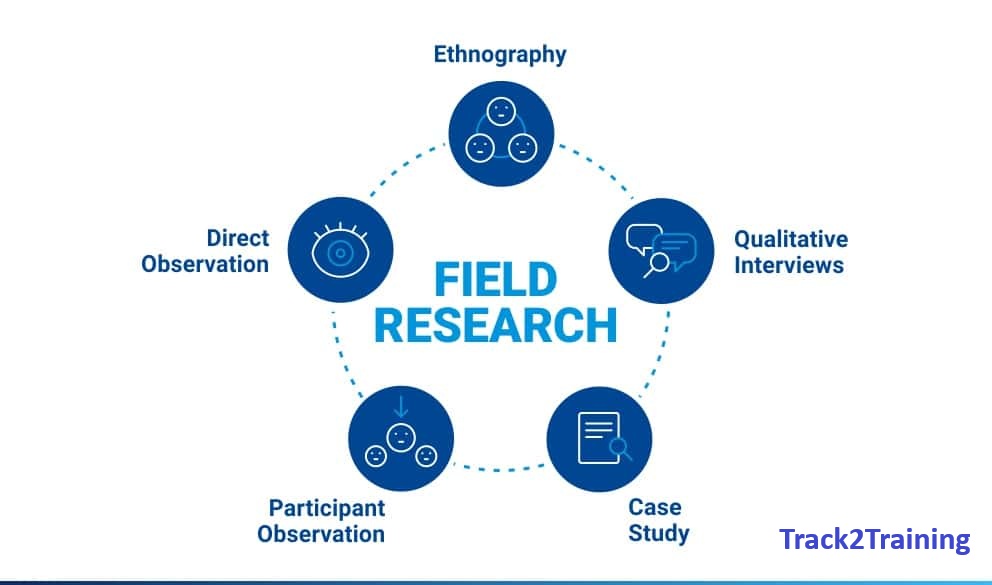


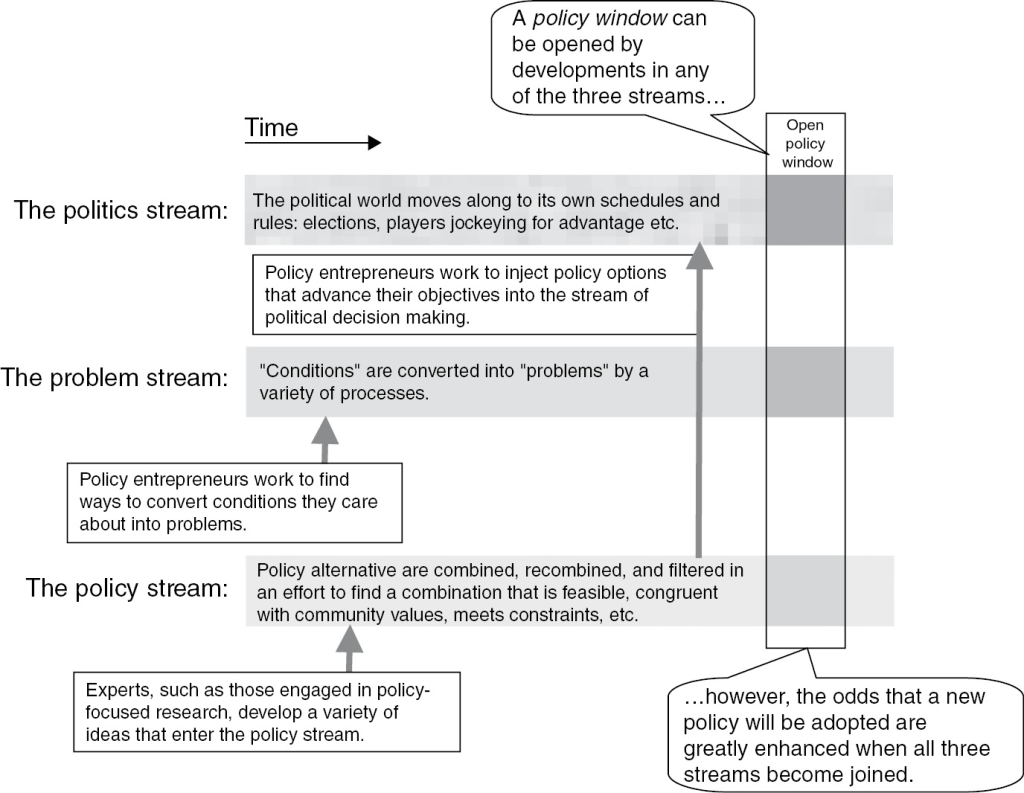
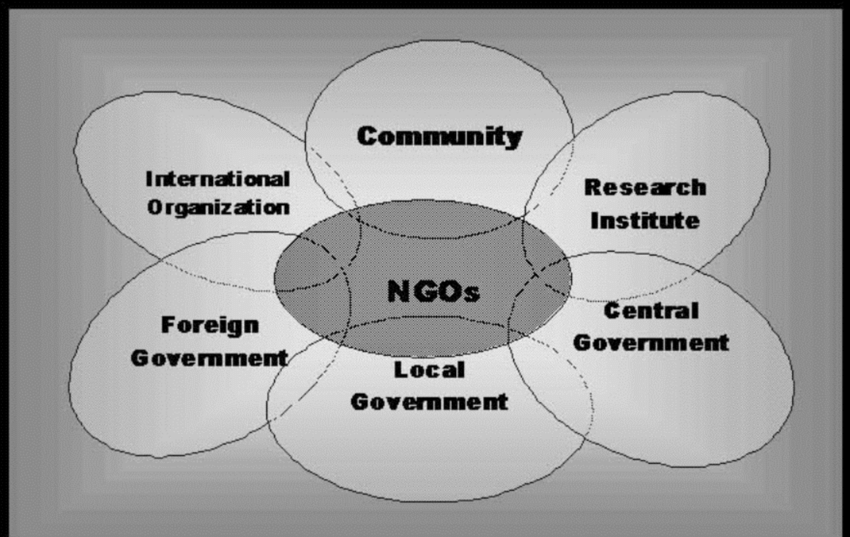
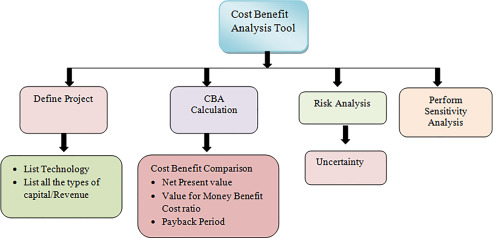


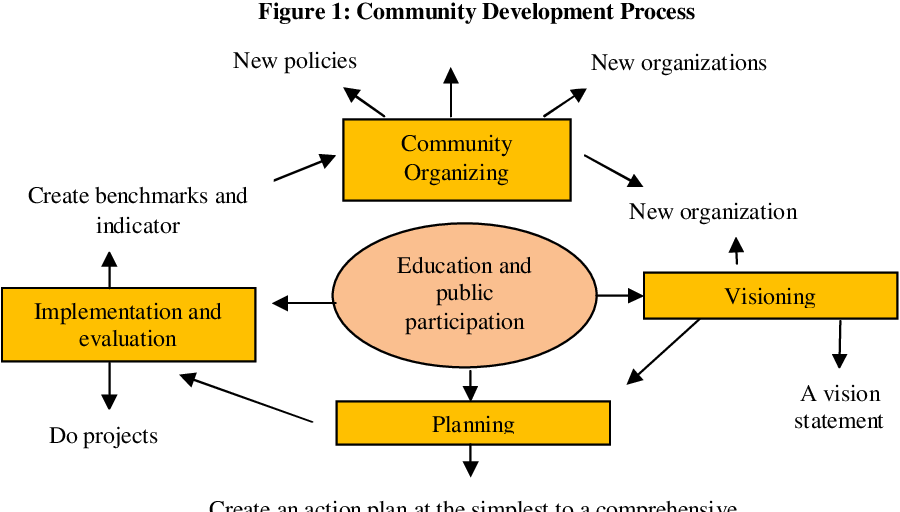




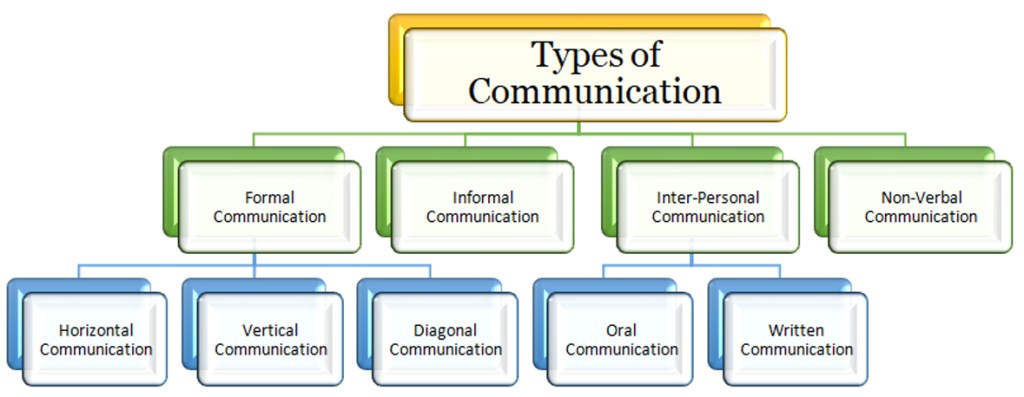





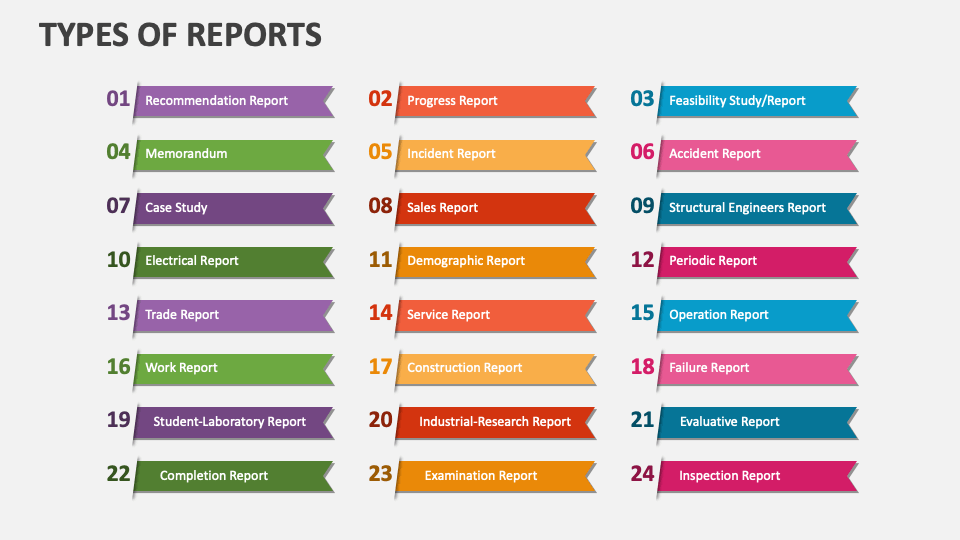




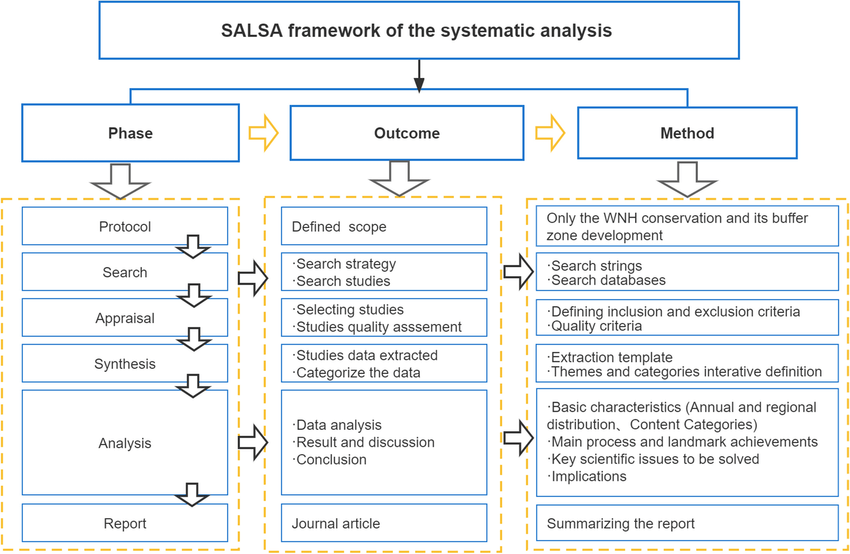


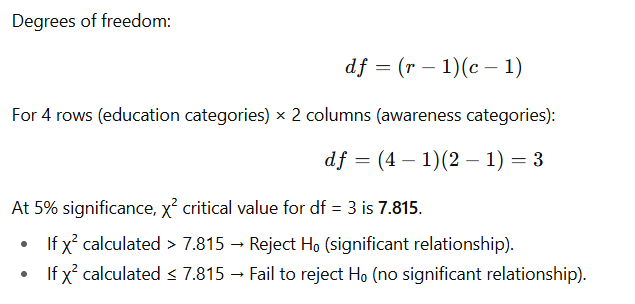
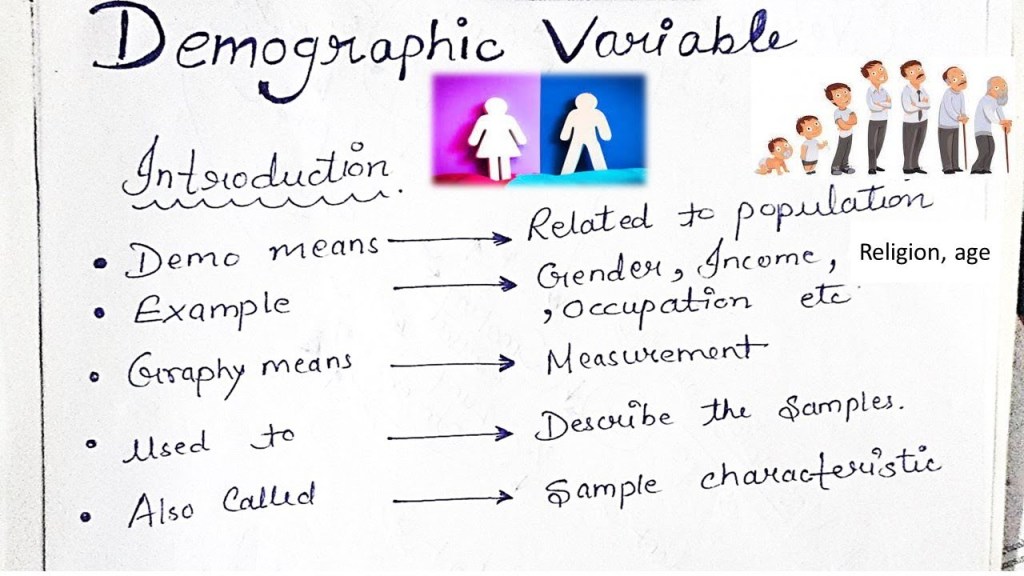


You must be logged in to post a comment.