ब्लॉग में contact पेज कैसे जोडे

हर Blog और Website के लिए Contact, About, Privacy policy Pages बहुत important होते हैं ।
इनकी मदद से Audience आपसे अच्छी तरह से connect रहती है और आपके बारे में और भी ज्यादा जानकारी प्राप्त करती है ।
अगर कोई व्यक्ति आपसे contact करना चाहता है तो वो आपकी site पर contact Us page की मदद से आपसे संपर्क कर सकता है ।
About us page की help से readers को post Author और Admin के बारे में अधिक जानने में मदद मिलती है ।
इस तरह के pages हर website के जरूरी है
अगर आप अपनी site को professional look देना चाहते हो तो आपको site पर इस तरह के pages जरूर add करने होगें ।
Google भी इन pages को पसंद करता है इससे site trustable हो जाती है ।
Contact Page हर Website के लिए important होता है इससे site के visitors आपसे contact कर सकते हैं, कोई कंपनी advertising के लिए आपसे संपर्क करना सकती है ।
यह एक Brand के लिए बहुत जरूरी है ।
अगर आप Contact page पर ज्यादा जानकरी देना नहीं चाहते तो आप एक Callable Contact page बना सकते हैं ।


Callable Link क्या है ?

Normally जब हम किसी web url पर click करते है तो किसी site का कोई पेज open है ।
लेकिन जब हम किसी callable link पर क्लिक करते हैं तो Direct Email Send, Call या Massage Editor Open हो जाता है
जिसमें Receiver person का email या phone पहले से लिखा रहता है हमें केवल वहां अपना message type करके send पर क्लिक करना होता है ।
Example :- Click Here

आप अपने blog में भी इस तरह का Page Add कर सकते हैं इससे जब भी कोई व्यक्ति इस पर क्लिक करेगा वह direct email send पर पहुंच जाएगा ।
अपनी इस पोस्ट में मैं आपको बताउंगा कि blogspot में Callable contact page कैसे add करें ।

माय आईडिया अप्प डाउनलोड फ्री डेटा ऑफर

आजकल लोगों Internet pack हर स्मार्टफोन यूजर्स की जरूरत बन चुका है क्योंकि इंटरनेट से हम काफी काम आसानी से कर सकते हैं ।
आज मैं आपको एक ऐसी ट्रिक के बारे में बताने वाला हूं जिससे आप फ्री में 512 MB 2G/3G/4G data प्राप्त कर सकते हैं ये ट्रिक केवल आईडिया यूजर्स के लिए है ।
Free Idea 512 Mb Data trick
Free 512 MB Idea Internet कैसे प्राप्त करें 100% Working Trick

आईडिया कंपनी ने अपने ग्राहकों की सुविधा के लिए एक Mobile App बनाया है – My Idea App
इस app से आप अपने Idea account की पूरी जानकारी प्राप्त कर सकते हैं, आप अपने talktime, Data pack, VAS, Offers आदि की जानकारी प्राप्त कर सकते हैं आप इससे ऑनलाइन recharge भी कर सकते है इसमे आपको की तरह के आकर्षक ऑफर्स भी मिलेगे ।


Idea अपने users को पहली बार इस App को download करने पर Free 512 MB 2G/3G/4G data दे रही है ।
Free 512 MB idea data प्राप्त करने के लिए नीचे दिए simple steps follow करें –
Step.1 – सबसे पहले नीचे क्लिक करके My Idea app Download और Install करें ।


Step.2 – अब My Idea app open करें ।
Step.3 – अब इसमें अपना Idea no. डालें ।
Step.4 – अब आपके नंबर पर एक OTP आएगा वैसे तो ये Automatic Verify हो जाएगा लेकिन अगर ऐसा न हो तो आप इसे idea app में enter करें और Next पर क्लिक करें ।
अब आपका Idea Account open हो जाएगा और आपके नंबर पर 512 Mb 2G/3G/4G data प्राप्त हो जाएगा जिसकी Validity 5 Days होगी ।
आप My Idea App पर अपने अन्य नंबरों से भी sigh up करके उन पर भी Free 512 Mb data प्राप्त कर सकते हैं 
इस एप्प की मदद से आप अपने Account information, Recharge history, Recharge, Data packs, offers etc. की जानकारी प्राप्त कर सकते हैं ।
अगर आपको यह जानकारी पसंद आयी तो इसे social media पर भी शेयर करें 

साइट का रेफरल लिंक कैसे बनाए

आजकल इन्टरनेट पर कई तरह के Refer and earn और affiliate programs चल रहे है हर बेवसाइट एडमिन चाहता है कि उसकी साइट पर अधिक से अधिक यूजर्स जुड़े ।
इसके लिए कई लोग अपनी साइट पर रेफर एंड अर्न सर्विस चालू कर रहे हैं ताकि उनकी site अधिक famous हो सके ।
आप भी अपनी site के लिए refer and earn program start कर सकते हैं इसमे अगर कोई व्यक्ति अपने referral link को शेयर करे और इससे जो traffic आपको प्राप्त होगा उसके बदले आपको व्यक्ति को pay करना होगा ।
इससे आपकी site अधिक famous होगी और traffic, earning भी increase होगी ।
Refer and earn start करने के लिए आपको जरूरत होगी site के referral links की, जिसका उपयोग प्रोग्राम यूजर्स कर सके और आप traffic को track कर सकें ।
आज मैं आपको एक ऐसी सिम्पल ट्रिक बताने वाला हूं जिससे आप अपनी साइट के free unlimited referral links create कर पाएंगे ।

व्हाट्सएप्प डाउनलोड और इंस्टाॅल कैसे करे ?

Internet पर सबसे अधिक use होने वाली sites मे Social media sites का बहुत बड़ा हिस्सा शामिल है ।
दुनियाभर मे करोड़ो लोग अपने रोजमर्रा का काफी समय Social media पर व्यतीत करते हैं ।
Social media की list में WhatsApp बहुत popular social media मे से एक है WhatsApp पर लगभग 1 अरब यूजर्स मौजूद है और इनकी संख्या तेजी से बढती ही जा रही है ।
यह अपने end to end encryption की security के कारण बहुत ही popular हो चुका है ।
कुछ समय पहले फेसबुक ने इसे 19 बिलियन डॉलर मे खरीद लिया है 
आज अपनी इस पोस्ट मे मैं आपको बताउंगा कि व्हाट्सएप का नया वर्जन कैसे डाउनलोड करें और इस पर अकाउंट कैसे बनायें ?

WhatsApp kaiser banaye


Latest WhatsApp version kaise download kare ?

WhatsApp पर नए नए फीचर्स लांच होते रहते है जिनका उपयोग करने के लिए हमे WhatsApp का Latest version download करना होता है ।
नया वर्जन डाउनलोड करने के लिए नीचे दिए स्टेप्स फाॅलो करें –
Step.1 – अपने मोबाइल में Google play store open करें ।
अगर आपने यहा login नही किया है तो सबसे पहले अपने Gmail id से login करें ।
Step.2 – अब यहां WhatsApp को search करें ।
Step.3 – इसके बाद आप install पर click करके WhatsApp install कर सकते है ।
अगर आपके मोबाइल मे पहले से यह डाउनलोड है तो यहा open या update का option दिखाई देगा ।
अगर WhatsApp का new version officially launch हो गया होगा तो आपको यहां Update का option दिखेगा ।
इसपर क्लिक करके आप अपना WhatsApp अपडेट कर सकते हैं ।
Step.3 – अगर आपने WhatsApp update किया है तो आपको दोबारा account बनाने की कोई जरूरत नही ।
लेकिन अगर आपने इसे पहली बार install किया है तो आपको इस पर account बनाना होगा ।

इसके लिए WhatsApp open करें ।
Step.4 – अब Agree and Continue पर क्लिक करें ।
Step.5 – अब अपनी country select करें और अपना Mobile No. डालें फिर Next पर क्लिक करें ।
Step.6 – अब आपके No. पर एक OTP आएगा वैसे ये Automatically Enter हो जाता है लेकिन अगर न हो तो आप ये 6 digit का OTP enter करें ।
Step.7 – अब अपना Profile Photo Select करें और Name डालें ।
Step.8 – अब बैकअप का option आएगा
अगर आप अपने WhatsApp chats का back अपनी Google drive में सेव करना चाहते हैं तो Week, Month या year में से चुने ।
और अगर आप बैकअप लेना नही चाहते तो NEVER चुनें ।
अब आपका WhatsApp Ready हो चुका है आपके मोबाइल Contact no. में से जिन नंबरों पर WhatsApp ID बनी होगी वे show होने लगेंगे ।
आप उनपर क्लिक करके उन्हे मैसेज भेज सकते है और चैटिंग कर सकते हैं ।
अगर आप किसी व्यक्ति को अपने WhatsApp पर जोडना चाहते हैं तो आपको बस उनका WhatsApp no. अपने मोबाइल में सेव करना होगा और WhatsApp को refresh करना होगा ।
इस तरह आप WhatsApp पर अपने family members, Friends और Relatives से जुड़ सकते हैं ।

रिसेट कैसे करें ?

आजकल android mobiles का use बहुत बढ गया है करोड़ो लोगो इसका उपयोग कर रहे हैं और लगातार यह संख्या बढती ही जा रही है ।
कई बार हम मोबाइल में कई तरह के features और app install कर लेते हैं जिससे Phone के system पर bad effect पड़ता है और मोबाइल की स्पीड slow हो जाती है और ये hang भी होने लगता है ।
फिर हम इसका उपाय ढूंढने लगते हैं कि मोबाइल को सही स्थिति में कैसे लाएं ।
इसका उपाय है कि मोबाइल के unusable apps को uninstall कर दिया जाए ।
लेकिन इसके बाद भी कुछ वायरस और फाइल मोबाइल मे रह जाते है ।
जिससे मोबाइल पूरी तरह से ठीक नही होता और कुछ प्रोब्लम रह जाती है ।
ऐसे में केवल एक रास्ता बचता है कि मोबाइल को रिसेट कर दिया जाए ।
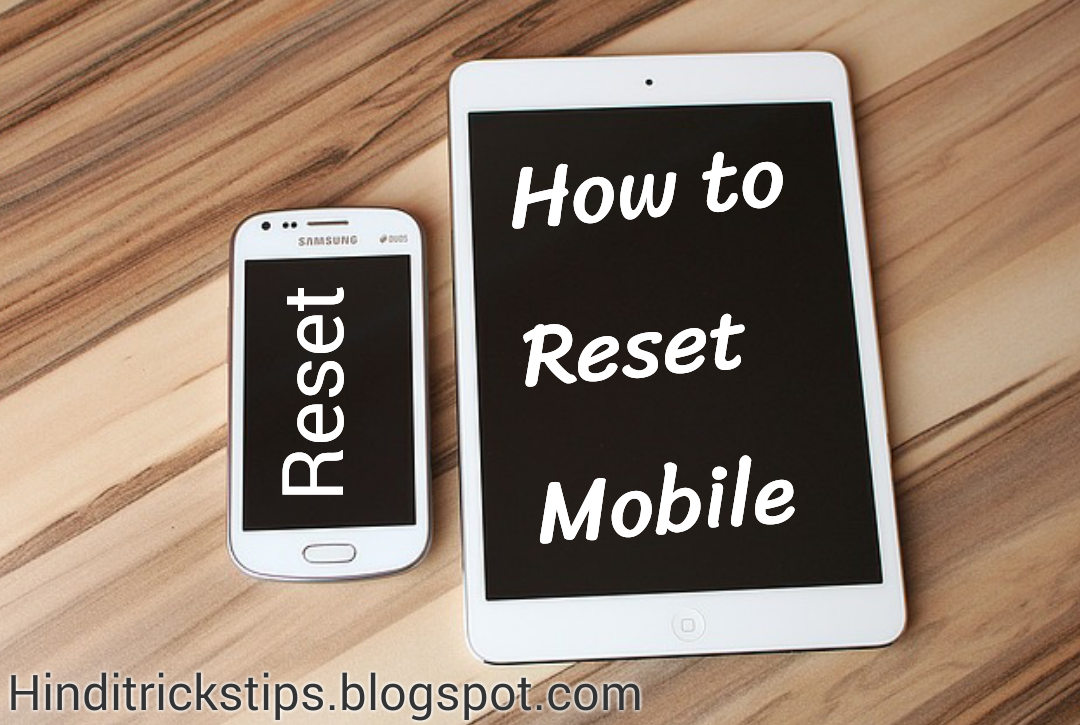
यहां मैं आपको बताउंगा कि Android Mobile को कैसे Reset/Format करते हैं ?

Mobile Reset kaise kare


Android phone को Reset करने से कई फायदे होते हैं –
● मोबाइल पूरी तरह से फ्रेश हो जाएगा ।
● मोबाइल बिल्कुल अपनी नयी स्थिति में आ जाएगा ।
● मोबाइल से Virus हट जाएगा ।
● मोबाइल Hang नहीं होगा ।
इसके अलावा अगर आप मोबाइल किसी को बेच रहे हैं तो अपना मोबाइल Reset करने के बाद ही उसे बेचे ।
क्योंकि इसमे आपका जरूरी डाटा सेव होता है जिसका उपयोग करके कोई भी आपकी जानकारी का गलत उपयोग कर सकता है ।
इसलिए इसे बेचने से पहले अपना डाटा बेकअप लेकर किसी अन्य जगह सेव कर लें और इसे mobile Format कर दें जिससे मोबाइल से सारा डाटा delete हो जाए ।
(मोबाइल Reset करने पर आपका पूरा डाटा delete हो जाता है जैसे – Mobile memory, Music, Photos, Apps, Settings, No. & Messeges
इसलिए अपने जरूरी data का backup ले लें)
अपने मोबाइल को Reset करने के लिए नीचे दिए simple steps follow करें –
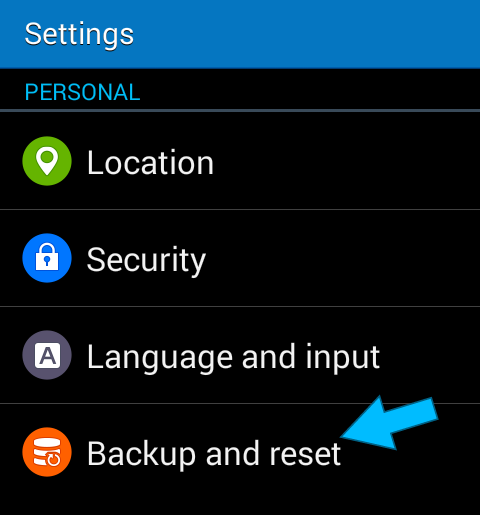
Step.1 – सबसे पहले मोबाइल ऑन करें और Settings में जाएं ।
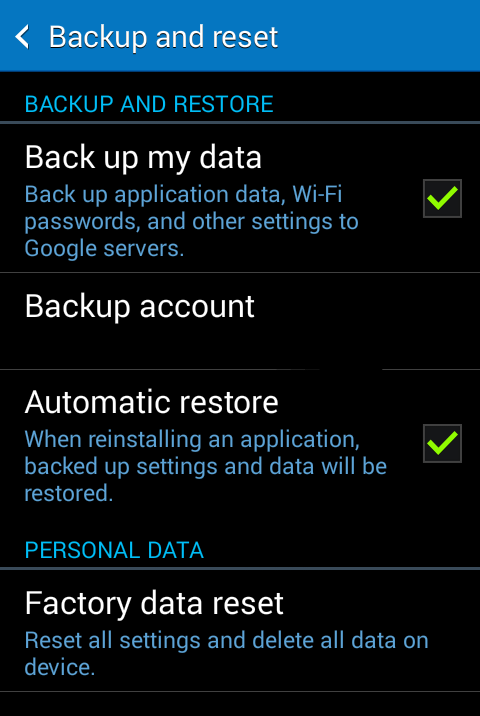
Step.2 – इसके बाद मोबाइल Backup and Reset में जाएं ।
Step.3 – अब यहां Automatic Backup को Tick ✔ करें और Factory Data Reset पर click करें ।
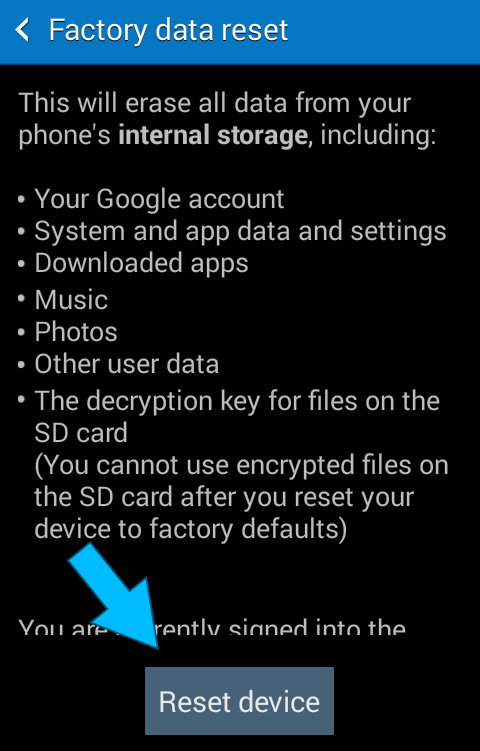
Step.4 – अब Reset Device पर click करें दें ।
इसके बाद आपका Mobile Reset (Format) हो जाएगा ।
Reset होने के बाद मोबाइल बिल्कुल नयी स्थिति में आ जाएगा, पूरी तरह fresh
अब आप अपने मोबाइल को आसानी से Use कर सकते हैं और अब इसमे Hang होने की problem भी नहीं आयेगी ।

आईडिया सिम को आधार से वेरिफाई कैसे करें (Step by Step)

मोबाइल नंबर को अपने आधार कार्ड से लिंक कराना बहुत ही जरूरी हो गया है ।
अगर आप 31 मार्च 2018 से पहले अपना नंबर आधार कार्ड से लिंक और वेरिफिकेशन नही करवाते हैं तो आपका मोबाइल नंबर बंद हो जाएगा ।
इसलिए अगर आप अपने नंबर को चालू रखना चाहते हैं तो जल्दी से जल्दी अपना सिम को आधार कार्ड से वेरिफाई और लिंक करवाये ।


यहां मैं आपको बताउंगा कि आईडिया मोबाइल नंबर को आधार कार्ड से लिंक कैसे करें ?

Verify SIM with Aadhaar


आपके मन में एक सवाल आ रहा होगा कि मोबाइल को आधार से जोड़ने से क्या होगा ?
सरकार ने यह नियम सोच समझ के निकाला है इसे करने से कई फायदे होगें –
● कोई भी व्यक्ति आपकी जानकारी का गलत उपयोग करके सिम नहीं निकाल पाएगा क्योंकि इसमें आपका Biometric Finger लगेगा ।
● अगर कोई गलत दस्तावेज का उपयोग कर फर्जी मोबाइल नंबर उपयोग कर रहा है तो 31 मार्च के बाद वह सिम बंद हो जाएगी ।
● इससे फर्जी नंबर से होने वाले गलत उपयोग पर रोक लगेगी ।
इसलिए मोबाइल नंबर को वेरिफाई कराना बहुत जरूरी है ।


Idea Mobile Number Aadhaar Card se kaise link kare ?

यहाँ मैं आपको आधार वेरिफाई कराने के 2 तरीके बताउंगा ।
(1) Method :-

आवश्यक चीजें –
● आधार कार्ड
● वह नंबर जिसे वेरिफाई करना है ।
● वह मोबाइल नंबर जो आधार कार्ड बनाते समय लिंक हुआ था और जो आधार में Registered है ।
Steps –
● सबसे पहले जिस मोबाइल नंबर को वेरिफाई करना है उससे 14546 पर काॅल करें ।
● अब अपनी भाषा चुनें ।
● अब अपना 12 अंक का आधार नंबर डालें ।
● अब जो नंबर आपके आधार को बनाते समय लिंक हुआ था उस पर OTP प्राप्त होगा ।
● यह ओटीपी डालें ।
[ काॅल के समय पुष्टि करने के लिए 1 दबाएं ]
इसके बाद 24 घंटे बाद आपके नंबर पर एक Conformation SMS आएगा जिसका reply आपको 3 घंटे के अंदर करना होगा ।
Reply देकर Verification Confirm करने के लिए 12345 पर RV Y भेजें ।
अब आपका मोबाइल नंबर आधार कार्ड से Verify हो जाएगा ।
(2) Method :-
जरूरी चीजें –
● आधार कार्ड
● मोबाइल नंबर जिसे वेरिफाई करना है ।
● इसके अलावा वह व्यक्ति जिसका आधार कार्ड है ।

The Benefits of the Copy Stage of Making

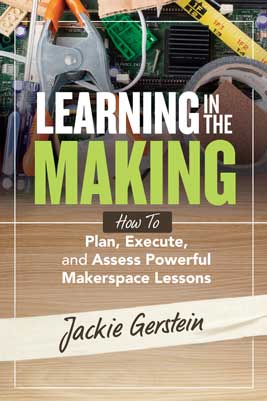
In Learning in the Making: How to Plan, Execute, and Assess Powerful Makerspace Lessons, I propose a model for the stages of making.

I believe that the heart of making is creating new and unique things. I also realize that in order for this type of making to occur, there needs to be some scaffolding so that maker learners can develop a foundation of knowledge and skills. This post focuses on the Copy Stage of this model.

  • Copy – make something almost exactly as someone else has done.

In this age of information abundance, there really is an unlimited number of DIY resources, tutorials, Youtube videos, online instructors and instructions on making all kind of things. These resources provide a good beginning for acquiring some solid foundational skills and knowledge for learning how a make something one has never made before.

For a recent classroom activity, I wanted students to learn about and use Adafruit’s Circuit Playground. Some students made a Circuit Playground Dreidel (they learned about dreidels from an Orthodox Jewish student who was in my class and they loved it!) using the directions found at https://learn.adafruit.com/CPX-Mystery-Dreidel, and others made the Circuit Playground Scratch game with the directions found at https://learn.adafruit.com/adabot-operation-game/overview. I provided them with these directions and the expectation that the learners follow them pretty much on their own with me acting as an explainer and coach when they ran into difficulties. Here is a video of my learners enjoying their newly made dreidels.

The benefits of beginning maker activities with the Copy Stage includes:

  • Basic Skill Development and Acquisition
  • Foundational Skills for More Advanced and Creative Projects
  • Following Step-By-Step Directions
  • Positive Problem-Solving When Obstacles Occur
  • Asking for Help From Peers
  • A Sense of Accomplishment About Finishing a Project
  • Enjoying the Use of Finished Products They Made

There has been a fair amount of criticism leveraged against “paint-by-numbers” types of STEM and maker kits. This criticism revolves around the stifling of the creativity of learners. I contend that learners need foundational skills so that they can be freed up to be creative. Think about learning how to cook or play an instrument. The basic and foundational skills need to be there in order for the makers to go in directions that are new and creative for them. For example, I spent several decades as a ceramic artist, making wheel thrown and altered pottery. I needed to know how to throw a decent bowl before I could go in that direction (and yes, my pottery in this image began as wheel thrown cylinders).

कुमार गंधर्व द्वारा लिखित भारतीय गायिकाओं में बेजोड़ लता मंगेशकर

प्रश्न – लता जी की गायकी की क्या विशेषताएं है ?
उत्तर –
1 सुरीला पन
2 कोमलता और निर्मलता
3 मधुरता का संगम और शास्त्र शुद्धता
जो लता जी के  स्वर में पवित्रता तल्लीनता है किसी भी अन्य में ऐसी तल्लीनता नहीं है |
प्रश्न – कुमार गंधर्व ने लता को बेजोड़ गायिका क्यों कहा ?
उत्तर –
कुमार गंधर्व के अनुसार लता मंगेशकर भारतीय गायिकाओं में बेजोड़ है | उनके मुकाबले खड़ी होने
वाली एक भी गायिका नजर नहीं आती उनसे पहले नूरजहां का सिक्का चलता था | परंतु लता ने
उन्हें बहुत पीछे छोड़ दिया | पिछले 50 वर्षों से वे गायिका के क्षेत्र में पूरी तरह छाई हुई है यद्यपि
इस लंबी अवधि में अनेक गायिकाएं उभरी किंतु लता का स्थान सदैव उनके ऊपर बना रहा 50
साल के बाद भी आज उनका स्वर पहले की तरह कोमल सुरीला मनभावन बना हुआ है | लता
बेजोड़ इसलिए भी है कि उनके गान में गानपन  पूरी तरह मौजूद है | शास्त्रीय संगीत से परिचित
होती हुई भी सुगम संगीत में गाती हैं | अपनेतथा अपने सुरीले पन और गूंज से सभी श्रोताओं को
सीधे प्रभावित करती हैं उनके गानों को सुनकर देश के आम गायकों और श्रोताओं की संगीत
अभिरुचि परिष्कृत हुई है |
प्रश्न – नाद में उच्चारण का क्या अर्थ है यह लता के गायन में किस प्रकार प्रकट हुआ है ?
उत्तर –
नाद में उपचार का अर्थ है उच्चारण में गूंज का होना |  लता के गायन में यह विशेषता है कि
उनकी एक शब्द की गूंज दूसरे शब्द की गूंज में इस तरह मिल जाती है कि दोनों एक दूसरे
में लीन हो जाते हैं | यह विशेषता केवल लता के स्वर में ही है |


प्रश्न – शास्त्रीय संगीत और चित्रपट संगीत में क्या अंतर है ?
उत्तर –
शास्त्रीय संगीत और चित्रपट संगीत दोनों का लक्ष्य आनंद प्रदान करना है |
फिर भी दोनों में बहुत अंतर है शास्त्रीय संगीत मे ताल का पूरा ध्यान रखा जाता है,
जबकि चित्रपट संगीत में आधे ताल का उपयोग होता है चित्रपट संगीत में गीत और
आघात को ज्यादा महत्व दिया जाता है | सुलभता तथा लोच को आद्र स्थान सुलभता
तथा लोच को अग्र स्थान दिया जाता है उसे शास्त्रीय संगीत की भी उत्तम जानकारी होना
आवश्यक है क्योंकि 3:30 मिनट के गाए हुए चित्रपट संगीत और खानदानी शास्त्रीय
संगीत की तीन-साढ़े 3 घंटे की महफिल का कलात्मक आनंद मूल्य एक ही है |

प्रश्न – कुमार गंधर्व ने लता मंगेशकर को बेजोड़ गायिका माना है क्यों ?
उत्तर –
क्योंकि लता मंगेशकर के मुकाबले में कोई भी गायिका नहीं है | नूरजहां अपने समय
की प्रसिद्ध चित्रपट संगीत की गायिका थी परंतु  लता की गायकी ने उसे पीछे छोड़
दिया लता जी पिछले 50 वर्षों से एक छत्र राज कायम किया हुआ इतने लंबे समय
के बावजूद उनके स्वर पहले की तरह कोमल सुरीला में मनभावन है |
इसके कई कारण है –
i) गायन में जो गान पन है वह किसी गायिका में नहीं मिलता |
ii) उच्चारण में शुद्धता वह नाद का संगम और भावों में जो निर्मलता
है अन्य गायिकाओं में नहीं है |
iii) एक तो लता जी की सुरीली आवाज ईश्वर की देन थी ऊपर से उन्होंने मेहनत
से उसे और निखार दिया |
iv) लता जी शास्त्रीय संगीत से परिचित है परंतु फिर भी सुगम संगीत में गाती
थी उनके गानों को सुनकर देश-विदेश में लोग दीवाने होते हैं उन्होंने आम व्यक्ति
की संगीत के प्रति अभिरुचि को परिष्कृत किया

– कुंई निर्माण से संबंधित निम्न शब्दों के बारे में जानकारी दें?

i) पालर पानी
यह पानी का एक रुप है यह पानी सीधे बरसात से मिलता है यह पानी नदियों तालाबों
कृत्रिम जिलों बड़े-बड़े गड्ढों में रुक जाता है | इस पानी को प्रयोग में नहीं लाया जा
सकता इस पानी का वाष्पीकरण जल्दी होता है काफी पानी जमीन के अंदर चला जाता
है और अधिकांश पानी वाष्प बनकर उड़ जाता है |

ii) पाताल पानी
जो पानी भूमि में जाकर  भूजल में मिल जाता है उसे पताल पानी कहते हैं | इसे को पंप
ट्यूबवेलों आदि के द्वारा निकाला जाता है |

iii) रेजानी पानी
यह पानी धरातल से नीचे उतरता है परंतु धरातल में नहीं मिलता है | यह पार्लर पानी
और पताल पानी के बीच का है वर्षा की मात्रा नापने में इंच या सेंटीमीटर नहीं बल्कि
रेजा शब्द का उपयोग होता है | रेज का माप धरातल में समाई वर्षा को ना पता है |
रेजानी पानी खड़िया पट्टी के कारण पताली पानी से अलग बना रहता है तथा इसे कुइयो
के माध्यम से इकट्ठा किया जाता है |

निजी होते हुए भी सार्वजनिक क्षेत्र में कुइयो पर ग्राम समाज का अंकुश लगा रहता है लेखक ने ऐसा क्यों कहा ?

राजस्थान में खड़िया पत्थर की पट्टी पर ही कुइयो  का निर्माण किया जाता है | कुंई का
निर्माण गांव समाज की सार्वजनिक जमीन पर होता है | परंतु उसे बनाने और उसमें पानी
लाने का हक उसका अपना हक है | सार्वजनिक जमीन पर बरसने वाला पानी ही बाद में
वर्ष भर नमी की तरह सुरक्षित रहता है | इसी नमी से साल भर कुइयो में पानी भरता है
नमी की मात्रा वहां हो चुकी वर्षा से तय हो जाती है |

अतः उस क्षेत्र में हर  नई कुंई का अर्थ है पहले से तय नमी का बंटवारा इस कारण निजी
होते हुए भी सार्वजनिक क्षेत्र से में बनी कुइयो पर ग्राम समाज का अंकुश लगा रहता है |
यदि वह अंकुश ना हो तो लोग घर घर कई-कई कुईया बना ले और सब को पानी नहीं
मिलेगा बहुत जरूरत पड़ने पर समाज अपनी स्वीकृति देता है |


चेजारा के साथ गांव – समाज के व्यवहार मैं पहले की तुलना में आ ज क्या फर्क है पाठ के आधार पर बताइए ?

चेजारा अर्थात चिनाई करने वाला | कुंई  के निर्माण में यह लोग दक्ष होते हैं | इनका उस
समय विशेष ध्यान रखा जाता था | कुंई खोदने पर इन विदाई के समय तरह-तरह की भेंट
दी जाती थी इसके बाद भी उनका संबंध गांव से जुड़ा रहता था और पूरा वर्ष उन को
सम्मानित किया जाता था | फसल की कटाई के समय इन्हें अलग से फसल का हिस्सा
दिया जाता था तीज त्यौहार विवाह जैसे अवसरों पर उनका सम्मान किया जाता था |
इस प्रकार इनको भीग्रामीण समाज में सम्मान के साथ जीने का अवसर मिलता था और
उनके कार्य को सराहा भी जाता था | वर्तमान समय में इनका सम्मान उतना नहीं रहा जितना
कि पहले था | उनको काम की मजदूरी देकर संबंध खत्म कर दिए जाते हैं | अब सिर्फ
मजदूरी देकर काम करवा लिया जाता है अब स्थिति पूर्णता बदल गई है |

राजस्थान में कुंई किसे कहते हैं ? इसकी गहराई और व्यास तथा सामान्य कुओं की गहराई और व्यास में क्या अंतर है ?

राजस्थान में   रेत बहुत होती है | वर्षा का पानी रेत में समा जाता है जिस से नीचे की सतह
पर नमी फैल जाती है | यह नमी खड़िया मिट्टी की परत के ऊपर तक रहती है | इस नमी
क्यों पानी के रूप में बदलने के लिए 4 या 5 हाथ के व्यास की जगह को 30 से 60 हाथ
की गहराई तक खोदा जाता है | खुदाई के साथ-साथ चिनाई भी की जाती है | इस चिनाई
के बाद खड़िया की पट्टी पर रिस रिस कर कर पानी  इकट्ठा हो जाता है | इसी तंग गहरी
जगह को कई कहा जाता है यह कुएं का स्त्रीलिंग रूप है | यह कुएं से केवल व्यास में छोटी
होती है परंतु गहराई में लगभग समान ही होती है | आम कुए का व्यास 15 से 20 साल का
होता है हाथ का होता है , परंतु कुंई का व्यास चार या पांच हाथ का होता है | क्षेत्र के
आधार पर कुइयां की गहराई में अंतर आ जाता है |

आरोह प्रथम अध्याय गद्य भाग

प्रश्न – कहानी का कौन सा पात्र आपको सर्वाधिक प्रभावित करता है और क्यों?
उत्तर –
कहानी का नायक वंशीधर हमें सर्वाधिक प्रभावित करता है | वह इमानदार कर्तव्यपरायण
धर्मनिष्ठ व्यक्ति है | सके पिता उसे बेईमानी का पाठ पढ़ाते हैं घर की दयनीय दशा का
हवाला भी देते हैं परंतु वह इन सब के विपरीत ईमानदारी का व्यवहार करता है वह स्वाभिमानी
है | अदालत में उसके खिलाफ गलत फैसला लिया गया परंतु उसने स्वाभिमान नहीं खोया
उसकी नौकरी भी छीन ली गई परंतु उसकी चारित्रिक दृढ़ता हमें प्रभावित करती हैं |
आखिरकार पंडित अलोपीदीन भी उसकी इस दृढ़ता पर मुग्ध हो जाते हैं | उसे वह अपनी
सारी जायदाद का आजीवन मैनेजर बना देते हैं |


कहानी का दूसरा पात्र अलोपीदीन भी हमें प्रभावित करता है | पंडित अलोपीदीन मृदुभाषी
वाक्पटु और दूरदृष्टि का स्वामी है साधन संपन्न और समाज में प्रतिष्ठित है | जो गुण वंशीधर
में है वह पंडित अलोपीदीन में नहीं है | कहानी के अंत में अलोपीदीन सभी पाठकों के मन पर
अपनी एक अनूठी छाप छोड़ता है कि वह दरोगा मुंशी दर को अपने यहां पूरी जायदाद का
मैनेजर बनाकर और अलोपीदीन एक निपुण व्यवसाई भी है | भलीभांति समझने वाला अति
कुशल व्यापारी था मैं अपने सभी कार्य को येन केन प्रकारेण करवा लेता था| पकड़े जाने पर
भी उसने अदालत के माध्यम से अपनी रक्षा कर ली थी | रक्षा ही नहीं किया अपितु वंशीधर
को नौकरी से भी निकलवा दिया| लक्ष्मी का उपासक का और ईमानदारी का कायल था |
हमें कहानी में दो ही पात्र प्रभावित करते है |

प्रश्न – सत्यवादी होते हुए भी वंशीधर अकेले क्यों पड़ गए थे ?
उत्तर –
सत्यवादी होते हुए भी वंशीधर अदालत में बिल्कुल अकेले पड़ गए थे क्योंकि वह सत्यवादी
और कर्तव्यपरायण व्यक्ति थे | अदालत में सभी व्यक्ति किसी न किसी कारण अलोपीदीन के
एहसानों के तले दबे हुए थे | इन सभी ने उससे किसी न किसी प्रकार की कृपा दया अवश्य
प्राप्त की हुई थी | वह सब अलोपीदीन को बचाने में लगे हुए थे | अदालत में सत्य की शक्ति
रिश्वत के बोझ के तले दब के रह गई |

प्रश्न – नमक का दरोगा पाठ का प्रतिपाद्य बताइए ?
उत्तर –
नमक का दरोगा प्रेमचंद की बहुचर्चित कहानी है | जिसमें यथार्थवाद का एक मुकम्मल उदाहरण
है | यह कहानी धन के ऊपर धर्म की जीत है धन और धर्म को कर्म क्षेत्र सद्वृत्ति और असद
वृत्ति  बुराई और अच्छाई असत्य और सत्य कहा जा सकता है | कहानी में इन का प्रतिनिधित्व
क्रमशा पंडित अलोपीदीन और मुंशी वंशीधर नामक पात्रों ने किया है | ईमानदार कर्म योगी
मुंशी वंशीधर को खरीदने में असफल रहने के बाद पंडित अलोपीदीन अपने धन की महिमा
का उपयोग कर उन्हें नौकरी से हटवा देते हैं | लेकिन अंत में सत्य के आगे उनका सिर झुक
जाता है | अंत में सरकारी विभाग से बर्खास्त वंशीधर को बहुत उनके वेतन और भत्ते के साथ
अपनी सारी जायदाद का स्थाई मैनेजर नियुक्त करते हैं और गहरे अपराध से भरी हुई वाणी
से निवेदन करते हैं परमात्मा से यही प्रार्थना करता हूं कि आप को सदैव वही नदी के किनारे
वाला बेमुरौवत उद्दंड किंतु धर्मनिष्ठ दरोगा बनाए रखें |

कहानी के अंत में प्रसंग से पहले तक सभी घटनाएं प्रशासनिक  और न्यायिक व्यवस्था में
व्यापक भ्रष्टाचार तथा उस भ्रष्टाचार की व्यापक सामाजिक स्वीकार्यता को अत्यंत  साहसिक
तरीके से उजागर करती है | ईमानदार व्यक्ति के अभिमन्यु के साथ निहत्थे और अकेले पड़ जाने
के यथार्थ तस्वीर भी मिलती है | प्रेमचंद इस संदेश पर कहानी को खत्म नहीं करना चाहते थे
क्योंकि उस दौर में भी मानते थे कि ऐसा यथार्थवाद  हमको निराशावादी बना देता है | मानव
चरित्र पर से हमारा विश्वास उठ जाता है हमको चारों तरफ बुराई ही बुराई नजर आने लगती
है इसलिए कहानी का अंत सत्य की जीत के साथ खत्म होता है | अंत में सच्चाई की जीत होती है |

मुख्य पात्र की विशेषताए
1 – वंशीधर                                                                                                             

– कर्तव्यनिष्                         
लालच नहीं करने वाला
कठोर तथा दृढ़ चरित्र
स्वाभिमानी
संवेदनशील
विचारवान
धर्म परायण
ईमानदार  


2 – अलोपीदीन
भ्रष्ट आचरण

धन का उपासक
प्रभावशाली व्यक्तित्व
व्यवहार कुशल तथा वाक्पटुता  
मानवीय गुणों का सम्मान करने वाला  


    Going On A STEM-Maker Journey WITH My Students

    Last semester, I worked with a few high school students to create a project for the New Mexico Governor’s STEM Challenge. Being a learner-centric, process-oriented educator (hence, the name of my blog – User Generated Education), I embraced the following practices during this project.

    • Learners selected and developed their problem statement and guiding question.
    • Learners naturally tapped into one another’s strengths, managing their strengths without any intervention from me. Some were good at problem conception, others at envisioning solutions, others at research, and still others at creating the graphics.
    • My role was that of resource provider and feedback provider. I shared and explained the challenge requirements, reviewed the qualities of valid websites, gave feedback on their research and written work, and provided them with materials and tools such as Arduinos.
    • Community resources were used reinforcing that communities contain experts – that teachers don’t have to be experts at everything. We visited the local makerspace so the learners could learn and use their 3d printers and laser cutter.
    • Given the nature of this project-based, problem-based format, grading was based strictly on class participation using the criteria of, “Worked on the project during class time.”

    Although, I often approach my classroom instruction using the practices as specified above, this one took me even farther from a place of knowing. They selected CO2 emissions and a chemistry-based solution of which I knew very little, so I was not a content expert. We learned about this together. I had a little experience with Arduinos but not lots so I was not a technology expert. We learned a lot more about how these worked together. We went on this journey together and I loved being a co-learner with my students.

    Here is a highlight video of their project:

    Much to my chagrin, they did not win an award (19 awards were given to the 43 entries). Their rewards, though, cannot be overstated:

    1. They learned some concrete and practical skills from going to the local makerspace, and getting instruction on their 3D printers and laser cutter. They also helped them work out some difficulties they had troubleshooting problems with the Arduino part of the project.
    2. They experienced the rewards and frustrations of working on a months long project including persistence, having a growth mindset, dealing with failure, and following through with a project through its completion.
    3. One of the students has pretty much checked out of school. She was mostly fully engaged throughout the duration of this project.

    Even though their excitement about attending and presenting their project was obvious during the hour long ride home as they spent that time brainstorming ideas for projects for next year’s Governor’s STEM Challenge.

    व्याकरण पत्र लेखन

    पत्र दो प्रकार के होते हैं – अनौपचारिक पत्र और औपचारिक पत्र |

    _________________________________________________________

    अनौपचारिक पत्रों में पारिवारिक पत्र आते हैं और सामाजिक पत्र आते हैं | औपचारिक पत्रों
    में कार्यालय पत्र और व्यापारिक पत्र आते हैं | पारिवारिक पत्र में निजीपन और आत्मीयता
    वैशिष्ट्य रहती है | माता, पिता, पुत्र, पुत्री  में व अन्य परिवारजनों और संबंधियों को लिखे जाने
    वाले पत्र पारिवारिक पत्र कहलाते हैं | इन्हें व्यक्तिगत और घरेलू पत्र भी कह सकते हैं |

    लेखन हेतु जरूरी निर्देश :
    – सर्वप्रथम अंतर्देशीय ,पोस्टकार्ड यi सादे कागज के बाएं और शीर्ष पर पत्र लिखने वाले का
    पता और भेजने की तिथि लिखी जाती है |
    – बाई और संबोधन शब्द लिखा जाता है और संबोधन शब्द के बाद अल्पविराम लगाया
    जाता है |

    अभिवादन :
    – सूचक शब्द लिखा जाता है उसके बाद पूर्ण विराम लगाया जाता है |
    – अभिवादन सूचक शब्द के पूर्ण विराम के पश्चात उसी पंक्ति में पत्र का मुख्य विषय आरंभ
    होता है |

    समाप्ति :
    – मुख्य विषय की समाप्ति पर आशा है आप स्वस्थ होंगे, आनंद मंगल होंगे, कुशल मंगल
    होंगे, पत्र की प्रतीक्षा में आदि समापन वाक्यों का प्रयोग होता है |
    – पत्र के अंत में बाई और समापन सूचक शब्द भवदीय, सद्भावी, आपका अपना आदि के
    साथ अल्पविराम लगाकर नीचे पत्र के हस्ताक्षर के नाम को लिखा जा |

    उदाहरण के लिए पारिवारिक पत्र – अपने छोटे भाई को समय का सदुपयोग करने की प्रेरणा देते
    हुए पत्र लिखिए |

    परीक्षा भवन
    क ख ग
    10 सितंबर 2018

    प्रिय भाई !

    शुभ आशीर्वाद |
    कल ही पिताजी का पत्र प्राप्त हुआ यह जानकर बहुत कष्ट हुआ कि तुम अर्धवार्षिक परीक्षा
    में तीन विषयों में फेल हो गए हो और यह भी ज्ञात हुआ कि आप अपना अधिकतर समय मित्रों
    के साथ मौज मस्ती में व्यतीत करते हो और जिसका असर तुम्हारी पढ़ाई पर पढ़ रहा है |
    प्रिय भाई इस संसार में सबसे अमूल्य वस्तु समय है समय का आदर करने वाला व्यक्ति ही
    सफलता की ऊंचाइयों पर पहुंचता है और जो समय को नहीं पहचानता वह दर-दर की ठोकरें
    खाता है | बीता हुआ समय कभी लौट कर नहीं आता |

    इस समय तुम आप जिन कक्षा में पढ़ रहे हो यह तुम्हारे जीवन और भविष्य का एक निर्णायक
    मोड़ है | या तो तुम  सही दिशा में चले जाओगे या असफल होकर गुमनामी के अंधेरे में खो
    जाओगे | तुम्हारे कंधों पर अपना भविष्य बनाने की जिम्मेदारी नहीं हम सब के सपनों का भारी
    बोझ भी है | तुम्हें अपने लिए और हम सबके लिए समय के महत्व को पहचानना ही होगा आशा
    है | तुम अपनी बहन की बातों को गंभीरता से समझोगे और समय के महत्व को वार्षिक परीक्षा
    आने से पहले परिश्रम में जुड़ जाओगे | मैं तुम्हारे सामर्थ्यऔर दृढ़ निश्चय के बारे में भी खूब
    जानती हूं | जरूरत है तो बस समय का सदुपयोग करने की आशा है आप हमें निराश नहीं
    करोगे |

    शुभकामनाओं सहित |

    तुम्हारी बहन,
    ममता

    _________________________________________________________

    सामाजिक पत्र – सामाजिक प्राणी होने के नाते मनुष्य अपने समाज का एक अभिन्न अंग
    होता है |

    लेखन हेतु जरूरी निर्देश :
    घर परिवार से बाहर वह अपने पड़ोसियों मित्रों सहयोगियो, परिचितों, हितैषियों और
    दूसरे स्थान पर सु ह्रदय से सामाजिक संबंधों से जुड़ा रहता है | विविध संस्कारों, लोका चारों,
    अनुष्ठानों आदि के अवसर पर सुख- दुख एवं हर्ष विषाद की सूचना अपने सगे – संबंधियों
    आदि को देने के लिए जो पत्र लिखे जाते हैं | वह सामाजिक पत्र कहलाते हैं | अवसर और
    प्रसंगानुसार के कई प्रकार के होते हैं |

    प्रारंभ :
    निमंत्रण पत्र, बधाई पत्र, शोक पत्र आदि समाजिक पत्रों का प्रारंभ हम आदरणीय, मान्यवर,
    प्रिय, महोदय आदि संबोधन से होता है |

    समाप्ति :
    अंत में अपने विनीत, भवदीय, तुम्हारा शुभचिंतक, कुछ भी लिख सकते हैं |

    उदाहरण के लिए सामाजिक पत्र – अपने मित्र को वाद विवाद प्रतियोगिता में प्रथम आने पर बधाई
    पत्र लिखिए |

    परीक्षा भवन
    क ख ग
    10 सितंबर 2018

    प्रिय अतुल,

    सस्नेह नमस्कार |

    अभी अभी तुम्हारा पत्र मिला, पढ़ कर प्रसन्नता हुई कि तुमने राज्य स्तरीय वाद विवाद
    प्रतियोगिता में प्रथम स्थान प्राप्त किया है | मधुर यह बहुत बड़ी उपलब्धि है |

    ऐसी प्रतियोगिताओं के प्रति तुम्हारे रुझान में से मैं  परिचित हूं तुम्हारा शुद्ध उच्चारण, ओजस्वी
    वाणी ,शानदार प्रस्तुति मिलकर ही ऐसे कमाल करते हैं | जिला स्तरीय प्रतियोगिता में तो
    तुमने कई बार जीती हैं | लेकिन राज्य स्तरीय उपलब्धि तुम ने पहली बार प्राप्त की है मेरी
    और मेरे परिवार की हार्दिक बधाई स्वीकार करो | हम सभी तुम्हारी इस खुशी में शामिल है
    और गौरवान्वित महसूस कर रहे हैं | ईश्वर से प्रार्थना कि तुम सफलता के शिखर पर पहुंचे
    पढ़ाई के साथ-साथ तुम्हारी यह कला तुम्हें भविष्य में ऊंचा मुकाम दिलाएगी | तुम्हारा स्वप्न
    रहा है | एक नामी वकील बनने का ऐसी उपलब्धियां तो तुम्हें अपने लक्ष्य की ओर बढ़ने के
    लिए सबल देंगी |

    चाचा चाची जी को हम सब की ओर से शत-शत बधाई हो मिठाई तुमसे मिलने पर खाऊंगा |

    तुम्हारा अभिन्न मित्र
    सहदेव

    __________________________________________________________

    कार्यालय पत्र (औपचारिक पत्र)
    प्रारंभ :   
    – सबसे पहले पत्र प्रेषित करने वाले यानि व्यक्ति या संस्था का नाम व पता रहता है |
    – जिससे पत्र पाने वाला पत्र देखते ही समझ जाता कि यह पत्र कहां से आया पत्र प्रेशर के
    पास यदि दूरभाष है | तो पति के साथ दूरभाष संख्या भी लिखी रहती है |

    पत्र संख्या स्थान और दिनांक :
    – इसके पश्चात बाय सर बाय कानों मेंपत्र संख्या भी लिखी जाती है |
    प्राप्तकर्ता का नाम पदनाम और पता :
    – शीर्ष के नीचे बाईं ओर पत्र के प्राप्तकर्ता का पूरा नाम पद नाम तथा पता अंकित किया
    जाता है|
    विषय और शीर्षक :
    – पत्र प्राप्त करता के पदनाम के नीचे साधारणता संबोधन से पहले कभी कभी बाद में बाई
    और विषय लिखकर विराम चिन्ह लगा दिया जाता है |
    – संक्षेप में पत्र का विषय निर्देश भी कर दिया जाता है |
    संबोधन :
    – विषय का उल्लेख किया जाने के पश्चात पत्र में संबोधन के लिए प्राय महोदय / महोदया
    शब्द का प्रयोग किया जाता है सरकारी और औपचारिक पत्र में संबोधन के बाद अभिवादन
    की विशेषता नहीं पड़ती |
    पत्र की मुख्य सामग्री :
    – संबोधन के बाद पत्र की मुख्य सामग्री आती है |
    – संबोधन के बाद हास्य छोड़कर पत्र की मुख्य सामग्री प्रारंभ की जाती है पत्र की मुख्य
    सामग्री सामग्री का उल्लेख करते समय इन बातों का ध्यान रखना चाहिए |
    – दिनांक …………. देखें “या “ आप के पत्र संख्या  ………….. दिनांक ……..
    के संदर्भ में मुझे आपको सूचित करने का निर्देश हुआ कि ……….. आदि |
    – एक पत्र को एक ही विषय से संबंधित होना चाहिए |
    – पत्र में में उपयोग विराम चिन्ह आदि का प्रयोग किया जाना चाहिए |
    पत्र का समापन :
    – विनम्र शब्दों में कार्य के शीघ्र यथाशीघ्र किए जाने के विषय में निवेदन किया जाना चाहिए
    कि आशा है |
    – आप मेरी समस्या पर शहर दया पूर्वक विचार करेंगे और अनु गृहीत करेंगे |
    – सधन्यवाद |
    अंत में हस्ताक्षर नाम पता जो भी संलग्न है |

    पुनश्च :
    – यदि कोई महत्वपूर्ण बात पत्र की मुख्य सामग्री से छूट गई हो या आ ना पाई हो तो उसका
    उल्लेख पुणे पुनश्च लिखकर किया जाता है |
    पृष्ठांकन संख्या अधिक उल्लेख कर सकते हैं |

    उदाहरण के लिए कार्यालय पत्र – हरियाणा सरकार के कृषि मंत्रालय के सचिव की
    ओर से जिला उपायुक्त को पत्र लिखें जिसमें बाढ़ से निपटने के सुझाव |

    कृषि मंत्रालय हरियाणा सरकार,
    चंडीगढ़ |
    पत्र संख्या – हरि (कृषि) ओ. ए. वन. 2018:167
    दिनांक – 15  जुलाई 2018

    प्रति,
    उपायुक्त,
    करनाल |
    विषय – करनाल जिले में बाढ़ से निपटने के सुझाव |

    महोदय,

    हरियाणा सरकार की ओर से मुझे आपको यह सूचित करने का निर्देश प्राप्त हुआ है
    कि करनाल जिले में आई बाढ़ से निपटने के लिए आवश्यक कदम उठाए जाएं |

    राष्ट्रीय समाचार पत्र में इस बार के बारे में अनेक समाचार प्रकाशित हुए हैं | इस बात को
    लेकर हरियाणा सरकार की आलोचना की गई है कि सरकार की ओर से आवश्यक कदम नहीं
    उठाए जा रहे हैं | अतः आप इस दिशा में तत्काल आवश्यक कार्यवाही करें | बाढ़ से प्रभावित
    क्षेत्रों में तत्काल राहत सामग्री पहुंचाई जाए समाज के पिछड़े और गरीब लोगों से योग की
    आवश्यकता वस्तुएं मुफ्त बंटी जाएं जिनके मकान इस बार में गिर गया उनका तत्काल अनुदान
    की धनराशि भी दी जाए |

    इस बार में मलेरिया बीमारियां फैल सकती हैं स्वास्थ संबंधी सेवाओं का  सक्रिय किया जाए
    बाढ़ से प्रभावित रोगियों के मुफ्त उपचार की तत्काल व्यवस्था भी की जाए | बाढ़ से जो सरके
    टूट गई हैं | उनकी मरम्मत कराई जाए विशेषकर यमुना के बाद को मजबूत बनाने के लिए
    आवश्यक कदम उठाए जाएं बाढ़ के कारण जिन किसानों की फसलें नष्ट हो गई है | उनका
    सर्वेक्षण करके तत्काल एक रिपोर्ट कृषि मंत्रालय को भेजी जाए ताकि किसानों के लिए कुछ
    अतिरिक्त सुविधाओं की घोषणा की जा सके इस पत्र के साथ मुख्यमंत्री राहत कोष से
    ₹500000 का एक ड्राफ्ट भेजा जा रहा है |

    आशा है किस दिशा में आप शीघ्र और आवश्यक कदम उठाएंगे |

    भवदीय,
    सचिव
    कृषि मंत्रालय,
    हरियाणा सरकार |

    Go For Western Economy With These Pioneering

    but it is too much for my strength — I sink under the weight of the splendour of these visions!

    I am alone, and feel the charm of existence in this spot, which was created for the bliss of souls like mine. I am so happy, my dear friend, so absorbed in the exquisite sense of mere tranquil existence, that I neglect my talents.

    Continue reading “Go For Western Economy With These Pioneering”

    Wherein life sea years lights fill kind midst Spirit

    Aenean feugiat purus vitae sollicitudin laoreet. Duis fringilla ligula vel velit lacinia, in mattis felis consectetur. Sed at pretium orci. Ut tempus libero odio, sit amet consequat neque pretium ut. Integer hendrerit mauris nec odio auctor suscipit. Proin porttitor turpis vitae ligula dictum, a sollicitudin purus congue. Nulla viverra nisi ex, ut ornare tellus cursus quis. Nulla posuere tincidunt leo at condimentum. Sed egestas tortor a nisi fringilla, id cursus odio rhoncus.

    Events Held In Paris Beautifull And Amazing Things

    Aenean feugiat purus vitae sollicitudin laoreet. Duis fringilla ligula vel velit lacinia, in mattis felis consectetur. Sed at pretium orci. Ut tempus libero odio, sit amet consequat neque pretium ut. Integer hendrerit mauris nec odio auctor suscipit. Proin porttitor turpis vitae ligula dictum, a sollicitudin purus congue. Nulla viverra nisi ex, ut ornare tellus cursus quis. Nulla posuere tincidunt leo at condimentum. Sed egestas tortor a nisi fringilla, id cursus odio rhoncus.

    Make Realtionship Years Lights Fill Kind In USA

    Aenean feugiat purus vitae sollicitudin laoreet. Duis fringilla ligula vel velit lacinia, in mattis felis consectetur. Sed at pretium orci. Ut tempus libero odio, sit amet consequat neque pretium ut. Integer hendrerit mauris nec odio auctor suscipit. Proin porttitor turpis vitae ligula dictum, a sollicitudin purus congue. Nulla viverra nisi ex, ut ornare tellus cursus quis. Nulla posuere tincidunt leo at condimentum. Sed egestas tortor a nisi fringilla, id cursus odio rhoncus.

    व्याकरण पत्र लेखन

    अनौपचारिक पत्रों में पारिवारिक पत्र आते हैं और सामाजिक पत्र आते हैं | औपचारिक पत्रों
    में कार्यालय पत्र और व्यापारिक पत्र आते हैं | पारिवारिक पत्र में निजीपन और आत्मीयता
    वैशिष्ट्य रहती है | माता, पिता, पुत्र, पुत्री  में व अन्य परिवारजनों और संबंधियों को लिखे जाने
    वाले पत्र पारिवारिक पत्र कहलाते हैं | इन्हें व्यक्तिगत और घरेलू पत्र भी कह सकते हैं |

    लेखन हेतु जरूरी निर्देश :
    – सर्वप्रथम अंतर्देशीय ,पोस्टकार्ड यi सादे कागज के बाएं और शीर्ष पर पत्र लिखने वाले का
    पता और भेजने की तिथि लिखी जाती है |
    – बाई और संबोधन शब्द लिखा जाता है और संबोधन शब्द के बाद अल्पविराम लगाया
    जाता है |

    अभिवादन :
    – सूचक शब्द लिखा जाता है उसके बाद पूर्ण विराम लगाया जाता है |
    – अभिवादन सूचक शब्द के पूर्ण विराम के पश्चात उसी पंक्ति में पत्र का मुख्य विषय आरंभ
    होता है |

    समाप्ति :
    – मुख्य विषय की समाप्ति पर आशा है आप स्वस्थ होंगे, आनंद मंगल होंगे, कुशल मंगल
    होंगे, पत्र की प्रतीक्षा में आदि समापन वाक्यों का प्रयोग होता है |
    – पत्र के अंत में बाई और समापन सूचक शब्द भवदीय, सद्भावी, आपका अपना आदि के
    साथ अल्पविराम लगाकर नीचे पत्र के हस्ताक्षर के नाम को लिखा जा |

    उदाहरण के लिए पारिवारिक पत्र – अपने छोटे भाई को समय का सदुपयोग करने की प्रेरणा देते
    हुए पत्र लिखिए |

    परीक्षा भवन
    क ख ग
    10 सितंबर 2018

    प्रिय भाई !

    शुभ आशीर्वाद |
    कल ही पिताजी का पत्र प्राप्त हुआ यह जानकर बहुत कष्ट हुआ कि तुम अर्धवार्षिक परीक्षा
    में तीन विषयों में फेल हो गए हो और यह भी ज्ञात हुआ कि आप अपना अधिकतर समय मित्रों
    के साथ मौज मस्ती में व्यतीत करते हो और जिसका असर तुम्हारी पढ़ाई पर पढ़ रहा है |
    प्रिय भाई इस संसार में सबसे अमूल्य वस्तु समय है समय का आदर करने वाला व्यक्ति ही
    सफलता की ऊंचाइयों पर पहुंचता है और जो समय को नहीं पहचानता वह दर-दर की ठोकरें
    खाता है | बीता हुआ समय कभी लौट कर नहीं आता |

    इस समय तुम आप जिन कक्षा में पढ़ रहे हो यह तुम्हारे जीवन और भविष्य का एक निर्णायक
    मोड़ है | या तो तुम  सही दिशा में चले जाओगे या असफल होकर गुमनामी के अंधेरे में खो
    जाओगे | तुम्हारे कंधों पर अपना भविष्य बनाने की जिम्मेदारी नहीं हम सब के सपनों का भारी
    बोझ भी है | तुम्हें अपने लिए और हम सबके लिए समय के महत्व को पहचानना ही होगा आशा
    है | तुम अपनी बहन की बातों को गंभीरता से समझोगे और समय के महत्व को वार्षिक परीक्षा
    आने से पहले परिश्रम में जुड़ जाओगे | मैं तुम्हारे सामर्थ्यऔर दृढ़ निश्चय के बारे में भी खूब
    जानती हूं | जरूरत है तो बस समय का सदुपयोग करने की आशा है आप हमें निराश नहीं
    करोगे |

    शुभकामनाओं सहित |

    तुम्हारी बहन,
    ममता

    _________________________________________________________

    सामाजिक पत्र – सामाजिक प्राणी होने के नाते मनुष्य अपने समाज का एक अभिन्न अंग
    होता है |

    लेखन हेतु जरूरी निर्देश :
    घर परिवार से बाहर वह अपने पड़ोसियों मित्रों सहयोगियो, परिचितों, हितैषियों और
    दूसरे स्थान पर सु ह्रदय से सामाजिक संबंधों से जुड़ा रहता है | विविध संस्कारों, लोका चारों,
    अनुष्ठानों आदि के अवसर पर सुख- दुख एवं हर्ष विषाद की सूचना अपने सगे – संबंधियों
    आदि को देने के लिए जो पत्र लिखे जाते हैं | वह सामाजिक पत्र कहलाते हैं | अवसर और
    प्रसंगानुसार के कई प्रकार के होते हैं |

    प्रारंभ :
    निमंत्रण पत्र, बधाई पत्र, शोक पत्र आदि समाजिक पत्रों का प्रारंभ हम आदरणीय, मान्यवर,
    प्रिय, महोदय आदि संबोधन से होता है |

    समाप्ति :
    अंत में अपने विनीत, भवदीय, तुम्हारा शुभचिंतक, कुछ भी लिख सकते हैं |

    उदाहरण के लिए सामाजिक पत्र – अपने मित्र को वाद विवाद प्रतियोगिता में प्रथम आने पर बधाई
    पत्र लिखिए |

    परीक्षा भवन
    क ख ग
    10 सितंबर 2018

    प्रिय अतुल,

    सस्नेह नमस्कार |
    अभी अभी तुम्हारा पत्र मिला, पढ़ कर प्रसन्नता हुई कि तुमने राज्य स्तरीय वाद विवाद
    प्रतियोगिता में प्रथम स्थान प्राप्त किया है | मधुर यह बहुत बड़ी उपलब्धि है |

    ऐसी प्रतियोगिताओं के प्रति तुम्हारे रुझान में से मैं  परिचित हूं तुम्हारा शुद्ध उच्चारण, ओजस्वी
    वाणी ,शानदार प्रस्तुति मिलकर ही ऐसे कमाल करते हैं | जिला स्तरीय प्रतियोगिता में तो
    तुमने कई बार जीती हैं | लेकिन राज्य स्तरीय उपलब्धि तुम ने पहली बार प्राप्त की है मेरी
    और मेरे परिवार की हार्दिक बधाई स्वीकार करो | हम सभी तुम्हारी इस खुशी में शामिल है
    और गौरवान्वित महसूस कर रहे हैं | ईश्वर से प्रार्थना कि तुम सफलता के शिखर पर पहुंचे
    पढ़ाई के साथ-साथ तुम्हारी यह कला तुम्हें भविष्य में ऊंचा मुकाम दिलाएगी | तुम्हारा स्वप्न
    रहा है | एक नामी वकील बनने का ऐसी उपलब्धियां तो तुम्हें अपने लक्ष्य की ओर बढ़ने के
    लिए सबल देंगी |

    चाचा चाची जी को हम सब की ओर से शत-शत बधाई हो मिठाई तुमसे मिलने पर खाऊंगा |

    तुम्हारा अभिन्न मित्र
    सहदेव

    __________________________________________________________

    कार्यालय पत्र (औपचारिक पत्र)
    प्रारंभ :   
    – सबसे पहले पत्र प्रेषित करने वाले यानि व्यक्ति या संस्था का नाम व पता रहता है |
    – जिससे पत्र पाने वाला पत्र देखते ही समझ जाता कि यह पत्र कहां से आया पत्र प्रेशर के
    पास यदि दूरभाष है | तो पति के साथ दूरभाष संख्या भी लिखी रहती है |

    पत्र संख्या स्थान और दिनांक :
    – इसके पश्चात बाय सर बाय कानों मेंपत्र संख्या भी लिखी जाती है |
    प्राप्तकर्ता का नाम पदनाम और पता :
    – शीर्ष के नीचे बाईं ओर पत्र के प्राप्तकर्ता का पूरा नाम पद नाम तथा पता अंकित किया
    जाता है|
    विषय और शीर्षक :
    – पत्र प्राप्त करता के पदनाम के नीचे साधारणता संबोधन से पहले कभी कभी बाद में बाई
    और विषय लिखकर विराम चिन्ह लगा दिया जाता है |
    – संक्षेप में पत्र का विषय निर्देश भी कर दिया जाता है |
    संबोधन :
    – विषय का उल्लेख किया जाने के पश्चात पत्र में संबोधन के लिए प्राय महोदय / महोदया
    शब्द का प्रयोग किया जाता है सरकारी और औपचारिक पत्र में संबोधन के बाद अभिवादन
    की विशेषता नहीं पड़ती |
    पत्र की मुख्य सामग्री :
    – संबोधन के बाद पत्र की मुख्य सामग्री आती है |
    – संबोधन के बाद हास्य छोड़कर पत्र की मुख्य सामग्री प्रारंभ की जाती है पत्र की मुख्य
    सामग्री सामग्री का उल्लेख करते समय इन बातों का ध्यान रखना चाहिए |
    – दिनांक …………. देखें “या “ आप के पत्र संख्या  ………….. दिनांक ……..
    के संदर्भ में मुझे आपको सूचित करने का निर्देश हुआ कि ……….. आदि |
    – एक पत्र को एक ही विषय से संबंधित होना चाहिए |
    – पत्र में में उपयोग विराम चिन्ह आदि का प्रयोग किया जाना चाहिए |
    पत्र का समापन :
    – विनम्र शब्दों में कार्य के शीघ्र यथाशीघ्र किए जाने के विषय में निवेदन किया जाना चाहिए
    कि आशा है |
    – आप मेरी समस्या पर शहर दया पूर्वक विचार करेंगे और अनु गृहीत करेंगे |
    – सधन्यवाद |
    अंत में हस्ताक्षर नाम पता जो भी संलग्न है |

    पुनश्च :
    – यदि कोई महत्वपूर्ण बात पत्र की मुख्य सामग्री से छूट गई हो या आ ना पाई हो तो उसका
    उल्लेख पुणे पुनश्च लिखकर किया जाता है |
    पृष्ठांकन संख्या अधिक उल्लेख कर सकते हैं |

    उदाहरण के लिए कार्यालय पत्र – हरियाणा सरकार के कृषि मंत्रालय के सचिव की
    ओर से जिला उपायुक्त को पत्र लिखें जिसमें बाढ़ से निपटने के सुझाव |

    कृषि मंत्रालय हरियाणा सरकार,
    चंडीगढ़ |
    पत्र संख्या – हरि (कृषि) ओ. ए. वन. 2018:167
    दिनांक – 15  जुलाई 2018

    प्रति,
    उपायुक्त,
    करनाल |
    विषय – करनाल जिले में बाढ़ से निपटने के सुझाव |

    महोदय,

    हरियाणा सरकार की ओर से मुझे आपको यह सूचित करने का निर्देश प्राप्त हुआ है
    कि करनाल जिले में आई बाढ़ से निपटने के लिए आवश्यक कदम उठाए जाएं |

    राष्ट्रीय समाचार पत्र में इस बार के बारे में अनेक समाचार प्रकाशित हुए हैं | इस बात को
    लेकर हरियाणा सरकार की आलोचना की गई है कि सरकार की ओर से आवश्यक कदम नहीं
    उठाए जा रहे हैं | अतः आप इस दिशा में तत्काल आवश्यक कार्यवाही करें | बाढ़ से प्रभावित
    क्षेत्रों में तत्काल राहत सामग्री पहुंचाई जाए समाज के पिछड़े और गरीब लोगों से योग की
    आवश्यकता वस्तुएं मुफ्त बंटी जाएं जिनके मकान इस बार में गिर गया उनका तत्काल अनुदान
    की धनराशि भी दी जाए |

    इस बार में मलेरिया बीमारियां फैल सकती हैं स्वास्थ संबंधी सेवाओं का  सक्रिय किया जाए
    बाढ़ से प्रभावित रोगियों के मुफ्त उपचार की तत्काल व्यवस्था भी की जाए | बाढ़ से जो सरके
    टूट गई हैं | उनकी मरम्मत कराई जाए विशेषकर यमुना के बाद को मजबूत बनाने के लिए
    आवश्यक कदम उठाए जाएं बाढ़ के कारण जिन किसानों की फसलें नष्ट हो गई है | उनका
    सर्वेक्षण करके तत्काल एक रिपोर्ट कृषि मंत्रालय को भेजी जाए ताकि किसानों के लिए कुछ
    अतिरिक्त सुविधाओं की घोषणा की जा सके इस पत्र के साथ मुख्यमंत्री राहत कोष से
    ₹500000 का एक ड्राफ्ट भेजा जा रहा है |

    आशा है किस दिशा में आप शीघ्र और आवश्यक कदम उठाएंगे |

    भवदीय,
    सचिव
    कृषि मंत्रालय,

    आरोह अध्याय दो काव्य भाग

    प्रश्न – मीरा कृष्ण की उपासना किस रूप में करती है यह रूप कैसा है ?
    उत्तर –   

    हम भक्ति को दो रूपों में देखते हैं सगुण भक्ति और निर्गुण भक्ति मीरा कृष्ण के सगुण

    रूप के उपासक थी | बचपन से ही कृष्ण भक्ति की भावना उनके अंदर जन्म ले चुकी थी
    वह श्री कृष्ण को ही अपना आराध्य मानती थी | मीरा के कृष्ण का रूप मन को मोहने
    वाला गोवर्धन पर्वत को धारण करने वाला सिर के ऊपर मोर मुकट विराजमान श्री कृष्ण
    है | मीरा उन्हें अपने पति के रुप में देखती थी वह मीरा के लिए सर्वस्व है कृष्ण के
    अतिरिक्त मीरा संसार में किसी को भी अपना नहीं मानती वह स्वयं को उनकी दासी
    मानती हैं |

    प्रश्न – लोग मीरा को बावरी क्यों कहते हैं ?
    उत्तर –
    मीरा श्री कृष्ण  की भक्ति में अपनी सुध-बुध खो बैठी है | उसे किसी परंपरा या मर्यादा
    का कोई ध्यान नहीं है | कृष्ण भक्ति के लिए उसने अपना राजपरिवार भी छोड़ दिया
    विवाहिता होते हुए भी पांव में घुंघरू बांध कर कृष्ण की भक्ति में नाचती है | लोकलाज की
    चिंता किए बिना संतों के पास बैठी रहती है | भक्ति कि यह पराकाष्ठा बावले पन को
    दर्शाती है इसलिए लोग मीरा को बावरी कहते |


    प्रश्न – मीरा जगत को देखकर रोती क्यों है ?
    उत्तर –
    मीरा जगत  के स्वार्थी रूप को देखकर रो पड़ती है यह देखती है कि जीवन व्यर्थ ही
    जा रहा है | लोग संसारिक सुख दुख को असार मानते हैं जबकि उन्हें सच्चाई नहीं
    मालूम हु इस संसार में ही उलझे हुए हैं | लोग मीरा को बावरी कहते हैं मीरा संसार के
    लोगों को बावरा समझती है |


    प्रश्न – मीरा ने सहज मिले अविनाशी क्यों कहा है ?
    उत्तर –

    मीरा के अनुसार प्रभु अविनाशी हैं अर्थात अनश्वर हैं | उन्हें पाने के लिए मन में सहज

    भक्तिभाव की आवश्यकता है उन्हें पाने के लिए सच्चे मन से भक्ति करनी पड़ती है |
    इस भक्ति से प्रभु प्रसन्न होकर भक्तों को आसानी से मिल जाते है |

    व्याकरण रिपोर्ट / प्रतिवेदन

    रिपोर्ट शब्द अंग्रेजी से हिंदी में लिया गया है | यह पत्रकारिता से संबंधित है रिपोर्ट शब्द का अर्थ
    है | घटना की ठीक-ठीक सूचना सूचना देने या संवाद भेजने के कार्य को रिपोर्टिंग भी कहा जाता है |

    प्रतिवेदन को अंग्रेजी में रिपोर्ट या रिपोर्टिंग कहते हैं | यह एक प्रकार का लिखित विवरण होता है |
    जिसमें किसी संस्था सभा वन विभाग या विशेष आयोजन की तथ्यात्मक जानकारी दी जाती है |
    प्रतिवेदन कई प्रकार के होते हैं | अर्थात इन्हें कई श्रेणियों में बांटा जा सकता है –
    – सभा, गोष्ठी या किसी सम्मेलन का प्रतिवेदन
    – संस्था का वार्षिक / मासिक प्रतिवेदन
    – व्यवसाय की प्रगति या स्थिति का प्रतिवेदन
    – जांच समिति द्वारा प्रतिवेदन

    प्रतिवेदन अर्थात रिपोर्ट लेखन के तत्व :
    1. तथ्यपरकता : रिपोर्ट तथ्यों पर आधारित होती है यह किसीछोटी  घटना पर भी हो सकती है
    या बड़ी घटना पर भी |  जब तक रिपोर्टर तथ्यों को पाठकों के सामने नहीं लगता वह रिपोर्ट नहीं
    होती | इस में आंकड़ों तथा तथ्यों की जरूरत होती है |

    2. प्रत्यक्ष अनुभव : रिपोर्ट लेखन प्रत्यक्ष अनुभव पर आधारित होता है| रिपोर्टर घटनास्थल पर
    पहुंच कर घटना का जायजा लेता है | वह तथ्य एकत्रित करता है | तथा आसपास के माहौल की
    जांच करता है | प्रत्यक्ष अनुभव के बिना रिपोर्ट नहीं लिखी जा सकती |

    3. संक्षिप्तता : रिपोर्ट में संक्षिप्तता का गुण आवश्यक है यदि किसी घटना का विवरण बढ़ा
    चढ़ाकर किया जाता है तो वह निराश हो जाती है | पाठक को सिर्फ वोट को पड़ता है | जिसमें
    कम शपथ और अधिक जानकारी हो बड़ी रिपोर्ट जो उबाऊ हो जाती है |

    4. रोचकता क्रमबद्धता : रिपोर्ट में रोचकता और क्रमबद्धता जरूरी है यदि घटना को सिलसिलेवार
    वर्णन प्रस्तुत किया जाए सुविचारों की तारतम्यता टूटती है | इससे तथ्य  गड़बड़हो जाते हैं |
    इसके अतिरिक्त रिपोर्ट में रोचकता होनी चाहिए | रिपोर्ट की शैली रोचक होनी चाहिए |

    रिपोर्ट के गुण :
    – रिपोर्ट पूरी तरह स्पष्ट और पूर्ण होनी चाहिए |
    – भाषा में अलंकार और मुहावरेदार नहीं होनी चाहिए| किसी भी वाक्य का एक से अधिक अर्थ
    नहीं निकलना चाहिए |
    – केवल महत्वपूर्ण तथ्यों का समावेश होना चाहिए |
    – प्रतिवेदन का एक शीर्षक भी होना चाहिए |
    – सभी तथ्य सत्य प्रमाणित और विश्वसनीय होने चाहिए |
    – प्रतिवेदन के अंत पर अर्थात रिपोर्ट के अंतर पर सभा दल संस्था के अध्यक्ष के हस्ताक्षर भी
    होने चाहिए |

    रिपोर्ट के 2 उदाहरण देखिए :

    1. बस स्टैंड पर हुए बम विस्फोट के आप प्रत्यक्षदर्शी हैं इसकी एक रिपोर्ट तैयार कीजिए |
                               बस स्टैंड में बम विस्फोट
    आज 5 अगस्त को प्रातः सुबह 8:00 बजे भीड़-भाड़ से भरे अति व्यस्त बस स्टैंड में बम विस्फोट
    हुआ | विस्फोट का जोरदार धमाका दूर दूर तक सुनाई दिया | उसके कारण उत्पन्न काला धुआं
    आकाश में देर तक छाया रहा | इससे 4 लोग घायल हो गए लेकिन किसी के जीवन की क्षति
    नहीं हुई विस्फोट के कारण कुछ खिड़कियों के शीशे टूट गए | उपस्थित सभी लोगों में भगदड़ मच
    गई और उससे हल्की चोटें भी आई पुलिस ने तत्काल विस्फोट स्थल को घेर लिया | वह कारणों
    की जानकारी प्राप्त कर रही है | विस्फोटक साइकिल के पीछे रखे थैले में विस्फोटक सामग्री के
    कारण हुआ | इस फोटो के पीछे आंतकवादियों का हाथ हो सकता है |  

    2.
                        सिलेंडर बदलने के दिन खत्म, सीधे रसोई में पहुंचेगी गैस पाइप
    अमेरिका जापान और ब्रिटेन जैसे विकसित राष्ट्रों को छोड़ दीजिए | पाकिस्तान तक की गृहिणियां
    कम से कम एक मामले में भारतीय गृहिणियों के सामने इतरा सकती हैं | उक्त देशों सहित विश्व
    के अधिकांश विकसित और विकासशील देशों में अब पाइपलाइन के जरिए रसोई गैस सीधे
    रसोईघर पहुंचाई जा  रही हैं | अब भारत सरकार ने भी भारतीयों  गृहिणियों को सिलेंडर बदलने
    के झंझट से मुक्ति देने के लिए सीधा रसोई घर तक पहुंचाने के लिए राष्ट्रीय नीति लागू करने
    का फैसला किया है | पहले चरण में लगभग दो दर्जन शहरों में लागू किया जाएगा| उनमें उत्तर
    प्रदेश के भी पांच शहर है लखनऊ,  कानपुर, बरेली, आगरा, नोएडा |


    इसके अलावा महाराष्ट्र  के मुंबई के आसपास के शहर में नवी मुंबई | गुजरात में सूरत,
    अहमदाबाद, बड़ौदा को शामिल  किया जा सकता जा रहा है | कीमत निर्धारण पेट्रोलियम
    नियामक बोर्ड ही करेगा | योग्यता के आधार पर प्रवेश की अनुमति मिलेगी | बहुत संभव है कि
    जिस तरह से आधारित सिटी परिवहन व्यवस्था लागू की जा रही है उसी तर्ज पर घरों तक रसोई
    गैस पहुंचाने की  भी व्यवस्था की जाए | इस समय दिल्ली और उसके आसपास के कुछ इलाकों
    में इस तरह की योजना लागू की गई है | लेकिन पहली बार सरकार इस बारे में एक नीति बनाकर
    आगे का रास्ता खोलना चाहती हैं | पहले चरण की सफलता के बाद इसे धीरे-धीरे पूरे देश में लागू
    किया जाएगा | सबसे पहले तो उन्हें सिलेंडर में गैस का सिर दर्द खत्म होगा बेवक्त बेवक्त गैस
    खत्म होने की टेंशन भी नहीं रहेगी |

    यदि मैं पुलिस अधिकारी होता

    प्रस्तावना : वह क्या बनना चाहता है ? यह प्रश्न शैशवकाल से ही हर व्यक्ति के मन में उभर आता  है। मेरे मन रूपी आकाश में भी ऐसे ही प्रश्नों ने खूब चक्कर काटे हैं। मैंने तभी से पुलिस अधिकारी बनने का निश्चय कर लिया था। उसका रौबदार चेहरा और शानदार वर्दी हमेशा आकर्षित करती रहती थी; पर इंसान की सभी इच्छाएँ तो कभी पूर्ण नहीं हो पाती है। उनकी पूर्ति में कोई न कोई बाधा अवश्य आ जाती है। फिर मैं ठहरा एक व्यापारी का बेटा । मेरे भाग्य में तो पैतृकं व्यवसाय ही लिखा है। परिवार के हर सदस्य ने बार-बार यही मंत्र फूका है। मैं भी यही सोचता हूँ कि यदि उन सब की बात को ठुकरा कर यदि मैं पुलिस अधिकारी बन भी गया, तो समाज की सेवा में मेरा क्या योगदान रहेगा।
    वर्तमान समाज की दृष्टि में : आज के समाज में पुलिस अधिकारियों और कर्मचारियों को हेय दृष्टि से देखा जाता है। इन लोगों को समाज के रक्षक के स्थान पर भक्षक माना जाता है। प्रायः देखा गया है कि भ्रष्ट पुलिस अधिकारी अपनी जेबें गरम करके असामाजिक तत्वों को बढ़ावा देते पाए गए हैं। चोरी करना और डकैती डलवाना ही मानो इनका काम रह गया है। निर्दोष इनकी हवालात की सैर करते हैं और गुण्डे बेधड़क घूमते हैं। पैसे के आगे माँ बेटी की इज्जत भी तुच्छ समझी जाती है। इसीलिए अधिकांश लोग इन्हें वर्दीधारी गुंडों की संज्ञा देते हैं।
    यदि पुलिस अधिकारी बनता : यदि मेरी इच्छा पूर्ण हो जाती। और मुझे पुलिस अधिकारी की वर्दी मिल जाती, तो मैं समाज के प्रति अपने दायित्व को निभाता। मैं अपने क्षेत्र से गुण्डों का सफाया कर देता। इस अभियान में मैं अपनी जान की भी प्रवाह नहीं करता। असामाजिक तत्त्व मुझसे सदा ही भयभीत रहते। मैं अपराधियों को कभी भी माफ नहीं करता और उनके कुकृत्यों का दंड दिलवा कर ही पीछा छोड़ता।
    यदि मैं पुलिस अधिकारी बनता, तो कदापि घूस नहीं लेता। जबकि आजकल पुलिस स्टेशन में बापू के चित्र के नीचे ही उनके आदर्शों को भुलाकर जेबें गरम की जाती हैं। निर्धन और दु:खी लोगों को बेवकूफ समझा जाता है तथा पलिस अधिकारी उनकी बात नहीं। सुनते। मैं सबसे पहले असहाय और निर्धन लोगों की शिकायतें सुनता तथा उन्हें दूर करने का भरसक प्रयास करता।
    पुलिस का आतंक : उत्तर प्रदेश तथा बिहार जैसे राज्यों में पुलिस का आतंक दिन-दिन बढ़ता जा रहा है। मेरठ का माया त्यागी कापट पलिस की पाशविकता की अमिट गाथा बन गया है। बिहार की ग्रामीण महिलाओं का सामूहिक रूप से शील भंग करना पुलिस का जन्मसिद्ध अधिकार बन गया है। हाल ही में बनारस में निर्दोषों की तोड़ी गईं अस्थियाँ और उनके हथकरघे पुलिस की पाशविकता की कहानी कह रहे हैं। इतना ही नहीं, इनकी माँग की पूर्ति न करने पर निर्दोषों को पीट-पीट कर यमलोक पहुँचा दिया जाता है। घरों को लुटवाकर आग लगवा दी जाती है।
    उपसंहार : आज के युग में जनता भी उन्हें पसंद नहीं करती। उनकी गिद्ध दृष्टि के आगे अपने को असहाय समझती है; लेकिन मैं । पुलिस अधिकारी बनकर ऐसा नहीं होने देता। मैं महिला समाज को पूरा सम्मान दिलाता। अभद्र व्यवहार करने वालों को दण्डित करता। बनावटी मुठभेड़ों में निर्दोषों की हत्या नहीं करने देता। अपराधियों के लिए साक्षात् यमदूत बन जाता। इस तरह मैं स्वयं अन्य पुलिस अधिकारियों के लिए आदर्श बन जाता।

    कहां और कब करना चाहिए ?

    वर्तमान समय में कई लोगो ने blogging को अपना career बना लिया है और पूरी तरह से ब्लॉगिंग पर फोकस कर रहे हैं ।
    काम चाहे कुछ भी हो लेकिन चीज में कहीं न कहीं कुछ Investment करना पड़ता है ।
    Blogging में भी कुछ चीजों मे निवेश जरूरी है जो आपको और आपके ब्लॉग को successful बना देगा ।
    यहां मैं आपको बताऊंगा की Blog में कहां और कब invest करना चाहिए और कहां नहीं ।
    invest in google
    Blogging Me Kha invest Kare

    1. Domain & Hosting – सबसे पहले हमें Domain और Hosting में ही invest करना होता है ।
    आपका डोमेन ही आपका ब्रांड नेम है, यही आपकी पहचान बनेगा
    इसलिए अपने ब्लॉग के हिसाब से परफेक्ट डोमेन सिलेक्ट करें ।
    आप अपने ब्लॉग के niche के according domain name select करे ।
    अपने ब्लॉग के लिए सही Hosting भी select करें जहां आपको सभी important features मिल जाएं ।
    जिससे बाद में कोई problem न हो ।
    2. Design – हर Blog के लिए एक Perfect Design बहुत important होता है क्योंकि यही आपके ब्लॉग को Professional look देता है ।
    Blog के लिए सही Theme का चयन कर लें Theme select करते समय हर चीज पर ध्यान करें और Perfect Theme में invest करें ।
    क्योंकि अगर बाद में Design में किसी तरह की कमी आये तो आप दोबारा कोई दूसरी Theme select करेगे
    इससे आपके कुछ पैसे भी वेस्ट हो जाएगे और बार बार Theme change करने से blog पर भी bad SEO effect पड़ सकता है ।
    आप अपनी पसंद अनुसार best Theme बनवाने के लिए Developer से भी Contact कर सकते हैं ।
    3. Tutorials – आप Blogging, SEO, Marketing आदि सीखने के लिए Online Tutorials, Videos, ebooks में भी invest कर सकते हैं ।
    इससे आपको काफी कुछ सीखने को मिलेगा और आप सही तरीके से Blogging कर पाएगे ।
    4. SEO tools – आप Keywords Research, SEO analyse आदि के लिए SEO tools में भी invest कर सकते हैं ।
    Invest करने से पहले एक बार Free trial भी ले सकते हैं जिससे आपको Tool की Working और Quality के बारे मे भी पता चलेगा ।
    अगर आपकी Brand Website है तो आप SEO Expert की मदद ले सकते है लेकिन अगर आपका Blog है तो आपको खुद ही SEO करना चाहिए ।
    क्योंकि इससे आप खुद भी SEO techniques को सीख लेगे जो हर ब्लॉगर के लिए जरूरी है ।
    इसलिए शुरुआत मे चाहे तो आप किसी Expert की help ले सकते हैं लेकिन आपको खुद भी SEO पर ध्यान देना होगा ।
    आप इसके लिए SEO tools और Tutorials की मदद ले सकते हैं ।

    Other post : How to Stay Calm During Exam 

    5. Giveways – आजकल बहुत सी sites Giveways करके यूजर्स को attract करती हैं ।
    Giveways की मदद से आप कम बजट में ही अधिक Audience तक अपनी पहुंच बना सकते हैं।
    जैसे अगर आपका blog SEO से related है तो आप Giveways price में winner को SEO pdf, SEO tools या premium theme दे सकते हैं ।
    आपको Giveways का अधिक से अधिक promotion करना होगा जिससे इसे ज्यादा Audience join करे और आपका Blog अधिक famous हो ।
    लेकिन एक बात याद रखे जब आपका ब्लॉग audience के सामने लाने के लिए पूरी तरह से तैयार हो तभी Giveways का use करें ।
    Because “First impressions is the last impression”

    6. Perfect Team – जब ब्लॉग अधिक famous हो जाता है तो इसे manage करना भी थोड़ा कठिन हो जाता है और इसमे अधिक समय भी लगता है ।
    ऐसे में आप अपनी Team create कर सकते है जिसके साथ मिलकर आप अपने ब्लॉग को एक नई दिशा दे सकते हैं ।
    इससे आप blog को आसानी से manage कर पाएगे ।
    आप अपनी Team में Content Creators, SEO experts, Developer, Marketing manager आदि लोगो को जोड़ सकते हैं ।
    Content creators का मतलब यहां केवल content Writers से नहीं बल्कि हर तरह के content से है
    Images, Videos आदि भी कंटेंट का ही हिस्सा है ।
    इनमे Videos creators & editors, Infographics maker भी आते हैं ।
    एक Perfect team के साथ मिलकर काम करने से आपकी कई मुश्किलें कम हो जाती है और बडे बडे काम भी आसन हो जाते हैं ।
    Final words : मैं आपसे यही कहूंगा कि कही भी Investment करने से पहले एक बार पूरी जानकारी जरूर ले ।
    बिना किसी जानकारी किसी भी चीज मे Invest न करें
    हर चीज मे जरूरत और बजट के हिसाब से ही Invest करें ।

    चेजारा के साथ गांव – समाज के व्यवहार मैं पहले की तुलना में आ ज क्या फर्क है पाठ के आधार पर बताइए ?

    चेजारा अर्थात चिनाई करने वाला | कुंई  के निर्माण में यह लोग दक्ष होते हैं | इनका उस
    समय विशेष ध्यान रखा जाता था | कुंई खोदने पर इन विदाई के समय तरह-तरह की भेंट
    दी जाती थी इसके बाद भी उनका संबंध गांव से जुड़ा रहता था और पूरा वर्ष उन को
    सम्मानित किया जाता था | फसल की कटाई के समय इन्हें अलग से फसल का हिस्सा
    दिया जाता था तीज त्यौहार विवाह जैसे अवसरों पर उनका सम्मान किया जाता था |
    इस प्रकार इनको भीग्रामीण समाज में सम्मान के साथ जीने का अवसर मिलता था और
    उनके कार्य को सराहा भी जाता था | वर्तमान समय में इनका सम्मान उतना नहीं रहा जितना
    कि पहले था | उनको काम की मजदूरी देकर संबंध खत्म कर दिए जाते हैं | अब सिर्फ
    मजदूरी देकर काम करवा लिया जाता है अब स्थिति पूर्णता बदल गई है |

    व्याकरण पत्र लेखन

    अनौपचारिक पत्रों में पारिवारिक पत्र आते हैं और सामाजिक पत्र आते हैं | औपचारिक पत्रों
    में कार्यालय पत्र और व्यापारिक पत्र आते हैं | पारिवारिक पत्र में निजीपन और आत्मीयता
    वैशिष्ट्य रहती है | माता, पिता, पुत्र, पुत्री  में व अन्य परिवारजनों और संबंधियों को लिखे जाने
    वाले पत्र पारिवारिक पत्र कहलाते हैं | इन्हें व्यक्तिगत और घरेलू पत्र भी कह सकते हैं |

    लेखन हेतु जरूरी निर्देश :
    – सर्वप्रथम अंतर्देशीय ,पोस्टकार्ड यi सादे कागज के बाएं और शीर्ष पर पत्र लिखने वाले का
    पता और भेजने की तिथि लिखी जाती है |
    – बाई और संबोधन शब्द लिखा जाता है और संबोधन शब्द के बाद अल्पविराम लगाया
    जाता है |

    अभिवादन :
    – सूचक शब्द लिखा जाता है उसके बाद पूर्ण विराम लगाया जाता है |
    – अभिवादन सूचक शब्द के पूर्ण विराम के पश्चात उसी पंक्ति में पत्र का मुख्य विषय आरंभ
    होता है |

    समाप्ति :
    – मुख्य विषय की समाप्ति पर आशा है आप स्वस्थ होंगे, आनंद मंगल होंगे, कुशल मंगल
    होंगे, पत्र की प्रतीक्षा में आदि समापन वाक्यों का प्रयोग होता है |
    – पत्र के अंत में बाई और समापन सूचक शब्द भवदीय, सद्भावी, आपका अपना आदि के
    साथ अल्पविराम लगाकर नीचे पत्र के हस्ताक्षर के नाम को लिखा जा |

    उदाहरण के लिए पारिवारिक पत्र – अपने छोटे भाई को समय का सदुपयोग करने की प्रेरणा देते
    हुए पत्र लिखिए |

    परीक्षा भवन
    क ख ग
    10 सितंबर 2018

    प्रिय भाई !

    शुभ आशीर्वाद |
    कल ही पिताजी का पत्र प्राप्त हुआ यह जानकर बहुत कष्ट हुआ कि तुम अर्धवार्षिक परीक्षा
    में तीन विषयों में फेल हो गए हो और यह भी ज्ञात हुआ कि आप अपना अधिकतर समय मित्रों
    के साथ मौज मस्ती में व्यतीत करते हो और जिसका असर तुम्हारी पढ़ाई पर पढ़ रहा है |
    प्रिय भाई इस संसार में सबसे अमूल्य वस्तु समय है समय का आदर करने वाला व्यक्ति ही
    सफलता की ऊंचाइयों पर पहुंचता है और जो समय को नहीं पहचानता वह दर-दर की ठोकरें
    खाता है | बीता हुआ समय कभी लौट कर नहीं आता |

    इस समय तुम आप जिन कक्षा में पढ़ रहे हो यह तुम्हारे जीवन और भविष्य का एक निर्णायक
    मोड़ है | या तो तुम  सही दिशा में चले जाओगे या असफल होकर गुमनामी के अंधेरे में खो
    जाओगे | तुम्हारे कंधों पर अपना भविष्य बनाने की जिम्मेदारी नहीं हम सब के सपनों का भारी
    बोझ भी है | तुम्हें अपने लिए और हम सबके लिए समय के महत्व को पहचानना ही होगा आशा
    है | तुम अपनी बहन की बातों को गंभीरता से समझोगे और समय के महत्व को वार्षिक परीक्षा
    आने से पहले परिश्रम में जुड़ जाओगे | मैं तुम्हारे सामर्थ्यऔर दृढ़ निश्चय के बारे में भी खूब
    जानती हूं | जरूरत है तो बस समय का सदुपयोग करने की आशा है आप हमें निराश नहीं
    करोगे |

    शुभकामनाओं सहित |

    तुम्हारी बहन,
    ममता

    _________________________________________________________

    सामाजिक पत्र – सामाजिक प्राणी होने के नाते मनुष्य अपने समाज का एक अभिन्न अंग
    होता है |

    लेखन हेतु जरूरी निर्देश :
    घर परिवार से बाहर वह अपने पड़ोसियों मित्रों सहयोगियो, परिचितों, हितैषियों और
    दूसरे स्थान पर सु ह्रदय से सामाजिक संबंधों से जुड़ा रहता है | विविध संस्कारों, लोका चारों,
    अनुष्ठानों आदि के अवसर पर सुख- दुख एवं हर्ष विषाद की सूचना अपने सगे – संबंधियों
    आदि को देने के लिए जो पत्र लिखे जाते हैं | वह सामाजिक पत्र कहलाते हैं | अवसर और
    प्रसंगानुसार के कई प्रकार के होते हैं |

    प्रारंभ :
    निमंत्रण पत्र, बधाई पत्र, शोक पत्र आदि समाजिक पत्रों का प्रारंभ हम आदरणीय, मान्यवर,
    प्रिय, महोदय आदि संबोधन से होता है |

    समाप्ति :
    अंत में अपने विनीत, भवदीय, तुम्हारा शुभचिंतक, कुछ भी लिख सकते हैं |

    उदाहरण के लिए सामाजिक पत्र – अपने मित्र को वाद विवाद प्रतियोगिता में प्रथम आने पर बधाई
    पत्र लिखिए |

    परीक्षा भवन
    क ख ग
    10 सितंबर 2018

    प्रिय अतुल,

    सस्नेह नमस्कार |
    अभी अभी तुम्हारा पत्र मिला, पढ़ कर प्रसन्नता हुई कि तुमने राज्य स्तरीय वाद विवाद
    प्रतियोगिता में प्रथम स्थान प्राप्त किया है | मधुर यह बहुत बड़ी उपलब्धि है |
    ऐसी प्रतियोगिताओं के प्रति तुम्हारे रुझान में से मैं  परिचित हूं तुम्हारा शुद्ध उच्चारण, ओजस्वी
    वाणी ,शानदार प्रस्तुति मिलकर ही ऐसे कमाल करते हैं | जिला स्तरीय प्रतियोगिता में तो
    तुमने कई बार जीती हैं | लेकिन राज्य स्तरीय उपलब्धि तुम ने पहली बार प्राप्त की है मेरी
    और मेरे परिवार की हार्दिक बधाई स्वीकार करो | हम सभी तुम्हारी इस खुशी में शामिल है
    और गौरवान्वित महसूस कर रहे हैं | ईश्वर से प्रार्थना कि तुम सफलता के शिखर पर पहुंचे
    पढ़ाई के साथ-साथ तुम्हारी यह कला तुम्हें भविष्य में ऊंचा मुकाम दिलाएगी | तुम्हारा स्वप्न
    रहा है | एक नामी वकील बनने का ऐसी उपलब्धियां तो तुम्हें अपने लक्ष्य की ओर बढ़ने के
    लिए सबल देंगी |

    चाचा चाची जी को हम सब की ओर से शत-शत बधाई हो मिठाई तुमसे मिलने पर खाऊंगा |

    तुम्हारा अभिन्न मित्र
    सहदेव

    __________________________________________________________

    कार्यालय पत्र (औपचारिक पत्र)
    प्रारंभ :   
    – सबसे पहले पत्र प्रेषित करने वाले यानि व्यक्ति या संस्था का नाम व पता रहता है |
    – जिससे पत्र पाने वाला पत्र देखते ही समझ जाता कि यह पत्र कहां से आया पत्र प्रेशर के
    पास यदि दूरभाष है | तो पति के साथ दूरभाष संख्या भी लिखी रहती है |

    पत्र संख्या स्थान और दिनांक :
    – इसके पश्चात बाय सर बाय कानों मेंपत्र संख्या भी लिखी जाती है |
    प्राप्तकर्ता का नाम पदनाम और पता :
    – शीर्ष के नीचे बाईं ओर पत्र के प्राप्तकर्ता का पूरा नाम पद नाम तथा पता अंकित किया
    जाता है|
    विषय और शीर्षक :
    – पत्र प्राप्त करता के पदनाम के नीचे साधारणता संबोधन से पहले कभी कभी बाद में बाई
    और विषय लिखकर विराम चिन्ह लगा दिया जाता है |
    – संक्षेप में पत्र का विषय निर्देश भी कर दिया जाता है |
    संबोधन :
    – विषय का उल्लेख किया जाने के पश्चात पत्र में संबोधन के लिए प्राय महोदय / महोदया
    शब्द का प्रयोग किया जाता है सरकारी और औपचारिक पत्र में संबोधन के बाद अभिवादन
    की विशेषता नहीं पड़ती |
    पत्र की मुख्य सामग्री :
    – संबोधन के बाद पत्र की मुख्य सामग्री आती है |
    – संबोधन के बाद हास्य छोड़कर पत्र की मुख्य सामग्री प्रारंभ की जाती है पत्र की मुख्य
    सामग्री सामग्री का उल्लेख करते समय इन बातों का ध्यान रखना चाहिए |
    – दिनांक …………. देखें “या “ आप के पत्र संख्या  ………….. दिनांक ……..
    के संदर्भ में मुझे आपको सूचित करने का निर्देश हुआ कि ……….. आदि |
    – एक पत्र को एक ही विषय से संबंधित होना चाहिए |
    – पत्र में में उपयोग विराम चिन्ह आदि का प्रयोग किया जाना चाहिए |
    पत्र का समापन :
    – विनम्र शब्दों में कार्य के शीघ्र यथाशीघ्र किए जाने के विषय में निवेदन किया जाना चाहिए
    कि आशा है |
    – आप मेरी समस्या पर शहर दया पूर्वक विचार करेंगे और अनु गृहीत करेंगे |
    – सधन्यवाद |
    अंत में हस्ताक्षर नाम पता जो भी संलग्न है |

    पुनश्च :
    – यदि कोई महत्वपूर्ण बात पत्र की मुख्य सामग्री से छूट गई हो या आ ना पाई हो तो उसका
    उल्लेख पुणे पुनश्च लिखकर किया जाता है |
    पृष्ठांकन संख्या अधिक उल्लेख कर सकते हैं |

    उदाहरण के लिए कार्यालय पत्र – हरियाणा सरकार के कृषि मंत्रालय के सचिव की
    ओर से जिला उपायुक्त को पत्र लिखें जिसमें बाढ़ से निपटने के सुझाव |

    कृषि मंत्रालय हरियाणा सरकार,
    चंडीगढ़ |
    पत्र संख्या – हरि (कृषि) ओ. ए. वन. 2018:167
    दिनांक – 15  जुलाई 2018

    प्रति,
    उपायुक्त,
    करनाल |
    विषय – करनाल जिले में बाढ़ से निपटने के सुझाव |

    महोदय,

    हरियाणा सरकार की ओर से मुझे आपको यह सूचित करने का निर्देश प्राप्त हुआ है
    कि करनाल जिले में आई बाढ़ से निपटने के लिए आवश्यक कदम उठाए जाएं |

    राष्ट्रीय समाचार पत्र में इस बार के बारे में अनेक समाचार प्रकाशित हुए हैं | इस बात को
    लेकर हरियाणा सरकार की आलोचना की गई है कि सरकार की ओर से आवश्यक कदम नहीं
    उठाए जा रहे हैं | अतः आप इस दिशा में तत्काल आवश्यक कार्यवाही करें | बाढ़ से प्रभावित
    क्षेत्रों में तत्काल राहत सामग्री पहुंचाई जाए समाज के पिछड़े और गरीब लोगों से योग की
    आवश्यकता वस्तुएं मुफ्त बंटी जाएं जिनके मकान इस बार में गिर गया उनका तत्काल अनुदान
    की धनराशि भी दी जाए |

    इस बार में मलेरिया बीमारियां फैल सकती हैं स्वास्थ संबंधी सेवाओं का  सक्रिय किया जाए
    बाढ़ से प्रभावित रोगियों के मुफ्त उपचार की तत्काल व्यवस्था भी की जाए | बाढ़ से जो सरके
    टूट गई हैं | उनकी मरम्मत कराई जाए विशेषकर यमुना के बाद को मजबूत बनाने के लिए
    आवश्यक कदम उठाए जाएं बाढ़ के कारण जिन किसानों की फसलें नष्ट हो गई है | उनका
    सर्वेक्षण करके तत्काल एक रिपोर्ट कृषि मंत्रालय को भेजी जाए ताकि किसानों के लिए कुछ
    अतिरिक्त सुविधाओं की घोषणा की जा सके इस पत्र के साथ मुख्यमंत्री राहत कोष से
    ₹500000 का एक ड्राफ्ट भेजा जा रहा है |

    आशा है किस दिशा में आप शीघ्र और आवश्यक कदम उठाएंगे |

    भवदीय,
    सचिव
    कृषि मंत्रालय,

    आरोह अध्याय दो गद्य भाग

    प्रश्न – मियां नसीरुद्दीन नानबाईयों  का मसीहा क्यों कहा जाता था?
    उत्तर –
    मियां नसीरुद्दीन कोई साधारण नानबाई नहींहै | वह खानदानी नानबाई हैं | उनके पास 56
    प्रकार की रोटियां बनाने का हुनर है | तुनकी और रुमाली जैसी महीन रोटियां बनाना जानते
    हैं | वह रोटी बनाने  को एक कला मानते हैं | वह अन्य नानबाईयों के मुकाबले में स्वयं को
    श्रेष्ठ इसलिए मानते हैं क्योंकि नानबाई का प्रशिक्षण अपने परिवार की परंपरा से प्राप्त
    किया | उनके पिता बरकत शाही नानबाई गढ़ैया वाले के नाम से प्रसिद्ध थे|और उनके बुजुर्ग
    दादा भी यही काम करते थे|वह बादशाह को नई-नई चीजें बनाकर खिलाते थे और उनकी
    प्रशंसा प्राप्त करते थे  मियां नसीरुद्दीन स्वयं 56 प्रकार की रोटियां बनाने के लिए प्रसिद्ध
    थे | इसलिए उन्हें नानबाई का मसीहा कहा जाता था |
    प्रश्न – लेखिका मियां नसरुद्दीन के पास क्यों गई थी ?
    उत्तर –
    लेखिका मियां नसरुद्दीन के पास इसलिए गई थी ताकि वे रोटी बनाने की कारीगरी को
    जानने तथा उसेप्रकाशित करने के उद्देश्य से उनके पास गई थी | पत्रकार की हैसियत से
    वहां गई थी उसने पूछा तो पता चला की यह खानदानी नानबाई मियां नसरुद्दीन की दुकान
    है | जो कि 56 प्रकार की रोटियां बना लेते हैं | उनकी कारीगरी के रहस्य को जानने के
    लिए उनके पास जाती हैं और उनको अलग-अलग तरह की रोटियां बनाने का प्रशिक्षण
    कहां से मिला यह सारे सवालात पूछती हैं |
    प्रश्न – बादशाह के नाम का प्रसंग आते ही लेखिका की बातों से मियां नसरुद्दीन की
    दिलचस्पी क्यों खत्म होने लगी?
    उत्तर –
    लेखिका ने जब मियां नसीरुद्दीन से उनके खानदानी नानबाई होने का रहस्य पूछा तो उन्होंने
    बताया कि उनके पिता शाही नानबाई गढ़ैया वाले के नाम से और दादा आला नानबाई के
    नाम से प्रसिद्ध थे|उनके बुजुर्ग बादशाह के लिए भी रोटियां बनाते थे | एक बार बादशाह ने
    उनके बुजुर्गों को ऐसी चीज बनाना बनाकर खिलाने के लिए कहा जो नाग से पक्के न पानी
    से बने उन्होंने ऐसी चीज बादशाह को बनाकर खिलाई और बादशाह भी कि जब लेखिका
    ने बादशाह का नाम पूछा तो वह नाराज हो गए | क्योंकि उन्हें बादशाह का नाम स्मरण ही
    नहीं था | बादशाह का  बावर्ची होने की बात उन्होंने अपने परिवार की बड़ाई करने के लिए
    गई थी | बादशाह का प्रसंग आती है बेरुखी दिखाने लग गए |
    प्रश्न – पाठ में मियां नसरुद्दीन का शब्द चित्र लेखिका ने कैसे खींचा
    उत्तर –
    लेखिका के अनुसार मियां नसरुद्दीन 70 वर्ष के हैं| वह चारपाई पर बैठे हुए बीड़ी का मजा
    ले रहे थे | मौसम की मार से उनका चेहरा  पक गया है | उनकी आंखों में काइयां भोलापन
    परेशानी पर मंजू हुए कारीगर के तेवर थे | अखबार वाले उन्हें निठल्ले लगते हैं और वह 56
    प्रकार की रोटियां बनाने में प्रसिद्ध भी हैं उन्होंने नाम भाइयों का परीक्षा प्रशिक्षण उन्होंने
    अपने पिता से लिया था जब बात उनके हाथ से निकल जाए तो वह खीज भी जाते थे |
    और पलट कर जवाब नहीं देते थे बात को पलट भी देते थे |

    आरोह अध्याय तीसरा गद्य भाग

    प्रश्न – पथेर पांचाली फिल्म की शूटिंग का काम ढाई साल तक क्यों चला ?
    उत्तर –
    पथेर पांचाली फिल्म की शूटिंग का काम ढाई साल तक इसलिए चला इसके कई कारण थे |
    1. इस फिल्म के फिल्मकार  सत्यजीत राय के पास पर्याप्त पैसे नहीं थे | पैसे खत्म होने के
    बाद फिर से पैसे जमा होने तक  शूटिंग स्थगित रखनी पड़ती थी |
    2. फिल्मकार स्वयं एक विज्ञापन कंपनी में नौकरी करते थे और उसे नौकरी के काम से जब
    फुर्सत मिलती थी तब शूटिंग होती थी |
    3. बीचों-बीच पात्रों स्थानों दृश्य आदि की भी समस्याएं आ जाती थी |
    4. बारिश धूप अंधेरा प्रकाश उसकी भी समस्या आ जाती थी |
    5. आसपास  भीड़ वाले लोगों के कारण उत्पन्न समस्याएं | जैसे सुबोध दा, धोबी की समस्या,
    कुत्ते का मर जाना और एक पात्र मिठाई वाला मर जाता है | उसकी जगह पर वैसा ही मिलते
    जुलते आदमी की तलाश करने के कारण भी शूटिंग कुछ समय के लिए स्थगित करनी पड़ी |
    6. स्थान से संबंधित समस्याएं जैसे काश के फूल का नष्ट हो जाना कमरे में सांप निकल
    आना फिर से फूलों के लिए पूरा साल इंतजार करना |

    प्रश्न – किन दो  दृश्यों में दर्शक यह पहचान नहीं पाते कि उनकी शूटिंग में कोई तरकीब
    अपनाई गई है ?
    उत्तर –
    प्रथम दृश्य इस दृश्य में भूलो नामक कुत्ते को  अप्पू की मां द्वारा गमले में भात खाते हुए
    चित्रित करना था | परंतु पैसे खत्म होने के कारण यह दृश्य चित्रित ना हो सका 6 महीने
    के बाद लेखक पुनः उस स्थान पर गया तब तक कुत्ते की मौत हो चुकी थी | काफी प्रयास
    के बाद उसे मिलता जुलता कुत्ता मिला और उसे भात खाते हुए उस दृश्य को पूरा किया गया |
    यह दृश्य इतना स्वभाविक था कि कोई भी दर्शक उसे पहचान नहीं पाया कि कुत्ता बदला हुआ
    है |
    दूसरा दृश्य  इस दृश्य में श्रीनिवास नामक व्यक्ति मिठाई वाले की भूमिका निभा रहा था |
    बीच में शूटिंग रोकनी पड़ी दोबारा उस स्थान पर जाने से पता चला कि उस व्यक्ति का देहांत
    हो चुका है  | लेखक ने मिलते-जुलते व्यक्ति को लेकर बाकी दृश्य फिल्म आया | पहला
    श्रीनिवास आसमान से बाहर आता है और दूसरा श्रीनिवास कमरे की ओर पीठ करके मुखर्जी
    के घर के गेट के अंदर जाता है |  इस प्रकार इस दृश्य में भी दर्शक अलग-अलग कलाकार
    को पहचान नहीं पाए |

    फिल्मकार ने बताया कि पथेर पांचाली फिल्म का निर्माण करते समय अनेक समस्याओं का
    सामना करना पड़ा | उदाहरणस्वरूप तीसरा दृश्य फिल्म की शूटिंग में रेलगाड़ी पर अनेक 
    दृश्य दर्शाए गए किंतु जहां शूटिंग हो रही थी | गांव में रेलगाड़ी इतनी देर तक नहीं रूकती थी
    सभी दृश्य नहीं फिल्माए जाते | नई तरकीब अपनाई गई वहां से निकलने वाली अलग-अलग
    तीन रेलगाड़ियों पर दृश्य फिल्माए गए और फिर उन्हें आपस में जोड़ दिया गया | इस प्रकार
    तीन रेलगाड़ियों का दृश्य फिल्म आने पर भी दर्शक रेलगाड़ी को नहीं पहचान पाए |


    प्रश्न – भूलो की जगह दूसरा कुत्ता क्यों लाया गया उसने फिल्म के किस दृश्य को पूरा
    किया ?
    उत्तर –
    भूलो कुत्ते की मृत्यु हो जाने के कारण दूसरा कुत्ता लाया गया | फिल्म में दृश्य इस प्रकार था
    कि अप्पू की मां सर्व जया पप्पू को भात खिला रही थी और वह अपने तीर कमान से खेलने के
    लिए उतावला है | पप्पू   भात खाते-खाते कमान से तीर छोड़ता है और उसे लाने के लिए भाग
    जाता है | उसकी मां सर्व जया उसे भात खिलाने के लिए उसके पीछे दौड़ती है | भूलो कुत्ता
    वहीं खड़ा सब कुछ देख रहा है | उसका सारा ध्यान भात की थाली की ओर है और यह सारा
    दृश्य भूलो कुत्ते पर ही दर्शाया गया है |  इसके बाद दृश्य में अप्पू की मां बचा हुआ भात गमले
    में डाल देती है और यह बात भूलो कुत्ता का जाता है | यह दृश्य दूसरे कुत्ते से पूरा किया गया
    क्योंकि भूलो कुत्ता मर चुका था |

    प्रश्न – बारिश का दृश्य चित्रित करने में क्या मुश्किल है और उसका समाधान किस
    प्रकार हुआ ?
    उत्तर –
    फिल्मकार के पास पैसे का भाव था | अतः बारिश के दिनों में शूटिंग नहीं कर सके | जब
    उनके पास पैसा आया तो अक्टूबर का महीना शुरु हो चुका था | बरसात के दिन समाप्त
    हो चुके थे | शरद ऋतु में बारिश होना भाग्य पर निर्भर था | लेखक हर रोज अपनी टीम
    लेकर गांव में जाकर बैठ जाते थे | बादलों की ओर टकटकी लगाकर देखते रहते थे कि
    आज बारिश आएगी लेकिन बारिश नहीं आती | परंतु अचानक बदल छा  जाते थे और
    धुआंधार बारिश होने लगती थी इस तरह जो बारिश का दृश्य फिल्माया गया | इतना
    अवश्य हुआ कि बेमौसमी बरसात में भीगने के कारण अप्पू और दुर्गा दोनों बच्चों को
    ठंड लग गई |

    प्रश्न – किसी फिल्म की शूटिंग करते समय फिल्मकार को जिन समस्याओं का सामना
    करना पड़ता है उन्हें सूचीबद्ध कीजिए ?
    उत्तर –
    1. फिल्म बनाने के लिए बहुत सारे धन की आवश्यकता पड़ती है कई बार फिल्म पर
    अनुमान से भी अधिक खर्च हो जाता है |
    2. कलाकारों के कलाकारों का चयन करते समय बहुत सी बातो का ध्यान रखना
    पड़ता है |
    3. कई बार फिल्मकार को फिल्म की कहानी के अनुसार पात्र ही नहीं मिल पाते |
    4. फिल्म में काम करने वाले कलाकारों में से किसी एक की अचानक मृत्यु भी
    फिल्म की शूटिंग के लिए समस्या बन जाती है |
    5. स्थानीय लोगों का हस्तक्षेप व सहयोग भी कई बार फिल्मकार को अपनी फिल्म
    की शूटिंग किसी पिछड़े गांव में जाकर करनी होती है | जहां उन्हें गांव वालों का सहयोग
    प्राप्त नहीं हो पाता कई समस्याएं खड़ी हो
    जाती है |
    6. प्राकृतिक दृश्यों के लिए भी मौसम पर निर्भर होना पड़ता है |

    आरोह अध्याय 4 गद्य भाग

    प्रश्न – लार्ड कर्जन को इस्तीफा क्यों देना पड़ गया?
    उत्तर –
    लॉर्ड कर्जन भारत में अंग्रेजी साम्राज्य के वायसराय बन कर आया | उसमें भारत में अंग्रेजी
    साम्राज्य की जड़े मजबूत करने और उनका वर्चस्व स्थापित करने का हर संभव प्रयास किया |
    भारत के लोगों पर भी उसने अनेक दमनकारी नीतियां बनाकर अधिकार जमा लिया था | लार्ड
    कर्जन के इस्तीफे के दो कारण थे |
    1. बंग भंग की योजना को मनमाने ढंग से लागू करने के कारण सारे भारतवासी उसके विरुद्ध
    उठ खड़े हुए | इस से कर्जन की जड़े हिल गई | वह इंग्लैंड वापस जाने के बहाने ढूंढने लगा |
    2. कर्जन ने फौजी अफसर को अपनी इच्छा से  नियुक्त करना चाहा | दबाव बनाने के लिए
    उसने इस्तीफा देने की बात कही  उसने सोचा नहीं था कि उनके रुतबे को देखते हुए अंग्रेजी
    सरकार उनकी बात मान लेगी | लेकिन ऐसा नहीं हुआ इसके विपरीत अंग्रेजी सरकार ने उनका
    इस्तीफा ही मंजूर कर दिया और इंग्लैंड वापिस जाना पड़ा |
    प्रश्न – शिव शंभू की दो गायों के माध्यम से लेखक क्या कहना चाहता है?
    उत्तर –
    शिव शंभू की दो गायों  के माध्यम से लेखक यह कहना चाहता है कि भारत के पशु हो या
    मनुष्य अपने संगी-साथियों के साथ गहरा लगाव रखते हैं | चाहे वह आपस में लड़ते झगड़ते
    भी हो तो भी उनका परस्पर प्रेम अटूट होता है | एक दूसरे से विदा होते समय वह दुख का
    अनुभव करते हैं | लेखक यह बताना चाहता कि भारत देश में भावनाएं प्रदान है | इसी प्रकार
    लॉर्ड कर्जन ने भारत में रहते हुए भारत वासियों को बहुत दुख पहुंचाया है | भारत वासियों को
    पतन की ओर धकेला है | फिर भी भारतवासियों को उसकी विदाई पर गहरा दुख अनुभव हो रहा है |

    प्रश्न – नादिरशाह से भी बढ़कर जिद्दी है लॉर्ड कर्जन के संदर्भ में क्या आपको यह बात सही
    लगती है पक्ष और विपक्ष में तर्क दीजिए ?
    उत्तर –  
    जी हां, कर्जन के संदर्भ में ही हमें यह बात सही लगती है | क्योंकि नादिरशाह एक बड़ा ही क्रूर
    राजा था | उसने दिल्ली में कत्लेआम करवाया था | परंतु आसिफजहा ने तलवार गले में डाल
    कर उसके आगे समर्पण कर के कत्लेआम रोकने की प्रार्थना की तो तुरंत नादिरशाह ने कत्लेआम
    रोक दिया गया | परंतु जब लॉर्ड कर्जन ने बंगाल का विभाजन किया 8 करोड़ भारत वासियों
    की ओर से विनती बार-बार हो रही थी | परंतु उसने अपनी जिद नहीं छोड़ी इस संदर्भ में कर्जन
    की जिद्द नादिरशाह से भी बड़ी है लॉर्ड कर्जन नादिरशाह से भीअधिक क्रूर था | उसने जनहित
    की अपेक्षा की है |

    प्रश्न – 8 करोड़ प्रजा के गिड़गिड़ाकर विच्छेद ना करने की प्रार्थना पर आपने जरा भी ध्यान
    नहीं दिया यह किस ऐतिहासिक घटना की ओर संकेत किया गया है?
    उत्तर –
    लेखक बाबू बालमुकुंद जी यहां बंगाल के विभाजन की ऐतिहासिक घटना की ओर संकेत करते
    हैं | लार्ड कर्जन दो बार भारत का वायसराय बनकर आया |उसने भारत पर अंग्रेजी का प्रभुत्व
    स्थाई करने के लिए अनेक काम किए | भारत में राष्ट्रवादी भावनाओं को कुचलने के लिए
    उन्होंने बंगाल का विभाजन की योजना बनाई | देश की जनता कर्जन की ओर इस चाल को
    समझ गई | उन्होंने इस योजना का विरोध भी किया | परंतु भारतीय लोग पूरी तरह असहाय
    और लाचार थे | भारत के लोग बंगाल का विभाजन नहीं चाहते थे | किंतु उसने अपनी मनमानी
    करते हुए बंगाल को दो टुकड़ों में बांट दिया | पूर्वी बंगाल और पश्चिमी बंगाल लेकिन भारत
    से जाते-जाते उन्होंने बंगाल का विभाजन कर दिया | यद्यपि उनका भारत में वायसराय बनने का
    कार्यकाल भी समाप्त हो चुका था |

    प्रश्न –  क्या  शान आप की देश में थी अब क्या हो गई कितने ऊंचे   होकर आप कितने
    नीचे गिरे पाठ के आधार पर आशय स्पष्ट कीजिए  ?
    उत्तर –
    लॉर्ड कर्जन को संबोधित करते हुए लेखक कहते हैं कि कुछ समय पहले तक भारत और
    ब्रिटिश साम्राज्य में आपकी जड़े बहुत मजबूत थी | लेकिन अब आप ने अपना मान सम्मान
    खो दिया | भारत में आपका बड़ा रुतबा था | दिल्ली दरबार में उनका वैभव चरम सीमा पर था |
    पति-पत्नी की कुर्सी सोने की थी | उनका हाथी सबसे ऊंचा और सबसे आगे रहता था | सम्राट
    के भाई का स्थान भी उनसे कम था | उनके  इशारे पर प्रशासक ,राजा, धनीआदमी नाचते थे |
    उनके संकेत पर बड़े-बड़े राजाओं को मिट्टी में मिला दिया गया और बहुत से निकम्मों को बड़े
    पदों पर रखा गया | परंतु बाद में यह स्थिति थी कि एक फौजी अफसर को भी आपके कहने
    के अनुसार ब्रिटिश सरकार ने नहीं रखा | इससे भारत और ब्रिटिश साम्राज्य दोनों जगह पर
    आप का अपमान हुआ | आप बहुत ऊंचे उठकर भी बहुत नीचे गिर गए |

    व्याकरण जनसंचार की विधाएं

    जनसंचार को समझने के लिए संचार के स्वरूप को समझना बहुत जरूरी है |

    प्रश्न –  संचार क्या है?

    उत्तर –
    मनुष्य सामाजिक प्राणी है सामाजिक प्राणी होने के कारण वह संचार करता है | संचार का मतलब
    विचरण करना | दैनिक जीवन में संचार के बिना हम जीवित नहीं रह सकते | क्योंकि मनुष्य जब
    तक जीवित है | संचार अर्थात विचरण करता रहेगा | हम यह भी कह सकते हैं कि समाचार जीवन
    की निशानी है | हम जिस संचार की बात कर रहे हैं | उसका अर्थ है मानव के संदेशों को पहुंचाना
    अर्थात संदेश भेजना प्राप्त करना इसके दो अनिवार्य लक्षण है |
    1. दो या दो से अधिक व्यक्ति
    2. उनके बीच किसी संदेश का ग्रहण होना या संप्रेषण होना |
    संचार जो है अनुभवों की साझेदारी है | संचार की परिभाषा इस प्रकार हम कह सकते हैं | सूचनाओं
    विचारों और भावनाओं को लिखित, मौखिक या दृश्य- श्रव्य माध्यमों के जरिए सफलतापूर्वक एक
    जगह से दूसरी जगह पहुंचाना ही संचार है |

    प्रश्न – संचार के साधन कौन-कौन से हैं ?
    उत्तर –
    वह साधन हमारे संदेश को पहुंचाते हैं  जैसे समाचार पत्र, फिल्म, टेलीफोन रेडियो, दूरदर्शन,
    इंटरनेट, सिनेमा और फक्स आदि |


    प्रश्न – संचार की प्रक्रिया के तत्व कौन कौन से हैं ?
    उत्तर –
    संचार की प्रक्रिया के निम्नलिखित तत्व है |
    – संचारक या स्त्रोत
    – संदेश का कुटीकरण
    – संदेश का  कूटवाचन
    – प्राप्तकर्ता

    प्रश्न – संचार के विभिन्न प्रकारों पर प्रकाश डालिए ?
    उत्तर –
    संचार के निम्न प्रकार है |
    – सांकेतिक संचार
    – मौखिक संचार
    – समूह संचार
    – अंत: र्वैयक्तिक  संचार
    – जनसंचार

    प्रश्न – फीडबैक से आप क्या समझते हैं ?
    उत्तर –
    कुट्टी कृत संदेश के पहुंचने पर प्राप्तकर्ता अपनी प्रतिक्रिया करता है |
    इससे पता चलता कि संचारक का संदेश प्राप्त करता तक पहुंच गया |

    प्रश्न – एनकोडिंग या कुटीकरण का क्या तात्पर्य है ?
    उत्तर –
    संदेश को भेजने के लिए शब्दों संकेतों या ध्वनि चित्रों का उपयोग किया जाता है | भाषा भी
    एक प्रकार का कोट चिन्ह या कोड  होता है | अतः प्राप्तकर्ता को समझाने योग्य कुटों में
    संदेश को बांधना एनकोडिंग या कुटीकरण कहलाता है |

    प्रश्न – कूट वाचन या डिकोडिंग से आप क्या समझते हैं ?
    उत्तर –
    कुटीकरण की उल्टी प्रक्रिया कूट वाचन कहलाती है | इसके माध्यम से संदेश को प्राप्त करता
    कूट चिन्हों में बंधे संदेश समझाता है | इसके लिए आवश्यक है कि प्राप्तकर्ता भी कोड का
    वही अर्थ समझता हूं | जो उसे संचारक समझाना चाहता है |

    प्रश्न – सांकेतिक संचार से आप क्या समझते हैं?
    उत्तर – सांकेतिक संचार का आर्थिक संकेतों द्वारा संदेश पहुंचाना | मनुष्य का हाथजोड़ना, पांव
    छूना, हाथ मिलाना, मुट्ठी कसना, सिग्नल देना, लाल बत्ती होना, हरी बत्ती होना आदि सांकेतिक
    संचार है |

    प्रश्न – समूह संचार का क्या आशय है?
    उत्तर –
    एक से अधिक व्यक्तियों से बात करता है  | किसी समूह के सदस्य आपस में विचार विमर्श करते हैं
    तो उसे समूह संचार कहते हैं | अध्यापक का कक्षा में पढ़ाना किसी संस्था की बैठक होना, जलसा
    या जुलूस  मैं वार्तालाप कोई एक व्यक्ति बात करता है और वह सबके लिए करता है | वह सामूहिक
    मुद्दों पर की गई वार्ता समूह संचार के अंतर्गत ही आती है |

    प्रश्न – जनसंचार से आप क्या समझते हैं ?
    उत्तर –
    जनसंचार नहीं सभ्यता का शब्द है जब संचार किसी तकनीकी या यांत्रिक माध्यम के जरिए समाज
    के विशाल वर्ग से संवाद करने की कोशिश की जाती है तो उसे जनसंचार कहते हैं | इसमें एक संदेश
    को यांत्रिक माध्यम के जरिए बहुगुणित किया जाता है | ताकि उसे अधिक से अधिक लोगों तक
    पहुंचाया जा सके |

    जनसंचार की प्रमुख विशेषताएं –
    – जनसंचार माध्यमों के जरिए प्रकाशित या  प्रसारित संदेशों की प्रकृति सार्वजनिक होती है |
    – इसमें संचालक और प्राप्तकर्ता के बीच प्रत्यक्ष संबंध नहीं होता |
    – इस माध्यम में अनेक द्वार पाल होते हैं जो इन माध्यमों  से प्रकाशित /प्रसारित होने वाली सामग्री
    को नियंत्रण तथा निर्धारित करते हैं |

    प्रश्न – जनसंचार माध्यमों में द्वारपालों की भूमिका क्या है ?
    उत्तर –
    जनसंचार  माध्यमिक में द्वारपालों की भूमिका महत्वपूर्ण है | यह उनकी जिम्मेदारी है कि वह
    सार्वजनिक हित, पत्रकारिता के सिद्धांतों, मूल्यों और आचार संहिता के अनुसार सामग्री को संपादित
    करें तथा इसके बाद ही उनके प्रसारण या प्रकाशन को इजाजत दे |

    प्रश्न – जनसंचार के कौन-कौन से कार्य हैं स्पष्ट करें?
    उत्तर –
    जनसंचार के निम्नलिखित कार्य हैं  |
    1. सूचना देना – जनसंचार माध्यमों का प्रमुख कार्य सूचना देना है यह दुनिया भर से सूचनाएं
    प्रसारित करते हैं |
    2. मनोरंजन – जनसंचार माध्यम सिनेमा रेडियो-टीवी आदि मनोरंजन के भी प्रमुख साधन है |
    3. जागरूकता – यह जनता को शिक्षित करते हैं जनसंचार माध्यम लोगों को जागरूक बनाते हैं |
    4. निगरानी – जनसंचार माध्यम सरकार और संस्थाओं के कामकाज पर निगरानी भी रखते हैं |
    5. विचार विमर्श के मंच – यह माध्यम लोकतंत्र में विभिन्न विचारों की अभिव्यक्ति का मंच
    उपलब्ध कराते हैं इसके जरिए विभिन्न विचार लोगों के सामने पहुँचाते हैं |

    प्रश्न – जनसंचार के माध्यमों को आम जीवन पर क्या प्रभाव है ?
    उत्तर –
    जनसंचार माध्यमों का आम जीवन पर बहुत प्रभाव है इनसे सेहत, अध्यात्मक, दैनिक जीवन
    की जरूरतें हैं आदि पूरी होने लगी है | यह हमारी जीवनशैली को प्रभावित कर रहे हैं |

    प्रश्न – लोकतंत्र में जनसंचार माध्यमों का प्रभाव बताइए ?
    उत्तर –
    लोकतंत्र में जनसंचार माध्यमों में जीवन को गतिशील व पारदर्शी बनाया है | इससे माध्यम में
    विभिन्न मुद्दों पर विचार विमर्श व  बहस होती है | सूचनाओं में जानकारियों का आदान प्रदान
    होता है | जो सरकार की कार्यशैली पर अंकुश रखती है | लोकतंत्र को सशक्त बनाती है |

    प्रश्न – जनसंचार के दुष्प्रभाव बताइए?
    उत्तर –
    1. जनसंचार के माध्यम से समाज के कमजोर वर्गों को कम महत्व दिया जाता है |
    2.  समाज में अश्लीलता व सामाजिक व्यवहार को बढ़ावा देते हैं |
    3.  जनसंचार के माध्यम खास तौर पर TV वेब सिनेमा ने लोगों को काल्पनिक दुनिया की
    सैर कराई है | यह आम जनजीवन से दूर हो जाते हैं | यह पलायनवादी प्रवृत्ति को बढ़ावा देते हैं |
    4. अनावश्यक मुद्दों को उछाला जाता है |
    5. कई बार बहुत छोटी बात को बहुत बढ़ा चढ़ाकर बताया जाता है |


    आरोह अध्याय तीसरा काव्य भाग


    आज हम आरोह पुस्तिका का तीसरा अध्याय करेंगे – पथिक (कवि रामनरेश त्रिपाठी)


    प्रश्न- पथिक का मन कहां विचरना चाहता है ?
    उत्तर –  
    पथिक प्रकृति के सौंदर्य से अभिभूत है | प्रतिक्षण नूतन  वेश धारण करने वाली बादलों की
    पंक्ति को तथा नीले समंदर की लहरों को देखकर वह  मुग्ध हो रहा है | पथिक का मन
    नीले अकाश और नीले समुद्र के बीच विचार ना चाहता है | उसका मन चाहता है कि वह
    बादलों पर बैठकर आकाश के बीच विचरण करें और प्रकृति के समस्त सौंदर्य का अनुभव
    करें |

    प्रश्न- सूर्योदय वर्णन के लिए किस तरह के  बिंबो का प्रयोग हुआ है ?
    उत्तर –  
    सुबह के सूरज की लालिमा जब समुद्र तल पर पड़ती है | तो चारों तरफ लालिमा बिखरती
    हैं | कवि ने कल्पना की है कि मानो लक्ष्मी का मंदिर है और लक्ष्मी के स्वागत के लिए बनाई
    गई सुनहरी सड़क है | कवि को ऐसा प्रतीत होता है कि सूर्य उसमंदिर का उज्जवल कअंगूरा
    है और लक्ष्मी की सवारी को इस पुण्य धरती पर उतारने के लिए स्वयं समुद्र देव ने बहुत
    सुंदर स्वर्णिम मार्ग बना दिया हो | कवि की कल्पना  बहुत ही सुंदर तरीके से बिंबो के रूप
    में उभरकर आई है |

    प्रश्न- पथिक कविता में कई स्थानों पर प्रकृति को मनुष्य के रूप में देखा गया है ऐसे
    उदाहरणों का भाव स्पष्ट करते हुए लिखें?
    उत्तर –  
    श्री राम नरेश त्रिपाठी आधुनिक युग के कवियों में अपना महत्वपूर्ण स्थान रखते हैं | त्रिपाठी
    जी बहुमुखी प्रतिभा के कलाकार थे | प्राकृतिक प्रेम और नवीनता के प्रति आग्रह भी उनके
    काव्य की प्रमुख विशेषता रही है | पथिक कविता में भी प्रकृति  के उपादान ओं को मानव
    की भांति करते हुए दिखाया है | जिससे कविता के सौंदर्य अभिवृद्धि हुई है | सूर्य के सामने
    बादलों का नाचना कभी श्वेत श्याम नील वर्ण को धारण करना गहरे अंधेरे का मानवीकरण
    किया है आधी रात को सारे संसार को जो ढक लेता है | अकाश रूपी छत पर तारों को
    बिखरा देता है तब इस जगत का स्वामी मंद गति से चलकर आता है | सागर ओं को अपने
    मीठे गीत सुनाता है | आधी रात को जब सूर्य निकलने की तैयारी करता है और धीमी धीमी
    गति से चलता हुआ सागर के किनारे अपनी लालिमा भी बिखेरता है | और चांद उसके रूप
    को देखकर हंस कर वापसी की तैयारी करता है | पेड़ पत्ते फूल मुस्कुराने लगते हैं पक्षी
    चहचाहने लगते हैं | वृक्षों को भी सजे धजे प्रसन्न मनुष्य के रूप में दर्शाया है | फूलों को
    सुख की सास लेते हुए  प्राणी की भांति दिखाया गया है | इस तरह इस कविता में कई
    स्थानों पर प्रकृति को मनुष्य के रूप में दर्शाया गया है |


    व्याकरण फीचर लेखन

    फीचर लेखन के गुण:
    1 – विश्वसनीयता
    2 – सरसता एवं सहजता
    3 – रोचकता एवं संक्षिप्त ता
    4 – प्रसंगिकता


    5 – प्रचलित शब्दावली का प्रयोग

    फीचर लेखन का क्रम:
    1 शीर्षक
    2 भूमिका  
    3 विषय का विस्तार  
    4 निष्कर्ष या समापन

    फीचर  लेखन कोनी मलिक श्रेणियों में बांटा जा सकता है –
    – सामाजिक सांस्कृतिक
    – साहित्यिक  फीचर
    – प्राकृतिक फीचर
    – घटनापरक फीचर
    – राजनीतिक फीचर

    कुछ महत्वपूर्ण फीचर के उदाहरण –

    1. स्वच्छता अभियान पर एक फीचर लिखिए | 
                         
    स्वच्छता अभियान
    भारत के प्रधानमंत्री श्री नरेंद्र मोदी द्वारा महात्मा गांधी की 150वीं जयंती के अवसर पर
    आरंभ किया गया स्वच्छ भारत अभियान अब तक सबसे बड़ा स्वच्छता अभियान है |
    गांधी जी के आवाहन को पूरा करने वाले देश अब उनके लिए क्लीन इंडिया के आह्वान
    को पूरा करने निकल पड़ा | देश को स्वच्छ बनाना सिर्फ किसी सरकार या संगठन की
    जिम्मेदारी नहीं हो सकती हो नहीं संभव भी नहीं है | जब तक देश के नागरिक इसके
    प्रति जागरूक नहीं होंगे तब तक इस महान लक्ष्य को प्राप्त करना संभव नहीं है |
    स्वच्छता की भावना हमारे अंदर होनी चाहिए बल्कि हमें स्वयं ही इसके प्रति आंतरिक
    स्तर पर सचेत होना होगा | ना तो गंदगी फैलाएं और ना ही किसी को गंदगी फैलाने
    दे यही भावना स्वस्थ अभियान को सफल एवं सार्थक बना सकती है | हमें स्वच्छता
    के महत्व को समझना चाहिए इसके अभाव में यानी गंदगी से होने वाले दुष्प्रभावों को
    भी जाना होगा विश्व पटल पर अपनी गंदगी की छवि को मिटाकर अपनी स्वच्छता
    प्रिया छवि को स्थापित करना होगा और इस स्वच्छता अभियान को सफल बनाना होगा |

    2. वन रहेंगे- हम रहेंगे पर एक फीचर लिखिए |

    वन रहेंगे : हम रहेंगे
    पिछले सैकड़ों वर्षों से वृक्ष कट रहे हैं जंगलों का सफाया हो रहा है | मनुष्य ने ठान
    लिया कि हम ही रहेंगे चाहे जंगल रहे या ना रहे यदि जंगल रहे तो हम कहां रहेंगे |
    जंगल सिकुड़ कर छोटे होते जा रहे हैं | नगर फल-फूल कर बड़े होते जा रहे हैं | मनुष्य
    और प्रकृति में गहरा संबंध रहा है | मानव अपनी सभी अवस्थाओं की पूर्ति के लिए
    पूर्णता प्रकृति पर ही निर्भर है | वन संपदा भी प्रकृति की एक अद्भुत और अत्यंत उपयोगी
    है | वन तथा पेड़ पौधे पर्यावरण से कार्बन डाइऑक्साइड  लेकर उसे प्राण दायिनी
    ऑक्सीजन में बदल देते हैं | वृक्षों का प्रत्येक अंग – फल, फूल, पत्तियां, छाल यहां तक
    की जड़ भी उपयोगी है | हमें स्वादिष्ट फलों के साथ साथ जीवन रक्षक औषधियां भी
    मिलती हैं | वन बादलों को रोककर वर्षा कराने में भी सहायता करते हैं | पर्यावरण को
    भी शुद्ध करते हैं वनों से प्राप्त लकड़ियां भवन निर्माण और फर्नीचर बनाने का काम करती
    हैं | वनों से हमें अनेक प्रकार के लाभ प्राप्त होते हैं | फिर भी मनुष्य ने अंधाधुंध वृक्षों की
    कटाई की है | जिसके कारण अनेक समस्याएं उत्पन्न हो गए हैं | अचानक मौसम परिवर्तन
    हो जाता है | जीव-जंतुओं की कई प्रजातियां लुप्त हो गई हैं | पृथ्वी के तापमान में वृद्धि
    होने लग गई है | हिमनदो का पिघलना समुद्री जल- अति में वृद्धि अनेक समस्याओं को
    उत्पन्न हो गई है मनुष्य अपनी आवश्यकताओं की पूर्ति के लिए विकास के लिए वन संपदा
    का प्रयोग करता है | इसलिए हमें यह बात समझनी होगी कि विकास और पर्यावरण
    एक दूसरे के विरोधी नहीं एक दूसरे के पूरक हैं | यदि वृक्ष न रहे तो संपूर्ण मानव जगत
    का अस्तित्व ही मिट जाएगा | यह भी सही है कि विकास के लिए वृक्ष काटना आवश्यक
    है | इसके लिए हमें वृक्षारोपण को अपना कर्तव्य समझ इसका पालन करना चाहिए इसके
    साथ ही हमें सतत पोषणीय विकास की विचारधारा को अपनाना चाहिए |

    आरोह अध्याय चौथा काव्य भाग

    आज हम आरोह पुस्तिका काव्य भाग का चौथा अध्याय करेंगे – वे आंखें (सुमित्रानंदन पंत)

    प्रश्न –कविता भी आंखें में किसान की पीड़ा के लिए किसे जिम्मेदार बताया गया है?
    उत्तर –
    किसान की पीड़ा के लिए जमीदार और महाजन तथा क्रूर कोतवाल को जिम्मेदार ठहराया
    गया है | महाजन ने अपना ब्याज और ऋण वसूलने के लिए उसके खेत, बैल और घरबार
    बिकवा दिया | जमीदार के  कार् कूनो ने किसान के जवान बेटे को पीट-पीटकर मार दिया |
    किसान इतना पैसों का मोहताज हो गया कीलाचार किसान अपनी पत्नी की दवा दारू ना
    करा सका और वह भी चल बसी | और उसकी दूध मूही बच्ची का भी देहांत हो गया |
    किसान की  पुत्रवधू पर भी कोतवाल ने कू दृष्टि डाली | वह भी कुएं में डूब कर मर गई |
    समाज को अन् प्रदान करने वाले कृषक से सारा संसार किनारा कर तमाशा देखता रहा |
    किसान अकेला ही पीड़ा को सहता रहा और भीतर ही भीतर घुटता रहा |

    प्रश्न – पिछले सुख की स्मृति आंखों में क्षणभर एक चमक है लाती | इसमें किसान के
    किन पिछले सुखों की ओर संकेत किया गया है?
    उत्तर –
    वे आंखें कविता में सुमित्रानंदन पंत जी ने किसान के पिछले सुखों की ओर संकेत किया
    है | किसान के कवि लहराते हरे भरे खेत  थे | जिन की हरियाली को देखकर उसका तन मन
    प्रसन्न हो जाता था | तब वह स्वाधीनता उसी से उसका मस्तक ऊंचा उठता था | घर में बैलों
    की जोड़ी थी | दूध देने वाली गाय थी |जो किसान से इतना प्रेम करती थी कि वह किसान
    को ही अपना  दूध दोहने देती थी | किसान का भरा पूरा परिवार था | एक जवान बेटा और
    बहू थी | किसान की देखभाल करने वाली उसकी अपनी पत्नी थी | वह सुख और समृद्धि से
    सुख पूर्वक अपने परिवार के साथ जीवन व्यतीत कर रहा था | परंतु सब कुछ शोषक वर्ग
    की भेंट चढ़ गया था | यह उपरोक्त खुशियां, सुख की स्मृतियां किसान की आंखों में क्षण
    भर के लिए चमक ला देती थ |

    प्रश्न – किसान की  विरान आंखें नॉक सदृश बन जाती हैं क्यों ?
    उत्तर –
    किसान बहुत खुश और धन-धान्य से भरपूर अपने परिवार में बहुत खुश था | लेकिन आज
    उसकी दुर्दशा जो है उसे अपनी विवशता और असहायता पर रोना आता है | वह महाजन
    का कुछ भी बिगाड़ नहीं सकता | यह सोच कर उसकी आंखें नम हो जाती है | कोतवाल
    पर उसका जोर नहीं चलता |जमीदार के दुख वह सहता गया | यह सभी बातें उसकी आंखें
    तीर के समान नुकीली हो जाती है औरऐसा लगता है मानो वह अत्याचारों की छाती को भेद
    डालेगी |

    प्रश्न – संदर्भ सहित आश्य स्पष्ट करें :
    क – ऊजरी उसके सिवा किसे कब
           पास दुहाने आने देती?
    ख – घर में विधवा रही पतोहू
           लक्ष्मी थी, यद्यपि पति घातिन
    उत्तर –
    क – आंखें कविता में किसान के पास एक श्वेत गाय थी | जिसका नाम ऊजरी था |
    जिसे वह बहुत प्रेम करता था | महाजन ने ब्याज की कोड़ी कोड़ी वसूलने के लिए किसान
    की बैलों की जोड़ी तथा गाय को नीलाम कर दिया | किसान को अपनी गाय की बहुत याद
    आ रही थी कि दूध  दुहाने के लिए किसान  के अतिरिक्त किसी को पास नहीं आने देती थी |
    आज सबकुछ उससे छीन गया |

    ख- उपरोक्त  पंक्तियां  महाजन के कारकूनो  किसान के जवान पुत्र को मार डाला |
    इसी कारण उसकी पुत्रवधू विधवा हो गई | उसकी इसी  स्थिति का चित्रण करते हुए कवि
    कहता है की किसान का पुत्र नहीं रहा | उसके उसके पीछे उसकी विधवा पुत्रवधू रह गई जो
    कहने का तो नाम से लक्ष्मी थी | परंतु वह पति को खाने वाली थी | कवि ने इन पंक्तियों में
    समाज में विधवाओं के प्रति अपनाए जाने वाले दृष्टिकोण को व्यक्त किया है | कोई कसूर
    ना होते हुए भी किसान की पुत्रवधू को पति घातिन होने का कलंक सहना पड़ रहा है |

    आरोह अध्याय पांचवा काव्य भाग


    आज हम आरोह पुस्तिका काव्य भाग का चौथा अध्याय करेंगे – घर की याद (भवानी प्रसाद मिश्र)


    प्रश्न – पानी के रात भर गिरने और प्राण मन के गिरने से परस्पर क्या संबंध है ?
    उत्तर –
    राष्ट्रीय आंदोलन से जुड़े हुए कवि भवानी प्रसाद मिश्र को भारत छोड़ो आंदोलन के अंतर्गत
    जेल यात्रा की यात्रा यातना सहनी पड़ी | यह कविता जब वह जेल में थे | तब उन्होंने लिखी
    बहुत वर्षा हो रही है | रात भर वर्षा होने से कवि को अपने घर की याद आ गई घर के सदस्य
    के साथ हंसी खेल करते हुए मनोरम दिन ज्यादा गए जिस प्रकार मेघा अकाश से गिरकर
    वर्षा ला रहे हैं | उसी तरह कवि का मन यहां परिवार की स्मृतियों से गिरा हुआ है | जैसे जैसे
    पानी रात भर लगातार गिरता जा रहा है वैसे-वैसे कवि के लिए में भी अपने परिजनों की
    स्मृतियां चलचित्र बनकर निरंतर बढ़ती जा रही है |

    प्रश्न – मायके आई बहन के लिए कवि ने घर को परिताप का घर क्यों कहा है ?
    उत्तर –  
    कवि सोच रहा है कि उसकी बहन मायके में अनंत खुशियां बांटने आई होगी | सोचा होगा
    कि पिता के घर जाकर अपने भाइयों बहनों से मिलूंगी परंतु वहां जाकर उसे पता चला
    होगा कि उसका एक भाई जेल में है | उसकी वही खुशियां दुख में बदल जाएंगी | वही
    घर उसके लिए दुखों का घर बन गया होगा | इसी कारण बाप के घर को (परिताप का
    घर) कहा है |

    प्रश्न – पिता के व्यक्तित्व की किन विशेषताओं को उकेरा गया है?
    उत्तर –
    भवानी प्रसाद मिश्र के पिता की निम्नलिखित विशेषताओं को कार आ गया है –
    i) बलिष्ठ शरीर और साहसी   कवि ने अपने पिता का विशालकाय और मजबूत
    शरीर और साहसी व्यक्ति दर्शाया है | कभी कहते हैं कि उनके पिता पर बुढ़ापे का कोई
    लक्षण दिखाई नहीं देता | वह अभी भी पूरी क्षमता के साथ दौड़ सकते हैं | खिल खिला
    सकते हैं | साहस  तो उनमे इतना है कि वह अपने सामने शेर तो क्या मौत को देखकर
    भी ना डरे | उनकी आवाज में बादलों जैसी गर्जन है | काम भी तूफान की तरह तेजी से
    करते हैं |
    ii) धार्मिक प्रवृत्ति – वह सुबह उठकर घर की छत पर जाकर व्यायाम करते हैं |
    मुगलद भी जानते हैं | दंड बैठक निकालते हैं | और साथ में गीता का पाठ भी करते हैं |
    यह उनकी एक धार्मिक प्रवृत्ति का उदाहरण है |
    iii) कोमल हृदय – भवानी प्रसाद मिश्र के पिता मन से भी विशाल और उदार हैं | वह
    अत्यंत सरल, भोले, सहृदय और  भावुक है | अपने परिवार जनों से वह गहरा लगाव
    रखते हैं | उन के 5 पुत्र है वह सबसे गहरे जुड़े हुए हैं और कवि से उनका विशेष लगाव है |

    प्रश्न – निम्नलिखित पंक्तियों में बस शब्द के प्रयोग की विशेषताएं बताइए?
    मैं मजे में हूं सही है,
    घर नहीं हूं बस यही है,
    किंतु यह बस बड़ा बस है,
    इसी बस से सब वीरस है |  
    उत्तर –
    यहां बस शब्द का प्रयोग विशिष्ट है बस शब्द तीन बार प्रयोग किया गया है |
    परंतु तीनों बस का अर्थ अलग अलग है | एक बस का विविध प्रकार से अर्थ है | पहले
    बस में कवि अपने पिता और परिवार जनों को सांत्वना दे रहा है | केवल मामूली सी बात
    है कि मैं घर पर नहीं हूं बस यहां जेल में हूं | दूसरी बार बस शब्द में केवल कवि के मन
    की व्याकुलता और पीड़ा का अनुभव होता है | वास्तविकता यही है कि वह घर से दूर है
    कि उसकी सहनशक्ति कि मानो चरम सीमा हो गई है | अंतिम बस द्वारा कवि थोड़ा
    आशावादी भी है कवि की विभिन्न स्थितियों और भावनाओं को प्रस्तुत किया है | वैसे तो
    जेल में मैं मजे से हूं लेकिन घर के लोग लोगों की खुशियों से मैं वंचित हूं यहां बस
    निराशावादी चित्रण दे रहा है |

    प्रश्न – कविता की अंतिम 12 पंक्तियों को पढ़कर कल्पना कीजिए कि कभी अपनी
    किस स्थिति मन: स्थिति को अपने परिजनों से छुपाना चाहता है?
    उत्तर –
    कवि जेल में है | उसे घर की याद सताती है | बहुत तेज बारिश हो रही है तो वह सावन
    को संबोधित करते हुए अपने आप से ही बातें कर रहा है | घर को याद कर रहा है | घर के
    लोगों के वियोग से पीड़ित है |  दूसरे सभी लोगों से उसे डर लग रहा है | कहता है कि मैं
    आदमी से भी डरने लग गया हूं जेल की यातनाएं सह रहा हूं | शरीर और मन ढलने लगा है |
    रात रात भर जागता रहता हूं और चुप रहने लगा हूं | जेल में रहकर अपना अस्तित्व ही भूल
    गया हूं | अपनी वास्तविकता छिपाकर सावन के माध्यम से अपने घर में खुशियों के संदेश
    भिजवाता हूं | यहां कवि की मन की स्थिति दीवानों जैसी हो गई हैअर्थात उसे घर की याद
    आ रही है |  

    आज हम आरोह पुस्तिका काव्य भाग का छटा अध्याय करेंगे – चंपा काले काले अक्षर नहीं चीनती

    प्रश्न – कवि ने चंपा की किन विशेषताओं का उल्लेख किया है?
    उत्तर –
    कवि ने चंपा की निम्नलिखित विशेषताओं का उल्लेख किया है –
    – भोलापन |
    – अनपढ़ |
    – शरारती स्वभाव |
    – मुखर स्वभाव –  मन की बात को बिना छिपाए सीधे मुंह पर कहना |
    – आत्मीयता  – परिवार के साथ मिलकर रहने की भावना |
    – विद्रोही कष्ट देने वाले के प्रति खुला विद्रोह |

    प्रश्न – चंपा कौन है उसे किस बात पर आश्चर्य होता है ?
    उत्तर –
    चंपा सुंदर नामक ग्वाले की बेटी है | बिल्कुल अनपढ़ है | मैं पढ़े-लिखे लोगों को अच्छा नहीं
    मानती और पढ़ाई को भी अच्छा नहीं मानती | जब लेखक को काले काले अक्षर पढ़ते देखती है |
    तो इस बात पर आश्चर्य होता है इन अक्षरों में कैसे-कैसे स्वर भरे हुए हैं | जिससे कुछ ना कुछ
    पढ़ कर बोला जाता है | वह इस बात पर आश्चर्य करती है |

    प्रश्न – चंपा ने ऐसा क्यों कहा कि कोलकाता पर बजर गिरे ?
    उत्तर –
    कवि चंपा को पढ़ने के लिए कहता है कि जब तेरी शादी हो जाएगी | तुम ससुराल जाओगी |
    तब कुछ दिनों तक तो तुम्हारे पति तुम्हारे साथ रहेगा | फिर कमाने के लिए कोलकाता चला
    जाएगा | तुम जानते हो कोलकाता बहुत दूर है तो तुम पति को संदेश कैसे भेजोगी | उसे पत्थर
    कैसे लिखोगे इसलिए कभी उसे पढ़ने लिखने के लिए कहता है | तो तू कभी को वो बहुत अच्छे
    से सीधा जवाब देती है | पहली बात तो मैं शादी नहीं करूंगी अगर करूंगी तो मेरे पति को मैं
    कोलकाता नहीं जाने दूंगी | कोलकाता पर बजर गिरे अर्थात कोलकाता का  सत्यानाश हो |

    प्रश्न – चंपा कोई पर क्यों विश्वास नहीं होता कि गांधी बाबा ने पढ़ने लिखने की बात कही
    होगी ?
    उत्तर –
    चंपा ने दो बातें सुन रखी थी –
    i) पढ़ना लिखना बुरी बात है |
    ii) गांधी बाबा अच्छे मनुष्य है |
    जब  कवि कहता है कि गांधी बाबा कहते हैं  सब पढ़ लिख जाए | तू भी पढ़ना शुरू कर दे |
    तो उसको विश्वास नहीं हो पाता कि गांधी बाबा तो अच्छे मनुष्य थे | उन्होंने कैसे पढ़ने लिखने
    जैसी बुरी बात कही होगी |

    शुभकामनाएं सहित !

    आज हम वितान पुस्तिका का तीसरा अध्याय करेंगे – आलो आधारि |

    प्रश्न पाठ् के किन अंशओ से समाज की यह सच्चाई उजागर होती है कि पुरुष के बिना
    स्त्री का कोई अस्तित्व नहीं है क्या वर्तमान समय में स्त्रियों की इस सामाजिक स्थिति में
    कोई परिवर्तन आया है ? तर्क सहित उत्तर दीजिए |
    उत्तर –
    आलो आधार पाठ में कई स्थलों पर इस ओर संकेत किया गया है कि भारतीय समाज में पुरुष
    के बिना स्त्री का कोई अस्तित्व नहीं है | लेखिका बेबी हालदार को पुरुष के सहारे के बिना
    अपना जीवन यापन के लिए काफी संघर्ष करना पड़ा काम ढूंढना मकान की तलाश करना
    और लोगों की गंदी नजरों का सामना करना ऐसे ही संघर्ष है | पुरुष के बिना स्त्री के जीवन
    में अनेक समस्याएं आती हैं | आसपास के लोग उनसे पूछते हैं तुम्हारा स्वामी कहां है | तुम
    कितने दिन से यहां रहा हो |तुम अपने स्वामी के पास क्यों नहीं जाती हो |

    किसी दिन घर पहुंचते वक्त देरी हो जाए तो मकान मालिक स्त्री पूछती है | इतनी देर कहां
    रह गई | कहां जाती है रोज-रोज | तू अकेली है | तुझे इन बातों का ध्यान रखना चाहिए
    वगैरा-वगैरा वर्तमान समय में स्त्रियों की सामाजिक स्थिति में काफी बदलाव आया है | स्त्री
    या पुरुष के बिना स्वतंत्र रूप से रह रही है | अनेक प्रकार के कार्य करके अपना जीवन यापन
    कर रहे हैं | हर क्षेत्र में पुरुष की बराबरी कर रहे हैं | उन्हें समाज में भी सम्मान की दृष्टि से
    ही देखा जाता है | कुछ असामाजिक तत्व स्त्री के अकेलेपन का अनुचित लाभ उठाना चाहते
    हैं | इसलिए सरकार को अकेली रहने वाली महिलाओं की सुरक्षा के लिए महिला आश्रम
    और महिला आवास  घरों का निर्माण करना चाहिए | वह राजनीति का क्षेत्र हो या खेल
    का मैदान हो स्त्रियों ने हर जगह अपनी स्थिति मजबूत कर ली है |

    प्रश्न –  अपने परिवार से तातुश के घर तक के  सफ़र मैं बेबी के सामने रिश्तों की कौन
    सी सच्चाई उजागर होती है?
    उत्तर –
    इस सफर में बेबी ने जान लिया कि रिश्ते दिलों से बनते हैं | तातुश उसे दिल से चाहते थे |
    उन्होंने उसे बेटी बनाकर रखा था |किसी चीज की कमी नहीं होने दी | इस घर में आने से
    पहले उसे बहुत सारी कठिनाइयों का सामना करना पड़ा | उसके माता पिता भाई बंधु आदि
    सबको पता था कि वह पति से अलग होकर अपने बच्चों के साथ अकेली रह रही है | कोई
    भी उसकी सहायता और हालचाल पूछने नहीं आया | उसे अपनी मां की मृत्यु का समाचार
    भी 7 महीने के बाद पता चला उसका घर तोड़ दिया गया | वह रात भर बच्चों के साथ
    खुले आसमान में एक परिचित भोला दा के साथ बैठी रही | पास ही उसके दो भाई रहते
    थे | परंतु उन्होंने उसकी खबर खोज नहीं ली | उसके सामने सभी रिश्तों की पोल खुलती
    गई सभी संबंध व्यर्थ ही लगते गए उसकी सहायता अनजान लोगों में से सुनील ड्राइवर,
    तातुश और भोला  दा ने की औरतों ने भी उसका दर्द कम ही समझा | हर आदमी उसकी
    मजबूरी का फायदा उठाना चाहता था |

    प्रश्न – इस पाठ से घरों में काम करने वालों के जीवन की जटिलताओं का पता चलता
    है घरेलू नौकरों को और किन समस्याओं का सामना करना पड़ता है इस पर विचार
    करिए?
    उत्तर –
    आलो आधारि  पाठ से हमें पता चलता है कि लोगों के घरों में काम करने वाले घरेलू नौकरों
    को किस प्रकार  से अनेक कठिनाइयों का सामना करना पड़ता है | रहने के लिए अच्छी
    जगह नहीं होती | बच्चों की शिक्षा का कोई प्रबंध नहीं होता | जहां वो रहते हैं आसपास
    गंदगी होती है उन्हें अपनी तरह का जीवन जीने का कोई हक नहीं होता | मालिक ने जो
    कहा उन्हें वही करना पड़ता है | सारा दिन काम करके भी उन्हें डांट ही मिलती है | कई बार
    तो वह भूखे प्यासे ही अपना काम करते रहते हैं | किसी किसी घर में तो घरेलू नौकरों के
    साथ अमानवीय व्यवहार भी होता है | छोटी सी गलती पर उन्हें पशुओं की तरह मारा जाता
    है | बीमार होने पर दवा भी नहीं करवाई जाती | कई बार तो उन्हें मजदूरी के लिए भी
    गिड़गिड़ाना पड़ता है | घरेलू नौकरों को बहुत सारी समस्याओं का सामना करना पड़ता है |

    प्रश्न – आलो आधारि  रचना बेबी की व्यक्तिगत समस्याओं के साथ-साथ कई सामाजिक
    मुद्दों को समेटे हुए हैं किन्हीं दो मुख्य समस्याओं पर अपने विचार प्रकट करें ?
    उत्तर –
    इस पाठ के अनुसार बहुत सी समस्याएं हैं | जैसे कि परित्यक्ता स्त्री की दशा, आवाज की
    समस्या, बच्चों की शिक्षा की समस्या, सार्वजनिक शौचालय की समस्या, घरेलू नौकरों
    की समस्या, गंदगी की समस्या और स्त्रियों की दशा आदि |

    पहली समस्या –
    समाज में स्त्री की दशा को लेते हैं | एक अकेली रह रही स्त्री को समाज में ताने क्यों सुनने
    पड़ते हैं ? क्या उसे अपनी इच्छा से जीने का हक नहीं है ? लोग उसे गंदी नजरों से देखते
    हैं अकेली मजबूर स्त्री की मदद करने की बजाय उसे परेशान किया जाता है | उसके
    अकेलेपन का कुछ लोग नाजायज लाभ उठाना चाहते हैं | कुछ ताने कसते हैं | वह अपने
    काम से काम रखते हुए भी लोगों की कु दृष्टि का शिकार बनती रहती है |
    दूसरी  समस्या –
    सार्वजनिक शौचालयों का भाव कई क्षेत्रों में घरों में भी शौचालय बाथरूम नहीं होते | ऐसे
    में पुरुषों का काम तो चल जाता है | मगर स्त्रियों को भारी परेशानी का सामना करना पड़ता
    है | इन समस्याओं को समाज ही दूर कर सकता है | आपसी भेदभाव भुलाकर हम जाति का
    सम्मान करें व असहाय लोगों की सहायता करें तभी इन समस्याओं का समाधान हो सकेगा |

    प्रश्न – ‘ तुम दूसरी आशापूर्णा देवी बन सकती हो ’ – जेठू का यह कथन रचना- संसार
    के किस सत्य को उद्घाटित करता है?
    उत्तर –
    ‘तुम दूसरी अन्नपूर्णा देवी बन सकती हो’ जेठू का यह कथन लेखिका बेबी में नया उत्साह
    का संचार करता है | इस कथन का आशय था कि लेखिका के जीवन की जटिलताएं उसके
    आगे नहीं आ सकती | आशापूर्णा देवी ने भी अभावों – भरे  जीवन में अपना लेखन जारी
    रखा और नई ऊंचाइयों को छू लिया | जिस किसी में लेखन प्रतिभा है | उसे जरा सा उत्साहित
    कर दे तो मैं अच्छा लेखन लिखने लग जाता है | जेठू ने लेखिका की लेखन प्रतिभा को पहचाना
    था | चाहते थे कि लेखिका बेबी लिखना जारी रखें | व पत्रों के माध्यम से उनका उत्साह बढ़ाते
    थे | प्रोत्साहन मिलने पर मनुष्य में काम भी कर जाता है | जिसे सोचने से भी डरता है |

    प्रश्न – बेबी की जिंदगी में साथ उसका परिवार ना आया होता तो उसका जीवन कैसा
    होता कल्पना करें और लिखें |
    उत्तर –
    बेबी की जिंदगी में तातुश का परिवार  ना आया होता तो निश्चय ही उसका जीवन एक नरक
    की तरह होता | उसे पेट भर खाना भी ना मिलता | बच्चों का पालन पोषण भी ठीक ना होता |
    उसके परिवार को भीख मांगने की पड़ती | उसके बच्चे दूसरों का जूठन खा रहे होते बुरी संगत
    में पड़ गए होते बेबी को भी बस्ती के गुंडों से अपनी इज्जत बचाने मुश्किल हो जाती | उसे
    पढ़ने लिखने का तो अफसर ही ना मिलता | झोपड़पट्टी में असुविधाओं के साथ अपना जीवन
    व्यतीत कर रही होती |

    प्रश्न – बेबी के चरित्र की विशेषताएँ लिखिए?
    उत्तर – 
    यह पाठ बेबी की आत्मकथा है बेबी के चरित्र की प्रमुख विशेषताएँ निम्नलिखित है –

    i) साहसी – बेबी का चरित्र एक साहसी महिला के रूप में उभर कर सामने आता है |
    वह पति के साथ अलग होकर अपने बच्चों के साथ किराए के मकान में रहती हैं | लोगों के
    घरों में काम करके अपने बच्चों का पालन पोषण करती हैं | काम छूट जाने पर भी घबराते
    नहीं रात भर खुले में अपने बच्चों के सामान के साथ रहती हैं | यह जीवन  मैं आने वाली प्रत्येक
    परिस्थिति का मुकाबला साहस पूर्वक करती है |
    ii) परिश्रमी – बेबी बहुत परिश्रमी महिला है | रात उसके घर का सारा कामकाज निपटा
    कर समय निकालकर पढ़ भी लेती है |

    iii) अध्ययन शील बेबी को इस बात का दुख है कि मैं बचपन में पढ़ लिख नहीं सकती थी |
    साथ उसके घर अलमारियां साफ करते हुए उसकी नजर उसको पर पड़ती है | सोचती थी कि
    उन्हें कौन पढ़ता होगा वैसे में छठी कक्षा में थी जब उसने पढ़ाई छोड़ दी थी | जब तक उसने
    उसे पूछा तो उसने रविंद्र नाथ ठाकुर नज़रुल इस्लाम शरद चंद्र आदि के नाम  गिनवा दिए |

    iv) ममता से भरी हुई – बेबी को अपने बच्चों के भविष्य की बहुत चिंता रहती है |
    उन्होंने पढ़ा लिखा कर सभ्य नागरिक बनाना चाहती है | रात उसकी सहायता से वह दो बच्चों
    को स्कूल में प्रवेश दिला देती है | उसका बड़ा लड़का कहीं नौकरी करता था | उसका उसे पता
    नहीं चलता था | तो वह व्याकुल लौटती थी | रात उसने उसे उसके बेटे से मिलवा दिया | वह
    पूजा के अवसर पर अपने बड़े लड़के को भी घर ले आती है | इस प्रकार स्पष्ट है कि बेबी एक
    परिश्रमी, साहसी, स्वाभिमानी एव अध्ययन शीलता वाली महिला थी |

    आज हम वितान पुस्तिका का तीसरा अध्याय करेंगे – आलो आधारि |

    प्रश्न पाठ् के किन अंशओ से समाज की यह सच्चाई उजागर होती है कि पुरुष के बिना
    स्त्री का कोई अस्तित्व नहीं है क्या वर्तमान समय में स्त्रियों की इस सामाजिक स्थिति में
    कोई परिवर्तन आया है ? तर्क सहित उत्तर दीजिए |
    उत्तर –
    आलो आधार पाठ में कई स्थलों पर इस ओर संकेत किया गया है कि भारतीय समाज में पुरुष
    के बिना स्त्री का कोई अस्तित्व नहीं है | लेखिका बेबी हालदार को पुरुष के सहारे के बिना
    अपना जीवन यापन के लिए काफी संघर्ष करना पड़ा काम ढूंढना मकान की तलाश करना
    और लोगों की गंदी नजरों का सामना करना ऐसे ही संघर्ष है | पुरुष के बिना स्त्री के जीवन
    में अनेक समस्याएं आती हैं | आसपास के लोग उनसे पूछते हैं तुम्हारा स्वामी कहां है | तुम
    कितने दिन से यहां रहा हो |तुम अपने स्वामी के पास क्यों नहीं जाती हो |

    किसी दिन घर पहुंचते वक्त देरी हो जाए तो मकान मालिक स्त्री पूछती है | इतनी देर कहां
    रह गई | कहां जाती है रोज-रोज | तू अकेली है | तुझे इन बातों का ध्यान रखना चाहिए
    वगैरा-वगैरा वर्तमान समय में स्त्रियों की सामाजिक स्थिति में काफी बदलाव आया है | स्त्री
    या पुरुष के बिना स्वतंत्र रूप से रह रही है | अनेक प्रकार के कार्य करके अपना जीवन यापन
    कर रहे हैं | हर क्षेत्र में पुरुष की बराबरी कर रहे हैं | उन्हें समाज में भी सम्मान की दृष्टि से
    ही देखा जाता है | कुछ असामाजिक तत्व स्त्री के अकेलेपन का अनुचित लाभ उठाना चाहते
    हैं | इसलिए सरकार को अकेली रहने वाली महिलाओं की सुरक्षा के लिए महिला आश्रम
    और महिला आवास  घरों का निर्माण करना चाहिए | वह राजनीति का क्षेत्र हो या खेल
    का मैदान हो स्त्रियों ने हर जगह अपनी स्थिति मजबूत कर ली है |

    प्रश्न –  अपने परिवार से तातुश के घर तक के  सफ़र मैं बेबी के सामने रिश्तों की कौन
    सी सच्चाई उजागर होती है?
    उत्तर –
    इस सफर में बेबी ने जान लिया कि रिश्ते दिलों से बनते हैं | तातुश उसे दिल से चाहते थे |
    उन्होंने उसे बेटी बनाकर रखा था |किसी चीज की कमी नहीं होने दी | इस घर में आने से
    पहले उसे बहुत सारी कठिनाइयों का सामना करना पड़ा | उसके माता पिता भाई बंधु आदि
    सबको पता था कि वह पति से अलग होकर अपने बच्चों के साथ अकेली रह रही है | कोई
    भी उसकी सहायता और हालचाल पूछने नहीं आया | उसे अपनी मां की मृत्यु का समाचार
    भी 7 महीने के बाद पता चला उसका घर तोड़ दिया गया | वह रात भर बच्चों के साथ
    खुले आसमान में एक परिचित भोला दा के साथ बैठी रही | पास ही उसके दो भाई रहते
    थे | परंतु उन्होंने उसकी खबर खोज नहीं ली | उसके सामने सभी रिश्तों की पोल खुलती
    गई सभी संबंध व्यर्थ ही लगते गए उसकी सहायता अनजान लोगों में से सुनील ड्राइवर,
    तातुश और भोला  दा ने की औरतों ने भी उसका दर्द कम ही समझा | हर आदमी उसकी
    मजबूरी का फायदा उठाना चाहता था |

    प्रश्न – इस पाठ से घरों में काम करने वालों के जीवन की जटिलताओं का पता चलता
    है घरेलू नौकरों को और किन समस्याओं का सामना करना पड़ता है इस पर विचार
    करिए?
    उत्तर –
    आलो आधारि  पाठ से हमें पता चलता है कि लोगों के घरों में काम करने वाले घरेलू नौकरों
    को किस प्रकार  से अनेक कठिनाइयों का सामना करना पड़ता है | रहने के लिए अच्छी
    जगह नहीं होती | बच्चों की शिक्षा का कोई प्रबंध नहीं होता | जहां वो रहते हैं आसपास
    गंदगी होती है उन्हें अपनी तरह का जीवन जीने का कोई हक नहीं होता | मालिक ने जो
    कहा उन्हें वही करना पड़ता है | सारा दिन काम करके भी उन्हें डांट ही मिलती है | कई बार
    तो वह भूखे प्यासे ही अपना काम करते रहते हैं | किसी किसी घर में तो घरेलू नौकरों के
    साथ अमानवीय व्यवहार भी होता है | छोटी सी गलती पर उन्हें पशुओं की तरह मारा जाता
    है | बीमार होने पर दवा भी नहीं करवाई जाती | कई बार तो उन्हें मजदूरी के लिए भी
    गिड़गिड़ाना पड़ता है | घरेलू नौकरों को बहुत सारी समस्याओं का सामना करना पड़ता है |

    प्रश्न – आलो आधारि  रचना बेबी की व्यक्तिगत समस्याओं के साथ-साथ कई सामाजिक
    मुद्दों को समेटे हुए हैं किन्हीं दो मुख्य समस्याओं पर अपने विचार प्रकट करें ?
    उत्तर –
    इस पाठ के अनुसार बहुत सी समस्याएं हैं | जैसे कि परित्यक्ता स्त्री की दशा, आवाज की
    समस्या, बच्चों की शिक्षा की समस्या, सार्वजनिक शौचालय की समस्या, घरेलू नौकरों
    की समस्या, गंदगी की समस्या और स्त्रियों की दशा आदि |

    पहली समस्या –
    समाज में स्त्री की दशा को लेते हैं | एक अकेली रह रही स्त्री को समाज में ताने क्यों सुनने
    पड़ते हैं ? क्या उसे अपनी इच्छा से जीने का हक नहीं है ? लोग उसे गंदी नजरों से देखते
    हैं अकेली मजबूर स्त्री की मदद करने की बजाय उसे परेशान किया जाता है | उसके
    अकेलेपन का कुछ लोग नाजायज लाभ उठाना चाहते हैं | कुछ ताने कसते हैं | वह अपने
    काम से काम रखते हुए भी लोगों की कु दृष्टि का शिकार बनती रहती है |
    दूसरी  समस्या –
    सार्वजनिक शौचालयों का भाव कई क्षेत्रों में घरों में भी शौचालय बाथरूम नहीं होते | ऐसे
    में पुरुषों का काम तो चल जाता है | मगर स्त्रियों को भारी परेशानी का सामना करना पड़ता
    है | इन समस्याओं को समाज ही दूर कर सकता है | आपसी भेदभाव भुलाकर हम जाति का
    सम्मान करें व असहाय लोगों की सहायता करें तभी इन समस्याओं का समाधान हो सकेगा |

    प्रश्न – ‘ तुम दूसरी आशापूर्णा देवी बन सकती हो ’ – जेठू का यह कथन रचना- संसार
    के किस सत्य को उद्घाटित करता है?
    उत्तर –
    ‘तुम दूसरी अन्नपूर्णा देवी बन सकती हो’ जेठू का यह कथन लेखिका बेबी में नया उत्साह
    का संचार करता है | इस कथन का आशय था कि लेखिका के जीवन की जटिलताएं उसके
    आगे नहीं आ सकती | आशापूर्णा देवी ने भी अभावों – भरे  जीवन में अपना लेखन जारी
    रखा और नई ऊंचाइयों को छू लिया | जिस किसी में लेखन प्रतिभा है | उसे जरा सा उत्साहित
    कर दे तो मैं अच्छा लेखन लिखने लग जाता है | जेठू ने लेखिका की लेखन प्रतिभा को पहचाना
    था | चाहते थे कि लेखिका बेबी लिखना जारी रखें | व पत्रों के माध्यम से उनका उत्साह बढ़ाते
    थे | प्रोत्साहन मिलने पर मनुष्य में काम भी कर जाता है | जिसे सोचने से भी डरता है |

    प्रश्न – बेबी की जिंदगी में साथ उसका परिवार ना आया होता तो उसका जीवन कैसा
    होता कल्पना करें और लिखें |
    उत्तर –
    बेबी की जिंदगी में तातुश का परिवार  ना आया होता तो निश्चय ही उसका जीवन एक नरक
    की तरह होता | उसे पेट भर खाना भी ना मिलता | बच्चों का पालन पोषण भी ठीक ना होता |
    उसके परिवार को भीख मांगने की पड़ती | उसके बच्चे दूसरों का जूठन खा रहे होते बुरी संगत
    में पड़ गए होते बेबी को भी बस्ती के गुंडों से अपनी इज्जत बचाने मुश्किल हो जाती | उसे
    पढ़ने लिखने का तो अफसर ही ना मिलता | झोपड़पट्टी में असुविधाओं के साथ अपना जीवन
    व्यतीत कर रही होती |

    प्रश्न – बेबी के चरित्र की विशेषताएँ लिखिए?
    उत्तर – 
    यह पाठ बेबी की आत्मकथा है बेबी के चरित्र की प्रमुख विशेषताएँ निम्नलिखित है –

    i) साहसी – बेबी का चरित्र एक साहसी महिला के रूप में उभर कर सामने आता है |
    वह पति के साथ अलग होकर अपने बच्चों के साथ किराए के मकान में रहती हैं | लोगों के
    घरों में काम करके अपने बच्चों का पालन पोषण करती हैं | काम छूट जाने पर भी घबराते
    नहीं रात भर खुले में अपने बच्चों के सामान के साथ रहती हैं | यह जीवन  मैं आने वाली प्रत्येक
    परिस्थिति का मुकाबला साहस पूर्वक करती है |
    ii) परिश्रमी – बेबी बहुत परिश्रमी महिला है | रात उसके घर का सारा कामकाज निपटा
    कर समय निकालकर पढ़ भी लेती है |

    iii) अध्ययन शील बेबी को इस बात का दुख है कि मैं बचपन में पढ़ लिख नहीं सकती थी |
    साथ उसके घर अलमारियां साफ करते हुए उसकी नजर उसको पर पड़ती है | सोचती थी कि
    उन्हें कौन पढ़ता होगा वैसे में छठी कक्षा में थी जब उसने पढ़ाई छोड़ दी थी | जब तक उसने
    उसे पूछा तो उसने रविंद्र नाथ ठाकुर नज़रुल इस्लाम शरद चंद्र आदि के नाम  गिनवा दिए |

    iv) ममता से भरी हुई – बेबी को अपने बच्चों के भविष्य की बहुत चिंता रहती है |
    उन्होंने पढ़ा लिखा कर सभ्य नागरिक बनाना चाहती है | रात उसकी सहायता से वह दो बच्चों
    को स्कूल में प्रवेश दिला देती है | उसका बड़ा लड़का कहीं नौकरी करता था | उसका उसे पता
    नहीं चलता था | तो वह व्याकुल लौटती थी | रात उसने उसे उसके बेटे से मिलवा दिया | वह
    पूजा के अवसर पर अपने बड़े लड़के को भी घर ले आती है | इस प्रकार स्पष्ट है कि बेबी एक
    परिश्रमी, साहसी, स्वाभिमानी एव अध्ययन शीलता वाली महिला थी |

    2020: A Clear Vision for Our Learners

    20/20 vision is a term for visual acuity in which the numerator refers to distance and the denominator refers to size. Visual acuity (VA) commonly refers to the clarity of vision. Vision is all about clarity. 20/20 vision is perfect, high-definition clarity. The question is: How clear is your vision? Specifically, how clear is your vision [for your learners’] futures? (How to Have 20/20 Vision in 2020)

    The year 2020 can act as metaphor for us, as educators, to have an overreaching vision for what we do. I really love the idea of approaching 2020 with a clear, well-articulated vision of our learners’ futures.

    Grant Wiggins in Why Do You Teach had this to say about the importance of educators developing their vision-mission statements.

    I am interested in [teachers being able to answer]:  Having taught, what should they have learned? What do you aim to accomplish as a teacher? What is your goal for the year, for all the years? What kind of a difference in their thinking and acting are you committed to?

    Many teachers do not have good answers; most have no such personal Mission Statement; most have not even written a long-term syllabus in which they lay out the key goals for learners (and parents) and how those goals will best be achieved. But then – I say this with no malice –  you really have no goals. You are just marching through content and activities, hoping some of it will stick or somehow cause some learning.

     If you have no long-term accomplishments that you work daily to cause – regardless of or even in spite of the BS you encounter – then you are acting unprofessionally. What a professional educator does, in my view, is to stay utterly focused on a few long-term learning-related goals, no matter what happens in the way of administrative mandates, snow days, early dismissals for sports, or fire drills.

    I have a vision – mission statement that I developed years ago but still holds true today:

    To help learners developing the knowledge, skills, and passion to be self-directed, lifelong learners.

    From my vision-mission statement I developed some guiding principles.

    My vision-mission was not just a mental exercise I completed. It, along with my guiding principles, was developed to inform everything I do in my classrooms. I frequently revisit them as a form of self-assessment. Which principles are currently guiding my instructional strategies? Which ones are not being integrated into my classroom activities? What changes do I need to make to do so?

    Here are some resources for developing your own vision-mission statement:

    My 2019 Highlights

    The post describes my 2019 Highlights. I did this for four main reasons:

    1. We, especially as teachers, should spend more time reflecting on what we are doing well – our accomplishments. Often, we don’t get the recognition we deserve. Too often educators feel too timid or undeserving to publicly acknowledge their accomplishments believing that others will perceive them as braggarts. (Self-disclosure: I actually spend way too much time being critical of myself so this is actually really healthy for me to do.)
    2. I believe and include in the bio I share for conference presentations and PD consults that one of the major responsibilities of the modern day educator is to share resources, learning activities, thoughts, and insights with other educators. I do so through this blog and my Twitter account.
    3. I have a “nice box” which, for me, is actually a basket. It is where I put cards and gifts I have received from my students over the years. I tell my pre-service teachers to start one so that when they are feeling ineffective, challenged, or disillusioned, they can go to it for a boost. This post will act as a type of “nice box.”
    4. Finally, I am a strong proponent of being a reflective practitioner. For more about this, see Stephen Brookfield’s book, Becoming a Critically Reflective Teacher. Blogging, such as this post, is part of my reflective practice.

    Here is my list.

    I had a book on maker education published by ASCD.

    I really love the maker movement. I have always had my students make things. As such, I was often seen as an outlier by the other teachers and principals at my schools. Now that it has become more mainstream, there is a much greater acceptance by my colleagues (and it helps that I now have an amazing and supportive principal). Words cannot describe how exciting I find this movement and hope it stands the test of time in our schools.

    Writing this book took about two years but it fits with my mission of sharing resources, learning activities, and ideas with other educators. Given the amount of work it took, I am proud of this accomplishment. The description of the book is:

    Transferring this innovative, collaborative, and creative mindset to the classroom is the goal of maker education. A makerspace isn’t about the latest tools and equipment. Rather, it’s about the learning experiences and opportunities provided to students. Maker education spaces can be as large as a school workshop with high-tech tools (e.g., 3D printers and laser cutters) or as small and low-tech as the corner of a classroom with bins of craft supplies. Ultimately, it’s about the mindset—not the “stuff.”

    In Learning in the Making, Jackie Gerstein helps you plan, execute, facilitate, and reflect on maker experiences so both you and your students understand how the knowledge, skills, and attitudes of maker education transfer to real-world settings. She also shows how to seamlessly integrate these activities into your curriculum with intention and a clearly defined purpose (http://www.ascd.org/publications/books/119025.aspx).


    I keynoted and presented a workshop at Edutech Asia in Singapore.

    Sketchnote Made During My Keynote

    I did a keynote in front of 1000+ people. Due to this anticipated audience size, I was worried about it for months. Because I focus on active participation, I asked them to make a one page book and then answer some reflection questions. It didn’t go over as well as I would have liked (yes, being self-critical) but I did something I feared. I also (re)learned I am a facilitator of experiences rather than a public speaker.

    Slides from my keynote:


    The final day I did a full day workshop. I was excited about having teachers and other professionals from Singapore, Thailand, Philippines, Cambodia, India, Malaysia, and New Zealand attend. This was way more successful – the participants being very engaged and excited. Here are the slides:


    I did some very cool activities with my gifted students.

    I love designing and implementing cross-curricular project-based learning with my gifted students, grades 3rd through 6th. Below are blog post links to some of my favorites from the 2018-19 school year.

    Social Entrepreneurship

    This is one of my favorites . . . ever. I am now in the process of doing it for a 3rd time with a current group of students. For more about this project, visit https://usergeneratededucation.wordpress.com/2018/05/13/elementary-social-entrepreneurship-a-perfect-steam-lesson/. Here is a video of a few of my students delivering raised monies to a local charity.

    Design a Shoe

    https://usergeneratededucation.wordpress.com/2018/05/13/elementary-social-entrepreneurship-a-perfect-steam-lesson/

    Game Jam: Designing a Video Game

    https://usergeneratededucation.wordpress.com/2019/05/24/game-jam-creating-a-video-game/

    I passed my ISTE Certification

    ISTE Certification is a competency-based, vendor-neutral teacher certification based on the ISTE Standards for Educators. It recognizes educators who use edtech for learning in meaningful and transformative ways (https://www.iste.org/learn/iste-certification)

    Doing the portfolio for the ISTE certification was a bear of a task. I worked on it for weeks for several hours a day during this past summer. I did enjoy the process of aggregating and discussing some of the edtech projects I have done.

    My List of Best Education Videos – 2019

    Here is my annual list of best education videos.

    Youth Voice

    As you’ll notice the first several are youth voices.

    “The power of youth is the common wealth of the entire world… No segment in society can match the power, idealism, enthusiasm and courage of young people.” Kailash Satyarthi, Nobel Peace Prize laureate


    Swedish climate activist Greta Thunberg chastised world leaders Monday, Sep. 23, for failing younger generations by not taking sufficient steps to stop climate change. “You have stolen my childhood and my dreams with your empty words,” Thunberg said at the United Nations Climate Action Summit in New York. “You’re failing us, but young people are starting to understand your betrayal. The eyes of all future generations are upon you. And if you choose to fail us, I say we will never forgive you,” she added.


    “Change will happen when we put the flourishing neighbor above our own hero status. Even though we don’t always get to be the hero, we always have the chance to be a world changer. “How should we respond to the current wave of activism? Megan calls us to treat this political moment as a time for both celebration and self-examination. See how she recommends we share power and resources and prioritize others above ourselves.


    Jahkini Bisselink is the Dutch Youth Ambassador of the United Nations representing all young people in The Netherlands. Jakhini is auspiciously bridging the gap between young people and politics, fighting to let their voices be heard in national and international decision-making.


    Education Thought Leaders

    “Are we helping children find solutions to their own challenges? This will become their strengths.” Leading thinker, best selling author and friend of Big Change, Simon Sinek shares his thoughts on the future of education – the change that’s needed and the change that is possible.


    Catlin Tucker’s keynote at Fall CUE 2019. Grade better, make your life less stressful and be more effective. 


    In her SXSW EDU keynote, Jennifer Gonzalez explores the Aerodynamics of Exceptional Schools. In any school, just as in air travel, different forces impact our progress: some of these forces push us forward and lift us up, while others pull us back and drag us down. The success of our schools depends largely on how well we manage these forces. By applying wisdom from change management theory, instructional coaching, the tech industry, and even the fitness world, we can learn how to fight weight and drag, increase lift and thrust, and make our schools truly exceptional.


    Pedro Noguera shares his insights on educational equity, Project Based Learning, and more at PBL World 2019. Pedro Noguera is a Distinguished Professor of Education at the Graduate School of Education and Information Studies at UCLA. His research focuses on the ways in which schools are influenced by social and economic conditions, as well as by demographic trends in local, regional and global contexts.


    Here’s an overview of the benefits of PBL. To read more, check out: http://www.spencerauthor.com/10-things-happen-students-engage-project-based-learning/


    The Future of Social Media?

    Social media has become our new home. Can we build it better? Taking design cues from urban planners and social scientists, technologist Eli Pariser shows how the problems we’re encountering on digital platforms aren’t all that new — and shares how, by following the model of thriving towns and cities, we can create trustworthy online communities.


    Feel Good Videos


    Released at the end of 2018 and received a 2019 Oscar nomination for best animated short. Luna is a vibrant young Chinese American girl who dreams of becoming an astronaut. From the day she witnesses a rocket launching into space on TV, Luna is driven to reach for the stars. In the big city, Luna lives with her loving father Chu, who supports her with a humble shoe repair business he runs out of his garage. As Luna grows up, she enters college, facing adversity of all kinds in pursuit of her dreams.


    Anna Hopson, 5, was born with a rare neurodegenerative disorder. But that hasn’t dampened her spirit. As Steve Hartman explains, her good mood has even rubbed off on her school bus driver.


    First Lady Michelle Obama brings gifts and surprises to Randle Highlands Elementary School in Washington, D.C. (Videos like this make me cry – not so much due to the students’ and teachers’ joy, although that does touch my heart, but because they are so happy about receiving resources that all schools should have – an up-to-date computer lab and a basketball court.)


    . . . and because this feels so good. Michael Clark Jr. had crowd of supporters at his adoption hearing this week, which included his kindergarten classmates from Wealthy Elementary in East Grand Rapids.

    A STE(A)M Professional Development Course

    I had the privilege of teaching a STE(A)M graduate course for Antioch University [New England]. I thought other teachers might benefit from access to a few of my project assignments and resources as well as example projects that teachers in the course produced.

    Course Description

    What does it mean to teach and engage our students in our modern world? How might we use principles of STE(A)M to engage all students? How can we design and implement STEM education and design thinking strategies building on our professional priorities (ie., the Critical Skills Classroom, nature based education, arts integration, etc) as well as developmentally appropriate pedagogy? How cam we use technology to support student learning? What’s the difference between STEM, STEAM, and STREAM? These questions will be explored in this online course designed to deepen understanding and inspire teachers to a new level of practice. Students will work both on their own and collaboratively to explore learn about these various topics for practical classroom implementation. Focus will also be given to modern tools to support STE(A)M and learning both face-to-face and virtual environments. Participants will design powerful learning experiences for these classrooms as well as formative and summative assessments. Online course.


    STE(A)M Elevator Pitch

    Using the resources https://www.pearltrees.com/jackiegerstein/stem-steam-stream-resources/id25727284 as reference, post an “elevator pitch” recording that defines these concepts on Flipgrid – https://flipgrid.com/5ab9c3cb

    https://flipgrid.com/5ab9c3cb?embed=true


    Collaboratively Curated Resources

    Assignment Description

    For the first part of this assignment. individually you are going to do a search for STEM/STEAM related resources from social media such as Twitter, Pinterest, Facebook, Instagram using hashtags (#STEM, #MakerEd, #STEAM, #edtech) to help identify them.

    As a group, using a collaborative curation tool and collaborative process, create a curated list of resources that you discovered in the first part of this assignment and may prove useful to the beginning practitioner. Here is a resource to learn more about content curation: http://www.spencerauthor.com/content-curation/.

    Here is a list of tools that can be used to collaborative curate your group’s resources. Your group will decide which one to use:

    Student Examples


    STE(A)M Lesson Plan

    Assignment Description

    Design a Lesson Plan or Unit that incorporates elements of STEAM. Review the following resources:

    Make sure to include the following elements plus any others you would like to include:

    • Topic
    • Vision for the Lesson
    • Essential Questions 
    • Cross Curricular Standards Addressed
    • Prerequisite Knowledge and Skills
    • Vocabulary
    • Needed Materials
    • Instructional Activities
    • Any resources used. 

    Student Examples


    STE(A)M Assessment

    Assignment Description

    Create a list possible strategies to assess students STEM/STEAM projects. It should be tailored to the (expected) age level of your learners, the focus of your learning activities (STEM, STEAM, or STREAM). Discuss several forms of formative and summative assessments that you can draw upon when you teach STEAM-based lessons.

    Review the following:

    In developing your strategies and ideas include at least one strategy from each of the following:

    • Documenting Learning Strategies (formative)
    • Reflecting on Learning (formative)
    • Strategies that Leverage Technology, e.g., blogs, podcasts, videos, online tools (formative and summative) 
    • Assessing the Cross-Curricular Standards and Goals Associated with STEAM Education (formative and summative)
    • Going Beyond the Rubric (formative and summative)

    You can share it in written form or create your version of assessment ideas using one of the following EdTech tools (they have free versions):

    Student Examples


    Assessing STREAM

    Final Course Reflection

    Description

    The goal of this reflective piece is the documentation of your understanding of the standards for this course, based in both your learning in class and in your experiences.  The format of this piece is up to you but it must demonstrate that you understand the following:

    • How do you define STE(A)M education within your context? (Please include specific examples of experiential learning: project, problem, place, and design challenge learning and any other relevant methodologies.)
    • What are the key ideas that should guide you in making good choices about the selection, acquisition, organization, evaluation, and reconsideration of resources and activities related to STE(A)M?
    • What are your next steps to support yourself and others in implementation of STE(A)M curriculum?
    • What skills and knowledge do you need to further develop in order to develop your expertise in STE(A)M instruction?

    Student Example

    Assessing STE(A)M Learning

    In Learning in the Making, I discuss assessment as follows:

    Educators should be clear about how and why they include assessment in their instruction. They need to be strategic and intentional in its use. Assessment should be about informing learners about their performance so increased learning and future improvements can result. “Assessment is the process of gathering and discussing information from multiple and diverse sources in order to develop a deep understanding of what students know, understand, and can do with their knowledge as a result of their educational experiences; the process culminates when assessment results are used to improve subsequent learning” (Huba & Freed, 2000, p. 8). 

    During Fall, 2019, I taught a graduate level STE(A)M [Science, Technology, Engineering, (Arts), Math] course for Antioch University. Their last major assignment was to create methods for assessing STE(AM) learning. My goal was for the students, who are classroom teachers, to develop assessment strategies based on above. The description of the assignment follows:

    Create a list possible strategies to assess students STEM/STEAM projects. It should be tailored to the (expected) age level of your learners, the focus of your learning activities (STEM, STEAM, or STREAM). Discuss several forms of formative and summative assessments that you can draw upon when you teach STEAM-based lessons. Review the following:

    In developing your strategies and ideas include at least one strategy from each of the following:

    • Documenting Learning Strategies (formative)
    • Reflecting on Learning (formative)
    • Strategies that Leverage Technology, e.g., blogs, podcasts, videos, online tools (formative and summative) 
    • Assessing the Cross-Curricular Standards and Goals Associated with STEAM Education (formative and summative)
    • Going Beyond the Rubric (formative and summative)

    You can share it in written form or create your version of assessment ideas using one of the following EdTech tools (they have free versions):

    Student Examples

    Two example student projects follow. One chose to use Book Creator while the other selected Piktochart. What was impressive to me was the professionalism of their work – both in their content and presentation, and that they created work that has the potential to be beneficial and useful for a wide audience of educators.

    STE(A)M Assessments via Book Creator

    Assessing STREAM

    STE(A)M Assessments via Piktochart

    micro:bits for good

    At the beginning of November, 2019, I had the opportunity to travel to Singapore to attend and present at Edutech Asia 2019. During that time, I had the opportunity to hear about their initiative to use micro:bits to help students learn technology in authentic ways. An article from 2017, Micro:bit launch: What you need to know about the coding gadget Singapore plans to introduce, explained it as:

    School-going children in Singapore will soon be using a pocket-sized, codeable computer, called the micro:bit, to pick up coding skills. The move is aimed at instilling passion for technology among young Singaporeans. The Infocomm Media Development Authority (IMDA) will work with the Ministry of Education (MOE) to roll out micro:bit as part of its new Digital Maker Programme over the next two years.

    In the exhibit hall at the conference, IMDA showcased the micro:bit-for-good projects that groups of Singapore students created. The following video provides a sampling of students explaining their projects.

    micro:bit Global Challenge

    The Micro:bit Education is sponsoring a challenge to use micro:bits to address two of the UN’s Global Goals: Life Below Water and Life on Land. They provide lots of resources on their website:

    Previous micro:bit Global Challenge

    In 2015, world leaders came together to decide on a series of “global goals” to build a better world. We challenged students aged 8-12 across the globe to consider how these goals could change the lives of themselves and others, and to design solutions to these goals using the micro:bit (https://microbit.org/global-challenge/)

    Although this contest/initiative has officially ended, it could still be used by groups of students as a reference to create micro:bit-for-good projects. Some resources from this challenge follow:

    The following is a guide developed by Canada Learn Code to help students prototype their micro:bit global challenge idea.

    A Maker Education PD Workshop

    I had the privilege of presenting a day long maker education workshop at Edutech Asia on November 7, 2019. I was excited about having teachers and other professionals from Singapore, Thailand, Philippines, Cambodia, India, Malaysia, and New Zealand attend. What follows are some details and highlights.

    As they arrived in the morning, I asked them to access the workshop slides and create a name card lit up with an LED.

    They then used these name cards to introduce themselves.

    Next, they were provided with copper tape, coin batteries, LEDs, and Chibitronics’ circuit stickers along with instructions about how to make series and parallel circuits; and asked to create pictures from their circuits. Here is a video of some of the participants sharing their processes:

    Then, they were asked to further reflect on their learning by playing my Maker Reflection Game.

    They were then introduced to their next making segment in which they could pick to do one or more of the following projects:

    • Bristlebots
    • Gami-bots
    • More advanced paper circuits
    • micro:bit books
    • Makey-Makey Characters

    I repeatedly encouraged them to take pictures throughout their making processes in order to document their learning.

    To reflect on this making segment, they were introduced to several types of online educational technology creation tools to use for their reflective piece. I believe that reflection and assessment should be as fun, exciting, valuable, and informative as the making process itself. Here are some examples from the workshop:


    Finally, they were instructed to create a poster using visuals and LEDs in their small groups about their day and how they can apply their learnings when they return to their work environments.

    . . . and here are the slides provided to the participants:

    Language Arts Lesson Using a micro:book

    In Learning in the Making I discuss the importance of and strategies for integrating technology into the curriculum.

    Maker education needs to be intentional. It follows, then, that if we want to bring maker education into more formal and traditional classrooms—as well as more informal environments such as afterschool and community programs—it needs to be integrated into the curriculum using lesson plans. This chapter begins with a discussion of the characteristics of an effective maker education curriculum and then suggests a lesson plan framework for maker education– enhanced lesson plans.  A powerful maker education curriculum includes the following elements: 

    • Instructional challenges are hands-on, experiential, and naturally engaging for learners. 
    • Learning tasks are authentic and relevant, and they promote life skills outside of the formal classroom. 
    • Challenges are designed to be novel and create excitement and joy for learners. 
    • Learner choice and voice are valued. 
    • Lessons address cross-curricular standards and are interdisciplinary (like life).
    • Learning activities get learners interested in and excited about a broad array of topics, especially in the areas of science, engineering, math, language arts, and fine arts. 
    • Communication, collaboration, and problem solving are built into the learning process. 
    • Reading and writing are integrated into learning activities in the form of fun, interesting books and stories and through writing original stories, narratives, and journalistic reports. 
    • Educational technology is incorporated in authentic ways; the emphasis is not to learn technology just for the sake of learning it. 

    Educators need to approach their curriculum and lessons with a maker mindset. With this mindset, they can figure out creative ways to integrate maker activities into existing lessons and instructional activities. Educators in these situations start with the standards and objectives of their lessons, as they typically do with “regular” lessons, and then design or identify maker activities that meet the standards and the lesson. It simply becomes a matter of “How can I add a making element to my lessons to reinforce concepts being learned?” 

    The micro:book Lesson

    After showing the micro:book activity (see https://make.techwillsaveus.com/microbit/activities/animated-microbook) to a bi-lingual co-teacher, Natalia, she took off with it to develop a lesson to teach her Spanish-speaking students types of sentences. See the video below for her explanation of this lesson and a student example.

    A Brain Science Hyperdoc Activity

    Judy Willis, a neuroscientist turned teacher, in How to Teach Students About the Brain writes:

    If we want to empower students, we must show them how they can control their own cognitive and emotional health and their own learning. Teaching students how the brain operates is a huge step. Teaching students the mechanism behind how the brain operates and teaching them approaches they can use to work that mechanism more effectively helps students believe they can create a more intelligent, creative, and powerful brain. It also shows them that striving for emotional awareness and physical health is part of keeping an optimally functioning brain. Thus, instruction in brain function will lead to healthier learners as well as wiser ones.

    I teach a unit on the brain each year. This year I am teaching a 9th grade freshman seminar and decided to do a brain science unit with them. For this unit , I created a brain science hyperdoc for them. A hyperdoc is:

    A HyperDoc is a digital document—such as a Google Doc—where all components of a learning cycle have been pulled together into one central hub. Within a single document, students are provided with hyperlinks to all of the resources they need to complete that learning cycle (https://www.cultofpedagogy.com/hyperdocs/).

    The Brain Science Hyperdoc

    Here is a completed brain science hyperdoc so you can see what was required and how one student completed it.

    Making Models of the Brain

    One of the hands-on activities was to work in a small group to create a model of the brain lobes + cerebellum out of playdoh, and then add post-it note “flags” for each part that indicates its name, function, and how to promote its health.

    Creating Neuron Models

    As a treat and to reinforce the parts of the neuron, students used candy to make a neuron, label its parts on a paper below, and then show as a group how one neuron would communicate with the next neuron and then to the next and so on.

    Creative Writing Activity

    One of the final projects of their brain science activities was to pick two activities from the list of creative writing activities about the brain found at https://faculty.washington.edu/chudler/writing.html. One of my students went all out to create a newspaper called The Brainiac News which follows. Using her own initiative, she started a Google Site to post a series of tongue-in-cheek stories. So impressive!

    Creating a New Makerspace at Our School

    I am beyond elated – our PreK-6 elementary school received monies, through our district’s Computer Science Resolution 2025, to create a STEAM (science, technology, arts, math) makerspace. I never thought our Title 1 school would get the opportunity to create such a space. I never thought I would get the opportunity to help create a fully equipped makerspace. A few of use spent the past few weeks rearranging our library so that one side contains our books and the other our STEAM materials.

    We received the following items. Some were put out in the STEAM makerspace and some items the teachers will check out for use in their classrooms:

    • Dremel Laser Cutter (in makerspace)
    • Makedo Kits (in makerspace)
    • Strawbees (in makerspace)
    • Dash and Dot (in makerspace and can be checked out)
    • OSMO Coding (in makerspace)
    • Makerspace Kit (in makerspace)
    • BeeBot Robots (in makerspace)
    • Squishy Circuits (in makerspace)
    • Makey-Makeys (can be checked out)
    • littleBits Base Invent Kit (in makerspace)
    • micro:bits (3rd-6th grade teachers received their own sets)
    • Circuit Playground (can be checked out)
    • SAM Lab (can be checked out)
    • Green Screen (in makerspace)

    Integrating Maker Education Activities Into the Curriculum

    As we (the steering committee) envisioned adding a STEAM – Makerspace at our school, we realized that its success will be dependent on the teachers integrating these activities into their curriculum rather than an extra “recreational” activity.

    Maker education needs to be intentional. It follows, then, for maker education to be brought into more formal and traditional classrooms as well as more informal ones such as with afterschool and community programs, it needs to be integrated into the curriculum using lesson plans to assist with this integration (Learning in the Making).


    To assist our teachers with integrating maker education activities into the curriculum, I created the following Pearltrees aggregate of possible classroom lessons and activities for each of the materials – products we purchased for our school:

    https://www.pearltrees.com/jackiegerstein/curriculum-integration/id27094864

    In this post, I am also including the following lesson plan template from my book, Learning in the Making that can help with integrating maker education activities into the curriculum :

    Cross-Curricular Lesson: Communicating with Parents

    As someone who has been in teacher education for several decades, I often think about – teach about how to make curriculum engaging, fun, effective, authentic, and relevant for learners. I believe interdisciplinary or cross-curricular lessons have the potential to do so. I also add, when I am working with pre- and inservice teachers, that there is not enough time in a day to teach-learn everything that is desirable. Cross-curricular activities can help “create” more time as several content area standards can be addressed in one lesson.

    Multidisciplinary or interdisciplinary learning is a “whole” or “comprehensive” method that covers an idea, topic, or text by integrating multiple knowledge domains. It is a very powerful method of teaching that crosses the boundaries of a discipline or curriculum in order to enhance the scope and depth of learning. Each discipline sheds light on the topic like the facets of a gem.

    I created the following graphic to show the benefits of interdisciplinary standards.

    An Example: Communicating with Parents

    This past week I asked my freshman seminar class to do a few activities related to communicating with their parents. The goal of this lesson was, obviously, to have to students develop some more effective communication strategies.

    Social Emotional Learning and 21st Century Standards

    This lesson, at its core, falls into the areas socio-emotional learning and 21st Century Competencies. Ohio established their own set of K-12 Social and Emotional Learning Standards and the following are related to the goals of this lesson.

    • Actively engage in positive interactions to make connections with peers, adults and community to support and achieve common goals,
    • Establish and actively participate in a healthy network of personal, school and community relationships.

    The Framework for 21st Century also identified communication as an important skill with the following standards.

    • Articulate thoughts and ideas effectively using oral, written and nonverbal communication skills in a variety of forms and contexts,
    • Listen effectively to decipher meaning, including knowledge, values, attitudes and intentions.

    English Language Arts Standards

    Because the learners were asked to do research and write a letter to their parents, English Language Arts standards were also addressed:

    CCSS.ELA-LITERACY.W.9-10.7
    Conduct short as well as more sustained research projects to answer a question (including a self-generated question) or solve a problem; narrow or broaden the inquiry when appropriate; synthesize multiple sources on the subject, demonstrating understanding of the subject under investigation.

    CCSS.ELA-LITERACY.W.9-10.2
    Write informative/explanatory texts to examine and convey complex ideas, concepts, and information clearly and accurately through the effective selection, organization, and analysis of content.

    Communicating with Parents Poster

    Learners were asked to review some online articles about communicating with parents and then make a poster that reflected strategies they believe to be important.

    Letter to My Parents

    Next, the learners were asked to write a letter to their parents that discussed:

    1. What types of communications are going well,
    2. What types of communications are not going well,
    3. Suggested goals for improving communications.

    They were told they were not required to share the letter with their parents. Some examples follow:


    Mesopotamian Civilization: Development, Settlements, and Planning Principles

    The Mesopotamian Civilization is often regarded as the “cradle of civilization”, emerging around 3500 BCE in the fertile region between the Tigris River and Euphrates River. The term “Mesopotamia” itself means “land between two rivers.” This region (modern-day Iraq and parts of Syria) witnessed the rise of some of the world’s earliest cities, governance systems, and urban planning practices.

    From a planning perspective, Mesopotamian cities represent an early stage of urban evolution, characterized by organic growth, irrigation-based development, religious centrality, and defensive planning.


    1. Geographical Context and Significance

    https://images.openai.com/static-rsc-4/YG8trCI5KDZcXHYaUvjAuxNhmgzNIB3lxJW92bKp4G06Ik41UU42Juh6xozGQZ8Q_j7bFYDS_EpBbyWjBHprMq4OeU12b_wuSr0Fn0laHmuP1EVy0A9yi6ezmDEM3N20Bz75p0MOb-aaZq4HEwOTYwLaS1XzDqGXjNqi87c0E0pM7sFd5rL7TmH1LsZky7XT?purpose=fullsize
    https://images.openai.com/static-rsc-4/-lIXqJu5EXJZtA9yUiDWc9CP6ximVXB5spnAXZRDp7T-FKBDrpr3nObVIdRgzWpRB7aVAaE_tESDboQarpQ4pKl9hMlsBluMBVRziS5QWlQJYHA82iGHHP2_pYHxvGTjszkMpg2nefnwDvXAKT5Gm40emF78NTFzM4z9nkMWCtnDQk_ZhYw57UTx5mvddm3O?purpose=fullsize
    https://images.openai.com/static-rsc-4/4qsiJRUydAo6UigIlUerh4mqcMeMO01Tv8gi-chAIW4I4qkVfrC0t7IIlhbk7E7jNW36KbzGem79-OOcw7Hl4Z_9_2ZKJdt_wcCuK_UfXvACR6b0u9sW7dxkTkudF39ZqmijVX-ATuVRqcvuWAtNeu1MoKKKgCxh9qhVr2fvEVj-A8yIc5gF7_7WHTTvcQto?purpose=fullsize

    7

    Key Features of the Region:

    • Fertile alluvial plains between the two rivers
    • Unpredictable flooding (unlike the Nile)
    • Arid surroundings with limited rainfall
    • Need for artificial irrigation systems

    Planning Implications:

    • Development of irrigation canals and water control systems
    • Settlements located near rivers and canals
    • Early examples of water resource management

    2. Development of Mesopotamian Civilization

    2.1 Early Settlements

    • Began as agricultural villages
    • Dependent on irrigation farming

    2.2 Rise of City-States

    • Independent city-states such as:
      • Ur
      • Uruk
      • Babylon

    Each city functioned as a political, economic, and religious center.

    2.3 Urban Expansion

    • Growth due to trade, agriculture, and governance
    • Development of writing (cuneiform)
    • Emergence of legal systems (Code of Hammurabi)

    3. Settlement Pattern

    https://images.openai.com/static-rsc-4/3lnI_zn8uqGwGe2zuc-9fLOF4Wfq61TDJI2W65dCKAd-5ccun8UOObLwCQLBbQazPQW8rNu36zAWhWffHwNJ48fAONyq5iWd9Y32ynzvA2Rnp-uS-P0fqs1zSrwXyQ2-LBNeKt2wByd66cerMCzjxBRvBg2ITqmsURR8eEzZjqzBiSCCbIZ8b1H56gHKRgua?purpose=fullsize
    https://images.openai.com/static-rsc-4/u8s1PX73MP5c4vOR3LnixDSOeOqOWsUe68xiPyIIOJh9ikr6Hp9AgpuK9Qh4e2S8uvdNFgFYlS1nBjV9El6fy4Suuk5VQtgJNLrruR7vnctsIQV_M0I-_FWvBf8CUC7huRy8qOEJ_oOStDcSBgzIHgSe5HFOAzLan8rUWFDJebMgQhr9Pcvzb2_0APg-mwwr?purpose=fullsize
    https://images.openai.com/static-rsc-4/h45MFBOLmiDXxgirExvUex2XtpaW5_nyucoIKcWGK4Kk2HlktAObLrjJUByhD7Y-kCBpX4eBh54-RcMrMA3RQrkaBcY0-EGzPWI-8iNp6vxAK-8TbolVoDlYUKdRU4b1SVCMa4aTRbi48DuNkqKUMWT4c5kVqIw8g0-G84jjeMZAkyE0FZRWMpfF7dp7K8gC?purpose=fullsize

    6

    3.1 Organic Pattern

    • Irregular street layout
    • Unplanned growth over time
    • Narrow, winding streets

    3.2 Compact Settlements

    • Dense housing clusters
    • Efficient use of limited space

    3.3 River-Based Location

    • Settlements located near rivers and canals

    Planning Principle:

    • Adaptation to environmental and social needs rather than geometric planning

    4. Urban Structure and Land Use

    4.1 Central Religious Core

    • Ziggurat (temple complex) at the center
    • Religious and administrative functions combined

    4.2 Residential Areas

    • Dense clusters of mud-brick houses
    • Organized around courtyards

    4.3 Market Areas

    • Trade and commercial activities near city center

    4.4 Defensive Walls

    • Cities surrounded by thick walls and gates

    Planning Principle:

    • Religious centrality and defensive planning
    • Compact and inward-looking urban form

    5. Architecture and Housing

    https://images.openai.com/static-rsc-4/ZGP0yysfE_33lFBJqCbxUHTPfW0IpWJv711fKqQqTVk2aetfsKJbC549-RYsHSLf0F5XjMbxF5Kbuls_qnB1kA3NKyPRITBFv9VE2arbNxyrXttiTVFa-KD3qpMx-YAOwG9oZbBf4QtA3l0v_mVQD8Kkh9aez-crSDEraR-5aV0BymQzhe2ffazFzS3CE8FU?purpose=fullsize
    https://images.openai.com/static-rsc-4/ZoBAenLeERbR3SR2YXXP-Z9XpF8qL7fxr3uUwN3VP6yaSkoyYsQy_xnmU0vD7n4aqIZIkoOeGjHLrSlgTX4gyde6DQFMtY7fY8Fw4kL4pOXdfQEPZ2-TgLXJt_XYr4s9F9PTddvpukiqBcmrlC2xOt8kcX-orXefjRd9J_L3Pu6d1-76HiQLeHFJBgwphVLG?purpose=fullsize
    https://images.openai.com/static-rsc-4/ASgX1Gm-i3gPl71d8xfNTB8m-4XPLacvJR7iYFkNX1AOVQndCFAdWXbrR9wZ0oS6A8rwdrFo7WIAVCnFgFHy02uXnR_1AZqbX82cdcDjz92cGCb9Qy_mq0MX7eAUr0TLsqIj4qvd3hrTv_FgKqM2cKffLH7_OijFtuGCq3wlnPWzhhazXDfLx8ctuNJuW5Ff?purpose=fullsize

    6

    Housing Characteristics:

    • Built using mud bricks (due to lack of stone)
    • Flat roofs and small openings
    • Courtyard houses for ventilation

    Monumental Structures:

    • Ziggurats (step pyramids)
    • Palaces and administrative buildings

    Planning Principle:

    • Use of locally available materials
    • Climate-responsive architecture

    6. Infrastructure and Water Management

    6.1 Irrigation Systems

    • Canals, levees, and reservoirs
    • Controlled distribution of water

    6.2 Drainage

    • Basic drainage systems (less advanced than Indus Valley)

    6.3 Transport

    • Rivers used as primary transport routes

    Planning Principle:

    • Water management as the backbone of settlement development

    7. Defense and Security

    Key Features:

    • Fortified city walls
    • Controlled entry gates
    • Watchtowers

    Example:

    • Babylon was famous for its massive walls

    Planning Principle:

    • Security and protection against invasions

    8. Governance and Administration

    Mesopotamian cities had structured governance systems.

    Features:

    • City-states ruled by kings or priests
    • Legal systems (Code of Hammurabi)
    • Organized taxation and labor

    Planning Implication:

    • Regulation of trade and land use
    • Centralized control of resources

    Planning Principle:

    • Administrative efficiency and regulation

    9. Economic and Trade Factors

    • Agriculture as the base economy
    • Trade with neighboring regions (Indus Valley, Egypt)
    • Development of marketplaces

    Planning Principle:

    • Economic activity shaping urban growth

    10. Environmental Challenges and Adaptation

    Challenges:

    • Unpredictable floods
    • Soil salinity due to irrigation
    • Limited natural resources

    Adaptation Strategies:

    • Construction of canals and embankments
    • Crop diversification

    Planning Principle:

    • Resilience through environmental management

    11. Key Planning Principles of Mesopotamian Civilization

    The major planning principles derived from Mesopotamian cities include:

    1. Water Resource Management (Irrigation-based planning)
    2. Organic Urban Growth
    3. Religious and Administrative Centrality
    4. Compact and Dense Settlements
    5. Defensive Planning (Walled cities)
    6. Use of Local Materials
    7. Economic and Trade Integration
    8. Environmental Adaptation and Resilience

    12. Comparison with Other River Valley Civilizations

    • Less geometric than Indus Valley cities
    • More organic and unplanned
    • Stronger emphasis on defense and religion
    • Advanced irrigation but weaker sanitation systems

    13. Relevance to Modern Planning

    Mesopotamian planning provides valuable lessons:

    • Water-sensitive planning → Irrigation and flood management
    • Compact urban form → Efficient land use
    • Mixed-use development → Integrated economic activities
    • Defensive planning → Disaster risk reduction

    In modern contexts, especially in arid regions, these principles are crucial for sustainable development.


    Conclusion

    The Mesopotamian civilization represents one of the earliest experiments in urban living, characterized by organic settlement patterns, irrigation-based agriculture, and strong religious and administrative centers. Despite lacking the geometric precision of later civilizations, Mesopotamian cities were highly adaptive to their environment and demonstrated sophisticated approaches to water management and governance.

    The planning principles derived from Mesopotamian cities—such as resource management, compactness, and resilience—continue to hold relevance in contemporary urban planning. These ancient cities remind us that successful settlements are those that effectively balance environmental constraints, economic needs, and social organization.

    Town and Country Planning: Definitions, Goals, and Objectives of Planning

    1. Introduction

    Town and country planning is an important discipline that focuses on the organized development and management of both urban and rural areas. It aims to ensure the efficient use of land, proper infrastructure development, environmental protection, and improved quality of life for communities. Planning helps guide the growth of cities, towns, and rural settlements in a systematic manner so that development occurs in a balanced, sustainable, and equitable way.

    With increasing population growth, urbanization, and industrialization, planning has become essential to address problems such as housing shortages, traffic congestion, environmental degradation, and uneven regional development. Town and country planning provides a framework for coordinating social, economic, and physical development within a region.

    Photo by Tom Fisk on Pexels.com

    2. Meaning of Town and Country Planning

    Town and country planning refers to the process of organizing and controlling the development of land and resources in both urban and rural areas. It includes the planning of settlements, infrastructure, transportation systems, public services, and environmental management.

    The term “town planning” generally refers to the planning of urban areas such as cities and towns, while “country planning” focuses on rural areas including villages, agricultural land, forests, and natural resources.

    Together, town and country planning aims to create well-organized and sustainable environments for human activities.


    3. Definitions of Town and Country Planning

    Various scholars and planning organizations have defined town and country planning in different ways.

    Lewis Keeble

    Lewis Keeble defined town planning as:

    “The art and science of ordering the use of land and the siting of buildings and communication routes so as to secure the maximum practicable degree of economy, convenience and beauty.”

    This definition highlights the importance of efficient land use, functional design, and aesthetic quality in urban development.


    Patrick Geddes

    Patrick Geddes emphasized the importance of understanding the relationship between people, environment, and economic activities. He introduced the idea that planning should be based on comprehensive surveys of social and environmental conditions.

    His approach is often summarized through the concept of “Place, Work, and Folk.”


    Town and Country Planning Association

    According to the Town and Country Planning Association, planning is:

    “The process of guiding the development and use of land in order to improve the quality of life and promote sustainable development.”


    General Definition

    In general terms, town and country planning can be defined as:

    “A systematic process of organizing land use, infrastructure, and development activities in urban and rural areas to achieve orderly growth, economic efficiency, social welfare, and environmental sustainability.”


    4. Goals of Planning

    The goals of planning represent the broad outcomes that planning aims to achieve. These goals guide the development strategies and policies prepared by planners.

    Sustainable Development

    One of the major goals of planning is to promote sustainable development by balancing economic growth, social welfare, and environmental protection.

    Balanced Regional Development

    Planning aims to reduce disparities between urban and rural areas and promote balanced development across regions.

    Efficient Use of Land and Resources

    Planning ensures that land and natural resources are used efficiently and responsibly.

    Improved Quality of Life

    Providing better housing, infrastructure, public services, and environmental conditions helps improve the overall quality of life for residents.

    Environmental Protection

    Planning aims to conserve natural resources, protect ecosystems, and reduce pollution.


    5. Objectives of Planning

    While goals represent broad aspirations, objectives are specific targets that help achieve these goals.

    Orderly Urban Development

    Planning ensures that cities and towns grow in a planned and organized manner rather than through uncontrolled expansion.

    Efficient Land Use

    Land-use planning helps allocate land for different purposes such as residential, commercial, industrial, and recreational activities.

    Infrastructure Development

    Planning focuses on providing adequate infrastructure including roads, water supply, sewage systems, electricity, and public transportation.

    Housing Provision

    Ensuring access to safe and affordable housing is a key objective of planning.

    Social Welfare

    Planning aims to improve social services such as education, healthcare, recreation, and community facilities.

    Economic Development

    Planning supports economic growth by promoting industries, businesses, and employment opportunities.

    Environmental Sustainability

    Protecting natural resources and maintaining ecological balance are essential objectives of planning.


    6. Importance of Town and Country Planning

    Town and country planning plays an essential role in managing development and improving living conditions.

    Managing Urban Growth

    Planning helps control urban expansion and prevents problems such as overcrowding and slum development.

    Infrastructure Coordination

    Planning ensures that infrastructure systems are developed in coordination with population growth and land use.

    Environmental Management

    Planning helps protect natural resources and reduce environmental degradation.

    Social Equity

    Planning promotes equitable access to housing, services, and economic opportunities.


    7. Conclusion

    Town and country planning is a comprehensive discipline that guides the development and management of urban and rural areas. It involves organizing land use, infrastructure, transportation, and public services in a systematic manner to achieve sustainable and balanced development.

    Various scholars such as Lewis Keeble and Patrick Geddes have defined planning as both an art and a science that integrates social, economic, and environmental considerations. The goals of planning include sustainable development, balanced regional growth, and improved quality of life, while the objectives focus on efficient land use, infrastructure provision, housing development, and environmental protection.

    Effective planning is essential for creating organized, livable, and sustainable settlements that meet the needs of present and future generations.

    Daily writing prompt
    What activities do you lose yourself in?

    Urban and Rural India: Planning Concerns of Cities, Towns, and Villages

    1. Introduction

    India is characterized by a diverse settlement system consisting of large metropolitan cities, medium and small towns, and a vast network of villages. According to demographic patterns, India has historically been a predominantly rural country, although urbanization has been steadily increasing. Both urban and rural areas play significant roles in national development, and planning must address the specific needs and challenges of each type of settlement.

    Urban areas are centers of industry, commerce, education, and services, while rural areas are primarily associated with agriculture, natural resource management, and traditional livelihoods. Effective planning in India requires an integrated approach that considers the development of cities, towns, and villages together rather than in isolation. Balanced development helps reduce regional disparities, improve living standards, and promote sustainable growth.

    Photo by Markus Winkler on Pexels.com

    2. Urban and Rural Structure in India

    India’s settlement pattern includes three main categories:

    • Cities and metropolitan areas
    • Towns and small urban centers
    • Villages and rural settlements

    Each category has different economic activities, population characteristics, infrastructure requirements, and development challenges.

    Urban areas generally have higher population density, diverse economic activities, and developed infrastructure, whereas rural areas have lower population density and depend largely on agriculture and natural resources.


    3. Planning Concerns of Cities

    Cities are large and complex settlements that serve as economic and administrative centers. Rapid urbanization in India has created several planning challenges.

    3.1 Housing and Urban Poverty

    One of the major concerns in cities is the shortage of affordable housing. Rapid population growth and migration from rural areas have resulted in the expansion of slums and informal settlements.

    Urban planning must focus on providing affordable housing, improving living conditions, and reducing homelessness.

    3.2 Infrastructure and Basic Services

    Cities require extensive infrastructure such as:

    • Water supply systems
    • Sewerage and sanitation networks
    • Electricity supply
    • Solid waste management
    • Transportation systems

    In many Indian cities, infrastructure development has not kept pace with population growth.

    3.3 Transportation and Mobility

    Traffic congestion is a major issue in many urban areas. Efficient public transportation systems, pedestrian infrastructure, and traffic management strategies are essential for improving urban mobility.

    3.4 Environmental Management

    Urban areas face environmental challenges such as air pollution, water pollution, and loss of green spaces. Sustainable urban planning must include environmental protection and climate resilience.

    3.5 Land Use Management

    Efficient land-use planning is necessary to prevent unplanned development and ensure balanced distribution of residential, commercial, industrial, and recreational areas.


    4. Planning Concerns of Towns

    Towns serve as important intermediate settlements between cities and villages. They often function as regional service centers and support surrounding rural areas.

    4.1 Infrastructure Development

    Many towns in India lack adequate infrastructure such as proper roads, water supply, sanitation systems, and public transportation.

    Planning must focus on improving basic infrastructure to support population growth and economic activities.

    4.2 Economic Development

    Towns play an important role in regional economic development by supporting small industries, markets, and service sectors.

    Planning strategies should promote local economic activities and employment opportunities.

    4.3 Urban Governance

    Many towns face challenges related to weak administrative capacity and limited financial resources.

    Strengthening local governance institutions is essential for effective planning and development.

    4.4 Balanced Regional Development

    Towns can help reduce migration to large cities by providing employment opportunities and essential services within smaller urban centers.


    5. Planning Concerns of Villages

    Villages are the backbone of rural India and are primarily dependent on agriculture and natural resources.

    5.1 Agricultural Development

    Planning in rural areas must focus on improving agricultural productivity through better irrigation systems, modern farming techniques, and access to markets.

    5.2 Rural Infrastructure

    Rural development requires improved infrastructure such as:

    • Rural roads
    • Electricity supply
    • Drinking water facilities
    • Sanitation systems
    • Healthcare and education facilities

    These improvements help enhance the quality of life in rural communities.

    5.3 Employment and Livelihoods

    Many rural areas face challenges related to unemployment and underemployment. Planning must promote rural industries, agro-based enterprises, and skill development programs.

    5.4 Rural Housing

    Providing adequate housing in villages is another important planning concern. Rural housing programs aim to improve living conditions and ensure access to basic amenities.

    5.5 Environmental Sustainability

    Rural planning must also focus on sustainable management of natural resources such as land, forests, and water bodies.


    6. Rural–Urban Linkages

    Urban and rural areas are interconnected through economic, social, and transportation networks.

    Cities depend on rural areas for:

    • Agricultural products
    • Natural resources
    • Labor supply

    Rural areas depend on cities for:

    • Markets for agricultural goods
    • Employment opportunities
    • Education and healthcare services

    Strengthening rural–urban linkages is essential for balanced regional development.


    7. Integrated Planning for Urban and Rural Development

    Integrated planning approaches aim to coordinate development between urban and rural areas.

    Key strategies include:

    • Development of small and medium towns to reduce pressure on large cities
    • Promotion of regional planning to address spatial inequalities
    • Improvement of transportation networks connecting rural and urban areas
    • Encouraging rural industrialization and economic diversification

    Such approaches help create a balanced settlement system.


    8. Government Initiatives for Urban and Rural Development

    The Government of India has introduced several programs to address planning concerns in both urban and rural areas.

    Examples include:

    Urban Development Programs

    • Smart Cities Mission
    • AMRUT (Atal Mission for Rejuvenation and Urban Transformation)
    • Pradhan Mantri Awas Yojana (Urban)

    Rural Development Programs

    • Mahatma Gandhi National Rural Employment Guarantee Act (MGNREGA)
    • Pradhan Mantri Awas Yojana (Gramin)
    • National Rural Livelihood Mission

    These programs aim to improve infrastructure, housing, employment, and service delivery.


    9. Conclusion

    Urban and rural India together form a complex settlement system that requires comprehensive and integrated planning. Cities face challenges related to housing, infrastructure, transportation, and environmental management. Towns require improved infrastructure and economic development to serve as regional growth centers. Villages need better agricultural productivity, rural infrastructure, employment opportunities, and resource management.

    Effective planning must address the specific needs of cities, towns, and villages while strengthening rural–urban linkages. By promoting balanced regional development and improving infrastructure and services across all types of settlements, planners can contribute to sustainable and inclusive development in India.

    Daily writing prompt
    Which animal would you compare yourself to and why?

    My List of Top Ten Videos of 2018

    I think we are living in amazing times whereby we can access and view high quality videos for free! I have selected some of my favorites from 2018. My criteria for their selection are that they made me laugh, cry, cheer, and/or made me feel inspired and hopeful. There are very few mentions of traditional schooling and education; yet, they all have connections to what school and education should aspire to be.


    Educator and author Luis Perez gives a powerful TED Talk about how his experience with visual impairment forced him to live between and betwixt worlds. This inspiring talk covers his journey with disability, the importance of access and the role of technology for all learners.


    11-year-old speaks out, at the March For Our Lives rally in Washington, for all the African-American girls who have been left out of the gun violence discussion. Wadler led a walkout at her elementary school to bring attention to the gun violence in schools across the country.


    Michelle King discussed her current conundrums: How might we create empathetic institutions that remind us of our humanity?  How might we re-design for equity and social justice in and out of school learning? How might we design learning institutions to build connections? How might we allow those connections help us re-see the worlds we inhabit?  How might we embrace silence in our lives?


    SOAR is an award-winning 3D animated movie about a young girl who must help a tiny boy pilot fly home before it’s too late. (Not from 2018, but that’s when I first viewed it, and it has such great connections to maker education.)


    Adam Savage gives his annual “Sunday sermon” at the 2018 Bay Area Maker Faire. Adam talks about an essential aspect of making and maker culture: generosity and sharing. With examples from his own experiences and the world at large, Adam explains why the more we share, the more we have.


    Emily Pilloton shares stories of community-focused creative projects and provide strategies and mindsets to bring purposeful making into any classroom. Furthermore, by connecting creativity to our communities, bringing real projects to life in the real world, students become young leaders with the soft and hard skills that will prepare them for the future. This talk shows an initiative that uses the power of creativity, design, and hands-on building to amplify the raw brilliance of youth, transform communities, and improve K-12 public education from within.


    Watch Michelle Obama and Tracee Ellis Ross in conversation at the 2018 United State of Women Summit on May 5, 2018 Los Angeles. (I cannot overstate how much admiration I have for this woman.)


    Maria Town’s keynote at the Maker of Nation’s conference where she talks about the rights of persons with disabilities especially from a maker’s perspective.


    In this joyful, heartfelt talk featuring demos of her wonderfully wacky creations, Simone Giertz shares her craft: making useless robots. Her inventions — designed to chop vegetables, cut hair, apply lipstick and more — rarely (if ever) succeed, and that’s the point. “The true beauty of making useless things [is] this acknowledgment that you don’t always know what the best answer is,” Giertz says. “It turns off that voice in your head that tells you that you know exactly how the world works. Maybe a toothbrush helmet isn’t the answer, but at least you’re asking the question.”


    . . . and my parting shot speaks for itself:

    Gingerbread House Making: A Fun and Engaging Cross-Curricular Lesson

    I believe that educators can be intentional in setting up environments where learners’ propensity to create flourishes. Some elements that can assist with this kind of unbridled making and creating include:

    • Open ended projects that promote self-directed differentiation and personalization.
    • Choice of projects, methods, materials.
    • Some structure but lots of room for a personal touch; lots of room for creativity.
    • Educators letting go of expectations what the final project should look like.
    • Focus on the processes of learning.
    • Focus on the social emotional aspects of learning – collaboration, persistence, acceptance of failure.
    • Acceptance of a learner’s projects based on their own criteria of excellence rather than of the educator’s.
    • Reflection is built into the process so learners can revisit their projects with a critical eye.

    conditions-for-creating1 (1)

    This past week I did a gingerbread house making activity (described below) that included math and language arts connections with my two groups of gifted 3rd through 6th graders. It met all of these criteria and resulted in 100% engagement – lots of fun for the students.

    When I talk about making in the classroom with teachers, I often say it takes a lot of preparation time but then the students end up working harder than the teacher during class time – which I believe should always be the case. This activity took quite a bit of preparation plus I ended up spending about $50 out-of-pocket money for the supplies. For me, though, it was worth it as I got to see my students experience such joy and excitement creating their gingerbread houses along with joy in doing the math and language arts activities I built into the lesson.

    The Gingerbread House Lesson

    List of Activities

    As a cross-curricular unit, this lesson addressed standards in language arts, math, science and the arts. The general lesson list of activities included:

    1. Showing students the story of The Gingerbread Man.
    2. Asking students to write a story that features a gingerbread house.
    3. Showing students a video about how to make a simple gingerbread house with graham crackers.
    4. Asking students to create a blueprint of their gingerbread house including estimates of their perimeters and area. This necessitated me reviewing how to calculate these.
    5. Having students create their own royal icing from powdered sugar and meringue power – doubling the recipe to include more math calculations.
    6. Giving students lots of time to make their gingerbread houses.

    Standards Addressed

    Language Arts Standards

    • Write narratives to develop real or imagined experiences or events using effective technique, descriptive details, and clear event sequences.
    • Use narrative techniques, such as dialogue, description, and pacing, to develop experiences and events or show the responses of characters to situations.

    Math Standard

    • Apply the area and perimeter formulas for rectangles in real world and mathematical problems.

    Next Generation Science Standard

    Art Standards

    • Anchor Standard #1. Generate and conceptualize artistic ideas and work.
    • Anchor Standard #2. Organize and develop artistic ideas and work.
    • Anchor Standard #3. Refine and complete artistic work.

    Social Emotional Learning Standards

    • Student demonstrates ability to manage emotions constructively. “I can appropriately handle my feelings.”
    • Student demonstrates ability to set and achieve goals. “I can set and achieve goals that will make me more successful.”

    Materials

    • computers access (to write their stories)
    • graph paper
    • tape measures
    • markers or colored pencils of different colors
    • graham crackers ( a lot – I ran short)
    • royal icing: confectionary sugar and meringue (see recipe at http://www.inkatrinaskitchen.com/small-batch-royal-icing/)
    • electric hand mixer
    • gum drops
    • pretzels
    • candy canes
    • skittles or m&m’s
    • mini-marshmallows

    Activity Details

    Write a Story About a Gingerbread House

    This part of the lesson was introduced to students by showing them the story of The Gingerbread House to show them what was possible for a creative story.

    They then wrote a story about a gingerbread house. I have an Orthodox Jew in one of my classes so I kept it general rather than emphasizing a Christmas theme. Here is an example story:


    Creating Blueprints of the Gingerbread Houses with the Perimeter and Area

    Students were shown the following video to help them learn techniques for building their gingerbread houses and to get inspired for the type of gingerbread houses they wanted to make.

    We then reviewed the formulas for estimating perimeter and area. As part of their blueprints, they included these estimates using one color marker for the perimeter and one for the area. They were given the option to use the squares on the graph paper or to use the tape measures to figure out their perimeter and area.

    IMG_2988IMG_2990

    Making Their Gingerbread Houses

    Then came the gingerbread house making time. Students were split into groups of three and provided with the recipe for royal icing which they had to double (more math!) to have enough for the three of them. Also on their respective tables were food items for their gingerbread houses: graham crackers, gum drops, candy canes, skittles, pretzels, mini-marshmallows.

    As I mentioned above, there was 100% of engagement by the students as evidenced in these photos.

    This slideshow requires JavaScript.

    The only change to this lesson that I would implement when I do it again (and I am definitely doing it again), would be more graham crackers and more time to make them.

    The Importance of Civics Education (Updated)

    Truth be told, I always disliked history and government classes as a Kindergarten through undergraduate student. I found it dry, boring, irrelevant, and unimportant. I believe this was due to it all being about memorization . . . memorizing events and dates in history; memorizing the branches of government; memorizing states and their capitols. This type of learning reflects only remembering, the lowest level of Bloom’s Taxonomy.

    Now that I am a teacher of gifted education, I believe it is important for my students, for all students to participate in civics education. There is a problem with knowledge of civics by today’s children and youth (adults, too). The Center on American Progress stated in The State of Civics Education:

    Civic knowledge and public engagement is at an all-time low. A 2016 survey by the Annenberg Public Policy Center found that only 26 percent of Americans can name all three branches of government, which was a significant decline from previous years. Not surprisingly, public trust in government is at only 18 percent and voter participation has reached its lowest point since 1996. Without an understanding of the structure of government; rights and responsibilities; and methods of public engagement, civic literacy and voter apathy will continue to plague American democracy. Educators and schools have a unique opportunity and responsibility to ensure that young people become engaged and knowledgeable citizens.

    For civics education to be effective, though, it needs to be engaging, exciting, authentic, and relevant for learners. Here are two civics education practices that can be implemented within the classroom” 

    Schools should provide direct instruction in government, history, economics, law, and democracy in ways that provoke analysis and critical thinking skills. These subjects are vital to laying the foundation for civic learning and may also contribute to young people’s tendency to engage in civic and political activities over the long term. However, schools should avoid teaching only rote facts about dry procedures, which is unlikely to benefit students and may actually alienate them from politics.

    Schools should incorporate discussion of current local, national, and international issues and events into the classroom, particularly those that young people view as important to their lives. Engaging students in civil dialogue about controversial issues provides opportunities to foster character and civic virtue–important civic dispositions that are the habits of the heart and mind conducive to the healthy functioning of the democratic system. Examples include civility, open-mindedness, compromise, and toleration of diversity, all of which are prerequisites of a civic life in which the American people can work out the meanings of their democratic principles and values (Revitalizing Civic Learning in Our Schools).

    As discussed in the NEA article Forgotten Purpose: Civics Education in Public Schools , the value of civics education goes far beyond politics:

    civics

    Now I am including civics education as part of my gifted education instruction for my 2nd through 6th grade students. There are two reasons I am doing so:

    1. The political climate, not just in the United States, but worldwide has become contentious and toxic. I believe that this is due, in part, to a lack of education in civics.
    2. There are online tools like Brainpop, Newsela, and iCivics that make civics education more interesting and engaging.

    Update

    This is an update of the original post in which I discussed the midterm elections – see below. I have a group of 5th and 6th grade gifted students who selected the global citizenship class I offer one day a week for 1.5 hours per meeting time. This means that they are interested in this topic. They have been working on their presidential candidacy speeches as if they were going to run for being the president of the United Speech. Today, April 11, 2019, we watched some Brainpop videos

    2019-04-12_0649

    I stopped them at several points to ask questions, “Who is the vice president of the United States?” Them, “I don’t know.” “How many terms – how long can someone be president of the United States?” Their response, “I don’t know.” How many branches of the US government are there?” Their response, “I don’t know.” Yikes – more evidence that civics education is needed in our schools. 

    I teach at two Title 1 schools with a predominately Hispanic student body. An article from the NEA had this to say about civics education in lower income schools: 

    Only 25 percent of U.S. students reach the “proficient” standard on the NAEP Civics Assessment.  White, wealthy students are four to six times as likely as Black and Hispanic students from low-income households to exceed that level. Here’s why: Students in wealthier public school districts are far more likely to receive high-quality civics education than students in low-income and majority-minority schools (Forgotten Purpose: Civics Education in Public Schools ).

    Midterm Elections

    The midterm elections provided a great teachable moment for my students to get some civics education. We began with a KWHLAQ Chart developed by (what do I Know, what do I Want to know, How will I find out, what have I Learned, what Action will I take, and what further Questions do I have) developed by Silvia Tolisano. We then watched some Brainpop videos on voting using the follow-up review quizzes. Students were then asked to choose an article from the Newsela Civics category to read, and play iCivics games. Here are the slides of activities I shared with students in our Google Classroom so students could have access and work through the Newsela and iCivics activities at their own pace, making choices of news articles and games based on their own interests.

    <

    Because of student choice and the interactive nature of Newsela and iCivics (I can’t overstate how much all of my students love iCivics), students found the activities engaging. These activities also tapped into higher levels of Bloom’s Taxonomy. This is a start. I plan on integrating civics lessons throughout the school year. 

    There are no so many fun and interactive ways to teach civics as well as suggestions and tips for best practices such as  the ones recommended by The National Center for Learning and Civc Engagement in a guidebook entitled Six Proven Practices for Effective Civic Learning.

    The necessary elements of effective civic education include classroom instruction in civics & government, history, economics, law and geography; service learning linked to classroom learning; experiential learning; learning through participation in models and simulations of democratic processes; guided classroom discussion of current issues and events, and meaningful participation in school governance.

    Access to this document can be found below; and the NEA has a list of civics education resources found at http://www.nea.org/civicseducation.

    Day of the Dead (Dia de los Muertos) Displays: A Maker Education Project

    IMG_2626

    I have lived in Santa Fe, New Mexico for a few decades. One of my favorite things about living here is that my town celebrates and embraces Hispanic and Mexican cultural traditions. I have the privilege of working with gifted kids at two elementary schools with over 80% Hispanic students. For the past two years, I did Halloween Wars – based off of the Food Channel show. See Halloween Wars: An Interdisciplinary Lesson with a STEM, STEAM, Maker Education Focus for more about this. Because of the cultural heritage of my students and because I find the Day of the Dead holiday so intriguing and beautiful (the movie, Coco, helped bring its beauty to the masses), I decided to focus on having the students create Dia de los Muertos displays this year.

    Standards Addressed

    21st Century Skills

    • Using 21st century skills to understand and address global issues
    • Learning from and working collaboratively with individuals representing diverse cultures, religions and lifestyles in a spirit of mutual respect and open dialogue in personal, work and community contexts
    • Understanding  other nations and cultures, including the use of non-English languages
    • Create new and worthwhile ideas (both incremental and radical concepts)
    • Elaborate, refine, analyze and evaluate their own ideas in order to improve and maximize creative efforts
    • Create new and worthwhile ideas (both incremental and radical concepts)
    • Elaborate, refine, analyze and evaluate their own ideas in order to improve and maximize creative efforts

    Next Generation Science Standards

    • Define a simple design problem reflecting a need or a want that includes specified criteria for success and constraints on materials, time, or cost.
    • Evaluate competing design solutions using a systematic process to determine how well they meet the criteria and constraints of the problem.
    • Analyze and interpret data on the properties of substances before and after the substances interact to determine if a chemical reaction has occurred.

    Common Core State Standards – ELA

    • Write narratives to develop real or imagined experiences or events using effective technique, relevant descriptive details, and well-structured event sequences.

    Getting Started – Gaining Attention

    To introduce and show students the traditions related to Day of the Dead, they are shown the following videos:

    . . . as well as given time to explore the Smithsonian Latino Center’s Theater of the Dead – http://latino.si.edu/dayofthedead/ which includes an interactive element to build their own alter or Ofrenda.

    Writing a Story About Day of the Dead

    Students write a story with a Day of the Dead theme. They are given the option to write it alone or with a partner. Here is an example from one of my 6th grade students:

    Artifacts for the Day of the Dead Displays

    Students make the following artifacts and then, in small groups of three students, decide if and how they want to use them in their Day of the Dead displays to reflect the stories they wrote.

    Decorated Skulls with Paper Circuits for Eyes

    Materials: skull outline and parallel circuit outline (one for each student), 5MM LED lights, copper tape, coin batteries, transparent tape, markers.

    Students decorate their paper skulls and then make parallel paper circuits to light up the eyes of these skulls. I found a template of a skeleton skull online. I printed these out – one for each student. I then made an outline of a parallel circuit so that when connected and joined with the top part, the LEDs would show up as pupils of the decorated skull – see below.

    IMG_2412.jpgIMG_2416

    Students first cut out and decorate their skulls with markers. Images of decorated Day of the Dead skulls can be projected via a whiteboard so students can see examples. They then trace their cut out skulls onto the paper circuits template and cut that out. The bottom piece, containing the parallel circuit design, is then wired with the copper tape. The shorter copper tape is taped down from the battery placeholder to the end of its outline, so that the coin battery can be placed on top of that. For the longer piece of copper tape, about 1.5 inches is left at the end near the battery. This extra is folded onto itself so that after the battery is in place, this part of the copper tape can be taped on top of the battery. Having a folded over end piece makes it more manageable. Students should be reminded how to find the polarities of both the LEDs (the longer leg is positive) and the coin battery (it has a + on the top – that side with a little bit larger diameter). Students then tape their batteries and LEDs in place insuring that the positive legs of the LED lead to positive side of the battery and visa-versa. For more about paper circuits, see https://www.makerspaces.com/paper-circuits/. The LEDs are then poked through the eyes of the decorated skull. The top and bottom pieces are then stapled together.

    Sugar Skulls

    Materials: sugar, meringue powder, sugar skull molds

    Sugar skull molds can be purchased from https://www.mexicansugarskull.com/sugar_skulls/sugar-skull-molds.html. Sugar skulls are incredibly easy to make – just combining the dry ingredients of sugar and meringue power and adding a little water so it becomes the consistency of dampened beach sand. More directions along with amounts can be found at https://www.mexicansugarskull.com/sugar_skulls/instructions.html. After waiting at least 24 hours for the skulls to harden, students can then decorate them using edible markers or royal icing.

    IMG_2585.jpgIMG_2545.jpg

    Skulls from Modeling Chocolate

    Materials: white chocolate morsels, corn syrup.

    This is another easy recipe to make (see http://artisancakecompany.com/recipe/how-to-make-perfect-modeling-chocolate/ for specific directions) although it is a bit tricky to get the modeling chocolate to the right consistency. Once the modeling chocolate is made, students sculpt it into 3D skulls.

    IMG_2558.jpgIMG_2561.jpg

    micro:bit Lit Skull

    Materials: micro:bit (one for each team), heavy stock cardboard, (servos with jumper wires and alligator clips if movement is designed)

    A micro:bit is mini-computer, half the size of a credit card equipped with 25 red LED lights that can flash messages. The micro:bit features an embedded compass, accelerometer, mobile, and web-based programming capabilities. It is compatible with a number of online code editors across a number of different languages (https://learn.sparkfun.com/tutorials/getting-started-with-the-microbit). For this activity, students cut out a skull with a window in the middle for the micro:bit (see below). They then use https://makecode.microbit.org/ to (1) create a message on the LEDs about Day of the Dead, and (2) code the servo to rotate the skull in a small arc from side to side (see https://sites.google.com/view/microbitofthings/7-motor-control/11-servo-control?authuser=0 for how to do this).

    IMG_2532IMG_2629

    Tissue Paper Marigolds

    IMG_2566IMG_2404

    Materials: yellow tissue paper, pipe cleaners.

    The directions for how to make these can be found at https://tinkerlab.com/simple-paper-marigolds-dia-de-los-muertos/,

    Edible Slime

    Materials: sugar free Jello, starch

    This is an easy recipe with the slime made by combining sugar free Jello, food starch, and water. Colors are determined by the flavor of the Jello – I like using lime for green slime and strawberry for red slime. For more information, visit https://thesoccermomblog.com/edible-silly-putty/

    Miscellaneous Materials

    Students are provided with core board and also given candy bones, candy gravestones, and chocolate animal crackers (to be crushed into dirt) so that these items along with the projects described above can be used for their displays, again reminding students that the displays should directly reflect their stories about Dead of the Day – Dia de los Muertos.

    This slideshow requires JavaScript.

    Student Reflection

    Students were asked to randomly choose five cards from the deck of my Maker Reflection Cards to reflect on their experiences with this project. They were told that they could discard two of them but would need to answer three of them via a blog post, and I was totally elated when one asked if he could answer more – seven of them! Here are screenshots of his and another student’s reflections.

    2018-11-07_17582018-11-07_1759

    2018-11-07_1800

    Choice + Imagination = Fantastic Results

    Destination Imagination (DI) has been recommended by my supervisor for use with gifted students. I teach gifted students at two Title 1 elementary schools.

    DI MISSION

    To engage participants in project-based challenges that are designed to build confidence and develop extraordinary creativity, critical thinking, communication, and teamwork skills

    DI PRINCIPLES

    • Fun learning: Explore STEM/STEAM concepts in a hands-on environment
    • Creative problem solving: Learn how to think, not what to think
    • Kid powered; team driven: Energize students to own all decisions, creations, and results
    • Friendly competition: Motivate teams to reach for the stars, while also rooting for each other
    • Global diversity: Encourage and celebrate differences in each other, and differences in ideas.

    (https://www.destinationimagination.org/vision-mission/)

    Destination Imagination has developed Instant Challenges to help spark student creativity. Recently, I had one class of gifted 6th graders do the Fortune Teller Instant Challenge. See below.

    2018-10-28_0933

    Here is a PDF that leads to the several versions of the Destination Imagination Fortune Teller:  Destination_Imagination_IC_Makers PDF

    I only have four students in this particular class and interestingly, each selected a different project:

    1. Tell a Story About Being Very, Very Hungry at a Concert
    2. Make a Cartoon About Getting a New Pet in a Fishbowl
    3. Create a Song About Trying to Fly at an Amusement Park
    4. Create a Commercial About Trying to Fly at an Amusement Park

    They (except for the cartoon) recorded their projects in front a green screen and then added background images using iMovie. Here are their finished creations:

    They had 100% engagement throughout the project. This is significant as two of the girls sometimes have a difficult time getting and staying focused on their projects during class. I believe this occurred because they were given a choice and they had to use their imaginations.

    Choice

    I have blogged about giving student voice and choice in the past.

    Education works when people have opportunities to find and develop unaccessed or unknown voices and skills. Audre Lorde poignantly describes this “transformation of silence into language and action [as] an act of self-revelation.” Opportunities for flexibility and choice assist learners in finding passion, voice, and revelation through their work. (http://www.edutopia.org/blog/student-choice-leads-to-voice-joshua-block)

    Internet accessibility, technologies that permit the user-generated media, and social media allow for unlimited potential for learner choice and voice.

    Learner Choice can be facilitated through:

    Imagination

    I believe that most of student learning should contain some form of them using their imaginations. Sadly, though as Sir Ken Robinson noted over ten years ago, “schools are killing creativity.”

    According to research conducted by Kyung Hee Kim, Professor of Education at the College of William and Mary, all aspects of student creativity at the K-12 level have been in significant decline for the last few decades. Based on scores from the Torrance Tests of Creative Thinking, her study reveals “that children have become less emotionally expressive, less energetic, less talkative and verbally expressive, less humorous, less imaginative, less unconventional, less lively and passionate, less perceptive, less apt to connect seemingly irrelevant things, less synthesizing, and less likely to see things from a different angle” (How America’s Education Model Kills Creativity and Entrepreneurship).

    From my blog post, Intentional Creativity:

    Embedding creativity into the curriculum can and should be a strong component of content area teaching and learning. In other words, educators don’t need to plan to teach creativity as another part of curriculum.  Creativity is often an integral part of the practices of professionals including scientists, mathematicians, business people, artists, writers, and is an important part of their content area expertise. It follow, then, that learners should be taught in ways that help them think like a scientist . . . like an artist . . .  like a writer . . .  like a business person.

    BreakoutEDU: A Professional Development Workshop

    I recently got the opportunity to offer a professional development workshop for educators of gifted students at the 2018 14th Annual Fall Gifted Education Institute. The description for my workshop was as follows:

    BreakoutEDU presents puzzles for students to decipher, each clue leading to another which in turn opens locks attached to a strongbox. BreakoutEdu activities address the unique talents and needs of gifted students in that they require critical thinking, creativity, problem-solving, collaboration, and communication. During this session, directly experience two BreakoutEdu activities: (1) Eggbert, the Slightly Cracked Egg, with a social emotional theme of the benefits of being different, and (2) World of Geometry; and learn about the Breakout Edu resources available to teachers.

    Here are the slides from my presentation:

    Eggbert: The Slightly Cracked Egg

    As an experiential educator, I believe that most learning experiences are best begun with an experiential learning activity (for more about this, see David Kolb’s working on the Experiential Learning Cycle). So I immediately had the workshop participants jump in to do a physical BreakoutEDU game, Eggbert, the Slightly Cracked Egg (see https://usergeneratededucation.wordpress.com/2016/09/04/eggbert-the-slightly-cracked-egg-a-breakout-edu-game/ for a description, set up description, and support materials). I specifically developed this activity for use with gifted students as sometimes they themselves as slightly cracked although I think this book-activity has value for all students – all ages. Here are some photos of the teachers engaged in this activity:

    This slideshow requires JavaScript.

    The Reflection

    We don’t learn from experience, we learn from reflecting on experience. John Dewey

    I then introduced the importance of reflecting on experience (also part of Kolb’s Experiential Learning Theory), and asked the participants to reflect on their Eggbert Breakout Edu by using the BreakoutEdu reflection cards.

    2018-10-20_1555

    IMG_2496IMG_2499

    Digital BreakoutEDU

    After sharing resources offered through Breakoutedu.com (see slide deck about) and for our final activity, I asked them to complete a digital BreakoutEDU activity, Escape from the Dungeon. My purpose for introducing this activity was twofold: (1) to show the teachers that BreakoutEDU games can introduce and reinforce some fairly advanced content concepts – this one has students use  geometry concepts and formulas; and (2) to show teachers the use of digital Breakout Edu games where the use of kits aren’t required.

    IMG_2507IMG_2505

    Why do we group students by manufacture date?

    Presentation1.jpg

    Ken Robinson once famously said, “Students are educated in batches, according to age, as if the most important thing they have in common is their date of manufacture.” (Ken Robinson, The Element: How Finding Your Passion Changes Everything).

    I have the privilege of working with 2nd through 6th graders in my gifted education classes and Kindergarten through 6th grade in my summer STEM and robotics camps. With my summer camps, they get to choose their camp by interest not age. In my gifted program, they select from a menu of content areas so it is also interest- rather than age-driven. I wouldn’t have it any way.

    The Problem with Grouping Learners by Age

    Grouping students by age or manufacture date is a contrived sorting mechanism. It assumes that same age kids are alike in their intellectual, physical, emotional, and social development; that they have commonalities in addition to their age. Academic standards used by almost all schools are based on the false and incorrect belief of the average student. Todd Rose quoting Mike Miller’s research on brains found that “not a single one was even remotely close to the average. The average represented nobody,” and he added, “Average is widely misleading. In education, there is no such thing as an average student. Our educational system is built on the assumption that there is an average student.”

    This critique of age-grading was written in 1912 by Frederick Burk:

    It is constructed upon the assumption that a group of minds can be marshaled and controlled in growth in exactly the same manner that a military officer marshals and directs the bodily movements of a company of soldiers. In solid, unbreakable phalanx the class is supposed to move through all the grades, keeping in locked step. This locked step is set by the ‘average’ pupil–an algebraic myth born of inanimate figures and an addled pedagogy. The class system does injury to the rapid and quick-thinking pupils, because these must shackle their stride to keep pace with the mythical average. But the class system does a greater injury to the large number who make slower progress than the rate of the mythical average pupil . . . They are foredoomed to failure before they begin.

    In his article, The Science of the Individual (why average doesn’t make sense in school, A.J. Juliani quoted Rose:

    This is not a new debate. In fact, this century-old clash of foundational assumptions might be regarded as the cardinal battle for the soul of modern education. On the side of education for individuality, we find some of the most admired and progressive names in American education, including John Dewey, Charles Eliot, and Benjamin Bloom. These “Individualists” were animated by their defining assumption that every student is different and that education should be designed to accommodate those differences.

    Grouping by Interests Rather Than Age

    I do understand that mixed age groups will have developmental differences but in my programs, they are grouped by interests rather than by age. I find this to be more natural and mimics real world learning as individuals often seek out others in their out-of-school lives who have similar interests. Interest-driven learning is much more motivating and engaging. Community develops naturally due to shared interests. With groups of same aged peers, there may be no connections other than age.

    I find the advantages of multiage groups to be:

    • Increased sense of community as learners bond through discussing and participating in interest-driven activities.
    • Increased socialization skills as the kids learn to navigate the learning tasks in their multiage groups.
    • More variety and perspectives. At times, even the youngest kids offer unique ideas of which the older kids hadn’t thought.
    • Older kids helping the younger kids which leads to feelings of importance and responsibility.
    • Decreased behavior problems as the kids become engaged in learning activities they would choose to do outside of school.

    In addition, the Association for Childhood Education International (ACEI) lists the following benefits of multiage classrooms:

    • Children are viewed as unique individuals. The teacher focuses on teaching each child according to his or her own strengths, unlike in same-grade classrooms that often expect all children to be at the same place at the same time with regard to ability.
    • Children are not labeled according to their ability, and children learn at their own rate.
    • Children develop a sense of family with their classmates. They become a “family of learners” who support and care for each other.
    • Older children have the opportunity to serve as mentors and to take leadership roles.
    • Children are more likely to cooperate than compete. The spirit of cooperation and caring makes it possible for children to help each other as individuals, not see each other as competitors.
    • Older children model more sophisticated approaches to problem solving, and younger children are able to accomplish tasks they could not do without the assistance of older children. This dynamic increases the older child’s level of independence and competence.
    • Children are invited to take charge of their learning, by making choices at centers and with project work. This sense of “ownership” and self-direction is the foundation for lifelong learning.
    • Children are exposed to positive models for behavior and social skills. (http://www.uwyo.edu/ecec/_files/documents/multi-age-benefits.pdf)