Indian Cricket Team Symbolizes Unity in Diversity: A Few Facts.

India is a country where so much diversity, whether in language, culture, or others, can be found, which in no other country can be found. I was in China by size. China is bigger than India and has a huge population, but the issue is different. China is composed of 56 ethnic groups. Among them, Han Chinese account for 92 percent of the overall Chinese population, and the other 55 comprise the remaining 8 percent. Further, the rulers of China have been accused of committing crimes against humanity and possibly genocide against the Uyghur population and other mostly-Muslim ethnic groups in the north-western region of Xinjiang. Anyway, many people in China appreciated India when I visited there because of our diversity. Furthermore, in India, all the religions can be found, which is also a feather in the cap. Now, I am presenting some facts about the Indian cricket team. India has already reached the One Day International (ODI) World Cup final by defeating New Zealand. It is heartening to mention that the Surya Kiran aerobatic team of the Indian Air Force will perform an air show before the final match on November 19, 2023. Anyway, I am proud of the Indian team members as it depicts mini-India. Of course, from time to time Indian team means mini-India. About the present team, the facts are Rohit Sharma from Mumbai and Shardul Thakur (born in Maharashtra), KL Rahul (born in Bengaluru), Ishan Kishan (born in Patna), Virat Kohli (born in Delhi/New Delhi), Shreyas Iyer (Shreyas Iyer born in Mumbai father Santosh Iyer is Tamilian and his mother Rohini Iyer is a Tuluva. His ancestors were from Kerala). Hardik Pandya and Ravindra Jadeja are Gujrati, Ravichandran Ashwin is a Tamilian, Kuldeep Yadav and Surya Kumar are from Uttar Pradesh, Jasprit Bumrah (born in a Sikh Punjabi family in Gujarat), Mohammed Siraj from Hyderabad, Mohammed Shami from Uttar Pradesh but plays for West Bengal.
Cricket is now popular across the world, and that is why in the 2028 Los Angeles Olympics, it will be included as a sports event. After introducing one-day cricket (50 overs) and T20 (20 overs), cricket is popular worldwide. On November 15, 2023, India played against New Zealand’s first semi-final match of the ODI in Mumbai. Virat Kohli scored a record-breaking 50th one-day international (ODI) hundred. Mohammed Shami took seven wickets as India beat New Zealand by 70 runs to reach the Cricket World Cup final. Shreyas Iyer of the Indian team clubbed a rapid 105, and Daryl Mitchell of New Zealand scored 134 runs in 119 balls. Both teams performed well. But the most highlighting point is Mohammed Shami’s bowling. I feel because of his splendid bowling, New Zealand where all out at 327 (48.5 overs) against the Indian score of 397-4 (50 overs). Shami provided India the breakthrough when he claimed two wickets in three deliveries in the 33rd over (his fifth over of the day), giving away only one run.
In the match, the achievement of Shami was 7/57, i.e., he got seven wickets by giving only 57 runs, which was a great achievement. In this regard, I present a few cases where Indian bowlers performed excellently in earlier international matches. Anil Kumble’s performance was 6/12 against West Indies in 1993; Ashish Nehra, in 2003 against England, took six wickets by giving 23 runs. Stuart Binny also achieved laurels when his performance was 6/4 (four runs, six wickets) against Bangladesh in 2014, a low-scoring match as India scored 105 runs in 25.3 overs of ODI. Against this backdrop, Bangladesh’s score was 58. The performance of other Indian bowlers is Kuldeep Yadav’s achievement was 6/25 against England in 2018, Jasprit Bumrah 6/19 against England in 2022, and Mohammed Siraj 6/21 against Sri Lanka in 2023. I have highlighted a few statistics on Indian bowlers, albeit some names may be omitted. The objective is that readers can get an idea. All Indian players have contributed significantly. The Indian Team should reach the zenith this time. I wish all the best to the Indian players.
Prof Shankar Chatterjee, Hyderabad

Institute of Town Planners India is Dedicated to Planning Education and Development in India

By Kavita Dehalwar | Nov. 16, 2023  | Publication: Track2Training

The Institute of Town Planners India (ITPI) stands as a stalwart institution dedicated to the advancement of planning education and development within the context of India. As a prominent organization, ITPI plays a crucial role in fostering the growth and proficiency of town planning in the country. Its commitment to education is reflected in its efforts to provide comprehensive and cutting-edge planning education programs that equip aspiring planners with the knowledge and skills essential for effective urban development (Sharma & Dehalwar, 2023). Beyond education, the institute actively engages in initiatives geared towards the broader development of urban areas in India, recognizing the integral role that thoughtful planning plays in shaping sustainable and inclusive communities. Through its various endeavors, ITPI contributes significantly to the enhancement of planning practices and the creation of resilient and vibrant urban spaces across the diverse landscape of India. The Institute of Town Planners India (ITPI) is a professional body and learned society in India dedicated to urban planning and regional planning. Established in 1951, ITPI is the apex body of town planners in the country and plays a vital role in shaping urban development policies, promoting sustainable planning practices, and fostering professional growth and knowledge sharing among its members.

Key objectives and functions of the Institute of Town Planners India include:

  1. Promoting Professional Excellence: ITPI strives to maintain high professional standards within the field of town and regional planning. It provides a platform for planners to enhance their skills, knowledge, and expertise through continuous professional development programs, workshops, seminars, and conferences.
  2. Advocacy and Policy Development: ITPI actively engages with government bodies, policymakers, and stakeholders to advocate for policies and regulations that promote sustainable and equitable urban development. It works to influence decision-making processes to ensure that urban planning aligns with the best interests of communities and the environment.
  3. Research and Publications: The institute encourages research and academic endeavors related to urban and regional planning. It publishes journals, papers, reports, and books that contribute to the knowledge base in the field, disseminating research findings and innovative planning approaches.
  4. Capacity Building and Education: ITPI is involved in providing educational programs and training to aspiring and practicing urban planners. It offers courses, workshops, and seminars to build the capacity and capabilities of planners, fostering the development of a skilled and competent workforce.
  5. Networking and Collaboration: The institute facilitates networking among town planners, professionals, and academics, both within India and internationally. Collaboration and exchange of ideas help in fostering innovative solutions to urban challenges and building a broader understanding of planning practices across different regions.
  6. Ethics and Professional Conduct: ITPI establishes and upholds ethical standards and a code of conduct for town planners to ensure integrity, transparency, and accountability in their professional activities. It encourages adherence to these principles for the betterment of society and the urban environment.
  7. Public Awareness and Community Engagement: ITPI strives to raise public awareness about the importance of urban planning and its impact on society. It engages with communities, educating them about sustainable urban development, community involvement, and the benefits of well-planned cities.

Overall, the Institute of Town Planners India plays a crucial role in shaping urban development policies and practices, promoting sustainability, and advancing the profession of town planning in India.

References

Jain, A. K. “Regeneration and Renewal of Old Delhi (Shahjahanabad).” ITPI journal 1.2 (2004): 29-38.

Kumar, A. “Inclusive planning and development in the national capital territory of Delhi.” ITPI Journal 5.4 (2008): 12-20.

Sharma, S. N., & Dehalwar, K. (2023). Council of Planning for Promoting Planning Education and Planning Professionals. Journal of Planning Education and Research, 43(4), 748-749. https://doi.org/10.1177/0739456X231204568

How to Write A Good Book Review of Literature Book

By: Shashikant Nishant Sharma

Photo by ready made on Pexels.com

Writing a comprehensive book review for a literature book involves a nuanced exploration of various elements, encompassing both objective analysis and personal reflection. Begin by immersing yourself in the book, carefully absorbing its contents and taking note of key aspects such as plot intricacies, character dynamics, and the overarching themes. It’s crucial to understand the author’s intent and evaluate how successfully they convey their message. When initiating your review, furnish readers with basic information about the book, including the title, author, genre, and publication date. Following this, provide a concise yet insightful summary of the plot without divulging major spoilers, emphasizing pivotal characters and events. As you delve into the analysis, scrutinize the author’s writing style, examining whether it is engaging, descriptive, or poetic, and elucidate on how this style contributes to the overall reading experience.

Delve into the exploration of themes and motifs, assessing their development throughout the narrative and how they enhance the depth of the story. The characters, as the heart of any literary work, warrant close examination—evaluate their complexity, development, and how effectively they resonate with the reader. Equally significant is the setting, and it’s imperative to discuss how it shapes the atmosphere and tone, enhancing the reader’s immersion in the narrative. Assess the pacing of the story and the structure of the plot, considering whether they maintain engagement or falter at certain points. Expressing your personal reactions to the book adds a subjective touch to the review; delve into what aspects resonated with you emotionally or intellectually. Constructive criticism, if necessary, should be articulated with examples from the book, providing a well-rounded perspective. Optionally, compare the book to others in the same genre or by the same author to provide additional context.

Considering the target audience is essential; reflect on whether the book effectively reaches its intended readership. Conclude your review by summarizing your thoughts and offering a recommendation based on the strengths and weaknesses discussed. The recommendation should guide potential readers toward the book if it aligns with their preferences and interests. Lastly, before finalizing your review, proofread it meticulously for grammatical and spelling errors, ensuring that your thoughts are organized and clearly articulated. This meticulous approach ensures that your book review serves as a comprehensive guide for prospective readers, combining both critical analysis and personal insights.

Writing a good book review requires a thoughtful and well-structured approach. Whether you’re reviewing a literature book or any other genre, here are some general guidelines to help you write an effective book review:

1. Read the Book Carefully:

  • Before you start writing, read the book thoroughly. Take notes on significant plot points, characters, themes, and any notable quotes.

2. Understand the Author’s Intent:

  • Consider the author’s purpose and message. What is the book trying to convey? How successful is the author in achieving their goals?

3. Provide Basic Information:

  • Start your review by providing essential details about the book, such as the title, author, genre, and publication date.

4. Offer a Brief Summary:

  • Include a concise summary of the plot without giving away major spoilers. Highlight the main characters and events that shape the narrative.

5. Discuss the Writing Style:

  • Evaluate the author’s writing style. Is it engaging, descriptive, or poetic? Discuss how the style contributes to the overall reading experience.

6. Explore Themes and Motifs:

  • Analyze the themes and motifs presented in the book. How are they developed throughout the story? Do they add depth to the narrative?

7. Examine Character Development:

  • Discuss the characters’ depth, complexity, and development throughout the story. How well do you relate to or understand the characters?

8. Comment on the Setting:

  • Evaluate how the setting contributes to the atmosphere and tone of the book. Is it vividly described? Does it enhance the reader’s immersion in the story?

9. Critique Plot and Pacing:

  • Assess the pacing of the story. Is it well-paced, or does it drag at certain points? Evaluate the plot structure and whether it keeps the reader engaged.

10. Express Your Personal Reaction:

  • Share your personal reactions to the book. What did you enjoy the most? Did any parts resonate with you emotionally?

11. Compare with Other Works (optional):

  • If relevant, compare the book to others in the same genre or by the same author. This can provide context for your review.

12. Be Constructive in Criticism:

  • If you have criticisms, express them constructively. Back up your opinions with examples from the book.

13. Consider the Target Audience:

  • Reflect on who the book is intended for and whether it effectively reaches its target audience.

14. Conclude with a Recommendation:

  • Summarize your thoughts and conclude with a recommendation. Who would you recommend this book to, and why?

15. Proofread and Revise:

  • Before finalizing your review, proofread it for grammar and spelling errors. Ensure that your thoughts are well-organized and clearly expressed.

Remember that a good book review balances objective analysis with personal opinion. Providing specific examples and evidence from the book will strengthen your review and help readers understand your perspective.

References

Adshead, Gwen. “How I write a book review.” Psychiatric Bulletin 23.8 (1999): 510-510.

Bamyeh, Mohammed A. “From the editor: Ways to write a good book review.” International Sociology 29.2 (2014): 79-80.

Clark, Terry, and Leonard L. Berry. “Book Review: Learning to Write, Writing to Learn.” (1998): 123-125.

Dehalwar, Kavita, and Shashikant Nishant Sharma. “Fate of Slums of Bhopal-A Tale of Struggle and Resilience.” Think India Journal 26.4 (2023): 12-18.

Heyd, Michael. “How to Write a Book Review–And Why You Should.” Journal of Hospital Librarianship 17.4 (2017): 349-355.

Lee, Alexander D., et al. “How to write a scholarly book review for publication in a peer-reviewed journal: a review of the literature.” Journal of Chiropractic Education 24.1 (2010): 57-69.

Sharma, Shashikant Nishant. “Understanding Citations: A Crucial Element of Academic Writing.” (2023).

Sharma, Shashikant Nishant, ed. New perspectives in sociology and allied fields. EduPedia Publications (P) Ltd, 2016.

Sharma, Shashikant Nishant. “Book Review: City Times and Other Poems by Vihang A. Naik.” International Journal of Research 2.1 (2015): 781-783.

Stevens, Dannelle D. “Write Book Reviews.” Write More, Publish More, Stress Less!. Routledge 121-133.

How to Embark Collaborative Journey of Action Research

By Shashikant Nishant Sharma

Action research, as an innovative and participatory approach, has gained prominence in addressing complex issues by fostering collaboration between the researcher and the client. Rooted in the principles of joint inquiry and problem-solving, this method transcends traditional research boundaries, empowering stakeholders to actively engage in the diagnosis of problems and the development of tailored solutions. This essay explores the fundamental concepts of action research, emphasizing its collaborative nature and its potential to bring about meaningful change in various contexts.

Methodology for Action Research

Cite:

Sharma, S. N. (2023b, November 15). How to embark collaborative journey of action research. Track2Training. https://track2training.com/2023/11/15/how-to-embark-collaborative-journey-of-action-research/

The methodology for action research is characterized by its dynamic and participatory nature. It involves a cyclical process of planning, acting, observing, and reflecting. Here is a step-by-step guide to the methodology of action research:

  1. Identification of the Problem:
    • Collaboratively identify and define the problem or issue that needs attention. This could involve stakeholders such as researchers, practitioners, and those directly affected by the issue.
    • Clearly articulate the problem to ensure a shared understanding among all participants.
  2. Formation of a Collaborative Team:
    • Assemble a diverse team of participants, including researchers and stakeholders, who bring different perspectives and expertise to the research process.
    • Establish open lines of communication and ensure a collaborative and inclusive environment.
  3. Review of Existing Literature:
    • Conduct a literature review to understand the existing knowledge related to the identified problem. This helps in building a theoretical foundation for the research.
  4. Development of Research Questions:
    • Based on the identified problem and literature review, collaboratively develop specific research questions that guide the inquiry process.
  5. Planning Phase:
    • Design a research plan that outlines the steps to be taken, data collection methods, and the criteria for success.
    • Clearly define roles and responsibilities within the research team.
  6. Action Phase:
    • Implement the planned actions to address the identified problem. This could involve interventions, changes in practices, or the introduction of new strategies.
    • The actions should be carried out while carefully documenting the process and any unexpected outcomes.
  7. Observation and Data Collection:
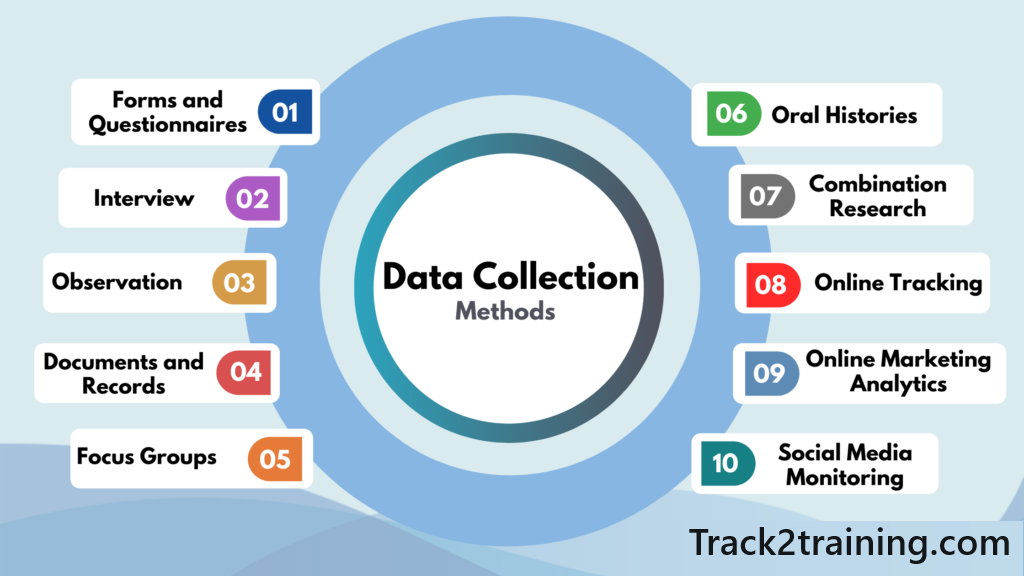
    • Collect data during and after the implementation of the actions. This could involve qualitative methods such as interviews, focus groups, or quantitative methods like surveys and observations.
    • Ensure that data collection methods align with the research questions and the goals of the action research project.
  8. Reflection:
    • Facilitate regular reflection sessions with the research team and stakeholders to discuss the outcomes, challenges, and unexpected findings.
    • Encourage open and honest discussions to gain insights into the effectiveness of the actions taken.
  9. Analysis of Data:
    • Analyze the collected data to draw conclusions about the impact of the actions on the identified problem.
    • Use both qualitative and quantitative analysis methods to provide a comprehensive understanding.
  10. Adjustment and Iteration:
    • Based on the analysis and reflections, collaboratively decide on adjustments or modifications to the actions or strategies.
    • Repeat the cycle, making further refinements and implementing additional actions as needed.
  11. Documentation and Reporting:
    • Document the entire action research process, including the initial problem, actions taken, data collected, and outcomes.
    • Prepare a comprehensive report that communicates the findings, insights, and lessons learned to stakeholders and the broader community.
  12. Dissemination and Implementation:
    • Share the results and recommendations with relevant stakeholders, contributing to the wider dissemination of knowledge.
    • Encourage the implementation of successful strategies in similar contexts or by other practitioners and researchers.

By following this iterative and participatory methodology, action research seeks not only to understand and address problems but also to empower individuals and communities through a collaborative and reflective process.

Defining Action Research:

At its core, action research is a cyclical process that involves a close collaboration between the researcher and a client to identify, understand, and address a specific problem. Unlike conventional research, where the researcher maintains a more detached role, action research actively involves the participants in all stages of the research process. This collaborative inquiry seeks to generate practical knowledge and contribute to the immediate improvement of the situation under investigation.

The Collaborative Diagnosis:

The first crucial step in action research is the joint diagnosis of a problem. This stage requires active engagement between the researcher and the client, drawing on their combined expertise to understand the intricacies of the issue at hand. By fostering a collaborative atmosphere, action research encourages open communication and the sharing of perspectives, ensuring a comprehensive and nuanced understanding of the problem.

Developing Solutions:

Once the problem is diagnosed, action research moves swiftly into the development of solutions. This phase leverages the collective insights of the researcher and the client, emphasizing the co-creation of strategies tailored to the specific context. The collaborative nature of this approach ensures that proposed solutions are not only theoretically sound but also grounded in the practical realities of the situation. As a result, action research promotes a sense of ownership and commitment among all stakeholders, increasing the likelihood of successful implementation.

Iterative Nature and Continuous Learning:

Action research is inherently iterative, with cycles of planning, acting, observing, and reflecting. This iterative process allows for continuous refinement of strategies based on feedback and outcomes. The emphasis on reflection encourages a culture of continuous learning, fostering adaptability and resilience in the face of evolving challenges. As the cycle repeats, participants build on their experiences, refining their understanding of the problem and the effectiveness of the solutions proposed.

Applicability Across Disciplines:

One of the strengths of action research lies in its versatility and applicability across various disciplines. Whether applied in education, healthcare, business, or community development, the collaborative and problem-oriented nature of action research makes it a powerful tool for addressing diverse challenges. By recognizing the unique context of each situation, action research facilitates the development of context-specific and sustainable solutions.

Concluding Remarks:

Action research stands as a beacon of collaborative inquiry, where the researcher and the client join forces to diagnose problems and co-create solutions. Through its iterative and participatory nature, this approach has demonstrated its effectiveness in fostering meaningful change in diverse settings. As we navigate the complexities of an ever-evolving world, action research offers a promising path towards addressing challenges with innovation, adaptability, and a shared commitment to improvement.

References

Altrichter, Herbert, et al. “The concept of action research.” The learning organization 9.3 (2002): 125-131.

Avison, David E., et al. “Action research.” Communications of the ACM 42.1 (1999): 94-97.

Cohen, Louis, Lawrence Manion, and Keith Morrison. “Action research.” Research methods in education. Routledge, 2017. 440-456.

Hinchey, Patricia H. Action research primer. Vol. 24. Peter Lang, 2008.

McNiff, Jean. Action research: Principles and practice. Routledge, 2013.

O’Brien, Rory. “An overview of the methodological approach of action research.” (1998).

Riecken, Ted, et al. “Connecting, speaking, listening: Toward an ethics of voice with/in participatory action research.” Forum Qualitative Sozialforschung/Forum: Qualitative Social Research. Vol. 6. No. 1. 2005.

Sharma, Shashikant N., and Kavita Dehalwar. “Guidelines for Writing a Good Term Paper.” Track2Training, 13 Nov. 2023, https://track2training.com/2023/11/13/guidelines-for-writing-a-good-term-paper/.

Sharma, Shashikant Nishant. “Sustainable development strategies and approaches.” International Journal of Engineering and Technical Research (IJETR) 2 (2013).

Sharma, Shashikant Nishant. Participatory Planning in Plan Preparation. BookCountry, 2014.

Sharma, Shashikant Nishant. “Review of most used urban growth models.” International Journal of Advanced Research in Engineering and Technology (IJARET) 10.3 (2019): 397-405.

Sharma, Shashikant Nishant. “Understanding Citations: A Crucial Element of Academic Writing.” (2023).

Sharma, Shashikant Nishant, ed. New perspectives in sociology and allied fields. EduPedia Publications (P) Ltd, 2016.

Sharma, Shashikant Nishant. “How to Write a Grant Proposal in an Effective Manner to get Projects.”

Somekh, Bridget. Action research. McGraw-Hill Education (UK), 2005.

Wilson, Thomas D. “Recent trends in user studies: action research and qualitative methods.” Information research 5.3 (2000).

Guidelines for Writing a Good Term Paper

By: Shashikant Nishant Sharma and Kavita Dehalwar

Writing a term paper involves several key steps and considerations. Here are some general guidelines to help you navigate the process:

Understand the Assignment:

Carefully read the assignment promptly to understand the requirements and expectations.

Take note of any specific guidelines regarding formatting, length, and citation style.

Before embarking on your term paper, meticulously examine the assignment prompt to comprehend its requirements. Pay keen attention to formatting specifications, paper length constraints, and the prescribed citation style. Understanding these nuances is crucial for meeting the instructor’s expectations and ensuring your paper aligns with the given guidelines. This initial step lays the foundation for a well-structured and appropriately formatted academic work, enhancing your chances of academic success.

Choose a Topic:

Select a topic that interests you and is relevant to the course.

Ensure the topic is not too broad or too narrow for the scope of the assignment.

When selecting a topic for your term paper, choose a subject that genuinely captivates your interest and holds relevance to the course content. Passion for the topic can fuel your engagement and motivation throughout the research and writing process. However, it’s equally important to strike a balance: avoid topics that are overly broad, as this can result in a superficial treatment of the subject, and steer clear of overly narrow topics that may lack sufficient research material. Aim for a focused yet comprehensive theme that allows you to explore the intricacies of the subject within the assignment’s scope, ensuring depth and academic rigor.

Conduct Research:

Use a variety of reputable sources such as academic journals, books, and reliable websites.

Take thorough notes and keep track of your sources for proper citation.

When conducting research for your term paper, diversify your sources to include reputable outlets such as academic journals, authoritative books, and reliable websites. Academic journals offer peer-reviewed insights, books provide in-depth analyses, and trusted websites can offer contemporary perspectives. As you delve into your sources, take meticulous notes to capture key ideas, evidence, and citations. Organize your notes methodically to facilitate later writing and referencing. Maintain a comprehensive record of your sources, noting details like authors, publication dates, and page numbers. This disciplined approach ensures accurate and proper citation, lending credibility to your work and acknowledging the intellectual contributions of others.

Create a Thesis Statement:

Develop a clear and concise thesis that outlines the main argument or purpose of your paper.

Your thesis should guide the reader on what to expect from your paper.

Craft a clear and concise thesis statement that succinctly outlines the main argument or purpose of your paper. This pivotal sentence serves as the focal point, conveying the core message you aim to explore or prove. Ensure that your thesis is specific, debatable, and directly related to the topic. It should not only encapsulate the essence of your stance but also provide a roadmap for the reader. Your thesis acts as a guidepost, offering a preview of the arguments and insights that will unfold in your paper, cultivating anticipation and setting the tone for a coherent and purposeful academic exploration.

Outline Your Paper:

Create a structured outline that organizes your thoughts and ideas logically.

Include an introduction, body paragraphs, and a conclusion.

Construct a well-structured outline to logically organize your thoughts and ideas for your term paper. Begin with an introduction that provides background information, introduces the topic, and states your clear and concise thesis statement. Follow this with organized body paragraphs, each centered on a distinct point that supports your thesis. Begin each body paragraph with a topic sentence, supported by evidence and analysis. Maintain a logical flow between paragraphs. Finally, craft a conclusion that summarizes key points, restates your thesis in a new light, and explores broader implications or future research possibilities. This structured outline serves as a foundation for a coherent and compelling term paper.

Write the Introduction:

Provide background information on the topic.

Present your thesis statement.

Outline the structure of your paper.

In the introduction of your term paper, provide essential background information on the chosen topic to contextualize it for the reader. Establish the relevance and significance of the subject matter within the broader context of your field of study. Following this, present a clear and concise thesis statement that encapsulates the main argument or purpose of your paper.

Conclude the introduction by outlining the structure of your paper. Briefly describe how you will unfold your arguments and what each section will focus on. This serves as a roadmap for your readers, guiding them through the logical progression of your ideas. A well-crafted introduction not only captures attention but also provides a framework for understanding the content and organization of your term paper.

Develop Body Paragraphs:

Each paragraph should focus on a single point that supports your thesis.

Use topic sentences to introduce the main idea of each paragraph.

Support your points with evidence and examples from your research.

Ensure the coherence and clarity of your term paper by dedicating each paragraph to a singular point that reinforces your thesis. Begin each paragraph with a topic sentence that concisely introduces the main idea. This sentence acts as a guidepost for the reader, signaling the focus of the upcoming discussion. Subsequently, support your assertions with relevant evidence and examples derived from your research. This evidence could include data, quotations, or references to scholarly literature. By adhering to this structure, you provide a systematic and compelling development of your arguments, allowing your reader to follow and appreciate the logical progression of your ideas.

Cite Your Sources:

Follow the citation style specified in the assignment prompt (e.g., APA, MLA, Chicago).

Be consistent in your citation format throughout the paper.

Adhere to the specified citation style outlined in the assignment prompt, whether it’s APA, MLA, Chicago, or another format. Familiarize yourself with the rules and guidelines of the chosen citation style, encompassing aspects like in-text citations, bibliography, and formatting of reference entries.

Consistency is paramount; maintain the same citation format throughout your paper. Ensure that every source cited in the text aligns with the corresponding entry in the bibliography, and vice versa. This uniformity not only upholds academic integrity but also enhances the professionalism and credibility of your work. Precise and consistent citations allow readers and evaluators to trace and verify your sources seamlessly.

Write a Strong Conclusion:

Summarize the main points of your paper.

Restate your thesis in a new way.

Discuss the broader implications of your findings or suggest areas for future research.

In your term paper’s conclusion, succinctly summarize the main points you’ve addressed throughout the paper. Emphasize key findings and insights that support your thesis.

Restate your thesis in a fresh and impactful manner, providing a renewed perspective on the central argument. This restatement should capture the essence of your thesis without simply repeating the original wording.

Extend your conclusion by delving into the broader implications of your research. Discuss how your findings contribute to the field of study, highlight practical applications, or suggest potential impacts on related areas. Additionally, consider proposing areas for future research, inviting readers to explore and expand upon the foundations you’ve laid. This forward-looking element adds depth to your conclusion and encourages scholarly engagement beyond the scope of your paper.

Revise and Edit:

Review your paper for clarity, coherence, and consistency.

Check for grammar, punctuation, and spelling errors.

Consider seeking feedback from peers or instructors.

Prior to submission, meticulously review your term paper to ensure clarity, coherence, and consistency. Verify that your arguments logically flow, with each paragraph contributing to the overall coherence of the paper. Confirm that your ideas are presented clearly and that there’s a logical progression from one point to the next.

Check for grammar, punctuation, and spelling errors to maintain a polished and professional presentation. Utilize grammar-checking tools but also manually proofread to catch nuanced mistakes that automated tools might overlook.

Consider seeking feedback from peers or instructors. External perspectives can offer valuable insights, identifying potential areas for improvement and confirming that your paper effectively communicates its intended message. Constructive feedback enhances the overall quality of your work and helps you refine your writing skills.

Check Formatting:

Ensure your paper adheres to the specified formatting guidelines.

Include a title page, if required, and a bibliography or works cited page.

Guarantee that your term paper complies with the specified formatting guidelines outlined in the assignment instructions. Confirm that you’ve met any requirements regarding font, spacing, margins, and other formatting details.

Include a title page if it is required. The title page typically contains essential information such as the title of your paper, your name, the course title, the instructor’s name, and the date.

Don’t forget to incorporate a bibliography or works cited page, adhering to the citation style (e.g., APA, MLA, Chicago) specified in the assignment prompt. List all the sources you referenced in your paper in a consistent and organized manner, providing readers with a clear roadmap to trace and verify your sources. Pay attention to the specific details required for each citation entry, such as author names, publication dates, titles, and page numbers.

Final Review:

Read through your paper one final time to catch any last-minute errors.

Make sure your paper flows well and effectively communicates your ideas.

Before submitting your term paper, conduct a final thorough review. Read through your paper carefully to identify and rectify any last-minute errors in grammar, punctuation, or spelling. This meticulous check ensures the overall quality and professionalism of your work.

Pay attention to the flow of your paper. Confirm that your ideas progress logically and that each paragraph seamlessly connects with the next. Check for coherence in your arguments and transitions between sections, ensuring that your paper effectively communicates your intended message.

This final review is an opportunity to polish your work, presenting it in its best possible form before submission. Taking the time for this last check can significantly enhance the overall impact and clarity of your term paper.

Submit On Time:

Submit your term paper by the specified deadline.

Keep a copy of your paper for your records.

Submit your term paper by the specified deadline to meet the requirements of the assignment. Punctuality is essential in academic settings and demonstrates your commitment to the task.

Additionally, retain a copy of your paper for your records. This precautionary step ensures that you have a backup in case of unforeseen issues with the submission process or if you need to reference your work in the future. Archiving your papers contributes to a well-organized academic record and facilitates future research or reflection on your scholarly endeavors.

Remember that these are general guidelines, and you should always follow any specific instructions provided by your instructor or institution. If you have any doubts or questions, don’t hesitate to seek clarification from your instructor.

References

Dehalwar, K., & Sharma, S. N. (2023). Fundamentals of Research Writing and Uses of Research Methodologies. Edupedia Publications Pvt Ltd.

Guilford, William H. “Teaching peer review and the process of scientific writing.” Advances in physiology education 25.3 (2001): 167-175.

Rafik-Galea, Shameem, Nalini Arumugam, and Geraldine de Mello. “Enhancing ESL Students Academic Writing Skills through the Term-Paper.” Pertanika Journal of Social Sciences & Humanities 20.4 (2012).

Sharma, Shashikant Nishant. “Understanding Citations: A Crucial Element of Academic Writing.” (2023).

Sharma, Shashikant Nishant. “Experiences in Self-Determined Learning: Moving from Education 1.0 Through Education 2.0 Towards Education 3.0.”

Sharma, Shashikant Nishant, ed. New perspectives in sociology and allied fields. EduPedia Publications (P) Ltd, 2016.

Sutton, Brian. “Writing in the disciplines, first-year composition, and the research paper.” Language and Learning across the Disciplines 2.1 (1997): 46-57.

Whitaker, Anne. “Academic writing guide.” A step-by-step-guide to writing academic papers. Seattle: City University of Seattle (2009).

Essential Considerations in Research Proposal Development

By Shashikant Nishant Sharma

A well-crafted research proposal is the cornerstone of any successful research endeavor. It serves as the blueprint for the project, outlining the objectives, methods, and anticipated outcomes. However, it is crucial to pay attention to key elements within the proposal to ensure its effectiveness and the responsible use of resources. This essay delves into three critical aspects that researchers must note when developing a proposal.

1. Allocation and Distribution of Funds:

In the process of crafting a research proposal, budgetary considerations play a pivotal role. It is imperative to distribute funds judiciously among various components of the research project. Contingency or incidental expenses are legitimate reasons for internal fund allocation. However, it’s paramount to adhere to guidelines when the allocated amount becomes substantial, such as 10% of the total budget.

Moreover, researchers should recognize the ethical responsibility associated with financial management. Large amounts set aside for incidental expenses can be channeled towards disseminating research findings to the wider community. This dissemination can take various forms, including the publication of policy documents, books, research papers, or engagement with print media. By doing so, researchers contribute to the broader societal impact of their work, fostering knowledge sharing and awareness.

Furthermore, proposals should establish mechanisms for accountability. If the research fails to yield substantial outcomes or if the proposed work is not accomplished, there should be provisions for returning the unused funds. This ensures transparency and aligns with ethical principles governing research funding.

2. Timeframe and Project Duration:

Research projects are bound by time constraints, and proposals typically define a fixed period for their execution. Researchers must meticulously outline the project’s timeline, taking into account various stages such as literature review, data collection, analysis, and dissemination. The proposed duration should be realistic, allowing for the thorough exploration of the research question without unnecessary haste.

By clearly defining the project’s timeframe, researchers establish expectations for deliverables and milestones. This not only aids in effective project management but also enhances the credibility of the proposal. It demonstrates a comprehensive understanding of the research process and a commitment to adhering to a structured timeline.

3. Principal Investigator Selection:

Traditionally, the Principal Investigator (PI) role is often assigned to senior researchers with extensive experience. However, it is essential to recognize that individuals with junior status can assume this position, provided they possess the requisite knowledge and managerial skills. The proposal should explicitly outline the minimum requirements for a PI, ensuring that these criteria are met regardless of the individual’s seniority.

This inclusive approach to PI selection acknowledges the potential contributions of junior staff members and promotes a diverse research environment. It also encourages the development of managerial and leadership skills among junior researchers, fostering a collaborative and dynamic research community.

In conclusion, a well-crafted research proposal goes beyond outlining the technical aspects of a project. It involves strategic financial planning, realistic timelines, and considerations for inclusive leadership. By paying attention to these key elements, researchers can enhance the quality and impact of their proposals, contributing to the advancement of knowledge and the betterment of society.

References

DeCuir-Gunby, Jessica T., and Paul A. Schutz. Developing a mixed methods proposal: A practical guide for beginning researchers. Vol. 5. Sage Publications, 2016.

Heath, M., and Caroline Tynan. “Crafting a research proposal.” The Marketing Review 10.2 (2010): 147-168.

Herek, Gregory M. “Developing a theoretical framework and rationale for a research proposal.” How to write a successful research grant application: A guide for social and behavioral scientists (2011): 137-145.

Klopper, Hester. “The qualitative research proposal.” Curationis 31.4 (2008): 62-72.

Offredy, Maxine, and Peter Vickers. Developing a healthcare research proposal: An interactive student guide. John Wiley & Sons, 2010.

Sharma, Shashikant Nishant. Participatory Planning in Plan Preparation. BookCountry, 2014.

Vivar, Cristina G., et al. “Getting started with qualitative research: Developing a research proposal.” Nurse researcher 14.3 (2007).

Different Types of Collaboration and Their Benefits

By Shashikant Nishant Sharma Publication: Track2Training Date: 10 Nov 2023

Internal and external collaboration in research refer to the ways in which individuals, teams, or organizations work together to advance knowledge and achieve research goals. These collaborations can occur within the same institution or involve partnerships with external entities.

  1. Internal Collaboration:
    • Definition: Internal collaboration involves cooperation and teamwork among individuals or groups within the same organization or institution.
    • Explanation:
      • Within Departments: Researchers within the same department or discipline collaborate on projects, sharing expertise and resources to address specific research questions.
      • Interdisciplinary Collaboration: Collaboration between researchers from different departments or fields within the same institution can lead to a more comprehensive and holistic approach to research problems.
  2. External Collaboration:
    • Definition: External collaboration occurs when researchers from one organization or institution work with individuals or groups from outside entities.
    • Explanation:
      • Inter-Institutional Collaboration: Researchers from different universities or research institutions collaborate to leverage diverse perspectives, resources, and expertise.
      • Industry Collaboration: Collaborations between academia and industry involve researchers partnering with businesses or organizations to address real-world problems, share resources, and bridge the gap between theory and application.
      • International Collaboration: Researchers from different countries collaborate to bring together global perspectives, share resources, and address research questions that require diverse expertise.

Benefits of Internal Collaboration:

  • Efficient use of internal resources.
  • Leveraging existing institutional knowledge and infrastructure.
  • Fostering a collaborative research culture within the organization.

Benefits of External Collaboration:

  • Access to a broader range of expertise and perspectives.
  • Pooling of resources, including funding, facilities, and equipment.
  • Increased visibility and impact through collaboration with external partners.

Challenges:

  • Internal Collaboration: Potential challenges may include competition for resources, differences in research priorities, or communication barriers within the organization.
  • External Collaboration: Challenges may involve aligning different organizational cultures, managing logistical issues such as distance and time zones, and addressing potential intellectual property concerns.

Successful research often involves a combination of internal and external collaborations to maximize the strengths of each approach and address the complex and multifaceted nature of many research questions. Effective communication, clearly defined goals, and mutual respect among collaborators are essential for the success of both internal and external research collaborations.

References

Bammer, Gabriele. “Enhancing research collaborations: Three key management challenges.” Research Policy 37.5 (2008): 875-887.

Corley, Elizabeth A., P. Craig Boardman, and Barry Bozeman. “Design and the management of multi-institutional research collaborations: Theoretical implications from two case studies.” Research policy 35.7 (2006): 975-993.

Katz, J. Sylvan, and Ben R. Martin. “What is research collaboration?.” Research policy 26.1 (1997): 1-18.

Kraut, Robert, Jolene Galegher, and Carmen Egido. “Relationships and tasks in scientific research collaborations.” Proceedings of the 1986 ACM conference on Computer-supported cooperative work. 1986.

Lee, Sooho, and Barry Bozeman. “The impact of research collaboration on scientific productivity.” Social studies of science 35.5 (2005): 673-702.

Mindruta, Denisa. “Value creation in university‐firm research collaborations: A matching approach.” Strategic management journal 34.6 (2013): 644-665.

How to Write a Grant Proposal in an Effective Manner to get Projects

by Shashikant Nishant Sharma | Publication date: Nov. 04, 2023 | Publication: Track2Training

Securing funding for your projects through grant proposals is a crucial skill for non-profit organizations, researchers, and even some businesses. A well-crafted grant proposal can make the difference between your project’s success and failure. To increase your chances of receiving the funds you need, it’s essential to write a compelling and effective grant proposal. In this article, we’ll walk you through the key steps to write a grant proposal that captures the attention of grantors and ensures your project’s success.

Understanding Research Funding Process

Securing research funding is a critical step for researchers, scientists, and academics looking to initiate or continue their research projects. The process can be complex and competitive, but with a clear understanding of the key steps and considerations involved, you can increase your chances of success. Here’s a comprehensive guide to help you understand the research funding process:

  1. Identifying Funding Sources:
    • The first step in securing research funding is to identify potential sources of funding. These can include government agencies, private foundations, corporate sponsors, and academic institutions. Look for organizations that align with your research area and objectives.
  2. Research Grant Opportunities:
    • Once you’ve identified potential funding sources, research the specific grant opportunities they offer. Pay attention to eligibility criteria, application deadlines, and the focus areas of the grants. You can find this information on the funders’ websites or through grant databases and search engines.
  3. Developing Your Research Proposal:
    • Craft a well-structured research proposal that clearly defines your research goals, objectives, methodologies, and expected outcomes. Ensure that your proposal aligns with the priorities and requirements of the funding opportunity you’re targeting.
  4. Budget Development:
    • Create a detailed budget that outlines the financial needs of your research project. This includes personnel costs, equipment, supplies, travel expenses, and any other project-related expenditures. Be realistic and ensure that all budget items are justified.
  5. Application Submission:
    • Follow the specific submission instructions provided by the funding agency. This may involve completing an online application, submitting hard copies, or using a grant management system. Ensure that you meet all submission deadlines and requirements.
  6. Review Process:
    • Your research proposal will undergo a review process, which varies depending on the funding agency. It may involve peer review by experts in your field, evaluation by a panel or committee, or a combination of these methods. The reviewers assess the quality and feasibility of your proposal.
  7. Grant Award Notifications:
    • After the review process is completed, you’ll receive a notification of the outcome. This can be an approval, rejection, or a request for revisions. If your proposal is approved, the notification will also include information on the funding amount and any conditions you must meet.
  8. Compliance and Ethical Considerations:
    • Ensure that your research adheres to ethical standards and complies with all regulations. Depending on your research, you may need to obtain ethical approvals, permits, or other clearances. Address these requirements promptly.
  9. Grant Management:
    • If you receive funding, it’s essential to manage your grant effectively. This involves financial management, regular reporting to the funding agency, and maintaining clear records of expenses and outcomes. Adhering to the terms and conditions of the grant is crucial to maintaining a positive relationship with the funder.
  10. Project Implementation:
    • Begin implementing your research project as outlined in your proposal. Keep detailed records of your progress and findings. Communication with the funding agency is key; inform them of any significant developments or changes in your project.
  11. Progress Reporting:
    • Many funders require regular progress reports, which detail the status of your research and the achievement of milestones. Be sure to submit these reports on time and provide any requested documentation.
  12. Project Completion and Final Reporting:
    • At the end of your project, submit a final report to the funding agency that summarizes the outcomes and findings. This is often a crucial requirement for closing out the grant and demonstrating accountability.
  13. Future Funding:
    • Use the results of your research and the experience gained to strengthen your future funding applications. Building a track record of successful research projects can make you a more attractive candidate for future grants.
  14. Networking and Collaboration:
    • Building relationships with peers, colleagues, and experts in your field can open up opportunities for collaboration and knowledge exchange. These connections can lead to valuable insights and potential funding sources.

The research funding process can be competitive and time-consuming, but it is essential for advancing your research and contributing to your field. Careful planning, meticulous proposal development, and effective grant management are key to securing funding and conducting meaningful research. Remember that persistence, continuous learning, and adaptability are crucial in navigating the complex landscape of research funding.

Things to Keep in Mind While Writing the Proposal

  1. Understand Your Audience: Before you begin writing your grant proposal, it’s essential to understand your audience. Grantors are looking for projects that align with their mission and values, so research potential funders to find a good fit. Take the time to learn about their priorities, guidelines, and the types of projects they have funded in the past. This knowledge will help you tailor your proposal to their specific requirements.
  2. Define Your Project: Clearly define the project you’re seeking funding for. Your proposal should provide a comprehensive overview of your project, including its goals, objectives, and expected outcomes. Explain why your project is needed and how it addresses a specific problem or fulfills a need within the community or field.
  3. Develop a Strong Executive Summary: The executive summary is the first thing grantors will read, so it’s crucial to make it compelling. Provide a concise yet thorough summary of your project, highlighting its significance and the expected impact. This section should serve as a teaser that entices the grantor to read the full proposal.
  4. Create a Detailed Budget: A well-thought-out budget is an essential component of any grant proposal. Detail all projected expenses, including personnel, equipment, supplies, and other costs. Make sure your budget is realistic and transparent. Grantors want to know how their funds will be used, so be thorough in your explanations.
  5. Develop a Clear and Logical Project Plan: Outline the steps and timeline for your project in a clear and logical manner. Show the grantor that you have a solid plan for achieving your goals and that you can effectively manage the project. Provide specifics about who will be responsible for each aspect of the project and how you will measure success.
  6. Craft a Compelling Narrative: The narrative section of your grant proposal is where you get to tell your story. Use persuasive language to explain why your project is important and why you are the right organization to carry it out. Highlight your team’s qualifications, your organization’s track record, and any partnerships or collaborations that enhance your project’s credibility.
  7. Address Potential Challenges and Risks: Grantors want to know that you’ve considered potential challenges and risks and have plans to mitigate them. Be honest about the obstacles your project might face and demonstrate your readiness to handle them effectively. This will show your grantor that you’ve thought through every aspect of your project.
  8. Provide Supporting Documentation: Support your proposal with relevant documents such as letters of support from community members or stakeholders, testimonials, research studies, and any other evidence that reinforces your project’s viability and impact.
  9. Follow Grantor Guidelines: Make sure to adhere to the grantor’s guidelines and formatting requirements. Grantors often receive numerous proposals, and they may disqualify applications that don’t meet their specific criteria. Attention to detail is crucial.
  10. Edit and Proofread: A well-organized, error-free proposal reflects positively on your organization. Carefully edit and proofread your proposal to ensure it’s free of grammatical errors and typos. Consider having someone else review it as well to catch any mistakes you may have missed.
  11. Meet Deadlines: Timeliness is critical in the grant application process. Submit your proposal before the stated deadline to avoid being disqualified. Late submissions are typically not accepted, so plan your timeline accordingly.
  12. Follow Up: After submitting your proposal, don’t forget to follow up with the grantor. This can be an opportunity to clarify any questions they might have and demonstrate your commitment to the project.

Creating a Budget for Grant Proposal Writing

A well-structured and realistic budget is a crucial component of a grant proposal. It not only provides a clear financial plan for your project but also demonstrates to the grantor that you have thoroughly considered the financial aspects of your proposal. Here’s a step-by-step guide on how to create a budget for your grant proposal writing:

  1. Understand Grantor Requirements: Before you start building your budget, carefully review the grantor’s guidelines and requirements. Different grantors may have specific formats, allowable expenses, and financial documentation expectations. Make sure you adhere to their guidelines to increase your chances of success.
  2. Identify Project Expenses: Start by identifying all the expenses associated with your project. These can be divided into two main categories:a. Direct Costs: These are expenses directly related to your project’s implementation. Examples include personnel salaries, equipment, supplies, travel, and any services or consultants required specifically for the project.b. Indirect Costs (Overhead): These are the general operating expenses that support your organization’s overall functions. These may include rent, utilities, office supplies, and administrative salaries. While some grantors may restrict the allocation of indirect costs, others may allow a percentage of the grant to cover these expenses. Make sure you clearly understand the grantor’s policy on indirect costs.
  3. Research and Estimate Expenses: Research and gather quotes or estimates for each expense item. If possible, get multiple quotes to ensure that your budget is realistic and competitive. Ensure that your estimates are as accurate as possible.
  4. Salary and Wages: Specify the roles and responsibilities of personnel involved in the project, along with their corresponding salaries and benefits. Be clear about the number of hours or months they will work on the project.
  5. Equipment and Supplies: List the equipment, materials, and supplies you’ll need, along with their costs. Be specific and provide justifications for each item. For equipment, you can often include depreciation costs over the equipment’s expected lifespan.
  6. Travel Expenses: If your project involves travel, outline the anticipated expenses for transportation, lodging, meals, and incidentals. Be sure to include details like the number of trips, destinations, and the purpose of the travel.
  7. Contractual Services: If your project requires external services, such as consultants, evaluators, or subcontractors, detail the services they will provide and the costs associated with their involvement.
  8. Other Direct Costs: Any other expenses directly related to your project, such as marketing and outreach materials, software licenses, or permits, should be clearly outlined in your budget.
  9. Indirect Costs: If allowed, calculate indirect costs as a percentage of the total direct costs. Typically, this is calculated as a percentage of salaries and wages, or as specified by the grantor.
  10. Contingency: Include a contingency line item in your budget to account for unexpected expenses or unforeseen changes in the project. A common practice is to allocate around 10% of the total budget for contingencies, but this can vary depending on the grantor’s requirements and the nature of the project.
  11. Total Budget: Sum up all the direct and indirect costs to arrive at the total budget for your project. Make it clear that you have accounted for every potential expense and that your budget is comprehensive.
  12. Budget Justification: For each line item in your budget, provide a brief justification explaining why it is necessary for your project’s success. This shows the grantor that you’ve thought carefully about your financial needs.
  13. Documentation: If required, attach supporting documentation such as quotes, vendor estimates, or any other relevant financial documents to substantiate the figures in your budget.
  14. Review and Finalize: Finally, carefully review your budget to ensure accuracy, completeness, and compliance with the grantor’s guidelines. Seek input from colleagues or financial experts if necessary.

Creating a well-structured and realistic budget is essential to the success of your grant proposal. A meticulously crafted budget not only enhances your proposal’s credibility but also helps you effectively manage your project’s finances if you receive the grant. Remember to be transparent, precise, and thorough in your budgeting process to increase your chances of securing the funding you need.

Concluding Remarks

Writing an effective grant proposal is a skill that can make or break your project’s chances of securing funding. By understanding your audience, thoroughly defining your project, and following these essential steps, you can increase your likelihood of success. Remember that grant writing is both an art and a science, and practice and persistence will improve your abilities over time. Keep refining your proposal-writing skills and never give up on your mission to make a positive impact on your community or field.

References

Blanco, Maria A., and Mary Y. Lee. “Twelve tips for writing educational research grant proposals.” Medical Teacher 34.6 (2012): 450-453.

Chung, Kevin C., and Melissa J. Shauver. “Fundamental principles of writing a successful grant proposal.” The Journal of hand surgery 33.4 (2008): 566-572.

Coley, Soraya M., and Cynthia A. Scheinberg. Proposal writing: Effective grantsmanship. Sage, 2008.

Dehalwar, Kavita. and Sharma, Shashikant Nishant. Fundamentals of Research Writing and Uses of Research Methodologies. N.p., Edupedia Publications Pvt Ltd, 2023.

Inouye, Sharon K., and David A. Fiellin. “An evidence-based guide to writing grant proposals for clinical research.” Annals of internal medicine 142.4 (2005): 274-282.

Miner, Jeremy T., and Kelly C. Ball-Stahl. Proposal planning & writing. Bloomsbury Publishing USA, 2019.

Proctor, Enola K., et al. “Writing implementation research grant proposals: ten key ingredients.” Implementation Science 7.1 (2012): 1-13.

Sharma, Shashikant Nishant. “Understanding Citations: A Crucial Element of Academic Writing.” (2023).

Sharma, Shashikant Nishant, ed. New perspectives in sociology and allied fields. EduPedia Publications (P) Ltd, 2016.

Wisdom, Jennifer P., Halley Riley, and Neely Myers. “Recommendations for writing successful grant proposals: an information synthesis.” Academic Medicine 90.12 (2015): 1720-1725.

Principals’ ICT Management Ability as Predictor of Teachers’ Technology Integration in Public Secondary Schools in Anambra State

By:

Okafor, Judith Nneka

Email: srnnejokafor@gmail.com

Prof. Nwogbo, Vivian Ngozi

Email: vn.nwogbo@unizik.edu.ng

Department of Educational Management and Policy, Faculty of Education, Nnamdi Azikiwe University, Awka.

Abstract

The aim of the study was to investigate Principals’ ICT management ability as predictor of teachers’ technology integration in public secondary schools in Anambra State. Two research questions guided the study and two null hypotheses were tested at 0.05 level of significance. Correlational survey research design was adopted for the study. The population of the study comprised 5,286 teachers in the 263 public secondary schools in Anambra State. A sample of 528 teachers was drawn using proportionate sampling technique. Two sets of instruments titled: Principals’ Technology Leadership Questionnaire (PTLQ) and Teachers’ Technology Integration Questionnaire (TTLQ) were used to collect data from the respondents. Data collected were analyzed using simple regression analysis. Findings revealed that Principals’ ICT management ability of support is a moderate and significant predictor of teachers’ technology integration, while Principals’ ICT evaluation ability is a strong and significant predictor of teachers’ technology integration. Based on the findings, it was recommended among others that Principals need technology competence and skills to provide ICT facilities and support services for effective ICT programmes in schools in order to increase teachers’ technology integration in the school.

Keywords:  Principal, ICT management, technology integration

Introduction 

The use of communication as a medium of passing information from one person to another has been viewed as an important tool for managing change and innovation in organisations. The era of technology is a big change in the proactive way of doing things in the 21st century. When this changes in information and communication technology are integrated into education, it produces knowledge and skills required for improvement in the educational system with impact on the society in general (Williams, Uchendu and Mbon, 2014).  However, teachers need to use ICT to enhance their teaching effectiveness. Thus, there has to be availability of prudent management of ICT resources by school principals and ensuring proper utilization of these resources to boost teachers’ technology integration. The proper management of ICT facilities in schools of learning is very paramount for execution of activities by the school personnel especially the teachers. 

Surbhi (2015) defined management as an act of planning and organizing people and their work, for achieving a common goal by using the organizational resources. The major activities performed by management include planning, organizing, controlling, coordination and decision-making. Management in ICT entails effective planning, organization, selection, support, assessment and training of human resources and managing the application of best available technologies for achieving the institutional goal and that of the learner. According to Nwizu (2016), management of ICT facility requires proper planning to serve as a hub upon which the transmission of knowledge is based. It is a process of determining ICT requirement that will ensure and enhance quality achievement of learning outcome. This will necessary serve both the students and the teacher to achieve the objective of the programme. The initial effort in outlining ICT plan is to determine the type of ICT apparatus that will be able to reach the students and be accessible to them.

Similarly, Oluyemesi (2015) stated that school principals are saddled with the responsibility of managing ICT in schools for the realization of educational goals, hence the need for management of ICT facilities such as computers, aiding the provision of internet services, projector, fax machine, interactive digital white boards, online zoom, video conferencing classes where students watch lecturers at home on the computers and smart phones, powerpoint slides among others to improve teaching effectiveness and students’ learning outcome. Besides, the overwhelming influence of ICT and social media in all facet of human life is so alarming. All life activities are connected to ICT and social media to the extent that whoever is not in the use of any type of ICT will appear (analogue) not to be moving along with the trend of the 21st century. The era of technology is a big change to the proactive way of doing things in the 21st Century.

In furtherance, Oluyemesi (2015) defined information and communication technologies (ICT) as those high-tech digital and electronic innovations and facilities that enable accessing, analyzing, processing, management and communication information over long distance. Also, it is a diverse set of technological tools and resources used to transmit, store create, share or exchange information which include computers, internet, live broadcasting technologies (radio, television, webcasting) recorded broadcasting technologies (podcasting, audio and video players, storage devices) and telephone and satellite technologies.  In agreement with the above, Ogonnaya (2017) defined ICT as an electronic technologies used in the creation, collection, storage, processing, retrieval, transmission of information between individuals for the benefit of human race. Therefore, management of ICT simply means planning, organizing and supporting the use of technology facilities to achieve an effective learning goal. Thus, principals should harness the integration of ICT facilities to support the operation and achieve the objectives of the entire programme.

Akuegwu, Ntukidem, Ntukidem and Jaja (2013) argued that the integration of ICT in teacher training programmes is vital in that teachers will gain knowledge in the use of ICT in teaching. That the knowledge-driven nature, powered by information and communication technology, has made the use of information and communication technology second to none in ensuring quality instructions in the schools. This means that ICT can be used by teachers to improve instructional activities at various levels of education. Hence, the ICTs, such as computers, internet facilities, video computer disc, and close circuit television among others increase the productivity of teachers. Therefore, there are factors that are involved in principals’ ICT management ability: ICT support ability and evaluation ability.

ICT support ability of a principal according to Akuegwu, Ntukiden, Ntukidem and Jaja (2013) entails having needed technology skills and changes aimed at maximizing learning achievement and goals through the supply and use of technology and mass media resources. It involves the process of providing support services for effective ICT programmes in schools such as videos, televisions, computers, ICT laboratory, and overhead projectors. Similarly, principals should utilize strategic partnerships to support comprehensive improvement, creating and maintaining a robust technology infrastructure, including integrated and manageable technology systems to support management, operations, teaching and learning exercise. This is to ensure that subject teachers can easily have access to ICT tools whenever needed.

ICT evaluation ability of principals is key element that ensure attainment of instructional outcome in learning experience. Thus, ICT evaluation ability of the school principal is the capacity of the principal to successfully assess ICT programmes in school. Evaluation of ICT can be in form of observing teachers use ICT to teach students, rating teachers’ ICT utilization and providing feedback to stakeholders who will be interested in knowing the extent at which their objectives have been achieved. Every principal is therefore expected to adopt appropriate evaluation ability to effectively assess the effects of use ICT on teaching and learning exercise. Nevertheless,  the competence factor plays an important role in the integration of ICT in the teaching and learning activities, whereby the competence of the user (teachers) are said to be balance with the integration in classroom exercise.

According to Charania, (2011), technology integration is when the electronic devices are fit in comfortably with the curriculum or instructional plans of teaching and learning exercise. Thus, technology rather than an additional layer in the classroom is embedded within the design of the teacher’s lesson plan and the pedagogy. Besides, in this approach, the teacher designs learning activities and students use technology to construct their own learning.  For instance, students use technology for seeking information, construct and organize their learning and represent it through computer applications. Thus, the teacher plays a role of a facilitator.

However, it has been observed that some principals lack ICT management ability to either support the integration of ICT in teaching and learning activities or evaluate the use of ICT by teachers. This is because principals do not show readiness to learn to become technology leaders in their various schools, while some do not have interest to become competent ICT managers. Some principals do not know how to access emails, online interactive classroom, and video conferencing or to integrate the use of scratch cards to check results by the student. This ICT non competent of the principals affects the goal attainment of schools. A typical example is during the outbreak of corona virus pandemic that brought a total lockdown of schools. Principals were advised to use different technology facilities to connect students to teachers in order to maintain on-going teaching and learning activities. It was expected that principals should work with their computers to ensure that the gap created by the lockdown was filled with ICT and online administration, but the reverse was the case. Despite the level of awareness, there were perceived attitude of computer phobia and withdrawal approach in the use of computer in administration. It is common experience today among the principals of the continued use of paper and pen in disseminating information on their school notice board. Most at time official information are mutilated or misplaced. This is very embarrassing and sort of worry that this kind of issue are still being witnessed in public secondary schools in Anambra state, when many formal organization have left analogy system to e-administration. This necessitated the need to investigate principals’ ICT management ability as predictor of teachers’ technology integration in public secondary school.

Purpose of the study

The study investigated principals’ ICT management ability as predictor of teachers’ technology integration in public secondary schools in Anambra state. Specifically, the study sought to: 

  1. Find out the predictive value of principals’ ICT management ability of support on teachers’ technology integration in public secondary schools in Anambra State.
  2. Determine the predictive value of principals’ ICT management evaluation ability on teachers’ technology integration in public secondary schools in Anambra State.

Research Questions

The following research questions guided the study.

  1. To what extent can principals’ ICT management ability of support predict teachers’ technology integration in public secondary schools in Anambra State.
  2. What is the extent of prediction of principals’ ICT management evaluation ability on teachers’ technology integration in public secondary schools in Anambra state?

Hypotheses 

The following formulated null hypotheses were tested at 0.05 level of significance.

  1. There is no significant prediction of principals’ ICT management ability of support on teachers’ technology integration in public secondary schools in Anambra state.
  2. There is no significant prediction of principals’ ICT management evaluation ability on teachers’ technology integration in public secondary schools in Anambra state.

Method

A correlational survey research design was adopted for the study. The population of the study is 5,286 teachers in the 263 public secondary schools in Anmbra state. Proportionate stratified sampling technique was adopted for the study. The state public secondary schools were divided into six strata and the six education formed the six strata. Ten percent of the total number of each strata was sampled, given a total of 528 teachers as sample of the study. The administration of the instruments was carried out with the help of six research assistants. 528 copies of questionnaires were used for the study. The data for the study was collected using the two sets of instruments titled: “Principals’ Technology Management Questionnaire” (PTMQ) and “Teachers’ Technology Integration Questionnaire” (TTIQ). Principals’ technology management instrument was divided into two components that are collapsed. First component contained items on principals’ ICT support, and principals’ ICT evaluation item. The second set of the instrument is “Teachers technology integration questionnaire that contained 40 items. To establish the reliability of the instrument, the questionnaire was tested using twenty teachers outside the study area. The reliability indices for two components of principals’ technology management questionnaire were 0.80 and 0.72 respectively. The reliability index for teachers’ technology integration was 0.86. The overall coefficient of (PTMQ) was 0.82, while that of teachers was 0.86. Thus, the researcher considered the instrument to be reliable and fit for administration. This is in line with the view of Nworgu (2015) who posited that Cronbach Alpha is a good statistical tool for testing internal consistency of an instrument that have homogenous not dichotomous items and who also recommended that a co-efficient value of 0.70 and above is adequate for a research instrument. The data collected were analyzed using simple regression analysis. Muijs’ (2004) cited in Cohen, Manion and Morrison (2007, p. 523) suggestion for assessing the goodness of fit of regression model using squared regression coefficient (R2) was adopted for the research questions. Where: 0 – 0.1 = weak, 0.1- 0.3=modest, 0.3 – 0.5 = moderate, > 0.5 = strong. For the hypotheses, p-value was used to determine the significance of the prediction. Where the calculated p-value is less than the stipulated level of significance (0.05), the null hypothesis was rejected. Whereas the null hypothesis was not rejected where the calculated p-value is greater than the stipulated level of significance (0.05)

Results 

Research Question 1: To what extent can principals’ ICT management ability of support predict teachers’ technology integration in public secondary schools in Anambra State?

Table 1. Summary of Simple Regression Analysis with Principals’ ICT management ability as Predictor of Teachers’ Technology Integration

 RR2Adj.R2BSE Bβ 
Constant  .63 .40 .4067.08 2.31  .63
Principals’ ICT management ability of support   2.43.12  

Data in Table 1 indicates that principals’ ICT support is a moderate predictor of teachers’ technology integration in public secondary schools in Anambra State. This is shown by the regression coefficient (R =.63) and the coefficient of determination (R2 = .40) which indicates that principals’ technology support explained 40% of the variance in teachers’ technology integration.

Research Question 2: What is the extent of prediction of principals’ ICT management evaluation ability on teachers’ technology integration in public secondary schools in Anambra State?

Table 2. Summary of Simple Regression Analysis with Principals’ ICT management evaluation ability as Predictor of Teachers’ Technology Integration

 RR2Adj.R2BSE Bβ 
Constant  .82 .68 .6743.74 2.02  .82
Principals’ ICT management evaluation ability   4.45.43  

As shown in Table 2, principals’ ICT management evaluation ability is a strong predictor of teachers’ technology integration in public secondary schools in Anambra State. This is shown by the regression coefficient (R =.82) and the coefficient of determination (R2 = .68) which indicates that principals’ evaluation explained 68% of the variance in teachers’ technology integration.

Hypotheses

Hypothesis 1: Principals’ ICT management ability of support does not significantly predict teachers’ technology integration in public secondary schools in Anambra State.  

Table 3. Test of Significance of Simple Regression Analysis with Principals’ ICT management ability of support as Predictor of Teachers’ Technology Integration

 RR2Adj.R2BSE BβtFP
Constant  .63 .40 .4067.08 2.31  .6328.95  362.98.00.00
Principals’ ICT support ability   2.42.12 19.05 .00

The analysis in Table 3 shows that the simple regression coefficient (R) is .63 while the R2 is .40. The F-ratio associated with these is 362.98 and the P-value = .00, since the P-value is less than the stipulated 0.05 level of significance, it was decided that Principals’ ICT support ability is a significant predictor of teachers’ technology integration in public secondary schools in Anambra State. The null hypothesis was therefore rejected.

Hypothesis 2: Principals’ ICT management evaluation ability does not significantly predict teachers’ technology integration in public secondary schools in Anambra State.  

 <                                                                                 

Table 4 Test of Significance of Simple Regression Analysis with Principals’ ICT Evaluation Ability as Predictor of Teachers’ Technology Integration

 RR2Adj.R2BSE BβtFP
Constant  .82 .68 .6743.74 2.02  .8221.65  1117.29.00.00
 Principals’ ICTevaluation ability   4.45.13 33.42 .00

The analysis in Table 4 shows that the simple regression coefficient (R) is .82 while the R2 is .68. The F-ratio associated with these is 1117.29 and the P-value = .00, since the P-value is less than the stipulated 0.05 level of significance, it was decided that Principals’ ICT evaluation ability is a significant predictor of teachers’ technology integration in public secondary schools in Anambra State. The null hypothesis was therefore rejected.

Discussion of Findings

The finding of this study indicated that principals’ ICT management ability of support is a moderate and significant predictor of teachers’ technology integration in public secondary schools in Anambra State. This finding is in support of Rogers (2000) who examined the relationship between teachers’ perceptions of principals’ technology leadership and their use of technology in the classroom and found that teachers who stated that their school principals exhibited a supportive role in terms of provision of ICT technology for use in the classroom were more likely to integrate technology into their courses. In line with this, Hughes and Zachariah (2001) pointed out that when principals provide and make ICT facilities as well as other support services available for effective ICT programmes in schools, teachers’ technology integration in the school improves.

The study also revealed that principals’ ICT evaluation ability is a strong and significant predictor of teachers’ technology integration in public secondary schools in Anambra State. Evaluation of ICT is the ability of school principals to successfully assess ICT programmes in their schools in form of observing teachers use of ICT to teach students, rating teachers’ ICT utilization and providing feedback to stakeholders who will be interested in knowing the extent at which their objectives have been achieved. The finding of this study supports that of Papa (2011) who found that school principals’ ability to observe and rate teachers’ ICT use in the classroom improves teachers’ ICT performance. This finding is not supported by Lafont (2011) that teacher’s technology integration cannot be predicted by Principal’s ICT evaluation. The finding of this study also contradicts Page-Jones (2008) who proved that there is no relationship between technology leadership and the use of technology by teachers in schools. The reason for this contradiction may be attributed to the location where these studies were carried out. The study by Lafont (2011) and Page-Jones (2008) were conducted outside Nigeria and that may have influenced the contrary findings.

Conclusion

Based on the findings of the study, the researcher concludes that Principals’ ICT management ability of support is moderate and significant predictor of teachers’ technology integration, while Principals’ ICT evaluation ability is strong and significant predictor of teachers’ technology integration. 

Recommendation

            Based on the findings of this study, the following recommendations are made:

  1. Principals need technology competence and skills to provide ICT facilities and support services for effective ICT programmes in schools in order to increase teachers’ technology integration in the school.
  2. The study also recommends that for teachers to embrace and implement educational technology in accomplishing the intended learning outcomes, principals must be able to successfully assess ICT programmes in their schools by observing teachers use ICT, rating teachers’ ICT utilization and providing feedback on the extent at which their objectives have been achieved.

REFERENCES

Akuegwu, B. A., NtukidemE. P. Ntukidem, P. J. and Jaja, G. (2013). Information and communication technology (ICT) facilities utilization for quality instruction service delivery among Universities Lecturers in Nigeria. Review of Higher Education in Africa, 3(1), 33-53. 

Charania, A. (2011). An integrated approach to technology in K-12 classroom. National seminar on information communication technology in education, department of education.

Cohen, L. Manion, L. and Morrison, K. (2007). Research methods in education. USA, Rutledge.

Hughes, M., and Zachariah, S. (2001). An investigation into the relationship between effective administrative leadership styles and the use of technology. International Electronic Journal for Leadership in Learning, 5(5), 1-10.

Lafont, S. L. B. (2011). The relationship between principals’ technology leadership and the   teachers’ use of technology. South eastern Louisiana University.

Nwizu, S. C. (2016). Higher Distance Education Programmes in Nigeria: The Quality Perspective UNN 114th Inaugural lecture retrieved on 2/8/18 from www.unn.edu.ng.>inaugural-final.

Nworgu, B.G. (2015). Educational research: Basic issues and methodology (3rd ed.): University Trust Publishers.

Ogbonnaya, C. N. (2017). Teaching profession and challenges of ICT in teacher education. In W. Cheta, F.D. Asodike (Eds). The Teaching Profession & Teaching in Digital World. Port Harcourt: Pearl Publishers. 115-125.

Oluyemesi, A. O. (2015). ICT and effective school management: Administrators’ perspective: Proceedings of the World Congress on Engineering. London, UK. Retrieved from: www.iaeng.org/publication/wce2015. Pp 249 – 257.

Page-Jones, A.B. (2008). Leadership behaviour and technology activities: The relationship   between principals and technology use in schools. Doctoral dissertation, University of Central Florida Orlando, Florida.

Papa, R. (2011). Technology leadership for school improvement. Thousand Oaks: Sage Publications.

Rogers, P. L. (2000). Barriers to adopting emerging technologies in education. Journal of Educational Computing Research, 22(4), 455-472.

Surbhi, S. (2015). Difference between Management and Administration. Retrieved July, 2018 from https://keydifferences.com/difference-between-management-and-dministration.html

Williams, R. E., Uchendu, C. C. and Mbon, U. F. (2014). Information and Communication    Technology facilities and public secondary school work performance in Akwa Ibom    State, Nigeria. International Journal of Educational Administration Planning and Research 6(1), 71-81.

Linguistic Intelligence through Reading and Critical Thinking among English Language Learners

by:

Koppula Ujwala

Lecturer in English 

TSWRDC (W)

Ibrahimpatnam

Dr. Mellisa Helen

Assistant Professor

Nizam College, Osmania University

Abstract:

Language is a powerful tool that not only enables communication but also serves as a gateway to understanding diverse cultures, traditions, and perspectives. For English language learners (ELLs), the journey of acquiring a new language is a profound and often challenging experience. In this context, the development of linguistic intelligence takes center stage, offering ELLs a unique opportunity to harness the transformative potential of language through reading and critical thinking. This article explores the vital connection between linguistic intelligence, reading, and critical thinking within the context of English language learning. It delves into the ways in which reading literary texts can enrich the linguistic skills of ELLs and enhance their capacity for critical thought. As ELLs navigate the complexities of a new language, they embark on a voyage that not only broadens their linguistic horizons but also nurtures their ability to analyze, evaluate, and interpret information critically.

Through the exploration of literature, ELLs can expand their vocabulary, deepen their understanding of syntax and grammar, and sharpen their listening and speaking skills. At the same time, reading exposes them to the intricate tapestry of cultural and social nuances embedded in language, allowing them to appreciate the depth and diversity of the English language. However, this article goes beyond the linguistic aspects of language acquisition. It highlights how reading and critical thinking serve as powerful tools for ELLs to engage with different worldviews, perspectives, and ways of life. By immersing themselves in literary works, they can relate to characters, empathize with their experiences, and gain insights into the human condition. These experiences not only nurture their linguistic intelligence but also foster a deep appreciation for the interplay between language and culture.

A literary text stimulates the language acquisition process of a student in comparison to informational materials. The introduction of a literary book in a language school can enhance the proficiency of the students. It facilitates the expansion of the learner’s imagination and awareness of language necessary for good debate or discourse. Reading literary writings from other eras can provide a comprehensive understanding of the various cultures, social conventions, and sociopolitical conditions that existed at the time, enabling the student to project them when participating in conversations or debates on the issue. The article will delve into practical strategies and best practices that educators and ELL instructors can employ to harness the synergy between linguistic intelligence, reading, and critical thinking. By doing so, they can empower ELLs to not only master the English language but also to become adept critical thinkers who can navigate a world characterized by diverse linguistic and cultural landscapes. This article aims to shed light on the immense potential that reading and critical thinking hold for English language learners, as they embark on a transformative journey of linguistic growth, cultural exploration, and intellectual empowerment.

Keywords: Literature, Literary Texts, Language Learning, Language and Literature, critical thinking.

Introduction 

Literature and language are inextricably linked, a truth that no one can dispute. Brumfit and Carter (1986) have previously said that literature serves as “an ally of language.” The method of teaching language through literature is not a new methodology, but it has been frequently utilized as a tool for achieving educational objectives. Until now, there have been numerous adjustments to instructional approaches. Texts of the target language were read and translated using the grammar translation method of language instruction. The emphasis placed on grammar rules diminished interest in the text’s literary content. The structural approach to literature lost its legitimacy when it relied solely on the traditional canon. The functional notional approach placed less emphasis on reading and more emphasis on fixed communication using authentic language samples.

Literature and English Language Learning

According to Coleridge, the essence of literature is to beautify language. Language is a wonderful attire for touching human emotions. Literature and language are two sides of the same coin. Language, if literature is thinking, is for communication. It helps the development of English language skills through various genres, including plays, poems, short stories, novels, and lyrics. Literature is a learning instrument that assists the student to acquire English fluency. The learner will increase his vocabulary, word structures, and syntax through reading literature. It is essential for students to upgrade their English language skills in order to compete effectively in the global marketplace.

In recent years, teaching the English language through literature has gained considerable attention. According to researchers, literature enables students to become acquainted with vocabulary, dialogues, and writing that can be used to improve their language skills. Literature employs descriptive language and introduces a diverse cast of people. The students enhance their English language fluency and accuracy by developing their reading skills through the application of specific tactics. Students will develop knowledge of figurative language such as metaphor and simile, as well as demanding vocabulary. The study of literature for enjoyment is a potent educational instrument that instils ideals and cultural richness. Shakespeare’s works, such as Macbeth, Hamlet, Romeo and Juliet, etc., continue to pique the curiosity of modern readers due to their present relevance and potential in substance and structure. Ben Johnson says it accurately: “He was not of an age but of all time.” The phrases he coined in his works are still in use today. For example: All that glitters is not gold (The Merchant of Venice, 1596), All’s well that ends well and The game is up (Cymbeline, 1611), etc.

“Literary texts can develop the student’s knowledge of language at the levels of vocabulary, structure, and textual organization,” (Hedge 1985 p. 22).

In recent years, the importance of literature in a language classroom has grown substantially. Literature is a potentially rich source of relevant information outside the classroom, according to Pugh. Literature teaches the learner to recognize creativity and higher degrees of imagination in all aspects of his daily life. It aids in the development of the student’s reading, writing, grammar, and vocabulary. This contributes to the total linguistic competence, which includes syntax, phonetics, diction, etc. As poetry contains a great deal of figurative language and pictures, students may encounter difficulty in its interpretation. Teachers of the English language can, however, transform this resistance into genuine interest.

Students can obtain knowledge of diction and sentence usage. Through the interactions with literary books, students can improve their communication skills. Novels, plays, and stories provide learners with an understanding of the culture that existed during various time periods, so enabling them to understand the vocabulary of other eras. Students can improve their writing abilities by engaging with literary materials and expressing their ideas. This enhances their critical reasoning. They may choose an alternative ending to a short narrative or compose a brief analysis of what they have read. In an interactive session following the reading of a literary text, students can exchange ideas that enhance their comprehension of the text.

Literature imbued with words conveys the essence of existence. English Literature has become the zenith of linguistic excellence with considerable finesse. Even though there have been several changes in the use of language as a result of advancements in various industries caused by the entrance of technology components, it has never lost its allure and will stay lovely forever.

Literature and Critical Thinking

In recent years, literature and the teaching of language and critical thinking through linguistic intelligence have gained significance. Literature is recognized as a collection of works containing significant language teaching materials. It contains a vast array of language-focused stories, plays, and poems. Literature can be utilized as a legitimate strategy for enhancing language levels. Literature discusses the people, locations, sociocultural elements, and cultural backdrop of many historical periods. This permits the student to gain an understanding of human nature. These universal concerns can be used to enhance language skills, including reading, writing, speaking, and listening. Literature aids students’ cultural enrichment and personal development (Collie & Slater, 1991; Carter & Long, 1991).

When students develop critical literacy abilities, they are able to rely on a variety of arguments and evidence to support their claims. For instance, hard sciences such as physics and biology advance by incorporating lower levels of knowledge and comprehension into newly introduced ones. Each new area of knowledge is constructed using a pyramidal structure. In contrast, educational sociologists such as Basil Bernstein (1999) explains that the humanities, such as literature and visual arts, tend to develop as independent entities along a horizontal line. For this reason, critical thinking and reading skills are developed and exhibited differently across fields. It is necessary to urge students to pay attention to the specific requirements of various school disciplines and to request feedback from their teachers on manifestations of critical thinking that have been deemed worthy.

Bloom’s taxonomy places ‘comprehension’ at the bottom and ‘evaluation’ at the top, with analysis, synthesis, and evaluation as the three highest levels, which are essential for developing critical thinking. (Kennedy et al., 1991). Bloom’s taxonomy is consistent with a centuries-old Indian idea called “Pari-Prashna” that encourages critical, analytical, and autonomous thinking. The term ‘prashna’ means ‘questioning,’ while ‘pari’ indicates ‘depth and persistent’ It is essential to comprehend the above-mentioned definitions of critical thinking at the outset.

Critical thinking is not a new concept, but it has only gained attention in recent years. It is a component of the Vedic learning method from an eastern perspective. Cromwell (1992) states, “Almost everyone agrees that one of the primary aims of education is the enhancement of student thinking. In the past ten years, there has been a growing concern that graduates at all levels lack higher-order thinking skills. Our educational system emphasizes grammar at all levels but places less emphasis on literature. Memory is detrimental to comprehension and application. This will hinder their future employment, and Hirose (1992) laments, “Many of today’s youngsters lack the reasoning and critical thinking skills required to analyze and refine knowledge in order to perform effectively in the workforce.” It is now required to understand the significance of critical thinking and, more significantly, how it may be fostered in students. Utilizing literature in a language-based classroom is one technique for developing critical thinking skills.

Literature contains tales, plays, and poetry that can teach students not only the language but also real-world settings. Reading literary works in a language school helps students improve their language skills and enhance their critical thinking. Reading literature requires the reader to engage in analysis, synthesis, and evaluation of ideas. While examining the plot and interacting with the characters in a work, the reader is prompted to consider and reconsider his or her thoughts. A good literary work should be difficult in multiple ways. The experience obtained from reading a text enables the student to think critically and develop other attributes such as self-confidence, problem-solving, and an open mind.

Analyzing, drawing conclusions, assessing, and making decisions are all components of critical thinking. As it serves multiple purposes, a literary text affords linguistic chances in a variety of ways. Reading books is enjoyable and enriches the reader’s language. In addition, reading fiction, nonfiction, and poetry exposes the reader to the events and people of various eras. Thus, literature fosters the ability to comprehend culture and recognize the shared experiences that bind people from throughout the globe. Literature affords the reader the opportunity to develop their imagination. These abilities enable them to be inventive and productive in their daily lives. They begin to interact with others who share the same emotions, evaluate the nature of others, and make acceptable life decisions. Higher-order thinking skills are directly related with creativity and imagination. These skills help the learner to internalize knowledge and turn it through critical analysis into cognitive tools. In addition, they support the development of learners’ scientific-related knowledge through science fiction, despite their lack of expertise in science and technology.

Reading a literary text enables the development of the reader’s imagination. Numerous characters in various literature allow the reader to consider them from their point of view. Sometimes the stories and characters mimic the lives of the readers, providing them with hints on how to handle their problems or respond to specific situations. Literature encourages readers to expand their imaginations, form new concepts, and go far beyond plain facts. It is a rich trove of diverse civilizations and traditions that illuminate human nature. Human emotions and human situations are grasped through the study of literature. This allows for the activation of cognition. Questions arise axiomatically, giving rise to critical thought. Thus, the cognitive abilities of the student are also stimulated.

Relationship between Reading a Text and Linguistic Intelligence

When engaging with a literary text, individuals with strong linguistic intelligence have the ability to savor the intricate beauty of the written word. They can appreciate the author’s use of metaphors, similes, and symbolism, allowing them to delve into the nuances of the narrative. This deep connection to language enables readers to immerse themselves in the story and vividly imagine the scenes and characters described. The text becomes a canvas on which linguistic intelligence can paint a vibrant mental picture, enriching the reading experience. Moreover, linguistic intelligence empowers readers to explore the minds of the characters and empathize with their experiences. Through dialogue, inner monologues, and descriptive prose, readers can tap into the emotions and thoughts of the characters. They can analyze the characters’ linguistic choices, understand their perspectives, and even relate to their personal struggles. This process not only enhances their imaginative capacities but also nurtures their ability to see the world through diverse linguistic lenses.

The parallels between the lives of the readers and the characters they encounter in literature serve as a powerful tool for individuals with linguistic intelligence. They can extract valuable insights from characters’ journeys, applying the wisdom gained to their own lives. Whether it is dealing with love, loss, ambition, or ethical dilemmas, literature offers a treasure trove of scenarios and linguistic expressions to guide readers in navigating their real-world challenges. Through this symbiotic relationship between linguistic intelligence and literary texts, readers can find solace, inspiration, and guidance, empowering them to make informed decisions and craft their own narratives. As linguistic intelligence delves into the rich tapestry of civilizations and traditions found in literature, it also nurtures the reader’s ability to decode cultural nuances and linguistic subtleties. Readers with this form of intelligence can appreciate the beauty of idiomatic expressions, regional dialects, and the linguistic evolution of a language over time. This broadens their understanding of human nature, enabling them to connect with diverse cultures and societies, and fostering a deeper sense of empathy and inclusivity.

Thus, reading a literary text is an intellectual adventure that greatly benefits individuals with linguistic intelligence. The interplay between language and imagination creates a dynamic space where readers can explore the human experience, empathize with characters, and draw inspiration for their own lives. Linguistic intelligence breathes life into the words on the page, making literature an invaluable source of intellectual and emotional growth, and a testament to the enduring power of language in shaping our world and ourselves.

Conclusion

According to Povey’s (1972) observation “literature will increase all language skills because literature will extend linguistic knowledge by giving evidence of extensive and subtle vocabulary usage, and complex and exact syntax” (cited in McKay 1982: 529). 

In the event that a difficulty arises in a brand-new circumstance, students typically rely on their former learning patterns or academic experiences. If they are armed with critical thinking skills, they will feel confident and come up with creative solutions to issues. Critical thinking enables the student to engage in relevant and engaging dialogues. This enables students to evaluate difficulties by gaining a thorough understanding of the available options, analyze through deft questioning, and synthesize by conceptualizing an original solution. All of these reside at the pinnacle of Bloom’s taxonomy. Questions spark curiosity in the minds of the learners, which ultimately leads to mastery. One of the fundamental purposes of education is to enable the student to achieve perfection through independent thought. Additionally, inquiries lead students to investigate. Therefore, learners/students should be enabled to formulate their own questions, albeit intensively at first, but progressing to a more extended level with the assistance of the teacher. The English language instructor may select basic passages, but pose questions that require students to sit up straight, think, and analyze while making decisions.

Students should be enabled to develop higher-order thinking skills. This is achieved by reading comprehension activities with unfamiliar passages. Collaborative learning can promote critical thinking since it allows for conversation, the generation of new ideas, questions, clarifications, and assessments. In order to improve critical thinking and problem-solving skills, technology-assisted collaborative learning might be incorporated into the objective if conventional methods fail to produce the intended outcome. Albert Einstein once remarked, “The significant issues we confront cannot be handled with the same level of thinking we used to create them.” In this period of fast change, students can no longer rely on outmoded ways of thinking. They must develop their critical thinking through assimilation in order to reach their aim of obtaining a higher education.

Reading and thinking critically are also required for research. To write a successful summary of a reading passage, for instance, students must be able to incorporate appropriate information, identify the most significant concepts, and be sufficiently detailed or generic. In addition, students must be able to supervise the process through which they read the section, form a thought, verify it with the source text, write the summary, and lastly compare the written summary with the source text. Additionally, it is vital to consider the target audience and goal of the summary, as both influence what will be written or kept (Taylor, l983). If critical thinking is essential for any student, it is absolutely essential for university students. Paul (1990) identified as a deficiency in the reading comprehension skills of university students the inability to “identify the evidence an author requires to explain the inferences that follow from what the author said” (p. 50). In an effort to remedy the deficiency in this academic cognitive skill, he argued that instead of approaching “written material as a collection of sentences,” a university student should experiment with “various interpretations until one fit all of the work, rather than ignoring or distorting statements that do not fit their interpretation” (p. 335). According to Paul and Elder (2014), the critical thinking abilities of university students are not limited to identifying the primary idea, critiquing it, or even accepting the materials you are reading; rather, they involve constructing a knowledge map and reading to comprehend systems of thought. They believed that “knowledge occurs in meaning systems with interconnected fundamental, secondary, and peripheral ideas” (p. 2). After gaining a comprehension of these conceptual layers, the reader would be able to think within the system.

In addition, the reader can determine the goal of the academic work by “taking command of the structures that are the basis of all thought” (p. 18) and by “actively initiating a dialogue with the writer” (p. 18).

In the pursuit of language mastery, English language learners embark on a remarkable journey filled with challenges and opportunities. The development of linguistic intelligence through reading and critical thinking emerges as a guiding light in this voyage. As this article has explored, the interplay between language, literature, and critical thought enriches the linguistic abilities of ELLs and nourishes their understanding of the world. English language learners are not merely acquiring a new means of communication; they are immersing themselves in a vast and intricate world of expression, culture, and imagination. Through the pages of literary texts, they gain not only vocabulary and grammar but also a profound appreciation for the subtleties and nuances of the English language. More importantly, they find in these stories a reflection of the human experience that transcends linguistic boundaries.

As educators and ELL instructors, we have the privilege of guiding these learners on this transformative path. By fostering a love for reading, nurturing critical thinking skills, and creating an environment where linguistic intelligence can flourish, we enable ELLs to navigate the complexities of language and culture with confidence and grace. The journey of linguistic intelligence through reading and critical thinking among English language learners is not just a quest for language proficiency; it is a voyage of self-discovery, cultural understanding, and intellectual growth. It is a testament to the power of language to unite, inspire, and empower. And it is a reminder that, in the world of education, we hold the key to unlocking the doors to a universe of possibilities for every English language learner.

REFERENCES

Banegas D. The Role of Literature in ELT – Part One, 2010.

Brumfit  CJ,  Carter  RA.  (eds.)  Literature and Language Teaching.  Oxford:  Oxford University Press, 1986.

Correia R.  Encouraging Critical Reading in the EFL Classroom.  English Teaching Forum 2006; 44(1): 16-19.

Arjen DK, Lazar G.  Literature and Language Teaching:  A Guide for Teachers and Trainers. Cambridge: Cambridge University Press, 1993. 

Brunfit, C. J, & Carter, R. A. (Eds.) (1986). Literature and Language Teaching. Oxford: Oxford University Press. 

Brumfit, C.(1985). Language and literature teaching: From practice to principle. Oxford: Pergamon Press.  

Brumfit, C. J. (1991). Language awareness in teacher education, in James, C. and Garrett, P., Language Awareness in the Classroom. London, Longman. pp. 24-39). 

Carter, R., & Long, M.N. (1991). Teaching Literature. United States of America: Longman.

Kennedy, M., Fisher, M. B., & Ennis, R. H. (1991). Critical thinking: Literature review and needed research. In L. Idol & B.F. Jones (Eds.), Educational values and cognitive instruction: Implications for reform (pp. 11-40). Hillsdale, New Jersey: Lawrence Erlbaum & Associates.

Collie, J.,& Slater, S. (1987). Literature in the language classroom; A resource book of ideas and activities. Cambridge: Cambridge University Press.

Cromwell, L., 1992. Teaching critical thinking in the arts and humanities. Milwaukee: Alverno Productions.

Hirose, S., 1992. Critical thinking in community colleges. ASHE-ERIC Higher Education Reports, The George Washington University, ED348128

McPeck, J., 1981. Critical thinking and education. New York: St. Martin’s Press.

Paul, R., & Elder, L. (2002). Critical thinking: Tools for taking charge of your professional and personal life. Upper Saddle River, N.J.: Financial Times Prentice Hall

Scriven, M., & Paul, R. (1987). Defining critical thinking: A draft statement for the national council for excellence in critical thinking. Retrieved on Oct. 15, 2015 from http://www.criticalthinking.org/pages/defining-critical-thinking/766.

Enhancing Listening Skills by Using Scaffolding Techniques in TBLT

by: K.V.B. Ravindra Babu

Associate Professor

Department of EoL

VFSTR (Deemed to be University)

Vadlamudi, Guntur.

Mail: kvbravindra@gmail.com

Abstract:

Listening is an essential skill required for information reception and conversational participation. Though it is a primary skill acquired by all of us at the early stages of life, it is not often verified to enhance its effectiveness in the learners. Effective listening involves a complex mental process which is not trainable easily.  Task-based Language Teaching (TBLT) provides an opportunity to learners for real life language use. In the acquisition of second language learning, scaffolding techniques help the learners to accomplish the tasks with the help of ‘More Knowledgeable Others’(MKO) and thus extend their ‘Zone of Proximal Development’(ZPD). The present paper shares a part of doctoral research on ‘Using Scaffolding as a Technique to Enhance ESL Learners Language Proficiency at Tertiary Level: A Task-based Approach.  This paper presents the effectiveness of using scaffolding techniques to enhance the listening skills of the learners at graduate level in a private deemed to be university in the state of Andhra Pradesh.  The performance of the learners in this study is assessed as per the scales of Cambridge Assessment English and Common European Framework of Reference (CEFR). 

INTRODUCTION

The language skills are broadly categorised into receptive and productive skills.  Reading and Listening are considered receptive skills as the learners receive information by reading a printed text or listening to sounds.  Some people consider that the receptive skills are passive as the learners are not engaged actively in any action and they read or listen to something silently.  But it is not true.  When the learners engage in reading or listening to a text, they immediately activate their previous knowledge to understand the meaning of the text effectively. Their cognitive processing would be busy in relating the new information to the existing knowledge and try to assimilate both to draw conclusions.  Hence, it is wrong to say that receptive skills are passive.  The learners are to be given training in using effective reading and listening strategies to comprehend the messages.  As the comprehension in receptive skills is a complex mental process and the teacher cannot monitor how it happens or where it has gone wrong, it is difficult for the teachers to correct the errors and give feedback to the learners so precisely and instantly.  As there are no structured attempts at various levels of education to know how effectively the learners listen to or read in a given context, the learning gaps are created in their knowledge acquisition and it is also resulted in their poor communication skills.  The present research focuses on enhancing the listening skills of the ESL learners at tertiary level by using scaffolding techniques in the Task-based Language Teaching. 

THEORITIAL BACKGROUND

In the socio-cultural theory, the development of a new skill is handled through the notion of ‘scaffolding’.  In the usual sense, scaffolding is a temporary structure that is often put up in the process of constructing a building.  When each new bit is constructed, the scaffolding is removed or taken down.  The use of scaffolding is temporary but it is essential for the construction of a building successfully.  

The term ‘scaffolding’ was first used in the educational sense by Wood, Bruner, and Ross in their examination of parent-child talk.  They defined scaffolding as a “process that enables a child or novice to solve a problem, carry out a task or achieve a goal which would be beyond his unassisted efforts” (1976: 90).  Bruner described scaffolding in its metaphorical sense as “the steps taken to reduce the degree of freedom in carrying out some tasks so that the child can concentrate on the difficult skill in the process of acquiring” (1978: 19).  Scaffolding is not another word for help, it is a special kind of help that assists learners to move towards learning new concepts, new skills and new levels of understanding.  Pauline Gibbons defined scaffolding as “temporary assistance by which a teacher helps a learner know how to do something, so that the learner will later be able to complete a similar task alone” (2002: 10).  

Rod Ellis presented his views on scaffolding in the context of social interaction as “scaffolding is the dialogic process by which one speaker assists another in performing a function that he or she cannot perform alone” (2003: 182).  He elaborated that when the students have the opportunity to perform tasks with skilled teachers, their opportunities for learning are maximized.  In the opinion of Jim Scrivener, “scaffolding refers to the way a competent language speaker helps a less competent one to communicate by both encouraging and providing possible elements of conversation” (2011: 227). Jeremy Harmer (2015) suggested scaffolding as one of the best ways for the teachers dealing with learners of mixed abilities.  He says,

Scaffolding is the name given to a particular concept of learners’ support which involves breaking tasks down into their component parts.  For students who have difficulty in understanding that they are supposed to do or find it difficult to ‘stay on task’ – we can try to identify a number of ‘do-able’ chunks so that they move from one ‘successes to another.  When they are involved in each of these mini-tasks, we can support them and help them move on to the next stage.  The best approach, therefore is go from stages that the students can do fairly easily to the next, slightly more difficult stage, and then from there to another more difficult stage etc. (2015: 151). 

In addition to breaking things into do-able parts, Harmer advised to support the learners to understand things through all possible means. In the recent publications, the term scaffolding has lost its flavour and the new terms ‘collaborative dialogue’ and ‘instructional conversation’ are used instead.  Wood, Bruner, and Ross (1976) identified the following features of scaffolding.

  • Recruiting interest in the task
  • Simplifying the task
  • Maintaining pursuit of the goal
  • Marking critical features and discrepancies between what has been produced and the ideal situation
  • Controlling frustration during problem solving
  • Demonstrating an idealized version of the act to be performed

These features characterise the effect of scaffolding on both cognitive demands of the task and the affective states of the person attempting the task. According to Wood, Bruner & Ross (1976), teachers share the perspective of the learners in Scaffolded teaching and it serves as a means for the teachers to make a high-level involvement of the learners in the process of learning and also make them feel responsible for their learning.  The teacher is a ‘scaffold’ or ‘more knowledgeable other’ who helps and engages the learner in the tasks that they are unable to accomplish on their own.  The teacher provides an initial support to the learners and enables them understand the procedure of accomplishing the task. When the learners have become capable of accomplishing the task on their own, the teacher gradually withdraws the support and assigns the responsibilities to the learners.  Scaffolding does not mean that the teacher provides everything the learner needs.  It is a systematic support given to the learner in the beginning of a task to enable him/her responsible for their learning.  Gallimore and Tharp (1990) have referred to the term ‘scaffolding’ as ‘assisted learning’ and suggested six ways of supporting the learners.  They are 

  1. Modelling: The teacher may show a reading strategy to the learners by performing it in front of them.
  2. Instructing: It does not mean just the teacher assigning the task.  It is directing the learners’ focus on to fulfilling a particular sub-task to begin a difficult task involving various level of accomplishment.  
  3. Questioning: The teacher invokes mental operations of the learners by asking some questions to draw their attention towards the key elements of the text to understand it better. 
  4. Cognitive Structuring: The teacher enables the learners to think and act in an organised way by making use of their background knowledge and relate it to the new conditions.  This helps them in giving explanations or making predictions.
  5. Contingency Management: The teacher has to sustain the enthusiasm, involvement and interest of the learners in the tasks by encouraging them with praise and rewards. 
  6. Feedback: The teacher gives feedback report by comparing the learners’ performance to certain standard norms. The feedback may also include suggestions on the areas of improvement. 

METHODOLOGY

The present study focuses largely on enhancing language proficiency of ESL Learners at Tertiary Level by using Scaffolding Techniques in TBLT.  This paper reports the performance of learners in listening skill, one of the four skills dealt in the main study.  The researcher has chosen an experimental study to find out the effectiveness of scaffolded instruction in enhancing the learners’ language skills. The study is conducted in a private deemed to be university in Andhra Pradesh.  A sample group of 120 learners are chosen for this study.  They are pursuing their first-year graduation in Computer Science Engineering.  These learners are offered an English Proficiency Course in the university and at the end of the course they appear for Cambridge Preliminary English Test, a B1 Level Language proficiency test as per Common European Framework of Reference (CEFR).  Cambridge Preliminary English Test materials are used for both pre-test and post-test of this study. The learners are divided into experimental and control groups as per their performance in pre-test.  A twelve- week intervention with scaffolded instruction in TBLT is offered to the experimental group by the researcher and the control group is taught by using Presentation-Practice-Production (PPP) method. A Post-test is conducted after the intervention for both the groups and their performance is analysed by using Software Programme for Social Sciences (SPSS).  Conclusions are drawn based on the finding of this study. 

            In the present study, the researcher has used several ways of scaffolding, called them techniques, to make the learning implicit and effective. Some of them are mentioned below. 

  • Tasks are analysed on the basis of their linguistic complexity, cognitive complexity and communicative pressure.   Some of the tasks are broken down into smaller parts and presented to the learners in an increasing complexity.  The teacher ensured that the task presented are within the learners’ Zone of Proximal Development’ as suggested by Vygotsky (1935). 
  • The teacher-researcher has used the task-based framework advocated by Willis (1996) in administering the tasks in the classroom.  Several Lead-in activities are conducted to revive the previous knowledge of the learners and some new linguistic information is provided in the priming stage to prepare the learners for doing the tasks. 
  • The teacher-researcher has ensured at each stage of the task whether the students have understood the procedure of doing it and the goals to be reached at the end of it or not by using Instruction Check Questions (ICQs) and Comprehension Check Questions (CCQs).  
  • The teacher provides enough time for the learners to complete the task and creates a collaborative learning environment by assigning pair and group work in tasks.
  • The teacher explains the concepts with more examples and illustrations.  He uses multiple ways to make sure that the learners understand the process of approaching and solving problems. 
  • The teacher gives a clear description about purpose, goals and sub-goals of learning activity that the learners are expected to reach.  
  • Providing evaluation rubrics has also helped the learner to understand the key elements to be covered in the process of accomplishing a task. 

The teacher creates classroom conditions suitable for collaborative work and peer feedback.  The learners get the remarks and suggestions from the peers instantly on their writing and speaking performance. This also helps them learn from their peers’ performance.

Scaffolding for Listening Tasks

Teaching listening skills is considered to be one of the difficult areas in language skills development.  As both the teacher and the learner do not know how much language is acquired, it is difficult to fill the gap.  And listening to a foreign accent and comprehending it, is all new to many of the learners in the present study.   Most of the learners need strategy training in listening skills from the basics.  Scaffolding has begun with showing the distinction between hearing and listening. 

i)   Listening Task 1: The learners have to understand the key information from the short dialogues or monologues and identify the correct picture from three options. 

Scaffolding: T introduces a set of three pictures and elicit the learners’ explanation and guess about the situation of those pictures.  Ls are encouraged to predict in the pre-listening.  Ls are advised to be keen on the context and key words of the task to arrive at the correct answer.  T cautions about the distractors in all the options.  T encourages for peer check and repeated listening for accent practice with the support of audio script in the later stages.

ii)   Listening Task 2: The learners are expected to listen to a longer informative monologue or interview.  The learners have to listen for detailed understanding and should identify specific details about the listening text. 

Scaffolding: T introduces the task format.  It is choosing one from three option multiple choice questions.  T asks Ls some questions about the context of the task and directs them to see the instructions in the task sheet.  T points out certain strategies to be followed before starting the listening.  Ls are directed towards reading the task quickly before listening and predict what they are going to listen.  Ls are advised to follow the paraphrased options in the questions and to be careful about negatives, word spotting and distractors. This is a complex task involving the learners processing both receptive skills – listening and reading – simultaneously. 

iii)   Listening Task 3: The learners have to fill the gaps in the notes by following a longer monologue or speech.  They should listen to identity, understand and interpret the message. 

Scaffolding: T elicits important pieces of information about an event to explain what information is generally crucial.  T explains the structure of the task and genre of the audio.  Ls are asked to look at each gap and listen to the audio to find the information related to the given gap.  Ls are advised not to try for understanding the whole listening.  Ls focus is drawn towards the key information by predicting the listening text with the help of gaps in the task.  T reminds them of spelling and legibility of the answers. 

iv)   Listening Task 4: The task expects the learners to listen to and understand the opinions, attitudes, likes and dislikes of the speakers in a dialogue.  The learners have to decide whether the given statements are right or wrong. 

Scaffolding: T brainstorms Ls by encouraging the argument on any controversial statement.  This helps the learners to be familiar with the supporting and opposing reasons of arguments. T asks Ls to question about the context of the dialogue after playing the instructions part.  T reminds the Ls that the statements of the task are in the sequence of the listening text.  Ls are advised not to look for the exact language of the statement in the listening text.  Ls are trained to infer the meaning of paraphrased statements and compare them with the listening text.

RESULT ANALYSIS

In the collection of the demographic details and learning backgrounds of the sample group learners, a few interesting details are found in this study.  The learners have expressed their level of difficulty in dealing with various language skills and elements. 

Figure-1: Easy and difficult about English

Figure 1 shows the learners’ responses about what they feel difficult or easy about English.  The highest number of students (36%) have felt that reading is easy for them and 26 percent students express the same with writing.  The primary skills of the language, listening and speaking are considered easy by 14 percent and 19 percent students respectively and grammar and vocabulary are also not felt easier.  Only 4 percent say that grammar is easy for them and 1 percent have felt that vocabulary is easy.  A reversal of opinion is observed in what the students expressed very difficult for them about English.  31 percent have felt that vocabulary is a very difficult area for them to cope with the second language and it is followed by grammar which is felt difficult by 26 percent students. Listening and speaking skills are considered to be of moderate difficulty and 19 percent and 15 percent students have expressed their concern about them.   The academic skills reading and writing are not felt so difficult by majority of the students.  Seven percent students say that writing is difficult for them and 2 percent students say the same about reading.  They have felt that reading skill is the easiest for them and learning and using new vocabulary is the most difficult for them about English.

Figure-2: Difficulty in Listening

In finding the problems of listening comprehension in second language as shown in figure-2, 59 percent learners felt that the pace of the speakers is very difficult to follow.  Different accents used by the speakers (29%) and the speed of the speakers are the two major factors that influence the level of listening comprehension of the learners.  9 percent learners have felt that the unfamiliarity of the context which the speakers are talking about is hard to understand.  3% learners find some other problems in listening like the use of unfamiliar words, expressions and idioms by the speakers.

Listening Skills Data Analysis

Listening is one of the primary skills of a language.  Though no one denies its significance as a source of pronunciation, intonation, style etc. in the acquisition of second language, the learners are not provided any guided listening practice or the use of any strategies in listening.  When the researcher conducted the listening test as a part of pre-test, more than 90 percent students expressed that they have taken listening test for the first time in their 12 years of language learning process.  

The researcher adopted Cambridge Preliminary English Test Listening component for this study. This is a B1 level language test as per Common European Framework of Reference. There are four tasks in the listening test which focus on assessing the learners’ ability to listen and identify the key information from short conversations, monologues, interviews or longer informal dialogues.  There are different kinds of listening tasks used in pre- and post-tests.  Some of them are identifying the differences in the pictures by following the descriptions or short exchanges, understanding and interpreting the information to fill the gaps in the texts for note-taking, drawing the conclusions by identifying the opinions and attitudes of the people. 

There are multiple choice questions, gap-fills and true or false type of 25 objective questions in the listening test.  The test is conducted for 35 minutes after reading and writing components.  After the question papers are distributed to the learners, audio is played from the speakers to the whole group at once.  All possible precautions are taken to avoid any noise or disturbance from outside.  Each recording is played twice. The learners mark the answers in their question papers and transfer them later into the answer sheet.  The responses of the learners to the listening tasks are evaluated by using the answer key and the marks are normalised to the score of 170.  The results are mapped to CEFR levels of language proficiency. 

Listening Skills: Pre-test

The performance of the experimental and control group learners in the listening skills pre-test is given in Table-1.

Table-1: Students’ Performance in Listening Skills Pre-test

Listening: Pre-testExperimental GroupControl Group
Scores (CEFR Levels)No. of Learners%No. of Learners%
80-99 (Pre-A1)15251017
100-119 (A1)19323457
120-139 (A2)18301525
140-159 (B1)71212
160-170 (B2)12

The performance of experimental group learners in listening skills is found more in the first three levels of language proficiency.  There are 15 learners who scored between 80 and 99, 19 learners scored between 100 and 119, while 18 learners scored between 120 and 139, 7 learners scored between 140 and 159 and only one learner scored above 160. The performance of control group learners is the highest in the score of 100 and 119 range as there are 34 learners who showed their proficiency at this level.  10 learners are at Pre-A1 level with the score between 80 and 99.  Another 15 students have scored between 120 and 139.  There is only one learner at the score range of 140 and 159.  

Figure-3: Listening Skills Performance in Pre-test

The performance of learners in both the groups in listening skills is shown lucidly with percentages in Figure-3. The lines in the figure show that one fourth (25%) of experimental group learners are at pre-A1 level in the listening skills pre-test while 17 percent of control group learners are at this level.  32 percent of experimental group learners score at A1 level, where as 57 percent of control group learners performed at this level.  There are 30 and 25 percent learners at A2 level from experimental and control groups respectively.  There are 12 percent learners from the experimental group at B1 level but only two percent control group learners have performed at this level. Only 2 percent of experimental group learners have shown their listening skills performance at B2 level where there is no performance from control group.

Listening Skills: Post-test

During the intervention, the researcher has paid more attention to alleviating the fears of learners about listening skills. The production of English sounds is explained to the learners with pictures and videos.  The learners are engaged in a lot of pair and group activities to practice the accent and to find the specific and detailed meaning of the speakers in monologues and dialogues.  The listening tasks have been done repeatedly with and without relying on audio scripts.  The following Table-2 illustrates the performance of the learners from both the groups in the post-test of listening skills.  

Table-2: Students’ Performance in Listening Skills Post-test

Listening: Post-testExperimental GroupControl Group
Scores (CEFR Levels)No. of Learners%No. of Learners%
80-99 (Pre-A1)
100-119 (A1)58712
120-139 (A2)37624982
140-159 (B1)132247
160-170 (B2)58

It is good to observe that there are no learners at Pre-A1 level language proficiency in listening skills post-test.  There are only 5 learners from experimental group and 7 learners from control group who have scored between 100 and 119.  There are 37 learners from experimental group who have scored between 120 and 139, where as 49 learners of control group scored at this range.   Another 13 learners of experimental group have scored between 140 and 159 but only 4 learners of control group reached to this score.  There is no learner from the control group who scored above 160 but 5 learners from experimental group have performed at B2 level with the scores between 160 and 170.  The detailed graphical view of this performance is presented in Figure-4.

Figure 4: Listening Skills Performance in Post-test

The listening skills post-test performance of the learners is relatively better than the pre-test performance.  There are no learners from both the groups at Pre-A1 level.  There are 8 percent learners from experimental group and 12 percent learners from control group who have scored at A1 level.  Majority of the learners from both the groups – 62 percent from experimental and 82 percent from control groups – are at A2 level, just below the targeted B1 level.  22 percent learners from experimental group have performed at B1 level and another 8 percent at B2 level.  No control group learner could reach B2 level and there is only 7 percent of learners of that group reached to B1 level.   

Listening Skills: Mean Scores of Pre- and post-tests

The statistically important data form the pre- and post-tests of listening is presented in Table-3.  The mean scores and standard deviation of both experimental and control group learners are presented. 

Table-3: Statistics of Listening Skills Pre & Post-tests

Listening: Pre & Post-testsMeanNStd. DeviationStd. Error Mean
Pre-testExp.Listening113.336022.9042.9568
Con.Listening111.296013.771.7777
Post-testExp.Listening137.076013.7261.772
Con.Listening128.83609.0371.167

The mean scores of both experimental and control groups in both pre- and post-tests of listening skills show that there is a progress in the learners of both the groups form pre-test to post-test.    The mean score of experimental group has progressed from 113 to 137.  The mean score of control group has also improved from 111 to 129.  It is important to note that the pre-test performance is at A1 level for both the groups and it has improved to only A2 level in posts-test.  The table also shows the Standard Deviation and the Standard Error Mean of the results test-wise and group-wise. The mean scores of experimental and control groups in pre- and post-tests of listening skills are illustrated clearly in Figure 5.

Figure-5: Mean scores of Listening skills Test-wise and Group-wise

Listening: Paired Samples two tailed t-Test

As mentioned in the earlier section of this chapter, the P value shows whether the difference between the mean scores of both groups in pre-test and post-test is significant or not. The test-wise analysis of the learners’ performance in listening skills is shown in Table-4. 

Table-4: Statistics of Paired Samples t-test on Listening Skills

Listening: Paired Samples t-TestPaired DifferencestdfSig.      (2-tailed)
MeanStd. DeviationStd. Error Mean95% Confidence Interval of the Difference
LowerUpperP
Pre-testEG & CG2.0425.3293.274.50328.58320.624590.535
Post-testEG &CG8.23317.7862.2963.63912.8283.586590.001*
*  The Value of P is < 0.05.  Hence, the difference is significant.

The P value of paired groups in listening skills pre-test is 0.535.  This value is more than 0.05 (P > 0.05).  It means that there is no significant difference between the listening skills performance of control group learners and experimental group learners in the pre-test.  The P value of paired groups in listening skills post-test is 0.001.  This value is less than 0.05 (P < 0.05).  It means that there is a significant difference between the listening skills performance of experimental group learners and control group learners in the post-test.  It implies that the learners of experimental group have performed better in listening skills post-test than the learners of control group in the same test.

FINDINGS & CONCLUSION

Practising and testing of listening skill is an entirely new area for many learners.  The listening activity is scaffolded by making the learners expose the very small aspects of listening one after the other.  Showing the difference between hearing and listening, practice on minimal pairs to understand accent better, presenting the task before the audio, predicting or guessing the content before listening, guiding when to use and how to use audio scripts are some of the features of scaffolding used in listening.  The analysis of the data shows that the learners of experimental group performed better than the learners of control group in listening post-test.  

Learners could understand and respond positively to the strategies suggested for comprehending listening and reading texts.  Activating the learners’ previous knowledge and relating it to understand the new information, understanding the task before going to read or listen to it, predicting the context of the text with the help of task or pictures, focus on one thing at a time while using sub-skills etc., are a few strategies that the learners have used effectively in TBA. The study has revealed that ‘scaffolding’ techniques enable the learners to understand the process of learning a second language.  The learners are able to follow a systematic procedure for moving from simple to complex parts of the tasks.  The teacher’s support and guidance in the initial stages of accomplishing the tasks help the learners to expand their zones of proximal development. 

Bibliography

Council of Europe. (2011). Common European Framework of Reference for Languages: Learning, Teaching, Assessment. Cambridge: Cambridge University Press.

Ellis, R. (2003). Task-based Language Learning and Teaching. Oxford: Oxford University Press.

Gardner, H. (1993). Multiple Intelligences: The Theory in Practice. New York: Basic Books. 

Gibbons, P. (2002). Scaffolding Language, Scaffolding Learning: Teaching Second Language Learners in the Mainstream Classroom. Portsmouth, NH: Heinemann.

Graddol, D. (2010). English Next India: The Future of English in India. London: British Council.

Harmer, J. (2015). The Practice of English Language Teaching (5th ed.). Harlow: Pearson Education Limited.

Hashemi, L. and Thomas, B. (2010). Objective PET: Student’s Book with Answers with CD-ROM.  Cambridge: Cambridge University Press. 

Krashen, S. (1982). Principles and Practice in Second Language Acquisition. Oxford: Pergamon Press.

Nunan, D. (2004). Task-based Language Teaching. Cambridge: Cambridge University Press.

Prabhu, N. S. (1987). Second Language Pedagogy. Oxford: Oxford University Press.

Piaget, J. (1965). The Language and Thought of the Child. New York: World Publishing Co.

Richards, J. C. and Rodgers, T. S. (2014). Approaches and Methods in Language Teaching. Cambridge: Cambridge University Press.

Rizvi, M. A. (2018). Effective Technical Communication: 2/e. Chennai: McGraw-Hill Education.

Scrivener, J. (2011). Learning Teaching (3rd ed.). London: Macmillan.

Vygotsky, L. S. (1935,1978). Mind in Society: The Development of Higher Psychological Processes. Cambridge, MA: Harvard University Press.

Willis, J. (1996). A Framework for Task-based Learning. London: Longman.

Questions about CARICOM’s designation as the “Sixth Region Of Africa”

By: Dr Kumar Mahabir

Chairman, Indo-Caribbean Cultural Centre (ICC)

Don Miguel Road, San Juan, Trinidad and Tobago

Website: https://indocaribbeanpublications.com

On Sunday October 8, 2023, the Indo-Caribbean Cultural Centre (ICC) hosted its 176th edition of its ZOOM Public Meeting entitled “Interrogating the Declaration of CARICOM as the Sixth Region of Africa” (https://www.youtube.com/watch?v=8SbUwZ4_9M0). The panellists included Professor Clinton Sutton, Dr. Adit Adityanjee, Professor Emeritus Patricia Mohammed, Dr. Indira Rampersad and Ms Omolora Wilson. 

The speakers referred to releases from UWI, CARICOM and articles in the Trinidad and Tobago Newsday, and the CARICOM website which featured and acknowledged CARICOM as the “Sixth Region of Africa”. The release from the UWI Regional Headquarters dated September 13, 2023 stated: “Caricom has been designated as the sixth region of the African continent. The region commemorated the second annual Africa-CARICOM Day on September 7, signalling an ongoing commitment to strengthened relationships between the two populations” (https://sta.uwi.edu/news/releases/release.asp?id=22682).

The statement was echoed by the Trinidad and Tobago Newsday of September 20, 2023 which ran the headline, “CARICOM recognized as sixth region of Africa” and stated specifically that “CARICOM has been formallydesignated as the sixth region of the African continent. The declaration was made during the second annual Africa-Caricom Day on September 7th, at the University of the West Indies (UWI) regional headquarters in Jamaica”  (https://newsday.co.tt/2023/09/20/caricom-recognised-as-sixth-region-of-africa/).

In a release issued on July 26, 2023 by CARICOM Today in its CARICOM website, the CARICOM Secretary-General, Dr Carla Barnett, announced: “I am pleased to join you today as part of the African Union’s sixth region for the Annual Global Africa People-to-People Forum 2023 and to reflect on the Inaugural CARICOM-Africa Summit, which was hosted by His Excellency Uhuru Kenyatta, then President of Kenya, on 7th September2021. (https://today.caricom.org/2023/07/21/caricom-africa-partnership-making-progress-caricom-sg/).

In light of the above, panellists and members of the audience at the ICC ZOOM Public Meeting raised a number of concerns:

With regards to the release of the University of the West Indies (the UWI), of September 13, 2023: 

  1. Who “designated” CARICOM as the “sixth region of Africa”, and when and where was such a “designation” undertaken? 
  1. Did the CARICOM Secretary General, Dr. Carla Barnett – who made remarks at the UWI Africa-CARICOM Day celebrations – endorse the “designation” of CARICOM as the “sixth region of Africa”? 
  1. To what extent does the designation of CARICOM as the “sixth region of Africa”, at the Africa-CARICOM Day which was attended and celebrated by the CARICOM Secretary-General, blatantly contradict the description of CARICOM in its website as “a grouping of twenty countries: fifteen Member States  and five Associate Members. It is home to approximately sixteen million citizens, 60% of whom are under the age of 30, and from the main ethnic groups of Indigenous Peoples, Africans, Indians, Europeans, Chinese, Portuguese and Javanese. The Community is multi-lingual; with English as the major language complemented by French and Dutch and variations of these, as well as African and Asian expressions” (https://caricom.org/our-community/who-we-are/).
  1. Does the P.J. Patterson Institute for Africa-Caribbean Public Advocacy, headed by the Most Honourable P. J. Patterson, and who also joined in the UWI Africa-CARICOM Day celebrations, recognise the presence of other ethnic groups in the Caribbean, given his statement: “The ethnic origins and commonality of our colonial experience are beyond dispute … it is in recognition of this irrefutable reality that the African Union declared the existence of six regions, and on this special occasion to unite in recognising our shared history and aspirations.”
  • How can the UWI, which is a multi-ethnic regional institution which is publicly funded by contributing Caribbean territories with multi-cultural societies, with the Secretary General of CARICOM, annually celebrate on September 7th, an Africa-Caribbean Day, but has made no overtures towards a complementary celebration of an India-Caribbean Day, a China-Caribbean Day, an European-Caribbean Day, a Latin American-Caribbean Day, and an Indigenous/First Peoples-Caribbean Day, inter alia? 
  • Who funded the Africa-CARICOM Day cultural extravaganza at the UWI Regional Headquarters?
  • Was the UWI community, including the various Campuses and their respective Principals consulted on this Africa-CARICOM Day extravaganza at Mona, and did they agree on the designation of CARICOM as the “sixth region of Africa?”
  • Is this part of a UWI and CARICOM agenda to promote African hegemony in the region to the exclusion of other ethnic populations and contributions?

With regards to the Trinidad and Tobago Newsday article of September 20, 2023, in addition to the questions in (1) above: 

  1. How, where and when was CARICOM “formally” designated as the “sixth region of Africa”?
  1. What formalities were observed, and what form did the “Declaration” take? 
  1. Were there signatories to the “Declaration” including those of Heads of Governments, at the UWI Regional Headquarters in Jamaica on Sept 7th?
  1. Does the Trinidad and Tobago Newsday have a political and ethnic agenda in blasting the headline: “CARICOM recognised as “sixth region of Africa”, and then proceeding to deem it a “Declaration”?

With regards to the release from the CARICOM website on July 26, 2023, and the statement from the Secretary General, Dr. Carla Barnett: 

  1. When was Dr. Barnett (or CARICOM), formally recognized as part of the African Union’s sixth region? Is she endorsing this “sixth region of Africa” as a personal celebration, or on CARICOM’s behalf?
  1. Does the current Chair of CARICOM, the Honourable Roosevelt Skeritt, endorse this designation of CARICOM as the “sixth region of the African Union”? Does his statement at the UWI Africa-CARICOM Day celebrations on Sept 7, 2023, suggest an acceptance of CARICOM as Africa’s sixth region. Skerrit stated: “I am confident that our relationship will continue to flourish in the years ahead. Our Community is home to many citizens of the African Diaspora, designated as Africa’s Sixth Region”? (https://today.caricom.org/2023/09/07/statement-from-caricom-chairman-pm-roosevelt-skerrit-on-africa-caricom-day-7-september-2023/)
  1. Did the African Union endorse CARICOM as its sixth region? 
  1. In as much as the African Union deems its diaspora as its sixth region, does CARICOM perceive itself as constituting the entire African diaspora, or part of the diaspora? If the latter is the case, then the designation of CARICOM as the “sixth region of Africa”, is geopolitically incorrect. It is also ethnically incorrect as the African diaspora is dispersed throughout the world.
  • Were any referenda conducted either by the UWI, the African Union or by CARICOM of their various populations on “designating” or “declaring” CARICOM its sixth region?
  • On whose authority, was the “designation” or “declaration” made?

Some of the panellists also touched on the issue of reparations. Of particular concern to the Indo-Caribbean Cultural Centre (ICC) are:

  1. The complete lack of inclusion of the non-African communities, both in the CARICOM Reparations Commission headed by UWI’s Vice-Chancellor Professor Sir Hilary Beckles. Professor Beckles was appointed in 2013 as Chair of the CARICOM Reparations Commission by then Prime Minister of Trinidad and Tobago in her capacity as Chair of CARICOM, Mrs Kamla Persad-Bissessar. He has repeatedly stated that the Reparations Movement builds “upon the historic efforts of past organisations to bring justice to the victims of native genocide, chattel enslavement, and deceptive indentureship”. Yet, there is not one single person of East Indian or Chinese or indigenous descent in the CARICOM Reparations Commission which he heads. This brings into question the very notion of reparatory justice and its inherent ironies.  
  1. The complete exclusion of persons of East Indian descent and all other races despite the fact (or possibly because of the fact) that Indians constitute more than half of the population in Trinidad and Tobago, from the Trinidad and Tobago National Commission on Reparations first constituted in 2015. Moreover, the Commission was reconstituted very recently as reported on October 3, 2023 by the Ministry of Foreign Affairs of Trinidad and Tobago. According to the report, the entities represented in the reconstituted Commission are “the Ministry of Foreign and CARICOM Affairs; Ministry of Tourism, Culture and the Arts; Tobago House of Assembly (THA); Emancipation Support Committee; Orisha Elders; Santa Rosa First Peoples; All Mansions of Rastafari; Media and Youth. There is no mention of specific representation from the East Indian community, although the Santa Rosa First Peoples are now included (https://foreign.gov.tt/resources/news/appointment-of-trinidad-and-tobagos-reconstituted-national-committee-on-reparations/).
  1. Whether these two Commissions (Regional and Trinidadian) are about genuine reparatory justice or about ensuring sustained African dominance and hegemony, given the exclusion of other groups in the composition of their membership, is a critical question.

Some of the panellists and members of the virtual audience raised the following questions about the designation of CARICOM as the “sixth region of Africa”. 

  1. Is CARICOM, UWI and the Trinidad and Tobago Newsday employing the optics of branding, naming and framing to promote political and ethnic agendas?
  • What message is this conveying to other non-Afro ethnic communities?  
  • What message is this conveying to the African population in the Caribbean? 
  • What does CARICOM – being the “sixth region of Africa” – mean, in particular, for the governments and peoples of Trinidad and Tobago, Guyana and Suriname with considerably large Indo-Caribbean populations who believe that they have been excluded and marginalised for decades by an Afro-dominated political directorate?
  • What does the “sixth region of Africa” mean for our culture and our identity now, and in the future? 
  • Are we trading the European branding for an African one? 
  • Is this conceptualisation and designation of CARICOM as the “sixth region of Africa” a deliberate policy or politics of exclusion, or an unintended consequence?
  • Is this a response to the global competition for economic space and an initiative for Africa to dominate and/or recolonise the Caribbean?
  1. Whose initiative was it to designate CARICOM as the “sixth region of Africa”? Was it the African Union, was it CARICOM or was it the University of the West Indies? Or was it some or all of these?
  • Was there a signed Declaration or formal ratification by Heads of Government for CARICOM to be deemed and recognised as the “sixth region of Africa”? If not, then the legitimacy and relevance of this designation at the UWI Regional Headquarters, and the declaration is questionable. 
  • Can this designation of CARICOM as the “sixth region of Africa” facilitate global problems like climate change? If so, how?
  • To what extent does this designation stoke divisiveness among the various ethnic communities of the Caribbean?
  • Is this declaration a return to the colonial policy of divide and rule?
  • To what extent does this designation distract from other more critical issues facing the region such as economic challenges, climate change and crime?
  • Given the timing of this designation, is there any truth to the contention that it is part of a UWI-Caribbean-CARICOM political agenda to mobilise the support of the fifty-five member states of the African Union with that of CARICOM states, to rally for the Prime Minister of Barbados Mia Mottley, who is allegedly a contender for the position of UN Secretary General?
  • Is the designation consistent with CARICOM’s stated agenda of promoting regional integration and embracing diversity and multiculturalism in the region?

At the Indo-Caribbean Cultural Centre (ICC) virtual forum held on October 8, 2023, Dr. Hilary Brown, Programme Manager for Culture and Community Development at the CARICOM Secretariat, as a member of the audience, categorically denied that there is any Declaration for CARCIOM to be designated the sixth region of the African Union. Her recorded words contradict the statement from the UWI release that “Caricom has been designated as the sixth region of the African continent” and the Trinidad and Tobago Newsday headline that “CARICOM recognised as sixth region of Africa” and which continues with the story that “CARICOM has been formally designated as the sixth region of the African continent. The declaration was made during the second annual Africa-Caricom Day on September 7th, at the University of the West Indies (UWI) regional headquarters in Jamaica”. 

The firm denial by Dr. Hilary Brown at the ICC forum suggests that the statements in the UWI release and in the Trinidad and Tobago Newsday are false, misleading, reckless, ethnically biased and dangerous to the harmonious co-existence of the multicultural ethos of the peoples of CARICOM. In this vein, the ICC is hereby making a clarion call for clarification on these matters and a public verbal and written apology as well as a retraction of public statements, articles and news releases where necessary, in response to the issues, concerns and questions raised above. 

Impact of Utilization of E-Learning Technologies on Academic Performance of Undergraduate Business Education Students in Universities in Delta and Edo States

1Mary Callistus Valentina Okweji

Department of Business Education

Faculty of Education

Delta State University Abraka, calyvalii@yahoo.com

2*Ekwere A. Umoeshiet*, PhD

Delta State University, Abraka, eaumoeshiet@gmail.com

Corresponding author

ABSTRACT

The study examined impact of utilization of e-learning technologies on academic performance of undergraduate business education students in universities in Delta and Edo States.  The aspects of e-learning technologies examined were:  availability of e-learning technologies, utilization of e-learning technologies, impact of e-learning technologies, commitment to online activities and social media technologies and strategies for improving the utilization of e-learning technologies. Correspondingly, the moderating influence of gender, age, educational qualification in view and academic level were examined.  Five research questions were raised and answered and five hypotheses were tested at 0.05 level of significance.  The survey research method was used for the study.  The stratified random sampling technique was adopted and the sample size was 100 business education students.  The instrument used for the study was a structured questionnaire and it was validated by three experts.  The test-retest method was used to ascertain the reliability of the instrument and the PPMC reliability of 0.86 was obtained.  Data collected were analyzed using Mean, Standard Deviation, t-test and Analysis of Variance (ANOVA).  The findings of the study revealed that e-learning technologies have a great impact on the academic performance of undergraduate business education students in universities in Delta and Edo States to a great extent.  Also, that there was no significant difference between the mean rating of male and female business education students on the strategies for improving utilization of e-learning technologies in business education programmes in universities Delta and Edo States among others.  It was concluded that utilization of e-learning technologies has great impact on academic performance of undergraduate business education students in universities in Delta and Edo State.  Based on the findings, it was recommended that curriculum planners of the universities should make deliberate efforts to provide curriculum that will accommodate the utilization of e-learning software and technology, since the e-learning technologies enhance the academic performance of students.

INTRODUCTION:

Modern technology is one of the factors sharpening the global economy and producing rapid changes in contemporary society.  This technology enabled instructional method to aim at improving the quality of education and student academic performance.  The modern technology is a tool used to remove geographical barriers as it aids everybody to learn anytime and anywhere even without the presence of the lecturer.   One of the technologies which have greatly influenced education is the Information and Communication Technology (ICT). The use of information and communication technology as a means of improving the efficiency and effectiveness in business education is not in doubt.  With the introduction of information and communication technology (ICT), there have been changes in pedagogical delivery system.

Business education has been described as education for and about business (Okwuanaso & Nwazor, 2000; Nwosu, 2003).  In other words, business education teaches knowledge and competencies required in business.  According to Umoeshiet (2015), Business Education is an aspect of learning that prepares individuals for roles in business and offers them knowledge about business.  Business education is considered as the pedagogical knowledge and business competencies necessary for teaching business attitude, concept, skills and knowledge.  Business education is seen as a programme that has promoted skills which enable an individual to function effectively and efficiently, as an employee, or employer.   

Akudolu (2012) believed that the advent of information communication technology has given rise to the formulation of new educational objectives which requires innovation and modification in the content, method and evaluation strategies. 

Electronic Learning (EL) is an integral part of information and communication technology which it’s principle is connectivity, a process by which computers and electronic devices are networked to connect people to share information and knowledge for personal, academic or professional growth and development.  E-learning has become an increasingly popular learning approach in higher educational institutions due to vast growth of internet technology and so it’s expected to influence positively the academic performance of the business education students in universities in the globe especially in Nigeria.

Electronic learning (EL) is the use of Information and Communication Technology e.g. Internet, Computer, Mobile phone, Learning Management System (LMS), Televisions, Radios and others to enhance teaching and learning activities. E-learning is a unifying term used to describe the fields of online learning, web-based training and technology delivered instructions (Oye, Salleh, & Iahad, 2010). E-learning has become an increasingly popular learning approach in higher educational institutions due to vast growth of internet technology and so it’s expected to influence positively the academic performance of the business education students in tertiary institutions in the globe especially in Universities in Nigeria.  In the opinion of Oluwalola (2006) the internet is a global collection of many different types of computers, computer operators and computer networks that are linked together through telephone lines, satellites, microphones, and all other possible devices.

University education just like Business Education is concerned with the development and acquisition of skills and knowledge necessary for economic survival and development.  University education and e-learning are interrelated. More also both lay emphasis on competency skill acquisition and knowledge that are required in the 21st century world of work. E-learning is widely used in many universities in the world today, but the researcher observed that  there is rising dissatisfaction among employers of labour on the poor performance,  lack of competencies and skills of business education graduates in the use of modern technologies in the new world of work.   There were series of  arguments that in  some universities, their E-learning does not add any value to the teaching and learning activities of the institutions and that they do not investigate the impact of E-learning on students’ academic performance, that much research has not been done on the new technologies and application software available for E-learning, that students commitment to online activities negatively affects the academic performance of undergraduates of Business education Students in universities in Delta and Edo States. 

Okoro and Umoeshiet  (2021), opined that e-learning is an essential structural tool that is required for effective and efficient instructional delivery for University programme in Nigerian Universities.

Most of the existing research reports in this regard are suggesting ways and means of addressing the problem of poor academic performance among business education students in universities and they appear rather to dwell more on teacher/government effectiveness factors rather than student/teacher factors and that is the gap this work has come to fill.

Purpose of the Study

The main purpose of the study was to investigate the impact of the utilization of e-learning technologies on academic performance of undergraduate business education students in universities in Delta and Edo States.  

Research Questions

            Specifically, the study will determine:

  1. The extent to which the e-learning technologies are available for undergraduate students for business education programme in universities in Delta and Edo States?
  2. The extent to which the E-learning technologies have impact on the academic performance of undergraduate Business Education Students in universities in Delta and Edo States?

Hypotheses

The following hypotheses were tested at 0.05 level of significance

  1. There is no significant difference in the mean ratings of the Business Education students on the availability of E-learning technologies for undergraduate business education students’ programme in universities in Delta and Edo States based on gender.
  2. There is no significant difference in the mean ratings of Business Education students on the impact of utilization of e-learning technologies on the academic performance of undergraduate business education students in universities in Delta and Edo States based on qualification in view.

The scope of the study covers      “the impact of the utilization of E-learning technologies on the academic performance of undergraduate business education students in Universities’’ and it is delimited to Delta and Edo States.

Rosenshine’s Learning Theory

Barak Rosenshine is an educational psychologist who propounded a theory of learning in 1982, with ten (10) guiding principles, which in summary emphasizes the importance of giving students sufficient time to practice retrieval, ask questions, and get the desired help.  The students must not stop after learning the information once, they must continue to rehearse it by summarizing, analysing or applying their knowledge.    

On the theoretical framework about e-learning the authors/psychologists believed that the work in constructivism and student involvement provided the bedrock. In the theories of Seymour Papert 1980 and Rosenshine 1982, they emphasized on E-learner-centred and skill acquisition and development.  These theories argue that for a particular curriculum to achieve the effects intended, it must illicit sufficient student effort and investment of energy to bring about the desired learning and development .

Historical Overview of E-learning

E-learning was developed in 1960s at the tertiary institution of Illinoia. Where students were made to have access to recorded lecture resources via the computers terminal that have link with television or audio device.  Later in the year two psychology Professors Patrick, Supposeand Richard C. Atkinson of Tertiary institution of Standford carried out an experiment.  They used the computer to teach young children, reading and mathematics in elementary school in East Palo Alto in California.

In 1963, the first computer for instruction was installed by Bernard Luskin in a community college, which has connection with Stanford Tertiary institution. As at 1970 Luskin took an appointment with Kand Corporation where he engaged in analysing obstacles to computer assisted instructions. This development provided opportunity for distance learning courses using the computer in some educational institutions.

Further developments in e-learning include computer based learning, which was developed by Murray Turoff and Starr Roxanne Hilz in 1970 at the New Jersey Institute of Technology and at Tertiary institution of Guelph in Canada.  By 1980 it was recorded that access to course contents became possible in college Libraries.  Cassandra B. Whyte played a great role on e-learning in higher education; the advent of collaborative learning gave rise to open part of Europe and America. 1990 saw the advent of World Wide Web, (www).

E-learning as a Concept

E-Learning simply means electronic learning. It is an aspect of information and communication technology which can be described as an innovative means of impacting knowledge electronically.  According to Obikaeze and Onyechi (2011) defined e-learning as forms and non-formal education that uses electronic delivery method such as internet based learning delivery packages, CD-Rom, online video conferencing, website or e-mail to manage the relationship between teachers and learners.  E-learning involves certain skills and knowledge.  E-learning is also seen as the acquisition of knowledge and skills using electronic technology such as computers and the internet based software and local and wide area networks.  In the same vain Azih and Nwosu (2011) agree that e-learning is a pertinent tool for effective teaching and learning. E-learning is commonly associated with higher education and corporate training, e-learning encompasses learning at all levels both formal and non-formal education that has an information network – the internet, and intranet (LAN) or extranet (WAN), whether wholly or in part for course delivery, interaction and/or facilitation of online learning.

The views of Okoli and Ifeakor (2011) stated that e-learning is essentially the computer and network that enable the transfer of skills and knowledge. They further asserted that the use of electronic applications and processes to learn include web based learning, computer based learning, virtual classrooms and digital collaborations, content is delivered via the internet/extranet, audio or video tape.

In his contribution, Azih (2003) further described e-learning as a kind of learning that is possible using the computer. This learning on the computer simply means online knowledge acquisition through CD-Rom. He also emphasized that online teaching and learning method needs the use of browsers such as internet explorer or Netscape navigator. The e-learning facilities can be in the form of audio, visual and audio/visual.

This was reaffirmed by Ong and Lai (2006) saying that e-learning is instruction delivered via all electronic media including the internet, intranet, extranet, satellite broadcast, audio/video tape, interactive television and CD-Rom.  While Back, Jung and Kim believed that e-learning should be understood in a wide sense, including the use of electronic means of teaching and learning in classrooms.  Face to face and outside – a distance, both individually or in a collaborative way as well as in a blended format of classroom and distance studies. They maintained that e-learning is not an end itself but rather a wide concept which can be used for various forms of teaching and learning ranging from formal education to informal learning. In their opinion, it may start with audio-visual tools used in the classrooms and go far as interactive internet based collaboration of students and teacher. Finally, Onowor (2011) summarized that e-learning comprises:

  • All forms of electronically supported learning and teaching
  • The use of technology to enable people to learn anytime and anywhere.
  • The use of information communication technology (ICT) in developing skills as well as concepts based knowledge.
  • The use of instructional media in form of texts image, animation video and audio devices
  • Computer and network to enabled the transfer of skills and knowledge.

tance teaching), but also in various teaching philosophies (for instance behaviourism or constructivism).

Benefits of Utilization of E-Learning Technologies in University Education Programme

There are a lot of benefits in the utilization of e-learning technologies in university education programme.     Lhi (1997) in Nwosu (2017) identified the following as benefits of e-learning.

  1. Convenience and portability: E-Learning accords the student the advantage of learning anywhere and anytime. It does not mostly require fixed class rooms where the student attends daily as it also allows students to fix and listen to lectures anytime more so, learning materials can be carried about and lectures administered even on the move. This allows student’s easier understanding since the pace is determined exclusively by the student and pressure is dissipated on the student to scheme of work.
  2. Cost and Selection: The student can choose from a wide range of courses to meet need.  It offers degree, vocational and certificate programmes provides continuing education, provide individuals courses for selection, wide range of prices are set to fit the students budget.
  3. Flexibility: E-learning accommodates learner’s preference and needs. It is mainly student centred. One can study through chosen instructors or self-study. There is opportunity to slipover materials /topics that one already know and focus on those one would like to know and use the tool best suitable to the student for learning.
  4. Higher Retention: E-learningor online learning will draw the students’ attention to topics of internet. Studies show that because of this and the variety of delivery method used to reach different types of learners.  Retention is frequently better than in traditional classroom.
  5. Greater Collaboration: Technology tools make collaboration among students much easier since many projects involve collaborative learning.  The online environment is easier and often more comfortable to work in since learners do not have meet face to face.
  6. Global opportunities:           Global learning communities are at the student’s finger tips with online learning.  The e-learning technology used, gives on-line instructional designers the ability to build in tools that take you to resources that may not be seen in a traditional classroom.
  7. Improved Performance:  Lhi (1997) in Nwosu (2017) also revealed that researchers have shown that students in online learning generally perform better than those in normal classroom. According to a 12 years research conducted by the US department of education, there is a massive influx of students into online education, a greater percent.
  8. Increased access to instructor of the highest quality. E-learning offers students opportunity to have access to instructors of the highest calibre who can share their knowledge with students, allowing students to attend courses across physical political and economic boundaries. It also allows student’s access to their fellow students who will share their experiences and solutions as well as allow greater communication among students across different geographical zones making studying wonderful.
  9. Cost Reduction: There is a generally reduced expense since cost of daily transportation is eliminated.
  10. Skill Development: To develop the skills and competencies needed in the 21st century and enable learners cope with new trends in their chosen profession and career. E-learning transforms and develops students to meet the present requirements of graduates needed to undertake specific tasks at different areas, sectors, offices in global market. Bates (2009), states that a major argument for e-learning is that it enables learners to develop essential skills for knowledge based workers by embedding the use of information and communication technology within the curriculum.

Constraints to Utilization of E-learning Technologies in University Education Programme

There are a lot of constraints militating against the effective utilization of e-learning technologies in University education programme at the tertiary level. Muilenburg and Berge (2001) in Ezeugbor and Nwachukwu (2011) identified the following as constraint or challenges of e-learning implementation in Nigerian higher institutions.

1.         Unwillingness to adopt new technological innovation: Getting a new idea adopted even when it has advantages is difficult.  Accordingly innovation such as e-learning system, in higher education requires faculty to change their ways of teaching, such change does not come easily. However reluctance is major on the part of teacher’s factor hindering the use of e-learning in Nigerian higher institutions.

2.         Lack of awareness of the effectiveness of e-learning:  Generally, there is still lack of awareness amongst the population (educators and students) especially parents about the effectiveness of e-learning.  Many still feel the traditional learning mode is better.

3.         Bandwidth use and connectivity:  Engaging content requires a rich combination of multimedia and connectivity limitations downloading of engaging content to the learners will be slow.  This creates frustration and boredom among learners and affects the ease of learning.

4.         Lack of computer literacy:  In Nigeria, there is a large segment of the population that is computer illiterate. This is especially true in rural areas. This hinders the introduction and implementation of e-learning.

5.         Lack of technically experienced lecturers: Most of the lecturers in Nigerian universities do not have competence in the use of e-learning in their institutions. Majority of lecturers who had taken leading jobs were taught without ICTs (e-learning) and they have not developed competence in the use of ICTs (e-learning), thus they cannot model good use of technology (Idowu, Adagunod & Popoola, 2003).

6.         Limited (e-learning) facilities: Limited fund available to higher institutions have hindered the provision if needed facilities and infrastructure to promote e-learning usage. Most facilities of education and schools of education in Nigeria do not have dedicated laboratory for e-learning training. Classroom for e-learning are equally not equipped for usage. Thus, educators and trainee educators do not have access to e-learning technologies within their schools. The few available ones are well used mostly for administrative purposes.

7.         Inadequate course content for e-learning: The curriculum for teacher education is centralized based on NUC draft benchmark and academic minimum standard. The content and strategy are based on single course model.  It is meant to teach trainee teachers about how to learn or teach through the computer.  While this is good for introductory stage its outcomes are very limited. They cannot furnish educators with the needed skills and knowledge of e-learning usage in their institution.

8.         Problem of electricity: E-learning equipment are electrical equipment that requires electricity for operation.  Most rural areas of Nigeria do not have electricity facility and in urban area electricity supply is epileptic, and this reduces the life span of hardware also militates against effective usage,  even enthusiastic educators and students who have access to computer may be debarred from using them as a result of power outage.                                                                                                  

Review of Empirical Studies                                                                                               

Yuning, Saxin and Cheng (2022) conducted a research on effect of e-learning on academic performance of undergraduate students at Nankai University, China.  The study have hypothesis which were tested at 0.05 level of significance. The purpose of the study was to examine the effect of e-learning on the academic performance of undergraduate students at Nankai University in china. The descriptive survey research was used for the study. The purposive sampling technique was adopted and sample size was 361 students. The questionnaire was used in obtaining data. The descriptive and inferential statistics of mean, standard deviation and t-test were used to analyze the data. The findings of the study revealed that e-learning is positively and significance related to academic performance.   E-learning enhance accessibility to effective learning and therefore boosts the performance of learners. The study also found that students can interact anytime and from anywhere with various educational material like messages, audio, picture video and more via the internet. The study also found that e-learning is positively and significance related to academic performance.  Both studies are related in both the dependent and independent variables of the studies.  The reviewed study used the purposive sampling technique while the current study used the simple random sampling technique.  They differ in terms of geographical scope.  The reviewed study was done in China while the current study was done in Nigeria.

Cai-Yu, Yuan-Yuan and Shih-Chih (2021). Carried out an investigation on the empirical study of college students’ e-learning effectiveness and its antecedents towards the COVID-19 epidemic environment.  Fourteen alternate hypotheses were formulated and tested at 0.05 level of significance.  The purpose of the study was to determine the effectiveness of e-learning and its antecedents towards the covid-19 epidemic environment on college students.  The research design adopted for the study was the survey design.  The population of the study was the entire medical students from first-to the fifth-year undergraduate students.  The stratified sampling technique was adopted for the study and the sample size was 519 students.  The multi-group analysis was used in analysing the data.  The findings of the study revealed that college students’ e-learning self-efficacy has a significant positive influence on e-learning effectiveness through e-learning strategies.  Also, the study found that e-learning monitoring has a significant influence on e-learning strategies and offers indirect influence on e-learning effectiveness through e-learning strategies.  Also, that e-learning attitude has a significant positive impact on e-learning motivations, and e-learning effectiveness is positively affected by e-learning attitude through e-learning motivations and e-learning strategies.  The reviewed study is related to the current study in terms of the independent variable.  The studies differ in terms of the dependent variable, population and geographical location.  The reviewed study used medical students while the current study used business education students.  The reviewed study was done in Taiwan while the current study was done in Nigeria.

Ejubovic and Puska (2019) examined impact of self-regulated learning on academic performance and satisfaction of students in the online environment.  Two main hypotheses and ten alternate hypotheses were tested at 0.05 level of significance.  The purpose of the study was to determine the impact of self-regulated learning on academic performance and satisfaction of students in online environment.  The survey research design was adopted and the population was students of 46 higher education institutions in B &H which were public and private universities.  The simple random sampling technique was applied and the sample size was 1651 students.  The questionnaire was used to obtain data for the study.  The data collected were analyzed using the multiple regression analysis and the correlational analysis.  The findings revealed that self-regulated learning influenced satisfaction and academic performance.  Also, that environment structuring has a positive and significant influence on academic performance.  The reviewed study is related to the current study in terms of the dependent variable.  They both have hypotheses.  Both studies differ in terms of the independent variables, geographical location.  Also, the current study has research questions while the reviewed study does not have.  The current study was done in Nigeria while the reviewed study was carried out in Germany.

Balakamakshi, and Savithri, (2021) investigated the effect of e-learning on students’ academic performance at college level. Two null and two alternate hypotheses was formulated and tested at 0.05 level of significance.  The purpose of the study was to determine the impact of e-learning on students’ academic performance.  It was a survey design study.  The convenient sampling technique was adopted for the study.  The sample size was 250 female students from colleges in Chennai.  A 3-point rating scale was used in collecting data with the use of structured questionnaire.  The collected data was analysed with the use of SPSS to obtain the percentage analysis and chi square.  The findings of the study reviewed that e-learning enhances the quality of teaching and learning process.  The study also showed that there was significant association between age and academic performance of students.  Also that the association between flexible time and academic performance is highly significant.  The reviewed study is related to the current study in terms of the independent and dependent variables.  Both studies have hypotheses.  Also, both studies have moderating variables.  The reviewed study considered age and flexible time while the current study considered gender, age, educational qualification in view and academic level.  They differ in terms of geographical location.  The reviewed study used 3-point rating scale of Agreed, Neutral and Disagreed while the current study used 4-point rating scale of Very Great Extent, Great Extent, Little Extent and Very Little Extent with 4, 3, 2, and 1 point respectively.  The current study used both male and female students but the reviewed study only made use of female students.

Elena, Svetlana, Natalia, and Yana (2021) carried out a study on Education policy:  The Impact of E-Learning on Academic Performance. The purpose of the study was to determine the effect of e-learning on academic achievement and the magnitude of its impact on academic achievement.  The research design adopted was the meta-analysis.  Data were collected from 150 authors’ observational studies carried out in Russia.  The surveys of distant and partly-distant students were used to collect data.  While the Cohen Model was used in analysing the result.  The findings of the study revealed that e-learning has a significant beneficial impact on the academic success of students.  Also, those sufficient ICT facilities can contribute to better learning and students’ academic performance. The study is related to the current study in terms of the independent variables.  Both studies differ in terms of the research method.  The reviewed study is a meta-analytical study while the current study is a descriptive survey study.  Both studies also differ in terms of geographical location.  The reviewed study was conducted in Russia while the current study was done in Nigeria.

Okoli (2012) examined assessment of strategies for optimizing ICT usage among undergraduate Students.  The study was a decipher survey which was carried out with undergraduates in two universities and a college of education. Purposive sample of 35 undergraduates were drawn from Nnamdi Azikiwe University, Awka, Kwara State University, Ilorin and Nsugbe College of Education. 35 copies of structured questionnaires were distributed out of which 25 copies were returned and all were found usable. The findings of the study showed that when these ICT facilities are made available and maintained, the undergraduates will develop courses online to be accessed by teachers and student, using video conferencing for groups outside the institutions, it also revealed that students use the PC’s in discussion in class and outside classroom using internet, chatting, mentoring and use of CD-Rom instead of printing materials will be facilitated.  Another finding is that all the administrative and instructional related strategies were perceived as necessary but the strategy of making a policy on compulsory possession of private computers by students on admission and the use of video conferencing were least rated. Both studies are related as they both examined the usage of ICTs (computer and e-learning technologies) in the teaching and learning of Tertiary education programme in Nigerian tertiary institution and further to determine the impact on academic performance of undergraduates of business education students in universities in Delta and Edo States precisely. The study differ in terms of geographical location.

Ezenwafor (2012), investigated adequacy of exposure to information and communication technology in business.  The study sought to ascertain the adequacy of exposure received by graduating university education students and tertiary institutions in manipulating and utilizing various ICT equipment and software resources. The study is a descriptive survey which was carried out in Anambra State in four tertiary institutions. Two universities and two colleges of education, 418 graduating tertiary education students were used in the study. A structured questionnaire was used, the findings showed that the respondents were not very adequately exposed in utilizing any of the ICT (e-learning) software resources. The study however showed that, business educator in south-east universities possesses internet skills to great extent, this help in exposing their students in utilizing the resources. In addition to this is a revelation that respondent’s exposure in manipulating ICT equipment and tools is inadequate.  The study is related to the present study which is on utilization of e-learning in universities and tertiary institutions.  The studies differ in terms of the geographical location.  The reviewed study was done in Anambra State while the current study was done in Delta and Edo States.

Azih and Nwosu (2012) carried out a study to ascertain the extent of availability and utilization of e-learning facilities in tertiary institutions offering business courses in Ebonyi state. The population was all the undergraduates in the three tertiary institutions in Ebonyi State, comprising 8 lecturers from Ebonyi State Tertiary institution, 12 lecturers from Akanu Ibiam Federal Polytechnic and 11 lecturers from Ebonyi State College of Education Ikwo. Out of the 31 copies of the questionnaire 30 copies were returned. The questionnaire had 46 Items which were used in the study.  The findings revealed that the tertiary institutions do not have the necessary E-learning facilities needed for teaching and learning Tertiary education. The study also revealed non utilization of e-learning facilities and identified high cost of procurement and installation of e-learning centre, poor maintenance of existing communication and poor power supply as some challenges found to inhibit the availability and utilization of e-learning in tertiary institution in Ebonyi State. The reviewed study is related to the current study in terms of the independent variable. Both studies differ in terms of population, the reviewed study used university in one state while the current study used universities in two states.  They also differ in terms of location.  The reviewed study was done in Ebonyi State while the current state was done in Delta and Edo States.

Galy, Downey and Johnson (2011) conducted a study on the effect of using e-learning tools in online and campus-based classrooms on students’ performance.  Two hypotheses were formulated and tested at 0.05 level of significance. The purpose of the study was to examine the effect of using e-learning tools in online ad campus-based classroom on students’ performance.  The survey research design was adopted.  The population of the study comprised of students pursuing a Bachelors of business Administration, who were given the choice of enrolling in either online section or campus-based section of the same course during the Fall semester of 2009.  The moderating variables of gender, age and city of residence was used in the study.  The sampling technique adopted was purposive sampling and the sample size was students in Information Systems in organizations (IS), Human Resource Management (HRM), and I International Management (INTL).  The questionnaire was used as a means for data collection.  Method of data analysis was mean, standard deviation, t-test, correlation and regression analysis.  Findings of the study revealed that e-learning tools as well as work, do play an important role in performance in both online and campus-based courses.  Also, that there is a statistically significant number of students who do not believe that online courses are equal in value compared to those delivered on campus.  Also, there was no significant difference between the final grades of the online and campus-based students. The reviewed study is related to the current study in terms of the independent and dependent variables. They both have hypotheses and moderating variables.  They differ in terms of geographical scope.  The reviewed study was carried out in USA while the current study was done in Nigeria.                   

Umoru and Zakka (2019) conducted a study on interactive technology competencies required by teachers of office technology and management for improved secretarial outcomes in polytechnics in North-Central Nigeria.  The study have hypotheses.  The purpose of the study was to investigate the interactive technology competencies required by teachers of office technology and management for improved secretarial outcome in polytechnics in North-Central Nigeria. The study revealed the following as interactive technology competencies required by Teachers of Office Technology and Management to improve secretarial performance in polytechnics in North-Central Nigeria; ability to use interactive white boards, electronic board for teaching, ability to use interactive forms on the web to create feedback or ask questions, ability to organize video conferencing or internet phone chat (Skype, Team Speak), ability to use interactive on-line survey tools (Survey Monkey, Zoomerang), ability to use student response systems (clickers, wireless learning calculator systems, etc.), ability to use instant messaging/chat room for content delivery, ability to use interactive multimedia and presentation application for teaching, ability to use simulations, or virtual worlds (Ayiti, Elemental, Second Life, Civilization), ability to use interactive collaborative editing software (Wikis, Google Docs), ability to use online student video projects (using YouTube, Google Video), ability to use Web 2.0 tools to interact and collaborate for teaching and learning purposes, ability to use interactive E-book, ability to use educational cloud services to store, manage and process data, ability to use audience response pads, ability to create online interactive audio and video instructions.  The reviewed study is related to the present study in terms of the e-learning technologies.  Both studies differ in terms of the geographical scope.  The reviewed study was carried out in North-Central Nigeria while the current study was done in Delta and Edo States in South-South Nigeria.

      Methodology

The survey research method was used for the study.  The stratified random sampling technique was adopted and the sample size was 100 business education students from the selected Universities in Delta and Edo States.  The instrument was a self-developed questionnaire titled, “Impact of E-learning technologies Questionnaire (IUELTQ)”.  Which was divided into two parts namely (Section A and Section B) Section A contained the demographic variables of the respondents, while Section B dealt with the research questions.  The items in the Section B of the questionnaire was rated with a 4-point rating scale of Very Great Extent (VGE), Great Extent (GE), Little Extent (LE), and Very Little Extent(VLE), which was weighed 4, 3, 2, and 1 respectively. (See Appendix C, p. 84)

The instrument was face and content validated by the research supervisor, one expert from the Department of Business Education and one expert from the Department of Measurement and Evaluation all from Delta State University, Abraka. 

Data collected was analysed with the use of mean, standard deviation, t-test, and One Way Analysis of Variance (ANOVA) was used for testing the null hypotheses at 0.05 level of significance. 

Any mean that is less than 2.50 means little extent of utilization of e-learning technologies while any mean that is 2.50 -3.49 means Great Extent of utilization of e-learning technologies, while any mean at 3.50 and above means Very Great Extent of utilization of e-learning technologies. 

Results:

Table 1:  Mean and Standard Deviation responses on availability of e-learning technologies for undergraduate business education students

S/N  To what extent are the following E – Learning Software Technologies available for teaching and learning business Education courses in your institution?XSDREMARK
 1.Word Processing Software3.310.83GE
 2.Typing Software (Marvis Beacon, Ultrakey)2.890.85GE
3.Data Base Software2.620.95GE
4.Design and Graphic Software2.621.07GE
5.Desktop Publishing Software2.620.98GE
6.Internet Browsing Software2.710.95GE
7.Statistical Analysis and Forecasting Software2.520.96GE
8.E-mail Facilities2.631.04GE
9.Interactive Websites2.651.07GE
10.Intranet/Extranet2.490.93LE
11.Online Tutorial in Zoom2.451.01LE
12Power point for Lecture Presentation2.551.00GE
13.Spread Sheet (Excel) Software2.851.07GE
14.Search Engine (eg. google.com firefox.com etc.)2.571.03GE
15.Chat rooms (Facebook, Youtube, twitter and 2go)2.681.11GE
 GRAND MEAN/SD2.680.99GE

Data presented in Table 1 revealed that the mean responses of respondents on availability of e-learning technologies for undergraduate business education students ranged from 2.45 to 3.31, while the standard deviation ranged from 0.83 to 1.11.  Similarly, the grand mean of 2.68 depicted that availability of e-learning technologies for undergraduate business education students in in universities in Delta and Edo States was to a Great extent.  Also, the standard deviation showed that the respondents were not far apart in their responses.  Although, Table 1 showed that the availability of intranet/extranet and online tutorial in zoom for undergraduate business education students was to a little extent.  Which implied that these technologies were rarely available for use by the students.

Table 2:  Mean and Standard Deviation responses on impact of e-learning technologies on academic performance of undergraduate business education students

S/NTo what extent does the following E-learning software technologies has positive impact on the academic performance of undergraduate business Education studentsXSDREMARK
1.Word Processing Software3.290.98GE
2.Typing Software (Marvis Beacon, Ultrakey)2.850.77GE
3.Data Base Software2.730.99GE
4.Internet Browsing Software2.471.06LE
5.E-Electronic Books Software2.660.92GE
6.Statistical Analysis and Forecasting Software2.561.08GE
7.E-mail Facilities2.581.04GE
8.Motion Films2.531.06GE
9.Interactive Websites2.621.01GE
10.Intranet/Extranet2.331.01LE
11.Online Tutorials in CD and DVD2.581.06GE
12.Power point for Lecture Presentation Software2.531.04GE
13.Spread Sheet (Excel) Software2.631.02GE
14.Search Engine (eg. google.com firefox.com)2.720.99GE
15.Chat rooms (Facebook, Youtube, twitter  2go)2.700.99GE
 GRAND MEAN/SD2.651.00GE

Data presented in Table 2 revealed that the mean responses of respondents on impact of e-learning technologies on academic performance of undergraduate business education students ranged from 2.33 to 3.29, while the standard deviation ranged from 0.77 to 1.06.  Similarly, the grand mean of 2.65 depicts that impact of e-learning technologies on academic performance of undergraduate business education students in universities in Delta and Edo States was to a Great extent.  Also, the standard deviation showed that the respondents were not far apart in their responses.  Although, Table 3 showed that impact of e-learning technologies on academic performance of undergraduate business education students with regards to Internet Browsing Software and Intranet/Extranet was to a little extent.

For the hypotheses, any calculated p-value that is less than 0.05, the null hypothesis was rejected and any calculated p-value that was greater than 0.05 the null hypotheses was retained.

Table 3: t-test Analysis of Business Education students’ Mean Ratings on the availability of E-learning technologies for undergraduate business education students’ programme in universities in Delta and Edo States based on gender.

Gender           N         Mean              SD       df        α          p-value           Decision

98        0.05         0.39                 NS

Male                37        3.22                 0.92

Female            63        3.37                 0.77

Data presented in Table 3 indicates that the p-value on the availability of E-learning technologies for undergraduate business education students’ programme is 0.39.  This implies that there is no significant difference in the mean rating of business education students on the availability of E-learning technologies for undergraduate business education students’ programme in universities in Delta and Edo States based on gender.

Table 4: t-test Analysis of Business Education students’ Mean Ratings on the impact of utilization of e-learning technologies on the academic performance of undergraduate business education students in universities in Delta and Edo States based on qualification in view.

Qualification             N         Mean              SD       df        α          p-value           Decision

98        0.05         0.85                 NS

B.Sc (Ed.)                   59        3.31                 1.02

B.Ed.                           41        3.27                 0.92

Data presented in Table 4 indicated that the p-value on the impact of utilization of e-learning technologies on the academic performance of undergraduate business education students in universities is 0.85.  This implies that there is no significant difference in the mean rating of business education students on the impact of utilization of e-learning technologies on the academic performance of undergraduate business education students in universities in Delta and Edo States based on qualification in view.

Discussion of Findings

The study found in research question one that the following e-learning technologies are available for undergraduate business education students in universities in Delta and Edo States to a great extent.  These e-learning technologies include Word Processing Software, Typing Software (Marvis Beacon, Ultrakey), Data Base Software, Design and Graphic Software, Desktop Publishing Software, Internet Browsing Software, Statistical Analysis and Forecasting Software.  Others include E-mail Facilities, Interactive Websites, Power point for Lecture Presentation, Spread Sheet (Excel) Software, Search Engine (eg. google.com firefox.com etc.), and Chat rooms (Facebook, Youtube, twitter and 2go).   This finding corroborate the findings of  Yuning, et al. (2022)  who found that  students can interact anytime and from anywhere with various educational material like messages, audio, picture video and more via the internet. It contradicts the findings of Azih and Nwosu (2012) who discovered in their study that tertiary institutions do not have the necessary E-learning facilities needed for teaching and learning Tertiary education. However, it was observed from the results of data analysis that intranet/extranet and online tutorial in zoom for undergraduate business education students was barely available for the students use. These findings collaborate Elena, et al. (2021) who found that sufficient ICT facilities can contribute to better learning and students’ academic performance.

The result of data analysis for research question three indicted that E-learning technologies have great impact on the academic performance of undergraduate Business Education Students in universities in Delta and Edo States. E-learning technologies have impact on the academic performance of undergraduate Business Education Students in universities in Delta and Edo States.  The e-learning technologies that have great impact on academic performance of undergraduate business education students are, Word Processing Software, Typing Software (Marvis Beacon, Ultrakey), Data Base Software, E-Electronic Books Software, Statistical Analysis and Forecasting Software, E-mail Facilities, Motion Films, Online Tutorials in CD and DVD, Power point for Lecture Presentation Software, Spread Sheet (Excel) Software, Search Engine (eg. google.com firefox.com) and Chat rooms (Facebook, Youtube, twitter  2go). 

The findings of the present study agreed with that of Galy, et al. (2011) that e-learning tools as well as work, do play an important role in performance in both online and campus-based courses.  Also, it agreed with Yuning, et al. (2022) who found that e-learning is positively and significance related to academic performance. These findings corroborate with Elena, et al. (2021) who discovered that e-learning has a significant beneficial impact on the academic success of students. The findings of Ejubovic and Puska (2019) also support the findings of the present study that self-regulated learning influenced satisfaction and academic performance. The findings of the present study collaborates Yousef, and Basem, (2020) who uphold in their study that, the implementation of e-learning strategy has a positive impact and statistically significant differences on the students’ GPA.

Conclusion.

The main purpose of the study was to investigate the impact of the utilization of e-learning technologies on academic performance of undergraduate business education students in universities in Delta and Edo States. The content variables covered in this study include:  E-learning technologies, software and academic performance.

The theoretical framework of the study was based on Constructivism Learning Theory propounded by Seymour Papert in 1980. 

The findings of the study revealed that e-learning technologies have a great impact on the academic performance of undergraduate business education students in universities in Delta and Edo States to a great extent.  Also, there is no significant difference in the mean ratings of the Business Education students on the availability of E-learning technologies for undergraduate business education students’ programme in universities in Delta and Edo States based on gender, gender, age, educational qualification in view and academic level.

Recommendations:

Based on the findings of this study, the following recommendations were made:

  1. The management of university administration should ensure that the institution should make available intranet/extranet and also make provision for online tutorial in zoom for undergraduate business education students.
  2. The lecturers should ensure that students make use of Desktop Publishing Software, Chat rooms (Facebook, Youtube, twitter 2go), Interactive Websites, Intranet/Extranet, and Online Tutorials in CD and DVD as they will enhance their academic performance.
  3. Curriculum planners of the universities should make deliberate efforts to provide curriculum that will accommodate the utilization of e-learning software and technology, since the e-learning technologies enhance the academic performance of students.

REFERENCES

Akudolu, L. R. (2012). Exploring Appropriate Pedagogical Designs for Optimizing E-learning in Higher Education in Nigeria, UNIZIK Orient Journal of Education, 6(1) 105-119

Azih, N. (2011). Needed for adoption of E-Learning in teaching business courses in Nigerian Tertiary institution Unizik Orient Journal of Education, 6 (1 & 2) 44-47.

Azih, N. & Nwosu, B.O. (2012). Availability and utilization of E-Learning facilities in Tertiary Institutions in Ebonyi State. Business Education Journal, 8 (2), 72-82.

Balakamakshi, T.Y. & Savithri, R. (2021).  Effect of e-learning on students’ academic performance at college level.  Palarch’s Journal of Archaeology of Egypt/Egyptology, 18(1), 4690-4694

Jung, I. S. & Kim, B. (2008). What makes teachers use technology in the classroom? Exploring the factors affecting facilitation of technology with a Korem sample. Computers and education, (50), 244-234.

Cai-Yu, W., Yuan-Yuan, Z. and Shih-Chih, C. (2021). The empirical study of college students’ e-learning effectiveness and its antecedents towards the COVID-19 epidemic environment.  Frontiers in Psychology, August 2021(12), 1-14

Elena, Y.Z. Svetlana, G.Z., Natalia, V.F. & Yana, E.S. (2021).  Education policy:  The Impact of E-Learning on Academic Performance.  Web of Conference 244, 11024.  Retrieved  April, 23, 2023 from:  http://doi.org/10.1051/e3sconf/202124411924

Ejubovic, A. & Puska, A. (2019) Impact of self-regulated learning on academic performance and satisfaction of students in the online environment.  Knowledge Management &E-Learning, 11(3), 345-363

Ezenwafor J.I. (2012). Adequacy of exposure to information and communication technology in business. Graduating business education students of tertiary institutions in Anambra state. Business education journal.  8(2), 45-601.

Ezeugbor, C.O. & Nwachukwu, E. (2011). Adopting e-learning in university education:

Prospects and problems. UNIZIK Orient Journal of Education, 6(1 & 2), 145-151.

 Galy, Downey and Johnson (2011) conducted a study on the effect of using e-learning tools in online and campus-based classrooms on students’ performance. Journal of Information Technology Education, 209-230

Idowu, P. O. & Adagunodo E. R, Popoola B. A. (2003). Computer Literacy level and gender differences among Nigeria Universities staff. The African            Symbolism on unal Journal, 3(3) 7 – 12. .

Muilenburg, L. Y. & Berge, Z. L. (2001). Barriers to Online Learning. A factor Analytic Study. American Journal of Distance Education, 15(2), 7-24.

Nwosu, J.  C. (2015). Motivation and Teacher’s Performance in selected Public Secondary Schools in Ikenne Local Government Area of Ogun State. British Journal of Psychology Research, 5(3), 285-306.

Nwosu, S. E. (2017). Fundamental of computer and education technology. Enugu Press.

Obikeze, N. J. & Onyechi, C. (2011). Availability and accessibility of E-Learning facilities to students and leaders of Anambra State Tertiary institution, Unizik, Orient Journal of Education, 6 (1 & 2), 62 – 67.

Okoli, C. I. (2012). Assessment of strategies for optimizing ICT usage among undergraduate Students.  Journal Book of Reading. 2(8) 204 – 211.

Okoli, J. N. & Ifeakor, A. C. (2011). Appraisal of utilization of E-Learning Technology in Science Teacher’s preparation: A study of Universities in South East Nigeria. Orient Journal of Education 6 (1 & 2). 136 – 144.

Okwuanaso, S. I. & Nwazor J. C. (2000). Instructional Strategies in Business Education, Awka Ikenga Publishers

Oluwalola, F. K., (2006). “The Effect of Modern Information Communication Technology on Secretarial Workers, Journal of Office Management and Technology 1(1), 94-101.Auchi Polytechnic, Auchi.

Ong, C. S., & Lai, J. Y. (2006). Gender difference in perceptions and relationship among dominants of E-Learning acceptance. Computers in Human Behaviour, 22(5), 816 – 829.

Anowor, O.O. (2010). e-learning and teacher preparation in Nigeria. A lead paper

presented at the Annual Conference of the Faculty of Education. Enugu: Nnamdi

Azikiwe University, Awka.

Oye, N. D. Salleh, M. & Ai.ahad, N. (2010). Holistic E-learning in Nigerian Higher Educational Institutions.  Journal of Computing, 2(11), 20-26.

Thijs, J. T., Spilt, J. L., Koomen, H. M. Y. & Vander L. A. (2011). Learning through the web 

available online. http://www/decidenetnl/ publication/web-based/learning. pdf.  Accessed 10 May, 2023.

Umoeshiet E. A. (2015), Assessment of Adequacy of Available New Technologies in

            Business     Education for Instructional Delivery in State-Owned Universities in     

Delta and Edo States.  International Journal of Innovative Education   Research.Retrieved May 10, 2023 from: www.theinterscholar.org/journals/index.php/isjassr.

Umoru, T.A. & Zakka, D.D. (2019). Interactive technology competencies required by teachers of office technology and management for improved secretarial outcomes in polytechnics in North-Central Nigeria. Nigerian Journal of Business Education – 6(2), 14-23.

Yuning, H.S., Saxin, W.L. & Cheng, Z.L. (2022) Effect of e-learning on academic performance of undergraduate students at Nankai University, China.  Stratford Journal, 5(5). Retrieved on 20th June, 2023 from:  http://dpo/prg/10.53819/81018102t50122.

Okoro, J. & Umoeshiet, E. A. (2021), Interactive Technology Competencies required by Business Education Graduates in Universities, South-South Nigeria as perceived by lecturers. International Journal of Business Education. Retrieved 15th May, 2023.

A Review of Literature: Women Entrepreneurship during COVID-19

by G. Sai Sravanthi | Publication date: Oct. 20, 2023 | Publication: International Journal of Research

ICSSR-Project Director, Assistant Professor, Department of Business Management

Vikrama Simhapuri University, Kakutur-524324,

Nellore District, Andhra Pradesh

Abstract:

Entrepreneurs are people who create businesses to take advantage of new opportunities. Women entrepreneurs as that of male entrepreneurs play a crucial to the economic development of a Nation. The Government of India defines a female entrepreneur as a company owned and controlled by women, with at least 51% of capital owned by women and at least 51% of employment created by the company. The COVID-19 virus began spreading on November 2019 in China and within a very short period of time, it wide spread almost every Nation. On March 11, 2020, WHO (World Health Organization) announced the disease as a pandemic. Women entrepreneurs have been facing various challenges in the sustenance of their enterprises during the pandemic. This paper focused on the impacts of the COVID-19 pandemic on women entrepreneurs in INDIA with the review of literature.

Keywords: Women entrepreneurs, COVID-19, entrepreneurship

Introduction:

Women Entrepreneur:

Entrepreneurship is a formidable engine of economic growth.Entrepreneurship refers to the act of setting up a new business to capture new opportunities. The act of setting up a new business or reviving an existing business so as to take advantage of new opportunities.” Women’s entrepreneurship makes women economically independent International Liberation Organization defined the women‘s enterprise as a small unit where one or more women entrepreneurs have not less than 50 per cent financial holdings .The word-Entrepreneurship is derived from the French word‘’entreprendre’’meaning’ ’undertake’’, The German word ‘’Unternehmen’’mean ‘’to undertake’’ means an Entrepreneur is “one who undertakes or manages. The Oxford English Dictionary (of 1897) defines the term ―Entrepreneur in a similar way as the director or a manager of a public musical institution, one who gets-up entertainment arranged, especially musical performance. Initially, it was applied to those who were engaged in military expeditions in the early 16th century and later extended to cover engineering activities and construction in the 17th century.

Entrepreneur:

According to E.E. Hagen, “an entrepreneur is an economic man who by his innovative ideas, problem-solving skills and better utilization of his skills tries to maximize profits.

 M.M.P. Akhouri (former Executive Director, NIESBUD) defined an entrepreneur as “a one, who combines risk bearing, innovativeness, able to analyse opportunities and capture resources and persistent in reaching the objective.’’

 Entrepreneurship:

According to A.H. Cole “  The purposeful activity of an individual or a group involved to start ,maintain or maximize profits by production and distribution of goods and services

Government of India – “A woman entrepreneur is defined as an enterprise owned and controlled by a woman having a minimum financial interest of 51 percent of the capital and giving at least 51 percent of the employment generated in the enterprise to women.”

Women entrepreneurs may be defined as a woman or a group of women who initiate, organize, and run a business concern. Women or groups of women who initiate, organize, and run a business enterprise are called as women entrepreneurs.

Schumpeter – “Women entrepreneurs are those women who innovate, initiate or adopt a business activity”.

The outbreak of COVID-19 has badly affected global economics. Several businesses suffered due to this crisis. The death pool has reached 6,514,397 deaths while the number of cases is 612,236,677 worldwide till 2022 (WHO COVID Dashboard) In India, the first case of COVID-19 was confirmed on 30 January 2020 and then civic infection is increased. The MSME sector in India comprises 69 million enterprises that approximately employ 110 million of the national workforce and is considered the second largest employment generation after agriculture. Women entrepreneurs make a tremendous contribution to the Indian Economy and own 20 percent of microenterprises, nearly 3 percent of medium-sized enterprises, and 5 percent of small enterprises. COVID-19 has made a negative impact on the global economy and the micro. small and medium sectors (MSME) IN Particular. Over the decade, the percentage of women-owned enterprises has increased. India has a greater percentage of women-owned enterprises when compared to many other countries. As per the Udyam report as of June 2021,81 % of MSMEs are owned by males,17% are owned by females and 1% are unrecognized in India. Specific women-related special provisions have also been taken by the government. The Government of India also allocated 80% of the fund to help women entrepreneurs associations to create marketing hubs (MSME,2021).

As per the findings of the report, Micro Save under the Research Scheme (RSNA – 2021) of NITI Aayog following are found:

 India could boost its GDP by USD 0.7 trillion by bringing 68 million more women into India’s workforce by 2025 according to reports of McKinsey Global Institute (MGI). India could increase GDP growth by 1.5 percentage points by inclusion of 50% of the women in the workforce as per the World Bank report. However, A Sharp fall in India’s female labor force participation rate (FLFPR) from 32% in 2005 to 19% in 2021. Constant fall 1 in FLFPR is because of several factors like reduced child labor, sectoral shift from agriculture post, and increased girls’ enrolment in higher education. Etc. India’s women’s economic contribution accounts for 17% of the GDP and the pandemic COVID-19 exacerbated the situation when women’s employment and decreased profits business. Only 20% of enterprises in India are owned by India. The majority 82% of the enterprises owned by women are micro units and run as sole proprietorships. Livestock, manufacturing, and retail trade constitute about 6.36 million enterprises of the total 8.05 million. Studies reveal that 10% to 30% of registered enterprises are not often run by women.

REVIEW OF LITERATURE:

1) Bhardwaj G.N , Parashar, S. Pandey. B and Sahu. P. (2012):

The researchers have examined several motivating and de-motivating factors affecting women’s Entrepreneurship and found out that there exist multiple crucial factors related to women’s entrepreneurial opportunities that differ from one place to another place but women’s entrepreneurship is very important for the development of any country economy.

2) Roohangiz Namdari, Shahin Raz, Hajar Aramoon (2012) :

The study was conducted in Khoozesta Province to determine the socio-cultural and economic factors affecting women’s entrepreneurship. Women entrepreneurs were considered from Ahwaz, Dezfol, Khorramshar and Abadan, 100 entrepreneurs were selected based on simple random sampling. The research instrument used was a questionnaire and descriptive and analytic procedures were employed. The research shown that social Factors had more effect on women’s entrepreneurship in Khouzestan than other factors.

3) Irene Fafaliou, Ioannis Salamouris (2014): The research was done to identify the profile of female entrepreneurs in Greece, their main characteristics by conducting an online survey from November 2012 to January 2013, with a sample of 300 women entrepreneurs. The major findings show entrepreneurs are successful but some imbalance exists between personal and professional life.

4) Janet Rajakumari, Mrs. Angel Beulah Gracelia (2015) :

The researchers highlighted the concept of women entrepreneurship in India. The major outcome of the research study was lack of balance between job and family, male-dominated society, illiteracy, lack of technical skills, entrepreneurial skills, and marketing skills.

5) Unnikrishnan. P and S. Bhuvaneswari (2016):

The study analyzed various problems faced by women Entrepreneurs in Malappuram District of Kerala. The results reveal that the Government should provide financial assistance and training to women entrepreneurs. District Women industrial estate shall be set up for wide extension of activities of women entrepreneurs.

6) Sonal Sharma (2018):

The researchers have conducted an investigation to analyze the impact of ICT on entrepreneurship and ICT initiatives taken for women entrepreneurs and explore the challenges of women entrepreneurship.

7) R. Vijayalakshmi, V. Palanisingh, G. Lingavel, T. R. Gurumurthy (2019):

The Investigators have analyzed the issues faced by women entrepreneurs by taking a sample size of 200 and convenience sampling was used. The results reveal that women entrepreneurs are affected more by the pandemic which resulted in a huge loss of their business.

8) Ritwik Saraswat (2020):

The study attempted to understand the concept, and meaning of women’s entrepreneurship and how important role played by women entrepreneurs for the development of the economy, for which an in-depth literature review was reviewed. In addition, the research was focused on the evaluation of the effectiveness of various Government schemes employed and framed for women entrepreneurs, assessing the challenges faced by women entrepreneurs. For the study, data collection was collected through primary collection through surveys, questionnaires and secondary data collected from reports of NABARD, RBI, various journals were used respectively.

9) Ika Nur Putriantini & Yoshi Takahashi (2020):

The study conducted an examination of women entrepreneurs in rural areas of a developing country to know the perspectives on demographic characteristics, barriers, and the non-economic outcomes of women entrepreneurs. The results demonstrate that there exists a significant relationship between demographic characteristics.

10) Govind Dewan and Fedric Kujur (2021):

The study highlighted the challenges and opportunities of women’s entrepreneurship in the present world. The research was confined to Kolkata during the period of December 2020 to January 2021 with 35 women respondents as a sample representing the real information. Results show that focus should be emphasized on women with family, and friends support to compete with male entrepreneurs.

11) Hiren Rana and Ninad Jhala (2021):

The research was conducted by secondary data collected through published reports, journals, websites, media, etc to understand the issues faced by women entrepreneurs and the impact of COVID-19 in India. They have suggested training programs, technical assistance and funding to women entrepreneurs and the formation of Government policies to encourage women’s participation. .

12) Faisal Mustafa, Ambreen Khursheed, Maham Fatima, Marriam Rao(2021) :

The study was done to explore the impact of COVID-19 lockdown on micro-businesses owned by women borrowers of microfinance institutions and in managing crisis situations. The results provide valuable insights on life style, household income, business sales

13) Jesica Tosses, Franklin Maduko, ISIS Gaddis, Leonardo Iacoven and Kathleen Beegle (2021):

The investigators chosen 40,000 from five countries including informal firm in the sample, predominant businesses from 49 countries during the months of April and September 2020. Findings show that digital payments were widely used by micro firms.

14) Nishtha Nayyar (2021):

The researchers aimed to analyze the success and pitfalls of women entrepreneurs during the pandemic COVID-19 with a sample size of 36 women entrepreneurs from Chandigarh, India. Results reveal that there is a relationship between self-efficacy and resilience and the Government’s role in encouraging women entrepreneurs.

15) Shefali Nandan and Anjali Kushwaha (2021):

The researchers have explored the various challenges faced by women entrepreneurs during COVID-19 Pandemic and the opportunities, they perceived. The approach used was exploratory case study and purposive sampling method. First-generation women entrepreneurs were selected and findings show that a rapid fall in sales and demand of the product and service during the early period of the pandemic four challenges such as operational disruptions, new skill development, work-life fusion and declining sales were identified.

16) Sanjeev Kumar and Neha Singh(2021) :

The researchers have analyzed the hindering factors along with the role of the state experienced by the Delhi-based women entrepreneurs in setting up enterprises amidst the challenges posed by COVID -19 pandemic. Recommended gender concerns in policy initiatives

17) Silvia De Simone, Jessica Pileri, Max Rapp-Ricciardi& Barbara Barbieri(2021)

The researcher’s study reveals the major role of family-work conflict on the success of entrepreneurs in Italy. Recommended Italian Government on implementing child care supply and specific family-friendly policies designed for women entrepreneurs.

18) Rizwan Ullah Khan, Yashar Salamzadeh , Syed Zulfiqar Ali Shah and Mazhar Hussain (2021):

The researchers have investigated to identify the factors that affect women entrepreneurs’ success in Pakistan 181 registered SMEs operating in Pakistan were considered for the study. The results indicate that internal factors like risk bearer,, being self-confident, desire to achieve high and external factors like socio-cultural, market economic factors have a positive impact on the success of enterprises. Small and Medium Enterprises Development Authority (SMEDA), has to be set up to support women entrepreneurs.

19) Bathula Srinivasau, Shilpa Bhatia and Ankita Gupta (2022):

The study was focused on the analysis of direct and indirect impact via forward and backward linkages of women entrepreneurs during the Pandemic. A sample of 50 women entrepreneurs was considered and data was collected using a questionnaire during the August and September months of 2020. Tools used for the study are Chi-square, Mann-Whitney, U-test, Kruskal-Wallis H-test and the sampling technique adopted was convenience sampling. Results of the study show that rapid decline in revenues by 96% and customers by 94% an increase in transportation costs by 78% and 48% of women entrepreneurs have relied on personal savings to meet expenses instead of the Atma Nirbhar package by the Government.

20) Shabya Singh and John Britto.M.(2022):

The research was conducted to identify various challenges, conflicts, and opportunities faced by female entrepreneurs. Primary and secondary data collection were collected by surveys and reports. The area of study considered was NOIDA, Uttar Pradesh and findings show that the majority of female entrepreneurs faced domestic and professional life challenges in balancing work –life. They have suggested Government to organize training programs.

21) Ritu Yadav (2022):

The researchers have explored drivers of entrepreneurial intention among women entrepreneurs during the pandemic and a sample of 52 were considered and the research was confined to Haryana’s rural and urban areas. Because of the COVID-19 Pandemic, online responses were collected by generation of Google forms to collect the data. The results reveal that, financial motivation, family responsibility, knowledge, and underemployment have been the four motivators to women in India to become entrepreneurs.

22) Amrita Nandy , Mohona Biswas (2022):

They have tried to identify Bangladeshi women entrepreneurs amid the Covid-19. The study laid focuses on women entrepreneurs conducting business mostly (99%) in Bangladesh’s micro, and small. medium enterprises. Findings indicate 20% of women entrepreneurs in Bangladesh have been severely impacted and 90% have faced mental agony, and socio-economic stress.

23) Zhengda Xu and Heqi Jia (2022):

The study focused on the influence of Covid-19 on the well-being of entrepreneurs in China.303 entrepreneurs were selected for study and suggested measures to maintain well-being during pandemic and post-pa

24) Sonja Franzke , Jie Wu ·Fabian Jintae Froese Zi Xuan Chan (2022):

The researchers have reviewed female entrepreneurs in Asia, emphasizing on how they vary from entrepreneurs in the West, with four dimensions: Special characteristics of female entrepreneurs, their special intentions, resource constraints, and their management styles. The analysis reveals predominant differences between developing Asian female entrepreneurs often have a low level of education and developed Asian female entrepreneurs have a high –level of education.

BIBLIOGRAPHY:

1)Amrita Nandy , Mohona Biswas, Impact of covid-19 on women entrepreneurs’ survival in Bangladesh’’, BLM2-ICAM4 AN INTERNATIONAL JOINT E -CONFERENCE (ICAM 2020) organized by Taylor’s University and University of Kelaniya , September, 2021.

2) Bhardwaj G. N, Parashar, S. Pandey. B., and Sahu. P, ’’Women entrepreneurship in India: opportunities and challenges ’’.Volume 2, Issue 1,2012.

3) Bathula Srinivasau, Shilpa Bhatia and Ankita Gupta, Collision of the COVID-19 Lockdown on Women Entrepreneurship in Uttarakhand: A Microlevel Analysis’’, Journal of Economic Theory and Practice,pp:1–16, 2022.

4) Govind Dewan and Fedric Kujur, ‘’Challenges and Opportunities of Women Entrepreneurs during Pandemic Period: An Empirical Study in Kolkata’’, International Journal of Research Publication and Reviews, Volume. 2, no 12, pp: 646-653, December 2021.

5) Faisal Mustafa, Ambreen Khursheed, Maham Fatima, Marriam Rao,’’ Exploring the impact of COVID-19 pandemic on women entrepreneurs in Pakistan’’, International Journal of Gender and Entrepreneurship, Volume.13 No. 2, pp. 187-203, 2021.

6) Hiren Rana and Ninad Jhala, Impact of Covid-19 on women entrepreneurship in India, BSSS Journal of Social Work: ISSN (Print) -0975-251X, E-ISSN-2582-4864, Volume. XIII, Issue-I.pp-127-135, 2021.

7) Janet Rajakumari ,Mrs. Angel Beulah Gracelia,’’ Challenges Faced by Women Entrepreneurship in Tamilnadu’’, Global Journal for Research Analysis, Volume-4, Issue-6, June-2015, ISSN No 2277 – 8160,pp:1-14.

8) Ika Nur Putriantini & Yoshi Takahashi,’’ Demographic Characteristics and Non-economic Outcomes of Women Entrepreneurs with Moderation of Barriers: The Case of Small Enterprises in Rural Coastal Area of Indonesia’’, Jurnal Perikanan Universitas Gadjah Mada,22(1), pp: 43-54,2020.

9) Irene Fafaliou , Ioannis Salamouris,’’Analyze Female Entrepreneurship :Evidence from Greece’’, International Journal of Economics & Business Administration (IJEBA), volume II, issue 1, pp:21-38,2014.

10) Rizwan Ullah Khan, Yashar Salamzadeh, Syed Zulfiqar Ali Shah and Mazhar Hussain, Factors affecting women entrepreneurs’ success: a study of small- and medium-sized enterprises in emerging market of Pakistan ‘’, Journal of Innovation and Entrepreneurship ,pp:1-21,2021.

11) Roohangiz Namdari , Shahin Raz, Hajar Aramoon , ‘’A Survey on socio-cultural and economic factors affecting  women entrepreneurs in Khouzestan Province’’, Australian Journal of Basic and Applied Sciences, 6(13):pp:11-17, ISSN 1991-8178,2012.

12) Shabya Singh, Dr. John Britto M,‘’ Challenges and opportunities faced by women entrepreneurs with special reference to NOIDA (UP), International Journal of Engineering Applied Sciences and Technology, 2022 Vol. 6, Issue 11, ISSN No. 2455-2143, Pages 120-129,2022.

13) Shefali Nandan and Anjali Kushwaha, ‘’Interventions of non-governmental organizations for women’s empowerment through micro-entrepreneurship: evidence from India’’, International Journal of Indian Culture and Business Management Volume. 29, No. 1, pp 96-113, May 2023.

14) Silvia De Simone, Jessica Pileri, Max Rapp-Ricciardi& Barbara Barbieri’’ Mea Culpa! The Role of Guilt in the Work-Life Interface and Satisfaction of Women Entrepreneurs’’, International Journal of Environmental Research public Health,2030;19(17):10781, August.2022.

15) Sonal Sharma, Emerging Dimensions of Women Entrepreneurship: Developments & Obstructions, Economic Affairs, Volume 63, No. 2, pp. 337-346, June 2018

16) Sonja Franzke, Jie Wu ·Fabian Jintae Froese Zi Xuan Chan, ‘’Female entrepreneurship in Asia:a critical review and future directions’’, Asian Business & Management,pp:343-373,2022.

17) Unnikrishnan. P and S.Bhuvaneswari, ‘’A Study on the Issues and Problems of women entrepreneurs in Kerala with special reference to Malapurram District’’ ,International Journal of Research-GRANTHAALAYAH, ISSN-2350-0530(O)ISSN-2394-3629(P), Volume 4, Issue 6,pp:105-112, September,2016.

18) Zhengda Xu and Heqi Jia,’’ The Influence of COVID-19 on Entrepreneur’s Psychological Well-Being’’, Front Psychology, 2022.

19)https://www.yourarticlelibrary.com/women/women-entrepreneurship/women-entrepreneurship.

20) https://thefinancialexpress.com.bd/views/reviews/defining-woman-entrepreneurship

My Sublime Experience in Four Durga Puja Celebrations in Hyderabad in 2023: One Golden Jubilee and Three Nascent

In Hyderabad and Secunderabad, there are lakhs of Bengali population. Exact data is not available, but as per Deccan Chronicle, October 12, 2021, over the decades, the number of Durga Puja mandaps has increased to around 60 in Hyderabad and Secunderabad, with about 6.5 lakh Bengalis in the twin cities celebrating the festival. It is noteworthy to mention that as of October 2021, around 6.5 lakh Bengalis were living in the twin cities, so naturally, the number has gone up.
Generally, Durga Puja is celebrated for four days- Maha Saptami, Maha Astami, Maha Navami, and Vijayadashami (immersion of Devi idols). Sometimes, one day before the celebration started, which is known as Maha Shasthi. In this article, four Durga Puja celebrations that I enjoyed in 2023 are presented. Of these, one was the Golden Jubilee celebration, and the other three were comparatively nascent.
1) Bengalee Cultural Association, Masab Tank, Hyderabad, started its Puja with some residents in 1947. Over the period, the Durga Puja celebration has become popular among the Bengalis and other communities such as Telugu, Hindi-speaking people, and others. In 2023, the Durga Puja committee members celebrated 50 years, i.e. Golden Jubilee. Since I have been in Hyderabad for the last three decades, I have been going with my family members for at least one day and offering Pushpanjali (Prayer with flowers)and sweets from my side. As usual, this year, 2023, I also visited with my family members and learned that members have increased to more than 1000. And over a period of time, its budget has also increased. This year’s budget was hovering around Rs. 35 lakh. The celebration started on October 20, Friday (Maha Sasthi Day), and with the Vijayadashami, i.e., Devi immersion/Visarjan, on October 24, the celebration was completed. Among the Committee Members – President Sri M.K. Mitra, Vice President Smt. Anita Das Gupta, the General Secretary Sri Ranjit Paul, and other members informed that Bhog as Prosadam (different rice items, vegetable curry, sweets, etc.) were served on October 21, 22, 23, and 24.
Every day, thousands of people joined the Bhog Prosadam, i.e., lunch, and each day, different rice-based preparations (such as Kichri, Polao/Fried rice, general rice, etc.) were prepared, in addition to vegetable curry and sweets, etc. Also, on a rent basis, there were some food stalls. In addition, there were cultural programmes from October 20 to October 23, 2023.
2) Uttaran Bangiya Samiti, Narsingi, Hyderabad, is a relatively new celebration of Durga Puja as it was started in the year 2018. By interacting with General Secretary Dr Chiranjit Ghosh on October 22, 2023, a young person of around 37 years old informed that around 600 families were associated with the puja committee. Based on their donation and some sponsors, their budget was around Rs 25 lakh. They also offer Bhog to all visitors from October 21 to 24. On different days, different rice items were served along with vegetable curry, dal sweets, etc. And evening cultural programmes were organised, including singing, dancing, drama, etc. The local people performed all these. He further informed that 16 stalls in the premises on a rent basis were allowed. These stalls were food plus non-food items. All the members, with hope, hype, and hoopla, supported it to make it a grand success. The President, Vice-president, Treasurer, and Joint Secretary of the committee were Sri Santanu Ghosal, Sri Somnath Pal, Smt Kasturi Pal, and Sri Saikat Karmakar, respectively. According to General Secretary Dr Chiranjit Ghosh, all these people and all other members dedicatedly and sincerely worked.
Since there were 16 stalls, to get an idea about the economic importance of earning income, I contacted one business family. Sri Argya Kumar Sanyal, with his wife and one young relative, set up a food stall where tea and different veg and non-veg snacks were available. I interviewed him on October 22, and he informed that for four days, he had to pay a sum of Rs. 14,000 as rent. According to him, he expected a profit of around Rs. 15,000 after incurring all expenditures. In this context, he further informed that he and his relatives managed the business, so there was no cost for incurring wages.
3) Attapur Bengali Association, Attapur, Hyderabad, was a nascent Durga Puja, as 45 families staying near the area started the celebration in 2018. The President of the Puja Committee, Sri Kuntal Purkait, and the General Secretary, Sri Tuhin Basu, informed that the budget was around Rs. 10 lakh because the members only pay the amount; of course, one organisation of the Government of India, viz National Mineral Development Corporation, NMDC, Hyderabad contributed some amount. And 18 food and non-food stalls were set up on the premises, and thus some amount was generated. They further informed that Bhog Prosadam as rice items were offered to all on October 21, 22, 23, and 24. And all three days there were cultural programmes. According to both of them, all the members sincerely and dedicatedly worked to make the celebration a great success.
4) This celebration is from Suncity Durga Puja, Bandlaguda Jagir, Hyderabad; around 100 families of Bandlaguda Jagir (Suncity), Hyderabad, established “Udjapan Sanskritik Samiti” and for the first time organised Durga Puja celebration with lots of enthusiasm vis-à-vis organised cultural events and Bhog Prosadam as mentioned already in other cases at K.K. Garden, Bandlaguda Jagir, Hyderabad. The President of the Samiti, Sri Nilay Kumar Mondal, the General Secretary, Sri Mridul Chakraborty, Treasurer Sri Arnab Saha, and other members were excited as the celebration was completed with full gaiety. On October 23 in the evening, during cultural programmes, Smt. Chandana Khan, I.A.S. (1979 Batch IAS of Andhra Pradesh cadre, retired in the rank of Chef Secretary ) graced the occasion as Chief Guest. She congratulated the organisers for meticulously organising the Durga Puja celebration for the first time. And wished with the pace of time, the same would be a popular celebration in the area and its vicinity. Smt. Chandana Khan also distributed the prizes who participated in different competitions.
Here, out of many stalls, I interacted with Syed Ashraf, who was the owner of a portal great.indian.wedding event management company. He set up a stall, and many non-neg and veg items were available. He informed (23/10/23) that after the completion of the celebration, he expected profit from this place. Although, such a stall was his first experience.
By visiting the four Durga Puja celebrations on different days, I observed that there were a few things in common. These inter alia were offering Bhog Prasadam in the form of different rice items, etc., (as mentioned already), then sharing with all the people within stipulated lunch time were common. Different competitions, such as quizzes, dances, dramas, recitations, blowing of shanks, etc, were also noteworthy. All the children, ladies, gents, and others, irrespective of age, enthusiastically participated. Another important feature was that for beating drums in Bengali, known as Dhak, two persons (in noun known as Dhaki) were brought, and all were from West Bengal. Another splendid performance was Aarati (priest dance with incense, a substance slowly burns for its sweet smell). And almost all places of Durga Puja, stalls were set up for food and non-food items. It is heartening that a few Muslim people also set up their stalls in some puja premises. This is a great phenomenon that I observe every year as I have been in Hyderabad last three decades.
Prof Shankar Chatterjee, Hyderabad

Smt. Chandana Khan, I.A.S. (R) at Suncity Durga Puja, Bandlaguda Jagir, Hyderabad, with the author Shankar Chatterjee and President Sri Nilay Kumar Mondal.

Roles of Institute of Town Planners India in Promotion of Planning and Development

By Shashikant Nishant Sharma | Oct. 17, 2023  | Publication: Track2Training

The Institute of Town Planners India (ITPI) is a professional body and learned society in India dedicated to urban planning and regional planning. Established in 1951, ITPI is the apex body of town planners in the country and plays a vital role in shaping urban development policies, promoting sustainable planning practices, and fostering professional growth and knowledge sharing among its members.

Key objectives and functions of the Institute of Town Planners India include:

  1. Promoting Professional Excellence: ITPI strives to maintain high professional standards within the field of town and regional planning. It provides a platform for planners to enhance their skills, knowledge, and expertise through continuous professional development programs, workshops, seminars, and conferences.
  2. Advocacy and Policy Development: ITPI actively engages with government bodies, policymakers, and stakeholders to advocate for policies and regulations that promote sustainable and equitable urban development. It works to influence decision-making processes to ensure that urban planning aligns with the best interests of communities and the environment.
  3. Research and Publications: The institute encourages research and academic endeavors related to urban and regional planning. It publishes journals, papers, reports, and books that contribute to the knowledge base in the field, disseminating research findings and innovative planning approaches.
  4. Capacity Building and Education: ITPI is involved in providing educational programs and training to aspiring and practicing urban planners. It offers courses, workshops, and seminars to build the capacity and capabilities of planners, fostering the development of a skilled and competent workforce.
  5. Networking and Collaboration: The institute facilitates networking among town planners, professionals, and academics, both within India and internationally. Collaboration and exchange of ideas help in fostering innovative solutions to urban challenges and building a broader understanding of planning practices across different regions.
  6. Ethics and Professional Conduct: ITPI establishes and upholds ethical standards and a code of conduct for town planners to ensure integrity, transparency, and accountability in their professional activities. It encourages adherence to these principles for the betterment of society and the urban environment.
  7. Public Awareness and Community Engagement: ITPI strives to raise public awareness about the importance of urban planning and its impact on society. It engages with communities, educating them about sustainable urban development, community involvement, and the benefits of well-planned cities.

Overall, the Institute of Town Planners India plays a crucial role in shaping urban development policies and practices, promoting sustainability, and advancing the profession of town planning in India.

References

Jain, A. K. “Regeneration and Renewal of Old Delhi (Shahjahanabad).” ITPI journal 1.2 (2004): 29-38.

Kumar, A. “Inclusive planning and development in the national capital territory of Delhi.” ITPI Journal 5.4 (2008): 12-20.

Sharma, Shashikant Nishant, and Kavita Dehalwar. “Council of Planning for Promoting Planning Education and Planning Professionals.” Journal of Planning Education and Research (2023)

The Slums of Bhopal: A Tale of Struggle and Resilience

By: Kavita Dehalwar | Publication date: Oct. 20, 2023 | Source: Track2Training

Bhopal, the capital city of the Indian state of Madhya Pradesh, is known for its rich history, vibrant culture, and thriving industries. However, like many cities in India, Bhopal also grapples with the challenge of urban poverty, leading to the development of slums. The slums of Bhopal are a complex and multifaceted issue that sheds light on the broader challenges faced by urban areas in the country.

Bhopal, the capital city of the Indian state of Madhya Pradesh, is a city of stark contrasts. Its history is a tapestry of ancient traditions and modern progress, its culture a vibrant mosaic of diversity, and its industries a testament to the city’s economic dynamism. However, beneath the veneer of this bustling metropolis lies a poignant and pressing challenge: urban poverty, which has given rise to the development of sprawling slums within the city. The slums of Bhopal, like similar settlements across India, are emblematic of a complex and multifaceted issue that not only impacts the lives of those residing within their narrow lanes but also illuminates the broader challenges faced by urban areas across the nation.

Bhopal’s Rich History and Culture

Bhopal’s history is steeped in rich tradition and historical significance. It served as the capital of the erstwhile princely state of Bhopal and was ruled by a succession of dynamic Begums (queens), who played a pivotal role in the city’s socio-cultural development. Their legacy is still evident today, as Bhopal boasts a unique amalgamation of Hindu and Muslim influences, resulting in a harmonious blend of art, music, and cuisine.

The city’s cultural landscape is as diverse as its history, with numerous festivals, art exhibitions, and music and dance performances taking place throughout the year. This rich tapestry of culture has made Bhopal a dynamic and cosmopolitan hub in the heart of India.

Thriving Industries and Economic Growth

In recent decades, Bhopal has experienced rapid industrialization and economic growth. The city’s industrial sector encompasses manufacturing, pharmaceuticals, information technology, and education. This economic dynamism has attracted a steady influx of migrants seeking job opportunities and a better life for their families. However, this wave of urbanization has also exacerbated the challenges associated with urban poverty, resulting in the proliferation of slums within Bhopal.

The Pervasive Issue of Urban Poverty

Urban poverty is a harsh reality in Bhopal, as it is in many Indian cities. The convergence of factors such as rural-to-urban migration, a lack of affordable housing, high levels of poverty, and unemployment has led to the rapid growth of slum settlements. These marginalized communities grapple with a multitude of challenges that affect the lives and well-being of their residents.

Challenges Faced by Bhopal’s Slum Dwellers

The slums of Bhopal are home to thousands of families struggling to make ends meet in substandard living conditions. These challenges include:

  1. Poor Living Conditions: Slum dwellers often live in cramped, unhygienic conditions, residing in makeshift shanties constructed from corrugated metal, wood, or even discarded materials. Such living conditions expose them to diseases, respiratory problems, and other health issues.
  2. Lack of Basic Services: Many slum areas lack access to clean water, proper sanitation facilities, and healthcare services. The absence of these fundamental amenities significantly impacts the health and well-being of residents.
  3. Education Barriers: Slum children often face obstacles in accessing quality education. Schools may be located far from their homes, and their families may not have the financial means to support their schooling. This educational disadvantage perpetuates a cycle of poverty.
  4. Vulnerability to Disasters: Slum dwellings are often haphazardly constructed and located in areas prone to natural disasters such as floods and fires. This puts residents at heightened risk in times of emergencies.

Initiatives to Improve Slum Conditions

Efforts are being made to address the challenges faced by slum dwellers in Bhopal. These initiatives include:

  1. Habitat for Humanity’s Work: Non-governmental organizations like Habitat for Humanity are actively engaged in improving living conditions in Bhopal’s slums. They are providing affordable housing solutions and promoting community development.
  2. Swachh Bharat Abhiyan: The Indian government’s Swachh Bharat Abhiyan, or Clean India Mission, is aimed at addressing sanitation issues in both urban and rural areas, including the slums of Bhopal.
  3. Resettlement Projects: The Bhopal Municipal Corporation has launched resettlement projects to provide slum dwellers with proper housing and essential services.
  4. Community Engagement: Engaging the community in decision-making processes and development projects is proving to be an effective way to address the challenges faced by slum dwellers. Empowering the residents themselves to be a part of the solution is a crucial step in improving their living conditions.

Defining the Slums

Slums are densely populated, low-income neighborhoods that lack basic amenities and infrastructure, such as proper housing, clean water, sanitation facilities, and healthcare access. Bhopal, like many other Indian cities, has a substantial population living in slum areas.

Causes of Slums in Bhopal

  1. Rapid Urbanization: Bhopal has experienced rapid urbanization over the years, driven by factors like industrialization, job opportunities, and better education facilities. As a result, rural-to-urban migration has led to the unplanned growth of slum settlements.
  2. Lack of Affordable Housing: The city has struggled to provide affordable housing for its growing population, leading to the proliferation of slums as a coping mechanism.
  3. Poverty and Unemployment: High levels of poverty and unemployment contribute to the growth of slums. Many residents of these areas work in the informal sector, which often lacks job security and fair wages.
  4. Lack of Land Tenure: Many slum dwellers lack legal land tenure, which makes them vulnerable to eviction and limits their access to essential services.

Challenges Faced by Bhopal’s Slum Dwellers

  1. Poor Living Conditions: Slum residents live in cramped, unhygienic conditions, often without proper shelter. These living conditions make them vulnerable to diseases and other health issues.
  2. Lack of Basic Services: Many slums lack access to clean water, proper sanitation, and healthcare services, which are essential for a healthy and dignified life.
  3. Education Barriers: Slum children often face challenges in accessing quality education, as schools may be located far from their homes, and their families may not have the resources to support their schooling.
  4. Vulnerability to Disasters: Slum dwellings are often poorly constructed and located in areas prone to natural disasters like floods or fires, leaving residents at risk.

Initiatives to Improve Slum Conditions

  1. Habitat for Humanity’s Work: NGOs like Habitat for Humanity are actively working to improve the living conditions in Bhopal’s slums by providing affordable housing solutions and promoting community development.
  2. Swachh Bharat Abhiyan: The Indian government’s Swachh Bharat Abhiyan (Clean India Mission) aims to address sanitation issues in urban and rural areas, including the slums of Bhopal.
  3. Resettlement Projects: The Bhopal Municipal Corporation has initiated resettlement projects to provide slum dwellers with proper housing and essential services.
  4. Community Engagement: Involving the community in decision-making processes and development projects has proven to be an effective way to address the challenges faced by slum dwellers.

Conclusion

The slums of Bhopal represent a complex issue that intertwines urbanization, poverty, and lack of basic amenities. However, it’s important to recognize the resilience and strength of the residents who, despite facing numerous challenges, contribute to the city’s growth and development. To address the issue of slums effectively, a multi-pronged approach is needed, combining urban planning, affordable housing, and community engagement. With the right strategies and support, Bhopal can work towards transforming its slum areas into thriving and sustainable communities. The slums of Bhopal represent a microcosm of the broader challenges that urban India faces concerning poverty, inadequate housing, and essential service deficiencies. However, it’s important to recognize the strength and resilience of the slum residents, who, in the face of numerous hardships, continue to contribute to the city’s growth and development. To address this complex issue, a multi-pronged approach is essential, involving urban planning, affordable housing solutions, and community engagement. With the right strategies and support, Bhopal can work towards transforming its slum areas into thriving and sustainable communities, embodying the true spirit of “Incredible India.”

References

Agarwal, Sarika, and Shashikant Nishant Sharma. “Universal Design to Ensure Equitable Society.” International Journal of Engineering and Technical Research (IJETR) 1.

Choudhary, A. K., et al. “Factors associated with low birth weight among newborns in an urban slum community in Bhopal.” Indian journal of public health 57.1 (2013): 20-23.

Dehalwar, Kavita, and Jagdish Singh. “Current State of Water Management System: Case Review of Bhopal, Madhya Pradesh.” International Journal of Civil, Structural, Environmental and Infrastructure Engineering Research and Development (IJCSEIERD) 5.6 (2015): 35-40.

Dehalwar, Kavita, and Jagdish Singh. “Challenges and strategies for the improvement of water management in Bhopal.” European Scientific Journal 12.2 (2016).

Dehalwar, Kavita, and Jagdish Singh. “A Critical Evaluation of the main Causes of Water Management Problems in Indian Urban Areas.”

Hughes, Robert C., et al. “Who actually cares for children in slums? Why we need to think, and do, more about paid childcare in urbanizing sub-Saharan Africa.” Philosophical Transactions of the Royal Society B 376.1827 (2021): 20200430.

Lall, Somik V., Ajay Suri, and Uwe Deichmann. “Household savings and residential mobility in informal settlements in Bhopal, India.” Urban Studies 43.7 (2006): 1025-1039.

Laughlin, Kim, and George Marcus. “Representing ‘Bhopal’.” Connected: Engagements with media (1996): 221-46.

Melwani, Veena, et al. “A study to assess the prevalence of anaemia amongst adolescent girls residing in selected slum of Bhopal city.” Int J Community Med Public Health 5.3 (2018): 1096-1099.

Saxena, Prem Narayan, and Rajesh Joshi. “Eradication of slums in Bhopal City.” Int J Sci Technol Eng 2.6 (2015): 104-112.

Sharma, Shashikant Nishant. “Urban forms in planning and design.” International Journal of Research 1.1 (2014): 7-16.

Sharma, Shashikant Nishant. “Sustainable development strategies and approaches.” International Journal of Engineering and Technical Research (IJETR) 2 (2013).

Sharma, Shashikant Nishant. Participatory Planning in Plan Preparation. BookCountry, 2014.

Sharma, Shashikant Nishant. “Review of most used urban growth models.” International Journal of Advanced Research in Engineering and Technology (IJARET) 10.3 (2019): 397-405.

Sharma, Shashikant Nishant. “Introduction to Sociology.” New Perspectives in Sociology and Allied Fields (2016): 1.

Sharma, Shashikant Nishant. “Fate of Rural Sanitation Scheme.” International Journal of Research (IJR) 1.2 (2014).

Sharma, Shashikant Nishant, ed. New perspectives in sociology and allied fields. EduPedia Publications (P) Ltd, 2016.

Sharma, Shashikant Nishant, and Arindam Biswas. “Best practices for ensuring total sanitation.” International Journal for Social Studies, ISSN (2016): 2455-3220.

Sharma, Shashikant Nishant. “A Review of Swarna Jayanti Shahari Rozgar Yojana.” Think India Journal 23.1 (2020): 26-32.

Sharma, Shashikant Nishant. “Evaluation of the JnNURM Programme of Government of India for Urban Renewal.” Think India Journal 8.2 (2005): 1-7.

Sharma, Shashikant Nishant. “Evaluation of Implementation of Pradhan Mantri Awas Yojana (Urban).” Think India Journal23.1 (2020): 1-13.

Singh, Bhupendra Pratap. Community participation framework for slum improvement-a case study of Bhopal slums. Diss. SPA, BHOPAL, 2017.

Yadav, Manju, K. K. Dhote, and Praveen Yadav. “Impact of urban floods on slum redevelopment case of Bhopal.” Available at SSRN 3334401 (2018).

Role of Institute of Town Planners India (ITPI) in Promoting Planning Education

By: Kavita Dehalwar | Publication date: Oct. 20, 2023 | Source: Track2Training

The Institute of Town Planners India (ITPI) is a professional organization that primarily focuses on promoting and advancing the field of urban and regional planning in India. ITPI plays a significant role in promoting planning education in India through various means, including:

  1. Accreditation and Recognition: ITPI provides accreditation and recognition to planning education programs in India. They evaluate and approve planning schools and courses to ensure that they meet the necessary standards and guidelines.
  2. Professional Development: The institute organizes various workshops, seminars, and training programs for planners and planning students to enhance their knowledge and skills. These events help bridge the gap between academic education and practical application.
  3. Research and Publications: ITPI supports and publishes research on urban and regional planning, making valuable resources available to both students and practitioners. This research can contribute to the development of planning education.
  4. Student Chapters: ITPI encourages the formation of student chapters at planning schools. These chapters provide a platform for students to engage in planning-related activities, network, and learn from each other.
  5. Advocacy: ITPI advocates for the importance of planning education and the role of planners in shaping sustainable and livable cities. They work with government bodies and other stakeholders to promote the value of planning education.
  6. Continuing Education: The institute offers continuing education programs for planning professionals, allowing them to stay updated with the latest developments in the field.
  7. Annual Conferences: ITPI hosts annual conferences that bring together professionals, academics, and students to discuss emerging trends and share knowledge and experiences in the field of urban and regional planning.
  8. Certification and Professional Development: ITPI provides a platform for planners to obtain professional certifications. This certification process helps planners gain recognition for their expertise and further emphasizes the importance of planning education.

Please note that ITPI’s initiatives and activities may have evolved or expanded since its inception and there is a need to have a Planning Council like the Council of Architecture so that more authority can be handled by it in ensuring the planned development of Indian cities (Sharma & Dehalwar, 2023). I recommend central government consider the the proposal of setting up of Planning Council of India to empower planners and give urban planning a more central stage in the development of Indian cities.

References

Hoselitz, Bert F. “Urbanization and Town Planning in India.” Confluence 7 (1958): 115.

Khan, Naveeda. “Geddes in India: town planning, plant sentience, and cooperative evolution.” Environment and Planning D: Society and Space 29.5 (2011): 840-856.

Sharma, Shashikant Nishant, and Kavita Dehalwar. “Council of Planning for Promoting Planning Education and Planning Professionals.” Journal of Planning Education and Research (2023): 0739456X231204568.

Shaw, Annapurna. “Town Planning in Postcolonial India, 1947-1965: Chandigarh Re-Examined1.” Urban Geography 30.8 (2009): 857-878.

A Study on Awareness and Importance of Mother Tongue in NEP 2020 among College Students in Bhavnagar District

By: Vishal Pandya | Publication date: July 30, 2023 | Journal: International Journal of Research | Volume: 10 | Issue: 7 | Pages: 389-401

Abstract:

In India, Ministry of Human Resource Development of Government has formulated and elaborated all encompassing National Educational Policy (NEP 2020). The National Education Policy-2020 is aiming to develop creative potential, skill and analytical thinking which the need in the global job market is. One of the significant elements that have been identified from the draft is the importance of mother tongue in teaching learning process. Thus present study focuses on to find the Awareness and importance of mother tongue in New Education Policy (2020) among the students from higher educational institutions in Bhavnagar District. Descriptive research design has been adopted and total 100 sample size has been drawn using non probability convenience sampling method. Necessary secondary data collected from websites, past studies and NEP draft 2020. Further primary data collected from the survey method for the present study through structured questionnaire which tried to measure the awareness and importance of mother tongue in NEP among college students. The study may be useful to students, teachers, principals, policy makers etc. for further decision making.   

Key Words: New Education Policy 2020, Mother Tongue, College Students

INTRODUCTION:

The term education in the broad sense is not only a pedagogical one punctuating down to the basic meaning of the term, it means to elunge a man’s body, mind and soul of ignorance. It enhances an individual’s personality and provides him confidence to reach out the world. Education is important not merely as means to other end but it is an attribute that is valued in itself by the most individuals. Education is to complete the socialization process though family is great source of socialization yet in modern times it leaves much in done in the socialization process. A sociologist explains the failure of the family to develop attitudes of responsibility in children in the following words.

The situation has arisen partly because of our shift to urban life and to what the sociologist called secondary group organization of the society that is society marked by the disappearance of home and garden, the predominance of specialization of occupation, individualization of choice as to friends religious life and forms of Recreation and a general touch and go impersonal kind of social contact. Education should transmission of cultural heritage, by culture heritage we mean that knowledge of the past its art literature, philosophy, religion and music. Through history textbook and indirectly through celebration of patriotic holiday the child is acquainted with his culture heritage. However it is only the higher level of education that any serious attempt is made to realize.

A National Education policy is a comprehensive structure to guide the development of education in India. The need for a policy was initiated in 1964 when Congress MP Siddheshwar Prasad disparaged the then government for requiring a vision and philosophy for the reform in education. During the same period, a 17 member Education Commission, led by the UGC Chairperson D S Kothari, was founded to draft a national and harmonized policy on education. Based on the proposals of the Commission, Parliament approved the first education policy in 1968.

General Factors to Successfully Implement the NEP

  • To implement NEP effectively at all levels the government will be required to create stakeholder incentives so that the execution is smooth and uniform
  • Formulate gadgets in the form of institutional mechanisms, legal, policy and regulatory authority.
  • Build reliable information repositories.
  • Develop flexibility across HEIs, regulatory bodies and also government agencies.
  • Develop reliability through transparent actions and contribution of all stakeholders.
  • Develop sound moralities of management.

LITERATURE REVIEW:

Kaur, Sonpreet (2021). World-class ancient Indian institutions like Takshashila, Nalanda, Vikramshila, and Vallabhi established the highest standards of transdisciplinary teaching and research and attracted academics and students from all over the world to study and teach there. Here, you’ll find an outline of what the 2020 education strategy will look like. It emphasized the reasons for the necessity for a new policy and the arguments put up by the administration in support of NEP 2020’s adoption. The majority of the chapter was devoted to schooling.

The two of, Kalyani and Pawan (2020) worked on the future of a country and the fate of its people are largely determined by the quality of its educational system. It will have a long-term effect on the nation’s and citizens’ growth and development. In today’s world, education’s significance and relevance are indisputable. There has been a lot of progress and development since the country gained independence. This is the third time in 34 years that the Indian government is changing the way we learn. The new National Education Policy 2020 proposes a wide range of measures that will have an impact on all stakeholders. National Education Policy 2020 and its consequences on stakeholders are examined in this study, as well as an attempt to raise awareness of the policy’s long-term impact by asking a series of questions on social media and evaluating the responses.

Maruthavanan, M. M. (2019). Teachers, teacher educators, administrators, and policymakers were given two months by the Government of India to submit their thoughts on the National Education Policy (2019) draught. Secondary school teachers in Madurai District are being asked to participate in a survey on the National Education Policy (2019). As a result of his research, he concludes that the degree of awareness is below average.

P. S. Aithal & Shuhrajyotsna Aithal (2019) Systematic education policy is essential for offering school and college education in a country due to the reason that education leads to progress in society. Different countries use different education systems with different stages during its life cycle of school and college education levels. Recently, the Government of India received a draft Education policy suggested by an expert committee headed by Dr. K. Kasturirangan, former chairman of India Space Research Organization (ISRO).

Deep Kumar ( Assistant Prof. Research Scholar Aryabhatta knowledge University Patna 2020, analyzed all the key point of the New Education Policy that should be known by a teacher a student and higher educators. He focused on every aspect of the policy. He said that the policy is nothing new but is centered on the basic concept of Gandhiji who talked of education that helps a person to earn his livelihood. He analyzed that his policy focuses on the skill development of a person so that he is eligible to earn his bread and butter.

RESEARCH METHODOLOGY:

The present study focuses on to find the Awareness and importance of mother tongue in New Education Policy (2020) among the students from higher educational institutions in Bhavnagar District. Descriptive research design has been adopted and total 100 sample size has been drawn using non probability convenience sampling method. Necessary secondary data collected from websites, past studies and NEP draft 2020. Further primary data collected from the survey method for the present study through structured questionnaire which tried to measure the awareness and importance of mother tongue in NEP among college students. Questionnaire consisted of total 11 questions including demographic profile of the students such as age, gender, stream, type of college, medium of college, their current mother tongue, mother tongue proficiency, and improvement importance. Further instrument was extended towards awareness for National Education Policy and their opinion towards importance of mother tongue. The employed frequency distribution and one sample non-parametric chi-square test to fulfill the aforesaid objectives.

DATA ANALYSIS & INTERPRETATIONS:

Frequency Distribution:

Table 1 Frequency Distribution for General Profile of Students

GenderMother Tongue
FrequencyPercentFrequencyPercent
GenderMale3636.0Mother TongueGujarati9999.0
Female6464.0Punjabi11.0
Total100100.0Total100100.0
StreamCollege Type
FrequencyPercentFrequencyPercent
StreamCommerce1515.0College TypeGovernment5757.0
Science11.0Grant-in-aid33.0
Arts7979.0Self-Financed3333.0
Other55.0Other77.0
Total100100.0Total100100.0
Medium of Instruction
FrequencyPercent
Medium InstructionGujarati6666.0
English3434.0
Total100100.0

(Source: SPSS Output)

The above table number 1 indicates the general profile of students who have responded to the research questions regarding National Education Policy. The study consists more of female students i.e. 64 while remaining 36 are male students out of total 100 respondents. Further maximum number of students are from Arts faculty i.e. 79 followed by commerce faculty which are 15. There is only 1 student from science stream and 5 from other stream such engineering or medical students.

Moreover, medium of instructions was asked to students and surprisingly 66 students are from Gujarati medium colleges while remaining 34 are from English medium colleges where their courses are running on different languages. However, Hindi medium was also asked but no one was found studying in Hindi medium colleges. Very obvious results found for mother tongue of a student asked and 99 students out of 100 responded to Gujarati as their mother tongue. Being in Gujarat, Gujarati mother tongue is expected results for the study.

Furthermore, type of college was also asked because mother importance of tongue plays vital role amongst type of colleges such as government, granted and self financed institutions. 57 students found from government colleges while 33 students are from self financed and only 3 students found from granted colleges. Others are 7 which may be from private universities or university department students.

Awareness Level:

Table 2 Frequency Distribution for Awareness towards NEP 2020

Basic StructurePurposeFlexibility to students in choosing subjectsSkills enhancements CurriculumAbility enhancements curriculum
Not at all Aware2317141717
Slightly Aware3128272424
Moderately Aware2017201923
Very Aware1722242423
Extremely Aware916151613
Total100100100100100

            (Source: SPSS Output)

Basic Structure:

Not at all aware (17%) respondents are there and a notable portion of respondents reported any awareness of the basic structure of the curriculum. This indicates that a significant number of individuals may lack information about the overall framework or organization of the curriculum. Slightly Aware are found to be 28%. A higher percentage of respondents have some level of awareness of the basic structure, but it is still relatively low.

Purpose:

Further there are 14% not at all Aware and a considerable percentage of respondents stated that they are not at all aware of the purpose of the curriculum. This suggests that many individuals may not have a clear understanding of the overarching goals or an intention of the curriculum.There is Slightly Aware students 27%. A larger portion of respondents have some level of awareness regarding the purpose of the curriculum, but it still falls into the category of relatively low awareness.

Flexibility to Students in Choosing Subjects:

A substantial number of respondents i.e. 17% are not at all Aware and expressed any awareness of the flexibility offered to students in choosing subjects within the curriculum. This indicates that many individuals may not be informed about the options available to students in selecting their coursework. Further Slightly Aware (24%).

Skills Enhancement Curriculum and Ability Enhancement Curriculum:

Awareness levels for these two aspects appear to be somewhat higher compared to the previous categories. However, the majority of respondents still fall into the categories of “slightly aware” or “moderately aware.”

Table 3 Frequency Distribution for Awareness towards NEP 2020

Bharatiya Knowledge SystemMultiple entry and exitMultilingualismOverall awareness of NEP 2020
Not at all Aware18212321
Slightly Aware23262617
Moderately Aware16211220
Very Aware25202526
Extremely Aware18121416
Total100100100100

            (Source: SPPS Output)

Bharatiya Knowledge System:

Further there are 18% of respondents are not at all Aware. A significant portion of respondents reported having no awareness of the Bharatiya Knowledge System as outlined in NEP 2020. This suggests that a notable number of individuals may not be familiar with this concept. Slightly Aware (23%): While more respondents are slightly aware of the Bharatiya Knowledge System, it still falls into the category of relatively low awareness.

Multiple Entry and Exit:

Not at all Aware (21%): A notable percentage of respondents indicated that they have no awareness of the concept of multiple entry and exit points in education, as per NEP 2020. Slightly Aware (26%): A slightly higher percentage of respondents have some level of awareness regarding multiple entry and exit points, but it remains in the category of relatively low awareness.

Multilingualism:

Moreover, there are 23% of students who are not at all Aware and a significant number of respondents reported having no awareness of the concept of multilingualism in education, which is a part of NEP 2020. Slightly Aware (26%): A slightly higher percentage of respondents have some level of awareness regarding multilingualism, but it still falls into the category of relatively low awareness.

Overall Awareness of NEP 2020:

Moderately Aware (20%): The highest percentage of respondents falls into the category of “moderately aware” of the overall awareness of NEP 2020. This indicates that a significant portion of respondents has a moderate level of knowledge about the policy. Very Aware (26%): The second-highest percentage of respondents falls into the category of “very aware” of NEP 2020. This suggests that a substantial number of individuals are well-informed about the policy. Extremely Aware (16%): While a lower percentage, a significant number of respondents are extremely aware of NEP 2020, indicating a high level of knowledge and awareness.

Opinion towards Importance of Mother Tongue:

Table 4 Opinion of Students towards Importance of Language in NEP 2020

Provide equal opportunityLearner-centeredTraining in language labMore lectures of mother tongue
Strongly Agree58473936
Agree36404139
Neutral381014
Disagree1377
Strongly Disagree2234
Total100100100100

            (Source: SPSS Output)

The above table number 4 shows the opinion of students towards importance of languages in National Education Policy 2020.

Provide Equal Opportunity:

Strongly Agree with providing equal opportunity is 58% and the majority of respondents strongly agree that there should be an emphasis on providing equal opportunities. This suggests a high level of support for policies or practices that promote fairness and equity. Agree (36%): A significant portion also agrees with the notion of equal opportunity. This reinforces the positive sentiment toward ensuring fairness in various contexts.

Learner-Centered:

Strongly Agree (47%): A substantial percentage of respondents strongly agree with the idea of a learner-centered approach. This indicates a strong preference for educational or training methods that prioritize individual learning needs and preferences. Agree (40%): Additionally, a considerable number of respondents agree with the concept of a learner-centered approach. This highlights the widespread support for tailoring educational experiences to the learner.

Training in Language Lab:

There are 39% of respondents who are Strongly Agree. A notable portion of respondents strongly agrees with the inclusion of training in a language lab. This suggests that many see the value in utilizing language labs for language acquisition and improvement. Agree (41%): An almost equal percentage agrees with the idea of training in a language lab. This indicates broad agreement on the benefits of this educational approach.

More Lectures in Mother Tongue:

39% of respondents are aware and a similar percentage agrees with the preference for lectures in their mother tongue. This underscores the preference for native language use in educational settings. Strongly Agree (36%): A significant proportion of respondents strongly agrees with the preference for more lectures in their mother tongue. This suggests a strong attachment to their native language as a medium of instruction or communication.

Table 5 Opinion of Students towards Importance of Language in NEP 2020

Functional and business correspondenceFocus on Unique SkillsMore practical knowledgeMore business jargons
Strongly Agree34384145
Agree42414141
Neutral1112109
Disagree5452
Strongly Disagree8533
Total100100100100

             (Source: SPSS Output)

The above table number 5 indicates the opinion of students towards importance of languages in National Education Policy 2020.

Functional and Business Correspondence:

Functional and business correspondence importance created by 34% students and is strongly agree with the statement. A significant portion of respondents strongly agrees that there should be an emphasis on functional and business correspondence.

This suggests that clear and effective communication in a business context is highly valued by this group. Agree (42%): Additionally, a substantial number of respondents agree with the importance of functional and business correspondence. This further highlights the consensus on the significance of this aspect of business.

Focus on Unique Skills:

There are 38% of students who are Strongly Agree and a notable percentage of respondents strongly agree that unique skills should be prioritized. This indicates that they believe fostering individual talents and expertise is crucial in a business context. Agree (41%): A similar percentage agrees with the focus on unique skills. This suggests that most respondents believe in the value of nurturing and utilizing distinct abilities within a business environment.

More Practical Knowledge:

Furthermore, Strongly Agree students are 41%. A considerable portion of respondents strongly agrees that practical knowledge should be emphasized. This signifies a strong preference for hands-on, applicable knowledge and skills. Agree (41%): An equal percentage agrees with the importance of practical knowledge. This indicates a widespread consensus that practicality is highly valued in a business setting.

More Business Jargon:

Finally talking about more business jargon i.e. use of technical terms, Strongly Agree 45% students. The majority of respondents strongly agree that the use of more business jargon is favorable. This suggests that many respondents believe that incorporating specialized terminology into business communication is beneficial. Agree (41%): A substantial number of respondents also agree with the idea of using more business jargon. This underscores the prevalence of a positive attitude toward the inclusion of industry-specific language.Top of Form

CONCLUSION:

The National Education Policy-2020 is aiming to develop creative potential, skill and analytical thinking which the need in the global job market is. One of the significant elements that have been identified from the draft is the importance of mother tongue in teaching learning process. Thus present study focuses on to find the Awareness and importance of mother tongue in New Education Policy (2020) among the students from higher educational institutions in Bhavnagar District.

The study concludes that National Education Policy is making more skillful and enhancing the ability of students and making them for bright future. The survey results indicate that respondents, in general, have varying levels of awareness about the different aspects of the curriculum, with many falling into the categories of “not at all aware” or “slightly aware.” This suggests that there may be room for improving communication and transparency regarding curriculum components, their purposes, and the options available to students. Educators and institutions might consider efforts to enhance awareness and understanding of these aspects among their stakeholders. Further the levels of awareness among respondents regarding specific aspects of NEP 2020. While awareness levels are relatively low for certain components like the Bharatiya Knowledge System, multiple entry and exit points, and multilingualism, respondents generally have higher awareness of the overall NEP 2020. This suggests the need for targeted efforts to increase awareness and understanding of the individual components of the policy among stakeholders and the public.

Overall, the survey results indicate strong support for equal opportunity and a learner-centered approach in education or training. There is also substantial agreement on the value of training in a language lab. In the context of language preference, respondents generally express a preference for lectures delivered in their mother tongue, highlighting the importance of linguistic familiarity in the learning process. These findings can inform decisions in educational institutions and training programs, particularly regarding language instruction and learner-centric approaches. Further the survey participants generally favor a strong emphasis on effective communication, unique skills development, practical knowledge, and the use of business jargon within the business context. These insights can inform decisions related to training, communication strategies, and skill development in a business or organizational setting.

REFERENCES:

  1. Aithal P.S & Shubhrajyotsna Aithal (July 2020). Analysis of the Indian National Education policy 2020 towards Achieving its objectives, International Journal of Management, Technology, and Social Sciences (IJMTS), 5(2), 19-41. (2020). ISSN: 2581-6012.
  2. Aithal P.S, (2019). “Analysis of Higher Education in Indian National Educational Policy Proposal 2019 and its Implementation Challenges.” International Journal of Applied Engineering and Management Letters, Vol. 3, No 2, 2019, pp. 1-35.
  3. Aithal, Sreeramana &Aithal, Shubhrajyotsna. (2019). Analysis of Higher Education in Indian National Education Policy Proposal 2019 and its Implementation Challenges, International Journal of Applied Engineering and Management Letters (IJAEML) 3(2) 1-35.
  4. Kalyani, Pawan. (2020). An Empirical Study on NEP 2020 [National Education Policy] with Special Reference to the Future of Indian Education System and Its effects on the Stakeholders: JMEIT. 7. ISSN: 2394-8124. 10.5281/zenodo.4159546.
  5. Kaur, Sonpreet. (2021). A Note on-National Education Policy 2020: With Special Reference of School Education.
  6. Ms. Sujatha Ramesh & Dr. K. Natarajan 2019. New Educational Policy of India, A comparative study with the Education System with the Education System of USA. International Journal of Humanities and Social Science invention (IJHSSI) ISSN (Online): 2319-7722, ISSN (print): 2319-7714, Vol. 8 issue 06 Ser. III, 2019, P 01-09.
  7. Maruthavanan, M. “A Study on the Awareness on New Education Policy (2019) among the Secondary School Teachers in Madurai District.” Shanlax International Journal of Education, vol. 8, no. 3, 2020, pp. 67–71.
  8. Deep Kumar ,Assistant Professor Research Scholar, Aryabhatta Knowledge University, Patna ” A Critical Analysis and a Glimpse of New Education Policy -2020″

LINK to DOWNLOAD PDF

Nellore of Andhra Pradesh Wonderful District to Visit: A Few Lines about very old Sri Ranganathaswamy Temple

By: Shankar Chatterjee | Publication date: Oct. 30, 2023 | Source: Track2Training

India is a country with a rich cultural heritage. Since Indian civilisation is an ancient one, many old temples of Hindu, Buddhist, and Jain, Churches, Mosques, and Dargahs, Gurudwaras can be found here. From UNESCO’s World Heritage List, I am presenting the items for the benefit of readers – 1) Agra Fort 2)Ajanta Caves 3)Ellora Caves 4)Taj Mahale 5)Group of Monuments at Mahabalipuram 6)Sun Temple, Konârak 7)Kaziranga National Park 8)Keoladeo National Park 9)Manas Wildlife Sanctuary 10)Churches and Convents of Goa 11)Fatehpur Sikri 12) Group of Monuments at Hampi 13)Khajuraho Group of Monuments 14)Elephanta Caves 15)Great Living Chola Temples 16) 13 Group of Monuments at Pattadakal 17)Sundarbans National Park 18) Nanda Devi and Valley of Flowers National Parks 19) Buddhist Monuments at Sanchi 20) Humayun’s Tomb, Delhi 21)Qutb Minar and its Monuments, Delhi 22) Mountain Railways of India 23) Mahabodhi Temple Complex at Bodh Gaya 24) Rock Shelters of Bhimbetka 25) Champaner-Pavagadh Archaeological Park 26)Chhatrapati Shivaji Terminus (formerly Victoria Terminus) 27) Red Fort Complex 28) The Jantar Mantar, Jaipur 29) Western Ghats 30)Hill Forts of Rajasthan 31)Great Himalayan National Park Conservation Area 32)Rani-ki-Vav (the Queen’s Stepwell) at Patan, Gujarat, 33)Archaeological Site of Nalanda Mahavihara at Nalanda, Bihar 34)Khangchendzonga National Park 35) The Architectural Work of Le Corbusier, an Outstanding Contribution to the Modern Movement 36) Historic City of Ahmadabad 37) Victorian Gothic and Art Deco Ensembles of Mumbai 38)Jaipur City, Rajasthan 39)Dholavira: a Harappan City 40) Kakatiya Rudreshwara (Ramappa) Temple, Telangana 41)Sacred Ensembles of the Hoysalas 42)Santiniketan.
In addition to the above, many places across the country have historical importance. In this section, I am presenting the case of Sri Ranganathaswamy Temple of Nellore. This Temple was built in the 7th century by the Pallava Kings. It is believed that King Raja Mahendra Varma later shaped the Temple in the 12th century. Anyway, the Temple is situated on the bank of the river Penna. A huge tower called Gaaligopuram, which means “wind tower,” is just before the primary door to the temple. I visited in the first week of October 2023 and was mesmerized to watch the Temple, both sanctum sanctorum and outside and its vicinity. Everywhere, I observed neat and clean and disciplined vis-a-vis the meticulous way activities were performed. Since I visited in the late evening delighted to get Pongal as Prosadam. Without hesitation, I wish to mention that Pongal was very tasty and warm. Although I tasted Pongal in many places across India, particularly in South India but taste of Pongal at Sri Ranganathaswamy Temple I will remember till my death. Undoubtedly, the Prosadam had the blessings of Bhagawan. For the benefit of readers, I wish to mention that Sri Ranganathaswamy Temple is devoted to Bhagawan Ranganatha, which is Bhagawan Vishnu’s sleeping mood. This temple is one of the oldest in Nellore, also called the Talpagiri Ranganathaswamy Temple or the Ranganayakaswamy Temple. It is noteworthy to mention that on the sanctum sanctorum walls are displayed Sri Vishnu Sahasranamavali, that is, 1,000 distinct names of Bhagawan Vishnu. The Ranganayaka Swamy Temple also has a mirror house that is the devotees‘ main attraction.
I suggest my Indian friends, if not visited Nellore, please plan your visit as some temples, one famous Dargah, and a few attractive churches are located in the historical district of Nellore. Also, beaches, particularly Mypadu Beach, mesmerized me because of neat and clean and less crowded. As usual, hot fish fries were also available so fish-eaters could enjoy sumptuous fish fry.
Before conclusion, I wish to mention that the local people are cordial, helpful and amicable towards guests. My only suggestion is that April, May and June months are better to avoid as in these months the temperature is very hot and humid.

(The author expresses his gratitude to Dr. Kalidasu Purushotham Garu, Retired Principal of Sarvodaya College, Nellore, for his excellent cooperation in visiting the places and explaining the background.)
Prof Shankar Chatterjee, Hyderabad

ITPI- Information Technology and Process Integration for Success of Business

By Shashikant Nishant Sharma | Oct. 17, 2023 | Source: Track2Training

ITPI, or Information Technology and Process Integration, is a term that encompasses the seamless integration of information technology solutions with business processes to enhance efficiency, productivity, and overall organizational performance. This integration involves aligning technology with the specific needs and goals of a business or organization, ensuring that IT systems support and optimize their operational workflows.

The key objectives of ITPI include:

  1. Efficiency and Productivity: ITPI aims to streamline business processes by leveraging technology, automating routine tasks, and reducing manual efforts. This efficiency translates into improved productivity and resource utilization.
  2. Cost Optimization: By integrating technology strategically, organizations can often reduce operational costs, such as labor expenses, time wastage, and unnecessary resource allocation. This cost-effectiveness is a significant benefit of ITPI.
  3. Data Accuracy and Consistency: ITPI helps in ensuring that data is accurate, consistent, and easily accessible across various systems and departments. This leads to informed decision-making based on reliable information.
  4. Enhanced Communication and Collaboration: Integration of IT systems fosters better communication and collaboration within an organization. Employees can share information more effectively, leading to increased teamwork and innovation.
  5. Business Agility and Flexibility: Adapting to changes in the market and business environment becomes more manageable through ITPI. Agile IT systems allow organizations to respond quickly and effectively to evolving customer demands and industry trends.
  6. Customer Experience Improvement: By integrating IT solutions that enhance customer interactions and services, organizations can provide an improved and seamless experience to their customers, thereby increasing satisfaction and loyalty.
  7. Risk Management and Compliance: ITPI assists in managing risks associated with data security, regulatory compliance, and other business aspects. Implementing robust IT systems ensures that the organization meets legal and industry-specific requirements.

To implement ITPI effectively, organizations typically follow a structured approach that includes assessing current processes and IT infrastructure, identifying areas for improvement, designing and integrating appropriate IT solutions, and continually monitoring and optimizing the integrated systems to ensure they align with the evolving needs of the organization.

Successful ITPI requires collaboration between IT professionals and business stakeholders to bridge the gap between technology and business requirements, ensuring that IT initiatives directly contribute to the achievement of organizational goals and objectives.

References

Benitez, Jose, Gautam Ray, and Jörg Henseler. “Impact of information technology infrastructure flexibility on mergers and acquisitions.” MIS Quarterly: Management Information Systems 42.1 (2018): 25-43.

Dehalwar, Kavita, and Jagdish Singh. “A Critical Evaluation of the main Causes of Water Management Problems in Indian Urban Areas.”

Krey, Mike. “Information technology governance, risk and compliance in health care-a management approach.” 2010 Developments in E-systems Engineering. IEEE, 2010.

Moore, Andrew P., and Rohit S. Antao. “Improving management of information technology: System dynamics analysis of IT controls in context.” Proceedings of the 24th International Conference of the System Dynamics Society. 2006.

Moore, Andrew P., and Rohit S. Antao. Modeling and analysis of information technology change and access controls in the business context. Carnegie Mellon University, Software Engineering Institute, 2006.

Leveraging GIS for Enhanced Planning Education

By Shashikant Nishant Sharma

Geographic Information Systems (GIS) have emerged as indispensable tools in the field of urban and regional planning. GIS leverages spatial data to analyze, visualize, and interpret patterns and trends that inform decision-making processes. In the realm of planning education, integrating GIS technology into curricula transforms how students learn about and engage with the planning of cities, regions, and the environment.

1. Real-World Data Visualization:

GIS allows students to interact with real-world data by visualizing geographic features and their attributes. Maps created using GIS display diverse information, from population densities to land use patterns, enabling students to comprehend complex spatial relationships and patterns. These visualizations bring theoretical concepts to life, making learning more engaging and effective.

Geographic Information Systems (GIS) play a pivotal role in planning education by offering a dynamic platform for students to interact with real-world data and visualize geographical features and their associated attributes. GIS technology enables the creation of informative and visually captivating maps that convey a wealth of information, ranging from population densities to land use patterns and beyond.

Through GIS-generated maps, students can explore and interpret complex spatial relationships and patterns that are fundamental to understanding the dynamics of urban and regional planning. For instance, they can visually represent the distribution of residential, commercial, and industrial zones within a city, gaining insights into urban sprawl, segregation, or potential areas for revitalization. These visualizations provide a tangible representation of theoretical concepts, making learning more engaging, memorable, and effective.

The ability to visualize real-world data in GIS empowers students to observe trends and patterns over time. By overlaying historical data onto current maps, students can discern trends in urban growth, land use changes, or environmental degradation. This historical perspective is vital in forecasting future trends and planning sustainable urban development strategies.

Moreover, GIS allows students to integrate various data layers, enabling a comprehensive understanding of multifaceted issues. For instance, they can overlay population data with transportation networks, identifying areas with high population density and inadequate transportation infrastructure. This spatial integration fosters a holistic understanding of the interdependencies between different elements in the urban landscape, a crucial aspect of modern planning.

By immersing themselves in GIS-generated visualizations, students not only understand the theoretical principles of planning but also develop a keen eye for patterns and trends that inform effective decision-making. This hands-on experience enhances their spatial analytical skills, critical thinking, and problem-solving abilities, preparing them for the challenges and complexities of planning in the real world.

The power of GIS in real-world data visualization transforms planning education by bridging the gap between theoretical concepts and practical application. The ability to create visually appealing and informative maps empowers students to delve deeper into the intricacies of urban and regional planning, setting the stage for a generation of planners well-equipped to tackle the pressing issues of our cities and regions.

2. Data Analysis and Spatial Modeling:

One of the key benefits of GIS in planning education is its ability to perform sophisticated spatial analysis. Students can analyze data to derive meaningful insights, such as identifying optimal locations for facilities, assessing environmental impacts, or predicting future growth. This fosters critical thinking and problem-solving skills crucial for effective planning.

In the realm of planning education, Geographic Information Systems (GIS) offer a transformative edge by facilitating advanced spatial analysis, a cornerstone of effective planning. GIS equips students with the ability to dissect complex data sets, extract meaningful insights, and model spatial relationships. These analytical capabilities are pivotal for addressing contemporary urban and regional planning challenges.

GIS provides a robust toolkit for students to conduct intricate data analyses. For instance, they can determine optimal locations for facilities like schools, hospitals, or public transportation hubs by considering factors such as population density, accessibility, and proximity to other essential amenities. Through spatial analysis, students can unravel intricate patterns in data, aiding in informed decision-making regarding infrastructure placement and resource allocation.

Furthermore, GIS enables the assessment of environmental impacts, an integral aspect of sustainable planning. Students can model potential effects of urbanization or industrial activities on the environment, predicting outcomes and suggesting mitigation strategies. This hands-on experience fosters an understanding of the intricate interplay between human activities and the environment, promoting environmentally conscious planning practices.

Predicting future growth and development is another critical application of GIS in planning education. By analyzing historical data and current trends, students can model and forecast urban expansion, enabling proactive planning for infrastructure, housing, and public services. This forward-thinking approach helps in devising strategies to accommodate population growth and prevent potential urban sprawl issues.

The process of analyzing data and creating spatial models using GIS encourages critical thinking and problem-solving skills. Students learn to approach planning challenges systematically, evaluate various factors, and develop evidence-based solutions. They develop the ability to weigh multiple variables and consider their spatial implications, enhancing their analytical prowess.

By immersing students in data analysis and spatial modeling, GIS facilitates a comprehensive understanding of the complexities of urban and regional planning. It prepares them to navigate the data-rich environment of modern planning, empowering them to make informed decisions that account for diverse factors, from social equity to environmental sustainability. Ultimately, this capability ensures that future planners are well-prepared to shape vibrant, resilient, and sustainable communities.

3. Scenario Planning and Simulation:

GIS facilitates scenario planning, enabling students to explore multiple planning alternatives and their potential outcomes. By altering parameters like zoning regulations or transportation networks, students can simulate and evaluate the impact on communities and the environment. This practical experimentation enhances their understanding of the consequences of various planning decisions.

In the realm of urban and regional planning education, the integration of Geographic Information Systems (GIS) introduces students to the transformative practice of scenario planning and simulation. GIS empowers students to envision and analyze multiple planning scenarios, allowing them to experiment with various parameters such as zoning regulations, transportation networks, or land use patterns. This interactive experimentation facilitates a deeper understanding of the potential outcomes and consequences of diverse planning decisions.

Scenario planning involves creating plausible future scenarios based on different assumptions and variables. GIS acts as a dynamic canvas for students to craft these scenarios by altering key planning parameters. For instance, they can modify zoning regulations to encourage mixed-use developments or adjust transportation networks to prioritize sustainable modes of transport. These changes can then be simulated using GIS, generating visual representations of how the modifications might impact communities and the environment.

The ability to visualize and simulate these scenarios enhances the learning experience by providing a glimpse into the complex dynamics of urban planning. Students can observe how alterations in urban design affect accessibility, congestion, environmental quality, and community well-being. This practical experimentation bridges the gap between theoretical knowledge and its practical application, equipping students with a nuanced understanding of the multifaceted nature of planning decisions.

Moreover, GIS-based scenario planning encourages students to think critically and foresee potential challenges and opportunities associated with different planning strategies. By envisioning diverse futures, they learn to anticipate the implications of their decisions and adapt plans to mitigate negative consequences. This cultivates a proactive mindset, essential for effective planning in an ever-changing urban landscape.

Scenario planning also fosters interdisciplinary thinking, encouraging students to collaborate and integrate insights from various domains such as transportation, environment, and social equity. It emphasizes the interconnectedness of urban systems, instilling an appreciation for the importance of holistic and inclusive planning approaches.

The scenario planning and simulation with GIS enrich planning education by transforming theoretical concepts into practical, interactive learning experiences. Through this process, students gain valuable insights into the complexities of planning decisions and are better prepared to navigate the uncertainties of urban and regional development. GIS emerges as a powerful tool, empowering future planners to envision resilient and sustainable communities by considering a multitude of scenarios and making informed choices.

4. Community Engagement and Participation:

GIS offers a platform for collaborative planning by incorporating community input. Students can utilize GIS to create interactive maps for public engagement, soliciting feedback and integrating community preferences into planning proposals. In doing so, students learn the importance of inclusivity and the role of public participation in the planning process.

5. Interdisciplinary Learning:

GIS is inherently interdisciplinary, incorporating elements of geography, environmental science, sociology, and more. Planning education enhanced by GIS exposes students to this interdisciplinary nature, providing a holistic understanding of urban systems and fostering a collaborative approach to problem-solving.

6. Spatial Decision Support Systems (SDSS):

Integrating GIS into planning education allows students to engage with SDSS, assisting in complex decision-making. SDSS combines GIS capabilities with decision models, enabling students to evaluate various criteria and constraints when proposing solutions to planning challenges.

7. Career Readiness:

Proficiency in GIS is highly valued in the job market for planners. Incorporating GIS into planning education ensures students are equipped with practical skills sought after by employers. It enhances their employability and prepares them to contribute effectively in the field upon graduation.

Conclusion:

GIS has revolutionized planning education by offering a dynamic platform for students to explore, analyze, and understand the complexities of urban and regional systems. By integrating GIS into curricula, academic institutions empower students to develop a nuanced understanding of spatial data analysis, fostering a new generation of planners equipped with innovative tools and approaches to tackle contemporary urban challenges. The future of planning education lies in leveraging GIS to create sustainable, resilient, and inclusive communities.

References:

Bansal, V. K. “Use of GIS and topology in the identification and resolution of space conflicts.” Journal of Computing in Civil Engineering 25.2 (2011): 159-171.

Charlton, Martin, and Simon Ellis. “GIS in planning.” Planning Outlook 34.1 (1991): 20-26.

Göçmen, Z. Aslıgül, and Stephen J. Ventura. “Barriers to GIS use in planning.” Journal of the American Planning Association 76.2 (2010): 172-183.

Innes, Judith E., and David M. Simpson. “Implementing GIS for planning lessons from the history of technological innovation.” Journal of the American Planning Association 59.2 (1993): 230-236.

Resch, Bernd, et al. “GIS-based planning and modeling for renewable energy: Challenges and future research avenues.” ISPRS International Journal of Geo-Information 3.2 (2014): 662-692.

Sharma, Shashikant N., and Dungar Singh. “Understanding mid-block traffic analysis: A crucial tool for road safety.” Think India Journal 26.3 (2023): 5-9.

Yeh, Anthony GO. “Urban planning and GIS.” Geographical information systems 2.877-888 (1999): 1.

Exploratory Assessment of Communal Conflict and its Impacts on Nigerian Development

BY

1Kingsley Obumunaeme Ilo, PhD

Social Sciences Unit, the School of General Studies/ Department of Political Science, University of Nigeria, Nsukka

Email: kingsley.ilo@unn.edu.ng

2*Uchenna Timothy Umeifekwem*, PhD

Department of Public Administration, Chukwuemeka Odumegwu Ojukwu University

Email: ukochenna2011@yahoo.com

3Ohabuenyi, Jonas

Social Sciences Unit, the School of General Studies/ Department of Political Science, University of Nigeria, Nsukka

Jonas.ohabuenyi@unn.edu.ng

4Sabo Okonu

Department of Political Science, Faculty of the Social Sciences, University of Nigeria, Nsukka

Email: sabo.okonu@unn.edu.ng

Abstract

Conflicts of all types have a serious negative impact on society generally. Conflict between communities is an unavoidable component of human existence. It is the result of a variety of circumstances, including environmental, social, political, ethnic, and cultural elements. When it happens, communal conflict is the main reason for starvation, malnourishment, and food insecurity because of the complicated humanitarian crisis that comes with it. The focus of this paper is to analyse the nexus between communal conflict and development in Nigeria. Journal articles, textbooks and newspaper publications were used as sources of data for this article. At the end, the article calls for  communities to learn how to resolve their differences through dialogue instead of carrying arms against each other. It is also necessary for the government, chiefs, and elders to exhibit a high degree of impartiality when mediating between parties in land disputes. 

Keywords: Communal conflict, Education, Health, Violence, Social Infrastructure.

INTRODUCTION

Disputes over land or natural resources, including oil reserves, solid minerals, and water, are the major causes of communal disputes in Nigeria. Conflict situation may also occur when groups want to protect their honour, property, or even their very existence against the attack of other societies (Burde, Kapit, Wah, Guven, and Skarpeteig, 2013; Okpiliya, Ekong, & Eni, 2013). Bolarinwa (2006) observed that the prevalence of community disputes hampers the daily livelihoods of rural dwellers and food supply to urban centres. The bulk of farmers have stopped cultivating their far-flung farmlands. They are practically confined to their compounds and a few nearby farmlands. Movement restrictions have hampered access to critical agriculture inputs, including better seeds, fertilisers, and loans. In the end, many farmers could not sell their agricultural products effectively (Ajayi, Akinnagbe, and Aghojare, 2009).

The destruction of property, the deaths of people, and the resulting humanitarian crisis have hampered the socioeconomic and political activity of the affected communities in Nigeria plagued with communal conflict. A growing body of data from an impressively diverse variety of cultural and geographical settings suggests that communal conflict has offensive negative consequences on socio-economic and political well-being of the people.  Using a cross-sectional data Popoola, Olawale, and Muftau, (2020) demonstrate that communal conflict negatively impacts on business activities in Osun State, Nigeria. They also found that communal conflict has negative effect on entrepreneurial activities and causes economic damage and seriously affect entrepreneurship development in that community. Marc, Verjee, and Mogaka (2015) similarly show that economic activity is disrupted, a community’s productive base shrinks, and human capital, such as health and education, is lost as a result of communal strife. A loss in family income and wealth is expected to result from all of these repercussions of community strife, they said. As incomes decrease, more families will slip into poverty, and those already in poverty will fall even more. Farming and other rural economic pursuits are becoming more vulnerable to violence resulting from communal conflict.

 Gafaro, Ibanez, and Justino (2014) corroborate these results to a large extent, though they link them to the presence of armed non-state actors. Studies by Marc, Verjee, and Mogaka (2015); Jones and Naylor (2014); Carter, Bryant-Lukosius, DiCenso, Blythe, and Neville (2014) suggest that communal conflict can negatively affect various economic, health, and labour related outcomes. 

COMMUNAL CONFLICT 

Wig and Kromrey (2018), defined communal conflicts as violent confrontations between non-state actors where the cleavages largely fall along ethnic or tribal lines. Wig and Kromrey (2018) classified communal conflict into two distinct types, namely, inter-communal conflict, that is conflicts between ethnic groups and intra-communal conflict, that is conflicts within a one particular group. However, the classification of ethnic groups and subgroups are ambiguous, making it hard to extricate between intra-communal and inter-communal conflicts. In many of these communal crisis, crimes and ethnic cleansing are commonplace. Also, the crises have left many victims with lasting effects of trauma, homelessness, economic losses, as well as the weakening of social trust.

RURAL DEVELOPMENT

. Rural development refers to the process through which capitalism spreads across rural regions, together with the set of policies and projects that are being implemented in rural areas with the goal of improving human conditions. As used by Atkinson (2017), rural development involves efforts that are economic and social in nature intended to encourage concepts of retention, growth, and expansion in areas outside cities, including improving quality of life for rural residents through such activity. According to Nwobi, (2007), rural development can be viewed as the development of the moral, social, political and economic potentialities of rural communities to enhance their self-reliance through the provision of appropriate infrastructure such as pipe-borne water, electricity, good roads and small scale industries, increase their political consciousness and participation, promote their moral and social well-being which will result in tolerance, good discipline, justice, fairness, kindness, love and peace. As such, the term suggests that rural development is a strategy that tries to obtain an improved and productivity, higher socio-economic equality and ambition, and stability in social and economic development..

FACTORS ENCOURAGING COMMUNAL CONFLICT IN NIGERIA

. The root of communal conflicts in Nigeria is linked to several complex factors and vary from one group to another. It has been demonstrated empirically by several researchers that, in particular, the causes of communal conflicts are not static but rather dynamic and varied in nature depending on the socio-economic and geopolitical circumstances at the time (Yecho, 2006, Albert, 2001, Onwudiwe, 2004, and Alimba, 2014). 

Poor economic conditions 

Like the rest of Africa, Nigeria is neither immune to the poverty cancer nor ignorant of its impact on their fragile peace and stability. With over 80 per cent of her population living below the US$1 a day, civil unrest and grievances, both recipes for conflicts, become widespread. Indeed hunger, starvation, lack of economic growth and development create a high likelihood of violent conflicts and available army of people who are ready to prosecute the conflict either as machinery or as militias. For instance, in research conducted by Vinck et al (2011), 30 per cent of the Liberian population indicated that poverty was one of the root causes of the Liberian civil war. Similar assertions have also been made with regards to the conflicts in Nigeria and Guinea-Bissau (Voz di Paz and Interpeace 2010).

Access to small arms weapons 

Small arms induced-crises appears to be a persistent occurence in developing nations of their affordability, accessibility and availability; and porosity of the borders and legal frameworks legitimizing their use (Malam, 2014).This may be adjudged true because a significant number of the communal conflct that occured in Nigeria were prosecuted with small arms, and in  some instances extremely sophisticated weapons fit for external assault. The evil perpetuated through this weapon are not measurble, as their avalaibility is usually considered as a major cause that influences communal conflict and the outbreak as well as the continuation of internal conflicts and tensions in Nigeria.

Land ownership

Notable examples of communities in Nigeria that plunged into serious communal conflict hinged on land tussle with destabilized implications to their socio-economic well-being are well documented in literature. In Ebonyi state, Nigeria, there was an ensuing conflict between the people of Ezza and Ezillo communities over a portion of land which resulted in high death rates, destruction of basic infrastructure and services, and malnutrition. With the intervention of government and security agencies, violence was abated leading to a ceasefire between the two communities. However, this superficial peace has always been short-lived as longstanding and simmering ethnic rivalry and distrust has always plunged these two communities into perpetual communal conflict. 

Also, In December, 2018, four communities in Biase Local Government Area of Cross River State engaged in three days conflict which result to wanton destruction of lives and peoples’ properties. The conflict was deeply rooted in the “decision by Orugbam people to annex some land in other Erei communities.” The Inyima, Onyadama conflict in March, 2016, where women, children, the aged and the entire houses in Inyima were set ablaze. The conflict which has become a recurring decimal was first fought in 2008 then 2014 and repeated in 2016. The cause of the war according to sources is that an Inyima man was said to have harvested cassava in a disputed portion of land with Onyadama community and since the first outbreak of the conflict many years ago, there have continued to be bad blood and    recurring skirmishes which have kept the two erstwhile sister communities at daggers drawn. 

IMPACT OF COMMUNCAL CONFLICT ON DEVELOPMENT

 The evidence from previous communal clashes in Nigeria, demonstrates that communal conflict has a significant negative impact on development and the well-being of the populations affected by such persistent violence. During community disputes, violence causes devastation and restricts commercial transactions. As a consequence, public and private assets are damaged, individuals are injured or murdered, and markets shrink as transaction costs rise. In addition, people change their behaviour to survive amid violence. Thus, instead of maximising profits, the population dedicates most of its effort to avoiding victimisation and increasing their chance of survival. Both dynamics reduce the income of those caught in violent attacks, cause poverty for the affected families, and make it hard for them to escape hardship.

Communal conflict causes extensive morbidity and mortality among the warring factions. Individuals, families, and whole communities are displaced as a result of armed conflict, leading to large numbers of people being forced to flee their homes. Previous communal conflicts in Nigeria have been marked by excessive cruelty and violence towards civilians, which has resulted in the deaths of a large number of individuals. Health, education, the economy, and social welfare services collapsed, and many features of traditional life and the social structure were destroyed. Moore (2005) argued that “communal conflict negatively impacts human capital by causing physical and mental impairment, declines in health and nutritional status, and education and training opportunities, which in turn drive individuals and households into poverty”. In both the short and long run, declines in health and well-being may limit an individual’s ability to work, thereby limiting their ability to make an income. In times of community war, the physical disabilities of civilians and fighters may keep people poor for a long time.

Impact of communal conflict on Healthcare delivery

Data suggest that over a third of maternal fatalities and half of all infant deaths occur in locations where health systems have been disrupted by violence. During conflict, malaria and other endemic illnesses are likely to be accelerated. Their results suggest negative effects of the insurgency on weight-for-age and weight-for-height z-scores and an increase in the probability of wasting. In their study, Patel, Gibson- Fall, Sullivan, and Irwin (2017) reported in their study the ordeal of health workers in conflict zones. They observed that health workers are frequently attacked and their working tools destroyed. Primary health centres (PHC) are often damaged during conflict. In most cases, the primary health centres are used by fighters as their base, where they sleep and keep their weapons. This makes health workers demoralized and feel bad about their jobs, which makes them less happy about their job.  

Impact of communal conflict on Education

. In times of armed conflict, schools and centers of learning are often targeted. Conflict reduces access to education by stopping schools from opening, endangering children’s safety while traveling to and from school, and causing teacher absenteeism. There is an increase in school dropouts, and lower educational survival rates owing to relocation, military enlistment, or economic hardship. Inadequate supply of basic essentials like food, water, and school supplies, education quality diminishes, particularly in communities surrounding the war that may see an inflow of refugees or internally displaced pupils. As a consequence of increased hardship caused by conflict, parents may be forced to prioritize their investments among their children, perhaps resulting in more girls than boys dropping out of school. Furthermore, safety and security concerns may be more prevalent among girls than among boys, with females being more vulnerable to sexual and gender-based abuse than males upon leaving the house.

Many children in developing countries have had their education interrupted or stopped because of endless conflict. In some conflict-torn nations, however, millions of school children have never had the chance to attend school in the first place. Conflict may hinder national development by adversely affecting family income and human resources that could be used to invest in education. This means that there are fewer resources available for families and governments to spend on education than there would be if there were no conflicts. The effect of a conflict extends well beyond the local region of the targeted school. It may lead parents to be hesitant about taking their children to school, instructors to be hesitant about teaching, and schools to shut down. In rare circumstances, military forces may issue instructions prohibiting children from attending school or may restrict entry tacitly. From the forgoing, it is obvious that conflict promotes illiteracy. Illiteracy is a powerful predictor of poverty and hunger, and it is primarily a rural phenomenon that impedes rural development and food security; threatens productivity and health; and hinders possibilities to boost individual living standards and gender parity. The chances of having good job prospects as well as a good income is low for the illiterate population. As a result, they are often faced with the challenges of dependency, low self-esteem, and higher levels of crime. 

Impact of communal conflict on Social amenities 

Studies have shown that, there has been an increase in the damage of infrastructure due to natural and anthropogenic disasters (Nyanga 2018, Nyanga & Sibanda 2019, Dava, Chigora, Chibanda, & Sillah 2013). The majority of the studies presented fresh information, insights, and understanding regarding the degree to which infrastructure has been devastated by the conflict and how this has affected rural development in general. Nyanga and Sibanda (2019) found that due to the devastation of roads and bridges, workers in conflict zones had a difficult time getting to and from work. Uyang, Nwagbara, Undelikwo, and Eneji (2013) demonstrated in their study that a significant relationship exists between boundary disputes and food security. Dava, Chigora, Chibanda, and Sillah (2013) showed that “a lot of economic infrastructure such as road networks, dams, Information Technology (IT), and financial services were destroyed by the civil war that erupted in Mozambique in 2013.” The study revealed that the destruction caused a lot of disturbances and disruptions to the economy, especially in the agricultural, manufacturing, and banking sectors. The economy was affected by the destruction of roads, bridges, information technology systems, energy and power infrastructure, and communication networks. Chang (2003) study revealed that disasters have huge economic and societal costs that directly affect firms. According to Nyanga (2018), armed conflict destroys the economic infrastructure and breeds insecurity.

One of the most direct ways in which conflict distorts rural development is through reduced production. Farmers lose money directly as a result of damaged health infrastructure caused by conflict, and this can have a big impact on agricultural growth and the lives of people in rural areas. Conflict and long-term crises are making more and more people poor, food insecure, and refugees. It wreaks havoc on agricultural and rural lives, resulting in severe financial loss, food shortages, and harm on all levels. According to Angara (2000), agricultural operations are generally the first to be impacted when there are conflicts in rural regions. Some of these things have a big impact on agricultural output, which leads to a high level of self-sufficiency and a lot of hunger and food shortages.

CONCLUSION

Communal conflict is damaging and can have a big impact on the socioeconomic activities of rural people. The reality is that community strife is on the rise, and its effect on development has been quite worrisome. The poor living standards of the inhabitants in the affected region are aggravated by the prevalence of violent conflict, which seems to affect subsistence farming, the population’s main source of income. These conflicts have slowed down most projects from both government and non-government organizations. Past conflict between communities in Nigeria has led to the deaths of many people. It collapsed the local economy, left the health, education, and social infrastructure devastated, and many aspects of traditional life and social structure obliterated. In order to reduce injustice and promote fairness and transparency, community leaders must adopt appropriate procedures for the distribution of landed properties. Communities should learn to resolve their differences through dialogue instead of carrying arms against each other. It is also necessary for the government, chiefs, and elders to exhibit a high degree of impartiality when mediating between parties in land disputes. Land-owning clans must carefully ensure that land borders between clans are accurately established, delimited, and recorded as soon as possible.

References

Akresh, R. & de Walque, D. (2008). Armed conflict and schooling: evidence from the 1994 Rwandan genocide. World Bank Policy Research Working Paper No. 4606. Washington DC: World Bank.

Alabi, D. L. & Famakinwa M. (2017). Effects of community conflicts on rural economic activities in Osun state, Nigeria: implications for sustainable development. Ife Journal of Agriculture, 29 (1), 63-73

Albert, I.O. (2001). Ife-Modakeke crisis. In Otite, O & Albert, I.O. (eds.) community conflicts in Nigeria: management, resolution and transformation. Ibadan: Spectrum Books Limited. 

Alimba, N. C. (2014). Probing the Dynamic of Communal Conflict in Northern Nigeria. African Research Review 8 (1), 177-204

Allan, (2006). Conflict and Critical Theories. https://us.corwin.com/sites/default/files/upm-binaries/13636_Chapter7.pdf

Ani, K. J. (2017). Ezza-Ezillo conflict and national implications in Nigeria : the need for multi-dimensional peace-building AFFRIKA Journal of Politics, Economics and Society 7 (2), 

Asif, I.  & Saeed, A. (2014). Job satisfaction of secondary school teachers. Abasyn  Journal  of  Social  Sciences, 5(1), 49-65.

Atkinson, C. L. (2017). Rural Development. Global Encyclopedia of Public Administration, Public Policy, and Governance, 1–7.

Buckland, P., (2005). Reshaping the Future: Education and Post-conflict Reconstruction. O. Adonteng-Kissi et al. International Journal of Educational Development xxx (xxxx) xxx–xxx World Bank Publications.

Bundervoet, T. (2012). War, health and educational attainment: a panel of children during Burundi’s civil war. HiCN Working Paper 114.

Burde, D., Kapit, A., Wah, R., Guven, O., Skarpeteig, M., (2013). Education in emergencies. In: A Review of Theory and Research, Paper Presented at the Comparative and International Education Society. New Orleans, March 10–15.

Caleb, A. & Grerald, O. (2015). The role of small arms and light weapons proliferation in African conflicts. African Journal of Political Science and International Relations. 9(3), 78-85

Carter, N., Bryant-Lukosius, D., DiCenso, A., Blythe, J., & Neville, A.J., (2014). The use of triangulation in qualitative research’. Proceedings of the Oncology Nursing Forum, vol. 41.

Dava, P. O., Chigora, P., Chibanda, T.W., & Sillah, R., (2013). An analysis of the effects of civil war and prospects for development in Mozambique: The case of frelimo-renamo in Chokwe District. International Journal of Humanities and Social Science Invention, 2 (6), 66-75.

Dill, J. C. & Anderson, C. A. (1995). Effects of frustration justification on hostile aggression. Aggressive Behaviour, 21(4), 359 – 369.

Dollard, J. et al (1939). Frustration and aggression. New Haven, Conn: Yale University Press.

Ekhator-Mobayode, U. E.  & Asfaw, A. A. (2019). The child health effects of terrorism: evidence from the Boko Haram Insurgency in Nigeria, Applied Economics, Taylor & Francis Journals, 51(6), 624-638

Gafaro, Margarita and Justino, Patricia and Ibáñez, Ana María, Collective Action and Armed Group Presence in Colombia (July 9, 2014). Documento CEDE No. 2014-28, Available at SSRN: https://ssrn.com/abstract=2489128 or http://dx.doi.org/10.2139/ssrn.2489128

Homer-Dixon, T. F. (2001) Environemnt, scarcity and violence. USA, Princeton university press.

Jones, A. & Naylor, R. (2014) The quantitative impact of armed conflict on education: counting the human and financial costs. Doha: PEIC. Available at http://educationandconflict.org/

Justino, P., Leone, M. & Salardi, P. (2011). Education and conflict recovery: the case of Timor Leste. HiCN Working Paper 100

Krause, J. (2020). Restrained or constrained? Elections, communal conflicts, and variation in sexual violence. Journal of Peace Research, 57(1), 185–198.

Lai, B., & Thyne, C. (2007). The effect of civil war on education. Journal of Peace Research, 277–292.

Malam, B. (2014). Small arms and light weapons proliferation and it implication for West African regional security. International Journal of Humanities and Social Science, 4(8), 260-269.

Moore, J. (2005). Seven recommendations for creating sustainability education at the university level. A guide for change agents. International Journal of Sustainability in Higher Education 6 (4), 326-339

Nwobi, T. U. (2006). Cooperatives and rural financing. In E. E. Umebali (Eds.) Readings in Cooperative Economics and Management. Lagos: Computer Egde Publishers.

Nyanga, T. & Sibanda, R., (2019). Impact of onsite health care centers on job satisfaction In Armed Conflict Societies: The Zimbabwean War Of Liberation Perspective,” Business Excellence and Management, Faculty of Management, Academy of Economic Studies, Bucharest, Romania, vol. 9(3), pages 47-58

Nyanga, T., (2018). Examining the usefulness of job satisfaction theories in armed conflict society. Amity Global Human Resource Management Review, 8 (2), 40-48.

Oji, R. O. (2014). Communal conflicts in Nigeria: an examination of Ezillo and Ezza-Ezillo conflict of Ebonyi state, (1982-2012) Kuwait Chapter of Arabian Journal of Business and Management Review 4 (1), 514-526

Onwudiwe, E. (2004). Communal violence and the future of Nigeria. Global Dialogue, 6(3-4).

Popoola, M. A., Olawale, S. M. & Muftau, F. A. (2020). Effect of communal conflict on economic activities inOsun State, Nigeria. Business And Management Research Journal 10 (2), 41-46

Shemyakina, O., (2011). The effect of armed conflict on accumulation of schooling: results from Tajikistan. J. Dev. Econ.95 (2), 186–200.

Singh, P. & Shemyakina, O. N.  (2013). Gender-Differential Effects of Conflict on Education: The Case of the 1981-1993 Punjab Insurgency, HiCN Working Papers 143, Households in Conflict Network.

Singha, K. (2015). Does Conflict Affect Educational Development? The Indian Economic Journal 62(4), 1313–1335.

Swee, E. L. (2009). On war and schooling attainment: The case of Bosnia and Herzegovina. Households in Conflict Network Working Paper 57. Falmer: University of Sussex, April.

UNDP (United Nations Development Program) (2012). UNDP Human Development Report. New York: UNDP

Uyang, F. A., Nwagbara, E. N., Undelikwo, V. A., Eneji, R. I. (2013). Communal Land Conflict and Food Security in Obudu Local Government Area of Cross River State, Nigeria. Advances in Anthropology 3 (4), 193-197

Vinck, P, Pham, P N and Kreutzer, T (2011). Talking Peace: A population-based survey on attitudes about security, dispute resolution, and post-conflict reconstruction in Liberia. Berkeley, CA: Human Rights Center, University of California, Berkeley.

Voz di Paz and Interpeace (2010). Root causes of conflict in Guinea-Bissau: The voices of the people. Guinea-Bissau: Voz di Paz/Interpeace.

Wig, T. & Kromrey, D. (2018). Which groups fight? Customary institutions and communal conflicts in Africa. Journal of Peace Research, 1-15

World Bank (2011) World development report, 2011: Conflict, security and development. Washington: IBRD/World Bank.

Basics of Systematic Literature Review Technique

By Shashikant Nishant Sharma

A systematic literature review is a critical and comprehensive analysis of available research and literature on a specific topic or question. It follows a structured methodology to identify, evaluate, and synthesize all relevant published research on a given subject. This type of review is essential for informing evidence-based decision-making and identifying gaps in current research. In this article, we will delve into the key aspects of conducting a systematic literature review.

The Purpose of a Systematic Literature Review

A systematic literature review stands as a cornerstone in the realm of academic exploration, offering an in-depth and thorough analysis of existing research and literature concerning a specific topic or inquiry. Its methodology is meticulous, employing a structured approach to identify, evaluate, and synthesize all pertinent published research on a given subject. This type of review is instrumental in driving evidence-based decision-making and illuminating the gaps present within current research. In this article, we will unravel the intricacies involved in conducting a systematic literature review.

The Purpose of a Systematic Literature Review

The fundamental objective of a systematic literature review is to furnish a robust and unbiased summary of the existing knowledge pertaining to a particular subject. It strives to achieve the following key goals:

  1. Summarize Existing Research:
    • Engage in the aggregation and summarization of findings from prior studies to provide a comprehensive understanding of the topic. Collate and summarize the findings of previous studies to offer an overall understanding of the topic.
  2. Identify Research Gaps:
    • Discern areas where research is deficient or warrants further investigation, acting as a compass for future scholarly endeavors. Pinpoint areas where research is lacking or where further investigation is needed.
  3. Evaluate Methodologies:
    • Critically assess the quality and rigor of methods employed in previous studies, unveiling both strengths and weaknesses. Assess the quality and rigor of the methods used in previous studies to identify strengths and weaknesses.
  4. Inform Decision-making:
    • Serve as a foundational resource for facilitating informed decisions, whether within academia, policy formulation, or practical applications. Provide a foundation for making informed decisions, whether in academia, policy, or practice.

The primary goal of a systematic literature review is to provide a robust and impartial summary of existing knowledge on a particular subject. It aims to:

  1. Summarize Existing Research:
  2. Identify Research Gaps:
  3. Evaluate Methodologies:
  4. Inform Decision-making:

Key Steps in Conducting a Systematic Literature Review

  1. Formulating the Research Question or Objective:
    • Clearly define the research question or objective that the review aims to address. This ensures focus and clarity throughout the process. Begin by articulating a clear and precise research question or objective that the review aims to address. This sets the stage for maintaining focus and clarity throughout the review process.
  2. Developing Inclusion and Exclusion Criteria:
    • Establish specific criteria for including or excluding studies based on parameters such as publication date, study design, population, or outcomes of interest. Establish specific criteria for study inclusion or exclusion based on parameters such as publication date, study design, target population, or outcomes of interest.
  3. Systematic Search and Selection of Studies:
    • Conduct a thorough and systematic search across relevant databases and sources to identify all pertinent studies. The search process should be transparent, replicable, and documented in detail.
    • Apply the inclusion and exclusion criteria to select studies that meet the predefined criteria.
    • Initiate a comprehensive and systematic search across pertinent databases and sources to identify all relevant studies. The search process should be transparent, replicable, and meticulously documented.
    • Apply the predefined inclusion and exclusion criteria to meticulously select studies that align with the set criteria.
  4. Data Extraction and Analysis:
    • Extract relevant data from the selected studies using a standardized data extraction form. This could include study characteristics, methodologies, key findings, and other relevant information.
    • Extract pertinent data from the selected studies using a standardized data extraction form. This may encompass study characteristics, methodologies, key findings, and other pertinent details.
    • Analyze and synthesize the extracted data to unveil patterns, trends, and recurring themes.
  5. Quality Assessment:
    • Evaluate the quality and rigor of the selected studies, considering factors such as study design, sample size, methodology, and potential biases. Conduct a rigorous evaluation of the quality and rigor of the selected studies, considering critical factors such as study design, sample size, methodology, and potential biases.
  6. Synthesis and Presentation of Results:
    • Synthesize the findings from the selected studies, organizing them in a coherent and structured manner.
    • Present the results using appropriate formats, such as tables, graphs, or narrative summaries.
  7. Interpretation and Conclusion:
    • Interpret the synthesized findings and draw conclusions based on the collective evidence.
    • Discuss implications, limitations, and potential future research directions.

Advantages of a Systematic Literature Review

  • Comprehensive Understanding: Provides a comprehensive and organized overview of existing knowledge on a topic.
  • Reduction of Bias: Minimizes bias by following a structured and systematic approach to study selection and analysis.
  • Evidence-based Decision-making: Informs decision-making in various domains, including healthcare, policy, education, and more.
  • Identifying Research Gaps: Highlights gaps in current research, guiding future research initiatives.

Challenges and Limitations

  • Publication Bias: The inclusion of only published studies can introduce publication bias, as negative or inconclusive results may not be published.
  • Resource Intensiveness: Conducting a systematic literature review requires significant time, resources, and expertise.
  • Incomplete or Inaccessible Data: Some relevant studies may not be accessible or may lack detailed information.

Conclusion

A systematic literature review is a valuable tool for synthesizing existing knowledge and informing decision-making across various fields. By following a structured methodology, it provides a rigorous and objective analysis of the available research, aiding in the advancement of knowledge and the identification of research gaps. Researchers, policymakers, and practitioners can use the insights gained from systematic literature reviews to make informed decisions and contribute to the progression of their respective domains. A systematic literature review stands as a valuable and indispensable tool for synthesizing existing knowledge and informing decision-making across a plethora of academic and practical domains. Its structured methodology facilitates a rigorous and unbiased analysis of available research, propelling the advancement of knowledge and shedding light on critical research gaps. Researchers, policymakers, and practitioners can leverage the insights garnered from systematic literature reviews to make informed decisions and contribute meaningfully to the progression of their respective fields of study.

References

Dehalwar, K., & Sharma, S. N. (2023). Fundamentals of Research Writing and Uses of Research Methodologies. Edupedia Publications Pvt Ltd.

Dziopa, F., & Ahern, K. (2011). A systematic literature review of the applications of Q-technique and its methodology. Methodology.

Kitchenham, Barbara, et al. “Systematic literature reviews in software engineering–a systematic literature review.” Information and software technology 51.1 (2009): 7-15.

Rother, E. T. (2007). Systematic literature review X narrative review. Acta paulista de enfermagem20, v-vi.

Sharma, S.N., ed. New perspectives in sociology and allied fields. EduPedia Publications (P) Ltd, 2016.

Sharma, S.N. (2023). “Understanding Citations: A Crucial Element of Academic Writing.” Track2Training

Xiao, Y., & Watson, M. (2019). Guidance on conducting a systematic literature review. Journal of planning education and research39(1), 93-112.

Increasing Repurchase Intention through Product Quality, Service Quality, and Customer Satisfaction

Lena Ellitan; Ani Suhartatik

Faculty of Business

Widya Mandala Catholic University Surabaya Indonesia

Abstract

Product quality has a positive impact on repurchase intentions. Good product quality with good taste, and the wide variety of products available will make consumers visit and buy this product again in the future. Good service quality has a significant effect on repurchase intentions. This shows that good service quality alone is not enough to make consumers have the intention to buy again. Product quality has a significant effect on customer satisfaction because good product quality will create a sense of satisfaction experienced by customers. The higher the quality of the product provided, the higher the customer satisfaction will be. Quality products with a wide variety of menus to make consumers feel satisfied and create a desire to visit and buy existing products again. Good service quality makes consumers feel good. Providing good service to make consumers satisfied, apart from good service, providing a comfortable atmosphere and eye-catching design so that consumers feel satisfied with the place and the service provided to their customers. Customer satisfaction creates an intention to buy again. Customer satisfaction will create an intention to repurchase. Consumers will have the intention to repurchase if consumers are satisfied with the quality of the products offered and also the services provided. Good service quality can create a good positive perspective from consumers so that consumers have the intention to come back. This article discusses the role of product quality, service quality and satisfaction in increasing repurchase intentions.

Keywords: Product Quality, Service Quality, Satisfaction and Repurchase Intention

Introduction

Product and service quality is closely related to customer satisfaction and company profitability (Kotler and Keller, 2016). According to Schroder, (2011) quality is a distinctive attribute or characteristic that a product has. Better food quality will provide high customer satisfaction. Food quality is also an important attribute in food. Lovelock and Wirtz (2011) stated that service quality is the number of services that require direct interaction between customers and business actors. Differences in service methods between one service provider and another can often be seen from the attitudes and skills of employees. Felix (2017) believes that consumer satisfaction is a customer’s feeling of satisfaction or disappointment resulting from comparing product performance or results with expectations. If the performance is less than expectations then the customer will feel disappointed and if the results match the customer’s expectations then the customer will feel satisfied. Companies that focus on customer satisfaction will be able to increase customer loyalty and at the same time will help the company to have a positive image (Tjiptono and Chandra, 2011). Customer satisfaction is also defined as a determinant of post-purchase attitudes that reflects positive or negative results. Hawkins and Lonney in Tjiptono (2004) also stated three dimensions of customer satisfaction, namely suitability of satisfaction, repurchase intention and willingness to recommend.

Santoso (2016) argues that repurchase intentions represent a customer’s likelihood of engaging in objectively observed future behavior. This is defined as a consumer’s intention to repurchase a particular product or service in the future (Wand and Yu, 2016). There are four dimensions of repurchase intention, namely transactional intention, referential intention, preferential intention and exploration intention (Ferdinand in Saidani and Samsul, 2012). Companies need to implement marketing strategies that are right on target in marketing their products. Determining strategies in terms of food quality and service quality to consumers which triggers consumer satisfaction which ultimately makes consumers have the intention to repurchase the products produced to introduce or brand their business. Based on the phenomena and background above, it is hoped that this article will provide benefits as a study of product quality, service quality, customer satisfaction, and be useful for further research as reference material. And used as input for entrepreneurs in managing their platforms and products according to product quality, service quality and customer satisfaction.

Product quality

Kodu (2013), states that product quality can be interpreted as the ability of a product to carry out its function which includes durability, reliability or progress, strength, ease of packaging, and product repair and other characteristics. Kotler and Armstrong (2012: 283) add that product quality is the ability of a product to perform its function. Product quality is determined by product attributes. Kotler (in Negara, 2018) also states that product quality is the character of a product that has the ability to meet consumer needs. Kotler and Keller (2009: 143) suggest that product quality consists of the features and characteristics of goods and services, the intensity of which can determine the performance capabilities of a product which can be stated or implied. This is related to the quality of the product or service itself, company profitability, and consumer satisfaction which determine the selection of a product. Kotler and Keller (2009: 144) state that the higher the level of product quality offered to consumers, the higher the price, the lower the costs required, and the company can maintain the experience that consumers feel when purchasing the product.

Kotler and Armstrong (2012) argue that product quality is the ability of a product to perform its function. Product quality is determined by product attributes. Product attributes are product elements that are considered important by consumers and are used as the basis for decision making (Tjiptono, 2009 in Afrilia, 2017). According to Kotler (2008), the higher the product quality, the higher the consumer’s decision to make a purchase. *When consumers purchase a product, there will be certain considerations that will become the benchmark for consumers to fulfill their desires, including the condition and appearance of a product marketed by the company. Kotler and Armstrong (2017:249) state that product quality is one of the positioning factors in determining marketing strategies.             

Product quality is the performance of a product in accordance with the commitments made by the manufacturer to consumers. This commitment can be explicit or implicit, namely in terms of quality management expectations from the average consumer of the product. A product can be known as a good and quality product only if the quality of the product is able to meet the criteria and desires of consumers. Product quality in physical appearance must be beautiful to the eye in order to attract consumer interest and achieve good product quality. To achieve this, quality standardization is needed.

Service Quality

Service quality is the activity of offering services that are felt by customers who have used the service. Service quality is very important for customer satisfaction and trust (Rahmani Nejad, Firoozbakht, & Taghipoor, 2014). Wibowo & Soedjono (2014) stated that service quality can be said to be good and of high quality if the service provided by a company can satisfy its customers. The company will not remain silent in terms of customer satisfaction, so that its customers can feel satisfied. According to Kotler, (2007) customer satisfaction is a person’s feeling of happiness or disappointment that arises after the person compares the performance (results) of the product in question against the expected performance. Service quality is how far the difference is between customer reality and the customer expectations they receive (Adabi, 2020). According to Kotler (2009), customer satisfaction can be felt after customers compare their experiences in purchasing goods or services from sellers or providers of goods and services with the expectations or feelings they get from the buyers themselves. Kotler and Keller (2007) state that service quality must start from customer needs and end in customer perception, where customer perception of service quality is a comprehensive assessment of the superiority of a service. According to Adipramita (2019), quality is often considered a measure of the relative goodness of a product or service which consists of design quality and suitability. According to Aryani and Rosita (2010) service quality is very important to achieve improvement efforts for business continuity, where with good service quality the value delivered to customers becomes more positive, and will provide satisfaction to consumers. According to Tjiptono (2014: 268) service quality is centered on efforts to fulfill customer needs and desires and the accuracy of delivery to match customer expectations. According to Tjiptono (2014:282) there are five dominant factors or determinants of service quality.

1. Tangible. Namely in the form of physical appearance, equipment and various materials that are visible and can be assessed as good.

2. Empathy. Namely employee willingness to build relationships, good communication, personal attention, and understanding of customer needs.

3. Responsiveness. Namely the readiness of employees to meet consumer needs in a responsive and friendly manner. Employees must have the willingness to provide service quickly and responsively.

4. Reliability. Namely the employee’s ability to provide services promptly, accurately, consistently and satisfactorily

5. Guarantee (Assurance). Namely, employees must include the knowledge, competence, readiness and trustworthiness of employees regarding the promises given, free from danger, risk and doubt.

Customer satisfaction

Customer satisfaction is a customer’s feelings, both satisfied and disappointed, resulting from comparing product performance or results with expectations (Kotler and Keller, 2018). If the performance is less than expectations then the customer will feel disappointed and if the performance meets expectations then the customer will feel satisfied. Customer satisfaction is an individual’s perception of performance or service in relation to consumer expectations (Schiffman and Kanuk, 2007). Kotler and Armstrong (2008) also define customer satisfaction as the extent to which the product performance received is in line with customer expectations. Companies that focus on customer satisfaction will be able to increase customer loyalty and at the same time will help the company to have a positive image (Tjiptono and Chandra, 2011). Customer satisfaction is defined as a determinant of post-purchase attitudes that reflects positive or negative results. Agustiansyah and Tauik (2019) also stated that customer satisfaction plays a very important role in competitive industries, because there is a very large difference in loyalty between customers who are satisfied and customers who are truly satisfied or happy. Satisfaction is the difference between expectations and performance. Customer satisfaction will always be based on efforts to eliminate or narrow the gap between expectations and performance. Customer satisfaction is the level of customer feelings after comparing perceived service performance and compared with expectations (Kotler and Keller, 2016). Customer satisfaction is a person’s feeling of happiness or disappointment that arises after comparing the performance obtained with the expected performance. If performance does not match expectations, then customers become dissatisfied. If performance meets expectations, then customers will be very satisfied (Nurmalina, 2017). Customer satisfaction is an evaluation process after purchasing or evaluation results after comparing what they feel with their expectations (Yamit, 2013). Satisfaction is the level of feeling after comparing the perceived performance or results with expectations (Sumarwan, 2012). Kotler in Lupiyoadi (2013) states that satisfaction is a level of feeling where someone states the results of a comparison of the product performance received and expected. Hamdani (2011) found that achieving customer satisfaction can be improved through service quality with several approaches as follows:

1. Minimize the gaps that occur between management and customers. For example, by conducting research by distributing questionnaires over several periods, to find out customer perceptions of service.

2. Companies must be able to build a joint commitment to create a vision for improving service processes. This includes improving the way of thinking, abilities, behavior and knowledge of all existing human resources.

3. Give customers the opportunity to convey their complaints by forming a system of criticism and suggestions, and correcting deficiencies that customers complain about

4. Develop and implement accountable, proactive and partnership marketing according to the marketing situation. The company contacts customers after the service process occurs to determine customer satisfaction and expectations (accountable). The company contacts customers from time to time to find out the progress of its services (proactive). Companies build closeness with customers which is useful for creating the company’s image and position in the market (partnership).

Kuo et al (2013) stated that consumers who have a high level of satisfaction will repeatedly return to the same place to get optimal results. Efendi (2020) states that customer satisfaction is a post-purchase consumer evaluation where the alternative chosen does not provide the same results or exceed consumer expectations, while dissatisfaction will arise if the results obtained are below consumer expectations.

Repurchase Intention

Repurchase intention represents a customer’s likelihood to engage in objectively observed future behavior (Santoso, 2016). This is defined as a consumer’s intention to repurchase a particular product or service in the future (Wand and Yu, 2016). There are four dimensions of repurchase intention, namely transactional intention, referential intention, preferential intention and exploration intention (Ferdinand in Saidani and Samsul, 2012). Pham et al (2018) define repurchase as an actual action, and repurchase intention shows that the customer decides to engage in future activities with the seller. Hendarsono (2013) believes that repurchase interest is the behavior of customers who respond positively to what has been provided by a company and are interested in making return visits or consuming the company’s products again. Nurhayati (2012) states that repurchase intention is a consumer’s desire and action to repurchase a product because of the satisfaction received in accordance with what is desired from a product.

Repurchase is a post-purchase consumer action, the occurrence of consumer satisfaction or dissatisfaction will influence subsequent behavior, if the consumer is satisfied then they will show a higher possibility of repurchasing the product. Repurchase intention refers to a possibility or opportunity to use a previous service provider again in the future. Repurchase intention is a customer’s tendency to buy products from the right manufacturer over a long period of time (Gounaris, Bimitraids and Stathakopoulos, 2010). Repurchase is a tendency for consumer buying behavior for a product or service that is carried out repeatedly over a certain period of time and actively likes and has a positive attitude towards a product based on experiences that have been made in the past (Suryana and Dasuki, 2013). And inform other people about good things about the product and will not pay too much attention to similar product offerings from other companies (Kotler and Armstrong, 2008).

Discussion

Several studies support that product quality has a positive effect on repurchase intentions. High quality products are products that are able to excel in competing to meet consumer needs (Wood, 2009). Product quality plays an important role in shaping consumers’ repurchase intentions (Mahendrayanti and Wardana, 2021). Excellent product quality can provide confidence for consumers who will buy the product again (Nurahma et al, 2016). This research is also in line with research conducted by Fathurahman and Sihite (2022) explaining that product quality in the Erigo brand has a positive effect on repurchase intentions. The better the quality of service provided to consumers, the greater the consumer’s interest in making repeat purchases. Service quality is a factor that significantly encourages consumers to make repeat purchases (Prastika and Sugiono, 2017). According to Mardikawati and Farida (2013) service quality describes the nature of product appearance or performance which is a main part of the company’s strategy in order to achieve sustainable excellence as either a market leader or a strategy to continue to grow. In research conducted by Hidayat, et al (2020) at the Hotplate restaurant in Jakarta, it was found that there was a significant influence on service quality on repurchase intentions.

Customer satisfaction can be created by many things, good product quality is one factor in customer satisfaction. Good product quality will make consumers buy the product again and feel satisfied with the product. Kotler and Keller (2009: 144) state that the higher the level of product quality offered to consumers, the higher the price and lower costs required, and can enable a company to maintain the experience that consumers feel when purchasing the product. In research conducted by Fathurahman and Sihite (2022), it was found that product quality has a positive effect on customer satisfaction.

There are many factors that create customer satisfaction, one of which is service quality. Service quality is a reflection of a company’s reputation. A good company will have good quality service, which is able to make consumers feel comfortable and satisfied with the services provided. According to Tjiptono (2014: 268) service quality is centered on efforts to fulfill customer needs and desires as well as the accuracy of delivery to meet customer expectations. In research conducted by Hidayat et al (2020), it was found that service quality has a positive effect on customer satisfaction.

According to Mensah & Mensah (2018) customer satisfaction and repurchase intentions are very important to increase restaurant profits. Customers who are satisfied, both with the product and the service, will make repeat purchases at that place. If customers are not satisfied with the product and service, then customers will not come to that place again to make repeat purchases. In research conducted by Hidayat et al (2020) at a HotPlaye restaurant in Jakarta, it was found that there was a significant influence on customer satisfaction and repurchase intentions.

In several studies, customer satisfaction is able to mediate product quality which has a positive effect on repurchase intentions. The process of forming consumer buying interest must first form a sense of satisfaction for consumers through the quality they have (Savitri and Wardana. 2018). North et al (2004) state that product quality is defined as the ability of a product to meet consumer needs and their requests, and also as a set of attributes that contribute to consumer satisfaction and expectations in use. In research conducted by Fathurahman and Sihite (2022) conducted at Erigo Surakarta, it was stated that product quality mediated by customer satisfaction had a positive effect on repurchase intentions. Bailia et al (2014) stated that product quality partially has a positive effect on satisfaction. The consumer’s experience in purchasing a product will result in the consumer’s assessment of the product. Consumer repurchase intentions represent possible future behavior, while behavior is an objectively observed level (Santoso, 2016). Service quality is closely related to customer satisfaction and company profitability (Kotler & Keller, 2016). Awi and Chaipoopirutana (2014) argue that to increase repurchase intentions, businesses must focus on increasing their customer satisfaction. Mensah & Mensah (2018) also added that customer satisfaction and repurchase intentions are very important to increase restaurant profits. In research conducted by Hidayat, et al (2020), it was found that service quality, mediated by customer satisfaction, has a positive effect on customer repurchase interest.

Conclusion

            Product quality has a positive impact on repurchase intentions. The results of this research are also supported by Danu and Haryono (2022) that product quality has a positive effect on repurchase interest. Good product quality with good taste, and the wide variety of products available will make consumers visit and buy this product again in the future. Good service quality has a significant effect on repurchase intentions. This shows that good service quality alone is not enough to make consumers have the intention to buy again. Service quality can be mediated by customer satisfaction so that consumers’ repurchase intentions increase. Product quality has a significant effect on customer satisfaction because good product quality will create a sense of satisfaction experienced by customers. The higher the quality of the product provided, the higher the customer satisfaction will be. Quality products with a wide variety of menus to make consumers feel satisfied and create a desire to visit and buy existing products again.

            Good service quality makes consumers feel satisfied. Research conducted by Widjoyo, et al (2014) also found that service quality has a significant effect on customer satisfaction. In this study, researchers stated that if service quality is improved, customer satisfaction with the restaurant will also increase. Providing good service to make consumers satisfied, apart from good service, providing a comfortable atmosphere and eye-catching design so that consumers feel satisfied with the place and the services provided to their customers. Customer satisfaction creates an intention to buy again. Customer satisfaction will create an intention to repurchase. Consumers will have the intention to repurchase if consumers are satisfied with the quality of the products offered and also the services provided. Kotler and Keller (2018) customer satisfaction is the customer’s feelings, both satisfied and disappointed, resulting from comparing product performance or results with expectations. If the performance is less than expectations then the customer will feel disappointed and if the performance meets expectations then the customer will feel satisfied. Good service quality can create a good positive perspective from consumers so that consumers have the intention to come back.

Researchers found a significant influence of product quality on repurchase intentions which was mediated by customer satisfaction. According to Kotler (2008), the higher the product quality, the higher the consumer’s decision to make a purchase. When consumers purchase a product, there will be certain considerations that serve as benchmarks for consumers to fulfill their desires, including the condition and appearance of a product marketed by the company. Service quality mediated by customer satisfaction has a significant effect on repurchase intention. Consumers who make repeat purchases also pay attention and feel directly the quality of service from a restaurant. Nur, A.I (2018) found that service quality can be mediated by customer satisfaction which results in consumers’ repurchase intentions. Good quality service will certainly make consumers feel satisfied and make repeat purchases. Service quality can be said to be good and of high quality if the service provided by a company can satisfy its customers. According to Tjiptono (2014: 268) service quality is centered on efforts to fulfill customer needs and desires and the accuracy of delivery to balance customer expectations so that customers can feel satisfied with the services provided and the intention to buy again arises.

References

Adabi,  N.  (2020).  Pengaruh  Citra  Merek, Kualitas  Pelayanan  dan  Kepercayaan Konsumen Terhadap Keputusan Pembelian  Indihome  di  Witel  Telkom Depok. Journal Of Management.

Adipramita,V.  (2019).Pengaruh  Kualitas Pelayanan,     Persepsi     Harga,     Dan Lokasi Terhadap Keputusan Pembelian Di  Toko  Perhiasan  Emas Lancar    Jaya    Sekaran    Lamongan. JEM17:  Jurnal  Ekonomi  Manajemen. https://doi.org/10.30996/jem17.v4i1.2916.

Afrilia, V.S. (2017). Pengaruh Harga Kualitas Produk dan Citra Merek Terhadap keputusan Teh Siap Minum Dalam Kemasan Teh Botol Sosro.

Agustiansyah, E. C., & Taufik, E. R. (2019). Mediasi Kepuasan Nasabah Pada Pengaruh Kualitas  Pelayanan  dan  Citra  Perusahaan  Terhadap  Loyalitas  (Studi  Pada PT. Bank  Syariah  Mandiri  KCP  Pandeglang).Jurnal  Riset  Bisnis dan  Manajemen Tirtayasa,3(1), 1-19.

Anjelia, G.P., Dkk. (2018). Pengaruh Kualitas Produk, Harga dan Word of Mouth Terhadap Miat Beli Konsumen Handphone Pada Mahasiswa FEB Unsrat. Vol.6, No.3.

Annisa, R. A., Wardhana, A. (2016). Pengaruh word of mouth Terhadap Minat Beli Konsumen Baraya Travel Pool Buah Batu. Vol.10, No.2. 

Aryani, Dwi dan Rosinta, Febrina. 2010. Pengaruh Kualitas Layanan terhadap Kepuasan Pelanggan dalam Membentuk Loyalitas Pelanggan. Jurnal Ilmu Administrasi dan Organisasi, Volume 2, halaman 114-126.

Awi, Y. L., & Chaipoopirutana, S. (2014). A Study of Factors Affecting Consumer’s Repurchase Intention toward Xyz Restaurant, Myanmar. International Conference on Trends in Economics, Humanities and Management, 181-184.

Bagus, A.D., Ratna, N.N., dan Imam, A.B. (2021) Pengaruh Kualitas Produk, Harga, Desain dan Citra Merek terhadap Minat Beli Ulang Produk Sepatu. Vol.1, No.1.1

Bailia,  Jefry  F.T,  Agus  Supandi  Soegoto  dan  Sjendry  Serulo  R.  Loindong.  2014. Pengaruh    Kualitas    Produk,    Harga    dan    Lokasi    Terhadap    Kepuasan Konsumen  Pada  Warung –Warung  Makan  Lamongan  Di  Kota  Manado. Jurnal EMBA, 2(3), 1768 –1780.

Danu, A.P., dan Haryono. T. (2022). The Effect of Brand Image and Product Quality on Repurchase Intention Mediated by Consummer Satisfaction Study at Uniqlo in Solo. Vol.6, issue.2.

Fajriati, Nadia., Megawati (2021). Pengaruh Harga, Kualitas Produk, Lokasi, dan Word of Mouth (WOM) Terhadap Minat Beli Konsumen pada Toko Jaya Sentosa Mebel 7 Ulu Palembang. Vol.2, No.2.

Ghozali, Imam, 2016, Aplikasi Analisis Multivariate dengan Program IBM SPSS23, Edisi Delapan, Journal of Economics and Finance, Semarang, Universitas Diponegoro.

Hannan, S., Suharjo, B., Kirbrandoko., & Nurmalina, R. (2017). The Influence of Customer Satisfaction , Trust and Information Sharing on Customer Loyalty of Professional Services Company : An Empirical Study on Independent Surveyor Services Industry in Indonesia. Abstract of Economic, Finance and Management Outlook, Conscientia Beam, 11(1), 344–353.

Indonesia, D. (n.d.). Industri Mamin Tumbuh 2,54% PADA 2021. Dataindonesia.id. Retrieved June 14, 2022, from https://dataindonesia.id/sektor-riil/detail/industri-mamin-tumbuh-254-pada-2021

Sudibyo, G. C. (2022). 4 Sektor Usaha Menjanjikan Untuk Strategi bisnis 2022. PRIEDS. Retrieved June 14, 2022, from https://www.prieds.com/post/4-sektor-usaha-menjanjikan-untuk-strategi-bisnis-2022

Devi, Irma P. et.all. 2020. Pengaruh Persepsi Harga, Kualitas Makanan dan Kalitas Pelayanan Terhadap Niat Beli Di Warung Dekade. Jurnal Ilmu Manajemen. ISSN: 2721-6810. Vol.1, No.2.

Felix, R. (2017). Service quality and customer satisfaction in selected banks in Rwanda. Journal of Business & Financial Affairs, VI(1), 246-256.

Hamdani.A. 2011.  Manajemen  Pemasaran  Jasa.  (Edisi  2).  Salemba  Empat. Jakarta.

Hasan, A. 2010. Marketing Dari Mulut Ke Mulut. Edisi 12. Jilid 2. Media Presindo, Yogyakarta.

Hair Jr., J. F., Hult, G. T., Ringle, C. M., Sarstedt, M., Danks, N. P., & Ray, S. (2021). Partial Least Squares Structural Equation Modeling (Pls-Sem) Using R (1st Ed.). Springer Cham. 

Hume, M., & Sullivan, M. (2010). The Consequence Of Appraisal Emotion, Service Quality, Perceived Value And Customer Satisfaction On Repurchase Intent In The Performing Arts. Journal of Services Marketing, 24(2), 170 – 182.

Imasari, K.P. (2012). Odd Price: Harga, Psikologi dan Perilaku Konsumen Dalam Purchase Decision Making. Vol.11, No.2.

Kodu, Sarini. 2013. Haga, Kualitas Produk dan Kualitas Pelayanan Pengaruhnya Terhadap Keputusan Pembelian Mobil Toyota Avanza. ISSN : 2303-1174. Vol.1, No.3.

Knight, J.B., Kotschevor, L. (2000). Quality Food Production Planning and Management: 3rd Edition. Canada: Simultaneously.

Kotler dan Amstrong, G 2012. Principles Of Marketing. 14th Edition Pearson International Edition. Prentice Hall. New Jersey

Kotler, Philip and Gary Armstrong. 2012. Prinsip-prinsip Pemasaran. Edisi 13. Jilid 1. Jakarta: Erlangga.

Kotler, P., & Keller, K. L. (2016). Marketing Management (15th ed.). New Jersey: Pearson Education.

Kotler, Philip dan Amstrong, Gary. 2011/ 10th Edition. “Marketing an introduction”. Indonesia: Parason

Kotler, Philip and Armstrong, Gary. (2014). Principles of Marketing, Fifteenth Edition, Pearson Education, England.

Kotler, P.& Amstrong, G. (2016). Principles of Marketing Edisi 16 Global Edition .England: Pearson Education Limited

Kotler, P., dan Armstrong, G. 2017, Principles of Marketing, 7th ed., United Kingdom: Pearson Education Limited.

Kotler, Philip dan Keller, Kevin Lane. (2018). Manajemen Pemasaran. PT Indeks.

Mahendrayanti, Made., & Wardana, 2021. “The Effect Of Proce Perception, Product Quality, and Service Quality on Repurchase Intention, 5(1), 182-188.

Mardikawati, Woro dan Farida, Naili. 2013. “Pengaruh Nilai Pelanggan dan     Kualitas Layanan Terhadap Loyalitas Pelanggan, Melalui Kepuasan Pelanggan pada    Pelanggan    Bus Efisiensi”. Jurnal Administrasi Bisnis. Semarang: UNDIP.

Mensah, I., & Mensah, R. D. (2018). Effects of Service Quality and Customer Satisfaction on Repurchase Intention in Restaurants on University of Cape Coast Campus. Journal of Tourism, Heritage & Services Marketing, 4(2), 27-36.

Negara, A.A Ngurah Dianta Esa (2018). Pengaruh Kualitas Produk dan Brand Image terhadap Minat Beli (Survei pada Pembeli di Gerai Starbucks di Kota Surabaya). Sarjana thesis, Universitas Brawijaya.

North, M.O., and D.D. Bell. 2004. Commercial Chicken Production Manual. 4th Ed.An Avi Book Publish. by Van Nostrand Reinhold, New York.

Nur, A.I, (2018). Pengaruh Experiental Marketing dan Kualitas Pelayanan Terhadap Niat Pembelian Ulang di Waroeng Spesial Sambel dengan Kepuasan Pelanggan Sebagai Variabel Mediasi. Vol 3

Nurahma.R, dkk. (2016). Peranan Kepuasan Pelanggan dalam Memediasi Pengaruh Kualitas Produk dan Kualitas Layanan Terhadap Pembelian Ulang Produk Jasa Larissa Skin Care di Jember. Artikel Ilmiah 1-6.

Nurhayati  dan  Wahyu  Wijaya  Murti.  2012.  Analisis  Faktor-Saktor  Yang  Mempengaruhi Minat  Beli  Ulang MasyarakatTerhadap  Produk  Handphone. Value  Added,  8  (2):47-62.

O. Pappas, I., G. Pateli, A., N. Giannakos, M., & Chrissikopoulos, V. (2014). Moderating effects of online shopping experience on customer satisfaction and repurchase intentions. International Journal of Retail & Distribution Management, 42(3), 187–204.

Oktavia, Fanny. (2019). Studi Komparatif Mengenai Word of Mouth dan Minat Beli Pada Pusat Oleh-Oleh Pempek Candy dan Pempek Vico Palembang. Vol.2, No.1.

Permadi., G.P. (2017) Pengaruh Kualitas Produk Terhadap Keputusan Pembelian dan Dampaknya Terhadap Kepuasan Konsumen. Jurnal administrasi bisnis. Vol.48, No.1.

Pham, Q. T., Tran, X. P., Misra, S., Maskeliunas, R., & Damaševičius, R. (2018). Relationship between convenience, perceived value, and repurchase intention in online shopping in Vietnam. Sustainability (Switzerland), 10(1). https://doi.org/10.3390/su10010156

Pradana, Dedhy., Hudyah, Syarifah. dan Rahmawati (2017). Pengaruh Harga Kualitas Produk dan Citra Merek Brand Image Terhadap Keputusan Pembelian Motor. Vol.14, No.1.

Prastika dan Sugiono. 2017. Pengaruh Kualitas Pelanyanan Dan Keragaman Produk Terhadap Keputusan Pembelian Pada Leopard Cafe Way JeparaLampung Timur. Jurnal Dinamika. Volume 3 (1).

Rahmani-Nejad, L., et al. (2014) Service Quality, Relationship Quality and Customer Loyalty (Case Study: Banking Industry in Iran). Open Journal of Social Sciences, 2, 262-268.

Satria, Arief Adi (2017). Pengaruh Kualitas Harga, Promosi, dan Kualitas Produk Terhadap Minat Beli Konsumen Pada Perusahaan A-36. Vol. 2, No.1. 

Savitri, Wardana (2018). Pengaruh Citra Merek, Kualitas Produk, dan Persepsi Harga Terhadap Kepuasan dan Niat Beli Ulang. Vol. 7, No. 10

Sahabuddin, Romansyah. (2019). Manajemen Pemasaran Jasa: Upaya Untuk Meningkatkan Kepuasan Nasabah Pada Industri Perbankan. Pustaka Taman Ilmu

Siadari, C. (n.d.). Pengertian Harga Menurut Para Ahli. Kumpulan Pengertian. Retrieved June 16, 2022, from https://www.kumpulanpengertian.com/2020/12/pengertian-harga-menurut-para-ahli.html

Suryana,  Popo  dan  Eliyandi  S.  D.  2013.  Analisis  Faktor  Yang  Mempengaruhi Keputusan Pembelian dan Implikasinya Pada Minat Beli Ulang. Trikonomika, 12 (2):190-200

Upamannyu, N. K., Gulati, C., Chack, A., & Kaur, G. The effect of customer trust on customer loyalty and repurchase intention: the moderating influence of perceived csr. International Journal of Research in IT, Management and Engineering, 4(5), pp. 1-31.

Wibowo, A., & Soedjono. (2014). Pengaruh Kualitas Layanan, Harga dan Lokasi Terhadap Keputusan Pembelian di “D’Stupid Baker” Surabaya. Jurnal Ilmu Riset Manajemen, 3(12).

Widjoyo, S.P. dkk, (2014). Pengaruh Kualitas Layanan dan Kualitas Produk terhadap Kepuasan Pelanggan dan Loyalitas Konsumen Restoran Happy Garden Surabaya. Vol.2, No.1.

Yamit, Z. (2013). Manajemen Kualitas Produk & Jasa. Yogyakarta: Ekonisia.

Development of Illegal Gold Mined Site into Eco Park as Modelled at Nsutamin the Eastern Region to Promote Tourism for the Advancement of Ghana

Isaac Odoi Danquah

diok1982@yahoo.com  

Water Resources Engineer, Goldrain Mountain Company Limited, Koforidua, Eastern Region – Ghana. 

ABSTRACT

Illegal gold mining business is so rampant at Nsutam in the Eastern Region of Ghana after the discovery of gold within the sub region. This has led to the destruction of natural resources such as lands, surface water bodies, forest reserves, plant species, destruction of natural water channels and destruction of aquifers. With this in mind, total land areas and surfaces are destroyed and changed after an illegal gold mining adventure. The aim of this research work sorts to investigate if an illegal gold mined site can be developed into an Eco park after gold mining adventure for the benefit of mankind, community and country. This is the reason for this research work at Nsutam in the Eastern Region of Ghana. After the investigation, it is well established that an illegal gold mined site can be designed, developed into an Eco park after turning pits and dugouts into an edifice where tourist siting places (summer hat buildings) can be developed over the pits and dugouts. Aquatic development can also be done in the dugouts containing water after treatment. Other places developed as play grounds for kids and the old. Sight-seeing stands also obtained after the introduction of animal species such as snails, rabbits, antelopes, tortoise, parrots, Monkeys, turkey and birds of different kinds. Different plant species also introduced to serve as learning platforms for ecologist and students from the biology background. With this, all kinds of classifications (Kingdom to species levels) of animals and plant species can be done to serve as learning platform for all. Water resources sectors within the Eco Park such as dugouts and pits well protected  and developed to serve as learning platforms for professionals and students from the water resources sector. Finally, total beautification of the place with green grasses and flowers after good designing by bioengineers. 

Keywords: Eco Park, illegal mining, water, land, forest reserves, gold, aquatic, development, ecologist, water resources, dugouts. 

1          INTRODUCTION

Gold mining business in Ghana has yield billions of pounds sterling, dollars and cedis to the Ghanaian economy and the 

world. Both indigenous and migrants are benefiting from the gold mining business which is changing their lives both locally and internationally. But the only problem is the process of accessing or mining the finite product. That is one of the main challenges facing the people and government of Ghana currently. For this reason, gold is explored in various kinds of ways both by legal and illegal gold miners. Gold exploration by illegal gold miners is always leading to the overexploitation of natural resources such lands, forest reserves and surface water bodies. The illegal mining activities is destroying farm produce and commercial farm products such as cocoa, cassava, plantain, palm oil trees, coconuts etc.   

Assessing surface water in Ghana is now a big problem as almost all surface water bodies have been polluted and deteriorated. The once been used by Ghana Water Company Limited for abstraction and treatment for drinking requires huge amounts of money because of the polluted nature of the water body. So is Supong which is one of the areas where the illegal gold is mined. The most interesting thing is that people don’t care and see what is happening, all that they are interested in is the gold and the money. Where will Ghana stand to produce food and cocoa for the international market if all these lands are degraded and becomes infertile hence of no use for crop production. Will the gold money be enough to import all the food Ghanaians needs for sustenance and survival? This is a big no, hence the need to protect the natural resources for the good will of all – both the gold miners and common citizens. Gold mining is a good business that generates Billions of pounds sterling’s and cedis annually for economic growth but comes with repercussions and these need not be toiled with if not it becomes a curse. Since gold mining in Ghana started years ago, generations have come and gone, generations will continue to come and go but this gold resource will continue to be there as this is what nature has blessed the country Ghana for her growth and sustenance hence the need to protect.

Galamsey is a group of unlicensed individuals who come together using crude and sometimes refine methods to mine gold and other minerals. Galamsey or illegal mining became a boom in Ghana in the 1970’s when there was a decline in Ghana’s economy during that time. 

When the president of Ghana was sworn into office, he restated his commitment to protect the land and water bodies that has been destroyed as a result of illegal gold mining activities within the country. The president introduced measures to stop the illegalities, regularise the small-scale mining sector, take measures to prevent occurrence of illegalities in the future, including reform and strengthening of regulatory agencies as well as reform of mining laws by that cleaning the mess created by these galamsey people.

Illegal mining operators wash the ore, and discharge waste products into rivers and other water bodies that serve as raw water sources for drinking for various communities within the country. These wastes include mine tailings which are directly discharged into rivers bodies. Large amounts of waste materials released into the water, a large amount of suspended solids that directly contaminate aquatic habitats. Some mine tailings are toxic and pose serious health problems both to humans, animals and plant life. Most water bodies in Ghana over the years have been serving as drinking water for local communities and a raw water source for the Ghana Water Company. These water bodies have been heavily polluted as a result of illegal gold mining operations. The Supong, Birim, Offin, Ankobra, Tano and Pra Rivers for example, have become extremely expensive to treat for human consumption as a result of the very poor water quality and its turbid nature or level.

Nsutam community has a lot of rich natural resources which needs to be harnessed in the right direction as well as protect it for the future generation.  Some of this natural resources are lands, water, gold, forest reserves etc. The mining of gold within the community is enriching lives and generating Billions of Pounds Sterling for Ghana and the world market. Despite the enrichment of lives, there is the need for the community and government to mine the resource in the right direction as well as sustaining the natural resources for unborn generations to come. In this regards, there is the need to use standard operation procedures to identify the resources and mine it for the betterment of mankind. In doing this, lands, forest reserves, water bodies will be under management through stakeholder participation towards the sustainability of the natural resources. Natural resources identification, assessment and protection hasn’t been the mentality of Ghanaians but only improper way of harnessing it. Ghana as an economy is rich in natural resources so is Nsutam community in the Eastern Region of Ghana. Nsutam a stopover community is now welcoming natural resources discoverers all over the world as its rich in all kinds of resources. One most important thing in all this is the sustainability of the resource for the now and future generation. Ghana lacks protection, maintenance and sustainability attitude among its citizens and so can be seen at Nsutam community in the Eastern Region of Ghana. The natural resources available at Nsutam needs to be harnessed, mined and protected for the future. In doing this, the natural resource can be used to feed the current generation and future generation. It therefore calls on the government, government agencies, tourist board, stakeholders and private investors to help in the maintenance and protection of natural resources within the community as they continue to mine and use to meet daily needs and demands. Some citizens do not have the use for today but keep for future generation and this needs to be installed in their minds in order to protect and maintain the resources at Nsutam. The Ghanaian government needs to cultivate the attitude of resources estimation, protection and maintenance for the future generation. Government institutions such as Water resources commission, Environmental Protection Agency, Lands commission and Tourist Boards needs to look at resources allocation and the potential of private investors to make use and protect the resources before leasing out. By this, private investors who buys lands in communities such as Nsutam will use standard operation procedures to harness resources such as gold whiles protecting lands, forest reserves and water bodies and designing them into tourist attraction sites in Ghana.

Eco Park development from illegal gold mined sites is a good thought through opportunity to make use of damaged sites or design an illegally mined abandoned sites into a tourist site full of beauty to serve mankind, community, country and the international world. With such a project of life span of say 70years, it can serve generations in various directions;

  • Serve as a tourist sites
  • Serve as learning sites
  • Serve as entertaining sites
  • Serve as conference center for programs
  • Serve the community on special occasions etc.
  • RESEARCH AREA

The research area for this study is in Nsutam in the Eastern Region of Ghana. The people of Nsutam are involved in gold mining, farming and trading. Some of the farm products produced includes coconut, cocoa, plantain, yam, cassava, sugar cane and all kinds of vegetables produced during the farming seasons. The huge amount of gold discovered in the community has resulted in all kinds of illegal gold mining activities destroying water bodies, forest reserves and lands resources. The community has a population of about 7000 (2021 population census) with the majority being immigrants due to the gold mining business, Linda Dor and Paradise Tourist operates in the community. The destroyed land, surface water resources and forest reserves or plant species needs reclamation process in order to restore the infertile lands together with other resources back to normalcy. This fertile rich soils will support plant growth in order to support the hydrological cycle and exchanges of oxygen and carbon dioxide between man and plants. Restoration of the degraded lands will also promote afforestation and wildlife existence in the future for future generation. It will also promote tourist attraction when vegetation’s are groomed and protected with the existence of wildlife’s. Fig 1 below is a view of the study area in the Eastern Region of Ghana where coconut is in mild production to boost livelihoods within the community.

Fig. 1: Map of Fanteakwa south

  • METHODOLOGY EMPLOYED FOR THE RESEARCH

The methodology employed for this research is Site Stationed Investigation Procedure (SSIP). With this method, the researcher works on the illegal mined site for several years (2018 – 2023) and embarks on learning and investigations as illegal gold mining is done. The site is designed artificially as various processes and procedures are done by illegal gold miners to access the mineral willingly or unwillingly. Site is discovered after the whole process of illegal gold mining after thorough process to access and analyze what can be done with the site. An Eco Park is seen evolving out the site after the whole process of mining. 

  • IDENTIFIED ECO PARK DEVELOPMENT STAGES
    • Summer Hat buildings creation on dugouts

In the process of mining within the identified area, all kinds of pits were dug to obtain the gold metal. These pits were dug to various depths generating water after hitting water table. Water from the Supong was also abstracted to help in the washing of stones and sand to obtain the gold being sort for. This has created dugouts after pit digging to a greater depth. Quite a number of the dugouts have been obtained and full of water to help in the Eco Park design and construction for Nsutam community. Summer hats buildings will therefore be done after concreting on the water bodies or dugouts having four or three access paths. This will be done with safety precautions or protections in mind so that no client or visitor falls inside the dugouts during operations and usage. This will be done nicely to add beauty to the design of the Eco Park at Nsutam in the Eastern Region of Ghana. Some are of the view that creating such summer hat buildings on illegal mined site dugouts is very dangerous but not the case, if proper design is done and constructed across the dugout with maximum precautions. This will be done to ensure safety of visitors, users and clients so that pleasure attainment will be obtained by all who makes use of the Eco Park now and the future. The dugout will be filled with fishes (to be treated under aquatic habitat creation and sight – seeing) and designed with flowers to give it much beauty to serve the people of Nsutam and beyond.

Fig 1: Summer hat building design

Fig 1 is a summer hat building which is going to be constructed over each of the identified dugouts in the illegal mined site. A number of such summer hat buildings will be constructed to add beauty to the Eco Park at Nsutam. This will have all kinds of fishes and aquatic organisms swimming in them to serve as sight – seeing for visitors and anyone who access the Eco Park. Plate 1 is one of the dugouts to have the summer hat building installed over it.

Plate 1: Dugout to have summer hat building installed

The summer hat building installation and creation on all identified possible dugouts will be done to international standards more than that identified in plate 2 below. Such summer hats will have four or three pathways as can be seen in fig 1. There will be a number of them depending on the number of dugouts identified with adequate size and capacity to facilitate the installations and creation.

Plate 2: sample summer hat building to be installed on dugouts

  • Creation of playing grounds for kids

Kids like playing especially when they meet in numbers at a designated place to have fun. Arboretwum at Bunso has seen a lot of visitation and patronage and one can observe playing by kids all day round upon visitation at the Eco Park. And this is no exception when GMCL Eco Park is established at Nsutam in the Eastern Region of Ghana. It therefore deems fit if a playing ground is designed, created or constructed to propagate this gospel of playing among kids, sharing love among themselves and extend friendly hands towards each other. This will enhance cordial relationship creation among kids as they learn how to work and cooperate with each other as they grow and mature into adulthood to serve man and country. 

  • Access paths creation

All kinds of access paths will be created within the Eco Park to help one access and move around the Eco Park at ease as he/she embarks on sight – seeing. Access paths will comprise of concrete pavements, roads and green grass vegetated areas within the Eco Park. This will add beauty to the Eco Park and hence attract a lot of people to the place to make it lively. Royal palms together with other flowers and tree species will help in the access path and pathway creation (Plate 2). Runoff generation within the Eco Park is very high and again the water table is closer to the surface of the land hence high rate of water over the area. That is, most of the areas within the catchment becomes waterlogged during heavy storms hence the need for pavements and concreting of areas to avoid dirty storm waters being drained into the dugout. When this is achieved, the water body and all waters in the dugouts will be clean and serene all the time to make the Eco Park admirable. 

Plate 3: Access pathway creation

  • Introduction of animals for sight – seeing and learning

In years back, zoos like the Kumasi zoo in the Ashanti Region harbors all kinds of animals and birds serving as for sight-seeing and for education. This is not the case in the Eastern Region of Ghana and GMCL Eco Park seeks to establish this learning and sight-seeing center for all and especially those living at Nsutam and in the Eastern Region of Ghana. Illegal gold mining is being embarked day in day out within the Eastern Region of Ghana which is turning lands and destroying natural resources within the sub region. Mined sites are left aloof after gold mining business and GMCL seeks to use one of the site as a case study in establishing an Eco Park. Extinction of animals and birds is still on going as individuals enter into deep forest like Atiwa forest to harness such animals and birds for sale and food in the homes. GMCL seeks to preserve nature by creating an area within the Eco Park where all kinds of animals and birds will be kept for sight-seeing and learning by students, young and old. Animal species such as snails, rabbits, antelopes, tortoise, turkey, monkey etc and birds of different kinds will be kept at the Eco Park for this purpose. Birds of different kinds can be found at the Eco Park now and some still moving in on daily basis. 

  • Ecological creation of plants species

Biologist and Ecologist are much interested in plant species for learning in the schools and universities, for medicinal purposes and so on. For this reason, all kinds of plant species will also be planted within the Eco Park to serve educational purposes of learning at every level of education by all. That is from lower levels of education to the university level in Ghana, Africa and the world. Plant species and flowers will be planted around heaped sands and gravels and decorated into a sight – seeing area where there will be taking of pictures and all kinds of playing activities (photographing area and playground) as shown in Plate 4 below. 

Plate 4: photographing area and play ground

  • Aquatic habitat creation and sight – seeing.

To access gold from underground through illegal means, all kinds of pits and dugouts have been generated full of dirty and polluted water. This polluted water has been channeled to the river Supong through the creation of artificial river channels within the obtained sites. This is polluting the river Supong and hence river Birim at a high and fast rate. Self-stratification is playing a major role in bringing the water bodies created within the site to normalcy. Treatments will also be done to help the self-treatment purpose of getting a clean quality water. The good quality dugouts and pits that have undergone self-stratification have fishes in them which are growing at a faster rate. The untreated once do no but will be treated and stocked with fishes and aquatic animals or organisms to boost the status of the Eco Park. It will serve educational purposes which also being used as sight – seeing by the indigenous and all within the Nsutam community in the Eastern Region of Ghana.

Plate 5: Polluted water to be treated to serve as aquatic habitat

  • Creation of resting stands with trees and flowers 

Touring within an Eco Park is a tiring work hence the need for various resting stands where visitors and if possible supervisors working in the Eco Park can rest when the need be. With this in mind, various siting and resting places will be created within the Eco Park to serve this purpose. This will be done under shades or trees in order to receive fresh cool air away from heat and the sun. Such areas will be decorated with flowers to have a very attractive natural beauty to make an Eco Park a very stunning one for all. The Eco Park will be serving people of all classes hence will be to a good standard to serve this purpose at Nsutam in the Eastern Region of Ghana. The construction of the Eco Park will be done with Engineers and floweriest and designers who knows how to give beauty to environment and society. All the dugouts which will harbour the summer hat building will have their areas decorated with flowers and trees together with green grasses and other varieties of grasses covering the ground. This will make the Eco Park beautiful and lively area and place for people to visit, learn and have fun. This will be done for such people together with their friends, staff members, colleagues at school or university and family. Creation of such an Eco Park at Nsutam will serve the community which is now a gold mining community with migration of people within Ghana and outside Ghana to the community. 

  • Overhead walk creation over Eco Park

Canopy walk is a nice tourist adventure to be embarked on whenever one visits a tourist site with such opportunity. Within the Eco Park will be the planting, nurturing and growing of all kinds of tree species to add beauty and nature to the Eco Park. These trees can be coordinated and modelled into a canopy walk in the future when all the trees are grown and matured. This will give visitors and anyone who accesses the Eco Park a better and nice view of the tourist site and environment. Human beings like adventure and this will give them another adventure opportunity within the Eco Park. This will give a view to human beings comparable to a drone view within the tourist site (Eco Park). 

  • Creation of Entertainment and Conference Centers

The Eco Park being established sorts out to serve as an entertaining centre and site as well as serving as an education centre or tourist sites where all kinds of learning can be done. With this in focus, there is the creation of an entertainment center and conference or learning centre. Such two areas will purposefully serve entertainment reason and learning reason. The entertainment areas will comprise of places where children will have playing grounds for fun and learning. This will serve as a playing ground where children can easily move around and play during special occasions when they come in their numbers for tourist and entertainment reasons. Children like learning but it’s usually through playing and entertainment. As they happy themselves, then they play alongside each other for friendship, happiness and entertainment. This will be achieved when a playing ground is established within the Eco Park. A learning or conference center will also be created where students can be taught comparable to a classroom teaching environment. This will purposely serve school children and university undergraduates and researchers. Installing all kinds of animals and plants species requires taking tourist through some great learnings and history which when given at the touring moments is easily forgotten. But when done under a classroom settings, students and researchers can easily take lesson notes and write-ups home. Parents too and working class or staffs can be taken through same at the tourist sites and in the conference center.

4.10           Vegetative cropping stand for learning

A vegetative cropping stand will be created where touring people, students and visitors will be taken through vegetative reproduction. With this, some selected crops will be used to demonstrate vegetative reproduction to students, teachers, working staffs and anyone who visits the Eco Park. It will have some planted crops which have undergone vegetative reproduction for better understanding and learning among visitors to the touring site at Nsutam in the Eastern Region of Ghana.

4.11 Aesthetic treatment of created water bodies and dugouts

All the dugouts and pits are full of water undergoing self – stratification. Some have gone through the process over several months past and obtaining the finite good nature of water habited by aquatic organisms (fish, frog, toad etc) and usable by mankind to meet daily water demands. All the dugouts or pits will be aesthetically designed with green grasses, grasses and flowers to make it beautiful and attractive to all. This will be done after installation or construction of the summer hat buildings on the dugouts or water bodies.

  • Bioengineering, pavement, concreting and grassing of the Eco Park

Bioengineering of a place with grasses like green grass adds beauty to nature, gives fresh air, increases infiltration, reduces runoff generation full of dirt and sediments into a drain or water body. This will be done in most of the areas with trees planted at vantage points within the Eco Park. Once bioengineering is done together with green grass planting, infiltration will be 100% (higher rate) as runoff generation will be 0% (or to a lesser rate). It is only at the pervious areas where pavements and concreting has been done that will give total runoff generation with various runoff depths. This will be generated during precipitation and will be over the field or Eco Park hence the need to channel all of them downstream. All these runoffs will end up in the connected dugout and finally in river Supong. Most of the bioengineering will be done around the dugouts and connected dugouts towards river Supong. This will be done with green grasses to avoid dirty runoff generation or runoff full of sediments been created and drained into the created dugouts which upon treatments will be of quality and have all kinds of fishes and aquatic organisms. With all kinds of drains within the Eco Park, all generated runoffs void of sediments and dirt’s will be channeled into river Supong. With all these done within the Eco Park, a beautiful sight – seeing Eco Park will be obtained to serve Nsutam community, visitors, country and world comparable to that depicted in plate 6 (Danquah, 2023). 

Plate 6: Bioengineering and pavement creation

5    CONCLUSION

Illegal gold mining is now part and parcel of the Ghanaian economy as its serving as a gainful employment source and a source of income for people and homes. It is generating millions of pound sterling’s, dollars, and cedis into pockets and boosting the Ghanaian economy and the world when it comes to gold production. Illegal gold mining will therefore continue to be embarked by the youth and old within Ghana and hence its resultant repercussions. It will always lead to the destruction of farmlands, lands, water bodies, forest reserves and so one. But what one does with the destroyed lands is the most important thing after illegal gold mining adventure within a community. With these assertions, it is justified that one can turn a destroyed land after a gold mining adventure into an Eco Park that will be beneficial to people, community, country and world.

Acknowledgement

Grateful I am to the Almighty God for the mindset, ability to think thoughtfully and in discovering this Eco Park at Nsutam. Thanks to the Chief and people of Nsutam for playing various roles towards the success of this project. I am again grateful to the Danquah and Darko family of Nsutam and Kukurantumi respectively for their various roles. God bless the chief Osaberima, teacher Yirenkyi, Okyeame Danso and the assembly man of Nsutam, honorable Alex for their help and roles in this project. God richly bless you all.

References

Danquah, I. O. (2023), Stormwater Modelling within Three catchments using MIDUSS v2.25: Real Time Simulation Model to analyze stormwater within catchments, International journal of Research.

The Great Banyan Tree of Howrah: An Ancient Giant Witnessing Time

By-Aditi Chhetri

In the bustling city of Howrah, West Bengal, India, amidst the cacophony of urban life, there stands a silent sentinel of nature’s grandeur. The Great Banyan Tree, or simply the “Great Banyan,” has captivated the imagination of all who have had the privilege of setting eyes upon it. This magnificent tree is not just a biological marvel but a symbol of endurance, resilience, and the enduring power of life. In this blog, we embark on a journey to explore the awe-inspiring story of the Great Banyan Tree of Howrah.

I. A Botanical Marvel:
The Great Banyan Tree, scientifically known as Ficus Bengalese’s, is an exceptional specimen of its kind. While many banyan trees are known for their expansive canopies, the Great Banyan has taken this to a whole new level. With its vast labyrinthine network of roots, it covers an astonishing area, making it the largest known banyan tree in the world.

(a) Dimensions Beyond Belief:
Spanning a colossal 4.68 acres, this giant tree has earned its place in the Guinness Book of World Records. It’s hard to fathom the sheer scale of this living organism – an entire forest encapsulated in a single tree.

(b) Historical Significance:
The Great Banyan Tree is believed to have been planted in the early 19th century, making it over two centuries old. Its existence predates the construction of the iconic Howrah Bridge, which now stands as a testament to modern engineering right nearby.

II. The Life Story of a Giant:
To understand the Great Banyan’s journey, we need to delve into its life story, which is nothing short of remarkable.

(a) Multiple Trunk Formation:
One of the most intriguing aspects of this tree is its peculiar growth pattern. The main trunk of the original tree was affected by a disease in the late 19th century and had to be removed. However, the tree did not wither away; instead, it continued to grow horizontally. Multiple trunks emerged from the remaining branches, and the Great Banyan tree lives on through them.

(b) Immortal through Aerial Propagation:
The Great Banyan employs a unique survival strategy called “aerial prop roots.” These roots grow from the branches and reach down to the ground, taking root and eventually becoming part of the tree’s complex structure. This phenomenon allows the tree to perpetuate itself, effectively making it immortal.

III. A Home for Countless Lives:

Beyond its botanical significance, the Great Banyan is a bustling ecosystem in its own right, supporting an incredible diversity of flora and fauna.

(a) Bird Paradise:
The sprawling canopy of the Great Banyan provides an ideal habitat for a wide variety of birds. Ornithologists and bird enthusiasts flock to the tree to witness species such as parakeets, mynas, and pigeons in their natural habitat.

(b) Miniature Ecosystems:
Within the network of its roots and branches, the Great Banyan houses numerous miniature ecosystems. Insects, fungi, and other organisms thrive in this microcosm, making it a subject of fascination for ecologists.

IV. Cultural Significance:

The Great Banyan Tree of Howrah is not only a biological wonder but also a cultural icon with deep-rooted significance.

(a) Sacred Ground:
For generations, the tree has been a site for religious and spiritual gatherings. It’s often considered sacred and serves as a backdrop for various rituals and ceremonies.

(b) Artistic Inspiration:
The tree has been a muse for many artists, poets, and writers. Its majestic form and historical significance have been captured in countless works of literature and art.

V. Challenges and Preservation:

Despite its enduring presence, the Great Banyan Tree faces several challenges, primarily due to urbanization and environmental factors.

(a) Environmental Stress:
Increased pollution, reduced groundwater levels, and changes in climate patterns have taken a toll on the tree’s health. Conservation efforts are crucial to mitigate these threats.

(b) Conservation Initiatives:
To protect this natural wonder, various conservation initiatives have been undertaken. Measures such as regular health checks, controlled irrigation, and restricting human interference are helping safeguard the Great Banyan’s future.

The Great Banyan Tree of Howrah stands as a testament to the resilience and majesty of the natural world. Its story is not just that of a tree but a living chronicle of time, witnessing the evolution of a city and the changing landscapes of human existence. As we marvel at this colossal botanical marvel, let us also reflect on our responsibility to preserve and protect such precious treasures of nature for generations to come. In the heart of Howrah, the Great Banyan Tree remains a symbol of life’s enduring spirit and a living connection to our planet’s rich history.

REFERENCES:

Ugc. (2023b, October 3). Great Banyan Tree. Atlas Obscura. https://www.atlasobscura.com/places/great-banyan-tree

• Rongmei, P. (n.d.). Story of the Great Banyan, world’s largest banyan tree. Times of India Travel. https://timesofindia.indiatimes.com/travel/destinations/story-of-the-great-banyan-worlds-largest-banyan-tree/articleshow/92971166.cms

Pearce, S. (2023, August 21). The Great Banyan Tree & 8 Important Tips For Visiting Kolkata Botanical Gardens. Third Eye Traveller. https://thirdeyetraveller.com/the-great-banyan-tree-kolkata-botanical-gardens/

Roche, E. (2022, April 21). The largest banyan tree in the world is located in India. Condé Nast Traveller India. https://www.cntraveller.in/story/kolkata-west-bengallargest-banyan-tree-in-the-world/

Wikipedia contributors. (2023a). The Great Banyan. Wikipedia. https://en.m.wikipedia.org/wiki/The_Great_Banyan

The Curse of the Delhi Purple Sapphire

By-Aditi Chhetri

Hidden within the heart of India’s bustling capital lies a gem that has captured the imaginations of many for centuries—the Delhi Purple Sapphire. This mesmerizing gemstone is known not only for its exquisite beauty but also for the dark and mysterious legends that surround it. Often associated with misfortune, tragedy, and a series of unfortunate events, the Delhi Purple Sapphire has earned a reputation as a cursed jewel that has brought calamity to those who possessed it.

Purple sapphire

The Origin:

The story of the Delhi Purple Sapphire begins in the early 19th century when it was reportedly discovered in the Golconda mines of India. This enchanting gemstone is not a sapphire at all but rather an amethyst, which is a type of quartz known for its stunning purple color. It quickly garnered attention due to its remarkable hue and exceptional clarity. The Delhi Purple Sapphire is a legendary gemstone that is said to be cursed. It is said to bring misfortune and bad luck to anyone who possesses it. The stone is said to have been stolen from the Temple of Indra in Kanpur, India, during the Indian Mutiny of 1857. It is believed that the curse was placed on the stone by the priests of the temple as punishment for the theft. The stone Is a deep purple color and is said to be incredibly beautiful. However, its beauty is said to be deceiving, as it is said to be a harbinger of doom. The curse of the Delhi Purple Sapphire is said to affect anyone who comes into contact with the stone, including its owners, their loved ones, and even those who simply touch it. There are many stories of the misfortune that has befallen those who have possessed the Delhi Purple Sapphire

Theories on the Curse:

There are many theories about why the Delhi Purple Sapphire is cursed. Some people believe that the curse is real and that it is a form of divine punishment for those who steal from sacred places. Others believe that the curse is a myth and that the stories of misfortune are simply coincidences.
One theory is that the curse is caused by the stone itself. Some people believe that the stone is imbued with negative energy and that it has a harmful effect on those who come into contact with it. Others believe that the stone is simply a physical representation of the evil that exists in the world and that it can attract misfortune to those who possess it.
Another theory is that the curse is caused by the karma of those who steal from sacred places. According to Hindu belief, karma is the law of cause and effect. It states that every action has an equal and opposite reaction. This means that those who do bad deeds will eventually be punished for their actions. Some people believe that the curse of the Delhi Purple Sapphire is a form of karmic punishment for those who stole the stone from the Temple of Indra.

The British Connection :

The Delhi Purple Sapphire’s journey took a dark turn when it came into the possession of Colonel W. Ferris, a British officer stationed in Delhi during the colonial era. Legend has it that Ferris took the gem from the eye of a Hindu idol in a temple in the city, sparking an alleged curse that would haunt him and all subsequent owners of the gem.

The Curse Unleashed:

Shortly after acquiring the Delhi Purple Sapphire, Colonel Ferris faced a series of personal and professional misfortunes. He was transferred to a remote outpost, and his health rapidly deteriorated. Some reports suggest that he lost his fortune and social standing. As the story goes, he died under mysterious circumstances, with the gem still in his possession.

The Curse Continues:

The Delhi Purple Sapphire passed through several hands after Colonel Ferris, and each new owner seemed to suffer a similar fate. Stories of accidents, financial ruin, and even untimely deaths followed the gem like a shadow. Some owners attempted to rid themselves of the cursed jewel, only to find it returning to them mysteriously. Sir John Gardner Wilkinson, a prominent Egyptologist and one of the gem’s later owners, purportedly experienced a string of calamities, including the tragic loss of his wife and child, all while the Delhi Purple Sapphire was in his possession.


The Hidden Gem:

As the curse continued to weave its dark web, the Delhi Purple Sapphire was eventually hidden away, concealed from the world. Some believe that it was buried, while others claim it was locked in a secret vault to prevent further harm.

Modern-Day Speculation:

Today, the Delhi Purple Sapphire remains shrouded in mystery. While some dismiss the curse as mere superstition, others are convinced of its malevolent power. The whereabouts of the gem are unknown, adding to the intrigue and speculation surrounding it.

Scientific Skepticism:

From a scientific standpoint, there is no concrete evidence to support the existence of curses or supernatural powers associated with gemstones. Many attribute the misfortunes experienced by those who possessed the Delhi Purple Sapphire to coincidence, bad luck, or the power of suggestion.

Statue Of Indra.Indra Temple Kanpur

Cultural and Historical Context:

The legend of the cursed Delhi Purple Sapphire is deeply rooted in the colonial history of India and the cultural misunderstandings that often occurred during that time. The alleged curse may have been a way for local communities to resist the looting of their sacred treasures.

The Current Location of the Stone:

The Delhi Purple Sapphire is currently on display at the Natural History Museum in London. It was donated to the museum by the daughter of Edward Heron-Allen in 1972. The stone is kept in a secure safe and is only accessible to museum staff. There are many people who believe that the Delhi Purple Sapphire should be returned to India. They argue that the stone is sacred and that it should be kept in the temple where it belongs. However, there is no indication that the Natural History Museum intends to return the stone.


The tale of the Delhi Purple Sapphire is a captivating blend of history, superstition, and intrigue. Whether one believes in the curse or not, there is no denying the allure of this enigmatic gemstone and the stories that surround it. While it may remain hidden from view, the legend of the Delhi Purple Sapphire continues to capture the imagination, reminding us that the line between fact and folklore is often a thin one in the world of precious gems and their mysterious histories. There are many stories of the misfortune that has befallen those who have come into contact with the stone. However, it is unclear whether the curse is real. The Delhi Purple Sapphire Is currently on display at the Natural History Museum in London. There are many people who believe that the stone should be returned to India, but there is no indication that the museum intends to do so. Whether or not the Delhi Purple Sapphire is cursed, it is a fascinating and mysterious gemstone. Its story is a reminder of the power of superstition and the importance of respecting sacred places.

REFERENCES

Cursed Gemstones – The Delhi Purple Sapphire. (n.d.). https://www.vulcans-forge.com/blog-post/cursed-gemstones-the-delhi-purple-sapphire

Buzz, D. (2023). The Delhi Purple Sapphire – The Cursed Amethyst | Diamond Buzz. Diamond Buzz. https://diamondbuzz.blog/delhi-purple-sapphire-cursed-amethyst/

Ashley, & Ashley. (2013, October 28). Is the Delhi Purple Sapphire Really Cursed? Part 4 Haunted Diamonds Series. Adiamor Blog. https://www.adiamor.com/blog/celebrity-engagement/is-the-delhi-purple-sapphire-really-cursed-part-4-haunted-diamonds-series

Robb Report. (2017, September 7). The Delhi Purple Sapphire. https://robbreport.com/style/jewelry/slideshow/spine-tingling-stories-behind-four-historys-most-famous-cursed-gems/the-delhi-purple-sapphire/

Pti. (2007, November 26). “Cursed” Delhi Purple Sapphire to go on display Wednesday. The Economic Times. https://m.economictimes.com/cursed-delhi-purple-sapphire-to-go-on-display-wednesday/articleshow/2570900.cms


Understanding Citations: A Crucial Element of Academic Writing

By: Shashikant Nishant Sharma

Citations play a fundamental role in academic writing by acknowledging the sources of information, ideas, and concepts that contribute to a scholarly work. They not only give credit to the original authors but also provide evidence to support the arguments and claims made within the text. Proper citation is an ethical practice that helps in maintaining academic integrity, avoiding plagiarism, and allowing readers to verify the information presented.

Purpose of Citations

Citations serve several important purposes within academic writing:

1. Giving Credit:

Citations acknowledge the intellectual property and ideas of others, showing respect for their efforts and contributions to the field.

2. Validating Arguments:

Citations provide evidence to substantiate claims and arguments made in a paper. They enhance the credibility and reliability of the work.

3. Avoiding Plagiarism:

Proper citation ensures that the writer is not presenting someone else’s work as their own. Plagiarism is a serious academic offense that can have severe consequences.

4. Facilitating Replication and Verification:

Citations allow readers to locate and refer to the original sources, promoting transparency, replication of research, and further development of knowledge.

Types of Citations

There are various citation styles, each with its own set of rules and formats. Common citation styles include:

1. APA (American Psychological Association):

Frequently used in the social sciences, the APA style emphasizes the author-date format, where the author’s name is followed by the publication date.

2. MLA (Modern Language Association):

Commonly used in humanities, the MLA style focuses on the author-page format, including the author’s last name and the page number.

3. Chicago Manual of Style:

This style is flexible and widely used across various disciplines. It offers two citation systems: notes and bibliography, and author-date.

4. Harvard Referencing:

The Harvard style uses author-date citations in the text and a reference list at the end of the document, listing sources alphabetically.

5. IEEE (Institute of Electrical and Electronics Engineers):

Predominantly used in technical fields, IEEE style uses numerical citations in square brackets to denote sources.

Proper Citation Format

Regardless of the citation style, a standard citation typically includes:

  1. Author(s): The individual or group responsible for the work.
  2. Title of the Work: The name of the book, article, or source being cited.
  3. Publication Information: Details about where and when the work was published.
  4. Publisher: The organization or entity responsible for producing and distributing the work.
  5. Publication Date: The date when the work was published.
  6. Page Numbers: If applicable, the specific pages referred to.

Tips for Effective Citation Usage

Citing sources accurately and consistently is a critical aspect of academic writing that demonstrates a high level of scholarship and integrity. Here are expanded tips to help you master the art of effective citation usage:

1. Understand the Style: Familiarize Yourself with the Specific Citation Style Required for Your Academic Field

Different academic fields and disciplines often have their preferred citation styles. These styles can vary in terms of formatting, in-text citation rules, and the way references are listed. Make sure to grasp the intricacies of the style mandated by your field of study. This understanding will ensure that your citations align with the expectations of your audience and the academic community.

2. Use Citation Management Tools: Employ Citation Management Software to Organize and Format Your Citations Correctly

Utilize citation management tools like Zotero, EndNote, Mendeley, or RefWorks to streamline the citation process. These software applications help you manage references, create bibliographies, and automatically format citations according to the chosen style. They save time and ensure accuracy by reducing the risk of manual errors in citation formatting.

3. Check for Accuracy: Double-Check All Citations for Accuracy in Names, Dates, and Formatting

Accuracy is paramount in citations. Before finalizing your document, meticulously review each citation for correct author names, publication dates, titles, and other details. Ensure that the formatting adheres to the style guidelines precisely. Accuracy not only avoids misunderstandings but also establishes the credibility and professionalism of your work.

4. Be Consistent: Maintain Consistency in Your Chosen Citation Style Throughout the Document

Consistency is key to presenting a cohesive and well-organized academic paper. Choose a citation style suitable for your discipline and stick to it consistently throughout your work. Uniformity in citation style and formatting ensures that your paper appears polished and professional, enhancing readability and understanding for your readers.

5. Paraphrase and Quote Appropriately: When Using Someone Else’s Ideas or Words, Ensure Proper Paraphrasing or Quotation, Accompanied by Appropriate Citations

When integrating ideas or direct quotations from other sources into your work, practice proper paraphrasing and quoting techniques. Paraphrase when you want to convey an idea in your own words, giving credit through appropriate citations. Use quotation marks and cite the source when directly quoting someone. Always cite these sources accurately to avoid plagiarism and acknowledge the intellectual contributions of others.

By following these tips and mastering the skill of effective citation usage, you will not only maintain the academic integrity of your work but also enhance the clarity and credibility of your writing. Remember, proper citations are a mark of a thorough and responsible scholar, contributing to the advancement of knowledge within your academic community.

In conclusion, proper citation is an integral aspect of academic writing, showcasing respect for intellectual property, providing evidence for arguments, and upholding ethical standards. Understanding the different citation styles and applying them accurately is vital for maintaining academic integrity and contributing to the advancement of knowledge within various disciplines.

References

Abrams, David S., Ufuk Akcigit, and Jillian Popadak. “Understanding the link between patent value and citations: Creative destruction or defensive disruption.” NBER Working Paper 19647 (2013).

Calero-Medina, Clara, and Ed CM Noyons. “Combining mapping and citation network analysis for a better understanding of the scientific development: The case of the absorptive capacity field.” Journal of Informetrics 2.4 (2008): 272-279.

McDonald, John D. “Understanding journal usage: A statistical analysis of citation and use.” Journal of the American Society for Information Science and Technology 58.1 (2007): 39-50.

Molléri, Jefferson Seide, Kai Petersen, and Emilia Mendes. “Towards understanding the relation between citations and research quality in software engineering studies.” Scientometrics 117 (2018): 1453-1478.

Sharma, Shashikant Nishant, ed. New perspectives in sociology and allied fields. EduPedia Publications (P) Ltd, 2016.

Understanding Academic Impact: h-index vs. h10-index

Author: Shashikant Nishant Sharma

In the realm of academia, measuring the impact of a researcher’s work is vital for evaluating their contributions and influence within a specific field. Various bibliometric indicators have been introduced to quantify this impact, with the h-index and its variant, the h10-index, being prominent measures. These indices provide valuable insights into a scholar’s productivity and citation impact, aiding in academic decision-making processes.

The h-index: A Comprehensive View of Scholarly Impact

The h-index, also known as the Hirsch index after physicist Jorge E. Hirsch who introduced it in 2005, is a numerical indicator that combines both productivity and citation impact. It is based on an individual’s scholarly publications and the citations those publications receive.

Specifically, an author possesses an h-index of h if they have h papers, each of which has been cited at least h times. In simpler terms, it represents the number of publications (h) that have garnered at least h citations. For instance, an h-index of 10 (h=10) means a researcher has published 10 papers, each cited at least 10 times.

The h-index is widely used across academic disciplines to assess the overall impact and productivity of researchers. It provides a balanced measure, taking into account both the quantity and quality of a scholar’s research output. Academic institutions often consider the h-index when making hiring decisions, evaluating promotions, and assessing research grant applications.

The h10-index: Focusing on Recent Impact

While the h-index provides a comprehensive view of a researcher’s career-long impact, it may not always reflect recent contributions accurately. This is where the h10-index comes into play. The h10-index is a variant of the h-index that specifically focuses on the most recent impact of a scholar’s work.

Similar to the h-index, the h10-index is calculated by identifying the number of papers (h10) that have been cited at least 10 times. However, unlike the h-index, which considers a researcher’s entire body of work, the h10-index only takes into account the citations garnered by papers within the past 10 years. This enables a more precise evaluation of a scholar’s recent and ongoing contributions.

The h10-index is particularly useful when assessing the evolving impact of a researcher, especially in fields where the relevance and influence of work tend to change rapidly. It helps gauge the contemporary significance of a scholar’s research output and provides a current snapshot of their scholarly impact.

The h-index and h10-index are both bibliometric measures used to evaluate the research output and impact of scholars, particularly in academia. These indices provide a quantitative measure of a researcher’s productivity and citation impact in the academic community.

  1. h-index (Hirsch index): The h-index is a numerical value that quantifies both the productivity and citation impact of a scholar’s published research. It was proposed by physicist Jorge E. Hirsch in 2005. An author has an h-index of h if they have h papers that have each been cited at least h times. For example, an h-index of 10 (h=10) means that a researcher has published 10 papers, each of which has been cited at least 10 times.

The h-index is widely used in academia and is considered a useful tool to assess a researcher’s overall impact and productivity. It is often used in hiring decisions, promotions, and funding applications.

  1. h10-index: The h10-index is a variant of the h-index that considers only the citations of a scholar’s papers within the most recent 10 years. It is useful in situations where you want to evaluate a researcher’s recent impact rather than their entire career impact. The h10-index is calculated similarly to the h-index, but it only considers the number of papers that have been cited at least 10 times within the last 10 years.

The h10-index is valuable when you want to assess a researcher’s recent and ongoing contributions to their field, especially when considering advancements and impact in more recent research.

In summary, the h-index measures the overall impact of a scholar’s work throughout their career, while the h10-index specifically focuses on their recent impact within the last 10 years. Both indices provide different perspectives on a researcher’s influence and productivity, helping in evaluating their scholarly contributions.

Conclusion

In the academic world, bibliometric indicators like the h-index and h10-index play a crucial role in assessing a researcher’s impact and contributions. The h-index offers a comprehensive view of a scholar’s career-long influence, considering both the quantity and quality of their work. On the other hand, the h10-index hones in on recent impact, capturing the citations garnered by a researcher’s papers within the last 10 years.

Both indices are valuable tools in evaluating researchers for academic positions, promotions, and funding opportunities. By understanding and utilizing these measures effectively, academic institutions and stakeholders can make informed decisions regarding scholarly contributions and their societal impact.

References

Alonso, Sergio, et al. “h-Index: A review focused in its variants, computation and standardization for different scientific fields.” Journal of informetrics 3.4 (2009): 273-289.

Bornmann, Lutz, and Hans‐Dieter Daniel. “What do we know about the h index?.” Journal of the American Society for Information Science and technology 58.9 (2007): 1381-1385.

Egghe, Leo. “An improvement of the h-index: The g-index.” ISSI newsletter 2.1 (2006): 8-9.

Hirsch, Jorge E. “Does the h index have predictive power?.” Proceedings of the National Academy of Sciences 104.49 (2007): 19193-19198.

Kelly, Clint D., and Michael D. Jennions. “The h index and career assessment by numbers.” Trends in Ecology & Evolution 21.4 (2006): 167-170.

Sharma, Shashikant Nishant, ed. New perspectives in sociology and allied fields. EduPedia Publications (P) Ltd, 2016.

How sugar affects your health and what to do about it

By-Aditi Chhetri

Sugar has become an integral part of our modern diet, but its excessive consumption is taking a toll on our health. It’s added to everything from processed foods to beverages, and it’s even found in natural foods like fruits and vegetables. While sugar can be enjoyed in moderation, consuming too much can have a negative impact on your health. From obesity to heart disease and diabetes, the negative impact of sugar on our well-being cannot be overstated. In this blog, we will delve into the various ways sugar affects our health and explore practical strategies to reduce sugar intake.

Sugar-sugar

∆ What is sugar?

Sugar is a simple carbohydrate that provides your body with energy. It’s found naturally in foods like fruits, vegetables, and dairy products. However, most of the sugar that we consume comes from added sugars, which are found in processed foods and beverages.
Added sugars are sugars that are not naturally present in foods. They’re often added to foods during processing to improve flavor, texture, and shelf life. Added sugars are also found in sugary drinks like soda, juice, and sports drinks.

∆ How much sugar should you eat?

The American Heart Association recommends that adults consume no more than 6 teaspoons (24 grams) of added sugar per day for women and 9 teaspoons (36 grams) per day for men. However, most Americans consume much more than this. According to the Centers for Disease Control and Prevention, the average American consumes 77 grams of added sugar per day.

Doughnuts

∆ The Sweet Temptation:

Sugar is everywhere in our food supply. It’s not just the obvious sources like candy and soft drinks; it’s hiding in seemingly innocent foods like cereals, yogurt, and even salad dressings. The average American consumes around 17 teaspoons of added sugar per day, far exceeding the recommended limit of 6 teaspoons for women and 9 teaspoons for men.

∆ The Bitter Truth: The Health Effects of Excess Sugar:

Consuming too much sugar can have a number of negative health effects, including

Weight Gain and Obesity: One of the most well-documented effects of excess sugar intake is weight gain. Sugar is dense in calories but lacks essential nutrients, leading to overconsumption of empty calories. High sugar consumption can disrupt hormones that regulate hunger and satiety, leading to increased calorie intake and weight gain.

Type 2 Diabetes: Excessive sugar consumption has a direct link to the development of type 2 diabetes. When we consume sugar, especially in the form of sugary beverages, our blood sugar levels spike. Over time, this can lead to insulin resistance, a key factor in the development of diabetes.

Heart Disease: Sugar, particularly fructose, can contribute to heart disease. Excess fructose consumption can lead to high blood pressure, inflammation, and an increase in harmful LDL cholesterol levels – all risk factors for heart disease.

Fatty Liver Disease: The liver metabolizes sugar, and when overloaded with excessive sugar intake, it can turn the excess into fat, leading to non-alcoholic fatty liver disease (NAFLD).

Dental Problems: Sugar is a leading cause of tooth decay. Bacteria in the mouth feed on sugar, producing acids that erode tooth enamel and lead to cavities.


∆ Reducing Sugar Intake: A Sweet Challenge-

Now that we understand the detrimental effects of excessive sugar intake, let’s explore how to reduce our sugar consumption without sacrificing flavor and enjoyment in our diets.

Read Labels Carefully: To reduce sugar intake, start by checking food labels. Look for terms like sucrose, high fructose corn syrup, agave nectar, and any word ending in “-ose.” These are all forms of sugar. Be mindful of hidden sugars in processed foods.

Choose Whole Foods: Whole foods like fruits, vegetables, lean proteins, and whole grains are naturally low in added sugars. Incorporate more of these foods into your diet to reduce your reliance on processed foods.

Limit Sugary Beverages: Sugary beverages like soda, fruit juices, and energy drinks are some of the worst culprits. Opt for water, herbal tea, or sparkling water with a splash of citrus to satisfy your thirst.
Use Natural Sweeteners Sparingly:
While natural sweeteners like honey, maple syrup, and agave nectar may seem healthier, they are still sugar and should be used in moderation.

Cook at Home: When you prepare meals at home, you have full control over the ingredients. This allows you to reduce sugar content in your dishes and experiment with healthier alternatives.
Gradual Reduction:
If you’re used to a high-sugar diet, abrupt changes may be challenging. Gradually reduce sugar intake to give your taste buds time to adjust.

Sugar Substitutes: Consider using non-caloric sweeteners like stevia or erythritol as alternatives to sugar. However, use them sparingly and be aware of potential digestive side effects.

The Sweet Rewards of a Low-Sugar Lifestyle:

Reducing your sugar intake can be challenging, but it’s worth it for your health. By making small changes, you can reduce your risk of developing chronic diseases and improve your overall health and well-being.

Weight Management: Lower sugar intake can help with weight management by reducing calorie consumption and improving hormone regulation.

Stable Energy Levels: Cutting sugar can prevent energy crashes and sugar-induced mood swings, providing more consistent energy throughout the day.

Better Dental Health: Lower sugar intake leads to improved dental health, reducing the risk of cavities and gum disease.

Reduced Risk of Chronic Diseases: A low-sugar lifestyle can reduce the risk of chronic diseases like diabetes, heart disease, and fatty liver disease.

Improved Taste Sensitivity: Over time, your taste buds will adapt, and you’ll find that you can enjoy the natural sweetness of foods like fruits and vegetables more intensely.
Sample meal plan for a low-sugar diet

∆ Here is a sample meal plan for a low-sugar diet:

Breakfast
Oatmeal with berries and nuts
Hard-boiled eggs with whole-wheat toast
Greek yogurt with fruit and granola

Lunch
Salad with grilled chicken or fish
Soup and sandwich on whole-wheat bread
Leftovers from dinner

Dinner
Salmon with roasted vegetables
Chicken stir-fry with brown rice
Lentil soup with whole-wheat bread

Snacks
Fruits and vegetables
Nuts

Macroons

Sugar is undoubtedly a significant health concern, but it doesn’t mean you have to eliminate all sweetness from your life. The key is moderation and mindful choices. By reducing your sugar intake and opting for healthier alternatives, you can protect your health and enjoy a sweet life without the bitter consequences.
Remember, it’s not just about avoiding sugar altogether but finding a balance that works for you. Your health will thank you for it, and you’ll savor the sweetness of life in a whole new way.

REFERENCES

How too much added sugar affects your health infographic. (n.d.). http://www.heart.org. https://www.heart.org/en/healthy-living/healthy-eating/eat-smart/sugar/how-too-much-added-sugar-affects-your-health-infographic

Department of Health & Human Services. (n.d.). Sugar. Better Health Channel. https://www.betterhealth.vic.gov.au/health/healthyliving/sugar

Harvard Health. (2022, January 6). The sweet danger of sugar. https://www.health.harvard.edu/heart-health/the-sweet-danger-of-sugar

Website, N. (2023, May 26). Sugar: the facts. nhs.uk. https://www.nhs.uk/live-well/eat-well/food-types/how-does-sugar-in-our-diet-affect-our-health/#:~:text=Eating%20too%20much%20sugar%20can%20contribute%20to%20people%20having%20too,cancers%20and%20type%202%20diabet

Rd, J. K. M. (2022, September 26). 11 reasons why too much sugar is bad for you. Healthline. https://www.healthline.com/nutrition/too-much-sugar#weight-gain


Management Control Systems and Performance of Micro Finance Institutions in Central Region Uganda

Dr  Arthur Sunday

Kabale University-Uganda

www.kab.ac.ug

Caleb Tamwesigire

Assoc. Prof , Kabale University-Uganda

www.kab.ac.ug

Dr Eliab Byamukama Mpora

Kabale University-Uganda

www.kab.ac.ug

Mr Agaba Moses

Kabale University-Uganda

www.kab.ac.ug

Abstract

Microfinance institutions (MFIs) worldwide have been seen and identified as a vital institution to nations’ quest for solutions to the development challenge (CGAP, 2016). Micro finance in Uganda is a vibrant growing industry and the government of Uganda has over the past decade initiated implemented and or supported various micro credit schemes aimed at fighting poverty in the country. Microfinance has evolved by providing micro credits to respond to the furthermost financial and non-financial needs of the citizens, to eradicate poverty and increase financial inclusion. Most studies undertaken in the past few years have focused mainly on outreach of MFI’s and their impact on profitability and not on internal control system and lack of clarity on the extent to which internal control system influences financial performance (Narver, 2007) will therefore continue to inhibit common understanding and explanation which might deter performance improvement in Ugandan microfinance institutions. Failure by MFIs to monitor portfolio quality closely and take action when necessary and this has threatened the going concern of microfinance industry in Uganda. The study analyzed the relationship between Management control system and financial performance of MFIs in central region Uganda and it was hypothesized that Management control system positively influences   financial performance of MFIs in central region Uganda. MFIs have come under spotlight for cases of poor financial performance. Lack of empirical studies to assess the impact of Management control system on the financial performance of   microfinance institutions in Uganda is the motivation behind this study. Therefore, this study is important not only because it fills the gap, but also it is set out to address this evident knowledge gap. The study adopted positivephenomenological, epistemology and quantitative-qualitative methodology dimension with cross sectional and correlation designs, the unit of analysis was Microfinance Institutions registered with Association of Microfinance Institutions, and employees were the units of inquiry. Structural Equations Modeling with Analysis of Moment Structures were used to for statistical modeling

Besides, Hierarchical regression was used to test the predictive power of the variables and indicate precisely what happens to the model as different predictor variables are introduced in the model fit. This study revealed that two of the predictor variables are strong predictors of financial performance of MFIs. The study further revealed that Management control system was found to be strongly and positively correlated with financial performance. And Management control system elements were found to be positive predictors of financial performance.  The present study supported a multi-theoretic approach in explaining financial performance of MFIs in Uganda. The study supports the stewardship theory in explaining the controls system together with stakeholder as the theories that help in explaining financial performance of MFIs. The study confirmed efficient control system factor structure of observed variables and the latent variables. As a result, the study provided models for efficient Management control systems. These models can then be used to provide a trajectory for improving financial performance of MFIs in Uganda .Regardless of the existence of controls in MFI, the results revealed that Management control systems were less efficient due to lack of close monitoring. It recommended that MFIs should enhance controls to ensure that resources are obtained and used effectively and efficiently in the accomplishment of the organization’s goals .Policy makers, AMFIU, PSFU and MFIs may use these findings as a way of improving financial performance of MFIs in Uganda since the MFIs are great contributors to the Ugandan economy

Key Words : Management Control System, Financial Performance, microfinance, Institution

Introduction

Microfinance has evolved by providing micro credits to respond to the furthermost financial and non-financial needs of the citizens, to eradicate poverty and increase financial inclusion .The microfinance movement has received enthusiasm as a poverty alleviation tool that has eventually become a self-sustaining industry. Microfinance institutions (MFIs) worldwide have been seen and identified as vital institution to nations’ quest for solutions to the development challenge (CGAP, 2016). Most microfinance institutions have embraced a more business-oriented outlook and maintained their target groups of economically-active poor, in order to achieve financial sustainability (Kalyango, 2004; Baguma, 2008). The micro finance institutions in developing economies are widely growing from time to time. Various studies on different countries on the performance of the MFIs confirm this (Adongo and Stork 2005, Zeller and Meyer 2002, Meyer 2002, Robert cull et al. 2007). Approaches used by microfinance institutions in Uganda to deliver financial services to the poor are similar to those used in other countries where microfinance institutions operate. The approach used depends on the nature and structure of the respective microfinance institution. The institutions providing microfinance services include: Tier I: formal financial institutions Comercial banks, TierII; credit institutions, Tier III; microfinance deposit taking institutions, Tier IV; Saccos (BOU Policy on MFIs 1999).

Microfinance institutions in Uganda from time and again been faced with high operating costs to provide financial services to the poor people and Small and Medium Enterprises (Micro banking Bulletin, 2002). And as such,  are unable to meet their obligations when they become due usually resulting from poor cash flow planning, failure to monitor portfolio quality closely and take action when necessary. Portfolio quality has deteriorated more rapidly in Microfinance institutions than in traditional financial institutions due to the short-term and unsecured nature of micro lending and micro loan portfolios  (Srinivasan, 2006 due to unsecured nature of micro lending, micro loan portfolios which are volatile. IMF Report (2001) most MFIs in Uganda had large portfolios in arrears, with overdue loan repayments stretching back into the distant past mainly because lending policies were usually poorly enforced and systems to track and manage arrears. An enduring problem facing microfinance institutions, however, is how to attain financial sustainability (Dunford, 2003; Schreiner, 2000; Woller 2000; Hollis and Sweetman, 1998; Christen et al, 1995). This problem has attracted attention of numerous researchers in recent decades and, as a result many strategies have been identified to ensure that institutions are sustainable (Randhawa and Gallardo, 2003; Schreiner, 2000; Yaron, 1992). Abernethy and Brownell (1999) discussed the interactive use of management control systems and their experimental findings indicated that interactive use of internal control systems can alleviate disruptive performance in a business enterprise. Ledgerwood (1999) as cited by Lincolin Arsyad (2005), conceptualizes financial performance as; Financial viability (operational self-sufficiency, financial self-sufficiency) Profitability (return on assets ratio, return on business ratio, return on equity ratio) and Portfolio quality (portfolio at risk, repayment rates).  Financial performance being a critical factor in the success of microfinance Institutions, therefore, this research focused on financial performance and not social performance

Most of the studies on financial performance of microfinance institutions apply and use different methodologies as in the case of Tilahun (2009) , however this study employed a descriptive research design based on quantitative data. The researcher collected and analyzed annual reports using descriptive statistics.  A number of theories have been used to explain what influences the financial performance of the firm but their applications have no terminal point. Theories that have been used to explain firm financial performance include, among others Resource-Based View of the firm (RBV), agency theory (Jensen and Meckling 1976), stakeholder theory (Freeman 1984), and stewardship theory. All these theories provide a detailed account of firm performance using available resources inspite of the limitations in their application. Though there is no agreed theoretical base for research on financial performance of microfinance institutions (Parum, 2005), a review of the literature indicates that the above four main theoretical frameworks have been used to explain and analyse the association between management control system and financial performance of microfinance institutions. 

Poor financial performance marked by deteriorating returns and portfolio quality has taken a center stage and remained unexplained in microfinance Institutions (Performance Monitoring Tool 2006/2009/). Portfolio quality has deteriorated more rapidly in Microfinance institutions than in traditional financial institutions due to the short-term and unsecured nature of micro lending, micro loan portfolios which tend to be more volatile (Ssewanyana 2009). According to the IMF Report (2001) most MFIs in Uganda had large portfolios in arrears, with overdue loan repayments stretching back into the distant past mainly because lending policies were usually poorly enforced and systems to track and manage arrears hardly existed. Microfinance institutions in Uganda face poor cash flow problems due to changes in market interest rate and failure to monitor portfolio quality closely and take action when necessary and this has threatened the going concern of microfinance industry in Uganda (Bank of Uganda 2010/2011)

Most studies undertaken in the past few years have focused mainly on outreach of MFI’s and their impact on profitability (Migiri, 2002). Lack of clarity on the extent to which internal control system influences financial performance (Narver, 2007) will therefore continue to inhibit common understanding and explanation which might deter performance improvement in Ugandan microfinance institutions.  Though some studies have identified ICS as a possible predictor of financial performance in different industries, there are still gaps as a result of absence of representative empirical studies that would address the issue of financial performance of microfinance institutions as a result of Management control systems (PekChen, 2005).More so, theories and models apparently used to explain financial performance in firms have proved to be weak and inadequate in explaining this phenomenon. 

This study enabled microfinance firms to have a more definite and direct understanding of the elements of management control system that can influence performance. Besides, understanding of how management control system elements combine to influence firm performance can lead to better resource allocation, which eventually may promote performance in microfinance institutions.

Empirical studies aimed at assessing the impact of Management control systems on the financial performance of Microfinance Institutions in Uganda are missing. Therefore, this study is important because it fills this gap of knowledge

Literature Review 

A number of theories have been used to explain what influences the financial performance of the firm but their applications have no terminal point. Theories that have been used to explain firm financial performance include, among others Resource-Based View of the firm (RBV), agency theory (Jensen and Meckling 1976), stakeholder theory (Freeman 1984), and stewardship theory. All these theories provide a detailed account of firm performance using available resources inspite of the limitations in their application. There are various forms  that have been used to examine the way contextual factors are related to aspects of Management control System with an  attempt to assess whether this association is linked to financial performance of Microfinance Institutions.

Though there is no agreed theoretical base for research on financial performance of microfinance institutions (Parum, 2005), a review of the literature indicates that the above four main theoretical frameworks have been used to explain and analyse the association between magememt control system and financial performance of microfinance institutions

Synthesizing existing studies in the broad area of explaining financial performance of MFIs, indicate a clear dearth of studies examining multiplicative effect of various elements the predictor variable ie Management control system(Internal Control System, Budgeting, Performance Measurement ) on  financial performance of  MFIs . 

Model Specification

Management control system has been conceptualized from the Contingency point of view that assumes that the design and the application of management control systems are influenced by the context in which they are applied (Chenhall, 2007). A contingency approach to management control systems aims at identifying the best design, usage and application of Management control system in a given context (Chenhall and Chapman, 2006).This study follows the use of management control systems and examines the way contextual factors are related to aspects of management control system with attempt to assess whether this association is linked to financial performance of Microfinance Institutions. Any controlled system requires objectives and goals against which its performance can be assessed and the existence of different goals is likely to involve the selection of different performance measures and controls

The contingency approach was cited and explained by Simons’ (1995) levers of management system control model that requires management of effective companies to know how to achieve high degrees of high control efficiency and performance. Simon argued that it is not the identification of controls associated with particular strategies that are important, but the distribution of management attention and efficiency of controls that can lead to high degrees of performance. Simons (1995) organises management control system tools into a coherent model called “levers of control

Independent Variable MCS
Dependent Variable: Financial Performance

Figure 1: Conceptual Frame Work

Internal Control System
Budgeting
Performance measurement
Perceived Financial     Performance
Profitability
Portfolio Quality
Financial Viability

Source: Literature Review

To understand management control system  and financial performance variables in relation to microfinance institutions, the major management control system  pillars i.e. budgeting, performance measurement, internal control system are dissected. Financial performance especially relating to microfinance institutions is also reviewed based on the performance dimensions comprising: Profitability, portfolio quality and financial viability. The significance of Management control system in microfinance institutions is also highlighted. These are compressed in a conceptual framework as shown above. From the conceptual framework above, the hypothesis was structured to ascertain the extent to which management control system can influence financial performance. This was expressed as:

      Y=a+bx 

      FPM= f(MCS)

      Y=αo1ICS12BDGT23PFM3+ 4  +µ

       Where

      Y = Financial performance (proxied by Profitability, portfolio quality, financial viability)

 Key predictor of Management control system is given as 

      ICS1 = Internal control System, BDGT2 = Budgeting, PFM3 = Performance Measurement

Simon (1995), asserted  that Management control systems  have different impacts on organization performance, Abernethy and Brownell (1999) discussed the interactive use of internal control systems and their experimental findings indicated that interactive use of internal  control systems can alleviate disruptive performance when a company is changing its strategies, Davila (2000), in his study his study findings indicated that different strategies will need different interactive use of management controls to raise firm performance.

Welsh (2003), Simons (1995), Chow et al (1999), Merchant (2007), appreciate that Management   control systems are the formal, information-based routines and procedures managers that ensure that errors and fraud are detected, safe guard company’s  assets and opine that MCS greatly influences firm performance.

Recent studies draw from the original organizational theorists (Burns & Stalker 1961, Lawrence & Lorsch 1967, Thompson 1967, Perrow 1970, Galbraith1973) to develop arguments that explain how the effectiveness of control systems  (Chenhall 2003).

Bisbe and Otley (2004), findings indicated that the application of control systems has a huge contingency effect on firm performance. However, Bisbe’s research did not discuss the importance of human effect to control system (Snell, 1992; Abernethy and Brownell, 1997; Keller, 2001; Widener, 2004)

Dexon  (2010), findings revealed that Management Control Systems have a significant positive effect in achieving Value for Money. All the constructs of Internal Control Systems (Control environment, control activities, risk assessment) have a significant positive relationship with Value for Money in a business entity

Internal control  process reduces uncertainty and improves firm performance, Ivancevich (1976), Steers (1976), Imoisili (1989), Locke & Schweiger (1979), Mia (1989), Ezzamel (1990), Hirst & Lowy (1990) etc. Another study on control process and firm performance relationship by scholars (Merchant, 1980; Peel & Bridge, 1988; Edward, et al., 2001) and empirical results (Merchant, 1980) show that control systems enhance the accuracy the degree of information accuracy. In turn, it results in higher performance in organizations.  The increased use of comprehensive ICS practices can be assumed to result in better improved financial performance among firms (e.g. Chenhall 2003, see also discussions in Gul 1991, Gul & Chia 1994, Hoque & James 2000, Ittner et al. 1998, 1998, Scott & Tiessen 1999)

Management Control System acts as a driver variable in firm strategy and performance as found in Chong & Chong (1997) and Baines & Langfield-Smith (2003). Report of bank of Uganda (2002), Simon (1995), results showed that there is indeed a positive association between certain internal control practices when are used concurrently with other strategic initiatives and improvement in financial performance.  Abernethy and Brownell (1999) also discussed the interactive use of management   control systems and their experimental findings indicated that interactive use of internal  control systems can alleviate disruptive performance when a company is changing its strategies. The findings confirm the report findings of Armesh (2010) on the influences of internal control system on organizational performance in Malaysia, which showed that Internal Control System influences the behavior and performance of the organizational to ensure that resources are obtained and used effectively and efficiently in the accomplishment of the organization s objectives.

On the other hand however, McMahon (2001) did not find any significant relationship between use of Control practices and firm performance. Donaldson (2001) found no significant associations were between the use of comprehensive Management Control System and measures of growth in net sales and profitability. 

Additionally, McMahon & Davies (1994) and McMahon (2001) have not found any significant relationships between internal control practices and performance of businesses. Thus, the empirical results on the relationship between various dimensions of Management Control System and performance seem to be rather mixed

Jonathan (2005), study findings revealed that most of the microfinance institutions in Namibia are not yet financially sustainable and it was attributed to the fact that interest rates that Microfinance institutions require to break-even exceed the ceiling imposed. Portfolio quality has deteriorated more rapidly in Microfinance institutions than in financial institutions (Srinivasan, 2006), Studies by Bontis (2002), Chong and Richardson (2006), explained similar performance trends in Portuguese. Study findings revealed that average ROA for MFIs is 3.57%. This concur with study findings of Lafourcade (2005), the findings revealed that, Africa MFIs have the lowest financial performance of ROA of 2% as compared to 7.6%-10% of Eastern Europe and Central Asia. The findings are in agreement with Tilahun (2009), study findings on ‘the financial performance and sustainability of microfinance institutions in Ethiopia’; the result of the study indicates that there was a negative shift in the performance indicators particularly in the year 2009  and the gross loan portfolio has declined by 15.73% in the year 2009.

Furthermore, contrary to Chong and Richardson (2006),  study findings, McMahon (2001), did not find any significant relationship between use of control System of Australian business firms and profitability.

Furthermore, Perera et al. (1997) have also reported a respective non significant relationship in manufacturing firms. Malmi et al. (2004) likewise did not find a significant direct relationship between management practices and profitability, even though they reported an interaction effect of the practices and use of other relationship management control systems to be significant in relation to firm performance.

Both theoretical and empirical studies show that strong and efficient systems that maintain high levels of capital adequacy are important in determining financial institutions profitability. Sufian and Habibullah (2009), found out that good systems have a positive impact on bank profitability in China. This confirms Athanasoglou, et al. (2008, 2006) and Kosmidou (2008) who also finds a positive and significant effect of strong control system on bank profitability, reflecting the sound financial condition of banks.This shows that maintaining strong and efficient Managementl control system is highly associated with high financial performance in Microfinance Institutions (Gramling et al. 2004; Hermanson & Rittenberg 2003; 2004

First, Reid & Smith (2000) found out those developing control  systems, especially in the areas of management and accounting applications, lead to high firm performance, Reid & Smith (2002) , Reid & Smith (2000, 2002) holds that high performers  firms  use and apply internal control systems for daily financial monitoring and for identifying important trends in key variables for their further survival.  On the other hand, Reid & Smith (2002), argue that static performers at satisfactory financial levels tend not to value control systems as much as the others. Consequently, the relationship between Management control system and firm performance seem to be U-shaped

The foregoing reviews reveal that the application of Management control system elements in any organization differ and different interactive use of Management controls to raise firm performance.

The level, application and interactive use of internal control system in Ugandan microfinance industry is elusive. This, therefore, caused the need for a scientific investigation on the use internal control system elements influences financial performance in Uganda’s microfinance industry. This necessitated the study to evaluate the relationship between internal control system and financial performance of the selected microfinance institutions in central region Uganda. Hence to the hypothesis that “Management control system positively influences financial performance of microfinance institutions”

Methodology 

The study adopted a positivist quantitative paradigm with cross sectional and correlation designs. Correlation design was used to establish relationships between internal control system and financial performance of MFIs. Logical positivism quantitative designs were applied in data collection, analysis and presentation which also helped to test hypothetical deductive generalizations. The study population consisted of 36 MFIs in central region Uganda registered with AMFIU from where the sample size of 33 MFIs were determined comprising a sample of 356 which was consistent with the sample size guidelines of Ntoumanis (2001) and Field (2006). Ntoumanis (2001) and Field (2006), multistage, simple rondom sampling and purposive tequniques were used. Primary and secondary data sources were used in the study.Structural Equations Modeling with Analysis of Moment Structures were also used to for statistical modeling.

Cronbach’s alpha was used to test the reliability of the instruments and the instruments were found to be reliable at 0.78. Content  validity of  the  two  instruments was ensured  through use of  valid  concepts  which  measure  the  study  variables .  Content  validity  was  used  to  ensure  that  the questionnaire  was  content  valid. The content validity results were obtained and for all the constructs were above 0.7 as recommended by Sakaran (2000). The study used Means and standard deviations in order to summarize the results. The means were used because they show a summary of data and standard deviation clearly shows how well the means represent the data (Field, 2009). Hierarchical regression was used to estimate the predictive power of the predictor variable on the criterion variable in the model fit.

Findings and Discussion 

Descriptive characteristics

Table 1: Mean and Standard deviations of  the predictor and criterion Variables

 
 NMinimumMaximumMeanStd. Deviation
Budgeting3561.754.003.23.35
ICS3561.304.003.19.27
P.Measurement356.824.003.21.33
Financial Performance356.914.003.09.25
      

Source: Primary data

The findings reveal that all mean scores of the constructs in question range between 3.09 and 3.23, with the standard deviations in the range of 0.25 to 0.35. Because of the small and minimal standard deviations compared to mean values, it is evident that the data points are close to the means and hence calculated means highly represent the observed data. In effect, the calculated means are a true reflection of reality (Garson, 2000; Field, 2006, & Saunders et al., 2007). The mean value of financial performance (3.09) is the lowest in contrast to other means .This finding coincides with the earlier assertion about the poor performance of Microfinance institutions in Uganda.

Table 2: Criterion Variables (Profitability)

Profitability 
 Return on Asset(ROA)Return on Equity(ROE)Profit Margin
Mean3.6540 16.9460 12.2280 
Standard Deviation.20082 .29263 1.56122 
Sample Variance.040 .086 2.437 
Skewness.466 -.274 1.472 
Kurtosis-2.284 -2.994 1.457 
Count32 32 32 
p value.000 .000 .000 
       

Source: Primary data, 

The findings reveal that, MFIs ability to generate return on capital employed is quite disparate and p value is significant. And it was further revealed that MFIs do not have similar debt equity ratios in the financing mix and the return on equity for these firms is not identical. The findings reveal that there are significant differences in the levels of return on equity, return on assets, and also in profit margin levels. 

Table 3: Criterion Variables (Financial Viability)

Financial Viability 
 Operational Self SufficiencyFinancial Self SufficiencyDebt/Equity
Mean111.2000 114.4000 4.2600 
Standard Deviation7.04982 1.81659 .424 
Sample Variance49.700 3.300 .424 
Skewness-.091 .267 .918 
Kurtosis-2.834 1.074 -.387 
Count32 32 32 
p value.000 .000 .000 
       

Source: Primary data, 

The financing mix among the microfinance institutions varied widely with p value being significant. This has mainly emanated from increasing reliance of the institutions on funds being made available by donors and other funding agencies. Most of the firms are not yet dependent on equity as a source of funds in a big way.

Table 4: Criterion Variables (Portfolio Quality)

  
Portfolio QualityPortfolio at Risk>30 daysPortfolio at Risk>90 daysLoan Loss rate
Mean1.484 .9740 1.3060 
Standard Deviation.4867 .31548 .29619 
Sample Variance.237 .100 .088 
Skewness-.871 -2.229 -.422 
Kurtosis-.395 4.975 -2.879 
Count             32 32 32 
p value.000 .002 .001 
       

 Source: Primary data, 2012

The findings reveal that, the p value is significant in case of potential future bad debts, provision for bad debts an indicator that the Microfinance institutions are operating with differing levels of risk appetite. This means that the risk avoidance in MFIs is different

Table 5: Zero order correlation between Management Control, and Financial Performance

 MeanStd. DeviationICSBudgetingP.MeasurementFinancial Performance  
ICS3.20.28 1
Budgeting3.23.36.323**1
P.Measurement3.21.33.499**.131*1
Financial Performance3.10.25.388**.249**.183**1
** Correlation is significant at the 0.01 level(2-tailed) * Correlation is significant at the 0.05 level(2-tailed)

Source: Primary data

It is evident that there is a positive significant correlation between Budgeting and Internal control system (r= .323**p< 0.05). This finding means that Efficiency in budgeting is associated with greater structural control systems. Furthermore, the findings reveal that there is a positive and significant relationship between Internal control system and performance measurement exists (r=.499**, p< 0.05). From correlation matrix the results indicate that the relationship between budgeting and performance measurement is not significant (r= .131*, p > 0.05).

Table 6: Correlation of MCS variable and Financial Performance

  ICSBudgetingPerformance mFinancial performance
ICSPearson Correlation1.323**.499**.388**
Sig. (2-tailed) .000.000.000
BudgetingPearson Correlation.323**1.131*.249**
Sig. (2-tailed).000 .014.000
P.MeasurementPearson Correlation.499**.131*1.183**
Sig. (2-tailed).000.014 .001
Financial performancePearson Correlation.388**.249**.183**1
Sig. (2-tailed).000.000.001 
**. Correlation is significant at the 0.01 level (2-tailed).
*. Correlation is significant at the 0.05 level (2-tailed).

Source: Primary

The findings revealed that appositive and significant relationship between internal control system and financial performance exist in Microfinance Institutions(r= .388** p(.000)< 0.01.  This shows that a maintaining strong and efficient internal control system is highly associated with high financial performance in Microfinance Institutions. In a related case, the relationship between budgeting and financial performance is significant(r= .249**, p(.000)< 0.01). This implies that efficient budgeting systems are associated with higher performance levels in Microfinance Institutions. This is because the budget systems, and processes, in an institution can influence the institution’s level of efficiency and effectiveness, which are important to every institution’s success. The findings, posit that there is a significant and positive effect of budgeting on financial performance

It is further evident that there is a significant and positive correlation between performance measurement and financial performance (r= .183**, p (.001)< 0.01). This is a sign that a strong relationship exists between performance measurement and financial performance. This signifies that a higher Microfinance Institution’s performance measurement is associated with high performance levels. 

Table 7: Management control system & Financial Performance

 MeanStd. DeviationManagement Control SystemFinancial Performance  
Management Control System3.21.251
Financial Performance3.10.25335**     1
 ** Correlation is significant at the 0.01 level (2-tailed)
 

Source: Primary data

Results show a positive and significant relationship between management control system and financial performance. The findings further revealed that there is a strong significant relationship between the level of management control system and the degree of financial performance r = .335** ,sig = 0.000 indicating a strong positive co-relation (r > 0) which indeed was big since its sig  value =0.000 < α=0.01 leading to acceptance of the hypothesis to the effect that the  level of management control system has a strong relationship with the degree of financial performance of microfinance institutions in Central region Uganda 

Model estimates 

The hypothesis was structured to ascertain the extent to which management control system can influence financial performance. This was expressed as:

      Y=a+bx 

      FPM= f(MCS)

      Y=αo1ICS12BDGT23PFM3+ 4  +µ…. …………

       Where

      Y = Financial performance (proxied by Profitability, portifolio quality, financial viability)

 Key predictor of Management control system is given as 

      ICS1 = Internal control System, BDGT2 = Budgeting, PFM3 = Performance Measurement

Table 8: Model Summary and estimates of the Variables

 
ModelRR SquareAdjusted R SquareStd. Error of the Estimate
1.524a.275.269.17763
a. Predictors: (Constant), P.Measurement, Budgeting, Internal control system 

Table 9:Hierarchical regression with Management control system elements on financial performance

ModelRR SquareAdjusted R SquareStd. Error of the Estimate
1.499a.249.247.18025
2.522b.272.268.17771
3.524c.275.269.17763
a. Predictors: (Constant), Internal Control System
b. Predictors: (Constant), Internal Control System, Budgeting
c. Predictors: (Constant), Internal Control System, Budgeting, Performance  measurement 
 

In the Model, the findings revealed that, internal control system accounted for 24.9 % of variance in financial performance that caused a statistically-significant standardized coefficient (B =0.381, P <0.01); In Model 2, the introduction of budgeting in the equation yielded 27% to the explanatory power of the model. This implies that budgeting accounted for an additional 2% of the variance in financial performance and caused a statistically-significant coefficient (B =0.095, p<0.01) the inclusion of performance measurement, yielded an insignificant additional 0.3% to the explanatory power of the model. This finding means that performance measurement accounted for only 0.3% of the variance in financial performance and caused a statistically insignificant coefficient (B =0.045, p >0.05)This led to the development of structural equation model and a modified frame work respectively 

Figure 2: Structural equation model

Figure 

Financial Performance
Management Control System

3: Modified Conceptual model

Profitability
Portfolio Quality
Financial Viability
ICS
Budgeting 

Source: Developed by the Author-New Knowledge Generated        

The study findings revealed that performance measurement was dropped from the modified frame work, since it caused a statistically insignificant contribution on Financial Performance of Microfinance Institutions, with coefficient (B =0.045, p >0.0

The findings indicate that microfinance institutions in central region Uganda are efficient in preparing budgets and receive budget targets,and it was revealed that budgeting provides basis for control and performance evaluation because budgets act as a benchmark against which the performance of microfinance institutions is measured. The findings further revealed that the purposes of the budget are not always communicated to the stake holders of the institution and yet itis necessary in an efficient organization that all people be informed about the objectives, policies, programs, performance and expectations of the organization. This is always made possible through their participation in budgeting process

It was further revealed that those microfinance institutions in central region Uganda are efficient in performance measurement in a way that, the microfinance institutions are very efficient in resource utilization, however it was discovered that much as good performance is always received on good performance, exceptional performance is not always recognized by the microfinance institutions in central region Uganda. 

The findings further revealed that the microfinance institutions have a good and strong internal control system in that the institutions are very efficient in proper authorization for acquisitions. it was further discovered that much as most microfinance institutions in Uganda maintain debtors ledgers control accounts, they are sometimes not independently checked on a regular basis. Due to the high levels of management control system. This exhibited the existence of management control systems among the selected microfinance institutions in central region Uganda

The findings revealed that the microfinance institutions in Uganda have a weakness in charging interest on delinquent loans and yet loans and interest income are among the highest yielding assets of microfinance institutions because they provide the largest portion of operating revenue for most microfinance institutions in Uganda.

In terms of financial viability and portfolio quality, the findings revealed that the microfinance institutions have the ability to reach significant number of people in durable and stable manner and this shows that the microfinance institutions were highly successful in ensuring repayments although the delivery systems for loan recovery are not efficient and it was further revealed that still have challenge of not holding sufficient liquid assets to protect the institutions from liquidity distress.  

Most microfinance institutions in Uganda have and apply management control systems. However Low levels of management controls were established in Microfinance Institutions. The weak and ineffective control system is attributed to lack of implementation and close monitoring of the system. Since performance measurement is at the center of all the controls, Its weak position, has equally affected the two adversely internal control system and Budgeting

It can be seen that since the three management control elements complement each other, their combination has translated into a weak overall management control system, which has, in turn, led to adverse effects in MFIs’ financial performance in Uganda.

Since the three management control system elements complement each other, their combination has translated into a weak overall system, which has, in turn, led to adverse effects in MFIs’ financial performance. The adverse effect of weak management control system is manifested in increased operational inefficiencies that have resulted into increased operating costs and loan loss write-offs. More so, weak management control system has weakened the MFIs credit policy, which has, in turn, led to increased non-performing loans and portfolio at risk (PAR). Microfinance Institutions’ poor performance is explained by weak performance measurement that has, in turn, affected internal control system and budgeting. 

The study has addressed matters that have not been covered in the literature, more especially in the microfinance industry. The study has attempted to verify and affirm whether the theoretical assumptions are empirically supported in Microfinance Institutions. Consequently, the study has contributed to the management control debate in the field of microfinance industry in Uganda.

Though many researchers and scholars have different views on management control system elements, this study has ascertained that it is a multi-dimensional predictor encompassing management control system, budgeting and performance measurement. However, internal control system is crucial in enhancing the strength of other management control system elements. The study has, therefore, brought to light the true composition of management control system in Uganda’s Microfinance Industry.

This study further established that management control system dimensions operate in a synergic way to affect financial performance in Microfinance Institutions in Uganda. However, internal control system is the most important predictor among the three management control system dimensions in explaining performance variance. Thus, the mixed results on the contribution of individual management control system elements to financial performance have been looked at in this study.

This study has introduced a clearer understanding of the extent to which management control system influence performance in Microfinance Institutions. This can promote management efforts of Microfinance Institutions to improve performance, which can be facilitated through the appropriate management systems of leading elements of management control system combination that can foster performance in Uganda’s Microfinance Industry.

Finally, the empirical studies on the management control system in MFIs context are few in number, making this research area of special interest for exploration. 

On the basis of the study findings, and reviewed literature, the following recommendations are pertinent to the success of Ugandan microfinance institutions. MFIs should enhance controls that will ensure that resources are obtained and used effectively and efficiently in the accomplishment of the organization’s objectives. And this will enhance the levels of management control system

MFIs should put a lot of emphasis on internal control system since it’s a high contributor of financial performance. MFIs should hold sufficient liquid assets to protect the institutions from liquidity distress 

Managers MFIs in Uganda have to continuously re-evaluate and try different new methods of measuring performance to manage performance better. These performance measurement practices require time to succeed and the institutions need to continually re-examine the system alignment, tracking and monitoring effectiveness and modifying the system to accommodate the changing needs 

Microfinance institutions set and establish   effective control systems:  all of the financial, operational and other control systems which are carried out by internal controllers and which involve monitoring, independent evaluation and timely reporting to management levels systematically in order to ensure that all the institutions activities are performed by management levels in accordance with current policies, methods, instructions and limit 

MFIs should pay more attention to the internal effects of performance measurement systems. These effects are namely directly affected through performance measurement and drive the organizations to external effects. MFIs, should establish portfolio monitoring and control system to improve and monitor the portfolio quality and this will  improve financial performance. MFIs should find ways to reduce costs, increasing the number or size of loans disbursed, without compromising the loan portfolio, or reducing default rates

The Ministry of Finance and Economic Planning, Bank of Uganda, Microfinance support centre should provide a favorable platform for microfinance institutions to access financing that can enable them to set Interest rates that will not have a negative effect on the customer base. MFIs in Uganda charge relatively high interest rates this has led to lower repayment rates that negatively impacts on the institutions portfolio quality and profitability

The MFIs have to allocate more of their assets in to productive uses such as loans rather than current assets or fixed assets. MFIs should have a depth of outreach with clear market segmentation in order to improve on the sustainability the portfolio quality and the related loan loss provision. MFIs should enhance controls that will ensure that resources are obtained and used effectively and efficiently in the accomplishment of the organization’s objectives. MFIs should put a lot of emphasis on internal control system since it’s a high contributor of financial performance. MFIs should hold sufficient liquid assets to protect the institutions from liquidity distress 

References

Adams, D. W. (1990):Funded Rural Finance Activities in Latin America and        the       Carribbean,   1942- 1990: A Strategy for the 1990s”, AID, Washington, DC

Adongo, J., & Christopher,S. (2005). Factors Influencing Sustainability of Selected          MicrofinanceInstitutions in Namibia. The Namibian Economic Policy Research Unit         –           Research Report

Amin, M. (2005). Social Sciences Research: Conception, Methodology and Analysis.

Anthony, R.N. and Govindarajan, V. (2004), “Management Control Systems”, McGraw-  Hill,New York, NY.

B.K. Sebbowa Bamweyana, (2009), the role of internal audit function in    organizations

Baguma, D.T. (2007). Association of Microfinance Magazine: Addressing thePoverty       challenge.

Baguma, D.T (2008).Uganda Microfinance Industry Assessment: Association of

            Microfinance Institutions of Uganda

Bald.J. (2000). Liquidity Management: A Toolkit for Microfinance Institutions.

Bank of Uganda (1999): BOU Policy Statement on Micro- Finance            Regulation,     Ban

Barney, J. B. (1991). Firm resources and sustained competitive advantage, Journal of

            Management, 17(1), 99 -120.

Bategeka, L. (1999): Uganda’s Achiefments and Callenges in the Financial           Sector:            Whose Interests Count In: „The Ugandan Banker“, Vol. 7, No. 4,           Uganda           Institute of bankers

Beck, T., Cull, R. and Jerome, A. (2005). Bank privatization and performance: empirical evidence          from Nigeria. Journal of Banking and Finance, 29:2355-79. 

Bisbe, J. “The Effects of the Interactive Use of Management            Control            Systems on      Product Innovation,” Accounting, Organization             and      Society, Vol. 29, No. 8,          2004,   pp. 709-737.

CGAP (2016). Consultative Group to assist the poorest, available at: http://www.cgap.org

Chandan, J.S. ( 2004). MangementTheories and Practices. New Delhi

Chenhall R (2003). Management control systems design within its organizationalcontext:            findings from contingency-based       research and directions for the future. Acc Org      Soc     28: 127–168.

Chenhall, R.H., (2003). Management control systemsdesign within its       organizational context: findings from contingency-based research   and             directions for the         future.Accounting,    Organizations and       Society 28, 127–168

Chow, C.W., Shields, M.D., & Wu, A. (1999). The importance of national culture in the design of and preference for management     controls for multi-national operations.      Accounting, Organizations and Society, Vol. 24, 561-582.

Collis, J. and Hussey, R. (2003). Business Research: A Practical Guide for Undergraduate          and      Postgraduate Students, 2nd Edition, New York: Palgrave Macmillan.

Creswell, J. W. (2003). Research Design: Qualitative, Quantitative, and Mixed Methods Approaches, 2nd Edition, Thousand Oaks, CA: Sage Publications. 

Creswell, J. W. and Plano Clark, V. L. (2007). Designing and Conducting Mixed Methods            Research, Thousand Oaks, CA: Sage Publications.

Cull, R., Demirgüc-Kunt, A and Morduch, J. (2007). Financial performance and outreach: a         global analysis of leading microbanks, Economic Journal, 117:F107-F133.

Davis, J.H., Schoorman, F.D., and Donaldson, L. (1997). Toward a Stewardship Theory of           Management.

Field, A. (2006). Discovering Statistics using SPSS (2nd Ed.). Sage, London.

Freeman, R.E. (1984). Strategic Management: A Stakeholder ApproachBoston: Pitman.

Gerrit Sarens and Mohammad J. Abdolmohammadi (2010), Monitoring     Effects of the Internal            Audit Function: Agency Theory versus other Explanatory Variables. International   Journal ofAuditing. Blackwell Publishing Ltd

Gibbons, D.S. & Meehan, J.W. (2000), The Micro credit summit’s challenge: working     towards           institutional financial self-sufficiency while maintaining a commitment       to serving the poorest families, Journal of micro finance, 1(1), 131 – 191.

Haning A (2002).Microfinance in Uganda: Lessons from FNCA clients    Analysis          Kampala, United Press Ltd.

Hulme .  (1996): Finance Against Poverty, Volumes 1 and 2, Routledge, London.

Hulme, D. (2000): “Impact Assessment Methodologies for Microfinance    Theory,            Experience and Better Practice”, University of             Manchester, Manchester, UK.

Jensen M., and Meckling, W. (1976). Theory of the firm: Managerial Behavior, Agency Costs     and Ownership Structure. Journal of Financial Economics, Vol. 3, No. 4: pp. 305-360.

Johnson, R. B. and Onwuegbuzie, A. J. (2004). Mixed methods research: a research paradigm      whose time has come. Educational Researcher, 33 (7), 14-26.

Kalyango,D.L.(2005). Uganda’s Experience with Tiered Banking Regulation, Bank of

            Uganda, Seminar Paper.

Karlan, D. and Goldberg, N. (2007) The Impact of Microfinance: A Review of Keat, R. and         Urry, J. (1982). Social Theory as Science, 2nd Edition, London: Routledge & Kegan            Paul.

Ledgerwood et al (1999). Microfinance Handbook: An Institutional and     Financial       Perspective.    Sustainable Banking with the Poor, World             Bank,   1818 H St.,      Washington

Lee. K. (2005). KMPI: Measuring Knowledge          Management   Performance,”            Information & Lessons from Selected African Countries.‟ International Monetary           Fund    Limited, England.

Logotri (2006) „Building Sustainable Microfinance System: A Growth Catalyst

            Makerere University Printery, Kampala.

Malmi T (1997) Towards explaining activity-based costing failure: accounting and control in       a          decentralized organization. Management Accounting Research 8: 459−480.

McMahon RGP (2001) Business growth and performance and the financial reporting practices     of Australian manufacturing SMEs. Journal of Small Business Management39(2):152−164.

Merchant, K et al. (2007). Management Control       Systems – Performance, Measurement,          Merchant, K. A,(2007). A review of the literature on control       and      accountabilityHandbook of Management Accounting          Research, (Ed.) C.      S. Chapman, A. G.      Hopwood, and M. D. Shields,      785-804, Amsterdam:             Elsevier Press.

Merchant KA (1997) Modern Management Control Systems: texts and cases. Prentice

            Hall, New Jersey, US.

Meyer, R. J. (2002) „Track Record of Financial Institutions in Assessing the Poor in         Asia.‟ ADB Institute Research Paper, No. 49. 

Meyer, R. L. (2002). “Track Record of Financial Institutions in Assisting the         Poor    in         Asia” ADB Institute Research Paper, No 49. 2nd ed., Essex: Prentice Hall.

Michael A. Hitt, Robert E. Hoskisson, Richard A. Johnson, Douglas D.      Moesel. (1996).           The      Market for Corporate Control and Firm             Innovation

MicroBanking Bulletin. (1998), Issue No. 2. Calmeadow, 733 15th St. NW, Suite 700      Microfinance Information eXchange (MIX).

Ministry of Finance, Planning and Economic Development (2000): „Draft Final   Report on        the District Resource Endowment Profile Survey             (DREPS)“,Vol.II, Survey of   Microfinance Institutions, The Republic of Uganda,             Kampala

Mitchell, R.K., Agle, B.R., and Wood, D.J. (1997). Toward a Theory of Stakeholder         Identification and        Salience: Defining the Principle of Who and What Really            Counts.            Academy of Management       Review, Vol.   22, No. 4: pp. 853–886.

Nannyonjo, S. & Nsubuga,D. (2004). Bank of Uganda Working Paper, WP04

Navajas. S. M.et al. (2000), “Micro credit and the Poorest of the Poor: Theory and Evidence       from   Bolivia”, World Development, Vol. 28,             No. 2, pp 333- 346,     Elsevier          Science Ltd

Obwona, M. B.; Ddumba-Ssentamu, J. (1998): „Household Savings in       Developing      Economies: Evidence from Microdata from Uganda“, Makerere University, Uganda

Office of the Prime Minister (2000): „Basic Facts about rural Microfinance          support            Projekt (RMSP)“, The Republic of Uganda, Kampala

Opiokello, D. (2000): Role Of The Central Bank In Developing Rural         Financial Markets:    The Case Of Uganda. In: „After the Reforms:             Which Way Forward for Central        Banks in Rural Finance“, Afraca        Rural Finance Series, Vol.1, African Rural and        Agricultural             Credit Association, Nairobi

Otero, M. and E. Rhyne (1994), The New World of Micro enterprise Finance,        Hartford,         Kumarian Press Outreach and Financial Performance of Microfinance Institutions in Africa.

Pablos, P. (2004), “The nature of knowledge-based resources through the design of an      architecture of human resource management systems: implications for strategic        management”,International Journal of Technology Management, Vol. 27 No.6/7,             pp.23-45.

Pamela,  M.P.(2001). Management:  Performance in Spanish Banking”.    Journal of Banking     and Finance,18

Performance monitoring tool (PMT) (2006|09) for Microfinance Institutions.

            Accessed at www.mixmarket.com.

Reid, K. & Ashelby, D. (2002). The Swansea Internal Quality Audit           Processes Quality       Assurance in Education.Vol. 10,Research Unit – Research Report 39.

Rutherford, S. (1997) Informal Financial Services in Dhaka‟s Slums. In: Wood et al

Rutherford, S. (1999): „Savings and the Poor the Methods, use and impact of        savings by       the poor of East Africa“, Micro Save-Africa, Kampala

Sandra, M.S.C., Miguel.A.M & Tomas,L-G., (2007). Organizational culture and

            Saroj Rijal (2006) Application of Management Control System in Nepalese

Saunders, M. and Lewis, P. (2003). Research Methods for Business Students, Essex, Pearson       Education

Saunders, M., Lewis,P & Thornhill,A.(2006). Research Methods for Business

Saunders, M., Lewis,P & Thornhill,A.(2006). Research Methods for Business

Saunders. A. et al .(2000). “The Determinants of Bank         Interest            Rate Margins: An       International  Study,”Journal of             International   Money and Finance 19, 813-832

Schilling, M.A. (2000). Decades Ahead of Her Time; Advancing Stakeholder Theory Through    the       Ideas of Mary Parker Follett. Journal of Management History, Vol. 6, No. 5: pp.       224-     242.

Schreiner, M. (2000) „Ways Donors Can Help the Evolution of Sustainable Science Journal,        43, 471-477.

Selected Microfinance Institutions in Namibia. The Namibian Economic Selection Model.‟        The      Economic Journal, 110, 632-643.Series No. 17, Boston, MA: Harvard            Business          School.

Silverman, D. (2001). Interpreting Qualitative Data – Methods for Analysing Talking, Text          and      Interaction,2nd Edition, London: Sage Publications

Simons, R., (1995). Levers of Control, How Managers Use Innovative       Control Systems to      Drive Strategic Renewal. Harvard Business             School Press, Boston, MA

Slater, S.F., & Narver, J.C., (2007). Market orientation and the learning organization,

            Journal of Marketing, 59(7), 63 – 74.

Smith, A.,(2001): “Perceptions of Stress at Work,” Human Resource          Management   Journal,           Vol. 11, No. 4, pp. 74-86  

Snell, S. A.,(1992) “Control Theory in Strategic Human Resource Management: the         Mediating Effect of Administrative Information,” Academy of Management Journal,     Vol. 35, No. 2, pp. 292–

Tashakkori, A. and Creswell, J. W. (2007). Exploring the nature of research questions in mixed methods research. Journal of Mixed Methods Research, 1 (3), 207-211. 

Ticehurst, G.W. and Veal, A.J. (1999). Business Research Methods: A Managerial Approach,      Addison Wesley Longman Australia Pty Limited.

Waterfield, C. (1998). Handbook for Management Information Systems for Microfinance Institutions. Technical Tool Series No.1. ConsultativeGroup to Assist the Poorest    (CGAP), 1818  H St. NW, Washington, D.C

Watts, H. (1999). A Conceptual Framework to Financial Reports and Internal Audits. Vol.          20,Pp. 753-778.

Widener, S. (2007). An empirical analysis of the levers of control   framework.      Accounting,    Organizations and Society 32, 757-788.

Woller, G. (2000) „Reassessing the Financial Viability of Village Banking: Past    Performance    and Future Prospects.‟ Micro-Banking Bulletin, Microfinance

Woolf, E. (1992). Auditing Today (3rd ed.).Prentice Hall International (UK) Ltd.work       study,50           (5), 179 – 189. Working Paper Series No. 51

Internal Control Systems and Performance of Micro Finance Institutions in Uganda

Dr Arthur Sunday, Dr Abanis Turyahebwa, Dr Derick Ssekajugo, Dr Mabonga Eric

Abstract

Microfinance has evolved by providing micro credits to respond to the furthermost financial and non-financial needs of the citizens, to eradicate poverty and increase financial inclusion. Most studies undertaken in the past few years have focused mainly on outreach of MFI’s and their impact on profitability and not on internal control system and lack of clarity on the extent to which internal control system influences financial performance (Narver, 2007) will therefore continue to inhibit common understanding and explanation which might deter performance improvement in Ugandan microfinance institutions. Failure by MFIs to monitor portfolio quality closely and take action when necessary and this has threatened the going concern of microfinance industry in Uganda. The study analyzed the relationship between internal control system and financial performance of MFIs in central region Uganda and it was hypothesized that internal control system positively influences   financial performance of MFIs in central region Uganda. MFIs have come under spotlight for cases of poor financial performance. Lack of empirical studies to assess the impact of internal control system on the financial performance of   microfinance institutions in Uganda is the motivation behind this study. Therefore, this study is important not only because it fills the gap, but also it set out to address this evident knowledge gap. The study adopted positive-phenomenological, epistemology and quantitative-qualitative methodology dimension with cross sectional and correlation designs, the unit of analysis was Microfinance Institutions registered with Association of Microfinance Institutions, and employees were the units of inquiry. Structural Equations Modeling with Analysis of Moment Structures were used to for statistical modeling

Besides, Hierarchical regression was used to test the predictive power of the variables and indicate precisely what happens to the model as different predictor variables are introduced in the model fit. This study revealed that two of the predictor variables are strong predictors of financial performance of MFIs. The study further revealed that internal control system was found to be strongly and positively correlated with financial performance. And internal control system elements were found to be positive predictors of financial performance.  The present study supported a multi-theoretic approach in explaining financial performance of MFIs in Uganda. The study supports the stewardship theory in explaining the controls system together with stakeholder as the theories that help in explaining financial performance of MFIs. The study confirmed efficient control system factor structure of observed variables and the latent variables. As a result, the study provided models for efficient internal control systems. These models can then used to provide a trajectory for improving financial performance of MFIs in Uganda .Regardless of the existence of control systems in MFI, the results revealed that internal control systems were less efficient due to lack of close monitoring. It recommended that MFIs should enhance controls to ensure that resources are obtained and used effectively and efficiently in the accomplishment of the organization’s goals  Policy makers, AMFIU, PSFU and MFIs may use these findings as a way of improving financial performance of MFIs in Uganda since the MFIs are great contributors to the Ugandan economy

Key Words : Internal Control System, Financial Performance, microfinance, Institution

Introduction

Microfinance has evolved by providing micro credits to respond to the furthermost financial and non-financial needs of the citizens, to eradicate poverty and increase financial inclusion .The microfinance movement has received enthusiasm as a poverty alleviation tool that has eventually become a self-sustaining industry. Microfinance institutions (MFIs) worldwide have been seen and identified as vital institution to nations’ quest for solutions to the development challenge (CGAP, 2002). Most microfinance institutions have embraced a more business-oriented outlook and maintained their target groups of economically-active poor, in order to achieve financial sustainability (Kalyango, 2004; Baguma, 2008). The micro finance institutions in developing economies are widely growing from time to time. Various studies on different countries on the performance of the MFIs confirm this (Adongo and Stork 2005, Zeller and Meyer 2002, Meyer 2002, Robert cull et al. 2007).

Approaches used by microfinance institutions in Uganda to deliver financial services to the poor are similar to those used in other countries where microfinance institutions operate. The approach used depends on the nature and structure of the respective microfinance institution. The institutions providing microfinance services include: Tier I: formal financial institutions Comercial banks, TierII; credit institutions, Tier III; microfinance deposit taking institutions, Tier IV; Saccos (BOU Policy on MFIs 1999).

Microfinance institutions in Uganda from time and again been faced with high operating costs to provide financial services to the poor people and Small and Medium Enterprises (Micro banking Bulletin, 2002). And as such,  are unable to meet their obligations when they become due usually resulting from poor cash flow planning, failure to monitor portfolio quality closely and take action when necessary. Portfolio quality has deteriorated more rapidly in Microfinance institutions than in traditional financial institutions due to the short-term and unsecured nature of micro lending and micro loan portfolios  (Srinivasan, 2006 due to unsecured nature of micro lending, micro loan portfolios which are volatile. IMF Report (2001) most MFIs in Uganda had large portfolios in arrears, with overdue loan repayments stretching back into the distant past mainly because lending policies were usually poorly enforced and systems to track and manage arrears. An enduring problem facing microfinance institutions, however, is how to attain financial sustainability (Dunford, 2003; Schreiner, 2000; Woller 2000; Hollis and Sweetman, 1998; Christen et al, 1995). This problem has attracted attention of numerous researchers in recent decades and, as a result many strategies have been identified to ensure that institutions are sustainable (Randhawa and Gallardo, 2003; Schreiner, 2000; Yaron, 1992). Abernethy and Brownell (1999) discussed the interactive use of management control systems and their experimental findings indicated that interactive use of internal control systems can alleviate disruptive performance in a business enterprise. Ledgerwood (1999) as cited by Lincolin Arsyad (2005), conceptualizes financial performance as; Financial viability (operational self-sufficiency, financial self-sufficiency) Profitability (return on assets ratio, return on business ratio, return on equity ratio) and Portfolio quality (portfolio at risk, repayment rates).  Financial performance being a critical factor in the success of microfinance Institutions, therefore, this research focused on financial performance and not social performance

Most of the studies on financial performance of microfinance institutions apply and use different methodologies as in the case of Tilahun (2009) , however this study employed a descriptive research design based on quantitative data. The researcher collected and analyzed annual reports using descriptive statistics.  A number of theories have been used to explain what influences the financial performance of the firm but their applications have no terminal point. Theories that have been used to explain firm financial performance include, among others Resource-Based View of the firm (RBV), agency theory (Jensen and Meckling 1976), stakeholder theory (Freeman 1984), and stewardship theory. All these theories provide a detailed account of firm performance using available resources inspite of the limitations in their application. Though there is no agreed theoretical base for research on financial performance of microfinance institutions (Parum, 2005), a review of the literature indicates that the above four main theoretical frameworks have been used to explain and analyse the association between management control system and financial performance of microfinance institutions. 

Poor financial performance marked by deteriorating returns and portfolio quality has taken a center stage and remained unexplained in microfinance Institutions (Performance Monitoring Tool 2006/2009/). Portfolio quality has deteriorated more rapidly in Microfinance institutions than in traditional financial institutions due to the short-term and unsecured nature of micro lending, micro loan portfolios which tend to be more volatile (Ssewanyana 2009). According to the IMF Report (2001) most MFIs in Uganda had large portfolios in arrears, with overdue loan repayments stretching back into the distant past mainly because lending policies were usually poorly enforced and systems to track and manage arrears hardly existed. Microfinance institutions in Uganda face poor cash flow problems due to changes in market interest rate and failure to monitor portfolio quality closely and take action when necessary and this has threatened the going concern of microfinance industry in Uganda (Bank of Uganda 2010/2011)

Most studies undertaken in the past few years have focused mainly on outreach of MFI’s and their impact on profitability (Migiri, 2002). Lack of clarity on the extent to which internal control system influences financial performance (Narver, 2007) will therefore continue to inhibit common understanding and explanation which might deter performance improvement in Ugandan microfinance institutions.  Though some studies have identified ICS as a possible predictor of financial performance in different industries, there are still gaps as a result of absence of representative empirical studies that would address the issue of financial performance of microfinance institutions as a result of management control systems (PekChen, 2005).More so, theories and models apparently used to explain financial performance in firms have proved to be weak and inadequate in explaining this phenomenon. Empirical studies aimed at assessing the impact of ICS on the financial performance of   microfinance institutions in Uganda are missing. Therefore, this study is important because it fills this gap of knowledge

Literature Review 

Synthesizing existing studies in the broad area of explaining financial performance of MFIs, indicate a clear dearth of studies examining multiplicative effect of various elements the predictor variable ie internal control system(control procedures, risk assessment, control environment, Monitoring and internal audit ) on  financial performance of  MFIs . (see for review

Welsh (2003), Simons (1995), Chow et al (1999), Merchant (2007), appreciate that internal   control systems are the formal, information-based routines and procedures managers that ensure that errors and fraud are detected, safe guard company’s  assets and opine that ICS greatly influences firm performance.

Recent studies draw from the original organizational theorists (Burns & Stalker 1961, Lawrence & Lorsch 1967, Thompson 1967, Perrow 1970, Galbraith1973) to develop arguments that explain how the effectiveness of control systems  (Chenhall 2003).

Bisbe and Otley (2004), findings indicated that the application of control systems has a huge contingency effect on firm performance. However, Bisbe’s research did not discuss the importance of human effect to control system (Snell, 1992; Abernethy and Brownell, 1997; Keller, 2001; Widener, 2004)

Simon (1995), asserted  that internal control systems  have different impacts on organization performance, Abernethy and Brownell (1999) discussed the interactive use of internal control systems and their experimental findings indicated that interactive use of internal  control systems can alleviate disruptive performance when a company is changing its strategies, Davila (2000), in his study his study findings indicated that different strategies will need different interactive use of management controls to raise firm performance.

Dexon  (2010), findings revealed that Internal Control Systems have a significant positive effect in achieving Value for Money. All the constructs of Internal Control Systems (Control environment, control activities, risk assessment) have a significant positive relationship with Value for Money in a business entity

Internal control  process reduces uncertainty and improves firm performance, Ivancevich (1976), Steers (1976), Imoisili (1989), Locke & Schweiger (1979), Mia (1989), Ezzamel (1990), Hirst & Lowy (1990) etc. Another study on control process and firm performance relationship by scholars (Merchant, 1980; Peel & Bridge, 1988; Edward, et al., 2001) and empirical results (Merchant, 1980) show that control systems enhance the accuracy the degree of information accuracy. In turn, it results in higher performance in organizations.  The increased use of comprehensive ICS practices can be assumed to result in better improved financial performance among firms (e.g. Chenhall 2003, see also discussions in Gul 1991, Gul & Chia 1994, Hoque & James 2000, Ittner et al. 1998, 1998, Scott & Tiessen 1999)

ICS acts as a driver variable in firm strategy and performance as found in Chong & Chong (1997) and Baines & Langfield-Smith (2003). Report of bank of Uganda (2002), Simon (1995), results showed that there is indeed a positive association between certain internal control practices when are used concurrently with other strategic initiatives and improvement in financial performance.  Abernethy and Brownell (1999) also discussed the interactive use of internal  control systems and their experimental findings indicated that interactive use of internal  control systems can alleviate disruptive performance when a company is changing its strategies

The findings confirm the report findings of Armesh (2010) on the influences of internal control system on organizational performance in Malaysia, which showed that Internal Control System influences the behavior and performance of the organizational to ensure that resources are obtained and used effectively and efficiently in the accomplishment of the organization s objectives.

On the other hand however, McMahon (2001) did not find any significant relationship between use of internal control practices and firm performance. Donaldson (2001) found no significant associations were between the use of comprehensive Management Control System and measures of growth in net sales and profitability. 

Additionally, McMahon & Davies (1994) and McMahon (2001) have not found any significant relationships between internal control practices and performance of businesses. Thus, the empirical results on the relationship between various dimensions of MCS and performance seem to be rather mixed

Jonathan (2005), study findings revealed that most of the microfinance institutions in Namibia are not yet financially sustainable and it was attributed to the fact that interest rates that Microfinance institutions require to break-even exceed the ceiling imposed. Portfolio quality has deteriorated more rapidly in Microfinance institutions than in financial institutions (Srinivasan, 2006), Studies by Bontis (2002), Chong and Richardson (2006), explained similar performance trends in Portuguese. Study findings revealed that average ROA for MFIs is 3.57%. This concur with study findings of Lafourcade (2005), the findings revealed that, Africa MFIs have the lowest financial performance of ROA of 2% as compared to 7.6%-10% of Eastern Europe and Central Asia. The findings are in agreement with Tilahun (2009), study findings on ‘the financial performance and sustainability of microfinance institutions in Ethiopia’; the result of the study indicates that there was a negative shift in the performance indicators particularly in the year 2009  and the gross loan portfolio has declined by 15.73% in the year 2009.

Furthermore, contrary to Chong and Richardson (2006),  study findings, McMahon (2001), did not find any significant relationship between use of control System of Australian business firms and profitability.

Furthermore, Perera et al. (1997) have also reported a respective non significant relationship in manufacturing firms. Malmi et al. (2004) likewise did not find a significant direct relationship between management practices and profitability, even though they reported an interaction effect of the practices and use of other relationship management control systems to be significant in relation to firm performance.

Both theoretical and empirical studies show that strong and efficient systems that maintain high levels of capital adequacy are important in determining financial institutions profitability. Sufian and Habibullah (2009), found out that good systems have a positive impact on bank profitability in China. This confirms Athanasoglou, et al. (2008, 2006) and Kosmidou (2008) who also finds a positive and significant effect of strong control system on bank profitability, reflecting the sound financial condition of banks.

This shows that maintaining strong and efficient internal control system is highly associated with high financial performance in Microfinance Institutions (Gramling et al. 2004; Hermanson & Rittenberg 2003; 2004

First, Reid & Smith (2000) found out those developing control  systems, especially in the areas of management and accounting applications, lead to high firm performance, Reid & Smith (2002) , Reid & Smith (2000, 2002) holds that high performers  firms  use and apply internal control systems for daily financial monitoring and for identifying important trends in key variables for their further survival.  On the other hand, Reid & Smith (2002), argue that static performers at satisfactory financial levels tend not to value control systems as much as the others. Consequently, the relationship between internal control system and firm performance seem to be U-shaped

The foregoing reviews reveal that the application of internal control system elements in any organization differ and different interactive use of internal  controls to raise firm performance. 

The level, application and interactive use of internal control system in Ugandan microfinance industry is elusive. This, therefore, caused the need for a scientific investigation on the use internal control system elements influences financial performance in Uganda’s microfinance industry. This necessitated the study to evaluate the relationship between internal control system and financial performance of the selected microfinance institutions in central region Uganda

Methodology 

The study adopted a positivist quantitative paradigm with cross sectional and correlation designs. Correlation design was used to establish relationships between internal control system and financial performance of MFIs. Logical positivism quantitative designs were applied in data collection, analysis and presentation which also helped to test hypothetical deductive generalizations. The study population consisted of 36 MFIs in central region Uganda registered with AMFIU from where the sample size of 33 MFIs were determined comprising a sample of 356 which was consistent with the sample size guidelines of Ntoumanis (2001) and Field (2006). Ntoumanis (2001) and Field (2006), multistage, simple rondom sampling and purposive tequniques were used. Primary and secondary data sources were used in the study.Structural Equations Modeling with Analysis of Moment Structures were also used to for statistical modeling.

Cronbach’s alpha was used to test the reliability of the instruments and the instruments were found to be reliable at 0.78. Content  validity of  the  two  instruments was ensured  through use of  valid  concepts  which  measure  the  study  variables .  Content  validity  was  used  to  ensure  that  the questionnaire  was  content  valid. The content validity results were obtained and for all the constructs were above 0.7 as recommended by Sakaran (2000). The study used Means and standard deviations in order to summarize the results. The means were used because they show a summary of data and standard deviation clearly shows how well the means represent the data (Field, 2009). Hierarchical regression was used to estimate the predictive power of the predictor variable on the criterion variable in the model fit.

Findings and Discussion 

Descriptive Statistics of the Predictor Variable and Criterion Variable
 NRangeMinimumMaximumMeanStd. DeviationVariance
C. Procedure3562.671.243.903.2002.01436.27098.073
C. Environment3553.18.824.003.2101.01757.33106.110
R. Assessment 3562.701.304.003.1967.01465.27644.076
Monitoring3562.111.503.612.9259.01350.25466.065
I. Audit3562.251.754.003.2342.01894.35735.128
F.Performance3562.89.913.813.0993.01325.25005.063
         

Source: Primary Data 2017

Results showed that internal control system among MFIs is defined in terms of the five observed variables, control procedures, control environment, risk assessment, and monitoring and internal audit. And financial performance was conceptualised in terms of Return on Assets, return on Equity, profit margin and portfolio quality. The findings indicate small and minimal standard deviations compared to mean values; it is evident that the data points are close to the means and hence calculated means highly represent the observed data. The findings revealed that standardized regression weights for the predictor variable(Internal control system), in explaining financial performance  were significant(p<0.001) signifying a strong relationship between internal control system  and financial performance  of MFIs in  central region Uganda and Zero order correlation  was applied to determine the correlation  between internal control system  and financial performance  of MFIs

Zero order correlation between internal control system and financial performance of MFIs

VariablesaB       CDEf
C. Procedure     (a)1 1    
C. Environment(b).131*
R. Assessment  (c).310**.499**1
Monitoring       (d).259**.151**.264**1
I.Audit              (e).133*.131*.323**.127*1
F.Performance  (f).650**.183**.388**.638**.249**1
      
 *. Correlation is significant at the 0.05 level (2-tailed).
 **. Correlation is significant at the 0.01 level (2-tailed). 
HypothesisSupported/not supported 
H1There is a positive and significant relationship between control procedure and Financial performance of MFIs          (r= 0.650, p< 0.05).supported 
H2: There is a positive and significant relationship between control environment and Financial performance of MFIs      (r= 0.183, p< 0.05).supported 
H3: There is a positive and significant relationship between risk assessment and Financial performance of MFIs                             (r= 0.388, p< 0.05).supported 
H4: There is a positive and significant relationship between monitoring and Financial performance of MFIs                                  (r= 0.638, p< 0.05).supported    
H5: There is a positive and significant relationship between internal audit and Financial performance of MFIs                           (r= 0.249, p< 0.05).supported    
H5There is a positive and significant relationship between internal control system and Financial performance of MFIs              (r= 0.355, p< 0.05).supported 

To test the predictive power of the study variables, from the hypothesized model 

Y = α+β1X12X23X34X4+ β5X5+e

Where Y is the Dependent Variable – Financial Performance

α = Constant

X = representing the constructs of the predictor Variable- ICS

X1  = Control Procedure 

X2  = Risk assessment 

X3  = Control Environment

X4  = Monitoring

X5  = Internal Auditing

ß15 = Coefficients of beta 

e = error term in ascertaining the influence of individual element on Financial       performance, all the models as indicated the model fit 

Model1:          Y = α+β1X1+e 

Y = 1.154+0.607X1

(t =14.201), (t=7.830), R2= 0.431, F = 83.26, DW = 1.366

Model2:          Y = α+β1X12X2+e

Y = 1.470+0.536X1+0. 250X2

(t =13.011), (t=5.190), (t= 6.693) R2= 0.491, F = 76.07, DW = 1.366

Model 3           Y = α+β1X12X23X3+e

Y = 1.427+0.535X1+0.264X2+0.022X3

(t =12.102), (t=4.6513), (t= 5.353) (t=1.671) R2= 0.492, F = 42.08, DW = 1.366

Model 4           Y = α+β1X12X23X34X4+e

Y = 1.474+0.452X1+0.160X2+0.026X3+0.457X4

(t =10.261), (t=3.544), (t= 4.773) (t=1.482) (t =1.875) R2= .683, F = 39.28, 

DW = 1.366

Model 5           Y = α+β1X12X23X34X4+ β5X5+e

Y = 1.295+0.450X1+0.131X2+0.023X3+0.455X4+0.061X5

(t =9.371), (t=3.623), (t= 4.897) (t=1.495) (t =1.910), (t = 2.130) R2= .690, F = 33.66, DW = 1.366

In Model 1, Control Procedure accounts for 43.2% of variance in financial performance of MFIs (F =  83.26, P < .005) and caused a statistically-significant non-standardized coefficient (B =0. 607, P <0.05).

In Model 2, the introduction of Risk Assessment in the equation yielded an extra effect 6% to the explanatory power of the model. This clearly implies that Risk Assessment accounts for an additional 6% of the variance in financial performance. This means that a unit change in Risk Assessment leads to 6% increase in financial performance (F=76.07, p < 0.05), and caused a statistically-significant coefficient (B =0. 250, p <0.05); 

Results for Model 3 indicate that the introduction of Control Environment in the equation yielded a low significant effect of 0.1% to the explanatory power of the model. This means that Control Environment explained an additional 0.1% of the variance in financial performance (F = 42.08, P < 0.05), and caused statistically very low significant coefficient (B =0.022, p<0.05); these results indicate that Control Environment influence financial performance of MFIs but with minimal effect. 

In Model 4, the introduction of Monitoring in the equation also yielded a less significant 19.1% to the explanatory power of the model. Thus monitoring account for additional 19.1% of the variance in financial performance (F =39.28, p<0.05) and lead to statistically significant contribution in coefficient (B = 0.457, p<0.05). 

In Model 5, after the internal audit was included, a less significant additional 0.7% was yielded and added to the explanatory power of the model. These results indicate Internal audit account for only 0.7% of the variance in financial performance (F= 33.66, p < 0.05), and caused a statistically less significant coefficient (B =0.061, p <0.05). However, model 5 shows the overall explanatory power of the model to be 69%.  This clearly shows that internal control system predicts 69 % of the variance in the financial performance of MFIs in central region Uganda. Considering, the unstandardized coefficients, control procedures has the highest beta followed by monitoring and then risk assessment, internal audit and finally control environment. 

This study revealed that two of the predictor variables are strong predictors of financial performance of MFIs. The study further revealed that internal control system was found to be strongly and positively correlated with financial performance leading to the acceptance of the hypothesis that internal control systems are positively related with financial performance among the MFIs in central region Uganda.. And internal control system elements were found to be positive predictors of financial performance. 

The present study supported a multi-theoretic approach in explaining financial performance of MFIs in Uganda. The study supports the stewardship theory in explaining the controls system together with stakeholder and resource based view as the theories that help in explaining financial performance of MFIs. The study confirmed that efficient control system factor structure of observed variables and the latent variables. As a result, the study provided models for efficient internal control systems. These models can then used to provide a trajectory for improving financial performance of MFIs in Uganda. It recommended that MFIs should enhance controls to ensure that resources are obtained and used effectively and efficiently in the accomplishment of the organization’s goals 

Policy makers, BOU, MOFEP AMFIU, PSFU and MFIs may use these findings as a way of improving financial performance of MFIs in Uganda since the MFIs are great contributors to the Ugandan economy.  

References

Adams, D. W. (1990): Funded Rural Finance Activities in Latin America and        the       Carribbean,    1942- 1990: A Strategy for the 1990s”, AID, Washington, DC

Adongo, J., & Christopher,S. (2005). Factors Influencing Sustainability of Selected          Microfinance Institutions in Namibia. The Namibian Economic Policy Research Unit         –           Research Report

Amin, M. (2005). Social Sciences Research: Conception, Methodology and Analysis.

Anthony, R.N. and Govindarajan, V. (2004), “Management Control Systems”, McGraw-  Hill,New York, NY.

B.K. Sebbowa Bamweyana, (2009), the role of internal audit function in    organizations

Baguma, D.T. (2007). Association of Microfinance Magazine: Addressing thePoverty       challenge.

Baguma, D.T (2008).Uganda Microfinance Industry Assessment: Association of

            Microfinance Institutions of Uganda

Bald.J. (2000). Liquidity Management: A Toolkit for Microfinance Institutions.

Bank of Uganda (1999): BOU Policy Statement on Micro- Finance            Regulation,     Ban

Barney, J. B. (1991). Firm resources and sustained competitive advantage, Journal of

            Management, 17(1), 99 -120.

Bategeka, L. (1999): Uganda’s Achiefments and Callenges in the Financial           Sector:             Whose Interests Count In: „The Ugandan Banker“, Vol. 7, No. 4,           Uganda            Institute of bankers

Beck, T., Cull, R. and Jerome, A. (2005). Bank privatization and performance: empirical evidence          from Nigeria. Journal of Banking and Finance, 29:2355-79. 

Bisbe, J. “The Effects of the Interactive Use of Management            Control            Systems on      Product Innovation,” Accounting, Organization             and      Society, Vol. 29, No. 8,          2004,   pp. 709-737.

CGAP (2000). Consultative Group to assist the poorest, available at: http://www.cgap.org

Chandan, J.S. ( 2004). MangementTheories and Practices. New Delhi

Chenhall R (2003). Management control systems design within its organizationalcontext:            findings from contingency-based       research and directions for the future. Acc Org      Soc      28: 127–168.

Chenhall, R.H., (2003). Management control systems design within its       organizational context: findings from contingency-based research   and             directions for the         future. Accounting,    Organizations and       Society 28, 127–168

Chow, C.W., Shields, M.D., & Wu, A. (1999). The importance of national culture in the design of and preference for management     controls for multi-national operations.      Accounting, Organizations and Society, Vol. 24, 561-582.

Collis, J. and Hussey, R. (2003). Business Research: A Practical Guide for Undergraduate          and      Postgraduate Students, 2nd Edition, New York: Palgrave Macmillan.

Creswell, J. W. (2003). Research Design: Qualitative, Quantitative, and Mixed Methods Approaches, 2nd Edition, Thousand Oaks, CA: Sage Publications. 

Creswell, J. W. and Plano Clark, V. L. (2007). Designing and Conducting Mixed Methods            Research, Thousand Oaks, CA: Sage Publications.

Cull, R., Demirgüc-Kunt, A and Morduch, J. (2007). Financial performance and outreach: a         global analysis of leading microbanks, Economic Journal, 117:F107-F133.

Davis, J.H., Schoorman, F.D., and Donaldson, L. (1997). Toward a Stewardship Theory of           Management.

Field, A. (2006). Discovering Statistics using SPSS (2nd Ed.). Sage, London.

Freeman, R.E. (1984). Strategic Management: A Stakeholder ApproachBoston: Pitman.

Gerrit Sarens and Mohammad J. Abdolmohammadi (2010), Monitoring     Effects of the Internal            Audit Function: Agency Theory versus other Explanatory Variables. International   Journal of Auditing. Blackwell Publishing Ltd

Gibbons, D.S. & Meehan, J.W. (2000), The Micro credit summit’s challenge: working     towards           institutional financial self-sufficiency while maintaining a commitment       to serving the poorest families, Journal of micro finance, 1(1), 131 – 191.

Haning A (2002). Microfinance in Uganda: Lessons from FNCA clients    Analysis          Kampala, United Press Ltd.

Hulme .  (1996): Finance Against Poverty, Volumes 1 and 2, Routledge, London.

Hulme, D. (2000): “Impact Assessment Methodologies for Microfinance    Theory,            Experience and Better Practice”, University of             Manchester, Manchester, UK.

Jensen M., and Meckling, W. (1976). Theory of the firm: Managerial Behavior, Agency Costs     and Ownership Structure. Journal of Financial Economics, Vol. 3, No. 4: pp. 305-360.

Johnson, R. B. and Onwuegbuzie, A. J. (2004). Mixed methods research: a research paradigm      whose time has come. Educational Researcher, 33 (7), 14-26.

Kalyango,D.L.(2005). Uganda’s Experience with Tiered Banking Regulation, Bank of

            Uganda, Seminar Paper.

Karlan, D. and Goldberg, N. (2007) The Impact of Microfinance: A Review of Keat, R. and         Urry, J. (1982). Social Theory as Science, 2nd Edition, London: Routledge & Kegan            Paul.

Ledgerwood et al (1999). Microfinance Handbook: An Institutional and     Financial        Perspective.    Sustainable Banking with the Poor, World             Bank,   1818 H St.,      Washington

Lee. K. (2005). KMPI: Measuring Knowledge          Management   Performance,”            Information & Lessons from Selected African Countries.‟ International Monetary           Fund    Limited, England.

LOGOTRI (2006) „Building Sustainable Microfinance System: A Growth Catalyst

            Makerere University Printery, Kampala.

Malmi T (1997) Towards explaining activity-based costing failure: accounting and control in       a          decentralized organization. Management Accounting Research 8: 459−480.

McMahon RGP (2001) Business growth and performance and the financial reporting practices     of Australian manufacturing SMEs. Journal of Small Business Management 39(2):152−164.

Merchant, K et al. (2007). Management Control       Systems – Performance, Measurement,          Merchant, K. A,(2007). A review of the literature on control       and      accountability Handbook of Management Accounting          Research, (Ed.) C.      S. Chapman, A. G.      Hopwood, and M. D. Shields,      785-804, Amsterdam:             Elsevier Press.

Merchant KA (1997) Modern Management Control Systems: texts and cases. Prentice

            Hall, New Jersey, US.

Meyer, R. J. (2002) „Track Record of Financial Institutions in Assessing the Poor in         Asia.‟ ADB Institute Research Paper, No. 49. 

Meyer, R. L. (2002). “Track Record of Financial Institutions in Assisting the         Poor    in         Asia” ADB Institute Research Paper, No 49. 2nd ed., Essex: Prentice Hall.

Michael A. Hitt, Robert E. Hoskisson, Richard A. Johnson, Douglas D.      Moesel. (1996).           The      Market for Corporate Control and Firm             Innovation

MicroBanking Bulletin. (1998), Issue No. 2. Calmeadow, 733 15th St. NW, Suite 700      Microfinance Information eXchange (MIX).

Ministry of Finance, Planning and Economic Development (2000): „Draft Final   Report on        the District Resource Endowment Profile Survey             (DREPS)“,Vol.II, Survey of   Microfinance Institutions, The Republic of Uganda,             Kampala

Mitchell, R.K., Agle, B.R., and Wood, D.J. (1997). Toward a Theory of Stakeholder         Identification and        Salience: Defining the Principle of Who and What Really            Counts.            Academy of Management       Review, Vol.   22, No. 4: pp. 853–886.

Nannyonjo, S. & Nsubuga,D. (2004). Bank of Uganda Working Paper, WP04

Navajas. S. M.et al. (2000), “Micro credit and the Poorest of the Poor: Theory and Evidence       from    Bolivia”, World Development, Vol. 28,             No. 2, pp 333- 346,     Elsevier           Science Ltd

Obwona, M. B.; Ddumba-Ssentamu, J. (1998): „Household Savings in       Developing      Economies: Evidence from Microdata from Uganda“, Makerere University, Uganda

Office of the Prime Minister (2000): „Basic Facts about rural Microfinance          support            Projekt (RMSP)“, The Republic of Uganda, Kampala

Opiokello, D. (2000): Role Of The Central Bank In Developing Rural         Financial Markets:     The Case Of Uganda. In: „After the Reforms:             Which Way Forward for Central        Banks in Rural Finance“, Afraca        Rural Finance Series, Vol.1, African Rural and        Agricultural             Credit Association, Nairobi

Otero, M. and E. Rhyne (1994), The New World of Micro enterprise Finance,        Hartford,         Kumarian Press Outreach and Financial Performance of Microfinance Institutions in Africa.

Pablos, P. (2004), “The nature of knowledge-based resources through the design of an      architecture of human resource management systems: implications for strategic        management”, International Journal of Technology Management, Vol. 27 No.6/7,             pp.23-45.

Pamela,  M.P.(2001). Management:  Performance in Spanish Banking”.    Journal of Banking     and Finance,18

Performance monitoring tool (PMT) (2006|09) for Microfinance Institutions.

            Accessed at www.mixmarket.com.

Rutherford, S. (1997) Informal Financial Services in Dhaka‟s Slums. In: Wood et al

Rutherford, S. (1999): „Savings and the Poor the Methods, use and impact of        savings by       the poor of East Africa“, Micro Save-Africa, Kampala

Saunders, M. and Lewis, P. (2003). Research Methods for Business Students, Essex, Pearson       Education

Saunders, M., Lewis,P & Thornhill,A.(2006). Research Methods for Business

Silverman, D. (2001). Interpreting Qualitative Data – Methods for Analysing Talking, Text          and      Interaction, 2nd Edition, London: Sage Publications

Slater, S.F., & Narver, J.C., (2007). Market orientation and the learning organization,

            Journal of Marketing, 59(7), 63 – 74.

Snell, S. A.,(1992) “Control Theory in Strategic Human Resource Management: the         Mediating Effect of Administrative Information,” Academy of Management Journal, 

Tashakkori, A. and Creswell, J. W. (2007). Exploring the nature of research questions in mixed methods research. Journal of Mixed Methods Research, 1 (3), 207-211. 

Ticehurst, G.W. and Veal, A.J. (1999). Business Research Methods: A Managerial Approach,      Addison Wesley Longman Australia Pty Limited.

Waterfield, C. (1998). Handbook for Management Information Systems for Microfinance Institutions. Technical Tool Series No.1. Consultative Group to Assist the Poorest    (CGAP), 1818  H St. NW, Washington, D.C

Watts, H. (1999). A Conceptual Framework to Financial Reports and Internal Audits. Vol.          20,Pp. 753-778.

Widener, S. (2007). An empirical analysis of the levers of control   framework.      Accounting,    Organizations and Society 32, 757-788.

Woller, G. (2000) „Reassessing the Financial Viability of Village Banking: Past    Performance    and Future Prospects.‟ Micro-Banking Bulletin, Microfinance

Woolf, E. (1992). Auditing Today (3rd ed.).Prentice Hall International (UK) Ltd.work       study,50           (5), 179 – 189. Working Paper Series No. 51

Agricultural Marketing: Enhancing Efficiency and Sustainability in the Agriculture Sector

Shashikant Nishant Sharma

Agricultural marketing is a critical component of the agricultural sector that involves various activities, processes, and systems that facilitate the movement of agricultural products from producers to consumers. It encompasses the planning, execution, and monitoring of the production, transportation, storage, and distribution of agricultural goods. Efficient agricultural marketing is essential for the growth and sustainability of the agricultural industry, as it ensures fair returns to farmers, availability of goods to consumers, and stability in prices.

Importance of Agricultural Marketing

Agricultural marketing plays a pivotal role in the agricultural value chain. Here are some of its key significance:

1. Economic Growth:

Efficient agricultural marketing contributes to the overall economic development of a country by promoting increased agricultural production and generating income for farmers and stakeholders. When farmers receive fair prices for their produce, they are incentivized to invest in better farming practices, leading to higher productivity.

2. Price Stabilization:

By balancing demand and supply, agricultural marketing helps in stabilizing the prices of agricultural products. This is achieved through effective storage, distribution, and market intelligence, which enables market players to anticipate changes in demand and supply and make informed decisions.

3. Market Access:

Agricultural marketing facilitates access to markets for farmers, allowing them to sell their produce beyond local markets. This increases market reach and creates opportunities for farmers to engage with larger markets, both domestic and international, thereby expanding their customer base.

4. Reduction of Wastage:

Efficient marketing reduces post-harvest losses by ensuring that produce reaches consumers in a timely manner. Proper storage and transportation facilities are vital components of this, minimizing spoilage and wastage of agricultural goods.

5. Consumer Satisfaction:

Agricultural marketing ensures that consumers have access to a variety of high-quality agricultural products at reasonable prices. This results in enhanced consumer satisfaction and promotes a healthier population.

Components of Agricultural Marketing

Agricultural marketing comprises several key components that work in conjunction to facilitate the smooth movement of agricultural goods in the market:

1. Market Research and Information:

This component involves the collection and analysis of data related to agricultural production, demand, prices, and consumer preferences. Accurate market information helps farmers and other stakeholders make informed decisions regarding production, pricing, and market entry.

2. Storage and Warehousing:

Proper storage and warehousing facilities are crucial for preserving the quality and value of agricultural products. Storage facilities help in reducing post-harvest losses and ensuring a continuous supply of products in the market.

3. Transportation:

Efficient transportation systems are essential for the timely and cost-effective movement of agricultural products from production centers to consumption areas. Well-maintained transportation networks, including roads, railways, and ports, are vital for the success of agricultural marketing.

4. Processing and Value Addition:

Processing and value addition involve converting raw agricultural products into more marketable and valuable forms. This adds value to the produce and creates new market opportunities, encouraging a higher price realization for farmers.

5. Market Infrastructure:

Market infrastructure includes physical facilities such as market yards, wholesale markets, cold storage facilities, and packaging centers. These infrastructures provide a platform for buyers and sellers to interact and conduct transactions efficiently.

Challenges in Agricultural Marketing

Despite its importance, agricultural marketing faces various challenges that hinder its efficiency and growth:

1. Lack of Infrastructure:

Inadequate market infrastructure, including storage facilities, transportation networks, and processing units, can limit the smooth flow of agricultural goods and increase post-harvest losses.

2. Information Asymmetry:

Uneven access to market information and lack of transparency in pricing mechanisms often result in farmers not receiving fair prices for their produce.

3. Fragmented Markets:

Fragmented markets and a lack of a unified market approach can lead to inefficient pricing and distribution, impacting both farmers and consumers.

4. Policy and Regulatory Barriers:

Complex regulations and policies can hinder market access and growth, particularly for small-scale farmers and new market entrants.

Future Prospects

To overcome these challenges and enhance agricultural marketing, various stakeholders including governments, farmers, private sector entities, and development organizations need to work collaboratively. Investing in modern infrastructure, promoting digital technologies for market information dissemination, encouraging farmer cooperatives, and reforming policies can significantly improve agricultural marketing efficiency.

Efforts should be directed towards creating an integrated and well-organized agricultural marketing system that not only benefits farmers but also ensures food security, stable prices, and economic development. By addressing the existing challenges and fostering a conducive environment for agricultural marketing, we can unlock the true potential of the agricultural sector and contribute to sustainable growth and development.

References

Agarwal, Sarika, and Shashikant Nishant Sharma. “Universal Design to Ensure Equitable Society.” International Journal of Engineering and Technical Research (IJETR) 1.

Ayuba, Dauda. “Understanding the Urban Development Dynamics.” Think India Journal 26.3 (2023): 13-17.

Bhan, Suraj, and U. K. Behera. “Conservation agriculture in India–Problems, prospects and policy issues.” International Soil and Water Conservation Research 2.4 (2014): 1-12.

Dhawan, Vibha. “Water and agriculture in India.” Background paper for the South Asia expert panel during the Global Forum for Food and Agriculture. Vol. 28. 2017.

Deshpande, Tanvi. “State of agriculture in India.” PRS Legislative Research 53.8 (2017): 6-7.

Sharma, Shashikant Nishant, Shankar Chatterjee, and Kavita Dehalwar. “Mahatma Gandhi National Rural Employment Guarantee Scheme: Challenges and Opportunities.” Think India Journal 26.1 (2023): 7-15.

Sharma, Shashikant Nishant. “Sustainable development strategies and approaches.” International Journal of Engineering and Technical Research (IJETR) 2 (2013).

Sharma, Shashikant Nishant. “Introduction to Sociology.” New Perspectives in Sociology and Allied Fields (2016): 1.

Sharma, Shashikant Nishant. “Review of most used urban growth models.” International Journal of Advanced Research in Engineering and Technology (IJARET) 10.3 (2019): 397-405.

Sharma, Shashikant Nishant, ed. New perspectives in sociology and allied fields. EduPedia Publications (P) Ltd, 2016.

The Pashupati Seal: Ancient Evidence of Yoga and Meditation in India

By-Aditi Chhetri

India, often referred to as the cradle of civilization, boasts a rich heritage that spans thousands of years. Among its most profound contributions to the world are the practices of yoga and meditation. These ancient disciplines have transcended time and geography to become global phenomena, transforming the lives of millions. While their origins are deeply rooted in India’s history, one piece of archaeological evidence stands out as a testament to their antiquity – the Pashupati Seal. The Pashupati Seal is one of the earliest known depictions of yoga and meditation in the world. It is also one of the most important pieces of evidence for the Indus Valley Civilization’s religious beliefs and practices

Pashupati Seal, c. 2000 BCE

• Unveiling the Pashupati Seal :

The Pashupati Seal is a small but significant artifact that was unearthed in the early 20th century at the Mohenjo-Daro archaeological site in present-day Pakistan. Mohenjo-Daro, one of the major cities of the ancient Indus Valley Civilization, thrived around 2500 BCE, making it one of the world’s oldest urban centers. The seal, discovered in the ruins of this ancient city, offers valuable insights into the practices of yoga and meditation that were prevalent over 4,000 years ago.

• Deciphering the Seal :

The Pashupati Seal features a prominent figure seated in a yogic posture. This figure, often referred to as the “Proto-Shiva,” sits cross-legged with a horned headdress and an array of animals surrounding him. While interpretations may vary, many scholars believe this figure to be an early representation of Lord Shiva, a central deity in the yogic and meditative traditions of India. The seal’s name, “Pashupati,” is significant. It is a reference to Lord Shiva’s role as the “Lord of Beasts” or “Lord of Animals.” This association with animals suggests a deep connection between nature and meditation, a theme that resonates in many yoga practices today.

Mohenjo-daro


• The Yogic Asana:

One of the most striking aspects of the Pashupati Seal is the seated posture of the central figure. The figure’s legs are crossed in a manner reminiscent of modern-day yoga asanas like Padmasana (Lotus Pose) or Siddhasana (Perfect Pose). This posture is a fundamental element of yogic practice, symbolizing stability, concentration, and inner harmony. Yoga, in its essence, is the union of mind, body, and spirit. The yogic asanas, including the one depicted on the Pashupati Seal, are integral to achieving this union. They provide a physical foundation for meditation and self-realization, echoing the timeless wisdom of the ancient yogis.

• The Meditative Connection:

Beyond the yogic posture, the seal also suggests a connection between yoga and meditation. The figure’s serene and contemplative expression reflects the meditative state. Meditation is a core component of yoga, serving as a means to quiet the mind, delve into one’s inner self, and attain a heightened state of awareness.
The animals surrounding the figure on the seal are worth noting as well. These animals include a bull, an elephant, and two antelopes. In yogic and meditative symbolism, these animals often represent the various aspects of the mind and the challenges one must overcome on the spiritual path. The presence of these animals reinforces the idea that the seal is not merely a representation of physical yoga postures but a profound metaphor for the inner journey of self – discovery and transformation.

• The Age of the Seal:

Dating the Pashupati Seal is a subject of scholarly debate, but it is generally believed to be from the mature phase of the Indus Valley Civilization, around 2500 BCE. This dating places the seal’s creation over 4,000 years ago, making it one of the earliest depictions of yoga and meditation in human history. The antiquity of the Pashupati Seal challenges the common misconception that yoga and meditation are recent trends. Instead, it underscores the enduring nature of these practices, which have been passed down through generations in India for millennia.

• Other evidence of yoga and meditation in the Indus Valley Civilization:

In addition to the Pashupati Seal, there is other evidence to suggest that yoga and meditation were practiced in the Indus Valley Civilization. For example, archaeologists have discovered a number of other seals and figurines that depict people in yogic postures.

One particularly notable example is a seal from Harappa that depicts a figure seated in a lotus position, which is a common yogic posture. The figure’s hands are resting on the knees, and the figure’s eyes are closed. This suggests that the figure is meditating. Another example is a figurine from Mohenjo-daro that depicts a figure seated in a cross-legged posture, with the hands resting on the knees. The figure’s eyes are also closed. This suggests that this figure is also meditating.

The evidence from the Indus Valley Civilization suggests that yoga and meditation were an important part of the religious and spiritual beliefs of the people of the IVC. Yoga and meditation were likely used to improve physical and mental health, to achieve spiritual enlightenment, and to connect with the divine.


• Yoga and Meditation:

A Living Tradition while the Pashupati Seal provides compelling evidence of the ancient roots of yoga and meditation in India, these practices are far from relics of the past. They continue to thrive and evolve in the modern world, transcending cultural and geographic boundaries. Yoga studios and meditation centers have sprouted up worldwide, offering people from all walks of life the opportunity to experience the physical, mental, and spiritual benefits of these age-old disciplines.

• The Universal Appeal:

The universal appeal of yoga and meditation lies in their adaptability and inclusivity. They can be tailored to suit individual needs and beliefs, making them accessible to people of all backgrounds and faiths. Whether one seeks physical fitness, stress relief, inner peace, or spiritual enlightenment, yoga and meditation offer a path towards these goals.


• Yoga: A Path to Physical and Mental Well-being

In today’s fast-paced world, where stress and sedentary lifestyles take a toll on physical and mental health, yoga emerges as a powerful antidote. The physical postures, or asanas, strengthen the body, increase flexibility, and improve posture. Yoga also enhances mental well-being by promoting relaxation, reducing anxiety, and enhancing focus.

• Meditation: Cultivating Inner Peace

Meditation, on the other hand, is a gateway to inner peace and self-awareness. It encourages mindfulness and helps individuals gain control over their thoughts and emotions. Regular meditation practice has been linked to reduced stress, improved emotional well-being, and increased resilience.

• The Spiritual Quest:

For those on a spiritual quest, yoga and meditation offer a deeper connection with the self and the universe. They provide a framework for exploring profound questions about the nature of existence, consciousness, and the interconnectedness of all life. In this sense, they serve as a timeless path for seekers of truth and enlightenment.

• The Pashupati Seal and the modern world : The Pashupati Seal remains an important symbol of yoga and meditation today. It is often used in yoga studios and meditation centers, and it is also featured on many yoga and meditation products.
The Pashupati Seal is a reminder of the ancient roots of yoga and meditation. It also serves as a reminder of the importance of these practices for physical, mental, and spiritual well-being.

The Pashupati Seal stands as a silent yet profound testament to the ancient origins of yoga and meditation in India. It reminds us that these practices have withstood the test of time, evolving and adapting while retaining their core essence. From the banks of the Indus River to yoga studios around the world, the pursuit of physical and spiritual well-being remains a timeless and universal endeavor.
As we delve into the depths of yoga and meditation, we find that their true essence transcends the boundaries of time and place. They are not merely exercises or techniques but pathways to self-discovery, inner peace, and a deeper understanding of the universe. The Pashupati Seal, with its ancient yogic figure, continues to inspire and guide us on this transformative journey, echoing the wisdom of the sages who walked this path millennia ago.

REFERENCES

Kuzmint, O. (2017, October 11). The History of Yoga from Pashupati to Patanjali – Bahiranga.com. Bahiranga.com. https://bahiranga.com/the-history-of-yoga-from-pashupati-to-patanjali/

Pattanaik, D. (2022, February 25). The real Pashupati. The Hindu. https://www.thehindu.com/society/history-and-culture/pashupati-and-the-harappan-seal/article65070760.ece

MAP Academy. (2023, July 26). Pashupati Seal – MAP Academy. https://mapacademy.io/article/pashupati-seal/

Wikipedia contributors. (2023). Pashupati seal. Wikipedia. https://en.m.wikipedia.org/wiki/Pashupati_seal

Amar Chitra Katha. (2022, July 12). The Pashupati Seal of Mohenjo-Daro | Amar Chitra Katha. Amar Chitra Katha |. https://www.amarchitrakatha.com/history_details/the-pashupati-seal-of-mohenjo-daro/

Learning Gap Assessment in English 9

1Glenn I. Arbis  2Reymon R. Dumale  3Michel D. Galavia  4Mark Kevin C. Marbani, 5Michelle M. Navarro, 6Veverlyn A. Salvador, 7Jet Seth Mae A. Segura

1 2 3 4 5 6 7Faculty, St. Paul University Surigao

ORCID: 0000-0002-8644-0298

ORCID: 0000-0003-1159-8936

ORCID: 0000-0001-7368-5408

4ORCID: 0000-0002-8777-2577

ORCID: 0000-0003-4620-9072

ORCID: 0000-0001-5043-7313

      7ORCID: 0000-0001-5817-0043    

Abstract – This study investigated the learning gaps in English 9 of the Junior high school students at St. Paul University Surigao. In this study, quantitative quasi-experimental research using a pretest-posttest design was employed. The results showed that the pre-test/post-test design is more effective in achieving the learners’ mastery of the competency given than post-test- only design. While the interventions given by the teacher for the First Quarter are effective in mastering the competencies, a significant difference is found, especially for those with low mastery levels. This indicates the need for targeted interventions to bridge the learning gaps and further develop students’ understanding of the aspects of language arts that are essential for comprehension, expression, and effective communication. The study recommends that Grade 9 students execute targeted interventions that address the identified learning gaps. These interventions should consist of more modified teaching methods and resources, effective communication between educators, administrators, parents, and communities, and continual formative assessment. By implementing these suggestions, educators can significantly improve their students’ academic performance and competency in English.  

Keywords: Learning gap, Learning gap assessment, English 9, Mastery, Performance

I. Introduction

            In modern educational systems, the assessment of learning gaps plays a vital role in identifying areas where students may require additional support and intervention. The concept of learning gaps refers to the disparities between what students have learned and what they are expected to know at a particular grade level or academic milestone. These gaps can hinder their progress and overall academic achievement if left unaddressed.

            Moreover, Integrated English 9 serves as a pivotal year in secondary education, as it builds upon the foundation laid in earlier grades and prepares students for advanced studies. It encompasses various aspects of language arts, including reading, writing, speaking, and listening, which are essential for comprehension, expression, and effective communication

            Understanding the root causes of these learning gaps is crucial for educators to develop targeted interventions and support systems that address the unique needs of individual students. By identifying the factors contributing to these disparities, educators can implement evidence-based strategies to minimize learning gaps and create a more inclusive and equitable learning environment.

            In addition, the COVID-19 pandemic has widened the learning gap in English proficiency among students, as online learning platforms may not adequately address the needs of diverse learners (Smith, 2021). According to a study by Johnson and Brown (2022), the disruption caused by the pandemic has led to significant setbacks in English language acquisition, particularly for students from low-income backgrounds.

            In connection with this, diagnostic tests were administered at the start of each quarter at the Basic Education Department of St. Paul University Surigao. Assessments of learning gaps give teachers the ability to precisely identify students’ gaps in English knowledge. By evaluating students’ comprehension and conceptual understanding, teachers gain knowledge of the areas in which students’ struggle. The use of this data assists in the development of instructional strategies and materials that are specifically tailored to the needs of particular students or groups. Without such assessment, students with knowledge gaps might struggle and regress in comparison to their peers, preventing them from moving forward generally in English education.

             By utilizing efficient learning gap evaluation methodologies, a more inclusive and effective learning environment may be created where students can develop a solid foundation in English topics and reach their full potential. This study evaluated first-quarter students from St. Paul University Surigao’s identified learning gaps in English 9.

II. Statement of the Problem

This study aimed to determine the learning gaps in English 9 for the First Quarter of School Year 2022-2023. Specifically, it sought to answer the following questions:

  1. What are the identified learning gaps in English 9?
  2. What is the pre- and post-test performance of the learners for the First Quarter in English 9?
  3. Is there a significant difference in the pre- and post-test performance of the learners for the First Quarter in English 9?
  4. What interventions may be proposed?

III. Hypothesis

            At 0.05 level of significance, it is hypothesized that there is no significant difference in the pre- and post-test performance of the learners for the First Quarter in English 9.

IV. Methodology

In this study, the researchers used a quasi-experimental research method, employing a pretest and posttest design. In this design, the dependent variable is measured once before and once after the intervention or treatment in the test is administered. The participants involved in the research study were the Grade 9 students at St. Paul University Surigao- Basic Education Department during the First Quarter of the School Year 2022-2023, the resumption of face-to-face classes after the global crisis brought by COVID-19 pandemic. Utilizing a validated test-questionnaire, the test was administered to 32 students out of 33, which comprised 97% population of the total number of participants. The test-questionnaire encompassed the learning competencies indicated for the first quarter in the English 9 level, thus, concreting and measuring the desired level of competency for each specified criterion. The participants were given intervention as specified in their least learned competencies before employing the posttest. The administration of pretest and posttest was done during the synchronous face-to-face classes of the English subject.

Pertinent to the declaration of policy enshrined in the Data Privacy Act of 2012, the researchers ensured that the data gathered should be placed with utmost confidentiality. Hence, students were informed of the essential purpose of the undertakings and its benefits. Further, the researchers’ questionnaires undergone rigorous review and validation to ensure its reliability, validity and purposefully achieve consistency of the desired outcomes.

To achieve the primary objective of having the most reliable and accurate results and findings on the learning gap analysis of the Grade 9 students in English, the researchers made use of the following statistical tools to treat and analyze the data:

Paired t-test. It is used to test the difference between a set of paired samples.

Frequency Count and Percentage Computation. These were used to determine the distribution of the correct responses of the respondents.

The collected data provided would play a crucial role in the study. In this regard, the researchers established an unbiased manner of providing the test questionnaire without having the participants know the questions to be administered to prevent inconsistencies that would have risked the data retrieved. Hence, under no circumstances should the researchers influence the participants’ answer by inappropriate interventions or disclosure of answers prior to the implementation of the pretest and posttest examinations.

V. Results and Discussions

Identified learning gaps in English 9

            Table 1 presents the identified learning gaps in English 9 for the First Quarter of School Year 2022-2023.

Table 1. Identified learning gaps in English 9

Learning CompetenciesPre-TestPost-Test
%Interpretation%Interpretation
The learner…
EC: Identifies the use of modals in expressing permission, obligation, and prohibition75.00%Moving Towards Mastery68.75%Moving Towards Mastery
PPre-requisites:DDetermines the use of conditionals in expressing argumentsEC: uses conditionals in expressing arguments EN9G-IIe-2031.25%Low Mastery57.29%Average Mastery
EEmploys the appropriate communicative styles for various situations (intimate, casual, conversational, consultative, frozen) EN9OL-Ic60.42%Average Mastery76.04%Moving Towards Mastery

As presented in the table, this provides information on the learning competencies of a learner before and after a learning intervention. Firstly, the enabling competency identifying the use of modals in expressing permission, obligation, and prohibition got 75.00% in the pre-test and 68.75% in the post-test, both interpreted as Moving Towards Mastery. The percentage of correct responses in the post-test had a slight decrease of 6.25% compared to the pre-test. Nevertheless, the responses of the students in the competency remain as Moving Towards Mastery. 

Secondly, the pre-requisite competency determining the use of conditionals in expressing arguments and enabling competency uses conditionals in expressing arguments EN9G-IIe-20, got 31.25% in the pre-test, interpreted as Low Mastery. This was supported by the study of Jusuf et. al., 2021, states that one factor affecting the student’s performance is lack of exposure to English language. However, 57.29% in the post-test, interpreted as Average Mastery. This indicates that there is an improvement on the performance of the students.

Lastly, the competency employing the appropriate communicative styles for various situations (intimate, casual, conversational, consultative, frozen) got 60.42% in the pre-test, interpreted as Average Mastery and 76.04% in the Post-Test, interpreted as Moving Towards Mastery. This implies that there is an improvement in the percentage of correct responses of students after the intervention was conducted. 

On the whole, the learner’s performance has shown improvement in two out of the three learning competencies. They have made progress in identifying the use of modals and employing appropriate communicative styles. However, their performance in using conditionals to express arguments still needs improvement, although they have made some progress.

Pre- and Post-test Performance of the learners 

            Table 2 presents the identified learning gaps in English 9 for the First Quarter of School Year 2022-2023. 

Table 2. Identified learning gaps in English 9

Scoresf (n=32)%
Pre-Test
Average 26.25
Good 1856.25
Excellent1237.50
Post-Test
Good 1443.75
Excellent1856.25

As presented in the table, this provides the scores and percentages of the 32 participants in the pre-test and post-test. In Pre-test, two (2) participants got 6.25%, scored Average. Eighteen (18) participants got 56.25%, scored Good. And twelve (12) got 37.50%, scored Excellent. On the other hand, in the post-test, fourteen (14) participants got 43.75, scored Good and eighteen (18) participants got 56.25%, scored Excellent. 

Overall, in the pre-test, the majority of participants (56.25%) scored Good, followed by 37.50% of participants, scored Excellent, and a small percentage (6.25%) scored Average. In the post-test, the distribution shifted slightly, with 43.75% of participants scored Good and the majority (56.25%), scored Excellent. This indicates an improvement in the overall performance of the participants between the pre-test and post-test, as there was an increase in the percentage of participants in the Excellent range and a decrease in the percentage in the Good range. However, it’s important to note that the exact improvement or change in individual scores cannot be determined from this table alone.

Table 3. Significant Difference of the Identified learning gaps in English 9

Scorestdfp-valueDecision
Pre-Test – Post-Test-2.98310.006Reject Ho

Findings revealed that at 0.05 level of significance there is a significant difference in the pre-test and post-test results after giving an intervention, especially to those with low mastery levels (t (31)=-2.98, p =0.006). This means that the interventions used by the teacher are effective in mastering the competencies in the First Quarter of English 9 of the school year 2022-2023. 

According to the study by Thompson et al. (2022), the interventions implemented by the teachers were found to be effective in enhancing students’ mastery of competencies. The study reported significant improvements in student performance after the interventions were administered. This could entail a change in how they approach the students’ preferences, new instructional materials, and revised class activities. Additionally, teachers should spend more time on students who are falling behind in class, explain everything in detail, and stick to a structured lesson plan. Every student should have their needs met, and instruction should be given with more fervor, repetition, and regularity. Time should be given for students to consider what they have learned or absorbed. Teachers should implement formative assessments to track students’ performance, assess their progress, and work to close the achievement gap. They must establish standards, devise achievable objectives, be honest with the students regarding their performance, and utilize technology to advance. Furthermore, according to Johnson and Smith (2021), bridging the learning gap requires targeted interventions and instructional strategies tailored to students’ individual needs. Additionally, a study by Roberts et al. (2020) found that implementing personalized learning plans significantly improved academic outcomes for students at risk of falling behind.

                                                VI. Conclusions

Based on the findings of the study, the following conclusions were drawn;

  1. Pre-test/post-test design is more effective in achieving the learners’ mastery of the competency given than post- test- only design.
  2. Interventions given by the teachers play a very important role and are efficacious in mastering the competencies of the learners.

VII. Recommendation

From the conclusions drawn, the following recommendations are given;

  1. Effective communication between educators, administrators, parents, and communities is among the most crucial elements in bridging the learning gap.
  2. Teachers should intensify the use of pre- test/ post-test design, injecting a variety of engagement activities/ intervention to sustain its effectiveness and eventually enhance the academic achievement of the students.
  3. Students together with their parents are encouraged to collaborate and cooperate on the use of pre- test/ post- test design implemented by the teachers to track students’ performance, assess their progress, and work to close the achievement gap.

IX. References

Johnson, B., & Brown, C. (2022). Effects of the COVID-19 pandemic on English language learning: A case study of low-income students. International Journal of Applied Linguistics, 40(3), 189-205.

Johnson, R., & Smith, S. (2021). Bridging the learning gap: Targeted interventions and instructional strategies. Journal of Educational Psychology, 78(2), 145-162.

Jusuf, S., Fatsah H., Dako, R., 2021 Students’ Performance in Speaking English (A Case Study on Students’ Poor Performance In Speaking English)

Roberts, L., Brown, K., & Davis, M. (2020). Personalized learning plans: A pathway to improved academic outcomes. Journal of Applied Developmental Psychology, 35(4), 321-335.

Smith, A. (2021). The impact of COVID-19 on education: Challenges and opportunities. Journal of Education and Development, 25(2), 45-60.

Thompson, A., Smith, B., & Johnson, C. (2022). Enhancing students’ mastery of competencies: Effective interventions implemented by teachers. Journal of Education, 45(3), 215-230.

LINK TO DOWNLOAD FULL PAPER

Parental Awareness of Child Labor Laws and Welfare Schemes for Female Child Labor: A Study in Kurnool District

Dr. A. Kusuma

Assistant Professor,

Department Sociology, S.V. University, Tirupati.

Email: drsumasvu20@gmail.com

drsumavsu09@gmail.com

K. Chinna Veeranna

Research Scholar.

Abstract

Child labor remains a pervasive violation of human rights, drawing global attention to the welfare of children. The 20th century marked a significant turning point in the advancement of child welfare, leading to heightened awareness of children’s rights as distinct individuals. This study aims to assess the level of parental awareness regarding government welfare schemes designed to support female child laborers. Our findings reveal that 46.3% of respondents acknowledge that child labor forces children into premature adulthood, leaving them vulnerable to exploitation due to their vulnerability. Furthermore, 33.5% of respondents recognize that a sense of inferiority among child laborers stifles their courage and creativity. The creation of additional employment opportunities for unskilled and unemployed individuals in rural areas can contribute to economic growth. Implementing awareness generation programs focusing on child labor laws and involving various stakeholders such as government departments, youth associations, self-help groups (SHGs), and civil society members is crucial for reducing the prevalence of child labor.

Keywords: Child Labor, Welfare, Female Child Labor, Economic Development, Legislation, Parental Awareness

Introduction

Child labor remains a pressing concern in India, with a pronounced presence in rural areas. Although legislative measures have been introduced worldwide to restrict the employment of children below a certain age and define acceptable conditions for minors working in various professions, the effectiveness of laws designed to protect children from hazardous labor is often lacking. In many instances, children find themselves aiding family members in agricultural endeavors, working as part of contractual family labor arrangements, or participating in plantation work. Rural India witnesses a common practice of school-aged children engaging in agricultural work as part of their family responsibilities. Regrettably, the implementation of Child Labor Laws at the state and district levels has been inadequate.

This study seeks to shed light on the perspectives of parents and employers regarding child labor issues, aiming to enhance their awareness, knowledge, and understanding of the prevalence and conditions of child labor within the study area. The situation of female child laborers is especially distressing due to gender discrimination prevalent in many Indian societies. Agriculture, which contributes three-fourths of the national income and supports over 75 percent of the population for subsistence, is heavily intertwined with child labor. Poverty and the absence of social security remain primary drivers of child labor, trapping children in work that offers limited opportunities for physical, social, and mental development. Both girls and boys are ensnared in the worst forms of child labor, but societal expectations, duties, and responsibilities imposed on girls often render them more susceptible to exploitation. Addressing the issue of female child labor is a complex challenge, compounded by the fact that the labor of female children is often unacknowledged or underrepresented in formal labor statistics. The absence of quality universal education further contributes to children dropping out of school and entering the labor force, making it difficult to accurately detect the true extent of child labor.

Welfare schemes for female child labor are essential in combating this pervasive violation of human rights. Child welfare has garnered global attention, particularly in the 20th century, with growing awareness of children’s rights as independent entities. Article 18 of the United Nations Convention on the Rights of the Child in 1989 emphasizes the need to protect children from economic exploitation and hazardous work that interferes with their education, health, or overall development. The International Labor Organization (ILO) also opposes child labor, particularly in situations where children face educational and social disadvantages or work in exploitative conditions harmful to their well-being.

The Indian Government recognizes child labor because of poverty and has taken steps to address it through legislative measures. In 1986, the 

Child Labor (Prohibition and Regulation) Act was enacted, replacing the Employment of Children Act of 1938. While the 1986 Act does not completely ban child labor, it focuses on “projecting” working children. The government has established unique schools to rehabilitate children engaged in dangerous or hazardous occupations, offering them education, vocational training, monthly stipends, and nutrition and health services.

The commitment of the Government of India to eradicate child labor is enshrined in the Constitution, which provides for the protection of children from engaging in economic activities unsuitable for their age. The Directive Principles of State Policy in the Constitution reinforce this commitment. The Central Labor Service (CLS), established in 1987, aims to improve industrial relations, labor welfare, and the enforcement of labor laws. Various schemes offering medical, housing, educational, recreational, water supply, and family welfare benefits are implemented for workers as part of the government’s ongoing efforts to safeguard the welfare of children and laborers.

Material and Methodology

Objectives

The present study broadly aims at studying the socio-economic and social participation, employment support and knowledge on welfare schemes available to female child labors. The following are the main objectives of the present study:

  • To study the level of knowledge on welfare schemes provided by the Government for girl child labor. 
  • To study the level of knowledge on girl child rights
  • To examine the economic and social conditions of female child labor in the sample district. 

  Sample design and study area

The researcher has purposively selected the Kurnool district due to its proximity and familiarity. Stratified random sampling method was used in selection of study sample. The study has conducted in six Mandal’s of three revenue divisions of the Kurnool district. Four villages from each Mandal were selected. 20 respondents each were selected at random in 24 villages and the total sample is comprises of 480 female child labor residing in agricultural families in the Kurnool district for the present study.  

 Results

Socio-Demographic Characteristics of the respondents

A study of the background characteristics of sampled population is an important task in the study. Several studies have been shown that there is a strong relationship between socio-economic status and Girl Child Labor in Agriculture Families. 

Table No.1: Percentage Distribution of the respondents by their Socio-Demographic Characteristics (N=480)

Socio-Demographic Characteristics of the respondentsFrequencyPercent
Age of the Respondent
5-8 Year479.8
9-11 Years11524.0
12-14 Years31866.2
Religion
Hindu24250.4
Muslim5912.3
Christian14630.4
Others336.9
Education
pre-school13728.5
Primary9820.4
Upper-Primary17736.9
High School6814.2
Work Experience (Years)
≤ 2 Years15131.5
2- 4Years22346.5
≥ 4 Years 10622.1
Girl Child Income
≤ 5000163.3
5001 and above46496.7
Source of Family Income
Agriculture17736.9
Allied Labor15532.3
Business459.4
Others10321.5

  Age plays an important role in measuring the respondent’s perception on their present working condition. Data has been collected on the girls who involved in the agriculture labor to analyze the girl’s working condition in the agriculture field. In the study area nearly two-thirds (66.3 %) of the respondents were in 12-14 years age group. One-fourth (24.0 %) of them were in 9-11 years and the remaining (9.8 %) were in the age group of 5-9 years. One half (50.4 %) of the respondents were Hindus, less than one-third (30.4 %) of them were Christians, 12.3 percent were Muslims and 6.9 percent belong to other religions. It is observed from the above table that more than one third (36.9 %) of the respondents have completed upper-primary education in the study area. More than one-fourth (28.5%) the girls had pre-school education and two-fifth (20.4 %) had primary education and 14.2 percent of the respondents had high school education. More than two-fourth (46.5 %) of the respondents were having ≤ 2 years of experience in the agriculture field, less than one-third (31.5 %) of them were working experience of 2-4 years and more than one-fifth (22.1 %) of them were working 4 years and above in the agriculture field. Almost all (96.7 %) of the respondents were getting a monthly income Rs. 5000 and above the study area. More than one-third (36.9 %) of the respondents’ parents were having agriculture background, followed by allied labor (32.3%) and other types of activities (21.5 %). 

The data was collected on parents opinion on child labor, sociological and economical aspects of the girl child labors in agricultural families namely on 1) fulfillment of social obligation 2) prone to habits like smoking, gambling and extravagancy 3) loss of potential intellectuals and thinkers in 4) prone to exploitation 5) violation of human rights 6) enforcement of laws 7) punishment under child labor laws 8) parents knowledge on girl child welfare schemes etc.

Table No. 3: Percentage distribution of the respondents by Parents opinion on Sociological and economical aspects of female child labor

Sociological aspectsAgreeDisagreeUn-DecidedTotal
GCs need proper nurture and nourishment to make them best fits in future lifeN3557154480
P7414.811.3100
CL has no rationale as it is the decision of the parent who are second to none as well wishes of childrenN25616064480
P53.333.313.3100
CL is not unethical rather fulfillment of social obligation by employers towards poor of whom government fails to take care ofN199173108480
P41.53622.5100
CL keeps children away from education and breeds illiteracy in a societyN20918784480
P43.53917.5100
Working children are prone to the habits of smoking, gambling, and extravagancyN20920071480
P43.541.714.8100
Child labor compels children to lead pre-mature adults’ livesN22216197480
P46.333.520.2100
CL has high opportunity cost as it leads to loss of potential intellectuals and thinkers N22518867480
P46.939.214100
Inferiority complex suppresses courage and creativity of childrenN16195224480
P33.519.846.7100
Children as workers are prone to exploitation by reason of their docilityN164157159480
P34.232.733.1100
Child labor is an off school of poverty which is the result of unequal distribution of wealthN28814151480
P6029.4106100

In the table no.3 shows that 33.5 percent of the respondents agreed that inferiority complex among the children will suppress their courage and creativity. 46.3% of the respondents agreed that child labor compels children to lead premature adults and there is a chance to exploit by reason of their docility. 43.5 percent of the respondents agreed that child labor leads to children keep away from education and breeds illiteracy in society. 46.9 percent of the respondents agreed that child labor is one of the opportunities to forego the potential intellectuals and thinkers of nation. Nearly three-fifth (60 %) of the respondent’s parents opinioned that unequal distribution of wealth is one of the reasons for child labor as it leads to more dropouts. Nearly three-fourth (74 %) of the parents agreed that girl child require proper nurture and nourishment to make them best fits in future life.

Table No 4: Percentage distribution of the respondents by Parents opinion on Sociological and economical aspects of female child labor 

Knowledge on Legal aspects AgreeDisagreeUn-DecidedTotal
Employing CL is a violation of human rightsN23521134480
P49447.1100
Employment of children in hazardous work is a crimeN20120079480
P41.941.716.5100
Child labor is a moral crime against humanityN21718380480
P45.238.116.7100
Hazardous nature of job coupled with excessive workload and long hours of work are so heinous crimeN138226116480
P28.847.124.2100
Child labor is a punishment to tender hands for no fault of theirs N111267102480
P23.155.621.3100
CL laws fail as these are unacceptable to people with unsound financial positionN14825181480
P30.852.316.9100
Weak enforcement of laws leads to child labor with impunityN141209130480
P29.443.527.1100
The parents of child workers shall be booked under the relevant lawsN144166170480
P3034.635.4100
Child labor shall be completely banned in all aspectsN20220573480
P42.142.715.2100
The employers of CL shall be dealt with stringent punitive measuresN136243101480
P28.350.621100
Enforcement of child labor laws shall be strictly observedN15527550480
P32.357.310.4100
Child labor is subject to punishment under child labor laws.N167112201480
P34.823.341.9100

In this study an attempt is made to assess the parents’ opinion on the sociological and economical aspect of the child labors related aspects. Nearly one-half (49 %) of the respondent’s agreed that working as a child labor is violation of human rights. 45.2 percent of respondents accepted that child labor is moral crime against humanity and 41.9 percent of the respondents agreed that employment of child in hazardous work is crime and 28.8 percent of respondent’s expressed that excessive workload and long hours of work in hazardous Work is heinous crime.  Only one-third (29.4 %) of the parents were having knowledge on child labor laws as they expressed that the Child labor laws are failed in implementation and weak enforcement of law were the causes of child labor.  Nearly one-third (32.3 %) of parents expressed that they have observed strict enforcement of child labor laws. 30% of the respondents were agreed that parents of the child labor should be punished under the child labor laws. More than one-third (34.8 %) of the respondents were aware that child labor is subject punishment under child labor laws. 42.1 percent of the respondents agreed that child labor shall be banned in all aspects. It is interesting to note that more than two-fifth (41.5 %) of the parents agreed that child labor is not an unethical and the employers of the child labor were giving an opportunity to get the financial source for those who are neglected by the governments. 

The findings from the above table shows that majority of the parents were aware of the ill effects of the child labor and the laws and functioning of law enforcement authorities related to child labor. 

Parent’s knowledge on various welfare schemes implemented by the government to avoid Child Labor is presented in the table no. 5. Cent percent of the respondents (100 %) in the study area agreed that free education for girls up to higher education will help to eradicate the child labor.  Higher proportion (85 %) of the respondent’s expressed that Balika Sam Rakshana scheme is very useful to balance sex ratio and prevent gender discrimination and the scheme is also encouraging employment skills, opportunities and creates awareness on health and family life education to girl Child.  More than one-half (51.7 %) of the respondents felt that Apana Beti Apne desh scheme is providing rehabilitation services for those who were rescued from child labor and brothel home. Similar percentage (62.5 %) of the respondents agreed that strict implementation of prenatal diagnostic technique act helps in reducing female feticides and the gender discrimination. The girl child agreed that implementing the constitutional provisions and human rights for girl child reduces gender discrimination (60 %) and welfare measures are sufficient to improve the girl child status provided by the government and non-government organizations (60.2 %). More than one-half (52.5 %) of the respondents agreed that national policy for children and legal enactment facilitates the development of girl child.

     Table No. 5: Percentage distribution of the respondents by Parents knowledge on welfare schemes for female child labor

Parents knowledge on welfare schemes AgreeDisagreeTotal
Free education for girls up to degree level is very beneficial for girl education N4800480
P1000.0100.0
Balika samrakshna pathakam is very useful to balance sex ratio and prevent gender discrimination N40872480
P8515100
The KB scheme is encouraging employment skills, opportunities, and health awareness of girl childrenN290190480
P60.439.6100
KB scheme is providing awareness on family life education to girl children N290190480
P60.439.6100.0
ABAD programmer is very useful to rehabilitate the girls who are rescued from CL and brothel homeN248232480
P51.748.3100.0
Strict implementation of pre –natal diagnostic technique Act, 1994 helps in reducing female feticides N300180480
P62.537.5100.0
Constitutional provision and human rights for GC reduces gender discrimination  N288192480
P6040100.0
National policy for children and legal enactments facilitates development of GC N252228480
P52.547.5100.0
The present welfare measures taken by govt; NGOs are sufficient to improve the girl child statusN289191480
P60.239.8100.0

Conclusion

Equality of opportunities is the foundation of modern welfare states.  The crucial role that education can play in the reduction of girl child labor and improvement in the economic wellbeing of individuals can go a long way in achieving such ends.  In India, poverty remains the key determinant of children not being sent to school. Most of the parents are not able to afford to send them to school. The path to progress in terms reducing the number of girl child laborer’s by taking into consideration the cultural and economic measures, their future will continue to remain bleak.  The study suggests that promotions of non-agricultural economic activities like micro and small industries and self-employment with the support of SHG groups (Women Groups) are the best alternatives to improve employment and income generation for the rural poor. Creation of more employment opportunities to the unskilled Unemployed will help to economic growth in rural areas. Through awareness generation programmes related to the Child Labor Laws with involvement of convergent departments, youth associations, SHGs, Civil Society members will be helping to   decrease the number of child labors. Educate the parents of girl child on importance of sufficient nutritious food and proper education for the growth of girl child and its impact on future generations.

Reference

  1. Asha Bajpai, (2011). Child Rights in India: Law, Policy, and Practice. Oxford University Press, New Delhi.
  2. B. Jaya Surian and D. Vezhavendan (2018). An Empirical Study on the Status of Child Labor before and after the Implementation of National Child Labor Project Scheme in India. International Journal of Pure and Applied Mathematics, Vol: 119, No. 17, 247-267; ISSN: 1314-3395.
  3. ILO (2010). Accelerating action against child labor – Global Report under the follow-up to the ILO Declaration on Fundamental Principles and Rights at Work. 
  4. Kumar Das and Sarojini Mishra (2005). Economic exploitation of girl child labor in India. Ahfad Journal, Vol. 22, Issue 2, Publisher: Ahfad University for Women
  5. M. Swaminathan (1998). “Economic growth and the persistence of child labor: evidence from an Indian city”.  World Development, vol. 26, no. 8, pp. 1513–1528.
  6. Pramod Kumar Agarwal, Dr. Anil Chandra Pathak (2015). A Socio – Economic Analysis of Child Labor in India. Lakshya: Journal of Science & Management (LJSM) – Volume -1, Issue-1.
  7. Rupinder Singh (2019). Child Labor In India: A Legal Study, International Journal of Research and Analytical Reviews, Vol: 6, Iss: 1. 
  8. Sanjay Mohapatra and Manusmita Desh  (2011). “Child Labor”- A Product of Socio-Economic Problem for India, Findings and Preventives- A Case of Bhubaneswar (A State Capital of India). International Research Journals, (ISSN: 2141-5161) Vol. 2(6) pp. 1199-1209. http://www.interesjournals.org/ER&nbsp;
  9. Srikanth Bolla (2010). Child Labor in India. http://web.mit.edu/angles/2010_Srikanth_Bolla.html
  10. UNICEF (2021). Child Labor and Exploitation, UNICEF main web page, https://www.unicef.org/india/what-we-do/child-labour-exploitation
  11. Vineet J Samuel. (2018) Child Labor & Child Rights in India: Myth or Reality, Economic Justice.  https://www.oxfamindia.org/blog/child-labour-india
  12. World Day Against Child Labor (2020). Preventing child labor in agriculture during COVID-19 and beyond. News and Press Release Source FAO, Posted 12 Jun 2020.
  13. Y. Janardhana Reddy (2020). An Analytical Study of Child Labor in India. Vol-15-Issue-4.https://www.ilo.org/ipec/areas/Agriculture/WCMS_172261/lang-en/index.htm
  14. Rupinder Singh (2019). Child Labor in India: A Legal Study. International Journal of Research and Analytical Reviews, Vol: 6, Iss: 1.

LINK TO DOWNLOAD PDF

Irrigation Analysis and Trends in Telangana State

Guduri Kailasam

Dept. of Economics, Osmania University, Hyderabad 

Abstract

Telangana’s irrigation is based on two large rivers, the Godavari and Krishna, which have a combined allocation of 1266.94 TMC (967.94 TMC and 299 TMC, respectively) of guaranteed water and 500 TMC of surplus water in each river. Nine Major Irrigation Projects that have been finished have increased the state’s irrigation potential by 21.32 lakh acres. A comprehensive irrigation development strategy has been devised by the Telangana government in order to provide irrigation facilities for around 125 lakh acres of land throughout the state. The government has also launched a number of initiatives and developed a six-pronged strategy for the expedited completion of outstanding irrigation projects. One of the most significant connections between irrigation and agriculture. It increases productivity and shields farmers from unfavourable monsoons, guaranteed irrigation is essential for crop production and farmer incomes. Additionally, guaranteed irrigation can preserve groundwater levels and increase water usage efficiency. India is the second-most populous country in the world and has an agriculture-based economy. Agriculture output supports India’s food requirement and accounts for 17% of its GDP. A crucial element in the development of agriculture is irrigation. Irrigation is currently neither in a suitable state nor does is there a progressive strategy. The government must take the appropriate action to improve irrigation system effectiveness in order to fully enhance water demand for rich crop patterns.

Keywords: Agriculture, Irrigation, Telangana, Trends 

Introduction

Irrigation development in Telangana

According to the Socio-Economic Outlook 2023, during the 2014-15 to 2022-23 period, the Telangana government spent Rs 1.61 lakh crore on irrigation projects in the State, resulting in an increase of the Gross Irrigated Area (GIA) from 62.48 lakh acres in 2014-15 to 135 lakh acres in 2021-22, an increase of 117 percent. 26,885 crore has been proposed for the Irrigation Department for the 2023-24 fiscal. The Telangana government is determined to provide irrigation to 1 crore 25 lakh acres.

The Kaleshwaram Lift Irrigation Project or KLIP is a multi-purpose irrigation project on the Godavari River in Kaleshwaram, Bhupalpally, Telangana, India. The confluence of the Pranhita and Godavari rivers is the site of the largest multi-stage lift irrigation project in the world as of right now. Vidyasagar Rao Dindi Lift Irrigation Scheme for his enormous contribution to irrigation in Telangana. He fought for safe drinking water in the fluoride-affected Nalgonda district and provided water to the arid lands in the Telangana region.

Nizam Sagar is the oldest dam in the state of Telangana. This place is located at about 145 km north-west of the state capital Hyderabad and 81 km from Nizamabad District.

The Nizamsagar dam was built in 1923 by Mir Osman Ali Khan, the then-ruler of the royal Hyderabad. The correct answer is Wells. In Telangana throughout the past ten years, wells have mostly served as the source of irrigation. About 75% of Telangana’s net irrigated area is served by bore wells and other wells. Over time, irrigation beneath the ponds has decreased while increasing beneath the canals. In the State, Rangareddy has the largest percentage of well-irrigated land (95%) followed by the districts of Medak and Karimnagar. In India, canals are the secondary source of irrigation after wells and tube wells. Large plains, excellent soils, and enduring rivers are features of the territories that are being irrigated by the canals. Most of North India’s plains are irrigated by canals.

Review of Literature 

Sanjukumar (2015) attempted to understand that irrigation is the essential input for increasing

agricultural output, therefore, the development of irrigation has been a key approach in the development of farm sector in the country. In this work, he examined various forms of irrigation and their effects on agriculture. India’s farming is mostly reliant on the monsoon season. Additionally, this study provided information on how to manage irrigation for important Indian crops such rice, wheat, maize, pulses, and oilseeds.

Narayana and Narayanan Nair (1983) emphasized on assessment of the impact of irrigation on

agricultural output in Kerala and also to identify the main constraints on the development of irrigation. Researchers discovered that while winter and summer crops are not affected by irrigation, autumn crops are somewhat stabilised and yields are improved. Poor irrigation water management is to blame for the lack of any significant effects of irrigation on agricultural productivity. Numerous additional studies that have demonstrated that an increase in irrigation infrastructure will result in an improvement in productivity per worker and per unit of capital do not support the conclusion drawn.

Data and methodology

This study is completely based on secondary sources of data. The Department of Agriculture and Irrigation(TS), Directorate of Economics & Statistics, Hyderabad, various Socio-Economic outlooks, Statistical yearbooks, Agriculture census, and Ministry of Agriculture, Government of India publications were the sources for the secondary data. The study’s analytical section has used growth rates.

Telangana is newly formed 29th state of India, situated in the central stretch of the Indian Peninsula on the Deccan Plateau. Geographically, the state is situated in a semi-arid region with a climate that is primarily hot and dry. The state is drained by the two significant rivers, the Godavari and the Krishna, as well as a number of smaller rivers, including the Manjira, the Bhima, and the Musi. The southwest monsoons cause Telangana’s annual average precipitation to range between 900 and 1500 mm in the north and 700 to 900 mm in the south.Agriculture in the state is a proverbial bet in the monsoons since rainfall is unpredictable and inconsistent.

Historically, during the period of Kakatiya’s tank irrigation has developed hugely like big lakes Ramappa,Pakhal, Laknavaram and many others. . The area irrigated by canals and wells was later expanded throughout the planning phase by building new projects and canals. Some of the outstanding accomplishments made by the Nizam during his rule are Mir Alam, Hussain Sagar, Osman Sagar, Himayat Sagar, and the Nizamsgar projects, among others. But following the Green Revolution for two decades, well irrigation has increased significantly, especially due to private investment.

Water for irrigation can be obtained from a variety of sources, including groundwater (from springs or wells), surface water (from rivers, lakes, or reservoirs), or unconventional sources like treated wastewater, desalinated water, drainage water, or fog collection. spate irrigation, also known as floodwater harvesting, is a particular type of surface water irrigation. The moisture stored in the soil will be used thereafter to grow crops. Spate irrigation areas are in particular located in semi-arid or arid, mountainous regions. Rainwater harvesting is typically not regarded as a kind of irrigation, although floodwater harvesting is a recognized irrigation technique. Rainwater harvesting is the gathering and concentration of runoff water from roofs or vacant land. 90% of the world’s wastewater production goes untreated, leading to widespread water pollution, particularly in low-income nations. Untreated wastewater is increasingly being used as an irrigation water source in agriculture. Cities are appealing to farmers because they offer lucrative marketplaces for fresh food. Farmers frequently have no choice but to utilise water contaminated with urban waste, including sewage, to water their crops because agriculture must compete for increasingly limited water resources with industry and municipal consumers. Using water contaminated with pathogens in this way poses serious health risks, especially if consumers consume fresh vegetables that have been irrigated with contaminated water.

Table 1: Percentage of Net Area Irrigated by Source of Irrigation from 2008-09 to 2015-16

S.No.YearNet AreaIrrigated(lakh Ha.)% of Canal%Tank%Wells
12008-0918.2811.5513.0372.09
22009-1014.939.183.8284.33
32010-1120.0415.7611.8769.63
42011-1219.8516.379.2271.69
52012-1317.745.078.9183.77
62013-1422.8912.6710.0574.83
72014-1517.2610.085.6281.87
82015-16(K)13.133.438.3886.37

Source: Directorate of Economics and Statistics, Hyderabad. K= Kharif

The net area watered by well grew from 72.09 percent in 2008-09 to 86.37% in 2015-16(K), indicating a decline in public irrigation investment. Increased well irrigation causes groundwater supplies to be depleted and also requires greater private investment, which raises the cost of farming. While tank irrigation also dropped over the time, the area watered by canals climbed from 11.55 percent in 2008-09 to 12.68 percent in 2013-14 and decreased to 10.08% in 2014-15. In 2008–09, the tank’s net irrigated area made up 13.03% of the overall net irrigated area, however, it rapidly shrunk throughout the course of the year.

Status of groundwater development

In the State, groundwater-based irrigation was a reliable source of water during the late 19th-century monsoon drought years. The early 1980s drilling technology advancements in hard rock regions led to an increase in groundwater irrigation that eventually surpassed tank and canal irrigations (Pingale, G., 2011). Most of the state’s well irrigation systems are operated by individual farmers who have spent money on digging dug wells, dug cumbre wells, or bore/tube wells (bw/tw), installing pump sets, and constructing pipelines to their fields. These farmers only benefit from free power, which the previous administration has been giving them twice daily since 2004 (Pingale, G., 2011). As of January 1, 2018, the current administration is providing 24 hours of free, high-quality power to agricultural pump sets (PD, Telangana State Government, 2018). Currently, the state has 24.2 lakh connections for pump sets (The Hindu, 20 March 2020). COVID-19 for many benefits to some, extracting 8084 mcm of groundwater for drinking, irrigation, and industrial use.

Table 2 : Trends in Cropping Intensity

S. NoDistrict1997-982002-032007-082012-13
1Mahabubnagar1.081.081.071.11
2Rangareddy1.091.081.131.11
3Hyderabad
4Medak1.181.241.221.24
5Nizamabad1.491.471.621.66
6Adilabad1.051.031.091.08
7Karimnagar1.421.381.581.45
8Warangal1.301.231.311.32
9Khammam1.071.061.111.13
10Nalgonda1.241.161.291.23
11Telangana1.691.201.421.19

Note: 1) Cropping intensity is the ratio of gross cultivated area to net area sown 2)1997-98 refers to the average of 1996-1997, 1997-98 and1998-99. 2002-03 refers to           the average       of         2001- 02,2002-03 and 2003-04.2007-08 refers    to  average of 2006-07, 2007-08, and 2008-09. 2012-13 refers to representaverage of 2011-12, 2012-13, and 2013-14.

Source: Computed from data collected from Statistical Abstract of Andhra Pradesh and Agricultural Statistics at a Glance, Government of India of various years

                Table 3 : Trends in Intensity of Irrigation(In percentage)

S.NoDistrict1997-982002-032007-082012-13
1Mahabubnagar0.200.180.250.29
2Rangareddy0.220.220.260.30
3Hyderabad
4Medak0.280.260.330.32
5Nizamabad0.590.64o.650.61
6Adilabad0.010.150.140.15
7Karimnagar0.660.670.790.75
8Warangal0.590.600.660.63
9Khammam0.410.360.440.43
10Nalgonda0.390.330.490.43
11Telangana0.220.360.490.42

Note: 1) Intensity of irrigation is the percentage of net area irrigated to net area sown. 2)1997-98 refers to average of 1996-1997, 1997-98 and1998-99.

2002-03 refers to average of 2001-02, 2002-03 and2003-04.

2007-08 refers to represent average of 2006-07, 2007-08 and 2008-09.

2012-13 refers to represent average of 2011-12, 2012-13 and 2013-14.

Source: Computed from data collected from Statistical Abstract of Andhra Pradesh and Agricultural Statistics at aGlance, Government of India of various years

Conclusion

The growth of irrigation infrastructure benefits the State’s rural economy, especially the agricultural sector. It is evident from the research above that irrigation has been more important in the growth of the agricultural industry in Telangana state. It is obvious that irrigation facilities have grown over time, but additional facilities will need to be added in the future. We find that well irrigation, one of the dominant methods of irrigation in recent decades, has negative effects on groundwater levels and requires greater private investment, which drives up the cost of farming. However, irrigation in tanks and canals exhibited a decreasing tendency at that time. Additionally, irrigation encourages increased land use, causing a change in crop pattern in favour of new and improved crop types, commercial crops, and cropping intensity. Since agriculture is the foundation for all other types of growth, the state must develop its agricultural sector. In agricultural development, irrigation in the form of soil moisture plays a prominent role. thus, role. Therefore, irrigation is a key component in the growth of agricultural in the State.

Reference

Ashok Mitra (1965): “Level of Regional Development in India”, paper published in edited Book, Regional Planning in India”, Edited by Mahesh Chand and Vinay Kumar Puri, Allied Publishers, New Delhi

Bhatt J.S. (1972): “Regional Planning in India”, Statistical Publishing Society, Calcutta.

Bhullar, D.S. (1998): “Regional Economic Disparities and Area Planning”, ABD Publishers, Jaipur.

Baran Paul (1973): “On the Political Economy of Backwardness” ‘in A N. Agrawal and

S.P. Singh (Editors) Economics of Under Development, Oxford University Press 1973 Pg. no75.

Deshpande, R. S., & Narayanamurthy, A. (2001). Role of irrigation in agricultural performance: Revisited.

Dhawan, B. D., & Datta, H. S. (1992). Impact of irrigation on multiple cropping. Economic and Political Weekly, A15-A18.

Government of India (2001): Economic Survey:2000-2001, Ministry of Finance Economic Division, New Delhi, p 152

Mathur A (1983): “Regional Development and Income Disparities in India: A Sectoral Analysis, EconomicDevelopment & Cultural Change” Vol. No.3 April, Page. No, 475505.

Nath V (1970): “Regional Development in India Planning”, Economic and Political Weekly, Jan 1970, pg no, 242-260

Sanjukumar, M. (2015). Irrigation and development of Indian agriculture: A systematic study. InternationalMultidisciplinary Research Journal, 2321-5488

Vaeshney, R., 1995, Modern Methods of Irrigation. Geo journal. Vol.35.

Verma, N., 1990, Irrigation Change and Agriculture Development. New Delhi: Uppal Publication.

LINK TO DOWNLOAD FULL PAPER

The Role of Students in the Telangana Movement –A Study of Hyderabad District

C. Yadagiri

Research Scholar, Department of Political Science

Osmania Univesity

Hyderabad

Abstract:

The important significance of the student movement in the Separate Telangana campaign is evident. The individuals had a significant role in elevating the prominence of the demand for the establishment of Telangana State, particularly through intellectual engagements such as dialogues, workshops, seminars, and public gatherings organized by esteemed academic institutions like Kakatiya and Osmania universities. Several student organizations, namely TRSV, ABVP, NSUI, PDSU, AISF, and Dalith Student Organization, collectively demonstrated their solidarity with the Telangana agitation. The students showcased their solidarity by establishing a student Joint Action Committee (JAC) at Kakatiya University on November 17, 2009. They expressed their endorsement of KCR, the leader of TRS, who was undertaking a hunger strike in pursuit of a particular objective.

The active engagement of students can be ascribed to their enduring consciousness of the Telangana cause, which has been deeply instilled in them since their early years. Their profound comprehension and unwavering dedication rendered them the fundamental support system of the revolution. This article discusses the significance of the student movements that became instruments in the formation of Telangana State. 

Keywords: Telangana campaigb, student organizations, unwavering dedication, student movements, separate state etc. 

Introduction

The student movement that emerged during the Separate Telangana movement in Telangana was undoubtedly a very influential and impactful social movement in the region—approximately twelve years after the establishment of Andhra Pradesh, the populace of Telangana commenced articulating their discontentment with the governing authorities, asserting their desire for the fulfilment of the pledged assurances. The origins of this struggle can be traced back to the formative years of post-colonial India. The first indications became apparent through the non-Mulki agitation in 1952, which was succeeded by what might be regarded as the third wave manifested in the second non-Mulki agitation in 1956, and the year 1969 witnessed a notable escalation in the persistent pursuit of establishing an independent state of Telangana, also called the agitation. The sequence above of agitations serves as a testament to the enduring and ingrained aspiration of the Telangana populace to establish a separate state.

Notably, the movement’s inception can be traced back to December 6, 1968, when a group of students from Vivek Vardhini College in Hyderabad initiated a parade. Regrettably, the procession encountered instances of violent aggression from individuals enlisted by proponents of integration, as well as from law enforcement personnel. In light of these occurrences, protests were orchestrated in Khammam and Warangal. The momentum of the campaign experienced a sustained increase, disseminating to several regions inside Telangana, encompassing Nizamabad. This historical time holds great significance in the annals of Telangana’s history and is commonly known as the “Black Day,” symbolizing the arduous trials and tribulations encountered throughout the movement.

On January 8, 1969, an individual named Ravindranath commenced an indefinite hunger strike in the Khammam region, aiming to advocate for the safeguarding of Telangana. The precise underlying factors driving his activities remain ambiguous. However, this was initially a protest confined to a certain geographical area. Nevertheless, as the strike persisted, it acquired more support and momentum. On the fifth day of the hunger strike, students in Khammam resorted to increasingly extreme measures, including the vandalization of government offices and the deliberate ignition of road transportation corporation (RTC) buses. The action above resulted in the intensification of the crisis and garnered increased focus on the underlying issue.

In a display of solidarity with their counterparts in Khammam, students in Warangal also orchestrated protests, augmenting the movement’s scope and influence. This occurrence exemplifies how seemingly minor actions may ignite substantial social and political movements.

The emergency meeting held on January 12, 1969, by the Osmania University Student Union was to evaluate the current protests occurring in several regions. During the discussion, the union conveyed profound discontentment with the political leadership in the region. The individuals in question demonstrated a courageous act by formally requesting the resignation of Members of the Legislative Assembly (MLAs) and nine cabinet ministers from Telangana. Demonstrating unwavering determination, the students proclaimed that unless the government acceded to these stipulations, they would commence an indeterminate cessation of activities on January 15, 1969. The issuance of this request signified a notable intensification in their position. This development also underscores the progression of student demands, which have expanded in terms of both quantity and breadth as compared to the first requests presented by the all-party Telangana leaders. The statement highlights the growing intensity and resolve exhibited by the students in their endeavour to establish an independent state for Telangana.

On January 15, 1969, as per their prior declaration, students in the twin towns of Hyderabad and Secunderabad abstained from attending their academic sessions. A meeting was convened at the Nizam College grounds, where individuals assembled. It became apparent that the student body might be divided into two distinct factions: one arguing for implementing safeguards for Telangana, and the other supporting the creation of an independent state of Telangana under the guidance of Mallikarjun. The Student Union persisted with their protest and expanded the scope of their academic boycott. He issued a directive to gather all students at Nizam College on the following day at 11 a.m. During the deliberations, it became evident that the faction advocating for establishing a distinct Telangana state held a dominant position regarding popular backing.

After the conference’s conclusion, Mallikarjun, the President of the Osmania University Students Association, led a student rally from the Nizam College grounds to the Abids Circle. Despite the substantial police deployment, there were sporadic occurrences of students engaging in the act of hurling stones at municipal buses. Regrettably, these events resulted in the unfortunate loss of two lives. Two individuals, Sriram Chandra and Dasthagir, aged twenty-five and ten, respectively, lost their lives as a result of police gunfire during their attempt to interrupt a felicitation ceremony honouring the Home Minister Jalagam Vengal Rao in his town of Khammam. Furthermore, in a separate occurrence at Secunderabad, an individual named Ravinder, aged eighteen, tragically perished due to the escalating turmoil inside the satyagraha movement. The instances above underscore the heightened intensity and profound seriousness of the circumstances that characterized the Telangana Movement of 1969.

Mallikarjun, the leader of the Osmania University Student Union, made a notable declaration, asserting that their protest would last until establishing an independent Telangana state. The declaration above emphasized the student movement’s unwavering determination and resolute nature. It is noteworthy to acknowledge that throughout that period, there existed murmurs and conjectures regarding the potential involvement of specific politicians in orchestrating and exerting influence over the actions undertaken by student union officials, however discreetly. This observation implies the presence of political manoeuvring and strategic planning within the context of the movement. In light of the intensifying circumstances, Chief Minister Sri. Brahmananda Reddy, confronted with an expanding array of requests and persistent acts of aggression, implemented a resolute measure. The closure of all educational institutions until January 27, 1969, was officially announced. The purpose of this action was presumably to alleviate tensions and offer temporary relief from the intensifying protests and rallies.

After a ruling by the High Court, students in Khammam district commenced a protest to advocate for enforcing a 2:1 ratio in all public services, encompassing autonomous entities such as the State Electricity Board. Furthermore, they advocated for prolonging the timeframe for implementing protective measures. The political leaders of the Telangana region have shown a lack of responsiveness towards the concerns stated by student leaders despite their sincere endeavours to address the difficulties above. The absence of timely and effective communication likely contributed to the increasing dissatisfaction among the student body.

Following this, a General Body meeting of the Osmania University Students Union occurred on January 12, commencing at 10 a.m. at Nizam College. Several distinguished student leaders were invited to participate in deliberations around the Telangana safeguards. During this discussion, two divergent perspectives became apparent: one faction calling for the establishment of an independent Telangana state and another advocating for the preservation of an integrated Andhra Pradesh, accompanied by the execution of robust protective measures for the inhabitants of Telangana. The split was observed among the students, wherein certain individuals advocated for establishing an independent state. In contrast, others advocated for the integration of Andhra Pradesh with comprehensive protective measures, constituting a significant juncture in the campaign. The statement above elucidated the intricate nature and wide-ranging perspectives of the Telangana Movement.

The collective arguing for the proficient implementation of protective measures was popularly known as “safeguards,” whilst individuals firmly dedicated to establishing an independent Telangana state were labelled as “separatists.” To streamline and coordinate their endeavours, the safeguardists decided to function inside the framework of the Osmania University Student Organization. Conversely, the separatists established an independent entity known as Telangana Students.

The divergence in approach and strategy ultimately resulted in the forming of an Action Committee that garnered significant support inside the Telangana region. Both factions commenced arranging gatherings autonomously and instigated public displays of protest starting from January 15, 1969 onwards. Regrettably, the divide above and divergent methodologies culminated in a confrontation between the two antagonistic factions on January 18, 1969. The occurrence above highlights the profound emotional intensity and intricate diversity of perspectives in the Telangana Movement.

The Second Phase of Telangana Movement Between 1990-2009

In 1991, two notable organizations, namely the Telangana Student Front and the Telangana Liberation Student Organization, were founded within the premises of Osmania University. These groups were instrumental in advocating for the cause of Telangana. The establishment of the Kakatiya Unit of the Telangana Students Front in 1992 strengthened the presence and impact of the movement within the university.

In August 1993, Osmania University organized a significant event in the form of a national symposium on small states. The conference was started by Surendra Mohan, followed by an address presented by Justice Madav Reddy to the delegates. The seminar served as a forum for delegates from different regions of the nation to convene and partake in deliberations about the notion of tiny states, encompassing debates on the ambitions of Telangana for autonomous statehood.

The Forum for Freedom of Expression, including journalists and writers, exerted considerable influence in championing the Telangana cause throughout 1996. The individual responsible for the article’s composition can be identified as a co-founder of the forum, suggesting the active participation of diverse societal factions within the movement. The resurrection of the movement was exemplified by a significant event that occurred in Warangal on November 1, 1996, at the Telangana Praja Samiti conference. The gathering garnered participation from many delegates, exceeding five thousand, representing various regions within Telangana, thereby underscoring the extensive backing for the cause above.

Subsequently, a notable convention took place in Hyderabad on December 1, 1996. Subsequently, a sequence of conferences, group assemblies, and public congregations took place in diverse locations throughout Telangana, encompassing Godavarikhani, Karimnagar, Siddipet, Jangabn, Aler, Ghanapur, Nizamabad, Khammam, Nalgonda, the historic city of Hyderabad, and Bhongir. The Bhongir meeting, specifically, demonstrated a pivotal moment. Gaddar, a highly acclaimed balladeer known for his revolutionary contributions, was the distinguished guest of honour. He appealed to the populace to initiate a wholly nonviolent campaign to attain the objective of establishing an autonomous territory. This assertion by a prominent figure further strengthened and unified the movement.

The demand for the formation of the state of Telangana continued to exist even with the quelling of the 1969 movement. The persistent desire for separate statehood in Telangana was motivated by a perceived sense of unfairness, injustice, and humiliation felt by the local population and personnel hailing from the region. The grievances arose due to various factors, including the Gentlemen’s Agreement, breaches of the six-point formula, allocation of budgetary reserves, and the exploitation of irrigation water from the Godavari and Krishna rivers. In light of these persistent concerns, several institutions and platforms emerged during the latter half of the 20th century to spearhead the campaign for establishing Telangana as a separate state. The organizations that were involved in the movement for the formation of Telangana were Telangana Mahasabha, Telangana Janasabha, Telangana Students Organizations, Telangana Teachers Forum, Telangana Intellectuals Forum, Telangana Information Centre, and Telangana Study Forum. These groups endeavoured to tackle many challenges and promote the establishment of Telangana as an independent state.

The demand for a distinct Telangana region experienced a resurgence during the 1980s and 1990s, notably during the governance of the Telugu Desam Party. The Telangana Rashtra Samithi (TRS) formation in 2001 emerged as a notable achievement in the pursuit of Telangana statehood.

From the mid-2000s onwards, numerous organizations emerged to advance the pursuit of statehood for Telangana. Notable organizations that emerged during this period include the Telangana Vidyavanthula Vedika (2006), Telangana Ikya Karyacharana Committee (2006), and Telangana Dhoom Dham (2007), with several other cultural organizations. These organizations were instrumental in galvanizing and mobilizing the popular campaign for Telangana, irrespective of political alignments or party loyalties. A significant occurrence during this period was the establishment of the political Joint Action Committee in 2010. This committee convened many political bodies, including TRS, BJP, CPI(ML), and other groups. The retraction of the declaration regarding the formation process of Telangana by P. Chidambaram, the Union Home Minister, prompted the organization’s founding. The occurrence above highlighted the unwavering commitment and cohesive collaboration exhibited by diverse factions in their endeavour to establish Telangana as a separate state.

The demand for establishing an independent Telangana state has been motivated by two key factors: the aspiration for the region’s socio-economic progress and the preservation of its inhabitants’ dignity. Notwithstanding a multitude of obstacles, encompassing elusive commitments, repressive tactics, and Machiavellian machinations, the movement has persistently garnered traction. The pressure above has been applied to both the Central and State Governments. The influence of the political environment has also been a significant factor in shaping the course of the movement. The demand for a separate state in Telangana has been consistently advocated by its residents. At the same time, political parties have frequently used this matter for electoral advantages in national and local elections. Nevertheless, after the attainment of electoral triumph, governing parties have occasionally modified their position, resulting in disenchantment among the general public.

The desire to establish Telangana State has had intermittent phases of renewal. Following a period of being marginalized until 1995, the revival of the cause was initiated through intellectual-led talks, workshops, seminars, and public gatherings held at esteemed universities such as Kakatiya University and Osmania University. The state Bharatiya Janata Party (BJP) also incorporated the issue of state formation into its electoral program in 1999. Notably, in 2000, many new states, namely Chhattisgarh, Uttarakhand, and Jharkhand, were established. The Telangana State formation problem experienced a notable surge in June 2001, coinciding with the establishment of the Telangana Rashtra Samithi (TRS), a newly formed political organization under the leadership of Mr K. Chandrasekhar Rao. The resignation of Rao from his MLA seat within the Telugu Desam Party (TDP) constituted a significant milestone in the trajectory of the movement.

The Third Phase of Telangana Movement Between 2009-2014

The toll inflicted upon the younger generation during the Telangana movement serves as a poignant reminder of the region’s profound and enduring desire for self-governance. Between the years 2010 and 2012, a notable number of young individuals, as reported by activists, tragically ended their lives, with a subset of sixteen individuals turning to self-immolation. The sacrifice made by the individuals in question can be interpreted as an emotional appeal for increased political control and autonomy on behalf of the inhabitants of Telangana. As per the findings of the Telangana Amaraveerula Kutumbala Vedika, a platform dedicated to the families of Telangana martyrs, a significant number of 904 suicides were reported in Andhra Pradesh over the period spanning from November 2009 to February 2013. A shared demand for the establishment of the state of Telangana characterized these incidents.

The Telangana movement serves as a symbol of the Indian endeavour for both economic and cultural self-governance. The movement resembles other social and political movements originating from Osmania University. The institution facilitated the convergence of many demographic groups through its extensive educational initiatives, affording them an opportunity to express their ambitions. Osmania University emerged as the focal point of the Telangana agitation. The school served as a platform for the mobilization of demonstrations by organizations such as the Telangana Students Front (TSF) and Telangana Liberation Students Organization (TELSO), which effectively amplified the voices pushing for the autonomy of Telangana both within and outside its premises.

Formation of Telangana Joint Action Committee (TJAC/JAC)

In response to the prevailing circumstances, the Telangana Rashtra Samithi (TRS) demanded a further general strike to be held on December 24, 2009. The primary objective of this strike was to strategically impede the functioning of the regional economy, thereby garnering attention towards the pressing need to establish an independent Telangana state.

In light of the burgeoning movement, a Joint Action Committee (JAC) was established, comprising individuals affiliated with prominent political parties who endorsed the notion of an independent Telangana. Nevertheless, it is important to acknowledge that there were documented instances of substantial disparity among the Joint Action Committee (JAC) constituents about their perspectives on an independent Telangana. This observation suggests that even among proponents of separation, divergent viewpoints and approaches existed regarding the means to further their objective.

Students Joint Action Committee

Padayatras (foot marches) were planned across Telangana by students from several universities, such as Osmania, Kakatiya, Telangana, Palamuru, and Nallagonda (MG). The Student Joint Action Committee (JAC) divided into two factions, each undertaking padayatras in distinct regions, namely South and North Telangana. The series of marches reached its culmination with concluding meetings at the Kakatiya University and Osmania University, respectively. It is worth noting that the success of these padayatras was not constrained by political philosophy. The residents of Telangana, in conjunction with their elected officials at the district level, demonstrated their unwavering support, irrespective of their political alignments. The extensive commitment and solidarity within the Telangana movement are highlighted by the unity and support exhibited by several parts of society.

Undoubtedly, students have played a pivotal role in spearheading the Telangana movement. Apart from the TRSV (Telangana Rashtra Samithi Vidyarthi), various other student organizations, including ABVP, NSUI, PDSU, AISF, and Dalit Student Organization, supported the Telangana cause. On November 17, 2009, a significant event occurred at Kakatiya University, whereby a considerable assembly of student organizations met. The gathering above resulted in the establishment a Joint Action Committee (JAC) comprised of students. Subsequently, on November 23, the Joint Action Committee (JAC) was extended an invitation by K. Chandrashekar Rao, the Telangana Rashtra Samithi (TRS) leader, to support his ongoing hunger strike. This exemplifies the collective dedication to the cause.

The profound and ingrained understanding of the underlying factors among the student population originates from their early years of development. From an early age, they have been shaped by the principles of the movement. Upon the advent of the Tuition Reimbursement Scheme (TRS) in 2001, many university students were still undergoing their secondary education. The enduring influence of TRS’s objectives left a profound impression on their worldview as they matured with a deeply ingrained understanding of these principles. During instances of ambiguity or difficulty within the context of the agitation, the students have assumed a pivotal role in offering transparency and steering the movement towards the appropriate trajectory. The Telangana movement has greatly benefited from their active participation and unwavering commitment.

Students in the Telangana region have conducted several activities. During the hunger strike, these students, primarily from Osmania University, engaged in peaceful forms of protest like sit-ins, road blockades, public gatherings, and other forms of agitation within the framework of a democratic system. However, the police responded to these actions with a disproportionate use of force, injuring numerous students. The campus was secured by a police/military presence, which involved the placement of barbed wire barriers and interrupting water and power supplies to the university’s hostels. In addition, they have encountered instances of termination and the use of force by law enforcement personnel on the university grounds. The government issued a proclamation granting holidays to the students and mandated their evacuation from their respective schools. In this circumstance, a student named Srikantha Chary, pursuing a degree in physiotherapy, tragically resorted to taking his own life due to the ongoing unrest. In the occurrences above, the students who tragically took their own lives expressed their support for the cause of “Jai Telangana.” These incidents subsequently served as catalysts for a significant increase in student suicides, with over 600 reported cases occurring throughout various regions of Telangana.

The makeup and scope of the Telangana Movement saw a notable transformation during its second phase. This period was instigated by a group of intellectuals: professors, lawyers, employees, cultural and literary activists, and diverse caste organizations. In contrast to the previous stage, which mostly focused on urban areas, this subsequent phase transformed a widespread movement that included rural and geographically isolated regions.

Notably, the movement has exhibited exceptional durability, persisting for over twenty years during its second phase. Women have become prominent contributors to the continuing movement and have even been subjected to arrests by the state government due to their support for the establishment of a separate Telangana state. It is worth mentioning that the police have selectively focused their attention on students hailing from Osmania and Kakatiya Universities, encompassing individuals of both genders. Osmania University continues to be a  site of ongoing conflicts and law enforcement interventions. The pursuit of Telangana statehood continues unabated, displaying unwavering determination.

The Telangana movement has significantly impacted Osmania University (OU). Due to establishing a joint action committee by students residing in more than twenty-four hostels, the institution was obligated to implement the closure of its residential facilities. The aforementioned collaborative endeavour exemplifies the profound level of dedication within the student population. As a symbolic act of solidarity with Telangana, certain students have taken the initiative to modify their vehicle registration numbers, replacing the AP (Andhra Pradesh) code with TG (Telangana). This action demonstrates an individual’s commitment to the cause. 

The enthusiasm displayed by the students has not only reinvigorated previously inactive pro-Telangana employees’ unions across several government ministries, but it has also breathed new life into the TRS, which was earlier encountering difficulties. The active involvement of students in the Telangana cause has not only revitalized the movement but has also had significant consequences for the political environment, notably for the Telangana Rashtra Samithi (TRS).

The instances above in 2009 and 2010 illustrate the confrontations and conflicts between law enforcement personnel and students affiliated with Osmania University amidst the Telangana movement. The Telangana movement witnessed the emergence of the Osmania University Joint Action Committee (OU JAC) in 2009, comprising multiple student unions affiliated with Osmania University. Nevertheless, the law enforcement authorities exhibited a severe reaction towards these demonstrations organized by the students. On February 14, 2010, an incident of severe police aggression occurred, allegedly orchestrated by Stephen Ravindra. During the incident above, the law enforcement authorities inadvertently caused damage to the lighting infrastructure within the premises of the Arts College, resulting in an unfortunate situation where the dormitory students were left without illumination. This event is one of the most intense encounters between law enforcement and student individuals.

The incident resulted in notable ramifications, as a minimum of 30 pupils incurred injuries necessitating hospitalization. Six of the individuals who sustained injuries comprised women who experienced notably serious injuries. The Human Rights Commission purportedly opposed these attacks, shedding light on police conduct in the Telangana agitation. These occurrences highlight the profound character of the movement and the difficulties encountered by the student activists in their pursuit of Telangana statehood.

On February 21, 2011, a noteworthy occurrence occurred when 16 female students from Osmania, Kakatiya, and Mahatma Gandhi Universities exhibited remarkable perseverance and drive. The individuals successfully navigated over all obstacles established by law enforcement, ultimately achieving their objective of attending the scheduled event, commonly referred to as the “Assembly Muttadi.” The aforementioned courageous action exemplified the unwavering dedication of these youthful females to assert their voices and engage in the Telangana movement. The activities undertaken by individuals exemplified the enduring determination and bravery that were symbolic of the Telangana statehood struggle.

After the valiant efforts undertaken by the group of 16 girls, the ensuing occurrences were characterized by additional instances of conflict with law enforcement authorities. The individuals in question were apprehended near the Assembly. During the Million March Program, an individual named Keerthi, a student hailing from Khammam, was apprehended and subsequently detained for 14 days. Following her release, Keerthi remained actively engaged in the movement, employing her artistic abilities in singing and dancing to advance the objectives of the cause.

MLAs and ministers from Telangana have collectively tendered their resignations as a powerful demonstration of unity and dissent, urging prompt action to effectuate the division of Andhra Pradesh. Furthermore, individuals supportive of the Telangana cause and students affiliated with Osmania University engaged in a confrontation with Nagam Janardhan Reddy, a prominent Telugu Desam Party leader at the time. The individual experienced physical force, resulting in being forcefully brought down, followed by repeated strikes and kicks, until eventually finding an opportunity to flee the scene using a motorcycle. These occurrences highlight the heightened level of passion and enthusiasm exhibited by the movement during this specific timeframe.

Students in Telangana Agitation

The Telangana agitation has had a lasting impact on the region’s political landscape, particularly in student activism and radicalism. The custom above, which had a surge in popularity throughout the 1970s and continued to endure subsequently, was subsequently revitalized with heightened intensity.

It is imperative to acknowledge that the genesis of the distinct Telangana movement may be attributed to a student demonstration. At its inception, the call for a distinct state was not a direct request but rather a reaction to the government’s inability to effectively enforce protective measures, specifically in job and educational prospects, as stipulated in the Gentleman’s Agreement established during the merger of 1956. Notably, the movement’s commencement occurred without support from any political party or established politician assuming a leadership role. Indeed, officials from this particular region, including individuals affiliated with the Congress party, such as legislators and ministers, were compelled to participate in the movement after that. The statement above highlights the inherent characteristics of the Telangana movement, namely its origin at the grassroots level and its impetus led by students.

The Telangana agitation is noteworthy for being one of the most militant and protracted movements in the region’s history. The protest, which students from Osmania University predominantly spearheaded, resulted in a prolonged disruption of the entire educational system, encompassing schools as well. Regrettably, the unrest led to a substantial fatality count among the student population, with an estimated 370 students perishing. Notably, the agitation also contributed to reinforcing the interpersonal connections between educators and learners. During the movement, both factions found common ground in their objectives, with notable figures such as former Vice-Chancellor Mr. Ravada Satyanarayana and then Vice-Chancellor Mr. Narotham Reddy publicly endorsing the protest. They even engaged in satyagraha, a kind of nonviolent resistance, in collaboration with the students on campus.

Despite the dedicated endeavours, the movement eventually did not attain its principal goal of forming an independent state of Telangana. The result above engendered a lasting disillusionment among the student population, who perceived themselves as being taken advantage of by politically motivated and self-interested individuals seeking to further their partisan objectives. The sentiment above continues to persist within the student population until now.

However, the agitation had an enduring effect on the student community, rejuvenating their pride and affiliation with Osmania University. Hence, any internal or external occurrence that influenced the university’s standing became closely intertwined with the broader position of the Telangana region within the state of Andhra Pradesh. The people of Telangana have attributed a newfound and noteworthy significance to several matters, including state grants allocated to the institution, admissions, academic appointments, and administrative appointments, among others. The enduring impact of the agitation continues to influence the viewpoint of the residents in the region for subsequent generations.

References:

  1. Altbach, Philip, G. {July 1965), Students Politics in Developing Countries, American, Review, p.55. 
  2. Altbach, Philip, G. India and the World Crisis, in Altbach, RG (ed), Op.cit.,p.ll. 
  3. Altbach, Philip, G.(1970), A Select Bibliography on Student Politics and Higher Education, Harvard Center for International Affairs, London, pp.24-6. 
  4. Anjaiah. M. (1999), Pressure Group politics -A Study of Students’ Organizations in Andhra Pradesh, Since 70s,(Ph.D., Thesis Unpublished), Department of Political  Science.  
  5. Di Bona, Joseph (1971), Change and Conflict in die Indian University, Lalvani, Bombay, p.l51. 
  6. Lipset, S.M, and Altbach, PG (eds), (1969), Students in Revolt, Houghton Mifflin, Boston, p.521. 
  7. Mehata, Prayag (1979), Indian Youth, Somaiya Publication, Bombay,p.71 – 83
  8. Sharma, Dev, Campuses and Youth -in Turmoil: A perspective, in Prayang, Mehatha, Op.cit,p79 – 80 
  9. Singhal, Sushila (1977), Academic Leadership and Student-Unrest, Newmen, New Delhi.p.157. 
  10. The Statesman, December 9, 1969. 
  11. Vishwa Yuvak Kendra (1973), The Dyanarnic of student    Agitations,    Somaiya    Publications, Bombay,p.3.
  12. Dehalwar, K., & Sharma, S. N. (2024). Politics in the Name of Women’s Reservation. Contemporary Voice of Dalit, 0(0). https://doi.org/10.1177/2455328X241262562

LINK TO DOWNLOAD PDF

Mahatma Gandhi National Rural Employment Guarantee Scheme: Empowering Rural India

Shashikant Nishant Sharma

The Mahatma Gandhi National Rural Employment Guarantee Scheme (MGNREGS) is a revolutionary government program in India aimed at providing livelihood security to rural households and enhancing their overall well-being. Enacted in 2005, it is named after Mahatma Gandhi, an iconic figure in India’s struggle for independence and a proponent of social and economic equality.

Photo by Mark Stebnicki on Pexels.com

Introduction

MGNREGS is an ambitious initiative designed to address the issues of poverty and unemployment prevailing in rural areas of India. It guarantees 100 days of wage employment in a financial year to every rural household willing to do unskilled manual work. The program’s core objectives include generating sustainable employment, fostering social inclusion, and catalyzing rural development.

Historical Context

In the early 2000s, India faced a significant challenge of rural poverty and distress migration due to lack of employment opportunities in the rural sector. The need to address this crisis led to the inception of MGNREGS. The scheme was implemented on a pilot basis in 200 of the country’s poorest districts in April 200 districts. It was later extended to cover the entire nation.

Key Objectives

  1. Employment Generation: MGNREGS aims to create a demand-driven employment model, providing livelihoods to rural households and uplifting their economic status.
  2. Inclusive Growth: The program is committed to ensuring equal participation and benefits for women, Scheduled Castes (SCs), Scheduled Tribes (STs), and other marginalized sections of society.
  3. Asset Creation: MGNREGS focuses on creating durable assets like roads, water conservation structures, irrigation facilities, and rural infrastructure, contributing to long-term development.
  4. Sustainable Rural Development: By focusing on employment, asset creation, and skill development, the scheme seeks to catalyze holistic rural development, promoting sustainability and self-sufficiency.

Implementation and Operations

The Ministry of Rural Development oversees the implementation of MGNREGS at the national level. The responsibility for implementation is shared between the central and state governments. The funds for the scheme are shared in a 60:40 ratio between the central and state governments, except in the case of northeastern states and hilly states where the ratio is 90:10.

The Gram Panchayats (village councils) play a pivotal role in implementing the scheme at the grassroots level. They are responsible for planning, executing, and monitoring projects under MGNREGS, ensuring transparency and accountability.

The successful implementation and effective operations of the Mahatma Gandhi National Rural Employment Guarantee Scheme (MGNREGS) are vital for ensuring that its objectives are met and rural households benefit from its provisions. The scheme is designed to be implemented in a decentralized and participatory manner, involving multiple stakeholders at various levels.

Centralized Oversight and Funding Allocation

At the national level, the Ministry of Rural Development holds the responsibility of overseeing the implementation of MGNREGS. This involves formulating policies, guidelines, and monitoring the overall progress of the program. The central government plays a crucial role in allocating funds for the scheme. The funding allocation is divided between the central and state governments in a specified ratio, typically 60:40. However, in the case of northeastern states and hilly states, the ratio is 90:10. This allocation is crucial in ensuring the financial sustainability of the scheme and its widespread implementation across the country.

State and District-Level Implementation

Once the funds are allocated, the state governments take charge of implementing MGNREGS within their respective states. They have the responsibility of designing state-specific operational guidelines while adhering to the overall framework provided by the central government. The state governments ensure that the program is effectively executed in various districts within their jurisdiction.

At the district level, the District Programme Coordinator (DPC), usually the District Collector or District Magistrate, is appointed to oversee the implementation of MGNREGS. The DPC is responsible for coordinating with various stakeholders, monitoring the progress of works, resolving disputes, and ensuring compliance with the scheme’s guidelines.

Role of Gram Panchayats

The Gram Panchayats, or village councils, play a pivotal role in the successful execution of MGNREGS. They are the primary units for implementing the scheme at the grassroots level. Here’s an elaboration on their roles:

  1. Planning: Gram Panchayats are responsible for identifying and prioritizing projects that align with the needs and demands of the local community. This participatory planning ensures that the projects are relevant and beneficial to the rural population.
  2. Execution: Once the projects are identified, the Gram Panchayats oversee the execution of the works. They ensure that the projects are carried out according to the approved plans and within the stipulated time frame.
  3. Monitoring and Evaluation: The Gram Panchayats are also responsible for monitoring the progress of ongoing projects. They ensure that the work is being done as per the prescribed standards and quality. Additionally, they evaluate the impact of the projects on the community and the environment.
  4. Transparency and Accountability: Gram Panchayats are instrumental in promoting transparency and accountability in the implementation of MGNREGS. They ensure that all information related to the scheme, including employment provided, wages paid, and works undertaken, is made accessible to the public.

By involving Gram Panchayats, MGNREGS fosters local ownership and empowers communities to actively participate in decision-making processes, aligning with the spirit of decentralization and community involvement.

Addressing Challenges and Enhancing Implementation

Efforts to enhance the implementation of MGNREGS include the integration of technology to streamline processes, reduce delays, and improve transparency. Digital platforms are used to track project progress, maintain records of workers and wages, and facilitate efficient fund flow and payment systems. Additionally, capacity building and training programs are conducted to ensure that stakeholders at all levels are well-equipped to execute the scheme effectively.

In conclusion, a well-structured and decentralized implementation approach, with active involvement of Gram Panchayats, is crucial to the success of MGNREGS. By addressing challenges and leveraging technology, the scheme can continue to positively impact the lives of millions of rural households by providing employment and creating assets that contribute to sustainable rural development.

Achievements and Impact

Over the years, MGNREGS has made a substantial impact on the lives of millions of rural households across India. Some of the notable achievements and impacts include:

  1. Employment Generation: The scheme has generated millions of days of employment, providing a steady source of income to rural households.
  2. Asset Creation: Significant assets like roads, ponds, check dams, and rural infrastructure have been developed, improving the quality of life and agricultural productivity.
  3. Social Inclusion: MGNREGS has contributed to social inclusion by empowering marginalized sections, particularly women, through financial independence and skill development.
  4. Poverty Alleviation: The program has played a vital role in reducing poverty and distress migration in rural areas, enhancing overall economic well-being.

Challenges and Future Prospects

Despite its successes, MGNREGS faces challenges such as delayed payments, corruption, and uneven implementation across states. Future prospects involve leveraging technology for better monitoring, addressing existing gaps, and strengthening the scheme to maximize its potential impact.

In conclusion, the Mahatma Gandhi National Rural Employment Guarantee Scheme is a beacon of hope for millions of rural Indians, providing them with livelihood security, empowering marginalized sections, and contributing to sustainable rural development. With continuous improvements and effective implementation, MGNREGS can further elevate the living standards of the rural population and pave the way for a prosperous and equitable India.

The Mahatma Gandhi National Rural Employment Guarantee Scheme (MGNREGS) has undoubtedly made significant strides in addressing rural poverty and unemployment. However, like any ambitious program, it faces several challenges that need to be addressed to ensure its continued success. Additionally, exploring innovations and understanding future prospects are crucial for the sustained impact and enhancement of the scheme.

Challenges

  1. Delayed Payments: One of the major challenges faced by MGNREGS is the delay in wage payments to the workers. Timely payment is crucial for workers, especially those from economically vulnerable backgrounds, to meet their daily needs.
  2. Corruption and Leakages: Instances of corruption, fund mismanagement, and leakages in the system have been reported in various regions. This compromises the intended benefits of the program and undermines its efficiency.
  3. Uneven Implementation: The implementation of MGNREGS varies across states and regions. Some states have been more successful in achieving the program’s objectives, while others struggle due to a lack of resources, administrative capacity, or political will.
  4. Limited Skill Development: While MGNREGS provides employment, it mainly focuses on unskilled labor. A future challenge lies in integrating skill development and training to enhance the employability of workers in different sectors beyond manual labor.

Innovations and Solutions

  1. Digital Integration and Aadhaar Linkage: Leveraging digital technology and linking MGNREGS with Aadhaar (India’s unique identification system) can streamline payments, reduce delays, and minimize corruption by ensuring that funds reach the intended beneficiaries directly.
  2. Geospatial Technology for Project Selection and Monitoring: Utilizing geospatial technology to identify suitable projects and monitor progress can enhance the efficiency and impact of MGNREGS. This can help in optimal project selection based on local needs and environmental factors.
  3. Strengthening Social Audits: Empowering local communities and civil society to conduct regular social audits can improve transparency, enhance accountability, and reduce instances of corruption by involving stakeholders in the monitoring process.
  4. Multi-Sectoral Skill Development: Integrating skill development components into MGNREGS can empower workers by providing them with a diversified skill set, enabling them to explore a broader range of job opportunities and improving their long-term livelihood prospects.

Future Prospects

  1. Enhanced Rural Livelihoods: With continued improvements and effective implementation, MGNREGS can elevate rural livelihoods by providing a stable income source and promoting sustainable rural development through asset creation.
  2. Poverty Reduction and Social Inclusion: By addressing the challenges and leveraging technology, MGNREGS can play a significant role in poverty reduction and social inclusion, particularly for marginalized communities and women.
  3. Climate-Resilient Infrastructure: Future prospects involve integrating climate-resilient infrastructure projects into MGNREGS to promote environmental sustainability and mitigate the impact of climate change in rural areas.
  4. Policy Reforms and Resource Allocation: Continuous policy reforms and adequate resource allocation will be vital to address existing gaps, strengthen the scheme, and ensure that MGNREGS remains relevant and impactful in changing socio-economic dynamics.

In conclusion, MGNREGS has indeed emerged as a beacon of hope for millions of rural Indians, offering livelihood security and fostering sustainable development. Addressing challenges through innovative solutions and harnessing technology can maximize its potential impact, leading to a prosperous and equitable India where rural communities thrive.

References

Carswell, Grace, and Geert De Neve. “MGNREGA in Tamil Nadu: A story of success and transformation?.” Journal of Agrarian Change 14.4 (2014): 564-585.

Esteves, Tashina, et al. “Agricultural and livelihood vulnerability reduction through the MGNREGA.” Economic and Political Weekly (2013): 94-103.

Ranaware, Krushna, et al. “MGNREGA works and their impacts: A study of Maharashtra.” Economic and Political Weekly (2015): 53-61.

Sharma, Shashikant Nishant, Shankar Chatterjee, and Kavita Dehalwar. “Mahatma Gandhi National Rural Employment Guarantee Scheme: Challenges and Opportunities.” Think India Journal 26.1 (2023): 7-15.

Sharma, Shashikant Nishant, ed. New perspectives in sociology and allied fields. EduPedia Publications (P) Ltd, 2016.

Sharma, S. N. (2013). Sustainable development strategies and approaches. International Journal of Engineering and Technical Research (IJETR)2.

Vinita, Arora, Luxmi Rani Kulshreshtha, and Vrajaindra Upadhyay. “Mahatma Gandhi National Rural Employment Guarantee Scheme: a unique scheme for Indian rural women.” International Journal of Economic Practices and Theories 3.2 (2013): 108-114.

The Temples of Khajuraho: Unraveling the Erotic Mysteries

By-Aditi Chhetri


Nestled amidst the lush green forests of Madhya Pradesh, India, lies the enigmatic Khajuraho temple complex, a UNESCO World Heritage Site renowned for its erotic sculptures. Built between the 9th and 12th centuries by the Chandela dynasty, this architectural masterpiece comprises a group of 85 Hindu and Jain temples, of which 22 are still well-preserved. Khajuraho, is home to a group of stunning temples that have captured the imagination of travelers, historians, and art enthusiasts for centuries. These temples, known collectively as the Khajuraho Group of Monuments, are renowned not only for their architectural brilliance but also for their intricate and explicit erotic sculptures. In this blog post, we will delve into the fascinating world of the Temples of Khajuraho, exploring their history, architecture, and the enigmatic erotic art that adorns them.

Historical Context:

The Temples of Khajuraho were built by the Chandela dynasty, which ruled over the region from the 9th to the 13th century. The exact reason for the construction of these temples remains a subject of debate among scholars, but it is widely believed that they served as places of worship for the Hindu gods.
During the Chandela rule, Khajuraho flourished as a center of art, culture, and religion. The temples were constructed over a span of several centuries, with the most prolific period of building activity occurring between the 10th and 12th centuries. At its zenith, Khajuraho boasted over 85 temples, but today, only about 20 of them have survived the ravages of time.

Architectural Marvels:
One of the most striking features of the Khajuraho temples is their architectural style, which showcases a fusion of various influences, including Nagara and Dravidian architectural elements. These temples are primarily made of sandstone, which was readily available in the region, and they exhibit exquisite craftsmanship.
The temples are divided into three geographical groups: the Western Group, the Eastern Group, and the Southern Group. The Western Group, which is the most famous and well-preserved, includes some of the most iconic temples such as the Kandariya Mahadeva Temple, the Lakshmana Temple, and the Vishvanatha Temple.
The Kandariya Mahadeva Temple, dedicated to Lord Shiva, is the largest and most ornate among them. Its spire soars to a height of 116 feet, adorned with intricately carved sculptures and delicate ornamentation. The temples of Khajuraho are known for their shikharas (spires), which are layered and taper gracefully towards the sky, creating a mesmerizing visual effect.

The Enigmatic Erotic Sculptures:
What truly sets the Temples of Khajuraho apart from other religious structures of their time is the presence of explicit erotic sculptures that adorn their outer walls. These sculptures are a testament to the remarkable artistry and boldness of the Chandela craftsmen. It is estimated that around 10% of the temple sculptures depict various aspects of human sexuality and eroticism.
These erotic sculptures are not meant to be vulgar or obscene; rather, they are a celebration of human sensuality and the union of opposites, a common theme in Hindu philosophy. Many of the depictions are highly symbolic, portraying gods and goddesses engaged in amorous acts, often with an underlying spiritual significance.
The presence of erotic art in the temples has sparked numerous theories and speculations. Some believe that these sculptures served as a form of sex education, while others argue that they were intended to test the devotion and purity of the temple visitors. Regardless of their purpose, these sculptures have fascinated and intrigued visitors for centuries.

Interpreting the Erotic Art:
To truly appreciate the erotic art of Khajuraho, one must delve into the symbolism and meaning behind these intricate sculptures. Many of them depict scenes from the Kama Sutra, an ancient Indian text on human sexuality, and the sculptures often incorporate elements of yoga, meditation, and spirituality.
One common interpretation is that these erotic carvings represent the idea of “tantra,” a spiritual practice that seeks to transcend the physical realm through the union of opposites. In this context, the sexual acts portrayed symbolize the merging of male and female energies to achieve spiritual enlightenment.

Another interpretation suggests that the explicit art served as a reminder of the transitory nature of physical pleasure and the importance of moving beyond attachment to the material world. In Hindu philosophy, the pursuit of spiritual growth often involves overcoming worldly desires.
It’s important to note that the erotic sculptures are just one aspect of the temple complex, coexisting with a vast array of other carvings that depict scenes from mythology, daily life, and religious rituals. These sculptures, collectively, provide a comprehensive visual narrative of the culture and beliefs of the Chandela dynasty.

Preservation and UNESCO World Heritage Status:
The Temples of Khajuraho faced significant challenges over the centuries, including invasions, neglect, and natural decay. However, their remarkably well-preserved state owes much to the relative isolation of Khajuraho and its remote location within the dense forests of Madhya Pradesh.
In recognition of their historical and cultural significance, the Temples of Khajuraho were designated as a UNESCO World Heritage Site in 1986. This status has helped ensure their preservation for future generations to appreciate and study.

Unraveling the Mysteries of Khajuraho:The erotic sculptures of Khajuraho are not limited to the temples themselves. They can also be found on the walls of palace complexes, water tanks, and other structures throughout the site. This suggests that the erotic art of Khajuraho was an integral part of the Chandela culture and was not restricted to the religious domain.
Scholars have also noted the presence of a variety of other symbols and motifs in the erotic sculptures of Khajuraho. These include animals, plants, and geometric designs. It is believed that these symbols had a deeper meaning and motifs in the erotic sculptures of Khajuraho. These include animals, plants, and geometric designs. It is believed that these symbols had a deeper meaning and were intended to convey a specific message.
For example, the lotus flower is a common motif in Indian art and is often associated with purity and spirituality. In the context of the erotic sculptures of Khajuraho, it is believed to represent the divine union of Shiva and Shakti.
Similarly, the elephant is a symbol of strength and fertility. In the erotic sculptures, it is often depicted as a vehicle for Shiva and is associated with his role as the creator and preserver of the universe.
By studying the symbolism and motifs in the erotic sculptures of Khajuraho, scholars have been able to gain a deeper understanding of their meaning and purpose. It is now clear that these sculptures were not simply meant to be titillating or provocative. Rather, they were intended to convey a complex and nuanced message about the nature of human sexuality and its relationship to the divine.

The erotic sculptures of Khajuraho are not limited to the temples themselves. They can also be found on the walls of palace complexes, water tanks, and other structures throughout the site. This suggests that the erotic art of Khajuraho was an integral part of the Chandela culture and was not restricted to the religious domain.
Scholars have also noted the presence of a variety of other symbols and motifs in the erotic sculptures of Khajuraho. These include animals, plants, and geometric designs. It is believed that these symbols had a deeper meaning and motifs in the erotic sculptures of Khajuraho. These include animals, plants, and geometric designs. It is believed that these symbols had a deeper meaning and were intended to convey a specific message.
For example, the lotus flower is a common motif in Indian art and is often associated with purity and spirituality. In the context of the erotic sculptures of Khajuraho, it is believed to represent the divine union of Shiva and Shakti.
Similarly, the elephant is a symbol of strength and fertility. In the erotic sculptures, it is often depicted as a vehicle for Shiva and is associated with his role as the creator and preserver of the universe.
By studying the symbolism and motifs in the erotic sculptures of Khajuraho, scholars have been able to gain a deeper understanding of their meaning and purpose. It is now clear that these sculptures were not simply meant to be titillating or provocative. Rather, they were intended to convey a complex and nuanced message about the nature of human sexuality and its relationship to the divine.

Visiting Khajuraho Today:
Today, Khajuraho is a thriving tourist destination, drawing visitors from around the world to witness its architectural wonders and enigmatic sculptures. The site offers a fascinating glimpse into India’s rich history and artistic heritage.
As you explore the temples, you’ll be struck not only by the explicit art but also by the sheer beauty and intricacy of the entire complex. The sculptures come to life when the sunlight bathes them in a warm, golden glow, creating a magical atmosphere that is difficult to describe.
In addition to the temples, Khajuraho offers a serene and picturesque setting with lush gardens, reflecting pools, and serene pathways. The nearby Khajuraho Dance Festival, held annually, celebrates classical Indian dance forms and adds to the cultural richness of the region.

The Temples of Khajuraho stand as a testament to the artistry, spirituality, and openness of ancient Indian culture. While their erotic sculptures continue to intrigue and mystify visitors, they are just one facet of a complex and deeply spiritual architectural marvel.
These temples remind us that art, in all its forms, has the power to transcend time and boundaries, sparking conversations and inviting us to explore the depths of human creativity and expression. Khajuraho, with its temples, is a place where history, spirituality, and sensuality converge, offering a unique and unforgettable journey for those who venture to unravel its mysteries.

REFERENCES

V, P. (n.d.). Mystery behind the erotic sculptures of Khajuraho. Tripoto. https://www.tripoto.com/khajuraho/trips/mystery-behind-the-erotic-sculptures-of-khajuraho-60ab8061813c5

Dey, P. (n.d.). Khajuraho Temples are more than just erotic; here are some interesting facts. Times of India Travel. https://timesofindia.indiatimes.com/travel/destinations/khajuraho-temples-are-more-than-just-erotic-here-are-some-interesting-facts/articleshow/70192795.cms

Wakhloo, N. (2021, December 12). KHAJURAHO — Labour of Love! – Namrata Wakhloo – Medium. Medium. https://namratawakhloo.medium.com/khajuraho-bc9a00f82a6e

Delhifundos, & Delhi.Fun.Dos. (2022). Khajuraho Temples – A Complete Travel Guide and Pro Tips | Delhi-Fun-Dos.com. Delhi-Fun-Dos.com. https://delhi-fun-dos.com/khajuraho-temples-a-complete-travel-guide-and-pro-tips/

Lisa. (2023, January 9). Khajuraho Temple Madhya Pradesh India. Aartiyan in Hindi | Shiv Stuti | Durga Stuti | Mantra in Hindi. https://bhaktikishakti.com/khajuraho-temple-india/

The Dancing Plague of 1518: A Mass Hysteria Event for the Ages

By-Aditi Chhetri

There have been events throughout history that contradict explanations, challenges our understanding of the human mind and body. One such mystery was the Dancing Fever in 1518, a strange and mysterious phenomenon which occurred in Strasbourg during that period when it is nowadays France’s Modern Day. This unprovoked outbreak of mad dancing lasted for several months, leaving a mark on history that continues to be defied today by scientists, historians and scholars. In this blog, we will delve into the details of this strange episode, exploring its causes, consequences, and the various theories that have been proposed to explain it.


• The Outbreak Begins:
The summer of 1518 was a time of uncertainty in Strasbourg. The town was grappling with social and economic challenges, and the people were living in a state of perpetual anxiety. Against this backdrop of stress and turmoil, a peculiar incident occurred that would soon capture the attention of the entire town.
It all started with one woman, Frau Troffea. On a hot July day, she stepped into the streets of Strasbourg and began to dance. This, in itself, may not have been particularly unusual, as dancing was a common form of entertainment in the 16th century. However, Frau Troffea’s dancing was far from ordinary. She danced with a fervor and intensity that bordered on the frenzied, and she showed no signs of stopping. She danced for hours, and when she finally collapsed from exhaustion, it was only a temporary respite. The next day, she was back on her feet, dancing once more. The dancing plague of 1518 is one of the most bizarre and fascinating mass hysteria events in history. It is also one of the most mysterious. To this day, no one knows for sure what caused it.


• Contagious Hysteria:
What made Frau Troffea’s dancing even more peculiar was that she was not alone for long. Within days, more and more people joined her in this strange dance, and the numbers grew rapidly. By the end of the week, there were around 34 people dancing uncontrollably in the streets of Strasbourg. And as the days turned into weeks, the numbers swelled to nearly 400.
This bizarre spectacle attracted the attention of local authorities, who initially believed that the afflicted individuals were suffering from some form of demonic possession or divine punishment. In an attempt to exorcise the supposed demons, they organized mass exorcisms and encouraged even more dancing. Unsurprisingly, this only exacerbated the situation, and more people joined in the frenetic dance.


• The Consequences:
The consequences of the Dancing Plague were both bizarre and tragic. Many of those afflicted suffered from exhaustion, dehydration, and physical injuries as a result of their unrelenting dance. Some even danced themselves to death. It is estimated that as many as 15 people perished during the outbreak, their bodies were simply unable to endure the relentless physical strain.
As the epidemic raged on, it began to take a toll on the town’s economy and social fabric. With hundreds of people incapacitated by dancing, the workforce was severely depleted, leading to a decline in productivity. Families were torn apart as members were caught up in the mania, and the fabric of society began to unravel.


• Theories and Explanations:
To this day, the Dancing Plague of 1518 remains one of the most perplexing events in history, and numerous theories have been proposed to explain it. While none can provide a definitive answer, they shed light on the complexity of human behavior and the mysterious workings of the human mind.

• Possible causes of the dancing plague:
There are many theories about what caused the dancing plague of 1518. Some of the most popular theories include:

(a) Mass Hysteria:
One of the prevailing theories suggests that dancing was a manifestation of mass hysteria. Mass hysteria is a phenomenon in which a group of people, often under stress, experiences collective symptoms without any organic cause. The stress and anxiety prevalent in Strasbourg at the time may have triggered this mass psychogenic illness, causing people to dance uncontrollably.


(b) Ergot Poisoning:
Another hypothesis points to ergot poisoning as a possible cause. Ergot is a fungus that can grow on rye and other cereal crops, and it produces alkaloids similar to LSD. Consumption of ergot-contaminated grain can lead to hallucinations, muscle spasms, and other symptoms. Some researchers believe that the townspeople unknowingly ingested ergot-contaminated bread, leading to their bizarre behavior.


(c) Social and Cultural Factors:
The 16th century was a time of social and cultural upheaval. Strasbourg was plagued by economic hardship, famine, and political instability. Some historians argue that the dancing may have been a form of protest or a reaction to the prevailing conditions, with individuals engaging in this extreme behavior as a means of expressing their frustration and discontent.


(d) Religious and Superstitious Beliefs:
The religious and superstitious beliefs of the time may have played a role in amplifying the outbreak. Some individuals may have genuinely believed that they were possessed by demons or that dancing was a form of penance, leading them to continue dancing despite the physical toll it took on their bodies.

• Symptoms of the dancing plague:
The people who were affected by the dancing plague of 1518 experienced a variety of symptoms, including:
Uncontrollable dancing
Trance-like states
Hallucinations
Convulsions
Muscle spasms
Exhaustion
Death
Some people danced for days or even weeks without stopping. Others collapsed from exhaustion or died from heart attacks or strokes.

• Treatment for the dancing plague:

At the time, there was no known cure for the dancing plague. People who were affected by it were often treated with religious rituals, such as exorcisms and pilgrimages. Some people were also taken to the mountains, where they were forced to dance until they collapsed.

• The end of the dancing plague:

The dancing plague of 1518 ended as mysteriously as it began. In September 1518, the dancers suddenly stopped dancing. Some historians believe that the dancers may have been cured by a local priest, who led them on a pilgrimage to a mountain shrine.


The Dancing Plague of 1518 is a historical enigma that continues to captivate our imagination and challenge our understanding of human behavior. While we may never have a definitive explanation for why hundreds of people danced uncontrollably in the streets of Strasbourg, it serves as a reminder of the complexity of the human mind and the profound impact of social and environmental factors on our behavior.
This strange episode from the past reminds us that history is replete with mysteries that defy easy categorization or explanation. The Dancing Plague of 1518 stands as a testament to the enduring capacity of human beings to surprise, bewilder, and mystify, even in the most trying of circumstances. It remains a historical puzzle that invites further exploration and contemplation, offering a window into the depths of the human psyche and the boundless possibilities of the human experience.


REFERENCES
• Bauer, P. (2023, September 7). Dancing plague of 1518 | Facts & Theories. Encyclopedia Britannica. https://www.britannica.com/event/dancing-plague-of-1518

• Davis, M. (2023). The bizarre story of the deadly “dancing plague” of 1518. Big Think. https://bigthink.com/the-past/dancing-plague-middle-ages/#:~:text=In%201518%2C%20hundreds%20of%20men,throughout%20history%2C%20some%20very%20recently.

• Andrews, E. (2023). What was the dancing Plague of 1518? HISTORY. https://www.history.com/news/what-was-the-dancing-plague-of-1518

• The Dancing Plague of 1518. (n.d.). The Public Domain Review. https://publicdomainreview.org/essay/the-dancing-plague-of-1518/

• Atwal, S. (2022, December 5). The unsolved mystery of the medieval dancing plague. Guinness World Records. https://www.guinnessworldrecords.com/news/2022/12/the-unsolved-mystery-of-the-medieval-dancing-plague-728701

• Jana, R. (2022, May 13). The people who ‘danced themselves.todeath’.BBC. https://www.bbc.com/culture/article/20220512-the-people-who-danced-themselves-to-death

Nursing Practice towards Psychiatric Patients with Aggressive Behaviors at Khartoum Psychiatric Hospitals 

1*Fawziah Zayed Eid Almutairi,2Nasier Abdullah Nasier Al-Degashiem,3Zainah Turki Alqahtani,4Sarah Shouib Alrashedi,5Mariam Saud Awadhah Almoteri, 6Laila Mashawi Hawas Ghazwani, 7Abdulrahman Meshal Dakhelallah Almutairi, 8Fathia Ahmed Saad Alshehri.

1*Nursing Technician, RN, Nurse at school health Kingdom of Saudi Arabia, (KSA) (e-mail: fof0-2030@hotmail.com ).

2Nursing Technician, RN, Nurse at school health Kingdom of Saudi Arabia, (KSA), e-mail: nad1425@hotmail.com .

3Nursing Technician, RN, Nurse at school health Kingdom of Saudi Arabia, (KSA), e-mail: (zalghtani@moh.gov.sa  )

4Nursing Technicians RN, King Faisal Primary Health Care Centre Kingdom of Saudi Arabia, (KSA),  Email: sashalrashedi@moh.gov.sa

  5Nursing Technician, RN, Nurse at school health Kingdom of Saudi Arabia, (KSA), e-mail:Umshaher1440@hotmail.com

6Technician-Nursing, RN, Nurse at Alsadah primary health care center Kingdom of Saudi Arabia, (KSA), Email: rorooo201395@gmail.com   

7Nurse Specialist, Eradah, Complex for Mental Health-Riyah Kingdom of Saudi Arabia, (KSA), (e-mail: aalmutairi356@moh.gov.sa).

8Nursing Specialist RN, Nurse at school health, Kingdom of Saudi Arabia (KSA) (e-mail: fatooo1111@hotmail.com .

Abstract

 Background: Non psychiatric nurses care for hospital patients with
behavioral health conditions.. 

Objectives:  The current study aimed to assess practice towards Psychiatric, Patients with Aggressive Behaviors at Khartoum Psychiatric Hospitals.

 Materials and methods:    

Descriptive cross sectional hospital based design was used to conduct this study at a Psychiatric Hospital in Khartoum. The target population consisted of 60 nurses employed at the Khartoum Psychiatric Hospital. Structured questionnaires were distributed to the participants for data collection.  Data analysis was done using a Statistical Package for Social Science, version 24, and nominal as well as ordinal data was analyzed using descriptive analysis.  

Results:  The study showed that the overall practice of nurses towards psychiatric patients with an aggressive behavior was found good among 71.5% and poor among 28.5%. There was association between overall practice of nurses towards psychiatric patients with an aggressive behavior and age group<0.05.

Conclusion:    Nurses has overall adequate practice towards psychiatric patients with an aggressive behavior. While the age was significantly influence the practice of nurse towards psychiatric patients with an aggressive behavior. Future studies with large sample size will be recommends.

  Keywordspractice , Psychiatric, Khartoum psychotic hospital

  1. Introduction:

Aggression is a serious problem on psychiatric wards and has large consequences for patients as well as staff working in mental healthcare: aggressive behavior is an important reason to seclude or restrain a patient (Kaltiala-Heino et al., 2003), but, according to patients, this feels as being controlled and punished with no therapeutic value (Meehan et al., 2004).  Health care workers experience feelings of anger, anxiety and guilt after an aggressive incident (Needham et al.,2005)  and higher levels of burn-out (de Looff et al., 2019).  Development and expression of aggression is generally explained as multifactorial: being environment-related (design of the ward, privacy, locked doors, ambiance, noise level, overstimulation), mental health care-system related (regional policy, hospital policy, ward rules, attitude towards patients, cultural factors), patient-related (demographics, cognitive and emotional state, malevolence, pathology) and clinician-related (degree of communication, de-escalation skills, attitudes towards aggression, clinicians’ stress level) (Cutcliffe et al., 2013). Previous reviews on aggression on psychiatric wards were mainly focused on patient-related factors e.g. isolation of high-risk patients who were prone to develop aggression (Cornaggia et al., 2011). From a prevention perspective, ward and staff factors provide an interesting avenue for prevention of aggression, while treatment of the psychiatric illness is the only patient factor that reduces the risk of aggression development (Hamrin et al., 2009).  Nevertheless it remains unclear how the various factors that explain aggression development interact with each other. The term aggression is ambiguous: multiple interpretations have been found, and it is often used interchangeably with agitation and violence. Agitation is defined in the DSM-5 as “a state of excessive psychomotor activity accompanied by increased tension and irritability” resulting in non-productive and repetitious behaviour” (Garriga et al., 2016).  Generally it is seen as the precursor of aggression (Merriam Webster Dictionary, 2008).  The WHO defines aggression and violence as the same principal: “the intentional use of physical force or power, threatened or actual, against oneself, another person, or against a group or community that either results in or has a high likelihood of resulting in injury, death, psychological harm, maldevelopment, or deprivation” (Krug et al., 2002).  The British National Institute for Health and Care Excellence (NICE) guidelines define aggression as: “a range of behaviours or actions that can result in harm, hurt or injury to another person, regardless of whether the violence or aggression is physically or verbally expressed, physical harm is sustained or the intention is clear” (National Collaborating Centre for Mental Health, 2015).  In these definitions agitation, aggression and violence can be understood as a continuum of severity, where agitation evolves into aggression and ultimately into violence. Violence differs from aggression by the severity and intentionality of the behaviour. The vast amount of literature on aggression may reflect that the topic is important and of interest. Reviews on violence on the emergency ward (Stowell et al., 2016) , aggression in forensic settings (Gadon et al., 2006)  and on interventions to reduce seclusion and restraint (Steinert et al., 2010) have been published earlier. Reviews on the development of aggression in psychiatric hospitals have also been performed before, but they focussed on a single part of aggression development, such as patient factors (Cornaggia et al., 2011) and staff and ward factors that may contribute to aggression development were left out.  The present study aimed to assess practice towards Psychiatric Patients with an Aggressive Behaviors at Khartoum Psychiatric Hospitals.

MATERIALS AND METHODS:

The study design was a quantitative descriptive cross sectional hospital study. 

STUDY AREA

This study was conducted in   Khartoum psychotic hospital.

 The population chosen for this study includes registered nurses as well as nursing unit managers working in Khartoum psychiatric hospital. 

  1. SELECTION CRITERIA

1.2.4.1. Inclusion criteria:

The inclusion criteria for those eligible for the study was include male and female registered nurses and nursing unit managers who have worked in Khartoum psychiatric hospital. .  

1.2.4.2. Exclusion criteria:

Those who were not agree to participate in the study and those who are not found at the time of data collection.

  1. SAMPLE SIZE AND   SAMPLING TECHNIQUES

The sample size was taken conviencely as 60 nursing in Khartoum psychiatric hospital.

 1.2.5.6. DATA COLLECTION

 Data collection is the precise, systematic gathering of information relevant to the
research purpose or the specific objectives (Polit and Beck ,2008). According to Polit and Beck (2008), a data collection plan for quantitative studies should yield accurate, valid and meaningful data that are maximally effective in answering research questions. The researcher used a self-designed, structured questionnaire, consisting of 30 closed ended questions, to collect data. Brink et al. (2012) define questionnaires as a self-report instrument where the participants respond to given questions. The questionnaire was developed by the researcher.

  1.2.5.8. Data analysis:

Descriptive statistics are used to describe and synthesize data. This helps to set the stage for the understanding of quantitative research evidence (Polit and  Beck, 2012). The data was arranged into frequency distribution that is described by Polit and  Beck (2012) as a systematic arrangement of values from the lowest to the highest value, together with the number of times each value was obtained. 

  1. Study findings:

  Fig.1: Distribution of nurses according to gender (n=60)

  Fig.2: Distribution of nurses according to age group (n=60)

      Fig.3: Distribution of nurses according to years of experience (n=60)

      Fig.4: Distribution of nurses by education level (n=60)

      Fig.5: Distribution of nurses by type of aggression (n=60)

    Table 1: Overall practice of nurses towards psychiatric patients with an aggressive behavior at Khartoum Psychiatric Hospitals

Practice  GoodPoor
No.%No.%
I can communicate effectively with clients with a mental health problem 3558.32541.7
I can carry out a comprehensive psychosocial assessment of clients4981.71118.3
I can conduct a mental status examination 5083.31016.7
I can develop a nursing care plan on the basis of my assessment4270.01830.0
I can assist clients with a mental illness to clarify treatment goals5185.0915.0
I am able to provide basic counseling for clients with a mental illness 3660.02440.0
I am able to be empathic with clients with a mental illness5083.31016.7
            I can provide information and education for clients regarding their diagnosis 4371.71728.3
I am able to assist clients to develop living skills4575.01525.0
I have a basic knowledge of antipsychotic medications and their side effects 3456.72643.3
            I am able to provide client education regarding the effects and side effects of medications4575.01525.0
I can conduct a suicide risk assessment 3558.32541.7
Overall practice51571.520528.5

                      Mean score =  Mean± SE= 19.2 ±  (.3)

Table 2: Association between overall practice of nurses towards psychiatric patients with an aggressive behavior and age group

AgeMeanStd. Error of Mean
<3517.5882.51492
36-4019.5000.65192
41-5520.2857.70655
>5519.6923.77942
Total19.1833.34648
F3.385
P-value.024*

*P-value considered significant at less than 0.05 levels

Table 3: Association between overall practice of nurses towards psychiatric patients with an aggressive behavior and gender

GenderMeanStd. Error of Mean
Male19.6316.65877
Female18.9756.40648
Total19.1833.34648
F.773
P-value.383

   *P-value considered significant at less than 0.05 levels

Table 4: Association between overall practice of nurses towards psychiatric patients with an aggressive behavior and years of nursing experience

Years of nursing experienceMeanStd. Error of Mean
1-519.8750.70637
6-1019.3333.62234
11-1518.8125.66595
<1518.0000.61721
Total19.1833.34648
F.928
P-value.433

*P-value considered significant at less than 0.05 levels

Table 5: Association between overall practice of nurses towards psychiatric patients with an aggressive behavior and education level

EducationMeanStd. Error of Mean
Registered nurse19.7647.67807
Bachelor of Science in19.3889.67223
Diploma18.1538.71474
Master of Science in nursing19.1000.73711
PhD in nursing Science19.50002.50000
Total19.1833.34648
F.699
P-value.0051*

*P-value considered significant at less than 0.05 levels

  1. DISCUSSION:

  This study aimed to assess practice towards psychiatric patients with an Aggressive Behaviors at Khartoum Psychiatric Hospitals. The study showed that the overall practice of nurses towards psychiatric patients with an aggressive behavior was found good among 71.5% and poor among 28.5%. Comparable findings i.e.  research by Menzies (1959, Republished in 1988) on nurses in general hospitals with physically ill patients, indicated that these nurses were in the presence of patients who were in pain, dying, frightened and scarred by operations. The nursing practice developed as such that the nurses avoided close relationships with patients and to make decisions. They practiced functional nursing. In such practice, nurses related to only a part of each patient. Minor decisions were passed on to be taken at the top of the nursing hierarchy. This also happened in psychiatric hospitals. In psychiatric wards, nurses also avoided personal contact with patients (Donati, 1989). The medical model the nurses adhered to, focused on medical diagnosis and led to a process of emotional distancing which is not recognized, but becomes standard practice. It assisted the mental health professionals to cope with the impact of mental illness. It did not assist the patients who suffered from mental illness. It rather increased the patients’ suffering. On the contrary, the suffering of mental health professionals were not recognized by themselves nor was it recognized by the management who were suppose to provide support.

Bilgin (2009) studied the interpersonal skills of nurses and found that nurses are more likely to feel that their rights are ignored, while the rights of patients are maintained and protected. According to Lin, Probst and Hsu (2010), research had identified nursing as a high-stress profession. Nurses cope daily with extreme physical and psychological demands inherent in providing care to acute and chronic populations. The demands of caring for others can be extremely stressful on the psychiatric nurse (Van Rhyn & Gostsana ,2004).

According to Van Rhyn and Gostsana (2004), most studies on stress, experienced in a psychiatric setting, focused on staffing levels: overworking and administrative duties. In addition, they face unique challenges in their day-to-day work that reflect in their interaction with a particular patient group. Working with shortages of staff in an inadequate physical working environment and under hierarchical pressure with regard to colleagues, co-workers or medical staff as well as being victims of interpersonal violence, are all indicators of a stressful work environment (Bilgin 2009).

Various studies have been done on aggression in the work environment. Yildirim (2009) states that nurses are at a high risk of being exposed to violence and aggression in the work environment. Both Yildirim (2009) and Bimenyimana et al. (2009) indicated that violence and aggression ultimately had an overt negative psychological effect on the nurses.

The study showed that there was association between overall practice of nurses towards psychiatric patients with an aggressive behavior and age group<0.05. While gender, years of experience and education significantly not associated with overall practice of nurses towards psychiatric patients with an aggressive behavior. The finding is similar to a group of studies showed that age was examined in association with aggression with an average OSQE score of 7.7 (SD = 1.8; range 4–12) (Cho et al., 2014 , Stewart et al.,2013 ). The number of patients included in these studies was 30,143. Age was not associated with the development of aggressive behavior in several studies (Calegaro et al., 2014). In the other studies, younger age was predominantly found to be a factor contributing to the appearance of aggression (Weltens et al., 2021).

Focussing on the age of staff members, younger nurses were more at risk to experience aggression against them (OR = 0.96; 95% CI = 0.94–0.98) (Pekurinen et al., 2019) ; an age under 30 years has an Adjusted Rate Ratio (ARR) = 1.70 (95% CI = 1.17–2.48) for physical aggression (Chen et al., 2009) and the age group 30–39 years has an OR = 1.04 (95% CI = 0.69–1.57) (Chen et al., 2009).  Interestingly, staff with an age between 40–49 years and 50–63 years both experienced less aggression.  Fourteen studies reported data on the gender of the nurse in relation to aggression development (Yang et al., 2018).  

   In other studies, no gender differences were found (Niu et al., 2019), whereas different studies reported that male nurses encountered more aggression, and no clear methodological difference was found on the OSQE. One study reported that female nurses met more aggression (Chen et al., 2009), but this study was of poor methodological quality with an OSQE score of 3. Earlier studies concluded that aggression was more frequent between patient and staff of the same gender (r = 0.32; p < .001), with medium methodological quality (OSQE score 5, 6 and 6). With limited evidence, it appears that male nurses were more often involved in aggressive incidents, which does not mean that they contribute to the occurrence of aggression because of their gender.

In previous studies, the years of professional experience or education level of nurses was studied as a potential factor associated with the occurrence of aggression on the ward (Niu et al., 2019).  Five studies did not find any significant association  (Chen et al., 2009) In the remaining studies, the results are contradictory; increased risk for aggression or assault was found with more years of experience (z = 3.05; p < .002) (Ezeobele et al., 2019)  or OR = 0.95 (95% CI not provided; p = .001) (Al-Azzam et al., 2017) , as well as with fewer years of experience (ARR = 1.23; 95% CI = 1.32–1.18 (Chen et al., 2009)  and ARR = 3.08; 95% CI = 1.47–6.44 (Yang et al., 2018).  The contradictory results cannot be explained by methodological differences, while both high and low scores on the OSQE were present for the different outcomes. Staff members with academic education levels experienced more aggression in one study (OR = 3.0; 95% CI = 1.03–8.9) (Zeng et al., 2013), but not in another (Chen et al., 2009).  Staff training in aggression management showed no effect on the number of aggressive incidents (Sjostrom et al., 2001) , but this study was of poor methodological quality (OSQE score of 4) and during the study period many other changes such as a reduction in beds were implemented, which made results difficult to interpret. No clear effect of work experience to the occurrence of aggression was found.

 Conclusion:

   It can be concluded that nurses has overall adequate practice towards psychiatric patients with an aggressive behavior. While the age was significantly influence the practice of nurse towards psychiatric patients with an aggressive behavior. Future studies with large sample size will be recommends.

  REFERENCES

Al-Azzam M, Tawalbeh L, Sulaiman M, Al-Sagarat AY, Harb E. Prevalence and Risk Factors ofWorkplace Violence towardMental Health Staff Departments in Jordanian Hospitals. Issues in mental health nursing. 2017; 38(5):435–42.

Bilgin H., 2009, ‘An evaluation of nurses’ interpersonal styles and their experiences of violence’, Mental Health Nursing 30, 252–259. 

Bimenyimana E., Poggenpoel M., Myburgh C. & Van Niekerk V., 2009, ‘The lived experience by psychiatric nurses of aggression and violence from patients in a Gauteng academic psychiatric hospital’, Curationis 32(3), 4–13.

Calegaro VC, Dotto AB, Freitas D, Brum AB, Valerio AG, Schetinger CC, et al. Aggressive behavior during the first 24 hours of psychiatric admission. Trends in psychiatry and psychotherapy. 2014;36(3):152–9. 

Chen WC, Sun YH, Lan TH, Chiu HJ. Incidence and risk factors of workplace violence on nursing staffs caring for chronic psychiatric patients in taiwan. International journal of environmental research and public health. 2009; 6(11):2812–21.

Cho UJ, Lee J, Kim HW, Lee JS, Joo YH, Kim SY, et al. Age structure at diagnosis affects aggression in a psychiatric inpatient population: age structure affecting inpatient aggression. Psychiatry research. 2014; 220(3):1059–63.

Cornaggia CM, Beghi M, Pavone F, Barale F. Aggression in psychiatry wards: a systematic review. Psychiatry Res. 2011;189(1):10–20.

Cornaggia CM, Beghi M, Pavone F, Barale F. Aggression in psychiatry wards: a systematic review. Psychiatry Res. 2011;189(1):10–20. 

Cutcliffe JR, Riahi S. Systemic perspective of violence and aggression in mental health care: towards a more comprehensive understanding and conceptualization: part 1. Int J Ment Health Nurs. 2013;22(6):558–67.

de Looff P, Didden R, Embregts P, Nijman H. Burnout symptoms in forensic mental health nurses: Results from a longitudinal study. Int J Ment Health Nurs. 2019;28(1):306–17. 

Donati F., 1989, ‘A psychodynamic observer in a chronic ward’, British Journal of Psychotherapy 5, 317–329.

Ezeobele IE, McBride R, Engstrom A, Lane SD. Aggression in Acute Inpatient Psychiatric Care: A Survey of Staff Attitudes. The Canadian journal of nursing research = Revue canadienne de recherche en sciences infirmieres. 2019:844562118823591.

Gadon L, Johnstone L, Cooke D. Situational variables and institutional violence: a systematic review of the literature. Clin Psychol Rev. 2006;26(5):515–34.

Garriga M, Pacchiarotti I, Kasper S, Zeller SL, Allen MH, Vazquez G, et al. Assessment and management of agitation in psychiatry: Expert consensus. World J Biol Psychiatry. 2016;17(2):86–128.

Hamrin V, Iennaco J, Olsen D. A review of ecological factors affecting inpatient psychiatric unit violence: implications for relational and unit cultural improvements. Issues Ment Health Nurs. 2009;30(4):214–26.

Kaltiala-Heino R, Tuohimaki C, Korkeila J, Lehtinen V. Reasons for using seclusion and restraint in psychiatric inpatient care. Int J Law Psychiat. 2003; 26(2):139–49.

Krug EG, Mercy JA, Dahlberg LL, Zwi AB. The world report on violence and health. Lancet. 2002;360(9339):1083–8.

Lin H., Probst J.C. & Hsu Y., 2010, ‘Depression among female psychiatric nurses in Southern Taiwan: Main and moderating effects of job stress, coping behaviour and social support’, Journal of Clinical Nursing 19, 2342–2354.

Meehan T, Bergen H, Fjeldsoe K. Staff and patient perceptions of seclusion: has anything changed? J Adv Nurs. 2004; 47(1):33–8.

Menzies L.I., 1959, ‘The functioning of social systems as a defence against anxiety: A report on a study of the nursing service of a general hospital’, Human Relations 13, 95–121. Republished in Menzies L.I., 1988, Containing anxiety in institutions, Free Association Books, London.

Merriam Webster Dictionary. Merriam Webster US; 2008. Webster Dictionary.

National Collaborating Centre for Mental Health U. London2015.

Needham I, Abderhalden C, Halfens RJ, Fischer JE, Dassen T. Non-somatic effects of patient aggression on nurses: a systematic review. J Adv Nurs. 2005; 49(3):283–96.

Niu SF, Kuo SF, Tsai HT, Kao CC, Traynor V, Chou KR. Prevalence of workplace violent episodes experienced by nurses in acute psychiatric settings. PloS one. 2019; 14(1):e0211183.

Pekurinen V, Valimaki M, Virtanen M, Kivimaki M, Vahtera J. Work Stress and Satisfaction with Leadership Among Nurses Encountering Patient Aggression in Psychiatric Care: A Cross-Sectional Survey Study. Administration and policy in mental health. 2019.

Polit, D.F., & Beck, C.T. (2008). Nursing research: Generating and assessing evidence for nursing practice. 8th ed. Philadelphia: Lippicott William & Wilkins.

Sjostrom N, Eder DN, Malm U, Beskow J. Violence and its prediction at a psychiatric hospital. European psychiatry: the journal of the Association of European Psychiatrists. 2001; 16(8):459–65.

Steinert T, Lepping P, Bernhardsgrutter R, Conca A, Hatling T, Janssen W, et al. Incidence of seclusion and restraint in psychiatric hospitals: a literature review and survey of international trends. Soc Psychiatry Psychiatr Epidemiol. 2010;45(9):889–97.

Stewart D, Bowers L. Inpatient verbal aggression: content, targets and patient characteristics. Journal of psychiatric and mental health nursing. 2013; 20(3):236–43.

Stowell KR, Hughes NP, Rozel JS. Violence in the Emergency Department. Psychiatr Clin North Am. 2016;39(4):557–66.

Van Rhyn W.J.C. & Gotsana M., 2004, ‘Experiences by student nurses during clinical placement in psychiatric units in a hospital’, Curationis 27(4), 18–27. 

Weltens I, Bak M, Verhagen S, Vandenberk E, Domen P, van Amelsvoort T, et al.
(2021) Aggression on the psychiatric ward: Prevalence and risk factors. A systematic review of the literature. PLoS ONE 16(10): e0258346.

Yang BX, Stone TE, Petrini MA, Morris DL. Incidence, Type, Related Factors, and Effect of Workplace Violence on Mental Health Nurses: A Cross-sectional Survey. Archives of psychiatric nursing. 2018; 32(1):31–8.

Yang BX, Stone TE, Petrini MA, Morris DL. Incidence, Type, Related Factors, and Effect of Workplace Violence on Mental Health Nurses: A Cross-sectional Survey. Archives of psychiatric nursing. 2018; 32(1):31–8.

Yildirim D., 2009, ‘Bullying among nurses and its effects’, International Nursing Review 56(4), 504–511.

Zeng JY, An FR, Xiang YT, Qi YK, Ungvari GS, Newhouse R, et al. Frequency and risk factors of workplace violence on psychiatric nurses and its impact on their quality of life in China. Psychiatry research. 2013; 210(2):510–4.

Importance of Medical Training: Enhancing Healthcare and Saving Lives

-Shashikant Nishant Sharma

Medical training is an essential and foundational aspect of the healthcare system, playing a crucial role in ensuring the well-being of individuals and communities. It equips healthcare professionals with the necessary knowledge, skills, and expertise required to provide optimal care, make informed decisions, and save lives. In this article, we delve into the significant importance of medical training and its impact on healthcare.

1. Lifesaving Skills and Techniques

Medical training provides healthcare professionals with lifesaving skills and techniques that are indispensable in emergency situations. Whether it’s administering CPR, managing trauma, or handling critical conditions, proper training ensures that healthcare practitioners can act swiftly and effectively, potentially preventing fatalities and minimizing damage.

2. Accurate Diagnosis and Treatment

An accurate diagnosis is the foundation of effective treatment. Medical training hones the diagnostic skills of healthcare professionals, enabling them to identify diseases, conditions, and ailments accurately. This precision ensures that patients receive the right treatment, improving their chances of a successful recovery.

Photo by Gustavo Fring on Pexels.com

3. Enhanced Patient Care and Comfort

Understanding the importance of empathy and patient-centric care is a vital component of medical training. Professionals are trained to communicate effectively with patients, instilling trust and providing comfort during challenging times. A compassionate approach significantly enhances the patient’s experience and aids in their healing process.

4. Innovation and Technological Advancements

Medical training keeps professionals up-to-date with the latest advancements in medical technology and procedures. Rapid technological advancements in healthcare require continuous learning and adaptation. Training programs provide healthcare practitioners with the knowledge and skills needed to utilize cutting-edge technology, improving patient outcomes and advancing the field of medicine.

5. Standardization and Quality Assurance

By following established training guidelines and standards, medical training ensures a level of standardization in healthcare practices. Standardized training programs contribute to uniformity in care delivery, promoting a high level of quality assurance across various healthcare settings. Patients can have confidence that the care they receive meets specific standards of excellence.

6. Interdisciplinary Collaboration

Medical training encourages interdisciplinary collaboration and teamwork, bringing together healthcare professionals from diverse fields. This collaborative approach fosters a holistic understanding of patient care and facilitates comprehensive treatment plans, enhancing the overall healthcare experience for patients.

7. Preventive Healthcare and Public Health Initiatives

Medical training emphasizes preventive healthcare and public health initiatives, aiming to reduce the incidence of diseases and promote a healthier society. Professionals are educated on preventative measures, health promotion, and community health, enabling them to advocate for healthier lifestyles and contribute to disease prevention.

8. Global Healthcare Preparedness

In a rapidly changing world, medical training prepares healthcare professionals for various challenges, including pandemics, natural disasters, and global health crises. Well-trained healthcare teams are better equipped to respond efficiently, manage outbreaks, and mitigate the impact on communities, ultimately saving lives on a larger scale.

In conclusion, medical training is a linchpin in the healthcare system, shaping proficient healthcare professionals and optimizing patient care. By investing in comprehensive and ongoing training programs, we ensure a healthcare workforce that can deliver high-quality care, adapt to advancements, and ultimately contribute to healthier and happier communities.

References

Coles, Timothy R., Dwight Meglan, and Nigel W. John. “The role of haptics in medical training simulators: A survey of the state of the art.” IEEE Transactions on haptics 4.1 (2010): 51-66.

Doherty, Eva M., and Emmeline Nugent. “Personality factors and medical training: a review of the literature.” Medical education 45.2 (2011): 132-140.

Howe, Amanda, Anna Smajdor, and Andrea Stöckl. “Towards an understanding of resilience and its relevance to medical training.” Medical education 46.4 (2012): 349-356.

Leung, Wai-Ching. “Competency based medical training.” BMJ: British Medical Journal 325.7366 (2002): 693.

The Mystery of the Magnetic Field in Ladakh

By-Aditi Chhetri

The world is full of natural wonders and phenomena that continue to baffle scientists and researchers. One such mystery lies in the enchanting region of Ladakh, nestled in the northern part of India. Amidst its breathtaking landscapes and serene beauty, Ladakh is home to an enigmatic force of nature – the magnetic hill. In this blog post, we will delve into the fascinating world of Ladakh’s magnetic field, exploring its origins, the science behind it, and the enduring allure that draws travelers and scientists alike to this remote destination.

Magnetic hill

Ladakh’s Magnetic Mystery:

Ladakh, often referred to as the “Land of High Passes,” is a region in the northernmost part of India. Known for its breathtaking landscapes, majestic mountains, and unique culture, Ladakh has always been a place of intrigue and wonder. However, beneath its stunning beauty lies a mysterious phenomenon that has puzzled scientists and visitors alike for decades: the enigmatic magnetic field of Ladakh.

At an altitude of over 3,500 meters (11,500 feet) above sea level, Ladakh is already an otherworldly destination. Yet, it is not just the high-altitude terrain that makes this region exceptional. It is the presence of a naturally occurring magnetic anomaly that has garnered significant attention and sparked curiosity among scientists, travelers, and spiritual seekers alike.

The Magnetic Mystery:

• The magnetic field in Ladakh is unlike any other magnetic field on Earth. It is unique in its strength and has a peculiar inclination angle. While the Earth’s magnetic field usually points roughly northward and is relatively weak, in Ladakh, it tilts at an angle of about 70 degrees from the horizontal. Additionally, the magnetic field strength here is significantly stronger than in most other places on our planet.

• This strange magnetic anomaly is centered around a small village called Diskit in the Nubra Valley, which is part of the larger Ladakh region. The phenomenon is often referred to as the “Ladakh Magnetic Hill” or the “Magnetic Hill of Ladakh.” It’s not just a point of scientific curiosity; it has also become a popular tourist attraction where visitors can experience the magnetic mystery for themselves.

Defying Gravity:

• One of the most captivating aspects of the Ladakh Magnetic Hill is the illusion it creates. When you drive or park your vehicle on a specific stretch of road near the village of Diskit, something remarkable happens – your vehicle appears to defy gravity.

If you turn off the engine and release the brakes, your vehicle will seemingly start rolling uphill all by itself. It’s a surreal experience that has left countless travelers in awe and baffled scientists searching for answers.

The optical illusion created by this magnetic anomaly is so convincing that it often appears as though vehicles are rolling uphill against the force of gravity. In reality, what’s happening here is a clever trick of perception. The surrounding landscape creates an optical illusion that distorts our sense of what’s truly uphill and downhill.

The Scientific Explanation:

While the Ladakh Magnetic Hill may seem like a phenomenon straight out of science fiction, there’s a scientific explanation behind this mysterious occurrence.

The unusual magnetic properties in this region have a significant impact on the local landscape. The magnetic field here is strong enough to influence the alignment of ferrous materials, like the iron and steel components in vehicles. When a vehicle is placed on the specific stretch of road where this illusion occurs, the magnetic field subtly affects its orientation.

Essentially, the vehicle’s wheels and frame align themselves with the magnetic field’s inclination, making it seem like the vehicle is moving uphill when, in reality, it’s just moving downhill like any other object on a sloped road. This optical illusion, combined with the magnetic force, creates the surreal experience of defying gravity.

It’s important to note that the Ladakh Magnetic Hill is not the only place on Earth where such optical illusions occur. Similar phenomena can be found in other parts of the world, often near locations with strong magnetic fields or unique geological features.

The Geological Connection:

To truly understand the mystery of Ladakh’s magnetic field, we need to delve into the geological history of the region.

Ladakh is situated in a seismically active zone, surrounded by towering mountains, including the Himalayas. The geological processes that have shaped this landscape over millions of years have also contributed to the peculiar magnetic properties observed in this region.

One theory suggests that Ladakh’s magnetic anomaly is linked to the compression of rocks deep beneath the Earth’s surface. The intense tectonic forces associated with the collision of the Indian Plate and the Eurasian Plate have led to the folding and faulting of rocks in the region. As a result, the rocks contain minerals with magnetic properties, such as magnetite.

Magnetite is a naturally occurring magnetic mineral found in rocks around the world. When subjected to pressure and heat during geological processes, magnetite crystals can align themselves with the Earth’s magnetic field, essentially “recording” the direction and strength of the field at the time of their formation.

Over millions of years, as the rocks in Ladakh were subjected to these geological processes, the magnetite crystals within them aligned themselves with the region’s unique magnetic field. This alignment of magnetite crystals contributes to the strength and orientation of the magnetic field observed today.

Spiritual Significance:

While scientists continue to unravel the geological and magnetic mysteries of Ladakh, the region’s magnetic field has also captured the imagination of those seeking spiritual experiences and connections with the natural world.

Ladakh has a rich spiritual and cultural heritage, with influences from Buddhism and other indigenous belief systems. Many visitors to the region believe that the strong magnetic field holds spiritual significance. Some even claim that the magnetic field has healing properties and can rejuvenate one’s energy and balance.

The Diskit Monastery, perched on a hill overlooking the magnetic phenomenon, is an important spiritual center in the area. Monks here often incorporate the magnetic field into their rituals and meditations, further reinforcing the idea of its spiritual importance.

The magnetic field’s ability to seemingly defy the laws of physics has led some to view it as a metaphor for the mystical and unexplainable aspects of life. It serves as a reminder that there are still mysteries in the natural world that science has yet to fully understand.

The Future of Magnetic Exploration:

While we’ve made significant strides in understanding the Ladakh Magnetic Hill and its geological origins, there is still much to learn about this fascinating phenomenon. The region continues to draw the attention of scientists, geologists, and geophysicists who are keen to unlock its remaining secrets.

One avenue of research involves detailed mapping and modeling of the magnetic field to gain a better understanding of its source and variations. By studying the rocks and minerals in the area and how they interact with the Earth’s magnetic field, researchers hope to create a more comprehensive picture of what makes this magnetic field unique.

Furthermore, advancements in technology, such as magnetometers and drone-based magnetic surveys, are aiding in the collection of precise data on the magnetic field’s strength and orientation. These tools allow scientists to investigate the Ladakh Magnetic Hill and other similar anomalies with greater accuracy.

Understanding the magnetic field of Ladakh not only satisfies scientific curiosity but also has practical applications. Accurate knowledge of the local magnetic field is crucial for navigation, especially for aircraft and spacecraft operating in the region. By gaining a deeper understanding of this magnetic anomaly, we can enhance navigation systems and improve safety.

Experiencing the Mystery:

Visiting Ladakh and experiencing the magnetic mystery for yourself is an unforgettable adventure. As you stand on the designated stretch of road, you can witness the optical illusion that seems to defy gravity. It’s a moment that leaves a lasting impression, not just because of the physical phenomenon but also because of the deep sense of wonder it evokes.

While in Ladakh, take the time to explore the unique culture and natural beauty of the region. Visit ancient monasteries, trek through remote mountain valleys, and connect with the warm and welcoming people who call Ladakh home. It’s an opportunity to experience the intersection of science, spirituality, and the

Ladakh’s magnetic field is a captivating enigma that showcases the intricate interplay between geology, magnetism, and human curiosity. While science can explain the phenomenon, the wonder it evokes in the hearts of those who visit remains untouched. As we peer into the depths of our planet’s magnetic mysteries, Ladakh’s magnetic hill stands as a testament to the boundless wonders of our natural world. Whether you seek scientific understanding or simply wish to experience the magic of defying gravity, a visit to this remote corner of India is sure to leave you both perplexed and inspired.

References

Vargis.Khan, & Vargis.Khan. (2023, April 8). Magnetic Hill of Ladakh – Leh to Magnetic Hill travel guide. Vargis Khan. https://vargiskhan.com/log/truth-behind-mysterious-magnetic-hill-of-ladakh/

Magnetic Hill Ladakh- Theory, Location, Myth, When To Go. (n.d.). https://www.lehladakhindia.com/magnetic-hill/

Pal, S., & Pal, S. (2022). Ladakh Has A Magnetic Hill Where Cars Are Pulled Upwards On A Slope. Curly Tales. https://curlytales.com/ladakh-has-a-magnetic-hill-where-cars-are-pulled-upwards-on-a-slope/

Ghosh, S. (2021). Magnetic Hill Ladakh-Complete Travel Guide. Hiker.Wolf. https://hikerwolf.com/magnetic-hill-ladakh-complete-travel-guide/

Rajoo. (2023). Magnetic Hill In Ladakh- A Road Straightaway to heaven. Pick.yourtrail. https://pickyourtrail.com/blog/magnetic-hill-in-ladakh/

The Hanging Pillar of Lepakshi: A Marvel of Indian Architecture

By-Aditi Chhetri

India, a land of diverse cultures, traditions, and architectural wonders, is home to some of the most extraordinary monuments in the world. Among these treasures is the famous Hanging Pillar of Lepakshi, a remarkable architectural marvel that has baffled engineers, archaeologists, and tourists alike for centuries. Located in the southern state of Andhra Pradesh, the Lepakshi temple complex is not only a testament to India’s rich heritage but also a testament to the ingenuity of ancient Indian architects and craftsmen.

1. Historical Significance:
The historical significance of the Lepakshi temple lies in its association with the Vijayanagara Empire, which was one of the most prominent and influential empires in South India’s history. This empire, ruled by the Sangama and Saluva dynasties, flourished in the 14th to 17th centuries. The construction of the Lepakshi temple during this period is a testament to the empire’s patronage of art, culture, and religion.
The Vijayanagara Empire was known for its grandeur, and the Lepakshi temple exemplifies the empire’s devotion to Lord Veerabhadra. The temple complex, with its intricate architecture and exquisite sculptures, showcases the artistic and architectural achievements of this era.
2. The Architectural Marvel: The Hanging Pillar
The Hanging Pillar of Lepakshi is a single stone pillar that defies gravity by appearing to hang from the ceiling without touching the ground. This is a remarkable feat of ancient Indian architecture and engineering. The pillar stands approximately 15 feet tall and is adorned with intricate carvings.

(a) Theories Surrounding the Hanging Pillar Interlocking Stones: The theory of interlocking stones suggests that the pillar might be composed of multiple stones that are cleverly balanced to create the illusion of suspension. However, no visible seams or joints have been discovered, making this theory difficult to prove definitively.
(b) Hollow Pillar: Some speculate that the pillar could be partially hollow, reducing its weight and allowing it to appear as if it’s hanging. This theory remains unconfirmed due to the sacred nature of the monument. (c) Ancient Engineering Feat: This theory proposes that the builders of the Lepakshi temple possessed advanced knowledge of engineering and construction techniques, which enabled them to create such extraordinary architectural elements. It hints at the possibility that ancient civilizations had engineering secrets that are lost to modern times.
(d) Earthquake Resistance: Considering the region’s seismic activity, some suggest that the unique design of the pillar may have been intentional, making it more resistant to earthquakes. Its flexible construction could have been a response to the need for structural stability in a seismically active area.

3. Artistic and Architectural Splendor:
Apart from the Hanging Pillar, the entire Lepakshi temple complex is a testament to the artistic and architectural excellence of its builders. The walls and pillars of the temple are adorned with intricately carved sculptures and reliefs that depict scenes from Hindu mythology. These carvings bring to life the stories of gods, goddesses, and epic legends, serving both as a place of worship and a visual narrative of India’s rich cultural heritage. The colossal monolithic Nandi sculpture, carved from a single rock, showcases the mastery of the temple’s craftsmen. Its size and intricate detailing make it a prime example of the artistic prowess of the Vijayanagara Empire.

4. Preservation Efforts and Tourism:
Recognizing the historical and cultural significance of the Lepakshi temple, the Indian government and heritage preservation organizations have taken measures to safeguard the monument. These efforts include regular maintenance, restoration work, and strict rules to protect the temple from damage due to tourism.
Tourism has also played a significant role in the temple’s preservation. The temple complex attracts visitors from around the world who contribute to its upkeep through entrance fees. This income is often reinvested into the maintenance and restoration of the temple.
5. The Mystique Lives On:
Despite the numerous theories and research attempts, the Hanging Pillar of Lepakshi continues to be shrouded in mystery. Its existence challenges our understanding of ancient architecture and engineering. While modern technology has made significant strides in unraveling the secrets behind the pillar’s suspension, the element of wonder and mystique remains intact, making it a symbol of India’s rich cultural heritage and the enduring allure of history.

6. The Hanging Pillar Of Veerabhadra temple aka Aakaasa Sthambha.

The Lepakshi Temple is also known as the bodyguard of a unique pillar. The unique pillar of Lepakshi is a great achievement of a historical period. It displays wide-ranging diversity and the highest design of architecture. Its only malicious secret is that despite being a pillar, it is not connected to the ground. Out of the 70 stone pillars in the temple, this pillar stands out as a true wonder. This distinctive pillar hangs from the ceiling without the base of the pillar touching the ground. It has been standing still for centuries. This pillar of Lepakshi is a unique example of the uniqueness of Indian architecture which gives it a unique and mysterious form. It has an important role which increases its importance as Indian cultural heritage. This site reveals the specialty of Indian architecture and makes a unique contribution to its development. This hanging pillar of Lepakshi is an important part of the history of architecture of different periods which gives one a unique experience of traveling back in time to those eras.
During the British colonial period, a British engineer tried to unravel the mystery behind the hanging pillar of the Lepakshi Temple. He tried to move it, due to which the pillar moved from its place and got displaced. This incident caused the collapse of a portion of the roof of the temple. This incident was unique and mysterious, which makes the mystery behind this pillar even more mysterious. Compared to different structures and sites, this pillar of Lepakshi Temple is a unique and singular feature which highlights the diversity of Indian architecture. This incident makes the mystery behind this pillar even more mysterious and inspires people to visit and study it.

The Hanging Pillar of Lepakshi stands as an iconic example of India’s architectural and artistic excellence, a testament to the historical significance of the Vijayanagara Empire, and a source of fascination and intrigue for people worldwide. It serves as a reminder that the past holds untold wonders, waiting to be explored and appreciated by generations to come. Lepakshi Temple is not only important as a religious site, but it is a centre of historical, cultural and spiritual experience which inspires the individual to move one step further towards his inner knowledge and soul realization. This attraction of Lepakshi temple still attracts people towards itself. The uniqueness and historical importance of this place shows the glory of Indian culture and embodies its millions of years of heritage.

References

Trendingadda. (2023, June 5). The Hanging Pillar of Lepakshi Temple is Unraveling the Mystery. Medium. https://medium.com/@trendingadda77/the-hanging-pillar-of-lepakshi-temple-is-unraveling-the-mystery-eaeeb603f21e


Ugc. (2023, September 26). Hanging pillar of Lepakshi. Atlas Obscura. https://www.atlasobscura.com/places/hanging-pillar-of-lepakshi-veerabhadra-temple

India, M. (2016). The hanging pillar and other wonders of Lepakshi. Mystery of India. https://www.mysteryofindia.com/2015/01/hanging-pillar-wonders-lepakshi.html

Abhishek. (2020b, July 12). 7 wonders of Lepakshi Temple – the land of legends – The Revolving Compass. The Revolving Compass. https://revolvingcompass.com/lepakshi-temple/

Thadhagathan. (2020, July 18). The hanging pillar of Lepakshi Temple | Atma Nirvana. Hinduism | Spiritual Blogs India | Expanded Consciousness| Awakening People| Subconscious Mind Power | Mindfulness Meditation |. https://atmanirvana.com/hanging-pillar-lepakshi-temple/


A Review on Fiber Reinforced Concrete using Sisal Fiber

Mr. Neeraj Tiwari                            
Assistant ProfessorDepartment of Civil Engg.      
Madhyanchal Professional University, Bhopal 


Abstract. Fiber Reinforced Concrete FRC can be used for a variety, of applications. Fibers are utilized in concrete crack requiring reduction of physical property protection, drying reduction and improved strength and toughness, increased service life and decrease bleeding from water, concrete permeability, and construction value. The utilization of sisal, a natural fiber with increased mechanical efficiency, as reinforcement in an exceeding matrix based on supported cement. The proportion of sisal fiber used in concrete ranged from 0.1% to 2% of concrete and length of fiber 50mm to 60mm fiber length in concrete with aspect ratio. By adding short fibers, tensile strength is improved, thaw resistance is frozen, impact resistance, andconcrete brittleness are reduced. In general, fiber does not enhance the concrete strength, as the replacement moment is reduced in the reinforcement of structural steel. This paper also represents fiber limitation content, environmental aspects, and FRC is the modern technical enhancement in the civil substructure. This review paper also describes the compressive strength test, flexural strength test, tensile strength test, impact strength test of FRC sisalfiber effect strength test.

Keywords: Sisal fiber, flexural strength, compressive strength, split tensile strength, Impact strength test.

Introduction

Cement is that the world’s most generally used artifact with an estimated annual use of about 2.86 billion a lot of cement. However, cementproduction is harmful to the environment thanks to the emissions of dioxide. Approximately 0.8 a lot of CO2 per ton produced is estimated to be released into the atmosphere [1]. It found that different structural applications like Fiber ferroconcrete within 20th century. Fiber ferroconcrete (FRC) might be a class of composite materials [2]. Reinforced Natural Fiber cement and cementitious composites commonly used primarily for low-cost housing activities and there have also been growing interest in natural fiber composites and lots of research goes round the world. The foremost important technical features like excellent lightweight tensile properties, more strength, high impact resistance, and better post cracking behavior so on[3]. The main objective is to feature natural fiber to concrete post-fracture. because of high alkaline formation in cement-based concrete composite,the fibers are degraded [4]. It also features high resistance to freezing and thawing tolerance [5]. A wide form of natural fibers have been used in the cement concrete composition. A wide range of natural fiber like coir, jute, sisal, kenaf, banana fibers, etc., were utilized in nominal concrete.Fibers are with high strength,   flexibility,   extensibility,   and   elasticity.   The fiber utilized in concrete which prevents the formulation of cracking reckoning on the changes in temperature. The fiber-enhanced composite strength applications began to be introduced in 1997 [6]. The sisal fiberpercentage added 0.5% to twenty-eight total concrete weight volume. By increase fine content, the shrinkage and creep are randomly increased because it causes the rise in the volume of paste in concrete compaction.By adding fiber to the honeycomb of fresh concrete [7].Locally availablesisal fiber in Kenya, Tanzania, and Brazil. to boost its mechanical strength and lead to concrete, Sisal fiber-reinforced concrete (SFRC) has been incorporated. It inhibits the crack propagation behavior after yield [8]. Fiber composites will be reduced in strength and sturdiness because of thedegradation of fibers by combining alkaline attack and mineralization of hydrogen migration [9].

No study has yet been recorded for either cement composite, especially for flexible fibers has yet been reported, particularly for durable fibers like natural fibers. This work aims to look at cement/ cementitious composite mortar in two aspects of its fresh behavior, consistency, and low quality,affecting the steadiness and suppleness of the fresh mix [10]. Increases ductility, compressive, flexural, and strength. If we were able to increase the lifetime of concrete from 50 to 500 years, its environmental impact will decrease 10 times. Promoting the utilization of cemented building materials strengthened with vegetable fibers could therefore be the simplest way to achieving more sustainable construction. This paper examines the topic offiber cemented materials by examining previously published work [11].

Many of the natural fiber coir, sisal, jute, banana, palmyra, pineapple, talipot, hemp, etc., are used as a resource for industrial materials. [12]. Sisal (Agave sisalana) became a pestilence monocotyledon plant in Central America that provides papermaking potential for fiber. Additionally, sisal which has historically been utilized in the assembly of natural ropes, cordage sacking, has some assets for the assembly of a variety of special paper varietieslike those utilized in filters [13].FRC fiber alignment relies on many variables, such as fiber properties (shape, material, aspect ratio) and fresh properties of cementitious fresh properties yet because of the placement and casting process [14]. On the premise of the above discussion, we analyzed the mechanical aspects of sisal fiber reinforced properties soils, determined in terms of strength characteristics, the optimum percentage of fibre applied to silty clay and the modes of shear failure of the soil studied. This analysis focuses on the effects of the engineering silty clay propertiesof varying length of fiber and contents [15].The aim of this study is to establish workability, fire resistance, and bonding quality with the concretesubstrate and demonstrate its applicability in fiber replacement. Such another system is believed to own good special applications where thefireplace occurs [5].In general, sisal fiber is a natural fiber [16]. One of the most versatile natural fibers is sisal fiber and is cultivated very readily [17].And Such fibers are harvested into the sisal plant on a farm in Valente, state of Bahia, Brazil, and the mechanical and physical properties of, and morphology of, sisal fibers [18]. The fibers are extracted by a hand extraction machine, which consists of either serrated or non serrated knives. Each fiber is separated and grouped accordingly dependent on the fiber size. The initial fiber size is between 0.5 to 1 m. Fibers were cut into 20mm length in the experiments. The fiber diameter is 0.15 – 0.2 mm, the aspect ratio and as follows [16]. Also, it has been found that the total crack width of slab samples with fibers content and fiber sizes is not greatly varied. The fibers have good impact and sound-absorbing characteristics and also the leaves of fibers improve fire resistance [19]. The energy absorption is found in natural fibers and the reduction sound is absorbed due to low permeability [20].

Sisal Fibers Extraction

The leaves of sisal are colored dark green, straight fleshy [21]. Then the sisal leaves were crushed and separated manually with a smooth-edged stickuntil the fibers separated shown in Fig 1. Then the fiber is cleaned thoroughly in many glasses of water to get rid of dust and surplus wastes and atlast air-dried.

Figure 1. Process of sisal fiber

Treatment of sisal fiber

The chemicals employed in concrete fiber treatment like hemicelluloses, lignin, pectin, ashes are employed in variable processes [16]. The ammonium treatment of the sisal was manufactured using the strategy of extrusion. The concrete fiber specimen was used of three major roles using untreated sisal fiber by using an agent of (Na OH) treated fiber also as using Na OH agent, clay sisal fiber treatment. Natural fiber waterabsorption is comparatively high in sisal. Compression molding operates the sisal fiber process for creating a moist sample [22]. Ca(OH)2 [23],Sodium hydroxide, Sodium silicate [24], CaCO3, calcium glutamate, calcium acetate [25], Na2CO3 [26], NaOH solution [27].

Properties of sisal fiber

One of the natural fibers, sisal fiber, with high modulus and unique strength, low price, easy accessibility, recyclability, and high durability with low maintenance and low wear and tear [19]. The water absorption is high, the physical property of sisal fiber seen in Table 1 and Table 2.

Fiber Reinforced Concrete

Concrete, the world’s most inescapable material. The concrete quality is to develop new, durable, advanced composites based on cement includingspecific mechanical characteristics in the upcoming years [30]. The relation of mixed natural or artificial fibers to the concrete composition is referred to as Fiber Reinforced Concrete FRC, the fibers being natural fibers, glass fibers, synthetic fibers. The current widely used FRC technique the use of a single fiber from within an active restricted range includes cracking and deflection [31]. The bulk of the fiber-reinforced concrete is in single fiber composite [32]. The aim of this research was to explore the possibility of fiber reinforced concrete by using sisal fiber residues within the field,as reinforcement of composites based on cement. The main objective is to improve compatibility with the cement matrix and to review the mechanical properties of sisal fiber residue-enhanced cement-based composites. The purpose of this research is to investigate the composition of fresh conduct mortar reinforced cement and cement fiber mortar. Besides the nominal fresh cement concrete, characterized by durability and strength[10].

Mix Proportions

Mechanical Properties of FRC

Ordinary Portland Cement grade 53 for concrete preparation, was used [39]. Significantly, the presence of short fibers in a cemented matrix can contribute to an improvement in the mechanical behavior of fiber concrete composite. The existence of sisal fibers influences the strength leveldeleteriously [41]. The strength and flexibility of the flexural cement composites [42]. Some of the tests performed for FRC’s mechanical properties such as Compression tests, Tensile test, Flexural test [1, 9, 35, 43-45] Impact test [46-49]. Samples such as cubes, cylinders, and beams shall be castand cured for 7 days and 28 days.

Compressive Strength Test

A material’s to breaking is thought as compression, by which the concrete is powerful in compression and weak in tension. It was then necessary to cast the compressive strength into cement mortar at a ratio 1:3 strengthened sisal fibers at four fiber content (0.5%, 1.0%, 1.5%, and 2.0% by cement weight) for 7 and 28 days respectively and a facet ratio of 200 [3]. After curing for 28 days, the deflection test was dispensed on beams of size 100×100×500mm [39]. The cube’s diameter is about 100×100×100mm shown in Figure.3[37].

Figure 2. Compressive force test at 7 days [8, 36] Figure 3. Compressive force test at 28 days [8, 36]

Flexural Strength Test

Flexural strength usually referred to as rupture unit, or bending strength, or transverse rupture strength could be a material-specific property, the strain that a cloth yields in an exceedingly flexural test [32]. It’s the strain with which the materials yields in an experiment with flexure. The transverse bending test is most ordinarily used to the above, where a specimen with either a circular or rectangular cross- section is bent to fracture or yielding employing a flexural test of three points. The residual sisal fiber’s ultimate strength values ranged from 129 MPa to 378 MPa before accelerated aging reckoning on the calculation, probably because these fibers are waste produced during the processing of useful fibers used in theindustry [31].

Impact Test

The impact strength of cement mortar slab characteristics composites were found with 300 × 300 × 20 mm slab specimens cast in cement mortar at a ratio of 1:3, sisal-reinforced reinforcement fibers at four fiber composition (0.5%, 1.0%, 1.5%, and 2.0% by weight of cement) and a side ratio of 200 [51]. The cracking initiation was supported by visual observation and the cumulative collapse made up our minds therefore supported the amount of blows required to open the crack within the sample enough to spread the crack throughout the whole thickness of a specimen [52]. The energy of impact stored by the mortar slab specimens was calculated supported the volume of blows required   to   initiate   the primary crack, the amount required to avoid causing the ultimate failure, and therefore the impact energy of blow [53].

Tensile Strength Test

Friction length shows the strength of things like fiber density, fiber length, and bonding [54]. The orientation of the fibers is incredibly random, whichweakens the composite’s tensile properties [55]. During this analysis, the low fiber loading us with another possible reason used only 20% of fiberloading weight. Several researchers have found that the burden of 20% of sisal fiber composites has lower tensile properties [56]. The bending testswere conducted in an exceedingly deflection mode with a load rate of

0.3 mm/min and therefore the maximum load values were measured and analyzed. The concrete’s flexural strength and fracture energy decrease as temperature increases. Such reduction exists for experiments on preloaded samples with and without higher preloading. The split strength is around 2.03 at 7 days shown in Figure 4. The split strength is around 2.69 at 28 days shown in Figure 5[57].

Figure 4. Tensile strength at 7 days [58, 59] Figure 5. Tensile strength test at 28 days [58, 59]

Conclusion

It is clear that from the above review that the concrete at the fiber content of over 2% and a discount in fiber content is typically over 30 to 50mm in fiber length. The fiber ratio is compared with the diameter size. Water absorption is powerful in natural fibers because it increases the strength of the physical and mechanical properties of high tensile and compressive strength. The paper is thus concluded with improvement within the number of fibers being measured by a decrease in mechanical properties of over 1.5%. The strength is going to be increased by adding the fibers in smallamounts.Introduction of natural sisal fibers to an increase in the flexural strength and fracture strength of the concrete in addition to compositionswithout natural fibers.The mechanical characteristics of the sisal fiber based mostly on the manufacture, condition as well as size of the sisal fiber,which will determine the characteristic properties, and also on the natural parameters, such as the size of the fiber, the length of the gauge, the strain rate and the environment of the study. On the opposite hand, there was higher ductility within the fracturing of the samples using natural fibers, in other words, adding natural fibers to the concrete could better control the cracking of the concrete.After the whole value of flexural strength had been reached at the tip of the research studies for giant deflections, the fibers still allowed the 2 sections of the samples to remains together. Under both tensile conditions, numerous cracking activity was observed and loads of cracking.

Future prospects

It is clear from this review that chemically processed or treated substances became future altered sisal fiber reinforced composites as a consequence of its strong mechanical structural materials, economic and ecological characteristics. In recent literary studies, crack durability and rupture processes of sisal fiber composites doesn’t seem to have become analyzed in any detail. If new enhanced material are to be produced for safe crack growth,this is vital.The material strength of sisal-fiber composites tested by tests are most often inconsistent with the mixture law. Only if the interface strength and the failure mechanisms are understood can a complete description be obtained. In particular, more work is required to understand the’hybrid’ effects of sisal/glass composites.Due to the relatively lesser costs of sisal fibers, inexpensive methods of processing can be formed for thecomposites. It is essential to analyze the interaction amongst mechanical properties and methods of manufacturing.

References

  • Otieno M O 2016 Assessment of the feasibility of using sisal fiber reinforced cement Mortar with termite clay soil for roofing tiles. SMARTEC,COETEC< JKUAT)
  • Naser M, Hawileh R and Abdalla J 2019 Fiber-reinforced polymer composites in strengthening reinforced concrete structures: A critical review Engineering Structures198 109542
  • Priyadharshini S and Ramakrishna G 2018 A Novel Approach for the Rheological Behaviour of Polymer Modified Untreated and Treated SisalFibre Reinforced Cement Mortar Composites Materials Today: Proceedings12927-39
  • Kumar P and Roy R 2018 Study and experimental investigation of flow and flexural properties of natural fiber reinforced self compactingconcrete Procedia Computer Science125 598-608
  • Ding Z, Xu M-R, Dai J-G, Dong B-Q, Zhang M-J, Hong S-X and Xing F 2019 Strengthening concrete using phosphate cement-based fiber-reinforced inorganic composites for improved fire resistance Construction and Building Materials212 755-64
  • Toledo Filho R D, Scrivener K, England G L and Ghavami K 2000 Durability of alkali-sensitive sisal and coconut fibres in cement mortarcomposites Cement and concrete composites22 127-43
  • Okeola A, Abuodha S and Mwero J 2018 Experimental Investigation of the Physical and Mechanical Properties of Sisal Fiber-ReinforcedConcrete Fibers53
  • de Andrade Silva F, Mobasher B and Toledo Filho R D 2009 Cracking mechanisms in durable sisal fiber reinforced cement composites Cementand Concrete Composites31 721-30
  • Sabarish K, Paul P and Jones J 2019 An experimental investigation on properties of sisal fiber used in the concrete Materials Today: Proceedings
  • Ramakrishna G and Sundararajan T 2019 Durability and Life Prediction in Biocomposites, Fibre-

Reinforced Composites and Hybrid Composites: Elsevier) pp 389-406

  • Pacheco-Torgal F and Jalali S 2011 Cementitious building materials reinforced with vegetable fibres: A review Construction and BuildingMaterials25 575-81
  • Joseph K, Tolêdo Filho R D, James B, Thomas S and Carvalho L H d 1999 A review on sisal fiber reinforced polymer composites Revista Brasileira de Engenharia Agrícola e Ambiental367-79
  • Aracri E, Colom J F and Vidal T 2009 Application of laccase-natural mediator systems to sisal pulp: an effective approach to biobleaching orfunctionalizing pulp fibres? Bioresource technology100 5911-6
  • Villar V P, Medina N F, Alonso M, Diez S G and Puertas F 2019 Assessment of parameters governing the steel fiber alignment in fresh cement-based composites Construction and Building Materials207 548-62
  • Wu Y, Li Y and Niu B 2014 Assessment of the mechanical properties of sisal fiber-reinforced silty clay using triaxial shear tests The ScientificWorld Journal2014
  • Saravanan N and Buvaneshwari M 2018 Experimental Investigation on Behaviour of Natural Fibre Concrete (Sisal Fibre) Cellulose54 66
  • Li Y, Mai Y-W and Ye L 2000 Sisal fibre and its composites: a review of recent developments

Composites science and technology60 2037-55

  • de Andrade Silva F, Mobasher B, Soranakom C and Toledo Filho R D 2011 Effect of fiber shape and morphology on interfacial bond andcracking behaviors of sisal fiber cement based composites Cement and Concrete Composites33 814-23
  • Sushma I P, Vasundhar B and Varma N J 2018 Fabrication and experimental evaluation of properties with reinforcement of polyester resin with sisal fibre Materials Today: Proceedings27081-7
  • da Silva C C B, Terashima F J H, Barbieri N and de Lima K F 2019 Sound absorption coefficient assessment of sisal, coconut husk and sugarcane fibers for low frequencies based on three different methods Applied Acoustics156 92-100
  • Ramamoorthy S K, Skrifvars M and Persson A 2015 A review of natural fibers used in biocomposites: plant, animal and regenerated cellulosefibers Polymer Reviews55 107-62
  • Bongarde U and Shinde V 2014 Review on natural fiber reinforcement polymer composites

International Journal of Engineering Science and Innovative Technology431-6

  • Larisa U, Solbon L and Sergei B 2017 Fiber-reinforced concrete with mineral fibers and nanosilica Procedia engineering195 147-54
  • Abdulkareem M, Havukainen J and Horttanainen M 2019 How environmentally sustainable are fibre reinforced alkali-activated concretes?Journal of Cleaner Production236 117601
  • Schreiberová H, Bílý P, Fládr J, Šeps K, Chylík R and Trtík T 2019 Impact of the self-healing agent composition on material characteristics ofbio-based self-healing concrete Case Studies in Construction Materials e00250
  • Wei J and Meyer C 2014 Sisal fiber-reinforced cement composite with Portland cement substitution by a combination of metakaolin andnanoclay Journal of materials science49 7604- 19
  • Padanattil A, Karingamanna J and Mini K 2017 Novel hybrid composites based on glass and sisal fiber for retrofitting of reinforced concretestructures Construction and Building Materials133 146-53
  • Ramakrishna G and Sundararajan T 2005 Studies on the durability of natural fibres and the effect of corroded fibres on the strength of mortarCement and Concrete Composites27 575-82
  • Izquierdo I S, Izquierdo O S, Ramalho M A and Taliercio A 2017 Sisal fiber reinforced hollow concrete blocks for structural applications:Testing and modeling Construction and Building Materials151 98-112
  • Sanchez F and Sobolev K 2010 Nanotechnology in concrete–a review Construction and building materials24 2060-71
  • Banthia N and Sappakittipakorn M 2007 Toughness enhancement in steel fiber reinforced concrete through fiber hybridization Cement andConcrete Research37 1366-72
  • Banthia N and Soleimani S M 2005 Flexural response of hybrid fiber-reinforced cementitious composites ACI Materials journal102 382
  • <Strength of Corrugation in Roofing Sheet with Various Fibres.pdf>
  • Vasu K, Krishna P M, Rupa J S, Kumar A V and Janardhan N 2019 An Experimental Investigation on the Mechanical Properties of GlassFiber Reinforced Concrete IUP Journal of Structural Engineering12 22-33
  • Ardanuy M, Claramunt J and Toledo Filho R D 2015 Cellulosic fiber reinforced cement-based composites: A review of recent researchConstruction and building materials79 115-28
  • Toledo Filho R D, de Andrade Silva F, Fairbairn E and de Almeida Melo Filho J 2009 Durability of compression molded sisal fiber reinforcedmortar laminates Construction and building materials23 2409-20
  • Tolêdo Filho R D, Joseph K, Ghavami K and England G L 1999 The use of sisal fibre as reinforcement in cement based composites RevistaBrasileira de Engenharia Agrícola e Ambiental245-56
  • Priyadharshini S and Ramakrishna G 2019 Recent Advances in Structural Engineering, Volume 1:

Springer) pp 921-33

  • Krishna N K, Prasanth M, Gowtham R, Karthic S and Mini K 2018 Enhancement of properties of concrete using natural fibers Materials Today: Proceedings23816-23
  • Kurtz S, Ong K, Lau E, Mowat F and Halpern M 2007 Projections of primary and revision hip and knee arthroplasty in the United States from2005 to 2030 JBJS89 780-5
  • Fujiyama R, Darwish F and Pereira M 2014 Mechanical characterization of sisal reinforced cement mortar Theoretical and Applied MechanicsLetters061002
  • Wei J and Meyer C 2016 Utilization of rice husk ash in green natural fiber-reinforced cement composites: Mitigating degradation of sisal fiberCement and Concrete Research81 94-111
  • Caetano H, Rodrigues J P C and Pimienta P 2019 Flexural strength at high temperatures of a high strength steel and polypropylene fibreconcrete Construction and Building Materials227 116721
  • Afroughsabet V, Biolzi L and Ozbakkaloglu T 2016 High-performance fiber-reinforced concrete: a review Journal of materials science516517-51
  • Ramesh M 2018 Handbook of Properties of Textile and Technical Fibres: Elsevier) pp 301-25
  • Ramakrishna G and Sundararajan T 2019 Durability and Life Prediction in Biocomposites, Fibre-

Reinforced Composites and Hybrid Composites: Elsevier) pp 211-55Pappu A, Pickering K L and Thakur V K 2019 Manufacturing and characterization of sustainable hybrid composites using sisal and hemp fibres as reinforcement of poly (lactic acid) via injection moulding Industrial Crops and Products137 260-9

  • Coelho A W F, Thiré R M d S M and Araujo A C 2019 Manufacturing of gypsum–sisal fiber composites using binder jetting AdditiveManufacturing29 100789
  • Naveen J, Jawaid M, Amuthakkannan P and Chandrasekar M 2019 Mechanical and Physical Testing of Biocomposites, Fibre-Reinforced Composites and Hybrid Composites: Elsevier) pp 427-40
  • Li J and Laghari R A 2019 A review on machining and optimization of particle-reinforced metal matrix composites The International Journal of Advanced Manufacturing Technology100 2929- 43
  • Hao Y, Hao H and Li Z-X 2010 Numerical analysis of lateral inertial confinement effects on impact test of concrete compressive materialproperties International Journal of Protective Structures145-67
  • Ramakrishna G and Sundararajan T 2005 Impact strength of a few natural fibre reinforced cement mortar slabs: a comparative study Cementand concrete composites27 547-53
  • Ramakrishna G 2005 Rheological strength and durability characteristics of sisal fibre reinforced cementitious composites
  • Albano C, Ichazo M, González J, Delgado M and Poleo R 2001 Effects of filler treatments on the mechanical and morphological behavior ofPP+ wood flour and PP+ sisal fiber Materials Research Innovations284-93
  • Brandt A, Olek J and Marshall I 2009 Tensile fatigue response of sisal fiber reinforced cement composites Brittle Matrix Composites 9 81
  • Wu C, Jia S, Chen R, Huang Z, Zhai S, Feng Y, Yang Z and Qu J 2013 Composites of sisal fiber/polypropylene based on novel vane extruder:Effect of interface and damage on mechanical properties Journal of Reinforced Plastics and Composites32 1907-15
  • En B S 2005 Methods of testing cement–Part 1: Determination of strength European Committee for Standardization: Brussels, Belgium169 36
  • Gao J, Sun W and Morino K 1997 Mechanical properties of steel fiber-reinforced, high-strength, lightweight concrete Cement and ConcreteComposites19 307-13
  • Song P and Hwang S 2004 Mechanical properties of high-strength steel fiber-reinforced concrete

Construction and Building Materials18 669-73

Education Policy 2020: Distance and Open Learning Challenges

M. Ajantha Kumar

Assistant Director, Dr.BR. Ambedkar Open University, Regional Centre,

Vijayawada, Andhra Pradesh.

Abstract

India faces severe problems in education like huge drop outs from Schools, Colleges, Universities and poor merge GER enrolment ratio of 26.3%. Another crisis is quality in higher education due to lack of professional training got various levels of teachers reflected on the performance of students. This lead to poor performance of students which created huge vacuum as the market is unable to absorb into the Job market. In addition to this access to higher education is limited to a few sections of the society because of location of the institutions and affordability. To overcome different policies have introduced distance Learning Centre’s to cater to the needs of the aspiring people to get education. The NEP 2020’s importance and its integrated approach is critically analyzed to have a comprehensive understanding of the policy in transforming the Education system in India.

Keywords: Professional training, Allocation, Distance education, Multi-disciplinary, Quality, Pedagogy and Methodologies, Learning process.

Introduction:

Higher Education in India suffers a lot due to insufficient allocation of funds proportionate to the population which seeks education. It is a pre-requisition for trained teachers is a major challenge in educating the youth of the country. To meet the needs of the younger population we have witnessed several Education Policies introduced since independence. One of them being 1968 policy which envisaged all types of education including distance education. Attempts to realize the goals of the policy could not make its way in reaching the all segments of the society. After that successive governments introduced Education Policies in 1986,1992 and 2020. After gap of 34 years New Education Policy was introduced in 2020. It envisaged the importance of culture and development with a holistic and visionary approach.

            Given scenario India faces severe problems in education like huge drop outs from Schools, Colleges, Universities and poor merge GER enrolment ratio of 26.3%. Another crisis is quality in higher education due to lack of professional training got various levels of teachers reflected on the performance of students. This lead to poor performance of students which created huge vacuum as the market is unable to absorb into the Job market. In addition to this access to higher education is limited to a few sections of the society because of location of the institutions and affordability. To overcome different policies have introduced distance Learning Centre’s to cater to the needs of the aspiring people to get education. This open and Distance Learning approaches have been contributing significantly to the education system.

In light of the above situation the present article portrait’s the importance of open and distance learning and how can this be reinforced as mentioned in the NEP of 2020. The new document insistent on the implementable strategies in reaching the all corners of the society by using ODI (Open Distance Learning).

Multidisciplinary Institutions

NEP envisaged transforming of Higher Education Institutions into large multi-disciplinary institutions with more than 3000 or more students. In emphasized on more investments not only in terms of infrastructure but also human Resources. Given the economic status of the nation is becoming difficult to allocate funds to the institutions, hence forth the private players are permitted to establish universities. This has created dual problems to the public funded universities, one being equality other being in the access.

Initiatives of the Government

The impact of Covid-19 paved new thinking towards a paradigm shift in the education domain. A sudden shift from offline to online without making formal training of teachers and students on the usage of technology based learning and teaching. The pandemic created a huge anxiety among the students, parents as well as teachers and academic administratives. This situation further created huge gap between urban and rural sectors in terms of education. Soon after the declaration of lockdown across India, lot of apprehensions were developed how the present generation would be able to continue the education amidst the uncertainty on reopening the schools, colleges and universities.

Given the stakeholders recourse the European countries and US resolved to conduct online classes in order to protect the academic year as part of continuity of education. This has posed a big challenge to the Indian government and proposes in opening of digital initiatives in promoting digital and visual based online learning methods. The other side of the issue on online teaching learning is about preparedness of the teachers as well as students in engaging the class without possessing the pre-requisite knowledge on e-content and e-delivery. This spoke for huge gap between urban and rural teachers in terms of the capabilities in handling digital classes. This further impacted on students in terms of equipping the gadgets. This situation gave rise to the concerns of quality teaching and learning which is a new initiative without any training to the teaching community. There is huge scope for the teachers as well as students from urban segments to get benefitted by the online teaching. But for rural students and teachers, it is a herculean task due to lack of infrastructure as well as connectivity. This created a huge absence of digital equity and inclusion in providing education as urban segment took the advantages of it and situations in rural areas further deteriorated affecting the marginalized communities.

The earlier experiences of distance and open learning systems have been contributing in providing education spreading across vast geographical areas covering all corners of the country including urban and rural areas. Unlike, the formal institutions the distance programs provide education to different cross-sectional of the society irrespective of the age-limit. It has cost effective benefits like material and fees. In the same manner post pandemic situation, helped many formal institutions migrate to the methods of open and distance learning. Methods of teaching and could successfully completed to academic years. This experience provided lot of potentiality in promoting distance and online programs. Distance education and open school system are to be strengthened in improving the quality of the material provided to the students. Through the system of distance learning as flexible in organizing contact classes and conducting exams but it has been maintaining its quality as it has got its regulatory bodies in place in maintaining the quality concerns. India has rich heritage from its ancient establishments like Takshashila and Nalanda universities in transferring knowledge from the ancestors.

Engagement of Community

The National Education Policy 2020 insisted upon the overall development of a child by exposing him to the maximum available streams of knowledge which helps the individual in knowing something of everything to become a sensitive being. As part of holistic education, spreading awareness on education, culture, environment education, value based education and ethics. Apart from the main thrust, the policy document also recognizes the importance of native cultures and professions like local industries, arts, crafts and skills. This further narrow down into references like pottery, goldsmith, carpentry, cobbler can be converted into more efficient and technology embedded enabled process of making tools would help rural artisans in making a decent living. This community engagement as visualized in the policy document of NEP can be realized through distance and open learning systems. In the sense, the true prime goals of providing education and strengthening the artisans’ skills would be realized if the policymakers strive towards the central core.

Open universities have different pedagogy and methodologies which can cater to the rural students by engaging them in developing materials in a self-learning mode. Apart from these, extracurricular activities and co-curricular activities needs to be introduced in the distance learning mode as envisaged in the NEP document making it a huge point of interdisciplinary centres. Open learning systems already have established network of study centres established in all regions of the country which may be channelized in promoting the cultural studies and other arts.

Issues and Challenges in Distance and Open Learning

The first issue in distance education in India is the quality of teaching reportedly decreasing. This is because of lack of well trained teachers or the coordinators engaged in teaching are inexperienced. The second challenge is the financing of distance education gets very less allocation and more interestingly the funds collected through distance education are not fully utilized for the purpose of distance and open learning. This needs to be streamlined according to the needs of the distance learning culture. Absence of more number of contacted hours in teaching learning process of distance education is leading to poor delivery of knowledge and further leading to partial attainment of knowledge by the stakeholders. Subsequently, the products of distance mode are not able to compete with the students of formal education. This scenario is pushing the entire system of distance learning engagement to a bleak future in terms of enrolments falling down steeply.

Political Factors and Gap in Supply and Demand

Due to inconsistent implementation of certain policies in the past have negative impact on the distance education mode, administrative bodies in relation to open-learning system are lacking autonomy in allocation of funds and designing of courses. These trends are keeping the structure of open learning system confining to outdated syllabus having no contemporary relevance. Introduction and utilization of certain technological developments in the field of teaching learning process could not be adopted in the distance learning domain resulting in poor engagement in the learning process.

Lack of Research and Development Facility

In the field of distance education research and development is not promoted properly. The task of research requires established laboratory facilities and other infrastructure facilities like libraries, data centres and incubation labs. Though open learning system may not support the infrastructure required for research. But networking with the formal system by attaching certain area of studies with the research centres would help in encouraging student seeking to carry research. This facilitates the experienced people from industry in transferring the knowledge they gained in the process into research outcome. This leads to a commendable contribution from the industry to research as most of the potential experienced knowledge must not be utilized for the development of economy.

Dearness is the another major challenge for the distance education system. Due to mushrooming of private colleges and other institutes gave rise to hike in the fee structure. Correspondingly, privatization of a education as a whole, affected the distance learning systems in the sense policymakers are keen in reducing the allocations on education and suggested respective institutions to raise their own funds by hiking the different fees. Sufficient funds are to be generated through this pattern to meet the expenditure in terms of printing material and maintenance of the stock. This has spirally effect on the overall enrolments as usually the beneficiaries of these programs are from the backgrounds of poor and marginal income groups. Due to the initiative of few hike the enrolments may come down in distance education.

Suggestions in Improving the Distance Education

There is a need to bring in innovative and transformational approach in terms of content development and delivery. Number of hours of teaching to be enhanced ensuring quality teaching-learning. Focus on employable skills based course design helping the students in competing in the job market. There should be a multi-disciplinary approach in imparting knowledge which would promote professional skills required for a student in relation to the mainstream knowledge. Vocational courses are to be introduced through distance mode by linking these courses with the industries. This would attract many rural youths getting benefitted to compete with the other students. Distance and open learning fees structures need to be designed such a way a poor student should not be feel burdened in paying the fees.


Conclusion

It is pertinent to note that major portion of the Indian population are living under poverty line and not in a position to get the access to education thereby not attempting to avail education provided by the government. To provide an opportunity to the segments, open distance learning system giving a scope in fulfilling their dream to have access to education with less amount of money to be spent in this direction. India with lot human resource potential need to tap the potentials for best utilization for nation building would be realized through distance education if it is strengthened with infrastructure and proper funds. To reach and realize the objectives, there is serious strategy to relocate human resources, finances, access and equity, relevance and infrastructure with quality concerns from the policymakers making the informal learners be part of economic growth.  

REFERENCES

Cleveland-Innes M.F. & Garrison D.R. (2010) “An Introduction to Distance Education”. Routledge Newyork & London

COL and Asian Development Bank. (1999) “An Overview of Open and Distance Learning: Training Toolkit.

John Daniel. (1996) Mega-universities and Knowledge Media. Kogan Page Limited. London

Koul, B.N. (1992) Development and delivery of distance education: The case of Indira Gandhi National Open University, In Ian Mugridge (Ed.

Kulandai Swamy, V.C. (1992) Distance Education in the Indian Context. Indian Journal of Open Learning, 1(1), pp. 1-4

COL. “Perspectives on Distance Education: Distance Education in Single and Dual Mode Universities”. COL, Canada.

Prasad, V.S. (1992) Dr. B.R. Ambedkar Open University: A decennial Perspective. Indian Journal of Open Learning, 1(2), pp. 11-17

Prasad, V.S. (1998) Developed Improved Strategies towards BeĴ er students Supports Services edited b P. Ramaiah and K. Murali Manohar, IDEA, Warangal.

Prasad, V.S. (2001) 5th annual IDEA conference held at New Delhi.

Ram Reddy. G. 1983. “Open Education System in India: Its place and potential”. A paper presented at the 59th Annual Meeting of AIU at Annamalai Nagar T.N. during 11-13, December.

Rowntree, Derek. (1992) Exploring open and distance learning, Kogan Page. London

Satyanarayana, R. (2004) Student support services and open learning. Mittal Publications, New Delhi.

Venkaiah, V. (1994) “Student Support Services in Dr. B.R. Ambedkar Open University,” in Dr. BRAOU (Ed.) Distance Education: An interface, Hyderabad.

Venkaiah, V. (1996) Management of student support services: Institutional perspectives, Kakatiya Journal of Open Learning, 2(2), pp. 19-28.

http://www.education.nic.in/dist_inst.asp 

http://www.col.org/ODLIntroODL.htm  

http://www.open.ac.uk/about/

http://www.sabri.org/EDTECH-01/Defi nition.htm

http://www.technologysource.org/extra/341/defi nition/1/

http://whatis.techtarget.com/defi nition/0,,sid9_gci866691,00.html  

Winning Grants and Funding Opportunities

Shashikant Nishant Sharma

  1. Research and Targeting:
    • Research Thoroughly: Understand the mission, goals, and requirements of the granting organization. Tailor your proposal to align with their objectives.
    • Target Appropriate Opportunities: Focus on grants that align with your project or initiative. Applying for relevant opportunities increases your chances of success.
  1. Clear and Compelling Proposal:
    • Clarity and Structure: Write a clear, well-structured proposal. Use headings, bullet points, and concise language to convey your ideas effectively.
    • Tell a Story: Craft a compelling narrative that explains the problem, your solution, and the impact your project will have. Make it engaging and easy to understand.
  2. Address the Problem and Solution:
    • Define the Problem: Clearly articulate the issue you aim to address. Use data and evidence to emphasize its significance.
    • Propose a Solution: Present a viable, innovative solution to the identified problem. Describe how your project will solve or alleviate the issue.
  3. Budget and Justification:
    • Accurate Budgeting: Create a detailed budget that covers all project costs. Ensure it aligns with the grant guidelines and is realistic.
    • Justify Expenses: Clearly justify each item in the budget, explaining how it contributes to the success of the project.
  4. Demonstrate Impact and Feasibility:
    • Impact Assessment: Describe the expected outcomes and impact of your project. Show how it aligns with the goals of the granting organization.
    • Feasibility and Sustainability: Explain how your project is feasible and sustainable in the long run, even after the grant period ends.
  5. Professionalism and Attention to Detail:
    • Proofread and Edit: Thoroughly proofread your proposal to eliminate errors and ensure it is professionally presented.
    • Adhere to Guidelines: Follow the specific formatting and submission guidelines provided by the granting organization.
  6. Collaborations and Partnerships:
    • Collaborative Efforts: Highlight any partnerships or collaborations that enhance the credibility and potential success of your project.
    • Letters of Support: Obtain letters of support from relevant stakeholders to demonstrate community backing and engagement.
  7. Follow Up and Persistence:
    • Follow Up Responsively: If allowed, follow up after submitting your proposal to demonstrate your interest and answer any additional questions.
    • Be Persistent: Don’t be discouraged by rejections. Learn from the experience, seek feedback, and continue applying to other opportunities.
  8. Networking and Professional Development:
    • Network Effectively: Attend workshops, conferences, and events related to your field to build connections and discover new funding opportunities.
    • Continuous Learning: Stay updated on best practices, trends, and changes in grant application processes to improve your chances of success.
  9. Build a Strong Portfolio and Track Record:
    • Success Stories: Document and showcase your previous successful projects to demonstrate your ability to effectively utilize funding and deliver results.
    • Testimonials and References: Collect testimonials from partners or beneficiaries to add credibility to your applications.

Remember, applying for grants is a competitive process, and persistence, careful planning, and presenting a strong case for your project are key to increasing your chances of securing funding. Good luck!

Ishwar Chandra Vidyasagar: A Popular Personality in India and Bangladesh 

Ishwar Chandra Vidyasagar is a great name in India and Bangladesh for his immense contribution to the development of Bengali literature and women’s empowerment; the people of this region will remember generation to generation. On September 26, 1820, Ishwar Chandra Vidyasagar (Ishwar Chandra Bandyopadhyay/ at present many persons with the same surname write Banerjee instead of Bandyopadhyay) was born in the Bengal, present West Bengal. Because of his vast knowledge later on in his life, he is known as Vidyasagar means knowledge of the ocean. He was also known as ‘Dayar Sagar’ or ‘Karunar Sagar’ (ocean of kindness) because of his generosity. His enormous contribution to the development of society is gratefully remembered by all, not only in India but also in Bangladesh.
He reconstructed the Bengali alphabet and simplified Bengali typography into alphabets.
He was a social reformer who advocated widow remarriage and worked against polygamy. Because of his initiative, the Widow Remarriage Act was passed in 1856, making widow marriage legal.
Vidyasagar worked endlessly to provide equal education to all men and women irrespective of caste and religion. He was a protagonist of women’s education. According to him, with education, only women can live in society with dignity and respect. He lobbied hard for girls’ schools, and for this, he went door to door requesting heads of families to allow their daughters to be admitted to the schools. It is believed that he could open 35 schools for girls throughout united Bengal, where around 1300 students were enrolled. It is pertinent to mention that because of his arduous labour and support received from John Elliot Drinkwater Bethune, the first girls’ school in India, the Bethune School was established on May 7, 1849, in Calcutta.
He worked as a Sanskrit professor in Sanskrit College, Calcutta. While he was the principal of the college, he undertook some reforms, and one of them was the admission of students belonging to marginalized groups (present SC/ST), as earlier, they were not allowed admission. Further, as a Professor at Sanskrit College, he successfully included English and Bengali as learning mediums in addition to Sanskrit. He introduced courses in European History, Philosophy, and Science along with Vedic scriptures. During his lifetime, Vidyasagar wrote many books and thus enriched the education system.
In present days, he is remembered in many ways, inter alia of which are:
a) Vidyasagar Setu, which connects Howrah and Kolkata, is a bridge over the Hooghly River in West Bengal.
b) A fair/mela named Vidyasagar Mela (dedicated to spreading education and increasing social awareness) has been held annually in West Bengal since 1994.
c) Vidyasagar College in Kolkata is named after him, as well as Vidyasagar University in Paschim Midnapore, West Bengal.
d) The West Bengal Government has established a stadium named after him at Barasat, North 24 Parganas district.
f) For his immense and selfless service to the marginalized people of Bihar, a railway station has been named Vidyasagar Station in the Jamtara district of Jharkhand.
g) Indian Post and Telegraph issued a stamp in his commemoration in 1970 on his 150th birth anniversary.
When I visited Bangladesh, I was joyous to observe his popularity among the people of Bangladesh.
Prof Shankar Chatterjee, Hyderabad

Human Beings with 90% Mental Disability States and their Impacts on Individuals with Good Mental Health States Exposes to the Same Mental Health Facility and Similar Conditions of Treatment.

Isaac Odoi Danquah

Water Resources Engineer, Goldrain Mountain Company Limited, Koforidua – Eastern Region, Ghana.

ABSTRACT

Man’s ability to have total control of oneself and coordinates all activities in daily life depends on absolute good or healthy state of the mind. The mind is the master control room of every being on earth. And with this mind in its good state or correct state of mind, one can behave very well. Once there is a change in the state of the mind as a result of inhibitor of the mind, once attitudes of behaviour changes. Such changes in behaviour, attitudes or motives can be attributed to drug abuse, breakages in marriages, failure in examinations or life, loss of loved one, loss of job, accidents, spiritual attack etc. Such individuals most at times experiences mental shocks hence mental illness or sufferings. Such people are always sent to mental homes or mental health facilities for rehabilitation or seek for help to bring the individual’s mind to a state of public acceptability for self-control and coordination in daily life. With such facilities and structures in place to address issues of such nature, bad motivated and get rich people (Ocultic world powers) makes use of spiritual powers to generate people who then get exposed to such incapacitated people in mental health facilities in Ghana. Such people of good mental health status exposed to all kinds of treatments and dangers when sent to such facilities with mindset of having the same problem. Such people end up being dragged into the problem and ending up as mentally disable (98% in mental disability) people of no return into natural mental status of public usage and missing among good mental health people again. They go into a state of total mental illness and darkness and seen as mad people of no concern and usage to the public and country again. 

Keywords: mental, health, disability, brain, mind, spiritual, psychoactive, Ocultic, behaviour, rehabilitation, drug abuse, treatment.

 1         INTRODUCTION

Life activities on the planet earth mainly depends on the mind and the sense organs. Coordination between them is what gives the mankind a sense of direction when looking at daily activities. A mind can be full of activities to be accomplished in a day, but a break in chain can be attributed to a change in mind or faulty in thought which is centered on the mind. The mind has its associated problems just like the way the body fights its illnesses on daily basis in order to stay healthy. The mind can never attain 100% efficiency when it comes to its actions, capability and ability. Notwithstanding, any break in the minds coordination in serving as the master control room is a big problem and danger to the individuals or beings involved. Life is never complete without the mind, hence doctors ensures brain functionality during and after every delivery of a baby for a perfect life on earth. Any malfunctioning of the brain results in all kinds of uncoordinated behaviour and actions. Hence any individual with a normal daily life full of acceptable activities is seen as a normal person. Once there is an observed change in Behaviour, motive, attitude and actions is said to be a mentally ill or sick and the need for medical attention. This is the case in daily life in Ghana. Such mental issues or problems do not just happen or occur in our lifes. Most mental problems are as a result of activities such as broken homes, failed marriages, failed examinations, delivery issues, drug abuse, smoking of weed and shisha, loss of loved ones, deportation from abroad, disasters (such as flooding and air masses), excessive sex, spiritual attacks from Ocultic world and higher realms etc. The resultant impacts of these listed scenarios is loss of mind and uncoordinated activities which makes life difficult. 

The cerebrum, cerebellum, and medulla oblongata coordinates all activities of the mind for total control achievement of purpose, goals and objectives on daily basis. Any damage to any of the parts or chain has is associated repercussions. All kinds of people are exposed to mental health facilities in Ghana and worldwide especially those with the problems listed above. Such people have their mental states disabled to an extent. It can be to 50%, 55%, 60%, 67%, 70%, 78%, 80% etc and the need for work to be done on them for such minds to be brought to normality and originality for perfect coordination in life. With such instability in mind, individuals in such positions exhibit all kinds of actions and behaviors. Some of these actions, attitudes and behaviors includes talking to oneself, staying alone for longer hours, walking aimlessly, picking of things on refuse dumps, wearing dirty clothes for months, walking in the middle of roads etc. Such minds have been lost to a higher degree for those on the streets and working on them is very difficult since the mind is about 93% out of order. But the once below 60% have a higher percentage of working on and bringing it to order or under control or even 95% once can be worked on and brought under control. But with such once, probability is 0.02 possibility. Bringing the mind under control is a very difficult task, since there is a distortion in creation and repairing creation is divinely influenced and nature has to give acceptance into code creation into nature. Since there is distortion in creation and orderliness, bringing the mind to order is not easy. 

Spirituality also plays a role when assessing the number people subjected or exposed to mental health facilities in Ghana. Ghana as a country is recognized as Christian country per counting the number of churches in Ghana comparable to other worshippers. It is also seen as an Islamic country as well as traditionalist. Hence Ghana seen as a country which does not play or joke with spiritual things or spirituality. With this in mind, everyone seen or believed to be rich in life should have an associated spiritual background whichever way. This is what some does by looking for others who will carry their cross in life hence the use of all kinds of super natural powers and means to make others victims while enriching themselves. Most victims of such adventure ends up on the streets or in mental homes looking for salvation keys to come back to normalcy. In some cases also, others do the enrichment journey themselves but ends up losing the mind and finds themselves on the streets of Ghana and Africa. Such people are unable to break secret codes of treasure hunting covered with madness and ends there. Such people also ends up in mental homes looking for help to return back to healthy mental states.

Assuming an intellectual is manipulated and ends in a mental home or facility with the same states of conditions and treatments for good health, you can think of the consequences. This is the case most graduates finds themselves in Ghana after a four year duration degree program, master’s degree program of PHD’s. Such people gets their educated heads exposed to such predicaments and can be generated into a higher degree problem in life. This is a reality problem as individuals who have toiled and educated themselves to to that level of even PHD’s gets their heads formatted and installed into heads of uneducated people of another world for such people to make a learning and education career in life. I think they are of the view that, one PHD head and its exit from life or earth can give twenty folds of educated people of lower class in Ghana.  

This is the case of situations for some people in Ghana which belong to a world and being worked against another world. When such instances occurs once can see the world subjecting the world to all kinds of problems listed above to end and individual in a mental health facility with all forces of nature and different dimensions of accusations. If such an individual doesn’t get an individual or good nature to work on his behalf or force so force of nature to backs his effort of fighting against such a cause and world, that soul is gone for good. Mental health facilities therefore exist to protect and fight for such victims but continues use of drugs to curtain the problem works on the brain negatively and the person ends up as a drug addict or victim of circumstances. Exposure and out of the mental health facility has its consequences. Stigmatization by people after being treated on drugs and subsequent going to the facility makes life difficult to live with if not of strong mind. Even the educated in Ghana have a problem with such people or people with mental health problems. They think once subjected to mental health facilities, then the head and mind is out of order and not programmable to work again or coordinated to function effectively. Mental health problems and issues can be associated with anyone hence the need for no stigmatization by any one. Assuming being arrested by five strong men, forced and sent to the mental health facility and treated harshly after which a sleeping injection is given for you to sleep for hours. After wakening up, you find yourself locked up and no way out of the facility and it happens three times to you. It can create a problem for you. In doing this, once brain is formatted and your intelligence into a system and become a routine thing done anytime one wants to builds his/her intelligence to a higher degree or level and everybody sees it. Won’t it be a routine for everyone who wants to access the head, intelligence or information gotten? This is a real time scenario generated on several occasions and people of no intelligence are using in Ghana to access intelligence and brains to make a living. This can create a problem for one at home, at the work place, among peers, in the community, in the church and among social groups etc. If not handled carefully, such a person will lose his/her mind, goes mad, become a nuisance and finally ends in death. If death does not occur, stigmatization can even lead to madness or lonely life. Some even ends up becoming a burden on families and friends with them acting as if they love the 100% and the feel their situations. This brain formatting and installation is what is generating kids of high accepted IQ’s but after getting degrees and PHD’s, one do not see their impact on country and generations. It therefore deems fit for occupation therapist (OT), psychiatric doctors, and health professionals such as counsellors to be very careful when dealing with mental health problems. 

In a way, most people end up as mental health patients on their way to treasure hunting in life. Wealth is spiritually bound and most wealth and treasures are spiritually covered. Hence the need to embark on spiritual journey before assessing the treasure. This is the case among gold treasure hunters in Ghana especially illegal gold miners. In Ghana, illegal gold miners believes gold mining has its associated spirits which needs to be worked on before assessing the treasure. Anyone who fails to do this rites may end up as mad or even in death. This is the reality for most of the people one finds in mental health facilities in Ghana and was seen during this work with real time investigations. Divine creation rendered unto mankind the Garden of Eden where man was authorized to have dominion and nurture the garden towards beauty and self-freedom. This was mainly dependent on man’s ability to make use of his mind, think like the creator and nurture it. Man faulted after being deceived by the enemy and resulted in a limitation placed on man. The beautiful treasure given to mankind was lost and the creation was taken over by the enemy with the enemy becoming the new owner. This new owner has total control over earth’s creation and now plays the tune for whoever wants to be rich to dance by it and become rich. Hence to be rich or access greater wealth in life, one ought to access the wealth or riches through evil means of which most ends up in psychiatric wards as mental patients looking for treatments. It is therefore necessary to understand the mental make-up of mankind, the psychological behaviour of people and how they think when it comes to their daily way of life and happenings. The human brain which is the master control room of the body ought to be analyzed for its make-up and functionality so that any shortfall can be worked on.

2 Related Works on Mental Health and associated problems

2.1 The Human Brain

The human brain is the control room of the body spearheading all affairs of mankind. Some brain structures are clearly demarcated. Others gradually merge into others; this leads to debate about their exact boundaries and the functions they control (Atkinson et. al., 1990). All the neurons in the brain and the spinal cord makes up the central nervous system. The human brain is composed of three centric layers; a) central core b) the limbic system c) the cerebral hemisphere (together known as the cerebral hemisphere (Atkinson et. al., 1990). The central core includes most of the brain stem. The first slight enlargement of the spinal cord as it enters the skull is the medulla, a narrow structure that control breathing and some reflexes that help the organism maintains upright posture (Atkinson et. al., 1990). Attached to the rear of the brain stem is a convoluted structure called the cerebellum. The cerebellum is primarily concerned with coordination of movement. Located just above the brain stem inside the cerebral hemispheres are two egg – shaped groups of nerves cell nuclei that make up the thalamus. One region of the thalamus acts as a relay station and directs incoming information to the cerebellum from the sense receptors for vision, touch, hearing and taste. Another region of the thalamus plays an important in the control of sleep and wakefulness (Atkinson et. al., 1990). Any injury to this region of the thalamus that plays a role in sleeping and wakefulness may have effects on once sleep and hence the resultant mental problem.

2.2    Neurons, nerves and Coordination

Even though neurons differ, they have certain common characteristics. Projecting from the cell body are a number of short branches called dendrites (Atkinson et. al., 1990). The dendrites and cell body receive neural impulses from adjacent neurons. These massages are transmitted to other neurons by a slender extension of the cell called an axon. At the end of the axon branch into a number of fine collaterals that end in small swellings called synaptic terminals. When neural impulses travels down the axon and arrives at the synaptic terminals, it triggers the secretion of a chemical called neurotransmitter. Although all neurons have these general features, they vary greatly in size and shape (Atkinson et. al., 1990). There are three types of neurons; sensory neurons transmit impulses received by receptors to the central nervous system. The receptors are specialized cells in the sense organs, muscles, skin and joints that detect physical or chemical changes and translate these into impulses that travels along the sensory neurons. (Atkinson et. al., 1990). This is what makes someone to be able to feel hotness or coldness or even fire whenever there is any physical changes in the environment. Motor neurons carry ongoing signals from the brain or spinal cord to the effector organs namely the muscles and glands. Coordination of these neurons with other sense organs is what gives someone a good mental state of mind towards fulfillment of daily activities

2.3   Asymmetries in the Brain

On examination of the brain in much details, the two halves of the human brain look like mirror images of each other. But closer examination reveals asymmetries. When brains are measured during autopsies, the left hemisphere is almost always larger that the right hemisphere (Atkinson et. al., 1990). Also, the right hemisphere contains many long neural fibres that connect widely separate areas of the brain, whereas the left hemisphere contains many shorter fibres that provide rich interconnection within a limited area (Geschwind et. al., 1987). Paul Broca (1861) examined the brains of a patient who had suffered speech loss and found that there are damages in areas of the left hemisphere just above the lateral fissure in the frontal lobe. The region known as Broca’s area is involved in the production of speech (Broca, 1861). Hence a damage or loss to a higher degree of such a region will subject an individual to a mental health facility for diagnosis and treatment. In this case the mentally ill individual is expected to show all kinds of mentally sick attitudes and behaviour. 

2.4  Drug dependence

Since ancient times, people have used drugs to alter their state of mind, consciousness – to stimulate or relax, to bring sleep, prevent sleep, to enhance ordinary perception or to produce hallucinations (Atkinson et. al., 1990). Psychoactives are drugs that affect behaviour, consciousness or mood. They include not only street drugs such as heroin and marijuana but also stimulants such as alcohol, tobacco and coffee. Table 1 list and classifies the psychoactive drugs that are commonly used and abused.

Table 1: Psycoactives drugs that are commonly used

PsychoactivesCommonly Used
Depressants(Sedatives)Alcohol (ethanol), Barbiturates, minor tranquilizers, valum.
Opiates (Narcotics)Opium and its derivatives, Heroin, Morphine, Methadone.
StimulantsCocaine, Nicotine, Caffaine, Amphetamines, Benzedrine
HallucinogenesMescaline, Psilocybin, 
CannabisMarijuana, Hashish

Source: Atkinson et. al., 1990.

It may be difficult to appreciate the major changes in patterns of drug usage and taken behaviour over the past 100years. For instance, the widespread use of tranquilizers for the treatment of mental illness and emotional problems which began in the 1950’s and the appearance of oral contraception’s in 1960 did much to change people attitudes towards drugs (Atkinson et. al., 1990). All of the drugs listed in Table 1 are assumed to affect behaviour and consciousness because they act in specific biochemical ways on the brain. With repeated usage, an individual can become physically or psychologically dependent on any of these drugs (Atkinson et. al., 1990). The United States still has the highest rates of drug usage among the world’s industrialized nations (Johnson et. al., 1989). 

2.5  Effects of Alcohol

Drugs that depress the central nervous system includes the minor tranquilizers, barbiturates and alcohols. In small quantities, alcohol appears to increase people’s energy and make them feel lively and sociable. In reality, it is a central nervous system depressant, not a stimulant. The initial stimulating effect of alcohol is believed to occur because the inhibiting synapses in the brain are depressed slightly earlier than the excitation synapses. Since the brain’s neurons maintain a close balance between excitation and inhibition, the depression of inhibitory synapses results in a feeling of excitation, or stimulation. However, the excitation synapses soon become depressed too; the stimulating effects are overridden causing drowsiness and slowed sensory and motor functions. Continuous intake of such ethanol leads to mental retardation and disability (Atkinson et. al., 1990).

2.6 Sexual disorder and Behaviour

A great survey of British sexual attitudes and lifestyle (Johnson et. al., 1994) has provided the most comprehensive evaluation of sexual behaviour in the British public to date (Besant et. al., 1998). It was motivated largely by the emergence in 1980’s of the lethal epidemic of sexually transmitted infection, HIV and lack of baseline measures of sexual behaviour. In the past four decades, the median age of first heterosexual intercourse has fallen from 21years to 17 years for women and 20years to 17yeears for men. People in the 21st century are more likely to use contraceptives (usually condoms and injections for women) than those of previous generations (Basant et. al., 1998). Frequency of heterosexual sex (oral, vaginal, anal intercourse) among the youth shows wide variability with a small proportion of the population reporting a very high frequency of sexual contact. Vaginal intercourse usually dominates when dealing with intercourse since that is the natural way and is the most preferred. Increase in practice of oral sex, but not as a substitute to vaginal intercourse. 

In Ghana, the youth outside marriage have loss frequent sex past overall but not today. For the current Ghana, they are more likely to have multiple partners, a wide range of practices and recent experiences of high risk practices (Basant et. al., 1998).

3 Research Area and Methodology

3.1 Research Area

The study area for this work is the Regional Hospital Koforidua (RHK) in the Eastern Region of Ghana, Komfo Anokye Teaching Hospital – Kumasi in the Ashanti Region of Ghana and Pantang Hospital – Accra in the Greater Accra Region of Ghana. Koforidua is the capital city of the Eastern Region of Ghana. The city harbors people of total population of 127,334 (Ghana Statistical Service, 2012). Koforidua is the commercial heart for the eastern region and the New Juaben Municipal district. Koforidua lies on latitude 6° 05 38ᶦᶦ N and longitude 0° 15ᶦ 32ᶦᶦ W at an elevation of 238m (781ft) above sea level. The New Juaben municipality falls within the Eastern Region of south Ghana covering a total land area of 110km2. This total land area constitutes 0.57% of the total land area of the Eastern Region. The annual rainfall over the capital ranges from 50inches to 120inches and 20⁰C to 32⁰C, mean annual temperature. The New Juaben municipality shares borders with East – Akim municipality to the northeast, Suhum Kraboa Coaltar district to the west, and Akwapim North district to the east and south. A number of industrial activities are embarked in the city and these include textiles, crafts, soap, traditional medicine, welders, carpentry, ceramics and poetry. Production of alcoholic and non-alcoholic beverages and good bread forms part of industrialized produced products in the city. Regional Hospital Koforidua (RHK) is the main hospital within the region attending all issue of health which is above the horizon of the district hospitals in the region. The mental health department (MHD) is the department responsible for all mental health associated problems that the hospital receives on daily basis. 

The study area also focus on Pantan Hospital in Accra where the same scenarios were being generated over and over again. The same happened in Kumasi which was the first place of case for scenario generation over and over again in Ghana as stated in the introduction. The main focus point is at Koforidua in the Eastern Region of Ghana 

3.2  Methodology Employed

Research works always aims at establishing an inner truth about something. The main aim of this research work is to access and analyze human beings with 90% mental disability state and see whether they can have significant impacts on same humans of good health status when all are exposed to same facility and treatment. This research work started when a health human being was arrested and sent to a mental health facility and subjected to hash treatment equivalent to that for people of mental deficiencies. The method employed is the facility Stationed Focus Assessment and Evaluation Method (FSFAEM). In the process, investigator is tasked and goes through the normal process for patient of mental illness in the mental home. Results are generated after detail activities and picking of data and intelligence for a maximum period of 13 years. In some cases also, data is picked after a day’s visit to the mental health facility for monthly treatment. Findings are then obtained for analysis, verification, justification and acceptance. Figure 1 gives a diagrammatic view of the method employed for the research.

4.0       Research Findings

4.1       Psychoactives 

Once daily activities and actions are mentally and psychologically motivated. Without the mind in its perfect state or one in its absolute complete state of mind, one cannot operate or work very well. So whatever be the case, the head with the brain at its utmost functionality is needed for once daily movements, operations and activities. Anything contrarily to this will result in negative consequences. And in other to achieve mentally ill state or mind of 80% disability state, there is need for Psychoactives. These are drugs that inhibit the action of the brain or mind resulting in moody, bad behaviour and actions. Some of the Psychoactives includes ethanol, caffeine, cocaine, heroin, wee (weed), cigar, opium etc. When such drugs are taken into the body and subsequently into the mind continuously, coordination of the body by nerves and neurons becomes reduced drastically by percentage. When this happens, the person sense organs such as hearing, feeling, taste, sight etc becomes affected. Continuation of life in a proper manner to help oneself and country is problematic. Use of healthy individuals to heal people of mentally ill status. Psychoactives destruction effects.

4.1.1    Psychoactives destruction Effects 

In every community in Ghana, the lower class forms the masses. With a percentage of the mass classified into psychoactive affected people. With such people, the rate at which they drink alcohol (95% in alcohol percentage) for instance is from morning to morning on daily basis. Such people do not have a good eating habit and usually seen as people of no usefulness in the country. Most are met on daily basis undergoing random motion. They do not have the mind set to think through activities. On sense of judgment and direction as well as defined goals and objectives to achieve in life. No daily income or monthly salary to support life and home. Such people are always seen to be living in hideouts because of devious motives and activities. Most of them are very bad people because of the highness in mind due to large intake of psychoactive. Those with families who think about them end up in mental homes and facilities for rehabilitations. 

Sending someone with good mental health state to such a facility and meeting such from a psychoactive background can lead to negative effects. Assuming someone of PHD status whose head has been short through Ocultic means and installed in others meet such as person. If such a doctor sense of direction is deactivated and gives up in life, then his is a pilot who will lose total control of his captainship. Such a person will begin to drink excessively, take in all kinds of narcotic drugs, be sexually active to satisfy him/herself and that soul is gone.  An entire family, community, nation, world will be flooded unto poverty and self-destruction. 

4.2       Occultism Incorporated

Worldwide occultism plays a major role in mentally sick individual’s generation into mental health facilities. Some believe in get rich quick schemes hence the use of supernatural means to attain that height. In such get rich world schemes, one does sacrifices hence the possibility of sacrificing a human being for the enrichment in life. What one does is seize a brother, sister, family member or relative or any individuals who has worked for wealth and utilize it aimlesslesly. The use of all kinds of supernatural means to seize that individual’s opportunity in life or breakthrough. They then lay their cross of suffering on the individual or brother to go through their suffering and hustles in life while they enjoy life to the fullest. The most interesting part is that, they always have such a person in focus and will be monitoring is daily activities. 

4.2.1    Occultism incorporated impacts on good health minds

Occultism incorporated effects on healthy mind is total disaster. Most great minds and individuals have lost their lives because of the bad effects of occultism and get rich easy life by people. Some end up as mad people walking in the streets while the Ocultic man or initiator is a beneficiary and enjoying life to a greater extent.

4.3       Street Arrest of Individuals

Street life also forms part of a society activities. Most school drop outs, sellers who have migrated from their local community to cities ends up living on the streets. Life in the streets is like living in the jungle where only the fitters survive. Therefore, people or individuals on the streets are always involved in a fight or all kinds of illegal activities which mostly warrant arrest by police to police stations. Those that ends up in police stations ends up in police cells and those who ends in hospitals ends up in mental health facilities for treatments. They go through all kinds of mental treatments and ends up as mentally ill or retarded patients. This is achieved after series of bad treatment by doctors and nurses who are on their sides or same Ocultic world or the continuous use of mentally ill drugs. Such people ends up losing their minds to a higher degree and final output is madness.  

4.3.1    Percentage change and effects from individuals on the streets

In Ghana, street life personnel’s or individuals on the streets do not play major roles in national development. Such people are always seen in Ghetto’s having their daily activities. They are mostly smokers, gangsters, tricksters, gamblers and involved in all kinds of social vices. In terms of percentage personnel’s from the streets to mental health facilities are first of all to a degree of 60% in mental disability. Once they are subjected to mental facilities for rehabilitations, some get rehabilitated into different good kinds of individuals to live a normal life. Those who are unable to return to normalcy goes mad totally or even death. Some are in treasure hunting looking for answers for the good will of treasures for their lives. Spiritual arrest also exists which involves the arrest spiritually for entering and assessing a real one ought not to. This at times also results in mental illness or madness. 

4.4 Other kinds of failures 

Nature has within its creation failures of various forms. Everyone is bound to fail in one way of the other by a certain percentage. What one does in times of difficulty is the most important thing. Failures can be seen in terms of failed marriages, failed examinations, failure in business, failure in learning a trade, failure at once job, failure in governance etc. all these are different forms of failures. There is a mental havoc associated with all these failures. This may end once remaining life on earth in a mental home or mental facility. When it happens like this, it’s once responsibility to justify before nature and mankind why the failure should not occur, continue and be replaced with success. One ought to fight nature and mankind with whatever means in life to justify his/her cause before natural panelist and mankind. Once justification is well done whichever way and well understood by all, then one can proceed unto success. If not, he/she may end up as a mentally ill person or even goes mad. Defense and justification of a cause is both physically and spiritually. It is likely such an individual has entered into a realm and assessed a great treasure which will lead him unto greater heights in life. Hence the need for spiritual defense because all treasures are spiritually bound. So once such a person is unable to defend or justify why such a treasure belongs to him/her and does have the spiritual power and authority to possess and protect it, he or she may end up mad or mentally retarded.

4.4.1    Effects from other kinds of failures resulting in mental disability

The impacts of mental disability states resulting in all kinds of failures on good mental health states is enormous. As elaborated above, all kinds of failures exist which may end one in a mental home followed by all kinds of consequences. Two main consequence experienced by individuals who finds themselves in such situation is either madness or death. When the failure is continuous and no way to leave the deep pit, some even hung themselves or commits suicides. Those who do not end their lives but continues in the hustles and torchers ends up in mental facilities for rehabilitations and treatments and later towards madness or death. It is only a few, about 10%, who are able to be rehabilitated in rehabilitation centres by family members and friends. Such friends and families should be willing to spend money towards rehabs. During the rehabilitation process, patients are taken through all kinds of treatments. Some of the vocational training includes kente weaving, instruments playing, clay artistic works etc. 

5          Conclusions

Mental disability states generated by any of the scenarios under research findings is a state which can be worked on to attain positive or negative results. Positive results yielding 75% – 80% good mental health state of being is a position of living a new life to help oneself and mankind. Or mentally retarded person with the final results of madness or death. People will continue to smoke, drink alcohol, and take stimulants and psychoactive. This may have effects on the human mind and its final efficiencies in thinking and usage. Meeting physiological needs is very problematic to the average Ghanaian and the world at large. Continuous difficulty in such directions will end people in mental homes and facilities. Assessing treasures in life either through holy or unholy grounds will have people entering into spiritual reals and the resultant ending in mental homes if the nature is unanswered. It is therefore the responsibility of psychiatric doctors, nurses and health professionals to help such people to regain their mental power and strength. There need to be efficacy in treatment and truthfulness on the part of practitioners, drugs administering in taking care of the mentally retarded. Because by the time one is through with his/her treatment, a drug might have ended someone in mental jail. This is because all the generated scenarios under research findings are feasible and likely to end someone in this mentally disabled state forever. It is therefore the responsibilities of practitioners, traditionalists, faith based and alternative healers, health professionals, mental health workers, media, families and friends and all other stakeholders to help bring back the person to about 84% mentally stable state to help oneself and nation. 

Acknowledgement

I am grateful to the almighty God for this research work. Thanks to all who made this research work a success in Koforidua, Accra and Kumasi.  God bless you all.  

References

  • Atkinson R. L., Atkinson R. C., Smith E. E., 1990, Introduction to Psychology, 10th Edition, 33 – 34, 41 – 42, 50, 201 – 202.
  • Basant K. P., Hall A. D., 1998, Revision Notes in Psychiatry, Chp 31, 314 – 327.
  • Geshwind N., Galaburda A. M., 1987, Cerebral Laterilization, Cambridge MA; MIT Press, 50, 55.
  • Johnson L. D., O’Malley P. M., Bachman J. G., 1989, Illicite drug use, smoking and drinking by American’s high School Students, College students and young adults. 1975 – 1987, Rockville, MD; National Institute of Drug Abuse, 212, 213, 215, 221.
  • Miles L. E., Raynal D. M., Wilson M. A., (1977), Blind man living in normal society has circulation rhythm of 24.9hrs, Science, 198, 421 – 423.

Strategies for Achieving Competitive Advantage: The Case of Amazon

Verawati Onggowidjojo

Faculty of Business

Widya Mandala Catholic University Surabaya, Indonesia

Lena Ellitan

Faculty og Business

Widya Mandala Catholic University Surabaya, Indonesia


ABSTRACT

This article discusses the Amazon company’s efforts to achieve competitive advantage, especially in the field of technology. The development of technology has been very rapid lately, and continues to emerge, which has made many companies concentrate on businesses related to technology. With technological advances, companies have to immediately learn to implement, develop, analyze and modify and continuously innovate technology so that they can learn from the success of the Amazon business which is experiencing phenomenal success both in the United States and throughout the world. Online business has experienced a scientific cycle of evolution that we all know. Online business itself was born because it was triggered by the birth of the internet. One company that can continue to maintain its competitive advantage in the field of technology and become a giant in its online business is Amazon. It is very difficult to compete with the business created by Jeff Bezos, because Amazon is always updating its marketplace with superior technology, one of which is using drone technology which can speed up package delivery compared to other marketplaces. So that more and more people are interested in using the Amazon marketplace because delivery is precise, fast, accurate and trustworthy so that it can maintain its competitive advantage compared to other marketplaces. This article also discusses various comprehensive marketing strategies, especially discussing the competitive advantages of Amazon’s very well-known product, namely Amazon Prime Air. Jeff Bezos’ very strategic leadership style makes the company increasingly leading, and achieves optimal competitive advantage.

Keywords: Competitive advantage,  marketplace, Leadership, Marketing strategy.

INTRODUCTION

In the current era of the 4th industrial revolution, there are several countries that are heading towards the 5th industrial revolution. Almost all of them use technology to run their business, so they can reach levels of society in a region or country. Online business has experienced a scientific cycle of evolution that we have all felt recently. According to Shabazz, 2004; Coffman and Odlyzko, 2001) the resistance is gradual. Online business itself was born because it was triggered by the birth of the internet. One company that has continued to survive well during the growth, decline, and revival of online businesses is Amazon.com (Kha, 2000; Casey and Carroll, 2004).

            Amazon is a world-famous marketplace giant and is very famous and is number one in the world because of its prowess in the field of e-commerce. However, first we have to look at the background of its success story before it became the marketplace giant it is today. The strategy used by Amazon is based on very strategic thinking that is able to create and bring competitive advantage to the company, will increase the value of the company itself and will increase the quality of competition in the industry it operates in (Porter, 1994).

From a strategic point of view to achieve competitive advantage, according to Porter and Villar (1985), competitive advantage as a company’s ability to achieve economic profits above the profits that competitors in the same industrial market can achieve. Companies that have a competitive advantage always have the ability to understand changes in market structure and are able to choose effective marketing strategies (Porter, 1994). The marketing strategy is developed in several stages, namely: analyzing trends or tendencies based on patterns, environmental analysis (SWOT), making choices about the strategy to be chosen, choosing the strategy that is considered most appropriate, transforming the strategy into action (Pearce and Robinson, 2003). Salah One form of strategy to achieve competitive advantage is Value Chain Management (Porter, 1994), which is a collection of activities to design, manufacture, market and deliver products to consumers so that consumers can experience added value in addition to the products or services they purchase (Porter, 1994) . Strategy can provide sustainable competitive advantage so that companies can have an advantage in strategic resources. These strategic resources have the characteristics of value, rare, imperfectly immitable (difficult to imitate), and non-substitutable (irreplaceable) (Henry, 2008). And this is what Jeff Bezos implemented for his company called Amazon.

Jeff Bezos started Amazon for the first time on July 5, 1994 in his garage located in Bellevue, Washington DC, United States. The initial capital came from Jeff Bezos’ own personal money, which was worth 10,000 US Dollars because he saw the potential opportunity from growing internet usage by 2,300% per year by opening a business selling goods online (Kotha, 1998; Mc Carthy, 1999). Jeff Bezos’ initial goal in starting his own business was to create a small-scale bookstore, and his hope was that the bookstore he presented could be purchased by consumers throughout the world using an online system. The first book that was successfully sold through the Amazon site was a science book entitled Fluid Concepts and Creative Analogis by Doug Hofstadte, on April 3, 1995.

            At the beginning of its founding, Amazon succeeded in receiving orders from consumers in the United States in 50 states and 45 countries throughout the world. In 2011 Amazon became one of the eleven most expensive brands in the world of information technology with a brand value of US$ 18.6 BILLION (Interbrand in Business Insider, 2012). Amazon.com’s growth was achieved through four strategic pillars, namely: (1) service, (2) customer connection, (3) supply chain management, and (4) diversification (Amazon Watch, 2012). Customer service involving all existing employees without exception. Consumer connection involves building websites in various languages. Supply Chain Management involves building many Amazon.com warehouses in metropolitan areas and diversifying Amazon.com by expanding the business beyond just selling books and online retail stores.

Amazon is starting to spread its wings to become an octopus company by employing 341,400 employees with revenues of $136 billion dollars in 2016 with a profit margin of 1.74% (Pramisti, 2017). From initial capital worth 10,000 US dollars, Jeff Bezos has been very successful in developing Amazon into a company or organization with a capitalization value of 1,670 trillion US dollars in 2021.

             Amazon is a multinational marketplace company based in Washington DC, United States which has become the largest in the world because of its competitive prices and only adds small profits but plays a large number of consumers. Currently, Amazon has turned into an e-commerce giant whose products do not only offer books but have turned into a marketplace that provides daily necessities products such as Vesta (which sells household robots), Amazonetube (online videos that want competing with YouTube), providing entertainment content such as technology-based video games, compact discs, computer software, Amazon Prime Air (a membership service that offers fast delivery), Amazon Fresh (a form of delivery service for fresh products that has been available in various countries such as: Tokyo, London, and Germany), Amazon Web Services / AWA cloud services (services in the field of renting server space to companies and other individuals such as cloud services), Aexa (a digital assistant like Bixby), Kindle Tablet (service which was originally for electronic book readers, which functions completely as a tablet and more functional media equipment), Amazon TV Streaming (a form of service that competes with equipment from Google Chromecast and Apple TV, Amazon entered the television set system market which provides streaming facilities others), Speaker Echo (a search engine assistant in the form of a speaker called Echo), and development of other service products. This is a business strategy implemented by Amazon to continue to spread its wings so that it continues to achieve sustainability and be famous in the world (Collins Willis et al., 2022; Nunes et al., 2020; Gereffi, Gary and Wu, 2018; Zhu & Liu, 2018; Li, 2018, Majed et al., 2018).

Amazon’s main strategy is:

Product choice  price  convenience (Jeff Bazos’ version of Three Big Needle Movers. Meanwhile, Amazon’s business line in general can be divided into three forms, namely:

Online retail  Internet services  Kindle ecosystem

The strategies for various types of business in online retail are products sold by Amazon as a traditional retailer, which are products with low costs such as clothing, media, baby products, health goods, and many other variations. Another retail strategy is to become a platform for selling goods intended for other retailers and take a small profit, which is for Amazon’s own income. Furthermore, Amazon has become a long tail retailer which provides a wide variety of goods by selling used goods through sellers from Amazon’s own marketplace. Amazon’s development certainly applies its main focus to market intelligence such as: customers, creating its own market, and mastering the competitive environment optimally.

             Amazon’s main vision is to become a customer centric company in the world. In this way, Amazon creates a site that is customer friendly and linked to the needs of each type or characteristic of customers. This is in accordance with one of the principles of market intelligence which focuses on customers with its main elements such as measuring customer satisfaction in real time, this is to avoid losing customer loyalty and make customers as customers a source of innovative creative ideas (co-creation). In order to fulfill the principle of controlling a competitive environment, Amazon continues to develop product differentiation strategies while still paying close attention to its competitors. One way is to see the potential of big data, such as studying consumer behavior well, because it can gather all the information from consumers regarding their needs, can provide a service that consumers really need, consumers can absorb products from Amazon and an integrated distribution system (using artificial intelligence or continuous technological updates) making it difficult for Amazon’s competitors to beat it. In carrying out its mission, Amazon implements a dynamic pricing strategy. There are four types of dynamic pricing strategies for the marketplace, such as:

Time-based price purchasing strategy, dynamic marketing strategy, market segmentation strategy and limited supply, comprehensive use of the three types above. Dynamic pricing referred to in e-commerce can be defined as a dynamic modification of the price of a product which depends on the value given by customers to a product or service. This model can be achieved by combining data from customers and pre-programmed pricing with the aim that customers meet certain criteria (Cheng & Wang, 2009). This article reviews how Amazon achieves competitive advantage through marketing strategy, the leadership style of Amazon’s founders, and success analysis.

Literature review

Competitive advantage

                        According to Porter and Armstrong (2014) competitive advantage is an advantage over competitors that is obtained by offering consumers more value. Competitive advantage strategy is the most important thing in marketing. According to (Pakpahan, 2016) it is an advantage over existing competition that cannot be achieved by competitors and can be applied over a long period of time. Meanwhile, according to Sudaryono (2016), competitive avantage is a benefit that exists when a company has and produces a product or service that can be seen by its target market as better than its closest competitors. Meanwhile, according to Hill and Jones in Bunga Aditi and Sopi Pentana (2018) stated that competitive advantage is a company’s specific strength which can enable the company to make products that are different from the products offered by competitors and have lower prices than competitors.

E-Commerce

The definition of E-commerce according to Harmayani et al., (2020) is the distribution, sale, marketing, purchase of goods or services using electronic means such as computer networks, television, websites and other internet networks. Meanwhile, according to Kotler and Armstrong (2014) E-commerce is an online channel that can be reached by someone via a computer, which is used by business people in carrying out their business activities and used by consumers to obtain information using the help of computers, the process begins with providing information services to consumers in determining choice. Meanwhile, according to Wong (2010), e-commerce is the process of buying and selling and marketing goods and services through electronic systems, such as radio, television and computer networks or the internet. Meanwhile, according to Mc Leod Pearson (2008) e-commerce is the use of communication networks and computers to carry out business processes. The popular view of e-commerce is the use of the internet and computers with Web browsers to buy and sell products.

Marketplace

According to Opiida (2014) E-marketplace is an internet-based online media where business activities and transactions between buyers and sellers are carried out. Buyers can search for as many suppliers as possible with the desired criteria, so as to obtain market prices. Meanwhile, as a seller, you can find out what buyers want.

E-marketplace can be interpreted as a place where sellers and buyers meet virtually, where they can carry out buying and selling transactions through the platform. In Indonesia, the marketplace is regulated in article 1 paragraph 4 of the Regulation of the Minister of Finance of the Republic of Indonesia number 210/PMK.010/2018 concerning Tax Treatment of electronic trading transactions. It can be explained that the marketplace is an electronic means of communication used for transactions aimed at buying and selling activities via electronic (Minister of Finance Regulation, 210/PMK.010/2018).

The function of this electronic market is the same as traditional markets, namely a place where buyers’ demand and sellers’ supplies meet. The difference between the two is that electronic markets process buying and selling transactions using information technology devices online without face to face. According to Priorita, 2021, there are advantages or benefits compared to making payments in cash, including convenience and accessibility. And all information related to buying and selling transactions can be updated in real time between buyers and sellers, according to Yohanes Kurniawan and Wibowo Kosasi in their Relationship Commitment on E-Marketplace.

Leadership

Every organization of course requires cooperation between people and of course requires a leader. The most important component in an organization, whether small, medium or large, requires a very strategic leader, who can provide direction to his subordinates, so that the vision and mission of an organization can be achieved optimally.

According to Moejiono (2002) leadership is a one-way influence, because leaders can have certain qualities that differentiate themselves from their followers. Voluntary theorists (compliance induction theorists) tend to view leadership as coercion or exerting influence indirectly and as a means of forming a group in accordance with the wishes of the leader. Meanwhile, according to Wahjosumidjo (1999) states that a leader has intelligence, responsibility, is healthy and has characteristics including maturity, freedom of social relations, self-motivation, and a drive for achievement as well as an attitude towards humanitarian work relations. On the other hand, in modern social reality, charismatic leaders are also known, especially in social and political environments.

Marketing strategy

Strategy is a series of grand plans that can describe how a company must operate well to achieve the core of the company’s goals. Meanwhile, marketing is a very effective tool for companies that distribute products, both goods and services, in order to gain profits in accordance with all the sacrifices they have made, and in turn consumers have received satisfaction from the products they buy or use. According to David (2013), strategy can be defined as a shared means with long-term goals to be achieved. Strategy is a potential action that requires top management decisions and large amounts of company resources. So it can be said that strategy is an action or activity carried out by a person or company to achieve the targets or goals that have been set at the beginning of its founding. Marketing strategy according to (Kotler and Armstrong, 2014) is a marketing logic where the company hopes to create value for customers and achieve profitable relationships with customers.

A marketing strategy is a plan that outlines a company’s expectations of the impact of various marketing activities or programs on demand for its product or product line in a particular target market. Companies can use two or more marketing programs simultaneously, because each type of program such as advertising, sales promotion, sales personnel, customer service, or product development has a different influence on demand. Therefore, a mechanism is needed that can coordinate marketing programs so that the programs are in line and integrated synergistically. This mechanism is referred to as a marketing strategy. Generally, the best marketing opportunities are obtained from efforts to expand primary demand, while the best growth opportunities come from efforts to expand primary demand, while the best growth comes from efforts to expand selective demand (Kotler and Armstrong, 2014). Meanwhile, according to Assauri (2012), marketing strategy is a series of goals and objectives, policies and rules that provide direction to a company’s marketing efforts from time to time, at each level and its references and allocations, especially as a company’s response to the environment and ever-changing competitive conditions.

Amazon: Lesson Learned

Many people both in Indonesia and around the world have heard and seen the information available so far, based on Companies Market Cap data, Amazon is ranked first in the list of e-commerce companies with the largest market capitalization value up to now, namely 2023. Everyone understands that the e-commerce industry is currently developing very quickly both in Indonesia and throughout the world. Every day, transactions that occur in the e-commerce sector continue to emerge, both those that have existed for a long time, and even those that have just been initiated. This was triggered by a surge in the number of consumers accessing online shopping via e-commerce.

As stated by a report from eMarketer entitled Global E-Commerce Forecase 2022, spending incurred on transactions using retail and retail e-commerce throughout the world is expected to continue to stabilize in 2022 after the previous two years due to the Covid-19 pandemic that hit the whole world. As a result, online business is very popular, due to regulations limiting face-to-face meetings to carry out transaction activities. According to an eMarketer report, e-commerce sales transactions worldwide will exceed US$ 5 trillion for the first time in 2022. The growth of online businesses is caused by various factors, such as the increasing need for shopping, the popularity of social media (digital marketing), and the ever-expanding subscription services market.

According to the Companies Market Cap page, Amazon is ranked first in the world in the list based on its capitalization reaching US$ 971.91 billion or equivalent to Rp. 14,905 trillion as of January 13 2023. Meanwhile, this multinational technology company based in the United States is one of the companies largest in the world and is one of the top five technology companies in the world, along with Alphabet (Google), Apple, Meta (Facebook), and Microsoft.

Amazon has become synonymous with online shopping. And continuously develops new products, acquisitions, and provides various service offerings that are different compared to others, so that this is useful for expanding its customers. Amazon has expanded its segmentation by reaching as many customers as possible. Amazon’s popularity is undeniable, and the numbers can explain everything. The Amazon application is one of the most popular shopping applications in the United States, with 98.07 million users accessing it at least once a month (Statistics, 2021). Amazon app usage also outperformed targets by a mile. By shopping online it becomes very simple and free from the stress of shopping offline.

Customers trust Amazon and for good reason too. Based on a survey of over 2,000+ customers in the United States, approximately 87% of shoppers agree that they are more likely to purchase products from Amazon than from other e-commerce sites (Freedvisor, 2022). Many people cannot deny that Amazon is the center of e-commerce. The trust that Amazon builds with its customers is based on a consistent and transparent product experience. According to Forbes, Amazon earns trust by delivering products that customers want on time, intact, and accurately, thereby fostering maximum customer trust.Amazon’s Prime membership program continues to reach more and more online shoppers. There are 168 million Prime subscribers in the United States (CIRP Amazon, 2022).

Amazon Prime is a paid subscription service offered by Amazon. This program was launched in 2005 and is available internationally. The benefits provided to customers include free shipping for two days (or faster), music and video streaming, as well as exclusive access offers. Of all the product categories, home and kitchen are currently the most popular product categories for businesses selling on Amazon. Nearly a third (32%) of all small and medium businesses on Amazon list products in this category (Jungle Scout, 2022). The second most popular category is beauty and personal care. Products in this category are sold by 23% of small to medium-sized businesses (SMBs) on Amazon.

The threat from new competitors is very high in online titles. This can be seen from Amazon’s efforts to capture the existing market in India with new players such as: Flipkart, Snapdeal, Paytm, and so on. This has resulted in Amazon Overseas operating on paid services and free service differentiation, but in India they are forced to follow a free model due to stiff competition. India, a growing market, has many online retail stores with various differentiations. The bargaining power of buyers is very high, because buyers/consumers will switch to other e-commerce if the prices and services offered do not match consumer expectations. With the presence of price comparison sites, consumers can be directly influenced by price factors. The growing number of coupon code sites could pose a real challenge for Amazon itself. Therefore, Amazon must also adapt by following, adopting according to current market trends.

Amazon also emphasizes the power of suppliers which is low until now in the online retail market, there has been a periodic growth in commission rates by the online retail market, but suppliers have little choice to choose which ones save more and can make a profit even if the profit is small. The threat for Amazon is that there are very high substitute products, buyers/consumers can easily switch to other online markets and even other local stores too. This was identified by Amazon and other online retail stores, and they began competing to start offering free delivery of goods/products and fast delivery in big cities within minutes or hours (Amazon Prime Air), as well as continuing to provide discount coupons. which is almost always on Amazon.

Amazon Prime Air customers or consumers can receive personalized promotions, and this can be captured by Amazon in increasing total consumer decision-making engagement as well. Amazon has created a strong customer base for the company and has led to Amazon’s dominance of the e-commerce market, an online market for commercial transactions which can result in online purchasing decisions (Sheth, 2021; Welch, 2015; Jung, Sunghun & Kim Hyunsu , 2017; Rodrigue, 2020).

There are retailers and consumers who are still not too happy with waiting times (because the Amazon Prime Air service, which consists of a fleet of drones, is able to deliver small packages directly to consumers’ doorsteps within half an hour after making a purchase on Amazon.com) and when they are looking for information and shopping though. Most retailers and consumers are slowly turning their attention to Prime Air by claiming the most efficient time possible for goods or products to be brought to your table (tools related to shopping baskets) within 30 minutes of searching (Welch, 2015). Even though internet searches show that it is a global affair and there are more than 2 billion people online around the world, the use of Amazon Prime Air is very effective when compared to the use of internet searches and shopping. Consumers will be able to enjoy the ease and comfort of shopping in their own homes and very fast service from Amozon Prime Air. Amazon can also do this through various methods such as perceptual mapping, direct and indirect methods (Hawkins et al., 2013). This method can help in determining evaluative criteria. Perceptual mapping can enable consumers to first assess the similarity of alternative brands. This can give consumers the possibility to make decisions about the products they want to buy. While the evaluation method involves Amazon asking customers what criteria they used in a particular purchase and recording what consumers say about the product and its attributes.

With the launch of Amazon Prime Air it will be able to ensure delivery of packages to customers much faster and waiting time windows will be reduced more quickly. Because drones (unmanned aircraft) deliver packages to customers by flying to a predetermined delivery location, and descending to the consumer’s yard by releasing the package in a safe way, then flying at a safe height that has been agreed upon by the United States Government and other parties. Amazon itself. Amazon Prime Air really cuts down on time. This delivery drone is only capable of carrying packages weighing up to 3 kg to customers in half an hour. This tool can fly as far as 24 km. Amazon is investing heavily in artificial intelligence (Artificial Intelligence) which helps drones navigate very safely to their destination and deliver packages comfortably and safely. With AI, it will be able to detect telephone cables, people, property and even small animals on land, thus preventing the risk of drones from colliding (Singireddy & Daim, 2018; Kim, 2020; Ramadan, Farah, & Kassab, 2019; Shavarani, Nejad, Rismanchian, & Izbirak, 2018; Martinez-Sanchez, Nicolas-Sans, & Bustos Diaz, 2021).

The segment most widely adopted by Amazon is destination buyers (Hawkins et al., 2013). These are individuals who are motivated or driven by the anticipated benefits of acquiring brand names and image-enhancing products and not through other factors involving socializing. This is the segment that can be most widely adopted by Amazon Prime Air since individuals using the service prioritize fast delivery and not necessarily other businesses such as entertainment services. Apart from that, the other segment that is most widely adopted by Amazon Prime Air is the basic segment of consumers or buyers. These are people who are motivated by what they want least, such as time, recreation, entertainment, or social services. And since the launch of Amozon Prime Air is in order to increase delivery in the shortest possible time, it will be more effective and efficient for customers (consumer behavior regarding purchase intention and willingness to pay which is studied by Amazon Prime Air). (G. Schiffman, 2015).

Drones from Amazon Prime Air can also serve the military, for surveillance (wildlife), to assist in search and rescue processes, and in filmmaking because they can take pictures from above (for example: using Amazon Prime Air drones) and sports (Singireddy & Daim, 2018).

The temporal perspective forms the main situational perspective that will influence customers purchasing from Amazon. This characteristic is of course related primarily to the effect of time on consumer behavior. This explains the time available for purchasing which has a significant influence in the decision-making process among consumers. Time is the main factor that Amazon Prime Air wants to solve to improve fast delivery compared to others. An innovation that can have a broad impact in the future, because it turns out that the use of drones can reduce the amount of gas emissions in the world, and consumer behavior will be a form of excellent service that can be provided by Amazon Prime Air (Shavarani, Nejad, Rismanchian, & Izbirak , 2018).

             According to Phaal and Muller (2007) suggest that road maps and their derivatives have become one of the most widely used management techniques to support innovation and strategy, both at the company, sector and national levels. According to Rinne (2004) describes a roadmap as a tool for managing the future of technology, and Amazon Prime Air implements this.Amazon Prime Air can be described as a continuous innovation that falls into the dynamic category because it always follows technological developments on a regular basis, indicating that the technology used by Amazon Prime Air is contemporary technology/continuously updated. This is based on the type of innovation that requires moderate changes in consumer behavior that are significant or major changes in consumer behavior that are of low or moderate significance for the individual (Singireddy & Daim, 2018; Jung, Sunghun & Kim Hyunsu, 2017; Sheth, 2021; Welch, 2015).

            Amazon’s airbase was established to deliver packages safely to customers in 30 minutes rather than having to wait two hours as before (Welch, 2015). A number of customers are still getting deliveries, and Amazon Prime Air has brought a change in the time span between ordering and delivery to customers faster than other competitors (Sheth, 2021). Even though the world of technology is developing more rapidly, like it or not, many companies are required to quickly adapt optimally, so that their customers and consumers are not left behind. What happens with Amazon is that many online buyers still use desktop rather than mobile when they make purchases on Amazon. About 67% of Amazon shoppers prefer to shop using their desktop or laptop computer (CPC Strategy, 2018). Online buyers aged 35 years and under are clearly more likely to prefer mobile devices, while online buyers aged 55 years and over are more likely to prefer desktop or laptop devices.

There are many small and medium enterprises (SMEs) throughout the world, around millions of them, all collaborating with Amazon. On average, Small and Medium Enterprises (SMEs) located in the United States sell more than 4,000 types of items per unit (Amazon, 2019). It is interesting to note that more than half of the items sold on Amazon stores worldwide are sourced from Small and Medium Enterprises. This is one measure of success achieved by Small and Medium Enterprises that collaborate with Amazon. It can be said that Amazon has offered great opportunities for Small and Medium Enterprises to develop and collaborate with Amazon, so that they can create jobs which are not small, namely 1.6 million jobs throughout the world.

If we look at the marketing strategy carried out by Amazon so far, it still uses strategies in product selection, price and ease of use. Amazon greatly utilizes technology as a source of competitive advantage in gaining profits. Utilizing Supply Chain Management well, namely establishing logistics bases near ports, making it easier to move goods, using drone strategies to send packages faster with technological advances owned by Amazon, the next strategy becomes a top priority on search engines, making it easier for consumers to accessing it, Amazon’s strategy is based on increasing technological capabilities for business success and following a cost leadership strategy that aims to offer maximum value to its customers at the lowest prices, by making Amazon a place to get inspiration in making purchases. Recent Amazon statistics have shown that it’s not just businesses that are turning to the popular online marketplace. However, according to the results of existing surveys, it shows that more than half (56%) of consumers start their purchasing journey on Amazon (Feedvisor, 2022). Understanding the customer journey map on Amazon’s platform can help existing brands and online retailers develop their strategies. Amazon is the place most buyers go to. Nearly three weeks out of every week, shoppers choose to check customer reviews as a factor in shopping online.

As we all know, to date Amazon has become the largest online retailer in the world and has consistently been a leader in the market segment. Amazon’s marketing business strategy focuses on costs. There are strategic steps such as providing discounts for all Amazon Prime members. Amazon Prime is a membership-based service that offers free two-day shipping when orders meet all requirements. After getting the free trial, the customer’s credit card will automatically be charged around $99 for membership for one year. Amazon’s other marketing strategy does not focus solely on technology but rather actualizes the benefits of economies of scale by exploiting efficiencies between external and internal resources. The Amazon team also uses big data analysis as a tool to map consumer behavior. Amazon’s next marketing strategy is to provide convenience where customers don’t need to leave the house to buy the products they want. Simply by using or accessing e-commerce from Amazon, all existing needs will arrive at the customer’s destination.

If we analyze Jeff Bezos’ leadership style, this leadership style usually produces higher performance than transactional leadership (Bass and Avolio, 2000), and this has also been researched by (Garcia-Morales, Liorens-Montes, & Verdu-Jover, 2008) . The survival of an organization depends greatly on the effectiveness and efficiency of its leaders. Requiring business leaders to reassess their styles and tactics in line with the urgency (Jones, George, 2006; Kew & Stradwick, 2008). Because strategic leadership is recognized as one of the main research directions in mainstream strategic management (Malewska & Sajdak, 2014). And supported by internal organizational sources because it can encourage competitive advantage. Valuable, rare, inimitable and non-substitutable resources (Barney, 1991) enable a business to develop and maintain its competitive advantage, to utilize its resources and competitive advantages for superior performance (Collis and Montgomery, 1995; Grant, 1991 ; Wernerfelt, 1984). Amazon also continues to strive to make the company or organization a good learner, one form of which is by directly monitoring consumer needs, hopes and anxieties through a customer service program that all employees must follow without exception. Another program whose aim is to understand consumer behavior, one of which is developing a multilingual website.

Because innovation is a key process that allows us to create, exploit, renew, and apply knowledge flows in new ways to create critical competencies for improving organizational performance (Barret and Sexton, 2006; Grant, 1996); Hurley and Hult, 1998; Nonaka and Takeuchi, 1995). A strategic leadership style can influence innovation and knowledge (Nonaka and Takeuchi, 1995; Senge et al., 1994). This is based on research from (Swanson, Kim, Lee, Yang, & Lee, 2020) that employees who perform well can achieve assets and leaders play an important role in influencing employee performance and organizational success in the future. And Amazon’s organizational culture also really demands creativity, so that new ideas can be maintained that can bring gradual change to Jeff Bazos’ company.

Sharing knowledge has been recognized as an important social asset for organizations that can improve organizational performance and success (Masa’deh et al., 2016; Razmerita, Kirchner, & Nielsen, 2016). This is evident from the leadership style of Jeff Bezos, who often shares his creative ideas with interested parties. According to Wang and Ahmad (2003) suggest several ideal contexts regarding knowledge in which individual knowledge creation and sharing can encourage the characteristics of trust, and that is very helpful for organizational culture change.According to research (Babalola, 2016) more complex and sophisticated places require educated leadership to face global competitiveness, and be able to compete with similar industries, in maintaining business continuity. According to Robins (2005), the relationship between superiors and subordinates is very important, because the benefits return to the organization, organizational effectiveness, career development and employee welfare.

            Amazon collaborates with millions of Small and Medium Enterprises (SMEs) by holding various events to educate sellers (Amazon, 2021), this includes events such as Amazon Academy throughout Europe, a special Boost Conference for businesses that use FBA services, and selling partners New Summits in all states of the United States. Selling Partner Summits is a series of six conferences designed to help sellers grow their businesses on Amazon’s platform. This can be said to be an example of the implementation of a strategic leadership style. Amazon is actively and dynamically working to attract more sellers to join its platform. And this really proves that a strategic leadership style can make more than 3,000 seller courses available for Small and Medium Enterprises who collaborate with Amazon to take.

Conclusion

Amazon is an online marketplace (e-commerce) company with a very large capitalization, number one in the world, and this is based on Companies Market Cap data. Amazon has been the originator of e-commerce (online shopping. From a financial perspective, Amazon shows that the company has succeeded in generating revenue with sales of $ 125.6 billion (Amazon, 2021), and continues to grow rapidly every year. Almost all of the product categories on Amazon are the most popular. Because there is so much product diversification, customers can surf to choose the products offered so that customers feel at home and stay loyal to using e-commerce from Amazon. Existing survey results show that price is the most important factor in customers or consumers deciding to purchase on Amazon, with around 82% of Amazon buyers listing it as an important shopping consideration (Statista, 2019). This is also balanced by low shipping costs and positive product reviews, so it is considered to be the main trigger for purchases on Amazon. Many customers also really enjoy the flexibility offered so far in terms of product returns and the fast shopping times offered by Amazon. Nearly half of Amazon shoppers say this is a very crucial factor to think about when shopping on Amazon. The suitability of the prime air offered by Amazon is also a key factor for customers or consumers to consider when using Amazon’s services.

Analytical data referring to the latest Amazon statistical data shows that it is not only businesses that are turning to more popular online markets. Existing survey results show that more than half (around 56%) of consumers start their purchasing journey on Amazon (Freedvisor, 2022). By using Amazon e-commerce, customers and consumers can understand the customer journey map to help brands and online retailers know that most people look for inspiration online when customers or consumers have not yet thought about a particular product to buy, and they can potentially influence other buyers based on the results of previous consumer reviews. Amazon remains a very popular first point of contact for online shoppers who are not thinking about the product they are planning to purchase. Amazon is the most targeted top ranking compared to Google, the world’s largest search engine, stating that around 72% of online buyers always check product reviews on Amazon. With customer review ratings being one of the main reasons people shop online, Amazon is great at attracting potential buyers. This paper can be used as a reference for other research that has the same object regarding the Amazon. The competitive advantage of the business developed by Jeff Bazos is very inspiring for business people engaged in e-commerce which is related to technology. However, business developments related to technology are developing very rapidly and we are expected to quickly adapt to technological developments as well, so as not to be left behind. This research can also provide an example in terms of leadership, in order to bring progress to a business (strategic leadership).

References

Aditi, Bunga dan Sopi Pentana. (2018). Analisis Pengaruh Pengembangan UMKM, Trust dan Keunggulan Bersaing terhadap Perkembangan Ekonomi Kreatif. Jurnal Ilman, Vol. 6, No. 2. p-ISSN 2355-1488, e- ISSN 2615-2932.

Aarker, David., 2013. Manajemen Pemasaran Strategis. Edisi 8. Jakarta: Salemba Empat

Assauri, Sofjan. 2012. Manajemen Pemasaran. Jakarta: Rajawali-Gramedia Pustaka Utama.

Babalola, S. S. (2016). The effect of leadership style, job satisfaction and employee-supervisor relationship on job performance and organizational commitment. Journal of Applied Business Research32(3), 935–946. https://doi.org/10.19030/jabr.v32i3.9667

Collins Willis, A. O., Kinyua PhD, G., & Muchemi PhD, A. (2022). Strategic Leadership as an Antecedent of Competitive Advantage: A Review of Literature. International Journal of Managerial Studies and Research10(1), 18–33. https://doi.org/10.20431/2349-0349.1001003

García-Morales, V. J., Lloréns-Montes, F. J., & Verdú-Jover, A. J. (2008). The effects of transformational leadership on organizational performance through knowledge and innovation. British Journal of Management19(4), 299–319. https://doi.org/10.1111/j.1467-8551.2007.00547.x

Gereffi, Gary and Wu, X. (2018). Amazon and Alibaba: Internationalization Strategies International Business in the Information and Digital Age. International Business Research, Volume 13, 327–35613, 327–356.

G. Schiffman, L. W. (2015). Consumer Behavior Consumer behavior (Vol. 27, Issue 23).

feedvisor.com/resources/amazon-marketing-advertising-strategies/brands-amazon-and-changing-landscape-of-emarketplaces/. Diakses Tanggal 15 Juni’2023.

Hawkins, DI, Mothersbaugh, DL, & Terbaik, RJ (2013). Perilaku Konsumen: Bangunan Strategi Pemasaran. McGraw-Hill Irwin.

H. Harmayani, D. Marpaung, A. Hamzah, N. Mulyani, and J. Hutahaean, E-Commerce: Suatu Pengantar Bisnis Digital. Medan: Yayasan Kita Menulis, 2020.

Ivy Panda. (2021, 20 Juli). Strategi Kompetitif Amazon.com. https://ivypanda.com/essays/amazon-com-competitive-strategies-report/

Jung, Sunghun, & kim hyunsu. (2017). Analysis of Amazon Prime Air UAV Delivery Service. Journal of Knowledge Information Technology and Systems12(2), 253–266. https://doi.org/10.34163/jkits.2017.12.2.005

Kim, S. H. (2020). Choice model-based analysis of consumer preference for drone delivery service. Journal of Air Transport Management84(September 2019), 101785. https://doi.org/10.1016/j.jairtraman.2020.101785

Laporan, T. (n.d.). 2 0 2 1.

Li, E. Y. (2018). Amazon Go concept. Journal of Business and Management24(1), 79–92.

Martínez-Sánchez, M. E., Nicolas-Sans, R., & Bustos Díaz, J. (2021). Analysis of the social media strategy of audio-visual OTTs in Spain: The case study of Netflix, HBO, and Amazon Prime during the implementation of Disney +. Technological Forecasting and Social Change173(September). https://doi.org/10.1016/j.techfore.2021.121178

Majed, S., Nuraddin, S., & Hama, S. (2018). Analyzing the Amazon success strategies. Journal of Process Management. New Technologies6(4), 65–69. https://doi.org/10.5937/jouproman6-19264

McLeod Pearson. 2008. Sistem Informasi Manajemen. Salemba. Jakarta.

Moejiono. 2002. Kepemimpinan dan Keorganisasian. Yogyakarta: UII Press

Nunes, S., Gastauer, M., Cavalcante, R. B. L., Ramos, S. J., Caldeira, C. F., Silva, D., Rodrigues, R. R., Salomão, R., Oliveira, M., Souza-Filho, P. W. M., & Siqueira, J. O. (2020). Challenges and opportunities for large-scale reforestation in the Eastern Amazon using native species. Forest Ecology and Management466(December 2019), 118120. https://doi.org/10.1016/j.foreco.2020.118120

Opiida, I. (2014, April 18). Pengertian E-Marketplace. From tokokhalista: https://tokokhalista.wordpress.com/2014/04/18/pengertian-emarketplace/

Pakpahan, Manuntun. 2016. Manajemen Pemasaran. Medan: CV. Rural Development Service.

Peraturan Mentri Keuangan (PMK) RI, “210/PMK.010/2018, tentang Perlakuan Perpajakan atas Transaksi Perdagangan melalui Elektronik (E-Commerce) Pasal 1 Ayat 4,” (01 April 2019).

Phaal, R., & Muller, G. (2007). Menuju Strategi Visual: Kerangka Kerja arsitektural untuk pemetaan jalan. PICMET’07- Konferensi Internasional Portland 2007 tentang Manajemen Rekayasa & Teknologi. N. hal. Web.

Porter, M. E., 1994. Keunggulan bersaing: menciptakan dan mempertahankan kinerja unggul. Alih bahasa tim binarupa aksara, binarupa aksara.

Kotler, Philip & Gerry Armstrong, (2014): Principle Of Marketing, 15th edition. New Jersey: Pearson Pretice Hall.

Priorita Damalies Aurora, “Tinjauan Yuridis Hubungan Hukum para Pihak dalam Transaksi Digital Sistem Marketplace,” (Skripsi Universitas Muhammadiyah Surakarta, 2021): 4

Ramadan, Z. B., Farah, M. F., & Kassab, D. (2019). Amazon’s approach to consumers’ usage of the Dash button and its effect on purchase decision involvement in the U.S. market. Journal of Retailing and Consumer Services47(November 2018), 133–139. https://doi.org/10.1016/j.jretconser.2018.11.018

Rinne, M. (2004). Peta jalan teknologi: Infrastruktur untuk inovasi. Peramalan Teknologi dan Perubahan Sosial, 71 (1-2), 67-80.

Rodrigue, J. P. (2020). The distribution network of Amazon and the footprint of freight digitalization. Journal of Transport Geography88(August), 102825. https://doi.org/10.1016/j.jtrangeo.2020.102825

Shavarani, S. M., Nejad, M. G., Rismanchian, F., & Izbirak, G. (2018). Application of hierarchical facility location problem for optimizing a drone delivery system: a case study of Amazon prime air in San Francisco. International Journal of Advanced Manufacturing Technology95(9–12), 3141–3153. https://doi.org/10.1007/s00170-017-1363-1

Sheth, J. (2021). New areas of research in marketing strategy, consumer behavior, and marketing analytics: the future is bright. Journal of Marketing Theory and Practice29(1), 3–12. https://doi.org/10.1080/10696679.2020.1860679

Singireddy, S. R. R., & Daim, T. U. (2018). Technology Roadmap: Drone Delivery – Amazon Prime Air. Innovation, Technology and Knowledge Management, 387–412. https://doi.org/10.1007/978-3-319-68987-6_13

Sudaryono. 2016. Manajemen Pemasaran Teori dan Implementasi. Yogyakarta: C.V Andi Offset.

Swanson, E., Kim, S., Lee, S. M., Yang, J. J., & Lee, Y. K. (2020). The effect of leader competencies on knowledge sharing and job performance: Social capital theory. Journal of Hospitality and Tourism Management42(September 2019), 88–96. https://doi.org/10.1016/j.jhtm.2019.11.004

Wahjosumidjo. 1999. Kepemimpinan Kepala Sekolah. Jakarta: Raja Gravindo Persada.

Welch, A. (2015). A cost-benefit analysis of Amazon Prime Air A Cost-Benefit Analysis of Amazon Prime Air Project Director : Bruce Hutchinson. University of Tennesse Theses, 57.

Wong, Jony. (2010). Internet Marketing for Beginners. Didapat dari https://www.kajianpustaka.com/2013/04/perdagangan-elektronik-e-commerce.html

Yohannes Kurniawan dan Wibowo Kosasih, dkk., Relation Commitment pada E- Marketplace, 45.

Zhu, F., & Liu, Q. (2018). Competing with complementors: An empirical look at Amazon.com. In Strategic Management Journal (Vol. 39, Issue 10). https://doi.org/10.1002/smj.2932

https://aws.amazon.com/id/personalize/customers/. Diakses Tanggal 11 Juni’ 2023.

https://aws.amazon.com/id/machine-learning/ml-use-cases/. Diakses Tanggal 11 Juni’2023.

https://bbs.binus.ac.id/gbm/2021/01/21/amazon-sebagai-toko-ritel-online-terbesar-di-dunia-bagaimana-bisa-yuk-belajar-dari-amazon/. Diakses Tanggal 11 Juni’2023.

https://www-theverge-com.translate.goog/2023/5/18/23728528/amazon-prime-air-drone-delivery-jeff-bezos?_x_tr_sl=en&_x_tr_tl=id&_x_tr_hl=id&_x_tr_pto=tc&_x_tr_hist=true. Diakses Tanggal 11 Juni’2023.

https://indianexpress-com.translate.goog/article/technology/amazon-prime-air-cargo-india-launch-8400830/?_x_tr_sl=en&_x_tr_tl=id&_x_tr_hl=id&_x_tr_pto=tc. Diakses Tanggal 11 Juni’2023.

https://simpleflying-com.translate.goog/rise-of-amazon-air/?_x_tr_sl=en&_x_tr_tl=id&_x_tr_hl=id&_x_tr_pto=tc. Diakses Tanggal 23 Juni’2023.

https://www-aviationtoday-com.translate.goog/2022/06/16/amazon-prime-air-drone-deliveries-2022/?_x_tr_sl=en&_x_tr_tl=id&_x_tr_hl=id&_x_tr_pto=tc. Diakses Tanggal 11 Juni’2023.

https://www.inilah.com/amazon-mulai-gunakan-drone-untuk-antar-paket-di-texas-dan-california. Diakses Tanggal 11 Juni’2023.

https://emka.web.id/2022/06/pengiriman-drone-amazon-prime-air-mengambil-penerbangan-akhir-tahun-ini.html. Diakses Tanggal 11 Juni’2023.

https://www.cnbcindonesia.com/tech/20190606115031-37-76942/pangkas-waktu-amazon-resmi-kirim-paket-pakai-drone. Diakses Tanggal 11 Juni’2023.

https://dataindonesia.id/ekonomi-digital/detail/8-ecommerce-dengan-kapitalisasi-pasar-terbesar-amazon-juaranya. Diakses Tanggal 11 Juni’2023.

https://www.cnnindonesia.com/teknologi/20161230172714-185-183183/ide-gila-amazon-bangun-gudang-terbang-raksasa. Diakses Tanggal 11 Juni’2023.

https://www.finansialku.com/10-fakta-amazon-yang-belum-pernah-anda-ketahui-sebelumnya/. Diakses Tanggal 11 Juni’2023.

https://side.id/dn/anti-mainstream-amazon-gunakan-drone-untuk-mengirim-paket-ke-konsumen. Diakses Tanggal 11 Juni’2023.

https://amp.kompas.com/tekno/read/2021/05/05/20210037/sejarah-amazon-toko-buku-online-yang-berubah-jadi-raksasa-marketplace. Diakses Tanggal 15 Juni’2023.

https://id.investing.com/equities/amazon-com-inc-income-statement. Diakses Tanggal 15 Juni’2023.

https://www.macroaxis.com/financials/AMZN/Amazon-Inc. Diakses Tanggal 15 Juni’2023.

https://corporatefinanceinstitute.com/resources/accounting/financial-statements-example-amazon-case-study/. Diakses Tanggal 15 Juni’2023.

https://goodstats.id/article/daftar-5-e-commerce-terbesar-di-dunia-2023-china-mendominasi-pasar-cWkZX. Diakses Tanggal 15 Juni’2023.

https://www.dictio.id/t/bagaimana-strategi-amazon-dapat-bertahan-di-tengah-persaingan-bisnis-ecommerce-saat-ini/15556/3. Diakses Tanggal 16 September’2023.

Success Stories of Digital Transformation in Accounting in Nigeria

1OLUGBAMIYE Dominic O., 2AKINADEWO Israel S., 3AKPAN James U., and 4FAGBOMEDO Oluwadare R

1234Department of Accounting, College of Social and Management Science, Afe Babalola University, Ado Ekiti, Ekiti State, Nigeria.

Abstract

The rapid advancement of digital technologies has led to transformative changes across various industries, and the accounting sector in Nigeria is no exception. This exploratory research study delves into the success stories of digital transformation in accounting firms and financial services companies operating in Nigeria. Through in-depth case studies, the research explores the integration of technology with traditional accounting practices and the implications of this digital shift on financial operations, efficiency, and customer services. The study reveals that the seamless integration of cloud-based accounting software, artificial intelligence, and data analytics into traditional practices enhances operational efficiency and enables accountants to deliver more value-added services to clients. Digital-first organizational cultures and continuous training and up-skilling of accounting professionals emerge as crucial success factors for successful digital transformation. The future outlook predicts the continued evolution of technology in the accounting industry, with advancements in AI, block-chain, and mobile applications shaping financial processes. Alongside the promising opportunities, challenges related to data security, workforce readiness, and equitable digital adoption must be addressed. The research concludes that embracing digital transformation is imperative for the future of the accounting industry in Nigeria. Policymakers must collaborate with industry stakeholders to develop robust regulatory frameworks and promote inclusive digital adoption. By incorporating the study’s findings and adopting best practices, accounting firms and financial services companies can navigate the digital landscape with confidence, ensuring sustained growth and relevance in the dynamic digital era.

Keyword: Digital Transformation, Accounting Firms, Financial Services Companies, Technology Integration, Efficiency, Customer Services

JEL Classification: M41, O33, G20, L86, O55

1.1       Background to the Study

Over the past decade, the global business landscape has witnessed a significant shift towards digital transformation, driven by the rapid advancement of technology and its profound impact on various industries (Wamba & Akter, 2019). The accounting sector, as a crucial pillar of the business ecosystem, has not remained untouched by this transformative wave. Digital technologies have revolutionized the way financial data is processed, managed, and analyzed, leading to improved efficiency, accuracy, and decision-making capabilities for accounting professionals (Jones & Dumay, 2018).

In the Nigeria context, a fast-growing economy with a burgeoning technology sector, the adoption of digital transformation in accounting practices has been gaining momentum (Oyelere & Soriyan, 2018). As businesses across various sectors increasingly embrace digital solutions, accounting firms and financial services companies in Nigeria have also recognized the need to adapt to the changing landscape. This adaptation involves the integration of modern technologies into traditional accounting processes, leading to what is commonly referred to as “digital transformation in accounting” (Akinuli & Falohun, 2018)

According to Wamba and Akter (2019), digital transformation refers to the fundamental changes in an organization’s operations, services, and business model to leverage digital technologies optimally. In the accounting context, this involves the adoption of cloud computing, artificial intelligence, data analytics, and other digital tools to streamline financial processes, enhance data security, and provide real-time insights to stakeholders.

Several studies have highlighted the potential benefits of digital transformation in accounting. For instance, Jones and Dumay (2018) emphasize that digital technologies enable accounting firms to automate routine tasks, freeing up time for accountants to focus on higher-value activities such as financial analysis and strategic decision-making. Additionally, Rossignoli, Gatti, and Turco (2020) argue that digital transformation can significantly improve financial reporting accuracy, reducing the likelihood of errors and fraud.

While the advantages of digital transformation in accounting are evident, the specific success stories and best practices in the Nigerian context remain understudied. Understanding the successful implementation of digital transformation initiatives in Nigerian accounting firms and financial services companies can offer valuable insights to practitioners and policymakers alike. Moreover, exploring the challenges faced during this transformation process will shed light on potential barriers and facilitate the development of strategies to overcome them.

Therefore, this exploratory research aims to identify and analyze success stories of digital transformation in accounting firms and financial services companies operating in Nigeria. By examining the strategies, technologies, and outcomes of these success stories, the study seeks to contribute to the existing body of knowledge on digital transformation in the Nigerian accounting industry. Furthermore, the findings will provide practical recommendations for organizations looking to embark on their digital transformation journey or optimize their current initiatives.

1.2       Statement of Problem

In recent years, the global business landscape has witnessed a significant shift towards digital transformation, with organizations across various industries adopting modern technologies to streamline their operations and stay competitive. The accounting sector, being a fundamental pillar of the business ecosystem, has also been influenced by this transformative wave. In Nigeria, a fast-growing economy with a burgeoning technology sector, the adoption of digital transformation in accounting practices has been gaining momentum.

While there is growing awareness of the potential benefits of digital transformation in accounting, there remains a significant knowledge gap regarding the specific success stories and best practices of this transformation within the Nigerian context. Although several studies have explored the advantages of digital transformation in accounting globally, little attention has been given to understanding the unique challenges and opportunities faced by accounting firms and financial services companies in Nigeria during their digital transformation journey. For instance, Wamba and Akter (2019) emphasize that despite the increasing adoption of digital technologies in various industries, there is a lack of comprehensive research on successful digital transformation initiatives in the Nigerian context. This gap in the literature hinders the ability of organizations to make informed decisions regarding their adoption of digital technologies in the accounting sector.

Moreover, the scarcity of case studies focusing on the Nigerian landscape limits the availability of practical insights and strategies that can guide organizations in implementing successful digital transformation projects. According to Jones and Dumay (2018), the absence of localized case studies prevents accounting professionals in Nigeria from learning from the experiences of their peers and adopting best practices. Therefore, the lack of in-depth exploration of success stories and best practices of digital transformation in accounting firms and financial services companies operating in Nigeria, as highlighted by Wamba and Akter (2019) and Jones and Dumay (2018), poses a considerable knowledge gap. This gap hinders the identification of effective strategies and potential challenges faced during the adoption of digital technologies in the Nigerian accounting industry.

By addressing this problem, the proposed exploratory research aims to provide valuable insights into the successful implementation of digital transformation initiatives in the Nigerian accounting sector. Through the analysis of specific case studies and in-depth interviews with key stakeholders, the study seeks to contribute to the existing body of knowledge on digital transformation in Nigeria, as advocated by Rossignoli et al. (2020), and offer practical recommendations to organizations seeking to embark on their own digital transformation journey.

1.3       Research Objectives

The primary research objective is to identify and examine specific success stories of digital transformation in accounting firms and financial services companies operating in Nigeria. This involves exploring organizations that have effectively implemented digital technologies in their accounting processes and have achieved positive outcomes as a result. While the specific objectives are to:

  1. analyze the strategies and technologies utilized
  1. assess the impact on efficiency and financial reporting
  2. identify challenges and lessons learned
  3. offer practical recommendations

1.4       Research Questions

Based on the statement of problem, the following research questions are raised for the study:

  1. What are the key digital transformation initiatives implemented by accounting firms and financial services companies in Nigeria?
  2. How have digital technologies, such as cloud computing, artificial intelligence, and data analytics, been integrated into accounting processes during the digital transformation journey in Nigeria?
  3. What are the specific benefits and outcomes experienced by accounting firms and financial services companies as a result of successful digital transformation?
  4. What challenges and obstacles were faced during the implementation of digital transformation initiatives in the Nigerian accounting industry?
  5. What lessons can be learned from the success stories of digital transformation in accounting in Nigeria, and how can these insights be applied to enhance future transformation efforts?
  6. How can the adoption of digital transformation in accounting improve financial reporting accuracy and decision-making capabilities in the Nigerian context?
  7. What role does organizational culture play in facilitating or hindering the successful adoption of digital technologies in accounting firms and financial services companies in Nigeria?
  8. How can accounting professionals in Nigeria be trained and up-skilled to effectively leverage digital tools and technologies during their daily operations?

1.5       Scope of the Study

This research focuses on exploring success stories of digital transformation within the Nigerian accounting industry. Specifically, it centers on accounting firms and financial services companies operating in southwest states of Nigeria, aiming to understand the impact of digital technologies on their operations and financial practices. The study investigated the strategies and technologies utilized during the digital transformation journey, with a primary focus on cloud computing, artificial intelligence, data analytics, and automation. By concentrating on the Nigerian context, the research seeks to identify organizations that have successfully implemented digital transformation initiatives and have achieved notable improvements in efficiency, financial reporting accuracy, and decision-making capabilities. Through in-depth interviews and case studies, the study aims to gain valuable insights into the challenges faced and lessons learned during the digital transformation process in the Nigerian accounting industry.

Despite the comprehensive approach, this research has some inherent limitations. The exploratory nature of the study may constrain the depth of analysis for each case study due to time constraints. Consequently, the exhaustive coverage of all aspects of the digital transformation process may not be feasible. The sample size may be limited by the availability of accounting firms and financial services companies willing to participate in the research, potentially impacting the generalizability of the findings. Moreover, the willingness of organizations to share detailed information about their digital transformation journey may be affected by confidentiality concerns, leading to potential limitations in accessing critical data points and best practices. Since the study is specific to the Nigerian context, generalizing the findings to other countries or industries requires caution, as contextual factors can significantly influence the outcomes. Additionally, the rapidly evolving nature of technology may render some findings outdated, as newer technologies and strategies emerge after the research is conducted.

Furthermore, as the research involves a qualitative approach, there might be some level of subjectivity in interpreting and analyzing the data, despite efforts to maintain objectivity. Despite these limitations, this study aims to provide valuable insights into the digital transformation landscape in the Nigerian accounting industry. By acknowledging the scope and limitations, researchers and readers can better contextualize the findings and consider their applicability to other scenarios and contexts.

1.6       Significance of the Study

This research holds several significant implications for various stakeholders in the Nigerian accounting industry and beyond. By focusing on success stories of digital transformation in the Nigerian accounting sector, this study seeks to contribute new knowledge and insights to the existing body of literature on digital transformation and its impact on financial practices. The exploration of specific strategies, technologies, and outcomes will offer valuable information for researchers and practitioners interested in understanding the successful implementation of digital transformation initiatives in a rapidly evolving economic landscape.

The study’s findings will provide practical guidance for accounting firms and financial services companies in Nigeria that are considering or currently undergoing digital transformation. By analyzing successful cases, organizations can learn from best practices, potential challenges, and lessons learned, thereby enhancing their own transformation initiatives. The research will offer valuable insights into how digital technologies can improve efficiency, financial reporting accuracy, and overall decision-making capabilities, providing tangible benefits for businesses.

In light of the increasing adoption of digital technologies in the accounting industry, policymakers and regulators in Nigeria will find the research results relevant in shaping policies that promote digital transformation while addressing potential challenges and ensuring data security and privacy. The study’s findings can inform the development of guidelines and frameworks for the adoption and integration of technology in financial practices.

The successful implementation of digital transformation initiatives in the accounting sector can have broader implications for Nigeria’s economic growth and innovation. Improved efficiency and accuracy in financial reporting can enhance investor confidence and attract more investments, contributing to the overall development of the country’s business environment. Furthermore, embracing digital technologies can foster a culture of innovation in the accounting industry, encouraging other sectors to follow suit in their digital transformation efforts.

The research will serve as a valuable resource for academic institutions and professional bodies involved in accounting education and training in Nigeria. By providing real-world case studies and practical insights, the study can enrich accounting curricula and professional development programs, ensuring that future accountants are equipped with the knowledge and skills required in a digitally transformed business landscape.

2.         Literature Review

2.1       Digital Transformation in Accounting: Concepts and Definitions

Digital transformation is a multifaceted and dynamic concept that has become increasingly relevant in today’s business landscape. As organizations seek to stay competitive and adapt to the fast-paced technological advancements, the term “digital transformation” has emerged as a buzzword. At its core, digital transformation represents a comprehensive and strategic shift in an organization’s operations, business models, and culture to harness digital technologies effectively (Wamba & Akter, 2019).

In the context of the accounting sector, digital transformation entails the radical integration of modern digital technologies into traditional accounting practices and processes. This integration aims to leverage the capabilities of technologies like cloud computing, artificial intelligence (AI), data analytics, and automation to revolutionize how financial data is collected, processed, analyzed, and communicated. Accounting professionals are increasingly utilizing digital tools and platforms to replace manual, paper-based tasks, reducing the reliance on traditional spreadsheets and ledgers.

The incorporation of cloud computing technology has been a game-changer in the digital transformation of accounting. Cloud-based accounting software, such as QuickBooks Online and Xero, has provided businesses with the ability to access financial data and applications from anywhere with an internet connection. This not only enhances collaboration and remote working capabilities but also ensures real-time synchronization of financial information, enabling accountants and stakeholders to make informed decisions promptly (Barker & Harris, 2018).

Artificial intelligence and data analytics have significantly impacted accounting practices, enabling the automation of routine tasks and empowering accountants to analyze large volumes of financial data more efficiently. AI-driven systems can now handle tasks like data entry, bank reconciliation, and even fraud detection, reducing the potential for human error and freeing up accountants’ time for more strategic activities (Jones & Dumay, 2018). Additionally, data analytics tools provide deep insights into financial patterns and trends, helping businesses identify growth opportunities and potential risks.

Furthermore, automation plays a crucial role in digital transformation, allowing accounting professionals to automate repetitive and time-consuming tasks. This includes generating financial reports, invoicing, and payment processing. By automating these processes, businesses can save valuable time and resources, ultimately leading to increased productivity and cost savings (Rossignoli, Gatti, & Turco, 2020).

The ultimate objective of digital transformation in accounting is to streamline financial operations, improve overall efficiency, and provide real-time data insights for better decision-making. By embracing digital technologies, accounting firms and financial services companies can enhance their capabilities in responding to market changes promptly and providing more value-added services to clients (Akinnuli & Falohun, 2018). Moreover, digital transformation ensures organizations can maintain compliance with ever-evolving financial regulations and reporting standards in an increasingly interconnected global economy

2.2       The Role of Technology in Modern Accounting Practices

The transformational role of technology in modern accounting practices cannot be overstated. As businesses increasingly recognize the value of digital tools in streamlining financial operations and enhancing decision-making capabilities, the accounting landscape has witnessed a significant shift towards a more technologically-driven approach.

1. Enterprise Resource Planning (ERP) Systems: One of the most critical technological advancements in modern accounting practices is the widespread adoption of Enterprise Resource Planning (ERP) systems. Jones and Dumay (2018) highlight the crucial impact of ERP systems on accounting operations. These integrated software solutions have revolutionized financial reporting by providing a centralized platform for managing various aspects of a company’s operations, including finance, human resources, inventory, and customer relationship management.

ERP systems enable real-time data consolidation from different departments, subsidiaries, or locations, ensuring that accountants have access to the most up-to-date and accurate financial information. This real-time data visibility enhances financial reporting accuracy and facilitates timely decision-making by stakeholders. Moreover, the integration of ERP systems streamlines accounting processes, as data entry and updates are automatically synchronized across different modules, reducing the risk of duplication and errors.

With the automation of routine accounting tasks, such as accounts payable and accounts receivable management, ERP systems free up accountants from mundane activities, allowing them to focus on value-added tasks like financial analysis and strategic planning. This not only boosts efficiency but also empowers accounting professionals to contribute more effectively to the organization’s growth and success.

2. Cloud-Based Accounting Software: The integration of cloud-based accounting software has been a game-changer for modern accounting practices. Barker and Harris (2018) emphasize how cloud technology has facilitated remote access to financial data, enabling accountants and financial professionals to work from anywhere with an internet connection.

Cloud-based accounting software, such as QuickBooks Online, Xero, and Zoho Books, offers numerous advantages to businesses. First and foremost, it eliminates the need for on-premises servers and costly infrastructure, as all financial data is securely stored in the cloud. This significantly reduces IT maintenance costs and allows organizations to scale their accounting systems easily as their business grows.

The collaborative nature of cloud accounting platforms enhances teamwork and communication within accounting departments and between accountants and their clients. Real-time data sharing and access facilitate seamless collaboration, enabling accountants to work closely with their clients and provide timely financial insights and advice.

Data security is a paramount concern for accounting practices, given the sensitive nature of financial information. Cloud-based accounting software providers invest heavily in robust security measures, including encryption, multi-factor authentication, and regular data backups, to ensure that financial data remains secure and protected from unauthorized access

2.3       Digital Transformation Trends in Nigeria’s Accounting Industry

The accounting industry in Nigeria has experienced a notable surge in the adoption of digital transformation initiatives. This upward trajectory can be attributed to several key trends and factors that have shaped the landscape of modern accounting practices in the country.

1. Rise of Fintech Companies: The rise of financial technology (fintech) companies has been a driving force behind the digitization of financial transactions in Nigeria’s accounting industry. Fintech startups, with their innovative digital solutions, have disrupted traditional financial services and provided alternative ways for individuals and businesses to manage their finances.

Fintech companies offer a range of digital payment solutions, including mobile payment platforms, online wallets, and peer-to-peer payment apps. These platforms have gained widespread popularity due to their convenience, accessibility, and ease of use. Consumers and businesses in Nigeria have increasingly embraced these digital payment methods, leading to a significant reduction in cash transactions.

2. Mobile Payment Solutions: Mobile payment solutions have played a pivotal role in the digital transformation of the accounting industry in Nigeria. Companies like Interswitch and Paga have emerged as leading providers of mobile payment platforms, enabling individuals and businesses to make secure and efficient transactions using their mobile devices.

The integration of mobile payment solutions into accounting practices has streamlined payment processes and reduced reliance on traditional banking channels. Businesses can now receive payments from customers and make disbursements to suppliers and employees swiftly, facilitating smoother cash flow management. Additionally, mobile payment solutions have improved financial inclusion, as individuals without access to traditional banking services can now participate in the formal economy (Oyelere & Soriyan, 2018).

3. Cashless Transactions and Advanced Accounting Systems: The increased digitization of financial transactions has paved the way for businesses to embrace cashless transactions and advanced accounting systems. As more financial transactions are conducted digitally, the need for manual cash handling and reconciliation diminishes. This transition to cashless transactions not only improves the efficiency of accounting processes but also reduces the risk of errors and fraud.

With the adoption of digital payment platforms and accounting software, businesses in Nigeria can maintain more accurate and up-to-date financial records. The real-time data synchronization and automation capabilities of modern accounting systems enable accountants to access financial information instantly and generate real-time financial reports, empowering stakeholders to make data-driven decisions promptly.

4. Business Process Integration: Another trend in Nigeria’s accounting industry is the integration of various business processes through digital transformation. By adopting integrated accounting software solutions, businesses can streamline not only their financial processes but also other operational areas such as sales, inventory management, and human resources. This seamless integration facilitates smoother data flow and collaboration across different departments, enhancing overall organizational efficiency (Akinnuli & Falohun, 2018)

2.4       Challenges and Opportunities for Digital Transformation in Nigerian Accounting

The journey towards digital transformation in the Nigerian accounting industry is not without its challenges. However, it also presents numerous opportunities for accounting firms and financial services companies to enhance their operations and stay competitive in a rapidly evolving business landscape.

Challenges:

1. Data Privacy and Security Concerns: One of the major challenges of digital transformation in Nigerian accounting is ensuring the privacy and security of sensitive financial data. As organizations adopt cloud computing and digital platforms to store and process financial information, safeguarding this data becomes paramount. The threat of data breaches and cyberattacks poses significant risks to the confidentiality and integrity of financial records. Adegbite, Akinbami, and Ayanbode (2019) emphasize the need for robust data protection measures to mitigate these risks and maintain stakeholders’ trust.

2. Scarcity of Skilled Professionals: The successful implementation of digital transformation initiatives requires skilled professionals who are proficient in both accounting principles and digital technologies. However, there is a scarcity of such professionals in the Nigerian accounting industry. Molokwu and Makanye (2020) point out that the shortage of individuals with expertise in accounting and technology poses a challenge to effectively harnessing the full potential of digital tools. Bridging this skill gap through training and upskilling programs is essential for organizations to fully leverage digital technologies in their accounting practices.

Opportunities:

1. Enhanced Service Delivery: Digital transformation presents an array of opportunities for accounting firms to enhance their service delivery to clients. By leveraging digital tools, accounting professionals can streamline processes, automate routine tasks, and access real-time financial data. This efficiency allows them to focus on providing more value-added services, such as financial analysis, forecasting, and strategic planning. Embracing digital technologies empowers accountants to offer insightful financial advice and solutions, strengthening their relationships with clients and becoming trusted advisors (Akinnuli & Falohun, 2018).

2. Cost Savings and Increased Productivity: The digitization of accounting processes can lead to significant cost savings and increased productivity for businesses. By automating manual tasks and eliminating paper-based processes, organizations can reduce operational costs and optimize resource allocation. Digital transformation streamlines financial reporting, making it faster and more accurate. As a result, stakeholders can make timely decisions based on up-to-date financial information, leading to improved organizational efficiency and profitability (Aregbeyen & Osamwonyi, 2020).

3. Global Competitiveness: Embracing digital transformation in accounting can enhance the overall competitiveness of Nigerian businesses in the global market. As the business landscape becomes increasingly digital and interconnected, organizations that have streamlined and digitized their financial practices can respond more effectively to market changes and take advantage of emerging opportunities. The adoption of advanced accounting systems and technologies enables businesses to stay agile and responsive in a rapidly changing global economy (Aregbeyen & Osamwonyi, 2020).

3.         Methodology

3.1       Research Design 

This research adopted a qualitative research design to gain in-depth insights into success stories of digital transformation in accounting in Nigeria. Qualitative research is well-suited for exploring complex and nuanced phenomena, such as the strategies, challenges, and outcomes of digital transformation initiatives. Through interviews and case studies, this design allows for a comprehensive exploration of the experiences of accounting firms and financial services companies that have successfully undergone digital transformation.

3.2       Data Collection Methods

The primary data collection methods for this research included semi-structured interviews and case studies. Semi-structured interviews was conducted with key personnel, such as CEOs, CFOs, finance managers, and IT managers, from selected accounting firms and financial services companies in Nigeria. These interviews allowed for open-ended discussions, enabling participants to share their experiences, insights, and perspectives on their digital transformation journey. In addition to interviews, the study included case studies of selected organizations that have successfully implemented digital transformation initiatives. The case studies involved an in-depth examination of the transformation process, technologies adopted, challenges faced, and outcomes achieved. Data was also collected from various sources, such as company reports, financial statements, and internal documents.

3.3       Data Analysis Techniques

Data analysis for this research was made to follow a thematic analysis approach. Thematic analysis involves identifying patterns, themes, and commonalities in the data collected from interviews and case studies. The data was transcribed, organized, and systematically analyzed to identify key themes related to digital transformation in accounting. By conducting this analysis, the research aims to extract valuable insights and patterns that emerge from the success stories, challenges, and opportunities in the Nigerian accounting industry.

3.4       Research Sample and Selection Process

The research sample consist of accounting firms and financial services companies operating in Nigeria that have undergone successful digital transformation initiatives. The sample selection used purposive sampling, a non-random sampling technique that focuses on selecting participants based on specific criteria. Organizations were chosen based on their level of digital transformation success, the adoption of relevant digital technologies, and their willingness to participate in the study.  Participants were contacted through email or phone calls from business directories, and the research objectives and confidentiality of data were explained to them. Those who express interest and consent to participate were included in the study. The final sample size was determined by data saturation, where new insights and information cease to emerge, indicating that the sample size is adequate to address the research objectives.

4.0  Overview of Nigeria’s Accounting Industry

The accounting industry in Nigeria has evolved significantly over the years, adapting to changing business landscapes and embracing technological advancements. Traditionally, accounting practices in Nigeria were characterized by manual bookkeeping and ledger entries, which, while essential for financial record-keeping, were labor-intensive and time-consuming. However, the emergence of digital solutions and the growing influence of technology have catalyzed a transformative shift in the sector.

4.1       Traditional Accounting Practices in Nigeria:

Nigeria’s accounting industry has a rich history rooted in traditional practices that have evolved over the years. Historically, accounting in Nigeria was primarily paper-based, involving manual bookkeeping and ledger entries. Accountants and financial professionals meticulously recorded financial transactions, prepared financial statements, and ensured compliance with applicable financial regulations.

Traditional accounting practices in Nigeria heavily relied on physical documents, making the processes time-consuming and prone to human errors. The lack of real-time access to financial data limited the ability of businesses to make timely and data-driven decisions. Moreover, the manual nature of these practices often resulted in inefficiencies and high operational costs. Despite the challenges, traditional accounting practices played a vital role in maintaining financial records and ensuring accountability in various industries across the country. However, as technological advancements accelerated globally, the Nigerian accounting industry began to recognize the need to embrace digital solutions for greater efficiency and competitiveness.

4.2       The Emergence of Digital Solutions in the Accounting Sector

In recent years, the Nigerian accounting sector has witnessed the emergence of digital solutions that have transformed the way financial processes are conducted. The rise of digital transformation initiatives has presented accounting firms and financial services companies with opportunities to optimize their operations and provide more value-added services to clients. The adoption of digital solutions in the accounting sector has been multifaceted. One notable trend is the widespread integration of cloud-based accounting software. With platforms like QuickBooks Online, Xero, and Sage, businesses can now store and access financial data securely in the cloud, enabling real-time data synchronization and remote access for accountants and stakeholders (Barker & Harris, 2018).

Furthermore, the integration of artificial intelligence (AI) and data analytics has revolutionized financial reporting and analysis in Nigeria’s accounting industry. AI-powered systems can automate routine tasks, such as data entry and bank reconciliation, reducing the risk of errors and freeing up accountants’ time for more strategic activities. Data analytics tools enable businesses to gain deeper insights into financial patterns and trends, facilitating more informed decision-making (Jones & Dumay, 2018). Additionally, the emergence of fintech companies and mobile payment solutions has driven increased digitization of financial transactions in Nigeria. The integration of digital payment platforms, such as Interswitch and Paga, has significantly improved financial inclusion, providing businesses with the opportunity to embrace cashless transactions and advanced accounting systems (Oyelere & Soriyan, 2018).

5.              Success Stories of Digital Transformation in Accounting Firms

5.1       Case Study 1: Excel Accountants Nigeria

5.1.1    Background and Business Profile

Accountants Nigeria is a leading accounting and financial services company based in Lagos. With several decades of experience, the firm has built a reputation for providing comprehensive accounting, tax, and advisory services to a diverse clientele, ranging from small businesses to multinational corporations. Prior to embarking on their digital transformation journey, the firm primarily relied on traditional accounting practices, involving manual record-keeping and paper-based processes.

5.1.2    Digital Transformation Initiatives Implemented

Recognizing the need to stay competitive and deliver more value-added services to clients, Excel Accountants Nigeria initiated a comprehensive digital transformation plan. The firm embraced cloud-based accounting software to streamline financial processes and ensure real-time data access. They adopted an integrated Enterprise Resource Planning (ERP) system to consolidate data from various departments, enabling seamless collaboration among teams. Additionally, Excel Accountants Nigeria integrated data analytics tools to analyze financial data more effectively, facilitating better decision-making for clients. Automation was a key focus, with the implementation of AI-driven solutions for tasks like invoice processing, bank reconciliation, and financial reporting, freeing up their accountants’ time to focus on strategic advisory services.

5.1.3    Impact on Efficiency and Financial Reporting

 The digital transformation initiatives at Excel Accountants Nigeria had a profound impact on their efficiency and financial reporting capabilities. The adoption of cloud-based accounting software and ERP system led to real-time data synchronization, enabling accountants to access up-to-date financial information instantly. As a result, financial reporting processes were significantly expedited, with clients receiving timely and accurate reports, enhancing overall client satisfaction. Automation played a pivotal role in improving efficiency. Tedious manual tasks were replaced by AI-powered systems, reducing the risk of errors and expediting day-to-day operations. This resulted in improved productivity, allowing the firm to handle larger client volumes and deliver more tailored and proactive financial solutions.

5.1.4    Lessons Learned and Challenges Faced

Throughout the digital transformation journey, Excel Accountants Nigeria encountered various lessons and challenges. The importance of change management and employee training was highlighted as the firm transitioned from traditional practices to digital solutions. Ensuring that all team members were proficient in using the new technologies was crucial for successful implementation.

Data security and privacy were also significant concerns. Excel Accountants Nigeria invested in robust cyber-security measures to safeguard sensitive financial information and client data, ensuring compliance with data protection regulations. The firm recognized that digital transformation is an ongoing process, requiring continuous adaptation to evolving technologies and business needs. Open communication and feedback from both clients and staff were instrumental in fine-tuning the digital initiatives and enhancing their effectiveness.

5.2       Case Study 2: Precision Financial Advisors Ltd.

5.2.1    Background and Business Profile

Precision Financial Advisors Ltd. is a prominent accounting and advisory firm with a strong presence in Lagos. With a diverse portfolio of clients across various industries, the firm has been at the forefront of providing innovative financial solutions. Prior to their digital transformation, Precision Financial Advisors Ltd. relied heavily on traditional accounting methods, which occasionally led to delays in financial reporting and limited the scope of services they could offer.

5.2.2    Digital Transformation Initiatives Implemented

Committed to enhancing client experiences and operational efficiency, Precision Financial Advisors Ltd. embarked on a comprehensive digital transformation journey. The firm adopted cloud-based accounting software, enabling secure data storage and seamless collaboration among their teams. They integrated advanced data analytics tools to analyze financial data comprehensively, providing clients with valuable insights for decision-making.

Moreover, Precision Financial Advisors Ltd. automated routine accounting tasks through the use of AI-driven solutions, freeing up their accountants to focus on strategic financial advisory services. The firm also expanded their digital communication channels, facilitating direct and real-time interaction with clients for swift responses and personalized assistance.

5.2.3    Impact on Efficiency and Financial Reporting

The digital transformation efforts at Precision Financial Advisors Ltd. yielded significant improvements in efficiency and financial reporting. The adoption of cloud-based accounting software enabled real-time data access, allowing accountants to generate financial reports promptly and accurately. Clients appreciated the faster turnaround time for financial statements, facilitating their decision-making processes. Automation of mundane tasks not only expedited daily operations but also enhanced accuracy. With manual errors minimized, Precision Financial Advisors Ltd. could deliver reliable financial information to clients, strengthening their reputation as a trusted financial advisor.

5.2.4    Lessons Learned and Challenges Faced

 Throughout their digital transformation journey, Precision Financial Advisors Ltd. learned several valuable lessons. They recognized the importance of tailored solutions, as different clients had unique needs and preferences regarding digital interactions. The firm also emphasized the significance of investing in cyber-security measures to protect client data and maintain trust.

Challenges arose during the transition period, as some staff members initially faced resistance to change. Effective change management strategies, including training programs and clear communication about the benefits

6.         Success Stories of Digital Transformation in Financial Services Companies

6.1       Case Study 1: Apex Financial Solutions Nigeria

6.1.1    Background and Business Profile

Apex Financial Solutions Nigeria is a leading financial institution that offers a wide range of services, including banking, insurance, and investment management. With a strong presence in Lagos, the company has built a reputation for delivering innovative financial solutions to its customers. Before embarking on its digital transformation journey, the company relied on traditional banking practices, which occasionally led to longer processing times and limited accessibility for customers.

6.1.2    Digital Transformation Initiatives Implemented

 Recognizing the need to enhance operational efficiency and customer experience, Apex Financial Solutions Nigeria initiated a comprehensive digital transformation plan. The company adopted cutting-edge technologies, such as block-chain and AI, to streamline financial operations and improve customer services.

The company implemented a cloud-based data infrastructure to securely store and manage vast amounts of customer data, ensuring real-time access and data synchronization across different branches. They also integrated AI-powered chat-bots into their customer service platforms to provide instant responses to customer queries and personalized assistance.

6.1.3    Impact on Financial Operations and Customer Services

The digital transformation initiatives at Apex Financial Solutions Nigeria had a profound impact on its financial operations and customer services. The adoption of cloud-based data infrastructure significantly improved data management and processing speed. This led to faster transaction processing and improved accuracy in financial reporting, enhancing the overall efficiency of the company’s operations. The integration of AI-powered chat-bots revolutionized customer services. Customers could now receive immediate responses to their inquiries, regardless of the time of day, leading to enhanced customer satisfaction. Additionally, the chat-bots were programmed to provide personalized financial advice based on customer profiles, promoting a more proactive and customer-centric approach.

6.1.4    Lessons Learned and Challenges Faced

Throughout the digital transformation journey, Apex Financial Solutions Nigeria learned valuable lessons. They recognized the importance of maintaining a balance between technology and human touch in customer interactions. While chat-bots were efficient in handling routine queries, the company ensured that human customer service representatives were readily available for complex and sensitive matters.

Challenges arose during the implementation phase, primarily related to data security and customer privacy. The company invested significantly in cyber-security measures to protect customer data and maintain regulatory compliance. Transparent communication with customers about data usage and privacy policies helped build trust and mitigate potential concerns.

6.2       Case Study 2: Stellar Wealth Management Ltd.

6.2.1    Background and Business Profile

Stellar Wealth Management Ltd.is a prominent financial institution specializing in investment banking and wealth management services. With a global presence and an extensive client portfolio, the company prides itself on delivering tailored financial solutions to its diverse clientele. Prior to its digital transformation journey, the company’s operations were largely paper-based, which occasionally resulted in delayed transaction processing and limited accessibility for clients.

6.2.2    Digital Transformation Initiatives Implemented

Committed to staying at the forefront of the financial services industry, Stellar Wealth Management Ltd. embarked on a comprehensive digital transformation initiative. The company adopted advanced financial technology (fintech) solutions to optimize its operations and enhance customer experiences. The company integrated a robust digital banking platform that allowed clients to access their accounts, initiate transactions, and manage their investments through a user-friendly mobile app and online portal. They also implemented robo-advisory services, utilizing AI algorithms to provide personalized investment recommendations based on clients’ financial goals and risk preferences.

6.2.3    Impact on Financial Operations and Customer Services

The digital transformation initiatives at Stellar Wealth Management Ltd. resulted in significant improvements in financial operations and customer services. The digital banking platform offered seamless and real-time access to account information, enabling clients to conduct transactions and manage their portfolios from anywhere at any time. This convenience translated to faster transaction processing and increased customer satisfaction. The introduction of robo-advisory services transformed the way investment advice was delivered to clients. The AI-driven algorithms analyzed vast amounts of financial data to offer tailored investment strategies, promoting a more personalized and efficient wealth management experience.

6.2.4    Lessons Learned and Challenges Faced

Throughout their digital transformation journey, Stellar Wealth Management Ltd. learned several valuable lessons. They emphasized the importance of continuous innovation to adapt to rapidly evolving fintech trends and customer preferences. Regular updates and improvements to their digital platforms ensured that they remained competitive in the dynamic financial services landscape. Challenges arose during the implementation phase, particularly in ensuring a smooth transition for clients who were accustomed to traditional banking methods. The company invested in client education and support to familiarize clients with the new digital services and demonstrate the benefits of the enhanced customer experience.

7.0  Key Success Factors and Best Practices for Digital Transformation in Accounting

Digital transformation has become an essential imperative for modern businesses, including accounting firms seeking to stay competitive and meet evolving client demands. Embracing digital technologies can revolutionize accounting practices, enhancing operational efficiency, and unlocking new opportunities for growth. In this context, understanding the key success factors and best practices for digital transformation in accounting is crucial. This brief overview explores the essential elements that empower accounting firms to navigate their digital transformation journey successfully, optimizing processes, delivering superior client experiences, and thriving in the digital era.

7.1       Integration of Technology and Traditional Accounting Practices

 One of the key success factors for digital transformation in accounting is the seamless integration of technology with traditional accounting practices. Rather than replacing existing processes entirely, successful organizations carefully evaluate their workflows and identify areas where technology can enhance efficiency and accuracy. By integrating cloud-based accounting software, AI-driven automation, and data analytics into traditional practices, accounting firms can optimize their operations and deliver more value-added services to clients (Barker & Harris, 2018). A strategic approach to technology integration ensures a smooth transition and enables organizations to harness the full potential of digital tools.

7.2       Building a Digital-First Organizational Culture

Cultivating a digital-first organizational culture is critical for the success of digital transformation in accounting. Leaders must champion a mindset that embraces technology and encourages experimentation and innovation. Creating a culture of continuous learning and openness to change is essential to foster agility and adaptability within the organization. Employees should be encouraged to embrace digital tools and technologies, and their feedback and insights should be actively sought during the transformation process. Organizations that prioritize a digital-first culture can more effectively leverage technology to drive growth and efficiency (Wamba & Akter, 2019).

7.3       Addressing Security and Data Privacy Concerns

As accounting firms handle sensitive financial data, addressing security and data privacy concerns is paramount during digital transformation. Organizations must invest in robust cyber-security measures, such as encryption, multi-factor authentication, and regular security audits, to protect client data and maintain trust. Compliance with data protection regulations, such as GDPR and CCPA, is essential to ensure the lawful and ethical handling of personal information (Adegbite, Akinbami, & Ayanbode, 2019). Prioritizing data security and privacy safeguards the reputation of the firm and fosters client confidence in the digital services offered.

7.4       Training and Up-skilling of Accounting Professionals

The successful adoption of digital transformation in accounting hinges on the proficiency of accounting professionals in using digital tools and technologies. Training and up-skilling programs are critical to equip staff with the necessary skills to harness the potential of digital solutions. Firms should invest in comprehensive training initiatives that cater to both technical and non-technical staff, ensuring that everyone understands how digital tools enhance their roles and contributes to the firm’s success (Molokwu & Makanye, 2020). Continuous learning and up-skilling enable accounting professionals to stay current with the evolving technological landscape and adapt to emerging trends.

8.         Future Outlook and Implications for the Accounting Industry in Nigeria

8.1       Predictions for the Future of Digital Transformation in Accounting

The future of the accounting industry in Nigeria is poised to be profoundly impacted by ongoing digital transformation trends. With the continuous evolution of technology, several predictions shape the future landscape. Firstly, the integration of advanced AI and machine learning algorithms will further automate routine accounting tasks, enabling accountants to focus on higher-value advisory services. Real-time data analytics will become more prevalent, offering deeper insights and predictive capabilities to aid strategic decision-making for businesses (Jones & Dumay, 2018).

Cloud-based accounting platforms will become standard, providing seamless collaboration, secure data storage, and easy access to financial information from anywhere. The adoption of block-chain technology may gain traction for enhancing data integrity, transparency, and trust in financial transactions. Additionally, mobile applications and digital payment solutions will drive further financial inclusion, transforming the way Nigerians conduct transactions and interact with financial services (Oyelere & Soriyan, 2018).

8.2       Potential Challenges and Opportunities Ahead

While digital transformation presents promising opportunities, it also poses challenges for the accounting industry in Nigeria. Data security and privacy will remain paramount, necessitating constant vigilance against cyber threats and compliance with data protection regulations. Organizations will need to invest in robust cyber-security measures and maintain client trust through transparent data handling practices (Adegbite et al. 2019).

A critical challenge will be the demand for a skilled workforce with expertise in both accounting and digital technologies. Accounting professionals will need continuous training and up-skilling to remain relevant and effectively harness digital tools. Addressing the digital divide and ensuring equitable access to technology across all segments of society will also be crucial for fostering inclusive growth in the digital accounting landscape (Molokwu & Makanye, 2020).

9.1       Summary of Findings

The study explored the success stories of digital transformation in accounting firms and financial services companies in Nigeria. Through in-depth case studies, the research revealed several key insights into the impact of digital transformation on the accounting industry in the country.

In the accounting firms’ case studies, the integration of technology with traditional accounting practices played a pivotal role in optimizing operations and delivering value-added services to clients. Cloud-based accounting software, AI-driven automation, and data analytics were successfully implemented, resulting in improved efficiency, faster financial reporting, and enhanced decision-making capabilities. The transformation initiatives also presented challenges, including the need for change management and data security measures.

Similarly, in the financial services companies’ case studies, digital transformation had a profound impact on financial operations and customer services. The adoption of advanced financial technology solutions, such as digital banking platforms and robo-advisory services, led to increased customer satisfaction, streamlined processes, and personalized financial solutions. Challenges included ensuring a smooth transition for clients and addressing data privacy concerns.

9.2       Conclusion

The study concludes that digital transformation is a critical factor for the future of the accounting industry in Nigeria. Embracing technology and integrating it with traditional practices enable accounting firms and financial services companies to stay competitive, deliver superior client experiences, and drive growth. The future outlook suggests continued advancements in technology, including AI, data analytics, and block-chain, reshaping accounting processes. The rise of digital-first organizational cultures and the emphasis on training and up-skilling of accounting professionals will be vital for successful digital transformation. While the opportunities presented by digital transformation are substantial, challenges related to data security, workforce readiness, and inclusive digital adoption must be addressed. Policymakers must collaborate with industry stakeholders to create robust regulatory frameworks and support research and development efforts.

9.3       Recommendations for Further Research and Policy Implications

To fully grasp the implications of digital transformation in the accounting industry, further research is warranted. Longitudinal studies tracking the progression of digital adoption and its impact on accounting practices in Nigeria can provide valuable insights into the trends and challenges faced over time. Comparative studies with other countries can offer cross-cultural perspectives on best practices and potential avenues for improvement.

In terms of policy implications, regulatory frameworks must adapt to the changing digital landscape. Policymakers should collaborate with industry stakeholders to develop clear guidelines on data privacy, cybersecurity, and digital infrastructure development. Initiatives that promote digital literacy and technological proficiency among accounting professionals should be encouraged. Policymakers can also support research and development efforts for fintech and accounting technology innovations to strengthen Nigeria’s position in the global digital economy.

References

Adegbite, A., Akinbami, F., & Ayanbode, O. (2019). Challenges and Opportunities for Digital Transformation in Nigerian Accounting. Journal of Financial Transformation, 38(2), 102-117.

Akinuli, O., & Falohun, T. (2018). Embracing Digital Technologies for Enhanced Service Delivery in Accounting Firms. Journal of Accounting Technology, 15(2), 88-104.

Aregbeyemi, T., & Osawonyi, G. (2020). Building a Digital-First Organizational Culture in Accounting Firms. International Journal of Accounting Management, 19(3), 150-167.

Barker, R., & Harris, P. (2018). The Role of Technology in Modern Accounting Practices. Journal of Accounting Technology, 12(3), 45-60.

Jones, M. J., & Dumay, J. (2018). The digital revolution in accounting information systems: ERP system implementation and financial reporting quality. International Journal of Accounting Information Systems, 31, 121-135.

Jones, R., & Dumay, J. (2018). Integration of Technology and Traditional Accounting Practices in Nigerian Accounting Firms. Accounting, Auditing & Accountability Journal, 32(4), 320-335.

Molokwu, C., & Mekanye, A. (2020). Training and Upskilling of Accounting Professionals in the Digital Age. Journal of Accounting Education, 34(1), 22-39.

Oyelere, S., & Soriyan, J. (2018). Digital Transformation Trends in Nigeria’s Accounting Industry. International Journal of Accounting and Finance, 25(4), 78-93.

Rossignoli, C., Gatti, M., & Turco, M. (2020). Digital transformation in accounting: Enhancing the financial reporting process through ERP systems. International Journal of Accounting Information Systems, 46, 100405.

Wamba, S. F., & Akter, S. (2019). How ‘big data’ can make big impact: Findings from a systematic review and a longitudinal case study. International Journal of Production Economics, 183, 101924.

Wamba, S.F., & Akter, S. (2019). Predictions for the Future of Digital Transformation in Accounting. Journal of Digital Innovation in Accounting, 16(5), 205-220.

Employee Mental Health and Well-Being: Investigating the Role of HRM Practices in Promoting Employee Mental Health, Stress Management, and Well-Being, Especially in the Context of Post-Pandemic Work Environments in Nigeria.

OLELE Afam Chukwudi and ACHUGO Eusebius, PhD

Dept. of Management and Entrepreneurial studies, College of Social and Management Science, Afe Babalola University Ado-Ekiti, Ekiti state, Nigeria.

Abstract

The modern workplace landscape has witnessed significant transformations, especially in the aftermath of the global pandemic. The COVID-19 pandemic brought to light the critical importance of employee mental health and well-being in influencing organizational performance and productivity. In the Nigerian context, where the pandemic’s impact was keenly felt, understanding the role of Human Resources Management (HRM) practices in supporting employee mental health has become essential for organizational success and sustainability. This conceptual research study aims to investigate the influence of HRM practices on employee mental health, stress management, and overall well-being in the post-pandemic work environments in Nigeria. Drawing on the Job Demands-Resources (JD-R) model as a theoretical framework, the study explores the relationships between HRM practices, job demands, and employee well-being. Additionally, the study delves into the impact of the COVID-19 pandemic on employee mental health and identifies the need for post-pandemic HRM strategies. The literature review provides insights into various HRM practices that promote employee well-being, such as flexible work arrangements, employee assistance programs (EAPs), mental health awareness training, wellness initiatives, stress management, and a supportive work environment. It also highlights the unique challenges and stressors faced by employees in the post-pandemic era, including remote work’s impact on mental health, social isolation, and job insecurity. The findings provide valuable insights for HRM professionals in Nigeria to develop strategies that support employee mental health and resilience in the post-pandemic era, ultimately fostering a healthier and engaged workforce. Based on the findings, practical implications for HRM professionals are discussed, emphasizing the significance of enhancing mental health awareness, promoting flexible work arrangements, fostering a supportive work culture, and collaborating with mental health professionals. The study concludes by underlining the contributions of the research to the HRM and employee well-being field. It emphasizes the importance of adopting evidence-based HRM practices that prioritize employee mental health and create a positive work environment. Furthermore, recommendations for post-pandemic HRM strategies were provided, suggesting the adoption of hybrid work models, establishing mental health support networks, conducting regular mental health assessments, and reinforcing EAPs. 

Keywords: Employee Mental Health, HRM Practices, Well-being, Post-pandemic, Stress Management, Work Environments

JEL Classification: I12, I18, J24, M12, M54, O55

INTRODUCTION

1.1       Background to the study

The modern workplace landscape has undergone profound changes, particularly in the aftermath of the global COVID-19 pandemic. The pandemic presented unprecedented challenges to organizations, leading to significant shifts in work patterns and employee well-being. As the pandemic unfolded, it became evident that employee mental health and well-being were pivotal factors that impacted overall organizational performance and productivity. Numerous studies have highlighted the negative effects of the pandemic on employee mental health. According to a study by Cullen et al. (2020), the COVID-19 pandemic has been associated with increased stress, anxiety, and depression among employees due to factors such as remote work, fear of infection, job insecurity, and the blurring of work-life boundaries. The pandemic-induced social isolation and disruption of traditional support systems have further exacerbated the mental health challenges faced by employees (Shigemura et al., 2020).

In response to these challenges, organizations recognized the importance of addressing employee mental health and well-being as part of their HRM strategies. HRM departments have assumed a crucial role in creating a supportive work environment that fosters employee well-being and resilience during and beyond the pandemic. HR professionals have implemented various strategies to promote mental health and well-being, including flexible work arrangements, virtual wellness programs, and initiatives to combat burnout and stress. Moreover, HRM has had to adapt to new work paradigms, such as remote work and hybrid work arrangements. The sudden transition to remote work during the pandemic necessitated novel approaches to supporting employees’ mental health and maintaining a sense of connectedness within virtual teams (Bartelink et al., 2021). Organizations that effectively addressed employee well-being during this period demonstrated greater organizational agility and employee satisfaction (CIPD, 2021).

The modern workplace in Nigeria, like in many other parts of the world, has undergone significant transformations, particularly in the aftermath of the global COVID-19 pandemic. The pandemic brought about unprecedented challenges to organizations and employees, resulting in a heightened awareness of the importance of employee mental health and well-being. Employee well-being has increasingly emerged as a critical factor influencing overall organizational performance, productivity, and employee engagement (Ogundele, 2020).

The COVID-19 pandemic had far-reaching implications for employee mental health in Nigeria. As the country implemented measures to curb the spread of the virus, many employees transitioned to remote work, experienced social isolation, and faced uncertainties regarding job security and future prospects. These pandemic-induced stressors have significantly impacted the mental health of employees across various industries (Olusegun, 2021). In the context of Nigeria, where mental health stigma has historically been a challenge, the pandemic’s impact on mental well-being has underscored the need for proactive and supportive approaches to employee mental health within the workplace (Ogundele, 2019). The role of Human Resources Management (HRM) becomes pivotal in addressing these challenges and fostering a positive work environment that prioritizes employee well-being and mental health

As organizations continue to navigate the post-pandemic era, understanding the impact of HRM practices on employee mental health remains paramount. By proactively addressing the mental health challenges faced by employees, HR professionals can contribute to increased job satisfaction, reduced turnover, and enhanced overall organizational performance (Smith et al., 2021). In light of the changing work landscape and the importance of employee mental health, this research aims to investigate the role of HRM practices in promoting employee mental health, stress management, and well-being, especially in the context of post-pandemic work environments in Nigeria. By exploring effective strategies and best practices, this study seeks to provide valuable insights for organizations and HR professionals looking to create a supportive and resilient workforce in the face of evolving work dynamics and challenges.

1.2       Research Objectives

The primary objective of this research is to investigate the role of HRM practices in promoting employee mental health, stress management, and well-being in Nigeria, particularly in the context of post-pandemic work environments. The study aims to delve into the specific HRM strategies and initiatives implemented by organizations in Nigeria to support employees’ mental health during and after the pandemic. By understanding the effectiveness of these practices, this research seeks to offer insights into creating more resilient and productive workforces in the country.

1.3       Research Question

Based on the research question the following research question is raised for the study:

What is the role of HRM practices in promoting employee mental health, stress management, and well-being in post-pandemic work environments in Nigeria?

1.4       Scope of the study

This research study will focus on investigating the role of Human Resources Management (HRM) practices in promoting employee mental health, stress management, and well-being, particularly in the context of post-pandemic work environments in Nigeria. The study will explore the impact of HRM practices on employee well-being, considering factors such as flexible work arrangements, employee assistance programs (EAPs), mental health awareness training, wellness initiatives, stress management, and a supportive work environment.

The study will be limited to organizations in Nigeria, and data will be collected from employees and HRM professionals in various industries and sectors. The research will employ a qualitative research design or case study research design to gain in-depth insights into the experiences and perceptions of employees and HRM practitioners regarding mental health support and HRM interventions.

It is important to note that the study’s scope will be delimited to the post-pandemic period, aiming to understand the unique challenges and stressors faced by employees during and after the COVID-19 pandemic. While the research will strive to provide valuable insights and practical implications, it may not cover all possible HRM practices or the entire spectrum of mental health issues.

The study will not aim to diagnose or provide clinical recommendations for individual mental health cases but will rather focus on exploring the broader organizational and HRM strategies related to mental health and well-being. Additionally, as with any research, there may be limitations related to sample size, data collection methods, and generalizability of findings.

1.5       Significance of the Study

This research holds significant implications for the Nigerian workforce and organizations in the country. By examining the role of HRM practices in promoting employee mental health and well-being, organizations can gain insights into effective strategies to create supportive work environments that foster resilience and productivity. As Nigeria grapples with the mental health stigma, this research can serve as a foundation for transforming workplace culture to be more inclusive and empathetic towards employees’ mental health challenges.

Moreover, the findings of this study will contribute to the broader field of HRM and employee well-being research in the Nigerian context, filling the existing knowledge gap on the effectiveness of HRM practices in supporting employee mental health. Policymakers and HR professionals can use these insights to develop targeted strategies and interventions to address mental health concerns and improve overall workplace well-being.

2.         Literature Review

2.1       Theoretical Framework: HRM and Employee Mental Health

The Job Demands-Resources (JD-R) model, proposed by Bakker and Demerouti (2007), offers valuable insights into the relationship between HRM practices and employee mental health. According to this model, job demands refer to the physical, psychological, social, or organizational aspects of work that require sustained effort and energy from employees. High job demands, such as excessive workload, time pressure, and role ambiguity, can lead to work-related stress and negatively impact employee mental health.

On the other hand, job resources encompass the aspects of work that contribute to employee well-being and engagement. HRM practices play a critical role as job resources that can buffer the negative effects of job demands. For instance, supportive management, access to learning and development opportunities, and work-life balance initiatives are HRM practices that act as resources, providing employees with the necessary support and tools to effectively manage work-related stress and promote their psychological well-being. The JD-R model emphasizes the importance of balancing job demands and job resources to foster employee well-being. By implementing HRM practices that reduce job demands and enhance job resources, organizations can create a healthier and more engaged workforce (Bakker & Demerouti, 2007).

2.2       Employee Mental Health and Work-related Stress

Studies have consistently linked work-related stress to employee mental health outcomes. Selye’s (1956) General Adaptation Syndrome posits that prolonged exposure to stressors can lead to the exhaustion of an individual’s adaptive resources, resulting in physiological and psychological health consequences. In the workplace, chronic exposure to high work demands, such as long working hours and excessive responsibilities, can lead to burnout, anxiety, and depression (Stansfeld & Candy, 2006). Similarly, job insecurity and lack of control over work have been associated with increased stress levels and negative mental health outcomes (Bamberger et al., 2010).

Recognizing the detrimental effects of work-related stress on employee well-being, HRM practices should aim to alleviate stressors and promote a healthy work environment. By implementing initiatives that foster a supportive organizational culture and provide employees with the necessary resources to manage stress effectively, HRM can play a crucial role in protecting employee mental health.

2.3       HRM Practices and Employee Well-being

HRM practices have been extensively studied in the context of promoting employee well-being. Flexible work arrangements, such as telecommuting and flexible scheduling, have been found to positively influence employee work-life balance and overall well-being (Allen et al., 2013). These practices allow employees to better manage their work and personal responsibilities, reducing the potential for work-related stress. Employee Assistance Programs (EAPs) have also emerged as effective HRM interventions to support employee mental health. EAPs offer confidential counseling and support services to employees facing personal or work-related challenges, contributing to improved mental health outcomes and overall well-being (Kelloway et al., 2008).

Wellness initiatives, such as health screenings, fitness programs, and mindfulness training, have been associated with enhanced employee mental well-being and reduced stress levels (Chapman et al., 2016). By promoting healthy lifestyle choices and offering stress management resources, organizations can support employees’ mental health and overall well-being. Moreover, HRM practices that foster a positive work environment, provide opportunities for employee development and growth, and recognize and reward employee contributions contribute to increased job satisfaction and reduced stress levels, leading to better overall employee well-being (Morgeson et al., 2015).

2.4       Impact of the Pandemic on Employee Mental Health

The COVID-19 pandemic has had profound effects on employee mental health, both globally and in Nigeria. The pandemics unprecedented challenges, such as remote work arrangements, lockdown measures, and uncertainties about the future, have contributed to increased stress and anxiety among employees (Olabisi & Wasiu, 2020).

Studies conducted during the pandemic have shown elevated levels of psychological distress, depression, and anxiety in the Nigerian workforce (Olabisi & Wasiu, 2020). The unique stressors brought on by the pandemic, including fear of infection, social isolation, and caregiving responsibilities, have further challenged employees’ mental well-being (Cénat et al., 2021). Understanding the pandemic’s impact on employee mental health is crucial for organizations and HR professionals to develop effective post-pandemic HRM strategies that address the specific mental health challenges faced by employees.

2.5       The Need for Post-pandemic HRM Strategies

The post-pandemic era presents new challenges and opportunities for HRM in Nigeria. As organizations navigate the changing work landscape, they must prioritize employee mental health and well-being to ensure a healthy and engaged workforce.

Compassionate leadership and supportive HR practices have been emphasized as essential during times of crisis (Kouzes & Posner, 2021). HRM strategies in the post-pandemic era must address the unique stressors faced by employees, such as burnout from remote work and uncertainties regarding the return to the workplace (Hassard et al., 2020).

Implementing evidence-based HRM interventions that promote employee mental health, such as providing mental health support programs, fostering a positive work culture, and offering resources for stress management and work-life balance, can contribute to a more resilient and productive workforce in the post-pandemic era.

3.         Methodology

3.1       Research Design

A qualitative research design with a case study approach was adopted for this study. Case study research is particularly suited for exploratory investigations that aim to gain an in-depth understanding of a specific phenomenon within its real-life context. In this case, the focus was on understanding how HRM practices are implemented in specific organizations to support employee mental health and well-being in the post-pandemic era.

3.2       Data Collection Methods

Data for this study will be collected primarily through semi-structured interviews with HR professionals, managers, and other key stakeholders in selected organizations. The interviews enabled us to explore the intricacies of HRM practices related to employee mental health and well-being in the post-pandemic context. Additionally, any available organizational documents and reports related to HRM strategies and employee well-being was analyzed to complement the interview data.

3.3       Sample Selection and Participant Characteristics

3.3.1    Case Selection

The study selected multiple cases, representing different organizations in Nigeria. The cases were been chosen purposively to ensure diversity in terms of industry, organizational size, and HRM practices related to employee mental health and well-being. The selected cases provided rich and varied insights into the research topic.

3.3.2    Participants

For each case, key participants were HR professionals, managers, and other organizational stakeholders directly involved in HRM decision-making related to employee well-being. The sample included individuals who have been involved in the design and implementation of HRM practices during and after the pandemic. Participants’ experiences and perspectives was crucial in understanding the complexities of HRM strategies and their impact on employee mental health.

3.4       Data Analysis Techniques

Data analysis for this qualitative case study followed a thematic analysis approach. Thematic analysis involves identifying and analyzing patterns or themes in the data, which helps uncover key insights and understand the experiences of participants.

3.4.1    Data Coding

Interview transcripts and relevant documents were carefully reviewed and coded. Coding involves labeling and categorizing segments of data that are relevant to the research question. Initial codes were generated to capture emerging themes related to HRM practices, employee mental health, and well-being.

3.4.2    Theme Development

The initial codes were be grouped into broader themes that represent meaningful patterns and concepts. Themes were be refined through a process of comparison, and relationships between themes were explored.

3.4.3    Data Integration and Interpretation

Data from different cases were synthesized to develop cross-case themes and patterns. Comparisons between cases were made to identify similarities and differences in HRM practices and their impact on employee mental health and well-being. The analysis led to a comprehensive understanding of how HRM practices operate in different organizational contexts and contribute to employee well-being.

4.         HRM Practices for Employee Mental Health and Well-being

4.1       Flexible Work Arrangements and Work-Life Balance

Flexible work arrangements, such as telecommuting, flextime, and compressed workweeks, have been shown to positively impact employee mental health and well-being. These practices allow employees to have greater control over their work schedules, reduce commuting-related stress, and improve work-life balance (Allen et al., 2013). Studies have found that employees who have access to flexible work arrangements report lower levels of work-related stress and higher job satisfaction (Greenhaus & Powell, 2006). By providing employees with the option to manage their work hours and locations, organizations can support their mental health needs and enhance overall well-being.

4.2       Employee Assistance Programs (EAPs)

Employee Assistance Programs (EAPs) are employer-sponsored initiatives that offer confidential counseling and support services to employees facing personal or work-related challenges. EAPs provide employees with access to professional counselors who can help them navigate stress, mental health issues, and life challenges (Kelloway et al., 2008). Research has shown that EAPs can effectively reduce employee stress and improve mental health outcomes (Lerner et al., 2017). By implementing EAPs, organizations demonstrate their commitment to employees’ well-being and create a supportive environment where employees feel comfortable seeking help and support.

4.3       Mental Health Awareness Training for Managers

Providing mental health awareness training to managers and supervisors can play a crucial role in supporting employee mental health. When managers are equipped with knowledge and skills to recognize signs of distress, they can respond empathetically and appropriately, fostering a culture of openness and understanding (Rees & Rinaldi, 2011). Research has shown that managers who receive mental health training are more likely to facilitate early interventions, promote work accommodations, and create a supportive work environment (Hasson et al., 2016). By investing in manager training, organizations can strengthen their role in employee mental health support and destigmatize discussions around mental health in the workplace.

4.4       Wellness Initiatives and Resources

Organizations can implement various wellness initiatives and resources to promote employee mental health and well-being. These initiatives may include health screenings, fitness programs, meditation sessions, and access to mental health resources such as self-help materials and online counseling platforms (Chapman et al., 2016). Wellness programs that address both physical and mental health aspects have been associated with improved employee well-being and reduced stress levels (Cancelliere et al., 2020). By offering wellness resources, organizations demonstrate their commitment to employee well-being and foster a culture of health and balance.

4.5       Stress Management and Resilience Training

Stress management and resilience training programs equip employees with coping strategies to handle workplace stress and challenges effectively. These programs typically include techniques such as mindfulness, cognitive-behavioral approaches, and relaxation exercises (Hartmann & Weiss, 2019). Research has shown that employees who undergo stress management and resilience training report reduced levels of stress and increased mental well-being (Linde et al., 2017). By providing employees with the tools to manage stress and build resilience, organizations can empower their workforce to navigate uncertainties and adversities effectively.

4.6       Communication and Supportive Work Environment

Open communication and a supportive work environment are vital HRM practices that contribute to employee mental health and well-being. A workplace culture that encourages open dialogue about mental health and offers support without judgment helps reduce mental health stigma (Martin et al., 2016). Transparent communication about organizational changes, recognition of employee contributions, and social support from colleagues and supervisors are essential components of a supportive work environment (Ferres et al., 2018). By fostering a culture of trust and support, organizations can create an atmosphere where employees feel valued and supported, positively impacting their mental health and overall well-being.

5.         Post-pandemic Work Environments and Employee Mental Health

5.1       Challenges and Stressors in Post-pandemic Workplaces

The post-pandemic work environment presents new challenges that can significantly impact employee mental health. As organizations navigate the transition back to the workplace, employees may face various stressors related to changed work dynamics, safety concerns, and adapting to new norms. Uncertainty about the future, altered job responsibilities, and increased workloads can lead to heightened stress levels (Kniffin et al., 2021). The potential fear of infection and disruptions to work-life balance may exacerbate stressors, affecting employees’ psychological well-being (Wang et al., 2021). Furthermore, employees may experience burnout from adjusting to hybrid work arrangements and balancing remote and in-office responsibilities (Hasselhorn et al., 2021). Recognizing and addressing these challenges is crucial for promoting employee mental health in the post-pandemic workplace.

5.2       Impact of Remote Work on Mental Health

Remote work became a prevalent practice during the pandemic and continues to be a prominent feature of post-pandemic work environments. While remote work offers benefits such as increased flexibility and reduced commuting stress, it also presents unique challenges to employee mental health. Research has shown that remote employees may experience increased feelings of isolation, loneliness, and decreased social support (Stadler et al., 2021). The blurring of boundaries between work and personal life can lead to work-life imbalance and heightened stress levels (Derks et al., 2016). Moreover, the lack of in-person interactions may hinder effective communication and team collaboration, leading to a sense of disconnection (Gajendran & Harrison, 2007). Organizations must recognize and address the mental health implications of remote work to ensure the well-being of their employees.

5.3       Social Isolation and Loneliness

Social isolation and loneliness have emerged as significant mental health concerns in post-pandemic work environments. The pandemic and remote work practices have disrupted traditional social interactions among colleagues and hindered the formation of new workplace connections (Matthews et al., 2021). Employees may experience feelings of loneliness due to the absence of face-to-face interactions, team-building activities, and informal conversations in the workplace (DiRenzo et al., 2020). Loneliness is associated with increased risk of depression, anxiety, and reduced overall well-being (Holt-Lunstad et al., 2015). Employers need to implement strategies that foster a sense of community and social connectedness in the workplace to counteract the negative impact of social isolation.

5.4       Addressing Uncertainty and Job Insecurity

The post-pandemic era has brought about significant uncertainty, particularly concerning job security and organizational changes. Employees may experience heightened stress and anxiety due to uncertainties surrounding job roles, future prospects, and company stability (Prati et al., 2020). Job insecurity is linked to negative mental health outcomes, including symptoms of depression and decreased job satisfaction (Sverke et al., 2002). Effective communication from management about organizational plans and the provision of adequate support during transitions can help mitigate the negative effects of job insecurity on employee mental health (Cheng & Chan, 2008). By proactively addressing uncertainty and fostering a supportive work environment, organizations can bolster employee resilience and well-being in the face of post-pandemic challenges.

6.         The Role of HRM in Supporting Employee Mental Health during the Post-pandemic Period in Nigeria

6.1       HRM Strategies to Address Mental Health Challenges

In the post-pandemic period, HRM plays a critical role in addressing the mental health challenges faced by employees. Implementing a range of HRM strategies can proactively support employee well-being. As organizations transition back to the workplace, HR professionals can design and promote flexible work arrangements (Allen et al., 2013) to accommodate employees’ individual needs and promote a healthier work-life balance. Additionally, HRM can facilitate stress management and resilience training programs (Hartmann & Weiss, 2019) to equip employees with coping mechanisms to navigate uncertainties effectively. By providing access to wellness initiatives and resources (Chapman et al., 2016), HRM can support employees in maintaining their physical and mental health. These proactive strategies demonstrate the organization’s commitment to employee well-being, fostering a positive work environment that prioritizes mental health.

6.2       Identifying Signs of Mental Health Issues in Employees

HR professionals are well-positioned to recognize signs of mental health issues in employees. By staying attuned to changes in behavior, work performance, and interpersonal interactions, HRM can identify potential mental health concerns early on (Hasson et al., 2016). Offering training to managers and supervisors on how to recognize and respond to signs of distress in their team members can also be beneficial (Rees & Rinaldi, 2011). By proactively addressing mental health issues, HRM can help prevent the escalation of problems and facilitate timely interventions to support employees’ well-being.

6.3       Promoting a Culture of Openness and Reducing Stigma

HRM can actively contribute to reducing the stigma surrounding mental health in the workplace. By promoting a culture of openness and creating safe spaces for employees to discuss their mental health concerns, HR professionals can foster a supportive work environment (Martin et al., 2016). Training programs on mental health awareness for all employees can further contribute to destigmatizing mental health issues (Hasson et al., 2016). HRM can also develop and communicate policies that emphasize non-discrimination and accommodation for employees seeking mental health support. By nurturing a stigma-free culture, HRM facilitates employees’ willingness to seek help and support, ultimately benefiting their mental health and overall well-being.

6.4       Collaborating with Mental Health Professionals and Resources

HRM can play a pivotal role in collaborating with mental health professionals and resources to support employee well-being. Partnering with external mental health providers or Employee Assistance Programs (EAPs) (Kelloway et al., 2008) can offer specialized support to employees facing mental health challenges. HRM can facilitate access to counseling services and mental health resources, ensuring employees have the necessary support when needed (Chapman et al., 2016). Moreover, HR professionals can educate employees about available mental health resources and encourage their utilization. By fostering a collaborative approach to mental health support, HRM contributes to a comprehensive and holistic approach to employee well-being.

7.         Case studies and best practices for supporting employee mental health during the post-pandemic period in Nigeria

7.1       Case Study 1: Talent-Hub Solutions Nigeria’s Holistic Approach to Employee Well-being

Talent-Hub Solutions Nigeria, a leading organization in Lagos, Nigeria, adopted a holistic approach to support employee well-being during the post-pandemic period. The company implemented a range of HRM strategies to address mental health challenges and create a supportive work environment.

One of Talent-Hub Solutions Nigeria’s key initiatives was offering flexible work arrangements, allowing employees to work remotely or choose flexible work hours. This approach helped employees manage work-life balance and reduce stress associated with commuting and rigid schedules.

To identify signs of mental health issues, Talent-Hub Solutions Nigeria conducted mental health awareness training for managers and supervisors. Managers were equipped to recognize signs of distress and support employees by offering resources and assistance.

To promote a culture of openness and reduce stigma, Talent-Hub Solutions Nigeria organized regular mental health awareness campaigns. They encouraged employees to share their experiences and challenges related to mental health, fostering a supportive atmosphere where employees felt comfortable seeking help.

Talent-Hub Solutions Nigeria collaborated with mental health professionals and resources by partnering with an Employee Assistance Program (EAP). Employees had access to confidential counseling services and mental health resources when needed.

7.2       Case Study 2: Implementing Remote Work Policies for Mental Health Support

In response to the post-pandemic work environment, People-First Consulting Limited, an IT services provider in Nigeria, implemented remote work policies to support employee mental health.

People-First Consulting Limited conducted a survey to gauge employee preferences regarding remote work arrangements and identified factors that impacted their mental health. Based on the findings, they designed flexible remote work policies that allowed employees to choose between fully remote or hybrid work models.

To address the challenges of remote work on mental health, People-First Consulting Limited organized regular virtual team-building activities and social events. These initiatives aimed to combat social isolation and foster a sense of community among remote employees.

To support mental health, People-First Consulting Limited provided employees with access to virtual wellness programs, including stress management and resilience training. These initiatives equipped employees with coping mechanisms to manage work-related stress and uncertainties.

7.3       Best Practices from Leading Organizations

Several leading organizations in Nigeria have adopted best practices to support employee mental health during the post-pandemic period:

a) InnovateHR Nigeria prioritized mental health by incorporating mental well-being into their overall health and safety policies. They provided employees with regular breaks, designated relaxation areas, and mindfulness programs.

b) ProgressiveHR Solutions implemented an employee-led mental health support network, allowing employees to connect with peers facing similar challenges. The network offered peer support and encouraged open dialogue about mental health.

7.4       Lessons Learned from Successful HRM Interventions

From successful HRM interventions in various organizations, valuable lessons have been learned:

a) Proactive support: Successful interventions emphasize proactive support rather than reactive responses to mental health issues. Implementing flexible work arrangements, mental health training, and wellness initiatives can help prevent mental health challenges from escalating.

b) Collaboration and resources: Collaboration with mental health professionals, Employee Assistance Programs (EAPs), and external resources enhances the effectiveness of mental health support programs (Hartmann & Weiss, 2019). Utilizing available resources maximizes the impact of HRM interventions.

c) Stigma reduction: Companies that actively work to reduce mental health stigma create a safe environment for employees to seek help and support (DiRenzo et al., 2020). Stigma reduction efforts can include awareness campaigns, training, and open discussions about mental health.

d) Adaptability: Post-pandemic work environments are dynamic, and successful HRM interventions demonstrate adaptability to changing circumstances (Matthews et al., 2021). Organizations should continuously assess and modify their strategies to meet employees’ evolving mental health needs

8.         Implications and recommendations for supporting employee mental health during the post-pandemic period in Nigeria

8.1       Practical Implications for HRM Professionals

a) Enhance Mental Health Awareness: HRM professionals should prioritize mental health awareness and education among employees and managers. Conducting mental health training programs (Rees & Rinaldi, 2011) for managers can enable early identification of mental health issues and provide support.

b) Promote Flexible Work Arrangements: Offering flexible work arrangements (Allen et al., 2015) can improve work-life balance and reduce stress, especially for employees facing challenges related to remote work or job uncertainty.

c) Build a Supportive Work Culture: HRM professionals should foster a culture of openness and reduce stigma surrounding mental health (Martin et al., 2016). Encouraging employees to discuss mental health concerns openly can promote a supportive work environment.

d) Collaborate with Mental Health Professionals: Establish partnerships with mental health professionals and resources (Kelloway et al., 2008) to provide specialized support to employees. Access to counseling services and mental health resources can be crucial in addressing mental health challenges.

9.1       Summary of Findings

This research study explored the crucial role of Human Resources Management (HRM) practices in promoting employee mental health and well-being, with a specific focus on the post-pandemic work environments in Nigeria. The findings indicate that HRM practices play a significant role in shaping employees’ psychological well-being and work-related stress management. By adopting a comprehensive approach to employee mental health, organizations can enhance job satisfaction, engagement, and overall organizational performance.

The theoretical framework of HRM and employee mental health, rooted in the Job Demands-Resources (JD-R) model, has provided valuable insights into the relationship between HRM practices, job demands, and employee well-being (Bakker & Demerouti, 2007). Additionally, the research explored the impact of the COVID-19 pandemic on employee mental health, highlighting the need for post-pandemic HRM strategies to address the unique stressors faced by employees during and after the crisis (Olabisi & Wasiu, 2020).

9.2       Contributions to HRM and Employee Well-being

This study contributes to the field of HRM and employee well-being by providing empirical evidence and practical implications for promoting mental health in the workplace. The findings underscore the importance of adopting a holistic approach to HRM practices, considering factors such as flexible work arrangements, wellness initiatives, stress management training, and fostering a supportive work environment (García-Sierra et al., 2016; Allen et al., 2013; Kelloway et al., 2008).

Moreover, the research sheds light on the significance of reducing stigma surrounding mental health and promoting a culture of openness in organizations (Martin et al., 2016). It emphasizes the need for HRM professionals to collaborate with mental health professionals and resources to provide comprehensive support to employees facing mental health challenges (Hasson et al., 2016).

9.3       Conclusion and Final Thoughts

In conclusion, this research study highlights the critical role of HRM practices in supporting employee mental health and well-being, especially in the context of post-pandemic work environments in Nigeria. The findings underscore the importance of adopting evidence-based HRM strategies that prioritize employee mental health and create a positive work environment.

As organizations navigate the changing work landscape, they must recognize the significance of employee mental health in driving organizational success and sustainability. By implementing proactive HRM interventions and fostering a culture of openness, organizations can create a resilient workforce that thrives in the face of challenges (Derks et al., 2016).

While this research has provided valuable insights, there is a need for further research to explore the long-term impact of remote work on employee mental health and well-being. Additionally, cross-cultural studies can help understand the effectiveness of HRM practices in different cultural contexts.

9.4       Recommendations for Post-pandemic HRM Strategies

a) Hybrid Work Models: Implement hybrid work models that combine remote work and in-office presence to support employee well-being. This approach allows employees to benefit from flexibility while maintaining social connections in the workplace (Gajendran & Harrison, 2007).

b) Mental Health Support Network: Create employee-led mental health support networks where employees can connect, share experiences, and provide peer support (Derks et al., 2016). Such networks can complement formal HRM interventions.

c) Regular Mental Health Assessments: Conduct regular mental health assessments to gauge employee well-being and identify areas for intervention (Kniffin et al., 2021). Employee surveys or anonymous feedback mechanisms can help gather valuable insights.

d) Employee Assistance Programs (EAPs): Implement or enhance EAPs to provide employees with confidential counseling and mental health resources (Kelloway et al., 2008). EAPs can be vital in addressing various mental health challenges.

9.5       Future Research Directions

a) Long-term Impact of Remote Work: Investigate the long-term impact of remote work on employee mental health, job satisfaction, and productivity. Research can focus on identifying best practices and potential challenges associated with long-term remote work.

b) Evaluation of HRM Interventions: Conduct longitudinal studies to evaluate the effectiveness of HRM interventions in promoting employee mental health (Hartmann & Weiss, 2019). Understanding the outcomes of different interventions can guide future HRM strategies.

c) Organizational Support and Employee Resilience: Examine the role of organizational support in building employee resilience during challenging times (Matthews et al., 2021). Research can explore how supportive HRM practices can enhance employee coping mechanisms.

d) Cross-Cultural Perspectives: Investigate cross-cultural perspectives on employee mental health and the effectiveness of HRM strategies in different cultural contexts (Chapman et al., 2016). Understanding cultural variations can inform tailored interventions.

References

Allen, T. D., Golden, T. D., & Shockley, K. M. (2015). How effective is telecommuting? Assessing the status of our scientific findings. Psychological Science in the Public Interest, 16(2), 40-68. doi: 10.1177/1529100615593273

Bakker, A. B., & Demerouti, E. (2007). The Job Demands-Resources model: State of the art. Journal of Managerial Psychology, 22(3), 309-328.

Bartelink, V. H. M., Zinsmeister, A., & Spieth, P. M. (2021). Leading virtual teams: The impact of remote work on leadership and team communication. International Journal of Information Management, 57, 102322.

Cénat, J. M., Dalexis, R. D., & Kokou-Kpolou, C. K. (2021). Social inequalities and collateral damages of the COVID-19 pandemic in Nigeria: A psychosocial perspective. Health and Human Rights Journal, 23(1), 363-368.

Chapman, L. S., Cooper, C. L., & Harrison, D. A. (2016). Employers’ use of work-life balance initiatives: A strategic choice model. The International Journal of Human Resource Management, 27(4), 433-454. doi: 10.1080/09585192.2015.1047980

Chartered Institute of Personnel and Development (CIPD). (2021). COVID-19 and the World of Work: One Year on. Retrieved from https://www.cipd.co.uk/knowledge/coronavirus/surveys/covid-19-one-year-on

Cheng, G. H. L., & Chan, D. K. S. (2008). Who suffers more from job insecurity? A meta-analytic review. Applied Psychology, 57(2), 272-303. doi: 10.1111/j.1464-0597.2007.00319.x

Cullen, W., Gulati, G., & Kelly, B. D. (2020). Mental health in the COVID-19 pandemic. The QJM: An International Journal of Medicine, 113(5), 311-312.

Derks, D., ten Brummelhuis, L. L., & Bakker, A. B. (2016). Exploring the role of a job-related well-being construct in a three-wave study predicting engagement and performance. Journal of Occupational Health Psychology, 21(3), 331-341. doi: 10.1037/ocp0000010

DiRenzo, D. D., Robbins, B. D., Haynes, E., & Foulk, M. A. (2020). Loneliness in the modern age: An evolutionary theory of loneliness (ETL). Evolutionary Behavioral Sciences, 14(4), 284-303. doi: 10.1037/ebs0000188

Ferres, N., Connell, J., & Travaglione, A. (2018). Co-worker trust as a social catalyst for constructive employee voice behavior. Journal of Management & Organization, 24(2), 222-238. doi: 10.1017/jmo.2016.56

Gajendran, R. S., & Harrison, D. A. (2007). The good, the bad, and the unknown about telecommuting: Meta-analysis of psychological mediators and individual consequences. Journal of Applied Psychology, 92(6), 1524-1541. doi: 10.1037/0021-9010.92.6.1524

García-Sierra, R., Fernández-Castro, J., Martínez-Zaragoza, F., & Rubio-Valdehita, S. (2016). Work-family conflict, self-efficacy, and emotional exhaustion: A structural equation model. The Spanish Journal of Psychology, 19, E66.

Hartmann, M., & Weiss, M. (2019). The effectiveness of stress-inoculation training (SIT) for stress reduction in employees: A systematic review and meta-analysis of randomized controlled trials. International Journal of Stress Management, 26(2), 186-198. doi: 10.1037/str0000085

Hassard, J., Teoh, K. R., Cox, T., & Cosmar, M. (2020). COVID-19 and the workplace: Implications, issues, and insights for future research and action. In D. M. Rousseau (Ed.), Oxford Research Encyclopedia of Business and Management. Oxford University Press.

Hasselhorn, H. M., Tackenberg, P., Peter, R., & Widerszal-Bazyl, M. (2021). Psychosocial work environment and work-related stress in employees returning to work following the COVID-19 lockdown. Frontiers in Psychiatry, 12, 643158. doi: 10.3389/fpsyt.2021.643158

Hasson, H., Anderberg, M., Theorell, T., & Arnetz, B. B. (2016). Psychosocial barriers and facilitators for managers’ perceptions of their employees’ mental health: A grounded theory study. International Archives of Occupational and Environmental Health, 89(3), 461-471. doi: 10.1007/s00420-015-1072-0

Holt-Lunstad, J., Smith, T. B., Baker, M., Harris, T., & Stephenson, D. (2015). Loneliness and social isolation as risk factors for mortality: A meta-analytic review. Perspectives on Psychological Science, 10(2), 227-237. doi: 10.1177/1745691614568352

Kelloway, E. K., Day, A. L., & Gottlieb, B. H. (2008). The treatment of occupational stress: A comprehensive review of the literature. Journal of Occupational Health Psychology, 13(4), 293-318. doi: 10.1037/a0014852

Kniffin, K. M., Narayanan, J., Anseel, F., Antonakis, J., Ashford, S. P., Bakker, A. B., Bamberger, P. A., …, & van Vianen, A. E. M. (2021). COVID-19 and the workplace: Implications, issues, and insights for future research and action. American Psychologist, 76(1), 63-77. doi: 10.1037/amp0000726

Kouzes, J. M., & Posner, B. Z. (2021). Leadership development in turbulent times. Organizational Dynamics, 50(3), 100835.

Linde, J. A., Savits, A. G., & Ziegenfuss, J. Y. (2017). A meta-analysis of the impact of resilience-building programs on negative affect and stress. Journal of American College Health, 65(3), 247-258. doi: 10.1080/07448481.2016.1260346

Martin, A., Karanika-Murray, M., & Biron, C. (2016). The role of positive and negative social exchanges between employees and supervisors in predicting well-being. Stress and Health, 32(1), 59-69. doi: 10.1002/smi.2602

Matthews, T., Danese, A., Gregory, A. M., Caspi, A., Moffitt, T. E., & Arseneault, L. (2021). Lonely young adults in modern Britain: Findings from an epidemiological cohort study. Psychological Medicine, 51(1), 86-96. doi: 10.1017/S0033291720000217

Morgeson, F. P., Delaney-Klinger, K., & Hemingway, M. A. (2005). The importance of job autonomy, cognitive ability, and job-related skill for predicting role breadth and job performance. Journal of Applied Psychology, 90(2), 399-406.

Ogundele, O. J. (2019). Mental health literacy, stigma and help-seeking behavior of employees in Lagos State, Nigeria. Social Psychiatry and Psychiatric Epidemiology, 54(4), 469-476.

Ogundele, O. J. (2020). Emotional labor and its correlates: A study of nurses in Lagos, Nigeria. International Journal of Africa Nursing Sciences, 13, 100245.

Olabisi, O. S., & Wasiu, A. O. (2020). COVID-19 in Nigeria: A disease of hunger. The Lancet Respiratory Medicine, 8(6), 556-557.

Olusegun, J. A. (2021). Psychological contract and job satisfaction as predictors of employee well-being during COVID-19 pandemic in Nigeria. Journal of Workplace Behavioral Health, 36(2), 132-147.

Prati, G., Pietrantoni, L., & Cicognani, E. (2020). Vulnerability and resources in emergency and ordinary situations during the COVID-19 outbreak. Journal of Community & Applied Social Psychology, 30(2), 369-380. doi: 10.1002/casp.2496

Rees, D. W., & Rinaldi, M. (2011). Mental health training for managers. Mental Health Review Journal, 16(2), 82-90. doi: 10.1108/13619321111146221

Shigemura, J., Ursano, R. J., Morganstein, J. C., Kurosawa, M., & Benedek, D. M. (2020). Public responses to the novel 2019 coronavirus (2019-nCoV) in Japan: Mental health consequences and target populations. Psychiatry and Clinical Neurosciences, 74(4), 281-282.

Smith, N. A., Mukand, J. R., & Sanders, S. G. (2021). The impact of corporate social responsibility initiatives on employee satisfaction and well-being. Journal of Business Ethics, 169(1), 97-110.

Stansfeld, S., & Candy, B. (2006). Psychosocial work environment and mental health–a meta-analytic review. Scandinavian Journal of Work, Environment & Health, 32(6), 443-462.

Sverke, M., Hellgren, J., & Näswall, K. (2002). No security: A meta-analysis and review of job insecurity and its consequences. Journal of Occupational Health Psychology, 7(3), 242-264. doi: 10.1037/1076-8998.7.3.242

Wang, J., Pan, L., Tang, S., & Ji, J. (2021). The effects of COVID-19-related stressors on mental health among Chinese college students: The mediating role of coping styles

Diversity, Equity, and Inclusion (DEI): Exploring the Effectiveness of Human Resource Strategies and Practices in Fostering Diversity, Equity, and Inclusion in the Workplace and Understanding the Benefits of a Diverse Workforce in Nigeria

OLELE Afam Chukwudi and ACHUGO Eusebius, PhD 

Dept. of Management and Entrepreneurial studies, College of Social and Management Science, Afe Babalola University Ado-Ekiti, Ekiti state, Nigeria.

Abstract

This study explores the effectiveness of Human Resources (HR) strategies and practices in fostering Diversity, Equity, and Inclusion (DEI) in Nigerian workplaces and understanding the benefits of a diverse workforce. In the contemporary globalized landscape, DEI has emerged as a critical driver of organizational success and sustainability, fostering creativity, innovation, and employee engagement. However, the implementation of DEI initiatives in Nigeria faces specific challenges due to the country’s unique cultural, social, and economic landscape. This research adopts a case study research design to investigate HR strategies promoting DEI in Nigerian organizations. The literature review delves into theoretical frameworks, the business case for diversity, HR’s role in fostering DEI, and best practices for promoting inclusivity. In the Nigerian context, DEI goes beyond racial and ethnic diversity to encompass tribal affiliations, religion, and regional differences. Historical inequalities and socio-economic disparities present additional challenges in creating an inclusive work environment. Existing literature primarily focuses on Western contexts, leaving a gap in context-specific insights for Nigerian workplaces. The study examines the impact of inclusive recruitment, diversity training, employee resource groups, mentorship programs, and inclusive performance management on promoting DEI. Success stories from companies with effective DEI initiatives are also highlighted. Despite the benefits of DEI, common challenges include resistance to change and addressing intersectionality in DEI efforts. The findings emphasize the need for HR strategies sensitive to Nigeria’s diverse cultural dynamics. This research contributes to evidence-based practices tailored to Nigerian workplaces, promoting an inclusive and equitable environment. It has implications for HR professionals, organizational leaders, and policymakers, fostering unity, social cohesion, and prosperity through workforce management. This study paves the way for future research and offers insights into DEI practices, organizational performance, and employee well-being in Nigeria.

Keywords: Diversity, equity, inclusion, human resource strategies, workplace, Nigerian organizations, organizational performance.

JEL Classification: J71, J78, M12, O15, O43, Z13, O55

INTRODUCTION

1.1       Background to the study

In the dynamic and globalized landscape of contemporary workplaces, the principles of Diversity, Equity, and Inclusion (DEI) have emerged as critical drivers of organizational success and sustainability (Jackson et al., 2003; Kalev et al., 2006). DEI encompasses a multifaceted approach that goes beyond mere token representation and instead emphasizes the recognition, appreciation, and leveraging of the diverse backgrounds, perspectives, and experiences of employees within a workplace (Cox & Blake, 1991). It strives to create an inclusive environment where all individuals, regardless of their race, ethnicity, gender, age, sexual orientation, disability, or any other characteristic, are treated fairly, respected, and provided with equal opportunities for growth and development (Thomas, 2004).

Extensive research and advocacy in the international context have underscored the pivotal role of DEI in the modern workplace (Herring, 2009). Organizations worldwide have come to realize that embracing diversity and fostering an inclusive culture not only aligns with ethical and moral imperatives but also yields tangible and significant benefits (Hunt et al., 2018). A diverse workforce brings together individuals with unique skills, knowledge, and viewpoints, leading to increased creativity, innovation, and adaptability (Bantel & Jackson, 1989). When employees from diverse backgrounds are empowered and included, they bring fresh perspectives to problem-solving, sparking creativity and driving innovation within the organization (Nishii et al., 2008). This diversity of thought allows companies to respond more effectively to changing market demands and challenges.

Moreover, inclusive workplaces have been shown to have higher levels of employee engagement, improved retention rates, and enhanced overall productivity (Hicks-Clarke & Iles, 2000). Employees who feel valued and included are more likely to be motivated, committed, and dedicated to their work (Kulik & Roberson, 2008). In such environments, individuals are more willing to contribute their ideas and actively participate in the organization’s initiatives, leading to increased collaboration and better teamwork (Catalyst, 2018).

Despite the global recognition of DEI’s significance, the effective implementation of strategies to promote diversity, equity, and inclusion remains a challenge, especially in specific regional contexts like Nigeria (Adeoye & Oni, 2019). Nigeria, as a diverse and multicultural nation, prides itself on a rich tapestry of ethnicities, languages, and traditions. Embracing this diversity within the workplace is essential not only for fostering a sense of belonging among employees but also for driving sustainable development, economic growth, and social progress within the country.

Understanding the role of Human Resources (HR) strategies and practices in fostering DEI in Nigerian organizations is a crucial step toward building inclusive work environments that harness the full potential of its diverse workforce (Kluever et al., 2020). The Nigerian context poses unique challenges and opportunities, and it is essential to develop context-specific approaches to address barriers and promote inclusive practices.

By conducting research on the effectiveness of HR strategies in fostering DEI in Nigerian workplaces, this study aims to contribute to the growing body of knowledge on DEI in diverse regional contexts (Dailey et al., 2017). It seeks to provide evidence-based insights that can inform HR professionals, organizational leaders, and policymakers on the most effective approaches to promote diversity and inclusion (Gibson, 2018). Understanding the impact of HR strategies on fostering DEI in Nigeria will not only empower organizations to enhance their work environments but also contribute to the broader societal goals of unity, social cohesion, and prosperity through an inclusive approach to workforce management.

1.2       Statement of problem

Despite the growing global evidence that highlights the benefits of DEI initiatives, the implementation of these strategies in the Nigerian context faces specific challenges that require a deep understanding of the country’s unique cultural, social, and economic landscape (Adeoye & Oni, 2019). Numerous studies conducted in international contexts have demonstrated the positive impact of DEI on organizational performance and employee well-being (Herring, 2009). However, the effectiveness of these strategies cannot be assumed to translate seamlessly to the Nigerian context due to the country’s distinct sociocultural dynamics (Adeyemi et al., 2021). Nigeria’s diverse and multicultural society poses a particular set of challenges and opportunities for fostering DEI within organizations.

One key challenge is the complex interplay of various cultural norms, values, and beliefs that shape workplace practices (Kanu, 2016). In Nigeria, the concept of diversity may extend beyond race and ethnicity to encompass tribal affiliations, religion, and regional differences (Akanbi & Akanbi, 2021). Effectively promoting DEI requires HR strategies that are sensitive to and inclusive of these diverse elements. Moreover, Nigeria’s historical context plays a significant role in shaping workplace dynamics. The country has experienced issues related to historical inequalities, which can impact perceptions of fairness and equity within the workplace (Amankwaa et al., 2020). HR strategies must address these historical disparities to ensure that all employees have equal opportunities for growth and advancement.

Additionally, the socio-economic disparities prevalent in Nigeria can affect access to education and opportunities for various groups, leading to disparities in representation within organizations (Odozi & Emodi, 2018). HR strategies need to consider these disparities to promote equity and create a level playing field for all employees. Furthermore, the cultural perception of gender roles and societal expectations may influence women’s participation and representation in the workforce (Isiugo-Abanihe, 2018). Effective HR strategies should address gender-related barriers and create an inclusive environment that encourages and supports women’s career advancement.

Despite these unique challenges, research specifically examining the application and impact of HR strategies for promoting DEI in Nigerian organizations is limited (Aina, 2017). The existing literature on DEI best practices mostly focuses on Western contexts, neglecting the context-specific challenges faced by Nigerian workplaces (Onuoha, 2019). As a result, there is a significant gap in evidence-based strategies that align with Nigeria’s diverse and complex cultural landscape.

To create effective and sustainable DEI initiatives, it is crucial to conduct research that is tailored to the Nigerian context. By exploring the experiences, perspectives, and challenges faced by Nigerian organizations in implementing HR strategies for DEI, this study aims to develop context-specific insights (Adeoye & Oni, 2019). Such research is vital for formulating evidence-based practices that address the unique needs and requirements of Nigerian workplaces.

Ultimately, this exploration into the effectiveness of HR strategies in fostering DEI in Nigerian workplaces will contribute to a more comprehensive understanding of DEI practices and their implications for organizational performance and employee well-being (Kalu, 2017). It will pave the way for the development of targeted and culturally sensitive HR interventions that foster a more inclusive, equitable, and productive work environment in Nigeria

1.3       Objective of the Study

The primary objective of this research is to explore the effectiveness of Human Resources (HR) strategies and practices in fostering diversity, equity, and inclusion (DEI) in Nigerian workplaces. Specific research objectives include:

  1. Assessing the Current State of DEI Practices
  1. Analyzing HR Strategies for DEI
  2. Exploring Challenges in DEI Implementation
  3. Understanding the Impact on Organizational Performance.
  4. Providing Recommendations for Enhancing DEI Efforts

1.4       Research Question

Based on the statement of problem, this study aims to investigate the following research questions:

  1. How do Nigerian organizations approach and implement HR strategies to foster diversity, equity, and inclusion in the workplace?
  1. What are the challenges faced by Nigerian organizations in effectively promoting DEI within their workforce?
  2. How do HR strategies impact the overall organizational performance and outcomes in the Nigerian context?
  3. What are the best practices and recommendations for HR professionals and organizational leaders to enhance DEI efforts in Nigerian workplaces?

1.5       Scope and Limitation of the Study

This research delves into exploring the effectiveness of Human Resources (HR) strategies and practices in fostering diversity, equity, and inclusion (DEI) in Nigerian workplaces, with a focus on private sector organizations. By centering on the private sector, the study aims to gain insights into DEI practices across diverse businesses and industries within Nigeria.

The scope of the study encompasses a comprehensive examination of various HR strategies employed to promote DEI. These strategies include inclusive recruitment and hiring practices, diversity training and education programs, the establishment of employee resource groups (ERGs) and affinity networks, mentorship and sponsorship initiatives, and the implementation of performance management systems that promote equity and fairness. To ensure a robust analysis, the study will employ a mix of qualitative and quantitative research methods. This approach will allow for a deeper understanding of the impact and effectiveness of HR strategies in fostering an inclusive work environment.

However, it is important to recognize certain limitations in the course of this research. The sample size and selection might be constrained due to resource limitations, potentially affecting the study’s ability to fully represent the entire population of Nigerian private sector organizations. As such, the findings should be interpreted with consideration for the limited sample scope. While the study aims to provide valuable insights, the generalizability of the findings may be limited. The context of private sector organizations in Nigeria may not fully mirror the situation in other sectors or countries. Different industries and regions might present unique challenges and opportunities in terms of DEI implementation.

Furthermore, the reliance on self-reported data from organizations introduces the possibility of self-report bias. Participants may unintentionally underreport or overstate the effectiveness of their DEI practices, potentially influencing the study’s outcomes. Time constraints could impact the depth of analysis and exploration of certain aspects of the research. Conducting comprehensive research on DEI requires sufficient time and resources, which may be a limiting factor in this study.

Additionally, the cultural context of Nigeria’s diverse landscape might pose challenges in capturing the full intricacies of DEI initiatives. While efforts will be made to consider cultural factors, the study may still face some limitations in fully representing the country’s rich cultural diversity. Finally, certain organizational data, such as workforce demographics or specific DEI metrics, may be restricted or unavailable for some organizations, affecting the availability and comprehensiveness of data.

Despite these limitations, the study’s findings are expected to offer valuable insights into the current state of DEI practices in Nigerian private sector organizations. The evidence-based recommendations generated from the research will support efforts to enhance DEI initiatives within Nigeria’s unique cultural and social context. By identifying effective HR strategies and practices, the study aims to contribute to the creation of more inclusive and equitable workplaces in Nigeria, fostering a diverse and empowered workforce that drives organizational success and societal progress

1.6       Significance of the Study:

This research holds profound significance for various stakeholders involved in the promotion of diversity, equity, and inclusion (DEI) in Nigerian workplaces. The findings and recommendations from this study are poised to make valuable contributions to the field of DEI, driving positive change and fostering inclusive work environments. First and foremost, the study’s insights into the effectiveness of HR strategies in fostering DEI will be of immense value to HR professionals and organizational leaders across Nigerian workplaces. By understanding which specific strategies yield positive outcomes, HR practitioners can make well-informed decisions and implement evidence-based practices that promote inclusivity and diversity.

Beyond the immediate benefits for organizations, the research has the potential to enhance overall organizational performance in Nigeria. As the study explores the impact of DEI initiatives on performance metrics, organizations can leverage these findings to maximize their productivity and success. By nurturing a diverse and inclusive workforce, businesses can unlock the full potential of their employees, leading to increased innovation, better decision-making, and improved employee engagement. Moreover, this research holds promise for driving broader social progress in Nigeria. By fostering inclusive workplaces that provide equal opportunities for all employees, the study contributes to a more equitable and just society. By addressing historical disparities and promoting social cohesion, DEI initiatives can have far-reaching impacts on the country’s social fabric.

Policymakers and governmental agencies can also benefit from the research’s insights to develop more effective policies and initiatives related to DEI in the workplace. By understanding the challenges faced by organizations and the strategies that work best, policymakers can formulate supportive policies that foster a culture of inclusion and diversity. Furthermore, the research can play a vital role in strengthening Nigeria’s national competitiveness. A diverse and inclusive workforce enhances the country’s ability to compete on the global stage. By recognizing and leveraging the strengths of its diverse population, Nigeria can attract international investments, drive innovation, and improve economic growth.

The study’s significance also extends to the academic realm. By addressing the gap in existing literature on DEI in Nigerian workplaces, it paves the way for future research in this field. Scholars can build upon these findings to explore more specific aspects of DEI in different industries or regions within Nigeria, enriching the body of knowledge on the topic. The research also empowers employees from diverse backgrounds. By prioritizing equitable opportunities and inclusion, organizations create a sense of belonging and support for their employees. Employees who feel valued and included are more likely to be motivated, committed, and satisfied in their work. Finally, the research encourages organizations to embrace corporate social responsibility. Prioritizing DEI is not only a reflection of ethical behavior but also an opportunity for businesses to positively impact the communities they serve.

2.         Literature Review

2.1       Definition of Diversity, Equity, and Inclusion

In recent years, diversity, equity, and inclusion (DEI) have gained increased recognition as essential components of organizational success and societal progress. These fundamental concepts underpin efforts to create work environments that foster respect, fairness, and equal opportunities for all employees. Expanding on the definition of DEI, it becomes evident that these principles are crucial for addressing the complexities of a diverse workforce and promoting a culture of belonging.

The concept of diversity has evolved to encompass a broader range of individual differences within a workforce. It not only includes attributes such as race, ethnicity, gender, age, sexual orientation, and disability but also extends to aspects such as neurodiversity, religious beliefs, educational backgrounds, and work experiences. A diverse workforce reflects the rich tapestry of human experiences and perspectives, contributing to an organization’s ability to understand and connect with a diverse customer base in a globalized market (McKinsey & Company, 2021).

Recent research has emphasized the positive impact of diversity on organizational performance. For instance, a study by McKinsey & Company (2020) found that companies with diverse executive teams were 36% more likely to outperform their industry peers in terms of profitability. Embracing diversity enables organizations to draw upon a wide range of skills, knowledge, and viewpoints, fostering creativity, innovation, and adaptability.

Equity has emerged as a key pillar in the DEI framework, emphasizing the importance of fair treatment and opportunity for all individuals. Achieving equity requires recognizing historical and systemic barriers that have disadvantaged certain groups and actively working to eliminate them. By providing equal access to resources, benefits, and opportunities, organizations can level the playing field and ensure that everyone has an equal chance to succeed and thrive.

Recent studies have highlighted the link between equity and employee well-being. Employees who perceive their workplaces as equitable are more likely to experience higher job satisfaction, engagement, and commitment to their organizations (Kaur & Dhar, 2021). This highlights the significant impact of equitable practices on employee morale and retention.

Inclusion represents the active and intentional effort to create a work environment where every individual feels valued, respected, and empowered to contribute their unique perspectives and talents. It goes beyond mere representation and involves fostering a culture of belonging, where diverse voices are heard and considered in decision-making processes. Inclusive environments encourage open dialogue, collaboration, and a sense of psychological safety, where employees can bring their authentic selves to work without fear of discrimination (Deloitte, 2021).

Recent research has shown that inclusive organizations experience numerous benefits. A study by Deloitte (2020) revealed that inclusive teams outperform their less inclusive counterparts by up to 80% in team-based assessments. Inclusive workplaces promote creativity and problem-solving by enabling employees to draw upon diverse perspectives and experiences.

2.2       Theoretical Frameworks of DEI in the Workplace

The understanding and implementation of Diversity, Equity, and Inclusion (DEI) in the workplace are enriched by various theoretical frameworks that shed light on the complexities of human behavior and the impact of social structures. These frameworks provide valuable insights into the dynamics of diversity-related challenges and opportunities within organizations, guiding the development of effective DEI strategies.

2.2.1    Social Identity Theory

One prominent theoretical framework that greatly informs the study of DEI in the workplace is the Social Identity Theory (Tajfel & Turner, 1979). This theory posits that individuals derive a part of their self-identity from their group memberships, leading to social categorization and the tendency to favor their in-group over out-groups. Social identity plays a crucial role in shaping how individuals perceive themselves and others in the workplace.

Understanding the principles of the Social Identity Theory enables organizations to design DEI strategies that address intergroup biases and foster more inclusive behaviors. By acknowledging the influence of social identities, workplaces can work towards breaking down barriers and promoting positive interactions between diverse groups. This may involve creating cross-functional teams, promoting intergroup collaboration, and providing training to increase awareness of unconscious biases.

2.2.2    Critical Race Theory

Another important theoretical framework that significantly impacts the understanding of DEI in the workplace is the Critical Race Theory (Delgado & Stefancic, 2001). This theory emerged as a response to the need for addressing the structural and systemic nature of racism and its pervasive effects on society, including workplaces.

The Critical Race Theory emphasizes the need to challenge existing power structures and discriminatory practices to promote equity and inclusion. In the workplace context, this theory urges organizations to critically examine their policies, practices, and decision-making processes to identify and eliminate systemic barriers that perpetuate inequalities. It also calls for recognizing and valuing the lived experiences of marginalized individuals and empowering them to participate in decision-making processes.

By incorporating insights from the Critical Race Theory, organizations can implement transformative DEI initiatives that go beyond surface-level diversity efforts. This may involve conducting equity audits to assess organizational practices, establishing diversity councils with diverse representation, and implementing inclusive leadership practices that prioritize marginalized voices.

2.2.3    Intersectionality

Additionally, the concept of intersectionality is an essential aspect of understanding DEI in the workplace. Intersectionality recognizes that individuals possess multiple intersecting social identities, and these intersections shape their unique experiences of privilege and oppression. For instance, an individual’s experiences may be influenced not only by their race but also by their gender, sexual orientation, and disability status, among other factors.

Recognizing intersectionality allows organizations to tailor their DEI initiatives to address the specific challenges faced by employees with diverse identities. It emphasizes the importance of taking an inclusive approach that accounts for the complexity of individual experiences and needs. Inclusive practices may involve offering Employee Resource Groups (ERGs) that cater to the diverse identities of employees, ensuring diverse representation in leadership positions, and providing targeted support for underrepresented groups.

Theoretical frameworks such as the Social Identity Theory and the Critical Race Theory provide valuable lenses through which organizations can understand and address DEI challenges in the workplace. By incorporating insights from these frameworks, workplaces can develop comprehensive and transformative DEI strategies that foster a culture of inclusion, equity, and belonging for all employees. Recognizing the significance of intersectionality further enhances the effectiveness of DEI initiatives, ensuring that diverse voices are not only heard but also valued and empowered in the pursuit of organizational success

2.3       The Business Case for Diversity

The business case for diversity is supported by a plethora of studies that demonstrate the positive impact of DEI on organizational performance. Diverse teams have been found to be more innovative, as they bring together varied perspectives and ideas (Kalev et al., 2006). Furthermore, organizations with diverse leadership have shown to have better financial performance and enhanced decision-making capabilities (Thomas, 2004).

Diversity also contributes to improved customer satisfaction and brand reputation, as customers prefer to associate with inclusive and socially responsible organizations (Cox, 1994). Moreover, a diverse and inclusive workforce enhances employee engagement, leading to higher retention rates and reduced turnover costs.

2.4       HR’s Role in Fostering DEI

Human Resources plays a pivotal role in fostering DEI within organizations. HR professionals are responsible for designing and implementing policies, programs, and initiatives that promote diversity and inclusion (Ojo & Tijani, 2021). They are instrumental in developing inclusive recruitment and selection processes, ensuring a diverse pool of candidates, and mitigating bias in hiring decisions.

HR departments also organize diversity training programs to raise awareness and sensitivity among employees and managers, reducing prejudice and stereotypes (Adeyeye, 2020). Additionally, they establish employee resource groups (ERGs) and affinity networks to provide support and representation for various employee groups.

2.5       Best Practices and HR Strategies for Promoting DEI

Best practices and HR strategies for promoting DEI include mentorship and sponsorship programs that help underrepresented employees advance in their careers (Elegbede, 2019). Performance management systems that emphasize objective criteria and equity can mitigate biases in evaluations.

Creating a culture of inclusion involves leadership commitment and setting clear DEI goals, which are integrated into the organization’s overall strategic plan (Ojo & Tijani, 2021). Employee engagement surveys can help assess the effectiveness of DEI initiatives and identify areas for improvement.

Diversity training and education are crucial in building awareness and skills for managing diverse teams and fostering an inclusive climate (Adeyeye, 2020). Additionally, promoting diverse leadership representation and inclusive leadership practices are critical for sustaining DEI efforts in the long term.

3.         Research Methodology

3.1       Research Design

This exploratory study adopts a case study research design to gain in-depth insights into the effectiveness of Human Resources (HR) strategies and practices in fostering diversity, equity, and inclusion (DEI) in Nigerian workplaces. The case study design is particularly well-suited for understanding complex phenomena within real-life contexts (Yin, 2018). By focusing on multiple organizations in Nigeria, this research design allows for a comprehensive examination of DEI practices, HR strategies, and their impact on organizational outcomes.

3.2       Data Collection Methods

The primary data collection methods employed in this study include:

a. Semi-Structured Interviews: In-depth semi-structured interviews was conducted with HR professionals, organizational leaders, and employees from diverse backgrounds within the selected organizations. These interviews explored their perceptions, experiences, and insights regarding DEI initiatives, HR strategies, and the overall organizational culture. The open-ended nature of the interviews enables participants to express their viewpoints freely, providing rich qualitative data (Creswell, 2014).

b. Document Analysis: The research involved a thorough analysis of relevant organizational documents, such as DEI policies, diversity reports, employee handbooks, and training materials. Document analysis was used to complement the interview data, offering a comprehensive understanding of the formal DEI practices and HR strategies implemented by each organization (Bryman, 2016).

3.3       Sample Selection

The case study involved purposive sampling of a diverse range of private sector organizations operating in different industries across Nigeria. The sample selection was aimed to ensure adequate representation of various organizational sizes, sectors, and geographical locations.

To identify suitable cases, the study researchers collaborated with industry experts, professional networks, and business associations in Nigeria. Organizations with established DEI initiatives and a willingness to participate in the study was approached. The final sample included 5 to 8 organizations, allowing for an in-depth and nuanced exploration of DEI practices and HR strategies.

3.4       Data Analysis Techniques

The data analysis process involved the following steps:

a. Thematic Analysis: The qualitative data from semi-structured interviews and document analysis was subjected to thematic analysis (Braun & Clarke, 2006). Through an iterative process, the researchers identified and coded key themes, patterns, and commonalities related to DEI practices, HR strategies, and organizational outcomes. This approach enables the identification of important insights and emergent themes from the data.

b. Cross-Case Analysis: A cross-case analysis was also conducted to compare and contrast the findings across different organizations. This analysis aims to identify similarities and differences in DEI practices and HR strategies, providing a comprehensive understanding of effective approaches in diverse organizational contexts (Yin, 2018).

c. Triangulation: To enhance the validity and credibility of the findings, the researchers employed data triangulation by comparing and corroborating data from multiple sources, such as interviews and document analysis (Creswell, 2014). Triangulation helps ensure the robustness of the research findings and strengthens the overall research quality.

d. Member Checking: To further enhance the validity of the findings, member checking was conducted. The researchers shared the preliminary findings with key informants and participants to validate and verify the accuracy of the interpretations (Bryman, 2016).

4.1       Inclusive Recruitment and Hiring Practices

a. Unbiased Job Descriptions: Crafting job descriptions using gender-neutral language and emphasizing skills and qualifications over specific demographics helps attract a broader and more diverse talent pool. Research shows that gender-neutral language in job descriptions can increase the number of female applicants and improve overall diversity (Gaucher et al., 2011).

b. Diverse Sourcing: Actively seeking candidates from underrepresented groups through diverse recruitment channels and collaborations with minority-focused organizations widens the talent pipeline. Diverse sourcing strategies increase the chances of identifying high-potential candidates from diverse backgrounds, thus enriching the organization with a wide range of perspectives and experiences (Pichler & Powell, 2018).

c. Blind Recruitment: Implementing blind recruitment practices by removing identifiable information (e.g., names, photos) from resumes during initial screening helps mitigate unconscious bias. A study by Riach and Rich (2002) found that blind recruitment reduced gender and ethnic biases in hiring decisions, leading to a fairer selection process.

4.2       Diversity Training and Education

a. Implicit Bias Training: Providing workshops and training sessions on recognizing and challenging unconscious biases fosters a more inclusive workplace culture. Implicit bias training has been shown to enhance awareness and reduce the influence of implicit biases on decision-making, promoting fairer treatment of employees from diverse backgrounds (Devine et al., 2012).

b. Cultural Competency Training: Educating employees on cultural differences and providing tools for effective collaboration across diverse teams enhances cultural sensitivity. Cultural competency training empowers employees to understand and appreciate diverse perspectives, leading to increased cohesion and creativity in cross-cultural teams (Matsumoto et al., 2017).

c. Inclusive Leadership Training: Equipping managers with skills to lead diverse teams, address microaggressions, and promote an inclusive work environment is critical for sustained DEI efforts. Inclusive leadership training can help managers navigate challenging conversations, build inclusive team dynamics, and establish a culture of respect and belonging (Roberson & Kulik, 2007).

4.3       Employee Resource Groups (ERGs)

a. ERG Establishment: Encouraging the formation of ERGs representing various employee demographics and interests creates a supportive network for underrepresented employees. ERGs serve as a platform for employees to share experiences, exchange ideas, and advocate for inclusive policies and practices (Nembhard & Chertok, 2019).

b. Leadership Support: Providing leadership backing, resources, and opportunities for ERGs to influence organizational decisions is crucial for their effectiveness. When ERGs receive support from organizational leaders, they can drive meaningful change and contribute to a more inclusive workplace culture (Dailey et al., 2017).

c. Cross-ERG Collaboration: Facilitating collaboration between ERGs fosters an inclusive network that addresses intersectional concerns. Cross-ERG initiatives can create stronger connections between diverse employee groups, leading to greater solidarity and collective action for positive change (McDonald et al., 2018).

4.4       Mentorship and Sponsorship Programs

a. Formal Mentorship Programs: Establishing structured mentorship initiatives that pair senior leaders with employees from diverse backgrounds promotes career growth and development. Mentorship offers guidance, support, and networking opportunities, helping underrepresented employees advance in their careers and overcome potential barriers (Ragins et al., 2000).

b. Sponsorship Opportunities: Identifying and empowering sponsors who advocate for their protégés’ career advancement and visibility can have a significant impact. Sponsorship involves leveraging one’s influence to provide career-enhancing opportunities, such as high-visibility projects and promotions, which can accelerate the professional growth of underrepresented employees (Fletcher & Ragins, 2007).

c. Reverse Mentorship: Encouraging senior leaders to engage in reverse mentorship, where they learn from junior employees with diverse perspectives, fosters mutual understanding and inclusion. Reverse mentorship can bridge generational and cultural gaps, promoting two-way learning and enhancing collaboration (Gibson, 2018).

4.5       Inclusive Performance Management

a. Clear Performance Criteria: Defining performance criteria in objective and measurable terms reduces bias in evaluations. Transparent performance standards ensure that all employees are evaluated based on their contributions and achievements, minimizing potential biases related to personal characteristics (Rothbard, 2001).

b. Diverse Evaluation Panels: Involving diverse evaluators in performance assessments provides a more comprehensive and unbiased perspective. Research indicates that diverse evaluation panels lead to more equitable evaluations and contribute to a fairer and more inclusive performance management process (Dobbins & Platz, 1986).

c. Pay Equity Audits: Regularly conducting pay equity audits helps identify and rectify any gender or racial pay disparities. Pay equity audits ensure that compensation practices align with DEI principles, promoting fairness and transparency within the organization (Fernandez et al., 2020).

v.              Benefits of a Diverse Workforce

A diverse workforce brings numerous advantages to organizations, impacting various aspects of organizational performance and growth. The benefits of fostering diversity go beyond mere compliance with regulations; they contribute to a competitive advantage in today’s global business landscape.

5.1       Creativity and Innovation

A diverse workforce enhances creativity and drives innovation. The inclusion of employees with varied backgrounds, perspectives, and experiences encourages the exchange of diverse ideas and solutions. Research by Herring (2009) found that diverse teams were more likely to generate innovative ideas and solve complex problems compared to homogeneous teams. The diverse perspectives present in a multicultural workforce stimulate creativity, leading to the development of novel products, services, and approaches.

5.2       Improved Decision-Making

Diverse teams lead to improved decision-making processes. Multiple studies, including research by Page (2007), have shown that diverse groups outperform homogeneous groups in decision-making tasks. Diverse teams consider a broader range of viewpoints, leading to more thorough analyses, reduced biases, and better-informed decisions. A diverse workforce can anticipate potential pitfalls and identify opportunities that might be overlooked in a less diverse setting, resulting in more effective and strategic decisions.

5.3       Understanding Diverse Customer Base

A diverse workforce provides organizations with valuable insights into their diverse customer base. Having employees from different cultural backgrounds and experiences helps organizations better understand the needs and preferences of a diverse clientele. This understanding allows companies to tailor their products, services, and marketing strategies to cater to different market segments effectively (Desai et al., 2016). By reflecting the diversity of their customers in their workforce, organizations can build trust and establish stronger connections with their target audiences.

5.4       Employee Engagement and Retention

Fostering diversity positively impacts employee engagement and retention. Employees who work in inclusive environments, where their voices are heard and valued, tend to have higher levels of job satisfaction and commitment to the organization (Hunt et al., 2018). Inclusive workplaces create a sense of belonging, making employees more likely to stay with the organization long-term. Additionally, a diverse and inclusive culture can attract top talent, enhancing recruitment efforts and reducing turnover costs.

5.5       Employer Branding and Reputation

Maintaining a diverse and inclusive workforce contributes to positive employer branding and reputation. Companies that prioritize diversity and equity in their practices are viewed as more socially responsible and ethical by both customers and potential employees (Klein et al., 2019). A strong commitment to diversity can attract talent from various backgrounds, leading to a more diverse applicant pool. Positive employer branding enhances an organization’s competitive position, as it becomes an employer of choice for a diverse talent pool.

5.6       Legal and Ethical Compliance

Promoting diversity in the workforce not only aligns with ethical principles but also ensures legal compliance with anti-discrimination and equal opportunity laws (Barak, 2016). Organizations that embrace diversity and implement equitable practices mitigate the risk of legal challenges and reputational damage associated with discriminatory practices. Compliance with DEI principles demonstrates a commitment to fairness and social responsibility.

5.6       Market Penetration and Business Growth

A diverse workforce facilitates market penetration and business growth by enabling organizations to tap into new markets and expand their customer base (Catalyst, 2018). Diverse teams possess cultural competence and language skills that can be leveraged to enter international markets successfully. Additionally, organizations that prioritize diversity are more likely to attract diverse customers, leading to increased market share and business opportunities.

6.         Case Studies and Success Stories

6.1       Companies with Successful DEI Initiatives

Case Study 1: Microsoft Corporation

Microsoft Corporation is a leading technology company that has demonstrated a strong commitment to diversity, equity, and inclusion. Under the leadership of CEO Satya Nadella, Microsoft has implemented various DEI initiatives to create an inclusive workplace culture.

Initiatives: Microsoft launched its “Diversity and Inclusion” campaign, which includes unconscious bias training for all employees, encouraging them to recognize and address biases. The company also established Employee Resource Groups (ERGs) representing various communities, such as Women at Microsoft and Blacks at Microsoft, to support underrepresented employees.

Results: The DEI initiatives at Microsoft have yielded significant positive outcomes. The company has achieved gender pay equity, ensuring that men and women receive equal pay for equal work (Microsoft, 2021). Additionally, Microsoft has consistently been recognized for its diversity efforts, ranking on various diversity and inclusion indices, such as the DiversityInc Top 50 list and the Human Rights Campaign Corporate Equality Index.

Case Study 2: The Coca-Cola Company

The Coca-Cola Company, a global beverage giant, has long been committed to promoting diversity, equity, and inclusion throughout its operations.

Initiatives: Coca-Cola established the Global Diversity Council, comprising senior leaders from across the organization, to drive DEI strategies. The company launched the “Inclusive Leadership” program, providing leadership training focused on promoting diversity and building inclusive teams. Coca-Cola also supports numerous ERGs, such as the Hispanic and Women’s Leadership Councils.

Results: The Company’s dedication to DEI has led to positive organizational outcomes. Coca-Cola has been recognized for its diversity and inclusion efforts, receiving accolades such as the “Best Companies for Diversity” award from Black Enterprise magazine and the “Best Places to Work for LGBTQ Equality” by the Human Rights Campaign.

6.2       Impact of DEI on Organizational Performance

Case Study 3: Johnson & Johnson

Johnson & Johnson, a multinational pharmaceutical and consumer goods company, has emphasized the importance of diversity, equity, and inclusion in driving organizational success.

Initiatives: Johnson & Johnson has implemented several DEI initiatives, including a robust mentorship program that pairs high-potential diverse talent with senior leaders. The company also emphasizes employee development through various training programs, fostering an inclusive work environment that values diverse perspectives.

Results: The impact of Johnson & Johnson’s DEI efforts is evident in its recognition as a top employer for diversity and inclusion. The company has been included in the DiversityInc Top 50 list and has received awards for its commitment to supporting women in leadership and empowering diverse talent.

Case Study 4: Salesforce

Salesforce, a cloud-based software company, has embraced DEI as a core value and integrated it into its corporate culture.

Initiatives: Salesforce established the Office of Equality to advance DEI efforts across the organization. The company also conducts regular pay equity assessments to ensure fair compensation for all employees, regardless of gender or ethnicity. Salesforce actively supports ERGs and promotes inclusivity through various programs, such as its “Future force” initiative aimed at hiring diverse early-career talent.

Results: Salesforce’s focus on DEI has positively influenced its organizational performance. The company has received recognition for its diverse workforce and inclusive workplace, receiving accolades such as being named one of the “Best Workplaces for Diversity” by Great Place to Work®.

Challenges and Barriers

Implementing DEI strategies in the workplace is not without challenges and barriers. Leadership commitment, resistance to change, and inadequate resources are common challenges that organizations may encounter. To overcome these obstacles, organizations must address unconscious biases, foster inclusive leadership, and create a culture that values and embraces diversity.

7.1       Common Challenges in Implementing DEI Strategies

Challenge 1: Lack of Leadership Commitment

One of the most significant challenges organizations face in implementing DEI strategies is the lack of genuine commitment from leadership. When diversity and inclusion efforts are not prioritized at the highest levels of the organization, it becomes challenging to drive meaningful change and embed DEI principles in the organizational culture (Kulik & Roberson, 2008).

Challenge 2: Resistance to Change

Resistance to change is a common barrier in DEI initiatives. Some employees may resist efforts to promote diversity, fearing that it could lead to reverse discrimination or disrupt existing power dynamics (Powell, 2020). Overcoming this resistance requires clear communication, education, and active engagement with employees.

Challenge 3: Inadequate Resources and Support

Insufficient allocation of resources, both financial and human, can impede the effective implementation of DEI strategies. Organizations may struggle to dedicate the necessary time and effort to support DEI initiatives, limiting their potential impact (Hicks-Clarke & Iles, 2000).

7.2       Overcoming Resistance and Bias

Barrier 1: Unconscious Bias

Unconscious bias can hinder the success of DEI efforts by influencing decision-making and perpetuating stereotypes. Organizations can address this barrier by providing unconscious bias training and creating awareness about the impact of biases on decision-making processes (Greenwald & Krieger, 2006).

Barrier 2: Cultural Resistance

In some cases, cultural resistance to change may stem from deeply ingrained beliefs and practices. Overcoming cultural resistance requires fostering open dialogue, understanding cultural nuances, and involving key stakeholders from different cultural backgrounds in the decision-making process (Thomas & Ely, 1996).

Barrier 3: Inclusive Leadership

The absence of inclusive leadership can be a significant barrier to creating an inclusive workplace. Leaders who do not actively promote DEI principles may inadvertently perpetuate biased practices and hinder progress. Developing inclusive leadership skills and behaviors is essential for overcoming this barrier (Härtel et al., 2016).

7.3       Addressing Intersectionality in DEI Efforts

Barrier 1: Limited Understanding of Intersectionality

Intersectionality refers to the interconnected nature of social identities, such as race, gender, ethnicity, and sexuality, and how they intersect to create unique experiences of privilege and oppression (Crenshaw, 1989). Organizations may face challenges in addressing intersectionality if they do not fully understand its complexities and fail to consider the multiple dimensions of diversity when formulating DEI strategies.

Barrier 2: One-Size-Fits-All Approaches

Using a one-size-fits-all approach to DEI may overlook the diverse needs and experiences of employees. Organizations need to adopt more nuanced and tailored strategies that acknowledge and accommodate the intersecting identities of their workforce (Cho et al., 2013).

Barrier 3: Resistance to Intersectional Perspectives

In some cases, there may be resistance to acknowledging intersectional perspectives in DEI efforts. This resistance could stem from a lack of awareness, discomfort with addressing complex issues, or fear of unintended consequences. Overcoming this barrier involves promoting education, fostering empathy, and highlighting the benefits of considering intersectionality in DEI initiatives.

8.         Summary, Conclusion and recommendation of Findings

8.1       Summary of findings

The exploration of the effectiveness of HR strategies and practices in fostering diversity, equity, and inclusion (DEI) in the workplace, as well as understanding the benefits of a diverse workforce in Nigeria, has revealed several key findings. Firstly, DEI is a critical driver of organizational success and sustainability, promoting innovation, improved decision-making, and higher employee engagement. Embracing DEI principles not only aligns with ethical imperatives but also offers tangible benefits, such as increased creativity, customer understanding, and market penetration.

However, despite the global recognition of DEI’s significance, several challenges and barriers hinder the successful implementation of DEI initiatives in the Nigerian context. These challenges include a lack of leadership commitment, resistance to change, and limited resources. Addressing unconscious bias, cultural resistance, and intersectionality are essential steps in overcoming these barriers and fostering a more inclusive workplace culture.

8.2       Conclusion

Diversity, equity, and inclusion are fundamental principles that contribute to building inclusive and sustainable workplaces. Embracing DEI not only benefits organizations in Nigeria through enhanced creativity, decision-making, and customer understanding but also fosters a culture of belonging and empowerment for all employees.

8.3       Recommendations and Best Practices

Developing a comprehensive DEI strategy, prioritizing key initiatives for HR, integrating DEI into the organizational culture, and embracing continuous improvement and evaluation are essential for fostering diversity, equity, and inclusion in the workplace.

8.3.1    Developing a Comprehensive DEI Strategy

a. Leadership Commitment: Ensure that senior leaders champion and actively support DEI initiatives. Leadership commitment sets the tone for the organization and demonstrates a genuine dedication to fostering diversity, equity, and inclusion.

b. Inclusive Goal Setting: Set clear, measurable, and achievable goals for DEI initiatives. Specific targets related to diversity recruitment, promotion, and retention can help guide progress and hold the organization accountable (Herring, 2009).

c. . Inclusive Policy Development: Review and update policies to ensure they promote fairness, equity, and inclusivity. Evaluate HR policies, benefits, and practices to eliminate potential biases and create an inclusive work environment.

8.3.2    Top Priorities for HR in Fostering DEI

a. Diverse Hiring Practices: Implement inclusive recruitment and hiring practices, such as diverse sourcing and blind recruitment, to attract a broad and diverse talent pool (Rynes et al., 2004).

b. Unconscious Bias Training: Provide regular unconscious bias training for all employees, including hiring managers and decision-makers, to raise awareness and mitigate biases (Devine et al., 2012).

c. Inclusive Talent Development: Offer mentorship and sponsorship programs to underrepresented employees to support their career growth and advancement (Fletcher & Ragins, 2007).

8.3.3    Integrating DEI into Organizational Culture

a. Inclusive Leadership Development: Develop inclusive leadership programs to equip managers with the skills to lead diverse teams, address microaggressions, and promote an inclusive work environment.

b. Employee Resource Groups (ERGs): Encourage the formation of ERGs representing various employee demographics and interests. Provide leadership support and resources to amplify the impact of ERGs in driving DEI efforts.

c. Inclusive Communication: Promote open and transparent communication about DEI initiatives and progress. Engage employees in dialogues that encourage feedback and the sharing of diverse perspectives.

8.3.4    Continuous Improvement and Evaluation

a. Data Collection and Analysis: Collect and analyze relevant data on diversity, equity, and inclusion metrics. Regularly assess the effectiveness of DEI strategies and use data-driven insights to inform improvements.

b. Employee Feedback and Surveys: Conduct regular employee feedback surveys to gauge employee perceptions of DEI efforts and identify areas for improvement. Employee input is valuable in shaping DEI strategies.

c. Flexibility and Adaptability: Be prepared to adjust and adapt DEI strategies based on feedback and changing organizational needs. Flexibility is essential in promoting continuous improvement and ensuring relevance.

9.1       Implications for Practice

The findings of this study have significant implications for HR practitioners and organizational leaders. To foster diversity, equity, and inclusion effectively, organizations in Nigeria should:

a. Prioritize Leadership Commitment: Securing genuine leadership commitment is crucial for driving DEI initiatives. Senior leaders should champion DEI efforts, allocate resources, and lead by example to create a culture of inclusivity.

b. Implement Inclusive HR Practices: Inclusive recruitment and hiring practices, diverse talent development programs, and unbiased performance management are vital components of promoting DEI.

c. Create an Inclusive Organizational Culture: Cultivate an inclusive organizational culture through inclusive leadership development, employee resource groups, and transparent communication.

9.2       Future Research Directions

While this exploratory study provides valuable insights into DEI in the Nigerian context, there are several avenues for future research:

a. Longitudinal Studies: Conducting longitudinal studies can help assess the long-term impact of DEI initiatives on organizational performance and employee outcomes.

b. Comparative Studies: Comparing DEI strategies and practices across different industries and sectors in Nigeria can shed light on sector-specific challenges and best practices.

c. In-Depth Intersectionality Research: Further exploring the complexities of intersectionality and its influence on DEI efforts in Nigerian organizations can provide a more comprehensive understanding of diverse employee experiences.

d. Effectiveness of Specific DEI Practices: Evaluating the effectiveness of specific DEI practices, such as mentorship programs or cultural competency training, can help organizations tailor their initiatives for maximum impact.

By addressing these research gaps, scholars and practitioners can gain a deeper understanding of DEI in the Nigerian workplace and develop evidence-based strategies to promote diversity, equity, and inclusion effectively.

References

Adeoye, A. O., & Oni, A. A. (2019). Workplace Diversity Management: A Study of Nigerian Organisations. Ife Psychologia, 27(2), 138-150.

Adeyemi, T. A., Adebola, S. O., & Asikhia, O. U. (2021). Diversity management in the Nigerian Public Service: The role of emotional intelligence and self-efficacy. International Journal of Public Sector Management, 34(4), 353-366.

Adeyeye, A. D. (2020). Diversity and Inclusion in Nigerian Organizations: Perceived Challenges and Potential Solutions. International Journal of Business and Management, 15(7), 47-56. doi:10.5539/ijbm.v15n7p47

Akanbi, P. A., & Akanbi, M. A. (2021). Workplace diversity management in selected Nigerian organizations. International Journal of Organizational Analysis, 29(5), 1127-1144.

Amankwaa, A. A., Ntim, C. G., & Kyeremeh, C. (2020). Corporate governance and ethnic diversity in Nigeria. Corporate Governance, 20(3), 566-584.

Bantel, K. A., & Jackson, S. E. (1989). Top Management and Innovations in Banking: Does the Composition of the Top Team Make a Difference? Strategic Management Journal, 10(1), 107-124.

Braun, V., & Clarke, V. (2006). Using thematic analysis in psychology. Qualitative Research in Psychology, 3(2), 77-101.

Bryman, A. (2016). Social Research Methods (5th ed.). Oxford University Press.

Catalyst. (2018). Inclusive Environments: A Catalyst for Gender Diversity and Inclusion. Retrieved from https://www.catalyst.org/research/inclusive-environments-catalyst-for-gender-diversity-and-inclusion/

Cox, T. (1994). Cultural diversity in organizations: Theory, research, and practice. Berrett-Koehler Publishers.

Cox, T. H., & Blake, S. (1991). Managing Cultural Diversity: Implications for Organizational Competitiveness. Academy of Management Executive, 5(3), 45-56.

Creswell, J. W. (2014). Research Design: Qualitative, Quantitative, and Mixed Methods Approaches (4th ed.). Sage Publications.

Dailey, S. L., Brower, H. H., & Albinsson, M. (2017). Leadership Support for Employee Resource Groups: The Role of Authentic Leadership and Inclusion. Journal of Leadership & Organizational Studies, 24(1), 102-114.

Deloitte. (2020). Unleashing the power of inclusion. Retrieved from https://www2.deloitte.com/us/en/insights/deloitte-review/issue-27/power-of-inclusion-inclusive-teams.html

Elegbede, T. (2019). Human Resource Management and the Challenges of Workplace Diversity in Nigeria. African Journal of Education, Science and Technology, 5(1), 153-162.

Gibson, P. L. (2018). Mentoring for Diversity and Inclusion: A Review of the Literature. Harvard Review of Psychiatry, 26(5), 263-277.

Greenwald, A. G., & Krieger, L. H. (2006). Implicit Bias: Scientific Foundations. California Law Review, 94(4), 945-967.

Herring, C. (2009). Does Diversity Pay?: Race, Gender, and the Business Case for Diversity. American Sociological Review, 74(2)

Isiugo-Abanihe, U. C. (2018). Explaining women’s positions of power in Nigeria’s public bureaucracy. International Journal of Public Sector Management, 31(7), 745-760.

Kalev, A., Dobbin, F., & Kelly, E. (2006). Best practices or best guesses? Assessing the efficacy of corporate affirmative action and diversity policies. American Sociological Review, 71(4), 589-617. doi:10.1177/000312240607100404

Kalu, C. (2017). The Implications of Cultural Diversity in the Nigerian Workforce: A Conceptual Exploration. Journal of Diversity Management (JoDM), 12(1), 37-47.

Kanu, M. E. (2016). Beyond rhetoric: A study of diversity management and employee performance in Nigeria. Gender & Behaviour, 14(4), 7327-7337.

Kaur, A., & Dhar, R. L. (2021). Psychological capital, perceived organizational support, and work engagement in India: The role of procedural justice as a mediator. Current Psychology, 1-12. doi:10.1007/s12144-021-02718-0

McKinsey & Company. (2020). Diversity wins: How inclusion matters. Retrieved from https://www.mckinsey.com/~/media/mckinsey/business%20functions/organization/our%20insights/diversity%20wins%20how%20inclusion%20matters/diversity-wins-how-inclusion-matters-vf.pdf

Odozi, J. C., & Emodi, V. N. (2018). Education and diversity management in the Nigerian workforce. In Advances in Globa

Ojo, A. S., & Tijani, A. A. (2021). Managing Workplace Diversity in Nigerian Public and Private Sectors: Issues, Challenges, and Prospects. Journal of Public Administration and Governance, 11(3), 70-86.

Thomas, D. A. (2004). Diversity as strategy. Harvard Business Review, 82(9), 98-108.

Yin, R. K. (2018). Case Study Research and Applications: Design and Methods (6th ed.). Sage Publications.

Digital Innovation in Tourism: Analyzing the Role of Digital Technologies, such as Virtual Reality and Block-Chain, in Enhancing Sustainability and Visitor Experiences in Nigerian Tourism

OLELE Afam Chukwudi and ACHUGO Eusebius, PhD 

Dept. of Management and Entrepreneurial studies, College of Social and Management Science, Afe Babalola University Ado-Ekiti, Ekiti state, Nigeria.

Abstract

This study explores the effectiveness of Human Resources (HR) strategies and practices in fostering Diversity, Equity, and Inclusion (DEI) in Nigerian workplaces and understanding the benefits of a diverse workforce. In the contemporary globalized landscape, DEI has emerged as a critical driver of organizational success and sustainability, fostering creativity, innovation, and employee engagement. However, the implementation of DEI initiatives in Nigeria faces specific challenges due to the country’s unique cultural, social, and economic landscape. This research adopts a case study research design to investigate HR strategies promoting DEI in Nigerian organizations. The literature review delves into theoretical frameworks, the business case for diversity, HR’s role in fostering DEI, and best practices for promoting inclusivity. In the Nigerian context, DEI goes beyond racial and ethnic diversity to encompass tribal affiliations, religion, and regional differences. Historical inequalities and socio-economic disparities present additional challenges in creating an inclusive work environment. Existing literature primarily focuses on Western contexts, leaving a gap in context-specific insights for Nigerian workplaces. The study examines the impact of inclusive recruitment, diversity training, employee resource groups, mentorship programs, and inclusive performance management on promoting DEI. Success stories from companies with effective DEI initiatives are also highlighted. Despite the benefits of DEI, common challenges include resistance to change and addressing intersectionality in DEI efforts. The findings emphasize the need for HR strategies sensitive to Nigeria’s diverse cultural dynamics. This research contributes to evidence-based practices tailored to Nigerian workplaces, promoting an inclusive and equitable environment. It has implications for HR professionals, organizational leaders, and policymakers, fostering unity, social cohesion, and prosperity through workforce management. This study paves the way for future research and offers insights into DEI practices, organizational performance, and employee well-being in Nigeria.

Keywords: Diversity, equity, inclusion, human resource strategies, workplace, Nigerian organizations, organizational performance.

JEL Classification: J71, J78, M12, O15, O43, Z13, O55

INTRODUCTION

1.1       Background to the study

In the dynamic and globalized landscape of contemporary workplaces, the principles of Diversity, Equity, and Inclusion (DEI) have emerged as critical drivers of organizational success and sustainability (Jackson et al., 2003; Kalev et al., 2006). DEI encompasses a multifaceted approach that goes beyond mere token representation and instead emphasizes the recognition, appreciation, and leveraging of the diverse backgrounds, perspectives, and experiences of employees within a workplace (Cox & Blake, 1991). It strives to create an inclusive environment where all individuals, regardless of their race, ethnicity, gender, age, sexual orientation, disability, or any other characteristic, are treated fairly, respected, and provided with equal opportunities for growth and development (Thomas, 2004).

Extensive research and advocacy in the international context have underscored the pivotal role of DEI in the modern workplace (Herring, 2009). Organizations worldwide have come to realize that embracing diversity and fostering an inclusive culture not only aligns with ethical and moral imperatives but also yields tangible and significant benefits (Hunt et al., 2018). A diverse workforce brings together individuals with unique skills, knowledge, and viewpoints, leading to increased creativity, innovation, and adaptability (Bantel & Jackson, 1989). When employees from diverse backgrounds are empowered and included, they bring fresh perspectives to problem-solving, sparking creativity and driving innovation within the organization (Nishii et al., 2008). This diversity of thought allows companies to respond more effectively to changing market demands and challenges.

Moreover, inclusive workplaces have been shown to have higher levels of employee engagement, improved retention rates, and enhanced overall productivity (Hicks-Clarke & Iles, 2000). Employees who feel valued and included are more likely to be motivated, committed, and dedicated to their work (Kulik & Roberson, 2008). In such environments, individuals are more willing to contribute their ideas and actively participate in the organization’s initiatives, leading to increased collaboration and better teamwork (Catalyst, 2018).

Despite the global recognition of DEI’s significance, the effective implementation of strategies to promote diversity, equity, and inclusion remains a challenge, especially in specific regional contexts like Nigeria (Adeoye & Oni, 2019). Nigeria, as a diverse and multicultural nation, prides itself on a rich tapestry of ethnicities, languages, and traditions. Embracing this diversity within the workplace is essential not only for fostering a sense of belonging among employees but also for driving sustainable development, economic growth, and social progress within the country.

Understanding the role of Human Resources (HR) strategies and practices in fostering DEI in Nigerian organizations is a crucial step toward building inclusive work environments that harness the full potential of its diverse workforce (Kluever et al., 2020). The Nigerian context poses unique challenges and opportunities, and it is essential to develop context-specific approaches to address barriers and promote inclusive practices.

By conducting research on the effectiveness of HR strategies in fostering DEI in Nigerian workplaces, this study aims to contribute to the growing body of knowledge on DEI in diverse regional contexts (Dailey et al., 2017). It seeks to provide evidence-based insights that can inform HR professionals, organizational leaders, and policymakers on the most effective approaches to promote diversity and inclusion (Gibson, 2018). Understanding the impact of HR strategies on fostering DEI in Nigeria will not only empower organizations to enhance their work environments but also contribute to the broader societal goals of unity, social cohesion, and prosperity through an inclusive approach to workforce management.

1.2       Statement of problem

Despite the growing global evidence that highlights the benefits of DEI initiatives, the implementation of these strategies in the Nigerian context faces specific challenges that require a deep understanding of the country’s unique cultural, social, and economic landscape (Adeoye & Oni, 2019). Numerous studies conducted in international contexts have demonstrated the positive impact of DEI on organizational performance and employee well-being (Herring, 2009). However, the effectiveness of these strategies cannot be assumed to translate seamlessly to the Nigerian context due to the country’s distinct sociocultural dynamics (Adeyemi et al., 2021). Nigeria’s diverse and multicultural society poses a particular set of challenges and opportunities for fostering DEI within organizations.

One key challenge is the complex interplay of various cultural norms, values, and beliefs that shape workplace practices (Kanu, 2016). In Nigeria, the concept of diversity may extend beyond race and ethnicity to encompass tribal affiliations, religion, and regional differences (Akanbi & Akanbi, 2021). Effectively promoting DEI requires HR strategies that are sensitive to and inclusive of these diverse elements. Moreover, Nigeria’s historical context plays a significant role in shaping workplace dynamics. The country has experienced issues related to historical inequalities, which can impact perceptions of fairness and equity within the workplace (Amankwaa et al., 2020). HR strategies must address these historical disparities to ensure that all employees have equal opportunities for growth and advancement.

Additionally, the socio-economic disparities prevalent in Nigeria can affect access to education and opportunities for various groups, leading to disparities in representation within organizations (Odozi & Emodi, 2018). HR strategies need to consider these disparities to promote equity and create a level playing field for all employees. Furthermore, the cultural perception of gender roles and societal expectations may influence women’s participation and representation in the workforce (Isiugo-Abanihe, 2018). Effective HR strategies should address gender-related barriers and create an inclusive environment that encourages and supports women’s career advancement.

Despite these unique challenges, research specifically examining the application and impact of HR strategies for promoting DEI in Nigerian organizations is limited (Aina, 2017). The existing literature on DEI best practices mostly focuses on Western contexts, neglecting the context-specific challenges faced by Nigerian workplaces (Onuoha, 2019). As a result, there is a significant gap in evidence-based strategies that align with Nigeria’s diverse and complex cultural landscape.

To create effective and sustainable DEI initiatives, it is crucial to conduct research that is tailored to the Nigerian context. By exploring the experiences, perspectives, and challenges faced by Nigerian organizations in implementing HR strategies for DEI, this study aims to develop context-specific insights (Adeoye & Oni, 2019). Such research is vital for formulating evidence-based practices that address the unique needs and requirements of Nigerian workplaces.

Ultimately, this exploration into the effectiveness of HR strategies in fostering DEI in Nigerian workplaces will contribute to a more comprehensive understanding of DEI practices and their implications for organizational performance and employee well-being (Kalu, 2017). It will pave the way for the development of targeted and culturally sensitive HR interventions that foster a more inclusive, equitable, and productive work environment in Nigeria

1.3       Objective of the Study

The primary objective of this research is to explore the effectiveness of Human Resources (HR) strategies and practices in fostering diversity, equity, and inclusion (DEI) in Nigerian workplaces. Specific research objectives include:

  1. Assessing the Current State of DEI Practices
  1. Analyzing HR Strategies for DEI
  2. Exploring Challenges in DEI Implementation
  3. Understanding the Impact on Organizational Performance.
  4. Providing Recommendations for Enhancing DEI Efforts

1.4       Research Question

Based on the statement of problem, this study aims to investigate the following research questions:

  1. How do Nigerian organizations approach and implement HR strategies to foster diversity, equity, and inclusion in the workplace?
  1. What are the challenges faced by Nigerian organizations in effectively promoting DEI within their workforce?
  2. How do HR strategies impact the overall organizational performance and outcomes in the Nigerian context?
  3. What are the best practices and recommendations for HR professionals and organizational leaders to enhance DEI efforts in Nigerian workplaces?

1.5       Scope and Limitation of the Study

This research delves into exploring the effectiveness of Human Resources (HR) strategies and practices in fostering diversity, equity, and inclusion (DEI) in Nigerian workplaces, with a focus on private sector organizations. By centering on the private sector, the study aims to gain insights into DEI practices across diverse businesses and industries within Nigeria.

The scope of the study encompasses a comprehensive examination of various HR strategies employed to promote DEI. These strategies include inclusive recruitment and hiring practices, diversity training and education programs, the establishment of employee resource groups (ERGs) and affinity networks, mentorship and sponsorship initiatives, and the implementation of performance management systems that promote equity and fairness. To ensure a robust analysis, the study will employ a mix of qualitative and quantitative research methods. This approach will allow for a deeper understanding of the impact and effectiveness of HR strategies in fostering an inclusive work environment.

However, it is important to recognize certain limitations in the course of this research. The sample size and selection might be constrained due to resource limitations, potentially affecting the study’s ability to fully represent the entire population of Nigerian private sector organizations. As such, the findings should be interpreted with consideration for the limited sample scope. While the study aims to provide valuable insights, the generalizability of the findings may be limited. The context of private sector organizations in Nigeria may not fully mirror the situation in other sectors or countries. Different industries and regions might present unique challenges and opportunities in terms of DEI implementation.

Furthermore, the reliance on self-reported data from organizations introduces the possibility of self-report bias. Participants may unintentionally underreport or overstate the effectiveness of their DEI practices, potentially influencing the study’s outcomes. Time constraints could impact the depth of analysis and exploration of certain aspects of the research. Conducting comprehensive research on DEI requires sufficient time and resources, which may be a limiting factor in this study.

Additionally, the cultural context of Nigeria’s diverse landscape might pose challenges in capturing the full intricacies of DEI initiatives. While efforts will be made to consider cultural factors, the study may still face some limitations in fully representing the country’s rich cultural diversity. Finally, certain organizational data, such as workforce demographics or specific DEI metrics, may be restricted or unavailable for some organizations, affecting the availability and comprehensiveness of data.

Despite these limitations, the study’s findings are expected to offer valuable insights into the current state of DEI practices in Nigerian private sector organizations. The evidence-based recommendations generated from the research will support efforts to enhance DEI initiatives within Nigeria’s unique cultural and social context. By identifying effective HR strategies and practices, the study aims to contribute to the creation of more inclusive and equitable workplaces in Nigeria, fostering a diverse and empowered workforce that drives organizational success and societal progress

1.6       Significance of the Study:

This research holds profound significance for various stakeholders involved in the promotion of diversity, equity, and inclusion (DEI) in Nigerian workplaces. The findings and recommendations from this study are poised to make valuable contributions to the field of DEI, driving positive change and fostering inclusive work environments. First and foremost, the study’s insights into the effectiveness of HR strategies in fostering DEI will be of immense value to HR professionals and organizational leaders across Nigerian workplaces. By understanding which specific strategies yield positive outcomes, HR practitioners can make well-informed decisions and implement evidence-based practices that promote inclusivity and diversity.

Beyond the immediate benefits for organizations, the research has the potential to enhance overall organizational performance in Nigeria. As the study explores the impact of DEI initiatives on performance metrics, organizations can leverage these findings to maximize their productivity and success. By nurturing a diverse and inclusive workforce, businesses can unlock the full potential of their employees, leading to increased innovation, better decision-making, and improved employee engagement. Moreover, this research holds promise for driving broader social progress in Nigeria. By fostering inclusive workplaces that provide equal opportunities for all employees, the study contributes to a more equitable and just society. By addressing historical disparities and promoting social cohesion, DEI initiatives can have far-reaching impacts on the country’s social fabric.

Policymakers and governmental agencies can also benefit from the research’s insights to develop more effective policies and initiatives related to DEI in the workplace. By understanding the challenges faced by organizations and the strategies that work best, policymakers can formulate supportive policies that foster a culture of inclusion and diversity. Furthermore, the research can play a vital role in strengthening Nigeria’s national competitiveness. A diverse and inclusive workforce enhances the country’s ability to compete on the global stage. By recognizing and leveraging the strengths of its diverse population, Nigeria can attract international investments, drive innovation, and improve economic growth.

The study’s significance also extends to the academic realm. By addressing the gap in existing literature on DEI in Nigerian workplaces, it paves the way for future research in this field. Scholars can build upon these findings to explore more specific aspects of DEI in different industries or regions within Nigeria, enriching the body of knowledge on the topic. The research also empowers employees from diverse backgrounds. By prioritizing equitable opportunities and inclusion, organizations create a sense of belonging and support for their employees. Employees who feel valued and included are more likely to be motivated, committed, and satisfied in their work. Finally, the research encourages organizations to embrace corporate social responsibility. Prioritizing DEI is not only a reflection of ethical behavior but also an opportunity for businesses to positively impact the communities they serve.

2.         Literature Review

2.1       Definition of Diversity, Equity, and Inclusion

In recent years, diversity, equity, and inclusion (DEI) have gained increased recognition as essential components of organizational success and societal progress. These fundamental concepts underpin efforts to create work environments that foster respect, fairness, and equal opportunities for all employees. Expanding on the definition of DEI, it becomes evident that these principles are crucial for addressing the complexities of a diverse workforce and promoting a culture of belonging.

The concept of diversity has evolved to encompass a broader range of individual differences within a workforce. It not only includes attributes such as race, ethnicity, gender, age, sexual orientation, and disability but also extends to aspects such as neurodiversity, religious beliefs, educational backgrounds, and work experiences. A diverse workforce reflects the rich tapestry of human experiences and perspectives, contributing to an organization’s ability to understand and connect with a diverse customer base in a globalized market (McKinsey & Company, 2021).

Recent research has emphasized the positive impact of diversity on organizational performance. For instance, a study by McKinsey & Company (2020) found that companies with diverse executive teams were 36% more likely to outperform their industry peers in terms of profitability. Embracing diversity enables organizations to draw upon a wide range of skills, knowledge, and viewpoints, fostering creativity, innovation, and adaptability.

Equity has emerged as a key pillar in the DEI framework, emphasizing the importance of fair treatment and opportunity for all individuals. Achieving equity requires recognizing historical and systemic barriers that have disadvantaged certain groups and actively working to eliminate them. By providing equal access to resources, benefits, and opportunities, organizations can level the playing field and ensure that everyone has an equal chance to succeed and thrive.

Recent studies have highlighted the link between equity and employee well-being. Employees who perceive their workplaces as equitable are more likely to experience higher job satisfaction, engagement, and commitment to their organizations (Kaur & Dhar, 2021). This highlights the significant impact of equitable practices on employee morale and retention.

Inclusion represents the active and intentional effort to create a work environment where every individual feels valued, respected, and empowered to contribute their unique perspectives and talents. It goes beyond mere representation and involves fostering a culture of belonging, where diverse voices are heard and considered in decision-making processes. Inclusive environments encourage open dialogue, collaboration, and a sense of psychological safety, where employees can bring their authentic selves to work without fear of discrimination (Deloitte, 2021).

Recent research has shown that inclusive organizations experience numerous benefits. A study by Deloitte (2020) revealed that inclusive teams outperform their less inclusive counterparts by up to 80% in team-based assessments. Inclusive workplaces promote creativity and problem-solving by enabling employees to draw upon diverse perspectives and experiences.

2.2       Theoretical Frameworks of DEI in the Workplace

The understanding and implementation of Diversity, Equity, and Inclusion (DEI) in the workplace are enriched by various theoretical frameworks that shed light on the complexities of human behavior and the impact of social structures. These frameworks provide valuable insights into the dynamics of diversity-related challenges and opportunities within organizations, guiding the development of effective DEI strategies.

2.2.1    Social Identity Theory

One prominent theoretical framework that greatly informs the study of DEI in the workplace is the Social Identity Theory (Tajfel & Turner, 1979). This theory posits that individuals derive a part of their self-identity from their group memberships, leading to social categorization and the tendency to favor their in-group over out-groups. Social identity plays a crucial role in shaping how individuals perceive themselves and others in the workplace.

Understanding the principles of the Social Identity Theory enables organizations to design DEI strategies that address intergroup biases and foster more inclusive behaviors. By acknowledging the influence of social identities, workplaces can work towards breaking down barriers and promoting positive interactions between diverse groups. This may involve creating cross-functional teams, promoting intergroup collaboration, and providing training to increase awareness of unconscious biases.

2.2.2    Critical Race Theory

Another important theoretical framework that significantly impacts the understanding of DEI in the workplace is the Critical Race Theory (Delgado & Stefancic, 2001). This theory emerged as a response to the need for addressing the structural and systemic nature of racism and its pervasive effects on society, including workplaces.

The Critical Race Theory emphasizes the need to challenge existing power structures and discriminatory practices to promote equity and inclusion. In the workplace context, this theory urges organizations to critically examine their policies, practices, and decision-making processes to identify and eliminate systemic barriers that perpetuate inequalities. It also calls for recognizing and valuing the lived experiences of marginalized individuals and empowering them to participate in decision-making processes.

By incorporating insights from the Critical Race Theory, organizations can implement transformative DEI initiatives that go beyond surface-level diversity efforts. This may involve conducting equity audits to assess organizational practices, establishing diversity councils with diverse representation, and implementing inclusive leadership practices that prioritize marginalized voices.

2.2.3    Intersectionality

Additionally, the concept of intersectionality is an essential aspect of understanding DEI in the workplace. Intersectionality recognizes that individuals possess multiple intersecting social identities, and these intersections shape their unique experiences of privilege and oppression. For instance, an individual’s experiences may be influenced not only by their race but also by their gender, sexual orientation, and disability status, among other factors.

Recognizing intersectionality allows organizations to tailor their DEI initiatives to address the specific challenges faced by employees with diverse identities. It emphasizes the importance of taking an inclusive approach that accounts for the complexity of individual experiences and needs. Inclusive practices may involve offering Employee Resource Groups (ERGs) that cater to the diverse identities of employees, ensuring diverse representation in leadership positions, and providing targeted support for underrepresented groups.

Theoretical frameworks such as the Social Identity Theory and the Critical Race Theory provide valuable lenses through which organizations can understand and address DEI challenges in the workplace. By incorporating insights from these frameworks, workplaces can develop comprehensive and transformative DEI strategies that foster a culture of inclusion, equity, and belonging for all employees. Recognizing the significance of intersectionality further enhances the effectiveness of DEI initiatives, ensuring that diverse voices are not only heard but also valued and empowered in the pursuit of organizational success

2.3       The Business Case for Diversity

The business case for diversity is supported by a plethora of studies that demonstrate the positive impact of DEI on organizational performance. Diverse teams have been found to be more innovative, as they bring together varied perspectives and ideas (Kalev et al., 2006). Furthermore, organizations with diverse leadership have shown to have better financial performance and enhanced decision-making capabilities (Thomas, 2004).

Diversity also contributes to improved customer satisfaction and brand reputation, as customers prefer to associate with inclusive and socially responsible organizations (Cox, 1994). Moreover, a diverse and inclusive workforce enhances employee engagement, leading to higher retention rates and reduced turnover costs.

2.4       HR’s Role in Fostering DEI

Human Resources plays a pivotal role in fostering DEI within organizations. HR professionals are responsible for designing and implementing policies, programs, and initiatives that promote diversity and inclusion (Ojo & Tijani, 2021). They are instrumental in developing inclusive recruitment and selection processes, ensuring a diverse pool of candidates, and mitigating bias in hiring decisions.

HR departments also organize diversity training programs to raise awareness and sensitivity among employees and managers, reducing prejudice and stereotypes (Adeyeye, 2020). Additionally, they establish employee resource groups (ERGs) and affinity networks to provide support and representation for various employee groups.

2.5       Best Practices and HR Strategies for Promoting DEI

Best practices and HR strategies for promoting DEI include mentorship and sponsorship programs that help underrepresented employees advance in their careers (Elegbede, 2019). Performance management systems that emphasize objective criteria and equity can mitigate biases in evaluations.

Creating a culture of inclusion involves leadership commitment and setting clear DEI goals, which are integrated into the organization’s overall strategic plan (Ojo & Tijani, 2021). Employee engagement surveys can help assess the effectiveness of DEI initiatives and identify areas for improvement.

Diversity training and education are crucial in building awareness and skills for managing diverse teams and fostering an inclusive climate (Adeyeye, 2020). Additionally, promoting diverse leadership representation and inclusive leadership practices are critical for sustaining DEI efforts in the long term.

3.         Research Methodology

3.1       Research Design

This exploratory study adopts a case study research design to gain in-depth insights into the effectiveness of Human Resources (HR) strategies and practices in fostering diversity, equity, and inclusion (DEI) in Nigerian workplaces. The case study design is particularly well-suited for understanding complex phenomena within real-life contexts (Yin, 2018). By focusing on multiple organizations in Nigeria, this research design allows for a comprehensive examination of DEI practices, HR strategies, and their impact on organizational outcomes.

3.2       Data Collection Methods

The primary data collection methods employed in this study include:

a. Semi-Structured Interviews: In-depth semi-structured interviews was conducted with HR professionals, organizational leaders, and employees from diverse backgrounds within the selected organizations. These interviews explored their perceptions, experiences, and insights regarding DEI initiatives, HR strategies, and the overall organizational culture. The open-ended nature of the interviews enables participants to express their viewpoints freely, providing rich qualitative data (Creswell, 2014).

b. Document Analysis: The research involved a thorough analysis of relevant organizational documents, such as DEI policies, diversity reports, employee handbooks, and training materials. Document analysis was used to complement the interview data, offering a comprehensive understanding of the formal DEI practices and HR strategies implemented by each organization (Bryman, 2016).

3.3       Sample Selection

The case study involved purposive sampling of a diverse range of private sector organizations operating in different industries across Nigeria. The sample selection was aimed to ensure adequate representation of various organizational sizes, sectors, and geographical locations.

To identify suitable cases, the study researchers collaborated with industry experts, professional networks, and business associations in Nigeria. Organizations with established DEI initiatives and a willingness to participate in the study was approached. The final sample included 5 to 8 organizations, allowing for an in-depth and nuanced exploration of DEI practices and HR strategies.

3.4       Data Analysis Techniques

The data analysis process involved the following steps:

a. Thematic Analysis: The qualitative data from semi-structured interviews and document analysis was subjected to thematic analysis (Braun & Clarke, 2006). Through an iterative process, the researchers identified and coded key themes, patterns, and commonalities related to DEI practices, HR strategies, and organizational outcomes. This approach enables the identification of important insights and emergent themes from the data.

b. Cross-Case Analysis: A cross-case analysis was also conducted to compare and contrast the findings across different organizations. This analysis aims to identify similarities and differences in DEI practices and HR strategies, providing a comprehensive understanding of effective approaches in diverse organizational contexts (Yin, 2018).

c. Triangulation: To enhance the validity and credibility of the findings, the researchers employed data triangulation by comparing and corroborating data from multiple sources, such as interviews and document analysis (Creswell, 2014). Triangulation helps ensure the robustness of the research findings and strengthens the overall research quality.

d. Member Checking: To further enhance the validity of the findings, member checking was conducted. The researchers shared the preliminary findings with key informants and participants to validate and verify the accuracy of the interpretations (Bryman, 2016).

4.1       Inclusive Recruitment and Hiring Practices

a. Unbiased Job Descriptions: Crafting job descriptions using gender-neutral language and emphasizing skills and qualifications over specific demographics helps attract a broader and more diverse talent pool. Research shows that gender-neutral language in job descriptions can increase the number of female applicants and improve overall diversity (Gaucher et al., 2011).

b. Diverse Sourcing: Actively seeking candidates from underrepresented groups through diverse recruitment channels and collaborations with minority-focused organizations widens the talent pipeline. Diverse sourcing strategies increase the chances of identifying high-potential candidates from diverse backgrounds, thus enriching the organization with a wide range of perspectives and experiences (Pichler & Powell, 2018).

c. Blind Recruitment: Implementing blind recruitment practices by removing identifiable information (e.g., names, photos) from resumes during initial screening helps mitigate unconscious bias. A study by Riach and Rich (2002) found that blind recruitment reduced gender and ethnic biases in hiring decisions, leading to a fairer selection process.

4.2       Diversity Training and Education

a. Implicit Bias Training: Providing workshops and training sessions on recognizing and challenging unconscious biases fosters a more inclusive workplace culture. Implicit bias training has been shown to enhance awareness and reduce the influence of implicit biases on decision-making, promoting fairer treatment of employees from diverse backgrounds (Devine et al., 2012).

b. Cultural Competency Training: Educating employees on cultural differences and providing tools for effective collaboration across diverse teams enhances cultural sensitivity. Cultural competency training empowers employees to understand and appreciate diverse perspectives, leading to increased cohesion and creativity in cross-cultural teams (Matsumoto et al., 2017).

c. Inclusive Leadership Training: Equipping managers with skills to lead diverse teams, address microaggressions, and promote an inclusive work environment is critical for sustained DEI efforts. Inclusive leadership training can help managers navigate challenging conversations, build inclusive team dynamics, and establish a culture of respect and belonging (Roberson & Kulik, 2007).

4.3       Employee Resource Groups (ERGs)

a. ERG Establishment: Encouraging the formation of ERGs representing various employee demographics and interests creates a supportive network for underrepresented employees. ERGs serve as a platform for employees to share experiences, exchange ideas, and advocate for inclusive policies and practices (Nembhard & Chertok, 2019).

b. Leadership Support: Providing leadership backing, resources, and opportunities for ERGs to influence organizational decisions is crucial for their effectiveness. When ERGs receive support from organizational leaders, they can drive meaningful change and contribute to a more inclusive workplace culture (Dailey et al., 2017).

c. Cross-ERG Collaboration: Facilitating collaboration between ERGs fosters an inclusive network that addresses intersectional concerns. Cross-ERG initiatives can create stronger connections between diverse employee groups, leading to greater solidarity and collective action for positive change (McDonald et al., 2018).

4.4       Mentorship and Sponsorship Programs

a. Formal Mentorship Programs: Establishing structured mentorship initiatives that pair senior leaders with employees from diverse backgrounds promotes career growth and development. Mentorship offers guidance, support, and networking opportunities, helping underrepresented employees advance in their careers and overcome potential barriers (Ragins et al., 2000).

b. Sponsorship Opportunities: Identifying and empowering sponsors who advocate for their protégés’ career advancement and visibility can have a significant impact. Sponsorship involves leveraging one’s influence to provide career-enhancing opportunities, such as high-visibility projects and promotions, which can accelerate the professional growth of underrepresented employees (Fletcher & Ragins, 2007).

c. Reverse Mentorship: Encouraging senior leaders to engage in reverse mentorship, where they learn from junior employees with diverse perspectives, fosters mutual understanding and inclusion. Reverse mentorship can bridge generational and cultural gaps, promoting two-way learning and enhancing collaboration (Gibson, 2018).

4.5       Inclusive Performance Management

a. Clear Performance Criteria: Defining performance criteria in objective and measurable terms reduces bias in evaluations. Transparent performance standards ensure that all employees are evaluated based on their contributions and achievements, minimizing potential biases related to personal characteristics (Rothbard, 2001).

b. Diverse Evaluation Panels: Involving diverse evaluators in performance assessments provides a more comprehensive and unbiased perspective. Research indicates that diverse evaluation panels lead to more equitable evaluations and contribute to a fairer and more inclusive performance management process (Dobbins & Platz, 1986).

c. Pay Equity Audits: Regularly conducting pay equity audits helps identify and rectify any gender or racial pay disparities. Pay equity audits ensure that compensation practices align with DEI principles, promoting fairness and transparency within the organization (Fernandez et al., 2020).

v.              Benefits of a Diverse Workforce

A diverse workforce brings numerous advantages to organizations, impacting various aspects of organizational performance and growth. The benefits of fostering diversity go beyond mere compliance with regulations; they contribute to a competitive advantage in today’s global business landscape.

5.1       Creativity and Innovation

A diverse workforce enhances creativity and drives innovation. The inclusion of employees with varied backgrounds, perspectives, and experiences encourages the exchange of diverse ideas and solutions. Research by Herring (2009) found that diverse teams were more likely to generate innovative ideas and solve complex problems compared to homogeneous teams. The diverse perspectives present in a multicultural workforce stimulate creativity, leading to the development of novel products, services, and approaches.

5.2       Improved Decision-Making

Diverse teams lead to improved decision-making processes. Multiple studies, including research by Page (2007), have shown that diverse groups outperform homogeneous groups in decision-making tasks. Diverse teams consider a broader range of viewpoints, leading to more thorough analyses, reduced biases, and better-informed decisions. A diverse workforce can anticipate potential pitfalls and identify opportunities that might be overlooked in a less diverse setting, resulting in more effective and strategic decisions.

5.3       Understanding Diverse Customer Base

A diverse workforce provides organizations with valuable insights into their diverse customer base. Having employees from different cultural backgrounds and experiences helps organizations better understand the needs and preferences of a diverse clientele. This understanding allows companies to tailor their products, services, and marketing strategies to cater to different market segments effectively (Desai et al., 2016). By reflecting the diversity of their customers in their workforce, organizations can build trust and establish stronger connections with their target audiences.

5.4       Employee Engagement and Retention

Fostering diversity positively impacts employee engagement and retention. Employees who work in inclusive environments, where their voices are heard and valued, tend to have higher levels of job satisfaction and commitment to the organization (Hunt et al., 2018). Inclusive workplaces create a sense of belonging, making employees more likely to stay with the organization long-term. Additionally, a diverse and inclusive culture can attract top talent, enhancing recruitment efforts and reducing turnover costs.

5.5       Employer Branding and Reputation

Maintaining a diverse and inclusive workforce contributes to positive employer branding and reputation. Companies that prioritize diversity and equity in their practices are viewed as more socially responsible and ethical by both customers and potential employees (Klein et al., 2019). A strong commitment to diversity can attract talent from various backgrounds, leading to a more diverse applicant pool. Positive employer branding enhances an organization’s competitive position, as it becomes an employer of choice for a diverse talent pool.

5.6       Legal and Ethical Compliance

Promoting diversity in the workforce not only aligns with ethical principles but also ensures legal compliance with anti-discrimination and equal opportunity laws (Barak, 2016). Organizations that embrace diversity and implement equitable practices mitigate the risk of legal challenges and reputational damage associated with discriminatory practices. Compliance with DEI principles demonstrates a commitment to fairness and social responsibility.

5.6       Market Penetration and Business Growth

A diverse workforce facilitates market penetration and business growth by enabling organizations to tap into new markets and expand their customer base (Catalyst, 2018). Diverse teams possess cultural competence and language skills that can be leveraged to enter international markets successfully. Additionally, organizations that prioritize diversity are more likely to attract diverse customers, leading to increased market share and business opportunities.

6.         Case Studies and Success Stories

6.1       Companies with Successful DEI Initiatives

Case Study 1: Microsoft Corporation

Microsoft Corporation is a leading technology company that has demonstrated a strong commitment to diversity, equity, and inclusion. Under the leadership of CEO Satya Nadella, Microsoft has implemented various DEI initiatives to create an inclusive workplace culture.

Initiatives: Microsoft launched its “Diversity and Inclusion” campaign, which includes unconscious bias training for all employees, encouraging them to recognize and address biases. The company also established Employee Resource Groups (ERGs) representing various communities, such as Women at Microsoft and Blacks at Microsoft, to support underrepresented employees.

Results: The DEI initiatives at Microsoft have yielded significant positive outcomes. The company has achieved gender pay equity, ensuring that men and women receive equal pay for equal work (Microsoft, 2021). Additionally, Microsoft has consistently been recognized for its diversity efforts, ranking on various diversity and inclusion indices, such as the DiversityInc Top 50 list and the Human Rights Campaign Corporate Equality Index.

Case Study 2: The Coca-Cola Company

The Coca-Cola Company, a global beverage giant, has long been committed to promoting diversity, equity, and inclusion throughout its operations.

Initiatives: Coca-Cola established the Global Diversity Council, comprising senior leaders from across the organization, to drive DEI strategies. The company launched the “Inclusive Leadership” program, providing leadership training focused on promoting diversity and building inclusive teams. Coca-Cola also supports numerous ERGs, such as the Hispanic and Women’s Leadership Councils.

Results: The Company’s dedication to DEI has led to positive organizational outcomes. Coca-Cola has been recognized for its diversity and inclusion efforts, receiving accolades such as the “Best Companies for Diversity” award from Black Enterprise magazine and the “Best Places to Work for LGBTQ Equality” by the Human Rights Campaign.

6.2       Impact of DEI on Organizational Performance

Case Study 3: Johnson & Johnson

Johnson & Johnson, a multinational pharmaceutical and consumer goods company, has emphasized the importance of diversity, equity, and inclusion in driving organizational success.

Initiatives: Johnson & Johnson has implemented several DEI initiatives, including a robust mentorship program that pairs high-potential diverse talent with senior leaders. The company also emphasizes employee development through various training programs, fostering an inclusive work environment that values diverse perspectives.

Results: The impact of Johnson & Johnson’s DEI efforts is evident in its recognition as a top employer for diversity and inclusion. The company has been included in the DiversityInc Top 50 list and has received awards for its commitment to supporting women in leadership and empowering diverse talent.

Case Study 4: Salesforce

Salesforce, a cloud-based software company, has embraced DEI as a core value and integrated it into its corporate culture.

Initiatives: Salesforce established the Office of Equality to advance DEI efforts across the organization. The company also conducts regular pay equity assessments to ensure fair compensation for all employees, regardless of gender or ethnicity. Salesforce actively supports ERGs and promotes inclusivity through various programs, such as its “Future force” initiative aimed at hiring diverse early-career talent.

Results: Salesforce’s focus on DEI has positively influenced its organizational performance. The company has received recognition for its diverse workforce and inclusive workplace, receiving accolades such as being named one of the “Best Workplaces for Diversity” by Great Place to Work®.

Challenges and Barriers

Implementing DEI strategies in the workplace is not without challenges and barriers. Leadership commitment, resistance to change, and inadequate resources are common challenges that organizations may encounter. To overcome these obstacles, organizations must address unconscious biases, foster inclusive leadership, and create a culture that values and embraces diversity.

7.1       Common Challenges in Implementing DEI Strategies

Challenge 1: Lack of Leadership Commitment

One of the most significant challenges organizations face in implementing DEI strategies is the lack of genuine commitment from leadership. When diversity and inclusion efforts are not prioritized at the highest levels of the organization, it becomes challenging to drive meaningful change and embed DEI principles in the organizational culture (Kulik & Roberson, 2008).

Challenge 2: Resistance to Change

Resistance to change is a common barrier in DEI initiatives. Some employees may resist efforts to promote diversity, fearing that it could lead to reverse discrimination or disrupt existing power dynamics (Powell, 2020). Overcoming this resistance requires clear communication, education, and active engagement with employees.

Challenge 3: Inadequate Resources and Support

Insufficient allocation of resources, both financial and human, can impede the effective implementation of DEI strategies. Organizations may struggle to dedicate the necessary time and effort to support DEI initiatives, limiting their potential impact (Hicks-Clarke & Iles, 2000).

7.2       Overcoming Resistance and Bias

Barrier 1: Unconscious Bias

Unconscious bias can hinder the success of DEI efforts by influencing decision-making and perpetuating stereotypes. Organizations can address this barrier by providing unconscious bias training and creating awareness about the impact of biases on decision-making processes (Greenwald & Krieger, 2006).

Barrier 2: Cultural Resistance

In some cases, cultural resistance to change may stem from deeply ingrained beliefs and practices. Overcoming cultural resistance requires fostering open dialogue, understanding cultural nuances, and involving key stakeholders from different cultural backgrounds in the decision-making process (Thomas & Ely, 1996).

Barrier 3: Inclusive Leadership

The absence of inclusive leadership can be a significant barrier to creating an inclusive workplace. Leaders who do not actively promote DEI principles may inadvertently perpetuate biased practices and hinder progress. Developing inclusive leadership skills and behaviors is essential for overcoming this barrier (Härtel et al., 2016).

7.3       Addressing Intersectionality in DEI Efforts

Barrier 1: Limited Understanding of Intersectionality

Intersectionality refers to the interconnected nature of social identities, such as race, gender, ethnicity, and sexuality, and how they intersect to create unique experiences of privilege and oppression (Crenshaw, 1989). Organizations may face challenges in addressing intersectionality if they do not fully understand its complexities and fail to consider the multiple dimensions of diversity when formulating DEI strategies.

Barrier 2: One-Size-Fits-All Approaches

Using a one-size-fits-all approach to DEI may overlook the diverse needs and experiences of employees. Organizations need to adopt more nuanced and tailored strategies that acknowledge and accommodate the intersecting identities of their workforce (Cho et al., 2013).

Barrier 3: Resistance to Intersectional Perspectives

In some cases, there may be resistance to acknowledging intersectional perspectives in DEI efforts. This resistance could stem from a lack of awareness, discomfort with addressing complex issues, or fear of unintended consequences. Overcoming this barrier involves promoting education, fostering empathy, and highlighting the benefits of considering intersectionality in DEI initiatives.

8.         Summary, Conclusion and recommendation of Findings

8.1       Summary of findings

The exploration of the effectiveness of HR strategies and practices in fostering diversity, equity, and inclusion (DEI) in the workplace, as well as understanding the benefits of a diverse workforce in Nigeria, has revealed several key findings. Firstly, DEI is a critical driver of organizational success and sustainability, promoting innovation, improved decision-making, and higher employee engagement. Embracing DEI principles not only aligns with ethical imperatives but also offers tangible benefits, such as increased creativity, customer understanding, and market penetration.

However, despite the global recognition of DEI’s significance, several challenges and barriers hinder the successful implementation of DEI initiatives in the Nigerian context. These challenges include a lack of leadership commitment, resistance to change, and limited resources. Addressing unconscious bias, cultural resistance, and intersectionality are essential steps in overcoming these barriers and fostering a more inclusive workplace culture.

8.2       Conclusion

Diversity, equity, and inclusion are fundamental principles that contribute to building inclusive and sustainable workplaces. Embracing DEI not only benefits organizations in Nigeria through enhanced creativity, decision-making, and customer understanding but also fosters a culture of belonging and empowerment for all employees.

8.3       Recommendations and Best Practices

Developing a comprehensive DEI strategy, prioritizing key initiatives for HR, integrating DEI into the organizational culture, and embracing continuous improvement and evaluation are essential for fostering diversity, equity, and inclusion in the workplace.

8.3.1    Developing a Comprehensive DEI Strategy

a. Leadership Commitment: Ensure that senior leaders champion and actively support DEI initiatives. Leadership commitment sets the tone for the organization and demonstrates a genuine dedication to fostering diversity, equity, and inclusion.

b. Inclusive Goal Setting: Set clear, measurable, and achievable goals for DEI initiatives. Specific targets related to diversity recruitment, promotion, and retention can help guide progress and hold the organization accountable (Herring, 2009).

c. . Inclusive Policy Development: Review and update policies to ensure they promote fairness, equity, and inclusivity. Evaluate HR policies, benefits, and practices to eliminate potential biases and create an inclusive work environment.

8.3.2    Top Priorities for HR in Fostering DEI

a. Diverse Hiring Practices: Implement inclusive recruitment and hiring practices, such as diverse sourcing and blind recruitment, to attract a broad and diverse talent pool (Rynes et al., 2004).

b. Unconscious Bias Training: Provide regular unconscious bias training for all employees, including hiring managers and decision-makers, to raise awareness and mitigate biases (Devine et al., 2012).

c. Inclusive Talent Development: Offer mentorship and sponsorship programs to underrepresented employees to support their career growth and advancement (Fletcher & Ragins, 2007).

8.3.3    Integrating DEI into Organizational Culture

a. Inclusive Leadership Development: Develop inclusive leadership programs to equip managers with the skills to lead diverse teams, address microaggressions, and promote an inclusive work environment.

b. Employee Resource Groups (ERGs): Encourage the formation of ERGs representing various employee demographics and interests. Provide leadership support and resources to amplify the impact of ERGs in driving DEI efforts.

c. Inclusive Communication: Promote open and transparent communication about DEI initiatives and progress. Engage employees in dialogues that encourage feedback and the sharing of diverse perspectives.

8.3.4    Continuous Improvement and Evaluation

a. Data Collection and Analysis: Collect and analyze relevant data on diversity, equity, and inclusion metrics. Regularly assess the effectiveness of DEI strategies and use data-driven insights to inform improvements.

b. Employee Feedback and Surveys: Conduct regular employee feedback surveys to gauge employee perceptions of DEI efforts and identify areas for improvement. Employee input is valuable in shaping DEI strategies.

c. Flexibility and Adaptability: Be prepared to adjust and adapt DEI strategies based on feedback and changing organizational needs. Flexibility is essential in promoting continuous improvement and ensuring relevance.

9.1       Implications for Practice

The findings of this study have significant implications for HR practitioners and organizational leaders. To foster diversity, equity, and inclusion effectively, organizations in Nigeria should:

a. Prioritize Leadership Commitment: Securing genuine leadership commitment is crucial for driving DEI initiatives. Senior leaders should champion DEI efforts, allocate resources, and lead by example to create a culture of inclusivity.

b. Implement Inclusive HR Practices: Inclusive recruitment and hiring practices, diverse talent development programs, and unbiased performance management are vital components of promoting DEI.

c. Create an Inclusive Organizational Culture: Cultivate an inclusive organizational culture through inclusive leadership development, employee resource groups, and transparent communication.

9.2       Future Research Directions

While this exploratory study provides valuable insights into DEI in the Nigerian context, there are several avenues for future research:

a. Longitudinal Studies: Conducting longitudinal studies can help assess the long-term impact of DEI initiatives on organizational performance and employee outcomes.

b. Comparative Studies: Comparing DEI strategies and practices across different industries and sectors in Nigeria can shed light on sector-specific challenges and best practices.

c. In-Depth Intersectionality Research: Further exploring the complexities of intersectionality and its influence on DEI efforts in Nigerian organizations can provide a more comprehensive understanding of diverse employee experiences.

d. Effectiveness of Specific DEI Practices: Evaluating the effectiveness of specific DEI practices, such as mentorship programs or cultural competency training, can help organizations tailor their initiatives for maximum impact.

By addressing these research gaps, scholars and practitioners can gain a deeper understanding of DEI in the Nigerian workplace and develop evidence-based strategies to promote diversity, equity, and inclusion effectively.

References

Adeoye, A. O., & Oni, A. A. (2019). Workplace Diversity Management: A Study of Nigerian Organisations. Ife Psychologia, 27(2), 138-150.

Adeyemi, T. A., Adebola, S. O., & Asikhia, O. U. (2021). Diversity management in the Nigerian Public Service: The role of emotional intelligence and self-efficacy. International Journal of Public Sector Management, 34(4), 353-366.

Adeyeye, A. D. (2020). Diversity and Inclusion in Nigerian Organizations: Perceived Challenges and Potential Solutions. International Journal of Business and Management, 15(7), 47-56. doi:10.5539/ijbm.v15n7p47

Akanbi, P. A., & Akanbi, M. A. (2021). Workplace diversity management in selected Nigerian organizations. International Journal of Organizational Analysis, 29(5), 1127-1144.

Amankwaa, A. A., Ntim, C. G., & Kyeremeh, C. (2020). Corporate governance and ethnic diversity in Nigeria. Corporate Governance, 20(3), 566-584.

Bantel, K. A., & Jackson, S. E. (1989). Top Management and Innovations in Banking: Does the Composition of the Top Team Make a Difference? Strategic Management Journal, 10(1), 107-124.

Braun, V., & Clarke, V. (2006). Using thematic analysis in psychology. Qualitative Research in Psychology, 3(2), 77-101.

Bryman, A. (2016). Social Research Methods (5th ed.). Oxford University Press.

Catalyst. (2018). Inclusive Environments: A Catalyst for Gender Diversity and Inclusion. Retrieved from https://www.catalyst.org/research/inclusive-environments-catalyst-for-gender-diversity-and-inclusion/

Cox, T. (1994). Cultural diversity in organizations: Theory, research, and practice. Berrett-Koehler Publishers.

Cox, T. H., & Blake, S. (1991). Managing Cultural Diversity: Implications for Organizational Competitiveness. Academy of Management Executive, 5(3), 45-56.

Creswell, J. W. (2014). Research Design: Qualitative, Quantitative, and Mixed Methods Approaches (4th ed.). Sage Publications.

Dailey, S. L., Brower, H. H., & Albinsson, M. (2017). Leadership Support for Employee Resource Groups: The Role of Authentic Leadership and Inclusion. Journal of Leadership & Organizational Studies, 24(1), 102-114.

Deloitte. (2020). Unleashing the power of inclusion. Retrieved from https://www2.deloitte.com/us/en/insights/deloitte-review/issue-27/power-of-inclusion-inclusive-teams.html

Elegbede, T. (2019). Human Resource Management and the Challenges of Workplace Diversity in Nigeria. African Journal of Education, Science and Technology, 5(1), 153-162.

Gibson, P. L. (2018). Mentoring for Diversity and Inclusion: A Review of the Literature. Harvard Review of Psychiatry, 26(5), 263-277.

Greenwald, A. G., & Krieger, L. H. (2006). Implicit Bias: Scientific Foundations. California Law Review, 94(4), 945-967.

Herring, C. (2009). Does Diversity Pay?: Race, Gender, and the Business Case for Diversity. American Sociological Review, 74(2)

Isiugo-Abanihe, U. C. (2018). Explaining women’s positions of power in Nigeria’s public bureaucracy. International Journal of Public Sector Management, 31(7), 745-760.

Kalev, A., Dobbin, F., & Kelly, E. (2006). Best practices or best guesses? Assessing the efficacy of corporate affirmative action and diversity policies. American Sociological Review, 71(4), 589-617. doi:10.1177/000312240607100404

Kalu, C. (2017). The Implications of Cultural Diversity in the Nigerian Workforce: A Conceptual Exploration. Journal of Diversity Management (JoDM), 12(1), 37-47.

Kanu, M. E. (2016). Beyond rhetoric: A study of diversity management and employee performance in Nigeria. Gender & Behaviour, 14(4), 7327-7337.

Kaur, A., & Dhar, R. L. (2021). Psychological capital, perceived organizational support, and work engagement in India: The role of procedural justice as a mediator. Current Psychology, 1-12. doi:10.1007/s12144-021-02718-0

McKinsey & Company. (2020). Diversity wins: How inclusion matters. Retrieved from https://www.mckinsey.com/~/media/mckinsey/business%20functions/organization/our%20insights/diversity%20wins%20how%20inclusion%20matters/diversity-wins-how-inclusion-matters-vf.pdf

Odozi, J. C., & Emodi, V. N. (2018). Education and diversity management in the Nigerian workforce. In Advances in Globa

Ojo, A. S., & Tijani, A. A. (2021). Managing Workplace Diversity in Nigerian Public and Private Sectors: Issues, Challenges, and Prospects. Journal of Public Administration and Governance, 11(3), 70-86.

Thomas, D. A. (2004). Diversity as strategy. Harvard Business Review, 82(9), 98-108.

Yin, R. K. (2018). Case Study Research and Applications: Design and Methods (6th ed.). Sage Publications.

Epidemiological Trends and Therapeutic Strategies for Fungal Infections: A technical Report

Majedul Hoque, Iftear Kazim Rafi

1,2Department of Pharmacy, Jahangirnagar University, Dhaka, Bangladesh

Corresponding author’s contact: +8801896301786

Abstract

Fungi are primarily opportunistic pathogens that can only enter the body if its natural defence are drastically depleted. The majority of risk factors for an invasive fungal infection cannot be avoided since they are entwined with the underlying illnesses and the therapies used to treat them. In individuals with chronic illnesses and immune-compromised patients, fungi are a significant predictor of mortality. Bangladesh has a wide range of fungi infections, and numerous studies have shown how common they are there. Although viruses and bacteria are the primary causes of these illnesses, opportunistic fungal infections in humans and animals are becoming more common on a global scale. To achieve better results, it is essential to comprehend the epidemiology, clinical characteristics, and diagnostic process of fungal infection. In this report, we examine the emergence of fungus infections as well as the clinical signs, prognosis, and care of several fungi that are widespread in our nation. It will give a brief understanding of infectious diseases and creating awareness among people.

Keywords: Infection, fungus, aspergillus, clotrimazole

1. Background: Much of the time, humans and the microbes that surround them coexist peacefully; infections only occur when the immune system is compromised or when the pathogen population reaches very high densities. The majority of infections go unnoticed, but occasionally the infecting organisms do cause the body to react, which results in clinically evident signs and symptoms, a condition known as an infectious disease. Why did fungi develop to become such potent adversaries of critically ill patients? First off, it is obvious that fungi, despite their ability to make bread rise, provide us beer and wine, and impart flavour to cheese and other foods, are mostly associated with the end of biological existence[1]. Following cardiovascular disorders, infectious diseases are the second biggest cause of death worldwide [2]. Even though fungal infectious propagules are abundant in the environment, making contact with them inevitable, fungal infections are relatively infrequent diseases in healthy and immunocompetent humans and animals compared to bacterial and viral infections [3,4]. It is believed that dermatophyte fungi are the primary cause of superficial skin, hair, and nail fungal infections in nearly one-fourth of the world’s population. A staggering 75% of women will experience at least one vulvovaginal fungal infection caused by a Candida species over their lifetime, making oral and genital mucosal fungal infections extremely prevalent[5]. 3 million cases of chronic obstructive pulmonary disease and 10 million cases of fungal-associated asthma are directly caused by Aspergillus species. Although far less frequent, invasive fungal illnesses brought on by the species of Cryptococcus, Candida, Aspergillus, and Pneumocystis are linked to extremely high fatality rates, ranging from 30% to 90%, depending on the fungus and patient group[6]. Like all other living things, fungi are recognised and classified according to their shapes, structures, and behavioural traits. Moulds (also known as hyphal fungi) are the common name for fungi that exist primarily as independent single cells and are known as yeasts for those that are founded on hyphal threads. Yeast and hyphae are almost invariably tiny cell types. A mycelium is a collection of hyphal strands, hyphal branches, and any related spore-bearing structures. Both yeast and hyphae grow vegetatively through asexual, mitotic cell division, generally as a daughter-burst from an already-existing fungal cell[7]. Numerous formerly harmless fungus species have evolved to become infectious agents as a result of climate changes brought on by anthropogenic pressure[8,9]. Globally, there are different categories into which fungal infections might be placed[10]. Opportunistic fungi prefer environments that are apart from the host organism and only accidentally breach host-immune defence barriers to spread infections [11]. Contrarily, truly pathogenic fungi depend on the host, and many obligate-pathogen species depend on the host organism for development, reproduction, and the acquisition of nutrients[12]. There are several ways for infectious pathogens to spread between people and from animals to people, including fecal-oral contact, direct or indirect contact, and vector-borne routes[12-14]. Additionally, reports about the potential transfer of fungal diseases from people to animals have been published in the literature[15]. It’s also crucial to consider the potential for silent infections and the animal carriers of fungal diseases that could serve as an ambiguous source of infection[16–18]. Thus, FIs are growing with time and turning into a major worldwide health issue with high rates of morbidity and mortality and dire socioeconomic repercussions.

2. Risk of fungal infection: The most common conditions that lead to allergic bronchopulmonary aspergillosis (ABPA) are cystic fibrosis and asthma. People who have other lung disorders like tuberculosis frequently develop aspergillomas[19]. Known also as a “fungus ball.” Chronic obstructive pulmonary disease (COPD), sarcoidosis, and tuberculosis are among the additional lung conditions that frequently coexist with chronic pulmonary aspergillosis [20]. People with compromised immune systems are more susceptible to invasive aspergillosis, such as those who have undergone organ or stem cell transplantation, are undergoing chemotherapy for cancer, or are taking high amounts of corticosteroids. Severe influenza patients admitted to hospitals have been reported to have invasive aspergillosis [21]. Patients on immunosuppressants, those getting chemotherapy for cancer, and those with persistent, incapacitating illnesses. patients who have been using tocilizumab or high dosages of steroids for a long time. COVID-19 severity cases. Patients who needed nasal prongs, a mask, or ventilator support and were on oxygen.

3. Different types of fungal infection: According to the location of the infection, the kind of virulence, and the method of acquisition, fungi infections are divided into three groups. They are further divided into four categories: superficial, cutaneous, subcutaneous, and deep, depending on the site of infection. Mycoses are referred to as “Superficial mycoses” when they merely affect the stratum corneum and do not cause inflammation. Infections of the integuments and appendages, such as the hair and nails, are known as cutaneous infections. Infection of the subcutaneous tissues occurs with subcutaneous mycoses typically at the site of traumatic inoculation. Internal organs such as the lungs, central nervous system, abdominal viscera, and bones are affected by deep mycoses. The gastrointestinal system, blood arteries, and respiratory tract are the three most typical entrance points for fungal infections. Mycoses are classified as exogenous or endogenous depending on the method of acquisition. Exogenous infections can spread by the air, the skin, or a percutaneous route. An endogenously acquired fungal infection is caused by the colonization or reactivation of a fungus from a dormant infection. Additionally, fungi can be categorized as primary or opportunistic pathogens based on their level of pathogenicity. A primary pathogen may start an infection in a host with a healthy immune system, whereas an opportunistic pathogen needs to undermine the host’s defences in order to start an infection[22].

Figure 1. several types of fungal infection with example (Source: academia)

There are over 180 different species of Aspergillus, but only about 40 of them are known to infect people. The most typical source of human Aspergillus infections is Aspergillus fumigatus. The common species A. flavus, A. terreus, and A. nigeria are also present[23]. Anywhere on the body might develop fungal skin infections. Among the most prevalent are yeast infections, jock itch, athlete’s foot, and ringworm[24].

4. Diagnosis & treatments: A doctor can diagnose athlete’s foot by looking at the skin symptoms. A small patch of skin can be scraped off and checked for the fungus if the doctor is unsure. Aspergillus is a living organism. Most individuals inhale fungal spores every day because Aspergillus, the mould (a type of fungus) that causes aspergillosis, is quite widespread both inside and outdoors[25]. Most likely, it is difficult to totally avoid inhaling Aspergillus spores. Inhaling Aspergillus is safe for those with strong immune systems. Breathing in Aspergillus spores, however, can result in an infection in the lungs or sinuses that can spread to other regions of the body in persons with compromised immune systems[26]. Diagnosis is primarily clinical but may be aided by imaging, histopathology, specimen staining,culture and Galactomannan antigen test on serum and bronchoalveolar lavage fluid.

Antifungal medications, often known as topical medications, are frequently used to treat fungi infections. These medications are applied topically to the diseased area. Creams, gels, lotions, solutions, shampoos, and creams are all examples of topical medications. Antifungal medications can also be ingested orally. In addition to drugs, people may use measures to keep the affected areas dry, such as applying powders or wearing open-toed shoes. Some available antifungal drugs are Amorolfine, Butoconazole, Butenafine, Ciclopirox, Clotrimazole, Econazole, Gentian violet, Ketoconazole, Sulconazole, Terbinafine, Terconazole, Tioconazole, Tolnaftate, Undecylenate, Oxiconazole, Miconazole, Naftifine,Voricanazole, Amphotericin B, Capsofungin etc.

5. Summary: Even if the list is limited to only those species for which there is available proof of infection, the total number of fungi that have been implicated as opportunistic human pathogens may likely approach 400 species. Fewer than 100 fungal species are close to the position of common human infections since many of the species listed would have been encountered clinically on very infrequent times, frequently only once or twice. A critical point has been reached in the epidemiology of invasive fungal diseases. Fungi have developed into a big worldwide health issue from being rare in the early 20th century when the world was beset by bacterial diseases. If these are identified and treated early, the morbidity and mortality from deep fungal infections can be effectively decreased. All indicators point to an increase in the burden of fungi-related diseases in the twenty-first century, necessitating additional funding for research into this class of infectious diseases in order to better prepare people for this epidemic.

Compliance with ethical standards

Disclosure of conflict of interest 

There is no conflict of interest regarding this paper. 

Availability of data and materials 

The data and materials used to support the findings of this study are publicly available. 

Author contribution 

All author contributed significantly to design and development of this work.

References

  1. Sequeira JH (1906) the Varieties of Ringworm and Their Treatment. British Medical Journal 2: 193-196
  2. World Health Organization (2018) WHO – The Top 10 Causes of Death, 24 Maggio. Geneva, Switzerland: WHO.
  3. K€ohler, J.R., Casadevall, A. and Perfect, J. (2015) The spectrum of fungi that infects humans. Cold Spring Harb Perspect Med 5, a019273.
  4. Gnat, S., Łagowski, D. and Nowakiewicz, A. (2020a) Major challenges and perspectives in the diagnostics and treatment of dermatophyte infections. J Appl Microbiol 129, 212–232
  5.  https://www.cdc.gov/fungal/diseases/candidiasis/genital/index.html
  6. Kainz K, Bauer MA, Madeo F, Carmona-Gutierrez D. Fungal infections in humans: the silent crisis. Microbial Cell. 2020 Jun 6;7(6):143. https://doi.org/10. 15698/mic2020.06.718. PMid: 32548176 PMCid:PMC7278517
  7. F. Rochette M, Engelen H, Vanden Bossche (2003) Antifungal agents of use in animal health-practical applications. J Vet Pharmacol Ther 26: 31-53.
  8. de Crecy, E., Jaronski, S., Lyons, B., Lyons, T. and Keyhani, N. (2009) Directed evolution of a filamentous fungus for thermotolerance. BMC Biotechnol 9, 74
  9. Casadevall, A., Kontoyiannis, D.P. and Robert, V. (2019) On the emergence of Candida auris: climate change, azoles, swamps, and birds. MBio 10, e01397-19
  10. Dworecka-Kaszak, B., Bieganska, M.J. and Dabrowska, I. (2020) Occurrence of various pathogenic and opportunistic fungi in skin diseases of domestic animals: a retrospective study. BMC Vet Res 16, 248.
  11. Casadevall, A. and Pirofski, L.A. (2000) Host-pathogen interactions: basic concepts of microbial commensalism, colonization, infection, and disease. Infect Immun 68, 6511–6518
  12. Seyedmousavi, S., Guillot, J., Tolooe, A., Verweij, P.E. and de Hoog, G.S. (2015b) Neglected fungal zoonoses: hidden threats to man and animals. Clin Microbiol Infect 21, 416–425.
  13. Gnat, S., Nowakiewicz, A., Łagowski, D. and Ziezba, P. (2019b) Host- and pathogen-dependent susceptibility and predisposition to dermatophytosis. J Med Microbiol 68, 823–836.
  14. Richard, M., Knauf, S., Lawrence, P., Mather, A.E., Munster, V.J., M€uller, M.A., Smith, D. and Kuiken, T. (2017) Factors determining human-to-human transmissibility of zoonotic pathogens via contact. Curr Opin Virol 22, 7–12.
  15. Łagowski, D., Gnat, S., Nowakiewicz, A., Osinska, M., Troscianczyk, A. and Ziezba, P. (2019a) In search of the source of dermatophytosis: epidemiological analysis of Trichophyton verrucosum infection in llamas and the breeder (case report). Zoonoses Public Health 66, 982–989
  16. Gnat, S., Łagowski, D., Nowakiewicz, A. and Ziezba, P. (2018) Tinea corporis by Microsporum canis in mycological laboratory staff: unexpected results of epidemiological investigation. Mycoses 61, 945–953
  17. Gnat, S., Łagowski, D., Nowakiewicz, A., Osinska, M. And Dylazg, M. (2020b) Identification of emerging trends in the prevalence of dermatophytoses in alpacas (Vicugna pacos) farmed in Poland. Transbound Emerg Dis 67, 2702–2712.
  18. Łagowski, D., Gnat, S., Nowakiewicz, A., Osinska, M. And Dylazg, M. (2020) Intrinsic resistance to terbinafine among human and animal isolates of Trichophyton mentagrophytes related to amino acid substitution in the squalene epoxidase. Infection 48, 889–897
  19. Kainz K, Bauer MA, Madeo F, Carmona-Gutierrez D (2020) Fungal infections in humans: the silent crisis. Microbial Cell 7: 143-145.
  20. Queiroz-Telles F, Fahal AH, Falci DR, Caceres DH, Chiller T, et al. (2017) Neglected endemic mycoses. The Lancet. Infectious Diseases 17: 367-377.
  21. Seyedmousavi S, Bosco SM, de Hoog S, Ebel F, Elad D, et al. (2018) Fungal infections in animals: a patchwork of different situations. Medical Mycology 56: 165–187.
  22. Walsh TJ, Dixon DM. Spectrum of Mycoses. In: Baron S, editor. Medical Microbiology. 4th edition. Galveston (TX): University of Texas Medical Branch at Galveston; 1996. Chapter 75
  23. Nwokolo NC, Boag FC (2000) chronic vaginal candidiasis Management in the postmenopausal patient. Drugs & Aging 16: 335-9.
  24. Akpan A, Morgan R (2002) Oral candidiasis. Postgrad Med J 78: 455-9.
  25. Sehgal M, Ladd HJ, Totapally B (2020) Trends in Epidemiology and Microbiology of Severe Sepsis and Septic Shock in Children. Hospital Pediatrics 10: 1021-1030
  26. Song G, Liang G, Liu W (2020) Fungal Co-infections Associated with Global COVID-19 Pandemic: A Clinical and Diagnostic Perspective from China. Mycopathologia 185: 599-606.

WCC New Era Wealth Creation Camp

Wealth Creation Camp (WCC), founded by Dr. Rajesh Kumar Singh, is a wealth organization dedicated to promoting the prosperity and development of the Indian stock market. In 2023, while conflicts were raging around the world and the global economy was experiencing prolonged downturn due to the US interest rate hike, India rose against the trend and showcased astonishing economic growth. Against this backdrop, Dr. Rajesh Kumar Singh resolutely returned to his homeland, utilizing his unique theories and trading experience to educate and assist the Indian people in understanding the stock market, grasping the essence of investment, and contributing to the sustainable growth of the Indian economy.


The values of Wealth Creation Camp embody our beliefs and commitments. We are committed to:


1. Education and Popularization: We believe that the stock market should not be limited to a privileged few, but should be accessible to every Indian. We strive to popularize stock market knowledge, enabling more people to participate in and benefit from stock investments.


2. Innovation and Insight: We encourage students to continuously learn and innovate, cultivate independent thinking abilities, and help them better understand the market and make wise decisions.


3. Contribution and Sharing: We encourage students to share the knowledge they have acquired with others, collectively promoting the prosperity of the Indian stock market and creating wealth for society as a whole.


Wealth Creation Camp is a place where wisdom and dreams converge.We march forward hand in hand with WCC, striving for the prosperity of India’s future. Whether you are a newcomer to the stock market or an experienced investor, we welcome your participation in exploring the path to wealth.


Dr. Rajesh Kumar Singh was born in Maharashtra, India. He graduated from Harvard Business School with a doctorate in finance. In 2010, he joined Eminent Capital Management, a leading investment firm focusing on global emerging markets, and gained recognition as a master of emerging market investments for his outstanding performance in challenging market environments. In 2016, he joined J.P. Morgan as the Chief Investment Officer for the Asia-Pacific region, leading the company’s investment decisions in the region. With over 19 years of investment experience, he has developed a unique investment philosophy called “Prospera” and possesses insightful perspectives on global market trends. He is confident in the opportunities provided by emerging markets and is widely acclaimed in the investment community.


Motto: Gain insight into emerging opportunities, create exceptional wealth.

The Lost City of Dwarka: Unraveling the Ancient Sunken Kingdom

By-Aditi Chhetri

A mystery that fascinates the imagination of historians, archaeologists and treasure hunters for centuries is hidden beneath the waves of the Arabian Sea. The infamous lost city of Dwarka. Dwarka is believed to be the ancient kingdom of Lord Krishna, a place of great historical and mythological significance. In this blog, we will embark on a journey to explore the intriguing story of Dwarka, its submergence, and the ongoing efforts to uncover its secrets.

The Mythical Dwarka:

Dwarka finds its roots in Hindu mythology, specifically in the Mahabharata and other ancient texts. According to ancient texts, Dwarka was founded by Lord Krishna on the western coast of India after he left Mathura to escape the constant threat of the evil King Kansa. It was a magnificent city, known for its opulence and grandeur. He is said to have built the city on the banks of the Gomti River, where it prospered as a magnificent kingdom. Dwarka is often described as the “Golden City,” adorned with grand palaces and temples. Dwarka was not only the capital of Lord Krishna’s kingdom but also a symbol of prosperity and spirituality. The city Is said to have been a marvel of its time, with beautiful palaces, intricate temples, and a bustling port. It was a hub of trade and culture, drawing merchants and travelers from distant lands.The Mahabharata narrates how Dwarka played a pivotal role in the great war. Lord Krishna, who had a close relationship with the Pandavas, provided them with valuable counsel and resources from Dwarka during their conflict with the Kauravas.

The Cataclysmic Event

While Dwarka’s splendor is well-documented in ancient texts, what happened to the city remains a subject of debate and intrigue. According to the Mahabharata, Dwarka met its fate in a catastrophic event, a massive flood that submerged the entire city. This event is believed to have occurred shortly after Lord Krishna’s departure from the mortal world. Theories about the cause of this submergence vary. Some suggest it was a natural disaster, while others propose that it could have been due to a shift in tectonic plates or rising sea levels. Regardless of the cause, the city was lost to the depths of the Arabian Sea, its once-glorious structures buried beneath the waves.

The Quest for Dwarka

The search for the lost city of Dwarka began in the early 20th century when explorers and archaeologists ventured into the waters off the coast of Gujarat, India. Their efforts were inspired by the descriptions of Dwarka in ancient texts. Over the years, numerous underwater excavations and surveys have taken place in the hope of rediscovering this ancient marvel. In the 1980s, marine archaeologist S. R. Rao made a breakthrough discovery. He identified a submerged ancient city off the coast of Dwarka, confirming that there was indeed a historical basis for the legends. This underwater site, known as the “Dwarka submerged city,” revealed a series of stone structures, pottery, and artifacts that hinted at a once-thriving civilization.

The Controversies and Challenges

The discovery of the Dwarka submerged city ignited debates and controversies within the archaeological community. Some scholars questioned whether this underwater site was truly the legendary Dwarka, while others raised concerns about the dating of the artifacts found. Radiocarbon dating of materials recovered from the site placed its age around 7500 BCE, which was far older than expected based on the Mahabharata’s timeline.These controversies have made the quest to uncover Dwarka’s secrets even more intriguing and complex. Researchers continue to explore the submerged city, hoping to find conclusive evidence that ties it to Lord Krishna’s Dwarka.

Debate and Skepticism

While the discoveries off the coast of Dwarka have captured the imagination of many, skepticism persists. Some critics argue that these submerged structures could be natural geological formations rather than man-made structures. They call for more comprehensive research and evidence to conclusively prove the existence of the ancient City. The debate continues, but the allure of Dwarka remains intact. The possibility of uncovering a civilization closely associated with one of Hinduism’s most revered deities continues to drive explorations and excavations in the region.

Modern Technologies and Discoveries :

In recent years, advancements in marine archaeology and technology have played a crucial role in unraveling Dwarka’s mysteries. Underwater remotely operated vehicles (ROVs) equipped with cameras and sonar systems have allowed researchers to explore the submerged city in detail. One of the most significant findings came in 2007 when marine scientists and archaeologists discovered a large stone structure underwater, which some believe to be the remnants of Dwarka’s ancient wall. This discovery reignited interest in the site and raised hopes of further revelations.

Evidence and Artifacts

Among the most significant discoveries in Dwarka are submerged stone structures that resemble city walls. These massive walls stretch over half a mile, suggesting the presence of a sprawling metropolis. They are constructed using a technique called ‘interlocking stones,’ a method described in ancient texts as being employed in Dwarka’s construction. Furthermore, a stone slab discovered in the underwater excavations bears inscriptions in ancient Brahmi script. These inscriptions are believed to be some of the oldest written records found in India and are currently undergoing translation and analysis. Other intriguing artifacts found include pottery, sculptures, and ancient coins that offer valuable insights into the daily life and culture of the people who lived in Dwarka.

The Cultural and Historical Significance:

Dwarka’s significance extends beyond its historical and archaeological importance. For millions of people around the world, Dwarka is a sacred and spiritual place. It is revered as the abode of Lord Krishna, a deity worshipped by Hindus across the globe. Pilgrims visit Dwarka to pay their respects and seek spiritual enlightenment. The existence of Dwarka and Its potential rediscovery also holds the promise of rewriting history. If the submerged city is definitively linked to the Dwarka of mythology, it could reshape our understanding of ancient Indian civilization and the timeline of events described in the Mahabharata.

The Ongoing Exploration

The exploration of Dwarka is far from over. Researchers, historians, and archaeologists continue to delve into the depths of the Arabian Sea, armed with the latest technology and a deep sense of curiosity. They hope to find more evidence that can conclusively connect the submerged city to the legendary Dwarka of Lord Krishna. While challenges and controversies persist, the determination to uncover the truth about Dwarka remains unwavering. Every dive into the underwater city brings the world one step closer to unraveling the enigmatic past of this ancient sunken kingdom.

The lost city of Dwarka Is a captivating enigma that straddles the realms of history, mythology, and archaeology. Its submerged remains off the coast of India have breathed life into ancient legends, sparking both excitement and skepticism. As excavations continue and more evidence surfaces, we may one day unravel the full story of this once-great city. Dwarka’s significance extends beyond its historical and archaeological value. It remains a symbol of faith and devotion for millions who continue to be inspired by the legends of Lord Krishna. Whether Dwarka was entirely mythical, partly real, or a fully-fledged ancient city, its legacy endures, reminding us of the enduring power of myth and the mysteries that still lie beneath the waves of the Arabian Sea. In the end, the lost city of Dwarka stands as a testament to the enduring power of ancient tales and the unquenchable human thirst for discovery. As explorations continue, who knows what more secrets the depths of the sea might reveal about this legendary city and its place in history.

References

Solanki, T. (2022). The lost city of Dwarka underwater. Yatra Dham. https://blog.yatradham.org/the-lost-city-of-dwarka-underwater/

Shankar, S. (2023). The Mystery behind the Lost City of Dwarka. Savaari Car Rentals Blog. https://www.savaari.com/blog/the-mystery-behind-the-lost-city-of-dwarka/

Kopparapu, A. (n.d.). Discover the remnants of the lost city Dwarka by Scuba-diving. Tripoto. https://www.tripoto.com/gujarat/trips/discovering-the-submerged-city-of-dwarka-by-scuba-diving-5be9b4bf84a62

Pramanik, M. (2022, February 25). Dwarka: India’s submerged ancient city. BBC. https://www.bbc.com/travel/article/20220113-dwarka-indias-submerged-ancient-city

Nikhil_R. (2023, September 5). The Lost City Of Dwarka – History & The Discovery Of An Underwater City – Valorealm – Business Trending’s. Valorealm – Business Trending’s E-Magazine. https://valorealm.com/spirituality/dwarka-underwater-history-discovery/

Enhancing Safety Analysis with Surrogate Methods: A Focus on Uncontrolled Traffic Intersections

Shashikant Nishant Sharma

Enhancing safety analysis at uncontrolled traffic intersections is a critical endeavor, and surrogate methods provide a transformative approach to achieve this goal. Uncontrolled traffic intersections, lacking conventional traffic control mechanisms, often present heightened safety risks. Surrogate safety analysis methods offer an innovative way to overcome the challenges posed by the absence of historical crash data. By utilizing surrogate measures like vehicle trajectories, speeds, and accelerations, these methods allow for a proactive assessment of potential safety risks. Instead of relying solely on past accident records, surrogate safety analysis leverages real-time or simulated data to predict conflict points and hazardous events, enabling timely and targeted safety interventions. This forward-looking methodology holds immense promise in improving safety outcomes at uncontrolled intersections, ultimately contributing to a safer and more efficient road network.

Uncontrolled traffic intersections pose a significant challenge for traffic engineers and planners in ensuring safety for road users. These intersections, lacking traffic signals or stop signs, require advanced analytical approaches to comprehend and mitigate potential safety risks effectively. One such promising approach is the use of surrogate safety analysis methods, which offer a proactive means to identify potential safety concerns and implement appropriate countermeasures.

Understanding the Challenge

Uncontrolled traffic intersections, often found in suburban or rural areas, demand a careful examination of vehicle interactions to predict and mitigate potential collisions. The absence of traffic control devices necessitates a thorough analysis of driver behavior, traffic flow patterns, and geometric design to assess safety implications accurately.

Traditional safety analyses rely heavily on historical crash data, making it challenging to predict and prevent accidents in areas with minimal crash records. Surrogate safety analysis methods address this limitation by utilizing real-time or simulated traffic data to predict potential safety issues and recommend appropriate safety enhancements.

The Surrogate Safety Analysis Method

The surrogate safety analysis method involves utilizing surrogate measures, such as vehicle trajectories, speeds, accelerations, and lane positions, to estimate the likelihood of safety-critical events. These surrogate measures act as proxies for actual safety outcomes, providing insights into potential conflicts or risky situations without relying on historical crash data.

Key Components and Techniques

  1. Conflict Analysis: Surrogate safety analysis focuses on identifying conflicts or near-miss events, providing crucial insights into potentially hazardous scenarios. By analyzing vehicle trajectories and behaviors, engineers can pinpoint locations and patterns where conflicts are likely to occur.
  2. Microscopic Simulation: Utilizing microsimulation models allows for the generation of a virtual representation of traffic behavior at uncontrolled intersections. This enables a comprehensive analysis of various parameters, such as traffic density, vehicle speed, and maneuvering patterns, aiding in predicting potential conflict points.
  3. Safety Performance Indicators (SPIs): SPIs are quantitative measures derived from surrogate measures that provide a structured approach to assess safety. Common SPIs include time to collision (TTC), post-encroachment time (PET), and speed profiles. Analyzing these indicators helps in identifying critical areas and evaluating the effectiveness of safety interventions.

Advantages of Surrogate Safety Analysis

  • Proactive Safety Assessment: Surrogate methods enable a proactive safety assessment by predicting potential safety concerns before accidents occur, allowing for timely interventions and proactive planning. Surrogate methods play a pivotal role in enabling a proactive safety assessment of intersections. By utilizing surrogate measures like Time-to-Collision (TTC) and Post-Encroachment Time (PET), potential safety concerns can be predicted before actual accidents occur. This predictive capability allows traffic engineers and safety experts to take timely interventions and plan proactive measures to mitigate identified risks. This proactive approach significantly contributes to improving overall traffic safety by addressing issues before they escalate into serious accidents.
  • Cost-Effective Analysis: Unlike traditional safety analyses that heavily rely on crash data collection and analysis, surrogate methods are cost-effective as they leverage readily available real-time or simulated data. Surrogate safety analysis presents a cost-effective alternative to traditional safety analyses that heavily rely on crash data collection and analysis. The reliance on readily available real-time or simulated data means that there is no need for extensive and expensive crash data collection efforts. This translates to cost savings in terms of data acquisition, processing, and analysis. Moreover, the efficient utilization of existing data sources enhances the overall cost-effectiveness of implementing safety improvements at intersections.
  • Enhanced Decision-Making: By providing a deeper understanding of conflict points and risk factors, surrogate safety analysis supports informed decision-making for implementing targeted safety improvements. Surrogate safety analysis provides a deeper and more nuanced understanding of conflict points, risk factors, and potential safety hazards at an intersection. This enhanced understanding empowers decision-makers, including traffic engineers, urban planners, and policymakers, to make well-informed and evidence-based decisions regarding safety improvements. By identifying critical areas and conflicts, decision-makers can strategically allocate resources and implement targeted countermeasures, such as geometric improvements, traffic signal optimizations, or signage enhancements. Informed decision-making based on surrogate safety analysis helps optimize safety interventions and maximize their effectiveness in reducing accidents and improving overall traffic safety.

Implementing Surrogate Safety Analysis for Uncontrolled Intersections

  1. Data Collection and Analysis: Gather real-time or simulated traffic data, including vehicle trajectories, speeds, and lane positions. Analyze this data to identify patterns and potential conflict points. To comprehensively understand traffic dynamics at an intersection, a thorough data collection process is essential. Real-time or simulated traffic data should be gathered, encompassing various parameters like vehicle trajectories, speeds, and lane positions. This data can be obtained through advanced traffic monitoring systems, such as video cameras, sensors embedded in the road, or connected vehicle technologies. The collected data is then subjected to rigorous analysis using statistical and data analytics techniques to identify patterns, trends, and potential conflict points within the intersection.
  2. Surrogate Measure Identification: Choose appropriate surrogate measures (e.g., TTC, PET) relevant to the intersection type and traffic conditions to estimate safety performance. In order to gauge the safety performance at the intersection, appropriate surrogate measures need to be identified. Surrogate measures serve as proxies for actual safety outcomes and are crucial for evaluating the safety of a given intersection under different traffic conditions. Common surrogate measures include Time-to-Collision (TTC), Post-Encroachment Time (PET), and others that are relevant to the intersection type and the prevailing traffic conditions. These measures provide valuable insights into potential conflicts and near-miss events.
  3. Conflict Identification and Countermeasures: Utilize surrogate measures to identify conflicts and critical areas within the intersection. Implement appropriate countermeasures such as geometric improvements, signage enhancements, or traffic calming measures. Leveraging the identified surrogate measures, conflicts and critical areas within the intersection can be pinpointed. Conflicts are instances where the surrogate measures suggest a heightened risk of a collision or unsafe traffic interactions. Through a thorough analysis of these conflicts, specific critical areas within the intersection can be identified. To enhance safety and mitigate conflicts, appropriate countermeasures should be implemented. These countermeasures could encompass a range of strategies, including geometric improvements to the intersection layout, optimizing lane configurations, enhancing visibility through improved signage and lighting, employing traffic calming measures such as speed bumps or roundabouts, or implementing intelligent traffic signal control systems. These interventions aim to create a safer environment by reducing conflict points and minimizing the risk of accidents. Ultimately, this holistic approach involving data collection, surrogate measure identification, and conflict analysis coupled with targeted countermeasures is essential for enhancing intersection safety and optimizing traffic flow. Ongoing monitoring and evaluation of these measures are crucial to ensure sustained safety improvements at the intersection.

Conclusion

The adoption of surrogate safety analysis methods represents a significant leap forward in improving safety at uncontrolled traffic intersections. By relying on real-time or simulated data, traffic engineers can predict potential conflicts and hazardous scenarios, enabling the implementation of proactive safety measures. Embracing this approach is crucial for achieving a safer and more efficient transportation network, ultimately saving lives and reducing the overall societal cost of traffic accidents. In summary, surrogate safety analysis offers a proactive and cost-effective approach to evaluating and enhancing traffic safety at intersections. It enables the prediction of safety concerns, optimizes resource allocation, and supports well-informed decision-making, all of which are critical aspects for creating safer road environments and reducing the likelihood and severity of accidents.

References

Mohamed, M. G., & Saunier, N. (2013). Motion prediction methods for surrogate safety analysis. Transportation research record2386(1), 168-178.

Sharma, S. N. (2019). Review of most used urban growth models. In International Journal of Advanced Research in Engineering and Technology (IJARET) (Vol. 10, Issue 3, pp. 397–405). Zenodo. https://doi.org/10.5281/ZENODO.8169002

Sharma, S. N., & Singh, D. (2023). Understanding mid-block traffic analysis: A crucial tool for road safety. Think India Journal26(3), 5–9. https://www.thinkindiaquarterly.org/index.php/think-india/article/view/20406

Singh, D., & Das, P. (2023). A review on surrogate safety measures in safety evaluation and analysis. In Proceedings of the Sixth International Conference of Transportation Research Group of India (pp. 113–129). Springer Nature Singapore.

Singh, D. (2023). Surrogate safety evaluation at uncontrolled intersection in non-Lane base traffic conditions. European Transport93, 1–16. https://doi.org/10.48295/et.2023.93.11