
Hugging might even lower heart rates and blood pressure

The university of North Carolina conducted a studies with 59 women and found some interesting results after a short series of questions and general chatting about their partner some women ended each session with a 20 second hug

The women who received a hug from their partner had lower blood pressure and heart rates during stressful section of testing the researchers think that oxytocin that we mention earlier might be the causes for their better heart health

Hugging can be good for your heart health. In one studyTrusted Source, scientists split a group of about 200 adults into two groups:

  • One group had romantic partners hold hands for 10 minutes followed by a 20-second hug with each other.
  • The other group had romantic partners who sat in silence for 10 minutes and 20 seconds.

People in the first group showed greater reductions in blood pressure levels and heart rate than the second group.

According to these findings, an affectionate relationship may be good for you heart health.

Oxytocin is a chemical in our bodies that scientists sometimes call the “cuddle hormone.” This is because its levels rise when we hug, touch, or sit close to someone else. Oxytocin is associated with happiness and less stress.

Scientists have found that this hormone has a strong effect in women. Oxytocin causes a reduction in blood pressure and of the stress hormone norepinephrine.

One study found that the positive benefits of oxytocin were strongest in women who had better relationships and more frequent hugs with their romantic partner. Women also saw positive effects of oxytocin when they held their infants closely.
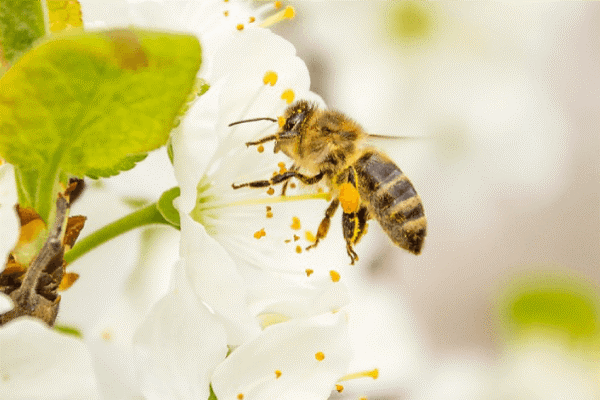
BEES

ABOUT BEES:

Bees are small and wonderful insects. Bees are flying insects closely related to wasps and ants. They collect honey from flowers and store it in their hive. Bees have four wings. Its body has three parts head, abdomen, and abdomen. The color of its body is yellow and black. They are one of the hardworking insects. Bees live in a hive in a swarm. It lives in its community. Bees are very useful to human beings. They give honey and beeswax. One healthy Honey Bee would approximately lay 2,000 eggs in one day. Bees are mainly found in habitats such as tropical rain forests and woodlands, grasslands, and Gardens where there are more flowers and green matters available. Honey bees are small flying insects whose lifespan varies between 170 to 180 days. Honey bees usually live in groups and their queen has a lifespan of more than two years. One bee may fly up to more than 90 thousand miles to collect one pound of honey. In a colony there are three types of bees namely worker bees, drone bees, and queen bees. . Worker bees are the most familiar-looking member of the honeybee hive. Worker bees are all female, and they do almost everything for the hive. The worker bee is given different tasks to do during different stages of her life. Worker bees are responsible for everything from feeding the larvae (the baby bees), to tending to the queen, to cleaning the hive, to collecting food, to guarding the colony, to building honeycomb. Drones are male bees and their sole purpose is to mate with the queen. Unlike the female worker bee, drones do not have stingers and gather neither nectar nor pollen. You can identify drones in the hive by their big round bodies and large eyes. There is one queen bee per hive – she is the mom of all the other bees. She is the only fertile member of the colony and lays about 1,500 eggs a day during spring and summer. The queen will not leave the hive again unless the colony swarms (looking for a new home). Queen bees are distinguished from the other members of the hive by their long abdomens and small wings.

IMPORTANCE OF BEES:

Bees are important to humanity and the world we live in because they provide the most efficient way to pollinate plants. They are especially important because they pollinate our agriculture for free. It’s their work as crop pollinators. This agricultural benefit of honey bees is estimated to be between 10 and 20 times the total value of honey and beeswax.

INTERESTING FACTS ABOUT BEES:

  • A bee produces a teaspoon of honey (about 5 grams) in her lifetime.
  • There are over 20,000 different species of bees. To produce a kilogram of honey, bees fly the equivalent of three times around the world in air miles.
  • Each bee has 170 odorant receptors, which means they have one serious sense of smell. They use this to communicate within the hive and to recognize different types of flowers when looking for food.
  • If the queen bee dies in a honeybee hive the workers can create a new queen bee. They do this by selecting a young larva and by feeding it special food called ‘royal jelly’ the larva develops into a fertile queen.
  • The Honey Bee is the only insect that makes food which human can eat.