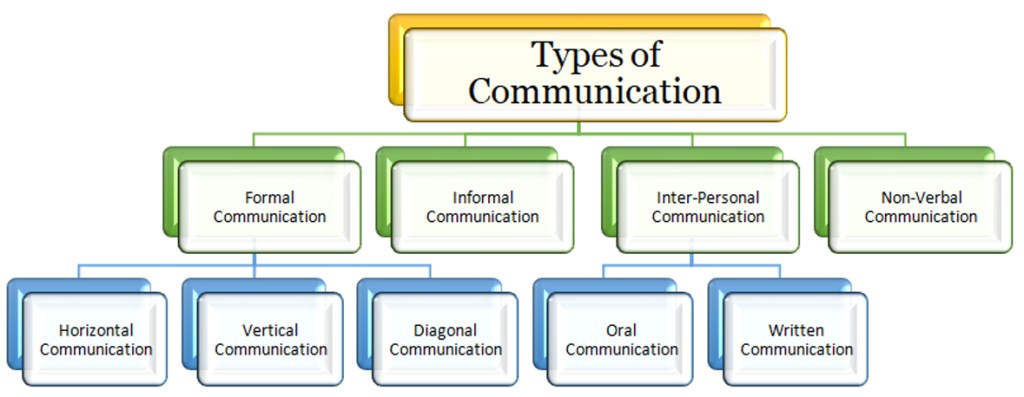
Business and formal communication methods are essential in professional, academic, and organizational contexts. They ensure the accurate, clear, and courteous transfer of information between individuals or institutions. Unlike informal communication, which may be conversational, business communication emphasizes professionalism, precision, and adherence to standardized formats.
1. Business and Official Letters
Definition: Written communication exchanged between organizations, departments, or individuals for official purposes.
Purpose: To request, inform, confirm, complain, or respond to issues in a professional setting.
Characteristics:
Clear and concise
Polite and respectful tone
Objective and factual
Well-structured format
Examples:
Letter to suppliers about product specifications
Official communication between government departments
Appointment or resignation letters
2. Formal Letters
Formal letters follow a standard structure and tone, used in both business and academic communication.
Types:
Application Letters โ for jobs, scholarships, admissions
Cover Letters โ attached with CV or proposals
Complaint Letters โ addressing grievances
Enquiry Letters โ seeking information
Response Letters โ replying to enquiries/complaints
Essential Elements of a Formal Letter:
Senderโs address and date
Recipientโs address
Subject line
Formal salutation (e.g., Dear Sir/Madam)
Body (introduction, purpose, conclusion)
Closing (e.g., Yours faithfully/sincerely)
Signature and designation
3. Specifications in Formal Communication
Specifications are detailed, precise descriptions of requirements, standards, or conditions in business communication.
Common in contracts, tenders, technical documents, and procurement letters.
Examples:
Product specifications in purchase orders
Technical specifications in project proposals
Legal specifications in agreements
4. Styles of Business Communication
Business communication can follow two major styles:
Block Style
All content aligned to the left margin.
No indentations, single-spaced within paragraphs, double space between sections.
Common in modern business letters.
Semi-block Style
Similar to block style but first line of each paragraph is indented.
Appears slightly more formal and traditional.
5. Formats of Business Letters
a. Full Block Format (Most Common)
All text aligned left.
Clear, professional, and easy to read.
b. Modified Block Format
Date, closing, and signature aligned to the right, body remains left-aligned.
c. Semi-block Format
Indented paragraphs, slightly more formal and traditional.
Conclusion
Business and formal communication methodsโwhether through letters, specifications, or structured documentsโplay a crucial role in maintaining professionalism and clarity. Mastery of letter-writing styles and formats ensures effective communication across academic, business, and official domains.
Technical writing is the process of preparing documents such as manuals, reports, proposals, scientific papers, research articles, and instructions in a clear, precise, and professional manner. With the advancement of digital tools, technical writers now rely heavily on computer applications to draft, edit, design, publish, and manage documents efficiently. These applications enhance productivity, ensure accuracy, and improve the presentation of technical content.
1. Word Processing Applications
These are the backbone of technical writing.
Microsoft Word / Google Docs / LibreOffice Writer
Formatting text, creating tables, inserting images and charts.
Track changes, comments, and collaborative editing.
In-built templates for reports, letters, and proposals.
LaTeX
Widely used in academic and scientific writing.
Supports mathematical formulas, bibliographies, and professional typesetting.
Ideal for journal articles, theses, and research papers.
2. Desktop Publishing (DTP) Software
Used for designing technical documents with advanced layouts.
Adobe FrameMaker โ Professional tool for large manuals, structured documents, and multilingual publications.
Adobe InDesign โ Ideal for creating brochures, booklets, and highly designed reports.
Scribus (open-source) โ Free alternative for page layout and publishing.
3. Presentation Software
Often, technical content must be presented visually.
Microsoft PowerPoint / Google Slides / Keynote
Designing slide decks for seminars, conferences, and meetings.
Adding animations, charts, and multimedia elements.
Prezi / Canva
Interactive, visually dynamic presentations for technical concepts.
4. Graphic and Visualization Tools
Visuals are essential in technical writing for diagrams, flowcharts, and illustrations.
Microsoft Visio / Lucidchart โ Flowcharts, system diagrams, organizational charts.
Hemingway Editor โ Improves readability and conciseness.
Spell/Grammar checkers in word processors โ Basic but useful.
7. Project and Document Management Tools
For collaborative technical writing and version control.
Google Drive / OneDrive / Dropbox โ Cloud storage and real-time collaboration.
Overleaf โ Online LaTeX editor for academic and technical writing.
Git / GitHub โ Version control for technical documentation in software projects.
Confluence / Notion โ Documentation platforms for collaborative teams.
8. Specialized Tools for Technical Domains
CAD (AutoCAD, SolidWorks) โ Technical drawings for engineering documentation.
Simulation Tools (ANSYS, MATLAB, Simulink) โ Used for creating technical reports with simulations.
Markdown Editors (Typora, Obsidian, Joplin) โ Lightweight documentation for software and coding projects.
Conclusion
Computer applications have transformed technical writing from a manual, paper-based process to a digital, collaborative, and efficient practice. By using the right combination of toolsโword processors for writing, DTP for formatting, visualization tools for graphics, and reference managers for citationsโtechnical writers can produce accurate, professional, and reader-friendly documents.
A literature review is an essential part of academic and research writing. It critically analyzes, summarizes, and synthesizes existing research related to a particular topic. Depending on the purpose, scope, and method, literature reviews can take different forms. Below are the main types of literature review techniques and how they differ from one another.
1. Narrative (Traditional) Literature Review
Description: Provides a broad overview of existing literature without following a strict methodology.
Purpose: To summarize theories, concepts, and general findings on a topic.
Strength: Flexible and useful for introducing a new field of study.
Limitation: May lack systematic rigor and be prone to author bias.
2. Systematic Literature Review (SLR)
Description: Follows a structured and predefined methodology to collect, analyze, and synthesize relevant studies.
Purpose: To answer a specific research question using transparent, replicable methods.
Strength: Reduces bias, provides comprehensive and reliable evidence.
Limitation: Subjective and interpretive, may lack generalizability.
7. Mapping Review (or Evidence Mapping)
Description: Categorizes and visualizes research on a broad topic, often presented in charts or maps.
Purpose: To show trends, volume, and scope of research.
Strength: Useful for policymakers and funding agencies.
Limitation: Does not provide in-depth analysis.
8. State-of-the-Art Review
Description: Focuses on the most recent research and advancements in a field.
Purpose: To highlight emerging trends, innovations, and current debates.
Strength: Keeps readers updated with cutting-edge knowledge.
Limitation: Limited in scope; may overlook foundational studies.
Key Differences Between Literature Review Types
Type
Focus
Methodology
Strength
Limitation
Narrative Review
Broad summary
Informal
Flexible, introductory
Can be biased
Systematic Review (SLR)
Specific research question
Structured, replicable
Reliable, comprehensive
Time-consuming
Scoping Review
Breadth, gaps
Mapping-focused
Identifies gaps
Lacks quality assessment
Critical Review
Evaluation
Analytical
Offers insights
Interpretive bias
Meta-analysis
Quantitative results
Statistical pooling
Strong evidence
Needs numeric data
Meta-synthesis
Qualitative findings
Thematic synthesis
Builds new theories
Subjective
Mapping Review
Trends, volume
Categorization & visualization
Easy to understand
Superficial
State-of-the-Art Review
Recent advances
Focused on latest work
Current & innovative
Narrow scope
โ Conclusion: The choice of literature review technique depends on your research question, objective, and type of data available. For a broad overview, a narrative or scoping review may suffice. For evidence-based decisions, systematic reviews and meta-analyses are ideal. For theoretical insights, critical reviews and meta-syntheses work best.
Walking and running are two of the simplest yet most effective forms of physical activity that can greatly contribute to a healthy life. They donโt require special equipment, can be done almost anywhere, and are suitable for people of different age groups and fitness levels. Below is a detailed explanation of their importance:
1. Physical Health Benefits
a. Cardiovascular Health
Both walking and running strengthen the heart by improving blood circulation and reducing the risk of heart diseases.
Regular practice lowers blood pressure and cholesterol levels, preventing strokes and heart attacks.
b. Weight Management
Running burns more calories in a shorter time, while walking is easier to sustain for longer durations.
Both activities help regulate body fat, boost metabolism, and maintain a healthy weight.
c. Stronger Muscles and Bones
Walking and running strengthen the muscles of the legs, hips, and core.
They improve bone density, reducing the risk of osteoporosis and fractures in old age.
d. Better Immunity
Moderate-intensity walking and running enhance immune system function, making the body more resistant to infections.
2. Mental Health Benefits
a. Stress Reduction
Walking and running stimulate the release of endorphinsโoften called โfeel-good hormones.โ
They reduce stress, anxiety, and symptoms of depression.
b. Mental Clarity and Focus
Regular activity improves brain function, concentration, and memory.
Running in particular increases blood flow to the brain, enhancing cognitive abilities.
c. Emotional Well-being
Outdoor walking or running exposes you to fresh air and sunlight, improving mood and vitamin D levels.
3. Lifestyle and Longevity
Studies show that people who walk or run regularly live longer, healthier lives.
Walking is especially beneficial for older adults as it maintains mobility and independence.
Running, when done properly and within limits, extends life expectancy by reducing chronic disease risks.
4. Accessibility and Simplicity
Walking can be integrated into daily routinesโcommuting, shopping, or leisure.
Running requires no equipment beyond a good pair of shoes.
Both are free, adaptable, and time-efficient.
5. Social and Environmental Benefits
Group walks or runs create opportunities for social bonding, teamwork, and community building.
Choosing to walk or run instead of driving helps reduce pollution and environmental damage.
6. Key Differences and Balance
Walking is gentler on joints, suitable for beginners, seniors, or those recovering from injury.
Running provides faster results in terms of fitness and calorie burn but carries a higher risk of joint strain if not done carefully.
A combination of both, depending on age, fitness goals, and health condition, ensures maximum benefits.
โ Conclusion: Walking and running are powerful habits for maintaining physical fitness, emotional stability, and overall longevity. Making them a part of daily lifeโeven in small amountsโcan significantly improve health and quality of life.
Oral presentations play a vital role in academic, professional, and organizational contexts. Unlike digital or written communication, oral presentation depends on verbal clarity, persuasion, and interactive engagement. When used in group discussions, seminars, and meetings, effective oral techniques ensure that ideas are conveyed clearly, debates remain structured, and decision-making is smooth.
1. Oral Presentation in Group Discussions (GD)
Group discussions test participants on knowledge, communication, teamwork, and leadership.
Techniques
Initiating the Discussion
Start with a relevant fact, definition, or quote to set the tone.
Clarity of Speech
Use simple and precise language, avoid jargon unless necessary.
Logical Structuring
Present points in sequence: introduction โ argument โ example โ conclusion.
Listening Skills
Pay attention to others and respond respectfully to different viewpoints.
Balanced Participation
Speak neither too much nor too little; aim for quality over quantity.
Polite Disagreement
Use phrases like โI understand your point, but I would like to addโฆโ.
2. Oral Presentation in Seminars
Seminars are formal platforms where one or more speakers present a subject to an audience.
Techniques
Strong Opening
Begin with a brief background, importance of the topic, or a real-life example.
Structured Content Delivery
Divide into Introduction โ Main Body โ Conclusion.
Voice Modulation
Stress on important words, vary pitch to avoid monotony.
Use of Visual Aids
Combine oral explanation with slides, charts, or handouts.
Engage the Audience
Ask questions, use short anecdotes, or invite opinions.
Time Management
Stick to the allotted time, avoid unnecessary diversions.
3. Oral Presentation in Meetings
Meetings are typically goal-oriented and require concise, professional communication.
Techniques
Be Objective and Precise
Present data, findings, or updates directly without digressions.
Use Agenda as a Guide
Speak according to the meetingโs objectives.
Interactive Communication
Encourage inputs, clarify doubts, and summarize key decisions.
Professional Etiquette
Maintain a formal tone, avoid interruptions, and respect hierarchy.
Summarization Skills
End with a clear summary of points discussed or decisions made.
General Skills for Effective Oral Presentation
Confidence & Body Language: Maintain eye contact, stand/sit upright, use natural gestures.
Clarity & Brevity: Avoid over-explaining; use short, impactful sentences.
Active Listening: Show attentiveness to others by nodding, paraphrasing, or asking clarifying questions.
Adaptability: Modify tone and content based on audience typeโstudents, professionals, or executives.
โ Conclusion: Oral presentation techniques in group discussions, seminars, and meetings require a mix of clarity, confidence, logical structuring, and audience engagement. Whether persuading peers in a GD, delivering knowledge in a seminar, or providing updates in a meeting, mastering these techniques ensures effective communication and successful outcomes.
โ Learn How to Use Headings, Bullets, Fonts & More
1. How to Apply Headings (H1, H2, H3, etc.)
๐ Why Use Headings?
Headings create a structured document. They make it easier to navigate, especially in long reports or books. They’re also used to auto-generate a Table of Contents.
๐งญ Steps:
Highlight the text you want as a heading (e.g., a chapter or section title).
Go to the Home tab on the ribbon.
In the Styles group (top center), choose a heading:
Heading 1: For main titles (like chapter titles)
Heading 2: For sub-sections
Heading 3: For sub-sub-sections
๐ก Tip:
You can customize a heading style by right-clicking on it โ Modify.
You can change font, color, spacing, and more for that style.
2. How to Create Bullet Points
๐ Why Use Bullets?
Bullet points make lists easier to scan and read. Use them for ideas, tasks, steps, features, etc.
๐งญ Steps:
Click where you want the list, or highlight existing text.
Go to the Home tab.
In the Paragraph group, click the Bullets icon (a dot with three lines).
To change bullet style:
Click the small arrow next to the bullets icon โ choose different styles (dots, arrows, checkmarks).
๐ Keyboard Shortcut:
Press Ctrl + Shift + L to start a bullet list instantly.
3. How to Use Numbered Lists
๐งญ Steps:
Highlight the items you want to number.
Go to Home > Paragraph > Numbering (icon looks like 1., 2., 3.).
Choose from different numbering styles (1., a., i., etc.).
4. How to Change Font Type (Style)
๐ Why Use Fonts?
Fonts set the tone of your document. Choose readable fonts for body text and distinct fonts for titles.
๐งญ Steps:
Highlight the text.
Go to the Home tab.
In the Font group (top left), click the Font dropdown.
Choose a font (e.g., Calibri, Arial, Times New Roman, Georgia).
๐ก Common Font Choices:
Serif fonts (like Times New Roman) for formal writing.
Sans-serif fonts (like Calibri or Arial) for a clean, modern look.
5. How to Change Font Size
๐งญ Steps:
Highlight your text.
Go to Home > Font size dropdown (next to the font name).
Choose a size (common sizes: 11 or 12 for body, 14โ24 for headings).
๐ Keyboard Shortcut:
Ctrl + Shift + > to increase font size
Ctrl + Shift + < to decrease font size
6. How to Bold, Italicize, and Underline Text
๐งญ Steps:
Highlight the text.
Click the following in the Home > Font group:
Bold (B) โ or press Ctrl + B
Italic (I) โ or press Ctrl + I
Underline (U) โ or press Ctrl + U
7. How to Change Text Color or Highlight Text
๐งญ Steps:
Highlight the text.
Go to Home > Font group.
Click:
A with a colored bar underneath (for text color)
Highlighter icon (for highlight color)
8. How to Use Styles for Faster Formatting
๐งญ Steps:
Highlight your text.
On the Home tab, use the Styles section.
Pick from:
Normal
Heading 1, 2, 3
Title, Subtitle
Quote, Emphasis, etc.
๐ Tip: Right-click any style > Modify to change its default appearance.
In the modern era of communication, digital presentations have become an essential tool for sharing information, ideas, and knowledge effectively. Unlike traditional methods that rely solely on verbal explanation or handwritten visuals, digital presentation techniques use advanced tools and multimedia to make communication more engaging, interactive, and impactful.
Digital presentations are widely used in academic, professional, and corporate settings because they allow the presenter to organize complex data, highlight key points, and connect with audiences through visuals, sound, and interactive elements.
Key Digital Presentation Techniques
Slide-based Presentations (e.g., PowerPoint, Google Slides, Keynote)
Structured into slides with bullet points, charts, and images.
Ideal for classrooms, business meetings, and seminars.
Multimedia Presentations
Use of audio, video, animations, and graphics for better retention.
Example: Product demonstrations or training modules.
Interactive Presentations
Incorporate quizzes, polls, clickable elements, or live feedback tools (e.g., Mentimeter, Prezi, Canva).
Enhances audience participation.
Video Presentations
Pre-recorded lectures, tutorials, or promotional content.
Useful for online education, YouTube channels, webinars.
Infographic Presentations
Visual storytelling using infographics, timelines, and data visualizations.
Suitable for reports, research findings, or project updates.
Virtual and Augmented Reality Presentations
Immersive experiences where audiences can interact with 3D models or simulations.
Applied in architecture, engineering, medicine, and training.
Importance of Digital Presentation Techniques
Enhance clarity and simplify complex information.
Create visual appeal that improves audience engagement.
Facilitate remote communication through online platforms like Zoom, MS Teams, or Google Meet.
Provide opportunities for creativity and innovation in communication.
โ In summary: Digital presentation techniques combine technology, creativity, and communication skills to deliver impactful messages. By using multimedia, interactivity, and visualization tools, presenters can ensure their audience remains attentive and retains information effectively.
Sustainable Waste Management in Urban Areas to Contain Water and Air Pollution
To be published by Springer Nature
We are pleased to invite abstract submissions for chapters in the forthcoming edited volume Sustainable Waste Management in Urban Areas to Contain Water and Air Pollution, to be published by Springer Nature. This book aims to provide an interdisciplinary perspective on how sustainable waste management can mitigate urban air and water pollution, integrating insights from engineering, environmental science, policy, and community practices.
๐ Important Deadline
Abstract Submission Deadline: 12 September 2025 (before 4:00 PM IST)
Notification of Acceptance: 25 September 2025
Full Chapter Submission Deadline: 11 November 2025
๐ Suggested Chapter Contributions
We are seeking scholarly contributions for the following chapters:
Part I: Understanding Waste and Pollution Interlinkages
Chapter 2: Waste Streams and Pollution Nexus in Urban Environments (Household, industrial, biomedical, e-waste, construction; impacts on air & water pollution; health & socio-economic costs)
Chapter 3: Principles and Practices of Circular Economy in Waste Management (Reduction, reuse, recycling, recovery; global and Indian practices)
Part II: Waste Management Approaches and Technologies
Chapter 4: Municipal Solid Waste Management: Strategies and Challenges
Chapter 5: Biomedical and Hazardous Waste: Risks and Safe Disposal Mechanisms
Chapter 6: Industrial and E-Waste Management in Urban India
Chapter 7: Wastewater Treatment and Reuse for Pollution Control
Part III: Policy, Governance, and Community Engagement
Chapter 8: Legal and Institutional Framework for Waste Management in India
Chapter 9: Role of Municipalities and Urban Local Bodies in Waste Management
Chapter 10: Community Participation and Behavioral Change for Sustainable Waste Practices
Part IV: Case Studies and Best Practices
Chapter 11: Integrated Waste Management Practices in Indian Cities
Chapter 12: Global Best Practices in Waste Management
Part V: Future Pathways and Innovations
Chapter 13: Role of Digital Technologies and Smart Solutions in Waste Management
Chapter 14: Climate Change, Sustainability, and Waste-to-Resource Transition
๐ Submission Guidelines
Please submit your abstract (250โ300 words) including the following details:
Proposed Chapter Title
Author(s) Full Name
Position & Department
University/Institute, City, Country
Email ID
ORCID ID
๐ง Submission Email IDs:
kdehalwar@manit.ac.in
research@track2training.com
๐ Editorial Team
Dr. K. Dehalwar, Maulana Azad National Institute of Technology (MANIT), Bhopal, India
Shashikant Nishant Sharma, Research Head, Track2Training, New Delhi
๐ Publisher
This book will be published by Springer Nature under its Environmental Science and Sustainability portfolio.
โ This volume will be of interest to researchers, policymakers, practitioners, and educators in the fields of urban sustainability, waste management, pollution control, and circular economy.
English comprehension is the ability to read, listen, and understand written or spoken English effectively. It is a foundation for academic success, professional growth, and day-to-day communication.
Types of Comprehension
Reading Comprehension โ Understanding written texts such as articles, reports, or essays.
Listening Comprehension โ Understanding spoken language in conversations, lectures, or discussions.
Skills Required
Vocabulary knowledge โ Understanding words and their meanings.
Grammar understanding โ Sentence structure, tense, and syntax.
Inference skills โ Reading between the lines to derive hidden meaning.
Analytical thinking โ Identifying arguments, main ideas, and supporting points.
Summarization โ Condensing large texts into key points.
Example (Reading comprehension passage & question):
Passage: “Technical communication plays a vital role in modern industries. It not only transmits ideas but also ensures that innovation can be replicated and improved by others.”
Question: What is the role of technical communication in industries? Answer: It helps transmit ideas and ensures innovation can be replicated and improved.
2. Oral Communication
Oral communication is the process of expressing information, ideas, and emotions through spoken words. It is crucial in interviews, presentations, team discussions, client meetings, and everyday life.
Forms of Oral Communication
Face-to-face conversation โ Direct exchange of ideas.
Group discussions/Meetings โ Sharing viewpoints in professional or academic settings.
Presentations and speeches โ Structured oral delivery of information.
Telephonic/online communication โ Calls, video conferences, etc.
Key Elements
Clarity โ Speak clearly and avoid ambiguity.
Confidence โ Maintain steady tone and posture.
Pronunciation โ Use correct word stress and intonation.
Listening skills โ Effective oral communication requires active listening.
Non-verbal cues โ Body language, facial expressions, and gestures.
3. Importance in Academic and Professional Life
English comprehension helps in reading instructions, research papers, manuals, and contracts.
Oral communication builds confidence in interviews, enhances teamwork, and improves leadership skills.
Together, they develop a personโs overall communication competency.
4. Example Situations
Comprehension: Reading a technical manual and correctly applying the procedure.
Oral communication: Explaining a project plan to a team in a meeting.
โ In summary:
English comprehension = Understanding (input).
Oral communication = Expressing (output). Both are interconnected: good comprehension improves speaking, and strong oral skills reinforce understanding.
Track2Training is a platform dedicated to learning, knowledge sharing, and empowering individuals through meaningful content. As a contributor, it’s essential to maintain high-quality standards, consistency, and a professional tone in your articles. This guideline will walk you through the process of writing, formatting, and publishing articles on Track2Training.
1. Article Structure and Formatting
To maintain consistency across the platform, follow this structure:
Headings (H1, H2, H3)
Use H1 for the main title of the article.
Use H2 for main sections within the article.
Use H3 if needed for sub-sections within an H2.
Writing Style
Keep the tone informative, engaging, and professional.
Write in paragraphs โ avoid one-line sentences.
Avoid plagiarism at all costs.
Aim for a word count of 500โ1000+ words.
2. Add an Author Line
Right below the title, add your name as the author.
Example: Title: The Future of Online Education By Your Name
3. Include Images
Use at least one relevant image in each article.
You can use free image sites like Pexels or insert a direct image URL.
To maintain contributor status and grow your audience:
Post at least 2 articles daily.
Ensure that both articles are unique and well-researched.
7. Share Your Article
Once your article is published:
Share the live link on your social media platforms:
LinkedIn
Twitter (X)
Facebook
Instagram
Encourage likes, shares, and comments to increase engagement.
Conclusion
Consistency, quality, and engagement are key to making the most of your time at Track2Training. By following these guidelines, you ensure that your content not only informs but also resonates with the audience. Keep learning, keep writing, and keep growing.
References
Brown, K., & Hood, S. (1989).ย Writing matters: Writing skills and strategies for students of English. Cambridge university press.
Bracewell, R. J. (2020). Investigating the control of writing skills. Inย Reading Empirical Research Studiesย (pp. 436-463). Routledge.
Dehalwar, K., & Sharma, S. N. (2023).ย Fundamentals of research writing and uses of research methodologies. Edupedia Publications Pvt Ltd.
Dehalwar, K. S. S. N., & Sharma, S. N. (2024). Exploring the distinctions between quantitative and qualitative research methods.ย Think India Journal,ย 27(1), 7-15.
Kellogg, R. T., & Raulerson, B. A. (2007). Improving the writing skills of college students.ย Psychonomic bulletin & review,ย 14(2), 237-242.
Sharma, S. N. (2014).ย Participatory Planning in Plan Preparation. BookCountry.
Sharma, S. N., Dehalwar, K., & Singh, J. (2024). Emerging techniques of solid waste management for sustainable and safe living environment. Inย Solid Waste Management: Advances and Trends to Tackle the SDGsย (pp. 29-51). Cham: Springer Nature Switzerland.
A comprehensive technical report is divided into three main parts: Front Matter, Body, and Terminal Section.
1. Front Matter (Preliminary Section)
This section introduces the report and provides navigation tools.
a) Preface
Placed before the main text.
Explains the background, motivation, and purpose of the report.
May mention challenges faced during the preparation of the report.
Example: โThis report documents the findings of a project on renewable energy systems conducted from JanโJune 2025 at XYZ Institute.โ
b) Acknowledgments
Expression of gratitude to individuals, organizations, or funding agencies that supported the work.
Example: โThe author thanks Dr. ABC for guidance, and XYZ Labs for providing equipment support.โ
c) Contents (Table of Contents)
List of chapters, sections, and subsections with page numbers.
Helps readers navigate the document.
d) Indexing
Alphabetical listing of important terms/topics with page references at the end of the report.
Example: โEnergy efficiency, 56; Solar panels, 78; Wind turbines, 102.โ
e) Keyword Indexing (Keyword List)
A list of key terms relevant to the report for quick reference.
Also useful for digital archiving and retrieval in databases.
Example: Keywords: Solar energy, Photovoltaic cells, Sustainable power, Energy efficiency.
2. Main Body (Core Section)
The central and most detailed section of the report.
Introduction โ Objectives, scope, background.
Literature Review / Background Study โ Prior research or standards.
Methodology / Experimental Setup โ How the study was conducted.
Results / Findings โ Data, figures, tables.
Discussion / Analysis โ Interpretation and implications.
Conclusion โ Summary of findings.
Recommendations(if applicable) โ Suggestions for improvements or future work.
3. Terminal Section (End Matter / Back Matter)
Contains supplementary information and references.
References / Bibliography โ Cited sources, standards, and literature.
Appendices โ Additional material such as raw data, codes, large tables, questionnaires.
Index (if not placed earlier) โ Complete alphabetical listing of terms/topics.
Glossary (optional) โ Definitions of technical terms for non-expert readers.
Summary Structure at a Glance
Front Matter:
Preface
Acknowledgments
Table of Contents
Indexing / Keyword Indexing
Main Body:
Introduction
Literature Review (if any)
Methodology
Results
Discussion
Conclusion & Recommendations
Terminal Section:
References
Appendices
Index / Glossary
โ This extended structure makes the report reader-friendly, searchable, and professional, especially when it is intended for wide circulation or archival.
A technical report is organized systematically so that readers can follow the work easily. The structure usually consists of three main parts: Front Matter, Main Body, and End Matter.
1. Title Page
The first page of the report.
Title of the report (specific and descriptive).
Name(s) of author(s).
Designation and affiliation (organization, department, or institution).
Date of submission.
Report number/project name (if applicable).
2. Abstract / Executive Summary
A short summary (150โ300 words).
Includes the purpose, methods, major findings, and conclusions.
Allows busy readers to quickly grasp the essence of the report.
3. Acknowledgments(optional)
Expression of gratitude to individuals, organizations, or sponsors who helped in preparing the report.
4. Table of Contents (ToC)
List of all sections, subsections, and appendices with page numbers.
5. List of Figures and Tables(if applicable)
Provides quick access to important visuals included in the report.
6. Introduction
Background and context of the problem or project.
Objectives of the report.
Scope and limitations.
Importance/relevance of the work.
7. Literature Review / Background Study(optional, for research reports)
Summary of existing studies, theories, or standards related to the topic.
Shows how the current work fits into the broader field.
8. Methodology / Experimental Procedure
Methods, tools, equipment, and techniques used.
Research design, sampling, or testing procedures.
Enough detail so the work can be replicated by others.
9. Results / Findings
Presentation of data collected through experiments, surveys, or analysis.
Often supported by tables, graphs, and charts.
Objective โ no interpretation here.
10. Discussion / Analysis
Interpretation of results.
Comparison with expected outcomes, previous research, or standards.
Explanation of significance, trends, and implications.
11. Conclusion
Summary of main findings.
Reflection on whether objectives were achieved.
Overall contribution of the work.
12. Recommendations(if needed)
Suggestions for improvement, future work, or practical applications.
13. References / Bibliography
List of all sources cited in the report (books, journal articles, websites, standards).
Must follow a consistent citation style (e.g., APA, IEEE, MLA).
14. Appendices
Supplementary material not included in the main text.
Examples: raw data, sample calculations, detailed questionnaires, program code.
Sample Flow of Technical Report
Front Matter: Title Page โ Abstract โ Acknowledgments โ Contents โ List of Figures/Tables Main Body: Introduction โ Methodology โ Results โ Discussion โ Conclusion โ Recommendations End Matter: References โ Appendices
โ This format ensures clarity, professionalism, and logical presentation in technical communication.
A technical report is a structured document that presents technical information, research findings, or project results in a systematic manner. It is written to communicate clearly with engineers, researchers, managers, or decision-makers. The report follows a standardized format to ensure clarity, consistency, and ease of reference.
Screenshot
General Format of a Technical Report
A typical technical report contains three major sections:
Preliminary Section (Front Matter)
Main Body
End Matter (Back Matter)
1. Preliminary Section (Front Matter)
These are the elements that appear before the main text:
Title Page
Report title (clear and specific)
Authorโs name & designation
Institution/organization name
Date of submission
Project/course details (if applicable)
Acknowledgments(optional)
Recognition of people, organizations, or funding agencies that supported the work.
Abstract / Executive Summary
A short summary (150โ300 words) of the purpose, method, results, and conclusions.
Helps readers quickly understand the report without reading the entire document.
Table of Contents (ToC)
List of chapters/sections with page numbers.
List of Figures & Tables
Optional, but useful in long reports for quick reference.
2. Main Body
This is the core of the report, containing detailed information:
Introduction
Background of the topic or problem.
Objectives and scope of the report.
Importance or relevance of the study/project.
Literature Review / Background Study(if applicable)
Summary of previous work, theories, or standards related to the topic.
Helps in establishing context.
Methodology / Experimental Procedures
Tools, techniques, and methods used.
Detailed enough for others to replicate the work.
Includes formulas, equipment, software, standards followed.
Results / Findings
Presentation of data collected.
Use of charts, graphs, tables, and figures for clarity.
Objective description without interpretation.
Discussion / Analysis
Interpretation of results.
Comparison with expected outcomes or previous studies.
Implications, strengths, and limitations of the work.
Conclusion
Summary of major findings.
Whether objectives were achieved.
Implications of the work.
Recommendations(if required)
Suggestions for improvements, further research, or actions to be taken.
3. End Matter (Back Matter)
References / Bibliography
List of books, journal articles, websites, or standards cited in the report.
Follow citation style (APA, IEEE, MLA, or institutional guidelines).
Appendices
Supplementary information not included in the main text.
Example: raw data, detailed calculations, code snippets, maps, questionnaires.
Sample Structure of a Technical Report
Title Page
Acknowledgments (optional)
Abstract / Executive Summary
Table of Contents
List of Figures and Tables (if needed)
Introduction
Literature Review (optional)
Methodology
Results
Discussion
Conclusion
Recommendations (if required)
References
Appendices
Conclusion
The format and elements of a technical report ensure that information is presented in a logical, standardized, and professional manner. A good technical report combines clarity, structure, and evidence so that the reader can easily understand the purpose, methods, results, and significance of the work.
Technical reports are distinct from other forms of writing (literary, scientific, or business) because they aim to convey specialized information in a clear, structured, and practical manner. They document processes, methods, results, and recommendations in a way that can be used, replicated, or acted upon. Below are the major characteristics that define effective technical report writing:
1. Clarity and Precision
Technical reports must be clear, concise, and unambiguous.
Use of jargon should be minimized or explained when necessary.
Precision in terms of numbers, measurements, and terminology is essential to avoid misinterpretation.
Example: Instead of writing โThe machine performed better at higher loadsโ, a precise report would state โThe machine efficiency increased by 12% when the load was raised from 200 kg to 250 kg.โ
2. Objectivity and Accuracy
Reports must be factual and free from personal opinions or bias.
Every statement should be supported by data, evidence, or references.
Accuracy in technical details (formulas, figures, experimental results) is crucial because decisions may rely on them.
3. Structured Format
Technical reports follow a logical structure that helps readers easily locate information.
Common sections include:
Title Page
Abstract / Executive Summary
Introduction
Methodology
Results / Findings
Discussion
Conclusion & Recommendations
References & Appendices
4. Use of Visual Aids
Since technical information can be complex, tables, charts, graphs, diagrams, and flowcharts are frequently used to simplify and illustrate content.
Visuals must be properly labeled, numbered, and referred to in the text.
5. Formal and Objective Language
Language should be professional, impersonal, and formal.
Passive voice is commonly used to emphasize processes over the author (e.g., โThe sample was tested at 40ยฐCโ instead of โWe tested the sample at 40ยฐCโ).
6. Conciseness
Technical reports must avoid unnecessary details or wordiness.
Long explanations are broken down into short paragraphs, bullet points, or numbered lists for easy comprehension.
7. Emphasis on Usability
The report should provide information that readers can apply in practice, such as specifications, guidelines, or procedures.
It must be reader-centered, focusing on what the audience needs (engineers, managers, researchers, or policymakers).
8. Documentation and Referencing
Proper citation of sources, references to standards, and acknowledgment of previous studies or reports are essential.
This increases credibility and allows readers to verify information.
9. Impersonality and Professional Tone
Unlike literary or business writing, technical reports avoid emotional or persuasive tones.
The writing emphasizes facts, data, and logical reasoning, maintaining professionalism.
10. Reproducibility
Methods and processes must be described in enough detail that others can replicate the work or experiment.
This is particularly important in engineering and scientific contexts.
Conclusion
The specific characteristics of technical report writing โ clarity, accuracy, structure, conciseness, objectivity, and usability โ make it a unique form of professional communication. These qualities ensure that the report serves as a reliable document for decision-making, implementation, or future reference.
A literature survey (or literature review) is the systematic process of collecting, analyzing, and summarizing existing research, theories, and reports related to a particular topic. It provides the foundation for any technical report, thesis, or research paper.
1. Use of Libraries
Libraries are primary sources for gathering authentic and reliable information.
University/Institution Libraries
Access to textbooks, journals, technical reports, conference proceedings, theses, and dissertations.
Special collections (archives, maps, standards, government reports).
Read abstracts and summaries to filter relevant works.
Review and analyze critically โ identify gaps, trends, methodologies.
Organize references (using tools like Mendeley, Zotero, EndNote).
Write the survey logically (thematic, chronological, or methodological order).
โ In short:
Libraries provide access to authentic materials.
Indexing enables efficient retrieval of information.
Reference materials build the foundation for analysis and synthesis in a literature survey.
References
Bornmann, L. (2013). What is societal impact of research and how can it be assessed? A literature survey.ย Journal of the American Society for information science and technology,ย 64(2), 217-233.
Cline, W. R. (1975). Distribution and development: A survey of literature.ย Journal of Development Economics,ย 1(4), 359-400.
Dehalwar, K., & Sharma, S. N. (2024). Social Injustice Inflicted by Spatial Changes in Vernacular Settings: An Analysis of Published Literature. ISVS e-journal, Vol. 11, Issue 9.ย https://isvshome.com/pdf/ISVS_11-09/ISVSej_11.09.07.pdf
Dehalwar, K., & Sharma, S. N. (2024). Politics in the Name of Womenโs Reservation.ย Contemporary Voice of Dalit, 2455328X241262562.ย https://doi.org/10.1177/2455328X241262562ย
Knopf, J. W. (2006). Doing a literature review.ย PS: Political Science & Politics,ย 39(1), 127-132.
Sharma, S. N., & Dehalwar, K. (2025). A Systematic Literature Review of Transit-Oriented Development to Assess Its Role in Economic Development of City.ย Transportation in Developing Economies,ย 11(2), 23.ย https://doi.org/10.1007/s40890-025-00245-1
Sharma, S. N., Singh, S., Kumar, G., Pandey, A. K., & Dehalwar, K. (2025). Role of Green Buildings in Creating Sustainable Neighbourhoods.ย IOP Conference Series: Earth and Environmental Science,ย 1519(1), 012018.ย https://doi.org/10.1088/1755-1315/1519/1/012018
Van Der Waldt, G. (2021). Elucidating the application of literature reviews and literature surveys in social science research.ย Administratio Publica,ย 29(1), 1-20.
Reports are structured forms of communication used to present facts, findings, analysis, and recommendations. They can vary significantly depending on the field, purpose, and audience. Among the most common are technical reports, scientific reports, legal reports, and other professional communications.
1. Types of Reports
a) Technical Reports
Present technical information, processes, or results of projects and experiments.
Focus on accuracy, clarity, and usability of technical data.
Common in engineering, IT, industry, and applied sciences.
Example: A report on the performance of a new software system or a structural safety analysis.
b) Scientific Reports
Present findings of scientific research and experiments.
Follow a standard structure: Abstract, Introduction, Methodology, Results, Discussion, Conclusion, References.
Aim to advance knowledge and are written for other researchers, academicians, or journals.
Example: A laboratory research paper on climate change impacts.
c) Legal Reports
Present information relevant to law, compliance, or legal disputes.
Focus on facts, evidence, case precedents, and legal interpretations.
Must be highly precise and conform to legal standards and formats.
Example: Case briefs, investigation reports, or legal compliance documents.
d) Business/Commercial Reports
Used in organizations for decision-making, planning, and monitoring.
Can be financial, market research, feasibility, or performance reports.
Example: Annual business performance report, project feasibility study.
e) Administrative/Government Reports
Prepared by government or administrative bodies.
Aim to inform policymakers, the public, or stakeholders.
Example: Census reports, policy white papers.
f) Educational/Academic Reports
Used in universities and research institutions.
Include dissertations, student project reports, and institutional evaluations.
2. Differences Between Technical, Scientific, Legal, and Other Communications
Aspect
Technical Communication
Scientific Communication
Legal Communication
Business/Other Communication
Purpose
To explain technical processes, designs, or systems for practical use.
To present original research, findings, and theories for knowledge advancement.
To document facts, arguments, and interpretations for legal matters.
To provide information for decision-making, policy, or organizational activities.
Audience
Engineers, technicians, industry experts, clients.
Researchers, academicians, scientists, journals.
Judges, lawyers, clients, government bodies.
Managers, stakeholders, employees, public.
Content Focus
Data-driven, factual, application-oriented.
Hypothesis, experiments, results, theories.
Evidence, law interpretation, case references.
Market trends, finance, strategy, operations.
Language Style
Clear, precise, often with visuals (charts, diagrams).
Formal, academic, objective, structured.
Strict, formal, exact wording; legal terminology.
Professional, persuasive, may be descriptive or analytical.
Technical vs. Scientific: Technical reports are application-oriented (how to use knowledge), while scientific reports are knowledge-oriented (why and what happens).
Technical vs. Legal: Technical reports emphasize usability and precision of technical data, while legal reports emphasize interpretation and compliance with law.
Scientific vs. Legal: Scientific communication is exploratory and hypothesis-driven, while legal communication is fact-driven and bound by legal frameworks.
Business vs. Others: Business communication often balances factual reporting with persuasive recommendations, unlike the strict objectivity of scientific or legal reports.
โ In summary:
Technical communication = practical application of technical data.
Scientific communication = contribution to academic knowledge.
Legal communication = adherence to laws, facts, and legal reasoning.
Other reports (business, administrative, educational) = decision-making, management, or public awareness.
Reports are structured documents prepared to convey information, analysis, or recommendations based on data, observation, or investigation. They are widely used in business, academia, research, government, and industry. Reports differ in purpose, content, format, and audience, and hence, can be classified into several types. Understanding the classification of reports helps in selecting the right format and approach for effective communication.
1. Classification Based on Purpose
a) Informational Reports
Provide facts, data, or descriptive information without offering interpretation or recommendations.
Most common form, structured and documented for record-keeping.
b) Oral Reports
Delivered verbally in meetings, presentations, or discussions.
c) Multimedia/Digital Reports
Include visual and digital elements such as charts, videos, and interactive dashboards.
Conclusion
Reports are essential communication tools that vary in type, structure, and purpose depending on the needs of the organization or audience. Whether they are informational, analytical, formal, or informal, reports must be accurate, clear, and purposeful. Recognizing the types and classifications of reports helps writers adopt the most suitable approach for effective information delivery and decision-making.
Technical report writing is a crucial aspect of academic, professional, and research activities. Unlike general writing, a technical report aims to present factual, precise, and objective information about a process, experiment, project, or study in a structured format. It not only communicates findings but also provides the foundation for informed decision-making, policy formulation, problem-solving, and future research. Effective technical writing ensures that complex technical information is conveyed in a way that is accessible, accurate, and usable to its intended audience.
Technical fields often deal with complex concepts, data, and procedures. An effectively written technical report simplifies these complexities into understandable terms without compromising accuracy. Clear communication prevents ambiguity, misinterpretation, and errors, making the report a reliable source of knowledge for both experts and non-experts.
2. Documentation of Work
Technical reports serve as a permanent record of work done, processes followed, and results obtained. In engineering, research, and industry, well-documented reports act as reference materials for future projects, audits, or replications of experiments. Without effective reporting, valuable information may be lost, leading to redundancy or inefficiency.
3. Decision-Making Tool
Decision-makers in organizations often rely on technical reports to evaluate project feasibility, risks, and outcomes. A well-prepared report with accurate data analysis, findings, and recommendations assists managers, policymakers, and stakeholders in making informed choices. Poorly written reports, on the other hand, can lead to flawed decisions and financial losses.
4. Professionalism and Credibility
An effective technical report reflects the professionalism and competence of its author(s). Precise presentation, logical structuring, and adherence to standards enhance credibility and build trust among readers. In contrast, poorly written reports may undermine confidence in the work, even if the technical content is valid.
5. Bridging the Gap Between Experts and Non-Experts
Technical reports are often read by people with different levels of technical expertise, including engineers, managers, policymakers, or clients. Effective writing ensures that essential findings and recommendations are communicated in a way that is understandable to all stakeholders, thus bridging the knowledge gap.
6. Time and Cost Efficiency
Well-organized reports save time for both writers and readers. Readers can quickly locate information through logical structuring, proper headings, figures, and summaries. This efficiency is crucial in industries where time-sensitive decisions and cost considerations are involved.
7. Educational and Research Value
In academia and research, technical reports contribute to knowledge sharing and learning. Students, researchers, and practitioners benefit from clear, detailed reports that explain methods, results, and interpretations. These documents form the basis for further innovation and academic discourse.
8. Legal and Compliance Requirements
In many industries, technical reports are not just informational but also legal requirements. For example, environmental impact assessments, safety evaluations, and compliance audits must be documented systematically. Poor documentation may result in legal complications, penalties, or reputational damage.
9. Facilitates Collaboration
Technical projects are often multidisciplinary, requiring input from professionals in different fields. Effective technical writing ensures that all team members understand project details, methodologies, and outcomes, thereby enhancing coordination and reducing misunderstandings.
10. Foundation for Future Improvements
Every project or experiment provides insights that can improve future practices. A well-prepared technical report serves as a knowledge repository, helping future teams build upon existing work rather than starting from scratch.
Conclusion
Effective technical report writing is not just about presenting information; it is about presenting it accurately, clearly, and purposefully. It improves communication, preserves knowledge, supports decision-making, and enhances professionalism. Whether in research, industry, or academia, technical report writing remains a cornerstone of progress, efficiency, and innovation. Investing time and effort in mastering this skill is, therefore, indispensable for students, professionals, and researchers alike.
Urban planning isย the comprehensive process of developing and managing land use, infrastructure, and the built environment to improve the quality of life for urban residents and ensure sustainable development.ย It is a multidisciplinary field that involves creating spatial plans for cities, balancing economic growth, social equity, and environmental considerations to build resilient and functional urban areas.ย
Selecting a research problem in urban planning for a thesis is one of the most crucial steps because it determines the direction, relevance, and overall quality of your work. A well-defined problem ensures that your research contributes meaningfully to the discipline, aligns with your interests, and has practical applicability. Below are detailed guidelines to help you systematically select a suitable research problem:
1. Identify Your Area of Interest
Self-reflection: Think about which sub-field excites you mostโtransportation planning, land use, housing, TOD (Transit-Oriented Development), environmental planning, resilience, smart cities, governance, etc.
Past exposure: Review your coursework, internships, and projects to see which topics you enjoyed and where you performed well.
Sustainability of interest: Since a thesis is a long-term project, ensure the topic is something you can stay motivated about.
2. Review Existing Literature
Survey journals and books: Look into reputed sources such as Journal of Urban Planning and Development (ASCE), Transport Policy, Habitat International, etc.
Identify gaps: Check where existing studies lackโgeographical gaps (e.g., limited studies in Indian or Global South context), methodological gaps (e.g., limited use of advanced modelling), or thematic gaps (e.g., underexplored areas like informal transit, active mobility).
Track current debates: Identify emerging themes like climate-resilient cities, equity in transport, gender and mobility, AI in urban planning, or post-COVID mobility trends.
3. Relevance to Local Context
Urban planning problems are place-specific. Select an issue that is relevant to your city, state, or country. For example:
In Delhi: firstโlast mile connectivity, TOD effectiveness, informal housing, air quality, urban flooding.
In tier-2 cities: rapid urbanisation, peri-urban growth, infrastructure deficits.
This ensures your thesis is not only academically rigorous but also socially impactful.
4. Practicality and Feasibility
Data availability: Consider whether you can access data (primary surveys, government databases, GIS datasets, remote sensing, etc.).
Time constraints: Make sure the research can be realistically completed within your thesis timeline.
Resource availability: Check whether you have the technical tools (software like ArcGIS, SPSS, R, Python, SmartPLS) and guidance to carry out the research.
Field access: Ensure you can conduct site visits, interviews, or surveys safely and practically.
5. Alignment with Research Objectives
A good problem should lead to clear objectives (e.g., evaluating TODโs influence on mode choice, assessing green building adoption, analysing resilience strategies for flood-prone urban areas).
Frame research questions that are:
Specific โ clearly state the issue.
Measurable โ based on data or empirical evidence.
Relevant โ aligned with urban planning principles and societal needs.
Achievable โ feasible within available resources and time.
Time-bound โ can be addressed within your programโs duration.
6. Contribution to Knowledge and Practice
The problem should add something new to urban planning theory, policy, or practice:
Theoretical contribution: Enhancing or testing an existing framework (e.g., TOD 8Ds, accessibility measures).
Methodological contribution: Introducing new models (e.g., SEM, MCDM, agent-based modelling).
Practical contribution: Providing solutions for urban policymakers and planners.
Always ask: โWho will benefit from my research?โโacademia, government agencies, urban residents, or specific groups like women, cyclists, or low-income communities.
7. Scoping the Research
Avoid problems that are too broad (e.g., โUrban transport in Indiaโ) or too narrow (e.g., โEffect of streetlight color on pedestrian flow in one laneโ).
Define a scope that is:
Manageable in size (e.g., one neighborhood, one transport corridor).
Rich enough for analysis (enables both quantitative and qualitative dimensions).
Ensure your problem allows you to apply urban planning tools and frameworks rather than just descriptive reporting.
8. Policy and Societal Relevance
Link the research to ongoing policies, programs, or SDGs:
Smart Cities Mission
AMRUT
National TOD Policy
Sustainable Development Goals (Goal 11: Sustainable Cities and Communities)
National Urban Transport Policy
This alignment ensures your thesis outcomes can influence real-world decision-making.
9. Discussion with Advisors and Experts
Discuss potential problems with faculty, mentors, and professionals. They can:
Highlight feasibility issues.
Suggest refined angles.
Provide access to networks and data sources.
10. Refining and Formulating the Problem Statement
Once a topic is identified, write a problem statement that includes:
Context: Background and why the problem matters.
Gap: What existing research lacks.
Objective: What you intend to achieve.
Justification: Why it is important for urban planning and society.
โ Checklist for Selecting a Research Problem
Is it aligned with your interest?
Is it relevant to urban planning discipline?
Does it address a real-world/local issue?
Is it feasible with available data, time, and resources?
The United Nations (UN) has been at the forefront of shaping global population policies since the mid-20th century. Recognizing the interlinkages between population growth, sustainable development, health, and human rights, the UN provides guidelines and frameworks through international conferences, resolutions, and agencies. The central philosophy underpinning UN population policy is that population issues must be addressed within the broader context of development, human dignity, and gender equality.
1945 onwards: The UN began monitoring global demographic trends through the Population Division of the Department of Economic and Social Affairs (UNDESA).
1954: First World Population Conference (Rome) initiated global discourse on demographic concerns.
1974 (Bucharest): World Population Plan of Action adopted โ emphasized that “development is the best contraceptive.”
1984 (Mexico City): Renewed focus on integrating population with development and family planning.
1994 (Cairo):International Conference on Population and Development (ICPD) became a landmark, shifting the focus from population control to reproductive health, rights, and choices.
3. Key Elements of UN Population Policy Framework
The UN population policy framework is not a single fixed document, but rather a set of guiding principles consolidated through conferences, resolutions, and agency reports (especially by UNFPA โ United Nations Population Fund). Its core elements include:
Human Rights and Reproductive Health
Every individual has the right to decide freely and responsibly the number, spacing, and timing of their children.
Access to family planning, safe childbirth, and reproductive health services must be universal.
Gender Equality and Empowerment of Women
Womenโs education, participation in decision-making, and economic empowerment are central to population policy.
Sustainable Development Linkages
Population issues (fertility, mortality, migration, ageing) are integrated with the 2030 Agenda for Sustainable Development (SDGs).
Policies emphasize balance between human numbers and available resources.
Migration and Urbanization
Recognizes the importance of internal and international migration, urban growth, and their social, economic, and environmental implications.
Ageing Population
Encourages states to prepare policies for ageing societies, focusing on health, social security, and intergenerational equity.
Youth and Adolescents
Expands access to education, reproductive health, and employment opportunities to harness the demographic dividend.
4. Institutional Framework
United Nations Population Division (UNDESA): Provides demographic data and research.
UNFPA (United Nations Population Fund): Leads implementation of UN population programs, including reproductive health, family planning, and gender equality.
Commission on Population and Development (CPD): A functional commission of ECOSOC, reviews and monitors implementation of ICPD Programme of Action.
5. ICPD Programme of Action (1994) โ A Cornerstone Document
Endorsed by 179 countries in Cairo.
Shifted focus from demographic targets (population control) to individual well-being and human rights.
Set goals for:
Universal access to reproductive health services by 2015 (later aligned with SDGs).
Reducing infant, child, and maternal mortality.
Universal primary education.
Closing gender gaps in education and employment.
6. Population and the SDGs
The UNโs current population policy framework is deeply integrated with the Sustainable Development Goals (2015โ2030):
Goal 3: Ensure healthy lives and promote well-being (maternal and child health, reproductive health).
Goal 5: Achieve gender equality and empower women and girls.
Goal 10: Reduce inequality (including migration and mobility issues).
Goal 11: Make cities and human settlements inclusive and sustainable (urban population challenges).
7. Criticisms and Challenges
Some critics argue UN population policies are overly influenced by Western development models.
Implementation varies across countries due to cultural, religious, and political contexts.
Funding gaps, especially in reproductive health and family planning, slow progress.
Rising challenges such as climate change, migration crises, and global ageing require constant adaptation of the framework.
8. Conclusion
The Population Policy documents of the UN represent a dynamic framework, evolving from early concerns about โpopulation controlโ to a rights-based approach centered on health, gender equality, and sustainable development. The ICPD Programme of Action (1994) remains the most influential milestone, guiding governments, civil society, and development partners toward a vision where population issues are integrated with human rights and sustainable futures.
Proposed a spatial reorganization of settlements to reduce over-concentration in large cities.
Identified a hierarchy of settlements:
National Priority Cities (NPUs): 329 cities strategically important for balanced development.
Urban Corridors: Linear clusters of cities along major transport routes (DelhiโKanpur, MumbaiโPune, ChennaiโBangalore, etc.).
Emerging Growth Centers: Smaller towns to act as regional hubs to check excessive migration to metros.
3. Balanced Urban-Rural Linkages
Emphasized strengthening urbanโrural linkages by promoting market towns and service centers.
Advocated for Integrated Regional Planning, treating rural and urban as complementary rather than separate.
4. Focus on Metropolitan Cities
Recognized the dominant role of metros like Delhi, Mumbai, Kolkata, and Chennai.
Called for planned management of metropolitan regions to tackle congestion, housing shortages, and infrastructure deficits.
Stressed regional planning authorities for metro areas.
5. Equity and Inclusivity
Highlighted the problems of slums, poverty, and informal sector workers in cities.
Urged policies for affordable housing, slum improvement, and social infrastructure.
Stressed inclusive urbanization to prevent widening social inequalities.
6. Institutional and Administrative Reforms
Recommended strengthening urban local bodies (ULBs).
Called for decentralization of governance and greater role of municipalities in planning, finance, and service delivery.
Suggested capacity-building programmes for urban administrators.
7. Urban Infrastructure and Finance
Identified infrastructure deficit as the biggest urban challenge (housing, water supply, sanitation, transport).
Suggested mobilization of municipal finance through:
Property tax reforms.
User charges for services.
Access to capital markets (municipal bonds).
Advocated public-private partnerships (PPPs) in infrastructure.
8. Housing and Land Policy
Suggested removal of artificial constraints like the Urban Land Ceiling and Regulation Act (ULCRA).
Called for land-use planning reforms to ensure adequate land supply for housing.
Focus on low-cost housing and upgradation of existing slums rather than eviction.
9. Transport and Mobility
Stressed the importance of urban transport systems (mass transit, bus services, non-motorized transport).
Recommended integrated transport planning at regional level.
10. Environmental Concerns
Highlighted the dangers of unchecked urban expansion on ecology.
Stressed protection of water bodies, green spaces, and urban environment.
Called for sustainable waste management and pollution control measures.
Significance of the NCU Report
First comprehensive national-level urban policy framework.
Influenced later programmes: 74th Constitutional Amendment (1992), IDSMT scheme expansion, and eventually JNNURM (2005).
Shifted thinking from seeing urbanization as a problem to recognizing it as a driver of growth.
โ In summary: The NCU Report emphasized balanced spatial development, strengthening smaller towns, empowering urban local bodies, inclusive housing policies, and sustainable infrastructure financing. It remains one of the most important reference points for Indiaโs urban policy.
Urbanization has been a gradually evolving focus in Indiaโs Five-Year Plans. While early plans emphasized rural development, later ones began recognizing cities as engines of growth.
NUPF 2018 (draft), multi-mission approach instead of single national policy
โ In essence: Urbanization policy in India evolved from a rural-centered planning era to recognizing cities as growth engines. The latest attempts (Smart Cities, AMRUT, PMAY, NUPF) show a multi-pronged, mission-driven approach rather than a single national policy document.
A settlement system refers to the organized pattern of distribution, size, functions, and relationships among human settlements (villages, towns, cities, metropolises) within a region or country.
Settlements are arranged in a hierarchical order:
Hamlets โ Villages โ Small Towns โ Medium Towns โ Cities โ Metropolises โ Megacities โ Megalopolis
Dependency relationships (villages depending on towns, towns on cities, etc.)
2. Census Classification of Settlements (India)
(a) Rural Settlements
All places that do not qualify as urban under Census criteria.
Usually depend on agriculture and allied activities.
(b) Urban Settlements
As per Census of India:
Statutory Towns: Places with a municipality, corporation, cantonment board, or notified area committee.
Census Towns: Places meeting all 3 conditions:
Minimum population of 5,000
At least 75% of male workers in non-agricultural pursuits
Population density of 400 persons/sq. km or more
(c) Categories of Urban Settlements by Population Size (Census 2011):
Class I: 100,000 and above
Class II: 50,000 โ 99,999
Class III: 20,000 โ 49,999
Class IV: 10,000 โ 19,999
Class V: 5,000 โ 9,999
Class VI: less than 5,000
3. Primate City
A primate city is the largest city in a country or region, which is disproportionately larger than the second-largest city and dominates political, economic, and cultural life.
Term popularized by Mark Jefferson (1939).
Characteristics:
Much larger than next-ranking cities
Concentrates national functions (administration, trade, education, culture)
France: Paris dominates over all other French cities
4. RankโSize Rule
Proposed by G.K. Zipf (1949).
States that:
โThe population of a city is inversely proportional to its rank in the hierarchy.โ
The 2nd largest city will have ยฝ the population of the largest,
The 3rd largest city will have โ , and so on.
Indicates a balanced urban system (as opposed to primate city dominance).
In India, the rank-size distribution is distorted by primacy of Delhi and Mumbai.
5. Urbanization
Definition: The process by which a growing proportion of a countryโs population comes to live in towns and cities.
Measured by the percentage of urban population in total population.
Urbanization in India (Census data):
1951 โ 17.3%
2001 โ 27.8%
2011 โ 31.2%
Projected 2036 โ ~40%
Drivers in India:
Industrialization
Migration (pushโpull factors)
Economic opportunities in services/IT
Government policies (Smart Cities, AMRUT)
6. Industrialization
Industrialization refers to the shift from agrarian to industrial economy, concentrating industries in certain towns and cities.
Impact on urbanization:
Creation of industrial towns: Jamshedpur, Rourkela, Bhilai, Durgapur.
Growth of employment and in-migration โ urban expansion.
Emergence of slums due to mismatch between population growth and infrastructure.
Industrialization has been the key driver of urban growth globally and in India (especially post-independence).
7. Urban Development
Urban development is a broader concept than urbanization. It refers not only to the growth of towns and cities but also to the improvement of infrastructure, services, quality of life, and sustainability.
Urban areas are more than just concentrations of population โ they are settlements that perform multiple functions in the economic, social, cultural, and political life of a region. They act as nodes of development, centers of innovation, and focal points for human activities, linking local, regional, and global networks.
Urban areas are engines of economic growth and provide opportunities beyond subsistence agriculture.
Industrial Production: Cities like Jamshedpur, Bhilai, and Surat function as hubs of steel, textiles, and diamond industries.
Trade and Commerce: Cities serve as marketplaces for agricultural produce, manufactured goods, and services (e.g., Mumbai as a financial capital, Delhi as a wholesale trade hub).
Service Economy: IT, banking, education, tourism, and healthcare thrive in urban centers (e.g., Bengaluru and Hyderabad as IT hubs).
Employment Opportunities: Cities attract rural migrants seeking jobs in industries, construction, transport, and services.
2. Social and Cultural Role
Urban settlements shape social structures, cultural life, and community interactions.
Centers of Learning: Universities and institutions located in cities (Delhi, Pune, Varanasi, Aligarh) make them knowledge hubs.
Cultural Exchange: Cities are melting pots of different communities, languages, and traditions (e.g., Mumbai, Kolkata).
Innovation and Modernization: Urban life fosters exposure to new ideas, lifestyles, gender roles, and progressive values.
Religious and Cultural Functions: Many cities like Varanasi, Haridwar, Amritsar, and Tirupati are pilgrimage and cultural centers.
3. Political and Administrative Role
Cities often function as seats of governance and administration.
National and State Capitals: New Delhi (national capital), Gandhinagar, Bhopal, Lucknow act as political-administrative centers.
Decision-Making Hubs: Government offices, courts, and political institutions are concentrated in cities.
Urban Local Governance: Cities have municipal corporations and urban local bodies for local administration, reflecting democratic decentralization.
4. Functional and Infrastructural Role
Urban areas are equipped with infrastructure and services that support both residents and surrounding rural populations.
Transport Nodes: Cities act as hubs of road, rail, air, and port connectivity (Nagpur as a transport hub, Mumbai as a port city).
Healthcare and Education: Hospitals, universities, and research centers in cities serve both urban and rural populations.
Markets and Supply Chains: Urban markets provide access to goods and services for nearby villages.
5. Environmental and Spatial Role
Urban settlements shape land use and interact with their environment.
UrbanโRural Linkages: Cities depend on rural areas for food, water, labor, and raw materials, while rural areas rely on cities for manufactured goods and services.
Spatial Hierarchy of Settlements: Urban areas form the upper nodes in the settlement hierarchy (village โ town โ city โ metropolis โ megalopolis).
Peri-Urban Expansion: The growth of suburbs and peri-urban areas blurs the ruralโurban divide (e.g., Gurgaon near Delhi, Navi Mumbai near Mumbai).
6. Global Role
Some Indian cities have become globally significant.
Global Cities: Mumbai, Delhi, Bangalore, and Hyderabad are integrated into global finance, trade, IT, and culture.
Tourism and International Relations: Cities like Agra (Taj Mahal) and Jaipur (heritage) attract global tourism.
Diaspora and Connectivity: Cities are bases of international migration and cultural linkages.
7. Conclusion
Urban areas as settlements serve as multifunctional hubsโeconomic engines, cultural melting pots, administrative centers, and nodes of connectivity. They not only provide services and opportunities to their residents but also sustain and transform surrounding rural regions. Thus, urban settlements are critical in shaping regional development, social change, and national growth.
Urban settlements in India are officially classified by the Census of India using population size, density, and occupational structure. Beyond this, concepts like metropolis, megalopolis, and functional classification are used in urban studies.
A huge urban region formed by the merging of several metropolitan areas into a continuous urban corridor.
Example (India): DelhiโMeerutโGhaziabadโFaridabadโGurgaon urban belt (NCR); also MumbaiโPune corridor.
3. Functional Classification of Urban Places
Urban settlements are not only defined by size but also by their functions. Functional classification groups cities based on their dominant economic and social roles.
Major Functional Categories:
Administrative Towns
Perform political/administrative functions.
Examples: New Delhi (national capital), Gandhinagar, Chandigarh, Bhubaneswar.
The Census of India provides a statistical and legal definition of urban places, ranging from towns to megacities, while urban geographers extend the concept to megalopolises and functional types. Together, these classifications help us understand the size, spread, and role of urban settlements in Indiaโs socio-economic system.
An urban centre is a human settlement that has distinct characteristics compared to rural settlements, primarily in terms of population size, density, occupational structure, infrastructure, and functions.
In India, the Census of India defines an urban area based on two criteria:
Statutory towns: All places with a municipality, corporation, cantonment board, or notified town area committee.
Census towns: Places that satisfy the following conditions:
Minimum population of 5,000
At least 75% of male working population engaged in non-agricultural activities
Population density of at least 400 persons per sq. km
Thus, urban centres are places that act as nodes of administration, trade, industry, commerce, and services, and often serve as focal points for surrounding rural areas.
2. Concept of RuralโUrban Continuum
The ruralโurban continuum suggests that rural and urban areas are not strictly separate categories but exist along a spectrum, with many intermediate forms of settlement in between.
Continuum implies:
A gradual transition from purely rural villages โ semi-rural/small towns โ medium towns โ metropolitan cities.
Settlements share overlapping characteristics rather than being sharply distinct.
Examples in India:
Urban villages on the periphery of Delhi, Gurgaon, or Bangalore where traditional agrarian life coexists with urban services and real estate development.
Small market towns that act as service centers for surrounding rural populations.
Implication: The continuum reflects functional interdependence:
Rural areas supply food, raw materials, and labor.
Urban areas provide markets, education, healthcare, jobs, and modern amenities.
3. Concept of RuralโUrban Dichotomy
The ruralโurban dichotomy is the traditional view that rural and urban settlements are fundamentally different and separate in terms of structure, function, and way of life.
Rural areas:
Agriculture-based economy
Low population density
Close-knit social relations, traditional lifestyles
Limited infrastructure and services
Urban areas:
Industry, trade, services-based economy
High population density
Individualistic lifestyles, cosmopolitan culture
Advanced infrastructure and services (transport, education, healthcare, housing)
Dichotomy Perspective: This view assumes a sharp boundary between rural and urban societies, often highlighting contrasts in occupation, social structure, values, and governance.
Overlap of functions (e.g., villages with IT hubs, towns with agriculture markets)
Indian context
Traditional sociological view
More realistic in todayโs urbanizing India
5. Conclusion
Urban centres are hubs of population, economic activity, and services defined by statutory and census criteria.
The ruralโurban dichotomy represents a simplistic division, useful for classification but less accurate in practice.
The ruralโurban continuum better reflects the reality of Indiaโs settlement pattern, where villages, towns, and cities are interconnected and often share mixed characteristics.
Urbanization in India after 1947 has been shaped by the countryโs political independence, economic policies, industrialization, demographic growth, and globalization. Unlike the colonial period, where cities were primarily built to serve imperial interests, post-independence urbanization aimed at nation-building, industrial development, and modernization. However, this process has been uneven and continues to face challenges of sustainability, inclusivity, and infrastructure.
1. Immediate Post-Independence Phase (1947โ1960s): Nation-Building and Planned Cities
Partition and Refugee Settlements:
Independence in 1947 led to large-scale migration due to Partition. Millions moved across borders, especially into Delhi, Punjab, and West Bengal, creating immediate housing and infrastructure pressures.
Refugee colonies in Delhi and resettlement areas around Kolkata, Ludhiana, and Amritsar grew rapidly.
Planned Capitals and Administrative Cities:
Chandigarh (Punjab/Haryana) designed by Le Corbusier became the first modern planned city.
Other state capitals like Bhubaneswar, Gandhinagar, and Dispur were developed as administrative hubs.
Industrial Townships:
The governmentโs focus on heavy industries and public sector undertakings (PSUs) led to the creation of industrial cities such as Bhilai, Rourkela, Durgapur, Bokaro, and Neyveli.
These were designed as self-sufficient townships with housing, schools, and amenities.
Urban Planning Approach:
The government emphasized centralized planning through Five-Year Plans.
Urban growth was seen as a byproduct of industrialization, not a sector needing separate focus.
2. Urban Expansion and Migration (1970sโ1980s)
Rural-to-Urban Migration:
Rising employment opportunities in cities attracted migrants from villages, accelerating urban growth.
Cities like Mumbai, Delhi, Bangalore, and Hyderabad grew rapidly, often beyond their infrastructural capacity.
Growth of Slums and Informal Settlements:
Migrants, unable to find affordable housing, settled in informal settlements and slums (e.g., Dharavi in Mumbai, Yamuna Pushta in Delhi).
This marked the beginning of urban poverty as a significant challenge.
Metropolitan Dominance:
Mumbai, Delhi, Kolkata, and Chennai became primarily metropolitan centers for commerce, politics, and industry.
Uneven urbanization emerged as smaller towns and intermediate cities grew at slower rates.
Transport and Infrastructure:
Expansion of road and rail networks further integrated urban centers with surrounding rural areas.
3. Economic Liberalization and Globalization (1991โ2000s)
Impact of 1991 Economic Reforms:
The liberalization of the Indian economy brought foreign investment, IT industries, and global integration.
Cities like Bangalore, Hyderabad, Pune, Gurgaon, and Noida became hubs of IT and service industries.
Urban Transformation:
Rapid construction of office complexes, tech parks, and gated residential colonies.
Growth of Special Economic Zones (SEZs) to promote exports and industries.
Emergence of New Urban Middle Class:
Rising employment in IT and services gave rise to a new urban middle class, transforming consumption patterns, housing demand, and lifestyles.
Urban-Rural Divide:
Liberalization widened disparities between metropolitan/global cities and smaller towns.
4. Contemporary Urbanization (2000s โ Present)
Megacities and Metropolitan Regions:
Delhi, Mumbai, Kolkata, Bangalore, and Chennai have become megacities with populations over 10 million.
Urban sprawl has created vast metropolitan regions, extending urban influence into peri-urban and rural areas.
Urban Programs and Policy Initiatives:
Jawaharlal Nehru National Urban Renewal Mission (JNNURM, 2005โ2014): Focused on infrastructure, housing, and governance reforms.
Smart Cities Mission (2015โpresent): Developing 100 cities with modern infrastructure, digital services, and sustainable planning.
AMRUT (Atal Mission for Rejuvenation and Urban Transformation): Focus on water supply, sanitation, and green spaces.
PMAY (Pradhan Mantri Awas Yojana): Housing for all initiative.
Infrastructure Growth:
Metro rail systems in Delhi, Bangalore, Kolkata, Chennai, and Mumbai.
Expressways, airports, and logistics hubs modernizing urban connectivity.
Challenges:
Overcrowding and congestion in metropolitan areas.
Urban poverty and informal sector dependence.
Environmental degradation: air pollution, waste management, and loss of green spaces.
Inequality: Coexistence of luxury malls and gated communities with slums.
Climate change vulnerability: Floods, heatwaves, and water scarcity affecting cities.
5. Conclusion
Post-independence urbanization in India reflects the countryโs transition from a planned economy to a globalized one. While cities have become engines of growth, centers of innovation, and cultural exchange, they also struggle with congestion, inequality, and sustainability. The challenge ahead lies in promoting balanced urbanization by strengthening small and medium towns, while making large cities more inclusive, resilient, and environmentally sustainable.
Urbanization in India is a long and complex process shaped by geography, culture, politics, and economics. It reflects the evolution of Indian society from ancient times to the modern era. Unlike many other parts of the world, Indiaโs urban tradition is among the oldest, yet it has also faced unique challenges of population growth, colonial legacy, and rapid post-independence transformations.
Indus Valley Civilization (Harappa and Mohenjo-Daro): The earliest evidence of urbanization in India dates back to the Indus Valley Civilization (2500โ1500 BCE). Cities like Harappa, Mohenjo-Daro, Dholavira, and Lothal were highly organized with grid-planned streets, advanced drainage systems, public baths, warehouses, and marketplaces. These features illustrate a sophisticated urban culture that emphasized trade, administration, and community life.
Decline: Around 1500 BCE, these urban centers declined due to ecological changes, river shifts, and external pressures. The following period saw the growth of rural and agrarian settlements with limited urban activity.
2. Early Historic Period (600 BCE โ 600 CE)
Second Urbanization (600 BCE onwards): Around the 6th century BCE, urban centers re-emerged, largely due to agricultural surplus, trade, and the rise of states (Mahajanapadas). Cities like Pataliputra, Varanasi, Ujjain, Taxila, and Rajgir flourished as centers of administration, trade, and learning.
Mauryan and Gupta Periods: Under the Mauryan Empire (4thโ2nd century BCE), Pataliputra became one of the worldโs largest cities. The Gupta period (4thโ6th century CE) saw prosperity and cultural development in cities such as Ujjain and Nalanda, which also became hubs of education and Buddhism.
3. Medieval Urbanization (7th โ 16th Century CE)
Rise of Temple and Trade Towns: With the growth of kingdoms in South India (Chola, Pandya, Vijayanagara), temple towns such as Madurai, Thanjavur, and Kanchipuram became urban centers. Trade with Southeast Asia also expanded urban development in port cities like Calicut, Surat, and Masulipatnam.
Delhi Sultanate and Mughal Period: Northern India saw significant urban expansion under the Delhi Sultanate (13thโ15th century CE) and later the Mughal Empire (16thโ18th century CE). Cities such as Delhi, Agra, Fatehpur Sikri, Lahore, and Shahjahanabad (Old Delhi) grew as centers of governance, culture, and economy. Mughal cities often had planned bazaars, gardens, mosques, and fortifications.
British East India Company & Colonial Rule: Colonialism reshaped Indiaโs urban landscape drastically. The British developed three Presidency townsโBombay (Mumbai), Calcutta (Kolkata), and Madras (Chennai)โas administrative, military, and trading hubs.
Industrial and Port Cities: Industrialization, especially textile mills in Bombay and jute mills in Calcutta, spurred migration and rapid urban growth. Port cities expanded due to international trade.
Dual Urbanism: Colonial towns often had a โWhite Townโ (European quarters with planned housing and infrastructure) and a โBlack Townโ (densely populated Indian settlements with poor amenities).
Railways and Urban Expansion: The introduction of railways in the mid-19th century further connected and stimulated the growth of towns such as Kanpur, Nagpur, Lucknow, and Pune.
5. Post-Independence Urbanization (1947 โ 1991)
Planned Cities: After independence, India focused on planned urban development. Cities like Chandigarh, Bhubaneswar, and Gandhinagar were designed as administrative capitals.
Industrial Townships: Industrial development led to the growth of cities like Bhilai, Rourkela, Durgapur, and Bokaro, which were built around steel plants and public sector industries.
Urban Migration: Large-scale rural-to-urban migration occurred due to employment opportunities, leading to rapid expansion of metropolitan centers such as Delhi, Mumbai, Bangalore, and Hyderabad. However, this also resulted in slums and housing shortages.
6. Liberalization and Contemporary Urbanization (1991 โ Present)
Economic Reforms of 1991: Liberalization and globalization transformed Indian cities. Information Technology (IT) hubs like Bangalore, Hyderabad, Pune, and Gurgaon emerged as global economic centers.
Mega-Cities and Urban Sprawl: Cities such as Mumbai, Delhi, Kolkata, and Chennai grew into megacities, with populations exceeding 10 million. Urban sprawl extended into suburban regions.
Smart Cities Mission and Infrastructure: In recent years, government initiatives like the Smart Cities Mission, AMRUT, and Metro Rail Projects have attempted to modernize urban infrastructure and improve governance.
Challenges: Despite growth, Indian cities face problems like congestion, air pollution, informal housing (slums), inadequate public transport, and inequalities in access to services.
7. Conclusion
The history of urbanization in India reflects a continuous interaction between tradition and modernity, local needs and global forces, and rural-urban linkages. From the well-planned cities of Harappa to todayโs sprawling metropolises, Indian urbanization has always been diverse and dynamic. However, the future of Indian cities will depend on how effectively issues of sustainability, inclusivity, and infrastructure are addressed in the coming decades.
The Cohort Survival Model (also called the Cohort-Component Method) is the most widely used method for population projections. It projects the future size and composition of a population by following age-sex groups (cohorts) through time and applying assumptions about fertility, mortality, and migration.
Divide the population by age and sex (e.g., 0โ4, 5โ9, 10โ14, โฆ).
Apply survival ratios (Sx) to each cohort, based on mortality rates (from life tables), to estimate how many survive to the next age group.
Example: If 100,000 children aged 0โ4 have a survival ratio of 0.95, then 95,000 will survive to the 5โ9 group.
Add new births by applying age-specific fertility rates (ASFRs) to women of reproductive ages (15โ49). These births form the new 0โ4 age cohort.
Adjust for migration (in-migration and out-migration) if applicable.
Repeat the process for each projection interval (usually 5 or 10 years).
Example (Simplified)
Population in 2011: 1,00,000 children in age group 0โ4.
Survival ratio from 0โ4 โ 5โ9 = 0.95.
Projected survivors in 2016 (age 5โ9) = 95,000.
Inter-Regional Cohort Survival Model
Definition
The Inter-Regional Cohort Survival Model is an extension of the cohort survival model that incorporates migration between regions. Instead of treating the population as a whole, it simultaneously projects multiple regions and distributes people across them according to migration flows.
Steps in Inter-Regional Model
Divide the population by age, sex, and region (e.g., Region A, Region B, Region C).
Apply survival ratios (mortality) within each region.
Estimate migration flows between regions using a migration matrix:
Shows how many people of each age/sex group move from one region to another.
Example: 5% of 20โ24-year-olds in Region A migrate to Region B in the next 5 years.
Add fertility contributions (births) in each region, based on the number of women and regional fertility rates.
Sum up to obtain future age-sex-region-specific population.
Uses
Cohort Survival Model: National population projections (fertility, mortality, migration considered as aggregates).
Inter-Regional Model: Regional/urban planning, migration studies, distribution of schools, hospitals, housing, transport needs.
The Cohort Survival Model is the foundation of demographic projection, focusing on fertility, mortality, and net migration.
The Inter-Regional Cohort Survival Model refines this by including detailed migration between regions, making it essential for regional planning and policy.
Population studies require methods to understand not only the present size and structure of a population but also its future trends. Three important concepts are estimation, projection, and forecasting. Though often used interchangeably, they differ in purpose, time frame, and assumptions.
Stable Population Models: Assume constant fertility and mortality over time.
Example: UN World Population Prospects projections for 2050 (based on medium fertility assumptions).
3. Population Forecasting
Definition: A prediction of the most likely future population based on past trends, present data, and expert judgment.
Difference from Projection: While a projection shows possible outcomes under assumptions, a forecast attempts to give the most probable outcome.
Techniques:
Uses projections as a base, but incorporates expert opinion, policies, and uncertainties.
Involves judgmental adjustments (e.g., considering possible pandemics, wars, migration crises).
Example: A government forecasting the likely population in 2036 to plan schools, hospitals, and jobs.
Key Differences
Aspect
Estimation
Projection
Forecasting
Time frame
Present (between censuses)
Future (scenarios)
Future (most likely)
Basis
Existing data (surveys, registers)
Assumptions of fertility, mortality, migration
Projections + expert judgment
Purpose
Fill gaps in current data
Show possible population outcomes
Predict actual future size
Certainty
Short-term, relatively reliable
Hypothetical, conditional
Probabilistic, judgment-based
Conclusion
Estimation helps us know the present.
Projection provides possible futures under given assumptions.
Forecasting predicts the most probable future outcome.
Together, they form the backbone of population policy, planning, and resource allocation in areas such as health care, education, housing, food supply, and employment.
A life table is a statistical tool used in demography, epidemiology, and actuarial science to summarize the mortality and survival experience of a population. It presents, for a hypothetical cohort of births, the probability of dying or surviving at each age (or age group).
Life tables are useful for calculating life expectancy, mortality risks, survival rates, and for making health, insurance, and population policy decisions.
Techniques in Preparing a Life Table
A life table is prepared in several systematic steps. The basic functions (columns) of a complete life table are:
Age interval (x to x+n): Specific age or age group.
lxl_xlxโ: Number surviving to exact age x โ number of persons alive at the start of the age interval (from a hypothetical cohort, usually starting with 100,000 births).
dxd_xdxโ: Number dying in age interval x to x+n โ difference between survivors at beginning and end of interval.
qxq_xqxโ: Probability of dying in the interval x to x+n โ chance that a person aged x will die before reaching
pxp_xpxโ: Probability of surviving โ complement of
LxL_xLxโ: Person-years lived in interval โ total years lived by the cohort between ages x and x+n.
TxT_xTxโ: Total person-years lived above age x โ cumulative total of person-years from age x to last age.
exe_xexโ: Expectation of life at age x โ average number of years a person aged x is expected to live.
Techniques of Life Table Construction
There are two main techniques:
1. Complete Life Table
Uses single-year age intervals (0, 1, 2, 3, โฆ up to 85+).
Provides detailed mortality and survival data for each exact age.
Common in developed countries with reliable mortality statistics.
2. Abridged Life Table
Uses wider age groups (e.g., 0, 1โ4, 5โ9, 10โ14 โฆ 70โ74, 75+).
Mortality probabilities are calculated for each age group instead of each year.
Easier to prepare when data are limited or sample sizes are small.
Widely used in developing countries where age-reporting is not precise.
Preparation of an Abridged Life Table
Steps:
Start with observed mortality rates (mxm_xmxโ) for each age group.
Convert to probability of dying (qxq_xqxโ) using formulas or standard approximations.
For large age groups:
Assume a radix (e.g., l0=100,000l_0 = 100,000l0โ=100,000) for the starting cohort.
Calculate survivors (lxl_xlxโ) and deaths (dxd_xdxโ) across age groups.
Compute person-years lived (Lxโ), total person-years (Txโ), and life expectancy (exโ).
Example (Simplified Abridged Life Table for Illustration Only)
Age Group (x to x+n)
lx (survivors)
dxโ (deaths)
qxโ (prob. of dying)
Lx (person-years)
Txโ (total yrs left)
ex (life expectancy)
0
100,000
6,000
0.06
97,000
6,500,000
65.0 yrs
1โ4
94,000
2,000
0.021
372,000
6,403,000
68.1 yrs
5โ9
92,000
500
0.005
455,000
6,031,000
65.5 yrs
โฆ
โฆ
โฆ
โฆ
โฆ
โฆ
โฆ
(Table truncated for brevity โ real abridged life tables extend until 80+ or 100+ years.)
Conclusion
Life tables are fundamental tools in demography to measure mortality, survival, and life expectancy.
Complete life tables use single-year intervals for precision.
Abridged life tables use grouped ages, making them simpler and practical where detailed data is lacking.
Both are essential in public health planning, actuarial science (insurance), and population studies.
Population composition refers to the structure of a population based on various demographic, social, and economic characteristics. It shows how a population is distributed by age, sex, marital status, literacy, religion, caste, occupation, etc. Understanding composition is vital for social planning, resource allocation, and development policies.
Helps in forecasting labor force, education, health, and pension needs.
Indicates social development level.
2. Population Composition Based on Other Factors
a) Marital Status
Classified into never married, currently married, widowed, divorced/separated.
Useful for studying fertility patterns, household structure, and social norms.
b) Caste (specific to countries like India)
Reflects traditional social stratification.
Important for understanding social inequalities, political representation, and affirmative action policies.
c) Religion
Populations are classified by faith (e.g., Hindu, Muslim, Christian, Buddhist).
Religious composition affects cultural identity, festivals, marriage patterns, and political dynamics.
d) Literacy and Education Level
Literacy Rate = Percentage of population above a specified age (usually 7 years and above in India) who can read and write with understanding.
Educational attainment measured by highest level of schooling completed.
Key indicator of human development, employability, and social progress.
e) Economic/Occupational Composition
Division of population into primary (agriculture), secondary (industry), tertiary (services) sectors.
Shows level of economic development.
f) Rural-Urban Composition
Percentage of people living in rural areas vs. towns and cities.
Urbanization indicates modernization, industrial growth, and social mobility.
g) Language & Ethnicity
Shows cultural diversity and regional identities.
Important for policy-making, linguistic states, and cultural preservation.
Conclusion
The age-sex structure and population composition reveal not only how many people live in a region, but also who they are, how they live, and what they contribute to society. Measures like age distribution, sex ratio, and literacy rate are vital for planning in education, healthcare, employment, and social welfare. Broader aspects like marital status, caste, religion, and occupation help policymakers understand the social fabric and address inequalities.
Demography is the scientific study of human populations, particularly their size, composition, distribution, and changes over time. For analyzing fertility, mortality, migration, and population growth, demographers rely on demographic data, which is collected through various direct and indirect sources.
Definition: A census is the complete enumeration of the population of a country at a specified time, usually every 10 years.
Data Collected: Age, sex, marital status, education, occupation, language, religion, place of birth, migration details, etc.
Advantages:
Covers entire population.
Provides comprehensive demographic, social, and economic data.
Limitations:
Conducted at long intervals (decadal in most countries).
Expensive and time-consuming.
May contain inaccuracies in remote or conflict areas.
2. Vital Registration System (Civil Registration System โ CRS)
Definition: Continuous recording of vital events such as births, deaths, marriages, and divorces by government authorities.
Advantages:
Provides continuous, up-to-date data.
Useful for calculating fertility, mortality, and natural growth rates.
Limitations:
In many developing countries, registration is incomplete or inaccurate.
Often excludes rural or remote populations.
3. Sample Surveys
Definition: Surveys conducted on a representative sample of the population to collect detailed demographic, social, and economic data.
Examples:
National Sample Surveys
Demographic and Health Surveys (DHS)
Labor Force Surveys
Advantages:
Less costly and quicker than a census.
Provides detailed information (fertility, mortality, migration, health, employment).
Limitations:
Based on samples, not full population.
Subject to sampling errors and biases.
4. Population Registers
Definition: A continuous system that records demographic events for each individual (e.g., births, deaths, migration) and maintains personal records.
Examples: Scandinavian countries maintain detailed registers.
Advantages:
Highly accurate and up-to-date.
Useful for long-term demographic analysis.
Limitations:
Requires strong administrative capacity.
Not common in developing countries.
5. Other Administrative Records
Sources: School records, tax records, voter lists, health records, border control/immigration data, social security records.
Use: Provide indirect but useful information on population size, distribution, and movement.
Limitations: Often incomplete and not standardized for demographic use.
6. Special Studies & Research
Academic or government-led studies on fertility, mortality, migration, or urbanization.
Usually targeted, in-depth, and limited in scope.
Conclusion
The study of demography depends on a combination of primary sources (census, vital registration, surveys, population registers) and secondary sources (administrative records, special studies). Each has its strengths and weaknesses, but together they provide a comprehensive picture of population dynamics. Accurate demographic data is essential for planning development policies, health care, education, housing, and employment.
Migration does not only change the size of a population but also alters its composition in terms of age, sex, education, occupation, and cultural characteristics. These demographic shifts influence both the place of origin and the place of destination.
Migrants are usually young adults in the 15โ35 age group, since they are the most mobile section of the population.
Origin: Loss of young people leads to an ageing population in rural or underdeveloped areas.
Destination: Influx of youth increases the proportion of working-age population, boosting the labor force.
2. Sex Composition
Migration often shows a gender imbalance, depending on its type:
Male-dominated migration: Labor migration (construction, industries, international jobs in Gulf countries).
Female-dominated migration: Often linked to marriage or domestic work.
This alters the sex ratio:
Origin: Male out-migration increases the proportion of females in rural areas.
Destination: Male-dominated inflows skew sex ratio in cities or host countries.
3. Occupational Composition
Migrants are generally economically active, moving for employment opportunities.
Origin: Loss of skilled workers may cause brain drain or shortage of professionals.
Destination: Migrants contribute to labor markets, often taking up jobs locals avoid (e.g., construction, agriculture, services).
4. Educational Composition
Highly educated individuals often migrate for higher studies or specialized jobs, leading to a concentration of skilled labor in developed regions.
Origin: Depletion of educated youth creates knowledge gaps.
Destination: Gain in human capital, innovation, and productivity.
5. Cultural / Ethnic Composition
Migration introduces new languages, traditions, and religions in the receiving areas.
Origin: Out-migration sometimes reduces cultural diversity.
Destination: Creates multicultural societies, but can also lead to ethnic tensions or integration challenges.
6. Family and Household Composition
Migration reshapes household structures:
Origin areas may see left-behind families, children, and elderly dependents.
Destination areas may experience increase in nuclear households formed by migrants.
Conclusion
Migration profoundly influences the demographic composition of both sending and receiving regions. While it often strengthens the working-age population and enhances cultural diversity in destination areas, it may cause ageing, gender imbalances, and brain drain in origin regions. Thus, migration is not only a movement of people but also a powerful force reshaping the social and demographic fabric of societies.
Migration is a dynamic demographic process, and its measurement is essential for understanding population change, labor markets, urbanization, and policy planning. Since migration is more complex than birth or death statistics (which are direct and easily recorded), demographers use multiple methods to estimate and analyze migration volumes.
Description: National censuses often include questions about a personโs place of birth, previous residence, or duration of stay in the current place.
Advantages: Provides large-scale data covering the entire population.
Limitations: Conducted only once in 5 or 10 years; may not capture short-term or seasonal migration.
2. Registration Method
Description: Continuous population registers or civil registration systems record peopleโs movements when they change residence.
Advantages: Provides up-to-date, continuous records.
Limitations: Requires well-developed administrative systems; often incomplete in developing countries.
3. Survey Method
Description: Household surveys (such as Demographic and Health Surveys, labor force surveys) collect detailed migration information, including reasons and duration.
Advantages: Offers detailed and current data, including social and economic aspects.
Limitations: Expensive, time-consuming, and usually based on samples, not entire populations.
4. Vital Registration Method
Description: Sometimes, changes in residence are recorded alongside births, deaths, and marriages.
Advantages: Provides continuous tracking of migration events.
Limitations: Rarely implemented effectively; data often incomplete.
5. Indirect Methods (Statistical Estimates)
When direct data is unavailable, migration is estimated indirectly:
Residuum Method:
Migration = (Population change between two censuses) โ (Natural increase from births and deaths).
Useful for estimating net migration.
Survival Ratio Method:
Compares population cohorts across censuses, adjusting for expected survival rates, to estimate migration.
School Enrollment Data, Voter Lists, Tax Records: Indirect sources sometimes used to measure local or temporary migration.
6. Specialized Data Sources
Border Control Records: Used for international migration (immigration/emigration).
Work Permits and Visa Records: Track labor migration.
Remittance Data: Financial flows from migrants are sometimes used as a proxy for migration volumes.
Conclusion
Measuring migration volumes requires a combination of direct methods (like census, surveys, and registration) and indirect methods (statistical estimates). No single method captures the full picture, since migration is fluid and multidimensional. For accurate analysis, countries often use a triangulation approachโcombining census data, surveys, and administrative records.
Migration refers to the movement of people from one place to another, either within a country or across borders, for temporary or permanent settlement. It is one of the most significant demographic processes that shapes societies and economies worldwide. Migration is influenced by multiple factors and takes various forms depending on direction, duration, and purpose.
Migration is classified based on geography, time, purpose, and status.
1. Based on Geography
Internal Migration: Movement within a country
Rural-to-Urban: Villagers move to cities for jobs (e.g., rural workers migrating to metropolitan areas).
Urban-to-Rural: Movement from cities back to villages (often for retirement or lower living costs).
Urban-to-Urban: Between cities for employment or lifestyle.
Rural-to-Rural: Movement between agricultural areas, often seasonal.
International Migration: Movement across national borders
Immigration: Entering a new country for settlement.
Emigration: Leaving oneโs own country.
Refugees & Asylum Seekers: Forced migration due to conflict, persecution, or disasters.
2. Based on Duration
Temporary Migration: Short-term for work, education, or seasonal labor.
Permanent Migration: Long-term or lifelong settlement in a new area or country.
Circular Migration: Repeated movement between home and destination (common in seasonal labor).
3. Based on Purpose
Labor Migration: Seeking jobs, often in construction, agriculture, or services.
Educational Migration: Students moving for schools, colleges, or universities.
Forced Migration: Displacement due to war, persecution, or disasters.
Voluntary Migration: Based on personal choice for better opportunities.
4. Based on Legality
Legal Migration: Movement with valid visas, permits, or government approval.
Illegal/Irregular Migration: Crossing borders without authorization, overstaying visas, or working without permits.
Conclusion
Migration is driven by economic, social, political, and environmental factors, and it manifests in different types and trends. Understanding these patterns is crucial for planning urban development, managing international relations, and addressing humanitarian challenges. Migration is not only a demographic process but also a reflection of human aspirations for survival, opportunity, and a better life.
Migration, the movement of people from one place to another, is a universal phenomenon that has shaped societies, cultures, and economies throughout history. It may occur within national boundaries (internal migration) or across international borders (international migration). The causes of migration are complex, often involving a combination of economic, social, political, and environmental factors, while the consequences are felt by both the regions of origin and destination.
Migration is usually driven by a mix of push factors (conditions that compel individuals to leave their home) and pull factors (attractions of a new place).
1. Economic Causes
Employment opportunities: People often move in search of better jobs, higher wages, or improved living standards.
Poverty and unemployment: Lack of income or livelihood opportunities in rural or underdeveloped regions forces people to seek work in urban or industrial areas.
Globalization: The interconnected world economy makes labor migration across countries more common, especially from developing to developed regions.
2. Social Causes
Education: Migration for higher education or better schools is common, especially among youth.
Healthcare and living standards: Families may move to access advanced healthcare facilities or improved quality of life.
Family ties and marriage: Many migrations occur for family reunification or after marriage.
3. Political Causes
Conflict and war: Wars, ethnic violence, and political instability create refugees and asylum seekers.
Persecution: Discrimination based on religion, ethnicity, or political beliefs forces people to flee.
Government policies: Restrictive or favorable immigration laws, land reforms, and resettlement programs can influence migration patterns.
4. Environmental Causes
Natural disasters: Floods, droughts, earthquakes, and hurricanes displace millions every year.
Climate change: Rising sea levels, desertification, and unpredictable rainfall patterns push people to leave vulnerable areas.
Resource scarcity: Lack of water, fertile land, or other essential resources drives rural-to-urban and cross-border migration.
Consequences of Migration
Migration has far-reaching impacts, both positive and negative, on individuals, families, and entire societies.
1. Consequences for the Place of Origin
Population decline: Outmigration reduces the working-age population, often leading to labor shortages.
Brain drain: Skilled and educated workers moving abroad can weaken the local economy.
Economic relief: Migration reduces pressure on local resources and provides income through remittances.
Social impacts: Separation of families may cause emotional strain but can also promote social mobility through financial support.
2. Consequences for the Place of Destination
Economic growth: Migrants often fill labor gaps, contribute to innovation, and boost industries.
Cultural diversity: Migration enriches societies with new languages, traditions, and cuisines.
Strain on resources: Rapid influx can stress housing, healthcare, education, and infrastructure.
Social tensions: Migration may fuel xenophobia, competition for jobs, and cultural conflicts.
3. Consequences for Migrants Themselves
Opportunities: Migrants often gain better employment, education, and living conditions.
Challenges: They may face discrimination, exploitation, or cultural isolation.
Identity and belonging: Many migrants experience a struggle between integrating into the new society and maintaining their original culture.
Conclusion
Migration is a dynamic process shaped by economic, social, political, and environmental forces. While it offers opportunities for growth, cultural exchange, and global connectivity, it also creates challenges for both migrants and host communities. Effective policies that ensure integration, protect migrant rights, and balance development between regions of origin and destination are essential. Ultimately, migration remains not just a demographic shift but also a human story of aspiration, resilience, and survival.
The SALSA framework is a methodological approach designed to structure and streamline the process of conducting a literature review. It stands for Search, Appraisal, Synthesis, and Analysis. Each component corresponds to a step in systematically reviewing existing research to ensure that the review is comprehensive, critical, and useful for building knowledge.
The SALSA framework is particularly helpful for scholars, especially beginners, as it provides a clear roadmap for handling large volumes of literature and ensuring rigor in research writing.
1. Search
The first step involves identifying and collecting relevant literature. This is about systematically locating studies, journal articles, reports, and other academic works that are connected to the research problem.
Key tasks in the Search stage:
Define clear research questions or objectives.
Identify keywords, synonyms, and related terms to expand the search scope.
Select appropriate databases (e.g., Scopus, Web of Science, PubMed, Google Scholar).
Use Boolean operators (AND, OR, NOT) and filters to refine the results.
Keep track of search strategies for reproducibility.
Purpose: To ensure that the literature review is comprehensive and avoids bias by relying on a well-documented search strategy.
2. Appraisal
After collecting the studies, not all of them will be relevant or of high quality. This stage involves evaluating and filtering the collected literature based on pre-defined criteria.
Key tasks in the Appraisal stage:
Screen abstracts and titles for relevance.
Evaluate the methodological quality of the studies.
Identify gaps, limitations, and biases in the studies.
Exclude irrelevant, outdated, or poor-quality sources.
Use appraisal tools or checklists (e.g., CASP, PRISMA guidelines in medical fields).
Purpose: To ensure that only the most credible, relevant, and high-quality research is included in the review. This reduces noise and prevents misleading conclusions.
3. Synthesis
Once the relevant studies have been appraised, the next step is to combine and integrate findings from different sources.
Key tasks in the Synthesis stage:
Organize studies into themes, categories, or frameworks.
Compare and contrast findings across studies.
Identify trends, patterns, and recurring concepts.
Highlight contradictory evidence or debates in the literature.
Develop conceptual models or frameworks based on the findings.
Purpose: To build a coherent body of knowledge by integrating diverse findings, instead of just summarizing them one by one. This helps in identifying what is already known and what remains uncertain.
4. Analysis
The final stage is critical analysis, where the researcher goes beyond summarizing and synthesizing, to provide interpretations, implications, and evaluations.
Key tasks in the Analysis stage:
Critically assess the strength of existing evidence.
Discuss gaps in knowledge and areas for future research.
Relate the findings back to the research objectives or hypothesis.
Provide theoretical or practical implications of the literature.
Evaluate how the literature shapes or challenges the current understanding of the topic.
Purpose: To provide a critical, reflective, and value-adding perspective, ensuring the literature review contributes to advancing research rather than merely reporting past findings.
Advantages of the SALSA Technique
Provides a systematic structure for reviewing literature.
Helps manage large amounts of information efficiently.
Reduces the risk of bias in selecting or reporting literature.
Encourages critical evaluation rather than simple summarization.
Ensures transparency and replicability, which are key in academic research.
Example Application of SALSA
Suppose a researcher is studying the effectiveness of e-learning in higher education.
Search: Use databases like Scopus and Google Scholar with keywords “e-learning,” “higher education,” “student performance,” “online teaching effectiveness.”
Appraisal: Select peer-reviewed studies from the last 10 years, exclude non-academic blogs or outdated articles, and prioritize studies with strong empirical methods.
Synthesis: Group findings into themes such as student engagement, learning outcomes, teacher perspectives, and technology challenges.
Analysis: Critically assess whether e-learning truly enhances performance, point out contradictions (e.g., some studies show improvement, others show decline), and suggest areas where future studies should focus (e.g., long-term impacts or hybrid models).
Tabular representation of the SALSA literature review technique with steps, key tasks, and expected outcomes:
Step
Key Tasks
Expected Outcomes
Search
– Define research objectives and questions – Identify keywords, synonyms, Boolean operators – Select databases (Scopus, Web of Science, Google Scholar, etc.) – Apply inclusion/exclusion criteria (time period, language, document type) – Document the search strategy
A comprehensive collection of potentially relevant studies and academic sources
Appraisal
– Screen titles and abstracts – Review full texts for relevance – Assess methodological quality – Exclude weak, irrelevant, or outdated studies – Use appraisal tools/checklists (e.g., CASP, PRISMA)
A refined set of credible, high-quality studies directly relevant to the research
Synthesis
– Organize selected studies into themes/categories – Compare and contrast findings – Identify similarities, contradictions, and trends – Develop conceptual frameworks or models
A coherent synthesis of existing knowledge highlighting patterns and key debates
Analysis
– Critically evaluate the evidence – Relate findings to research questions – Identify research gaps and future directions – Provide theoretical and practical implications – Draw conclusions from the literature
A critical, insightful review that advances understanding and sets an agenda for further research
โ This table can be easily adapted into a checklist format for students or researchers while conducting their literature reviews.
The SALSA framework (Search, Appraisal, Synthesis, and Analysis) is a practical and structured approach for conducting a systematic literature review. It moves researchers from a broad pool of information to a refined, critically evaluated, and insightful body of work. By following these four stages, scholars ensure that their literature review is transparent, comprehensive, and academically rigorous, forming a strong foundation for future research.
References
Dehalwar, K., & Sharma, S. N. (2023). Fundamentals of research writing and uses of research methodologies. Edupedia Publications Pvt Ltd.
Dehalwar, K., & Sharma, S. N. (2024). Social Injustice Inflicted by Spatial Changes in Vernacular Settings: An Analysis of Published Literature. ISVS e-journal, Vol. 11, Issue 9. https://isvshome.com/pdf/ISVS_11-09/ISVSej_11.09.07.pdf
Dehalwar, K. S. S. N., & Sharma, S. N. (2024). Exploring the distinctions between quantitative and qualitative research methods. Think India Journal, 27(1), 7-15.
Grant, M. J., & Booth, A. (2009). A typology of reviews: an analysis of 14 review types and associated methodologies. Health information & libraries journal, 26(2), 91-108.
Mengist, W., Soromessa, T., & Legese, G. (2020). Method for conducting systematic literature review and meta-analysis for environmental science research. MethodsX, 7, 100777.
Sahoo, S. K., Tengli, M. B., Meeyo, H., Gaurav, S., & Singh, M. S. A Systematic Literature Review on Agrotourism Models (SALSA Approach): Mapping Research Trends and Key Factors.
Sharma, S. N., & Dehalwar, K. (2025). A Systematic Literature Review of Transit-Oriented Development to Assess Its Role in Economic Development of City. Transportation in Developing Economies, 11(2), 23.
Sharma, S. N., Kumar, A., & Dehalwar, K. (2024). The precursors of transit-oriented development. EPW Economic & Political Weekly, 59(16), 14.
Sharma, S. N. (2019). Review of most used urban growth models. International Journal of Advanced Research in Engineering and Technology (IJARET), 10(3), 397-405.
In social science and development research, it is not enough to measure awareness levels and access to credit facilities; researchers also need to know how these factors actually influence outcomes such as productivity, income, technology adoption, or livelihood improvement.
To statistically test these relationships, regression analysis is one of the most powerful tools. It helps quantify:
Whether awareness and credit access significantly influence development outcomes.
The direction of influence (positive/negative).
The magnitude of impact (how strongly each factor contributes).
Why Regression Analysis?
Regression analysis allows researchers to:
Establish a relationship between independent variables (predictors: awareness, access to credit) and a dependent variable (outcome: agricultural productivity, income, technology adoption).
Control for other demographic variables (age, education, landholding, income, etc.).
Test hypotheses statistically and generate predictive models.
Types of Regression Suitable for This Study
Simple Linear Regression
When testing the impact of one predictor on one outcome.
Example: Does credit access alone predict agricultural income?
Multiple Linear Regression
When testing the impact of two or more predictors on one outcome.
Example: How do awareness and credit access together affect agricultural productivity?
Logistic Regression
When the outcome variable is categorical (Yes/No, Adopted/Not Adopted).
Example: Does awareness and credit access influence whether a farmer adopts new technology (Adopted = 1, Not Adopted = 0)?
Model Specification
(a) Multiple Linear Regression
If the outcome (Y) is continuous (e.g., income, yield, effectiveness score):
(b) Logistic Regression
Example Application
Suppose you survey 300 respondents and collect:
Awareness (Aware = 1, Not aware = 0)
Credit Access (Access = 1, No access = 0)
Agricultural Productivity (measured as yield in quintals per hectare).
You run a regression model: Productivity=2.1+0.8(Awareness)+1.5(CreditAccess)+0.3(Education)+ฯตProductivity = 2.1 + 0.8(Awareness) + 1.5(Credit Access) + 0.3(Education) + \epsilonProductivity=2.1+0.8(Awareness)+1.5(CreditAccess)+0.3(Education)+ฯต
Interpretation:
Awareness increases productivity by 0.8 units (holding other factors constant).
Credit access increases productivity by 1.5 units.
Education adds a smaller positive effect (0.3 units).
The Rยฒ value tells you how much of the variation in productivity is explained by the predictors.
Steps for Researchers
Data Preparation
Collect awareness, credit access, outcome variables, and control variables.
Code categorical variables as dummy variables (0/1).
Check Assumptions (for linear regression)
Linearity between predictors and outcome.
No multicollinearity between predictors.
Homoscedasticity of errors.
Run Regression Analysis (SPSS, R, Stata, or Python).
Interpret Results
Look at coefficients (ฮฒ\betaฮฒ), p-values, and Rยฒ.
Identify which predictors are statistically significant.
Importance of Regression in Awareness & Credit Studies
Provides quantitative evidence of how awareness and credit access shape development outcomes.
Helps in policy prioritization โ for example, if awareness has a stronger effect than credit, focus on financial literacy campaigns.
Supports predictive modeling โ policymakers can estimate the likely improvement in outcomes if awareness or credit access is expanded.
Limitations
Regression shows association, not causation (unless longitudinal/experimental data is used).
Sensitive to outliers and data quality issues.
Requires careful selection of control variables to avoid omitted variable bias.
Conclusion
Regression analysis is a robust method to test how awareness and credit access influence development outcomes. Whether using linear regression for continuous outcomes or logistic regression for categorical outcomes, this method helps quantify relationships and guide data-driven decisions. For policymakers and researchers, regression insights can shape targeted interventions, ensuring resources are directed where they have the strongest impact on development.
In many research studies, we not only want to measure the effectiveness of a program, scheme, or service, but also want to know whether perceptions of effectiveness differ across different groups of people. For example:
Do educated and less-educated respondents perceive a government scheme differently?
Do small, medium, and large farmers rate the effectiveness of a credit facility differently?
Do urban and rural respondents vary in their satisfaction with digital services?
To answer such questions, statistical tests like the t-test and Analysis of Variance (ANOVA) are commonly used.
When to Use t-test and ANOVA
t-test
Used when comparing the means of two groups.
Example: Comparing the average effectiveness perception score between male and female respondents or rural vs. urban respondents.
Types:
Independent samples t-test โ when two different groups are compared.
Paired samples t-test โ when the same group is measured before and after an intervention.
ANOVA (Analysis of Variance)
Used when comparing the means of more than two groups.
Example: Comparing effectiveness perceptions across education levels (illiterate, primary, secondary, higher) or income categories (low, medium, high).
Measuring Effectiveness Perception
Usually, effectiveness is measured using a Likert scale (e.g., 1 = Strongly Disagree, 5 = Strongly Agree) for items like:
Timely delivery of services.
Adequacy of benefits.
Ease of access.
Transparency in the system.
Respondentsโ answers can be aggregated to form an effectiveness score (average or sum), which becomes the dependent variable for analysis.
Steps for Applying t-test / ANOVA
Step 1: Formulate Hypotheses
Null Hypothesis (Hโ): There is no significant difference in effectiveness perceptions across groups.
Alternative Hypothesis (Hโ): There is a significant difference in effectiveness perceptions across groups.
Step 2: Independent Samples t-test (Two Groups)
Suppose you want to compare effectiveness scores between urban and rural respondents:
Group
Mean Effectiveness Score
Std. Dev.
Sample Size
Urban
3.9
0.6
100
Rural
3.4
0.7
100
If the calculated t-value exceeds the critical value (from the t-distribution table), reject Hโ.
Step 3: One-way ANOVA (More Than Two Groups)
Suppose you want to compare perceptions across four education levels:
Education Level
Mean Effectiveness Score
Illiterate
3.1
Primary Education
3.5
Secondary Education
3.8
Higher Education
4.2
ANOVA partitions the variation in scores into:
Between-group variance (differences in means across groups).
Within-group variance (differences within each group).
The F-ratio is then calculated as: F=Between-group varianceWithin-group varianceF = \frac{\text{Between-group variance}}{\text{Within-group variance}}F=Within-group varianceBetween-group varianceโ
If F > critical F (from F-distribution table), reject Hโ.
Step 4: Post-hoc Tests (for ANOVA)
If ANOVA shows a significant difference, we need to find which groups differ.
Post-hoc tests like Tukeyโs HSD or Bonferroni test help identify the exact group differences.
Example: Higher education group may perceive significantly greater effectiveness than the illiterate group.
Interpretation of Results
A significant t-test result means two groups differ in their perception of effectiveness.
A significant ANOVA result means at least one group differs from others, but post-hoc tests are needed to locate the difference.
A non-significant result means perceptions are statistically the same across groups.
Importance in Awareness & Effectiveness Studies
Helps identify demographic disparities in perception.
Provides evidence for targeted policy interventions (e.g., improving effectiveness for disadvantaged groups).
Ensures resource allocation is based on actual needs reflected in perception differences.
Limitations
Assumes data is approximately normally distributed.
Sensitive to outliers in small samples.
Only tests for differences in means, not the cause of those differences.
Conclusion
The t-test and ANOVA are essential tools for comparing perceptions of effectiveness across groups. They allow researchers to statistically determine whether different categories of respondents (based on education, income, location, or other demographics) perceive a program or service differently. These insights are crucial for refining programs, making them more inclusive, and ensuring that all groups benefit equally.
In social science, education, health, marketing, and development research, one of the most common questions is: Does awareness about a particular scheme, service, or product vary across demographic groups such as age, education, income, or occupation?
To answer this, researchers often use the Chi-square test of independence. It is a non-parametric test that determines whether two categorical variables are related or independent of each other. For example, we may want to know if:
Awareness of digital banking varies by education level.
Awareness of government health insurance differs across income categories.
Awareness of renewable energy schemes depends on location (urban/rural).
What is the Chi-square Test of Independence?
The Chi-square test checks whether the distribution of one categorical variable depends on another categorical variable. It compares:
Observed frequencies (O): Actual counts from the survey or data.
Expected frequencies (E): Counts we would expect if there were no relationship between the variables.
If the difference between O and E is large, the test shows a significant relationship.
Application in Awareness Studies
Step 1: Collect Data
Suppose a researcher wants to test whether awareness of a government scheme is related to education level. The data from 200 respondents may look like this:
Education Level
Aware
Not Aware
Total
Illiterate
20
30
50
Primary Education
30
20
50
Secondary Education
40
10
50
Higher Education
45
5
50
Total
135
65
200
Step 2: Set Hypotheses
Hโ (Null Hypothesis): Awareness is independent of education level.
Hโ (Alternative Hypothesis): Awareness is associated with education level.
Step 3: Calculate Expected Frequencies
Step 4: Apply Chi-square Formula
Step 5: Degrees of Freedom and Significance
Interpretation of Results
A significant result means awareness is not evenly distributed across demographic categories. For example, education might strongly influence awareness levels.
A non-significant result means awareness is independent of that demographic factor.
Importance of the Chi-square Test in Awareness Studies
Identifies influencing factors โ shows which demographic groups have higher or lower awareness.
Guides policy and planning โ awareness campaigns can be targeted at groups with low awareness.
Simple yet powerful โ works well with survey data and categorical variables.
Limitations
Does not measure the strength of the relationship, only whether it exists.
Requires a sufficiently large sample size (expected frequency in each cell โฅ 5).
Works only with categorical data, not continuous variables.
Conclusion
The Chi-square test of independence is a widely used statistical tool for analyzing whether awareness of a scheme, product, or program is associated with demographic variables. It provides researchers and policymakers with valuable insights into which groups are better informed and which require more attention. By applying this test, organizations can design targeted interventions, awareness drives, and policy measures that effectively reach the intended beneficiaries.
Demographic variables are statistical characteristics of populations that researchers, policymakers, and businesses use to understand groups of people. They provide quantifiable data about who people are in terms of age, gender, income, education, family structure, location, and other attributes.
In research, demographic variables are often used as independent variables (to study their effect on behavior, choices, or attitudes) or as control variables (to ensure fair comparisons across groups).
๐น Why Are Demographic Variables Important?
Social Research โ Helps in understanding social structures, inequality, mobility, and population trends.
Policy Making โ Guides governments in designing education, healthcare, housing, and employment policies.
Marketing & Business โ Businesses use demographic profiling to identify target customers and segment markets.
Urban Planning โ Planners use demographics to design infrastructure, transport, housing, and public services.
Public Health โ Demographics like age, gender, and income influence health risks and healthcare needs.
๐น Common Types of Demographic Variables
Variable
Explanation
Examples
Age
One of the most basic variables, used to group populations by life stage.
Children (0โ14), Youth (15โ24), Adults (25โ64), Elderly (65+)
Gender / Sex
Biological sex or gender identity, important for studying social roles, equality, and consumer behavior.
Male, Female, Non-binary
Income / Socioeconomic Status
Reflects purchasing power, lifestyle, and access to resources.
Low income (<$20,000), Middle income, High income
Education Level
Indicates skill levels, literacy, and career opportunities.
Primary, Secondary, Higher Education, Doctorate
Occupation / Employment Status
Shows economic activity and professional identity.
Student, Employed, Self-employed, Retired
Marital Status & Family Structure
Shapes household spending, housing needs, and social support.
Single, Married, Divorced, Nuclear/Joint family
Religion / Ethnicity
Cultural and social identity markers, often linked with traditions and practices.
Hindu, Muslim, Christian; Ethnic groups
Geographic Location
Determines accessibility, lifestyle, and opportunities.
Urban vs. Rural, Region, State, Country
Household Size
Impacts consumption patterns, housing needs, and mobility choices.
Single-person household vs. joint family
Language
Indicates communication needs and cultural identity.
Hindi, English, Spanish, Mandarin
๐น Applications of Demographic Variables
In Academic Research
Sociologists study inequality using income, caste, or gender.
Psychologists examine how age affects learning or memory.
Economists analyze how employment status influences consumption.
In Business & Marketing
A company selling baby products targets young parents (Age + Family Structure).
Luxury brands market to high-income professionals (Income + Occupation).
Regional ads use local language (Geographic Location + Language).
In Public Policy & Planning
Governments forecast school needs using child population data (Age + Location).
Healthcare policies for elderly depend on aging population statistics.
Urban planners use household size and migration patterns to plan housing.
In Healthcare
Age and gender are key for predicting disease risks.
Income and education affect healthcare access and awareness.
๐น Examples of Demographic Variables in Use
Census Surveys: National censuses collect data on age, sex, literacy, occupation, and household structure.
Market Segmentation: Amazon segments users based on age (tech-savvy youth vs. senior citizens) and income.
Transportation Planning: Demographics help decide whether a city needs more public transport for working adults or cycling facilities for students.
Elections: Political campaigns target voters using demographic categories like age, caste, religion, or income group.
๐น Key Takeaways
Demographic variables are the building blocks of population studies.
They help in understanding diversity, predicting behavior, and designing policies and business strategies.
A strong understanding of demographic variables enables researchers, businesses, and policymakers to make evidence-based decisions.
๐ How This Helps in Scopus-Based Literature Review
Scopus Filters โ You can directly extract Year, Source, Publisher, Country, Citations, and Keywords from Scopus metadata.
Comparative Analysis โ Helps you see trends by year, most cited works, or country contributions.
Gap Identification โ The Limitations/Gaps column forces critical review beyond summarization.
Relevance Tracking โ The last column ensures you connect each paper to your research objectives.
Keyword Mapping โ Useful for thematic clustering and bibliometric analysis later.
Doing a Literature Review using Scopus Database
A literature review is not just collecting papers; it is about analyzing, comparing, and identifying gaps in past studies to justify your own research. Scopus is a very useful database for this process.
๐ Step 1: Define Your Research Topic
Write down your research question or theme (e.g., โRole of metro rail in sustainable urban transportโ).
Identify keywords (e.g., metro rail, sustainability, public transport, pollution reduction).
Think of synonyms and variations (e.g., โurban transit,โ โmass rapid transit,โ โrail-based mobilityโ).
๐ Tip: Use Boolean operators in Scopus search:
AND = combine (e.g., metro rail AND sustainability)
OR = include synonyms (e.g., โmetro railโ OR โmass rapid transitโ)
NOT = exclude (e.g., โsustainability NOT ruralโ)
Urbanization in India owes much of its modern character to the Mughal and British periods. Both left distinct imprints on the physical layout, architecture, economy, and social fabric of Indian cities, though their approaches and motivations were very different.
1. Mughal Influence on Indian Cities (16thโ18th Century)
The Mughals, who ruled a large part of India between the 16th and 18th centuries, were great city-builders. Their urban vision reflected their Persian, Central Asian, and Indian cultural influences.
Key Features:
Imperial Capitals:
Agra: Established as the Mughal capital by Akbar, it became a center of governance, trade, and culture.
Fatehpur Sikri: Built by Akbar in the late 16th century as a planned city with palaces, mosques, gardens, and administrative quarters.
Shahjahanabad (Old Delhi): Founded by Shah Jahan in 1648, it was a grand capital with the Red Fort, Jama Masjid, Chandni Chowk (market street), and gardens.
City Planning:
Use of fortified walls and gateways for defense.
Charbagh (four-part gardens) symbolizing Persian influence.
Central market squares and bazaars like Chandni Chowk, which encouraged trade and cultural mingling.
Emphasis on aesthetics โ symmetry, wide avenues, and monumental architecture.
Architecture and Urban Aesthetics:
Mughal cities blended Islamic, Persian, and Indian styles.
Landmark structures like forts, mosques, caravanserais (rest houses), and stepwells formed the urban landscape.
Red sandstone and marble became signature materials.
Economic Role:
Cities functioned as hubs of craft production, trade, and administration.
Delhi, Agra, and Lahore became cosmopolitan centers attracting artisans, traders, scholars, and travelers.
Lasting Impact:
Many Mughal cities like Delhi, Agra, and Lahore remain cultural and architectural icons. Their forts, gardens, and bazaars still shape the identity and heritage of these cities today.
2. British Influence on Indian Cities (18thโ20th Century)
The British had very different urban priorities compared to the Mughals. Their cities were driven by administration, military strategy, trade, and segregation between colonizers and locals.
Key Features:
Presidency Towns:
Calcutta (Kolkata), Bombay (Mumbai), and Madras (Chennai) were the first major British cities, serving as centers of administration, trade, and ports for global commerce.
Dual City Pattern:
British cities had โWhite Townsโ (European quarters with planned roads, bungalows, clubs, and churches) and โBlack Townsโ (densely populated Indian settlements with bazaars and narrow lanes).
This segregation reflected racial and social hierarchies.
City Planning and Architecture:
Introduction of grid patterns and planned layouts, especially in military cantonments.
Construction of civil lines, railway colonies, and cantonments with orderly streets and open spaces.
Use of neo-classical, gothic, and Indo-Saracenic architecture in public buildings like Victoria Memorial (Kolkata), Gateway of India (Mumbai), and High Courts.
Transport and Trade:
Expansion of railways, ports, and telegraph systems turned cities into commercial hubs.
Bombay became a textile hub, Calcutta a jute hub, and Madras a center for trade in cotton and spices.
New Capitals and Planned Cities:
The British shifted their capital from Calcutta to Delhi in 1911, leading to the creation of New Delhi (designed by Edwin Lutyens and Herbert Baker).
New Delhi was characterized by wide boulevards, administrative buildings (Rashtrapati Bhavan, India Gate), and radial planning, contrasting with the organic growth of Shahjahanabad nearby.
Lasting Impact:
Indiaโs modern administrative and commercial cities owe much to the British.
The railway network stimulated the growth of industrial towns (e.g., Kanpur, Jamshedpur).
Colonial architecture and urban layouts continue to dominate central areas of cities like Delhi, Kolkata, Mumbai, and Chennai.
3. Comparison: Mughal vs. British Urban Influence
Aspect
Mughal Cities
British Cities
Purpose
Imperial capitals, cultural centers, trade hubs
Administrative, military, and commercial bases
Planning Style
Organic + symbolic (forts, gardens, bazaars, religious centers)
Mughal and British urban influences represent two very different urban traditions in India. The Mughals emphasized imperial grandeur, cultural integration, and vibrant bazaars, while the British imposed segregation, order, and administrative functionality. Together, they have left a layered urban fabric in India, where Old Delhi coexists with New Delhi, Mughal Agra with colonial Cantonments, and bazaars with skyscrapers.
Urbanization in India is not merely a demographic phenomenon; it is a complex process shaped by a range of socio-cultural, political, economic, and administrative forces. These factors interact with each other, producing diverse patterns of urban growth and transformation across time and space.
Urbanization in India has been closely tied to the countryโs cultural traditions, migration patterns, and social dynamics.
Historical Legacy: Ancient civilizations (e.g., Harappa, Mohenjo-Daro), medieval temple towns (Madurai, Varanasi, Thanjavur), and Mughal capitals (Delhi, Agra, Fatehpur Sikri) laid strong urban foundations.
Religious and Cultural Centers: Cities like Varanasi, Ujjain, Haridwar, and Tirupati developed as pilgrimage centers, drawing permanent settlements, traders, and services.
Migration and Diversity: Social migration for education, jobs, and cultural opportunities has made cities cosmopolitan. For example, Mumbai, Delhi, and Bangalore are melting pots of languages, cuisines, and traditions.
Education and Modernization: Establishment of universities and institutions (e.g., Banaras Hindu University, JNU, IITs) transformed cities like Varanasi, Delhi, and Kanpur into knowledge hubs.
Changing Lifestyles: Urban areas act as spaces of social changeโpromoting modern values, womenโs education, and new family structures (nuclear families, working women).
2. Political Factors
Urbanization has always been influenced by state policies, power centers, and political decisions.
Colonial Legacy: British rule created presidency towns (Calcutta, Bombay, Madras), cantonments, and port cities that remain major urban centers even today.
Capital Formation: Political decisions to shift or create capitals shaped urban landscapes, e.g., New Delhi (1911), Chandigarh (1950s), Gandhinagar, Bhubaneswar.
Post-Independence Planning: State-driven industrialization and Five-Year Plans emphasized creation of industrial townships like Bhilai, Rourkela, Bokaro.
Democracy and Governance: Urban governance through municipal corporations, state governments, and urban local bodies directly affects city growth, infrastructure, and service delivery.
Urban Policy Programs:
JNNURM (2005), AMRUT (2015), Smart Cities Mission (2015), PMAY have shaped modernization and housing.
Political will determines resource allocation for urban transport, housing, and slum redevelopment.
3. Economic Factors
Urbanization is fundamentally tied to economic change, as cities are engines of growth, trade, and employment.
Industrialization:
Post-independence establishment of heavy industries (steel, coal, power plants) created new industrial townships.
Growth of Mumbai (textiles), Kolkata (jute), Ahmedabad (cotton) linked to industrial activity.
Globalization and IT Revolution:
Since the 1990s, Bangalore, Hyderabad, Pune, Gurgaon emerged as IT hubs due to globalization and liberalization.
Special Economic Zones (SEZs) and IT parks accelerated service-led urbanization.
Rural-to-Urban Migration:
Economic opportunities attract migrants to cities for jobs in factories, construction, services, and informal economies.
Urban Informal Economy:
Street vendors, daily-wage workers, domestic help, and small enterprises form the backbone of urban survival but also create planning challenges.
Global Cities:
Indian cities like Mumbai, Delhi, and Bangalore are now integrated into global trade, finance, and technology networks.
4. Administrative Factors
Administrative decisions and governance structures are crucial in shaping urbanization patterns.
Planning and Development:
Post-1947, planning bodies like Town and Country Planning Organization (TCPO) and Delhi Development Authority (DDA) took charge of city development.
State-level Urban Development Authorities (BDA in Bangalore, MMRDA in Mumbai, LDA in Lucknow) oversee land use, housing, and infrastructure.
Municipal Governance:
Local self-governments (municipal corporations, municipalities) play a direct role in providing basic servicesโwater, waste management, roads, and health.
Weak capacity and resource constraints often lead to inefficiency.
Urban Renewal Programs:
Administrative initiatives like Smart Cities Mission, AMRUT, Metro Rail projects, and Housing for All are reshaping urban landscapes.
Decentralization and 74th Constitutional Amendment (1992):
Empowered Urban Local Bodies (ULBs) with more autonomy, encouraging participatory urban governance.
Challenges of Governance:
Issues of corruption, lack of coordination among agencies, and poor enforcement of master plans continue to hinder balanced urban growth.
5. Conclusion
The urbanization process in India is the outcome of interconnected socio-cultural traditions, political choices, economic transformations, and administrative interventions. While cultural heritage and migration enrich Indian cities, politics and governance determine their planning and resource allocation. Economic forcesโfrom industrialization to globalizationโdrive growth, while administration ensures (or fails to ensure) efficiency and equity.
The future of Indian urbanization depends on how effectively these four dimensions are balanced to create inclusive, sustainable, and resilient cities.
Increasing importance of urban governance and planning to handle migration, inequality, and climate change.
โ In summary: Urbanization has transformed from being rare in 1800 to a global norm in the 21st century. While developed countries show stable, high levels of urbanization, the developing world is undergoing explosive urban growth, bringing both opportunities for development and challenges of sustainability and inclusivity.
India did not have a clear urbanization policy at Independence (1947); the focus was on rural development. Over time, with rapid urban growth, the government adopted planning interventions to manage urbanization.
Strategy direction is shifting toward sustainable, smart, inclusive, and regionally balanced urbanization.
5. Summary Table
Strategy Area
Examples in India
Balanced growth
IDSMT, satellite towns, industrial corridors
Housing & inclusion
PMAY, Rajiv Awas Yojana, slum redevelopment
Sustainability
AMRUT, Smart Cities, Swachh Bharat Mission
Transport & mobility
Metro projects, National Urban Transport Policy
Governance
74th CAA, ULB empowerment, PPP projects
โ In summary: Indiaโs urbanization policies have evolved from ignoring cities (pre-1960s) โ controlling metros (1970sโ80s) โ infrastructure modernization (2000s) โ smart, sustainable, and inclusive cities (2010sโpresent). The future requires balanced regional growth, sustainable planning, and empowered local governance.
Step-by-step guide on how to use Mendeley for citation and bibliography generation โ from setting it up to seamlessly inserting references into your work.
File โ Export โ choose RIS, BibTeX, or EndNote XML format.
8. Tips for Smooth Use
Keep your library synced to the cloud so you can access it on multiple devices.
Double-check imported data for accuracy โ automated extraction sometimes misreads author names or titles.
Backup your library (File โ Export Library) regularly.
โ Summary: Mendeley acts as both a reference manager and citation generator. You simply add your references to the library, insert them into your writing via Mendeley Cite, and let it auto-generate and format citations and bibliographies in your chosen style โ saving you hours of manual formatting.
References
Dehalwar, K., & Sharma, S. N. (2023).ย Fundamentals of research writing and uses of research methodologies. Edupedia Publications Pvt Ltd.
Dehalwar, K. S. S. N., & Sharma, S. N. (2024). Exploring the distinctions between quantitative and qualitative research methods.ย Think India Journal,ย 27(1), 7-15.
Elston, D. M. (2019). Mendeley.ย Journal of the American Academy of Dermatology,ย 81(5), 1071.
Holt Zaugg, Richard E. West, Isaku Tateishi, Daniel L. Randall. (2011). Mendeley: Creating communities of scholarly inquiry through research collaboration.
Jain, S., Dehalwar, K., & Sharma, S. N. (2024). Explanation of Delphi research method and expert opinion surveys.ย Think India,ย 27(4), 37-48.
Kratochvรญl, J. (2017). Comparison of the accuracy of bibliographical references generated for medical citation styles by EndNote, Mendeley, RefWorks and Zotero.ย The Journal of Academic Librarianship,ย 43(1), 57-66.
MacMillan, D. (2012). Mendeley: teaching scholarly communication and collaboration through social networking.ย Library Management,ย 33(8/9), 561-569.
Reiswig, J. (2010). Mendeley.ย Journal of the Medical Library Association: JMLA,ย 98(2), 193.
Sharma, S. N., & Dehalwar, K. (2025). A Systematic Literature Review of Transit-Oriented Development to Assess Its Role in Economic Development of City.ย Transportation in Developing Economies,ย 11(2), 23.
Growth supported by iron technology (tools, weapons) and agricultural surplus.
Rise of guilds (shrenis) and long-distance trade networks (Silk Route, Indian Ocean trade).
Political developments:
Mauryan Empire (321โ185 BCE) under Ashoka expanded urban networks, built roads, rest houses, and irrigation.
Indo-Greek, Shaka, Kushana rulers encouraged cosmopolitan cities like Mathura and Taxila.
3. Classical & Early Medieval Urbanisation (c. 200 CE โ 1200 CE)
Gupta Period (c. 320โ550 CE):
Urban growth around administrative, religious, and trade centres.
Cities like Pataliputra, Ujjain, Prayag, and Kanchipuram flourished.
Decline after 6th century due to political fragmentation and ruralisation in parts of North India.
South Indian Urban Centres:
Chola, Chera, and Pandya kingdoms developed port cities like Kaveripattinam, Nagapattinam, and Muziris.
Maritime trade with Southeast Asia, China, and the Middle East.
Temple Cities:
Urban growth linked to large temple complexes (e.g., Thanjavur, Madurai, Bhubaneswar).
Served as cultural, economic, and administrative hubs.
4. Medieval Urbanisation (c. 1200 โ 1757 CE)
Delhi Sultanate (1206โ1526 CE):
Establishment of Islamic urban forms โ forts, mosques, madrasas, caravanserais, markets (bazaars).
Cities like Delhi, Agra, Jaunpur, Bidar, Gulbarga grew as political capitals.
Mughal Period (1526โ1707 CE):
Peak of pre-colonial urbanisation.
Major cities: Agra, Delhi, Lahore, Fatehpur Sikri, Ahmedabad.
Characterised by planned gardens (charbagh), monumental architecture, and bustling markets.
Growth of craft-based urban economies โ textiles, metalwork, jewellery.
Regional Kingdoms:
Urbanisation in Deccan Sultanates (Bijapur, Golconda) and Rajput states (Jaipur, Udaipur).
Flourishing port towns on western and eastern coasts (Surat, Masulipatnam, Hooghly).
5. Colonial Urbanisation (1757 โ 1947)
Early British Period:
Three Presidency towns โ Calcutta, Bombay, Madras โ became administrative and trade hubs.
Colonial urban planning focused on segregation: โWhite Townโ for Europeans and โBlack Townโ for Indians.
Industrialisation:
Growth of industrial cities (Jamshedpur for steel, Kanpur for leather, Ahmedabad for textiles).
Railway expansion linked inland towns to ports.
Urban Infrastructure:
Introduction of modern municipal governance, sanitation systems, and public institutions.
Port cities like Karachi, Vishakhapatnam, and Cochin modernised for trade.
Impact:
Colonial policies prioritised extraction and trade over indigenous urban development.
Many old towns declined as trade routes shifted to British-controlled ports.
6. Post-Independence Urbanisation (1947 โ 1991)
Planned Capital Cities:
Chandigarh (1953) as a modernist planned city by Le Corbusier.
Expansion of New Delhi, Bhubaneswar, Gandhinagar.
Industrial & Public Sector Growth:
New industrial townships: Bhilai, Rourkela, Bokaro, Durgapur.
Urban growth linked to Five-Year Plans and PSU investments.
Urban Challenges:
Ruralโurban migration led to rapid slum growth.
Limited housing, inadequate water and sanitation.
Institutional Changes:
Municipal reforms, Master Plans (e.g., Delhi Master Plan 1962).
Focus on urban-rural balance through Integrated Urban Development Programmes.
7. Liberalisation and Contemporary Urbanisation (1991 โ Present)
Economic Reforms:
Shift to service economy; IT & BPO hubs like Bengaluru, Hyderabad, Pune emerged.
Special Economic Zones (SEZs) and real estate booms.
Infrastructure Projects:
Metro rail in Delhi (2002) followed by other cities.
Smart Cities Mission (2015), AMRUT, PMAY for housing.
Urban Forms:
Emergence of satellite towns (Gurugram, Noida, Navi Mumbai).
Mixed-use gated communities, malls, business districts.
Challenges:
Congestion, air pollution, water scarcity, and informal settlements.
Climate change impacts and resilience planning.
Recent Trends:
Focus on Transit-Oriented Development (TOD), non-motorised transport, and digital governance.
Integration of sustainability and climate resilience in urban policy.
Summary Table โ Urbanisation in India (Chronology)
Period
Key Features
Examples
Indus Valley (2600โ1500 BCE)
Grid layout, drainage, trade
Harappa, Mohenjo-Daro
Second Urbanisation (600 BCEโ200 CE)
Fortified cities, trade guilds
Pataliputra, Ujjain
Classical/Early Medieval (200โ1200 CE)
Temple towns, port cities
Kanchipuram, Thanjavur
Medieval (1200โ1757 CE)
Islamic architecture, bazaars
Delhi, Agra, Surat
Colonial (1757โ1947 CE)
Port cities, segregation
Bombay, Calcutta
Post-Independence (1947โ1991)
Planned cities, industrial hubs
Chandigarh, Bhilai
LiberalisationโPresent (1991โ)
IT hubs, TOD, Smart Cities
Bengaluru, Gurugram
References
Ahluwalia, I. J. (2016). Challenges of urbanisation in India. Inย Contemporary issues in development economicsย (pp. 163-177). London: Palgrave Macmillan UK.
Bhagat, R. B. (2011). Emerging pattern of urbanisation in India.ย Economic and political weekly, 10-12.
Dehalwar, K., & Sharma, S. N. (2024). Social Injustice Inflicted by Spatial Changes in Vernacular Settings: An Analysis of Published Literature.
Denis, E., Zรฉrah, M. H., & Mukhopadhyay, P. (2017).ย Subaltern urbanisation in India. New Delhi: Springer.
Kadi, A. S., & Nelavigi, K. P. (2015). Growth of Urbanisation in India.ย The International Journal of Science and Technoledge,ย 3(7), 30.
Kundu, A. (2011, September).ย Trends and processes of urbanisation in India.
Kundu, A. (1983). Urbanisation in India: a contrast with western experience.ย Social Scientist, 37-49.
Kumar, G., Vyas, S., Sharma, S. N., & Dehalwar, K. (2025). Urban growth prediction using CA-ANN model and spatial analysis for planning policy in Indore city, India.ย GeoJournal,ย 90(3), 139.
Nath, V. (1986). Urbanisation in India: Review and prospects.ย Economic and Political Weekly, 339-352.
Sharma, S. N. (2018). Review of National Urban Policy Framework 2018.ย Think India Journal,ย 21(3), 74-81.
Sharma, S. N. (2005). Evaluation of the JnNURM Programme of Government of India for Urban Renewal.ย Think India Journal,ย 8(2), 1-7.
Migration is the movement of people from one place to another, often from rural to urban areas in India. It is driven by a combination of push factors (forces that drive people away from rural areas) and pull factors (attractions of urban areas).
(a) Push Factors (Rural โRepulsionโ)
Agricultural distress: Small landholdings, low productivity, monsoon dependency.
Unemployment/underemployment: Lack of non-farm jobs in villages.
Poverty and indebtedness: Inability to sustain livelihoods.
Searching the Web of Science Master Journal List (MJL) is the most reliable way to confirm whether a journal is indexed in the Science Citation Index (SCI) or any other Web of Science collection.
OptionalโUse Manuscript Matcher If you’re submitting a paper and need help finding suitable journals, try the Manuscript Matcher tool on the MJL site. Paste your title or abstract, and it suggests journals matching your manuscript’s content.Web of Science Master Journal ListiLovePhD
What This Means for Authors and Researchers
The MJL tool helps verify whether a journal youโre targeting is truly SCI or WoS indexed, which is crucial for academic credibility and compliance with institutional requirements.
You can refine your search by collection, ensuring your chosen journal aligns with the right WoS index (e.g., SCIE for science & engineering; SSCI for social sciences).
The Manuscript Matcher isnโt just about indexingโitโs a smart discovery tool for finding journals aligned with your research topic.
Over the past few years, the body of research led by Shashikant Nishant Sharma and collaborators has carved a distinct intellectual pathway in the field of urban development, sustainable infrastructure, and environmental planning. Their work threads together themes of transit-oriented development, green infrastructure, solid waste management, and emerging construction technologies โ each piece contributing to a larger vision of livable, equitable, and resilient cities.
The journey begins with an evidence-based investigation into Transit-Oriented Development (TOD). In A Systematic Literature Review of Transit-Oriented Development to Assess Its Role in Economic Development of City (Sharma & Dehalwar, 2025), the authors synthesize global and regional studies to position TOD as a powerful catalyst for urban economic growth. Building upon this conceptual foundation, their empirical work Assessing the Transit-Oriented Development and Travel Behavior of the Residents in Developing Countries: A Case of Delhi, India (Sharma & Dehalwar, 2025) reveals how strategic urban transit policies influence commuter choices, reduce reliance on private vehicles, and reshape city life.
Parallel to the TOD research, the team engages with the built environmentโs role in sustainability. Role of Green Buildings in Creating Sustainable Neighbourhoods (Sharma et al., 2025) positions eco-friendly construction not as a luxury but as a necessity, linking architectural choices to long-term community well-being. This theme expands into work on prefabricated building systems and innovative materials โ from Self-healing Concrete / Biocrete to Life Cycle Assessments of recycled materials in road construction โ demonstrating a commitment to life-cycle thinking in infrastructure design.
The researchers also recognize that sustainable cities must manage waste streams responsibly. In Emerging Techniques of Solid Waste Management for Sustainable and Safe Living Environment and Challenges of Environmental Health in Waste Management for Peri-urban Areas (both 2024), Sharma and colleagues propose technologically viable, socially inclusive solutions to the mounting urban waste crisis. These publications situate waste management as a cornerstone of environmental health, particularly in rapidly urbanizing regions.
Transportation remains another recurring focus, with works such as Assessing Bus Users Satisfaction Using Discrete Choice Models: A Case of Bhopal (Lodhi, Jaiswal & Sharma, 2024) highlighting how public perception drives the adoption of sustainable mobility options. The linkage between transport accessibility, land use planning, and urban growth patterns is further illustrated in Urban Growth Prediction using CA-ANN Model and Spatial Analysis for Planning Policy in Indore City, India (Kumar, Vyas, Sharma & Dehalwar, 2025).
Beyond technical and policy domains, Sharmaโs scholarship also touches on political and educational dimensions of planning. His brief commentary Council of Planning for Promoting Planning Education and Planning Professionals (Sharma & Dehalwar, 2023) calls for stronger institutional frameworks to nurture future urban planners. Even socio-political issues, such as gender representation in politics, are addressed in Politics in the Name of Womenโs Reservation (Dehalwar & Sharma, 2024), reflecting the authorsโ recognition that social equity is inseparable from urban development.
Taken together, these publications present more than isolated research outputs โ they tell a story of integrated urban sustainability. The collective work blends quantitative modelling, policy critique, technological innovation, and socio-political analysis to address the complex realities of cities in the Global South.
By continually shifting between the macro lens of city-wide policy and the micro lens of materials, technologies, and user behavior, Sharma and his collaborators are not just documenting urban change โ they are actively shaping the discourse on what the cities of the future should be.
References
Sharma, S. N., & Dehalwar, K. (2025). A Systematic Literature Review of Transit-Oriented Development to Assess Its Role in Economic Development of City. Transportation in Developing Economies, 11(2), 23. https://doi.org/10.1007/s40890-025-00245-1
Sharma, S. N., & Dehalwar, K. (2025). Assessing the Transit-Oriented Development and Travel Behavior of the Residents in Developing Countries: A Case of Delhi, India. Journal of Urban Planning and Development, 151(3), 05025018. https://doi.org/10.1061/JUPDDM.UPENG-5468
Sharma, S. N., Singh, S., Kumar, G., Pandey, A. K., & Dehalwar, K. (2025). Role of Green Buildings in Creating Sustainable Neighbourhoods. IOP Conference Series: Earth and Environmental Science, 1519(1), 012018. https://doi.org/10.1088/1755-1315/1519/1/012018
Lodhi, A. S., Jaiswal, A., & Sharma, S. N. (2024). Assessing bus users satisfaction using discrete choice models: A case of Bhopal. Innovative Infrastructure Solutions, 9(11), 437. https://doi.org/10.1007/s41062-024-01652-w
Sharma, S. N., Kumar, A., & Dehalwar, K. (2024). The Precursors of Transit-oriented Development. Economic and Political Weekly, 59(14), 16โ20. https://doi.org/10.5281/ZENODO.10939448
Sharma, S. N., Singh, D., & Dehalwar, K. (2024). Surrogate Safety Analysis- Leveraging Advanced Technologies for Safer Roads. Suranaree Journal of Science and Technology, 31(4), 010320(1-14). https://doi.org/10.55766/sujst-2024-04-e03837
Kumar, G., Vyas, S., Sharma, S. N., & Dehalwar, K. (2025). Urban growth prediction using CA-ANN model and spatial analysis for planning policy in Indore city, India. GeoJournal, 90(3), 139. https://doi.org/10.1007/s10708-025-11393-7
Sharma, S. N., Dehalwar, K., & Singh, J. (2024). Emerging Techniques of Solid Waste Management for Sustainable and Safe Living Environment. In M. Nasr & A. Negm (Eds.), Solid Waste Management (pp. 29โ51). Springer Nature Switzerland. https://doi.org/10.1007/978-3-031-60684-7_3
Kumar, G., Vyas, S., Sharma, S. N., & Dehalwar, K. (2024). Challenges of Environmental Health in Waste Management for Peri-urban Areas. In M. Nasr & A. Negm (Eds.), Solid Waste Management (pp. 149โ168). Springer Nature Switzerland. https://doi.org/10.1007/978-3-031-60684-7_9
Ram Suhawan Patel, Sonia Taneja, Jagdish Singh, & Shashikant Nishant Sharma. (2024). Modelling of surface run-off using SWMM and GIS for efficient stormwater management. Current Science, 126(4), 243โ249. http://dx.doi.org/10.18520/cs/v126/i4/463-469
Sharma, S. N., & Dehalwar, K. (2023). Council of Planning for Promoting Planning Education and Planning Professionals. Journal of Planning Education and Research, 43(4), 748โ749. Scopus. https://doi.org/10.1177/0739456X231204568
Sharma, S. N., Prajapati, R., Jaiswal, A., & Dehalwar, K. (2024). A Comparative Study of the Applications and Prospects of Self-healing Concrete / Biocrete and Self-Sensing Concrete. IOP Conference Series: Earth and Environmental Science, 1326(1), 012090. https://doi.org/10.1088/1755-1315/1326/1/012090
Sharma, S. N., Lodhi, A. S., Dehalwar, K., & Jaiswal, A. (2024). Life Cycle Assessment (LCA) of Recycled & Secondary Materials in the Construction of Roads. IOP Conference Series: Earth and Environmental Science, 1326(1), 012102. https://doi.org/10.1088/1755-1315/1326/1/012102
Dehalwar, K., & Sharma, S. N. (2024). Politics in the Name of Womenโs Reservation. Contemporary Voice of Dalit, 2455328X241262562. https://doi.org/10.1177/2455328X241262562
You must be logged in to post a comment.