VACCINE TECHNOLOGY

BY DAKSHITA NAITHANI

ABSTRACT

The immune system is a system that operates 24 hours a day, seven days a week to keep assaults at bay and diseases at bay. The whole system is made up of organs, tissues, and a variety of cell types that work together to defend the body. Immune cells must be able to tell the difference between native and non-native cells and proteins. Microbial cells have antigens that serve as identifiers. Antigens can induce an immune response in the human body. Each species has its own set of characteristics. Vaccines function by inducing an antibody memory response in the body without producing illness. As a result, you build immunity without becoming sick. It must include at least one antigen from the target species to trigger a response.

INTRODUCTION TO VACCINE TECHNOLOGY

A vaccination, often known as an immunisation, is a biological substance that protects people from disease-causing microorganisms. They make advantage of our immune system’s built-in ability to fight infection.

They’re produced from the same pathogens that cause the disease. They have, however, been destroyed or reduced to the point that they are no longer a source of it. Certain medicines just contain a part of the microorganism.

This is why they work so well as medications. They don’t treat or cure diseases like conventional medications; instead, they prevent them. They deceive the immune system that it has been invaded by a real intruder. When real germs enter our bodies, the same thing happens, but you don’t become ill. If you ever come into touch with a pathogen, your immune system will remember it and eradicate it before it can damage you.

TYPES

Vaccines are made using a number of techniques. Various vaccine types need different techniques to development. Antigens can be used in a variety of ways, including:

These can be delivered by a needle injected into the human skin, or ingested orally or through the nasal route.

LIVE (CHICKEN POX AND MMR)

Attenuated vaccines can be made in a variety of ways. All methods involving the transmission of a virus to a non-human host result in a virus that can be recognised by the immune system but cannot replicate in humans. When given to a human, the resulting will not be able to proliferate sufficiently to cause disease, but it will protect the individual from infection in the future. Its protection outlasts that of a dead or inactivated vaccination in most cases.

INACTIVATED (POLIO VIRUS)

A pathogen is inactivated using heat or chemicals to create this sort of vaccination. Because destroyed viruses are unable to replicate, they cannot revert to a more virulent form capable of causing disease. They are, however, less effective than live vaccines and are more likely to require renewals in order to acquire long-term protection.

RECOMBINANT (HPV)

They have been genetically modified in a lab. This method may be used to duplicate a certain gene. The HPV vaccine may be tailored to protect against strains that cause cervical cancer.

SUBUNIT (INFLUENZA AND ACELLULAR PERTUSSIS) AND CONJUGATE VACCINES (HAVING ONLY PIECES OF THE PATHOGEN)

Subunit vaccines use only a fraction of a target pathogen to elicit a response. This can be accomplished by isolating and administering a specific pathogen protein as a stand-alone antigen.

Conjugate vaccines, like recombinant vaccines, are made up of two different components. The “piece” of microbe being supplied would not typically elicit a substantial reaction on its own, but the carrier protein would. The bacterium is not the sole cause of the disease, but when combined with a carrier protein, it can render a person resistant to subsequent infections.

TOXOIDS (DIPHTHERIA AND TETANUS)

Some diseases are caused by a toxin produced by bacterium rather than by the bacterium themselves. Toxoids are inactivated toxoids that are used in vaccinations. Toxoids are classed as killed vaccines, although they are sometimes given their own category to emphasise the fact that they include an inactivated toxin.

DEVELOPMENT AND PRODUCTION

Vaccine development is a lengthy process that involves both public and private parties and takes almost a decade. Millions of individuals receive them each year, and the most of them have been in use for decades. Before being included in a country’s vaccination programme, they must undergo extensive testing to ensure their safety. Each vaccine in development must first go through screenings and evaluations to determine which antigen should be utilised to elicit a reaction. This step is completed without the use of humans. Animals are used to assess the safety and disease-prevention potential of experimental vaccinations.

STAGE 1

It takes around 2-4 years to produce and necessitates some fundamental research. Antigens, whether natural or synthetic, are identified by scientists and may help in disease prevention or therapy. Antigens might be virus-like particles, attenuated viruses or bacteria, weakened bacterial toxins, or other pathogen-derived substances.

STAGE 2

Using tissue or cell-culture techniques and animal testing, studies assess the candidate vaccine’s safety or ability to elicit an immune response. Animal topics include fish, monkeys, and mice. These studies give an idea of what to expect in terms of cellular responses in people. This period often lasts 1-2 years.

PHASE I TRIALS

The vaccine is administered to a small number of volunteers to determine its safety, confirm that it induces a reaction, and determine the optimum dosage. This round of testing is carried out on young, healthy adult participants. The goals are to determine the type and number of reactions generated by the candidate vaccine, as well as to assess the candidate vaccine’s safety.

PHASE II TRIALS

The vaccine is then given to several hundred participants to assess its safety and ability to elicit a response. Participants in this phase share the same traits as the vaccine’s intended recipients. Several studies are often undertaken during this phase to test various age groups and vaccination formulations. In most studies, a non-vaccinated group is included as a comparison group to check if the changes in the vaccinated group were due to chance or medicine.

PHASE III TRIALS

The goal is to assess vaccine safety in a large group of patients. Certain rare side effects may not have showed themselves in the low numbers of people tested in the first phase. Thousands of volunteers are given the vaccination compared to a similar number of individuals who did not receive the injection but received a comparator product to assess the vaccine’s efficacy against the illness. It is meant to protect against and to examine its safety in a much bigger group of people. To guarantee that the performance findings are applicable to a wide variety of persons, the bulk of phase three trials are conducted across various countries and different sites within a country.

PHASE IV TRIALS

Firms may conduct optional studies following the launch of a vaccine. The producer may do additional testing to determine the vaccine’s safety, efficacy, and other potential applications.

REVERSE VACCINOLOGY

Reverse vaccinology is the use of genetic information combined with technology to make vaccines without the use of microorganisms. It assists in the study of an organism’s genome for the purpose of identifying novel antigens and epitopes that may be utilised as prospective candidates. This method has been around for at least a decade. By unravelling the entire genomic sequence, it is possible to determine what molecules make up the genomic sequence. Without needing to grow the pathogen for a longer amount of time, candidate antigens can be discovered.

Reverse vaccinology has been used to create vaccines for meningococcal and staphylococcal diseases all over the world. Infections are caused by Staphylococcus bacteria, which can be found on the skin or in the nose of even healthy persons. The bacteria Neisseria meningitidis causes a serious infection of the thin covering of the brain and spinal cord.

PRODUCTION QUALITY CONTROL AND COMMERCIALIZATION

Vaccines are biological compounds that are frequently hybridised and complex to understand. They are made through a succession of manufacturing and formulation steps, with the finished product often containing a large number of component items. As a result, unlike a tiny molecule medicine, the finished product is impossible to classify. This needs a highly controlled production system as well as a personnel capable of performing such processes on a continual basis. Control testing takes over two years and occupies more than half of the time in the subsequent manufacturing process.

 STEP 1- PRODUCTION

Following clinical trials, when a vaccine reaches the pre-approval stage, it is evaluated by the applicable regulatory authority for quality, safety requirements.

STEP -2 MAKING

Businesses will create development plans for a vaccine on their own. Once a vaccine is approved, production begins to pace up. The antigen has been rendered inactive. All of the components are mixed to make the final product. The entire process, from testing to manufacturing, can take a lengthy time to complete.

STEP- 3 PACKAGING

It is then bottled in glass vials and packed for safe cold storage and transportation once it is produced in bulk. It must be able to resist severe temperatures as well as the dangers associated with international shipping. As a result, glass is the most often used material for vials since it is robust and can keep its integrity under severe extrinsic factors.

 STEP- 4 STORAGE

When it is excessively hot or cold, it loses its effectiveness and may even become inert. Vaccinations can be destroyed or rendered dangerous to use if kept at the improper temperature. Most vaccinations must be kept chilled between 2 and 8 degrees Celsius, necessitating the use of specialist medical freezers.

STEP-5 SHIPPING

They are transported out using particular equipment so as to maintain its integrity. Lorries deliver them from the airport to the warehouse cool room after supplies arrive in the market. New innovations have resulted in the development of portable devices that can keep vaccines cold for several days without the need of power.

QUALITY CONTROL

Once they are given out, authorities continuously check for – and assess the severity of – any potential side effects and responses from the recipients. Safety is a top priority, with frequent reviews and post-approval clinical trials reporting on its effectiveness and safety.

CAREER SCOPE

There are several prospects in vaccine research and development, clinical trials, vaccine manufacturing, and public distribution. These jobs are available at universities, companies, government laboratories and agencies, hospitals, and on the front lines of vaccine distribution all around the world. When different components of a project are handled by different groups at the same time in industry, greater teamwork is usually required, whereas a scientist in an academic lab may be a lone worker overseeing all parts of a project.

The balance between creative science and all of the business administration that comes with securing money, maintaining a budget, and overseeing other scientists or assistants is the most challenging aspect.

 Research allows scientists to work on a project that has the potential to have a direct influence on public health, whether it’s on a lab bench, a production line, or to support a clinical trial.

What are germs?

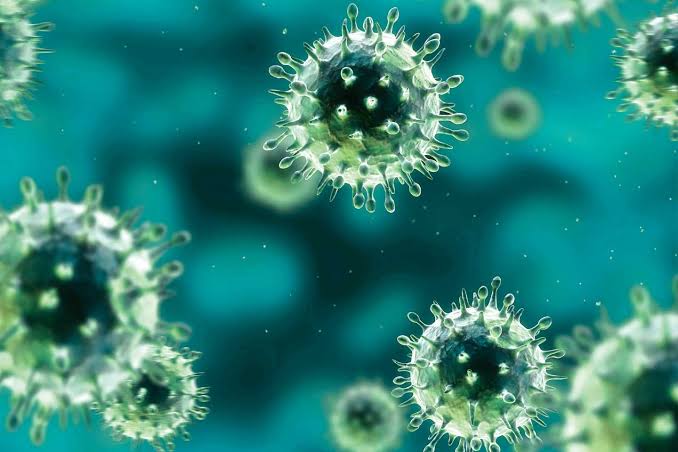
The term “germ” encompasses an army of tiny terrors, including viruses, fungi, parasites, and bacteria. These “pathogens” all have the ability to spread from victim to victim(called a host). Germs are so small you can see them only through a microscope. They look like spiky blogs, oozing spirals,hairy hotdogs, or other microscopic monsters.

Why are germs bad for us?

These microorganisms hitch a ride into our bodies on the food we eat, in the air we breathe, or through a variety of other methods. Once they have invaded our personal spaces, germs reproduce and create toxic waste, which triggers our body’s most repulsive reactions. They make us sniffle, upchuck, run to the toilet, break out in rashes and fevers, and suffer even more unpleasant symptoms.

How do we get sick from viruses?

Most viruses are frail little things ( unlike bacteria and fungi, viruses are not even alive ) that can multiply only inside a living host ( including animals, plants, and even bacteria). There they spread overwhelming and attacking the host’s immune system and causing all sorts of nasty symptoms. Colds, flus, chicken pox, immune disorders, and measles are caused by viruses. Among the worst is a Ebola, which triggers bleeding and is fatal more than half the people who catch it.

How do we get sick from fungi?

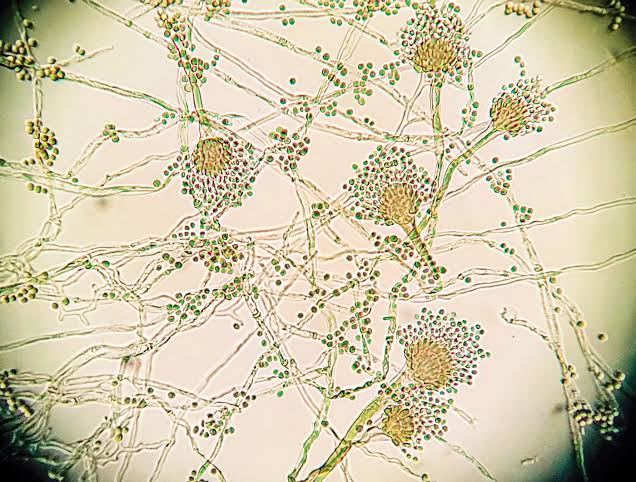
Fungi are microscopic molds, yeasts, and other plant like pathogens that thrive in wet, warm places like our armpits, our belly buttons, and the dank spaces between our toes. They feed on our respect and dead tissues and produce stinky wastes that irritate our skin.

How do we get sick from parasites?

This ghastly germ group includes itty-bitty insect larvae, amoebas, and one celled organisms called Protozoa that live in nasty food, damp soil, or dirty water. Parasites depend on a living host for their survival. They sneak into our bodies in tainted water and food, costing of all sorts of gastrointestinal gripes: diarrhoea, vomiting, upset stomachs, and worse. Malaria – common diseases that causes chills, shaking, and fevers – is spread by a parasite passed in mosquito bites. These life-sucking relationships are often the stuff of nightmares.

How do we get sick from bacteria?

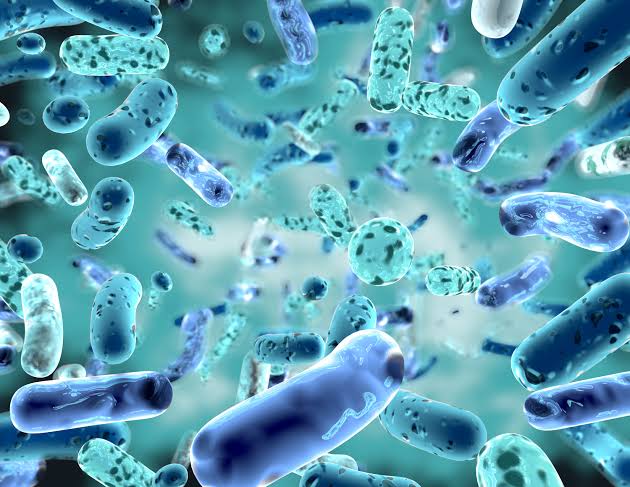
Unlike viruses, bacteria are living single celled organisms that can reproduce both outside and inside the body. Like all living things, bacteria create waste -microscopic poops that can act as a poison inside the host. You can blame sore throat, ear infections and tooth-tartar buildup on bacteria. One of the most famous bacteria is Escherichia coli. This rod shaped micorbe lives deep in your intestines, the body’s busiest bacterial neighborhood. Harmful ones make you puke for days.E.coli strains produce an important vitamin. That’s right – some bacteria are actually good for you!

How many bacteria are inside our body right now?

Your body is built of trillions of itty-bitty living blobs, called cells, that work together to make you you. But for every cell you call your own, ten foreign bacteria cluster around or near it. You are a microbe metropolis! Scientists call these communities of foreign bacteria your body’s “flora”, and no two people host the same mix of microorganisms. In fact, scientists are beginning to think of your flora as just another organ.

Can we see these bacteria?

No, they are microscopic. But you can certainly smell them. Like any living thing, bacteria eat, reproduce,die, and create waste which can make your life stink – literally !(Bacteria are the source of bad breath and body odor.)

Benefits of Bacteria

Your gut reaction might be to wrinkle your nose at the thought of bacteria inside your guts, but it turns out that many so-called good bacteria are essential to your health, the survival of life on Earth, and the making of tasty foods. Behold, the benefits of a microscopic allies…

Health boosting

Your body’s microbes support your immune system, which fights sickness.

Plant feeding

Blue-green algae and other types of bacteria convert the nitrogen in the air into compounds plants can use.

Food processing

Micorbes in our innards play a huge role in the digestive process, helping us absorb nutrients and vitamins from our food.

Food making

Bacteria are a vital ingredient in the process of turning milk into yogurt and tasty cheeses. The holes in Swiss cheese are created by carbon dioxide bubbles exhaled by bacteria during the cheese making process.

Planet Cleaning

Bacteria breakdown dead animals and plants, which “decompose” into nutrients for the living.

References :

WHY?-Answers to everything, Image publications.

INTRODUCTION TO THE KNEE DISORDERS

When there are some imbalances within the knee then it can lead to disorders which can be indicated by deviation of the knee in terms of function. Most of these disorders occur due to some conditions imposed onto the structures present inside the knee.

BURSITIS: – inflammation (burning sensation) of the bursa causes pain.

(TIP- a word ending with itis refers to inflammation)

FAT PAD IMPINGEMENT: – the fat pad gets swollen heavily and can burst due to over-expansion.

TENDINITIS: – inflammation of a tendon

TORN MENISCUS: – a sudden twist of the knee can tear the rubbery cartilage leading to serious issues.

FRACTURE: – the bones surrounding the joint may get broken especially the patella is viable to damage in the case of accidents.

DISLOCATION: – the knee bone slips and comes out from its original location leading to excruciating pain.

ACL AND PCL INJURY: – the anterior and posterior cruciate ligament gets torn which may occur when there are a lot of instantaneous turns. However, this occurs rarely since these are very strong ligaments naturally. 

OSGOOD-SCHLATTER DISEASE: – this is the swelling of the tendon between the tibia and patellar muscles.

STRAIN AND SPRAIN: – both are injuries but strain occurs in ligaments whereas sprain occurs in tendons.

These are some of the common disorders occurring to the knee. All of these disorders have something in common….PAIN but the intensity can vary based on time and severity of the disorder

ARTHRITIS                                                      

Arthritis is a commonly used word referring to the inflammation of joints. In fact, many people have an intuition that severe pain in the knee corresponds to arthritis mainly in old age groups. This is potentially a dreadful disease and can mainly affect the old aged. Most arthritis occurs over time but some can occur suddenly. Old-aged persons are more prone to this disease. This disease is likely to affect all age groups. This disease is more prevalent in women rather than men since their joints are weaker and more susceptible to motion when compared to men.

differences between normal and arthritic knee joint


In the case of arthritis, the bones start to wear down, the ligaments can tear, inflammation and swelling can occur, and also lead to internal bleeding (hematoma). There are about 100+ types of arthritis with different causes and symptoms.

comparisons between some of the arthritis

The different types of arthritis have symptoms different from each other. But arthritis, in general, shows some symptoms irrespective of the type.

Joint pain, stiffness in joints, red swollen mass, deranged and irregular motion is some of the common symptoms exhibited during arthritis. These symptoms are easy to identify by a common man and hence one can consult a medical practitioner known as a rheumatologist. The study of joints is known as arthrology and it is recommended to consult such a person.

As mentioned earlier cartilage is the one that protects the bones and also acts as a shock absorber. In the case of Osteoarthritis, this cartilage starts to vanish slowly. In the case of rheumatoid arthritis, the synovial fluid gets attacked by its own antibodies!!! This phenomenon in medicine is known as autoimmune disease and occurs due to error in the programming of these cells leading to the attack on their own cells.

In the case of gouty arthritis, there is a deposition of sodium urate crystals in the joints. It can lead to redness, pain, and heat around the joint. Uric acid which is generated in our body gets converted to purines (an essential component in DNA). Increased uric acid levels can lead to its deposition in the form of crystals. The best way is to remove the synovial fluid.

So these are the different types of disorders that can be seen in the knee. Proper diet and exercise and a healthy lifestyle can prevent most of them. So it is essential to be healthy to prevent the occurrence of these diseases.

HAPPY READING!!

Nyctophobia- A Disease?

“ Did you finish watching that horror movie?”

Yes!

“ What did it cost?”

36 mini heart attacks and 2 sleepless nights. That’s it.

If you can relate to this, guess what, you are nyctophobic. In simple terms, nyctophobia means the fear of the dark.

But don’t panic, you are not alone. Nyctophobia is the third most common phobia of all phobias, so you are not the only one who sees immortal figures at night. But that does not mean that you shouldn’t take it seriously. Also, guess what? It can go away.

Nyctophobia should not be confused with phasmophobia though. Phasmophobia is the fear of ghosts but nyctophobia includes a lot of things. Fear from anything which has an evil or a dark side.

While this type of phobia cannot surely be referred as a mental disease, it is, however a mental condition. But you do need to go to a psychiatrist for it and again IT SHOULD NOT BE IGNORED.

SO let us talk about it for once.

Physical symptoms include:

  • trouble breathing
  • racing heart rate
  • chest tightness or pain
  • shaking, trembling, or tingling sensations
  • lightheadedness or dizziness
  • upset stomach
  • hot or cold flashes
  • sweating
  • crying out of stress

Emotional symptoms include:

  • overwhelming feelings of anxiety or panic
  • an intense need to escape the situation
  • detachment from self or feeling “unreal”
  • losing control or feeling crazy
  • feeling like you may die or lose consciousness
  • feeling powerless over your fear

Basically, a person with nyctophobia sees things that aren’t present there. Not only ghosts or monsters, but they can also imagine that somebody wants to kill them or something. Most people with this condition cannot even sleep alone with the lights switched off, because they are not able to convince their mind that THEY ARE sleeping alone in fact. If you know what I mean.

In my case, for example, whenever I used to sleep alone and I closed my eyes, my mind used to tell me that there was somebody standing inside the room staring at me and I used to end up opening my eyes each time. According to my mom, it was very normal of anybody on this planet to not be able to sleep alone for about 2-3 nights after watching a haunted movie or something and so I do not need a psychiatrist. But you know that you are nyctophobic when there is another haunted movie going on inside your head each day even without taking a glimpse of it on tv. So now, after a lot of persuasions, my mom is convinced to allow me to see a psychologist.

This war is difficult to win and I know it because you have got to fight a long battle with your own mind over here and oh boy your subconscious is more powerful and strong than you know. So, the following are some things you can do to get a strong spell on your own subconscious and overcome this fear of the dark:

1. MEDITATE – This one is very important. It is going to help you to peace out your mind. It will help you get in terms with your subconscious. You can meditate daily for 20- 30 minutes any time of the day.

2. Believe in god- Even if you aren’t a very religious person, just believing that there is a greater force out there that is holding something positive for you can help a lot. And yes, it is tried and tested.

3. Medicate- Yes, there are drugs like Antidepressants and anti-anxiety medications that can control the physical reactions you have to the dark, like racing heart and panic attacks. But this cure is pretty temporary and not really advisable because it may start to affect your health.

4. Cognitive Behavioral Therapy [CBT] – The success rate of this therapy is over 90% and it is very much long-term. You will have to consult a therapist or psychiatrist for this.

5. Avoid watching movies or shows that scare you. This can decrease your level of anxiety at night.

6. Start with little steps. You can start by leaving a little light lamp ON at night and then go to sleeping in complete darkness.

7. CONSULT AAAAA THEERRRRAAAPIISSSSTTT ! Because if you simply don’t, this fear can start to have adverse effects on your health. It will affect the amount and quality of your sleep and cause sleep deprivation. THIS can interfere with our daily life chores. This fear can lead you to take sleeping pills, which as we all know are not trustable enough in regards to our health as well.

And finally,

There aren’t any well-defined causes of this type of fear. It can be genetic or hereditary, if any of your parents have it, there are high chances of them passing it on to you. It can also be caused through the memories of any bad incidents in the past like the death of a loved one, or an accident. Or it can be NATURAL, and it might go away with your growing age.

Lastly, you should definitely not ignore this phobia as it can persist for a lifetime if not taken care of. You should not, however, panic or feel embarrassed because of your fears and should tell your parents asap because these types of phobias are pretty common and can naturally be found in any person. So just cherish your life and realize that there is a bodacious side to the darkness that is waiting to be discovered and admired by you : )