Twenty-two years ago, on JULY 26, the Indian Army with armed forces recaptured all posts in Kargil, Jammu and Kashmir which were captured by Pakistan’s Army. Since then it is a day to commemorate the victory of the Indian Army over Pakistan’s Army. This is called the ‘Kargil war’ or ‘Kargil conflict’. The Kargil war became the first ‘live’ war in South Asia and it was given such detailed media coverage all over the world.
India
The War
It was an armed conflict fought between India and Pakistan from May to July 1999 in the Kargil district of Kashmir(now Ladakh). In India, they referred to it as “Operation Vijay”. The war took place between 3 May -26 July 1999 which was exactly two months, three weeks, and two days.
Cause of War
It began with the infiltration of both regular Pakistani troops and terrorists into Indian territory. The intruders positioned themselves in key locations that gave them a strategic advantage during the start of the conflict. They disguised themselves as Kashmiri militants on the Indian side of LOC.
The Indian Army
The Indian Army was lead by Gen.Ved Prakash Malik of Indian ground troop and ACM Anil Yashwant Tipnis of Indian Air Force. In India, the operation was given the codename “Operation Safed Sagar”.
The Indian Army, supported by The Indian Air Force recaptured the majority of the positions in the Indian side of the LOC. The Indian Army had a strength of about 30,000 which was strong enough to win Pakistan Troops.
The Cost of War
The victory came at a high price. The official death toll on the Indian side was 527 and 1623 wounded, while that on the Pakistani side was between 357-453 and 1000+ wounded. But also for India, it created a good impact on the stock hike by 30% from the end of the Kargil war to February 2000.
The Indian Army after victory at Kargil
Kargil Vijay Diwas
The Indian Army declared the mission successful on July 26, 1999. Since then the day has been celebrated annually as Kargil Vijay Diwas.
Media is considered as an important element of a free and independent society, as it is the mode of provision of all the necessary news and information to the general citizens of the country. Basically, media refers to the communication outlets or tools that are used to store and deliver the information or data. The above statement explains the basic role of the media, and further the components are communication industry, the news media, print media publishing, photography, cinematics, broadcasting, advertising etc. Thus, media is a vast field and has the responsibility of communicating each and every necessary information to the lowest most level of the hierarchical structure.
In India, the media is considered as the fourth pillar of democracy, as it supplies all the political news to the citizens and help the voters to make a fair and reasonable decision. Also, they identify the problems in the society and serve as a medium for deliberation. Media also work as a representative of the group to raise voice for their well-being and keep a check upon the different activities in the country to analysis the quality of the services being provided to the citizens. Therefore, it can be said that the media plays an important role in the free and fair play of the government and other authorities and ensure the equal application of the principles of a democratic nation in the country like India.
The media is regarded as an important part of the Indian Democracy because, it is an ideal illustration to strengthen the concept/Right of freedom to speech and expression. The media helps the citizen to be an active participant in the political, economic as well as social happenings of the nation, through the dissemination of the necessary information to them on timely bases. As stated in the above paragraph, the media acts as a representative of the citizens and stand for their needs and demands in front of the government. In the similar manner, the media informs the government about the current requirements of the citizens and help them to design their public welfare policies accordingly. Media has a huge contribution in bringing up the reforms in the nation, through raising voice against the unjustifiable and illegal actions of certain individuals, whether the political leaders or a normal citizen. The media helps in exposing the corrupt individuals in public and private agencies and allow the deserving hard working individuals to come forward and avail the opportunities. The media is the voice of the marginalized people of the nation, they empower the poor and vulnerable people by providing them with a platform through which they can approach to the specific authority.
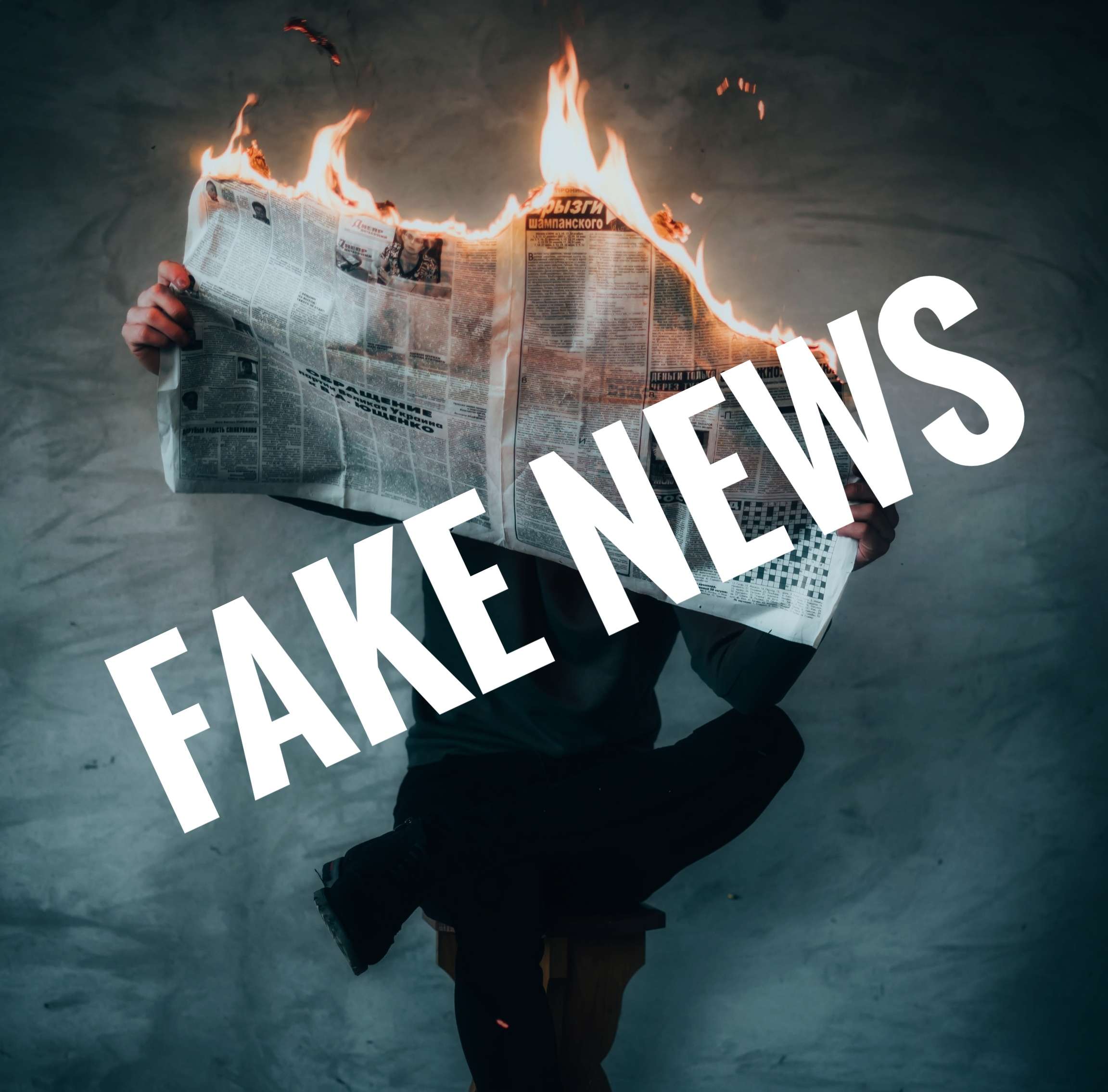
However, the deficiencies and shortcomings of the media industry cannot be overlooked; the Indian Media is considered to be an important part of the democratic system, whereas, it is characterized by corruption. The World Press Freedom Index 2020 puts India at 142nd rank with respect to the freedom and fairness of the media, this highlights that Indian Media still has to go on a long track to achieve complete transparency. The corruptive and biased actions of the Media hamper the smooth functioning of the democracy. The media industry in India is easily controlled by the political leaders, the authoritative heads, cooperates, etc., this leads to spread of fake news and misleads the viewers/readers. Media accountability has been reducing and there is no coverage of any issues in a holistic or comprehensive manner, the weightage is given to only a favorable part of the news and no complete knowledge is provided to the citizens.
The Indian Media has been facing certain issues that is causing corruption and biasedness in the country. On of the problem is Paid News, the Press Council refer it as any news or analysis that appears in the newspaper or media in return of the price or consideration paid for the printing of the same. In the last few decades, the cooperates, political leaders and other influencing personalities have started viewing news and media as an advertising agency, they have been making continuous attempts to get their new printed through payment of some nominal amount. Also, due to increasing number of news channels and outlets, some of them are falling prey to these corruptive activities, this is affecting the reality and truthfulness of the news and also misleading the innocent citizens. Other than this, the media industry is also prone to other issues like Fake News, Sensationalisation of news, declining press freedom, etc.
Therefore, it is the need of the hour to make policies and enforce laws to regulating and diagnoses the working of the media industry to help ensure necessary development and application of the principle of free democratic society. The media needs to perform their duties and responsibilities with honesty and commitment to gain and maintain the confidence of the citizens on them. The corrupt and biased media will eliminate the necessary moral principles and become problematic for the society.



 Track2Training
You must be logged in to post a comment.